17 pages, 4306 KB  
Article
Fatal Epileptic Seizures in Mice Having Compromised Glutathione and Ascorbic Acid Biosynthesis
by Ying Chen, Katherine D. Holland, Howard G. Shertzer, Daniel W. Nebert and Timothy P. Dalton
Antioxidants 2023, 12(2), 448; https://doi.org/10.3390/antiox12020448 - 10 Feb 2023
Cited by 2 | Viewed by 3302
Abstract
Reduced glutathione (GSH) and ascorbic acid (AA) are the two most abundant low-molecular-weight antioxidants in mammalian tissues. GclmKO knockout mice lack the gene encoding the modifier subunit of the rate-limiting enzyme in GSH biosynthesis; GclmKO mice exhibit 10–40% of normal tissue [...] Read more.
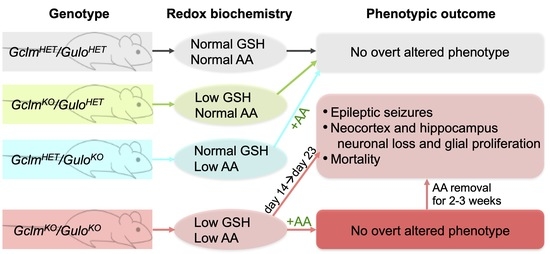
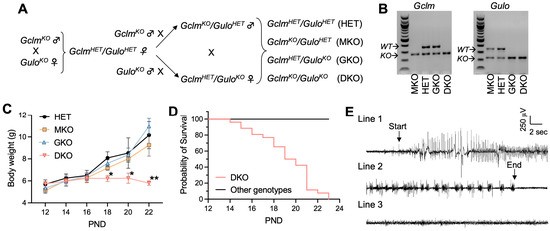
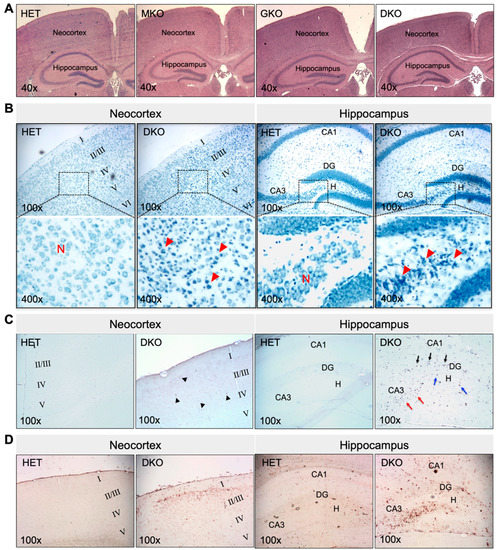
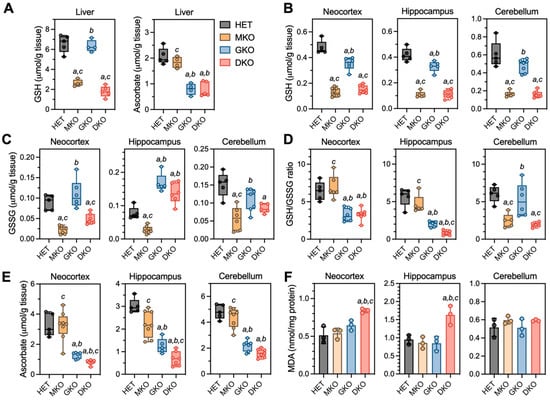
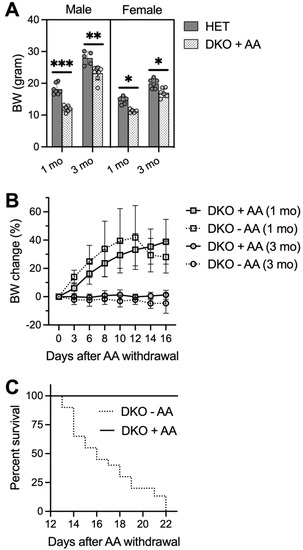
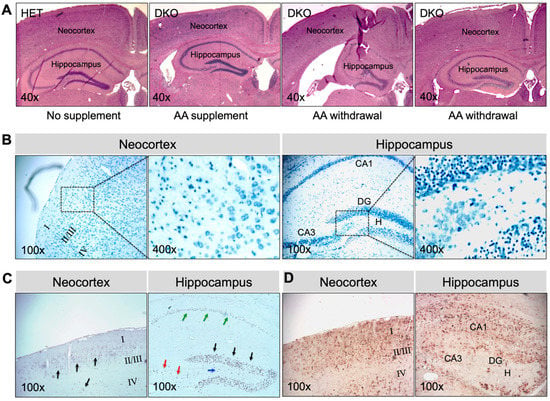
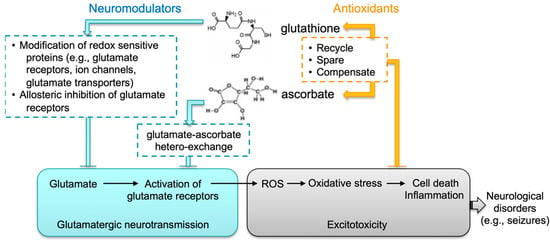
Reduced glutathione (GSH) and ascorbic acid (AA) are the two most abundant low-molecular-weight antioxidants in mammalian tissues. GclmKO knockout mice lack the gene encoding the modifier subunit of the rate-limiting enzyme in GSH biosynthesis; GclmKO mice exhibit 10–40% of normal tissue GSH levels and show no overt phenotype. GuloKO knockout mice, lacking a functional Gulo gene encoding L-gulono-γ-lactone oxidase, cannot synthesize AA and depend on dietary ascorbic acid for survival. To elucidate functional crosstalk between GSH and AA in vivo, we generated the GclmKO/GuloKO double-knockout (DKO) mouse. DKO mice exhibited spontaneous epileptic seizures, proceeding to death between postnatal day (PND)14 and PND23. Histologically, DKO mice displayed neuronal loss and glial proliferation in the neocortex and hippocampus. Epileptic seizures and brain pathology in young DKO mice could be prevented with AA supplementation in drinking water (1 g/L). Remarkably, in AA-rescued adult DKO mice, the removal of AA supplementation for 2–3 weeks resulted in similar, but more severe, neocortex and hippocampal pathology and seizures, with death occurring between 12 and 21 days later. These results provide direct evidence for an indispensable, yet underappreciated, role for the interplay between GSH and AA in normal brain function and neuronal health. We speculate that the functional crosstalk between GSH and AA plays an important role in regulating glutamatergic neurotransmission and in protecting against excitotoxicity-induced brain damage. Full article
(This article belongs to the Topic Antioxidants and Oxidative Stress in Brain Health)
Show Figures

Graphical abstract
20 pages, 4222 KB  
Article
Phosphorylation of the Human DNA Glycosylase NEIL2 Is Affected by Oxidative Stress and Modulates Its Activity
by Camilla Myrup Holst, Nanna Brøndum Andersen, Vibeke Thinggaard, Mine Tilken, Sofie Lautrup, Cinzia Tesauro and Tinna Stevnsner
Antioxidants 2023, 12(2), 355; https://doi.org/10.3390/antiox12020355 - 2 Feb 2023
Cited by 5 | Viewed by 3301
Abstract
The DNA glycosylase NEIL2 plays a central role in maintaining genome integrity, in particular during oxidative stress, by recognizing oxidized base lesions and initiating repair of these via the base excision repair (BER) pathway. Post-translational modifications are important molecular switches that regulate and [...] Read more.
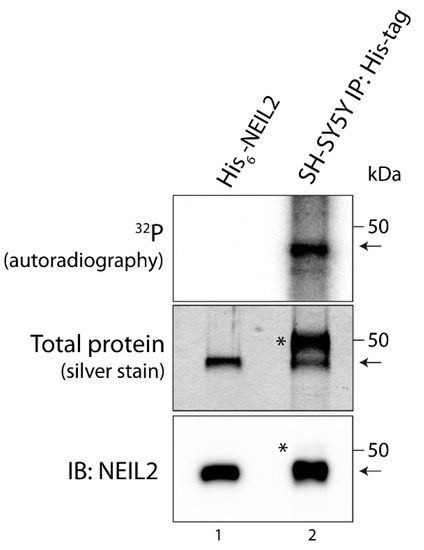
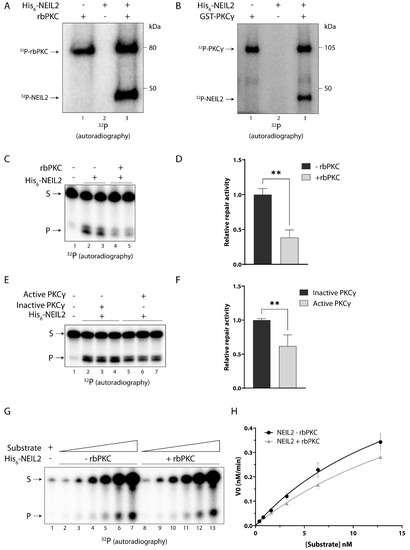
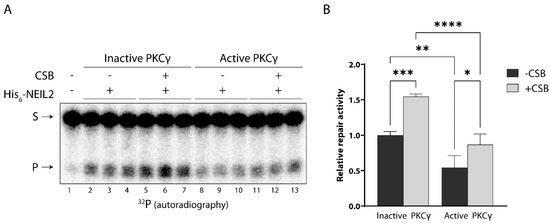
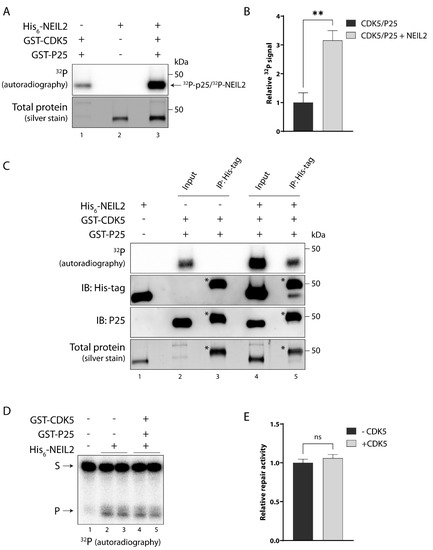
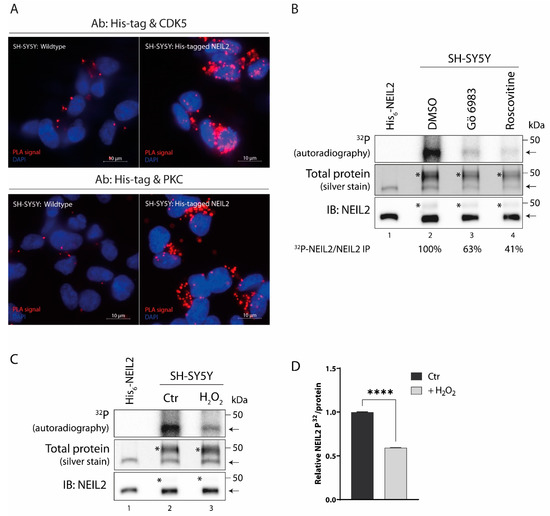
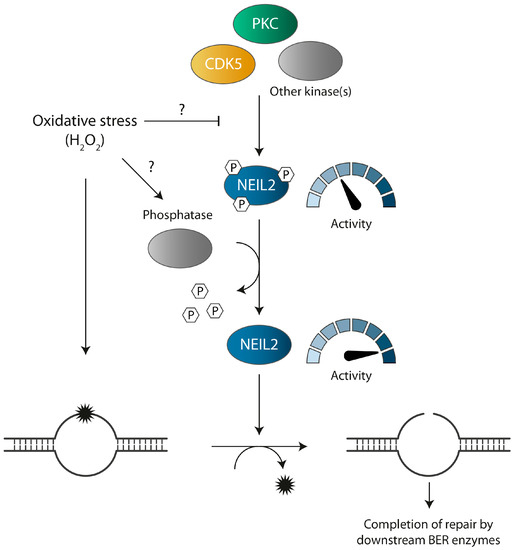
The DNA glycosylase NEIL2 plays a central role in maintaining genome integrity, in particular during oxidative stress, by recognizing oxidized base lesions and initiating repair of these via the base excision repair (BER) pathway. Post-translational modifications are important molecular switches that regulate and coordinate the BER pathway, and thereby enable a rapid and fine-tuned response to DNA damage. Here, we report for the first time that human NEIL2 is regulated by phosphorylation. We demonstrate that NEIL2 is phosphorylated by the two kinases cyclin-dependent kinase 5 (CDK5) and protein kinase C (PKC) in vitro and in human SH-SY5Y neuroblastoma cells. The phosphorylation of NEIL2 by PKC causes a substantial reduction in NEIL2 repair activity, while CDK5 does not directly alter the enzymatic activity of NEIL2 in vitro, suggesting distinct modes of regulating NEIL2 function by the two kinases. Interestingly, we show a rapid dephosphorylation of NEIL2 in response to oxidative stress in SH-SY5Y cells. This points to phosphorylation as an important modulator of NEIL2 function in this cellular model, not least during oxidative stress. Full article
Show Figures

Figure 1

21 pages, 2326 KB  
Article
A Buried Water Network Modulates the Activity of the Escherichia coli Disulphide Catalyst DsbA
by Geqing Wang, Jilong Qin, Anthony D. Verderosa, Lilian Hor, Carlos Santos-Martin, Jason J. Paxman, Jennifer L. Martin, Makrina Totsika and Begoña Heras
Antioxidants 2023, 12(2), 380; https://doi.org/10.3390/antiox12020380 - 4 Feb 2023
Cited by 4 | Viewed by 3297
Abstract
The formation of disulphide bonds is an essential step in the folding of many proteins that enter the secretory pathway; therefore, it is not surprising that eukaryotic and prokaryotic organisms have dedicated enzymatic systems to catalyse this process. In bacteria, one such enzyme [...] Read more.
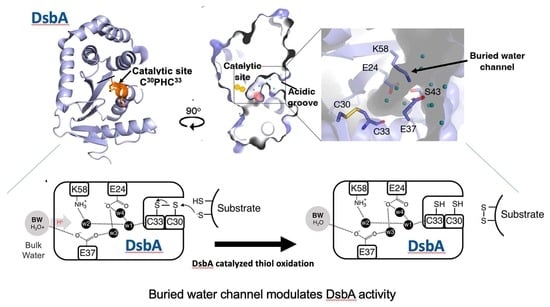
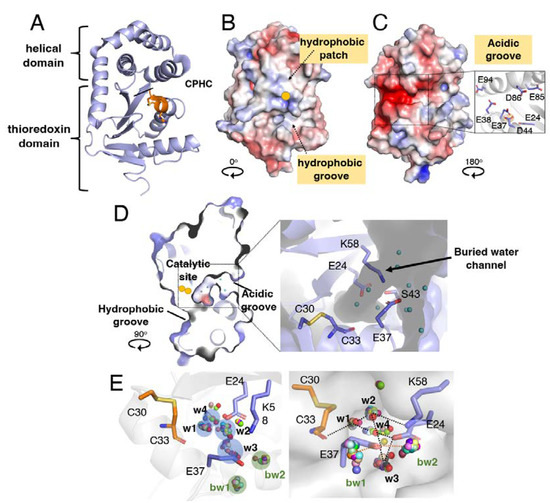
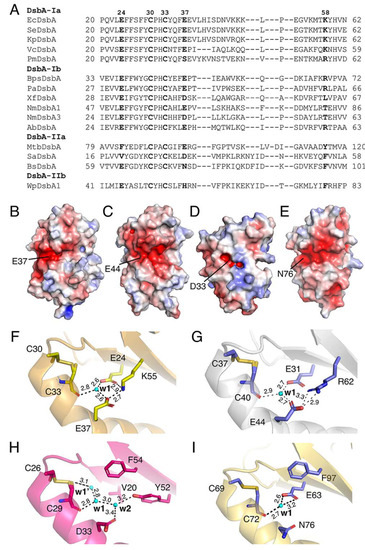
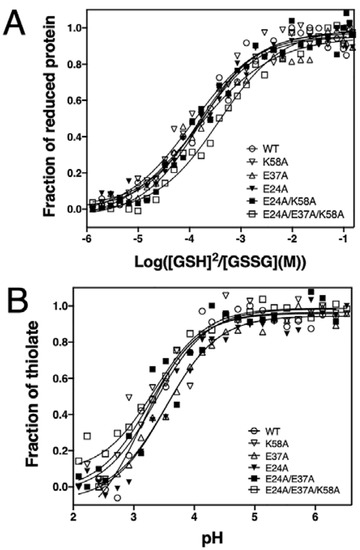
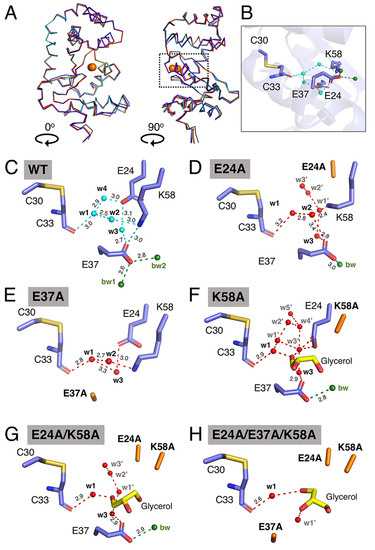
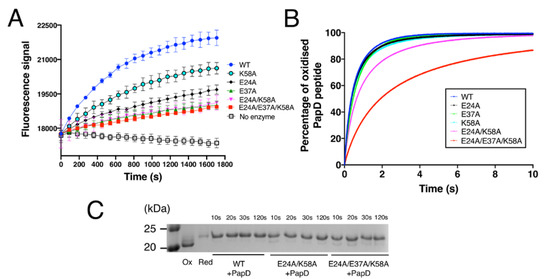
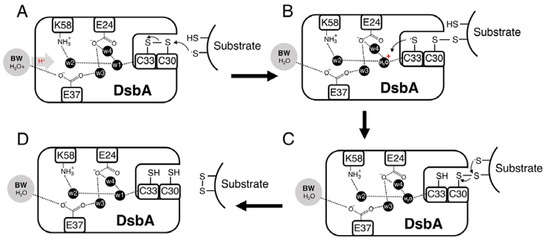
The formation of disulphide bonds is an essential step in the folding of many proteins that enter the secretory pathway; therefore, it is not surprising that eukaryotic and prokaryotic organisms have dedicated enzymatic systems to catalyse this process. In bacteria, one such enzyme is disulphide bond-forming protein A (DsbA), a thioredoxin-like thiol oxidase that catalyses the oxidative folding of proteins required for virulence and fitness. A large body of work on DsbA proteins, particularly Escherichia coli DsbA (EcDsbA), has demonstrated the key role that the Cys30-XX-Cys33 catalytic motif and its unique redox properties play in the thiol oxidase activity of this enzyme. Using mutational and functional analyses, here we identify that a set of charged residues, which form an acidic groove on the non-catalytic face of the enzyme, further modulate the activity of EcDsbA. Our high-resolution structures indicate that these residues form a water-mediated proton wire that can transfer protons from the bulk solvent to the active site. Our results support the view that proton shuffling may facilitate the stabilisation of the buried Cys33 thiolate formed during the redox reaction and promote the correct direction of the EcDsbA–substrate thiol–disulphide exchange. Comparison with other proteins of the same class and proteins of the thioredoxin-superfamily in general suggest that a proton relay system appears to be a conserved catalytic feature among this widespread superfamily of proteins. Furthermore, this study also indicates that the acidic groove of DsbA could be a promising allosteric site to develop novel DsbA inhibitors as antibacterial therapeutics. Full article
(This article belongs to the Special Issue The Importance of Thioredoxin System for Redox Regulation and Health)
Show Figures

Graphical abstract
19 pages, 6044 KB  
Review
Oxidative Stress Modulation by ncRNAs and Their Emerging Role as Therapeutic Targets in Atherosclerosis and Non-Alcoholic Fatty Liver Disease
by Jorge Infante-Menéndez, Paula González-López, Raquel Huertas-Lárez, Almudena Gómez-Hernández and Óscar Escribano
Antioxidants 2023, 12(2), 262; https://doi.org/10.3390/antiox12020262 - 24 Jan 2023
Cited by 7 | Viewed by 3296
Abstract
Atherosclerosis and non-alcoholic fatty liver disease (NAFLD) are pathologies related to ectopic fat accumulation, both of which are continuously increasing in prevalence. These threats are prompting researchers to develop effective therapies for their clinical management. One of the common pathophysiological alterations that underlies [...] Read more.
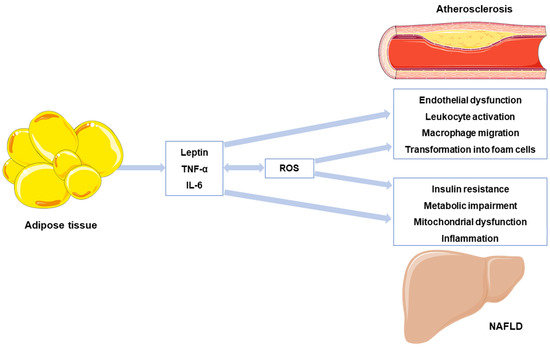
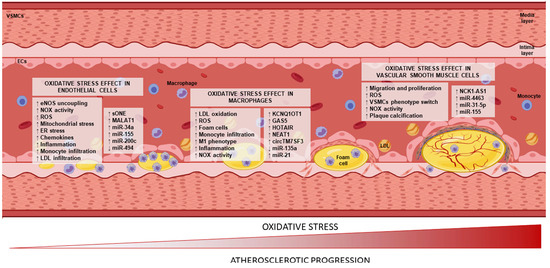
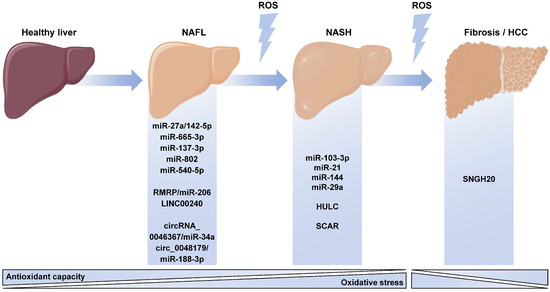
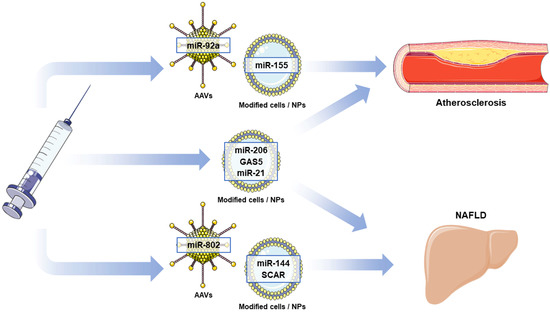
Atherosclerosis and non-alcoholic fatty liver disease (NAFLD) are pathologies related to ectopic fat accumulation, both of which are continuously increasing in prevalence. These threats are prompting researchers to develop effective therapies for their clinical management. One of the common pathophysiological alterations that underlies both diseases is oxidative stress (OxS), which appears as a result of lipid deposition in affected tissues. However, the molecular mechanisms that lead to OxS generation are different in each disease. Non-coding RNAs (ncRNAs) are RNA transcripts that do not encode proteins and function by regulating gene expression. In recent years, the involvement of ncRNAs in OxS modulation has become more recognized. This review summarizes the most recent advances regarding ncRNA-mediated regulation of OxS in atherosclerosis and NAFLD. In both diseases, ncRNAs can exert pro-oxidant or antioxidant functions by regulating gene targets and even other ncRNAs, positioning them as potential therapeutic targets. Interestingly, both diseases have common altered ncRNAs, suggesting that the same molecule can be targeted simultaneously when both diseases coexist. Finally, since some ncRNAs have already been used as therapeutic agents, their roles as potential drugs for the clinical management of atherosclerosis and NAFLD are analyzed. Full article
(This article belongs to the Special Issue 10th Anniversary of Antioxidants—Review Collection)
Show Figures

Figure 1

23 pages, 6661 KB  
Article
Effect-Directed, Chemical and Taxonomic Profiling of Peppermint Proprietary Varieties and Corresponding Leaf Extracts
by Antonio M. Inarejos-Garcia, Julia Heil, Patricia Martorell, Beatriz Álvarez, Silvia Llopis, Ines Helbig, Jie Liu, Bryon Quebbeman, Tim Nemeth, Deven Holmgren and Gertrud E. Morlock
Antioxidants 2023, 12(2), 476; https://doi.org/10.3390/antiox12020476 - 14 Feb 2023
Cited by 12 | Viewed by 3294
Abstract
During the development of novel, standardized peppermint extracts targeting functional applications, it is critical to adequately characterize raw material plant sources to assure quality and consistency of the end-product. This study aimed to characterize existing and proprietary, newly bred varieties of peppermint and [...] Read more.
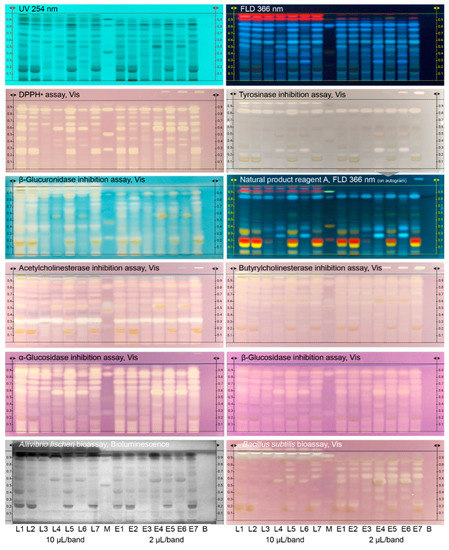
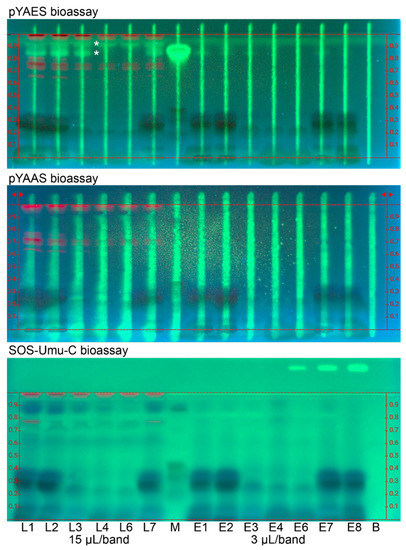
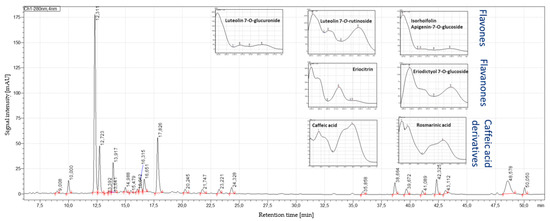
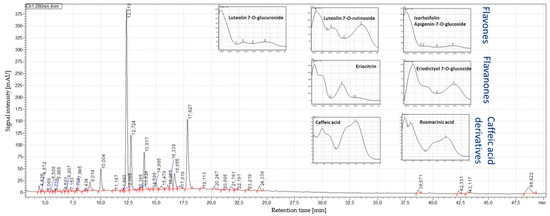
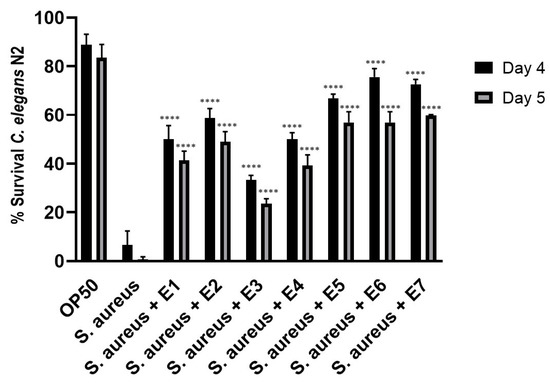
During the development of novel, standardized peppermint extracts targeting functional applications, it is critical to adequately characterize raw material plant sources to assure quality and consistency of the end-product. This study aimed to characterize existing and proprietary, newly bred varieties of peppermint and their corresponding aqueous extract products. Taxonomy was confirmed through genetic authenticity assessment. Non-target effect-directed profiling was developed using high-performance thin-layer chromatography–multi-imaging–effect-directed assays (HPTLC–UV/Vis/FLD–EDA). Results demonstrated substantial differences in compounds associated with functional attributes, notably antioxidant potential, between the peppermint samples. Further chemical analysis by high-performance liquid chromatography–photodiode array/mass spectrometry detection (HPLC–PDA/MS) and headspace solid-phase microextraction–gas chromatography–flame ionization/MS detection (headspace SPME–GC–FID/MS) confirmed compositional differences. A broad variability in the contents of flavonoids and volatiles was observed. The peppermint samples were further screened for their antioxidant potential using the Caenorhabditis elegans model, and the results indicated concordance with observed content differences of the identified functional compounds. These results documented variability among raw materials of peppermint leaves, which can yield highly variable extract products that may result in differing effects on functional targets in vivo. Hence, product standardization via effect-directed profiles is proposed as an appropriate tool. Full article
(This article belongs to the Special Issue Antioxidant Activity of Essential Oils, 2nd Edition)
Show Figures

Figure 1

16 pages, 2068 KB  
Article
Nodakenin Induces ROS-Dependent Apoptotic Cell Death and ER Stress in Radioresistant Breast Cancer
by Tae Woo Kim
Antioxidants 2023, 12(2), 492; https://doi.org/10.3390/antiox12020492 - 15 Feb 2023
Cited by 19 | Viewed by 3287
Abstract
Angelica gigas exerts powerful anti-tumor and anti-cancer effects in various cancer cell types. However, there have been few studies regarding the anti-cancer effect of nodakenin, a bioactive compound of Angelica gigas, in vivo and in vitro on breast cancers. I found that [...] Read more.
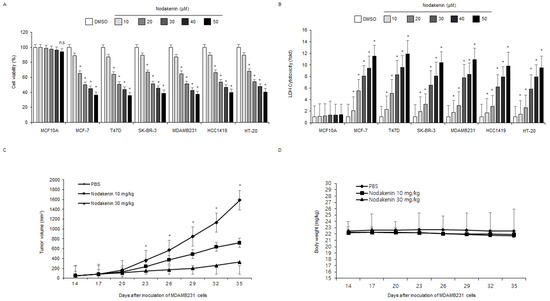
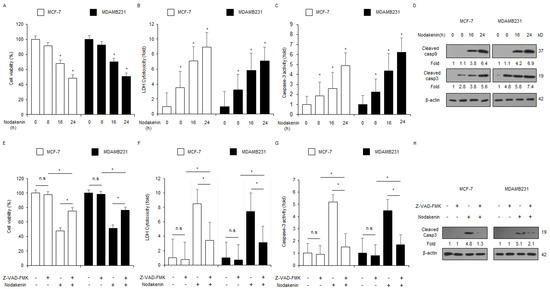
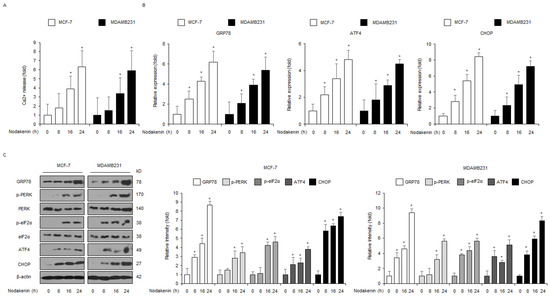
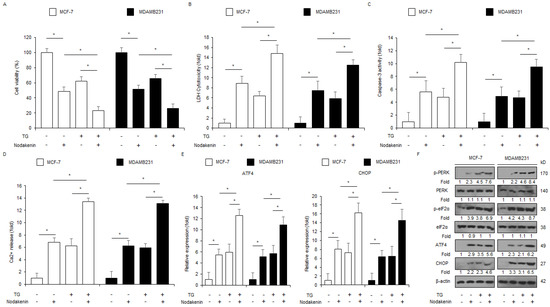
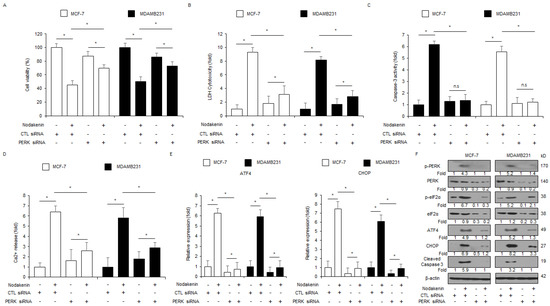
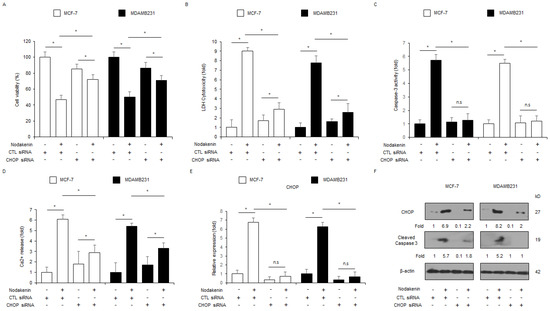
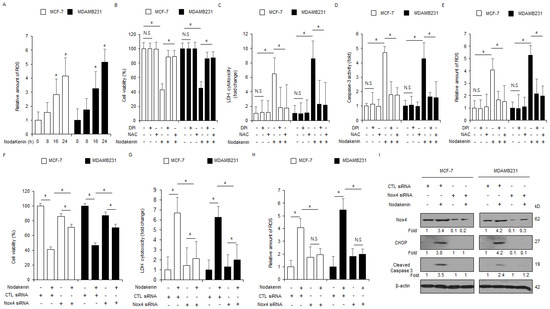
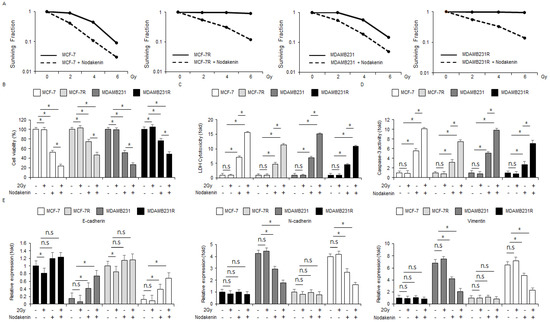
Angelica gigas exerts powerful anti-tumor and anti-cancer effects in various cancer cell types. However, there have been few studies regarding the anti-cancer effect of nodakenin, a bioactive compound of Angelica gigas, in vivo and in vitro on breast cancers. I found that nodakenin, in a concentration-dependent manner, inhibits breast cancer cell viability and decreases the tumor volume in mice. Additionally, nodakenin induces caspase-3-dependent apoptosis in breast cancer cells; however, the combination of Z-VAD-FMK and nodakenin suppresses the caspase-3-dependent apoptotic cell death. Furthermore, nodakenin mediates apoptotic cell death via the PERK-mediated signaling pathway and calcium (Ca2+) release, and nodakenin combined with thapsigargin induces synergistic cell death by inhibiting sarco/endoplasmic reticulum (ER) Ca2+-ATPase. However, knockdown of PERK or CHOP inhibits Ca2+ generation and caspase-dependent apoptosis in nodakenin-treated breast cancer cells. Nodakenin induces ROS and Ca2+ generation, ER stress, and apoptotic cell death; however, the knockdown of Nox4 inhibits ROS generation and ER stress- and caspase-dependent apoptotic cell death. In addition, nodakenin combined with radiation overcomes radioresistance in radioresistant breast cancer cells by suppressing epithelial–mesenchymal transition phenotypes, including the decrease in E-cadherin and the increase in N-cadherin and vimentin. Therefore, these findings indicate that nodakenin may be a novel therapeutic strategy for breast cancers. Full article
(This article belongs to the Special Issue Advances in Plant Antioxidants in Breast and Gastric Cancer Therapy)
Show Figures

Figure 1

15 pages, 3954 KB  
Article
Aflatoxin B1 Induced Oxidative Stress and Gut Microbiota Disorder to Increase the Infection of Cyprinid Herpesvirus 2 in Gibel Carp (Carassius auratus gibelio)
by Mingyang Xue, Miao Fu, Mengwei Zhang, Chen Xu, Yan Meng, Nan Jiang, Yiqun Li, Wenzhi Liu, Yuding Fan and Yong Zhou
Antioxidants 2023, 12(2), 306; https://doi.org/10.3390/antiox12020306 - 28 Jan 2023
Cited by 14 | Viewed by 3287
Abstract
Aflatoxin contamination of food and water is a serious problem worldwide. This study investigated the defensive ability of gibel carp exposed to aflatoxin B1 (AFB1) by challenging it with cyprinid herpesvirus 2 (CyHV-2) infection. The data showed that AFB1 exposure significantly increased the [...] Read more.
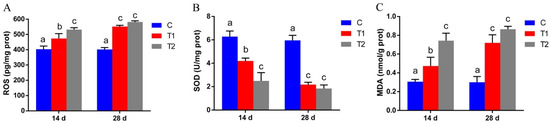
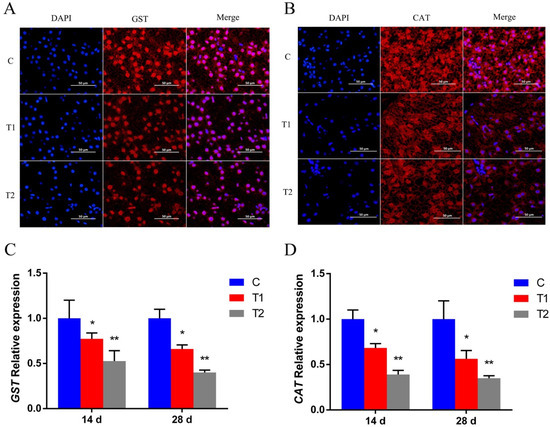
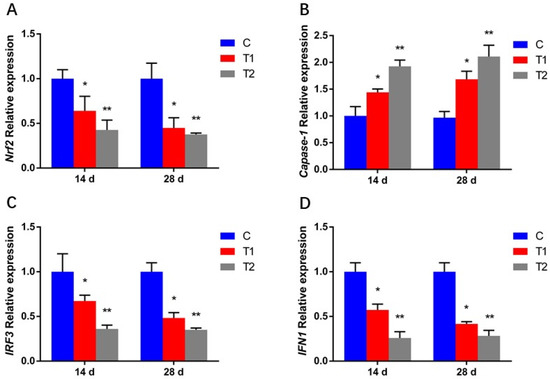
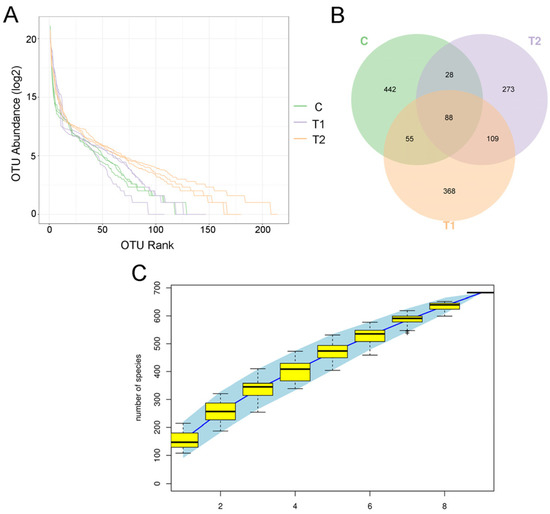
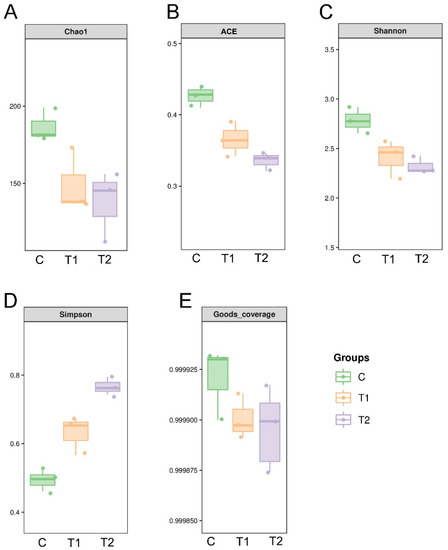
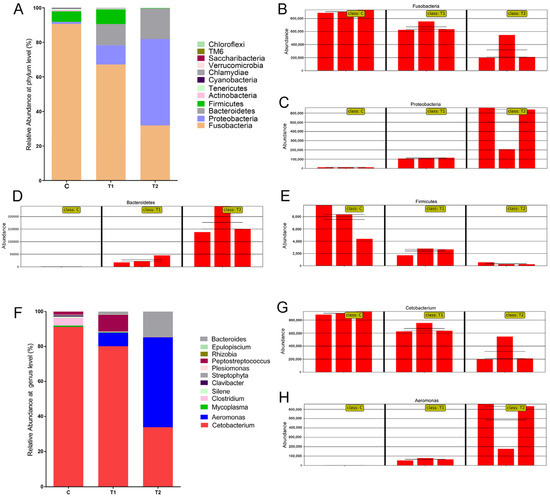
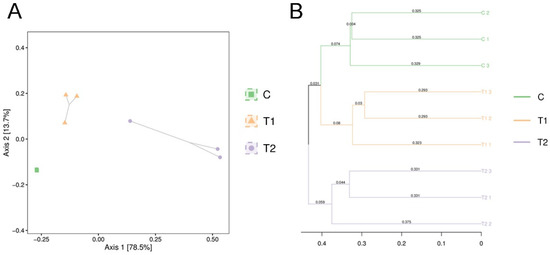
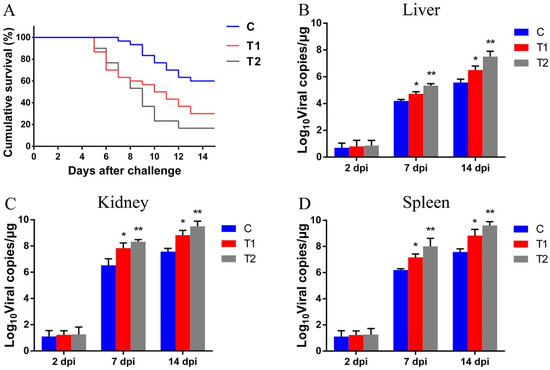
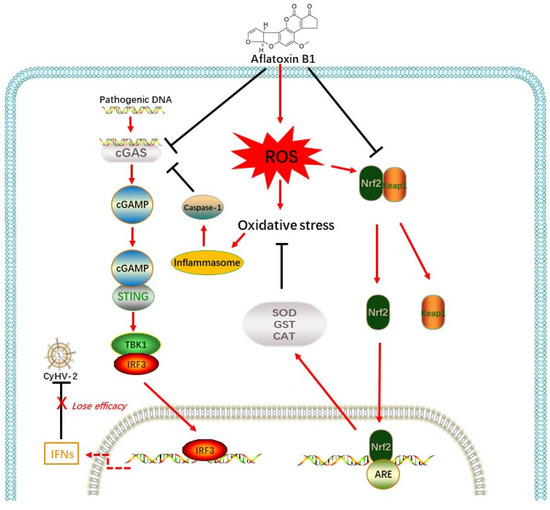
Aflatoxin contamination of food and water is a serious problem worldwide. This study investigated the defensive ability of gibel carp exposed to aflatoxin B1 (AFB1) by challenging it with cyprinid herpesvirus 2 (CyHV-2) infection. The data showed that AFB1 exposure significantly increased the mortality of CyHV-2-infected gibel carp, and enhanced the viral load in the fish liver, kidney, and spleen. The oxidative-antioxidant balance suggested that AFB1 induced severe oxidative stress, including increased reactive oxygen species (ROS) and malondialdehyde (MDA) levels in the AFB1 exposed group, and the reduced activity of superoxide dismutase (SOD), glutathione-S-transferase (GST) and catalase (CAT) in the AFB1 exposed group. Meanwhile, the related expression of nuclear factor erythroid 2-related factor 2 (Nrf2), interferon regulatory factor 3 (IRF3) and the type 1 interferon (IFN1) were noticeably down-regulated, but caspase-1 was up-regulated, after exposure to AFB1, demonstrating that fish are unable to avoid the virus infection. It should be noted that the intestinal microbiota diversity and richness were lower in the AFB1 exposed group, and the composition of intestinal microbiota was affected by AFB1, resulting in the higher abundance of bacteria (such as Aeromonas and Bacteroides) and the lower abundance of potentially beneficial bacteria (such as Cetobacterium and Clostridium) in the AFB1 exposed group. This research provides insight into the possibility that AFB1 may increase the susceptibility of C. gibelio to CyHV-2 infection, and thus amplify the viral outbreak to endanger ecological safety in aquatic environment. Full article
(This article belongs to the Special Issue Oxidative Stress in Aquatic Organisms)
Show Figures

Figure 1

28 pages, 3813 KB  
Article
Protective Effects of Early Caffeine Administration in Hyperoxia-Induced Neurotoxicity in the Juvenile Rat
by Julia Heise, Thomas Schmitz, Christoph Bührer and Stefanie Endesfelder
Antioxidants 2023, 12(2), 295; https://doi.org/10.3390/antiox12020295 - 28 Jan 2023
Cited by 12 | Viewed by 3285
Abstract
High-risk preterm infants are affected by a higher incidence of cognitive developmental deficits due to the unavoidable risk factor of oxygen toxicity. Caffeine is known to have a protective effect in preventing bronchopulmonary dysplasia associated with improved neurologic outcomes, although very early initiation [...] Read more.
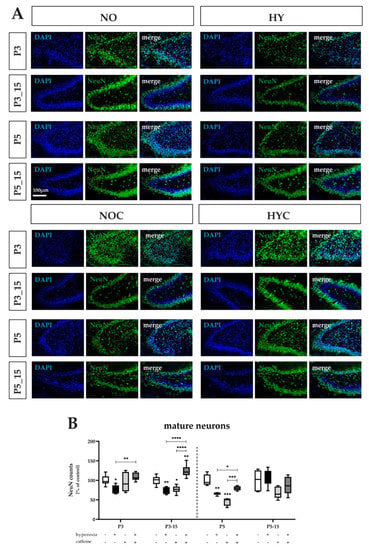
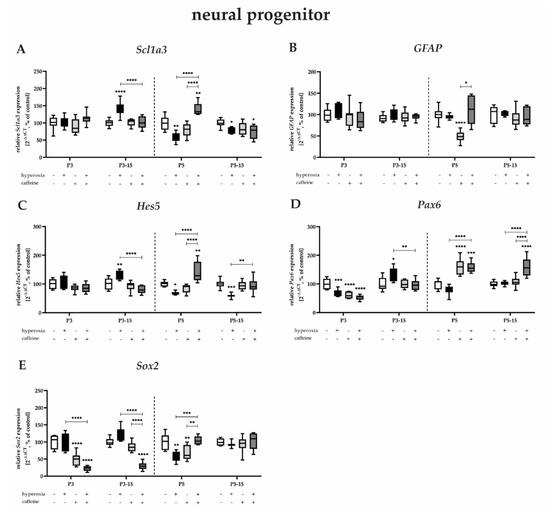
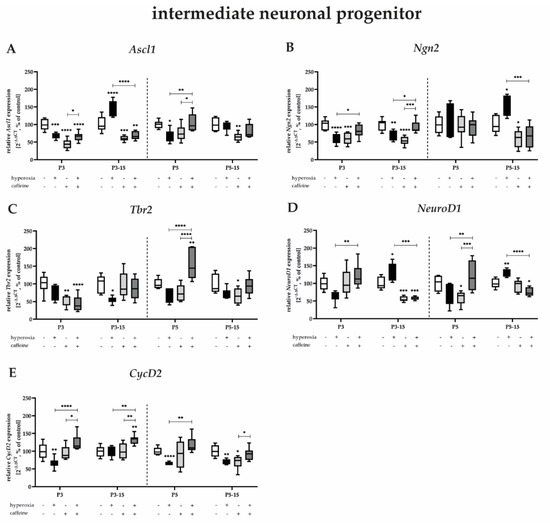
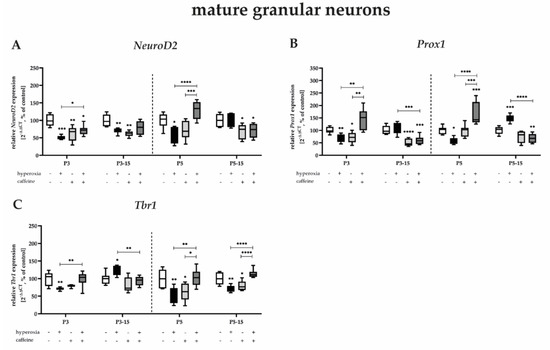
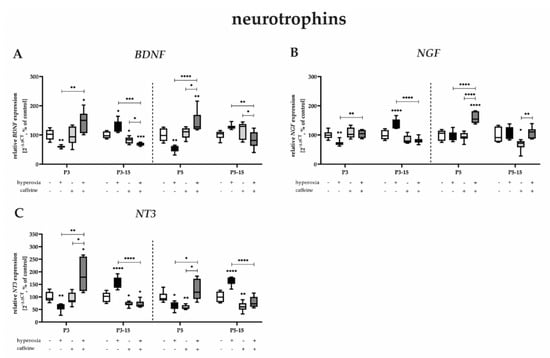
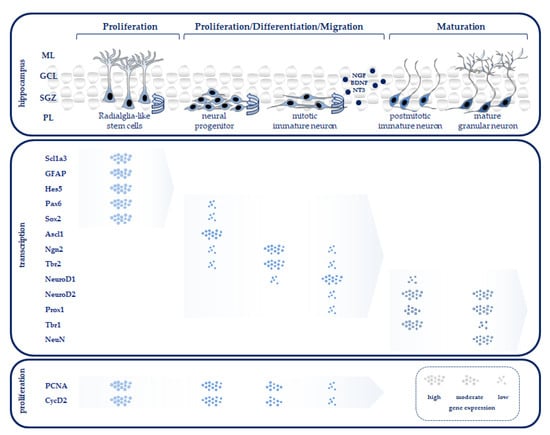
High-risk preterm infants are affected by a higher incidence of cognitive developmental deficits due to the unavoidable risk factor of oxygen toxicity. Caffeine is known to have a protective effect in preventing bronchopulmonary dysplasia associated with improved neurologic outcomes, although very early initiation of therapy is controversial. In this study, we used newborn rats in an oxygen injury model to test the hypothesis that near-birth caffeine administration modulates neuronal maturation and differentiation in the hippocampus of the developing brain. For this purpose, newborn Wistar rats were exposed to 21% or 80% oxygen on the day of birth for 3 or 5 days and treated with vehicle or caffeine (10 mg/kg/48 h). Postnatal exposure to 80% oxygen resulted in a drastic reduction of associated neuronal mediators for radial glia, mitotic/postmitotic neurons, and impaired cell-cycle regulation, predominantly persistent even after recovery to room air until postnatal day 15. Systemic caffeine administration significantly counteracted the effects of oxygen insult on neuronal maturation in the hippocampus. Interestingly, under normoxia, caffeine inhibited the transcription of neuronal mediators of maturing and mature neurons. The early administration of caffeine modulated hyperoxia-induced decreased neurogenesis in the hippocampus and showed neuroprotective properties in the neonatal rat oxygen toxicity model. Full article
(This article belongs to the Special Issue The Role of Antioxidants in Pregnant Woman and Child’s Health)
Show Figures

Figure 1

16 pages, 2183 KB  
Article
Effect of Flavorization on Virgin Olive Oil Oxidation and Volatile Profile
by Enrique Jacobo Díaz-Montaña, Ramón Aparicio-Ruiz and María T. Morales
Antioxidants 2023, 12(2), 242; https://doi.org/10.3390/antiox12020242 - 21 Jan 2023
Cited by 12 | Viewed by 3284
Abstract
The volatile compounds of virgin olive oil (VOO) have an important role from a sensory point of view as they are responsible for the aroma of the oil. Once the oil is obtained, auto-oxidation is the main process contributing to its deterioration, modifying [...] Read more.
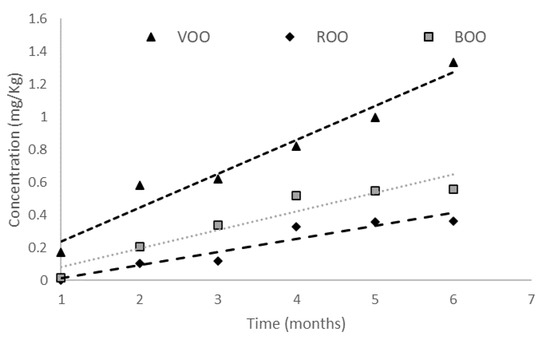
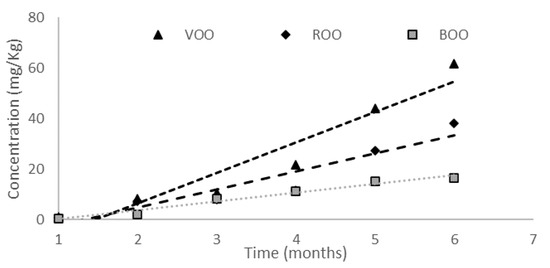
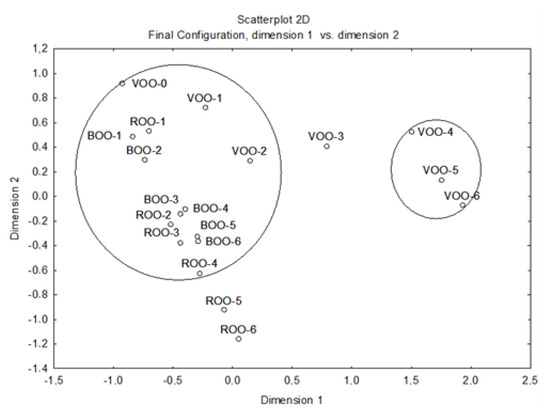
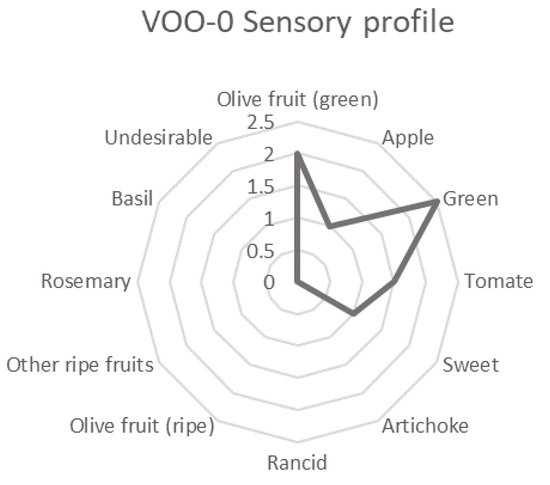
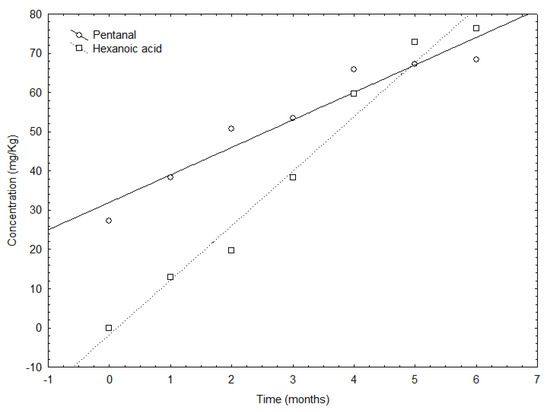
The volatile compounds of virgin olive oil (VOO) have an important role from a sensory point of view as they are responsible for the aroma of the oil. Once the oil is obtained, auto-oxidation is the main process contributing to its deterioration, modifying the volatiles profile and aroma. The addition of aromatic herbs to VOO is a traditional technique to change the flavor and to preserve the oil. The aim of this study was to evaluate the effect on the volatile profile and sensory properties of flavoring VOO with rosemary and basil herbs and its impact on the evolution of the oxidative process during a six-month shelf-life study at 15.7 ± 3.6 °C and exposed to 500 ± 100 lx of light for 12 h each day. The determination of quality parameters, volatiles concentrations and VOO sensory properties and their comparison with the flavored VOO samples showed that the addition of basil or rosemary herbs, in addition to retarding the oxidation of the oil, allowed the discrimination of the flavored samples due to the migration of compounds from herbs to the oil. The aroma of basil olive oil (BOO) samples was mainly due to β-pinene, ocimene and 1,8-cineol compounds while for rosemary olive oil (ROO) samples, their aroma was mainly due to the concentrations of camphene, β-myrcene, α-terpinolene, limonene and 1,8-cineol. From the antioxidant standpoint, the effect of the herbs was more noticeable from the third month onwards. Full article
(This article belongs to the Special Issue Antioxidants and Oxidative Stability in Fats and Oils)
Show Figures

Figure 1

22 pages, 2405 KB  
Article
Fractionation and Characterization of Triterpenoids from Vaccinium vitis-idaea L. Cuticular Waxes and Their Potential as Anticancer Agents
by Gabriele Vilkickyte, Vilma Petrikaite, Mindaugas Marksa, Liudas Ivanauskas, Valdas Jakstas and Lina Raudone
Antioxidants 2023, 12(2), 465; https://doi.org/10.3390/antiox12020465 - 12 Feb 2023
Cited by 19 | Viewed by 3265
Abstract
Fruit and leaf cuticular waxes are valuable source materials for the isolation of triterpenoids that can be applied as natural antioxidants and anticancer agents. The present study aimed at the semi-preparative fractionation of triterpenoids from cuticular wax extracts of Vaccinium vitis-idaea L. (lingonberry) [...] Read more.
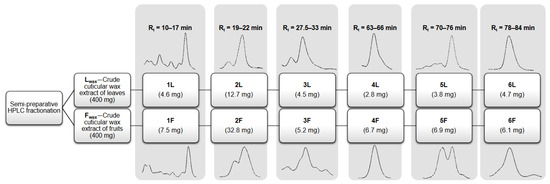
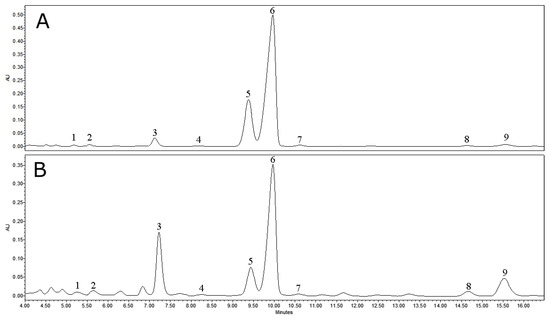
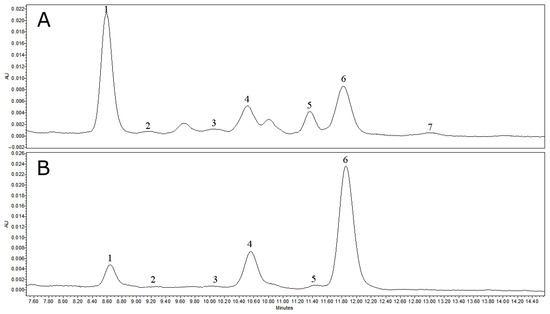
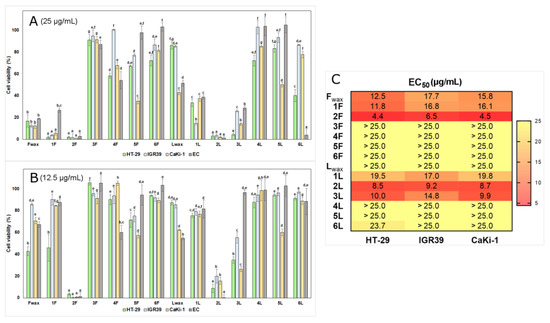
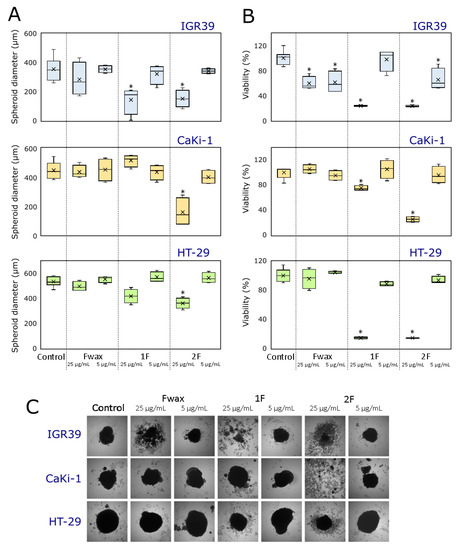
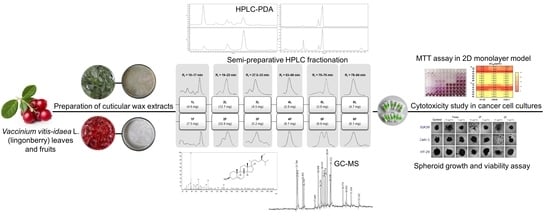
Fruit and leaf cuticular waxes are valuable source materials for the isolation of triterpenoids that can be applied as natural antioxidants and anticancer agents. The present study aimed at the semi-preparative fractionation of triterpenoids from cuticular wax extracts of Vaccinium vitis-idaea L. (lingonberry) leaves and fruits and the evaluation of their cytotoxic potential. Qualitative and quantitative characterization of obtained extracts and triterpenoid fractions was performed using HPLC-PDA method, followed by complementary analysis by GC-MS. For each fraction, cytotoxic activities towards the human colon adenocarcinoma cell line (HT-29), malignant melanoma cell line (IGR39), clear renal carcinoma cell line (CaKi-1), and normal endothelial cells (EC) were determined using MTT assay. Furthermore, the effect of the most promising samples on cancer spheroid growth and viability was examined. This study allowed us to confirm that particular triterpenoid mixtures from lingonberry waxes may possess stronger cytotoxic activities than crude unpurified extracts. Fractions containing triterpenoid acids plus fernenol, complexes of oleanolic:ursolic acids, and erythrodiol:uvaol were found to be the most potent therapeutic candidates in the management of cancer diseases. The specificity of cuticular wax extracts of lingonberry leaves and fruits, leading to different purity and anticancer potential of obtained counterpart fractions, was also enclosed. These findings contribute to the profitable utilization of lingonberry cuticular waxes and provide considerable insights into the anticancer effects of particular triterpenoids and pharmacological interactions. Full article
Show Figures

Graphical abstract
11 pages, 2303 KB  
Article
Association between the Oxidative Balance Score and Incident Chronic Kidney Disease in Adults
by Da-Hye Son, Hye Sun Lee, So-Young Seol, Yong-Jae Lee and Jun-Hyuk Lee
Antioxidants 2023, 12(2), 335; https://doi.org/10.3390/antiox12020335 - 31 Jan 2023
Cited by 50 | Viewed by 3260
Abstract
Oxidative stress is a novel risk factor for chronic kidney disease (CKD). The oxidative balance score (OBS) was developed to represent the overall oxidative balance based on dietary and lifestyle pro-oxidant and antioxidant components. The aim of this study is to verify the [...] Read more.
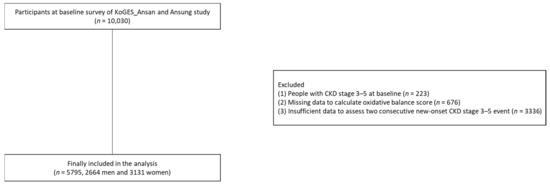
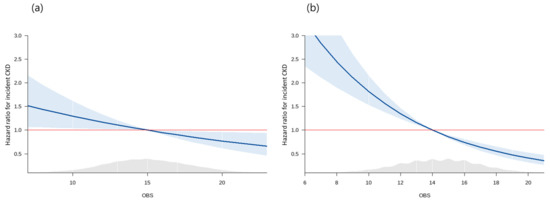
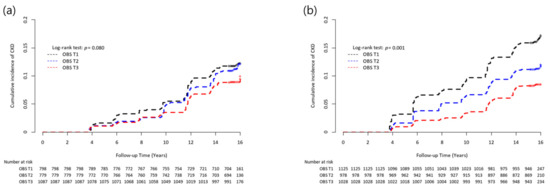
Oxidative stress is a novel risk factor for chronic kidney disease (CKD). The oxidative balance score (OBS) was developed to represent the overall oxidative balance based on dietary and lifestyle pro-oxidant and antioxidant components. The aim of this study is to verify the relationship between the OBS and the incidence of CKD. Data from 5795 participants without CKD at the baseline survey of the Korean Genome and Epidemiology Study were analyzed. Participants were classified into sex-specific OBS tertiles. During the mean follow-up period of 13.6 years, 286 men and 382 women newly developed CKD. The Cox proportional hazard spline curve revealed an inverse dose–response association between the OBS and incident CKD in both men and women. Multiple Cox proportional hazard regression analysis revealed that the adjusted hazard ratios (95% confidence intervals) for sex-specific highest (T3) and middle (T2) OBS tertile groups were 0.80 (0.59–1.08) and 0.70 (0.51–0.95), respectively, in men and 0.76 (0.59–0.98) and 0.73 (0.55–0.96), respectively, in women, with the sex-specific lowest OBS tertile group (T1) as the reference. These results suggest that a healthy diet and lifestyle that increases the OBS may help prevent CKD in both men and women. Full article
(This article belongs to the Section Health Outcomes of Antioxidants and Oxidative Stress)
Show Figures

Figure 1

10 pages, 598 KB  
Article
Application of High-Pressure Homogenization for Apple Juice: An Assessment of Quality Attributes and Polyphenol Bioaccessibility
by Krystian Marszałek, Urszula Trych, Adrianna Bojarczuk, Justyna Szczepańska, Zhe Chen, Xuan Liu and Jinfeng Bi
Antioxidants 2023, 12(2), 451; https://doi.org/10.3390/antiox12020451 - 10 Feb 2023
Cited by 13 | Viewed by 3258
Abstract
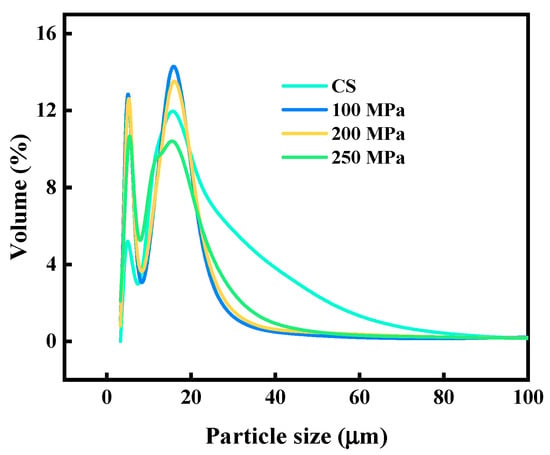
In the current work, the influence of high-pressure homogenization (HPH) (200, 250, and 300 MPa) on pH, Brix, turbidity, viscosity, particle size distribution (PSD), zeta potential, color, polyphenol oxidase (PPO), peroxidase (POD), polyphenol profile and bioaccessibility of total phenolic compounds was studied. The [...] Read more.
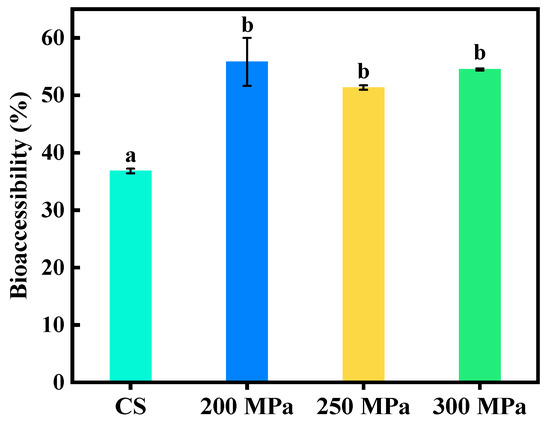
In the current work, the influence of high-pressure homogenization (HPH) (200, 250, and 300 MPa) on pH, Brix, turbidity, viscosity, particle size distribution (PSD), zeta potential, color, polyphenol oxidase (PPO), peroxidase (POD), polyphenol profile and bioaccessibility of total phenolic compounds was studied. The results show no change in the apple juice’s pH, TSS and density. In contrast, other physiochemical properties of apple juice treated with HPH were significantly changed. Besides total phenolic content (15% degradation) in the HPH-treated apple juice at 300 MPa, the PPO and POD activities were reduced by a maximum of 70 and 35%, respectively. Furthermore, among different digestion stages, various values corresponding to PSD and zeta potential were recorded; the total phenolic content was gradually reduced from the mouth to the intestine stage. The polyphenol bioaccessibility of HPH-treated apple juice was 17% higher compared to the untreated apple juice. Full article
Show Figures

Figure 1

10 pages, 2077 KB  
Brief Report
Selenium Protects Mouse Hypothalamic Cells from Glucocorticoid-Induced Endoplasmic Reticulum Stress Vulnerability and Insulin Signaling Impairment
by Katlyn J. An, Ashley N. Hanato, Katherine W. Hui, Matthew W. Pitts, Lucia A. Seale, Jessica L. Nicholson, Pamela Toh, Jun Kyoung Kim, Marla J. Berry and Daniel J. Torres
Antioxidants 2023, 12(2), 526; https://doi.org/10.3390/antiox12020526 - 20 Feb 2023
Cited by 4 | Viewed by 3254
Abstract
The use of glucocorticoid medications is known to cause metabolic side effects such as overeating, excess weight gain, and insulin resistance. The hypothalamus, a central regulator of feeding behavior and energy expenditure, is highly responsive to glucocorticoids, and it has been proposed that [...] Read more.
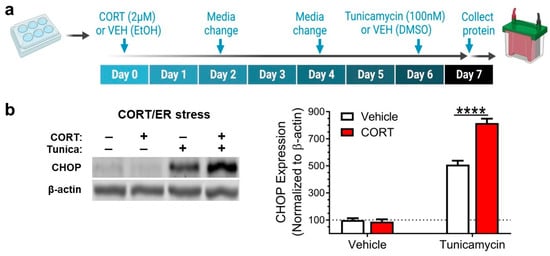
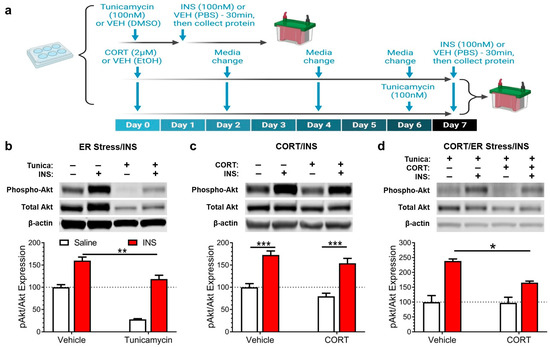
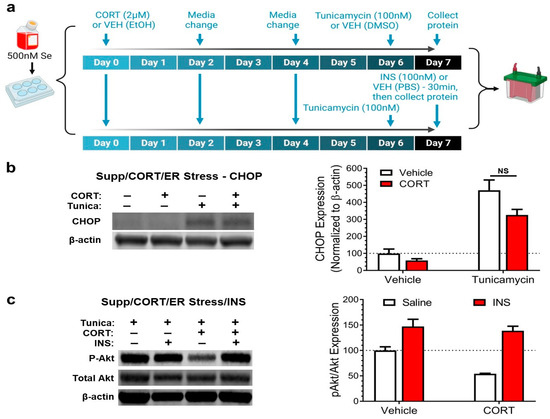
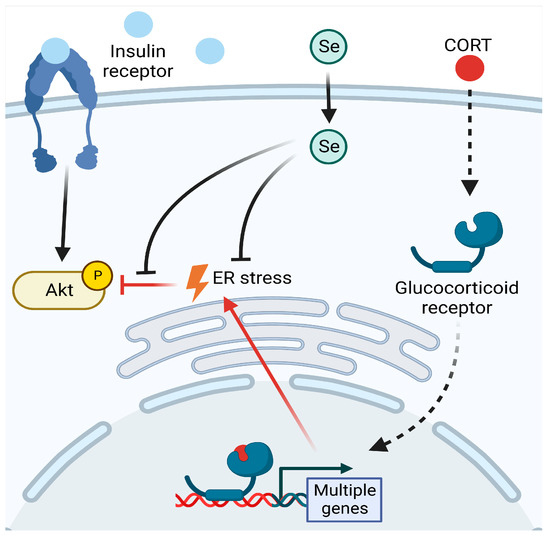
The use of glucocorticoid medications is known to cause metabolic side effects such as overeating, excess weight gain, and insulin resistance. The hypothalamus, a central regulator of feeding behavior and energy expenditure, is highly responsive to glucocorticoids, and it has been proposed that it plays a role in glucocorticoid-induced metabolic defects. Glucocorticoids can alter the expression and activity of antioxidant enzymes and promote the accumulation of reactive oxygen species. Recent evidence indicates that selenium can counter the effects of glucocorticoids, and selenium is critical for proper hypothalamic function. This study sought to determine whether selenium is capable of protecting hypothalamic cells from dysfunction caused by glucocorticoid exposure. We treated mHypoE-44 mouse hypothalamic cells with corticosterone to study the effects on cellular physiology and the involvement of selenium. We found that corticosterone administration rendered cells more vulnerable to endoplasmic reticulum stress and the subsequent impairment of insulin signaling. Supplementing the cell culture media with additional selenium alleviated endoplasmic reticulum stress and promoted insulin signaling. These findings implicate a protective role of selenium against chronic glucocorticoid-induced hypothalamic dysfunction. Full article
Show Figures

Figure 1

13 pages, 1949 KB  
Article
3D-Printed, Liquid-Filled Capsules of Concentrated and Stabilized Polyphenol Epigallocatechin Gallate, Developed in a Clinical Trial
by Philippe-Henri Secretan, Victoire Vieillard, Olivier Thirion, Maxime Annereau, Hassane Sadou Yayé, Alain Astier, Muriel Paul, Thibaud Damy and Bernard Do
Antioxidants 2023, 12(2), 424; https://doi.org/10.3390/antiox12020424 - 9 Feb 2023
Cited by 3 | Viewed by 3251
Abstract
In vitro studies have shown that epigallocatechin gallate (EGCG), the most potent antioxidant of the green tea polyphenol catechins, is able to effectively prevent the formation of amyloid plaques and induce their clearance. However, its high chemical reactivity promotes high chemical instability, which [...] Read more.
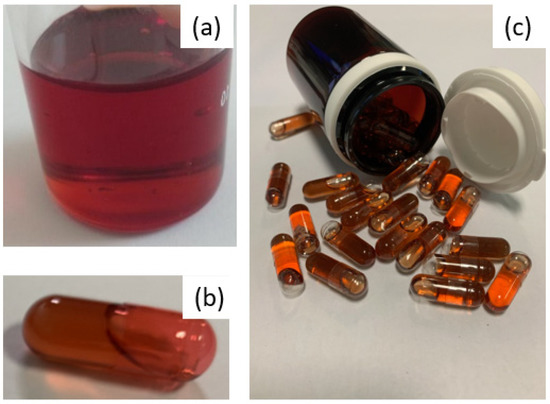
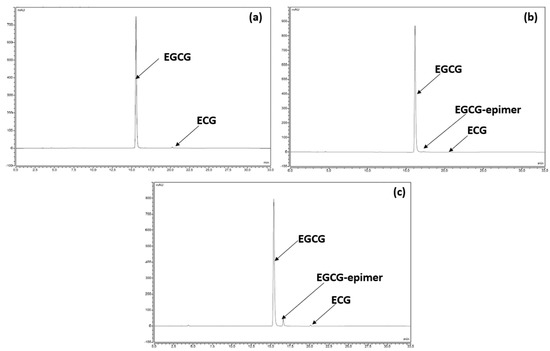
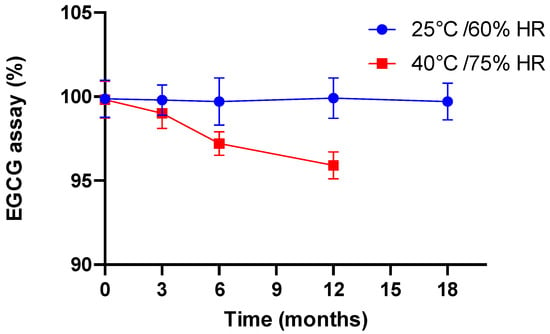
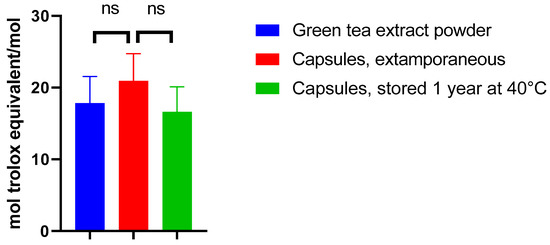
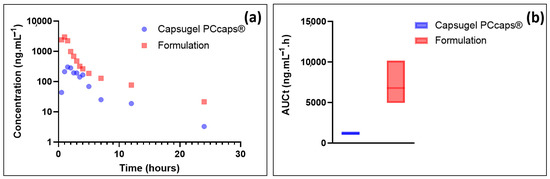
In vitro studies have shown that epigallocatechin gallate (EGCG), the most potent antioxidant of the green tea polyphenol catechins, is able to effectively prevent the formation of amyloid plaques and induce their clearance. However, its high chemical reactivity promotes high chemical instability, which represents a major obstacle for the development of pharmaceutical forms containing solubilized EGCG, an essential condition for a better systemic passage via the oral route. After discovering that EGCG forms a deep eutectic with choline chloride, we exploited this property to formulate and patent liquid-filled capsules containing 200–800 mg of soluble EGCG in easy-to-administer sizes. The gelatin envelopes used are of the conventional type and their filling has been achieved using 3D printing technology. Not only did the EGCG-choline complex allow the formulation of hydrophilic solutions with a high concentration of active substance but it also contributed significantly to its chemical stability, since after at least 18 months of storage at 25 °C/60% RH and one year at 40 °C/75% RH, the capsules show unchanged hardness, chromatographic profiles and antioxidant activity compared to T0. Preclinical studies in monkeys showed that bioavailability was increased by a factor of 10 compared to marketed capsules comprising EGCG powder. This pharmaceutical development was conducted in the context of upcoming clinical trials to evaluate EGCG alone or in combination when treating transthyretin and light-chain cardiac amyloidosis. Full article
Show Figures

Figure 1

20 pages, 8662 KB  
Article
Nanoemulsion Composed of α-Tocopherol Succinate and Dequalinium Shows Mitochondria-Targeting and Anticancer Effects
by Le Thi Thuy, Seulgi Lee, Viet Dongquoc and Joon Sig Choi
Antioxidants 2023, 12(2), 437; https://doi.org/10.3390/antiox12020437 - 10 Feb 2023
Cited by 11 | Viewed by 3217
Abstract
Targeted drugs have been used to treat mitochondrial dysfunction-related diseases, including metabolic disorders and cancer; however, targeting and penetrating intracellular organelles remains a challenge. Dominant targeting approaches for therapeutic delivery are detailed in many nanoemulsion studies and show the tremendous potential of targeted [...] Read more.
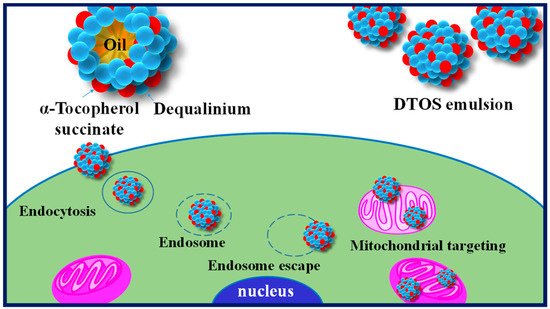
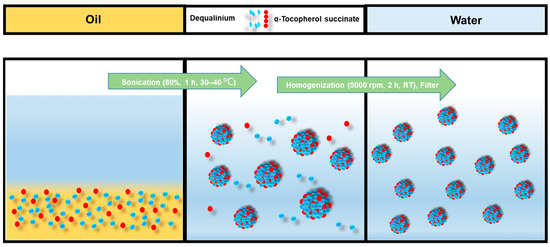
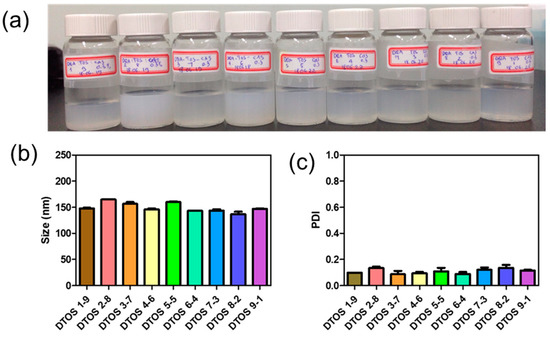
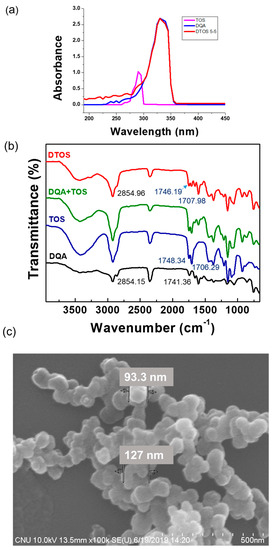
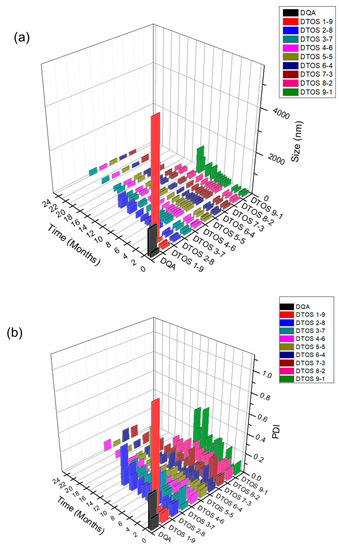
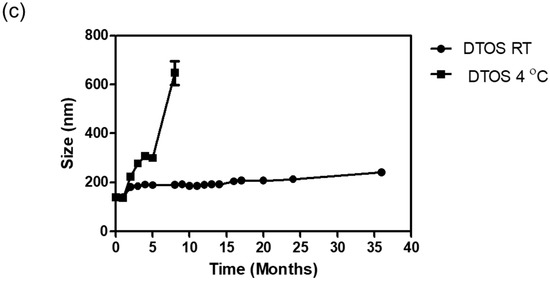
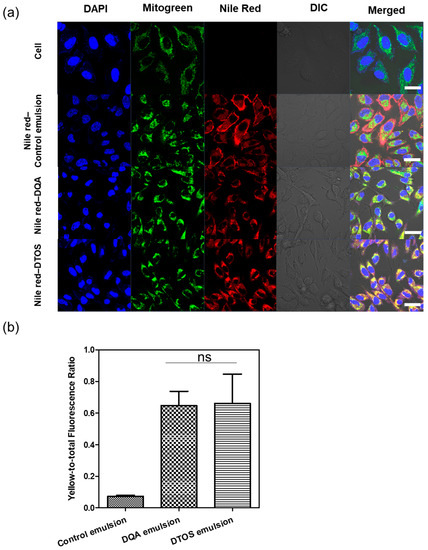
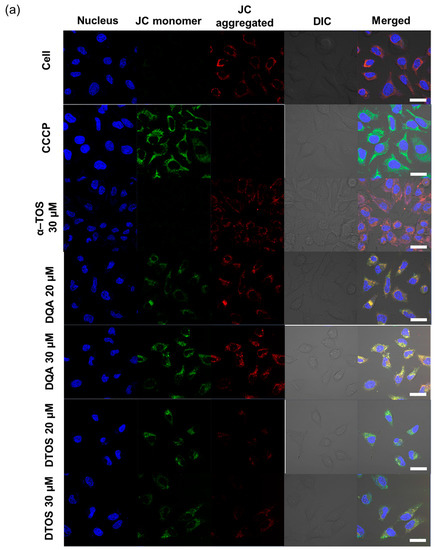
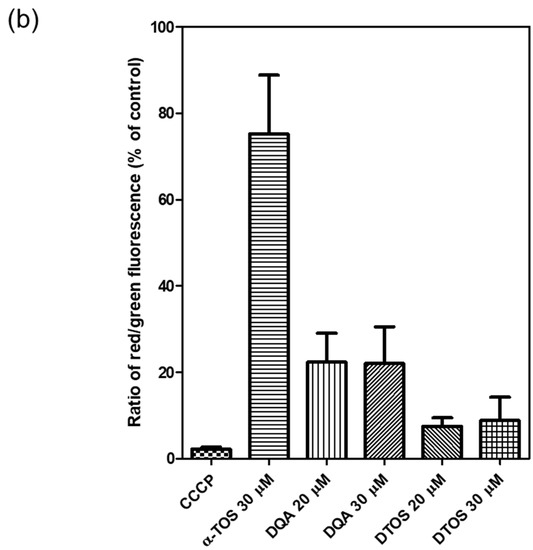
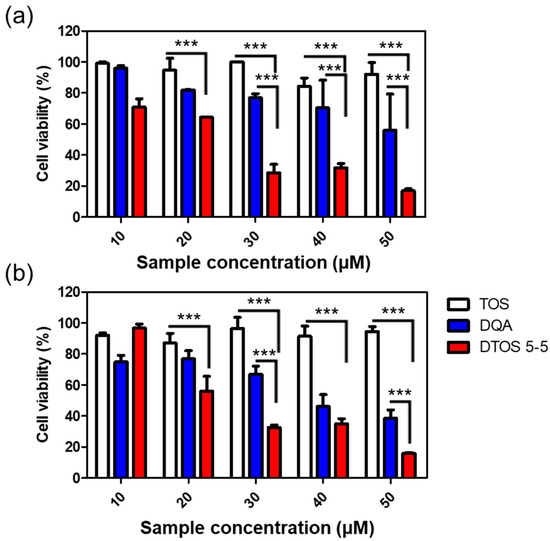
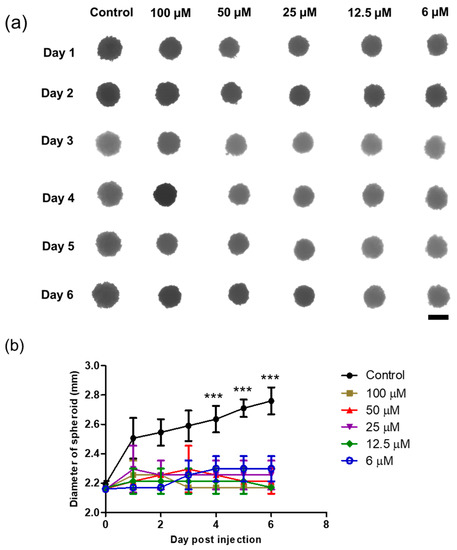
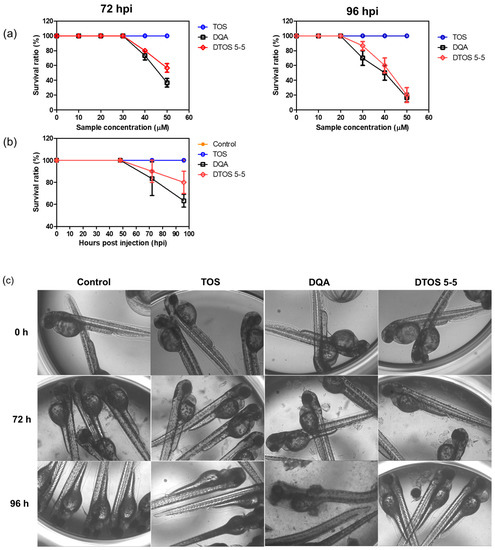
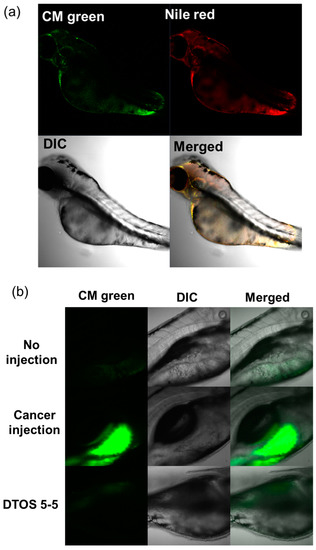
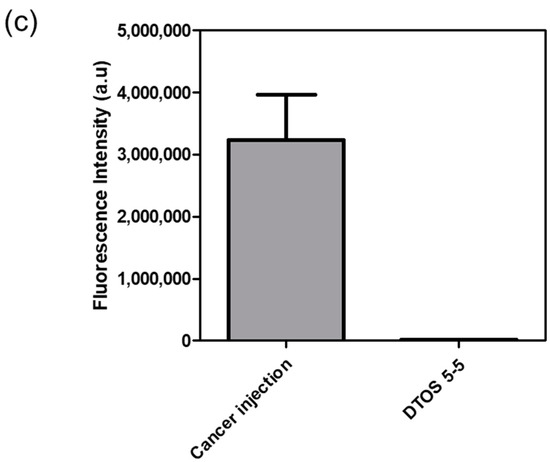
Targeted drugs have been used to treat mitochondrial dysfunction-related diseases, including metabolic disorders and cancer; however, targeting and penetrating intracellular organelles remains a challenge. Dominant targeting approaches for therapeutic delivery are detailed in many nanoemulsion studies and show the tremendous potential of targeted delivery to inhibit cancer cell growth. Dequalinium (DQA) and α-tocopherol succinate (α-TOS) are good agents for targeting mitochondria. In this study, we aimed to develop a mitochondria-targeting emulsion, using DQA and α-TOS (DTOS), for cancer treatment. DTOS emulsions of 150–170 nm in diameter were formulated using homogenization. DQA and α-TOS were used as bifunctional agents (surfactants) to stabilize the nanoemulsion and anticancer drugs. Various molar ratios of DQA and α-TOS were tested to determine the optimal condition, and DTOS 5-5 was selected for further study. The DTOS emulsion showed improved stability, as evidenced by its ability to remain stable for three years at room temperature. This stability, combined with its effective targeting of mitochondria, led to inhibition of 71.5% of HeLa cells after 24 h. The DTOS emulsion effectively inhibited spheroid growth in the 3D model, as well as prevented the growth of HeLa cells grafted onto zebrafish larvae. These results highlight the DTOS emulsion’s promising potential for mitochondria-targeting and cancer treatment. Full article
(This article belongs to the Special Issue Applications of Antioxidant Nanoparticles)
Show Figures

Figure 1