19 pages, 1551 KB  
Article
Thymus Species from Romanian Spontaneous Flora as Promising Source of Phenolic Secondary Metabolites with Health-Related Benefits
by Mihai Babotă, Oleg Frumuzachi, Alexandru Nicolescu, Maria Inês Dias, José Pinela, Lillian Barros, Mikel Añibarro-Ortega, Dejan Stojković, Tamara Carević, Andrei Mocan, Víctor López and Gianina Crișan
Antioxidants 2023, 12(2), 390; https://doi.org/10.3390/antiox12020390 - 6 Feb 2023
Cited by 11 | Viewed by 4186
Abstract
Wild thyme aerial parts (Serpylli herba) are recognized as a valuable herbal product with antioxidant, anti-inflammatory, and antibacterial effects. Although pharmacopoeial regulations allow its collection exclusively from Thymus serpyllum, substitution with other species is frequent in current practice. This study [...] Read more.
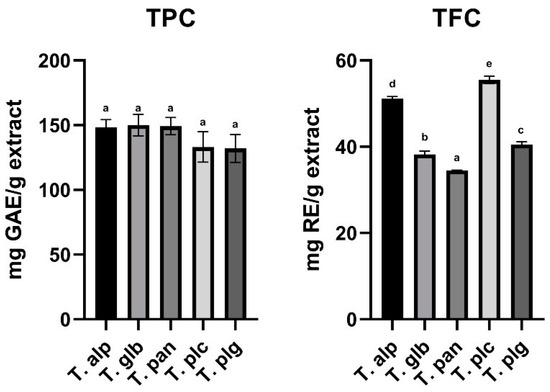
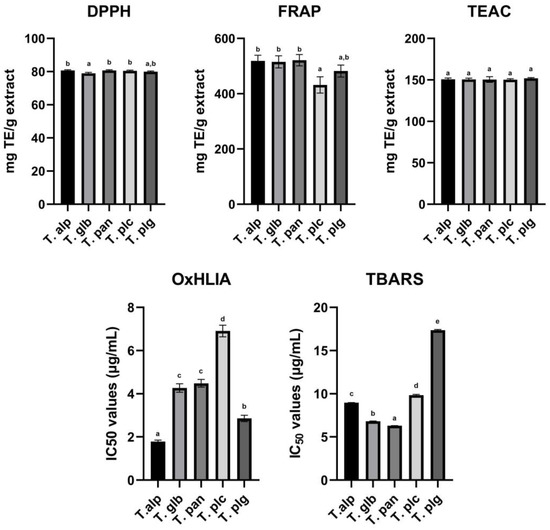
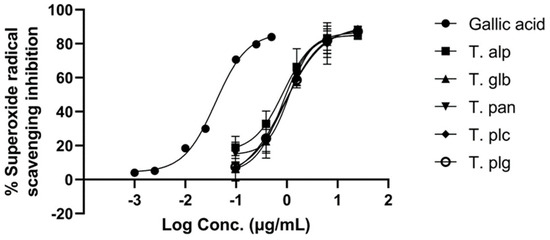
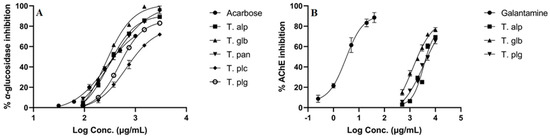
Wild thyme aerial parts (Serpylli herba) are recognized as a valuable herbal product with antioxidant, anti-inflammatory, and antibacterial effects. Although pharmacopoeial regulations allow its collection exclusively from Thymus serpyllum, substitution with other species is frequent in current practice. This study analyzed the phenolic composition, antioxidant, and enzyme-inhibitory and antimicrobial activity of the hydroethanolic extracts obtained from five Romanian wild thyme species (Thymus alpestris, T. glabrescens, T. panonicus, T. pulcherimus and T. pulegioides). The analysis of individual phenolic constituents was performed through LC-ESI-DAD/MS2, while for the in vitro evaluation of antioxidant potential, TEAC, FRAP, DPPH, TBARS and OxHLIA assays were employed. The anti-enzymatic potential was tested in vitro against tyrosinase, α-glucosidase and acetylcholinesterase. High rosmarinic acid contents were quantified in all species (20.06 ± 0.32–80.49 ± 0.001 mg/g dry extract); phenolic acids derivatives (including salvianolic acids) were confirmed as the principal metabolites of T. alpestris and T. glabrescens, while eriodictyol-O-di-hexoside was found exclusively in T. alpestris. All species showed strong antioxidant potential and moderate anti-enzymatic effect against α-glucosidase and acetylcholinesterase, showing no anti-tyrosinase activity. This is the first detailed report on the chemical and biological profile of T. alpestris collected from Romanian spontaneous flora. Full article
Show Figures

Figure 1
16 pages, 1846 KB  
Article
The Effect of Carnosine on UVA-Induced Changes in Intracellular Signaling of Human Skin Fibroblast Spheroids
by Gilda Aiello, Francesca Rescigno, Marisa Meloni, Beatrice Zoanni, Giancarlo Aldini, Marina Carini and Alfonsina D’Amato
Antioxidants 2023, 12(2), 300; https://doi.org/10.3390/antiox12020300 - 28 Jan 2023
Cited by 8 | Viewed by 4153
Abstract
Dermis fibroblasts are very sensitive to penetrating UVA radiation and induce photo-damage. To protect skin cells against this environmental damage, there is an urgent need for effective compounds, specifically targeting UVA-induced mitochondrial injury. This study aimed to analyze the effect of carnosine on [...] Read more.
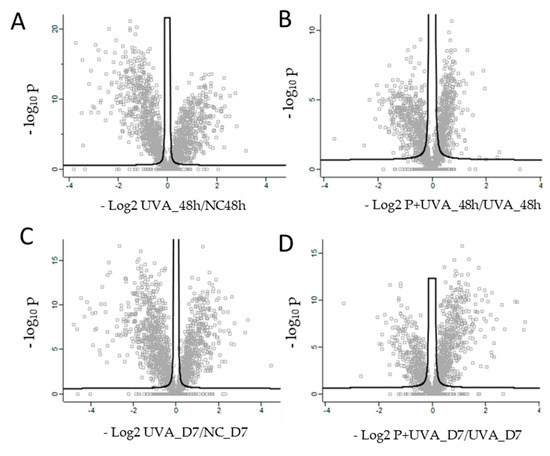
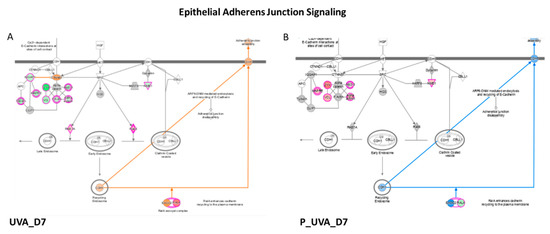
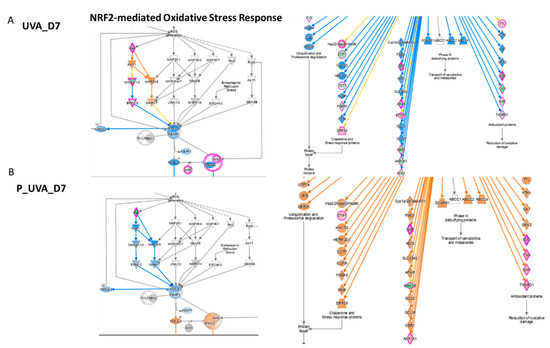
Dermis fibroblasts are very sensitive to penetrating UVA radiation and induce photo-damage. To protect skin cells against this environmental damage, there is an urgent need for effective compounds, specifically targeting UVA-induced mitochondrial injury. This study aimed to analyze the effect of carnosine on the proteome of UVA-irradiated human skin fibroblast, cultured in a three-dimensional (3D) biological system recapitulating dermal compartment as a test system to investigate the altered cellular pathways after 48 h and 7 days of culture with or without carnosine treatment. The obtained results indicate that UVA dysregulates Oxidative Phosphorylation, the Fibrosis Signaling Pathway, Glycolysis I and Nrf2-mediated Oxidative Stress Response. Carnosine exercises provide a protective function against the harmful effects of UVA radiation by activating the Nrf2 pathway with the upregulations of some ROS-detoxifying enzymes such as the glutathione S-transferase (GST) protein family. Additionally, carnosine regulates the activation of the Epithelial Adherens Junction and Wound Healing Signaling Pathway by mediating the activation of structural proteins such as vinculin and zyxin as well as fibronectin 1 and collagen type XVIII alpha 1 chain against UVA-induced changes. Full article
(This article belongs to the Special Issue Dietary Antioxidants and Cosmetics)
Show Figures

Figure 1
18 pages, 5719 KB  
Article
Protective Effect of Peptides from Pinctada Martensii Meat on the H2O2-Induced Oxidative Injured HepG2 Cells
by Jie Zhou, Mengfen Wei and Lijun You
Antioxidants 2023, 12(2), 535; https://doi.org/10.3390/antiox12020535 - 20 Feb 2023
Cited by 25 | Viewed by 4152
Abstract
Pinctada martensii is a major marine pearl cultured species in southern China, and its meat is rich in protein, which is an excellent material for the preparation of bioactive peptides. In this study, the peptides from Pinctada martensii meat were prepared by simulated [...] Read more.
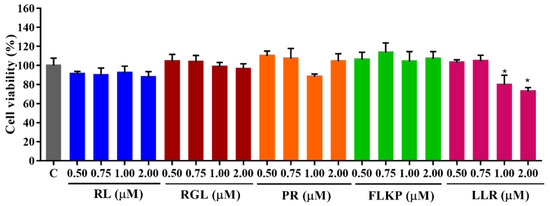
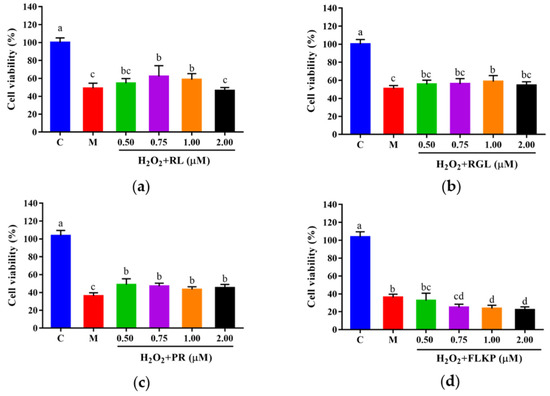
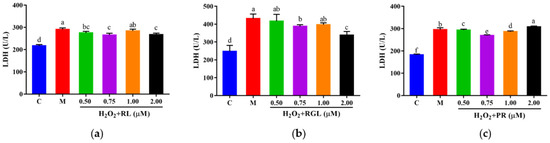
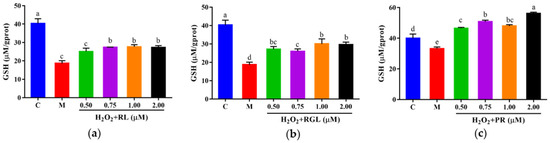
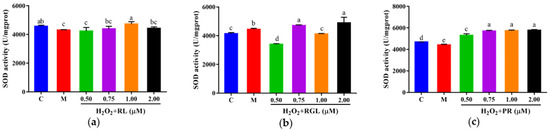
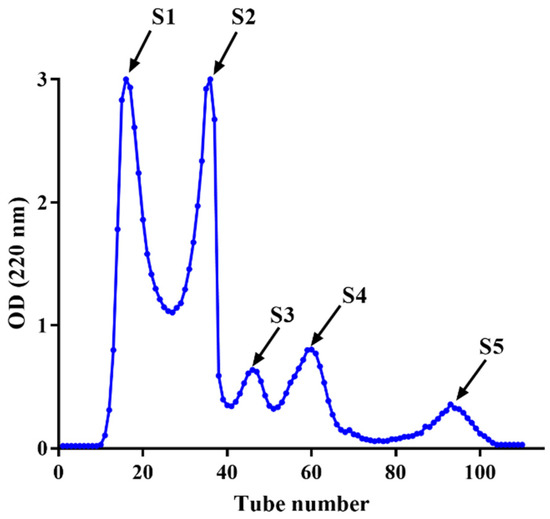
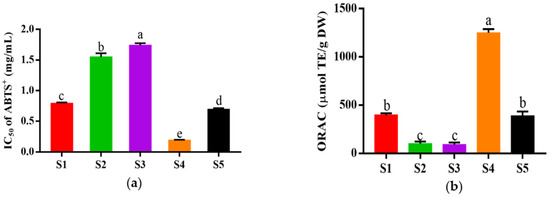
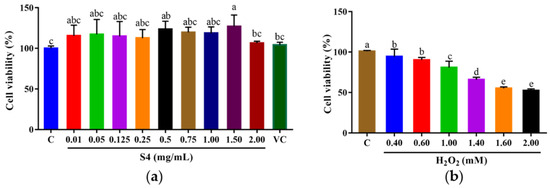
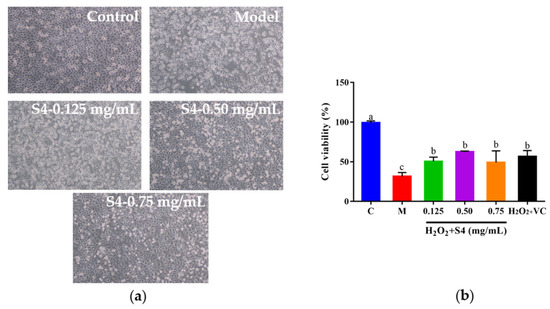
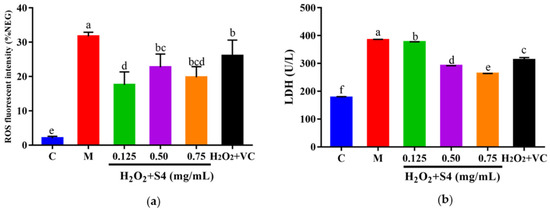
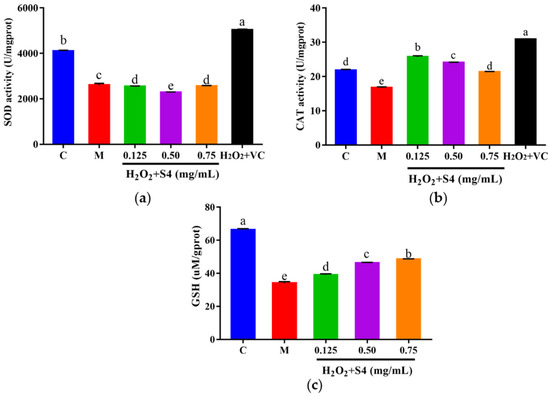
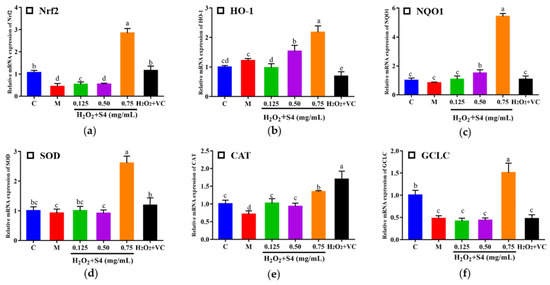
Pinctada martensii is a major marine pearl cultured species in southern China, and its meat is rich in protein, which is an excellent material for the preparation of bioactive peptides. In this study, the peptides from Pinctada martensii meat were prepared by simulated gastrointestinal hydrolysis, and after multistep purification, the structures of the peptides were identified, followed by the solid-phase synthesis of the potential antioxidant peptides. Finally, the antioxidant activities of the peptides were verified using HepG2 cells, whose oxidative stress was induced by hydrogen peroxide (H2O2). It was shown that the antioxidant peptide (S4) obtained from Pinctada martensii meat could significantly increase the cell viability of HepG2 cells. S4 could also scavenge reactive oxygen species (ROS) and reduce the lactate dehydrogenase (LDH) level. In addition, it could enhance the production of glutathione (GSH) and catalase (CAT) in HepG2 cells, as well as the expression of key genes in the Nrf2 signaling pathway. Three novel antioxidant peptides, arginine–leucine (RL), arginine–glycine–leucine (RGL), and proline–arginine (PR), were also identified. In conclusion, peptides from Pinctada martensii meat and three synthetic peptides (RGL, RL, PR) showed antioxidant activity and could have the potential to be used as antioxidant candidates in functional foods. Full article
(This article belongs to the Section Natural and Synthetic Antioxidants)
Show Figures

Figure 1
23 pages, 4830 KB  
Article
Non-Esterified Fatty Acid-Induced Apoptosis in Bovine Granulosa Cells via ROS-Activated PI3K/AKT/FoxO1 Pathway
by Zhiqi Lei, Ilyas Ali, Min Yang, Caixia Yang, Yifei Li and Lian Li
Antioxidants 2023, 12(2), 434; https://doi.org/10.3390/antiox12020434 - 9 Feb 2023
Cited by 24 | Viewed by 4149
Abstract
Non-esterified fatty acid (NEFA), one of negative energy balance (NEB)’s most well-known products, has a significant impact on cows’ reproductive potential. Our study used an in vitro model to investigate the deleterious effects of NEFA on bovine granulosa cells (BGCs) and its underlying [...] Read more.
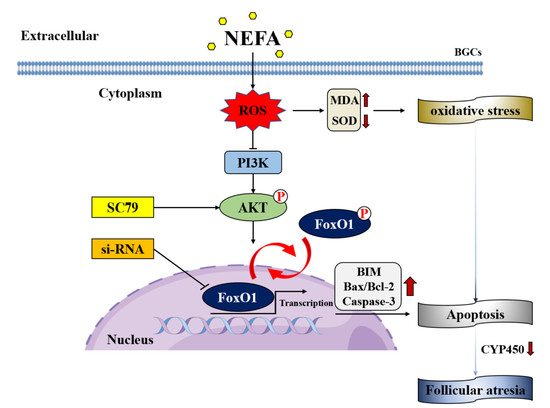
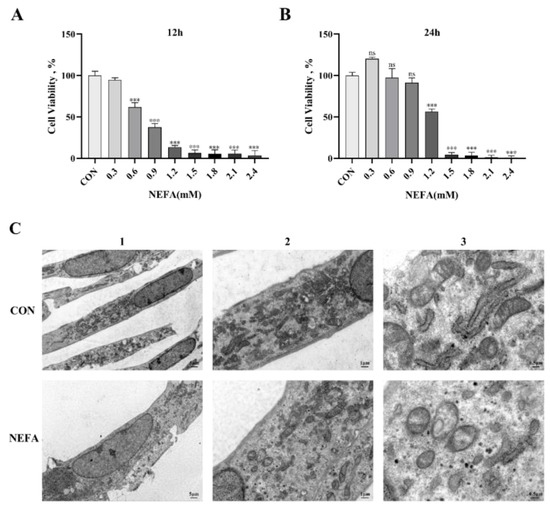
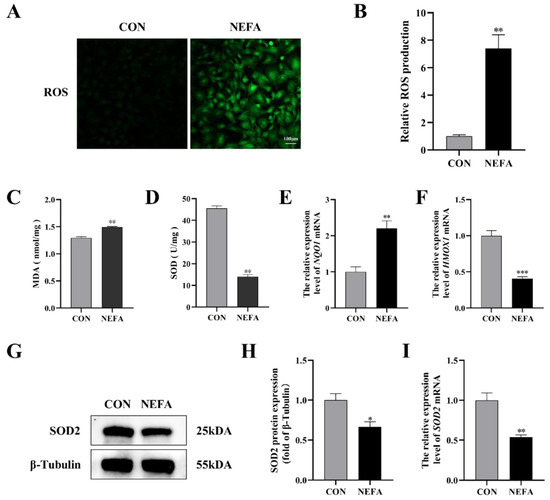
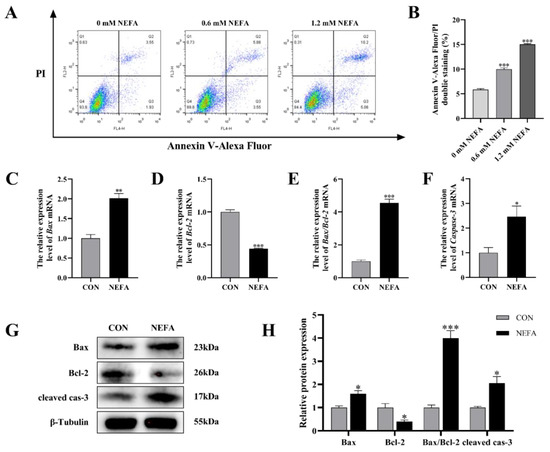
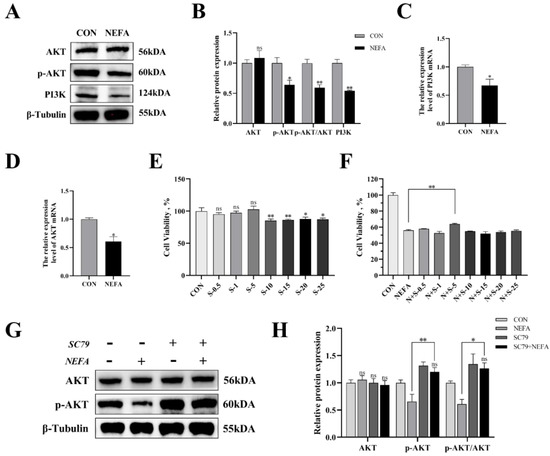
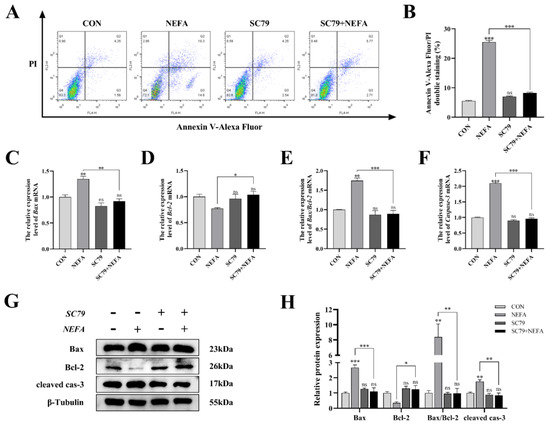
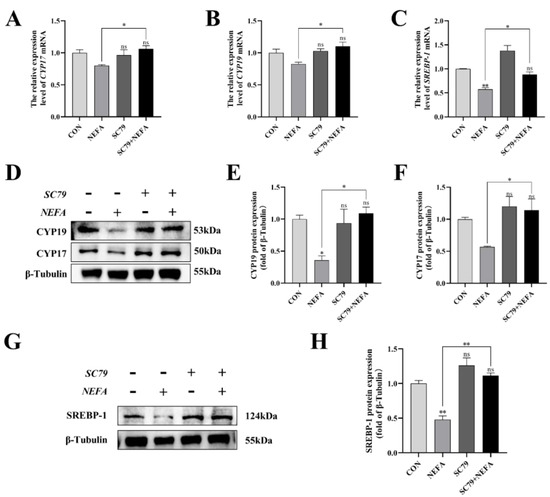
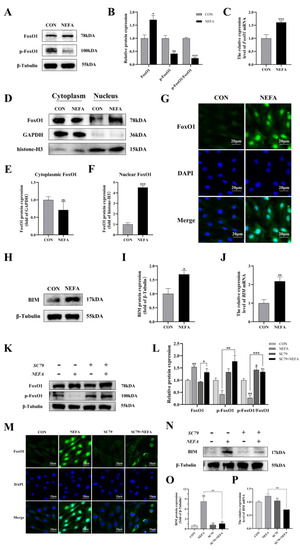
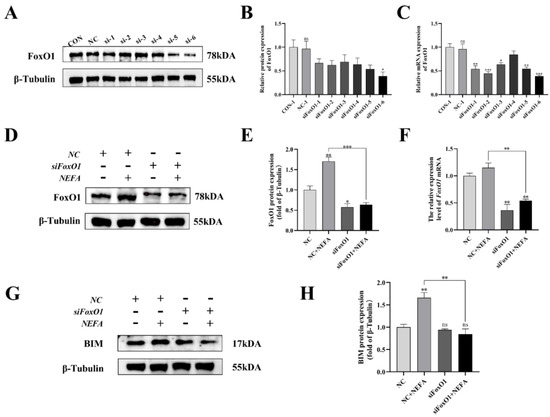
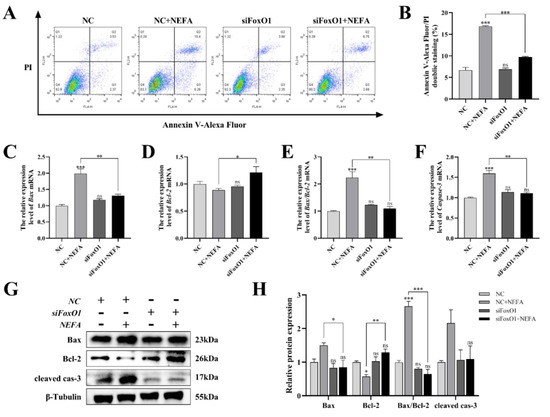
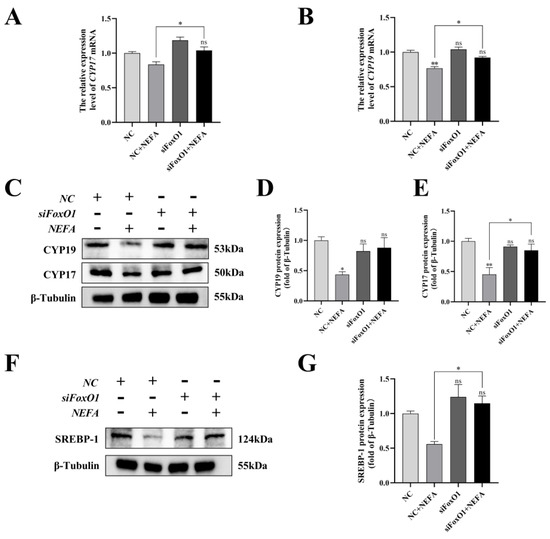
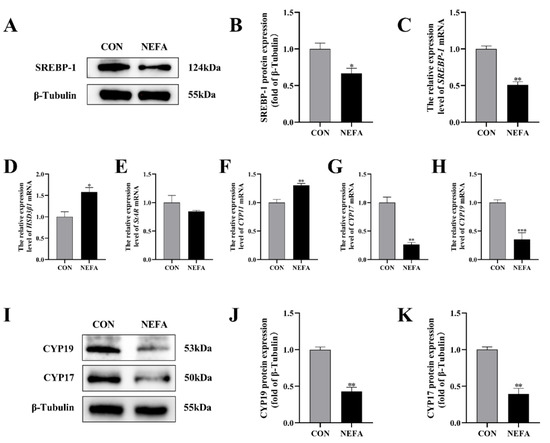
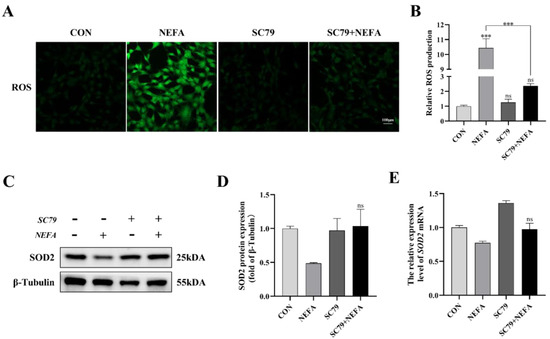
Non-esterified fatty acid (NEFA), one of negative energy balance (NEB)’s most well-known products, has a significant impact on cows’ reproductive potential. Our study used an in vitro model to investigate the deleterious effects of NEFA on bovine granulosa cells (BGCs) and its underlying molecular mechanism. The results showed that high levels of NEFA led to the accumulation of reactive oxygen species (ROS), increased the expression of apoptosis-related factors such as Bcl2-Associated X/B-cell lymphoma-2 (Bax/Bcl-2) and Caspase-3, and down-regulated steroid synthesis-related genes such as sterol regulatory element binding protein 1 (SREBP-1), cytochrome P450c17 (CYP17), and cytochrome P450 aromatase (CYP19), to promote oxidative stress, cell apoptosis, and steroid hormone synthesis disorders in BGCs. In addition, NEFA significantly inhibited phosphatidylinositol 3-kinase (PI3K) and phosphorylated protein kinase B (p-AKT) activity and increased forkhead box O1 (FoxO1) expression. To further explore the role of the PI3K/AKT/FoxO1 signaling pathway in NEFA, we found that pretreatment with AKT-specific activator SC79 (5 mg/mL) for 2 h or transfection with FoxO1 knockdown siRNA in BGCs could alleviate the negative effects of NEFA treatment by decreasing Bax/Bcl-2 ratio and Caspase-3 expression, and upregulating SREBP-1, CYP17, and CYP19 expression. Meanwhile, SC79 significantly inhibited NEFA-induced dephosphorylation and massive nuclear translocation of FoxO1. Taken together, the NEFA induced oxidative stress, apoptosis, and steroid hormone synthesis disorders in BGCs by inhibiting the PI3K/AKT pathway that regulates FoxO1 phosphorylation and nuclear translocation. Our findings help to clarify the molecular mechanisms underlying the negative effects of high levels of NEFA on BGCs. Full article
Show Figures

Graphical abstract

14 pages, 330 KB  
Article
Effect of Dietary Amaranth (Amaranthus hybridus chlorostachys) Supplemented with Enzyme Blend on Egg Quality, Serum Biochemistry and Antioxidant Status in Laying Hens
by Hossein Janmohammadi, Babak Hosseintabar-Ghasemabad, Majid Oliyai, Sadegh Alijani, Ivan Fedorovich Gorlov, Marina Ivanovna Slozhenkina, Aleksandr Anatolievich Mosolov, Lourdes Suarez Ramirez, Alireza Seidavi, Vito Laudadio, Vincenzo Tufarelli and Marco Ragni
Antioxidants 2023, 12(2), 456; https://doi.org/10.3390/antiox12020456 - 10 Feb 2023
Cited by 16 | Viewed by 4139
Abstract
A feeding trial was performed to assess the effects of dietary raw amaranth (Amaranthus hybridus chlorostachys) grain (RAG), with or without an enzyme blend, on the productive performance, blood biochemistry, and antioxidant status in laying hens. The trial was conducted following [...] Read more.
A feeding trial was performed to assess the effects of dietary raw amaranth (Amaranthus hybridus chlorostachys) grain (RAG), with or without an enzyme blend, on the productive performance, blood biochemistry, and antioxidant status in laying hens. The trial was conducted following a completely randomized design by factorial method, including five levels of RAG (0, 10, 20, 30, and 40%, respectively) and two levels of enzyme blend (0 −E and 0.025 +E %). A total of 960 White Leghorn (Hy-line W-36) laying hens (56 weeks of age) were divided into 10 groups with eight repetitions, including 12 birds. The trial period was ten weeks. Results showed that RAG levels in feed (>10%) led to a significant decrease in blood total cholesterol (TC), but they also significantly decreased feed conversion ratio (FCR) (p ˂ 0.05) as measured by feed intake (FI), hen daily production (HDP), egg weight (EW), and mass (EM), leading to overall worse productivity compared to the control group. On the contrary, the addition of the enzyme blend led to an improvement in the investigated production traits (p ˂ 0.05), with the exception of HDP. The enzyme blend was also capable of recovering productive performance when combined with low concentrations of RAG (10%) (p ˂ 0.05), and RAG × enzyme blend groups showed the lowest values of TC (p ˂ 0.05). Moreover, the interaction effects for atherogenic index (LDL/HDL) indicated a significant and promising reduction in response to the addition of RAG both in the presence and absence of the enzyme blend (p ˂ 0.05), and this additive also significantly reduced levels of egg yolk cholesterol (p ˂ 0.05). In summary, the evidence gathered in this trial showed that dietary RAG had positive effects on egg quality characteristics, leading to the production of low-cholesterol eggs, and, at the same time, it may improve the health status of laying hens. Furthermore, the addition of an enzyme blend allowed feeding up to 10% RAG in the diet, leading to an optimal balance between animal productivity and the beneficial effects of RAG. Full article
(This article belongs to the Special Issue Dietary Antioxidants and Animal Nutrition)
11 pages, 961 KB  
Article
Relationship between Glucose-6-Phosphate Dehydrogenase Deficiency, X-Chromosome Inactivation and Inflammatory Markers
by Alessandra Errigo, Angela Bitti, Franca Galistu, Roberta Salis, Giovanni Mario Pes and Maria Pina Dore
Antioxidants 2023, 12(2), 334; https://doi.org/10.3390/antiox12020334 - 31 Jan 2023
Cited by 11 | Viewed by 4138
Abstract
Recent studies suggest that X-linked glucose-6-phosphate dehydrogenase (G6PD) deficiency entails a proinflammatory state that may increase the risk of several disease conditions. However, it is not clear how this relates to the degree of enzyme insufficiency and, in heterozygous females, to skewed inactivation [...] Read more.
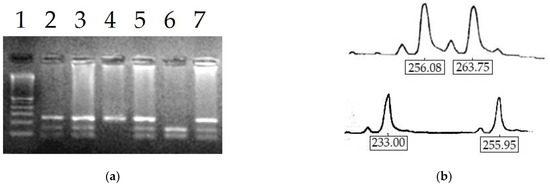
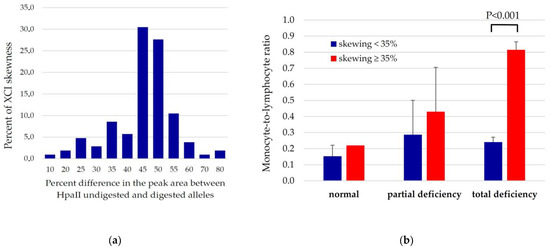
Recent studies suggest that X-linked glucose-6-phosphate dehydrogenase (G6PD) deficiency entails a proinflammatory state that may increase the risk of several disease conditions. However, it is not clear how this relates to the degree of enzyme insufficiency and, in heterozygous females, to skewed inactivation of the X chromosome. This study aimed to (i) investigate the enzyme activity in a cohort of 232 subjects (54.3% females) from Northern Sardinia, Italy, further stratified into three subgroups (G6PD normal, partial deficiency and total deficiency); (ii) measure the levels of some non-specific inflammatory markers, such as erythrocyte sedimentation rate (ESR), C-reactive protein (CRP), and those derived from cell counts, such as neutrophil-to-lymphocyte ratio (NLR), monocyte-to-lymphocyte ratio (MLR) and platelet-to-lymphocyte ratio (PLR), in relation to the underlying molecular defect and X inactivation. G6PD activity was measured in red blood cells according to G6PD/6PGD ratio, and X-chromosome inactivation was assessed by the HUMARA method. Overall, ESR was increased in males with total deficiency compared with normal males (15.0 ± 7.2 vs. 11.9 ± 6.2, p = 0.002, Tukey’s test), albeit not in males with partial deficiency. High-sensitivity CRP was slightly increased in males with total deficiency, compared to males with normal G6PD activity (5.96 ± 3.39 vs. 3.95 ± 2.96, p = 0.048). In females, neither marker showed significant differences across the subgroups. MLR was significantly and progressively increased from normal to totally deficient subjects with intermediate values in partially deficient subjects (0.18, 0.31 and 0.37, ANOVA p = 0.008). The NLR and PLR were not different in the three subgroups. Our findings show that G6PD deficiency may be associated with a proinflammatory profile, especially in elderly females, and worsened by the concomitant asymmetric inactivation of the X chromosome. Full article
Show Figures

Figure 1
17 pages, 2501 KB  
Article
Copper Exposure Induces Epithelial-Mesenchymal Transition-Related Fibrotic Change via Autophagy and Increase Risk of Lung Fibrosis in Human
by Hsin-Ying Clair Chiou, Chih-Wen Wang, Szu-Chia Chen, Mei-Lan Tsai, Ming-Hong Lin, Chih-Hsing Hung and Chao-Hung Kuo
Antioxidants 2023, 12(2), 532; https://doi.org/10.3390/antiox12020532 - 20 Feb 2023
Cited by 16 | Viewed by 4092
Abstract
Copper is an essential trace element involved in several vital biological processes of the human body. However, excess exposure to copper caused by occupational hazards and environmental contamination, such as food, water, and air, damages human health. In this study, in vitro cell [...] Read more.
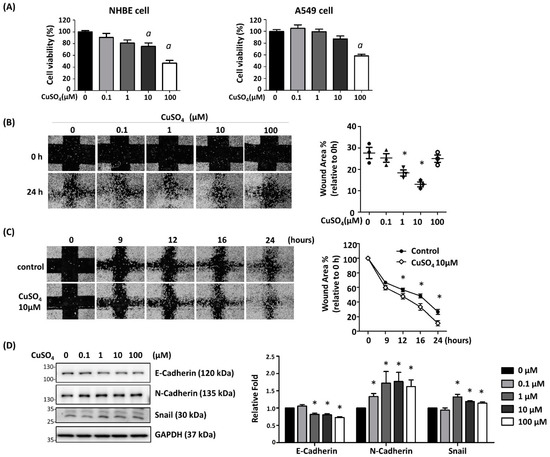
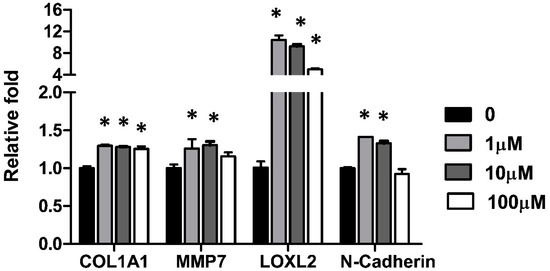
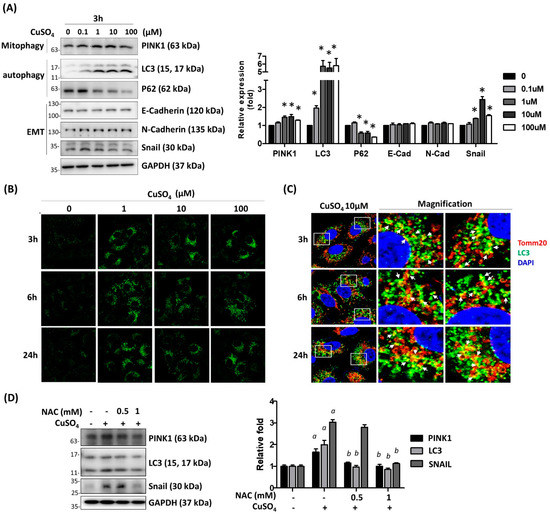
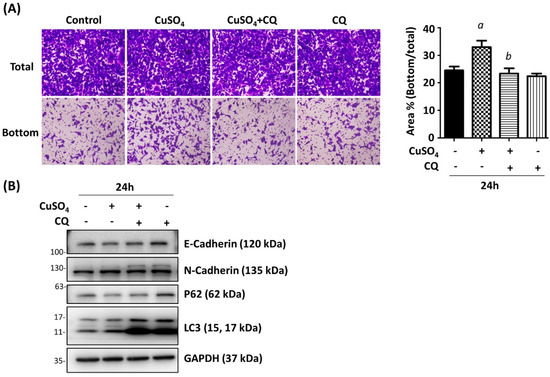
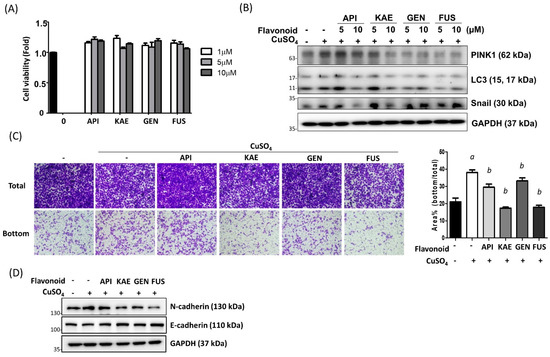
Copper is an essential trace element involved in several vital biological processes of the human body. However, excess exposure to copper caused by occupational hazards and environmental contamination, such as food, water, and air, damages human health. In this study, in vitro cell culture model and epidemiologic studies were conducted to evaluate the effect of copper on lung fibrosis. In vitro, treatment of CuSO4 in lung epithelial cells at 100 μM consistently decreases cell viability in alveolar type (A549) and human bronchial epithelial (HBE) cells. CuSO4 promotes epithelial-mesenchymal transition (EMT) as shown by increased cell migration and increased EMT marker and fibrotic gene expressions. Besides, CuSO4 induced cell autophagy, with an increased LC3, PINK, and decreased p62 expression. Inhibition of ROS by N-acetylcysteine reversed the CuSO4-induced PINK1, LC3, and Snail expressions. Inhibition of autophagy by chloroquine reverses the CuSO4-induced EMT changes. Nature flavonoids, especially kaempferol, and fustin, were shown to inhibit Copper-induced EMT. In humans, a unit increase in urinary copper concentration was significantly associated with an increased risk of lung fibrotic changes (odds ratio [OR] = 1.17, 95% confidence interval [CI] = 1.01–1.36, p = 0.038). These results indicated that Copper is a risk factor for lung fibrosis through activation of the ROS-autophagy-EMT pathway, which can be reversed by flavonoids. Full article
(This article belongs to the Special Issue Oxidative-Stress in Human Diseases—2nd Edition)
Show Figures

Figure 1
14 pages, 4257 KB  
Article
Hyperkalemic or Low Potassium Cardioplegia Protects against Reduction of Energy Metabolism by Oxidative Stress
by Hongting Diao, Haiwei Gu and Qin M. Chen
Antioxidants 2023, 12(2), 452; https://doi.org/10.3390/antiox12020452 - 10 Feb 2023
Cited by 6 | Viewed by 4085
Abstract
Open-heart surgery is often an unavoidable option for the treatment of cardiovascular disease and prevention of cardiomyopathy. Cardiopulmonary bypass surgery requires manipulating cardiac contractile function via the perfusion of a cardioplegic solution. Procedure-associated ischemia and reperfusion (I/R) injury, a major source of oxidative [...] Read more.
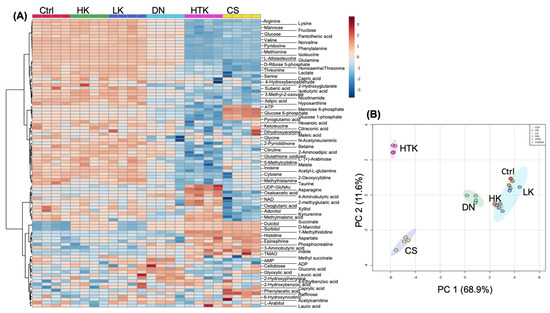
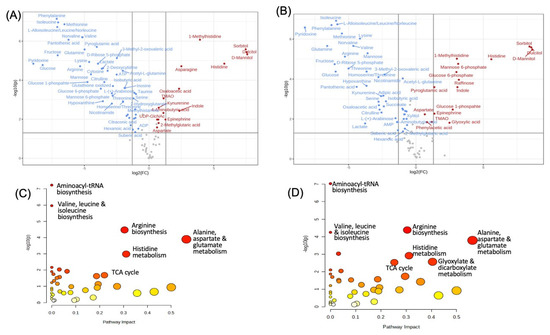
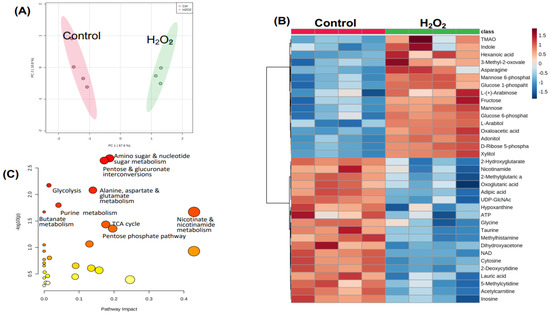
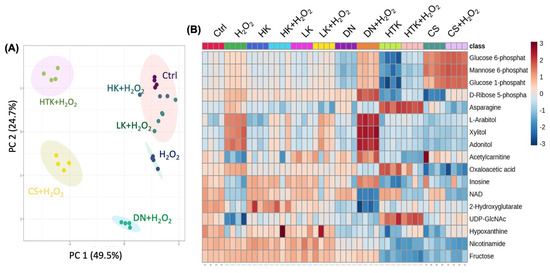
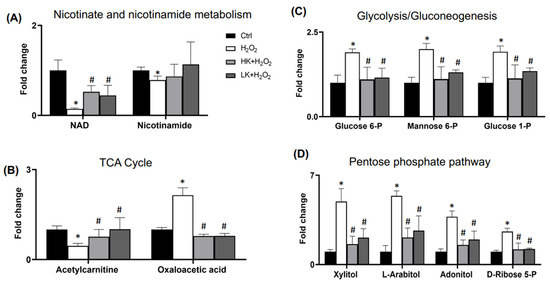
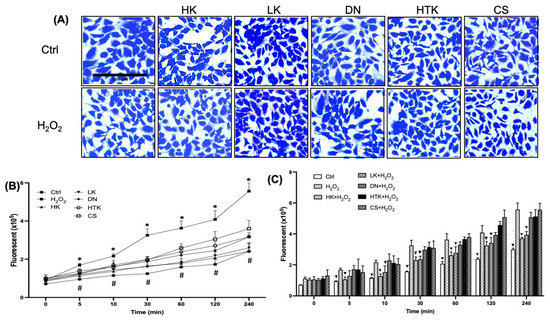
Open-heart surgery is often an unavoidable option for the treatment of cardiovascular disease and prevention of cardiomyopathy. Cardiopulmonary bypass surgery requires manipulating cardiac contractile function via the perfusion of a cardioplegic solution. Procedure-associated ischemia and reperfusion (I/R) injury, a major source of oxidative stress, affects postoperative cardiac performance and long-term outcomes. Using large-scale liquid chromatography–tandem mass spectrometry (LC-MS/MS)-based metabolomics, we addressed whether cardioplegic solutions affect the baseline cellular metabolism and prevent metabolic reprogramming by oxidative stress. AC16 cardiomyocytes in culture were treated with commonly used cardioplegic solutions, High K+ (HK), Low K+ (LK), Del Nido (DN), histidine–tryptophan–ketoglutarate (HTK), or Celsior (CS). The overall metabolic profile shown by the principal component analysis (PCA) and heatmap revealed that HK or LK had a minimal impact on the baseline 78 metabolites, whereas HTK or CS significantly repressed the levels of multiple amino acids and sugars. H2O2-induced sublethal mild oxidative stress causes decreases in NAD, nicotinamide, or acetylcarnitine, but increases in glucose derivatives, including glucose 6-P, glucose 1-P, fructose, mannose, and mannose 6-P. Additional increases include metabolites of the pentose phosphate pathway, D-ribose-5-P, L-arabitol, adonitol, and xylitol. Pretreatment with HK or LK cardioplegic solution prevented most metabolic changes and increases of reactive oxygen species (ROS) elicited by H2O2. Our data indicate that HK and LK cardioplegic solutions preserve baseline metabolism and protect against metabolic reprogramming by oxidative stress. Full article
(This article belongs to the Special Issue Oxidative Stress in Metabolic Cardiomyopathy)
Show Figures

Figure 1
20 pages, 3295 KB  
Article
Potential Role of Superoxide Dismutase 3 (SOD3) in Resistance to Influenza A Virus Infection
by Feimin Chen, Liurong Chen, Jinlong Liang, Zhixuan Chen, Chunyu Zhang, Zhengyin Zhang and Jie Yang
Antioxidants 2023, 12(2), 354; https://doi.org/10.3390/antiox12020354 - 2 Feb 2023
Cited by 11 | Viewed by 4076
Abstract
Influenza A virus infection induces the production of excessive reactive oxygen species (ROS). Overproduction of ROS can overwhelm the antioxidant defense system, leading to increasing intensive oxidative stress. However, antioxidant defense against oxidative damage induced by influenza A virus infection, and in particular [...] Read more.
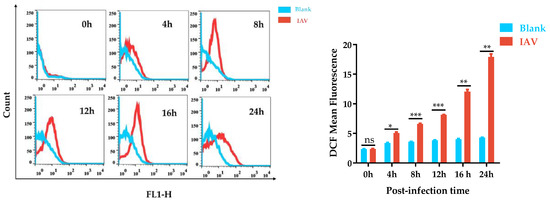
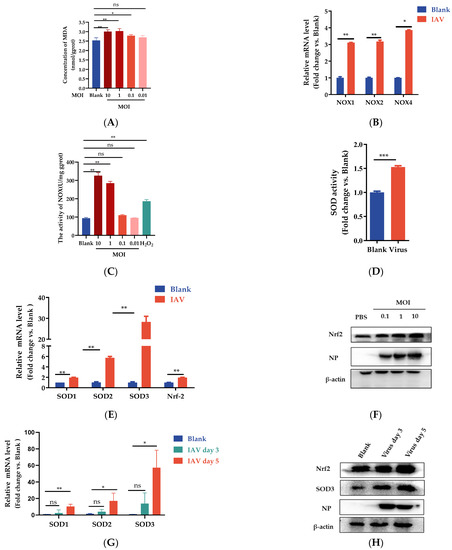
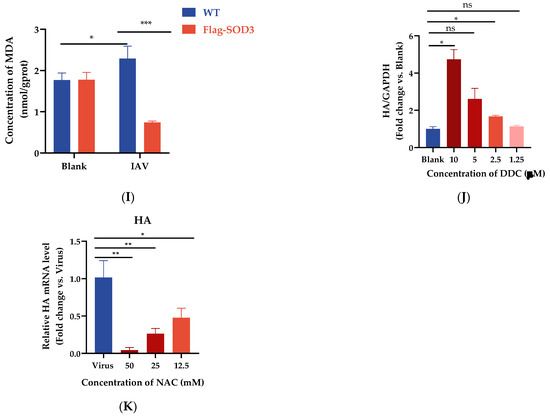
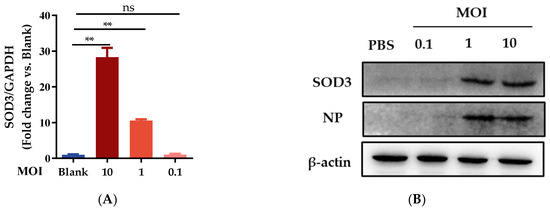
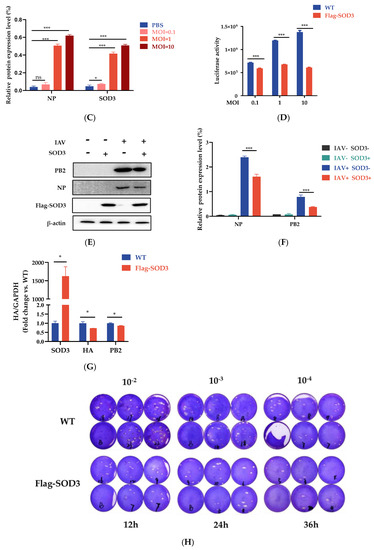
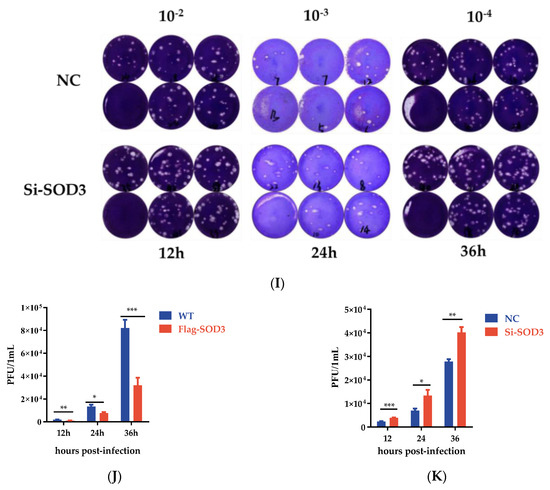
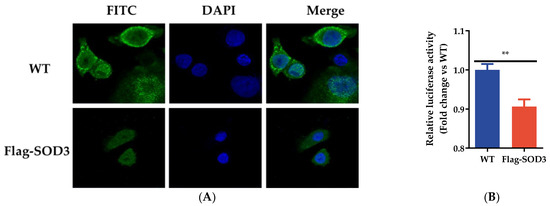
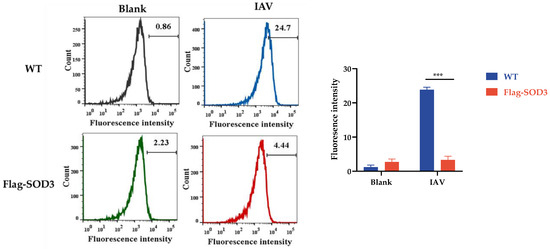
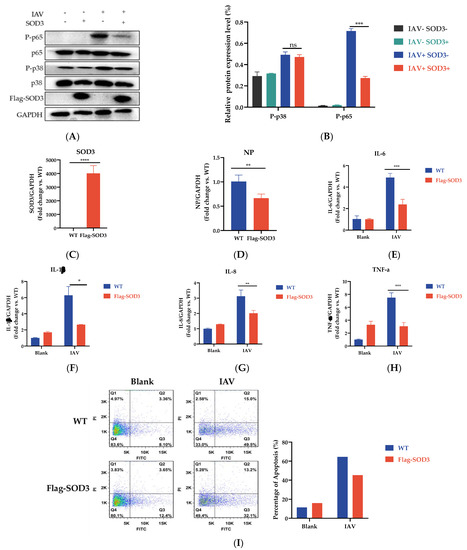
Influenza A virus infection induces the production of excessive reactive oxygen species (ROS). Overproduction of ROS can overwhelm the antioxidant defense system, leading to increasing intensive oxidative stress. However, antioxidant defense against oxidative damage induced by influenza A virus infection, and in particular the significance of the SOD3 response in the pathogenesis of influenza virus infection, has not been well characterized. Here, we investigated the potential role of SOD3 in resistance to influenza A virus infection. In this study, SOD3, as an important antioxidant enzyme, was shown to be highly elevated in A549 cells following influenza A virus infection. Furthermore, inhibition of SOD3 impacted viral replication and virulence. We found that SOD3 disrupts IAV replication by impairing the synthesis of vRNA, whereas it did not affect viral ribonucleoprotein nuclear export. In addition, overexpression of SOD3 greatly reduced the levels of ROS caused by influenza A virus infection, regulated the inflammatory response to virus infection by inhibiting the phosphorylation of p65 of the NF-κB signaling pathway, and inhibited virus-induced apoptosis to a certain extent. Taken together, these findings indicate that SOD3 is actively involved in influenza A virus replication. Pharmacological modulation or targeting of SOD3 may pave the way for a novel therapeutic approach to combating influenza A virus infection. Full article
(This article belongs to the Special Issue The Role of Oxidative Stress in Viral Infections)
Show Figures

Figure 1
14 pages, 821 KB  
Article
Contamination by Trace Elements and Oxidative Stress in the Skeletal Muscle of Scyliorhinus canicula from the Central Tyrrhenian Sea
by Mariacristina Filice, Francesca Romana Reinero, Maria Carmela Cerra, Caterina Faggio, Francesco Luigi Leonetti, Primo Micarelli, Gianni Giglio, Emilio Sperone, Donatella Barca and Sandra Imbrogno
Antioxidants 2023, 12(2), 524; https://doi.org/10.3390/antiox12020524 - 19 Feb 2023
Cited by 38 | Viewed by 4071
Abstract
Marine pollution, due to the regular discharge of contaminants by various anthropogenic sources, is a growing problem that imposes detrimental influences on natural species. Sharks, because of a diet based on smaller polluted animals, are exposed to the risk of water contamination and [...] Read more.
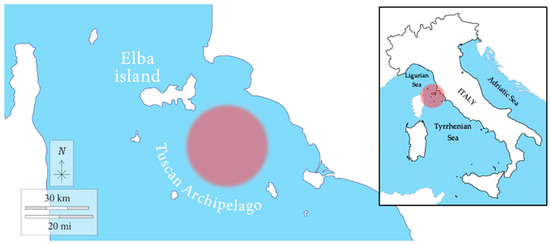
Marine pollution, due to the regular discharge of contaminants by various anthropogenic sources, is a growing problem that imposes detrimental influences on natural species. Sharks, because of a diet based on smaller polluted animals, are exposed to the risk of water contamination and the subsequent bioaccumulation and biomagnification. Trace elements are very diffuse water pollutants and able to induce oxidative stress in a variety of marine organisms. However, to date, studies on sharks are rather scarce and often limited to mercury. In this context, the present study aimed to analyze the accumulation of trace elements and their putative correlation with the onset of an oxidative status in the muscle of the lesser spotted dogfish Scyliorhinus canicula, from the Central Mediterranean Sea. Ecotoxicological analysis detected the presence of Pb, As, Cd, Mn, Zn, Ni, Cu, and Fe; no significant differences were observed between sexes, while a negative correlation was found between Pb and animal length. Analysis of oxidative stress markers showed either positive or negative correlation with respect to the presence of trace elements. Lipid peroxidation (TBARS) positively correlated with Zn, Ni, and Fe; SOD enzyme activity negatively correlated with Cu and Ni; LDH was negatively correlated with Fe and positively correlated with Pb. Moreover, positive correlations between the leukocyte count and Mn and Zn, as well as with LDH activity, were also observed. The data suggested that, in sharks, trace elements accumulation may affect oxidant and antioxidant processes with important outcomes for their physiology and health. Full article
(This article belongs to the Special Issue Oxidative Stress and Antioxidant Response in Marine Organisms)
Show Figures

Figure 1
22 pages, 2085 KB  
Article
Common Reactivity and Properties of Heme Peroxidases: A DFT Study of Their Origin
by Daniel R. Ramos, Paul G. Furtmüller, Christian Obinger, Ángeles Peña-Gallego, Ignacio Pérez-Juste and J. Arturo Santaballa
Antioxidants 2023, 12(2), 303; https://doi.org/10.3390/antiox12020303 - 28 Jan 2023
Cited by 2 | Viewed by 4060
Abstract
Electronic structure calculations using the density-functional theory (DFT) have been performed to analyse the effect of water molecules and protonation on the heme group of peroxidases in different redox (ferric, ferrous, compounds I and II) and spin states. Shared geometries, spectroscopic properties at [...] Read more.
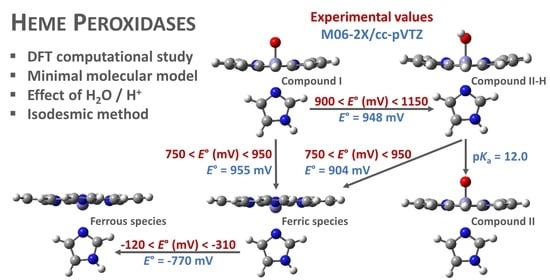
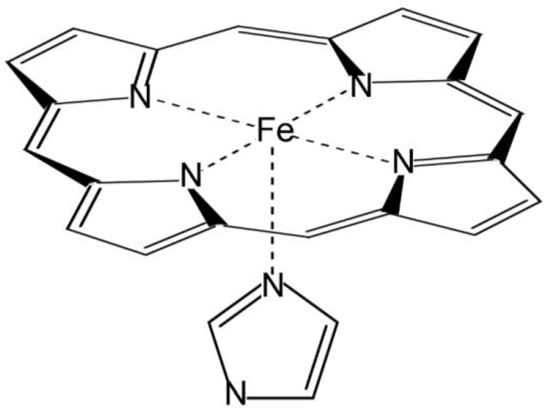
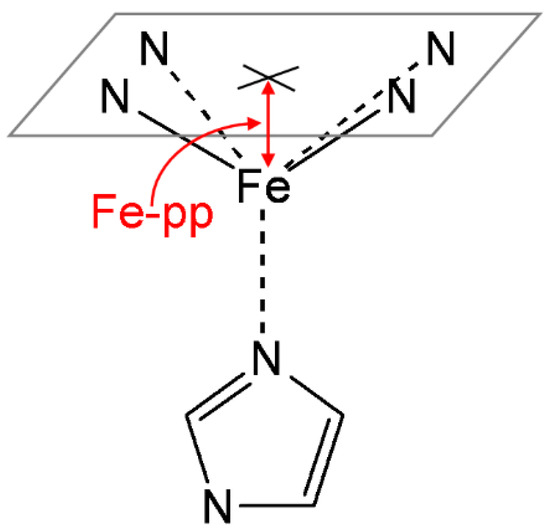
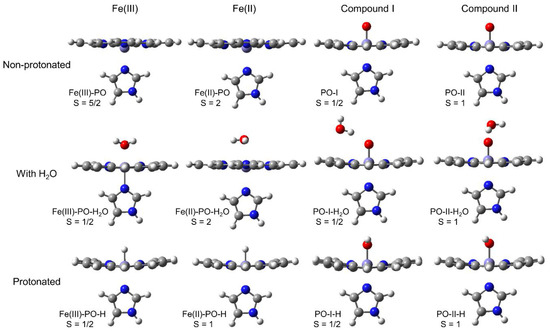
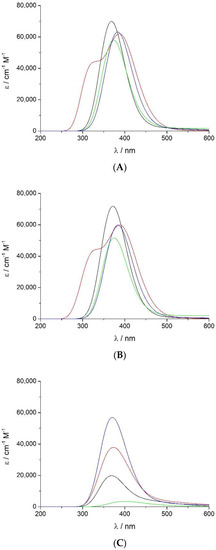
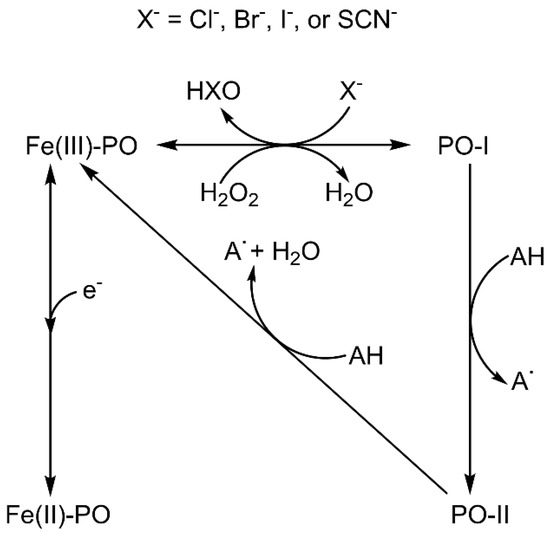
Electronic structure calculations using the density-functional theory (DFT) have been performed to analyse the effect of water molecules and protonation on the heme group of peroxidases in different redox (ferric, ferrous, compounds I and II) and spin states. Shared geometries, spectroscopic properties at the Soret region, and the thermodynamics of peroxidases are discussed. B3LYP and M06-2X density functionals with different basis sets were employed on a common molecular model of the active site (Fe-centred porphine and proximal imidazole). Computed Gibbs free energies indicate that the corresponding aquo complexes are not thermodynamically stable, supporting the five-coordinate Fe(III) centre in native ferric peroxidases, with a water molecule located at a non-bonding distance. Protonation of the ferryl oxygen of compound II is discussed in terms of thermodynamics, Fe–O bond distances, and redox properties. It is demonstrated that this protonation is necessary to account for the experimental data, and computed Gibbs free energies reveal pKa values of compound II about 8.5–9.0. Computation indicates that the general oxidative properties of peroxidase intermediates, as well as their reactivity towards water and protons and Soret bands, are mainly controlled by the iron porphyrin and its proximal histidine ligand. Full article
Show Figures

Graphical abstract

20 pages, 8841 KB  
Article
Ginsenoside Rg1 Delays Chronological Aging in a Yeast Model via CDC19- and SDH2-Mediated Cellular Metabolism
by Siming Wang, Juhui Qiao, Chunyan Jiang, Daian Pan, Shiting Yu, Jingjing Chen, Shichao Liu, Peiguang Zhang, Daqing Zhao and Meichen Liu
Antioxidants 2023, 12(2), 296; https://doi.org/10.3390/antiox12020296 - 28 Jan 2023
Cited by 11 | Viewed by 4039
Abstract
Ginsenosides, active substances in Panax ginseng C. A. Meyer (ginseng), extend lifespan in multiple species, ameliorate age-associated damage, and limit functional decline in multiple tissues. However, their active components and their molecular mechanisms are largely unknown. Here, ginsenoside Rg1 (Rg1) promoted longevity in [...] Read more.
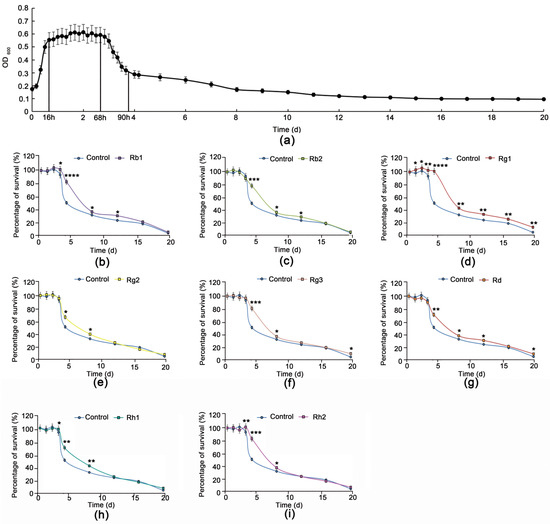
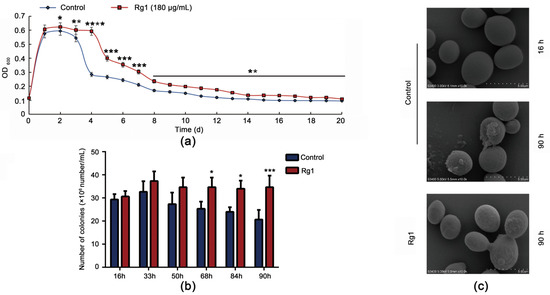
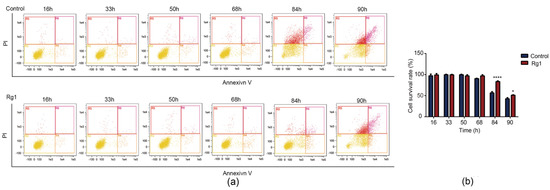
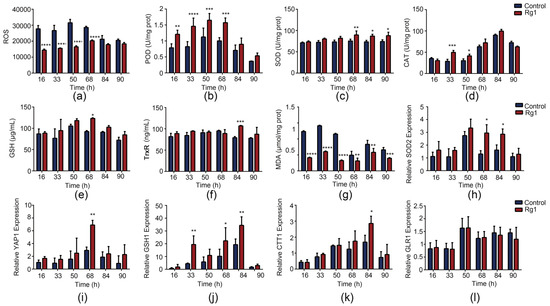
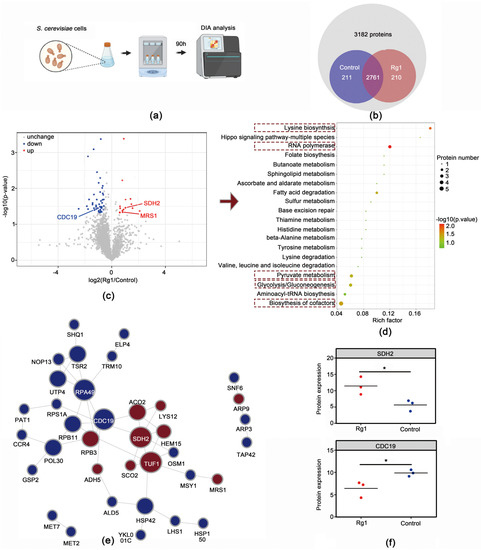
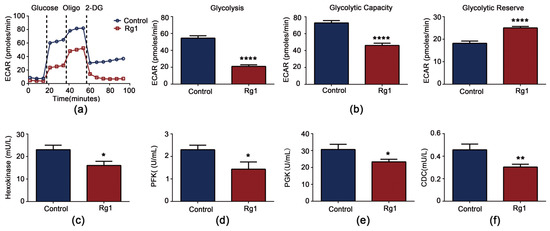
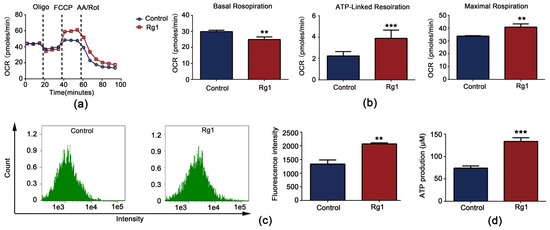
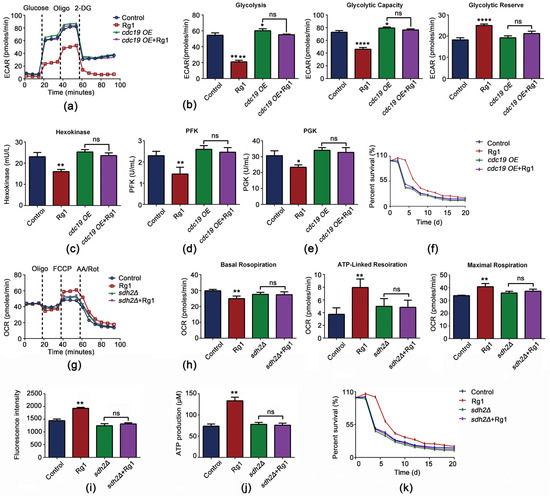
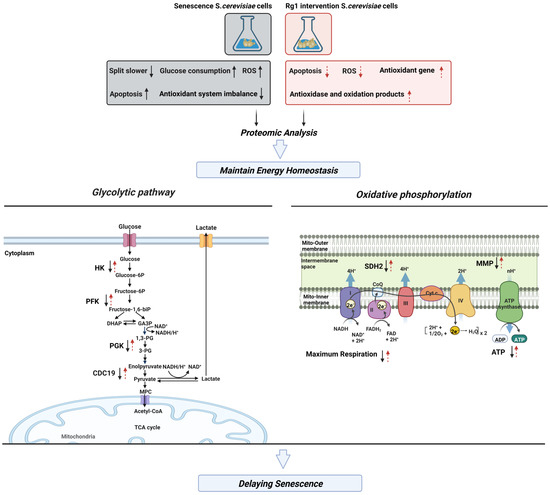
Ginsenosides, active substances in Panax ginseng C. A. Meyer (ginseng), extend lifespan in multiple species, ameliorate age-associated damage, and limit functional decline in multiple tissues. However, their active components and their molecular mechanisms are largely unknown. Here, ginsenoside Rg1 (Rg1) promoted longevity in Saccharomyces cerevisiae. Treatment with Rg1 decreased aging-mediated surface wrinkling, enhanced stress resistance, decreased reactive oxygen species’ production and apoptosis, improved antioxidant enzyme activity, and decreased the aging rate. Proteomic analysis indicated that Rg1 delays S. cerevisiae senescence by regulating metabolic homeostasis. Protein–protein interaction networks based on differential protein expression indicated that CDC19, a homologue of pyruvate kinase, and SDH2, the succinate dehydrogenase iron–sulfur protein subunit, might be the effector proteins involved in the regulation by Rg1. Further experiments confirmed that Rg1 improved specific parameters of mitochondrial bioenergetics and core enzymes in the glycolytic pathway. Mutant strains were constructed that demonstrated the relationships between metabolic homeostasis and the predicted target proteins of Rg1. Rg1 could be used in new treatments for slowing the aging process. Our results also provide a useful dataset for further investigations of the mechanisms of ginseng in aging. Full article
(This article belongs to the Special Issue Redox Regulation and Proteostasis in Ageing and Associated Diseases)
Show Figures

Figure 1
17 pages, 2608 KB  
Article
The Role of Green Tea Catechin Epigallocatechin Gallate (EGCG) and Mammalian Target of Rapamycin (mTOR) Inhibitor PP242 (Torkinib) in the Treatment of Spinal Cord Injury
by Lucia Machova Urdzikova, Veronika Cimermanova, Kristyna Karova, Jose Dominguez, Katerina Stepankova, Michaela Petrovicova, Katerina Havelikova, Chirag D. Gandhi, Meena Jhanwar-Uniyal and Pavla Jendelova
Antioxidants 2023, 12(2), 363; https://doi.org/10.3390/antiox12020363 - 3 Feb 2023
Cited by 9 | Viewed by 4029
Abstract
Spinal cord injury (SCI) is a devastating condition that has physical and psychological consequences for patients. SCI is accompanied by scar formation and systemic inflammatory response leading to an intense degree of functional loss. The catechin, epigallocatechin gallate (EGCG), an active compound found [...] Read more.
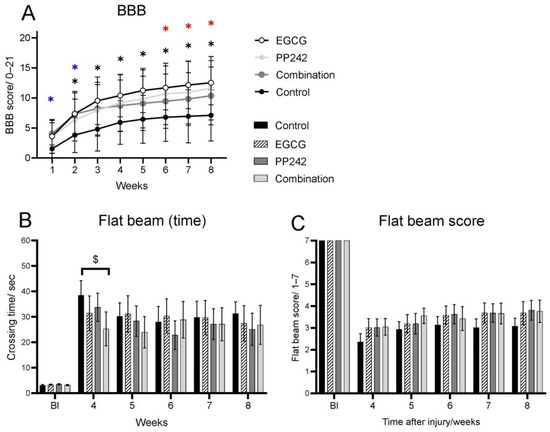
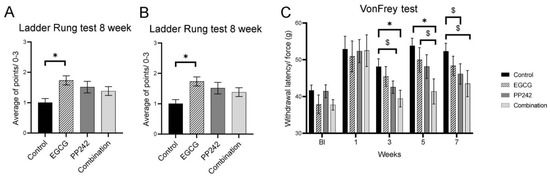
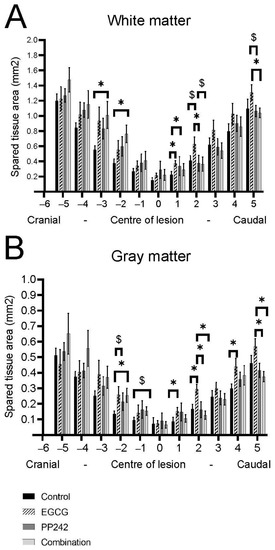
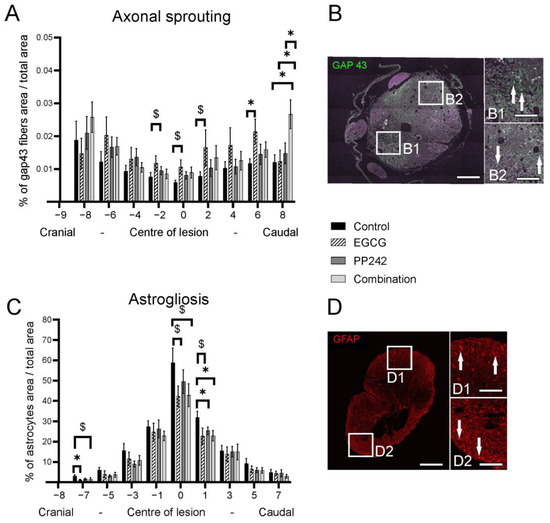
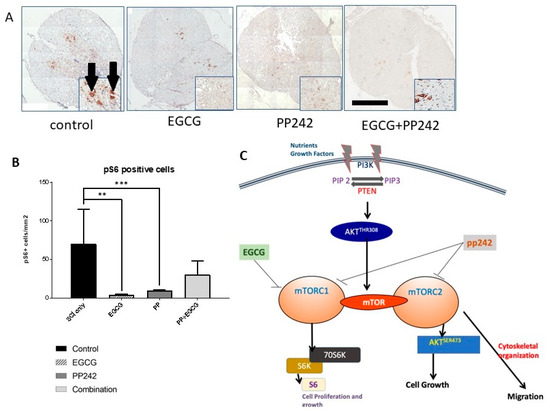
Spinal cord injury (SCI) is a devastating condition that has physical and psychological consequences for patients. SCI is accompanied by scar formation and systemic inflammatory response leading to an intense degree of functional loss. The catechin, epigallocatechin gallate (EGCG), an active compound found in green tea, holds neuroprotective features and is known for its anti-inflammatory potential. The mammalian target of rapamycin (mTOR) is a serine/threonine kinase that exists in two functionally distinct complexes termed mTOR complex 1 and 2 (mTORC1; mTORC2). Inhibition of mTORC1 by rapamycin causes neuroprotection, leading to partial recovery from SCI. In this study the effects of EGCG, PP242 (an inhibitor of both complexes of mTOR), and a combination of EGCG and PP242 in SCI have been examined. It has been found that both EGCG and PP242 significantly improved sensory/motor functions following SCI. However, EGCG appeared to be more effective (BBB motor test, from 2 to 8 weeks after SCI, p = 0.019, p = 0.007, p = 0.006, p = 0.006, p = 0.05, p = 0.006, and p = 0.003, respectively). The only exception was the Von Frey test, where EGCG was ineffective, while mTOR inhibition by PP242, as well as PP242 in combination with EGCG, significantly reduced withdrawal latency starting from week three (combinatorial therapy (EGCG + PP242) vs. control at 3, 5, and 7 weeks, p = 0.011, p = 0.007, and p = 0.05, respectively). It has been found that EGCG was as effective as PP242 in suppressing mTOR signaling pathways, as evidenced by a reduction in phosphorylated S6 expression (PP242 (t-test, p < 0.0001) or EGCG (t-test, p = 0.0002)). These results demonstrate that EGCG and PP242 effectively suppress mTOR pathways, resulting in recovery from SCI in rats, and that EGCG acts via suppressing mTOR pathways. Full article
(This article belongs to the Section Natural and Synthetic Antioxidants)
Show Figures

Figure 1
16 pages, 7360 KB  
Article
Antioxidant Strategies to Modulate NETosis and the Release of Neutrophil Extracellular Traps during Chronic Inflammation
by Line A. E. Hallberg, Kristine Barlous and Clare L. Hawkins
Antioxidants 2023, 12(2), 478; https://doi.org/10.3390/antiox12020478 - 14 Feb 2023
Cited by 19 | Viewed by 4017
Abstract
Extracellular traps are released by neutrophils and other immune cells as part of the innate immune response to combat pathogens. Neutrophil extracellular traps (NETs) consist of a mesh of DNA and histone proteins decorated with various anti-microbial granule proteins, such as elastase and [...] Read more.
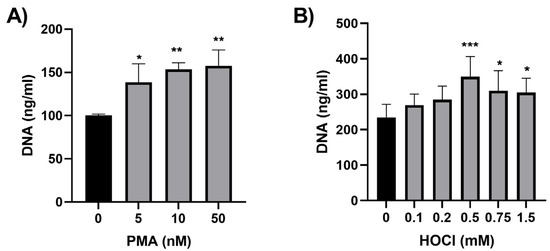
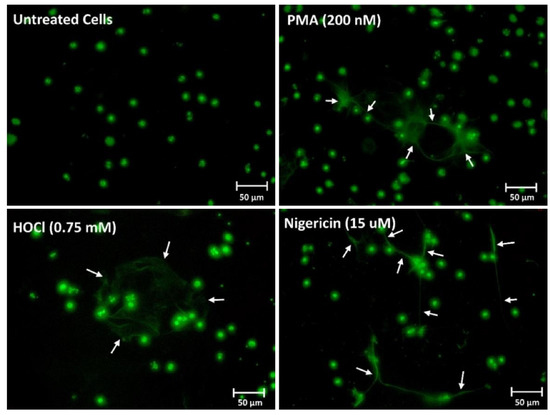
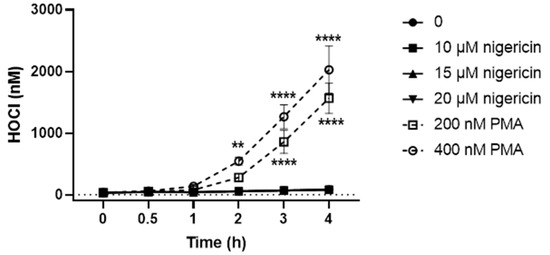
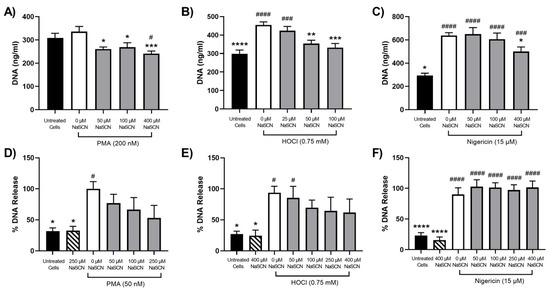
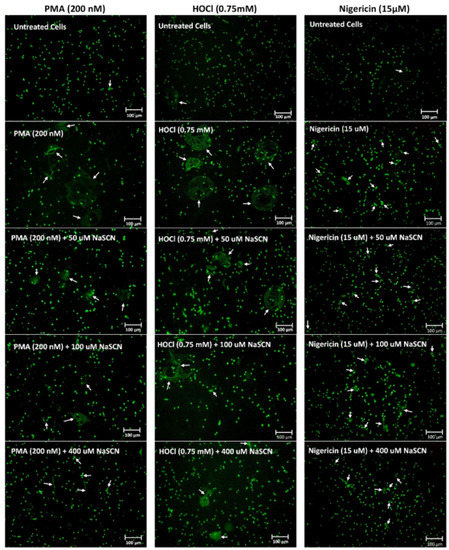
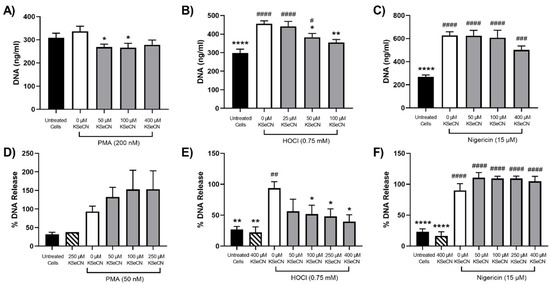
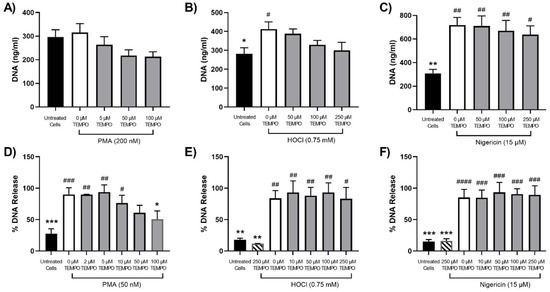
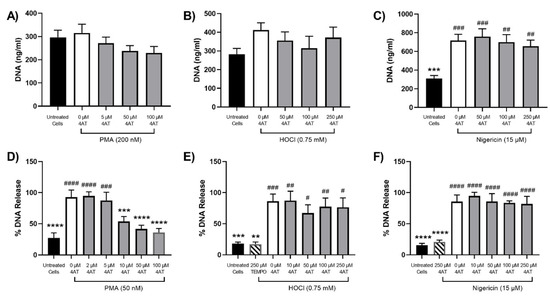
Extracellular traps are released by neutrophils and other immune cells as part of the innate immune response to combat pathogens. Neutrophil extracellular traps (NETs) consist of a mesh of DNA and histone proteins decorated with various anti-microbial granule proteins, such as elastase and myeloperoxidase (MPO). In addition to their role in innate immunity, NETs are also strongly linked with numerous pathological conditions, including atherosclerosis, sepsis and COVID-19. This has led to significant interest in developing strategies to inhibit NET release. In this study, we have examined the efficacy of different antioxidant approaches to selectively modulate the inflammatory release of NETs. PLB-985 neutrophil-like cells were shown to release NETs on exposure to phorbol myristate acetate (PMA), hypochlorous acid or nigericin, a bacterial peptide derived from Streptomyces hygroscopicus. Studies with the probe R19-S indicated that treatment of the PLB-985 cells with PMA, but not nigericin, resulted in the production of HOCl. Therefore, studies were extended to examine the efficacy of a range of antioxidant compounds that modulate HOCl production by MPO to prevent NETosis. It was shown that thiocyanate, selenocyanate and various nitroxides could prevent NETosis in PLB-985 neutrophils exposed to PMA and HOCl, but not nigericin. These results were confirmed in analogous experiments with freshly isolated primary human neutrophils. Taken together, these data provide new information regarding the utility of supplementation with MPO inhibitors and/or HOCl scavengers to prevent NET release, which could be important to more specifically target pathological NETosis in vivo. Full article
Show Figures

Figure 1
27 pages, 4260 KB  
Article
Synthesis of New Shogaol Analogues as NRF2 Activators and Evaluation of Their Anti-Inflammatory Activity, Modes of Action and Metabolic Stability
by Kit-Kay Mak, Zhang Shiming, Raghavendra Sakirolla, Madhu Katyayani Balijepalli, Albena T. Dinkova-Kostova, Ola Epemolu, Zulkefeli Mohd and Mallikarjuna Rao Pichika
Antioxidants 2023, 12(2), 475; https://doi.org/10.3390/antiox12020475 - 13 Feb 2023
Cited by 8 | Viewed by 4006
Abstract
6-shogaol is a natural and the most potent bioactive vanilloid in dried Zingiber officinale rhizomes. Many scientific studies have reported the diverse biological activities of 6-shogaol. However, the major drawback of 6-shogaol is its instability at room temperature. We synthesised new shogaol thiophene [...] Read more.
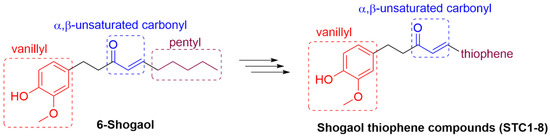
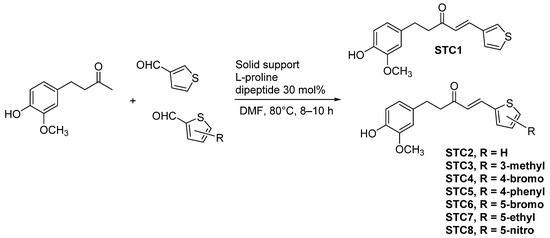
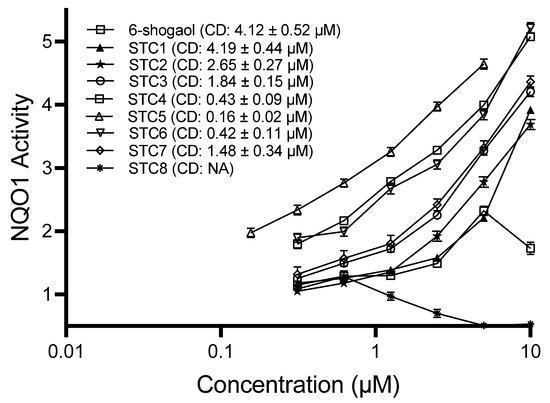
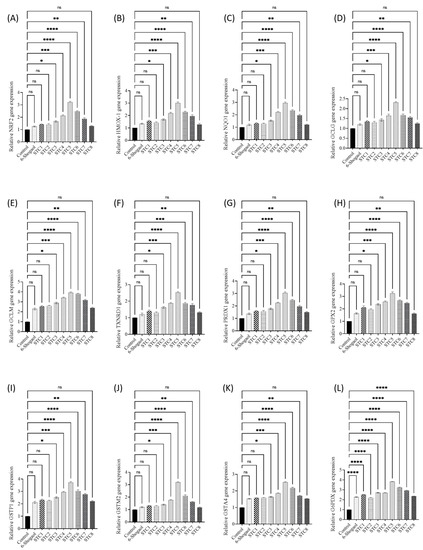
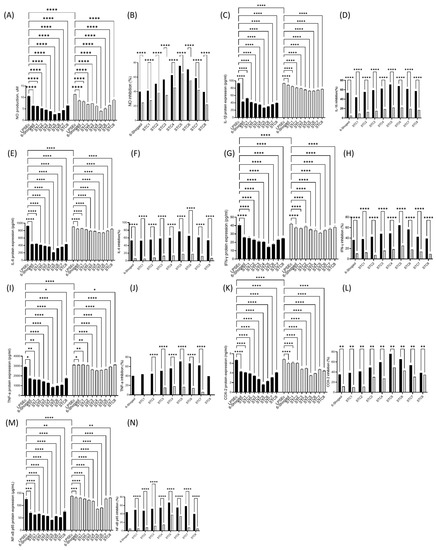
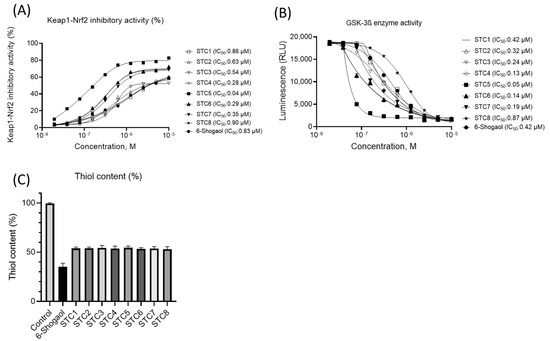
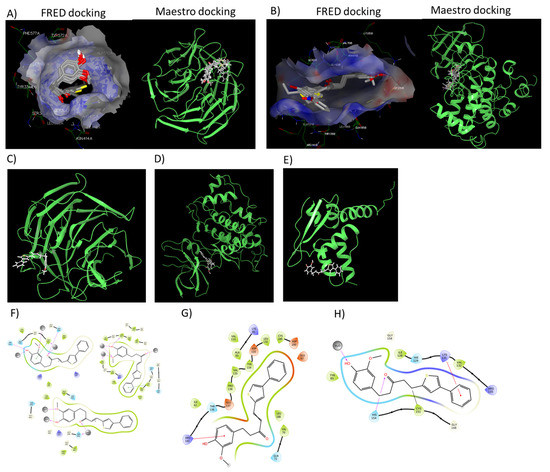
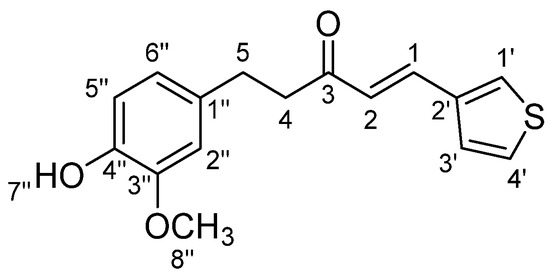
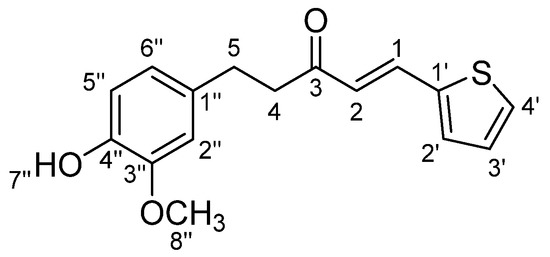
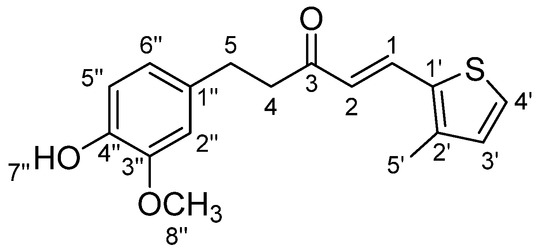
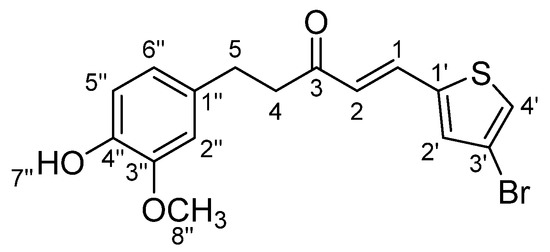
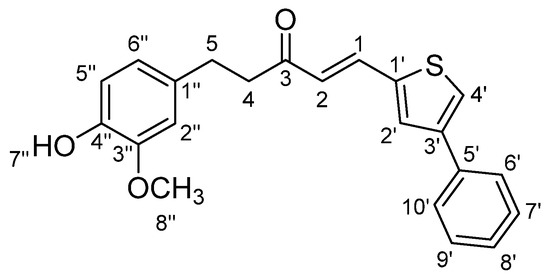
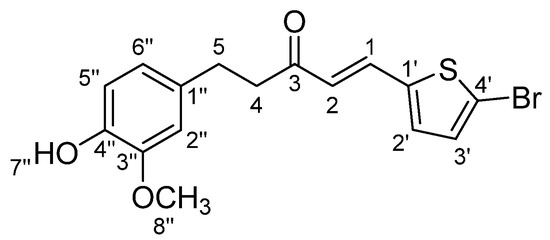
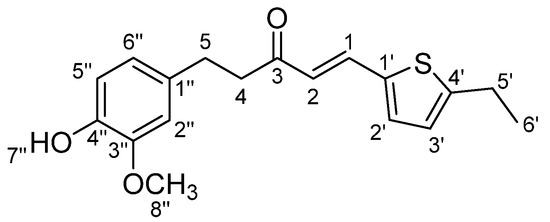
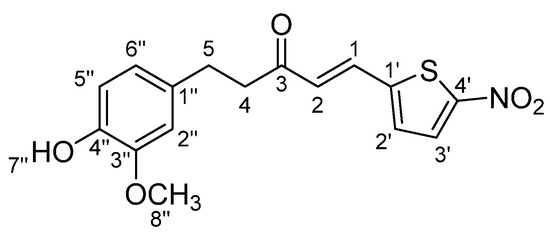
6-shogaol is a natural and the most potent bioactive vanilloid in dried Zingiber officinale rhizomes. Many scientific studies have reported the diverse biological activities of 6-shogaol. However, the major drawback of 6-shogaol is its instability at room temperature. We synthesised new shogaol thiophene compounds (STCs) by replacing the pentyl group in the sidechain with thiophene derivatives. The STCs were tested for their nuclear factor erythroid 2-related factor 2 (NRF2) activation ability in murine hepatoma cells (Hepa1c1c-7) by determining their NAD(P)H quinone oxidoreductase 1 (NQO1) inducing ability and expression of NRF2-associated antioxidant genes. The anti-inflammatory activity of STCs was determined in Escherichia coli lipopolysaccharide (LPSEc)-stimulated NR2-proficient and -silenced mouse microglial cells (BV-2) by measuring the inflammatory markers, cytokines, and mediators. The modes of action (interacting with the Kelch domain of KEAP1, covalent bonding with cysteines of KEAP1, and inhibition of GSK-3β enzyme activity) of NRF2 activation by STCs were determined using commercially available kits. The in vitro metabolic stability of the STCs in liver microsomes (humans, rats, and mice) was also investigated. The molecular docking and molecular dynamics studies were conducted to identify the binding poses, stability, and molecular interactions of the STCs in the binding pockets of Kelch and BTB domains of KEAP1 and GSK-3β enzyme. The new STCs were synthesised in good yields of > 85%, with a purity of about 95%, using a novel synthesis method by employing a reusable proline–proline dipeptide catalyst. The STCs are more potent than 6-shogaol in activating NRF2 and reducing inflammation. The nature of substituents on thiophene has a profound influence on the bioactivity of the STCs. Phenylthiophene STC (STC5) is the most potent, while thiophenes containing electron-withdrawing groups showed weaker bioactivity. The bioactivity of 6-shogaol is in the micromolar range, whereas STC5 showed bioactivity in the sub micromolar range. The STCs showed anti-inflammatory effects via NRF2-dependent and NRF2-independent mechanisms. The STCs improved NRF2 activity through multiple (KEAP1-independent and -dependent) mechanisms. The STCs showed decreased reactivity with thiols than 6-shogaol and thus may possess fewer side-effects than 6-shogaol. The STCs were more metabolically stable than 6-shogaol. Full article
Show Figures

Figure 1