19 pages, 6776 KB  
Article
Disease Modifying Effects of the Spider Toxin Parawixin2 in the Experimental Epilepsy Model
by Lívea Dornela Godoy, José Luiz Liberato, Marcus Vinícius Batista Celani, Leonardo Gobbo-Neto, Norberto Peporine Lopes and Wagner Ferreira Dos Santos
Toxins 2017, 9(9), 262; https://doi.org/10.3390/toxins9090262 - 25 Aug 2017
Cited by 13 | Viewed by 5284
Abstract
(1) Background: Temporal lobe epilepsy (TLE) is the most common type of epilepsy in adults. It is also the one with the highest percentage of drug-resistance to the current available anti-epileptic drugs (AED). Additionaly, most antiepileptic drugs are only able to control seizures [...] Read more.
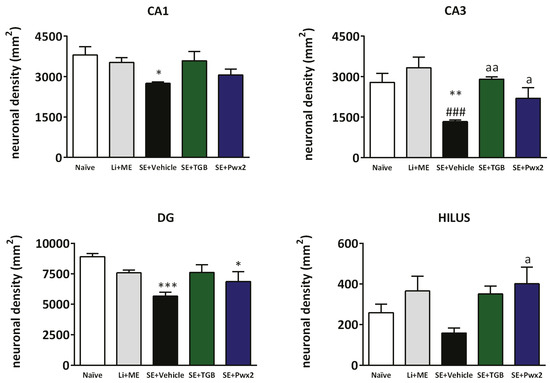
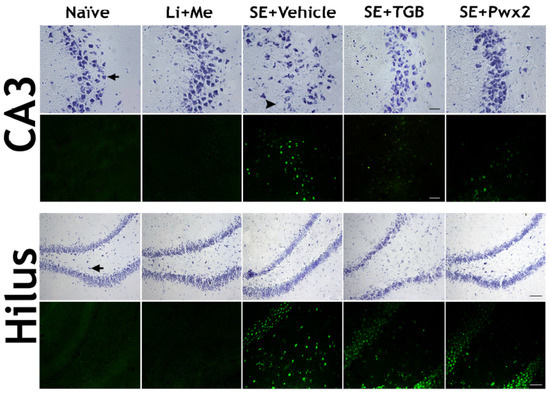
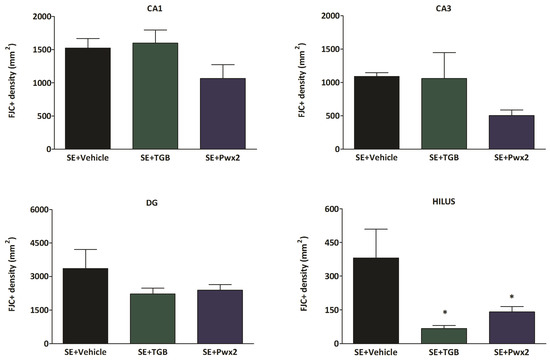
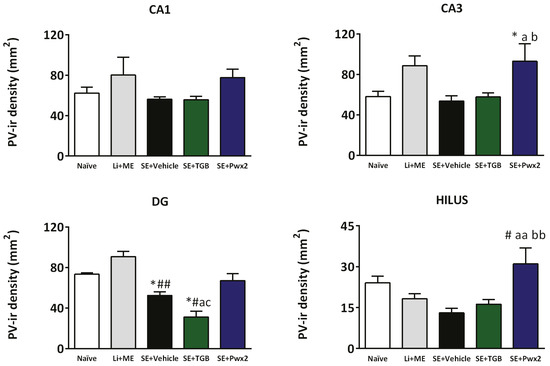
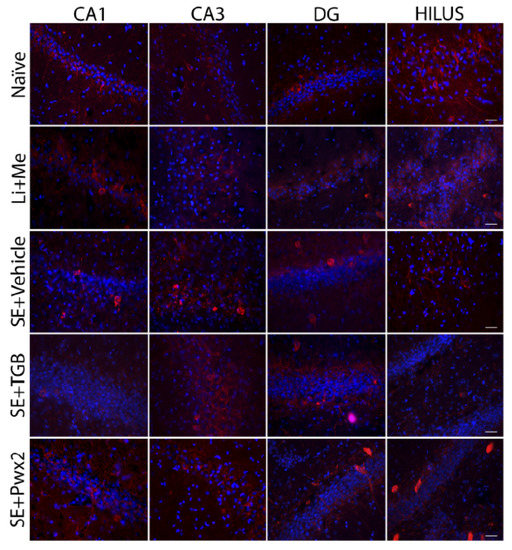
(1) Background: Temporal lobe epilepsy (TLE) is the most common type of epilepsy in adults. It is also the one with the highest percentage of drug-resistance to the current available anti-epileptic drugs (AED). Additionaly, most antiepileptic drugs are only able to control seizures in epileptogenesis, but do not decrease the hippocampal neurodegenerative process. TLE patients have a reduced population of interneuronal cells, which express Parvalbumin (PV) proteins. This reduction is directly linked to seizure frequency and severity in the chronic period of epilepsy. There is therefore a need to seek new therapies with a disease-modifying profile, and with efficient antiepileptic and neuroprotective properties. Parawixin2, a compound isolated from the venom of the spider Parawixia bistriata, has been shown to inhibit GABA transporters (GAT) and to have acute anticonvulsant effects in rats. (2) Methods: In this work, we studied the effects of Parawixin2 and Tiagabine (an FDA- approved GAT inhibitor), and compared these effects in a TLE model. Rats were subjected to lithium-pilocarpine TLE model and the main features were evaluated over a chronic period including: (a) spontaneous recurrent seizures (SRS), (b) neuronal loss, and (c) PV cell density in different regions of the hippocampus (CA1, CA3, DG and Hilus). (3) Results: Parawixin2 treatment reduced SRS frequency whereas Tiagabine did not. We also found a significant reduction in neuronal loss in CA3 and in the hilus regions of the hippocampus, in animals treated with Parawixin2. Noteworthy, Parawixin2 significantly reversed PV cell loss observed particularly in DG layers. (4) Conclusions: Parawixin2 exerts a promising neuroprotective and anti-epileptic effect and has potential as a novel agent in drug design. Full article
(This article belongs to the Section Animal Venoms)
Show Figures

Figure 1
16 pages, 3239 KB  
Article
Orally Delivered Scorpion Antimicrobial Peptides Exhibit Activity against Pea Aphid (Acyrthosiphon pisum) and Its Bacterial Symbionts
by Karen Luna-Ramirez, Marisa Skaljac, Jens Grotmann, Phillipp Kirfel and Andreas Vilcinskas
Toxins 2017, 9(9), 261; https://doi.org/10.3390/toxins9090261 - 24 Aug 2017
Cited by 28 | Viewed by 7993
Abstract
Aphids are severe agricultural pests that damage crops by feeding on phloem sap and vectoring plant pathogens. Chemical insecticides provide an important aphid control strategy, but alternative and sustainable control measures are required to avoid rapidly emerging resistance, environmental contamination, and the risk [...] Read more.
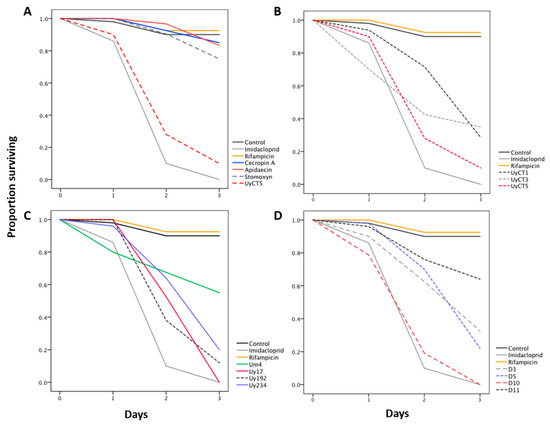
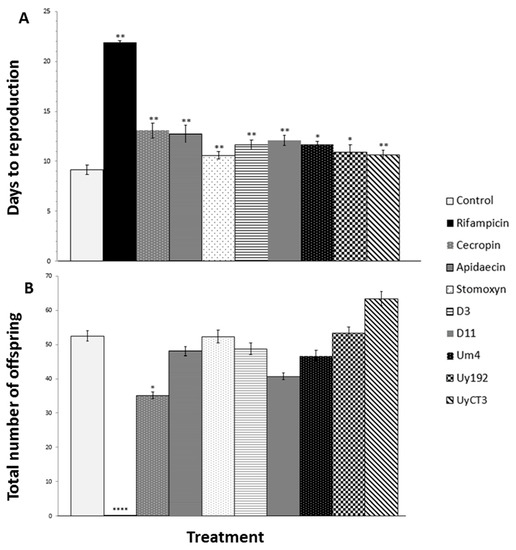
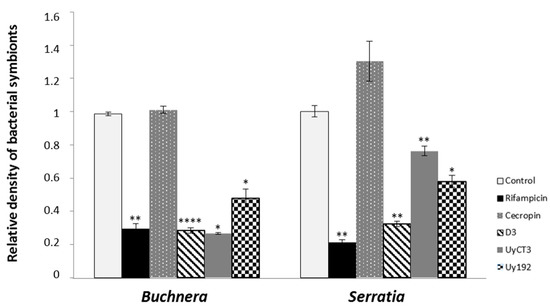
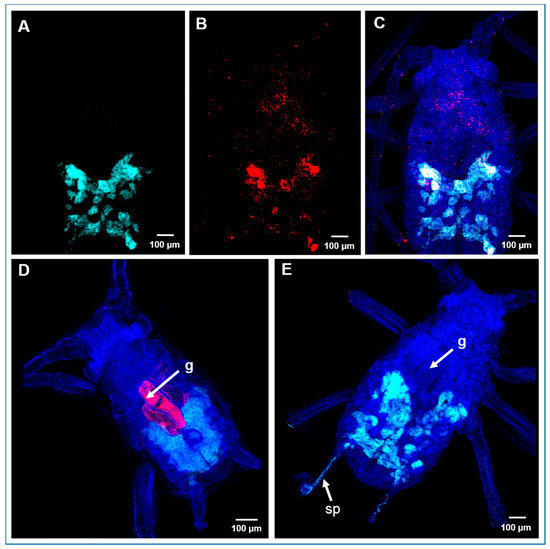
Aphids are severe agricultural pests that damage crops by feeding on phloem sap and vectoring plant pathogens. Chemical insecticides provide an important aphid control strategy, but alternative and sustainable control measures are required to avoid rapidly emerging resistance, environmental contamination, and the risk to humans and beneficial organisms. Aphids are dependent on bacterial symbionts, which enable them to survive on phloem sap lacking essential nutrients, as well as conferring environmental stress tolerance and resistance to parasites. The evolution of aphids has been accompanied by the loss of many immunity-related genes, such as those encoding antibacterial peptides, which are prevalent in other insects, probably because any harm to the bacterial symbionts would inevitably affect the aphids themselves. This suggests that antimicrobial peptides (AMPs) could replace or at least complement conventional insecticides for aphid control. We fed the pea aphids (Acyrthosiphon pisum) with AMPs from the venom glands of scorpions. The AMPs reduced aphid survival, delayed their reproduction, displayed in vitro activity against aphid bacterial symbionts, and reduced the number of symbionts in vivo. Remarkably, we found that some of the scorpion AMPs compromised the aphid bacteriome, a specialized organ that harbours bacterial symbionts. Our data suggest that scorpion AMPs holds the potential to be developed as bio-insecticides, and are promising candidates for the engineering of aphid-resistant crops. Full article
(This article belongs to the Section Animal Venoms)
Show Figures

Figure 1
15 pages, 638 KB  
Review
Botulinum Toxin for the Treatment of Neuropathic Pain
by JungHyun Park and Hue Jung Park
Toxins 2017, 9(9), 260; https://doi.org/10.3390/toxins9090260 - 24 Aug 2017
Cited by 194 | Viewed by 22982
Abstract
Botulinum toxin (BoNT) has been used as a treatment for excessive muscle stiffness, spasticity, and dystonia. BoNT for approximately 40 years, and has recently been used to treat various types of neuropathic pain. The mechanism by which BoNT acts on neuropathic pain involves [...] Read more.
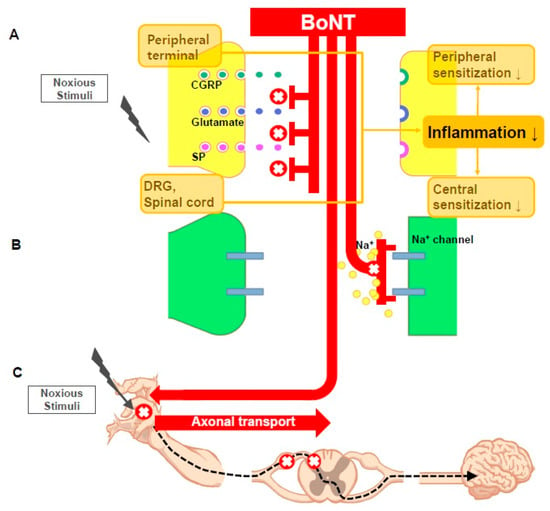
Botulinum toxin (BoNT) has been used as a treatment for excessive muscle stiffness, spasticity, and dystonia. BoNT for approximately 40 years, and has recently been used to treat various types of neuropathic pain. The mechanism by which BoNT acts on neuropathic pain involves inhibiting the release of inflammatory mediators and peripheral neurotransmitters from sensory nerves. Recent journals have demonstrated that BoNT is effective for neuropathic pain, such as postherpetic neuralgia, trigeminal neuralgia, and peripheral neuralgia. The purpose of this review is to summarize the experimental and clinical evidence of the mechanism by which BoNT acts on various types of neuropathic pain and describe why BoNT can be applied as treatment. The PubMed database was searched from 1988 to May 2017. Recent studies have demonstrated that BoNT injections are effective treatments for post-herpetic neuralgia, diabetic neuropathy, trigeminal neuralgia, and intractable neuropathic pain, such as poststroke pain and spinal cord injury. Full article
(This article belongs to the Special Issue Toxins in Drug Discovery and Pharmacology)
Show Figures

Figure 1
14 pages, 4504 KB  
Article
Heterologous Expression, Purification and Immunoreactivity of the Antigen 5 from Polybia paulista Wasp Venom
by Murilo Luiz Bazon, Amilcar Perez-Riverol, José Roberto Aparecido Dos Santos-Pinto, Luis Gustavo Romani Fernandes, Alexis Musacchio Lasa, Débora Laís Justo-Jacomini, Mario Sergio Palma, Ricardo De Lima Zollner and Márcia Regina Brochetto-Braga
Toxins 2017, 9(9), 259; https://doi.org/10.3390/toxins9090259 - 24 Aug 2017
Cited by 23 | Viewed by 6327
Abstract
Polybia paulista (Hymenoptera: Vespidae) is responsible for a high number of sting accidents and anaphylaxis events in Southeast Brazil, Argentina and Paraguay. The specific detection of allergy to the venom of this wasp is often hampered by the lack of recombinant allergens currently [...] Read more.
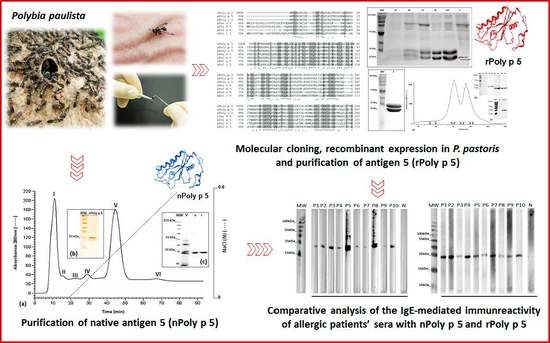
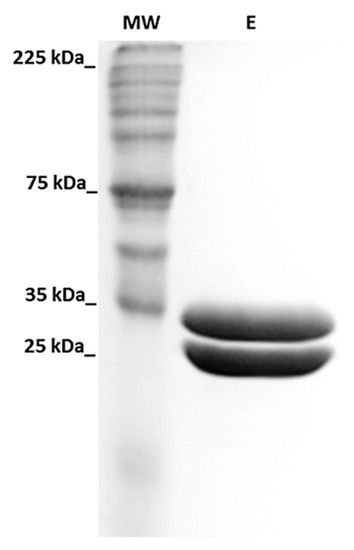
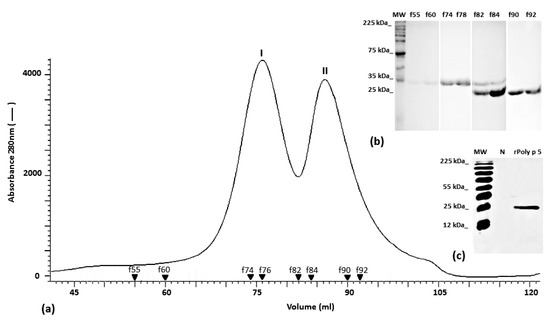
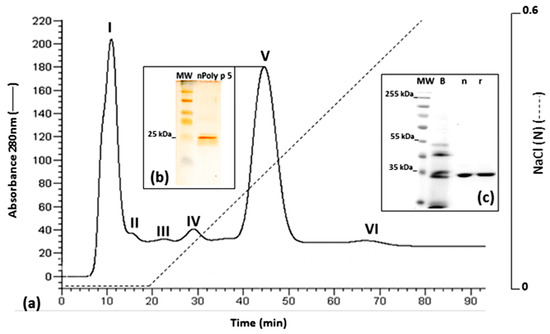
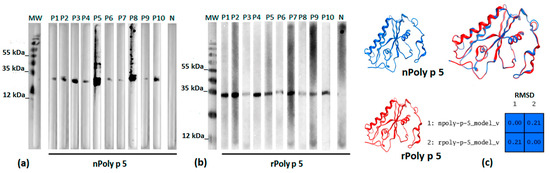
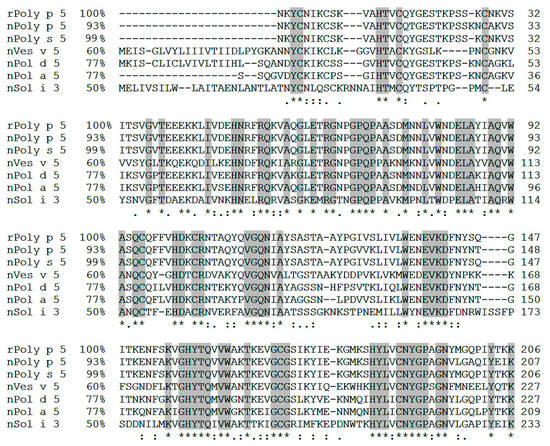
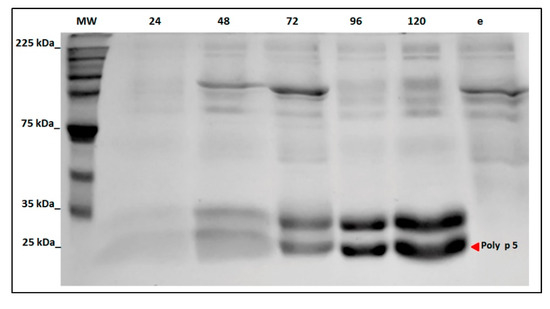
Polybia paulista (Hymenoptera: Vespidae) is responsible for a high number of sting accidents and anaphylaxis events in Southeast Brazil, Argentina and Paraguay. The specific detection of allergy to the venom of this wasp is often hampered by the lack of recombinant allergens currently available for molecular diagnosis. Antigen 5 (~23 kDa) from P. paulista venom (Poly p 5) is a highly abundant and glycosylated allergenic protein that could be used for development of component-resolved diagnosis (CRD). Here, we describe the cloning and heterologous expression of the antigen 5 (rPoly p 5) from P. paulista venom using the eukaryotic system Pichia pastoris. The expression as a secreted protein yielded high levels of soluble rPoly p 5. The recombinant allergen was further purified to homogeneity (99%) using a two-step chromatographic procedure. Simultaneously, the native form of the allergen (nPoly p 5) was purified from the wasp venom by Ion exchange chromatography. The rPoly p 5 and nPoly p 5 were then submitted to a comparative analysis of IgE-mediated immunodetection using sera from patients previously diagnosed with sensitization to wasp venoms. Both rPoly p 5 and nPoly p 5 were recognized by specific IgE (sIgE) in the sera of the allergic individuals. The high levels of identity found between nPoly p 5 and rPoly p 5 by the alignment of its primary sequences as well as by 3-D models support the results obtained in the immunoblot. Overall, we showed that P. pastoris is a suitable system for production of soluble rPoly p 5 and that the recombinant allergen represents a potential candidate for molecular diagnosis of P.paulista venom allergy. Full article
(This article belongs to the Section Animal Venoms)
Show Figures

Graphical abstract

15 pages, 5611 KB  
Communication
The Natural Fungal Metabolite Beauvericin Exerts Anticancer Activity In Vivo: A Pre-Clinical Pilot Study
by Daniela Heilos, Yelko Rodríguez-Carrasco, Bernhard Englinger, Gerald Timelthaler, Sushilla Van Schoonhoven, Michael Sulyok, Simon Boecker, Roderich D. Süssmuth, Petra Heffeter, Rosa Lemmens-Gruber, Rita Dornetshuber-Fleiss and Walter Berger
Toxins 2017, 9(9), 258; https://doi.org/10.3390/toxins9090258 - 24 Aug 2017
Cited by 34 | Viewed by 6282
Abstract
Recently, in vitro anti-cancer properties of beauvericin, a fungal metabolite were shown in various cancer cell lines. In this study, we assessed the specificity of this effect by comparing beauvericin cytotoxicity in malignant versus non-malignant cells. Moreover, we tested in vivo anticancer effects [...] Read more.
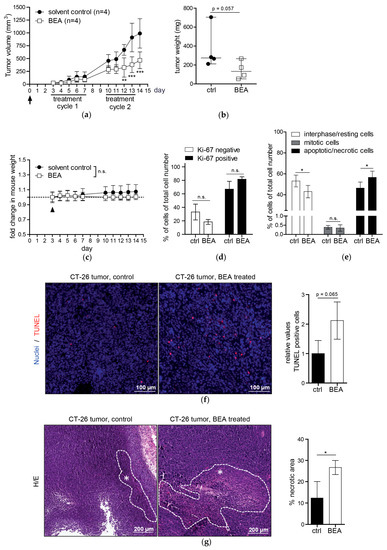
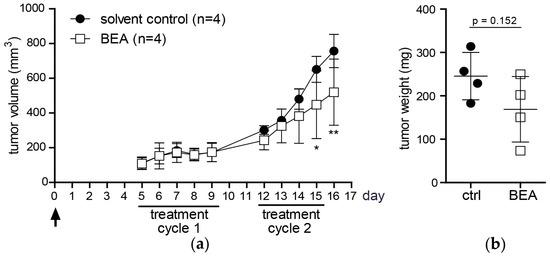
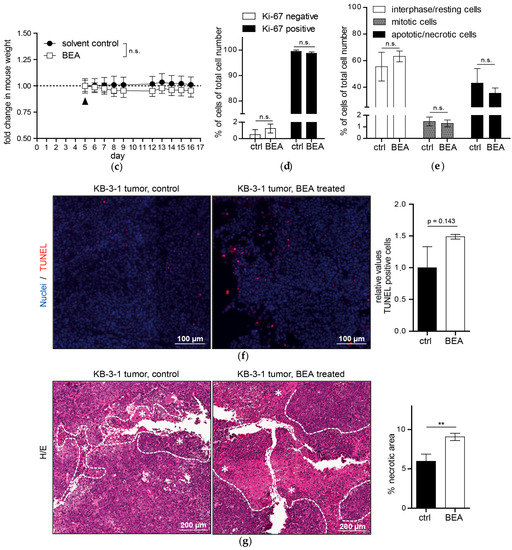
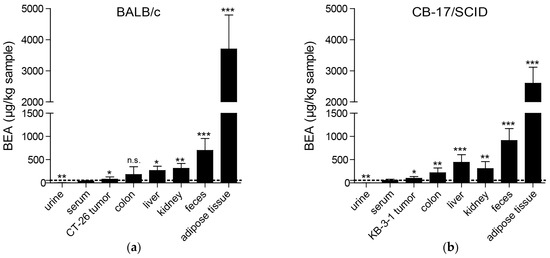
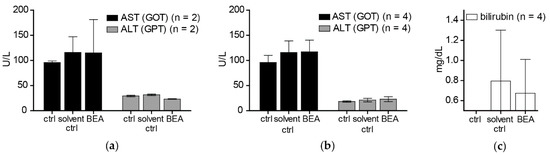
Recently, in vitro anti-cancer properties of beauvericin, a fungal metabolite were shown in various cancer cell lines. In this study, we assessed the specificity of this effect by comparing beauvericin cytotoxicity in malignant versus non-malignant cells. Moreover, we tested in vivo anticancer effects of beauvericin by treating BALB/c and CB-17/SCID mice bearing murine CT-26 or human KB-3-1-grafted tumors, respectively. Tumor size and weight were measured and histological sections were evaluated by Ki-67 and H/E staining as well as TdT-mediated-dUTP-nick-end (TUNEL) labeling. Beauvericin levels were determined in various tissues and body fluids by LC-MS/MS. In addition to a more pronounced activity against malignant cells, we detected decreased tumor volumes and weights in beauvericin-treated mice compared to controls in both the allo- and the xenograft model without any adverse effects. No significant differences were detected concerning percentages of proliferating and mitotic cells in tumor sections from treated and untreated mice. However, a significant increase of necrotic areas within whole tumor sections of beauvericin-treated mice was found in both models corresponding to an enhanced number of TUNEL-positive, i.e., apoptotic, cells. Furthermore, moderate beauvericin accumulation was detected in tumor tissues. In conclusion, we suggest beauvericin as a promising novel natural compound for anticancer therapy. Full article
(This article belongs to the Section Mycotoxins)
Show Figures

Figure 1
2 pages, 726 KB  
Obituary
Remembering Dr. Rex Munday
by Luis M. Botana and Vitor Vasconcelos
Toxins 2017, 9(9), 257; https://doi.org/10.3390/toxins9090257 - 24 Aug 2017
Viewed by 4359
Abstract
Rex Munday was a scientist working for AgResearch Ltd. in New Zealand. He was a leading figure in the area of marine toxin toxicity. His passing in July 2017 marked a loss for his family, as well as for colleagues who knew him [...] Read more.
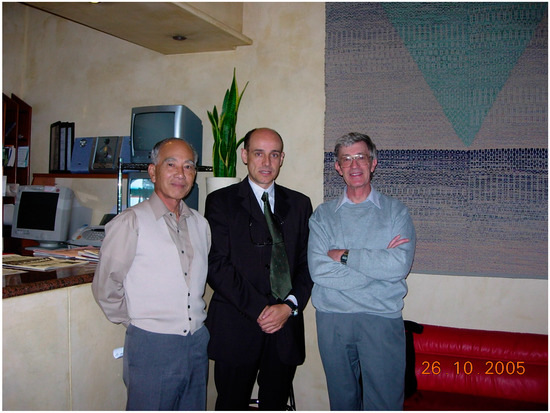
Rex Munday was a scientist working for AgResearch Ltd. in New Zealand. He was a leading figure in the area of marine toxin toxicity. His passing in July 2017 marked a loss for his family, as well as for colleagues who knew him as a dedicated professional, and a lively scientist with a great sense of humor. Full article
Show Figures

Figure 1
17 pages, 3161 KB  
Article
Spectral EMG Changes in Cervical Dystonia Patients and the Influence of Botulinum Toxin Treatment
by S. W. R. Nijmeijer, E. De Bruijn, R. Verhagen, P. A. Forbes, D. J. Kamphuis, R. Happee, M. A. J. Tijssen and J. H. T. M. Koelman
Toxins 2017, 9(9), 256; https://doi.org/10.3390/toxins9090256 - 23 Aug 2017
Cited by 7 | Viewed by 6964
Abstract
Botulinum toxin (BoNT) injections in the dystonic muscles is the preferred treatment for Cervical Dystonia (CD), but the proper identification of the dystonic muscles remains a challenge. Previous studies showed decreased 8–14 Hz autospectral power in the electromyography (EMG) of splenius muscles in [...] Read more.
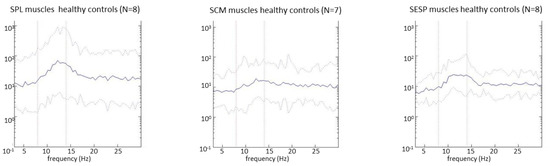
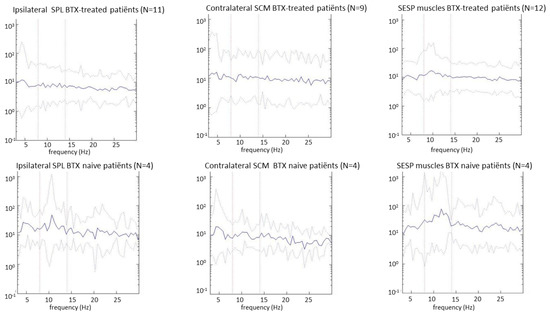
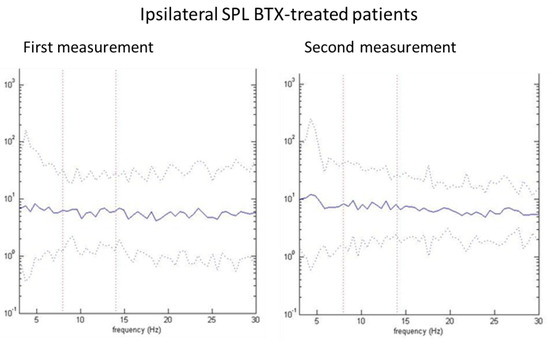
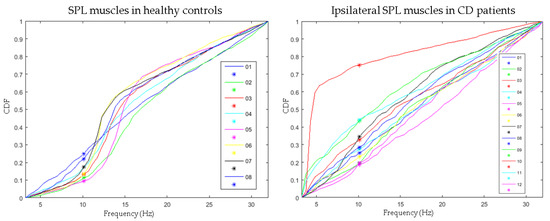
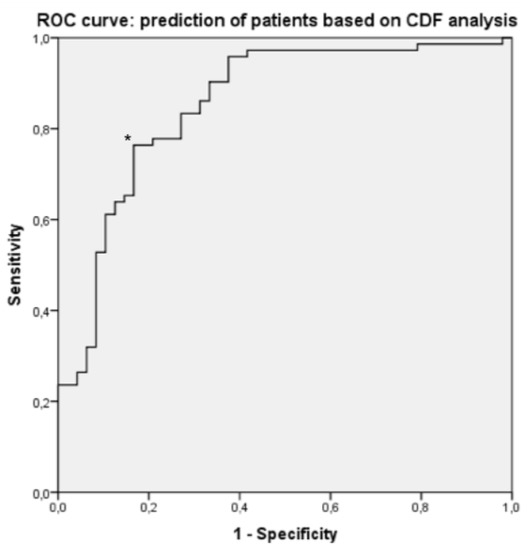
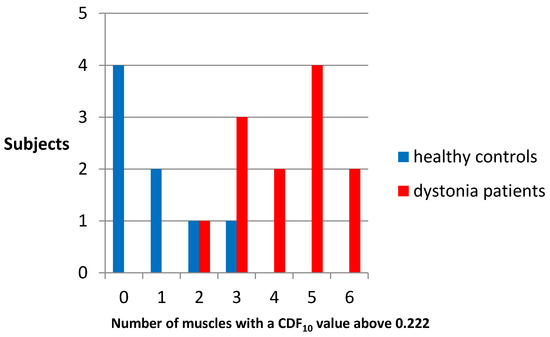
Botulinum toxin (BoNT) injections in the dystonic muscles is the preferred treatment for Cervical Dystonia (CD), but the proper identification of the dystonic muscles remains a challenge. Previous studies showed decreased 8–14 Hz autospectral power in the electromyography (EMG) of splenius muscles in CD patients. Cumulative distribution functions (CDF’s) of dystonic muscles showed increased CDF10 values, representing increased autospectral powers between 3 and 10 Hz, relative to power between 3 and 32 Hz. In this study, we evaluated both methods and investigated the effects of botulinum toxin. Intramuscular EMG recordings were obtained from the splenius, semispinalis, and sternocleidomastoid muscles during standardized isometric tasks in 4 BoNT-naïve CD patients, 12 BoNT-treated patients, and 8 healthy controls. BoNT-treated patients were measured 4–7 weeks after their last BoNT injections and again after 11–15 weeks. We found significantly decreased 8–14 Hz autospectral power in splenius muscles, but not in the semispinalis and sternocleidomastoid muscles of CD patients when compared to healthy controls. CDF10 analysis was superior in demonstrating subtle autospectral changes, and showed increased CDF10 values in all studied muscles of CD patients. These results did not change significantly after BoNT injections. Further studies are needed to investigate the origin of these autospectral changes in dystonia patients, and to assess their potential in muscle selection for BoNT treatment. Full article
(This article belongs to the Special Issue Muscle Selection for BoNT)
Show Figures

Figure 1
19 pages, 1826 KB  
Article
Genetic Divergence and Chemotype Diversity in the Fusarium Head Blight Pathogen Fusarium poae
by Adriaan Vanheule, Marthe De Boevre, Antonio Moretti, Jonathan Scauflaire, Françoise Munaut, Sarah De Saeger, Boris Bekaert, Geert Haesaert, Cees Waalwijk, Theo Van der Lee and Kris Audenaert
Toxins 2017, 9(9), 255; https://doi.org/10.3390/toxins9090255 - 23 Aug 2017
Cited by 27 | Viewed by 6148
Abstract
Fusarium head blight is a disease caused by a complex of Fusarium species. F. poae is omnipresent throughout Europe in spite of its low virulence. In this study, we assessed a geographically diverse collection of F. poae isolates for its genetic diversity using [...] Read more.
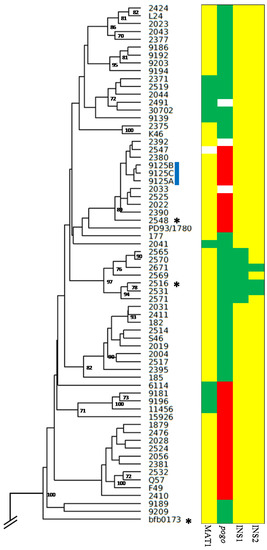
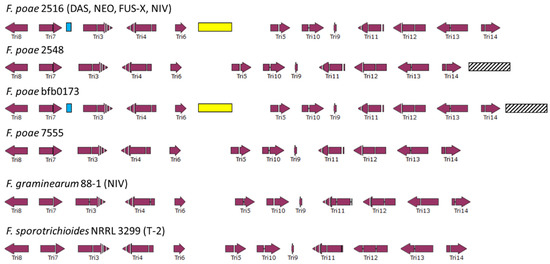
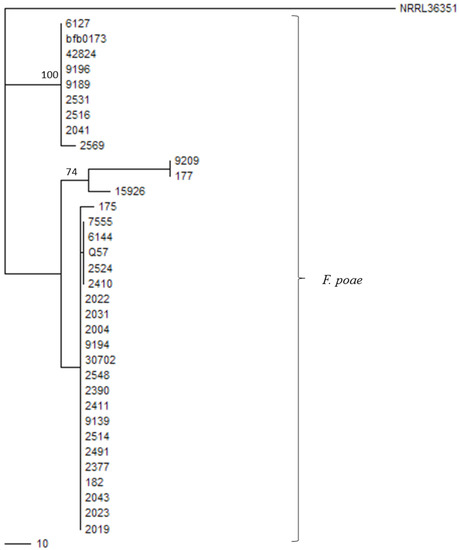
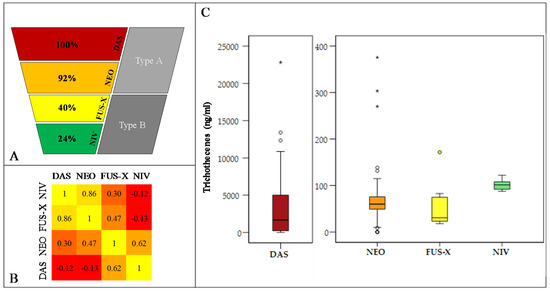
Fusarium head blight is a disease caused by a complex of Fusarium species. F. poae is omnipresent throughout Europe in spite of its low virulence. In this study, we assessed a geographically diverse collection of F. poae isolates for its genetic diversity using AFLP (Amplified Fragment Length Polymorphism). Furthermore, studying the mating type locus and chromosomal insertions, we identified hallmarks of both sexual recombination and clonal spread of successful genotypes in the population. Despite the large genetic variation found, all F. poae isolates possess the nivalenol chemotype based on Tri7 sequence analysis. Nevertheless, Tri gene clusters showed two layers of genetic variability. Firstly, the Tri1 locus was highly variable with mostly synonymous mutations and mutations in introns pointing to a strong purifying selection pressure. Secondly, in a subset of isolates, the main trichothecene gene cluster was invaded by a transposable element between Tri5 and Tri6. To investigate the impact of these variations on the phenotypic chemotype, mycotoxin production was assessed on artificial medium. Complex blends of type A and type B trichothecenes were produced but neither genetic variability in the Tri genes nor variability in the genome or geography accounted for the divergence in trichothecene production. In view of its complex chemotype, it will be of utmost interest to uncover the role of trichothecenes in virulence, spread and survival of F. poae. Full article
(This article belongs to the Section Mycotoxins)
Show Figures

Figure 1