13 pages, 652 KB  
Article
The Associations between Individual Factors, eHealth Literacy, and Health Behaviors among College Students
by Chiao Ling Huang, Shu-Ching Yang and Chia-Hsun Chiang
Int. J. Environ. Res. Public Health 2020, 17(6), 2108; https://doi.org/10.3390/ijerph17062108 - 22 Mar 2020
Cited by 36 | Viewed by 7226
Abstract
Background: This study aimed to investigate the associations between individual factors, electronic health (eHealth) literacy, dietary behaviors, and exercise habits in college students, as well as the moderating effect of gender on the above target behaviors. Methods: A pen-and-paper questionnaire with a stratified [...] Read more.
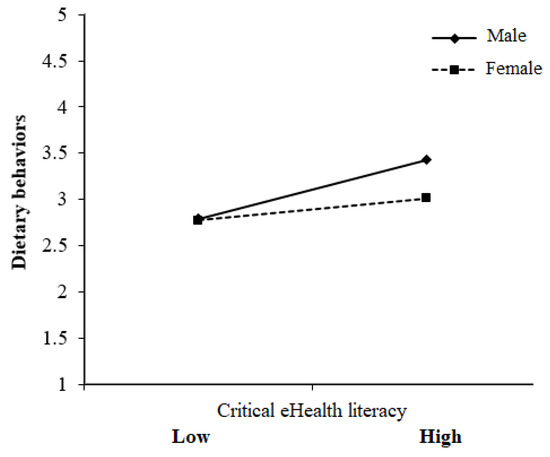
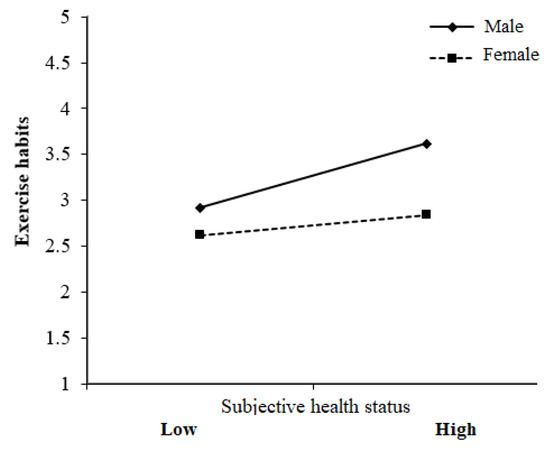
Background: This study aimed to investigate the associations between individual factors, electronic health (eHealth) literacy, dietary behaviors, and exercise habits in college students, as well as the moderating effect of gender on the above target behaviors. Methods: A pen-and-paper questionnaire with a stratified sampling method was used to collect data, and at least 100 students from each stratum were determined to be used for the official sample in this study. Finally, 674 students completed the survey. Results and Conclusions: Chi-square test results demonstrated that genders had dissimilar dietary supplement use and subjective health status. Further analyses indicated females had a higher likelihood of taking dietary supplements and poorer subjective health statuses. The t-test results indicated that the functional eHealth literacy, dietary behaviors, and exercise habits of genders were different, and the mean scores showed that males had higher functional eHealth literacy, healthier dietary behaviors, and higher exercise involvement than females. Regression analyses showed that students who were male, took dietary supplements, placed the utmost importance on health, and had high critical eHealth literacy tended to possess healthy dietary behaviors. Students who were male and had good subjective health statuses tended to have higher exercise involvement. Specifically, the critical eHealth literacy changed dietary behaviors less effectively for women than for men, and the subjective health status changed exercise habits less effectively for women than for men. Therefore, when designing the diet and exercise intervention programs, gender-specific programs rather than generic programs should be given priority to develop. Full article
(This article belongs to the Collection Health Behaviors, Risk Factors, NCDs and Health Promotion)
Show Figures

Figure 1
14 pages, 2795 KB  
Article
Comparing Accuracy of Implant Installation with a Navigation System (NS), a Laboratory Guide (LG), NS with LG, and Freehand Drilling
by Ting-Mao Sun, Huey-Er Lee and Ting-Hsun Lan
Int. J. Environ. Res. Public Health 2020, 17(6), 2107; https://doi.org/10.3390/ijerph17062107 - 22 Mar 2020
Cited by 50 | Viewed by 6453
Abstract
The aim of this study was to compare the accuracy of implant placement by using the conventional freehand method, the surgical guide alone, the dental navigation system alone, and the dental navigation system with a surgical guide. The participants were aged 20 years [...] Read more.
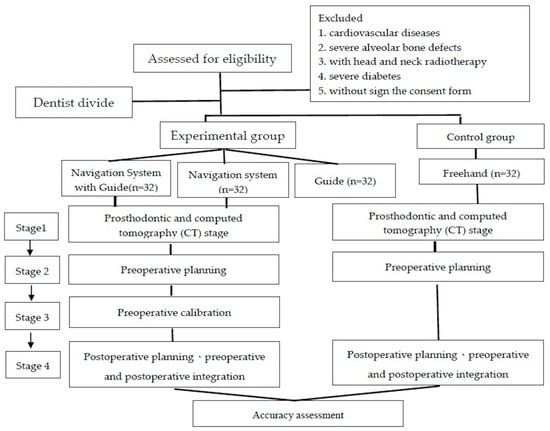
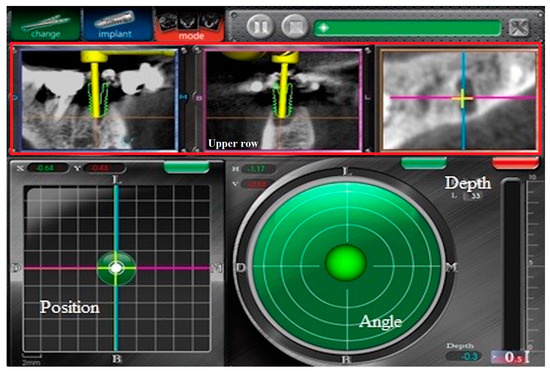
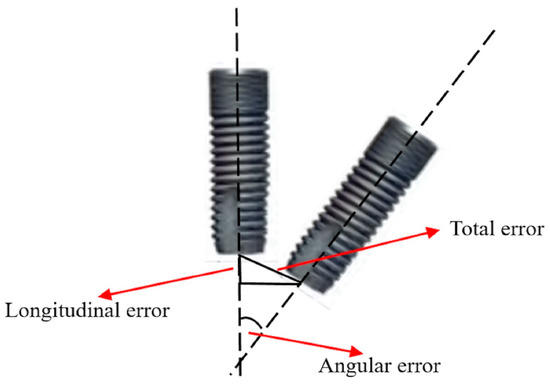
The aim of this study was to compare the accuracy of implant placement by using the conventional freehand method, the surgical guide alone, the dental navigation system alone, and the dental navigation system with a surgical guide. The participants were aged 20 years or older and were requiring dental implant surgery according to an assessment made by a dentist between July 2014 and December 2017. A total of 128 dental implants were inserted, 32 dental implants in each group, and participants with similar or identical age (i.e., 20–50 years or 50 years or above) and missing tooth locations were paired for comparison. Accuracy was measured by overlaying the real position in the postoperative Cone Beam Computerized Tomography (CBCT) on the virtual presurgical placement of the implant in a CBCT image. Using the dental navigation system with a surgical guide could help dentists to position implants more accurately. Total, longitudinal, and angular error deviation were significantly different (p < 0.0001). The same level of accuracy could be obtained for the different jaws and tooth positions. The one-way analysis of variance (ANOVA) showed that the total, longitudinal, and angular errors differed significantly (p < 0.0001). A comparison of the four dental implant surgical methods indicated that the combination of a dental implant navigation system and a surgical guide kit achieved the highest accuracy in terms of the different tooth positions and jaws. Full article
(This article belongs to the Section Digital Health)
Show Figures

Figure 1
24 pages, 1703 KB  
Article
A Structural Equation Model of Achievement Emotions, Coping Strategies and Engagement-Burnout in Undergraduate Students: A Possible Underlying Mechanism in Facets of Perfectionism
by Jesús de la Fuente, Francisca Lahortiga-Ramos, Carmen Laspra-Solís, Cristina Maestro-Martín, Irene Alustiza, Enrique Aubá and Raquel Martín-Lanas
Int. J. Environ. Res. Public Health 2020, 17(6), 2106; https://doi.org/10.3390/ijerph17062106 - 22 Mar 2020
Cited by 39 | Viewed by 11022
Abstract
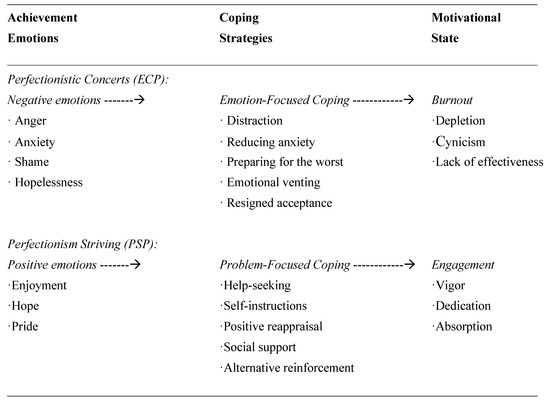
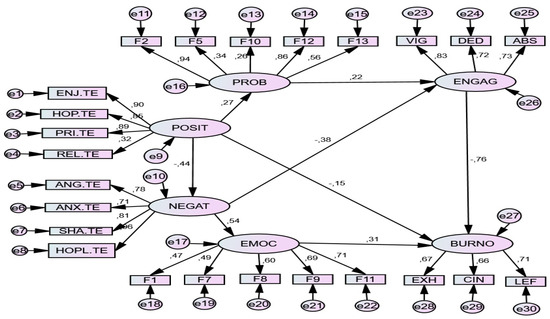
Achievement emotions that the university student experiences in the learning process can be significant in facilitating or interfering with learning. The present research looked for linear and predictive relations between university students’ achievement emotions, coping strategies, and engagement-burnout, in three different learning situations [...] Read more.
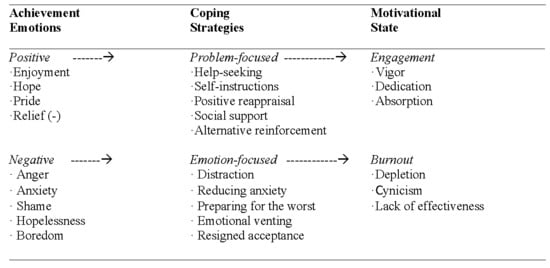
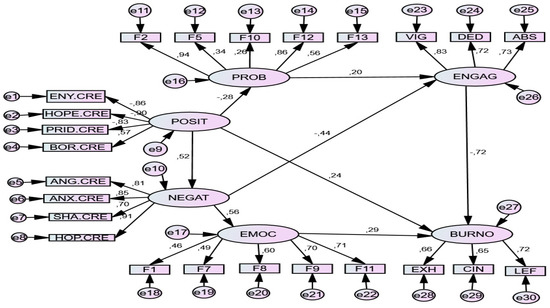
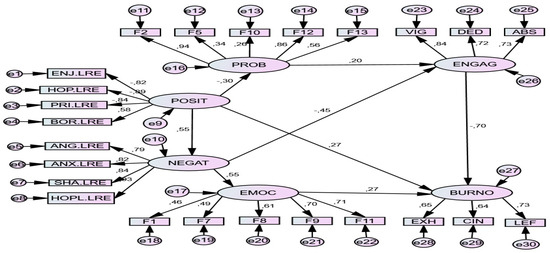
Achievement emotions that the university student experiences in the learning process can be significant in facilitating or interfering with learning. The present research looked for linear and predictive relations between university students’ achievement emotions, coping strategies, and engagement-burnout, in three different learning situations (classroom, study time, and testing). Hypotheses were identified for a possible model that would analyze the two facets of perfectionism based on these relations. In the case of perfectionistic strivings, the test hypothesis was that positive emotions would predispose the use of problem-focused coping strategies and an emotional state of engagement; in the case of perfectionistic concerns, however, negative emotions would predispose the use of emotion-focused strategies and a state of burnout. A total of 654 university students participated in the study, using an online tool to complete validated questionnaires on the three study variables. All students provided informed consent and corresponding permissions. Given the ex-post facto linear design, the predictions could be verified for each situation by means of logistic regression analyses and Structural Equations Models (SEM). Empirical results lent support, in varying degree, to the proposed theoretical relations. The testing situation was of particular interest. We discuss implications for perfectionism research and for the practice of prevention, education and health care in the university setting. Full article
(This article belongs to the Special Issue Academic and Emotional Determinants of Perfectionism)
Show Figures

Graphical abstract

11 pages, 613 KB  
Article
Health Literacy and Its Related Determinants in Migrant Health Workers and Migrant Health Volunteers: A Case Study of Thailand, 2019
by Hathairat Kosiyaporn, Sataporn Julchoo, Pigunkaew Sinam, Mathudara Phaiyarom, Watinee Kunpeuk, Nareerut Pudpong and Rapeepong Suphanchaimat
Int. J. Environ. Res. Public Health 2020, 17(6), 2105; https://doi.org/10.3390/ijerph17062105 - 22 Mar 2020
Cited by 15 | Viewed by 4341
Abstract
Migrant health workers (MHWs) and migrant health volunteers (MHVs) are key health workforce actors who play a substantial role in improving the health of migrants in Thailand. The objective of this study was to explore the factors associated with health literacy in MHWs [...] Read more.
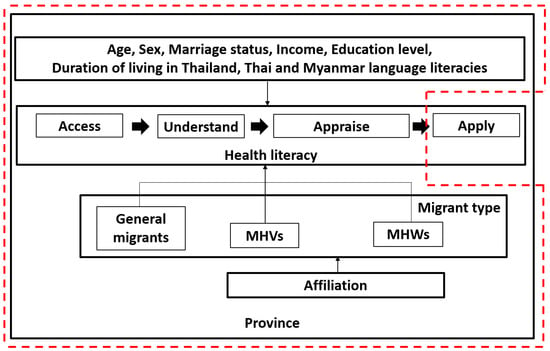
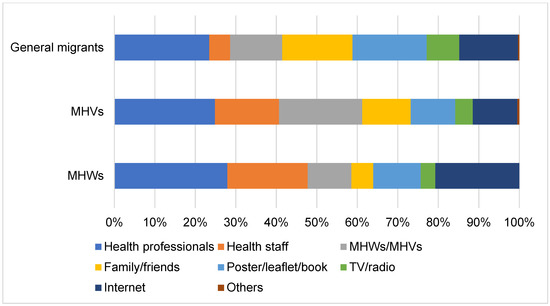
Migrant health workers (MHWs) and migrant health volunteers (MHVs) are key health workforce actors who play a substantial role in improving the health of migrants in Thailand. The objective of this study was to explore the factors associated with health literacy in MHWs and MHVs in Thailand. A self-administered questionnaire was conducted from December 2018 to April 2019 in two migrant-populated provinces. A total of 40 MHWs, 78 MHVs, and 116 general migrants were included in the survey. Results showed that a higher education level was associated with a greater health literacy score. MHWs were more likely to have a higher health literacy score (5.59 points difference) than general migrants. The province per se and type of affiliations did not significantly contribute to the difference in the health literacy score of each individual. Most MHWs received health information from health professionals, health staff, and the internet, while MHVs and general migrants received information from health professionals, MHWs/MHVs, family/friends, and posters/leaflets. This study suggests that a higher education level should be used as a criterion for recruitment of MHWs and MHVs. Access to interactive health information like health professionals should be promoted as the main source of information to ensure better health literacy among MHWs and MHVs. Full article
Show Figures

Figure 1
14 pages, 5200 KB  
Article
Tailoring Safety Training Material to Migrant Farmworkers: An Ergonomic User-Centred Approach
by Federica Caffaro, Giorgia Bagagiolo, Margherita Micheletti Cremasco, Lucia Vigoroso and Eugenio Cavallo
Int. J. Environ. Res. Public Health 2020, 17(6), 2104; https://doi.org/10.3390/ijerph17062104 - 22 Mar 2020
Cited by 14 | Viewed by 4964
Abstract
Lectures are the most commonly used training method but may not be effective in communicating safety information among migrant workers because of language and cultural barriers. The comprehension of safety information is particularly urgent in highly hazardous sectors such as agriculture, which has [...] Read more.
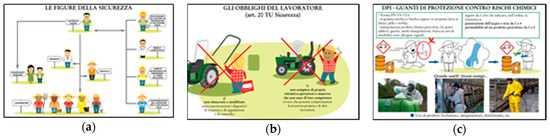
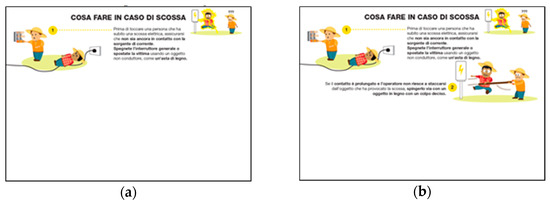
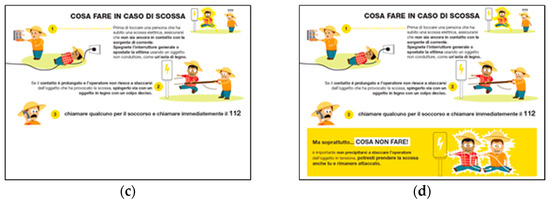
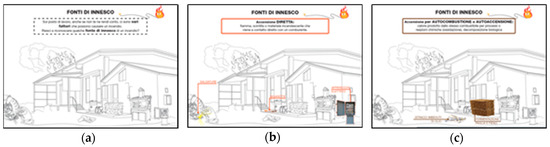
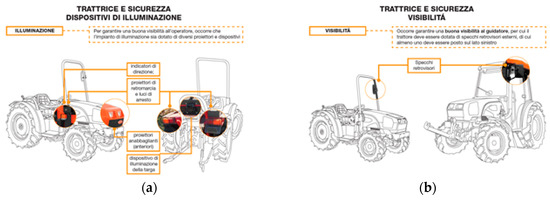
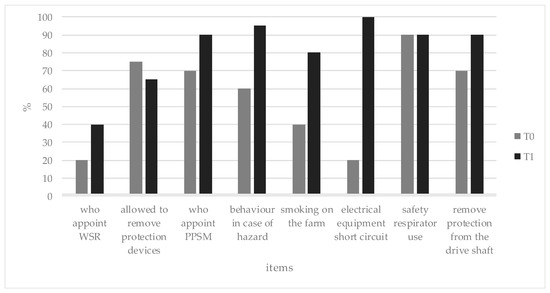
Lectures are the most commonly used training method but may not be effective in communicating safety information among migrant workers because of language and cultural barriers. The comprehension of safety information is particularly urgent in highly hazardous sectors such as agriculture, which has a high migrant workforce rate. In this study, an ergonomic user-centred approach was adopted to develop and evaluate safety training material targeting migrants employed on Italian farms. Focus groups with both trainers and migrants were carried out to collect information on critical issues in traditional training material, the most and least comprehended topics and suggestions for training improvement. Based on the focus group analysis, the training material was developed considering several visual factors and more engaging interaction between trainers and migrant trainees. The usability of the developed material was then evaluated in a group of 20 migrant farmworkers through a questionnaire assessing the knowledge of safety information before (T0) and after (T1) the training (effectiveness), perceived effort in learning (efficiency) and user satisfaction after training. The results showed improved knowledge, low perceived effort and high satisfaction, pointing to the positive effects of active user involvement when designing targeted training materials. Full article
Show Figures

Figure 1
11 pages, 1209 KB  
Article
External Workload Can Be Anticipated During 5 vs. 5 Games-Based Drills in Basketball Players: An Exploratory Study
by Cody J. O’Grady, Vincent J. Dalbo, Masaru Teramoto, Jordan L. Fox and Aaron T. Scanlan
Int. J. Environ. Res. Public Health 2020, 17(6), 2103; https://doi.org/10.3390/ijerph17062103 - 22 Mar 2020
Cited by 14 | Viewed by 3790
Abstract
This study determined whether external workload could be anticipated during 5 vs. 5 games-based drills in basketball. Thirteen semi-professional, male basketball players were monitored during 5 vs. 5 training drills across the season. External workload was determined using PlayerLoad™ (AU∙min−1). The [...] Read more.
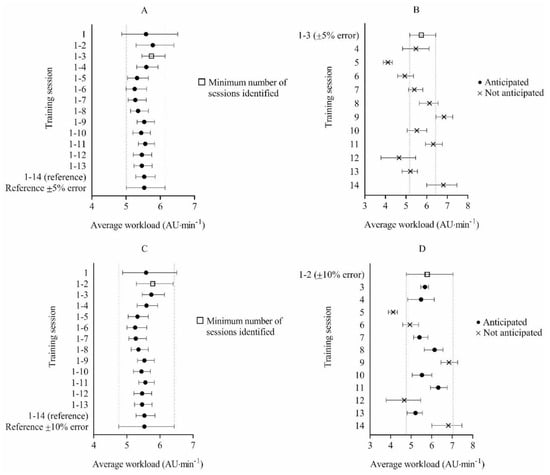
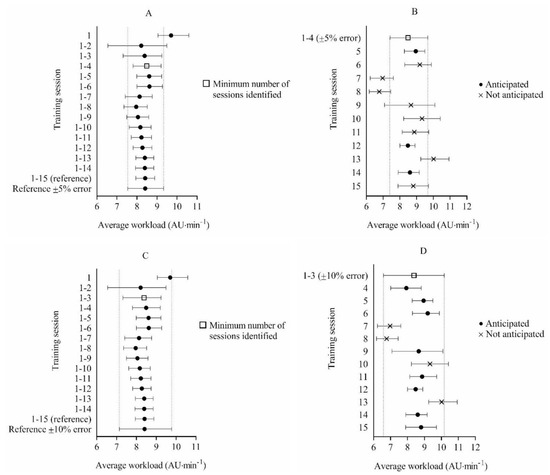
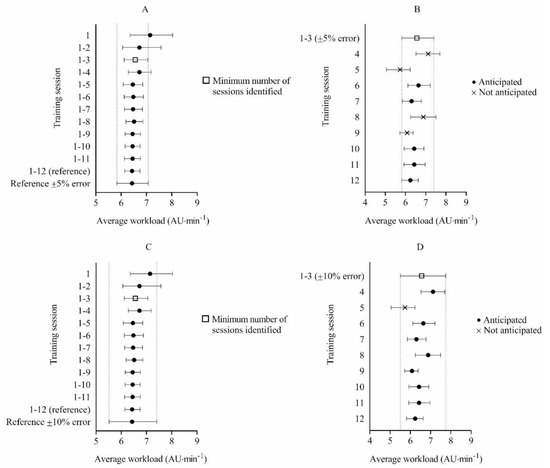
This study determined whether external workload could be anticipated during 5 vs. 5 games-based drills in basketball. Thirteen semi-professional, male basketball players were monitored during 5 vs. 5 training drills across the season. External workload was determined using PlayerLoad™ (AU∙min−1). The reference workload for each drill was calculated across all sessions, using bootstrapping. The bootstrap mean workload and 95% confidence intervals (CI) were then calculated for session 1, sessions 1–2, and continued for remaining sessions (1–3, 1–4, etc.), and were compared with those of the reference workload. The minimum sessions to anticipate workload for each drill was identified when the first normative value fell within ±5% or ±10% of the reference workload 95% CI. The minimum sessions were then tested to determine the accuracy to which workload could be anticipated. Three to four sessions were needed to anticipate workload within ±5%, while 2–3 sessions were needed to anticipate workload within ±10%. External workload was anticipated in 0–55% of future sessions using an error range of ±5%, and in 58–89% of sessions using an error range of ±10%. External workload during 5 vs. 5 games-based drills can be anticipated in most sessions using normative values established during a short-term monitoring period with an error range of ±10%. Full article
Show Figures

Figure 1
13 pages, 1588 KB  
Article
An Occupational Heat Stress and Hydration Assessment of Agricultural Workers in North Mexico
by Rietta S. Wagoner, Nicolas I. López-Gálvez, Jill G. de Zapien, Stephanie C. Griffin, Robert A. Canales and Paloma I. Beamer
Int. J. Environ. Res. Public Health 2020, 17(6), 2102; https://doi.org/10.3390/ijerph17062102 - 22 Mar 2020
Cited by 44 | Viewed by 6506
Abstract
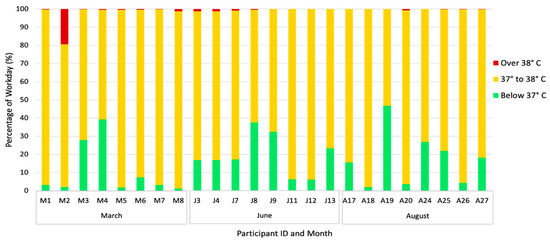
Expanding agribusiness in Northern Mexico has increased demand for workers from Southern Mexico, with hundreds of thousands migrating for work annually. Extreme temperatures, physical labor, and low fluid consumption place workers at risk for heat strain and dehydration, commonly underreported hazards in the [...] Read more.
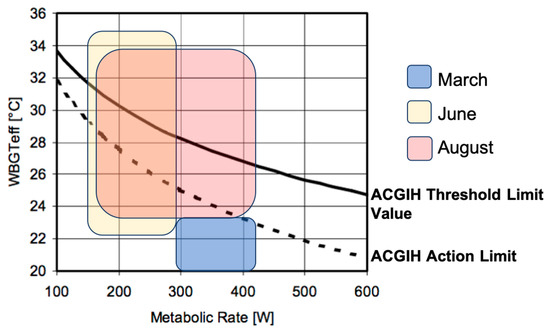
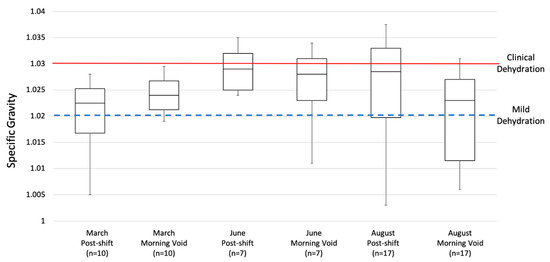
Expanding agribusiness in Northern Mexico has increased demand for workers from Southern Mexico, with hundreds of thousands migrating for work annually. Extreme temperatures, physical labor, and low fluid consumption place workers at risk for heat strain and dehydration, commonly underreported hazards in the agricultural industry. The objectives of this pilot study were to assess heat exposure and hydration status of a population of migratory agricultural workers in Northern Mexico throughout the grape harvest season. In addition to demographic information, environmental conditions, hydration status, and core body temperatures were collected. The majority listed Chiapas as their home state, nearly half spoke an Indigenous language, and none had completed high school. The wet-bulb globe temperature was significantly higher during the harvest and post-harvest seasons compared to the pre-harvest season. Across the different seasons, the majority were dehydrated post-shift, and mean core body temperature of workers was not significantly different. This project highlights the need for targeted interventions to improve hydration and prevent heat stress in this region. As the number of warm days is expected to rise each year worldwide, it will be increasingly important to engage in practices to protect vulnerable populations, such as migratory agriculture workers. Full article
(This article belongs to the Section Occupational Safety and Health)
Show Figures

Figure 1
10 pages, 463 KB  
Article
Integration of Tobacco Treatment Services into Cancer Care at Stanford
by Kathleen Gali, Brittany Pike, Matthew S. Kendra, Cindy Tran, Priya Fielding-Singh, Kayla Jimenez, Rachelle Mirkin and Judith J. Prochaska
Int. J. Environ. Res. Public Health 2020, 17(6), 2101; https://doi.org/10.3390/ijerph17062101 - 22 Mar 2020
Cited by 28 | Viewed by 6201
Abstract
As part of a National Cancer Institute Moonshot P30 Supplement, the Stanford Cancer Center piloted and integrated tobacco treatment into cancer care. This quality improvement (QI) project reports on the process from initial pilot to adoption within 14 clinics. The Head and Neck [...] Read more.
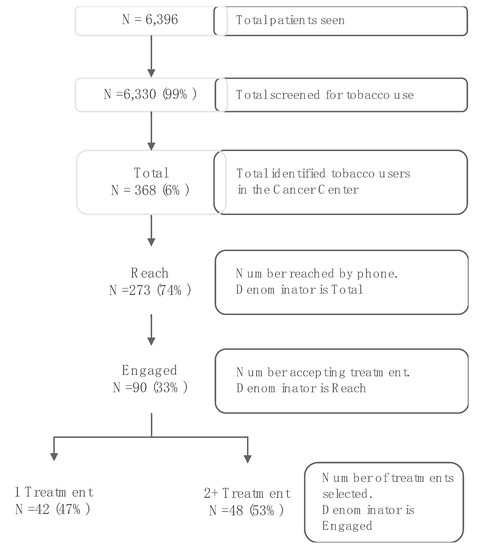
As part of a National Cancer Institute Moonshot P30 Supplement, the Stanford Cancer Center piloted and integrated tobacco treatment into cancer care. This quality improvement (QI) project reports on the process from initial pilot to adoption within 14 clinics. The Head and Neck Oncology Clinic was engaged first in January 2019 as a pilot site given staff receptivity, elevated smoking prevalence, and a high tobacco screening rate (95%) yet low levels of tobacco cessation treatment referrals (<10%) and patient engagement (<1% of smokers treated). To improve referrals and engagement, system changes included an automated “opt-out” referral process and provision of tobacco cessation treatment as a covered benefit with flexible delivery options that included phone and telemedicine. Screening rates increased to 99%, referrals to 100%, 74% of patients were reached by counselors, and 33% of those reached engaged in treatment. Patient-reported abstinence from all tobacco products at 6-month follow-up is 20%. In July 2019, two additional oncology clinics were added. In December 2019, less than one year from initiating the QI pilot, with demonstrated feasibility, acceptability, and efficacy, the tobacco treatment services were integrated into 14 clinics at Stanford Cancer Center. Full article
(This article belongs to the Special Issue Tobacco Use and Treatment among Cancer Survivors)
Show Figures

Figure 1
12 pages, 1337 KB  
Article
Bean Preferences Vary by Acculturation Level among Latinas and by Ethnicity with Non-Hispanic White Women
by Michelle M. Heer and Donna M. Winham
Int. J. Environ. Res. Public Health 2020, 17(6), 2100; https://doi.org/10.3390/ijerph17062100 - 22 Mar 2020
Cited by 17 | Viewed by 3906
Abstract
With high levels of protein, fiber, folate, iron and other micronutrients, the Dietary Guidelines for Americans recommends eating beans for optimal nutrition. Low-income women are at greater risk of nutrition-related health disparities. Use of beans may change among Hispanic women (Latinas) during acculturation, [...] Read more.
With high levels of protein, fiber, folate, iron and other micronutrients, the Dietary Guidelines for Americans recommends eating beans for optimal nutrition. Low-income women are at greater risk of nutrition-related health disparities. Use of beans may change among Hispanic women (Latinas) during acculturation, but few studies exist that describe specific preferences of this important traditional food. Preserving or promoting beans in the diets of all low-income women could improve dietary quality. The study objectives were to describe consumption frequency, purchasing patterns, and attitudes toward dry and canned beans, by acculturation level among Latinas and by ethnicity with non-Hispanic White women. Survey data were collected from 356 women (µ 32 y ± 9 y; 81% Latina), who were enrolled in, or eligible for, a federal nutrition assistance, or unemployment, program in Phoenix, Arizona, USA. Participants had positive attitudes toward beans overall. Less acculturated and bicultural Latinas bought dry beans more often than their peers. Price was considered important in canned bean selection for Non-Hispanic White women, and less acculturated Latinas had poorer attitudes toward canned. Awareness of these attitudes and preferred traits of low-income women suggests ways to message populations to maintain or increase bean consumption. Negative views of canned beans by Latinas should be investigated further. Inclusion of canned beans in nutrition assistance programs may benefit those unfamiliar with preparing dry beans. Full article
35 pages, 13860 KB  
Article
Integrating Modes of Transport in a Dynamic Modelling Approach to Evaluate Population Exposure to Ambient NO2 and PM2.5 Pollution in Urban Areas
by Martin Otto Paul Ramacher and Matthias Karl
Int. J. Environ. Res. Public Health 2020, 17(6), 2099; https://doi.org/10.3390/ijerph17062099 - 22 Mar 2020
Cited by 45 | Viewed by 6067
Abstract
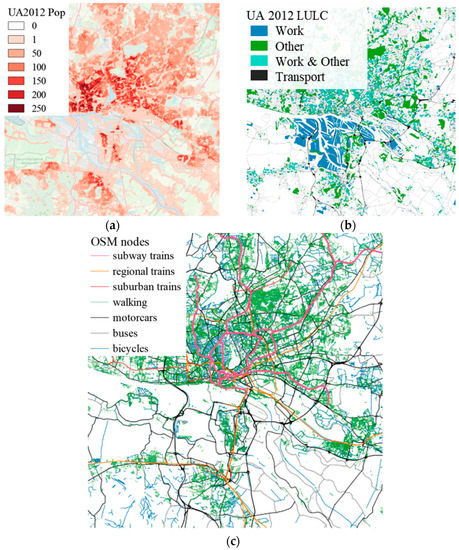
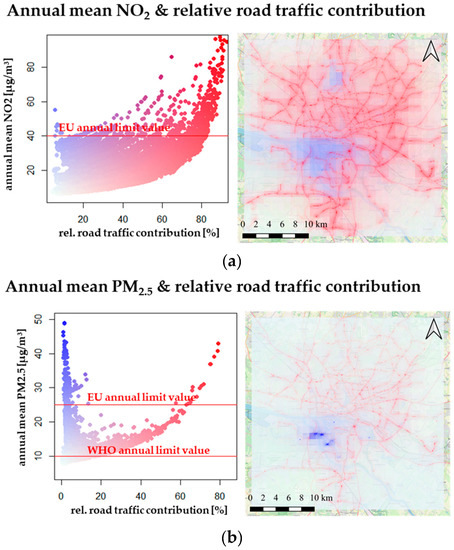
To evaluate the effectiveness of alternative policies and measures to reduce air pollution effects on urban citizen’s health, population exposure assessments are needed. Due to road traffic emissions being a major source of emissions and exposure in European cities, it is necessary to [...] Read more.
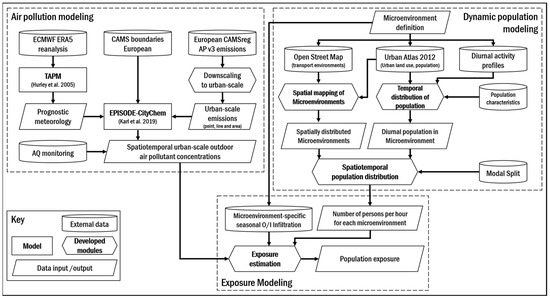
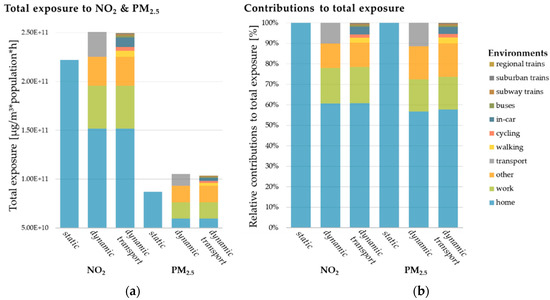
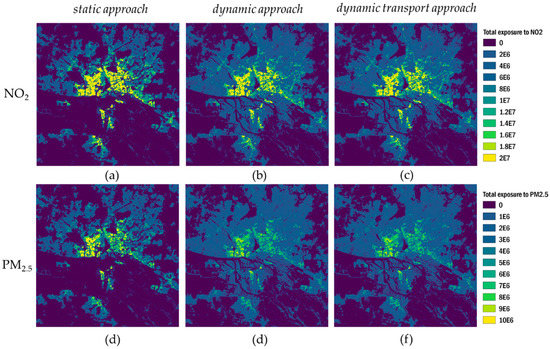
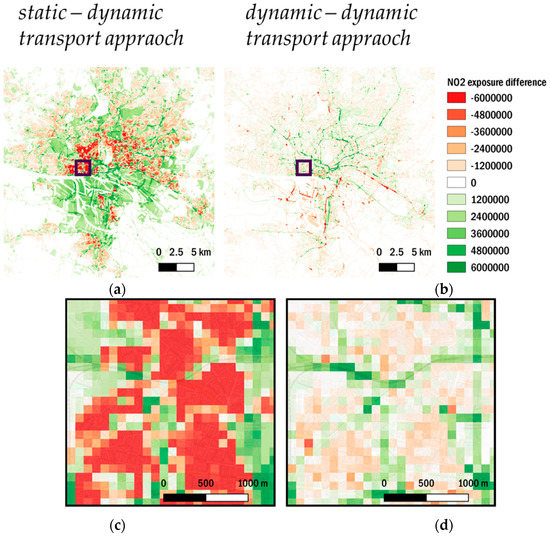
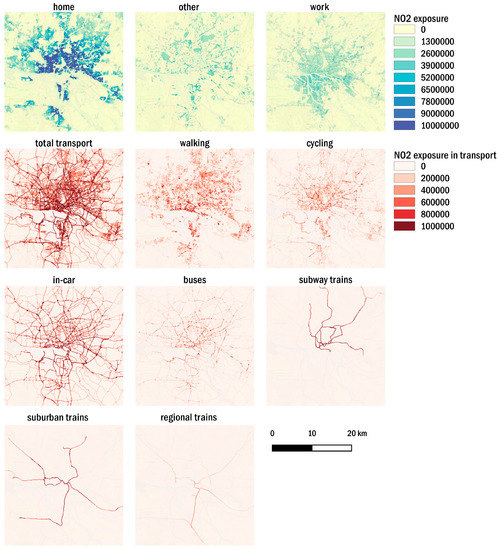
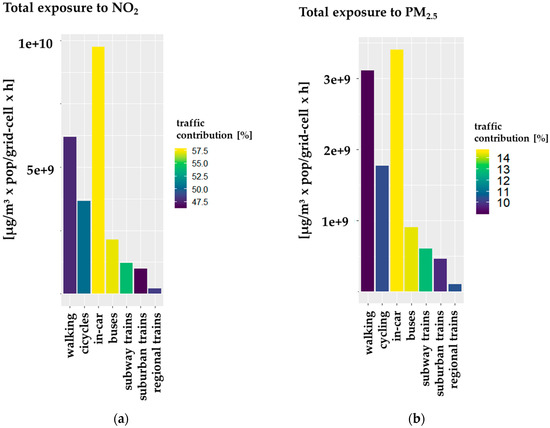
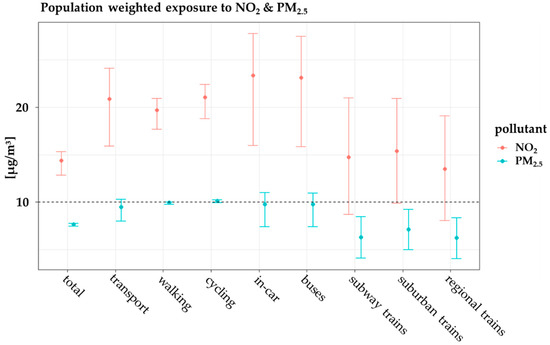
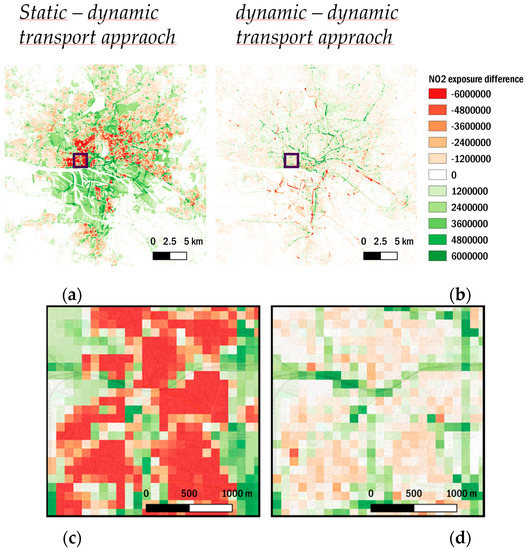
To evaluate the effectiveness of alternative policies and measures to reduce air pollution effects on urban citizen’s health, population exposure assessments are needed. Due to road traffic emissions being a major source of emissions and exposure in European cities, it is necessary to account for differentiated transport environments in population dynamics for exposure studies. In this study, we applied a modelling system to evaluate population exposure in the urban area of Hamburg in 2016. The modeling system consists of an urban-scale chemistry transport model to account for ambient air pollutant concentrations and a dynamic time-microenvironment-activity (TMA) approach, which accounts for population dynamics in different environments as well as for infiltration of outdoor to indoor air pollution. We integrated different modes of transport in the TMA approach to improve population exposure assessments in transport environments. The newly developed approach reports 12% more total exposure to NO2 and 19% more to PM2.5 compared with exposure estimates based on residential addresses. During the time people spend in different transport environments, the in-car environment contributes with 40% and 33% to the annual sum of exposure to NO2 and PM2.5, in the walking environment with 26% and 30%, in the cycling environment with 15% and 17% and other environments (buses, subway, suburban, and regional trains) with less than 10% respectively. The relative contribution of road traffic emissions to population exposure is highest in the in-car environment (57% for NO2 and 15% for PM2.5). Results for population-weighted exposure revealed exposure to PM2.5 concentrations above the WHO AQG limit value in the cycling environment. Uncertainties for the exposure contributions arising from emissions and infiltration from outdoor to indoor pollutant concentrations range from −12% to +7% for NO2 and PM2.5. The developed “dynamic transport approach” is integrated in a computationally efficient exposure model, which is generally applicable in European urban areas. The presented methodology is promoted for use in urban mobility planning, e.g., to investigate on policy-driven changes in modal split and their combined effect on emissions, population activity and population exposure. Full article
Show Figures

Figure 1
18 pages, 447 KB  
Article
Concurrent Daily and Non-Daily Use of Heated Tobacco Products with Combustible Cigarettes: Findings from the 2018 ITC Japan Survey
by Edward Sutanto, Connor Miller, Danielle M. Smith, Ron Borland, Andrew Hyland, K. Michael Cummings, Anne C.K. Quah, Steve Shaowei Xu, Geoffrey T. Fong, Janine Ouimet, Itsuro Yoshimi, Yumiko Mochizuki, Takahiro Tabuchi, Richard J. O’Connor and Maciej L. Goniewicz
Int. J. Environ. Res. Public Health 2020, 17(6), 2098; https://doi.org/10.3390/ijerph17062098 - 22 Mar 2020
Cited by 40 | Viewed by 6658
Abstract
Use of heated tobacco products (HTPs) among current smokers is becoming increasingly popular in Japan. This study aims to compare characteristics and tobacco-related behaviors among concurrent users of HTPs and combustible cigarettes (n = 644) with exclusive smokers (n = 3194) [...] Read more.
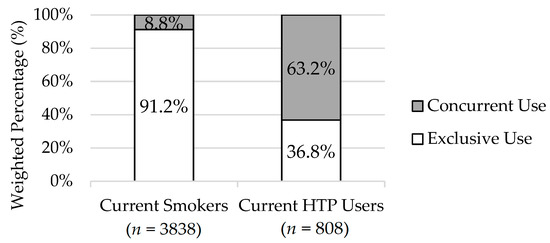
Use of heated tobacco products (HTPs) among current smokers is becoming increasingly popular in Japan. This study aims to compare characteristics and tobacco-related behaviors among concurrent users of HTPs and combustible cigarettes (n = 644) with exclusive smokers (n = 3194) or exclusive HTP users (n = 164). The secondary aim was to explore heterogeneity within concurrent use subgroups. Data were from Wave 1 of the ITC Japan Survey, a nationally representative web survey conducted from February to March 2018. Concurrent cigarette-HTP users were younger and wealthier than exclusive smokers. However, there were no difference in the frequency of smoking, number of cigarettes per day, and smoking cessation behaviors between the two groups, suggesting that HTPs reinforce nicotine dependence. Compared to exclusive HTP users, concurrent cigarette-HTP users reported higher frequency of non-daily HTP use, and lower number of tobacco-containing inserts per day. Almost all concurrent cigarette-HTP users smoked every day (93.9%); 48.4% both smoked and used HTPs daily (dual daily users, n = 396), while 45.5% were daily smokers and non-daily HTP users (predominant smokers, n = 213). Concurrent user subgroups differed from each other on age, tobacco use behaviors, and quit intention. Alongside heterogeneity between concurrent and exclusive product users, differences across concurrent use subgroups highlight the importance of considering frequency of use in characterizing poly-tobacco users. Full article
Show Figures

Figure 1
12 pages, 1826 KB  
Article
Daily Resting Heart Rate Variability in Adolescent Swimmers during 11 Weeks of Training
by Sigitas Kamandulis, Antanas Juodsnukis, Jurate Stanislovaitiene, Ilona Judita Zuoziene, Andrius Bogdelis, Mantas Mickevicius, Nerijus Eimantas, Audrius Snieckus, Bjørn Harald Olstad and Tomas Venckunas
Int. J. Environ. Res. Public Health 2020, 17(6), 2097; https://doi.org/10.3390/ijerph17062097 - 22 Mar 2020
Cited by 22 | Viewed by 6675
Abstract
Adolescent athletes are particularly vulnerable to stress. The current study aimed to monitor one of the most popular and accessible stress markers, heart rate variability (HRV), and its associations with training load and sleep duration in young swimmers during an 11-week training period [...] Read more.
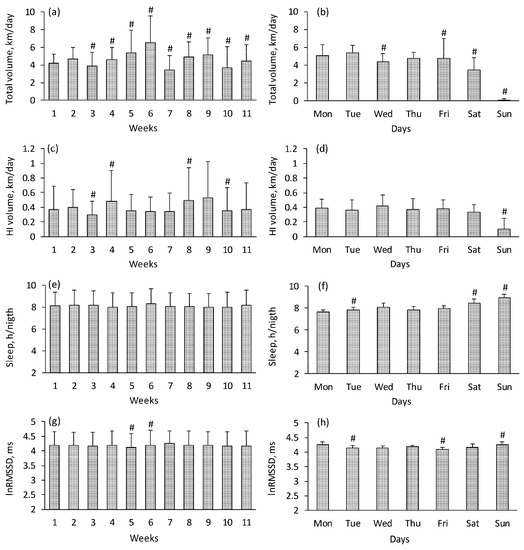
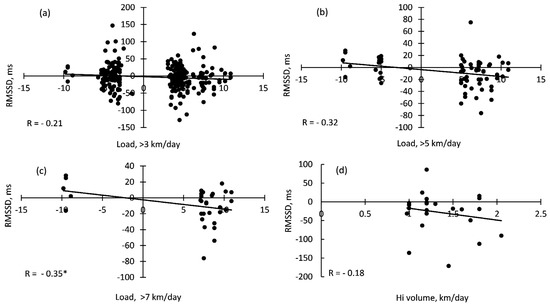
Adolescent athletes are particularly vulnerable to stress. The current study aimed to monitor one of the most popular and accessible stress markers, heart rate variability (HRV), and its associations with training load and sleep duration in young swimmers during an 11-week training period to evaluate its relevance as a tool for monitoring overtraining. National-level swimmers (n = 22, age 14.3 ± 1.0 years) of sprint and middle distance events followed individually structured training programs prescribed by their swimming coach with the main intention of preparing for the national championships. HRV after awakening, during sleep and training were recorded daily. There was a consistent ~4.5% reduction in HRV after 3–5 consecutive days of high (>6 km/day) swimming volume, and an inverse relationship of HRV with large (>7.0 km/day) shifts in total training load (r = −0.35, p < 0.05). Day-to-day HRV did not significantly correlate with training volume or sleep duration. Taken together, these findings suggest that the value of HRV fluctuations in estimating the balance between the magnitude of a young athlete’s physical load and their tolerance is limited on a day-to-day basis, while under sharply increased or extended training load the lower HRV becomes an important indicator of potential overtraining. Full article
(This article belongs to the Special Issue Training and Performance in Youth Sports)
Show Figures

Figure 1
11 pages, 861 KB  
Article
Effect of Steamed Potato Bread Intake on Glucose, Lipids, and Urinary Na+ and K+: A Randomized Controlled Trial with Adolescents
by Haiquan Xu, Yanzhi Guo, Shijun Lu, Yunqian Ma, Xiuli Wang, Liyun Zhao and Junmao Sun
Int. J. Environ. Res. Public Health 2020, 17(6), 2096; https://doi.org/10.3390/ijerph17062096 - 22 Mar 2020
Cited by 4 | Viewed by 4234
Abstract
Although potatoes are highly nutritious, many epidemiological studies have connected their consumption with abnormal lipids, diabetes, and hypertension. Steamed potato bread has recently become one of China’s staple foods. A randomized controlled trial was designed to evaluate the effect of steamed potato bread [...] Read more.
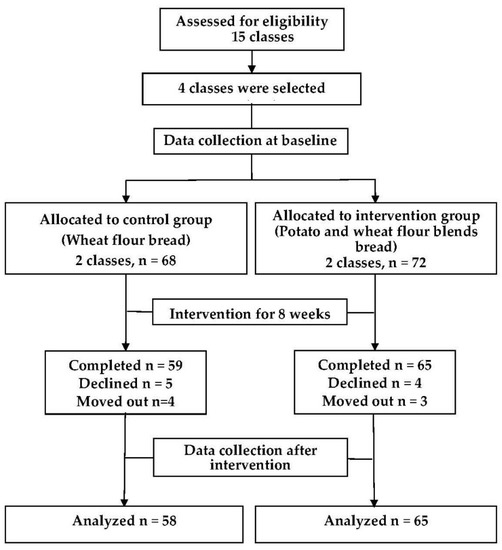
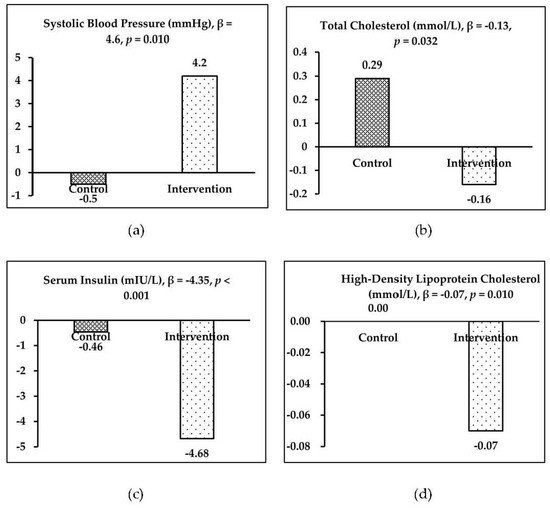
Although potatoes are highly nutritious, many epidemiological studies have connected their consumption with abnormal lipids, diabetes, and hypertension. Steamed potato bread has recently become one of China’s staple foods. A randomized controlled trial was designed to evaluate the effect of steamed potato bread consumption on Chinese adolescents. Four classes from a high school were randomly selected and assigned to the intervention group (two classes) or control group (two classes). The steamed wheat bread (100% raw wheat flour) and potato bread (raw wheat flour to cooked potato flour ratio of 3:7) were provided to the control group and intervention group as staple food once a school day for 8 weeks, respectively. Compared with the control group, the intervention group had significant net changes in systolic blood pressure (4.6 mmHg, p = 0.010), insulin (−4.35 mIU/L, p < 0.001), total cholesterol (−0.13 mmol/L, p = 0.032), and high-density lipoproteins cholesterol (−0.07 mmol/L, p = 0.010). The urinary level of Na+/K+ did not differ between the groups. In conclusion, the intake of steamed potato bread for 8 weeks resulted in positive effects on the total cholesterol and insulin profiles but a negative effect on the systolic blood pressure and high-density lipoproteins cholesterol of adolescents. Full article
(This article belongs to the Section Children's Health)
Show Figures

Figure 1
10 pages, 476 KB  
Article
The Daily Mile Is Able to Improve Cardiorespiratory Fitness When Practiced Three Times a Week
by Paolo Riccardo Brustio, Anna Mulasso, Corrado Lupo, Alberto Massasso, Alberto Rainoldi and Gennaro Boccia
Int. J. Environ. Res. Public Health 2020, 17(6), 2095; https://doi.org/10.3390/ijerph17062095 - 22 Mar 2020
Cited by 22 | Viewed by 6725
Abstract
The Daily Mile is a promising initiative aimed at removing some of the barriers to physical activity in the school setting. This quasi-experimental study investigated the dose–effect of The Daily Mile on cardiorespiratory fitness, waist-to-height ratio, and body mass index (BMI) after a [...] Read more.
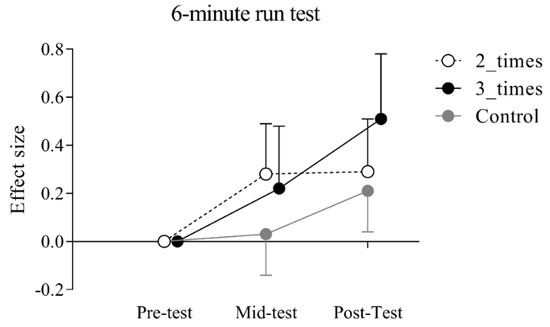
The Daily Mile is a promising initiative aimed at removing some of the barriers to physical activity in the school setting. This quasi-experimental study investigated the dose–effect of The Daily Mile on cardiorespiratory fitness, waist-to-height ratio, and body mass index (BMI) after a period of 3- and 6-months. A total of 279 students (mean age = 9 ± 1 years) participated in The Daily Mile while 269 students (mean age = 9 ± 1 years) did not (control group). A posteriori, the classes performing The Daily Mile on average two times per week were included in the 2_times subgroup, while those performing the activity on average three times per week in the 3_times subgroup. A significant difference was observed in favor of the experimental compared to the control group in the 6 Minute Run Test (F = 13.932, p = 0.008). Moreover, the improvement of the 6-minute run test was more pronounced for 3_times (effect size = 0.51) rather than for the 2_times subgroup (effect size = 0.29). No differences were observed in waist-to-height ratio and BMI scores. In conclusion, teachers are strongly recommended to implement The Daily Mile at least three times a week to see appreciable effects on cardiorespiratory fitness. Full article
Show Figures

Figure 1
3 pages, 233 KB  
Editorial
COVID-19 Outbreak: An Overview on Dentistry
by Gianrico Spagnuolo, Danila De Vito, Sandro Rengo and Marco Tatullo
Int. J. Environ. Res. Public Health 2020, 17(6), 2094; https://doi.org/10.3390/ijerph17062094 - 22 Mar 2020
Cited by 239 | Viewed by 39418
Abstract
Coronavirus disease 2019, also called COVID-19, is the latest infectious disease to rapidly develop worldwide [...] Full article
(This article belongs to the Section Oral Health)