14 pages, 2703 KB  
Article
Resveratrol Protects against Skin Inflammation through Inhibition of Mast Cell, Sphingosine Kinase-1, Stat3 and NF-κB p65 Signaling Activation in Mice
by Christopher D. Carlucci, Yvonne Hui, Alena P. Chumanevich, Piper A. Robida, John W. Fuseler, Mathew Sajish, Prakash Nagarkatti, Mitzi Nagarkatti and Carole A. Oskeritzian
Int. J. Mol. Sci. 2023, 24(7), 6707; https://doi.org/10.3390/ijms24076707 - 4 Apr 2023
Cited by 25 | Viewed by 5458
Abstract
Inflammation is pathogenic to skin diseases, including atopic dermatitis (AD) and eczema. Treatment for AD remains mostly symptomatic with newer but costly options, tainted with adverse side effects. There is an unmet need for safe therapeutic and preventative strategies for AD. Resveratrol (R) [...] Read more.
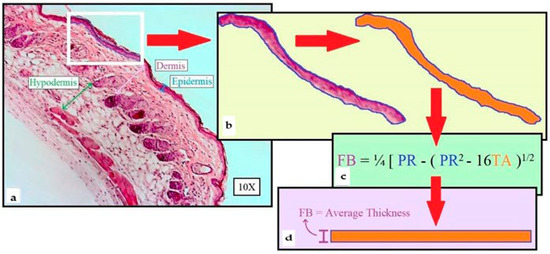
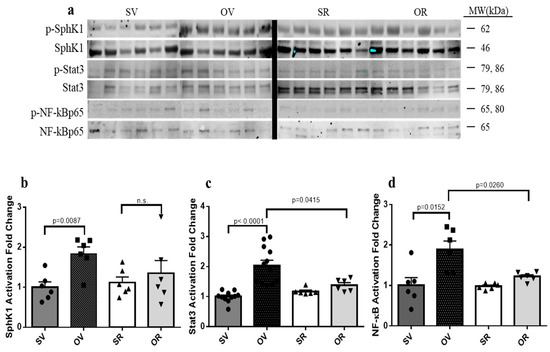
Inflammation is pathogenic to skin diseases, including atopic dermatitis (AD) and eczema. Treatment for AD remains mostly symptomatic with newer but costly options, tainted with adverse side effects. There is an unmet need for safe therapeutic and preventative strategies for AD. Resveratrol (R) is a natural compound known for its anti-inflammatory properties. However, animal and human R studies have yielded contrasting results. Mast cells (MCs) are innate immune skin-resident cells that initiate the development of inflammation and progression to overt disease. R’s effects on MCs are also controversial. Using a human-like mouse model of AD development consisting of a single topical application of antigen ovalbumin (O) for 7 days, we previously established that the activation of MCs by a bioactive sphingolipid metabolite sphingosine-1-phosphate (S1P) initiated substantial skin remodeling compared to controls. Here, we show that daily R application normalized O-mediated epidermal thickening, ameliorated cell infiltration, and inhibited skin MC activation and chemokine expression. We unraveled R’s multiple mechanisms of action, including decreased activation of the S1P-producing enzyme, sphingosine kinase 1 (SphK1), and of transcription factors Signal Transducer and Activator of Transcription 3 (Stat3) and NF-κBp65, involved in chemokine production. Thus, R may be poised for protection against MC-driven pathogenic skin inflammation. Full article
(This article belongs to the Special Issue Mast Cells in Human Health and Diseases 2.0)
Show Figures

Figure 1
12 pages, 2566 KB  
Article
Genome-Wide Identification and Analysis Uncovers the Potential Role of JAZ and MYC Families in Potato under Abiotic Stress
by Shan Wang, Yongbin Wang, Rui Yang, Wanhua Cai, Yaning Liu, Duanrong Zhou, Li Meng, Ping Wang and Binquan Huang
Int. J. Mol. Sci. 2023, 24(7), 6706; https://doi.org/10.3390/ijms24076706 - 4 Apr 2023
Cited by 16 | Viewed by 3718
Abstract
As key regulators of the Jasmonates (JAs) signal transduction pathway, JAZ protein, and MYC transcription factors are imperative for plant response to external environmental changes, growth, and development. In this study, 18 StJAZs and 12 StMYCs were identified in potatoes. Their chromosomal position, [...] Read more.
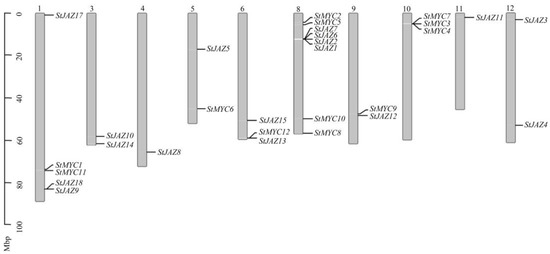
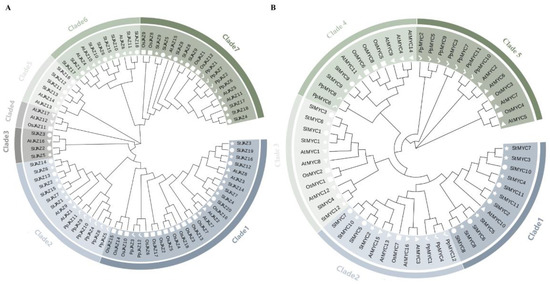
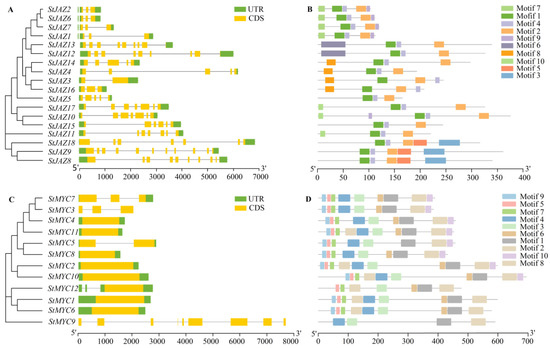
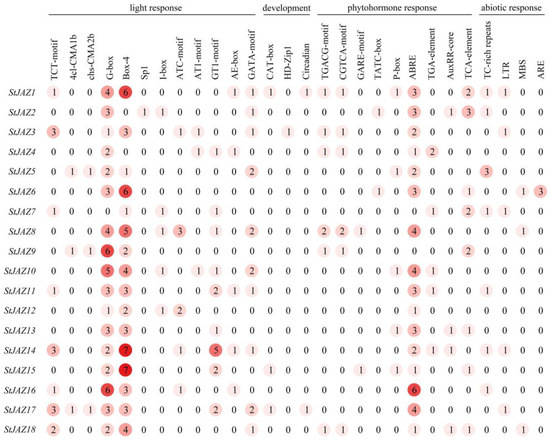
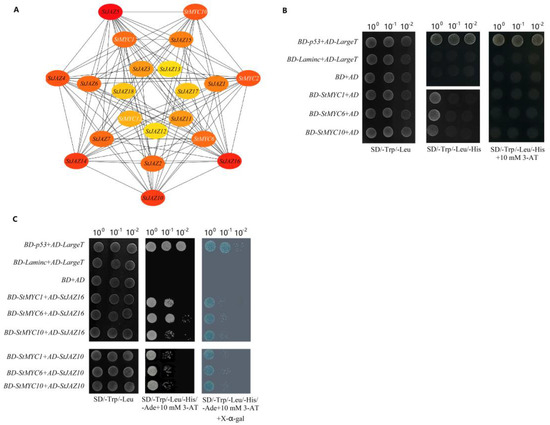
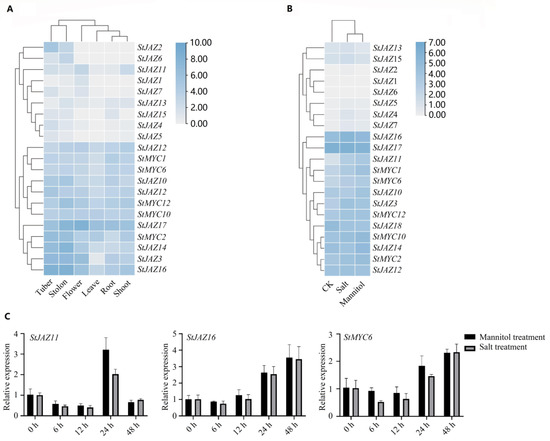
As key regulators of the Jasmonates (JAs) signal transduction pathway, JAZ protein, and MYC transcription factors are imperative for plant response to external environmental changes, growth, and development. In this study, 18 StJAZs and 12 StMYCs were identified in potatoes. Their chromosomal position, phylogenetic development, gene structure, and promoter cis-acting parts of the StJAZ genes were analyzed. In addition, Protein–Protein Interaction (PPI) network analysis of StJAZ and StMYC gene families and yeast two-hybrid assay demonstrated that five StMYCs can interact with 16 StJAZs, which provides new insights into the operation mechanism of StJAZs and StMYCs in JA signal response. Moreover, we explored the expression profiles of StJAZs and StMYCs genes in different tissues and during abiotic stresses by RNA-seq data. Based on the PPI network and transcriptome data, the genes StJAZ11, StJAZ16, and StMYC6 were chosen for further qRT-PCR study under salt or mannitol treatment. Under mannitol-induced drought or salinity treatment, the expression patterns of StMYC6, StJAZ11, and StJAZ16 were different, indicating that the JAZ protein and MYC transcription factor may be engaged in the response of potatoes to abiotic stress, which opened up a new research direction for the genetic improvement of potatoes in response to environmental stress. Full article
(This article belongs to the Special Issue Environmental Stress and Plants 2.0)
Show Figures

Figure 1
11 pages, 1302 KB  
Article
Genetic Analysis of Multiple Primary Malignant Tumors in Women with Breast and Ovarian Cancer
by Alina Savkova, Lyudmila Gulyaeva, Aleksey Gerasimov and Sergey Krasil’nikov
Int. J. Mol. Sci. 2023, 24(7), 6705; https://doi.org/10.3390/ijms24076705 - 4 Apr 2023
Cited by 3 | Viewed by 3440
Abstract
Familial cancer syndromes, which are commonly caused by germline mutations in oncogenes and tumor suppressor genes, are generally considered to be the cause of primary multiple malignant neoplasias (PMMNs). Using targeted genomic sequencing, we screened for eight germline mutations: BRCA1 185delAG, BRCA1 T300G, [...] Read more.
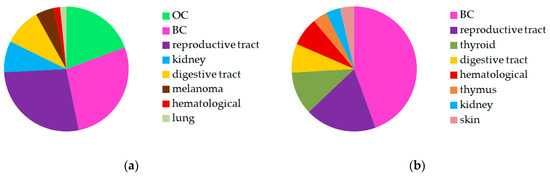
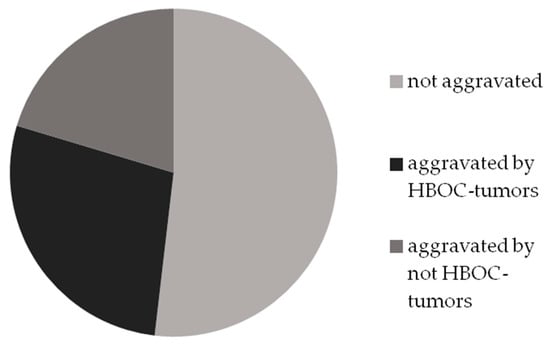
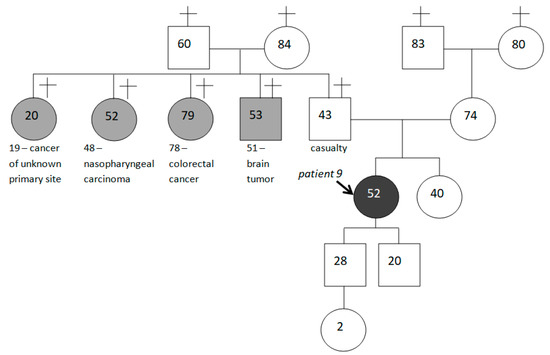
Familial cancer syndromes, which are commonly caused by germline mutations in oncogenes and tumor suppressor genes, are generally considered to be the cause of primary multiple malignant neoplasias (PMMNs). Using targeted genomic sequencing, we screened for eight germline mutations: BRCA1 185delAG, BRCA1 T300G, BRCA1 2080delA, BRCA1 4153delA, BRCA1 5382insC, BRCA2 6174delT, CHEK2 1100delC, and BLM C1642T, which provoke the majority of cases of hereditary breast and ovary cancer syndrome (HBOC), in genomic (blood) DNA from 60 women with PMMNs, including breast (BC) and/or ovarian cancer(s) (OC). Pathogenic allelic forms were discovered in nine samples: in seven instances, it was BRCA1 5382insC, and in the following two, BRCA1 4153delA and BRCA1 T300G. The age of onset in these patients (46.8 years) was younger than in the general Russian population (61.0) for BC but was not for OC: 58.3 and 59.4, correspondingly. There were invasive breast carcinomas of no special type and invasive serous ovarian carcinomas in all cases. Two or more tumors of HBOC-spectrum were only in five out of nine families of mutation carriers. Nevertheless, every mutation carrier has relatives who have developed malignant tumors. Full article
(This article belongs to the Special Issue Linking Genomic Changes with Cancer in the NGS Era)
Show Figures

Figure 1
10 pages, 1152 KB  
Article
Bridging Gaps in HDR Improvement: The Role of MAD2L2, SCAI, and SCR7
by Arina A. Anuchina, Milyausha I. Zaynitdinova, Anna G. Demchenko, Nadezhda A. Evtushenko, Alexander V. Lavrov and Svetlana A. Smirnikhina
Int. J. Mol. Sci. 2023, 24(7), 6704; https://doi.org/10.3390/ijms24076704 - 4 Apr 2023
Cited by 4 | Viewed by 4017
Abstract
This study aimed to enhance homology-directed repair (HDR) efficiency in CRISPR/Cas-mediated genome editing by targeting three key factors regulating the balance between HDR and non-homologous end joining (NHEJ): MAD2L2, SCAI, and Ligase IV. In order to achieve this, a cellular model using mutated [...] Read more.
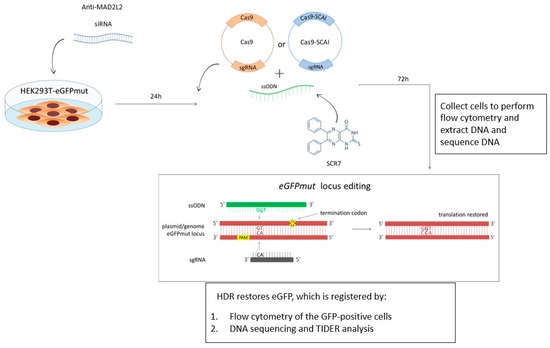
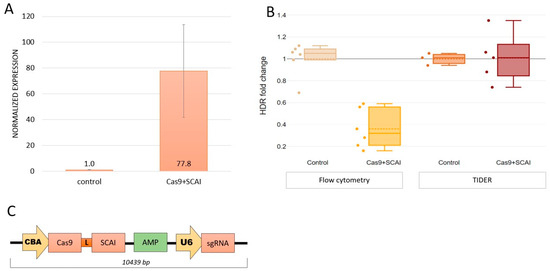
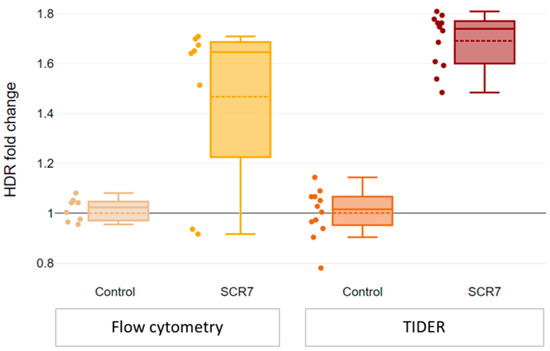
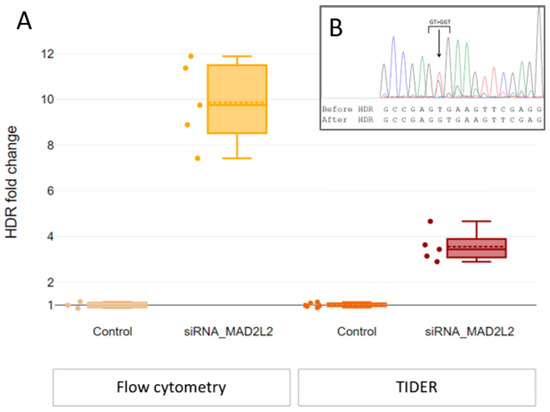
This study aimed to enhance homology-directed repair (HDR) efficiency in CRISPR/Cas-mediated genome editing by targeting three key factors regulating the balance between HDR and non-homologous end joining (NHEJ): MAD2L2, SCAI, and Ligase IV. In order to achieve this, a cellular model using mutated eGFP was designed to monitor HDR events. Results showed that MAD2L2 knockdown and SCR7 treatment significantly improved HDR efficiency during Cas9-mediated HDR repair of the mutated eGFP gene in the HEK293T cell line. Fusion protein Cas9-SCAI did not improve HDR. This study is the first to demonstrate that MAD2L2 knockdown during CRISPR-mediated gene editing in HEK293T cells can increase precise correction by up to 10.2 times. The study also confirmed a moderate but consistent effect of SCR7, an inhibitor of Ligase IV, which increased HDR by 1.7 times. These findings provide valuable insights into improving HDR-based genome editing efficiency. Full article
Show Figures

Figure 1
16 pages, 5324 KB  
Article
Comparative Transcriptome Analysis Reveals a Potential Regulatory Network for Ogura Cytoplasmic Male Sterility in Cabbage (Brassica oleracea L.)
by Li Chen, Wenjing Ren, Bin Zhang, Huiling Guo, Zhiyuan Fang, Limei Yang, Mu Zhuang, Honghao Lv, Yong Wang, Jialei Ji, Xilin Hou and Yangyong Zhang
Int. J. Mol. Sci. 2023, 24(7), 6703; https://doi.org/10.3390/ijms24076703 - 4 Apr 2023
Cited by 5 | Viewed by 3314
Abstract
Ogura cytoplasmic male sterility (CMS) lines are widely used breeding materials in cruciferous crops and play important roles in heterosis utilization; however, the sterility mechanism remains unclear. To investigate the microspore development process and gene expression changes after the introduction of orf138 and [...] Read more.
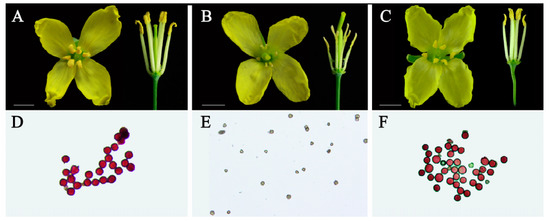
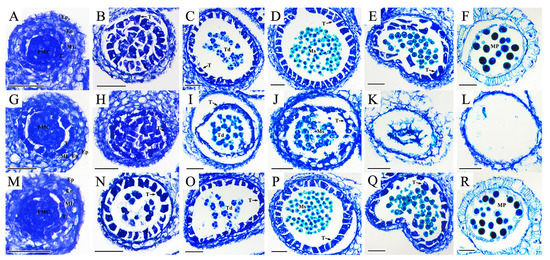
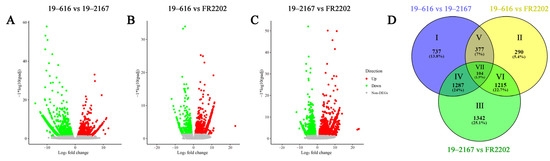
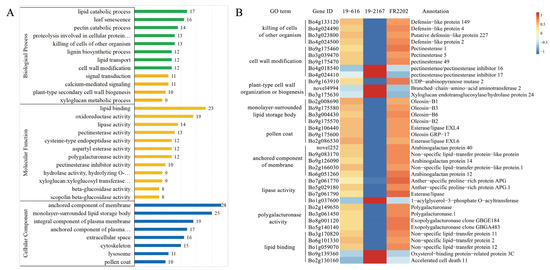
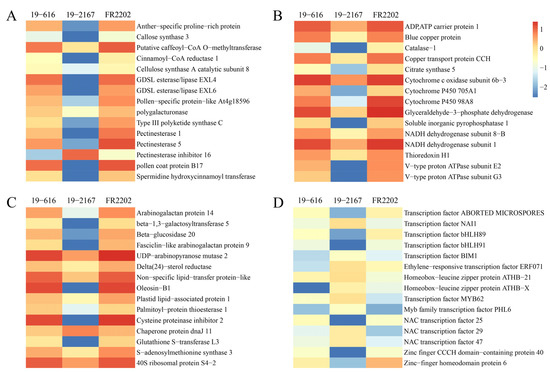
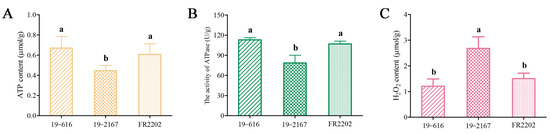
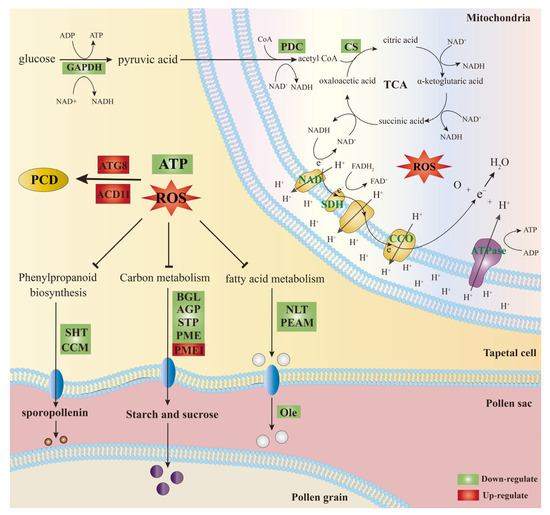
Ogura cytoplasmic male sterility (CMS) lines are widely used breeding materials in cruciferous crops and play important roles in heterosis utilization; however, the sterility mechanism remains unclear. To investigate the microspore development process and gene expression changes after the introduction of orf138 and Rfo, cytological observation and transcriptome analysis were performed using a maintainer line, an Ogura CMS line, and a restorer line. Semithin sections of microspores at different developmental stages showed that the degradation of tapetal cells began at the tetrad stage in the Ogura CMS line, while it occurred at the bicellular microspore stage to the tricellular microspore stage in the maintainer and restorer lines. Therefore, early degradation of tapetal cells may be the cause of pollen abortion. Transcriptome analysis results showed that a total of 1287 DEGs had consistent expression trends in the maintainer line and restorer line, but were significantly up- or down-regulated in the Ogura CMS line, indicating that they may be closely related to pollen abortion. Functional annotation showed that the 1287 core DEGs included a large number of genes related to pollen development, oxidative phosphorylation, carbohydrate, lipid, and protein metabolism. In addition, further verification elucidated that down-regulated expression of genes related to energy metabolism led to decreased ATP content and excessive ROS accumulation in the anthers of Ogura CMS. Based on these results, we propose a transcriptome-mediated induction and regulatory network for cabbage Ogura CMS. Our research provides new insights into the mechanism of pollen abortion and fertility restoration in Ogura CMS. Full article
(This article belongs to the Special Issue Recent Advances in Plant Molecular Science in China 2023)
Show Figures

Figure 1
17 pages, 5289 KB  
Article
The Role and Mechanism of Hydrogen-Rich Water in the Cucumis sativus Response to Chilling Stress
by Xue Wang, Zhonghui An, Jiameng Liao, Nana Ran, Yimeng Zhu, Shufeng Ren, Xiangnan Meng, Na Cui, Yang Yu and Haiyan Fan
Int. J. Mol. Sci. 2023, 24(7), 6702; https://doi.org/10.3390/ijms24076702 - 4 Apr 2023
Cited by 24 | Viewed by 3390
Abstract
Cucumber is a warm climate vegetable that is sensitive to chilling reactions. Chilling can occur at any period of cucumber growth and development and seriously affects the yield and quality of cucumber. Hydrogen (H2) is a type of antioxidant that plays [...] Read more.
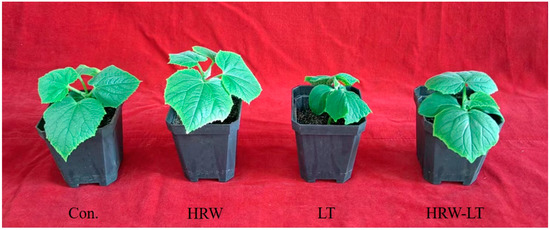
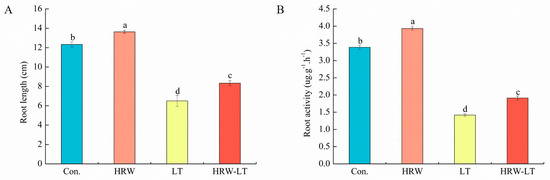
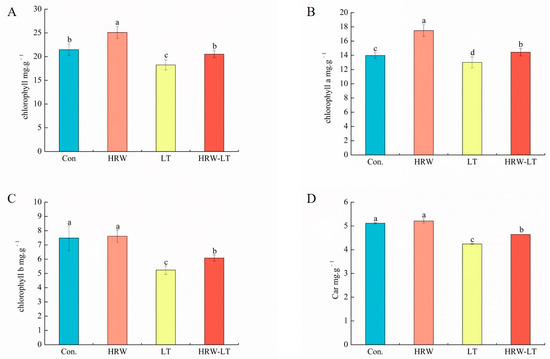
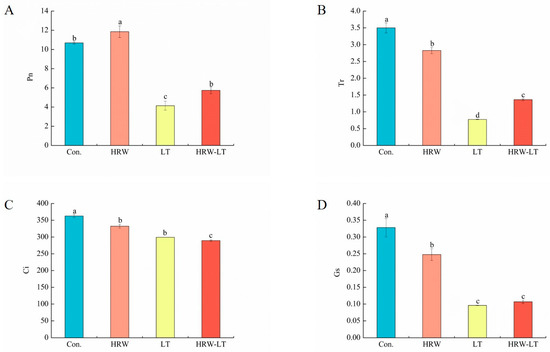
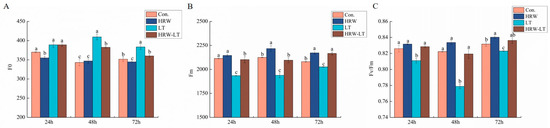
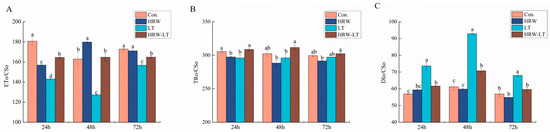
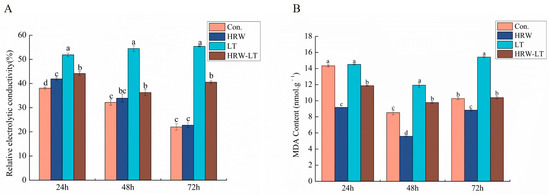
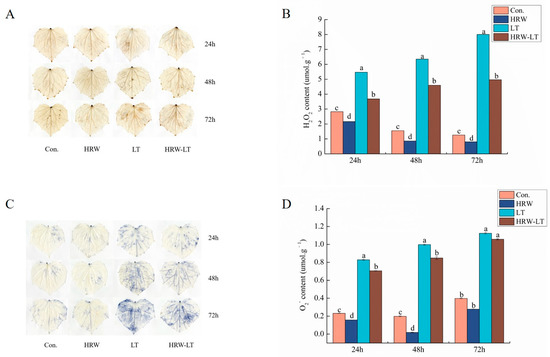
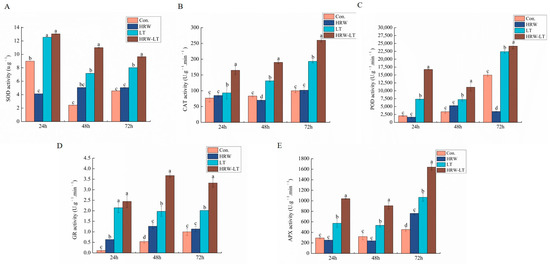
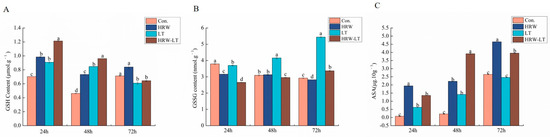
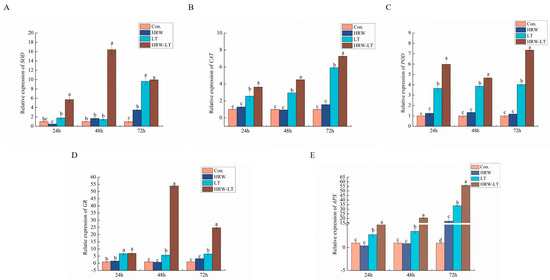
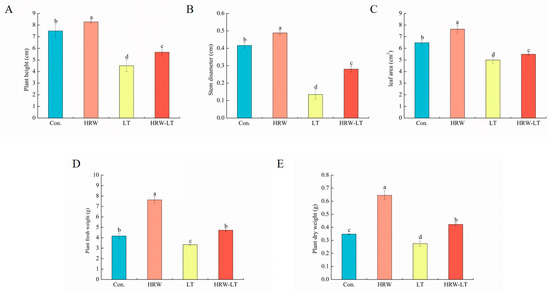
Cucumber is a warm climate vegetable that is sensitive to chilling reactions. Chilling can occur at any period of cucumber growth and development and seriously affects the yield and quality of cucumber. Hydrogen (H2) is a type of antioxidant that plays a critical role in plant development and the response to stress. Hydrogen-rich water (HRW) is the main way to use exogenous hydrogen. This study explored the role and mechanism of HRW in the cucumber defense response to chilling stress. The research results showed that applying 50% saturated HRW to the roots of cucumber seedlings relieved the damage caused by chilling stress. The growth and development indicators, such as plant height, stem diameter, leaf area, dry weight, fresh weight, and root length, increased under the HRW treatment. Photosynthetic efficiency, chlorophyll content, and Fv/Fm also improved and reduced energy dissipation. In addition, after HRW treatment, the REC and MDA content were decreased, and membrane lipid damage was reduced. NBT and DAB staining results showed that the color was lighter, and the area was smaller under HRW treatment. Additionally, the contents of O2 and H2O2 also decreased. Under chilling stress, the application of HRW increased the activity of the antioxidases SOD, CAT, POD, GR, and APX and improved the expression of the SOD, CAT, POD, GR, and APX antioxidase genes. The GSSG content was reduced, and the GSH content was increased. In addition, the ASA content also increased. Therefore, exogenous HRW is an effective measure for cucumber to respond to chilling stress. Full article
(This article belongs to the Special Issue Advances in Molecular Plant Sciences)
Show Figures

Figure 1
7 pages, 2647 KB  
Editorial
The Role of Toll-like Receptors (TLRs) and Their Related Signaling Pathways in Viral Infection and Inflammation
by Ralf Kircheis and Oliver Planz
Int. J. Mol. Sci. 2023, 24(7), 6701; https://doi.org/10.3390/ijms24076701 - 4 Apr 2023
Cited by 57 | Viewed by 9735
Abstract
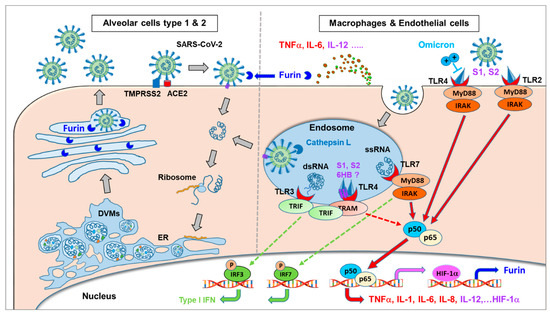
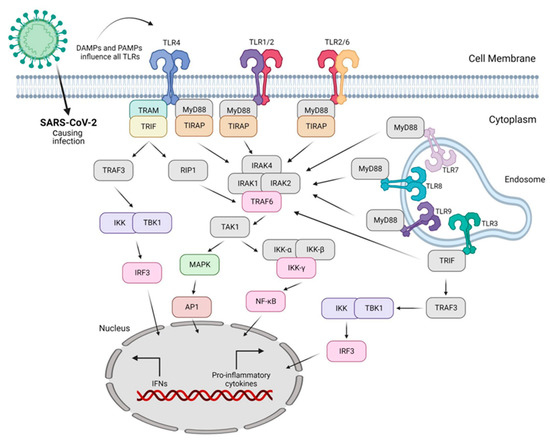
Toll-like receptors (TLRs) belong to a powerful system for the recognition and elimination of pathogen-associated molecular patterns (PAMPs) from bacteria, viruses, and other pathogens [...] Full article
(This article belongs to the Special Issue The Role of Toll-Like Receptors (TLR) in Infection and Inflammation)
Show Figures

Figure 1
19 pages, 7422 KB  
Article
Up-Regulation of microRNA-424 Causes an Imbalance in AKT Phosphorylation and Impairs Enteric Neural Crest Cell Migration in Hirschsprung Disease
by Ze Xu, Yingnan Yan, Beilin Gu, Wei Cai and Yang Wang
Int. J. Mol. Sci. 2023, 24(7), 6700; https://doi.org/10.3390/ijms24076700 - 4 Apr 2023
Cited by 11 | Viewed by 2919
Abstract
Insights into the role of microRNAs (miRNAs) in disease pathogenesis have made them attractive therapeutic targets, and numerous miRNAs have been functionally linked to Hirschsprung disease (HSCR), a life-threatening genetic disorder due to defective migration, proliferation, and colonization of enteric neural crest cells [...] Read more.
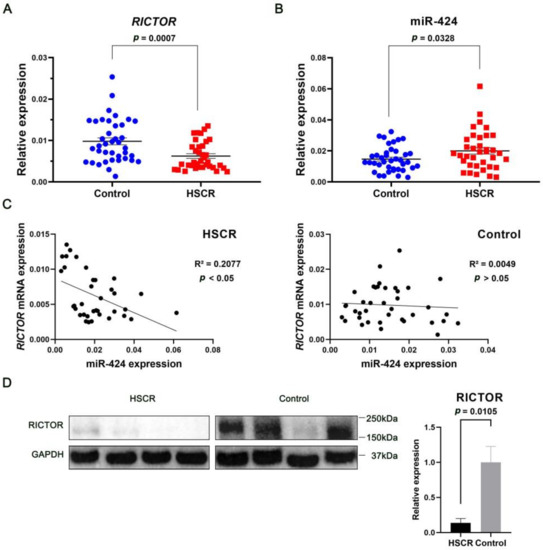
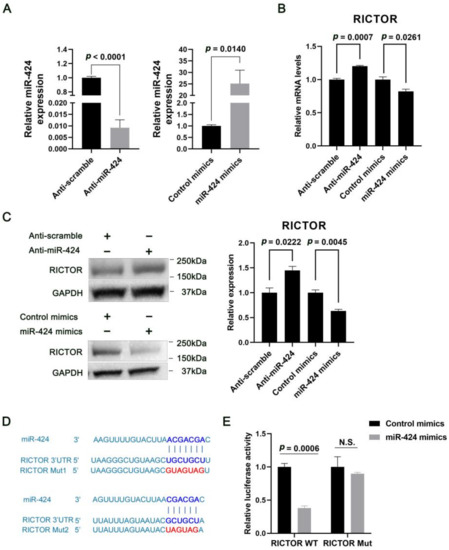
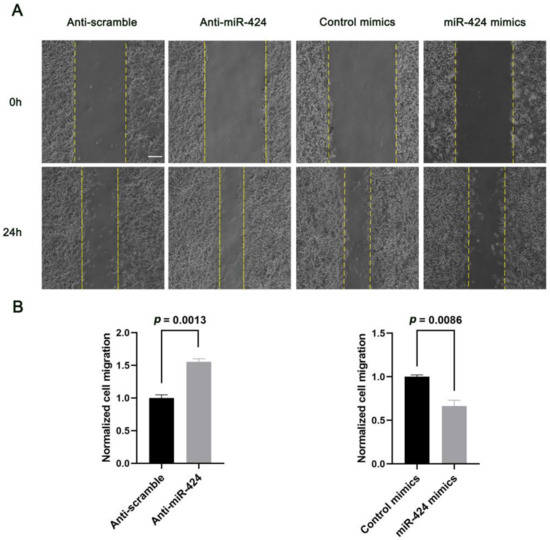
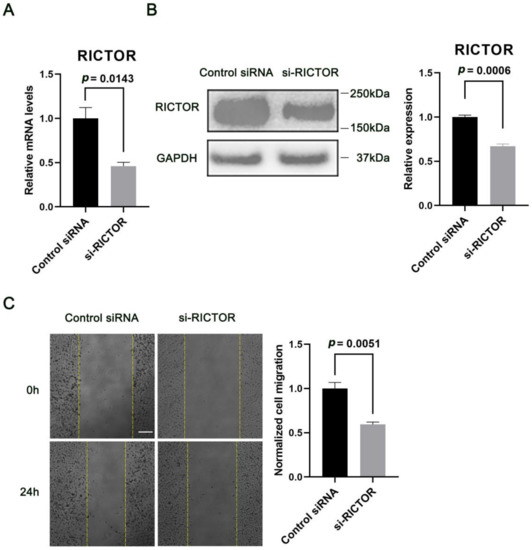
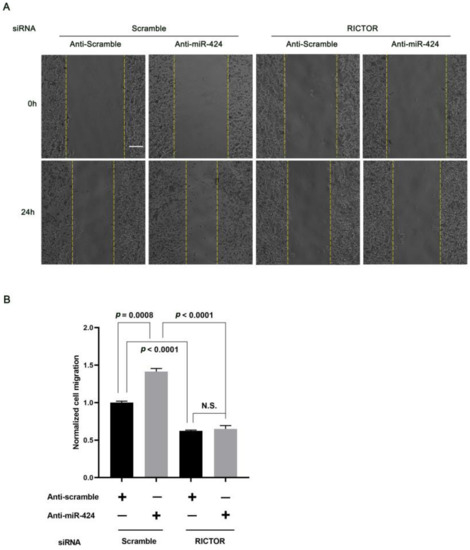
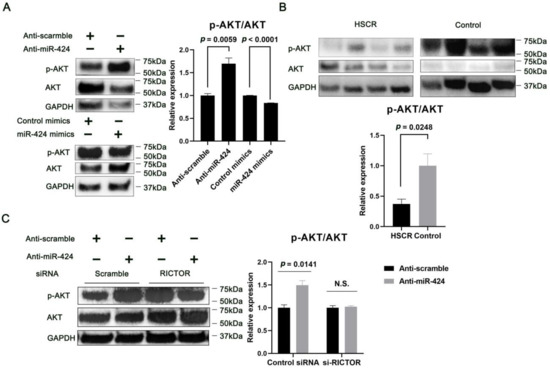
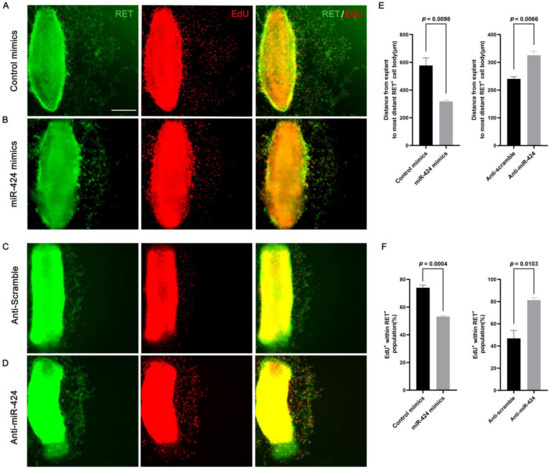
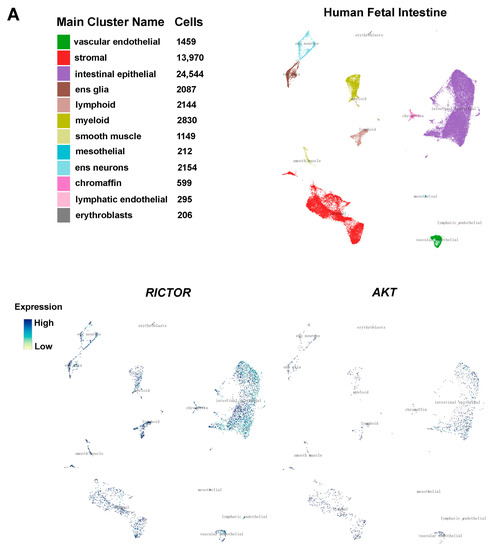
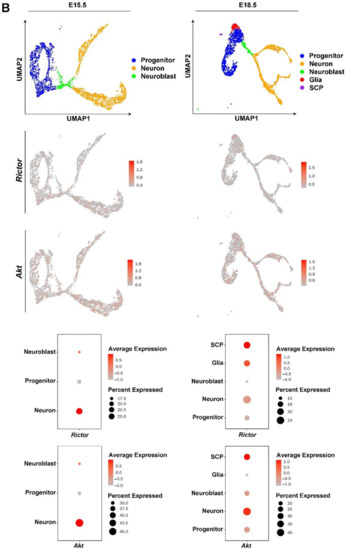
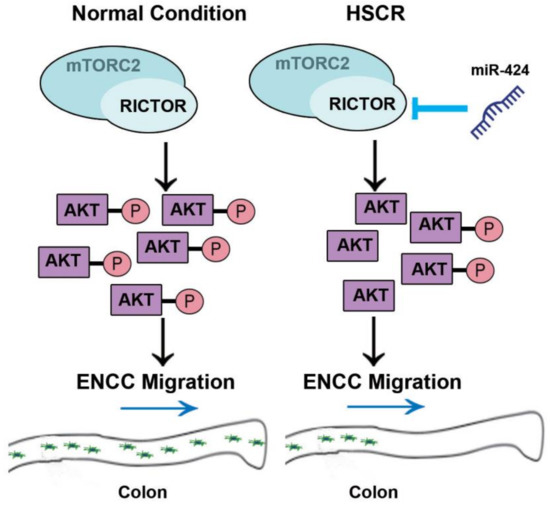
Insights into the role of microRNAs (miRNAs) in disease pathogenesis have made them attractive therapeutic targets, and numerous miRNAs have been functionally linked to Hirschsprung disease (HSCR), a life-threatening genetic disorder due to defective migration, proliferation, and colonization of enteric neural crest cells (ENCCs) in the gut. Recent studies have demonstrated that miR-424 strongly inhibits migration in a variety of cell types and its potential target RICTOR is essential for neural crest cell development. We therefore sought to interrogate how miR-424 and RICTOR contribute to the pathogenesis of HSCR. We utilized HSCR cases and human neural cells to evaluate the miR-424-mediated regulation of RICTOR and the downstream AKT phosphorylation. We further developed an ex vivo model to assess the effects of miR-424 on ENCC migration and proliferation. Then, single-cell atlases of gene expression in both human and mouse fetal intestines were used to determine the characteristics of RICTOR and AKT expression in the developing gut. Our findings demonstrate that miR-424 levels are markedly increased in the colonic tissues of patients with HSCR and that it regulates human neural cell migration by directly targeting RICTOR. Up-regulation of miR-424 leads to decreased AKT phosphorylation levels in a RICTOR-dependent manner, and this, in turn, impairs ENCC proliferation and migration in the developing gut. Interestingly, we further identified prominent RICTOR and AKT expressions in the enteric neurons and other types of enteric neural cells in human and mouse fetal intestines. Our present study reveals the role of the miR-424/RICTOR axis in HSCR pathogenesis and indicates that miR-424 is a promising candidate for the development of targeted therapies against HSCR. Full article
(This article belongs to the Section Molecular Biology)
Show Figures

Figure 1
19 pages, 10002 KB  
Article
Effect of the Nanorough Surface of TiO2 Thin Films on the Compatibility with Endothelial Cells
by Irina Yu. Zhuravleva, Maria A. Surovtseva, Andrey A. Vaver, Evgeny A. Suprun, Irina I. Kim, Natalia A. Bondarenko, Oleg S. Kuzmin, Alexander P. Mayorov and Olga V. Poveshchenko
Int. J. Mol. Sci. 2023, 24(7), 6699; https://doi.org/10.3390/ijms24076699 - 3 Apr 2023
Cited by 4 | Viewed by 2085
Abstract
The cytocompatibility of titanium oxides (TiO2) and oxynitrides (N-TiO2, TiOxNy) thin films depends heavily on the surface topography. Considering that the initial relief of the substrate and the coating are summed up in the final [...] Read more.
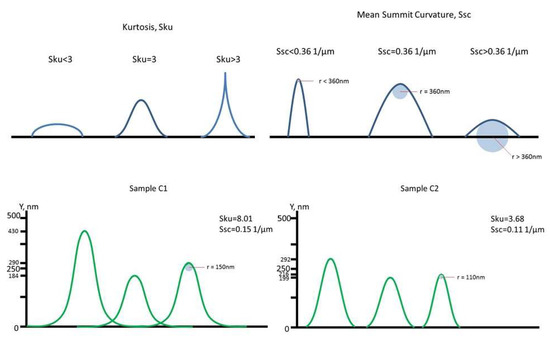
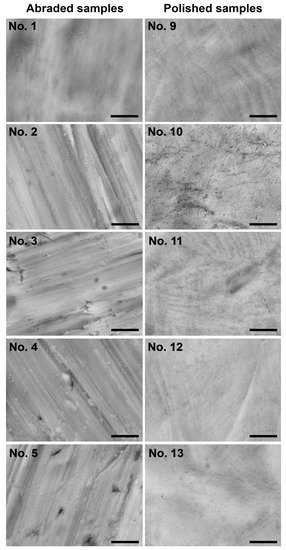
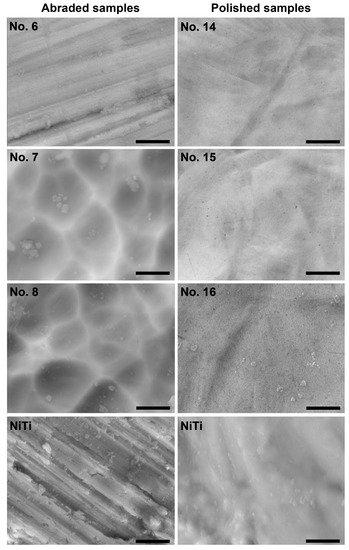
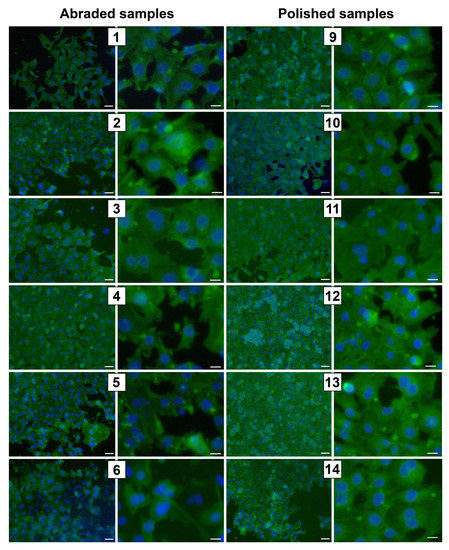
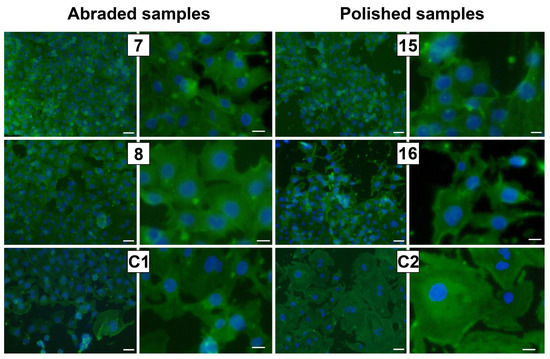
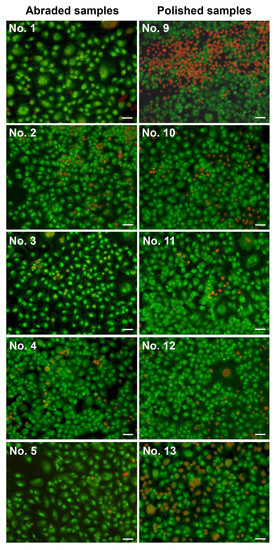
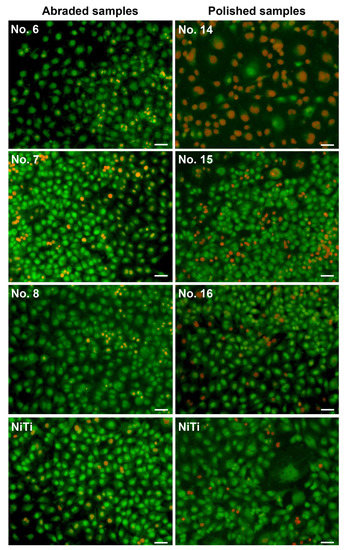
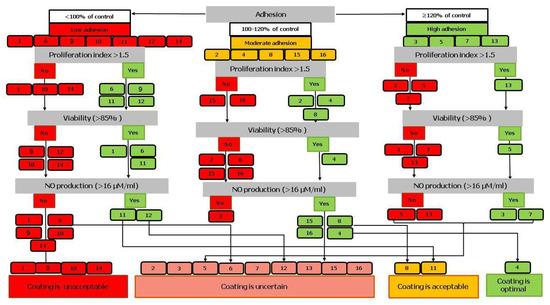
The cytocompatibility of titanium oxides (TiO2) and oxynitrides (N-TiO2, TiOxNy) thin films depends heavily on the surface topography. Considering that the initial relief of the substrate and the coating are summed up in the final topography of the surface, it can be expected that the same sputtering modes result in different surface topography if the substrate differs. Here, we investigated the problem by examining 16 groups of samples differing in surface topography; 8 of them were hand-abraded and 8 were machine-polished. Magnetron sputtering was performed in a reaction gas medium with various N2:O2 ratios and bias voltages. Abraded and polished uncoated samples served as controls. The surfaces were studied using atomic force microscopy (AFM). The cytocompatibility of coatings was evaluated in terms of cytotoxicity, adhesion, viability, and NO production. It has been shown that the cytocompatibility of thin films largely depends on the surface nanostructure. Both excessively low and excessively high density of peaks, high and low kurtosis of height distribution (Sku), and low rates of mean summit curvature (Ssc) have a negative effect. Optimal cytocompatibility was demonstrated by abraded surface with a TiOxNy thin film sputtered at N2:O2 = 1:1 and Ub = 0 V. The nanopeaks of this surface had a maximum height, a density of about 0.5 per 1 µm2, Sku from 4 to 5, and an Ssc greater than 0.6. We believe that the excessive sharpness of surface nanostructures formed during magnetron sputtering of TiO2 and N-TiO2 films, especially at a high density of these structures, prevents both adhesion of endothelial cells, and their further proliferation and functioning. This effect is apparently due to damage to the cell membrane. At low height, kurtosis, and peak density, the main factor affecting the cell/surface interface is inefficient cell adhesion. Full article
Show Figures

Figure 1
12 pages, 3472 KB  
Article
TOE1/TOE2 Interacting with GIS to Control Trichome Development in Arabidopsis
by Yihua Liu, Shuaiqi Yang, Ali Raza Khan and Yinbo Gan
Int. J. Mol. Sci. 2023, 24(7), 6698; https://doi.org/10.3390/ijms24076698 - 3 Apr 2023
Cited by 15 | Viewed by 3713
Abstract
Trichomes are common appendages originating and projecting from the epidermal cell layer of most terrestrial plants. They act as a first line of defense and protect plants against different types of adverse environmental factors. GL3/EGL3-GL1-TTG1 transcriptional activator complex and GIS family genes regulate [...] Read more.
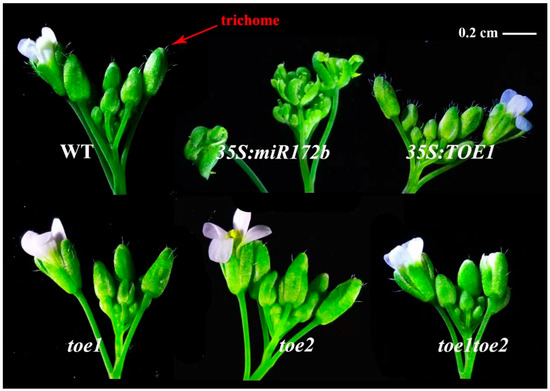
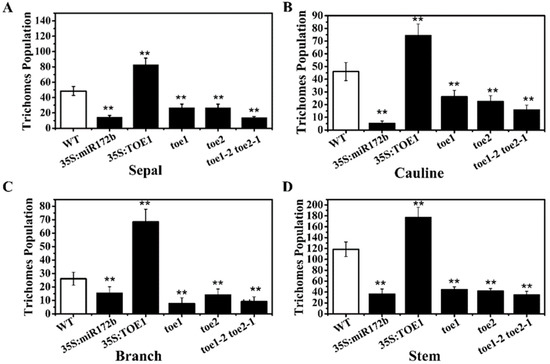
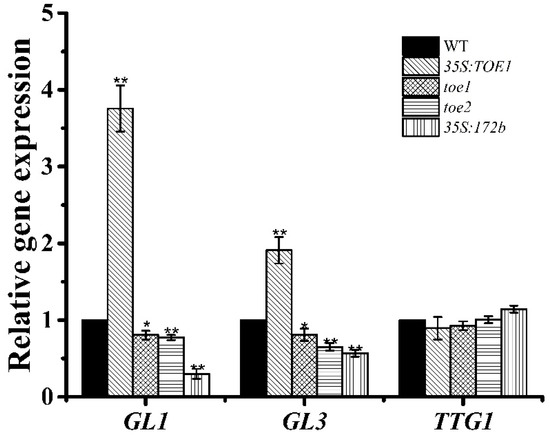
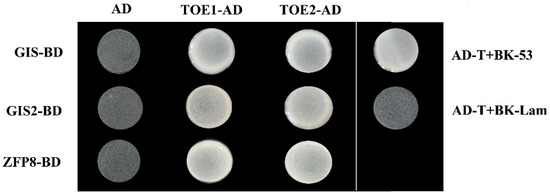
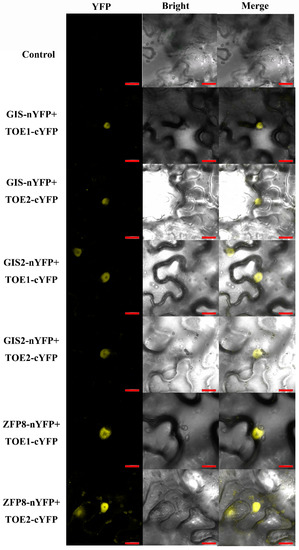
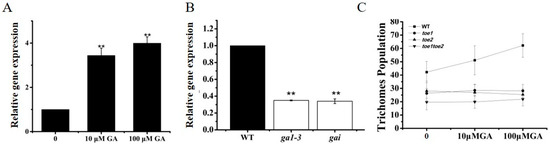
Trichomes are common appendages originating and projecting from the epidermal cell layer of most terrestrial plants. They act as a first line of defense and protect plants against different types of adverse environmental factors. GL3/EGL3-GL1-TTG1 transcriptional activator complex and GIS family genes regulate trichome initiation through gibberellin (GA) signaling in Arabidopsis. Here, our novel findings show that TOE1/TOE2, which are involved in developmental timing, control the initiation of the main-stem inflorescence trichome in Arabidopsis. Phenotype analysis showed that the 35S:TOE1 transgenic line increases trichome density of the main-stem inflorescence in Arabidopsis, while 35S:miR172b, toe1, toe2 and toe1toe2 have the opposite phenotypes. Quantitative RT-PCR results showed that TOE1/TOE2 positively regulate the expression of GL3 and GL1. In addition, protein-protein interaction analysis experiments further demonstrated that TOE1/TOE2 interacting with GIS/GIS2/ZFP8 regulate trichome initiation in Arabidopsis. Furthermore, phenotype and expression analysis also demonstrated that TOE1 is involved in GA signaling to control trichome initiation in Arabidopsis. Taken together, our results suggest that TOE1/TOE2 interact with GIS to control trichome development in Arabidopsis. This report could provide valuable information for further study of the interaction of TOE1/TOE2 with GIS in controlling trichome development in plants. Full article
(This article belongs to the Collection Advances in Plant Cell and Organism Development)
Show Figures

Figure 1
16 pages, 4848 KB  
Article
The Synergistic Antimicrobial Effect and Mechanism of Nisin and Oxacillin against Methicillin-Resistant Staphylococcus aureus
by Jun Wang, Xinxin Ma, Jing Li, Lu Shi, Lijuan Liu, Xinyao Hou, Sijin Jiang, Pu Li, Jia Lv, Lei Han, Yue Cheng and Bei Han
Int. J. Mol. Sci. 2023, 24(7), 6697; https://doi.org/10.3390/ijms24076697 - 3 Apr 2023
Cited by 20 | Viewed by 4943
Abstract
Methicillin-resistant Staphylococcus aureus (MRSA) is responsible for skin and soft tissue infections with multi-resistance to many antibiotics. It is thus imperative to explore alternative antimicrobial treatments to ensure future treatment options. Nisin (NIS), an antibacterial peptide produced by Lactococcus lactis, was selected [...] Read more.
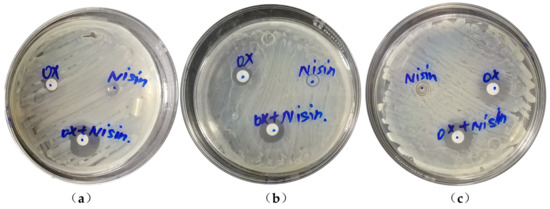
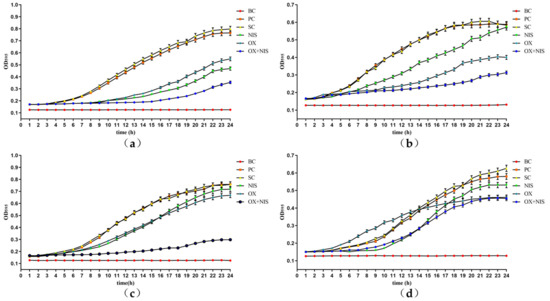
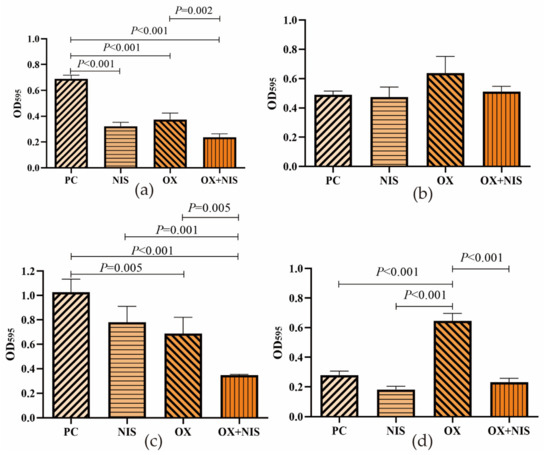
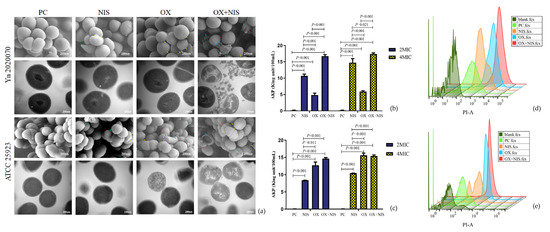
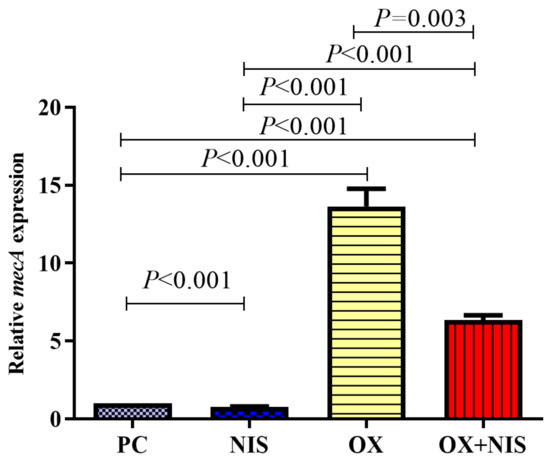
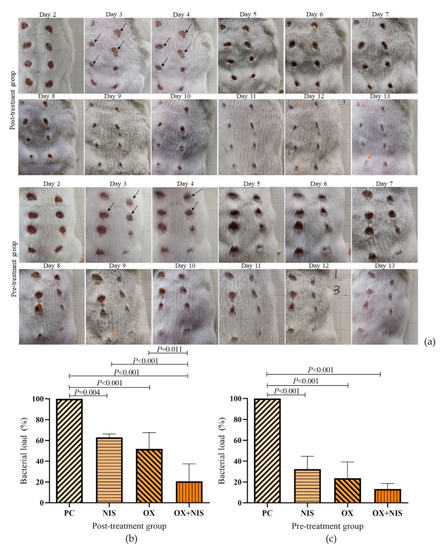
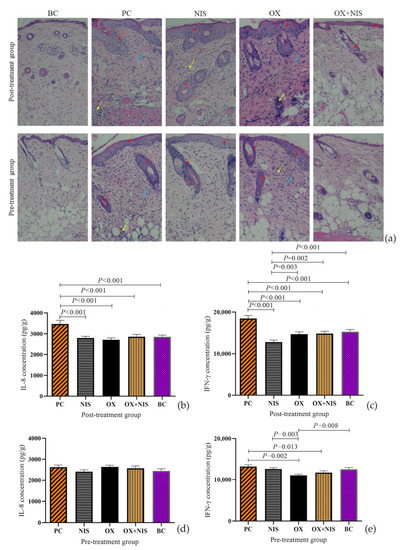
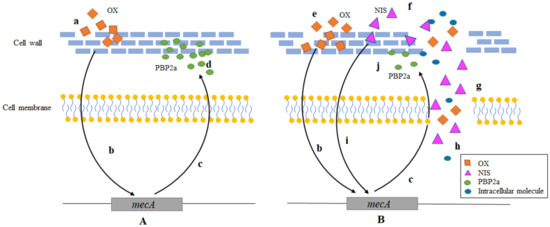
Methicillin-resistant Staphylococcus aureus (MRSA) is responsible for skin and soft tissue infections with multi-resistance to many antibiotics. It is thus imperative to explore alternative antimicrobial treatments to ensure future treatment options. Nisin (NIS), an antibacterial peptide produced by Lactococcus lactis, was selected to combine with Oxacillin (OX), to evaluate the antimicrobial effect and potential mechanism against MRSA. The synergistic antimicrobial effect of OX and NIS was verified by Minimal Inhibitory Concentration (MIC) assays, checkerboard analysis, time-kill curve, biofilm producing ability, and mice skin infection model in vivo. For the potential synergistic antimicrobial mechanism, the microstructure and integrity change of MRSA cells were determined by Scanning and Transmission Electron Microscope (SEM and TEM), intracellular alkaline phosphatase activity and propidium iodide staining were assayed; And transcription of mecA, main gene of MRSA resistant to OX, were detected by qRT-PCR. The results showed NIS could restore the sensitivity of MRSA to OX and inhibit biofilm production; OX + NIS can make MRSA cell deform; NIS may recover OX sensitivity by inhibiting the transcription of mecA. In vivo, mice skin infection models indicate that OX + NIS can substantially alleviate MRSA infections. As a safe commercially available biological compound, NIS and the combination of antibiotics are worth developing as new anti-MRSA biomaterials. Full article
(This article belongs to the Section Materials Science)
Show Figures

Figure 1
15 pages, 2541 KB  
Article
Dimethylglycine Can Enhance the Cryopreservation of Red Blood Cells by Reducing Ice Formation and Oxidative Damage
by Yuying Hu, Xiangjian Liu, Marlene Davis Ekpo, Jiangming Chen, Xiaoxiao Chen, Wenqian Zhang, Rui Zhao, Jingxian Xie, Yongju He and Songwen Tan
Int. J. Mol. Sci. 2023, 24(7), 6696; https://doi.org/10.3390/ijms24076696 - 3 Apr 2023
Cited by 9 | Viewed by 5010
Abstract
The cryopreservation of red blood cells (RBCs) holds great potential for ensuring timely blood transfusions and maintaining an adequate RBC inventory. The conventional cryoprotectants (CPAs) have a lot of limitations, and there is an obvious need for novel, efficient, and biocompatible CPAs. Here, [...] Read more.
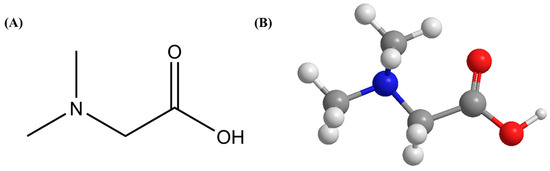
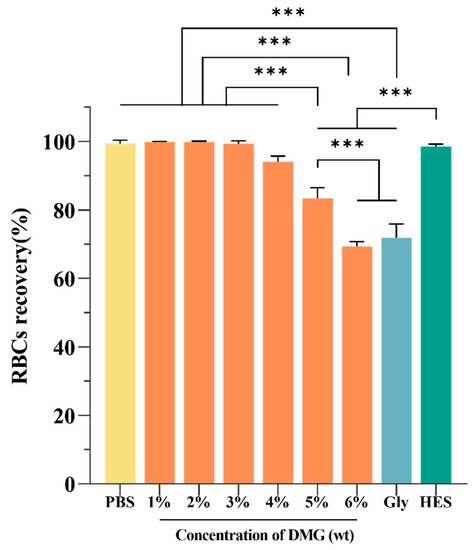
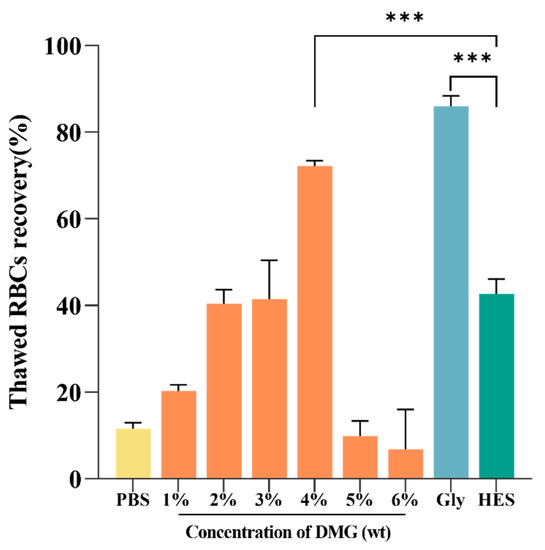
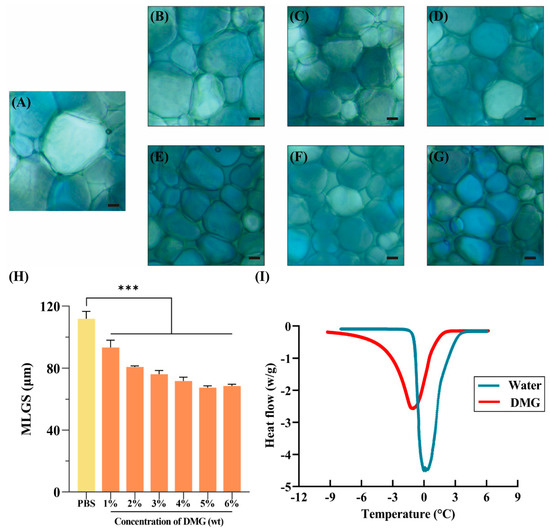
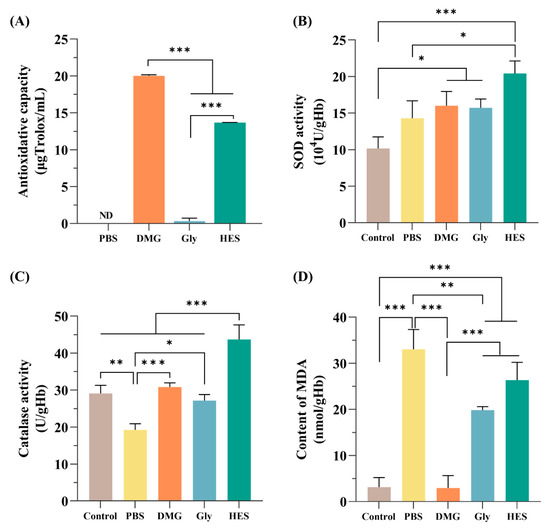
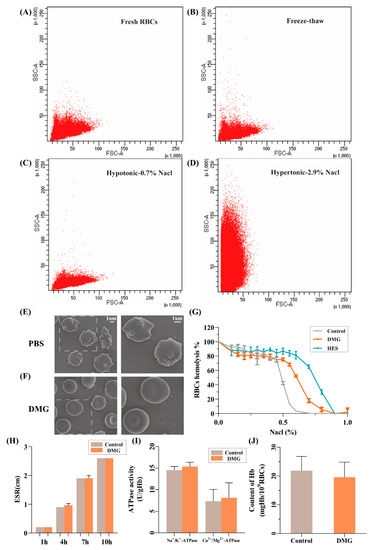
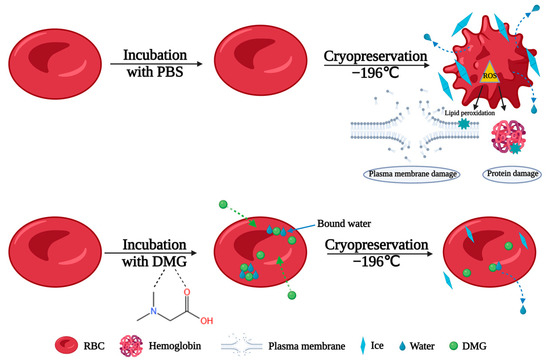
The cryopreservation of red blood cells (RBCs) holds great potential for ensuring timely blood transfusions and maintaining an adequate RBC inventory. The conventional cryoprotectants (CPAs) have a lot of limitations, and there is an obvious need for novel, efficient, and biocompatible CPAs. Here, it is shown for the first time that the addition of dimethylglycine (DMG) improved the thawed RBC recovery from 11.55 ± 1.40% to 72.15 ± 1.22%. We found that DMG could reduce the mechanical damage by inhibiting ice formation and recrystallization during cryopreservation. DMG can also scavenge reactive oxygen species (ROS) and maintain endogenous antioxidant enzyme activities to decrease oxidative damage during cryopreservation. Furthermore, the properties of thawed RBCs were found to be similar to the fresh RBCs in the control. Finally, the technique for order performance by similarity to ideal solution (TOPSIS) was used to compare the performance of glycerol (Gly), hydroxyethyl starch (HES), and DMG in cryopreservation, and DMG exhibited the best efficiency. This work confirms the use of DMG as a novel CPA for cryopreservation of RBCs and may promote clinical transfusion therapy. Full article
(This article belongs to the Special Issue Biophysics in Membrane of Cells)
Show Figures

Figure 1

24 pages, 58044 KB  
Article
Amelioration of Pulmonary Fibrosis by Matrix Metalloproteinase-2 Overexpression
by Ryo Inoue, Taro Yasuma, Valeria Fridman D’Alessandro, Masaaki Toda, Toshiyuki Ito, Atsushi Tomaru, Corina N. D’Alessandro-Gabazza, Tatsuki Tsuruga, Tomohito Okano, Atsuro Takeshita, Kota Nishihama, Hajime Fujimoto, Tetsu Kobayashi and Esteban C. Gabazza
Int. J. Mol. Sci. 2023, 24(7), 6695; https://doi.org/10.3390/ijms24076695 - 3 Apr 2023
Cited by 18 | Viewed by 3928
Abstract
Idiopathic pulmonary fibrosis is a progressive and fatal disease with a poor prognosis. Matrix metalloproteinase-2 is involved in the pathogenesis of organ fibrosis. The role of matrix metalloproteinase-2 in lung fibrosis is unclear. This study evaluated whether overexpression of matrix metalloproteinase-2 affects the [...] Read more.
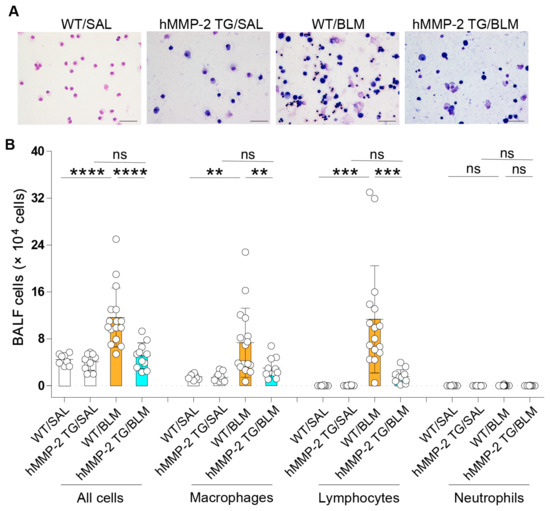
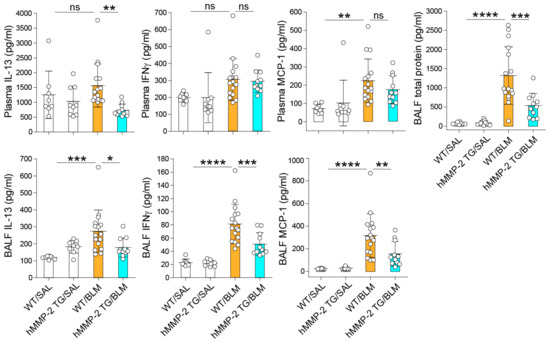
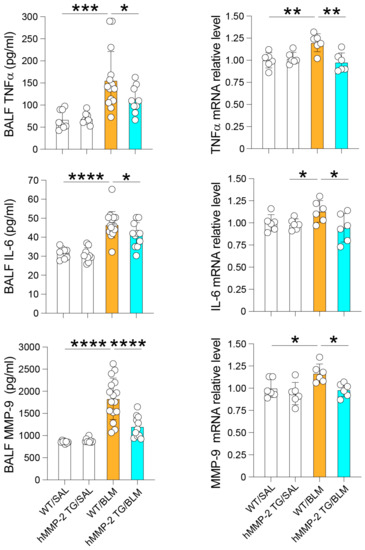
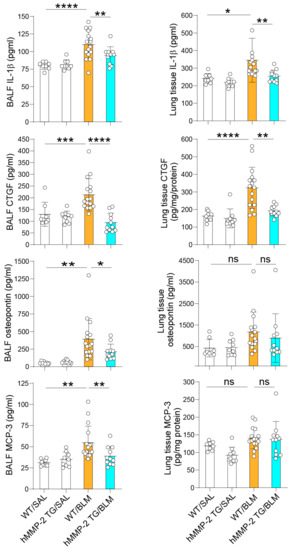
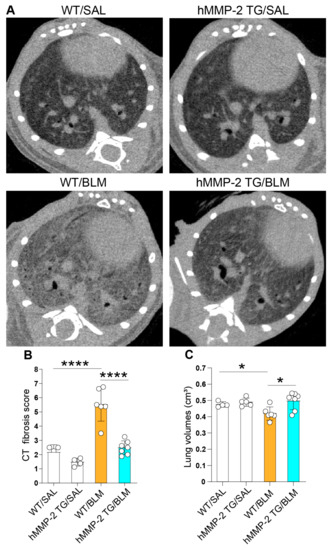
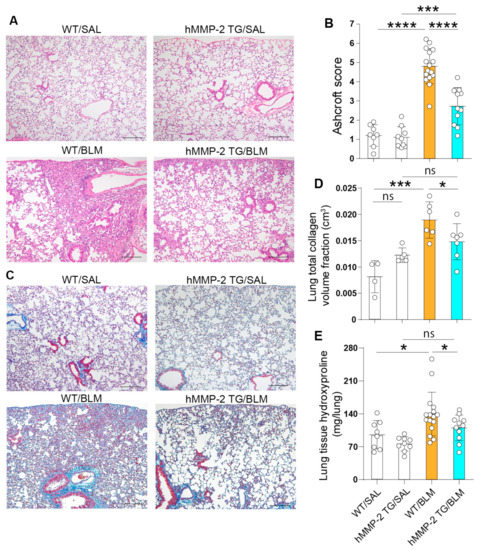
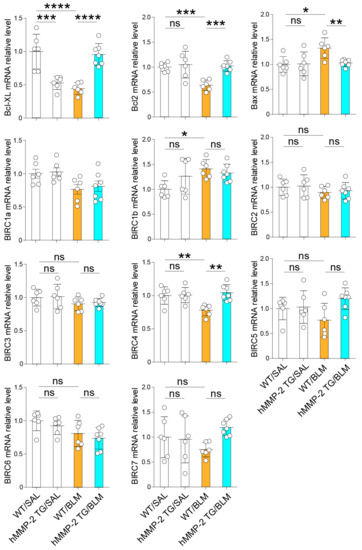
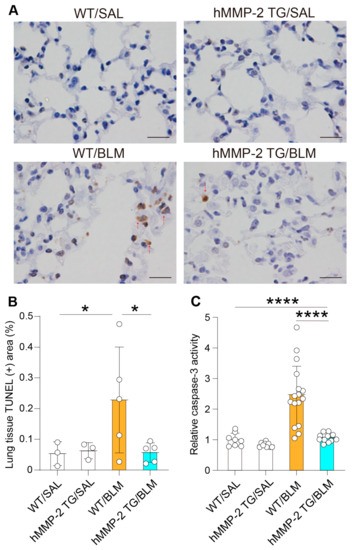
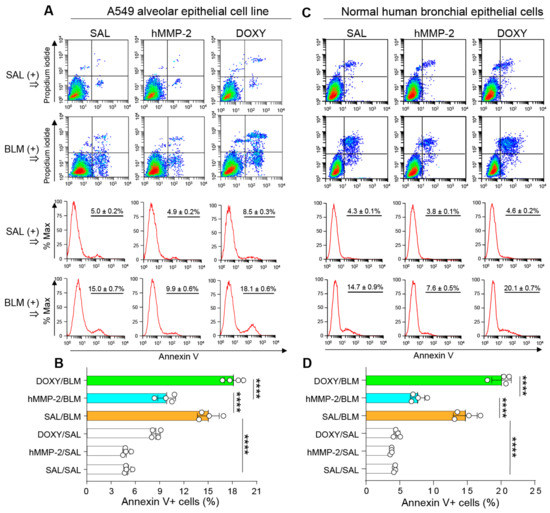
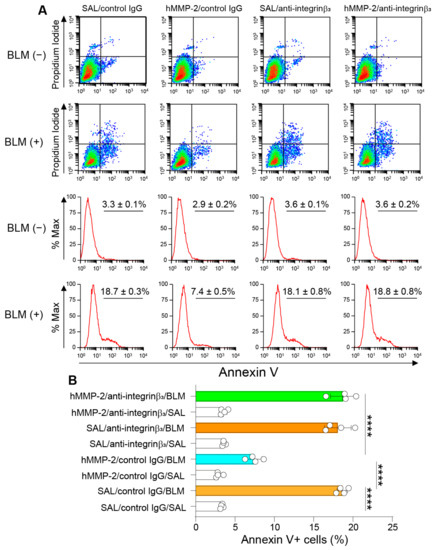
Idiopathic pulmonary fibrosis is a progressive and fatal disease with a poor prognosis. Matrix metalloproteinase-2 is involved in the pathogenesis of organ fibrosis. The role of matrix metalloproteinase-2 in lung fibrosis is unclear. This study evaluated whether overexpression of matrix metalloproteinase-2 affects the development of pulmonary fibrosis. Lung fibrosis was induced by bleomycin in wild-type mice and transgenic mice overexpressing human matrix metalloproteinase-2. Mice expressing human matrix metalloproteinase-2 showed significantly decreased infiltration of inflammatory cells and inflammatory and fibrotic cytokines in the lungs compared to wild-type mice after induction of lung injury and fibrosis with bleomycin. The computed tomography score, Ashcroft score of fibrosis, and lung collagen deposition were significantly reduced in human matrix metalloproteinase transgenic mice compared to wild-type mice. The expression of anti-apoptotic genes was significantly increased, while caspase-3 activity was significantly reduced in the lungs of matrix metalloproteinase-2 transgenic mice compared to wild-type mice. Active matrix metalloproteinase-2 significantly decreased bleomycin-induced apoptosis in alveolar epithelial cells. Matrix metalloproteinase-2 appears to protect against pulmonary fibrosis by inhibiting apoptosis of lung epithelial cells. Full article
(This article belongs to the Special Issue Cell Death in Acute Organ Injury and Fibrosis)
Show Figures

Figure 1
27 pages, 6603 KB  
Article
In Situ Raman Analysis of Biofilm Exopolysaccharides Formed in Streptococcus mutans and Streptococcus sanguinis Commensal Cultures
by Giuseppe Pezzotti, Satomi Ofuji, Hayata Imamura, Tetsuya Adachi, Toshiro Yamamoto, Narisato Kanamura, Eriko Ohgitani, Elia Marin, Wenliang Zhu, Osam Mazda, Azusa Togo, Satoshi Kimura, Tadahisa Iwata, Hideki Shiba, Kazuhisa Ouhara, Takashi Aoki and Toshihisa Kawai
Int. J. Mol. Sci. 2023, 24(7), 6694; https://doi.org/10.3390/ijms24076694 - 3 Apr 2023
Cited by 11 | Viewed by 4666
Abstract
This study probed in vitro the mechanisms of competition/coexistence between Streptococcus sanguinis (known for being correlated with health in the oral cavity) and Streptococcus mutans (responsible for aciduric oral environment and formation of caries) by means of quantitative Raman spectroscopy and imaging. In situ Raman [...] Read more.
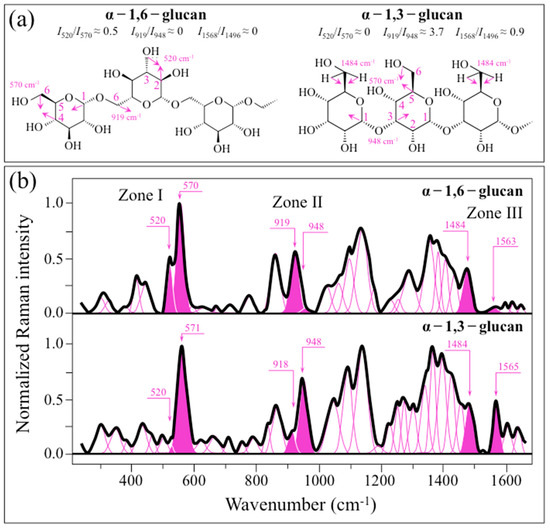
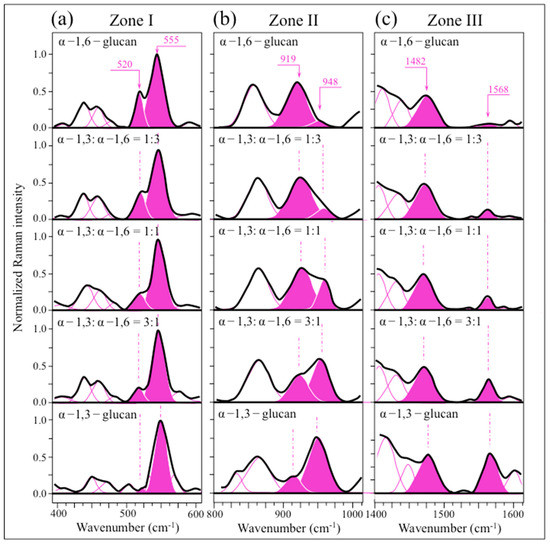
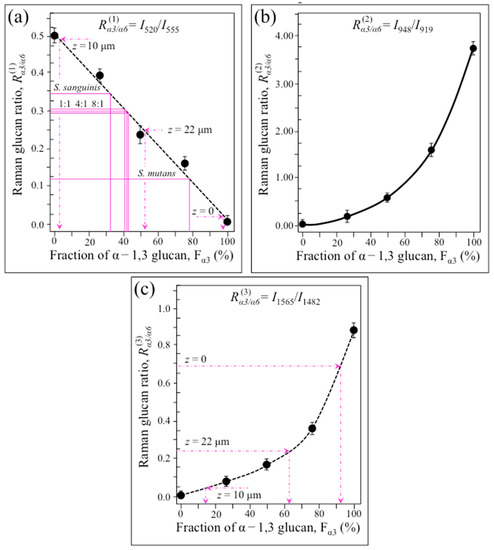
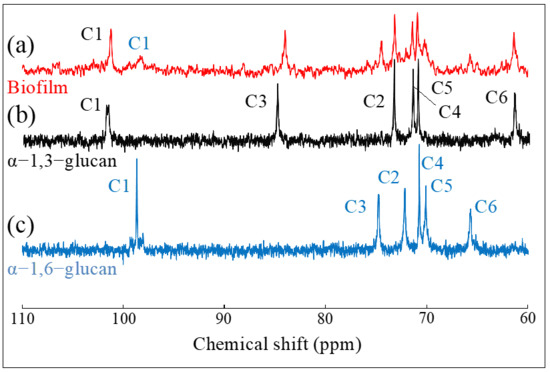
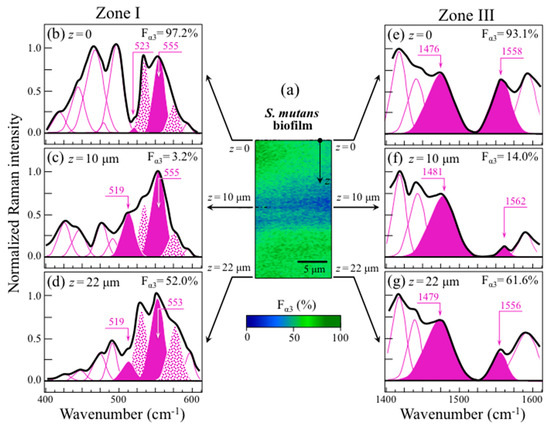
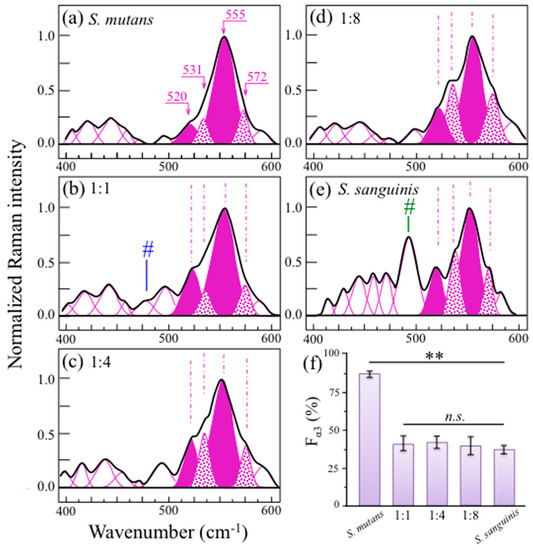
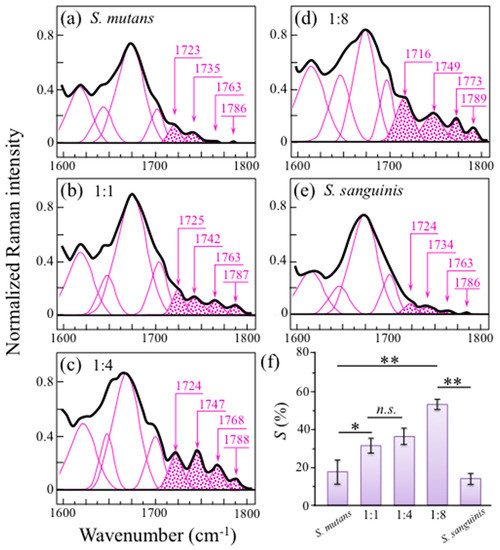
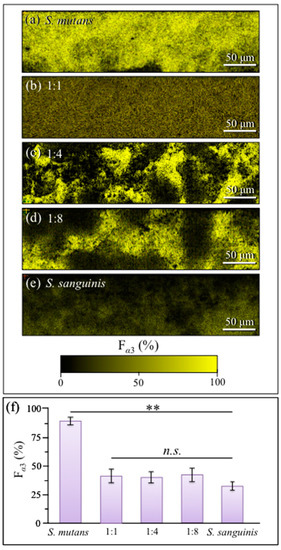
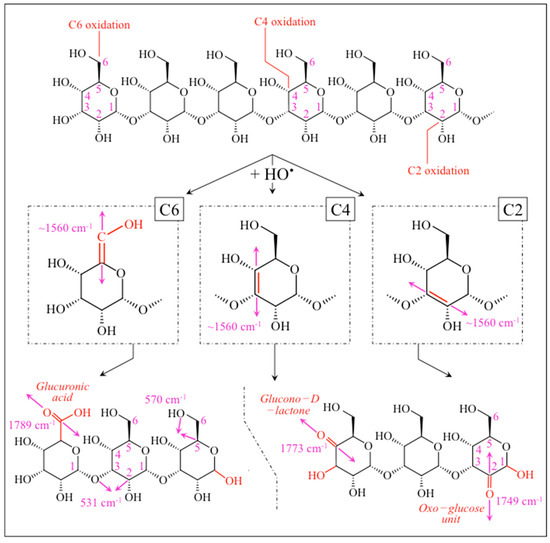
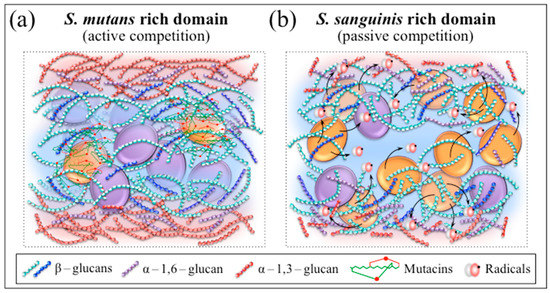
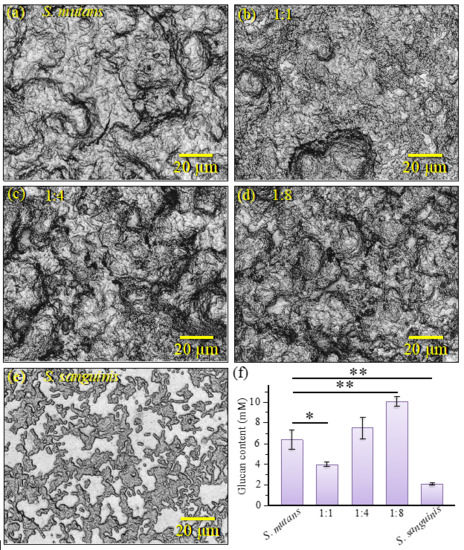
This study probed in vitro the mechanisms of competition/coexistence between Streptococcus sanguinis (known for being correlated with health in the oral cavity) and Streptococcus mutans (responsible for aciduric oral environment and formation of caries) by means of quantitative Raman spectroscopy and imaging. In situ Raman assessments of live bacterial culture/coculture focusing on biofilm exopolysaccharides supported the hypothesis that both species engaged in antagonistic interactions. Experiments of simultaneous colonization always resulted in coexistence, but they also revealed fundamental alterations of the biofilm with respect to their water-insoluble glucan structure. Raman spectra (collected at fixed time but different bacterial ratios) showed clear changes in chemical bonds in glucans, which pointed to an action by Streptococcus sanguinis to discontinue the impermeability of the biofilm constructed by Streptococcus mutans. The concurrent effects of glycosidic bond cleavage in water-insoluble α − 1,3–glucan and oxidation at various sites in glucans’ molecular chains supported the hypothesis that secretion of oxygen radicals was the main “chemical weapon” used by Streptococcus sanguinis in coculture. Full article
(This article belongs to the Special Issue Advances in Dental Bio-Nanomaterials (II))
Show Figures

Figure 1
10 pages, 1725 KB  
Article
TLR9 Signaling Is Required for the Porphyromonas gingivalis-Induced Activation of IL-10-Expressing B Cells
by Ali Alaqla, Yang Hu, Shengyuan Huang, Sunniva Ruiz, Toshihisa Kawai and Xiaozhe Han
Int. J. Mol. Sci. 2023, 24(7), 6693; https://doi.org/10.3390/ijms24076693 - 3 Apr 2023
Cited by 6 | Viewed by 3015
Abstract
Immune cell pattern-recognition receptors such as Toll-like receptors (TLRs) play important roles in the regulation of host responses to periodontal pathogens. Our previous studies have demonstrated that immune regulatory B cells were activated by TLRs and alleviated periodontitis inflammation and bone loss. The [...] Read more.
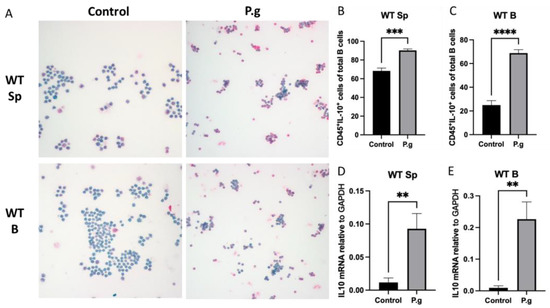
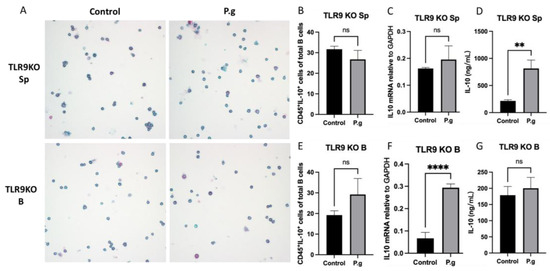
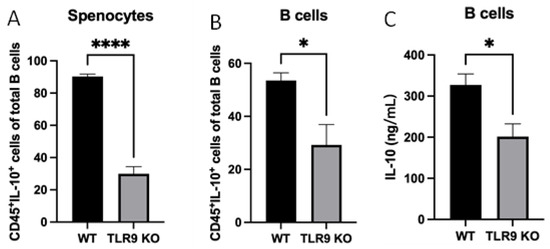
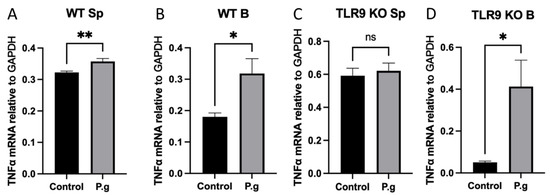
Immune cell pattern-recognition receptors such as Toll-like receptors (TLRs) play important roles in the regulation of host responses to periodontal pathogens. Our previous studies have demonstrated that immune regulatory B cells were activated by TLRs and alleviated periodontitis inflammation and bone loss. The purpose of this study is to determine the role of TLR9 signaling in the activation and IL-10 production of the primed-immune B cells in vitro. Wild-type (WT) and TLR9 knockout (TLR9KO) mice (C57BL/6 background, n = 5) were pre-immunized intraperitoneally with 1 × 10⁸ formalin-fixed P. gingivalis and boosted once with 1 × 10⁷ formalin-fixed P. gingivalis. Isolated splenocytes and purified B cells from each mouse were cultured with 1 × 10⁸ formalin-fixed P. gingivalis for 48 h. Immunocytochemistry was performed to detect CD45+ IL-10+ cells. Levels of IL-10 expression and secretion in splenocytes and B cells were detected using qRT-PCR and ELISA, respectively. After stimulation with fixed P. gingivalis, the percentage of CD45+ IL-10+ B cells and the level of IL-10 expression were significantly increased (p < 0.01) in splenocytes and purified B cells isolated from WT mice. However, these changes were not observed in splenocytes and purified B cells from TLR9KO mice when the cells were treated with fixed P. gingivalis. The percentage of CD45+ IL-10+ B cells was significantly reduced in splenocytes and purified B cells from TLR9KO mice compared to those from WT mice when challenged with P. gingivalis. IL-10 expression in B cells from TLR9KO mice was significantly decreased compared to those from WT mice at both the mRNA and protein levels. Additionally, P. gingivalis-induced up-regulation of TNF-α mRNA expressions were consistently observed in B cells from both WT and TLR9KO mice. P. gingivalis-induced B10 activation and IL-10 production during adaptive responses by primed B cells requires TLR9 signaling and can be achieved independent of T-cell help. Full article
Show Figures

Figure 1