27 pages, 8864 KB  
Article
Prediction of Drug Synergism between Peptides and Antineoplastic Drugs Paclitaxel, 5-Fluorouracil, and Doxorubicin Using In Silico Approaches
by Nuno Vale, Mariana Pereira, Joana Santos, Catarina Moura, Lara Marques and Diana Duarte
Int. J. Mol. Sci. 2023, 24(1), 69; https://doi.org/10.3390/ijms24010069 - 21 Dec 2022
Cited by 9 | Viewed by 3089
Abstract
Chemotherapy is the main treatment for most early-stage cancers; nevertheless, its efficacy is usually limited by drug resistance, toxicity, and tumor heterogeneity. Cell-penetrating peptides (CPPs) are small peptide sequences that can be used to increase the delivery rate of chemotherapeutic drugs to the [...] Read more.
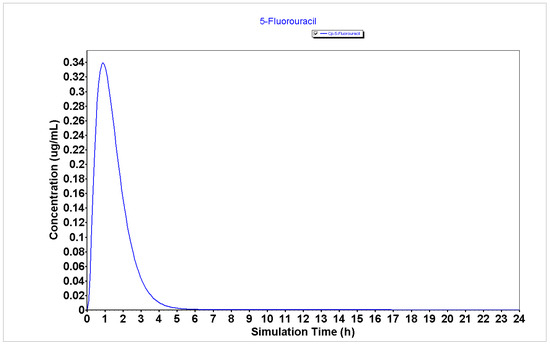
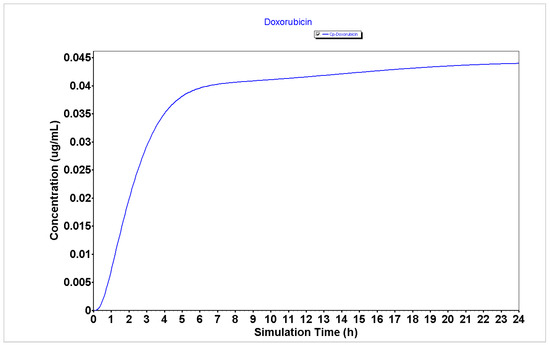
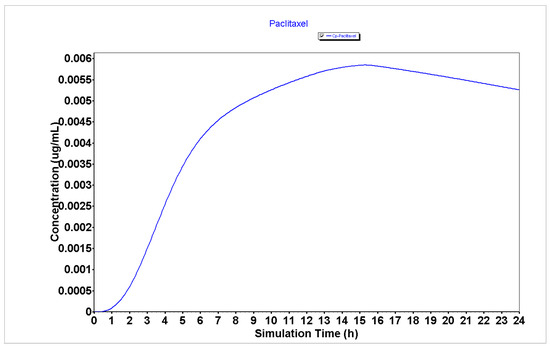
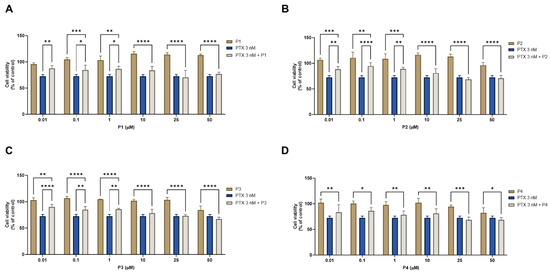
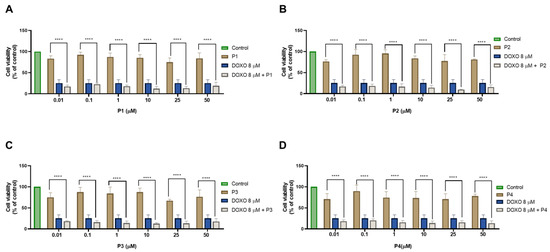
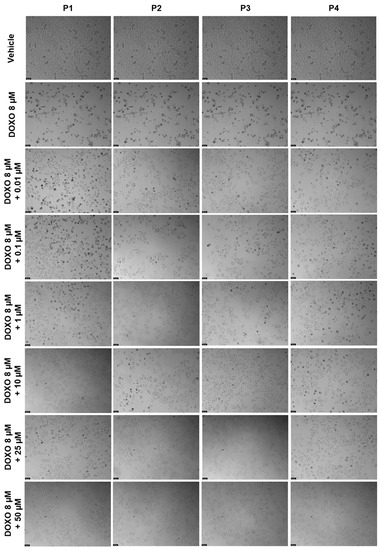
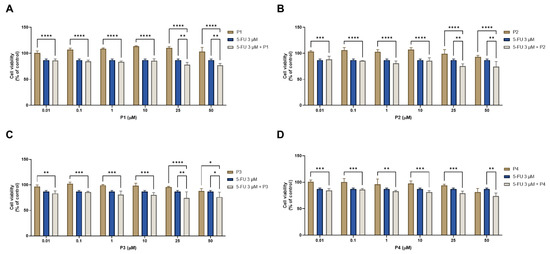
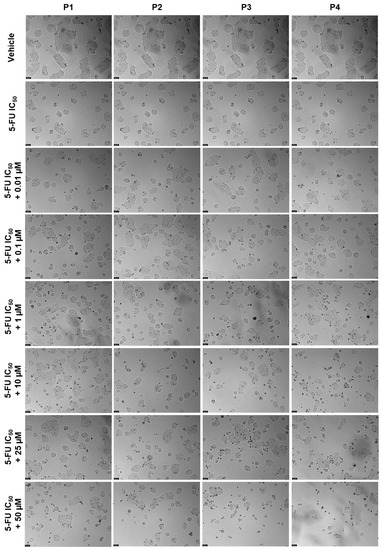
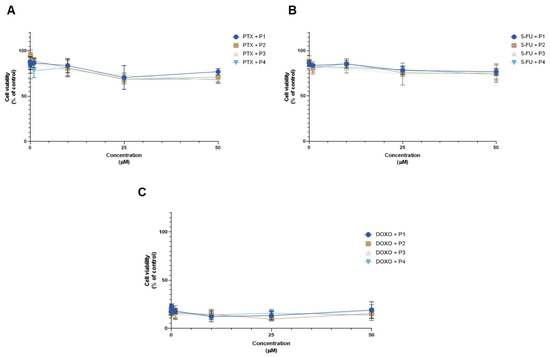
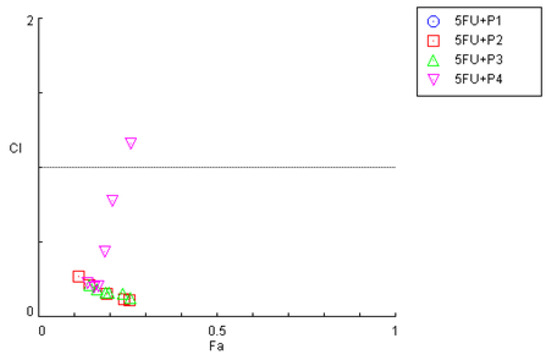
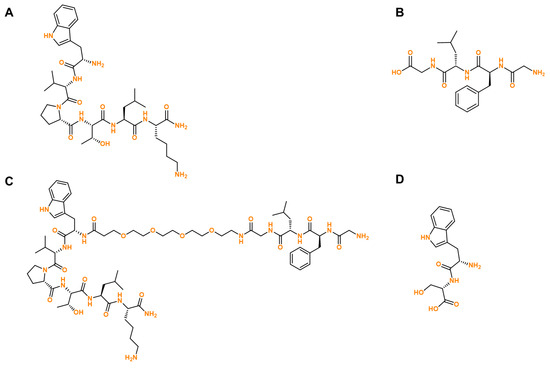
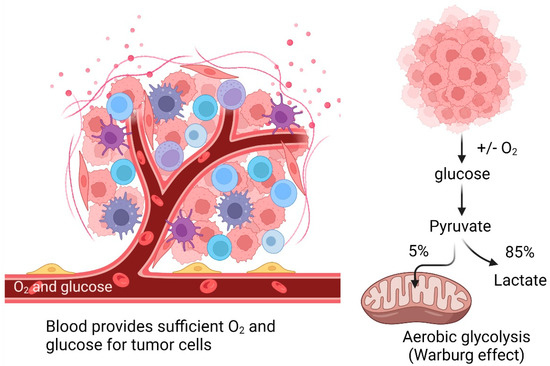
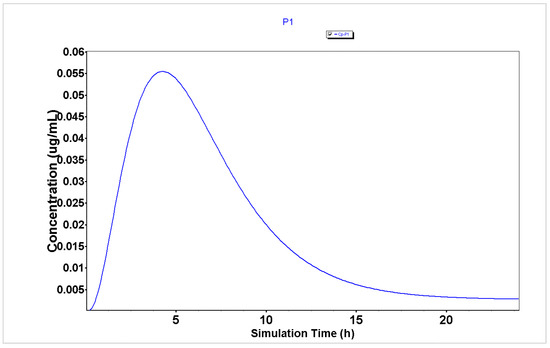
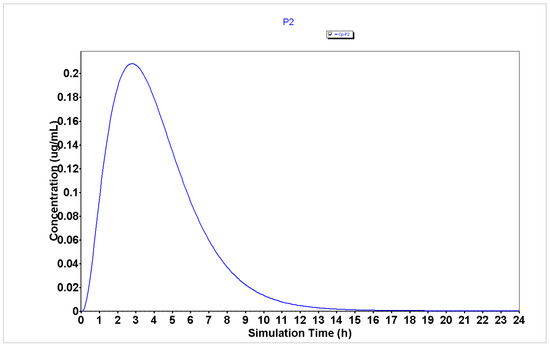
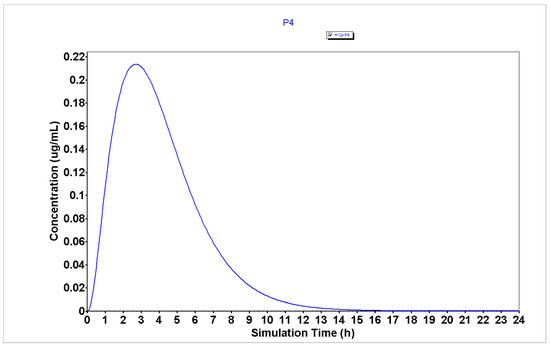
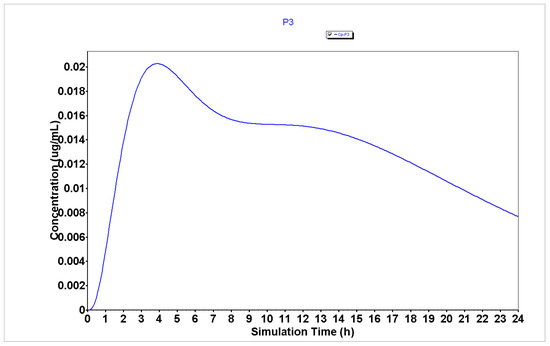
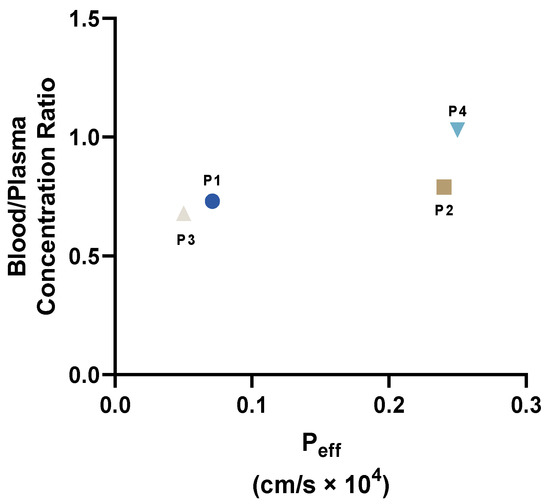
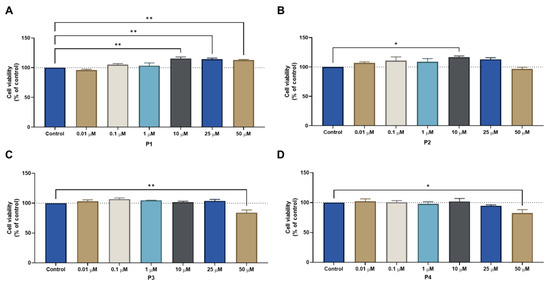
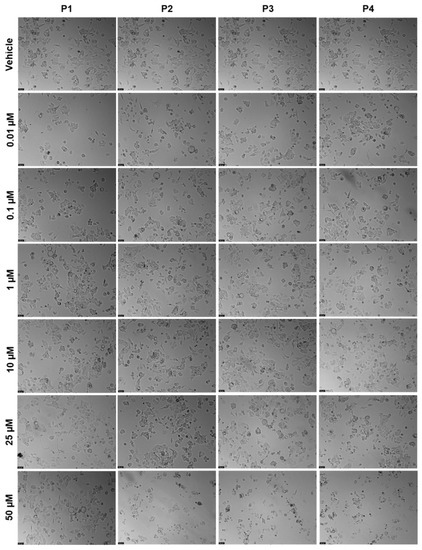
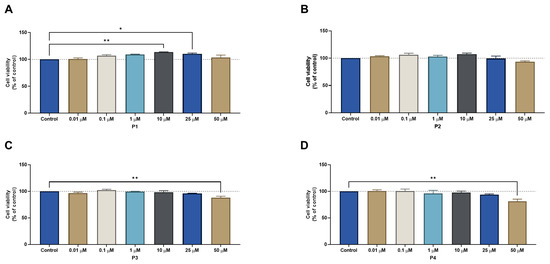
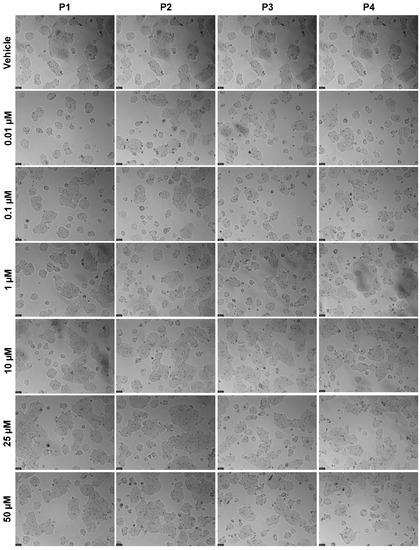
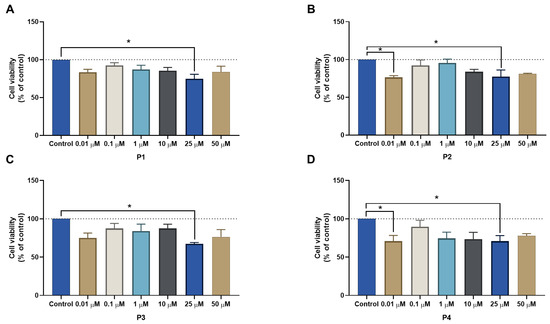
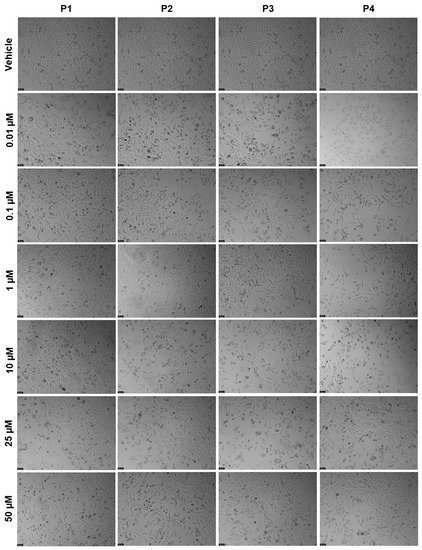
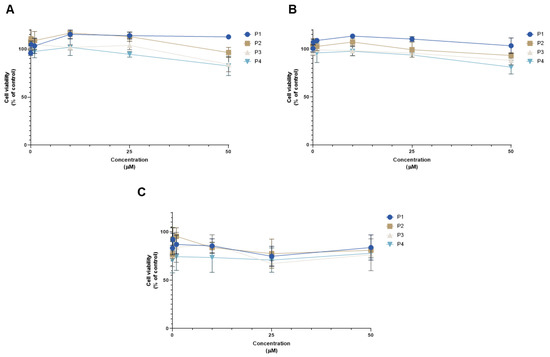
Chemotherapy is the main treatment for most early-stage cancers; nevertheless, its efficacy is usually limited by drug resistance, toxicity, and tumor heterogeneity. Cell-penetrating peptides (CPPs) are small peptide sequences that can be used to increase the delivery rate of chemotherapeutic drugs to the tumor site, therefore contributing to overcoming these problems and enhancing the efficacy of chemotherapy. The drug combination is another promising strategy to overcome the aforementioned problems since the combined drugs can synergize through interconnected biological processes and target different pathways simultaneously. Here, we hypothesized that different peptides (P1–P4) could be used to enhance the delivery of chemotherapeutic agents into three different cancer cells (HT-29, MCF-7, and PC-3). In silico studies were performed to simulate the pharmacokinetic (PK) parameters of each peptide and antineoplastic agent to help predict synergistic interactions in vitro. These simulations predicted peptides P2–P4 to have higher bioavailability and lower Tmax, as well as the chemotherapeutic agent 5-fluorouracil (5-FU) to have enhanced permeability properties over other antineoplastic agents, with P3 having prominent accumulation in the colon. In vitro studies were then performed to evaluate the combination of each peptide with the chemotherapeutic agents as well as to assess the nature of drug interactions through the quantification of the Combination Index (CI). Our findings in MCF-7 and PC-3 cancer cells demonstrated that the combination of these peptides with paclitaxel (PTX) and doxorubicin (DOXO), respectively, is not advantageous over a single treatment with the chemotherapeutic agent. In the case of HT-29 colorectal cancer cells, the combination of P2–P4 with 5-FU resulted in synergistic cytotoxic effects, as predicted by the in silico simulations. Taken together, these findings demonstrate that these CPP6-conjugates can be used as adjuvant agents to increase the delivery of 5-FU into HT-29 colorectal cancer cells. Moreover, these results support the use of in silico approaches for the prediction of the interaction between drugs in combination therapy for cancer. Full article
Show Figures

Figure 1
16 pages, 3209 KB  
Article
3D Hierarchical Porous and N-Doped Carbonized Microspheres Derived from Chitin for Remarkable Adsorption of Congo Red in Aqueous Solution
by Taimei Cai, Huijie Chen, Lihua Yao and Hailong Peng
Int. J. Mol. Sci. 2023, 24(1), 684; https://doi.org/10.3390/ijms24010684 - 30 Dec 2022
Cited by 9 | Viewed by 2635
Abstract
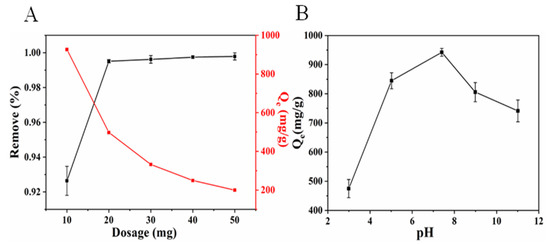
A novel adsorbent of N-doped carbonized microspheres were developed from chitin (N-doped CM-chitin) for adsorption of Congo red (CR). The N-doped CM-chitin showed spherical shape and consisted of carbon nanofibers with 3D hierarchical architecture. There were many micro/nano-pores existing in N-doped CM-chitin with [...] Read more.
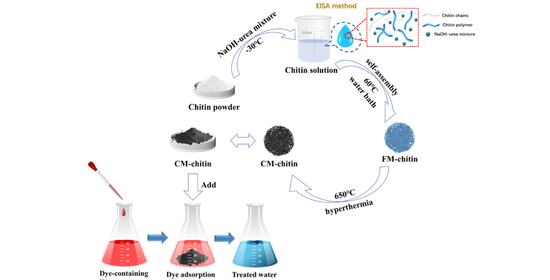
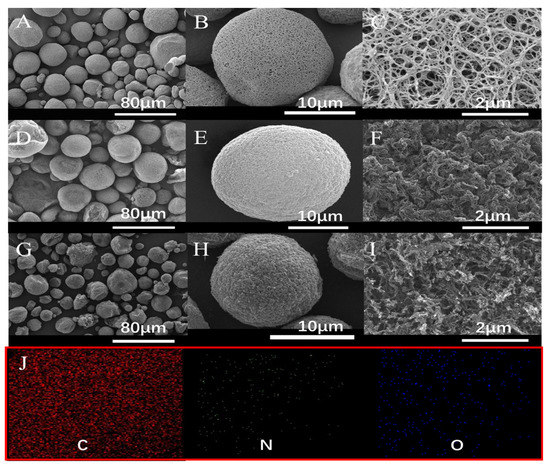
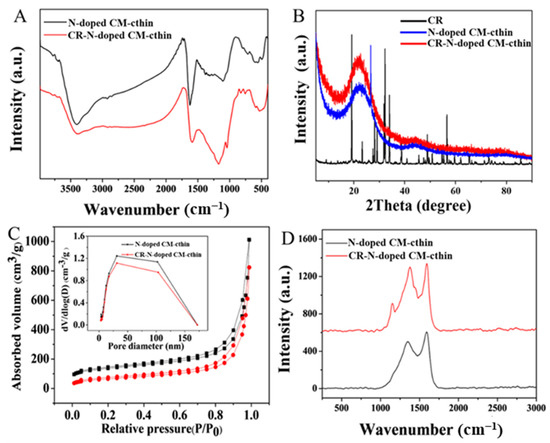
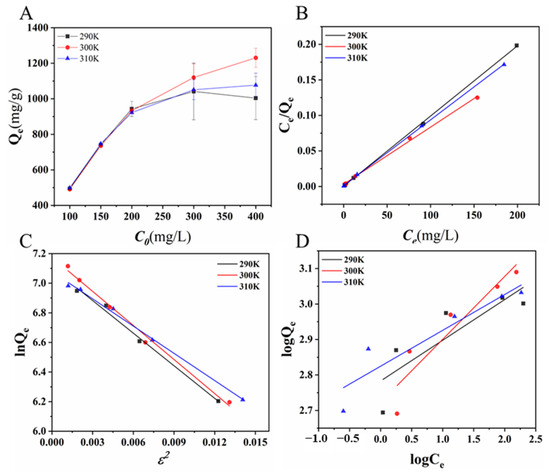
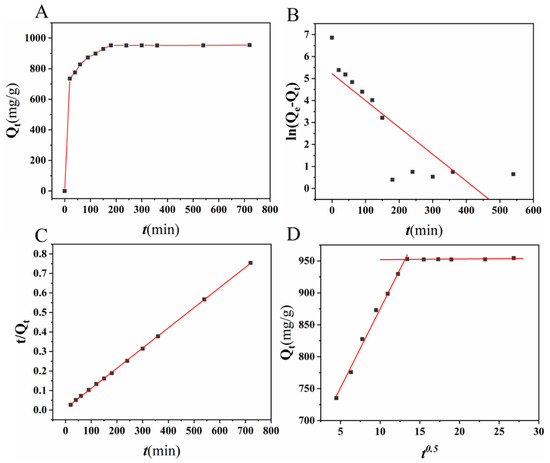
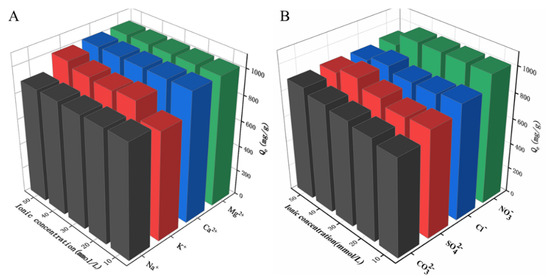
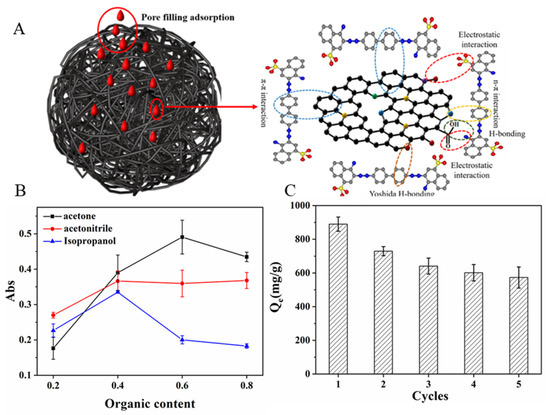
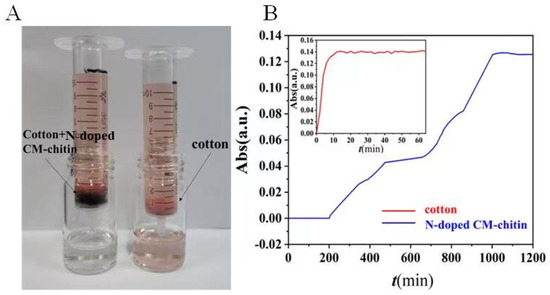
A novel adsorbent of N-doped carbonized microspheres were developed from chitin (N-doped CM-chitin) for adsorption of Congo red (CR). The N-doped CM-chitin showed spherical shape and consisted of carbon nanofibers with 3D hierarchical architecture. There were many micro/nano-pores existing in N-doped CM-chitin with high surface area (455.703 m2 g−1). The N element was uniformly distributed on the carbon nanofibers and formed with oxidize-N graphitic-N, pyrrolic-N, and pyridinic-N. The N-doped CM-chitin showed excellent adsorption capability for CR and the maximum adsorption amount was approximate 954.47 mg g−1. The π-π/n-π interaction, hydrogen-bond interactions, and pore filling adsorption might be the adsorption mechanisms. The adsorption of N-doped CM-chitin was considered as a spontaneous endothermic adsorption process, and which well conformed to the pseudo-second-order kinetic and Langmuir isotherm model. The N-doped CM-chitin exhibited an effective adsorption performance for dynamic CR water with good reusability. Therefore, this work provides new insights into the fabrication of a novel N-doped adsorbent from low-cost and waste biomasses. Full article
Show Figures

Graphical abstract

19 pages, 7425 KB  
Article
Transcriptome Analysis Reveals the Mechanisms of Tolerance to High Concentrations of Calcium Chloride Stress in Parachlorella kessleri
by Xudong Liu, Jinli Zhao, Fangru Nan, Qi Liu, Junping Lv, Jia Feng and Shulian Xie
Int. J. Mol. Sci. 2023, 24(1), 651; https://doi.org/10.3390/ijms24010651 - 30 Dec 2022
Cited by 9 | Viewed by 3312
Abstract
Salt stress is one of the abiotic stress factors that affect the normal growth and development of higher plants and algae. However, few research studies have focused on calcium stress, especially in algae. In this study, the mechanism of tolerance to high calcium [...] Read more.
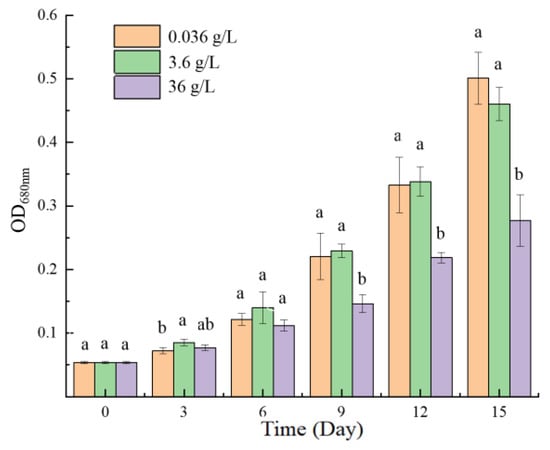
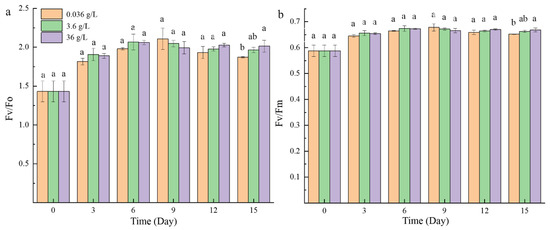
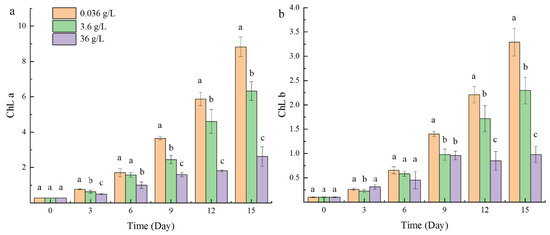
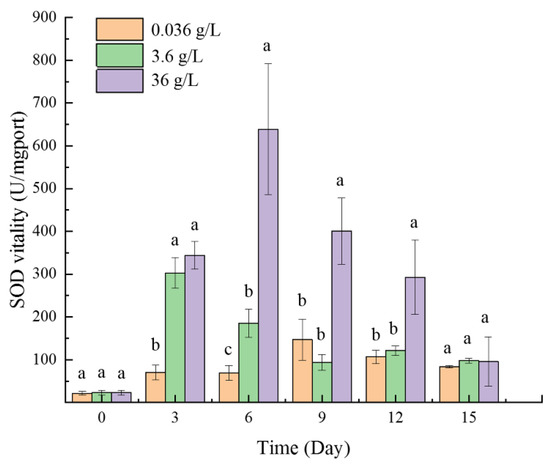
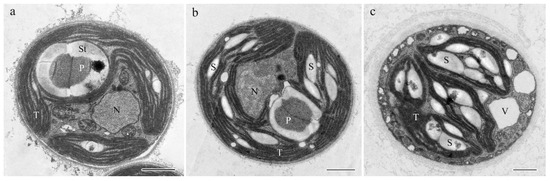
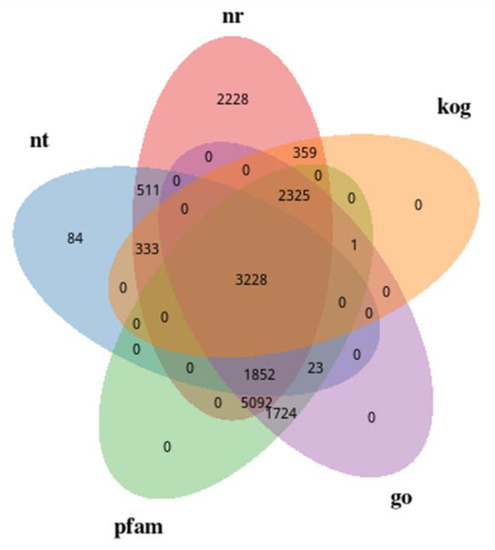
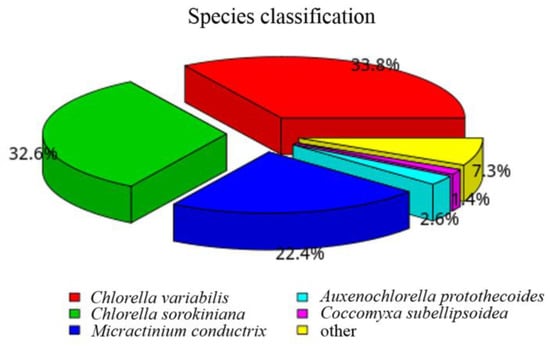
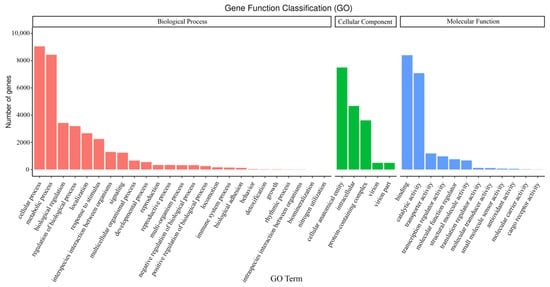
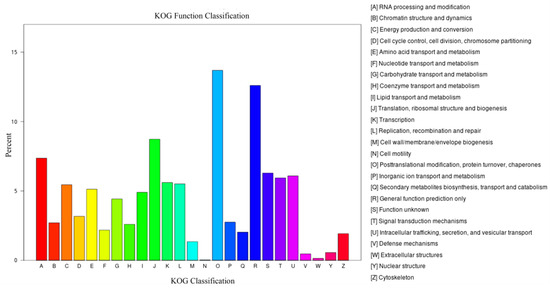
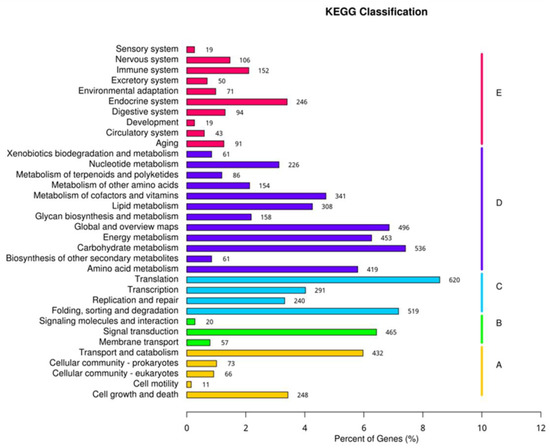
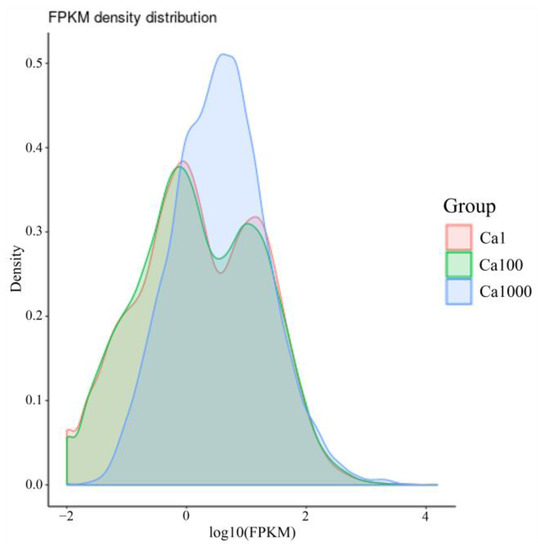
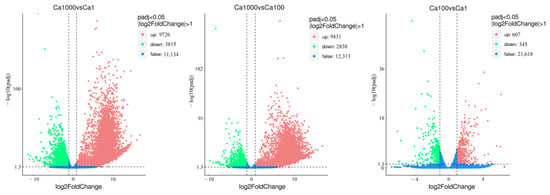
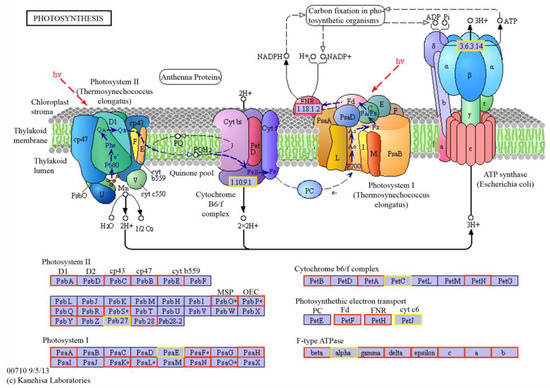
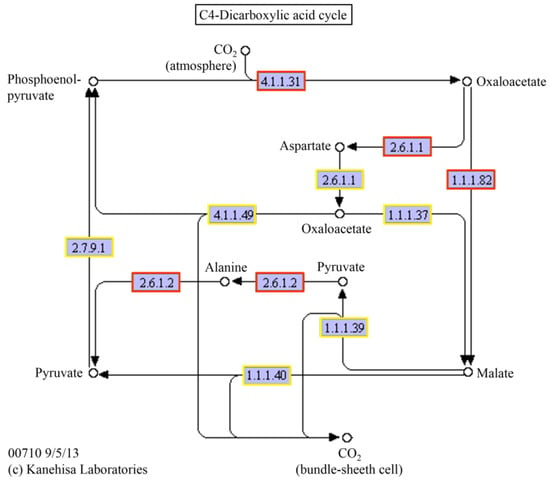
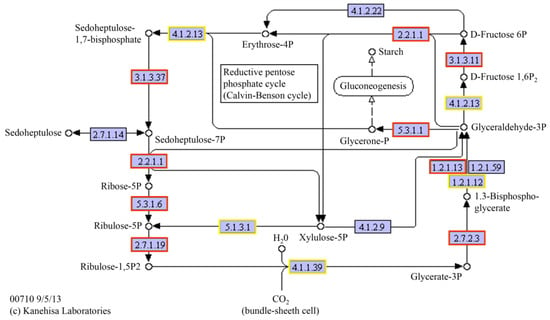
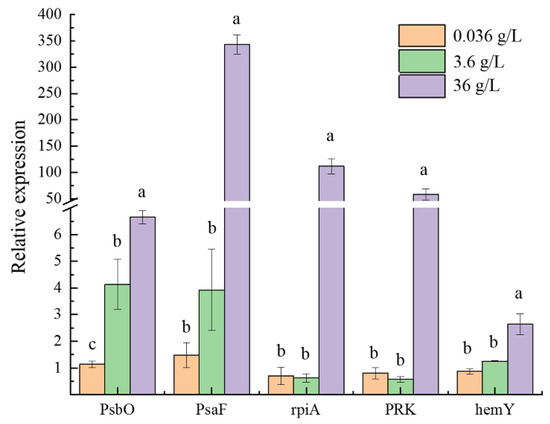
Salt stress is one of the abiotic stress factors that affect the normal growth and development of higher plants and algae. However, few research studies have focused on calcium stress, especially in algae. In this study, the mechanism of tolerance to high calcium stress of a Parachlorella kessleri strain was explored by the method of transcriptomics combined with physiological and morphological analysis. Concentrations of CaCl2 100 times (3.6 g/L) and 1000 times (36 g/L) greater than the standard culture were set up as stresses. The results revealed the algae could cope with high calcium stress mainly by strengthening photosynthesis, regulating osmotic pressure, and inducing antioxidant defense. Under the stress of 3.6 g/L CaCl2, the algae grew well with normal cell morphology. Although the chlorophyll content was significantly reduced, the photosynthetic efficiency was well maintained by up-regulating the expression of some photosynthesis-related genes. The cells reduced oxidative damage by inducing superoxide dismutase (SOD) activities and selenoprotein synthesis. A large number of free amino acids were produced to regulate the osmotic potential. When in higher CaCl2 stress of 36 g/L, the growth and chlorophyll content of algae were significantly inhibited. However, the algae still slowly grew and maintained the same photosynthetic efficiency, which resulted from significant up-regulation of massive photosynthesis genes. Antioxidant enzymes and glycerol were found to resist oxidative damage and osmotic stress, respectively. This study supplied algal research on CaCl2 stress and provided supporting data for further explaining the mechanism of plant salt tolerance. Full article
(This article belongs to the Special Issue Recent Advances in Plant Molecular Science in China 2022)
Show Figures

Figure 1
16 pages, 6219 KB  
Article
Endoglin Is an Important Mediator in the Final Common Pathway of Chronic Kidney Disease to End-Stage Renal Disease
by Tessa Gerrits, Isabella J. Brouwer, Kyra L. Dijkstra, Ron Wolterbeek, Jan A. Bruijn, Marion Scharpfenecker and Hans J. Baelde
Int. J. Mol. Sci. 2023, 24(1), 646; https://doi.org/10.3390/ijms24010646 - 30 Dec 2022
Cited by 9 | Viewed by 4306
Abstract
Chronic kidney disease (CKD) is a slow-developing, progressive deterioration of renal function. The final common pathway in the pathophysiology of CKD involves glomerular sclerosis, tubular atrophy and interstitial fibrosis. Transforming growth factor-beta (TGF-β) stimulates the differentiation of fibroblasts towards myofibroblasts and the production [...] Read more.
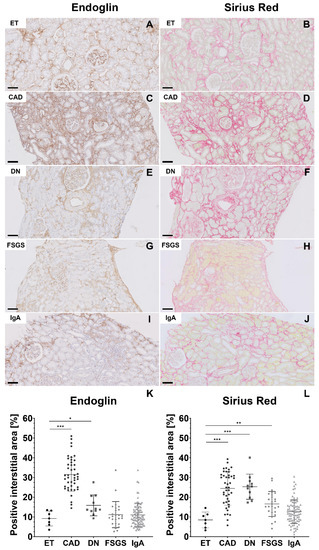
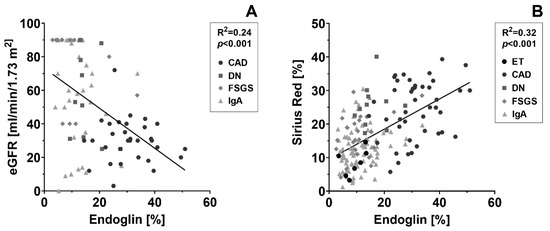
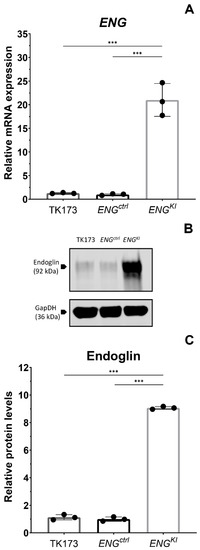
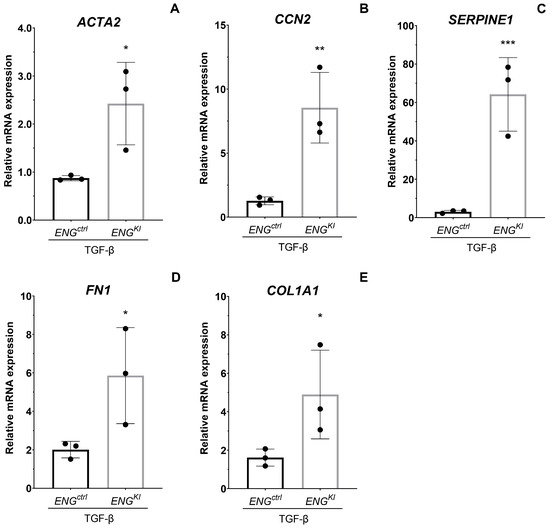
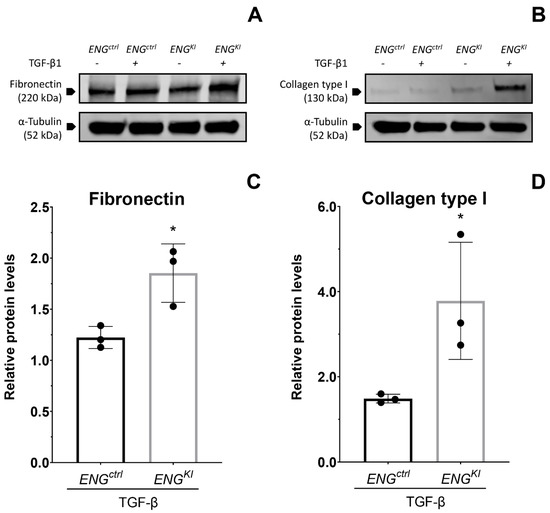
Chronic kidney disease (CKD) is a slow-developing, progressive deterioration of renal function. The final common pathway in the pathophysiology of CKD involves glomerular sclerosis, tubular atrophy and interstitial fibrosis. Transforming growth factor-beta (TGF-β) stimulates the differentiation of fibroblasts towards myofibroblasts and the production of extracellular matrix (ECM) molecules, and thereby interstitial fibrosis. It has been shown that endoglin (ENG, CD105), primarily expressed in endothelial cells and fibroblasts, can function as a co-receptor of TGF signaling. In several human organs, endoglin tends to be upregulated when chronic damage and fibrosis is present. We hypothesize that endoglin is upregulated in renal interstitial fibrosis and plays a role in the progression of CKD. We first measured renal endoglin expression in biopsy samples obtained from patients with different types of CKD, i.e., IgA nephropathy, focal segmental glomerulosclerosis (FSGS), diabetic nephropathy (DN) and patients with chronic allograft dysfunction (CAD). We showed that endoglin is upregulated in CAD patients (p < 0.001) and patients with DN (p < 0.05), compared to control kidneys. Furthermore, the amount of interstitial endoglin expression correlated with eGFR (p < 0.001) and the amount of interstitial fibrosis (p < 0.001), independent of the diagnosis of the biopsies. Finally, we investigated in vitro the effect of endoglin overexpression in TGF-β stimulated human kidney fibroblasts. Overexpression of endoglin resulted in an enhanced ACTA2, CCN2 and SERPINE1 mRNA response (p < 0.05). It also increased the mRNA and protein upregulation of the ECM components collagen type I (COL1A1) and fibronectin (FN1) (p < 0.05). Our results suggest that endoglin is an important mediator in the final common pathway of CKD and could be used as a possible new therapeutic target to counteract the progression towards end-stage renal disease (ESRD). Full article
Show Figures

Figure 1
21 pages, 13227 KB  
Article
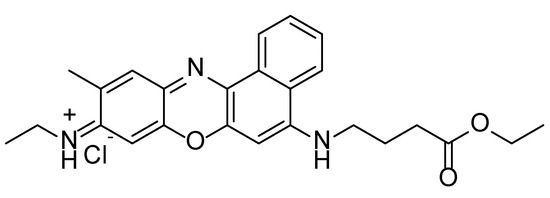
Targeting Lysosomes in Colorectal Cancer: Exploring the Anticancer Activity of a New Benzo[a]phenoxazine Derivative
by João C. C. Ferreira, Sara Granja, Ana F. Almeida, Fátima Baltazar, M. Sameiro T. Gonçalves, Ana Preto and Maria João Sousa
Int. J. Mol. Sci. 2023, 24(1), 614; https://doi.org/10.3390/ijms24010614 - 29 Dec 2022
Cited by 9 | Viewed by 4008
Abstract
Colorectal cancer (CRC) has been ranked as one of the cancer types with a higher incidence and one of the most mortal. There are limited therapies available for CRC, which urges the finding of intracellular targets and the discovery of new drugs for [...] Read more.
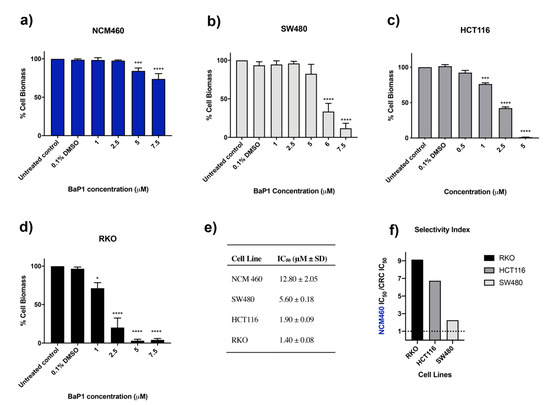
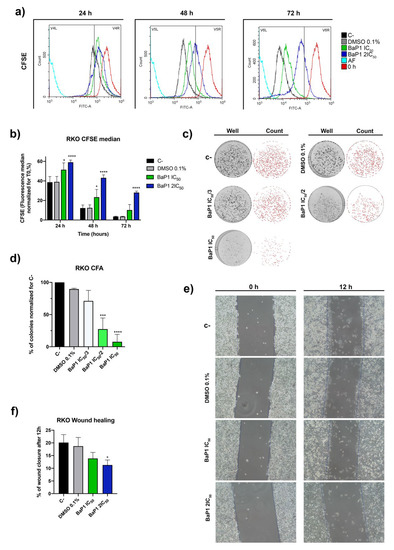
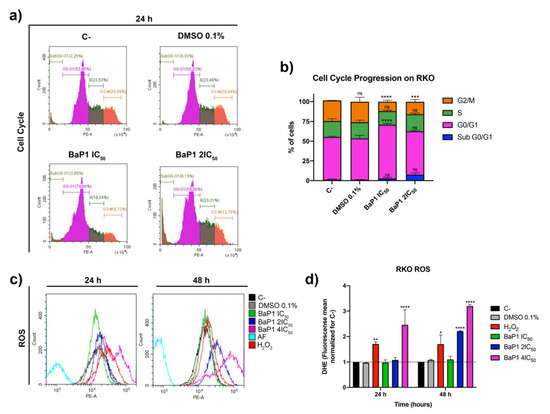
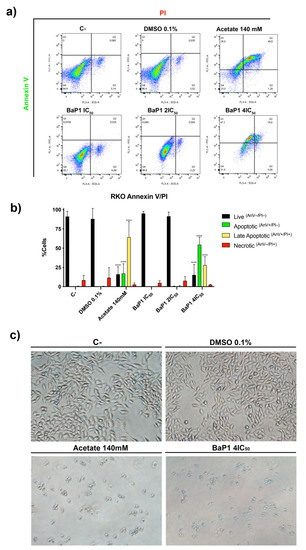
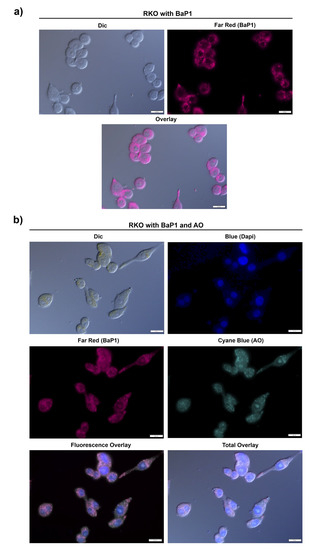
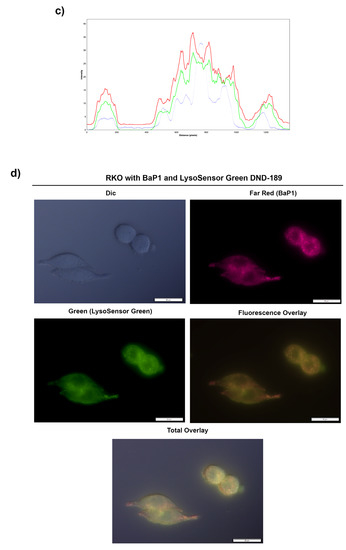
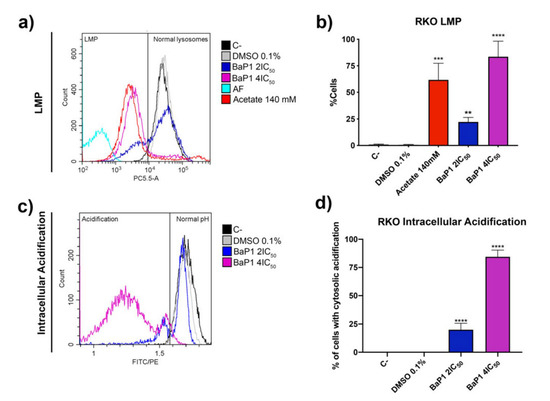
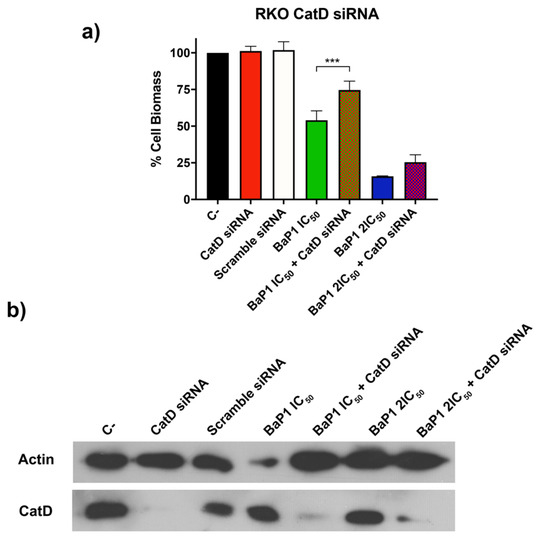
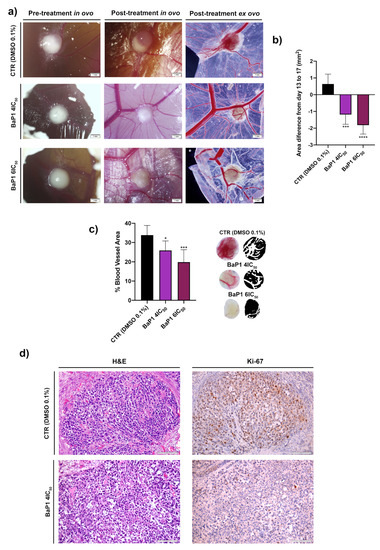
Colorectal cancer (CRC) has been ranked as one of the cancer types with a higher incidence and one of the most mortal. There are limited therapies available for CRC, which urges the finding of intracellular targets and the discovery of new drugs for innovative therapeutic approaches. In addition to the limited number of effective anticancer agents approved for use in humans, CRC resistance and secondary effects stemming from classical chemotherapy remain a major clinical problem, reinforcing the need for the development of novel drugs. In the recent years, the phenoxazines derivatives, Nile Blue analogues, have been shown to possess anticancer activity, which has created interest in exploring the potential of these compounds as anticancer drugs. In this context, we have synthetized and evaluated the anticancer activity of different benzo[a]phenoxazine derivatives for CRC therapy. Our results revealed that one particular compound, BaP1, displayed promising anticancer activity against CRC cells. We found that BaP1 is selective for CRC cells and reduces cell proliferation, cell survival, and cell migration. We observed that the compound is associated with reactive oxygen species (ROS) generation, accumulates in the lysosomes, and leads to lysosomal membrane permeabilization, cytosolic acidification, and apoptotic cell death. In vivo results using a chicken embryo choriollantoic membrane (CAM) assay showed that BaP1 inhibits tumor growth, angiogenesis, and tumor proliferation. These observations highlight that BaP1 as a very interesting agent to disturb and counteract the important roles of lysosomes in cancer and suggests BaP1 as a promising candidate to be exploited as new anticancer lysosomal-targeted agent, which uses lysosome membrane permeabilization (LMP) as a therapeutic approach in CRC. Full article
(This article belongs to the Special Issue Current Research on Cancer Biology and Therapeutics)
Show Figures

Figure 1
19 pages, 3441 KB  
Review
Advances in Human Mitochondria-Based Therapies
by Gang Zhong, Jagadeesh K. Venkatesan, Henning Madry and Magali Cucchiarini
Int. J. Mol. Sci. 2023, 24(1), 608; https://doi.org/10.3390/ijms24010608 - 29 Dec 2022
Cited by 9 | Viewed by 5564
Abstract
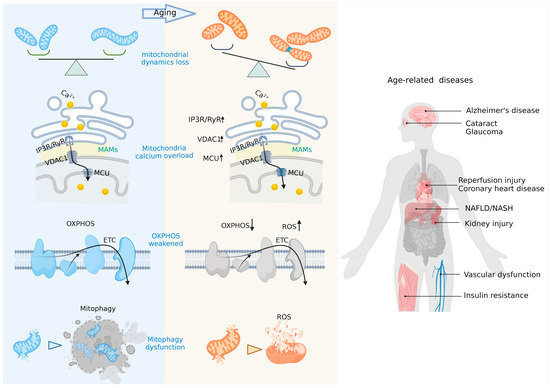
Mitochondria are the key biological generators of eukaryotic cells, controlling the energy supply while providing many important biosynthetic intermediates. Mitochondria act as a dynamic, functionally and structurally interconnected network hub closely integrated with other cellular compartments via biomembrane systems, transmitting biological information by [...] Read more.
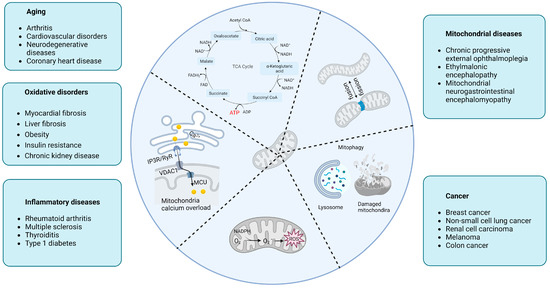
Mitochondria are the key biological generators of eukaryotic cells, controlling the energy supply while providing many important biosynthetic intermediates. Mitochondria act as a dynamic, functionally and structurally interconnected network hub closely integrated with other cellular compartments via biomembrane systems, transmitting biological information by shuttling between cells and tissues. Defects and dysregulation of mitochondrial functions are critically involved in pathological mechanisms contributing to aging, cancer, inflammation, neurodegenerative diseases, and other severe human diseases. Mediating and rejuvenating the mitochondria may therefore be of significant benefit to prevent, reverse, and even treat such pathological conditions in patients. The goal of this review is to present the most advanced strategies using mitochondria to manage such disorders and to further explore innovative approaches in the field of human mitochondria-based therapies. Full article
(This article belongs to the Special Issue Mitochondrial Function in Health and Disease 2022)
Show Figures

Figure 1
16 pages, 1385 KB  
Article
Phenotypic and Safety Assessment of the Cheese Strain Lactiplantibacillus plantarum LL441, and Sequence Analysis of its Complete Genome and Plasmidome
by Ana Belén Flórez, Lucía Vázquez, Javier Rodríguez and Baltasar Mayo
Int. J. Mol. Sci. 2023, 24(1), 605; https://doi.org/10.3390/ijms24010605 - 29 Dec 2022
Cited by 9 | Viewed by 3186
Abstract
This work describes the phenotypic typing and complete genome analysis of LL441, a dairy Lactiplantibacillus plantarum strain. LL441 utilized a large range of carbohydrates and showed strong activity of some carbohydrate-degrading enzymes. The strain grew slowly in milk and produced acids and ketones [...] Read more.
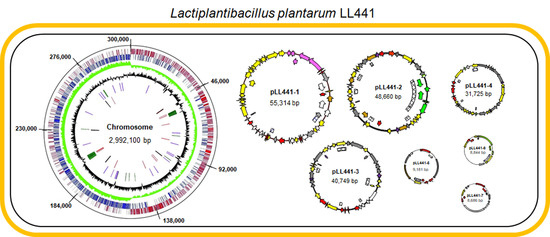
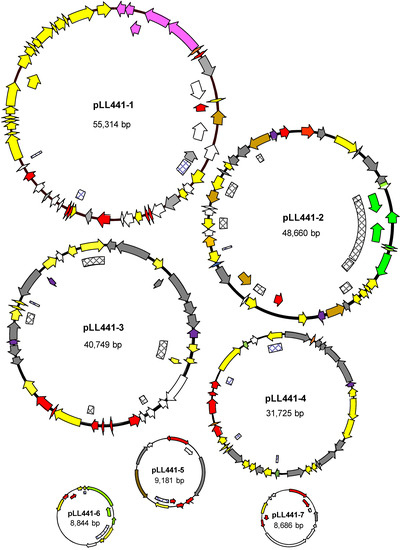
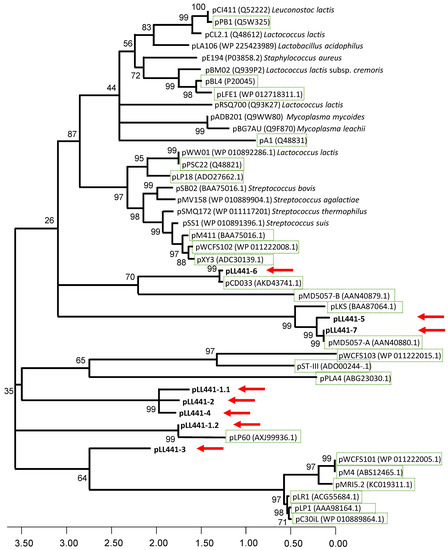
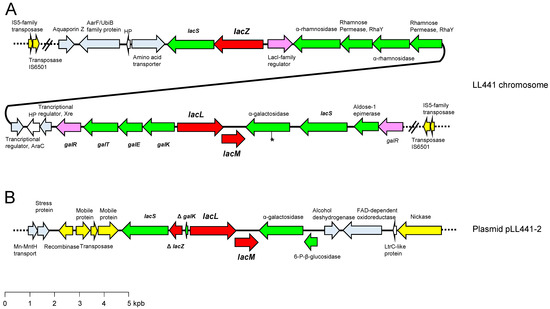
This work describes the phenotypic typing and complete genome analysis of LL441, a dairy Lactiplantibacillus plantarum strain. LL441 utilized a large range of carbohydrates and showed strong activity of some carbohydrate-degrading enzymes. The strain grew slowly in milk and produced acids and ketones along with other volatile compounds. The genome of LL441 included eight circular molecules, the bacterial chromosome, and seven plasmids (pLL441-1 through pLL441-7), ranging in size from 8.7 to 53.3 kbp. Genome analysis revealed vast arrays of genes involved in carbohydrate utilization and flavor formation in milk, as well as genes providing acid and bile resistance. No genes coding for virulence traits or pathogenicity factors were detected. Chromosome and plasmids were packed with insertion sequence (IS) elements. Plasmids were also abundant in genes encoding heavy metal resistance traits and plasmid maintenance functions. Technologically relevant phenotypes linked to plasmids, such as the production of plantaricin C (pLL441-1), lactose utilization (pLL441-2), and bacteriophage resistance (pLL441-4), were also identified. The absence of acquired antibiotic resistance and of phenotypes and genes of concern suggests L. plantarum LL441 be safe. The strain might therefore have a use as a starter or starter component in dairy and other food fermentations or as a probiotic. Full article
(This article belongs to the Special Issue State-of-the-Art Molecular Microbiology in Spain)
Show Figures

Graphical abstract

19 pages, 6484 KB  
Article
Early-Life Exposure to Traffic-Related Air Pollutants Induced Anxiety-like Behaviors in Rats via Neurotransmitters and Neurotrophic Factors
by Chaw Kyi-Tha-Thu, Yuji Fujitani, Seishiro Hirano and Tin-Tin Win-Shwe
Int. J. Mol. Sci. 2023, 24(1), 586; https://doi.org/10.3390/ijms24010586 - 29 Dec 2022
Cited by 9 | Viewed by 3108
Abstract
Recent epidemiological studies have reported significantly increasing hospital admission rates for mental disorders such as anxiety and depression, not only in adults but also in children and adolescents, indicating more research is needed for evaluation of the etiology and possible reduction and prevention [...] Read more.
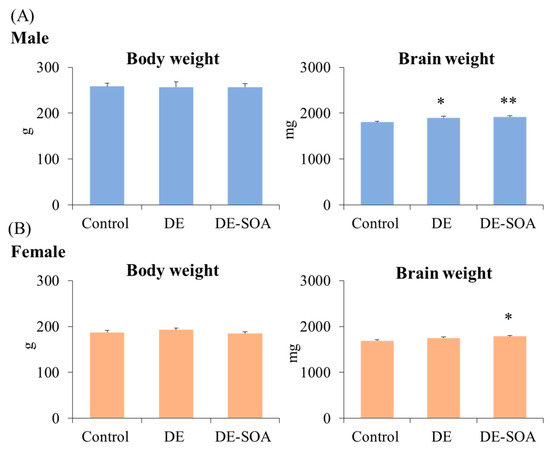
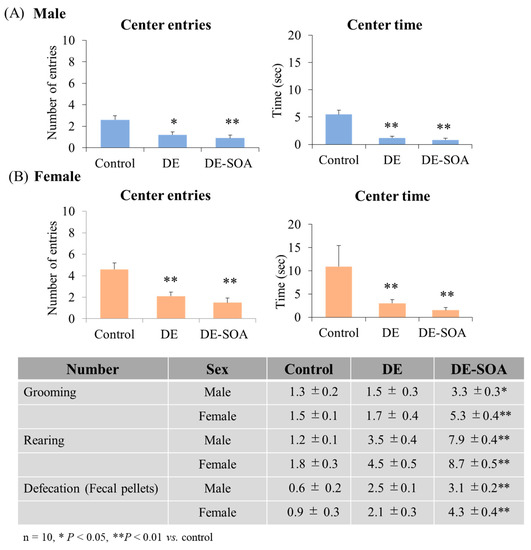
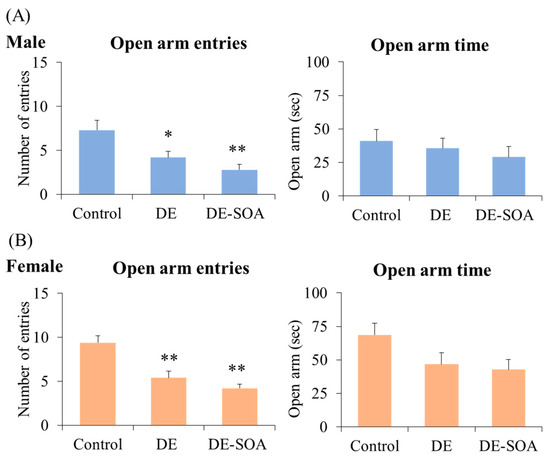
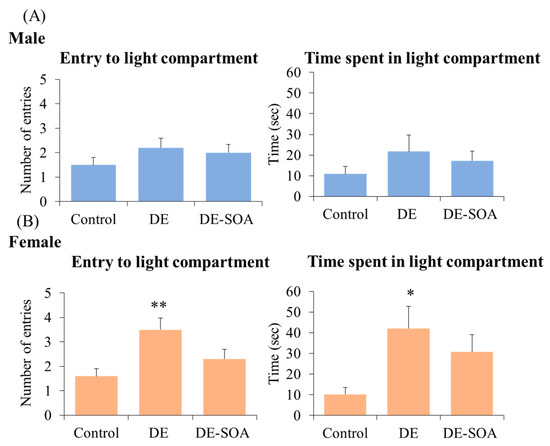
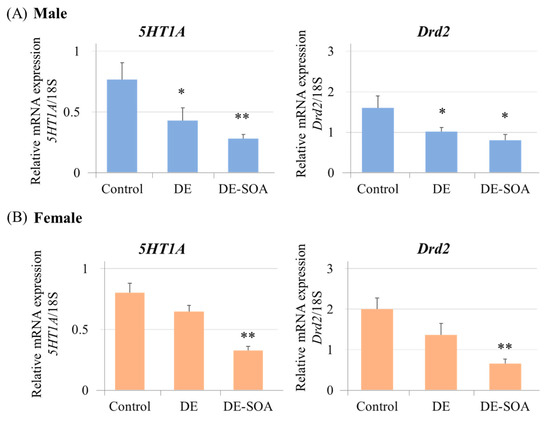
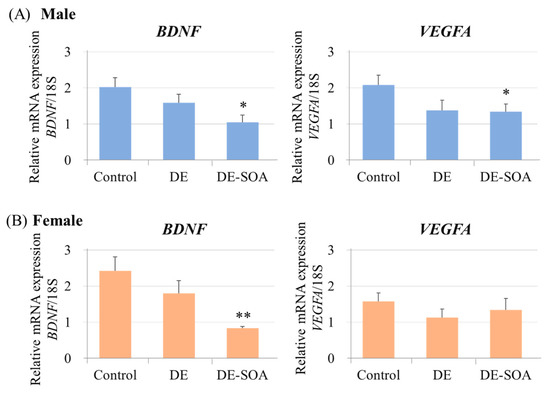
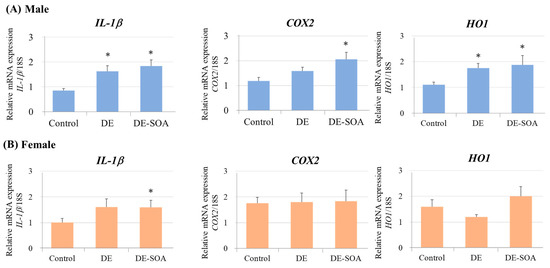
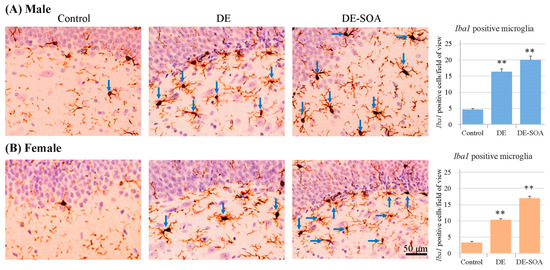
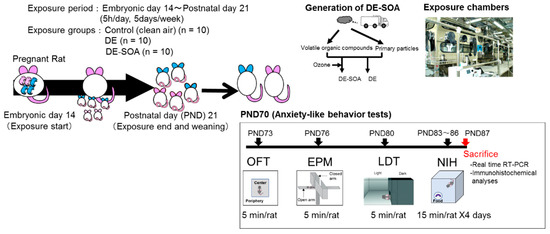
Recent epidemiological studies have reported significantly increasing hospital admission rates for mental disorders such as anxiety and depression, not only in adults but also in children and adolescents, indicating more research is needed for evaluation of the etiology and possible reduction and prevention of these disorders. The aim of the present study was to examine the associations between perinatal exposure to traffic-related air pollutants and anxiety-like behaviors and alterations in neurological and immunological markers in adulthood using a rat model. Sprague Dawley pregnant rats were exposed to clean air (control), diesel exhaust (DE) 101 ± 9 μg/m3 or diesel exhaust origin secondary organic aerosol (DE-SOA) 118 ± 23 μg/m3 from gestational day 14 to postnatal day 21. Anxiety-related behavioral tests including open field tests, elevated plus maze, light/dark transition tests and novelty-induced hypophagia were performed on 10-week-old rats. The hippocampal expression of neurotransmitters, neurotrophic factors, and inflammatory molecular markers was examined by real-time RT-PCR. Anxiety-like behaviors were observed in both male and female rat offspring exposed to DE or DE-SOA. Moreover, serotonin receptor (5HT1A), dopamine receptor (Drd2), brain-derived neurotrophic factor and vascular endothelial growth factor A mRNAs were significantly decreased, whereas interleukin-1β, cyclooxygenase-2, heme oxygenase-1 mRNAs and microglial activation were significantly increased in both male and female rats. These findings indicate that brain developmental period exposure to traffic-related air pollutants may induce anxiety-like behaviors via modulation of neurotransmitters, neurotrophic factors, and immunological molecular markers, triggering neuroinflammation and microglia activation in rats. Full article
(This article belongs to the Special Issue Advances in the Research of Endocrine Disrupting Chemicals 2023)
Show Figures

Figure 1
9 pages, 1566 KB  
Article
Inclusion of 11-Oxygenated Androgens in a Clinical Routine LC-MS/MS Setup for Steroid Hormone Profiling
by Robert Zeidler, Ronald Biemann, Uta Ceglarek, Jürgen Kratzsch, Berend Isermann and Alexander Gaudl
Int. J. Mol. Sci. 2023, 24(1), 539; https://doi.org/10.3390/ijms24010539 - 29 Dec 2022
Cited by 9 | Viewed by 4779
Abstract
11-Oxygenated androgens (11-OAs) are being discussed as potential biomarkers in diagnosis and therapy control of disorders with androgen excess such as congenital adrenal hyperplasia and polycystic ovary syndrome. However, quantification of 11-OAs by liquid chromatography-tandem mass spectrometry (LC-MS/MS) still relies on extensive sample [...] Read more.
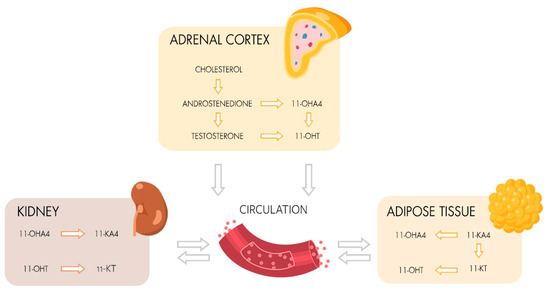
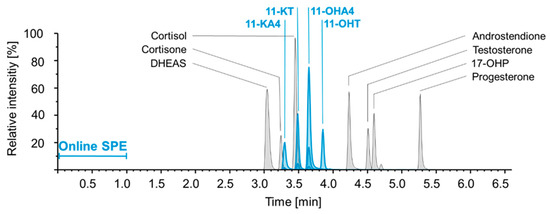
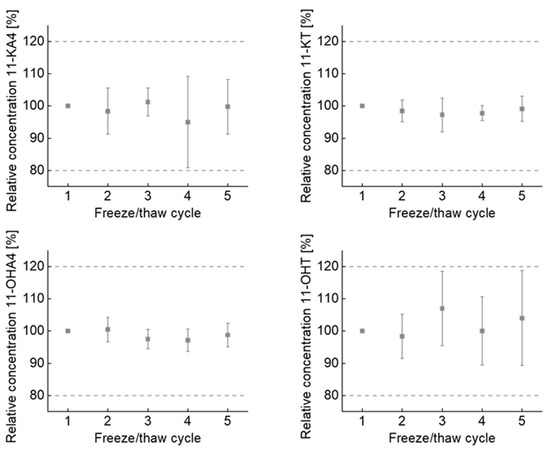
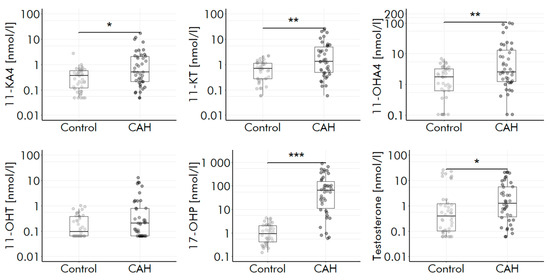
11-Oxygenated androgens (11-OAs) are being discussed as potential biomarkers in diagnosis and therapy control of disorders with androgen excess such as congenital adrenal hyperplasia and polycystic ovary syndrome. However, quantification of 11-OAs by liquid chromatography-tandem mass spectrometry (LC-MS/MS) still relies on extensive sample preparation including liquid–liquid extraction, derivatization and partial long runtimes, which is unsuitable for high-throughput analysis under routine laboratory settings. For the first time, an established online-solid-phase extraction-LC-MS/MS (online-SPE-LC-MS/MS) method for the quantitation of seven serum steroids in daily routine use was extended and validated to include 11-ketoandrostenedione, 11-ketotestosterone, 11β-hydroxyandrostenedione and 11β-hydroxytestosterone. Combining a simple protein precipitation step with fast chromatographic separation and ammonium fluoride-modified ionization resulted in a high-throughput method (6.6 min run time) featuring lower limits of quantification well below endogenous ranges (63–320 pmol/L) with recoveries between 85% and 117% (CVs ≤ 15%). Furthermore, the ability of this method to distinguish between adrenal and gonadal androgens was shown by comparing 11-OAs in patients with hyperandrogenemia to healthy controls. Due to the single shot multiplex design of the method, potential clinically relevant ratios of 11-OAs and corresponding androgens were readily available. The fully validated method covering endogenous concentration levels is ready to investigate the diagnostic values of 11-OAs in prospective studies and clinical applications. Full article
(This article belongs to the Special Issue Molecular Mechanisms of Steroid Hormone Biosynthesis and Action)
Show Figures

Figure 1
16 pages, 3097 KB  
Article
Structure of an Alkaline Pectate Lyase and Rational Engineering with Improved Thermo-Alkaline Stability for Efficient Ramie Degumming
by Cheng Zhou, Yuting Cao, Yanfen Xue, Weidong Liu, Jiansong Ju and Yanhe Ma
Int. J. Mol. Sci. 2023, 24(1), 538; https://doi.org/10.3390/ijms24010538 - 29 Dec 2022
Cited by 9 | Viewed by 4241
Abstract
Alkaline pectate lyases have biotechnological applications in plant fiber processing, such as ramie degumming. Previously, we characterized an alkaline pectate lyase from Bacillus clausii S10, named BacPelA, which showed potential for enzymatic ramie degumming because of its high cleavage activity toward methylated pectins [...] Read more.
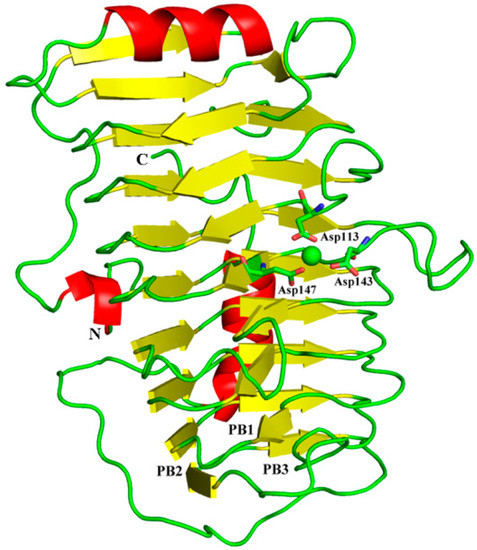
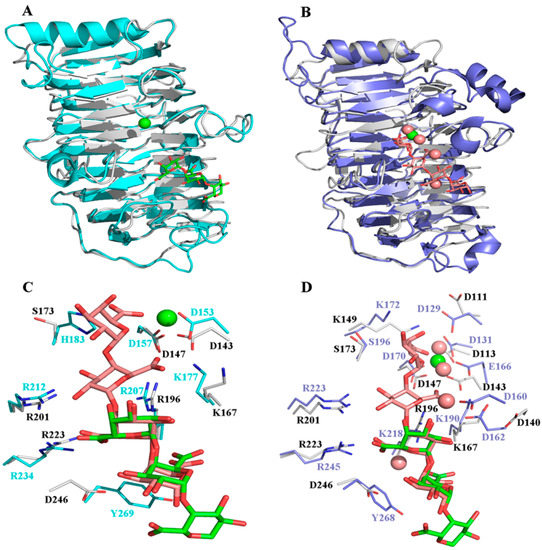
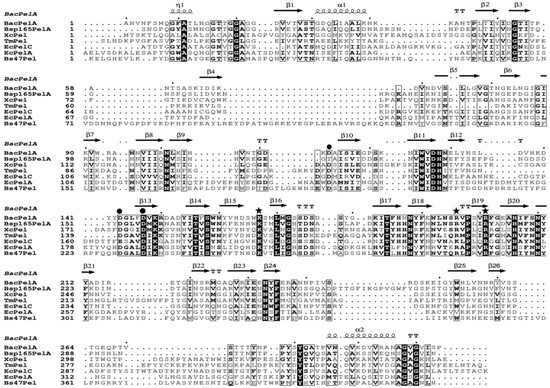
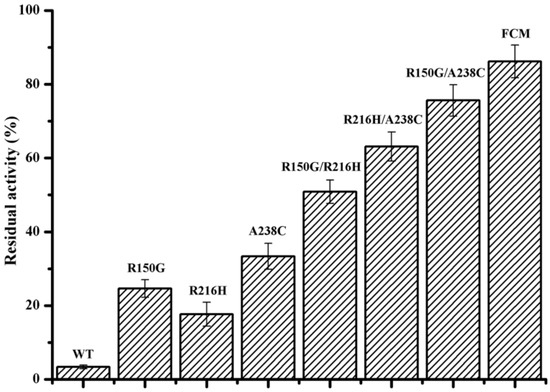
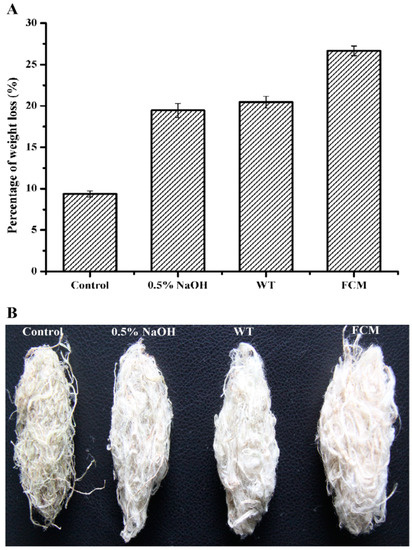
Alkaline pectate lyases have biotechnological applications in plant fiber processing, such as ramie degumming. Previously, we characterized an alkaline pectate lyase from Bacillus clausii S10, named BacPelA, which showed potential for enzymatic ramie degumming because of its high cleavage activity toward methylated pectins in alkaline conditions. However, BacPelA displayed poor thermo-alkaline stability. Here, we report the 1.78 Å resolution crystal structure of BacPelA in apo form. The enzyme has the characteristic right-handed β-helix fold of members of the polysaccharide lyase 1 family and shows overall structural similarity to them, but it displays some differences in the details of the secondary structure and Ca2+-binding site. On the basis of the structure, 10 sites located in flexible regions and showing high B-factor and positive ΔTm values were selected for mutation, aiming to improve the thermo-alkaline stability of the enzyme. Following site-directed saturation mutagenesis and screening, mutants A238C, R150G, and R216H showed an increase in the T5015 value at pH 10.0 of 3.0 °C, 6.5 °C, and 7.0 °C, respectively, compared with the wild-type enzyme, interestingly accompanied by a 24.5%, 46.6%, and 61.9% increase in activity. The combined mutant R150G/R216H/A238C showed an 8.5 °C increase in the T5015 value at pH 10.0, and an 86.1% increase in the specific activity at 60 °C, with approximately doubled catalytic efficiency, compared with the wild-type enzyme. Moreover, this mutant retained 86.2% activity after incubation in ramie degumming conditions (4 h, 60 °C, pH 10.0), compared with only 3.4% for wild-type BacPelA. The combined mutant increased the weight loss of ramie fibers in degumming by 30.2% compared with wild-type BacPelA. This work provides a thermo-alkaline stable, highly active pectate lyase with great potential for application in the textile industry, and also illustrates an effective strategy for rational design and improvement of pectate lyases. Full article
(This article belongs to the Special Issue Understanding and Utilization of Extreme Enzymes)
Show Figures

Figure 1
18 pages, 5156 KB  
Article
Anti-Melanogenesis Effects of a Cyclic Peptide Derived from Flaxseed via Inhibition of CREB Pathway
by Ji Hye Yoon, Won Young Jang, Sang Hee Park, Han Gyung Kim, Youn Young Shim, Martin J. T. Reaney and Jae Youl Cho
Int. J. Mol. Sci. 2023, 24(1), 536; https://doi.org/10.3390/ijms24010536 - 28 Dec 2022
Cited by 9 | Viewed by 4636
Abstract
Linosorbs (Los) are cyclic peptides from flaxseed oil composed of the LO mixture (LOMIX). The activity of LO has been reported as being anti-cancer and anti-inflammatory. However, the study of skin protection has still not proceeded. In particular, there are poorly understood mechanisms [...] Read more.
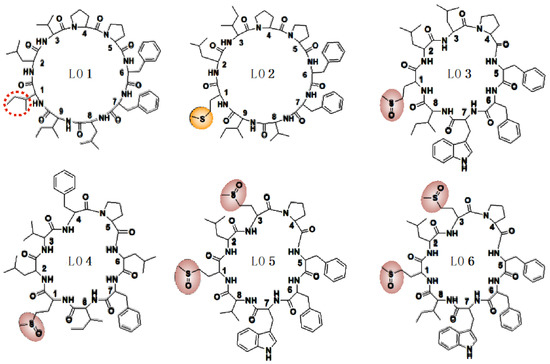
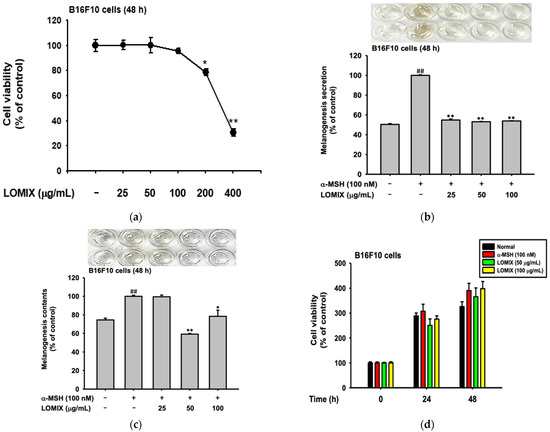
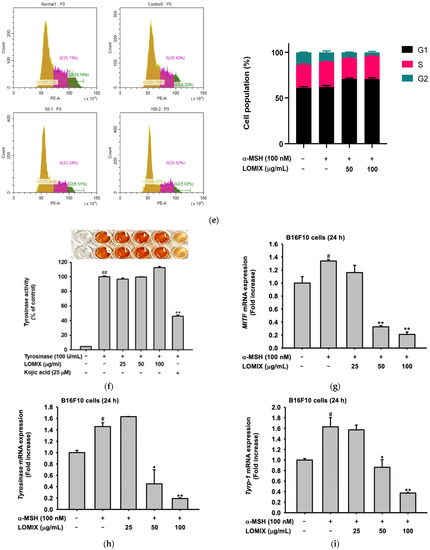
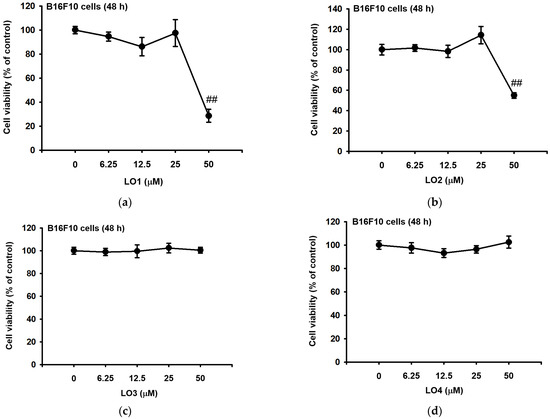
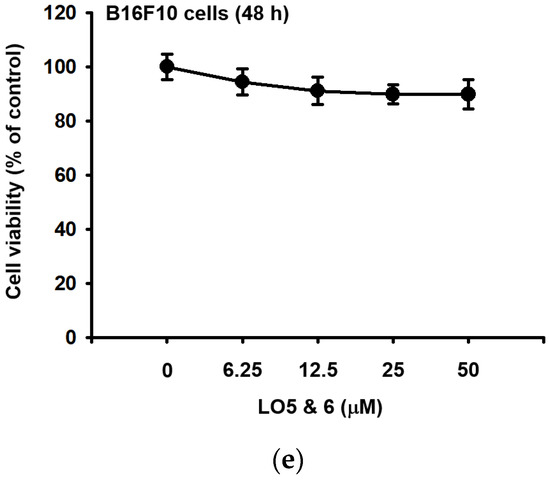
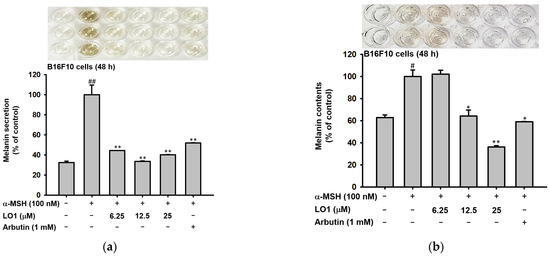
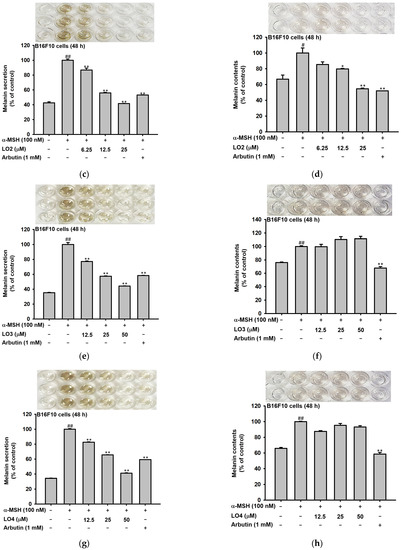
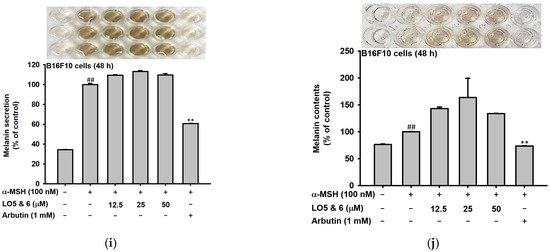
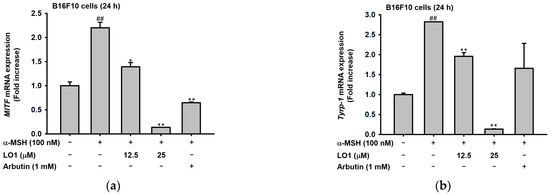
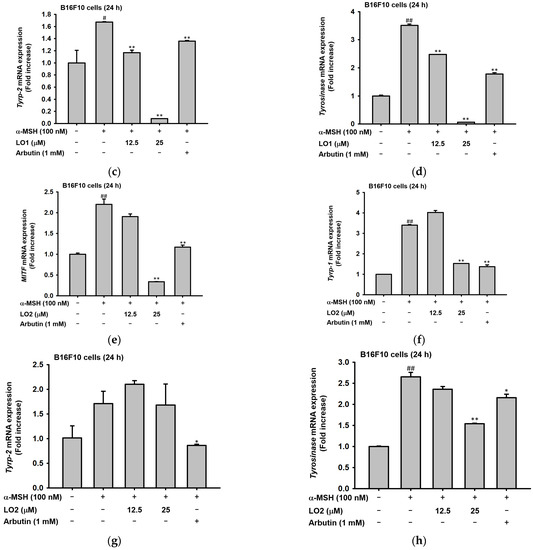
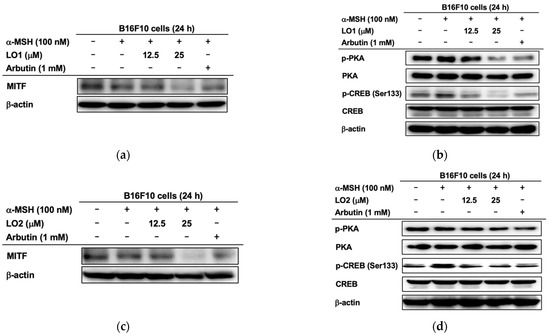
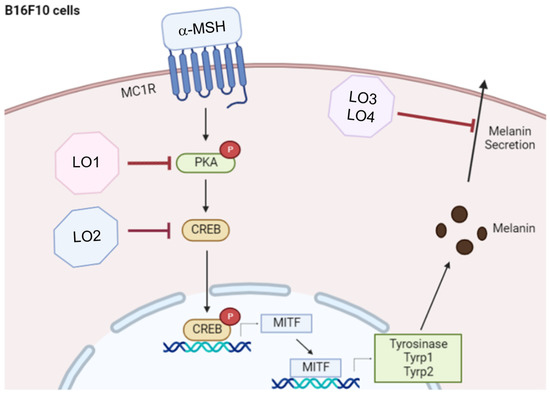
Linosorbs (Los) are cyclic peptides from flaxseed oil composed of the LO mixture (LOMIX). The activity of LO has been reported as being anti-cancer and anti-inflammatory. However, the study of skin protection has still not proceeded. In particular, there are poorly understood mechanisms of melanogenesis to LO. Therefore, we investigated the anti-melanogenesis effects of LOMIX and LO, and its activity was examined in mouse melanoma cell lines. The treatment of LOMIX (50 and 100 μg/mL) and LO (6.25–50 μM) suppressed melanin secretion and synthesis, which were 3-fold increased, in a dose-dependent manner, up to 95%. In particular, [1–9-NαC]-linusorb B3 (LO1) and [1-9-NαC]-linusorb B2 (LO2) treatment (12.5 and 25 μM) highly suppressed the synthesis of melanin in B16F10 cell lines up to 90%, without toxicity. LOMIX and LOs decreased the 2- or 3-fold increased mRNA levels, including the microphthalmia-associated transcription factor (MITF), Tyrosinase, tyrosinase-related protein 1 (TYRP1), and tyrosinase-related protein 2 (TYRP2) at the highest concentration (25 μM). Moreover, the treatment of 25 μM LO1 and LO2 inhibited the expression of MITF and phosphorylation of upper regulatory proteins such as CREB and PKA. Taken together, these results suggested that LOMIX and its individual LO could inhibit melanin synthesis via downregulating the CREB-dependent signaling pathways, and it could be used for novel therapeutic materials in hyperpigmentation. Full article
Show Figures

Figure 1
30 pages, 7762 KB  
Article
Behavioral Reaction and c-fos Expression after Opioids Injection into the Pedunculopontine Tegmental Nucleus and Electrical Stimulation of the Ventral Tegmental Area
by Grażyna Jerzemowska, Karolina Plucińska, Aleksandra Piwka, Magdalena Podlacha and Jolanta Orzeł-Gryglewska
Int. J. Mol. Sci. 2023, 24(1), 512; https://doi.org/10.3390/ijms24010512 - 28 Dec 2022
Cited by 9 | Viewed by 3422
Abstract
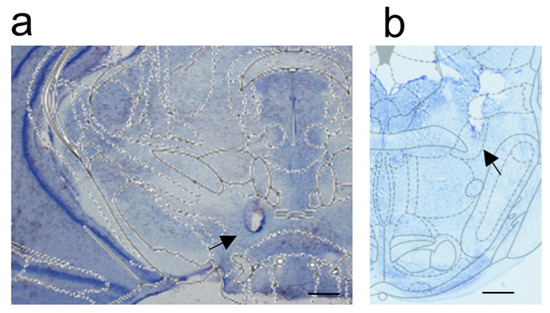
The pedunculopontine tegmental nucleus (PPN) regulates the activity of dopaminergic cells in the ventral tegmental area (VTA). In this study, the role of opioid receptors (OR) in the PPN on motivated behaviors was investigated by using a model of feeding induced by electrical [...] Read more.
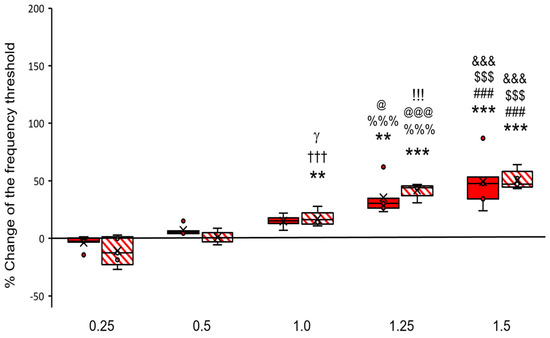
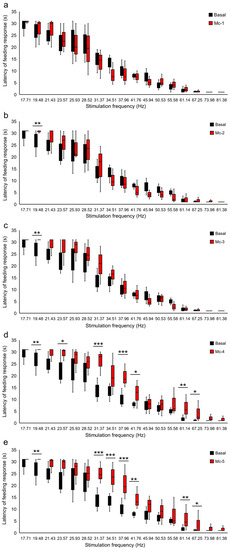
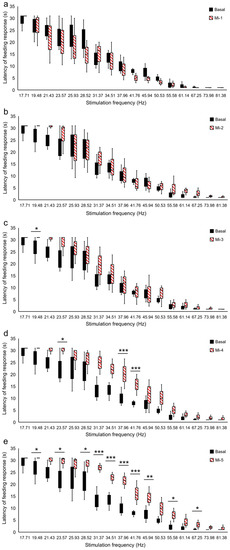
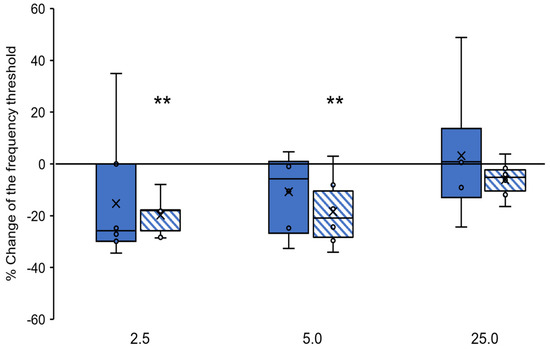
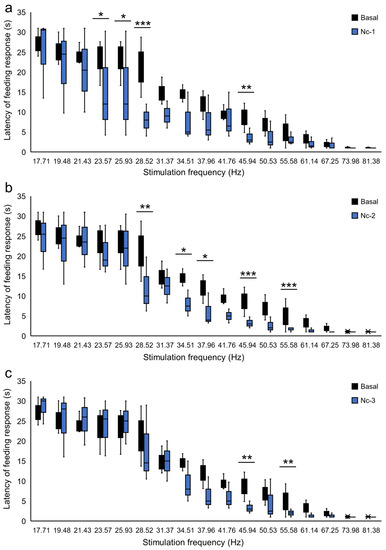
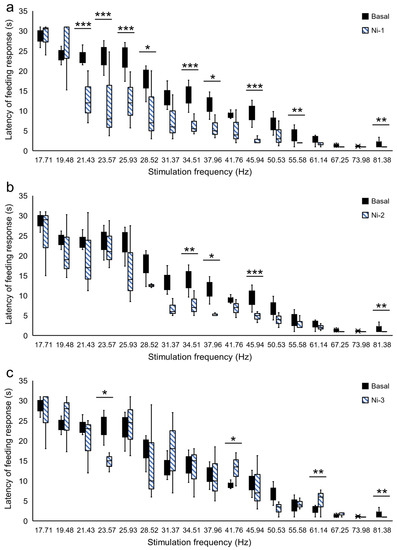
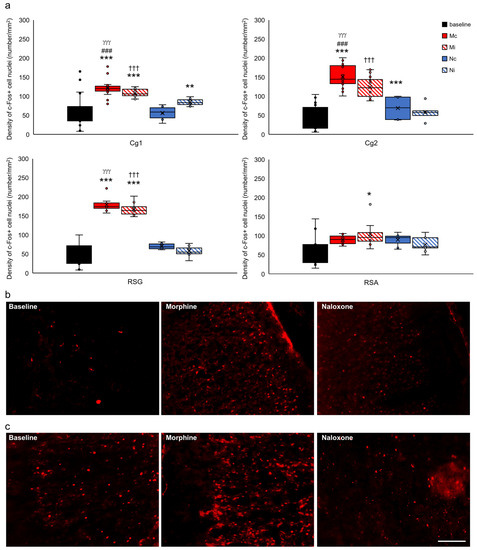
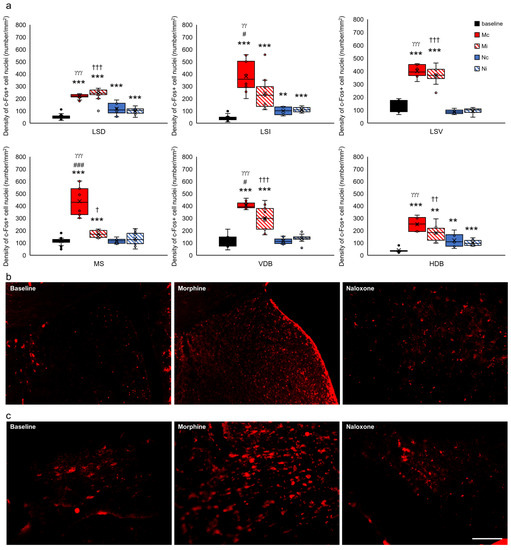
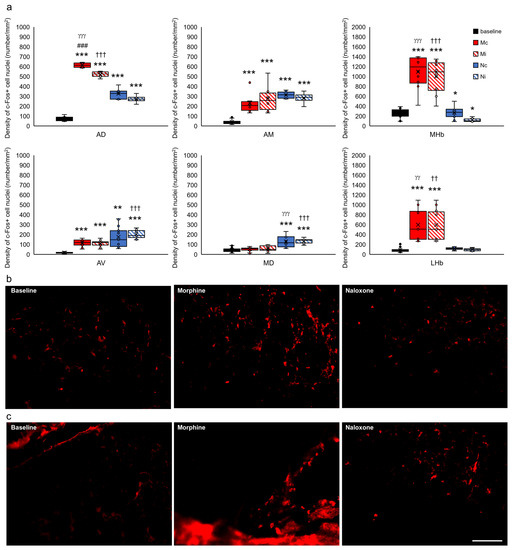
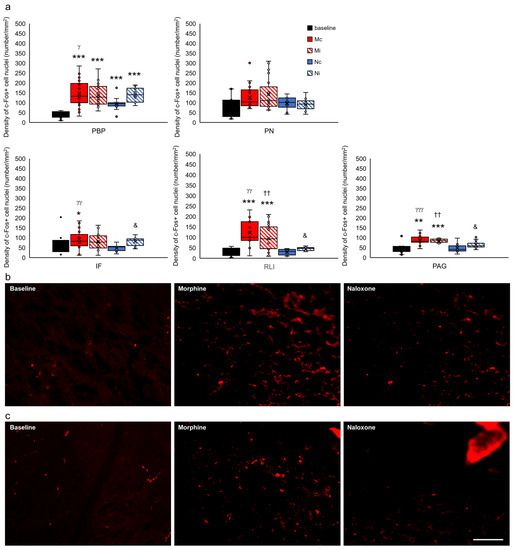
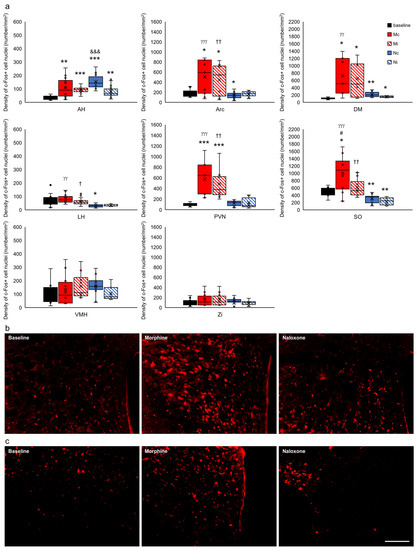
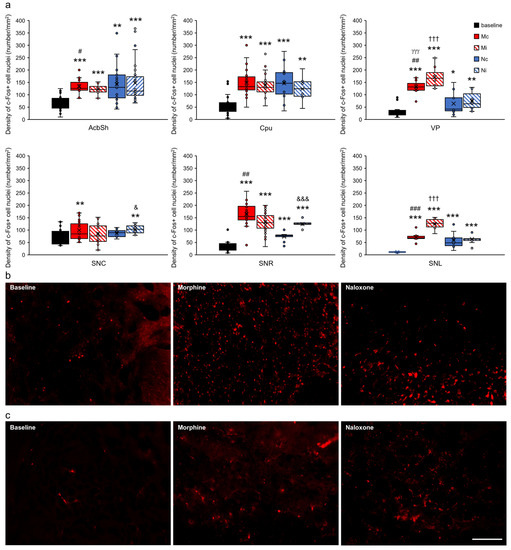
The pedunculopontine tegmental nucleus (PPN) regulates the activity of dopaminergic cells in the ventral tegmental area (VTA). In this study, the role of opioid receptors (OR) in the PPN on motivated behaviors was investigated by using a model of feeding induced by electrical VTA-stimulation (Es-VTA) in rats (male Wistar; n = 91). We found that the OR excitation by morphine and their blocking by naloxone within the PPN caused a change in the analyzed motivational behavior and neuronal activation. The opioid injections into the PPN resulted in a marked, dose-dependent increase/decrease in latency to feeding response (FR), which corresponded with increased neuronal activity (c-Fos protein), in most of the analyzed brain structures. Morphine dosed at 1.25/1.5 µg into the PPN significantly reduced behavior induced by Es-VTA, whereas morphine dosed at 0.25/0.5 µg into the PPN did not affect this behavior. The opposite effect was observed after the naloxone injection into the PPN, where its lowest doses of 2.5/5.0 μg shortened the FR latency. However, its highest dose of 25.0 μg into the PPN nucleus did not cause FR latency changes. In conclusion, the level of OR arousal in the PPN can modulate the activity of the reward system. Full article
(This article belongs to the Section Molecular Neurobiology)
Show Figures

Figure 1
9 pages, 1144 KB  
Review
Understanding Carbohydrate Metabolism and Insulin Resistance in Acute Intermittent Porphyria
by Isabel Solares, Daniel Jericó, Karol M. Córdoba, Montserrat Morales-Conejo, Javier Ena, Rafael Enríquez de Salamanca and Antonio Fontanellas
Int. J. Mol. Sci. 2023, 24(1), 51; https://doi.org/10.3390/ijms24010051 - 20 Dec 2022
Cited by 9 | Viewed by 6056
Abstract
Porphobilinogen deaminase (PBGD) haploinsufficiency (acute intermittent porphyria, AIP) is characterized by neurovisceral attacks associated with high production, accumulation and urinary excretion of heme precursors, δ-aminolevulinic acid (ALA) and porphobilinogen (PBG). The estimated clinical penetrance for AIP is extremely low (<1%), therefore it is [...] Read more.
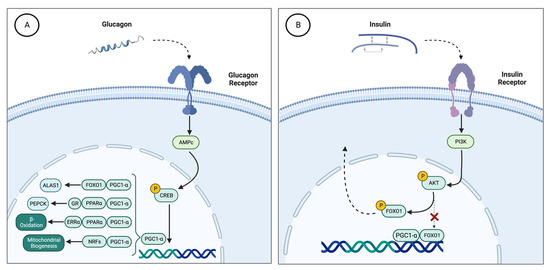
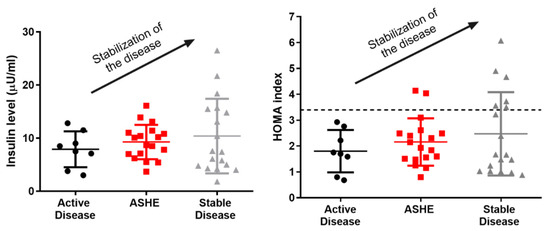
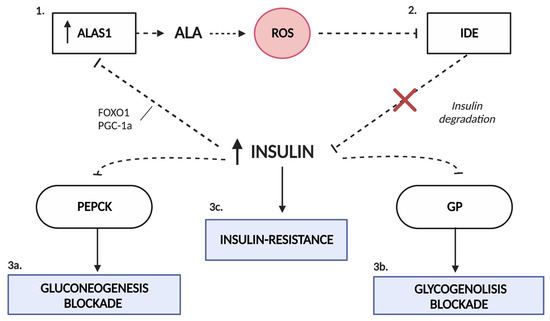
Porphobilinogen deaminase (PBGD) haploinsufficiency (acute intermittent porphyria, AIP) is characterized by neurovisceral attacks associated with high production, accumulation and urinary excretion of heme precursors, δ-aminolevulinic acid (ALA) and porphobilinogen (PBG). The estimated clinical penetrance for AIP is extremely low (<1%), therefore it is likely that other factors may play an important role in the predisposition to developing attacks. Fasting is a known triggering factor. Given the increased prevalence of insulin resistance in patients and the large urinary loss of succinyl-CoA to produce ALA and PBG, we explore the impact of reduced availability of energy metabolites in the severity of AIP pathophysiology. Classic studies found clinical improvement in patients affected by AIP associated with the administration of glucose and concomitant insulin secretion, or after hyperinsulinemia associated with diabetes. Molecular studies have confirmed that glucose and insulin administration induces a repressive effect on hepatic ALA Synthase, the first and regulatory step of the heme pathway. More recently, the insulin-mimicking α-lipoic acid has been shown to improve glucose metabolism and mitochondrial dysfunction in a hepatocyte cell line transfected with interfering RNA targeting PBGD. In AIP mice, preventive treatment with an experimental fusion protein of insulin and apolipoprotein A-I improved the disease by promoting fat mobilization in adipose tissue, increasing the metabolite bioavailability for the TCA cycle and inducing mitochondrial biogenesis in the liver. In this review, we analyze the possible mechanisms underlying abnormal hepatocellular carbohydrate homeostasis in AIP. Full article
(This article belongs to the Special Issue Molecular Advances on Insulin Resistance and Metabolic Dysfunction)
Show Figures

Figure 1
18 pages, 3740 KB  
Article
The Role of Nucleases Cleaving TLR3, TLR7/8 and TLR9 Ligands, Dicer RNase and miRNA/piRNA Proteins in Functional Adaptation to the Immune Escape and Xenophagy of Prostate Cancer Tissue
by Gordana Kocic, Jovan Hadzi-Djokic, Miodrag Colic, Andrej Veljkovic, Katarina Tomovic, Stefanos Roumeliotis, Andrija Smelcerovic and Vassilios Liakopoulos
Int. J. Mol. Sci. 2023, 24(1), 509; https://doi.org/10.3390/ijms24010509 - 28 Dec 2022
Cited by 9 | Viewed by 3718
Abstract
The prototypic sensors for the induction of innate and adaptive immune responses are the Toll-like receptors (TLRs). Unusually high expression of TLRs in prostate carcinoma (PC), associated with less differentiated, more aggressive and more propagating forms of PC, changed the previous paradigm about [...] Read more.
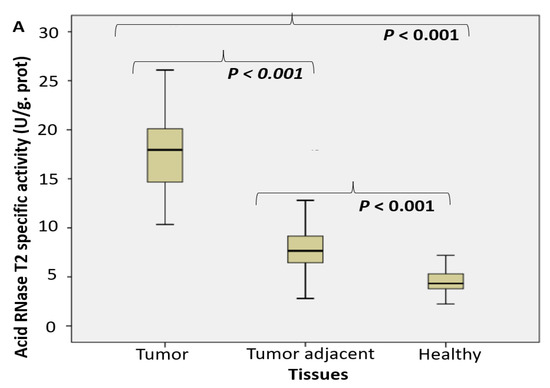
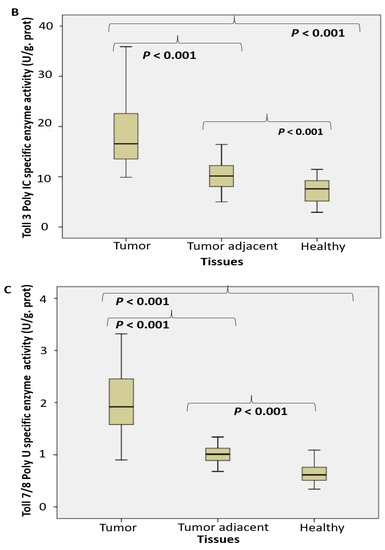
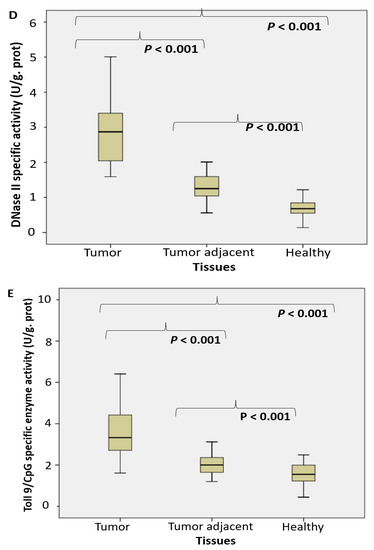
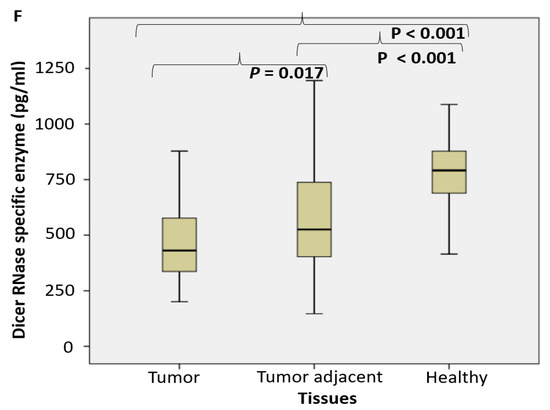
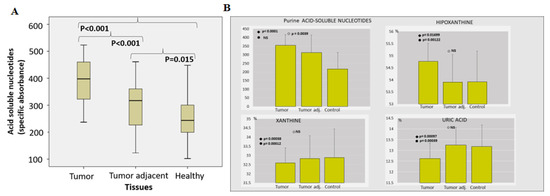
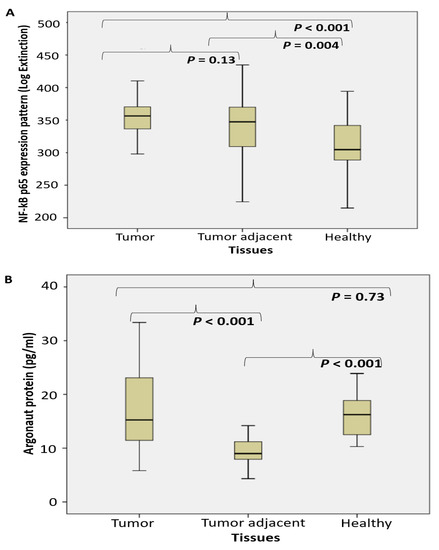
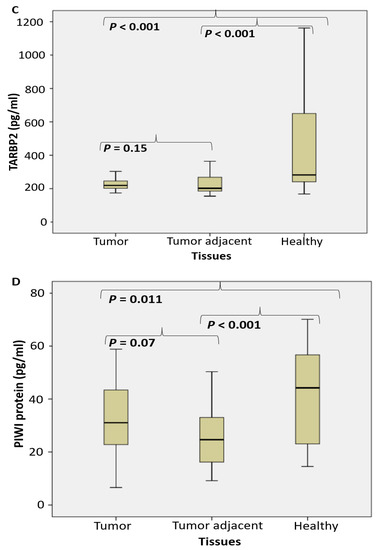
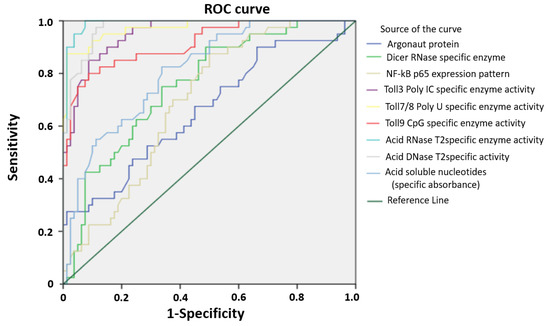
The prototypic sensors for the induction of innate and adaptive immune responses are the Toll-like receptors (TLRs). Unusually high expression of TLRs in prostate carcinoma (PC), associated with less differentiated, more aggressive and more propagating forms of PC, changed the previous paradigm about the role of TLRs strictly in immune defense system. Our data reveal an entirely novel role of nucleic acids-sensing Toll-like receptors (NA-TLRs) in functional adaptation of malignant cells for supply and digestion of surrounding metabolic substrates from dead cells as specific mechanism of cancer cells survival, by corresponding ligands accelerated degradation and purine/pyrimidine salvage pathway. The spectrophotometric measurement protocols used for the determination of the activity of RNases and DNase II have been optimized in our laboratory as well as the enzyme-linked immunosorbent method for the determination of NF-κB p65 in prostate tissue samples. The protocols used to determine Dicer RNase, AGO2, TARBP2 and PIWIL4 were based on enzyme-linked immunosorbent assay. The amount of pre-existing acid-soluble oligonucleotides was measured and expressed as coefficient of absorbance. The activities of acid DNase II and RNase T2, and the activities of nucleases cleaving TLR3, TLR7/8 and TLR9 ligands (Poly I:C, poly U and unmethylated CpG), increased several times in PC, compared to the corresponding tumor adjacent and control tissue, exerting very high sensitivity and specificity of above 90%. Consequently higher levels of hypoxanthine and NF-κB p65 were reported in PC, whereas the opposite results were observed for miRNA biogenesis enzyme (Dicer RNase), miRNA processing protein (TARB2), miRNA-induced silencing complex protein (Argonaute-AGO) and PIWI-interacting RNAs silence transposon. Considering the crucial role of purine and pyrimidine nucleotides as energy carriers, subunits of nucleic acids and nucleotide cofactors, future explorations will be aimed to design novel anti-cancer immune strategies based on a specific acid endolysosomal nuclease inhibition. Full article
Show Figures

Figure 1
16 pages, 2426 KB  
Article
Influence of Two Widely Used Solvents, Ethanol and Dimethyl Sulfoxide, on Human Sperm Parameters
by Marie Bisconti, Philippe Grosjean, Vanessa Arcolia, Jean-François Simon and Elise Hennebert
Int. J. Mol. Sci. 2023, 24(1), 505; https://doi.org/10.3390/ijms24010505 - 28 Dec 2022
Cited by 9 | Viewed by 5444
Abstract
To study mechanisms involved in fertility, many experimental assays are conducted by incubating spermatozoa in the presence of molecules dissolved in solvents such as ethanol (EtOH) or dimethyl sulfoxide (DMSO). Although a vehicle control group is usually included in such studies, it does [...] Read more.
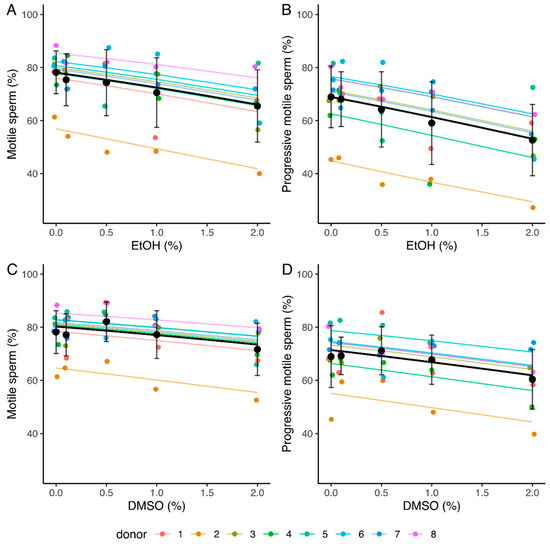
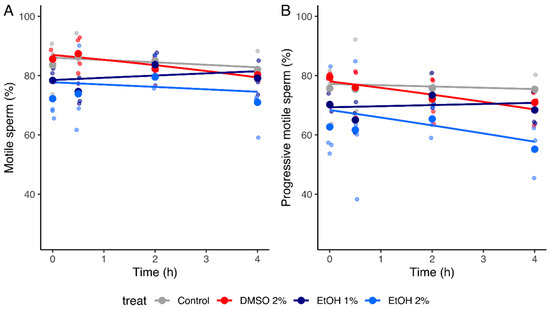
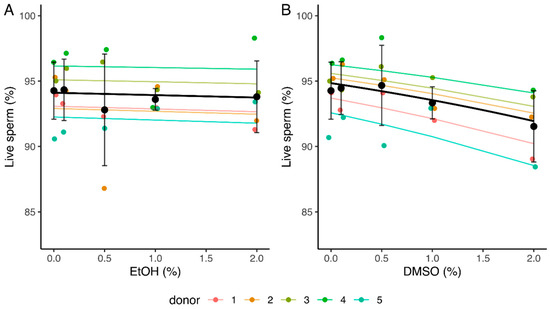
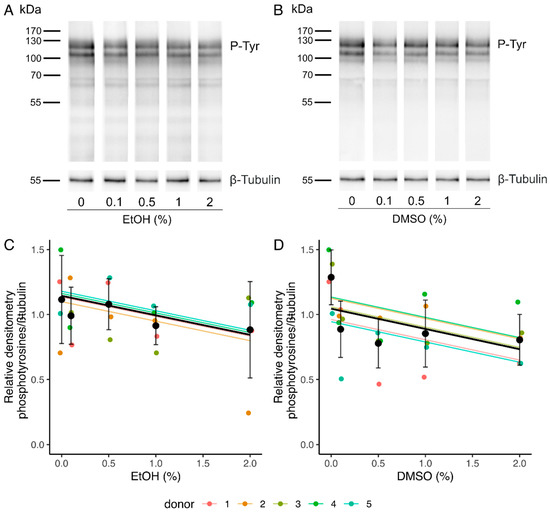
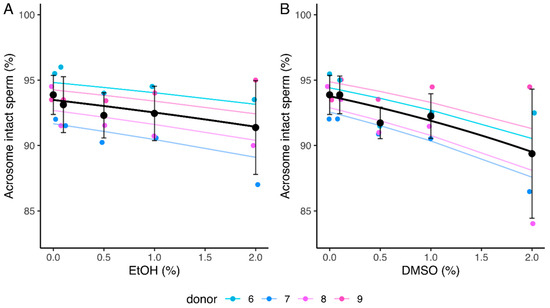
To study mechanisms involved in fertility, many experimental assays are conducted by incubating spermatozoa in the presence of molecules dissolved in solvents such as ethanol (EtOH) or dimethyl sulfoxide (DMSO). Although a vehicle control group is usually included in such studies, it does not allow to evaluate the intrinsic effect of the solvent on sperm parameters and its potential influence on the outcome of the experiment. In the present study, we incubated human spermatozoa for 4 h in a capacitation medium in the absence or the presence of different concentrations of EtOH and DMSO (0.1, 0.5, 1.0, and 2.0%) to assess the impact of these solvents on sperm motility, vitality, capacitation, and acrosome integrity. The presence of statistically significant relationships between increasing solvent concentrations and the investigated parameters was assessed using linear mixed models. A significant effect was observed with both solvents for total and progressive sperm motilities. We also evaluated the effect of time for these parameters and showed that the influence of the solvents was stable between 0 and 4 h, indicating an almost direct impact of the solvents. While EtOH did not influence sperm vitality and acrosome integrity, a significant effect of increasing DMSO concentrations was observed for these parameters. Finally, regarding capacitation, measured via phosphotyrosine content, although a dose-dependent effect was observed with both solvents, the statistical analysis did not allow to precisely evaluate the intensity of the effect. Based on the results obtained in the present study, and the corresponding linear mixed models, we calculated the concentration of both solvents which would result in a 5% decline in sperm parameters. For EtOH, these concentrations are 0.9, 0.7, and 0.3% for total motility, progressive motility, and capacitation, respectively, while for DMSO they are 1.5, 1.1, >2, 0.3 and >2% for total motility, progressive motility, vitality, capacitation, and acrosome integrity, respectively. We recommend using solvent concentrations below these values to dissolve molecules used to study sperm function in vitro, to limit side effects. Full article
(This article belongs to the Special Issue Sperm and Seminal Plasma: A Molecular Genetics Perspective)
Show Figures

Figure 1