12 pages, 237 KB  
Article
Pauson-Khand Reaction of Internal Dissymmetric Trifluoromethyl Alkynes. Influence of the Alkene on the Regioselectivity
by Nuria Aiguabella, Elsa M. Arce, Carlos Del Pozo, Xavier Verdaguer and Antoni Riera
Molecules 2014, 19(2), 1763-1774; https://doi.org/10.3390/molecules19021763 - 3 Feb 2014
Cited by 8 | Viewed by 7166
Abstract
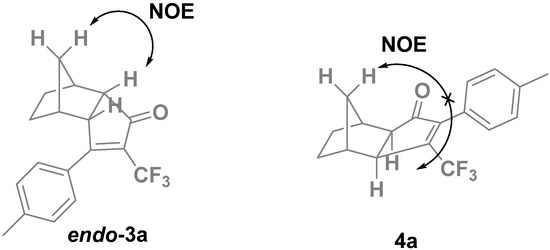
The scope of the Pauson-Khand reaction (PKR) of internal trifluoromethyl alkynes, previously described with norbornadiene, is expanded to norbornene and ethylene. A thorough structural analysis of the resulting PK adducts has been carried out to unveil that α-trifluoromethylcyclopentenones are preferred in all cases, [...] Read more.
The scope of the Pauson-Khand reaction (PKR) of internal trifluoromethyl alkynes, previously described with norbornadiene, is expanded to norbornene and ethylene. A thorough structural analysis of the resulting PK adducts has been carried out to unveil that α-trifluoromethylcyclopentenones are preferred in all cases, independently of the electronic properties of the alkyne. The regioselectivity observed with norbornadiene and ethylene is higher than in the case of norbornene. Full article
(This article belongs to the Special Issue Fluorine Chemistry 2016)
Show Figures

Figure 1
15 pages, 420 KB  
Article
Easy Access to a Cyclic Key Intermediate for the Synthesis of Trisporic Acids and Related Compounds
by José A. González-Delgado, Gustavo Escobar, Jesús F. Arteaga and Alejandro F. Barrero
Molecules 2014, 19(2), 1748-1762; https://doi.org/10.3390/molecules19021748 - 3 Feb 2014
Cited by 3 | Viewed by 8376
Abstract
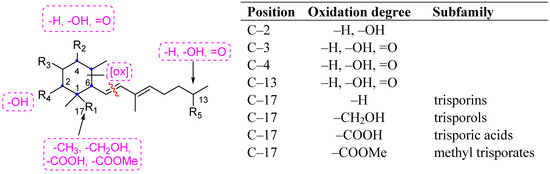
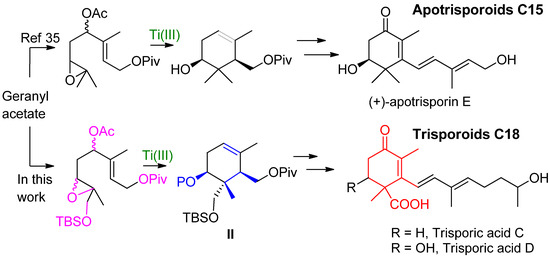
The synthesis of a cyclohexane skeleton possessing different oxygenated functional groups at C–3, C–8 and C–9, and a D1,6-double bond has been accomplished in 10 steps with an overall 17% yield. This compound is a key intermediate for access to a [...] Read more.
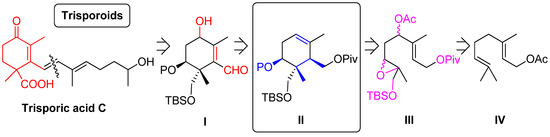
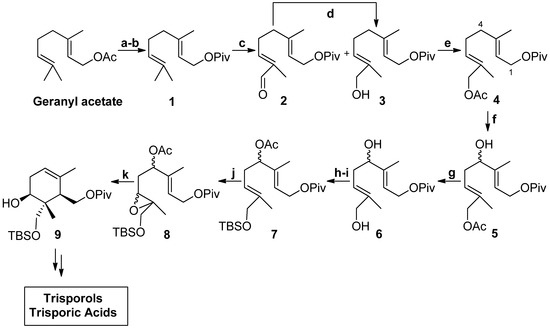
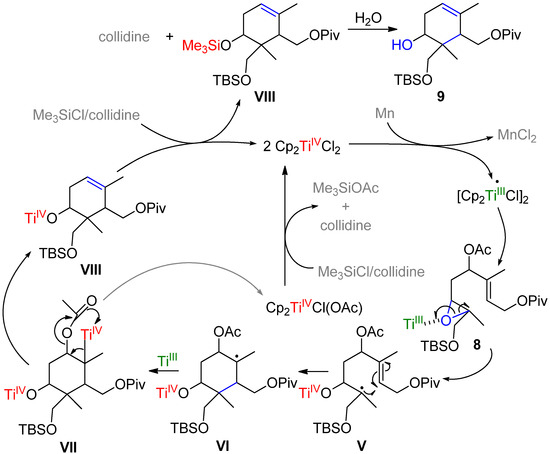
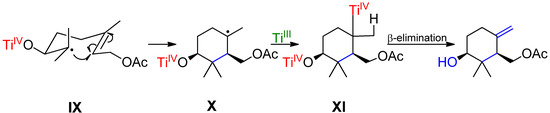
The synthesis of a cyclohexane skeleton possessing different oxygenated functional groups at C–3, C–8 and C–9, and a D1,6-double bond has been accomplished in 10 steps with an overall 17% yield. This compound is a key intermediate for access to a wide range of compounds of the bioactive trisporoid family. The synthetic sequence consists of the preparation of a properly functionalized epoxygeraniol derivative, and its subsequent stereoselective cyclization mediated by Ti(III). This last step implies a domino process that starts with a homolytic epoxide opening followed by a radical cyclization and regioselective elimination. This concerted process gives access to the cyclohexane moiety with stereochemical control of five of its six carbon atoms. Full article
(This article belongs to the Special Issue Domino Reactions)
Show Figures

Figure 1
16 pages, 335 KB  
Article
Kingianic Acids A–G, Endiandric Acid Analogues from Endiandra kingiana
by Mohamad Nurul Azmi, Charlotte Gény, Aurélie Leverrier, Marc Litaudon, Vincent Dumontet, Nicolas Birlirakis, Françoise Guéritte, Kok Hoong Leong, Siti Nadiah Abd. Halim, Khalit Mohamad and Khalijah Awang
Molecules 2014, 19(2), 1732-1747; https://doi.org/10.3390/molecules19021732 - 31 Jan 2014
Cited by 21 | Viewed by 9581
Abstract
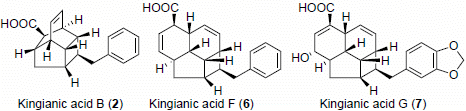
A phytochemical investigation of the methanolic extract of the bark of Endiandra kingiana led to the isolation of seven new tetracyclic endiandric acid analogues, kingianic acids A–G (17), together with endiandric acid M (8), tsangibeilin B ( [...] Read more.
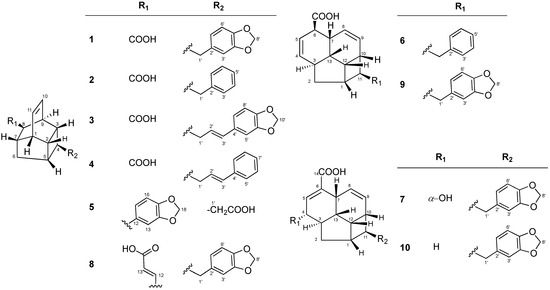
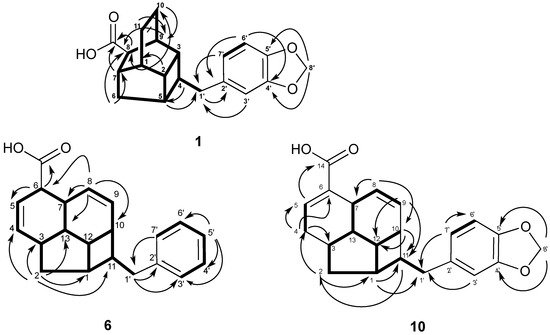
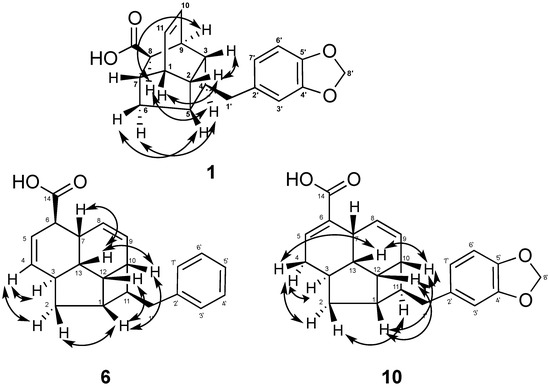
A phytochemical investigation of the methanolic extract of the bark of Endiandra kingiana led to the isolation of seven new tetracyclic endiandric acid analogues, kingianic acids A–G (17), together with endiandric acid M (8), tsangibeilin B (9) and endiandric acid (10). Their structures were determined by 1D- and 2D-NMR analysis in combination with HRMS experiments. The structure of compounds 9 and 10 were confirmed by single-crystal X-ray diffraction analysis. These compounds were screened for Bcl-xL and Mcl-1 binding affinities and cytotoxic activity on various cancer cell lines. Compound 5 showed moderate cytotoxic activity against human colorectal adeno-carcinoma (HT-29) and lung adenocarcinoma epithelial (A549) cell lines, with IC50 values in the range 15–17 µM, and compounds 3, 6 and 9 exhibited weak binding affinity for the anti-apoptotic protein Mcl-1. Full article
(This article belongs to the Section Natural Products Chemistry)
Show Figures

Graphical abstract

19 pages, 814 KB  
Article
Synthesis and Evaluation of Poly(Sodium 2-Acrylamido-2-Methylpropane Sulfonate-co-Styrene)/Magnetite Nanoparticle Composites as Corrosion Inhibitors for Steel
by Gamal A. El-Mahdy, Ayman M. Atta and Hamad A. Al-Lohedan
Molecules 2014, 19(2), 1713-1731; https://doi.org/10.3390/molecules19021713 - 30 Jan 2014
Cited by 58 | Viewed by 12186
Abstract
Self-stabilized magnetic polymeric composite nanoparticles of coated poly-(sodium 2-acrylamido-2-methylpropane sulfonate-co-styrene)/magnetite (PAMPS-Na-co-St/Fe3O4) were prepared by emulsifier-free miniemulsion polymerization using styrene (St) as a monomer, 2-acrylamido-2-methylpropane sulfonic acid sodium salt (AMPS-Na) as an ionic comonomer, N,N-methylenebisacrylamide (MBA) as crosslinker, hexadecane [...] Read more.
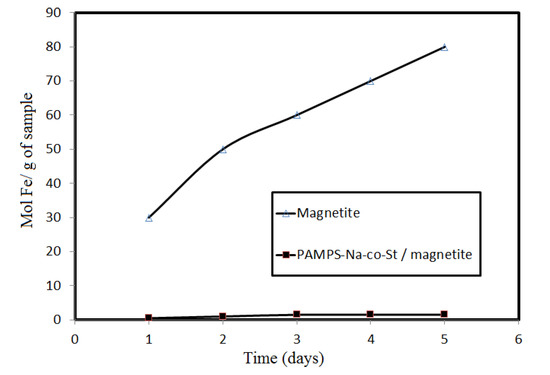
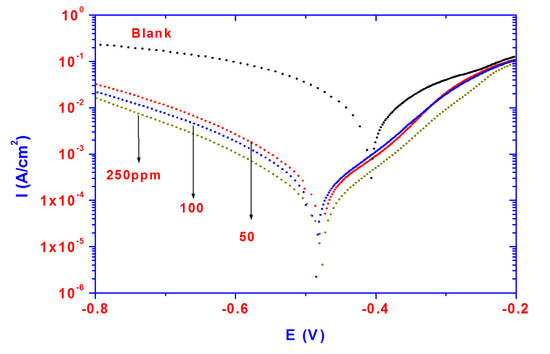
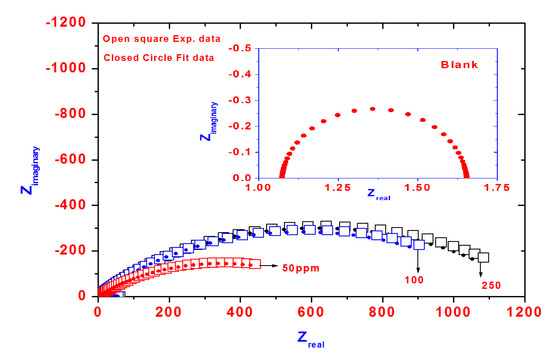
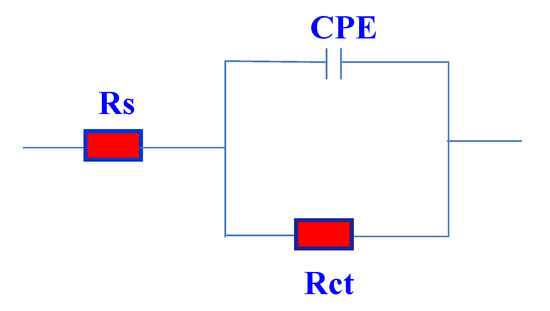
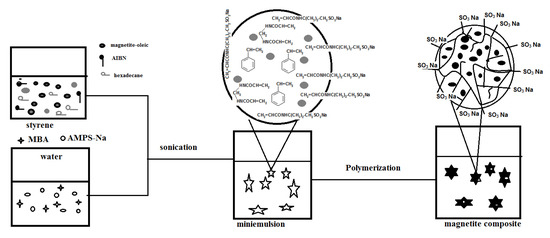
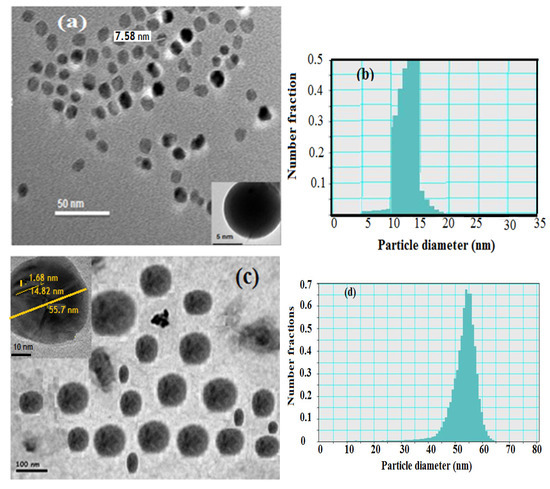
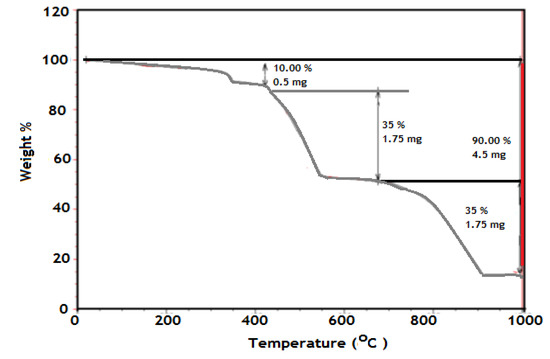
Self-stabilized magnetic polymeric composite nanoparticles of coated poly-(sodium 2-acrylamido-2-methylpropane sulfonate-co-styrene)/magnetite (PAMPS-Na-co-St/Fe3O4) were prepared by emulsifier-free miniemulsion polymerization using styrene (St) as a monomer, 2-acrylamido-2-methylpropane sulfonic acid sodium salt (AMPS-Na) as an ionic comonomer, N,N-methylenebisacrylamide (MBA) as crosslinker, hexadecane (HD) as a hydrophobic solvent, and 2,2-azodiisobutyronitrile (AIBN) as an initiator in the presence of hydrophobic oleic acid coated magnetite particles. Hydrophobic oleic acid coated magnetite particles with an average size of about 7-10 nm were prepared with the new modified water-based magnetite ferrofluid, synthesized by a chemical modified coprecipitation method. The morphology and the particle size distributions of the crosslinked PAMPS-Na-co-St/Fe3O4 composite were observed and analyzed by transmission electron microscopy (TEM). The average Fe3O4 content of PAMPS-Na-co-St/Fe3O4 was determined by thermogravimetric analysis (TGA). The inhibitory action of PAMPS-Na-co-St/Fe3O4 towards steel corrosion in 1 M HCl solutions has been investigated by polarization and electrochemical impedance spectroscopy (EIS) methods. Polarization measurements indicate that PAMPS-Na-co-St/Fe3O4 acts as a mixed type-inhibitor and the inhibition efficiency increases with inhibitor concentration. The results of potentiodynamic polarization and EIS measurements clearly showed that the inhibition mechanism involves blocking of the steel surface by inhibitor molecules via adsorption. Full article
Show Figures

Figure 1
28 pages, 537 KB  
Review
Crataegus pinnatifida: Chemical Constituents, Pharmacology, and Potential Applications
by Jiaqi Wu, Wei Peng, Rongxin Qin and Hong Zhou
Molecules 2014, 19(2), 1685-1712; https://doi.org/10.3390/molecules19021685 - 30 Jan 2014
Cited by 169 | Viewed by 18238
Abstract
Crataegus pinnatifida (Hawthorn) is widely distributed in China and has a long history of use as a traditional medicine. The fruit of C. pinnatifida has been used for the treatment of cardiodynia, hernia, dyspepsia, postpartum blood stasis, and hemafecia and thus increasing interest [...] Read more.
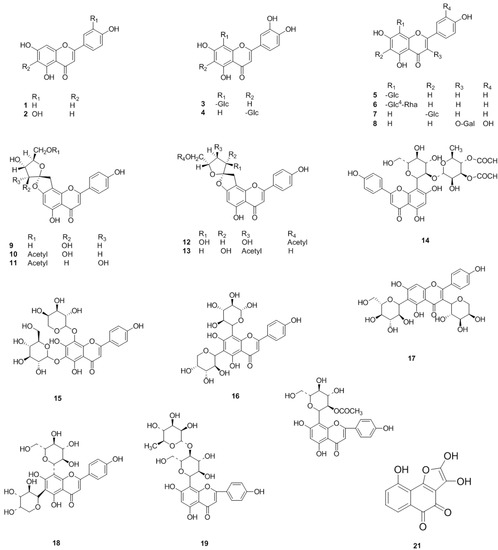
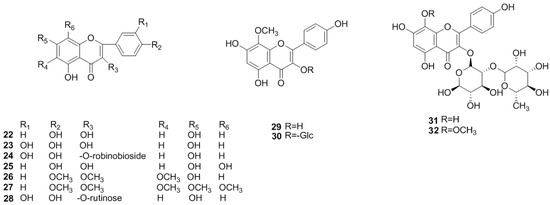
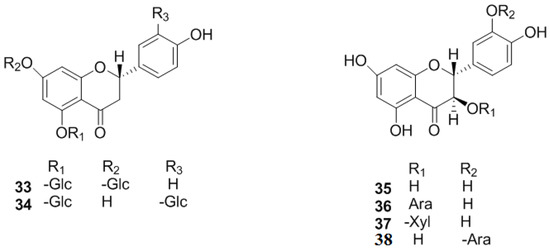
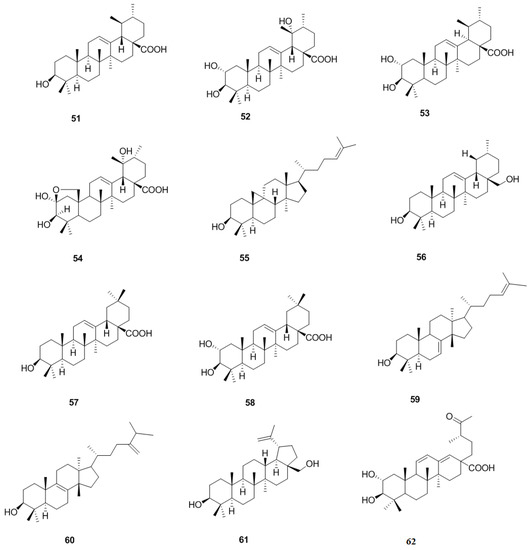
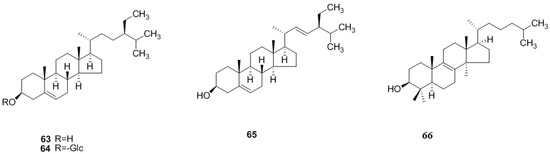
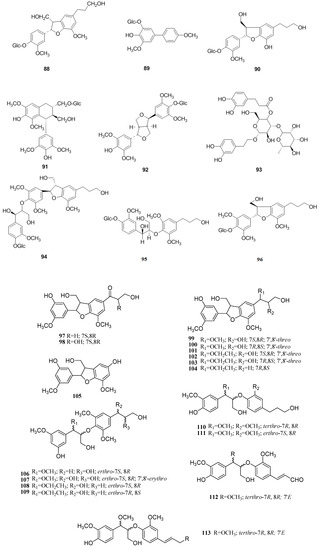
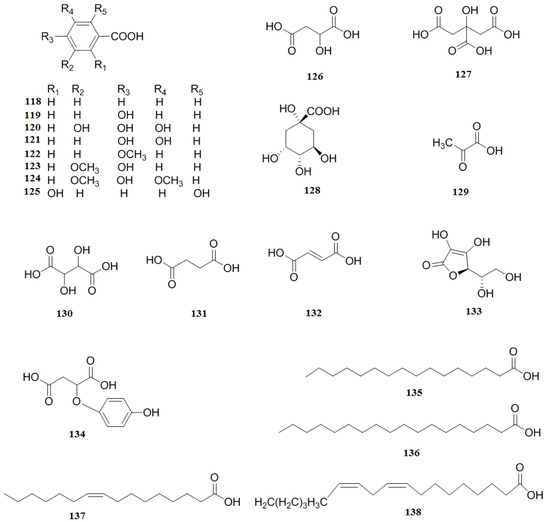
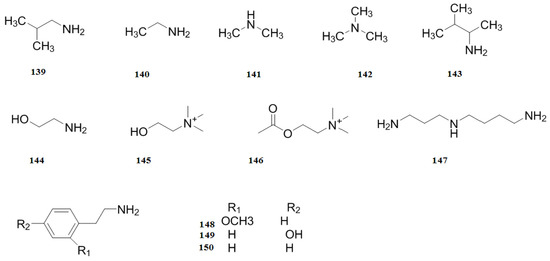
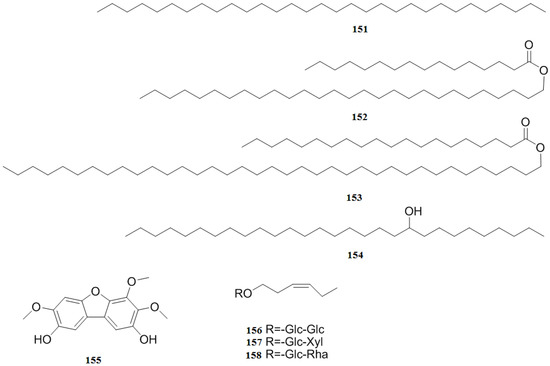
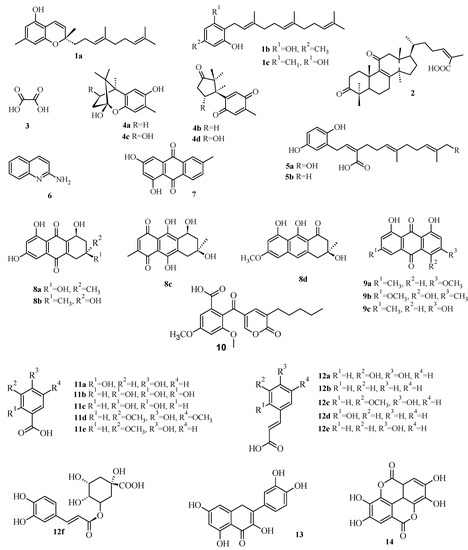
Crataegus pinnatifida (Hawthorn) is widely distributed in China and has a long history of use as a traditional medicine. The fruit of C. pinnatifida has been used for the treatment of cardiodynia, hernia, dyspepsia, postpartum blood stasis, and hemafecia and thus increasing interest in this plant has emerged in recent years. Between 1966 and 2013, numerous articles have been published on the chemical constituents, pharmacology or pharmacologic effects and toxicology of C. pinnatifida. To review the pharmacologic advances and to discuss the potential perspective for future investigation, we have summarized the main literature findings of these publications. So far, over 150 compounds including flavonoids, triterpenoids, steroids, monoterpenoids, sesquiterpenoids, lignans, hydroxycinnamic acids, organic acids and nitrogen-containing compounds have been isolated and identified from C. pinnatifida. It has been found that these constituents and extracts of C. pinnatifida have broad pharmacological effects with low toxicity on, for example, the cardiovascular, digestive, and endocrine systems, and pathogenic microorganisms, supporting the view that C. pinnatifida has favorable therapeutic effects. Thus, although C. pinnatifida has already been widely used as pharmacological therapy, due to its various active compounds, further research is warranted to develop new drugs. Full article
Show Figures

Figure 1
13 pages, 381 KB  
Article
Docking Studies in Target Proteins Involved in Antibacterial Action Mechanisms: Extending the Knowledge on Standard Antibiotics to Antimicrobial Mushroom Compounds
by Maria José Alves, Hugo J. C. Froufe, Ana F. T. Costa, Anabela F. Santos, Liliana G. Oliveira, Sara R. M. Osório, Rui M. V. Abreu, Manuela Pintado and Isabel C. F. R. Ferreira
Molecules 2014, 19(2), 1672-1684; https://doi.org/10.3390/molecules19021672 - 29 Jan 2014
Cited by 80 | Viewed by 13464
Abstract
In the present work, the knowledge on target proteins of standard antibiotics was extended to antimicrobial mushroom compounds. Docking studies were performed for 34 compounds in order to evaluate their affinity to bacterial proteins that are known targets for some antibiotics with different [...] Read more.
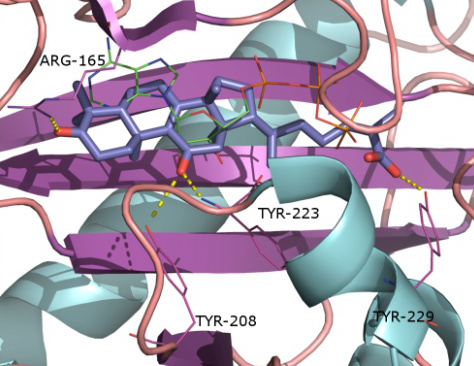
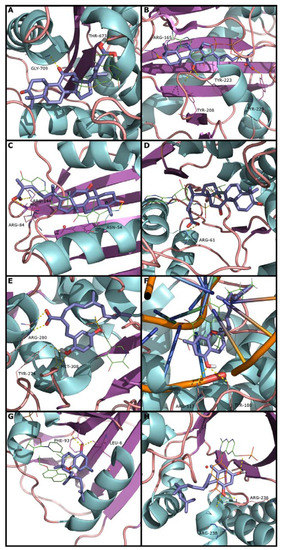
In the present work, the knowledge on target proteins of standard antibiotics was extended to antimicrobial mushroom compounds. Docking studies were performed for 34 compounds in order to evaluate their affinity to bacterial proteins that are known targets for some antibiotics with different mechanism of action: inhibitors of cell wall synthesis, inhibitors of protein synthesis, inhibitors of nucleic acids synthesis and antimetabolites. After validation of the molecular docking approach, virtual screening of all the compounds was performed against penicillin binding protein 1a (PBP1a), alanine racemase (Alr), d-alanyl-d-alanine synthetase (Ddl), isoleucyl-tRNA sinthetase (IARS), DNA gyrase subunit B, topoisomerase IV (TopoIV), dihydropteroate synthetase (DHPS) and dihydrofolate reductase (DHFR) using AutoDock4. Overall, it seems that for the selected mushroom compounds (namely, enokipodins, ganomycins and austrocortiluteins) the main mechanism of the action is the inhibition of cell wall synthesis, being Alr and Ddl probable protein targets. Full article
(This article belongs to the Collection Bioactive Compounds)
Show Figures

Graphical abstract

9 pages, 233 KB  
Article
Penostatin Derivatives, a Novel Kind of Protein Phosphatase 1B Inhibitors Isolated from Solid Cultures of the Entomogenous Fungus Isaria tenuipes
by Yu-Peng Chen, Chun-Gui Yang, Pei-Yao Wei, Lin Li, Du-Qiang Luo, Zhi-Hui Zheng and Xin-Hua Lu
Molecules 2014, 19(2), 1663-1671; https://doi.org/10.3390/molecules19021663 - 29 Jan 2014
Cited by 17 | Viewed by 8313
Abstract
Protein tyrosine phosphatase 1B (PTP1B) is implicated as a negative regulator of insulin receptor (IR) signaling and a potential drug target for the treatment of type II diabetes and other associated metabolic syndromes. Therefore, small molecular inhibitors of PTP1B can be considered as [...] Read more.
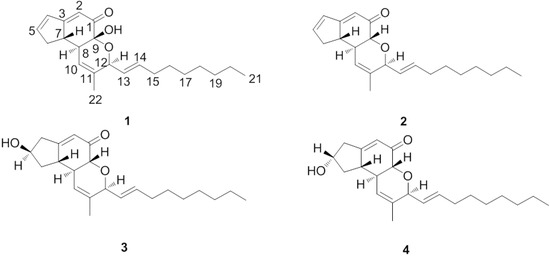
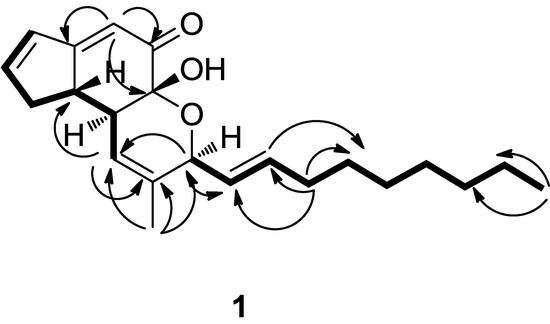
Protein tyrosine phosphatase 1B (PTP1B) is implicated as a negative regulator of insulin receptor (IR) signaling and a potential drug target for the treatment of type II diabetes and other associated metabolic syndromes. Therefore, small molecular inhibitors of PTP1B can be considered as an attractive approach for the design of new therapeutic agents of type II diabetes diseases. In a continuing search for new protein phosphatase inhibitors from fungi, we have isolated a new compound, named penostatin J (1), together with three known ones, penostatin C (2), penostatin A (3), and penostatin B (4), from cultures of the entomogenous fungus Isaria tenuipes. The structure of penostatin J (1) was elucidated by extensive spectroscopic analysis. We also demonstrate for the first time that penostatin derivatives exhibit the best PTP1B inhibitory action. These findings suggest that penostatin derivatives are a potential novel kind of PTP1B inhibitors. Full article
(This article belongs to the Section Natural Products Chemistry)
Show Figures

Figure 1
12 pages, 253 KB  
Article
Correlation between Inflammatory Markers of Atherosclerosis and Carotid Intima-Media Thickness in Obstructive Sleep Apnea
by Marco Matteo Ciccone, Pietro Scicchitano, Annapaola Zito, Francesca Cortese, Barbara Boninfante, Vito Antonio Falcone, Vitaliano Nicola Quaranta, Valentina Anna Ventura, Antonietta Zucano, Francesca Di Serio, Mario Francesco Damiani and Onofrio Resta
Molecules 2014, 19(2), 1651-1662; https://doi.org/10.3390/molecules19021651 - 29 Jan 2014
Cited by 85 | Viewed by 11597
Abstract
Obstructive Sleep Apnea (OSA) is a sleep-related breathing disorder associated with the development of cardiovascular diseases and atherosclerosis. Systemic inflammation plays an important role in the development of cardiovascular complications in OSA patients. The aim of the study was to evaluate the relationship [...] Read more.
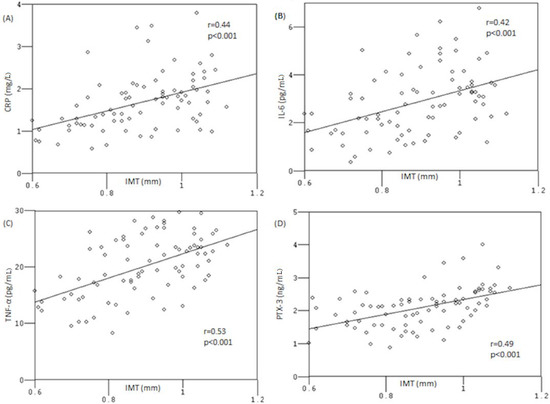
Obstructive Sleep Apnea (OSA) is a sleep-related breathing disorder associated with the development of cardiovascular diseases and atherosclerosis. Systemic inflammation plays an important role in the development of cardiovascular complications in OSA patients. The aim of the study was to evaluate the relationship between carotid intima-media thickness (cIMT) and inflammatory markers plasma levels in OSA patients. We enrolled 80 OSA patients and 40 controls matched for age and body mass index (BMI). The presence and severity of sleep apnea was determined by in-laboratory portable monitoring (PM). Demographic data, blood pressure, heart rate, and cIMT were measured. High-sensitive C-Reactive Protein (hsCRP), interleukin (IL)-6, tumor necrosis factor (TNF)-α and pentraxin (PTX)-3 serum concentrations were detected. cIMT was higher in OSA patients than controls (0.89 ± 0.13 mm vs. 0.65 ± 0.1 mm, p < 0.01). Moderate-severe OSA patients (0.95 ± 0.09 mm) had significantly increased cIMT than mild OSA (0.76 ± 0.1 mm; p < 0.01) and control (0.65 ± 0.1 mm; p < 0.01). hsCRP, IL-6, TNF-α, and PTX-3 in patients with OSA (1.67 ± 0.66 mg/L, 2.86 ± 1.39 pg/mL, 20.09 ± 5.39 pg/mL, 2.1 ± 0.59 ng/mL, respectively) were significantly higher than in controls (1.08 ± 0.53 mg/L, p < 0.01; 1.5 ± 0.67 pg/mL, p < 0.01; 12.53 ± 3.48 pg/mL, p < 0.01; 1.45 ± 0.41 ng/mL, p < 0.01, respectively). Carotid IMT was significantly correlated to CRP (r = 0.44; p < 0.01), IL-6 (r = 0.42; p < 0.01), TNF-α (r = 0.53; p < 0.01), and PTX-3 (r = 0.49; p < 0.01). OSA patients showed increased cIMT, CRP, IL-6, TNF-α, and PTX-3 levels. Inflammatory markers levels are correlated to cIMT in OSA patients. Full article
(This article belongs to the Section Metabolites)
Show Figures

Figure 1
16 pages, 406 KB  
Article
Simultaneous Determination of Fifteen Constituents of Jitai Tablet Using Ultra High-Performance Liquid Chromatography Coupled with Triple Quadrupole Electrospray Tandem Mass Spectrometry
by Shuping Wang, Peng Fu, Lei Liu, Lingling Wang, Chengcheng Peng, Weidong Zhang and Runhui Liu
Molecules 2014, 19(2), 1635-1650; https://doi.org/10.3390/molecules19021635 - 28 Jan 2014
Cited by 7 | Viewed by 8215
Abstract
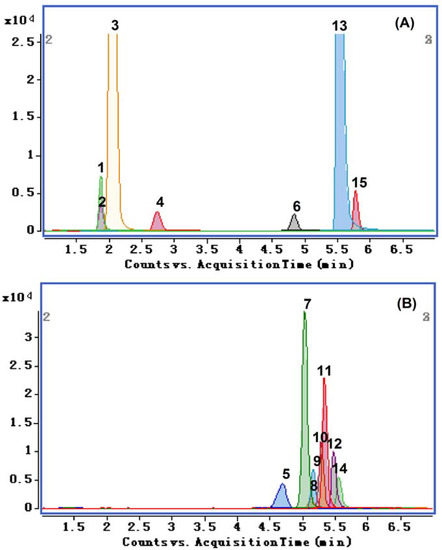
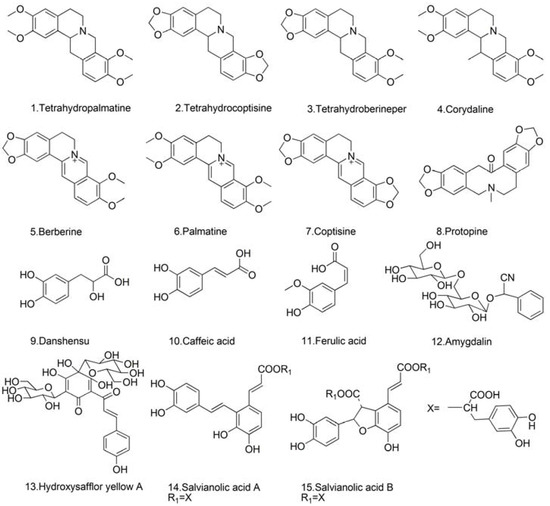
An ultra-high-performance liquid chromatography-electrospray ionization tandem mass spectrometry (UHPLC-ESI-MS/MS) method was developed for simultaneous determination of fifteen constituents in Jitai tablet (JTT), a complex Traditional Chinese Medicine prescription (TCMP) used in treating opiate addiction. Benefitting from a small particle size (1.8 µm) C18 [...] Read more.
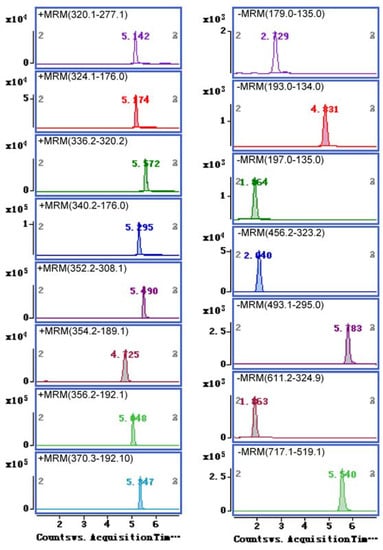
An ultra-high-performance liquid chromatography-electrospray ionization tandem mass spectrometry (UHPLC-ESI-MS/MS) method was developed for simultaneous determination of fifteen constituents in Jitai tablet (JTT), a complex Traditional Chinese Medicine prescription (TCMP) used in treating opiate addiction. Benefitting from a small particle size (1.8 µm) C18 column, accelerated analysis with satisfactory resolution, sensitivity and selectivity were achieved in a single run within 7 min with linear gradient elution of acetonitrile-0.1% (v/v) formic acid in water. The analytical signal was obtained by multiple reaction monitoring transitions via electrospray ionization source operating in both positive and negative ionization mode. The approach was validated for linearity, sensitivity, precision, repeatability, stability and recovery. All analytes showed good linearity over a wide concentration range (r > 0.99). The method limits ranged from 0.03 ng/mL to 19.35 ng/mL which are sensitive enough for quality control studies. The developed method was successfully applied to the simultaneous determination of fifteen constituents in JTT. In conclusion, our experimental results demonstrate that UHPLC-ESI-MS/MS is a useful approach for the overall quality assessment of complex TCMPs. Full article
Show Figures

Figure 1
13 pages, 2646 KB  
Article
4-Aminobenzoic Acid-Coated Maghemite Nanoparticles as Potential Anticancer Drug Magnetic Carriers: A Case Study on Highly Cytotoxic Cisplatin-Like Complexes Involving 7-Azaindoles
by Pavel Štarha, Martin Stavárek, Jiří Tuček and Zdeněk Trávníček
Molecules 2014, 19(2), 1622-1634; https://doi.org/10.3390/molecules19021622 - 28 Jan 2014
Cited by 11 | Viewed by 9286
Abstract
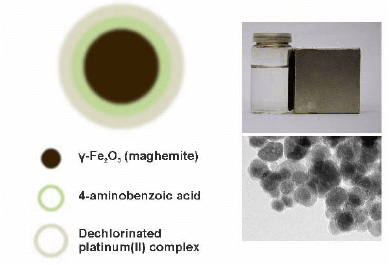
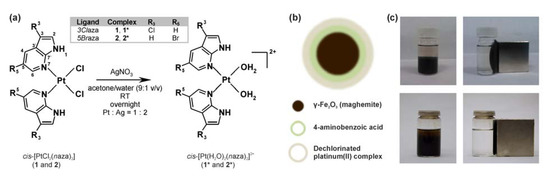
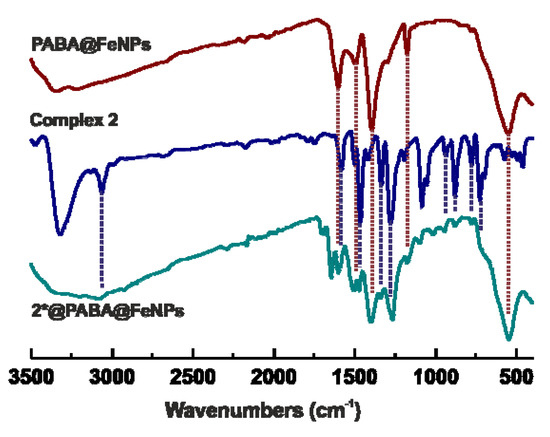
This study describes a one-pot synthesis of superparamagnetic maghemite-based 4-aminobenzoic acid-coated spherical core-shell nanoparticles (PABA@FeNPs) as suitable nanocomposites potentially usable as magnetic carriers for drug delivery. The PABA@FeNPs system was subsequently functionalized by the activated species (1* and 2*) of highly [...] Read more.
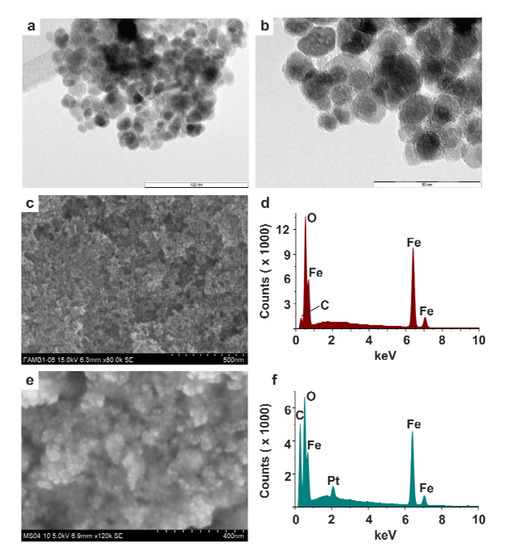
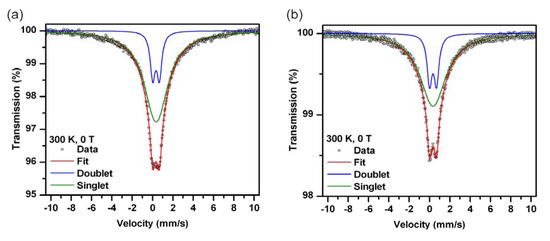
This study describes a one-pot synthesis of superparamagnetic maghemite-based 4-aminobenzoic acid-coated spherical core-shell nanoparticles (PABA@FeNPs) as suitable nanocomposites potentially usable as magnetic carriers for drug delivery. The PABA@FeNPs system was subsequently functionalized by the activated species (1* and 2*) of highly in vitro cytotoxic cis-[PtCl2(3Claza)2] (1; 3Claza stands for 3-chloro-7-azaindole) or cis-[PtCl2(5Braza)2] (2; 5Braza stands for 5-bromo-7-azaindole), which were prepared by a silver(I) ion assisted dechlorination of the parent dichlorido complexes. The products 1*@PABA@FeNPs and 2*@PABA@FeNPs, as well as an intermediate PABA@FeNPs, were characterized by a combination of various techniques, such as Mössbauer, FTIR and EDS spectroscopy, thermal analysis, SEM and TEM. The results showed that the products consist of well-dispersed maghemite-based nanoparticles of 13 nm average size that represent an easily obtainable system for delivery of highly cytotoxic cisplatin-like complexes in oncological practice. Full article
(This article belongs to the Section Medicinal Chemistry)
Show Figures

Graphical abstract

14 pages, 443 KB  
Article
Molecular Cloning and Yeast Expression of Cinnamate 4-Hydroxylase from Ornithogalum saundersiae Baker
by Jian-Qiang Kong, Di Lu and Zhi-Biao Wang
Molecules 2014, 19(2), 1608-1621; https://doi.org/10.3390/molecules19021608 - 28 Jan 2014
Cited by 23 | Viewed by 8399
Abstract
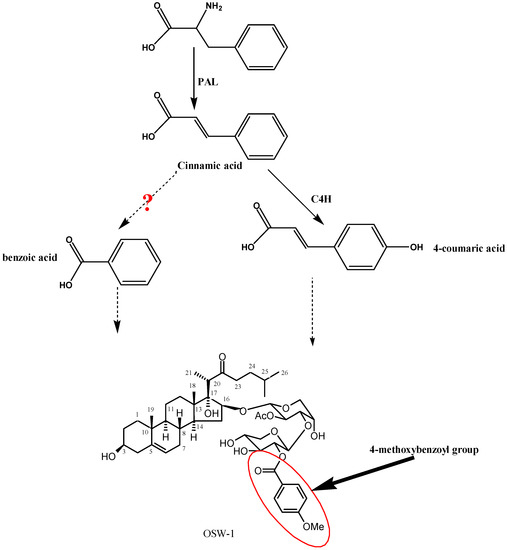
OSW-1, isolated from the bulbs of Ornithogalum saundersiae Baker, is a steroidal saponin endowed with considerable antitumor properties. Biosynthesis of the 4-methoxybenzoyl group on the disaccharide moiety of OSW-1 is known to take place biochemically via the phenylpropanoid biosynthetic pathway, but molecular biological [...] Read more.
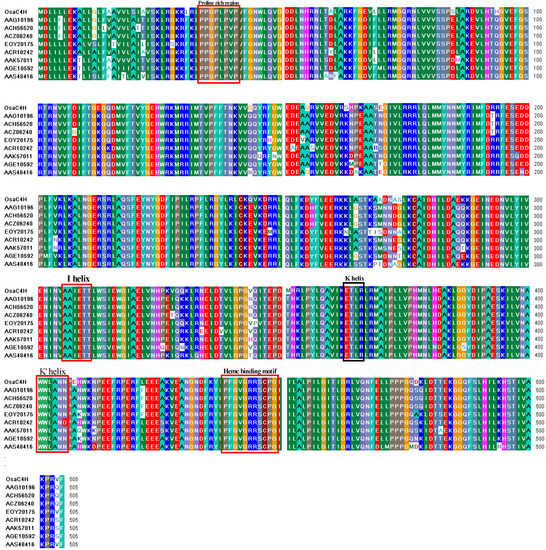
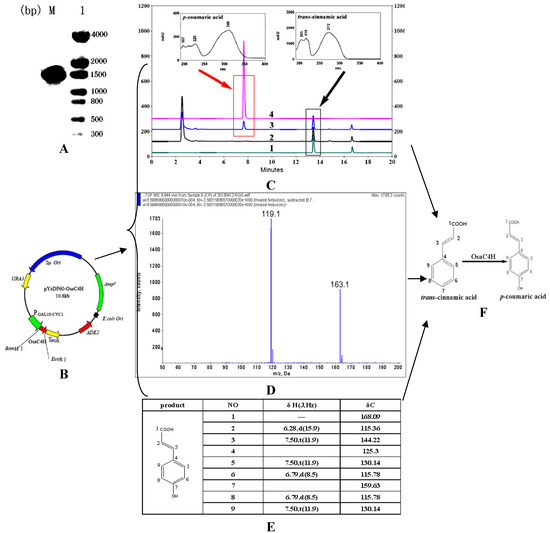
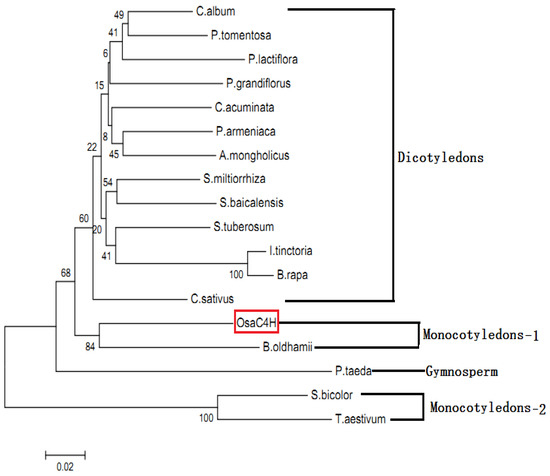
OSW-1, isolated from the bulbs of Ornithogalum saundersiae Baker, is a steroidal saponin endowed with considerable antitumor properties. Biosynthesis of the 4-methoxybenzoyl group on the disaccharide moiety of OSW-1 is known to take place biochemically via the phenylpropanoid biosynthetic pathway, but molecular biological characterization of the related genes has been insufficient. Cinnamic acid 4-hydroxylase (C4H, EC 1.14.13.11), catalyzing the hydroxylation of trans-cinnamic acid to p-coumaric acid, plays a key role in the ability of phenylpropanoid metabolism to channel carbon to produce the 4-methoxybenzoyl group on the disaccharide moiety of OSW-1. Molecular isolation and functional characterization of the C4H genes, therefore, is an important step for pathway characterization of 4-methoxybenzoyl group biosynthesis. In this study, a gene coding for C4H, designated as OsaC4H, was isolated according to the transcriptome sequencing results of Ornithogalum saundersiae. The full-length OsaC4H cDNA is 1,608-bp long, with a 1,518-bp open reading frame encoding a protein of 505 amino acids, a 55-bp 5′ non-coding region and a 35-bp 3'-untranslated region. OsaC4H was functionally characterized by expression in Saccharomyces cerevisiae and shown to catalyze the oxidation of trans-cinnamic acid to p-coumaric acid, which was identified by high performance liquid chromatography with diode array detection (HPLC-DAD), HPLC-MS and nuclear magnetic resonance (NMR) analysis. The identification of the OsaC4H gene was expected to open the way to clarification of the biosynthetic pathway of OSW-1. Full article
(This article belongs to the Section Natural Products Chemistry)
Show Figures

Figure 1
5 pages, 190 KB  
Communication
A New Dicoumarinyl Ether from the Roots of Stellera chamaejasme L
by Jie Li, Qian Shen, Chen-Hao Bao, Li-Ting Chen and Xiang-Rong Li
Molecules 2014, 19(2), 1603-1607; https://doi.org/10.3390/molecules19021603 - 27 Jan 2014
Cited by 14 | Viewed by 6529
Abstract
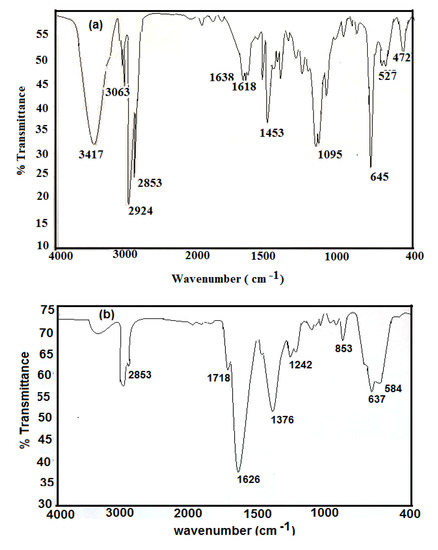
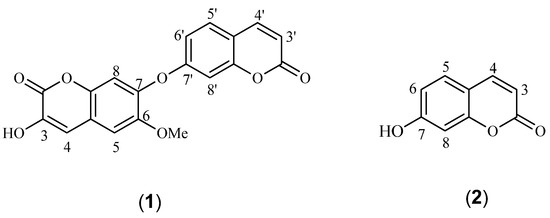
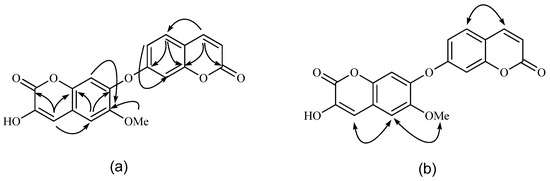
A new dicoumarinyl ether, 3-hydroxy-6-methoxy-7,7'-dicoumarinyl ether (1), was isolated from the roots of Stellera chamaejasme L, together with the known compound umbelliferone (2). Their structures were determined on the basis of spectroscopic techniques, including IR, NMR, and HR-ESI-MS. Full article
Show Figures

Figure 1
11 pages, 505 KB  
Article
Resveratrol-4-O-D-(2'-galloyl)-glucopyranoside Isolated from Polygonum cuspidatum Exhibits Anti-Hepatocellular Carcinoma Viability by Inducing Apoptosis via the JNK and ERK Pathway
by Qichao Xie, Yupeng Yang, Zhiyi Wang, Fanglin Chen, Anmei Zhang and Chengcheng Liu
Molecules 2014, 19(2), 1592-1602; https://doi.org/10.3390/molecules19021592 - 27 Jan 2014
Cited by 23 | Viewed by 8033
Abstract
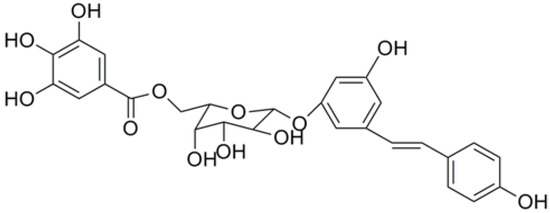
Resveratrol-4-O-D-(2'-galloyl)-glucopyranoside (RESG) is one of the active compounds isolated from Polygonum cuspidatum. The purpose of our present study was to investigate the anti-hepatocellular carcinoma effect of RESG in vitro and in vivo, and the possible mechanisms in vitro. [...] Read more.
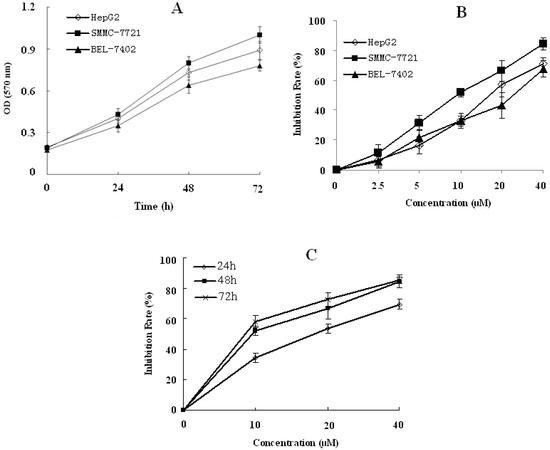
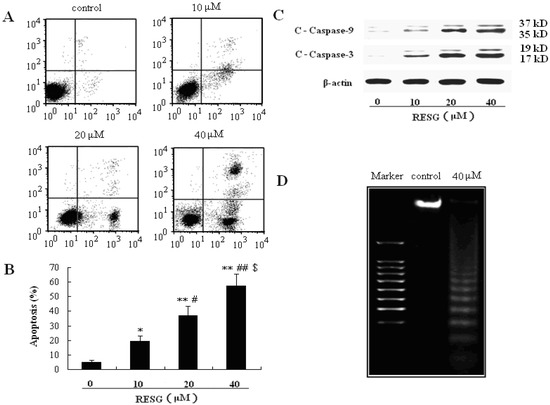
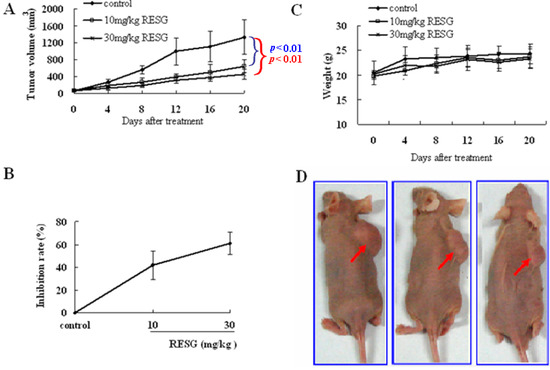
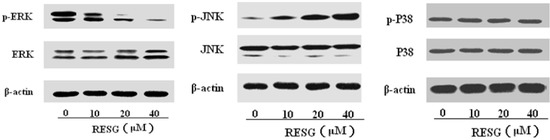
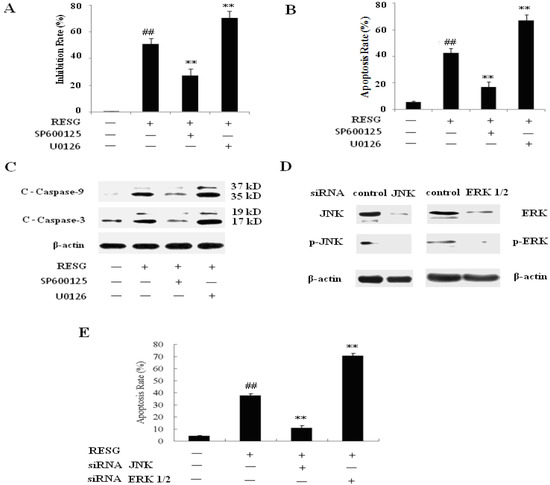
Resveratrol-4-O-D-(2'-galloyl)-glucopyranoside (RESG) is one of the active compounds isolated from Polygonum cuspidatum. The purpose of our present study was to investigate the anti-hepatocellular carcinoma effect of RESG in vitro and in vivo, and the possible mechanisms in vitro. In vitro, our results showed that RESG could significantly inhibit the human hepatocellular carcinoma viability in the MTT assay, in a dose- and time-dependent manner. Furthermore, our results demonstrated that RESG could induce SMMC-7721 cell apoptosis and activate caspases 3 and caspases 9 by using Annexin V-FITC staining and western blot, respectively. In vivo, RESG also showed efficacy in SMMC-7721 xenograft model in nude mice, and further molecule mechanisms were investigated in vitro. The results showed that RESG up-regulated the p-JNK expressions, whereas it down-regulated the p-ERK expressions. Above results demonstrated that RESG is a potential therapeutic agent for hepatocellular carcinoma via JNK and ERK pathway to induce apoptosis. Our finding provided a basis for further development of RESG as an anticancer agent. Full article
Show Figures

Figure 1
16 pages, 536 KB  
Article
Ursolic Acid-Enriched Herba Cynomorii Extract Induces Mitochondrial Uncoupling and Glutathione Redox Cycling Through Mitochondrial Reactive Oxygen Species Generation: Protection Against Menadione Cytotoxicity in H9c2 Cells
by Jihang Chen, Hoi Shan Wong and Kam Ming Ko
Molecules 2014, 19(2), 1576-1591; https://doi.org/10.3390/molecules19021576 - 27 Jan 2014
Cited by 19 | Viewed by 8768
Abstract
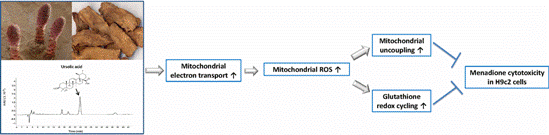
Herba Cynomorii (Cynomorium songaricum Rupr., Cynomoriaceae) is one of the most commonly used ‘Yang-invigorating’ tonic herbs in Traditional Chinese Medicine (TCM). An earlier study in our laboratory has demonstrated that HCY2, an ursolic acid-enriched fraction derived from Herba Cynomorii, increased mitochondrial ATP [...] Read more.
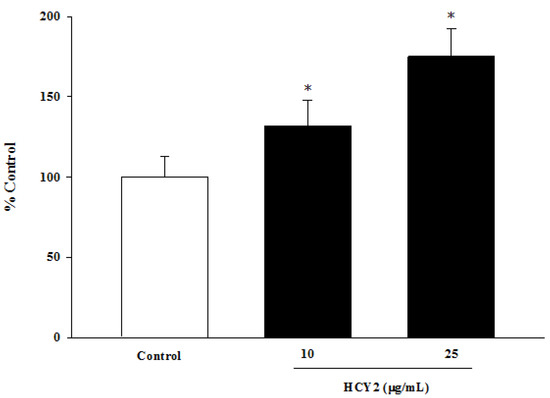
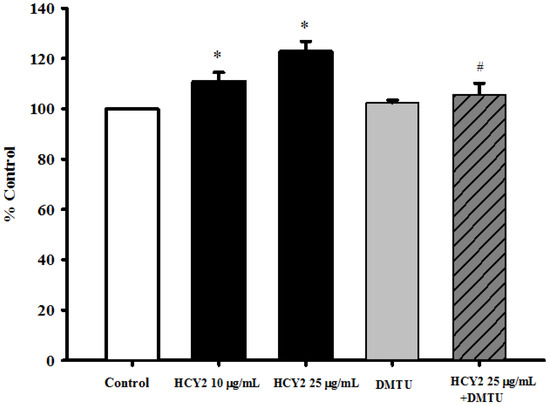
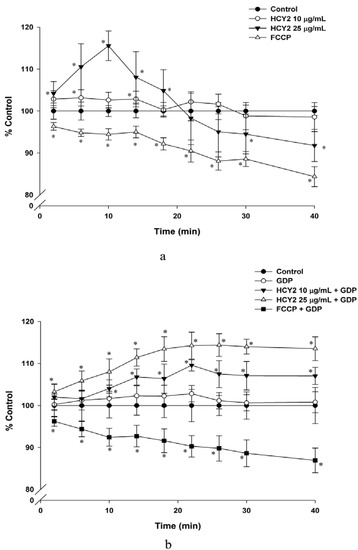
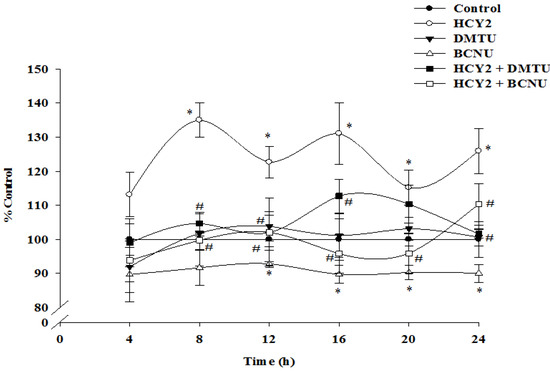
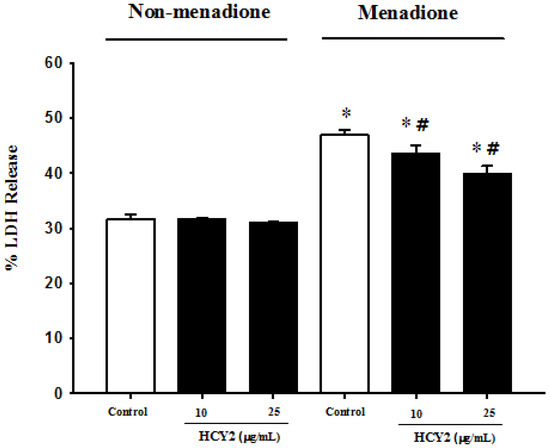
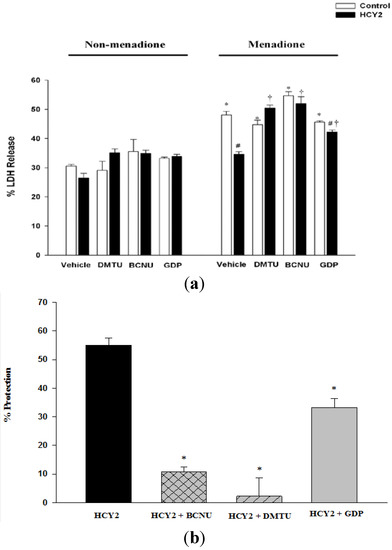
Herba Cynomorii (Cynomorium songaricum Rupr., Cynomoriaceae) is one of the most commonly used ‘Yang-invigorating’ tonic herbs in Traditional Chinese Medicine (TCM). An earlier study in our laboratory has demonstrated that HCY2, an ursolic acid-enriched fraction derived from Herba Cynomorii, increased mitochondrial ATP generation capacity (ATP-GC) and induced mitochondrial uncoupling as well as a cellular glutathione response, thereby protecting against oxidant injury in H9c2 cells. In this study, we demonstrated that pre-incubation of H9c2 cells with HCY2 increased mitochondrial reactive oxygen species (ROS) generation in these cells, which is likely an event secondary to the stimulation of the mitochondrial electron transport chain. The suppression of mitochondrial ROS by the antioxidant dimethylthiourea abrogated the HCY2-induced enhancement of mitochondrial uncoupling and glutathione reductase (GR)-mediated glutathione redox cycling, and also protected against menadione-induced cytotoxicity. Studies using specific inhibitors of uncoupling protein and GR suggested that the HCY2-induced mitochondrial uncoupling and glutathione redox cycling play a determining role in the cytoprotection against menadione-induced oxidant injury in H9c2 cells. Experimental evidence obtained thus far supports the causal role of HCY2-induced mitochondrial ROS production in eliciting mitochondrial uncoupling and glutathione antioxidant responses, which offer cytoprotection against oxidant injury in H9c2 cells. Full article
(This article belongs to the Special Issue Natural Antioxidants and Ageing)
Show Figures

Graphical abstract

8 pages, 726 KB  
Article
miRNA in Plasma Exosome is Stable under Different Storage Conditions
by Qinyu Ge, Youxia Zhou, Jiafeng Lu, Yunfei Bai, Xueying Xie and Zuhong Lu
Molecules 2014, 19(2), 1568-1575; https://doi.org/10.3390/molecules19021568 - 27 Jan 2014
Cited by 431 | Viewed by 24180
Abstract
Exosomes are small membrane-bound vesicles secreted by most cell types. Exosomes contain various functional proteins, mRNAs and microRNAs (miRNAs) that could be used for diagnostic and therapeutic purposes. How we should store the samples before RNA isolation and whether those long term stored [...] Read more.
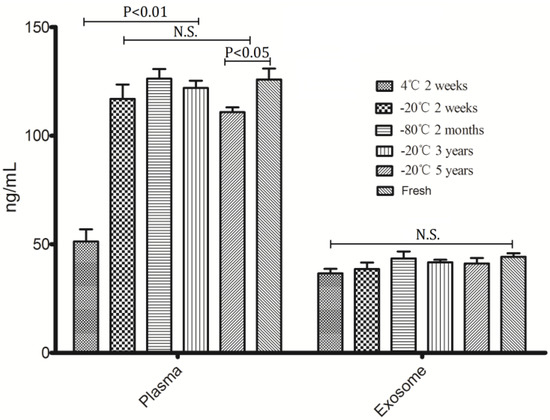
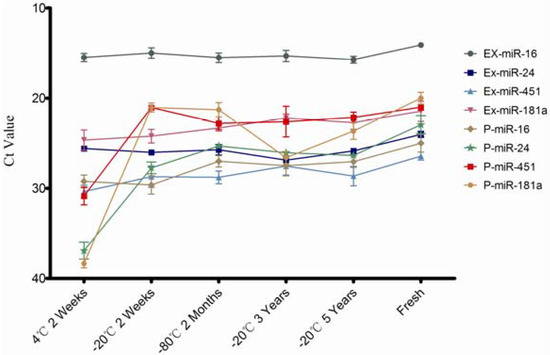
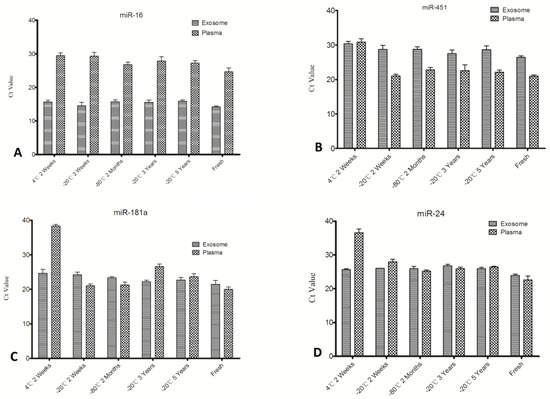
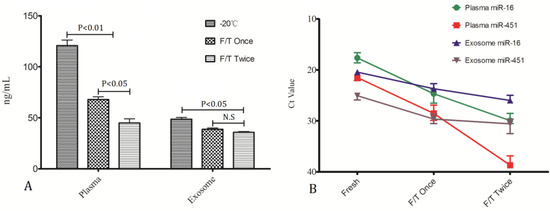
Exosomes are small membrane-bound vesicles secreted by most cell types. Exosomes contain various functional proteins, mRNAs and microRNAs (miRNAs) that could be used for diagnostic and therapeutic purposes. How we should store the samples before RNA isolation and whether those long term stored samples could be used for circulating RNA investigation because of RNase is unknown. The aim of the study was to determine the stability of circulating miRNA in exosomes and plasma. Exosomes were isolated from plasma samples by using ExoQuick Precipitation methods. RNA was extracted from exosomes and the corresponding plasma samples with a Qiagen miRNeasy Mini kit. The concentration of RNA was measured by a Qubit® RNA HS Assay Kit, and quantitative PCR was used for individual miRNA expression level detection. Results showed that exosomal miRNA showed extra stability under different storage conditions and no significant influence on plasma miRNA, except for short term storage at 4 °C. It is thus indicated that exosome miRNAs can be good biomarkers based on their stability under various storage conditions. Full article
Show Figures

Figure 1