





-
A Multi-Modal AI System for Detecting Pedestrians Lying on the Road: Simulation-Based Safety and Injury Risk Analysis -
Evidence-Based Assessment of Commercial Fuel Additives Using OBD-Derived Fuel Economy Under Real-World High-Altitude Driving Conditions -
Influence of Tire Pressure Distribution on Vehicle Cornering and Self-Steering Behavior -
Real-Time Tire–Road Friction Coefficient Estimation for Four-Wheel-Independent-Drive Electric Vehicles Using a Piecewise Gain-Scheduled Observer and Neural Networks -
Automotive Noise, Vibration, and Harshness (NVH): A Thematic Literature Review
Journal Description
Vehicles
Vehicles
is an international, peer-reviewed, open access journal on transportation science and engineering published monthly online by MDPI.
- Open Access— free for readers, with article processing charges (APC) paid by authors or their institutions.
- High Visibility: indexed within Scopus, ESCI (Web of Science), Ei Compendex, and other databases.
- Journal Rank: JCR - Q2 (Engineering, Mechanical) / CiteScore - Q1 (Automotive Engineering)
- Rapid Publication: manuscripts are peer-reviewed and a first decision is provided to authors approximately 19.7 days after submission; acceptance to publication is undertaken in 3.8 days (median values for papers published in this journal in the first half of 2026).
- Recognition of Reviewers: APC discount vouchers, optional signed peer review, and reviewer names published annually in the journal.
Impact Factor:
3.2 (2025);
5-Year Impact Factor:
3.1 (2025)
Latest Articles
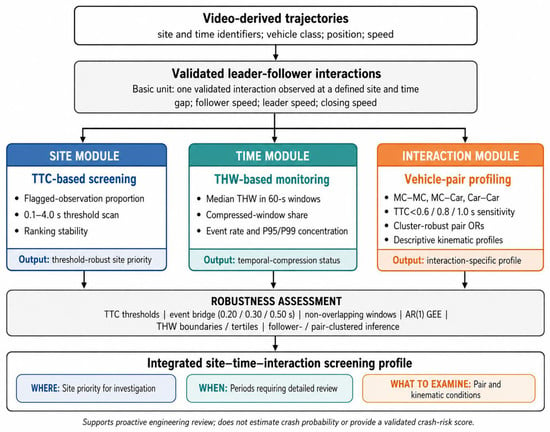
A TTC–THW-Based Site–Time–Interaction Framework for Engineering Screening in Motorcycle-Dominated Mixed Traffic
Vehicles 2026, 8(9), 203; https://doi.org/10.3390/vehicles8090203 - 25 Aug 2026
Abstract
►
Show Figures
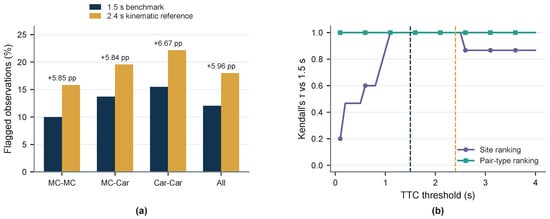
Surrogate safety assessment in motorcycle-dominated mixed traffic requires screening methods that distinguish threshold-sensitive event prevalence from stable site, time, and interaction patterns. This study develops a TTC–THW-based site–time–interaction framework for engineering screening using 13.342 h of video from six Hanoi arterials, comprising 371,864
[...] Read more.
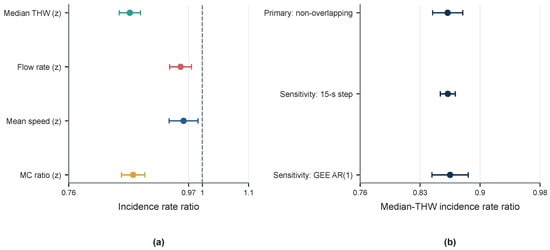
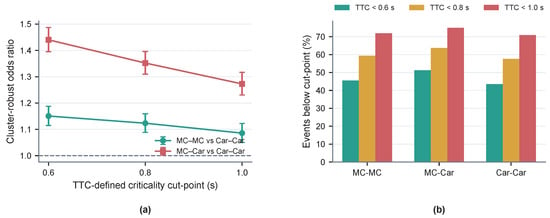
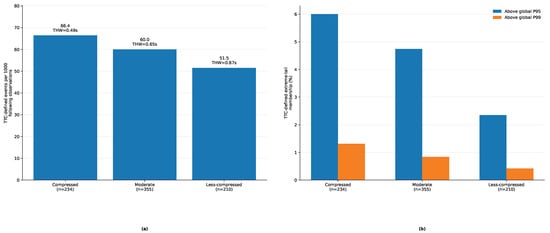
Surrogate safety assessment in motorcycle-dominated mixed traffic requires screening methods that distinguish threshold-sensitive event prevalence from stable site, time, and interaction patterns. This study develops a TTC–THW-based site–time–interaction framework for engineering screening using 13.342 h of video from six Hanoi arterials, comprising 371,864 vehicles, 2,977,401 validated leader–follower observations, and 180,722 TTC-defined events. Primary window-level inference uses 799 complete non-overlapping 60 s windows; 3181 overlapping windows are retained only for sensitivity analysis. Increasing the TTC reference from 1.5 to 2.4 s raised the flagged-observation proportion from 12.04% to 17.99%, without changing the site ordering. A one-standard-deviation increase in median THW was associated with a 13.81% lower expected TTC-defined event rate per following exposure in the primary model (IRR=0.8619, 95% CI 0.8433–0.8809), with similar estimates under overlapping-window and AR(1) GEE specifications. Follower-clustered event models showed stable vehicle-pair contrasts across TTC-defined criticality cut-points of 0.6, 0.8, and 1.0 s; the MC–Car odds ratios were 1.440, 1.352, and 1.273, respectively, relative to Car–Car. Alternative THW boundaries and empirical tertiles retained the main temporal-compression contrasts. Downsampling from 7.5 to approximately 3.75 Hz reduced absolute event counts by about 30.6–30.7% but left comparative site rankings unchanged. The framework therefore provides trajectory-based interaction screening rather than crash-risk prediction or independently validated near-crash classification.
Full article
Open AccessArticle
Helicopters in Civil Protection (Wildfires)—Fleet Reserve
by
Jorge Raposo, Hugo Raposo, André Rodrigues, David Lucas, Luís Reis, J. Edmundo de-Almeida-e-Pais, José Manuel Torres Farinha and Artur Costa
Vehicles 2026, 8(9), 202; https://doi.org/10.3390/vehicles8090202 - 24 Aug 2026
Abstract
►▼
Show Figures
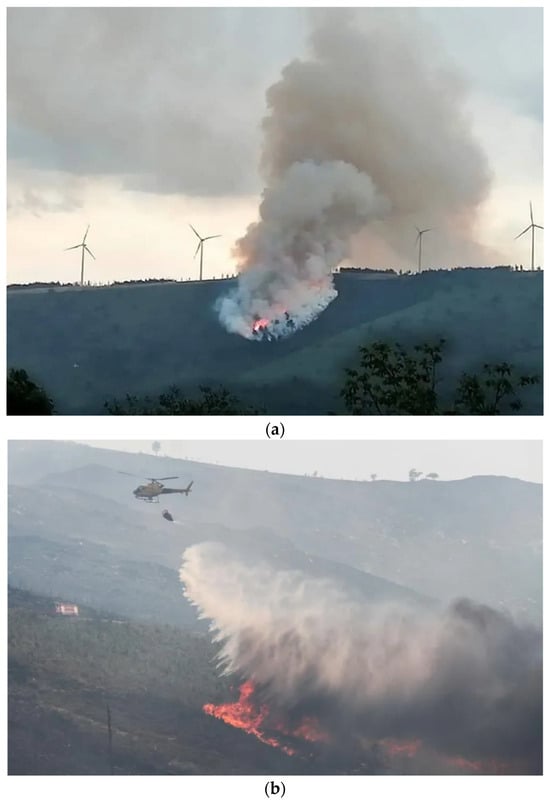
The use of helicopters demands very accurate management and the correct use of assets. This is crucial in achieving good performance and avoiding tasks that could be inconducive to extinguishing the fire or even cause serious accidents. In the field of civil protection,
[...] Read more.
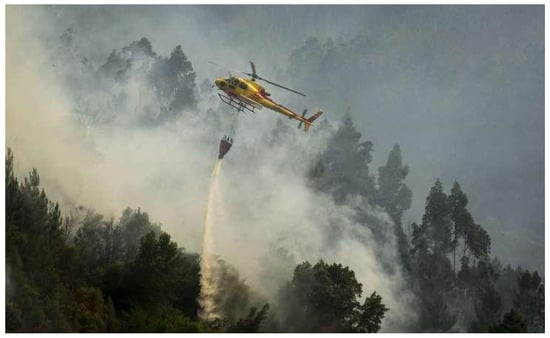
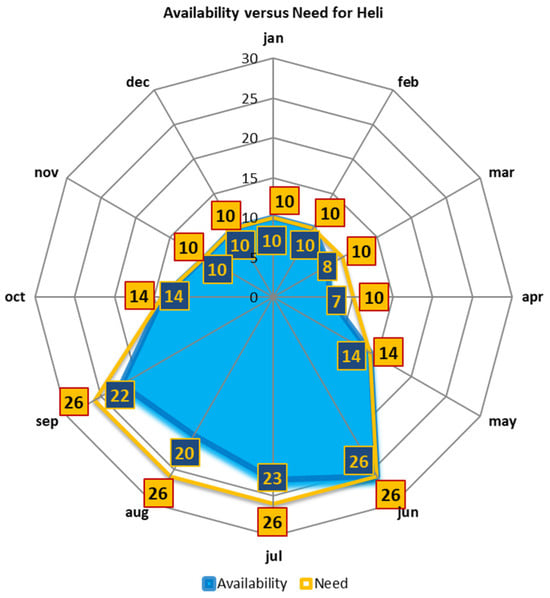
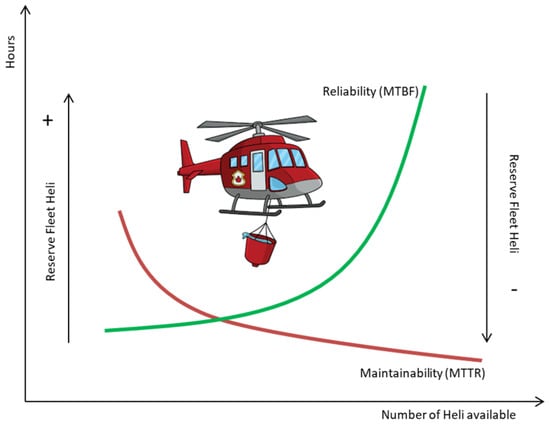
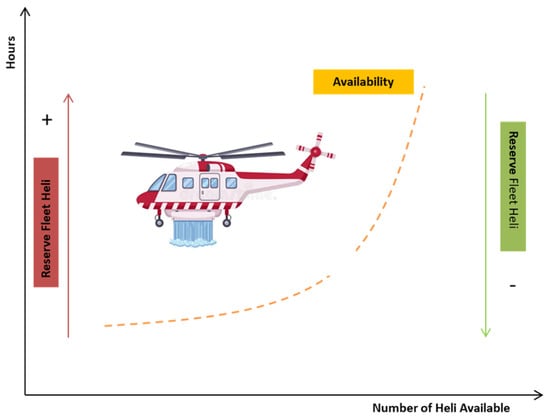
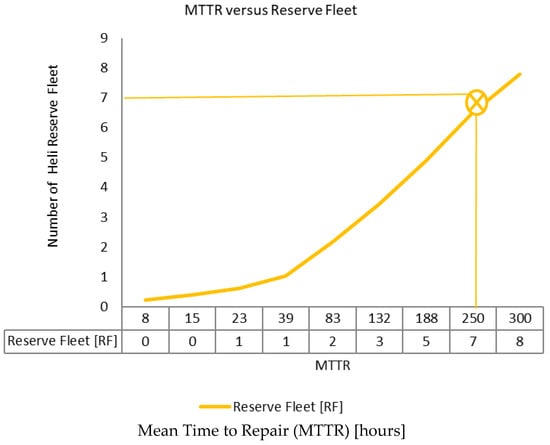
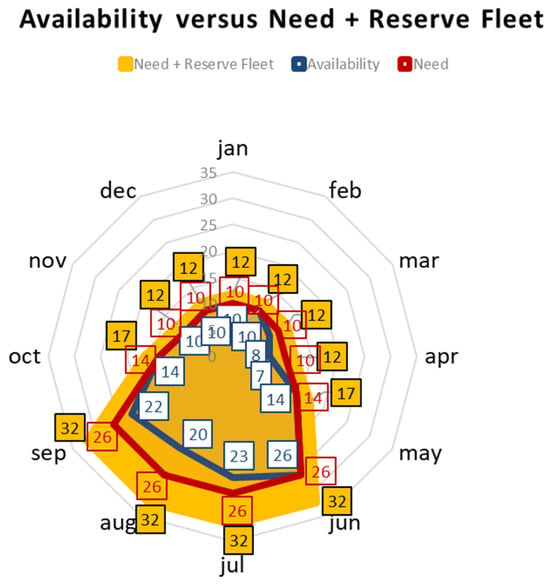
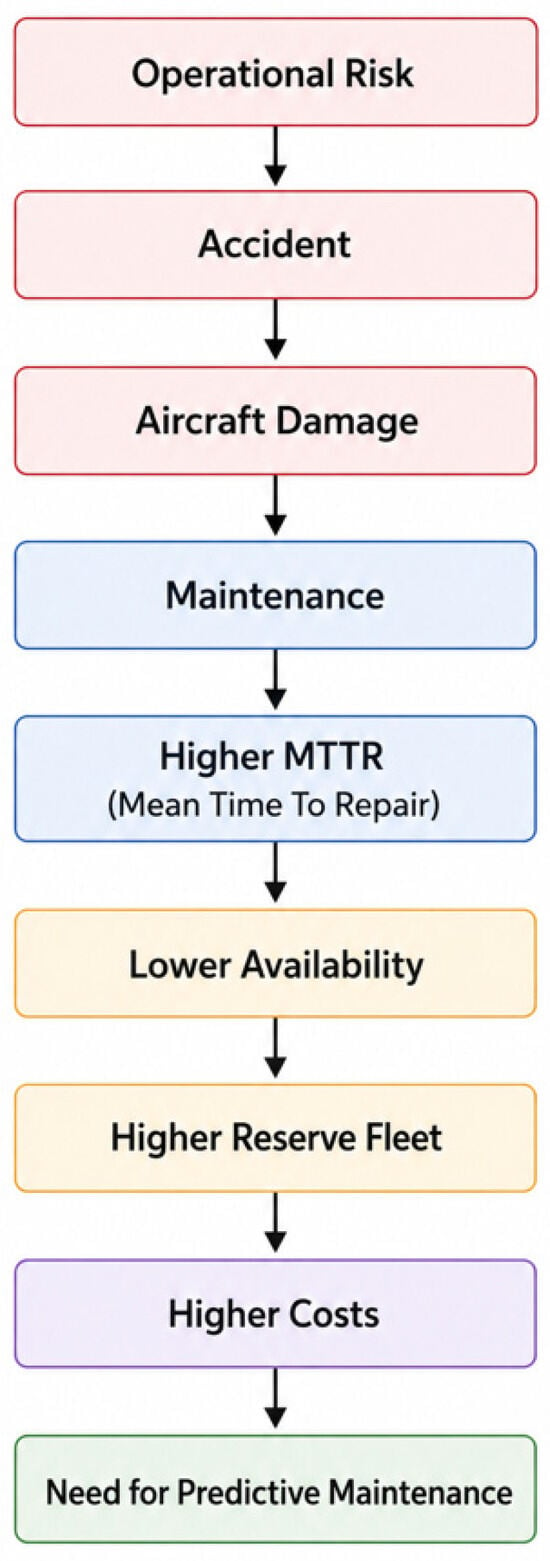
The use of helicopters demands very accurate management and the correct use of assets. This is crucial in achieving good performance and avoiding tasks that could be inconducive to extinguishing the fire or even cause serious accidents. In the field of civil protection, very few studies present this or a similar type of analysis for the use of helicopters. This study proposes a structured approach designed to improve the safety and operational efficiency of firefighting helicopters by integrating lessons learned from real accident case studies, supported by maintenance key performance indicators (KPI), to improve the management and use of these resources. The analyzed case studies identified recurrent operational risks associated with helicopter downwash, low-altitude operations, inadequate coordination between aerial and ground crews, and insufficient post-maintenance validation. The maintenance analysis demonstrated that an increased mean time to repair (MTTR) significantly reduces fleet availability and consequently increases reserve fleet requirements. These findings highlight the importance of integrating operational safety, maintenance management, and fleet planning to improve the reliability and readiness of aerial firefighting operations.
Full article

Figure 1
Open AccessArticle
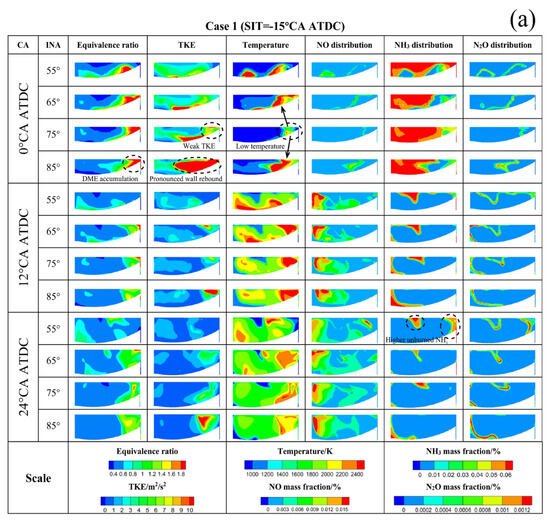
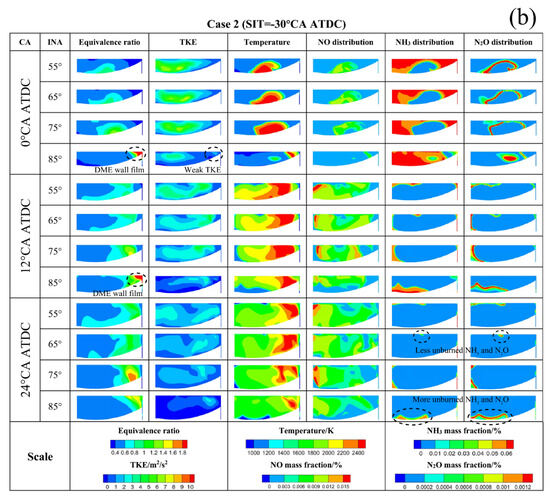
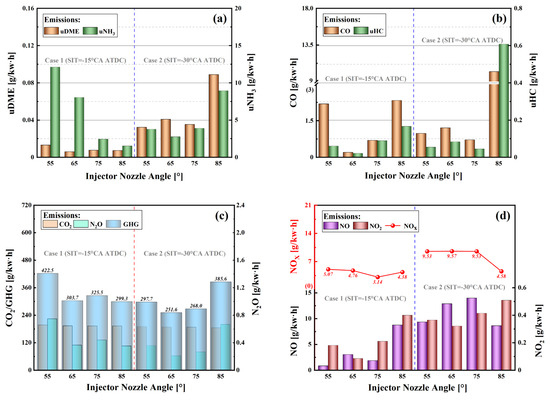
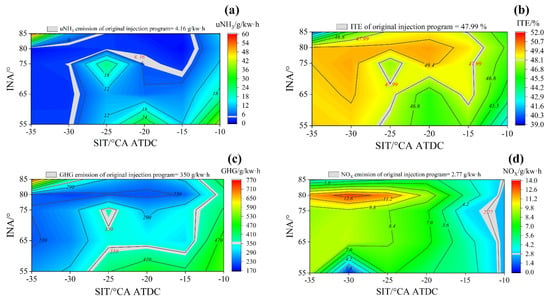
Numerical Investigation of Dimethyl Ether Injection Strategies in an Ammonia-Dimethyl Ether Dual-Fuel Engine
by
Yize Wang, Xuelong Miao, Yage Di, Jinbao Zheng and Zhuo Yang
Vehicles 2026, 8(9), 201; https://doi.org/10.3390/vehicles8090201 - 24 Aug 2026
Abstract
►▼
Show Figures
Ammonia, as a hydrogen carrier and carbon-free alternative fuel, shows great potential in future low-carbon energy systems. This study uses dimethyl ether (DME) as a combustion promoter for ammonia to enhance the combustion performance of ammonia-fueled engines. To address the issue of unburned
[...] Read more.
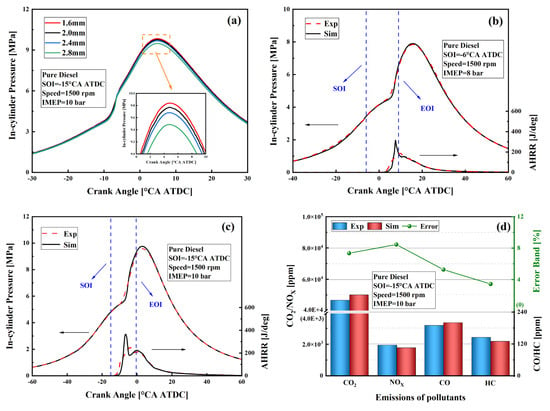
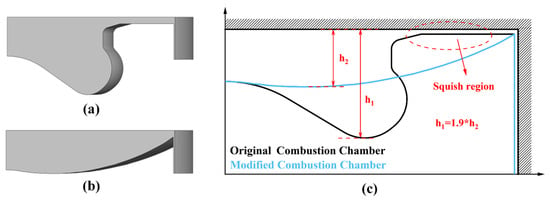
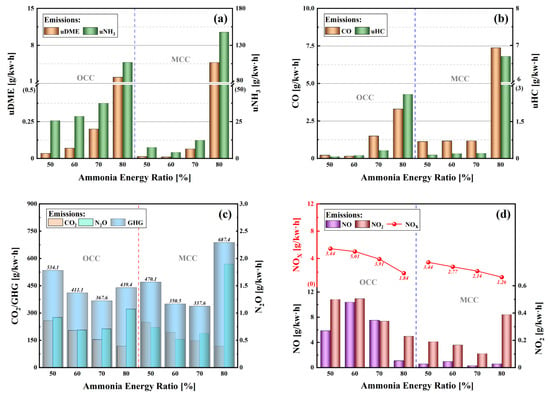
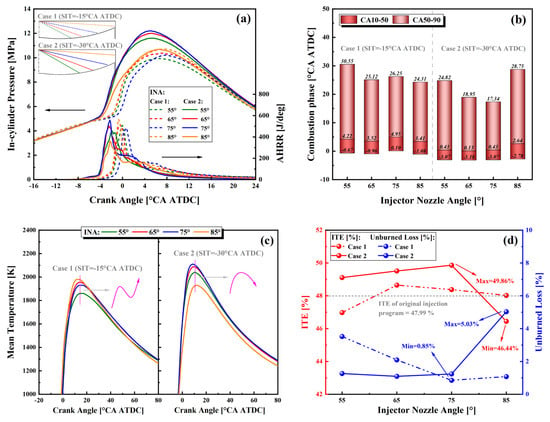
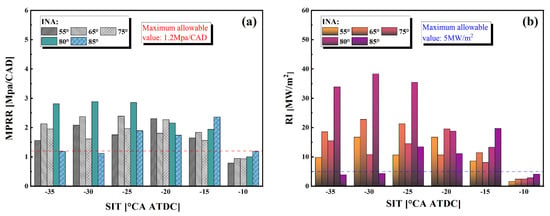
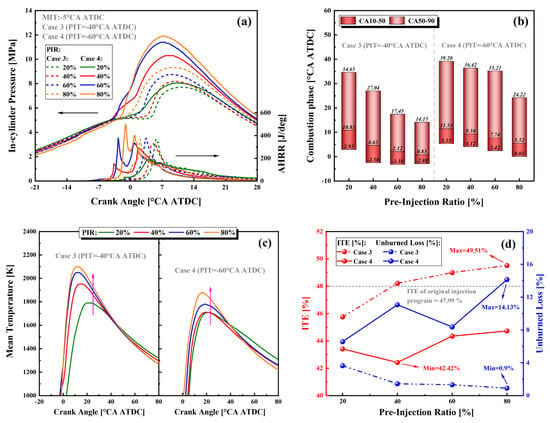
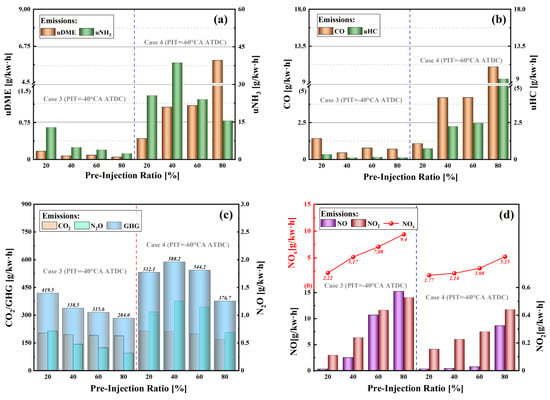
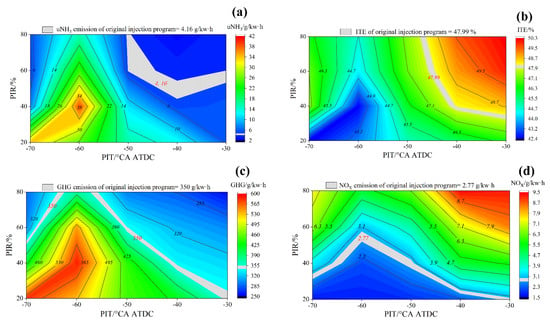
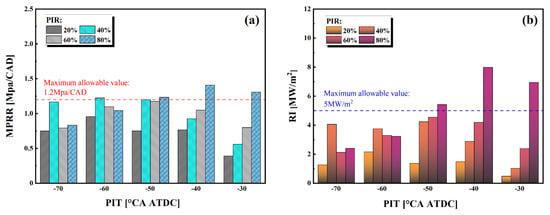
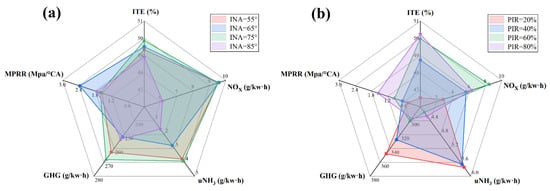
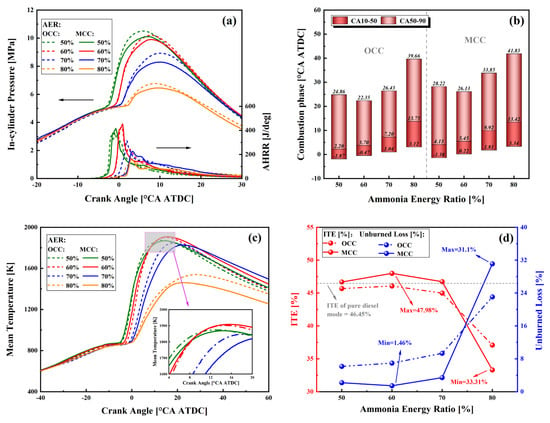
Ammonia, as a hydrogen carrier and carbon-free alternative fuel, shows great potential in future low-carbon energy systems. This study uses dimethyl ether (DME) as a combustion promoter for ammonia to enhance the combustion performance of ammonia-fueled engines. To address the issue of unburned ammonia emissions, the original combustion chamber geometry was optimized by removing the squish area to enhance flame propagation. At an ammonia energy ratio (AER) of 60%, the modified combustion chamber (MCC) reduces unburned ammonia (uNH3) emissions by up to 85.46% and improves indicated thermal efficiency (ITE) by 1.93% compared to the original combustion chamber (OCC). Furthermore, to achieve higher thermal efficiency and lower pollutant emissions, the DME injection strategy was redesigned based on the MCC. The results show that adjusting the single injection timing (SIT) and injection angle (INA) of DME can effectively improve the homogeneity of the in-cylinder combustible mixture and enhance combustion efficiency; however, overly concentrated injection can lead to rapid heat release and increase the risk of knock. The split injection strategy enables more controllable combustion phasing, significantly reduces the maximum pressure rise rate (MPRR) and ringing intensity (RI), and mitigates knocking tendency. When the main injection timing (MIT) is −5 °CA ATDC, pilot injection timing (PIT) is −30 °CA ATDC, and the pilot injection ratio (PIR) is 60%, the ITE reaches 49.98%, which is 3.53% higher than that of the pure diesel mode. Greenhouse gas (GHG) and NOx emissions are reduced by 45.94% and 62.49%, respectively, with uNH3 emissions as low as 4.16 g/kW·h.
Full article

Figure 1
Open AccessArticle
SiamDC: Efficient UAV Visual Tracking via Collaborative Dual-Channel Enhancement and Cascaded Cross-Correlation Fusion
by
Mingfeng Yin, Shuyue Huang, Xiaoteng Guo, Xin Wen, Yucheng Qian and Hanmeng Li
Vehicles 2026, 8(9), 200; https://doi.org/10.3390/vehicles8090200 - 24 Aug 2026
Abstract
►▼
Show Figures
UAV visual tracking remains challenging because aerial imagery frequently contains small targets, visually similar distractors, camera motion, occlusion, and rapid appearance variation. To improve target representation and template–search matching under these conditions, we propose SiamDC, an anchor-free Siamese tracker built upon SiamCAR. SiamDC
[...] Read more.
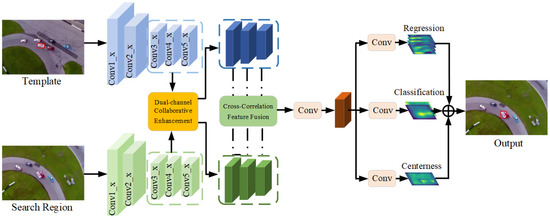
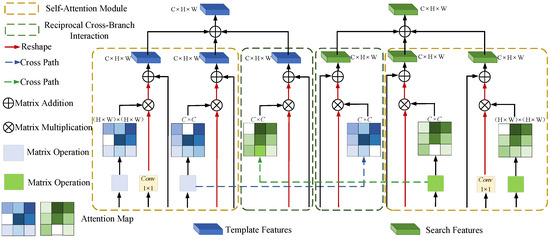
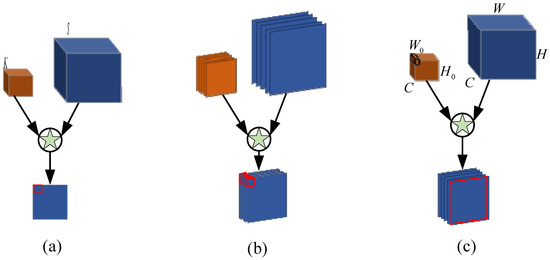
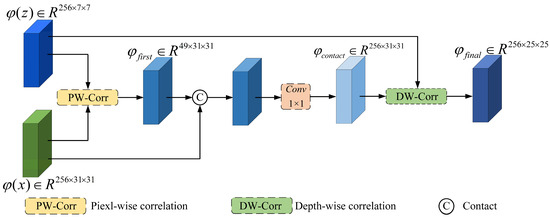
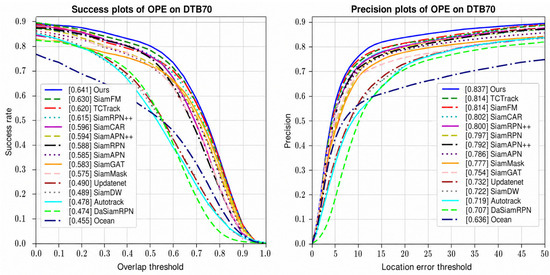
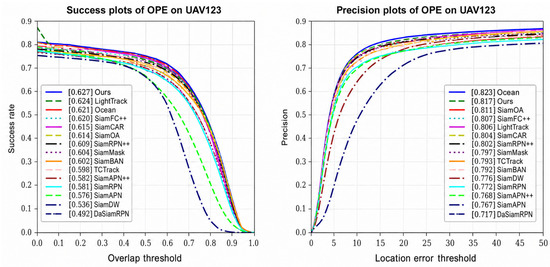
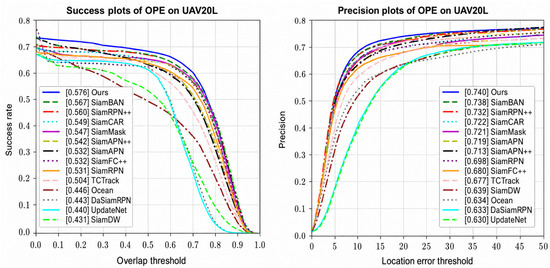
UAV visual tracking remains challenging because aerial imagery frequently contains small targets, visually similar distractors, camera motion, occlusion, and rapid appearance variation. To improve target representation and template–search matching under these conditions, we propose SiamDC, an anchor-free Siamese tracker built upon SiamCAR. SiamDC introduces a Dual-channel Collaborative Enhancement (DCE) module that jointly models spatial dependencies and inter-channel relationships within the template and search branches and further transfers branch-specific channel relationships reciprocally between them. In addition, a Cross-Correlation Feature Fusion (CFF) module is developed to perform a cascaded matching process: pixel-wise correlation first preserves fine-grained spatial correspondence, after which the correlation responses are fused with the search representation and further processed by channel-preserving depth-wise cross-correlation. Experiments on DTB70, UAV123, and UAV20L show consistent improvements over the SiamCAR baseline and competitive performance against the evaluated trackers while retaining real-time tracking capability. Under the standardized efficiency evaluation protocol, SiamDC requires 55.80 M parameters and 26.90 GFLOPs and achieves a network-forward speed of 44.1 FPS on an NVIDIA RTX 3080.
Full article

Figure 1
Open AccessReview
Survey on Key Performance Indicators for Evaluating the Impact of Autonomous and Connected Vehicles on Traffic Flows and Mobility Services
by
Lucija Bukvić, Martin Gregurić, Filip Vrbanić and Mladen Miletić
Vehicles 2026, 8(9), 199; https://doi.org/10.3390/vehicles8090199 - 23 Aug 2026
Abstract
The introduction of Connected and Autonomous Vehicles (CAVs) into the existing traffic system represents one of the greatest challenges of modern road traffic engineering. Beyond their role as active traffic participants, CAVs can also be regarded as mobile (floating) sensors, effectively turning the
[...] Read more.
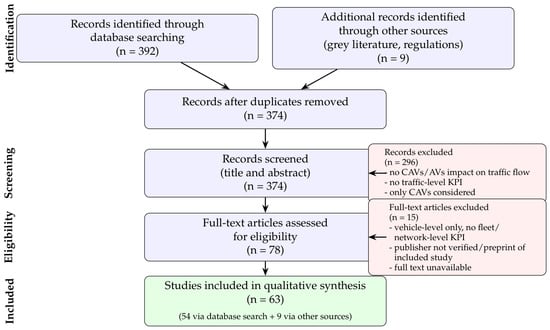
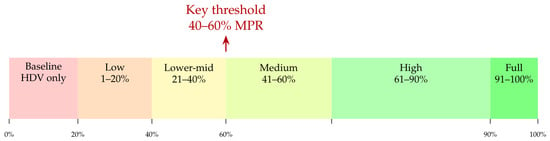
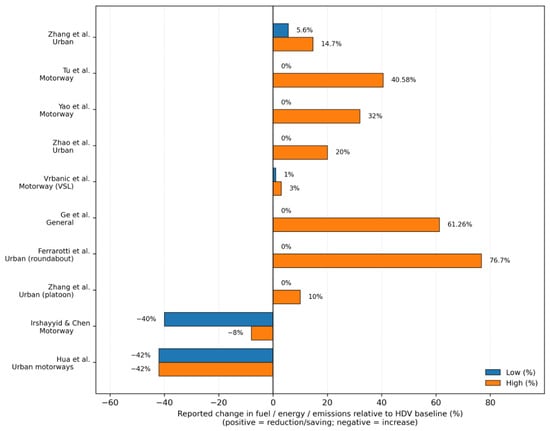
The introduction of Connected and Autonomous Vehicles (CAVs) into the existing traffic system represents one of the greatest challenges of modern road traffic engineering. Beyond their role as active traffic participants, CAVs can also be regarded as mobile (floating) sensors, effectively turning the vehicle fleet itself into a distributed, city-wide and motorway-wide sensing infrastructure. The transition from fully human-driven vehicles to fully autonomous vehicles will take decades, giving rise to a prolonged mixed-traffic period in which vehicles with different levels of automation share the same road space. This paper analyses the parameters and measures used for evaluating the throughput, environmental impact, and safety of traffic networks at different CAV penetration rates. It further reviews studies that rely exclusively on data collected from CAVs acting as mobile sensors, examining data-aggregation and traffic-state-estimation methods used to reconstruct macroscopic traffic parameters such as flow, density, headway, and speed. Additionally, measures for evaluating specific use cases for CAVs including mobility-on-demand services and their cost comparison with human-driven taxi operations are also addressed. The energy and emissions implications of CAV deployment, including the added burden of sensing hardware and system-level rebound effects, are also examined. Based on the synthesis performed, a set of representative CAVs penetration rates is proposed as a standardised framework for future mixed-traffic flow evaluations.
Full article
(This article belongs to the Special Issue Advanced Vehicle Dynamics and Autonomous Driving Applications)
►▼
Show Figures

Figure 1
Open AccessArticle
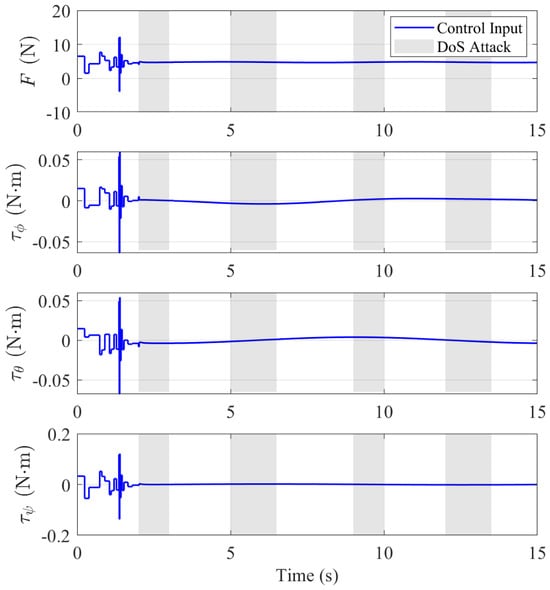
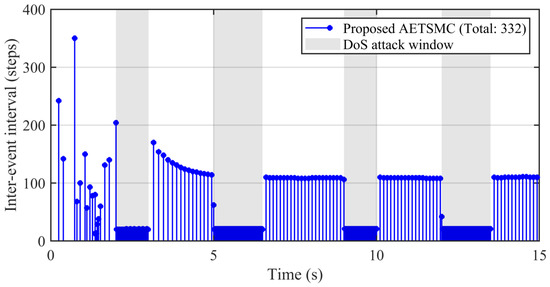
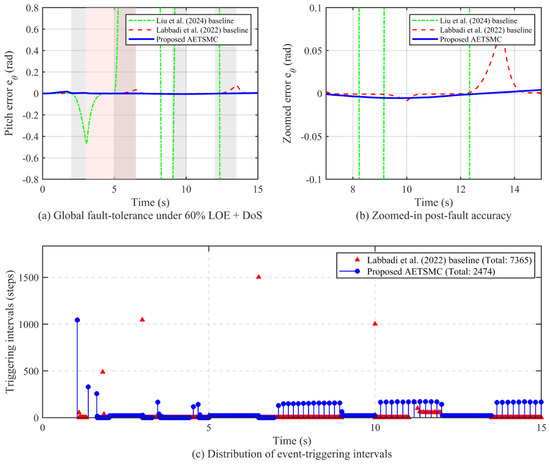
Smooth Barrier Function-Based Adaptive Event-Triggered Sliding Mode Control for UAVs Subject to DoS Attacks and Actuator Faults
by
Chen Lu and Hongna Li
Vehicles 2026, 8(8), 198; https://doi.org/10.3390/vehicles8080198 - 21 Aug 2026
Abstract
This paper presents an adaptive event-triggered nonsingular fast terminal sliding-mode control (AETSMC) framework for quadrotor unmanned aerial vehicles subject to aerodynamic disturbances, actuator loss of effectiveness (LOE) of up to 60%, and intermittent denial-of-service (DoS) attacks. First, a nonsingular fast terminal sliding-mode (NFTSM)
[...] Read more.
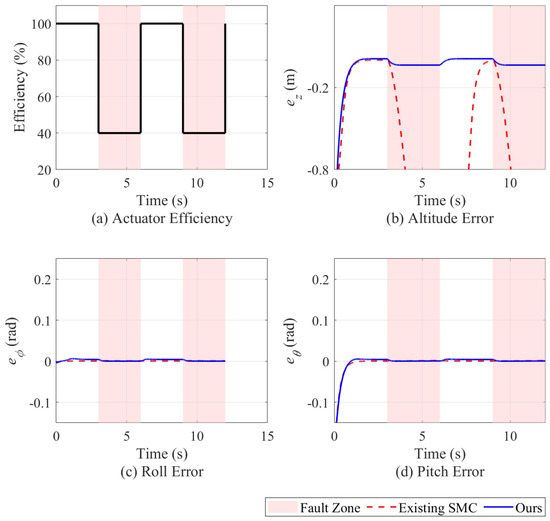
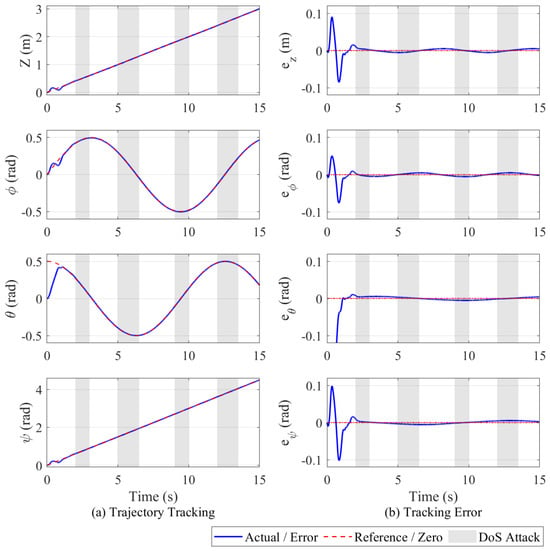
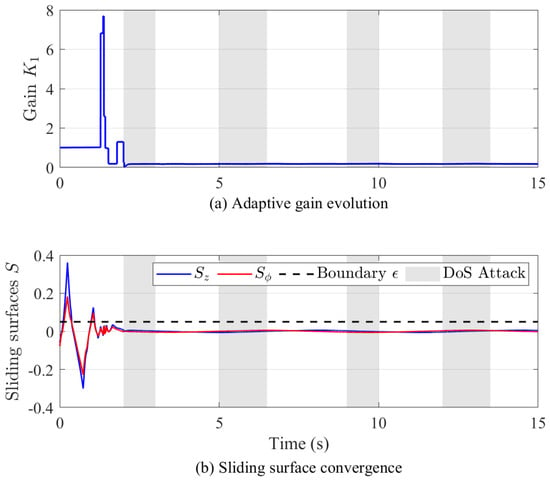
This paper presents an adaptive event-triggered nonsingular fast terminal sliding-mode control (AETSMC) framework for quadrotor unmanned aerial vehicles subject to aerodynamic disturbances, actuator loss of effectiveness (LOE) of up to 60%, and intermittent denial-of-service (DoS) attacks. First, a nonsingular fast terminal sliding-mode (NFTSM) surface is constructed using fractional powers of the tracking error rather than fractional-order derivatives. This design ensures finite-time convergence while avoiding the singularity associated with conventional terminal sliding-mode schemes. Second, a smooth positive-semidefinite barrier function (Smooth-PSBF) is incorporated into the adaptive gain law. The resulting law provides only the compensation required to maintain the prescribed bound, thereby limiting gain overestimation and chattering. Third, a dual-mode event-triggering mechanism combines an exponentially decaying threshold with a zero-order hold. A positive lower bound on the inter-event interval is derived from the closed-loop dynamics, which excludes Zeno behaviour. Simulations under matched conditions show that the proposed method reduces the pitch-channel root-mean-square error by 79.4% and the integral squared error by 95.8% relative to the first reproduced baseline. In a separate 15-s communication experiment sampled at 1 kHz, the controller generated 128 transmissions instead of 15,000 periodic updates, corresponding to a 99.15% reduction. These results indicate that the proposed framework can improve fault-tolerant tracking while reducing communication demand under intermittent DoS attacks.
Full article
(This article belongs to the Special Issue Distributed Control of UAVs)
►▼
Show Figures

Figure 1
Open AccessArticle
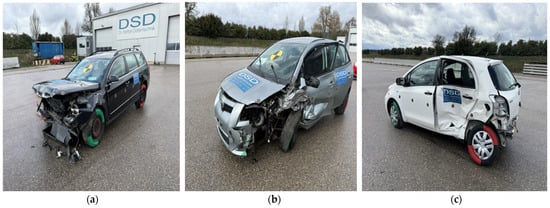
A Comparative Study of Mobile 3D Reconstruction Workflows for Crash-Damaged Vehicle Documentation
by
Iulius Alexandru Tudor and Florin Gîrbacia
Vehicles 2026, 8(8), 197; https://doi.org/10.3390/vehicles8080197 - 20 Aug 2026
Abstract
The three-dimensional documentation of crash-damaged vehicles can support the visual and geometric recording of deformation, but it is unclear how complete mobile reconstruction workflows compare when applied to the same vehicles. This study compared three workflows using a single consumer device, an Apple
[...] Read more.
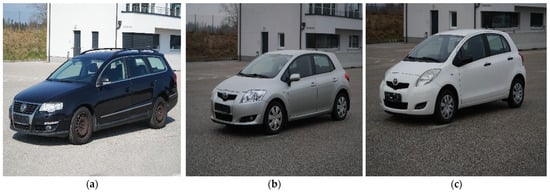
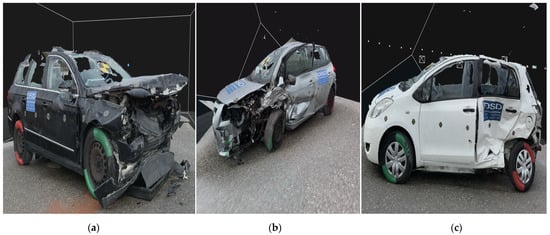
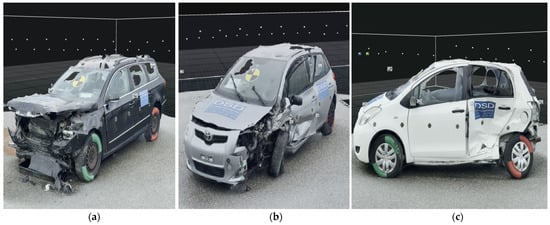
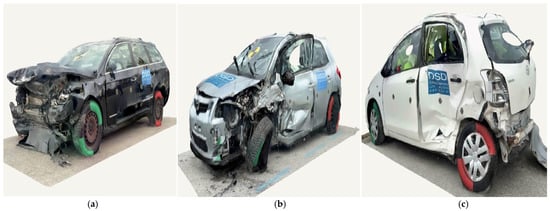
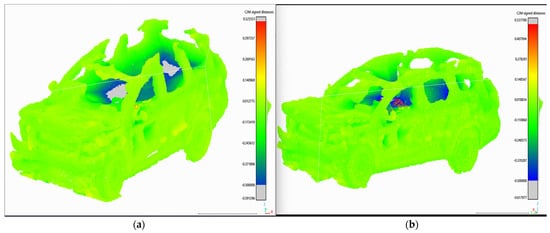
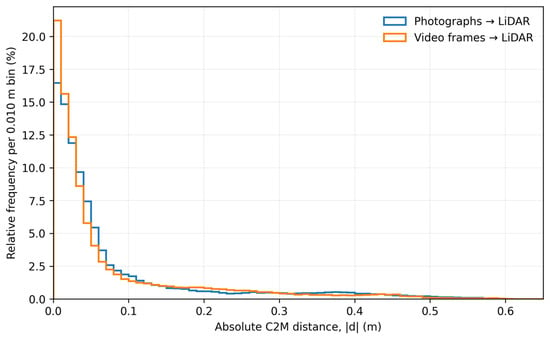
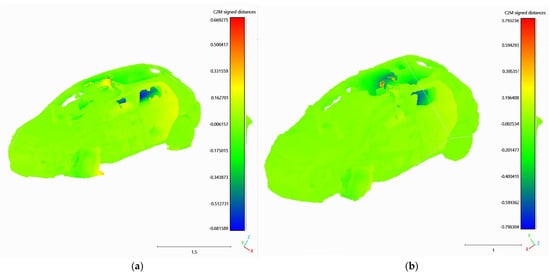
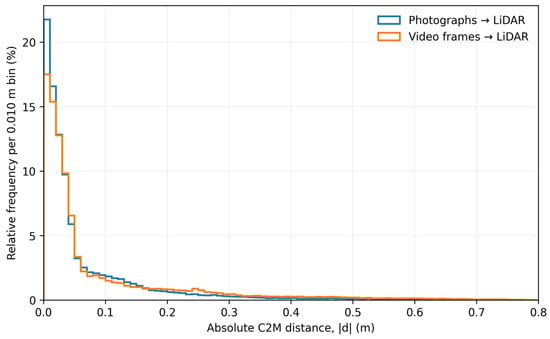
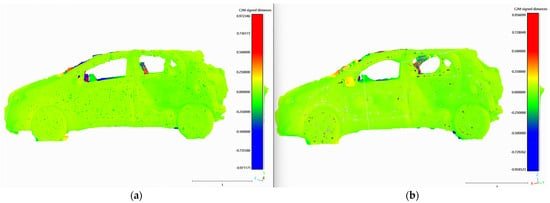
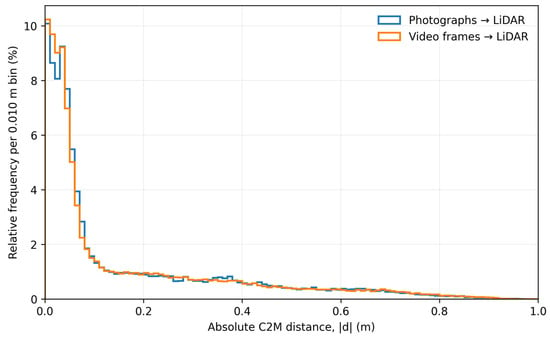
The three-dimensional documentation of crash-damaged vehicles can support the visual and geometric recording of deformation, but it is unclear how complete mobile reconstruction workflows compare when applied to the same vehicles. This study compared three workflows using a single consumer device, an Apple iPhone 16 Pro Max: reconstruction from photographs, reconstruction from extracted video frames, and direct mobile light detection and ranging (LiDAR) scanning. Three damaged vehicles were documented: a Volkswagen Passat B6 Variant, a Toyota Auris, and a Toyota Yaris. RealityScan was used for reconstruction from photographs and video frames, and Polycam was used for the LiDAR scans. In CloudCompare, all models were cleaned, scaled using the known wheelbase, registered to the LiDAR reference by the Iterative Closest Point algorithm, and compared using cloud-to-mesh distances, with the principal quantitative statistics based on absolute point-to-surface distance magnitudes. Because the mobile LiDAR model served as an internal reference rather than as an independent metrological ground truth, the reported values describe residual post-registration point-to-surface deviations and not absolute geometric accuracy. The principal surface evaluation used exactly 100,000 surface-sampled points per evaluated direction and bidirectional cloud-to-mesh calculations. The standardised results did not show a uniform ordering between reconstruction from photographs and reconstruction from video frames. In the reconstruction-to-LiDAR direction, median absolute distances ranged from 0.03082 to 0.03677 m for the Passat, from 0.02900 to 0.03413 m for the Auris, and from 0.05953 to 0.06168 m for the Yaris. Lower reverse-direction median values and the broader upper-tail distributions observed for the Yaris demonstrated the directional character of the surface comparison. The Yaris showed larger, long-tailed deviations concentrated mainly in the rear and left-lateral damaged regions. However, because each damage configuration was represented by only one vehicle, the observed differences cannot be attributed to damage type alone. The three workflows provided complementary geometric and visual information for crash-damaged vehicle documentation, although model fusion and accident-reconstruction parameters were not evaluated in this study. Because only one acquisition was performed for each vehicle–workflow combination, the findings should be interpreted as an exploratory comparison rather than as an assessment of repeatability, operator variability, or measurement uncertainty.
Full article
(This article belongs to the Special Issue Intelligent Mobility and Sustainable Automotive Technologies, 2nd Edition)
►▼
Show Figures

Figure 1
Open AccessArticle
Investigating the Impact of Traffic Demand, Fleet Electrification, and Driving Behavior on Urban Vehicle Emissions Using a SUMO-Based Simulation
by
Cesar González, Juan Sánchez and Helbert Espitia
Vehicles 2026, 8(8), 196; https://doi.org/10.3390/vehicles8080196 - 20 Aug 2026
Abstract
►▼
Show Figures
Urban transport emissions are a major contributor to climate change and urban air pollution. Although previous studies have demonstrated that traffic demand, fleet electrification, and driving behavior individually influence vehicular emissions, their combined effects under different congestion conditions remain insufficiently understood. This study
[...] Read more.
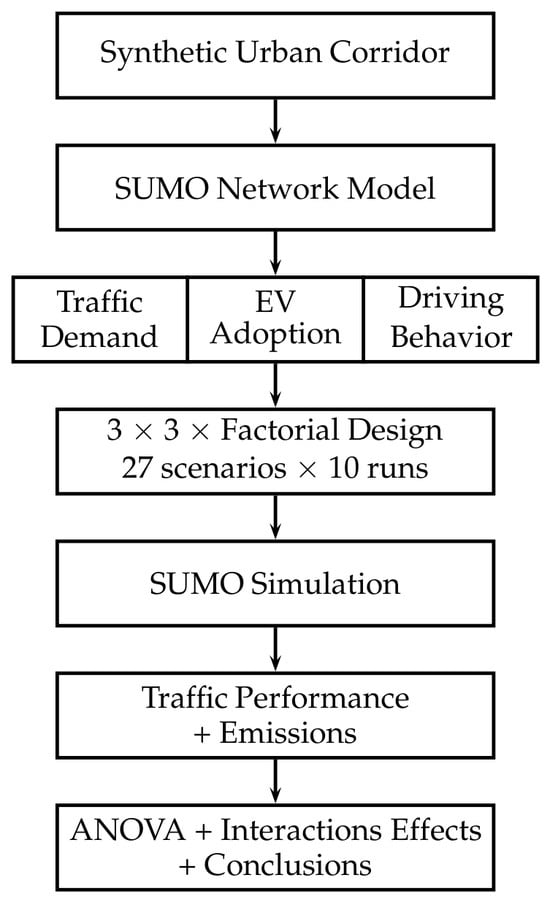
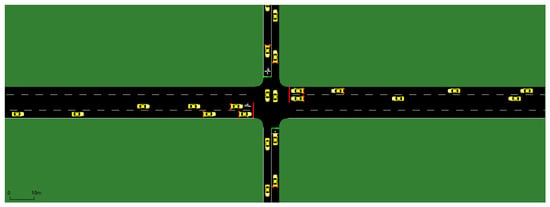
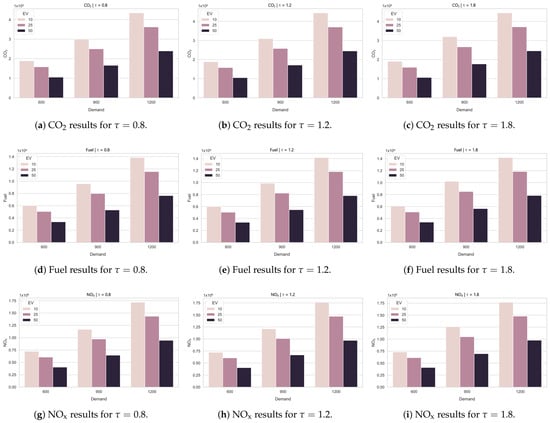
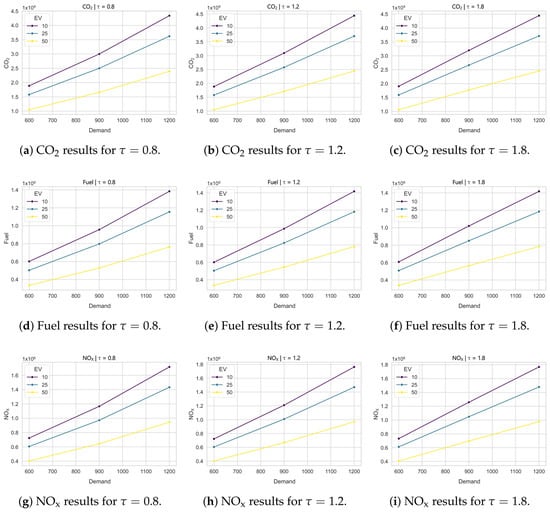
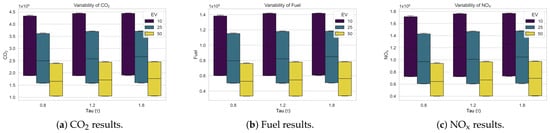
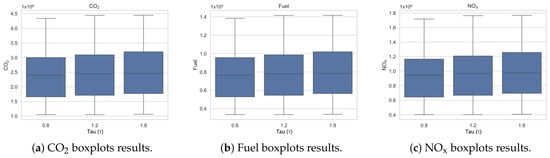
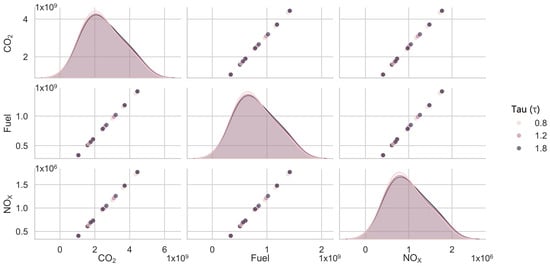
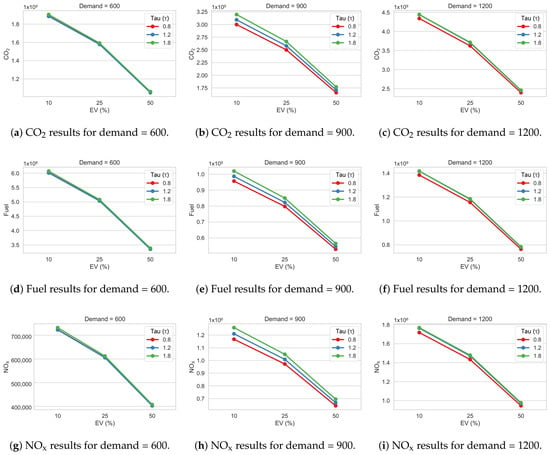
Urban transport emissions are a major contributor to climate change and urban air pollution. Although previous studies have demonstrated that traffic demand, fleet electrification, and driving behavior individually influence vehicular emissions, their combined effects under different congestion conditions remain insufficiently understood. This study investigates the interactions among these factors using the microscopic traffic simulator SUMO (Simulation of Urban MObility). A synthetic urban corridor consisting of five signalized intersections was developed to represent arterial roads in medium-sized cities. A full factorial experimental design was implemented by considering three traffic demand levels, three electric vehicle adoption percentage levels, and three driving behavior profiles, resulting in 27 experimental scenarios with 10 stochastic replications per scenario. Traffic performance and pollutant emissions were evaluated to quantify both the individual and interaction effects of the experimental factors. The results indicate that traffic demand is the primary determinant of CO2 and NOx emissions, while fleet electrification substantially reduces emissions, particularly under congested conditions. Driving behavior also plays a role by influencing acceleration and deceleration patterns. Furthermore, statistically significant interaction effects among the experimental factors ( ) reveal the benefits of fleet electrification considering the traffic demand and the driving behavior. These findings contribute to the understanding of sustainable urban mobility by providing a comprehensive assessment of how traffic demand, fleet electrification, and driving behavior jointly influence urban traffic performance and vehicle emissions, offering valuable insights for the design of integrated transportation and environmental policies.
Full article

Figure 1

Open AccessReview
Ride Quality of Passenger Cars: A Comprehensive Review of Emerging Technologies, Intelligent Systems, and Future Directions
by
Waleed Faris
Vehicles 2026, 8(8), 195; https://doi.org/10.3390/vehicles8080195 - 19 Aug 2026
Abstract
Ride quality—encompassing vehicle comfort, vibration isolation, and noise, vibration, and harshness (NVH)—has become a key competitive differentiator in modern automobiles. This paper presents a comprehensive update to the foundational literature on passenger car ride quality, capturing the rapidly growing literature and new technological
[...] Read more.
Ride quality—encompassing vehicle comfort, vibration isolation, and noise, vibration, and harshness (NVH)—has become a key competitive differentiator in modern automobiles. This paper presents a comprehensive update to the foundational literature on passenger car ride quality, capturing the rapidly growing literature and new technological paradigms that have emerged over the past decade. Established approaches to human vibration response, vehicle dynamics modelling, and road surface characterisation are examined within the ISO 2631 framework. This review critically surveys advances driven by battery electric vehicle (BEV) powertrains—where the absence of internal combustion engine noise unmasks motor whine, inverter switching noise, and tyre–road excitation, lowering the perceptual ride–NVH boundary from ~25 Hz toward 15–18 Hz—as well as intelligent semi-active and active suspension technologies, deep reinforcement learning for suspension control, machine learning for ride quality prediction, and connected vehicle infrastructure enabling predictive preview control. Key research gaps are identified: the absence of validated ISO 2631 frequency weightings for autonomous vehicle postures, the lack of standardised open benchmark datasets for cross-study comparison, and the unresolved sim-to-real validation gap for data-driven suspension controllers. Ten priority research directions are proposed for the coming decade.
Full article
(This article belongs to the Section Vehicle Dynamics and Control)
Open AccessArticle
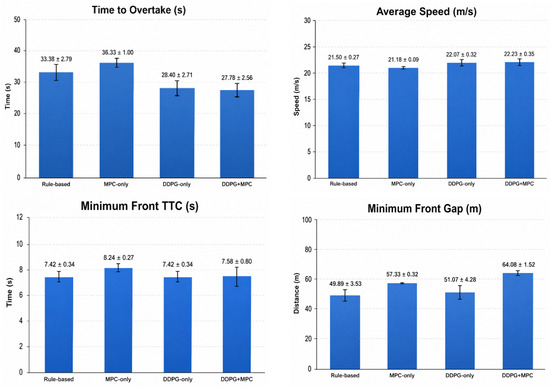
A Hybrid DDPG+MPC Framework for Safe and Efficient Autonomous Lane-Changing in Highway Overtaking
by
Ammar Khaleel and Áron Ballagi
Vehicles 2026, 8(8), 194; https://doi.org/10.3390/vehicles8080194 - 18 Aug 2026
Abstract
►▼
Show Figures
Lane-changing decision-making is a critical component of autonomous driving, as it requires balancing safety, efficiency, and manoeuvre stability under dynamic traffic conditions. This study proposes a hybrid Deep Deterministic Policy Gradient (DDPG) framework with an MPC-inspired predictive safety layer for autonomous lane-changing in
[...] Read more.
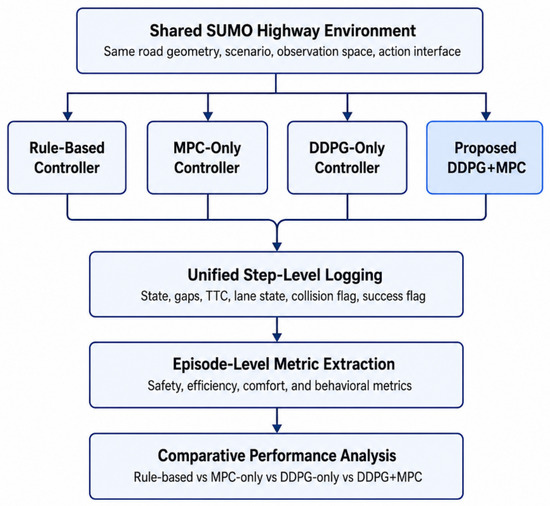
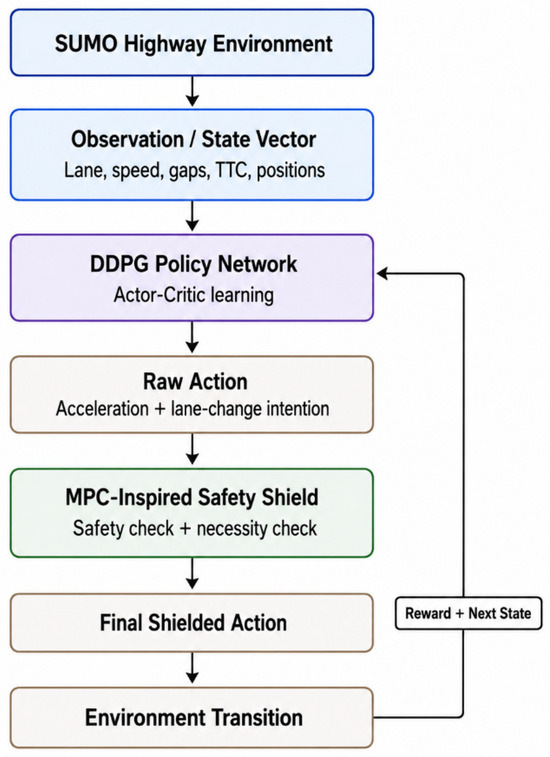
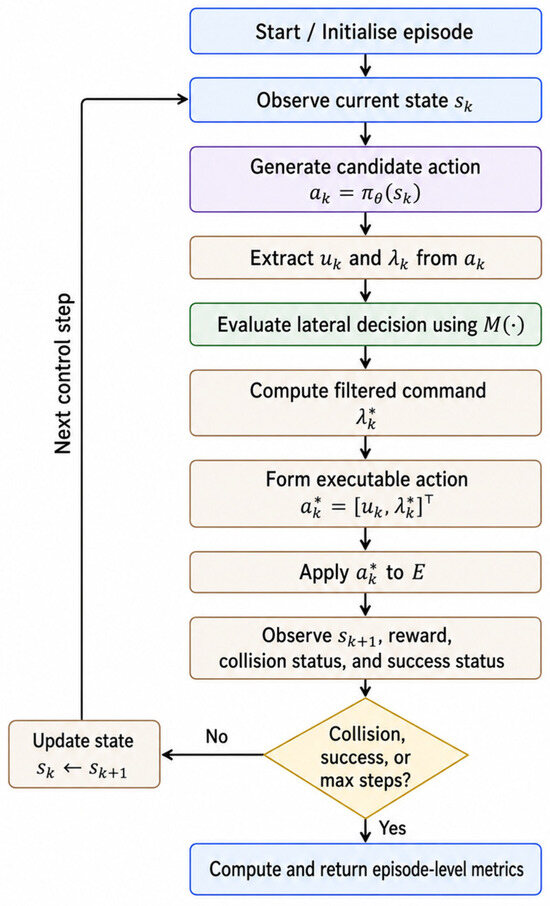
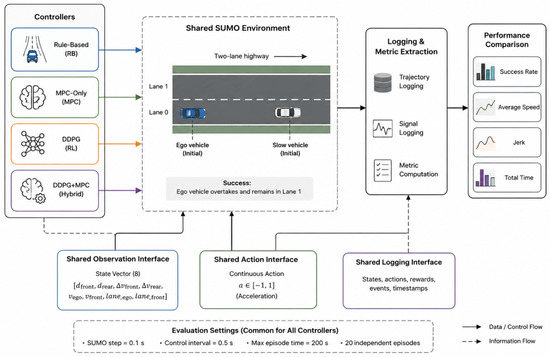
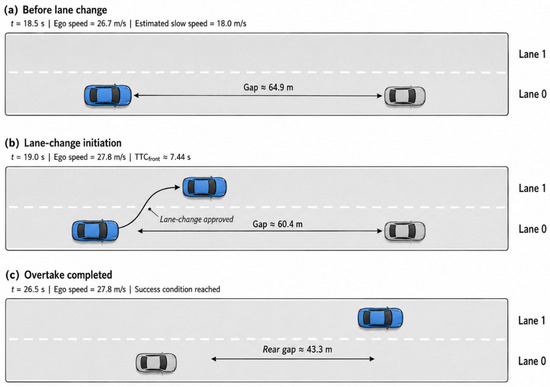
Lane-changing decision-making is a critical component of autonomous driving, as it requires balancing safety, efficiency, and manoeuvre stability under dynamic traffic conditions. This study proposes a hybrid Deep Deterministic Policy Gradient (DDPG) framework with an MPC-inspired predictive safety layer for autonomous lane-changing in a controlled highway overtaking scenario. The DDPG policy generates candidate longitudinal commands and lateral lane-change intentions, while the supervisory layer evaluates the predicted evolution of the target-lane front gap, rear gap, and time-to-collision (TTC) over a short prediction horizon before permitting the lateral manoeuvre. Rather than solving an online MPC optimisation problem, the supervisory layer employs short-horizon state prediction and constraint-based safety assessment to determine whether the candidate lane-change intention meets the predefined safety and overtaking-necessity conditions. The proposed framework is evaluated in a unified Simulation of Urban MObility (SUMO) highway environment and compared with rule-based, MPC-only, and DDPG-only controllers using consistent scenario conditions and performance metrics. The evaluation considers task success, collision occurrence, overtaking time, average speed, safety-related spacing, driving comfort, and lane-change behaviour. The results show that all evaluated controllers completed the overtaking task without collisions under the considered scenario. However, the proposed hybrid controller achieved the shortest mean overtaking time, the highest mean speed, the largest minimum front-gap margin, and a single lane change per episode. These findings indicate that combining learning-based decision-making with lightweight short-horizon predictive safety supervision can improve overtaking efficiency and lane-change consistency while maintaining safe vehicle interactions.
Full article

Figure 1
Open AccessArticle
A Nonlinear Model Predictive Controller for 4WID Electric Vehicles Incorporating a Hierarchical Architecture
by
Minghui Ye, Meng Zhang, Bowen Li, Wen He and Mengna Li
Vehicles 2026, 8(8), 193; https://doi.org/10.3390/vehicles8080193 - 16 Aug 2026
Abstract
In light of the advancement of vehicle electrification and intelligence, four-wheel independent drive (4WID) electric vehicles (EVs) have garnered significant attention as a promising platform. Integrating advanced torque-vectoring (TV) strategies into 4WID EVs can effectively optimize the synergistic performance between handling stability and
[...] Read more.
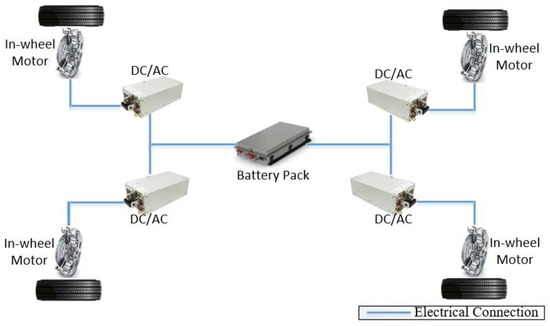
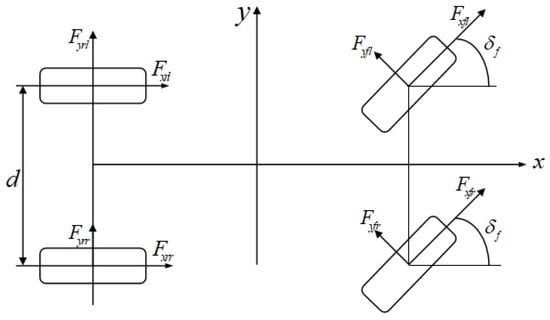
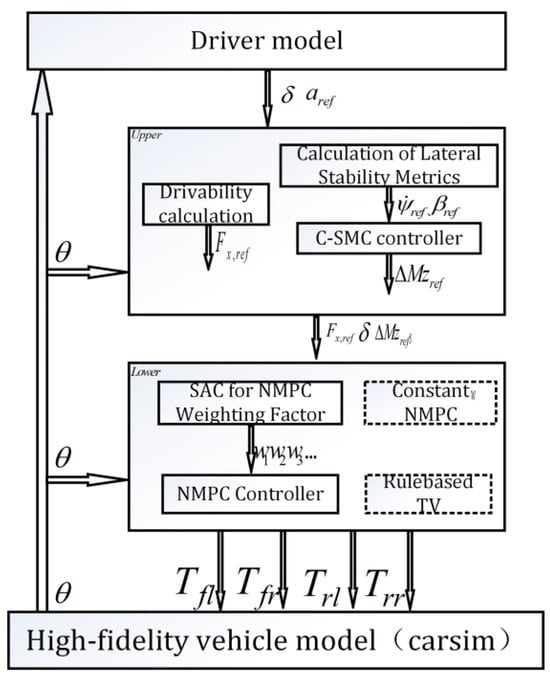
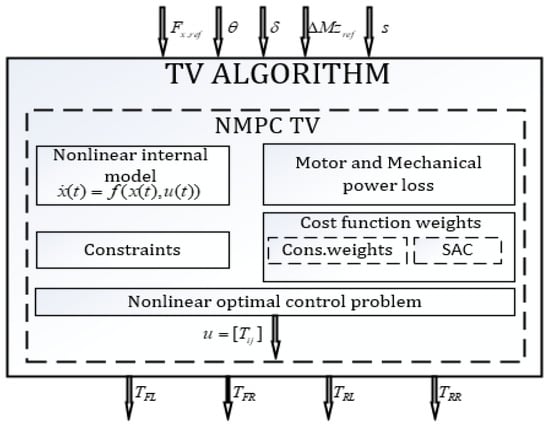
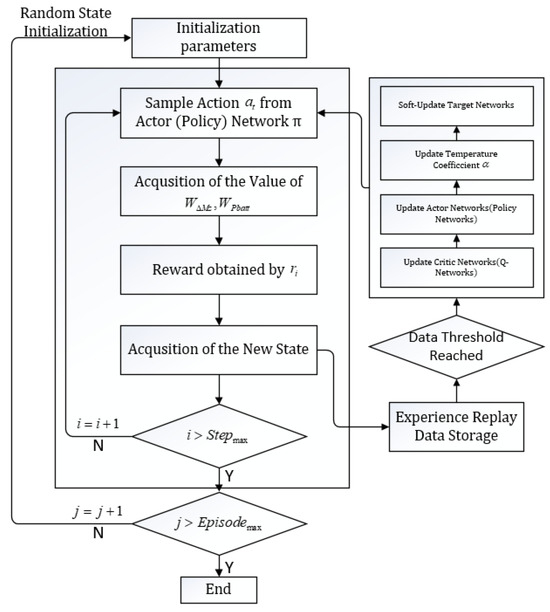
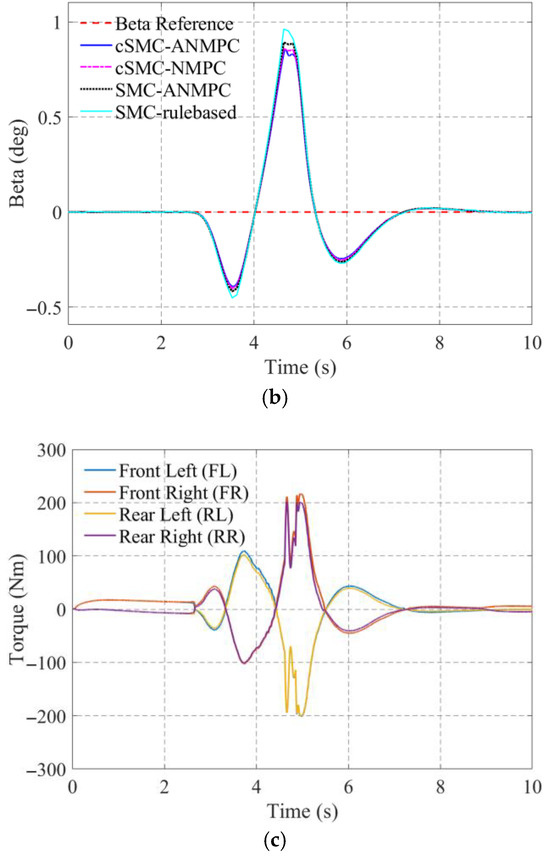
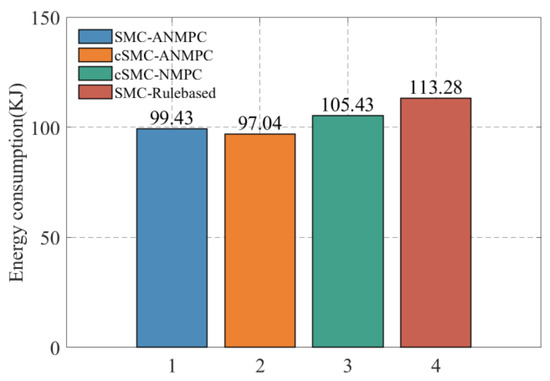
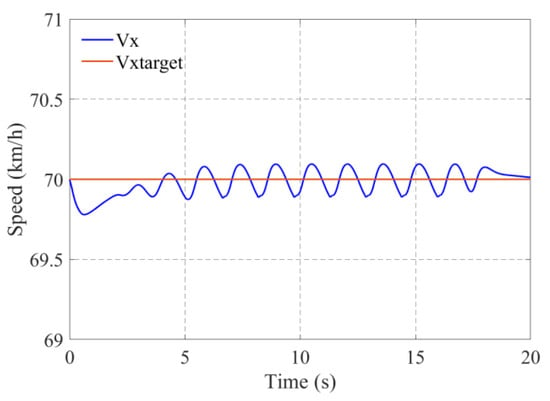
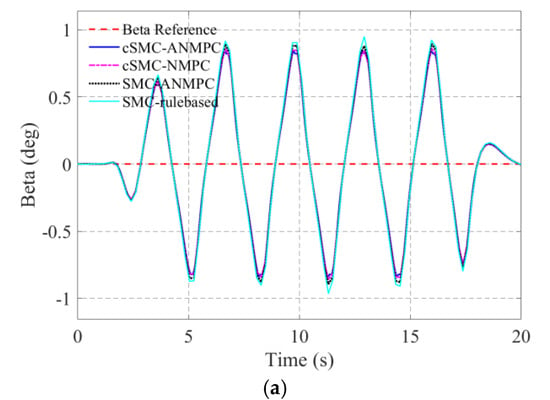
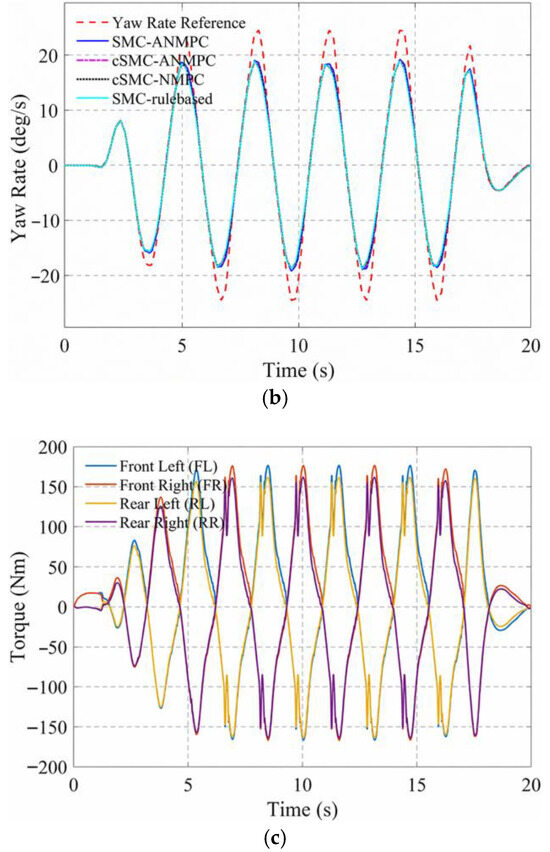
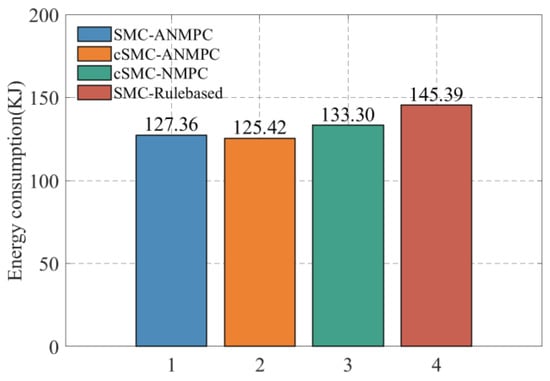
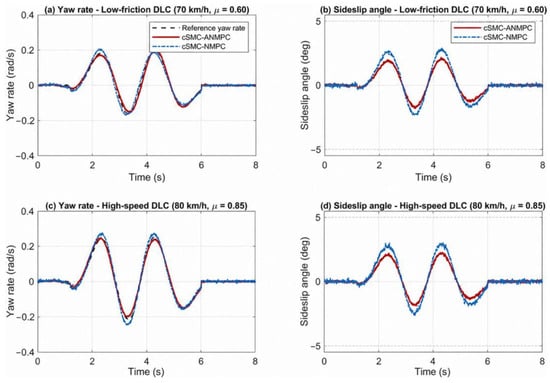
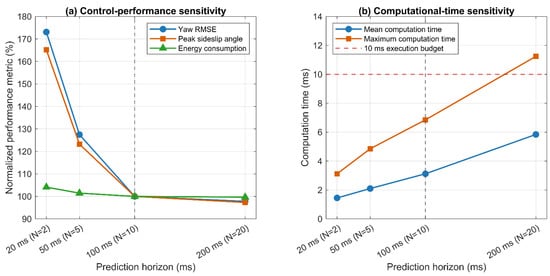
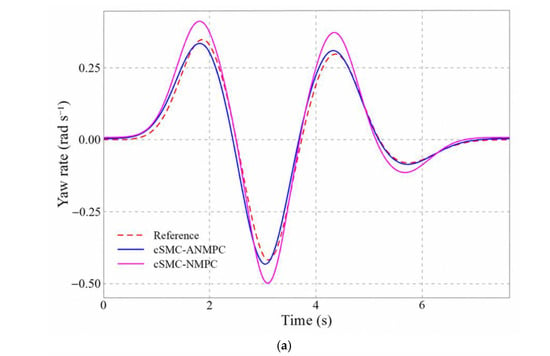
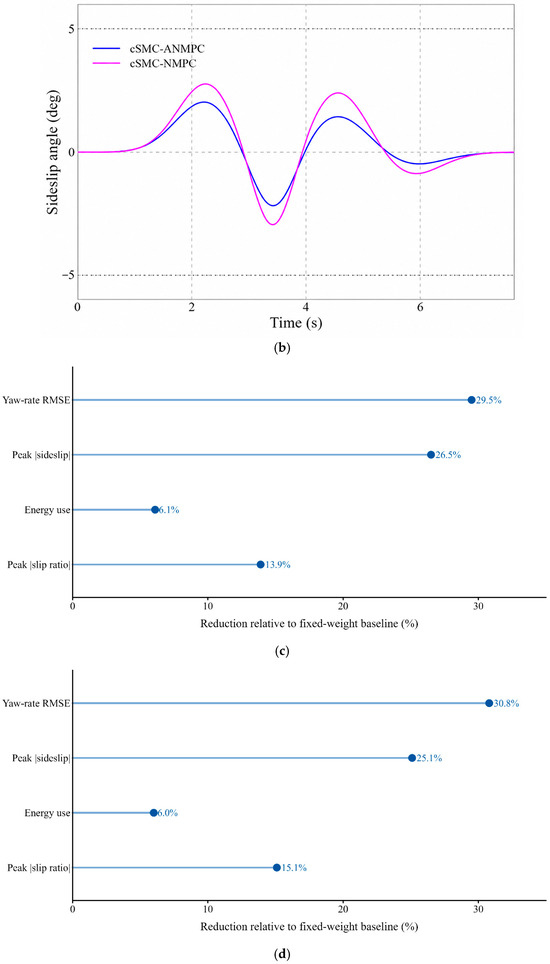
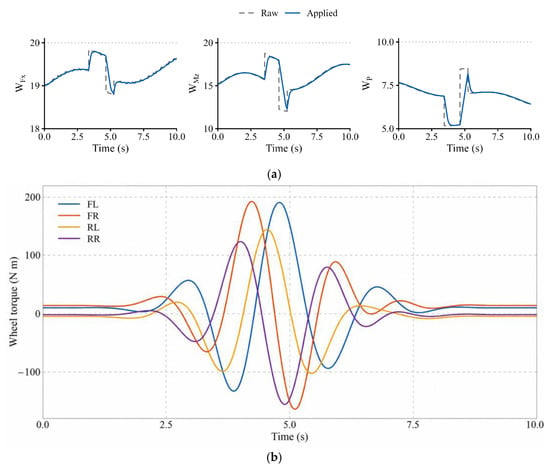
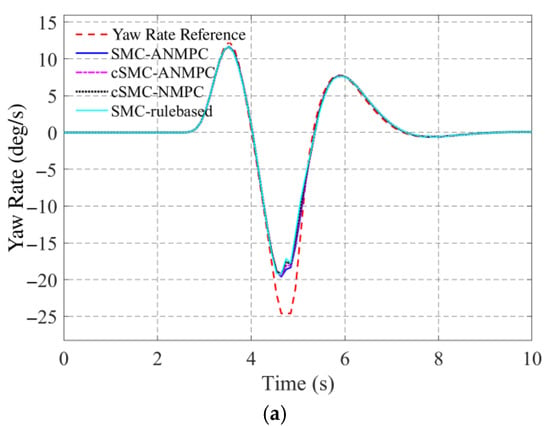
In light of the advancement of vehicle electrification and intelligence, four-wheel independent drive (4WID) electric vehicles (EVs) have garnered significant attention as a promising platform. Integrating advanced torque-vectoring (TV) strategies into 4WID EVs can effectively optimize the synergistic performance between handling stability and energy efficiency of the over-actuated system across various driving conditions. In this paper, a hierarchical Combined Sliding Mode Control–Adaptive Nonlinear Model Predictive Control (cSMC-ANMPC) TV strategy is proposed to enhance the comprehensive performance of 4WID EVs and ensure adaptive control across diverse driving conditions. Firstly, a hierarchical control architecture is developed to decouple the complex multi-objective problem. The upper layer performs robust stability decision-making by observing the vehicle’s state errors. The lower layer determines the optimal torque distribution throughout the powertrain. Secondly, a Combined Sliding Mode Controller (cSMC) is developed for the upper layer to promptly generate a robust stability command. By co-regulating both yaw rate and sideslip angle into a single command, it simplifies the lower layer’s task and enhances overall stability. Thirdly, a Soft Actor-Critic (SAC) intelligent tuner is integrated into the lower-layer NMPC to mitigate the effects of varying conditions on the stability–economy trade-off and strengthen the adaptability of the controller. Finally, co-simulation evaluations on the MATLAB R2023b/CarSim 2020.0platform demonstrate that the proposed cSMC-ANMPC strategy can improve comprehensive performance for the studied 4WID EV. Compared with other baselines, the stability enhancement in extreme maneuvers and the long-term energy-saving capability are remarkable, showcasing its promising performance.
Full article
(This article belongs to the Special Issue Computer Vision Applications in Autonomous Vehicles)
►▼
Show Figures

Figure 1
Open AccessArticle
Design and Characterization of a Semiactive Automobile Exhaust System
by
Edgar Arturo León-Gomez, Martin Espino-Garcia, Ricardo A. Ramirez-Mendoza and Adriana Salas-Zamarripa
Vehicles 2026, 8(8), 192; https://doi.org/10.3390/vehicles8080192 - 16 Aug 2026
Abstract
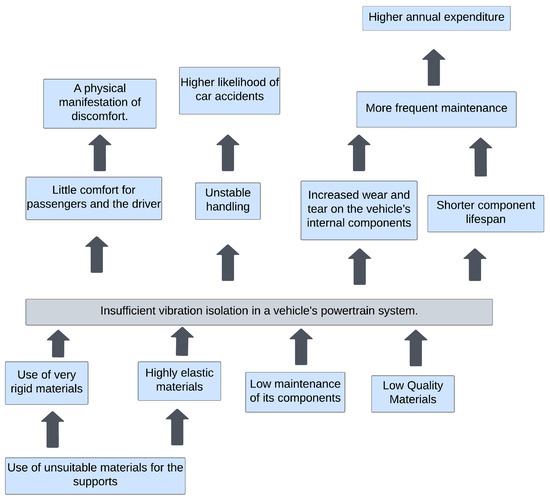
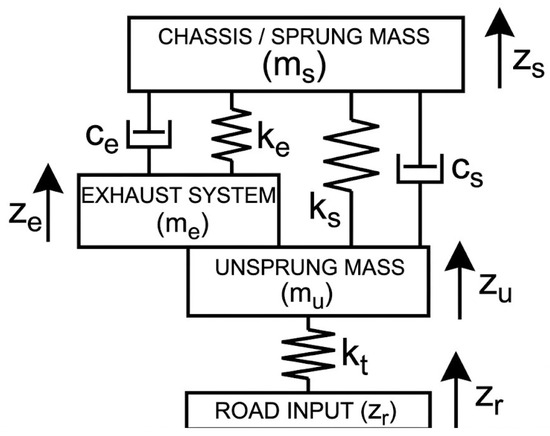
This article presents a feasibility study on replacing the conventional viscoelastic materials used to mount exhaust systems to the chassis with magnetorheological materials. The objective is to reduce vibrations caused by the road irregularities that affect ride comfort through noise and vibration in
[...] Read more.
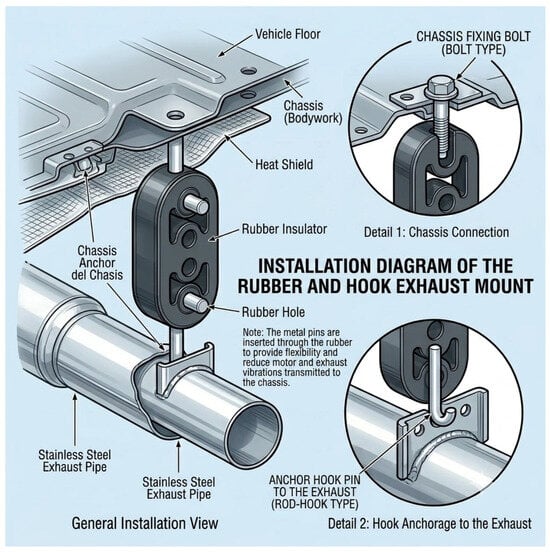
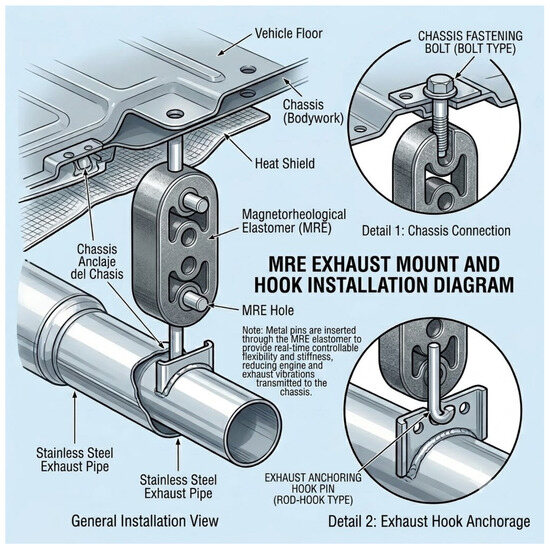
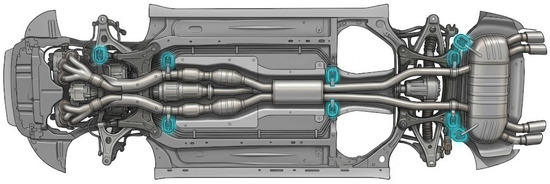
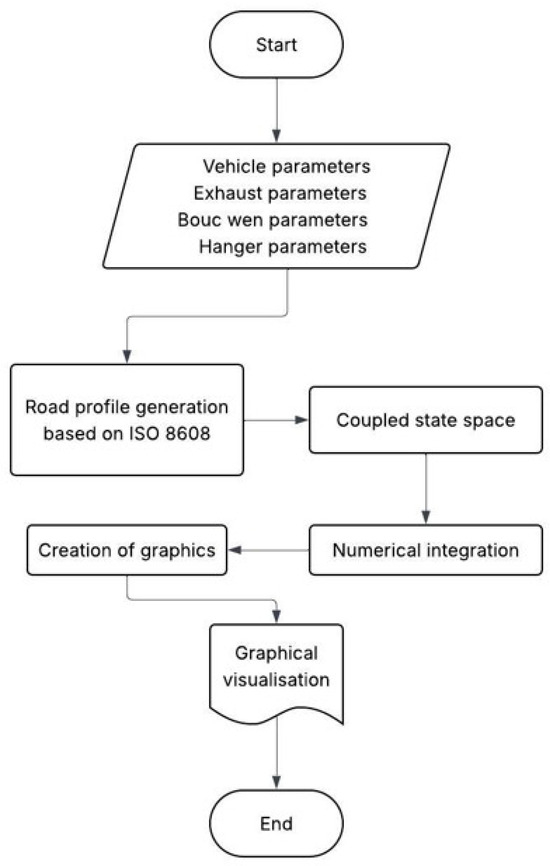
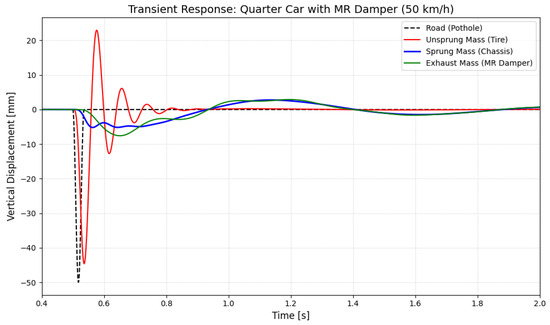
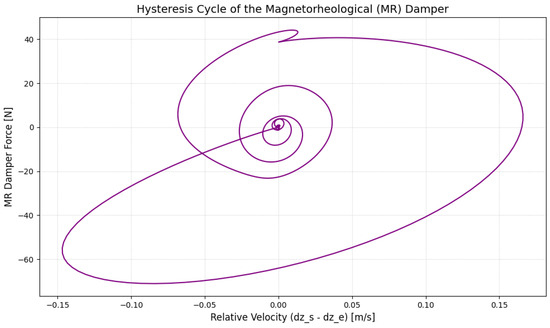
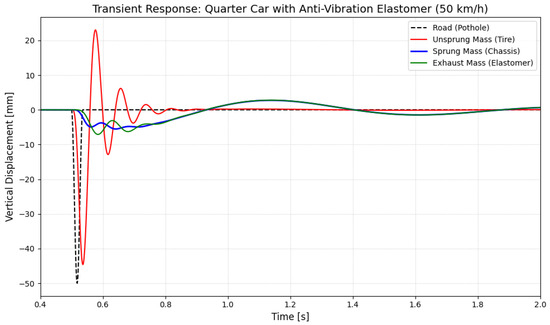
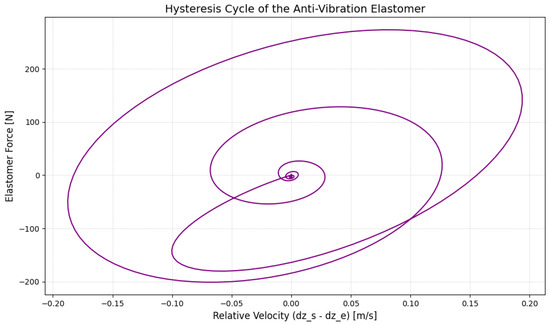
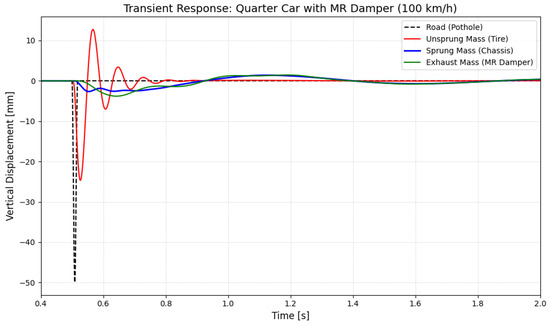
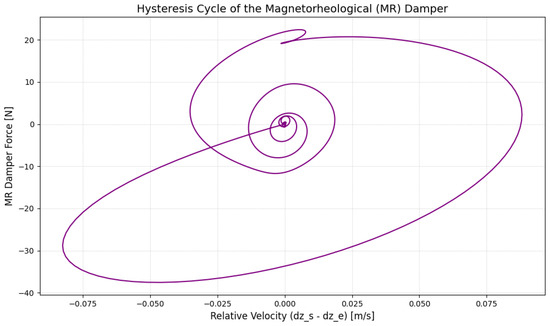
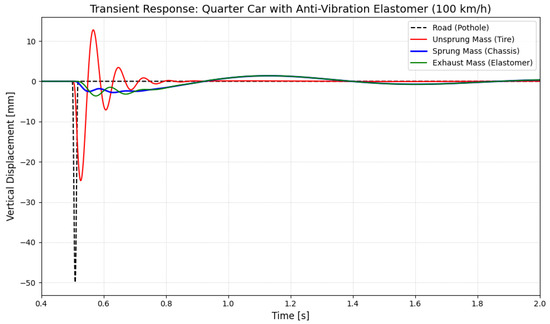
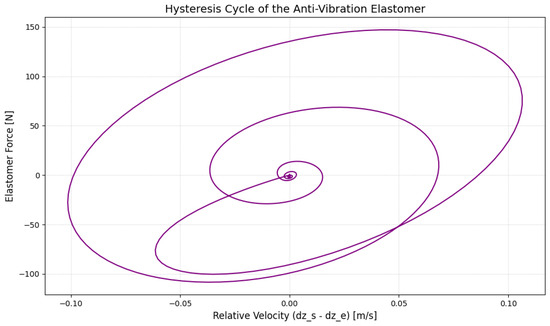
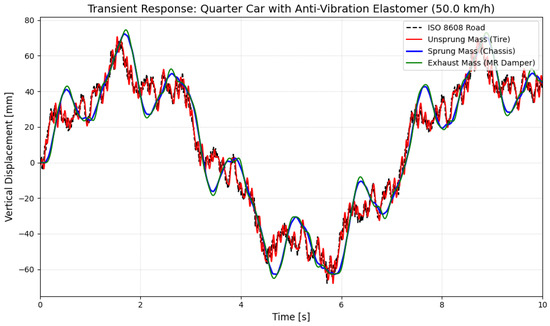
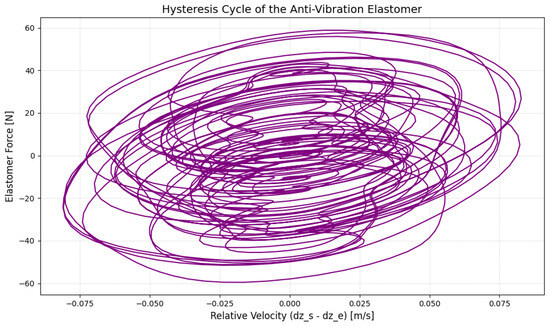
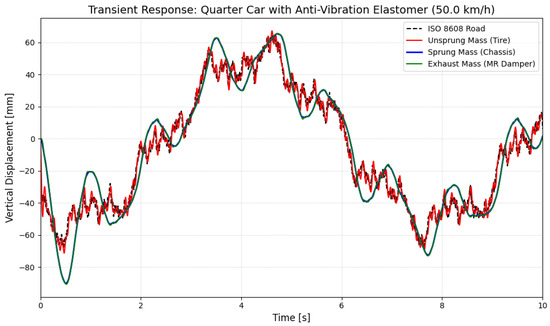
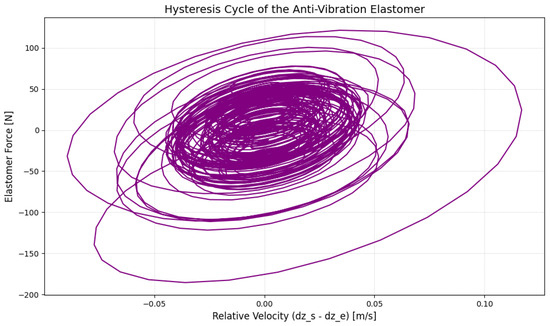
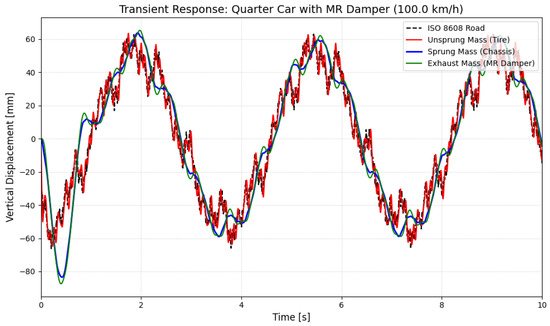
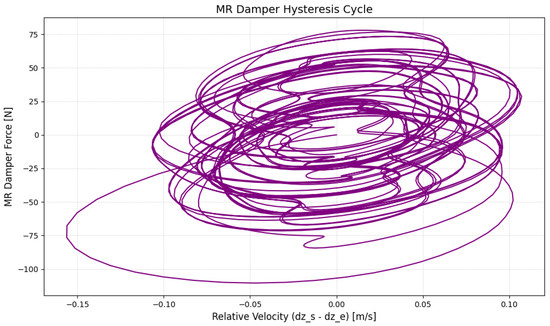
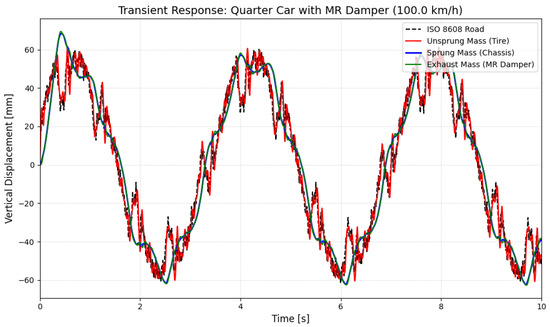
This article presents a feasibility study on replacing the conventional viscoelastic materials used to mount exhaust systems to the chassis with magnetorheological materials. The objective is to reduce vibrations caused by the road irregularities that affect ride comfort through noise and vibration in the vehicle’s passenger compartment. Magnetorheological materials are already used in semi-active suspension systems to provide variable stiffness. A simple dynamic model is developed that incorporates a magnetorheological actuator, providing a simulation framework for various scenarios and operating conditions. The Bouc–Wen semi-empirical model is used to represent the magnetorheological material. Simulations were performed in accordance with ISO 8608, which defines road profiles for the different simulation scenarios. Extensive simulation tests show that the proposed approach is more effective than the viscoelastic materials commonly used in motor vehicle exhaust systems. This work advances the goal of improved noise and vibration control in vehicles and helps lay the groundwork for future research to address these problems.
Full article
(This article belongs to the Special Issue Tire and Suspension Dynamics for Vehicle Performance Advancement)
►▼
Show Figures

Figure 1
Open AccessArticle
Simulative Consumption Analysis of an All-Electric Automated Vehicle Fleet Under Varying Speed Limits, Fleet Sizes, and Ambient Temperatures
by
Tobias Peichl, Paul Heckelmann and Stephan Rinderknecht
Vehicles 2026, 8(8), 191; https://doi.org/10.3390/vehicles8080191 - 14 Aug 2026
Abstract
Connected, automated, shared, and electric (CASE) vehicle concepts are considered a promising approach for improving the sustainability of urban mobility by increasing vehicle utilization and reducing fleet size. While the energy consumption of conventional battery electric vehicles has been investigated extensively, the influence
[...] Read more.
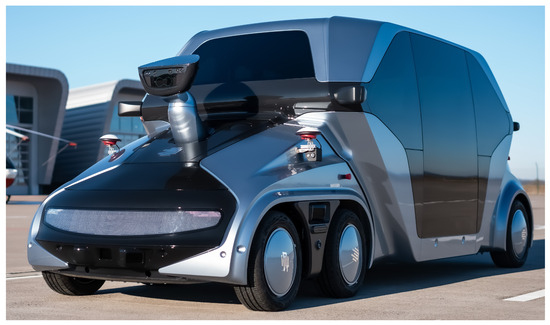
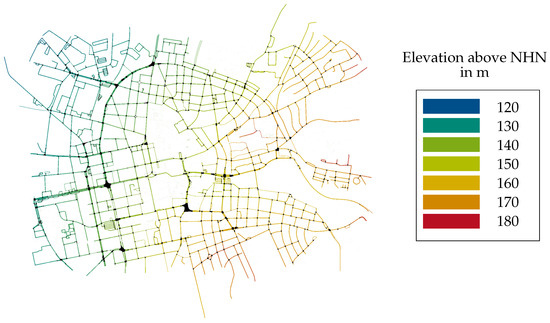
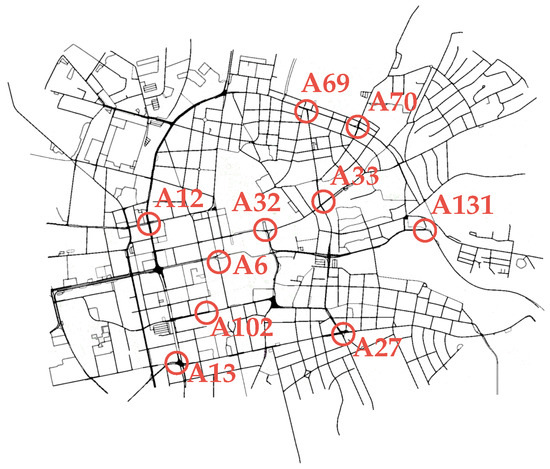
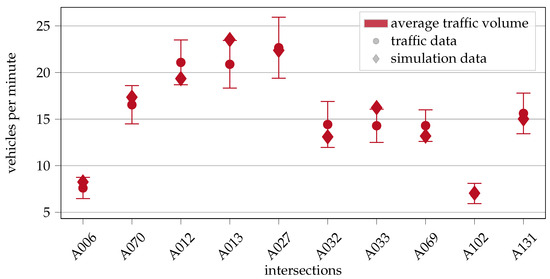
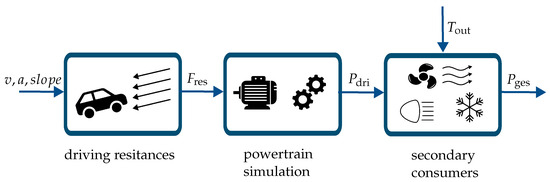
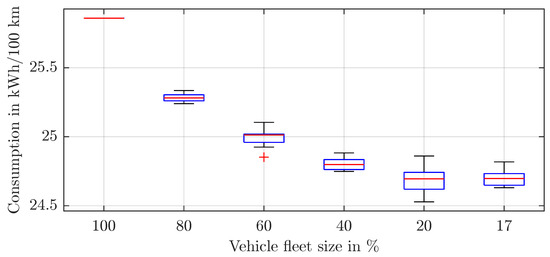
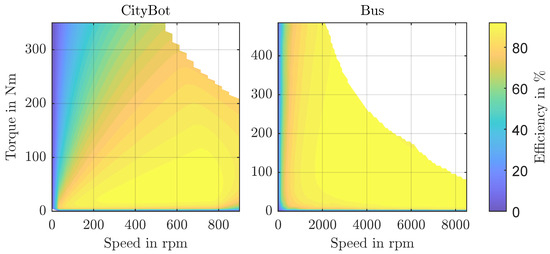
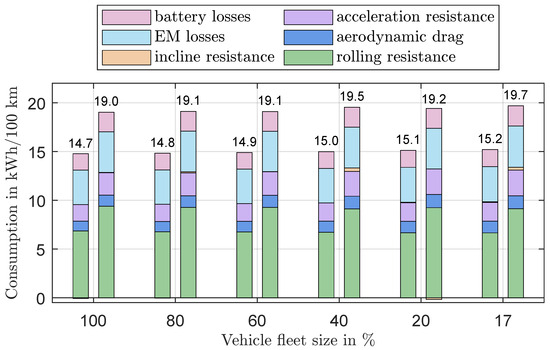
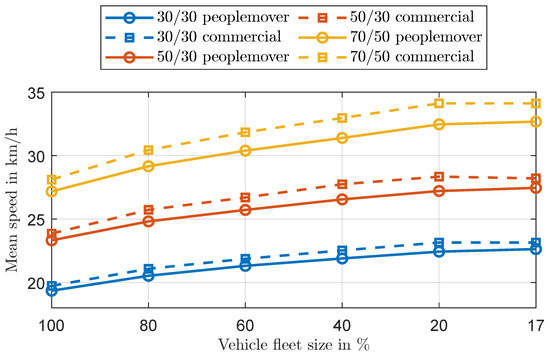
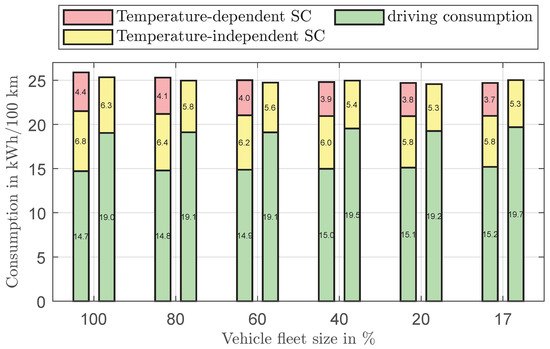
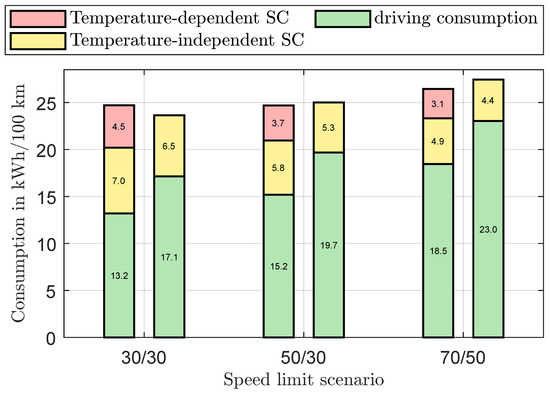
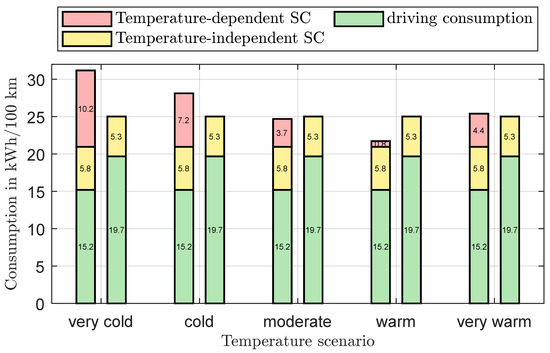
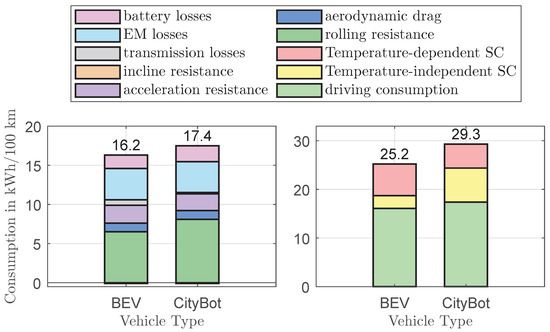
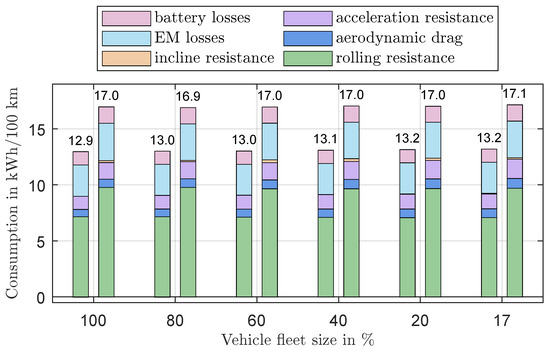
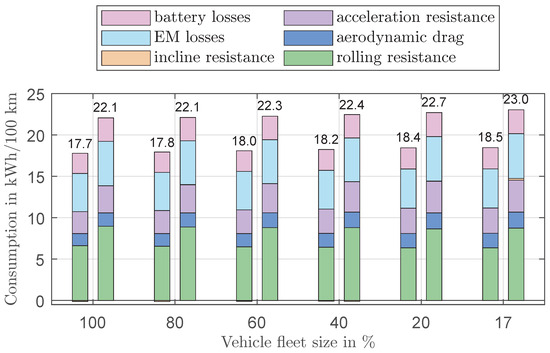
Connected, automated, shared, and electric (CASE) vehicle concepts are considered a promising approach for improving the sustainability of urban mobility by increasing vehicle utilization and reducing fleet size. While the energy consumption of conventional battery electric vehicles has been investigated extensively, the influence of fleet size, speed limits, and ambient temperature on the energy demand of CASE vehicle fleets has received little attention. This study presents a simulative consumption analysis of an all-electric CASE vehicle fleet based on the EDAG CityBot concept. A validated microscopic traffic simulation of the city center of Darmstadt, Germany, is coupled with a backward-facing powertrain model and detailed secondary consumer models to determine the total fleet energy consumption under varying operating conditions. The analysis considers fleet sizes between 20% and 100% of a reference fleet, together with a 17% fleet size scenario, which allows for the fulfillment of the urban mobility demand according to the vehicle system provider. Besides fleet size, three urban speed limit scenarios and five ambient temperature scenarios are evaluated. Among the investigated fleet size scenarios, the lowest mean fleet energy demand is observed at a fleet size of 20%, resulting from the opposing effects of increasing driving energy consumption and decreasing secondary consumer energy consumption. However, the difference between the 20% and 17% scenarios is not statistically significant. Furthermore, the study demonstrates that secondary consumers, particularly automated driving hardware and heating, ventilation and air conditioning systems, represent a major contribution to the total energy consumption of CASE vehicles and must therefore be considered in fleet-level energy analyses. Although an individual CASE vehicle exhibits higher average energy consumption than a conventional battery-electric vehicle, primarily due to its greater average weight and rolling resistance, an increase in utilization of more than 16% would be sufficient to offset this disadvantage.
Full article
(This article belongs to the Section Powertrain and Energy Systems)
►▼
Show Figures

Figure 1
Open AccessArticle
Nanoparticle Emissions of Ageing Diesel Cars with DPF—A First European PTI-like Field Study
by
Eckard Helmers, Daniel Seidel, Martin Weiss, Yoann Bernard, Vladimir Momcilovic, Marko Stokic, Davor Vujanovic and Vera Rodrigues
Vehicles 2026, 8(8), 190; https://doi.org/10.3390/vehicles8080190 - 13 Aug 2026
Abstract
►▼
Show Figures
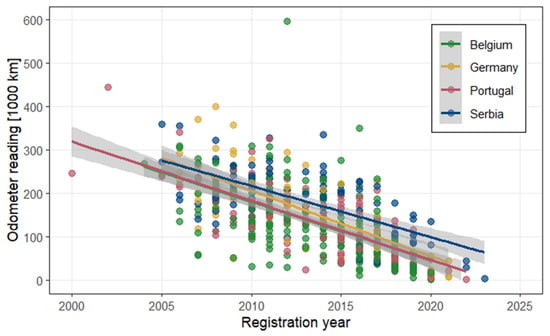
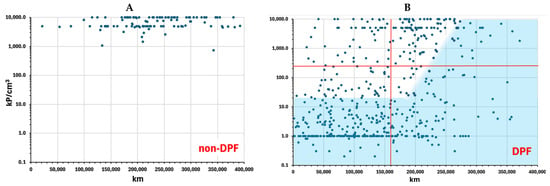
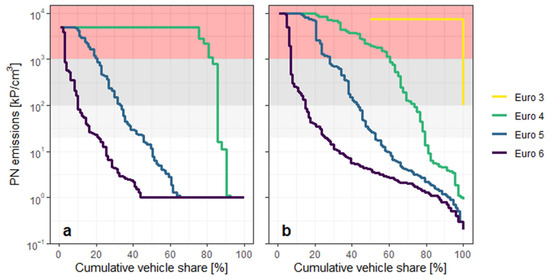
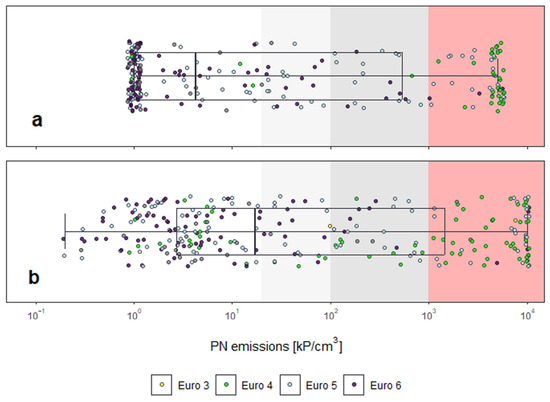
This paper investigates nanoparticle emissions from older diesel passenger cars in four European countries outside of PTI (periodic technical inspection) testing facilities, using a methodology similar to that of the PTI. Per opportunistic sampling and voluntary testing, 618 diesel cars with an average
[...] Read more.
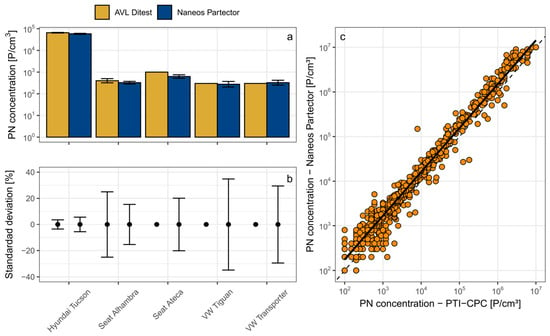
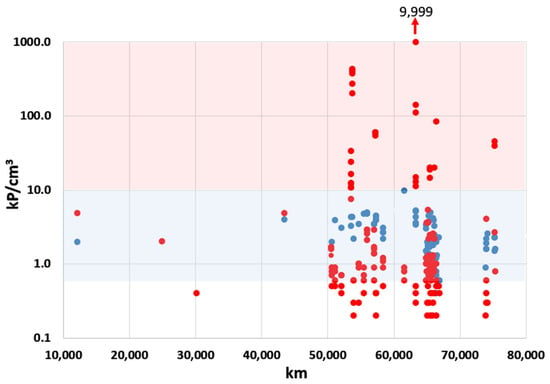
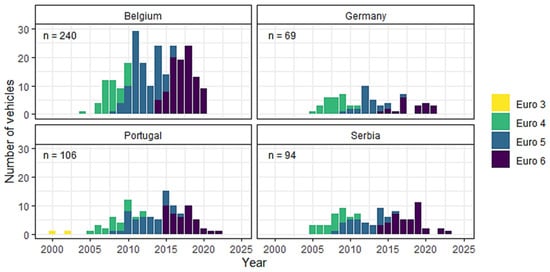
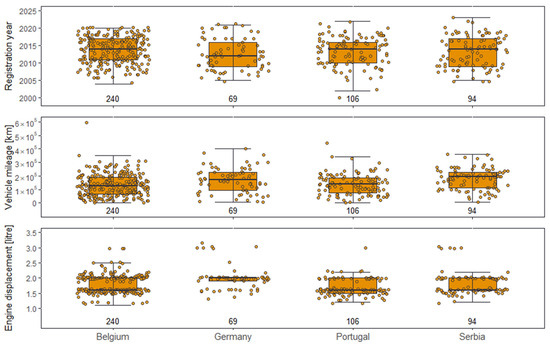
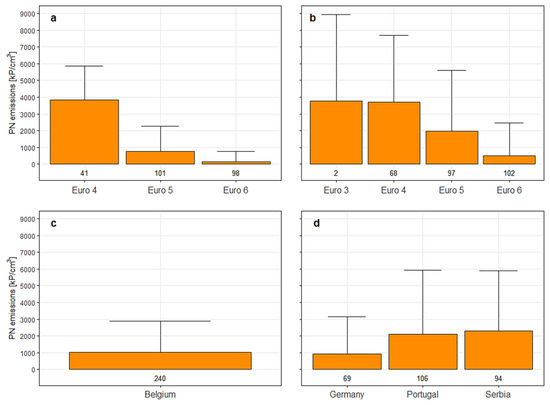
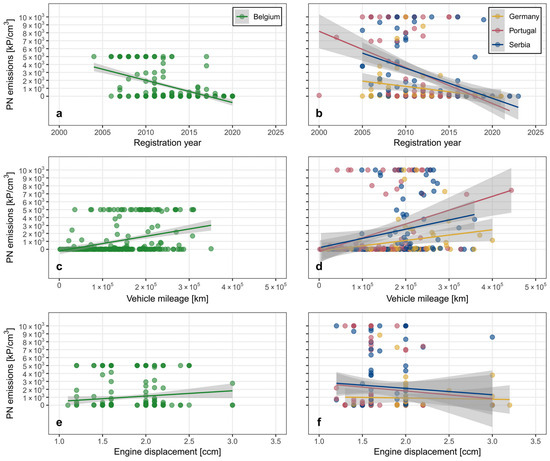
This paper investigates nanoparticle emissions from older diesel passenger cars in four European countries outside of PTI (periodic technical inspection) testing facilities, using a methodology similar to that of the PTI. Per opportunistic sampling and voluntary testing, 618 diesel cars with an average mileage of 163,348 km were measured between 2020 and 2022 on the streets around university campuses and in public areas in Brussels (Belgium), Aveiro (Portugal), Belgrade (Serbia) and Birkenfeld (Germany). Through subsequent research, 109 vehicles were found not to be equipped with a diesel particulate filter (DPF) and were separated. Portable nanoparticle detectors were used to measure PN emissions in a PTI-like approach at low idle. From the 509 analysed diesel cars equipped with DPF, a high share of 31% revealed PN tailpipe concentrations of over 250 kP/cm3 and would therefore have failed the PTI established in Germany. That rate is 2–9 times higher than that found in Belgian and German PTI PN measurements, possibly caused by the fact that vehicles are serviced immediately before the PTI. Moreover, 45% of all tested diesel cars with DPF emitted concentrations higher than 20 kP/cm3. This level was found, both in the literature and in our measurements, to be indicative of a DPF operating outside its normal performance range, taking into account the measurement uncertainty. Even among relatively new vehicles with DPF (up to mileages of 180,000 km), 13% emitted as much PN as diesel cars without DPF (1000 kP/cm3 or more). In Portugal and Serbia, a higher share of cars showed elevated emissions compared to Germany and Belgium. DPF technology can in principle greatly reduce particle emissions of diesel cars. However, its efficiency degrades with time and vehicle mileage. Several factors leading to higher PN emissions have been reported; however, they cannot be discriminated in the results. This is primarily because active filter regeneration generates particle emission peaks every several 100 km, which were found to be up to four orders of magnitude higher than normal. Within the fleet on the streets, up to 4% of all diesel cars equipped with a modern DPF can be found in active regeneration mode. While at present politics and carmakers focus on electrifying the new vehicle generation, the emission problem of around 69 million diesel cars with elevated PN emissions on European streets remains unresolved so far. In European countries with a particularly high share of diesel cars, an old vehicle fleet, and a low income level, emission problems may be exacerbated.
Full article

Figure 1
Open AccessArticle
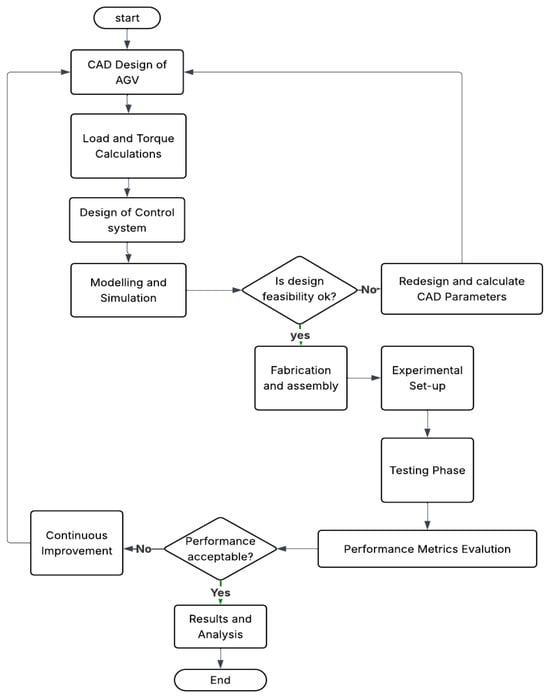
Development of Intelligent Autonomous Four-Wheel-Steering AGVs: Performance Assessment for Optimal Maneuverability and Navigation Accuracy
by
Sadaf Zeeshan and Muhammad Ali Ijaz Malik
Vehicles 2026, 8(8), 189; https://doi.org/10.3390/vehicles8080189 - 13 Aug 2026
Abstract
Automated Guided Vehicles (AGVs) are a key part of today’s industrial automation, especially for material handling and intralogistics operations. The conventional AGV designs, such as differential-drive vehicles and fixed-steering AGVs, tend to exhibit limited maneuverability in restricted spaces. Such behavior can be attributed
[...] Read more.
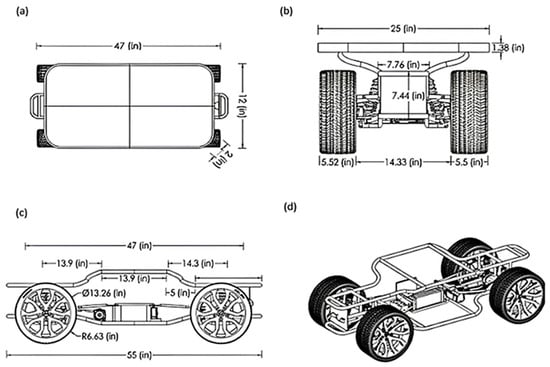
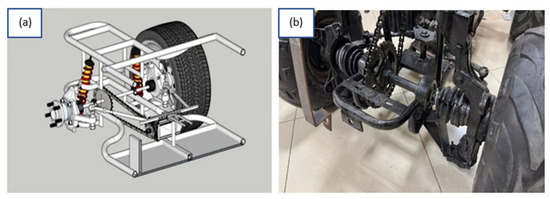
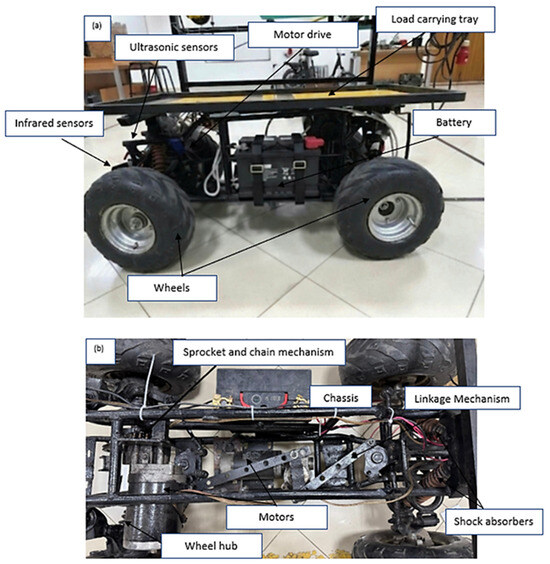
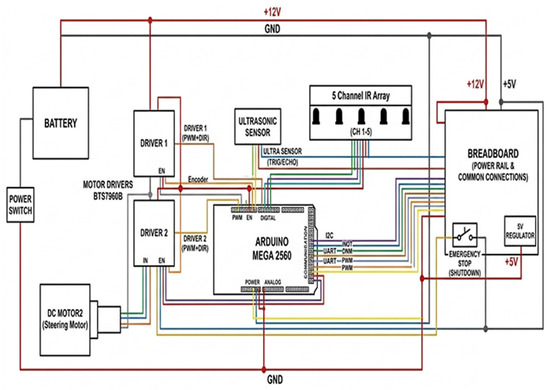
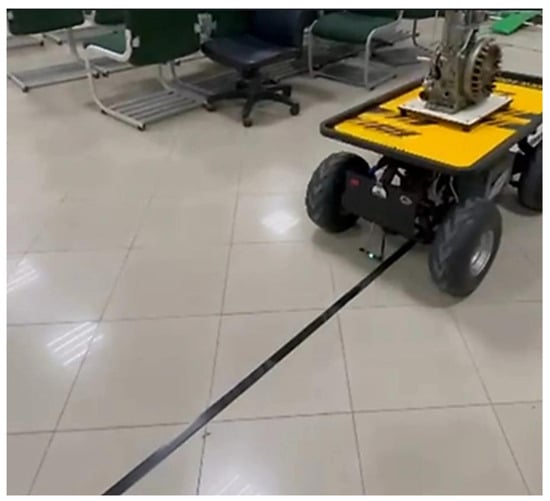
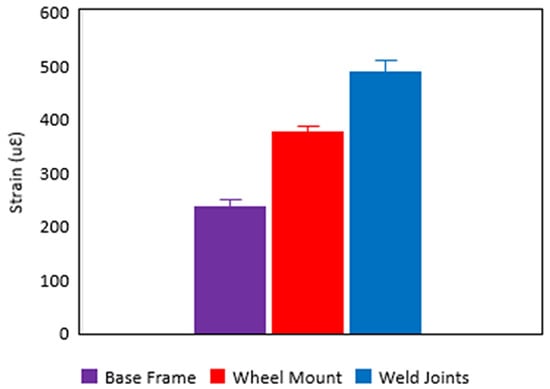
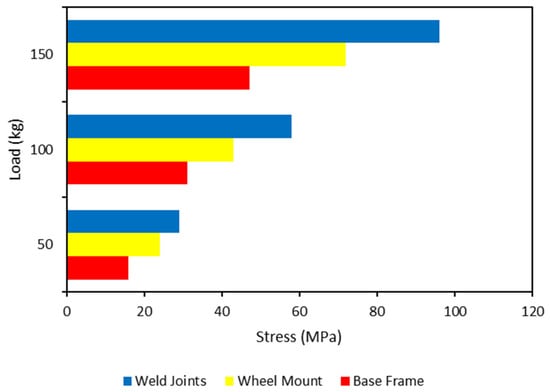
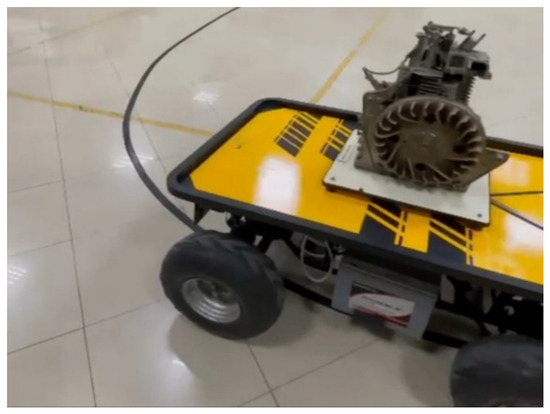
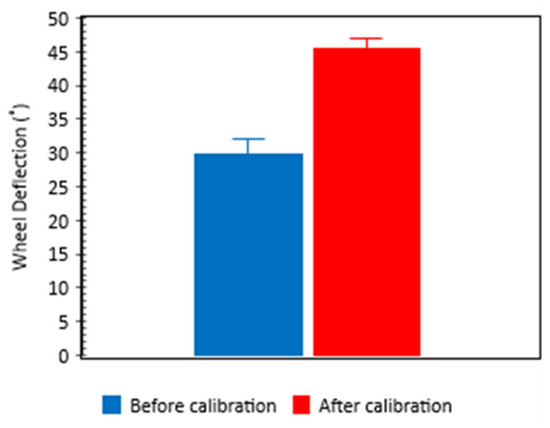
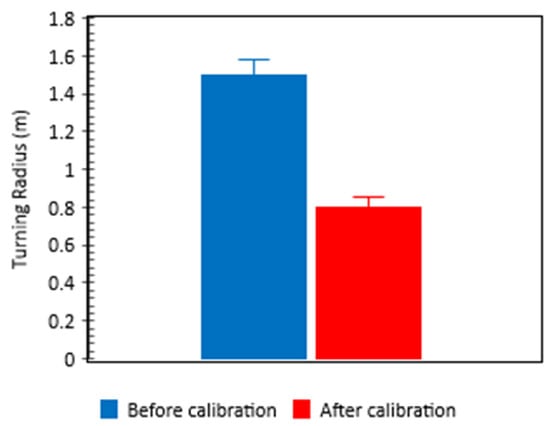
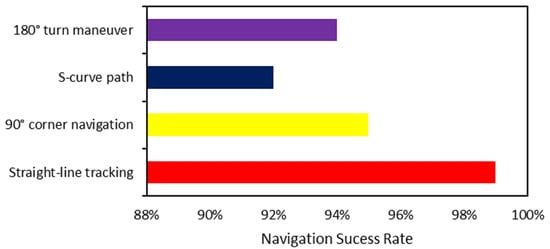
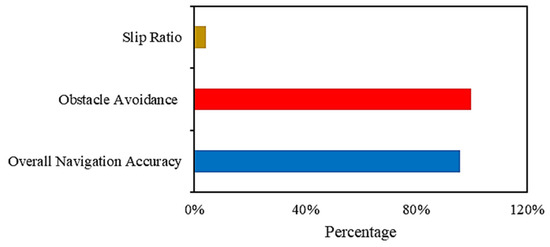
Automated Guided Vehicles (AGVs) are a key part of today’s industrial automation, especially for material handling and intralogistics operations. The conventional AGV designs, such as differential-drive vehicles and fixed-steering AGVs, tend to exhibit limited maneuverability in restricted spaces. Such behavior can be attributed to comparatively large turning radii in classic designs, which limit the possibility of efficient movement. Thus, the production of affordable AGVs with high motion flexibility and load stability remains a challenge in AGV development. To resolve this issue, PID-controlled reverse-phase steering method is suggested. Experimental evaluation with 12 trials demonstrated a decreased turning radius for the designed AGV from 1.5 ± 0.08 m (literature-reported value) to 0.84 ± 0.05 m (current study finding), corresponding to an approximately 46.7% reduction. Results demonstrate the proposed AGV’s improved cornering capabilities. In addition, the lateral deviation achieved from the designed AGV stands at an average of 3.1 ± 0.5 cm, while the Root Mean Square Error (RMSE) is 3.5 cm, resulting in an overall accuracy rate of 96% ± 1.2%. Obstacle avoidance tests confirm successful performance within an obstacle range of up to 80 cm. Overall, the developed AGV represents a scalable and economical system for intelligent material handling within the industrial environment.
Full article
(This article belongs to the Topic Advances in Autonomous Vehicles, Automation, and Robotics)
►▼
Show Figures

Figure 1
Open AccessArticle
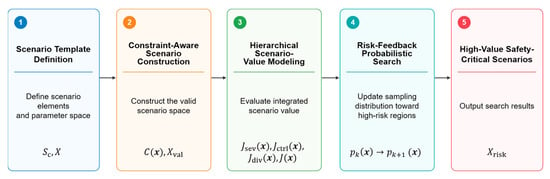
Constraint- and Risk-Driven Search for Safety-Critical Scenarios in Autonomous Driving Simulation
by
Deng Pan, Bin Lu, Xiaoji Zhou, Yuyang Mao and Lipeng Cao
Vehicles 2026, 8(8), 188; https://doi.org/10.3390/vehicles8080188 - 13 Aug 2026
Abstract
Efficient discovery of safety-critical scenarios is a central problem in autonomous-driving simulation because safety-critical events are rare and the scenario parameter space is often high-dimensional. Direct random sampling can spend most of the simulation budget on samples that are weakly relevant, physically unreachable,
[...] Read more.
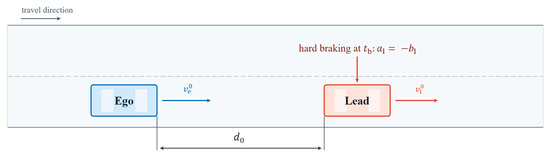
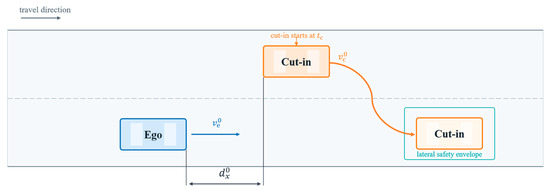
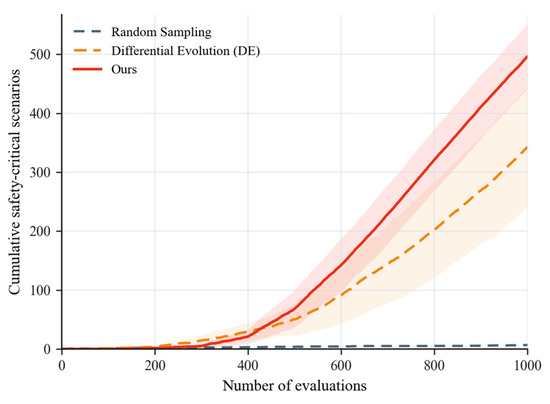
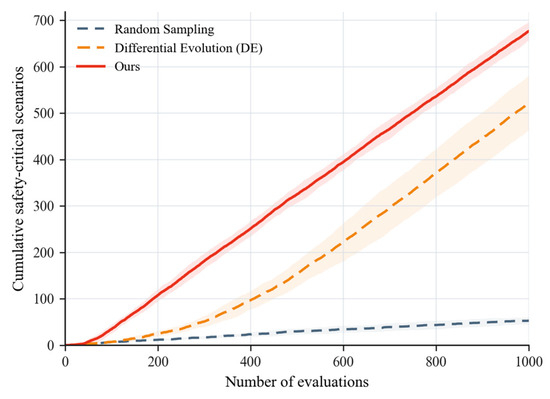
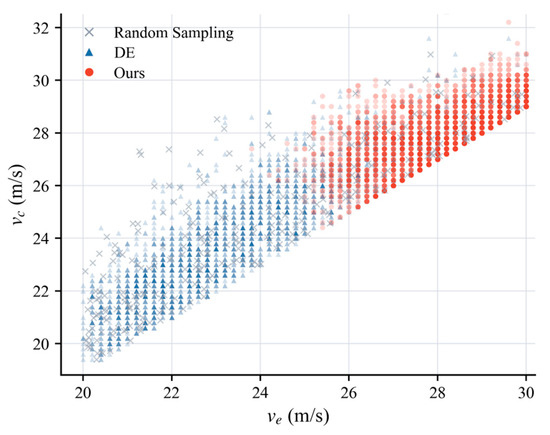
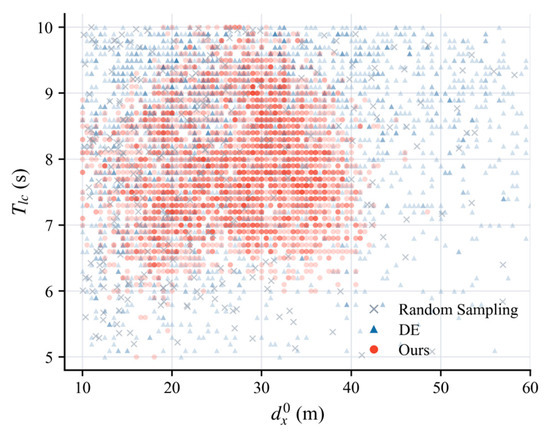
Efficient discovery of safety-critical scenarios is a central problem in autonomous-driving simulation because safety-critical events are rare and the scenario parameter space is often high-dimensional. Direct random sampling can spend most of the simulation budget on samples that are weakly relevant, physically unreachable, or behaviorally inconsistent. This study proposes a constraint- and risk-driven framework for safety-critical scenario discovery. The framework first constructs a valid scenario space using physical reachability, behavioral consistency, and traffic-feasibility constraints. It then evaluates valid simulated samples with a hierarchical scenario-value model that combines kinematic criticality, longitudinal controllability risk, and scenario diversity. Finally, a risk-feedback probabilistic search updates the sampling distribution using high-value samples. The method is evaluated primarily in a lead-vehicle hard-braking scenario and additionally in a cut-in scenario. In the lead-vehicle hard-braking scenario, the proposed method improves the discovery rate from 0.68% for Random Sampling to 49.62% under a budget of 1000 evaluations. In the cut-in scenario, the discovery rate improves from 5.28% to 67.68% under the same budget. Ablation results show that constraint-aware construction reduces potentially invalid samples, while the full hierarchical scenario-value model improves coverage of discovered safety-critical samples.
Full article
(This article belongs to the Section Intelligent and Connected Mobility)
►▼
Show Figures

Figure 1
Open AccessArticle
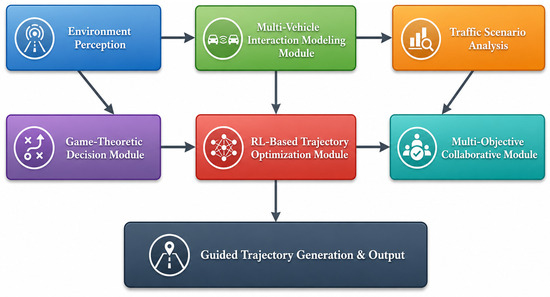
Game-Theoretic Reinforcement Learning Framework for Local Multi-Vehicle Interactive Guided Trajectory Generation in Representative Traffic Scenarios
by
Chagen Luo, Weifu Wang, Yadong Wang and Di Zhang
Vehicles 2026, 8(8), 187; https://doi.org/10.3390/vehicles8080187 - 12 Aug 2026
Abstract
The generation of guided trajectories for autonomous vehicles in multi-vehicle interaction scenarios remains challenging because surrounding vehicles continuously adapt their actions under uncertainty. This paper proposes a game-theoretic reinforcement learning (GT-RL) framework that combines a posterior-weighted rolling-horizon local game with proximal policy optimization
[...] Read more.
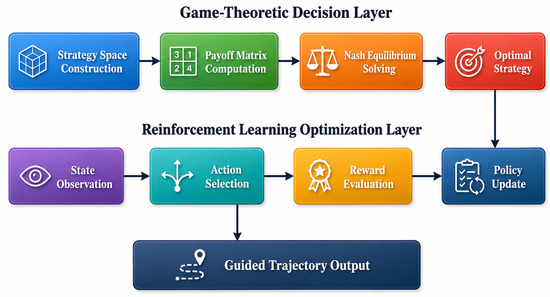
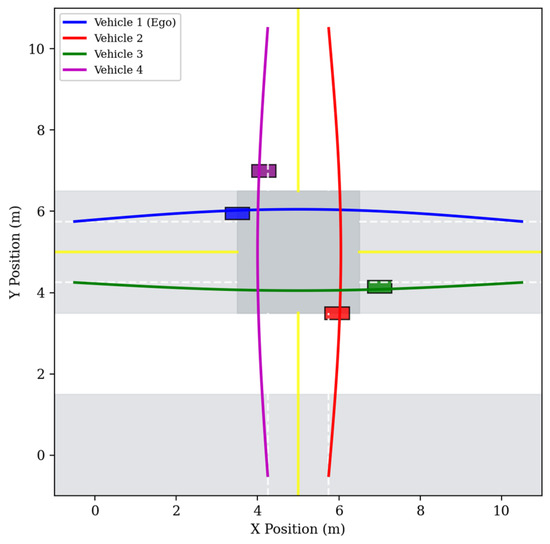
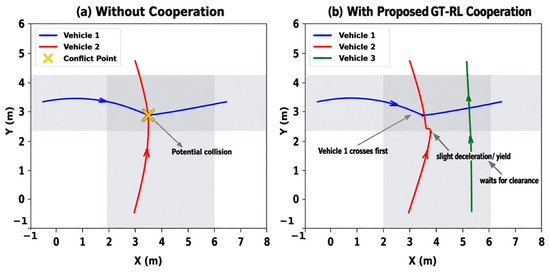
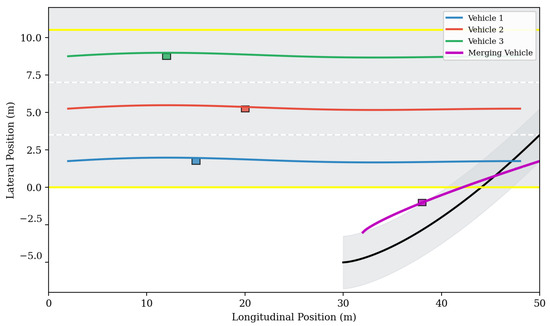
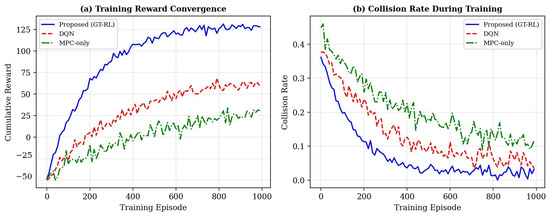
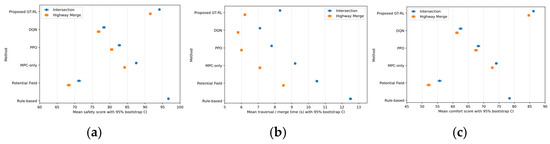
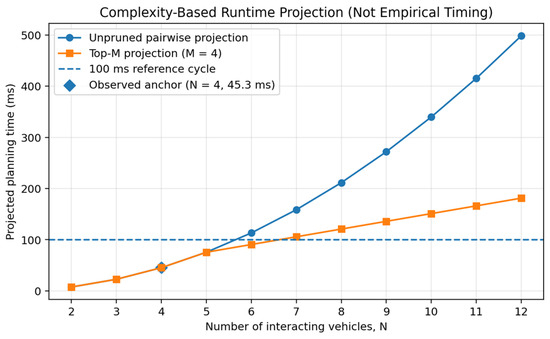
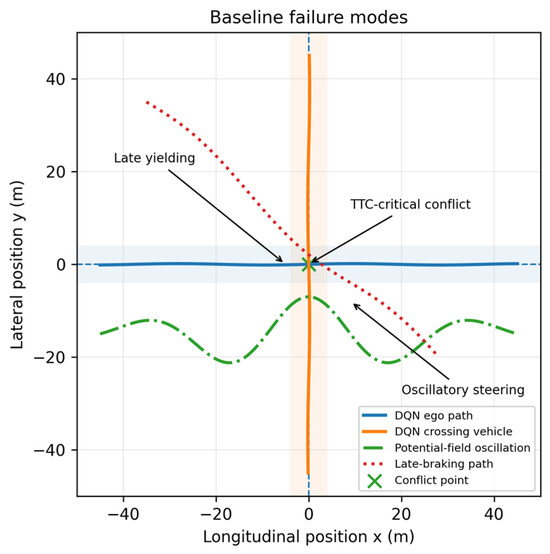
The generation of guided trajectories for autonomous vehicles in multi-vehicle interaction scenarios remains challenging because surrounding vehicles continuously adapt their actions under uncertainty. This paper proposes a game-theoretic reinforcement learning (GT-RL) framework that combines a posterior-weighted rolling-horizon local game with proximal policy optimization (PPO) trajectory refinement. The revision makes the incomplete-information cost explicit through a normalized Bayesian posterior, a posterior expected cost, and a certainty-equivalent numerical approximation used by the SQP best-response solver. Using the supplied run-level logs (500 runs per method and scenario), GT-RL achieved mean safety scores of 94.1% (95% bootstrap CI: 93.91–94.28) in the intersection scenario and 91.5% (91.33–91.66) in the highway-merging scenario, with zero collisions in both sets of 500 runs. Paired comparisons with DQN, PPO, MPC-only, and potential-field baselines were significant after Holm correction (p < 0.001) for safety, traversal time, and comfort; DQN and PPO were faster in some cases but had lower safety and comfort. At the intersection, the rule-based method had higher safety but required 4.2 s more traversal time and had a 7.8-point lower comfort score than GT-RL. The findings support game-theoretic reasoning as a strategic prior for local interaction-aware trajectory generation. Claims are restricted to the tested low-to-moderate-speed, non-limit-handling simulations; high-fidelity vehicle dynamics and empirical large-scale timings remain areas of future study.
Full article
(This article belongs to the Special Issue Trajectory Tracking of Autonomous Vehicles)
►▼
Show Figures

Figure 1
Open AccessArticle
Analysis of Factors Associated with Road Traffic Accidents and Prediction of Risk Severity
by
Ziyan Zhang, Zhenfei Zhan, Rongjie Mao, Ruiyang Li, Minghao Jiang and Pingfan Duan
Vehicles 2026, 8(8), 186; https://doi.org/10.3390/vehicles8080186 - 12 Aug 2026
Abstract
►▼
Show Figures
Road traffic accidents pose a significant threat to life and property. However, the multitude of contributing factors makes it challenging to pinpoint the most critical ones, thereby hindering effective prevention strategies. Therefore, this study conducts relevant work using the UK Department for Transport’s
[...] Read more.
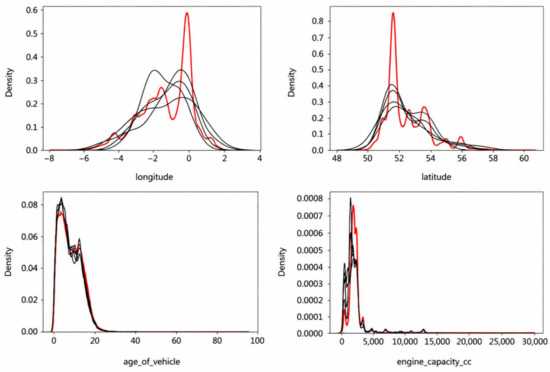
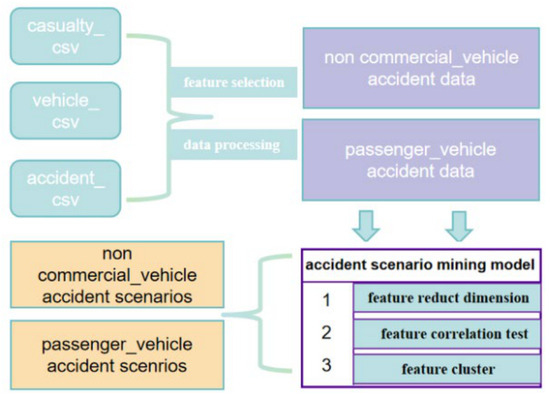
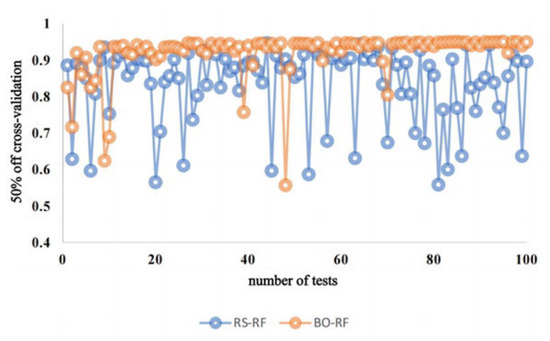
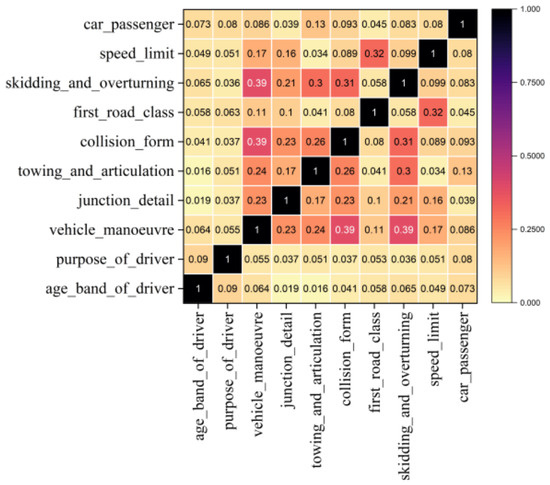
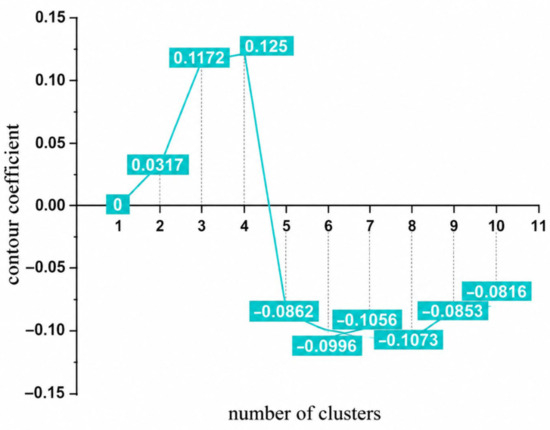
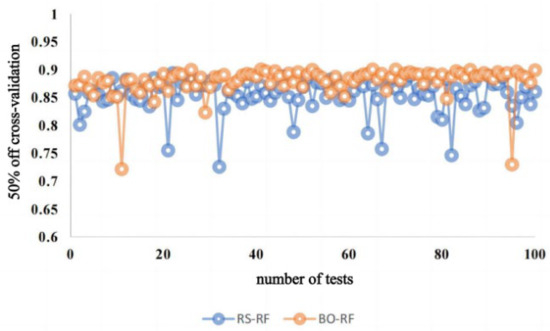
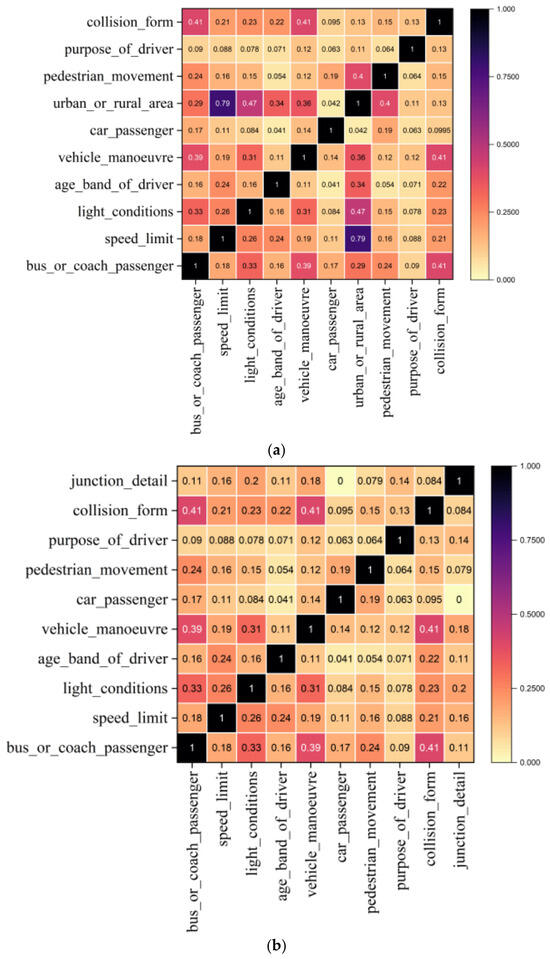
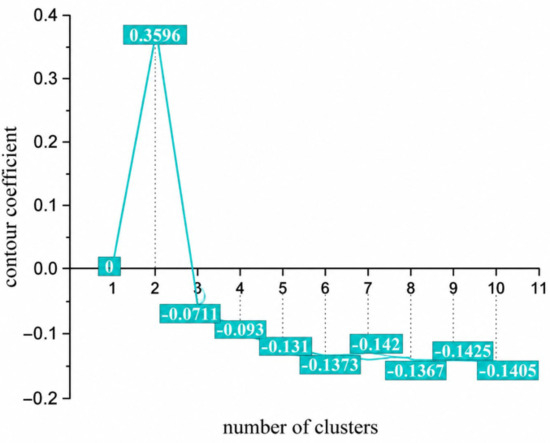
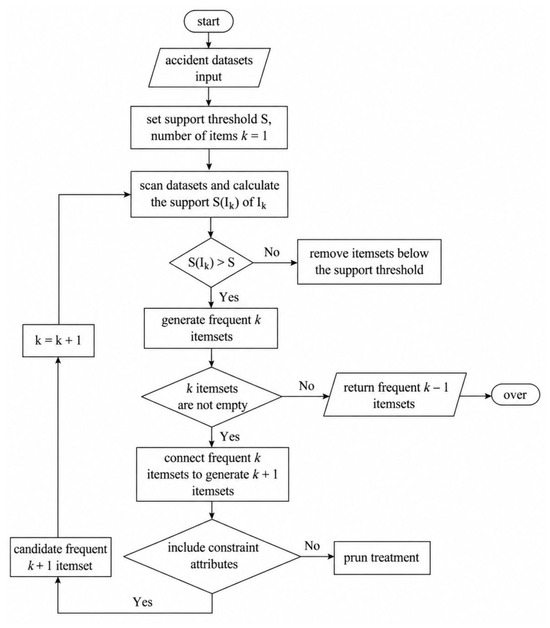
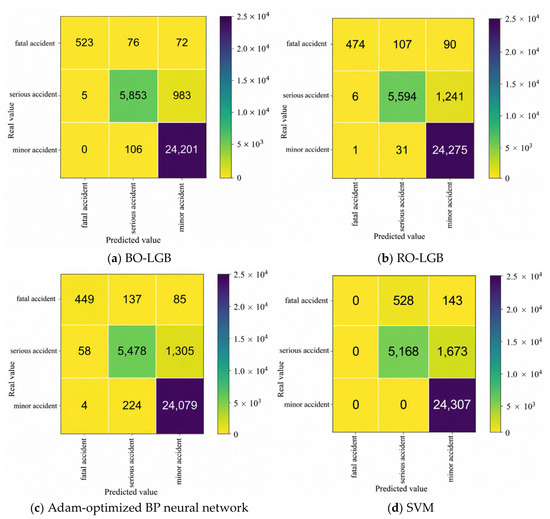
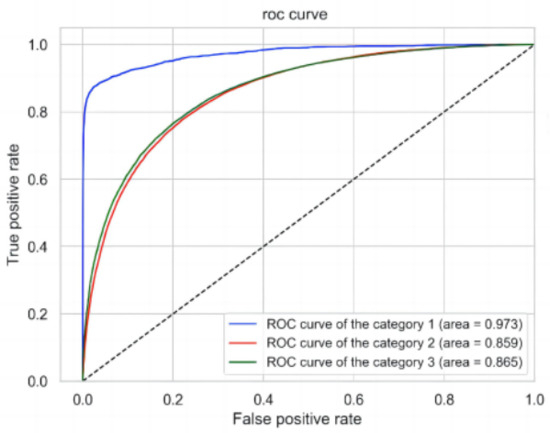
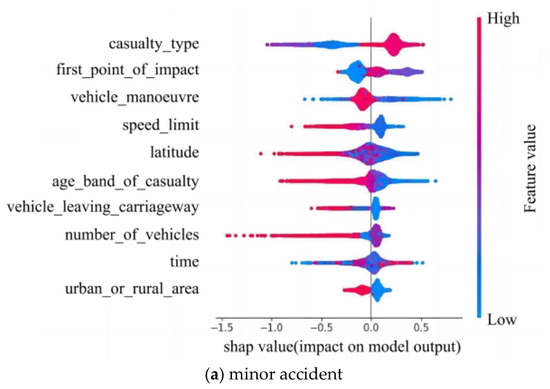
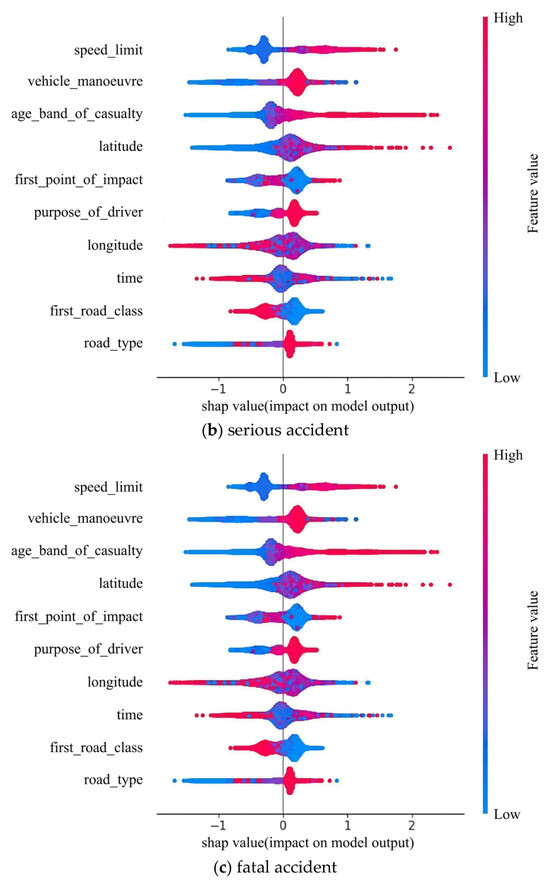
Road traffic accidents pose a significant threat to life and property. However, the multitude of contributing factors makes it challenging to pinpoint the most critical ones, thereby hindering effective prevention strategies. Therefore, this study conducts relevant work using the UK Department for Transport’s 2019 road traffic accident datasets. To investigate the distribution characteristics of accidents across various dimensions (person, vehicle, road, environment, and accident configuration), we first preprocessed the data. Missing values were imputed using a chained random forest-based multiple imputation method. To identify key contributing factors, we employed an integrated approach combining Bayesian-optimized random forest, Cramér’s V correlation test, K-modes clustering, and frequency statistics. This framework enabled the exploratory identification of potential high-risk scenarios for both non-operating and passenger vehicles. Subsequently, we applied a constraint-based Apriori algorithm to analyze correlations across these dimensions and temporal factors, revealing significant associations between accident severity and the examined attributes. Finally, a Bayesian-optimized LightGBM model was built to predict accident risk levels. External validation using the 2022 UK dataset, combined with interpretive analysis, confirmed the model’s strong generalization ability.
Full article

Figure 1

Open AccessArticle
Vehicle-Level Speed Stability and Driving Style Clustering in Motorcycle-Dominated Mixed Traffic Using Roadside Video Trajectories
by
Jingjing Wang, Xiayun Liu, Hongli Deng, Rongchuan Yu and Wanting Yang
Vehicles 2026, 8(8), 185; https://doi.org/10.3390/vehicles8080185 - 10 Aug 2026
Abstract
►▼
Show Figures
Motorcycle-dominated mixed traffic challenges vehicle-behavior modeling because motorcycles and cars differ in footprint, maneuverability, and longitudinal speed regulation. This study used roadside-video trajectories from six arterial sites in Hanoi, Vietnam. The trajectory pipeline produced 202,296 valid vehicle records, and the primary analysis included
[...] Read more.
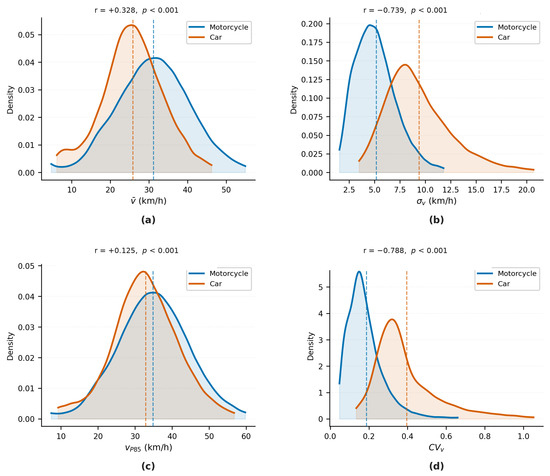
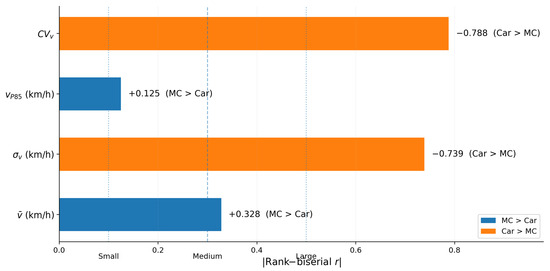
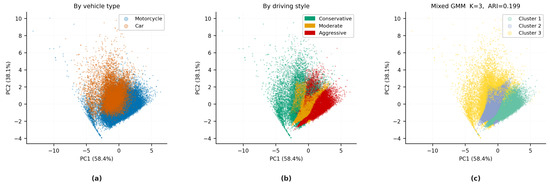
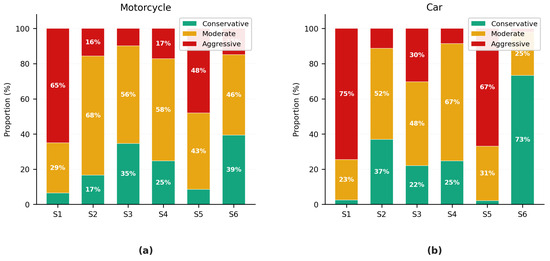
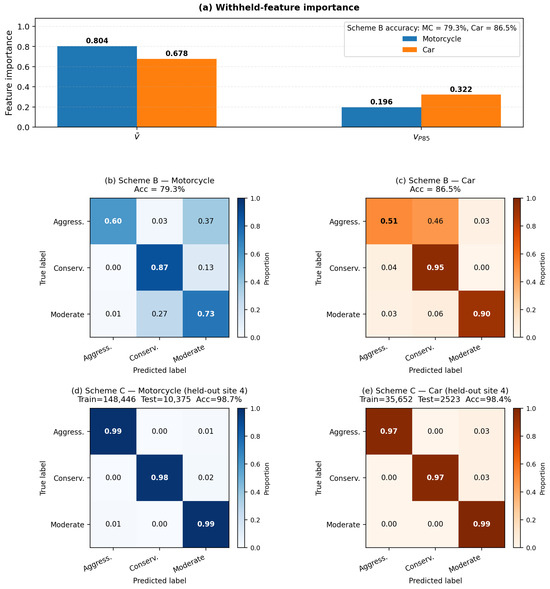
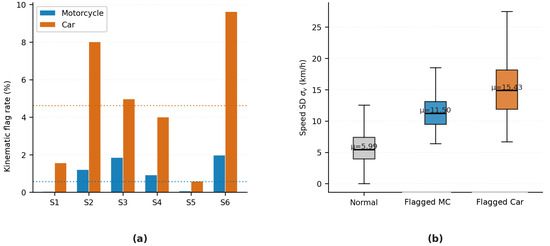
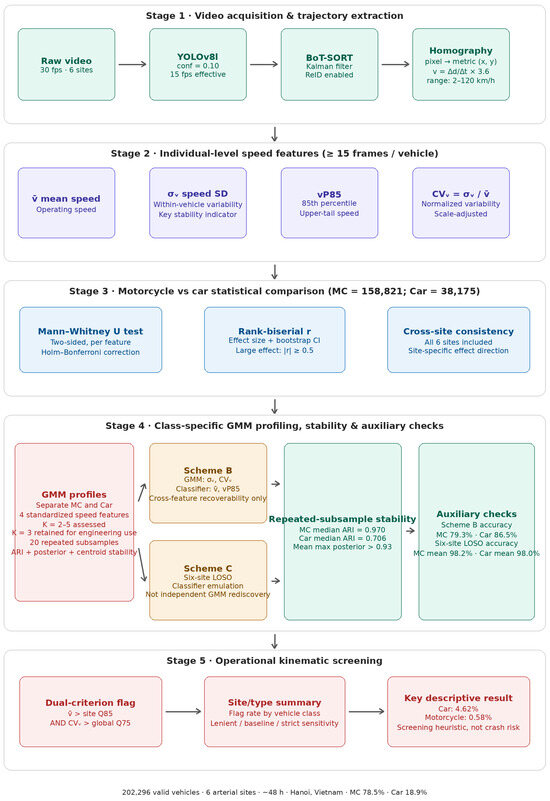
Motorcycle-dominated mixed traffic challenges vehicle-behavior modeling because motorcycles and cars differ in footprint, maneuverability, and longitudinal speed regulation. This study used roadside-video trajectories from six arterial sites in Hanoi, Vietnam. The trajectory pipeline produced 202,296 valid vehicle records, and the primary analysis included 158,821 motorcycles and 38,175 private cars. A focused manual identity-continuity audit of two 30 s clips yielded overall MOTA values of 0.9938 and 0.9977 and IDF1 values of 0.9931 and 0.9932. Motorcycles traveled faster on average but showed more stable longitudinal speed profiles: motorcycle speed standard deviation was 45% lower than the car value, and motorcycle coefficient of variation was less than half the car value. The directions of the mean-speed, speed-standard-deviation, and coefficient-of-variation contrasts were consistent across all six sites. Diagnostic reruns using lower speed bounds of 0–5 km/h and minimum trajectory lengths of 10–30 frames retained the same motorcycle–car stability direction ( to for speed standard deviation and to for coefficient of variation). A three-component Gaussian mixture model was retained as a parsimonious engineering partition. Repeated-subsample stability was excellent for motorcycles (median adjusted Rand index, ARI, 0.970) and moderate for cars (median ARI 0.706), while mean maximum posterior probabilities exceeded 0.93 for both classes. Savitzky–Golay smoothing substantially increased usable acceleration coverage, but the inferred class contrast changed with the smoothing window; acceleration was therefore excluded from the primary clustering. A high-speed/high-variability rule flagged 4.62% of cars and 0.58% of motorcycles. This rule is an operational kinematic-screening heuristic, not a crash-probability model. The results provide class-specific evidence for mixed-traffic simulation calibration and cautious operational screening under the observed Hanoi arterial conditions.
Full article

Figure 1

Open AccessArticle
Particle Swarm Optimization-Based Feature Weighting and Early-Cycle Remaining Useful Life Prediction of Lithium-Ion Batteries
by
Matee Ur Rasool, Abdul Salam, Muhammad I. Masud, Muhammad Inam Ul Haq, Zeeshan Ahmad Arfeen, Mohammed Aman, Farrukh Hafeez and Touqeer Ahmed Jumani
Vehicles 2026, 8(8), 184; https://doi.org/10.3390/vehicles8080184 - 10 Aug 2026
Abstract
Predicting the remaining useful life (RUL) of lithium-ion batteries is essential as it relates to the safety, reliability, and maintenance of both electric vehicles and energy storage systems. While machine learning algorithms have greatly enhanced the accuracy of prediction, a lot of the
[...] Read more.
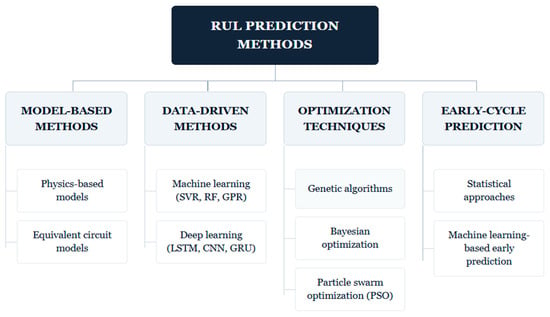
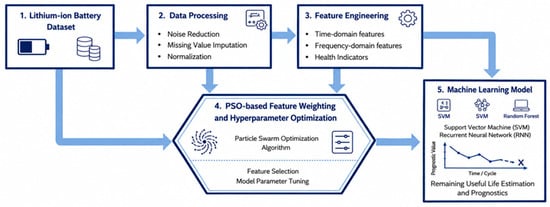
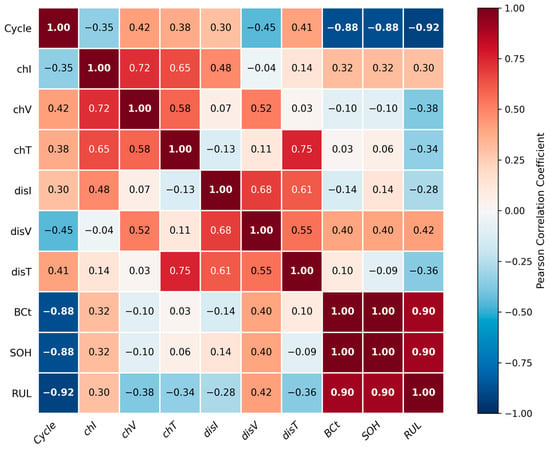
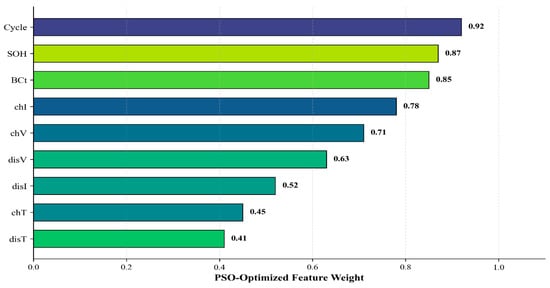
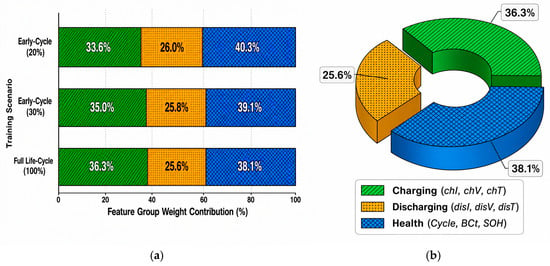
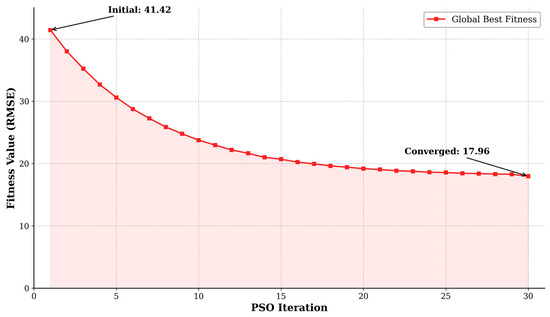
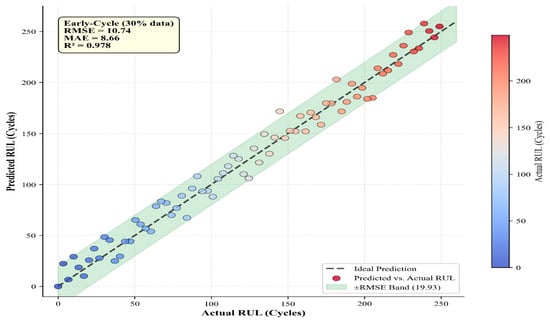
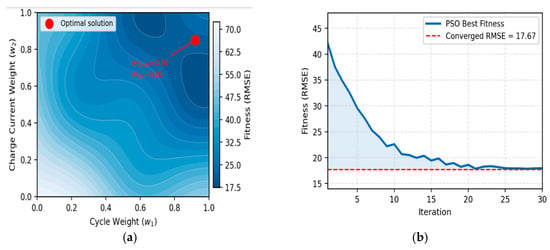
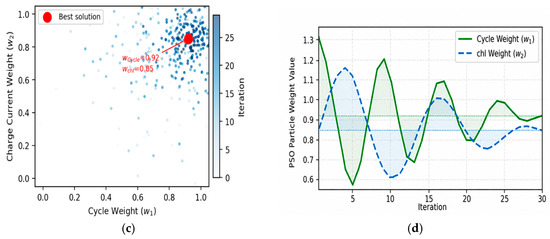
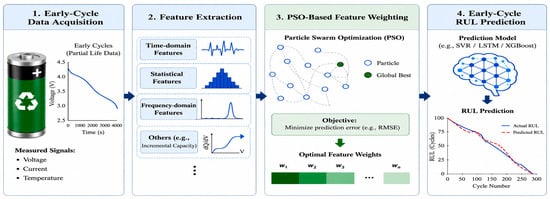
Predicting the remaining useful life (RUL) of lithium-ion batteries is essential as it relates to the safety, reliability, and maintenance of both electric vehicles and energy storage systems. While machine learning algorithms have greatly enhanced the accuracy of prediction, a lot of the models available today still have some major flaws including redundant features, poor performance due to non-optimized model settings, and the necessity of the complete degradation process of the system. In this study, we develop a machine learning framework using particle swarm optimization (PSO) to perform hyperparameter tuning and feature optimization to improve lithium-ion battery RUL prediction. The framework allows for the automatic determination of the key degradation indicators, resulting in the optimization of the learning model and enhancement of both the accuracy and interpretability of the predictions. Furthermore, the framework is designed to be employed in an early-cycle learning environment wherein only the first 30% of battery discharge cycles are utilized in the model training. This method is intended to mimic the constraints of real-world applications in which complete lifecycle data is unavailable. Under a properly nested evaluation protocol, the results indicate that the model achieves a mean R2 of 0.354 ± 0.157 and RMSE of 19.13 ± 1.39 using only 30% of degradation cycles, compared to a mean R2 of 0.922 ± 0.014 and RMSE of 18.10 ± 1.11 under full-cycle training across five independent evaluations. While early-cycle prediction shows reduced and more variable explanatory power due to the smaller sample size, the model maintains reasonable error magnitude, supporting its potential utility for early diagnosis of lithium-ion batteries. The effectiveness of the framework is confirmed by feature importance analysis, evaluation of optimization convergence and multi-metric error assessment. In conclusion, the framework offers a highly interpretable and effective solution for predicting lithium-ion battery RUL, in alignment with the emerging data-driven approaches to battery management systems.
Full article
(This article belongs to the Topic Optimization Control and Fault Diagnosis of Intelligent Transportation Systems)
►▼
Show Figures

Figure 1
Highly Accessed Articles
Latest Books
E-Mail Alert
News
26 August 2026
Meet Us at the 6th International Conference on Autonomous Unmanned Systems, 18–20 September 2026, Harbin, China
5 August 2026
MDPI INSIGHTS: The CEO’s Letter #37 – Canada Summit, Sciforum Relaunch, 30 Years of Impactful Research & ISPRS 2026
Topics
Topic in
Electricity, Energies, Resources, Vehicles
Transforming Integrated Energy Systems: Modeling, Simulation and Optimal Operation with Digital Twin
Topic Editors: Yang Gao, Shi Chen, Zhiyuan Tang, Xiaolong Jin, Licheng Wang, Yiwei Qiu, Jinrui TangDeadline: 30 September 2026
Topic in
Agriculture, Energies, Vehicles, Sensors, Sustainability, Urban Science, Applied Sciences, Algorithms
Sustainable Energy Systems
Topic Editors: Luis Hernández-Callejo, Carlos Meza Benavides, Jesús Armando Aguilar JiménezDeadline: 31 October 2026
Topic in
Applied Sciences, Machines, Sensors, Vehicles, Designs
Vehicle Dynamics and Control, 2nd Edition
Topic Editors: Francis F. Assadian, Junnian WangDeadline: 30 November 2026
Topic in
Applied Sciences, Electronics, Future Internet, IoT, Technologies, Inventions, Sensors, Vehicles
Next-Generation IoT and Smart Systems for Communication and Sensing
Topic Editors: Dinh-Thuan Do, Vitor Fialho, Luis Pires, Francisco Rego, Ricardo Santos, Vasco VelezDeadline: 31 December 2026
Conferences
Special Issues
Special Issue in
Vehicles
Road Safety, Aberrant Driver Behaviour and Sustainable Transportation Planning
Guest Editors: Muhammad Hussain, Xiaomeng Li, Paul Roberts, Amjad PervezDeadline: 15 September 2026
Special Issue in
Vehicles
Thermal Management and Energy Recovery Systems for Vehicle Batteries
Guest Editors: Qinghua Yu, Zu-Guo ShenDeadline: 20 September 2026
Special Issue in
Vehicles
AI-Empowered Assisted and Autonomous Driving
Guest Editors: Xubin Sun, Weifeng ZhongDeadline: 20 October 2026
Special Issue in
Vehicles
Energy Management Strategy of Hybrid Electric Vehicles
Guest Editors: Weiwei Yang, Yang TianDeadline: 20 October 2026