Journal Description
Social Sciences
Social Sciences
is an international, open access journal with rapid peer-review, which publishes works from a wide range of fields, including anthropology, criminology, economics, education, geography, history, law, linguistics, political science, psychology, social policy, social work, sociology and more, and is published monthly online by MDPI.
- Open Access— free for readers, with article processing charges (APC) paid by authors or their institutions.
- High visibility: indexed within Scopus, ESCI (Web of Science), RePEc, and other databases.
- Journal Rank: JCR - Q1 (Social Sciences, Interdisciplinary) / CiteScore - Q1 (General Social Sciences)
- Rapid Publication: manuscripts are peer-reviewed and a first decision is provided to authors approximately 33.1 days after submission; acceptance to publication is undertaken in 4.5 days (median values for papers published in this journal in the second half of 2025).
- Recognition of Reviewers: reviewers who provide timely, thorough peer-review reports receive vouchers entitling them to a discount on the APC of their next publication in any MDPI journal, in appreciation of the work done.
- MDPI’s Journal Cluster of Social Studies: Challenges-Journal of Planetary Health, Disabilities, Genealogy, Laws, Sexes, Social Sciences and Societies.
Impact Factor:
2.0 (2025);
5-Year Impact Factor:
2.1 (2025)
Latest Articles
Why the EU’s Technosolutionist Focus on AI and Media ‘Literacy’ Empowers Big Tech: Centering Structural Approaches to Counter the Undemocratic Political Economy of Surveillance Capitalism
Soc. Sci. 2026, 15(7), 430; https://doi.org/10.3390/socsci15070430 (registering DOI) - 29 Jun 2026
Abstract
The emergence of digital technologies during the last two decades has placed strain on democracies globally. From disinformation to artificial intelligence (AI), policy-makers have struggled to address the authoritarian and anti-democratic tendencies that Big Tech companies have been pushing. A dominant response from
[...] Read more.
The emergence of digital technologies during the last two decades has placed strain on democracies globally. From disinformation to artificial intelligence (AI), policy-makers have struggled to address the authoritarian and anti-democratic tendencies that Big Tech companies have been pushing. A dominant response from European Union (EU) policy-makers has been to promote ‘literacy’: media literacy to address disinformation, and ‘AI literacy’ to foster constructive uses of AI. We ask: what does it mean for the EU to use media literacy and AI literacy as a response to disinformation and the risks of AI? More broadly, what kind of policy and model of democracy is being constructed when the EU suggests that the solution to disinformation and AI depends on citizens becoming more “literate”? We empirically examine the usage of ‘literacy’ in EU policy documents in the context of disinformation and AI, and argue that it shifts responsibility from platforms to individual citizens. In doing so, it moves attention away from a structural approach into the political economy of Big Tech companies, hence empowering them and their ‘surveillance capitalist’ business model. This article argues instead that literacy needs to be rethought beyond individual skills, as a way of making visible the structural and infrastructural power of privately owned digital systems shaping contemporary public spheres. Therefore, reclaiming democracy requires moving beyond individual adaptation, and instead towards addressing the underlying systemic structures of Big Tech power.
Full article
(This article belongs to the Special Issue Journalism, Disinformation, and Artificial Intelligence: Ethical, Political, and Social Challenges)
Open AccessArticle
“I Was Everything What I Never Wanted to Be”—Exploring Moral Injury Within Forensic Healthcare Settings
by
Fiona Sweeney, Rahmanara Chowdhury, Iram Shah and Belinda Winder
Soc. Sci. 2026, 15(7), 429; https://doi.org/10.3390/socsci15070429 (registering DOI) - 29 Jun 2026
Abstract
Moral injury has been gaining increasing prominence as a means of understanding psychological suffering in response to moral transgressions. Despite repeated evidence of exposure to moral transgressions among those detained in forensic services, moral injury as a construct within this population has not
[...] Read more.
Moral injury has been gaining increasing prominence as a means of understanding psychological suffering in response to moral transgressions. Despite repeated evidence of exposure to moral transgressions among those detained in forensic services, moral injury as a construct within this population has not been widely explored. This research aimed to explore the lived experience of moral injury in service users detained in a forensic healthcare setting. Interviews with six service users and eight practitioners were conducted. Three themes were identified using multi-perspective interpretive phenomenological analysis: the mutuality of moral injury, pathways to harm, and a road to healing. Findings identified a complex trajectory towards moral injury, which significantly affected service users’ cognitive and emotional processes. Results also highlighted the impact of moral injury on risk to self and others. Implications for practice and policy are considered. These include: the need for wider recognition of moral injury and its effects within formulations and assessments, collective responsibility to reduce feelings of shame, and greater opportunities to seek forgiveness and generate a sense of purpose.
Full article
Open AccessArticle
Exploring Ethnicity and Gender Bias in TED Talks: A Study of Audience Online Reactions
by
Meriem El-Yamri, Miguel Ángel Violán and Borja Manero
Soc. Sci. 2026, 15(7), 428; https://doi.org/10.3390/socsci15070428 (registering DOI) - 29 Jun 2026
Abstract
►▼
Show Figures
Audience reactions to oral communication are shaped by both communicative practices and broader social contexts. While elements such as message content, delivery style, and vocal expression can be developed through training, other factors—such as gender and ethnicity—reflect social identities that are often associated
[...] Read more.
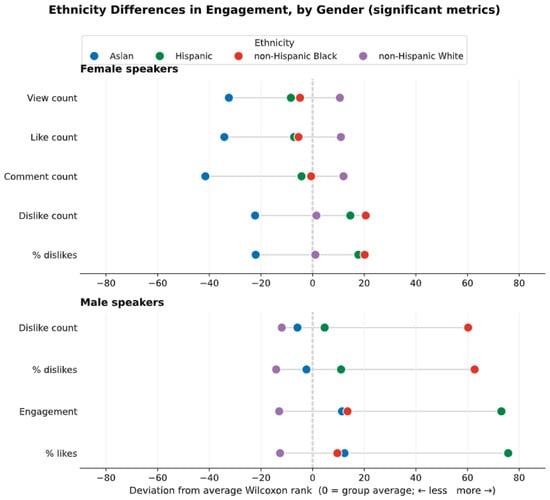
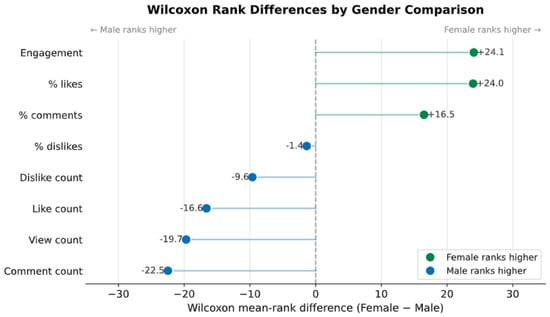
Audience reactions to oral communication are shaped by both communicative practices and broader social contexts. While elements such as message content, delivery style, and vocal expression can be developed through training, other factors—such as gender and ethnicity—reflect social identities that are often associated with how speakers are perceived and evaluated. This study examines how these contextual attributes are associated with audience engagement in digital public speaking environments. Drawing on an initial dataset of 977 TEDx talks, resulting in two high-confidence subsamples of 610 speakers for gender and 387 for ethnicity, curated through a combination of computational methods with a communication perspective. We analyzed the relationship between the two factors with engagement indicators—including likes, dislikes and interaction rates. The analysis explores whether patterns of audience response differ across demographic groups and at the intersection of gender and ethnicity. The findings reveal that neither gender nor ethnicity, considered on its own, was significantly associated with audience engagement; differences emerged only at the intersection of the two. Specifically, non-Hispanic Black speakers were associated with higher levels of negative feedback in both genders, Hispanic male speakers received more positive engagement than other male speakers, and Asian female speakers showed lower interaction levels—fewer views, likes, and comments—than non-Hispanic White female speakers. These patterns suggest that disparities in how audiences respond to speakers’ social identities in mediated contexts are intersectional, becoming visible only when gender and ethnicity are considered jointly. By providing empirical evidence from a diverse digital corpus, this study contributes to ongoing debates on digital inequalities, representation, and participation in contemporary media environments, highlighting the importance of considering social context in analyses of audience behavior.
Full article

Figure 1
Open AccessArticle
Housing Fragility: Wealth Position, Portfolio Composition, and Education Among Homeowners
by
Lisa A. Keister
Soc. Sci. 2026, 15(7), 427; https://doi.org/10.3390/socsci15070427 (registering DOI) - 29 Jun 2026
Abstract
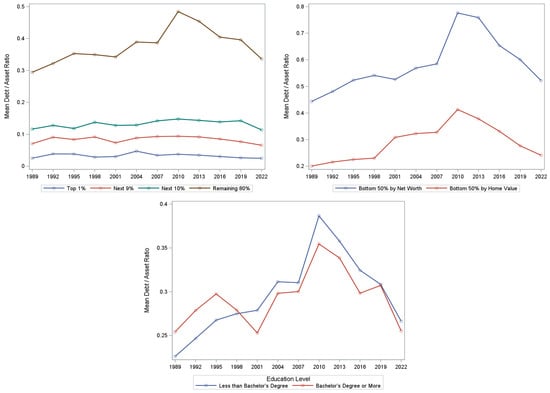
Homeownership is considered an important indicator of financial stability, but the economic security it provides varies substantially across households. In this paper, I examine housing fragility among U.S. homeowners and ask how vulnerability to housing- and credit-market disruptions is organized across wealth position,
[...] Read more.
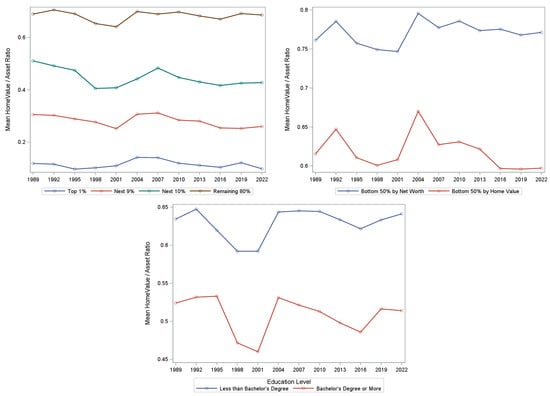
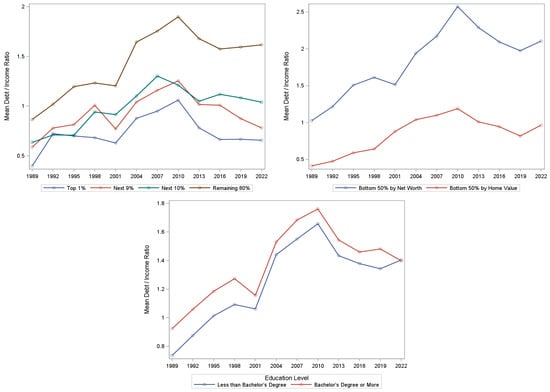
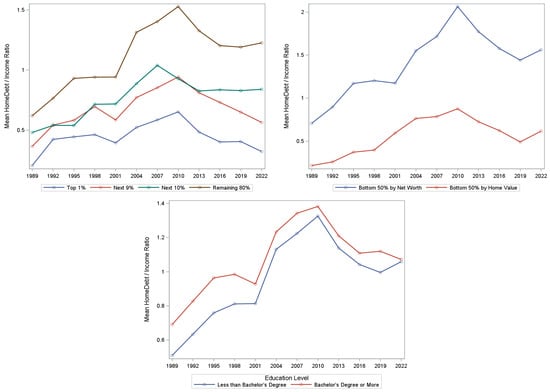
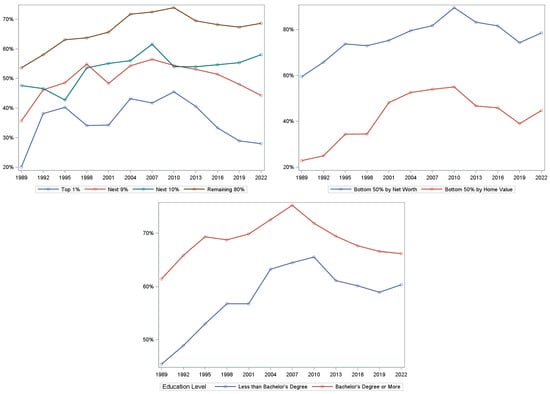
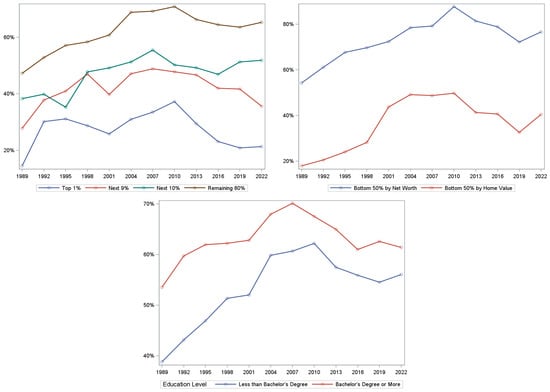
Homeownership is considered an important indicator of financial stability, but the economic security it provides varies substantially across households. In this paper, I examine housing fragility among U.S. homeowners and ask how vulnerability to housing- and credit-market disruptions is organized across wealth position, portfolio composition, and educational attainment. Drawing on perspectives emphasizing financialization and action under uncertainty, I conceptualize housing fragility as a multidimensional condition rooted in the organization of household balance sheets and in unequal capacities to navigate financial institutions and market risk. Using pooled cross-sectional data from the 1989–2022 Survey of Consumer Finances, I analyze six indicators capturing leverage, repayment strain, portfolio concentration, and housing cost burdens among homeowners. Findings show that housing fragility is systematically stratified across the wealth distribution, with lower-wealth homeowners consistently exhibiting higher leverage, greater repayment burdens, and more severe housing cost strain. Fragility is also more strongly associated with overall net worth than with housing values alone, indicating that broader balance-sheet resources shape households’ capacity to sustain ownership under changing market conditions. In addition, less-educated homeowners experience persistently higher levels of fragility, particularly in measures tied to repayment obligations and ongoing financial strain. The findings show that homeownership amplifies existing wealth inequalities by exposing lower-wealth households to disproportionate financial risk embedded in contemporary housing and credit markets.
Full article
(This article belongs to the Section Social Stratification and Inequality)
►▼
Show Figures

Figure 1
Open AccessArticle
Digital Leadership as a Networked Social Process: Evidence from Twitter (X) Leadership Communities
by
HaeJung Maria Kim, Sua Jeon and Christy Crutsinger
Soc. Sci. 2026, 15(7), 426; https://doi.org/10.3390/socsci15070426 (registering DOI) - 28 Jun 2026
Abstract
►▼
Show Figures
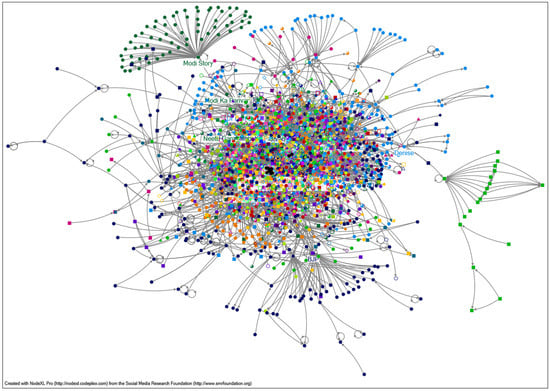
This study investigates digital leadership as a networked social process by analyzing how influential actors operating across professional and institutional domains construct leadership discourse and draw on transformational leadership (TFL) principles within Twitter (X) networks, with particular attention to the skill-transfer gaps that
[...] Read more.
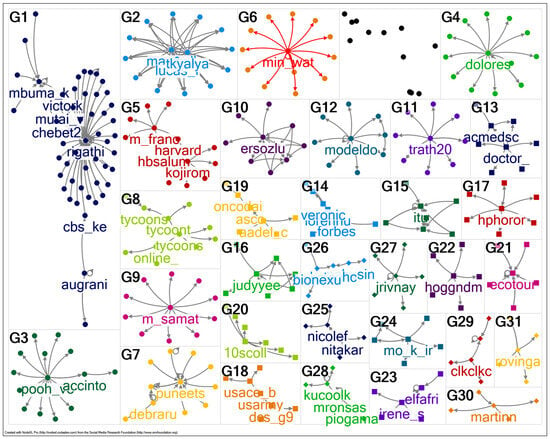
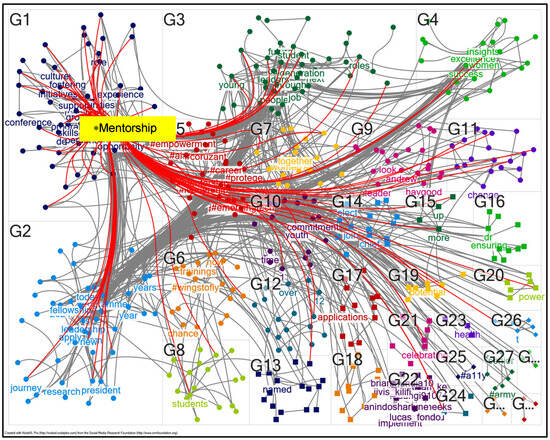
This study investigates digital leadership as a networked social process by analyzing how influential actors operating across professional and institutional domains construct leadership discourse and draw on transformational leadership (TFL) principles within Twitter (X) networks, with particular attention to the skill-transfer gaps that persist between formal academic preparation and workforce demands. Social Network Analysis (SNA) using the NodeXL program was used to examine the relational structure of that discourse across a dataset of 1186 Twitter accounts and 1362 relational ties. The analysis identified 27 prominent actors operating within a distinct community cluster whose discourse spanned politics, health, technology, media, and education, with thematically diverse but uneven engagement with leadership topics. Combining semantic cluster analyses, inductive thematic mapping, and a supplementary exploratory factor analysis (EFA), the study finds that the four TFL principles (individualized consideration, intellectual stimulation, inspirational motivation, and idealized influence) are unevenly represented in this discourse. The EFA condensed the co-occurrence structure into three platform-shaped factors, with the strongest support for individualized consideration and no coherent factor for idealized influence, indicating partial rather than comprehensive alignment with the four-dimensional TFL model. The findings position digital leadership as a relational and iterative social process, sustained through repeated interactions, endorsements, and positional recognition within platform-based publics that extend across academic, industry, and socio-political boundaries. The study highlights social media as a networked yet uneven environment for leadership development and the broader social negotiation of skill-transfer challenges across digital professional contexts.
Full article

Figure 1
Open AccessArticle
Ethics as Situated Practice: Ethical Conflicts and Structural Tensions in Occupational Therapy Practice in Spain
by
Daniel Emeric-Méaulle, Pablo A. Cantero-Garlito and Ana A. Laborda-Soriano
Soc. Sci. 2026, 15(7), 425; https://doi.org/10.3390/socsci15070425 (registering DOI) - 26 Jun 2026
Abstract
Ethical conflicts are an inherent—yet often invisible—dimension of occupational therapy practice. Most available evidence remains qualitative or conceptual, and the empirical articulation of ethical conflicts in Spain is still limited. This study examines the nature, distribution, co-occurrence patterns, and meanings of ethical conflicts
[...] Read more.
Ethical conflicts are an inherent—yet often invisible—dimension of occupational therapy practice. Most available evidence remains qualitative or conceptual, and the empirical articulation of ethical conflicts in Spain is still limited. This study examines the nature, distribution, co-occurrence patterns, and meanings of ethical conflicts reported by occupational therapists in Spain. A concurrent convergent mixed-methods design was used. From a broader national sample of 596 valid responses, the analytical sample consisted of 160 practitioners (84.4% women, reflecting the gender composition of the profession in Spain) who reported having experienced ethical conflicts and provided open-text information. Data were collected via an online questionnaire combining closed items and open-ended narratives. Quantitative analyses included descriptive statistics and Jaccard-based co-occurrence estimates derived from a non-mutually exclusive thematic coding matrix. Narratives were analyzed inductively with a descriptive phenomenological orientation (Giorgi), using thematic procedures as an analytic scaffold (Braun and Clarke). Findings were integrated through joint displays and meta-inference. The most frequently selected primary conflict categories concerned professional competence and practice (19.4%), relationships with family members/caregivers (14.4%), and the user–therapist relationship (12.5%). Co-occurrence analysis indicated that conflicts rarely occurred in isolation and tended to cluster across relational, structural, and professional domains. Integration of quantitative patterns and narrative meanings supported a preliminary interpretive three-dimensional framework (relational, structural, professional) for understanding ethical tensions in practice. Across narratives, participants described experiences interpreted as consistent with moral distress, economic and workload pressures, limited professional recognition, and normative gaps. Ethical conflicts in occupational therapy practice in Spain are best understood as recurrent, situated tensions shaped by relational dynamics and organizational conditions, rather than isolated dilemmas. Supporting moral agency requires organizational supports, spaces for collective ethical deliberation, and context-sensitive ethics education.
Full article
Open AccessArticle
Effects of a Taiwanese Practice of Board Game Program on Cognitive Function and Loneliness Among Older Adults in Long-Term Care Facilities: A Quasi-Experimental Study
by
Ling Lin and Ching-Teng Yao
Soc. Sci. 2026, 15(7), 424; https://doi.org/10.3390/socsci15070424 (registering DOI) - 26 Jun 2026
Abstract
Stimulating leisure activities have been increasingly recognized as meaningful strategies to maintain cognitive health and reduce psychosocial risks among older adults. This study evaluated the effectiveness of a structured board game intervention in enhancing cognitive function and reducing loneliness among older adults living
[...] Read more.
Stimulating leisure activities have been increasingly recognized as meaningful strategies to maintain cognitive health and reduce psychosocial risks among older adults. This study evaluated the effectiveness of a structured board game intervention in enhancing cognitive function and reducing loneliness among older adults living in long-term care facilities in Taiwan. Using a quasi-experimental design, 67 residents were assigned to either an intervention group, which participated in a six-week board game program, or a comparison group that continued with their usual activities. Data were collected at baseline and immediately after the intervention. Generalized estimating equations were used to analyze changes over time. Results indicated that the intervention group showed significantly greater improvements in cognitive function (β = 3.86, p < 0.001) and reductions in loneliness (β = 2.31, p = 0.004) at week 6 compared with the comparison group. These findings provide preliminary evidence that structured board game activities may represent a feasible, low-cost, and socially engaging approach to support cognitive and psychosocial well-being among older adults living in long-term care facilities. Implications for gerontological social work practice and activity programming are discussed.
Full article
(This article belongs to the Special Issue The Impact of Social Connectedness on Older Adults’ Wellbeing)
Open AccessArticle
Delegated Time Work: How Professionals Use Generative AI to Reshape Temporal Experience
by
Robert Florin Similea, Cosima Rughiniș, Răzvan Rughiniș and Dinu Țurcanu
Soc. Sci. 2026, 15(7), 423; https://doi.org/10.3390/socsci15070423 (registering DOI) - 26 Jun 2026
Abstract
This article examines how professionals who use generative AI in their daily work reshape their temporal experience. Drawing on 21 semi-structured interviews with experienced AI users and developers in Romania, and building on Flaherty’s concept of “time work”, it introduces the notion of
[...] Read more.
This article examines how professionals who use generative AI in their daily work reshape their temporal experience. Drawing on 21 semi-structured interviews with experienced AI users and developers in Romania, and building on Flaherty’s concept of “time work”, it introduces the notion of delegated time work: a form of temporal agency in which individuals transfer part of the time-shaping effort to an AI tool while retaining judgment over the temporal structure of activity. The results show clear support for delegated time work in three dimensions of temporal experience: duration, sequence, and allocation. Evidence for frequency, timing, and taking time is limited: delegation succeeds in the dimensions professionals control individually and fails in those governed by shared institutional rhythms. Delegation also generates its own temporal costs through learning and verification overheads, unevenly distributed between developers and users. Drawing on the “time capital” framework of Matei and Preda, the analysis traces three outcomes of the freed time: accumulation as a personal resource, conversion into professional or economic capital, and absorption by rising expectations, leaving workers faster but not freer. In Romania’s dependent market economy, market exposure shapes who keeps the time that AI frees.
Full article
(This article belongs to the Topic The Impact of Artificial Intelligence on Research and Communication in the Social Sciences and Humanities)
Open AccessReview
Reconsidering Lockdown Drills in K-12 Schools: A Scoping Review of Empirical Evidence on Implementation Practices, Trauma-Informed Considerations, and Reported Outcomes
by
Melissa Mariani, Gabriel Lomas, Carolyn Berger, Stacy Butkus and Hyuncheol Yoon
Soc. Sci. 2026, 15(7), 422; https://doi.org/10.3390/socsci15070422 (registering DOI) - 26 Jun 2026
Abstract
Lockdown drills have become standard practice in K-12 schools across the United States, but there are concerns about the psychological health impact, quality of implementation, and equity implications of current practices. This scoping review compiles the empirical literature on lockdown and active-threat drills
[...] Read more.
Lockdown drills have become standard practice in K-12 schools across the United States, but there are concerns about the psychological health impact, quality of implementation, and equity implications of current practices. This scoping review compiles the empirical literature on lockdown and active-threat drills to provide insight into how drills are defined and conducted, what outcomes are measured, and the remaining gaps. In accordance with well-researched scoping review methodologies, 27 peer-reviewed U.S.-based studies were aggregated from six primary areas: drill definitions and typologies, implementation practices, reported outcomes, trauma-informed and developmental considerations, equity and disability inclusion, and evidence gaps. Findings reveal wide variability among drill terminology and protocol categorization and most studies emphasize advance warning and low-realism practices. Psychological outcomes are measured much more often than objective measures of implementation fidelity or physical preparedness. Educator and staff experiences, caregiver perceptions, and longitudinal outcomes are underrepresented. Although a number of studies report developmental adaptations and disability accommodations, comprehensive equity analyses remain rare. Overall, potential psychological harms are more clearly documented than protective effects in the literature. This review emphasizes the importance of standardized drill taxonomies, fidelity measurement methods, trauma-informed mental health integration, and inclusive designs to inform school safety policy and practice.
Full article
Open AccessReview
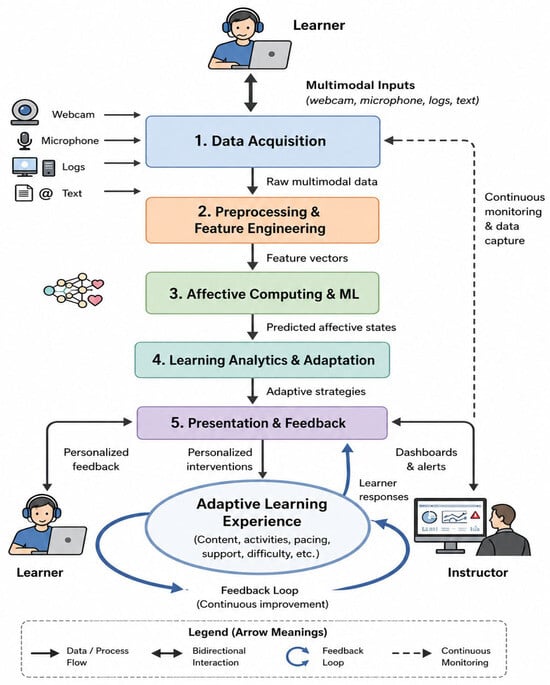
AI-Based Online Education Systems Integrating Real-Time Affective Computing: A Design-Oriented Conceptual Framework
by
Syed Uzair Jaffri, Ah-Choo Koo, Salman Hussain and Choo-Yee Ting
Soc. Sci. 2026, 15(7), 421; https://doi.org/10.3390/socsci15070421 (registering DOI) - 26 Jun 2026
Abstract
The implementation of an artificial intelligence (AI)-based system for monitoring, forecasting, and learner performance support has been intensified by the rapid expansion of online education systems. Existing online educational platforms completely rely on learning analytics and machine learning to customize content delivery. On
[...] Read more.
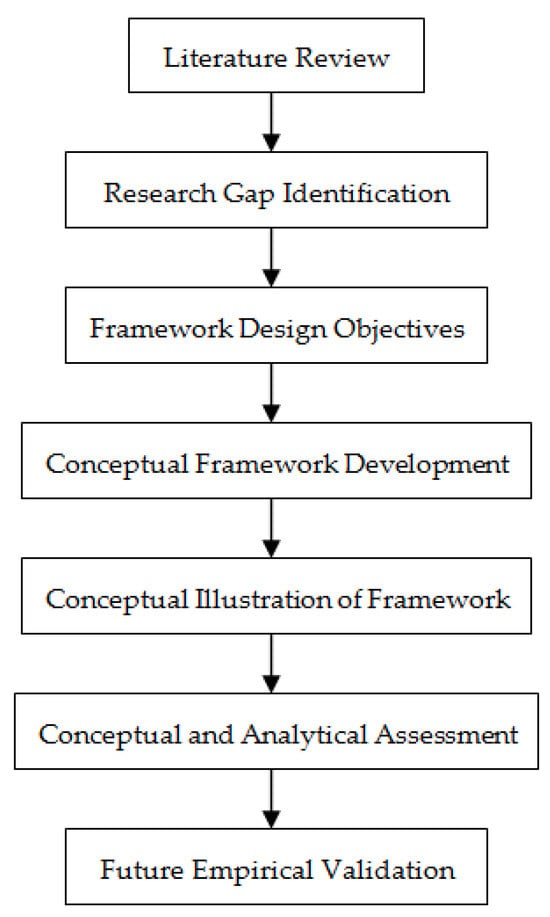
The implementation of an artificial intelligence (AI)-based system for monitoring, forecasting, and learner performance support has been intensified by the rapid expansion of online education systems. Existing online educational platforms completely rely on learning analytics and machine learning to customize content delivery. On the other hand, these platforms fundamentally focus on behavioral and cognitive indicators, whereas the integration of affective computing into learning analytics and adaptive decision-making processes is lacking. During the learning process, emotions like engagement, boredom, and confusion play a vital role. Nonetheless, the integration of adaptive online learning systems is still fragmented and underdeveloped. The latest progress in affective computing and multimodal sensing technologies allow for the inference of the affective state of learners in real-time, which creates a range of potential opportunities to create emotionally sensitive learning spaces. Despite technological innovations, the existing studies do not have a conceptual framework that is unified, design-oriented, and clearly incorporates affective computing with AI-based learning analytics to inform real-time pedagogical adaptation. To address this gap, this study introduces a design-oriented conceptual framework for AI-based online education systems that incorporate real-time affective computing. This conceptual framework combines the theoretical foundation of learning analytics, affective computing, and adaptive learning systems. The suggested framework offers a clear and scalable basis of online learning environments that are affective-aware by offering a clear framework of development, assessment, and consequent empirical validation.
Full article
(This article belongs to the Special Issue Communication, Language, Education and Society in a Digital Age: Emerging Interdisciplinary Perspectives from DIFCON-CLESS 2026)
►▼
Show Figures

Figure 1
Open AccessReview
Global Research Trends in Family and Marriage Studies (2000–2025): A Bibliometric Visualization Analysis Utilizing CiteSpace
by
Olaniyi Joshua Olabiyi and Nicolette Vanessa Roman
Soc. Sci. 2026, 15(7), 420; https://doi.org/10.3390/socsci15070420 - 25 Jun 2026
Abstract
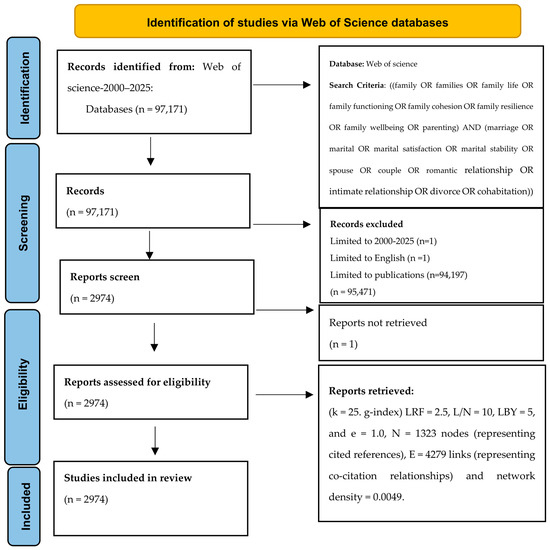
This study provides a systematic examination of global research trends and developments in the field of family and marriage over a twenty-five-year period (2000–2025). Employing a hybrid review design, the research integrates bibliometric analysis with PRISMA guidelines to ensure methodological rigor and transparency.
[...] Read more.
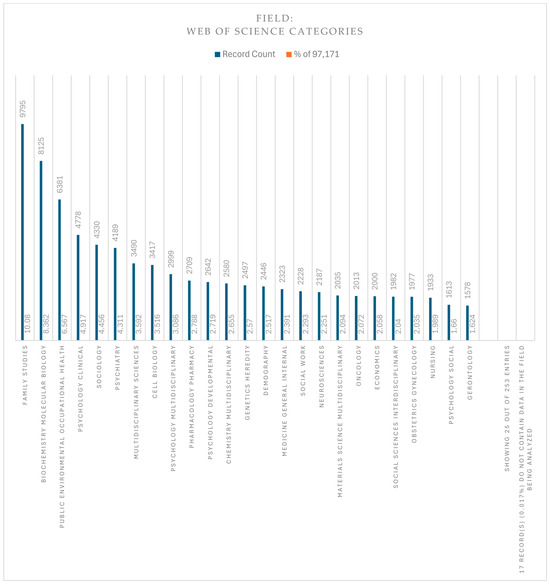
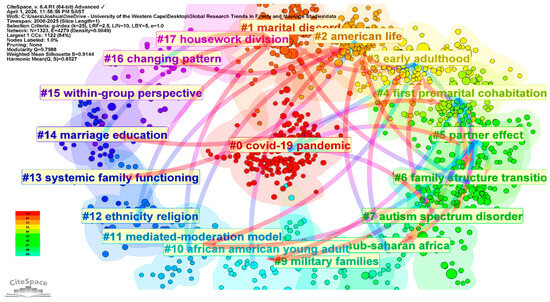
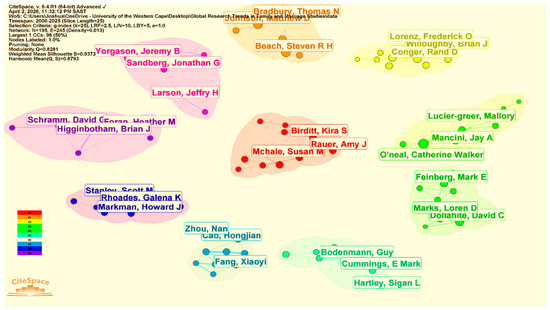
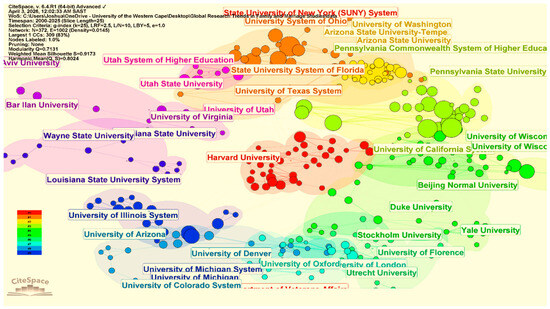
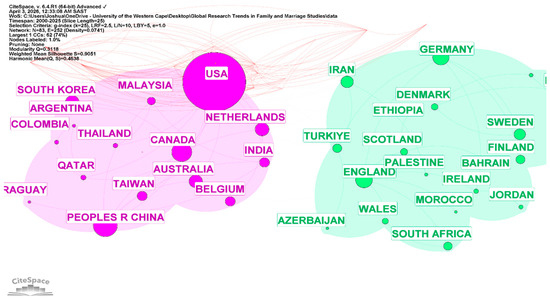
This study provides a systematic examination of global research trends and developments in the field of family and marriage over a twenty-five-year period (2000–2025). Employing a hybrid review design, the research integrates bibliometric analysis with PRISMA guidelines to ensure methodological rigor and transparency. Data were retrieved from the Web of Science, where an initial pool of 97,171 records was refined to 2974 eligible publications through a structured screening and inclusion process. The reduction to 2974 publications was the result of structure bibliometrics using CiteSpace, which employs algorithmic thresholds to identify the most structurally significant publications within a large corpus. Utilizing CiteSpace (version 6.4.R1), this analysis maps the intellectual structure and evolution of the field. By synthesizing co-citation, co-authorship, institutional, and keyword co-occurrence data, this study identifies critical collaboration networks, influential contributors, and dominant thematic domains. The findings reveal prominent research clusters, including premarital cohabitation, partner effects, family structure transitions, marital discord, systemic family functioning, and marriage education. Key contributors identified include influential scholars such as Catherine Walker O’Neal, Birditt, Kira S, Higginbotham Brian J, Beach Steven R. H., and Matthew D. Johnson. Leading institutions are the University System of Ohio, the University of California System, the Pennsylvania Commonwealth System of Higher Education (PCSHE), Pennsylvania State University, and Pennsylvania State University–University Park. At the country level, the United States, Canada, England, Australia, the Netherlands, and Belgium emerge as the most significant contributors. The findings offer a comprehensive synthesis of authorship trends, institutional influence, and shifting research trajectories within the field of family and marriage studies.
Full article
(This article belongs to the Special Issue Emerging Trends in Family and Marriage Behaviors and Values)
►▼
Show Figures

Figure 1
Open AccessArticle
Where Socioeconomic Differences in Computational Thinking Become Visible: Integrating Diagnostic and Log-Based Behavioral Assessment
by
Ben Avital-Lev and Arnon Hershkovitz
Soc. Sci. 2026, 15(7), 419; https://doi.org/10.3390/socsci15070419 - 25 Jun 2026
Abstract
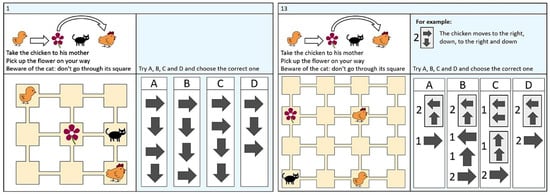
This study examines where socioeconomic differences in students’ computational thinking (CT) learning become visible by comparing a diagnostic assessment of conceptual CT knowledge with behavioral indicators derived from interaction data in a digital programming environment. The study involved 444 elementary school students who
[...] Read more.
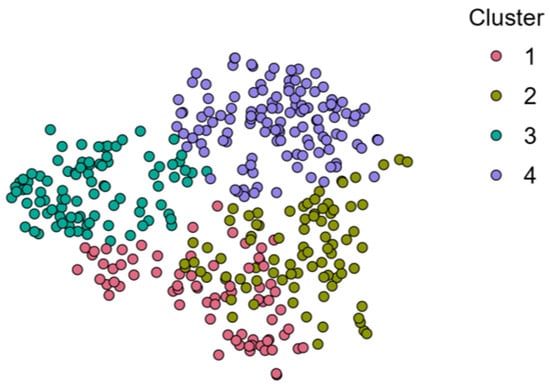
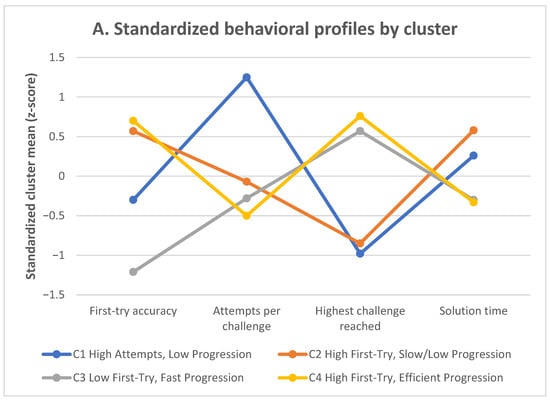
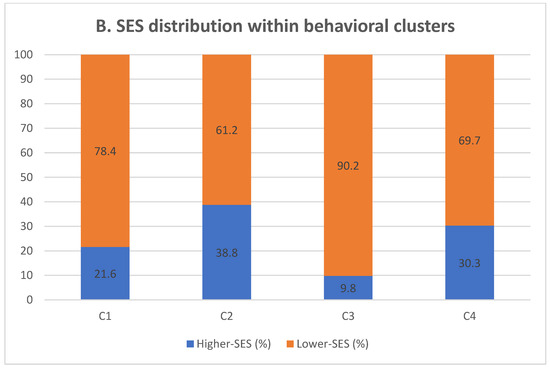
This study examines where socioeconomic differences in students’ computational thinking (CT) learning become visible by comparing a diagnostic assessment of conceptual CT knowledge with behavioral indicators derived from interaction data in a digital programming environment. The study involved 444 elementary school students who completed a structured sequence of programming tasks while their activity was recorded. Conceptual CT knowledge was assessed using a validated diagnostic instrument, and four behavioral indicators were derived from learning logs: average first-try stars, attempts per challenge, highest challenge reached, and average solution time. Analyses were conducted at two complementary levels: individual indicators and integrated digital behavioral types identified through clustering. The findings revealed no meaningful socioeconomic differences in diagnostic CT performance and no consistent differences across most individual behavioral indicators, with the exception of average first-try stars. However, socioeconomic differences became visible when students’ interaction patterns were examined as multidimensional configurations of engagement. These results suggest that socioeconomic variation is reflected primarily in students’ engagement with digital problem-solving processes rather than in conceptual knowledge alone. The study highlights the value of combining diagnostic and log-based measures for understanding how educational inequality may become observable in computational thinking development.
Full article
(This article belongs to the Topic Diversity Competence and Social Inequalities, 2nd Edition)
►▼
Show Figures

Figure 1
Open AccessArticle
Whose Peace Counts in German Classrooms? On the Mobilization of School Peace (Schulfrieden) and the Policing of Palestine Solidarity
by
Mahdis Azarmandi and Maryam Sharifkhani
Soc. Sci. 2026, 15(7), 418; https://doi.org/10.3390/socsci15070418 - 25 Jun 2026
Abstract
School peace, or Schulfrieden, is often portrayed in German education as a neutral condition enabling learning. Yet this study interrogates how peace itself becomes a tool of governance, selectively policing who can safely occupy the classroom. Examining the Berlin Senate’s October 2023 directive,
[...] Read more.
School peace, or Schulfrieden, is often portrayed in German education as a neutral condition enabling learning. Yet this study interrogates how peace itself becomes a tool of governance, selectively policing who can safely occupy the classroom. Examining the Berlin Senate’s October 2023 directive, which banned symbols showing solidarity with Palestine, we show that school peace is less about conflict resolution than about shaping affective hierarchies. Fear, anticipation, and symbolic association circulate to mark some bodies as threats while leaving others unexamined. Through the lens of Sara Ahmed’s affective economies and Zembylas’s affective ideology, we argue that the directive transforms political expression into a site of emotional correction, preemptively disciplining marginalized students and rendering their solidarity politically suspect. Peace, in this framing, is primarily rule and order: it secures institutional comfort while curtailing engagement with global injustice. The classroom becomes a laboratory of anticipatory governance, where ethical awareness is unevenly distributed, and dissent is contained before it emerges. By tracing how school peace operates affectively, the study reveals the subtle mechanics by which liberal education reproduces racialized hierarchies under the guise of neutrality.
Full article
(This article belongs to the Special Issue Policying and Policing: The Governance of Refugee/(Im)migrant Education in an Age of Hostility—2nd Edition)
Open AccessArticle
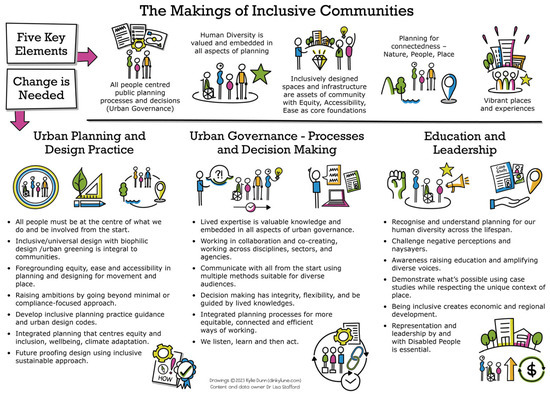
The Art of Using Inclusive Community Chats with an Adaptive World Café Approach to Explore the Meaning of Inclusive Communities
by
Julie Andersson and Lisa Stafford
Soc. Sci. 2026, 15(7), 417; https://doi.org/10.3390/socsci15070417 - 25 Jun 2026
Abstract
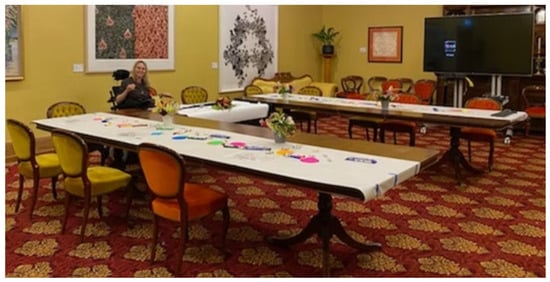
Background: Knowledge of place-based communities and the lived experiences of diverse citizens such as disabled people are key to making more inclusive sustainable communities. Yet many voices in public planning and community engagement, such as people with disabilities, neurodivergent people, children and young
[...] Read more.
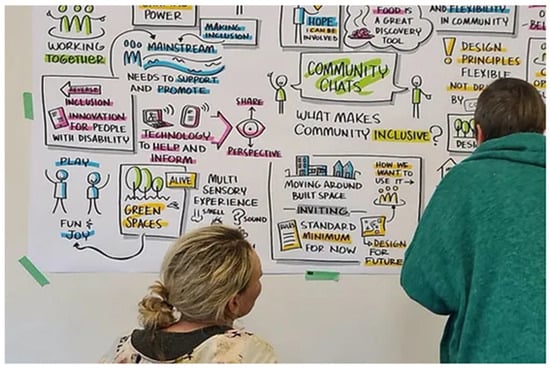
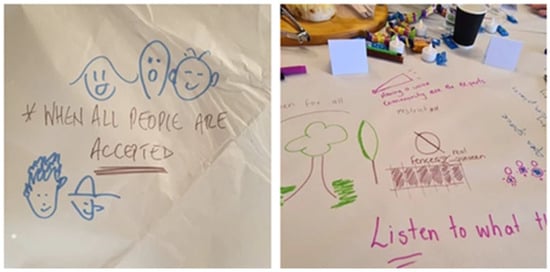
Background: Knowledge of place-based communities and the lived experiences of diverse citizens such as disabled people are key to making more inclusive sustainable communities. Yet many voices in public planning and community engagement, such as people with disabilities, neurodivergent people, children and young people, are often not heard. Method: Bringing people together requires an artful approach that amplifies diverse voices and stories while enabling solutions through knowledge exchange. In this article we share the art of designing and doing community chats as an inclusive dialogical method. The community chats used The World Café’s principles and framework adapted with inclusive processes, enabling us to explore the concept of planning inclusive communities and, importantly, solutions for them with community members with and without disabilities. Findings: In this article we firstly critique the current tensions regarding community engagement in public planning and participatory research methods, before outlining our approach. This includes outlining in detail our design approach and applied processes for maximising the participation of diverse people with disabilities and chronic illnesses. We offer critical reflections on our key lessons learnt and the non-negotiables in undertaking community chats. Conclusions: By sharing our thinking, approach and lessons learnt, we offer an inclusive adaptive approach to a popular method—the world café—that can be useful to evoke meaningful and empowering knowledge exchanges with diverse people with disabilities to help progress actions towards making communities more inclusive.
Full article
(This article belongs to the Special Issue Planning Inclusive Communities: Applying Transformative Research Methods)
►▼
Show Figures

Figure 1
Open AccessArticle
Resistance, Suffering and Political Critique: Social Representations of the Palestinian Conflict in Student Discourses
by
Naiara Ozamiz-Etxebarria, Nahia Idoiaga-Mondragon, Maitane Picaza Gorrotxategi, Idoia Legorburu Fernandez and Itziar Kerexeta Brazal
Soc. Sci. 2026, 15(7), 416; https://doi.org/10.3390/socsci15070416 - 25 Jun 2026
Abstract
The ongoing Palestinian conflict, particularly the escalation in Gaza since October 2023, has raised pressing concerns regarding human rights and international justice. This study explores how university students in northern Spain perceive the situation in Palestine, analyzing their levels of knowledge, emotional responses,
[...] Read more.
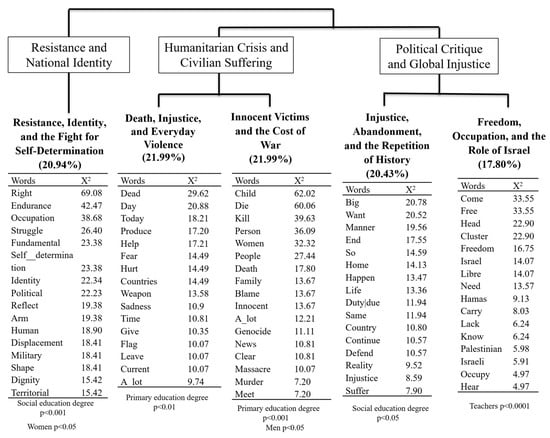
The ongoing Palestinian conflict, particularly the escalation in Gaza since October 2023, has raised pressing concerns regarding human rights and international justice. This study explores how university students in northern Spain perceive the situation in Palestine, analyzing their levels of knowledge, emotional responses, and critical positioning. Using a mixed-method approach based on an online questionnaire and the Grid Elaboration Method, data were gathered from 147 students enrolled in education-related programs. The findings reveal three core themes in students’ representations of the conflict: resistance as a form of national identity, humanitarian suffering of civilians, and structural injustice perpetuated by global power dynamics. Gender and academic background influenced discursive emphasis, with Social Education students showing more politicized perspectives and women focusing more on Palestinian dignity and resistance. These insights underscore the potential of higher education to foster critical thinking, empathy, and engagement with international conflicts, and highlight the role of universities in cultivating a culture of peace and human rights.
Full article
(This article belongs to the Topic Global Mental Health Trends, 2nd Edition)
►▼
Show Figures

Figure 1
Open AccessArticle
Circular Economy and Sustainability in Higher Education: A Comparative Study of Knowledge and Student Perceptions in Peru, Colombia, and Mexico
by
Silvia Lourdes Vidal-Taboada, Nilthon Pisfil-Benites, Luis Tuñoque-Morante, Yenny Anali Tenorio-Ortiz, Tanya Gabriela Makita-Balcorta and Diana Paola Diazgranados-Villa
Soc. Sci. 2026, 15(7), 415; https://doi.org/10.3390/socsci15070415 - 24 Jun 2026
Abstract
Background: The transition toward sustainable development models has increased the relevance of the circular economy (CE) as a strategy for improving resource efficiency and reducing environmental impacts. In this context, higher education may contribute to strengthening sustainability-oriented competencies and environmental awareness among university
[...] Read more.
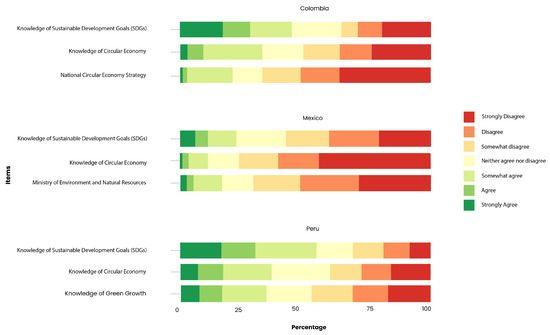
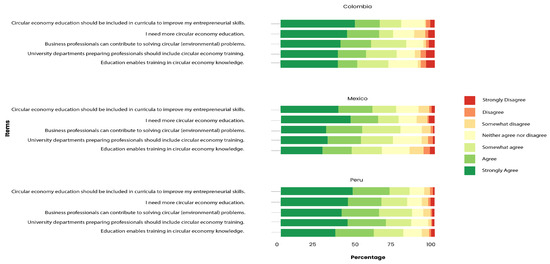
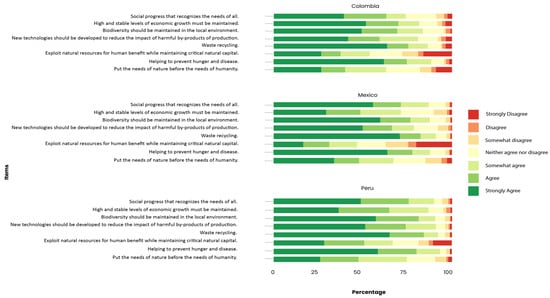
Background: The transition toward sustainable development models has increased the relevance of the circular economy (CE) as a strategy for improving resource efficiency and reducing environmental impacts. In this context, higher education may contribute to strengthening sustainability-oriented competencies and environmental awareness among university students. Methods: This study aimed to assess differences in knowledge of the circular economy, perceptions regarding higher education in circular economy education, and sustainability dimensions among university students in Peru, Colombia, and Mexico. A quantitative, non-experimental, cross-sectional design was adopted using a structured questionnaire administered to 702 university students. The analysis included descriptive statistics, the Kruskal–Wallis test, and Dunn’s post hoc comparisons. Results: The results showed significant differences among countries regarding knowledge of CE principles, sustainability initiatives, and perceptions associated with higher education in circular economy education. Peruvian students generally reported higher levels of knowledge and more positive perceptions across several indicators, whereas Mexican students presented comparatively lower scores. Differences were also identified across the environmental, social, and economic dimensions of sustainability, particularly in the economic dimension. Conclusions: Overall, the findings suggest that higher education may support the development of CE-related competencies and sustainability-oriented educational strategies within diverse Latin American contexts.
Full article
(This article belongs to the Section Social Economics)
►▼
Show Figures

Figure 1
Open AccessArticle
Usability and User Advocacy of a Digital Twin-Inspired Metaverse Orientation System: An Exploratory Pilot Study
by
Jia-Hui Tan, Soon-Nyean Cheong, Chee-Onn Wong and Ahmad Hishamuddin Bin Mohamed
Soc. Sci. 2026, 15(7), 414; https://doi.org/10.3390/socsci15070414 - 24 Jun 2026
Abstract
University orientation programmes are a primary mechanism through which new students become familiar with campus facilities, academic spaces, and institutional procedures. However, many orientation activities are delivered as single in-person sessions, limiting opportunities for students to revisit spatial and procedural information after the
[...] Read more.
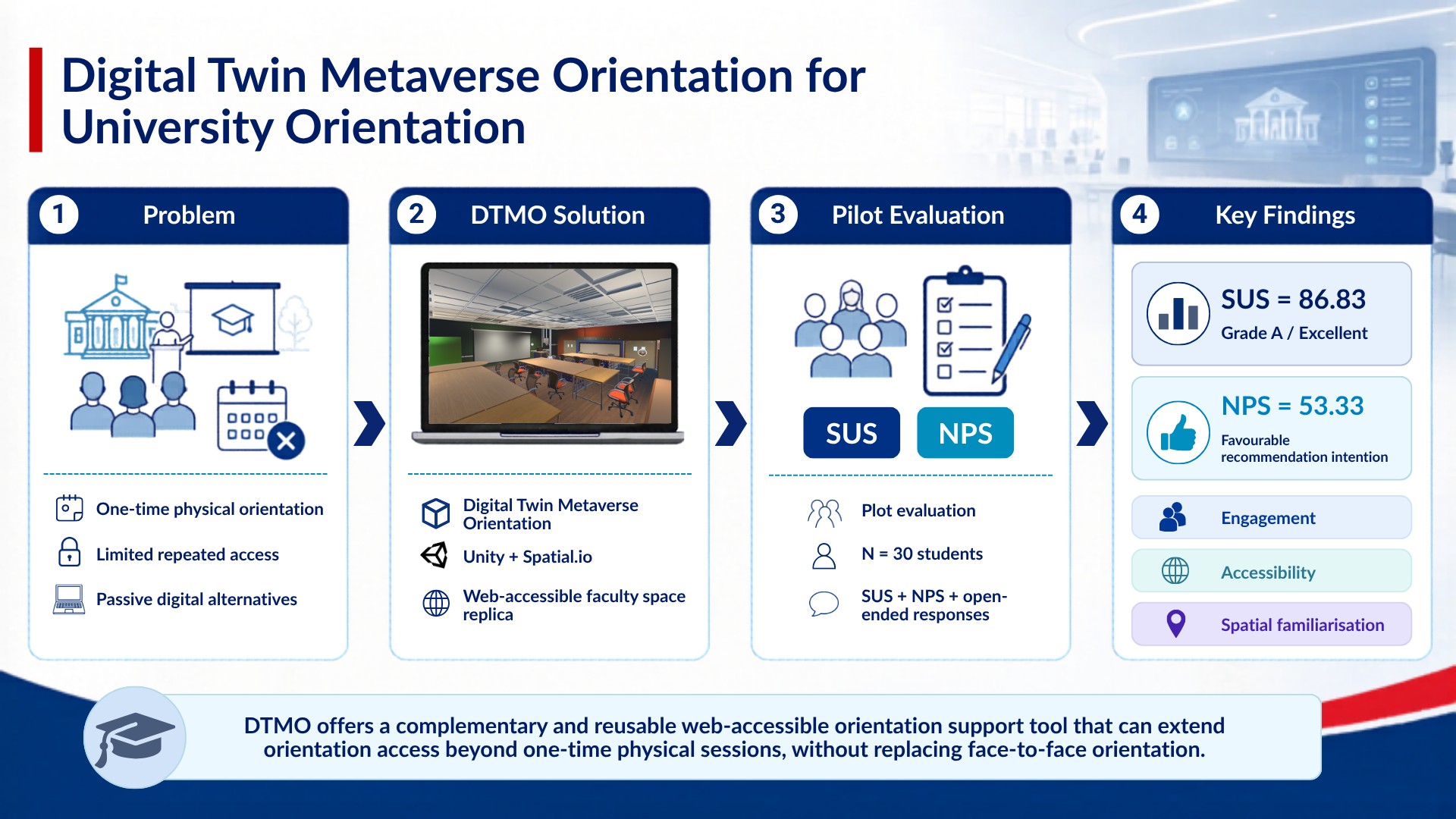
University orientation programmes are a primary mechanism through which new students become familiar with campus facilities, academic spaces, and institutional procedures. However, many orientation activities are delivered as single in-person sessions, limiting opportunities for students to revisit spatial and procedural information after the event. To help address this constraint, a digital twin-inspired metaverse orientation application, the Digital Twin Metaverse Orientation (DTMO), was designed in Unity and hosted on Spatial.io as a spatially faithful virtual replica of a faculty environment. An exploratory pilot evaluation was conducted with 30 university students from multiple faculties after a facilitator-guided orientation session. The System Usability Scale (SUS), Net Promoter Score (NPS), and two open-ended questions were used to examine perceived usability, recommendation intention, and the reasons underpinning recommendation decisions. The application obtained a mean SUS score of 86.83, corresponding to an excellent perceived-usability rating, and an NPS of 53.33, indicating positive immediate recommendation intention. Qualitative responses suggested that participants valued the DTMO for engagement, accessibility, ease of navigation, and support for spatial familiarisation, while some participants emphasised that it should complement rather than replace physical orientation. These pilot findings indicate promising user reception in a small, guided-session sample, but they do not establish orientation effectiveness, learning transfer, wayfinding performance, retention, belonging, institutional integration, or sustained use. Further research with broader samples and outcome-based measures is therefore needed.
Full article
(This article belongs to the Special Issue Communication, Language, Education and Society in a Digital Age: Emerging Interdisciplinary Perspectives from DIFCON-CLESS 2026)
►▼
Show Figures

Graphical abstract
Open AccessArticle
Imprisonment and the Redistribution of Harm Across Families and Wider Relationships
by
Sophie Sparks and April Smith
Soc. Sci. 2026, 15(7), 413; https://doi.org/10.3390/socsci15070413 - 23 Jun 2026
Abstract
This study examines the impact of imprisonment on the families of incarcerated men in England and Wales. Drawing on mixed-methods survey data collected in collaboration with the Prison Advice and Care Trust (PACT), the research is based on responses from 42 participants. The
[...] Read more.
This study examines the impact of imprisonment on the families of incarcerated men in England and Wales. Drawing on mixed-methods survey data collected in collaboration with the Prison Advice and Care Trust (PACT), the research is based on responses from 42 participants. The sample comprised 21 partners/spouses, 11 parents, 5 adult children, 2 siblings, 1 other relative and 1 friend of an incarcerated individual, with 1 participant preferring not to disclose their relationship. The study explores the financial, social, emotional and relational consequences associated with imprisonment. Findings indicate that financial strain was a significant pressure for many participants, driven by loss of income alongside the costs associated with maintaining contact. Participants also described experiences of stigma, social withdrawal, emotional distress and changes to family responsibilities, highlighting the multiple challenges associated with imprisonment for family members. Consistent with emerging research highlighting the wider emotional and psychological consequences of imprisonment for family members, the findings suggest that these pressures were often experienced as interconnected aspects of participants’ experiences rather than in isolation. The study illustrates the value of the symbiotic harms framework for understanding the relational and interconnected dimensions of family members’ experiences of imprisonment in a UK context and highlights the practical and emotional labour involved in maintaining family relationships during imprisonment. The findings underscore the importance of recognising families as individuals directly affected by imprisonment and by the wider consequences of penal policy.
Full article
(This article belongs to the Special Issue The Role of Support in Mitigating the Impact of Family Imprisonment on Children and Families)
Open AccessArticle
Accessibility and Community-Engaged Learning: Lessons from a Qualitative Study with Students
by
Bruce Moghtader, Susan Grossman and Shubhreet Kaur Dadrao
Soc. Sci. 2026, 15(7), 412; https://doi.org/10.3390/socsci15070412 - 23 Jun 2026
Abstract
Over the past decade, educators and administrators in higher education have taken steps toward improving accessibility in teaching and learning. Yet research on supporting students with disabilities in experiential pedagogies, such as community-engaged learning, remains limited, particularly regarding best practices for inclusive instruction.
[...] Read more.
Over the past decade, educators and administrators in higher education have taken steps toward improving accessibility in teaching and learning. Yet research on supporting students with disabilities in experiential pedagogies, such as community-engaged learning, remains limited, particularly regarding best practices for inclusive instruction. The present study addresses this gap by exploring the perceptions and experiences of students with disabilities in community-engaged learning opportunities, as well as the support mechanisms that may contribute to their meaningful participation in these experiences. Forty-three students with disabilities participated in this qualitative study. Drawing on focus groups, individual interviews, and written responses, the study identifies themes for more inclusive design and delivery, including clearly outlining the physical and digital demands of engagement activities well in advance, designing courses with flexibility in mind, protecting students’ privacy, and including an accessibility statement in the syllabus. While the thematic analysis offers practical recommendations for educators and administrators, aimed at reducing barriers and fostering meaningful participation, the study also advocates for greater theoretical engagement with the personal and relational dimensions of experiential education.
Full article
(This article belongs to the Special Issue Belonging and Engagement of Students in Higher Education)
Open AccessArticle
Care and Early Childhood Education in Chile: Ambiguities of the State and Tensions in Its Recognition as a Right and a Dimension of Teaching Work
by
Tabisa Verdejo Valenzuela, Claudia Carrasco-Aguilar and José Ignacio Rivas-Flores
Soc. Sci. 2026, 15(6), 411; https://doi.org/10.3390/socsci15060411 - 22 Jun 2026
Abstract
This study examined the place of care in early childhood education and the role of the state in the social organization of care in Chile. Official policy documents were reviewed, including the Early Childhood Education Curriculum Framework, Teaching Standards Framework (Marco para la
[...] Read more.
This study examined the place of care in early childhood education and the role of the state in the social organization of care in Chile. Official policy documents were reviewed, including the Early Childhood Education Curriculum Framework, Teaching Standards Framework (Marco para la Buena Enseñanza), Law 20.379, and Law 21.805. Following a thematic analysis of these documents, semistructured interviews were conducted with four early childhood teachers to triangulate the findings. The results, presented across three thematic categories, reveal an ambiguity in the state’s positioning, oscillating between its role as a guarantor of rights and a provider of targeted services. Care is also incorporated into the educational sphere in a fragmented manner—as a learning objective and a condition for achieving educational outcomes—without being fully recognized as a constitutive dimension of teaching work. This situation contributes to the invisibilization of teachers as care workers and the reproduction of gender inequalities. The study contributes to the literature by approaching care from an educational perspective, highlighting underexplored tensions and emphasizing the need to incorporate a feminist and intersectional perspective into educational policies to advance the recognition of care as a right and a central component of the teaching profession.
Full article
(This article belongs to the Section Childhood and Youth Studies)
Journal Menu
► ▼ Journal Menu-
- Social Sciences Home
- Aims & Scope
- Editorial Board
- Reviewer Board
- Topical Advisory Panel
- Instructions for Authors
- Special Issues
- Topics
- Sections & Collections
- Article Processing Charge
- Indexing & Archiving
- Editor’s Choice Articles
- Most Cited & Viewed
- Journal Statistics
- Journal History
- Journal Awards
- Conferences
- Editorial Office
Journal Browser
► ▼ Journal BrowserHighly Accessed Articles
Latest Books
E-Mail Alert
News
Topics
Topic in
IJERPH, Behavioral Sciences, Sexes, Social Sciences, Psychology International
Social, Structural and Behavioral Interventions for HIV Prevention
Topic Editors: Greg Rebchook, Susan Kegeles, Sophia Zamudio-HaasDeadline: 30 June 2026
Topic in
Behavioral Sciences, Healthcare, Psychiatry International, Adolescents, Social Sciences, Children
Behavioral Addictions and Risk-Taking in the Digital Age: Gambling, Sports Betting, and Emerging Challenges
Topic Editors: André Luiz Monezi Andrade, Denise De MicheliDeadline: 31 August 2026
Topic in
AI, Nutrients, Social Sciences, Behavioral Sciences, Future Internet
The Synthetic Society: Processes and Products
Topic Editors: Francesco La Barbera, Roberta RiversoDeadline: 30 September 2026
Topic in
Economies, Energies, Social Sciences, Sustainability
Energy Transition: Balancing Economic, Political, and Social Realities
Topic Editors: Kentaka Aruga, Raymond Li, Honorata Nyga-ŁukaszewskaDeadline: 16 November 2026
Conferences
Special Issues
Special Issue in
Social Sciences
Contemporary Organised Crime: Challenges and Issues
Guest Editors: Robert Mclean, R. V. GundurDeadline: 30 June 2026
Special Issue in
Social Sciences
From Precarious Work to Decent Work
Guest Editors: Norbert Ebert, Hangyoung Lee, Harry BlattererDeadline: 30 June 2026
Special Issue in
Social Sciences
Understanding the Influence of Alternative Political Media
Guest Editor: Hélder PriorDeadline: 30 June 2026
Special Issue in
Social Sciences
Emerging Trends in Family and Marriage Behaviors and Values
Guest Editor: Xiaoling ShuDeadline: 31 July 2026
Topical Collections
Topical Collection in
Social Sciences
Justice in Sexual and Reproductive Health: An Intersectional Approach
Collection Editors: Violeta Alarcão, Sónia Cardoso Pintassilgo, Pedro Candeias
Topical Collection in
Social Sciences
Human Face of the COVID-19 Pandemic: Implications for Social Policy
Collection Editors: Christian Aspalter, Johnston Wong
Topical Collection in
Social Sciences
Tackling Organized Crime and Human Trafficking
Collection Editor: James O. Finckenauer
Topical Collection in
Social Sciences
Imposed Identities—What Damage Do They Cause?
Collection Editors: Belinda Winder, Rahmanara Chowdhury, Blerina Kellezi, Iram Shah, Beth Jones