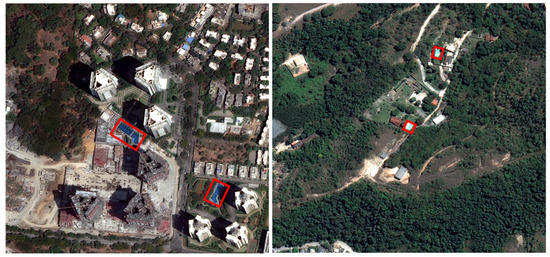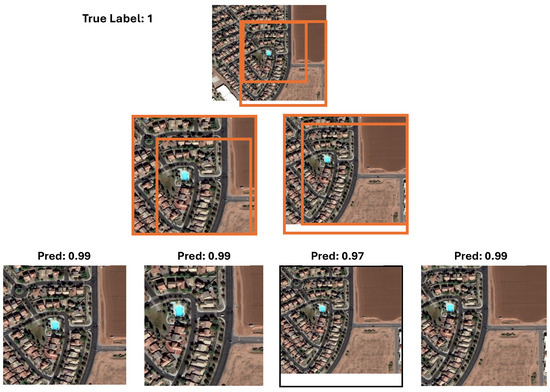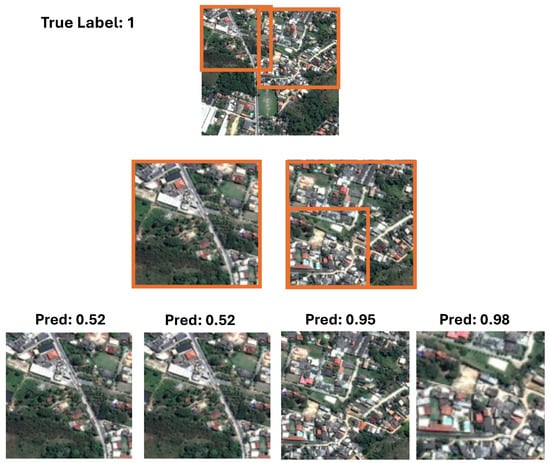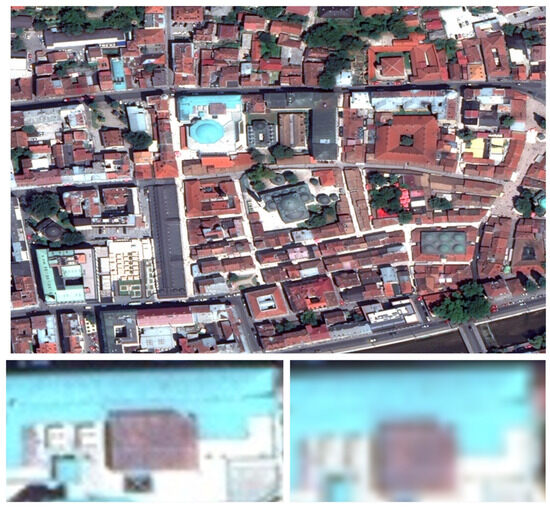
Journal Description
Sci
Sci
is an international, peer-reviewed, open access journal on all research fields published monthly online by MDPI.
- Open Access— free for readers, with article processing charges (APC) paid by authors or their institutions.
- High Visibility: indexed within ESCI (Web of Science), Scopus, and other databases.
- Journal Rank: CiteScore - Q1 (Multidisciplinary)
- Rapid Publication: manuscripts are peer-reviewed and a first decision is provided to authors approximately 26.7 days after submission; acceptance to publication is undertaken in 5.6 days (median values for papers published in this journal in the second half of 2025).
- Recognition of Reviewers: reviewers who provide timely, thorough peer-review reports receive vouchers entitling them to a discount on the APC of their next publication in any MDPI journal, in appreciation of the work done.
Latest Articles
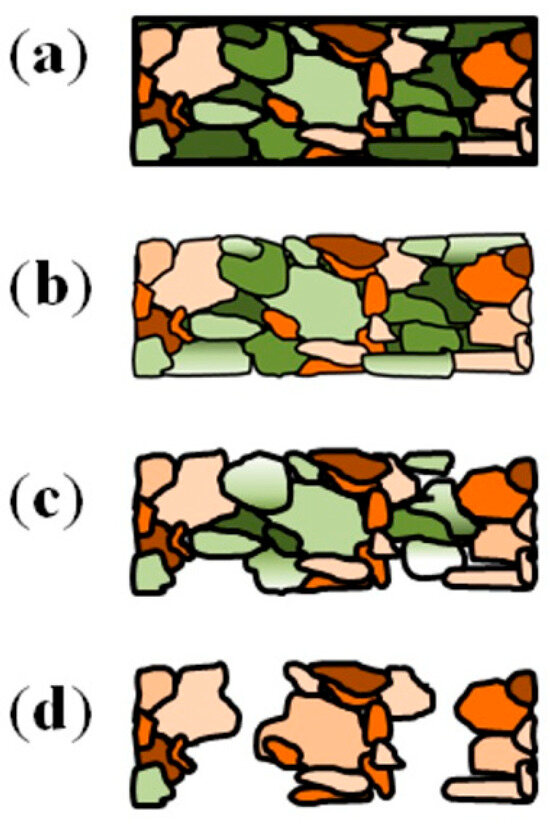
Comparative Effects of Bone Cements on Induced Membrane Structure in the Masquelet Technique: A Porcine Model Study
Sci 2026, 8(6), 121; https://doi.org/10.3390/sci8060121 - 25 May 2026
Abstract
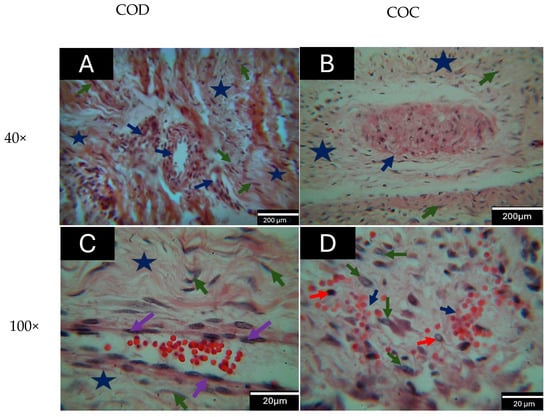
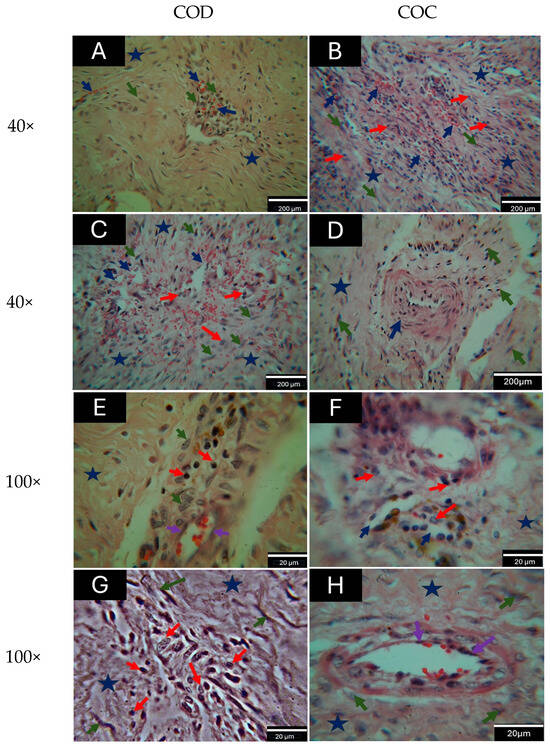
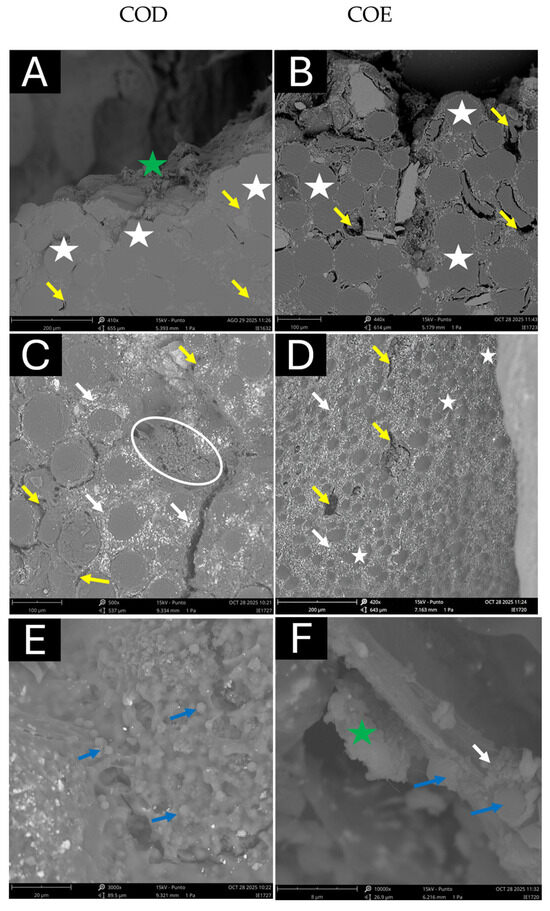
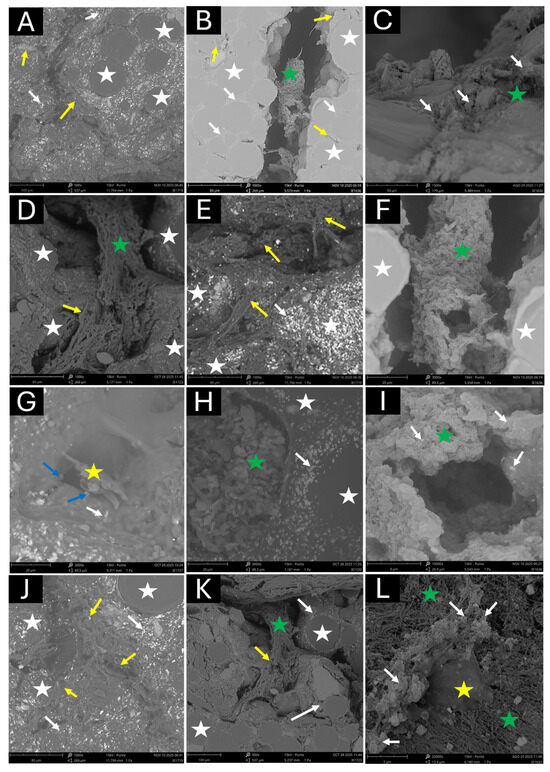
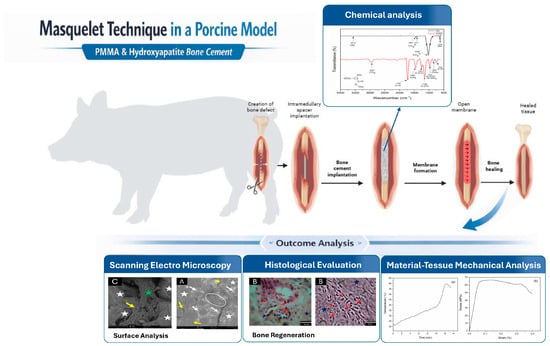
A porcine model with a stabilized segmental femoral defect was used, in which commercial or experimental bone cements were implanted following the principles of the Masquelet technique. After 45 days, considered long enough for induced membrane maturation, the samples were analyzed by optical
[...] Read more.
A porcine model with a stabilized segmental femoral defect was used, in which commercial or experimental bone cements were implanted following the principles of the Masquelet technique. After 45 days, considered long enough for induced membrane maturation, the samples were analyzed by optical microscopy (H&E, Masson’s trichrome, and Gomori staining) and scanning electron microscopy (SEM). Histologically, both formulations induced membranes with fibrovascular tissue organization; however, the membranes associated with the experimental cement exhibited qualitatively distinct patterns of stromal organization and cell distribution compared with those of the commercial cement group. SEM analysis revealed qualitative differences in the material–tissue interaction, with the experimental cement showing a distinct distribution pattern of amorphous and fibrillar material on the surface and within the interpearl spaces, whereas the commercial cement exhibited a more focal interaction, predominantly associated with structural irregularities. Overall, these observations indicate that differences in the formulation and microstructure of bone cements may influence how tissue organizes and interacts with the material and may be associated with qualitative differences in tissue organization and material–tissue interaction within the induced membrane. These results highlight the relevance of the spacer type in the histological characteristics of the induced membrane.
Full article
(This article belongs to the Topic Bioinspired Approaches and Advanced Biomaterials for Cancer Therapeutics and Tissue Regeneration)
►
Show Figures
Open AccessArticle
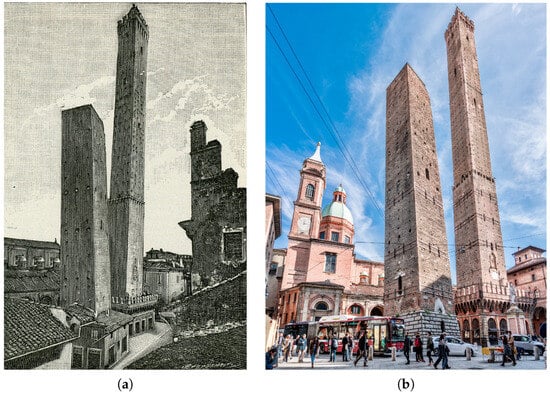
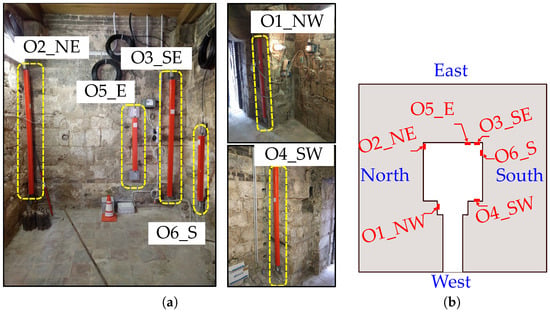
The Garisenda Tower in Bologna: Damage Assessment Results from Principal Component Analysis, Acoustic Emission, and Nonlinear Finite Element Analyses Involving Creep and Smeared Cracking
by
Giuseppe Lacidogna, Pedro Marin Montanari, Stefano Invernizzi and Angelo Di Tommaso
Sci 2026, 8(6), 120; https://doi.org/10.3390/sci8060120 - 22 May 2026
Abstract
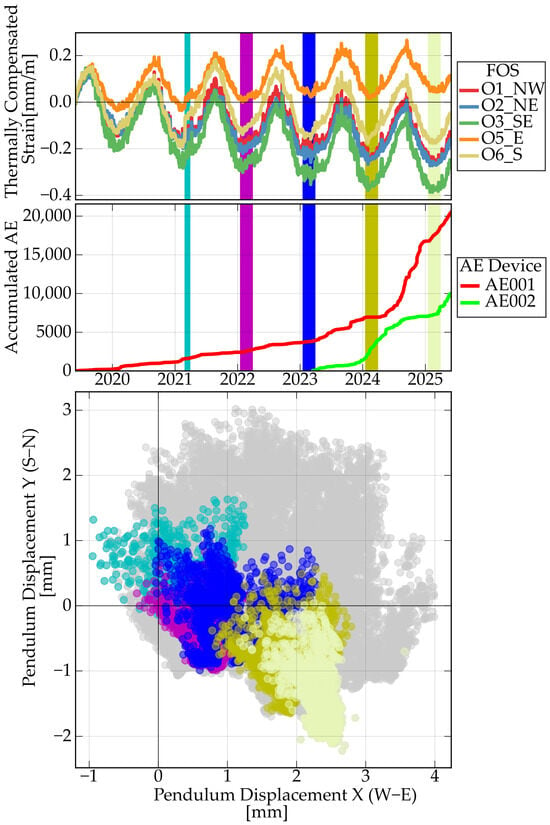
The Garisenda Tower, along with the neighboring Asinelli Tower, is arguably the symbol of the city of Bologna. They are the sole remnants of about one hundred towers that formed the city’s skyline in medieval times. As such, the monitoring of their state
[...] Read more.
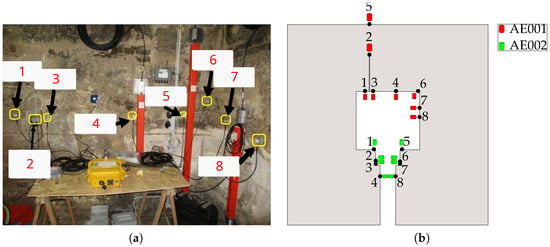
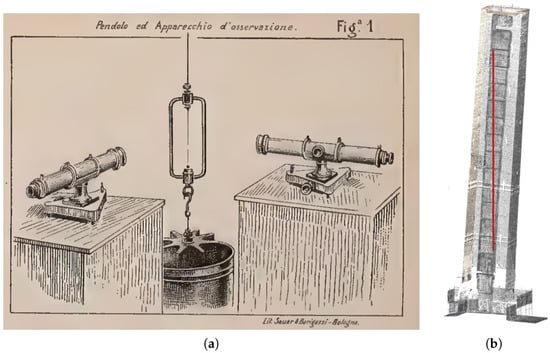
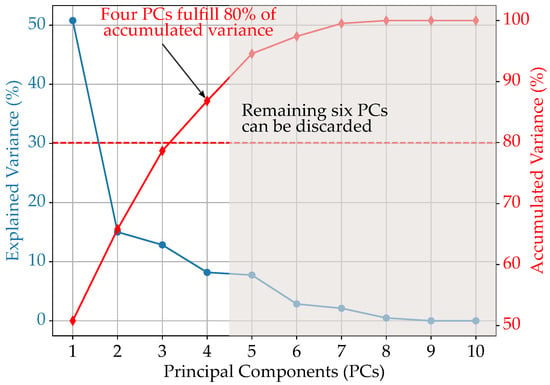
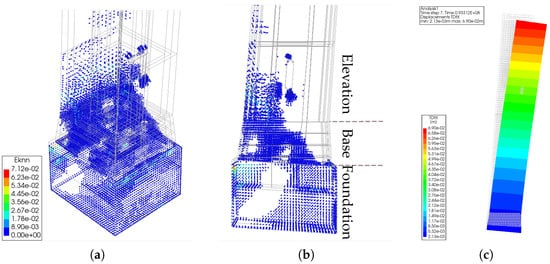
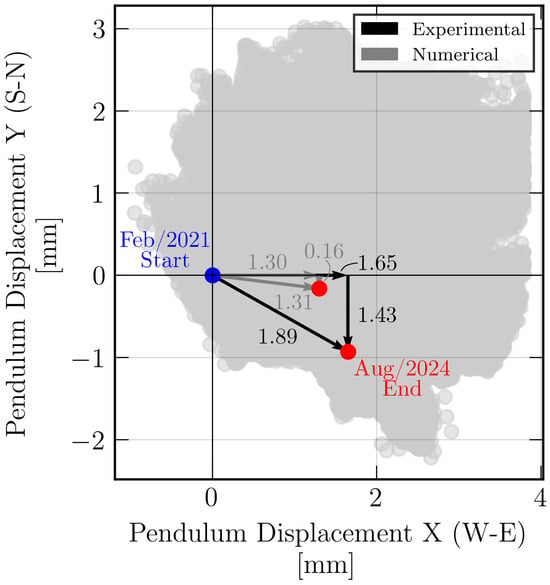
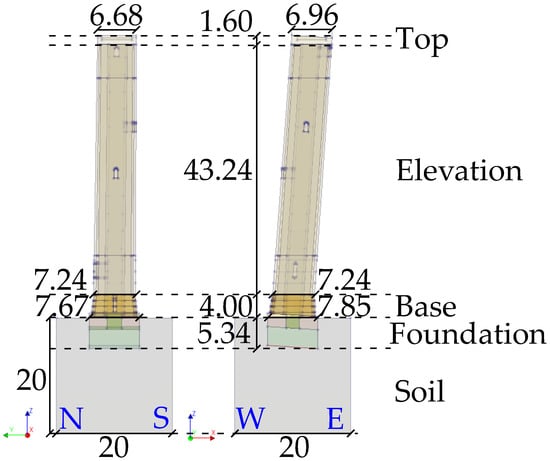
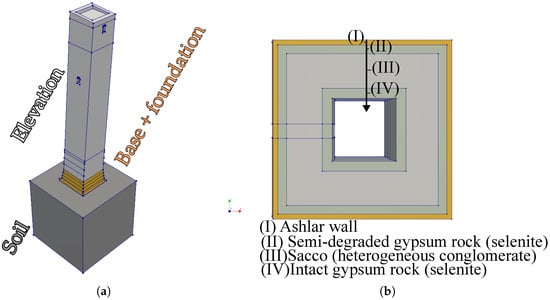
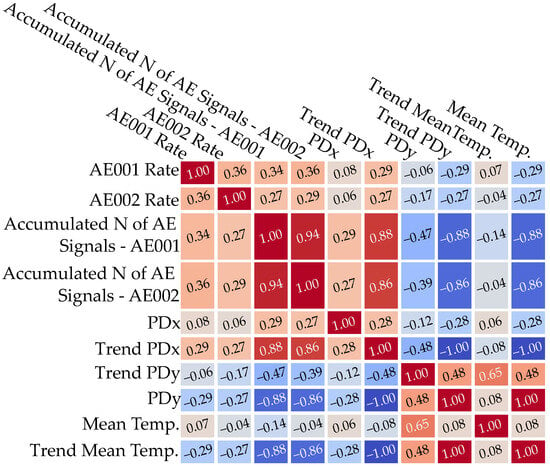
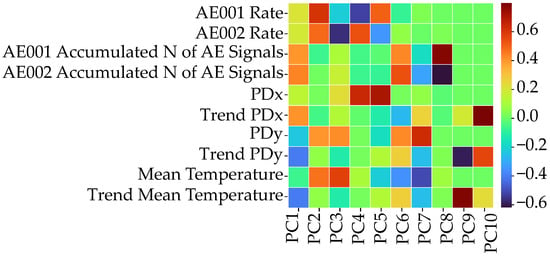
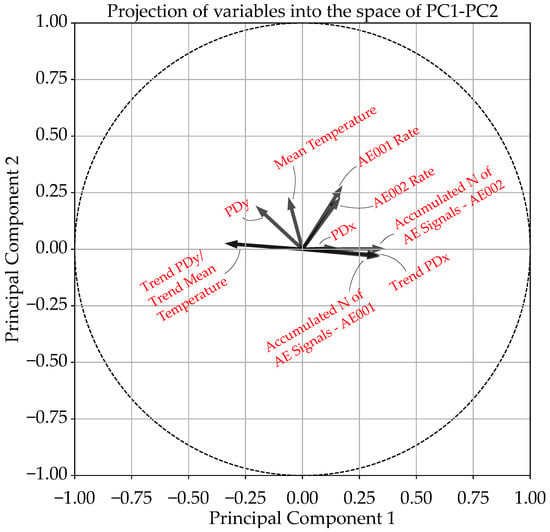
The Garisenda Tower, along with the neighboring Asinelli Tower, is arguably the symbol of the city of Bologna. They are the sole remnants of about one hundred towers that formed the city’s skyline in medieval times. As such, the monitoring of their state of health has been of great interest to the scientific community for more than a century—one example being the studies of Prof. Cavani in the early 1900s. The Garisenda Tower, famous for its impressive lean, is the object of Structural Health Monitoring (SHM) involving a multitude of devices. Some examples are a 30 m long pendulum installed on the inside of the tower to measure the planar displacement of the tower’s top; Fiber-Optical Strings (FOSs) installed in the walls of the basement to measure their vertical deformation; and piezoelectric acoustic emission (AE) sensors, also installed on the walls of the tower’s basement to detect elastic waves generated by micro-cracking. This rich experimental setup allows for the investigation of the tower’s stability and damage assessment. In this work, attention is focused on two analyses: The first is a Principal Component Analysis (PCA) study that investigates the correlation between AE data and other SHM data, such as in situ temperature, pendulum displacement, and AE rate. The second analysis corresponds with numerical finite element (FE) studies that assess damage in the base of the tower. Initially, the Smeared Cracking material model is used to understand which zones of the tower are more damaged. Moreover, a possible critical scenario due to increasing tower tilt is investigated. Finally, a viscoelastic formulation of the materials at the base of the tower is used to account for creep to understand the possible viscous effects at the base of the tower.
Full article
(This article belongs to the Section Materials Science)
►▼
Show Figures

Figure 1
Open AccessArticle
Electric Vehicle Charging Stations in Colombian Active Distribution Networks: Models, Impacts, and Research Challenges
by
César Augusto Marín Moreno, Kevin Alexander Leyton-Valencia, Luis Fernando Grisales-Noreña, Rubén Iván Bolaños and Jesús C. Hernández
Sci 2026, 8(5), 119; https://doi.org/10.3390/sci8050119 - 21 May 2026
Abstract
The rapid growth of electric mobility is reshaping active distribution networks (ADNs), where electric vehicle charging stations (EVCS) introduce spatially concentrated, time-dependent, and highly simultaneous demand. This paper develops a network-oriented framework to evaluate EVCS integration in ADNs by coupling Colombian EV demand
[...] Read more.
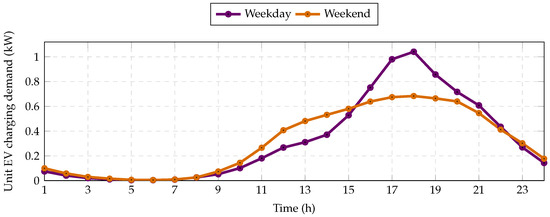
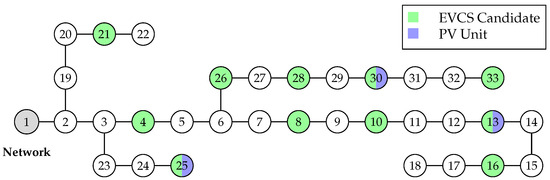
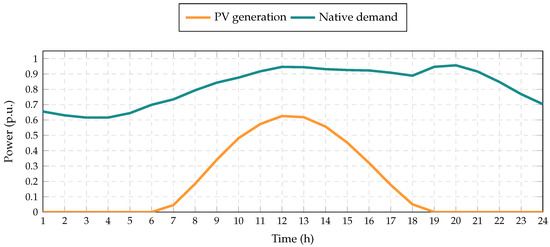
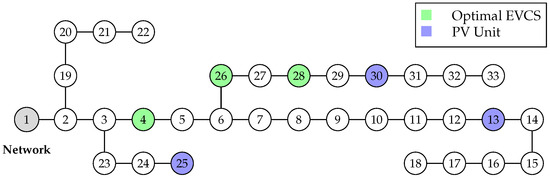
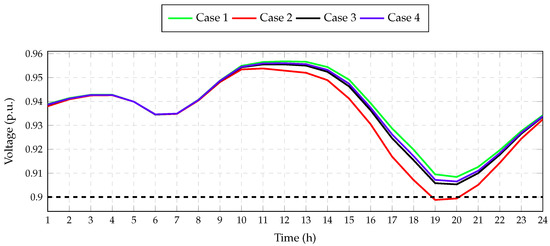
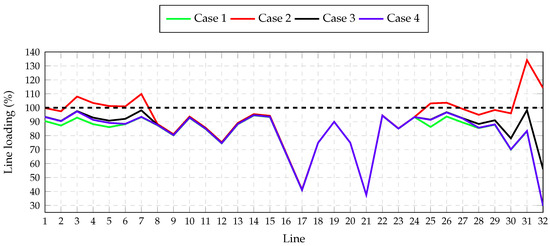
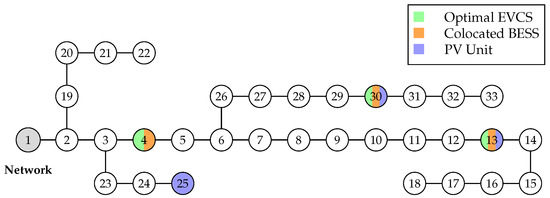
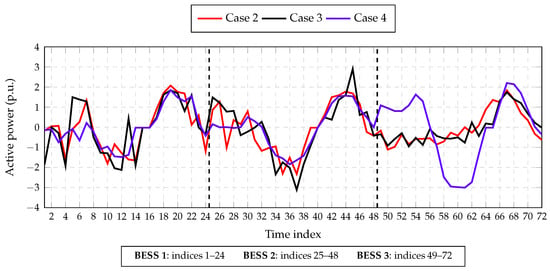
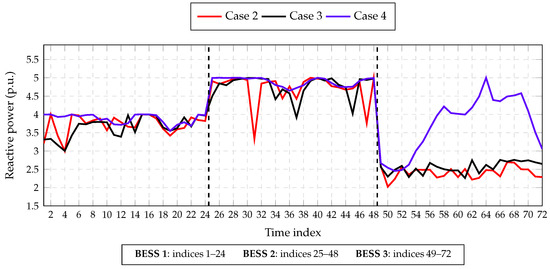
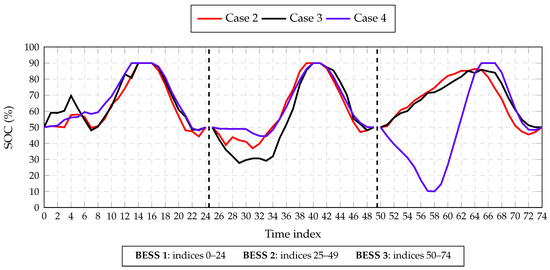
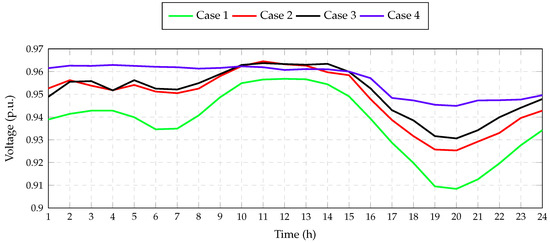
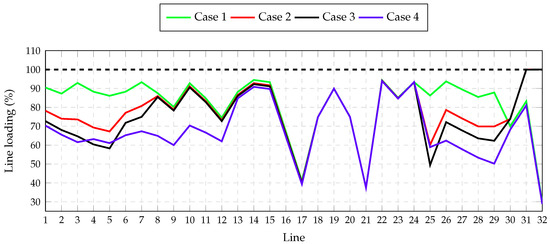
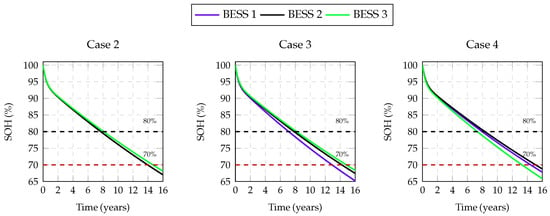
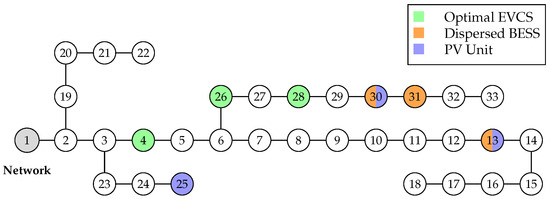
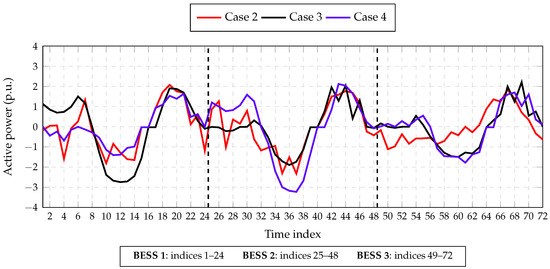
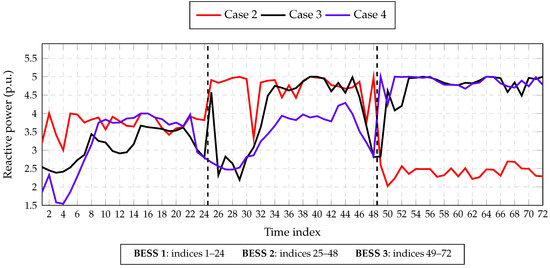
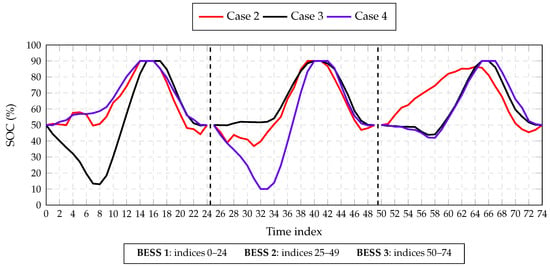
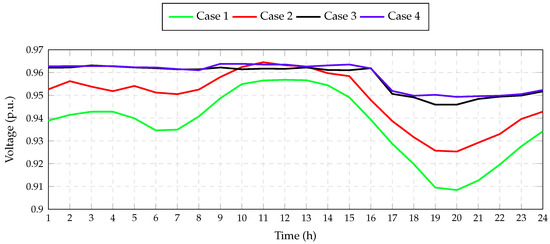
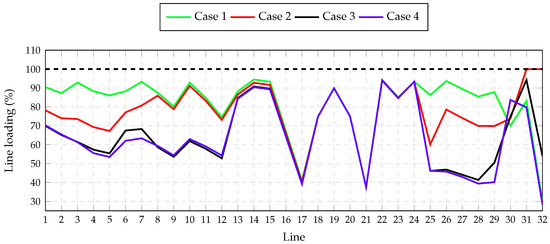
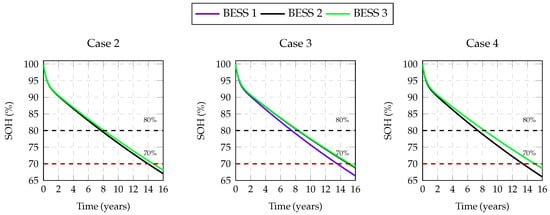
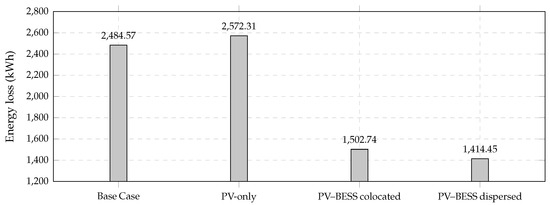
The rapid growth of electric mobility is reshaping active distribution networks (ADNs), where electric vehicle charging stations (EVCS) introduce spatially concentrated, time-dependent, and highly simultaneous demand. This paper develops a network-oriented framework to evaluate EVCS integration in ADNs by coupling Colombian EV demand characterization, photovoltaic (PV) generation, battery energy storage system (BESS) operation, and AC power flow feasibility. The framework is applied to a 33-bus distribution feeder through four EVCS deployment cases and three support architectures: PV-only, PV–BESS colocated, and PV–BESS dispersed operation. The results show that non-coordinated EVCS deployment may increase losses, reduce voltage margins, and produce thermal overloads when feeder electrical sensitivity is ignored. They also reveal that optimized EVCS siting is insufficient under PV-only support, since PV generation lacks the controllability required to reshape feeder power flows during charging peaks. By contrast, BESS-assisted architectures substantially improve feeder operation, with dispersed storage achieving the best performance by decoupling charging demand locations from grid support locations. SOC and SOH analyses further demonstrate that storage feasibility and degradation must be assessed together with voltage, loading, and loss indicators. The proposed framework provides an operationally consistent basis for technically feasible EVCS planning in ADNs, linking local EV demand characterization, AC feasibility, support-architecture selection, and battery lifetime assessment.
Full article
(This article belongs to the Topic Accelerating Decarbonization Through Sustainable Supply Chains and Energy–Transport Systems)
►▼
Show Figures

Figure 1
Open AccessArticle
Evolution and Stability of Post-Fermentative Copigmentation in Listán Negro Red Wine Using Caffeic Acid and Glucose
by
Jesús Heras-Roger, Carlos Díaz-Romero, Javier Darias-Rosales and Jacinto Darias-Martín
Sci 2026, 8(5), 118; https://doi.org/10.3390/sci8050118 - 21 May 2026
Abstract
►▼
Show Figures
The Listán Negro cultivar, a red grape variety endemic to the Canary Islands, has been traditionally characterized by limited color stability, often leading to significant pigment loss during early storage. The present study investigates the efficacy of caffeic acid as a hydroxycinnamic cofactor
[...] Read more.
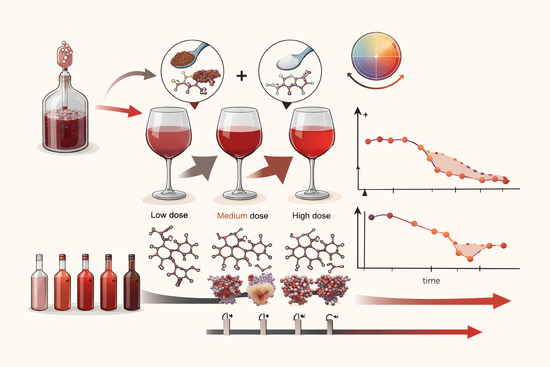
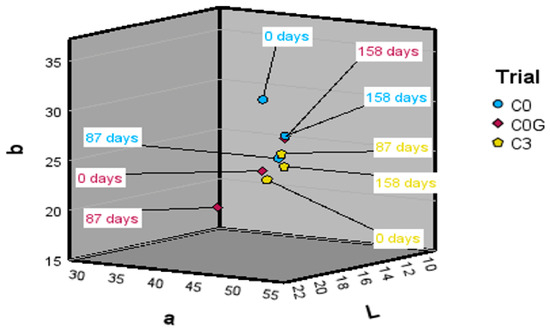
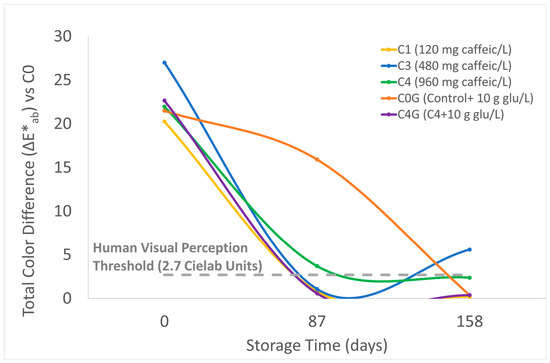
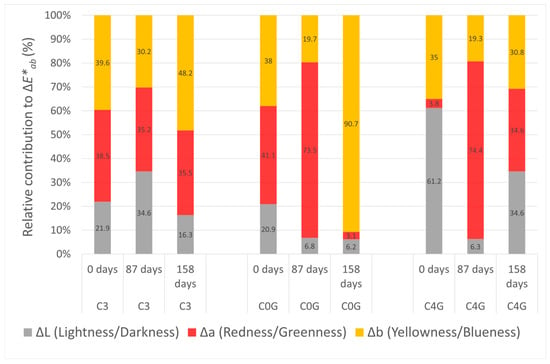
The Listán Negro cultivar, a red grape variety endemic to the Canary Islands, has been traditionally characterized by limited color stability, often leading to significant pigment loss during early storage. The present study investigates the efficacy of caffeic acid as a hydroxycinnamic cofactor for copigmentation when it is introduced during the post-fermentative stage in young, lightly colored red wines. Ninety young red wine samples were prepared using a factorial design. Caffeic acid was added at four concentrations, both independently and in combination with glucose, and was monitored over 158 days. Initial spectrophotometric analysis revealed a dose-dependent hyperchromic effect, with color intensity increasing by up to 12.8% for caffeic acid alone and 15.9% when combined with glucose. Accompanying bathochromic shifts (1–3 nm) were consistent with copigmentation interactions. Although the effect decreased over time at lower concentrations, doses ≥ 480 mg/L maintained improved color retention after storage. The addition of glucose alone did not improve color stability and showed a transient chromatic response. These results indicate that post-fermentative addition of caffeic acid provides a short-term enhancement of color intensity in low-anthocyanin red wines; however, this effect is strongly concentration-dependent and decreases over time, thereby identifying a threshold for persistent post-fermentative copigmentation.
Full article

Graphical abstract
Open AccessArticle
Feasibility of Smartphone Colorimetry for Mangrove Soil Color Analysis
by
Panatorn Yuthong, Kannasing Sukkua, Papawin Inpin, Yaowarat Sirisathitkul, Patchara Sukonrat, Montra Chairat and Chitnarong Sirisathitkul
Sci 2026, 8(5), 117; https://doi.org/10.3390/sci8050117 - 20 May 2026
Abstract
Smartphone colorimetry has emerged as a low-cost and accessible approach for participatory environmental monitoring. In this feasibility study, mangrove soil samples collected at two depths (approximately 0 and 30 cm) and three distances from the shoreline (−10, 0, and 10 m) were analyzed
[...] Read more.
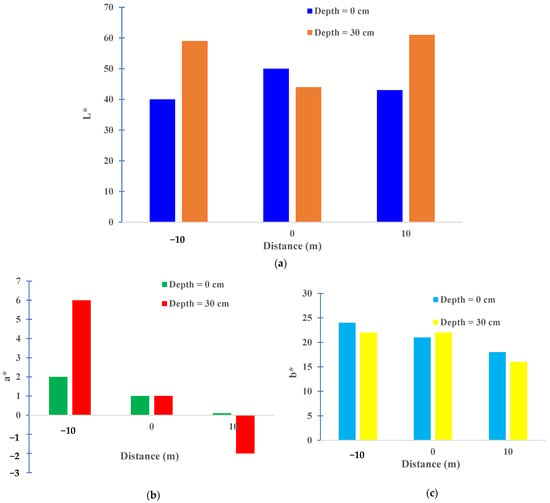
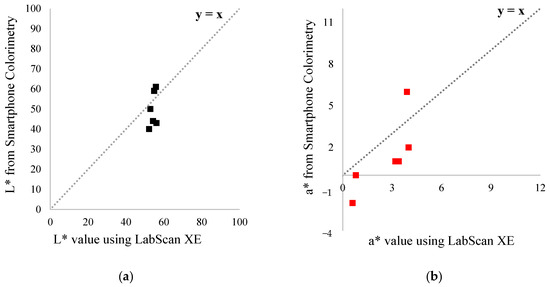
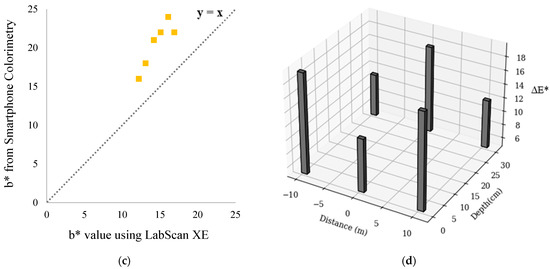
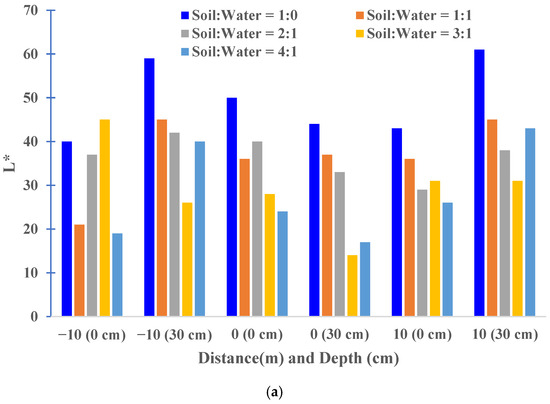
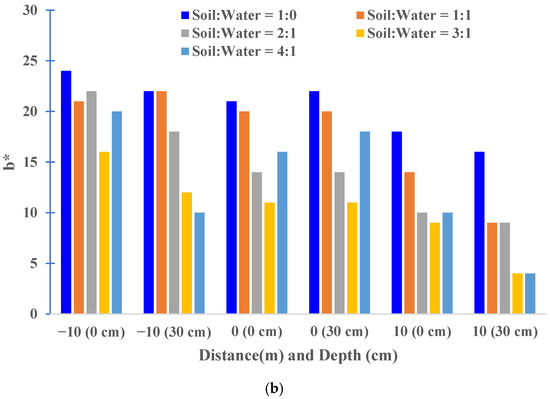
Smartphone colorimetry has emerged as a low-cost and accessible approach for participatory environmental monitoring. In this feasibility study, mangrove soil samples collected at two depths (approximately 0 and 30 cm) and three distances from the shoreline (−10, 0, and 10 m) were analyzed using smartphone colorimetry. The redness (a*) and yellowness (b*) tended to decrease from the seaward side toward the landward side. The lightness (L*) showed a strong agreement with measurements obtained from a standard spectrophotometer, whereas systematic deviations were observed for chromatic coordinates, with underestimation of a* and overestimation of b* by the smartphone measurements. Soil colors were further examined alongside mineral composition determined by X-ray fluorescence (XRF) and organic matter characteristics obtained from thermogravimetric analysis (TGA). No systematic relationships were identified between color parameters and mineral composition or organic matter weight loss, highlighting the complex and multi-factorial nature of mangrove soil color. Although wetting generally reduced L* and b* values, the responses to increasing water content were not monotonic. These findings indicate that smartphone colorimetry is effective for capturing relative variations in soil lightness under controlled conditions, while emphasizing the need for calibration and cautious interpretation. The accessibility of smartphone-based measurements also suggests potential in public engagement.
Full article
(This article belongs to the Special Issue Smartphone Integrated Analytical Chemistry: Innovations in Mobile, Low Cost, and Portable Sensing)
►▼
Show Figures

Figure 1
Open AccessSystematic Review
Agricultural Water Security Under Water Scarcity: Structural Patterns, Systemic Blind Spots, and Research Frontiers in Semi-Arid Regions: A Systematic Review
by
Franco Felix Caldas Silva, Fernando Arão Bila Júnior, Luís Filipe Sanches Fernandes and Fernando António Leal Pacheco
Sci 2026, 8(5), 116; https://doi.org/10.3390/sci8050116 - 20 May 2026
Abstract
In the face of intensifying climate change, agricultural water security in semi-arid zones has emerged as a critical frontier for water governance. This study provides a systematic and critical analysis of the scientific literature to map current research frontiers and structural gaps. The
[...] Read more.
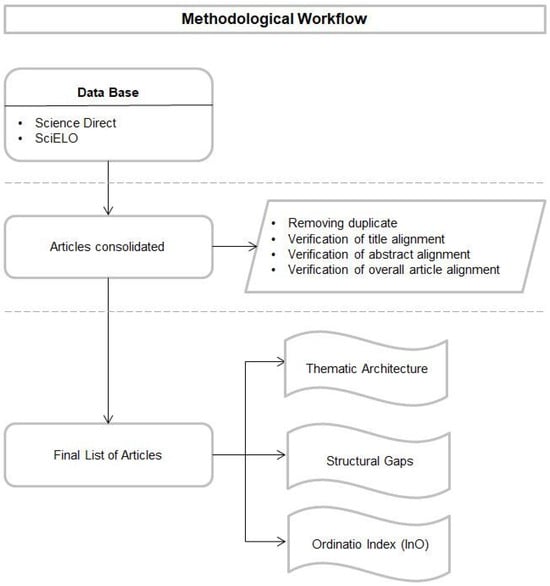
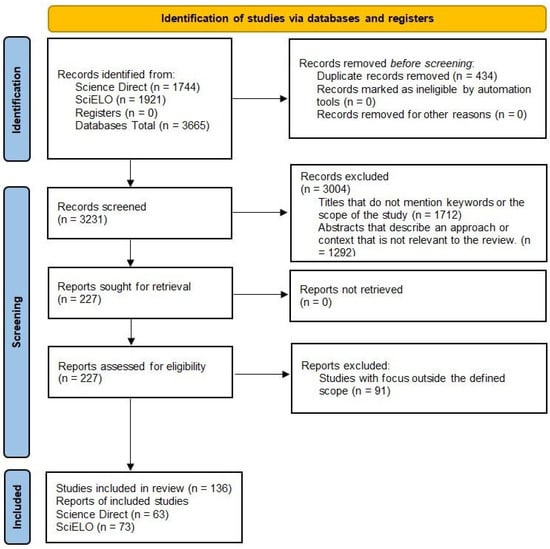
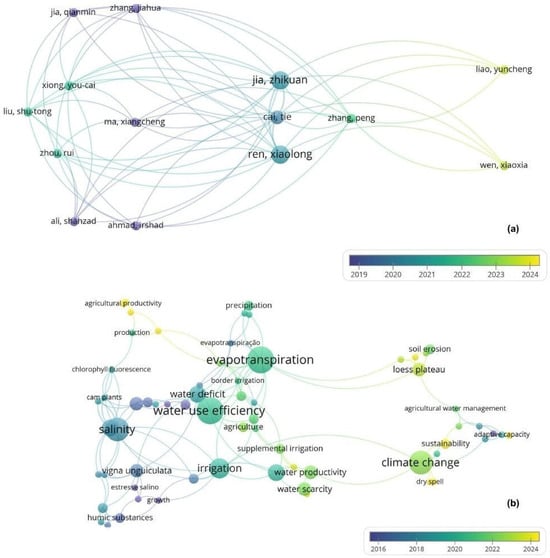
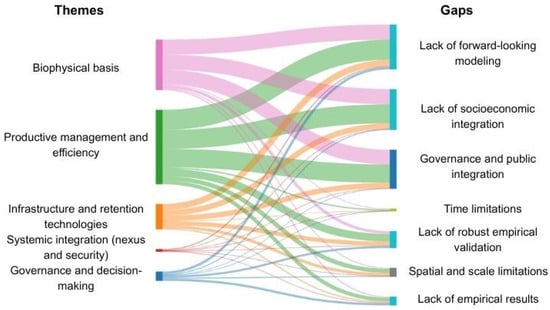
In the face of intensifying climate change, agricultural water security in semi-arid zones has emerged as a critical frontier for water governance. This study provides a systematic and critical analysis of the scientific literature to map current research frontiers and structural gaps. The methodology integrated the PRISMA 2020 protocol and a modified Methodi Ordinatio, spanning a search period from 2014 to 2026 across the Science Direct and SciELO databases. From an initial broad screening, 136 high-impact articles were selected based on rigorous inclusion and exclusion criteria. The findings reveal a significant fragmentation of knowledge, characterized by a high prevalence of small-scale studies (25 articles) and limited interdisciplinarity. Notably, a governance-centric approach is present in only 20% of the literature, while the Water–Energy–Food Nexus appears in just 6%, signaling a major disconnect in holistic management. Based on these results, this study identifies water governance and socioeconomic integration as the most pressing research gaps. Consequently, an integrated conceptual framework is proposed, built upon three pillars: Governance, Technology, and Environment (GET). This study concludes that advancing the frontiers of agricultural water security requires moving beyond isolated solutions toward a structured, systemic, and interdisciplinary integration.
Full article
(This article belongs to the Section Environmental and Earth Science)
►▼
Show Figures

Figure 1
Open AccessArticle
In Vivo Hypolipidemic and Antioxidant Potential of Brosimum alicastrum Swartz: Comparison Between Different Raw, Dried, and Roasted Seed Flours with Acute Toxicological Validation
by
Irene Jazmín García Luna-Pérez, Sergio Esteban Moreno-Vázquez, Gabriel Alfonso Gutiérrez-Rebolledo, Darío Iker Téllez-Medina and Alicia Ortiz-Moreno
Sci 2026, 8(5), 115; https://doi.org/10.3390/sci8050115 - 19 May 2026
Abstract
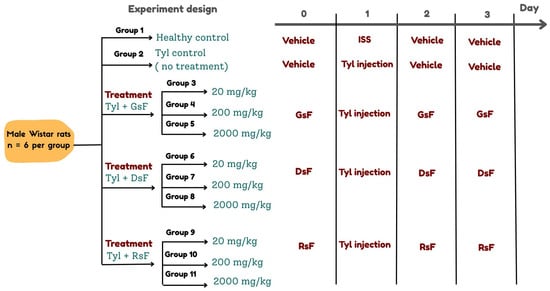
Brosimum alicastrum Swartz (Mayan Nut) is a traditional Mesoamerican resource with nutritional potential exceeding many cereal grains, yet its therapeutic efficacy relative to processing remains under-researched. This study investigated the impact of geographic origin and processing on its hypolipidemic and antioxidant properties. Seed
[...] Read more.
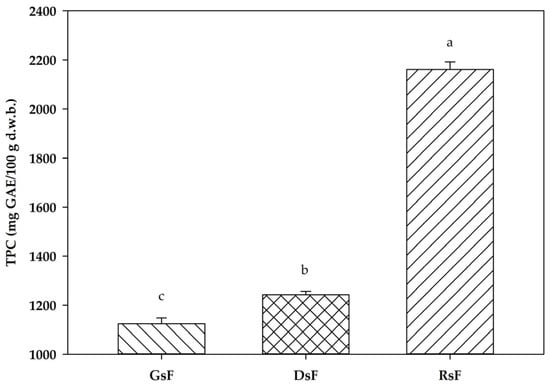
Brosimum alicastrum Swartz (Mayan Nut) is a traditional Mesoamerican resource with nutritional potential exceeding many cereal grains, yet its therapeutic efficacy relative to processing remains under-researched. This study investigated the impact of geographic origin and processing on its hypolipidemic and antioxidant properties. Seed flours from Campeche (green raw—GsF), Nayarit (dried—DsF), and Yucatán (commercial roasted—RsF) were evaluated. Following proximal analysis and acute toxicity screening (up to 2000 mg/kg), effects were tested in a tyloxapol-induced hypertriglyceridemia rat model monitoring triglyceride (TG), and hepatic oxidative stress (OS) biomarkers. Proximal profiles were stable across regions. All samples were non-lethal, and, significantly, DsF and RsF achieved a maximum reduction of TG and protein carbonyl content (PCC) at only 200 mg/kg, whereas raw GsF required 2000 mg/kg. Hypertriglyceridemia induced a compensatory increase in SOD activity (~555%), which was maintained across all treated groups. Conversely, tyloxapol depleted GSH-Px activity by 16%, and only DsF, at 20 mg/kg, preserved activity statistically similar to the healthy control (6.71 ± 0.65 IU/μL). Drying and roasting seemed critical for enhancing the acute therapeutic effects observed at lower dosages.
Full article
(This article belongs to the Topic Biological and Pharmacological Activity of Natural Products)
►▼
Show Figures

Figure 1
Open AccessReview
Electrochemical Detection and Removal of Phthalate Esters in Water: Analytical Performance, Matrix Effects, and Application Prospects
by
Retno Wulandari, Dion Awfa, Rifka Noor Azizah, Lita Darmayanti, Novi Fitria, Muammar Qadafi, Mohamad Firman Solihat, Fahd Maximillian Amin, Abiyyu Kaysan Admawidya, Merri Jayanti, Shyfa Fauziah and Rizki Febrian
Sci 2026, 8(5), 114; https://doi.org/10.3390/sci8050114 - 19 May 2026
Abstract
Plasticizers enhance polymer flexibility and durability, yet many leach into aquatic environments as persistent contaminants. Phthalate esters (PAEs), the most widely used plasticizers, are of particular concern due to weak polymer binding, high mobility, and documented ecological and human health risks. Conventional analytical
[...] Read more.
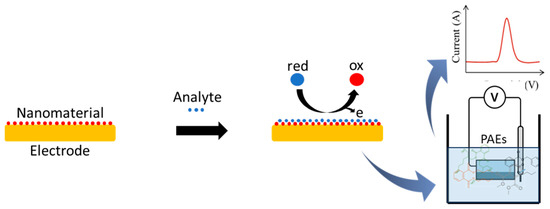
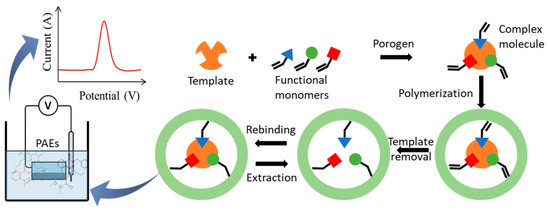
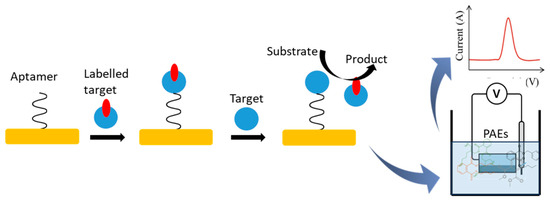
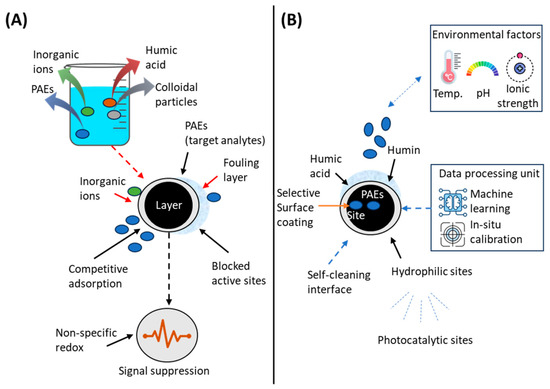
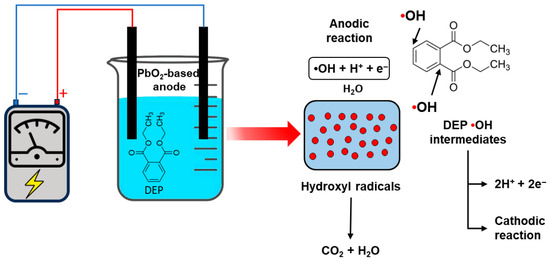
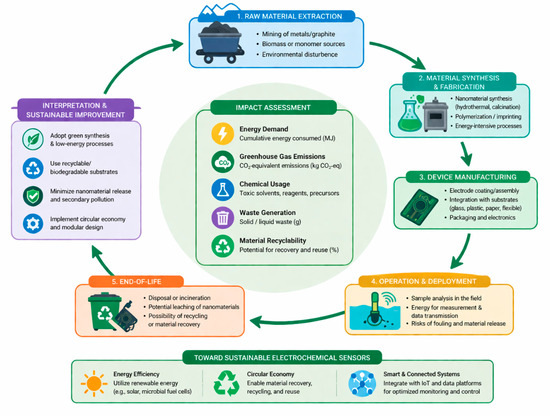
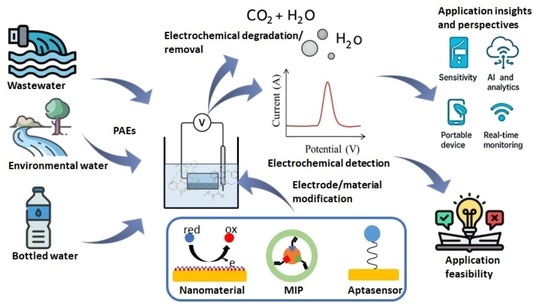
Plasticizers enhance polymer flexibility and durability, yet many leach into aquatic environments as persistent contaminants. Phthalate esters (PAEs), the most widely used plasticizers, are of particular concern due to weak polymer binding, high mobility, and documented ecological and human health risks. Conventional analytical techniques such as GC–MS and HPLC provide high accuracy but rely on expensive instrumentation and laboratory-based analysis, limiting rapid and on-site monitoring. In response, electrochemical approaches have emerged as promising alternatives for both the detection and removal of PAEs, especially when coupled with sustainable and environmentally benign materials. This review summarizes recent advances in the electrochemical sensing and treatment of PAEs, highlighting green electrode materials, eco-friendly functionalization strategies, sensing mechanisms, and analytical performance. Key challenges, including matrix effects, environmental interferences, and gaps between laboratory studies and real-sample applications, are critically discussed. Sustainable electrochemical removal strategies—such as advanced oxidation, reductive degradation, and hybrid material-based processes—are also evaluated. Overall, integrating greener materials, molecular imprinting, and data-driven signal enhancement supports the development of robust, field-deployable, and environmentally responsible PAE monitoring and mitigation technologies.
Full article
(This article belongs to the Section Environmental and Earth Science)
►▼
Show Figures

Graphical abstract
Open AccessArticle
Peroxymonosulfate Activation by Co2+ for Metal-Complex Dye Degradation: Experimental Design and Kinetic Modeling
by
Julio A. Cardona-Castaño, Anngie C. Toro-Idárraga, Luis Gerónimo Matallana Pérez, Iván F. Macías-Quiroga and Nancy R. Sanabria-González
Sci 2026, 8(5), 113; https://doi.org/10.3390/sci8050113 - 15 May 2026
Abstract
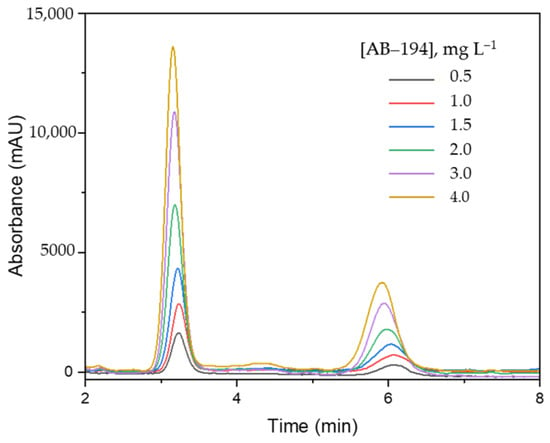
The discharge of metal-complex dyes from textile industries poses significant environmental challenges due to their chemical stability and resistance to conventional biological treatment. This study examined the degradation of Acid Black 194 (AB–194), a 1:2 chromium-complex azo dye, using Co2+-activated peroxymonosulfate
[...] Read more.
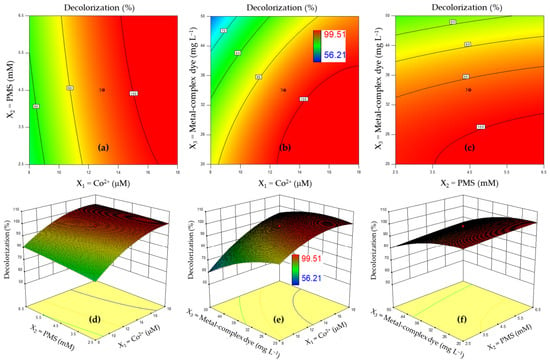
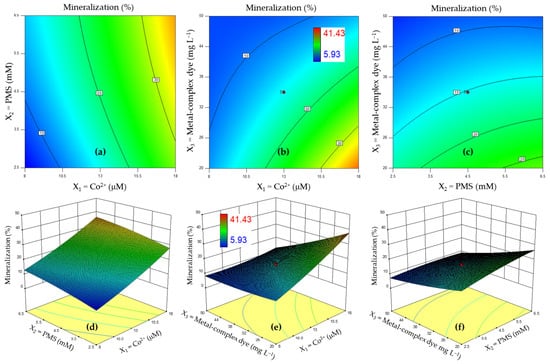
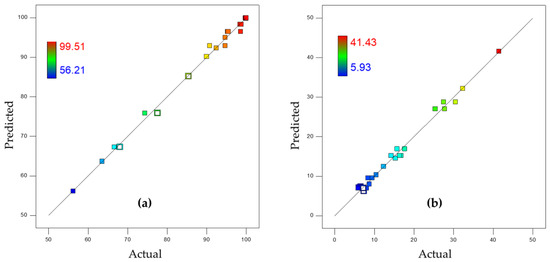
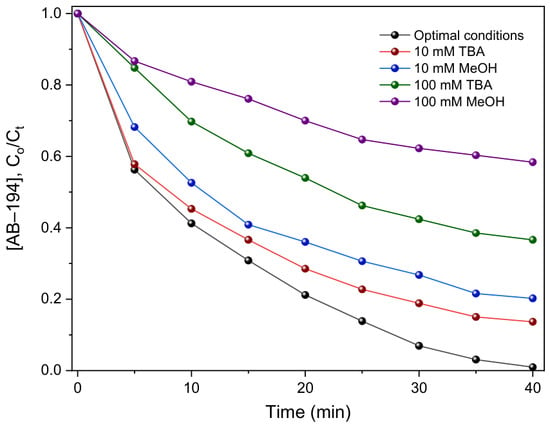
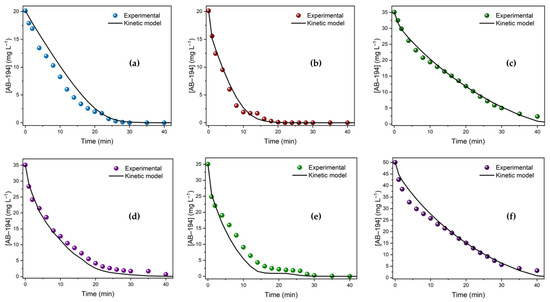
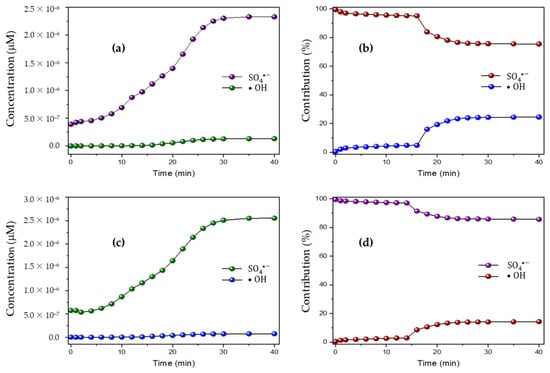
The discharge of metal-complex dyes from textile industries poses significant environmental challenges due to their chemical stability and resistance to conventional biological treatment. This study examined the degradation of Acid Black 194 (AB–194), a 1:2 chromium-complex azo dye, using Co2+-activated peroxymonosulfate (PMS). A central composite design based on response surface methodology was used to evaluate the effects of Co2+ (5.93–20.07 µM), PMS (1.67–7.33 mM), and dye (13.79–56.21 mg L−1) concentrations on decolorization and mineralization. The polynomial models demonstrated strong predictive accuracy (R2 > 0.9896), identifying Co2+ and dye concentrations as the most influential factors. Under optimal conditions (18.0 µM Co2+, 6.5 mM PMS, 20.0 mg L−1 dye), 99.19% decolorization was achieved at 30 min and 41.43% TOC removal at 240 min. Degradation kinetics were described by a mechanistic model incorporating 15 elementary reactions that comprise the Co2+/Co3+ redox cycle, radical generation, and dye oxidation, yielding a global R2 of 0.9617. Estimated rate constants for dye oxidation (k14 = 3.52 × 10⁹ M–1 s–1 for and k15 = 2.00 × 10¹⁰ M–1 s–1 ) were consistent with values reported for aromatic compounds in sulfate radical systems. Radical contribution analysis confirmed sulfate radicals as the principal oxidizing species, accounting for 96.75% of the overall process.
Full article
(This article belongs to the Section Chemistry Science)
►▼
Show Figures

Figure 1
Open AccessArticle
Efficient and Accurate Satellite Image Analysis: A Magnifying Network (MagNet) Approach
by
Emma Horton, Ognjen Arandjelović and Neofytos Dimitriou
Sci 2026, 8(5), 112; https://doi.org/10.3390/sci8050112 - 13 May 2026
Abstract
►▼
Show Figures
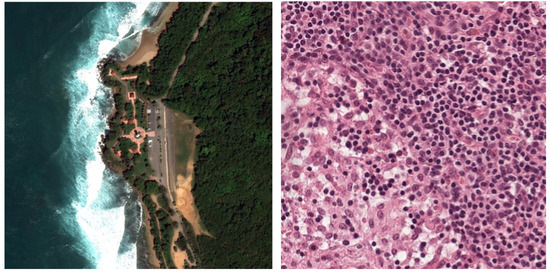
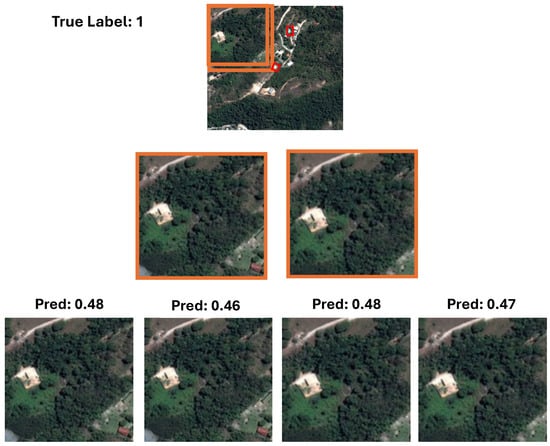
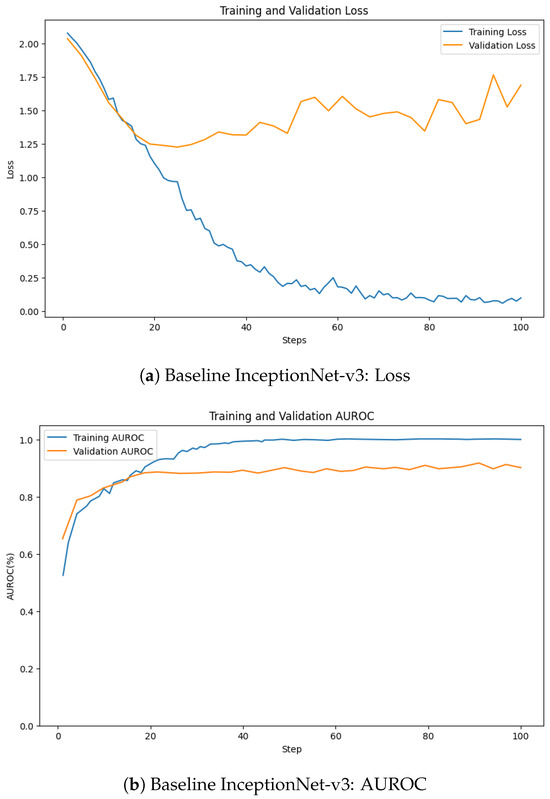
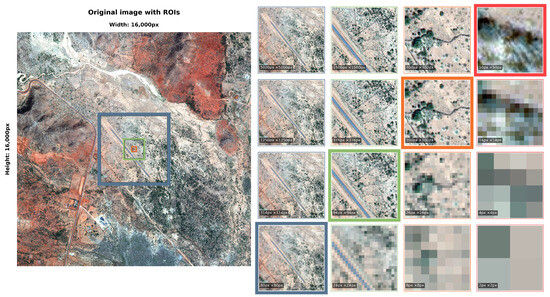
In this paper we investigate the potential of Magnifying Networks, an architecture recently proposed in the domain of digital pathology, in the realm of satellite imagery analysis, an increasingly important remote sensing modality of practical significance in a wide range of domains. In
[...] Read more.
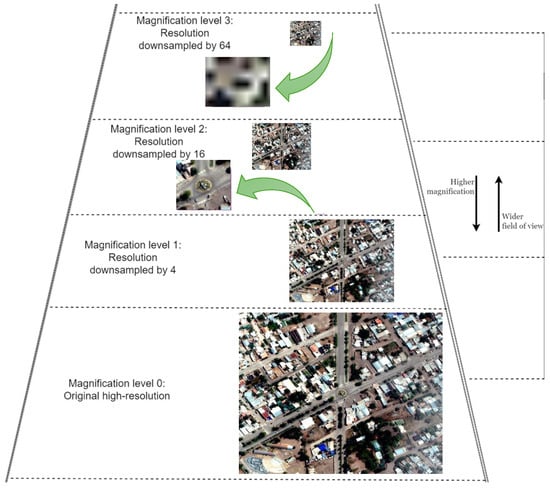
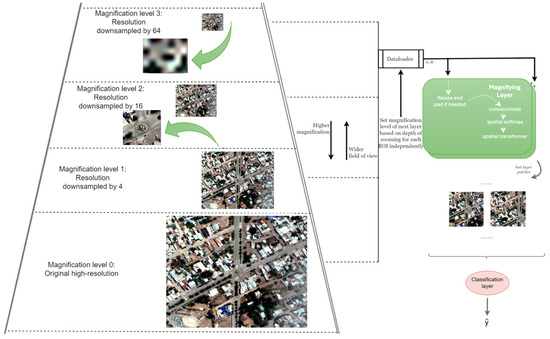
In this paper we investigate the potential of Magnifying Networks, an architecture recently proposed in the domain of digital pathology, in the realm of satellite imagery analysis, an increasingly important remote sensing modality of practical significance in a wide range of domains. In particular, we address the challenges posed by the extreme size of satellite images and the inadequacy of the current state of the art in capturing salient information across scales while remaining computationally feasible. Specifically, we adapt the MagNet architecture by adjusting the number of magnifying layers and by employing the softmax function as a specific mechanistic means in the exploratory search within each magnifying layer. In addition, we conduct a series of comparative experiments to identify effective design choices and their effect on performance in the specific context of satellite remote sensing. Focusing on the most challenging classes in the Functional Map of the World with small object-to-image ratios, the adapted MagNet surpasses an Inception-v3 baseline (AUROC vs. , Accuracy vs. , F1-score vs. ), supporting adaptive magnification as an effective modelling approach to gigapixel satellite imagery.
Full article

Figure 1
Open AccessSystematic Review
High-Performance Pervious Concrete for Sustainable Urban Infrastructure: A Systematic and Scientometric Review
by
Diego de Paiva Bezerra, Aires Camões, Raphaele de Lira Meireles de Castro Malheiro, Fabiola Luana Maia Rocha, Lucas Moura Delfino and Aline Figueirêdo da Nóbrega
Sci 2026, 8(5), 111; https://doi.org/10.3390/sci8050111 - 13 May 2026
Abstract
►▼
Show Figures
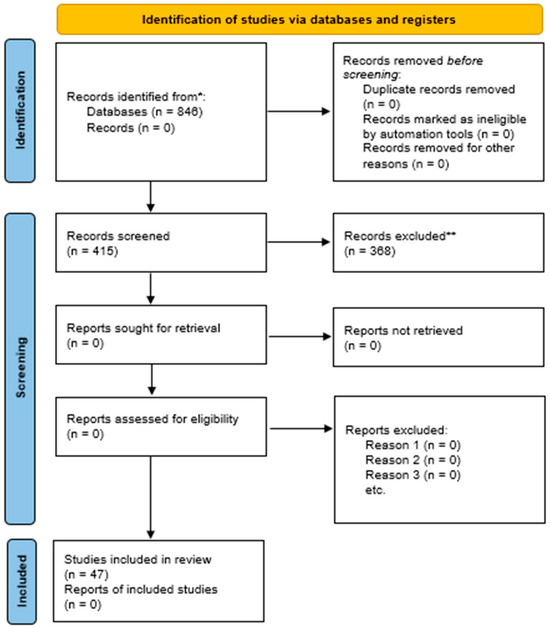
High-performance pervious concrete (HPPC) has gained increasing attention due to its potential use in sustainable urban infrastructure. However, there is still no consensus on its definition or design parameters, particularly regarding mechanical strength and permeability. This study analyzes HPPC research through a systematic
[...] Read more.
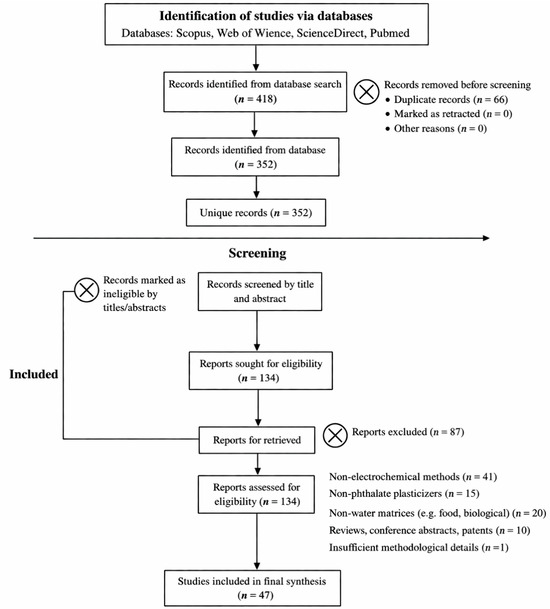
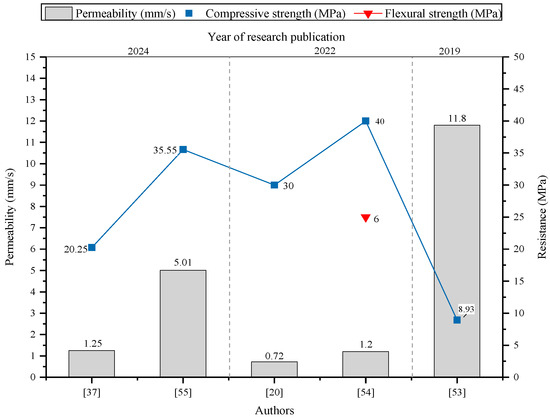
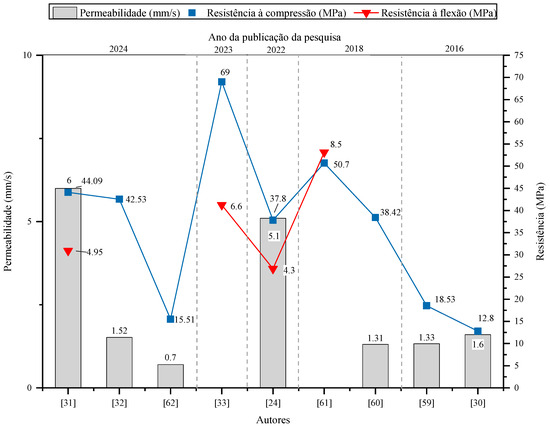
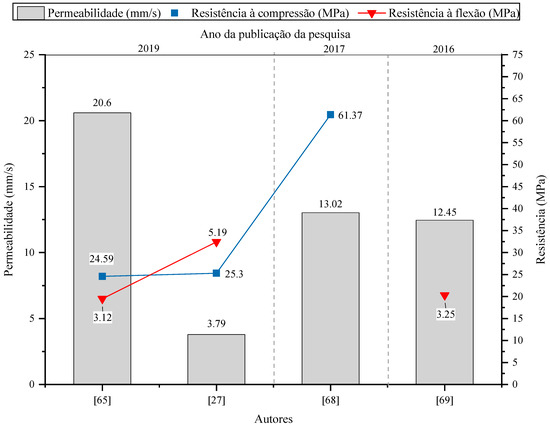
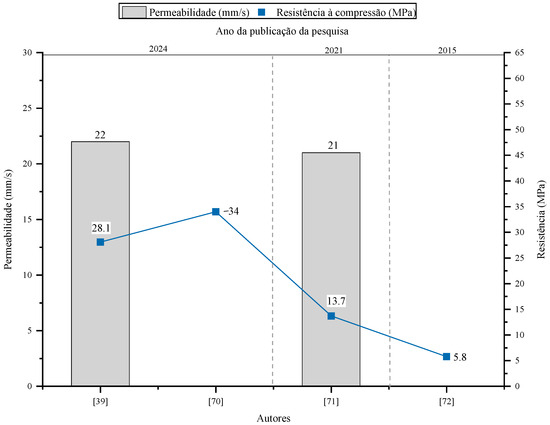
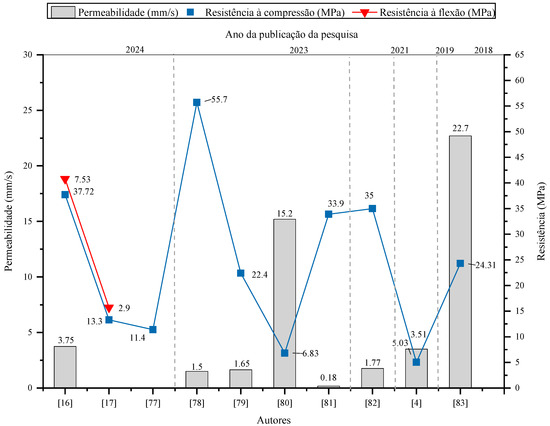
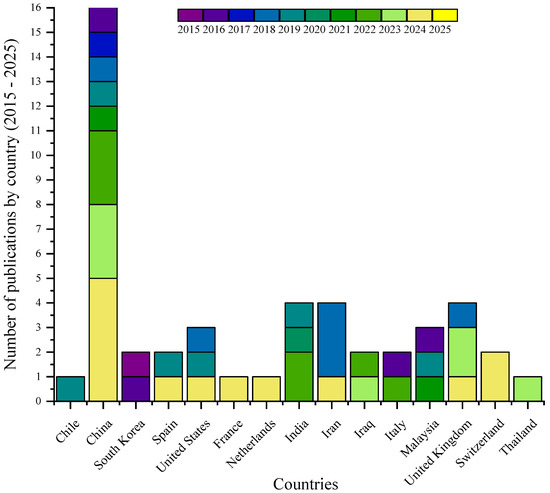
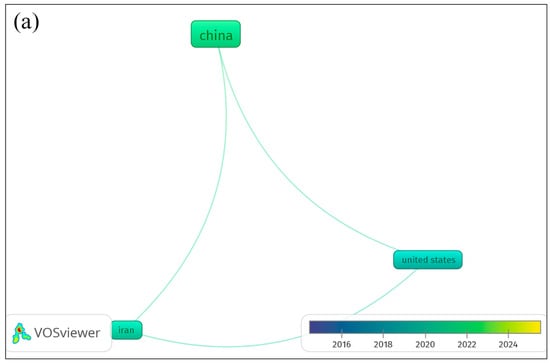
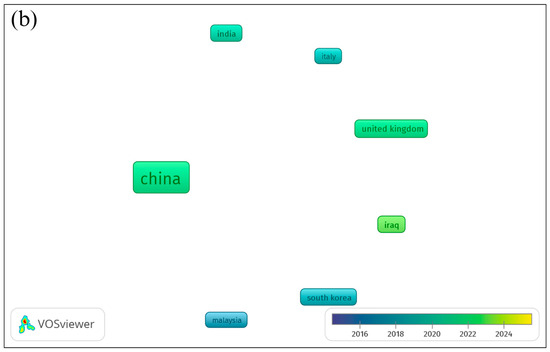
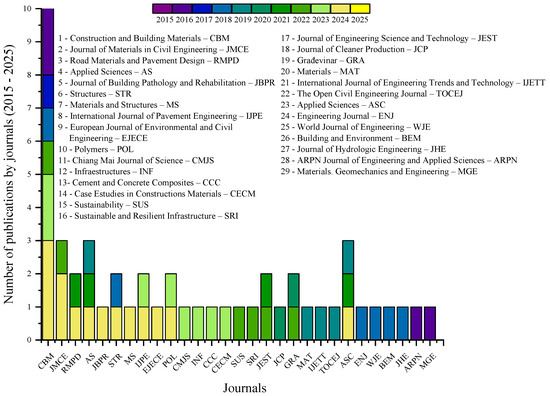
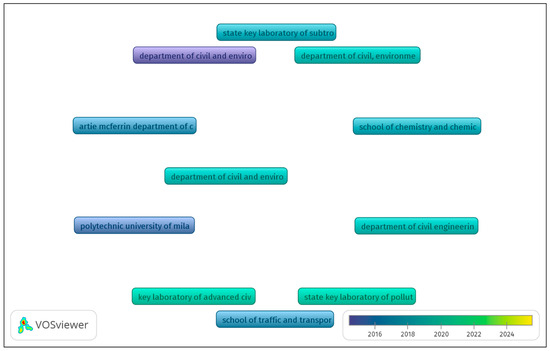
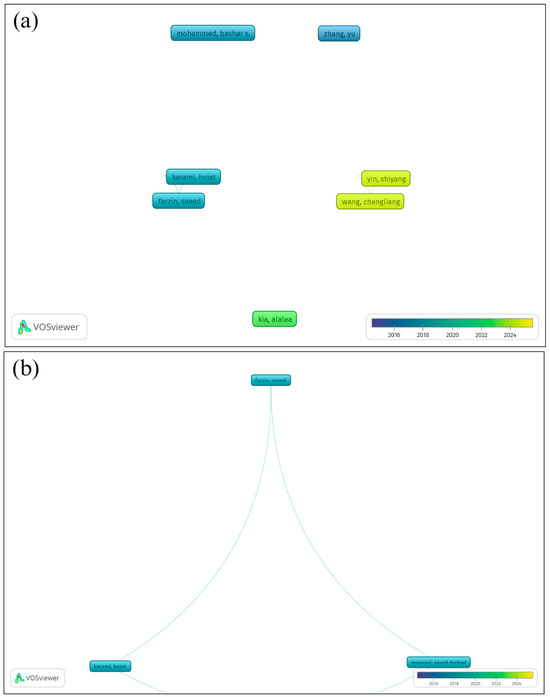
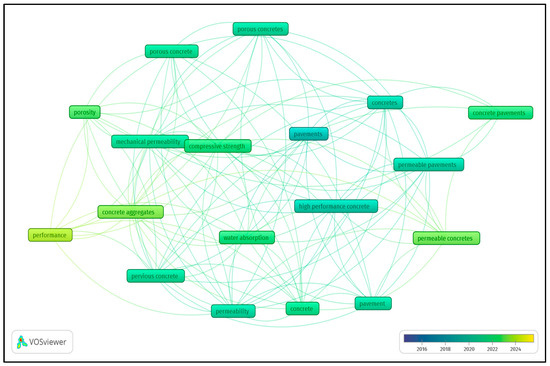
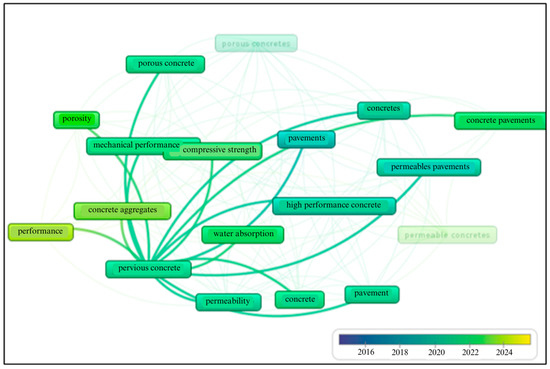
High-performance pervious concrete (HPPC) has gained increasing attention due to its potential use in sustainable urban infrastructure. However, there is still no consensus on its definition or design parameters, particularly regarding mechanical strength and permeability. This study analyzes HPPC research through a systematic and scientometric approach to identify trends and gaps. A systematic review following PRISMA 2020 guidelines selected 47 peer-reviewed articles from Scopus (2015–2025). The studies were grouped into mix design, fibers and pozzolanic materials, pollutant mitigation, and alternative aggregates. In parallel, a scientometric analysis using VOSviewer examined publication patterns, contributors, and keyword trends. The results show no standardized criteria for HPPC classification and high variability in testing procedures. Reported compressive strength ranges from 5.03 to 69 MPa, flexural strength from 2.9 to 8.5 MPa, and permeability from 0.18 to 22.7 mm/s. A consistent inverse relationship between permeability and mechanical strength is observed. Based on this synthesis, indicative thresholds are proposed for HPPC: compressive strength above 35 MPa and permeability above 1 mm/s. Fibers and pozzolanic materials appear as effective strategies to improve performance balance. Few studies investigate HPPC under heavy traffic conditions. Overall, the findings highlight the need for standardized definitions and further research on long-term performance and real-world applications.
Full article

Figure 1
Open AccessArticle
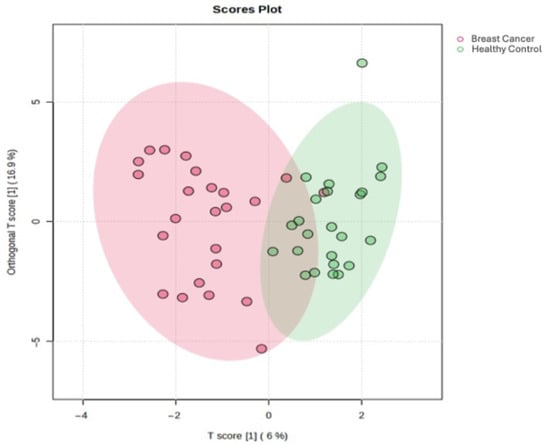
Untargeted Plasma Metabolomic Profiling and Bioinformatics Analysis for Candidate Metabolite Signatures in Breast Cancer
by
Sonar Soni Panigoro, Nindhyana Diwaratri Ratnaningayu, Aryo Tedjo, Rafika Indah Paramita and Alfi Khatib
Sci 2026, 8(5), 110; https://doi.org/10.3390/sci8050110 - 12 May 2026
Abstract
Breast cancer is the most common cancer globally and often diagnosed at advanced stages in Indonesia. Metabolomic profiling has emerged as a promising approach for identifying biomarkers associated with breast cancer (BC). However, the specificity and clinical applicability of candidate metabolites remain under
[...] Read more.
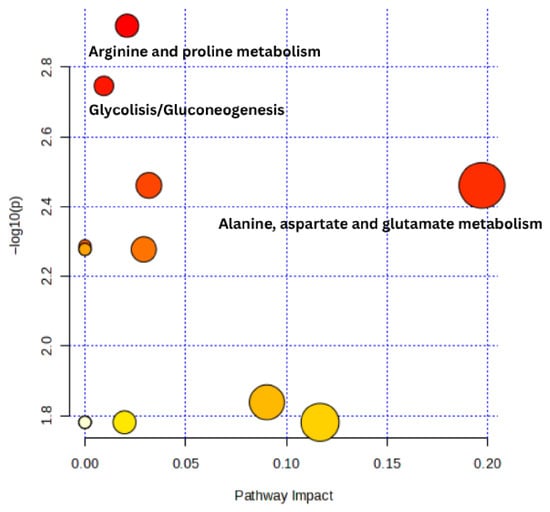
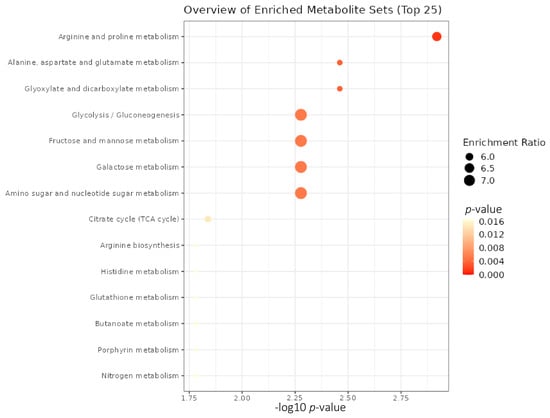
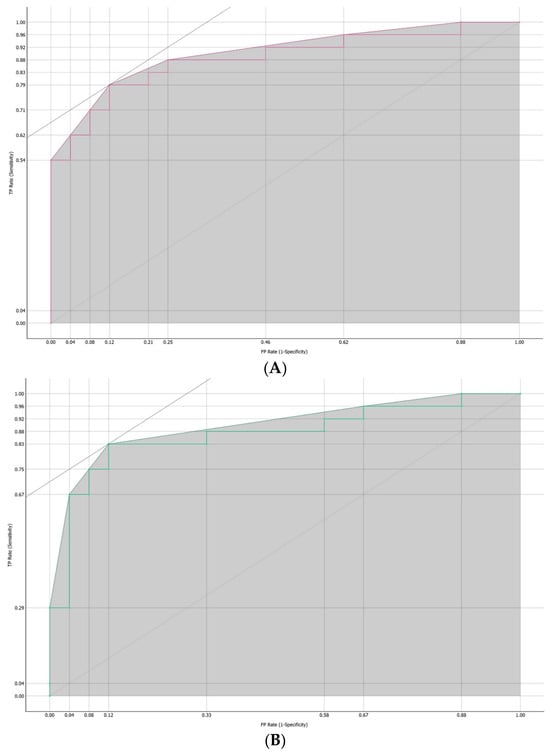
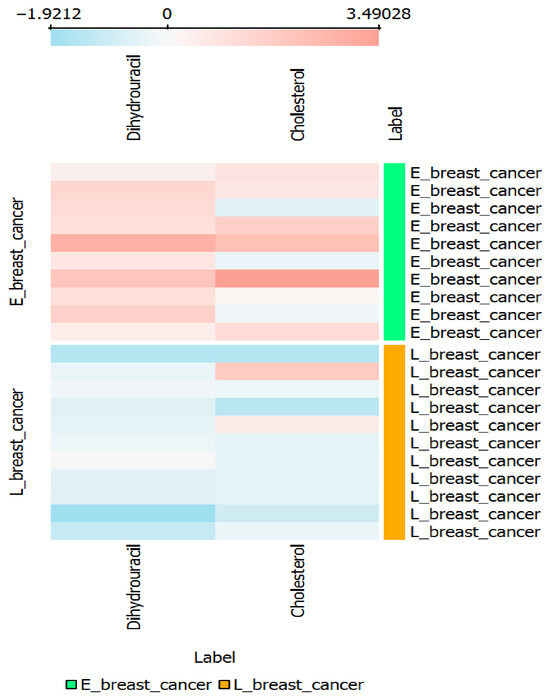
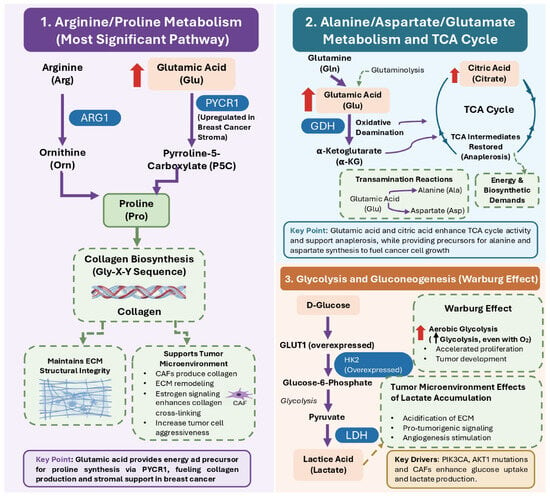
Breast cancer is the most common cancer globally and often diagnosed at advanced stages in Indonesia. Metabolomic profiling has emerged as a promising approach for identifying biomarkers associated with breast cancer (BC). However, the specificity and clinical applicability of candidate metabolites remain under investigation. This study investigates untargeted plasma metabolomic profiles of breast cancer patients to find candidate metabolite signatures of breast cancer. Plasma samples from 24 breast cancer patients and 24 healthy controls (HC) were analyzed using untargeted Gas Chromatography-Mass Spectrometry (GC-MS). A machine learning (ML) approach was utilized to validate the metabolites. Differential metabolites were identified and analyzed to explore altered metabolic pathways associated with BC. Several metabolites, including D-glucose, citric acid, lactic acid, L-hydroxyproline, and glutamic acid, were significantly different between BC and HC groups. Those metabolites correlated with arginine/proline metabolism, glycolysis, and alanine/aspartate/glutamate pathways. ML validation yielded favorable results for these metabolites as candidate metabolite signatures of breast cancer (AUC > 0.8, accuracy > 80%). Further subset analysis showed reduced dihydrouracil in late stage. Untargeted plasma metabolomic analysis combined with machine learning effectively identified a potential candidate metabolite signature for breast cancer. These findings improve understanding of breast cancer metabolic alterations and highlight promising pathways for early diagnosis. Nevertheless, further validation in larger, well-controlled studies is required to establish their diagnostic utility.
Full article
(This article belongs to the Section Integrative Medicine)
►▼
Show Figures

Figure 1
Open AccessReview
Literature Review of Phytogenic Feed Additives for Sustainable Livestock Production
by
Francesco Vizzarri, Mihaela Ivanova, Alexandar Balabanov, Aneta Kišová, Andrea Svoradova, Ivana Spevakova and Lubomir Ondruska
Sci 2026, 8(5), 109; https://doi.org/10.3390/sci8050109 - 11 May 2026
Abstract
The increasing global demand for animal-derived food products, combined with growing environmental and public health concerns, has intensified the search for sustainable strategies in livestock production. Among emerging nutritional approaches, phytogenic feed additives (PFAs) have gained attention as natural alternatives to conventional synthetic
[...] Read more.
The increasing global demand for animal-derived food products, combined with growing environmental and public health concerns, has intensified the search for sustainable strategies in livestock production. Among emerging nutritional approaches, phytogenic feed additives (PFAs) have gained attention as natural alternatives to conventional synthetic growth promoters. PFAs, derived from herbs, spices, essential oils, and plant extracts, contain diverse bioactive compounds such as phenolics, flavonoids, alkaloids, terpenoids, and saponins. These compounds exhibit antimicrobial, antioxidant, anti-inflammatory, and immunomodulatory activities that can support animal health, productivity, and product quality. Current research indicates that PFAs positively influence digestive physiology by modulating gut microbiota, improving intestinal integrity, and stimulating digestive enzyme secretion. These mechanisms enhance nutrient utilization, feed efficiency, and growth performance. In addition, the antioxidant and immunomodulatory properties of plant-derived compounds strengthen the ability of animals to cope with physiological stress and disease, potentially reducing reliance on synthetic antimicrobials and supporting antibiotic-free production systems. PFAs may also improve reproductive performance and physiological stability, particularly in small livestock species and indigenous breeds. Beyond productivity benefits, phytogenic additives contribute to environmental sustainability by improving feed conversion efficiency and reducing nutrient excretion. The present literature review confirms that although variability in plant composition and the need for standardization remain challenges, PFAs represent a valuable component of integrated nutritional strategies aimed at achieving resilient, environmentally responsible, and economically sustainable livestock production systems.
Full article
Open AccessArticle
Clinical Remission in Severe Asthma After 12 Months of Biologic Therapy: A Real-Life Cohort Study
by
Ciresi Michele, Bonato Matteo, Savoia Francesca, Orzes Enrico, Favero Elisabetta, Senna Gianenrico and Romagnoli Micaela
Sci 2026, 8(5), 108; https://doi.org/10.3390/sci8050108 - 11 May 2026
Abstract
►▼
Show Figures
With the introduction of biologic therapies for severe asthma, clinical remission has gained increasing relevance as a therapeutic goal; however, real-world data and validated predictors remain limited. We conducted a retrospective real-life study including 75 adults with severe asthma treated with mepolizumab, benralizumab,
[...] Read more.
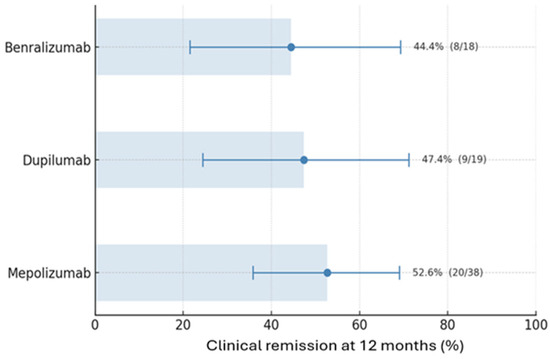
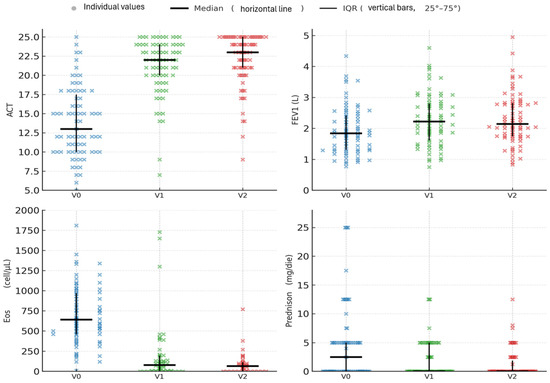
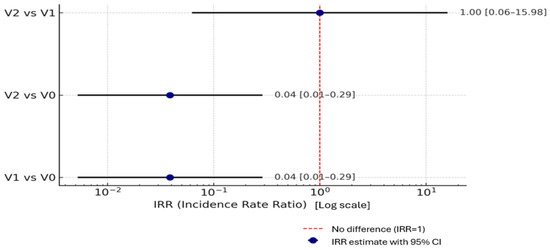
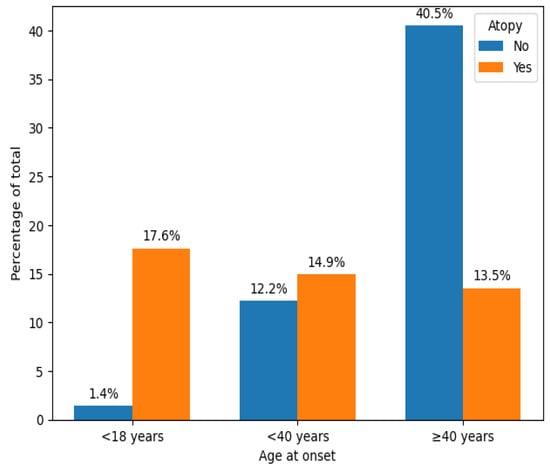
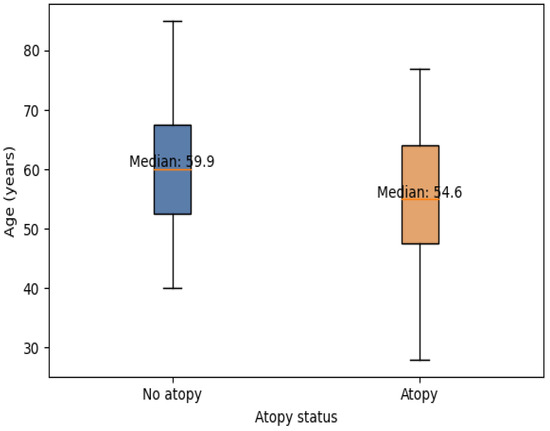
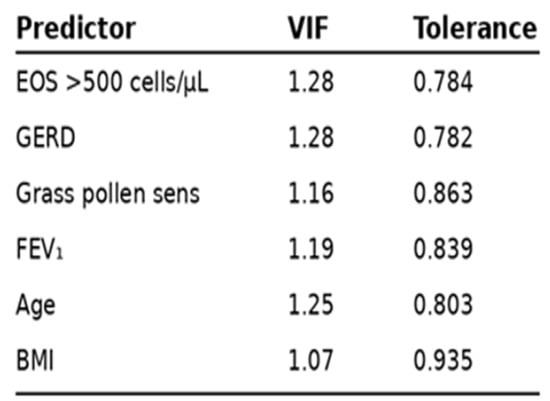
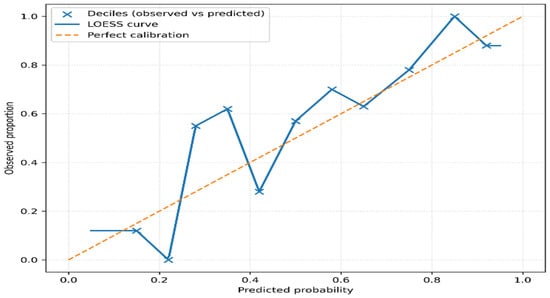
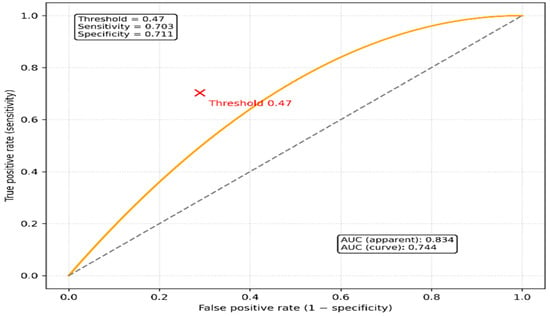
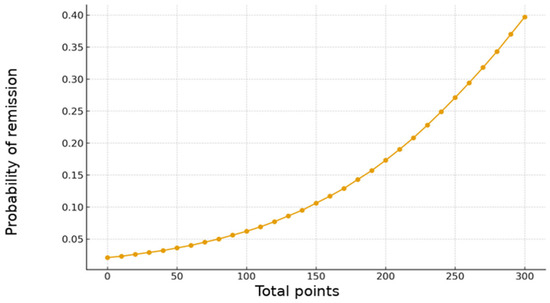
With the introduction of biologic therapies for severe asthma, clinical remission has gained increasing relevance as a therapeutic goal; however, real-world data and validated predictors remain limited. We conducted a retrospective real-life study including 75 adults with severe asthma treated with mepolizumab, benralizumab, or dupilumab between October 2023 and September 2025. Clinical remission at 12 months was defined according to the multidimensional framework proposed by Menzies-Gow, requiring absence of oral corticosteroid use and exacerbations, ACT score > 20, and FEV1 > 80% predicted. Baseline clinical, functional, and biomarker variables were analyzed using bivariate tests and multivariable logistic regression with internal bootstrap validation. At 12 months, 37 of 75 patients (49.3%) achieved clinical remission. Peripheral eosinophilia ≥ 500 cells/µL, higher baseline FEV1, and the presence of gastroesophageal reflux disease were independently associated with remission, whereas age, body mass index, and grass pollen sensitization were not significant. The final model showed good discrimination and adequate calibration. In this monocentric real-life cohort, biologic therapy was associated with clinical remission in approximately half of patients, and selected baseline characteristics identified individuals with a higher probability of remission, warranting validation in larger multicenter studies.
Full article

Graphical abstract
Open AccessArticle
Systematic Verification and Validation of the LANA Agent-Based Spiking Neural Network Model
by
Sanja Kapetanović, Mile Dželalija, Nina Bijedić, Dražena Gašpar and Sanja Tipurić-Spužević
Sci 2026, 8(5), 107; https://doi.org/10.3390/sci8050107 - 8 May 2026
Abstract
►▼
Show Figures
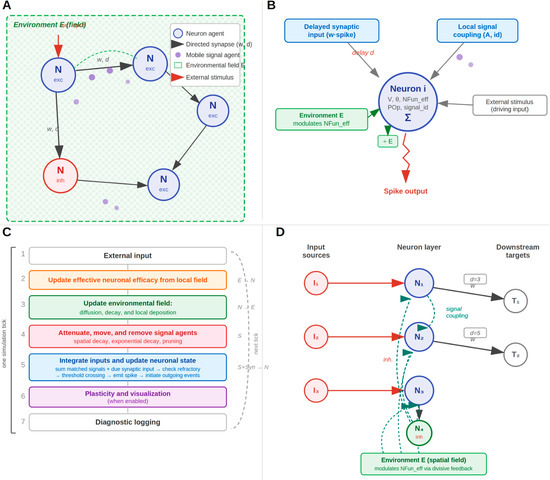
Spiking neural networks can exhibit complex emergent dynamics, but the credibility of spatially explicit agent-based implementations depends on systematic verification and validation (V&V). This study introduces LANA (Local Adaptive Neural Agents), an agent-based spiking neural network in which neurons, propagating signals, directed synapses,
[...] Read more.
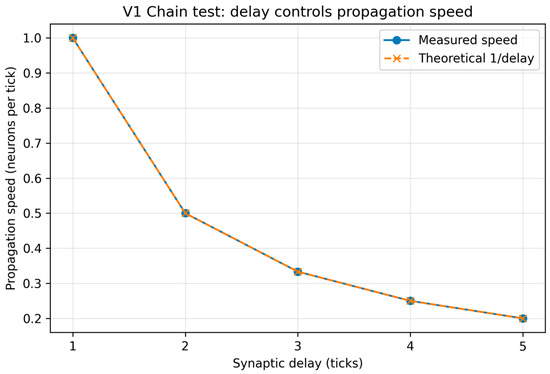
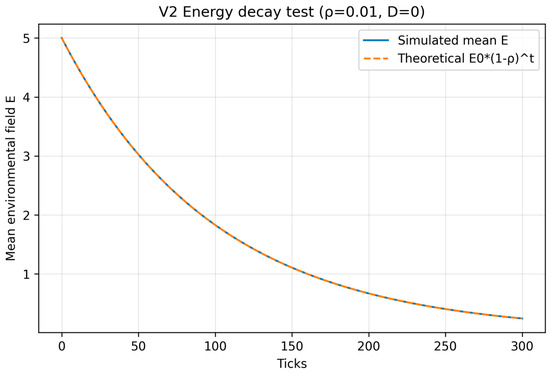
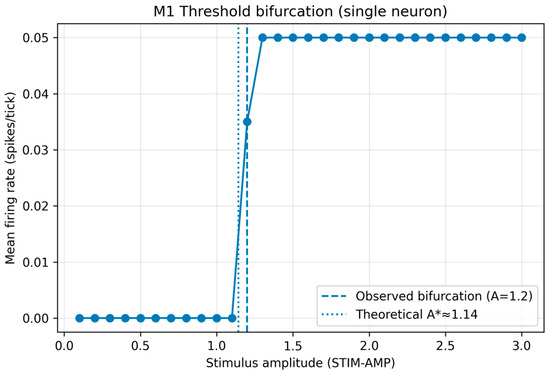
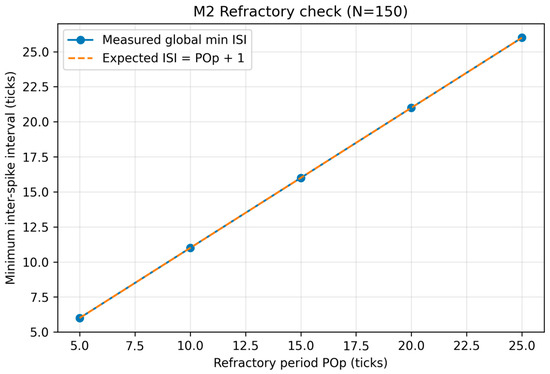
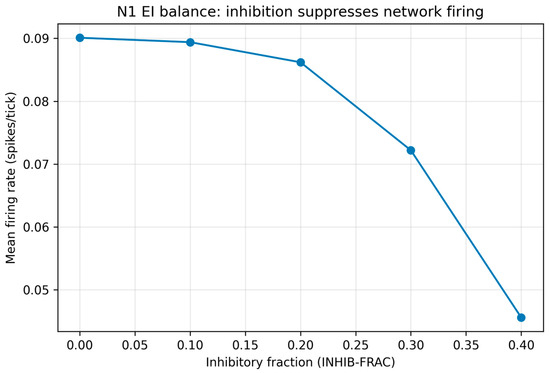
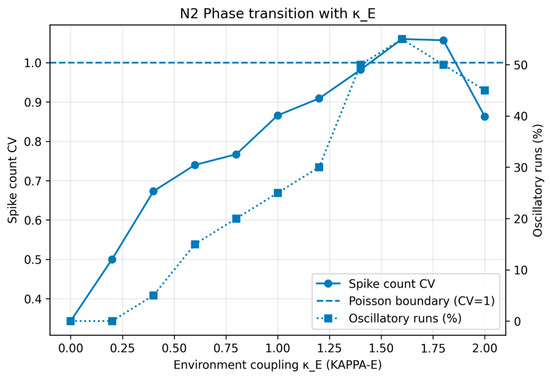
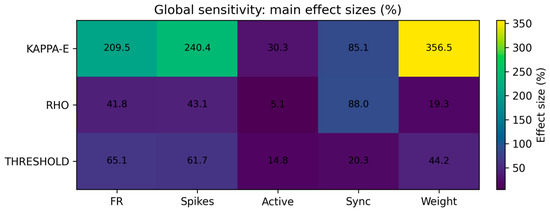
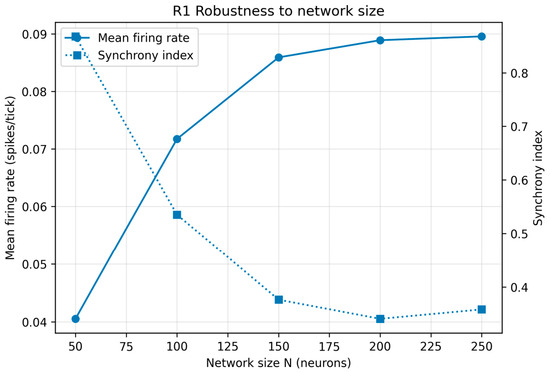
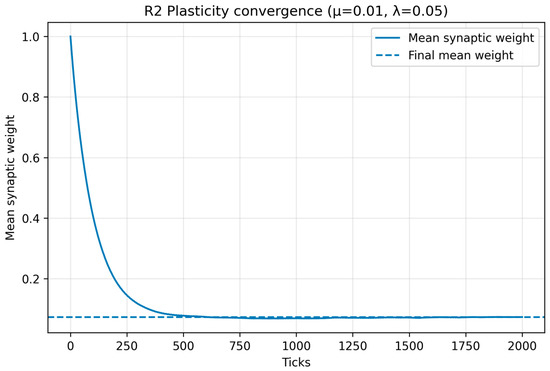
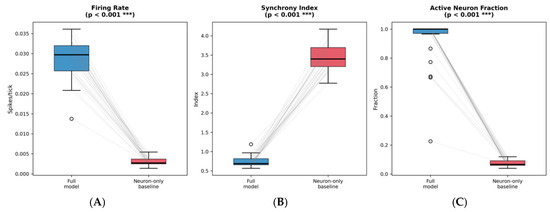
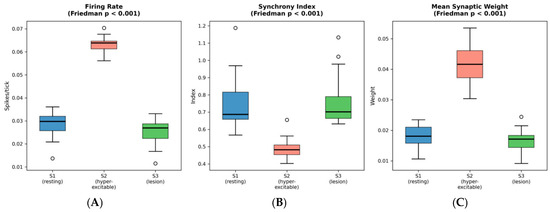
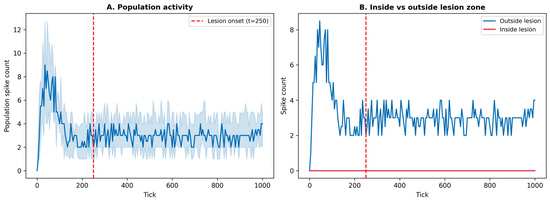
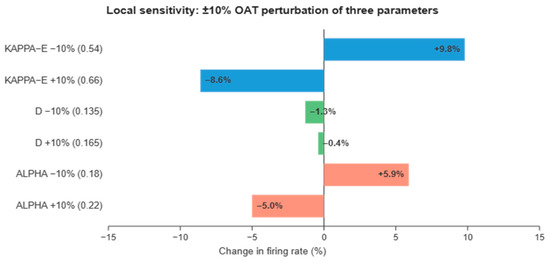
Spiking neural networks can exhibit complex emergent dynamics, but the credibility of spatially explicit agent-based implementations depends on systematic verification and validation (V&V). This study introduces LANA (Local Adaptive Neural Agents), an agent-based spiking neural network in which neurons, propagating signals, directed synapses, and a diffusive environmental field are represented as distinct interacting components. We present a five-level V&V framework spanning operator-level tests, single-neuron mechanisms, propagation behavior, network-level dynamics, and sensitivity/robustness analysis. Across 13 predefined tests and approximately 2000 simulation runs, the model satisfied all prespecified pass criteria: synaptic delays reproduced the expected propagation law exactly, environmental decay and diffusion matched analytical expectations, threshold and refractory mechanisms behaved as predicted, inhibition suppressed firing monotonically, and environmental coupling induced a transition toward higher variability and oscillatory-like activity. Matched-seed comparisons further showed that explicit signal transport and environmental feedback substantially amplify activity relative to a neuron-only baseline while leaving synaptic delay propagation unchanged. Additional regime and lesion experiments demonstrated distinct resting, hyperexcitable, and focal-lesion states, with the lesion condition producing an acute decline followed by only partial recovery. Together, these results provide a transparent V&V baseline for LANA and illustrate how agent-based spiking models can be tested and interpreted across multiple scales.
Full article

Figure 1
Open AccessArticle
Natural Deep Eutectic Solvent-Based Eutectogels for Enhanced Colon-Targeted Delivery of Mesalazine
by
Roberta Sole, Roberta Cassano, Carlo Siciliano, Federica Curcio, Annarita Stella Laganà, Assunta Perri, Debora Procopio, Diego J. Ramón, Sonia Trombino and Maria Luisa Di Gioia
Sci 2026, 8(5), 106; https://doi.org/10.3390/sci8050106 - 7 May 2026
Abstract
►▼
Show Figures
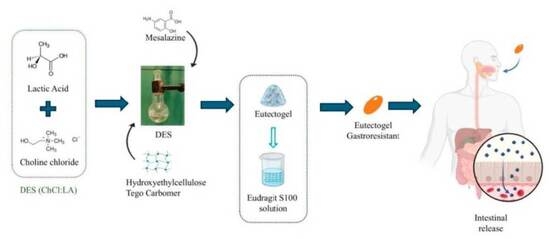
Poor solubility and low permeability remain major obstacles to the oral bioavailability of mesalazine (5-aminosalicylic acid, 5-ASA), a BCS Class IV anti-inflammatory drug used in the treatment of inflammatory bowel diseases. In this study, we report a novel eutectogel (EG) platform based on
[...] Read more.
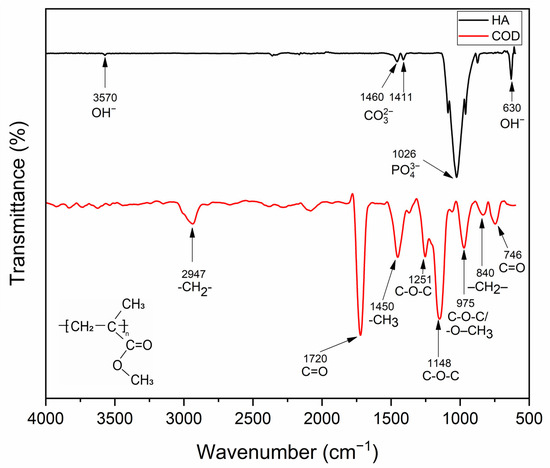
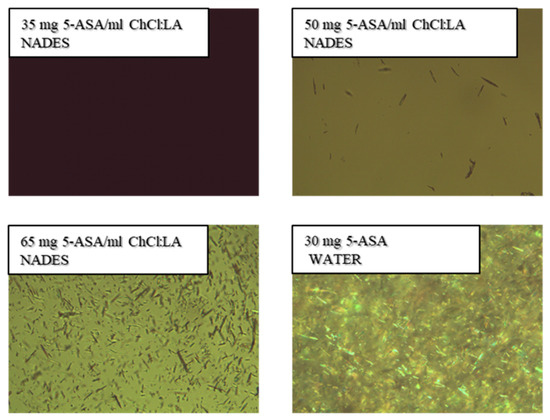
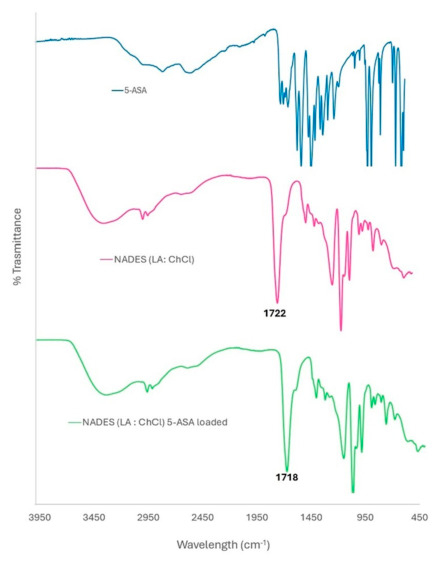
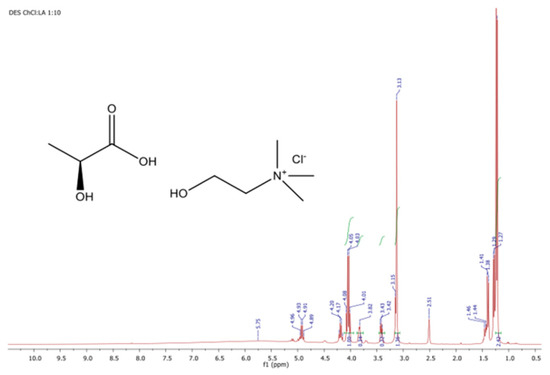
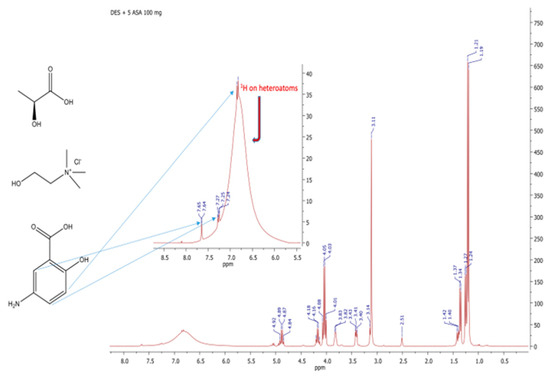
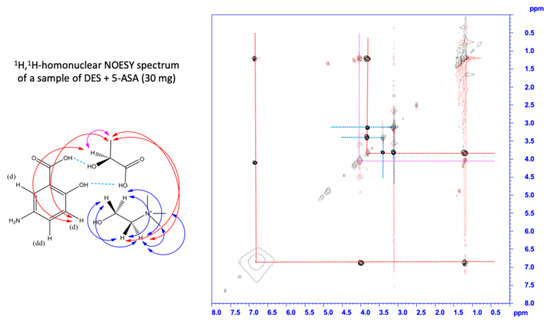
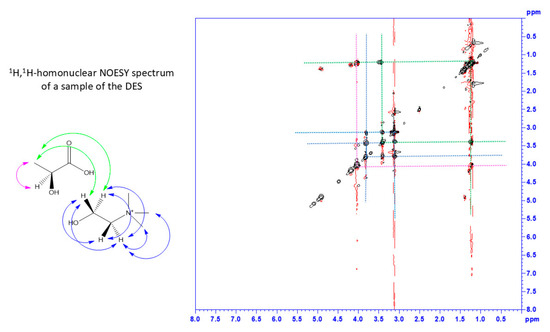
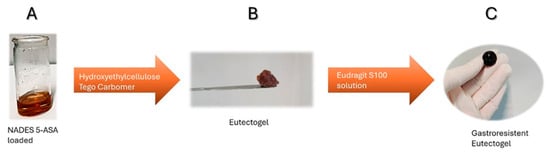
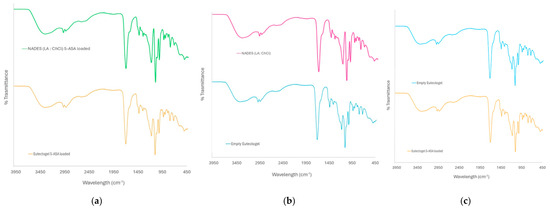
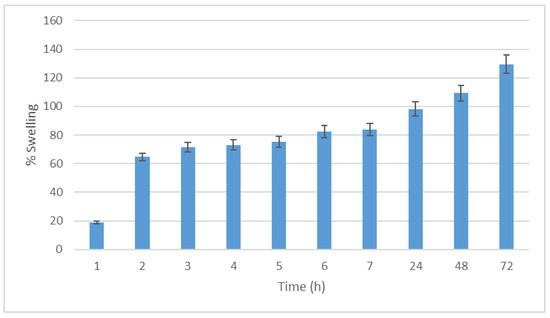
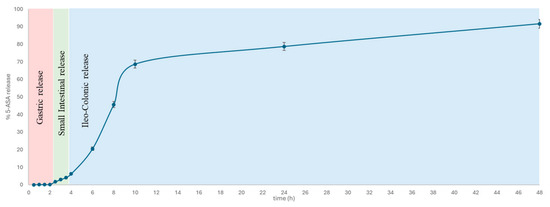
Poor solubility and low permeability remain major obstacles to the oral bioavailability of mesalazine (5-aminosalicylic acid, 5-ASA), a BCS Class IV anti-inflammatory drug used in the treatment of inflammatory bowel diseases. In this study, we report a novel eutectogel (EG) platform based on a natural deep eutectic solvent (NADES) composed of choline chloride and lactic acid (ChCl:LA, 1:10 molar ratio). The NADES significantly enhanced mesalazine solubility, reaching 35 mg/mL, nearly 40-fold higher than in water. The drug-loaded NADES was structured using hydroxyethyl cellulose and Carbomer 140 to obtain a gel matrix, which was subsequently coated with Eudragit® S100 to provide pH-dependent release and gastro-resistance. Physicochemical characterization was carried out via FT-IR and NMR spectroscopy, polarized optical microscopy (POM), and swelling studies in simulated fluids. In vitro release studies under simulated gastrointestinal conditions revealed minimal drug release at gastric pH (1.2) and a sustained release (>80%) at colonic pH (7.4) over 48 h. These results support the potential of ChCl:LA-based eutectogels as a biocompatible, green, and effective delivery system for the site-specific release of poorly soluble drugs in the colon.
Full article

Graphical abstract
Open AccessReview
Macroporous Crystals: Design Principles, Synthesis Strategies, and Emerging Applications
by
Yuki Lam, Pedro Amaral and Hai-Feng Ji
Sci 2026, 8(5), 105; https://doi.org/10.3390/sci8050105 - 7 May 2026
Abstract
Macroporous crystals—crystalline materials containing interconnected pores larger than 50 nm—have emerged as a distinct class of porous solids capable of overcoming the mass-transport limitations inherent to microporous and mesoporous frameworks. While smaller-pored crystalline materials dominate applications in catalysis, separations, and energy conversion, their
[...] Read more.
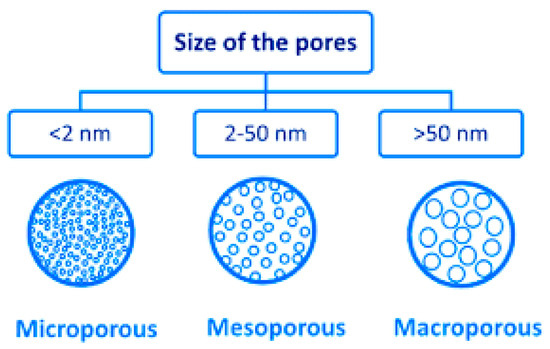
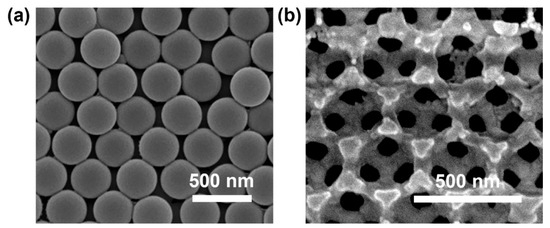
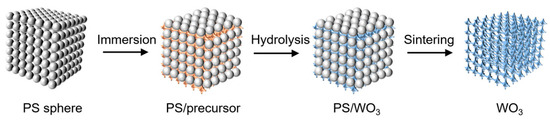
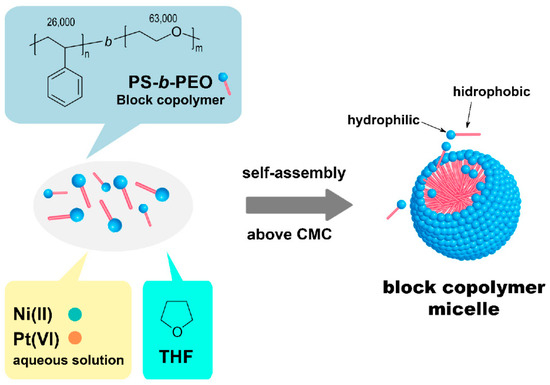
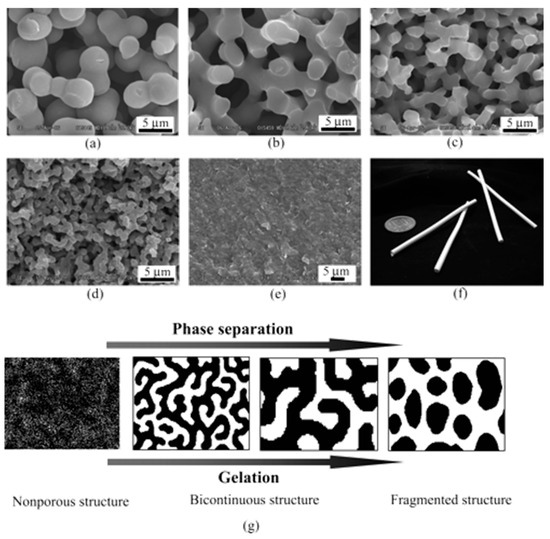
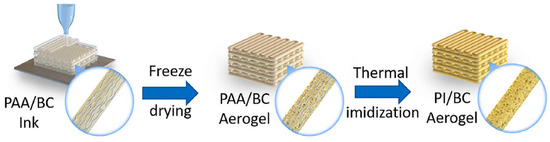
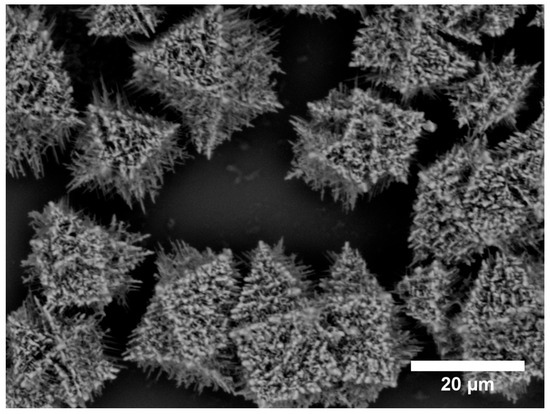
Macroporous crystals—crystalline materials containing interconnected pores larger than 50 nm—have emerged as a distinct class of porous solids capable of overcoming the mass-transport limitations inherent to microporous and mesoporous frameworks. While smaller-pored crystalline materials dominate applications in catalysis, separations, and energy conversion, their narrow channels often restrict diffusion, limit accessibility to large guest species, and accelerate deactivation. Recent advances in colloidal templating, phase separation, additive manufacturing, and reconstruction-based synthesis now enable the formation of macroporous crystalline architectures with pore sizes extending from the sub-micrometer to micrometer scale while retaining long-range structural order. This review systematically examines pore-size classifications, synthesis strategies, structural characteristics, and structure–property relationships governing macroporous crystals, with emphasis on how true macroporosity enables near-bulk transport, enhanced optical functionality, and biological accessibility. Key applications in catalysis, photonics, energy systems, and biomedicine are discussed, alongside challenges related to crystallinity preservation, mechanical robustness, and scalable fabrication. Finally, a case study demonstrating a crystalline material with pores approaching 1 µm illustrates the feasibility of achieving unprecedented pore dimensions without relying on conventional templating approaches. By framing macroporous crystals as a distinct materials regime, this review provides design principles and perspectives to guide the development of next-generation crystalline porous materials.
Full article
(This article belongs to the Section Materials Science)
►▼
Show Figures

Figure 1
Open AccessReview
Mitochondrial RNA Modifications in Pancreatic β-Cells: A Novel Axis in Early Diabetes Pathogenesis
by
Nurfadjriah Fintari Butar Butar, Salsa Putri Regitamadari, Angelina Mulyadi, Kyra Modesty, Shanie Eugene Sutopo, Brigitta Ellycia Sitepu, Dante Saksono Harbuwono, Antonello Santini and Fahrul Nurkolis
Sci 2026, 8(5), 104; https://doi.org/10.3390/sci8050104 - 5 May 2026
Abstract
Mitochondrial RNA (mtRNA) modifications have emerged as critical regulators of pancreatic β-cell bioenergetics, influencing glucose-stimulated insulin secretion (GSIS) and the early pathogenesis of diabetes mellitus (DM). This review synthesizes current evidence on the diversity, mechanisms, and functional implications of mtRNA modifications—such as N6-methyladenosine
[...] Read more.
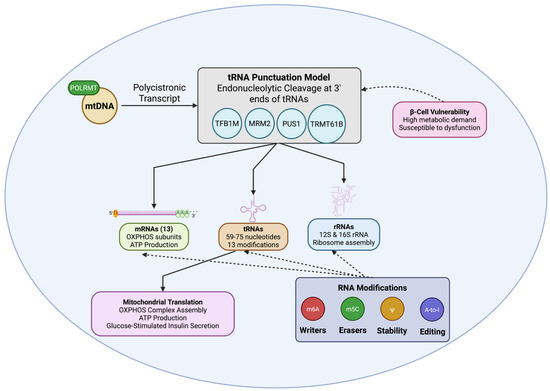
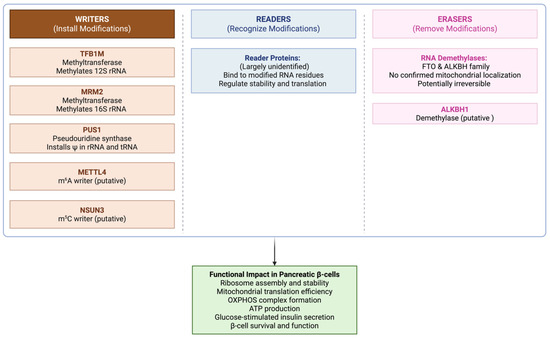
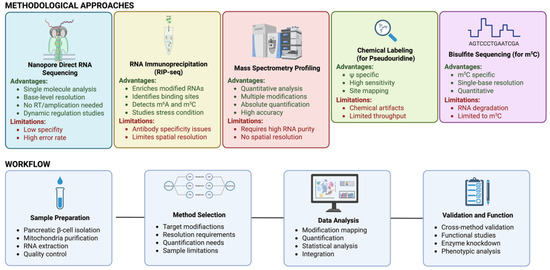
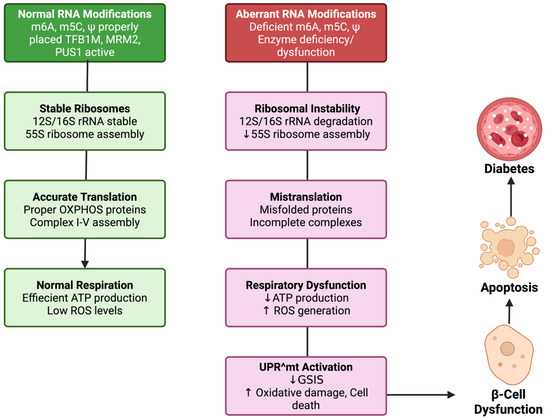
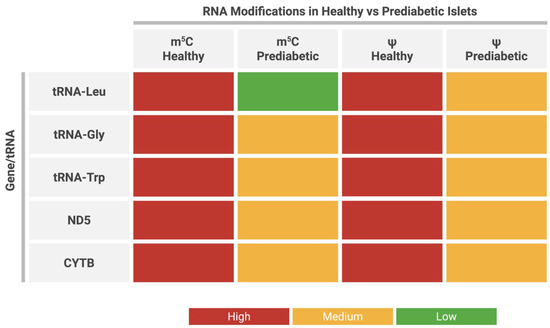
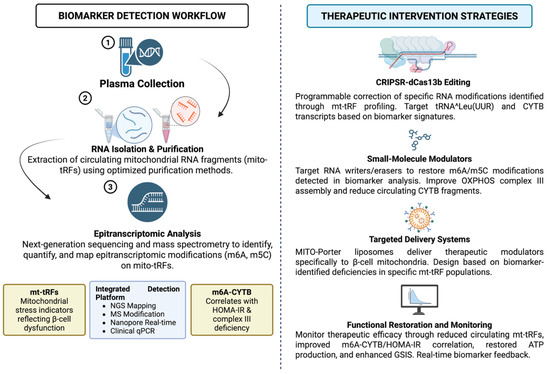
Mitochondrial RNA (mtRNA) modifications have emerged as critical regulators of pancreatic β-cell bioenergetics, influencing glucose-stimulated insulin secretion (GSIS) and the early pathogenesis of diabetes mellitus (DM). This review synthesizes current evidence on the diversity, mechanisms, and functional implications of mtRNA modifications—such as N6-methyladenosine (m6A), 5-methylcytosine (m5C), pseudouridine (Ψ), and 5-formylcytosine (f5C)—within β-cell mitochondria. These chemical marks, installed and recognized by specific writer, eraser, and reader proteins, regulate mitochondrial translation, oxidative phosphorylation (OXPHOS) complex assembly, and redox balance. Defects in mtRNA modification machinery, exemplified by β-cell-specific knockout of TFB1M, MRM2, or PUS1, impair ribosome biogenesis, disrupt ATP production, and precipitate insulin secretory failure, as demonstrated in human islets, rodent models, and monogenic diabetes syndromes. Advances in epitranscriptomic mapping technologies—including nanopore direct RNA sequencing, RNA immunoprecipitation (RIP)-seq, and mass spectrometry—have enabled high-resolution profiling of mtRNA modification landscapes under physiological and diabetic conditions, revealing their dynamic regulation in response to metabolic stress. Furthermore, mtRNA modifications interact with environmental stressors, such as oxidative damage and toxic metals, modulating β-cell vulnerability via pathways like the mitochondrial unfolded protein response (UPRmt). Therapeutically, modulation of RNA-modifying enzymes or restoration of specific chemical marks holds promise for preserving β-cell function, with potential applications in early diagnosis, risk stratification, and precision medicine approaches for DM. Despite substantial progress, critical gaps remain in understanding the interplay between mtRNA modifications, mitochondrial-nuclear crosstalk, and β-cell plasticity. Addressing these gaps will be pivotal for translating mtRNA biology into novel biomarkers and targeted interventions for early-stage diabetes.
Full article
(This article belongs to the Section Biology Research and Life Sciences)
►▼
Show Figures

Figure 1
Open AccessReview
Pregnancy, Cardiovascular Risk Factors, and Mid- to Later-Life Maternal Brain Health: A Scoping Review
by
Revika Singh, Yvonne Curran, Brigid Ferguson, Annie Wescott, Keion Heydarpour, Isabella Taylor Flerlage, Rayan Virani, Lynn M. Yee, Farzaneh A. Sorond, Dilip K. Pandey and Philip B. Gorelick
Sci 2026, 8(5), 103; https://doi.org/10.3390/sci8050103 - 4 May 2026
Abstract
►▼
Show Figures
Pregnancy involves major cardiovascular adaptations, yet its long-term impact on maternal brain health remains poorly understood. The American Heart Association’s Life’s Simple 7 (LS7) and Life’s Essential 8 (LE8) are validated tools to assess cardiovascular and brain health, but their use in obstetric
[...] Read more.
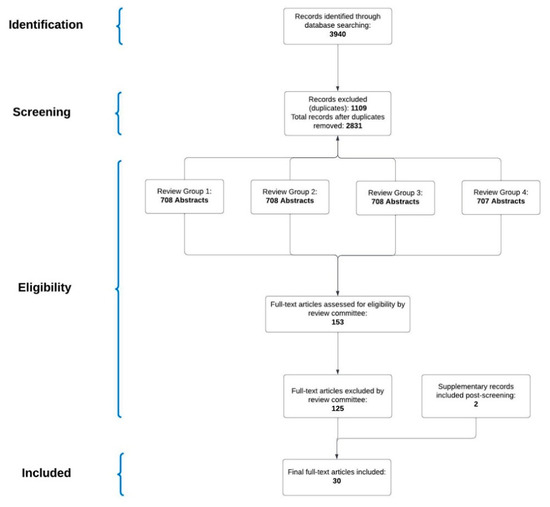
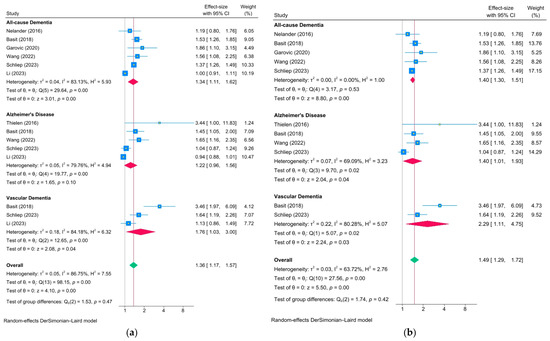
Pregnancy involves major cardiovascular adaptations, yet its long-term impact on maternal brain health remains poorly understood. The American Heart Association’s Life’s Simple 7 (LS7) and Life’s Essential 8 (LE8) are validated tools to assess cardiovascular and brain health, but their use in obstetric populations is limited. Following PRISMA-ScR guidelines, we searched three databases (2010–2024) for studies assessing ≥ 1 LS7/LE8 component during pregnancy with mid- or later-life cognitive or dementia outcomes; narrative synthesis and meta-analyses were conducted where feasible. Of 3940 screened abstracts, 30 studies met the inclusion criteria. Most examined hypertensive disorders of pregnancy (HDP), few assessed diabetes independently, and none evaluated the full LS7/LE8 construct. Meta-analyses showed that HDP was associated with increased risk of all-cause dementia (HR 1.34; 95% CI 1.11–1.62) and vascular dementia (HR 1.76; 95% CI 1.03–3.00; n = 3 studies), but not Alzheimer’s disease (HR 1.22; 95% CI 0.96–1.56). Although LS7/LE8 are established frameworks for cardiovascular and brain health, their application during pregnancy remains limited. Integrating LE8 into obstetric care may enable earlier identification of individuals at risk for later-life cognitive decline and inform strategies to promote maternal brain health across the lifespan.
Full article

Figure 1
Open AccessArticle
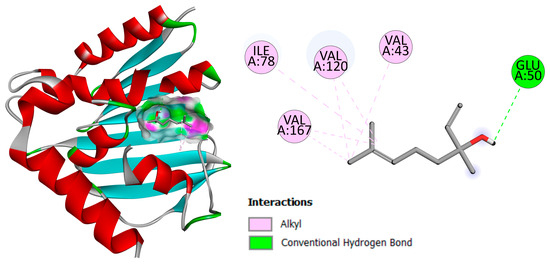
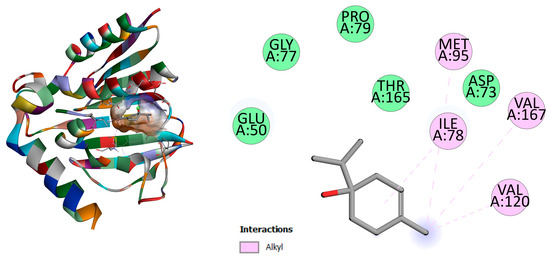
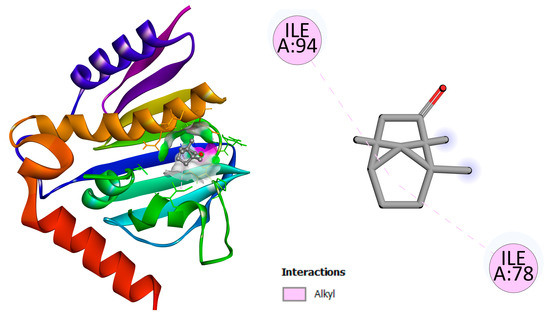
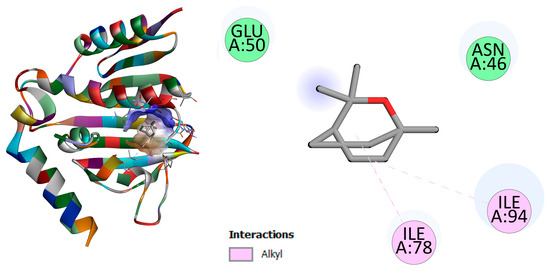
Chemical Composition, Antioxidant Potential, and Standardized Antimicrobial Activity of Lavandula angustifolia Mill. Essential Oil: An In Vitro and In Silico Study
by
Vesna Antunović, Željka Marjanović-Balaban, Žarko Gagić, Nebojša Kladar, Vesna Gojković Cvjetković, Vesna Kalaba and Dragica Đurđević-Milošević
Sci 2026, 8(5), 102; https://doi.org/10.3390/sci8050102 - 30 Apr 2026
Abstract
Lavandula angustifolia essential oil (LEO) was obtained by hydrodistillation of air-dried flowers collected in the Mostar region (Bosnia and Herzegovina). Its chemical composition was analyzed by gas chromatography-mass spectrometry, revealing a camphor content of 16.96%, substantially higher than the maximum value specified in
[...] Read more.
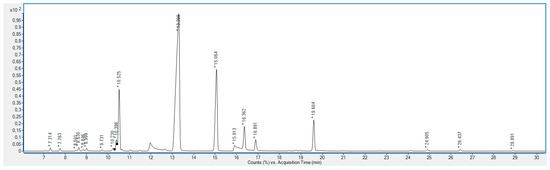
Lavandula angustifolia essential oil (LEO) was obtained by hydrodistillation of air-dried flowers collected in the Mostar region (Bosnia and Herzegovina). Its chemical composition was analyzed by gas chromatography-mass spectrometry, revealing a camphor content of 16.96%, substantially higher than the maximum value specified in the European Pharmacopoeia. Antimicrobial activity was evaluated using quantitative suspension tests according to EN 1276 and EN 1650 under simulated “dirty” conditions with organic load (bovine albumin, 3 g/L) and a 5 min contact time. High-concentration LEO (80% w/v) exhibited strong bactericidal activity against Escherichia coli ATCC 10536 and Staphylococcus aureus ATCC 6538, and yeasticidal activity against Candida albicans ATCC 10231 (>5 log10 CFU/mL reduction for bacteria, >4 log10 CFU/mL reduction for yeast), but was ineffective against Pseudomonas aeruginosa ATCC 15442 and Enterococcus hirae ATCC 10541. Lower concentrations (1.0% and 0.1% w/v) showed no bactericidal and yeasticidal activity, highlighting LEO’s efficacy limits. Antioxidant activity, assessed by DPPH radical scavenging, was dose- and time-dependent. Molecular docking provided insight into the interaction of major constituents with selected microbial and antioxidant-related targets. These findings highlight both the potential and limitations of LEO as a renewable bio-based resource for sustainable disinfectant formulations while emphasizing the importance of chemical composition and regulatory compliance.
Full article
(This article belongs to the Section Biology Research and Life Sciences)
►▼
Show Figures

Figure 1
Highly Accessed Articles
Latest Books
E-Mail Alert
News
Topics
Topic in
Applied Sciences, Cryptography, Electronics, Mathematics, Information, Sci, Entropy, JCP
Recent Developments and Applications of Image Watermarking
Topic Editors: Frederic Ros, Pedro M. B. TorresDeadline: 31 July 2026
Topic in
Molecules, Biomimetics, Chemosensors, Life, AI, Sci
Recent Advances in Chemical Artificial Intelligence
Topic Editors: Pier Luigi Gentili, Jerzy Górecki, David C Magri, Pasquale StanoDeadline: 15 October 2026
Topic in
Computers, Electronics, Entropy, Information, Mathematics, Sensors, AI, Applied Sciences, Sci, Future Internet
Addressing Security Issues Related to Modern Software
Topic Editors: Luis Javier García Villalba, Ana Lucila Sandoval OrozcoDeadline: 31 October 2026
Topic in
Biomedicines, Cancers, Diagnostics, JCM, Biomolecules, Sci, CIMB, Molecules
Biomarker Development and Application, 2nd Edition
Topic Editors: Youhe Gao, Xin SuDeadline: 30 November 2026
Special Issues
Special Issue in
Sci
Advanced 1D, 2D and 3D Nanomaterials
Guest Editor: Hai-Feng (Frank) JiDeadline: 31 July 2026
Special Issue in
Sci
Advances in Climate Change Adaptation and Mitigation
Guest Editors: Jose Navarro Pedreño, Maria K. Doula, Antonis A. ZorpasDeadline: 31 October 2026
Special Issue in
Sci
Computational Linguistics and Artificial Intelligence
Guest Editors: Dioneia Motta Monte-Serrat, Francesco M. DoniniDeadline: 20 November 2026
Special Issue in
Sci
Advanced Sustainable Building Materials, Smart Construction and 3D Printing
Guest Editors: Aires Camões, Rui ReisDeadline: 25 December 2026