





-
Evaluation of Parental Knowledge and Practices in Pediatric Fever Management Among Iranian Families: A Cross-Sectional Study -
Pediatric Autoimmune Sclerosing Cholangitis: Diagnostic and Therapeutic Challenges -
Admission Criteria to Paediatric Intensive Care for Oncology Haematology Patients: Updates and Evidence-Based Clinical Recommendations -
The Impact of Smartphone Use on Brain Function in Adolescence: A Scoping Review
Journal Description
Pediatric Reports
Pediatric Reports
is an international, peer-reviewed, open access journal on all aspects of pediatrics, and is published bimonthly online by MDPI (since Volume 12, Issue 3 - 2020). The Italian Society of Pediatric Psychology (SIPPed) is affiliated with Pediatric Reports and its members receive discounts on the article processing charges.
- Open Access— free for readers, with article processing charges (APC) paid by authors or their institutions.
- High Visibility: indexed within Scopus, ESCI (Web of Science), PubMed, PMC, Embase, and other databases.
- Journal Rank: JCR - Q2 (Pediatrics)
- Rapid Publication: manuscripts are peer-reviewed and a first decision is provided to authors approximately 16.7 days after submission; acceptance to publication is undertaken in 4.6 days (median values for papers published in this journal in the first half of 2026).
- Recognition of Reviewers: Reviewers whose reports are timely and of high quality receive an APC discount voucher for a future publication in an MDPI journal. Become a reviewer.
Impact Factor:
1.9 (2025);
5-Year Impact Factor:
1.6 (2025)
Latest Articles
Experiences of Parents of Children with Cancer During Their Child’s Illness: A Qualitative Interview Study in a Spanish Context
Pediatr. Rep. 2026, 18(5), 120; https://doi.org/10.3390/pediatric18050120 - 15 Sep 2026
Abstract
Background/Objectives: Childhood cancer profoundly affects families, particularly parents, who assume demanding caregiving roles associated with significant emotional and social burden that remain underexplored qualitatively. To explore the experiences of parents of children with cancer during the disease process: diagnosis, treatment, follow-up, and
[...] Read more.
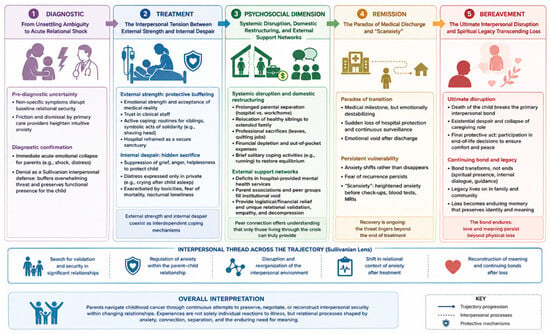
Background/Objectives: Childhood cancer profoundly affects families, particularly parents, who assume demanding caregiving roles associated with significant emotional and social burden that remain underexplored qualitatively. To explore the experiences of parents of children with cancer during the disease process: diagnosis, treatment, follow-up, and their child’s progress. Methods: An exploratory qualitative interview study was conducted using individual semi-structured interviews with six parents of children with cancer in Spain. Participants were intentionally recruited through a parent association. Interviews were conducted online, audio- and video-recorded with consent, transcribed verbatim, and analyzed using thematic analysis following Braun and Clarke. Sullivan’s interpersonal theory was subsequently used as a conceptual framework to interpret the emerging themes, particularly in relation to interpersonal anxiety, security, emotional regulation, and significant relationships. Results: Six parents were included in the analysis, representing heterogeneous clinical trajectories, including active treatment, remission, and bereavement. Five axes, 12 categories, and 52 codes were identified. Parents described uncertainty and emotional disruption around diagnosis, the coexistence of perceived strength and distress during treatment, changes in family and interpersonal relationships, continuing concerns following remission, and profound grief and continuing bonds following the death of a child. These findings were interpreted through Sullivan’s interpersonal framework. Conclusions: This exploratory study suggests that parents’ experiences of childhood cancer are shaped by changes in interpersonal relationships, emotional regulation, perceived security, and support networks across different phases of the illness. The findings highlight potential areas for psychosocial support, although they should be interpreted cautiously given the small and heterogeneous sample.
Full article
(This article belongs to the Section Pediatric Psychology)
►
Show Figures
Open AccessReview
Review of Artificial Intelligence for Automated Assessment of Lines, Drains, and Airways on Pediatric and Adult Chest Radiographs
by
Junqi Wang, Lili He, Gary R. Schooler, Alexander J. Towbin and Hailong Li
Pediatr. Rep. 2026, 18(5), 119; https://doi.org/10.3390/pediatric18050119 - 11 Sep 2026
Abstract
►▼
Show Figures
The accurate placement of lines, drains, and airways (LDAs) is essential for the safe management of critically ill patients, as malpositioned medical devices can result in severe complications ranging from ineffective treatment to life-threatening injury. Chest radiography (CXR) is the primary imaging modality
[...] Read more.
The accurate placement of lines, drains, and airways (LDAs) is essential for the safe management of critically ill patients, as malpositioned medical devices can result in severe complications ranging from ineffective treatment to life-threatening injury. Chest radiography (CXR) is the primary imaging modality for confirming the placement of many LDAs; however, the growing volume and complexity of bedside CXRs have created increasing demand for rapid, reliable interpretation. Recent advances in artificial intelligence (AI) have enabled automated detection, localization, and position assessment of LDA devices, supporting opportunities to improve clinical workflow and patient safety. This review summarizes recent developments in AI algorithms for automated LDA assessment on CXRs, emphasizing their clinical applications, technical approaches, performance, and limitations. The review begins with clinical characteristics, radiographic appearance, and placement criteria of common LDA categories, followed by a survey of AI methods for presence detection, device localization, and position classification. Although some models have achieved performance approaching that of radiologists, most do not perform at the level needed for clinical deployment. Future research should prioritize multicenter validation, standardized annotation protocols, pediatric-specific datasets, and anatomically informed models capable of simultaneously evaluating multiple LDA devices. Advances in these areas will facilitate the integration of AI-assisted LDA assessment into clinical decision support and ultimately improve patient care.
Full article

Figure 1
Open AccessArticle
Baseline Predictors of Early Ventricular Recovery During Hospitalization in Children with Dilated Cardiomyopathy: A Short-Term Retrospective Study
by
Adelina-Mihaela Sorescu, Cristina Isabel Viorica Ghiță, Smaranda Stoleru, Gabriela Duică, Alin Marcel Nicolescu, Eliza Elena Cinteză, Ion Fulga and Oana Andreia Coman
Pediatr. Rep. 2026, 18(5), 118; https://doi.org/10.3390/pediatric18050118 - 8 Sep 2026
Abstract
►▼
Show Figures
Introduction: Determining the prognosis and probable evolution of dilated cardiomyopathy (DCM) in pediatric patients has been an area of interest in the literature over the years. The aim of this study was to investigate baseline clinical, laboratory, and echocardiographic parameters associated with early
[...] Read more.
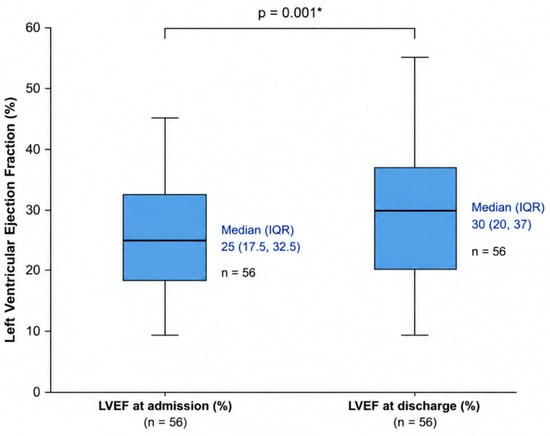
Introduction: Determining the prognosis and probable evolution of dilated cardiomyopathy (DCM) in pediatric patients has been an area of interest in the literature over the years. The aim of this study was to investigate baseline clinical, laboratory, and echocardiographic parameters associated with early ventricular recovery during hospitalization in children with dilated cardiomyopathy. Materials and methods: A retrospective, observational, single-center study was conducted including 56 pediatric patients diagnosed with DCM between 2015 and 2025. Baseline clinical and paraclinical variables were collected at admission. Changes in the left ventricular ejection fraction were assessed during hospitalization, and patients were categorized into recovery and non-recovery groups. Statistical analysis was performed to identify independent predictors of early ventricular recovery. Results: Early ventricular recovery occurred in 25 (44.64%) patients. In multivariate logistic analysis, Ross functional class was the only independent marker associated with early ventricular recovery (OR 2.547, 95% CI 1.179–5.501; p = 0.017). Bootstrap validation confirmed the robustness of the association. Troponin, NT-proBNP, mitral regurgitation and treatment strategy were not independently associated with recovery. ROC analysis demonstrated a modest discriminatory performance for the Ross functional class. Discussion: In this cohort of children with DCM, symptom severity was the only baseline variable consistently associated with early ventricular recovery. Clinical assessment was more useful than laboratory biomarkers and echocardiographic parameters in predicting short-term improvement in ventricular function. Conclusions: The Ross functional class was the only baseline variable independently associated with early ventricular recovery. These findings support the use of the Ross functional classification as a simple bedside tool, useful in early prognostic stratification in children with dilated cardiomyopathy, although its discriminatory performance was modest.
Full article

Figure 1
Open AccessCase Report
Fundic Gallbladder Diverticulum Lesion in a Child Suspected to Be Congenital: A Case Report and Scoping Review
by
Samentha Menager, Piero Farruggia, Salvatore Calderaro, Domenico Bivona, Giovanni Francesco Saia, Marco Guida, Antonino Levita, Chiara Marino, Federica Mescolo, Tiziana Guida Rutilio, Michelangelo Giovanni Sciortino, Barbara Torrente, Flavia Volpe and Giovanni Corsello
Pediatr. Rep. 2026, 18(5), 117; https://doi.org/10.3390/pediatric18050117 - 4 Sep 2026
Abstract
►▼
Show Figures
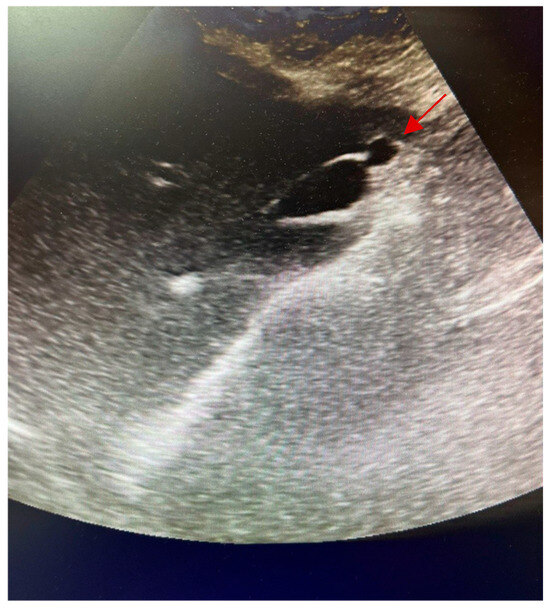
Gallbladder diverticulum is an exceptionally rare congenital anomaly in children, with only isolated cases reported in the literature. We describe a 10-year-old girl with epilepsy and constipation who presented twice within 15 days with diffuse abdominal pain. Physical examination revealed generalized abdominal tenderness,
[...] Read more.
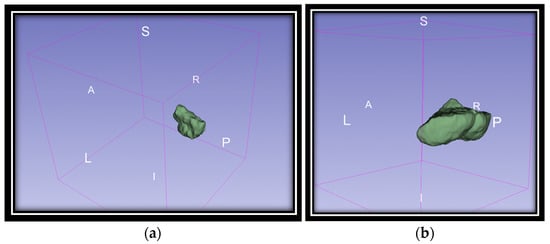
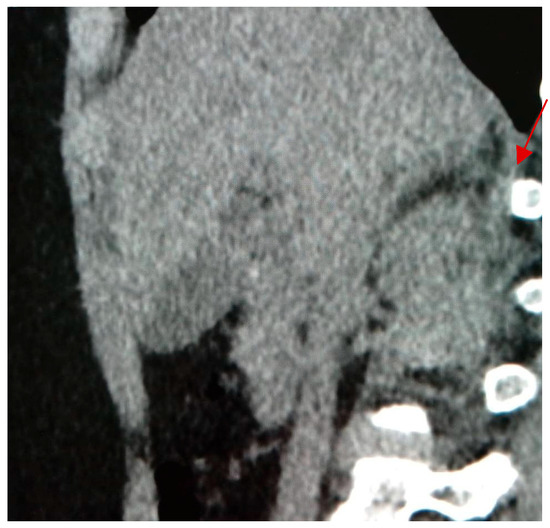
Gallbladder diverticulum is an exceptionally rare congenital anomaly in children, with only isolated cases reported in the literature. We describe a 10-year-old girl with epilepsy and constipation who presented twice within 15 days with diffuse abdominal pain. Physical examination revealed generalized abdominal tenderness, and laboratory tests were unremarkable. Abdominal ultrasonography showed mild hepatic steatosis and a small fundal gallbladder outpouching measuring approximately 7 mm × 9 mm, suggestive of a diverticulum. Computed tomography (CT) also suggested a small fundal gallbladder diverticulum-like lesion. Notably, the family reported that the patient’s older sister had undergone cholecystectomy for gallstones, during which a gallbladder diverticulum-like lesion was identified; however, because the event had occurred approximately 15 years earlier, only the first abdominal ultrasound report was available for review, and no histopathological reports could be retrieved. The scoping review systematically mapped the available evidence and confirmed that published pediatric experience remains extremely limited. Only two previously published pediatric cases were identified. Given the absence of complications for our patient, conservative management with gastroenterology follow-up was adopted. This case highlights the rarity of congenital gallbladder diverticulum in childhood, the diagnostic challenge of distinguishing true diverticula from anatomical variants, and the importance of correlating imaging findings with the clinical presentation.
Full article

Figure 1
Open AccessReview
Community-Based Follow-Up After NICU Discharge: A Practice-Focused Narrative Review of Nursing and Midwifery Care for Preterm Infants
by
Vikentia Harizopoulou, Angeliki Bolou, Evdoxia Tsiakiri, Maria Bouroutzoglou, Victoria Vivilaki and Dimitra Metallinou
Pediatr. Rep. 2026, 18(5), 116; https://doi.org/10.3390/pediatric18050116 - 31 Aug 2026
Abstract
►▼
Show Figures
Background/Objectives: Preterm birth remains a significant global public health challenge, associated with increased morbidity, rehospitalisation, and long-term vulnerability. The transition from the neonatal intensive care unit (NICU) to the home environment represents a critical phase. This practice-focused narrative review synthesises current evidence on
[...] Read more.
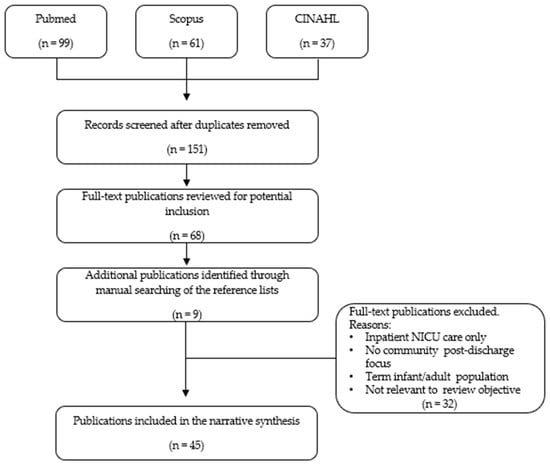
Background/Objectives: Preterm birth remains a significant global public health challenge, associated with increased morbidity, rehospitalisation, and long-term vulnerability. The transition from the neonatal intensive care unit (NICU) to the home environment represents a critical phase. This practice-focused narrative review synthesises current evidence on community-based post-discharge follow-up for preterm infants, with particular emphasis on the complementary contribution of community health nursing and midwifery within multidisciplinary follow-up models, endocrine-metabolic surveillance and coordinated care for medically complex infants. Methods: A narrative synthesis of review articles, clinical guidelines, and empirical studies published between 2016 and 2026 was undertaken. Searches were performed in PubMed, Scopus, and CINAHL using terms related to preterm birth, NICU discharge, community follow-up, family-centred care, community health nursing, midwifery, and metabolic disorders. Results: Community-based, family-centred follow-up programmes are associated with improved continuity of care, increased parental confidence, enhanced breastfeeding outcomes, and reduced healthcare utilisation. Community health nurses, midwives and health visitors contribute complementary expertise within multidisciplinary follow-up by coordinating continuity of care, providing clinical surveillance of growth and feeding, supporting caregiver education, facilitating early identification of complications, and ensuring timely referral. However, endocrine and metabolic vulnerabilities remain underrepresented in many follow-up models, while infants with complex healthcare needs require individualised, risk-stratified surveillance. Conclusions: Community-based, interdisciplinary, and family-centred follow-up after NICU discharge is essential to enhance the quality and safety of care for preterm infants. Integrated, risk-stratified models of follow-up that combine preventive surveillance, family education, multidisciplinary coordination, and continuity of care may facilitate earlier recognition of complications and improve long-term outcomes.
Full article

Figure 1
Open AccessReview
Comparison of the Alvarado Score with Alternative Diagnostic Tools in Pediatric Acute Appendicitis: A Literature Review
by
Paul Tchouala Tchakoute, Alin Iuhas, Vlad-Ionuț Nechita, Andrei Vasile Pașcalău, Buzdugan Mihaela Ștefania and Ion Cosmin Puia
Pediatr. Rep. 2026, 18(4), 115; https://doi.org/10.3390/pediatric18040115 - 18 Aug 2026
Abstract
►▼
Show Figures
Background: Acute appendicitis is a leading pediatric surgical emergency. Timely diagnosis remains challenging, particularly in young children with atypical presentations. Clinical evaluation alone yields variable diagnostic performance, prompting the use of risk stratification tools. Objective: To evaluate and compare the Alvarado score against
[...] Read more.
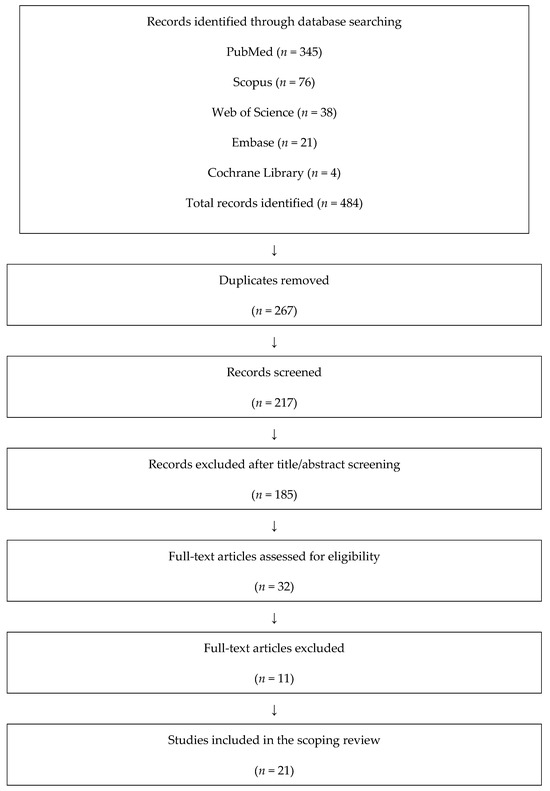
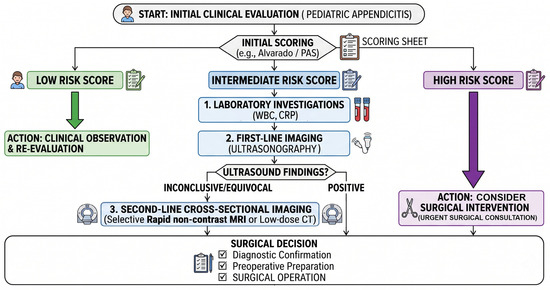
Background: Acute appendicitis is a leading pediatric surgical emergency. Timely diagnosis remains challenging, particularly in young children with atypical presentations. Clinical evaluation alone yields variable diagnostic performance, prompting the use of risk stratification tools. Objective: To evaluate and compare the Alvarado score against alternative clinical scoring systems, laboratory biomarkers, and imaging modalities in pediatric acute appendicitis. Methods: A narrative literature review with structured selection elements was conducted across PubMed, Scopus, and Web of Science for studies published between 2016 and 2026. Results: The Alvarado score demonstrates moderate diagnostic accuracy in children, with good sensitivity but limited specificity (57–76%) at standard cut-offs (≥7). Pediatric-specific scores like the Pediatric Appendicitis Score (PAS) offer higher sensitivity, while the Appendicitis Inflammatory Response (AIR) score provides superior specificity and better identifies complicated appendicitis (including gangrene, phlegmon, and perforation). Continuous risk models, notably the Pediatric Appendicitis Risk Calculator (pARC), outperform fixed additive scores in pediatric cohorts. Combining clinical scores with C-reactive protein, neutrophil-to-lymphocyte ratio, and selective ultrasonography enhances diagnostic precision. Computed tomography reserved for equivocal cases further optimizes diagnostic yield. Conclusion: The Alvarado score should not be used as a standalone tool. A structured, stepwise multimodal approach integrating clinical scores (such as pARC or PAS), inflammatory biomarkers, and selective imaging optimizes diagnostic accuracy and supports timely surgical decision-making in children.
Full article

Figure 1
Open AccessCase Report
Apparent Cerebellar Volumetric Stabilization and Emergent Cortical Hyperexcitability During Long-Acting Injectable Aripiprazole Maintenance in Adolescent Bipolar Disorder
by
Erasmia I. Koiliari, Christos Tsitsipanis, Marianna Evangelia Kapsetaki and Emmanouil L. Pasparakis
Pediatr. Rep. 2026, 18(4), 114; https://doi.org/10.3390/pediatric18040114 - 14 Aug 2026
Abstract
►▼
Show Figures
Background and Clinical Significance: This report investigates the complex intersection of macrostructural neuroprotection and cortical hyperexcitability during long-acting atypical antipsychotic maintenance. We present a novel clinical case demonstrating an apparent absence of detectable cerebellar vermis atrophy progression during long-acting injectable (LAI) aripiprazole maintenance,
[...] Read more.
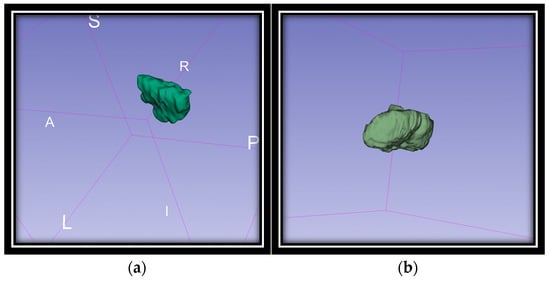
Background and Clinical Significance: This report investigates the complex intersection of macrostructural neuroprotection and cortical hyperexcitability during long-acting atypical antipsychotic maintenance. We present a novel clinical case demonstrating an apparent absence of detectable cerebellar vermis atrophy progression during long-acting injectable (LAI) aripiprazole maintenance, which temporally coincided with the emergence of a potential epileptogenic risk in an adolescent with bipolar disorder (BD) and cannabis use disorder. Beyond motor precision, the vermis modulates emotional-cognitive networks; deficits in these circuits impair impulse control, frequently driving comorbid substance use in youth. Case Presentation: A 16-year-old female with BD and cannabis use disorder presented with pronounced cerebellar and vermis atrophy on brain CT during an acute behavioral crisis. Following diagnostic reformulation, maintenance therapy was initiated via off-label monthly LAI aripiprazole (400 mg) alongside lithium. At 9-month follow-up, psychiatric relapses and cannabis use remitted completely. Repeat CT suggested macrostructural stability with zero apparent atrophy progression. However, during the 9th month, she abruptly developed daily generalized myoclonus. An awake electroencephalogram (EEG) revealed intense cortical hyperexcitability, documenting frequent interictal and ictal epileptiform discharges with generalized 3–4 Hz spike-wave complexes synchronized with the clinical myoclonus. Introduction of levetiracetam (500 mg BID) and cessation of adjunct methylphenidate led to complete clinical and neurophysiological remission. Conclusions: LAI aripiprazole may favorably influence the macrostructural trajectory of the cerebellum/vermis in adolescent BD, suggesting volume stabilization. However, clinicians must monitor for a drug-induced lowering of the seizure threshold, where macrostructural volume preservation coexists with microstructural electrical destabilization.
Full article

Figure 1
Open AccessArticle
Assessment of Caries Risk Through Clinical and Salivary Parameters in Pediatric Patients with Cleft Lip and Palate
by
Alícia Lima, Anabela Paula, Catarina Nunes, Raquel Travassos, Bárbara Oliveiros, Carlos Miguel Marto, Eunice Carrilho, Inês Francisco and Francisco Vale
Pediatr. Rep. 2026, 18(4), 113; https://doi.org/10.3390/pediatric18040113 - 14 Aug 2026
Abstract
Objective: The aim of this study is to assess caries-related indicators (DMFT and ICDAS indices), plaque index, salivary pH and buffering capacity, and dietary and oral hygiene habits in patients with cleft lip and/or palate undergoing orthodontic treatment, compared with a control group
[...] Read more.
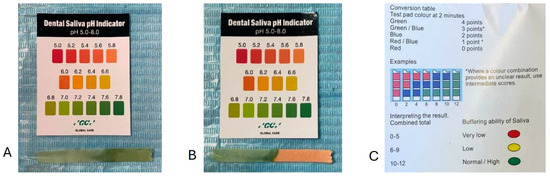
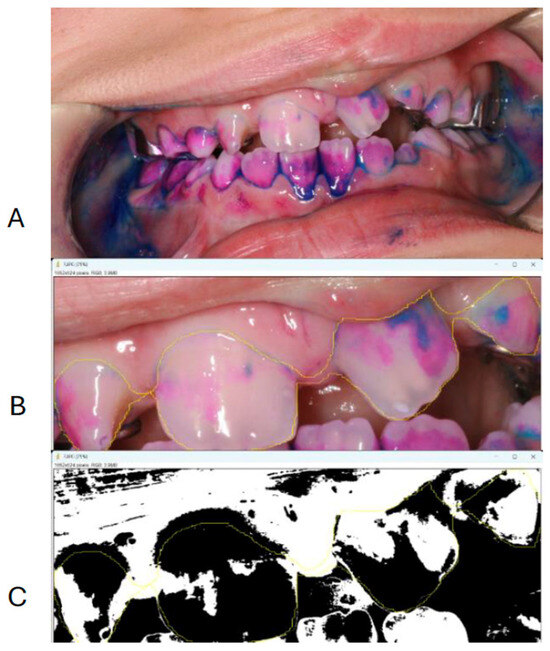
Objective: The aim of this study is to assess caries-related indicators (DMFT and ICDAS indices), plaque index, salivary pH and buffering capacity, and dietary and oral hygiene habits in patients with cleft lip and/or palate undergoing orthodontic treatment, compared with a control group of healthy patients. Methods: This pilot case–control study included 26 patients undergoing orthodontic treatment, 13 patients with cleft lip and/or palate and 13 healthy individuals. The following variables were assessed: diet and oral hygiene through a questionnaire; salivary pH and buffering capacity; caries risk, using the DMFT and ICDAS indices; and plaque index, using the ImageJ Software. Results: No statistically significant differences were detected in the DMFT index, salivary pH, and plaque index; nor in the diet, oral hygiene and salivary buffering capacity. A slightly higher plaque index was observed in patients with cleft lip and/or palate compared to healthy patients. There was a statistically significant difference in the location of plaque, with a higher incidence in the upper central incisors in the study group. Conclusion: This pilot study suggests no statistically significant differences in the DMFT index, plaque index, salivary pH, and buffering capacity between patients with cleft lip and/or palate and healthy controls undergoing orthodontic treatment. However, a higher incidence of bacterial plaque on the upper central incisors was observed in patients with cleft lip and/or palate.
Full article
(This article belongs to the Special Issue Diagnosis and Treatment of the Maxillofacial Region in Pediatric Patients)
►▼
Show Figures

Figure 1
Open AccessArticle
Behind the Unilateral Rhinorrhea: Delayed Pediatric Intranasal Foreign Bodies Presenting as Chronic Sinonasal Disease and Severe Complications
by
Constantinos Papadopoulos, Konstantina Dinaki, Ioanna Gravalidou and Rafail Ioannidis
Pediatr. Rep. 2026, 18(4), 112; https://doi.org/10.3390/pediatric18040112 - 11 Aug 2026
Abstract
►▼
Show Figures
Background and Clinical Significance: Intranasal foreign bodies are common pediatric otolaryngologic emergencies and are usually diagnosed and removed without difficulty. However, delayed or occult retention may mimic chronic unilateral sinonasal disease and occasionally result in severe inflammatory or infectious complications. This study presents
[...] Read more.
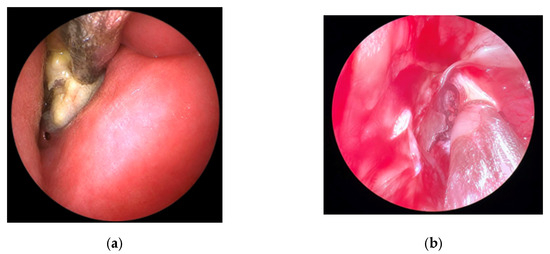
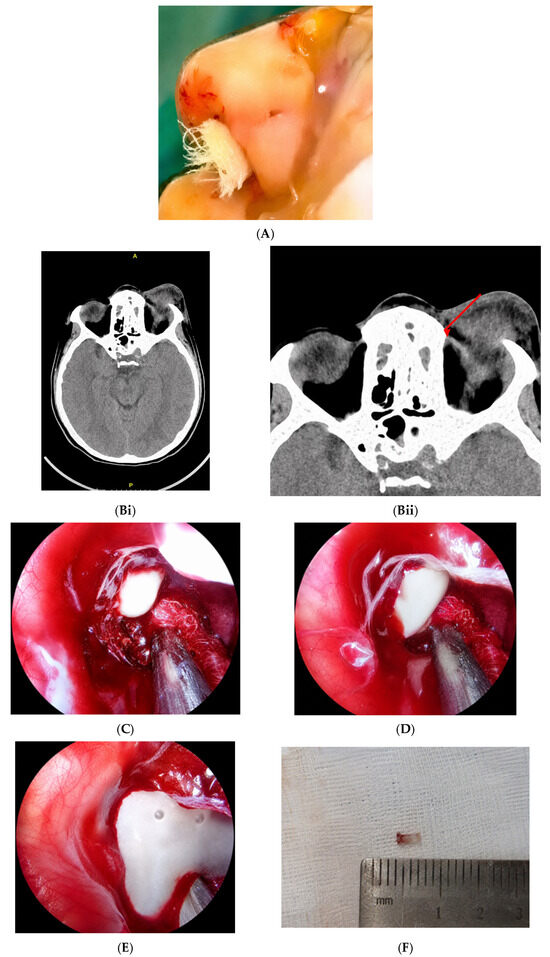
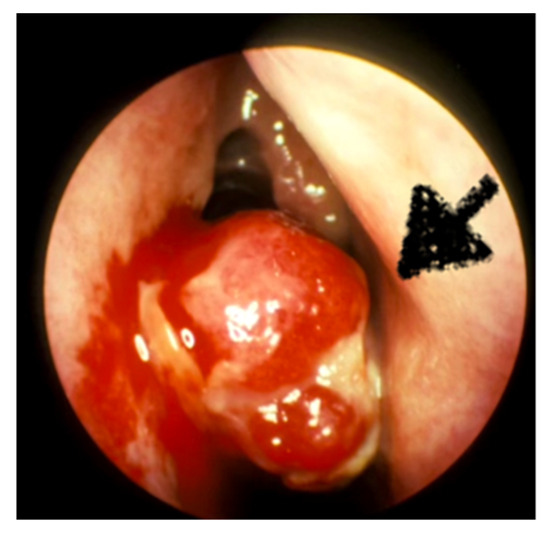
Background and Clinical Significance: Intranasal foreign bodies are common pediatric otolaryngologic emergencies and are usually diagnosed and removed without difficulty. However, delayed or occult retention may mimic chronic unilateral sinonasal disease and occasionally result in severe inflammatory or infectious complications. This study presents three illustrative pediatric cases of delayed intranasal foreign bodies supported by a seven-year institutional experience. Case Presentation: A retrospective review was conducted of all pediatric patients (≤16 years) presenting with intranasal foreign bodies at a secondary referral hospital between January 2019 and May 2026. Demographic characteristics, clinical presentation, management, and outcomes were reviewed to provide institutional context. Among 82 identified patients, three children with delayed diagnosis and severe complications were selected for detailed presentation because they represented distinct clinical manifestations of prolonged foreign body retention. These included chronic unilateral rhinosinusitis caused by a retained peanut fragment, a medial orbital subperiosteal abscess secondary to a retained plastic nasal piercing component, and a foreign-body granuloma associated with retained nasal packing material. The remaining patients underwent uncomplicated removal, predominantly in the emergency department. Conclusions: The presented cases illustrate the diverse spectrum of complications that may occur following delayed intranasal foreign body retention in children. Persistent unilateral foul-smelling rhinorrhea, nasal obstruction, recurrent unilateral epistaxis, or refractory unilateral sinonasal symptoms should prompt careful evaluation for a retained foreign body. By combining detailed case descriptions with institutional experience, this report highlights the importance of maintaining a high index of suspicion and timely endoscopic management in children with persistent unilateral sinonasal symptoms.
Full article

Figure 1
Open AccessArticle
Hospitalizations of Adolescents with Psychiatric Disorders in a Pediatric Unit: A 10-Year Retrospective Study
by
Francesco Accomando, Melodie O. Aricò and Enrico Valletta
Pediatr. Rep. 2026, 18(4), 111; https://doi.org/10.3390/pediatric18040111 - 10 Aug 2026
Abstract
►▼
Show Figures
Background: To assess temporal trends in psychiatric hospitalizations among adolescents admitted to a general pediatric ward in Forlì, Italy, between 2016 and 2025 and to examine diagnostic patterns and their association with sex and age, using the individual patient as the primary unit
[...] Read more.
Background: To assess temporal trends in psychiatric hospitalizations among adolescents admitted to a general pediatric ward in Forlì, Italy, between 2016 and 2025 and to examine diagnostic patterns and their association with sex and age, using the individual patient as the primary unit of analysis. Methods: Single-center retrospective study including all hospitalizations for psychiatric disorders in patients aged 10–17 years over a 10-year period. Each discharge episode was assigned to a single dominant diagnostic category. The primary analyses were conducted at the level of the individual patient (first admission), while episode-level analyses were retained as a pre-specified sensitivity analysis reflecting inpatient burden. Results: A total of 165 adolescents (210 hospitalization episodes) were included; mean (SD) age was 14.47 (1.73) years, and females were 77% of patients (80.5% of episodes). Admissions increased significantly over time (patients: IRR 1.20 per year, 95% CI 1.13–1.27; p < 0.001), with 124/165 (75.2%) patients first admitted in 2021–2025. Suicidal ideation/attempt (27.3%) and eating disorders (15.2%) were the most frequent diagnoses, and both showed a significant upward trend. Overall, diagnosis was associated with sex (p = 0.004): most diagnoses, including the two most frequent, were female-predominant, whereas psychomotor agitation was over-represented in males. Age at admission increased modestly over time and was higher in 2021–2025. Twenty-seven patients accounted for 45 readmissions, concentrated in the most severe diagnoses. Conclusions: Psychiatric hospitalizations of adolescents in a general pediatric ward rose substantially over the decade, especially from 2021, driven mainly by suicidal ideation/attempt and eating disorders. Findings were robust to analysis at the patient level and support the role of the general pediatric ward as a sentinel setting for severe adolescent mental distress.
Full article

Figure 1
Open AccessArticle
Antibiotic Prescribing in Hospitalized Pediatric Patients Before Implementation of a Syndromic Antibiogram at Maputo Central Hospital, Mozambique
by
Darlenne B. Kenga, Jahit Sacarlal, Mohsin Sidat, Valéria Chicamba, Andrea Ntanga Kenga, Yara Manjate, Manuel D. Naiene, Raquel I. Langa, Ramígio Pololo and Troy D. Moon
Pediatr. Rep. 2026, 18(4), 110; https://doi.org/10.3390/pediatric18040110 - 10 Aug 2026
Abstract
►▼
Show Figures
Background: Empiric antibiotic prescribing is frequently used in low- and middle-income countries because microbiological diagnostic capacity is often limited, highlighting the need for locally generated microbiological data to support evidence-informed empiric antibiotic selection. However, data on pediatric antibiotic prescribing practices in Mozambique remain
[...] Read more.
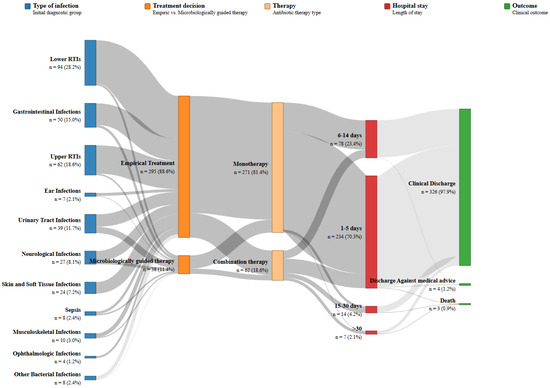
Background: Empiric antibiotic prescribing is frequently used in low- and middle-income countries because microbiological diagnostic capacity is often limited, highlighting the need for locally generated microbiological data to support evidence-informed empiric antibiotic selection. However, data on pediatric antibiotic prescribing practices in Mozambique remain scarce. This study aimed to characterize empiric antibiotic prescribing among hospitalized pediatric patients at Maputo Central Hospital prior to the implementation of a syndromic antibiogram intervention. Methods: An exploratory, retrospective, descriptive baseline analysis was conducted among pediatric patients aged 1 month to 14 years admitted with suspected bacterial infections between January and December 2023, prior to the implementation of a syndromic antibiogram intervention. Sociodemographic, clinical, microbiological, and antibiotic prescribing data were extracted from clinical records. Antibiotics were classified according to the WHO AWaRe framework, and associations between patient characteristics, treatment strategies, and outcomes were analyzed using R software version 4.6.0. Results: A total of 358 pediatric patients were included, with a median age of 14 months (IQR: 6–48), and 57% were male. Lower respiratory tract infections were the most frequent diagnosis. Empiric treatment predominated, accounting for 89% of cases, whereas microbiologically guided therapy was observed in only 11%. Urinary tract infections showed significantly higher proportions of microbiologically guided treatment compared with respiratory infections (p < 0.001). Monotherapy predominated, while Watch antibiotics accounted for 64.7% of prescriptions. Prolonged hospitalization was associated with respiratory distress, decreased skin turgor, referral status, infection type, and anemia. Conclusions: Pediatric antibiotic prescribing was characterized by extensive empiric therapy and high Watch antibiotic use, highlighting important antimicrobial stewardship challenges in Mozambique.
Full article

Figure 1
Open AccessArticle
Designing and Implementing a Simulation-Based Pediatric Trauma Training Program in a Resource-Limited Setting: The PRACTICE Study
by
Jakob Olbrich, Alexander Hönning, Icaro Luan Tavares Latado, Andrea Laufer, Janna Schwab, Erik Haucke, Alexander Jünemann, Uwe Weibrecht, José de Ribamar Bandeira Filho, Kristina Zappel and Sinan Bakir
Pediatr. Rep. 2026, 18(4), 109; https://doi.org/10.3390/pediatric18040109 - 6 Aug 2026
Abstract
►▼
Show Figures
Background/Objectives: Road traffic accidents represent the leading cause of death in children and adolescents in Brazil. In the state of Piauí, non-specialized facilities frequently manage critically injured pediatric patients. Targeted training programs are considered a key strategy for improving outcomes. This study assessed
[...] Read more.
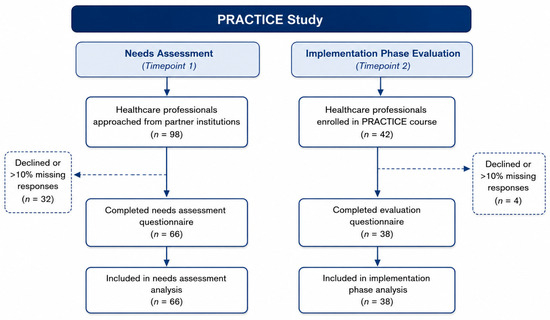
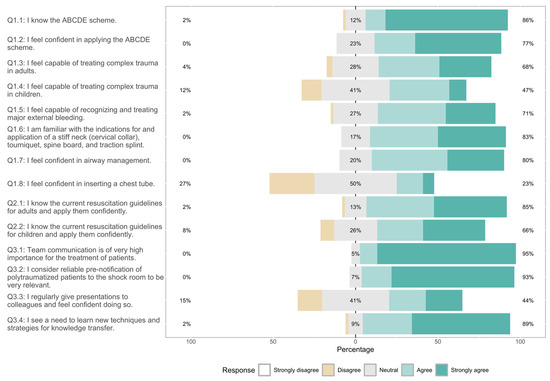
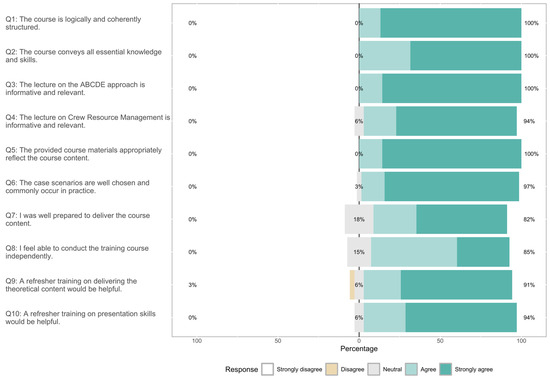
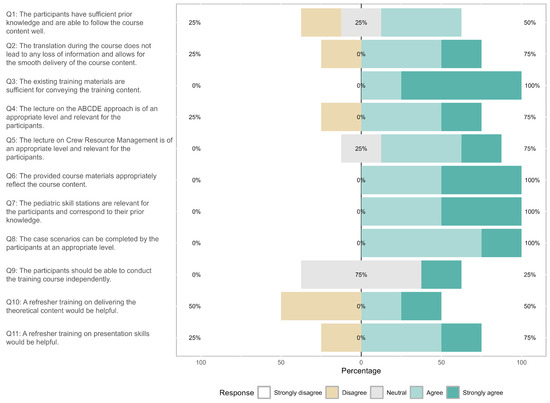
Background/Objectives: Road traffic accidents represent the leading cause of death in children and adolescents in Brazil. In the state of Piauí, non-specialized facilities frequently manage critically injured pediatric patients. Targeted training programs are considered a key strategy for improving outcomes. This study assessed the feasibility of adapting a pediatric trauma course developed in a high-income setting for medical first responders in both pre-hospital and in-hospital settings in a resource-limited environment in northeastern Brazil. Methods: This prospective non-randomized mixed-methods feasibility-oriented implementation and educational evaluation study involved the design of a simulation-based course based on a literature review by a German interprofessional and interdisciplinary team. Local adaptation was achieved through a needs assessment, field visits, and stakeholder collaboration. Implementation included the training of Brazilian instructor candidates, who subsequently delivered the course under supervision. Data were collected using study-specific, non-validated questionnaires at two timepoints and analyzed descriptively and exploratively. Results: A total of 98 healthcare professionals participated in the needs assessment (mean experience 9.7 ± 6.3 years; 62.2% nursing staff); 66 completed the pediatric trauma management section. Although familiarity with the ABCDE approach was high (86%), confidence in pediatric trauma management was significantly lower than management in adults (47% vs. 68%, p = 0.0018), particularly for invasive procedures. During implementation, 38 participants completed the course, with a 100% recommendation rate; approximately 80% felt prepared to teach independently. However, participants and instructors highlighted the need for more practical training, longer course duration, and follow-up instructor training. Conclusions: A context-adapted, simulation-based pediatric trauma training program was feasibly implemented and well accepted in a resource-limited region of Brazil. The train-the-trainer approach shows promise for strengthening local pediatric trauma capacity, but sustained implementation requires continued instructor development, supervised teaching, and long-term evaluation of educational and clinical outcomes.
Full article

Figure 1
Open AccessCase Report
Severe Methylmalonic Acidemia Precipitated by Dietary B12 Deficiency in Vegan Toddler
by
April Edwell, Susan Bessler and Shannon Burke
Pediatr. Rep. 2026, 18(4), 108; https://doi.org/10.3390/pediatric18040108 - 6 Aug 2026
Abstract
A previously healthy 19-month-old female presented after her family found her upon awakening to be sleepy, uninterested in eating, and lethargic. On arrival, blood gas showed profound metabolic acidosis with normal lactate that did not improve with normalization of glucose and sodium. Her
[...] Read more.
A previously healthy 19-month-old female presented after her family found her upon awakening to be sleepy, uninterested in eating, and lethargic. On arrival, blood gas showed profound metabolic acidosis with normal lactate that did not improve with normalization of glucose and sodium. Her acidosis continued to worsen, so a broad workup was initiated, considering ingestions, DKA, and inborn errors of metabolism. In collecting further history, the patient’s nutrition history included a combination of breastfeeding and a vegan diet followed by her family. Her B12 level returned undetectably low. She improved dramatically over the next several hours after receiving an injection of cyanocobalamin. Ultimately, she was confirmed to have methylmalonic acidemia secondary to severe Vitamin B12 deficiency.
Full article
Open AccessArticle
Reading and Screen Time: Associations with Behavioral and Sleep Difficulties in Children and Adolescents
by
Henrike Waterstrat, Nico Grafe, Wieland Kiess, Andreas Merkenschlager and Tanja Poulain
Pediatr. Rep. 2026, 18(4), 107; https://doi.org/10.3390/pediatric18040107 - 6 Aug 2026
Abstract
Objective: This study examined reading behavior and screen time in children and adolescents and their associations with sleep behavior and behavioral difficulties. Methods: This study was conducted as part of the LIFE Child study (Germany). Participants were 579 6- to 10.5-year-old children (younger
[...] Read more.
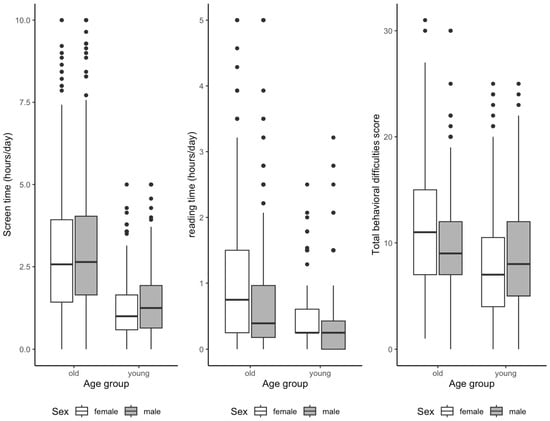
Objective: This study examined reading behavior and screen time in children and adolescents and their associations with sleep behavior and behavioral difficulties. Methods: This study was conducted as part of the LIFE Child study (Germany). Participants were 579 6- to 10.5-year-old children (younger age group) and 972 10.5- to 18-year-old children and adolescents (older age group). Information on reading (duration of reading, on paper or electronically), screen time, sleep difficulties, and behavioral difficulties was assessed via parental (younger sample) or self-reported (older sample) questionnaires. Associations of reading behavior and screen time with child age, sex, maternal education, behavioral difficulties, and sleep difficulties were assessed using linear regression analyses. Results: Girls reported longer reading times than boys, whereas boys reported longer daily screen time. In the younger age group, reading time increased with age. Daily screen time increased with age in both age groups. Higher screen time was significantly associated with more sleep difficulties in both age groups and with more behavioral difficulties in the older age group. In the younger age group, reading time was not associated with screen time, sleep difficulties, or behavioral difficulties. In the older age group, however, longer reading times were significantly associated with longer screen time, more behavioral difficulties, and more problematic sleep. Conclusions: These results indicate that both the use of electronic media and reading behavior are relevant for understanding child health and development. The findings suggest that guidance for families of older children should address not only screen use but also balance and context of reading activities.
Full article
(This article belongs to the Special Issue The Developing Child: Integrating Emotional and Physical Health)
►▼
Show Figures

Figure 1

Open AccessCase Report
The Diagnostic Journey from Rhabdomyolysis to Myopathy with Tubular Aggregates: A Family-Based Case Report and Review of the Literature
by
Slavica Ostojić, Sanja Milenković, Sonja Pavlović, Gordana Kovačević, Gordana Petrović, Aleksandra Paripović, Adrijan Sarajlija, Marina Anđelković, Vladimir Gašić and Danijela Radivojević
Pediatr. Rep. 2026, 18(4), 106; https://doi.org/10.3390/pediatric18040106 - 5 Aug 2026
Abstract
►▼
Show Figures
Introduction/Aims: Myopathies with Tubular Aggregates (TAM) are rare, chronic neuromuscular disorders that may be inherited or acquired. The aim of this report is to present the diagnostic pathway and the challenges encountered in a family with three members affected by TAM caused by
[...] Read more.
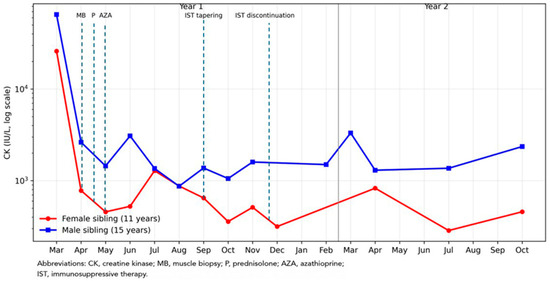
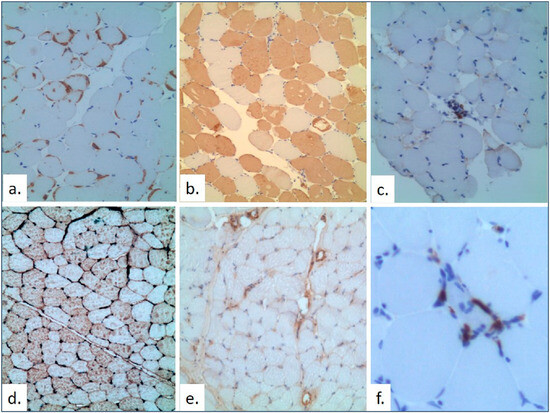
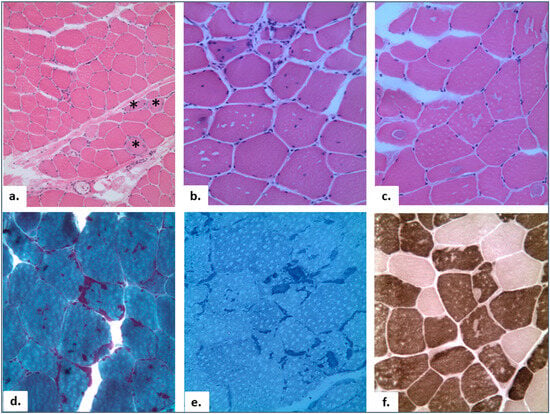
Introduction/Aims: Myopathies with Tubular Aggregates (TAM) are rare, chronic neuromuscular disorders that may be inherited or acquired. The aim of this report is to present the diagnostic pathway and the challenges encountered in a family with three members affected by TAM caused by a rare ORAI1 variant. Case report: Two siblings (15 and 11 years old) developed severe rhabdomyolysis triggered by a viral respiratory infection. Histopathological analysis demonstrated numerous tubular aggregates with mild focal secondary inflammatory changes and no immunophenotypic evidence of autoimmune inflammatory myopathy. Whole-exome sequencing identified a likely pathogenic heterozygous missense variant, NM_032790.3(ORAI1):c.319G>A (p.Val107Met), in the ORAI1 gene, in both children and their asymptomatic mother. Conclusions: The identification of a rare ORAI1 variant in this family supports the association with TAM, broadens the spectrum of phenotypic presentation, and illustrates the phenotypic variability that may exist even among affected members of the same family. Careful interpretation of inflammatory changes in muscle biopsy, together with immunohistochemical and genetic findings, is essential to avoid misclassification of hereditary tubular aggregate myopathy as autoimmune inflammatory myopathy.
Full article

Figure 1
Open AccessRetraction
RETRACTED: Frolli et al. Executive Functions and Foreign Language Learning. Pediatr. Rep. 2022, 14, 450–456
by
Alessandro Frolli, Francesco Cerciello, Clara Esposito, Sonia Ciotola, Gaia De Candia, Maria Carla Ricci and Maria Grazia Russo
Pediatr. Rep. 2026, 18(4), 105; https://doi.org/10.3390/pediatric18040105 - 5 Aug 2026
Abstract
The journal retracts the article “Executive functions and foreign language learning” [...]
Full article
Open AccessSystematic Review
Comparing Respiratory Support Modalities in Pediatric Asthma Exacerbation–A Systematic Review and Meta-Analysis
by
Maha A. Odeh, Garam Kiswani and Alex Gileles-Hillel
Pediatr. Rep. 2026, 18(4), 104; https://doi.org/10.3390/pediatric18040104 - 4 Aug 2026
Abstract
►▼
Show Figures
Objectives: To compare clinical outcomes and racial disparities of children hospitalized for acute asthma exacerbation who required any respiratory support: invasive mechanical ventilation (IMV), non-invasive modalities (non-invasive ventilation (NIV) and high-flow nasal cannula (HFNC)). Methods: We searched PubMed, Embase, Cochrane, and Scopus for
[...] Read more.
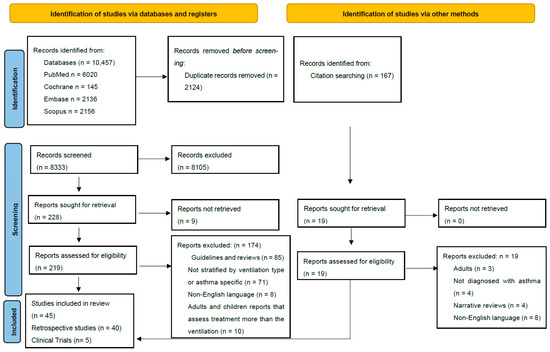
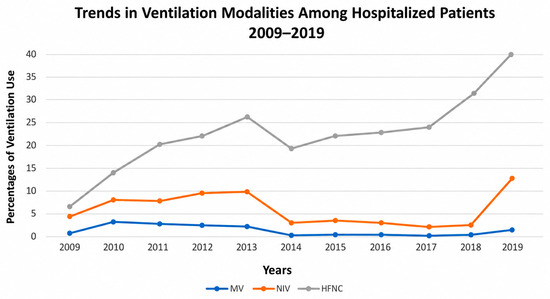
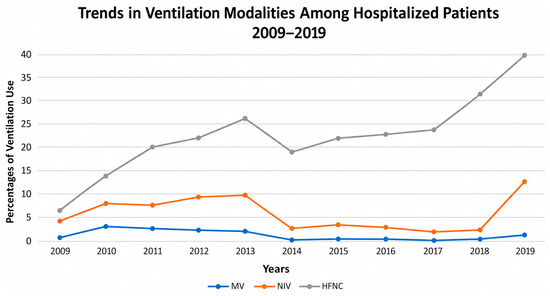
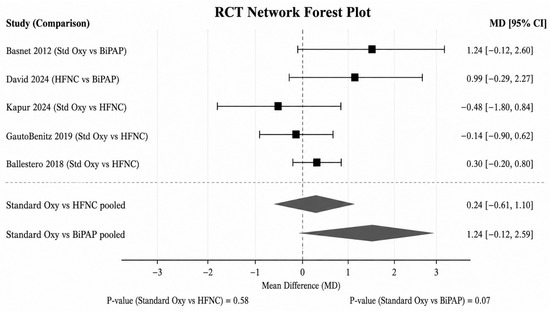
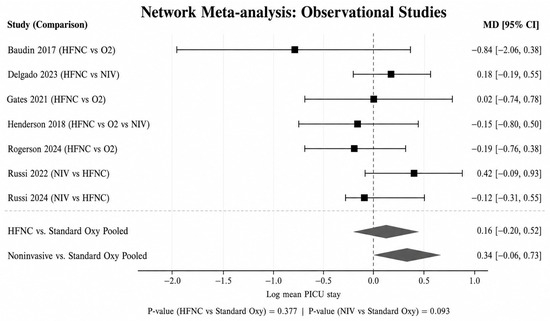
Objectives: To compare clinical outcomes and racial disparities of children hospitalized for acute asthma exacerbation who required any respiratory support: invasive mechanical ventilation (IMV), non-invasive modalities (non-invasive ventilation (NIV) and high-flow nasal cannula (HFNC)). Methods: We searched PubMed, Embase, Cochrane, and Scopus for randomized controlled trials (RCTs) and observational studies published between 2010 and 2025 that involved pediatric asthma patients (0–18 years) who received HFNC, NIV, or IMV. Network meta-analyses (NMA) were conducted separately for RCTs (change in asthma score) and observational studies (PICU length of stay). Subgroup analyses compared respiratory support modalities and failure rates. Racial and ethnic disparities were analyzed narratively. Results: In five RCTs (n = 233), compared to oxygen, HFNC showed no significant benefit (MD = 0.24; p = 0.58), whereas NIV showed the greatest improvement in asthma scores (mean difference [MD] = 1.24; p = 0.07), reaching significance in sensitivity analysis (MD = 2.5; p < 0.001). Observational NMA found no differences in PICU stay between respiratory support modalities, but HFNC was associated with 2-fold increase in PICU stay in a subgroup analysis compared to standard oxygen (p = 0.04) and with a higher failure rate compared to NIV (12.6% vs. 2.6%; OR = 5.3, p < 0.001). Black children had higher odds of intubation. Conclusions: Available evidence suggests that NIV may confer greater short-term clinical benefit in children with severe acute asthma requiring respiratory support, although findings should be interpreted cautiously given the limited and heterogeneous data. Further high-quality studies with standardized outcomes are needed to inform respiratory support selection.
Full article

Figure 1
Open AccessReview
Exploring the Social, Emotional, and Physical Consequences of Hidradenitis Suppurativa in Pediatric Patients: A Scoping Review
by
Kathryn Lotharius, Kendell Lewis, Clarissa Portocarrero, Megha Srivastav, Silvia Zervos, Rebecca Urbonas, Michelle Knecht and Lea Sacca
Pediatr. Rep. 2026, 18(4), 103; https://doi.org/10.3390/pediatric18040103 - 4 Aug 2026
Abstract
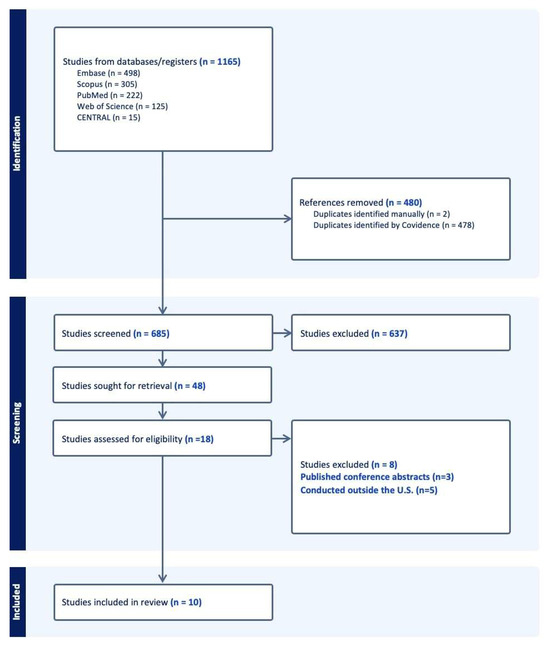
There remains a widespread lack of knowledge regarding hidradenitis suppurativa (HS) among physicians in the United States, impeding timely diagnosis and implementation of comprehensive treatment interventions. Despite the presence of supporting communities for affected adolescents and their caretakers, the overall awareness of HS
[...] Read more.
There remains a widespread lack of knowledge regarding hidradenitis suppurativa (HS) among physicians in the United States, impeding timely diagnosis and implementation of comprehensive treatment interventions. Despite the presence of supporting communities for affected adolescents and their caretakers, the overall awareness of HS remains low, and a greater consensus on the treatment of HS is needed. Current research highlights the lack of standardized pediatric guidelines for treatment of HS largely due to the varied nature of the disease and limited efficacy of current therapies. Our study aims to explore the relationship between the chronic skin condition HS and social–emotional concerns, mental health, and physical health issues in US children and adolescents. Using the Arksey and O’Malley framework and PRISMA-ScR reporting, we searched PubMed/MEDLINE, Scopus, Web of Science, Cochrane Library, and Embase for U.S. studies (2015–2025) on pediatric HS (<18 years) and social–emotional, mental health, or quality-of-life outcomes. Recommendations were synthesized, and study quality was appraised with CASP checklist methods and rigor. Ten studies (2020–2025) met inclusion criteria. Pediatric HS was associated with depression, anxiety, social withdrawal, shame, low self-esteem, and reduced quality of life. Physical comorbidities increased psychosocial burden. Socioeconomic and racial disparities worsened outcomes and access to care. Studies emphasized early diagnosis, routine screening, multidisciplinary management, and disparity-focused interventions. Findings may inform clinical practice and guide research initiatives aimed at improving outcomes for children and adolescents with HS.
Full article
(This article belongs to the Section Pediatric Psychology)
►▼
Show Figures

Figure 1
Open AccessArticle
Interhospital Transportation of Pediatric Patients Undergoing Venovenous Extracorporeal Membrane Oxygenation (VV ECMO) Support—A 3-Year Regional Experience
by
Bartłomiej Kociński, Jowita Rosada-Kurasińska, Piotr Ładziński, Alicja Muszyńska, Diana Zawierucha, Robert Judek, Paweł R. Bednarek, Marcin Gładki and Alicja Bartkowska-Śniatkowska
Pediatr. Rep. 2026, 18(4), 102; https://doi.org/10.3390/pediatric18040102 - 3 Aug 2026
Abstract
►▼
Show Figures
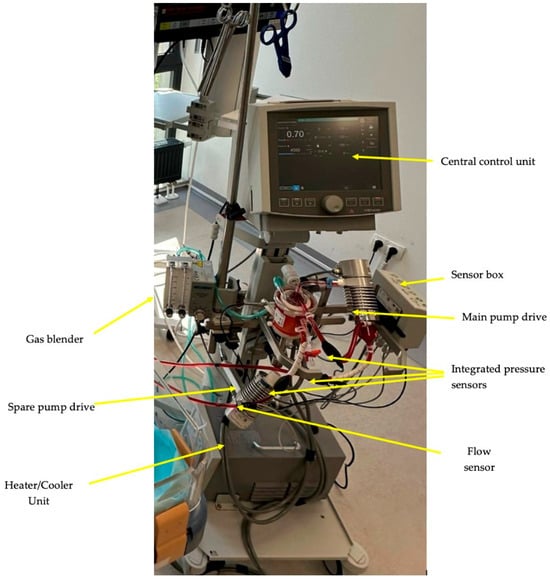
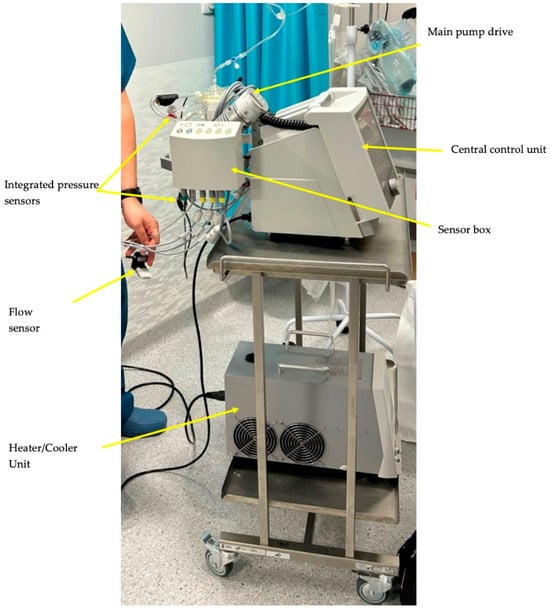
Objective: Extracorporeal Membrane Oxygenation (ECMO) has long been used in the treatment of acute respiratory and circulatory failure by providing time for damaged organs to recover. The aim of this study was to evaluate the safety and feasibility of interhospital transport of pediatric
[...] Read more.
Objective: Extracorporeal Membrane Oxygenation (ECMO) has long been used in the treatment of acute respiratory and circulatory failure by providing time for damaged organs to recover. The aim of this study was to evaluate the safety and feasibility of interhospital transport of pediatric patients with acute respiratory failure who had undergone venovenous extracorporeal membrane oxygenation (VV ECMO) initiated at the referring facilities. Subjects and methods: Because of the critical condition of these patients, the high risk associated with transport, and the failure of conventional therapies, ECMO was initiated at the referring center. After cannulation, the patients were transported by ground ambulance to the Pediatric Intensive Care Unit in Poznań for further treatment. Results: Fourteen patients aged 2 months to 11 years with acute respiratory failure were transferred to our ECMO center. The mean time from decision to departure was 7.62 h, and the mean ICU stay before transfer was 4.14 days. The mean transport distance was 157.5 km. No mortality occurred during transport, and no serious adverse events were reported. Two technical complications were noted. Conclusions: Interhospital transport of pediatric patients on VV ECMO initiated at referring centers was feasible and safe, with favorable outcomes in patients who have exhausted conventional intensive care options. Effective collaboration between referring hospitals, ECMO centers, and emergency medical services was essential for optimal results.
Full article

Figure 1
Open AccessArticle
Pediatricians’ Practice Patterns on the Revised 2022 Neonatal Hyperbilirubinemia Guidelines
by
Estherline J. Thoby, Aimee Lariviere, Katherine Briski and Anna Petrova
Pediatr. Rep. 2026, 18(4), 101; https://doi.org/10.3390/pediatric18040101 - 3 Aug 2026
Abstract
Background/Objective: In 2022, the American Academy of Pediatrics (AAP) revised the guidelines used to manage neonatal hyperbilirubinemia with a focus on reducing unnecessary testing and phototherapy. However, pediatricians’ knowledge and compliance with the current guidelines have not been assessed. We conducted a survey
[...] Read more.
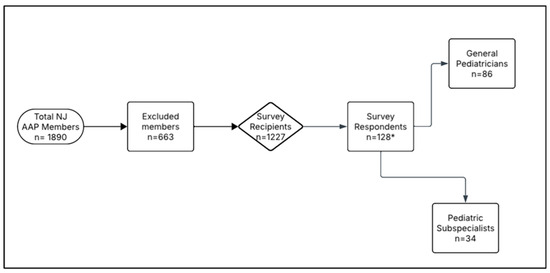
Background/Objective: In 2022, the American Academy of Pediatrics (AAP) revised the guidelines used to manage neonatal hyperbilirubinemia with a focus on reducing unnecessary testing and phototherapy. However, pediatricians’ knowledge and compliance with the current guidelines have not been assessed. We conducted a survey to evaluate New Jersey pediatricians’ current knowledge and practice patterns with the newly proposed guidelines. Patients and Methods: A questionnaire consisting of 28 closed-ended Likert-scale questions, along with demographic data, was distributed twice in 2024 to all members of the New Jersey AAP Chapter. Of 128 respondents, 120 who defined their involvement in the care of neonates with hyperbilirubinemia were analyzed. Results: The majority of survey respondents were general pediatricians (71.7%). Up to 70% recognized the risk factors for developing severe hyperbilirubinemia, except for Down Syndrome. Up to 60% of respondents utilized transcutaneous bilirubin in low-risk hyperbilirubinemia neonates and serum bilirubin after phototherapy initiation in high-risk neonates as recommended by the AAP. Almost all of the respondents followed the AAP recommended post-discharge follow-up and/or bilirubin measurement. The majority reported phototherapy initiation at the recommended thresholds; however, only 12.5% of surveyed pediatricians followed the recommended threshold for phototherapy discontinuation. Conclusions: Surveyed pediatricians in our study were most likely to comply with the 2022 AAP guidelines; however, opportunities remain for improving pediatricians’ awareness of specific risk factors, reducing unnecessary laboratory testing and discontinuation of phototherapy at the recommended level.
Full article
(This article belongs to the Section Inborn Errors and Neonatal Screening)
►▼
Show Figures

Figure 1

Highly Accessed Articles
Latest Books
E-Mail Alert
News
Topics
Topic in
Behavioral Sciences, Healthcare, J. Intell., Pediatric Reports, Social Sciences
Digital Technology and Human Development: Risks, Resilience, and Inequalities
Topic Editors: Shan Jiang, Chaoxin JiangDeadline: 31 May 2027
Topic in
Children, Diagnostics, IJMS, Inflammation Journal, Pediatric Reports
Comprehensive Advances and Clinical Practice in Neonatology
Topic Editors: Giovanni Vento, Elena ȚarcăDeadline: 31 August 2027
Conferences
Special Issues
Special Issue in
Pediatric Reports
Advanced Diagnostic and Treatment Approach in Pediatric Hepatology
Guest Editor: Tudor Lucian PopDeadline: 30 September 2026
Special Issue in
Pediatric Reports
The Developing Child: Integrating Emotional and Physical Health
Guest Editor: Chiara IonioDeadline: 31 October 2026
Special Issue in
Pediatric Reports
Feature Papers on Child Developmental Disorders and Neurology Research
Guest Editors: Giovanni Battista Dell’Isola, Alberto Verrotti di PianellaDeadline: 31 December 2026
Special Issue in
Pediatric Reports
Artificial Intelligence in Pediatric Clinical Practice: Real-World Clinical Applications and Lessons Learned
Guest Editor: Maurizio AricòDeadline: 31 December 2026
Topical Collections
Topical Collection in
Pediatric Reports
Recent Advances and Critical Issues in Pediatrics: a Collection of Feature Papers
Collection Editors: Maurizio Aricò, Claudia Mandato, Pietro Vajro