
Journal Description
Magnetochemistry
Magnetochemistry
is an international, peer-reviewed, open access journal on all areas of magnetism and magnetic materials published monthly online by MDPI.
- Open Access— free for readers, with article processing charges (APC) paid by authors or their institutions.
- High Visibility: indexed within Scopus, SCIE (Web of Science), Inspec, CAPlus / SciFinder, and other databases.
- Journal Rank: JCR - Q2 (Chemistry, Inorganic and Nuclear) / CiteScore - Q2 (Electronic, Optical and Magnetic Materials)
- Rapid Publication: manuscripts are peer-reviewed and a first decision is provided to authors approximately 17.9 days after submission; acceptance to publication is undertaken in 5.5 days (median values for papers published in this journal in the first half of 2026).
- Recognition of Reviewers: reviewers who provide timely, thorough peer-review reports receive vouchers entitling them to a discount on the APC of their next publication in any MDPI journal, in appreciation of the work done.
Impact Factor:
2.8 (2025);
5-Year Impact Factor:
2.9 (2025)
Latest Articles
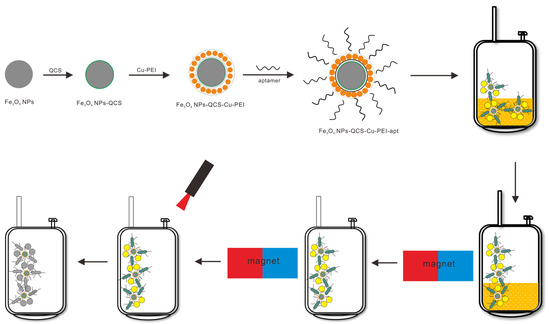
A Novel Photo-Responsive and Platelet-Compatible Strategy Based on Fe3O4-QCS-PEI-Cu and Aptamer for Targeted Inactivation of Bacterial Contaminants in Platelets
Magnetochemistry 2026, 12(9), 97; https://doi.org/10.3390/magnetochemistry12090097 - 2 Sep 2026
Abstract
Bacterial contamination remains a critical safety concern in platelet transfusion, and there is an urgent demand for decontamination technologies that eliminate contaminating bacteria without damaging platelet viability and physiological function. Herein, Fe3O4-QCS-PEI-Cu-apt microparticles with enlarged magnetic cores were rationally
[...] Read more.
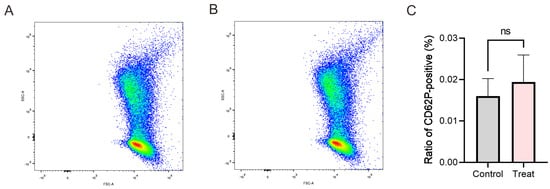
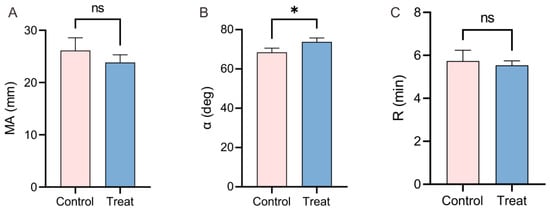
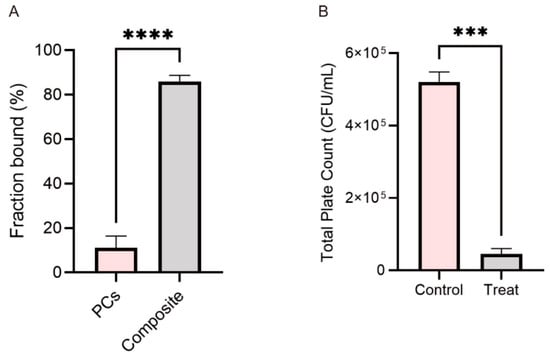
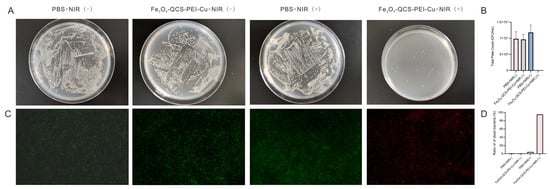
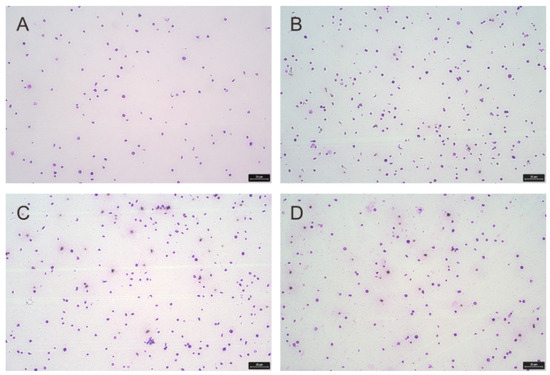
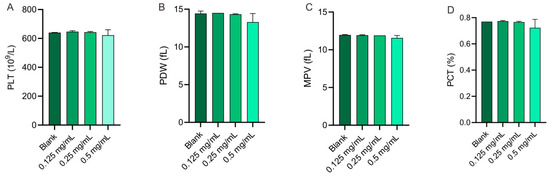
Bacterial contamination remains a critical safety concern in platelet transfusion, and there is an urgent demand for decontamination technologies that eliminate contaminating bacteria without damaging platelet viability and physiological function. Herein, Fe3O4-QCS-PEI-Cu-apt microparticles with enlarged magnetic cores were rationally fabricated to improve aptamer immobilization, aiming at targeted bacterial elimination via near-infrared (NIR) irradiation while maintaining platelet function. Fluorescence assays confirmed their specific targeting capability toward Staphylococcus aureus (S. aureus) without binding to platelets. Magnetic separation experiments demonstrated that the aptamer-functionalized microparticles could efficiently capture and remove 91.35% of S. aureus from platelets. NIR irradiation of the Fe3O4-QCS-PEI-Cu core induced marked bactericidal activity against S. aureus in suspension, as determined by plate counting and LIVE/DEAD staining. This antibacterial ability originated from the intrinsic photo-responsive property of the composite rather than from aptamer-mediated recognition, and could be easily extended to bacteria captured by aptamer-functionalized particles. Comprehensive biocompatibility evaluations, including morphological observation, hematological parameter analysis, CD62P expression detection, and thromboelastography (TEG) were performed. And the results demonstrated that there were no significant changes in platelet morphology, count, activation state, or overall hemostatic function, apart from an increase in the α angle. This platform achieves efficient targeted NIR-triggered antibacterial efficacy while maintaining excellent platelet compatibility, offering a promising strategy to enhance the safety of platelet transfusion.
Full article
(This article belongs to the Section Applications of Magnetism and Magnetic Materials)
►
Show Figures
Open AccessArticle
Temperature and Frequency Dependence of NMR Relaxation Properties of Oil-Based Mud Filtrate
by
Jun Cai, Yu Xia, Wenliang Hu, Guodong Zhang, Yubing Liu and Gong Zhang
Magnetochemistry 2026, 12(9), 96; https://doi.org/10.3390/magnetochemistry12090096 - 1 Sep 2026
Abstract
Oil-based mud filtrate (OBMF) invasion significantly alters the petrophysical response of nuclear magnetic resonance (NMR) logging, severely compromising the accuracy of reservoir fluid identification and petrophysical evaluation. However, the NMR relaxation behavior of OBMF under elevated temperatures (up to 100 °C) and low-frequency
[...] Read more.
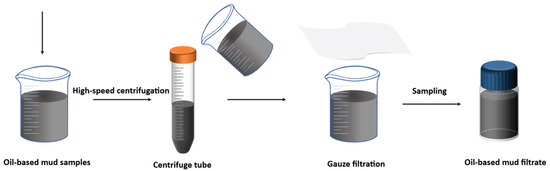
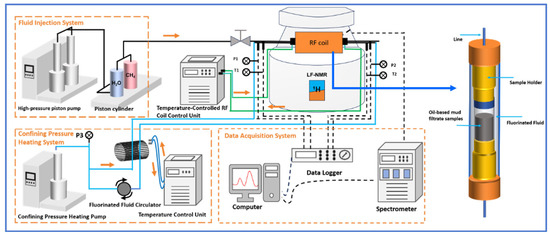
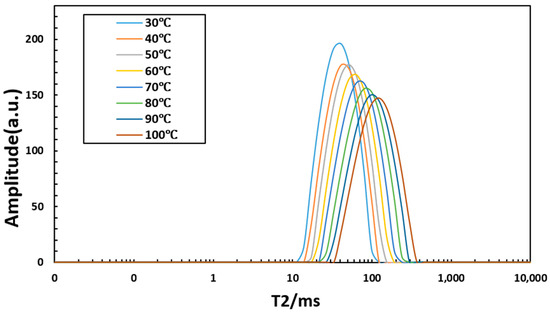
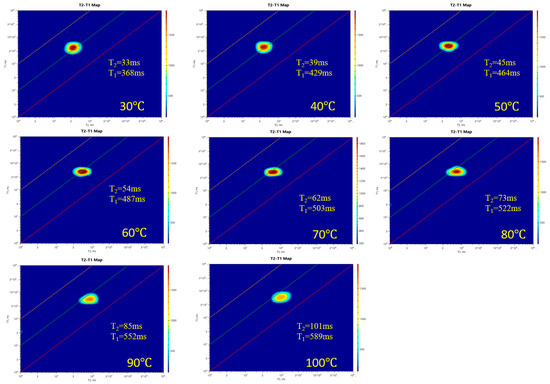
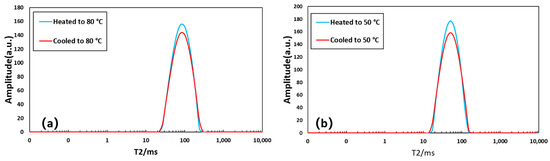
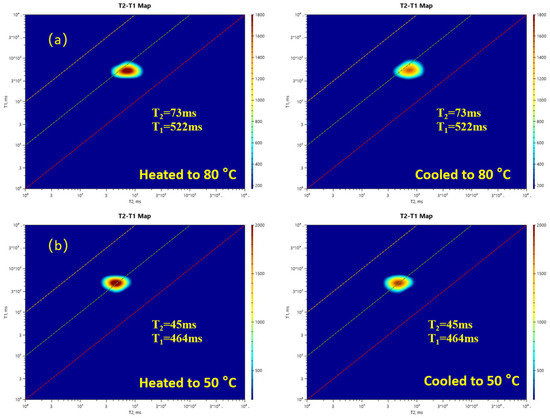
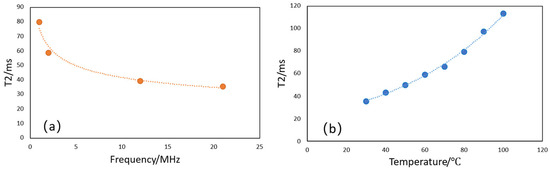
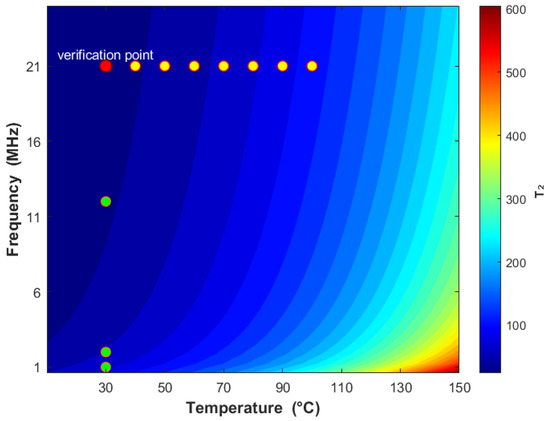
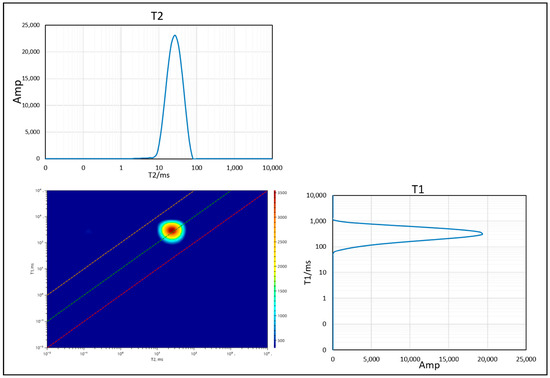
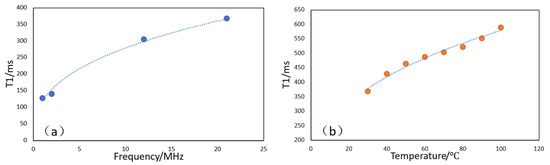
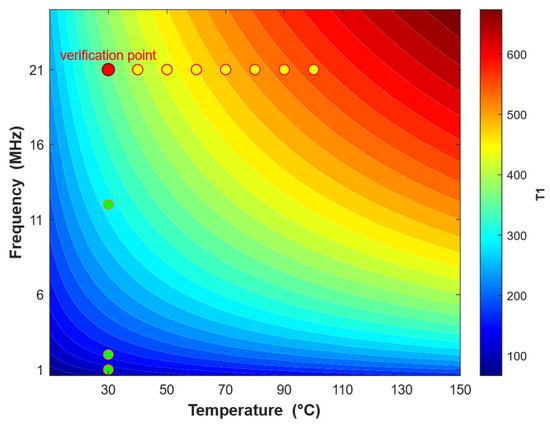
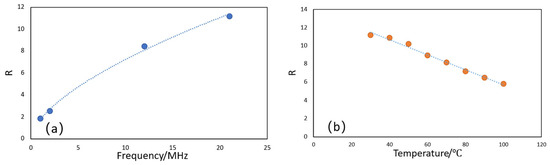
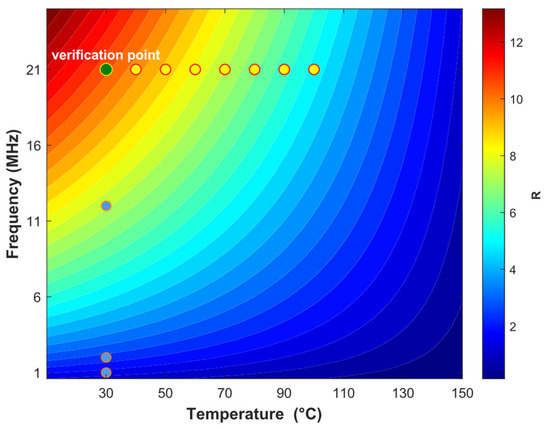
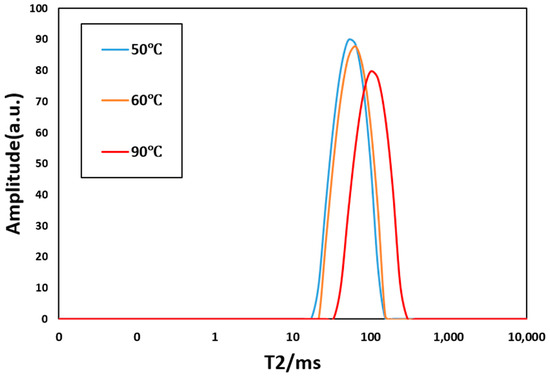
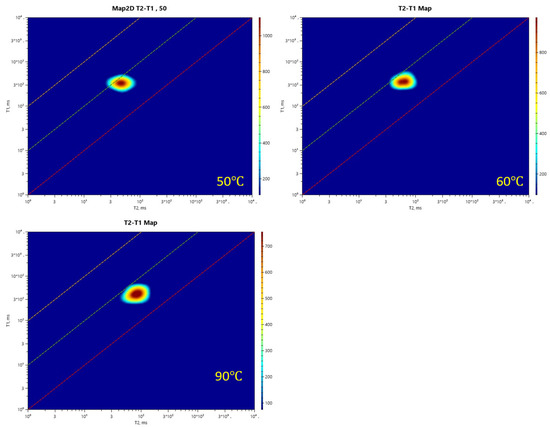
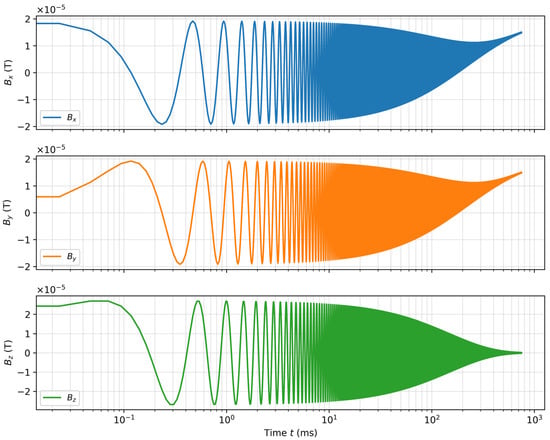
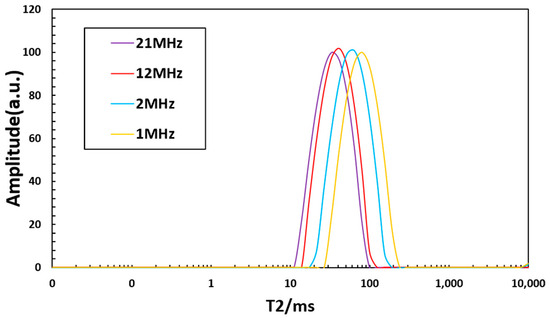
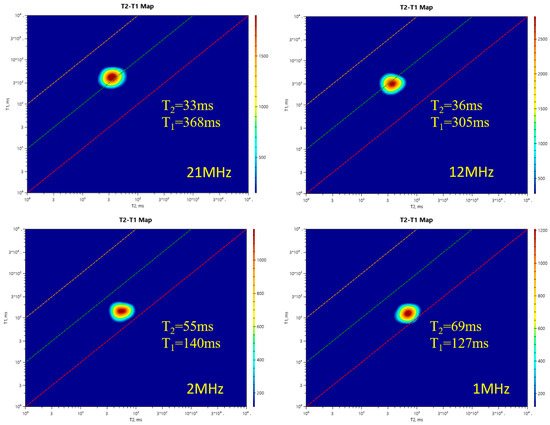
Oil-based mud filtrate (OBMF) invasion significantly alters the petrophysical response of nuclear magnetic resonance (NMR) logging, severely compromising the accuracy of reservoir fluid identification and petrophysical evaluation. However, the NMR relaxation behavior of OBMF under elevated temperatures (up to 100 °C) and low-frequency (<2 MHz) conditions remains poorly understood. In this study, temperature-dependent NMR experiments were conducted from 30 °C to 100 °C at a fixed frequency of 21 MHz, while frequency-dependent experiments were performed from 1 MHz to 21 MHz at 30 °C. Using combined analysis of T2 spectra and T2-T1 two-dimensional spectra, the effects of temperature and magnetic field frequency on the relaxation characteristics of OBMF were investigated under the conditions of this study. The results show that increasing temperature shifts the T2 distribution toward longer relaxation times, with the T2 geometric mean increasing from 35 ms to approximately 113 ms, exhibiting an exponential relationship (R2 = 0.996). T1 values increase from 368 ms to 589 ms, while the T1/T2 ratio decreases from 11.2 to 5.8. In contrast, decreasing frequency prolongs T2 relaxation times, with the T2 geometric mean following a power-law relationship with frequency. Based on these experimental findings, a dual-parameter model incorporating both temperature and frequency was established for OBMF. The proposed model serves as a theoretical reference for the analysis and correction of NMR logging data acquired under oil-based mud invasion conditions.
Full article
(This article belongs to the Special Issue Nuclear Magnetic Resonance (NMR) in the Petroleum Industry and Porous Media)
►▼
Show Figures

Figure 1
Open AccessArticle
Effects of Fabrication-Stage Torsion and Multilayer Graphene Coating on Giant Magnetoimpedance of Co-Based Amorphous Wires
by
Zhen Yang, Zhenze Zhang, Xuecheng Sun and Chong Lei
Magnetochemistry 2026, 12(9), 95; https://doi.org/10.3390/magnetochemistry12090095 - 31 Aug 2026
Abstract
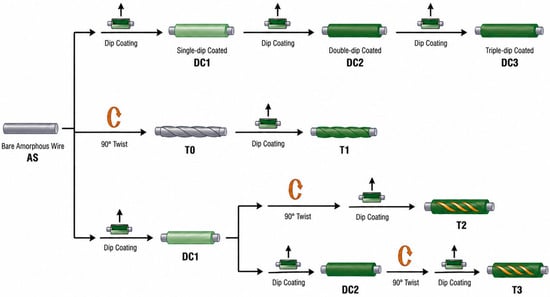
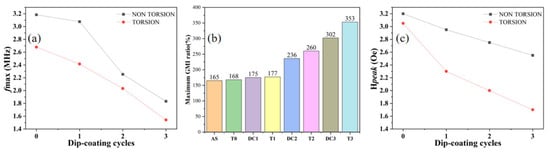
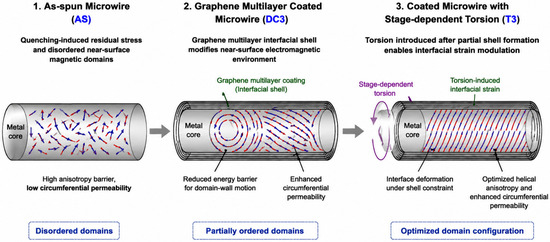
Multilayer graphene-coated Co-based amorphous wires were fabricated by repeated PMMA-assisted transfer processing. Torsional deformation was introduced at different stages of shell construction to investigate the influence of fabrication sequence on the giant magnetoimpedance (GMI) effect. For the non-torsion series, the maximum GMI ratio
[...] Read more.
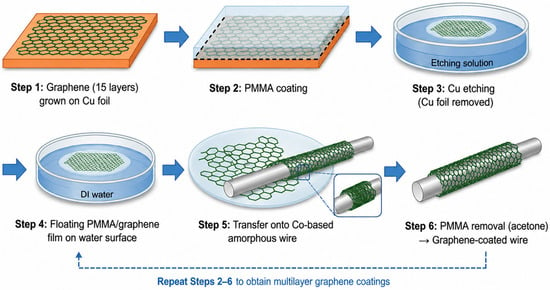
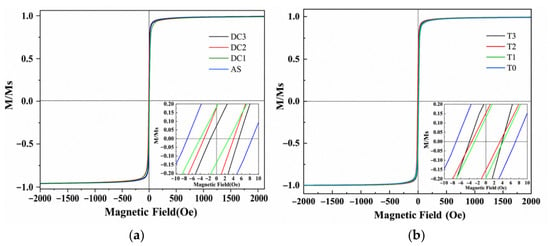
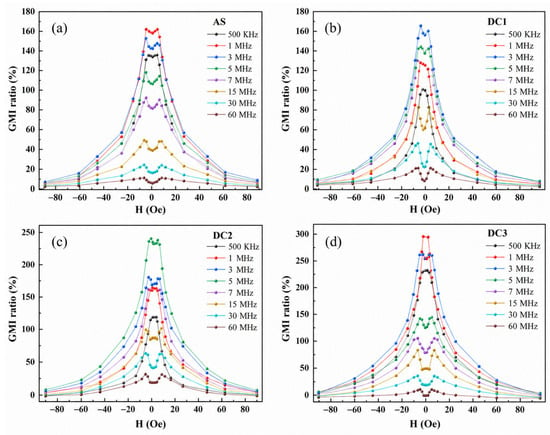
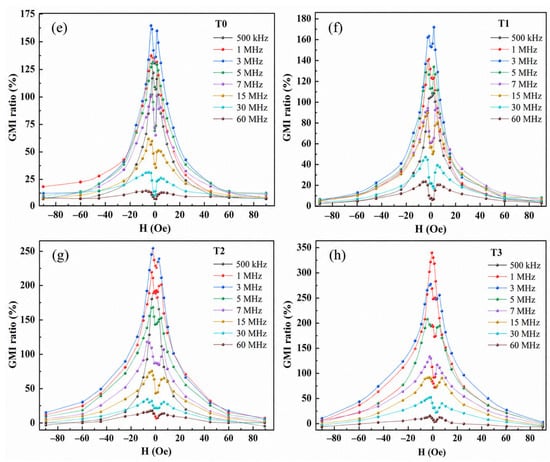
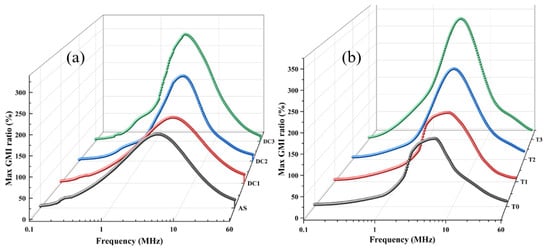
Multilayer graphene-coated Co-based amorphous wires were fabricated by repeated PMMA-assisted transfer processing. Torsional deformation was introduced at different stages of shell construction to investigate the influence of fabrication sequence on the giant magnetoimpedance (GMI) effect. For the non-torsion series, the maximum GMI ratio increased from 165% for the as-spun wire to 302% after three graphene-coating cycles. A further enhancement to 353% was achieved when torsion was introduced after partial shell formation, whereas only a marginal improvement was observed when torsion was applied to bare amorphous wires. Magnetic measurements revealed concurrent reductions in coercivity and peak field together with a systematic evolution of the optimal operating frequency. These correlated changes suggest that progressive shell construction modifies the near-surface magnetic state via electromagnetic boundary modulation, while torsion introduced after partial shell formation provides additional interfacial strain tuning of the graphene-modified near-surface magnetic state, further optimizing low-field circumferential permeability. The results indicate that fabrication-sequence control provides an effective approach for tailoring the GMI response of composite amorphous wires and offers potential for the development of high-sensitivity magnetic sensing devices.
Full article
(This article belongs to the Special Issue Magnetic Materials: From Fundamentals to Cutting-Edge Applications)
►▼
Show Figures

Figure 1
Open AccessArticle
Spark Plasma Sintered La0.8Ce0.2Fe9.2Co0.6Si1.2/Fe Composites with Superior Properties for Near-Room-Temperature Magnetocaloric Applications
by
Xichun Zhong, Zhongyuan Hao, Xuan Huang, Dongling Jiao, Cuilan Liu, Juan Cheng and Raju V. Ramanujan
Magnetochemistry 2026, 12(9), 94; https://doi.org/10.3390/magnetochemistry12090094 - 29 Aug 2026
Abstract
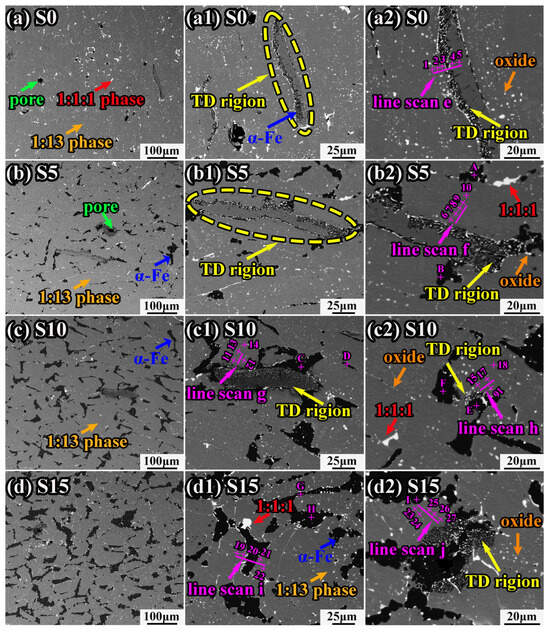
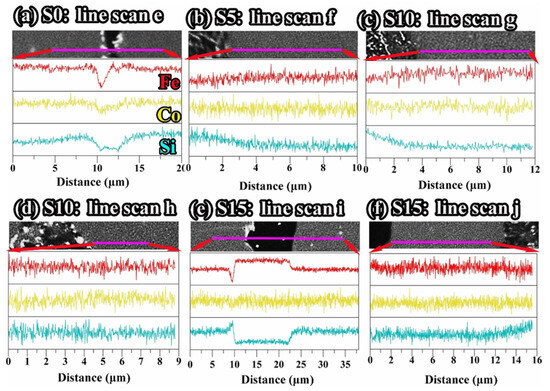
La0.8Ce0.2Fe9.2Co0.6Si1.2/Fe bulk composites were fabricated via spark plasma sintering (SPS), and the effects of Fe powder content on the phase composition, microstructure, magnetic properties, mechanical properties, and thermal conductivity of the composites were
[...] Read more.
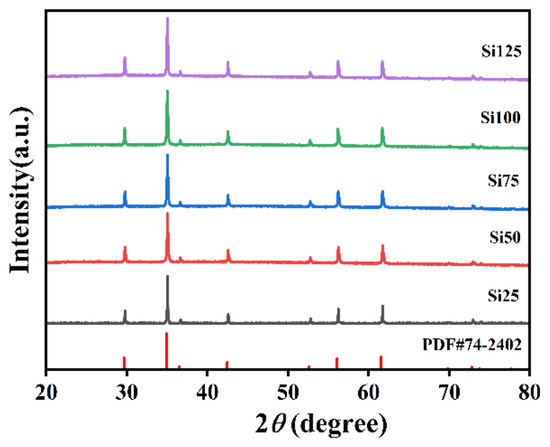
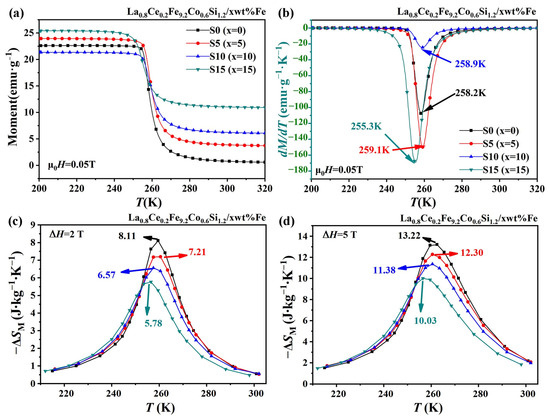
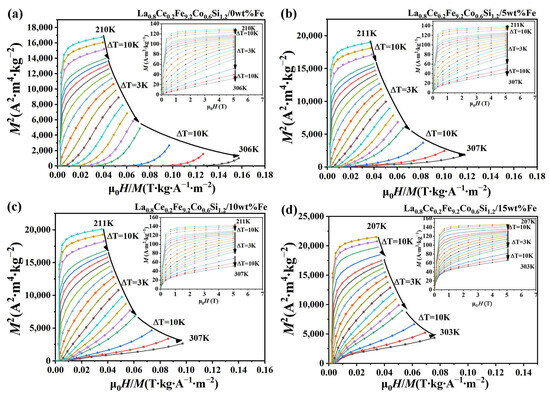
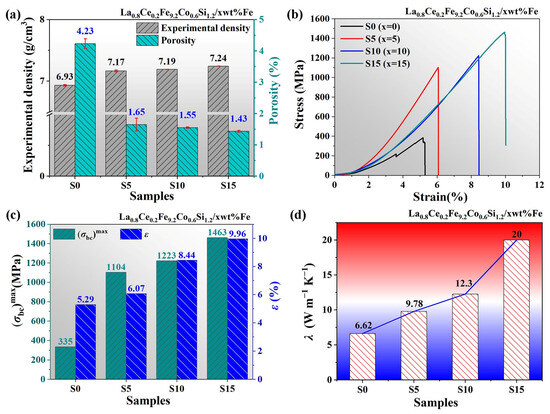
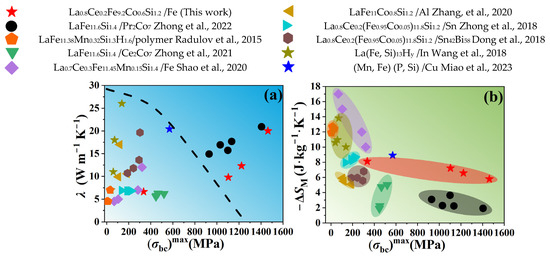
La0.8Ce0.2Fe9.2Co0.6Si1.2/Fe bulk composites were fabricated via spark plasma sintering (SPS), and the effects of Fe powder content on the phase composition, microstructure, magnetic properties, mechanical properties, and thermal conductivity of the composites were investigated. The Fe powder content alters the α-Fe phase content in the composites. During SPS, atomic diffusion occurs between the Fe powder and the La0.8Ce0.2Fe9.2Co0.6Si1.2 matrix, which reduces the compositional homogeneity of the desired 1:13 phase and induces the formation of thermal decomposition (TD) structures in particles adjacent to the Fe powder. As Fe powder content increases from 0 wt% to 15 wt%, the maximum magnetic entropy change ((−ΔSM)max) of the composites decreases from 8.11 to 5.78 J∙kg−1∙K−1 under 2 T. Interestingly, the α-Fe phase significantly enhances the mechanical strength and thermal conductivity (λ) of the composites. The composite with 15 wt% Fe (S15) forms a continuous α-Fe network structure and possesses the best mechanical and thermal properties: the (σbc)max reaches 1463 MPa, and the λ at 300 K is 20 W·m−1·K−1. Owing to their balanced magnetic, mechanical, and thermal performances, the La0.8Ce0.2Fe9.2Co0.6Si1.2/Fe composites exhibit distinctive and balanced properties, making them promising candidates for near-room-temperature magnetic refrigeration applications.
Full article
(This article belongs to the Section Applications of Magnetism and Magnetic Materials)
►▼
Show Figures

Figure 1

Open AccessArticle
Imputation of Thermal and Magnetic Variables in Shape-Memory Alloys (Ni–Mn–Ga) Using Machine Learning Techniques with Cross-Validation and Multi Seed
by
Juan C. Buitrago Diaz, Edwin G. Castro Rodas, Carolina Ortega-Portilla, Juan E. Bedoya-Rodriguez, Daniel Salazar, Manuel G. Forero and Jeferson Fernando Piamba
Magnetochemistry 2026, 12(8), 93; https://doi.org/10.3390/magnetochemistry12080093 - 19 Aug 2026
Abstract
Magnetic shape memory alloys based on the Ni–Mn–Ga system are of strategic interest for aerospace and robotics applications due to their ability to respond to both thermal and magnetic stimuli. However, the NASA Shape Memory Materials Database a key resource for the community
[...] Read more.
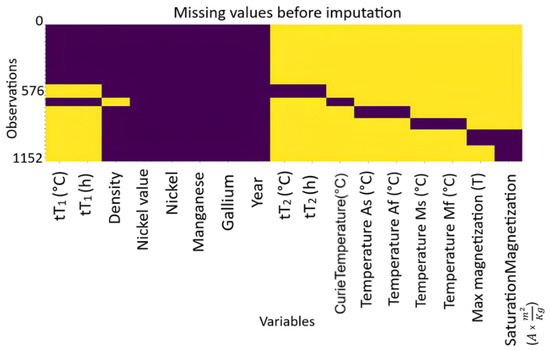
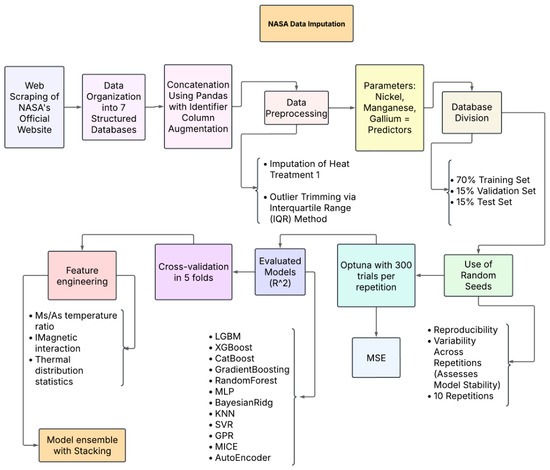
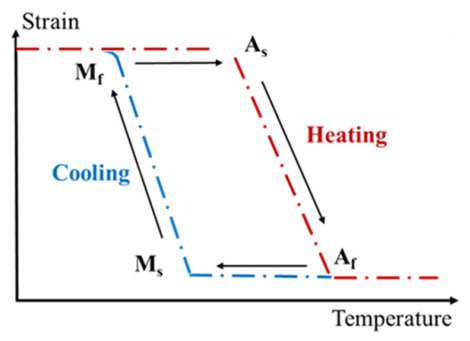
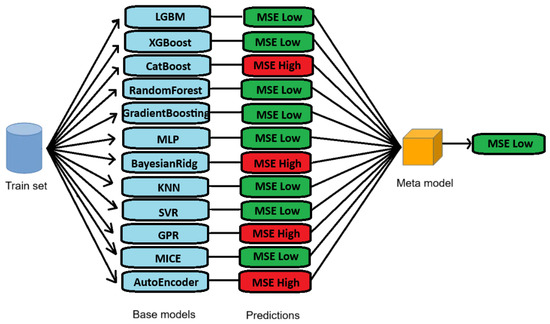
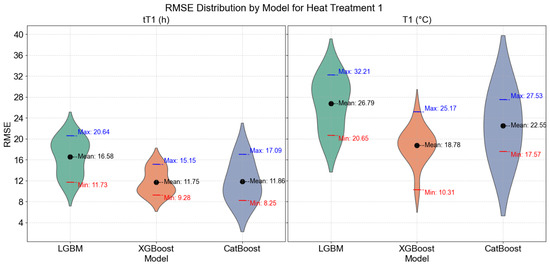
Magnetic shape memory alloys based on the Ni–Mn–Ga system are of strategic interest for aerospace and robotics applications due to their ability to respond to both thermal and magnetic stimuli. However, the NASA Shape Memory Materials Database a key resource for the community exhibits significant gaps in functional parameters, with up to 93.7% of records missing critical properties such as the Curie temperature, and over 88% lacking complete magnetic data. To address this limitation, this study proposes a data imputation strategy based on a stacking ensemble comprising twelve machine learning models (LGBM, XGBoost, CatBoost, GradientBoosting, RandomForest, MLP, BayesianRidge, KNN, SVR, GPR, MICE, and AutoEncoder), optimized via Optuna and evaluated using ten random seeds with 10 repetitions each. The approach was applied to reconstruct missing entries in NASA’s database. For heat treatment 1, the method achieved coefficients of determination ( ) of 0.95 for duration (h) and 0.88 for temperature (°C), respectively. For the phase transformation temperatures (Mf, Ms, As, and Af), the method yielded values of 0.83, 0.82, 0.79, and 0.80, respectively. Magnetic properties saturation magnetization and maximum magnetic field were imputed with an of 0.92. In contrast, the Curie temperature exhibited limited predictive performance ( = 0.15–0.35), primarily due to insufficient data availability. Overall, the proposed methodology integrates machine learning based imputation with physically supported constraints, providing a viable alternative to enhance the completeness and utility of materials databases.
Full article
(This article belongs to the Special Issue Magnetic Materials and Composites: Synthesis, Properties, and Applications)
►▼
Show Figures

Figure 1

Open AccessArticle
The Analysis of NMR Magnetic Shieldings of Transition Metal (M)-Containing Molecules, M Belonging to Groups IIB, VIB and VIIIB, by Applying the LRESC-Loc Model
by
Andy D. Zapata-Escobar, Alejandro F. Maldonado and Gustavo A. Aucar
Magnetochemistry 2026, 12(8), 92; https://doi.org/10.3390/magnetochemistry12080092 - 19 Aug 2026
Abstract
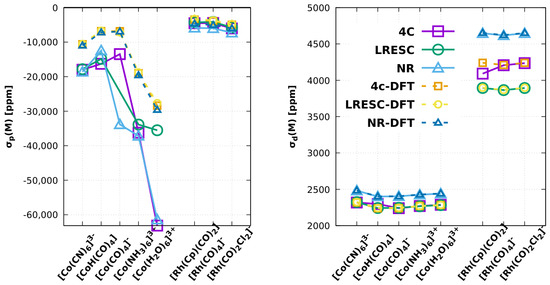
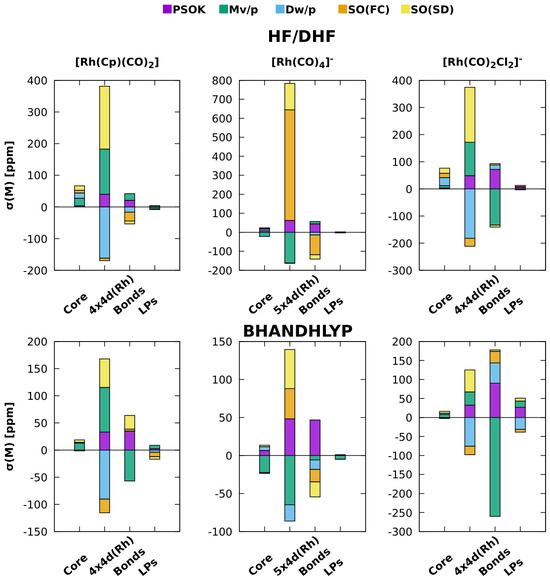
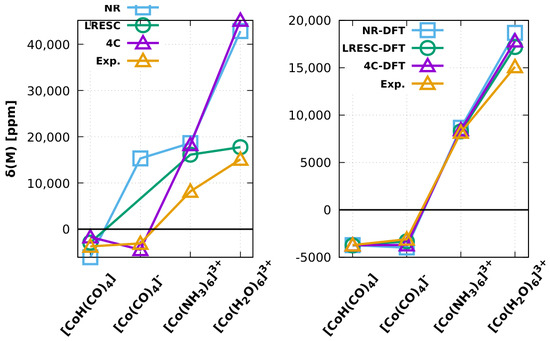
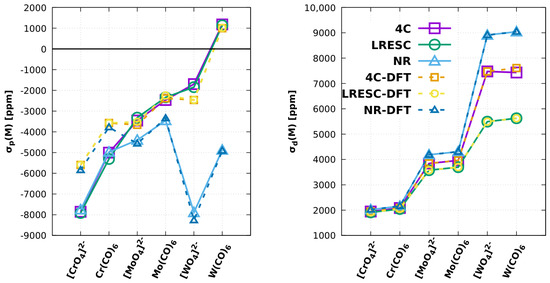
We studied the electronic origin of the NMR nuclear magnetic shieldings ( ) of compounds containing the following transition metal atoms: Zn, Cd, Hg, Co, Rh, Cr, Mo, W. The electronic mechanisms that underlie the relativistic effects on those shieldings
[...] Read more.
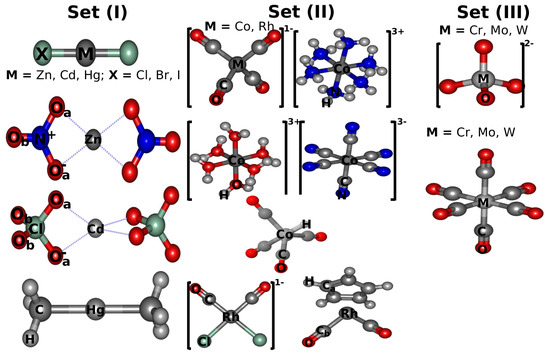
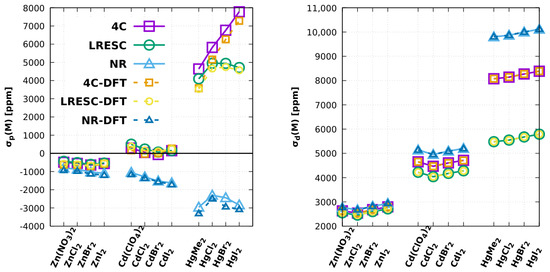
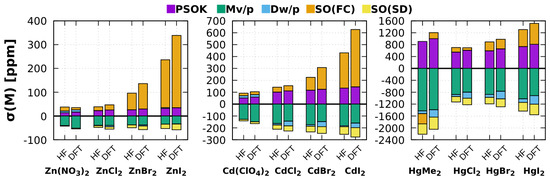
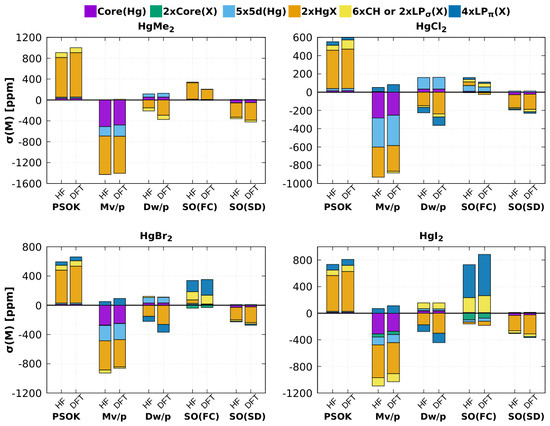
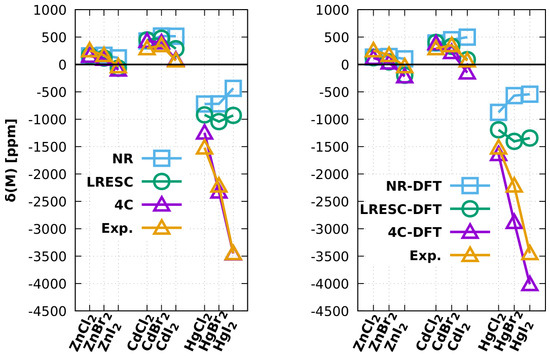
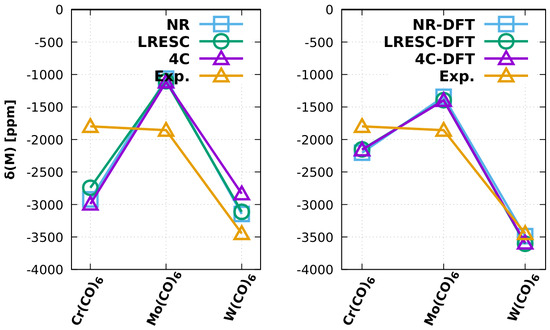
We studied the electronic origin of the NMR nuclear magnetic shieldings ( ) of compounds containing the following transition metal atoms: Zn, Cd, Hg, Co, Rh, Cr, Mo, W. The electronic mechanisms that underlie the relativistic effects on those shieldings were assessed with the LRESC–Loc model, which permits one to quantify the set of leading relativistic electronic mechanisms responsible for such effects in terms of well-known non-relativistic operators, and also allows for the determination of which molecular orbitals (MOs) are involved in each of those mechanisms. These MOs are such that the chemist’s intuition associated with core, lone-pair (LP), and bonding MOs is satisfied. The LRESC model is a reliable semi-relativistic methodology that has been shown to reproduce, in a semiquantitative manner, the magnetic shieldings and experimental chemical shifts of transition metals in a large set of molecules. Several new features appear in the shieldings analyzed. Trends in the total shieldings within a given family of compounds depend on relativistic effects—the spin-orbit mechanism is one of the most involved—though, within it, one must consider the Fermi contact (FC) and the spin-dipolar (SD) mechanisms. We found that the contributions that are due to partially filled d atomic orbitals (AOs) become too large when the electron correlation is not properly included. This is overcome in our case using density functional theory. A large influence of lone-pairs of -type on (M) is also seen in some of the molecules studied.
Full article
(This article belongs to the Special Issue 10th Anniversary of Magnetochemistry: Past, Present and Future)
►▼
Show Figures

Figure 1
Open AccessArticle
Synergistic Electrical–Magnetic–Thermal Response of Fe Soft Magnetic Composites Enabled by Thiol-Functionalised Silicon Nitride Nanosheet Interfacial Engineering
by
Shuang Chen, Zhongqiu Fu, Kang Wang, Gongyu Ji and Cheng Liu
Magnetochemistry 2026, 12(8), 91; https://doi.org/10.3390/magnetochemistry12080091 - 18 Aug 2026
Abstract
Pure Fe soft magnetic composites (SMCs) hold a prominent position in cost-sensitive 10–100 kHz medium-to-low-frequency power devices owing to their low raw-material expenditure and high saturation magnetisation. Nevertheless, the inherently poor interparticle electrical resistivity permits the formation of contiguous conduction paths under alternating
[...] Read more.
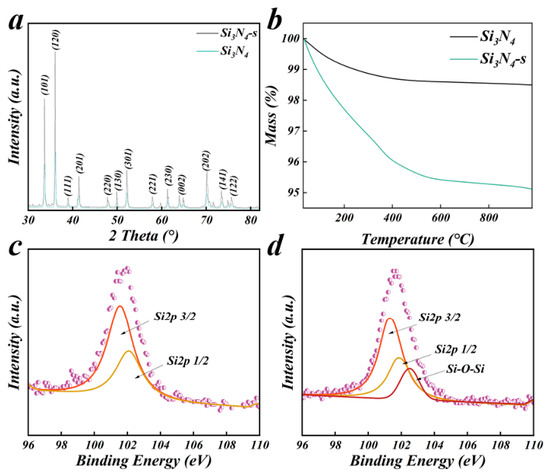
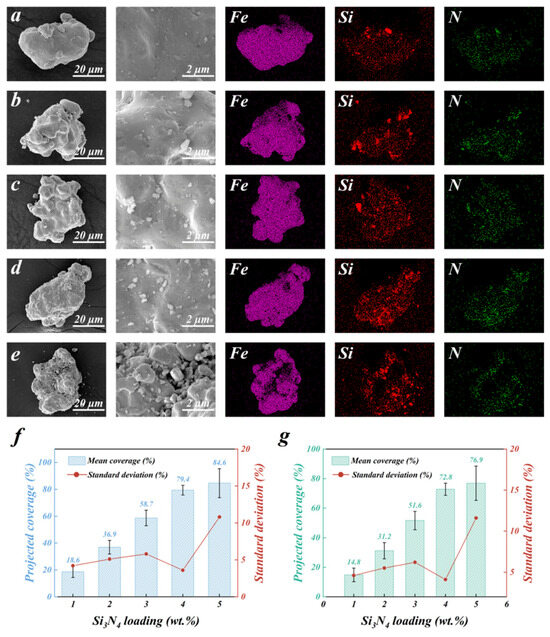
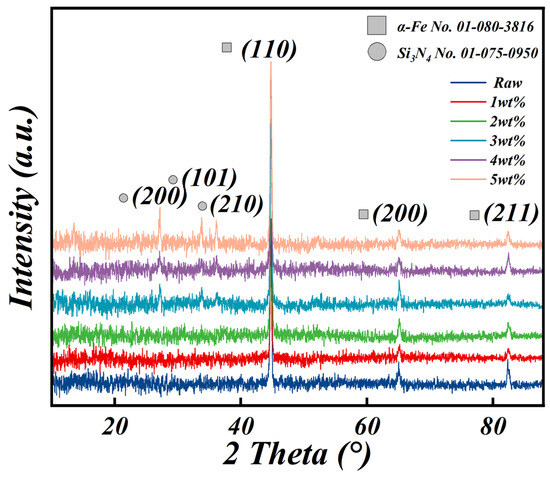
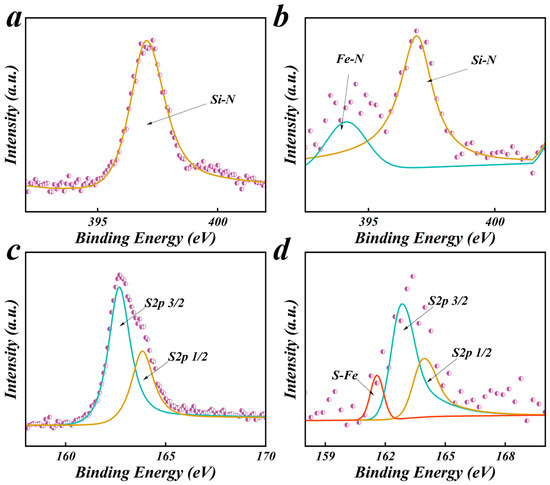
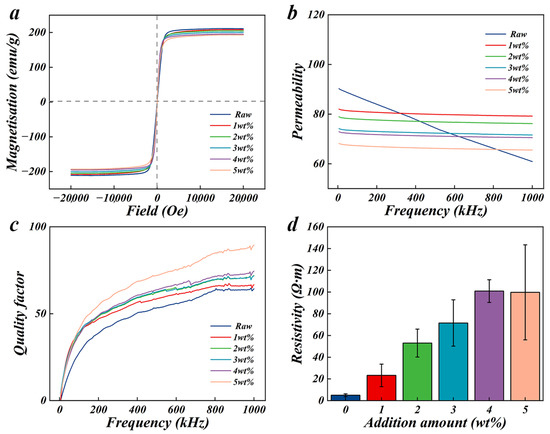
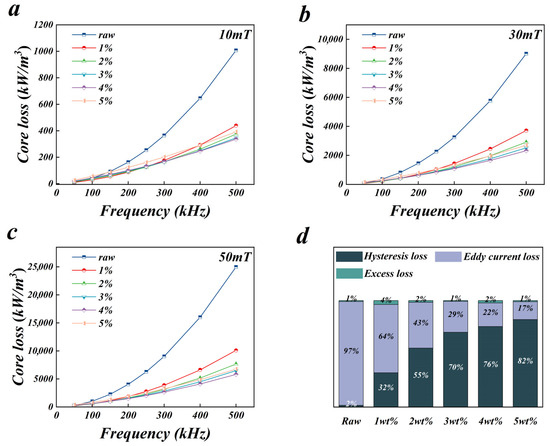
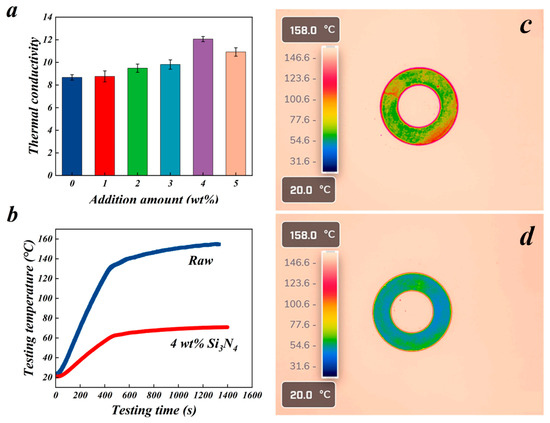
Pure Fe soft magnetic composites (SMCs) hold a prominent position in cost-sensitive 10–100 kHz medium-to-low-frequency power devices owing to their low raw-material expenditure and high saturation magnetisation. Nevertheless, the inherently poor interparticle electrical resistivity permits the formation of contiguous conduction paths under alternating magnetic fields, giving rise to marked eddy-current dissipation and localised thermal accumulation. To surmount this limitation, the present work introduces γ-mercaptopropyltriethoxysilane (KH580)-functionalised silicon nitride (Si3N4) nanosheets as a multifunctional interfacial regulating layer that simultaneously establishes an electrically insulating barrier and a thermally conductive network on the surface of Fe particles. The structural integrity, surface chemical speciation and deposition behaviour of Si3N4-s nanosheets on Fe particles were systematically examined, and correlations among lamellar coverage completeness, interfacial bonding robustness and the coupled electrical–magnetic–thermal response were elucidated. The findings reveal that KH580 silanisation introduces a surface functional layer while preserving the parent α-Si3N4 crystal structure, and XPS analysis suggests possible local N–Fe and Fe–S interfacial interactions between Si3N4-s and the Fe surface. At a loading of 4 wt.% Si3N4-s, a comparatively continuous and uniform lamellar coating develops on the Fe particle surfaces. The corresponding Fe/Si3N4 SMCs exhibit the highest volume resistivity and a peak thermal conductivity of approximately 12.1 W·m−1·K−1, while maintaining a core loss of approximately 600.2 kW·m−3 at 50 mT and 100 kHz. These results indicate that the 4 wt.% specimen provides the most favourable overall balance among electrical insulation, magnetic response, core-loss suppression and thermal transport within the investigated composition range, furnishing a functionalised lamellar interfacial engineering strategy for performance advancement of low-cost Fe-based SMCs.
Full article
(This article belongs to the Special Issue Advances in Soft Magnetic Materials—2nd Edition)
►▼
Show Figures

Figure 1

Open AccessArticle
Diastereoisomerism and SIM Behavior in Mononuclear Co(II) Systems Based on Mepirizole
by
Emilio Escrivà and José Martínez-Lillo
Magnetochemistry 2026, 12(8), 90; https://doi.org/10.3390/magnetochemistry12080090 - 18 Aug 2026
Abstract
►▼
Show Figures
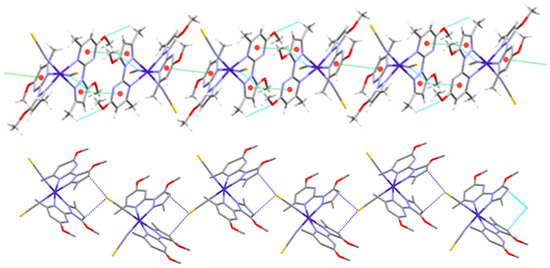
Two diastereoisomers of bis(mepirizole)bis(isothiocyanato-κ,N)cobalt(II) (1 and 2) are isolated from the reaction of cobalt(II) thiocyanate and mepirizole, depending on the crystallization solvent (ethanol, 1; acetonitrile, 2). In both crystal structures, the Co(II) ions exhibit distorted octahedral [CoN
[...] Read more.
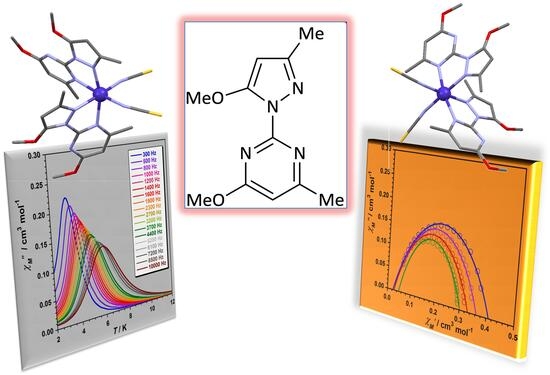
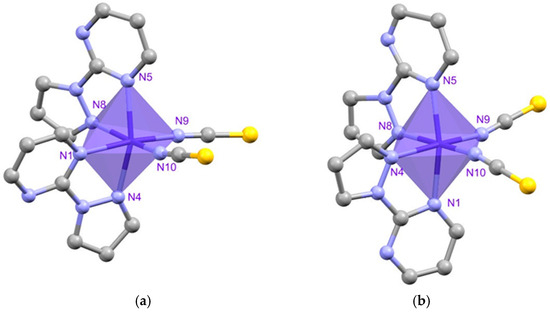
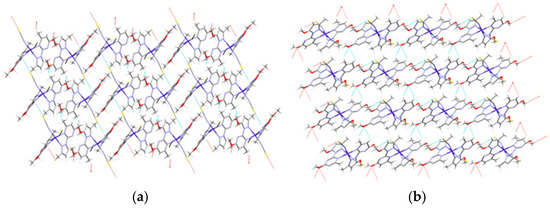
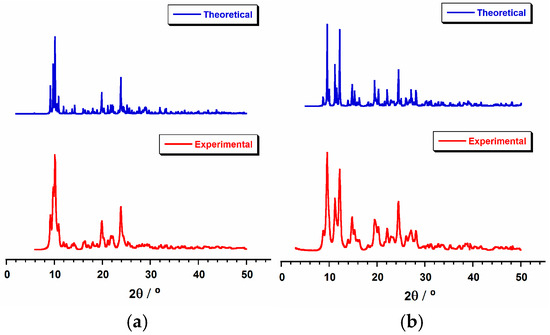
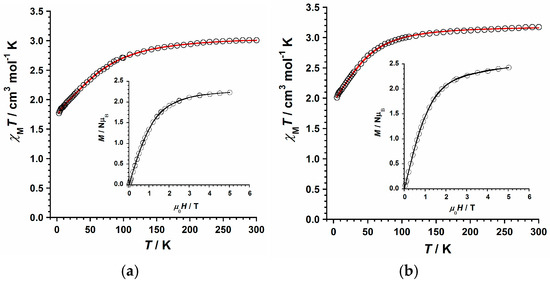
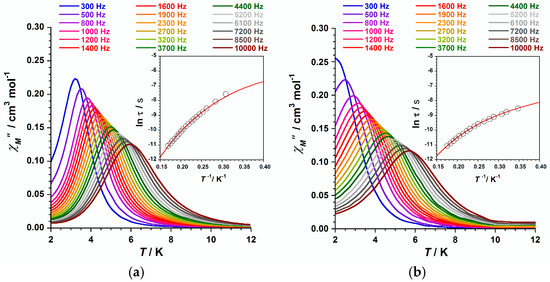
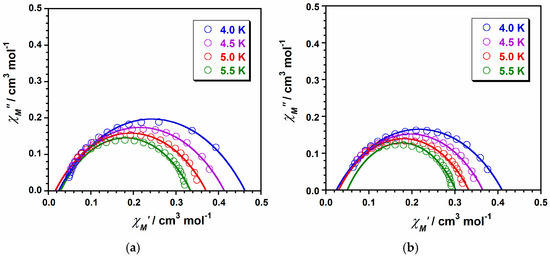
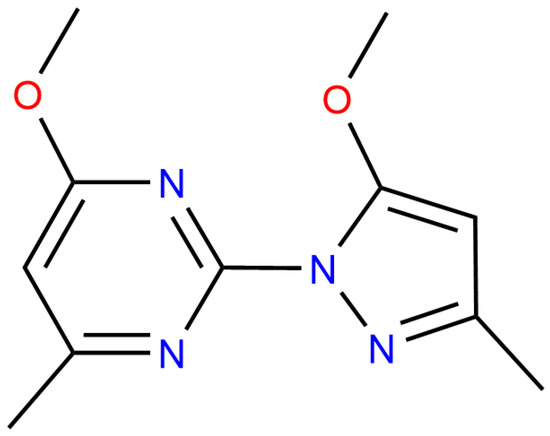
Two diastereoisomers of bis(mepirizole)bis(isothiocyanato-κ,N)cobalt(II) (1 and 2) are isolated from the reaction of cobalt(II) thiocyanate and mepirizole, depending on the crystallization solvent (ethanol, 1; acetonitrile, 2). In both crystal structures, the Co(II) ions exhibit distorted octahedral [CoN4N′2] environment. The analysis of the packing frameworks shows a cooperative relationship between non-classical H-bonds C(sp3)-H···X (X = N, O, S, π) and π-hole bonds, which control the arrangement of the supramolecular 3D networks. The values of the shortest intermolecular metal–metal separation are 8.584(2) Å in 1 and 8.249(1) Å in 2. Both diastereoisomers exhibit magnetic behavior typical of mononuclear Co(II) systems with significant zero-field splitting (ZFS) values, with D being 75.8(1) and 52.9(2) cm−1 for 1 and 2, respectively. Q-band EPR studies confirm the positive value for the D parameters for both compounds. Alternating current dynamic susceptibility measurements show that 1 and 2 exhibit field-induced slow relaxation of the magnetization, which is reminiscent of single-ion magnet (SIM) behavior.
Full article

Graphical abstract
Open AccessArticle
Study of Helix Angle Parameters of Helical-Channel Magnetohydrodynamic Thrusters
by
Tianyang Cao, Yiyue Cheng, Ziwu Wang, Chao Zhou and Chun Zhang
Magnetochemistry 2026, 12(8), 89; https://doi.org/10.3390/magnetochemistry12080089 - 15 Aug 2026
Abstract
►▼
Show Figures
The helical-channel magnetohydrodynamic (MHD) thruster is a silent underwater propulsion device free of rotating mechanical components, which fundamentally eliminates the inherent mechanical noise induced by blades and shaft systems in conventional propeller-driven thrusters. Taking a 10 T-class superconducting helical-channel MHD thruster as the
[...] Read more.
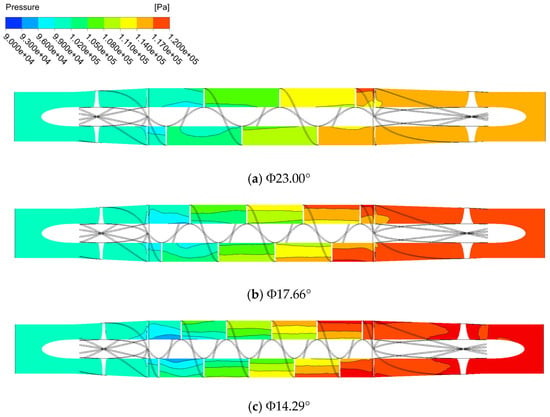
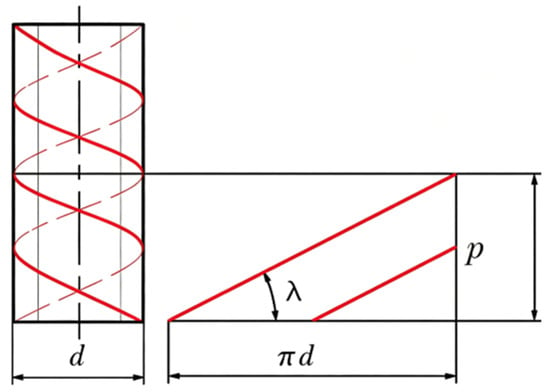
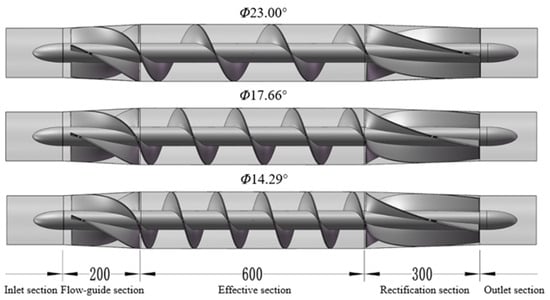
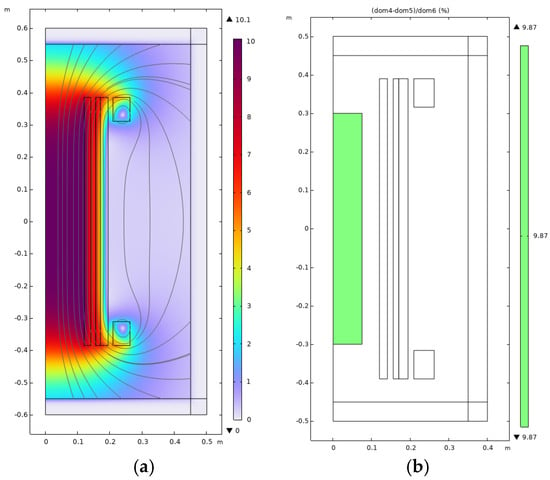
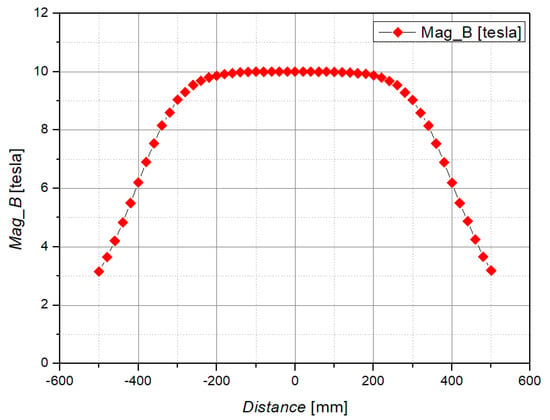
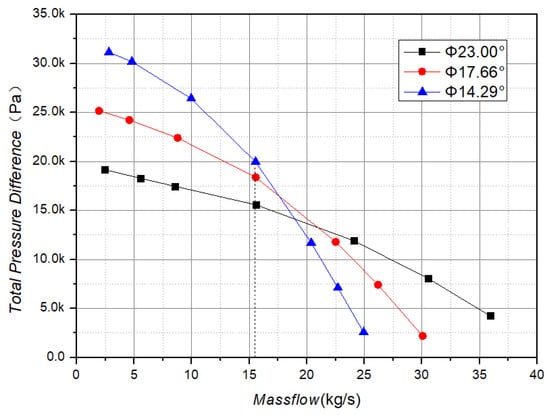
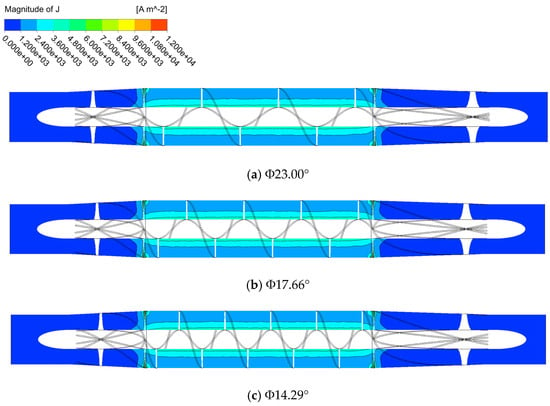
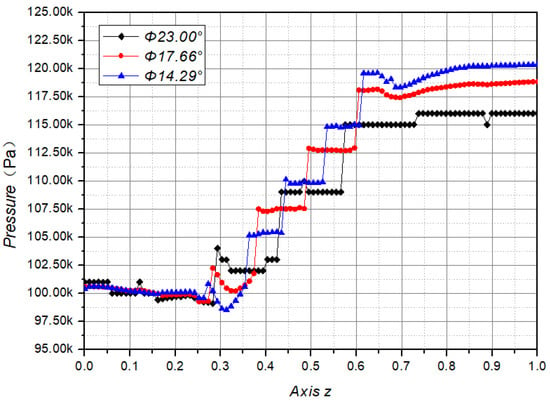
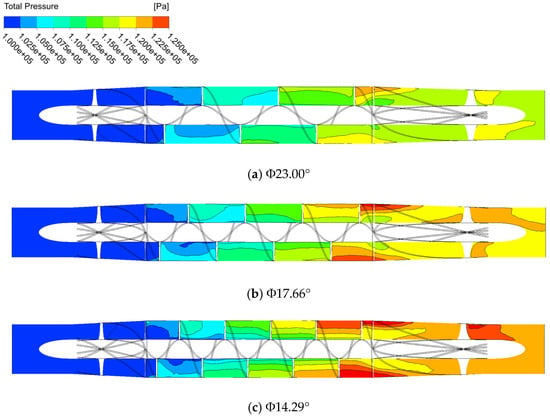
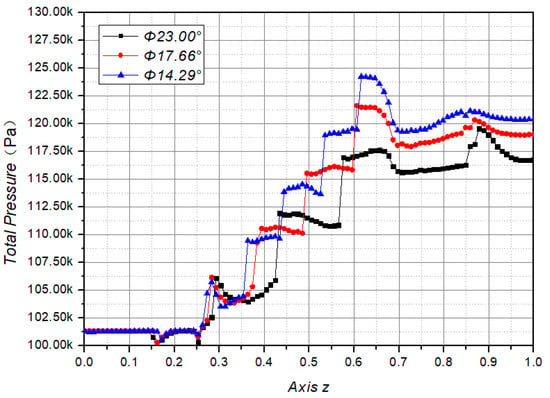
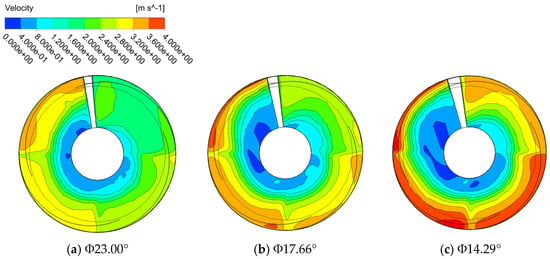
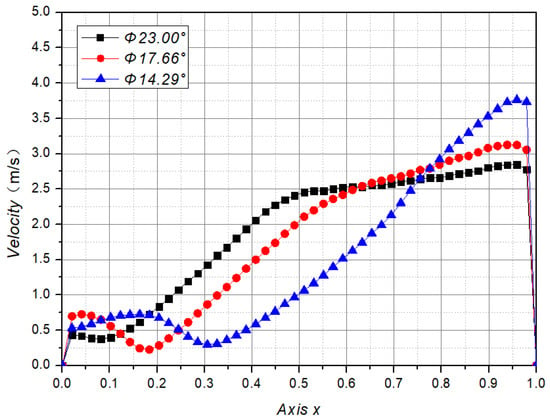
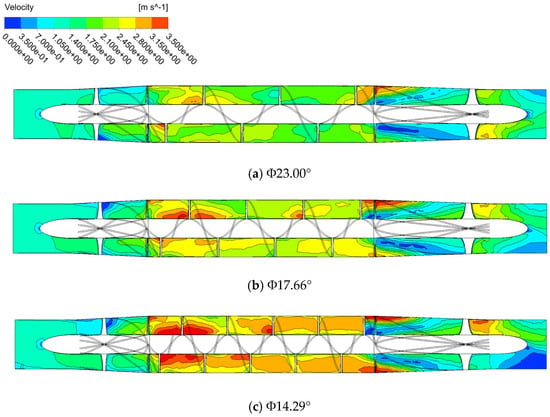
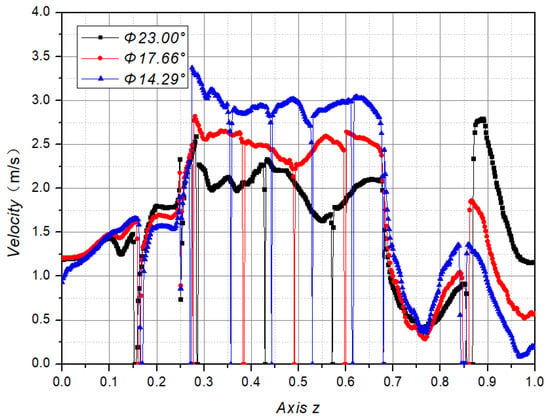
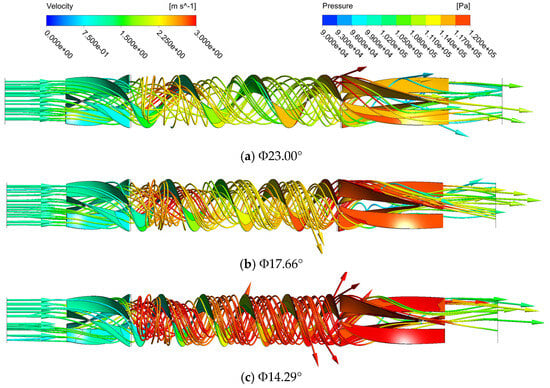
The helical-channel magnetohydrodynamic (MHD) thruster is a silent underwater propulsion device free of rotating mechanical components, which fundamentally eliminates the inherent mechanical noise induced by blades and shaft systems in conventional propeller-driven thrusters. Taking a 10 T-class superconducting helical-channel MHD thruster as the research object, this work establishes a three-dimensional numerical simulation model with bidirectional electromagnetic-fluid coupling via Maxwell–Fluent, filling the research gap of systematic optimization of helical pitch angles in existing low-magnetic-field numerical investigations. A composite magnetic circuit configuration consisting of main coils and compensation coils is adopted, achieving a magnetic field uniformity of 90.13% within the effective working section and markedly alleviating magnetic field attenuation at both ends of the flow channel. Three schemes with helical pitch angles of 23.00°, 17.66°, and 14.29° are quantitatively compared to analyze the effects of helical pitch angle on current density, static pressure, total pressure, radial/axial flow velocities and three-dimensional helical streamlines. Under the rated design mass flow rate of 15.5 kg/s, the scheme with the small pitch angle of 14.29° delivers a thrust of 262.56 N and an electromagnetic efficiency of 7.23%; compared with the large pitch angle scheme of 23.00°, its thrust is improved by 28% and electromagnetic efficiency rises by 53%. Reducing the helical pitch angle extends the effective coupling distance between seawater and the electromagnetic field, optimizes the uniformity of radial current distribution, suppresses eddy currents and Joule heat loss, converts more electromagnetic energy into fluid pressure energy, and thus greatly improves the energy utilization efficiency of the propulsion system. This study provides quantitative design references for the structural optimization and engineering prototype development of low-noise superconducting underwater propulsion equipment, and supports the engineering application of helical-channel magnetohydrodynamic thrusters.
Full article

Figure 1
Open AccessArticle
Validity of the Quasi-Static Approximation in Low-Field NMR Signal Modeling for Petroleum-Bearing Porous Media
by
Rengang Shi, Xinmin Ge, Ju Ge, Yiren Fan, Yiguo Chen, Falong Hu and Cheng Zhai
Magnetochemistry 2026, 12(8), 88; https://doi.org/10.3390/magnetochemistry12080088 - 6 Aug 2026
Abstract
Low-field nuclear magnetic resonance (NMR) is widely used for nondestructive characterization of petroleum-related porous media, including pore-structure evaluation, fluid identification, relaxation analysis, wettability assessment, and displacement monitoring. Conventional NMR signal models usually rely on the quasi-static approximation, in which the detected magnetic field
[...] Read more.
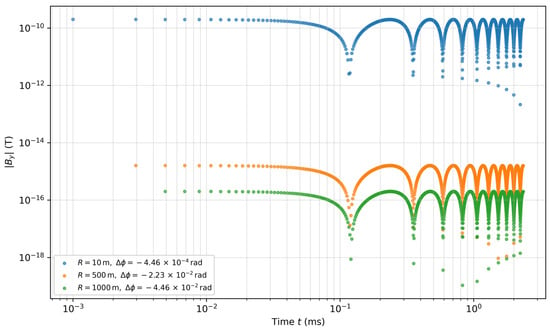
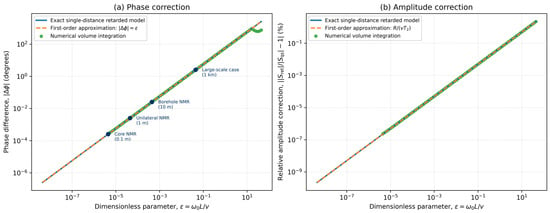
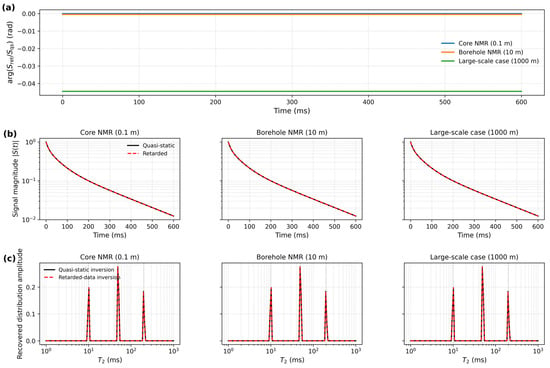
Low-field nuclear magnetic resonance (NMR) is widely used for nondestructive characterization of petroleum-related porous media, including pore-structure evaluation, fluid identification, relaxation analysis, wettability assessment, and displacement monitoring. Conventional NMR signal models usually rely on the quasi-static approximation, in which the detected magnetic field is assumed to respond instantaneously to Bloch-governed nuclear magnetization. However, classical electrodynamics requires electromagnetic fields generated by time-dependent magnetization sources to depend on the source state at a retarded time. In this study, a retarded magnetic-dipole formulation is developed to evaluate finite-propagation-time effects in low-field NMR signal modeling. The analysis shows that the correction appears mainly as a phase shift governed by the dimensionless parameter , where is the Larmor angular frequency, is the characteristic source–receiver distance, and is the effective electromagnetic propagation velocity, with in free space. Relaxation-induced amplitude corrections are generally smaller. Numerical examples demonstrate that the quasi-static approximation is well justified when , as typically satisfied in laboratory core NMR. For extended-scale configurations, including unilateral, borehole, underground, and surface NMR, larger propagation paths and medium-dependent electromagnetic properties may increase \epsilon and produce systematic phase deviations. This work provides a theoretical criterion for assessing the validity range of the quasi-static approximation in low-field NMR applications for petroleum-related porous media.
Full article
(This article belongs to the Special Issue Nuclear Magnetic Resonance (NMR) in the Petroleum Industry and Porous Media)
►▼
Show Figures

Figure 1

Open AccessArticle
Study on the Effect of Particle Size on NMR Pore Characterization of Cuttings
by
Mingjing Gui, Xuewen Shi, Maojie Liao, Dongjun Zhang, Yingying Ma and Gong Zhang
Magnetochemistry 2026, 12(8), 87; https://doi.org/10.3390/magnetochemistry12080087 - 4 Aug 2026
Abstract
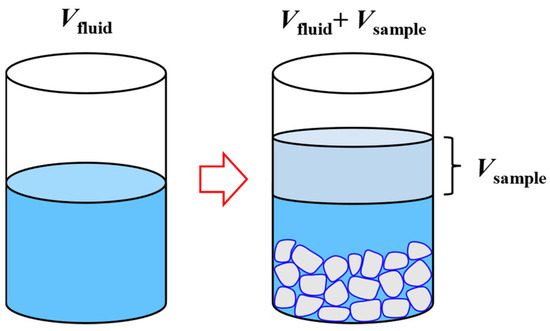
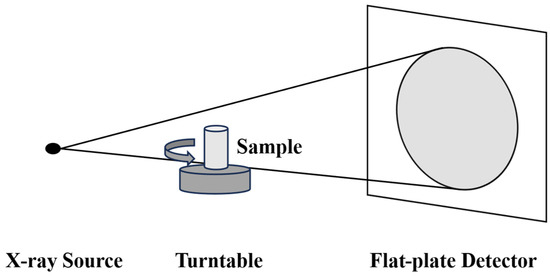
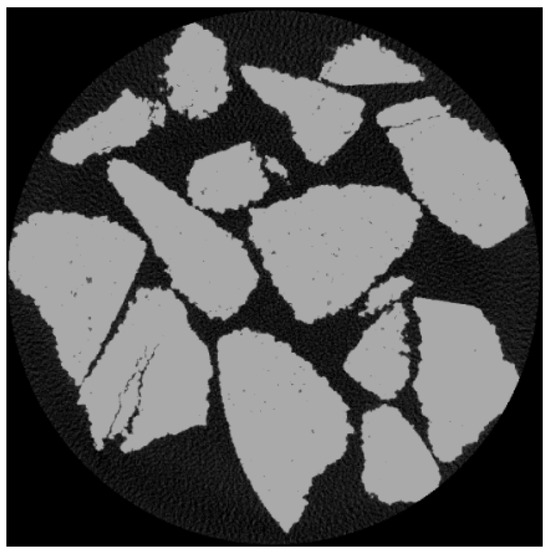
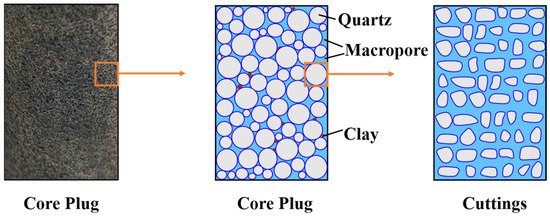
To study the effect of particle size on nuclear magnetic resonance (NMR) pore characterization of sandstone, core samples were gradually crushed into five particle sizes and the transverse relaxation time (T2) spectrum and NMR response characteristics of the crushed samples
[...] Read more.
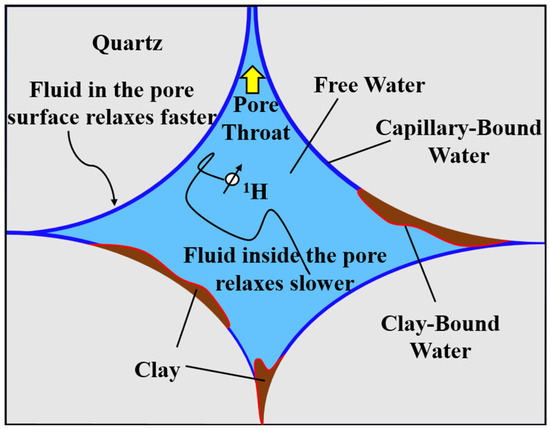
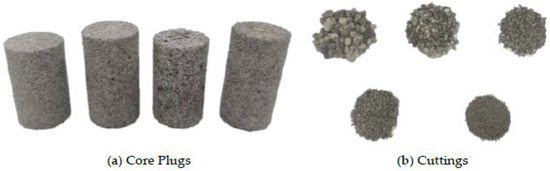
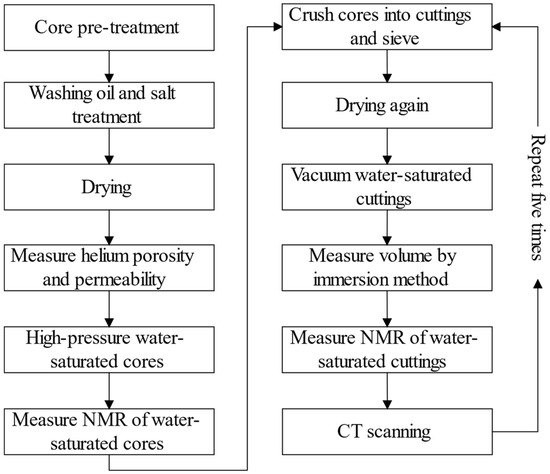
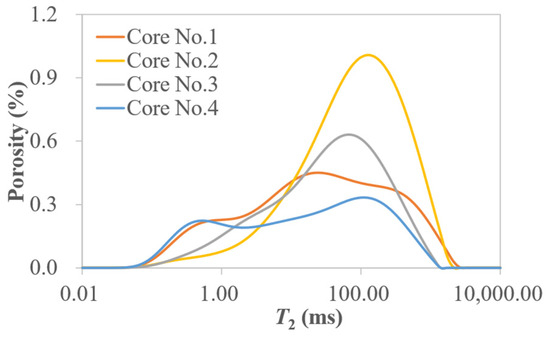
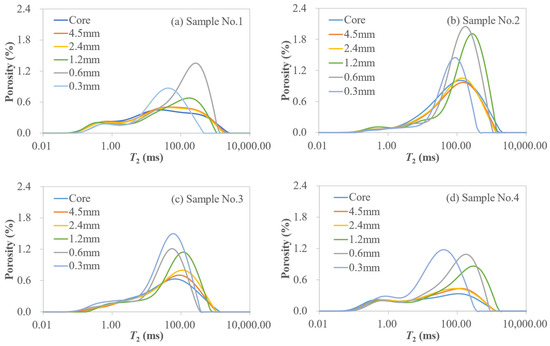
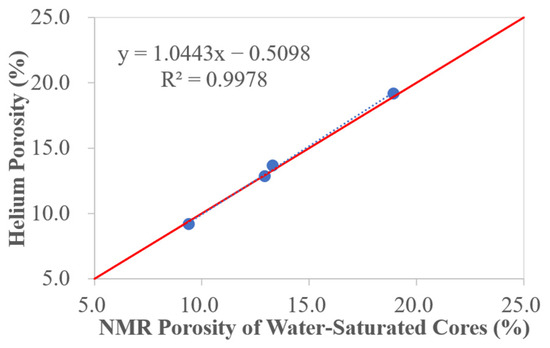
To study the effect of particle size on nuclear magnetic resonance (NMR) pore characterization of sandstone, core samples were gradually crushed into five particle sizes and the transverse relaxation time (T2) spectrum and NMR response characteristics of the crushed samples were measured. The experimental results show that within the particle size range of 2.4 mm, the T2 spectrum position, T2 mean value, and NMR porosity of sandstone cuttings are basically consistent with the core samples. When the particle size is 1.2 mm, the right peak amplitude of the T2 spectrum increases significantly, and the T2 mean value representing the T2 spectrum characteristics becomes larger, which is presumed to be related to the increase in particle surface water. A comparative analysis suggests that cuttings with particle sizes larger than 2.4 mm can accurately characterize the NMR response characteristics of core samples.
Full article
(This article belongs to the Special Issue Nuclear Magnetic Resonance (NMR) in the Petroleum Industry and Porous Media)
►▼
Show Figures

Figure 1
Open AccessArticle
Low-Cost, Biodegradable, and Magnetic Biocomposite of Luffa cylindrica Fruit and Natural Magnetite by Removal of Microplastics
by
Roberta Sorhaia Samayara Sousa Rocha de França, Rosangela Maria Ferreira da Costa e Silva, Ângela Leão Andrade, Daniel de Lima Silva, Rubens Lucas de Freitas Filho, Vinicius Veríssimo de Carvalho, Guilherme Oliveira Siqueira, Guilherme Jorge Brigolini Silva, Thiago Maturana Ribeiro, Diana Quintão Lima, José Agenor Carvalho Junior, Claudia Andrea Lima Cardoso, Vinicius de Oliveira Ribeiro, Leila Cristina Konradt-Moraes and Rozanna Marques Muzzi
Magnetochemistry 2026, 12(8), 86; https://doi.org/10.3390/magnetochemistry12080086 - 3 Aug 2026
Abstract
Techniques such as adsorption have been widely adopted to remove residual microplastics (MPs) because they are efficient at removing contaminants from aqueous environments. In this study, we report a novel, low-cost, biodegradable, and scalable biocomposite (LCMAG NaOH) derived from Luffa cylindrica fruit (LC)
[...] Read more.
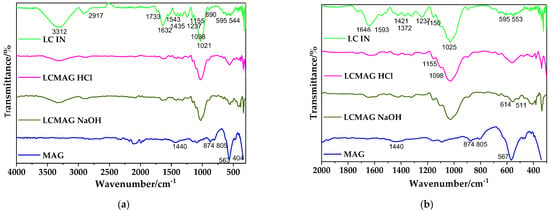
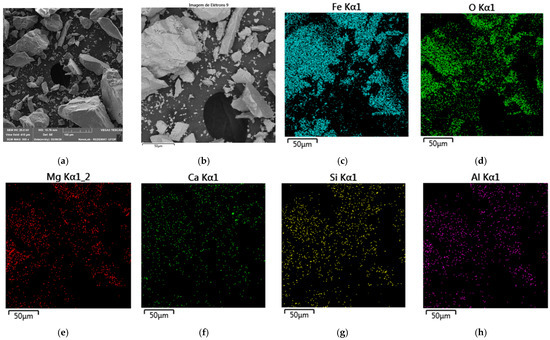
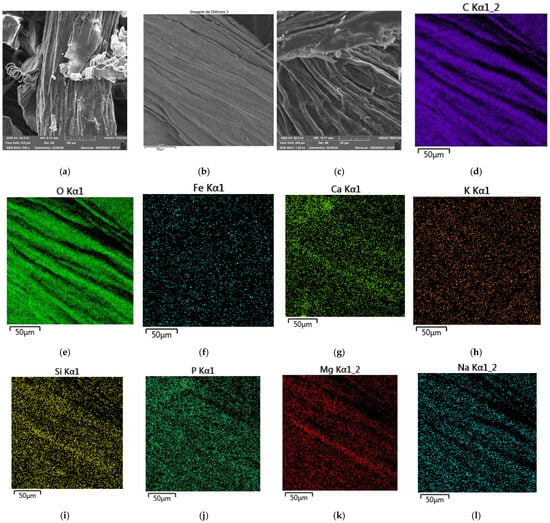
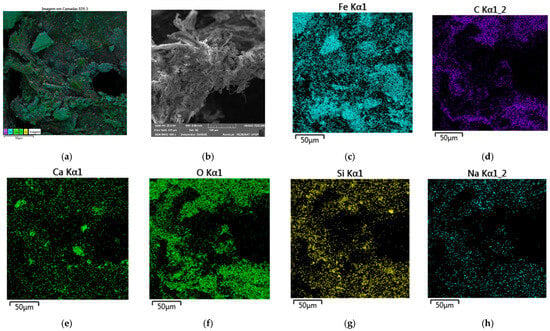
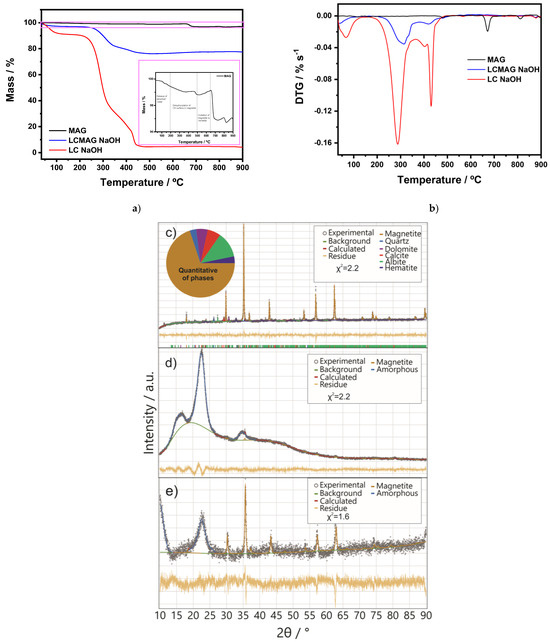
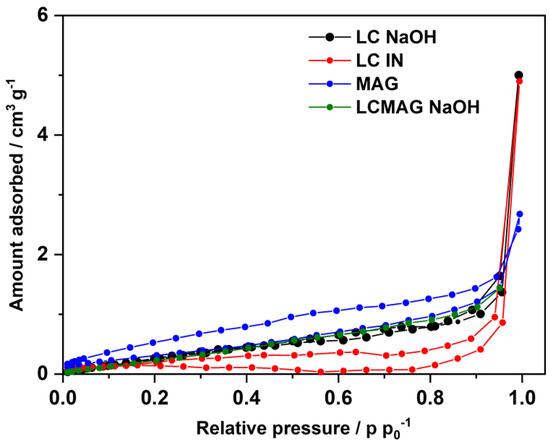
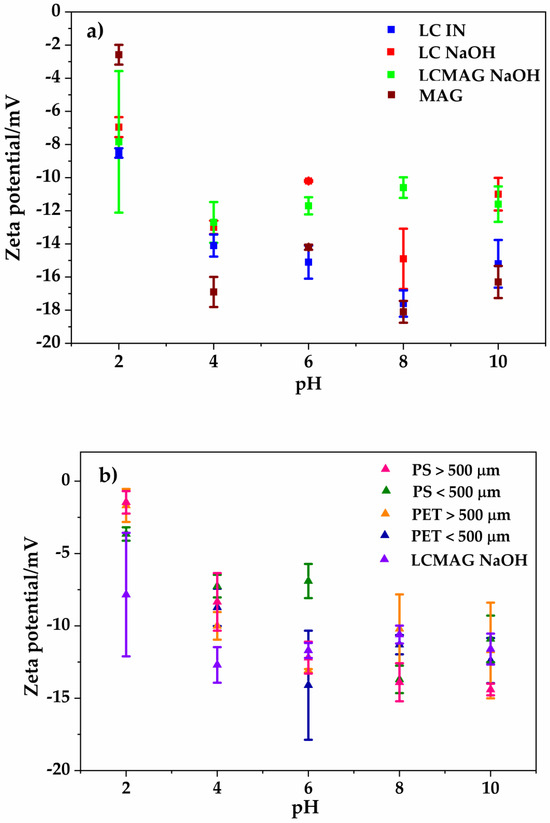
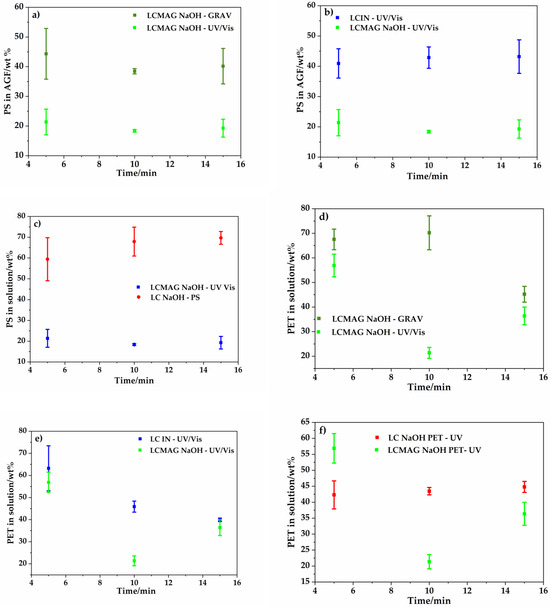
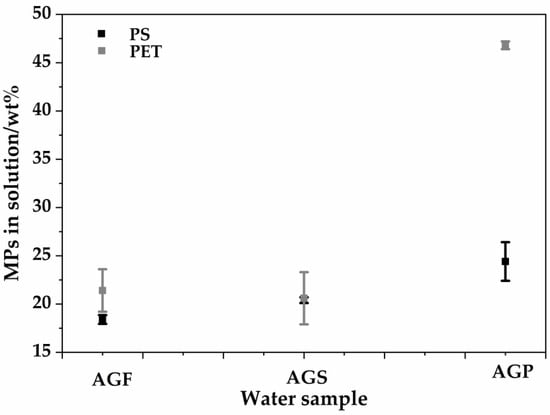
Techniques such as adsorption have been widely adopted to remove residual microplastics (MPs) because they are efficient at removing contaminants from aqueous environments. In this study, we report a novel, low-cost, biodegradable, and scalable biocomposite (LCMAG NaOH) derived from Luffa cylindrica fruit (LC) and micrometric natural magnetite (MAG), prepared without organic solvents, for the removal of MPs. The performance of LCMAG NaOH was evaluated for the removal of polystyrene (PS) and polyethylene terephthalate (PET) MPs, with particle sizes ranging from 75 to 600 µm in three distinct aqueous media: drinking water, simulated seawater, and water collected from the eutrophic lake of Dourados, MS, Brazil. The material was also evaluated for capture capacity and for reutilization in drinking water over three cycles, using a neodymium magnet. The biocomposite exhibited maximum removal capacities of 163 mg g−1 and 158 mg g−1 for PS and PET, respectively, in drinking water. Additionally, it demonstrated high magnetic recovery efficiency (>90% of the initial mass) and good reusability after immersion (10 and 20 min) and a dry step during the first cycle.
Full article
(This article belongs to the Special Issue Magnetic Nano- and Microparticles in Biotechnology)
►▼
Show Figures

Figure 1

Open AccessArticle
Liquid-Film Temperature Regulates (222) Texture and Permeability–Frequency Response in Spin-Sprayed NiZn Ferrite Thin Films
by
Hai Liu, Jinhua Zhu, Xinglian Song, Wenju Liao, Yu Liu and Ke Sun
Magnetochemistry 2026, 12(8), 85; https://doi.org/10.3390/magnetochemistry12080085 - 3 Aug 2026
Abstract
Spin-spray deposition is a low-temperature route for preparing crystalline ferrite films, but the actual liquid-film temperature has not been isolated from the nominal heater temperature. NiZn ferrite films were deposited at liquid-film temperatures of 87.6, 90.1, 92.7, and 95.0 °C. As the temperature
[...] Read more.
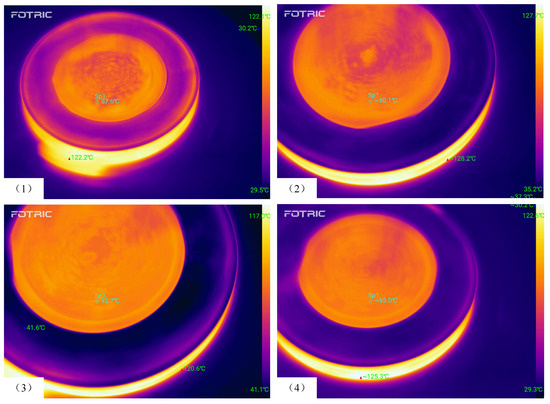
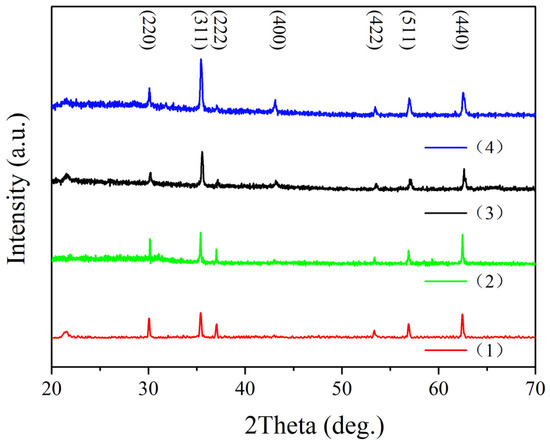
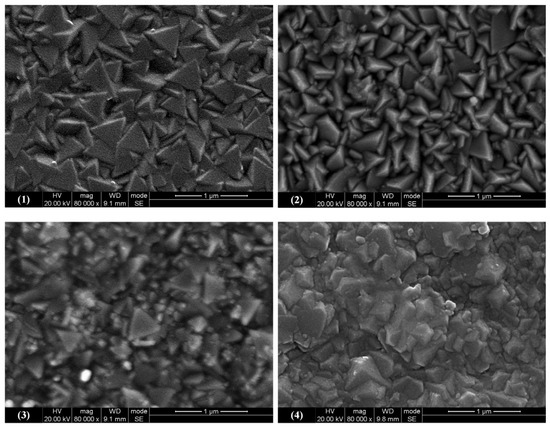
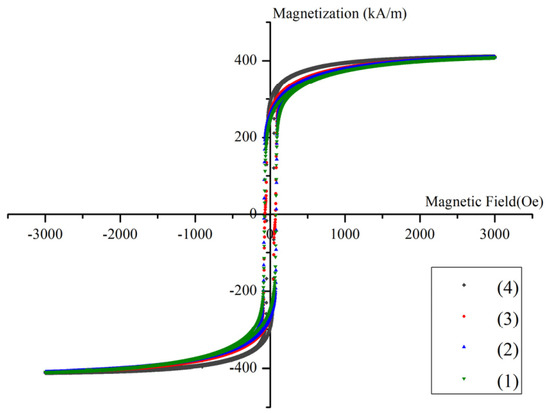
Spin-spray deposition is a low-temperature route for preparing crystalline ferrite films, but the actual liquid-film temperature has not been isolated from the nominal heater temperature. NiZn ferrite films were deposited at liquid-film temperatures of 87.6, 90.1, 92.7, and 95.0 °C. As the temperature increased, the (222) Lotgering factor fL decreased from 0.32 to 0.01, the triangular morphology weakened, and the growth rate declined. Ms remained nearly constant at 429–442 kA m−1, whereas μ′max increased from 44 to 83 and fr decreased from 465 to 260 MHz. The structural and magnetic trends are consistent with a shift from surface-confined (222)-oriented growth toward less-oriented growth and a corresponding permeability–frequency trade-off. Unlike our previous studies of substrate and oxidant effects, this work isolates the measured liquid-film temperature and establishes its quantitative relationship with texture and dynamic magnetic response. This parameter provides a practical means of selecting the operating window of spin-sprayed NiZn ferrite cores for integrated high-frequency inductors.
Full article
(This article belongs to the Special Issue Advances in Soft Magnetic Materials—2nd Edition)
►▼
Show Figures

Figure 1
Open AccessArticle
Effect of Stress on Magnetic Property of the SiO2-Added MnZn Ferrites
by
Yao Ying, Yihao Zhu, Jingwu Zheng, Jing Yu, Liang Qiao, Juan Li, Naoki Wakiya and Shenglei Che
Magnetochemistry 2026, 12(8), 84; https://doi.org/10.3390/magnetochemistry12080084 - 3 Aug 2026
Abstract
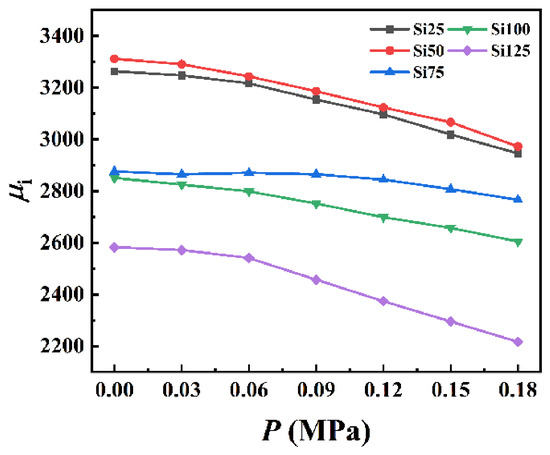
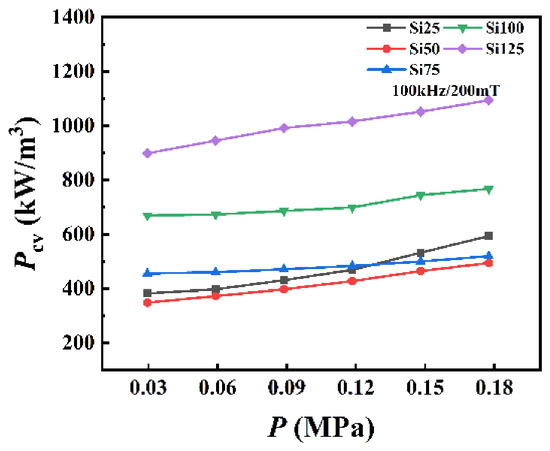
In this work, the SiO2-added MnZn power ferrites have been prepared by the conventional ceramic method, and the effect of stress on initial permeability and power loss has been investigated. With increasing SiO2 content, initial permeability firstly increases and then
[...] Read more.
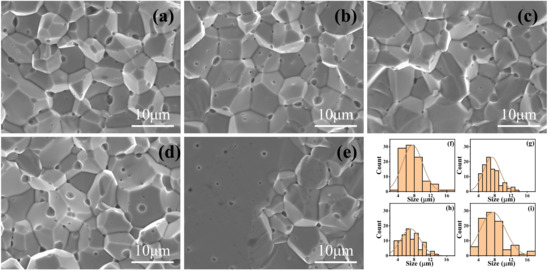
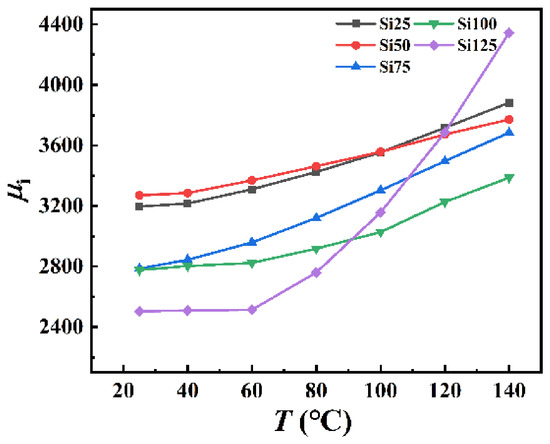
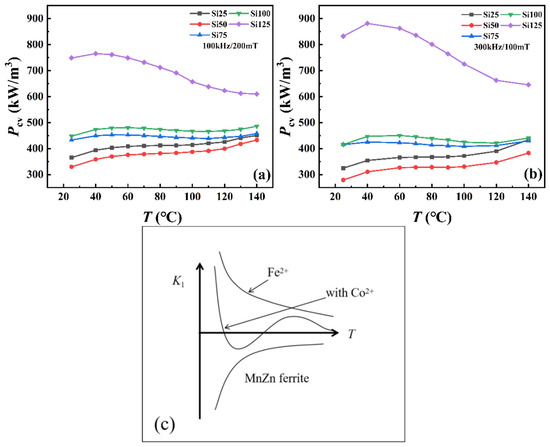
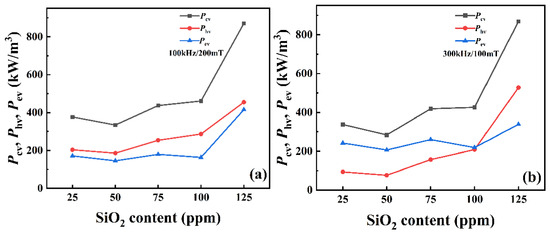
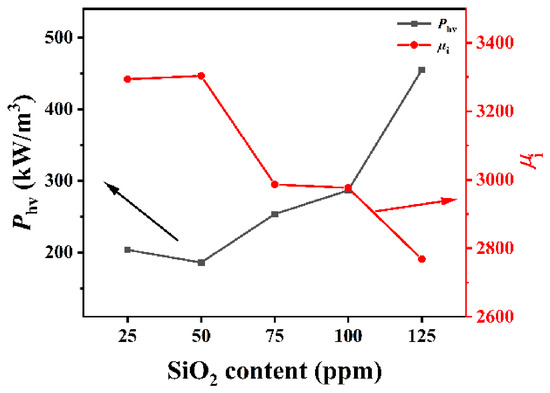
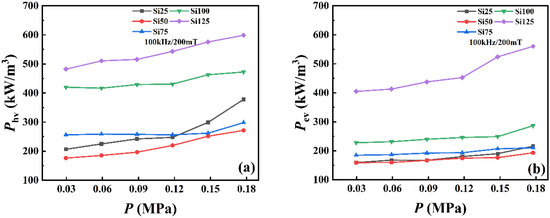
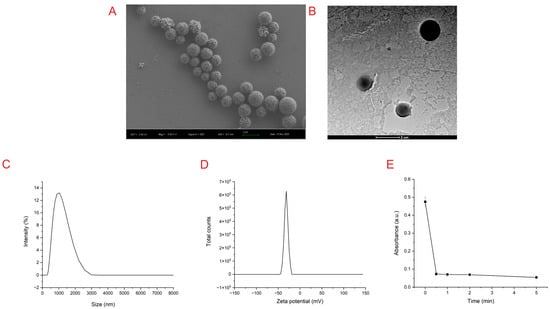
In this work, the SiO2-added MnZn power ferrites have been prepared by the conventional ceramic method, and the effect of stress on initial permeability and power loss has been investigated. With increasing SiO2 content, initial permeability firstly increases and then decreases, whereas power loss firstly decreases and then increases. The sample with 50 ppm SiO2 additive exhibits optimal magnetic performance, including the highest initial permeability and the lowest power loss. This optimal sample also exhibits the wide-temperature characteristics of power loss. Initial permeability decreases and power loss increases under the applied stress. The sample with 75 ppm SiO2 additive exhibits the best stress insensitivity of initial permeability and power loss. Through the loss separation method, it is revealed that magnetic hysteresis loss is more sensitive whereas eddy current loss remains almost unchanged with stress. An appropriate addition of SiO2 reduces the stress sensitivity of the initial permeability and power loss of MnZn ferrites.
Full article
(This article belongs to the Special Issue Magnetic Materials: From Fundamentals to Cutting-Edge Applications)
►▼
Show Figures

Figure 1
Open AccessArticle
From NMR Signals to Fracture Size: Capillary-Controlled Conversion for Shale
by
Xu Dong, Wenqi Shi, Xueying Shi, Peidong Liu, Jiahui Zhang, Zhiyuan Chen and Jingjie Zhang
Magnetochemistry 2026, 12(8), 83; https://doi.org/10.3390/magnetochemistry12080083 - 1 Aug 2026
Abstract
Fracture size governs fluid mobility in shale, yet its direct quantification remains challenging. Nuclear Magnetic Resonance (NMR) transverse relaxation time (T2) offers a unique, non-destructive probe of fracture size distributions; however, a physically grounded conversion from transverse relaxation time to
[...] Read more.
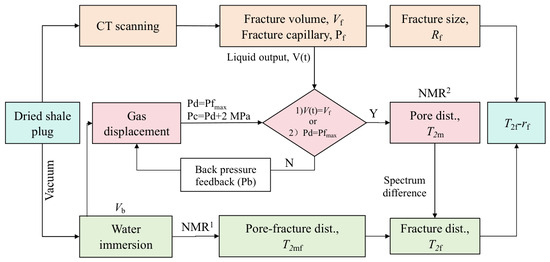
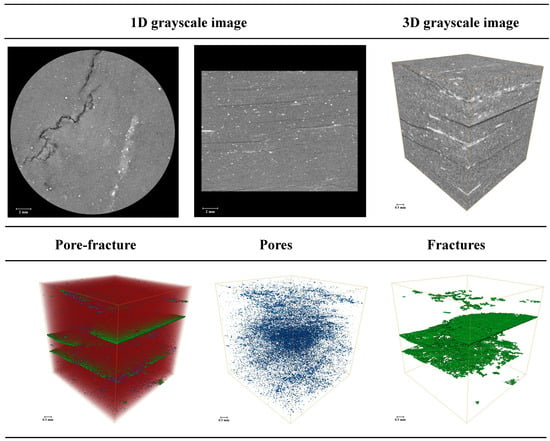
Fracture size governs fluid mobility in shale, yet its direct quantification remains challenging. Nuclear Magnetic Resonance (NMR) transverse relaxation time (T2) offers a unique, non-destructive probe of fracture size distributions; however, a physically grounded conversion from transverse relaxation time to pore radius r (T2−r) is essential to translate NMR signals into quantitative geometric constraints on fluid mobility. This study introduces a capillary-constrained experimental method for T2−r transformation into shale fractures. The workflow uses computed tomography (CT) scanning to extract fracture geometry. The gas-displacing-water process is precisely controlled by integrating the pore capillary pressure and back-pressure feedback algorithm. The NMR-CT conversion method performed in this study differs significantly from the T2−r transformation based on conventional MICP. Differential spectral analysis isolates fracture-specific T2 responses, and least-squares fitting derives the T2−r conversion. Constraining displacement pressure and controlling segmental pressure are effective methods for ensuring the accuracy of fracture displacement. By emphasizing the governing role of capillary pressure during displacement, this method achieves accurate fracture-targeted displacement and reliable T2−r mapping. The results significantly advance the use of NMR for quantifying fracture size and evaluating fluid transport in shale.
Full article
(This article belongs to the Special Issue Nuclear Magnetic Resonance (NMR) in the Petroleum Industry and Porous Media)
►▼
Show Figures

Figure 1
Open AccessArticle
Local Structural Distortions and Frustrated Magnetism in Slag-Derived Lithium Borate Glasses
by
Kawtar Khattab, Abdellah El Boukili, Lahcen Boudad, Jacem Zidani, Naji AlDahoudi, Arash Jamali, Mimoun El Marssi, Mohamed Saadi, M’hamed Taibi and Abdelilah Lahmar
Magnetochemistry 2026, 12(8), 82; https://doi.org/10.3390/magnetochemistry12080082 - 30 Jul 2026
Abstract
►▼
Show Figures
This study analyzes the structural and magnetic properties of a new composite material with a lithium borate glass matrix loaded with electric arc furnace slag, with a composition of 50Li2O-50B2O3-80 wt.% slag. The amorphous nature of the
[...] Read more.
This study analyzes the structural and magnetic properties of a new composite material with a lithium borate glass matrix loaded with electric arc furnace slag, with a composition of 50Li2O-50B2O3-80 wt.% slag. The amorphous nature of the obtained glass is confirmed by X-ray diffraction analysis (XRD). Differential scanning calorimetry (DSC) indicates that the material has an extremely high thermal stability as evidenced by its high glass transition temperature which is due to the reinforcing role of the slag metallic oxides. Additionally, magnetic studies reveal a highly frustrated magnetic state in the disordered system. The significant addition of mixed-valence iron ions (Fe2+/Fe3+) in the slag forms antiferromagnetic interactions in the system. These factors result in the stabilization of the spin-glass-like state. The incorporation of slag within the lithium borate matrix is a promising route to valorize this industrial by-product and to develop new functional materials.
Full article

Figure 1
Open AccessArticle
The Zeta-Minimizer Theorem as a Deductive Variational Foundation for HOR and ORR Kinetics in Proton Exchange Membrane Fuel Cells
by
Muhamad Fouad
Magnetochemistry 2026, 12(8), 81; https://doi.org/10.3390/magnetochemistry12080081 - 26 Jul 2026
Abstract
►▼
Show Figures
The Zeta-Minimizer Theorem provides a fully deductive variational foundation for the hydrogen oxidation reaction (HOR) and oxygen reduction reaction (ORR) in proton exchange membrane fuel cells. Starting from three primitive thermodynamic axioms and the helical geometry of the phase functional, a multi-extent dynamical
[...] Read more.
The Zeta-Minimizer Theorem provides a fully deductive variational foundation for the hydrogen oxidation reaction (HOR) and oxygen reduction reaction (ORR) in proton exchange membrane fuel cells. Starting from three primitive thermodynamic axioms and the helical geometry of the phase functional, a multi-extent dynamical system is constructed that simultaneously treats the electrochemical reaction coordinates and the adsorption extents of the participating species at the solid–electrolyte interface. The combined Hessian of the phase functional yields a complete spectrum of relaxation rates whose eigenvalues and eigenvectors emerge directly from the solid blackbox constants and the helical partition functions of the reactive species. Adiabatic elimination of the fast surface modes produces an effective single-extent description in which voltage (or overpotential) appears as the conjugate variable, exactly analogous to the role of pressure in the corresponding gas-phase ammonia synthesis framework. The resulting nonlinear rate law is thermodynamically consistent at all conditions, recovers the Butler–Volmer and Tafel forms as well-defined limiting cases, and incorporates the effects of temperature, dilution, and catalyst-specific interface constants without empirical activation energies or adjustable reaction orders. The framework therefore unifies equilibrium, kinetics, and modal dynamics of HOR and ORR within a single variational structure, offering a parameter-light, first-principles alternative to classical empirical electrocatalytic rate expressions while preserving transparent contact with established limiting laws.
Full article

Figure 1
Open AccessArticle
Enhanced Ferrosphere Recovery from High-Calcium Fly Ash: SEM-EDS, XRD, Magnetic Force Microscopy Characterization
by
Elena V. Fomenko, Yuriy V. Knyazev, Galina V. Akimochkina, Leonid A. Solovyov, Natalia N. Anshits, Sergey V. Semenov, Andrey A. Dubrovskiy, Anna V. Lukyanenko, Andrey V. Tsarenko, Elena V. Mazurova, Ekaterina D. Smorodina and Oleg A. Bayukov
Magnetochemistry 2026, 12(7), 80; https://doi.org/10.3390/magnetochemistry12070080 - 16 Jul 2026
Abstract
►▼
Show Figures
Dispersed ferrospheres (FSs) are a valuable component of coal fly ash, whose application potential is determined by their microspherical design, fine particle size, and high concentration of magnetic iron compounds. This study proposes an efficient technological scheme for extracting dispersed FSs from high-calcium
[...] Read more.
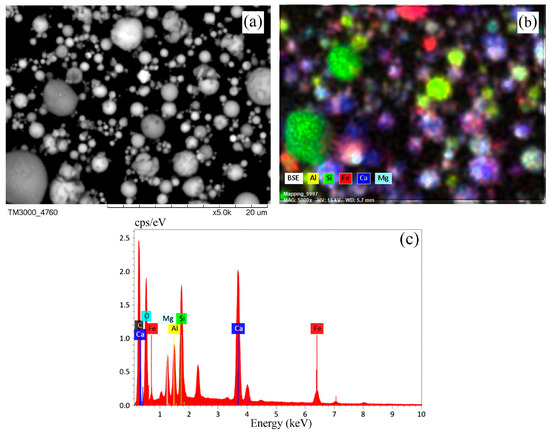
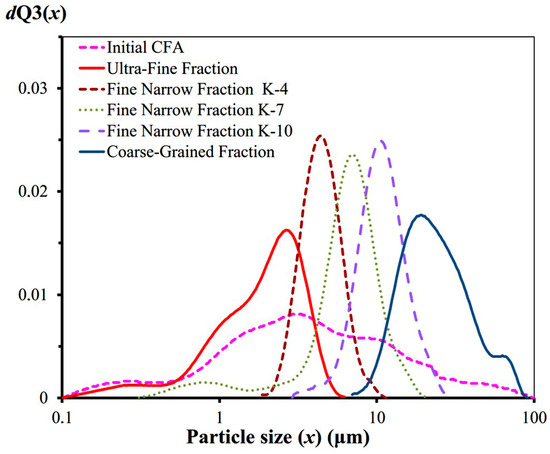
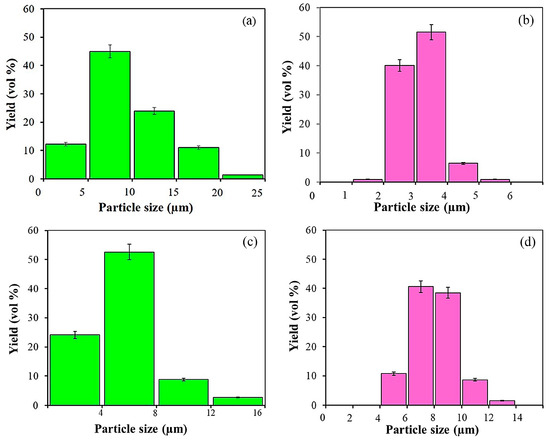
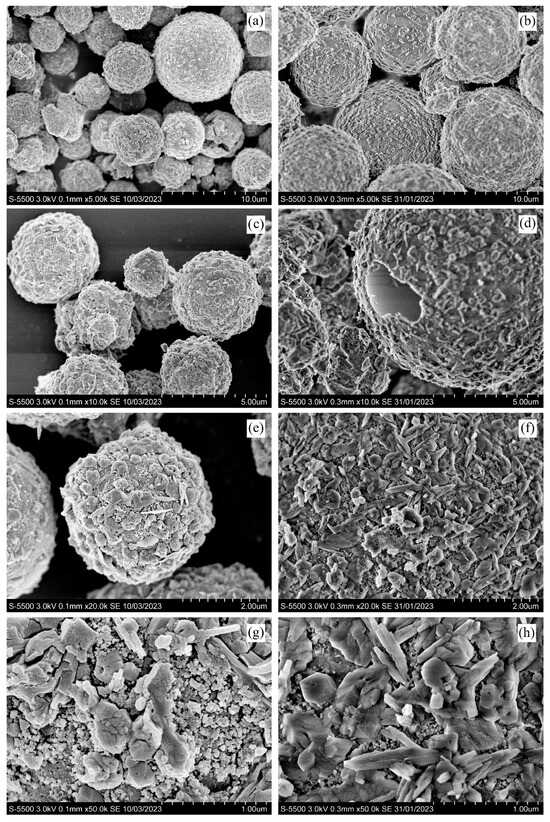
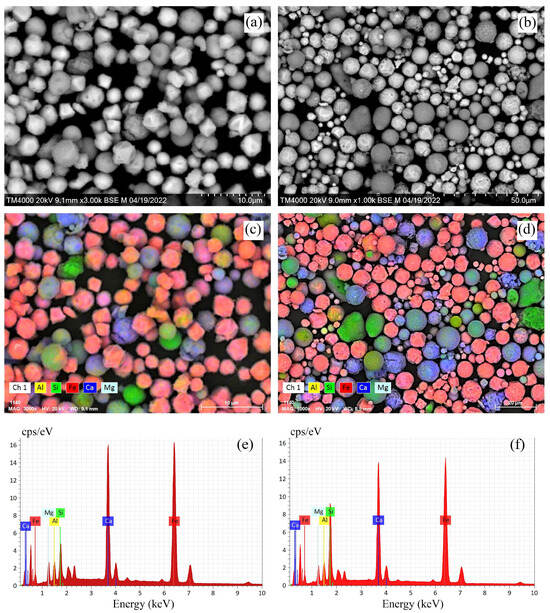
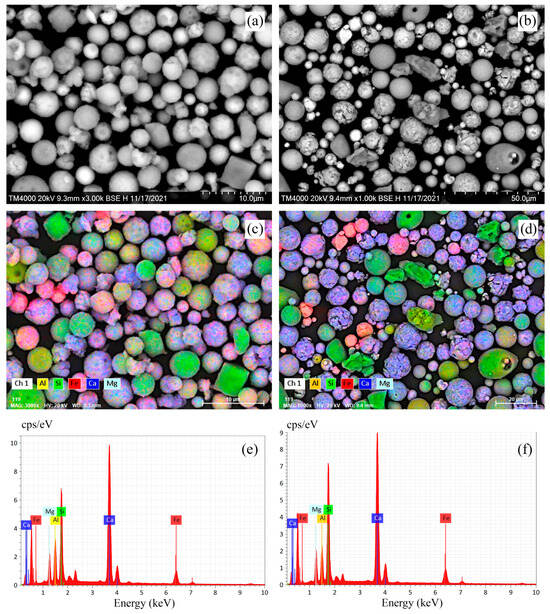
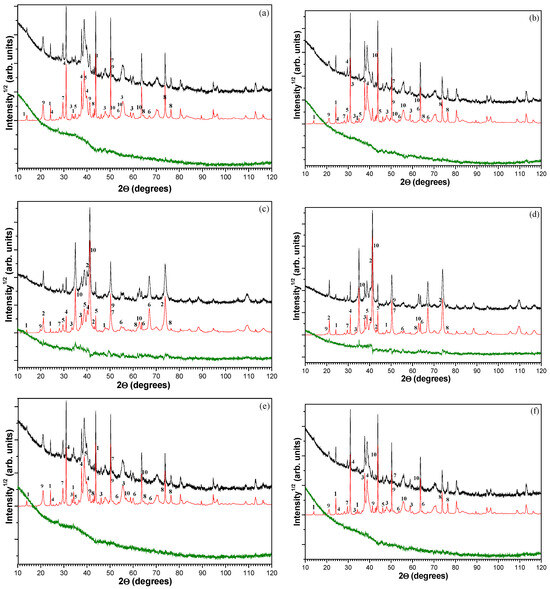
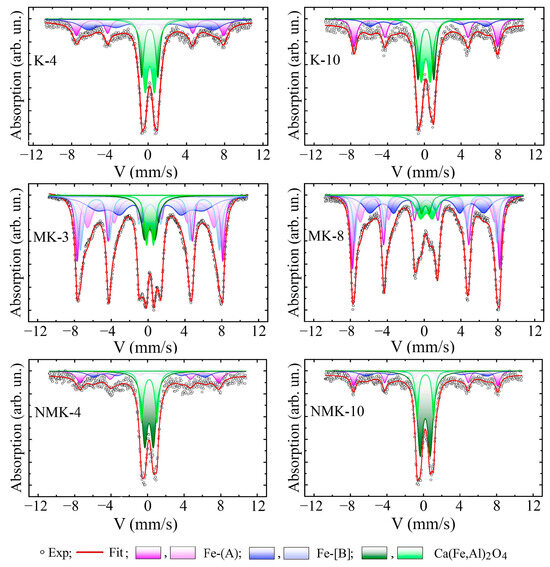
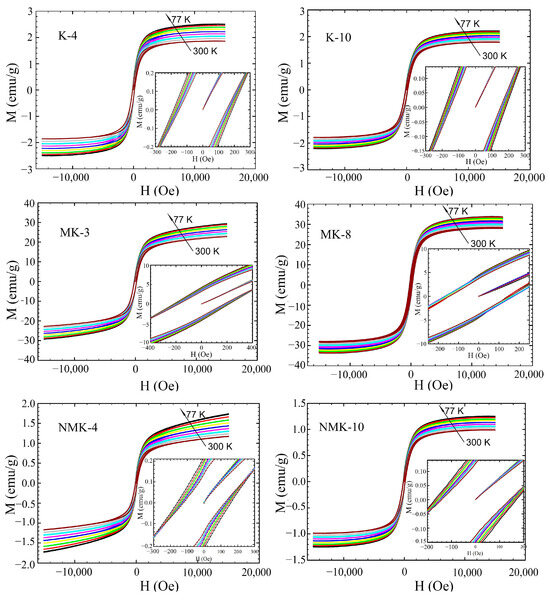
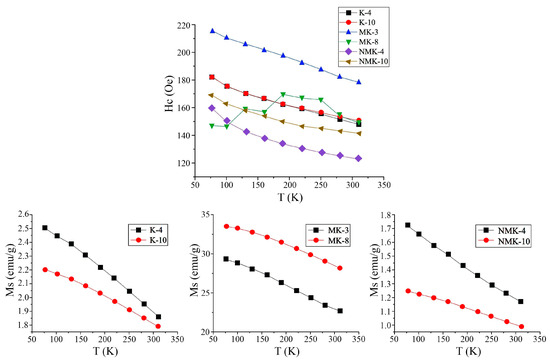
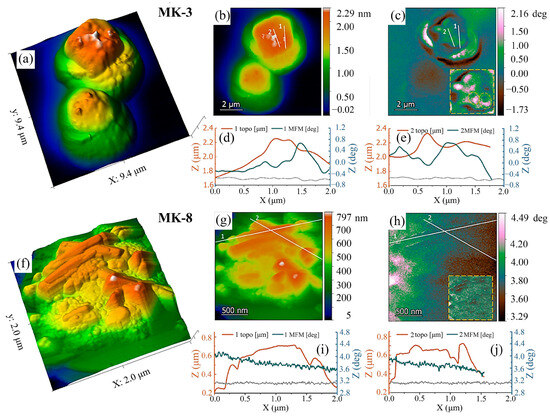
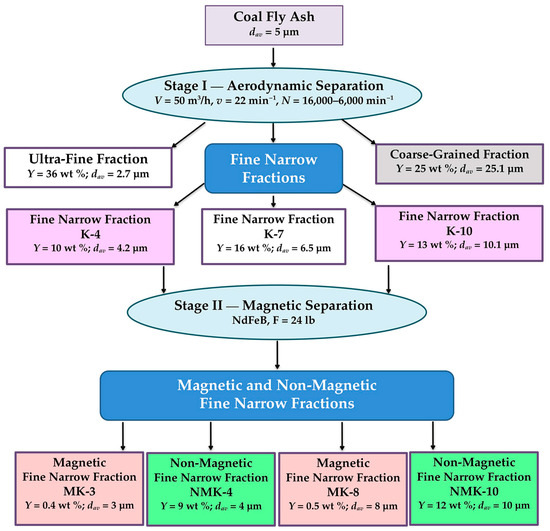
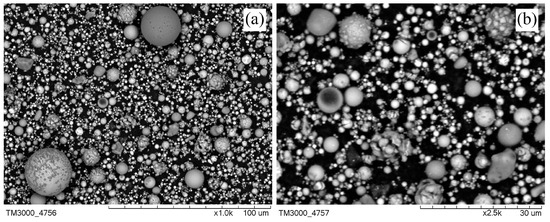
Dispersed ferrospheres (FSs) are a valuable component of coal fly ash, whose application potential is determined by their microspherical design, fine particle size, and high concentration of magnetic iron compounds. This study proposes an efficient technological scheme for extracting dispersed FSs from high-calcium fly ash, comprising (i) aerodynamic classification and (ii) dry magnetic separation. The isolated fractions were characterized, including determination of the particle-size distribution, morphology, chemical and phase composition, Mössbauer parameters, magnetic properties, and surface distribution of magnetic phases. It was shown that the average particle diameters of the FS narrow fractions are 3 and 8 µm. The major chemical components are FeO, CaO, and SiO2, whose total content amounts to 81–83 wt %. Regarding the phase composition, Fe-spinel and calcium ferrites are predominant, accounting for 38–46 and 13–16 wt %, respectively. The efficiency of the proposed process for extracting FSs reaches the level achieved by conventional wet magnetic separation. The saturation magnetization of the dispersed FS samples increases by more than an order of magnitude (up to 23–28 emu/g) compared to the initial fly-ash fractions (1.7–1.8 emu/g). For the first time, magnetic topography investigation of single microspheres directly demonstrates that the surface of the aluminosilicate matrix is enriched with magnetic microcrystals formed during coal combustion. The obtained results may prove useful in the design of functional materials with magnetically active surfaces for advanced applications.
Full article

Figure 1
Open AccessArticle
Temperature-Dependent Magnetic Properties of Pr6O11 Oxides Refined with the Wet Ball-Milling Method
by
Jiawen Xu, Yanlu Hu, Juan Li, Jie-Xiang Yu and Rujun Tang
Magnetochemistry 2026, 12(7), 79; https://doi.org/10.3390/magnetochemistry12070079 - 13 Jul 2026
Abstract
In this work, gradient-sized Pr6O11 powders were fabricated via a wet ball-milling method with variable milling durations. The microstructural evolution and temperature-dependent magnetic properties of different Pr6O11 powders were systematically investigated. The results reveal that wet ball-milling
[...] Read more.
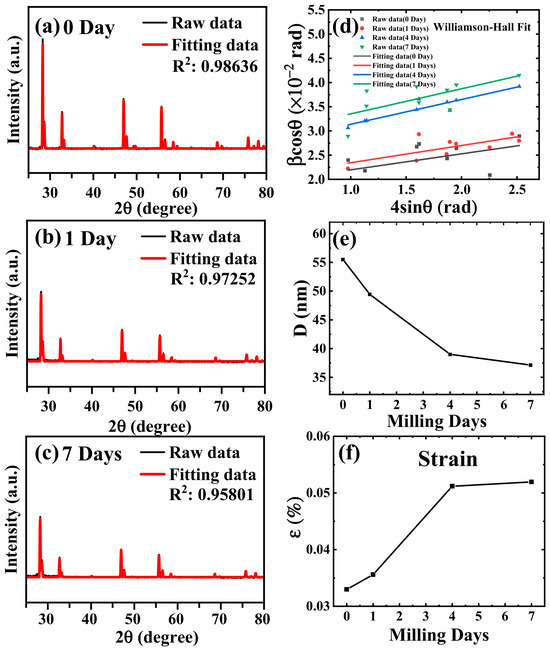
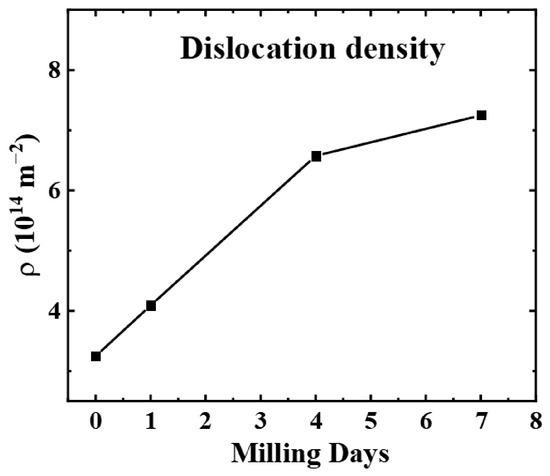
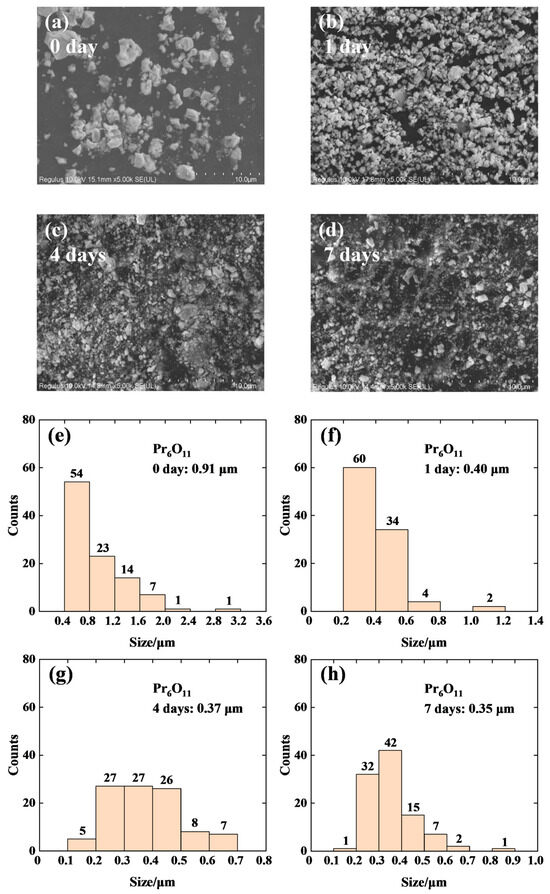
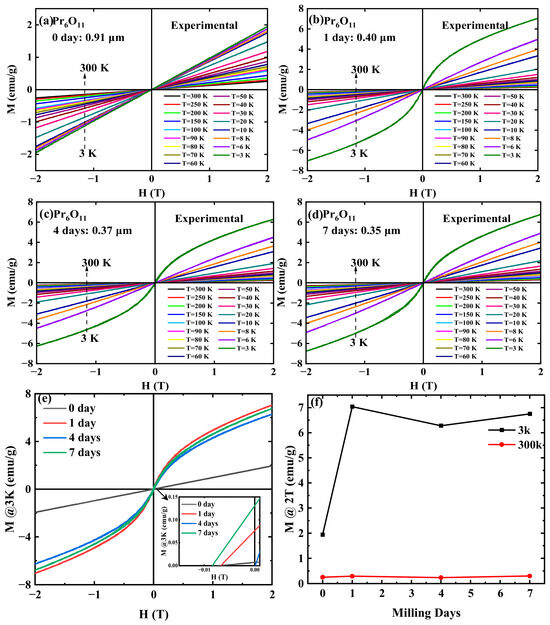
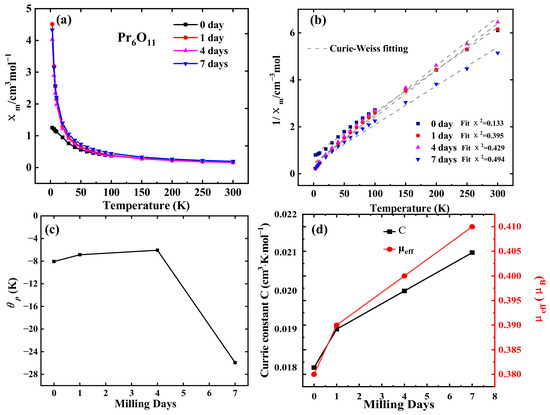
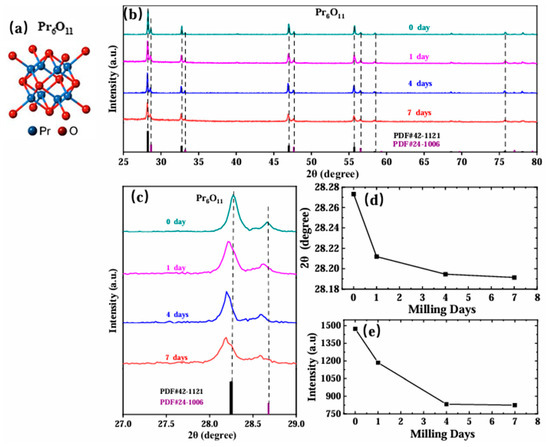
In this work, gradient-sized Pr6O11 powders were fabricated via a wet ball-milling method with variable milling durations. The microstructural evolution and temperature-dependent magnetic properties of different Pr6O11 powders were systematically investigated. The results reveal that wet ball-milling effectively refines powder particle size and introduces controllable lattice defects without altering the intrinsic crystal structure. Magnetic measurements over a temperature range of 3–300 K demonstrate that the unmilled powder exhibits typical paramagnetic behavior. However, milling-induced particle refinement significantly enhances the low-temperature magnetic moments of Pr6O11, accompanied by characteristic superparamagnetic hysteresis at 3 K. Furthermore, the fitted paramagnetic Curie temperature and Curie constant C confirm that the magnetic regulation is milling-affected and dependent on milling time. Prolonged milling above 1 day cannot continuously increase low-temperature magnetic moments. The above temperature-dependent magnetic properties of milled Pr6O11 can possibly be attributed to milling-induced grain refinement and lattice distortion, as supported by the microstructure analysis. This work provides valuable physical insights into the low-temperature magnetic properties of Pr6O11 and offers guidance for its magnetic functional applications.
Full article
(This article belongs to the Special Issue Magnetic Materials: From Fundamentals to Cutting-Edge Applications)
►▼
Show Figures

Figure 1
Open AccessArticle
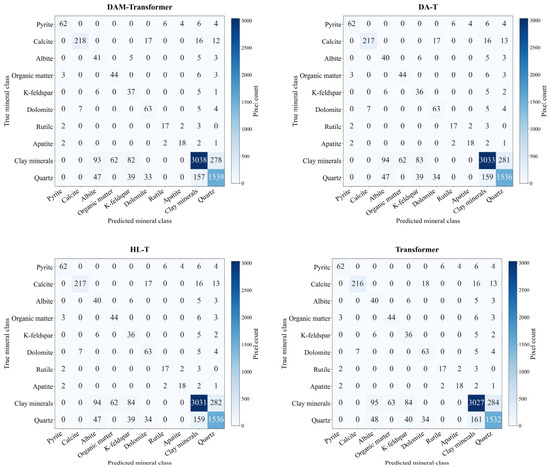
Whole-Rock Mineral Component Identification in Shale SEM Images Using a DAM-Transformer and Analysis of NMR Response Characteristics
by
Xu Dong, Yu Zeng, Jiawei Tang, Xueying Shi, Wenqi Shi and Wenting Liu
Magnetochemistry 2026, 12(7), 78; https://doi.org/10.3390/magnetochemistry12070078 - 13 Jul 2026
Cited by 1
Abstract
Pixel-level identification of whole-rock mineral components in shale scanning electron microscopy (SEM) images is essential for characterizing shale-reservoir microstructures and quantifying mineral contents. Existing mineral identification algorithms generally cannot identify all whole-rock mineral components within a unified framework. Their overall accuracy is also
[...] Read more.
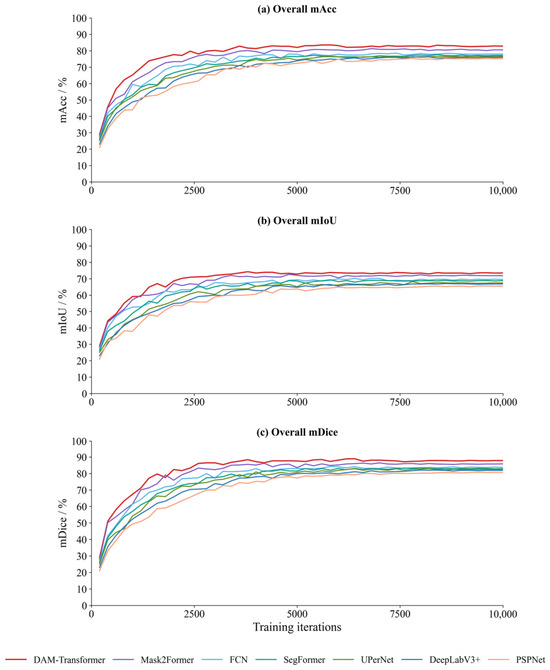
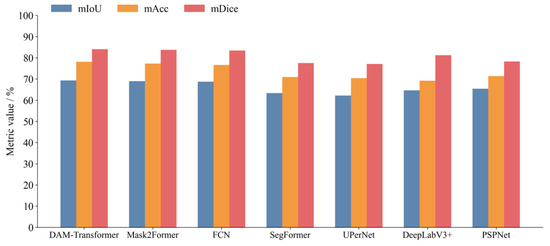
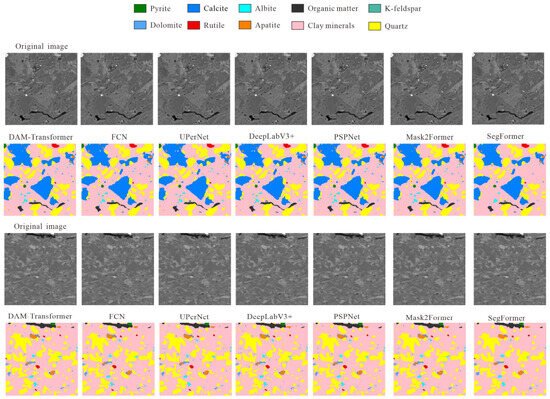
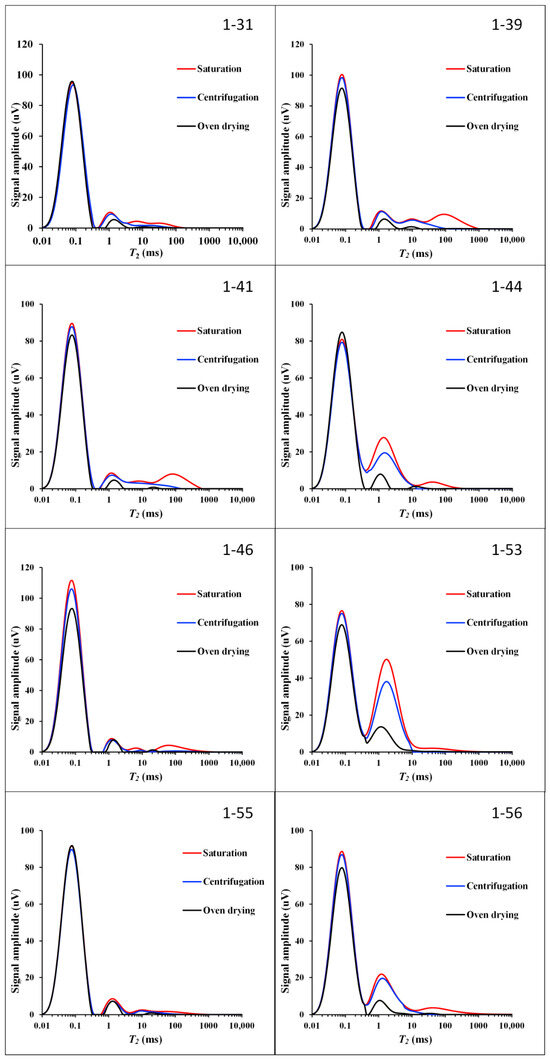
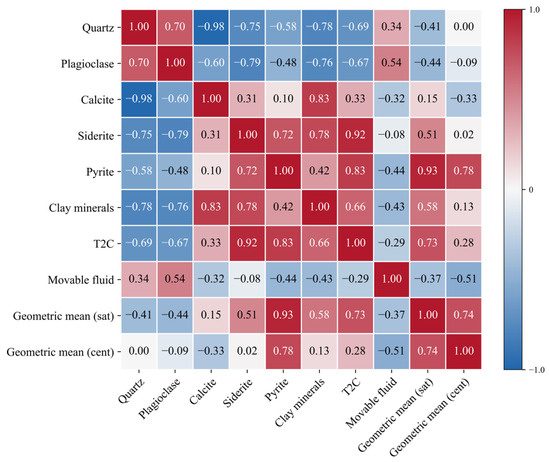
Pixel-level identification of whole-rock mineral components in shale scanning electron microscopy (SEM) images is essential for characterizing shale-reservoir microstructures and quantifying mineral contents. Existing mineral identification algorithms generally cannot identify all whole-rock mineral components within a unified framework. Their overall accuracy is also limited by class imbalance, and fine-grained minerals and mineral boundaries remain difficult to segment in complex lithological backgrounds. To address these limitations, shale samples from the Lianggaoshan Formation in the Sichuan Basin were investigated, and a dynamic attention Transformer (DAM-Transformer) was developed for whole-rock mineral component identification in shale SEM images. The proposed method (1) integrates the matrix and associated minerals into a unified segmentation framework; (2) employs a hybrid loss function tailored to the feature distribution of shale SEM images to mitigate class imbalance and improve training stability and model generalizability; and (3) introduces a dynamic attention mechanism that adaptively optimizes window attention weights, focuses on mineral target regions, enhances boundary detail features, and suppresses background noise. The DAM-Transformer achieved a pixel-level mean accuracy (mAcc) of 78.12% across ten mineral classes, outperforming Mask2Former, FCN, UPerNet, DeepLabV3+, and other benchmark methods by 1.51–8.92%. Visual comparisons further demonstrated that the proposed method preserves the continuity of major mineral regions and substantially improves the identification of fine-grained minerals and complex mineral boundaries. In addition, application analysis of shale plug samples showed that the mineral contents identified by the DAM-Transformer exhibited clear response relationships with saturation–centrifugation NMR parameters, providing quantitative support for interpreting shale pore structure, fluid occurrence, and reservoir properties.
Full article
(This article belongs to the Special Issue Nuclear Magnetic Resonance (NMR) in the Petroleum Industry and Porous Media)
►▼
Show Figures

Figure 1
Journal Menu
► ▼ Journal Menu-
- Magnetochemistry Home
- Aims & Scope
- Editorial Board
- Reviewer Board
- Topical Advisory Panel
- Instructions for Authors
- Special Issues
- Topics
- Sections
- Article Processing Charge
- Indexing & Archiving
- Editor’s Choice Articles
- Most Cited & Viewed
- Journal Statistics
- Journal History
- Journal Awards
- Editorial Office
Journal Browser
► ▼ Journal BrowserHighly Accessed Articles
Latest Books
E-Mail Alert
News
1 September 2026
MDPI INSIGHTS: The CEO’s Letter #38 – 2 Million Published Articles, Outstanding Reviewers, Michele Parrinello Award, AIS 2026 & WSF-12
5 August 2026
MDPI INSIGHTS: The CEO’s Letter #37 – Canada Summit, Sciforum Relaunch, 30 Years of Impactful Research & ISPRS 2026
Topics
Topic in
Electronic Materials, IJMS, Magnetochemistry, Materials, Nanomaterials
Magnetic Nanoparticles and Thin Films
Topic Editors: Renat F. Sabirianov, Ahmad AlsaadDeadline: 31 December 2026
Topic in
Biology, Cancers, Magnetism, Magnetochemistry, Antioxidants, Cells, Biophysica
Magnetic Biology and Bioelectromagnetic Technology
Topic Editors: Chao Song, Lin ChenDeadline: 31 December 2027
Special Issues
Special Issue in
Magnetochemistry
Design, Phase Transition and Magnetic Properties of Transition Metal Compounds
Guest Editors: Xing Ming, Changsheng SongDeadline: 30 September 2026
Special Issue in
Magnetochemistry
Stimuli-Responsive Magnetic Molecular Materials—2nd Edition
Guest Editors: Boris Tsukerblat, Andrew PaliiDeadline: 30 September 2026
Special Issue in
Magnetochemistry
Advances in Magnetic Nanomaterials and Nanostructures—2nd Edition
Guest Editors: Francesco Congiu, Giorgio ConcasDeadline: 30 September 2026
Special Issue in
Magnetochemistry
Fine Tuning of Magnetic Iron Oxide Nanostructures
Guest Editor: Simona Gabriela GreculeasaDeadline: 1 October 2026