
Journal Description
Journal of Composites Science
is an international, peer-reviewed, open access journal on the science and technology of composites, published monthly online by MDPI.
- Open Access— free for readers, with article processing charges (APC) paid by authors or their institutions.
- High Visibility: indexed within Scopus, ESCI (Web of Science), Inspec, CAPlus / SciFinder, and other databases.
- Journal Rank: JCR - Q2 (Materials Science, Composites) / CiteScore - Q1 (Engineering (miscellaneous))
- Rapid Publication: manuscripts are peer-reviewed and a first decision is provided to authors approximately 13.9 days after submission; acceptance to publication is undertaken in 4.5 days (median values for papers published in this journal in the first half of 2026).
- Recognition of Reviewers: reviewers who provide timely, thorough peer-review reports receive vouchers entitling them to a discount on the APC of their next publication in any MDPI journal, in appreciation of the work done.
Impact Factor:
4.6 (2025);
5-Year Impact Factor:
4.4 (2025)
Latest Articles
Preparation and Investigating the Physical, Mechanical and Thermal Performances of Sand/Soil/Recycled HDPE Composites
J. Compos. Sci. 2026, 10(7), 362; https://doi.org/10.3390/jcs10070362 - 7 Jul 2026
Abstract
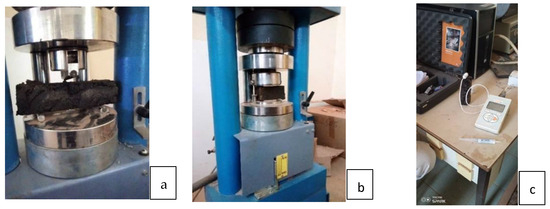
The recycling of waste into materials is a form of recovery that offers a double advantage, such as eco-sustainable sanitation and the availability of new ecological construction materials in Civil Engineering. The present study aimed to develop a composite eco-material based on sand,
[...] Read more.
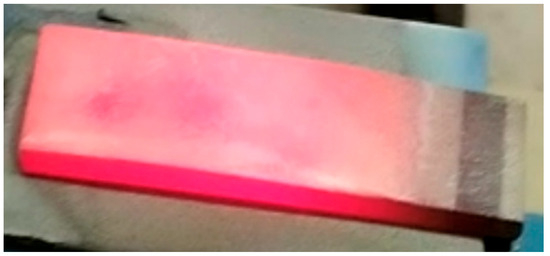
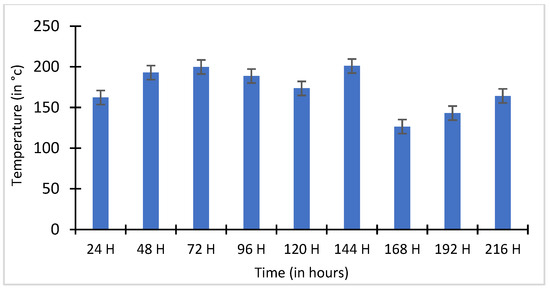
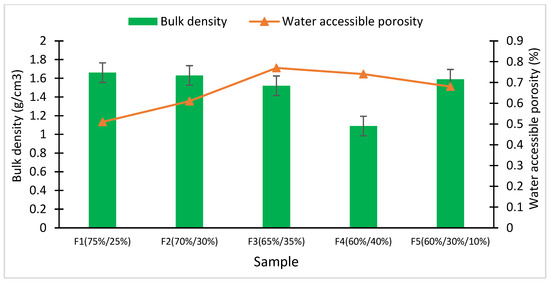
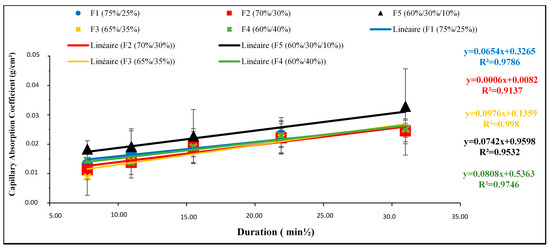
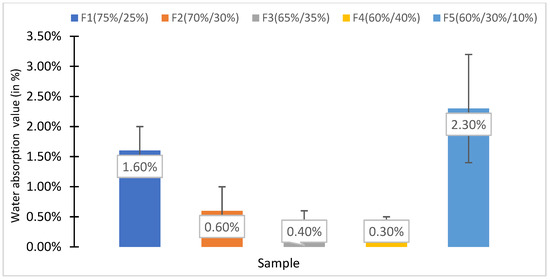
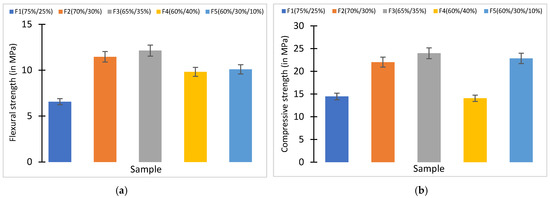
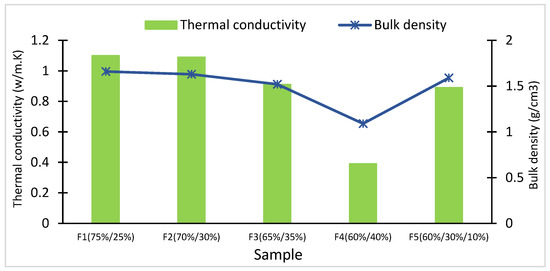
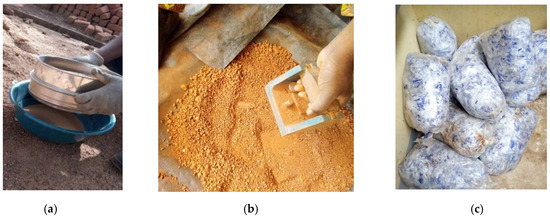
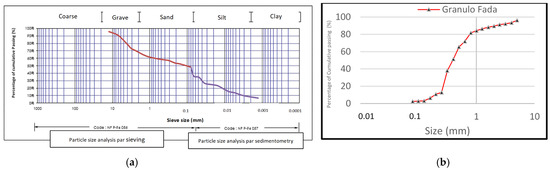
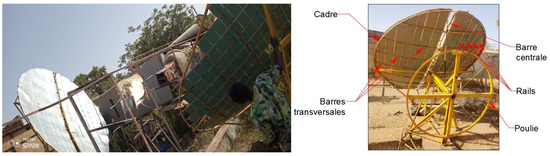
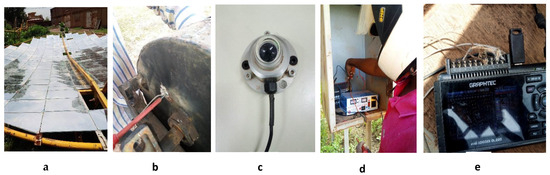
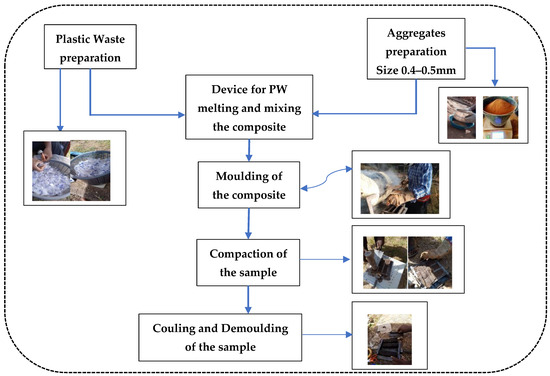
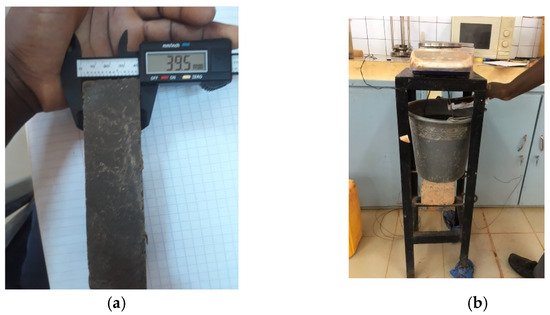
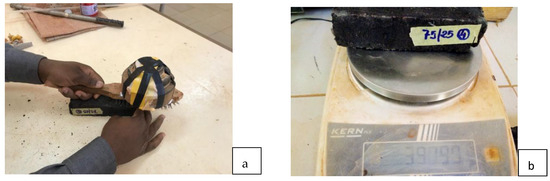
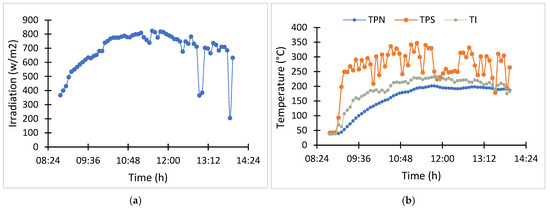
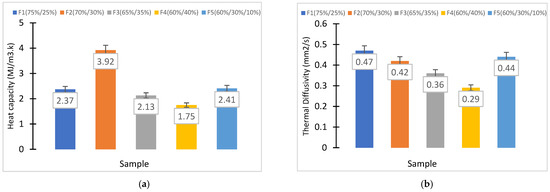
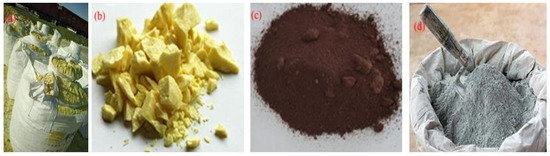
The recycling of waste into materials is a form of recovery that offers a double advantage, such as eco-sustainable sanitation and the availability of new ecological construction materials in Civil Engineering. The present study aimed to develop a composite eco-material based on sand, soil and recycled plastic waste melted using a Scheffler solar concentrator (SSC). Then, two types of mix were formulated: a sand/PW mix with ratios of 75/25, 70/30, 65/35 and 60/40, and a sand/soil/PW mix with a ratio of 60/30/10. The SSC enabled an internal melting temperature of 172.42 °C to be reached. Specimens measuring 4 × 4 × 16 cm3 were made and tested using 3-point bending, compression, capillary absorption and thermal tests. The best mechanical resistance was obtained with the 65/35 ratio of the sand/PW mix, with average values of 12.15 MPa in 3-point bending and 23.96 MPa in compression. This composite eco-material had a water absorption rate of 0.4% and a thermal diffusivity of 0.36 mm2/s. On the other hand, the sand/PW/laterite mix had a mechanical strength of 10.1 MPa in 3-point bending and 22.83 MPa in compression, with a water absorption rate of 2.3% and a thermal diffusivity of 0.44 mm2/s. In addition to these initial results, we plan to analyze the effect of thermal shock or wetting-drying cycles on the durability of this composite eco-material. As these properties comply with the established standards, the sand/soil/recycle HPDE composites can be used for applications such as pavers and tiles for interior flooring, and hollow and solid blocks.
Full article
(This article belongs to the Section Composites Modelling and Characterization)
►
Show Figures
Open AccessArticle
A Study of Certain Strength Properties of Wood–Concrete Composites
by
Baizak Isakulov, Abilkhair Issakulov, Kamar Dzhumabaeva, Nuradil Sarsenbay and Khamid Abdullayev
J. Compos. Sci. 2026, 10(7), 361; https://doi.org/10.3390/jcs10070361 - 7 Jul 2026
Abstract
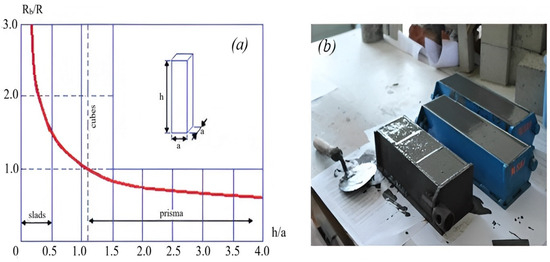
This paper examines certain strength characteristics of wood–concrete composites in comparison with other lightweight concretes. To address these issues, we conducted a series of experiments to study the relationship between the prismatic strength-to-cubic strength ratio, the development of strength, and the sequence of
[...] Read more.
This paper examines certain strength characteristics of wood–concrete composites in comparison with other lightweight concretes. To address these issues, we conducted a series of experiments to study the relationship between the prismatic strength-to-cubic strength ratio, the development of strength, and the sequence of failure stages in arbolite–concrete composites with various structural characteristics under a destructive load. Our experiments confirmed that the ratio of cubic to prismatic strength in wood–concrete specimens ranges from 0.894 to 0.965 and, in some cases, approaches unity depending on the size, fibers, and microstructure of the organic aggregate. We have also established that the failure of fibrous-structured arbolite concrete specimens occurs sequentially: first, the mortar component fails, and then the organic aggregate fibers fail. In arbolite concrete specimens with a porous and coarse-pored structure, failure occurs simultaneously, as in other types of concrete. Based on the characteristics of the hardening and failure stages of arbolite–concrete composites, they can be used as wall material for building construction in regions with high seismic activity.
Full article
(This article belongs to the Section Composites Manufacturing and Processing)
►▼
Show Figures

Figure 1

Open AccessArticle
Free Vibrations and Thermal Vibrations of Thick FGM Spherical Shells Triggered by Sinusoidal Temperature Field
by
Chih-Chiang Hong
J. Compos. Sci. 2026, 10(7), 360; https://doi.org/10.3390/jcs10070360 - 6 Jul 2026
Abstract
Studies of third-order shear-deformation theory (TSDT) and an advanced shear coefficient for thick-walled functionally graded material (FGM) spherical shells subjected to thermal vibrations triggered by sinusoidal temperature are presented. The nonlinear TSDT and linear and nonlinear shear coefficient can be converted into fully
[...] Read more.
Studies of third-order shear-deformation theory (TSDT) and an advanced shear coefficient for thick-walled functionally graded material (FGM) spherical shells subjected to thermal vibrations triggered by sinusoidal temperature are presented. The nonlinear TSDT and linear and nonlinear shear coefficient can be converted into fully homogeneous equation algorithms under the sinusoidal form of free vibrations to obtain the fundamental natural frequency by using Newton’s numerical method. Then, the generalized differential quadrature (GDQ) method can be used to prepare dynamic discrete equations of motion triggered by sinusoidal temperature field in thick FGM spherical shells for materials SUS304 and Si3N4. The Young’s modulus expressed as a power-law function of thick FGM spherical shells is considered and subjected to applied thermal load. The response results of thermal stress and center displacement are compared for the cases of linear and nonlinear advanced shear coefficient, and simply and fully homogeneous equation algorithms, respectively. The practical insights for temperature effect considered in the calculation of stress and displacement are very clear and practical for FGM structures with geometries of spherical shells. The power-law function property of FGMs can be used under high temperature for four-sided simply supported constraints.
Full article
(This article belongs to the Section Composites Manufacturing and Processing)
Open AccessArticle
Influence of Hydrated Lime on Hydration Products, Phase Assemblage, and Mechanical Performance of Cement-Based Mortars
by
Rafael C. Manta, Daniel Silva, William Costa, Paulo R. L. Souza, Priscila Vilemen, Leonardo B. T. Santos, Esdras C. Costa, Bruno S. Teti, Nathalia B. D. Lima and Nathan B. Lima
J. Compos. Sci. 2026, 10(7), 359; https://doi.org/10.3390/jcs10070359 (registering DOI) - 6 Jul 2026
Abstract
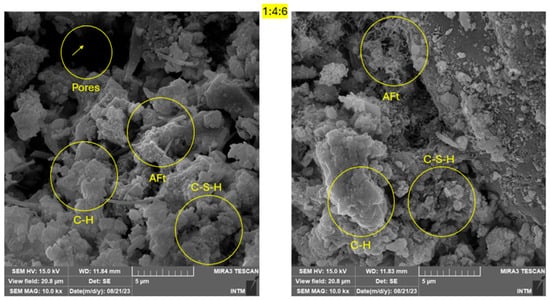
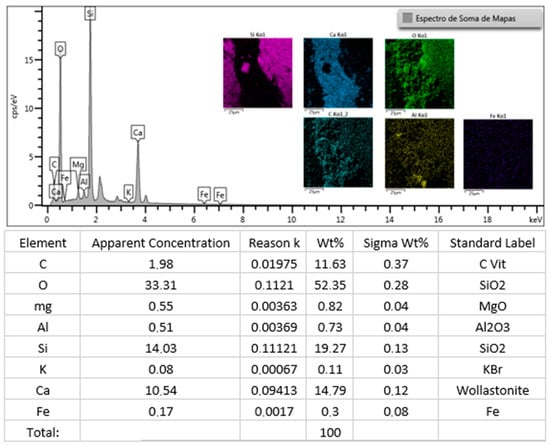
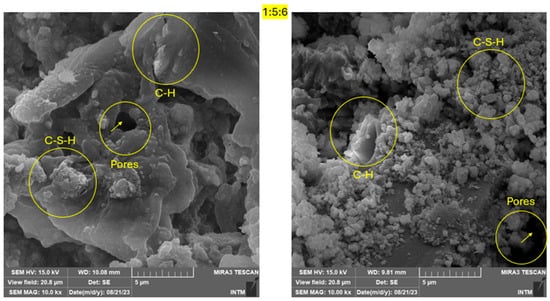
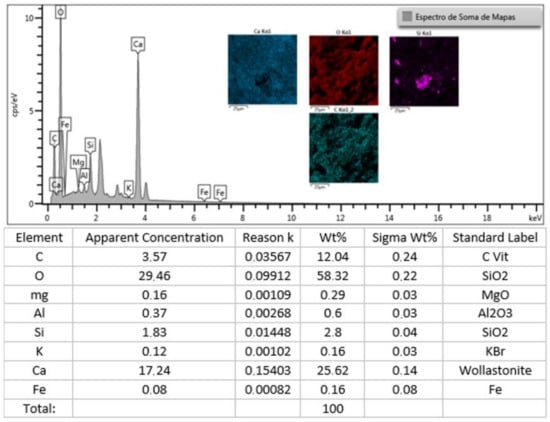
Hydrated lime is widely incorporated into cement-based mortars to improve workability and fresh-state properties; however, its influence on hydration products and mechanical performance remains insufficiently understood. This study investigates the effect of hydrated lime content on the mechanical behavior and microstructural development of
[...] Read more.
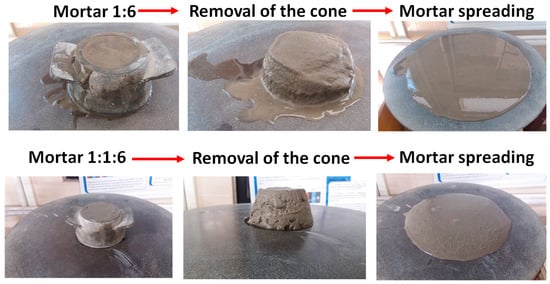
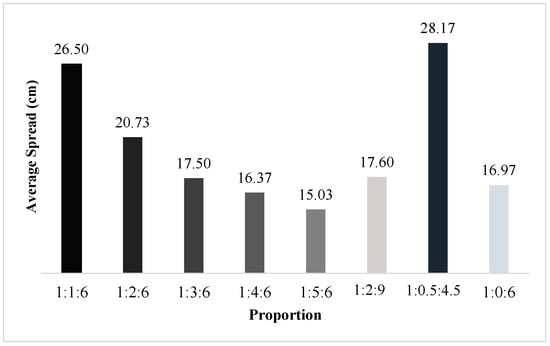
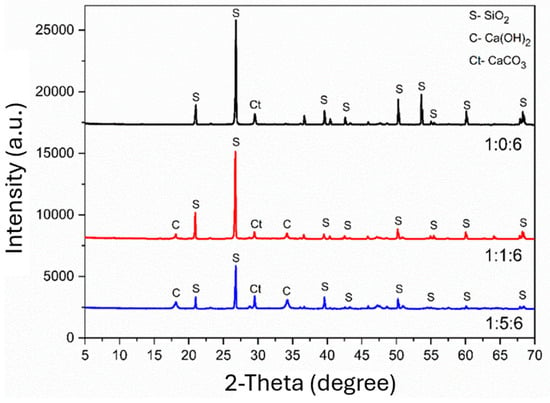
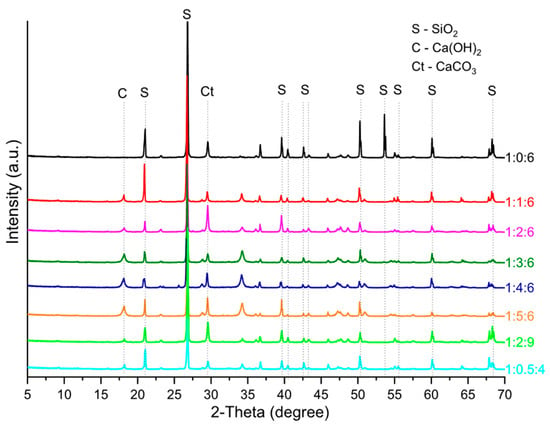
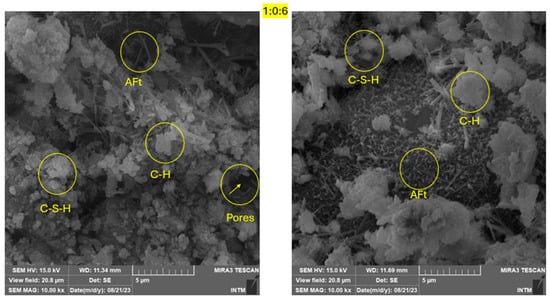
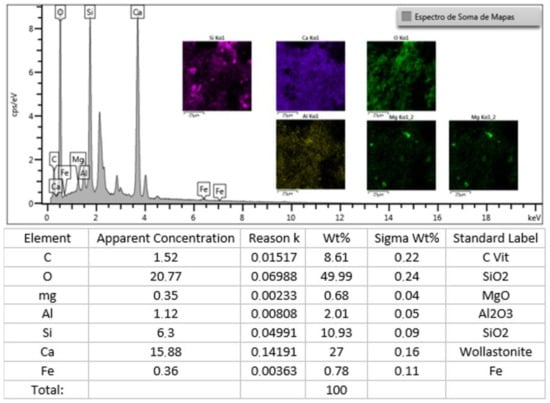
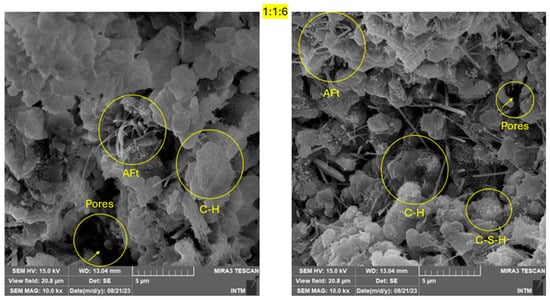
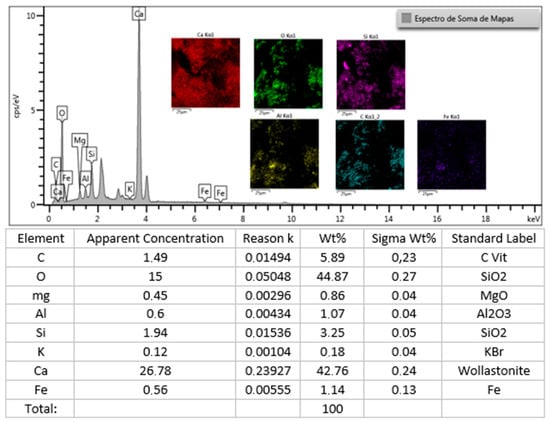
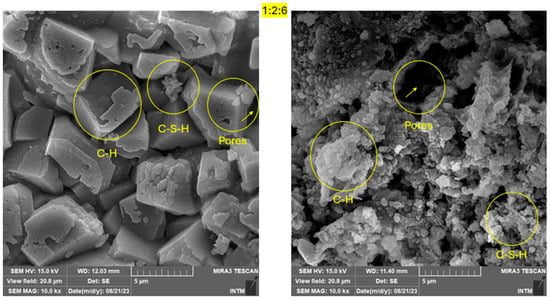
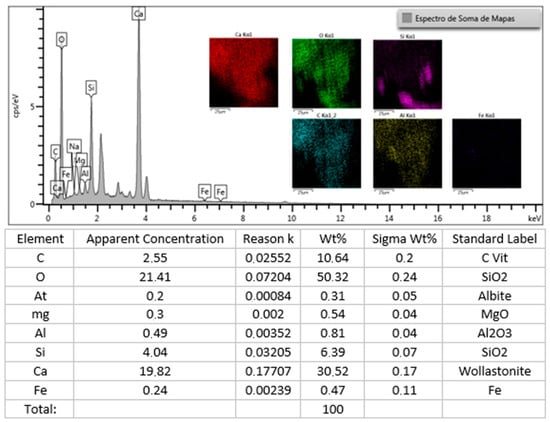
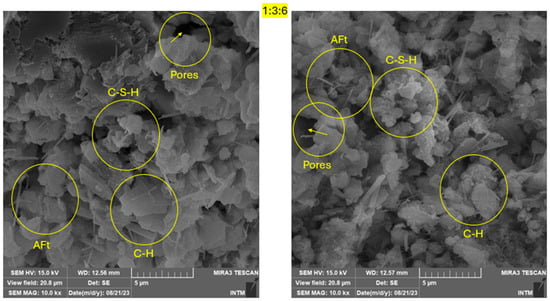
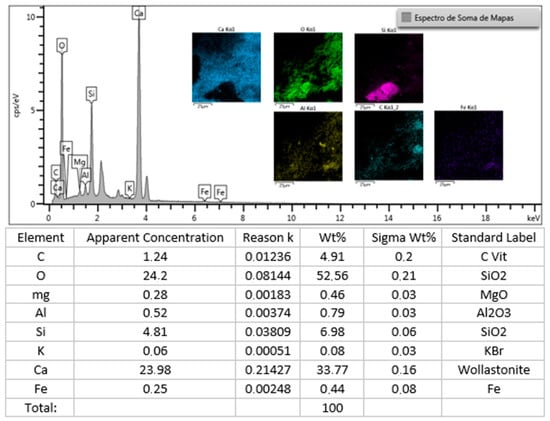
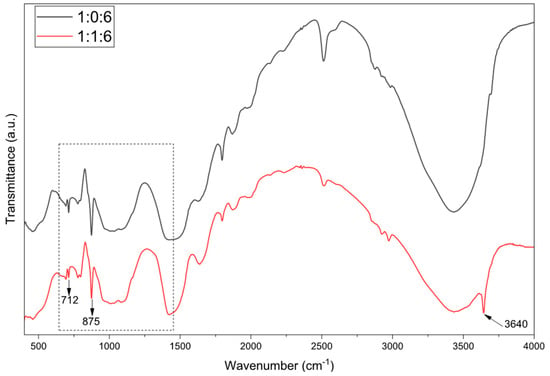
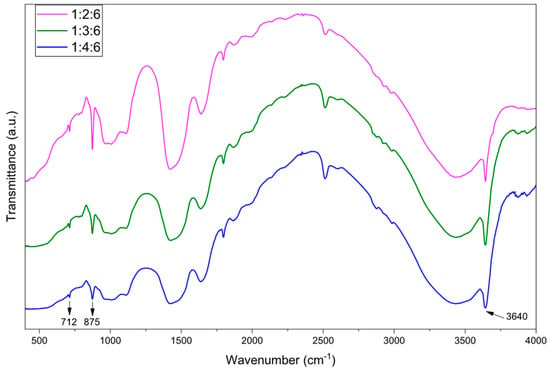
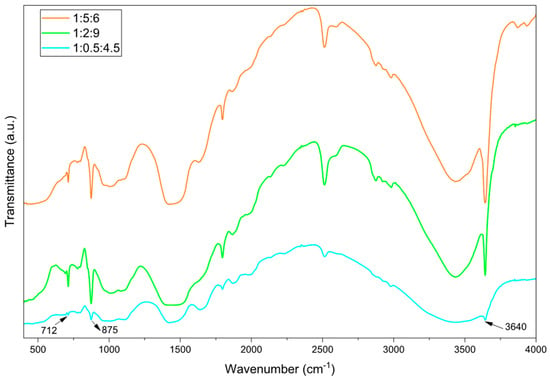
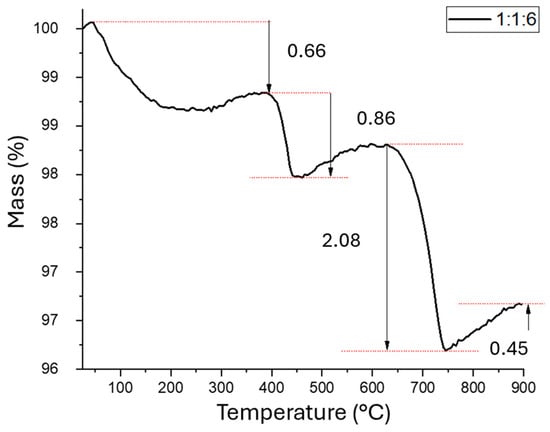
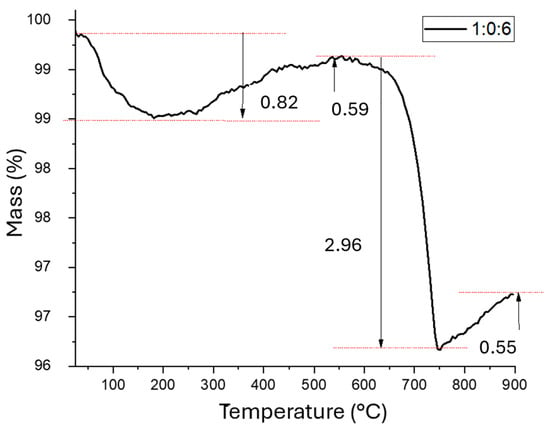
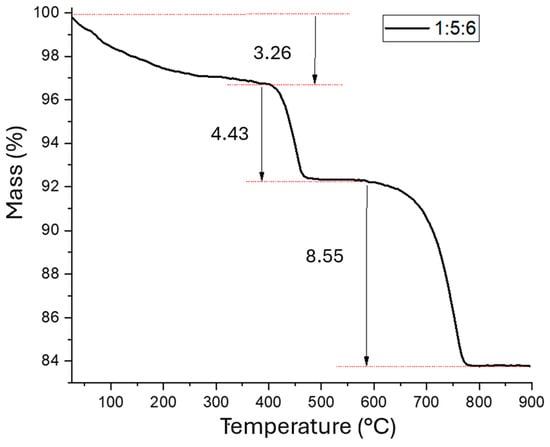
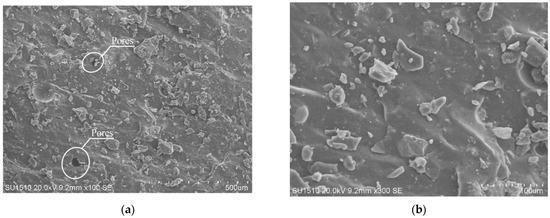
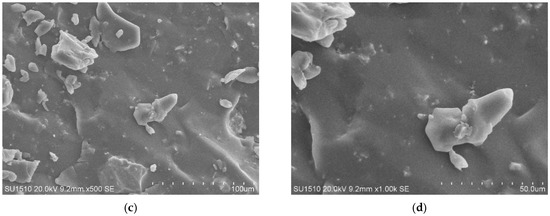
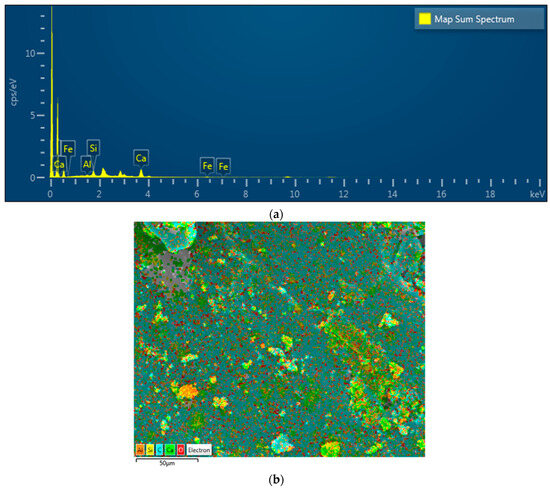
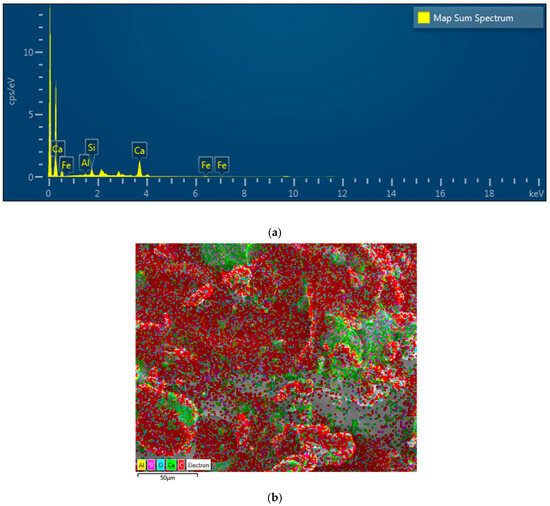
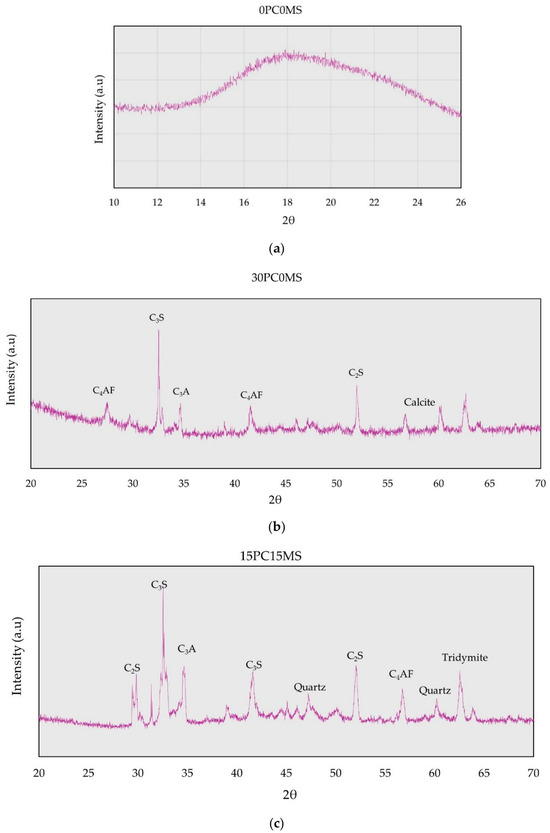
Hydrated lime is widely incorporated into cement-based mortars to improve workability and fresh-state properties; however, its influence on hydration products and mechanical performance remains insufficiently understood. This study investigates the effect of hydrated lime content on the mechanical behavior and microstructural development of cement-based mortars after 28 days of curing. Eight mortar formulations, ranging from lime-free (1:0:6) to lime-rich (1:5:6) mixtures, including intermediate and modified proportions, were evaluated through compressive strength, flexural tensile strength, and consistency tests. The microstructural evolution was investigated using complementary techniques, including X-ray fluorescence (XRF), X-ray diffraction (XRD), Fourier transform infrared spectroscopy (FTIR), thermogravimetric analysis (TG/DSC), and scanning electron microscopy coupled with energy-dispersive spectroscopy (SEM/EDS). Increasing hydrated lime content improved mortar workability but was generally associated with reduced compressive strength under the curing conditions investigated. The combined characterization techniques indicated progressive modifications in the hydration products and phase assemblage, with increased calcium-rich phases, greater evidence of carbonation, and reduced continuity of the hydraulic matrix as the hydrated lime content increased. The observed microstructural changes were qualitatively consistent with the mechanical behavior of the mortars. The conclusions of this study are restricted to the 28-day curing period investigated, and further research is required to evaluate the long-term influence of hydrated lime on carbonation and durability-related properties. These findings contribute to a better understanding of the role of hydrated lime in cement-based mortars and provide experimental evidence for the optimization of mortar formulations.
Full article
(This article belongs to the Special Issue High-Performance Cementitious Composites: Materials Development, Smart Technologies, and Engineering Applications)
►▼
Show Figures

Figure 1

Open AccessReview
Interfacial-State and Transport-Barrier Competition in Electrochemically Deposited PANI Nanocomposites: A Unified Theoretical Framework for Bandgap Evolution, Disorder, Dielectric Dispersion, Nonlinear Optics, and DC Conductivity
by
Mahmoud AlGharram, Tariq AlZoubi, Yahia Makableh and Jestin Mandumpal
J. Compos. Sci. 2026, 10(7), 358; https://doi.org/10.3390/jcs10070358 (registering DOI) - 4 Jul 2026
Abstract
This review analyzes electrochemically deposited polyaniline (PANI) nanocomposite thin films containing metallic, semiconducting, and dielectric fillers, including Ag/PANI, Mo/MoOx/PANI, CeO2/PANI, Fe2O3/PANI, Al2O3/PANI, CuO/PANI, Co3O4/PANI, and CoFe2
[...] Read more.
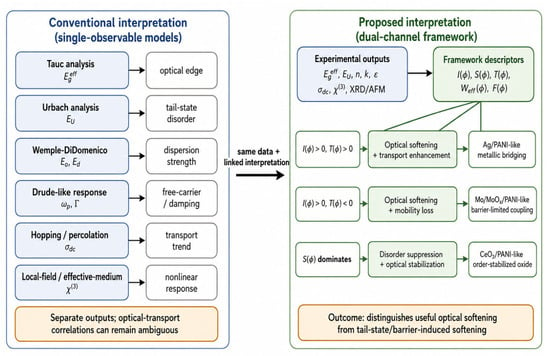
This review analyzes electrochemically deposited polyaniline (PANI) nanocomposite thin films containing metallic, semiconducting, and dielectric fillers, including Ag/PANI, Mo/MoOx/PANI, CeO2/PANI, Fe2O3/PANI, Al2O3/PANI, CuO/PANI, Co3O4/PANI, and CoFe2O4/PANI. The work examines how filler chemistry and loading influence optical-gap evolution, Urbach disorder, dielectric dispersion, nonlinear optical response, structural coherence, and dc conductivity under comparable electrochemical growth conditions. The comparative analysis shows that optical-gap narrowing and conductivity enhancement are not necessarily coupled. Ag/PANI exhibits simultaneous optical softening and improved conductivity, consistent with metallic bridging, dielectric screening, and enhanced charge connectivity. In contrast, Mo/MoOx/PANI shows strong optical-gap reduction but reduced conductivity, indicating that optically active interfacial states may remain localized or mobility-limiting. Oxide fillers produce additional regimes: CeO2/PANI can suppress Urbach disorder and microstrain through order stabilization, whereas Al2O3/PANI may widen higher-energy transitions and reduce transport through wide-gap barrier effects. Based on these contrasts, a unified framework is proposed that separates the interfacial electronic function from the transport-connectivity function. This approach classifies PANI nanocomposites into transport-assisted metallic, mobility-limiting interfacial, order-stabilized oxide, and barrier-dominated dielectric regimes, providing practical criteria for selecting filler type and loading windows in optoelectronic, sensing, and photonic applications.
Full article
(This article belongs to the Section Nanocomposites)
►▼
Show Figures

Figure 1

Open AccessArticle
Shear Strengthening of RC T-Beams Using Externally Bonded UHPC Composite Layers with Steel Plates and Geotextiles
by
Mustafa Shareef Zewair, Ahid Zuhair Hamoodi, Hawraa S. Malik and Kadhim Z. Naser
J. Compos. Sci. 2026, 10(7), 357; https://doi.org/10.3390/jcs10070357 - 3 Jul 2026
Abstract
This study presents an experimental investigation of reinforced concrete T-beams strengthened using ultra-high-performance concrete (UHPC) with steel plates, and in some cases, UHPC with a geotextile layer. Ten reinforced concrete specimens with the same internal reinforcement but different strengthening methods were tested. These
[...] Read more.
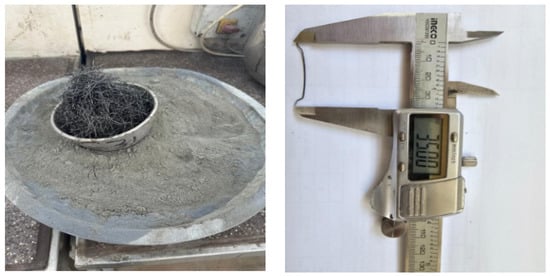
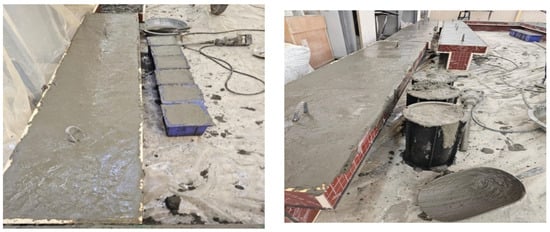
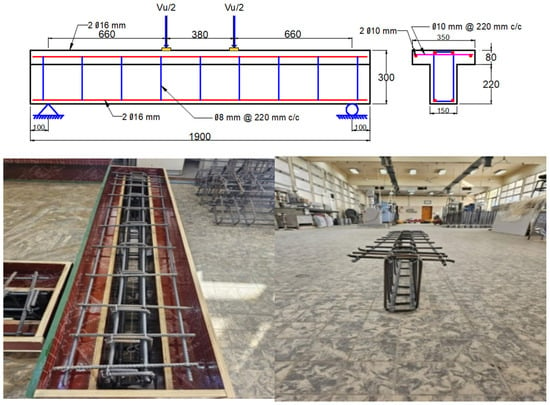
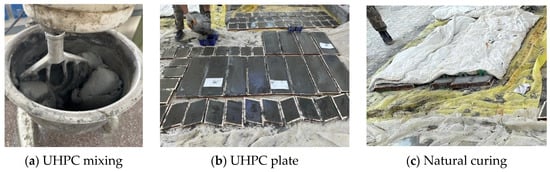
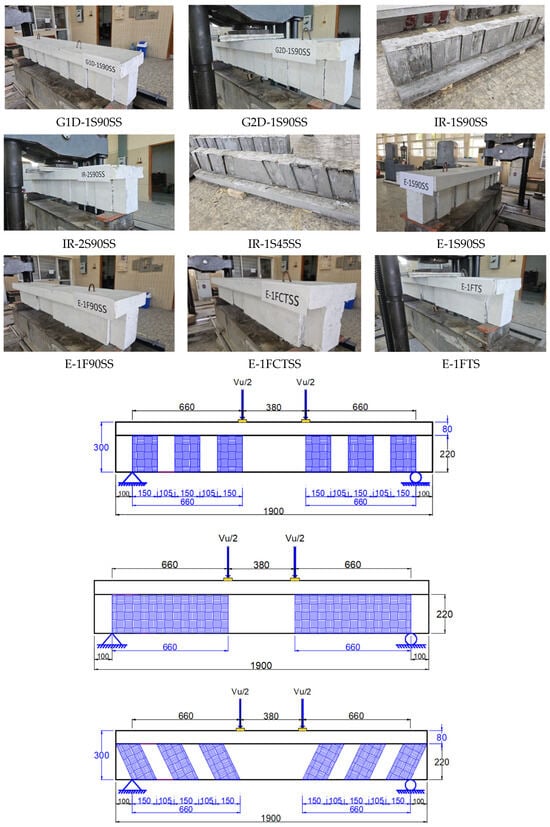
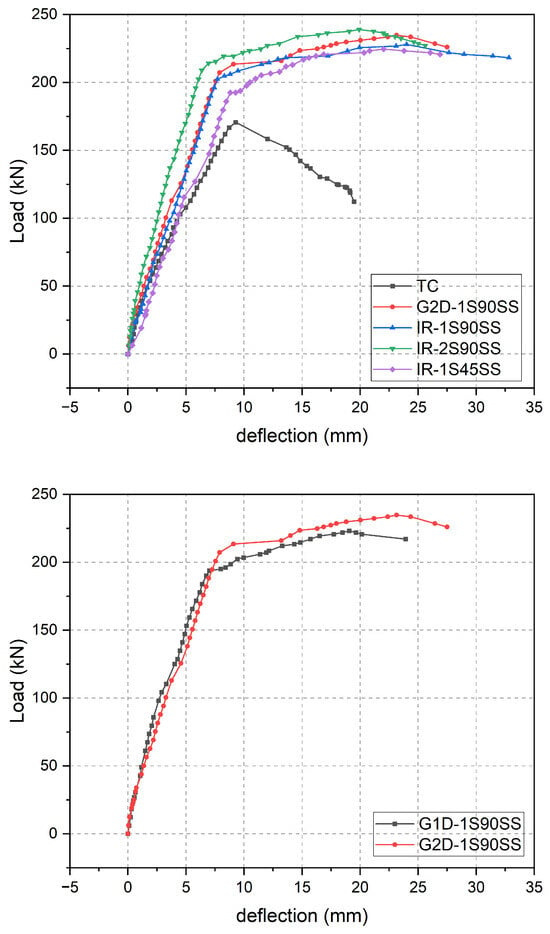
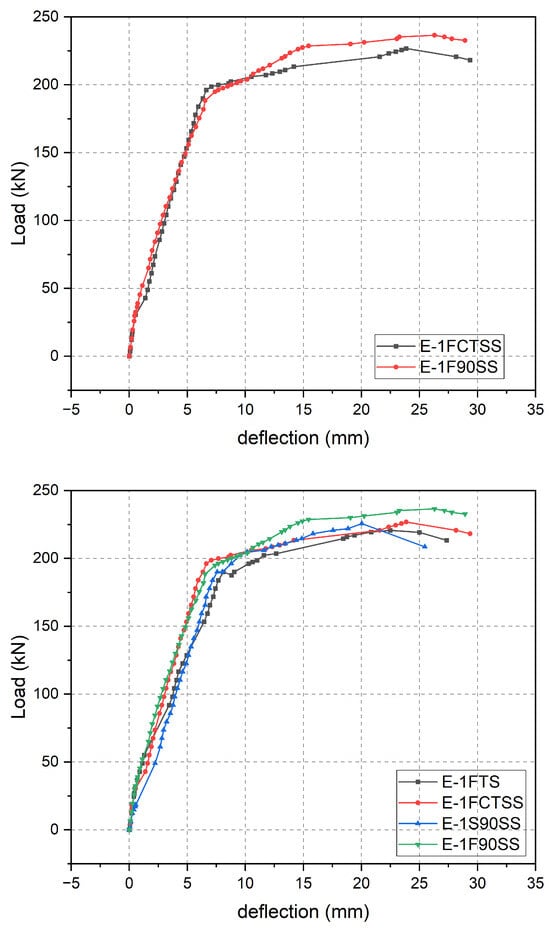
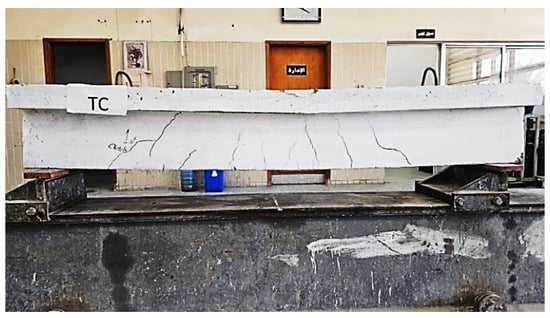
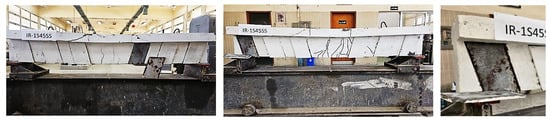
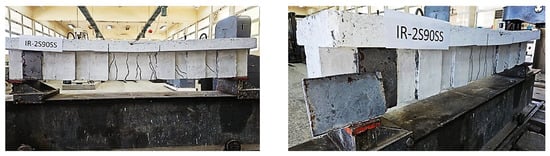
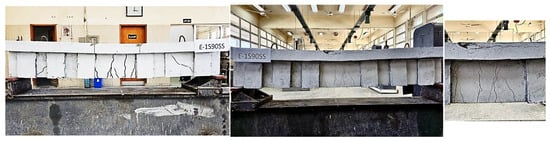
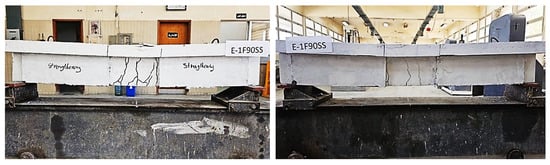
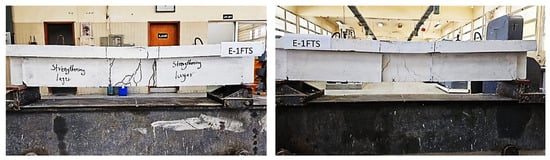
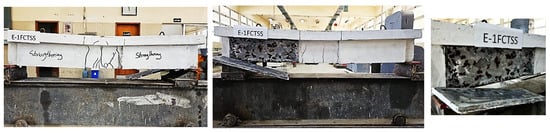
This study presents an experimental investigation of reinforced concrete T-beams strengthened using ultra-high-performance concrete (UHPC) with steel plates, and in some cases, UHPC with a geotextile layer. Ten reinforced concrete specimens with the same internal reinforcement but different strengthening methods were tested. These included a control specimen and nine strengthened specimens. Four of the strengthened specimens had grooves in the wooden formwork before pouring to secure the strengthening composite plates inside it, four had it directly attached to the RC beam surface, and the last had vertical lines 10 mm deep to enhance bonding. The external composite plate consisted of four types: the first type included a composite of UHPC and steel plates as strips with 220 × 150 mm at 105 mm, while the remaining types consisted of a plate along the shear zones made of UHPC with steel, geotextiles, or steel and geotextiles. This study also included increasing the number of steel plate layers and the direction of strengthening placement. The results showed that all the strengthened beams failed in flexure, unlike the control specimen, which failed in shear. The strengthening systems improved the load-bearing capacity and overall structural behavior of the tested beams. Among the investigated specimens, beam IR-2S90SS, strengthened with two layers of steel plates, showed the highest improvement, achieving a 39.2% increase in ultimate load compared to the control beam. Debonding was observed in some specimens and was identified as one of the governing failure mechanisms. Overall, the investigated strengthening techniques demonstrated their effectiveness in improving the structural performance of reinforced T-beams.
Full article
(This article belongs to the Section Composites Manufacturing and Processing)
►▼
Show Figures

Figure 1
Open AccessArticle
Microstructure–Property Relationships in Epoxy Matrices Modified with Portland Cement and Microsilica
by
Sergey A. Stel’makh, Evgenii M. Shcherban’, Alexey N. Beskopylny, Diana M. Shakhalieva, Andrei Chernil’nik, Ivan Vialikov, Natalya Shcherban’, Anastasia Tyutina and Yasin Onuralp Özkılıç
J. Compos. Sci. 2026, 10(7), 356; https://doi.org/10.3390/jcs10070356 - 3 Jul 2026
Abstract
In this study, the effect of the epoxy resin and mineral filler ratio on the density, compressive strength, flexural strength, water absorption, and structure of polymer matrices was investigated. The combined effect of Portland cement and microsilica on the structure–property relationship of epoxy
[...] Read more.
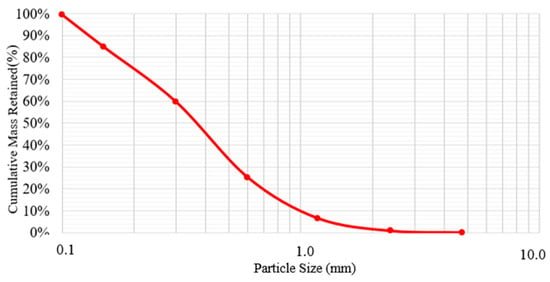
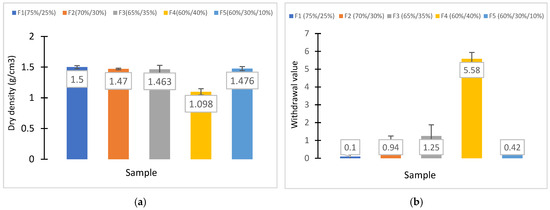
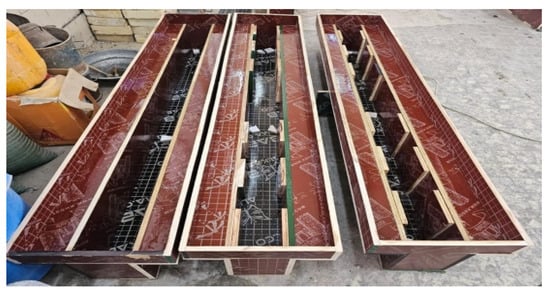
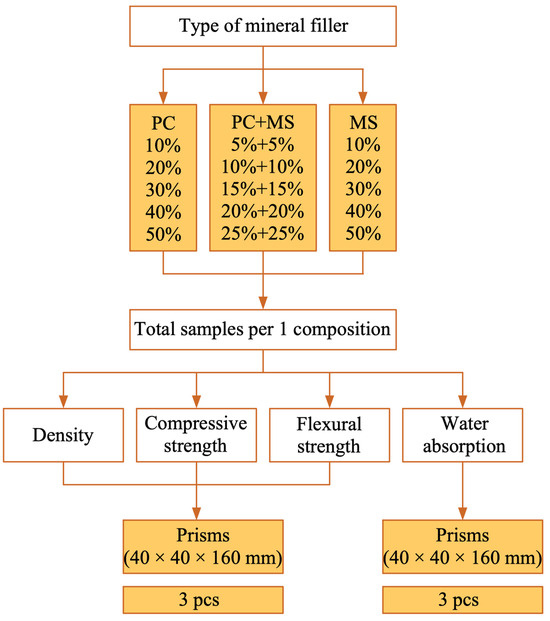
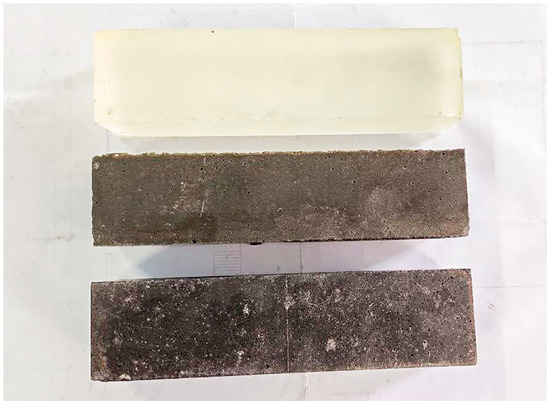
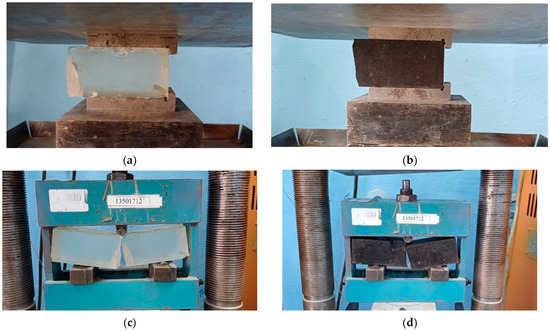
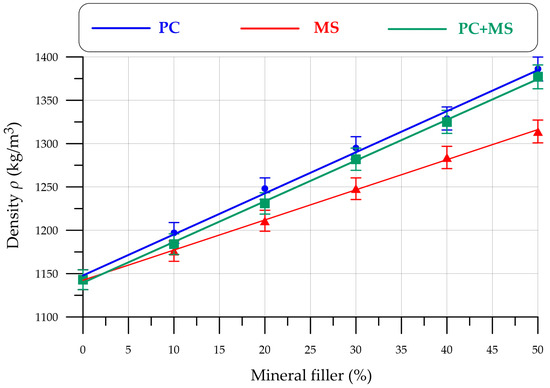
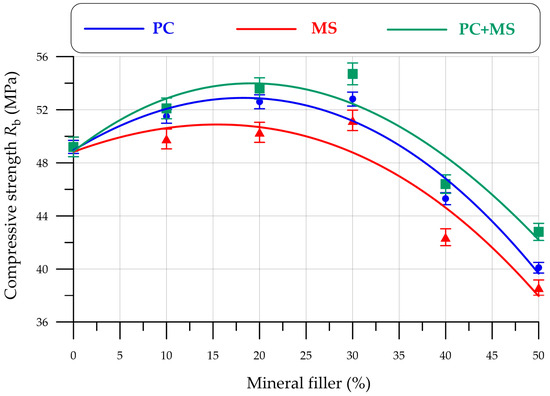
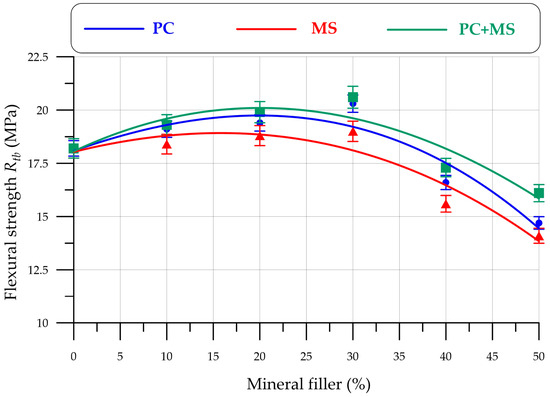
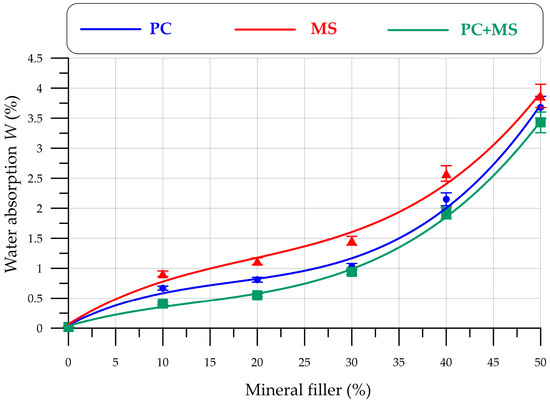
In this study, the effect of the epoxy resin and mineral filler ratio on the density, compressive strength, flexural strength, water absorption, and structure of polymer matrices was investigated. The combined effect of Portland cement and microsilica on the structure–property relationship of epoxy matrices remains insufficiently understood. The control mixture was made from 100% epoxy resin with a hardener. Various types of mineral fillers, Portland cement (PC), microsilica (MS) and their mixtures were introduced by volume from 0 to 50% in increments of 10%. Experimental findings indicate that an optimal resin addition to a polymer matrix enhances strength and, consequently, decreases expenses. Epoxy–polymer matrices with an optimal mineral filler content of up to 30% demonstrate the highest durability. The increases in compressive and flexural strength for the matrix with 30% PC were 7.3% and 11.5%, for the matrix with 30% MS they were 4.1% and 4.4%, and the increases were 11.2% and 13.2% for the matrix with 15%PC+15%MS. Introducing a mineral filler increases the density of epoxy–polymer matrices up to 50%. Water absorption of polymer matrices increases as the amount of mineral filler in the matrix increases. The microstructure of polymer matrices with mineral fillers is dense and homogeneous, with a small number of pores. In optimal quantities, the mineral filler is evenly distributed in the polymer binder, improves the particle packing density, and creates additional stress redistribution centers. The polymer matrix of 70% epoxy resin, 15% PC and 15% MS is the most optimal in terms of the properties obtained: a density of 1282 kg/m3; compressive strength of 54.7 MPa; flexural strength of 20.6 MPa; and water absorption of 0.94%. In the future, it is planned to use this epoxy–polymer matrix composition in the development of high-performance concrete intended for manufacturing machine tool beds.
Full article
(This article belongs to the Special Issue Smart and Low-Carbon Concrete Composites)
►▼
Show Figures

Figure 1

Open AccessArticle
The Interface Stabilization Effects of Silane in SEBS/BaTiO3 Composites—Part I—Thermal Approach
by
Traian Zaharescu, Radu Mirea, Tunde Borbath and Istvan Borbath
J. Compos. Sci. 2026, 10(7), 355; https://doi.org/10.3390/jcs10070355 - 2 Jul 2026
Abstract
The contributions of BaTiO3 as the filler and 3-glycidoxypropyltrimethoxysilane as the binder in the matrices of styrene–ethylene–butylene–styrene are evaluated for extended applications in medicine and dentistry. The determinations of stability are achieved by chemiluminescence (CL) under isothermal and nonisothermal modes, measuring the
[...] Read more.
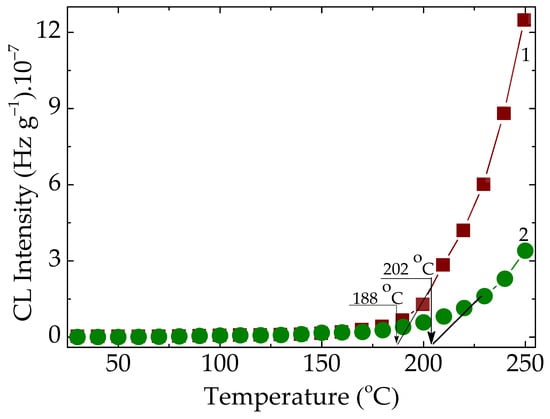
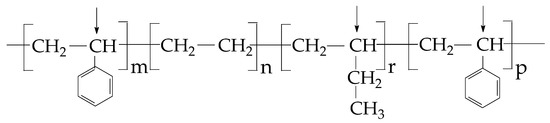
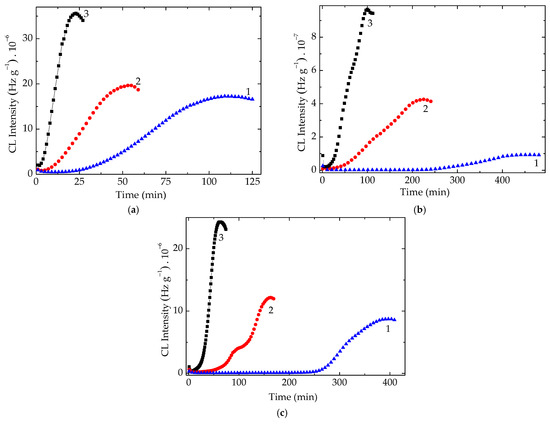
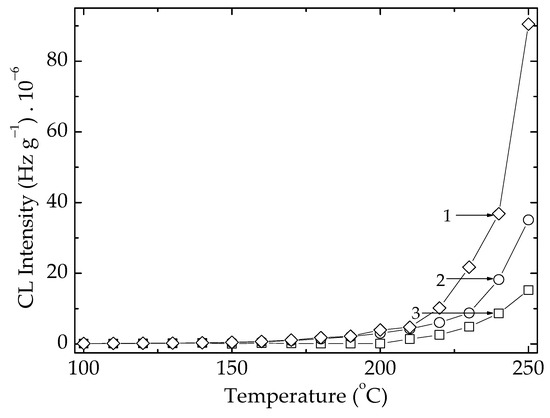
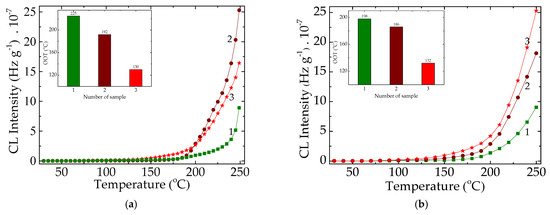
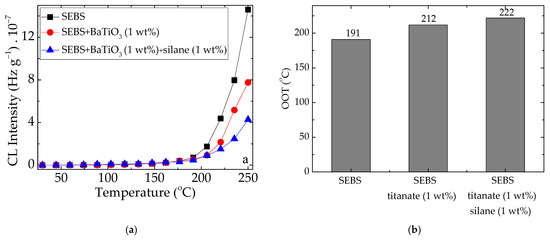
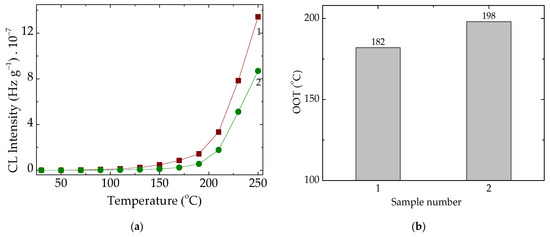
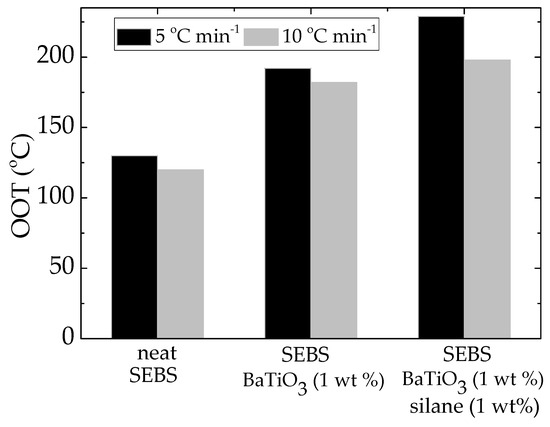
The contributions of BaTiO3 as the filler and 3-glycidoxypropyltrimethoxysilane as the binder in the matrices of styrene–ethylene–butylene–styrene are evaluated for extended applications in medicine and dentistry. The determinations of stability are achieved by chemiluminescence (CL) under isothermal and nonisothermal modes, measuring the values of oxidation induction time (OIT) and onset oxidation temperature (OOT), respectively, which characterize the progress of material oxidation. The calculation of activation energies for the progress of oxidation from isothermal CL measurements based on OIT values provides proof of the modification of interaction activity on the polymer/barium titanate interface. The increases in the activation energy values from 80 kJ mol−1 for neat polymer to 83 kJ mol−1 for SEBS/BaTiO3 1 wt% and 109 kJ mol−1 for SEBS/BaTiO3 1 wt%/GPTMS 1 wt% is evidence of the contribution of silane to the structuration of the polymer surface. The influence of the two compounds, filler and additive, makes possible the extension of oxidation induction temperatures measured at 170 °C from 36 min, displayed by pristine polymer, to 245 min and 278 min for the titanate composites free of silane and in the presence of GPTMS 1 wt%, respectively.
Full article
(This article belongs to the Section Polymer Composites)
►▼
Show Figures

Figure 1
Open AccessArticle
The Seismic Reduction Effect of Integrated Composite Isolation Bearings with Semi-Metallic Friction Tile Dampers
by
Xiangyu Gao, Jingyu Su, Qingsong Guan, Jiuwei Wang, Chengwei Wang, Jinlai Zhou, Wenli Han and Fan Wu
J. Compos. Sci. 2026, 10(7), 354; https://doi.org/10.3390/jcs10070354 - 30 Jun 2026
Abstract
A novel two-stage friction damper (semi-metal composite material) proposed and tested in the paper, some of which can be connected in parallel with regular isolation bearing to form a new composite type combined isolation bearing. It can significantly improve the matching of isolation
[...] Read more.
A novel two-stage friction damper (semi-metal composite material) proposed and tested in the paper, some of which can be connected in parallel with regular isolation bearing to form a new composite type combined isolation bearing. It can significantly improve the matching of isolation parameters under multi-level earthquakes (helping to improve the applicability and sustainability of the structure) and enhance the isolation effect. Traditional methods, such as adding lead cores to laminated rubber bearings (LNR) to obtain LRB, or adding metal dampers, viscous dampers, etc., often encounter problems such as insufficient matching of isolation parameters (such as excessive slice force under frequent earthquakes and insufficient damping ratio under rare earthquakes), or space limitations due to the addition of dampers. To address these limitations, this paper proposes this new structure and uses the theory of elasticity mechanics to establish a set of methods for calculating the internal force and deformation of the damper, which can be used for the compact design of the internal structure and connecting components of the damper. After assembly and testing, it shows the damper can ensure reliable operation with a compact size and providing satisfactory damping performance. Independent mechanical performance tests confirm the shape characteristics of the force–displacement hysteresis curve, the appropriate preload torque value, and the technical parameters under variable displacement and variable speed loading conditions. The full-scale combined isolation bearing (LNRF) test verifies the working principle of the damper and the stable bone-shaped force–displacement hysteresis curve output, and compared with LNR, the equivalent viscous damping ratio increases by -14.8% (due to the increase in stiffness), 7.1%, 20.2%, and 24.0% at shear angles of 100%, 200%, 250%, and 300%, respectively. This indicates that the new combined isolation bearing structure and damper design method proposed in this paper can assist in the design of combined bearing structures and the development of products of various specifications, and suits for application in isolation buildings, bridges, and other engineering projects.
Full article
(This article belongs to the Special Issue Advanced Composite Materials and Design for Structural Safety and Sustainability)
Open AccessArticle
Bio-Inspired Functional Freedom: Additive Manufacturing Enables Roof Handle Design
by
Xueping Guo
J. Compos. Sci. 2026, 10(7), 353; https://doi.org/10.3390/jcs10070353 - 30 Jun 2026
Abstract
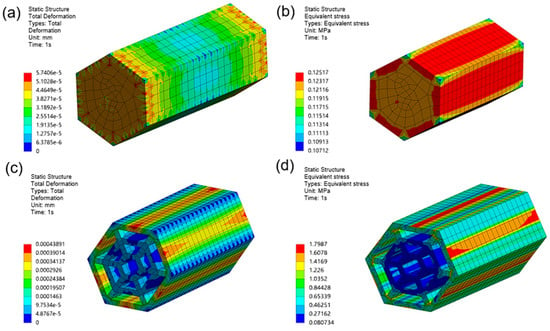
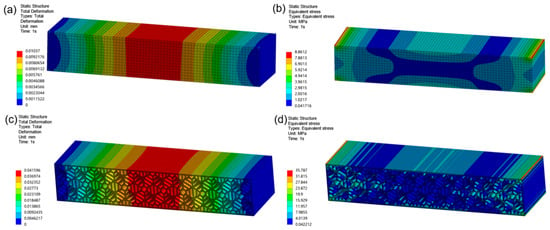
The integration of additive manufacturing technology and biomimetic design provides new possibilities for functional and aesthetic innovation in automotive interiors. This study explores a roof handrail design method based on a spider web biomimetic structure from the perspectives of object character and design
[...] Read more.
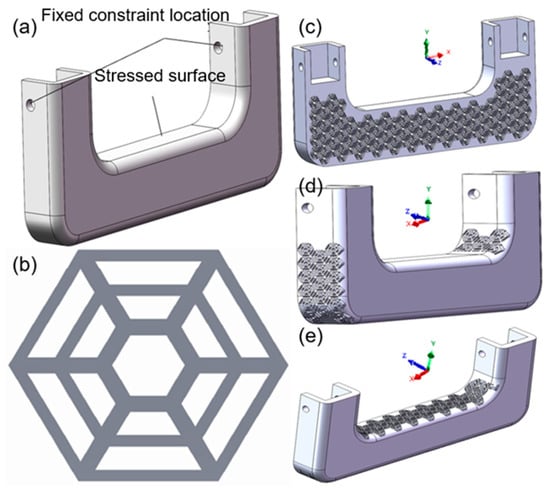
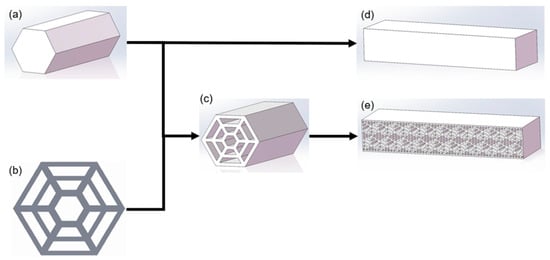
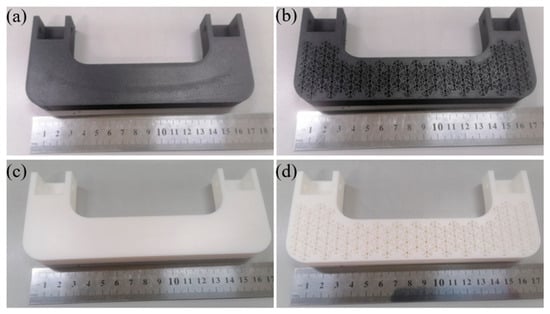
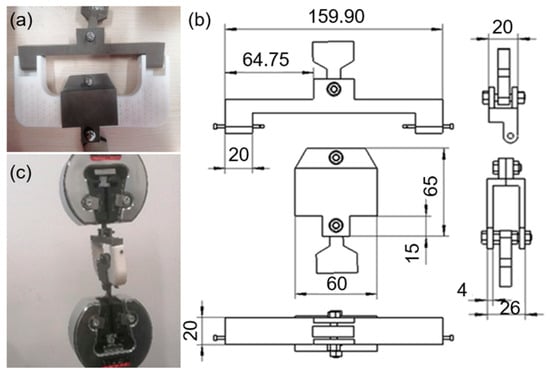
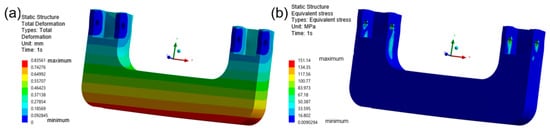
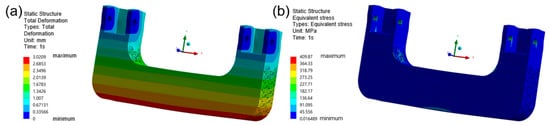
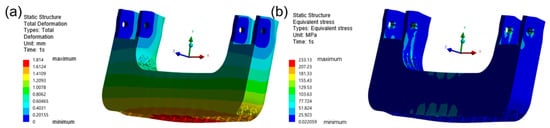
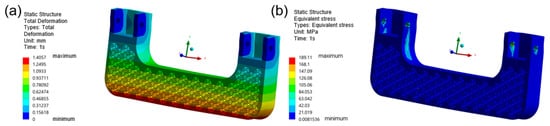
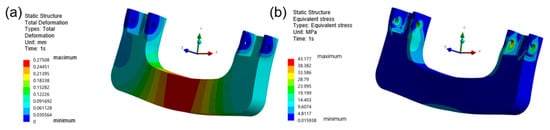
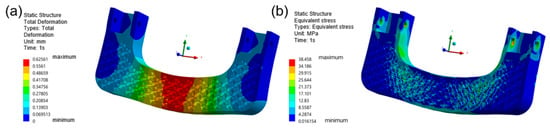
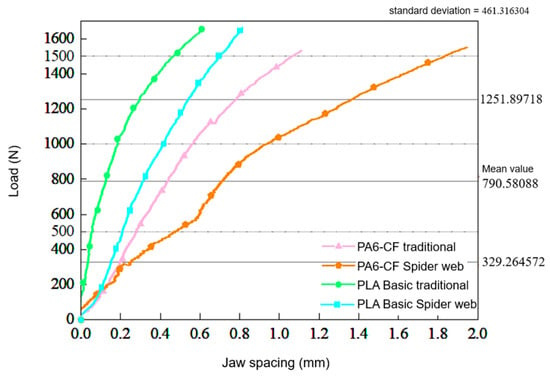
The integration of additive manufacturing technology and biomimetic design provides new possibilities for functional and aesthetic innovation in automotive interiors. This study explores a roof handrail design method based on a spider web biomimetic structure from the perspectives of object character and design freedom. By transforming the spider web morphology of nature into a manufacturable parametric model, the organic unity of structural performance and visual aesthetics has been achieved. The simulation results show that the spider web biomimetic structure handrail distributed along the z-axis not only meets the mechanical performance (maximum stress of 189.11 MPa under 1500 N load) but also theoretically reduces weight by 32.03% compared to traditional designs. Material testing shows that the spider web biomimetic structure handrail made of PA6-CF material through fused deposition molding not only meets safety requirements but also has a better user experience. This study achieved organic forms that are difficult to process with traditional techniques through 3D printing technology, providing a new paradigm of “form following ecology” for automotive interior design and expanding the possibilities of functional components in user experience and spatial narrative.
Full article
(This article belongs to the Section Composites Manufacturing and Processing)
►▼
Show Figures

Figure 1
Open AccessArticle
Application of the Transfer Function Method to Vibration Analysis of Functionally Graded Beams in Thermal Environments
by
Chen Chen, Xiuxin Yang and Chuan Zeng
J. Compos. Sci. 2026, 10(7), 352; https://doi.org/10.3390/jcs10070352 - 30 Jun 2026
Abstract
Characterized by a continuous gradient in both microstructure and material properties, functionally graded materials (FGMs) are well-suited for integrated heat protection and load-bearing structures. Thermal vibration of FGMs is the basis to ensure service safety under a thermo-dynamic load environment. Current research predominantly
[...] Read more.
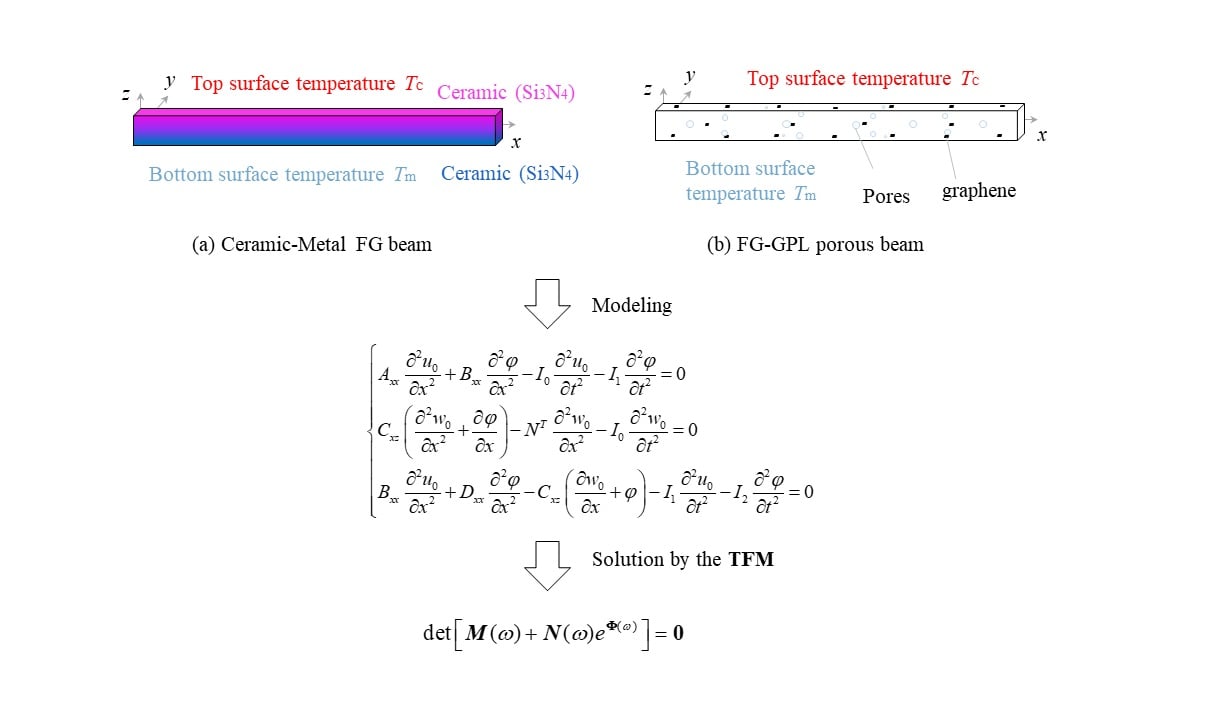
Characterized by a continuous gradient in both microstructure and material properties, functionally graded materials (FGMs) are well-suited for integrated heat protection and load-bearing structures. Thermal vibration of FGMs is the basis to ensure service safety under a thermo-dynamic load environment. Current research predominantly relies on numerical algorithms, with a notable absence of analytical expressions for frequency characteristics. This study extends the application of the transfer function method (TFM) to the vibration of FGM beams. Firstly, the thermal vibration governing equations were derived based on Timoshenko beam theory and Hamilton’s principle. Then, the frequencies of the two types of FGM beams were calculated using the TFM. Finally, the adaptability of the TFM was validated, and the time cost was analyzed. The results indicated that the analytical transfer-function formulation and solution obtained by the TFM agree well with the Navier method and the generalized differential quadrature method, demonstrating the high applicability of the present approach.
Full article
(This article belongs to the Special Issue Editorial Board Members' Collection Series: Mechanical Analysis of Composite Materials)
►▼
Show Figures

Graphical abstract
Open AccessArticle
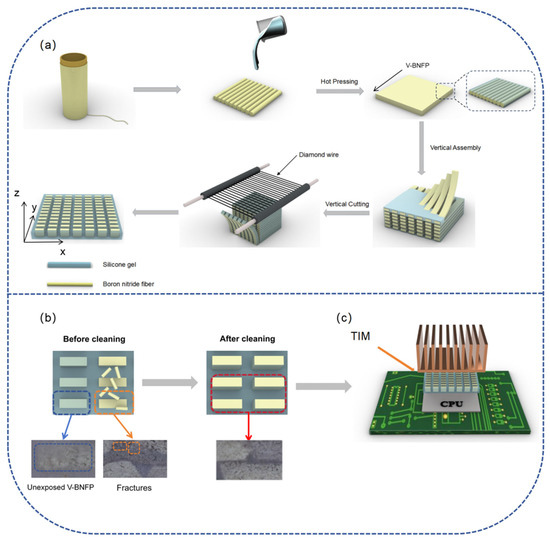
Vertically Aligned Boron Nitride Fiber Paper Thermal Interface Materials with High Electrical Insulation for Electronics Heat Dissipation
by
Zexi Chen, Yixin Chen, Xu Huang and Sheng Chu
J. Compos. Sci. 2026, 10(7), 351; https://doi.org/10.3390/jcs10070351 - 30 Jun 2026
Abstract
Effective thermal management is critical for ensuring the reliability of modern high-power electronic devices, where thermal interface materials (TIMs) play key roles in minimizing contact resistance and improving heat dissipation. Boron nitride (BN) is widely used as a thermally conductive filler due to
[...] Read more.
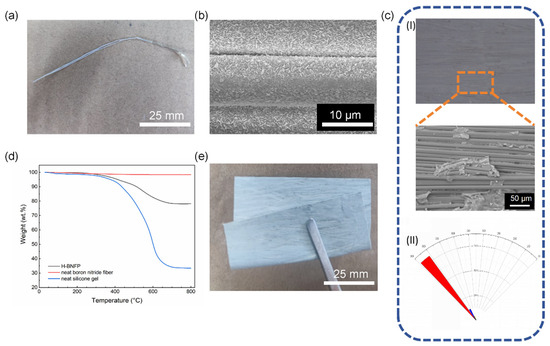
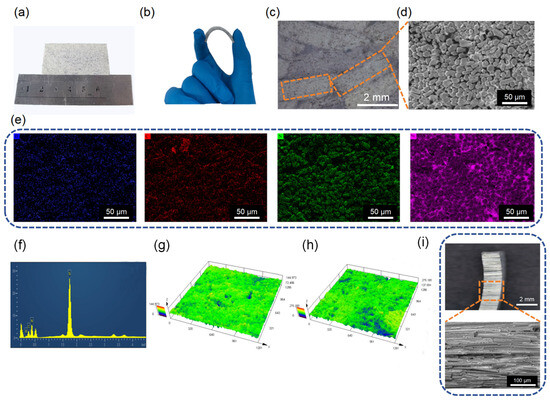
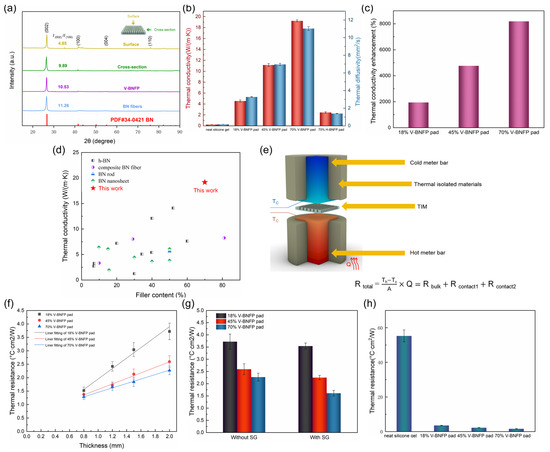
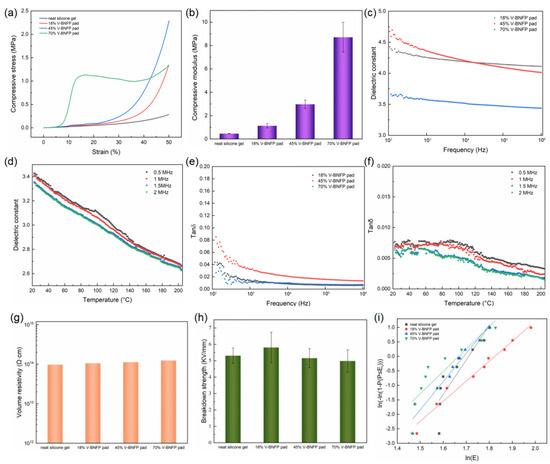
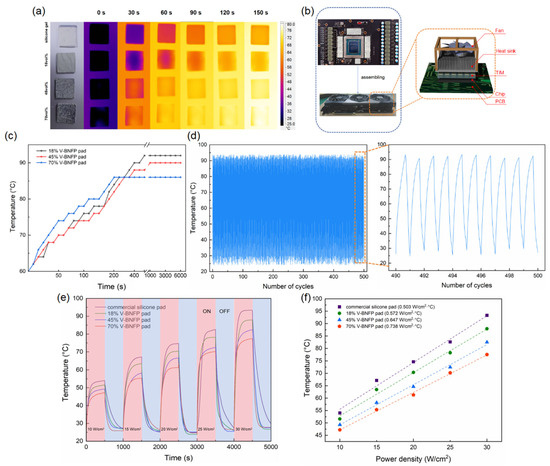
Effective thermal management is critical for ensuring the reliability of modern high-power electronic devices, where thermal interface materials (TIMs) play key roles in minimizing contact resistance and improving heat dissipation. Boron nitride (BN) is widely used as a thermally conductive filler due to its high in-plane thermal conductivity and electrical insulation. However, achieving BN-based polymer composites that simultaneously offer high filler loading, flexibility, and high thermal conductivity (κ) remains a significant challenge. In this work, we introduce a novel two-step fabrication strategy to overcome this limitation. First, continuous BN fibers with high aspect ratios are assembled into BN fiber papers with enhanced fiber alignment. These papers are then cut and integrated into a silicone matrix to form well-oriented thermal conductive channels. This approach enables a significantly higher filler mass fraction of 70%, resulting in a thermal pad with a high κ of 19.23 W/(m·K), low thermal resistance of 1.61 cm2·K/W, and excellent electrical insulation and flexibility. Application tests further demonstrate superior heat dissipation performance and operational stability compared to commercial silicone pads. This work not only highlights the potential of BN fiber-based TIMs but also offers a feasible process for their large-scale manufacturing.
Full article
(This article belongs to the Section Composites Applications)
►▼
Show Figures

Figure 1
Open AccessArticle
Topological Optimization of Steel and Concrete Tubular-Floor Trusses Based on CO2 Emission
by
Chayana M. G. Silva, Beatriz V. Afonso, Adenílicia F. G. Calenzani, Moacir Kripka and Élcio C. Alves
J. Compos. Sci. 2026, 10(7), 350; https://doi.org/10.3390/jcs10070350 - 30 Jun 2026
Abstract
This paper addresses the topological optimization of composite floor systems, specifically focusing on tubular composite trusses with and without concrete filling in the upper chord. The optimization problem is formulated and solved using particle swarm optimization (PSO) and the Bonobo Algorithm (BO), both
[...] Read more.
This paper addresses the topological optimization of composite floor systems, specifically focusing on tubular composite trusses with and without concrete filling in the upper chord. The optimization problem is formulated and solved using particle swarm optimization (PSO) and the Bonobo Algorithm (BO), both with CO2 emissions reduction as the objective. A comparative analysis is conducted against literature models using full-web beams, revealing a notable 20%+ reduction in total CO2 emissions for the proposed composite truss configuration. Additionally, a parametric analysis examines how various design parameters affect the optimization solution. Results indicate that the use of concrete in the upper chord has a substantial effect on reducing overall CO2 emissions, especially with concrete strengths exceeding 25 MPa. Notably, the Bonobo Algorithm outperforms PSO in finding optimal solutions for the composite floor system. The study contributes to the underexplored field of topological optimization for composite truss beams, providing valuable insights into sustainable design practices for structural engineering applications.
Full article
(This article belongs to the Section Composites Applications)
Open AccessArticle
Comparative Performance of Reinforced Concrete Beams Strengthened with Shape Memory Alloys and CFRP Using an Equivalent Stiffness Approach
by
Jameel Taher, Mohammad Amin Molod and Ako Daraei
J. Compos. Sci. 2026, 10(7), 349; https://doi.org/10.3390/jcs10070349 - 30 Jun 2026
Abstract
The enhancement of reinforced concrete (RC) beams using externally bonded carbon fiber-reinforced polymer (CFRP) systems and shape memory alloy (SMA) systems has been growing in recent years, but its comparison is not generalizable unless it is based on an equal basis of stiffness.
[...] Read more.
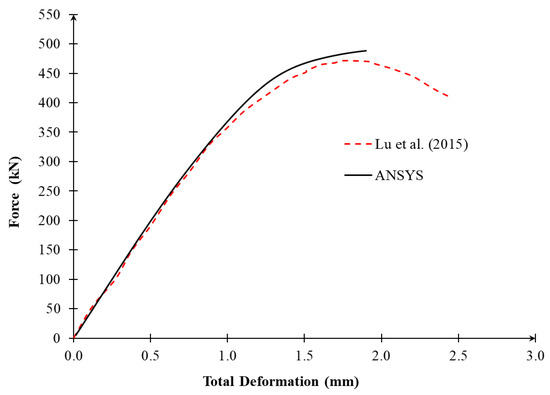
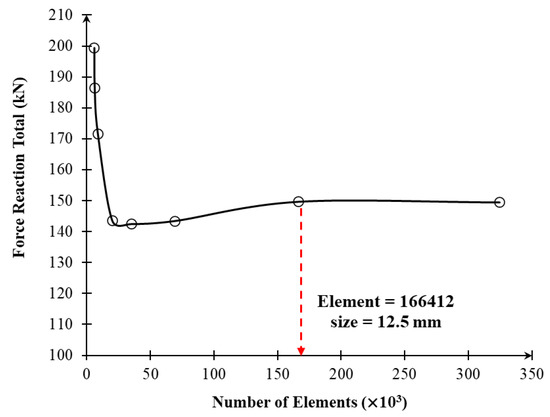
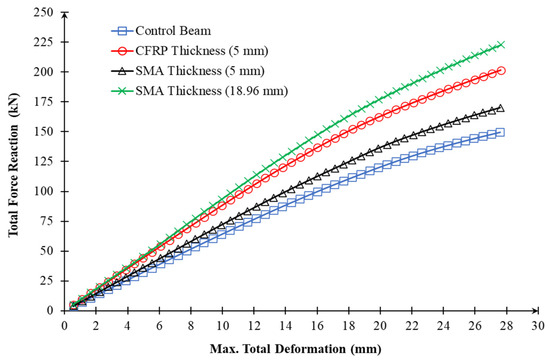
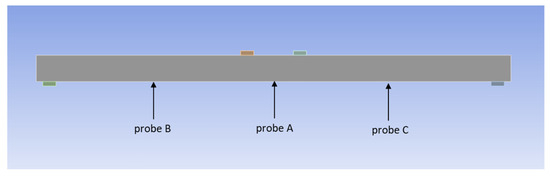
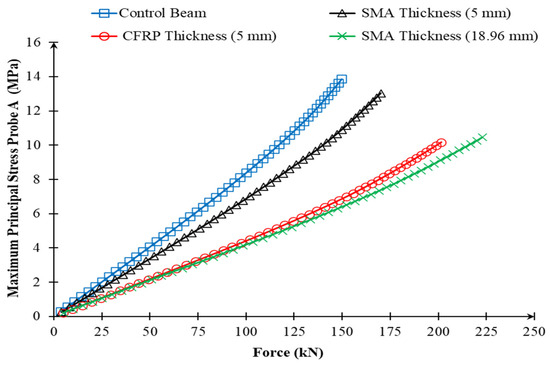
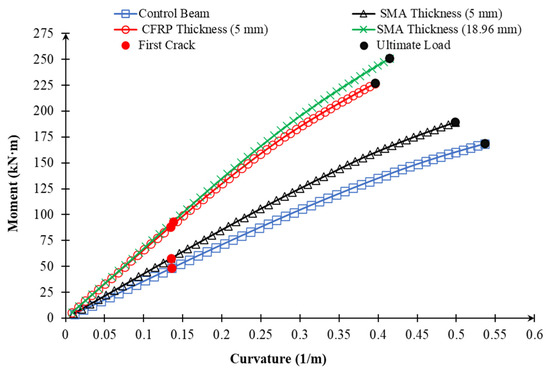
The enhancement of reinforced concrete (RC) beams using externally bonded carbon fiber-reinforced polymer (CFRP) systems and shape memory alloy (SMA) systems has been growing in recent years, but its comparison is not generalizable unless it is based on an equal basis of stiffness. In this paper, an equivalent axial stiffness approach is applied to study the effect of CFRP and SMA plates on RC beams. The following four beam configurations were considered: Unstrengthened control beam, beam strengthened with a 5 mm SMA plate, beam strengthened with a 5 mm CFRP plate, and beam strengthened with an 18.96 mm SMA plate, which was chosen to provide similar axial stiffness as the 5 mm CFRP plate. The finite element model was created using ANSYS and compared with experimental results from the literature, and was further validated with a mesh sensitivity study. The test results indicated that all strengthening systems had a better flexural response than the control beam, but with varying degrees of improvement depending heavily on the amount of stiffness provided by the strengthening material. The control beam showed the first signs of cracking and had the lowest resistance. The moderate improvement was seen in the 5 mm SMA plate, which increased the load corresponding to the first crack to 50.2 kN from 41.7 kN. The 5 mm CFRP beam and the stiffness-equivalent SMA 18.96 mm beam, on the other hand, were able to significantly improve the first-crack load to 77.6 kN and 82.97 kN, respectively. In terms of flexural strengthening performance, stiffness equivalence takes into account the first-crack load of the performance of the SMA beam, which shows that SMA can provide flexural strengthening performance comparable to, and even higher than, that of the CFRP system in terms of crack-initiation resistance. The overall performance of the strengthened beams was also found to be better than the control beam in terms of the post-cracking stiffness and moment—curvature relationships. These results indicate that a stiffness-equivalent framework is more rational than comparing the two strengthening systems directly in terms of thickness, and in this way, the ability to compare the advantages and disadvantages of the two systems. The conclusions, however, should be understood based on the assumptions of the numerical model, such as the perfect bond assumption at the interface and the use of a simplified monotonic material model used for SMA. Additional studies should be conducted that incorporate debonding, cyclic loading, temperature, and field size verification.
Full article
(This article belongs to the Section Composites Modelling and Characterization)
►▼
Show Figures

Figure 1
Open AccessArticle
Microstructural Evolution and Hardness Behavior of Hot-Consolidated Al95(AlSi)5 Matrix Composite Reinforced with Mechanically Alloyed Al–Cu–Nb and Al–Co–Nb Phases
by
Hanen Rekik, Mutaz Salih, Sana Gharsallah, Mohamed Khitouni, Abdulrahman Mallah, Mohamed Abdel-Megid, Yehya M. Megmmi and Mahmoud Chemingui
J. Compos. Sci. 2026, 10(7), 348; https://doi.org/10.3390/jcs10070348 - 30 Jun 2026
Abstract
Hot Consolidation (HC) was employed to prepare high-performance aluminum matrix composites reinforced with mechanically alloyed powders. Two different reinforcements, Al65Cu20Nb15 and Al65Co20Nb15, synthesized by high-energy ball milling, were incorporated into an Al
[...] Read more.
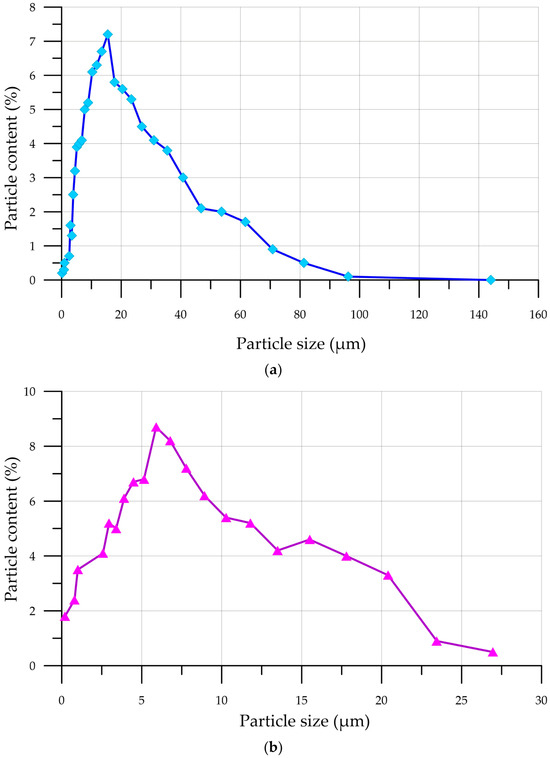
Hot Consolidation (HC) was employed to prepare high-performance aluminum matrix composites reinforced with mechanically alloyed powders. Two different reinforcements, Al65Cu20Nb15 and Al65Co20Nb15, synthesized by high-energy ball milling, were incorporated into an Al95(AlSi)5 matrix at 20 wt% after homogenization in a Turbula WAB mixer for 2 h. Microstructural characterization using laser granulometry, scanning electron microscopy, and X-ray diffraction confirmed significant particle refinement and the formation of stable intermetallic phases during milling. The Al65Cu20Nb15 system showed the formation of Al2Cu and Nb-containing intermetallic compounds, while the Al65Co20Nb15 reinforcement phases such as Al3Nb, AlNb2, and Al13Co4 were identified. The consolidated composite exhibited high densification levels, reaching relative densities of 99.6% and 96.77% for composite 1 and composite 2, respectively. In addition, the Vickers hardness increased significantly compared with the unreinforced aluminum matrix, attaining values of 96.34 HV and 68.28 HV for composite 1 and composite 2, corresponding to hardness improvement of approximately 182% and 100%, respectively. The superior densification and hardness of composite 1 were attributed to enhanced interfacial bonding, refined microstructure, and the effective strengthening effect of reinforcement phases. These results demonstrate that the combined use of high-energy mechanical alloying and Hot Consolidation proved to be an efficient approach for producing lightweight aluminum matrix composites with improved microstructural and mechanical properties suitable for advanced structural applications.
Full article
(This article belongs to the Section Metal Composites)
Open AccessArticle
Evaluation of the Biomechanical Effects and Mechanical Distribution of Stress and Strain in SiC-Reinforced PEEK Implants Compared to Titanium Under Oblique Loading: A Three-Dimensional Finite Element Analysis Study
by
Basem Ammar, Thaer Osman, Samer S. Suleiman, Ali M. Ammar and Ammar Shararh
J. Compos. Sci. 2026, 10(7), 347; https://doi.org/10.3390/jcs10070347 - 30 Jun 2026
Abstract
This study compares the biomechanical impact and mechanical distribution of SiC-reinforced PEEK implants to titanium implants using three-dimensional finite element analysis (FEA). Five different implant materials were investigated: titanium, pure PEEK, and PEEK reinforced with silicon carbide (SiC) particles at 2%, 4%, and
[...] Read more.
This study compares the biomechanical impact and mechanical distribution of SiC-reinforced PEEK implants to titanium implants using three-dimensional finite element analysis (FEA). Five different implant materials were investigated: titanium, pure PEEK, and PEEK reinforced with silicon carbide (SiC) particles at 2%, 4%, and 6% ratios. A wide range of oblique forces (45°) from 100 N to 900 N was applied to simulate physiological to extreme masticatory loads. The distribution of maximum von Mises stress and total deformation within the implant was examined. Structural integrity metrics linked to yield strength, including factor of safety (FOS), were also investigated. The biological evaluation included an analysis of the behavior of the bone tissue surrounding the implant by assessing maximum principal strain and maximum principal stress in cortical bone. The results show that titanium exhibited the highest stiffness and FOS (>1 up to 500 N) but induced the lowest bone strains (755–2275 µε at 100–300 N), indicating potential stress shielding. Pure PEEK resulted in excessive bone strains exceeding 4000 µε at moderate loads, suggesting bone overload risk. Among reinforced groups, PEEK + 4%SiC demonstrated the most balanced performance, reducing maximum principal bone stress by 28% compared to pure PEEK at 200 N, while maintaining bone strains within the physiological adaptive range (1000–3000 µε) under moderate loads. PEEK + 6%SiC showed increased stiffness but reduced ductility and safety factor. Within the limitations of this computational study, PEEK reinforced with 4% SiC appears to offer an optimal trade-off between mechanical stability and biomechanical compatibility. Further in vitro and clinical studies are warranted to validate these findings.
Full article
(This article belongs to the Section Composites Modelling and Characterization)
Open AccessArticle
Experimental Investigation of the Structural Behavior of Steel–Concrete Composite Beams with Circular Web Openings
by
Malik Dakhil Shnain and Salah R. Al Zaidee
J. Compos. Sci. 2026, 10(7), 346; https://doi.org/10.3390/jcs10070346 - 30 Jun 2026
Abstract
This study experimentally investigates the structural behavior of steel–concrete composite beams with circular web openings under monotonic loading to evaluate the effects of opening location and number on structural performance while maintaining feasibility for integrating mechanical, electrical, and plumbing (M.E.P.) systems. Six simply
[...] Read more.
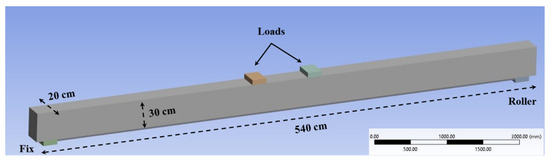
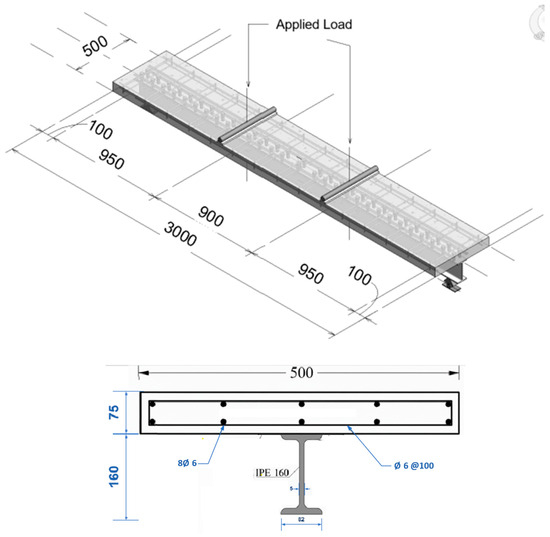
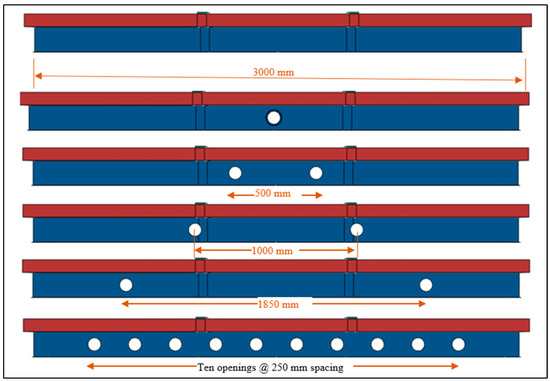
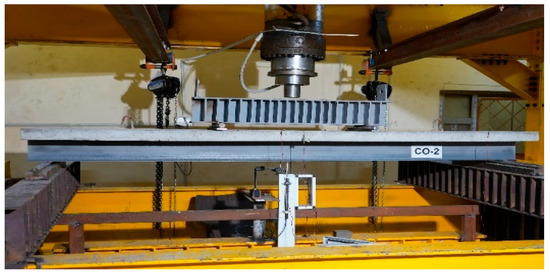
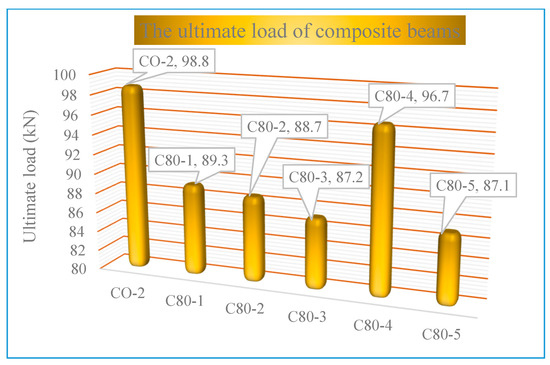
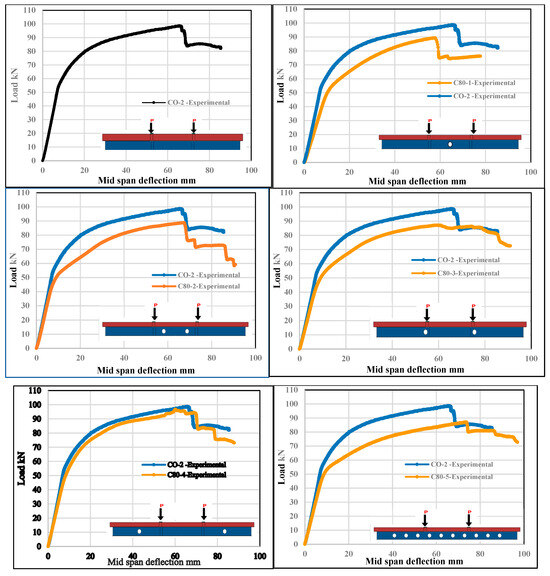
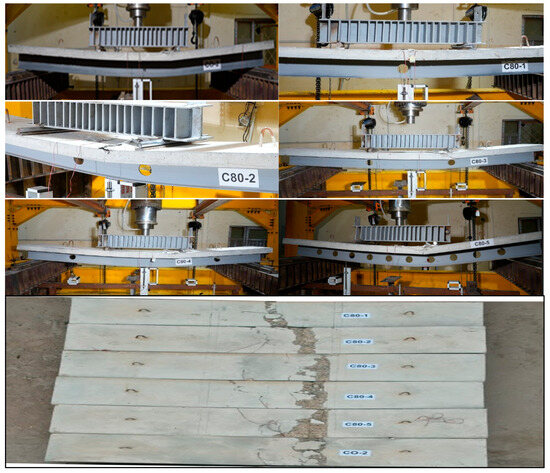
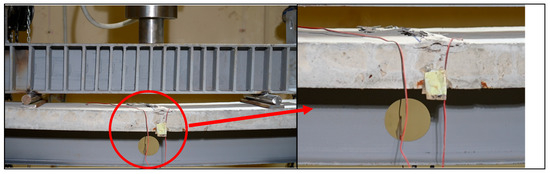
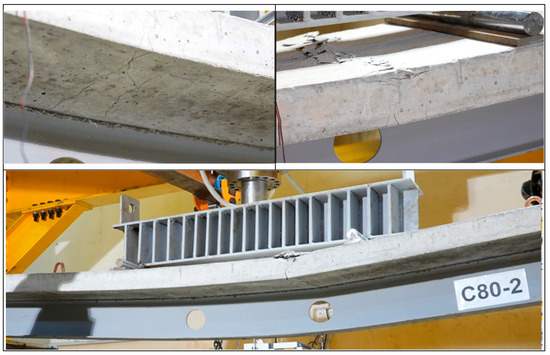
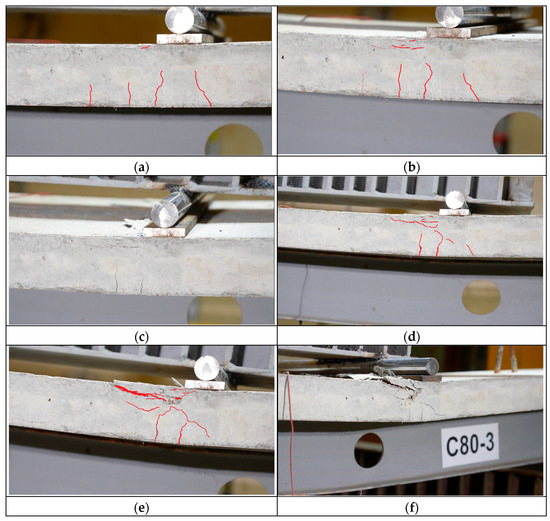
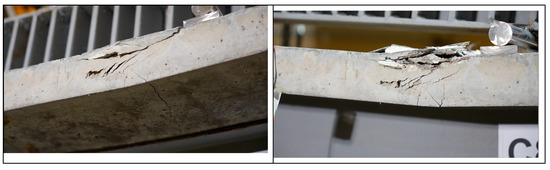
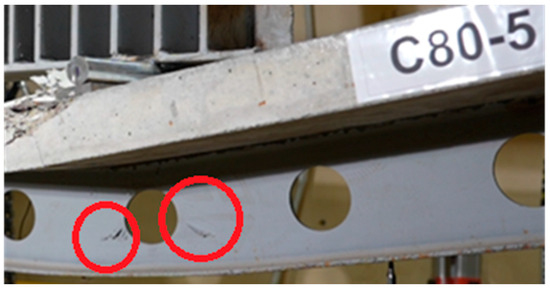
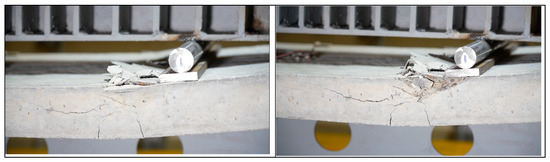
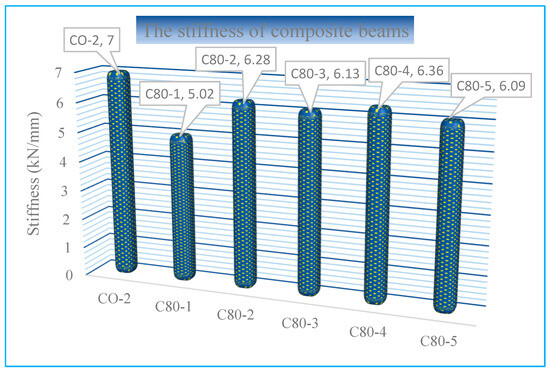
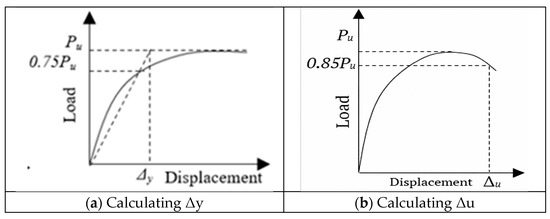
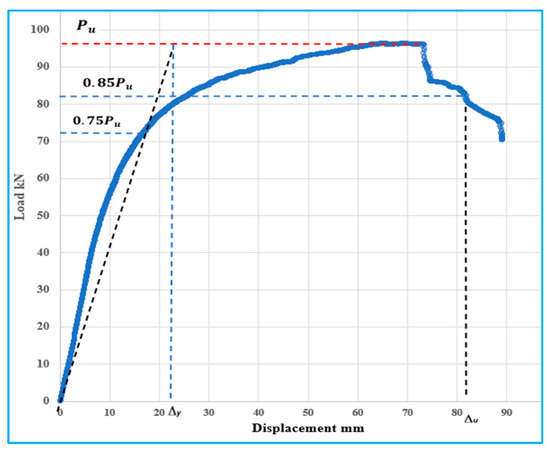
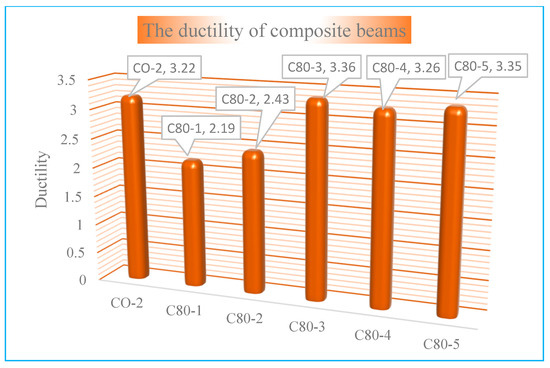
This study experimentally investigates the structural behavior of steel–concrete composite beams with circular web openings under monotonic loading to evaluate the effects of opening location and number on structural performance while maintaining feasibility for integrating mechanical, electrical, and plumbing (M.E.P.) systems. Six simply supported composite beam specimens were tested, including one reference beam without openings and five beams with 80 mm diameter circular web openings. The investigated variables were limited to the presence, number, and longitudinal location of the openings, while the beam dimensions (IPE160 section, 2.8 m clear span), material properties, reinforcement details, shear connector arrangement, and loading conditions were kept constant. The study addresses a specific research gap: Previous studies have primarily focused on the effects of opening number and size on ultimate load capacity, with limited systematic investigation of how opening location influences not only ultimate load but also stiffness and ductility. Openings were strategically placed in three critical zones: the shear zone (low stress region), the bending zone (high moment region at mid-span), and the region under load points. The experimental results demonstrated that opening location is more critical than opening number. Openings in the shear zone achieved the best performance with only 2.13% reduction in ultimate load capacity, making it the preferred location for service openings. Openings in the bending zone (mid-span) or under load points caused reductions ranging from 9.62% to 11.70%, attributed to interference with high bending stresses. Notably, the configuration with ten openings achieved a load reduction similar to the two-opening configurations when located in the shear zone, confirming the dominant role of location over opening number within the experimental program. These results support a location-driven design philosophy for composite beams with web openings. However, these findings are restricted to the present experimental configuration—specifically 80 mm circular openings, IPE160 steel section, 2.8 m clear span, and the tested loading condition—and should not be generalized to composite beams with different geometric parameters, material properties, or loading conditions without additional research.
Full article
(This article belongs to the Section Composites Applications)
►▼
Show Figures

Figure 1
Open AccessArticle
Electrochemical Performance of a MoSe2/V2O5 Nanocomposite: A Promising Electrode Material for Supercapacitor Applications
by
Rosaline Besantia Arul Joseph, Parasuraman Kandhasamy, Sasikumar Jayabal, Uthrakumar Ramamurthy, Shaik Ashmath, Bhim Sen Thapa and Shaik Gouse Peera
J. Compos. Sci. 2026, 10(7), 345; https://doi.org/10.3390/jcs10070345 - 30 Jun 2026
Abstract
Energy storage systems in the next generation face the challenge of developing efficient and durable electrodes for supercapacitors. In this study, a MoSe2/V2O5 nanocomposite was synthesized and systematically evaluated through a hydrothermal process. In a structural and spectroscopic
[...] Read more.
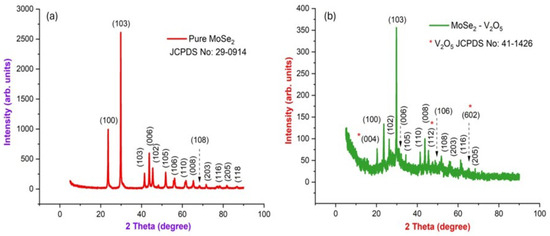
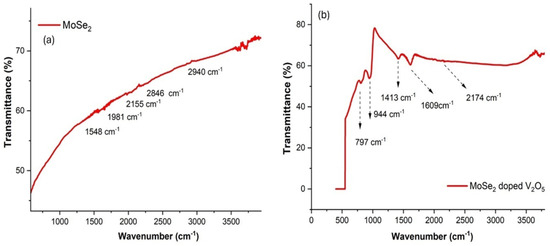
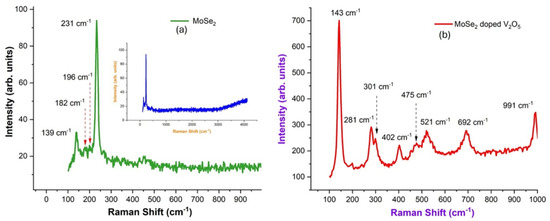
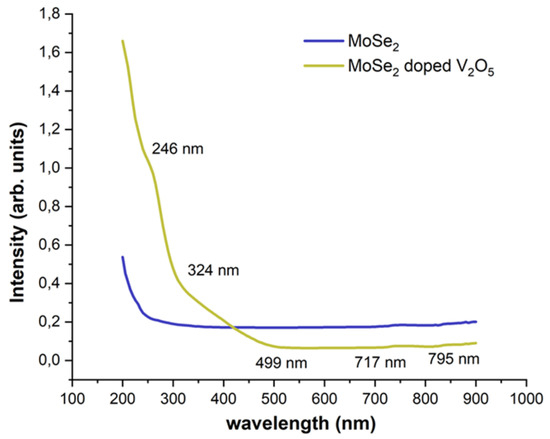
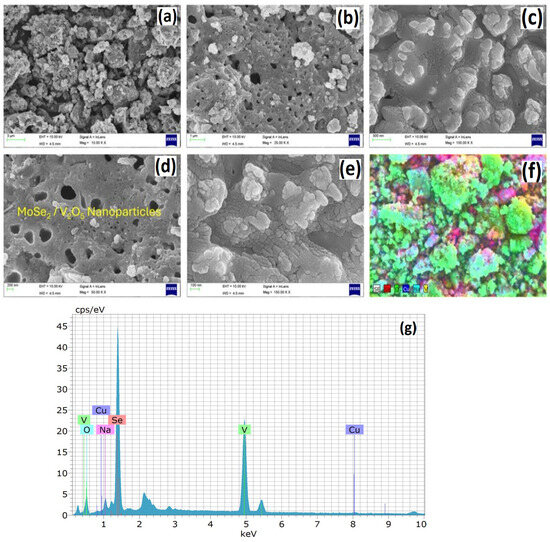
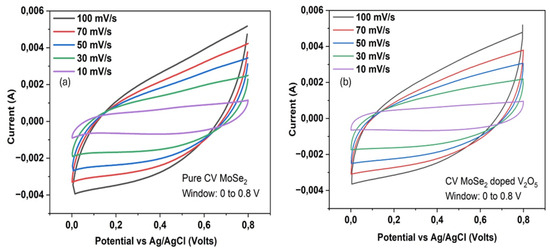
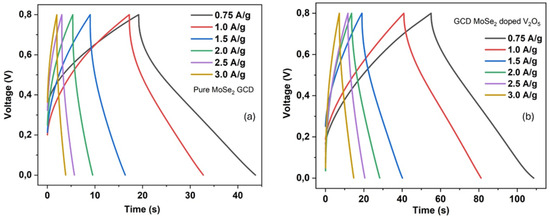
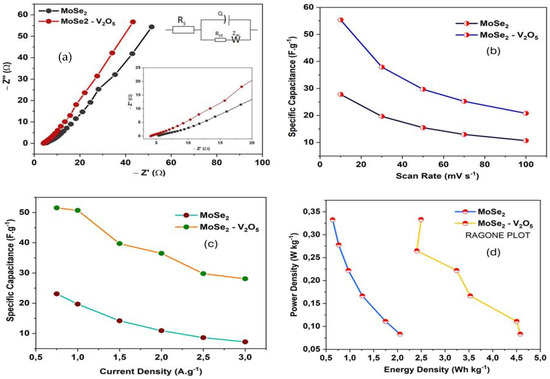
Energy storage systems in the next generation face the challenge of developing efficient and durable electrodes for supercapacitors. In this study, a MoSe2/V2O5 nanocomposite was synthesized and systematically evaluated through a hydrothermal process. In a structural and spectroscopic study, it was found that the MoSe2 nanosheets successfully integrated with V2O5, leading to a reduced crystallite size of ~18 nm and a hierarchical porous morphology. The specific capacitance of hybrid electrodes was 50 Fg−1 at 0.75 Ag−1, which is almost double that of virgin MoSe2. At a current density of 3 Ag−1, it maintained more than 82% of its capacitance, exhibiting exceptional rate capability. The Ragone plots showed a decreased charge-transfer resistance (0.7) and an energy density of 4.57 Wh kg−1 at a power density of 0.088 W kg−1. After detailed study, it is concluded that the MoSe2/V2O5 nanocomposite could be a potential electrode material for high-performance supercapacitors because it combines high energy density with quick power delivery.
Full article
(This article belongs to the Special Issue Composite Materials for Solid-State Batteries and High-Performance Supercapacitors)
►▼
Show Figures

Figure 1
Open AccessArticle
Study of the Structure and Properties of a Titanium Carbide-Based Composite Coating
by
Vitaliy Yurievich Kulikov, Aristotel Zeinullinovich Issagulov, Olga Zharkevich and Aisha Madkenovna Sapiyanova
J. Compos. Sci. 2026, 10(7), 344; https://doi.org/10.3390/jcs10070344 - 30 Jun 2026
Abstract
The paper investigates the structure and properties of titanium carbide-based composite coatings produced by flame spraying. The relevance of the study is associated with the need to improve the wear resistance and mechanical properties of components operating under abrasive and impact loading conditions
[...] Read more.
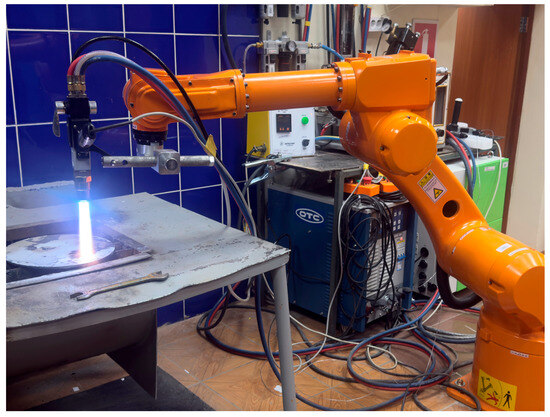
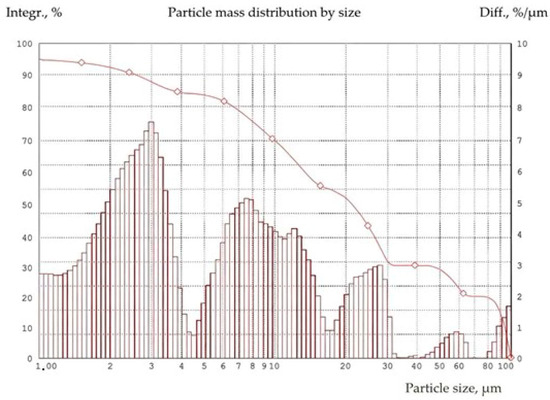
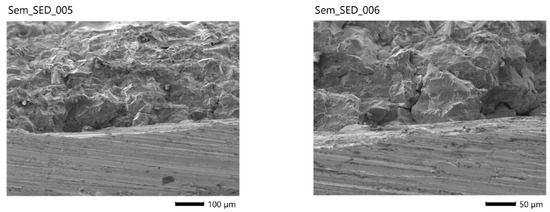
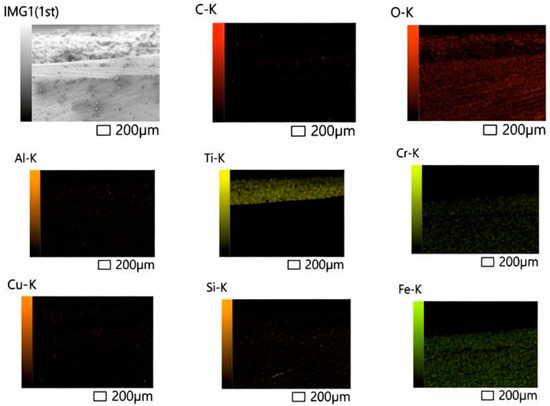
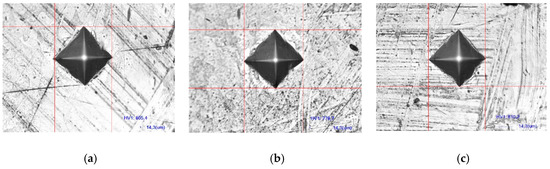
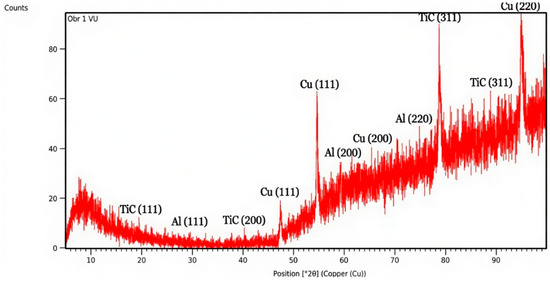
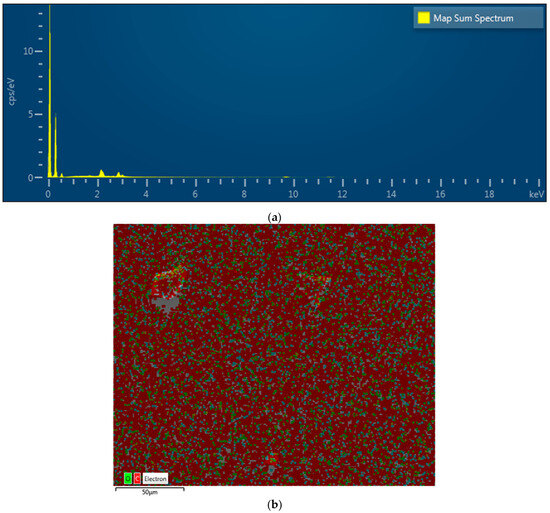
The paper investigates the structure and properties of titanium carbide-based composite coatings produced by flame spraying. The relevance of the study is associated with the need to improve the wear resistance and mechanical properties of components operating under abrasive and impact loading conditions in the metallurgical and machine-building industries. A composite powder mixture consisting of titanium carbide, copper, and aluminum was used as the coating material. Titanium carbide acted as a strengthening phase, while copper and aluminum served as damping and binding components. The coating was deposited onto a 30KhGS steel substrate using a 6 PM-II Powder Flame Spray System. Sedimentation analysis, scanning electron microscopy, energy-dispersive analysis, microhardness measurements, and wear resistance tests were carried out. The results demonstrated that the powder mixture has a predominantly fine-dispersed structure favorable for coating formation. The obtained coating exhibited a heterogeneous composite structure with uniformly distributed titanium carbide particles within the metallic matrix. The microhardness of the coating reached HV 770. Wear resistance tests showed insignificant weight loss after 10,000–30,000 abrasion cycles, indicating high wear resistance of the developed coating. It was established that the proposed composite composition contributes to the improvement of the strength characteristics, microhardness, and tribological properties of the surface layer.
Full article
(This article belongs to the Section Metal Composites)
►▼
Show Figures

Figure 1
Open AccessArticle
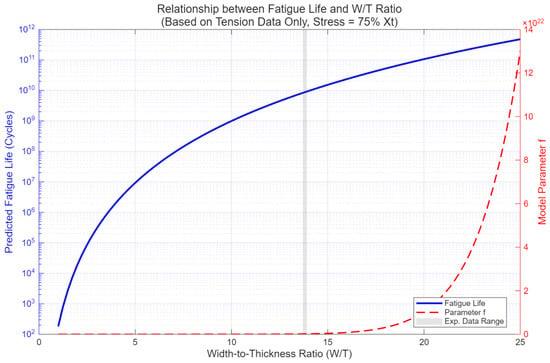
Geometric Design of Dog-Bone Specimens for Accurate Fatigue Life Characterization of High-Strength CFRP Laminates
by
Yanbin Ma, Guibin Song, Xiaolong Li and Jintao Zhao
J. Compos. Sci. 2026, 10(7), 343; https://doi.org/10.3390/jcs10070343 - 28 Jun 2026
Abstract
Tension–tension fatigue testing of polymer matrix composites (PMCs) conducted per ASTM D3479/D3479M using rectangular specimens is widely plagued by premature crack initiation and propagation at the edges of reinforcing grip tabs, which leads to severe underestimation of the material’s actual fatigue life. While
[...] Read more.
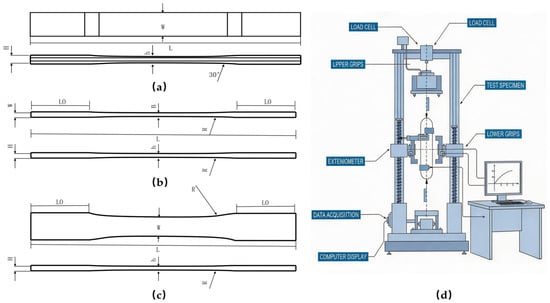
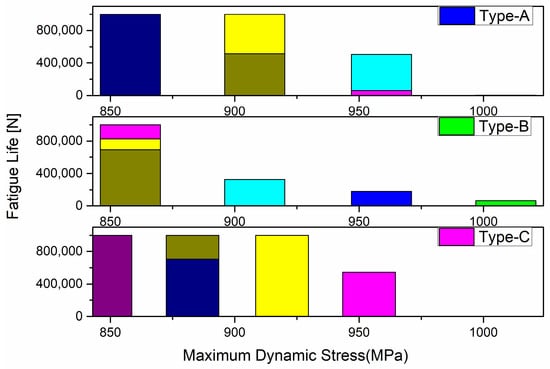
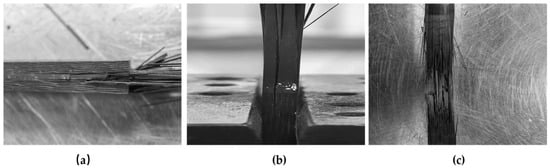
Tension–tension fatigue testing of polymer matrix composites (PMCs) conducted per ASTM D3479/D3479M using rectangular specimens is widely plagued by premature crack initiation and propagation at the edges of reinforcing grip tabs, which leads to severe underestimation of the material’s actual fatigue life. While dog-bone specimen geometries have been universally adopted to mitigate this issue, and benchmark studies have validated their ability to completely eliminate grip-region failures in low-to-intermediate-strength PMCs, our preliminary work identified a critical unaddressed limitation: standardized dog-bone configurations produce highly unreliable fatigue characterization results for T800-grade and higher-strength carbon fiber-reinforced polymer (CFRP) laminates, with experimentally measured fatigue lives deviating significantly from predictions derived from classical laminate theory. To resolve this discrepancy and enable accurate fatigue performance quantification for high-strength CFRP laminates, the present work focuses specifically on the transition region geometry of dog-bone specimens, which we hypothesized to be the source of spurious premature failures in high-strength laminate testing. The study is bounded to tension–tension fatigue loading regimes relevant to high-performance structural applications of T800-grade and above CFRP laminates, with the core objective of developing an optimized geometry that eliminates premature non-gauge-section failures. First, statistical analysis of a large dataset of preliminary tests confirmed that transition region geometric parameters exert a non-negligible effect on the measured fatigue performance of advanced high-strength fiber-reinforced polymer laminates; stress concentrations induced by non-optimized geometries were identified as the root cause of premature non-gauge-section failures even in conventional dog bone specimens. We then systematically varied transition region geometric parameters, performed finite element stress modeling to quantify full-field stress distributions for each candidate geometry, and conducted parallel tension–tension fatigue tests on all designed configurations to cross-validate simulation outputs and experimental performance. Our results demonstrate that the optimized dog-bone configuration developed in this work completely eliminates all spurious non-gauge-section failure modes. Fatigue lives measured using the optimized geometry show excellent agreement with classical laminate theory predictions, enabling robust, repeatable quantification of the intrinsic fatigue life of high-strength CFRP laminates. The proposed configuration addresses the longstanding reliability gap associated with standardized dog-bone geometries for high-strength fiber-reinforced polymer fatigue characterization.
Full article
(This article belongs to the Section Composites Modelling and Characterization)
►▼
Show Figures

Figure 1
Journal Menu
► ▼ Journal Menu-
- J. Compos. Sci. Home
- Aims & Scope
- Editorial Board
- Reviewer Board
- Topical Advisory Panel
- Early Career Editorial Board
- Instructions for Authors
- Special Issues
- Topics
- Sections & Collections
- Article Processing Charge
- Indexing & Archiving
- Editor’s Choice Articles
- Most Cited & Viewed
- Journal Statistics
- Journal History
- Journal Awards
- Editorial Office
Journal Browser
► ▼ Journal BrowserHighly Accessed Articles
Latest Books
E-Mail Alert
News
Topics
Topic in
Fibers, J. Compos. Sci., JMMP, Materials, Polymers, Recycling
Advanced Composites Manufacturing and Plastics Processing, 2nd Volume
Topic Editors: Patricia Krawczak, Ludwig Cardon, Frederik DesplentereDeadline: 1 September 2026
Topic in
Aerospace, Applied Sciences, Astronautics, Coatings, J. Compos. Sci., JMMP, Materials, Polymers
Advanced Materials and Manufacturing for Extreme Environments in Energy and Aerospace
Topic Editors: Richard E. Wirz, Chih-Hung (Alex) Chang, Tianyi Chen, Somayeh Pasebani, Dong Lin, Devin J. Roach, Jesse A. RodriguezDeadline: 31 October 2026
Topic in
IJMS, JFB, Macromol, Materials, J. Compos. Sci., Polymers
Recent Advances in Composite Biomaterials
Topic Editors: Diego Romano Perinelli, Florentina LupascuDeadline: 30 November 2026
Topic in
Minerals, Nanomaterials, Materials, Polymers, J. Compos. Sci.
Recent Advances in Clay-Based Nanocomposites: From Design to Sustainable Applications
Topic Editors: Luciana Sciascia, Filippo ParisiDeadline: 31 December 2026
Special Issues
Special Issue in
J. Compos. Sci.
Composite Materials Containing Conjugated and Conductive Polymers
Guest Editors: Yaroslav O. Mezhuev, Alexander A. ArtyukhovDeadline: 15 July 2026
Special Issue in
J. Compos. Sci.
Composite Production and Performance Evaluation for Upcoming Transportation Technologies
Guest Editor: Ahmad Hamdan AriffinDeadline: 20 July 2026
Special Issue in
J. Compos. Sci.
Additive Manufacturing of Smart Composites
Guest Editors: Zhaogui Wang, Douglas E. SmithDeadline: 30 July 2026
Special Issue in
J. Compos. Sci.
Advanced Additive Manufacturing of High-Performance Composites
Guest Editor: Sitki AkinciogluDeadline: 31 July 2026
Topical Collections
Topical Collection in
J. Compos. Sci.
Editorial Board Members’ Collection Series: Fibre Composite Materials
Collection Editors: Hom Nath Dhakal, Mazeyar Parvinzadeh Gashti, Esfandiar Pakdel