





-
Minimum Supervision Levels for Graduation and Practice: Pediatric Gastroenterology Fellowship Program Directors' Perspective -
Sampling Criteria in International Comparative Education Research: A Scoping Review to Inform Health Professions Education -
Self-Regulation of Learning and Its Implications for Academic Performance and Well-Being of University Students in Health Sciences: A Systematic Review -
Lifelong Learning in the Age of AI: An Investigation of Trust in Generative AI Among Health Profession Students
Journal Description
International Medical Education
(IME) is an international, peer-reviewed, open access journal on international medical education, published quarterly online. It is the official journal of the Academic Society for International Medical Education.
- Open Access— free for readers, with article processing charges (APC) paid by authors or their institutions.
- High Visibility: indexed within ESCI (Web of Science), Scopus and other databases.
- Journal Rank: JCR - Q2 (Education, Scientific Disciplines) / CiteScore - Q2 (Education)
- Rapid Publication: manuscripts are peer-reviewed and a first decision is provided to authors approximately 17.7 days after submission; acceptance to publication is undertaken in 4.8 days (median values for papers published in this journal in the first half of 2026).
- Recognition of Reviewers: APC discount vouchers, optional signed peer review, and reviewer names published annually in the journal.
Impact Factor:
2.2 (2025);
5-Year Impact Factor:
2.1 (2025)
Latest Articles
Learning-Style Preferences Across Clinical and Surgical Specialties in a Brazilian Medical Residency Program
Int. Med. Educ. 2026, 5(3), 80; https://doi.org/10.3390/ime5030080 - 7 Aug 2026
Abstract
►
Show Figures
Medical residency is a demanding stage of specialty training characterized by extensive clinical exposure, heavy workloads, and ongoing knowledge acquisition. Characterizing residents’ learning-style preferences may help residency programs refine their educational strategies and better address residents’ needs. This study assessed learning-style preferences using
[...] Read more.
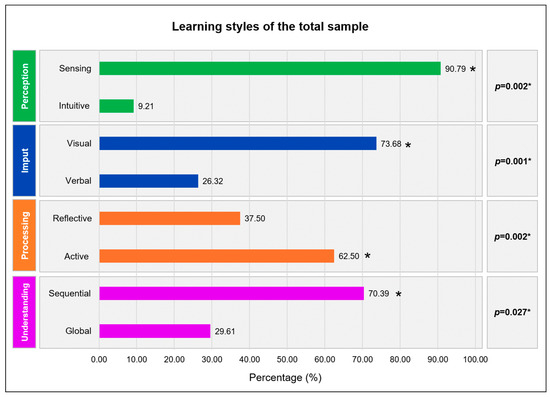
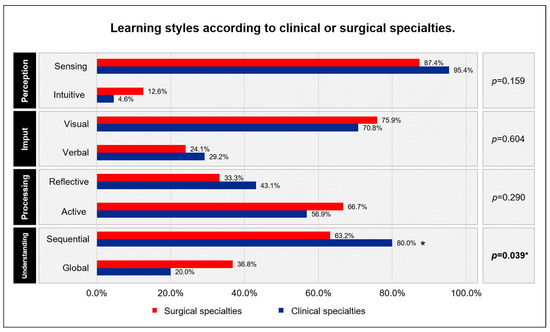
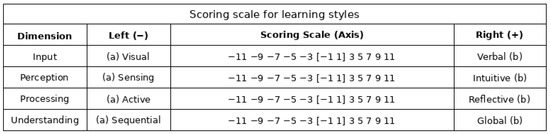
Medical residency is a demanding stage of specialty training characterized by extensive clinical exposure, heavy workloads, and ongoing knowledge acquisition. Characterizing residents’ learning-style preferences may help residency programs refine their educational strategies and better address residents’ needs. This study assessed learning-style preferences using the Felder–Soloman Index of Learning Styles in 152 residents from clinical and surgical specialties in a Brazilian medical residency program. In the overall sample, the predominant preferences were sensing (90.79%), visual (73.68%), active (62.50%), and sequential (70.39%). Clinical and surgical residents differed significantly only in the understanding domain: sequential preference was more frequent among clinical than surgical residents (80.0% [95% CI: 68.7–87.9] vs. 63.2% [95% CI: 52.7–72.6]). The limited variation between groups suggests that most residents shared a broadly similar learning profile, although some cognitive-processing preferences may differ according to specialty-related demands. These findings may inform diversified educational strategies that combine visual resources, practical activities, and structured progression across clinical and surgical training contexts.
Full article
Open AccessArticle
Changes in Medical Students’ Perceptions of Family Medicine Following a Clinical Rotation: A Rural–Urban Comparison in Romania
by
Gheorghe Gindrovel Dumitra, Linda-Nicoleta Bărbulescu, Roxana Surugiu, Constantin Kamal, Elena Codruța Gheorghe, Mirela Radu, Carmen-Adriana Dogaru, Lucian-Florentin Bărbulescu and Virginia-Maria Rădulescu
Int. Med. Educ. 2026, 5(3), 79; https://doi.org/10.3390/ime5030079 - 6 Aug 2026
Abstract
►▼
Show Figures
Background/Objectives: Romania faces a shortage of family physicians, particularly in rural areas. Undergraduate Family Medicine rotations may influence students’ perceptions before residency selection, but the contribution of rural versus urban training settings remains insufficiently documented. This study examined differences between post-rotation perceptions and
[...] Read more.
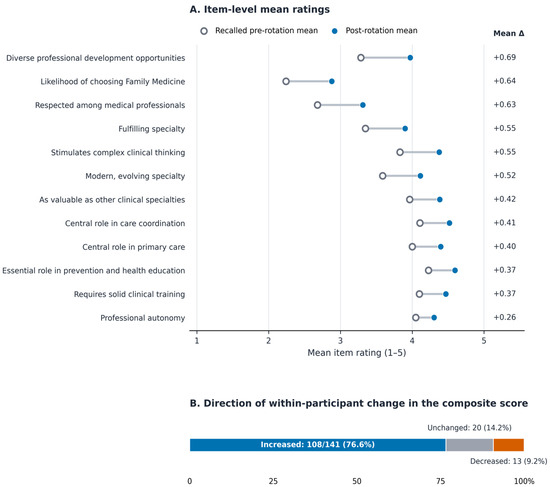
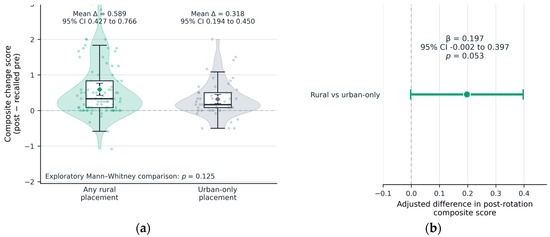
Background/Objectives: Romania faces a shortage of family physicians, particularly in rural areas. Undergraduate Family Medicine rotations may influence students’ perceptions before residency selection, but the contribution of rural versus urban training settings remains insufficiently documented. This study examined differences between post-rotation perceptions and students’ recalled pre-rotation perceptions, and explored whether these differences varied according to placement setting. Methods: This single-centre study used a single-administration retrospective pretest–posttest observational design. After completing the mandatory one-month Family Medicine rotation, 141 sixth-year medical students completed a questionnaire containing recalled pre-rotation and post-rotation ratings on 12 five-point Likert items. Paired comparisons used Wilcoxon signed-rank tests; multiple-testing corrections were applied within the defined item families. A baseline-adjusted model with robust standard errors examined rural placement. Results: The composite score increased from 3.62 ± 0.84 to 4.10 ± 0.74 (mean change 0.483; W = 602.5; Z = −7.990; p < 0.001; r = 0.673). All 12 paired item comparisons remained significant after Bonferroni correction. No rural–urban item comparison remained significant after correction. In the adjusted model, rural placement was not associated with a statistically significant difference in the post-rotation score (β = 0.197, 95% CI −0.002 to 0.397; p = 0.053). Among the 86 rurally exposed students, the mean willingness to practice rurally was 2.87/5. The apparent association with career intention was not retained when excluding the overlapping career-likelihood item (11-item composite: H = 6.695, p = 0.153). Conclusions: Students reported more favourable perceptions after the rotation than they recalled having before it, but their willingness to practice rurally remained limited. The uncontrolled, retrospective design does not permit causal attribution, and the data do not establish a rural-placement advantage or subsequent specialty choice.
Full article

Figure 1
Open AccessBrief Report
Required Contact Hours and Academic Performance in an Evolving Medical School Curriculum: A Single-Institution Cohort Study
by
Sarah Kazemeini, Nicholas Staffa, Gemma Lagasca, Axel Rivas and Edward Simanton
Int. Med. Educ. 2026, 5(3), 78; https://doi.org/10.3390/ime5030078 - 5 Aug 2026
Abstract
Medical schools are increasingly reducing required contact hours and incorporating self-directed learning strategies, yet the impact of these curricular changes on academic performance remains uncertain. This retrospective cohort study compared performance on NBME-based organ system examinations across three consecutive pre-clerkship cohorts at a
[...] Read more.
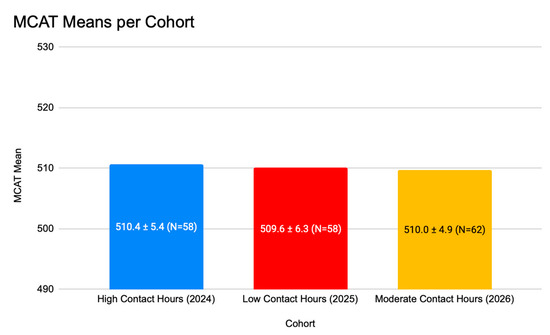
Medical schools are increasingly reducing required contact hours and incorporating self-directed learning strategies, yet the impact of these curricular changes on academic performance remains uncertain. This retrospective cohort study compared performance on NBME-based organ system examinations across three consecutive pre-clerkship cohorts at a U.S. allopathic medical school that experienced different levels of required instructional time. Cohorts included 178 students and differed in total required contact hours from 306 to 412 h. Mean MCAT scores did not differ significantly among cohorts (510.4 ± 5.4, 509.6 ± 6.3, and 510.0 ± 4.9; p = 0.74). Significant differences in the proportion of students scoring above the national reference value were observed in the Pulmonology (p = 0.003), Gastroenterology (p = 0.020), and Endocrinology (p = 0.003) blocks; however, these differences did not demonstrate a consistent relationship with contact hour totals. Across cohorts experiencing different contact-hour requirements and concurrent curricular changes, examination performance did not demonstrate a consistent pattern corresponding to the amount of required instructional time. These findings demonstrate that lower contact-hour requirements were not accompanied by consistently poorer short-term standardized outcomes in these cohorts; however, the independent contribution of contact hours cannot be separated from concurrent curricular changes.
Full article
(This article belongs to the Special Issue Authentic and Transformative Learning in Medical Education for a Changing World)
►▼
Show Figures

Figure 1
Open AccessEditorial
Celebrating Our First Impact Factor: The Journey and Future Vision Regarding International Medical Education
by
Branko Aleksic and Itzel Bustos Villalobos
Int. Med. Educ. 2026, 5(3), 77; https://doi.org/10.3390/ime5030077 - 4 Aug 2026
Abstract
►▼
Show Figures
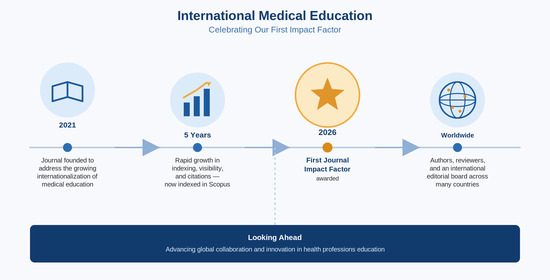
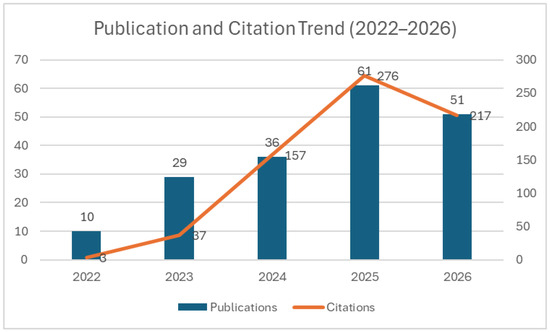
The story of International Medical Education (IME) began only five years ago with a simple but ambitious vision [...]
Full article

Graphical abstract
Open AccessArticle
Preparing Leaders in Primary Care Transformation: A Mental Health Curriculum
by
Taylor Fenderbosch, Daniel Hargraves, Harini Pallerla, Megan Rich and Shanna D. Stryker
Int. Med. Educ. 2026, 5(3), 76; https://doi.org/10.3390/ime5030076 - 3 Aug 2026
Abstract
►▼
Show Figures
The demand for mental health services is rising, and given the continued shortage of mental health specialists, primary care remains a critical setting for mental health treatment. Training emerging leaders in primary care to integrate interprofessional behavioral health services into care teams can
[...] Read more.
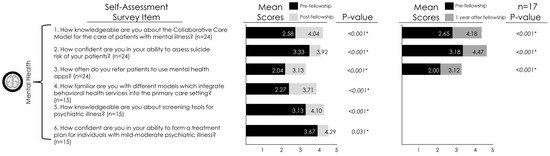
The demand for mental health services is rising, and given the continued shortage of mental health specialists, primary care remains a critical setting for mental health treatment. Training emerging leaders in primary care to integrate interprofessional behavioral health services into care teams can help meet this demand. The Community Primary Care Champions fellowship developed a curriculum for primary care physicians and physician associates to lead primary care teams in addressing mental health within their clinical settings. This mental health curriculum for twenty-four fellows was led by a single faculty member during a part-time year-long fellowship. Seven modules (each 50–110 min long) covered critical topics through a mix of didactic learning, group learning, and a case-based summative independent activity. Evaluation included a pre- and post-assessment of knowledge and confidence, a one-year post-fellowship assessment, and focus groups. Self-assessed knowledge and confidence in key knowledge/skills/behavior improved after the fellowship with large effect sizes, and self-assessed knowledge about the Collaborative Care model for behavioral health integration and confidence in assessing suicide risk persisted one year after the fellowship compared to pre-fellowship. Our mental health curriculum demonstrates increases in self-assessed knowledge and confidence. It can be adapted for other graduate medical education settings to prepare learners to lead primary care transformation.
Full article

Figure 1
Open AccessArticle
Evaluating Emotional Intelligence, Authentic Leadership, Self-Efficacy, and Perceived Stress Among Diagnostic Radiography Technology Students in Clinical Practice
by
Nasser Shubayr, Nada Alomairy, Hind Shajiri, Nouf Almalki and Shatha Sabi
Int. Med. Educ. 2026, 5(3), 75; https://doi.org/10.3390/ime5030075 - 2 Aug 2026
Abstract
Background: Research on emotional intelligence and its associations with authentic leadership, general self-efficacy, and perceived stress among allied health students, particularly radiography students, remains scarce. This study described the levels of these constructs among radiography students during clinical practice, examined their interrelationships, and
[...] Read more.
Background: Research on emotional intelligence and its associations with authentic leadership, general self-efficacy, and perceived stress among allied health students, particularly radiography students, remains scarce. This study described the levels of these constructs among radiography students during clinical practice, examined their interrelationships, and identified the emotional intelligence facets predicting perceived stress and authentic leadership. Methods: A cross-sectional study was conducted among 135 radiography students enrolled in clinical practice at Jazan University, Saudi Arabia, from March to May 2026 (response rate 61.3%). Data were collected using the Schutte Self-Report Emotional Intelligence Test, Authentic Leadership Questionnaire, General Self-Efficacy Scale, and Perceived Stress Scale. Spearman correlations and hierarchical multiple linear regression were performed. Results: Emotional intelligence was positively correlated with authentic leadership (p < 0.001) and general self-efficacy (p = 0.035) and negatively correlated with perceived stress (p = 0.012). Managing Own Emotions was the strongest negative predictor of perceived stress (β = −0.650, p < 0.001), whereas Managing Others’ Emotions was the strongest predictor of authentic leadership (β = 0.463, p < 0.001). General self-efficacy predicted neither outcome. Female students and those with higher GPAs reported higher emotional intelligence and authentic leadership scores. Conclusions: Specific emotional intelligence facets showed distinct predictive roles, with self-directed emotion regulation predicting lower perceived stress and interpersonal emotion management predicting authentic leadership. These findings support the integration of targeted, facet-specific emotional intelligence training within radiography clinical curricula as a potential approach to support stress management and leadership development.
Full article
Open AccessArticle
The Dual Landscape of Clinical Placements for Nursing Students: High-Quality Learning and Bullying
by
Marianne Synnes Emblemsvåg and Lindis Kathrine Helberget
Int. Med. Educ. 2026, 5(3), 74; https://doi.org/10.3390/ime5030074 - 31 Jul 2026
Abstract
Background: Nursing students spend a substantial proportion of their education in clinical practice; hence, the quality of these environments plays a critical role in shaping students’ learning outcomes. While research finds that nursing students often encounter bullying and harassment during clinical placement, the
[...] Read more.
Background: Nursing students spend a substantial proportion of their education in clinical practice; hence, the quality of these environments plays a critical role in shaping students’ learning outcomes. While research finds that nursing students often encounter bullying and harassment during clinical placement, the characteristics of positive and high-quality learning situations during these placements are less clearly described in the literature. Methods: A convergent, quantitative-dominant mixed-methods study was conducted between April and June 2024. Quantitative and qualitative data were collected concurrently; statistical analysis described prevalence and associations, while thematic analysis explored students’ experiences and contextualised the quantitative findings. Results: Statistical and thematic analyses indicated that high-quality learning emerged from the interplay of inclusion, mastery and active participation. A gradual transition from observation to independent practice, combined with appropriate challenges and opportunities for reflection, characterised the most effective learning situations. Approximately 50% of the students perceived themselves as victims of bullying or harassment, which impaired learning and prompted some to consider leaving nursing programs. The juxtaposition of positive and negative experiences highlighted team inclusion as the pivotal factor for both enhancing learning and preventing bullying. Conclusions: Being included as part of the team emerged as the main driver of positive clinical learning, whereas feeling isolated from the team was interpreted as bullying or harassment. These results indicated that well-prepared students, empowered supervisors, and inclusive organisational cultures supported by transparent reporting and response systems can provide the foundation for both high-quality learning and the prevention of bullying and harassment in clinical education.
Full article
Open AccessReview
Transforming Mongolian Nursing Education: A Cultural–Historical Activity Theory Analysis of Historical Activity Systems
by
Buyandelger Batmunkh, Munguntuul Enkhbat, Tuguldur Gankhuyag, Bat-Ulzii Enkh-Amgalan, Enkhbold Dogmidsangi and Oyungoo Badamdorj
Int. Med. Educ. 2026, 5(3), 73; https://doi.org/10.3390/ime5030073 - 31 Jul 2026
Abstract
►▼
Show Figures
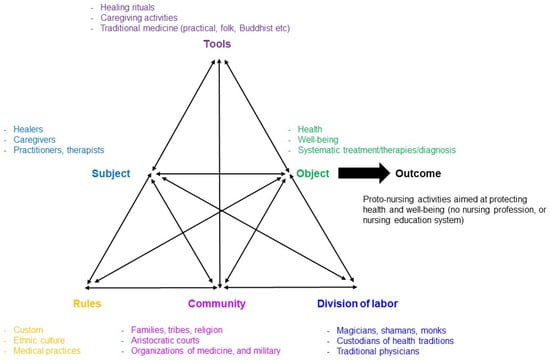
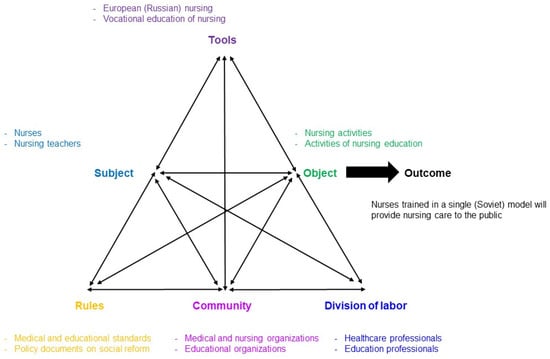
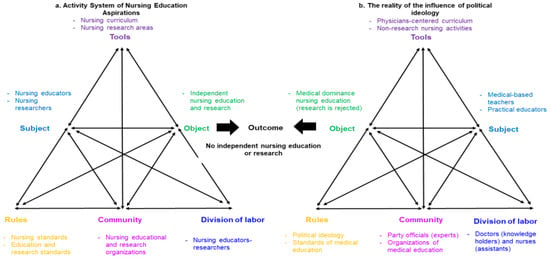
Background: Nursing education has evolved in response to changing social, cultural, political, and healthcare contexts. Although Cultural–Historical Activity Theory (CHAT) has increasingly been applied in medical education research, its application to the historical development of nursing education remains limited. This study examined the
[...] Read more.
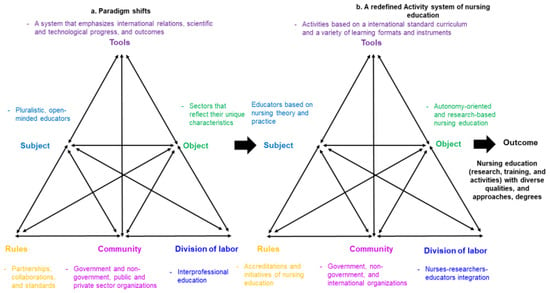
Background: Nursing education has evolved in response to changing social, cultural, political, and healthcare contexts. Although Cultural–Historical Activity Theory (CHAT) has increasingly been applied in medical education research, its application to the historical development of nursing education remains limited. This study examined the historical evolution of Mongolian nursing education through the lens of CHAT to identify patterns of activity system transformation and their implications for contemporary nursing education. Methods: A historical documentary review was conducted using CHAT as the primary analytical framework. Historical evidence was interpreted through Engeström’s activity system model, and transformations across successive historical periods were analyzed by examining changes in the object, mediating tools, institutional rules, community, division of labour, and outcomes of nursing education. Results: The findings demonstrate that the development of Mongolian nursing education was shaped by four complementary analytical dimensions: the Social Determinants of Health (SDOH), Diversity, Equity and Inclusion (DEI), political ideology, and paradigm shifts. These factors collectively influenced the transformation of nursing education activity systems from traditional caregiving practices to a modern, research-oriented, and internationally connected educational system. The analysis further revealed how social reforms, ideological transitions, and educational restructuring generated successive transformations in the organization, objectives, and professional identity of nursing education. Conclusions: This study provides a theoretically grounded historical interpretation of Mongolian nursing education through the lens of CHAT. The findings demonstrate that nursing education evolves through dynamic interactions among social, political, cultural, and educational factors, offering valuable insights for curriculum development, educational reform, and the advancement of nursing education in rapidly changing societies.
Full article

Figure 1
Open AccessReview
Low Back Pain as a Nursing Education Priority
by
Juan A. Sanchis-Gimeno, Juan Jose Valenzuela-Fuenzalida, Andreea-Bianca Zuld, Mathias Orellana-Donoso and Guinevere Granite
Int. Med. Educ. 2026, 5(3), 72; https://doi.org/10.3390/ime5030072 - 31 Jul 2026
Abstract
►▼
Show Figures
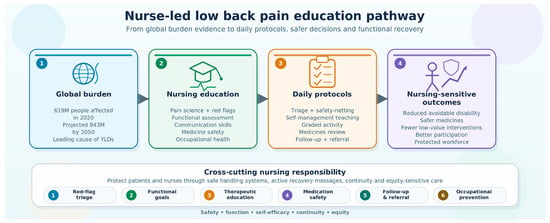
Low back pain (LBP) is the leading cause of years lived with disability globally, and a major rehabilitation priority, yet nursing education often does not translate burden evidence into first-contact actions across care settings. This article aimed to develop a nursing education and
[...] Read more.
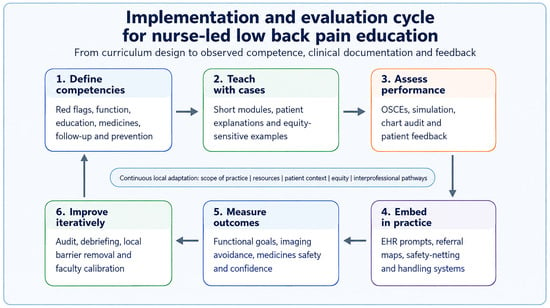
Low back pain (LBP) is the leading cause of years lived with disability globally, and a major rehabilitation priority, yet nursing education often does not translate burden evidence into first-contact actions across care settings. This article aimed to develop a nursing education and practice framework that converts global LBP evidence into competencies for assessment, education, medication safety, referral, follow-up and occupational prevention. A focused, Global Burden of Disease-informed narrative review and practice-oriented educational synthesis was conducted. PubMed/MEDLINE, CINAHL, Scopus, Google Scholar, and organisational sources were searched for burden estimates, clinical guidelines, pain education scholarship, nursing occupational health evidence and nurse-led self-management literature. Sources were selected for relevance to nurse-deliverable actions and curriculum assessment; systematic-review methods, meta-analysis and formal risk-of-bias appraisal were not used. Evidence was mapped iteratively to six nursing practice domains: red-flag triage and escalation; functional, psychosocial and contextual assessment; brief therapeutic education; medication safety and low-value-care reduction; follow-up and referral; and occupational prevention. The revised framework adds an explicit evidence-to-competency map, implementation guidance and evaluation indicators for undergraduate education, postgraduate training, continuing professional development, clinical supervision and quality improvement. LBP should be taught as a nursing-sensitive disability and rehabilitation priority, supporting nurses to screen for danger, validate pain, reduce threat, promote graded activity, monitor medicines, coordinate continuity and prevent occupational harm.
Full article

Figure 1
Open AccessReview
Feedback and Feedback Culture in Medical Education: Evolution, Evidence, and Emerging Horizons
by
Kelly Peterec, Sundes Kazmir, David Chartash and Uma Padhye Phatak
Int. Med. Educ. 2026, 5(3), 71; https://doi.org/10.3390/ime5030071 - 28 Jul 2026
Abstract
Feedback is a key component of medical education and is essential for progression throughout medical training. While extensive literature describes best practices for delivering feedback, less is known about the critical role of feedback culture and its impact on feedback practices. This narrative
[...] Read more.
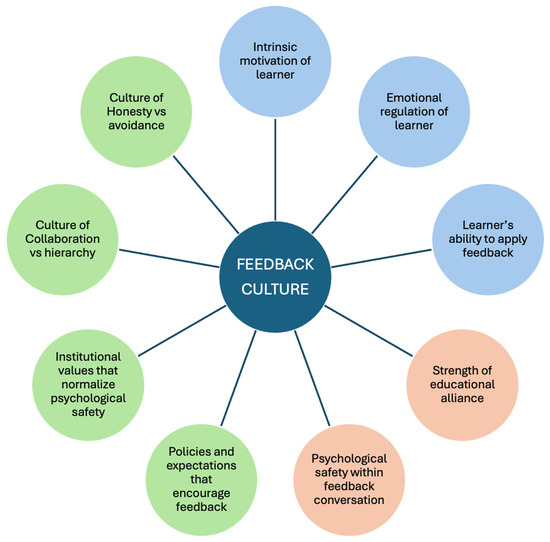
Feedback is a key component of medical education and is essential for progression throughout medical training. While extensive literature describes best practices for delivering feedback, less is known about the critical role of feedback culture and its impact on feedback practices. This narrative review aims to discuss the evolution of feedback in medicine, the role of feedback culture and its impact on feedback practices, strategies to foster a positive feedback culture, and opportunities and challenges for feedback in the age of artificial intelligence. Relevant articles were identified through database searches and were selected based on relevance to the aims of this review. Our review demonstrates that the literature has shifted to emphasize the importance of broader sociocultural factors in shaping feedback and feedback interactions. Determinants of a positive feedback culture stem from all levels of feedback interactions, including individual learner’s engagement with feedback, interpersonal relationships and strong educational alliances, and institutional level factors that generate a positive culture. These determinants may then be translated into strategies to enhance and sustain a positive feedback culture. The advent of artificial intelligence in medical education has provided opportunities to enhance feedback, although the impact on feedback culture remains unknown. Future research must focus on effective strategies to measure feedback culture which must then be utilized to evaluate the impact of feedback culture on trainee and patient outcomes.
Full article
(This article belongs to the Special Issue Health Professions Education Advancements and Innovations—International Perspectives)
►▼
Show Figures

Figure 1
Open AccessReview
The Coach–Player Relationship: A Conceptual Coaching Model to Support the Transition of New Nursing Faculty into Higher Education
by
Jason R. Thrift
Int. Med. Educ. 2026, 5(3), 70; https://doi.org/10.3390/ime5030070 - 27 Jul 2026
Abstract
►▼
Show Figures
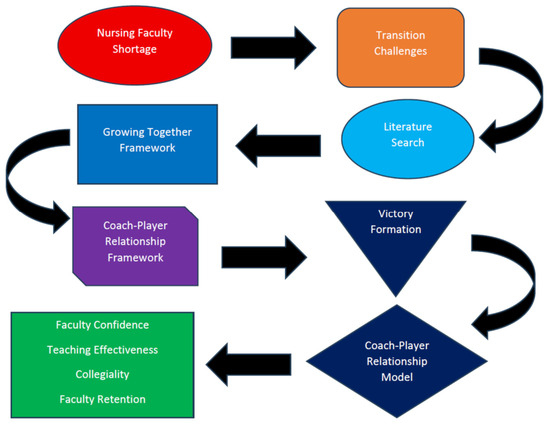
Background: The global shortage of qualified nursing faculty continues to challenge schools of nursing by limiting program capacity and contributing to difficulties in recruiting and retaining new educators. Although mentoring has been widely recognized as an effective strategy for supporting novice faculty, comparatively
[...] Read more.
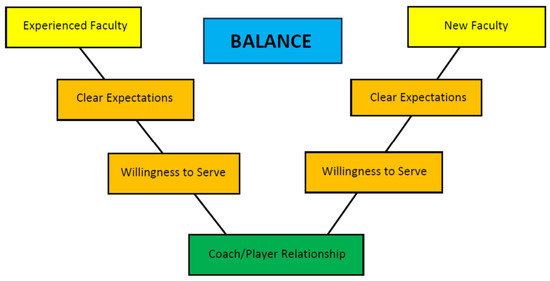
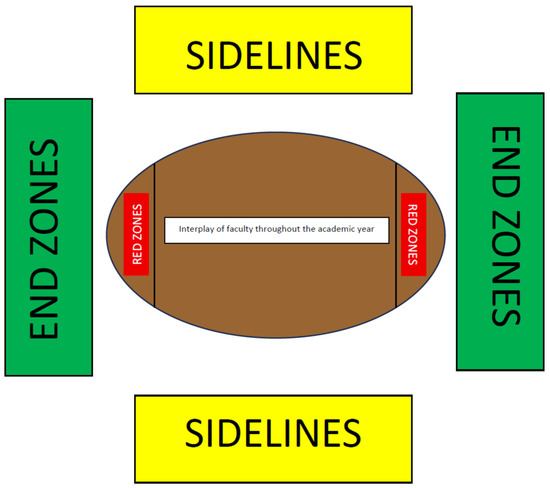
Background: The global shortage of qualified nursing faculty continues to challenge schools of nursing by limiting program capacity and contributing to difficulties in recruiting and retaining new educators. Although mentoring has been widely recognized as an effective strategy for supporting novice faculty, comparatively little attention has been devoted to coaching as an intentional approach for facilitating the transition from clinical practice to academia. Aim: To describe the development of the Coach–Player Relationship Framework, a conceptual coaching framework designed to support the successful transition, confidence, and retention of new nursing faculty in higher education. Methodology: The Coach–Player Relationship Framework was developed through a conceptual model development process informed by a structured literature synthesis, the Growing Together mentoring framework, and reflective analysis of a shared faculty coaching experience involving two nursing educators teaching multiple sections of an undergraduate nursing course. Literature, theory, and practical experience were integrated to construct a coaching framework that translates mentoring principles into an operational faculty development strategy. Results: The resulting framework identifies three foundational elements—clear expectations, willingness to serve, and balance—that underpin successful coaching relationships between experienced and novice faculty. These principles are operationalized through the Coach–Player Model, which illustrates how reciprocal coaching interactions evolve across the Field of Play, Sidelines, End Zones, and Red Zones to foster instructional confidence, collaborative learning, and progressive professional independence. Conclusions: The Coach–Player Relationship Framework extends existing mentoring theory by providing a coaching-oriented approach to faculty transition into higher education. The framework offers nursing programs a practical strategy for onboarding novice educators while promoting collaboration, reflective practice, instructional confidence, and faculty retention. Future empirical investigation is needed to evaluate the framework across diverse educational settings and determine its effectiveness in improving faculty development outcomes.
Full article

Figure 1
Open AccessArticle
Perceived Educational Utility of Hands-On 3D-Printed Models for Teaching MRI Image Quality Concepts to Radiography Students
by
Osamah M. Abdulaal
Int. Med. Educ. 2026, 5(3), 69; https://doi.org/10.3390/ime5030069 - 26 Jul 2026
Abstract
►▼
Show Figures
Objectives: The aim of this study was to investigate radiography students’ perceptions of the usefulness of hands-on 3D-printed models for supporting their understanding of key image quality concepts in magnetic resonance imaging (MRI). Students’ views on the perceived contribution of these models to
[...] Read more.
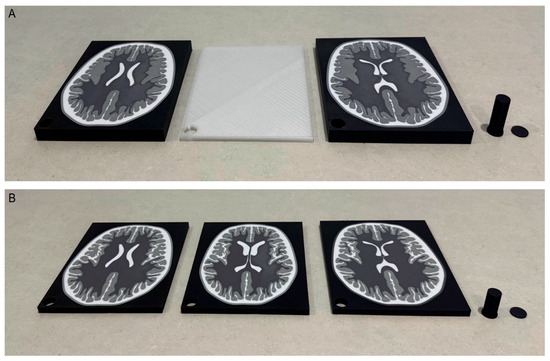
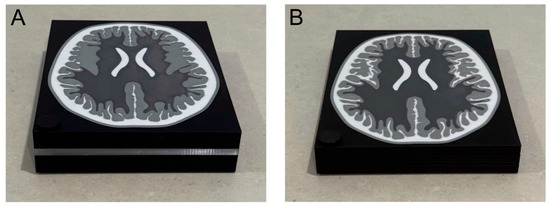
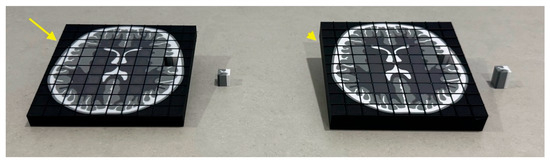
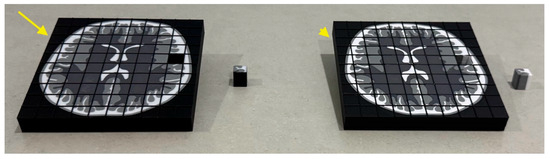
Objectives: The aim of this study was to investigate radiography students’ perceptions of the usefulness of hands-on 3D-printed models for supporting their understanding of key image quality concepts in magnetic resonance imaging (MRI). Students’ views on the perceived contribution of these models to their learning experience, confidence, and independent learning were also evaluated. Methods: This questionnaire-based study included 79 students. Three 3D-printed MRI model sets were designed and fabricated for use in hands-on teaching sessions. Following the sessions, participants completed a seven-item questionnaire divided into two sections. The first section assessed students’ perceptions of the teaching value of each model set, whereas the second section assessed students’ perceived learning benefits. Likert-scale responses were summarized descriptively, and the internal consistency of the seven-item questionnaire was assessed using Cronbach’s alpha. Results: In terms of the perceived teaching value of the models, the highest proportion of “strongly agree” responses were observed for pixel–voxel dimensionality and voxel geometry model sets, with 58 (73.4%) and 55 (69.6%), respectively. Regarding students’ perceived learning benefits, students strongly agreed that the 3D-printed MRI models supported their confidence, independent learning, and learning experience in understanding MRI image-quality concepts, with 49 (62%), 47 (59.5%), and 46 (58.2%), respectively. The seven-item questionnaire demonstrated good internal consistency (Cronbach’s α = 0.896, 95% CI [0.835, 0.957]). Conclusion: Radiography students expressed strong favorable views regarding the hands-on use of 3D-printed models and perceived them as helpful tools for visualizing core MRI image quality concepts.
Full article

Figure 1
Open AccessArticle
Effective Use of Curriculum Design Methodology and Simulation to Improve Applicant Review in a Doctor of Medicine Admissions Program
by
Simranjeet S. Sran, Carson Flamm, Kevin Nies, Latricia Lombardi, Pavan Zaveri and Ioannis Koutroulis
Int. Med. Educ. 2026, 5(3), 68; https://doi.org/10.3390/ime5030068 - 26 Jul 2026
Abstract
►▼
Show Figures
Recruitment and admission of highly qualified applicants to Doctor of Medicine (MD) programs are vital components of many academic institutions. We aimed to develop a structured curriculum to facilitate consistent and mission-aligned review of applicants within our MD admissions program. Across the 2023–2024
[...] Read more.
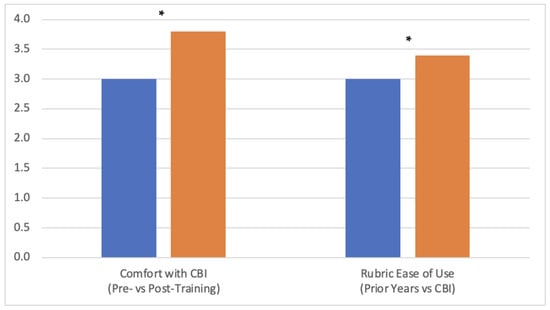
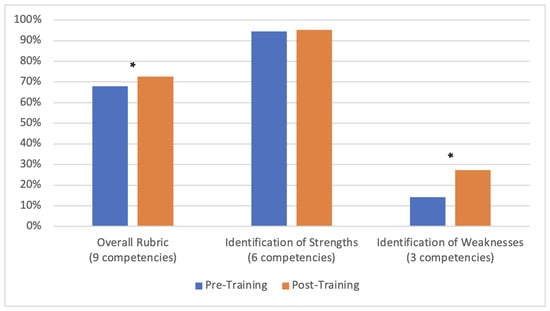
Recruitment and admission of highly qualified applicants to Doctor of Medicine (MD) programs are vital components of many academic institutions. We aimed to develop a structured curriculum to facilitate consistent and mission-aligned review of applicants within our MD admissions program. Across the 2023–2024 admissions cycle, we utilized Kern’s Six-Step Approach to Curriculum Development to design and implement a simulation-based curriculum to enable mission-aligned applicant evaluation, beginning with the interview process. The training targeted faculty interviewers and admissions committee members responsible for reviewing a diverse applicant pool that includes many non-traditional candidates. Our training was completed by 32 interprofessional medical school faculty, of whom 28 submitted both pre- and post-training rubrics, and 24 completed a retrospective post-then-pre survey. On a 4-point Likert scale, comfort applying competency-based interviewing (CBI) within the mission-aligned review framework increased from 3.0 to 3.8 (p < 0.0001, 95% CI 0.44–0.97), and ease of use for the new rubric was rated 3.4 compared to 3.0 for the prior rubric (p = 0.0215). Concordance with ideal scoring improved from 68% to 73% (p = 0.0287), corresponding to a mean increase from 6.11 to 6.54 of 9 competencies correctly assessed. Identification of weak competencies increased from 14% to 27% (p = 0.0287). Faculty rated the overall quality of the training as 3.7/4 (SD 0.5). These findings, based on a small sample from a single institution, suggest that simulation-based faculty development may improve interviewer comfort, rubric usability, and the process measure of scoring consistency in a simulated MD admissions setting.
Full article

Figure 1
Open AccessSystematic Review
Drawing-Centred and Associated Visual-Representation Strategies in Anatomy and Histology Education: A Systematic Evidence Map
by
Alejandro Bruna-Mejias, Loreto Paez-Alliendes, Valentina Perez-Lira, Diego Santander-Chavez, Mathis Miranda-Schoen, Rodrigo Vega-Salces, Macarena Rodriguez-Luengo, Diego Luengo, Juan Jose Valenzuela-Fuenzalida, María P. Moya, Gustavo Oyanedel, Gloria Cifuentes-Suazo, Julio Figueroa-Puig, Mathias Orellana-Donoso, Juan Jose Cabezas-Salgado, Cristopher Blackwood-Espinoza and Juan Sanchis-Gimeno
Int. Med. Educ. 2026, 5(3), 67; https://doi.org/10.3390/ime5030067 - 23 Jul 2026
Abstract
►▼
Show Figures
Drawing-centred and drawing-associated visual-representation strategies are used in anatomy and histology education, but the literature spans learner-generated drawing, guided drawing, screencasts, multisensory approaches, and model-based visual abstraction. This systematic evidence map examined their use and conducted an exploratory quantitative synthesis of objective learning
[...] Read more.
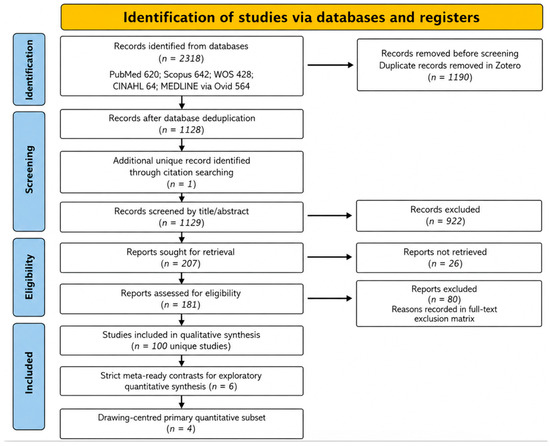
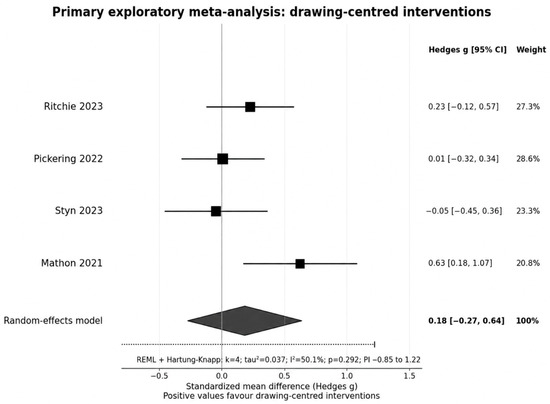
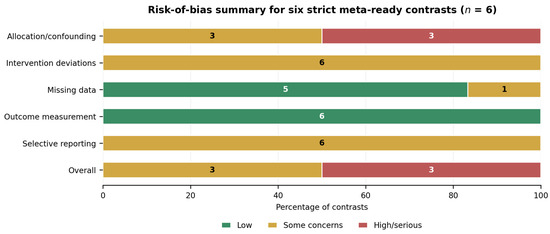
Drawing-centred and drawing-associated visual-representation strategies are used in anatomy and histology education, but the literature spans learner-generated drawing, guided drawing, screencasts, multisensory approaches, and model-based visual abstraction. This systematic evidence map examined their use and conducted an exploratory quantitative synthesis of objective learning outcomes among health science students. The review was prospectively registered in PROSPERO (CRD420261360533) and reported according to PRISMA 2020. Searches finalized in April 2026 covered PubMed, Scopus, Web of Science Core Collection, CINAHL, and MEDLINE via Ovid, with backward and forward citation searching. After deduplication and supplementary searching, 1129 records were screened, 181 full-text reports were assessed, and 100 unique studies were included in the evidence map. Fifty-one studies were preliminary quantitative candidates. Six independent contrasts met the numerical meta-analysis criteria; however, only four were sufficiently aligned with drawing-centred learning to form the primary quantitative subset. Random-effects meta-analysis using Hedges g, REML estimation, and Hartung–Knapp confidence intervals yielded a positive but statistically uncertain primary estimate (g = 0.18, 95% CI −0.27 to 0.64; I2 = 50.1%; τ2 = 0.037; prediction interval −0.85 to 1.22). The broader six-contrast model was also positive but uncertain (g = 0.29, 95% CI −0.08 to 0.67). Certainty of evidence was very low. These analyses are exploratory rather than confirmatory because few conceptually comparable studies were available.
Full article

Figure 1
Open AccessArticle
Assessing Generative AI Adoption, Tool Preferences, and Cognitive Reliance Among Medical Students: A Cross-Sectional Study
by
Daian-Ionel Popa, Codrina Mihaela Levai, Florina Buleu, Sonia Burtic, Marius Militaru, Iulius Juganaru and Melania Lavinia Bratu
Int. Med. Educ. 2026, 5(3), 66; https://doi.org/10.3390/ime5030066 - 23 Jul 2026
Abstract
►▼
Show Figures
Background and Objectives: Generative artificial intelligence (AI) chatbots have entered medical education faster than guidance for their responsible use. Although a rapidly expanding 2024–2026 literature has examined generative AI adoption, attitudes, and AI literacy among healthcare students, comparatively little is known about which
[...] Read more.
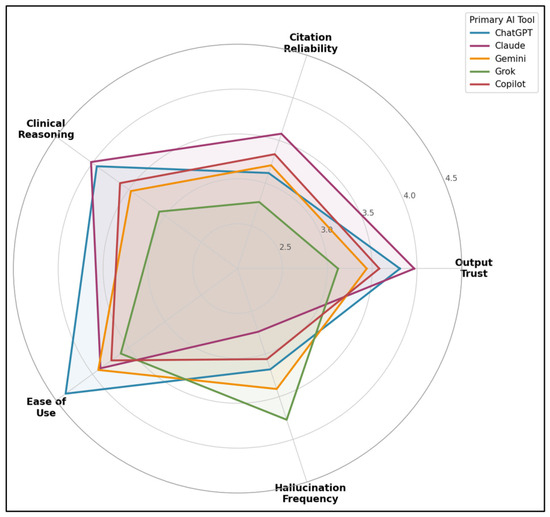
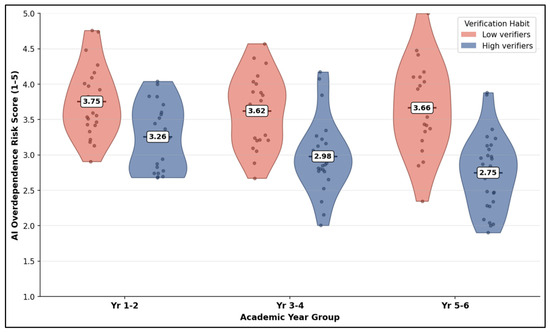
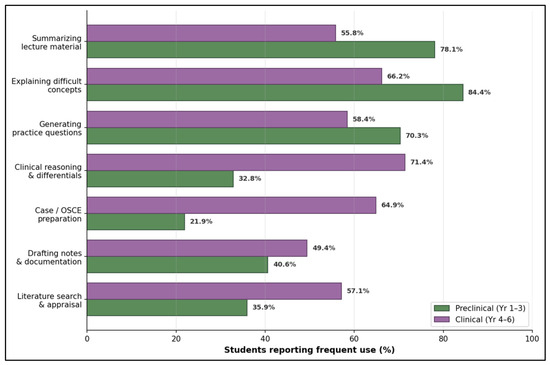
Background and Objectives: Generative artificial intelligence (AI) chatbots have entered medical education faster than guidance for their responsible use. Although a rapidly expanding 2024–2026 literature has examined generative AI adoption, attitudes, and AI literacy among healthcare students, comparatively little is known about which specific tools medical students prefer or whether reliance on them carries measurable cognitive risks. We characterized adoption patterns, tool preferences, perceived benefits, and determinants of cognitive overdependence among medical students. Methods: A single-center cross-sectional survey was administered to 141 medical students across preclinical and clinical years at a single institution. A 28-item instrument captured usage patterns, perceived learning benefit, output trust, verification behavior, and AI overdependence risk. Analyses included t-tests, ANOVA, chi-square tests, Pearson correlations, and hierarchical regression. Results: Unless otherwise specified, values are reported as group mean scores on 1–5 Likert agreement scales or as percentages of respondents. ChatGPT was the primary tool for 69.5% of respondents, followed by Claude (12.1%). Daily users reported greater perceived learning benefit than infrequent users (4.14 vs. 3.36; p < 0.001). Clinical students verified AI outputs more often than preclinical students (3.69 vs. 3.21; p < 0.001), while preclinical students showed higher reliance (p = 0.002); verification moderated overdependence risk across academic years (interaction p = 0.041). AI familiarity (β = 0.31) and verification habit (β = −0.22) were the strongest predictors of integration acceptance (R2 = 0.34). Conclusions: Reliance and verification habits diverge by training stage; curricula should pair AI literacy with explicit verification training to mitigate overdependence. As a single-center, self-report study, these findings require multi-center confirmation; nonetheless, to our knowledge, this is among the first studies to jointly profile students’ tool-specific reliability perceptions and to identify verification behavior as a moderator that buffers familiarity-driven overdependence.
Full article

Figure 1
Open AccessArticle
Examining Clinical Educators’ Readiness for Artificial Intelligence in Medical Education: An Exploratory Qualitative Study
by
Tim Murphy, Ginger Vaughn, Rob E. Carpenter, Benjamin McKinney and Rochell McWhorter
Int. Med. Educ. 2026, 5(3), 65; https://doi.org/10.3390/ime5030065 - 16 Jul 2026
Abstract
►▼
Show Figures
Artificial intelligence (AI), treated in this study as an umbrella term for AI-enabled clinical and educational technologies rather than as a single platform, is reshaping medical education, including how diagnostic skills, treatment planning, and patient care are taught. This study examines AI integration
[...] Read more.
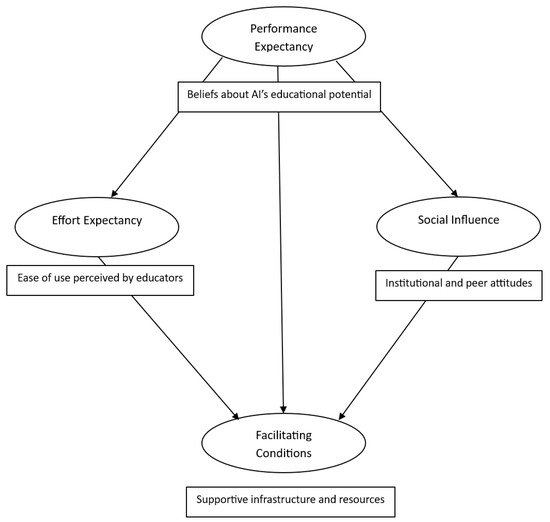
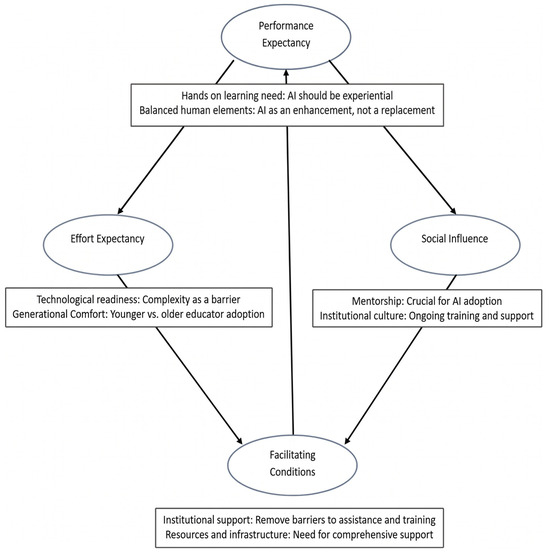
Artificial intelligence (AI), treated in this study as an umbrella term for AI-enabled clinical and educational technologies rather than as a single platform, is reshaping medical education, including how diagnostic skills, treatment planning, and patient care are taught. This study examines AI integration in medical education through the perceptions and readiness of clinical educators. Guided by the Unified Theory of Acceptance and Use of Technology, the study explores factors influencing AI adoption in medical training, including performance expectancy, effort expectancy, social influence, and facilitating conditions. In this exploratory study, semi-structured interviews were conducted with 15 clinical educators in the south-central United States who supervise third-year medical students. Findings suggested six recurring themes: the technological learning curve, the need for hands-on learning, institutional support, mentorship, preservation of human elements, and generational differences in comfort with AI. While some AI-enabled applications may support adaptive and personalized learning, educators expressed concerns about maintaining empathy, patient interaction, and human-centered care. The findings suggest that effective AI integration may require strategic institutional support, ongoing training, and pedagogical change. This study provides insight into developing AI-ready medical education models that balance technical competence with humanistic values.
Full article

Figure 1
Open AccessArticle
Are We Talking About the Same Thing? US Medical Student Definitions of Value-Based Care
by
Kathleen L. Mulligan, Elina Kurkurina, Alexander M. Mass, Brendan L. Rooney, Shaila Gopal, Jessica Riley and Rahul Anand
Int. Med. Educ. 2026, 5(3), 64; https://doi.org/10.3390/ime5030064 - 13 Jul 2026
Abstract
Wasteful care is a prevalent, costly problem in the United States. Medical schools are addressing this by teaching about value-based care. However, students still struggle with the application of this concept. We hypothesized that this struggle may be due to students’ uncertainty about
[...] Read more.
Wasteful care is a prevalent, costly problem in the United States. Medical schools are addressing this by teaching about value-based care. However, students still struggle with the application of this concept. We hypothesized that this struggle may be due to students’ uncertainty about how to define value-based care. In this article, we evaluated a novel, interactive, value-based care session for first-year medical students and assessed students’ abilities to define value-based care pre- and post-session. Our curricular session introduced first-year medical students to value-based care principles and included both a lecture and small-group role-play exercise focused on value-based decision-making. Students completed pre- and post-session surveys that assessed how they defined value-based care, from which we identified 11 unique themes. Following the session, students provided more complete definitions. Early instruction using peer-led sessions, application through role-play, and assessment through open-ended responses were associated with improved student ability to conceptualize and define value-based care. Improved definitional clarity may allow students to better apply value-based principles to their clinical practice. However, further research is needed to assess how the ability to conceptualize this concept translates to clinical application.
Full article
(This article belongs to the Special Issue Health Professions Education Advancements and Innovations—International Perspectives)
Open AccessArticle
A Systems-Based Mixed-Methods Approach to Identifying Work-System Factors Contributing to Burnout Among Internal Medicine and Internal Medicine Pediatrics Residents
by
Karthik Adapa, Lisa Vizer, Viola Goodacre, Elizabeth Kwong, Jennifer Bissram, Emily Kertcher, Nadia Charguia and Lukasz Mazur
Int. Med. Educ. 2026, 5(3), 63; https://doi.org/10.3390/ime5030063 - 10 Jul 2026
Abstract
►▼
Show Figures
Burnout among internal medicine (IM) and internal medicine–pediatrics (Med–Peds) residents is at epidemic levels, yet few studies use systems-based methods to identify the specific work-system factors that drive it. Guided by the National Academy of Medicine (NAM) systems model of clinician burnout, we
[...] Read more.
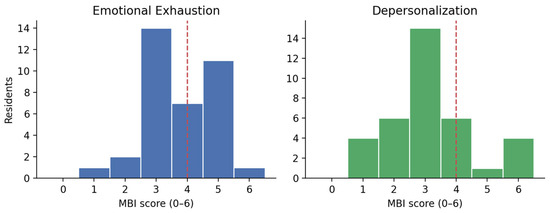
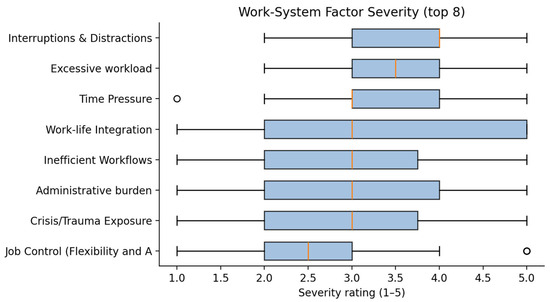
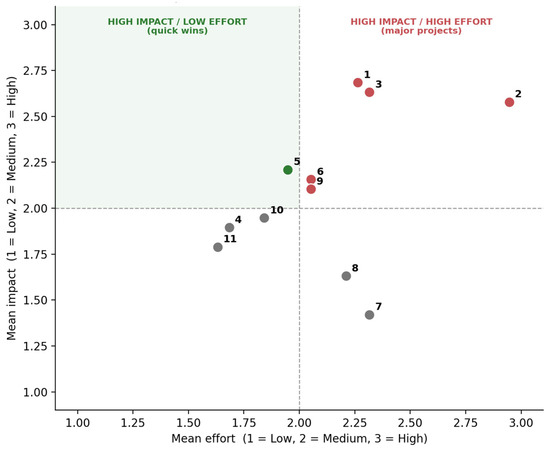
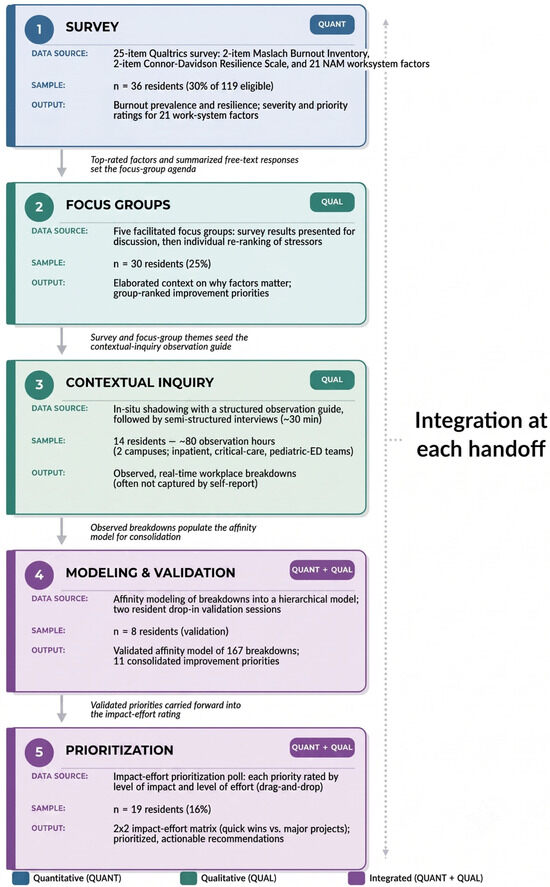
Burnout among internal medicine (IM) and internal medicine–pediatrics (Med–Peds) residents is at epidemic levels, yet few studies use systems-based methods to identify the specific work-system factors that drive it. Guided by the National Academy of Medicine (NAM) systems model of clinician burnout, we conducted a five-phase sequential mixed-methods study—survey, focus groups, contextual inquiry, affinity modeling and validation, and impact–effort prioritization—among 119 IM and Med–Peds residents at one academic medical center. Burnout (two-item Maslach Burnout Inventory [MBI]), resilience (two-item Connor–Davidson Resilience Scale), and 21 NAM-derived work-system factors were assessed, along with analyses report means, standard deviations (SD), 95% confidence intervals (CIs), and internal-consistency reliability. Among 36 respondents (30% response rate), 55.6% screened positive for burnout (95% CI 39.6–70.5%); mean emotional exhaustion was 3.78 (SD 1.12), and depersonalization was 3.17 (SD 1.38). The 21-item severity scale showed good reliability (Cronbach’s α = 0.85). The highest-severity factors were interruptions/distractions, excessive workload, time pressure, and work-life integration. Focus groups (n = 30), contextual inquiries (n = 14, ~80 observation hours), and validation sessions (n = 8) yielded 167 breakdowns and 11 priorities. An impact–effort analysis (n = 19) identified clinic workflows and in-basket workload as high-impact/lower-effort priorities. This participatory, systems-based method yields contextually grounded, prioritized targets for reducing resident burnout that survey data alone would not surface.
Full article

Figure 1

Open AccessArticle
Bioethics, Law and Deontology in Greek Undergraduate Medical, Dental and Nursing Curricula: A National Cross-Sectional Comparative Study
by
Polykarpos Gkasiavelis, Ioanna V. Papathanasiou, Maria Malliarou and Anna Mavroforou
Int. Med. Educ. 2026, 5(3), 62; https://doi.org/10.3390/ime5030062 - 10 Jul 2026
Abstract
►▼
Show Figures
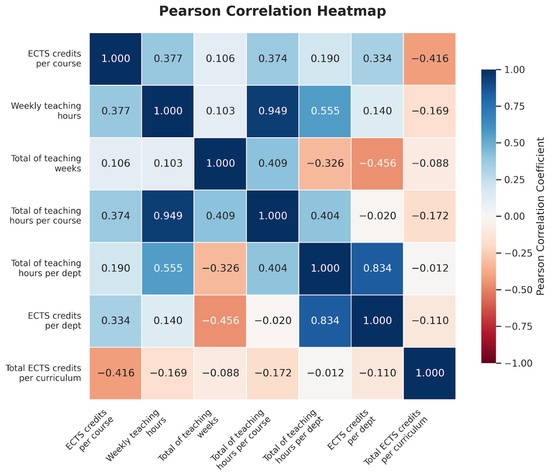
Since the 1960s, Bioethics, Law and Deontology have become increasingly integrated into healthcare education in response to the growing ethical, legal and professional complexity of clinical practice. This national cross-sectional comparative study aimed to investigate the presence and structural characteristics of Bioethics, Law
[...] Read more.
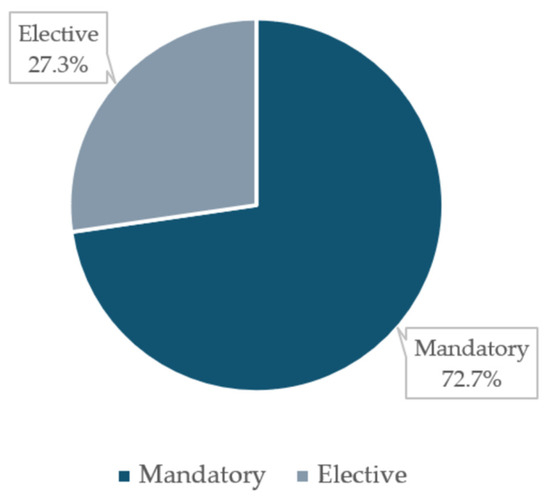
Since the 1960s, Bioethics, Law and Deontology have become increasingly integrated into healthcare education in response to the growing ethical, legal and professional complexity of clinical practice. This national cross-sectional comparative study aimed to investigate the presence and structural characteristics of Bioethics, Law and Deontology teaching in Greek undergraduate Medical, Dental and Nursing curricula. Online study guides and syllabi for the academic year 2024–2025 from all Greek public Medical (n = 7), Dental (n = 2) and Nursing (n = 9) Departments were systematically reviewed. Data regarding course presence, type, semester allocation, European Credit Transfer and Accumulation (ECTS) credits and teaching hours were extracted and analyzed using descriptive and comparative statistics. Courses related to Bioethics, Law and Deontology were identified in 17 of 18 Departments (94.4%). The mean teaching hours per Department were 37.4, with Nursing Departments demonstrating higher teaching loads. However, 50% of Departments reported fewer teaching hours than the minimum proposed by the UNESCO Bioethics Core Curriculum. Considerable heterogeneity was observed regarding course structure and curricular integration. These findings suggest the need for greater curricular harmonization and strengthened Bioethics, Law and Deontology education in Greek undergraduate healthcare training.
Full article

Figure 1
Open AccessBrief Report
Integrating Collaborative Learning, Artistic Mediation, and AI to Enhance Midwifery Clinical Reasoning Based on the NANDA–NIC–NOC Framework
by
Ilham Refki, Mohamed Benfatah, Abdelghafour Marfak, Elmadani Saad, Abderraouf Hilali and Ibtissam Youlyouz-Marfak
Int. Med. Educ. 2026, 5(3), 61; https://doi.org/10.3390/ime5030061 - 5 Jul 2026
Abstract
Background: Clinical reasoning is a core midwifery competency, yet adopting standardized NANDA–NIC–NOC frameworks remains challenging due to perceived abstraction. Objective: To explore the effectiveness of a pedagogical intervention combining collaborative learning, artistic mediation, and AI to enhance midwives’ clinical reasoning. Methods: A convergent
[...] Read more.
Background: Clinical reasoning is a core midwifery competency, yet adopting standardized NANDA–NIC–NOC frameworks remains challenging due to perceived abstraction. Objective: To explore the effectiveness of a pedagogical intervention combining collaborative learning, artistic mediation, and AI to enhance midwives’ clinical reasoning. Methods: A convergent parallel mixed-methods study with 40 practicing midwives at Hassan I Hospital, Morocco, involving a structured workshop with a learning game, symbolic tree creation, and AI-facilitated reflection. Inductive thematic analysis was applied to qualitative data, complemented by descriptive pre/post rubric scores assessed by two independent raters. Results: Four themes emerged: (1) improved structuring of clinical reasoning; (2) deeper conceptual appropriation of the NANDA–NIC–NOC framework; (3) enhanced reflexivity and metacognition via AI; (4) high engagement and pedagogical acceptability. Conclusions: Integrating collaborative gaming, artistic mediation, and AI showed high pedagogical acceptability and supported immediate structuring of clinical reasoning in midwifery, offering a promising and feasible model for initial and continuing training in resource-limited settings. Longitudinal studies are needed to confirm long-term clinical impact. Clinical reasoning; NANDA–NIC–NOC; artificial intelligence; simulation-based learning; collaborative learning; educational innovation.
Full article
Highly Accessed Articles
Latest Books
E-Mail Alert
News
Topics
Conferences
Special Issues
Special Issue in
IME
Assessment and Performance in Surgical Training
Guest Editors: Sofia Rozani, Vasileios VougasDeadline: 31 January 2027
Special Issue in
IME
Authentic and Transformative Learning in Medical Education for a Changing World
Guest Editor: Rahul PanditDeadline: 30 April 2027
Special Issue in
IME
Celebrating IME's First Impact Factor: Global Initiatives, Innovations, and New Directions in Medical Education
Guest Editors: Branko Aleksic, Itzel Bustos-VillalobosDeadline: 30 June 2027
Special Issue in
IME
Health Professions Education Advancements and Innovations—International Perspectives—2nd Edition
Guest Editors: Anthony Payne, Douglas McHughDeadline: 15 July 2027