
Journal Description
International Journal of Translational Medicine
is an international, peer-reviewed, open access journal on major advances in both experimental and clinical medicine, with a particular emphasis on translational research published quarterly online by MDPI.
- Open Access— free for readers, with article processing charges (APC) paid by authors or their institutions.
- High Visibility: indexed within Scopus and other databases.
- Journal Rank: CiteScore - Q2 (Medicine (miscellaneous))
- Rapid Publication: manuscripts are peer-reviewed and a first decision is provided to authors approximately 21.3 days after submission; acceptance to publication is undertaken in 3.6 days (median values for papers published in this journal in the first half of 2026).
- Recognition of Reviewers: APC discount vouchers, optional signed peer review, and reviewer names published annually in the journal.
- IJTM is a companion journal of Biomedicines.
Latest Articles
A Ripened Functional Cheese Containing Lactiplantibacillus plantarum Lp1 Modulates Ovalbumin-Induced Airway Inflammation in Mice
Int. J. Transl. Med. 2026, 6(3), 31; https://doi.org/10.3390/ijtm6030031 - 29 Jul 2026
Abstract
►
Show Figures
Background: Food-based delivery systems are essential for the practical application of probiotics. A key challenge in translating this technology is determining whether the bacteria remain viable and biologically active after being incorporated into a real food matrix and undergoing prolonged processing. This study
[...] Read more.
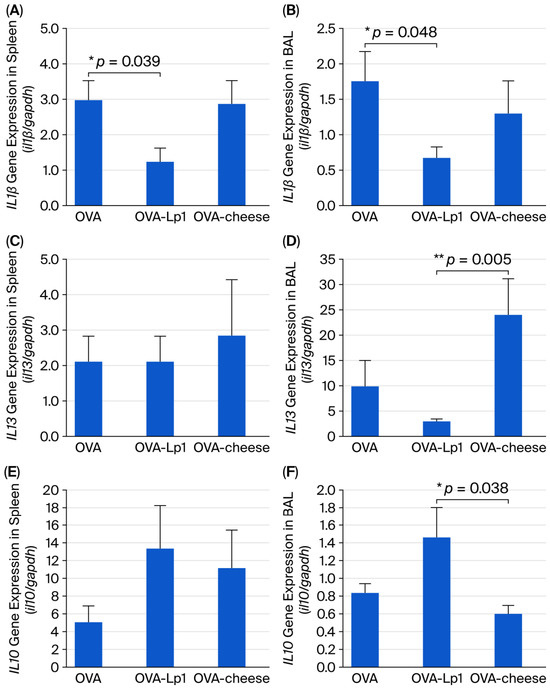
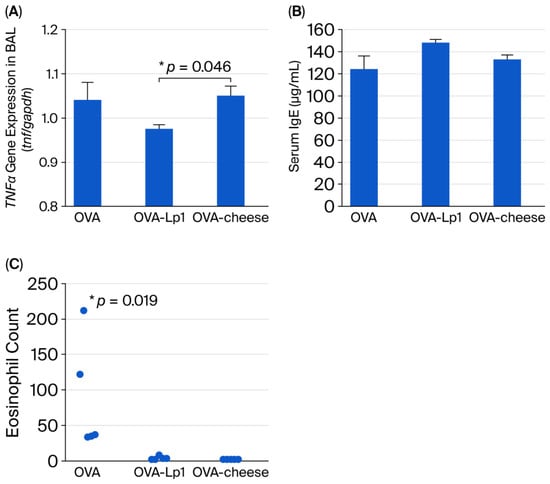
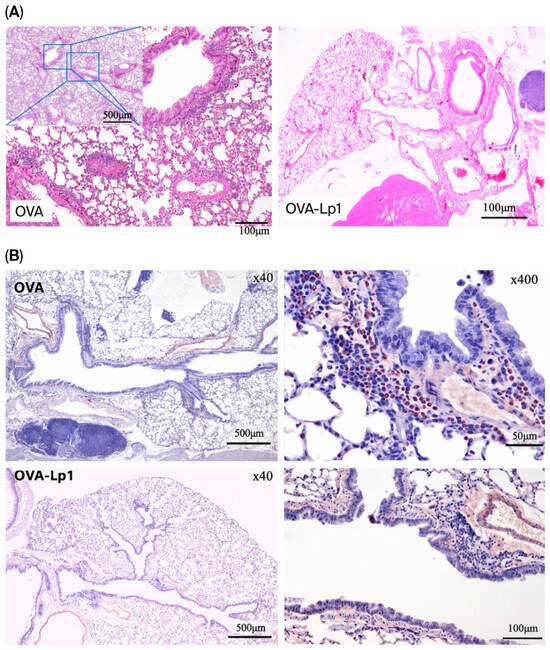
Background: Food-based delivery systems are essential for the practical application of probiotics. A key challenge in translating this technology is determining whether the bacteria remain viable and biologically active after being incorporated into a real food matrix and undergoing prolonged processing. This study evaluated whether Lactiplantibacillus plantarum Lp1 retains its immunomodulatory activity when incorporated into a ripened, semi-hard cheese matrix. Methods: Female BALB/c mice were assigned to three groups: Ovalbumin-induced pneumonia (OVA); OVA plus control cheese; and OVA plus Lp1 cheese. The cheese was ripened at a low temperature for 120 days and administered at a dose of 2 g per day for four weeks. Allergic airway inflammation was induced by OVA sensitization and intranasal challenge. The following were evaluated: viable Lp1 counts after ripening, cytokine gene expression in bronchoalveolar lavage cells and spleen, total IgE levels, and lung histopathology. Results: The number of viable Lp1 decreased during ripening but remained detectable in the final cheese product at 8.7 × 10⁶ CFU/g, which corresponds to an estimated daily intake of 1.7 × 10⁷ CFU/mouse. Bronchoalveolar lavage cells from the OVA plus Lp1 cheese group showed lower expression of selected inflammatory cytokine genes, including Il1b, Il13, and Tnf, as well as higher Il10 expression, compared to the OVA plus control cheese group. Lung histopathology suggested attenuation of OVA-induced airway inflammation. Serum total IgE levels did not differ significantly among groups. Conclusions: In this mouse model, cheese containing Lactiplantibacillus plantarum Lp1 retained the potential to modulate selected inflammation-related markers after 120 days of ripening. Although total serum IgE levels were unchanged, the findings should be interpreted together with other inflammatory outcomes. These results suggest that aged cheese may preserve the biological activity of functional lactic acid bacteria, although further studies are required to establish the translational relevance of these findings.
Full article
Open AccessArticle
Whole-Exome Sequencing Utility and Drug Resistance in a Real-World Epilepsy Cohort from Southern Kazakhstan
by
Islamkhan Doszhanov, Sandugash Rustemova, Nigara Yerkhojayeva, Nursultan Nurdinov, Rauan Kaiyrzhanov, Aziza Djurabekova, Gulzira Baimakhanova, Nazira Zharkinbekova, Aigerim Togizbayeva and Nurlybek Mombekov
Int. J. Transl. Med. 2026, 6(3), 30; https://doi.org/10.3390/ijtm6030030 - 21 Jul 2026
Abstract
►▼
Show Figures
Background/Objectives: In resource-limited regions, limited access to genetic testing may delay etiological diagnosis in selected patients with epilepsy and complex neurological manifestations, particularly when the phenotype raises suspicion of an underlying genetic etiology. This study aimed to assess the diagnostic value and clinical
[...] Read more.
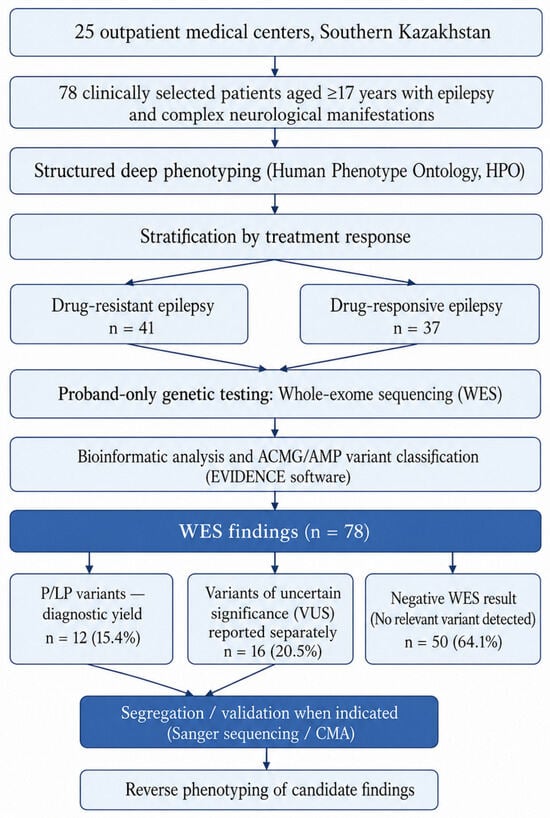
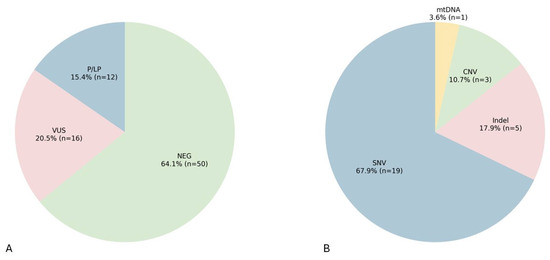
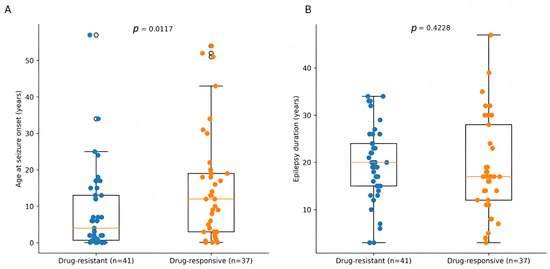
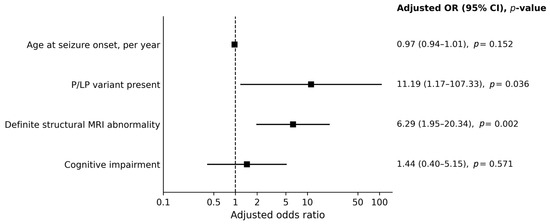
Background/Objectives: In resource-limited regions, limited access to genetic testing may delay etiological diagnosis in selected patients with epilepsy and complex neurological manifestations, particularly when the phenotype raises suspicion of an underlying genetic etiology. This study aimed to assess the diagnostic value and clinical utility of phenotype-guided WES in selected patients aged ≥17 years with epilepsy and complex neurological manifestations in Southern Kazakhstan and to characterize clinical, therapeutic, and molecular features associated with drug-resistant epilepsy (DRE). Methods: This observational cohort included 78 patients aged ≥17 years with epilepsy and complex neurological manifestations identified through 25 outpatient medical centers. After enrollment, all patients underwent structured HPO-based phenotyping, assessment of antiseizure medication exposure, seizure burden, treatment response, and proband-only WES. Variants were interpreted according to ACMG/AMP guidelines. Exploratory multivariable logistic regression was used to assess factors associated with DRE. Results: P/LP variants were identified in 12/78 patients, corresponding to a diagnostic yield of 15.4%. VUS were detected in 16/78 patients (20.5%). DRE was present in 41 patients (52.6%), all of whom were receiving polytherapy. Carbamazepine was the most frequently used antiseizure medication (52/78, 66.7%), followed by valproic acid (32/78, 41.0%) and levetiracetam (20/78, 25.6%). Patients with DRE had earlier seizure onset, more frequent definite structural MRI abnormalities, and a higher proportion of P/LP variants. In the adjusted model, P/LP variant presence and definite structural MRI abnormality were associated with DRE. Conclusions: Phenotype-guided proband-only WES provided clinically relevant diagnostic information in a real-world epilepsy cohort with complex neurological manifestations in a resource-limited outpatient setting. The observed burden of DRE and polytherapy supports the potential value of integrating therapeutic profiling, neuroimaging, and genomic testing in the etiological evaluation of patients with epilepsy and additional neurological features.
Full article

Figure 1
Open AccessArticle
Dysregulation of the miR-34a/SIRT1 Regulatory Network Is Associated with Cardiometabolic Risk in Type 2 Diabetes
by
Fábio Morato de Oliveira, Fermino Sanches Lizarte Neto, Eduardo Vignoto Fernandes, Mayara Bocchi, David Michel de Oliveira and Carla Silva Siqueira
Int. J. Transl. Med. 2026, 6(3), 29; https://doi.org/10.3390/ijtm6030029 - 14 Jul 2026
Abstract
Background: Although conventional cardiovascular risk scores are widely used, they do not fully capture the molecular mechanisms underlying vascular injury in type 2 diabetes mellitus (T2DM). This study investigated the association between the miR-34a/SIRT1 regulatory axis and cardiometabolic risk in T2DM
[...] Read more.
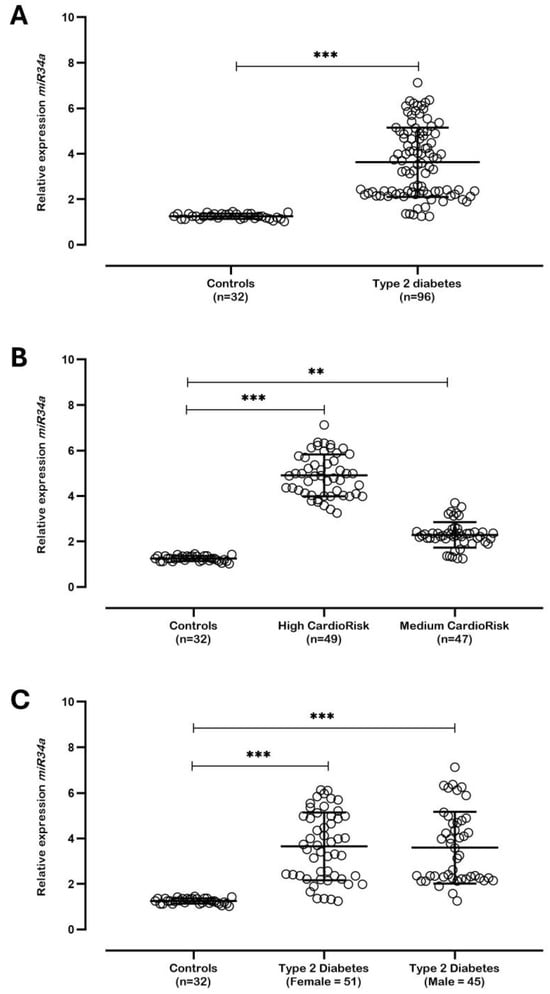
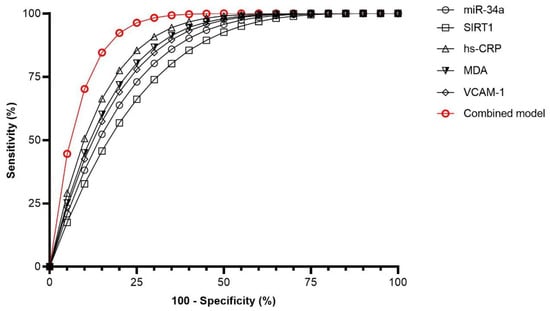
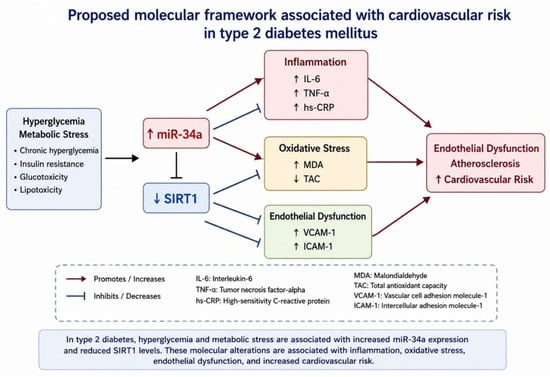
Background: Although conventional cardiovascular risk scores are widely used, they do not fully capture the molecular mechanisms underlying vascular injury in type 2 diabetes mellitus (T2DM). This study investigated the association between the miR-34a/SIRT1 regulatory axis and cardiometabolic risk in T2DM by integrating biomarkers of inflammation, oxidative stress, and endothelial dysfunction. Methods: A cross-sectional study included 128 adults (96 with T2DM and 32 non-diabetic controls). Cardiometabolic risk was stratified using the Framingham Risk Score. Circulating miR-34a expression was quantified by RT-qPCR, whereas SIRT1 and biomarkers of inflammation (IL-6, TNF-α, and hs-CRP), oxidative stress (MDA and TAC), and endothelial dysfunction (VCAM-1 and ICAM-1) were measured using ELISA or standardized biochemical assays. Multivariate regression and receiver operating characteristic (ROC) analyses were performed. Results: Compared with medium-risk patients, individuals classified as high risk exhibited longer diabetes duration, higher body mass index, blood pressure, fasting glucose, and HbA1c levels (all p < 0.05), together with increased circulating miR-34a, inflammatory, oxidative stress, and endothelial dysfunction biomarkers, whereas SIRT1 and total antioxidant capacity were significantly reduced (all p < 0.001). These molecular alterations remained independently associated with risk after adjustment for age, sex, body mass index, smoking status, physical activity, dyslipidemia, HbA1c, and medication use. The combined biomarker model integrating miR-34a, SIRT1, hs-CRP, MDA, and VCAM-1 demonstrated excellent discriminatory performance for identifying high-risk individuals (AUC = 0.92; sensitivity = 86.4%; specificity = 85.5%). Conclusions: Cardiometabolic risk in T2DM is associated with a coordinated molecular signature characterized by miR-34a upregulation, SIRT1 suppression, systemic inflammation, oxidative stress, and endothelial dysfunction. These findings suggest that integrated biomarker profiling may complement conventional risk assessment and support future precision cardiometabolic strategies.
Full article
(This article belongs to the Topic Future Directions in Cardiology: How the Clinic Will Change in the Coming Years, the Laboratory Always Standing)
►▼
Show Figures

Figure 1
Open AccessStudy Protocol
In Vivo Investigation of the Role of MicroRNAs in Anaesthetic-Induced Cardioprotection Against Ischemia/Reperfusion Damage: A Study Protocol
by
María Dolores Carmona-Luque and José Luis Guerrero-Orriach
Int. J. Transl. Med. 2026, 6(3), 28; https://doi.org/10.3390/ijtm6030028 - 30 Jun 2026
Abstract
►▼
Show Figures
Background: Designing studies to increase knowledge of the beneficial effects of volatile halogenated anaesthetics(VHAs) is critical to understand the mechanisms activated by myocardial conditioning during ischaemia-reperfusion(I/R) injury. Our research group has identified specific enzymes associated with the SAFE/RISK signalling pathways involved in halogen-induced
[...] Read more.
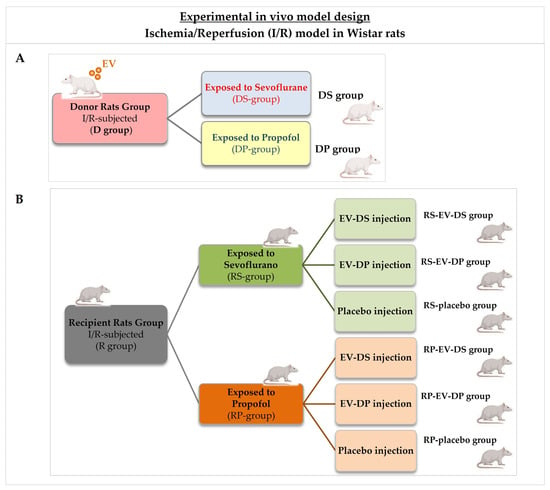
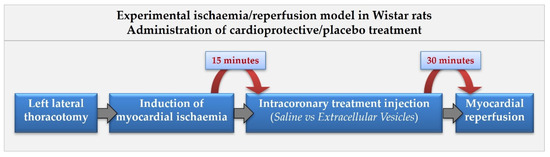
Background: Designing studies to increase knowledge of the beneficial effects of volatile halogenated anaesthetics(VHAs) is critical to understand the mechanisms activated by myocardial conditioning during ischaemia-reperfusion(I/R) injury. Our research group has identified specific enzymes associated with the SAFE/RISK signalling pathways involved in halogen-induced cardioprotection and has observed a direct correlation between the expression of specific microRNA(miRNAs) and the cardioprotective effect conferred by VHA. Objective: This protocol study has been designed to increase knowledge regarding the cardioprotective effects generated by induced cardioprotective miRNAs after exposure to halogenated drugs without subjecting the patient to additional surgical procedures. Methods: The experimental design that is proposed will be performed with isogenic Wistar rats, all subjected to an I/R procedure. The animals will be randomly divided into two groups: the Donor group and the Recipient group. Half of the rats included in both groups will be exposed to sevoflurane (S), a hypnotic drug, during the I/R procedure, and the other half will be injected with propofol (P), a hypnotic. EVs will be isolated from plasma samples extracted from rats in the Donor group 24 h after the I/R procedure. In vitro EV characterisation will be performed by conducting an ultramorphological analysis, identifying the EV immunophenotype, and quantifying miRNAs. Cardiac function will be assessed by transthoracic echocardiography, histological, and immunohistochemical analyses. Results: The results derived from studies conducted according to this experimental design will support its validation as a preclinical study by regulatory authorities for approval and will serve to design a Phase I clinical trial. Conclusions: The proposed scientific rationale of applying this proposed experimental design will enable the generation of knowledge ‘from the bench to the bedside’ regarding miRNAs with cardioprotective properties induced by exposure to halogenated agents, which could be considered as biomarkers of cardioprotection. Furthermore, biomarker administration could reduce cardiac damage in patients undergoing additional cardiac surgery.
Full article

Figure 1
Open AccessReview
Peritoneal Metastasis as a Distinct Biological Entity: Mechanisms, Microenvironment, and Therapeutic Implications
by
Serdar Gumus, Uğur Topal, Ibrahim Cogal and Cem Kaan Parsak
Int. J. Transl. Med. 2026, 6(3), 27; https://doi.org/10.3390/ijtm6030027 - 29 Jun 2026
Abstract
►▼
Show Figures
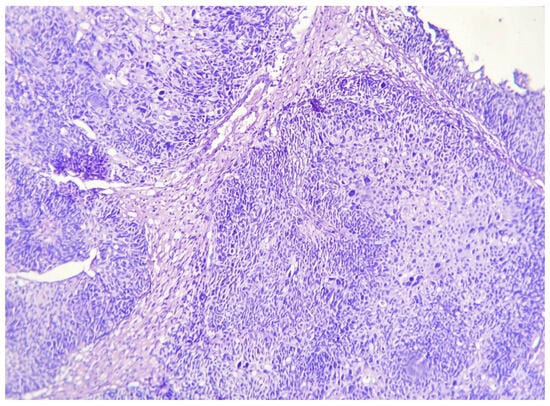
For decades, peritoneal metastases (PM) have been regarded as a terminal manifestation of advanced malignancies and managed primarily with palliative intent because of limited sensitivity to systemic therapies. Accumulating clinical, molecular, and immunological evidence now supports the view that PM is not merely
[...] Read more.
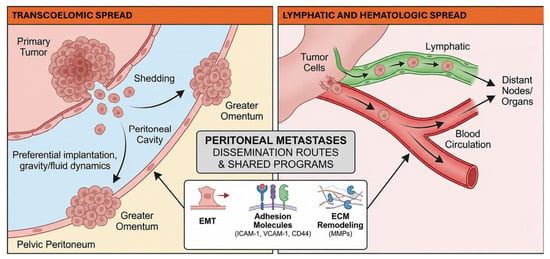
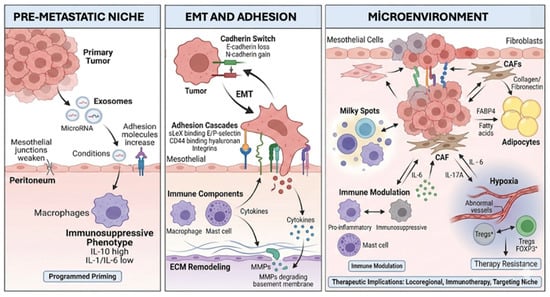
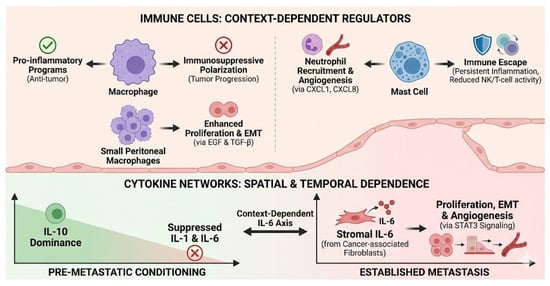
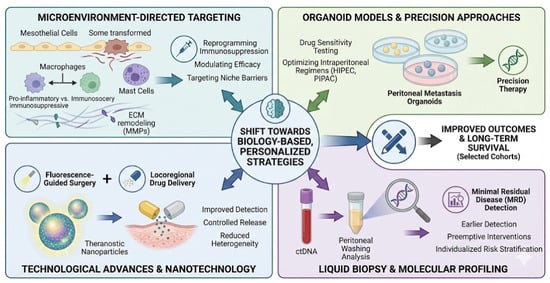
For decades, peritoneal metastases (PM) have been regarded as a terminal manifestation of advanced malignancies and managed primarily with palliative intent because of limited sensitivity to systemic therapies. Accumulating clinical, molecular, and immunological evidence now supports the view that PM is not merely an anatomic pattern of spread but a distinct metastatic niche with characteristic biological, microenvironmental, and therapeutic features. This review summarizes the major routes of PM development—transcoelomic, lymphatic, and hematologic dissemination—and emphasizes how these pathways converge through shared biological programs. Core mechanisms include epithelial–mesenchymal transition (EMT), adhesion signaling, extracellular matrix remodeling, and tumor–immune cell interactions. A central focus is the peritoneal tumor microenvironment: mesothelial-to-mesenchymal transition, cancer-associated fibroblast activity, adipocyte-derived metabolic support, macrophage polarization, and regulatory T-cell enrichment collectively shape an immunotolerant and treatment-resistant niche on the peritoneal surface. In addition, evidence from pre-metastatic niche biology suggests that primary tumor-derived exosomes and epitranscriptomic regulation can prime the peritoneal environment before overt implantation. These features provide a biological rationale for locoregional strategies such as cytoreductive surgery and hyperthermic intraperitoneal chemotherapy, as well as emerging intraperitoneal modalities and microenvironment-targeted approaches. Finally, organoid platforms, liquid biopsy-based minimal residual disease monitoring, and theranostic technologies may enable more personalized, biology-driven management of PM.
Full article

Figure 1
Open AccessReview
Efficacy and Safety of a Single Dose Versus Three Weekly Doses of Benzathine Penicillin G for Early Syphilis: A Systematic Review and Meta-Analysis
by
Thanyarat Phumthian, Sudapree Sorasuchart and Samadhi Patamatamkul
Int. J. Transl. Med. 2026, 6(3), 26; https://doi.org/10.3390/ijtm6030026 - 26 Jun 2026
Abstract
►▼
Show Figures
Background/Objectives: To compare the efficacy and safety of a single dose versus three weekly doses of benzathine penicillin G (BPG) for the treatment of early syphilis. Methods: We searched Embase, PubMed, and Scopus for randomized controlled trials (RCTs) and prospective comparative
[...] Read more.
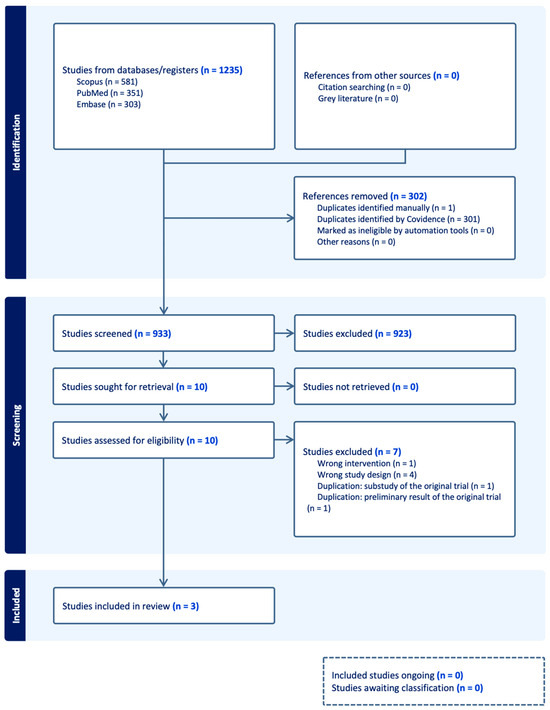
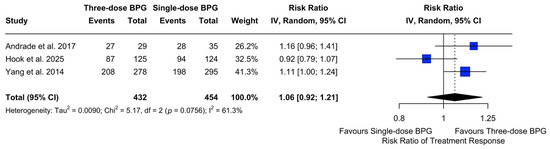
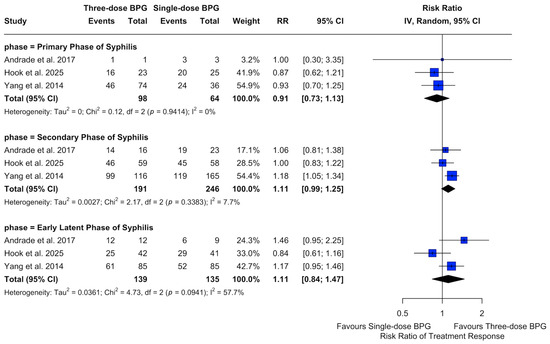
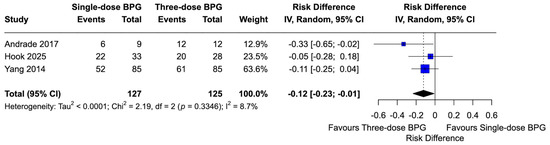
Background/Objectives: To compare the efficacy and safety of a single dose versus three weekly doses of benzathine penicillin G (BPG) for the treatment of early syphilis. Methods: We searched Embase, PubMed, and Scopus for randomized controlled trials (RCTs) and prospective comparative studies published in English up to September 2025. The primary outcome was serological cure (≥4-fold decline in non-treponemal titers) at 6–12 months, analyzed on an intention-to-treat (ITT) basis. Risk of bias was assessed using RoB 2 for RCTs and ROBINS-I for non-randomized studies; certainty of evidence was rated with GRADE. Data were synthesized using random-effects meta-analysis and trial sequential analysis (TSA). Results: Three studies (n = 886) met the inclusion criteria. The primary ITT meta-analysis showed no significant difference in serological cure between the three-dose and single-dose regimens (risk ratio [RR] 1.06; 95% CI 0.92–1.21; p = 0.42), with substantial heterogeneity. In an exploratory pre-specified subgroup of patients with high baseline RPR (≥1:32), the three-dose regimen was associated with higher cure rates (RR 1.12; 95% CI 1.02–1.23; p = 0.02; I2 = 0%), but no significant benefit was seen for people with HIV (PWH) (RR 1.08; p = 0.13) or for those with CD4 counts <350 cells/mm3. Risk of bias was serious across all studies, and GRADE certainty was very low for efficacy and low for safety. In a post hoc per-protocol analysis restricted to early latent syphilis, the three-dose regimen yielded higher serological cure (pooled risk difference 12%, 95% CI 1–23; p = 0.03). TSA indicated that the evidence is inconclusive and underpowered. Conclusions: On the basis of the ITT analysis, a single dose of BPG appears to remain effective and safe for most cases of early syphilis, including in PWH, supporting current CDC and WHO recommendations. The apparent advantages of three doses in high-titer and early latent subgroups derive from exploratory and post hoc analyses of studies at high risk of bias with very low certainty of evidence and should be regarded as hypothesis-generating rather than practice-changing. Adequately powered, well-designed trials are needed before any dose stratification can be recommended.
Full article

Figure 1
Open AccessCommunication
A Simplified Mathematical Framework for Pulse Wave Velocity Alterations in Neonatal Aortic Coarctation
by
Raphael Thomasset, Domenico Antonio Agostino, Vanessa Feudo, Bianca Masturzo, Paolo Manzoni, Isacco Meloni, Raffaele Tinelli, Alessandro Libretti, Alessandro Messina and Livio Leo
Int. J. Transl. Med. 2026, 6(2), 25; https://doi.org/10.3390/ijtm6020025 - 8 Jun 2026
Abstract
►▼
Show Figures
Background: Neonatal aortic coarctation (CoA) remains difficult to diagnose before hemodynamic deterioration occurs after ductal closure. Pulse wave velocity (PWV) may reflect functional vascular alterations associated with CoA. Methods: A simplified hemodynamic mathematical model describing pulse wave propagation across aortic coarctation
[...] Read more.
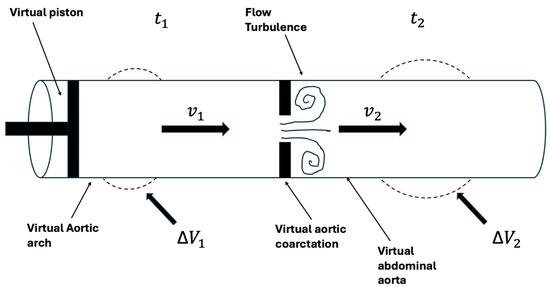
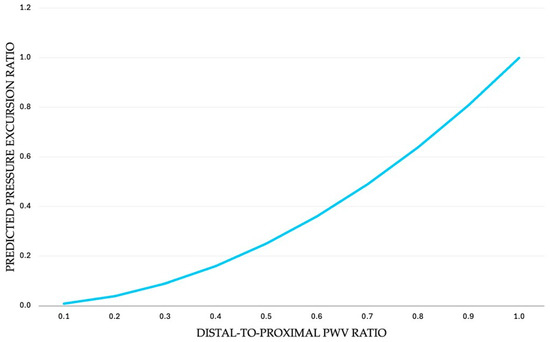
Background: Neonatal aortic coarctation (CoA) remains difficult to diagnose before hemodynamic deterioration occurs after ductal closure. Pulse wave velocity (PWV) may reflect functional vascular alterations associated with CoA. Methods: A simplified hemodynamic mathematical model describing pulse wave propagation across aortic coarctation has been developed. The model is based on conservation of energy principles and incorporates simplified assumptions regarding arterial compliance to relate PWV changes to systolic–diastolic pressure. Results: The model suggests a nonlinear relationship between PWV reduction distal to the coarctation and pressure excursion damping. Specifically, a twofold PWV reduction corresponds theoretically to an approximately fourfold reduction in systolic–diastolic pressure variation. The derived relationships were shown to be conceptually consistent with the Moens–Korteweg formulation and Laplace law. Conclusions: This theoretical framework supports the physiological plausibility of combining PWV assessment with pressure-gradient evaluation in neonatal CoA screening. Future studies are required to validate the model in clinical settings and define diagnostic thresholds.
Full article

Figure 1

Open AccessCase Report
Combined Therapy with Mycophenolate and Cyclosporine for the Treatment of Steroid-Dependent/Resistant Nephrotic Syndrome in Children: A 9-Case Analysis—Dual Therapy in Nephrotic Syndrome
by
Luisa Fernanda Rojas-Rosas, Natalia Osorio, Melissa Navarro, Miguel Ángel Restrepo, María Carolina Isaza-López, Carolina Lucia Ochoa-García, Esteban Villegas-Arbeláez, Richard Baquero-Rodriguez, Mayra Estevez and Lina Maria Serna-Higuita
Int. J. Transl. Med. 2026, 6(2), 24; https://doi.org/10.3390/ijtm6020024 - 27 May 2026
Abstract
►▼
Show Figures
Introduction: Steroid-resistant nephrotic syndrome (SRNS) represents a severe and challenging form of pediatric nephrotic syndrome and is associated with a high risk of progression to end-stage kidney disease. Calcineurin inhibitors (CNIs) are the standard second-line therapy; however, their use is limited by frequent
[...] Read more.
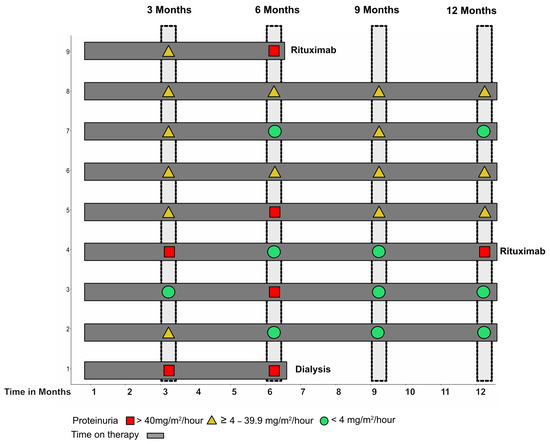
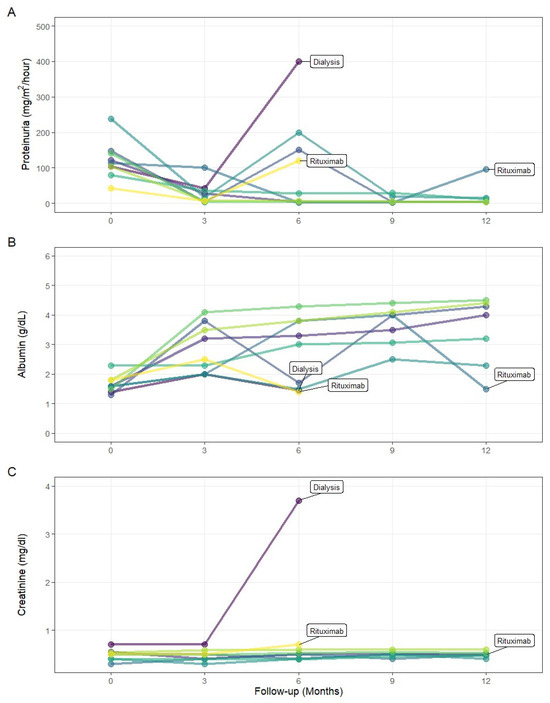
Introduction: Steroid-resistant nephrotic syndrome (SRNS) represents a severe and challenging form of pediatric nephrotic syndrome and is associated with a high risk of progression to end-stage kidney disease. Calcineurin inhibitors (CNIs) are the standard second-line therapy; however, their use is limited by frequent relapses and long-term nephrotoxicity. Mycophenolate mofetil (MMF) offers a more favorable safety profile and a complementary mechanism of action; however, the clinical utility of combining MMF with CNIs remains largely under-explored in this population. Case Presentation: We describe a series of nine pediatric patients with steroid-resistant or steroid-dependent nephrotic syndrome who were refractory to cyclosporine monotherapy. These patients were treated with a combination regimen of cyclosporine (4–5 mg/kg/day; target trough levels of 75–150 ng/mL) and MMF (600 mg/m2/day). This therapeutic approach was associated with a reduction in corticosteroid dosage and a decrease in the annual number of relapses in most patients. Conclusions: In this small case series of pediatric patients with corticosteroid-dependent or steroid-resistant nephrotic syndrome refractory to cyclosporine monotherapy, the addition of mycophenolate mofetil was associated with a reduction in relapse frequency and corticosteroid requirements. Despite the limited sample size, these findings suggest that combination therapy may be a therapeutic option in difficult-to-treat pediatric nephrotic syndrome and warrant further evaluation in controlled studies.
Full article

Figure 1
Open AccessArticle
Complement C5 Inhibition and Short-Term Cardiovascular Outcomes After Acute Limb Ischemia: A Real-World Cohort Study
by
Carl Vahldieck and Benedikt Fels
Int. J. Transl. Med. 2026, 6(2), 23; https://doi.org/10.3390/ijtm6020023 - 22 May 2026
Cited by 1
Abstract
►▼
Show Figures
Background: Acute limb ischemia (ALI) is a vascular emergency characterized by abrupt limb hypoperfusion, ischemia–reperfusion injury, and a high risk of thromboinflammatory and organ complications. Complement activation has been implicated in endothelial dysfunction, glycocalyx injury, and ischemia–reperfusion damage, but the clinical relevance of
[...] Read more.
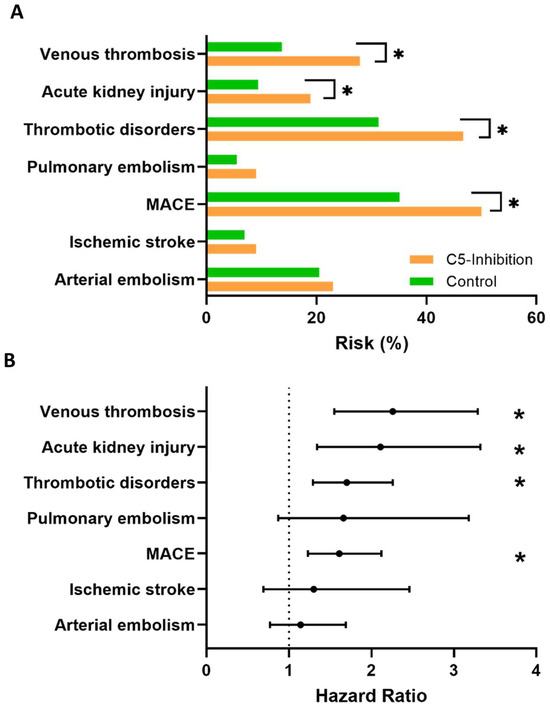
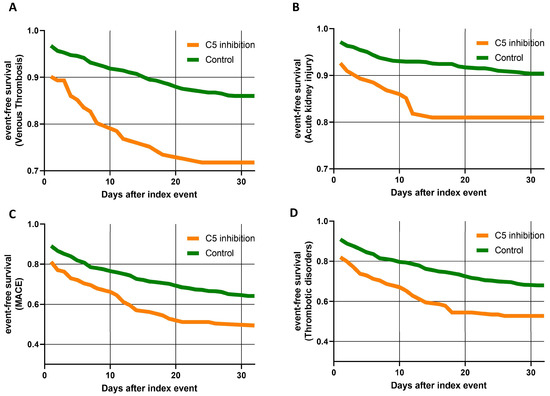
Background: Acute limb ischemia (ALI) is a vascular emergency characterized by abrupt limb hypoperfusion, ischemia–reperfusion injury, and a high risk of thromboinflammatory and organ complications. Complement activation has been implicated in endothelial dysfunction, glycocalyx injury, and ischemia–reperfusion damage, but the clinical relevance of ongoing terminal complement blockade in patients presenting with ALI remains unclear, highlighting a gap between mechanistic understanding and real-world clinical outcomes. Methods: A retrospective cohort study was performed using the TriNetX federated research network. Adult patients with ALI were identified and stratified according to ongoing treatment with the C5 inhibitors eculizumab or ravulizumab. Outcomes included ischemic stroke, venous thrombosis, pulmonary embolism, arterial embolism, thrombotic disorders, acute kidney injury (AKI), and the composite outcome major adverse cardiovascular events (MACE) within 31 days. Propensity score matching was performed for demographic characteristics, cardiovascular comorbidities, complement-associated diseases and medications. Results: After propensity score matching, 112 patients remained in each cohort. Compared with matched controls, patients receiving C5 inhibition had a significantly higher risk of venous thrombosis (27.9% vs. 13.7%; p < 0.001), AKI (18.9% vs. 9.4%; p = 0.001), MACE (50.0% vs. 35.1%; p = 0.001), and thrombotic disorders (46.7% vs. 31.3%; p = 0.001). Time-to-event analyses confirmed significantly lower event-free survival for venous thrombosis (HR 2.3), AKI (HR 2.1), MACE (HR 1.6), and thrombotic disorders (HR 1.7). No significant differences were observed for ischemic stroke, pulmonary embolism, or arterial embolism. Conclusions: In patients with ALI, ongoing treatment with eculizumab or ravulizumab was not associated with an apparent reduction in short-term thromboinflammatory or cardiovascular complications. Instead, the observed outcome pattern suggests persistent vulnerability in this clinically uncommon but increasingly relevant high-risk population, although substantial residual confounding by indication and disease severity remains likely. These findings support further investigation of complement-targeted therapy, endothelial injury, and short-term vascular outcomes in ALI, and emphasize the translational relevance of linking mechanistic insights with clinical data to inform risk stratification and management strategies in this population.
Full article

Figure 1

Open AccessArticle
From Measurements to Patients: Data Aggregation in Supervised Classification of X-Ray Diffraction Datasets
by
Alexander Alekseev, Keith Rogers, Lev Mourokh and Pavel Lazarev
Int. J. Transl. Med. 2026, 6(2), 22; https://doi.org/10.3390/ijtm6020022 - 15 May 2026
Abstract
►▼
Show Figures
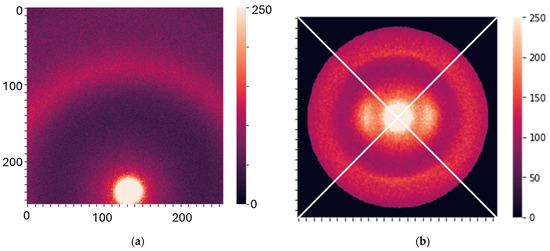
Background/Objectives: Machine learning approaches are widely used in modern medical diagnostics, including cancer detection. The results can be significantly improved by aggregating individual measurements, and appropriate aggregation methods should be established. Methods: We applied various measurement aggregation strategies both before and after machine
[...] Read more.
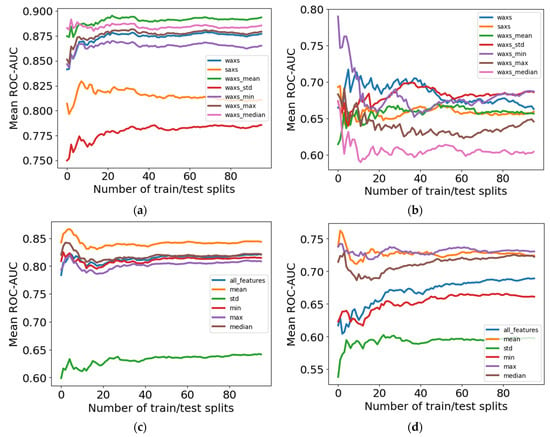
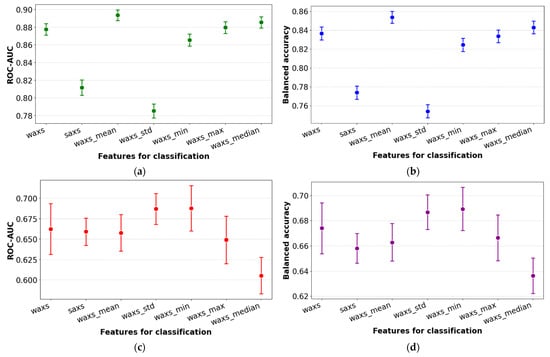
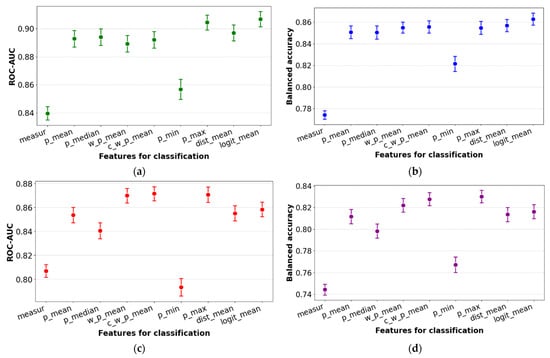
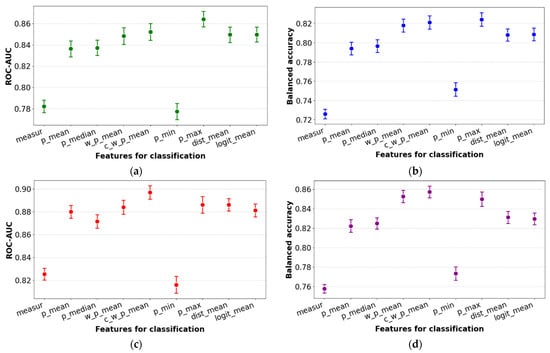
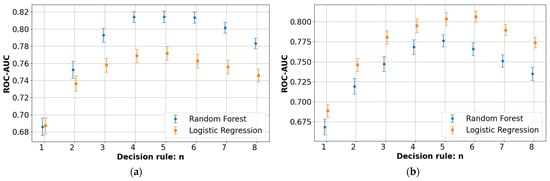
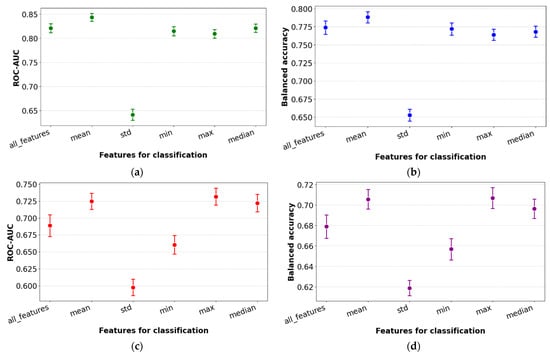
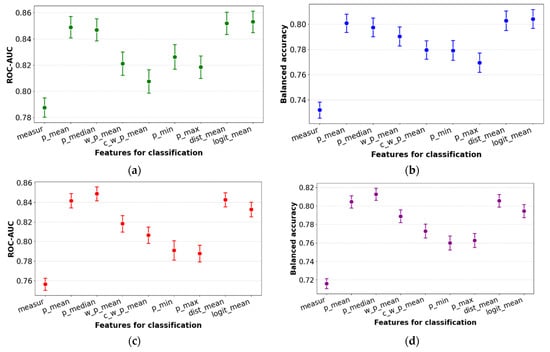
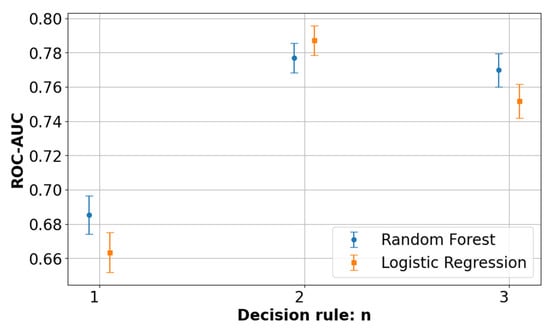
Background/Objectives: Machine learning approaches are widely used in modern medical diagnostics, including cancer detection. The results can be significantly improved by aggregating individual measurements, and appropriate aggregation methods should be established. Methods: We applied various measurement aggregation strategies both before and after machine learning modeling to two datasets of X-ray diffraction images: human breast biopsy samples and canine claw samples. Two classifiers, Random Forest and Logistic Regression, were used to determine classification metrics: the area under the receiver operating characteristic curve (ROC-AUC) and balanced accuracy. Results: We found that all aggregation types improve classification metrics, with aggregation after modeling yielding better performance. Depending on the dataset and approach, either classifier can produce better results. For human breast samples, Random Forest with the logit aggregation strategy provides an ROC-AUC exceeding 0.9. For the canine dataset, both Random Forest with the logit aggregation strategy and Logistic Regression with the median of cancer probabilities achieve an ROC-AUC of about 0.85. Conclusions: We examined several simple, straightforward aggregation methods for patient diagnosis based on multiple measurements per patient and achieved significant improvements in classification metrics.
Full article

Figure 1

Open AccessArticle
Copy Number Alterations Suggest a Functional Switch from Innate Immunity to DNA Repair and Drive Clinical Heterogeneity in Plasma Cell Dyscrasias
by
Igor Valentim Barreto, Wallax Augusto Silva Ferreira, Guilherme Passos de Morais, Jéssica Sousa Cavalcante, Caio Bezerra Machado, Flávia Melo Cunha de Pinho Pessoa, Leidivan Sousa da Cunha, Anna Karolyna da Costa Machado, Isabelle Magalhães Farias, Beatriz Maria Dias Nogueira, Deivide de Sousa Oliveira, Carolina Koury Nassar Amorim, Rodrigo Monteiro Ribeiro, Ana Paula Lopes Moreira, Kaira Mara Cordeiro de Albuquerque, Mateus de Paula Gomes, Maria Elisabete Amaral de Moraes, Manoel Odorico de Moraes, Filho, Edivaldo Herculano Correa de Oliveira, Daniel Pacheco Bruschi and Caroline Aquino Moreira-Nunesadd
Show full author list
remove
Hide full author list
Int. J. Transl. Med. 2026, 6(2), 21; https://doi.org/10.3390/ijtm6020021 - 12 May 2026
Abstract
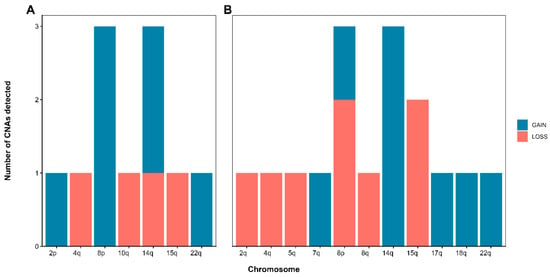
Background/Objectives: Multiple myeloma (MM) is a genetically complex hematological neoplasm driven by accumulating genomic events. Despite therapeutic advances, MM remains an incurable disease with a complex molecular picture. Characterizing copy number alterations (CNAs) represents a promising strategy to identify dysregulated biological pathways and
[...] Read more.
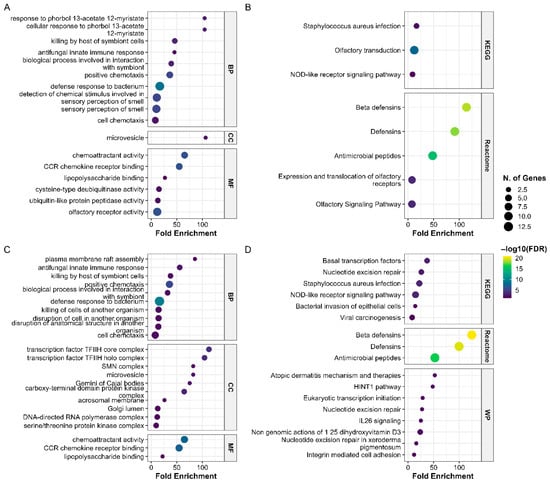
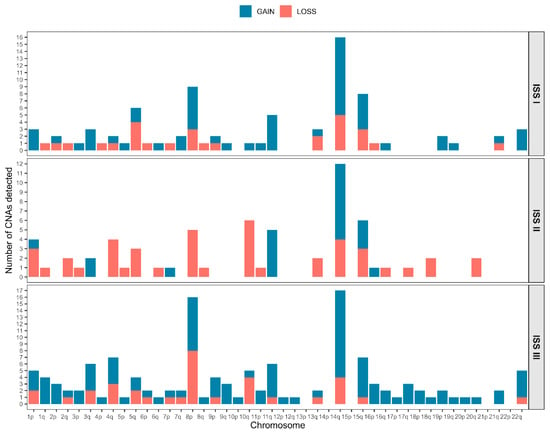
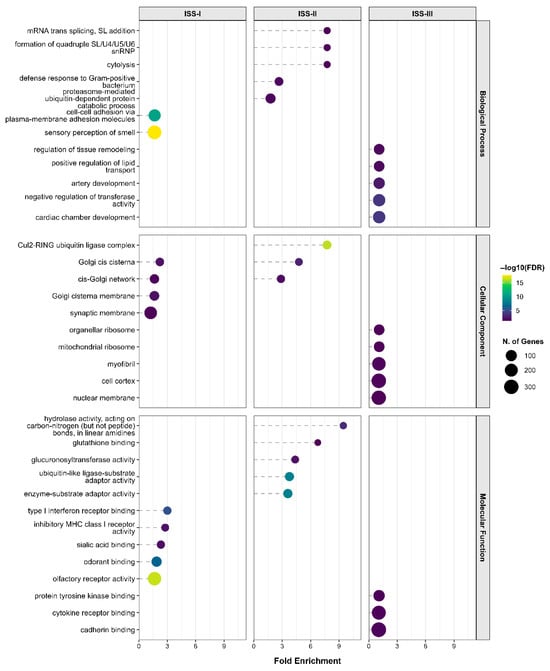
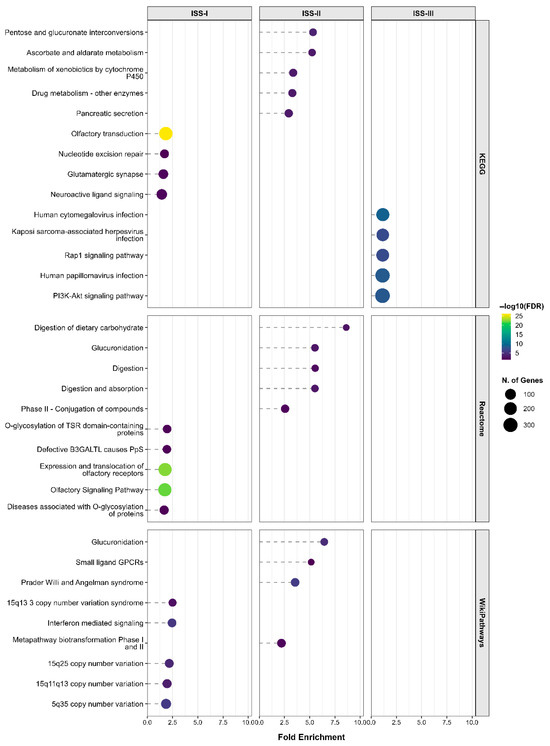
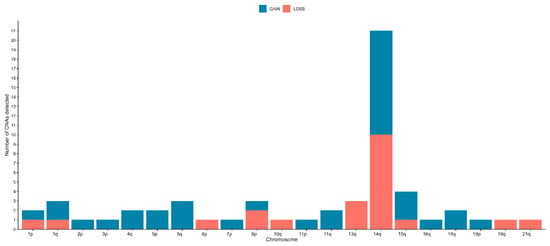
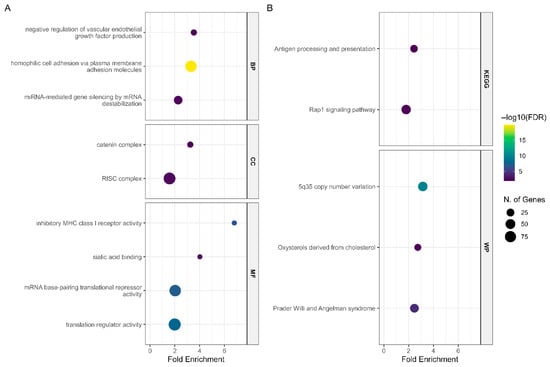
Background/Objectives: Multiple myeloma (MM) is a genetically complex hematological neoplasm driven by accumulating genomic events. Despite therapeutic advances, MM remains an incurable disease with a complex molecular picture. Characterizing copy number alterations (CNAs) represents a promising strategy to identify dysregulated biological pathways and reveal novel therapeutic targets. This study aimed to characterize the CNA profile across pre-malignant gammopathies, MM, and plasma cell leukemia, identifying the key molecular pathways involved in disease progression. Methods: Genomic analysis via array comparative genomic hybridization (aCGH) was performed on bone marrow samples from 21 patients representing all disease stages. Data were analyzed in CytoGenomics software version 5.3.0.14 utilizing the GRCh38/hg38 human genome. CNAs were identified with the ADM-2 algorithm, followed by functional enrichment analysis to determine significantly overrepresented pathways. Results: Pre-malignant evaluation suggested a potential functional switch from innate immunity and olfactory signaling in Monoclonal Gammopathy of Undetermined Significance (MGUS) to DNA repair mechanisms in Smoldering Multiple Myeloma (SMM), marking early genomic instability. In active MM, 280 CNAs were detected. Low-risk (ISS-I) patients retained cell adhesion signatures, whereas high-risk (ISS-III) profiles exhibited extensive genomic instability affecting tissue remodeling and cytokine signaling. Conclusions: In summary, our descriptive findings suggest that early alterations in immune response and olfactory signaling pathways may emerge as potential triggers driving pre-malignant dyscrasias and active MM development.
Full article
(This article belongs to the Special Issue Hallmarks of Cancer: New Approaches and Treatment Strategies)
►▼
Show Figures

Figure 1
Open AccessCase Report
Successful Treatment of Posterior Cortical Atrophy: A Case Report
by
Kerry Mills Rutland, Neil Nathan, Chi Kim and Dale E. Bredesen
Int. J. Transl. Med. 2026, 6(2), 20; https://doi.org/10.3390/ijtm6020020 - 2 May 2026
Abstract
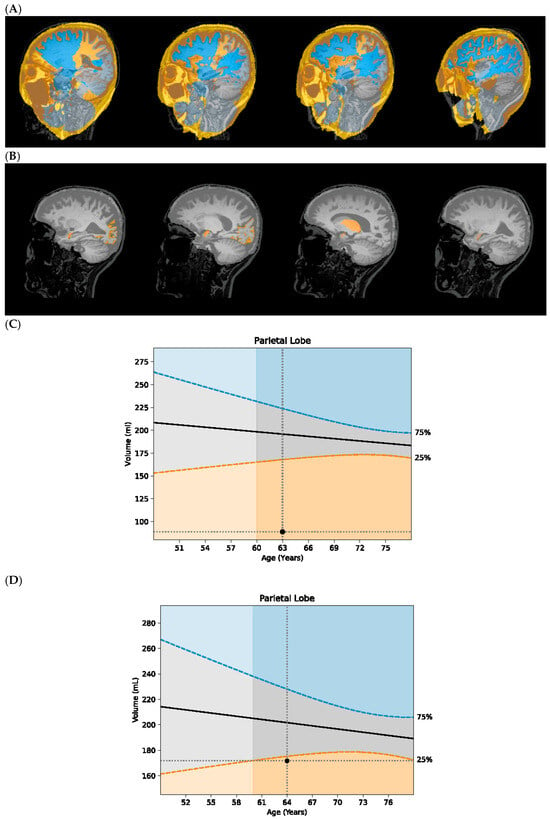
Background/Objectives: Posterior cortical atrophy, also referred to as Benson’s syndrome, is a presentation of Alzheimer’s disease that occurs in 5–15% of Alzheimer’s patients. Visual processing is the predominantly affected modality in posterior cortical atrophy, and symptoms such as prosopagnosia, simultanagnosia, alexia, optic
[...] Read more.
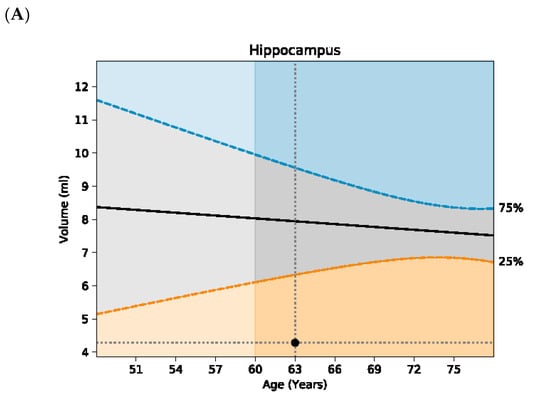
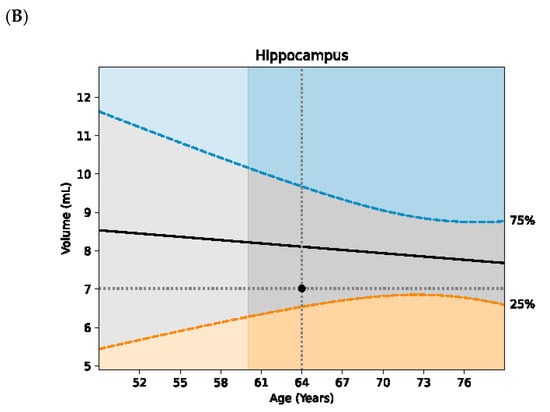
Background/Objectives: Posterior cortical atrophy, also referred to as Benson’s syndrome, is a presentation of Alzheimer’s disease that occurs in 5–15% of Alzheimer’s patients. Visual processing is the predominantly affected modality in posterior cortical atrophy, and symptoms such as prosopagnosia, simultanagnosia, alexia, optic ataxia, and visual hallucinations may occur, as well as blurred vision and visual distortions. Posterior cortical atrophy is considered to be a disease without a known cause or effective treatment. Methods: Here, we report a patient with posterior cortical atrophy who responded to a personalized, precision medicine protocol. Results: The patient had improved MRI volumetrics, symptoms, and cognitive testing. She regained the ability to read, use a computer, and undertake computer-based brain training, among other cognitive improvements. She has now sustained this improvement for over one year and continues to regain her independence and confidence. Conclusions: These results argue for additional laboratory testing in the evaluation of patients with posterior cortical atrophy, and they support the possibility of utilizing a similar approach in a proof-of-concept trial.
Full article
(This article belongs to the Collection Feature Papers in International Journal of Translational Medicine)
►▼
Show Figures

Figure 1
Open AccessArticle
A Literature-Based Dynamic Loop System Modeling the Piezo1-TRPV4 Interaction as a Potential Mechanism of Osteoarthritis Pathogenesis
by
Bruno Burlando and Ilaria Demori
Int. J. Transl. Med. 2026, 6(2), 19; https://doi.org/10.3390/ijtm6020019 - 27 Apr 2026
Cited by 1
Abstract
►▼
Show Figures
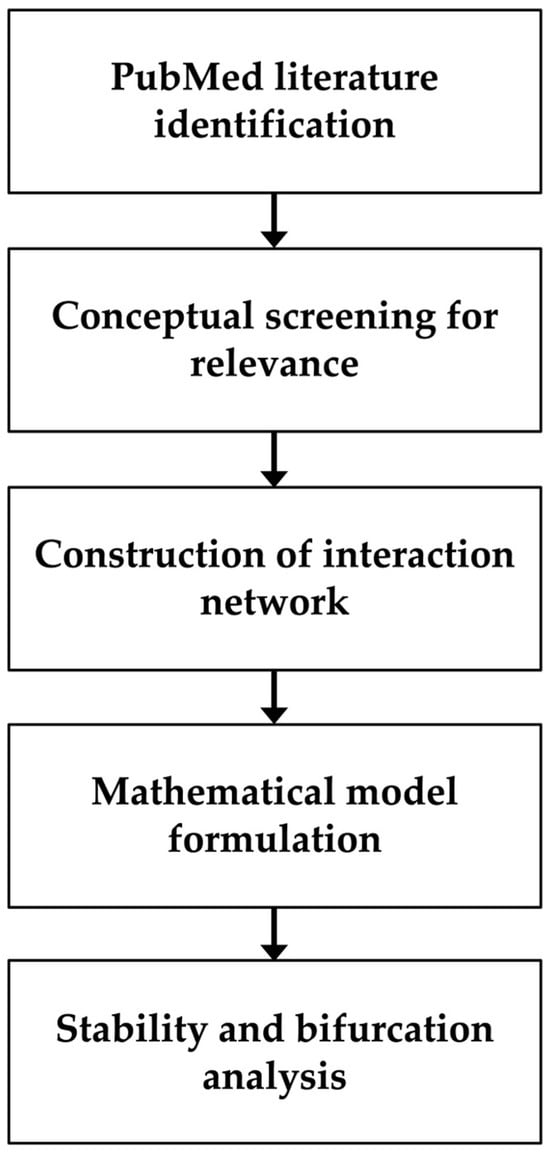
Background/Objectives: Osteoarthritis (OA) is an age-related degenerative joint disease whose pathogenic mechanisms remain poorly understood. Experimental evidence implicates dysregulated mechanotransduction mediated by Piezo1 and TRPV4 channels, but how their interaction with inflammation may drive pathogenic state transitions remains unknown. Here, we aimed to
[...] Read more.
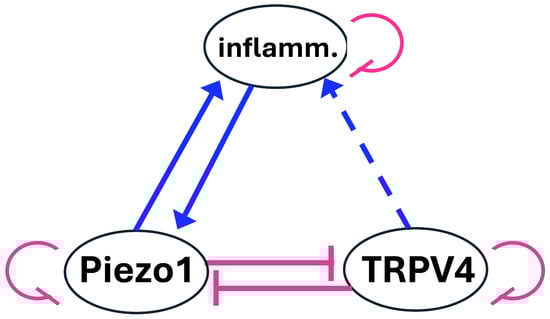
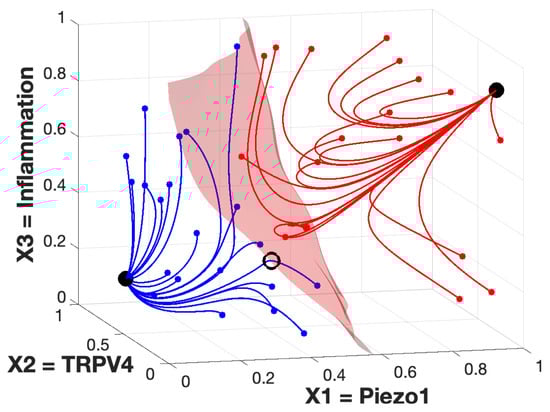
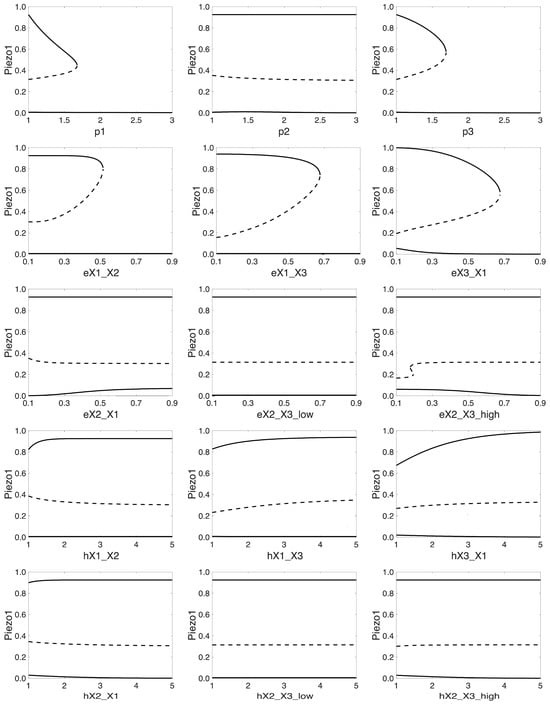
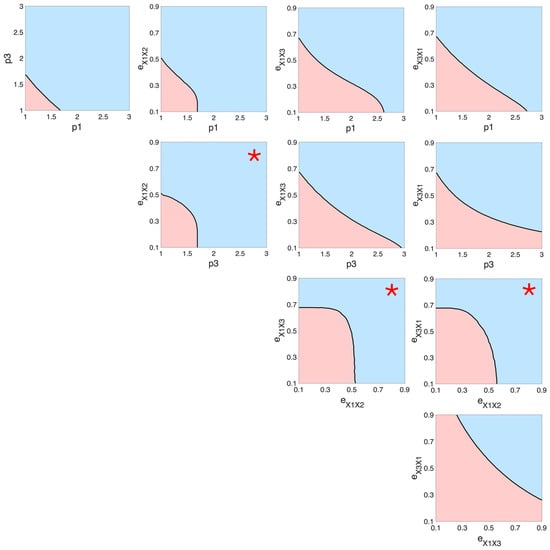
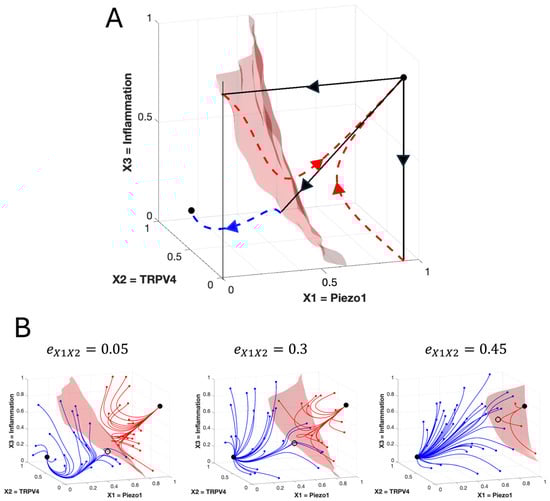
Background/Objectives: Osteoarthritis (OA) is an age-related degenerative joint disease whose pathogenic mechanisms remain poorly understood. Experimental evidence implicates dysregulated mechanotransduction mediated by Piezo1 and TRPV4 channels, but how their interaction with inflammation may drive pathogenic state transitions remains unknown. Here, we aimed to study whether a Piezo1–TRPV4 network can intrinsically produce distinct stable physiological and pathological regimes. Methods: Based on literature data, we developed a nonlinear dynamical model describing closed-loop interactions involving Piezo1, TRPV4, and inflammation. The system was translated into a set of ordinary differential equations and studied using stability and bifurcation analysis. Results: Computational analysis revealed bistability, allowing the system to shift from a physiological to a pathogenic regime in response to specific stimuli. Critical bifurcation parameters were linked to Piezo1 and inflammation, suggesting that the bidirectional interaction between these two components represents a key node for interventions aimed at preventing or reversing transitions from non-pathogenic to pathogenic states. Conclusions: Our results suggest that OA pathogenesis may emerge from the intrinsic nonlinear dynamics of Piezo1/TRPV4/inflammation interactions. Bifurcation analysis indicates the sensitivity of TRPV4 to the inhibitory effect of Piezo1 as a key target for preventing or reversing pathogenic state transitions. Further investigations in preclinical and clinical settings are warranted to validate the model.
Full article

Figure 1
Open AccessArticle
Development of Highly Sensitive and Specific Monoclonal Antibodies Against Glypican-1 Using the Cell-Based Immunization and Screening Technology
by
Haruto Yamamoto, Hiroyuki Suzuki, Tomohiro Tanaka, Mika K. Kaneko and Yukinari Kato
Int. J. Transl. Med. 2026, 6(2), 18; https://doi.org/10.3390/ijtm6020018 - 25 Apr 2026
Abstract
Background/Objectives: Glypican-1 (GPC1) is a heparan sulfate proteoglycan that plays a critical role in regulating various signaling pathways and tumor development. Overexpression of GPC1 promotes tumor cell proliferation and invasiveness, and is associated with poor clinical outcomes. Therefore, anti-GPC1 monoclonal antibodies (mAbs) have
[...] Read more.
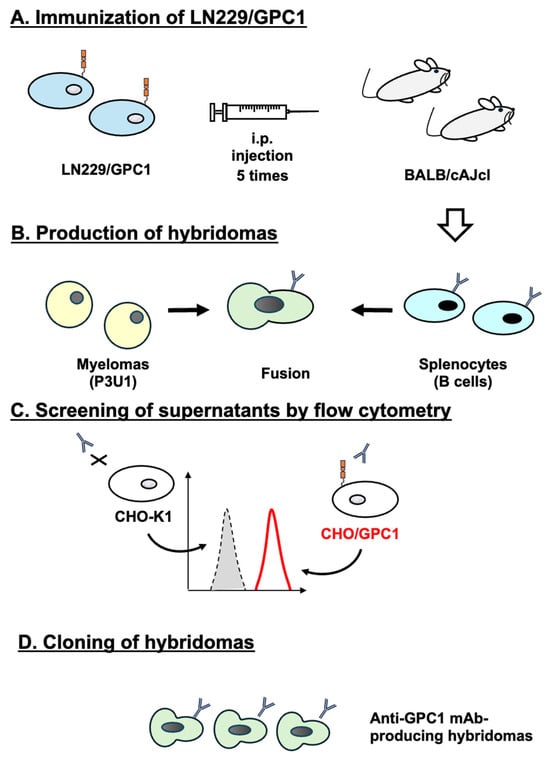
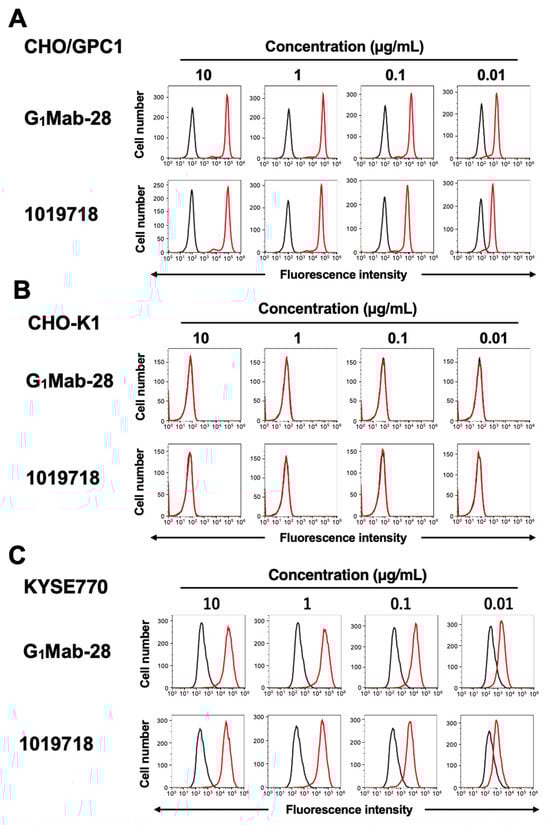
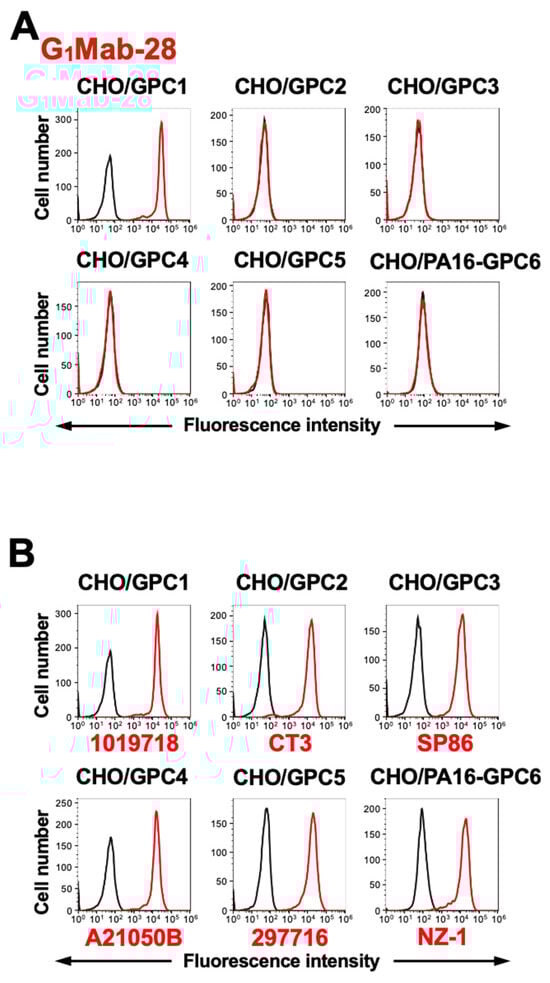
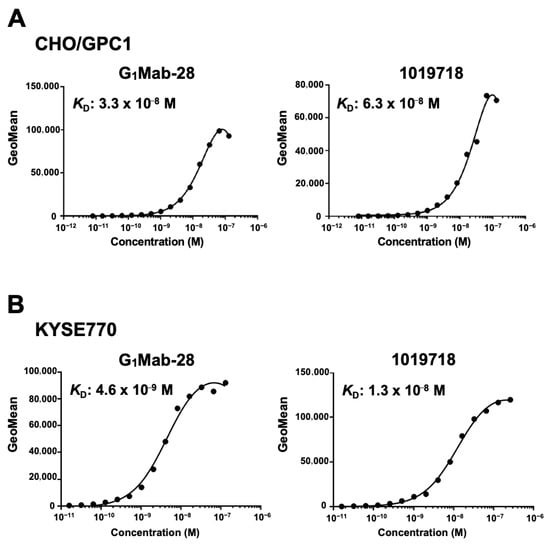
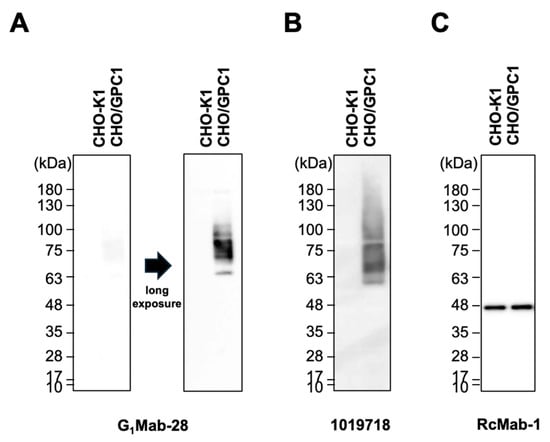
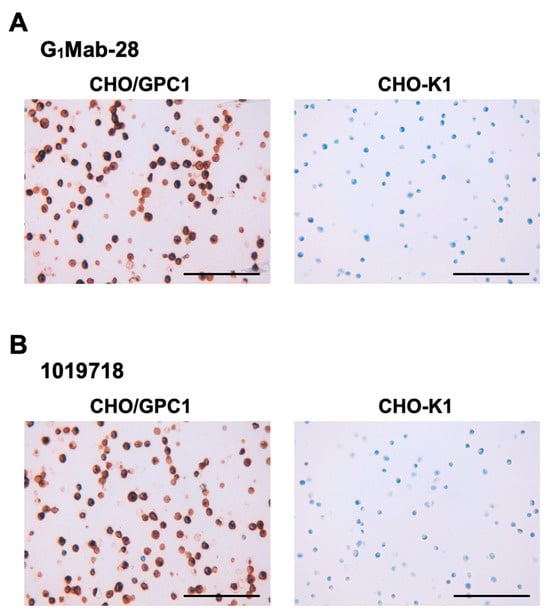
Background/Objectives: Glypican-1 (GPC1) is a heparan sulfate proteoglycan that plays a critical role in regulating various signaling pathways and tumor development. Overexpression of GPC1 promotes tumor cell proliferation and invasiveness, and is associated with poor clinical outcomes. Therefore, anti-GPC1 monoclonal antibodies (mAbs) have been developed in various modalities for tumor therapy. Methods: We developed novel anti-GPC1 mAbs using a flow cytometry-based high-throughput screening approach, the Cell-Based Immunization and Screening (CBIS) method. Results: A clone G1Mab-28 (IgG1, κ) reacted with GPC1-overexpressed Chinese hamster ovary-K1 (CHO/GPC1), but not parental CHO-K1, in flow cytometry. Furthermore, G1Mab-28 recognizes the endogenous GPC1-expressing human esophageal squamous cell carcinoma KYSE770 cell line. Furthermore, G1Mab-28 specifically recognized only CHO/GPC1, but not the other GPC family-overexpressed CHO-K1. The dissociation constant values of G1Mab-28 for CHO/GPC1 and KYSE770 were determined to be 3.3 × 10⁻⁸ M and 4.6 × 10⁻⁹ M, respectively. Moreover, G1Mab-28 is suitable for Western blotting and immunohistochemistry. Conclusions: G1Mab-28, established by the CBIS method, is versatile for basic research and is expected to contribute to antibody-based tumor therapy.
Full article
(This article belongs to the Topic Antibody-Mediated Therapy and Other Emerging Therapies in Cancer Treatment)
►▼
Show Figures

Figure 1
Open AccessArticle
CD34-Stained Microvessel Density and Immune Checkpoint Inhibitor Outcomes in Metastatic Non-Squamous Non-Small Cell Lung Cancer: A Retrospective Study
by
Emir Cerme, Sebnem Batur, Cansu Yol, Eray Ontas, Akif Turna, Ayşim Büge Öz and Zeynep Hande Turna
Int. J. Transl. Med. 2026, 6(2), 17; https://doi.org/10.3390/ijtm6020017 - 20 Apr 2026
Abstract
►▼
Show Figures
Background/Objectives: Immune checkpoint inhibitors (ICIs) improve outcomes in metastatic non-squamous non-small cell lung cancer (NSCLC), yet predictive biomarkers remain limited. This study investigated whether CD34-stained microvessel density (MVD) is associated with ICI efficacy. Methods: Patients with metastatic non-squamous NSCLC and tumor specimen suitable
[...] Read more.
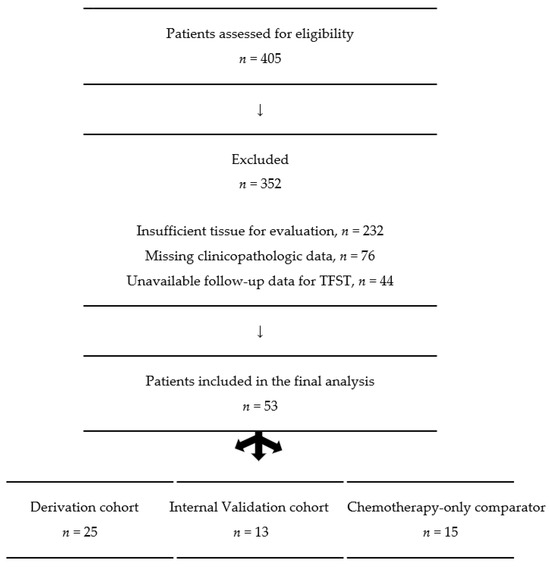
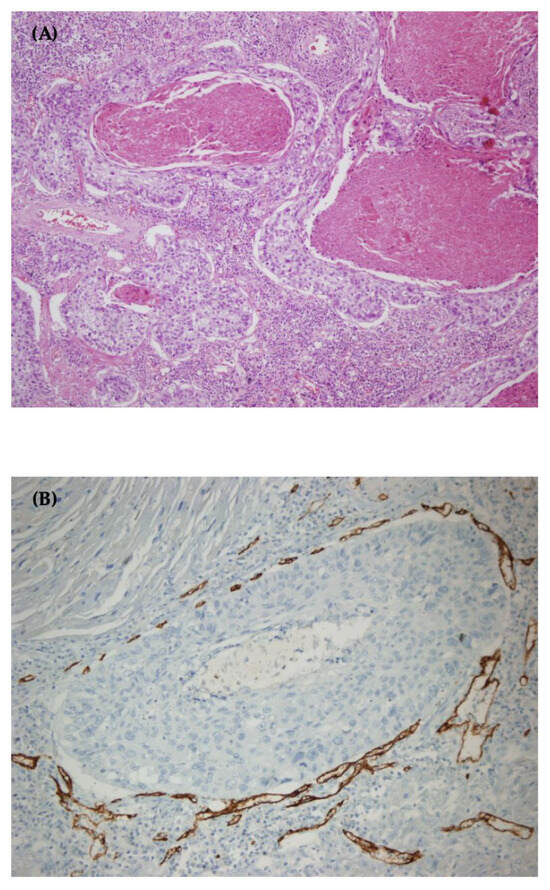
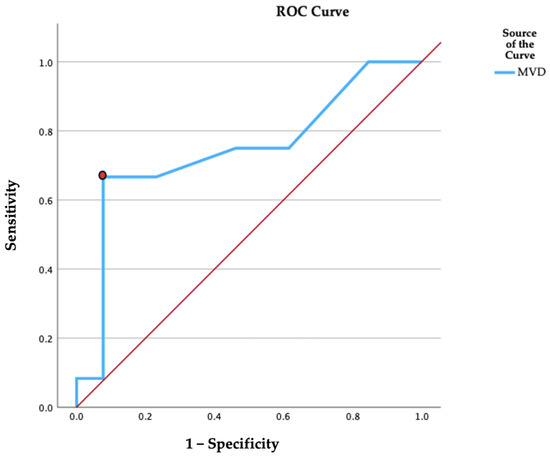
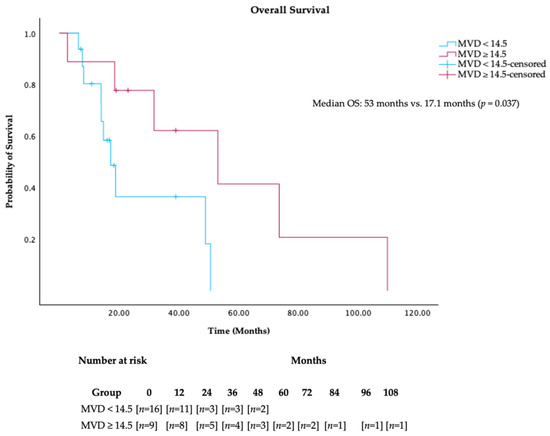
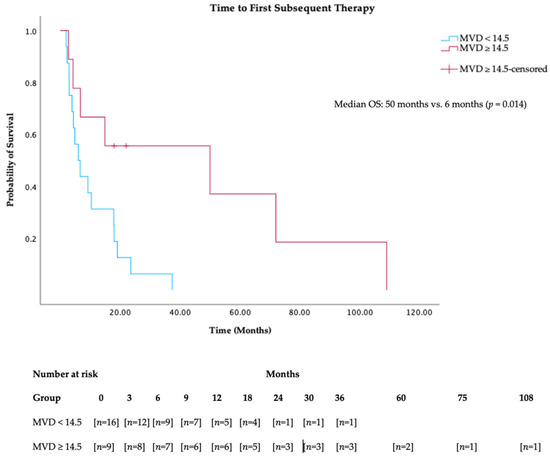
Background/Objectives: Immune checkpoint inhibitors (ICIs) improve outcomes in metastatic non-squamous non-small cell lung cancer (NSCLC), yet predictive biomarkers remain limited. This study investigated whether CD34-stained microvessel density (MVD) is associated with ICI efficacy. Methods: Patients with metastatic non-squamous NSCLC and tumor specimen suitable for anti-CD34 immunohistochemistry were included. In the derivation cohort, ROC analysis for objective response rate (ORR; CR + PR) identified a Youden-optimized threshold of 14.5 vessels/HPF (×400) (sensitivity 67%, specificity 93%; AUC 0.744, 95% CI 0.53–0.95; p = 0.021), which was applied without re-optimization to an internal validation cohort and a chemotherapy-only comparator. Results: In the derivation cohort, (n = 25), ORR was higher with MVD ≥ 14.5 than <14.5 (88.9% vs. 25.0%; p = 0.004) and OS/TFST were longer (OS: 53.0 vs. 17.1 months, p = 0.037; TFST: 50.0 vs. 6.0 months, p = 0.014). In the validation cohort (n = 13), MVD ≥ 14.5 was associated with longer TFST (9.0 vs. 4.0 months; p = 0.035) and numerically longer OS (12.0 vs. 7.0 months; p = 0.059). As a cut-off-independent sensitivity analysis, continuous MVD (per five vessels/HPF) was associated with longer TFST (HR 0.663, 95% CI 0.454–0.969; p = 0.034). No association was observed in the chemotherapy-only cohort. Conclusions: Higher CD34-MVD may be a feasible vascular metric associated with ICI outcomes that warrants prospective validation.
Full article

Figure 1

Open AccessReview
Mild Traumatic Brain Injury Biomarkers: Current Status and Future Directions
by
Ezekiel Fink, Marlin Wayne Causey, Geoffrey Peitz and Adrian Hamburger
Int. J. Transl. Med. 2026, 6(2), 16; https://doi.org/10.3390/ijtm6020016 - 11 Apr 2026
Abstract
Mild traumatic brain injury (mTBI) contributes substantially to years lived with disability (YLD), decreases health-related quality of life, and imposes significant costs on healthcare systems and society. Millions of people experience mTBI each year, and healthcare costs for mTBI in just the first
[...] Read more.
Mild traumatic brain injury (mTBI) contributes substantially to years lived with disability (YLD), decreases health-related quality of life, and imposes significant costs on healthcare systems and society. Millions of people experience mTBI each year, and healthcare costs for mTBI in just the first year after injury exceed $44 billion USD. Despite the common occurrence of mTBI, estimates of incidence, prevalence, related disability, and costs vary widely. This variance is attributed to the underreporting of head impacts, inconsistent definitions of mTBI, and a lack of objective biomarkers. Currently available clinical blood biomarkers primarily assist in ruling out CT-detectable intracranial injury rather than definitively diagnosing mTBI itself, underscoring the continued need for objective, portable, and clinically specific biomarkers. Numerous imaging findings, blood proteins, and physiological measures are under investigation for these purposes, and some may have multiple uses. Specific biomarkers for acute diagnosis are needed urgently. Although many systematic reviews have been published, most focus on a single biomarker or class of biomarkers. Given the breadth of potential biomarker categories, conducting a comprehensive, systematic review across modalities is challenging. Here, we provide a narrative review summarizing the extant literature across major biomarker domains studied in adolescents and adults. We emphasize candidates supported by the most robust evidence to guide continued research and clinical translation.
Full article
Open AccessArticle
Cardiovascular Event Surveillance Following High-Dose Intravenous Mesenchymal Stem Cell Therapy: A Single-Center Real-World Observational Study
by
Takaaki Matsuoka and Nana Kobayashi
Int. J. Transl. Med. 2026, 6(2), 15; https://doi.org/10.3390/ijtm6020015 - 30 Mar 2026
Abstract
Background: The long-term cardiovascular safety of high-dose intravenous mesenchymal stem cell (MSC) therapy remains insufficiently characterized in real-world clinical settings. Methods: We conducted a single-center retrospective observational study of patients who received high-dose intravenous MSC therapy. Cardiovascular events were identified through follow-up records.
[...] Read more.
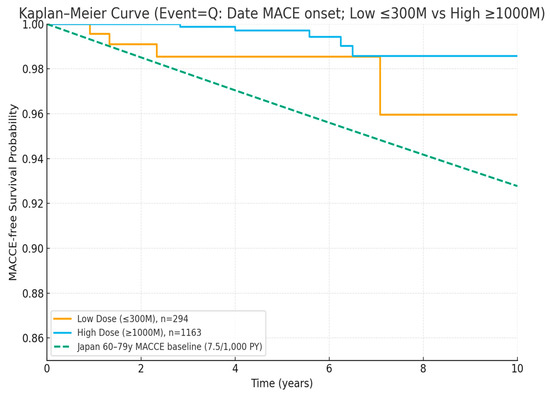
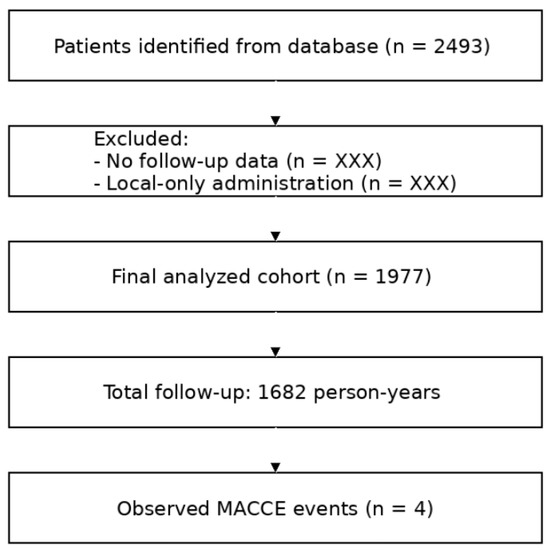
Background: The long-term cardiovascular safety of high-dose intravenous mesenchymal stem cell (MSC) therapy remains insufficiently characterized in real-world clinical settings. Methods: We conducted a single-center retrospective observational study of patients who received high-dose intravenous MSC therapy. Cardiovascular events were identified through follow-up records. Observed event incidence was compared descriptively with age-adjusted population reference data. Statistical analyses were performed using two-sided Poisson methods. Results: Among treated patients, a total of four cardiovascular events were recorded during follow-up. The observed incidence did not demonstrate an excess signal compared with reference population data. No clustering of events was observed in the early post-infusion period. Sensitivity analyses yielded consistent findings. Conclusions: In this real-world cohort, high-dose intravenous MSC therapy was not associated with an apparent increase in cardiovascular event incidence. Given the observational design and limited event number, larger prospective studies are warranted to further characterize long-term cardiovascular safety.
Full article
(This article belongs to the Special Issue Gene and Cell Therapy: New Findings from Medical Research and Treatment)
►▼
Show Figures

Figure 1
Open AccessArticle
Assessment of the Immunohistochemical Expression of Vitamin D Receptor, β-Catenin, and Ki-67 in Urothelial Carcinoma: A Cross-Sectional Study from Egypt
by
Marwa M. El-Mosely, Abdulkarim Hasan, Mohamed Tharwat, Ahmed Abdellatief, Reda Elhawary, Mahmoud Salem, Mostafa Fawzy, Dina Sakr, Salah-el-din Sayed O. Semary, Sabah Mohamed Sharaf, Heba Gamil, Ahmed Abdulwahab Bawahab, Dahlia Soleman A. Mirdad, Mohammed S. Abdelwahed and Mohamed Mahmoud Abdellah
Int. J. Transl. Med. 2026, 6(2), 14; https://doi.org/10.3390/ijtm6020014 - 30 Mar 2026
Abstract
►▼
Show Figures
Background: Conventional urothelial carcinoma (UC) requires accurate risk stratification, particularly differentiation between non-muscle-invasive (NMIBC) and muscle-invasive bladder cancer (MIBC) and between low- and high-grade tumors. This study evaluated immunohistochemical (IHC) expression of vitamin D receptor (VDR), β-catenin, and Ki-67 index in Egyptian patients
[...] Read more.
Background: Conventional urothelial carcinoma (UC) requires accurate risk stratification, particularly differentiation between non-muscle-invasive (NMIBC) and muscle-invasive bladder cancer (MIBC) and between low- and high-grade tumors. This study evaluated immunohistochemical (IHC) expression of vitamin D receptor (VDR), β-catenin, and Ki-67 index in Egyptian patients with conventional UC. Methods: A cross-sectional study was conducted on 58 archived conventional UC cases diagnosed in 2023 at Al-Azhar University Hospitals. VDR positivity was defined as ≥10% cytoplasmic and/or nuclear tumor cell staining. Membranous β-catenin was considered preserved when >80% of tumor cell membranes were stained; otherwise, it was reduced. Nuclear β-catenin was considered positive when ≥5% of tumor nuclei were stained. Ki-67 was categorized as high using a ≥30% cutoff. Associations with grade, muscle invasion status, and lymphovascular invasion (LVI) were analyzed. Results: Mean age was 65.3 ± 9.3 years; 86.2% were males; 51.7% were MIBC. Compared with NMIBC, MIBC was significantly associated with high grade, non-papillary architecture, LVI, and high Ki-67. VDR positivity was detected in 82.7% of cases and showed no significant association with grade, muscle invasion, or LVI. Preserved membranous β-catenin was seen in 34.5% and was significantly associated with tumor grade but not with muscle invasion or LVI; nuclear β-catenin was absent. High Ki-67 (60.3%) was significantly associated with high grade and MIBC, with no association with age, sex, or LVI. Conclusions: In Egyptian conventional UC, Ki-67 was a significant marker for aggressive clinicopathologic features, while VDR lacked discriminatory associations and β-catenin findings were mainly grade-related.
Full article

Figure 1

Open AccessArticle
Clinical and Molecular Challenges in Diagnosing Myeloproliferative Neoplasms with Low JAK2V617F Allelic Burden: A Single-Center Perspective and Literature Overview
by
Erika Morsia, Dorela Lame, Michelangelo Pianelli, Ilaria Battila’, Giorgio Gramazio, Riccardo Ceccarelli, Sonia Morè, Serena Rupoli and Antonella Poloni
Int. J. Transl. Med. 2026, 6(2), 13; https://doi.org/10.3390/ijtm6020013 - 30 Mar 2026
Abstract
►▼
Show Figures
Background/Objectives: The increasing sensitivity of molecular diagnostic techniques has led to the frequent detection of low-level JAK2 V617F mutations in individuals without overt myeloproliferative neoplasms (MPNs), creating uncertainty regarding their biological and clinical significance. This study aimed to evaluate the clinical relevance, thrombotic
[...] Read more.
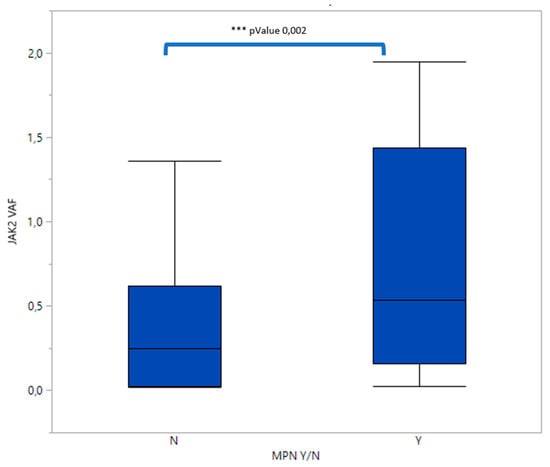
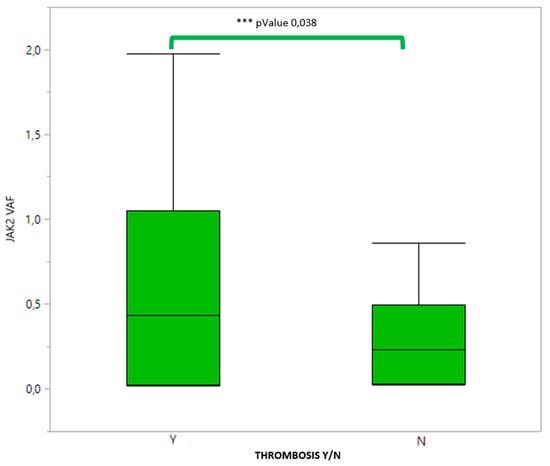
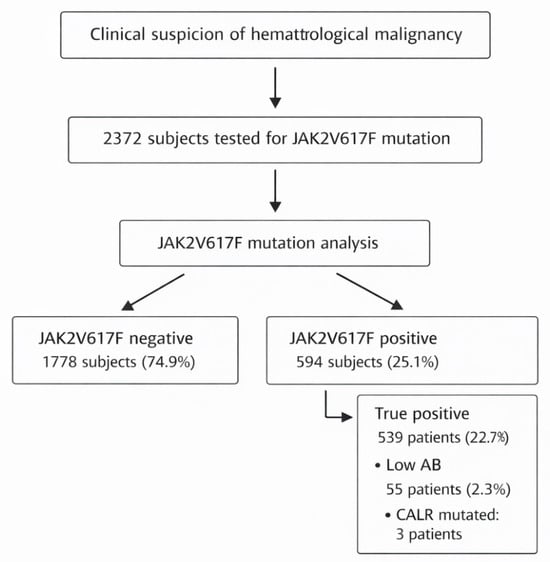
Background/Objectives: The increasing sensitivity of molecular diagnostic techniques has led to the frequent detection of low-level JAK2 V617F mutations in individuals without overt myeloproliferative neoplasms (MPNs), creating uncertainty regarding their biological and clinical significance. This study aimed to evaluate the clinical relevance, thrombotic risk, and hematologic evolution associated with low JAK2 V617F allele burden. Methods: We conducted a retrospective single-center study including adult patients tested for JAK2 V617F between January 2016 and December 2023. Patients with a variant allele frequency (VAF) <2% who did not meet WHO or 2022 International Consensus Classification diagnostic criteria for MPN at baseline were included. Clinical characteristics, laboratory parameters, molecular findings, thrombotic events, and longitudinal ou--comes were analyzed. Results: Among two-thousand-three-hundred-seventy-two tested subjects, 55 patients (9.2% of JAK2-positive cases) harbored a low-level JAK2 V617F mutation (median VAF 0.35%). Over a median follow-up of 31.7 months, 12 patients (21.8%) progressed to overt MPN. Baseline VAF was significantly higher in patients who evolved to MPN compared to non-progressors. Thrombotic events occurred in 30.9% of patients and were associated with higher VAF values irrespective of MPN diagnosis. Serial molecular analyses showed stable persistence of the mutant clone over time. Conclusions: Low-burden JAK2 V617F mutations represent clinically relevant clonal events associated with thrombotic risk and potential disease evolution. These findings support the need for structured clinical and molecular follow-up even in the absence of initial diagnostic criteria.
Full article

Figure 1
Open AccessArticle
Clinical Applications of Tissue-Free Molecular Residual Disease (MRD) in Colorectal Cancer—Real-World Utilization and Case Series in Asian and Middle Eastern Patients
by
Yao-Yu Hsieh, Viraj Lavingia, Gali Perl, Ching-Tso Chen, Feng-Che Kuan, Sai Vivek, Sandra San Hsing and Suyog Jain
Int. J. Transl. Med. 2026, 6(2), 12; https://doi.org/10.3390/ijtm6020012 - 30 Mar 2026
Abstract
►▼
Show Figures
Background: Despite well-established treatment and follow-up protocols for the management of colorectal cancer patients, recurrences are frequent. Post curative therapy, ctDNA-based molecular residual disease assessment has the ability to stratify patients into higher and lower risks of recurrence. Large-scale clinical trials are necessary
[...] Read more.
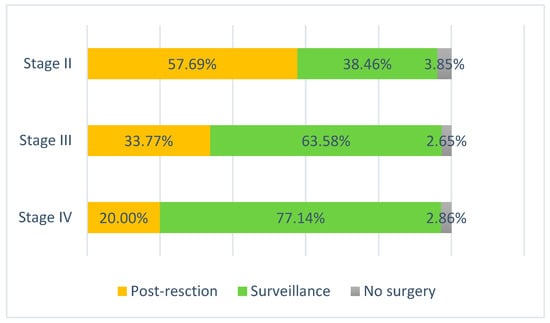
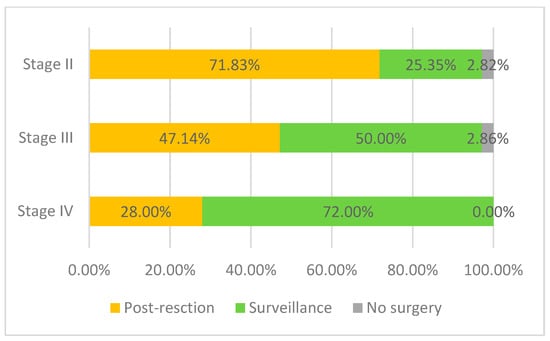
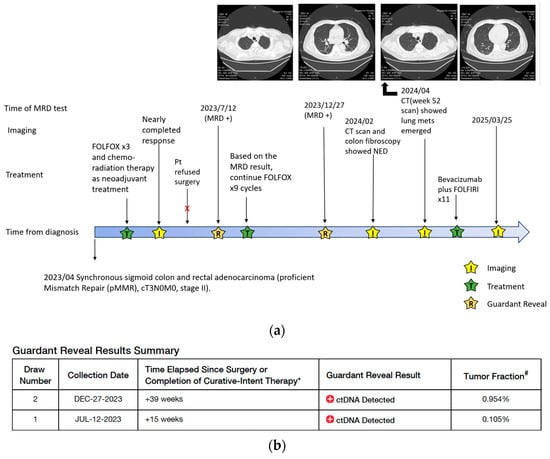
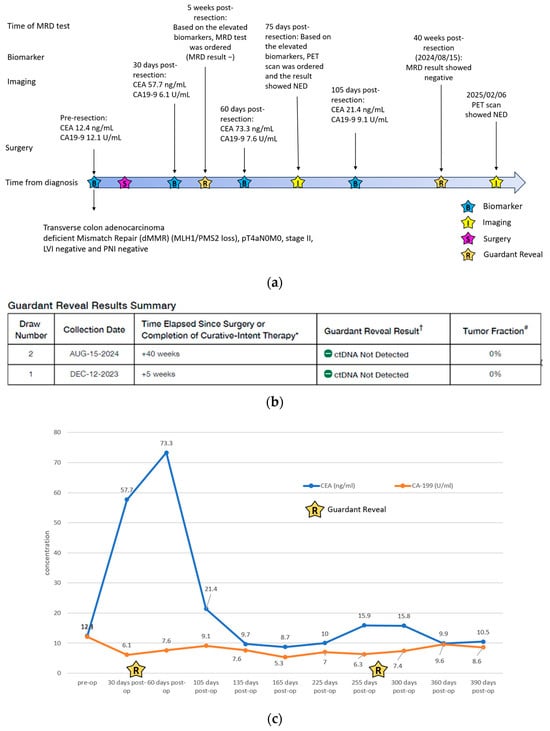
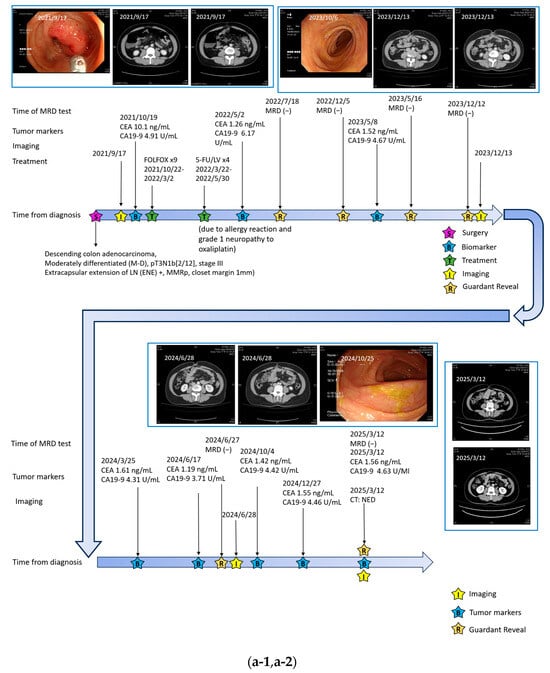
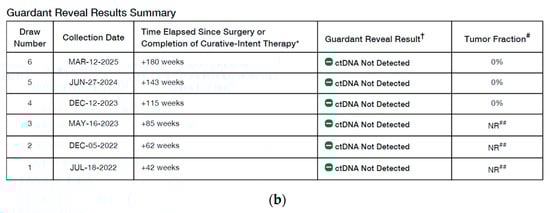
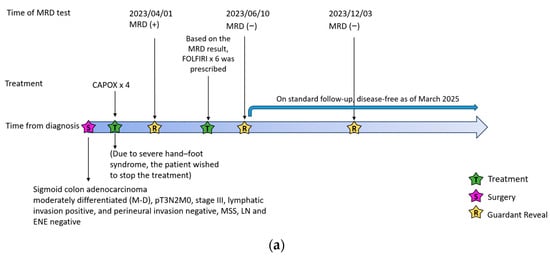
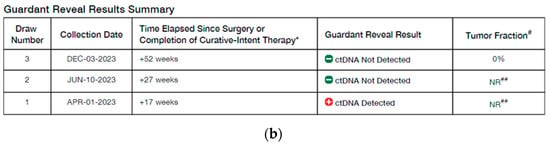
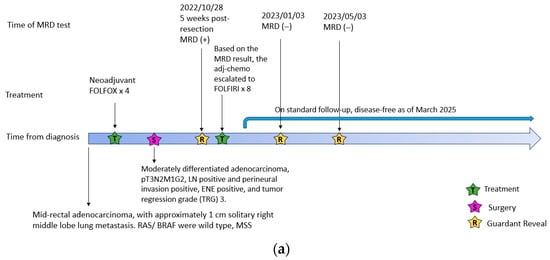
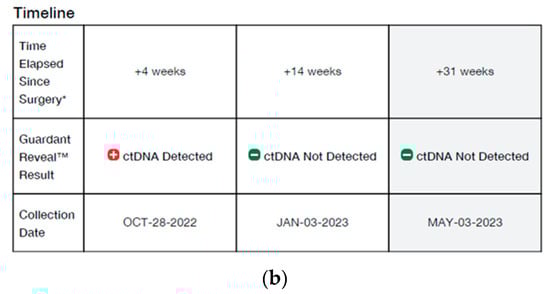
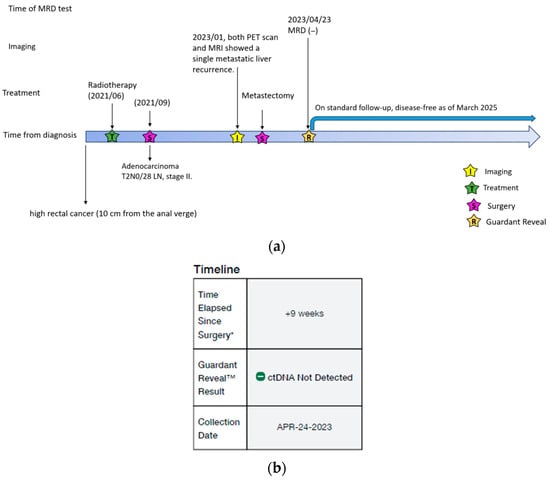
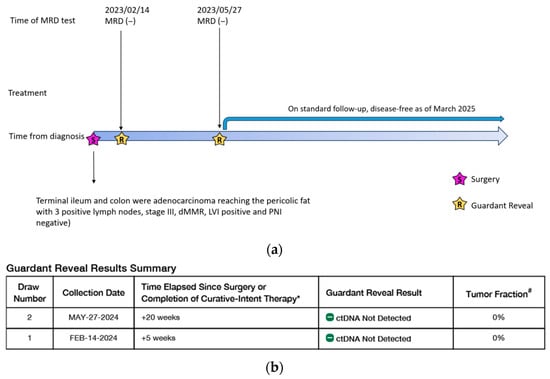
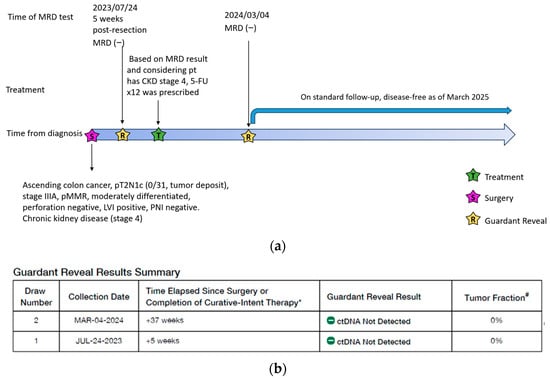
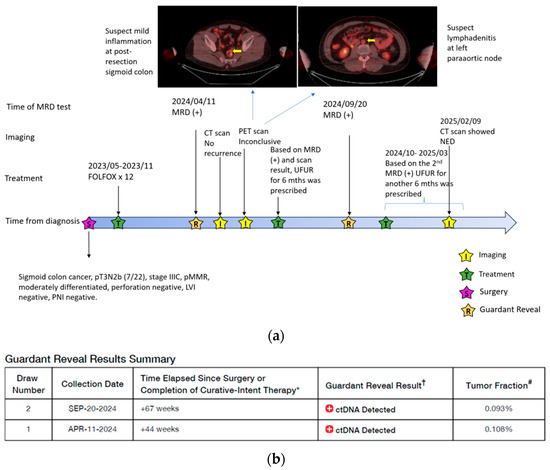
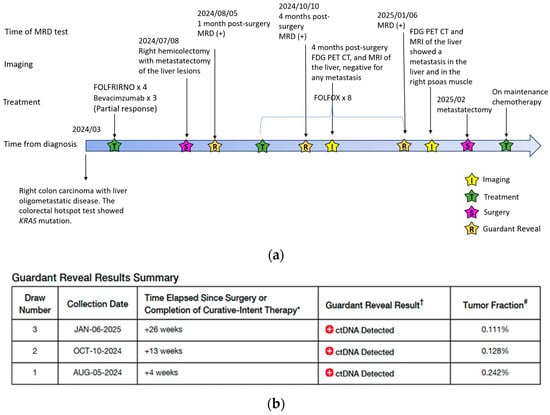
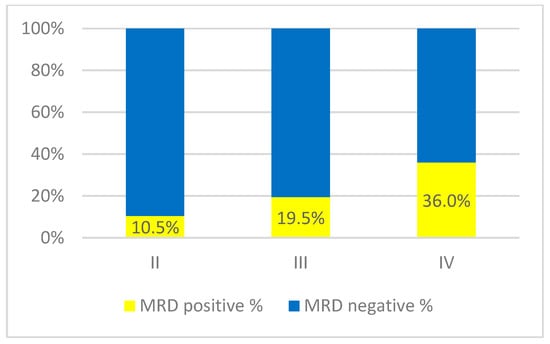
Background: Despite well-established treatment and follow-up protocols for the management of colorectal cancer patients, recurrences are frequent. Post curative therapy, ctDNA-based molecular residual disease assessment has the ability to stratify patients into higher and lower risks of recurrence. Large-scale clinical trials are necessary to establish utility at a broad level, but physicians also need real-world evidence and case reports before utilizing MRD testing in routine practice. Methods: We analyzed real-world utilization patterns of Guardant Reveal in patients with CRC across stages by collating information from the test request form after the test was ordered as a part of routine practice in the AMEA region. Results: We report that 92% of the tests were utilized for stage II and stage III patients. The timing of the first MRD test order varies between stages, with a higher proportion of tests being ordered within the first 12 weeks of surgery for stage II (71.8%), while for stage III (50%) and stage IV oligometastatic (72%), the first test was ordered after 12 weeks of surgery. Conclusions: Case reports delineate physicians’ perspectives on actions taken on the basis of MRD test results and outcomes.
Full article

Figure 1
Highly Accessed Articles
Latest Books
E-Mail Alert
News
Topics
Topic in
Biophysica, CIMB, IJMS, IJTM, Lymphatics, Sci. Pharm.
Smart Delivery Systems for Biomolecular Therapeutics
Topic Editors: Biana Godin, Vivek GuptaDeadline: 31 October 2026
Topic in
Biomedicines, CIMB, Brain Sciences, IJMS, IJTM
Autism: Molecular Bases, Diagnosis and Therapies, 3rd Edition
Topic Editors: Lello Zolla, Kunio YuiDeadline: 1 December 2026
Topic in
IJMS, Metabolites, Molecules, Proteomes, Biomedicines, IJTM
Liquid Biopsy: A Modern Method Transforming Biomedicine
Topic Editors: Michele Costanzo, Marianna CaterinoDeadline: 31 December 2026
Topic in
Biomedicines, CIMB, IJMS, IJTM, JCDD
Future Directions in Cardiology: How the Clinic Will Change in the Coming Years, the Laboratory Always Standing
Topic Editors: Cristina Vassalle, Melania GagginiDeadline: 28 February 2027
Conferences
Special Issues
Special Issue in
IJTM
Drug Repurposing as a Synergistic Therapeutic Strategy for the Treatment of Various Diseases
Guest Editor: Rehab AbdelmonemDeadline: 30 September 2026
Special Issue in
IJTM
Translational Nanocarriers for Hemostasis and Targeted Drug Delivery
Guest Editor: Federica CurcioDeadline: 31 October 2026
Special Issue in
IJTM
Hallmarks of Cancer: New Approaches and Treatment Strategies
Guest Editors: Caroline De Fátima Aquino Moreira-Nunes, Maria Elisabete Amaral De MoraesDeadline: 31 December 2026
Special Issue in
IJTM
Human Cancer Models: From Patient-Derived Systems to Clinical Translation
Guest Editor: Pier ClaudioDeadline: 28 February 2027
Topical Collections
Topical Collection in
IJTM
Feature Papers in International Journal of Translational Medicine
Collection Editor: Pier Claudio