Journal Description
Forecasting
Forecasting
is an international, peer-reviewed, open access journal on all aspects of forecasting published bimonthly online by MDPI.
- Open Access— free for readers, with article processing charges (APC) paid by authors or their institutions.
- High Visibility: indexed within Scopus, ESCI (Web of Science), RePEc, and other databases.
- Journal Rank: JCR - Q1 (Multidisciplinary Sciences) / CiteScore - Q1 (Economics, Econometrics and Finance (miscellaneous))
- Rapid Publication: manuscripts are peer-reviewed and a first decision is provided to authors approximately 26.3 days after submission; acceptance to publication is undertaken in 3.5 days (median values for papers published in this journal in the second half of 2025).
- Recognition of Reviewers: reviewers who provide timely, thorough peer-review reports receive vouchers entitling them to a discount on the APC of their next publication in any MDPI journal, in appreciation of the work done.
Impact Factor:
3.2 (2024);
5-Year Impact Factor:
2.9 (2024)
Latest Articles
Multi-Scale Forecasting of Natural Rubber Prices Using VMD-Augmented BiLSTM: A Hybrid Architecture Ablation Study
Forecasting 2026, 8(3), 43; https://doi.org/10.3390/forecast8030043 - 25 May 2026
Abstract
►
Show Figures
This study examines whether decomposition-based deep learning forecasts of daily changes in natural rubber prices can appear directionally accurate while failing to preserve the dispersion of the target series—a failure mode that conventional accuracy metrics cannot detect. Using daily RSS3 FOB price changes
[...] Read more.
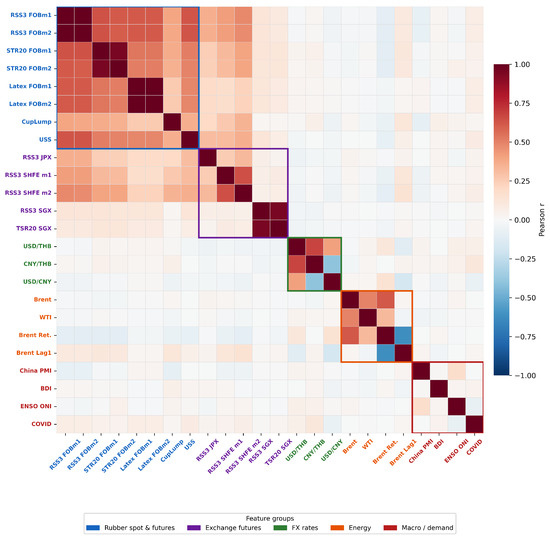
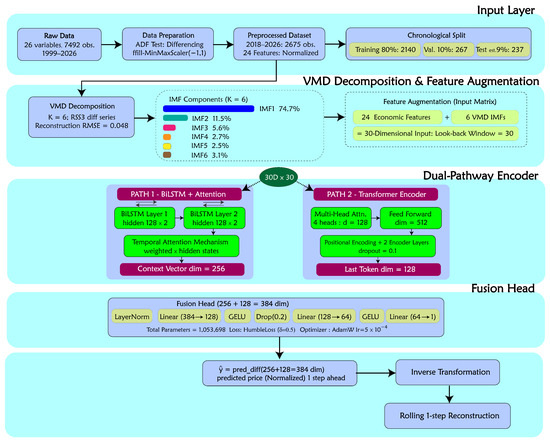
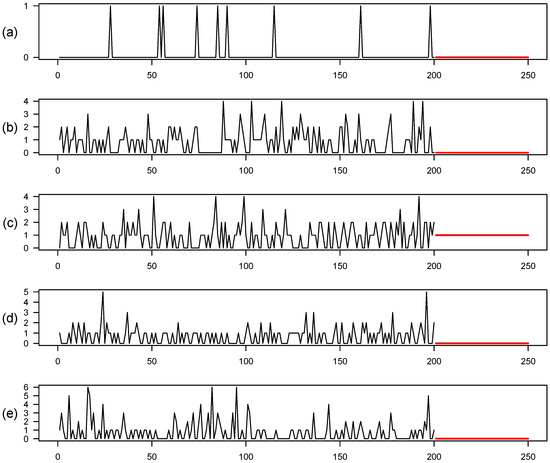
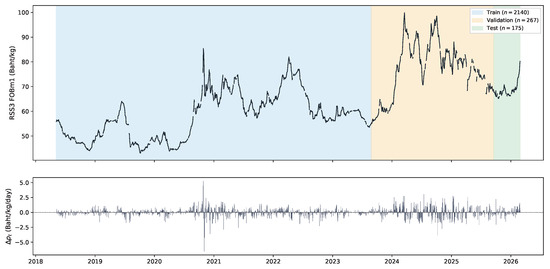
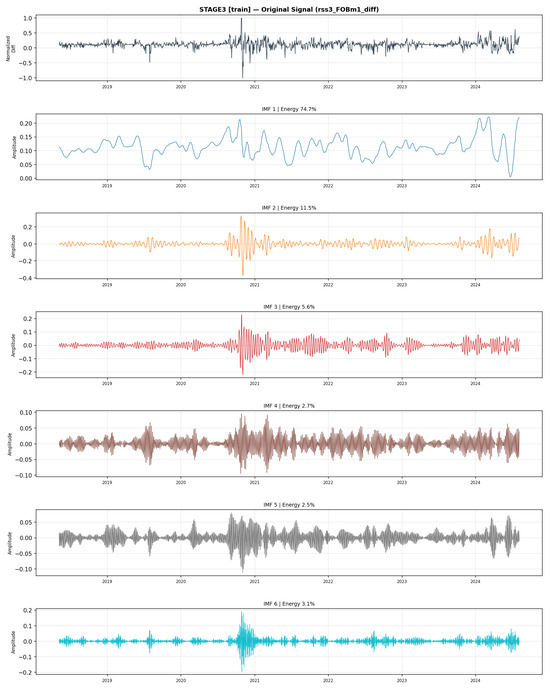
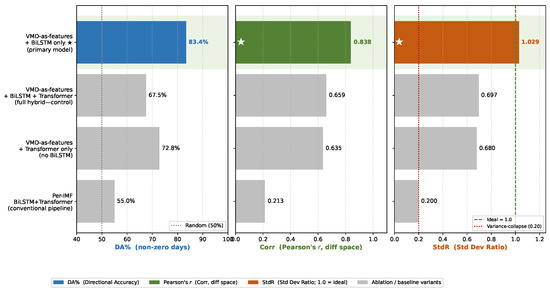
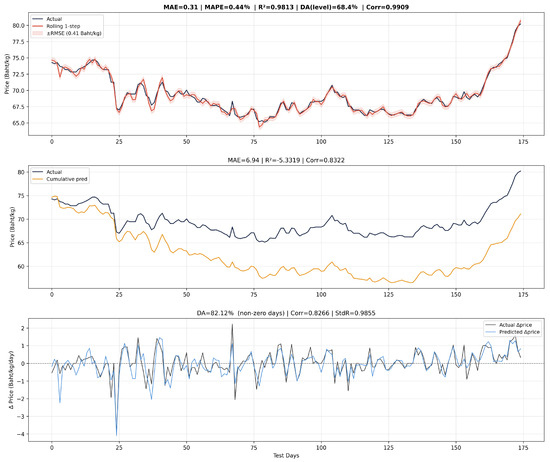
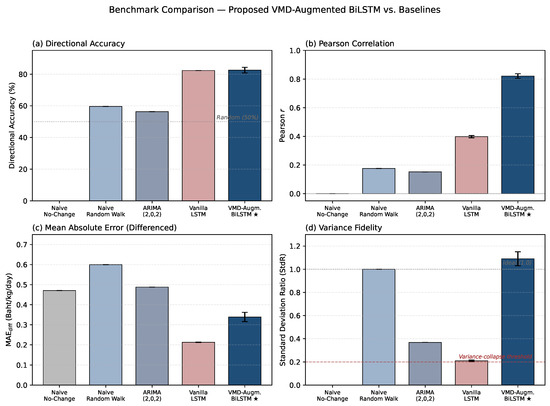
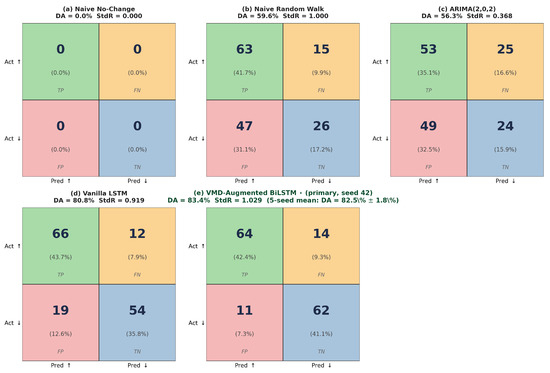
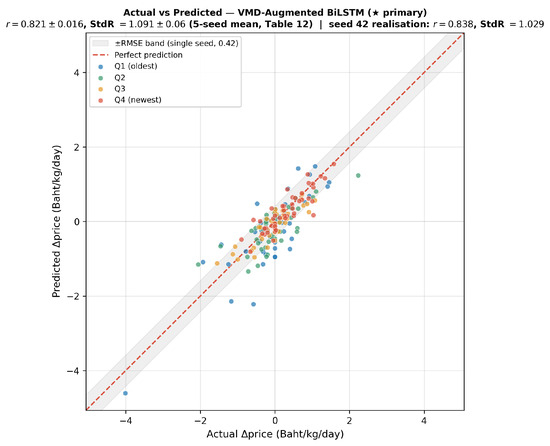
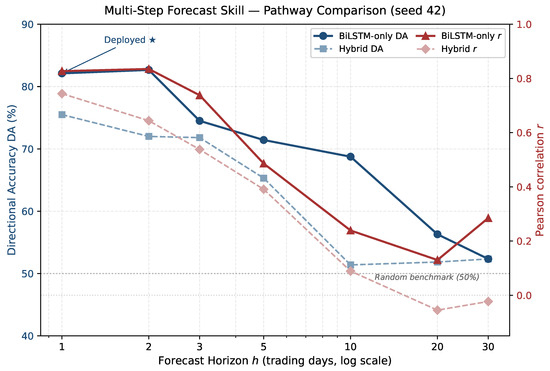
This study examines whether decomposition-based deep learning forecasts of daily changes in natural rubber prices can appear directionally accurate while failing to preserve the dispersion of the target series—a failure mode that conventional accuracy metrics cannot detect. Using daily RSS3 FOB price changes in the period 2018–2026, a VMD-Augmented BiLSTM forecasting design is employed as the empirical vehicle for testing this question. Forecasts are evaluated jointly through Pearson correlation, directional accuracy, class-conditional recall, and the Standard Deviation Ratio (StdR), with StdR serving as a diagnostic for variance collapse on differenced series. The deployed model appends all Variational Mode Decomposition (VMD) components directly to the economic feature matrix and feeds the augmented sequence into a bidirectional LSTM encoder with temporal attention; VMD is fitted using an expanding-window procedure to prevent information leakage. The design is compared to a conventional per-IMF decomposition–forecast pipeline, a Vanilla LSTM, ARIMA(2,0,2), and a dual-pathway BiLSTM–Transformer control. On a 175-observation deduplicated test set, the deployed model attains Pearson correlation of , directional accuracy of , and StdR across five random seeds. The Vanilla LSTM baseline attains directional accuracy of —statistically indistinguishable from that of the deployed model—yet exhibits variance collapse (StdR ), confirming that DA alone cannot distinguish predictive skill grounded in conditional dynamics from forecasts that merely reproduce the unconditional sign distribution. The principal contribution is methodological: A variance-sensitive evaluation protocol that distinguishes forecast skill grounded in conditional dynamics from directional but underdispersed predictions, demonstrated across three empirically distinct mechanisms by which variance collapse arises in this setting.
Full article
Open AccessArticle
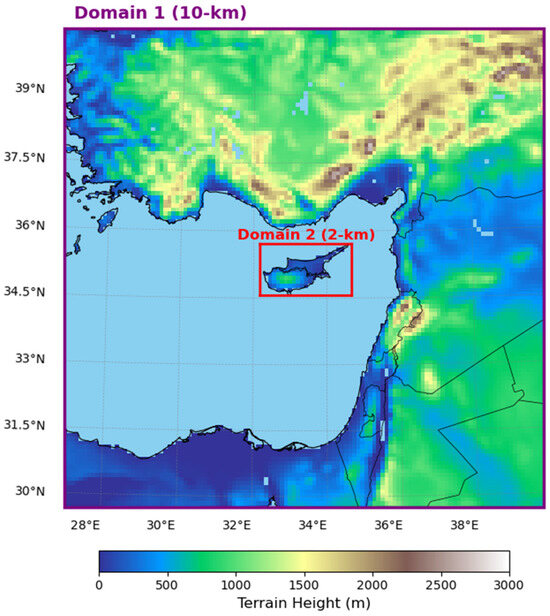
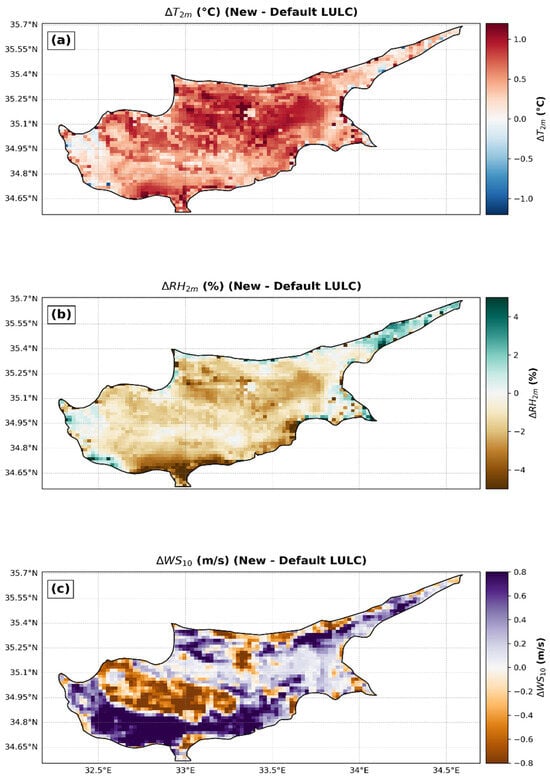
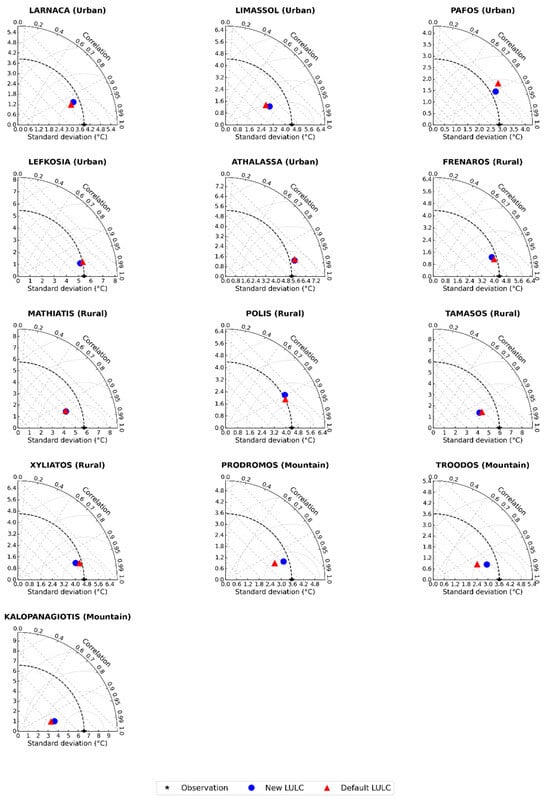
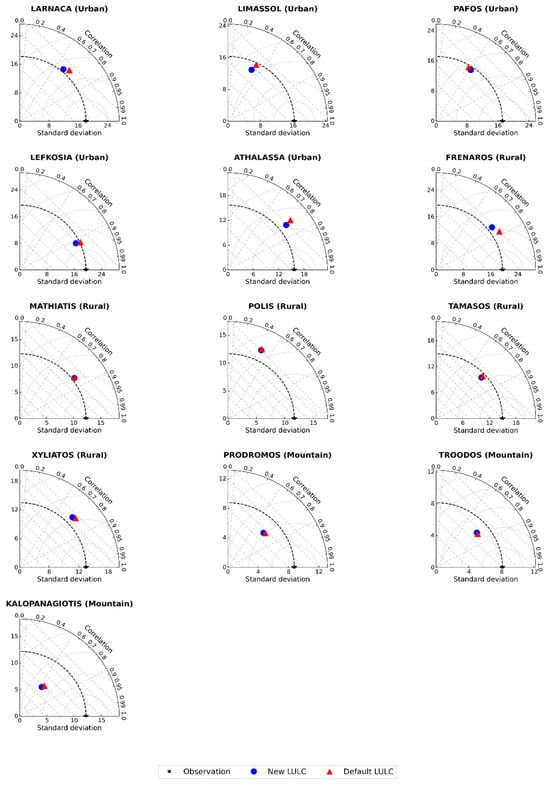
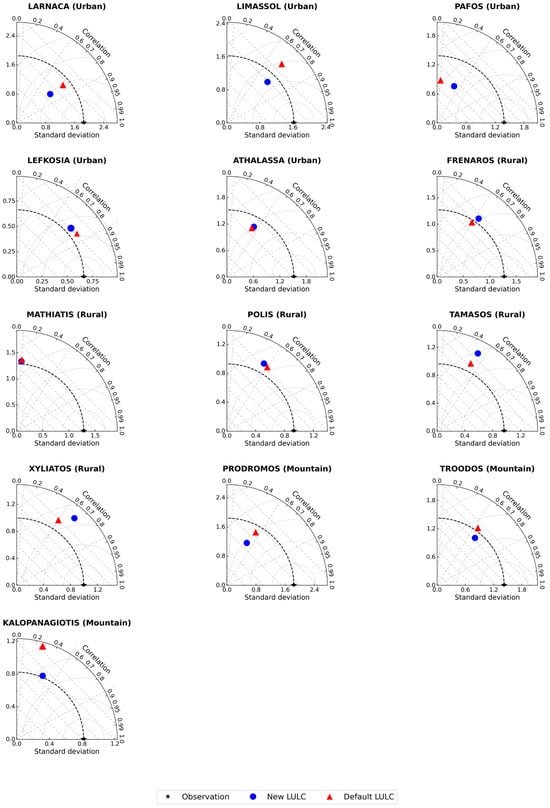
Role of High-Resolution Land Surface Representation in WRF Model for Forecasting Extreme Heatwave Conditions over Cyprus
by
Avinash N. Parde, Kartik Koundal, Utkarsh Bhautmage, Michael Mau Fung Wong, Christina Oikonomou and Haris Haralambous
Forecasting 2026, 8(3), 42; https://doi.org/10.3390/forecast8030042 - 19 May 2026
Abstract
The Eastern Mediterranean, notably Cyprus, is a climate change hotspot facing severe heatwaves. Accurate numerical weather prediction of these extremes requires precise land–atmosphere modeling and initial and boundary conditions. This study assesses replacing the default USGS Land-Use and Land-Cover (LULC) dataset with the
[...] Read more.
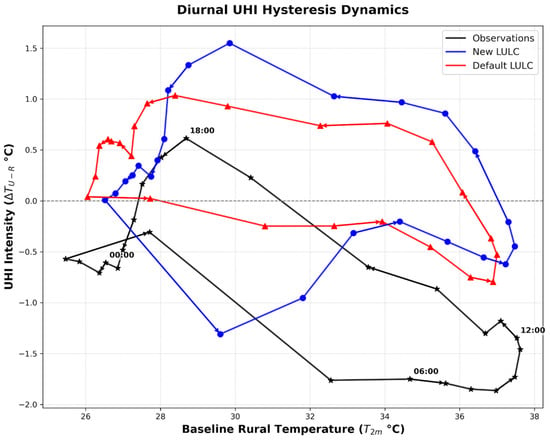
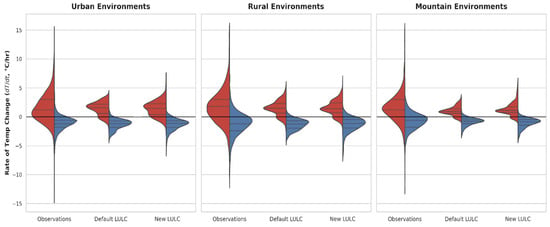
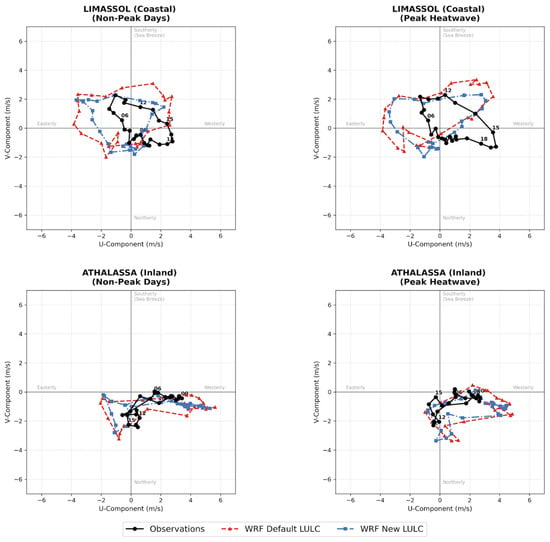
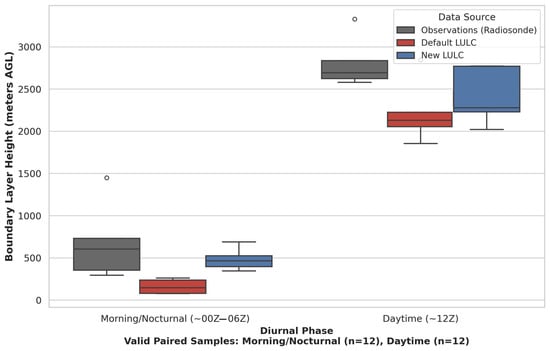
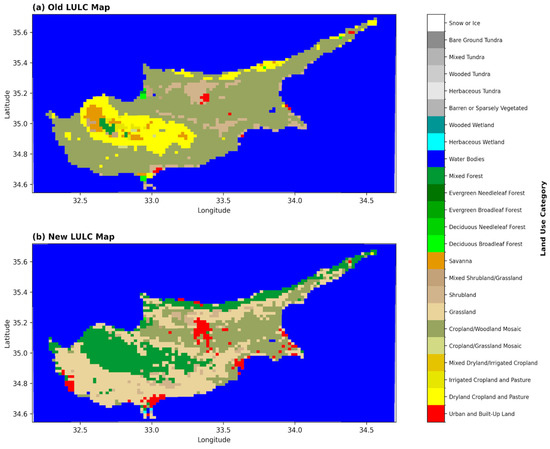
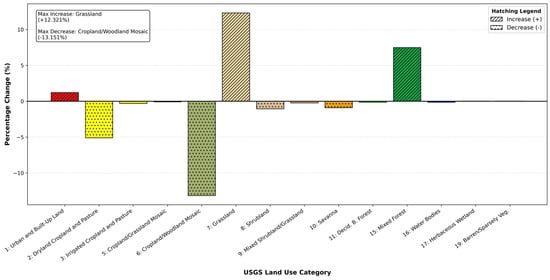
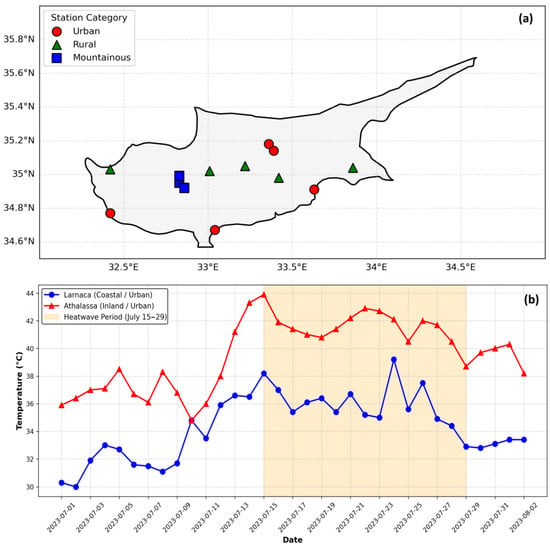
The Eastern Mediterranean, notably Cyprus, is a climate change hotspot facing severe heatwaves. Accurate numerical weather prediction of these extremes requires precise land–atmosphere modeling and initial and boundary conditions. This study assesses replacing the default USGS Land-Use and Land-Cover (LULC) dataset with the 10 m ESA WorldCover 2021 dataset in the Weather Research and Forecasting (WRF) model to simulate the 15–29 July 2023 Cyprus heatwave. The updated LULC increased urban representation six-fold. Statistical validations showed significant improvements in 2 m temperature, relative humidity, and 10 m wind speed predictions across 85% of observational sites. Dynamically, it restored urban thermal memory, effectively capturing the daytime Urban Cool Island effect and nocturnal heat release. Furthermore, radiosonde validations showed that the update corrected nocturnal Planetary Boundary Layer Height (PBLH) underestimations and dampened exaggerated daytime convective mixing. However, crucial limitations remain. High-frequency diagnostics indicated the model still suffers from damped thermal inertia, missing the abrupt temperature spikes and rapid nocturnal cooling typical of semi-arid microclimates. Additionally, the updated configuration failed to capture severe atmospheric stagnation during peak heatwave conditions, highlighting that deep-rooted kinetic errors persist within default boundary layer parameterizations despite static surface improvements.
Full article
(This article belongs to the Section Weather and Forecasting)
►▼
Show Figures

Figure 1
Open AccessArticle
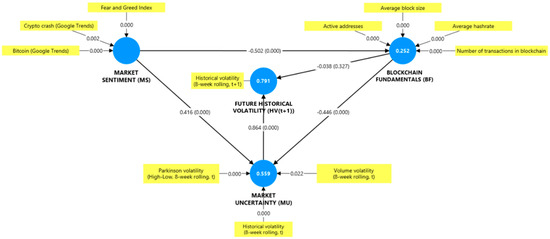
Bitcoin Volatility Forecasting Through Market Sentiment, Blockchain Fundamentals, and Endogenous Market Uncertainty
by
Marcel Figura, Martin Bugaj, Elvira Nica and Gheorghe H. Popescu
Forecasting 2026, 8(3), 41; https://doi.org/10.3390/forecast8030041 - 19 May 2026
Abstract
The study develops and empirically evaluates a forecasting-orientated structural model in which future Bitcoin historical volatility is modelled as being associated with market sentiment and blockchain fundamentals through market uncertainty. Market Sentiment (MS) is specified as a behavioural construct, Blockchain Fundamentals (BF) as
[...] Read more.
The study develops and empirically evaluates a forecasting-orientated structural model in which future Bitcoin historical volatility is modelled as being associated with market sentiment and blockchain fundamentals through market uncertainty. Market Sentiment (MS) is specified as a behavioural construct, Blockchain Fundamentals (BF) as network conditions, and Market Uncertainty (MU) as an endogenous regime construct that consolidates signals shaping historical volatility at t+1. Using 262 weekly observations from January 2021 to January 2026, the analysis applies partial least squares structural equation modelling (PLS-SEM) with formative constructs and a forward-dated volatility target to preserve temporal ordering. Paths are evaluated with bootstrapping, effect sizes, and mediation analysis, while predictive performance is assessed using PLSpredict, the cross-validated predictive ability test (CVPAT), benchmark-based comparison, and Diebold-Mariano (DM) tests. MU emerges as the dominant predictor of Future Historical Volatility, denoted as HV(t+1) in the structural model (β = 0.864, p-value < 0.001; f2 = 2.036). The effect of BF is largely indirect, with 91.02% of the total effect transmitted via uncertainty, indicating indirect-only mediation. The model explains substantial variation in HV(t+1) (R2 = 0.791) and shows predictive relevance (Q2 predict = 0.287), while the benchmark-based results indicate mixed but competitive forecasting performance relative to persistence-based and econometric alternatives. These findings are consistent with a regime-based interpretation of Bitcoin volatility and highlight the explanatory and predictive relevance of an integrated behavioural-network-uncertainty architecture.
Full article
(This article belongs to the Special Issue Advanced Forecasting in an Era of Uncertainty and Its Impact on Strategic Investment Decisions)
►▼
Show Figures

Figure 1
Open AccessArticle
Multi-Timeframe Feature Engineering for Bitcoin Market Prediction: A Price-Level-Agnostic Machine Learning Approach
by
Pedro Sobreiro, Domingos Martinho, Rui Martins and Ricardo Vardasca
Forecasting 2026, 8(3), 40; https://doi.org/10.3390/forecast8030040 - 18 May 2026
Abstract
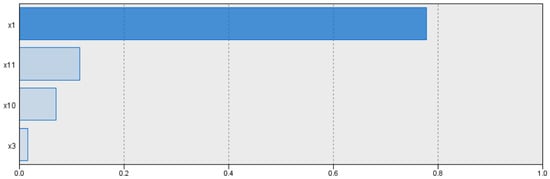
Predicting profitable entry signals in Bitcoin markets remains challenging due to price volatility, the absence of fundamental valuation frameworks, and methodological pitfalls that are common in the literature. In this study, we evaluate five machine learning classifiers using a 37-feature hierarchical multi-timeframe pipeline
[...] Read more.
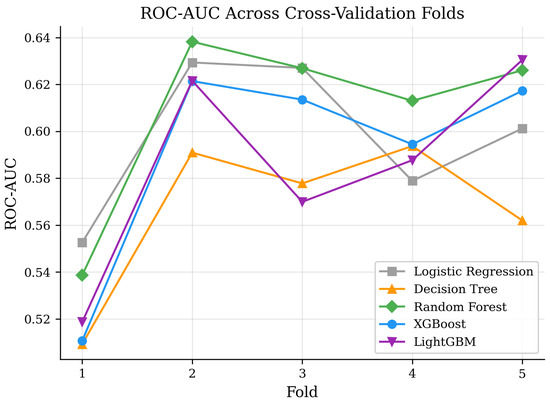
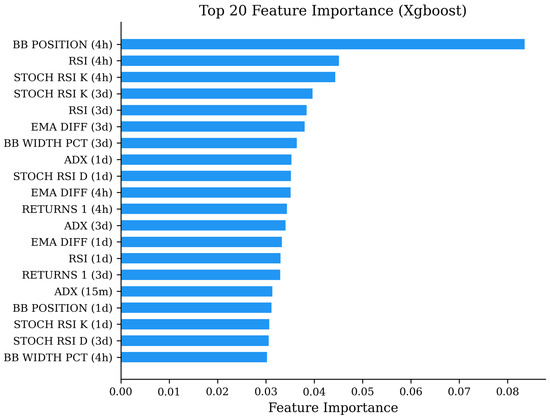
Predicting profitable entry signals in Bitcoin markets remains challenging due to price volatility, the absence of fundamental valuation frameworks, and methodological pitfalls that are common in the literature. In this study, we evaluate five machine learning classifiers using a 37-feature hierarchical multi-timeframe pipeline with price-level-agnostic normalization across four temporal resolutions (15-min, 4-h, daily, and 3-day), spanning January 2020 to November 2025. Binary training labels were generated via majority-vote aggregation across 54 stop-loss/take-profit combinations, producing 6951 balanced samples (48.5% positive class). Five algorithms—Logistic Regression, Decision Tree, Random Forest, XGBoost, and LightGBM—are compared using expanding-window TimeSeriesSplit validation (5 folds). Random Forest achieved the highest cross-validated ROC-AUC (0.6086), with all models showing modest but consistent discriminative ability (range 0.57–0.61). Feature importance analysis identifies 4-hour Bollinger Band position and RSI as dominant predictors, with all timeframes contributing meaningfully. A true out-of-sample holdout on 1136 independently generated 2025 samples confirms generalization, with Logistic Regression achieving 0.6087 ROC-AUC. A subtle multi-timeframe look-ahead bias in higher-timeframe data alignment is identified and corrected, which inflated performance by approximately 0.20 ROC-AUC points before correction. Event-driven backtesting on 2025 out-of-sample data yields a gross upper-bound return of +35.97% (185 trades, SL = 1%, TP = 2%, threshold = 0.7, Sharpe = 0.14) before transaction costs, after realistic round-trip fees, net returns are likely negligible. The central finding is that models with ROC-AUC ≈ 0.60 cannot reliably generate economically significant returns once transaction costs are accounted for. The methodology provides a reproducible framework for ML-based binary classification studies requiring transparent, bias-corrected validation across diverse market regimes.
Full article
(This article belongs to the Special Issue Advanced Forecasting in an Era of Uncertainty and Its Impact on Strategic Investment Decisions)
►▼
Show Figures

Figure 1
Open AccessArticle
Determinants of Successful IoT and AI Initiatives in the SMART Economy: An Enterprise Perspective
by
Jan Dvorsky, Matus Senci, Abdul Bashiru Jibril and Zora Petrakova
Forecasting 2026, 8(3), 39; https://doi.org/10.3390/forecast8030039 - 12 May 2026
Abstract
AI/IoT initiatives are increasingly adopted in business, yet reported success varies substantially across firms. This study develops and evaluates a firm-level predictive framework for the reported AI/IoT success rate, measured on a bounded 0–100 scale. Using enterprise survey data from Slovakia and the
[...] Read more.
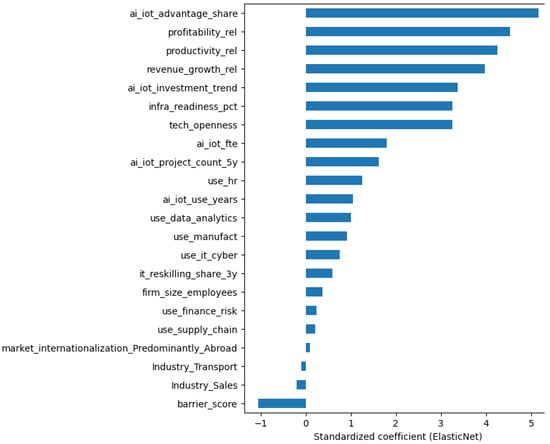
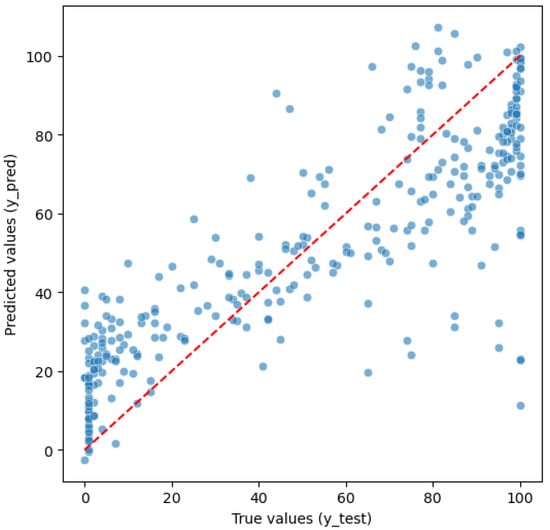
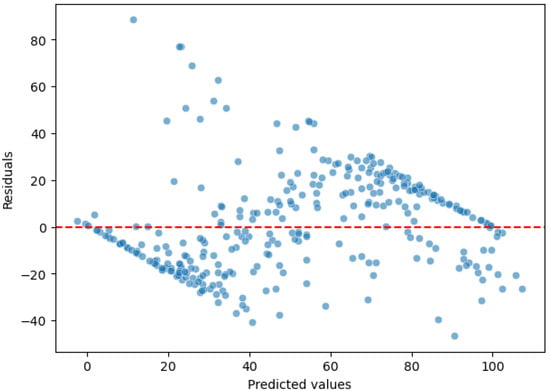
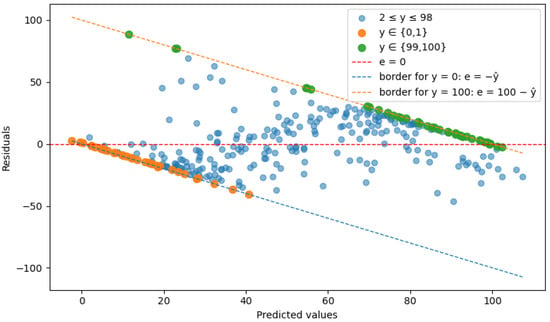
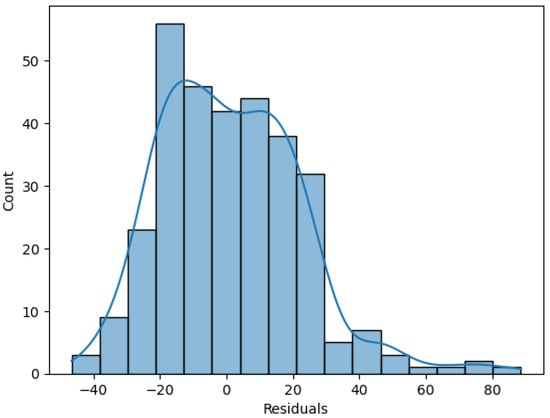
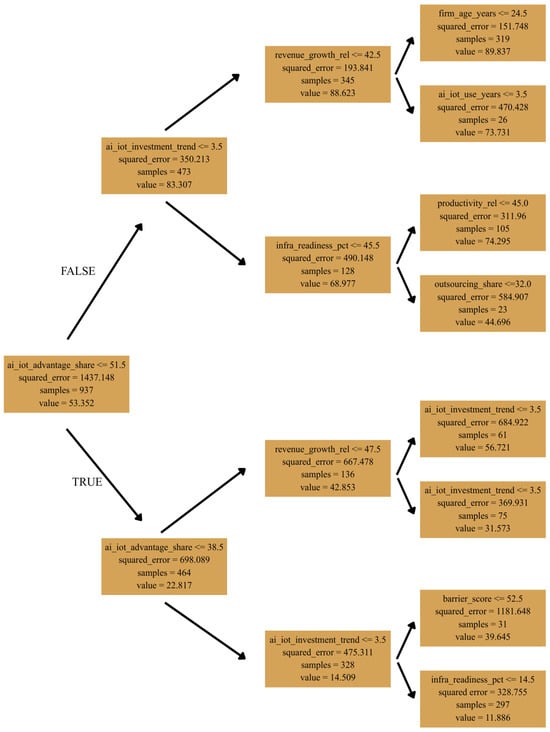
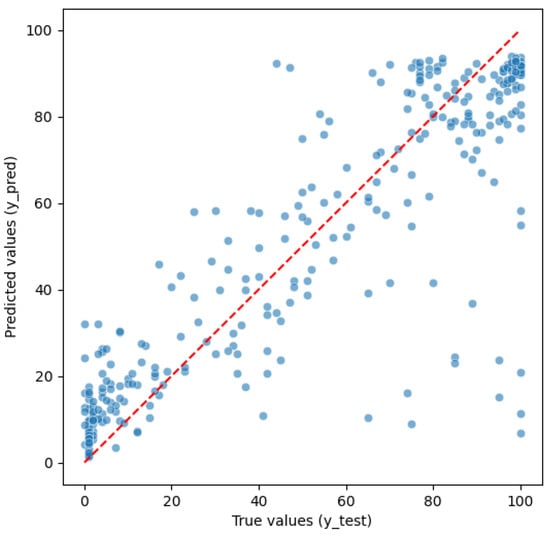
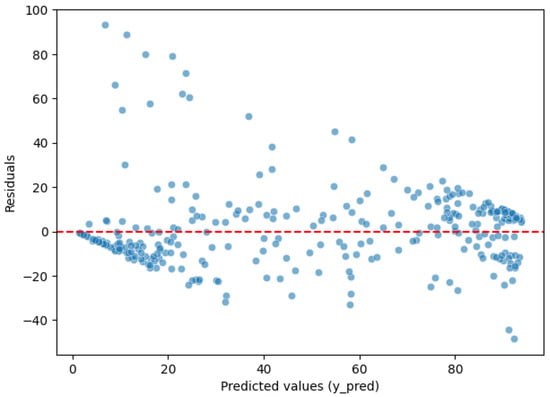
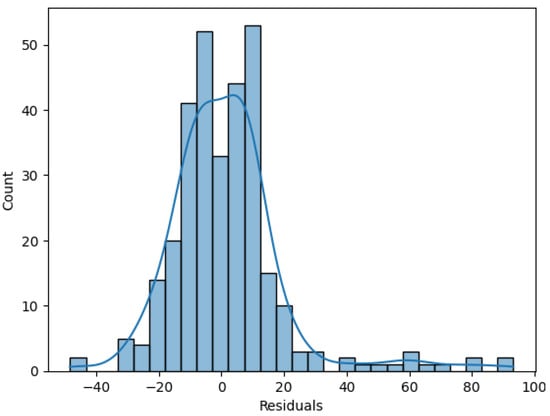
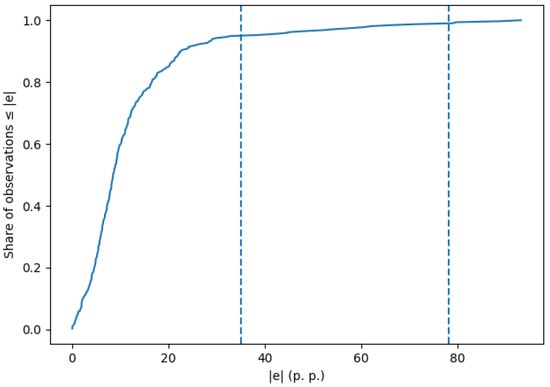
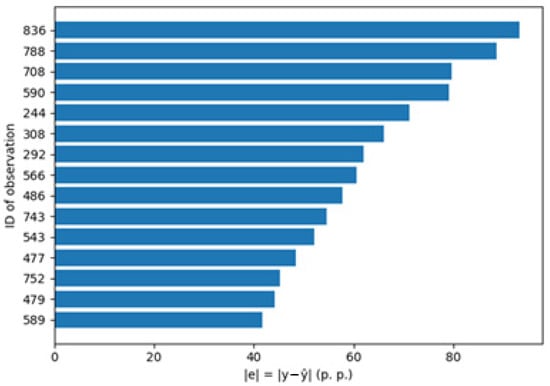
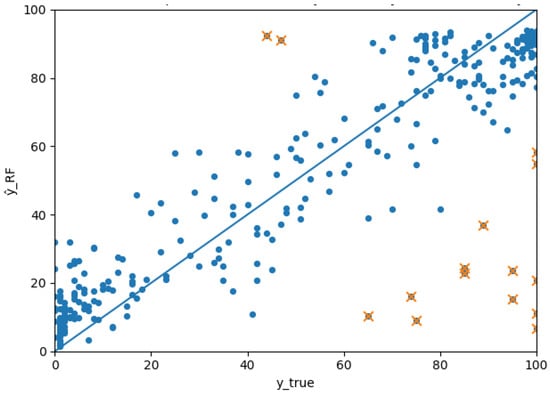
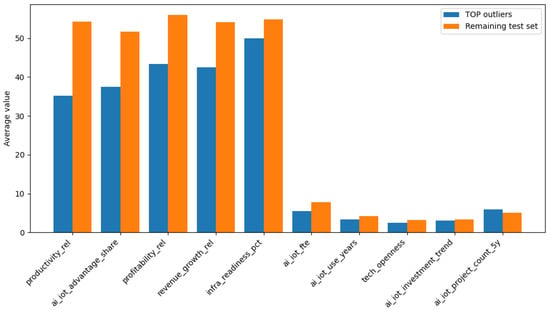
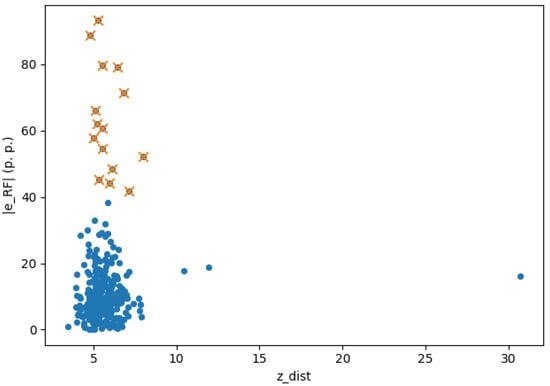
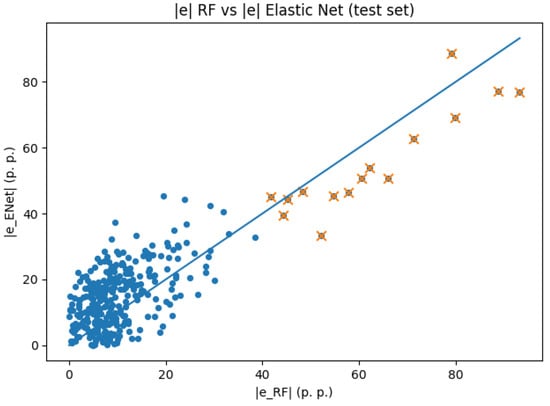
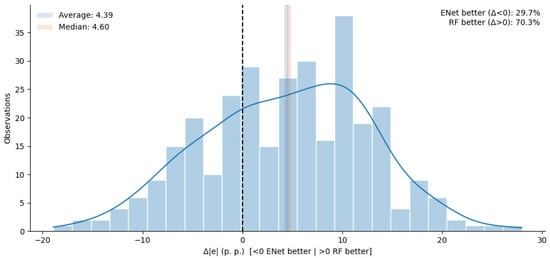
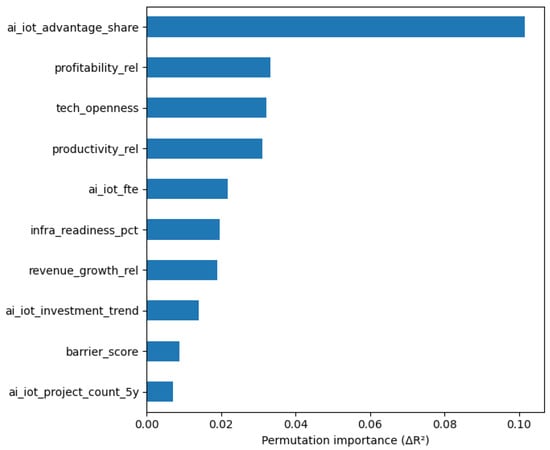
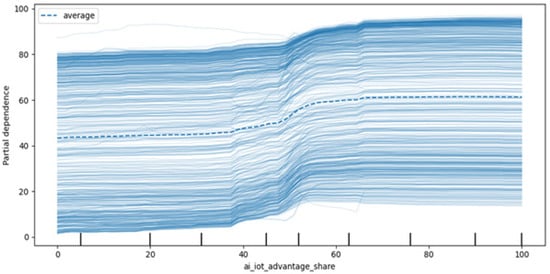
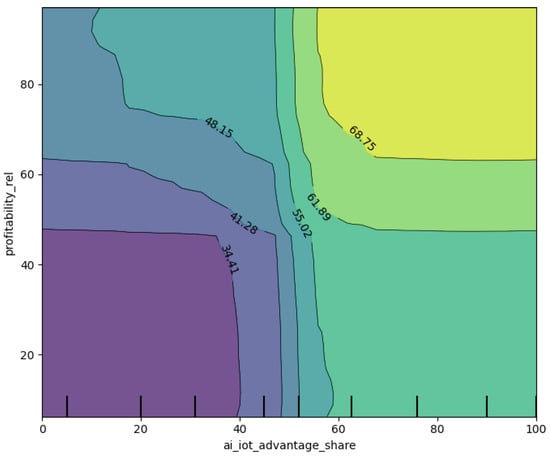
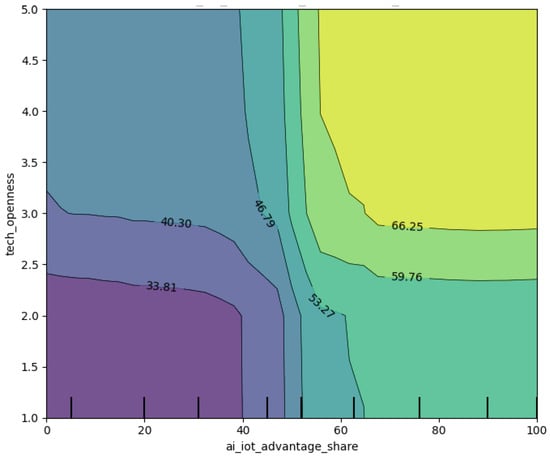
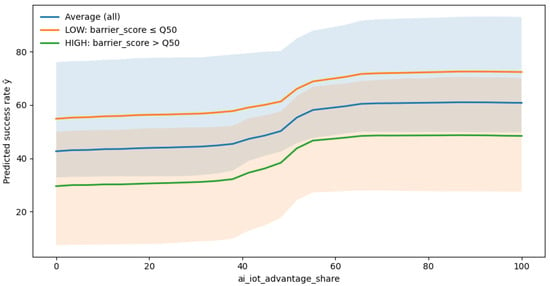
AI/IoT initiatives are increasingly adopted in business, yet reported success varies substantially across firms. This study develops and evaluates a firm-level predictive framework for the reported AI/IoT success rate, measured on a bounded 0–100 scale. Using enterprise survey data from Slovakia and the Czech Republic (n = 1250), we compare a regularized linear baseline (Elastic Net) with nonlinear approaches (Decision Tree and Random Forest) under a consistent out-of-sample evaluation framework, and we examine the best-performing model using permutation importance and PDP/ICE tools. Random Forest achieves the strongest out-of-sample predictive performance and reduces absolute errors relative to Elastic Net for most test observations, although diagnostics also reveal a small tail of extreme errors. Across model families, ai_iot_advantage_share emerges as the most stable predictor of reported AI/IoT success. Nonlinear diagnostics indicate a threshold-like transition in predicted success around the mid-range of advantage attribution and a saturation pattern at higher values. Readiness and performance-related variables are associated with higher predicted success, whereas higher barrier levels are associated with lower predicted success. The results position value realization as the most informative predictive signal in the dataset and provide an interpretable basis for enterprise-level screening and managerial reflection rather than causal inference.
Full article
(This article belongs to the Special Issue Advanced Forecasting in an Era of Uncertainty and Its Impact on Strategic Investment Decisions)
►▼
Show Figures

Figure 1
Open AccessArticle
Singular Design Foresight: A Foundational Method for Auditable Anticipation and Decision Closure
by
Pablo Lara-Navarra, Antonia Ferrer-Sapena and Enrique A. Sánchez-Pérez
Forecasting 2026, 8(3), 38; https://doi.org/10.3390/forecast8030038 - 2 May 2026
Abstract
►▼
Show Figures
Singular Design Foresight (SDF) is proposed as a foundational methodological framework for advancing Design Foresight (DF) toward a more explicit, traceable, and evaluable scientific discipline. The framework formalizes DF as a structured cycle in which qualitative foresight inputs—such as signals, trends, and expert
[...] Read more.
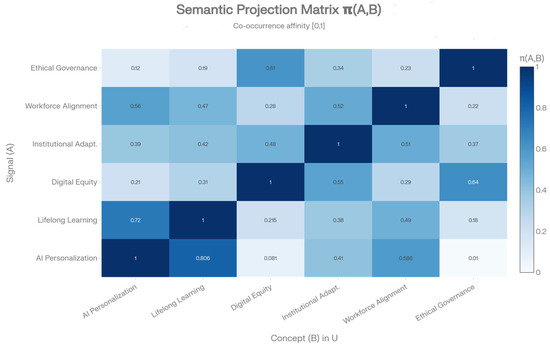
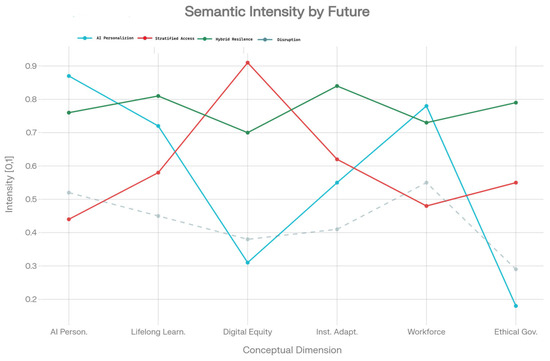
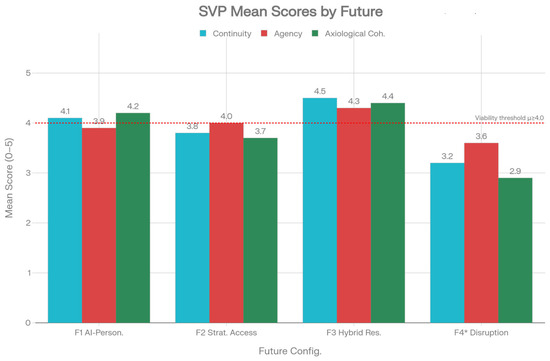
Singular Design Foresight (SDF) is proposed as a foundational methodological framework for advancing Design Foresight (DF) toward a more explicit, traceable, and evaluable scientific discipline. The framework formalizes DF as a structured cycle in which qualitative foresight inputs—such as signals, trends, and expert interpretations—are progressively transformed into analyzable representations that support decision closure under conditions of structural uncertainty. SDF combines an expert-defined conceptual universe with semantic projections to relate textual and contextual evidence to anticipatory constructs, enabling the generation of traceable indicators and structured configurations of viable futures. Within this architecture, the Stakeholder Viability Principle (SVP) functions as a filtering mechanism that delimits relevant futures according to continuity, agency, and axiological coherence, while Social Singularity captures context-specific critical transitions that shape when and why decision closure becomes necessary. The framework is organized in alignment with Design Science Research (DSR), adopting an evaluation logic centered on validity, utility, and attribution. Rather than presenting conclusive system-level validation, the article synthesizes summative evidence from previously published studies on semantic projections, singularity detection, and mixed expert–corpus foresight applications to support the plausibility, internal coherence, and operational feasibility of the proposed framework, while delimiting full integrated validation as a future research objective. SDF does not aim to provide deterministic prediction; instead, it enables auditable anticipatory representations and justified closure under uncertainty. In this sense, the framework is compatible with forecasting understood as the production of evaluable anticipations under explicit assumptions, while preserving the interpretive and situated character of strategic decision-making.
Full article

Figure 1
Open AccessArticle
Hybrid Clustering for Retail Demand Forecasting: Combining Rule-Based and Machine Learning Methods
by
Jung-Hyuk Kim and Nam-Wook Cho
Forecasting 2026, 8(3), 37; https://doi.org/10.3390/forecast8030037 - 27 Apr 2026
Abstract
►▼
Show Figures
Retail demand forecasting for fast-moving consumer goods (FMCGs) presents significant challenges due to high product variety, demand intermittency, and uncertainty, which prevent any single model from capturing the diverse demand patterns. To address these challenges, this study proposes a hybrid clustering framework that
[...] Read more.
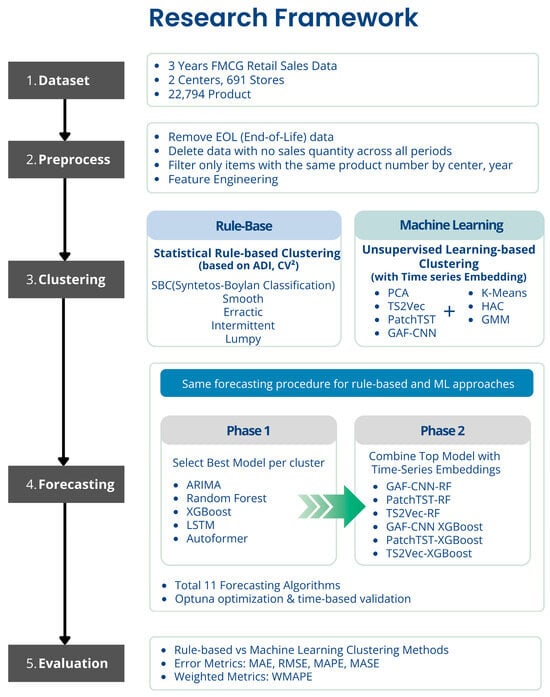
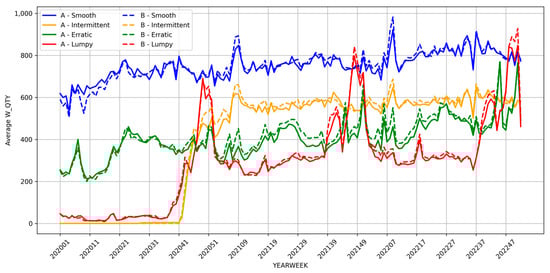
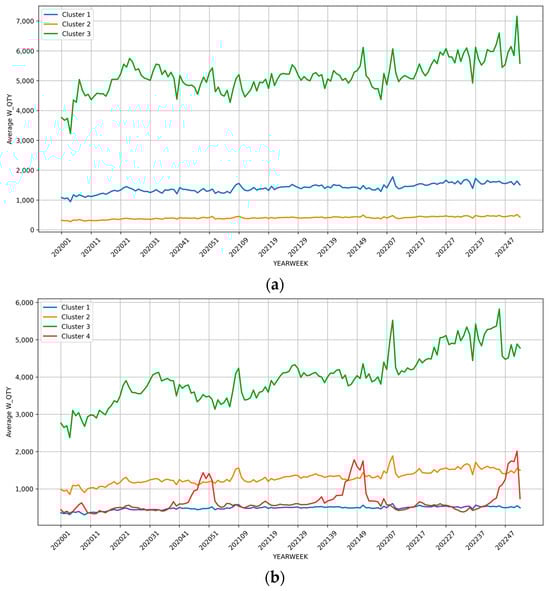
Retail demand forecasting for fast-moving consumer goods (FMCGs) presents significant challenges due to high product variety, demand intermittency, and uncertainty, which prevent any single model from capturing the diverse demand patterns. To address these challenges, this study proposes a hybrid clustering framework that integrates rule-based (Syntetos–Boylan Classification) and machine learning (ML) approaches, combining time-series embeddings with unsupervised learning to segment products by demand structure. Building on this framework, forecasting is conducted through a two-phase methodology: selecting optimal baseline algorithms per cluster (Phase 1), then enhancing them with embedding-based hybrid models (Phase 2). The effectiveness of this approach is demonstrated using a large-scale real-world dataset comprising over 3.8 million weekly sales records from 12,661 products across 691 stores. Results show that the proposed method improves forecasting accuracy by approximately 5–15% compared to conventional models. Furthermore, model performance varies with demand volatility, as different model–embedding combinations perform best under different conditions. Finally, the proposed diagnostic heuristic reduces experimental effort by 25–50%. Comparative analysis reveals that ML-based clustering outperforms rule-based methods under stable demand, whereas rule-based clustering is superior under high demand uncertainty, confirming that no single clustering paradigm is universally optimal. These findings demonstrate the practical value of adaptive hybrid frameworks for FMCGs demand forecasting.
Full article

Figure 1
Open AccessArticle
A Hybrid Linear–Gaussian Process Framework with Adaptive Covariance Selection for Spatio-Temporal Wind Speed Forecasting
by
Thinawanga Hangwani Tshisikhawe, Caston Sigauke, Timotheous Brian Darikwa and Saralees Nadarajah
Forecasting 2026, 8(3), 36; https://doi.org/10.3390/forecast8030036 - 26 Apr 2026
Abstract
►▼
Show Figures
Accurate wind speed forecasting is essential for the efficient integration of wind energy into power systems, as it directly influences generation scheduling, grid stability, and energy market operations. Forecast errors can lead to significant economic losses, including increased balancing costs, inefficient dispatch of
[...] Read more.
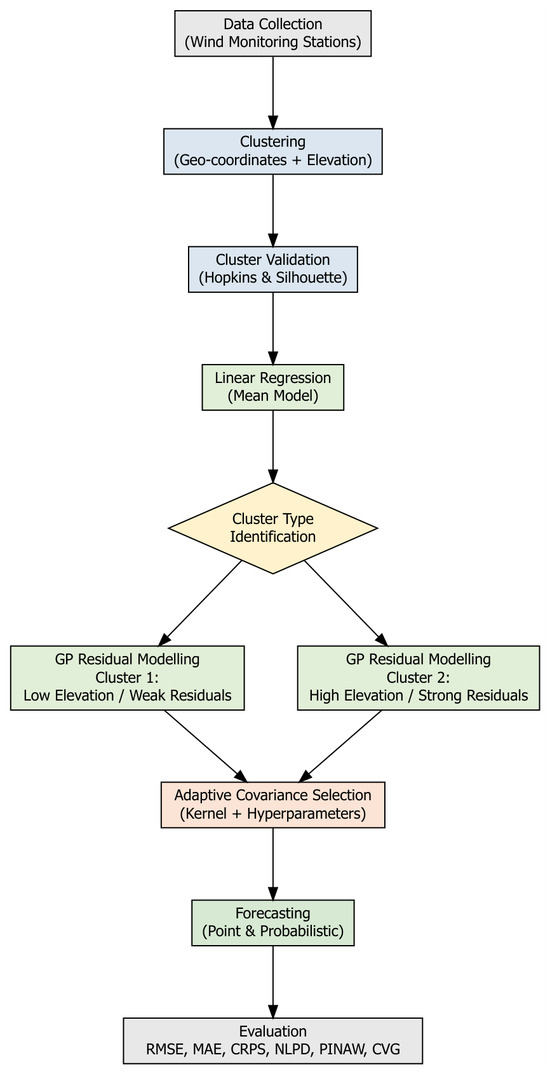
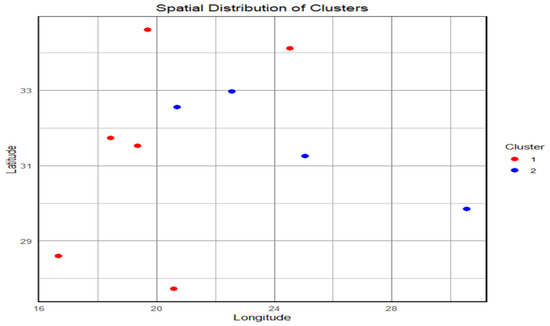
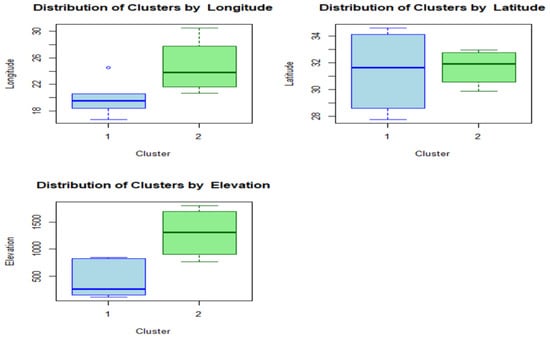
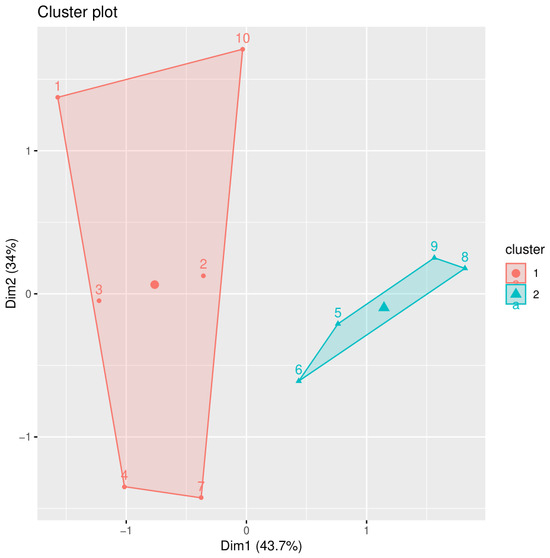
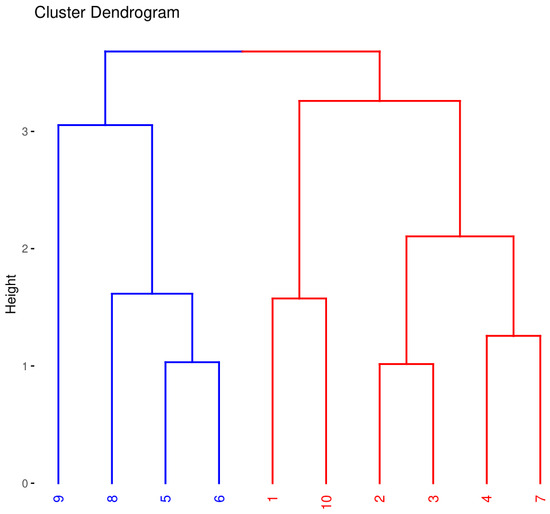
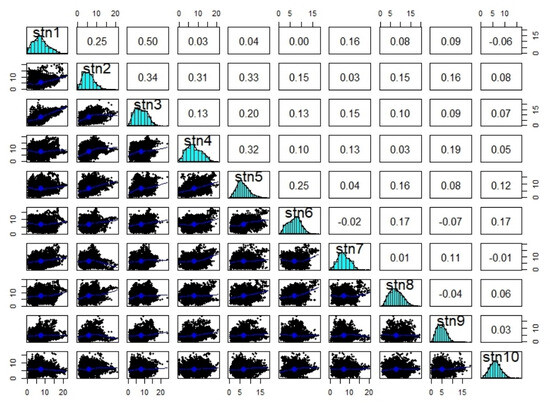
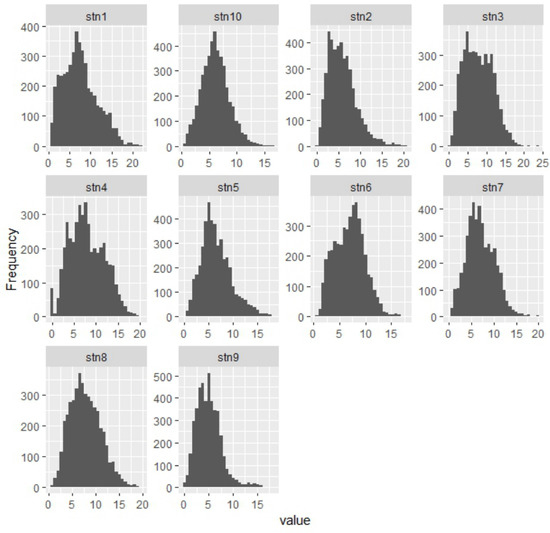
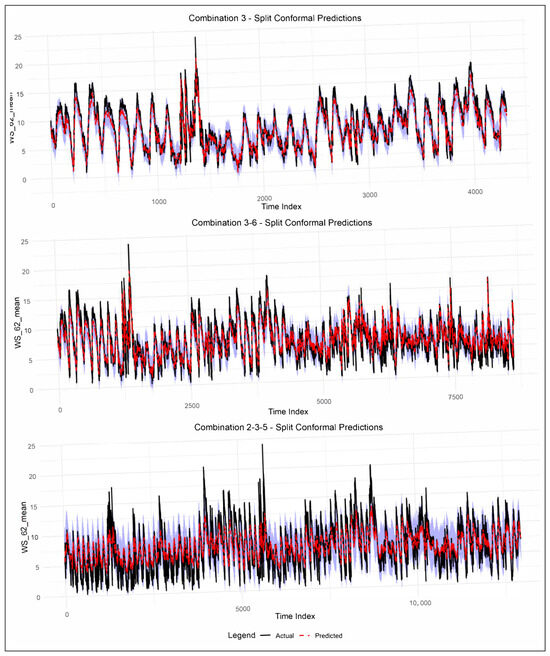
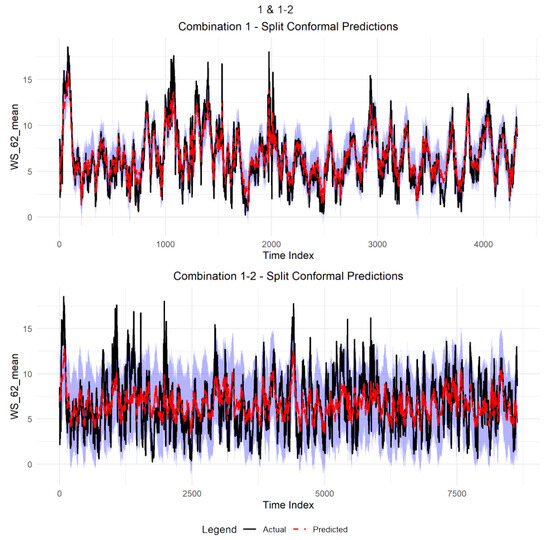
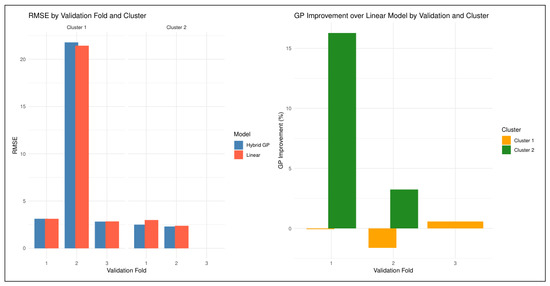
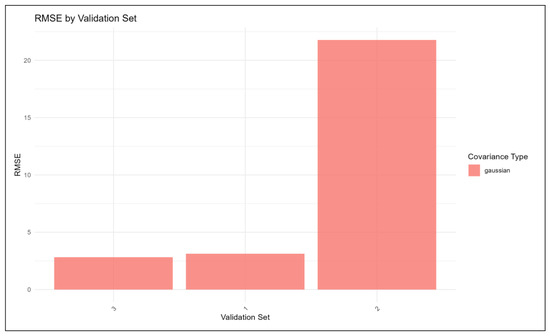
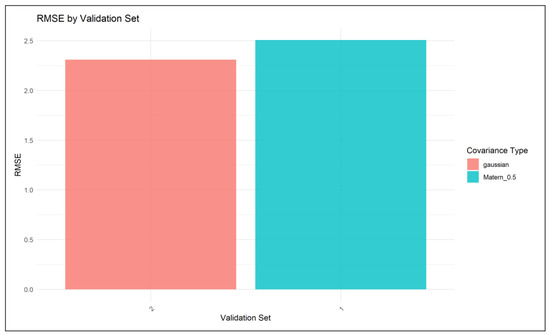
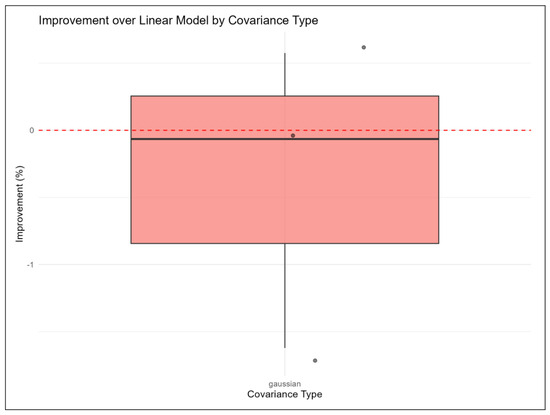
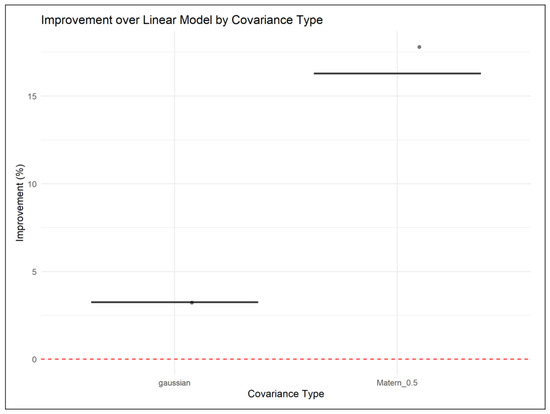
Accurate wind speed forecasting is essential for the efficient integration of wind energy into power systems, as it directly influences generation scheduling, grid stability, and energy market operations. Forecast errors can lead to significant economic losses, including increased balancing costs, inefficient dispatch of backup generation, and penalties in electricity markets. However, wind behaviour is highly complex due to the influence of synoptic weather systems, terrain variability, and turbulence, which makes accurate prediction particularly challenging. This paper proposes a hybrid modelling framework that combines a linear regression mean model with Gaussian process (GP) residual modelling to improve forecast accuracy. Monitoring stations were grouped based on geographic coordinates and elevation, with cluster validation using the Hopkins statistic and silhouette analysis. The results show that for high-elevation inland stations (cluster 2), GP residual modelling improves forecast accuracy by up to 16.3%. In contrast, for low-elevation coastal stations (cluster 1), the GP approach does not yield improvements, indicating that its effectiveness depends strongly on the underlying wind regime.
Full article

Figure 1
Open AccessArticle
Garbage In, Garbage Out? The Impact of Data Quality on the Performance of Financial Distress Prediction Models
by
Veronika Labosova, Lucia Duricova, Katarina Kramarova and Marek Durica
Forecasting 2026, 8(3), 35; https://doi.org/10.3390/forecast8030035 - 22 Apr 2026
Abstract
Financial distress prediction remains a central topic in corporate finance and risk management, with extensive research devoted to improving classification accuracy through increasingly sophisticated statistical and machine learning techniques. Nevertheless, the influence of data preparation on predictive performance has received comparatively less systematic
[...] Read more.
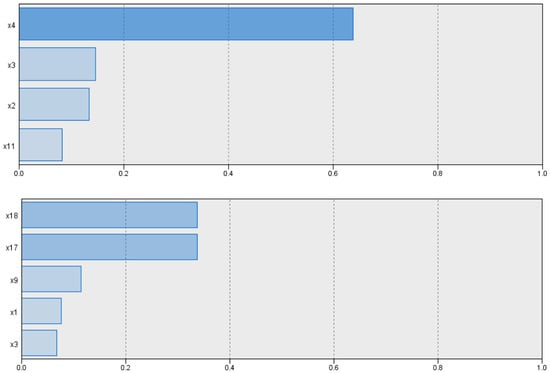
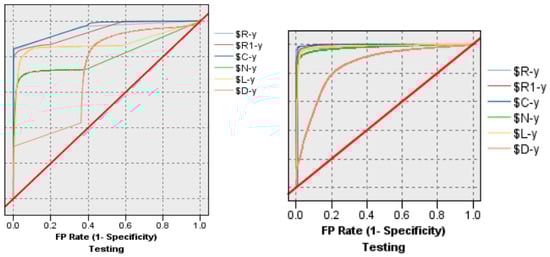
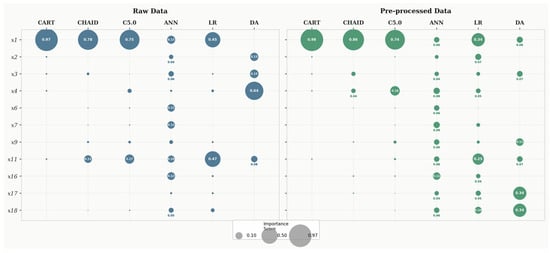
Financial distress prediction remains a central topic in corporate finance and risk management, with extensive research devoted to improving classification accuracy through increasingly sophisticated statistical and machine learning techniques. Nevertheless, the influence of data preparation on predictive performance has received comparatively less systematic attention. This study examines how an economically grounded data-preparation process affects the predictive performance of selected statistical and machine-learning models dedicated to predicting corporate financial distress. Using the chosen financial ratios, generally accepted indicators of corporate financial stability and economic performance, financial distress models are estimated on both raw, unprocessed input data and pre-processed data involving the exclusion of economically implausible accounting values, treatment of missing observations, and class balancing. In light of the above, the study adopts a structured methodological approach to assess the predictive performance of selected classification models, namely decision tree algorithms (CART, CHAID, and C5.0), artificial neural networks (ANNs), logistic regression (LR), and linear discriminant analysis (DA), using confusion-matrix–based evaluation and a comprehensive set of evaluation measures. The results suggest that the process of input data preparation is a critical factor, significantly improving the predictive performance of financial distress prediction models across most modelling techniques employed. The most pronounced gains are observed in decision tree models. ANNs also demonstrate marked improvement after input data preparation, whereas LR benefits more moderately, and linear DA remains limited despite preprocessing. The average gain in accuracy across all six modelling techniques, calculated as the difference between pre-processed and raw performance for each method and averaged across methods, was approximately 15.6 percentage points, with specificity improving by approximately 26.9 percentage points on average, amounting to roughly half the performance variation attributable to algorithm choice, which underscores that data preparation is a primary determinant of model reliability alongside algorithm selection. A step-level detailed analysis further shows that missing value imputation is the dominant driver of improvement for tree-based models, while class balancing contributes most for ANNs and logistic regression. The findings highlight that reliable financial distress prediction depends not only on technique selection but also on the consistency and economic plausibility of the input data, underscoring the central role of structured data preparation in developing robust early-warning models.
Full article
(This article belongs to the Special Issue Advanced Forecasting in an Era of Uncertainty and Its Impact on Strategic Investment Decisions)
►▼
Show Figures

Figure 1
Open AccessArticle
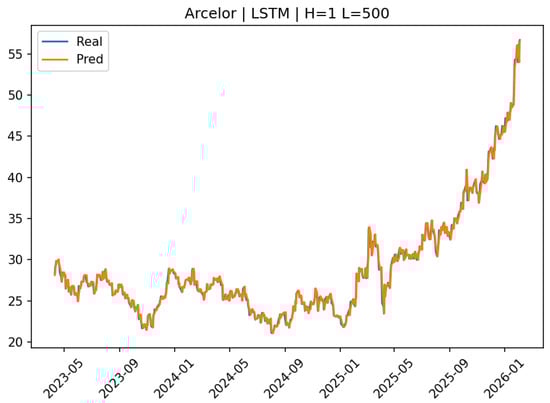
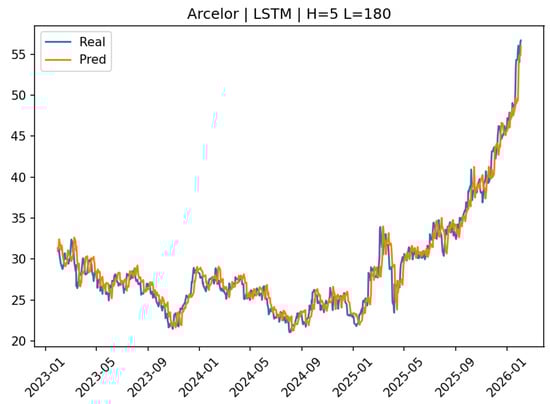
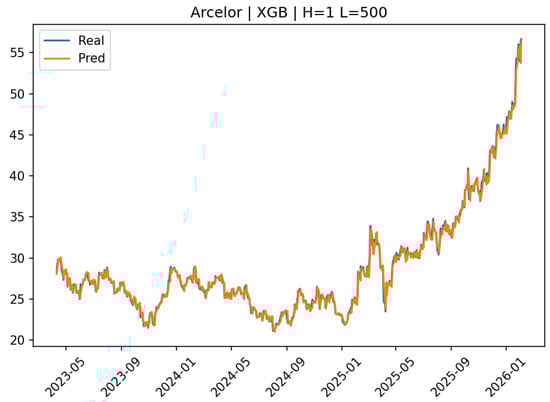
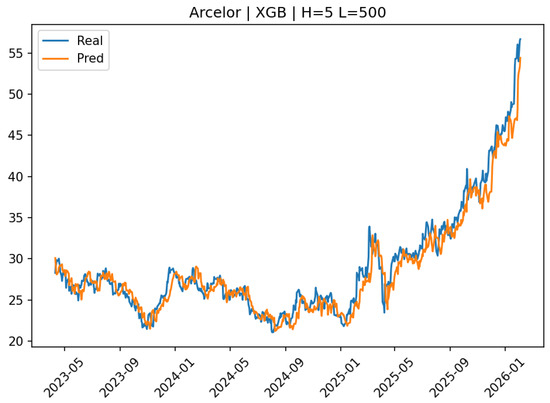
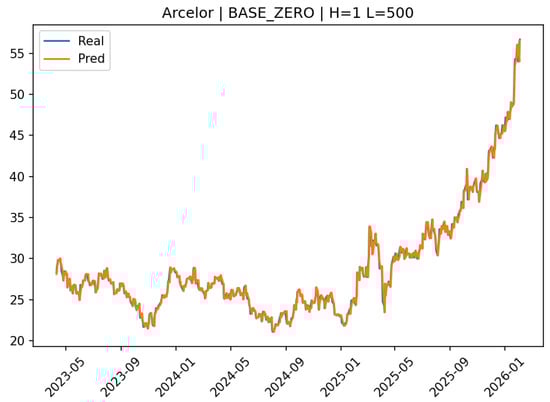
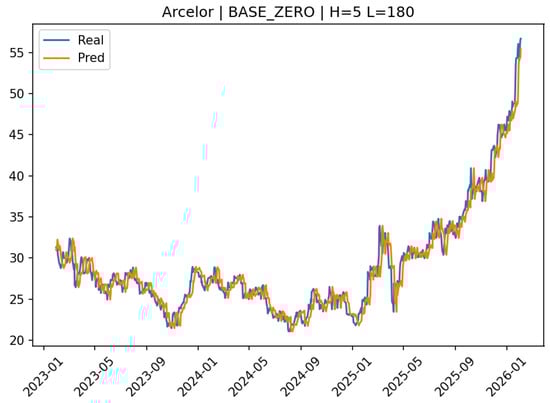
Leakage-Controlled Horizon-Specific Model Selection for Daily Equity Forecasting: An Automated Multi-Model Pipeline
by
Francisco Augusto Nuñez Perez, Francisco Javier Aguilar Mosqueda, Adrian Ramos Cuevas, Jaqueline Muñoz Beltran and Jose Cruz Nuñez Perez
Forecasting 2026, 8(2), 34; https://doi.org/10.3390/forecast8020034 - 20 Apr 2026
Abstract
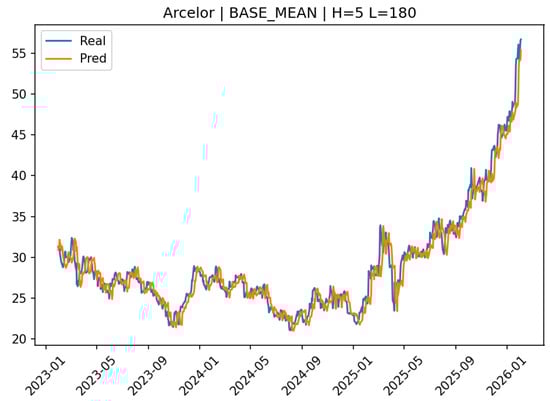
Short-horizon equity forecasting remains challenging because daily prices are noisy, heavy-tailed, and subject to structural breaks and regime shifts. We develop a fully automated, reproducible, and leakage-controlled multi-model pipeline for daily forecasting with horizon-specific configuration selection. The task is formulated as predicting cumulative
[...] Read more.
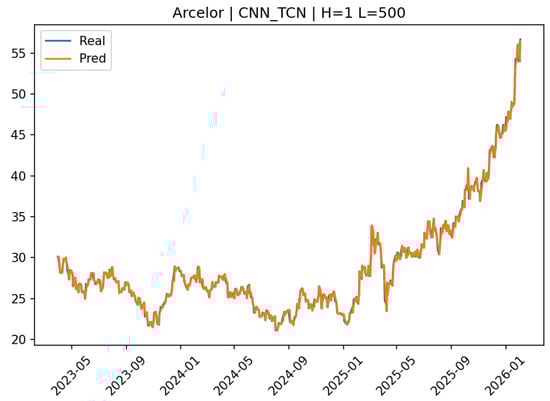
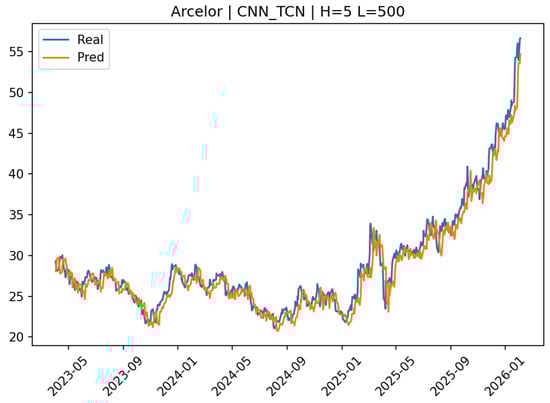
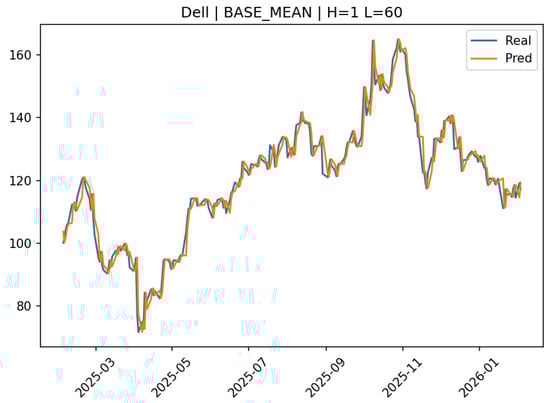
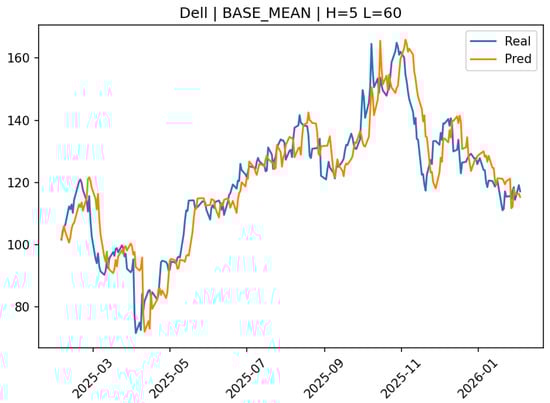
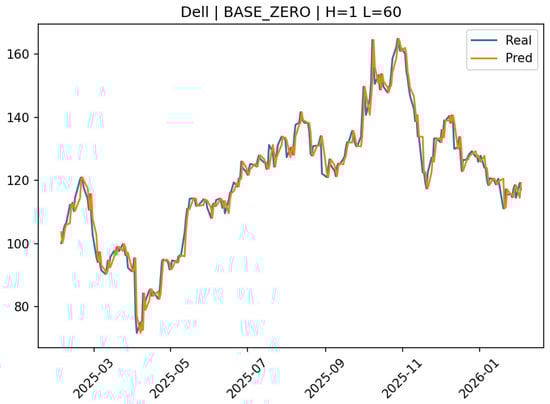
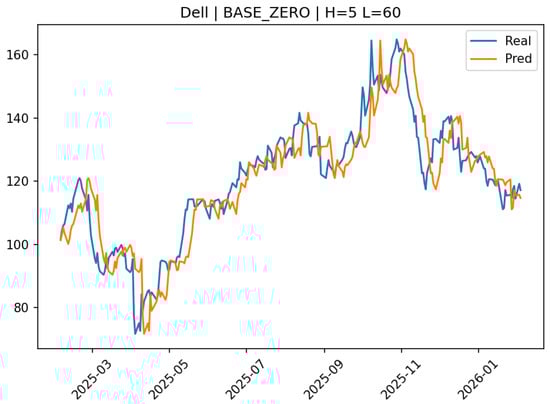
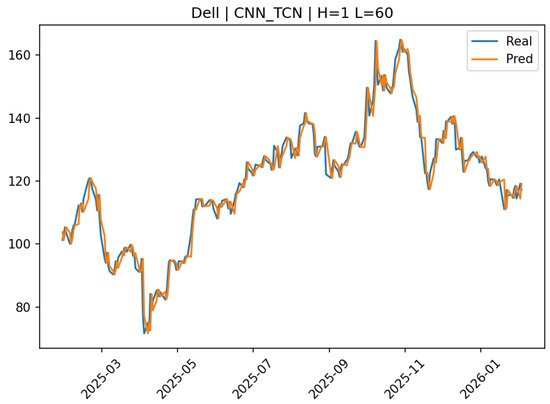
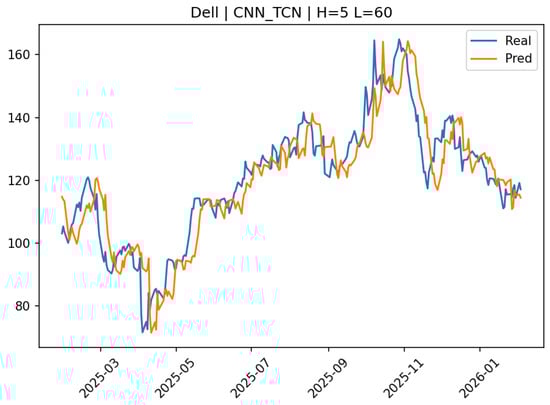
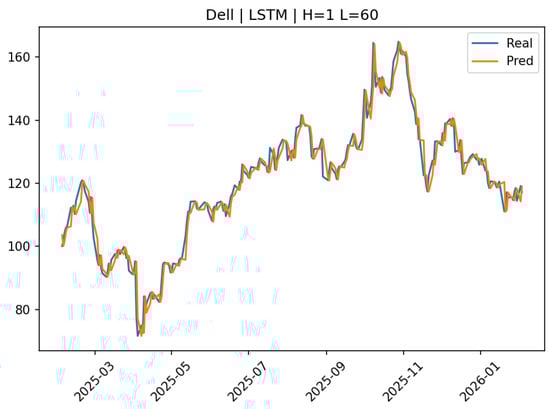
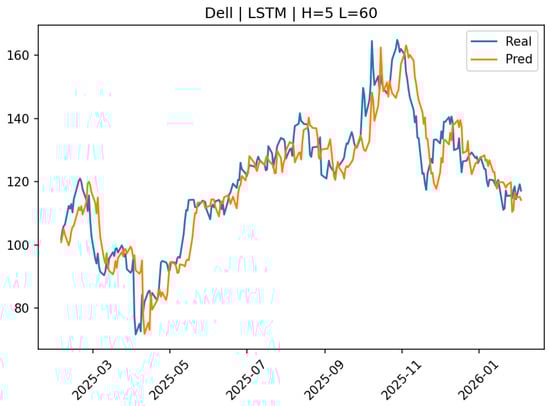
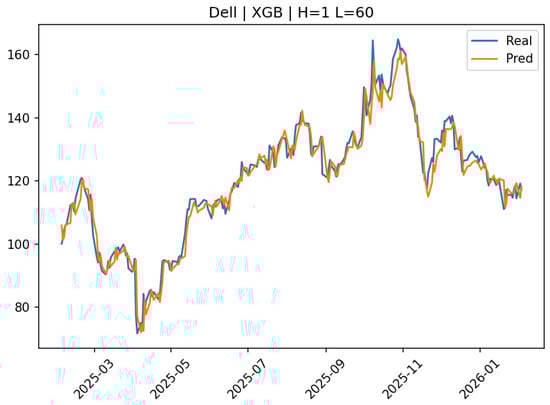
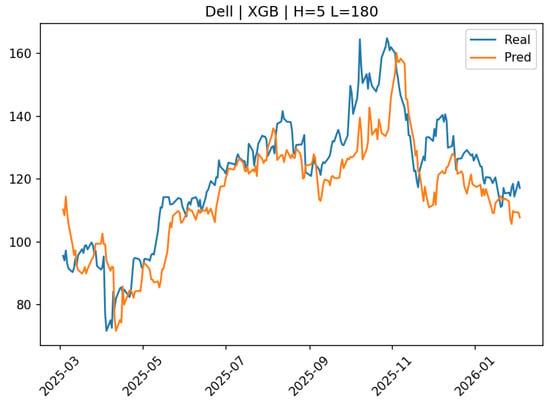
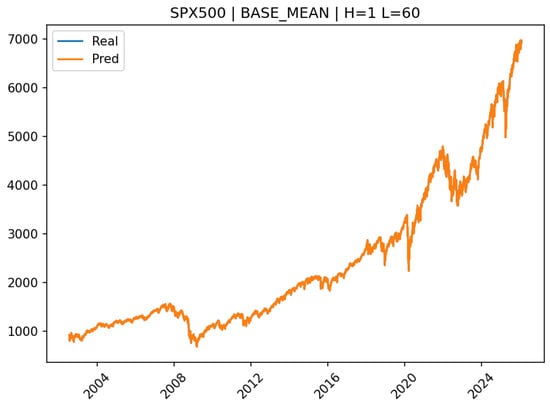
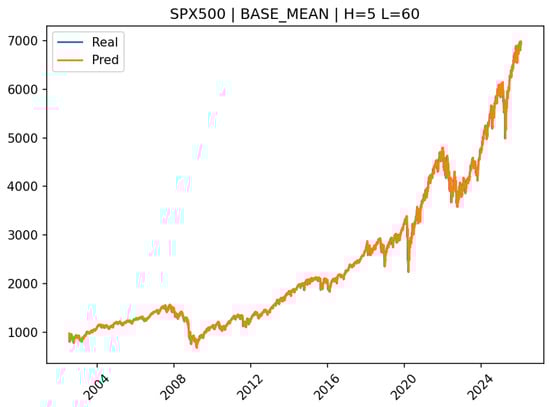
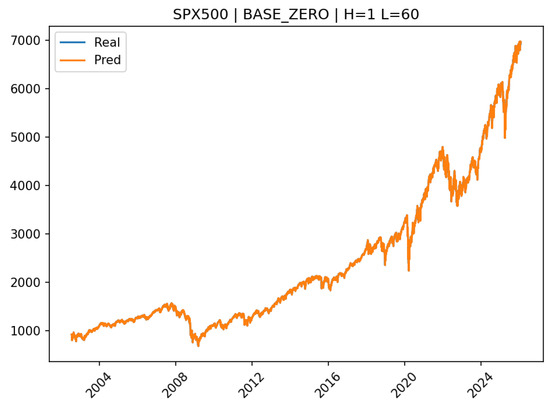
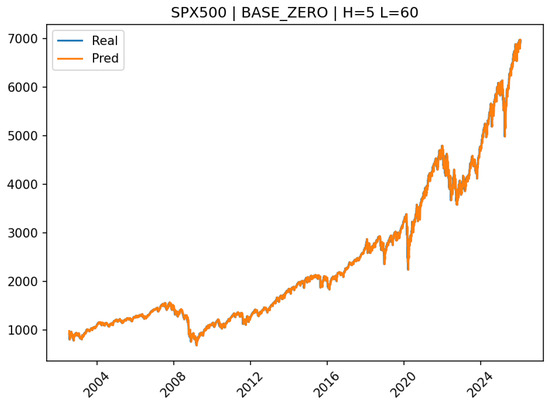
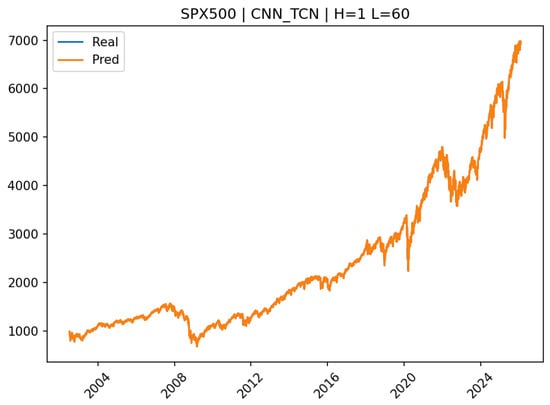
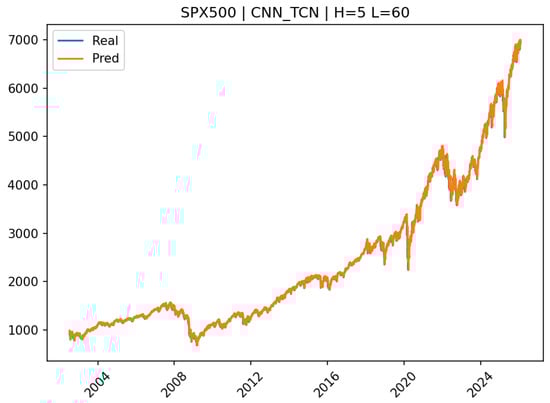
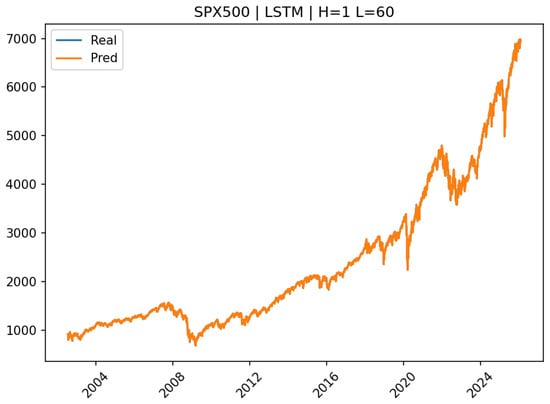
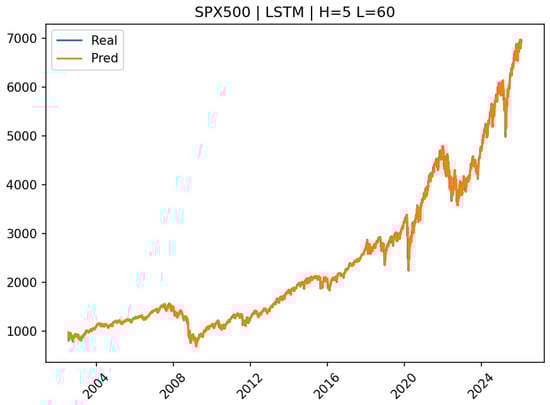
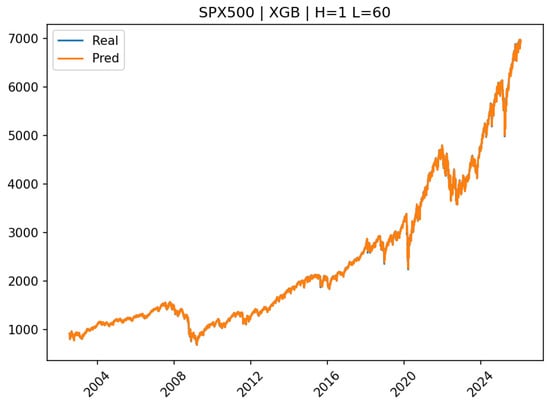
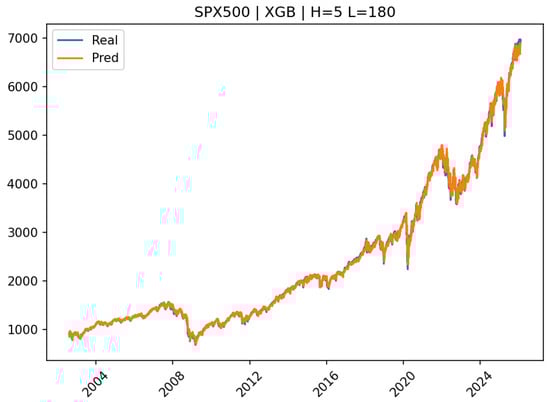
Short-horizon equity forecasting remains challenging because daily prices are noisy, heavy-tailed, and subject to structural breaks and regime shifts. We develop a fully automated, reproducible, and leakage-controlled multi-model pipeline for daily forecasting with horizon-specific configuration selection. The task is formulated as predicting cumulative H-day log-returns from OHLCV-derived information and converting them to implied price forecasts. All model families share a homologated design: causal feature construction, a strictly chronological split with an explicit purging rule to prevent label-window overlap for multi-day targets, training-only robustification (winsorization and adaptive clipping), and a unified metric suite computed consistently in return and price spaces. The framework benchmarks transparent baselines (zero- and mean-return), gradient-boosted trees (XGBoost), and deep temporal models (LSTM and CNN/TCN). Lookback length is selected via an internal walk-forward procedure on the pre-evaluation block, and final performance is reported on an external hold-out segment (last 15% of instances). Experiments on daily data for MT, DELL, and the S&P 500 index (through 3 February 2026) show that all families achieve similarly strong price-level fit at , largely driven by persistence in the price process, while separation across families becomes more visible at . However, predictive performance in return space remains weak, with close to zero or negative, and Diebold–Mariano tests do not provide consistent evidence of statistical superiority over naive benchmarks. Under an operational rule that minimizes hold-out RMSE on the price scale, selected models are asset- and horizon-dependent, supporting horizon-wise selection rather than a single global architecture. Overall, the primary contribution lies in the proposed leakage-controlled evaluation and benchmarking framework rather than in demonstrating consistent predictive gains in financial time series forecasting.
Full article
(This article belongs to the Topic Modern Challenges and Innovations in Financial Econometrics)
►▼
Show Figures

Figure A1
Open AccessArticle
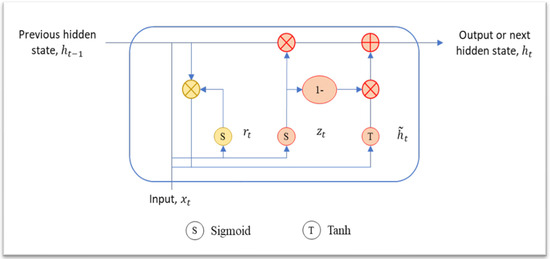
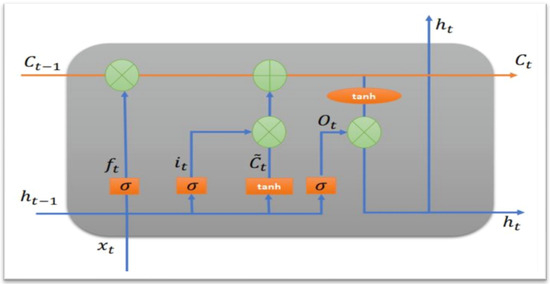
Performance Evaluation of Advanced RNNs for Accurate Prediction of Adjusted Closing Gold Prices
by
Thabang Molefi, Tshegofatso Botlhoko and Tlhalitshi Volition Montshiwa
Forecasting 2026, 8(2), 33; https://doi.org/10.3390/forecast8020033 - 18 Apr 2026
Abstract
►▼
Show Figures
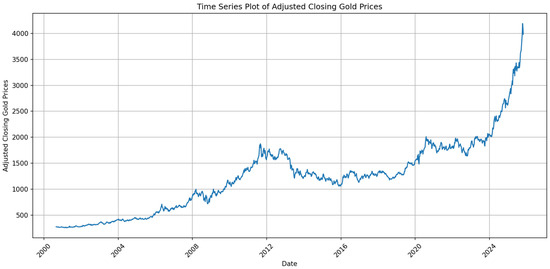
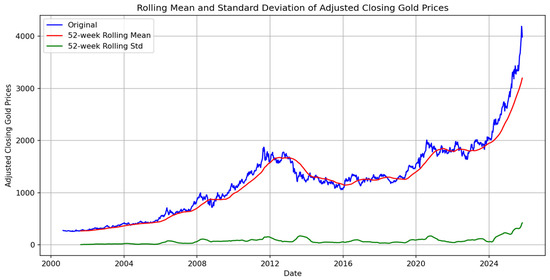
This study aimed to compare RNN algorithms and select the best-performing one between the GRU and LSTM for forecasting South African adjusted closing gold prices. The study used weekly secondary data sourced from Yahoo Finance and partitioned into three regimes, pre-COVID-19, COVID-19, and
[...] Read more.
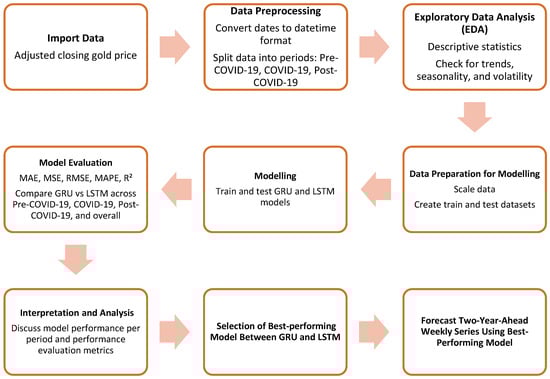
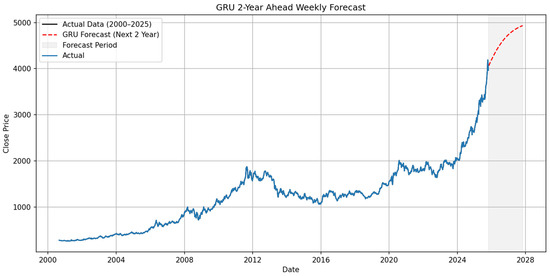
This study aimed to compare RNN algorithms and select the best-performing one between the GRU and LSTM for forecasting South African adjusted closing gold prices. The study used weekly secondary data sourced from Yahoo Finance and partitioned into three regimes, pre-COVID-19, COVID-19, and post-COVID-19, as well as the overall sample. The results indicated that the GRU algorithm consistently outperformed the LSTM algorithm across all evaluation periods based on the selected metrics, except during the COVID-19 period, where LSTM exhibited slightly better performance. Consequently, the GRU algorithm was identified as the best-performing algorithm for the South African adjusted closing gold price series. The relative effectiveness of GRU and LSTM algorithms in financial time series forecasting was clarified by the results. By integrating GRU-based forecasts into development finance frameworks, stakeholders can strengthen resilience against global shocks, improve financial planning, and foster more stable pathways for economic development. The authors recommended that future studies explore the performance of the GRU and LSTM with other advanced algorithms like Transformer architectures, hybrid algorithms, or traditional statistical methods to further enhance the forecasting robustness.
Full article

Figure 1
Open AccessReview
Advances in Similar Day Methods for Short-Term Load Forecasting for Power Systems
by
Monica Borunda, Luis Conde-López, Gerardo Ruiz-Chavarría, Guadalupe Lopez Lopez, Victor M. Alvarado and Edgardo de Jesús Carrera Avendaño
Forecasting 2026, 8(2), 32; https://doi.org/10.3390/forecast8020032 - 10 Apr 2026
Abstract
Short-term load forecasting is essential for the reliable, secure, efficient, and economic operation of modern power systems and electricity markets. Among many forecasting strategies, the similar day (SD) approach for short-term load forecasting was among the earliest used to assess power demand and
[...] Read more.
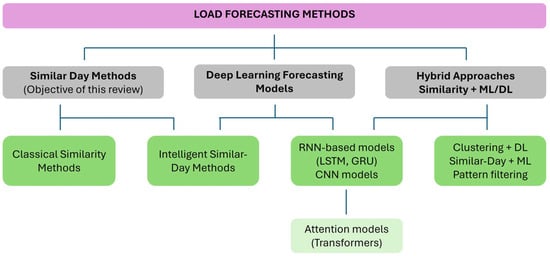
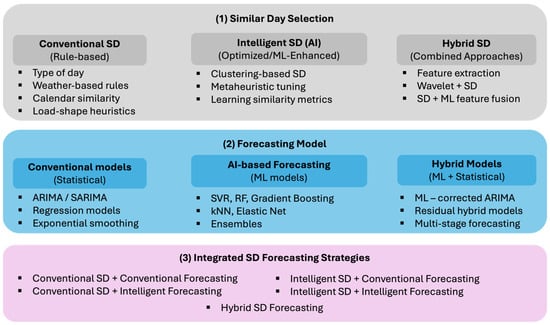
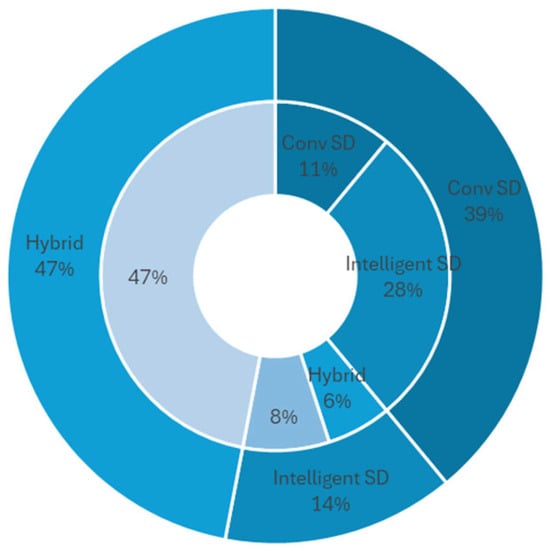
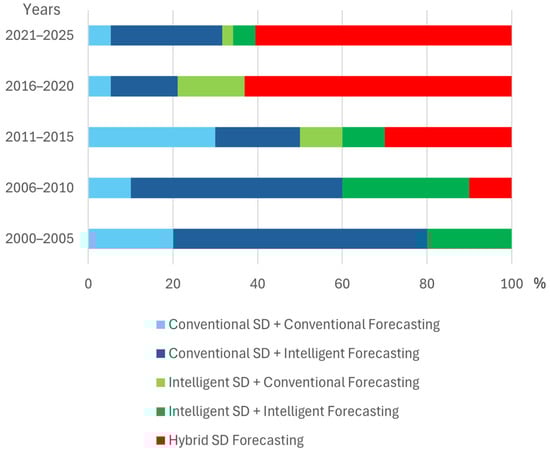
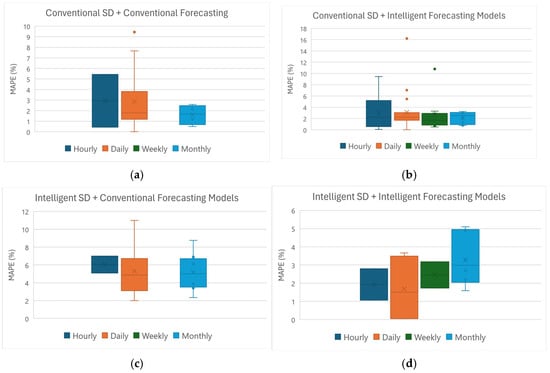
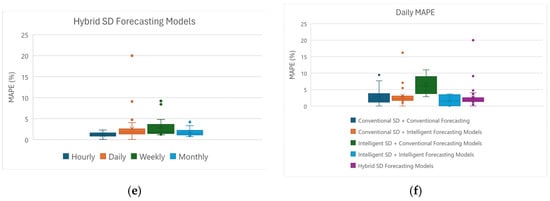
Short-term load forecasting is essential for the reliable, secure, efficient, and economic operation of modern power systems and electricity markets. Among many forecasting strategies, the similar day (SD) approach for short-term load forecasting was among the earliest used to assess power demand and remains one of the most intuitive and widely adopted techniques worldwide. However, over time, increasing system complexity, richer datasets, and advances in computational intelligence have led to the evolution of SD methodologies beyond heuristic-based rule formulations. This work presents a study of the relevant literature on short-term load forecasting using SD methods reported between 2000 and 2025. This study analyzes how similarity is defined, how forecasts are generated, and how both stages interact within the complete forecasting process in the reviewed literature. Based on these criteria, a unified taxonomy is proposed to classify SD methods into conventional, intelligent, and hybrid formulations. This study provides insight into the methodologies, their performance, and the systems in which they have been tested. The results show that SD-based approaches remain competitive for short-term forecasting and that incorporating artificial intelligence techniques can further enhance their accuracy.
Full article
(This article belongs to the Topic Short-Term Load Forecasting—2nd Edition)
►▼
Show Figures

Figure 1
Open AccessArticle
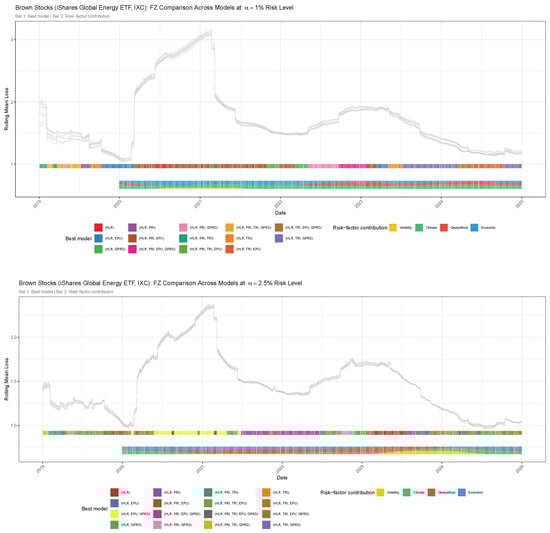
A Comparative Analysis of Green and Brown Stocks: The Impact of Uncertainty Indices on Tail-Risk Forecasting
by
Antonio Naimoli and Giuseppe Storti
Forecasting 2026, 8(2), 31; https://doi.org/10.3390/forecast8020031 - 10 Apr 2026
Abstract
This paper examines whether climate, geopolitical and economic policy uncertainty indices improve Value-at-Risk (VaR) and Expected Shortfall (ES) forecasts for green and brown stocks. We extend the Realized-ES-CAViaR framework by incorporating physical and transition climate risk, geopolitical risk and economic policy uncertainty indices
[...] Read more.
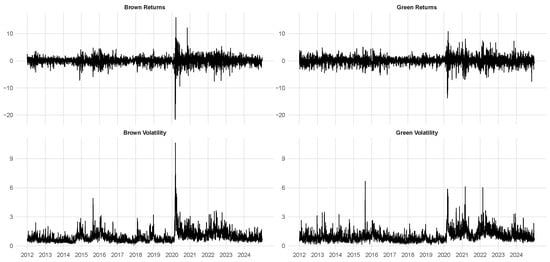
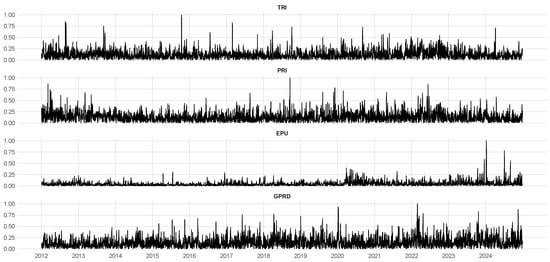
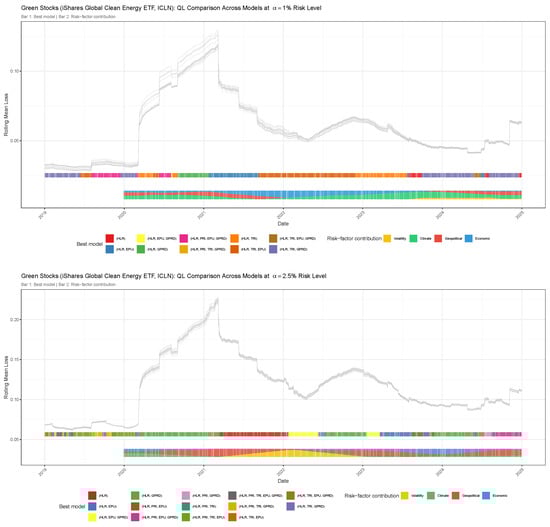
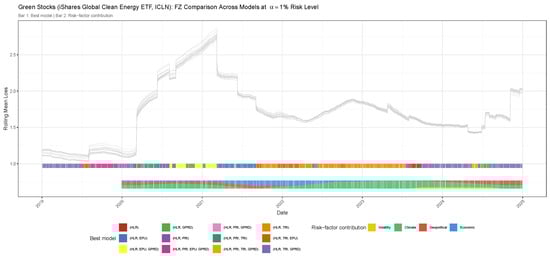
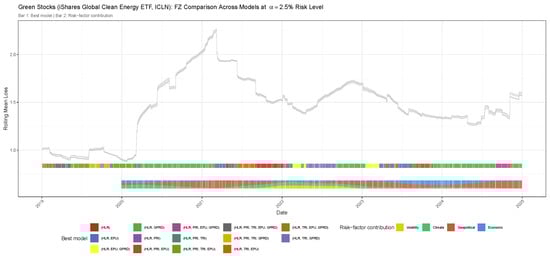
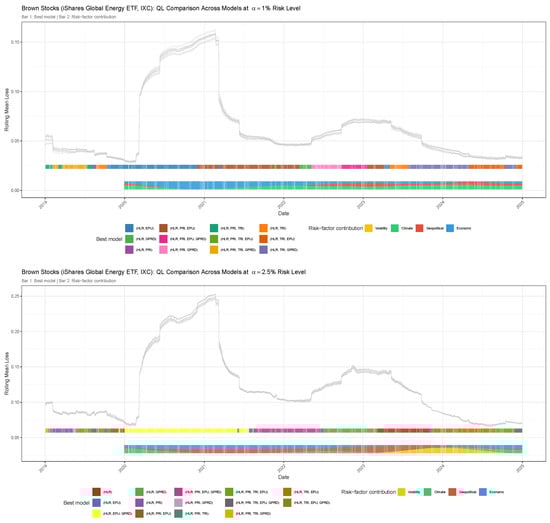
This paper examines whether climate, geopolitical and economic policy uncertainty indices improve Value-at-Risk (VaR) and Expected Shortfall (ES) forecasts for green and brown stocks. We extend the Realized-ES-CAViaR framework by incorporating physical and transition climate risk, geopolitical risk and economic policy uncertainty indices alongside a high-low range volatility estimator. Using daily data for the iShares Global Clean Energy ETF (ICLN) and the iShares Global Energy ETF (IXC) over the period January 2012–December 2024, we evaluate alternative model specifications at the 1% and 2.5% risk levels through backtesting procedures, strictly consistent scoring rules and the Model Confidence Set methodology. Results reveal a pronounced asymmetry in the predictive content of risk indices across asset classes and quantile levels. Transition climate risk dominates tail-risk forecasting at the 1% level for both asset classes, while geopolitical risk and economic policy uncertainty emerge as the leading factors at the 2.5% level for green and brown stocks, respectively. These findings highlight the heterogeneous channels through which uncertainty shocks propagate into financial tail-risk, with direct implications for risk management and regulatory oversight during the low-carbon transition.
Full article
(This article belongs to the Section Forecasting in Economics and Management)
►▼
Show Figures

Figure 1
Open AccessArticle
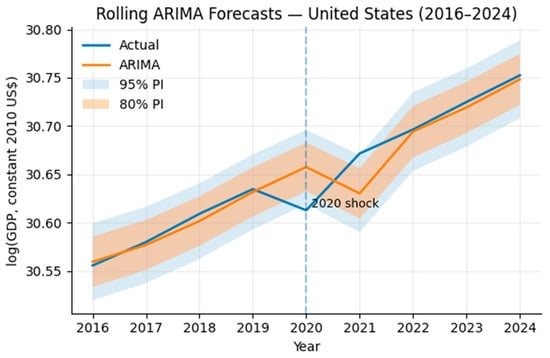
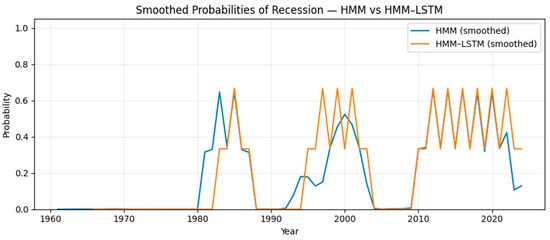
GDP Forecasting with ARIMA, Hidden Markov Models, and an HMM–LSTM Hybrid: Evidence from Five Economies
by
Achilleas Tampouris and Chaido Dritsaki
Forecasting 2026, 8(2), 30; https://doi.org/10.3390/forecast8020030 - 7 Apr 2026
Abstract
This paper presents a hybrid econometric and machine-learning framework for forecasting GDP that bridges long-run structure with short-run regime dynamics. Using annual World Bank data spanning 1960 to 2024, the framework combines three complementary components: an ARIMA baseline that captures persistence, a three-state
[...] Read more.
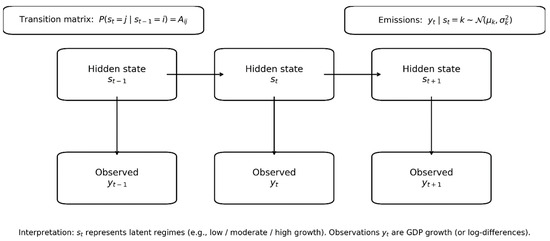
This paper presents a hybrid econometric and machine-learning framework for forecasting GDP that bridges long-run structure with short-run regime dynamics. Using annual World Bank data spanning 1960 to 2024, the framework combines three complementary components: an ARIMA baseline that captures persistence, a three-state Hidden Markov Model (HMM) that provides probabilistic regime identification, and an LSTM-based extension that learns nonlinear patterns associated with regime transitions. Detailed out-of-sample forecasting evidence is reported for five representative countries (the United States, China, Germany, India, and Greece), chosen to illustrate performance across different volatility profiles and economic environments. Across these case studies, the integrated HMM–LSTM approach often delivers lower forecast errors than the benchmark alternatives, although the magnitude of the gains is not uniform across countries. Beyond point forecasting performance, the regime layer yields an interpretable probabilistic representation of business cycle conditions that can support real-time monitoring and early-warning assessment. By combining transparency with adaptability, the proposed framework contributes to the forecasting literature and provides a practical decision-support tool under heightened macroeconomic uncertainty.
Full article
(This article belongs to the Section AI Forecasting)
►▼
Show Figures

Figure 1
Open AccessArticle
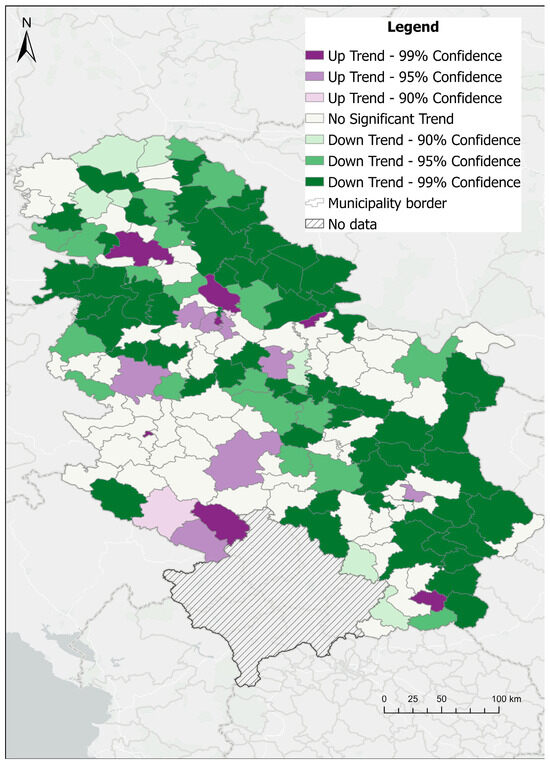
Forecasting Spatial Inequalities in Cardiovascular Disease-Related Deaths: A Municipal-Level Assessment of Progress Toward SDG 3.4 in Serbia
by
Suzana Lović Obradović, Dunja Demirović Bajrami and Marko Filipović
Forecasting 2026, 8(2), 29; https://doi.org/10.3390/forecast8020029 - 1 Apr 2026
Abstract
►▼
Show Figures
Non-communicable diseases (NCDs) are the leading causes of mortality in Serbia, with cardiovascular diseases (CVDs) accounting for a substantial share of premature mortality. In alignment with Sustainable Development Goal (SDG) Target 3.4, which aims to reduce premature mortality from NCD by one-third by
[...] Read more.
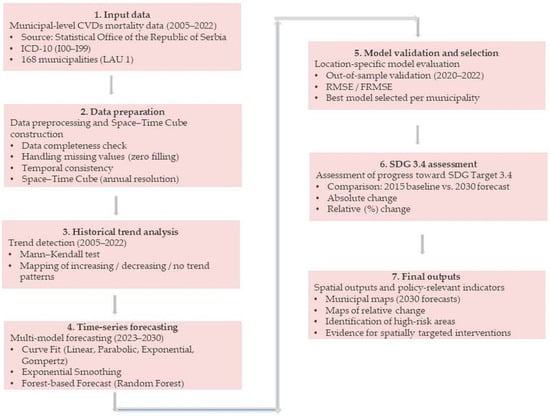
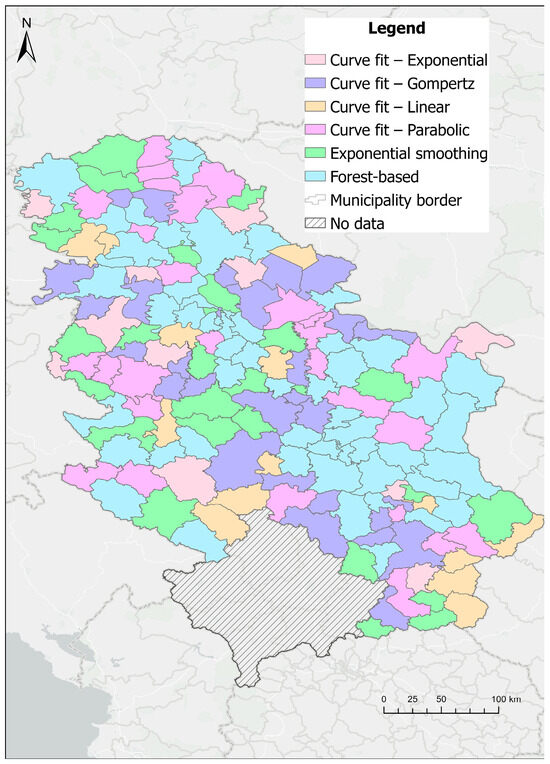
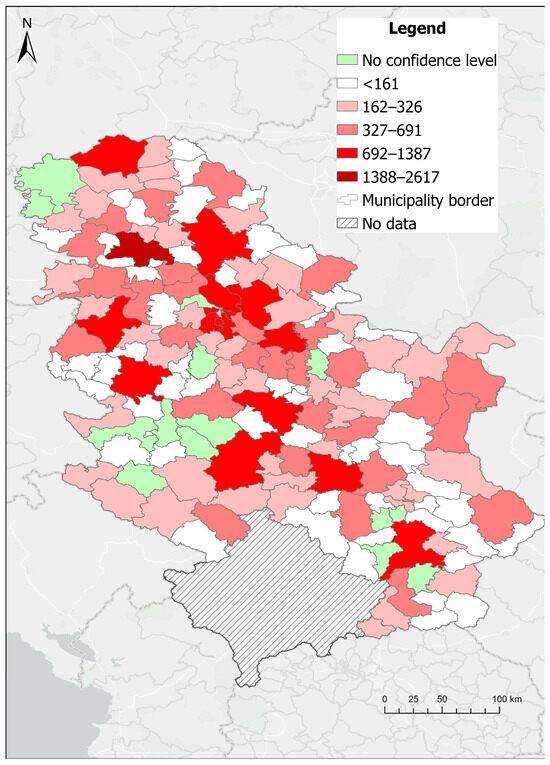
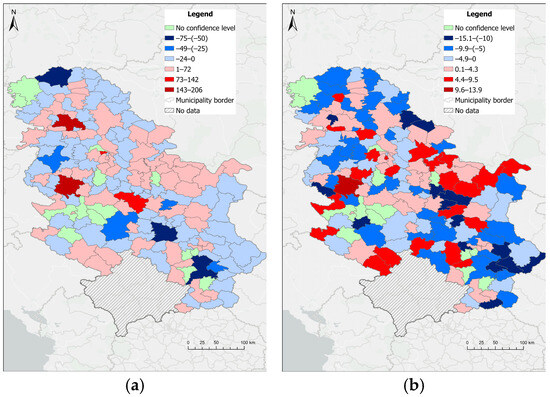
Non-communicable diseases (NCDs) are the leading causes of mortality in Serbia, with cardiovascular diseases (CVDs) accounting for a substantial share of premature mortality. In alignment with Sustainable Development Goal (SDG) Target 3.4, which aims to reduce premature mortality from NCD by one-third by 2030 relative to 2015, this study forecasts changes in CVD mortality counts at the municipal level in Serbia. Time-series data for the period 2005–2022 were analyzed within a spatio-temporal forecasting framework implemented in the Space Time Pattern Mining toolbox in ArcGIS Pro (Version 3.1). Three established forecasting models (Curve Fit Forecast, Exponential Smoothing, and Forest-based) were applied, and the most accurate model for each municipality was selected using location-specific municipality-level validation. The results reveal pronounced spatial variation: approximately half of the municipalities (51.2%) are forecasted to experience a decline in CVD mortality counts by 2030, while others are expected to show increases or no statistically significant change. Forecasted differences range from a 15.1% decrease to a 13.9% increase across municipalities, indicating heterogeneous spatial trajectories and suggesting that achieving SDG Target 3.4 may remain challenging without targeted interventions across municipalities where mortality reductions are not forecasted. Although the study does not introduce new forecasting methods, it provides a novel spatially disaggregated application of multi-model forecasting to support municipality-level monitoring of SDG 3.4. The results underscore the need for geographically differentiated public health policies and demonstrate the value of spatial forecasting approaches for supporting equitable and targeted health planning.
Full article

Figure 1
Open AccessArticle
From Adoption Diffusion to Dimensioning: Probabilistic Forecasting of 5G/NB-IoT Demand via Monte Carlo Uncertainty Propagation
by
Nikolaos Kanellos, Dimitrios Katsianis and Dimitris Varoutas
Forecasting 2026, 8(2), 28; https://doi.org/10.3390/forecast8020028 - 25 Mar 2026
Abstract
Medium-term 5G/NB-IoT planning is made difficult by simultaneous uncertainty in device adoption and per-device traffic behavior because deterministic point forecasts do not quantify overload risk or support reliability-based capacity decisions. A diffusion-to-dimensioning workflow is proposed in which S-curve adoption modeling, bounded usage priors,
[...] Read more.
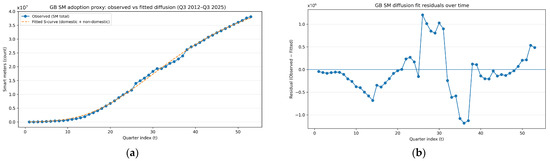
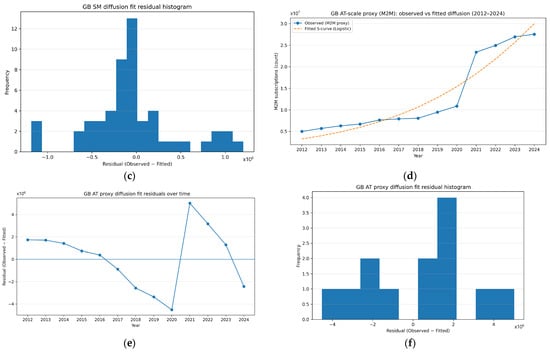
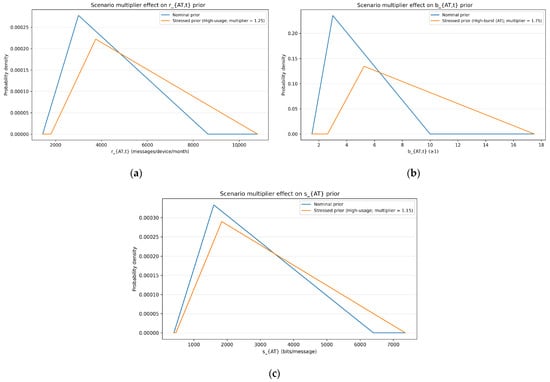
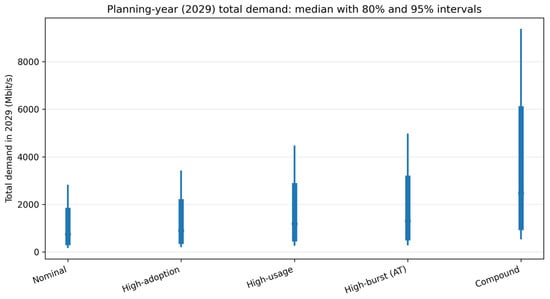
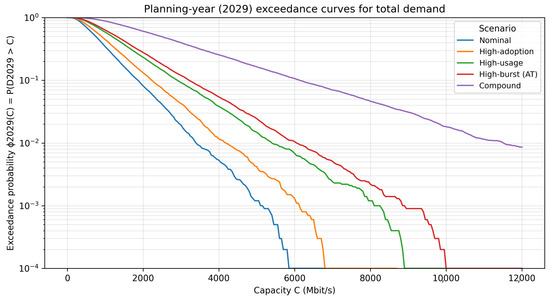
Medium-term 5G/NB-IoT planning is made difficult by simultaneous uncertainty in device adoption and per-device traffic behavior because deterministic point forecasts do not quantify overload risk or support reliability-based capacity decisions. A diffusion-to-dimensioning workflow is proposed in which S-curve adoption modeling, bounded usage priors, scenario stress testing, and Monte Carlo uncertainty propagation are combined to generate predictive demand distributions, exceedance curves, and quantile-based capacity rules. The framework is applied to a Great Britain case study for 2025–2029 using smart meter deployment data and an M2M-based proxy for asset-tracking adoption. Analysis shows that planning-year upper-tail outcomes are driven primarily by asset-tracking usage uncertainty rather than by proxy scale alone. A ±30% perturbation of the AT adoption anchor changes by approximately ±29.8%, whereas stressed AT usage increases by 74.4%. Plausible positive dependence among key AT operational inputs further raises by 18.3–22.5%. Limited hold-out evaluation provides strong out-of-sample support for the smart meter adoption stage and plausibility-only support for the shorter AT proxy. The framework is intended for medium-term, data-lean planning settings and is designed to support transparent risk-based capacity decisions rather than deterministic point sizing.
Full article
(This article belongs to the Special Issue Feature Papers of Forecasting 2026)
►▼
Show Figures

Figure 1
Open AccessArticle
Predictive Monitoring of Wage-Band Classification in GOSI Data with Leakage Control and Out-of-Time Validation
by
Ali Louati and Hassen Louati
Forecasting 2026, 8(2), 27; https://doi.org/10.3390/forecast8020027 - 24 Mar 2026
Abstract
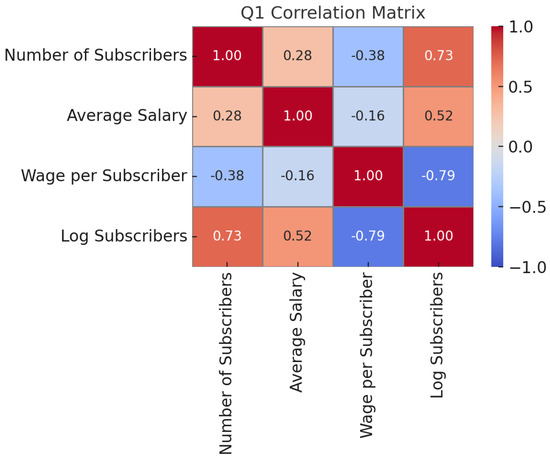
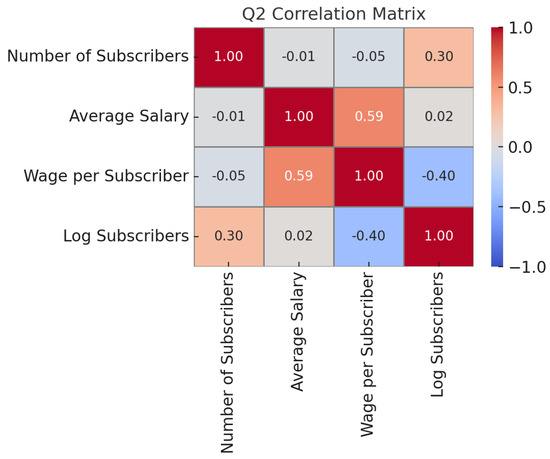
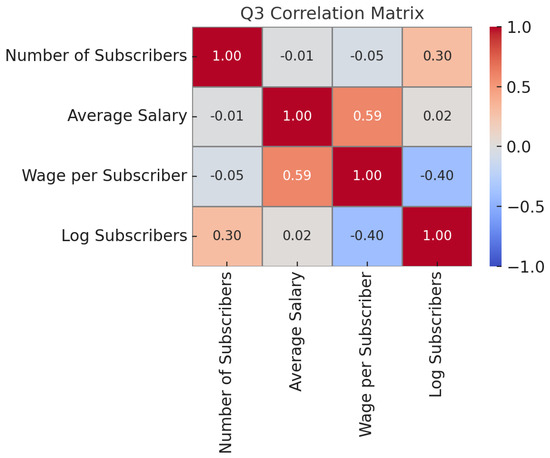
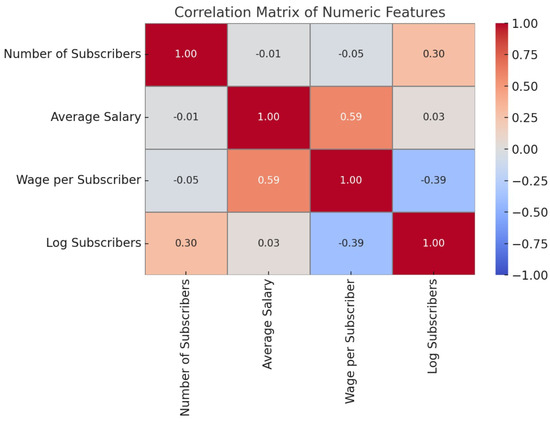
Timely labor market monitoring is essential for policy design and operational planning, yet annual reports can mask turning points and subgroup heterogeneity. This paper develops a reproducible monitoring and prediction framework using administrative statistics from the General Organization for Social Insurance (GOSI) in
[...] Read more.
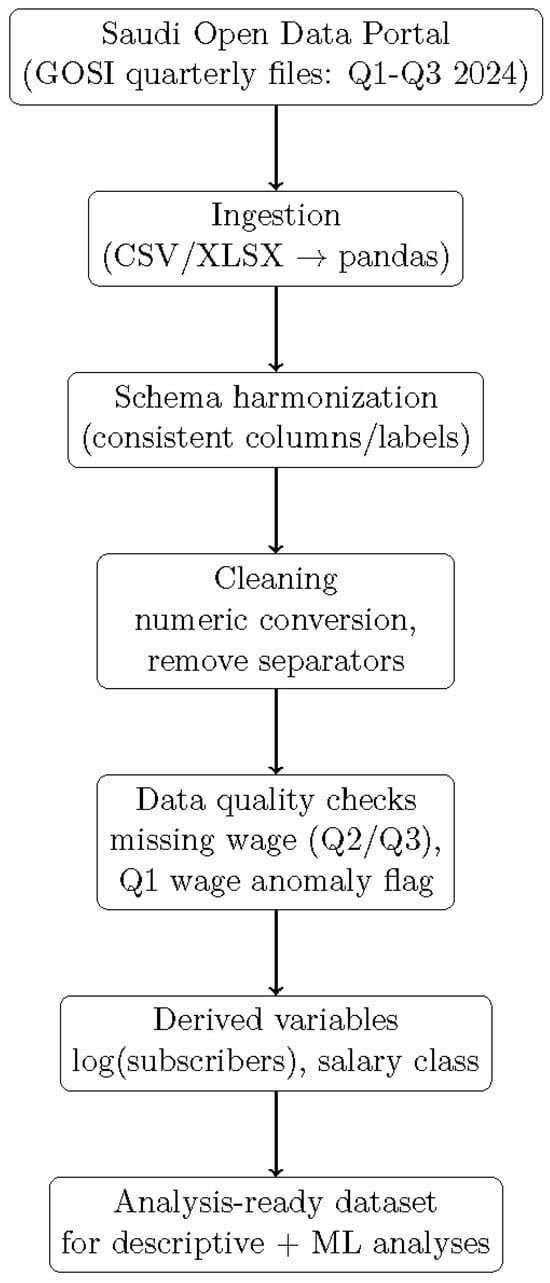
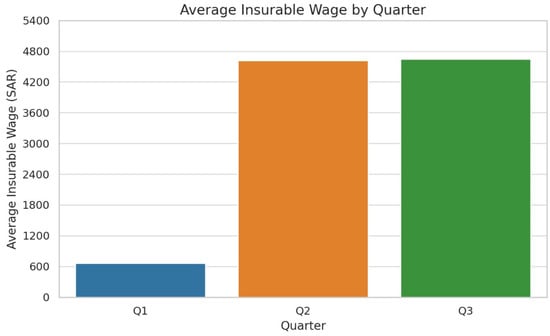
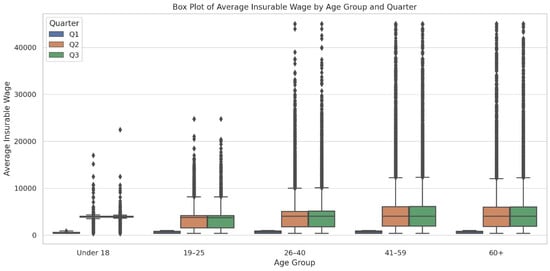
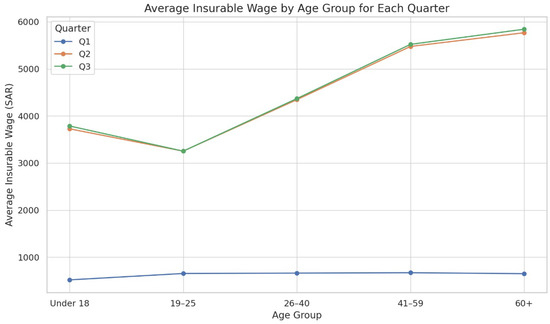
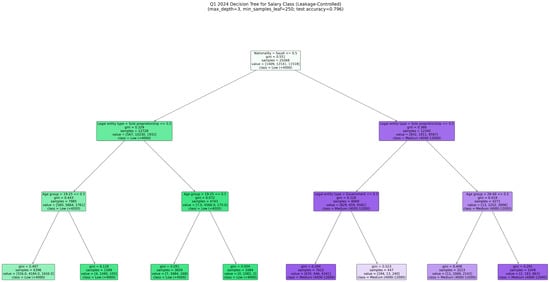
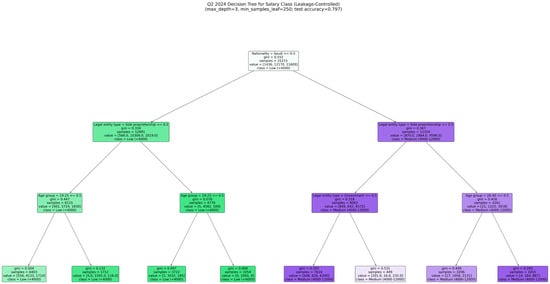
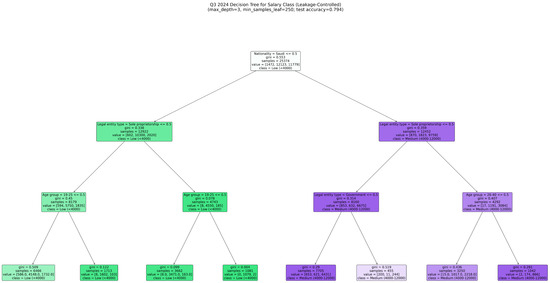
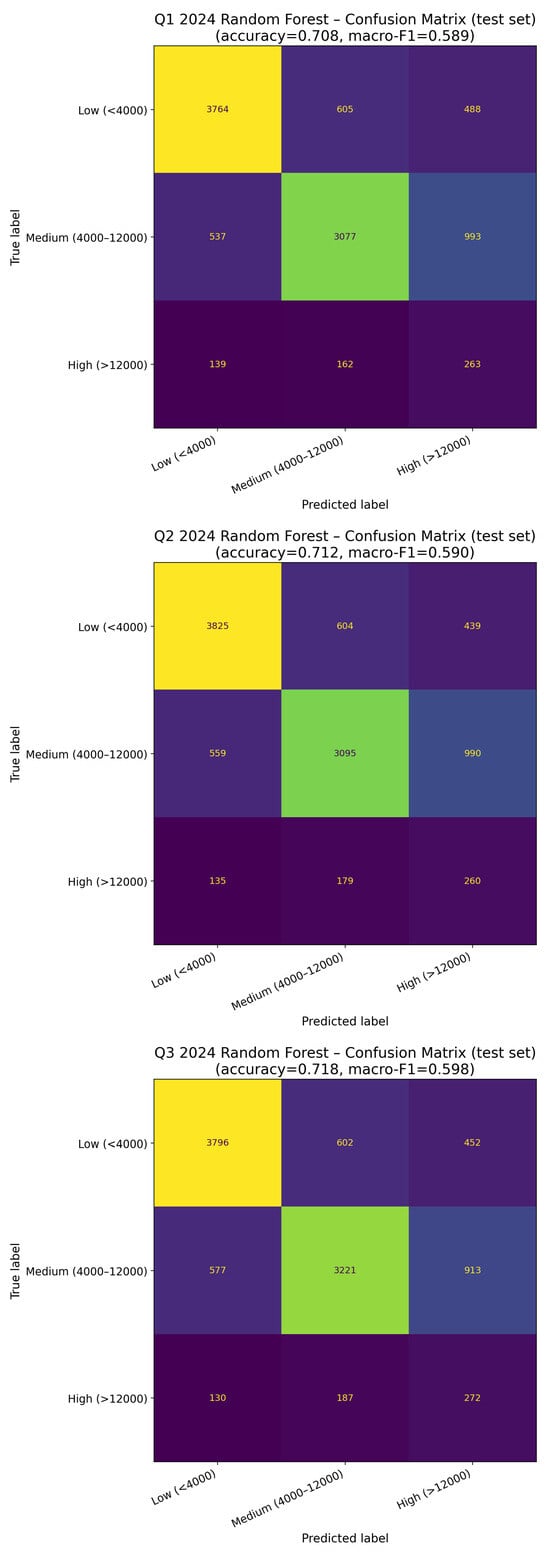
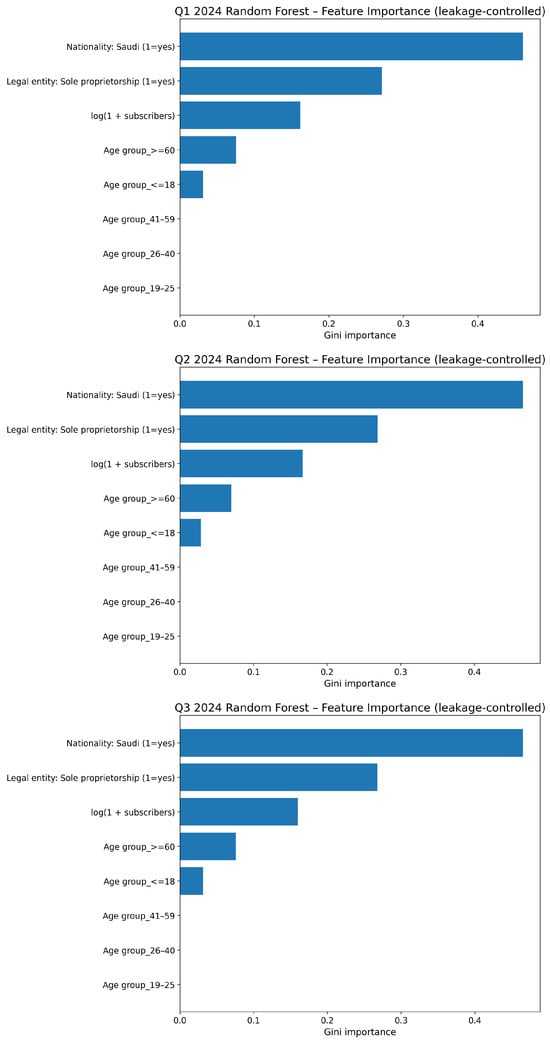
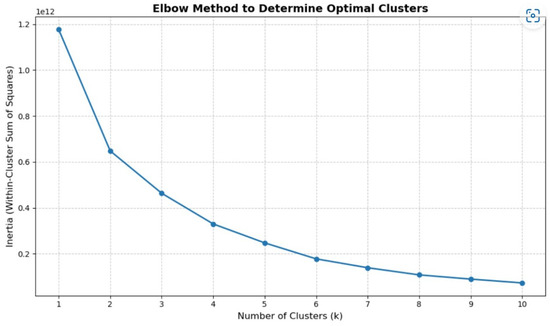
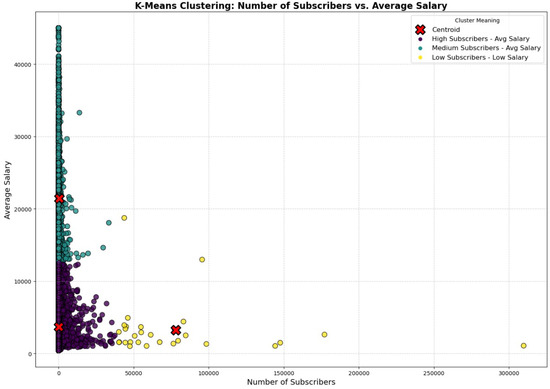
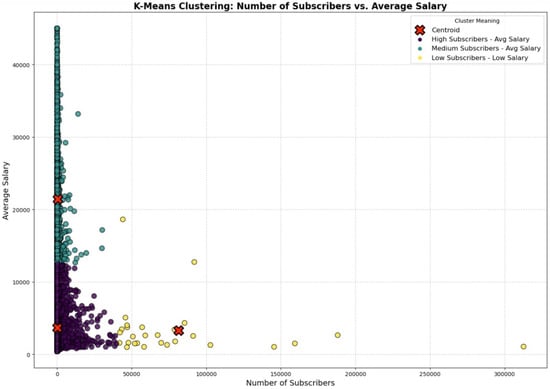
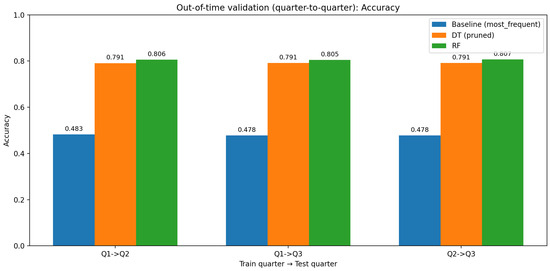
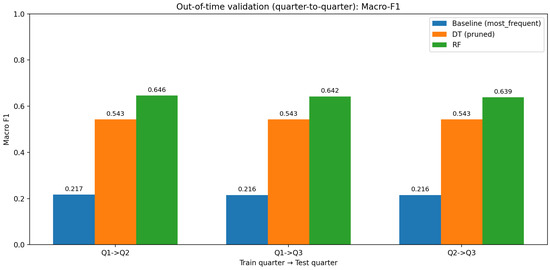
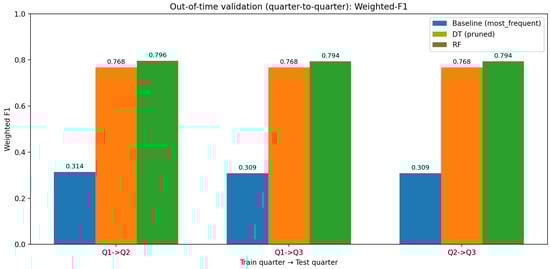
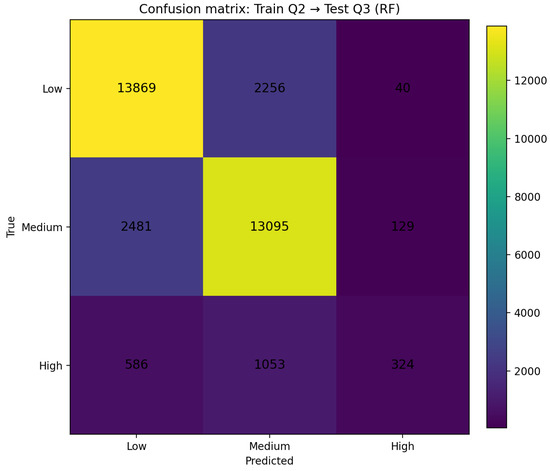
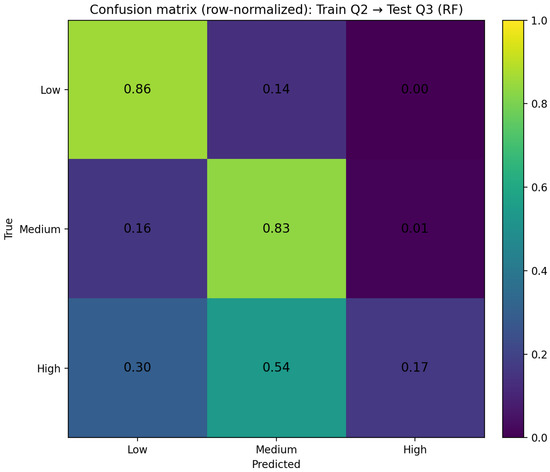
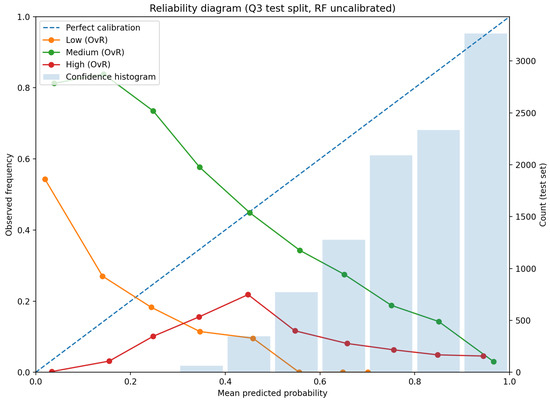
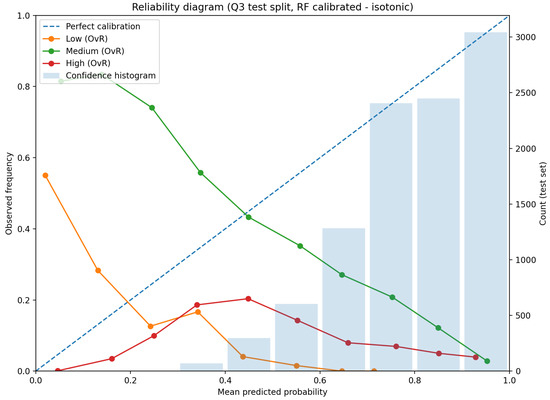
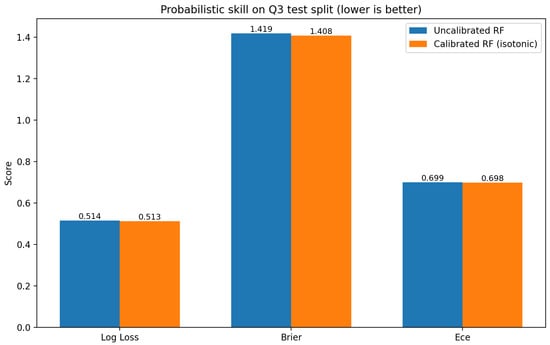
Timely labor market monitoring is essential for policy design and operational planning, yet annual reports can mask turning points and subgroup heterogeneity. This paper develops a reproducible monitoring and prediction framework using administrative statistics from the General Organization for Social Insurance (GOSI) in the Saudi Open Data Portal. We document descriptive patterns in formal participation and insurable wages, including age-group dispersion, stable correlation structure, and explicit handling of an anomalous wage release and limited missing wage entries. We then formulate from non-salary administrative descriptors. Under leakage control, Random Forest models achieve accuracy around 0.71 across releases. Most errors are concentrated between adjacent wage bands, which is consistent with threshold discretization of a continuous wage distribution. To support operational deployment, we add out-of-time validation across releases and probabilistic assessment, showing that predictive skill transfers across updates and that calibration improves the reliability of probability scores for monitoring thresholds. Overall, the results indicate that administrative releases contain persistent actionable signals for wage segmentation without salary-derived inputs, supporting forecasting-oriented surveillance and early-warning dashboards.
Full article
(This article belongs to the Section Forecasting in Economics and Management)
►▼
Show Figures

Figure 1
Open AccessArticle
The Impact of Occupancy Dynamics on Indoor CO2 Forecasting: A Cross-Scenario Evaluation
by
Peio Garcia-Pinilla, Aranzazu Jurio, Maria Figols and Daniel Paternain
Forecasting 2026, 8(2), 26; https://doi.org/10.3390/forecast8020026 - 24 Mar 2026
Abstract
Indoor CO2 forecasting supports proactive ventilation control that balances air quality with energy efficiency. While Machine Learning (ML) models have shown strong performance in controlled settings such as schools, their generalization across indoor spaces with diverse occupancy dynamics remains poorly characterized. We
[...] Read more.
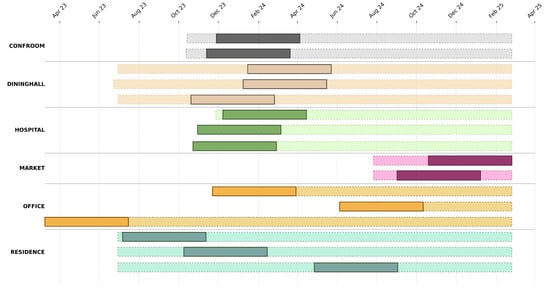
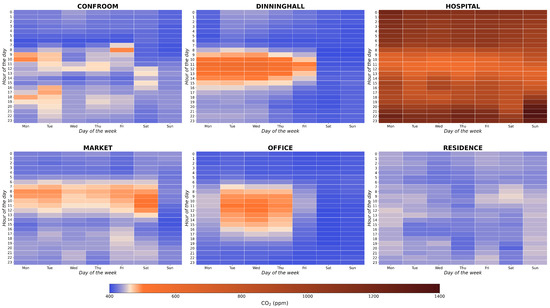
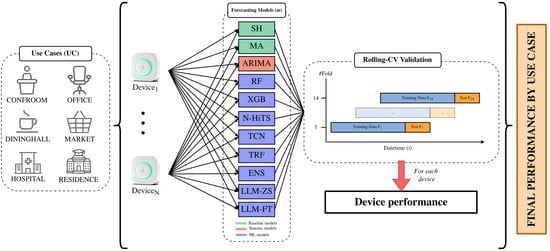
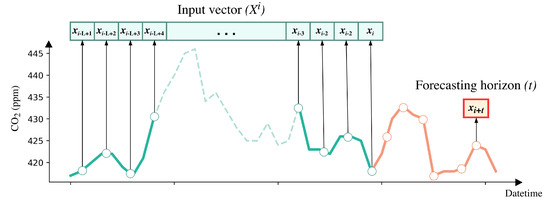
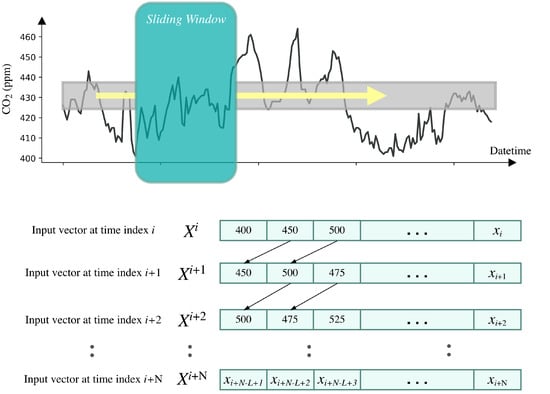
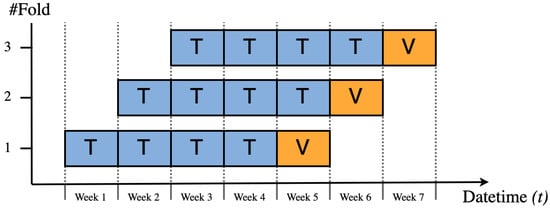
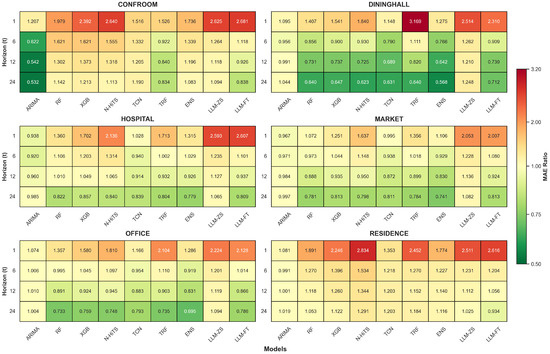
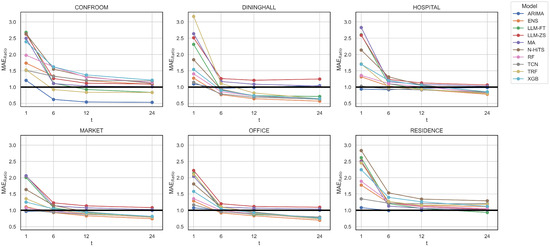
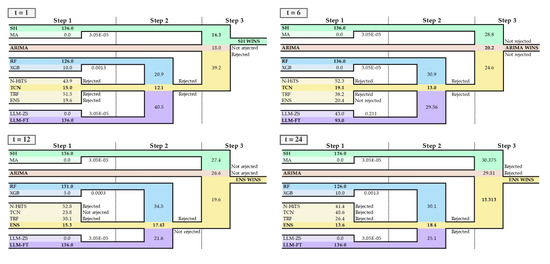
Indoor CO2 forecasting supports proactive ventilation control that balances air quality with energy efficiency. While Machine Learning (ML) models have shown strong performance in controlled settings such as schools, their generalization across indoor spaces with diverse occupancy dynamics remains poorly characterized. We present a systematic benchmark of 11 forecasting models spanning simple baselines, statistical methods, classical ML, deep learning, ensembles, and foundation models using 18 weeks of IoT sensor data spanning six real-world use cases: conference rooms, dining halls, hospitals, food markets, offices and student residences. Performance depends strongly on the prediction horizon and on the regularity of occupancy-driven CO2 patterns. Simple baselines tend to perform best at short horizons (10 min ahead), while ensembles and fine-tuned foundation models provide more robust accuracy at longer horizons (4 h ahead). Remarkably, zero-shot foundation models demonstrate the ability to outperform trained classical models in data-scarce scenarios, challenging the traditional paradigm of localized training. These findings indicate that optimal forecasting strategies are context-dependent and challenge the assumption of universal model superiority.
Full article
(This article belongs to the Section AI Forecasting)
►▼
Show Figures

Figure 1
Open AccessArticle
Assessing Historical and Simulating Future Land-Use and Land-Cover Change Through an Integrated Cellular Automata and Machine-Learning Framework in Urbanizing Areas
by
Roshan Sewa, Bibas Pokhrel, Bikash Subedi, Roshan Raj Karki, Bishal Poudel and Ajay Kalra
Forecasting 2026, 8(2), 25; https://doi.org/10.3390/forecast8020025 - 19 Mar 2026
Abstract
►▼
Show Figures
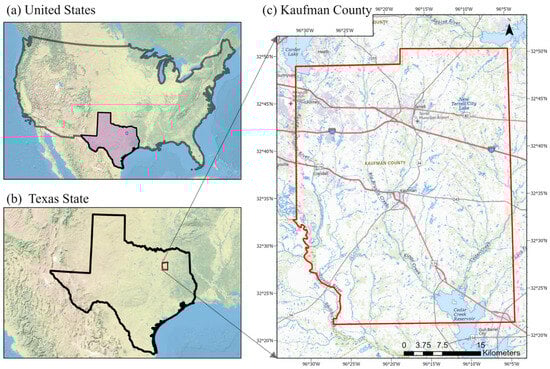
Rapid urbanization has transformed the face of Texas by converting agricultural and natural lands into expanding built-up areas. This study analyzes and simulates land-use and land-cover (LULC) changes in Kaufman County, Texas, one of the fastest-growing counties in the United States, using a
[...] Read more.
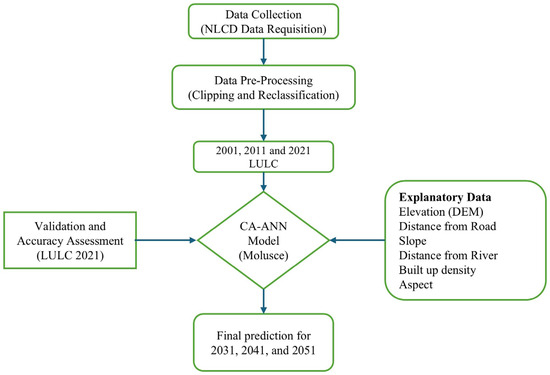
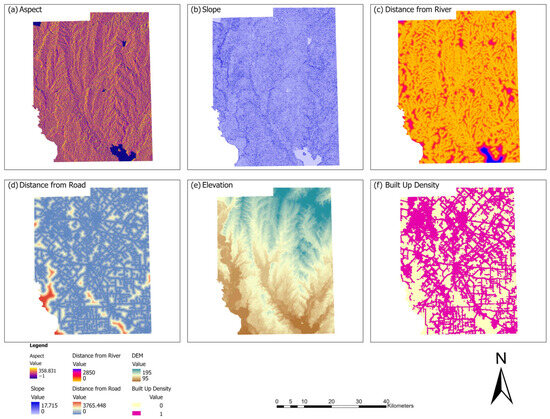
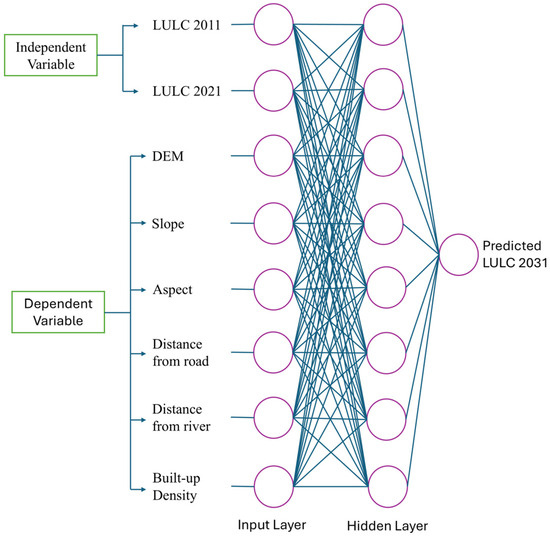
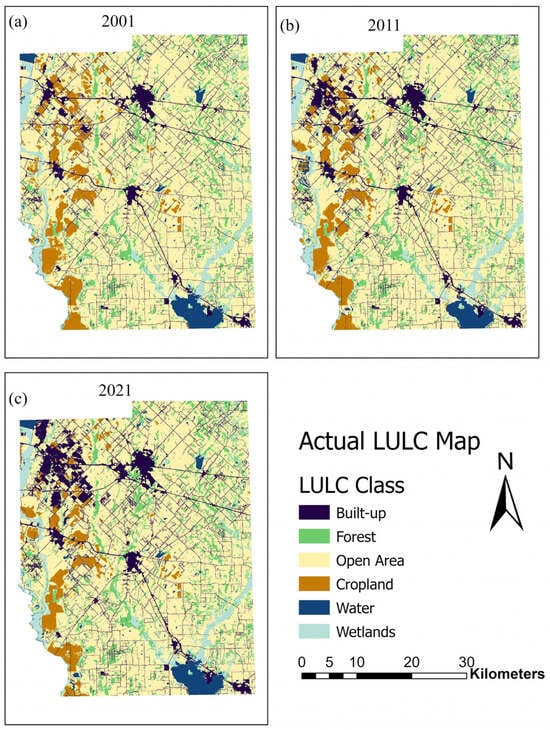
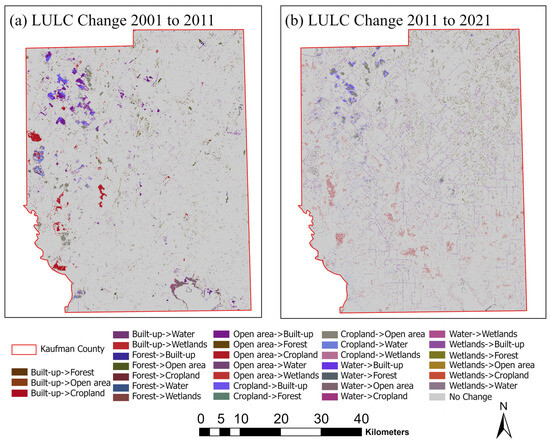
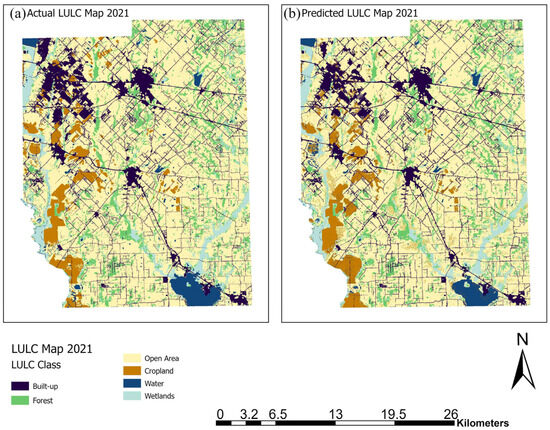
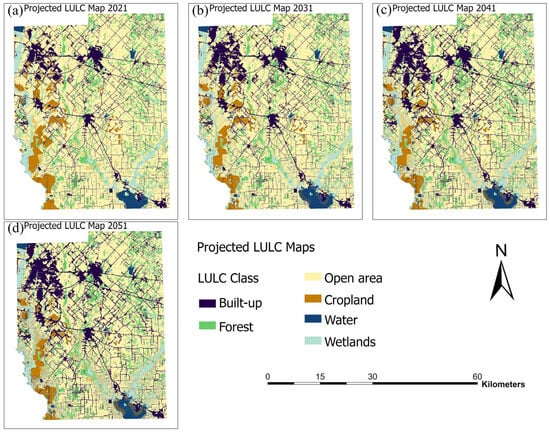
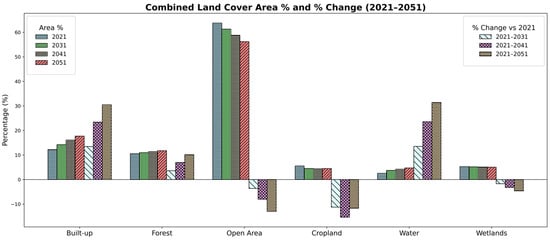
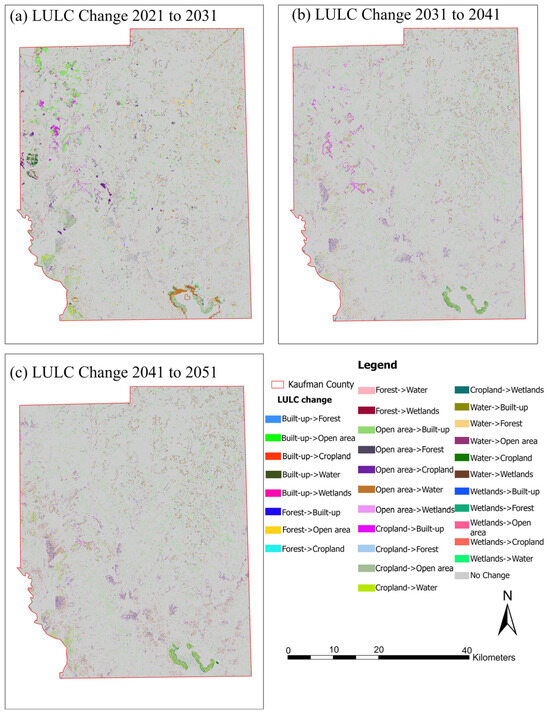
Rapid urbanization has transformed the face of Texas by converting agricultural and natural lands into expanding built-up areas. This study analyzes and simulates land-use and land-cover (LULC) changes in Kaufman County, Texas, one of the fastest-growing counties in the United States, using a hybrid Cellular Automata–Artificial Neural Network (CA–ANN) model within the Quantum Geographic Information System (QGIS) Modules for Land-Use Change Evaluation (MOLUSCE) framework. Multitemporal NLCD datasets (2001, 2011, and 2021) and six spatial drivers: Elevation, Slope, Aspect, Distance from Roads and Rivers, and Built-up Density were used in the modeling framework. Transition relationships were calibrated using the 2001–2011 LULC data, and the model was validated by simulating the 2021 LULC map from the 2011 baseline. The calibrated model was then used to simulate future LULC scenarios for 2031, 2041, and 2051. Model validation yielded an overall Kappa value of 0.84 and a correctness of 90.9%, indicating high similarity between the observed and simulated maps. The results indicate simulated urban expansion, with built-up areas increasing by nearly 30% by 2051 at the expense of cropland and open areas, with forest and water bodies slightly increasing, and wetlands remaining stagnant. The CA–ANN model effectively captured the nonlinear, spatially dependent land-transition patterns using open-source tools. These findings provided useful information for sustainable land-use planning and environmental management, with the potential to incorporate spatial modeling into regional development strategies in rapidly urbanizing areas of Texas.
Full article

Figure 1
Open AccessArticle
The Symmetric Mean Absolute Percentage Error: Unnecessary or Dangerous
by
Stephan Kolassa
Forecasting 2026, 8(2), 24; https://doi.org/10.3390/forecast8020024 - 17 Mar 2026
Abstract
The symmetric Mean Absolute Percentage Error (sMAPE) is a forecast error metric that has been proposed as an alternative to the more common Mean Absolute Percentage Error (MAPE), which is undefined whenever an actual is zero; the sMAPE does not have this problem.
[...] Read more.
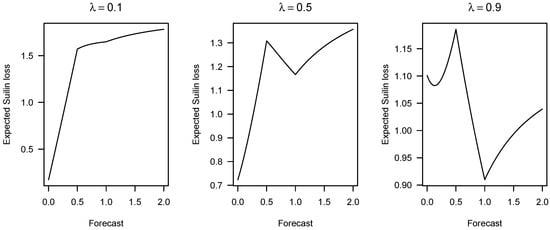
The symmetric Mean Absolute Percentage Error (sMAPE) is a forecast error metric that has been proposed as an alternative to the more common Mean Absolute Percentage Error (MAPE), which is undefined whenever an actual is zero; the sMAPE does not have this problem. Thus, the sMAPE at first glance appears to be more suitable for evaluating forecasts of low volume or intermittent count demand time series. However, the sMAPE suffers from a number of other shortcomings; e.g., it is 2 for a zero actual regardless of the forecast, it always rewards (elicits) integer forecasts 0, 1, 2, …, if actuals are counts, and it elicits a (typically useless) zero forecast for sufficiently intermittent actuals. This paper collects such properties and discusses their real-world implications so the forecaster can make an informed decision as to whether to use the sMAPE or an alternative. In our opinion, the sMAPE is either unnecessary or dangerous; it should not be used.
Full article
(This article belongs to the Collection Supply Chain Management Forecasting)
►▼
Show Figures

Figure 1
Highly Accessed Articles
Latest Books
E-Mail Alert
News
Topics
Topic in
Applied Sciences, Energies, Forecasting, Solar, Wind, Batteries
Solar and Wind Power and Energy Forecasting, 2nd Edition
Topic Editors: Emanuele Ogliari, Alessandro Niccolai, Sonia LevaDeadline: 31 July 2026
Topic in
Econometrics, Economies, JRFM, Forecasting
Modern Challenges and Innovations in Financial Econometrics
Topic Editors: Agnieszka Szmelter-Jarosz, Hamed NozariDeadline: 31 August 2027
Topic in
Electronics, Energies, Processes, Sci, Sustainability, Wind, Forecasting, Applied Sciences
Advanced Forecasting Methods for Sustainable Power Systems
Topic Editors: Cristina Ventura, Santi Agatino RizzoDeadline: 30 November 2027
Conferences
Special Issues
Special Issue in
Forecasting
Renewable Energy Forecasting: Innovations and Breakthroughs
Guest Editors: Grzegorz Mentel, Xin ZhaoDeadline: 1 June 2026
Special Issue in
Forecasting
Advancing Time Series Forecasting with Large Language Models: Innovations and Applications
Guest Editors: Manuela Pedio, Massimo Guidolin, Walayat Hussain, Kaijian HeDeadline: 1 August 2026
Special Issue in
Forecasting
Advanced Forecasting in an Era of Uncertainty and Its Impact on Strategic Investment Decisions
Guest Editors: Marek Nagy, Katarina ValaskovaDeadline: 30 November 2026
Special Issue in
Forecasting
Fire Weather in a Warming Climate: From Surface Indices to Atmospheric Dynamics
Guest Editors: Theodore M. Giannaros, Georgios PapavasileiouDeadline: 31 December 2026
Topical Collections
Topical Collection in
Forecasting
Supply Chain Management Forecasting
Collection Editors: Gokhan Egilmez, Juan Ramón Trapero Arenas