
Journal Description
Dermato
Dermato
is an international, peer-reviewed, open access journal on skin science published quarterly online by MDPI.
- Open Access— free for readers, with article processing charges (APC) paid by authors or their institutions.
- High Visibility: indexed within Scopus and other databases.
- Rapid Publication: manuscripts are peer-reviewed and a first decision is provided to authors approximately 27.4 days after submission; acceptance to publication is undertaken in 10.5 days (median values for papers published in this journal in the first half of 2026).
- Recognition of Reviewers: APC discount vouchers, optional signed peer review, and reviewer names published annually in the journal.
Latest Articles
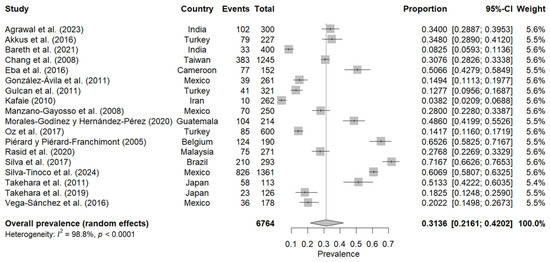
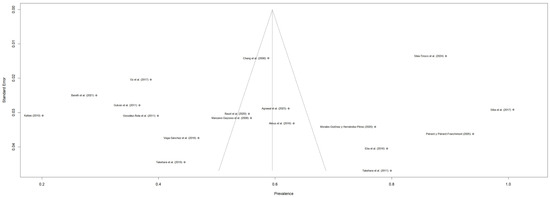
Global Prevalence of Onychomycosis in Adults with Type 2 Diabetes Mellitus: A Systematic Review and Meta-Analysis
Dermato 2026, 6(3), 31; https://doi.org/10.3390/dermato6030031 - 19 Aug 2026
Abstract
Background/Objectives: Onychomycosis is a common fungal nail infection that may contribute to foot morbidity in adults with type 2 diabetes mellitus (T2DM), particularly when neuropathy, peripheral vascular disease, nail dystrophy, local trauma, tinea pedis, or poor glycaemic control coexist. This systematic review and
[...] Read more.
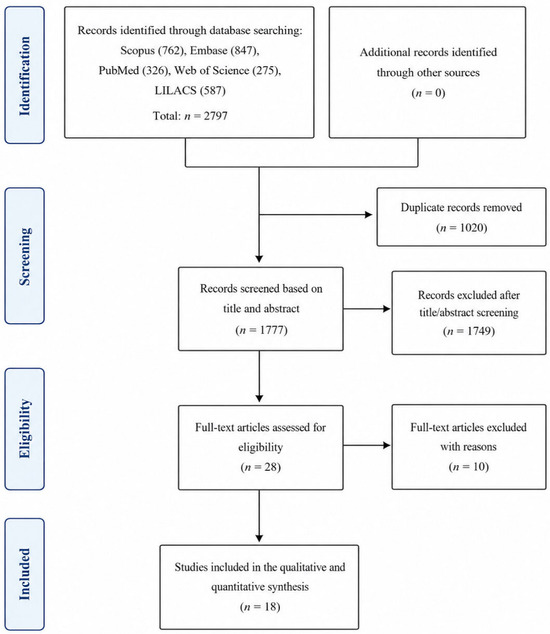
Background/Objectives: Onychomycosis is a common fungal nail infection that may contribute to foot morbidity in adults with type 2 diabetes mellitus (T2DM), particularly when neuropathy, peripheral vascular disease, nail dystrophy, local trauma, tinea pedis, or poor glycaemic control coexist. This systematic review and meta-analysis aimed to estimate the prevalence of onychomycosis in adults with T2DM and to explore sources of between-study heterogeneity. Methods: MED-LINE/PubMed, Scopus, Web of Science, LILACS, and EMBASE were searched from 1 January 2000 to 31 January 2026. Observational studies reporting onychomycosis prevalence in adults with T2DM were included. Pooled prevalence was estimated using a random-effects model, and subgroup, sensitivity, and exploratory meta-regression analyses were performed according to diagnostic method, sampling type, geographic region, publication year, and mean age. Results: Eighteen studies, including 6764 participants, were included. The random-effects pooled prevalence was 31.4% (95% CI: 21.7–42.0%), with extreme heterogeneity (I2 = 98.8%). Prevalence ranged from 3.8% to 71.7% across studies. Laboratory- or histology-confirmed studies showed a lower pooled prevalence than clinically diagnosed studies, suggesting that clinical diagnosis alone may overestimate onychomycosis prevalence. Exploratory meta-regression indicated that diagnostic method was the main methodological factor associated with prevalence differences, whereas publication year, sampling type, and mean age did not explain heterogeneity. Conclusions: Onychomycosis is frequent among adults with T2DM, but prevalence estimates vary substantially across studies. The pooled estimate should be interpreted cautiously because of extreme heterogeneity and differences in diagnostic definitions. Future studies should use standardised clinical and mycological or histological diagnostic criteria and report diabetes-related risk factors to improve comparability.
Full article
(This article belongs to the Special Issue Reviews in Dermatology: Current Advances and Future Directions, 2nd Edition)
►
Show Figures
Open AccessArticle
Metatypical Basal Cell Carcinoma: A Nine-Year Retrospective Cohort Analysis in the Context of the COVID-19 Pandemic
by
Alexandru Constantin Ioniță, Martin Manole, Iuliu Gabriel Cocuz, Bogdan Pastor, Maria Baldea, Ruxandra Filip, Carla Antonia Peterdeak, Adrian Horațiu Sabău, Maria-Cătălina Popelea, Emőke Andrea Szász, Andreea Raluca Cozac-Szőke, Andreea Cătălina Tinca, Diana Maria Chiorean and Ovidiu Simion Cotoi
Dermato 2026, 6(3), 30; https://doi.org/10.3390/dermato6030030 - 10 Aug 2026
Abstract
Background/Objectives: Metatypical basal cell carcinoma (MTBCC) is a rare and aggressive variant of non-melanoma skin cancer (NMSC) characterised by overlapping histological features of basal cell carcinoma (BCC) and cutaneous squamous cell carcinoma (cSCC). Owing to its increased propensity for local invasion, recurrence,
[...] Read more.
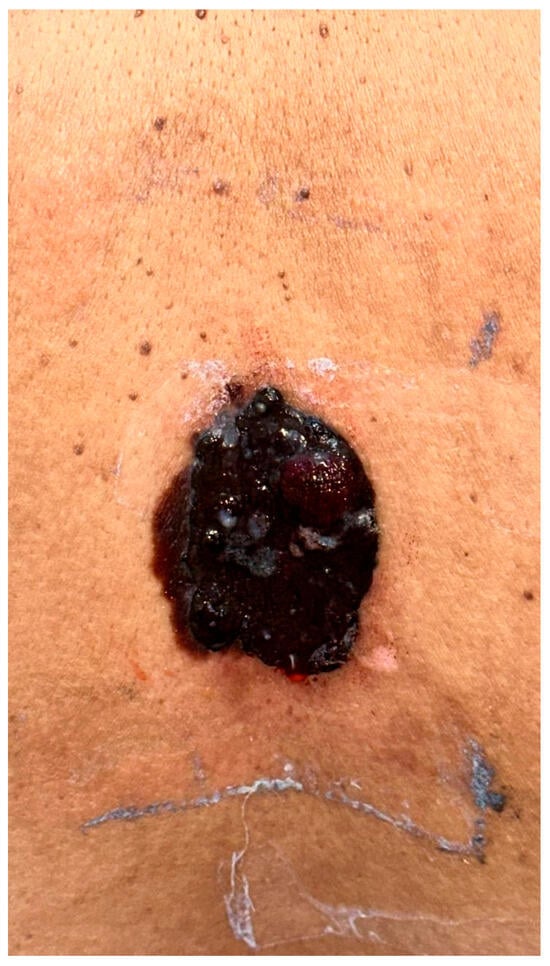
Background/Objectives: Metatypical basal cell carcinoma (MTBCC) is a rare and aggressive variant of non-melanoma skin cancer (NMSC) characterised by overlapping histological features of basal cell carcinoma (BCC) and cutaneous squamous cell carcinoma (cSCC). Owing to its increased propensity for local invasion, recurrence, and metastasis, MTBCC poses diagnostic and therapeutic challenges. This study aimed to characterise the epidemiological, histopathological, and clinical features of MTBCC and to evaluate temporal changes in tumour characteristics and aggressiveness before, during, and after the COVID-19 pandemic. Methods: A retrospective cohort study was conducted on 129 histologically confirmed MTBCC lesions diagnosed in the Pathology Department of the Mures Clinical County Hospital, Targu Mures, Romania, between January 2017 and December 2025. Demographic data, tumour location, histological subtypes, differentiation of the squamous component, aggressiveness parameters, and volumetric measurements of tumours and excision specimens were analysed. Volumetric analyses were restricted to cases with complete three-dimensional measurements. Statistical comparisons were performed across demographic variables and the following three time periods: pre-pandemic, pandemic, and post-pandemic. Results: The median age at diagnosis was 71 years, with a slight male predominance (p = 0.25) and a significant predominance of patients from urban areas (p < 0.001). Most tumours were located in the head and neck region. Mixed-type MTBCC was significantly associated with higher tumour aggressiveness (p = 0.0019) and with high-risk histological subtypes, particularly micronodular and adenoid–cystic variants. Tumour volume showed a significant inverse correlation with year of diagnosis (p = 0.0139; r = (−) 0.50), whereas excision specimen volume differed significantly according to year of diagnosis (p = 0.0425). Neither tumour volume nor excision specimen volume was associated with histopathological aggressiveness. Conclusions: Metatypical basal cell carcinoma is a rare skin malignancy in which biological behaviour appears to be determined primarily by histopathological architecture rather than tumour size. Mixed-type lesions were associated with significantly higher aggressiveness, underscoring the need for accurate histopathological assessment. These findings support a pathology-driven approach to management and emphasise the importance of adequate surgical treatment and long-term follow-up in patients with MTBCC.
Full article
Open AccessEditor’s ChoiceReview
Dermatologic Consequences of Ozempic-Induced Weight Loss: A Review of Facial Aging, Aesthetic Implications, and Treatment
by
Rehet Chugh, Kenneth Treasure, Alisha Suhail, Nesreen Shahrour, Ashley Christensen, Michaela Trivette and Mildred Min
Dermato 2026, 6(3), 29; https://doi.org/10.3390/dermato6030029 - 7 Aug 2026
Abstract
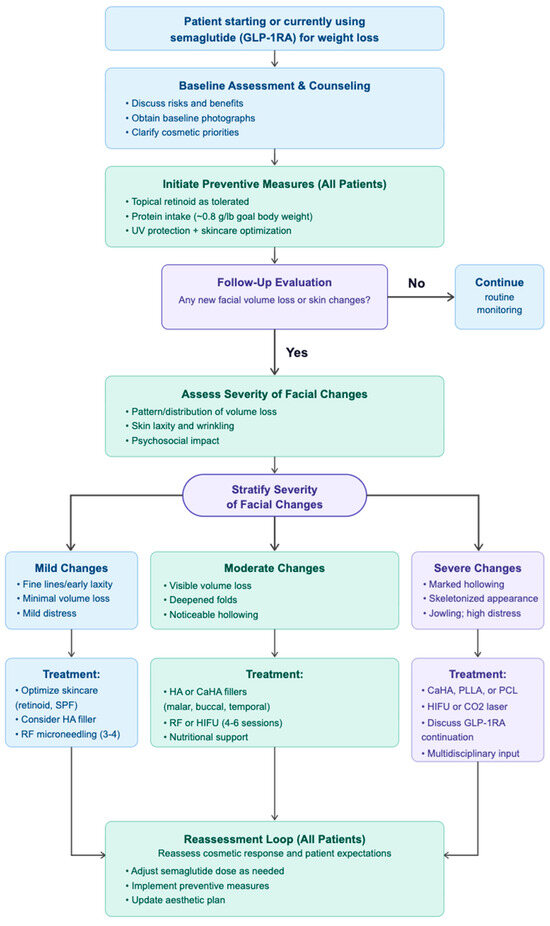
Background/Objectives: Semaglutide, a glucagon-like peptide-1 receptor agonist (GLP-1RA), originally developed for Type II Diabetes, has become popular for weight loss due to its ability to suppress appetite and promote fat loss. Although semaglutide’s metabolic benefits are well established, many patients have also reported
[...] Read more.
Background/Objectives: Semaglutide, a glucagon-like peptide-1 receptor agonist (GLP-1RA), originally developed for Type II Diabetes, has become popular for weight loss due to its ability to suppress appetite and promote fat loss. Although semaglutide’s metabolic benefits are well established, many patients have also reported unintended facial changes including facial fat atrophy, skin laxity, and an aged appearance, collectively known as “Ozempic face.” Methods: To better understand these dermatological effects, a narrative review was conducted using PubMed and Google Scholar to identify relevant peer-reviewed literature published between 2010 and 2025. Search terms included “semaglutide,” “GLP-1 receptor agonists,” “Ozempic face,” and “facial fat loss.” Peer-reviewed clinical studies, reviews, and relevant commentary were included; articles not written in English or unrelated to weight-loss aesthetic outcomes were excluded. Results: Weight loss induced by semaglutide is distinctly characterized by rapid, disproportionate depletion of sensitive facial fat compartments such as the malar, temporal, and buccal regions. Preliminary findings also suggest that GLP-1RAs may impact dermal white adipose tissue, affecting collagen production and elastin structure. Findings highlight both the biological mechanisms underlying facial aging in semaglutide users and the current lack of research-based strategies to prevent or treat these changes. Conclusions: Although aesthetic interventions such as dermal fillers and energy-based treatments may help restore volume and contour, more research is needed to characterize long-term effects and develop objective clinical guidelines. Increased counseling and awareness regarding GLP-1RA-induced facial changes should be integrated into patient care, especially as these agents continue to expand in popularity.
Full article
(This article belongs to the Special Issue Reviews in Dermatology: Current Advances and Future Directions, 2nd Edition)
►▼
Show Figures

Figure 1
Open AccessEditorial
Reviews in Dermatology: Current Advances and Future Directions
by
Emmanouil Karampinis, Efterpi Zafiriou and Angeliki-Victoria Roussaki-Schulze
Dermato 2026, 6(3), 28; https://doi.org/10.3390/dermato6030028 - 1 Aug 2026
Abstract
In academic research, reviews serve as a foundational tool for mapping and organizing existing knowledge, evaluating scientific progress in specific domains, and guiding future investigations [...]
Full article
(This article belongs to the Special Issue Reviews in Dermatology: Current Advances and Future Directions)
Open AccessEditor’s ChoiceReview
Balneotherapy as Adjunctive Care in Atopic Dermatitis: Effects on Skin Barrier, Microbiome, and Pruritus
by
Stefano Bighetti, Nicola Zerbinati, Andrea Carugno, Manela Scaramuzzino, Fausto Bonsignori, Luca Bettolini, Mariateresa Rossi, Vincenzo Maione, Piergiacomo Calzavara-Pinton, Marina Venturini and Marco Romanelli
Dermato 2026, 6(3), 27; https://doi.org/10.3390/dermato6030027 - 1 Aug 2026
Abstract
Atopic dermatitis (AD) is a chronic inflammatory skin disease in which type 2 immune activation, epidermal barrier dysfunction, microbial dysbiosis, and neurosensory pathways interact to sustain disease activity and symptom burden. Despite major advances with biologics and Janus kinase inhibitors, residual xerosis, pruritus,
[...] Read more.
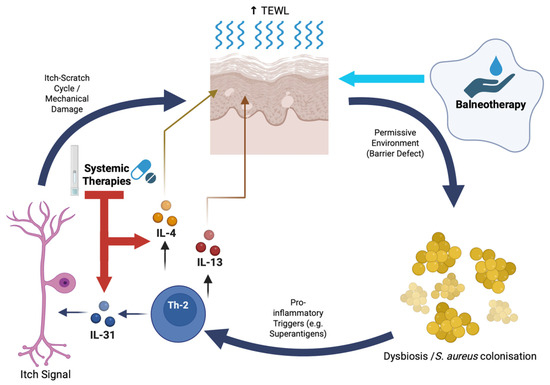
Atopic dermatitis (AD) is a chronic inflammatory skin disease in which type 2 immune activation, epidermal barrier dysfunction, microbial dysbiosis, and neurosensory pathways interact to sustain disease activity and symptom burden. Despite major advances with biologics and Janus kinase inhibitors, residual xerosis, pruritus, sleep disturbance, and barrier fragility may persist in otherwise controlled patients. This narrative review evaluates balneotherapy as adjunctive supportive care in AD, focusing on skin barrier function, microbiome-related effects, pruritus, and clinical integration. A narrative literature review was conducted using PubMed/MEDLINE, Ovid, and Scopus from database inception to 31 December 2025. Search terms addressed AD, type 2 inflammation, skin barrier dysfunction, transepidermal water loss, pruritus, microbiome dysbiosis, thermal spring water, spa therapy, seawater therapy, Dead Sea climatotherapy, hydrotherapy, and balneophototherapy. Clinical, mechanistic, translational, and methodological studies were considered. Available evidence suggests that water-based interventions may improve selected patient-centred outcomes, particularly xerosis-related discomfort, pruritus, sleep impairment, quality of life, and global severity scores. Thermal spring water programmes, Dead Sea climatotherapy, seawater-based approaches, and balneophototherapy differ substantially in exposure characteristics, co-interventions, and outcome reporting. Objective endpoints such as transepidermal water loss, skin hydration, tape stripping biomarkers, and microbiome profiling may help clarify biological plausibility, although current evidence is limited by heterogeneity, short follow-up, and difficulty isolating water-specific effects. Balneotherapy should be positioned as an adjunctive, supportive intervention rather than an alternative to evidence-based anti-inflammatory therapy in AD, particularly for selected patients with persistent barrier- and symptom-dominant residual burden.
Full article
(This article belongs to the Topic Skin Barrier Function and Immune Mediators as Key Therapeutic Targets of Main Inflammatory Diseases)
►▼
Show Figures

Figure 1

Open AccessCase Report
Angiomatous-like Nodules on Chronic Lymphedema Revealing Systemic ALK-Negative ALCL
by
Houria Sahel, Fares Hadri Hamida, Yasmine Namaoui, Nacima Djennane and Chalid Assaf
Dermato 2026, 6(3), 26; https://doi.org/10.3390/dermato6030026 - 16 Jul 2026
Abstract
Introduction: Chronic lymphedema (CL) can lead to infectious complications, skin inflammation, and tumors. Consequently, patients with CL are at increased risk of developing several malignant cutaneous neoplasms, including Kaposi sarcoma, B-cell lymphoma, and angiosarcoma. T-cell lymphomas are rarely associated with CL. Additionally,
[...] Read more.
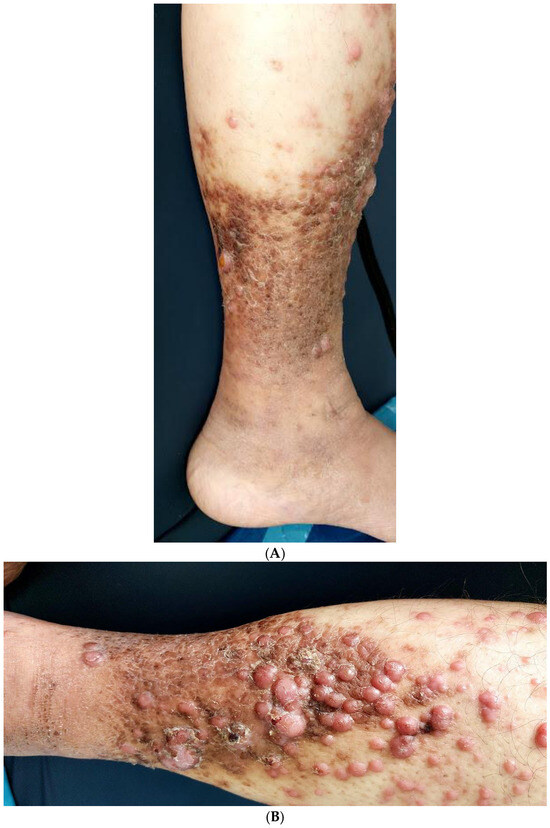
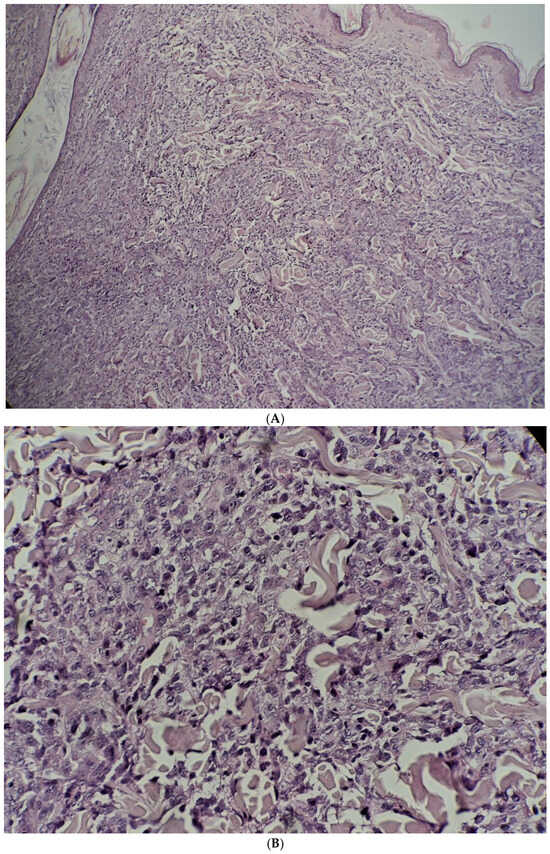
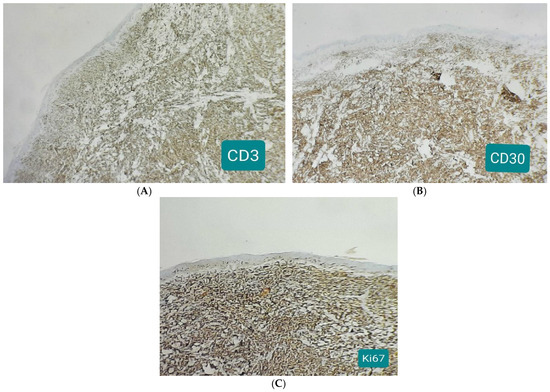
Introduction: Chronic lymphedema (CL) can lead to infectious complications, skin inflammation, and tumors. Consequently, patients with CL are at increased risk of developing several malignant cutaneous neoplasms, including Kaposi sarcoma, B-cell lymphoma, and angiosarcoma. T-cell lymphomas are rarely associated with CL. Additionally, systemic anaplastic large cell lymphomas (ALCLs) are usually positive for anaplastic lymphoma kinase (ALK). We present the case of a 73-year-old patient who exhibited angiomatous-appearing cutaneous lesions, ultimately leading to a diagnosis of ALK-negative systemic ALCL, exclusively localized to the CL of the left lower limb. Case Report: A 73-year-old man presented with a 12-year history of CL affecting his left lower limb. He subsequently developed, over a three-month period, an angiomatous-like plaque accompanied by multiple nodules on the same limb. Physical examination showed widespread lymphadenopathy. A skin and lymph node biopsy specimen displayed CD3+, CD30+, ALK-negative atypical lymphoid infiltrates consistent with ALK-negative systemic ALCL with secondary cutaneous involvement. A total body computed tomography (CT) scan showed hepatosplenomegaly and generalized lymphadenopathy. In the Department of Hematology, combination chemotherapy of cyclophosphamide, Adriamycin, vincristine, and prednisolone (CHOP) was started, but the patient was lost to follow-up. Conclusions: We report a unique case of ALK-negative systemic ALCL in a 73-year-old man who presented with angiomatous-like nodular lesions occurring at the site of chronic limb lymphedema. This case demonstrates the importance of a systemic evaluation of all CD30-positive cutaneous lymphoid infiltrates and suggests that chronic lymphatic stasis may be a predisposing factor in the development of ALCL.
Full article
(This article belongs to the Special Issue What Is Your Diagnosis?—Case Report Collection)
►▼
Show Figures

Figure 1

Open AccessArticle
Clinical and Demographic Characteristics of Acne in a Rural African Population: A Retrospective Study from Eastern Cape, South Africa
by
Khanyiswa Lizeka Madangayte, Olufunmilayo Olukemi Akapo, Mirabel Kah-Keh Nanjoh and Avumile Mankahla
Dermato 2026, 6(3), 25; https://doi.org/10.3390/dermato6030025 - 15 Jul 2026
Abstract
►▼
Show Figures
Background: Acne is a common inflammatory dermatosis with well-documented epidemiology in urban populations; however, data from rural sub-Saharan African settings remain limited. Objective: To characterize the demographic profile, clinical subtypes, severity spectrum, complications, and comorbidities of acne among patients attending a rural tertiary
[...] Read more.
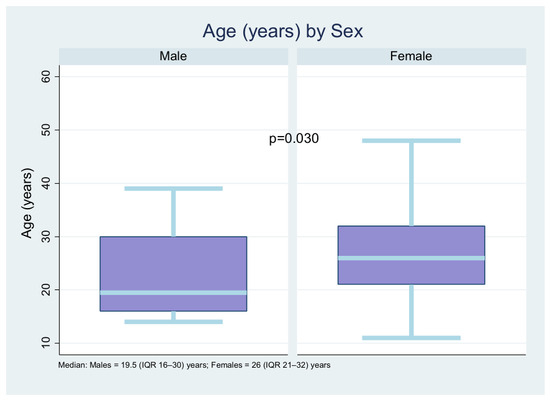
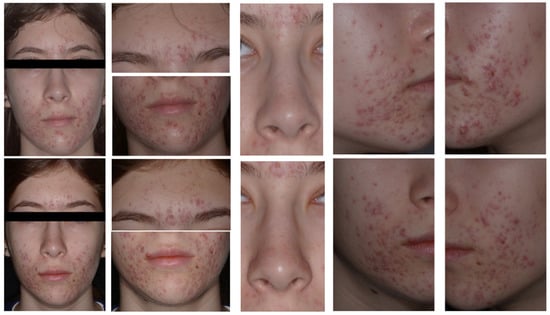
Background: Acne is a common inflammatory dermatosis with well-documented epidemiology in urban populations; however, data from rural sub-Saharan African settings remain limited. Objective: To characterize the demographic profile, clinical subtypes, severity spectrum, complications, and comorbidities of acne among patients attending a rural tertiary dermatology centre in the Eastern Cape, South Africa. Methods: A quantitative, retrospective cross-sectional study was conducted using census sampling of dermatologist-confirmed acne cases diagnosed between 2022 and 2025. Demographic and clinical variables were extracted from medical records and analysed using descriptive and inferential statistics (p < 0.05). Results: A total of 166 patients were included, all of African ethnicity. Females predominated (89.2%), yielding a female-to-male ratio of 8.2:1. Adult-onset acne was most common (85.5%), with a median onset age of 26 years. Acne vulgaris represented the predominant subtype (83.1%). Papules and comedones were the most frequent lesions, and facial involvement was nearly universal (94.8%). Moderate disease (Grade 2) was most prevalent. Post-acne complications were highly frequent (92.8%), with post-inflammatory hyperpigmentation being the most frequent of these (87.0%). Comorbidities were observed in 52.4% of patients, most commonly eczema and pigmentary disorders. Conclusions: Acne in this rural cohort demonstrated a predominance of adult-onset disease, marked female susceptibility, moderate severity, and a high burden of pigmentary sequelae. These findings highlight the need for context-specific diagnostic and management strategies in underserved rural populations.
Full article

Figure 1
Open AccessCase Report
Severe Lichen Planus Pigmentosus Inversus in an Elderly Female Following Intra-Articular Injections of Homeopathic Substances
by
Thilo Gambichler, Marne Handke, Ocko Kautz and Stefanie Boms
Dermato 2026, 6(3), 24; https://doi.org/10.3390/dermato6030024 - 8 Jul 2026
Abstract
►▼
Show Figures
Lichen planus pigmentosus inversus (LIPPI) is a rare variant within the spectrum of lichenoid dermatoses, characterized by sharply demarcated hyperpigmented lesions predominantly affecting intertriginous areas. Its pathogenesis remains incompletely understood, but immune-mediated mechanisms triggered by exogenous factors have been proposed. We report the
[...] Read more.
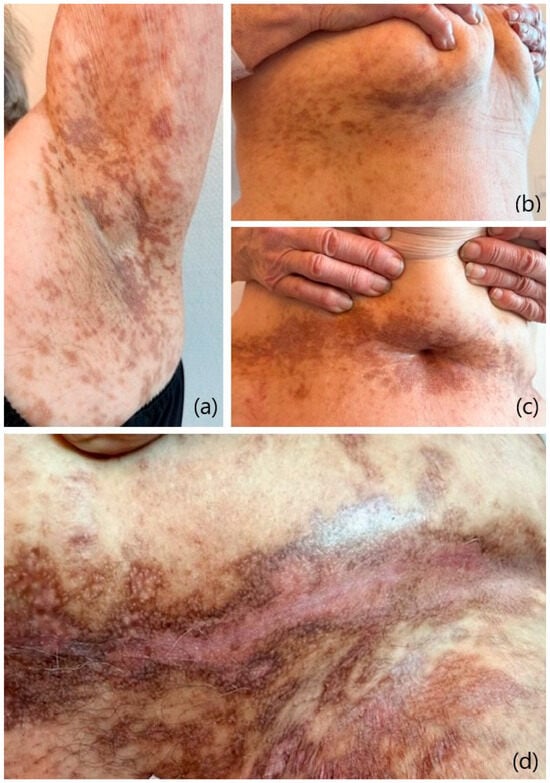
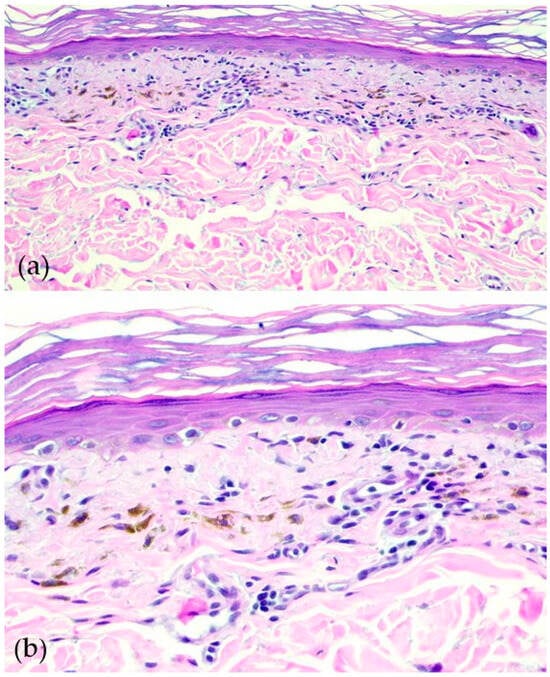
Lichen planus pigmentosus inversus (LIPPI) is a rare variant within the spectrum of lichenoid dermatoses, characterized by sharply demarcated hyperpigmented lesions predominantly affecting intertriginous areas. Its pathogenesis remains incompletely understood, but immune-mediated mechanisms triggered by exogenous factors have been proposed. We report the case of an 80-year-old Caucasian female who developed extensive, reticulated brownish-grey hyperpigmentation involving multiple flexural sites shortly after the fifth intra-articular injection of the homeopathic combination preparation Zeel comp. N for knee pain. Histopathological examination showed a markedly atrophic epidermis with compact orthokeratosis, focal hypergranulosis, basal vacuolar/interface change, pigment incontinence, and a band-like lymphocytic infiltrate; these findings were compatible with LIPPI. The temporal association with repeated intra-articular administration of botanical and sulfur-containing compounds suggests a possible trigger; however, causality remains speculative. Prick and patch testing with the injection solution were negative, no rechallenge was performed, and pharmacovigilance assessment by the Naranjo algorithm supported only a possible adverse drug reaction. Several constituents, including Toxicodendron derivatives, Arnica montana and Solanum dulcamara, are recognized sensitizers capable of inducing delayed-type immune responses. Importantly, allergic contact sensitization and lichenoid interface dermatitis are distinct processes; in the present case, sensitization or systemic immune stimulation is considered only as a potential upstream trigger of a lichenoid reaction pattern. Similar lichenoid eruptions, including LIPPI, have been reported after systemic immune stimulation such as COVID-19 vaccination or targeted therapies. Differential diagnoses, particularly ashy dermatosis, were considered less likely because of the inverse/flexural distribution and clinico-pathological evidence of lichenoid interface dermatitis with epidermal atrophy. Treatment with systemic corticosteroids, acitretin, and topical tacrolimus improved pruritus, whereas hyperpigmentation persisted. This case highlights a possible temporal association between intra-articular administration of biologically active compounds and LIPPI, while emphasizing the need for cautious interpretation, pharmacovigilance data, and further reports.
Full article

Figure 1
Open AccessCase Report
Neurological Adverse Events Following Improper Esthetic Ultrasound Use in Facial and Neck Regenerative Medicine: Four Illustrative Cases and Safety Recommendations
by
Ornella Rossi, Giovanna Perrotti, Massimo Del Fabbro and Tiziano Testori
Dermato 2026, 6(3), 23; https://doi.org/10.3390/dermato6030023 - 5 Jul 2026
Abstract
Introduction: High-Intensity Focused Ultrasound (HIFU) is a widely used non-invasive esthetic treatment for facial/neck rejuvenation, inducing thermal coagulation for neocollagenesis. Despite its general safety, its non-optimal application risks neurological adverse events like tinnitus, trigeminal neuralgia, and headaches. Materials and Methods: Out of a
[...] Read more.
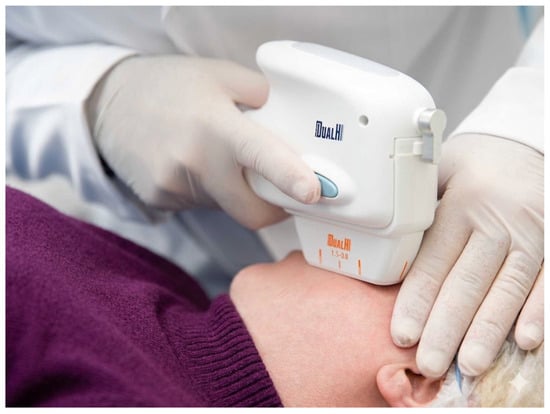
Introduction: High-Intensity Focused Ultrasound (HIFU) is a widely used non-invasive esthetic treatment for facial/neck rejuvenation, inducing thermal coagulation for neocollagenesis. Despite its general safety, its non-optimal application risks neurological adverse events like tinnitus, trigeminal neuralgia, and headaches. Materials and Methods: Out of a pool of 124 patients treated with HIFU (Dual Hi; Med & Tech, Occhiobello, Italy) by experienced esthetic clinicians, four patients developed neurological or otological disturbances, which are presented as descriptive clinical case reports. These included acute tinnitus, exacerbation of pre-existing tinnitus, trigeminal neuralgia during treatment, and post-procedural headaches. To contextualize the clinical findings, relevant published literature on neurological adverse events associated with esthetic HIFU was reviewed in a non-systematic manner using major scientific databases, and used to support descriptive clinical interpretation rather than formal systematic analysis. Results: Rare transient events include acute tinnitus post-HIFU; exacerbated pre-existing tinnitus; trigeminal neuralgia during a procedure; and post-session headaches. Potential mechanisms might include thermal and mechanical nerve injury adjacent to the superficial musculoaponeurotic system (SMAS); all cases resolved successfully through tailored approaches—spontaneous resolution, corticosteroids plus hyperbaric oxygen therapy, analgesics, or ibuprofen. Conclusions: Neurological adverse effects from esthetic HIFU are uncommon/self-limiting but underscore the need for operator training, anatomical expertise, and patient history screening. Standardized protocols are essential for safety.
Full article
(This article belongs to the Special Issue What Is Your Diagnosis?—Case Report Collection)
►▼
Show Figures

Figure 1

Open AccessArticle
Systematic Failure of Vision Transformers in Imbalanced Skin Lesion Classification
by
Serra Aksoy, Pinar Demircioglu and Ismail Bogrekci
Dermato 2026, 6(2), 22; https://doi.org/10.3390/dermato6020022 - 11 Jun 2026
Cited by 1
Abstract
Background/Objectives: Vision Transformers (ViTs) have demonstrated impressive performance in dealing with large-scale natural image datasets. They have started to be used in medical image classification problems as well. However, how they behave under real-world conditions, such as data scarcity and extreme class imbalance,
[...] Read more.
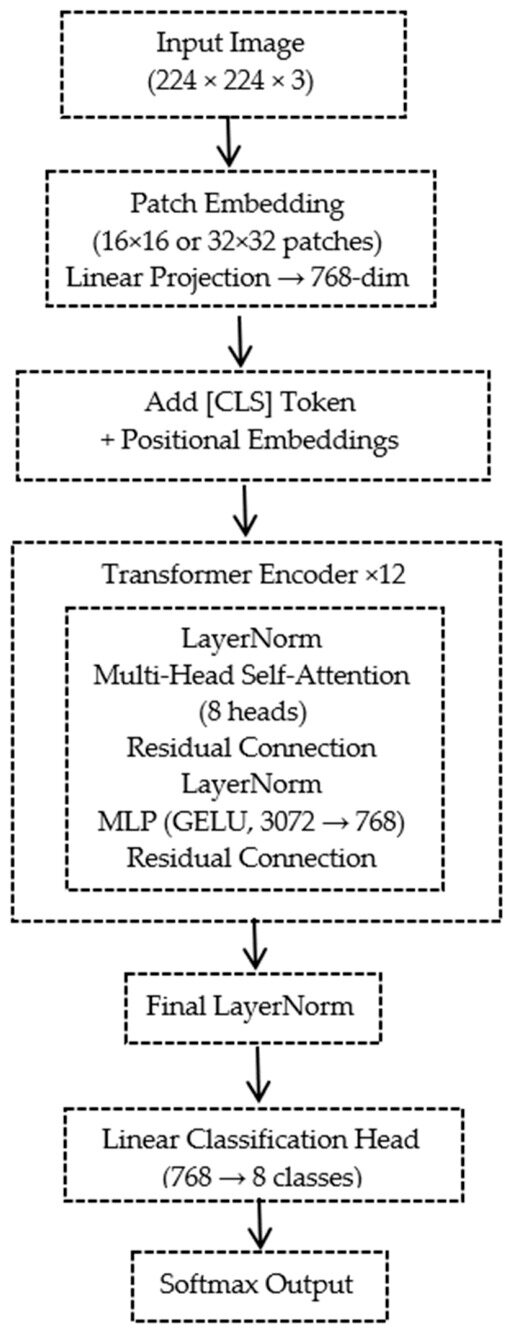
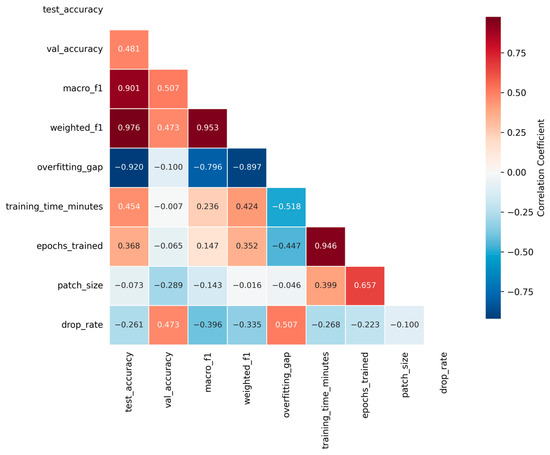
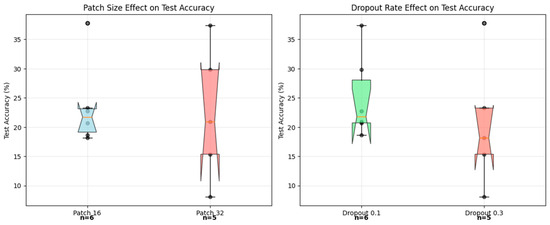
Background/Objectives: Vision Transformers (ViTs) have demonstrated impressive performance in dealing with large-scale natural image datasets. They have started to be used in medical image classification problems as well. However, how they behave under real-world conditions, such as data scarcity and extreme class imbalance, has not been well investigated. In this study, we examine the feasibility of using a standard Vision Transformer Base model that learned from scratch how to classify skin lesion images into multiple classes using the ISIC 2019 dataset. Methods: The Vision Transformer architecture was trained from scratch using stratified splitting of the data, class-balanced cross-entropy loss, multi-seed initialization, and control of hyperparameters such as patch size and dropout rate. The evaluation of the Vision Transformer architecture was performed using a hold-out test set with metrics such as accuracy, macro-F1, weighted-F1, and analysis of the confusion matrix. Results: Across all configurations, the training exhibited substantial instability and consistent overfitting behavior, with an average accuracy gap between validation and test sets of 22.7%. Test accuracy ranged from 8.0% to 37.8%, showing high sensitivity to initialization. For minority classes, the F1-score remained very low (F1 < 0.05) even though the classes were balanced in the loss function. Conclusions: The results indicate that a standard ViT-Base model trained from scratch can exhibit pronounced instability and a tendency toward majority-class bias when applied to multi-class skin lesion classification under conditions of extreme class imbalance and data scarcity. The findings point to the limitations of using simple transformer models without pre-training or other forms of inductive bias in scarce data settings.
Full article
(This article belongs to the Special Issue Melanoma: Updates and Path Forward)
►▼
Show Figures

Figure 1
Open AccessEditor’s ChoiceReview
The Use of JAK Inhibitors in AD Affecting Difficult-to-Treat Areas: Lessons from Real-Life
by
Daniele Cecere, Giuseppe Lauletta, Luca Potestio, Cataldo Patruno and Maddalena Napolitano
Dermato 2026, 6(2), 21; https://doi.org/10.3390/dermato6020021 - 4 Jun 2026
Cited by 1
Abstract
Background: Difficult-to-treat anatomical areas in atopic dermatitis (AD), including the head and neck, hands, genital and intertriginous regions, are frequently associated with therapeutic refractoriness, persistent pruritus, and substantial functional and psychosocial burden. Real-world evidence (RWE) regarding the effectiveness of Janus kinase (JAK) inhibitors
[...] Read more.
Background: Difficult-to-treat anatomical areas in atopic dermatitis (AD), including the head and neck, hands, genital and intertriginous regions, are frequently associated with therapeutic refractoriness, persistent pruritus, and substantial functional and psychosocial burden. Real-world evidence (RWE) regarding the effectiveness of Janus kinase (JAK) inhibitors in these site-dominant phenotypes remains fragmented. This structured narrative review aimed to synthesize available RWE on abrocitinib, baricitinib, and upadacitinib in AD involving difficult-to-treat areas. Methods: A comprehensive search of PubMed, Ovid MEDLINE, Scopus, Embase, and the Cochrane Library was conducted up to 31 December 2025. Real-world observational studies reporting site-specific outcomes in patients with AD treated with JAK inhibitors were included. Primary randomized controlled trial efficacy analyses were excluded, while relevant post hoc regional analyses were considered. A total of 22 studies met eligibility criteria for qualitative synthesis. Results: Across heterogeneous real-world cohorts, JAK inhibitors demonstrated clinically meaningful improvement in difficult anatomical regions, particularly the head and neck and hands. Rapid pruritus reduction was a consistent and clinically relevant finding. Safety profiles were broadly aligned with clinical trial data. Conclusions: Real-world data support JAK inhibitors as effective options for anatomically complex AD phenotypes, warranting further standardized regional assessment.
Full article
(This article belongs to the Special Issue Reviews in Dermatology: Current Advances and Future Directions)
Open AccessReview
Latest and Greatest in Inflammatory Skin Disease and Gut Microbiome
by
Alejandra Curbelo-Paz, Ellen T. Lee, Alana K. Sadur, Nicholas D’Angelo and Sonal Choudhary
Dermato 2026, 6(2), 20; https://doi.org/10.3390/dermato6020020 - 2 Jun 2026
Cited by 1
Abstract
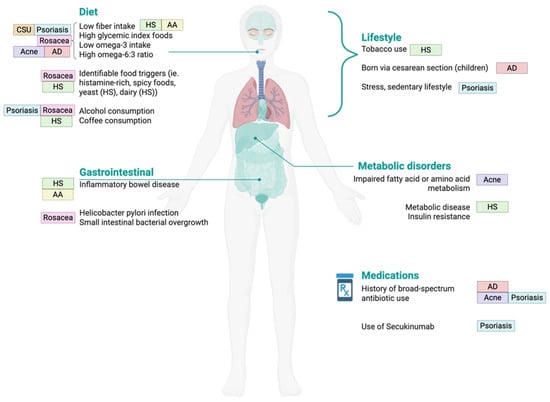
Emerging research highlights the complex interplay between the gut microbiome, skin health, and environmental exposures, forming what is now recognized as the gut–skin–exposome axis. This narrative review explores the role of gut microbiome dysbiosis—a disruption in the balance of intestinal microorganisms—in the pathogenesis
[...] Read more.
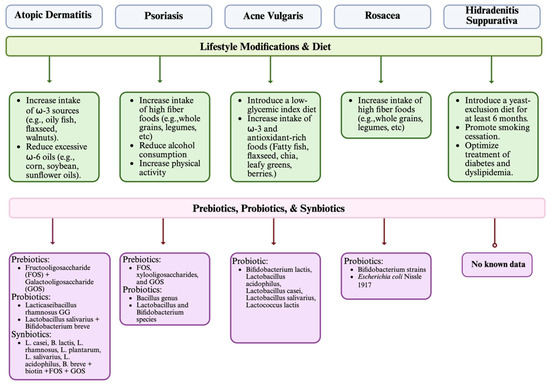
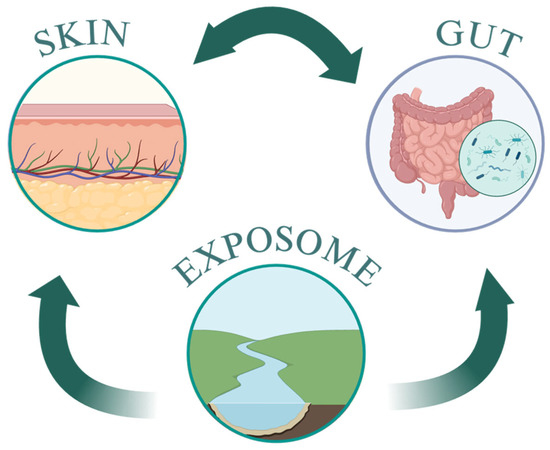
Emerging research highlights the complex interplay between the gut microbiome, skin health, and environmental exposures, forming what is now recognized as the gut–skin–exposome axis. This narrative review explores the role of gut microbiome dysbiosis—a disruption in the balance of intestinal microorganisms—in the pathogenesis and progression of various non-communicable inflammatory skin diseases, including acne, atopic dermatitis, psoriasis, rosacea, systemic lupus erythematosus, chronic spontaneous urticaria, hidradenitis suppurativa, and alopecia areata. This review synthesizes mechanistic studies, clinical trials, and Mendelian randomization data to elucidate how altered gut microbial composition contributes to systemic and cutaneous inflammation. Key modifiable factors, such as diet, antibiotics, stress, and sleep, as well as interventions like probiotics, prebiotics, synbiotics, and fecal microbiota transplantation, are discussed for their potential therapeutic value. By integrating clinical insights with microbiome science, this review underscores the importance of a holistic, systems-based approach in managing inflammatory skin diseases, offering clinicians evidence-based strategies to improve patient outcomes through gut microbiome modulation.
Full article
(This article belongs to the Special Issue Reviews in Dermatology: Current Advances and Future Directions)
►▼
Show Figures

Figure 1

Open AccessReview
Ritlecitinib for the Management of Alopecia Areata: A Narrative Review of Real-World Evidence and Selected Post Hoc Analyses
by
Giuseppe Lauletta, Luca Potestio, Paola Nappa and Maddalena Napolitano
Dermato 2026, 6(2), 19; https://doi.org/10.3390/dermato6020019 - 1 Jun 2026
Cited by 1
Abstract
Introduction: Alopecia areata (AA) is a chronic immune-mediated disorder characterized by non-scarring hair loss and a significant psychosocial burden. Ritlecitinib, a selective Janus kinase 3 (JAK3) and tyrosine kinase expressed in hepatocellular carcinoma (TEC) family kinase inhibitor, has recently emerged as a
[...] Read more.
Introduction: Alopecia areata (AA) is a chronic immune-mediated disorder characterized by non-scarring hair loss and a significant psychosocial burden. Ritlecitinib, a selective Janus kinase 3 (JAK3) and tyrosine kinase expressed in hepatocellular carcinoma (TEC) family kinase inhibitor, has recently emerged as a targeted systemic therapy for moderate-to-severe AA. While randomized clinical trials have demonstrated its efficacy, real-world evidence remains limited and heterogeneous. Methods: A structured narrative review was conducted to summarize current evidence on ritlecitinib in AA, with a focus on real-world outcomes. A comprehensive search of PubMed/MEDLINE, Scopus, Embase, and Cochrane Library was performed up to March 2026 using predefined keywords. Eligible studies included real-world observational studies, case series, and post hoc analyses of randomized controlled trials reporting clinical outcomes. Two independent reviewers performed study selection. Results: A total of 14 studies were included. Clinical trial analyses suggested sustained efficacy over time, with progressive improvement in Severity of Alopecia Tool (SALT) scores up to 24 months. Real-world studies reported clinically meaningful hair regrowth across diverse populations, including severe, pediatric, and treatment-experienced patients. Response rates increased over time, with a proportion of patients achieving SALT ≤ 20 or ≥80% improvement. Lower baseline severity and shorter disease duration were reported in several studies as potential factors associated with a better response. Safety profiles were favorable, with predominantly mild adverse events. Discussion: Ritlecitinib shows consistent effectiveness and acceptable safety in both clinical trials and real-world settings. Treatment response appears progressive and heterogeneous, supporting the importance of early intervention and adequate treatment duration. Further large-scale and long-term real-world studies are needed to better define predictors of response and optimize patient selection.
Full article
(This article belongs to the Special Issue Reviews in Dermatology: Current Advances and Future Directions)
Open AccessReview
The Aging Skin–Psoriasis Interface: Could Cellular Senescence and Immunosenescence Slow Therapeutic Response?
by
Umberto Santaniello, François Rosset, Luca Mastorino, Orsola Crespi, Pietro Quaglino and Simone Ribero
Dermato 2026, 6(2), 18; https://doi.org/10.3390/dermato6020018 - 8 May 2026
Cited by 1
Abstract
Elderly psoriasis patients (≥65 years) demonstrate mainly preserved but substantially delayed therapeutic responses to IL-17 and IL-23 inhibitors, achieving lower PASI90 rates at early time-points with eventual “catch-up” by week 52, alongside increased adverse-event-driven discontinuation. This review synthesizes clinical efficacy data from real-world
[...] Read more.
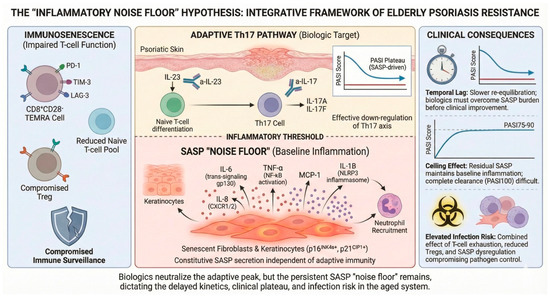
Elderly psoriasis patients (≥65 years) demonstrate mainly preserved but substantially delayed therapeutic responses to IL-17 and IL-23 inhibitors, achieving lower PASI90 rates at early time-points with eventual “catch-up” by week 52, alongside increased adverse-event-driven discontinuation. This review synthesizes clinical efficacy data from real-world studies with emerging mechanistic evidence on immunosenescence and cellular senescence to propose the “Inflammatory Noise Floor” hypothesis. We postulate that senescent keratinocytes and fibroblasts constitutively secrete SASP cytokines (IL-6, IL-8, TNF-α) through pathways partially independent of IL-23/IL-17, potentially establishing a persistent baseline inflammation that IL-23/IL-17 blockade might not suppress. Concurrently, immunosenescence, characterized by CD8+CD28− T-cell accumulation, exhaustion marker upregulation, and Treg dysfunction, is hypothesized to impair adaptive immune re-equilibration. This dual mechanism represents one plausible, albeit theoretical, explanatory framework for the temporal lag, PASI plateau effects, and infection risk observed in elderly patients. Optimizing outcomes in the elderly may require a pragmatic approach: accepting stable PASI 75-90 as a successful endpoint and prospectively validating extended assessment timelines. While a direct correlation remains to be proven, this framework identifies cellular and immunosenescence as potential targets for future senotherapeutic interventions.
Full article
(This article belongs to the Special Issue Reviews in Dermatology: Current Advances and Future Directions)
►▼
Show Figures

Figure 1
Open AccessSystematic Review
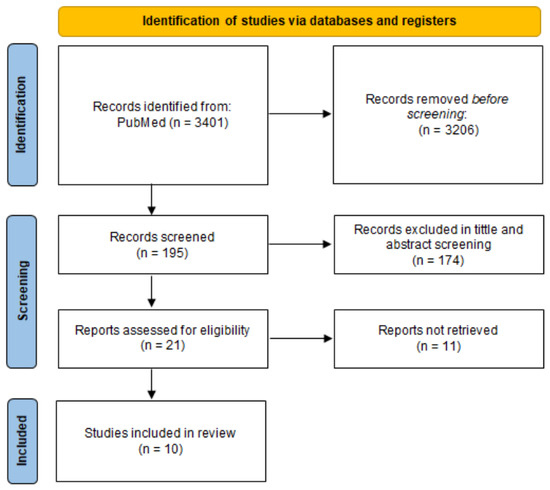
Effectiveness of Biotin Supplementation for Hair Growth in Patients with Alopecia: A Systematic Review
by
Pedro Moltó-Balado, Andrea Simeó-Monzo and Alba del Barrio-Gonzalez
Dermato 2026, 6(2), 17; https://doi.org/10.3390/dermato6020017 - 4 May 2026
Cited by 1
Abstract
Background: Biotin (vitamin B7) is widely marketed and used as an over-the-counter supplement for hair, skin, and nails, despite uncertainty about its clinical benefit for alopecia and hair growth. While overt biotin deficiency can be associated with hair changes, clinically meaningful deficiency
[...] Read more.
Background: Biotin (vitamin B7) is widely marketed and used as an over-the-counter supplement for hair, skin, and nails, despite uncertainty about its clinical benefit for alopecia and hair growth. While overt biotin deficiency can be associated with hair changes, clinically meaningful deficiency is uncommon in individuals consuming a balanced diet, and published findings on biotin status in hair loss populations are inconsistent. Methods: This is a systematic review following PRISMA. A search was conducted in PubMed/MEDLINE (PROSPERO: CRD420251274919) for human studies evaluating biotin (alone or in combination) and including hair outcomes. The synthesis was qualitative due to clinical and methodological heterogeneity. Results: Ten studies were included. Across controlled and quasi-experimental interventions, biotin monotherapy did not show consistent benefit on objective hair growth outcomes; when improvements were reported, they typically occurred in combined regimens and were difficult to attribute specifically to biotin. Studies showed mixed findings on “low” biotin levels in hair loss populations, whereas controlled studies in telogen effluvium found no significant differences in serum biotin versus controls. No serious adverse events attributable to biotin were identified; however, high-dose biotin may interfere with immunoassays, potentially leading to clinically relevant false laboratory results. Conclusions: Current evidence does not support routine biotin supplementation for alopecia in the absence of documented deficiency, although it may be considered in scenarios with risk or confirmation of deficiency/malabsorption.
Full article
(This article belongs to the Special Issue Reviews in Dermatology: Current Advances and Future Directions)
►▼
Show Figures

Figure 1
Open AccessReview
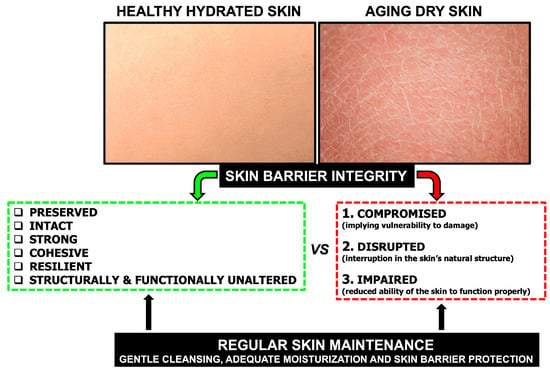
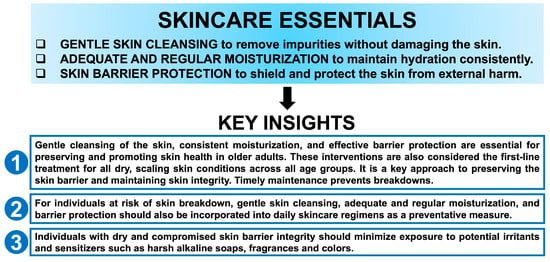
Recognizing and Managing Skin Integrity Issues in Compromised Aging Skin: The Importance of Gentle Skin Cleansing, Adequate Moisturization, and Skin Barrier Protection
by
Dalibor Mijaljica, Joshua P. Townley, Kira Torpy, Sharon Meere, Fabrizio Spada and Mikayla Lai
Dermato 2026, 6(2), 16; https://doi.org/10.3390/dermato6020016 - 1 May 2026
Cited by 3
Abstract
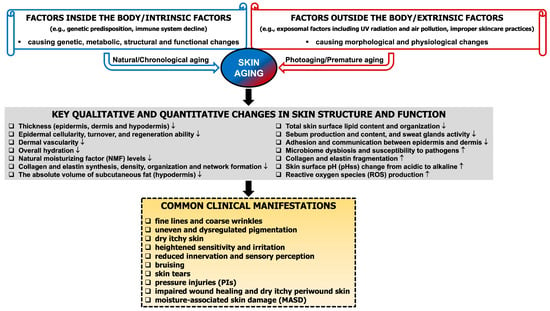
The skin serves as a primary defensive barrier to protect the body from environmental contaminants, infections and trauma. Unfortunately, skin barrier’s structural and functional integrity can be compromised, disrupted or impaired due to a combination of internal and external factors, making it vulnerable
[...] Read more.
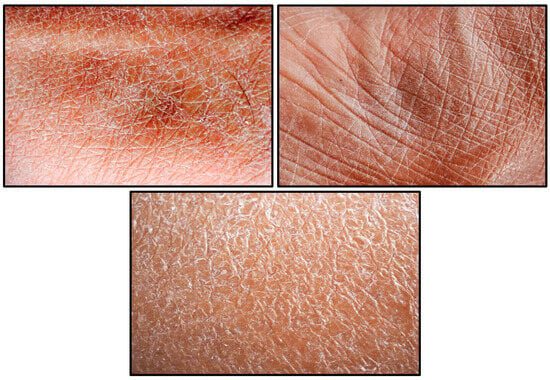
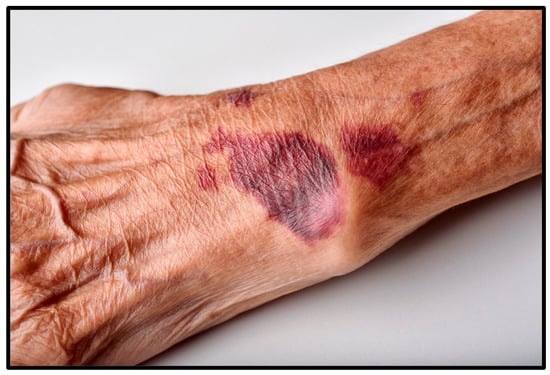
The skin serves as a primary defensive barrier to protect the body from environmental contaminants, infections and trauma. Unfortunately, skin barrier’s structural and functional integrity can be compromised, disrupted or impaired due to a combination of internal and external factors, making it vulnerable and often leading to a wide range of skin conditions characterized by dryness, heightened sensitivity, and increased susceptibility to damage and infections. In addition, the integrity of the skin barrier tends to deteriorate progressively with age. As people age, their skin naturally changes and can also be compromised by a plethora of factors that reduce its strength and resilience. The aging skin becomes thinner and more sensitive, coinciding with a variety of structural–functional alterations, decreased levels of natural moisturizing factor (NMF), lipid content and hydration, increased transepidermal water loss (TEWL), altered skin surface pH (pHss) and microbiome diversity. All these age-related skin integrity alterations make the skin drier, flakier, itchy, and fragile, and more susceptible to damage and breakdown, thus diminishing its ability to effectively protect, repair and heal efficiently. Identifying skin integrity issues before they progress will foster positive outcomes through effective preventive measures. Hence, it is important to understand the impact of skincare formulations on skin integrity in compromised aging skin. A well-considered, evidence-based approach to skincare can provide cleansing, moisturizing and protective benefits, while aiding the reduction in skin integrity issues like dry and itchy skin, sensitive skin, bruising, skin tears, pressure injuries (PIs), lower leg ulcers and moisture-associated skin damage (MASD). Managing skin integrity in compromised aging skin begins with gentle skin cleansing, adequate moisturization and protective barrier care to ensure the skin’s function is maximized.
Full article
(This article belongs to the Special Issue Reviews in Dermatology: Current Advances and Future Directions)
►▼
Show Figures

Figure 1
Open AccessReview
The Skin Microbiome in Hidradenitis Suppurativa: Pathogenic Insights, Therapeutic Implications, and Future Directions
by
Jia Qi Adam Bai and Ilya Mukovozov
Dermato 2026, 6(2), 15; https://doi.org/10.3390/dermato6020015 - 1 May 2026
Cited by 1
Abstract
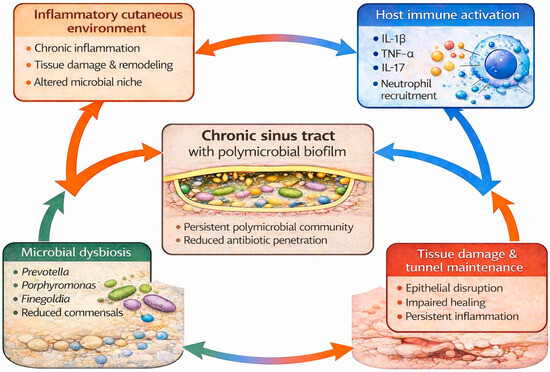
Hidradenitis suppurativa (HS) is a chronic inflammatory dermatosis characterized by recurrent nodules, abscesses, and sinus tract formation in intertriginous skin. Although HS is increasingly recognized as an autoinflammatory condition rather than a classical infection, antimicrobial therapies remain central to disease management, implicating a
[...] Read more.
Hidradenitis suppurativa (HS) is a chronic inflammatory dermatosis characterized by recurrent nodules, abscesses, and sinus tract formation in intertriginous skin. Although HS is increasingly recognized as an autoinflammatory condition rather than a classical infection, antimicrobial therapies remain central to disease management, implicating a potential role for the cutaneous microbiome in disease activity. Recent advances in culture-independent sequencing techniques have enabled more detailed characterization of microbial communities in HS, revealing consistent alterations in microbial composition and diversity. Compared with healthy skin, HS lesions exhibit reduced microbial diversity, depletion of commensal organisms such as Cutibacterium acnes, and enrichment of anaerobic bacteria including Prevotella, Porphyromonas, and Finegoldia. These alterations are more pronounced in chronic, tunnel-forming disease and are frequently associated with biofilm formation, which may contribute to treatment resistance and persistent inflammation. Microbiome changes have also been observed beyond overtly lesional skin, suggesting a broader field effect. Evidence regarding extracutaneous microbial compartments, particularly the gut microbiome, remains limited and heterogeneous, while methodological variability in sampling, sequencing, and treatment exposure continues to complicate cross-study comparisons. Emerging data further suggest that immune-targeted therapies, including biologic and small-molecule agents, may indirectly influence microbial community structure through modulation of the inflammatory milieu. Collectively, the available evidence supports cutaneous dysbiosis as a characteristic feature of HS that may potentially interact bidirectionally with immune dysfunction. Future longitudinal, multi-omic studies integrated with clinical phenotyping will be critical to clarify causal relationships and to determine whether microbiome modulation can be leveraged to improve therapeutic outcomes in HS.
Full article
(This article belongs to the Special Issue Reviews in Dermatology: Current Advances and Future Directions)
►▼
Show Figures

Figure 1
Open AccessReview
Melanoma: Updates and Future Perspectives in Surgical Management
by
José Maria Zepeda Torres and Valeria Contreras Oceguera
Dermato 2026, 6(2), 14; https://doi.org/10.3390/dermato6020014 - 10 Apr 2026
Abstract
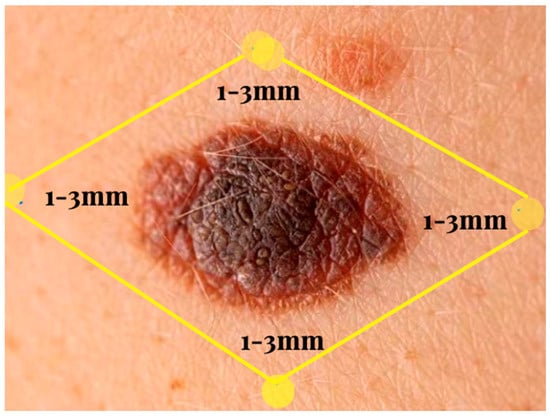
Surgery continues to represent the central curative modality for melanoma despite major advances in systemic immunotherapy and targeted treatments. Contemporary surgical strategies aim to maintain oncologic safety while minimizing functional and aesthetic morbidity through optimized excision margins, highly selective use of sentinel lymph
[...] Read more.
Surgery continues to represent the central curative modality for melanoma despite major advances in systemic immunotherapy and targeted treatments. Contemporary surgical strategies aim to maintain oncologic safety while minimizing functional and aesthetic morbidity through optimized excision margins, highly selective use of sentinel lymph node biopsy (SLNB), and the omission of routine completion lymph node dissection (CLND). Rapid integration of neoadjuvant and adjuvant immunotherapies has begun to redefine surgical indications, timing, and extent—particularly for intermediate-stage and locoregionally advanced disease. Parallel innovations in Mohs micrographic surgery, reconstructive flap design, lymphatic reconstruction, and minimally invasive techniques further broaden the possibilities for individualized intervention. This expanded review synthesizes current evidence, ongoing controversies, and emerging trends that are shaping the future of melanoma surgery, highlighting how precision oncology, immunologic profiling, and technological advances are transforming the surgeon’s role and enabling more tailored, less invasive, and outcome-focused management.
Full article
(This article belongs to the Special Issue Melanoma: Updates and Path Forward)
►▼
Show Figures

Figure 1
Open AccessCase Report
Clinical Evaluation of Fractional Microneedling with Radiofrequency for Inflammatory Acne Vulgaris: Report of 5 Cases
by
Ornella Rossi, Giovanna Perrotti, Massimo Del Fabbro and Tiziano Testori
Dermato 2026, 6(2), 13; https://doi.org/10.3390/dermato6020013 - 8 Apr 2026
Abstract
Background: Conventional therapies for moderate-to-severe inflammatory acne include topical agents, systemic antibiotics, hormonal treatments, and oral isotretinoin. However, increasing resistance of Cutibacterium acnes to antibiotics and the potential adverse effects of systemic agents have prompted growing interest in non-pharmacological alternatives such as fractional
[...] Read more.
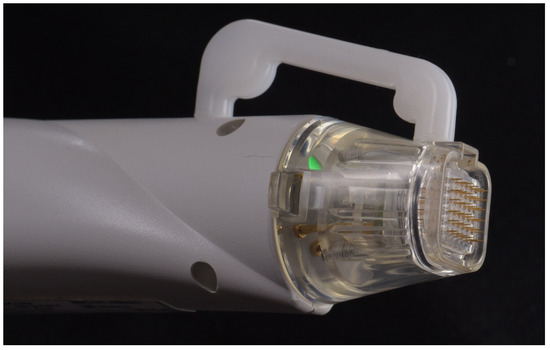
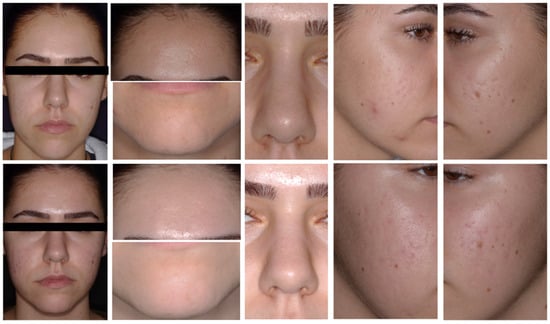
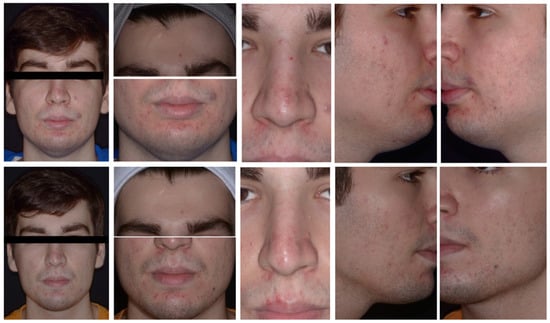
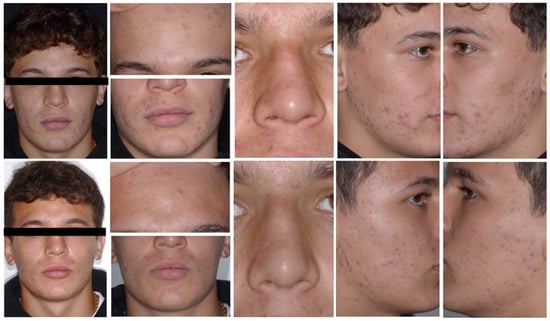
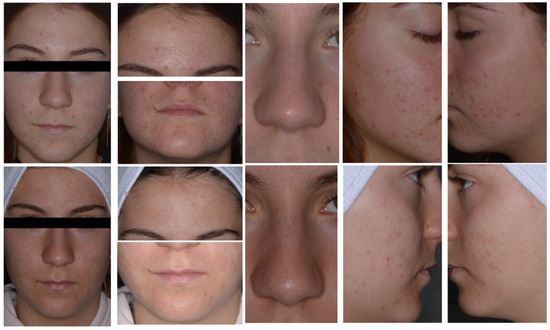
Background: Conventional therapies for moderate-to-severe inflammatory acne include topical agents, systemic antibiotics, hormonal treatments, and oral isotretinoin. However, increasing resistance of Cutibacterium acnes to antibiotics and the potential adverse effects of systemic agents have prompted growing interest in non-pharmacological alternatives such as fractional microneedling radiofrequency (RF-MN), recently introduced in the clinical practice. Objective: This report of five cases aims to document the clinical benefits and safety of RF-MN using the Focus Dual® device in the treatment of moderate-to-severe inflammatory acne vulgaris. Methods: Five patients (2 male, 3 female; aged 19–28 years; Fitzpatrick skin types II–III) with moderate-to-severe acne were treated with two RF-MN sessions at 4-week intervals using the Focus Dual® device (Med & Tech, Occhiobello (RO), Italy). Acne severity was assessed using the Face Global Acne Grading System (F-GAGS) and the 5-point Global Improvement Score (GIS), with evaluations performed by two independent blinded raters (G.P and O.R). Standardized photographic documentation and lesion counting were conducted at baseline (T0) and 4 weeks after the second session (T2). All individual F-GAGS scores for each of the five patients showed a reduction from baseline to T2, as consistently assessed by both evaluators. Two patients improved from moderate to mild acne, one improved from severe to moderate, and one remained mild. GISs indicated clinical improvement ranging from Grade 1 to Grade 2 in all cases, with individual improvements between 8.33% and 37.93%. No adverse events were reported during treatment or follow-up. Conclusions: RF-MN appears to be a promising therapeutic option for moderate-to-severe inflammatory acne, providing clinical improvement and reduction in acne severity without adverse effects. Prospective studies with a larger sample are needed to confirm these preliminary results and support the potential role of RF-MN as an adjunctive or standalone treatment in patients with limited tolerance or response to conventional therapies.
Full article
(This article belongs to the Special Issue What Is Your Diagnosis?—Case Report Collection)
►▼
Show Figures

Figure 1
Open AccessFeature PaperEditor’s ChoiceArticle
Insights Behind Sensitive Skin Individuals’ Voices: A Scientific Exploration of Their Behaviors, Medical Journeys and Healthcare Experiences
by
Miranda A. Farage, Christian Geneus, Christopher Farina and Beth Baldys
Dermato 2026, 6(2), 12; https://doi.org/10.3390/dermato6020012 - 3 Apr 2026
Abstract
►▼
Show Figures
Sensitive Skin Syndrome (SSS) is a worldwide condition characterized by sensory symptoms such as stinging, burning, and itching, often without visible signs. This pilot study investigated individuals with self-reported SSS, focusing on the specific skin conditions, motivations and barriers for seeking medical attention.
[...] Read more.
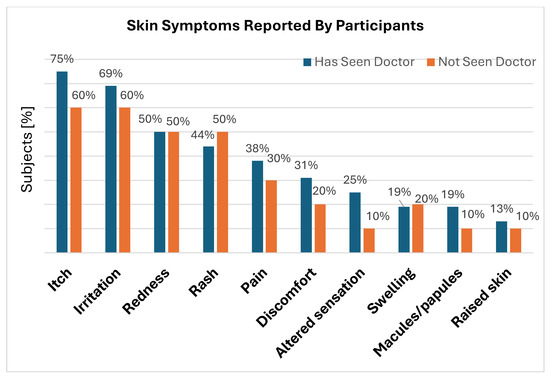
Sensitive Skin Syndrome (SSS) is a worldwide condition characterized by sensory symptoms such as stinging, burning, and itching, often without visible signs. This pilot study investigated individuals with self-reported SSS, focusing on the specific skin conditions, motivations and barriers for seeking medical attention. SSS individuals were divided into two groups: those who consulted a doctor (n = 16) and those who did not (n = 10). While SSS symptom severity was similar in both groups, those with greater severity were five times more likely to seek medical help. Key symptoms prompting consultations included morphological symptoms (papules, macules), sensory symptoms (itch, discomfort), and inflammatory symptoms (redness, rash). Notably, altered sensation and macules/papules showed the strongest trends towards influencing care-seeking behavior. Differences in anatomical sites affected were significant, with the head and face having the highest odds of doctor visits. Barriers to care included high specialist costs, travel distances, and a lack of remote consultation options, particularly for rural residents. Although treatments recommended by healthcare providers often fell short of expectations, partially effective options were more acceptable when endorsed by doctors. Subjects reported improvements within weeks of starting new treatments, though many remained only partially satisfied. This study highlights important aspects of SSS and its entanglement with other skin conditions, as well as how individuals navigate their symptoms and make treatment decisions amidst their sufferings.
Full article

Figure 1
Highly Accessed Articles
Latest Books
E-Mail Alert
News
Topics
Topic in
Cells, Immuno, IJMS, JCM, Allergies, Dermato
Skin Barrier Function and Immune Mediators as Key Therapeutic Targets of Main Inflammatory Diseases
Topic Editors: Marco Manfredini, Carlo PincelliDeadline: 31 August 2026
Topic in
Biomedicines, Cancers, Dermato, JCM, Sci
Current Challenges and Advances in Skin Repair and Regeneration—Second Edition
Topic Editors: Giovanni Salzano, Chiara CopelliDeadline: 20 July 2027
Conferences
Special Issues
Special Issue in
Dermato
Dermoscopy in Skin Cancer
Guest Editors: Elisa Zavattaro, Paola SavoiaDeadline: 31 August 2026
Special Issue in
Dermato
Reviews in Dermatology: Current Advances and Future Directions, 2nd Edition
Guest Editors: Emmanouil Karampinis, Efterpi Zafiriou, Angeliki-Victoria Roussaki-SchulzeDeadline: 31 December 2026
Topical Collections
Topical Collection in
Dermato
Artificial Intelligence in Dermatology
Collection Editor: Alexander Navarini-Meury