Topical Advisory Panel applications are now closed. Please contact the Editorial Office with any queries.
Journal Description
Compounds
Compounds
is an international, peer-reviewed, open access journal on chemical compounds published quarterly online by MDPI.
- Open Access— free for readers, with article processing charges (APC) paid by authors or their institutions.
- High Visibility: indexed within ESCI (Web of Science), Scopus and other databases.
- Journal Rank: JCR - Q2 (Chemistry, Multidisciplinary) / CiteScore - Q2 (Biochemistry, Genetics and Molecular Biology (miscellaneous))
- Rapid Publication: manuscripts are peer-reviewed and a first decision is provided to authors approximately 19.5 days after submission; acceptance to publication is undertaken in 5.9 days (median values for papers published in this journal in the first half of 2026).
- Recognition of Reviewers: APC discount vouchers, optional signed peer review, and reviewer names published annually in the journal.
- Compounds is a companion journal of Metals.
Impact Factor:
3.6 (2025);
5-Year Impact Factor:
2.9 (2025)
Latest Articles
Exploring the Structural and Electronic Diversity of Layered Mg–Mn–Te Ternary Compounds: A Density Functional Theory Study
Compounds 2026, 6(3), 46; https://doi.org/10.3390/compounds6030046 - 27 Jul 2026
Abstract
►
Show Figures
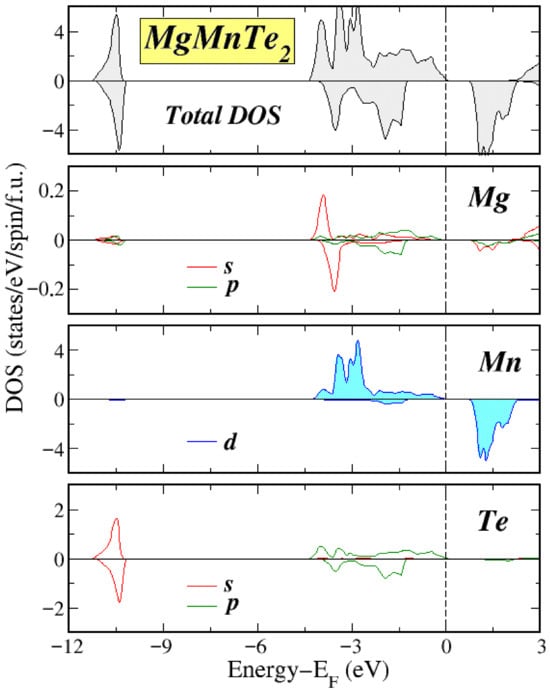
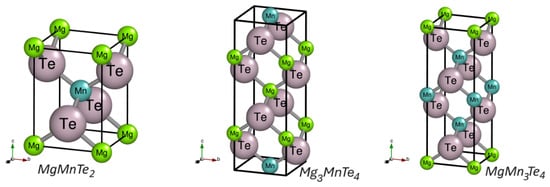
We present a first-principles investigation of the layered ternary manganese tellurides , , and using density functional theory with GGA and meta-GGA functionals. The optimized tetragonal structures (space group No. 115) satisfy the
[...] Read more.
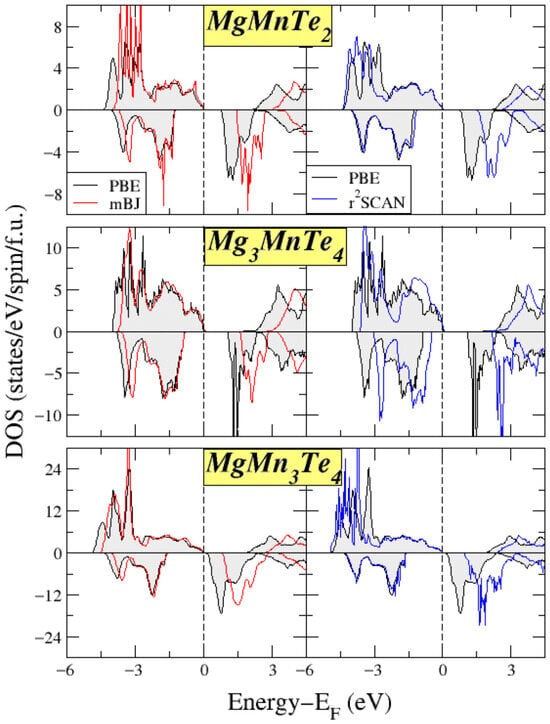
We present a first-principles investigation of the layered ternary manganese tellurides , , and using density functional theory with GGA and meta-GGA functionals. The optimized tetragonal structures (space group No. 115) satisfy the Born elastic stability criteria, with the structural derivatives exhibiting enhanced ductility. Unlike analogous alkali-based half-metals, these systems emerge as ferromagnetic semiconductors featuring substantial energy gaps in both spin channels. The calculated total spin magnetic moments are strict integers ( for and ; for ), driven predominantly by localized Mn d-states. Although advanced meta-GGA functionals modulate the magnitude of the predicted band gaps, the overarching electronic topology and magnetic character remain highly consistent. Ultimately, their calculated elastic response and intrinsic ferromagnetic semiconducting behavior identify these phases as candidates for further theoretical and experimental investigation for spintronic applications.
Full article
Open AccessArticle
Donepezil Derivatives as Potential Dual AChE/BChE Inhibitors: Fragment-Based Design, AI-Assisted Retrosynthesis, and In Silico Evaluation
by
Marko Antonijević, Jelena Đorović Jovanović, Marijana Stanojević Pirković, Miona Glišić, Ana Antonijević and Svetlana Jeremić
Compounds 2026, 6(3), 45; https://doi.org/10.3390/compounds6030045 - 24 Jul 2026
Abstract
Alzheimer’s disease (AD) is a complex neurodegenerative condition marked by a gradual decline in cognitive abilities, a reduction in acetylcholine (ACh) levels, and the accumulation of β-amyloid (Aβ) plaques. In a healthy brain, approximately 80% of ACh is broken down by acetylcholinesterase (AChE).
[...] Read more.
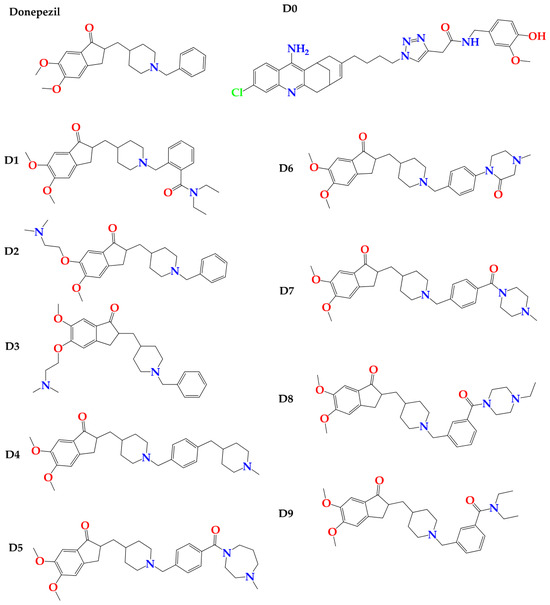
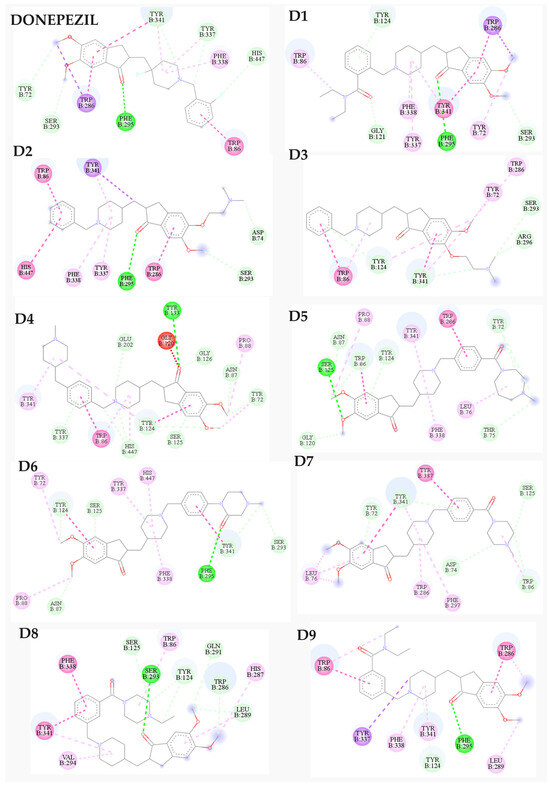
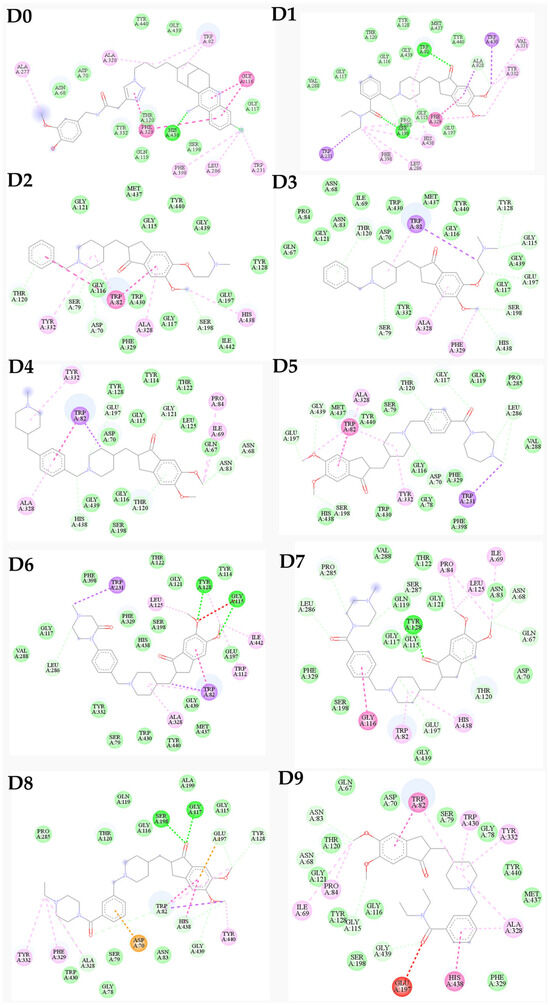
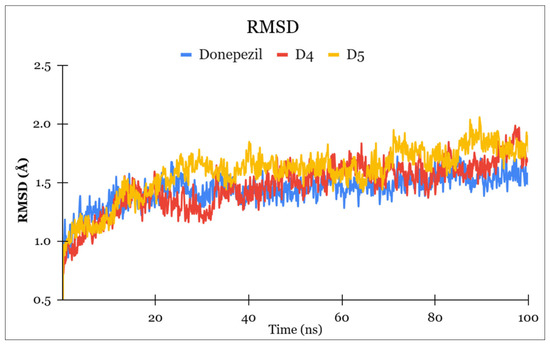
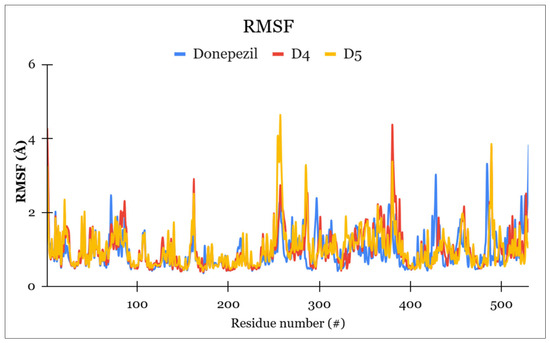
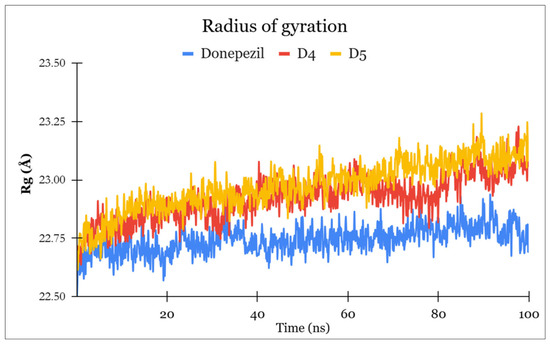
Alzheimer’s disease (AD) is a complex neurodegenerative condition marked by a gradual decline in cognitive abilities, a reduction in acetylcholine (ACh) levels, and the accumulation of β-amyloid (Aβ) plaques. In a healthy brain, approximately 80% of ACh is broken down by acetylcholinesterase (AChE). Meanwhile, butyrylcholinesterase (BChE) serves a supportive function, gaining significance as AChE activity diminishes during the progression of Alzheimer’s disease. Modern therapeutic approaches focus on creating dual inhibitors of AChE and BChE that also aim to diminish Aβ-amyloidogenesis through interactions with the peripheral anionic site (PAS). This study combined fragment-based molecular design (CReM), AI-assisted retrosynthetic feasibility assessment, and in silico evaluation (docking, molecular dynamics, and ADMET profiling) to identify novel Donepezil derivatives as potential dual AChE/BChE inhibitors. A series of 10,000 derivatives were developed through computational methods and carefully assessed based on stringent drug-likeness, synthetic accessibility, and medicinal chemistry standards. This was succeeded by comprehensive ADMET profiling. Nine candidates were identified with predicted CNS pharmacokinetics, adequate toxicological profiles and reduced cytochrome P450 liabilities. Molecular docking yielded improved predicted binding affinities relative to Donepezil. Several derivatives, particularly D4 and D5, showed dual-site binding poses spanning both the catalytic gorge and the PAS. MD simulations indicated the stability of these poses over 100 ns. These computational results suggest that the proposed derivatives may preserve or improve upon Donepezil’s pharmacokinetic profile while offering potentially balanced AChE/BChE inhibition and anti-amyloidogenic activity, pending experimental validation.
Full article
(This article belongs to the Special Issue Organic Compounds with Biological Activity (2nd Edition))
►▼
Show Figures

Graphical abstract
Open AccessArticle
Synthesis of 3-Acyl-4-quinolones via Reductive Ring Transformation of 4-(2-Nitrobenzoyl)isoxazoles
by
Pavlos Pelagias, Jan P. Sandler and Franz Bracher
Compounds 2026, 6(3), 44; https://doi.org/10.3390/compounds6030044 - 23 Jul 2026
Abstract
►▼
Show Figures
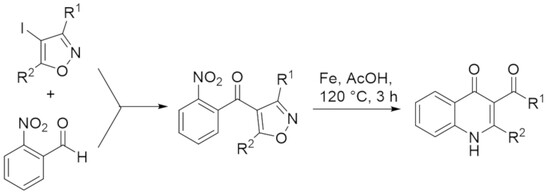
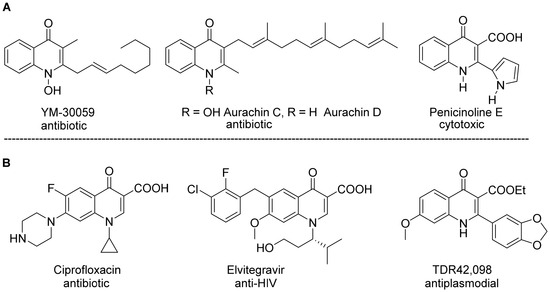
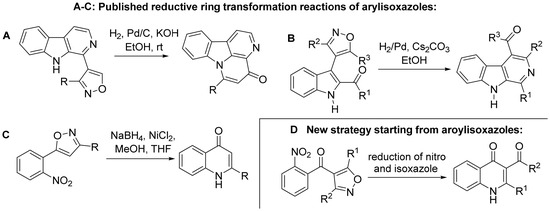
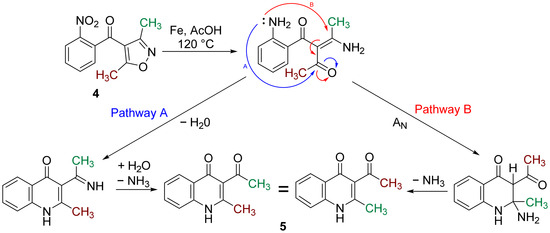
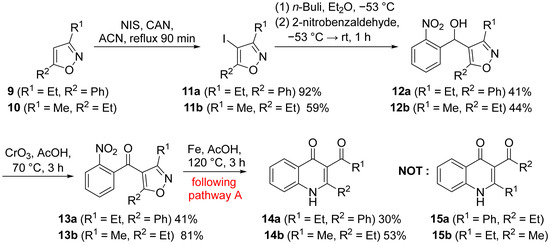
4-(2-Nitrobenzoyl)isoxazoles are readily available from 3,5-disubstituted 4-iodoisoxazoles through iodine–lithium exchange and trapping with 2-nitrobenzaldeyde, followed by Jones oxidation of the obtained secondary alcohols. Reductive ring transformation by means of treatment with iron in acetic acid gives 2-substituted 3-acyl-4-quinolones. The mechanism of the cyclization
[...] Read more.
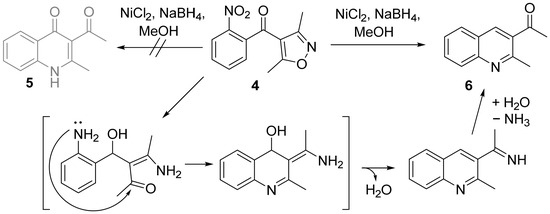
4-(2-Nitrobenzoyl)isoxazoles are readily available from 3,5-disubstituted 4-iodoisoxazoles through iodine–lithium exchange and trapping with 2-nitrobenzaldeyde, followed by Jones oxidation of the obtained secondary alcohols. Reductive ring transformation by means of treatment with iron in acetic acid gives 2-substituted 3-acyl-4-quinolones. The mechanism of the cyclization reaction was elucidated by using appropriately substituted isoxazole building blocks and 2D NMR investigation of the products. In contrast, catalytic hydrogenation leaves the isoxazole ring untouched, whereas reduction with NaBH4/NiCl2 gives 2-substituted 3-acylquinolines in an unprecedented reductive ring transformation.
Full article

Graphical abstract
Open AccessArticle
Effect of Current Density and Pulse Parameters on the Electrodeposition Quality and Film Properties of CZTS from Diluted Electrolyte
by
Mahfouz Saeed
Compounds 2026, 6(3), 43; https://doi.org/10.3390/compounds6030043 - 21 Jul 2026
Abstract
►▼
Show Figures
One of the most promising absorber materials for solar applications is copper zinc tin sulfide/selenide (CZTS), which has good optical properties and basic elements that are readily available, affordable, and environmentally acceptable. This study examines how pulse timing and current density affect the
[...] Read more.
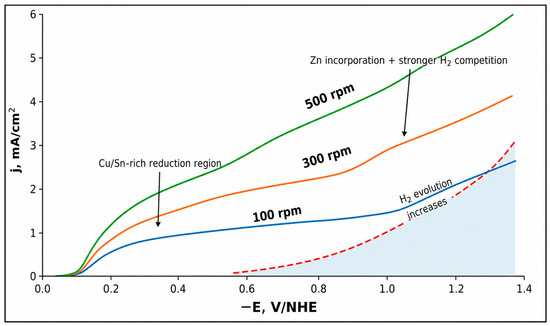
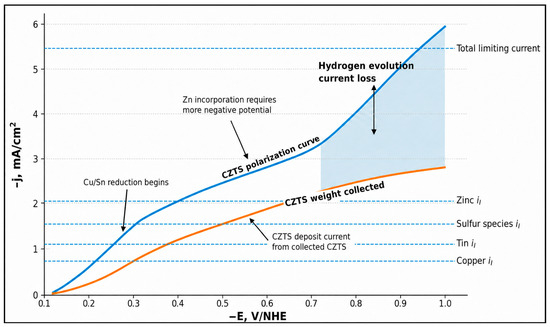
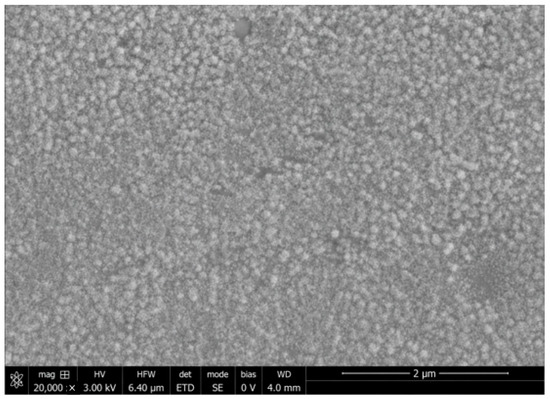
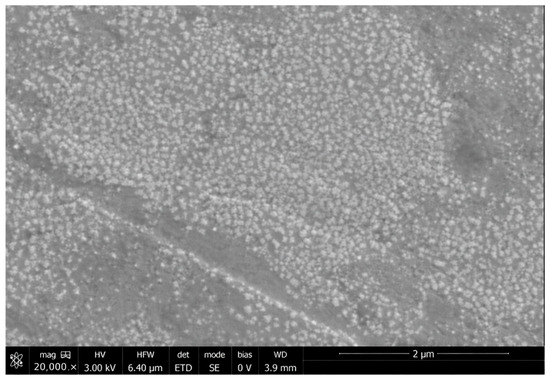
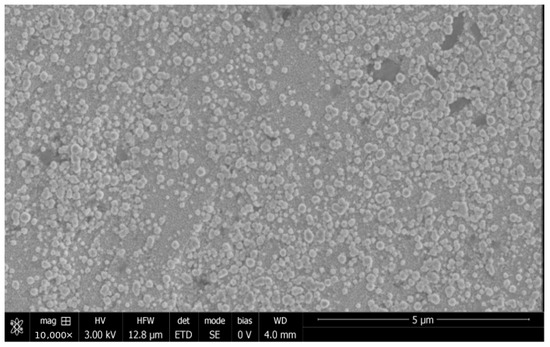
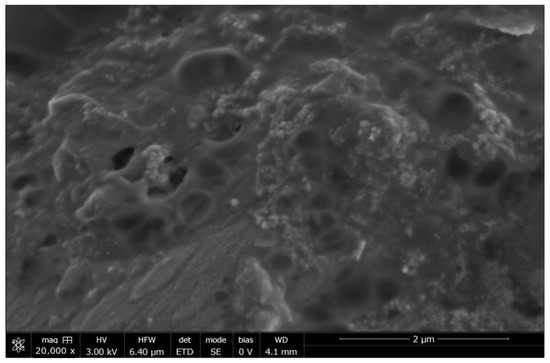
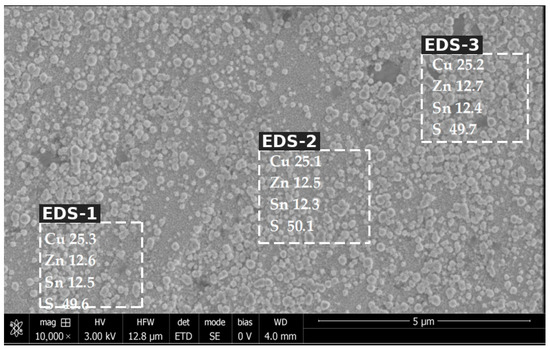
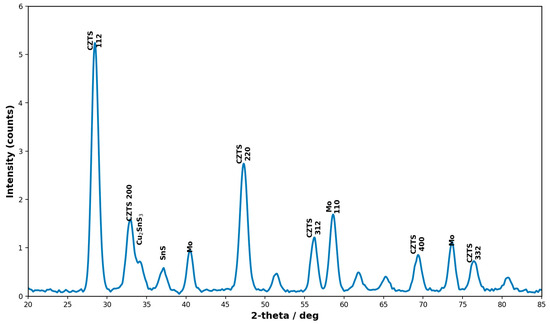
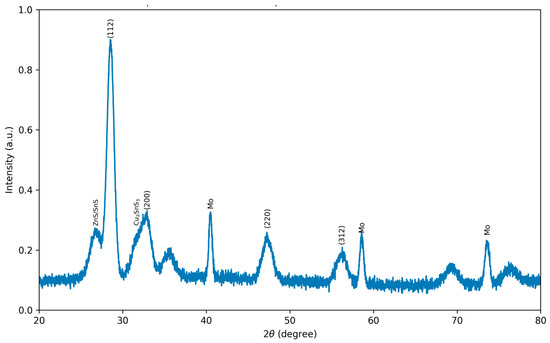
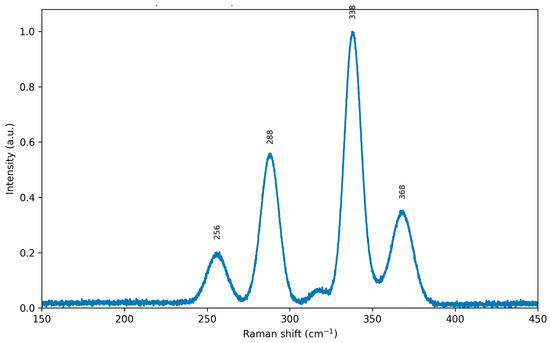
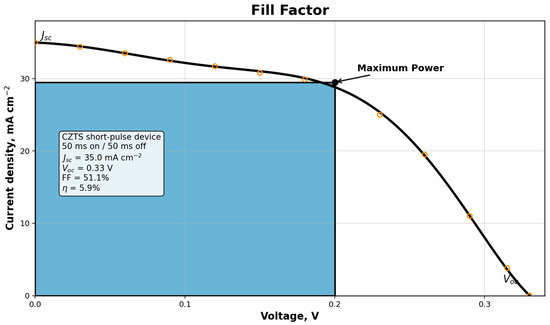
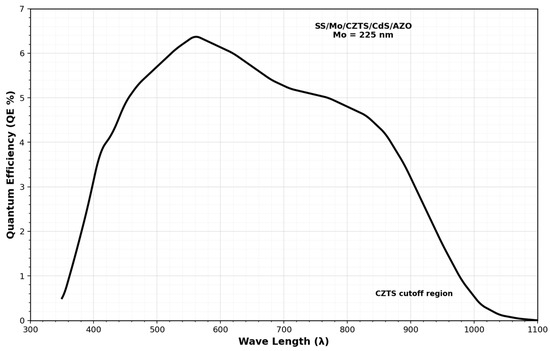
One of the most promising absorber materials for solar applications is copper zinc tin sulfide/selenide (CZTS), which has good optical properties and basic elements that are readily available, affordable, and environmentally acceptable. This study examines how pulse timing and current density affect the electrodeposition of Cu2ZnSnS4/Cu2ZnSn(S,Se)4 (CZTS/CZTSSe) thin films from a diluted electrolyte, including deposition quality, film configuration, elemental composition, crystallinity, and photovoltaic performance. It evaluates the impact of these factors on device performance, film properties, layer’s compactness, surface homogeneity, microcrack-free morphology, compositional homogeneity, crystallinity, and suitability for solar device manufacturing. Using a pulsed-current technique, CZTS precursor layers were electrodeposited in a low-concentration solution with periodic changes in current density of roughly 5.3–5.9 mA/cm2 and pulse-on/off durations of 50/50, 100/100, and 250/250 ms. The deposited precursors were then added to fully built CZTS-based solar cell topologies after sulphurization or selenization. Structural characteristics were analyzed using X-ray diffraction (XRD), and composition and elemental distribution were assessed using energy-dispersive X-ray spectroscopy (EDS). Measurements of transmittance and reflectance were used to evaluate optical properties relevant to photovoltaic performance. In contrast to films deposited at higher current densities and longer off-times, moderate current densities combined with short off-times yield dense, microcrack-free films with improved crystallinity and near-stoichiometric Cu/(Zn + Sn), Zn/Sn, and chalcogen/metal ratios. Additionally, absorber layers with appropriate optical band gaps and improved device performance are produced by these optimized pulse parameters. Overall, the study shows that controlling pulse parameters in diluted electrolytes is a useful tactic for improving the quality of CZTS films and developing low-cost, solution-based fabrication techniques for high-performance CZTS solar cells.
Full article

Figure 1
Open AccessReview
Advances in Gaseous Ammonia Decomposition for Hydrogen Production: Catalysts and Emerging Pathways
by
Hao Wu, Tongtong Chu, Ying Xin and Zhaoliang Zhang
Compounds 2026, 6(3), 42; https://doi.org/10.3390/compounds6030042 - 8 Jul 2026
Abstract
►▼
Show Figures
Ammonia (NH3) is a compelling carbon-free hydrogen carrier. Its catalytic decomposition to produce a hydrogen/nitrogen (H2/N2) gas stream is central to the “NH3-H2” clean energy cycle, provided that residual NH3 is removed
[...] Read more.
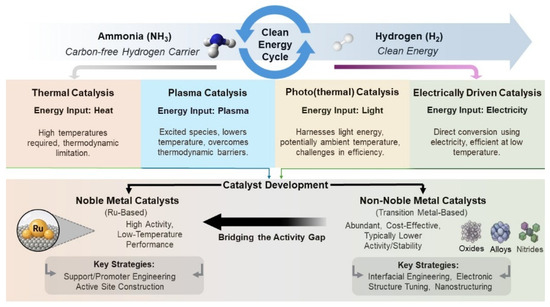
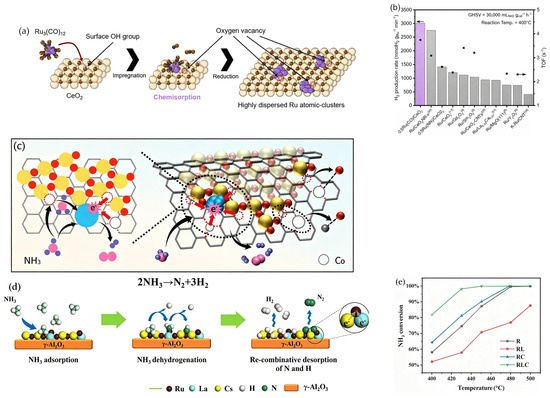
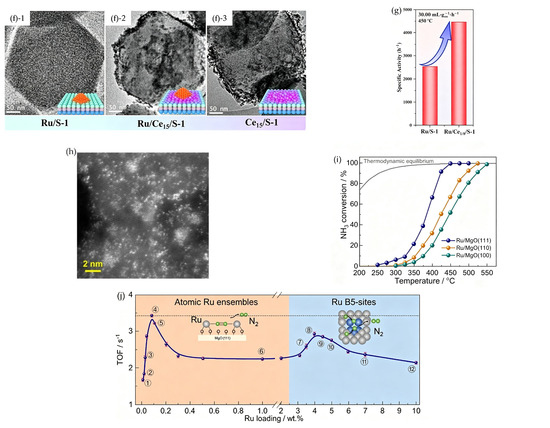
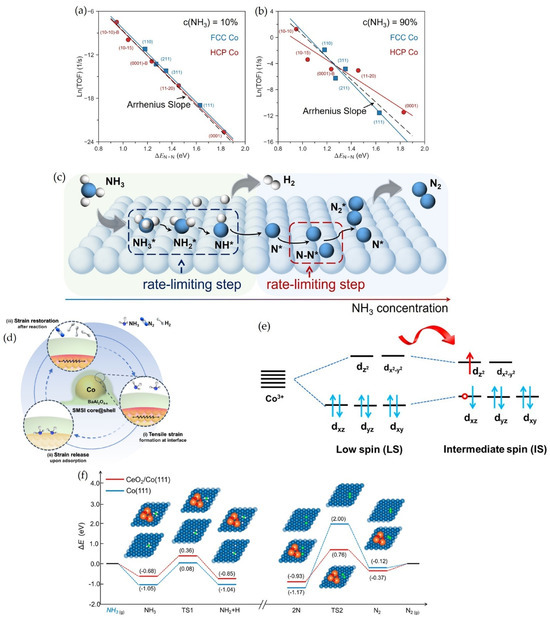
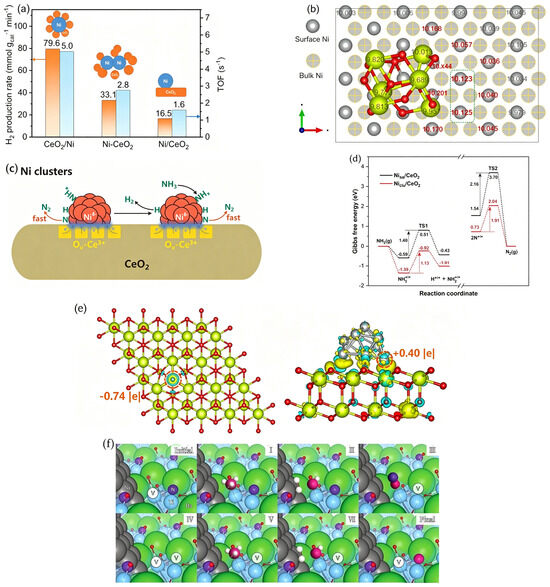
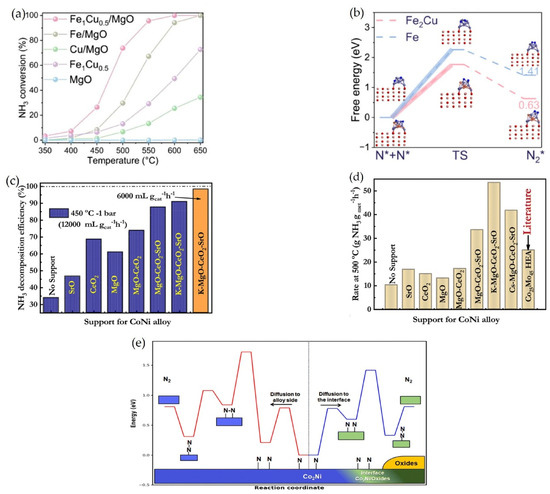
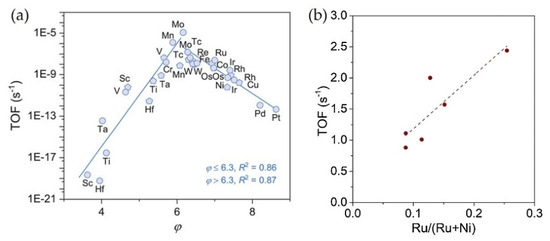
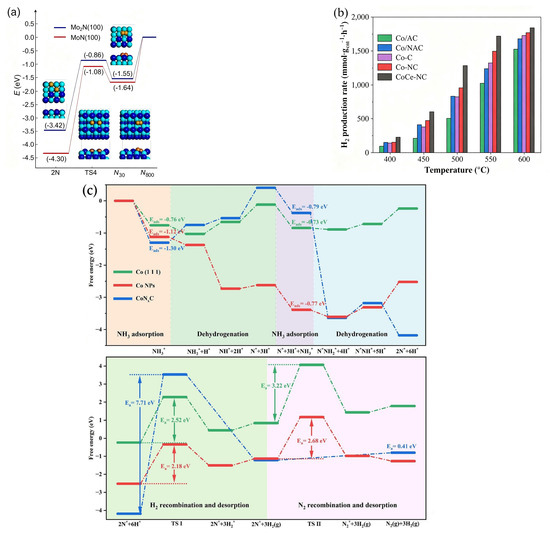
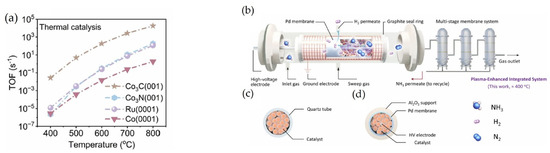
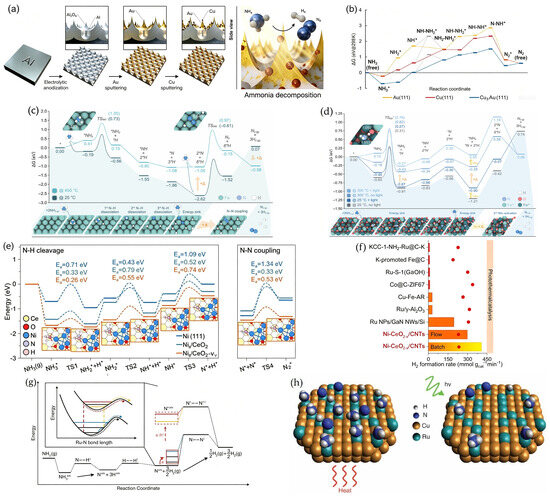
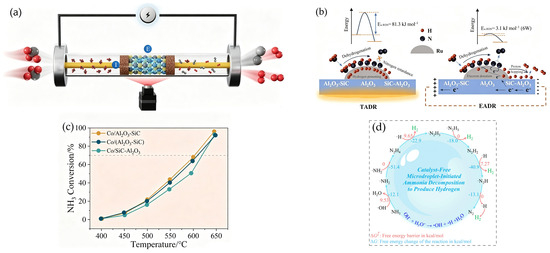
Ammonia (NH3) is a compelling carbon-free hydrogen carrier. Its catalytic decomposition to produce a hydrogen/nitrogen (H2/N2) gas stream is central to the “NH3-H2” clean energy cycle, provided that residual NH3 is removed to fuel-cell-grade purity downstream. This review integrates advances from the past five years across four major catalytic NH3 decomposition pathways, encompassing conventional thermocatalysis, plasma-catalytic, photo(thermal), and electrically driven catalysis, within a unified mechanistic and practical framework, distinguishing it from existing single-pathway reviews. Noble metal catalysts, particularly Ru-based systems, achieve superior low-temperature activity through support engineering, promoter effects, and active-site construction. However, our analysis reveals that non-noble metal (Fe, Co, Ni) catalysts and their alloys, nitrides, and carbides have made substantial progress, with certain Co-based and bimetallic systems approaching Ru-level performance via interfacial oxygen vacancy engineering and electronic structure modulation. Emerging non-thermal routes effectively overcome thermodynamic barriers, enabling operation at temperatures 200–300 °C below conventional thermal requirements, though each faces distinct challenges in energy efficiency, stability, and scalability. Key challenges remaining across all pathways to practical implementation, including residual NH3 removal and H2 purification, catalyst deactivation and stability, heat management and energy efficiency, start-up/shut-down dynamics, as well as system integration and economics, are critically assessed. This review provides theoretical guidance and practical recommendations for developing scalable, low-temperature NH3 decomposition technologies.
Full article

Figure 1
Open AccessReview
Redox Biology of Capsaicin: ROS Signaling, Mitochondrial Regulation, and Ferroptosis
by
Lenka Kuželová and Hana Ďúranová
Compounds 2026, 6(3), 41; https://doi.org/10.3390/compounds6030041 - 8 Jul 2026
Abstract
Capsaicin, the main pungent capsaicinoid of Capsicum species, is often described as either an antioxidant or a pro-oxidant compound. This binary view is useful but does not fully explain its effects on cellular redox homeostasis. The response to capsaicin depends on dose, exposure
[...] Read more.
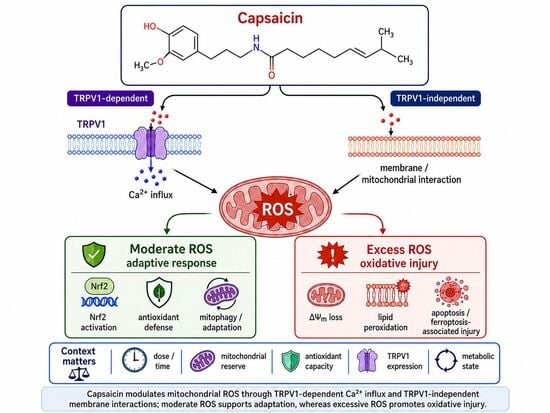
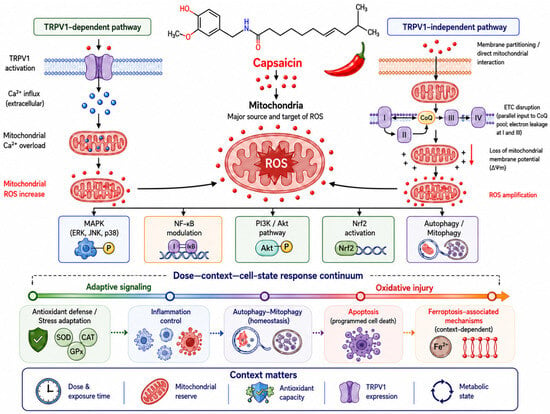
Capsaicin, the main pungent capsaicinoid of Capsicum species, is often described as either an antioxidant or a pro-oxidant compound. This binary view is useful but does not fully explain its effects on cellular redox homeostasis. The response to capsaicin depends on dose, exposure time, cell type, metabolic state, mitochondrial function, antioxidant capacity, and TRPV1 expression. Capsaicin can modulate reactive oxygen species (ROS) production through TRPV1-dependent calcium signaling, but also through TRPV1-independent effects on plasma and mitochondrial membranes. These mechanisms influence mitochondrial bioenergetics, membrane potential, lipid peroxidation, and redox-sensitive signaling. Moderate ROS formation may support adaptive responses, including Nrf2 activation, mitochondrial quality control, and cellular stress tolerance. In contrast, persistent or excessive ROS accumulation may promote mitochondrial dysfunction, apoptosis, and oxidative cell death. Evidence for capsaicin-associated ferroptosis is emerging, particularly through changes in lipid peroxidation, glutathione availability, GPX4 activity, and SLC7A11 expression or activity, but remains incomplete in many models. This review summarizes current evidence on capsaicin-mediated ROS regulation, mitochondrial stress, TRPV1-dependent and TRPV1-independent mechanisms, ferroptosis-related pathways, and methodological challenges in oxidative stress assessment.
Full article
(This article belongs to the Special Issue Organic Compounds with Biological Activity (2nd Edition))
►▼
Show Figures

Graphical abstract
Open AccessArticle
Phenolic Profile, Antioxidant and Antiproliferative Activity, and Acute Toxicity of Bursera hindsiana Engl
by
Julio César López-Romero, Heriberto Torres-Moreno, José Luis Montijo-Montijo, Maribel Plascencia-Jatomea, Mónica Alejandra Villegas-Ochoa, Norma Julieta Salazar-López and Gustavo Adolfo González Aguilar
Compounds 2026, 6(3), 40; https://doi.org/10.3390/compounds6030040 - 1 Jul 2026
Abstract
The aim of this study was to determine the phenolic compound profile, antioxidant activity, antiproliferative activity, and toxicity of B. hindsiana. Ethanolic extractions of B. hindsiana leaves and stems were performed. The content of phenolic compounds was determined by the Folin–Ciocalteu method,
[...] Read more.
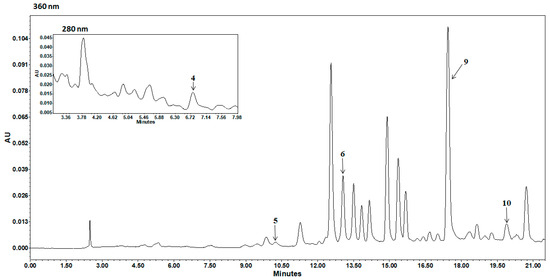
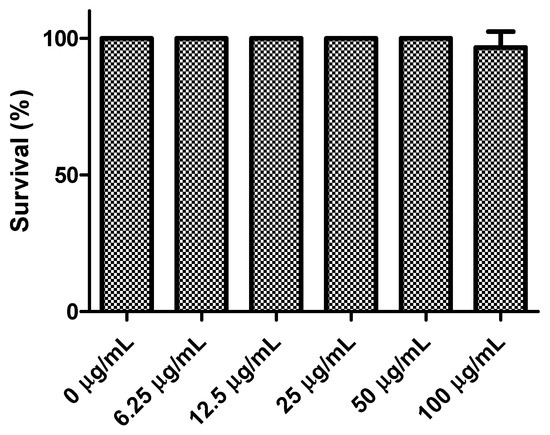
The aim of this study was to determine the phenolic compound profile, antioxidant activity, antiproliferative activity, and toxicity of B. hindsiana. Ethanolic extractions of B. hindsiana leaves and stems were performed. The content of phenolic compounds was determined by the Folin–Ciocalteu method, while the phenolic compound profile was determined by UPLC-DAD. The antioxidant activity was evaluated using the DPPH, ABTS, ORAC, and FRAP methods. Antiproliferative activity was determined by the MTT method against HeLa, A549, and ARPE-19 cell lines. Acute toxicity was determined in Artemia salina. The results showed that the B. hindsiana leaf extract had the highest concentration of phenolic compounds, with quercetin-3-β-glucoside, rutin, and chlorogenic acid being the major compounds. Regarding antioxidant activity, the leaf extract showed a greater capacity (p < 0.05) to stabilize free radicals and reduce metals. For antiproliferative activity, the leaf extract also showed a greater capacity (p < 0.05) to inhibit the proliferation cancer cell lines. Finally, the B. hindsiana extracts presented an LC50 value greater than 100 µg/mL in A. salina. Overall, the B. hindsiana extracts show promising biological potential, which may be associated with the phenolic compounds present, with low toxicity. This research is the first study reporting the phenolic compound profile and the leaf and stem biological activities from B. hindsiana.
Full article
(This article belongs to the Special Issue Phenolic Compounds: Extraction, Chemical Profiles, and Bioactivity)
►▼
Show Figures

Figure 1
Open AccessReview
Sesquiterpene Lactones in Cynara: Biological Activities, Agriculture Applications, Extraction Techniques, and Production Enhancement Strategies
by
Habiba Nechchadi, Youssef Nadir, Hicham Berrougui, Samira Boulbaroud and Mhamed Ramchoun
Compounds 2026, 6(3), 39; https://doi.org/10.3390/compounds6030039 - 30 Jun 2026
Abstract
The genus Cynara is native to the Mediterranean region and is widely used in food and traditional medicine worldwide. Cynara is characterized by its diverse phytochemical composition, with sesquiterpene lactones, a subclass of terpenoids, being particularly distinctive. These compounds are naturally synthesized as
[...] Read more.
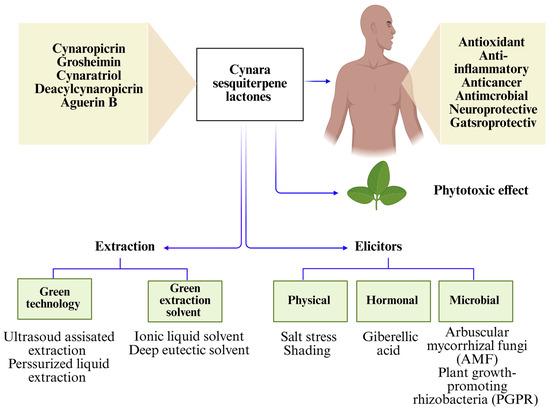
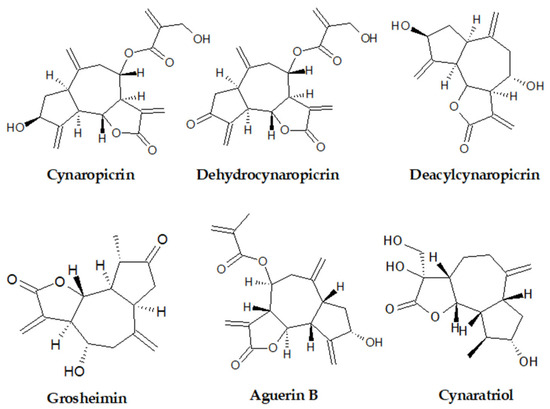
The genus Cynara is native to the Mediterranean region and is widely used in food and traditional medicine worldwide. Cynara is characterized by its diverse phytochemical composition, with sesquiterpene lactones, a subclass of terpenoids, being particularly distinctive. These compounds are naturally synthesized as defense mechanisms against herbivores and pathogens while acting as allelochemicals. The sesquiterpene lactones found in Cynara exhibit potential anticancer, anti-inflammatory, and antimicrobial activities. They also possess significant phytotoxic activity, making them promising natural bioherbicides for agricultural applications. The effective exploitation of these compounds requires the use of appropriate extraction solvents and techniques. Compared with conventional solvents and extraction methods, green solvents, including ionic liquids and deep eutectic solvents, together with modern extraction techniques, particularly ultrasound-assisted extraction, supercritical fluid extraction, and Naviglio extraction, have proven highly effective for their recovery. In addition, the application of elicitation strategies, such as salt stress, shading, hormones, and microbial biostimulants, has emerged as a promising approach for enhancing the production of these compounds during cultivation. Therefore, this review highlights Cynara as a valuable source of sesquiterpene lactones with broad applications in medicine and agriculture and provides guidance on technical approaches relevant to their extraction and the enhancement of their production.
Full article
(This article belongs to the Special Issue Compounds–Derived from Nature)
►▼
Show Figures

Graphical abstract
Open AccessReview
Bioactive Compounds from Allium Species: Chemical Features and Molecular Mechanisms in Polycystic Ovary Syndrome—A Narrative Review
by
Teodora Todorovic, Vladimir Jakovljevic, Katarina Mihajlovic, Milica Milinkovic Sorgic, Sladjana Novakovic, Dusan Todorovic, Milos Krivokapic, Teodora Pecarski, Nikola Jovic and Jovana Joksimovic Jovic
Compounds 2026, 6(3), 38; https://doi.org/10.3390/compounds6030038 - 29 Jun 2026
Abstract
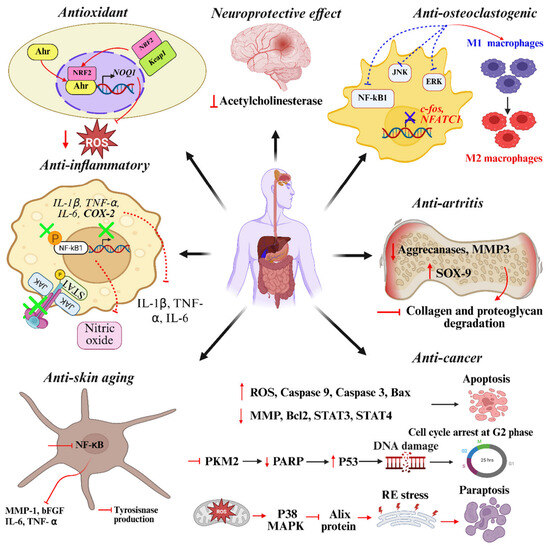
Polycystic ovary syndrome (PCOS) is a complex endocrine and metabolic disorder characterized by hyperandrogenism, insulin resistance, oxidative stress, and chronic low-grade inflammation, while conventional therapies are often limited by adverse effects and suboptimal adherence. This narrative review aims to evaluate the chemical composition
[...] Read more.
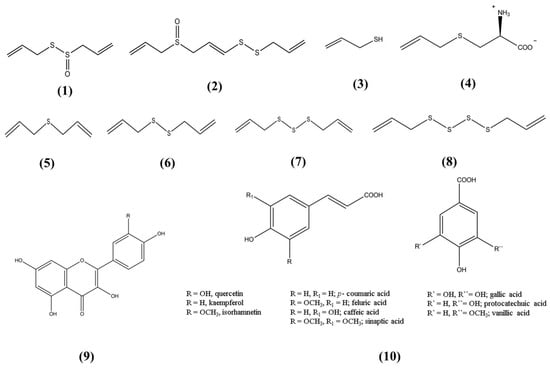
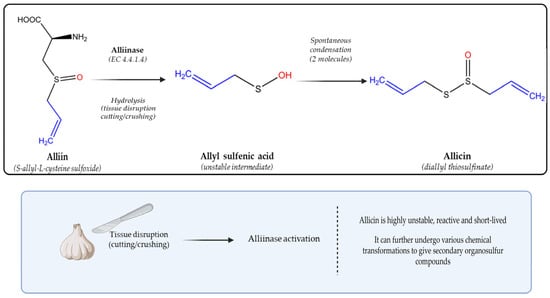
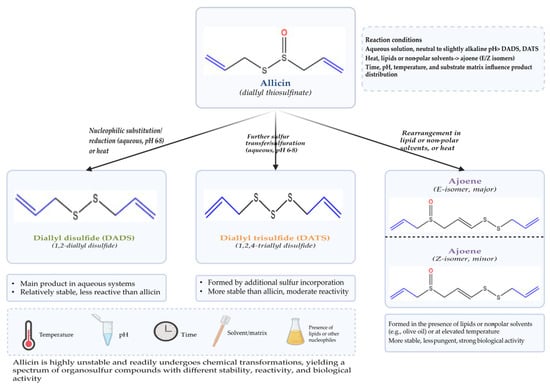
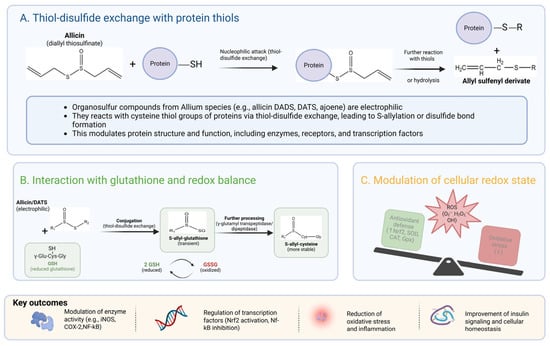
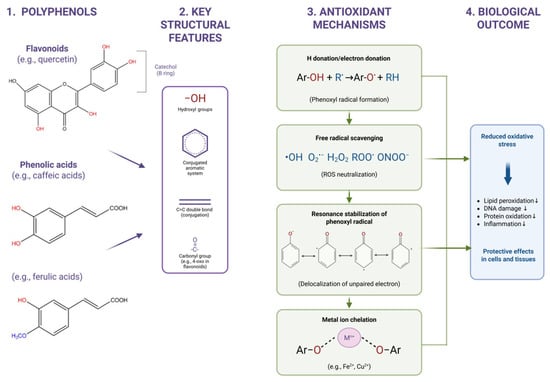
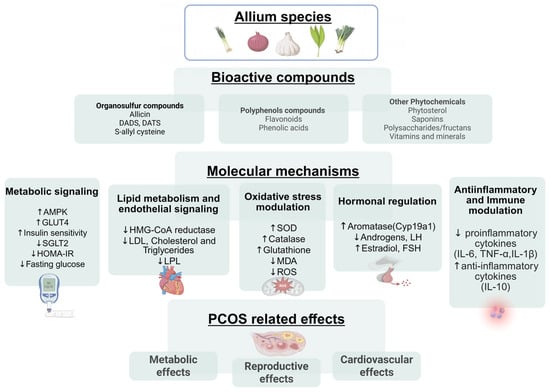
Polycystic ovary syndrome (PCOS) is a complex endocrine and metabolic disorder characterized by hyperandrogenism, insulin resistance, oxidative stress, and chronic low-grade inflammation, while conventional therapies are often limited by adverse effects and suboptimal adherence. This narrative review aims to evaluate the chemical composition and mechanistic effects of bioactive compounds derived from Allium species in the context of PCOS. A comprehensive analysis of the literature was performed, focusing on organosulfur compounds and polyphenols, with emphasis on their structure, reactivity, transformation pathways, and biological activity, integrating findings from preclinical and clinical studies. The evidence indicates that key compounds, including allicin, ajoene, and diallyl sulfides, exert biological effects through modulation of redox balance, inhibition of inflammation-related signaling, and regulation of insulin signaling pathways, while also influencing steroidogenesis and androgen synthesis. Polyphenolic compounds contribute primarily through antioxidant mechanisms related to their structural features. However, the current evidence remains limited by the scarcity of large-scale, long-term human clinical trials, particularly in women with PCOS, which restricts definitive conclusions regarding clinical efficacy, optimal dosing, safety, and long-term therapeutic applicability. Overall, Allium species represent a promising source of multitarget bioactive compounds for PCOS management, and understanding the chemical basis of their activity is essential for optimizing their therapeutic potential and guiding future research.
Full article
(This article belongs to the Special Issue Compounds–Derived from Nature)
►▼
Show Figures

Figure 1
Open AccessArticle
Integrated Approach to Emodin Research: Isolation, Structural Characterization, Bioassays, and Molecular Docking
by
Kalidoss Pavithra, Siva Subramanian Shailaja and Mariappan Kadarkarainadar Marichelvam
Compounds 2026, 6(3), 37; https://doi.org/10.3390/compounds6030037 - 29 Jun 2026
Abstract
►▼
Show Figures
Chamaecrista nigricans (Vahl) Greene leaves are investigated for their bioactive potential. Extracts were prepared using solvents of varying polarity to obtain a diverse range of compounds. The biological effectiveness of the extracts was analyzed against pathogens. Methanol extract showed antimicrobial activity. The methanol
[...] Read more.
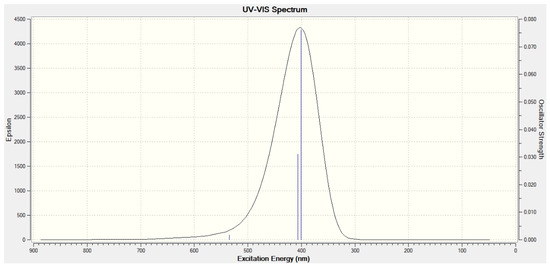
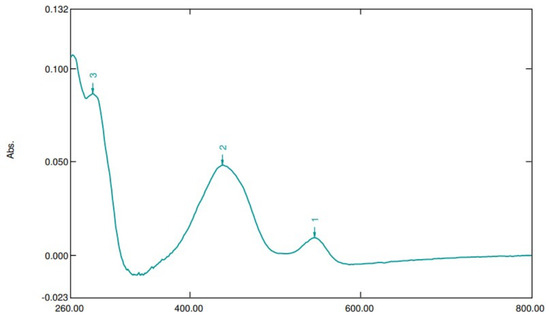
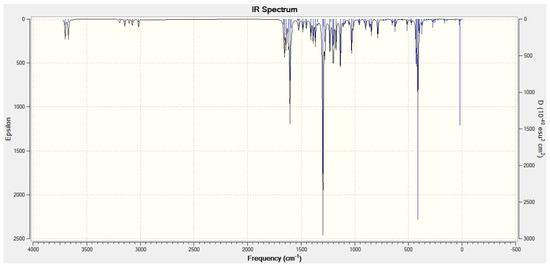
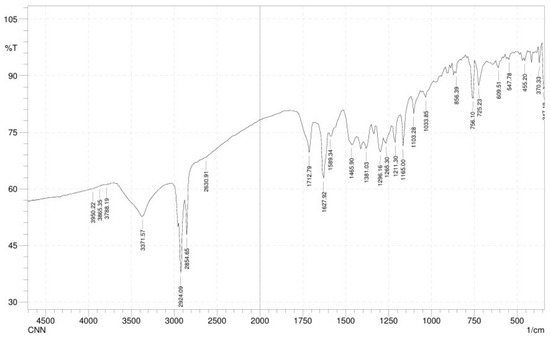
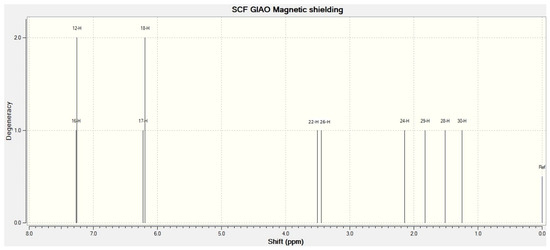
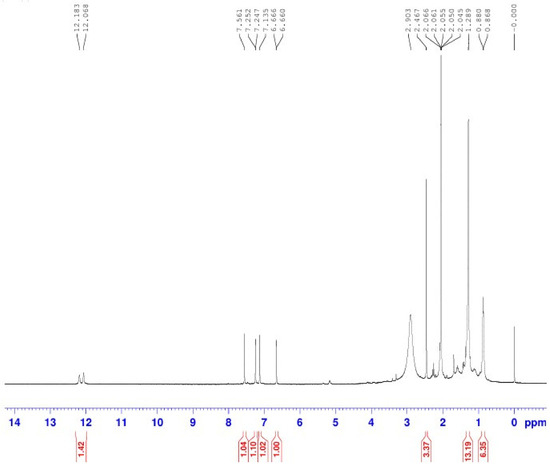
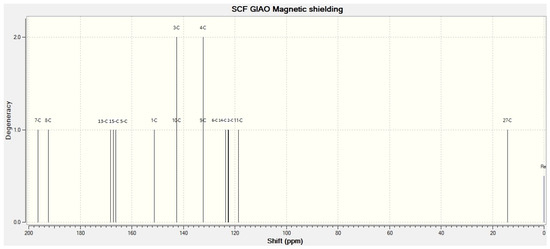
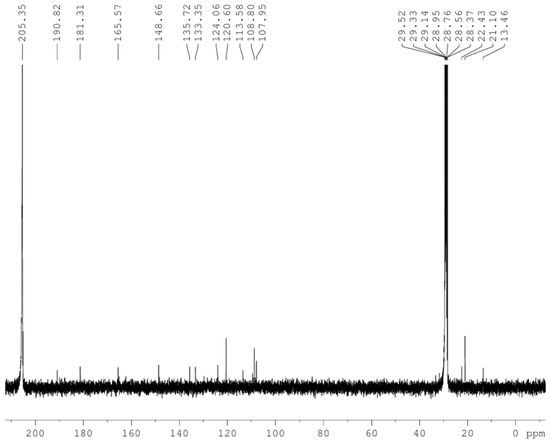
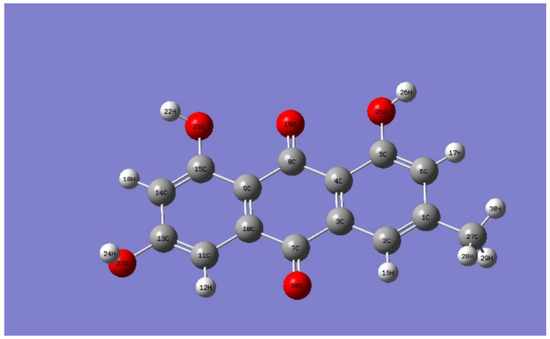
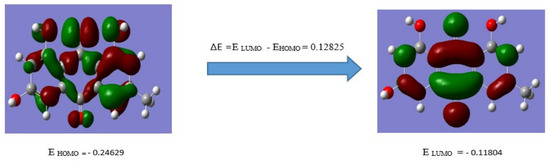
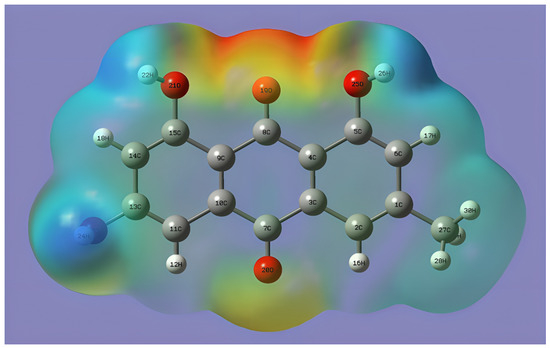
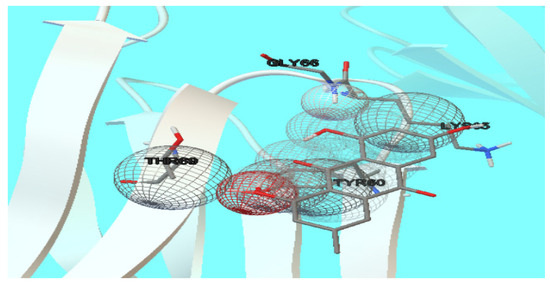
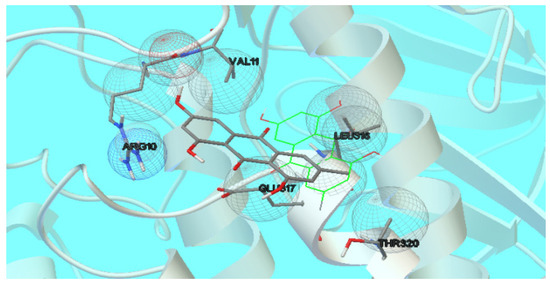
Chamaecrista nigricans (Vahl) Greene leaves are investigated for their bioactive potential. Extracts were prepared using solvents of varying polarity to obtain a diverse range of compounds. The biological effectiveness of the extracts was analyzed against pathogens. Methanol extract showed antimicrobial activity. The methanol extract was subsequently partitioned with solvents of increasing polarity to obtain different fractions. Among these, the separated chloroform fraction was selected for further isolation. The separated chloroform fraction was subjected to column chromatography and visualized through thin-layer chromatography. Emodin was isolated and characterized by spectral analysis and compared with theoretical calculations using Gaussian software. Biological assessment was carried out using molecular docking. Among the cancer proteins, PDB ID: 7AH1 has a favourable binding energy (−3.42 kcal/mol) compared to other proteins. Emodin satisfies all criteria in ADMET profiling, supporting its potential as a promising candidate for further drug discovery.
Full article

Figure 1
Open AccessArticle
Structural, Optical, and Toxicological Features of Au-Modified ZnO Nanoparticles
by
Daniel Muñoz-Flores, Jexairys Sostre-Figueroa, Amanda Rodríguez-Cadiz and Sonia J. Bailón-Ruiz
Compounds 2026, 6(3), 36; https://doi.org/10.3390/compounds6030036 - 29 Jun 2026
Abstract
►▼
Show Figures
Zinc oxide (ZnO) nanoparticles are semiconductor nanomaterials widely used in biomedical, environmental, and catalytic applications due to their unique physicochemical properties. However, their increasing environmental release has raised concerns regarding potential toxicity in aquatic ecosystems. In this study, pure ZnO, 1% Au-modified ZnO,
[...] Read more.
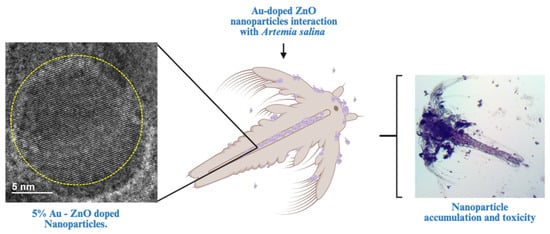
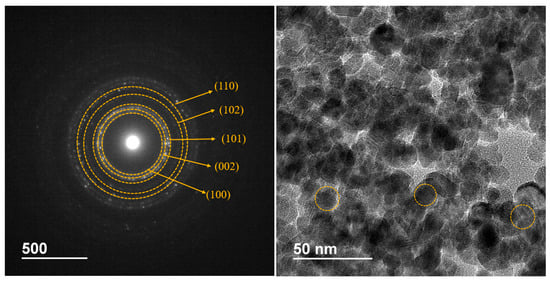
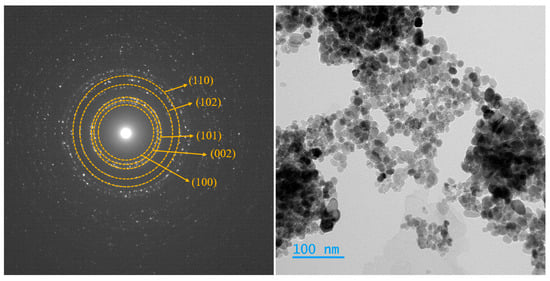
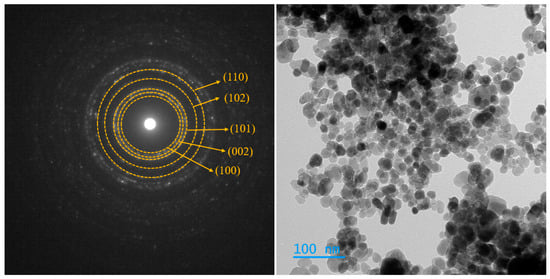
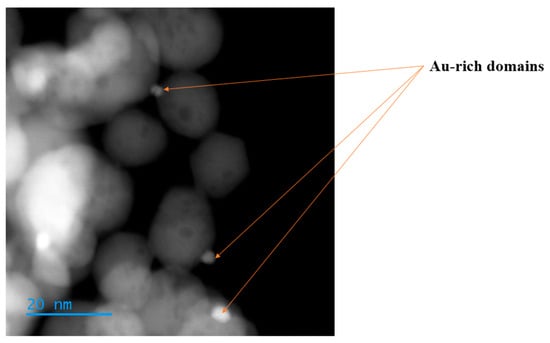
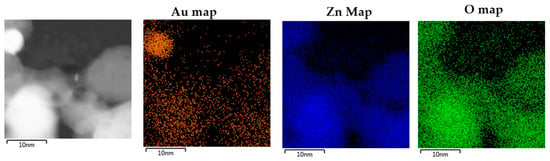
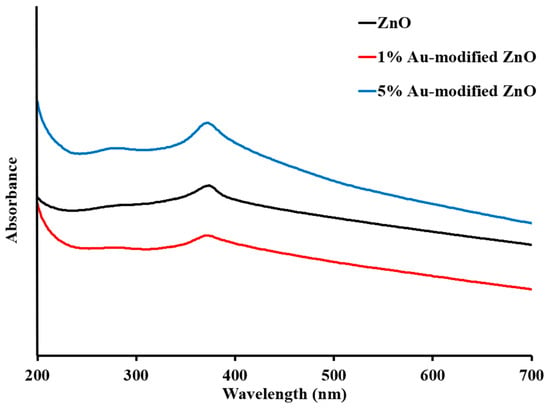
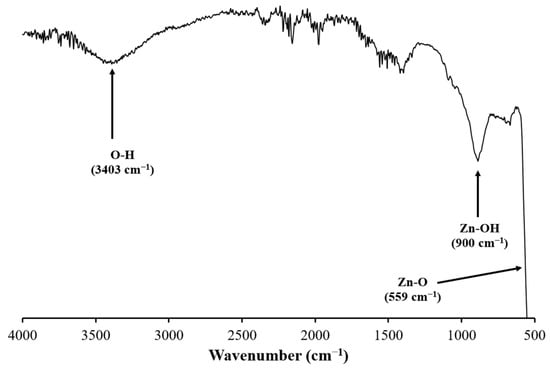
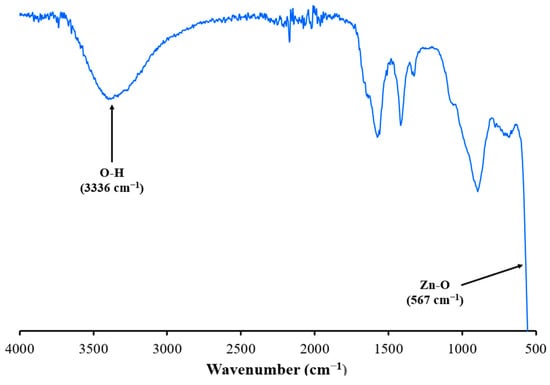
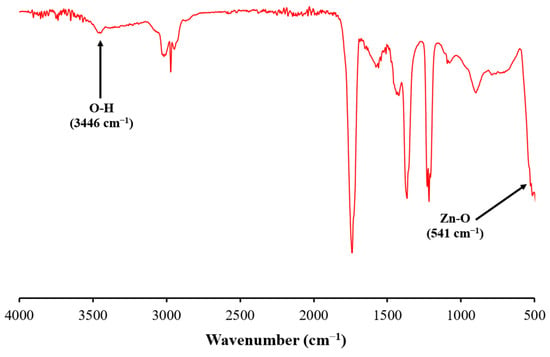
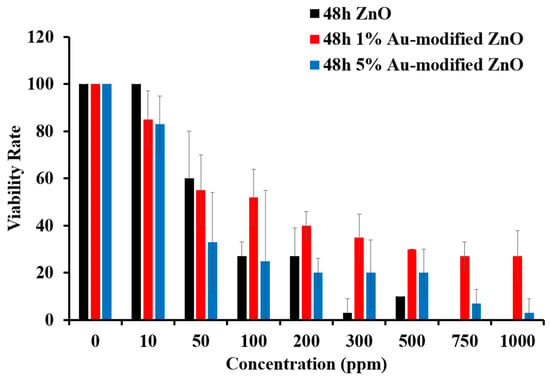
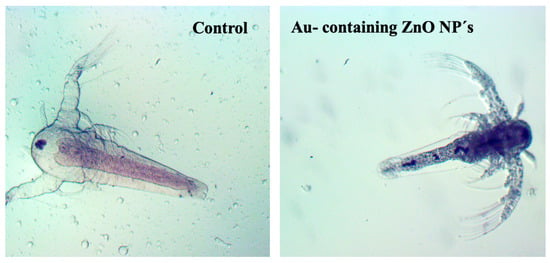
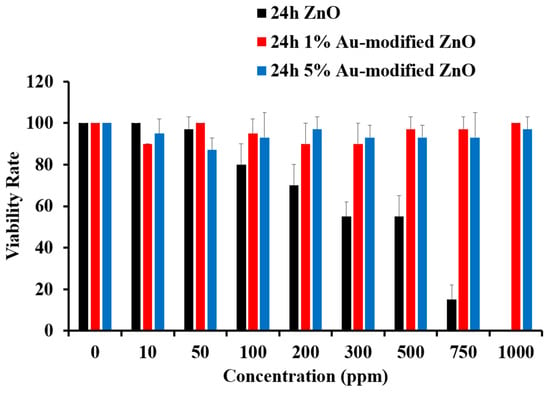
Zinc oxide (ZnO) nanoparticles are semiconductor nanomaterials widely used in biomedical, environmental, and catalytic applications due to their unique physicochemical properties. However, their increasing environmental release has raised concerns regarding potential toxicity in aquatic ecosystems. In this study, pure ZnO, 1% Au-modified ZnO, and 5% Au-modified ZnO nanoparticles were synthesized via a reflux-assisted method to evaluate the effects of Au incorporation on morphology, crystallinity, optical behavior, surface chemistry, and ecotoxicological responses, using Artemia salina as a marine bioindicator. Structural characterization was performed using high-resolution transmission electron microscopy (HRTEM), electron diffraction, high-angle annular dark-field scanning transmission electron microscopy (HAADF-STEM), and energy-dispersive X ray spectroscopy (EDS) elemental mapping, while optical and surface analyses were conducted using UV–Vis and Fourier-transform infrared (FT-IR) spectroscopy. Although Au-rich domains were identified, the available data do not allow definitive determination of whether Au is incorporated into the ZnO lattice or present as surface-associated metallic Au. Increasing Au content promoted greater nanoparticle agglomeration and broader particle size distributions while preserving the hexagonal wurtzite ZnO crystalline structure. UV-Vis and FT-IR analyses demonstrated that Au modification altered the optical response and surface chemical environment of the nanoparticles. Toxicological evaluations revealed concentration- and time-dependent toxicity. Pure ZnO nanoparticles exhibited LC50 values of 531.25 ppm after 24 h and 65.15 ppm after 48 h exposure. In contrast, 1% Au-modified ZnO nanoparticles showed reduced toxicity, whereas 5% Au-modified ZnO nanoparticles exhibited increased toxicity after prolonged exposure. These findings demonstrate that Au modification significantly influences the physicochemical properties and biological interactions of ZnO nanoparticles.
Full article

Graphical abstract
Open AccessArticle
Electrochemical Deconstruction of Ortho-Phthalate Plasticizers and Recovery of Plasticizing Moieties
by
Fabian Dauzvardis and Joel Rosenthal
Compounds 2026, 6(3), 35; https://doi.org/10.3390/compounds6030035 - 26 Jun 2026
Abstract
►▼
Show Figures
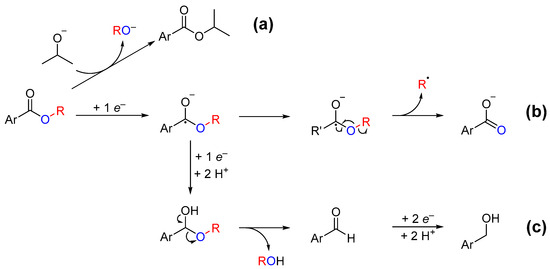
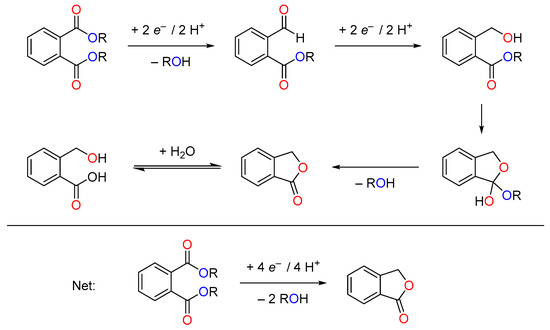
Electrochemical methods for the direct reduction of alkyl esters have been understudied but provide a potential advantage for addressing specific waste streams given that such strategies often require only a minimal chemical profile. One such waste stream that could benefit from electrochemical remediation
[...] Read more.
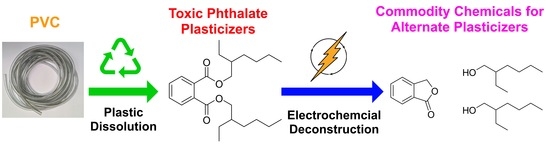
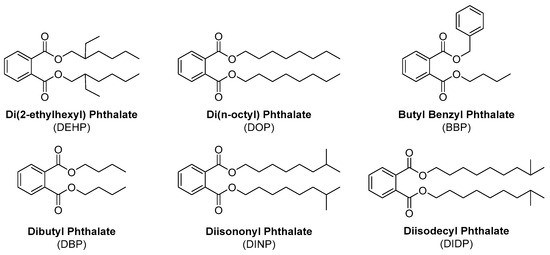
Electrochemical methods for the direct reduction of alkyl esters have been understudied but provide a potential advantage for addressing specific waste streams given that such strategies often require only a minimal chemical profile. One such waste stream that could benefit from electrochemical remediation is poly(vinyl chloride) (PVC) plastics. PVC recycling often faces challenges due to the complexity of such waste. Solvent-based recycling methods pose several advantages for addressing post-use PVC; however, such methods are complicated by the high amounts of toxic legacy plasticizers (ortho-phthalates) present in PVC. A potential solution to addressing such phthalates is to address them electrochemically, coupled with recovery of the resulting valuable products. Presented herein is an optimized electrochemical method for ester activation that is leveraged to separate and recover the aromatic and alkyl components of ortho-phthalate plasticizers. The resulting aliphatic alcohols may be reused to prepare other non-toxic plasticizers. This electro-degradation method is demonstrated on six phthalates that have been identified to pose health concerns in addition to plasticizers recovered from commercial samples of PVC.
Full article

Graphical abstract
Open AccessReview
Phytochemistry and Pharmacology of Bombax and Pseudobombax: Evidence-Based Insights and Current Limitations
by
Julia Samara Pereira de Souza, Ohana Letícia Tavares da Silva and Hugo Alexandre Oliveira Rocha
Compounds 2026, 6(2), 34; https://doi.org/10.3390/compounds6020034 - 22 Jun 2026
Abstract
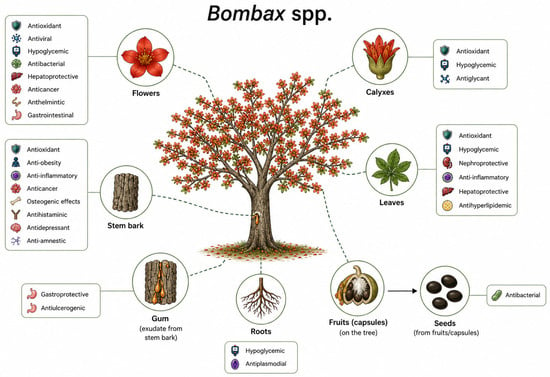
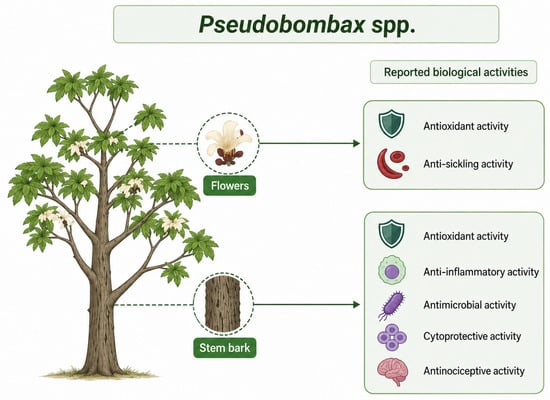
The genera Bombax and Pseudobombax (Malvaceae) are widely used in traditional medicine. This narrative review provides a hierarchical appraisal of their phytochemical and pharmacological profiles based on 35 studies, identifying 22 biological activities. A pronounced taxonomic bias was observed, with research heavily concentrated
[...] Read more.
The genera Bombax and Pseudobombax (Malvaceae) are widely used in traditional medicine. This narrative review provides a hierarchical appraisal of their phytochemical and pharmacological profiles based on 35 studies, identifying 22 biological activities. A pronounced taxonomic bias was observed, with research heavily concentrated on Bombax ceiba, while other species, particularly within Pseudobombax, remain poorly explored. Hierarchical analysis indicates that Bombax reaches Level I evidence in metabolic and organ-protective activities, whereas Pseudobombax is largely limited to preliminary Levels II–III. Although antioxidant activity is the most frequently reported effect, it is predominantly supported by in vitro assays with limited physiological relevance. A morphological bias was also evident, with studies prioritizing stem bark and leaves over seeds and roots. Overall, the evidence reveals a significant translational gap, marked by the scarcity of pharmacokinetic data and mechanistic studies. Future research should prioritize standardized, mechanism-driven approaches and expand taxonomic coverage to advance the therapeutic potential of these genera.
Full article
(This article belongs to the Special Issue Compounds–Derived from Nature)
►▼
Show Figures

Figure 1
Open AccessArticle
Phenolic Composition and Preliminary Biological Activities of Moroccan Allium sativum Extracts: In Vitro and In Silico Evidence
by
Othman El Faqer, Abdelmoiz El Faqer, Ismail Elkoraichi, Zaynab Ouadghiri, Hajar Boughroud, Samira Rais, Anass El Ouaddari, Abdelaziz El Amrani and El Mostafa Mtairag
Compounds 2026, 6(2), 33; https://doi.org/10.3390/compounds6020033 - 18 Jun 2026
Cited by 2
Abstract
►▼
Show Figures
Allium sativum is widely consumed and studied plant for its potential health-promoting effects. Despite its widespread use, the impact of different extraction methods on the biological efficacy and specific phytochemical composition of garlic has not yet been fully elucidated. This study investigated the
[...] Read more.
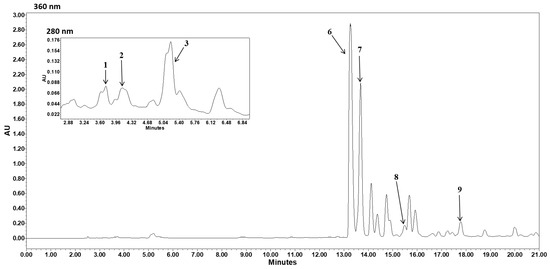
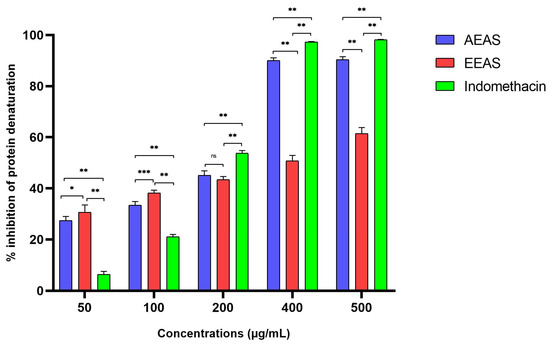
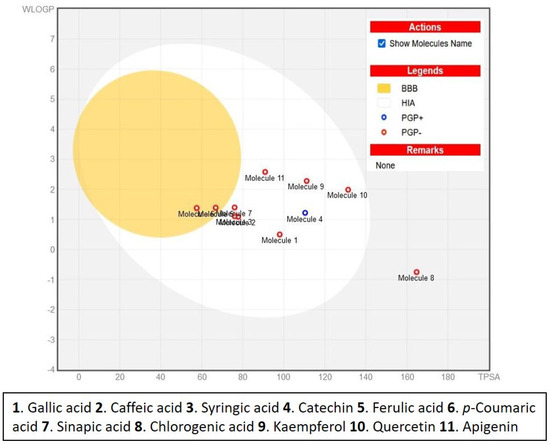
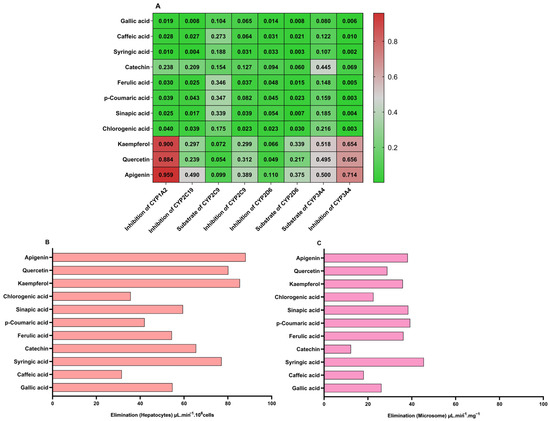
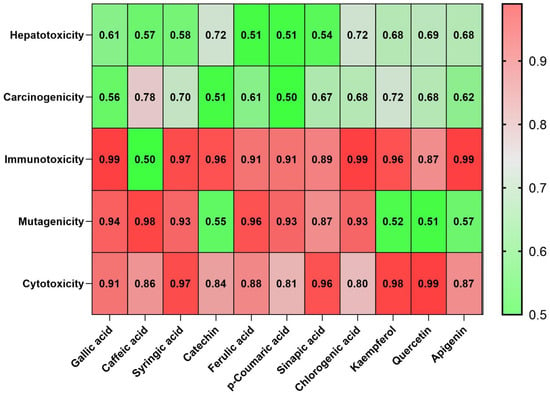
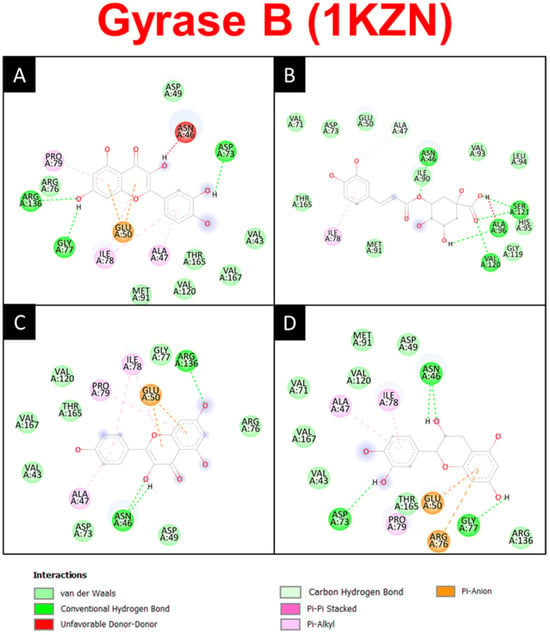
Allium sativum is widely consumed and studied plant for its potential health-promoting effects. Despite its widespread use, the impact of different extraction methods on the biological efficacy and specific phytochemical composition of garlic has not yet been fully elucidated. This study investigated the phytochemical profile, antibacterial, antioxidant, and anti-inflammatory properties of ethanolic and aqueous extracts of Moroccan-grown A. sativum using in vitro assays and in silico analyses. Total phenolic and flavonoid contents were determined by colorimetric methods, while phenolic aglycones were identified by HPLC. Antibacterial activity was evaluated by disc diffusion and determined the minimum inhibitory concentration (MIC) and minimum bactericidal concentration (MBC) values, antioxidant capacity by DPPH, TAC, and FRAP assays, and anti-inflammatory activity through protein denaturation inhibition. ADMET profiling was performed to predict pharmacokinetic and toxicological properties of the identified compounds. The ethanolic extract exhibited higher flavonoid and phenolic contents, reaching 13.27 ± 0.01 mg quercetin/gextract and 1.57 ± 0.02 mg GAE/gextract, respectively. HPLC analysis identified syringic, caffeic, ferulic, p-coumaric, and chlorogenic acids, as well as kaempferol and quercetin, whereas apigenin was detected only in the ethanolic extract under the present extraction and analytical conditions. Both extracts inhibited MRSA and E. coli but showed no activity against Pseudomonas aeruginosa. Docking analyses suggested favorable interactions between the identified compounds and bacterial target proteins. The ethanolic extract displayed stronger antioxidant activity, with DPPH IC50 and TAC EC50 values of 1.134 and 2.527 mg/mL, respectively. No ferric reducing activity was detected under the tested conditions. Protein denaturation inhibition ranged from 30.68% to 90.37%, with the aqueous extract showing significantly greater activity (p < 0.003). Overall, extraction-dependent differences in phenolic composition appear to influence the biological properties of A. sativum extracts, warranting further mechanistic and in vivo investigations.
Full article

Figure 1
Open AccessArticle
Chemical Composition and Anti-Aging Potential of Passiflora edulis By-Product Fractions: A Comparative Study Integrating Metabolomic Profiling and Molecular Docking
by
Siripat Chaichit, Nichcha Nitthikan, Kanokwan Kiattisin and Supat Jiranusornkul
Compounds 2026, 6(2), 32; https://doi.org/10.3390/compounds6020032 - 12 Jun 2026
Abstract
Passion fruit (Passiflora edulis) processing generates by-products rich in bioactive secondary metabolites; however, comparative characterization across fruit fractions remains limited. This study evaluated pulp (PPE), pulp-seed (PSC), and seed (PSE) extracts for extraction yield, metabolite composition, antioxidant and anti-aging activities, and collagen-stimulatory
[...] Read more.
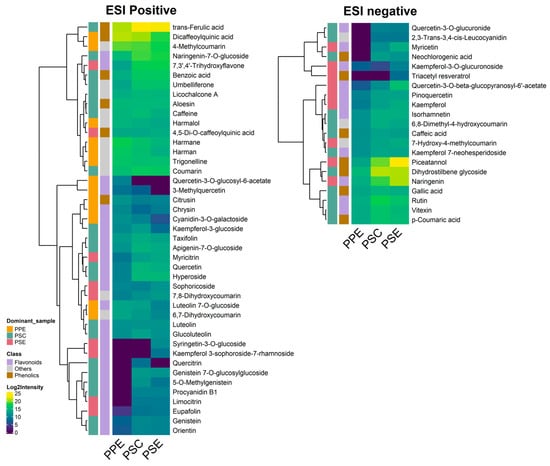
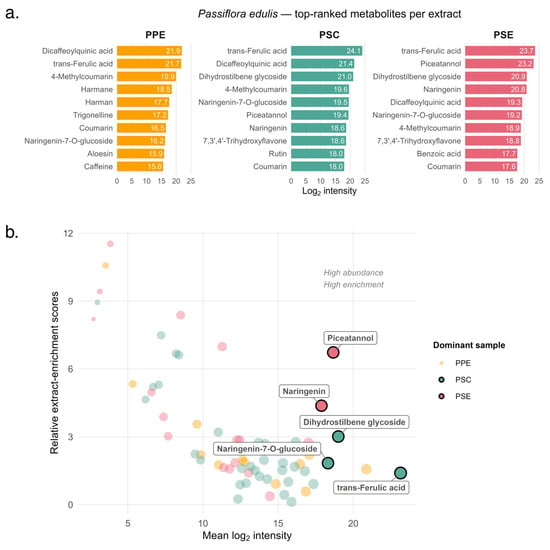
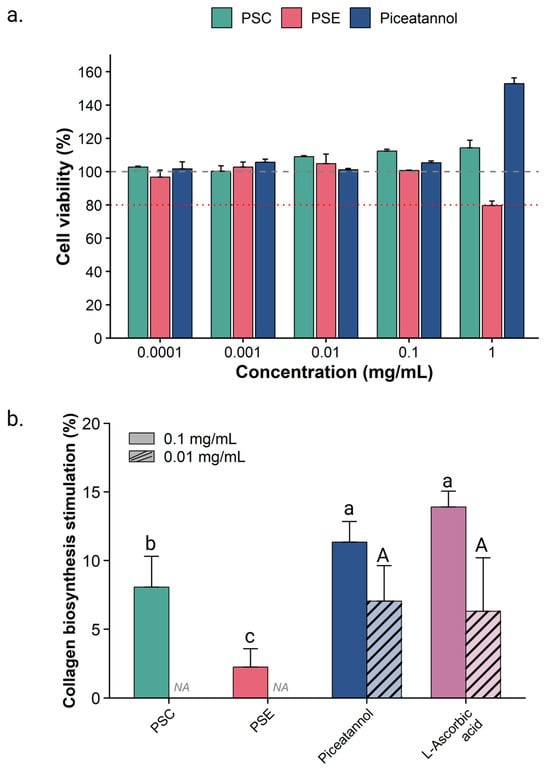
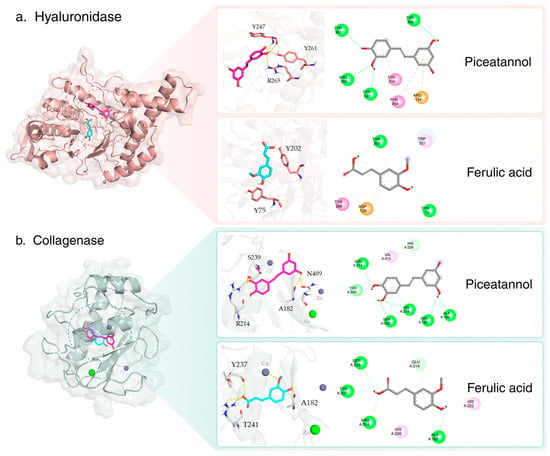
Passion fruit (Passiflora edulis) processing generates by-products rich in bioactive secondary metabolites; however, comparative characterization across fruit fractions remains limited. This study evaluated pulp (PPE), pulp-seed (PSC), and seed (PSE) extracts for extraction yield, metabolite composition, antioxidant and anti-aging activities, and collagen-stimulatory activity in human skin fibroblasts. Extraction yields followed the order PPE > PSE > PSC. Untargeted LC–QTOF/MS profiling revealed distinct phytochemical patterns, with piceatannol enriched in PSE and trans-ferulic acid broadly abundant across all fractions. PSE showed the strongest antioxidant activity in DPPH and FRAP assays, and both PSE and PSC inhibited collagenase and hyaluronidase, while PPE showed negligible activity. All extracts were non-cytotoxic up to 0.1 mg/mL. At this concentration, PSC enhanced type I collagen production by 8.07 ± 2.24%, significantly exceeding PSE (2.26 ± 1.33%), while piceatannol stimulated collagen synthesis by 11.34 ± 1.50%, comparable to L-ascorbic acid (13.90 ± 1.16%). Molecular docking suggested that piceatannol and trans-ferulic acid may contribute to the observed anti-aging effects by interacting favorably with collagenase and hyaluronidase. These findings demonstrate that passion fruit by-product fractions exhibit complementary bioactivity profiles, with PSE favoring antioxidant and enzyme inhibitory effects and PSC enhancing collagen biosynthesis, as natural anti-aging applications.
Full article
(This article belongs to the Special Issue Compounds–Derived from Nature)
►▼
Show Figures

Figure 1
Open AccessArticle
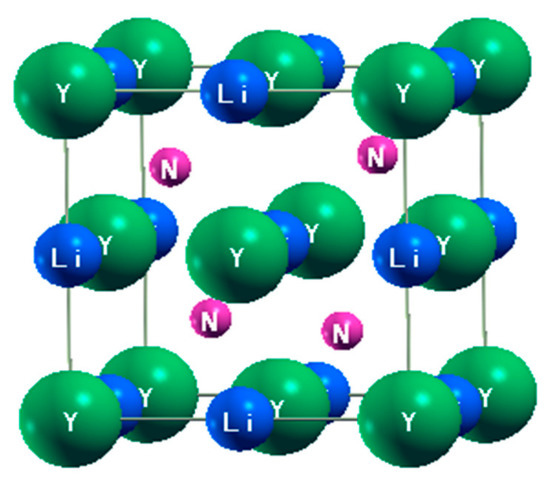
First-Principles Investigation of Structural Stability, Mechanical, Electronic, and Thermoelectric Properties of LiYN (Y = Sr, Mg, Zn) Compounds Under Hydrostatic Pressure
by
Mohammed Miri, Younes Ziat, Hamza Belkhanchi, Abdellah Bouzaid and Youssef Ait El Kadi
Compounds 2026, 6(2), 31; https://doi.org/10.3390/compounds6020031 - 31 May 2026
Abstract
►▼
Show Figures
This study investigates the pressure-dependent structural, electronic, mechanical, and thermoelectric properties of LiYN (Y = Sr, Mg, Zn) half-Heusler compounds using first-principles calculations. The structural stability was analyzed by fitting the total energy versus volume curves using the Birch–Murnaghan equation of state, allowing
[...] Read more.
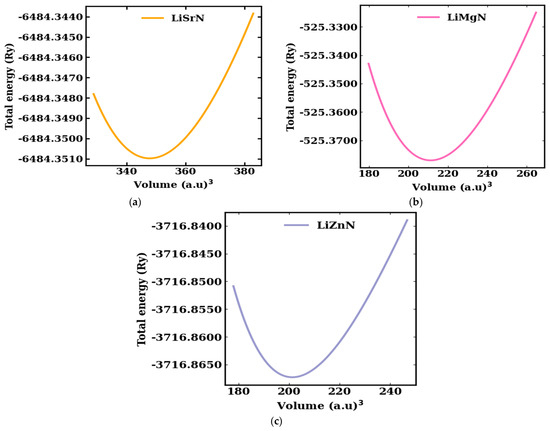
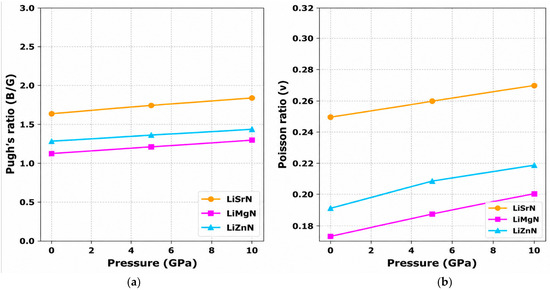
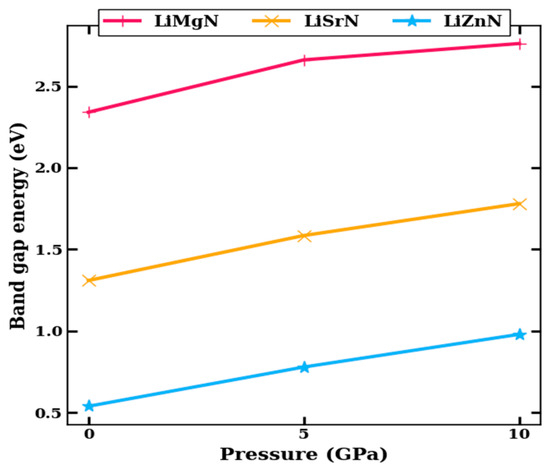
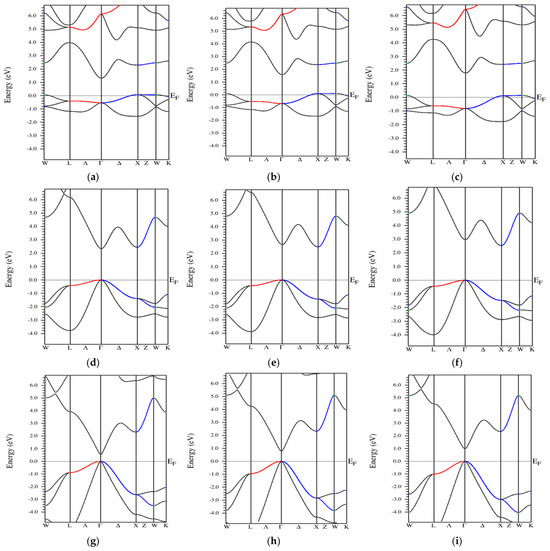
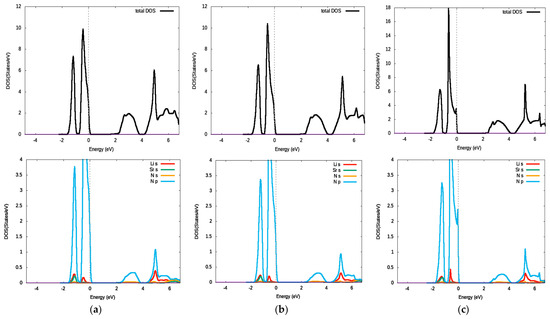
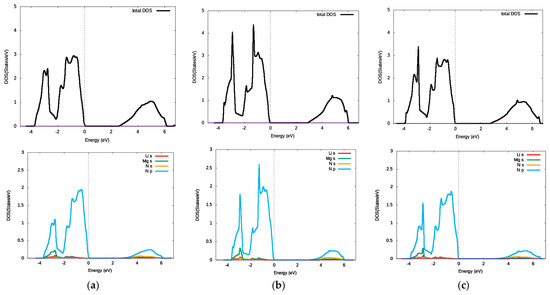
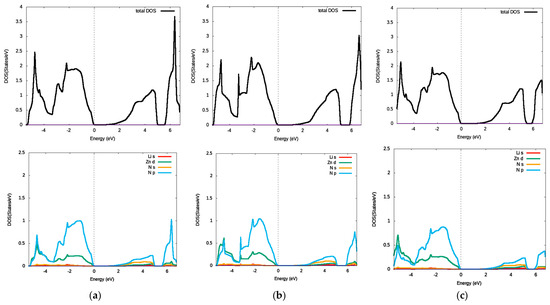
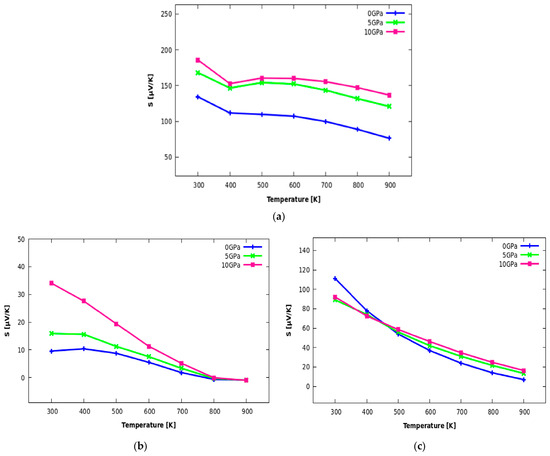
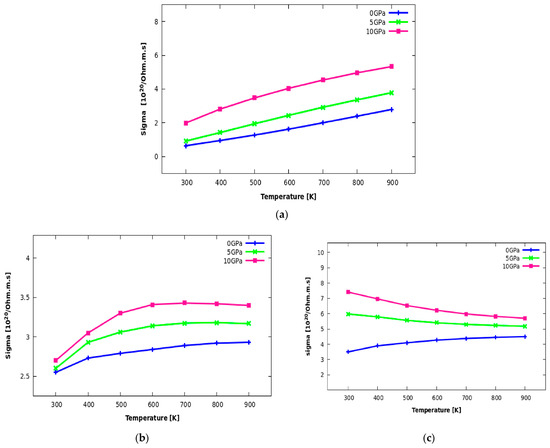
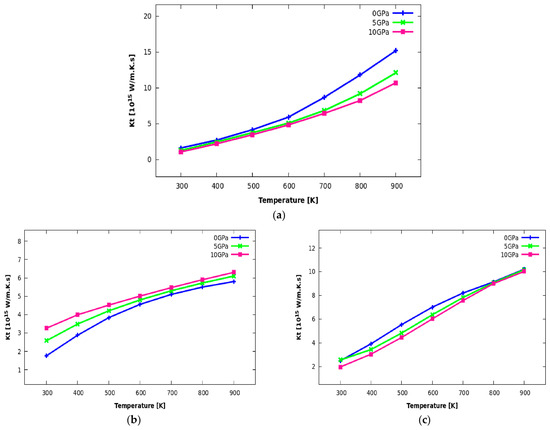
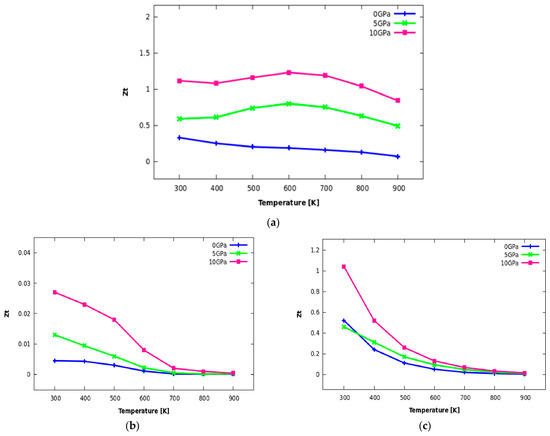
This study investigates the pressure-dependent structural, electronic, mechanical, and thermoelectric properties of LiYN (Y = Sr, Mg, Zn) half-Heusler compounds using first-principles calculations. The structural stability was analyzed by fitting the total energy versus volume curves using the Birch–Murnaghan equation of state, allowing the determination of equilibrium lattice parameters and bulk moduli at pressures of 0, 5, and 10 GPa. Elastic constants were calculated to assess the mechanical stability, and all compounds satisfy the Born stability criteria over the entire pressure range. The Pugh ratio (B/G) and Poisson’s ratio (ν) indicate that LiSrN, LiMgN, and LiZnN exhibit predominantly brittle behavior under 0 GPa. Electronic band structure calculations reveal that LiMgN and LiZnN exhibit direct band gaps, whereas LiSrN shows an indirect band gap. Increasing pressure leads to a systematic widening of the band gaps due to lattice compression. Thermoelectric properties were evaluated using the Boltzmann transport theory within the constant relaxation time approximation. The Seebeck coefficient, electrical conductivity, and figure of merit (ZT) were found to be strongly dependent on both temperature and pressure. Notably, at 300 K, the ZT values increase from 0.005, 0.35, and 0.54 at 0 GPa to 0.027, 1.12, and 1.13 at 10 GPa for LiMgN, LiSrN, and LiZnN, respectively. These results demonstrate that hydrostatic pressure significantly enhances the thermoelectric performance of LiYN compounds, highlighting their promising potential for thermoelectric energy conversion applications.
Full article

Figure 1
Open AccessReview
Exploring Oak-Derived Phenolics to Control Quorum Sensing and Lipase-Mediated Spoilage in Pseudomonas fluorescens
by
Elsa Daniela Othón-Díaz, Brenda A. Silva-Espinoza, Gustavo A. González-Aguilar, Karina D. García-Orozco, Cristóbal J. González-Pérez, Minerva Edith Beltrán-Martínez and J. Fernando Ayala-Zavala
Compounds 2026, 6(2), 30; https://doi.org/10.3390/compounds6020030 - 18 May 2026
Abstract
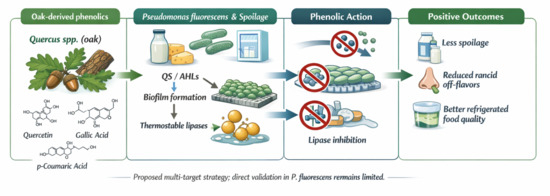
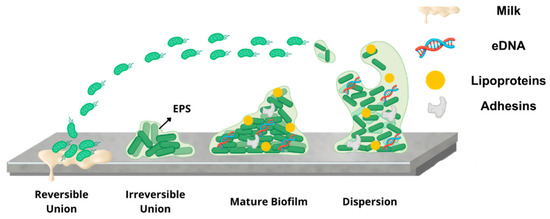
Pseudomonas fluorescens is a major psychrotrophic bacterium responsible for spoilage in refrigerated foods, particularly dairy products, where deterioration is driven by biofilm formation, quorum sensing (QS) regulation, and the secretion of thermostable lipases. Conventional control strategies reduce bacterial loads but often fail to
[...] Read more.
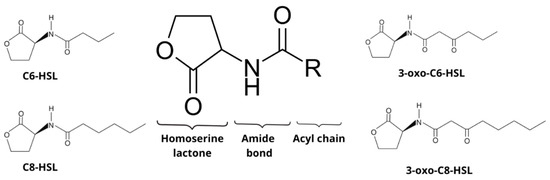
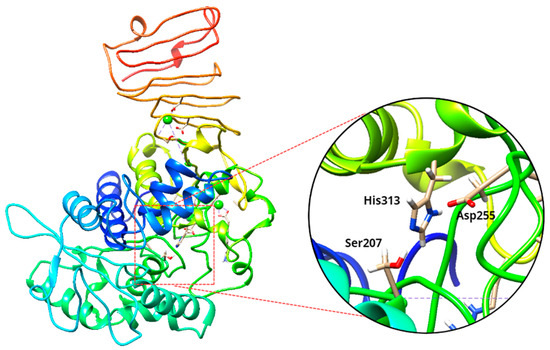
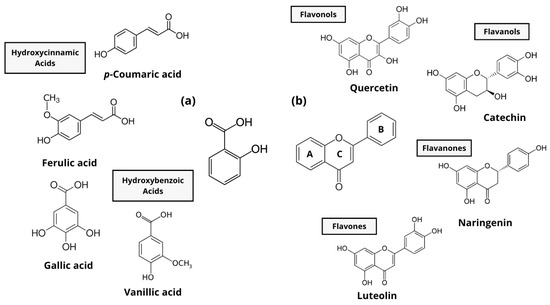
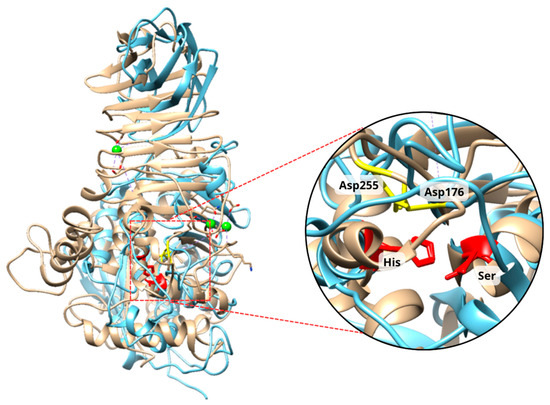
Pseudomonas fluorescens is a major psychrotrophic bacterium responsible for spoilage in refrigerated foods, particularly dairy products, where deterioration is driven by biofilm formation, quorum sensing (QS) regulation, and the secretion of thermostable lipases. Conventional control strategies reduce bacterial loads but often fail to prevent enzymatic spoilage. Plant-derived phenolic compounds have been widely reported as QS inhibitors and lipase modulators in various biological systems; however, evidence specifically addressing their effects on P. fluorescens regulatory networks and bacterial lipases remains limited. This review critically examines current knowledge on QS-mediated biofilm formation and lipase production in P. fluorescens and analyzes the reported inhibitory activity of phenolic compounds, with emphasis on oak (Quercus spp.)-derived metabolites. While flavonoids and phenolic acids such as quercetin, gallic acid, and p-coumaric acid have demonstrated QS inhibition and antilipolytic activity in other Pseudomonas species and pancreatic models, direct mechanistic validation in P. fluorescens lipases is scarce. Moreover, most studies rely on crude plant extracts without comprehensive metabolomic characterization, and the potential contribution of additional oak metabolites, including terpenoids, remains largely unexplored. Identifying these gaps is essential for advancing toward integrative approaches that combine enzymology, molecular modeling, and validation in food-relevant systems.
Full article
(This article belongs to the Special Issue Phenolic Compounds: Extraction, Chemical Profiles, and Bioactivity)
►▼
Show Figures

Graphical abstract
Open AccessArticle
In Vitro Antifungal Potential of Barkleyanthus salicifolius and Punica granatum Extracts Against Crop-Associated Pathogens
by
Martha Salinas-Sandoval, Gildardo Rivera, Luis Fernando Ceja-Torres, Martha-Isabel González-Domínguez, Alma D. Paz-González, Janneth López-Mercado and Dioselina Álvarez-Bernal
Compounds 2026, 6(2), 29; https://doi.org/10.3390/compounds6020029 - 3 May 2026
Cited by 1
Abstract
►▼
Show Figures
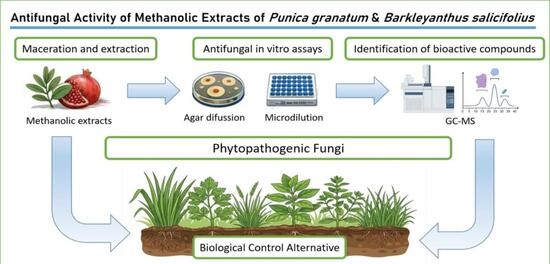
The potential of methanolic extracts from jara (Barkleyanthus salicifolius) and pomegranate carpel membranes (Punica granatum) as biological alternatives for the control of phytopathogenic fungi was evaluated against pathogens associated with commercially important crops in the Ciénega de Chapala region.
[...] Read more.
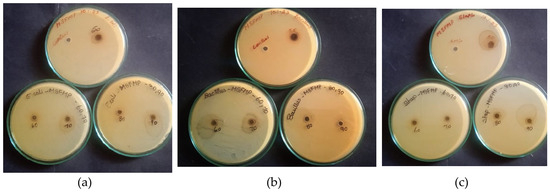
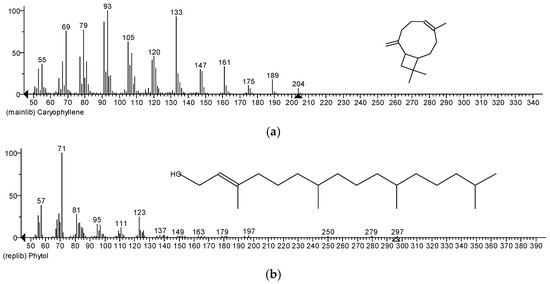
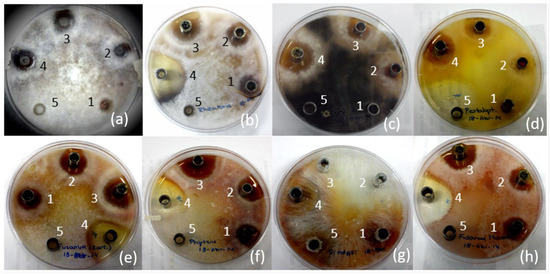
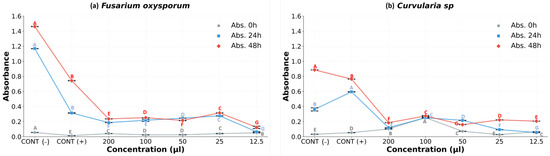
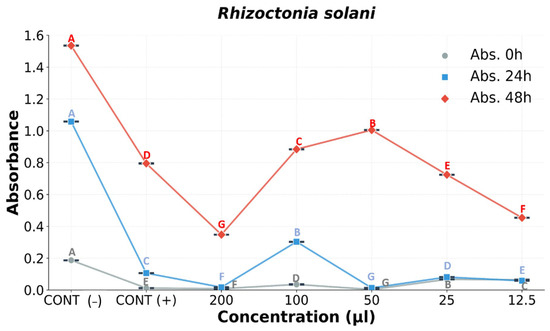
The potential of methanolic extracts from jara (Barkleyanthus salicifolius) and pomegranate carpel membranes (Punica granatum) as biological alternatives for the control of phytopathogenic fungi was evaluated against pathogens associated with commercially important crops in the Ciénega de Chapala region. Extracts were assessed in vitro against Botrytis cinerea and Rhizoctonia solani (strawberry), Curvularia sp., Pestalotiopsis sp., and Fusarium oxysporum (blackberry), Pythium sp. and Fusarium sp. (tomato), and Sclerotium rolfsii (onion). Antifungal bioassays demonstrated that the B. salicifolius extract inhibited the mycelial growth of R. solani, whereas the pomegranate extract inhibited seven of the eight species tested, with the exception of S. rolfsii. Phytochemical screening revealed the presence of alkaloids, flavones, flavonols, chalcones, and quinones in pomegranate, and flavones, flavonols, alkaloids, and sterols in jara. Additionally, phytol and caryophyllene were identified in the latter via GC–MS.
Full article

Graphical abstract
Open AccessArticle
The Role of Zinc Oxide as a Resistivity Modulator in Complex Polymer Compounds for Cable Application
by
Stefano Dossi, Pietro Matteucci, Andrea Galanti, Flavia Bartoli, Sabrina Bianchi and Francesco Ciardelli
Compounds 2026, 6(2), 28; https://doi.org/10.3390/compounds6020028 - 24 Apr 2026
Cited by 2
Abstract
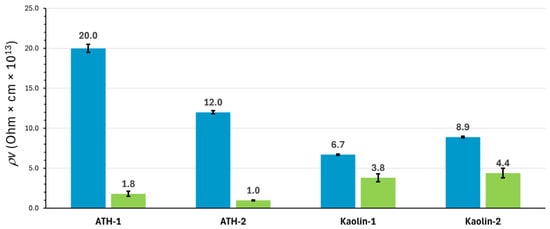
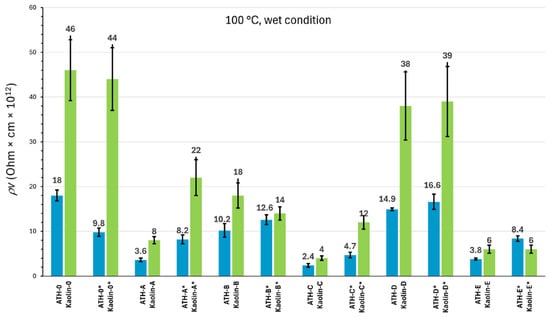
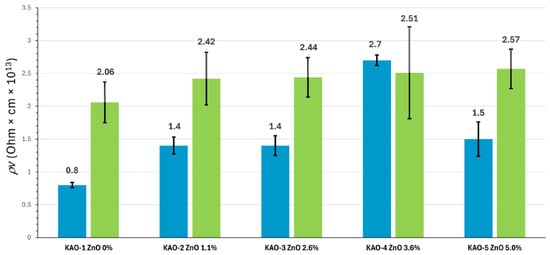
►▼
Show Figures
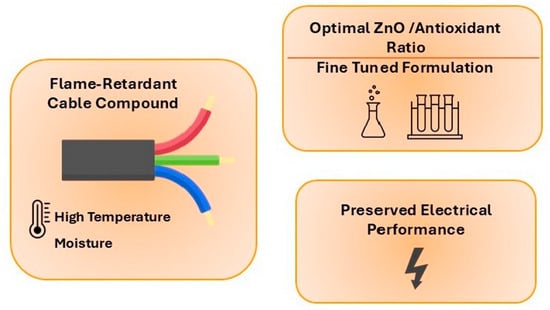
For cable compound manufacturers, accurate formulation fine-tuning is essential to ensure safety, long-term durability, and compliance with international standards for dielectric strength, volume resistivity, and environmental and thermal ageing. This work presents an experimental study demonstrating how minor additives can critically affect the
[...] Read more.
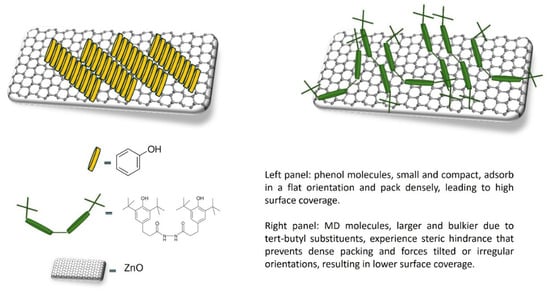
For cable compound manufacturers, accurate formulation fine-tuning is essential to ensure safety, long-term durability, and compliance with international standards for dielectric strength, volume resistivity, and environmental and thermal ageing. This work presents an experimental study demonstrating how minor additives can critically affect the performance of complex flame-retardant elastomeric formulations. The investigation focuses on the role of small amounts of zinc oxide (ZnO) in commercial cable compounds based on a crosslinked elastomeric matrix composed of ethylene–propylene monomer (EPM), ethylene–propylene–diene monomer (EPDM), and thermoplastic polyolefin elastomer (POE). The formulations contain aluminium trihydroxide (ATH) as the major filler, together with several minor additives. Among these, a phenolic antioxidant (AN01) acting as a metal deactivator is also present. The addition of ZnO in low amounts (2–5 phr) allowed the compounds to maintain a volume resistivity ≥ 1012 Ω·cm in water at 100 °C. To elucidate the role of ZnO, a systematic set of formulations was prepared by varying the type and content of selected additives. The compounds were prepared by melt mixing in an internal mixer (Banbury type), followed by peroxide crosslinking via compression molding. Electrical characterization results indicate that ZnO interacts with the phenolic additive through surface adsorption, forming a coated particle with significantly reduced electrical conductivity. Optimal electrical performance was achieved when the ZnO-to-additive ratio corresponded to the minimum amount required for complete surface complexation.
Full article

Graphical abstract
Open AccessArticle
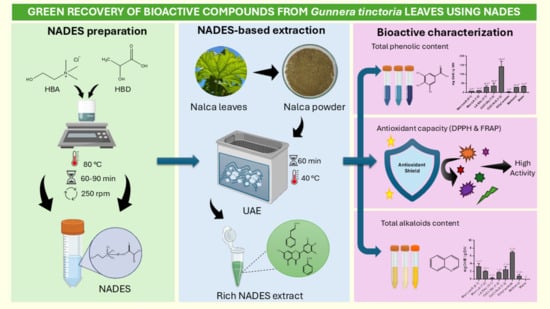
Natural Deep Eutectic Solvents and Ultrasound-Assisted Extraction for the Green Recovery of Bioactive Compounds from Gunnera tinctoria Mol.
by
Hernán Vera-Benavides, Dayana Quinchanegua, Antonia Osorio-Weng, Yihajara Fuentes, Paulina Pavez, Gloria Montenegro, Patricia Velásquez and Ady Giordano
Compounds 2026, 6(2), 27; https://doi.org/10.3390/compounds6020027 - 14 Apr 2026
Abstract
Nalca (Gunnera tinctoria Mol.) is traditionally consumed for its edible petioles and valued for medicinal properties associated with its bioactive compounds. In this study, natural deep eutectic solvents (NADESs) were synthesized and applied for the ultrasound-assisted extraction of phenolic compounds and alkaloids
[...] Read more.
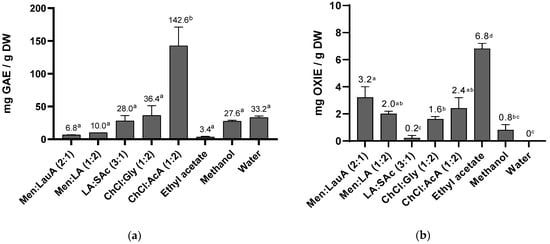
Nalca (Gunnera tinctoria Mol.) is traditionally consumed for its edible petioles and valued for medicinal properties associated with its bioactive compounds. In this study, natural deep eutectic solvents (NADESs) were synthesized and applied for the ultrasound-assisted extraction of phenolic compounds and alkaloids from Nalca leaves. NADES synthesis was confirmed using 1H NMR, and their physicochemical properties were evaluated to assess their influence on extraction efficiency. The extracts showed total phenolic contents ranging from 6.8 to 142.6 mg GAE/g DW and total alkaloid contents ranging from 0.2 to 3.2 mg OXIE/g DW, depending on solvent composition. Antioxidant activity, evaluated using DPPH and FRAP assays, confirmed that most NADES extracts exhibited significant radical-scavenging and ferric-reducing capacities, generally correlating with phenolic content. The extraction yields obtained with specific NADES formulations were comparable or superior to those achieved with conventional solvents, demonstrating their efficiency. These results demonstrate that NADESs are effective and environmentally friendly alternatives to conventional solvents for extracting bioactive compounds from Nalca leaves. The physicochemical properties of NADESs enable the selective extraction of different metabolite classes, highlighting their potential for green extraction processes in food, nutraceutical, and pharmaceutical applications.
Full article
(This article belongs to the Special Issue Phenolic Compounds: Extraction, Chemical Profiles, and Bioactivity)
►▼
Show Figures

Graphical abstract
Highly Accessed Articles
Latest Books
E-Mail Alert
News
Topics
Topic in
Compounds, Medicines, Molecules, Plants, Separations, Applied Biosciences, Life, Pharmaceuticals
Research on Natural Products of Medical Plants
Topic Editors: Cristiane Aguiar Da Costa, Graziele Freitas De BemDeadline: 5 March 2027
Topic in
Chemistry, Inorganics, Molecules, Reactions, Compounds
Aromatic Inorganic and Metallic Compounds II
Topic Editors: Jinchang Guo, Ankur K. Guha, Venkatesan S. ThimmakonduDeadline: 30 September 2027
Special Issues
Special Issue in
Compounds
Phenolic Compounds: Extraction, Chemical Profiles, and Bioactivity
Guest Editors: Francisco Vázquez-Armenta, Ariadna Thalia Bernal-MercadoDeadline: 30 September 2026
Special Issue in
Compounds
Organic Compounds with Biological Activity (2nd Edition)
Guest Editors: Małgorzata Anna Marć, Enrique Domínguez-Álvarez, Alcides Pinto SimaoDeadline: 31 October 2026

Special Issue in
Compounds
Biomass Derived Functional Materials: Updates on Biochar-Derived Compounds and Their Applications
Guest Editors: Marcello Crucianelli, Andrea Lazzarini, Mauro GiorcelliDeadline: 31 October 2026
Special Issue in
Compounds
Production and Applications of Compounds and Materials from Agro-Food Waste
Guest Editors: Maria Beatrice Coltelli, Serena CoiaiDeadline: 31 January 2027