


Journal Description
BioChem
BioChem
is an international, peer-reviewed, open access journal on biochemistry published quarterly online by MDPI.
- Open Access— free for readers, with article processing charges (APC) paid by authors or their institutions.
- High Visibility: indexed within ESCI (Web of Science), Scopus, EBSCO and other databases.
- Rapid Publication: manuscripts are peer-reviewed and a first decision is provided to authors approximately 26.4 days after submission; acceptance to publication is undertaken in 5.8 days (median values for papers published in this journal in the first half of 2026).
- Recognition of Reviewers: APC discount vouchers, optional signed peer review, and reviewer names published annually in the journal.
Latest Articles
Cytotoxic and Apoptotic Effects of Leptospermum petersonii-Derived 6-Methyltectochrysin in A375 Melanoma Cells
BioChem 2026, 6(3), 21; https://doi.org/10.3390/biochem6030021 - 6 Aug 2026
Abstract
►
Show Figures
Background/Objective: Melanoma is the most aggressive form of skin cancer and most common among fair-skinned people, and about 80% of fatalities are from skin lesions. The rise in deaths from melanoma worldwide has been related to a lack of access to healthcare,
[...] Read more.
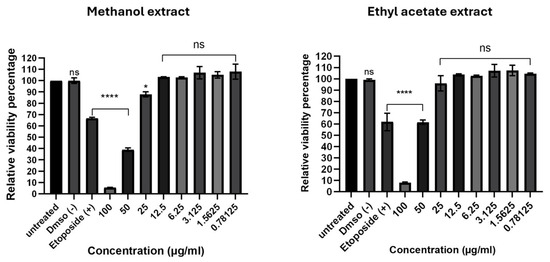
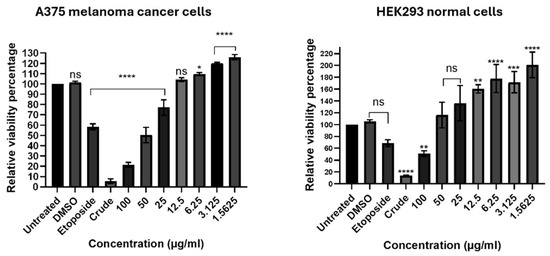
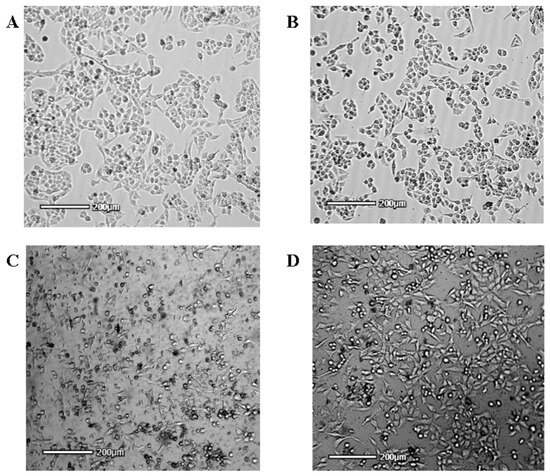
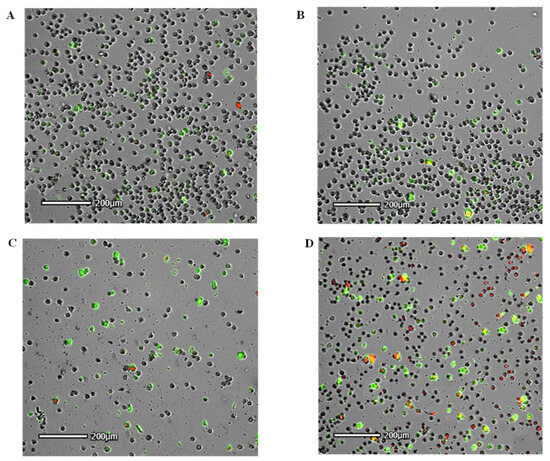
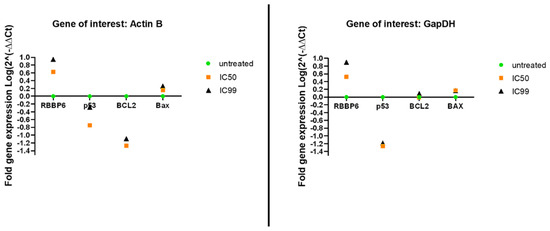
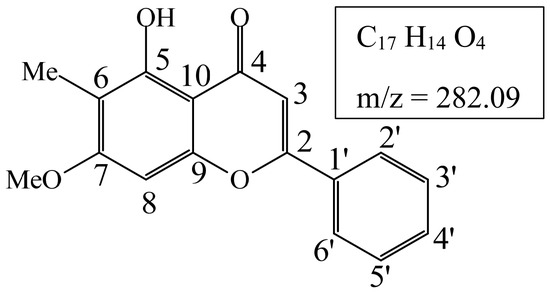
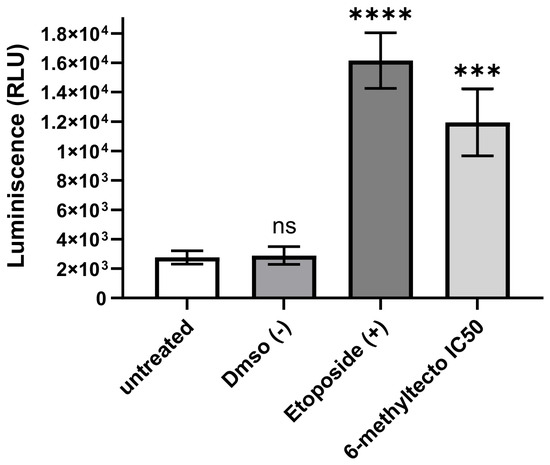
Background/Objective: Melanoma is the most aggressive form of skin cancer and most common among fair-skinned people, and about 80% of fatalities are from skin lesions. The rise in deaths from melanoma worldwide has been related to a lack of access to healthcare, mostly in low-income nations. Melanoma therapy using current treatments, such as cisplatin, has been beneficial. However, it has been linked to irreversible DNA damage, whereas most current treatments are either ineffective or have intolerable side effects. This study investigated the cytotoxic effects of Leptospermum petersonii extracts on A375 melanoma cells and aimed to identify at least one putative bioactive compound. L. petersonii is a well-established medicinal plant for its antimicrobial activities, and its leaves are reported to contain essential oils that suppress fungus development. However, no previous research on the effects of this herb on cancer has been reported. Methods: The sequential extraction was conducted by soaking the leaves in hexane, ethyl acetate, and methanol. The chemical 6-methyltectochrysin was effectively isolated from L. petersonii and showed cytotoxicity against melanoma cancer cells. Caspase Glo 3/7 and Annexin V-FITC–PI apoptotic tests were performed following 6-methyltectochrysin administration. Results: The findings showed cytotoxicity and possible apoptosis induction in A375 cells, and further examination using relative expression analysis revealed an increase in the pro-apoptotic Bax and a decrease in the anti-apoptotic Bcl-2 gene. Conclusions: Further research is needed to identify molecular pathways and targets of the compound 6-methyltectochrysin in melanoma cancer cells.
Full article
Open AccessReview
A Comprehensive Review of Pharmacological Activity of Fisetin and Bibliometric Study of Its Research Progression from 2005 to 2024
by
Jeremiah Oshiomame Unuofin, Motunrayo Abigail Aiyegbusi, Ahmed Mustapha, Adedoyin Omobolanle Adefisan-Adeoye, Idris Olawale Raimi, Nhlanhla Maphetu, Felix Nchu, Muhali Olaide Jimoh and Sogolo Lucky Lebelo
BioChem 2026, 6(3), 20; https://doi.org/10.3390/biochem6030020 - 30 Jul 2026
Abstract
►▼
Show Figures
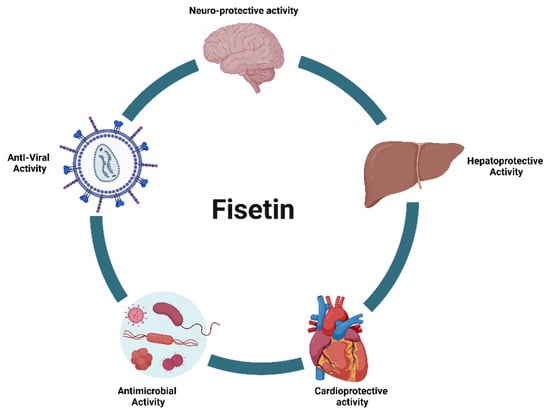
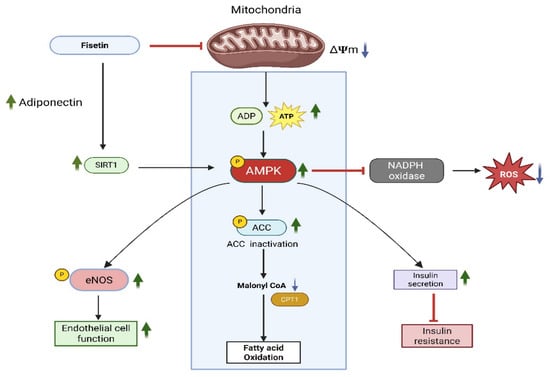
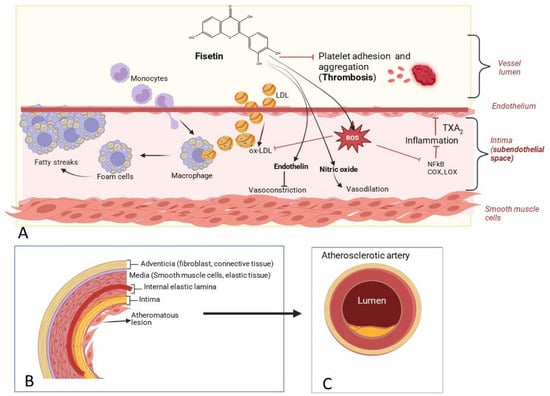
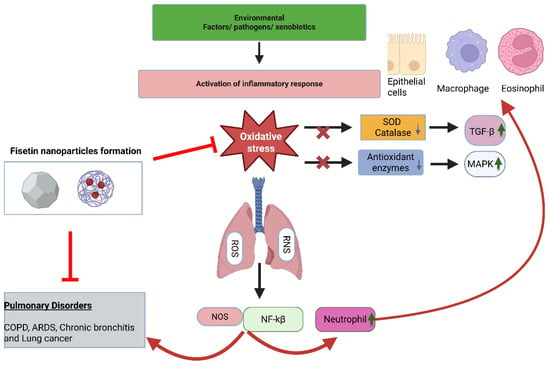
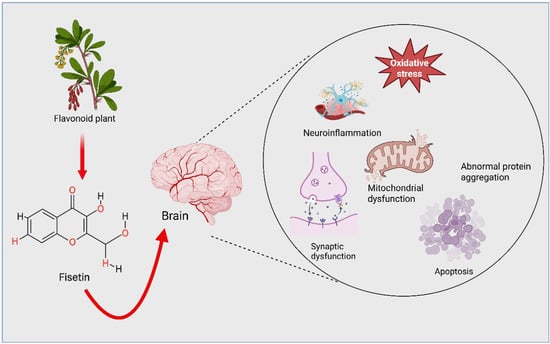
Background/Objectives: Fisetin (3,3′,4′,7-tetrahydroxyflavone) is a naturally occurring flavonol present in strawberries, apples, grapes, onions, cucumbers, and other plant sources. It has attracted considerable interest because of its antioxidant, anti-inflammatory, antimicrobial, anticancer, neuroprotective, cardioprotective, and senolytic properties. This review comprehensively evaluated the pharmacological activities,
[...] Read more.
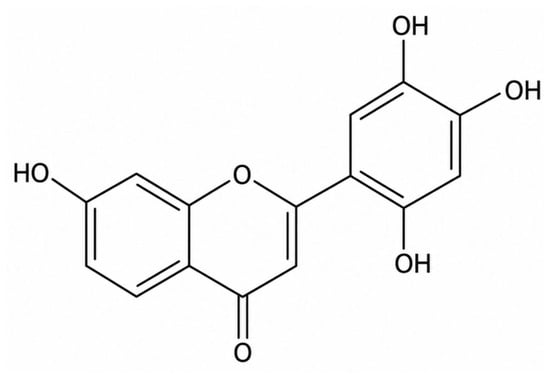
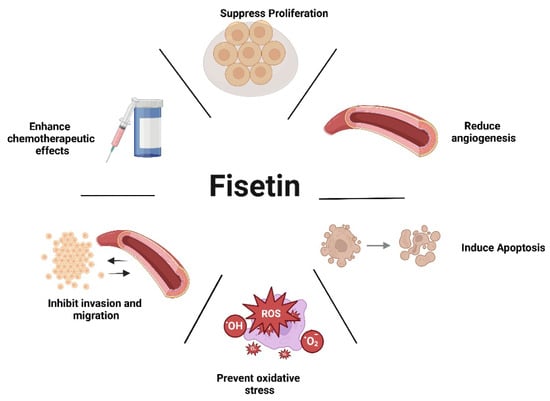
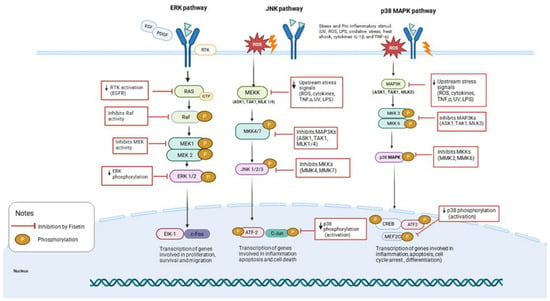
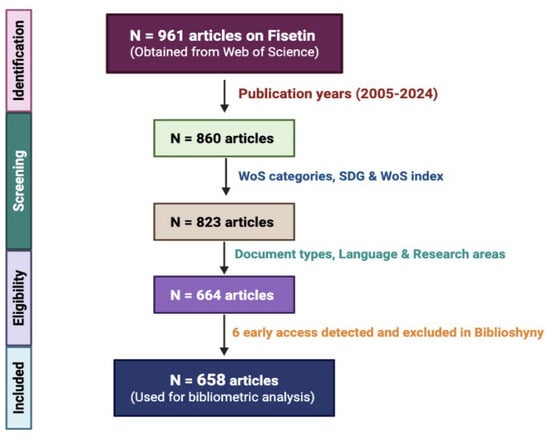
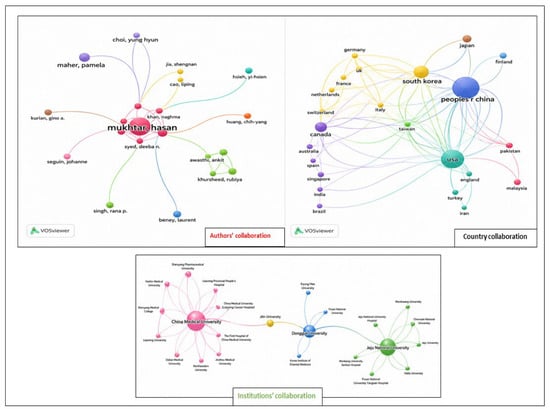
Background/Objectives: Fisetin (3,3′,4′,7-tetrahydroxyflavone) is a naturally occurring flavonol present in strawberries, apples, grapes, onions, cucumbers, and other plant sources. It has attracted considerable interest because of its antioxidant, anti-inflammatory, antimicrobial, anticancer, neuroprotective, cardioprotective, and senolytic properties. This review comprehensively evaluated the pharmacological activities, mechanisms of action, translational challenges, and global research trends associated with fisetin. Methods: A comprehensive literature review was conducted to synthesise evidence on the traditional uses, pharmacological properties, molecular mechanisms, and therapeutic applications of fisetin. Bibliometric analysis of publications from 2005 to 2024 was performed using the Web of Science Core Collection. A total of 664 records were retrieved using the keywords “fisetin” and “3,3′,4′,7-tetrahydroxyflavone”. Following refinement using Bibliometrix (version 5.0) and the Biblioshiny interface in RStudio, 658 publications were included in the final analysis. Results: Fisetin exhibited diverse biological activities through modulation of oxidative stress, inflammation, apoptosis, autophagy, mitochondrial function, and cellular senescence. Experimental evidence supports its therapeutic potential against cancer, cardiovascular, neurodegenerative, metabolic, and infectious diseases. However, poor aqueous solubility, low oral bioavailability, rapid metabolism, and limited clinical evidence continue to impede its clinical translation. Nanotechnology-based delivery systems, computational modelling, and multi-omics approaches show promise for improving its pharmacokinetic profile and therapeutic efficacy. Bibliometric findings revealed substantial growth in fisetin research, with China leading scientific output and Africa contributing comparatively few publications. Conclusions: Fisetin is a promising multifunctional phytochemical with broad therapeutic potential. Future research should emphasise advanced formulations, rigorous clinical trials, and international collaboration to accelerate its translation into evidence-based clinical practice.
Full article

Figure 1
Open AccessReview
The Use of Benzodiazepines as an Adjuvant in Pain Management: A Narrative Review with Systematic Search
by
Alexandra da Costa-Duarte, Rita Rodrigues-Lopes, Ana Severino, Matilde Oliveira, Inês Guerra, Mariana Santos, Carolina Damas Pereira, Beatriz Sousa, Pedro Fernandes-Moutinho, Carolina Vilela Teixeira, Gonçalo Silva, Carolina Portela, Duarte Mendes, Marco Araújo, Mariana Fragão-Marques, João Rocha-Neves, Ívis Martins and Hugo Ribeiro
BioChem 2026, 6(3), 19; https://doi.org/10.3390/biochem6030019 - 30 Jul 2026
Abstract
►▼
Show Figures
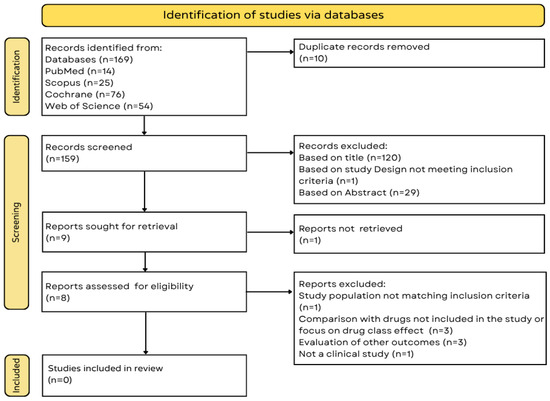
Background/objectives: Benzodiazepines are widely prescribed as adjuvants in pain management, particularly for musculoskeletal conditions, with prescription rates for back and chronic pain more than doubling between 2003 and 2015. Yet, the evidence supporting this practice remains poorly defined. This study evaluates the efficacy
[...] Read more.
Background/objectives: Benzodiazepines are widely prescribed as adjuvants in pain management, particularly for musculoskeletal conditions, with prescription rates for back and chronic pain more than doubling between 2003 and 2015. Yet, the evidence supporting this practice remains poorly defined. This study evaluates the efficacy of benzodiazepines in pain management, analyzing comparative data, pharmacological mechanisms, and global clinical guidelines. Methods: Narrative review informed by a predefined systematic search of PubMed, Scopus, Cochrane Library and Web of Science. We searched for direct comparative studies between diazepam, alprazolam, and lorazepam in pain management identified no eligible studies, revealing a significant evidence gap despite decades of clinical use. This absence of comparative evidence prompted a broader narrative examination of the evidence base for benzodiazepines across pain conditions. Results: The available literature consistently fails to support benzodiazepine analgesia. Across 111 chronic pain conditions, analgesic benefit has been demonstrated for only two rare conditions: burning mouth syndrome (evidence primarily for topical clonazepam) and stiff person syndrome (primarily case series and clinical experience). In low back pain, the condition most associated with benzodiazepine prescribing, recent randomized trials show no benefit or even harm compared to placebo, and the only positive pooled evidence derived from trials of tetrazepam, a drug withdrawn from the European market in 2013. In rheumatoid arthritis, pooled data from six small trials show no benefit over placebo at any time point. The pharmacological basis for this clinical failure is now well characterized: conventional non-selective benzodiazepines produce dose-limiting sedation before achieving sufficient receptor occupancy at the α2/α3 GABA-A subtypes responsible for antihyperalgesic effects. Despite the lack of demonstrated efficacy, prescribing persists, likely driven by clinical inertia and patient expectations reflecting anxiolytic rather than analgesic properties. Guidelines from the WHO, NICE, the VA/DoD, the American College of Physicians, the American Academy of Family Physicians, and the Wilderness Medical Society uniformly recommend against benzodiazepine use for pain. This convergence of absent efficacy, well-documented harm, and unanimous guideline opposition supports the conclusion that benzodiazepines should not be prescribed as analgesic adjuvants. Conclusions: Although the focused search targeted head-to-head trials, a broader narrative synthesis and prior comprehensive reviews likewise demonstrate a paucity of high-quality evidence for benzodiazepine analgesia. Future research should focus on subtype-selective GABA-A modulators and on strategies to align clinical practice with the existing evidence, including structured deprescribing interventions.
Full article

Figure 1
Open AccessArticle
Genotypic Characterization and Safety Assessment of Probiotic Bacillus clausii SKB/BCL21 (MCC 0569) and Its Performance Against Clostridium perfringens Challenged Broilers
by
Parag Saudagar, Shekhar Wagh, Mahalaxmi Mohan, Apeksha Patole, Priti Kothawade and Dattatray Bedade
BioChem 2026, 6(3), 18; https://doi.org/10.3390/biochem6030018 - 29 Jul 2026
Abstract
Background: Bacillus clausii SKB/BCL21 (MCC 0569) is a novel strain that shows promise as a probiotic for both human and animal healthcare. Objectives: The objective is to evaluate the safety profile of B. clausii SKB/BCL21 through genomic and toxicity assessments in Wistar
[...] Read more.
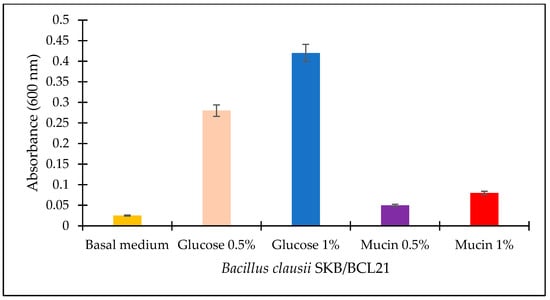
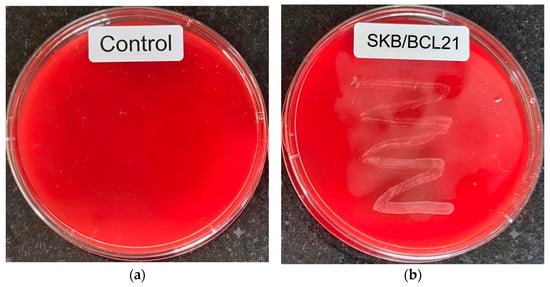
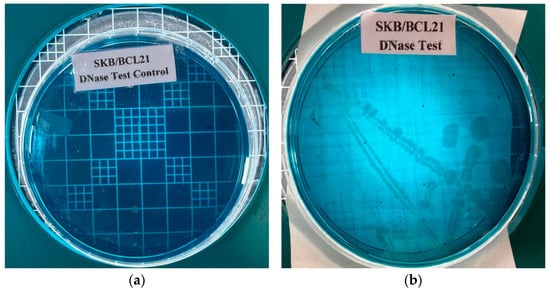
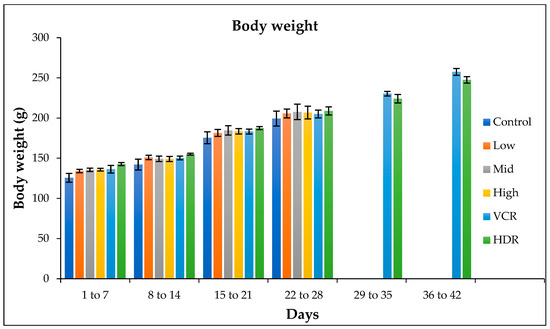
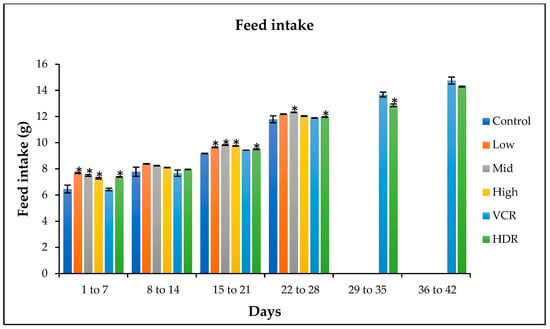
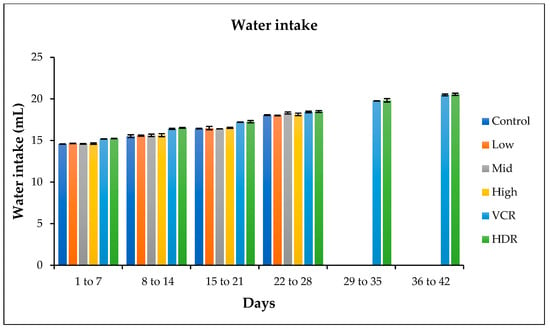
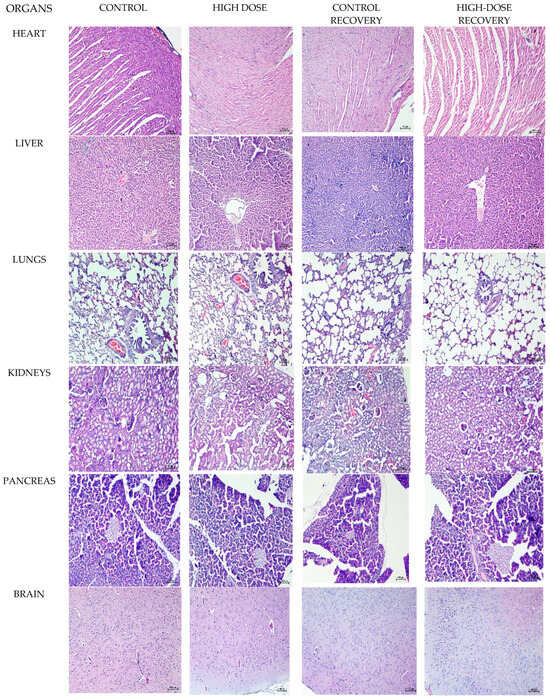
Background: Bacillus clausii SKB/BCL21 (MCC 0569) is a novel strain that shows promise as a probiotic for both human and animal healthcare. Objectives: The objective is to evaluate the safety profile of B. clausii SKB/BCL21 through genomic and toxicity assessments in Wistar rats, as well as to assess its efficacy as a probiotic in broiler chickens challenged with Clostridium perfringens. Methods: The identification of genus and species was performed using 16S rRNA and whole genome sequencing (WGS). A genomic analysis was conducted through bioinformatic screening of the B. clausii SKB/BCL21 genome to identify virulence factors, genes encoding toxins, mobile genetic elements, and antibiotic resistance genes. In vitro biosafety assays were conducted to evaluate mucin degradation, gelatinase, hemolytic activity, and DNase activity. The in vivo safety evaluation was performed by acute and subacute oral toxicity studies as per the OECD 423 guidelines. In efficacy testing broilers challenged with C. perfringens were administered with low dose (1 × 10⁸ cfu/kg of feed) and high dose (1 × 10⁹ cfu/kg of feed) of B. clausii SKB/BCL21. Performance metrics, such as average weight gain, feed conversion ratio (FCR), and mortality rates, were evaluated in comparison to a positive control group that received Virginiamycin 50% (15 ppm). Results: The isolate SKB/BCL21 was identified as Bacillus clausii based on 16S rRNA and whole genome sequencing (WGS). The bioinformatic analysis of the B. clausii SKB/BCL21 genome reveals that it lacks genes associated with toxins, mobile genetic elements, and virulence factors. However, it does contain intrinsic and non-transferable antibiotic resistance genes within its chromosomal DNA. In the acute toxicity study, an oral dose of 2000 mg/kg (400 billion cfu/kg) body weight was found to be nontoxic. The No Observed Adverse Effect Level (NOAEL) for B. clausii SKB/BCL21 was found to be 1000 mg/kg (200 billion cfu) body weight/day by oral route in the subacute toxicity study. The findings of in vivo toxicity studies indicate that there were no treatment-related changes in any of the endpoints assessed. The effects of low (1 × 10⁸ cfu/kg of feed) and high (1 × 10⁹ cfu/kg of feed) doses of B. clausii SKB/BCL21 on the growth performance metrics, including average weight gain, feed conversion ratio, and mortality rates in broiler chickens infected with C. perfringens, showed results similar to those of the positive control (Virginiamycin 50%, 15 ppm). Conclusions: Based on these preliminary studies, B. clausii SKB/BCL21 can serve as a potential alternative to antibiotic growth promotors in broiler production. These results suggest that the B. clausii SKB/BCL21 is safe and could be a potential probiotic for animal feed supplements.
Full article
(This article belongs to the Special Issue Feature Papers in BioChem, 3rd Edition)
►▼
Show Figures

Figure 1
Open AccessArticle
Eco-Friendly Synthesis of Copper Oxide Nanoparticles via Pistachio Seed Coat Extract for Antimicrobial, Antioxidant, and Catalytic Applications
by
Annu Yadav, Chetna Kumari, Manjinder Kour, Azharulla Khan, Sapana Jadoun and Nirmala Kumari Jangid
BioChem 2026, 6(3), 17; https://doi.org/10.3390/biochem6030017 - 13 Jul 2026
Abstract
►▼
Show Figures
This study investigates the biogenic synthesis of copper oxide nanoparticles (CuO NPs) using the aqueous extract of pistachio seed coat as a stabilizing and reducing agent, and a better alternative to the traditional physicochemical approach. The CuO NPs were synthesized by a sustainable
[...] Read more.
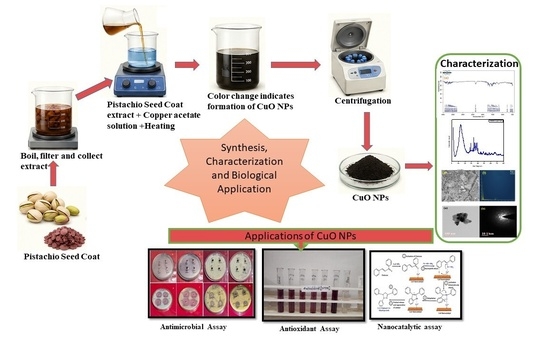
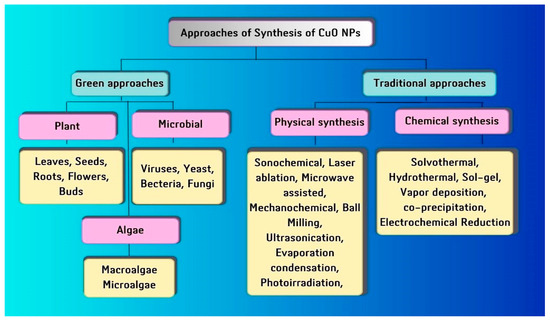
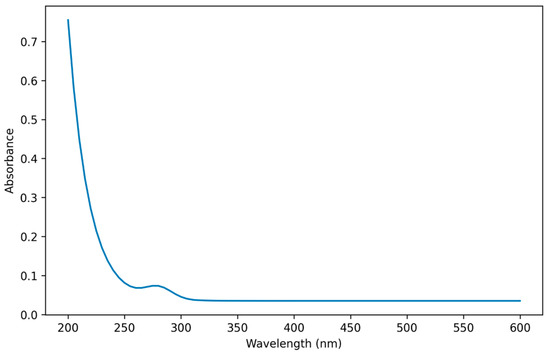
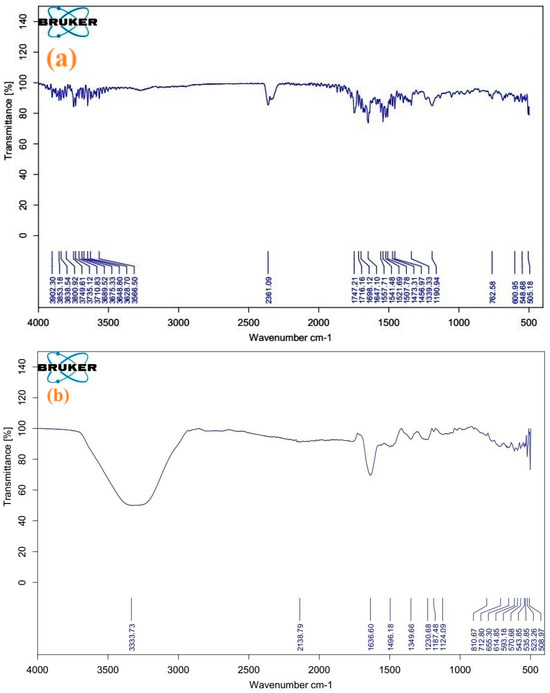
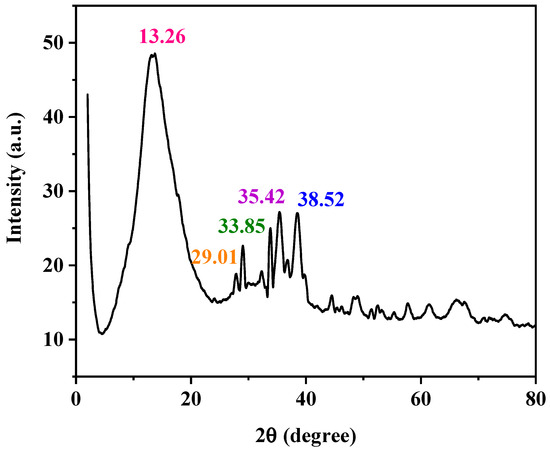
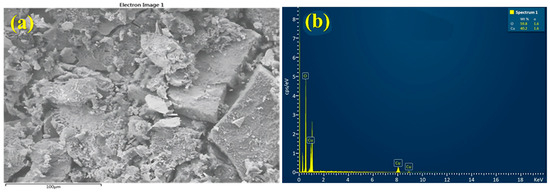
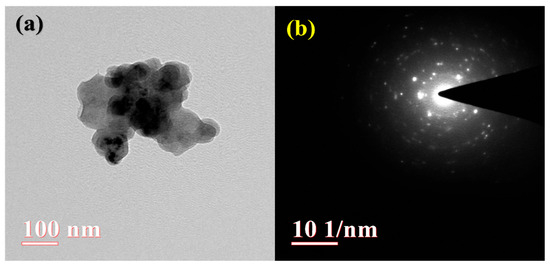
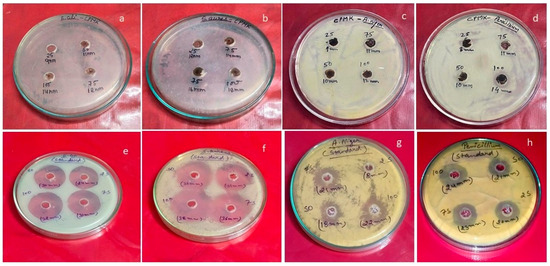
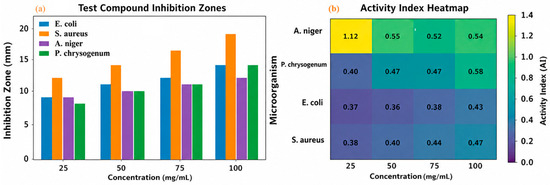
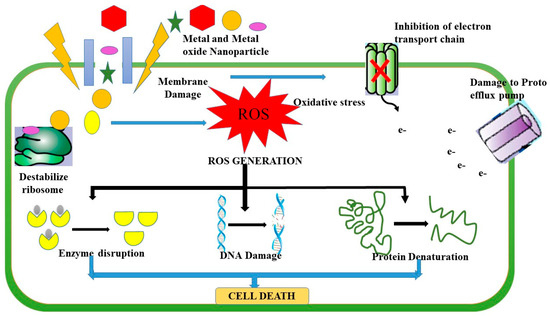
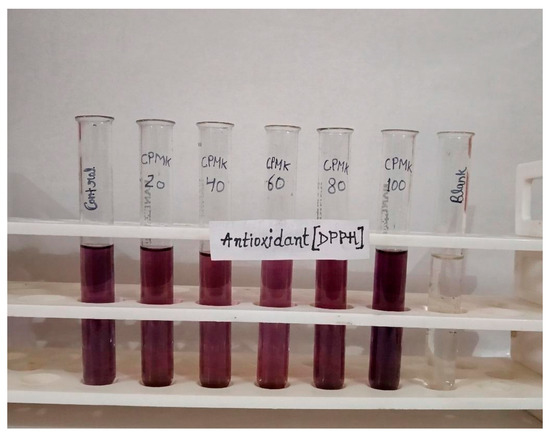
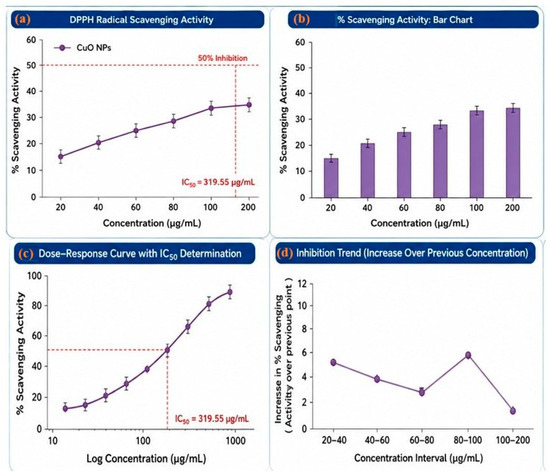
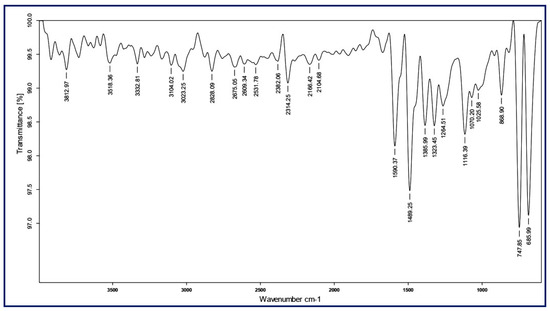
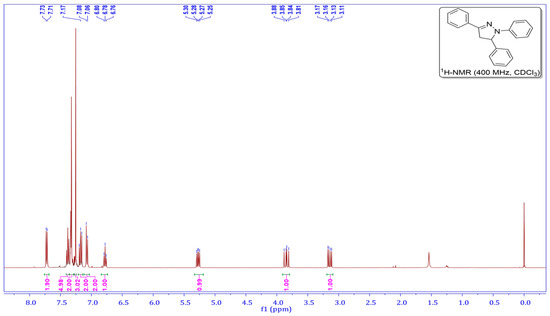
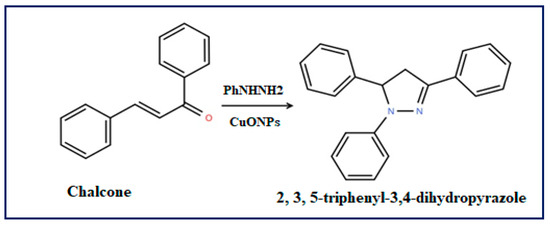
This study investigates the biogenic synthesis of copper oxide nanoparticles (CuO NPs) using the aqueous extract of pistachio seed coat as a stabilizing and reducing agent, and a better alternative to the traditional physicochemical approach. The CuO NPs were synthesized by a sustainable approach and characterized using XRD, UV–visible, FTIR, FESEM-EDX, and HRTEM-SAED, and are emphasized for their significance in comprehending how morphology, size, and surface chemistry affect the performance of CuO NPs. The UV–visible spectrophotometry showed an absorption at 273 nm, demonstrating the formation of CuO NPs. SEM and TEM provided a spherical shape with a size range of 50–100 nm. CuO NPs’ antifungal activity was examined against the fungal strains A. niger and P. chrysogenum, and their antibacterial efficacy was evaluated using the agar well disc diffusion method against E. coli and S. aureus. Staphylococcus aureus had the largest inhibitory zone, measuring 18 mm at 100 µg/mL, while Aspergillus niger had the smallest, measuring 8 mm at 25 mg. The IC50 value of the sample was 319.55 ± 3.21 µg/mL. The IC50 value indicates that the CuO NPs exhibit moderate antioxidant potential. The synthesized CuO NPs exhibited excellent catalytic efficiency in the cyclization reaction of chalcones. The findings of the present study highlight CuO NPs synthesis by an eco-friendly, cost-effective and sustainable method from pistachio shell extract. The synthesized CuO NPs demonstrated notable biological and catalytic activity that underscores their future need in various fields such as pharmaceutical, biomedical and industrial catalysis.
Full article

Graphical abstract
Open AccessArticle
Competition-Induced Neuroendocrine–Immune Crosstalk in Elite Water Polo Players: Salivary Cytokine, Cortisol, and IgA Dynamics
by
Sara Naim, Nika Nikousokhan Tayyar, Antonella Strangio, Marco Cardo, Daniele Murgia, Giacomo Caneva, Luca Nanni and Daniele Saverino
BioChem 2026, 6(3), 16; https://doi.org/10.3390/biochem6030016 - 26 Jun 2026
Abstract
►▼
Show Figures
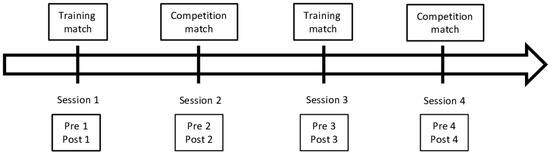
Background: Competitive sports represent a powerful physiological and psychological stressor capable of modulating neuroendocrine and immune pathways. Water polo, characterized by intense intermittent exertion and frequent physical contact, provides a unique model to investigate competition-related stress biology. Methods: Sixteen male Italian Serie C
[...] Read more.
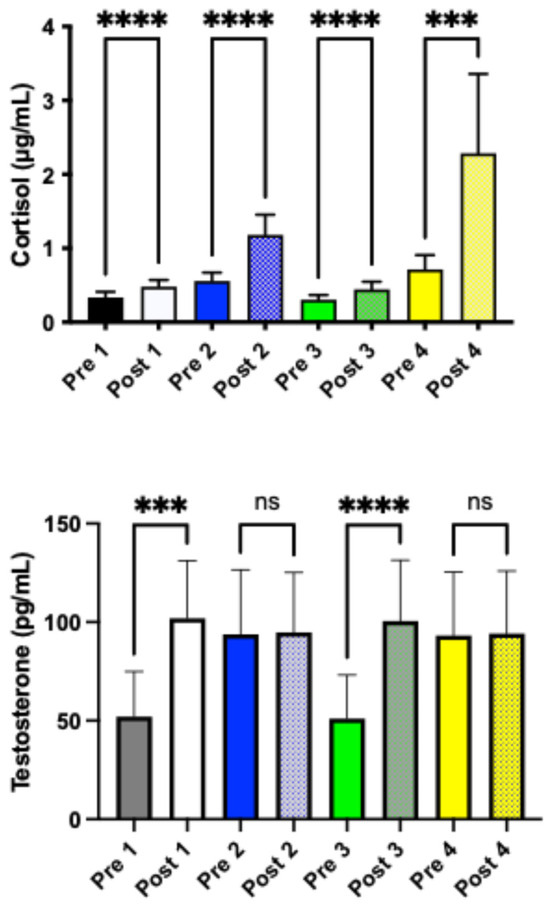
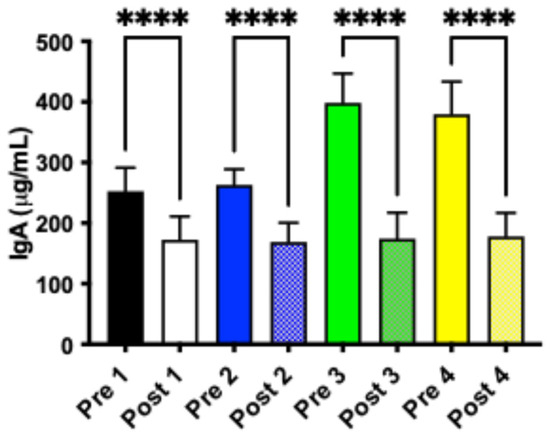
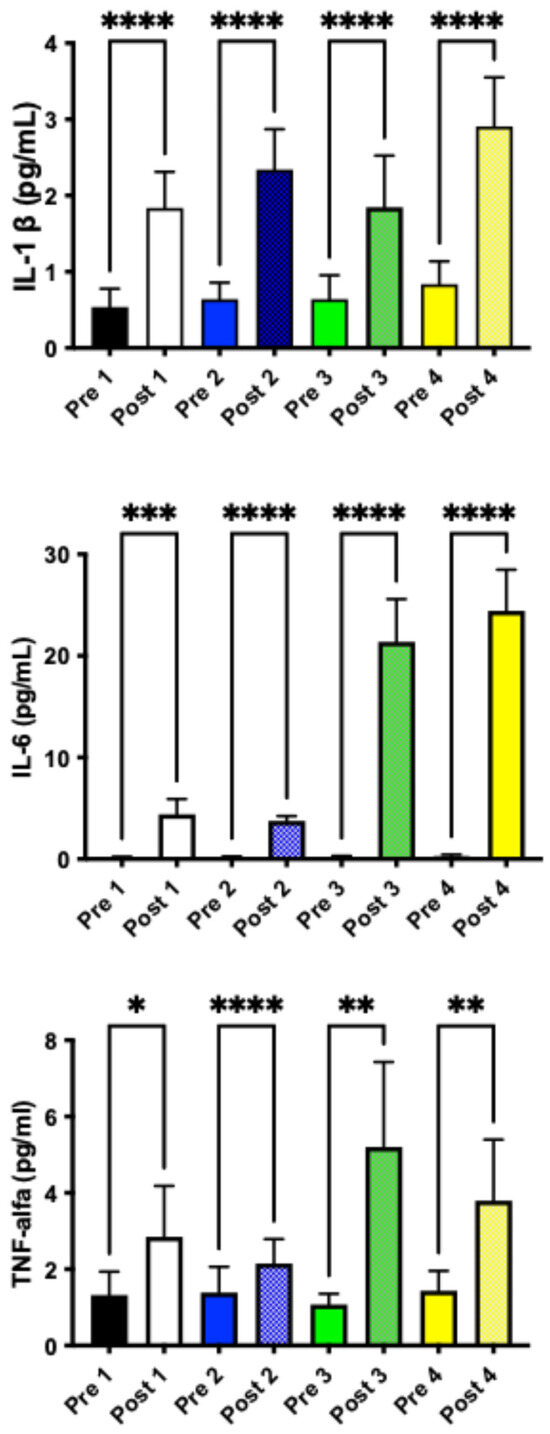
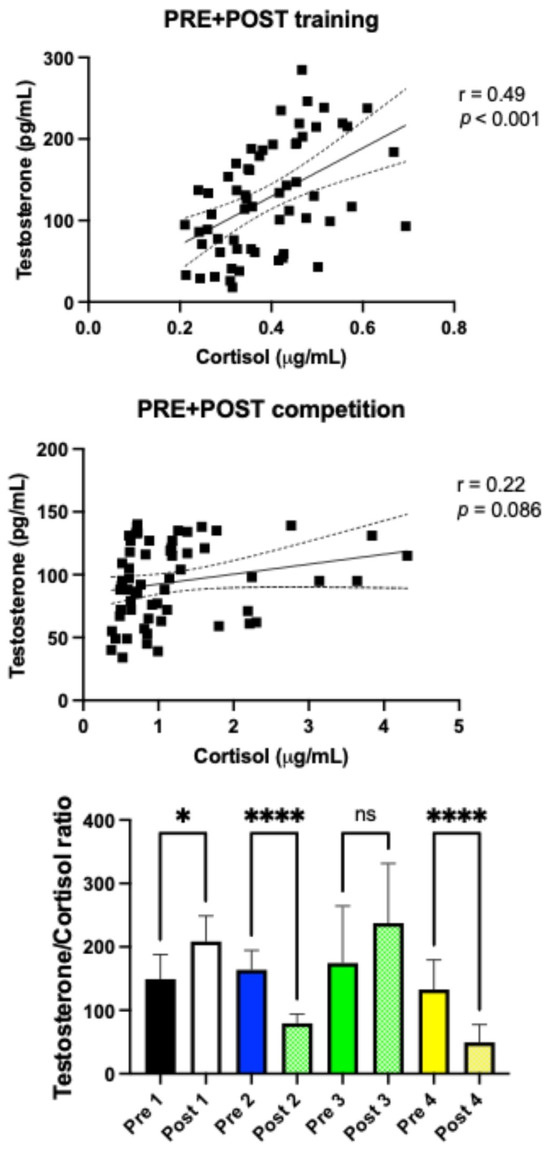
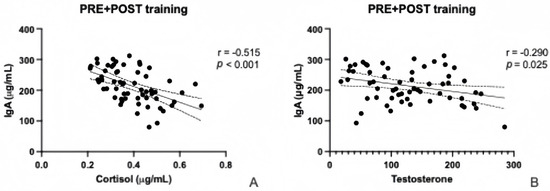
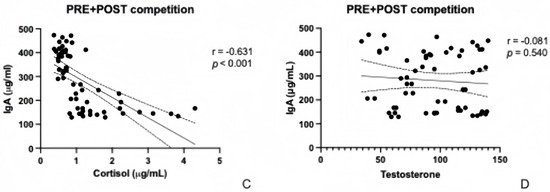
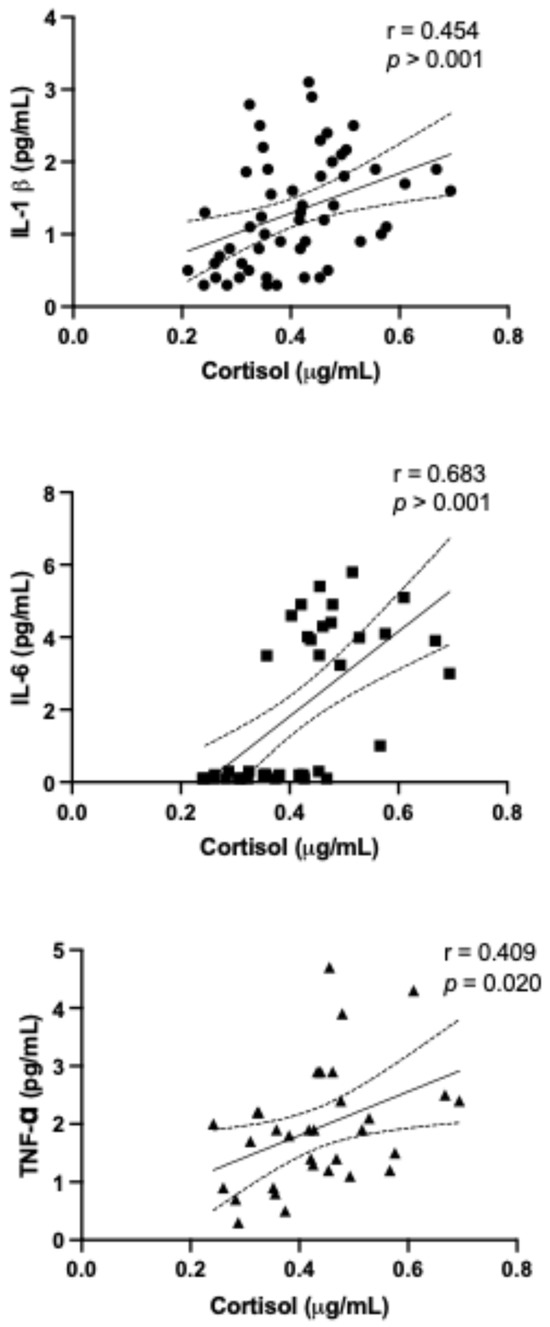
Background: Competitive sports represent a powerful physiological and psychological stressor capable of modulating neuroendocrine and immune pathways. Water polo, characterized by intense intermittent exertion and frequent physical contact, provides a unique model to investigate competition-related stress biology. Methods: Sixteen male Italian Serie C water polo players were enrolled in the study. Using a within-subject design, saliva samples were collected under controlled circadian conditions. Salivary biomarkers, including cortisol, IgA, and cytokines, were assessed both before and after training sessions and competitive matches. Results: Both training and competition elicited POST-session increases in salivary cortisol and cytokines, alongside reductions in IgA. However, competition produced significantly higher anticipatory and POST-session cortisol concentrations. A larger POST-session decreases in IgA compared with training was observed. Cytokine concentrations increased from PRE- to POST-session in both conditions, with significantly greater induction during competition across the panel. During training, selected cytokines showed positive within-session correlations with cortisol, indicating coordinated hypothalamic–pituitary–adrenal–immune activation under lower psychosocial load. These associations were attenuated and less consistent during competition. Conclusions: Official competition amplifies endocrine and immune responses beyond those observed during match-like training in elite water polo players, despite comparable physical demands. Altered cytokine–cortisol coupling under competitive conditions suggests modulation of neuroendocrine–immune integration by psychosocial stress. Combined salivary profiling of cortisol, cytokines, and IgA represents a feasible, non-invasive approach for monitoring psychophysiological load in elite aquatic team sports.
Full article

Figure 1
Open AccessEditor’s ChoiceArticle
Multiple Super-Secondary Structures in Leucine-Rich Repeats with Dual Characteristics
by
Norio Matsushima, Dashdavaa Batkhishig and Purevjav Enkhbayar
BioChem 2026, 6(3), 15; https://doi.org/10.3390/biochem6030015 - 24 Jun 2026
Abstract
►▼
Show Figures
Background: Tandem leucine-rich repeats (LRRs) are typically classified into eleven types; however, several variant motifs have also been reported. Here, we identified new LRR variants that exhibit dual characteristics of two distinct types. We investigated how the dual characteristics influence the structure and
[...] Read more.
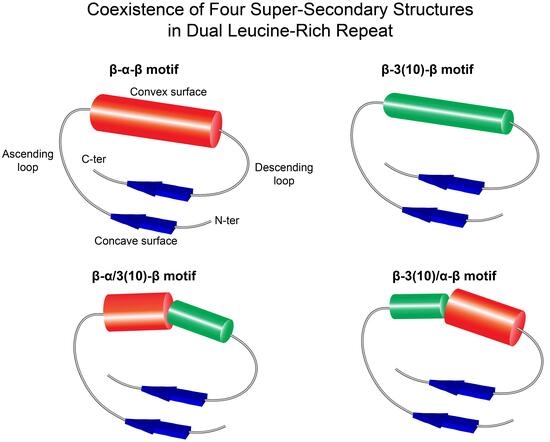
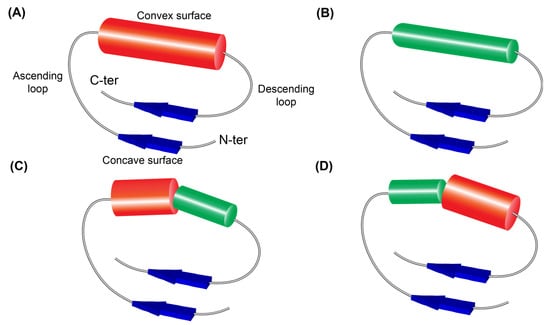
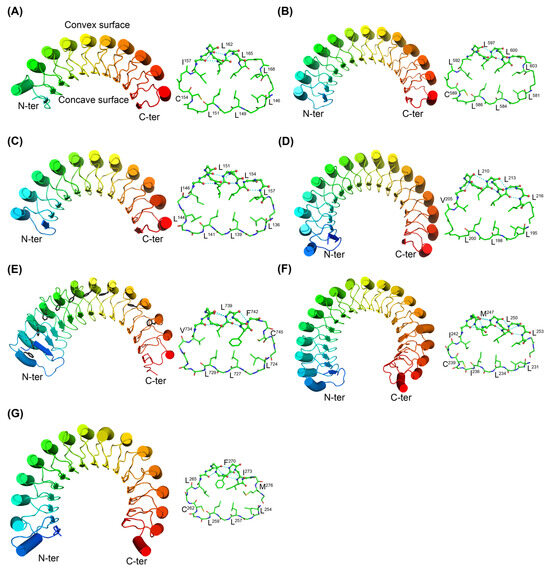
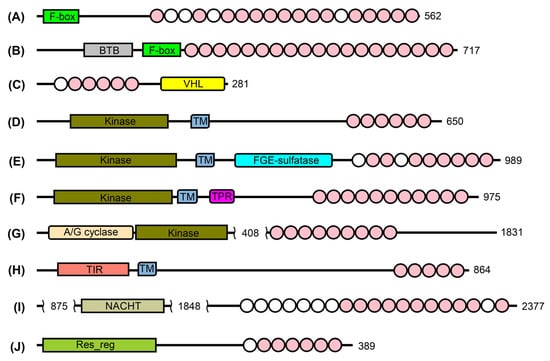
Background: Tandem leucine-rich repeats (LRRs) are typically classified into eleven types; however, several variant motifs have also been reported. Here, we identified new LRR variants that exhibit dual characteristics of two distinct types. We investigated how the dual characteristics influence the structure and function of LRRs. Methods: We conducted sequence similarity searches using the protein database and analyzed sequence features. We also characterized the structural features of these LRR variant motifs using solved structures and AlphaFold models and investigated their potential biological functions through domain analysis. Results: Of the identified 3222 proteins, approximately 60% originate from the bacterial PVC superphylum. The variants were classified into two groups: one defined by the consensus sequence LxxLxLxx(C/T)xzI TDxxLxx(L/F)xx(L/C)xx, and the other by LxxLxLxxCxxI TDxxLxxLxxLP (where “z” denotes a deletion). The LRRs highly similar to the variants are occasionally observed in solved structures and comprise three types of super-secondary structures (SSSs): β-strand–α-helix adjoining a 3(10)-helix–β-strand, β-strand–3(10)-helix–β-strand, and β-strand–3(10)-helix adjoining an α-helix–β-strand. The AlphaFold models adopt these SSSs and, in addition, include the SSS of the β–α–β motif. Functional annotation identified kinase and F-box domains in a subset of these LRR proteins. Conclusions: The coexistence of these four SSSs and the high frequency of the first SSS appear to reflect the dual characteristics of the LRR variants. The LRR variant-containing proteins suggest potential roles in bacterial immunity and ubiquitination. The present findings expand the structural diversity of LRR proteins and provide new insights into their functional roles.
Full article

Graphical abstract
Open AccessArticle
Quantum Hydration–Coordination Microstate Classification in the Nav1.7 Pore: A Framework for Future Refinement
by
Chitaranjan Mahapatra
BioChem 2026, 6(2), 14; https://doi.org/10.3390/biochem6020014 - 17 Jun 2026
Abstract
►▼
Show Figures
Voltage-gated sodium channels are central to electrical excitability, and Nav1.7 is a major therapeutic target implicated in pain disorders and sensory signaling. Within the channel pore, permeating Na+ ions experience dynamically fluctuating hydration and coordination environments that may influence local ion–protein interactions.
[...] Read more.
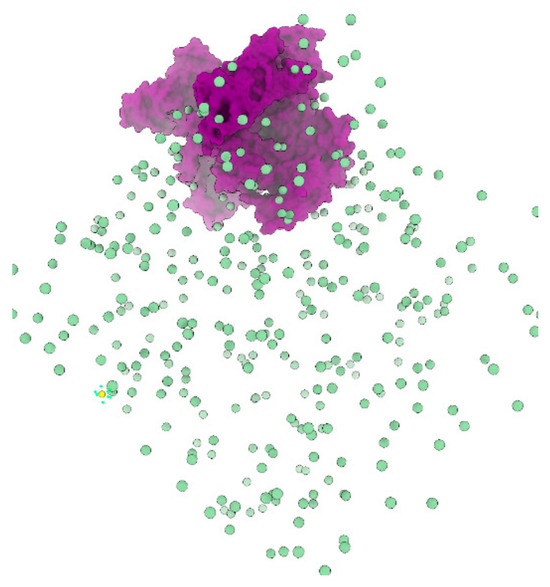
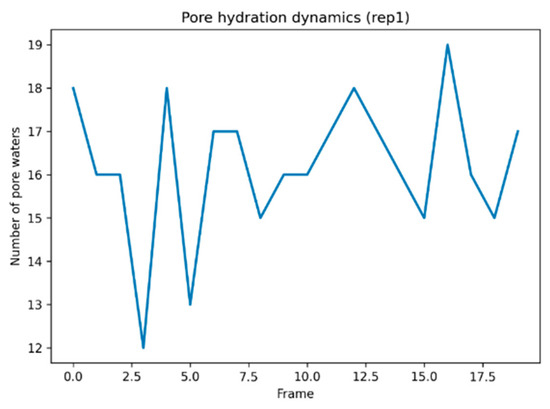
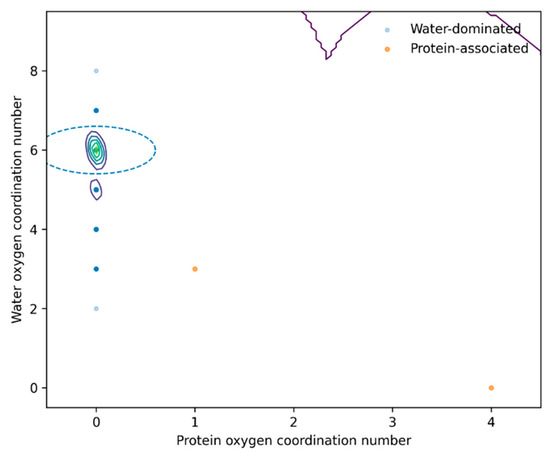
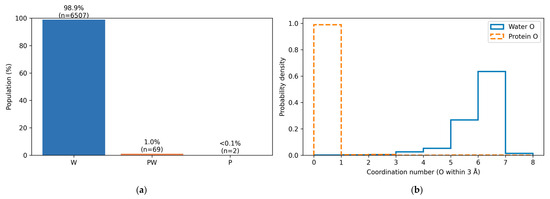
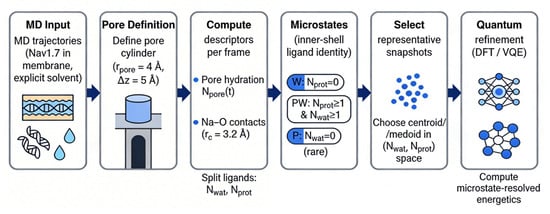
Voltage-gated sodium channels are central to electrical excitability, and Nav1.7 is a major therapeutic target implicated in pain disorders and sensory signaling. Within the channel pore, permeating Na+ ions experience dynamically fluctuating hydration and coordination environments that may influence local ion–protein interactions. Identifying chemically distinct coordination states from molecular dynamics (MD) simulations is an important prerequisite for future higher-level electronic structure investigations. In this study, we present a reproducible workflow for identifying and classifying Na+ hydration–coordination microstates in the Nav1.7 pore using explicit-solvent molecular dynamics simulations. A geometrically defined pore region was used to quantify pore hydration and Na+ inner-shell coordination based on a 3.2 Å Na–O distance criterion. Na+ configurations were classified according to ligand identity into water-only (W), mixed protein–water (PW), and protein-only (P) microstates. Analysis of a 2 ns proof-of-principle simulation revealed a persistently hydrated pore environment, with Na+ coordination dominated by water-rich states and a smaller but distinct population of protein-contact configurations. These observations demonstrate that local coordination environments are chemically heterogeneous and cannot be fully described by hydration number alone. Representative structures from each microstate class were extracted to provide candidate configurations for future quantum mechanical, Quantum Mechanics/Molecular Mechanics (QM/MM), or density functional theory investigations of ion–ligand interactions in confined pore environments. The present work establishes a transparent and reproducible microstate-selection framework and does not report quantum mechanical energies, free-energy landscapes, or converged microstate populations. More broadly, the workflow provides a practical strategy for reducing complex MD ensembles into chemically interpretable coordination states suitable for subsequent higher-level analysis.
Full article

Figure 1
Open AccessEditor’s ChoiceArticle
Multi-Relational Knowledge Graph for Drug Repurposing and Side-Effect Burden Prediction Using Gene–Drug–Disease Associations
by
Afsana Sharmin and Bahar Uddin Mahmud
BioChem 2026, 6(2), 13; https://doi.org/10.3390/biochem6020013 - 1 Jun 2026
Abstract
►▼
Show Figures
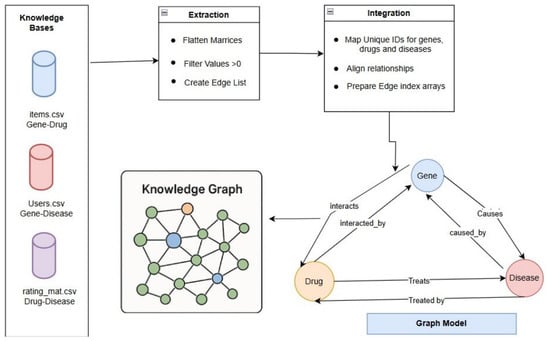
This study addresses two key challenges in computational pharmacology: identifying novel therapeutic uses for existing drugs and modeling drug safety-related characteristics. We propose a multi-relational biomedical knowledge graph that integrates gene, drug, and disease associations with adverse effect data, enabling joint modeling of
[...] Read more.
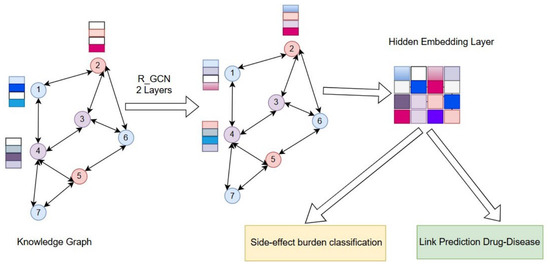
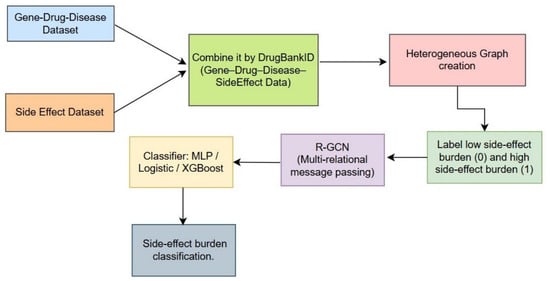
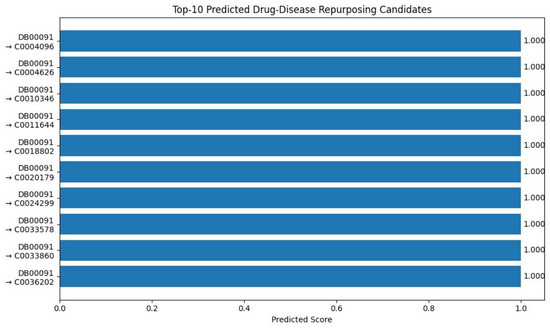
This study addresses two key challenges in computational pharmacology: identifying novel therapeutic uses for existing drugs and modeling drug safety-related characteristics. We propose a multi-relational biomedical knowledge graph that integrates gene, drug, and disease associations with adverse effect data, enabling joint modeling of therapeutic and safety-related properties. A Relational Graph Convolutional Network (R-GCN) is employed to learn relationally aware embeddings that capture complex biological interactions across heterogeneous entities. The framework is evaluated on two tasks: (1) drug–disease link prediction for drug repurposing and (2) prediction of drug side-effect burden based on adverse event patterns. The experimental results demonstrate that the R-GCN model outperforms baseline methods, achieving 94.63% accuracy in drug–disease link prediction, while embedding-based classifiers attain up to 97.14% F1-score in side-effect burden classification. Additionally, multi-hop relational reasoning enables the discovery of biologically plausible connections between drugs, genes, and diseases. These findings highlight the effectiveness of knowledge graph-based representation learning in jointly supporting therapeutic discovery and safety-related analysis. While side-effect burden is used as a surrogate measure rather than a direct indicator of drug quality, the proposed framework provides a scalable foundation for integrating real-world pharmacovigilance and regulatory data in future studies.
Full article

Figure 1

Open AccessArticle
Solution–Gel Method Preparation of High-Performance TiO2/GO/CdS Nanocomposites Under Ultrasonic Radiation and Research on Antibacterial Properties
by
Zilong Zhao, Yuhao Wang, Dong Yan, Ya Chen and Jun Zhao
BioChem 2026, 6(2), 12; https://doi.org/10.3390/biochem6020012 - 20 May 2026
Abstract
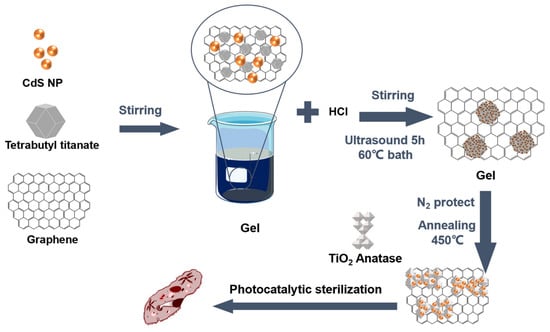
To improve the visible-light response and antibacterial performance of titanium dioxide, a TiO2/GO/CdS mesoporous nanocomposite was prepared via an ultrasound-assisted sol–gel method in this study. Systematic characterizations including XRD, XPS, SEM, TEM, BET, UV-Vis DRS and FTIR were carried out to
[...] Read more.
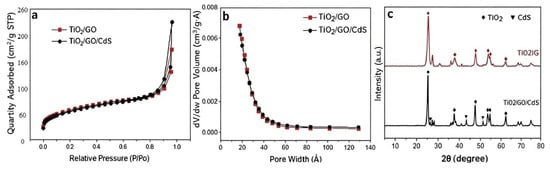
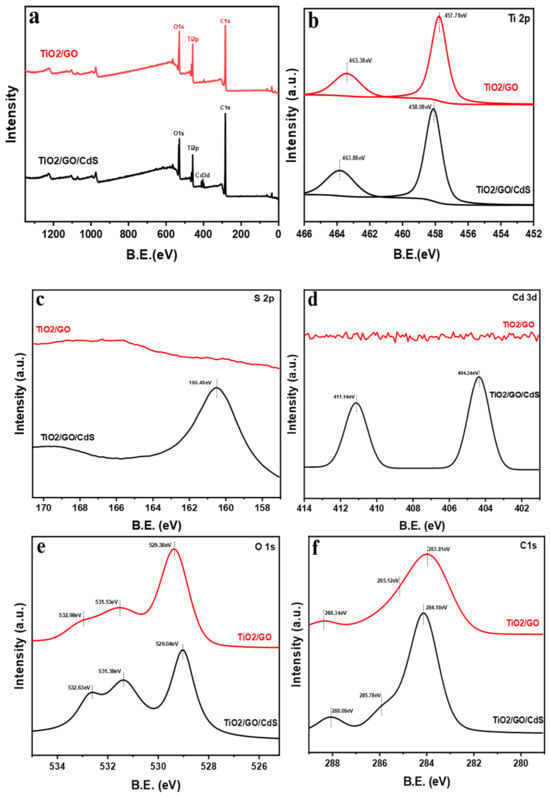
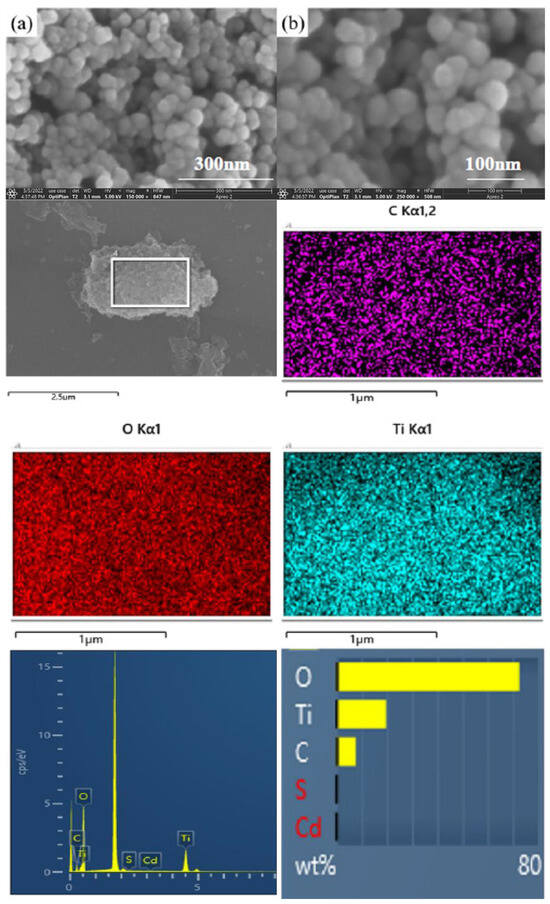
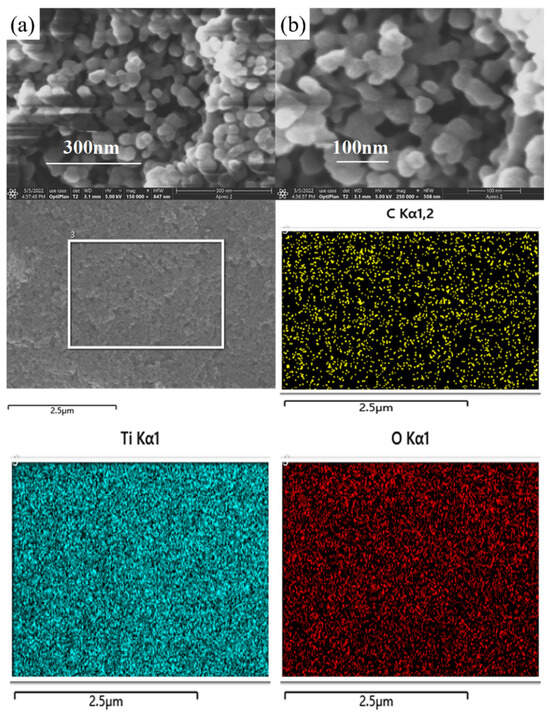
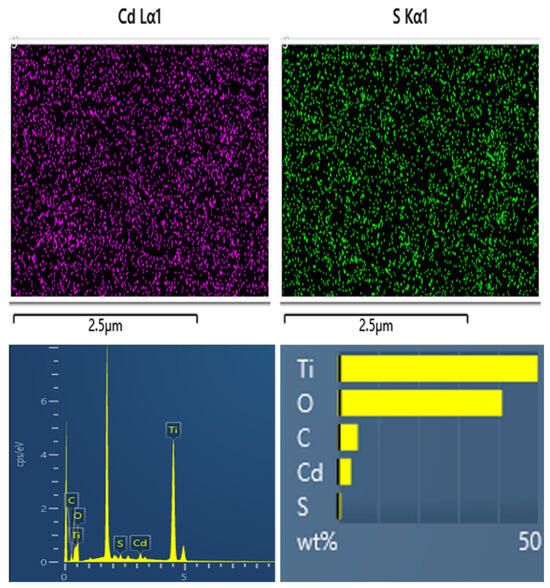
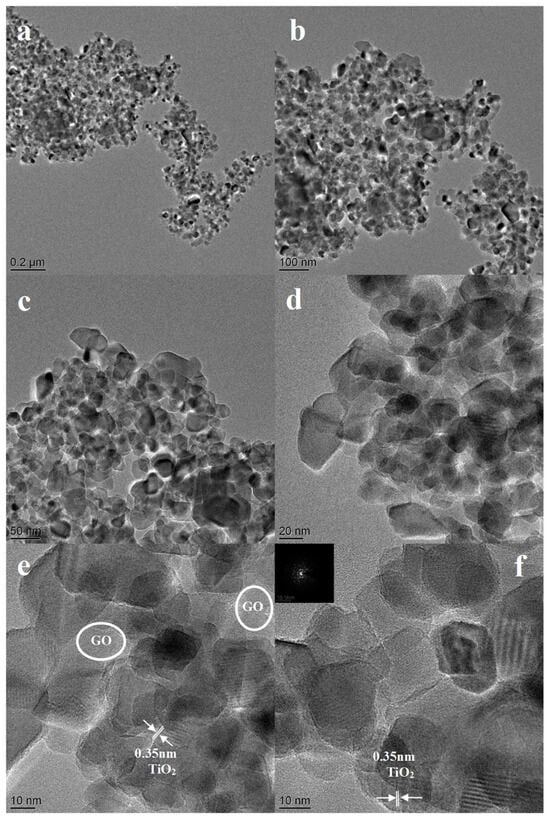
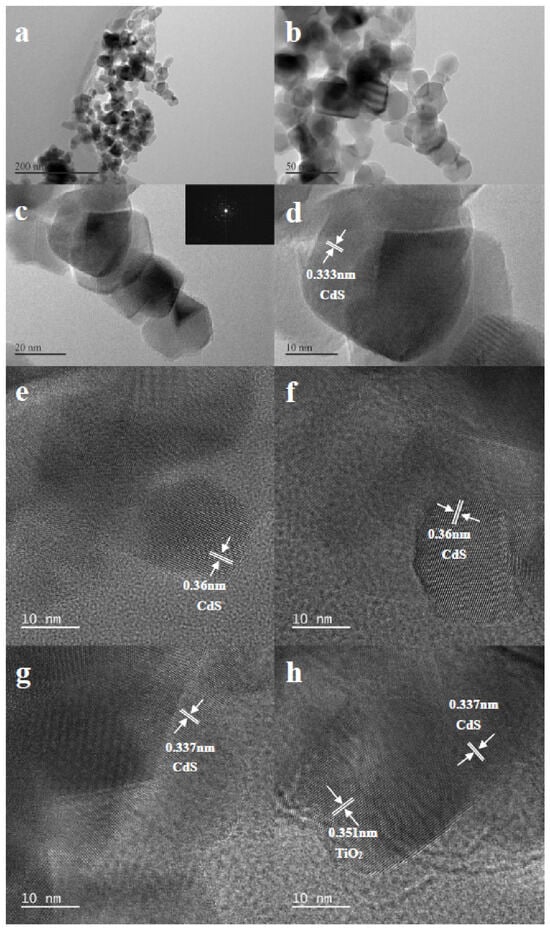
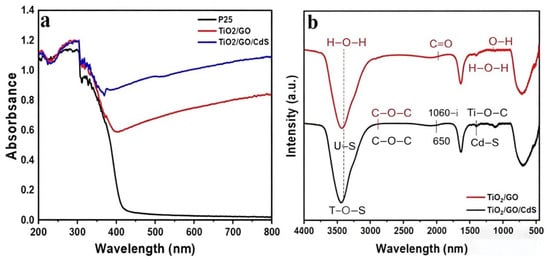
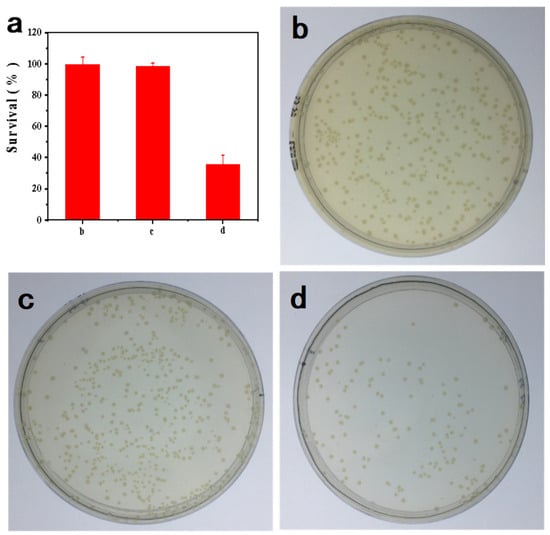
To improve the visible-light response and antibacterial performance of titanium dioxide, a TiO2/GO/CdS mesoporous nanocomposite was prepared via an ultrasound-assisted sol–gel method in this study. Systematic characterizations including XRD, XPS, SEM, TEM, BET, UV-Vis DRS and FTIR were carried out to analyze the structure, morphology and optical properties of the material. The results show that the composite exhibits a typical mesoporous structure with a specific surface area of 197.0962 m2/g and a pore size distribution of 2–14 nm. CdS is successfully doped into the TiO2 matrix and forms a heterostructure with GO. UV-Vis diffuse reflectance spectra indicate that the synergistic effect of CdS and GO significantly broadens the visible-light absorption range of TiO2 and suppresses the recombination of photogenerated carriers. Antibacterial tests using Escherichia coli as the target strain demonstrate that the TiO2/GO/CdS composite exhibits remarkably better visible-light photocatalytic bactericidal activity than pure TiO2 and the TiO2/GO composite. This work provides a new strategy for the modification of TiO2-based photocatalytic antibacterial materials, and the as-prepared composite shows promising application prospects in the antibacterial field.
Full article
(This article belongs to the Special Issue Biochemistry in Microbe–Microbe Interactions)
►▼
Show Figures

Figure 1
Open AccessArticle
Association of ACE I/D and TNF-α-308 Polymorphisms with COVID-19 Severity in a Mexican Population
by
Mayela del Ángel-Martínez, Mauricio Salinas-Santander, Michelle Giovanna Santoyo-Suárez, Lesly González-Flores, Omar Reyes-Torres and Antonio Morlett-Chávez
BioChem 2026, 6(2), 11; https://doi.org/10.3390/biochem6020011 - 18 May 2026
Abstract
►▼
Show Figures
Background: COVID-19 severity shows marked interindividual variability, suggesting a role for host genetic factors. Polymorphisms in genes involved in the renin–angiotensin system and inflammatory response, such as the angiotensin-converting enzyme (ACE) and the tumor necrosis factor-alpha (TNF-α), have been proposed as potential
[...] Read more.
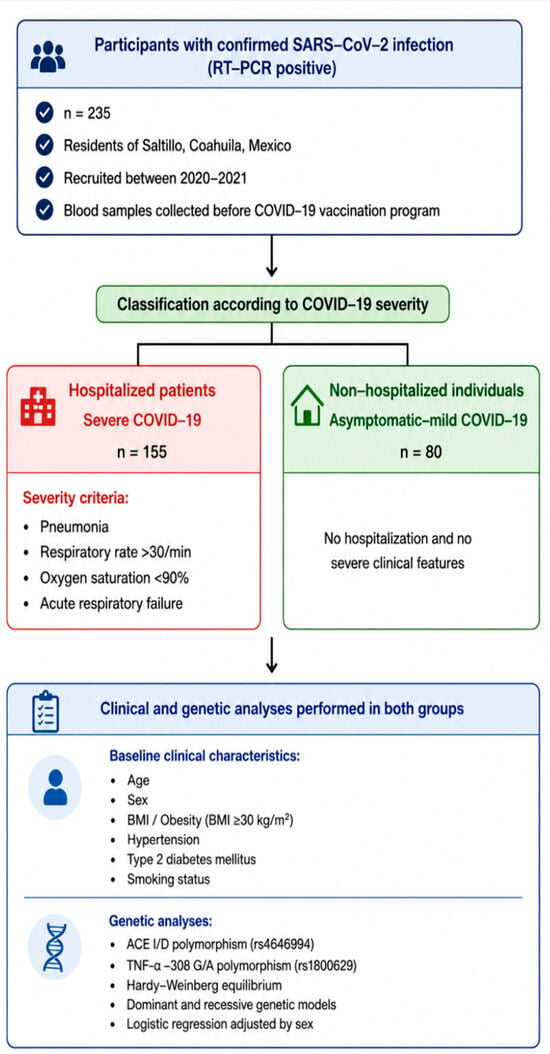
Background: COVID-19 severity shows marked interindividual variability, suggesting a role for host genetic factors. Polymorphisms in genes involved in the renin–angiotensin system and inflammatory response, such as the angiotensin-converting enzyme (ACE) and the tumor necrosis factor-alpha (TNF-α), have been proposed as potential modulators of disease severity. Objectives: To evaluate the association between the ACE I/D (rs4646994) and TNF-α-308 G/A (rs1800629) polymorphisms and COVID-19 severity in a Mexican population. Methods: A total of 235 individuals with RT-PCR–confirmed SARS-CoV-2 infection were included. Patients were classified as hospitalized (severe, n = 155) or non-hospitalized (asymptomatic–mild, n = 80). Genotyping was performed by PCR–RFLP. Genotype distributions were analyzed using χ2 tests under dominant and recessive genetic models, and odds ratios (ORs) with 95% confidence intervals (CIs) were calculated. Results: The ACE I/D polymorphism showed a significant association with COVID-19 severity. Carriers of the I allele (ID + II) had a higher risk of hospitalization compared with DD homozygotes (OR = 2.78, 95% CI: 1.53–5.06, p = 0.001). After adjustment for sex, the association remained significant (adjusted OR = 2.55, 95% CI: 1.38–4.70, p = 0.003). Sex-stratified analysis revealed that this association was significant only in male patients. The DD genotype was more frequent among non-hospitalized individuals, suggesting a potential protective effect in this population. No significant association was observed between the TNF-α-308 G/A polymorphism. Conclusions: The ACE I/D polymorphism is associated with COVID-19 severity in a Mexican population, with a stronger association observed in males. These findings highlight the potential role of host genetic background and sex-specific effects in COVID-19 outcomes.
Full article

Figure 1
Open AccessReview
D-Amino Acids in Human Health and Disease: Dual Functions, Metabolic Regulation, and Therapeutic Potential
by
Masao Shimoda and Bernard Yukihiro Hiraoka
BioChem 2026, 6(2), 10; https://doi.org/10.3390/biochem6020010 - 29 Apr 2026
Abstract
►▼
Show Figures
Background: D-amino acids are increasingly recognized as bioactive molecules with diverse physiological and pathological roles in humans, particularly in the gut, kidneys, and nervous system. Advances in analytical techniques have revealed their widespread presence in biological fluids, including plasma, urine, cerebrospinal fluid, amniotic
[...] Read more.
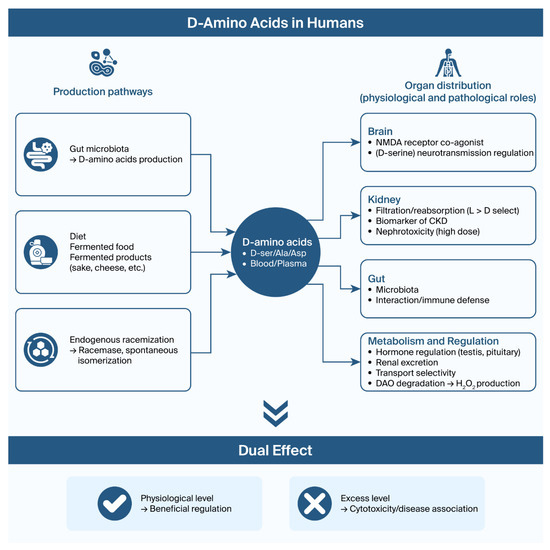
Background: D-amino acids are increasingly recognized as bioactive molecules with diverse physiological and pathological roles in humans, particularly in the gut, kidneys, and nervous system. Advances in analytical techniques have revealed their widespread presence in biological fluids, including plasma, urine, cerebrospinal fluid, amniotic fluid, and saliva, challenging the long-standing assumption that D-amino acids are absent or biologically insignificant in mammals. Scope: This review systematically summarizes the current knowledge on D-amino acid sources, distribution, metabolic regulation, and biological functions, with emphasis on their roles in human physiology and disease. Key findings: Accumulating evidence indicates that major D-amino acids, including D-serine, D-aspartate, and D-alanine, are derived from multiple sources such as diet, intestinal microbiota, and endogenous racemization processes. Rather than being passive metabolic byproducts, D-amino acids are now understood to participate in host–microbe interactions, neurotransmission, and renal physiology. Importantly, a consistent trend across studies is their dual and concentration-dependent nature, exhibiting beneficial effects under physiological conditions but potential cytotoxic effects at elevated levels. Conclusions and perspectives: Overall, D-amino acids represent multifunctional biomolecules with tightly regulated physiological roles and context-dependent pathological implications. However, major gaps remain in understanding their quantitative dynamics, tissue-specific regulation, and microbiota-dependent metabolism. Future studies addressing these mechanisms will be essential for establishing their clinical utility as biomarkers and for developing D-amino acid-based therapeutic and nutritional strategies.
Full article

Figure 1

Open AccessEditorial
Feature Papers in BioChem, 2nd Edition
by
Manuel Aureliano and Buyong Ma
BioChem 2026, 6(2), 9; https://doi.org/10.3390/biochem6020009 - 27 Mar 2026
Abstract
As mentioned in the Editorial of the first edition of the Special Issue on “Feature Papers in BioChem”, biochemistry acts as a key cog in the “clock of the knowledge, permitting that wheels from several science areas move each other” [...]
Full article
(This article belongs to the Special Issue Feature Papers in BioChem, 2nd Edition)
Open AccessCorrection
Correction: Mimi, M.A.; Hasan, M.M. Single-Cell Transcriptomics in Spinal Cord Studies: Progress and Perspectives. BioChem 2025, 5, 16
by
Mst. Afsana Mimi and Md. Mahmudul Hasan
BioChem 2026, 6(1), 8; https://doi.org/10.3390/biochem6010008 - 3 Mar 2026
Abstract
The authors wish to correct the authorship of the published article [...]
Full article
Open AccessArticle
Carbon Dot Nanotherapeutics Modulating the Polyol Pathway and Targeting Infection Pathogens Associated with Diabetic Complications
by
Imane Nait Irahal, Abderrahmane Thoume, Asmaa Chbel, Hicham Wahnou, Fatima Abdou-Allah, Ayoub Lafnoune, Redouane Achagar, Driss Benmessaoud Left, Mustapha Zertoubi and Noureddine Bourhim
BioChem 2026, 6(1), 7; https://doi.org/10.3390/biochem6010007 - 2 Mar 2026
Abstract
Background: Diabetes mellitus is a global health challenge associated with chronic complications like diabetic nephropathy and diabetic foot infections. Diabetic nephropathy, mediated by hyperglycemia-induced activation of the polyol pathway, represents a primary cause of end-stage renal disease. Additionally, infections caused by multidrug-resistant
[...] Read more.
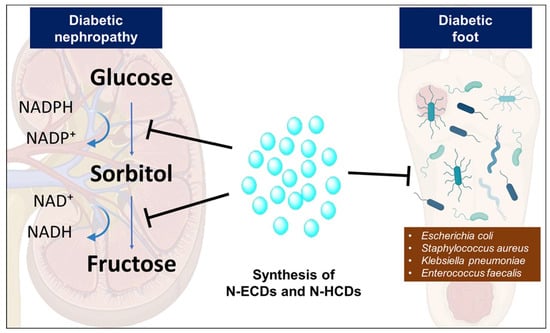
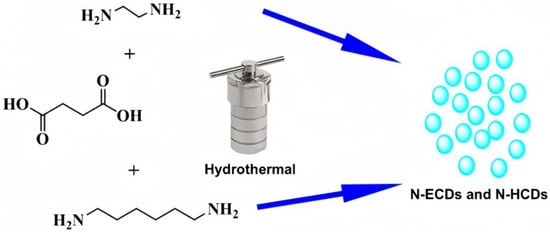
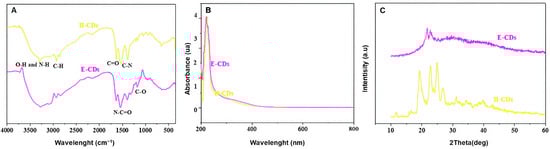
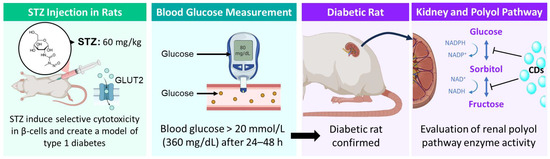
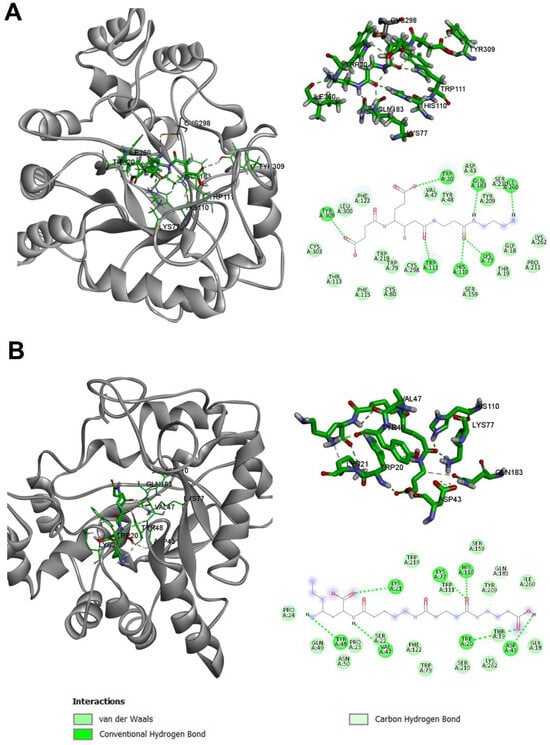
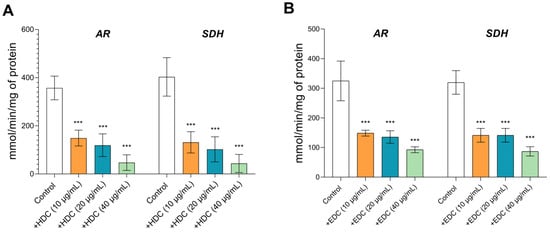
Background: Diabetes mellitus is a global health challenge associated with chronic complications like diabetic nephropathy and diabetic foot infections. Diabetic nephropathy, mediated by hyperglycemia-induced activation of the polyol pathway, represents a primary cause of end-stage renal disease. Additionally, infections caused by multidrug-resistant bacteria like Enterococcus faecalis lead to amputations and contribute to morbidity in diabetic patients. Methods: In this study, we synthetized nitrogen-doped carbon dots (N-CDs) using succinic acid with either hexamethylenediamine (N-HCD) or ethylenediamine (N-ECD) and evaluated their potential therapeutic applications. Results: Both N-HCD and N-ECD demonstrated a significant reduction in aldose reductase (AR) and sorbitol dehydrogenase (SDH) in vitro, with a substantial reduction in polyol pathway enzymatic activity. Furthermore, these N-CDs exhibited antibacterial activity against E. faecalis in vitro. Conclusions: Taken together, our findings suggest that N-HCD and N-ECD represent promising candidates for addressing diabetes-related complications and warrant further investigation for potential drug delivery applications.
Full article
(This article belongs to the Special Issue Targeting Oxidative Stress and Inflammation: Emerging Mechanisms and Therapeutics)
►▼
Show Figures

Graphical abstract
Open AccessReview
Regulatory Stipulations and Scientific Underpinnings for Inhaled Biologics for Local Action in the Respiratory Tract—Part I: Development of Inhaled Therapeutic Protein Products
by
Gur Jai Pal Singh and Anthony J. Hickey
BioChem 2026, 6(1), 6; https://doi.org/10.3390/biochem6010006 - 26 Feb 2026
Cited by 1
Abstract
►▼
Show Figures
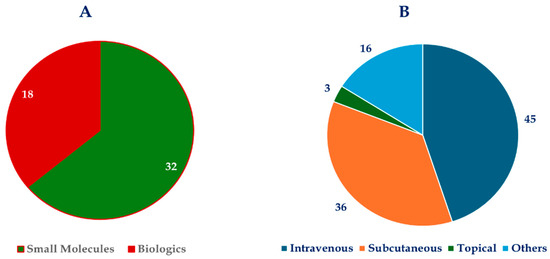
The majority of approved drug products comprise formulations of either chemically synthesized small molecules or large molecular entities derived from living cells, commonly referred to as biologics. Over the past two decades, there has been remarkable growth in the approval of biologics for
[...] Read more.
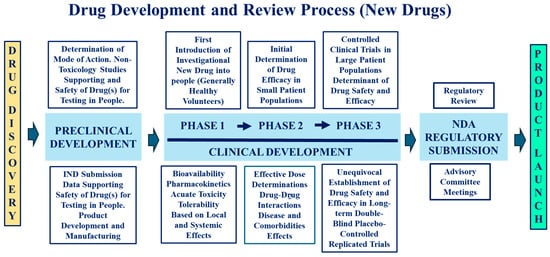
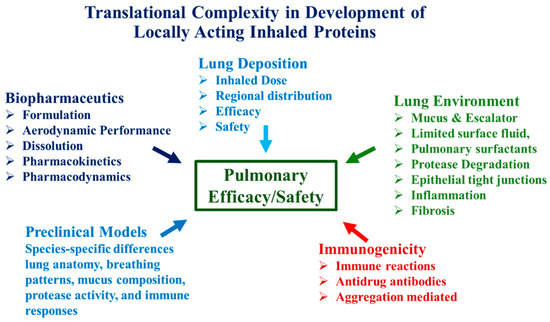
The majority of approved drug products comprise formulations of either chemically synthesized small molecules or large molecular entities derived from living cells, commonly referred to as biologics. Over the past two decades, there has been remarkable growth in the approval of biologics for a variety of disorders, including respiratory diseases. The preference for biologics stems from their high target specificity, strong binding affinity, and favorable safety profiles. Most approved biologics are peptides or proteins, which are unsuitable for oral administration due to negligible bioavailability, resulting from their large molecular size, polarity, and susceptibility to enzymatic degradation in the gastrointestinal tract. Consequently, the majority of biologics are administered parenterally, delivering the drug systemically to reach target sites. However, achieving therapeutic concentrations of locally acting respiratory drugs in the lungs via systemic delivery often requires high doses, which increases the risk of adverse effects. For respiratory disorders, nasal and pulmonary drug deliveries are the preferred noninvasive routes. These routes bypass gastrointestinal and first-pass metabolism and deliver therapeutic agents directly to their local site of action. This approach enables a faster onset of action, reduces the required dose by orders of magnitude, and significantly lowers the risk of systemic adverse effects. These advantages have driven the successful development of inhaled formulations for certain rescue and maintenance medications that were originally administered orally or parenterally. Despite this, treatment options for respiratory diseases remain largely limited to small molecules, with only a single inhaled biologic approved in 1993, even though several parenterally administered biologics have since been approved for pulmonary disorders. The scarcity of inhaled biologics is primarily due to the inherent complexity of these drug substances, which impacts all stages of product development, including manufacturing, characterization, purification, stability, formulation design, delivery, and preclinical and clinical evaluations of safety and efficacy. Additionally, sponsors’ interest in developing inhaled biologics may be tempered by the lack of regulatory guidance addressing the multidisciplinary and intricate nature of their development. This article, together with the accompanying review, addresses both regulatory considerations and scientific challenges in the development of inhaled biologics. To the authors’ knowledge, these works represent seminal efforts to examine available regulatory guidance and the applicable literature across various phases of product development beyond safety and efficacy evaluations. We examined the formal regulatory expectations and summarized the requirements as they apply to inhaled products and inhaled biologic protein therapeutics. In parallel, we explored scientifically relevant considerations in the development of inhalation-specific protein therapeutics for which regulatory guidance remains limited, evolving, or absent. While they should not be considered definitive, it is hoped that these contributions will stimulate scientific and regulatory interest, ultimately promoting the identification and resolution of gaps to advance the development of locally acting biologics and address unmet patient needs.
Full article

Figure 1
Open AccessEditor’s ChoiceReview
Paediatric Ovarian Neoplasms: Histopathological, Molecular, and Translational Perspectives
by
Andrea Marzullo and Cecilia Salzillo
BioChem 2026, 6(1), 5; https://doi.org/10.3390/biochem6010005 - 11 Feb 2026
Abstract
►▼
Show Figures
Paediatric ovarian neoplasms are rare and histologically diverse tumours with distinct clinical behaviour and prognosis compared to their adult counterparts. This review synthesises current knowledge from an anatomical pathology perspective, emphasising diagnostic and therapeutic strategies. Paediatric ovarian tumours are classified into three main
[...] Read more.
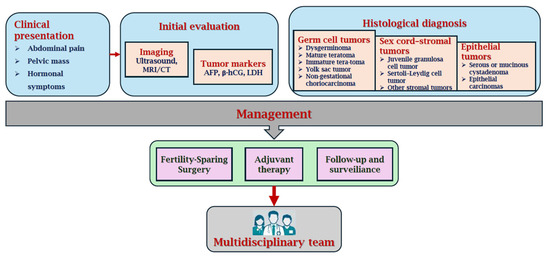
Paediatric ovarian neoplasms are rare and histologically diverse tumours with distinct clinical behaviour and prognosis compared to their adult counterparts. This review synthesises current knowledge from an anatomical pathology perspective, emphasising diagnostic and therapeutic strategies. Paediatric ovarian tumours are classified into three main categories: germ cell tumours, sex cord-stromal tumours, and epithelial neoplasms. Germ cell tumours, the most frequent in children, include dysgerminoma, mature and immature teratoma, yolk sac tumour, and choriocarcinoma. Sex cord-stromal tumours encompass Sertoli-Leydig cell tumours, juvenile granulosa cell tumours, and adrenal-like stromal tumours, while epithelial tumours, rare in paediatric patients, include serous and mucinous adenocarcinomas or cystadenomas. Clinical presentation is often nonspecific, with abdominal pain, pelvic mass, or endocrine abnormalities. Diagnosis integrates imaging, serum tumour markers, and histopathology supported by immunohistochemistry. Treatment prioritises fertility-sparing surgery, with selective adjuvant chemotherapy based on histotype and stage. Despite generally favourable outcomes, the rarity of these tumours limits high-quality evidence, highlighting the need for referral centres and multicenter studies. Standardised diagnostic protocols and personalised therapeutic approaches are essential to optimising clinical outcomes and preserve long-term reproductive function.
Full article

Figure 1

Open AccessReview
Regulatory Stipulations and Scientific Underpinnings for Inhaled Biologics for Local Action in the Respiratory Tract—Part II: A Characterization of Inhaled Biological Proteins
by
Gur Jai Pal Singh and Anthony J. Hickey
BioChem 2026, 6(1), 4; https://doi.org/10.3390/biochem6010004 - 29 Jan 2026
Cited by 3
Abstract
►▼
Show Figures
Following the discovery of therapeutic molecules and the identification of specific biological targets, preparation of regulatory dossiers entails extensive product development and characterization to support their safety, efficacy, and stability. We have examined the drug development and relevant regulatory considerations related to inhaled
[...] Read more.
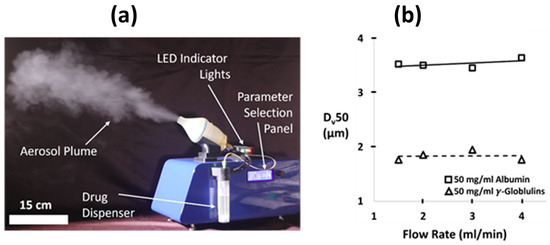
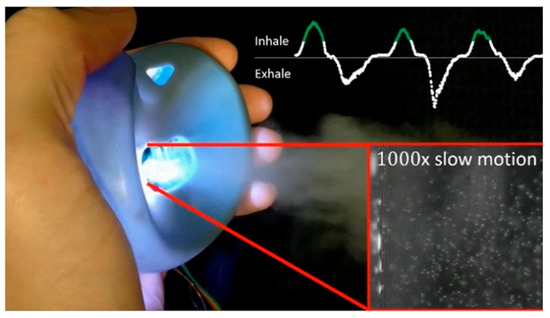
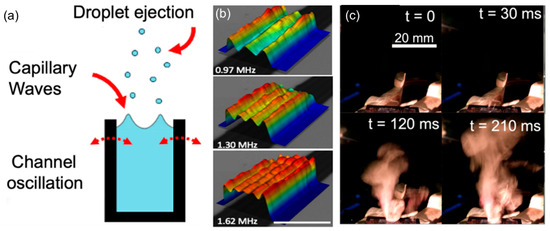
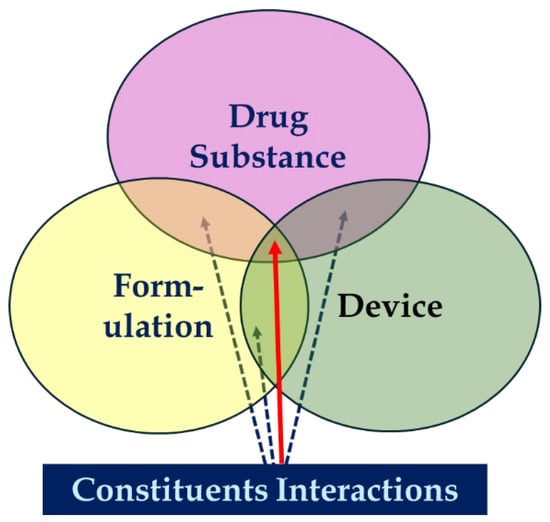
Following the discovery of therapeutic molecules and the identification of specific biological targets, preparation of regulatory dossiers entails extensive product development and characterization to support their safety, efficacy, and stability. We have examined the drug development and relevant regulatory considerations related to inhaled biological proteins in the accompanying article. This review focuses on the characterization of locally acting inhaled biological proteins. Drug product characterization is a regulatory requirement, and it ensures drug product safety, efficacy, stability, and usability by the target populations. Together, these two articles provide a comprehensive discussion based on our review and analysis of the available open literature. We have attempted to fill gaps and simulate discussion of challenges following sound scientific pathways. This approach has the prospect of addressing regulatory expectations leading to rapid solutions to unmet medical needs. The robustness of characterization strategies and the development of analytical methods used in the in vitro testing for the evaluation of drug product attributes is assured through application of the Design-of-Experiment (DOE) and Quality-by-Design (QBD) approaches. Drug product characterization entails a variety of in vitro studies evaluating drug products for purity and contamination, and determination of drug delivery by the intended route of administration. Measurement of the proportion of the labeled amount per dose and the form suitable for delivery to the intended target sites is central to this assessment. For respiratory Drug–Device combination products, the testing may vary with the product designs. However, determination of the single-dose content, delivered-dose uniformity, aerodynamic particle size distribution, and device robustness when used by the target populations is common to all combination products. Characterization of aerosol plumes is limited to inhalation aerosols that produce specific aerosol clouds upon actuation. The flow rate dependency of devices is also examined. Product characterization also includes safety-related product attributes such as degradation products and leachables. For inhaled biological proteins, safety-related in vitro testing includes additional testing to assure maintenance of the three-dimensional structural integrity and the sustained biological activity of the drug substance in the formulation, during aerosolization and upon deposition. This article discusses various tests employed for regulatory-compliant product characterization. In addition, the stability testing and handling of possible changes during product development and post-approval are discussed.
Full article

Figure 1
Open AccessEditor’s ChoiceReview
Lactic Acid Bacteria: From Bioprocessing to Nanomedicine
by
Maryam Rezvani, Maria Manconi and Nejat Düzgüneş
BioChem 2026, 6(1), 3; https://doi.org/10.3390/biochem6010003 - 27 Jan 2026
Cited by 1
Abstract
Background/Objectives: Lactic acid bacteria have long been recognized as pivotal microorganisms in food fermentation and health promotion. However, their significance has recently grown due to innovative applications in various fields, particularly at the intersection of biotechnology and nanotechnology. This study aimed to
[...] Read more.
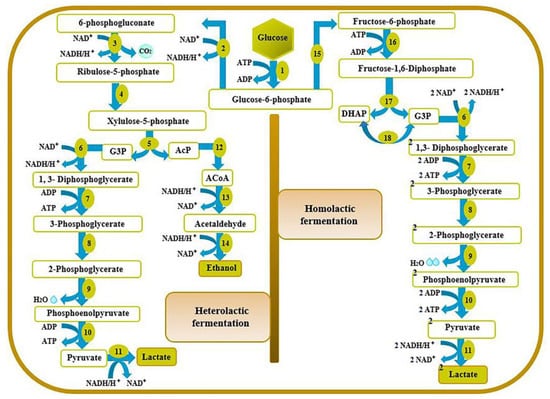
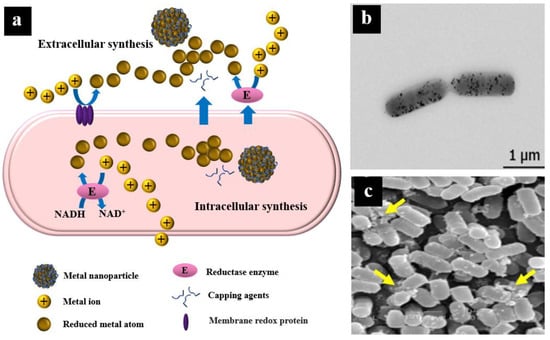
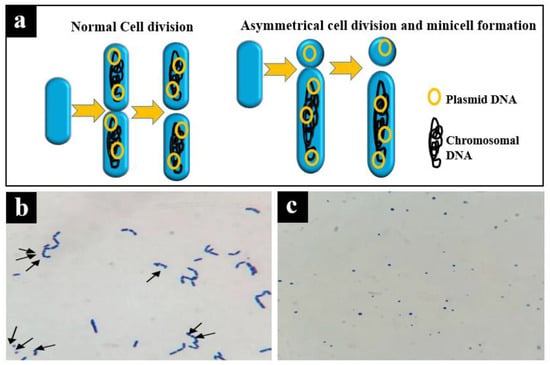
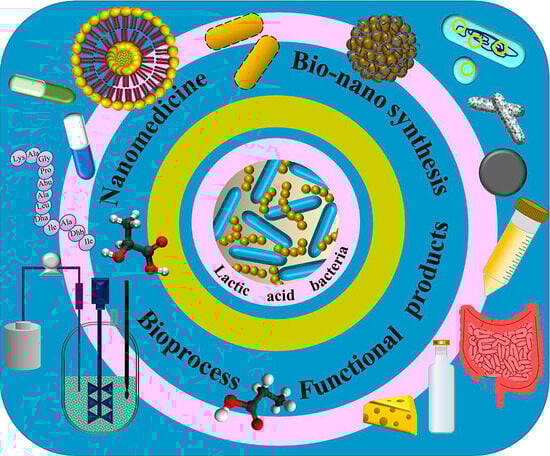
Background/Objectives: Lactic acid bacteria have long been recognized as pivotal microorganisms in food fermentation and health promotion. However, their significance has recently grown due to innovative applications in various fields, particularly at the intersection of biotechnology and nanotechnology. This study aimed to provide a comprehensive overview of these emerging applications. Methods: The latest scientific literature was drawn from online databases and thoroughly reviewed. The new nomenclature system based on the post-2020 reclassification was used for reports. Results: The current study highlighted the evolving role of lactic acid bacteria, beyond their traditional use as starter cultures for food fermentation, in newer challenges, including the production of high-value bioactive compounds through bioprocessing under optimal conditions to enhance the yield, underlining the involved genes and pathways. Furthermore, this review addressed the beneficial effects of lactic acid bacteria as probiotics, postbiotics, and paraprobiotics in the treatment of various diseases and disorders, their application in the production of functional foods, and the encapsulation of their bioproducts to produce advanced health-promoting functional ingredients. The potential use of lactic acid bacteria to synthesize metallic nanoparticles, minicells, and carbon dots was also explored, promising significant advancements in nanomedicine. Conclusions: This review could open a new horizon for leveraging the potential of lactic acid bacteria in biotechnology, food science, and nanomedicine. The multilateral perspective offered here would provide a foundation for future research and development to exploit the capabilities of lactic acid bacteria across these innovative fields.
Full article
(This article belongs to the Special Issue Feature Papers in BioChem, 2nd Edition)
►▼
Show Figures

Graphical abstract
Open AccessReview
Quantum and Artificial Intelligence in Drugs and Pharmaceutics
by
Bruno F. E. Matarèse
BioChem 2026, 6(1), 2; https://doi.org/10.3390/biochem6010002 - 14 Jan 2026
Abstract
The pharmaceutical industry faces a broken drug development pipeline, characterized by high costs, slow timelines and is prone to high failure rates. The convergence of Artificial Intelligence (AI) and quantum technologies is poised to fundamentally transform this landscape. AI excels in interpreting complex
[...] Read more.
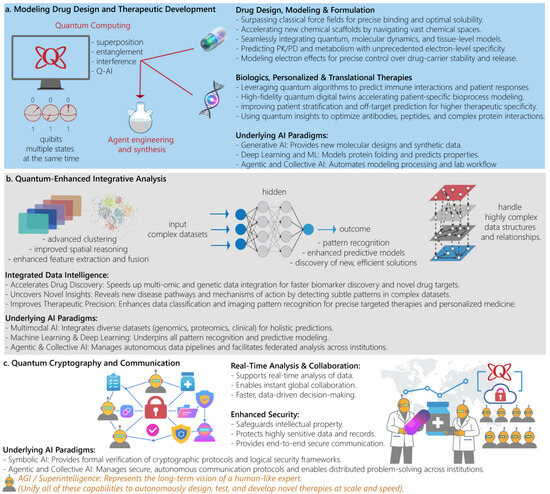
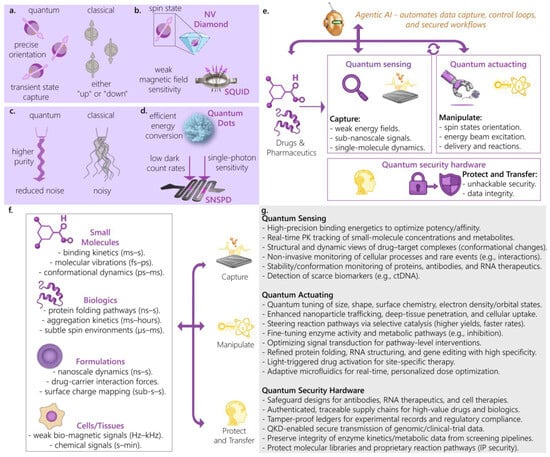
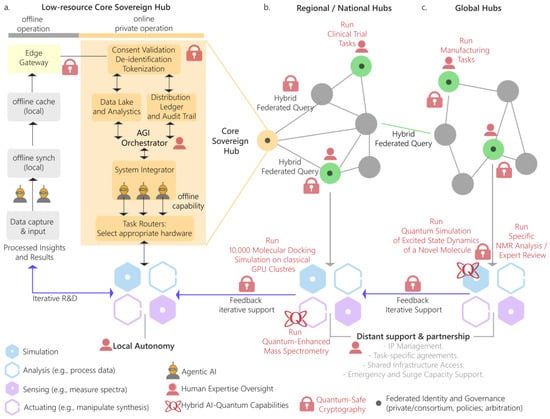
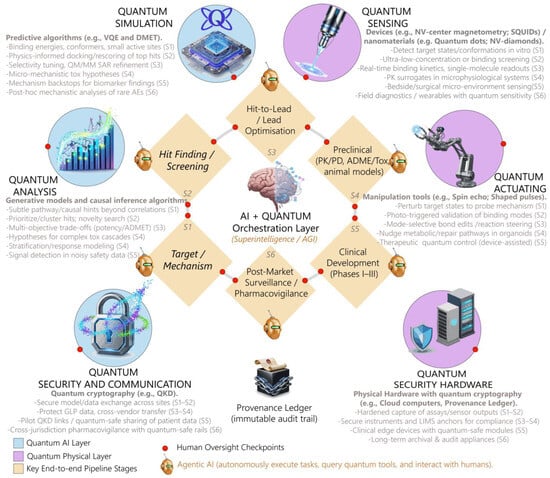
The pharmaceutical industry faces a broken drug development pipeline, characterized by high costs, slow timelines and is prone to high failure rates. The convergence of Artificial Intelligence (AI) and quantum technologies is poised to fundamentally transform this landscape. AI excels in interpreting complex data, optimizing processes and designing drug candidates, while quantum systems enable unprecedented molecular simulation, ultra-sensitive sensing and precise physical control. This convergence establishes an integrated, self-learning ecosystem for the discovery, development, and delivery of therapeutics. This framework co-designs strategies from molecular targeting to formulation stability, compressing timelines and enhancing precision, which may enable safer, faster, and more adaptive medicines.
Full article
(This article belongs to the Special Issue Drug Delivery: Latest Advances and Prospects)
►▼
Show Figures

Figure 1
Highly Accessed Articles
Latest Books
E-Mail Alert
News
5 August 2026
MDPI INSIGHTS: The CEO’s Letter #37 – Canada Summit, Sciforum Relaunch, 30 Years of Impactful Research & ISPRS 2026
20 July 2026
Meet Us at the 8th International Conference on Biotic Plant Interactions (8th ICBPI), 18–21 October 2026, Nanjing, China
Topics
Topic in
Foods, IJMS, Nutrients, Biomolecules, BioChem, Molecules
Bioactive Compounds with Application Potentials in Nutraceuticals and Nutricosmetics: Focus on Mechanism of Action and Application Science—2nd Edition
Topic Editors: Hyun-Gyun Yuk, Caili Fu, Lin Chen, Pujie ShiDeadline: 31 December 2026
Topic in
CIMB, IJMS, Metabolites, Plants, Sci, BioChem
Metabolomics in Plants
Topic Editors: Thusitha W. Rupasinghe, Priyanka ReddyDeadline: 28 April 2027
Topic in
BioChem, Biomedicines, Foods, Metabolites, Lipidology, CIMB, Sci
Metabolomics in Biomedicine and Food Science
Topic Editors: Leonardo Tenori, Stefano CacciatoreDeadline: 15 June 2027
Conferences
Special Issues
Special Issue in
BioChem
Drug Delivery: Latest Advances and Prospects
Guest Editors: Xueying Zhao, Xue MiDeadline: 30 September 2026
Special Issue in
BioChem
Synthetic Biology: Latest Advances and Prospects
Guest Editor: Guanhua XunDeadline: 31 October 2026
Special Issue in
BioChem
Biochemistry in Microbe–Microbe Interactions
Guest Editor: Chong-Su KimDeadline: 30 November 2026
Special Issue in
BioChem
Translational Medicine: From Gene Discovery to Drug Discovery
Guest Editors: Talat Nasim, Khaled Habas, Merve Yuzbasioglu Baran, Maria Osei-WusuansaDeadline: 31 December 2026