
Journal Description
Advances in Respiratory Medicine
(ARM) is an international, peer-reviewed, open access journal on respiratory medicine, covering allergology, oncology, immunology and infectious diseases of the respiratory system, published bimonthly online. It is the official journal of the Polish Respiratory Society (PtChP).
- Open Access— free for readers, with article processing charges (APC) paid by authors or their institutions.
- High Visibility: indexed within Scopus, ESCI (Web of Science), PubMed, MEDLINE, PMC, Embase, and other databases.
- Journal Rank: JCR - Q1 (Respiratory System) / CiteScore - Q2 (Pulmonary and Respiratory Medicine)
- Rapid Publication: manuscripts are peer-reviewed and a first decision is provided to authors approximately 25.7 days after submission; acceptance to publication is undertaken in 3.9 days (median values for papers published in this journal in the first half of 2026).
- Recognition of Reviewers: APC discount vouchers, optional signed peer review, and reviewer names published annually in the journal.
Impact Factor:
4.5 (2025);
5-Year Impact Factor:
2.1 (2025)
Latest Articles
Prevalence and Impact of Pulmonary Hypertension Associated with Arteriovenous Fistulas and Grafts in End-Stage Renal Disease: A Systematic Review and Meta-Analysis
Adv. Respir. Med. 2026, 94(4), 46; https://doi.org/10.3390/arm94040046 - 6 Jul 2026
Abstract
Background/Objectives: Pulmonary hypertension (PH) is an increasingly recognized complication in patients with end-stage renal disease (ESRD) undergoing hemodialysis, particularly those utilizing arteriovenous fistulas (AVF) or grafts (AVG) for vascular access. The prevalence and clinical impact of PH in this population remain unclear due
[...] Read more.
Background/Objectives: Pulmonary hypertension (PH) is an increasingly recognized complication in patients with end-stage renal disease (ESRD) undergoing hemodialysis, particularly those utilizing arteriovenous fistulas (AVF) or grafts (AVG) for vascular access. The prevalence and clinical impact of PH in this population remain unclear due to methodological heterogeneity and variable diagnostic criteria. This systematic review and meta-analysis aimed to quantify the association between AVF/AVG use and PH prevalence in ESRD patients and to explore sources of heterogeneity. Methods: A systematic search of PubMed, Embase, Scopus, and Web of Science was conducted for studies published through 31 December 2024, without language or date restrictions. Eligible studies included adults (≥18 years) with ESRD on dialysis, comparing those with AVF/AVG access to non-AVF/AVG controls (e.g., tunneled dialysis catheters or peritoneal dialysis), and reporting PH prevalence or mean pulmonary artery pressures. Study quality was assessed using the Newcastle–Ottawa Scale, and risk of bias was evaluated. A random-effects meta-analysis calculated pooled odds ratios (OR) for PH prevalence, with heterogeneity assessed by I2 and Cochran’s Q. Sensitivity analyses and tests for publication bias (Egger’s and Begg’s) were performed. Secondary analysis compared pooled mean pulmonary artery pressures between groups. Results: Eleven observational studies (1299 dialysis patients) met the inclusion criteria; ten studies (1224 patients) contributed to the quantitative meta-analysis after exclusion of one study with a zero-event control arm. Most studies were small, predominantly cross-sectional, and of moderate methodological quality. The pooled analysis showed a statistically significant association between AVF/AVG use and PH (OR 2.06, 95% CI: 1.69–2.52), with low statistical heterogeneity (I2 = 0%). This estimate was sensitive to individual studies: in leave-one-out analysis the association lost statistical significance when the single most influential study was removed indicating that the pooled result is driven in part by a small number of studies rather than being uniformly robust. No statistical evidence of publication bias was detected. Five studies reported continuous pulmonary artery pressures, which were directionally higher in AVF/AVG patients but were not pooled because of extreme heterogeneity (I2 = 99.4%). Conclusions: In this synthesis of observational data, AVF/AVG use was associated with higher odds of pulmonary hypertension than non-AVF/AVG access. Because all included studies were observational and the pooled estimate is sensitive to individual influential studies, these findings indicate a possible association rather than a causal effect and should be interpreted with caution. They support the rationale for prospective hemodynamic studies and for evaluating—rather than presuming the benefit of—PH monitoring and individualized access strategies in higher-risk dialysis patients.
Full article
Open AccessArticle
Clinical Impact of RSV Vaccination in Hemodialysis Patients: Real-World Evidence on Hospitalization Risk and the Role of Chronic Lung Disease
by
Francesca K. Martino, Francesca Fioretti, Lucia Federica Stefanelli, Gianni Carraro, Miriam Capuano, Giuseppe Scaparrotta and Federico Nalesso
Adv. Respir. Med. 2026, 94(4), 45; https://doi.org/10.3390/arm94040045 - 2 Jul 2026
Abstract
Background: Respiratory syncytial virus (RSV) infection is a cause of respiratory morbidity in high-risk patients, including those with chronic lung disease (CLD) and those undergoing hemodialysis (HD). In HD patients, evidence on the clinical impact of RSV vaccination on respiratory complications remains limited.
[...] Read more.
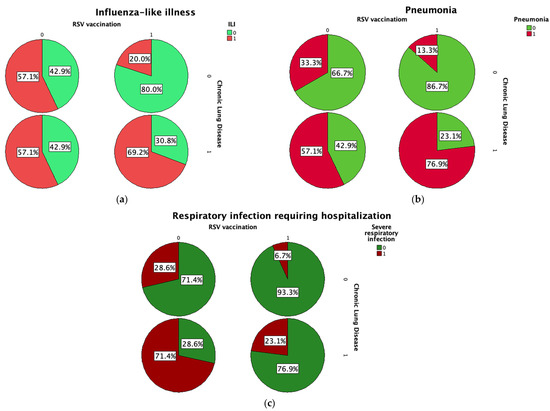
Background: Respiratory syncytial virus (RSV) infection is a cause of respiratory morbidity in high-risk patients, including those with chronic lung disease (CLD) and those undergoing hemodialysis (HD). In HD patients, evidence on the clinical impact of RSV vaccination on respiratory complications remains limited. We aimed to assess the clinical impact of RSV vaccination in HD patients by comparing vaccinated and unvaccinated patients with a focus on CLD. Methods: We retrospectively evaluated 56 adult HD patients: 28 received the RSV vaccine in autumn 2024 and 28 did not. Clinical data were collected from electronic medical records. Outcomes included influenza-like illness (ILI), pneumonia, and respiratory infection requiring hospitalization between September 2024 and September 2025. Results: Patients had a mean age of 74.4 years and a median Charlson Comorbidity Index (CCI) of 10. The RSV-vaccinated group had a greater comorbidity burden than the unvaccinated group (CCI 11 IQR 10–12 vs. 9 IQR 8–11, p = 0.02) and a higher prevalence of CLD (46.4% vs. 25.0%, p = 0.09). During follow-up, 28 patients (50.0%) had at least one ILI episode, 23 (41.1%) developed pneumonia, and 15 (26.8%) were hospitalized for respiratory infection. The incidence of ILI was 46.4% in vaccinated patients and 53.6% in unvaccinated patients (p = 0.28), while the incidence of pneumonia was 39.3% and 42.9%, respectively (p = 0.78). Respiratory infection requiring hospitalization occurred in 14.3% of vaccinated patients and 39.3% of unvaccinated patients (p = 0.035). CLD was significantly associated with pneumonia (p = 0.001) and showed trends toward higher rates of ILI (p = 0.09) and hospitalization for respiratory infection (p = 0.1). Conclusions: In our exploratory study, RSV vaccination in HD patients was associated with fewer hospitalizations for respiratory infection, despite greater comorbidity in vaccinated patients. CLD was associated with a higher incidence of respiratory complications, particularly pneumonia. The retrospective design and small sample size do not allow definitive conclusions; future prospective studies with an adequate sample size are needed to confirm our results.
Full article
(This article belongs to the Special Issue Infectious Diseases in Respiratory Medicine)
►▼
Show Figures

Figure 1
Open AccessGuidelines
Guidelines for Minimizing Bleeding Risk During Bronchoscopic Procedures
by
Adam Barczyk, Anna Andrychiewicz, Małgorzata Czajkowska-Malinowska, Katarzyna Górska, Bartosz Hudzik, Piotr Korczyński, Rafał Krenke, Wojciech Naumnik, Wojciech J. Piotrowski, Cezary Piwkowski, Jerzy Soja, Artur Szlubowski, Jerzy Windyga, Joanna Zając and Filip Mejza
Adv. Respir. Med. 2026, 94(4), 44; https://doi.org/10.3390/arm94040044 - 30 Jun 2026
Abstract
►▼
Show Figures
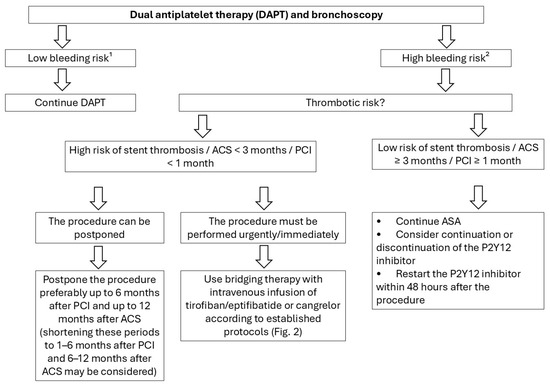
This article presents recommendations aimed at reducing the risk of bleeding during bronchoscopy. The document was developed by a working group convened by the Polish Respiratory Society, which included pulmonologists experienced in bronchoscopic procedures, an anesthesiologist, a thoracic surgeon, a cardiologist, a hematologist,
[...] Read more.
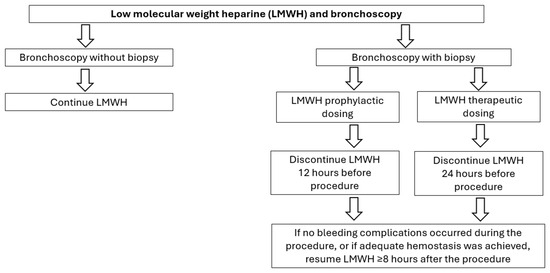
This article presents recommendations aimed at reducing the risk of bleeding during bronchoscopy. The document was developed by a working group convened by the Polish Respiratory Society, which included pulmonologists experienced in bronchoscopic procedures, an anesthesiologist, a thoracic surgeon, a cardiologist, a hematologist, a nurse, and methodologists. Clinical questions were formulated according to the PICO (Population, Intervention, Comparison, Outcome) framework, followed by a systematic literature search and critical appraisal of the selected studies. Based on these data, 13 recommendations/good clinical practice points were developed addressing bronchoscopy in patients with thrombocytopenia, abnormal activated partial thromboplastin time or international normalized ratio results, and in those receiving antiplatelet agents, oral anticoagulants, or low-molecular-weight heparin.
Full article

Figure 1
Open AccessOpinion
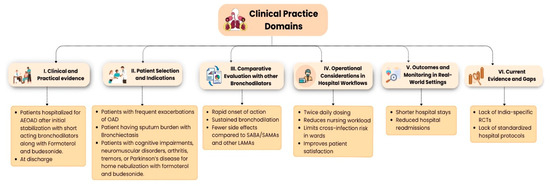
Utilization Patterns of Nebulized Glycopyrronium in Patients Hospitalized for Acute Exacerbations of Obstructive Airway Disease (AEOAD)—Indian Expert Perspectives
by
Arjun Khanna, Pradyut Waghray, Ashok Kr Singh, Jinay Mehta, Rithik, Sagar Bhagat, Saiprasad Patil and Hanmant Barkate
Adv. Respir. Med. 2026, 94(4), 43; https://doi.org/10.3390/arm94040043 - 29 Jun 2026
Abstract
►▼
Show Figures
Background: Acute exacerbation of obstructive airway disease (AEOAD) is a major cause of hospitalization, morbidity, and premature mortality in India. Hospitalized patients for the same are predominantly treated with short-acting bronchodilators, which require frequent administration and are associated with systemic adverse effects. Despite
[...] Read more.
Background: Acute exacerbation of obstructive airway disease (AEOAD) is a major cause of hospitalization, morbidity, and premature mortality in India. Hospitalized patients for the same are predominantly treated with short-acting bronchodilators, which require frequent administration and are associated with systemic adverse effects. Despite the availability of nebulized long-acting muscarinic antagonists (LAMAs) with quick onset of action, such as glycopyrronium, their role in acute care remains unclear in India. Methods: A pan-India expert opinion-building initiative was conducted among 220 pulmonologists across Tier I–II cities through 13 structured advisory meetings between April 2025 and July 2025. The final expert perspectives were then categorized into recurrent insights, raised in 75% or more meetings, and variable insights, raised in <75% of all meetings. Results: Experts reported that AEOAD management commonly involved initial stabilization with SABA/SAMA followed by transition to triple therapy with nebulized glycopyrronium, formoterol, and budesonide. Nebulized glycopyrronium was perceived to provide rapid and sustained bronchodilation with fewer cardiovascular side effects compared to short-acting agents. Benefits were reported in patients with frequent exacerbations, high sputum burden, and bronchiectasis. Operational advantages included reduced dosing frequency and nursing workload. Experts also noted potential improvements in hospital stay and readmissions; however, these observations were based on clinical experience rather than controlled data. Conclusions: Indian pulmonologists agreed that early initiation of nebulized glycopyrronium (with formoterol and budesonide) in hospitalized AEOAD may improve symptom control, lower exacerbation burden, reduce reliance on short-acting bronchodilators and corticosteroids, and shorten hospital stays.
Full article

Figure 1
Open AccessReview
Acute Exacerbation of Interstitial Lung Disease: A Case Series and a Narrative Literature Review
by
Bartłomiej Czyżak, Adam Lasota and Sebastian Majewski
Adv. Respir. Med. 2026, 94(3), 42; https://doi.org/10.3390/arm94030042 - 22 Jun 2026
Abstract
►▼
Show Figures
Acute exacerbation of interstitial lung disease (AE-ILD) represents sudden, severe deterioration in patients with pre-existing ILD and is associated with high morbidity and mortality. Our work presents a case series of AE-ILD in patients with idiopathic pulmonary fibrosis (IPF), idiopathic non-specific interstitial pneumonia
[...] Read more.
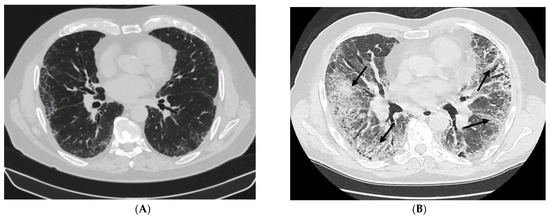
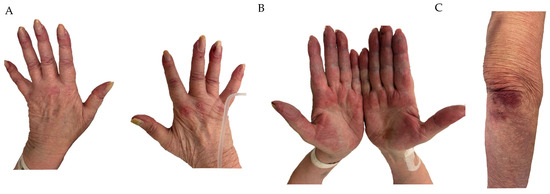
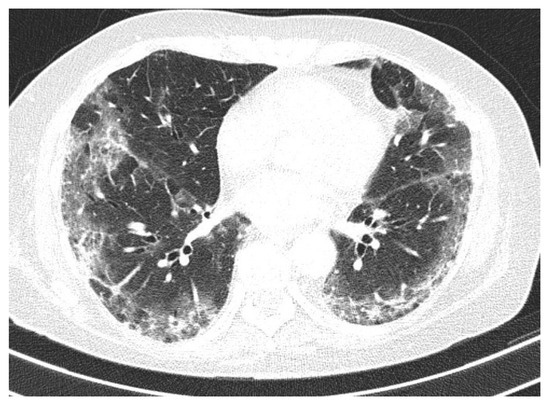
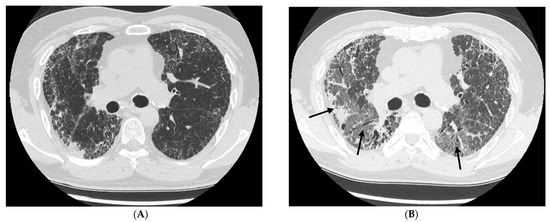
Acute exacerbation of interstitial lung disease (AE-ILD) represents sudden, severe deterioration in patients with pre-existing ILD and is associated with high morbidity and mortality. Our work presents a case series of AE-ILD in patients with idiopathic pulmonary fibrosis (IPF), idiopathic non-specific interstitial pneumonia (iNSIP), and connective tissue disease-associated ILD (CTD-ILD) managed at our institution and provides a narrative review of AE-ILD. Across cases, AE-ILD manifested as rapid progression of dyspnea and extensive ground-glass opacities (GGOs) on imaging, often triggered by infections or immune-mediated processes. Despite treatment, all cases were fatal, confirming that mortality remains high in AE-ILD. In our literature review, we focus on dysregulated innate immunity, an altered microbiome, potential microaspiration, surgical procedures, and autoantibody-mediated inflammation as triggers, as well as the risk factors for and prevalence of AE-ILD. We also examine pharmacological and non-pharmacological interventions, with particular emphasis on the role of antifibrotic agents as a key protective factor. Evidence for and against corticosteroid use in AE-IPF and non-IPF AE-ILD is discussed, highlighting the radically different treatment approach for AE in melanoma differentiation-associated gene 5 (MDA5)-positive dermatomyositis (DM)-associated ILD compared to AE-IPF. Our findings underscore the heterogeneous presentation and poor prognosis of AE-ILD, emphasizing the urgent need for standardized diagnostic criteria, risk stratification, and prospective studies with larger cohorts to establish evidence-based therapeutic strategies.
Full article

Figure 1
Open AccessReview
Advances in Therapeutic Options for Pulmonary and Sleep Disorders in Mucopolysaccharidosis (MPS) Patients: A Narrative Review
by
Bimaje Akpa
Adv. Respir. Med. 2026, 94(3), 41; https://doi.org/10.3390/arm94030041 - 22 Jun 2026
Abstract
►▼
Show Figures
Mucopolysaccharidosis (MPS) are a group of inherited lysosomal storage genetic disorders that affect the body’s ability to break down glycosaminoglycans (GAGs) due to the deficiency of required enzymes. This leads to depositions of these GAGs in various tissues and organs resulting in multi-systemic
[...] Read more.
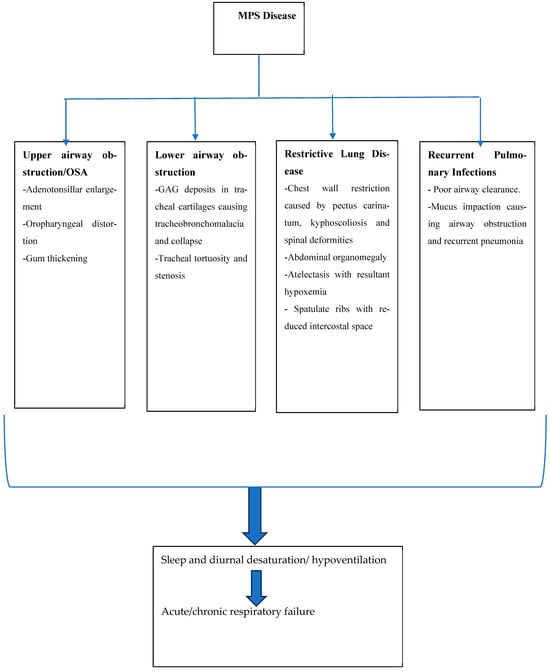
Mucopolysaccharidosis (MPS) are a group of inherited lysosomal storage genetic disorders that affect the body’s ability to break down glycosaminoglycans (GAGs) due to the deficiency of required enzymes. This leads to depositions of these GAGs in various tissues and organs resulting in multi-systemic manifestations including pulmonary and sleep related issues. In recent years, there have been significant advancements in therapeutic options and supportive management which have led to the overall improvement in respiratory care, culminating in improved quality of life for MPS patients. Management of pulmonary and sleep disorders in mucopolysaccharidosis requires a multidisciplinary approach due to the multi-systemic affectation of the genetic disorders. Therapeutic options such as enzyme replacement therapy (ERT) and hematopoietic stem cell transplantation (HSCT) have yielded varying success in mitigating respiratory complications. Emerging treatments such as gene therapies have shown exciting and promising results thus far. Supportive therapies such as airway clearance, regular vaccination and use of positive airway pressure devices are also essential. Pre-operative airway and anesthesia planning is critical to mitigate peri-operative and post-operative complications. Early diagnosis, close monitoring and a patient focused individualized approach are essential for respiratory optimization and overall improvement in clinical outcomes. This review article aims to discuss these advancements in a comprehensive format, making it accessible to medical providers who care for this subset of patients.
Full article
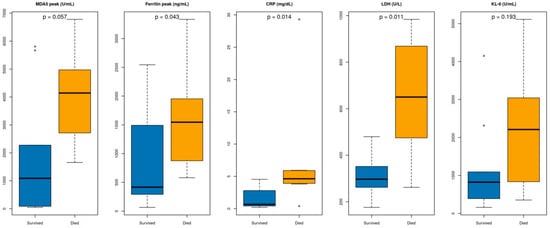
Figure 1
Open AccessArticle
Vertical Displacement Index and Early Treatment-Related Physiological Improvement in Acute Respiratory Failure: An Exploratory Ultrasound-Based Study
by
Bedriye Müge Sönmez, İlker Şirin, Gülşen Akçay, Murat Özdemir and Necip Gökhan Güner
Adv. Respir. Med. 2026, 94(3), 40; https://doi.org/10.3390/arm94030040 - 22 Jun 2026
Abstract
►▼
Show Figures
Objective: Rapid assessment of early treatment-related physiological improvement in emergency department (ED) patients with respiratory failure (RF) remains challenging. Blood gas analysis is informative but invasive and not ideal for repeated use. The vertical displacement index (VDI), an ultrasound-derived parameter based on
[...] Read more.
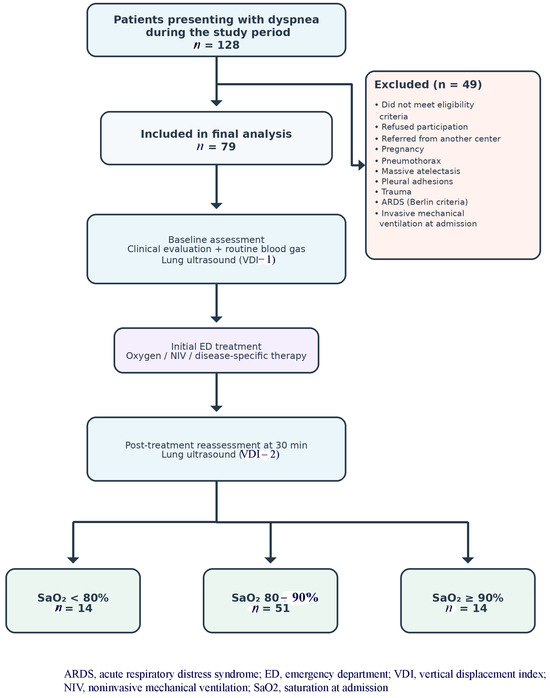
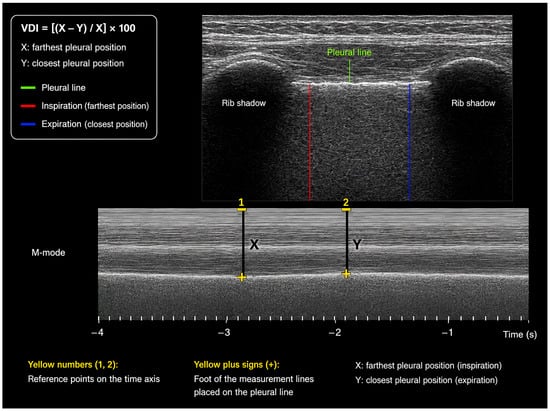
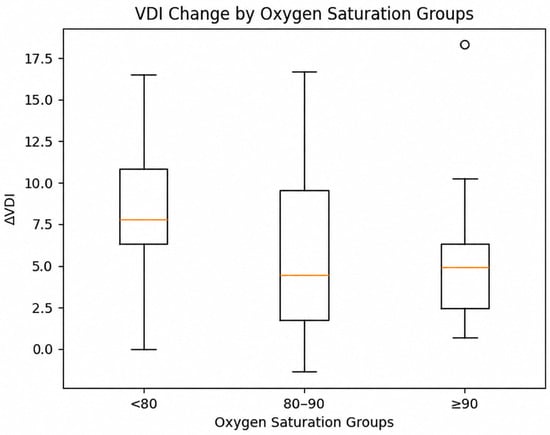
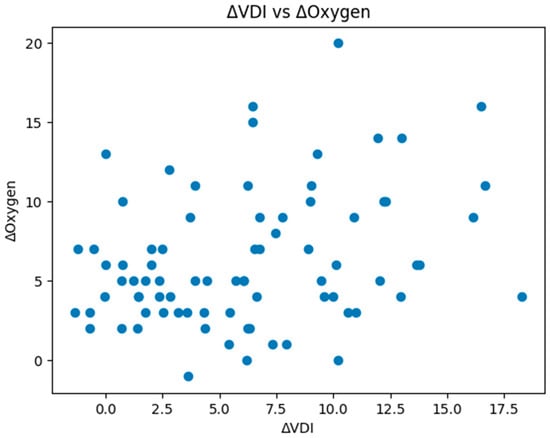
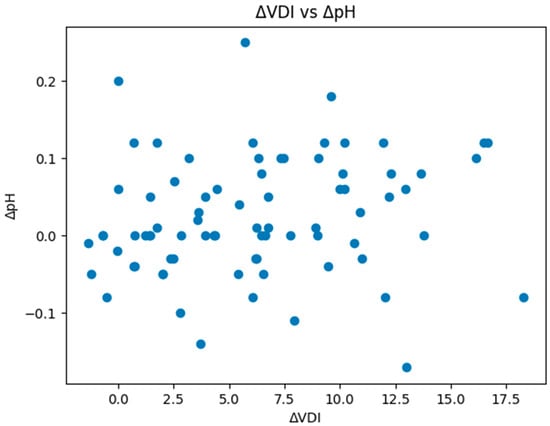
Objective: Rapid assessment of early treatment-related physiological improvement in emergency department (ED) patients with respiratory failure (RF) remains challenging. Blood gas analysis is informative but invasive and not ideal for repeated use. The vertical displacement index (VDI), an ultrasound-derived parameter based on pleural motion, may provide dynamic bedside information on early physiological change. This study evaluated whether changes in VDI are associated with early physiological improvement in ED patients with RF. Methods: This prospective observational study was conducted in the EDs of two tertiary care hospitals. Adult patients presenting with dyspnea and clinical evidence of RF were included. VDI was measured by lung ultrasound at baseline and 30 min after initial treatment. The primary endpoint was the change in VDI 30 min after the initial treatment, calculated as the difference between pre-treatment and post-treatment VDI. The expected direction was a post-treatment decrease in VDI, with greater VDI reduction expected to be associated with greater early physiological improvement. Secondary analyses included comparisons of VDI changes across oxygen saturation and diagnostic groups, as well as correlations between ΔVDI and physiological changes. Patients were grouped by admission oxygen saturation (<80%, 80–90%, and ≥90%). Results: Seventy-nine patients were included. Pre-treatment VDI differed significantly between oxygen saturation groups, with the highest values in the most hypoxemic patients (p = 0.028). VDI decreased significantly after treatment in all groups (p < 0.001 for all), with the greatest reduction in the <80% group. By diagnosis, VDI decreased significantly in pulmonary edema, COPD/asthma, and pneumonia, but not in pulmonary embolism (p = 0.138). VDI reduction correlated positively with improvements in oxygen saturation (r = 0.27, p = 0.016) and pH (r = 0.24, p = 0.037), but not with CO2. Conclusions: VDI may be explored as a practical ultrasound-derived bedside parameter associated with early physiological improvement in ED patients with RF.
Full article

Figure 1
Open AccessArticle
Dual E-Cigarette Users Show Nicotine Addiction Risk Alleles and Nuclear Abnormalities in Oral Epithelial Cells
by
Oreth Montero-Ruiz, Ramcés Falfán-Valencia, Ivette Buendía-Roldán, Daniela Valencia-Pérez Rea, Gibran E. Rueda-Munive, Ingrid Fricke-Galindo, Salvador García-Carmona, Edgar Abarca-Rojano and Gloria Pérez-Rubio
Adv. Respir. Med. 2026, 94(3), 39; https://doi.org/10.3390/arm94030039 - 18 Jun 2026
Abstract
►▼
Show Figures
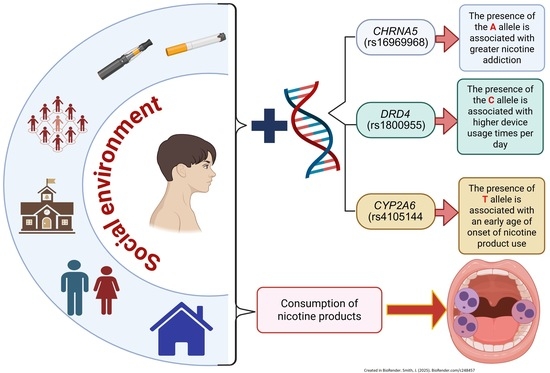
Background: This study was conducted to identify genetic risk variants associated with nicotine addiction in the CHRNA5, HTR2A, DRD4, and CYP2A6 genes among electronic cigarette users who also smoke combustible cigarettes (dual users), and to assess potential genotoxic and cytotoxic
[...] Read more.
Background: This study was conducted to identify genetic risk variants associated with nicotine addiction in the CHRNA5, HTR2A, DRD4, and CYP2A6 genes among electronic cigarette users who also smoke combustible cigarettes (dual users), and to assess potential genotoxic and cytotoxic damage in the oral mucosal cells of the study population. Methods: We included dual e-cig users (ECIG, n = 70), combustible cigarette smokers (CCU, n = 24), and non-smokers and non-e-cig users (NS, n = 110). Genetic variants in CHRNA5, HTR2A, DRD4, and CYP2A6 were genotyped. Micronucleus analysis was performed on oral mucosal cells to detect cellular abnormalities. Results: The ECIG group demonstrated greater nicotine addiction on the Fagerström Test for Nicotine Dependence (FTND, 5.5 vs. 1, p = 0.023). Salivary cotinine levels were significantly higher in the ECIG group compared to the CCU group (39 vs. 12 ng/mL, p < 0.001). The carriers of the A allele (rs16969968/CHRNA5) had higher FTND scores, carriers of the C allele (rs1800955/DRD4) used electronic cigarettes more frequently each day, and carriers of the T allele (rs4105144/CYP2A6) started using nicotine products at a younger age. The number of micronuclei and cellular abnormalities in the oral mucosa was higher in the ECIG and CCU groups compared to the NS group. Conclusions: Salivary cotinine levels and FTND are higher in dual e-cigarette users than in combustible cigarette users. Dual users exhibit risk alleles in the CHRNA5, DRD4, and CYP2A6 genes, which are associated with traits linked to increased nicotine addiction. Dual e-cigarette use poses comparable genotoxic risks to combustible smoking.
Full article

Graphical abstract
Open AccessArticle
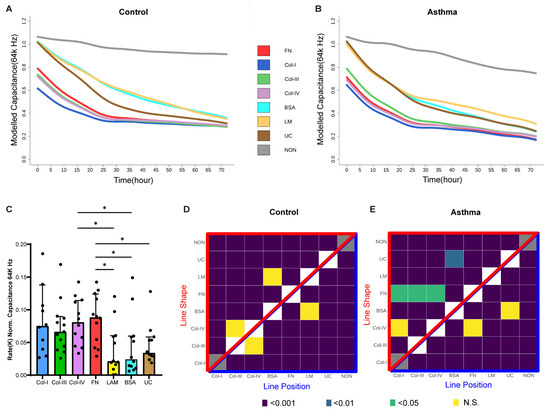
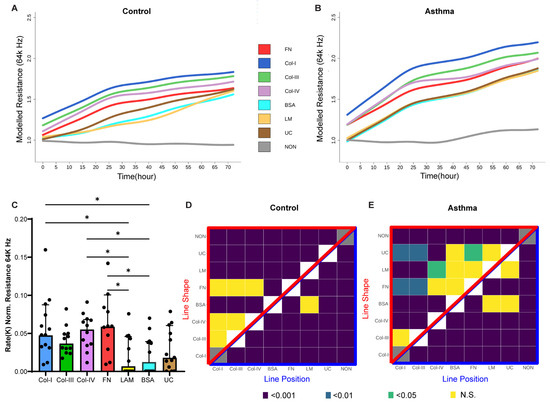
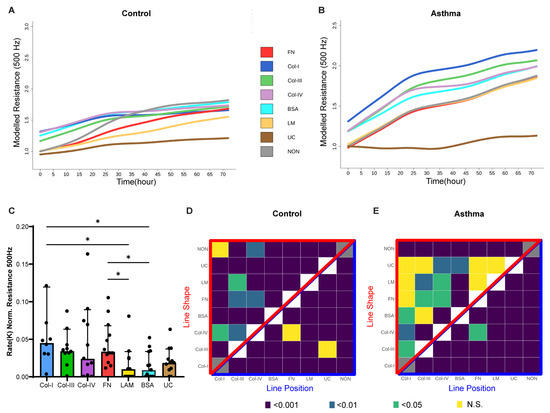
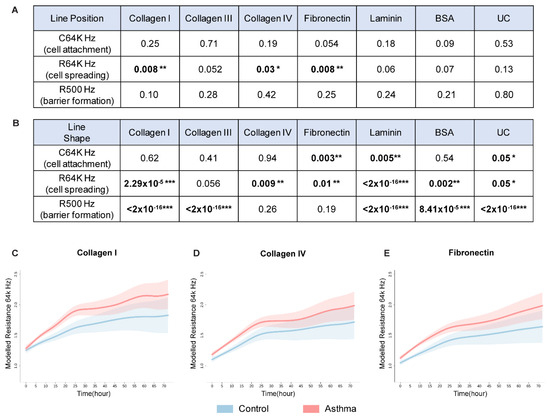
Reticular Basement Membrane Remodelling Regulates Bronchial Epithelial Attachment, Barrier Integrity and Inflammatory Signalling in Asthma
by
Aileen Hsieh, Jenna Barker-Mulleder, Chen Xi Yang, May Fouadi and Tillie-Louise Hackett
Adv. Respir. Med. 2026, 94(3), 38; https://doi.org/10.3390/arm94030038 - 10 Jun 2026
Abstract
►▼
Show Figures
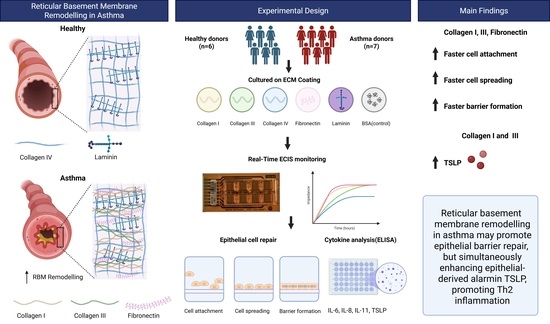
Asthma is characterized by persistent airway epithelial dysfunction and remodelling of the reticular basement membrane (RBM). In healthy airways, the RBM is primarily composed of the extracellular matrix (ECM) proteins laminin and collagen-IV, but in remodelled asthmatic airways, the RBM has increased deposition
[...] Read more.
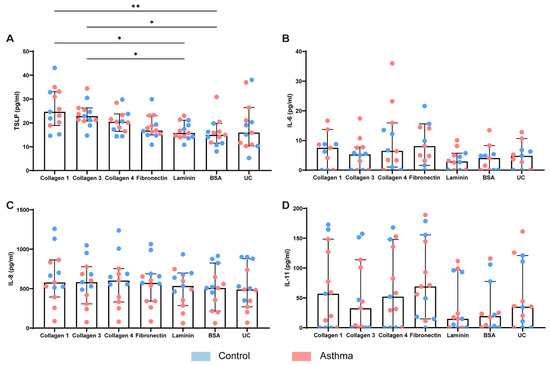
Asthma is characterized by persistent airway epithelial dysfunction and remodelling of the reticular basement membrane (RBM). In healthy airways, the RBM is primarily composed of the extracellular matrix (ECM) proteins laminin and collagen-IV, but in remodelled asthmatic airways, the RBM has increased deposition of collagen-I, -III and fibronectin. Here, we systematically compared the effects of collagen-I, -III, -IV, fibronectin, laminin, and bovine serum albumin (BSA) control on bronchial epithelial cells (BECs) from six healthy controls and seven individuals with asthma. Epithelial attachment, spreading and barrier function were assessed in real time over 72 h using electrical cell–substrate impedance sensing. Cell culture supernatants were analyzed for release of epithelial cytokines, thymic stromal lymphopoietin (TSLP), interleukin (IL)-6, IL-8, and IL-11 using ELISA. BECs from both control and asthma donors had faster cell attachment, spreading, and barrier formation on collagen-I, -III, -IV, and fibronectin compared to laminin and BSA. BECs from both control and asthma donors cultured on collagen -I and -III produced more TSLP, but had no effect on IL-6, IL-8, and IL-11 expression. In summary, remodelling of the RBM in asthma may promote epithelial barrier formation whilst simultaneously enhancing epithelial-derived Th2 inflammation through increased TSLP release.
Full article

Graphical abstract
Open AccessReview
Characteristics of Respiratory Microbiome in COPD—A Literature Review
by
Iga Ciesielska-Markowska, Katarzyna Mycroft-Rzeszotarska, Piotr Korczyński, Kaja Pulik and Katarzyna Górska
Adv. Respir. Med. 2026, 94(3), 37; https://doi.org/10.3390/arm94030037 - 8 Jun 2026
Abstract
►▼
Show Figures
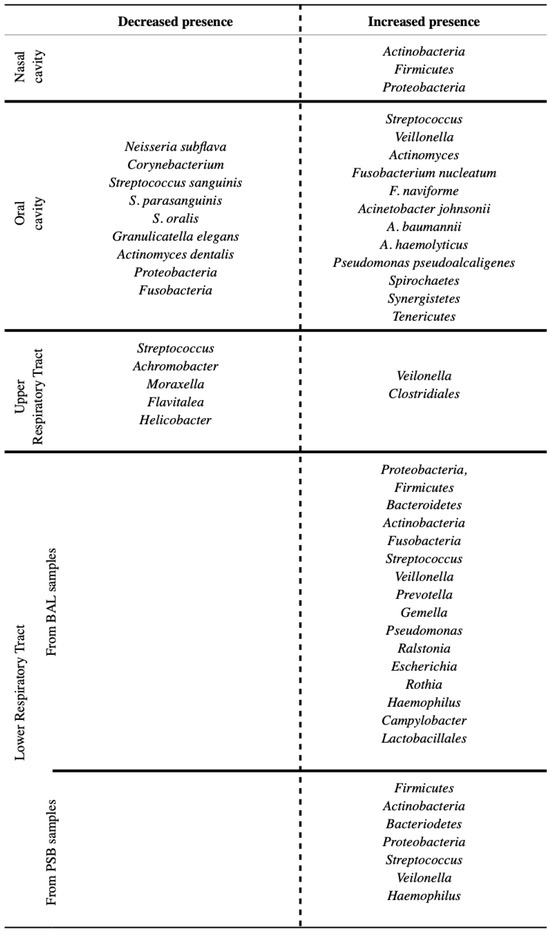
Chronic obstructive pulmonary disease (COPD) is a respiratory disease that progressively impairs airway function. Its aetiology and clinical presentation are very complex, resulting in an unpredictable course of the disease. The most important causes include smoking and environmental pollutants. However, upper airway microbiome
[...] Read more.
Chronic obstructive pulmonary disease (COPD) is a respiratory disease that progressively impairs airway function. Its aetiology and clinical presentation are very complex, resulting in an unpredictable course of the disease. The most important causes include smoking and environmental pollutants. However, upper airway microbiome dysbiosis has been linked with COPD severity. Through this review, we aim to compare the microbiome of the respiratory tract between its sites, and to see if there are any significant differences in the composition of the microbial flora of patients with COPD when compared to healthy individuals. While preparing this review, the PubMed database was searched using keywords such as bacteriome, COPD, exacerbation, and microbiome. Analysis of the airway microbiome shows that the three most abundant phyla are Firmicutes, Proteobacteria, and Bacteroidetes. The severity of the disease and the selected therapeutic methods influence the ratio of Proteobacteria and Firmicutes. It has been observed that a decrease in microbial diversity resulted in lower values of FEV1 in patients and could be related with COPD’s progress and exacerbation events. While exacerbation cases need quick treatment, COPD’s complex background makes it difficult to find a singular, microbial cause.
Full article

Figure 1
Open AccessArticle
Impact of Highly Effective CFTR Modulator Therapy on Physical Activity, Sleep, and Sinonasal Symptoms in Preschool Children with Cystic Fibrosis: A Prospective Single-Center Pilot Study
by
Stella Schellhorn, Hanna Schmidt, Ales Janda, Doris Gülke, Monika Toth, Dorit Fabricius and Sebastian F. N. Bode
Adv. Respir. Med. 2026, 94(3), 36; https://doi.org/10.3390/arm94030036 - 5 Jun 2026
Abstract
►▼
Show Figures
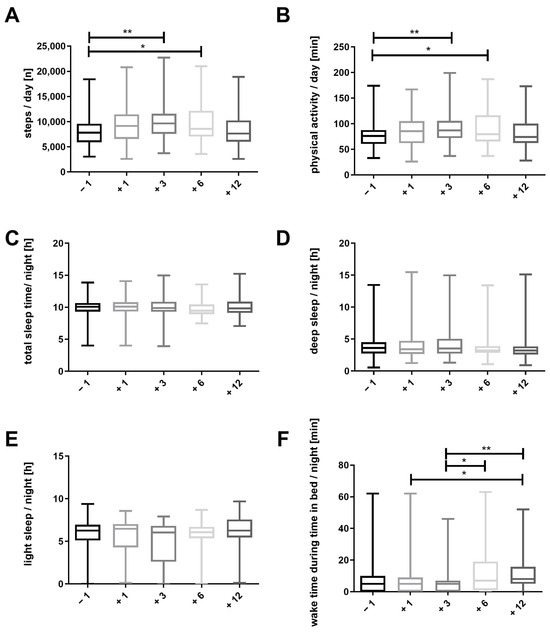
Background: Highly effective CFTR modulation with Elexacaftor/Tezacaftor/Ivacaftor (ETI) markedly improves clinical outcomes in people with cystic fibrosis (CF). Data on its effects on physical activity, sleep, sinonasal symptoms, and parent-perceived outcomes in preschool-aged children are limited. Methods: In this prospective, observational,
[...] Read more.
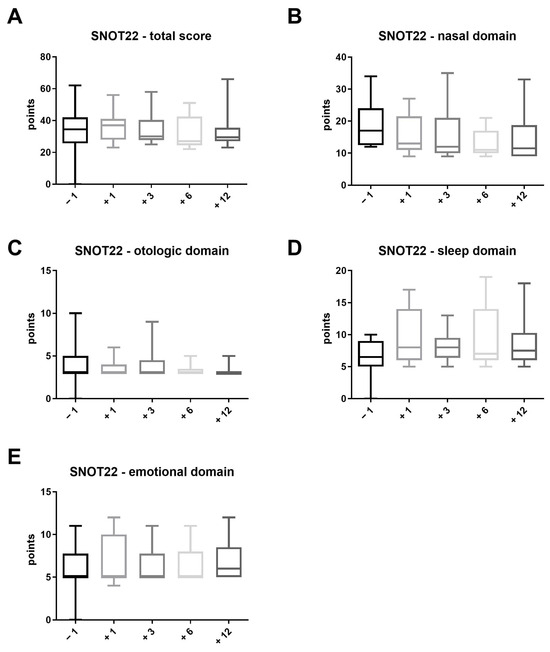
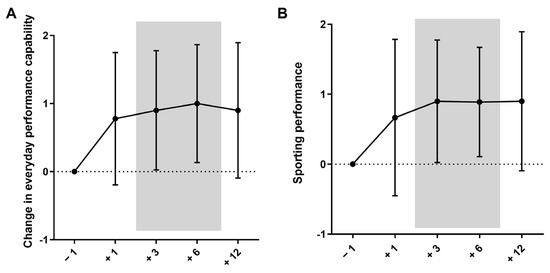
Background: Highly effective CFTR modulation with Elexacaftor/Tezacaftor/Ivacaftor (ETI) markedly improves clinical outcomes in people with cystic fibrosis (CF). Data on its effects on physical activity, sleep, sinonasal symptoms, and parent-perceived outcomes in preschool-aged children are limited. Methods: In this prospective, observational, single-center cohort study, ten children with cystic fibrosis (aged 2–6 years) and at least one CFTR variant eligible for ETI were included. Data were collected using wrist-worn Garmin vívofit Junior 2 activity trackers and standardized questionnaires one month before ETI initiation and at 1, 3, 6, and 12 months after start of ETI. Outcomes included step count, minutes of moderate-to-vigorous physical activity, sleep parameters, sinonasal symptoms, and parental perceptions. Results: ETI was well tolerated. Sweat chloride levels decreased significantly. Physical activity improved at 3 and 6 months (step count and active minutes/day; p < 0.05) but declined to near-baseline levels at 12 months. Parental assessments of physical and sporting performance showed sustained improvement. Sleep duration remained stable, with no changes in deep or light sleep phases or nighttime awakenings. Sinonasal symptoms remained low. Discussion & Conclusions: Preliminary findings of this exploratory pilot study show that improvement in physical activity after three and six months of ETI therapy might be attributable to seasonality, as therapy was started in winter months. No changes in sleep duration or sleep patterns are reassuring in this small cohort of young children with CF. ETI therapy was safe and well tolerated. Parental appraisal of their children’s physical performance improved after start of ETI. Longitudinal, controlled studies involving larger cohorts are required to validate these findings and to account for potential confounding factors, such as age-dependent changes and individual and environmental factors such as seasonal variation.
Full article

Figure 1
Open AccessArticle
Role of Innate Lymphoid Cells in Chronic Rhinosinusitis: Insights from Tissue and Peripheral Blood Flow Cytometric Analysis
by
Rina Hoffmann, Franziska Rombach, Jens Grimm, Agmal Scherzad, Stephan Hackenberg and Pascal Ickrath
Adv. Respir. Med. 2026, 94(3), 35; https://doi.org/10.3390/arm94030035 - 3 Jun 2026
Abstract
►▼
Show Figures
(1) Background: Innate lymphoid cells (ILCs) are potent cytokine producers that regulate local immune responses in tissues. Natural killer (NK) cells belong to group 1 ILCs and play an important role in tumor clearance and defense against intracellular pathogens. ILC2 and 3 have
[...] Read more.
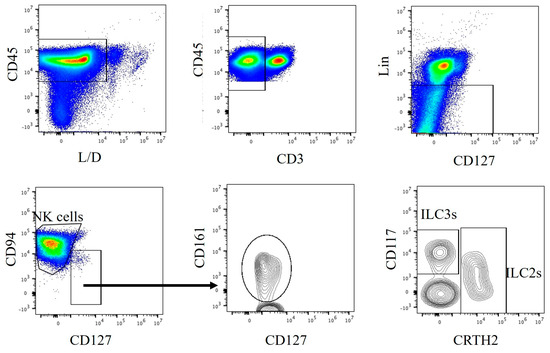
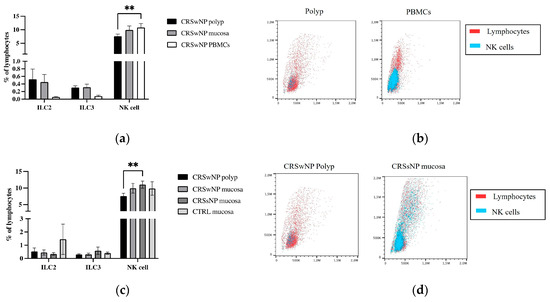
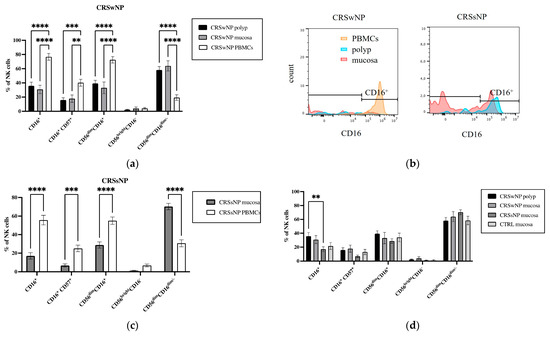
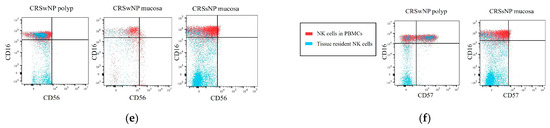
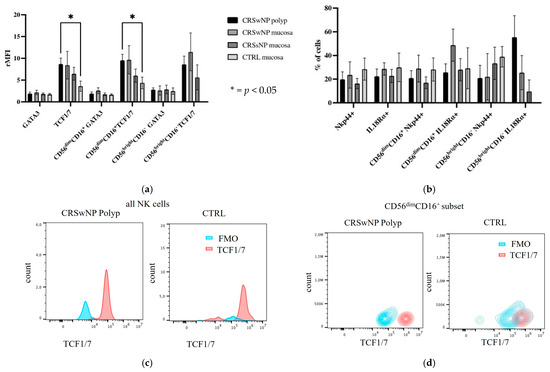
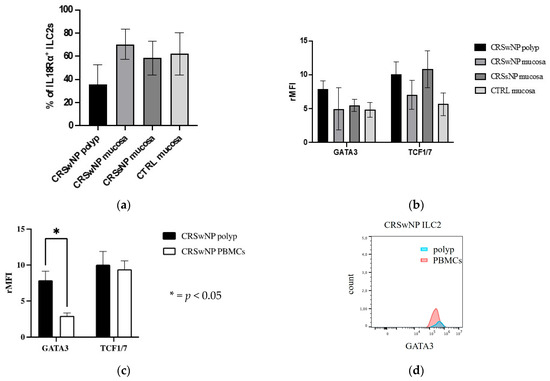
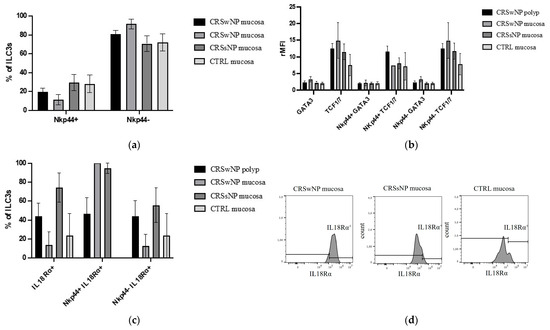
(1) Background: Innate lymphoid cells (ILCs) are potent cytokine producers that regulate local immune responses in tissues. Natural killer (NK) cells belong to group 1 ILCs and play an important role in tumor clearance and defense against intracellular pathogens. ILC2 and 3 have been implied in allergic responses and other chronic inflammatory diseases. The role of these cells in the pathogenesis of chronic rhinosinusitis (CRS) is not completely understood. There are changes in the cellular infiltrate in the mucosa of patients with CRS with and without polyps. The aim of this study was to characterize the number and phenotype of NK cells, ILC2s and ILC3s in patients with CRS. (2) Methods: Tissue samples were collected from patients with CRS with and without nasal polyps who were undergoing nasal sinus surgery as well as control patients who were undergoing surgery due to non-inflammatory reasons. Lymphocytes were isolated from the tissues using mechanical and enzymatic dissociation. Peripheral blood lymphocytes were obtained from the same patients. All cells were examined by multicolor flow cytometry. NK cells were analyzed for the distribution of CD56dimCD16+ and CD56brightCD16− subsets and the expression of IL18Rα, CD16, CD57, GATA3, TCF1 and NKp44. In ILC2s, GATA3 and IL18Rα expression was determined, and ILC3s as well as NKp44+ and NKp44−ILC3 subsets were analyzed for the expression of IL18Rα. (3) Results: There were significantly fewer NK cells in the nasal polyps compared to the peripheral blood of patients with CRSwNP and tissues from CRSsNP patients, which both showed higher levels of TCF1 expression. Irrespective of the disease condition, NK cells in tissues showed lower CD16 expression and a lower frequency of the CD56dimCD16+ subset compared to the peripheral blood mononuclear cells. Additionally, a smaller percentage of NK cells were terminally matured, as measured by CD16+ and CD57+ expression, in all examined nasal mucosa tissues. In the tissue ILC3s, we predominantly found cells from the NKp44− subset in all groups. ILC3s from CRSsNP patients showed the highest frequencies of IL18Rα+ cells of all examined tissues. ILC2s from the polyps ofCRSwNP patients showed higher levels of GATA3 expression than their peripheral blood counterparts. (4) Conclusions: We found that tissue-resident NK cells in mucosa from the nose and sinuses are a more heterogenous and less mature population than those in peripheral blood. Expression of the examined markers in NK cells was similar among groups. NK cell frequency, both in blood and tissue from CRSsNP patients, was higher than in the other groups, indicating that these cells might play an important role in this phenotype. Changes in the IL18Rα expression of ILC3s suggest a potential role of IL18 signaling in CRS pathogenesis.
Full article

Figure 1
Open AccessArticle
Epidemiological Analysis of Hospitalized Children with Acute Asthma Exacerbation over 30 Years
by
Xuee Zhuang, Mengyuan Liu, Kunhong Lin, Yangxin Xiao, Xuyan Zhao, Zifan Gai and Yan Xing
Adv. Respir. Med. 2026, 94(3), 34; https://doi.org/10.3390/arm94030034 - 29 May 2026
Abstract
►▼
Show Figures
Objectives: To provide an evidence-based reference for preventing and managing pediatric acute asthma exacerbations by examining epidemiology and long-term trends of hospitalized cases in a tertiary hospital in Beijing over 30 years. Methods: Retrospective analysis of clinical data from children hospitalized for acute
[...] Read more.
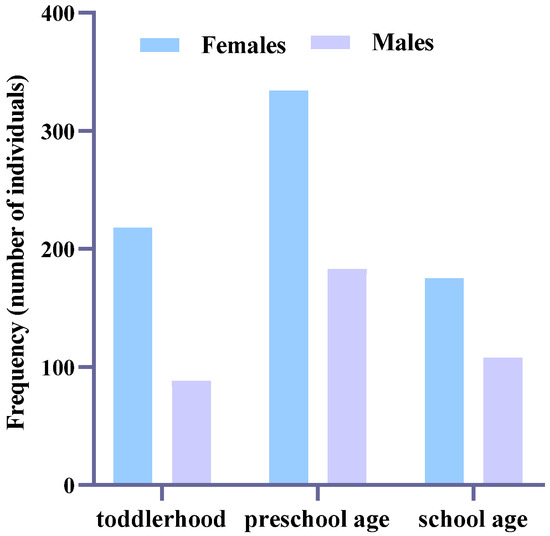
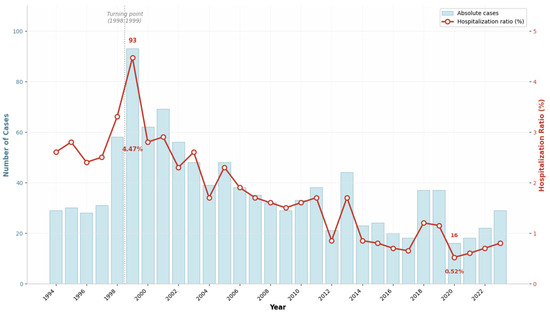
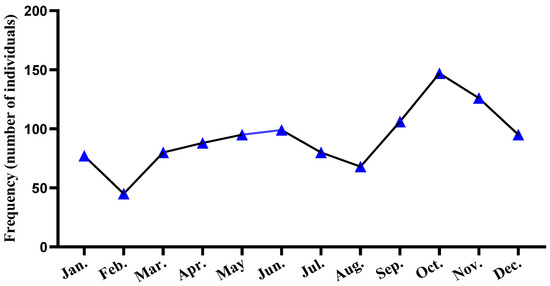
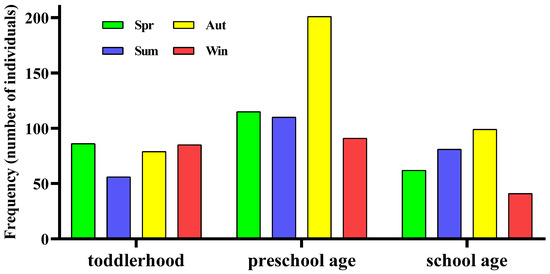
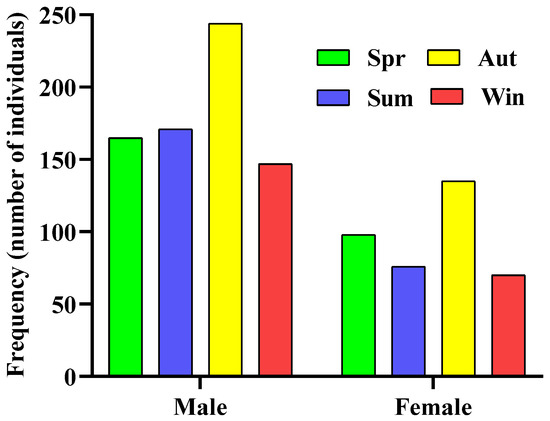
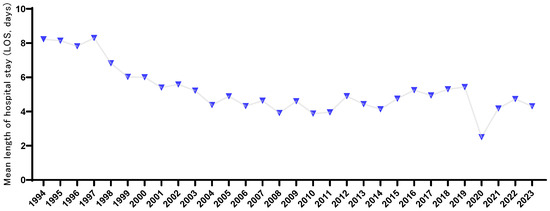
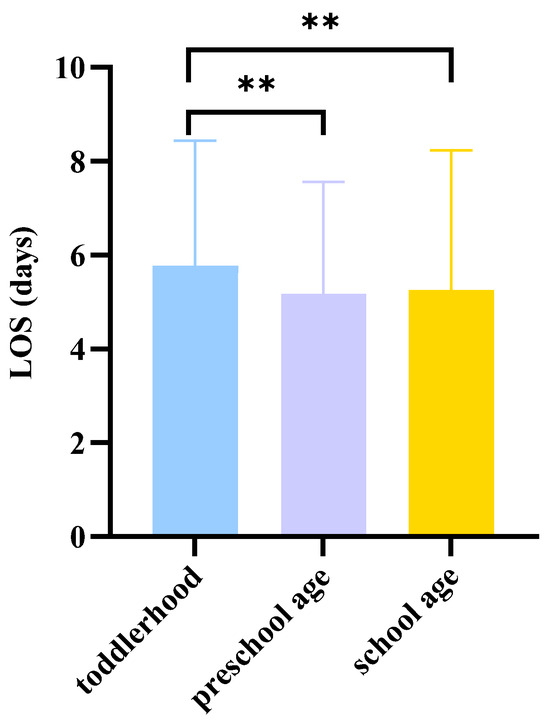
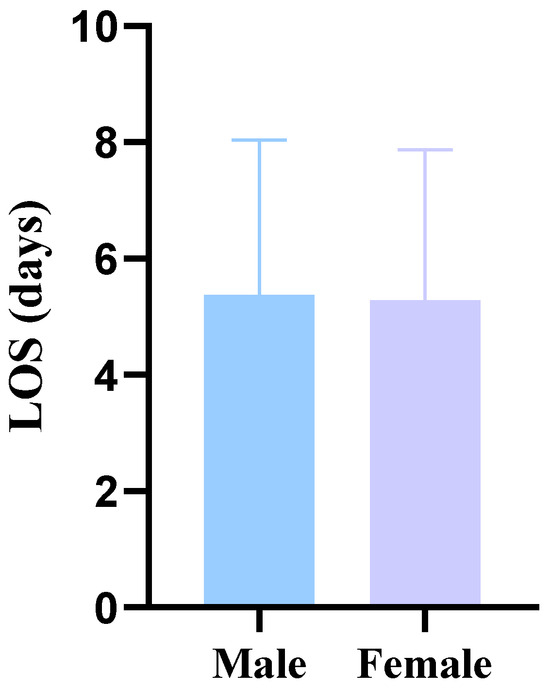
Objectives: To provide an evidence-based reference for preventing and managing pediatric acute asthma exacerbations by examining epidemiology and long-term trends of hospitalized cases in a tertiary hospital in Beijing over 30 years. Methods: Retrospective analysis of clinical data from children hospitalized for acute asthma exacerbation at Peking University Third Hospital from 1994 to 2023. Data collected included demographics, onset timing, and hospital stay duration, with distribution patterns analyzed across ages, years, seasons, and months. Results: The study included 1106 patients (65.73% male, 34.27% female) with a median age of 4 years. Hospitalizations peaked in 1999 (8.40%) and declined, reaching the lowest point in 2020 (1.45%) coinciding with the COVID-19 pandemic. Most admissions occurred in autumn (34.27%), especially in October (13.29%). The average hospital stay was 5.35 ± 2.65 days, longest for toddlers. Conclusions: Over 30 years, pediatric hospitalizations for acute asthma exacerbations in this tertiary center have shown a declining trend, suggesting improved asthma management. However, the persistent autumn peak and male predominance highlight the need for targeted prevention strategies—particularly for male and preschool-aged children before the autumn school term—to further reduce acute exacerbations and hospitalizations.
Full article

Figure 1
Open AccessArticle
Pulmonary Actinomycosis: A Hidden Threat with Clinical Impact
by
Raffaella Griffo, Jasmin K. Jasuja, Benedikt Niedermaier, Sabine Wege, Janina Shala, Henrike Deissner, Lena Brendel, Romina M. Rösch, Florian Eichhorn, Michael Allgäuer, Elizabeth Tong, Cosmas Wimmer, Martin E. Eichhorn, Hauke Winter and Laura V. Klotz
Adv. Respir. Med. 2026, 94(3), 33; https://doi.org/10.3390/arm94030033 - 18 May 2026
Abstract
Background: Pulmonary actinomycosis is a rare chronic infection that frequently mimics lung malignancy, often leading to delayed diagnosis due to its non-specific clinical and radiological presentation. Given the diagnostic challenges associated with this condition, the aim of this study was to evaluate the
[...] Read more.
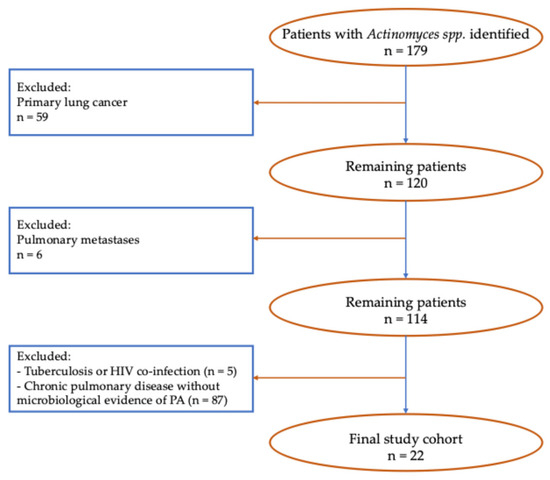
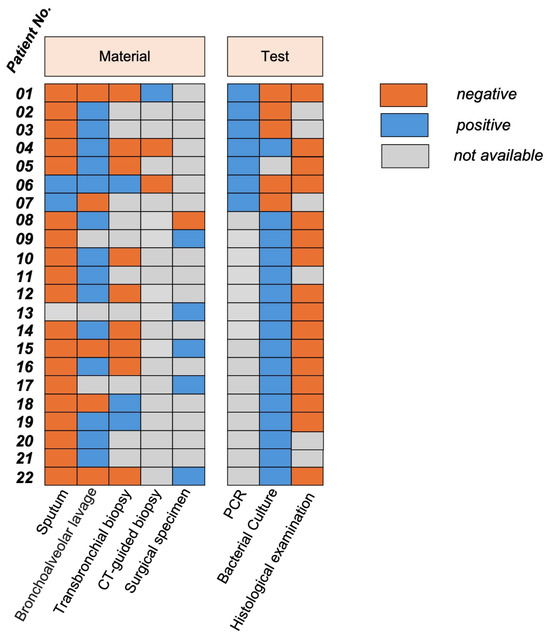
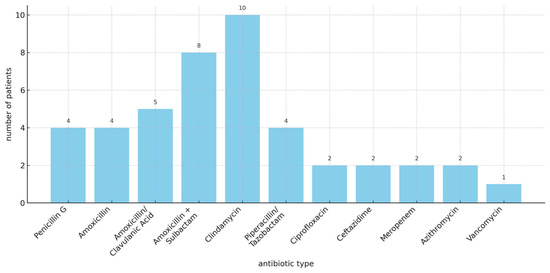
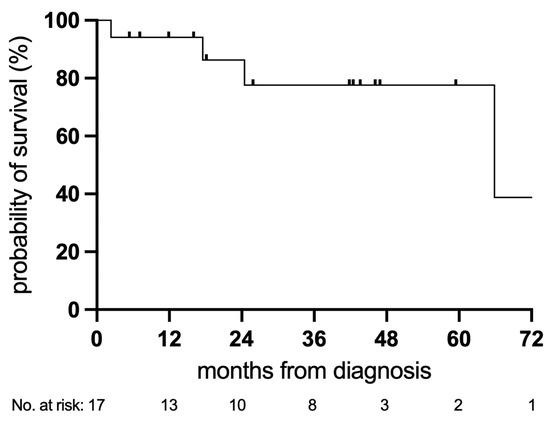
Background: Pulmonary actinomycosis is a rare chronic infection that frequently mimics lung malignancy, often leading to delayed diagnosis due to its non-specific clinical and radiological presentation. Given the diagnostic challenges associated with this condition, the aim of this study was to evaluate the clinical presentation, diagnostic pathways, treatment strategies, and outcomes of patients diagnosed with pulmonary actinomycosis in a single center. Methods: We retrospectively reviewed patients diagnosed with pulmonary actinomycosis at our institution between January 2014 and December 2022. Diagnosis was established based on compatible clinical and radiological findings together with microbiological identification of Actinomyces by culture or polymerase chain reaction. Results: Twenty-two patients were included in the final analysis. The median age was 61.5 years and males were more frequently affected (59%). The median time from initial hospitalization to definitive diagnosis was 70 days. Actinomyces odontolyticus was the most frequently identified species. All patients received antibiotic therapy, with a median treatment duration of 45.5 days. Thirteen patients underwent surgical intervention, performed either for diagnostic purposes or for treatment of complications. Complete disease eradication through surgical management was achieved in six cases. During follow-up (median 24 months), overall survival at three years was 78%, with one death directly related to pulmonary actinomycosis. Conclusions: Pulmonary actinomycosis remains a diagnostic challenge due to its non-specific clinical presentation and low microbiological yield. Early clinical suspicion and a combined diagnostic approach including bronchoscopy and microbiological testing are essential for timely diagnosis. Surgical intervention may play an important diagnostic and therapeutic role in selected patients.
Full article
(This article belongs to the Special Issue Infectious Diseases in Respiratory Medicine)
►▼
Show Figures

Figure 1
Open AccessReview
Psychosocial Interventions for Improving Treatment Adherence in Tuberculosis Patients: A Scoping Review of Evidence-Based Approaches
by
Rana Abdullah Bin Qamar, Henrique Pereira and Felipe Alckmin-Carvalho
Adv. Respir. Med. 2026, 94(3), 32; https://doi.org/10.3390/arm94030032 - 15 May 2026
Abstract
►▼
Show Figures
This scoping review synthesized evidence on the psychosocial burden of tuberculosis (TB) and on evidence-based psychosocial interventions aimed at improving treatment adherence. Specifically, it examined: (a) the most frequent mental health problems associated with TB; (b) the main barriers to adherence; (c) the
[...] Read more.
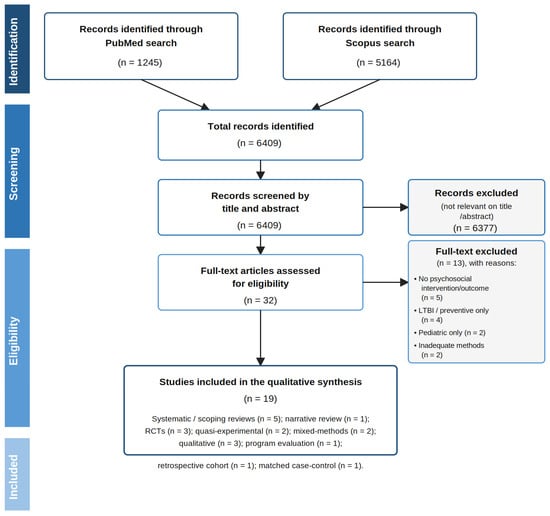
This scoping review synthesized evidence on the psychosocial burden of tuberculosis (TB) and on evidence-based psychosocial interventions aimed at improving treatment adherence. Specifically, it examined: (a) the most frequent mental health problems associated with TB; (b) the main barriers to adherence; (c) the components and effects of psychosocial interventions; and (d) gaps in the literature and directions for future research. Bibliographic searches were conducted in PubMed and Scopus, covering articles published between 2005 and 2025. Nineteen studies met the inclusion criteria. Depression and anxiety were the most frequently reported mental health problems, while psychosis appeared mainly in multidrug-resistant TB (MDR-TB) populations. Across studies, stigma, fear of transmission, socioeconomic disadvantage, treatment duration, and medication side effects emerged as major barriers to adherence. Evidence-based interventions—including psychoeducation, motivational enhancement therapy, cognitive behavioral therapy, acceptance and commitment therapy, and multicomponent psychosocial support—were associated with improved psychological outcomes and, in several studies, better adherence-related indicators. Overall, the evidence suggests that psychosocial distress is common among people with TB and may compromise treatment engagement. Integrating psychosocial and mental health support into TB services may therefore strengthen adherence and improve patient-centered outcomes, although more rigorous and context-sensitive research is still needed.
Full article

Figure 1
Open AccessReview
Association Between Air Pollution and Childhood Asthma: A Systematic Review of Recent Evidence
by
Maria Kyrmanidou, Ioannis Smaraidos and Asterios Kampouras
Adv. Respir. Med. 2026, 94(3), 31; https://doi.org/10.3390/arm94030031 - 12 May 2026
Abstract
►▼
Show Figures
Background: Air pollution is a major environmental determinant of respiratory health and a significant contributor to the global burden of childhood asthma. Although several recent narrative and systematic reviews have examined environmental triggers of asthma, highlighting air pollution as a consistent risk factor
[...] Read more.
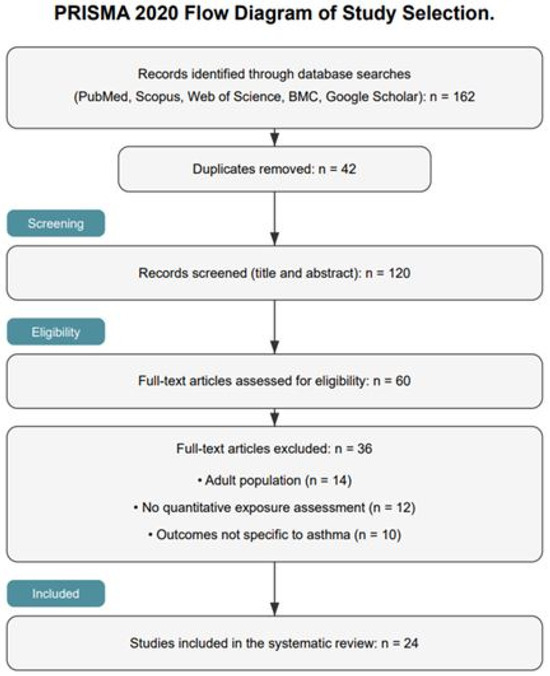
Background: Air pollution is a major environmental determinant of respiratory health and a significant contributor to the global burden of childhood asthma. Although several recent narrative and systematic reviews have examined environmental triggers of asthma, highlighting air pollution as a consistent risk factor across diverse populations and study designs, recent epidemiological evidence—including multicenter cohort studies and region-specific analyses from Europe and Greece—has not been systematically synthesized. Objective: To systematically review recent epidemiological evidence (2000–2025) on the association between ambient air pollution and childhood asthma incidence and exacerbations, with emphasis on European and Greek populations. Methods: Following PRISMA guidelines, we systematically reviewed observational studies published between 2000 and 2025 in PubMed, Scopus, Web of Science, BMC, and Google Scholar. Studies evaluating quantitative exposure to PM2.5, PM10, NO2, O3, or SO2 and asthma incidence, prevalence, or exacerbations in children (≤18 years) were included. Evidence was synthesized by pollutant type, exposure window, geographic region, and study design. Results: Twenty-four studies involving more than 3.5 million children were included. Consistent associations were observed across international and European cohorts between long-term exposure to PM2.5, PM10, and NO2 and increased asthma incidence. Risk estimates typically ranged from 15% to 30% increases in asthma incidence per 10 μg/m3 increase in long-term exposure to PM2.5 or NO2, as reported across multiple cohort analyses. Early-life exposure showed the strongest effects on asthma development and lung function decline. European and Greek studies demonstrated comparable trends, highlighting increased hospitalizations and symptom burden in urban populations despite pollutant concentrations often below current regulatory thresholds. Short-term pollution peaks were additionally associated with increased asthma exacerbations and hospital admissions, particularly during seasonal episodes of elevated particulate matter and ozone concentrations. Conclusions: This review provides an updated synthesis of 21st-century evidence demonstrating that ambient air pollution is a major and modifiable determinant of childhood asthma. The consistency of findings across regions, combined with limited longitudinal evidence from Greece, highlight the importance of improved air-quality management and continued public-health efforts to reduce exposure and the need for enhanced epidemiological monitoring.
Full article

Figure 1
Open AccessBrief Report
Antifibrotic Drugs Regulate the Expression of Epithelial Sodium Channels in the Lungs
by
Toshiyuki Ito, Hajime Fujimoto, Masaaki Toda, Valeria Fridman D’Alessandro, Corina N. D’Alessandro-Gabazza, Yurie Kogue, Tatsuki Tsuruga, Tomohito Okano, Kazuki Furuhashi, Haruko Saiki, Atsushi Tomaru, Esteban C. Gabazza, Taro Yasuma and Tetsu Kobayashi
Adv. Respir. Med. 2026, 94(3), 30; https://doi.org/10.3390/arm94030030 - 29 Apr 2026
Abstract
►▼
Show Figures
Purpose: A high-salt extracellular environment promotes fibrosis in multiple organs by inducing oxidative stress, fibroblast activation, and extracellular matrix remodeling. In the lung, sodium accumulation may result from impaired epithelial ion transport. Transforming growth factor-β1 (TGF-β1), a key profibrotic cytokine, downregulates epithelial sodium
[...] Read more.
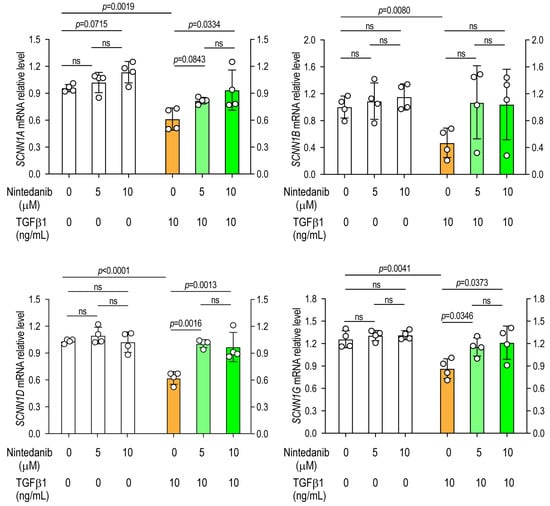
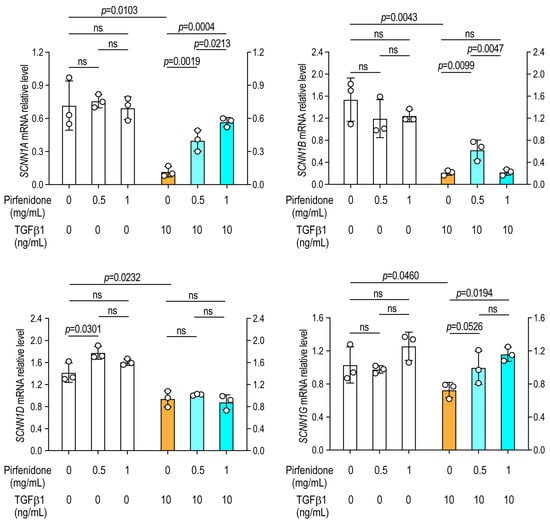
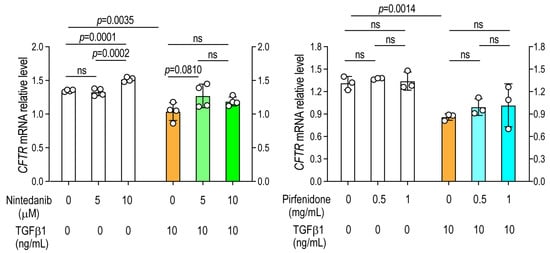
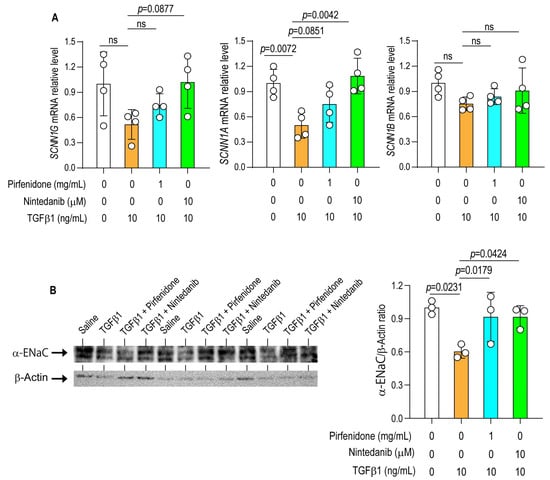
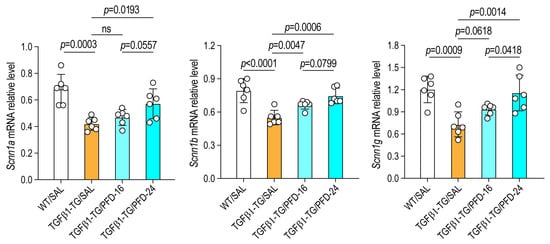
Purpose: A high-salt extracellular environment promotes fibrosis in multiple organs by inducing oxidative stress, fibroblast activation, and extracellular matrix remodeling. In the lung, sodium accumulation may result from impaired epithelial ion transport. Transforming growth factor-β1 (TGF-β1), a key profibrotic cytokine, downregulates epithelial sodium and chloride channels, promoting sodium retention and fibrotic remodeling. This study investigated whether antifibrotic drugs can prevent TGF-β1-induced suppression of sodium channel expression in the lung epithelium. Methods: Human A549 alveolar epithelial cells and primary alveolar epithelial cells were cultured with or without TGF-β1 in the presence or absence of nintedanib or pirfenidone. Expression of epithelial sodium channel (ENaC) subunits (SCNN1A, SCNN1B, SCNN1G, SCNN1D) and CFTR was analyzed. In vivo, lung tissues from TGF-β1 transgenic mice and wild-type controls were examined following intranasal administration of pirfenidone. Results: TGF-β1 markedly reduced the expression of all ENaC subunits and CFTR in vitro. Nintedanib prevented suppression of SCNN1A, SCNN1D, and SCNN1G, whereas pirfenidone prevented suppression of SCNN1A, SCNN1B, and SCNN1G. In TGF-β1 transgenic mice, Scnn1a, Scnn1b, and Scnn1g expression was significantly decreased compared with wild-type controls. Pirfenidone administration dose-dependently restored expression of these ENaC subunits in vivo. Conclusions: Antifibrotic drugs partially prevent TGF-β1-induced suppression of epithelial sodium channels, preserving epithelial ion homeostasis. Restoration of ENaC expression may represent a novel mechanism by which antifibrotic therapy mitigates sodium-associated lung fibrosis.
Full article

Figure 1
Open AccessArticle
Inflammatory Biomarkers and Outcome Heterogeneity in Anti-MDA5 Antibody-Associated Interstitial Lung Disease: A Single-Center Consecutive Cohort Study
by
Akina Nigi, Keisuke Iwamoto, Hidetoshi Itani, Shigeto Kondou, Yuki Okunishi and Takahiro Ohnishi
Adv. Respir. Med. 2026, 94(3), 29; https://doi.org/10.3390/arm94030029 - 28 Apr 2026
Cited by 1
Abstract
►▼
Show Figures
Background: Anti-melanoma differentiation-associated gene 5 (anti-MDA5) antibody-positive interstitial lung disease (ILD) is associated with high mortality. While inflammatory markers have been linked to poor outcomes, clinical heterogeneity remains evident, as some patients survive despite marked hyperinflammation. Methods: We retrospectively analyzed consecutive patients with
[...] Read more.
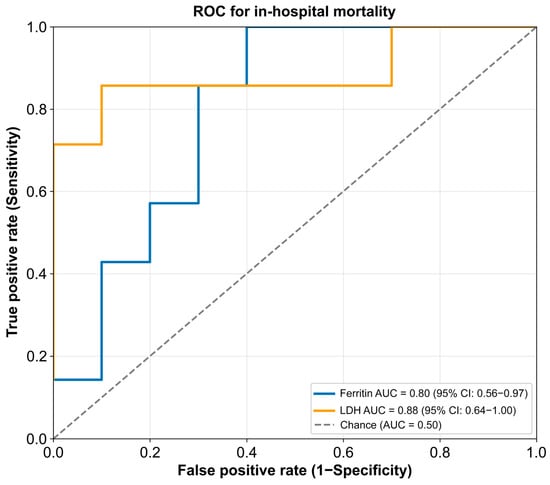
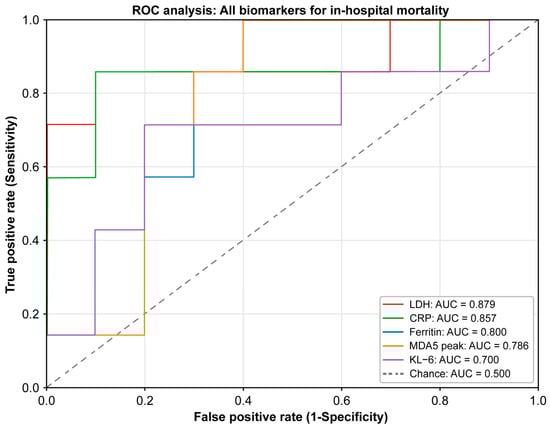
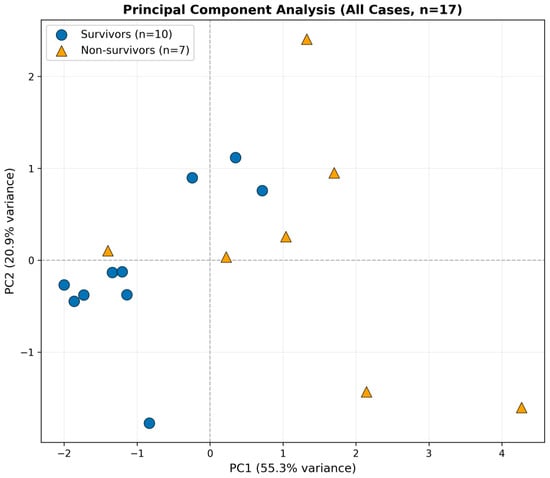
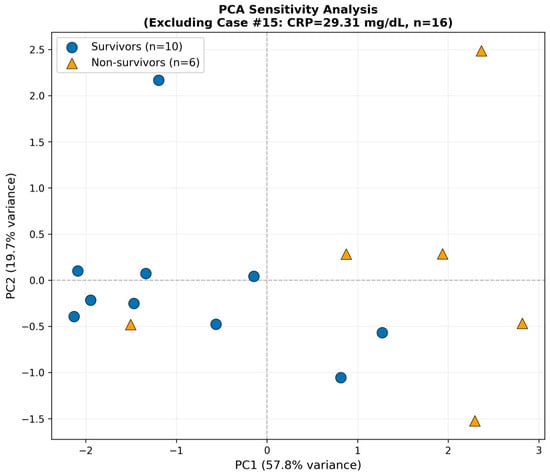
Background: Anti-melanoma differentiation-associated gene 5 (anti-MDA5) antibody-positive interstitial lung disease (ILD) is associated with high mortality. While inflammatory markers have been linked to poor outcomes, clinical heterogeneity remains evident, as some patients survive despite marked hyperinflammation. Methods: We retrospectively analyzed consecutive patients with anti-MDA5 antibody-positive ILD treated at our institution between May 2017 and November 2025. In-hospital mortality was assessed in relation to clinical characteristics and laboratory markers, including peak anti-MDA5 antibody titers, ferritin, C-reactive protein (CRP), lactate dehydrogenase (LDH), and KL-6. Analyses were exploratory and hypothesis-generating. Continuous variables were compared using Mann–Whitney U tests, and categorical variables using Fisher’s exact test. Principal component analysis (PCA) and receiver operating characteristic (ROC) analyses were performed for descriptive purposes. Results: Seventeen patients were included (10 survivors and 7 non-survivors). Peak ferritin, C-reactive protein (CRP), and lactate dehydrogenase (LDH) levels were significantly higher in non-survivors, whereas peak anti-MDA5 antibody titers showed a non-significant trend toward higher values in non-survivors (p = 0.057). KL-6 levels did not differ significantly between groups. In ROC analyses, LDH and CRP showed the highest discriminative performance for in-hospital mortality, followed by ferritin, whereas KL-6 showed the lowest discriminative performance. Despite these overall trends, substantial overlap between survivors and non-survivors remained across all biomarkers. Principal component analysis (PCA) demonstrated partial separation of outcomes along an inflammation-dominant axis, but with persistent overlap, indicating marked outcome heterogeneity. Conclusions: Inflammatory biomarkers, particularly LDH, CRP, and ferritin, were associated with in-hospital mortality in anti-MDA5 antibody-associated ILD. However, persistent overlap between survivors and non-survivors suggests that single-biomarker assessment is insufficient for precise prognostication. These findings should be interpreted as hypothesis-generating and require validation in larger multicenter cohorts.
Full article

Figure 1
Open AccessArticle
Validation of SpO2/FiO2 as a Non-Invasive Surrogate of PaO2/FiO2 in Mechanically Ventilated COVID-19 Patients at High Altitude
by
Guillermo Ortiz-Ruiz, Manuel Garay-Fernández, Eduardo Tuta-Quintero, Alirio Bastidas, Antonio Lara, Arlen Mauricio Márquez, Carolina Aponte, Jairo Guevara and Jonathan A. Guezguan
Adv. Respir. Med. 2026, 94(3), 28; https://doi.org/10.3390/arm94030028 - 28 Apr 2026
Abstract
►▼
Show Figures
Background: The ratio of arterial partial pressure of oxygen to fraction of inspired oxygen (PaO2/FiO2) is central to the classification of acute respiratory distress syndrome (ARDS). However, its assessment requires arterial blood gas analysis, which may be limited by
[...] Read more.
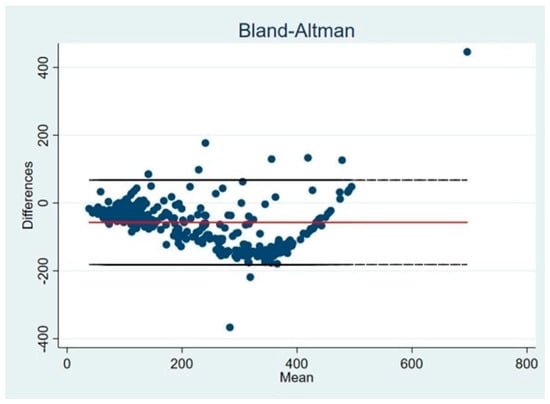
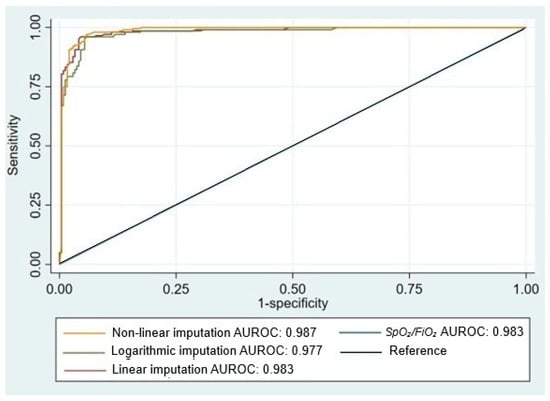
Background: The ratio of arterial partial pressure of oxygen to fraction of inspired oxygen (PaO2/FiO2) is central to the classification of acute respiratory distress syndrome (ARDS). However, its assessment requires arterial blood gas analysis, which may be limited by availability, cost, and invasiveness. Consequently, the ratio of peripheral oxygen saturation to fraction of inspired oxygen (SpO2/FiO2) has been proposed as a non-invasive surrogate for estimating the degree of oxygenation impairment. Methods: A retrospective cross-sectional study was conducted in adult patients with COVID-19 admitted to the intensive care unit at an altitude of 2600 m above sea level (m.a.s.l.). Spearman correlation coefficients were calculated to assess the association between the SpO2/FiO2 and PaO2/FiO2 ratios and their corresponding imputation models. A generalized linear model was applied, and the diagnostic performance of the SpO2/FiO2 ratio and the imputation models for detecting severe and non-severe hypoxemia (PaO2/FiO2 cutoff value of 150) was evaluated using the area under the receiver operating characteristic curve (AUC). Results: A total of 473 patients receiving invasive mechanical ventilation were included, with a mean age of 62.4 years (SD 14.1), and a predominance of males (67.2%). An SpO2/FiO2 ratio cutoff value of ≥206 demonstrated excellent diagnostic performance, with an AUC of 0.983 (95% CI 0.97–0.99), high sensitivity (90.6%), high specificity (96.7%), and an overall correct classification rate of 93.9%. This performance remained consistent across multiple clinical scenarios. In patients with positive end-expiratory pressure > 10 cmH2O, the AUC was 0.982, with a specificity of 97.7%. In the presence of hyperbilirubinemia (total bilirubin ≥ 3 mg/dL), the AUC was 0.951. Among patients with hemoglobin levels < 10 g/dL, sensitivity reached 100%, although specificity was reduced. In the subgroup with arterial partial pressure of carbon dioxide > 35 mmHg, an SpO2/FiO2 ratio ≥ 206 showed near-perfect specificity (99.4%) and a positive likelihood ratio of 120.9. Conclusions: The SpO2/FiO2 ratio is a reliable and non-invasive surrogate of the PaO2/FiO2 ratio in mechanically ventilated patients with COVID-19 living at high altitude, particularly for the identification of non-severe hypoxemia.
Full article
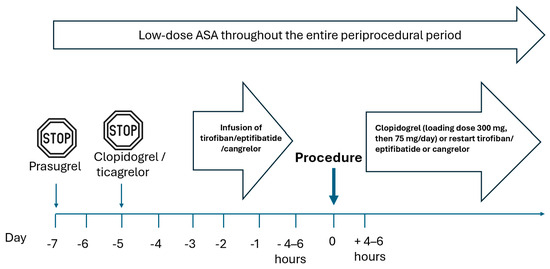
Figure 1
Open AccessArticle
Exploratory Changes in Surfactant Protein D During Intermittent Hypoxia and Modulation by Galectin-3 Inhibition
by
Saad Al-Anazi, Yasser A. Alshawakir, Syed Shahid Habib, Hayam Gad, Asma F. Alotaibi, Alanoud T. Aljasham, Wajd Ahmed Althakfi, Mohamed A. Mekhtiche and Abeer Abdulmoati Al-Masri
Adv. Respir. Med. 2026, 94(3), 27; https://doi.org/10.3390/arm94030027 - 24 Apr 2026
Abstract
►▼
Show Figures
Background: Surfactant Protein D (SP-D) is a critical immunomodulatory collectin maintaining alveolar homeostasis. Obstructive sleep apnea (OSA)-related intermittent hypoxia (IH) disrupts pulmonary surfactant integrity; however, severity-dependent SP-D dynamics remain incompletely characterized. This study explores SP-D as a potential indicator of IH-induced alveolar stress
[...] Read more.
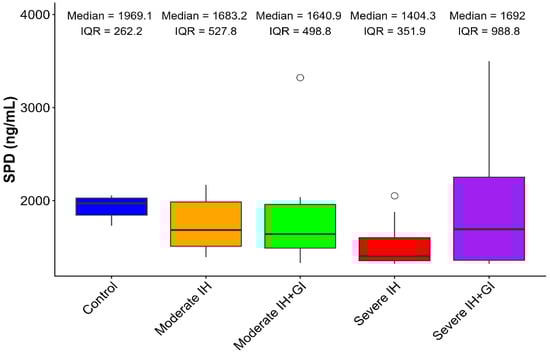
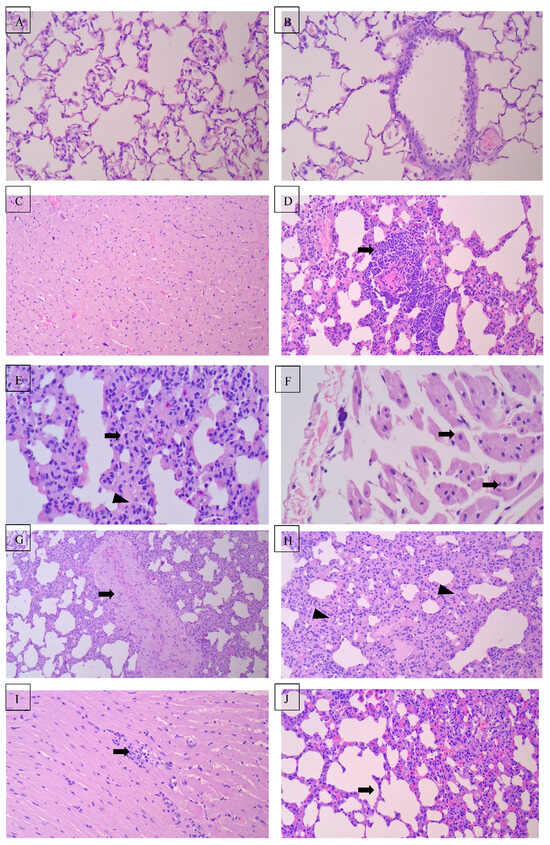
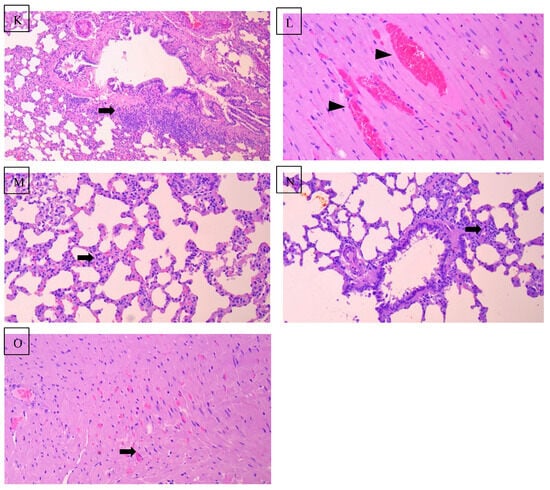
Background: Surfactant Protein D (SP-D) is a critical immunomodulatory collectin maintaining alveolar homeostasis. Obstructive sleep apnea (OSA)-related intermittent hypoxia (IH) disrupts pulmonary surfactant integrity; however, severity-dependent SP-D dynamics remain incompletely characterized. This study explores SP-D as a potential indicator of IH-induced alveolar stress and evaluates whether Galectin-3 (Gal-3) inhibition modulates surfactant homeostasis. Methods: Forty adult male Sprague-Dawley rats (8 per group) were randomized to Control (normoxia), Moderate IH (MIH; 15–30 events/hour), Severe IH (SIH; 30–60 events/hour), MIH + Gal-3 inhibitor (Modified Citrus Pectin, 800 mg/kg/day), or SIH + Gal-3 inhibitor. IH exposure lasted 8 h/day for 10 days. Outcomes included circulating SP-D, Surfactant Protein B (SP-B), inflammatory markers, physiological parameters, and histopathological lung injury scores assessed via American Thoracic Society guidelines. Results: SP-D levels showed numerical reductions with increasing IH severity (Control: 1969.07 pg/mL [IQR: 262.15]; SIH: 1404.30 pg/mL [IQR: 351.88]), representing a 28.6% decrease. However, between-group variability resulted in non-significant omnibus testing (Kruskal–Wallis p = 0.187). Gal-3 inhibition elevated SP-D levels, particularly in severe IH (2133.95 pg/mL [IQR: 1240.70]), though high inter-individual variability was observed (CV = 58.1%). SP-B showed significant suppression under moderate IH (p = 0.019) with restoration by treatment. Exploratory correlation analysis revealed moderate positive associations between SP-D and heart rate (r = 0.587) and respiratory rate (r = 0.419) in severe IH, though these did not reach statistical significance (p = 0.126 and p = 0.301, respectively). Histologically, severe IH induced diffuse alveolar damage (total lung score: 19.67 ± 0.82). Gal-3 inhibition produced context-dependent effects: protective in severe IH but paradoxically exacerbating inflammation under moderate IH (29.20 ± 4.64 vs. 20.00 ± 4.34; p < 0.05). Gal-3 inhibition significantly attenuated cardiac injury (injury score: 0.00 ± 0.00 vs. 7.17 ± 0.75 in severe IH; p < 0.001, η2 = 0.859). Conclusions: SP-D demonstrates severity-associated alterations consistent with alveolar epithelial stress during IH, though high variability limits definitive biomarker validation in this sample. Gal-3 inhibition modulates surfactant homeostasis and attenuates cardiopulmonary injury in a context-dependent manner. These findings support further investigation into SP-D as a component of multimodal severity stratification in OSA and highlight Gal-3 inhibition as a context-dependent anti-inflammatory strategy, pending validation in larger cohorts with tissue-level confirmation.
Full article
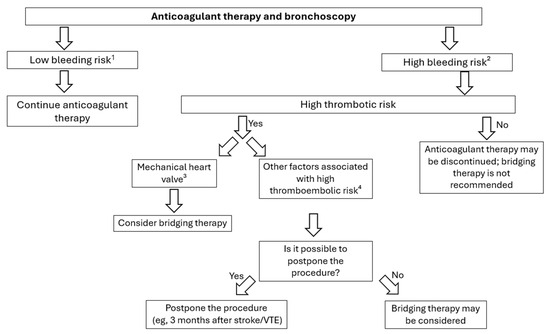
Figure 1
Journal Menu
► ▼ Journal MenuJournal Browser
► ▼ Journal Browser-
arrow_forward_ios
Forthcoming issue
arrow_forward_ios Current issue - Volumes not published by MDPI
Highly Accessed Articles
Latest Books
E-Mail Alert
News
Topics
Conferences
Special Issues
Special Issue in
ARM
Infectious Diseases in Respiratory Medicine
Guest Editor: Kay Choong SeeDeadline: 26 September 2026
Special Issue in
ARM
Non-Invasive Ventilatory Support Tool as a Bridge in Lung Transplants—Practical Approach and Clinical Evaluation
Guest Editor: Antonio EsquìnasDeadline: 16 October 2026
Special Issue in
ARM
Pulmonary Rehabilitation: Interventions, Protocols, and Outcomes
Guest Editor: Cleofas Rodriguez-BlancoDeadline: 20 December 2026