

Journal Description
Applied Mechanics
Applied Mechanics
is an international, peer-reviewed, open access journal on applied mechanics, published quarterly online by MDPI. The South African Association for Theoretical and Applied Mechanics (SAAM) is affiliated with Applied Mechanics and its members receive discounts on the article processing charges.
- Open Access— free for readers, with article processing charges (APC) paid by authors or their institutions.
- High Visibility: indexed within ESCI (Web of Science), Scopus and other databases.
- Journal Rank: CiteScore - Q2 (Engineering (miscellaneous))
- Rapid Publication: manuscripts are peer-reviewed and a first decision is provided to authors approximately 25.6 days after submission; acceptance to publication is undertaken in 5.5 days (median values for papers published in this journal in the first half of 2026).
- Recognition of Reviewers: APC discount vouchers, optional signed peer review, and reviewer names published annually in the journal.
Impact Factor:
1.8 (2025);
5-Year Impact Factor:
2.0 (2025)
Latest Articles
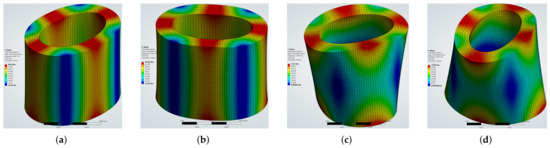
Modal Analysis of an Additively Manufactured AlSi10Mg Thick-Walled Cylinder: Finite Element Simulation, Experimental Validation, and Non-Conservative Damping Characterization
Appl. Mech. 2026, 7(3), 72; https://doi.org/10.3390/applmech7030072 - 21 Aug 2026
Abstract
►
Show Figures
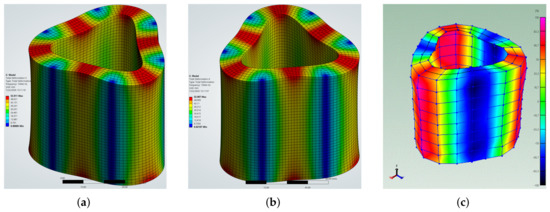
This paper presents a systematic experimental and computational investigation of the free-vibration characteristics of a Laser Powder Bed Fusion (LPBF) AlSi10Mg thick-walled cylinder, a geometry relevant to electric-machine housings, hydraulic sleeves, and pressure-carrying components exposed to resonance-critical service loads. The specimen has an
[...] Read more.
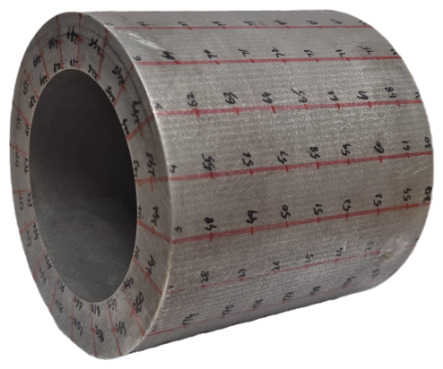
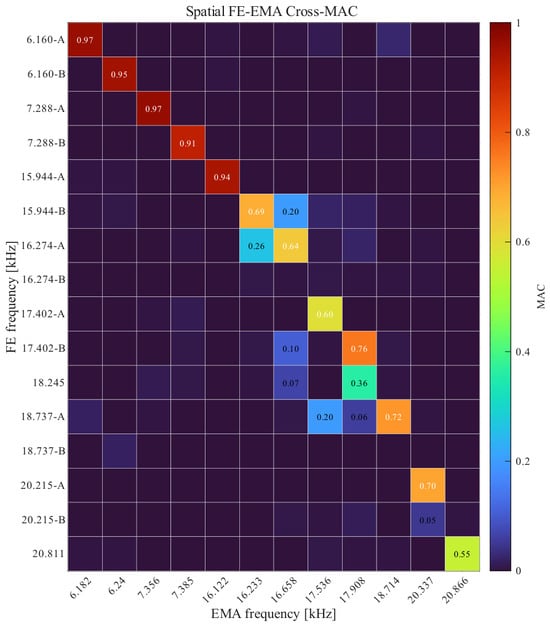
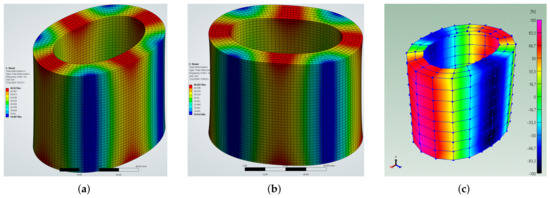
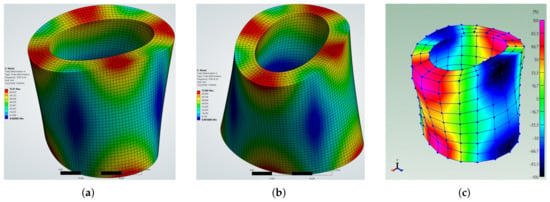
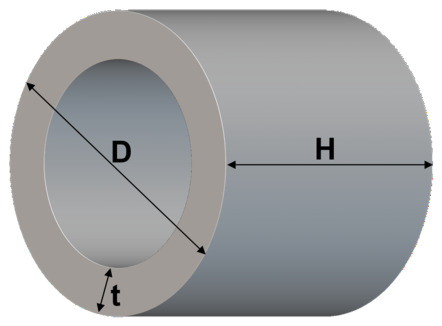
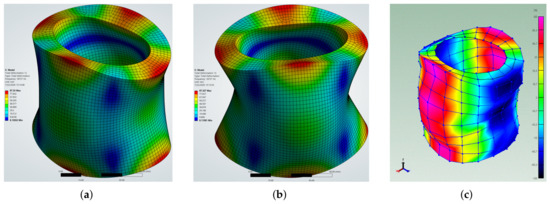
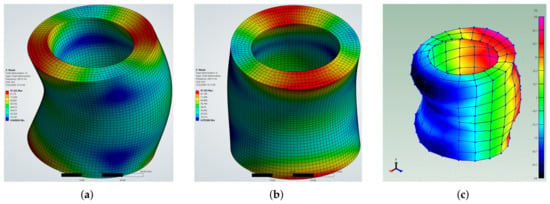
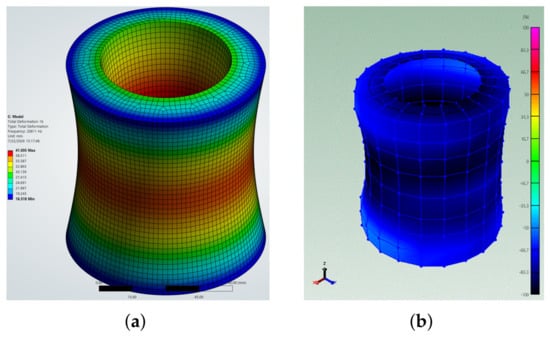
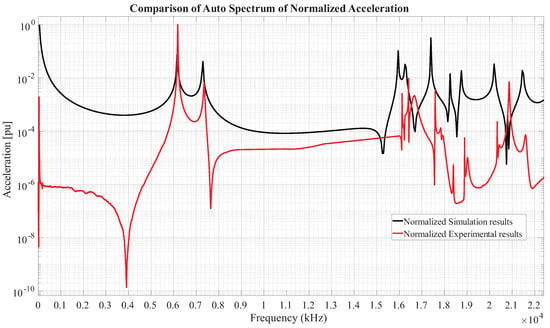
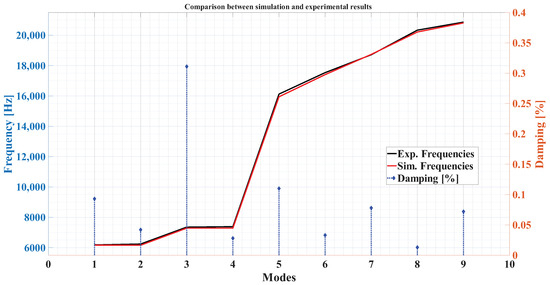
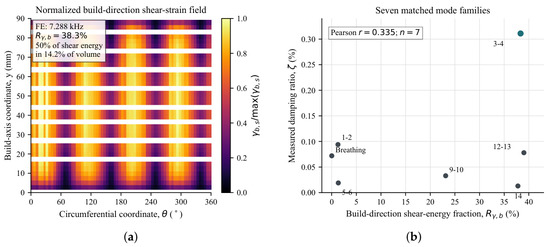
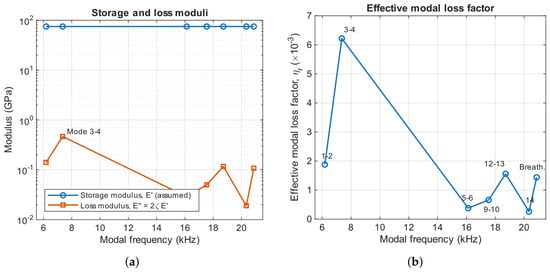
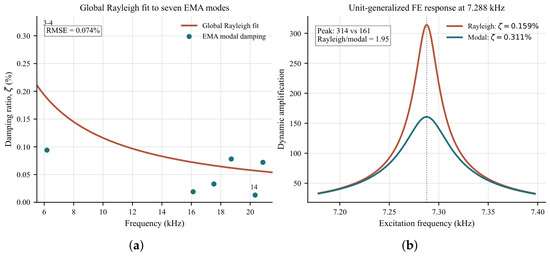
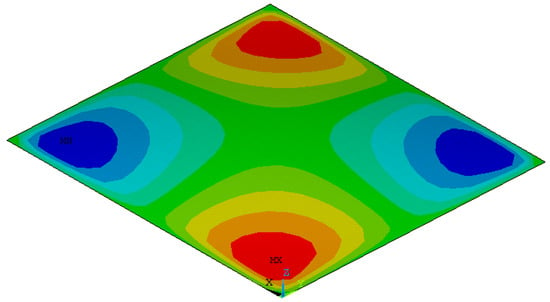
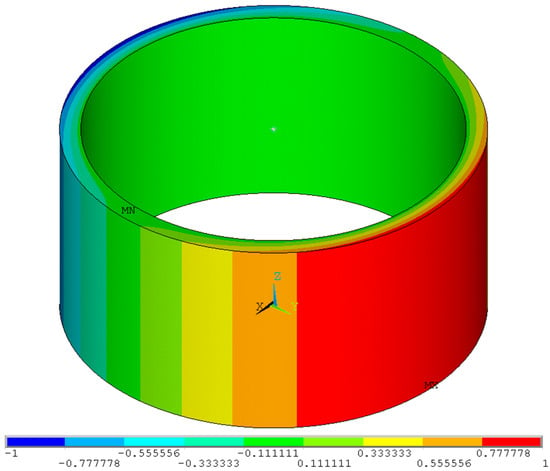
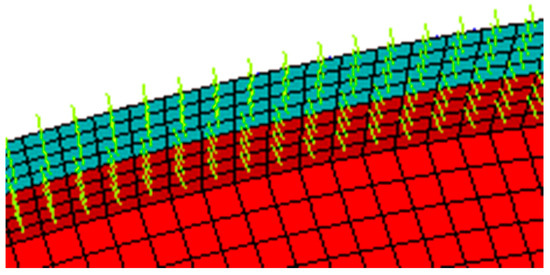
This paper presents a systematic experimental and computational investigation of the free-vibration characteristics of a Laser Powder Bed Fusion (LPBF) AlSi10Mg thick-walled cylinder, a geometry relevant to electric-machine housings, hydraulic sleeves, and pressure-carrying components exposed to resonance-critical service loads. The specimen has an outer diameter of 94 mm, an inner diameter of 64 mm, a wall thickness of 15 mm, and a height of 90 mm, placing it firmly in the thick-walled regime ( ). A three-dimensional finite element model comprising 23,864 total elements (23,236 SOLID186 solid elements and 628 surface/contact elements) and 106,015 nodes was constructed in Ansys Mechanical using the AlSi10Mg material database entry (E = 75 GPa, = 2670 kg/m3, = 0.33) and solved with the Block Lanczos eigensolver under free–free boundary conditions. Experimental modal analysis (EMA) was conducted using Brüel & Kjær software with an impact hammer with a 260-node measurement grid covering the outer surface and both end rings; frequency response functions were acquired over 0–22,500 Hz. Fourteen flexible modes were identified in simulation; nine corresponding experimental modes were resolved with frequency deviations ranging from 0.13% to 1.10%. In addition to frequency correlation, this paper introduces a non-conservative damping characterization framework comprising: (i) Rayleigh (proportional) damping coefficient extraction from EMA data and assessment of its frequency-domain validity; (ii) a viscoelastic complex-modulus model relating the real storage modulus and imaginary loss modulus to the modal loss factor and damping ratio ; and (iii) a practical design workflow for resonance mitigation of future AM structures including electric machine frames. Experimental damping ratios ( – ) are converted to per-mode values and loss factors, revealing that energy dissipation in LPBF AlSi10Mg is strongly mode-shape-dependent and cannot be accurately represented by a single Rayleigh model.
Full article
Open AccessArticle
Axial–Torsional Path Dependence in an Elastoplastic Rod with a Multiply Connected Cross-Section
by
Rustam Abirov and Javlonbek Turdibekov
Appl. Mech. 2026, 7(3), 71; https://doi.org/10.3390/applmech7030071 - 19 Aug 2026
Abstract
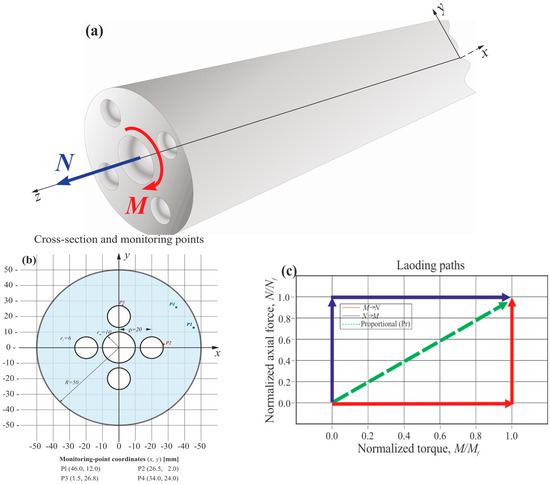
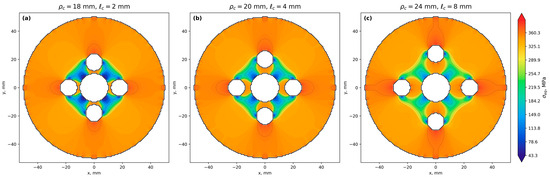
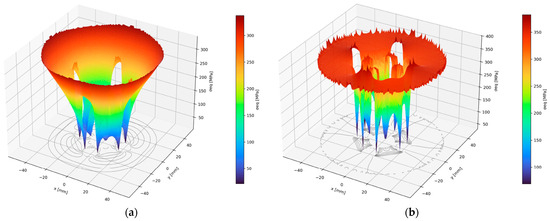
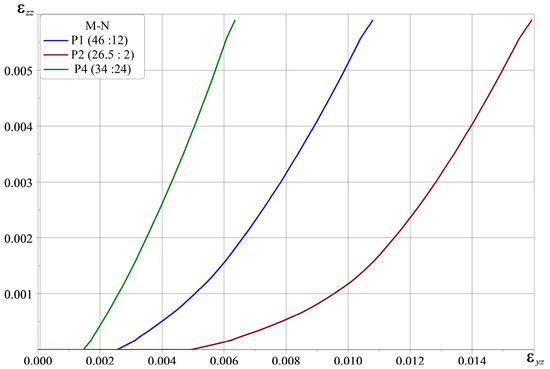
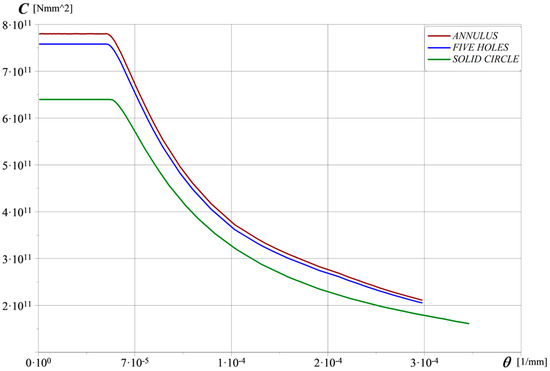
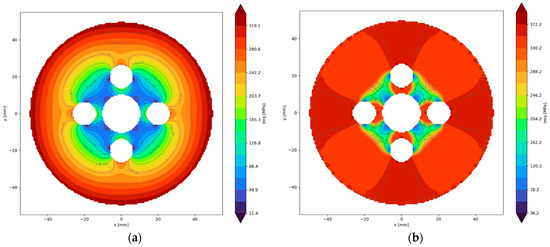
This paper addresses the elastoplastic torsion and tension of a prismatic bar with a multiply connected circular cross-section containing one central and four symmetrically arranged lateral holes. The relevance of this problem stems from the fact that internal contours alter the shear-stress flow,
[...] Read more.
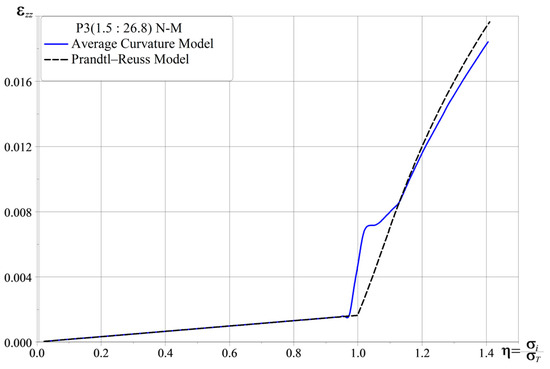
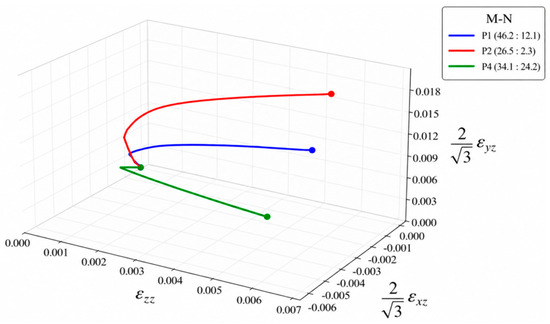
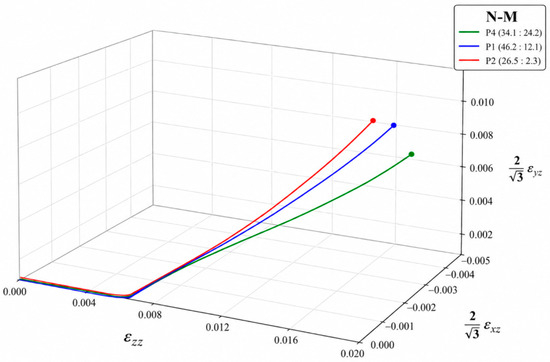
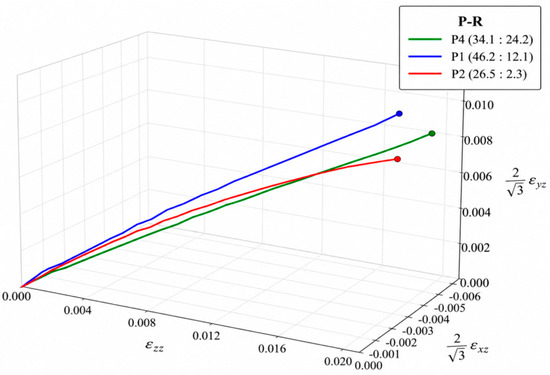
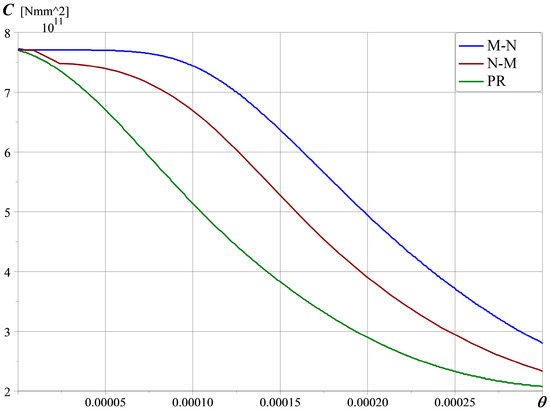
This paper addresses the elastoplastic torsion and tension of a prismatic bar with a multiply connected circular cross-section containing one central and four symmetrically arranged lateral holes. The relevance of this problem stems from the fact that internal contours alter the shear-stress flow, amplify local gradients, and cause non-uniform development of plastic zones. The study considers a two-parameter loading scenario. It is demonstrated that for the same final combination of axial force and torque under different strain trajectories, the equivalent-stress fields and effective torsional stiffness significantly depend on the loading sequence. The obtained results confirm the necessity of simultaneously considering hole geometry, plastic flow, and loading history when analyzing multiply connected bars.
Full article
(This article belongs to the Special Issue Cutting-Edge Developments in Computational and Experimental Mechanics 2nd Edition)
►▼
Show Figures

Figure 1
Open AccessArticle
Mechanical and Microstructural Performance of Gypsum Composites Incorporating Treated Rice Husk and Recycled Gypsum
by
Matheus de Carvalho Dias, Rafael Beltrame, Flávia Costa de Mattos, Kelvin Techera Barbosa, Rafaella dos Passos Nörnberg, Alessandra Buss Tessaro, Jorge Luiz Saes Bandeira and Rafael de Avila Delucis
Appl. Mech. 2026, 7(3), 70; https://doi.org/10.3390/applmech7030070 - 17 Aug 2026
Abstract
►▼
Show Figures
The growing demand for more sustainable construction materials has driven the development of composites incorporating industrial and agricultural residues, contributing to the reduction in virgin raw material consumption and the valorisation of by-products. In this context, the present study investigated the influence of
[...] Read more.
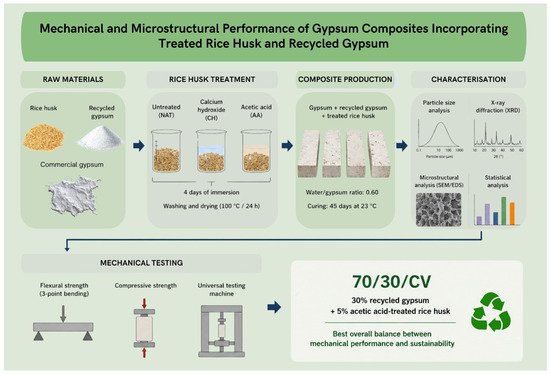
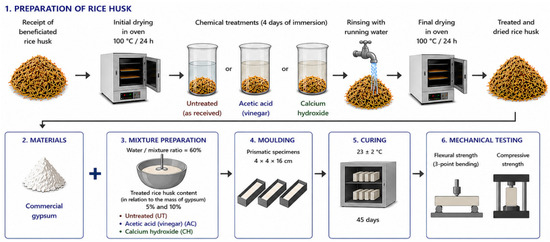
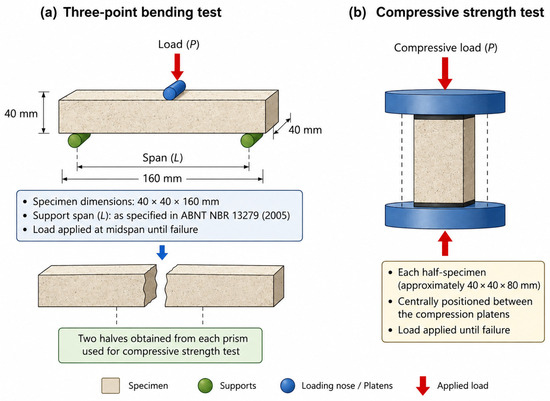
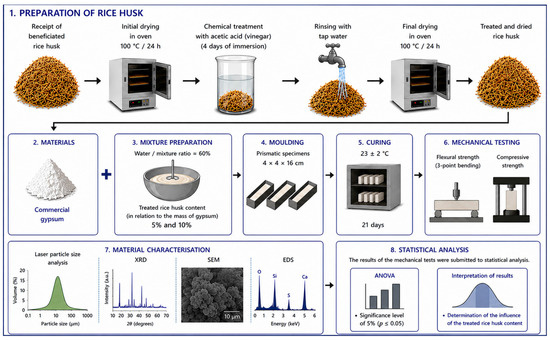
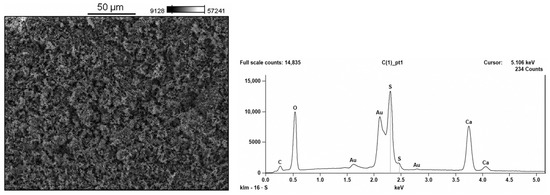
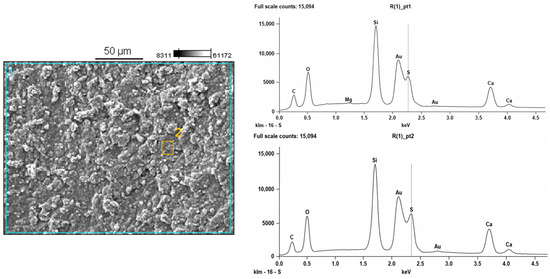
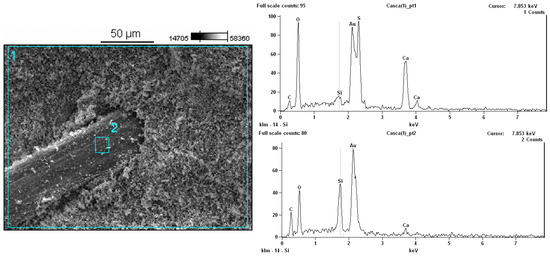
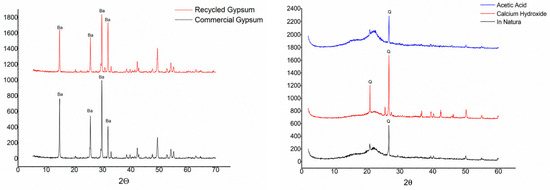
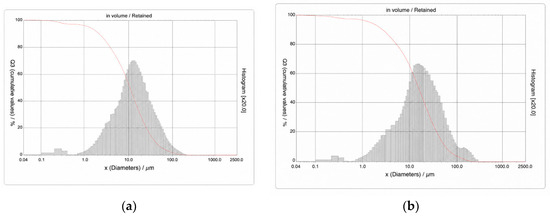
The growing demand for more sustainable construction materials has driven the development of composites incorporating industrial and agricultural residues, contributing to the reduction in virgin raw material consumption and the valorisation of by-products. In this context, the present study investigated the influence of incorporating rice husk subjected to different chemical treatments and the partial replacement of commercial gypsum with recycled gypsum on the flexural strength, compressive strength and microstructural characteristics of gypsum-based composites. Initially, formulations containing 5 wt.% and 10 wt.% rice husk in three different conditions, untreated, treated with calcium hydroxide, and treated with acetic acid, were produced and evaluated in terms of compressive strength and flexural strength. The formulation containing 5 wt.% rice husk treated with acetic acid exhibited the best overall performance and was therefore selected for the subsequent stage of the study. In the second phase, mixtures incorporating 20 wt.%, 30 wt.% and 40 wt.% recycled gypsum, with and without the addition of 5 wt.% treated rice husk, were investigated. Furthermore, particle size distribution, X-ray diffraction (XRD), scanning electron microscopy (SEM), and energy-dispersive X-ray spectroscopy (EDS) analyses were performed. The results demonstrated that the acetic acid treatment resulted in higher flexural and compressive strength compared with the other treatment conditions evaluated. Partial replacement with recycled gypsum also yielded promising results, with the formulation containing 70 wt.% commercial gypsum and 30 wt.% recycled gypsum exhibiting the highest mechanical strength among the composites without lignocellulosic reinforcement. Microstructural characterisation revealed the preservation of the principal mineralogical phases following the recycling process, and SEM micrographs showed the incorporation of rice husk within the gypsum matrix. Overall, the combination of 30 wt.% recycled gypsum and 5 wt.% rice husk treated with acetic acid represents a technically viable alternative for the development of gypsum composites intended for non-structural applications in the construction industry, while promoting the beneficial utilisation of waste materials.
Full article

Figure 1
Open AccessArticle
Novel Exact Solutions of the Duffing Equation: Stability Analysis and Application to Real Non-Linear Deformation Tests
by
Arseniy D. Berezner, Victor A. Fedorov, Nikolai S. Perov and Gregory V. Grigoriev
Appl. Mech. 2026, 7(3), 69; https://doi.org/10.3390/applmech7030069 - 17 Aug 2026
Abstract
In this study, novel exact solutions of the Duffing equation with their phase portraits are proposed and reasoned. It is shown that phase trajectories are initially elliptical and become distorted in the unstable area with the growth of the variable parameter in the
[...] Read more.
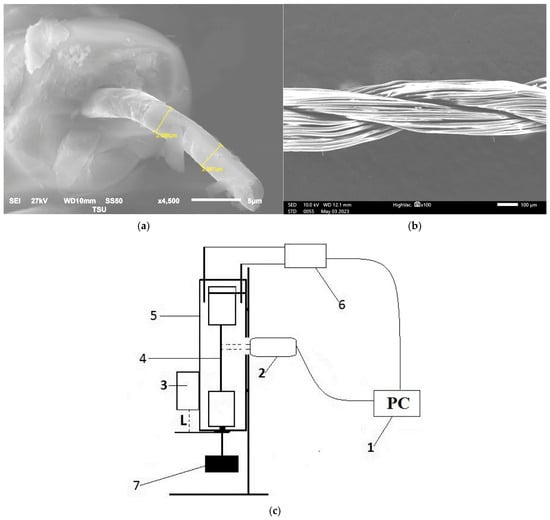
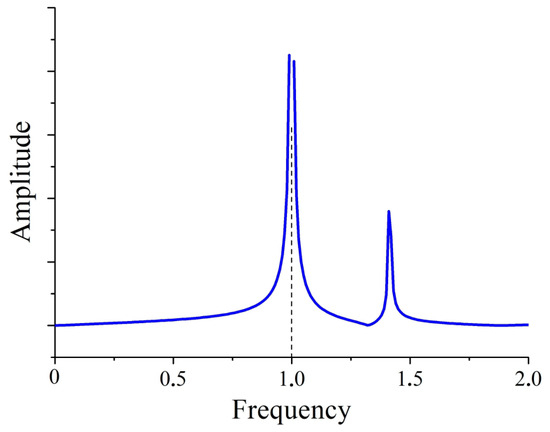
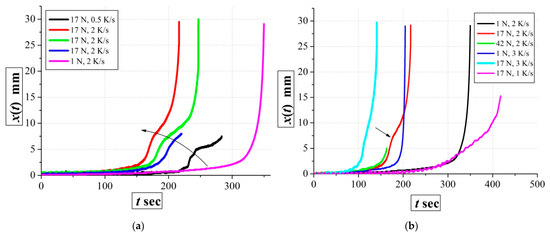
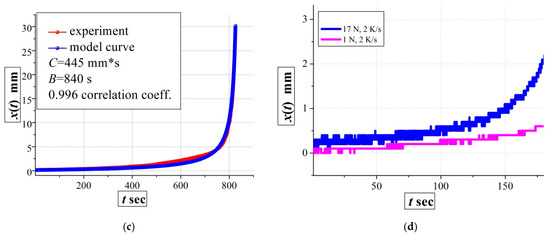
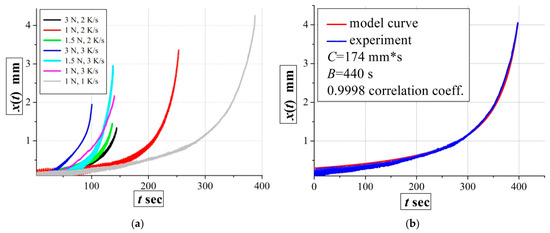
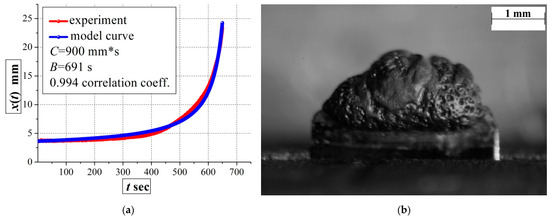
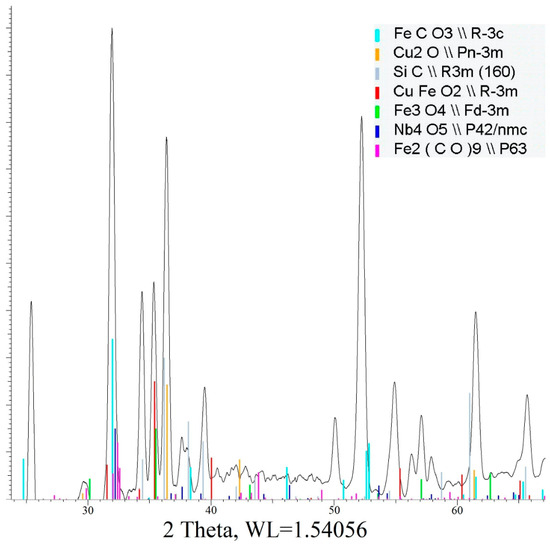
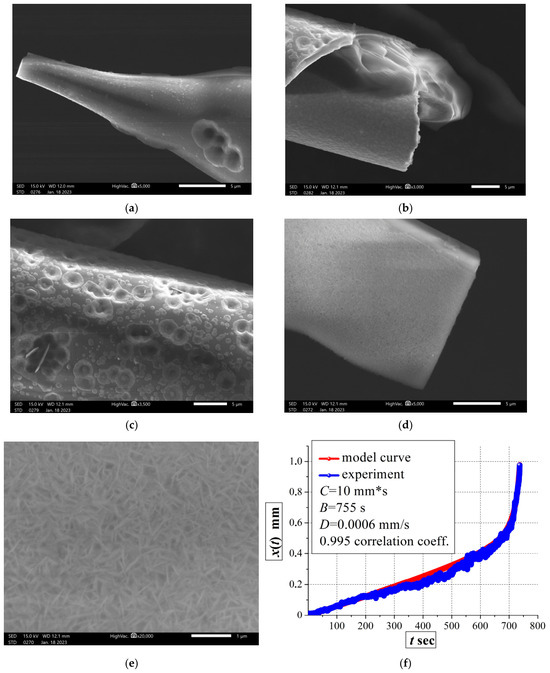
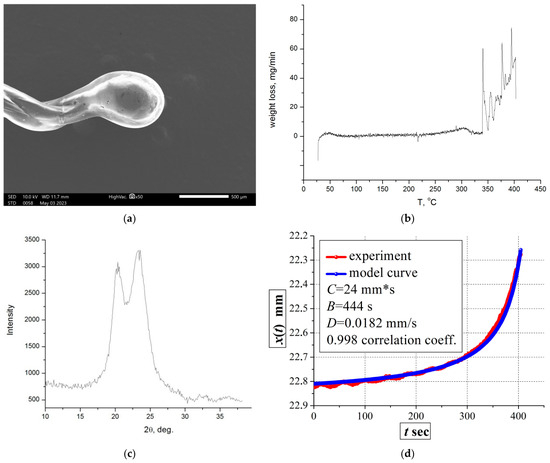
In this study, novel exact solutions of the Duffing equation with their phase portraits are proposed and reasoned. It is shown that phase trajectories are initially elliptical and become distorted in the unstable area with the growth of the variable parameter in the damped case. The instability criteria of the identified solutions have been determined together with the Fourier series transformation up to the first and high harmonics in the sense of the physical interpretation. An explicit form for the non-linear differential operator corresponding to the considered functions has been derived, and its main functional spectrum has been evaluated. Non-isothermal creep tests of different materials were completely described using the Duffing equation via noted solutions up to the fracture as processes with a personal deformation response. We successfully examined the relationship between the thermal and magnetic properties of the ferromagnetic amorphous alloy under its non-linear deformation, using the critical exponents equal to α1 = 2 and α2 = 1. With high linear correlation coefficients (0.9 and above) between our model and experiments (within ±0.01 mm of residual error), the behavior of organic and metallic systems is well predicted under the same thermomechanical testing conditions on the mesoscale.
Full article
(This article belongs to the Collection Fracture, Fatigue, and Wear)
►▼
Show Figures

Figure 1
Open AccessArticle
Nonlinear Vibration Control of a Hybrid Rotor–Bearing System Using a State-Dependent Parameter PIP Controller
by
Hussein Sayed and Tamer A. El-Sayed
Appl. Mech. 2026, 7(3), 68; https://doi.org/10.3390/applmech7030068 - 13 Aug 2026
Abstract
►▼
Show Figures
This paper presents a novel control strategy for hybrid rotor–bearing systems integrating hydrodynamic journal bearings with active magnetic bearings (AMBs) to address the persistent challenge of nonlinear vibrations in high-speed rotating machinery. The study introduces the application of a state-dependent parameter proportional-integral-plus (SDP-PIP)
[...] Read more.
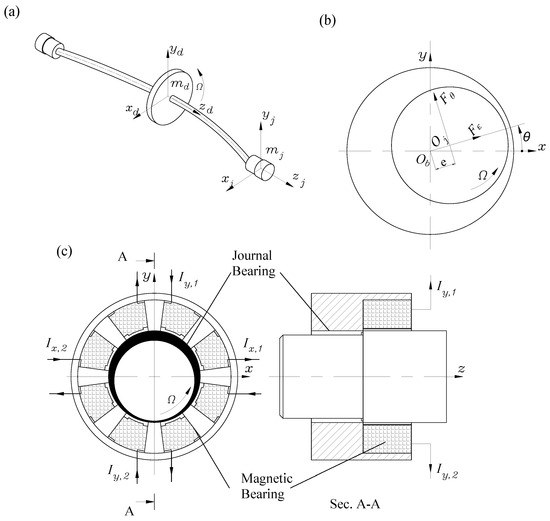
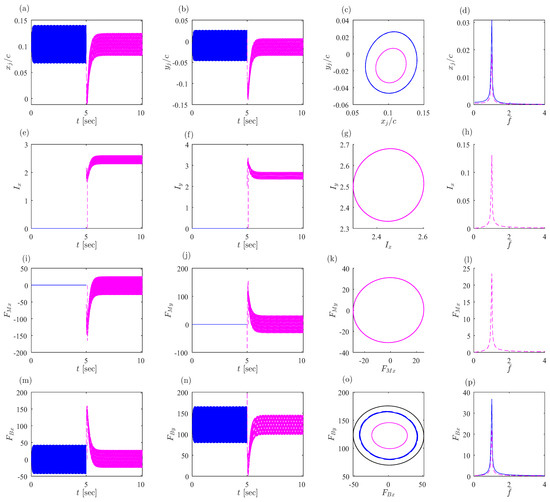
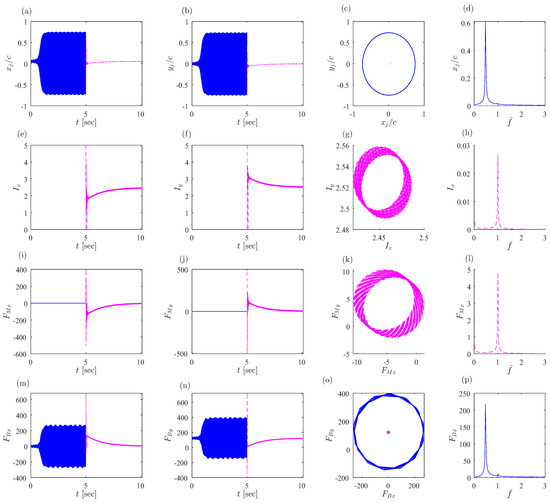
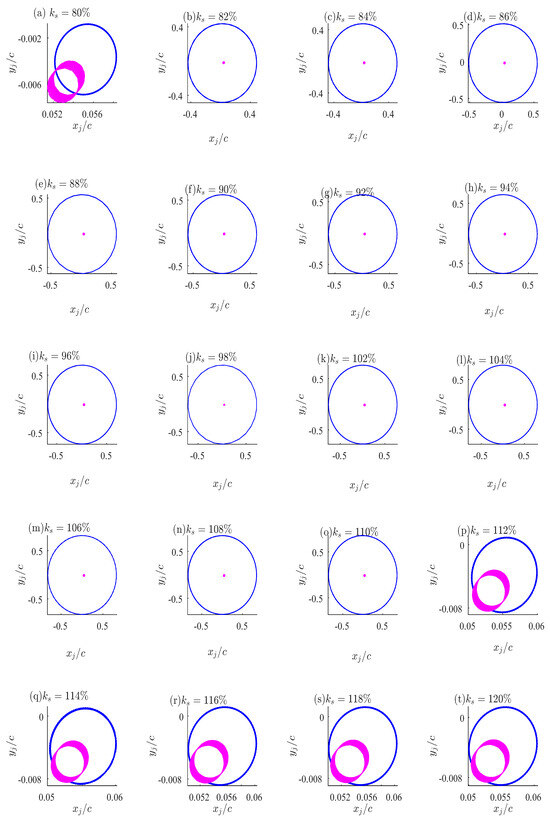
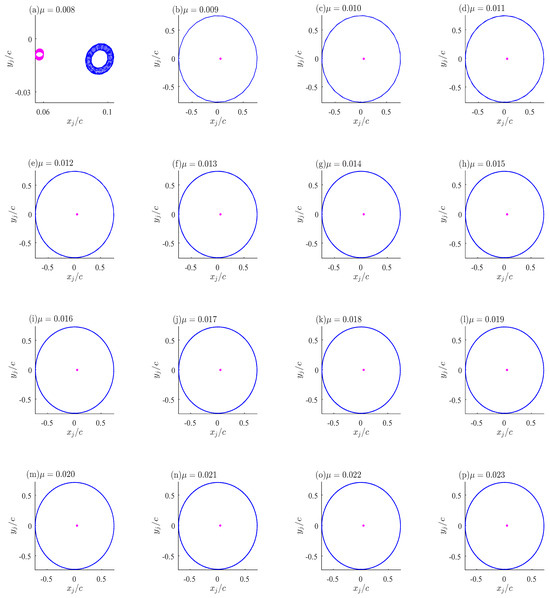
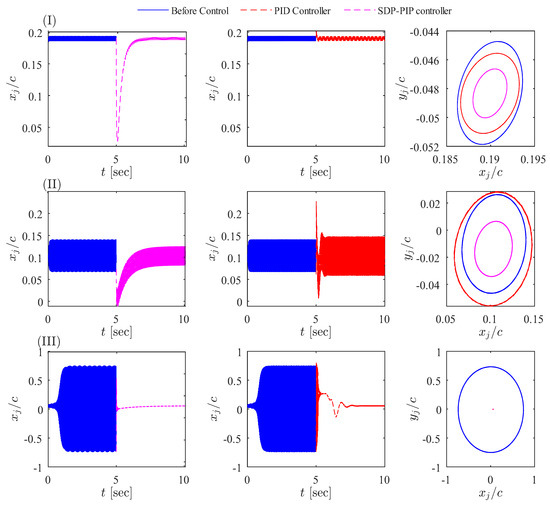
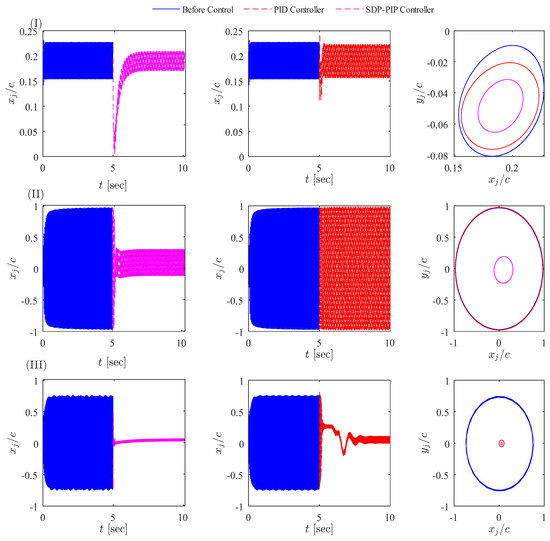
This paper presents a novel control strategy for hybrid rotor–bearing systems integrating hydrodynamic journal bearings with active magnetic bearings (AMBs) to address the persistent challenge of nonlinear vibrations in high-speed rotating machinery. The study introduces the application of a state-dependent parameter proportional-integral-plus (SDP-PIP) controller designed within a non-minimal state-space framework, offering a significant advancement over conventional control approaches. A four-degree-of-freedom model incorporating short-bearing approximation for hydrodynamic forces and nonlinear electromagnetic force characterization is developed to capture the complex system dynamics. The controller performance is evaluated through numerical simulations over a range of rotational speeds from 130 to 500 rad/s, together with sensitivity analyses under parameter variations and comparisons with a conventional PID controller. The results show that the proposed controller effectively suppresses nonlinear vibrations and stabilizes oil-whirl and oil-whip instabilities over the investigated operating conditions. In comparison with the PID controller, the SDP-PIP controller provides improved vibration attenuation and maintains stable journal motion with lower oscillation amplitudes, particularly near unstable operating regimes. These findings demonstrate the potential of the SDP-PIP control strategy for enhancing the dynamic performance and operational stability of hybrid journal bearing systems.
Full article

Figure 1
Open AccessArticle
Hybrid Artificial Neural Network Long Short-Term Memory Framework for Predicting the Mechanical Behavior of Composite Materials
by
Alagulakshmi Rajendran, Ramalakshmi Ramar, Arumugaprabu Veerasimman, Sundarakannan Rajendran, Arnas Majumder and Flavio Stochino
Appl. Mech. 2026, 7(3), 67; https://doi.org/10.3390/applmech7030067 - 13 Aug 2026
Abstract
►▼
Show Figures
The process of predicting mechanical properties in composite materials is an important challenge owing to their nonlinear and composition-dependent nature. In this research, a hybrid deep learning architecture fusing Artificial Neural Network (ANN) with Long Short-Term Memory (LSTM) networks is employed for the
[...] Read more.
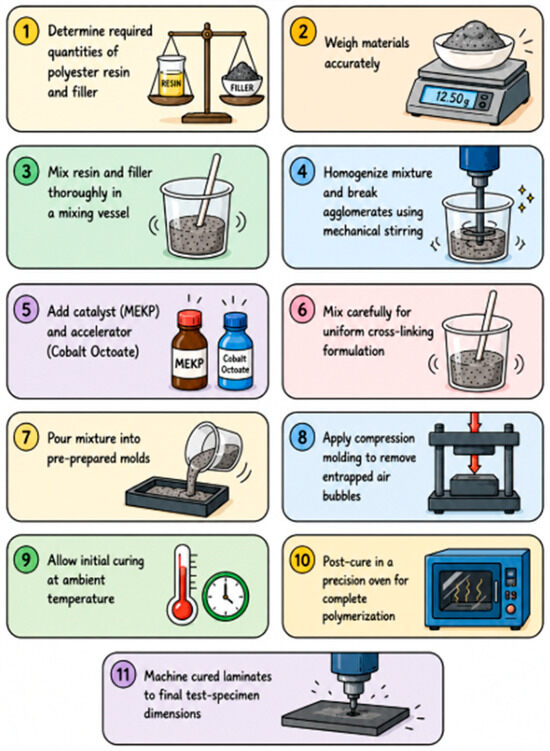
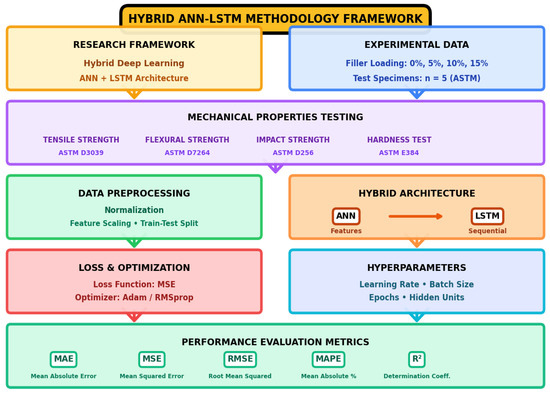
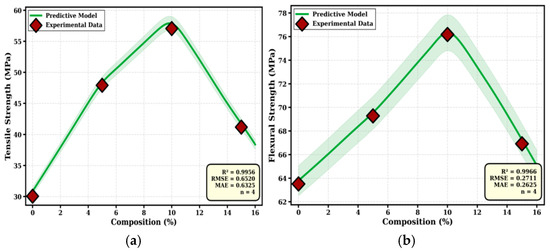
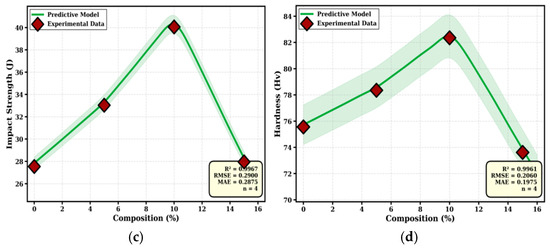
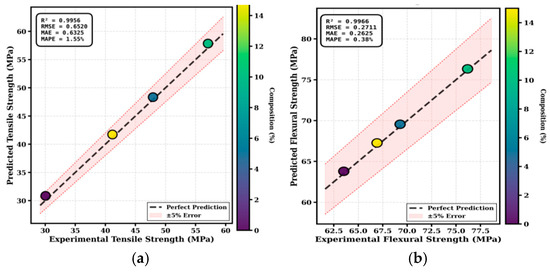
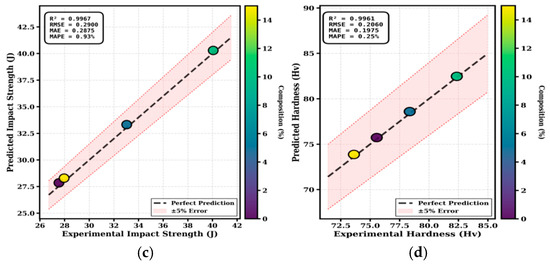
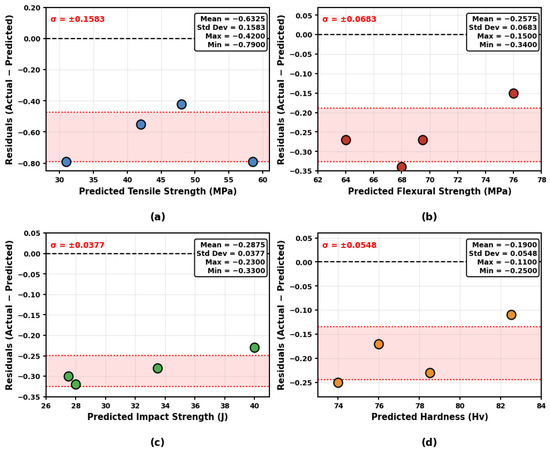
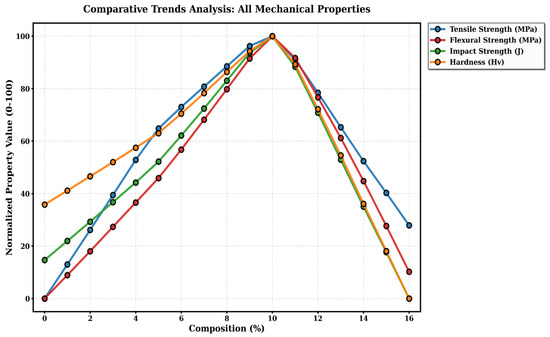
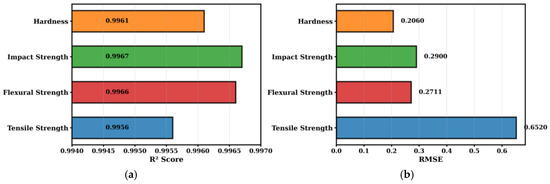
The process of predicting mechanical properties in composite materials is an important challenge owing to their nonlinear and composition-dependent nature. In this research, a hybrid deep learning architecture fusing Artificial Neural Network (ANN) with Long Short-Term Memory (LSTM) networks is employed for the prediction of tensile strength, flexural strength, impact strength, and hardness for different weight composition composites. The composite was prepared with fiber contents of 0%, 5%, 10%, and 15% and was tested mechanically with respect to four different tests—tensile test, flexural test, impact test, and hardness test—to study the influence of fiber content variation on the physical characteristics of the material. The experimental dataset was used for both training and validation, while the intermediate compositions were suitably estimated using the devised hybrid architecture. It is observed that the ANN LSTM model exhibits superior predictability with R2 greater than 0.996 in all cases, which validates its capability to model complex material-property relations. This hybridization is a very computationally efficient and reliable approach for material optimization by minimizing the need for large-scale experimental trials. The results substantiate the value of ANN LSTM hybridization as a very strong predictive tool for composite material engineering.
Full article

Figure 1
Open AccessArticle
An Investigation of Thermo-Mechanical Finite Element Analysis Methodologies and a Demonstration on the Case of a Small-Scale Composite Cryogenic Hydrogen Tank
by
George Tzoumakis and George Lampeas
Appl. Mech. 2026, 7(3), 66; https://doi.org/10.3390/applmech7030066 - 11 Aug 2026
Abstract
With the aim of reducing and eventually eliminating CO2 emissions, the aviation industry is investigating alternative fuels, with liquid hydrogen (LH2) being one of the most promising. Several research projects that deal with the subsystem design of liquid hydrogen aircraft have commenced,
[...] Read more.
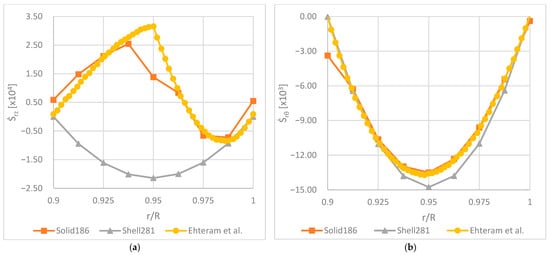
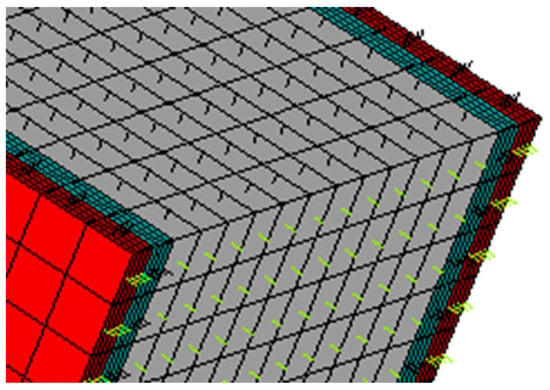
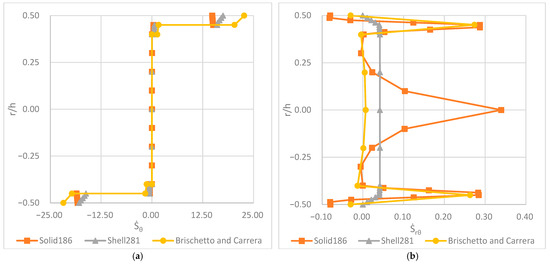
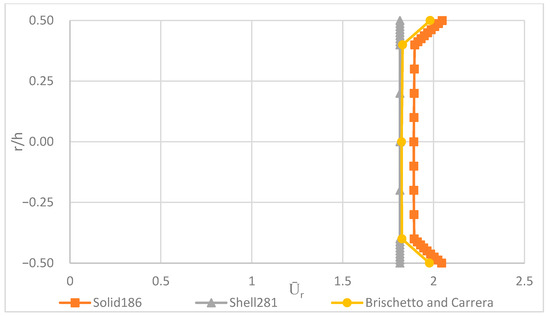
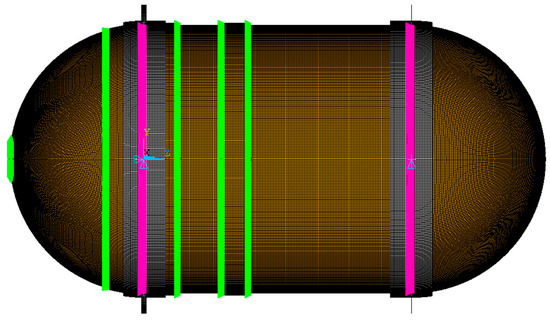
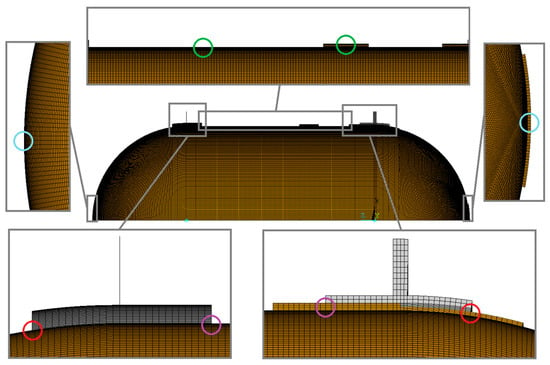
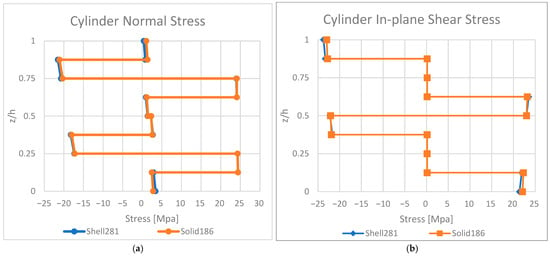
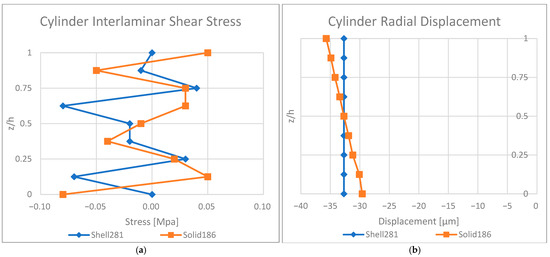
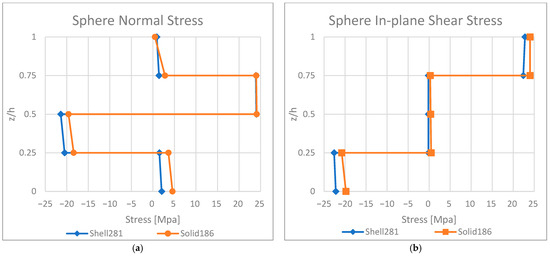
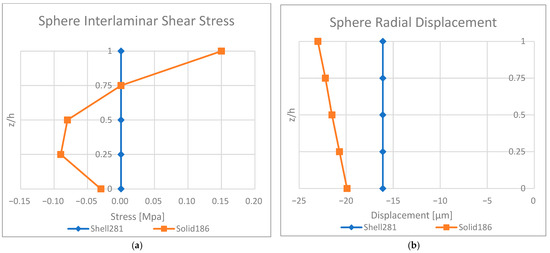
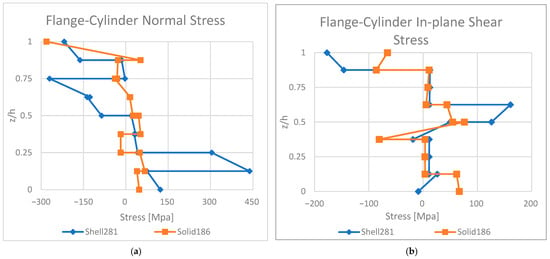
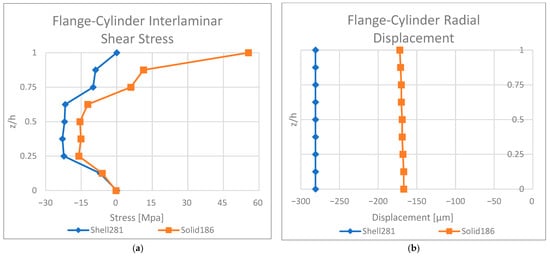
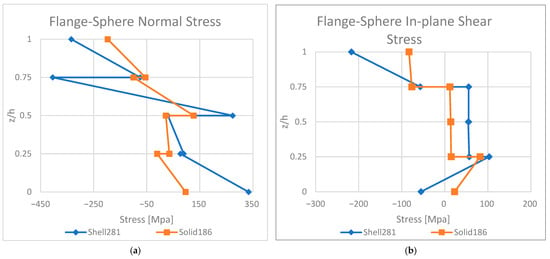
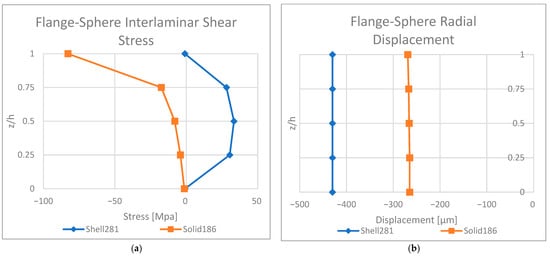
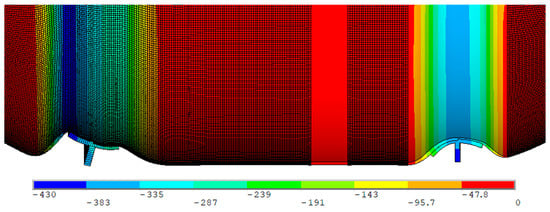
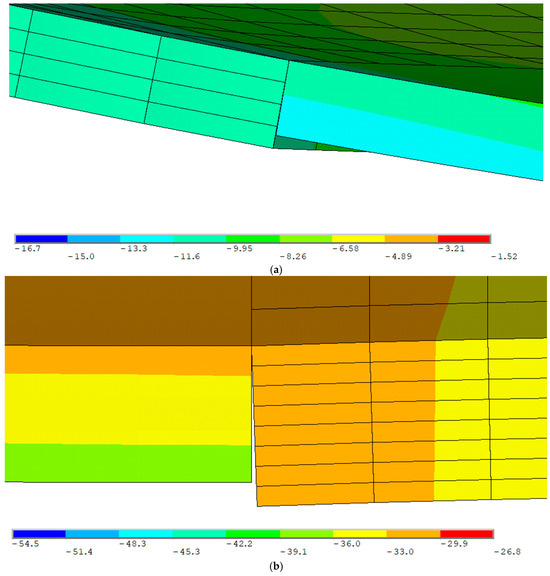
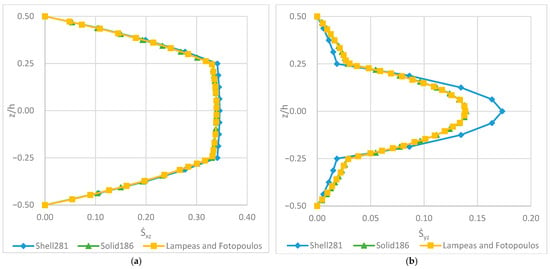
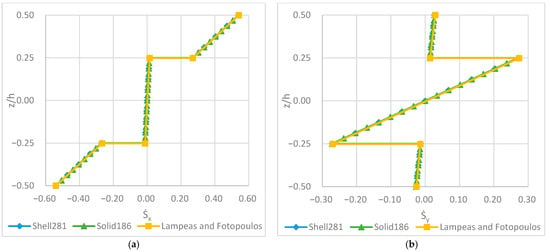
With the aim of reducing and eventually eliminating CO2 emissions, the aviation industry is investigating alternative fuels, with liquid hydrogen (LH2) being one of the most promising. Several research projects that deal with the subsystem design of liquid hydrogen aircraft have commenced, with specific attention given to the development of lightweight cryogenic tanks. Composite materials are potential candidates for cryogenic aviation applications, yet they experience issues with thermal stresses that result to various types of damage that should be thoroughly investigated, to enable reliable composite cryogenic structures. In this direction, the present work investigates the alternative finite element techniques for the thermo-mechanical analysis of the characteristic geometrical structural configuration. Thermo-mechanical stress analysis results derived from the investigated analysis methodologies are verified by their comparison to published results. The assessment of the alternative modeling techniques contributes to the adaptation of the FE modeling development strategy to the desired analysis type and the expected results and is directly applicable to the thermo-mechanical design of cryogenic components. The outcome of the investigation is demonstrated in the case of thermo-mechanical analysis of an outer tank of an LH2 storage system, performed with the optimal combination of shell and solid elements.
Full article
(This article belongs to the Topic Numerical Simulation of Composite Material Performance)
►▼
Show Figures

Figure 1
Open AccessArticle
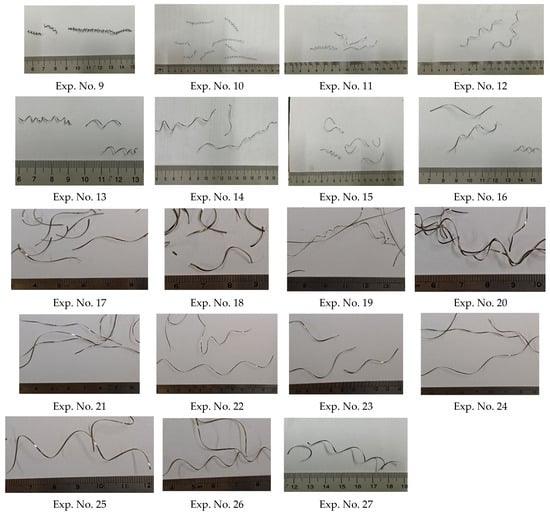
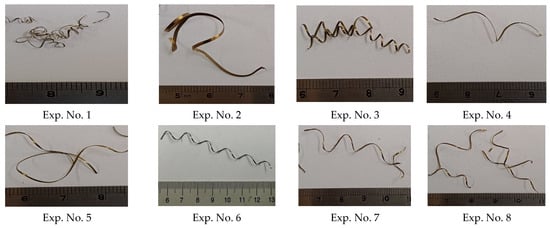
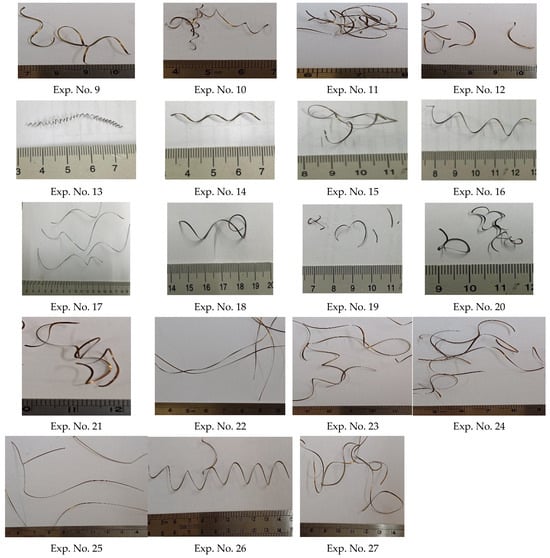
Comparative Study on Chip Reduction Coefficient and Morphology Evolution in Dry and Wet Machining of WP7V Steel with TiAlN-Coated Carbide Tool in Turning Process
by
Mahesh Kumar Gupta and Ratnakar Das
Appl. Mech. 2026, 7(3), 65; https://doi.org/10.3390/applmech7030065 - 5 Aug 2026
Abstract
This research work investigates the machinability of WP7V die steel of very high toughness and wear resistance in turning with a TiAlN-coated carbide tool, with the chip reduction coefficient (CRC) serving as a guide for machining performance and energy requirements. The machining parameters,
[...] Read more.
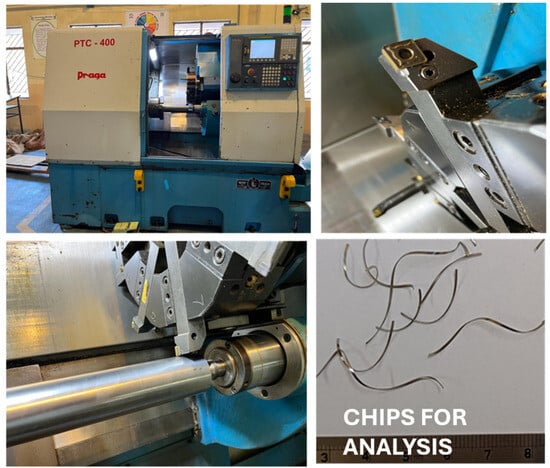
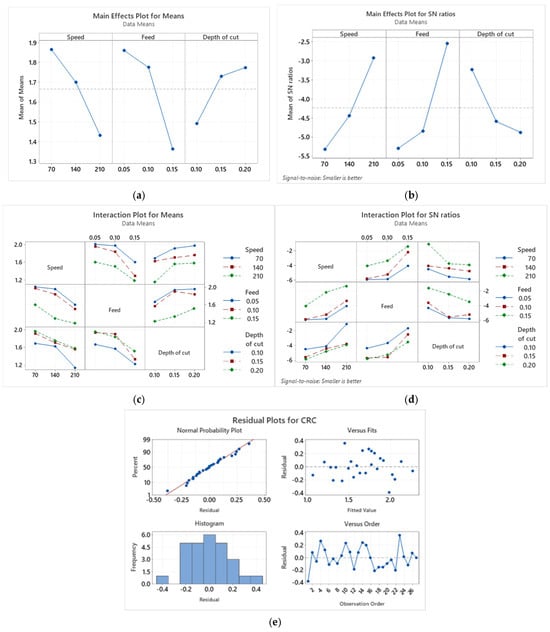
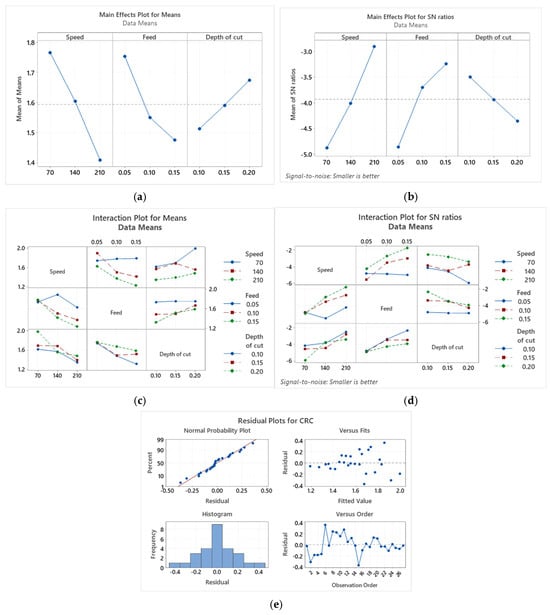
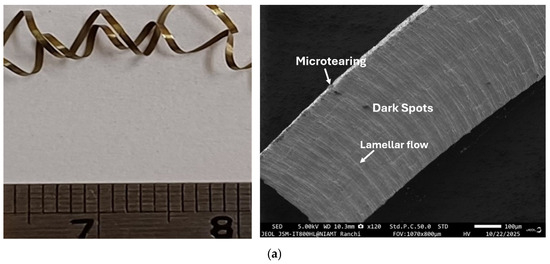
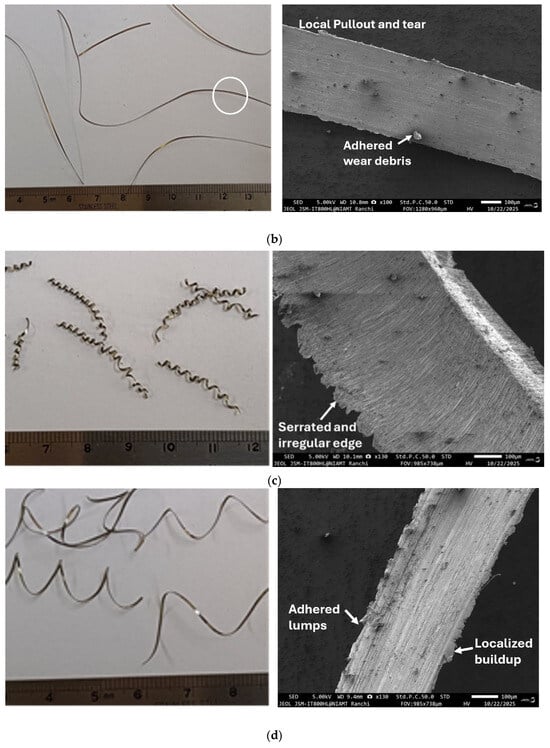
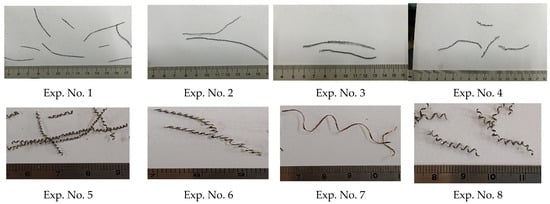
This research work investigates the machinability of WP7V die steel of very high toughness and wear resistance in turning with a TiAlN-coated carbide tool, with the chip reduction coefficient (CRC) serving as a guide for machining performance and energy requirements. The machining parameters, like cutting speed, feed rate, depth of cut, and machining environment, were assessed to find parameter combinations that encourage established cutting and enhanced chip control. The results illustrate that the CRC is strongly influenced by cutting speed, and at a higher cutting speed (210 m/min), the lowest CRC values are obtained. In dry machining, a medium feed rate (0.1 mm/rev) favors chip breaking, and wet machining results in medium-spiral chips. Long, continuous chips with laminar and sheared surfaces are produced at a low cutting speed (70 m/min). The findings suggest that low CRC values are correlated with stable machining behavior and decreased energy utilization. High cutting speed and the suitable selection of feed rates are needed for the efficient machining of WP7V steel.
Full article
(This article belongs to the Topic Advances in Manufacturing and Mechanics of Materials)
►▼
Show Figures

Figure 1
Open AccessReview
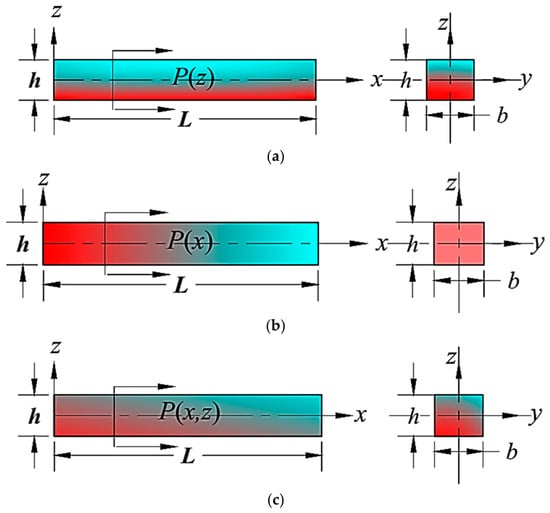
Functionally Graded Beams Resting on Foundations: A Review of Modelling, Analysis and Future Research Directions
by
Hareram Lohar, Anirban Mitra and Sarmila Sahoo
Appl. Mech. 2026, 7(3), 64; https://doi.org/10.3390/applmech7030064 - 5 Aug 2026
Abstract
The analysis of beams resting on elastic foundations has attracted significant attention in structural and mechanical engineering due to its extensive applications in different domains. Beams on elastic foundations interact continuously with deformable media. To represent this interaction mathematically, researchers have developed a
[...] Read more.
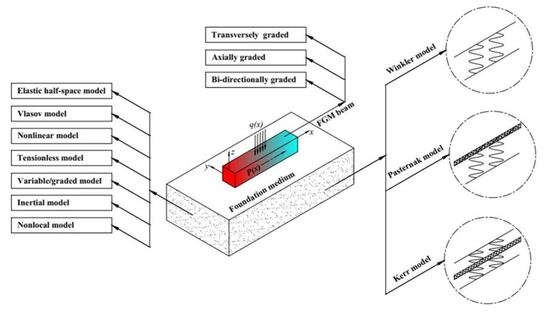
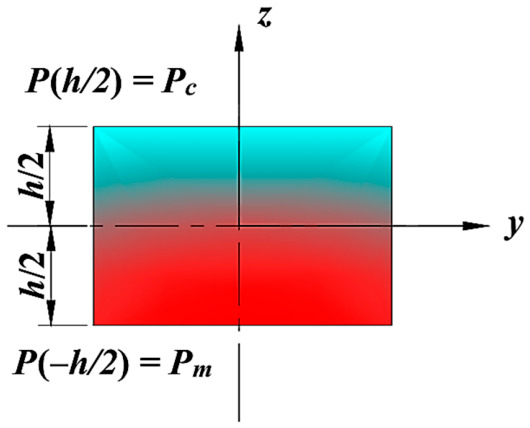
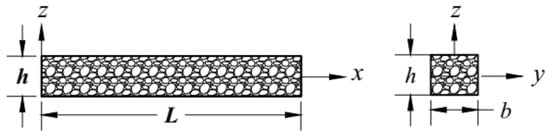
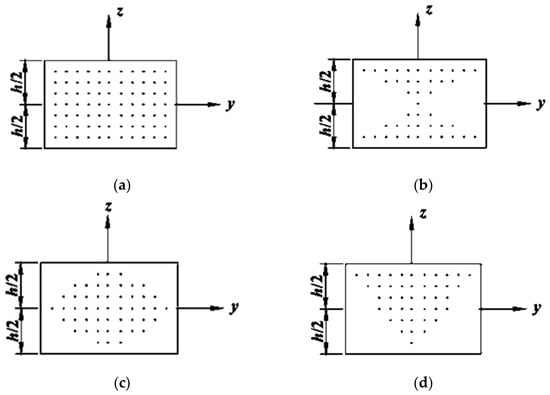
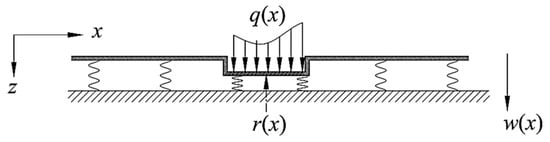
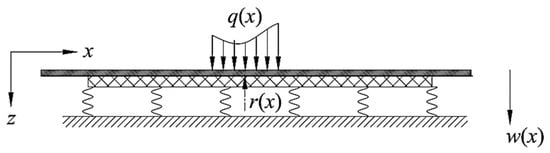
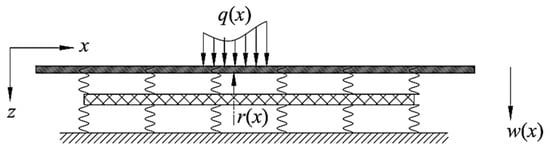
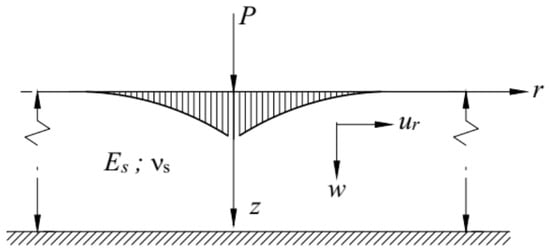
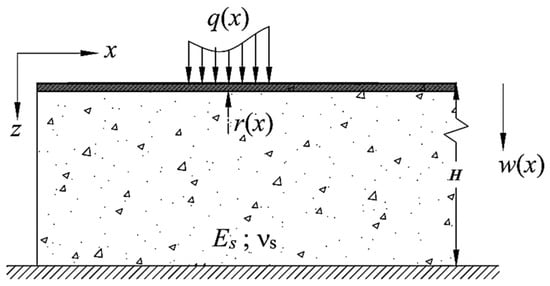
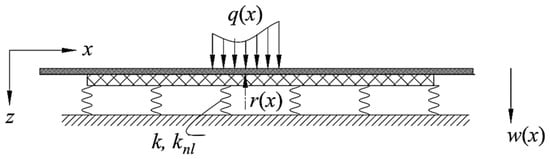
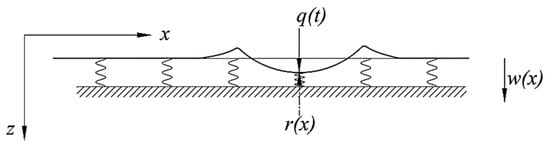
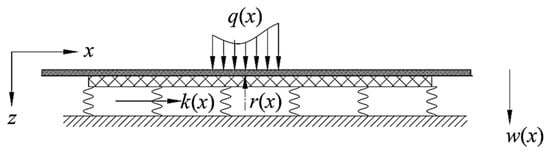
The analysis of beams resting on elastic foundations has attracted significant attention in structural and mechanical engineering due to its extensive applications in different domains. Beams on elastic foundations interact continuously with deformable media. To represent this interaction mathematically, researchers have developed a variety of single-parameter, two-parameter and three-parameter models as well as continuous models. Among the structural elements employed to investigate these models, functionally graded material (FGM) beams have emerged as an attractive platform due to their continuously varying material properties and extensive use in modern engineering applications. Over the past two decades, extensive research has been conducted on the behavior of graded beams resting on elastic foundations using various beam theories, foundation models and analytical as well as numerical solution techniques. The present paper puts forward a detailed review of the existing literature concerning static bending, buckling, free and forced vibration analyses of FG beams supported by elastic foundations. Various material gradation schemes, including power law, exponential, sigmoid, porous and carbon nanotube-reinforced FGMs, are discussed. The review further examines the application of different classical foundation models, such as the Winkler, Pasternak, Kerr and Vlasov models. These classical models may be linear or nonlinear depending on the nature of the foundation medium. A comparative evaluation of the available studies is provided to identify current trends and limitations. Finally, potential future research directions involving multi-physics coupling, advanced foundation modelling, machine-learning-assisted prediction and micro/nanoscale applications are highlighted. The review aims to serve as a valuable reference for researchers and engineers working in the field of FG beams interacting with elastic foundations.
Full article
(This article belongs to the Special Issue Feature Review Papers in Applied Mechanics)
►▼
Show Figures

Graphical abstract
Open AccessArticle
Development and Geometric Optimization of High-Performance Face Mills for Chatter Suppression
by
Shunqi Mei, Undrakh Mishigdorzhiyn, Valeriy Svinin, Andrey Irincheev, Aleksey Pyatykh, Alexander Makaruk and Nikolay Ulakhanov
Appl. Mech. 2026, 7(3), 63; https://doi.org/10.3390/applmech7030063 - 31 Jul 2026
Abstract
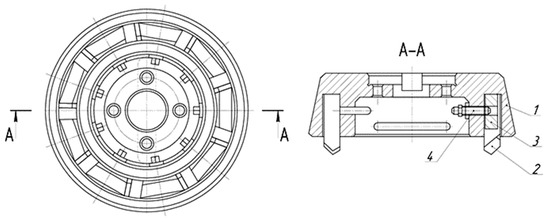
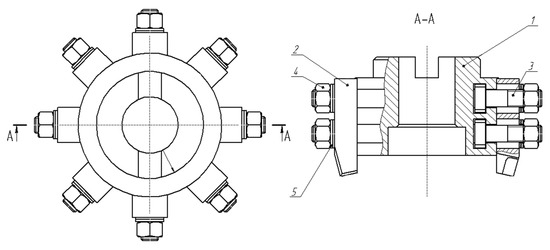
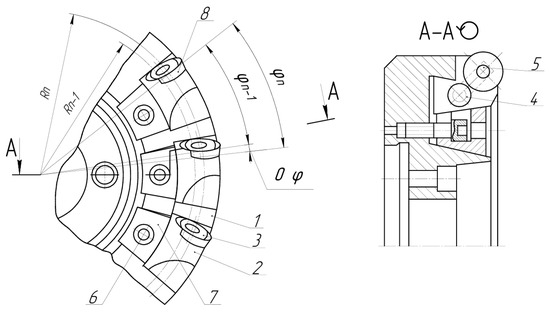
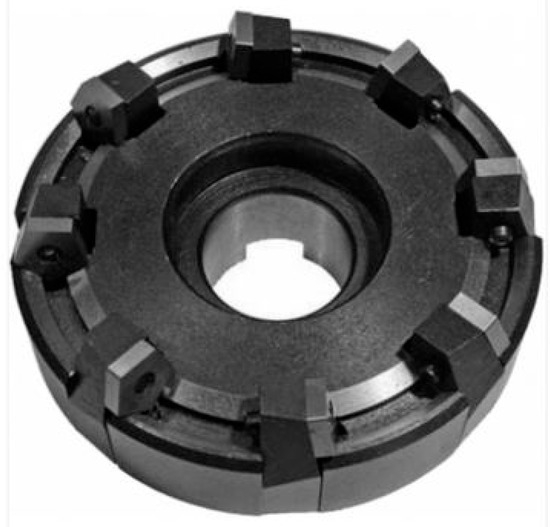
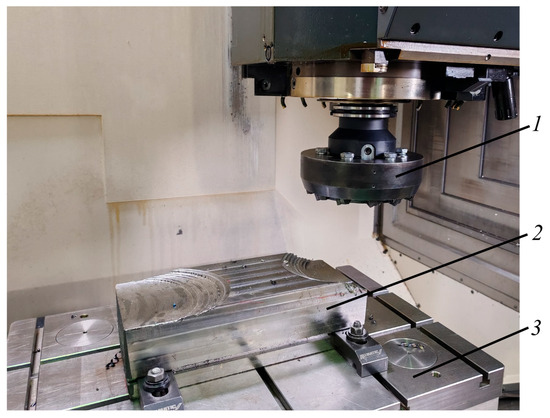
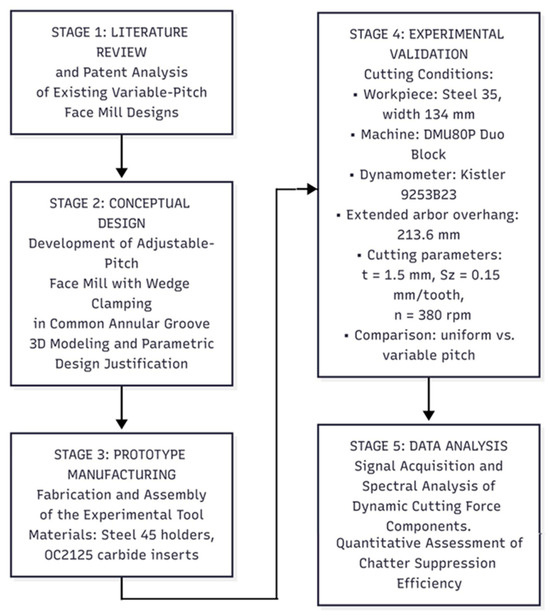
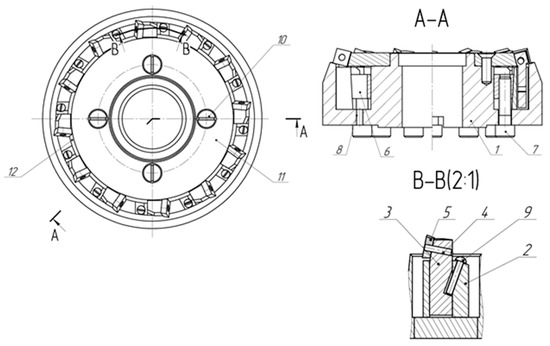
In low-rigidity technological systems, face milling can cause undesirable vibrations, including forced and self-excited vibrations. These vibrations can be suppressed by selecting a mill with a variable tooth pitch. This paper analyzes existing face mill designs that implement this approach and describes the
[...] Read more.
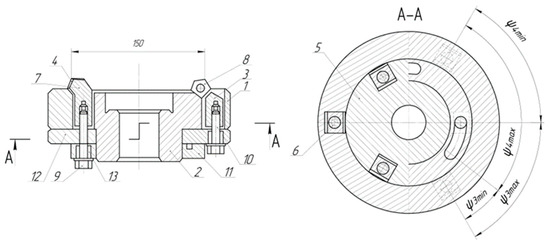
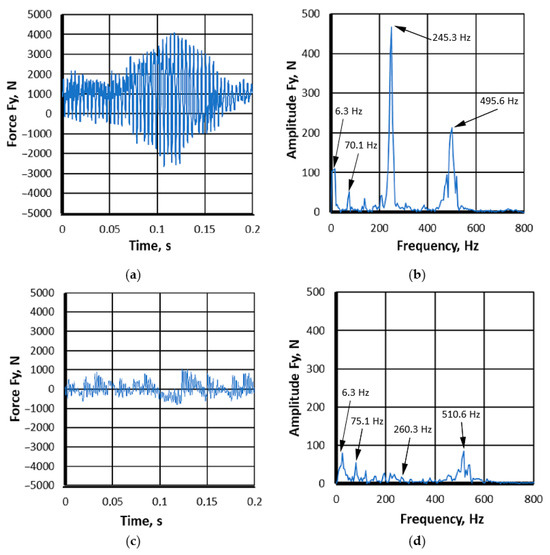
In low-rigidity technological systems, face milling can cause undesirable vibrations, including forced and self-excited vibrations. These vibrations can be suppressed by selecting a mill with a variable tooth pitch. This paper analyzes existing face mill designs that implement this approach and describes the design of a developed mill with an adjustable tooth pitch. Experimental substantiation of the mill’s performance demonstrated that proper selection of the difference between adjacent tooth pitches reduces the fundamental harmonics of self-excited vibrations by a factor of 28.
Full article
(This article belongs to the Special Issue Service Behaviour and Applied Mechanics of Mechanical Equipment Surfaces and Interfaces)
►▼
Show Figures

Figure 1
Open AccessArticle
Development of a Process for Optimising the Number of Springs in Modular Elastic Gears of Rack Rail Pinion Systems for Vibration Data-Based Railway System Safety
by
Hyung Suk Mun and Chan Woo Park
Appl. Mech. 2026, 7(3), 62; https://doi.org/10.3390/applmech7030062 - 31 Jul 2026
Abstract
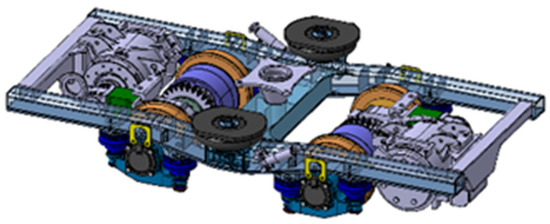
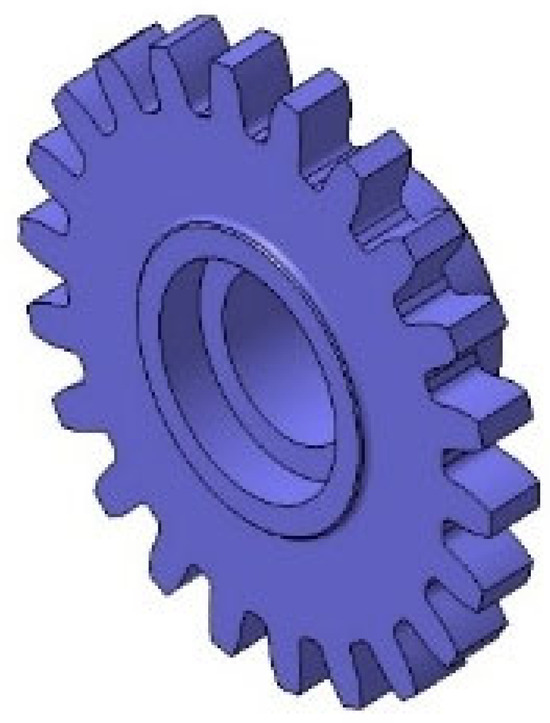
Rack railway systems operating on steep-gradient routes rely on rack-and-pinion propulsion mechanisms that generate substantial vibrational excitation through cyclic gear mesh contact, adversely affecting passenger comfort and long-term mechanical reliability. Conventional integrated steel gears transmit propulsive forces without inherent vibration attenuation, and a
[...] Read more.
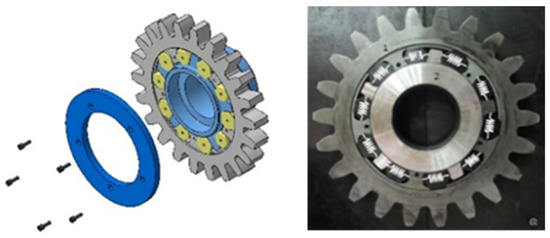
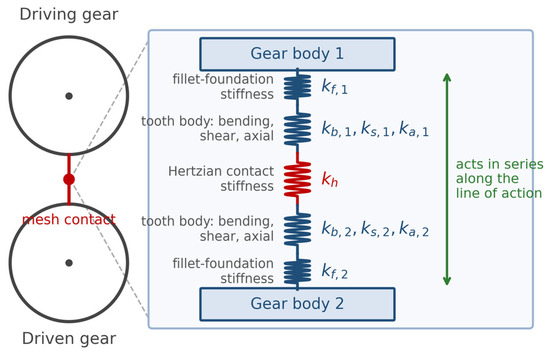
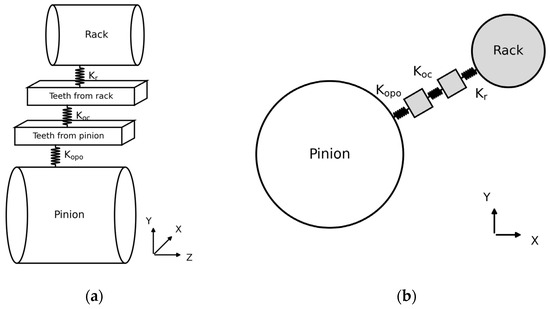
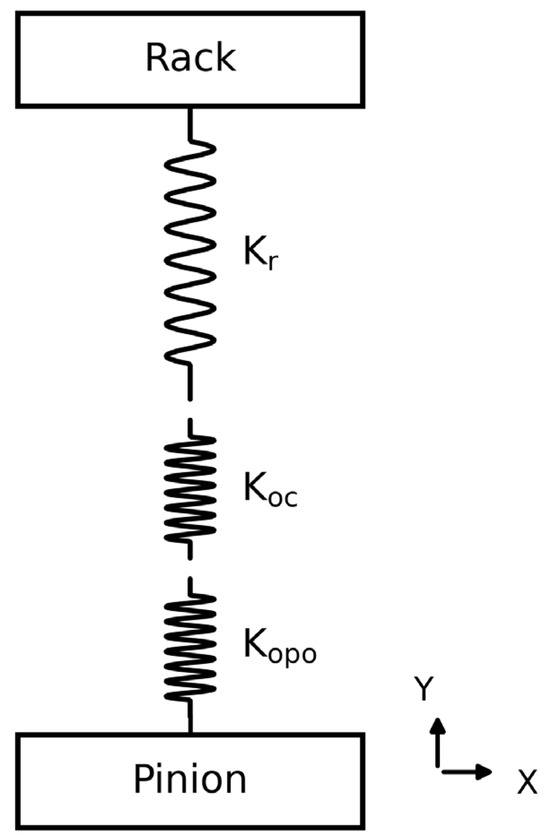
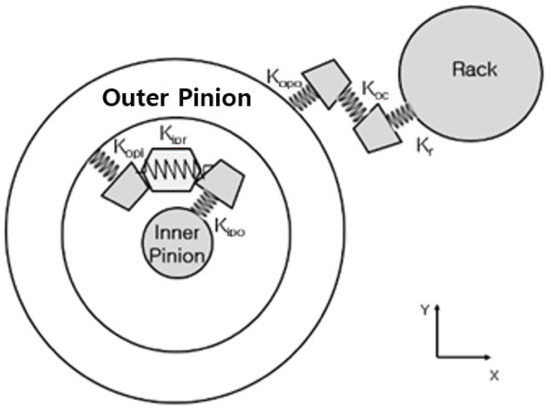
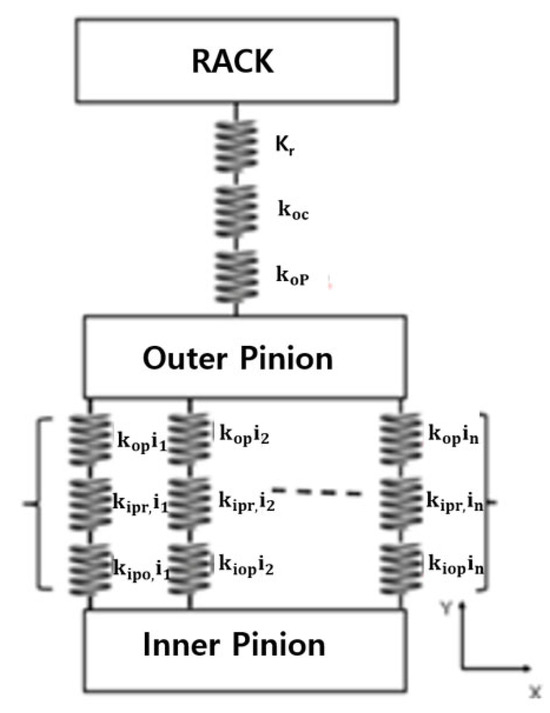
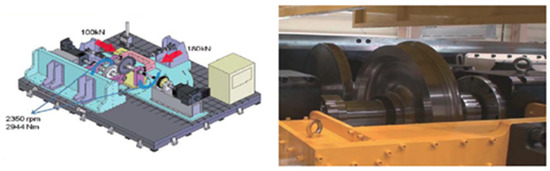
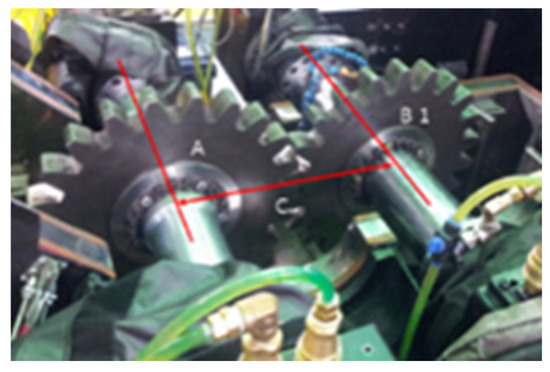
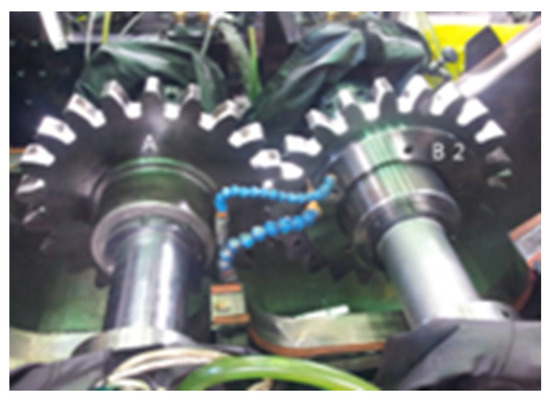
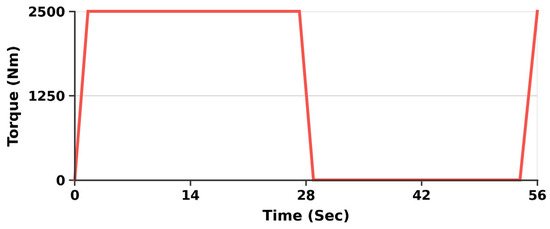
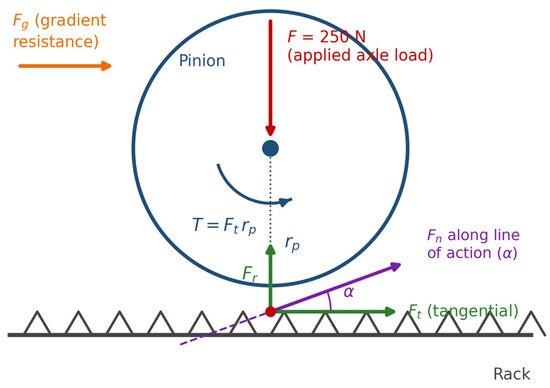
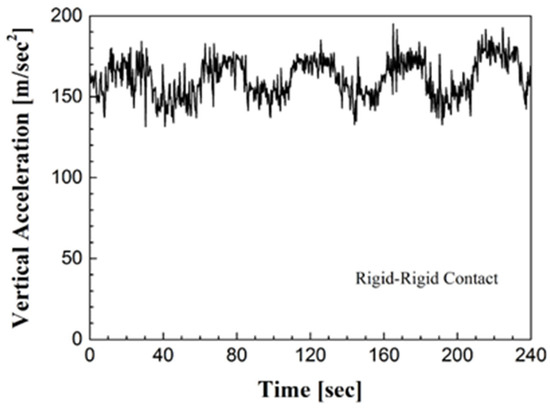
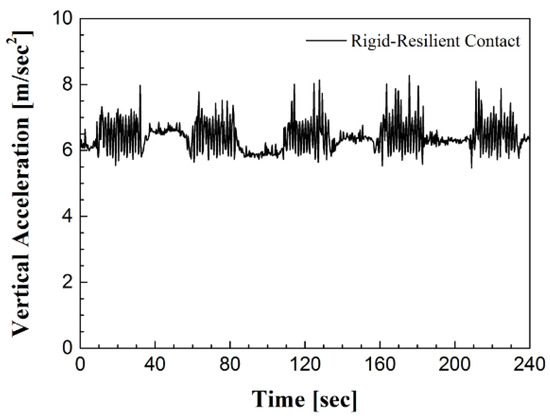
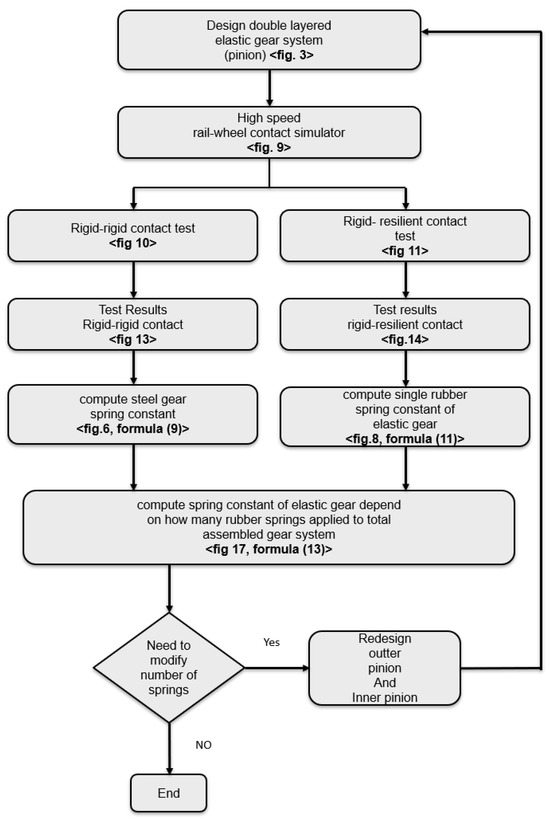
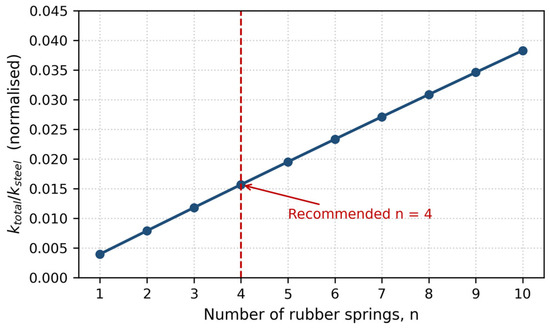
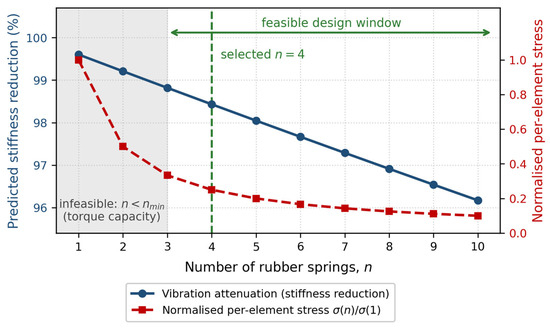
Rack railway systems operating on steep-gradient routes rely on rack-and-pinion propulsion mechanisms that generate substantial vibrational excitation through cyclic gear mesh contact, adversely affecting passenger comfort and long-term mechanical reliability. Conventional integrated steel gears transmit propulsive forces without inherent vibration attenuation, and a systematic design methodology for optimising the internal rubber spring configuration of elastic gears for such applications has not been established. This study develops a kinematic spring-mass model for both conventional steel and elastic rubber gear configurations in a Korean rack railway propulsion system and validates it through controlled experimental testing. A high-speed rail–wheel contact simulator was employed to measure vertical vibrational accelerations under rigid–rigid (steel–steel) and rigid–resilient (steel–rubber elastic gear) contact conditions, with a load simulating steep-gradient operational forces applied to the gear assembly. The elastic gear achieved a 25.1-fold reduction in vertical vibrational acceleration relative to the steel gear baseline (6.4 m/s2 vs. 160.7 m/s2). Time-domain statistics (mean, RMS, standard deviation and peak envelope) are reported for both configurations from repeated runs. Analysis of the normalised effective stiffness as a function of the number of rubber springs predicts that four springs represent a practical optimum, beyond which the incremental stiffness change falls below 0.5%; experimental validation of intermediate spring counts is identified as future work. A spring-number optimisation framework is proposed that returns both a spring count and a rubber compound specification, balancing vibration attenuation against load distribution, torque-transmission capacity and component fatigue life.
Full article
(This article belongs to the Topic Advances in Manufacturing and Mechanics of Materials)
►▼
Show Figures

Figure 1
Open AccessArticle
Comparison of the Biomechanical Behavior of a Soft Bankart Lesion on Shoulder Ligaments During Abduction: A Finite Element Study
by
Maria de la Luz Suarez-Hernandez, Guillermo Urriolagoitia-Sosa, Beatriz Romero-Ángeles, Francisco Javier Gallegos-Funes, Francisco Carrasco-Hernández, Edder Jair Rodríguez-Granados, Gabriela Ramirez-Sanchez, Jonathan Rodolfo Guereca-Ibarra, Jorge Alberto Gomez-Niebla and Jonatan Mireles-Hernández
Appl. Mech. 2026, 7(3), 61; https://doi.org/10.3390/applmech7030061 - 27 Jul 2026
Abstract
►▼
Show Figures
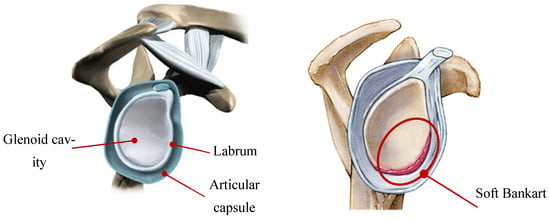
The soft Bankart lesion is characterized by the abnormal translation of the humeral head during dislocation, which places excessive stress on the labrum and causes it to stretch along with other structures that provide joint stability. This lesion is described as a purely
[...] Read more.
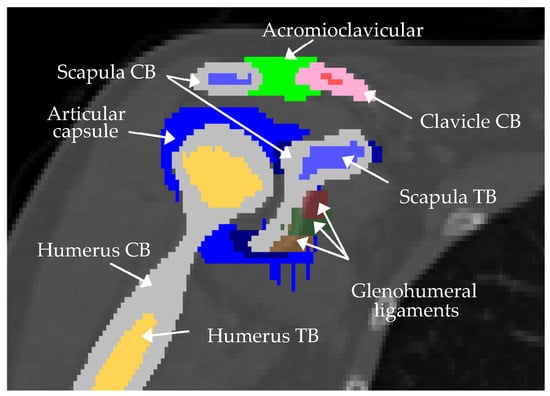
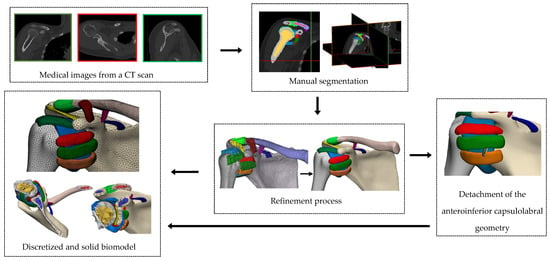
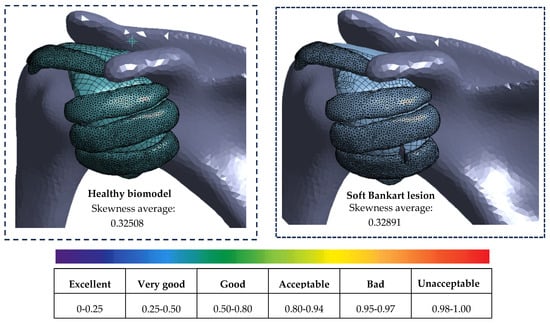
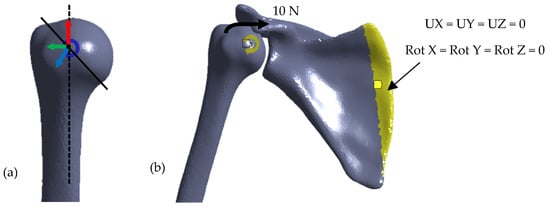
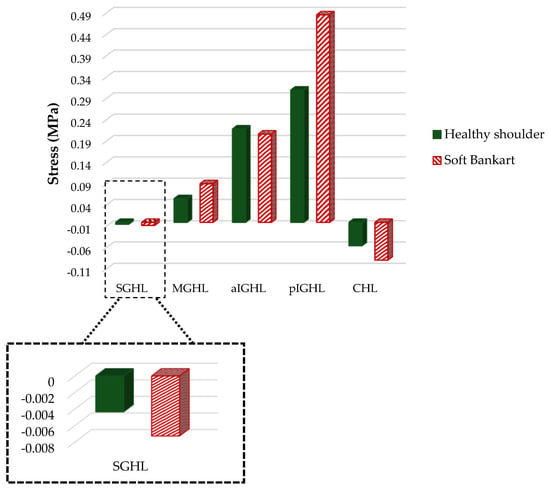
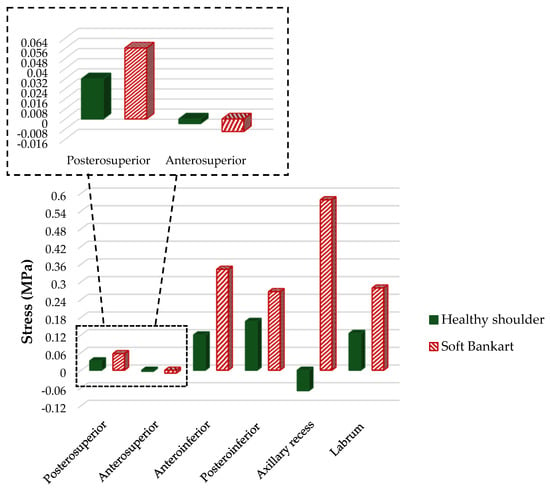
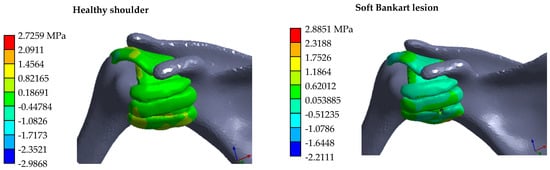
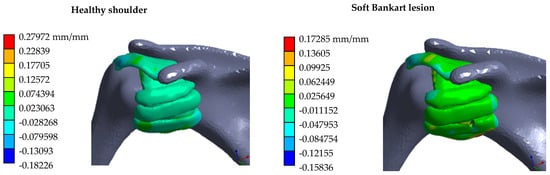
The soft Bankart lesion is characterized by the abnormal translation of the humeral head during dislocation, which places excessive stress on the labrum and causes it to stretch along with other structures that provide joint stability. This lesion is described as a purely soft tissue injury and occurs due to the detachment of the anteroinferior labroligamentous complex. This research aimed to evaluate the computational biomechanics of a biomodel of the shoulder joint with a soft Bankart lesion during pure abduction using the Finite Element Method (FEM). It evaluates the tissue mechanics of the structures with the lesion, such as ligaments, the articular capsule, and the labrum, which guide and limit the bones of the joint during movement. A healthy shoulder joint biomodel is developed for comparison. The results of stress and strain in the healthy shoulder and the soft Bankart biomodel are analyzed. The results for the soft Bankart biomodel show an increase in stress on the MGHL, with the pIGHL assuming a primary stabilizing role. The CHL and articular capsule limit the excessive displacement of the humeral head.
Full article

Figure 1
Open AccessArticle
A Mechanics-Based Sensitivity Analysis of Nuclear Piping Stress Under Design-Parameter Uncertainty
by
Hang Zhou, Shichao Zhang, Guoxu Jin, Tianbao Lan, Xiaomei He and Rong Xu
Appl. Mech. 2026, 7(3), 60; https://doi.org/10.3390/applmech7030060 - 22 Jul 2026
Abstract
►▼
Show Figures
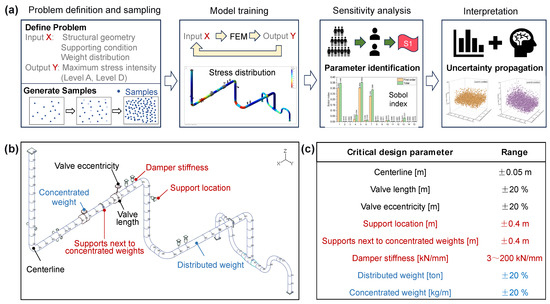
Design deviations introduced during the fabrication and installation of nuclear-grade piping systems can alter structural response and substantially increase reanalysis effort. This study develops a mechanics-based framework to identify critical parameters controlling the code-stress ratio of a representative nuclear piping system. Finite-element analysis,
[...] Read more.
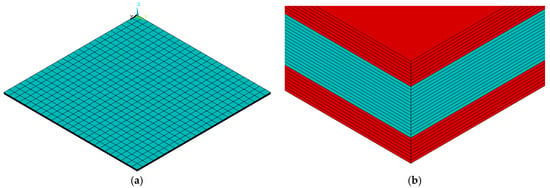
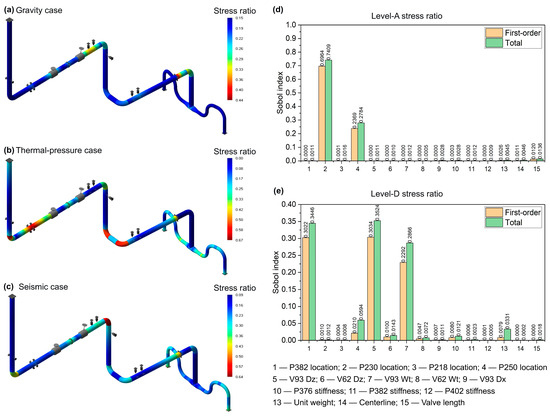
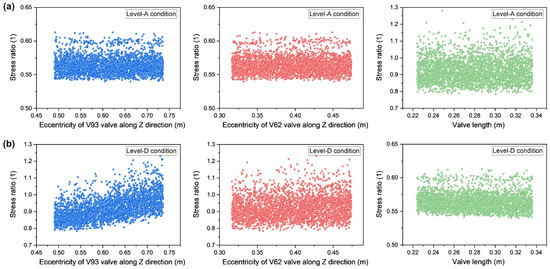
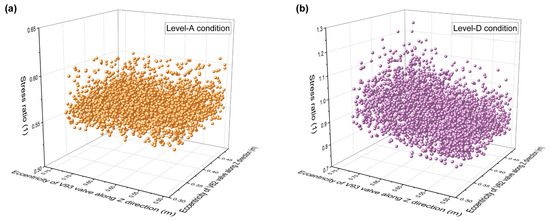
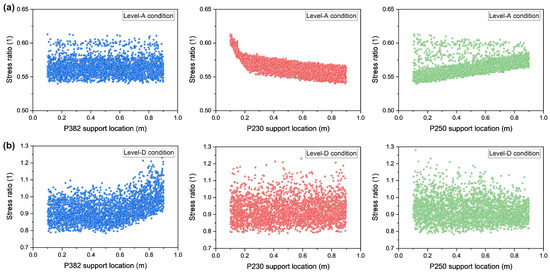
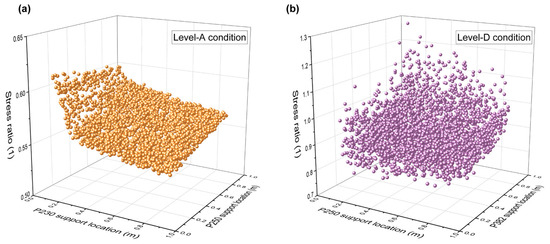
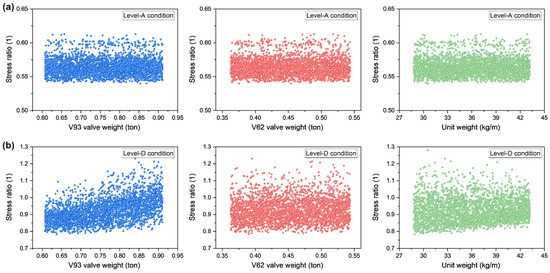
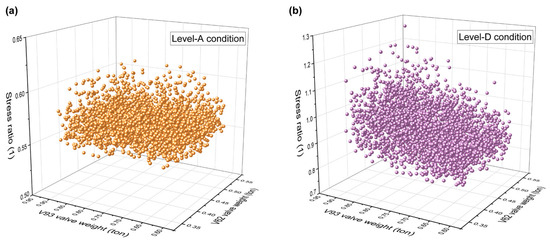
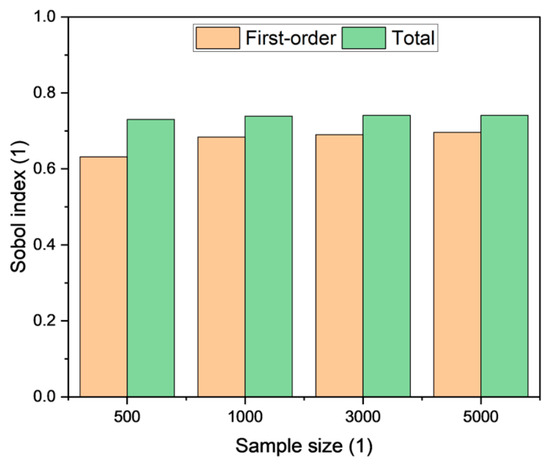
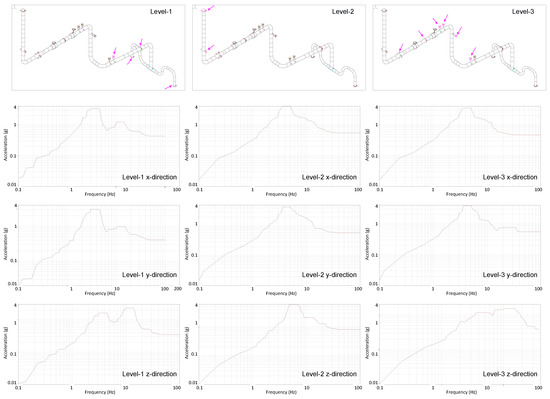
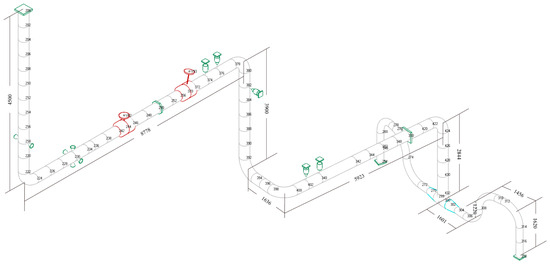
Design deviations introduced during the fabrication and installation of nuclear-grade piping systems can alter structural response and substantially increase reanalysis effort. This study develops a mechanics-based framework to identify critical parameters controlling the code-stress ratio of a representative nuclear piping system. Finite-element analysis, Monte Carlo sampling, and Sobol global sensitivity analysis were combined to evaluate the effects of gravity, thermal-pressure loading, and seismic excitation. The results show that parameter sensitivity is strongly load-dependent. Under Level-A conditions, the response is governed mainly by constrained thermal deformation, and the dominant parameters are support locations that control deformation compatibility and the redistribution of secondary stress. By contrast, structural and weight-related parameters have only limited influence in this regime. Under Level-D conditions, however, the governing mechanism shifts to inertia-driven amplification. The dominant variables then become those associated with dynamic constraint, concentrated mass, and eccentric loading, including key support positions, valve eccentricity, and valve weight. Multi-parameter analyses further reveal clear interaction effects, showing that simultaneous deviations in critical supports, concentrated masses, or eccentricities can significantly amplify the stress response and, in some cases, drive the stress ratio beyond the allowable limit. These results show that the mechanical importance of design parameters depends on both the loading regime and system-level parameter interactions, and they provide a quantitative basis for condition-specific tolerance allocation in nuclear piping design.
Full article

Figure 1
Open AccessArticle
Experimental and Numerical Study on Thickness Distribution in Deep Drawing of SUS304/AA1050/SUS430 Laminated Sheets
by
Kieu-Tuan Trinh, The-Thanh Luyen and Duc-Toan Nguyen
Appl. Mech. 2026, 7(3), 59; https://doi.org/10.3390/applmech7030059 - 14 Jul 2026
Abstract
►▼
Show Figures
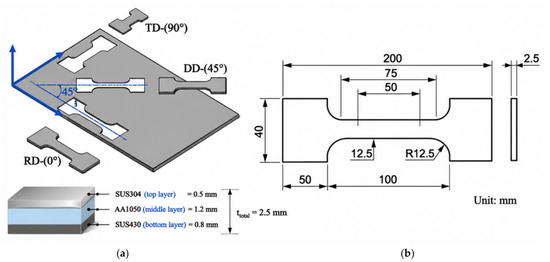
Roll-bonded stainless steel/aluminum laminates are increasingly used in lightweight structural applications; however, their deep-drawing behavior and thickness evolution remain insufficiently understood due to the mechanical mismatch between constituent layers. This study investigates the deep drawing of a SUS304/AA1050/SUS430 laminated sheet through a combined
[...] Read more.
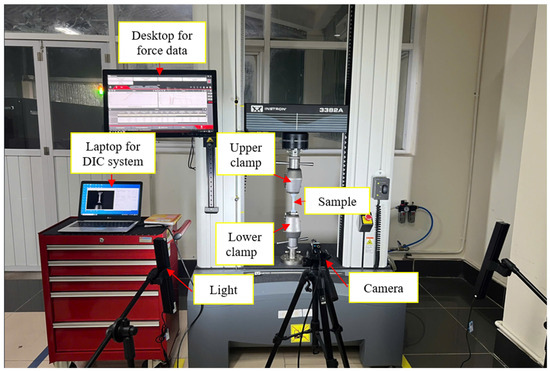
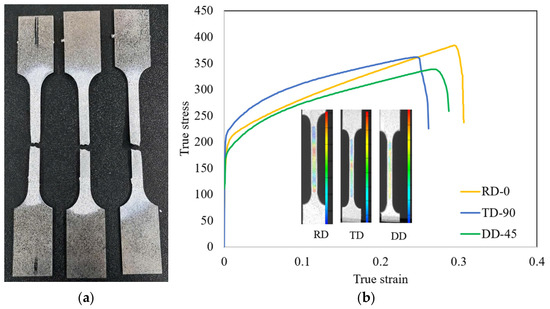
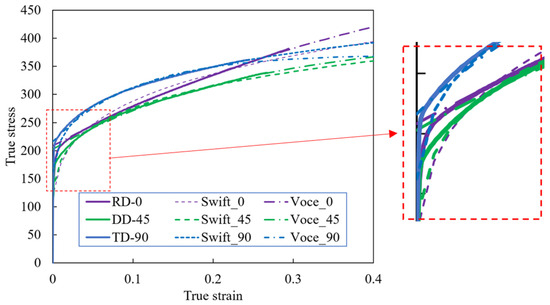
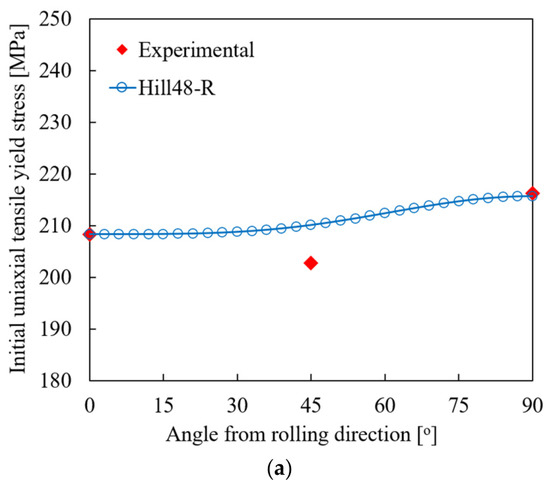
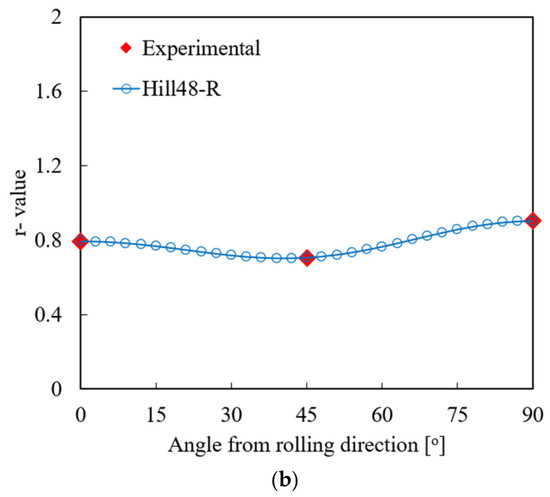
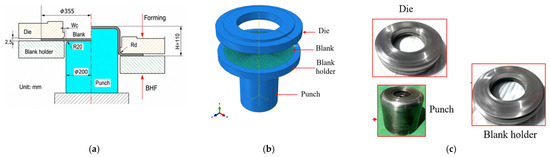
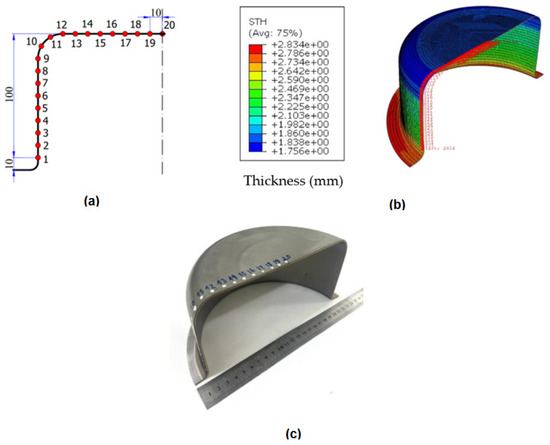
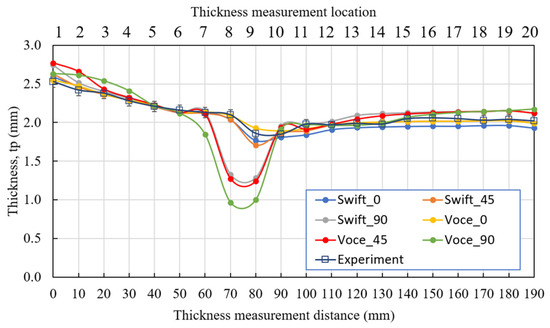
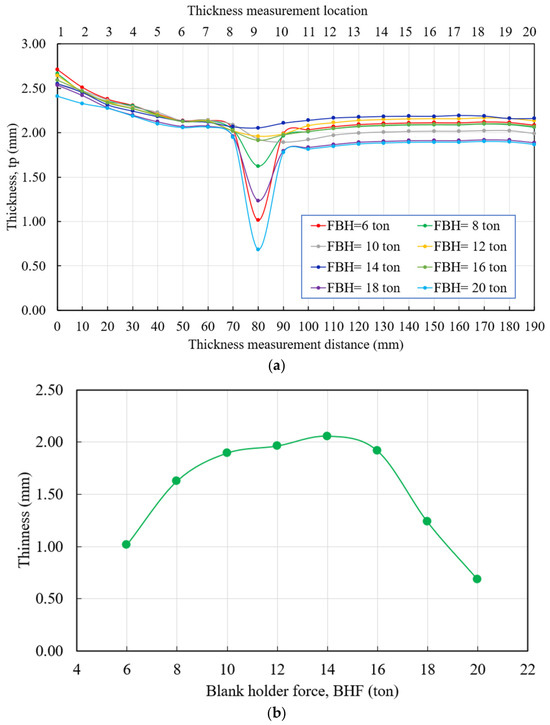
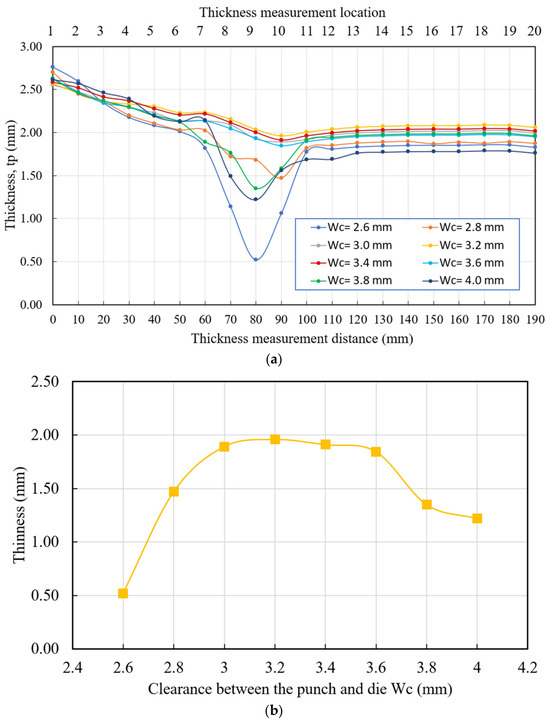
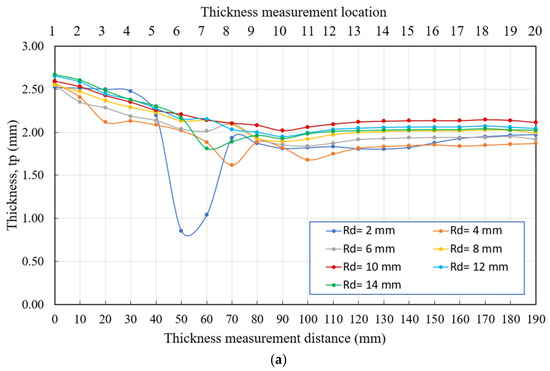
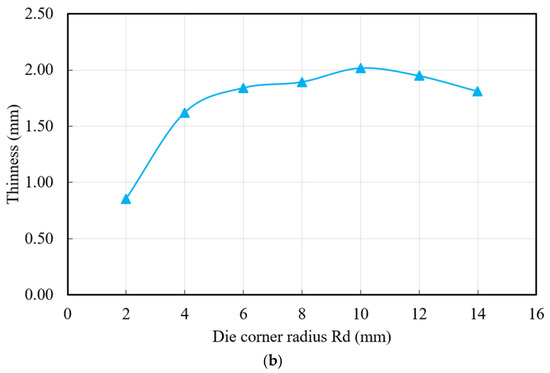
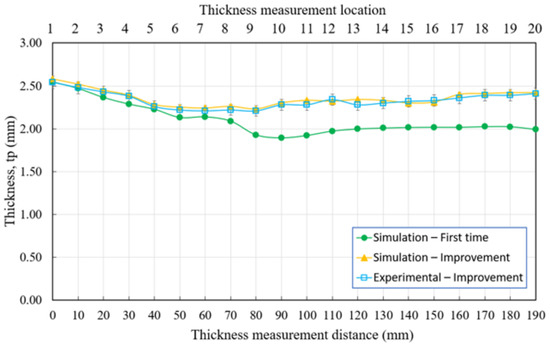
Roll-bonded stainless steel/aluminum laminates are increasingly used in lightweight structural applications; however, their deep-drawing behavior and thickness evolution remain insufficiently understood due to the mechanical mismatch between constituent layers. This study investigates the deep drawing of a SUS304/AA1050/SUS430 laminated sheet through a combined experimental and finite-element approach. The laminate was manufactured by roll bonding and exhibited sound interfacial integrity without observable delamination. To account for load transfer and deformation compatibility among the bonded layers, the material was modeled as an equivalent homogeneous laminate whose constitutive response was identified directly from tensile tests performed on the three-layer sheet. Full-field strain measurements were obtained using digital image correlation (DIC), and anisotropic plasticity was described using the Hill48 yield criterion combined with Swift and Voce hardening laws. Numerical predictions were validated against experimentally measured thickness distributions in cylindrical cup deep drawing. Among the investigated constitutive models, the Voce-RD0 calibration provided the closest agreement with experimental results. The validated model was subsequently employed to evaluate the effects of blank holder force, punch–die clearance, and die radius on thickness evolution. Based on the systematic parametric investigation, the combination of a blank holder force of 14 tons, a punch–die clearance of 3.2 mm, and a die radius of 10 mm yielded the most uniform thickness distribution among the conditions investigated. Under these conditions, localized thinning was reduced and the thickness distribution became more uniform. The finite element predictions agreed well with the experimental measurements, with deviations below 3%. The proposed experimental–numerical approach offers a practical framework for constitutive characterization and process parameter selection in the deep drawing of roll-bonded multilayer sheet materials.
Full article

Figure 1
Open AccessArticle
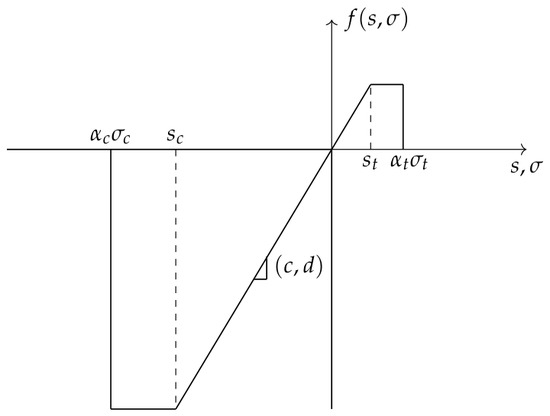
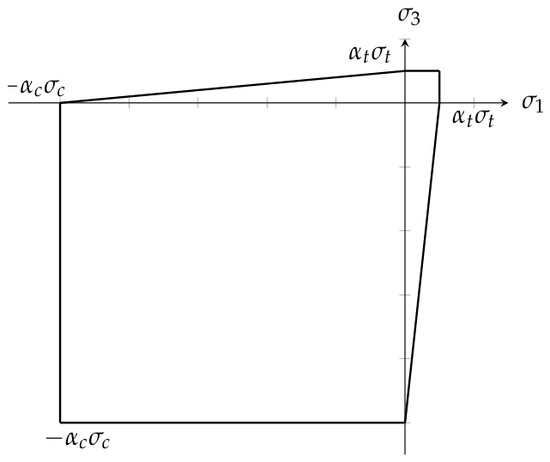
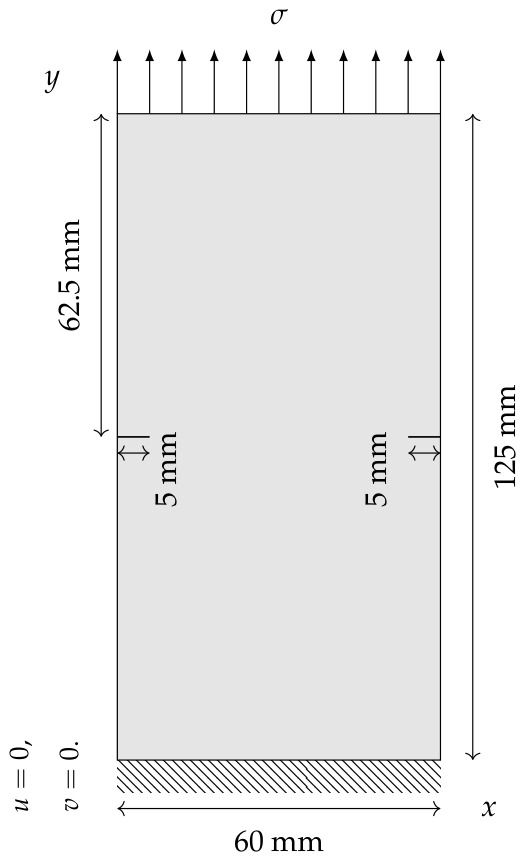
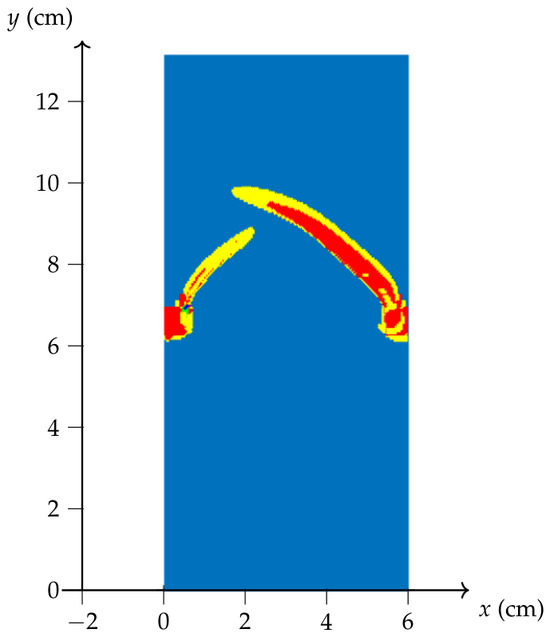
A Micropolar Peridynamic Model for Concrete Structures with Stress and Stretch Failure Criteria
by
Nicolás Sau-Soto, Ana Cecilia Borbón-Almada, Gema Karina Ibarra-Torúa, Leny García-Moraga and Juan Pedro Ayala-Moreno
Appl. Mech. 2026, 7(3), 58; https://doi.org/10.3390/applmech7030058 - 12 Jul 2026
Abstract
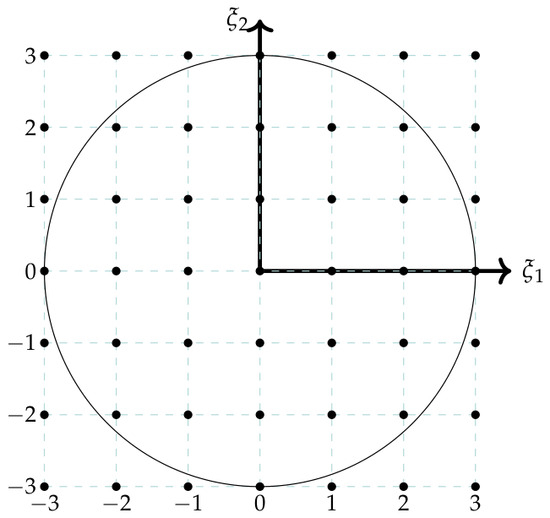
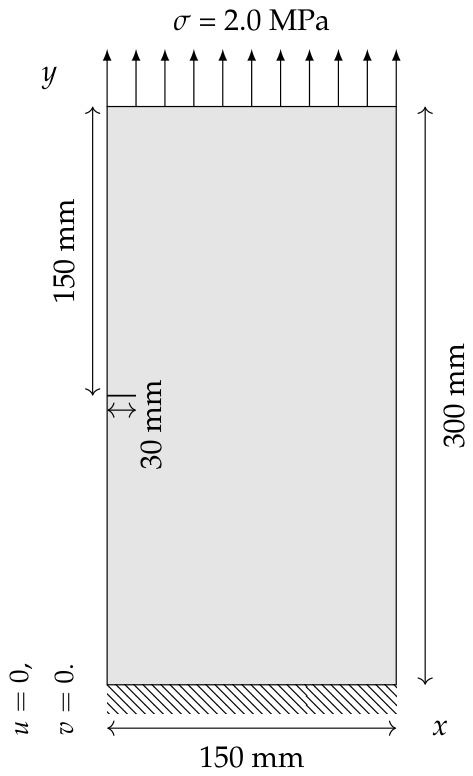
A new micropolar peridynamic framework incorporating stress- and stretch-based failure criteria was developed for simulating concrete structures. A nonlocal micropolar peridynamic stress tensor was employed to solve plane stress problems; this approach inherently manages cracks and damage. A direct correspondence was established between
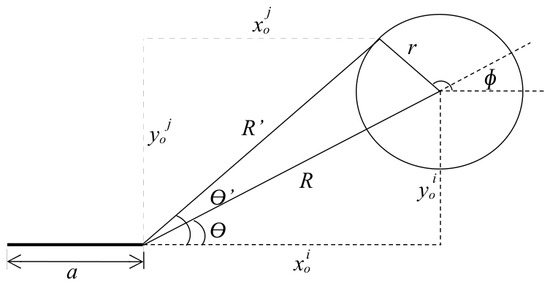
[...] Read more.
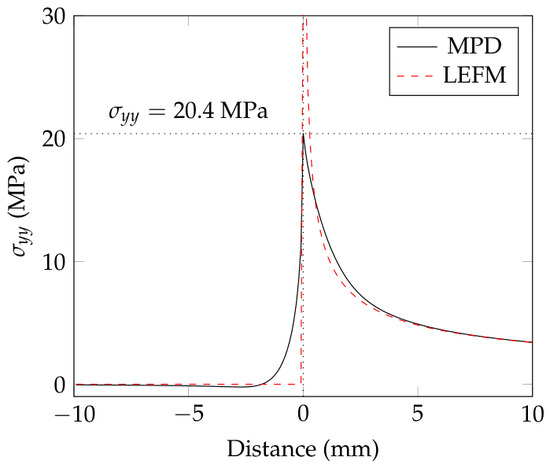
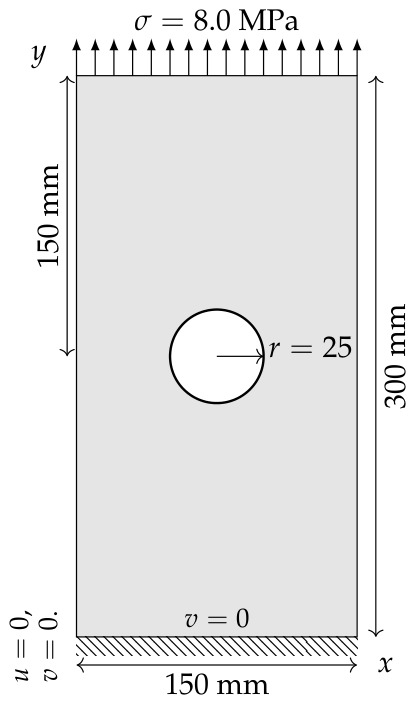
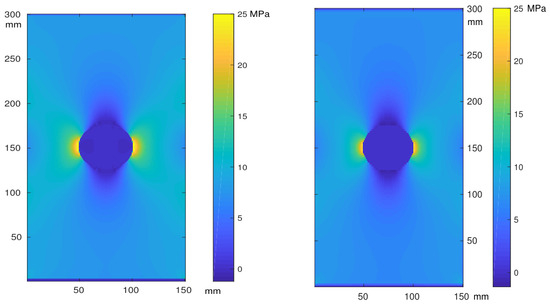
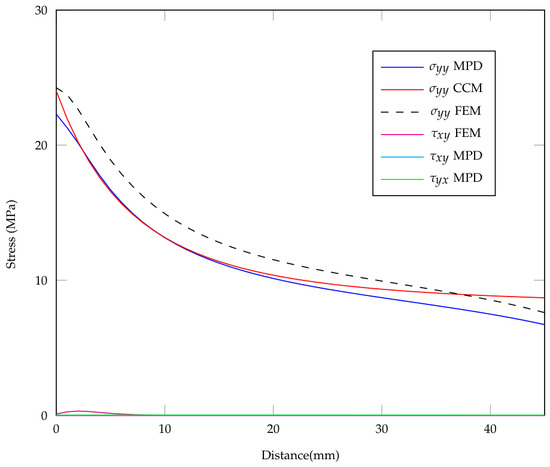
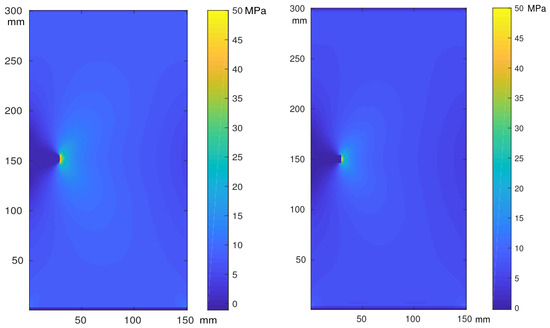
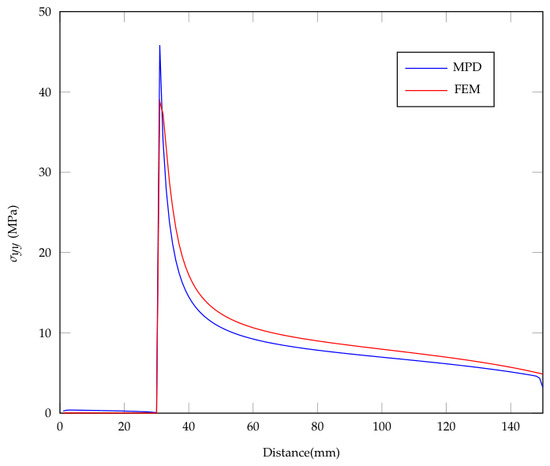
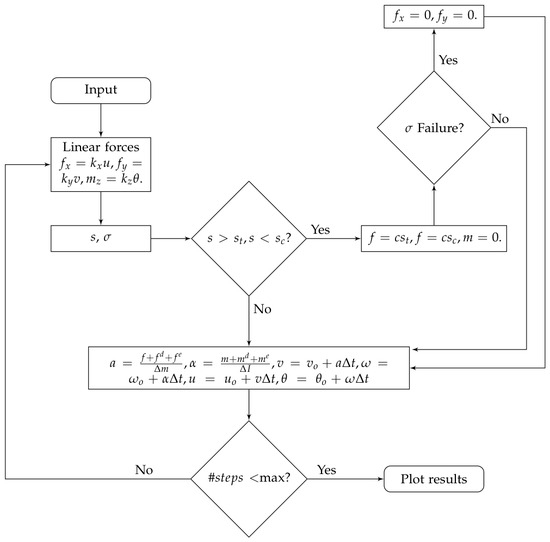
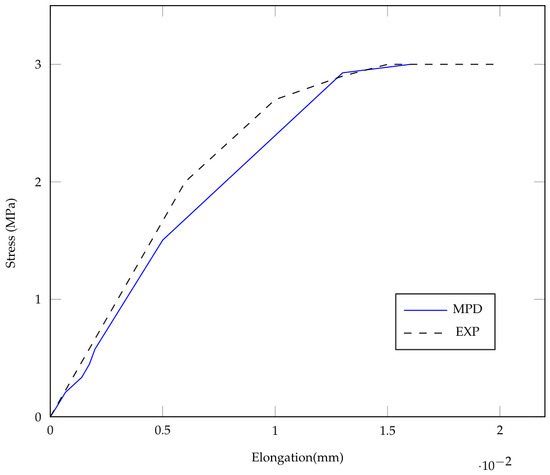
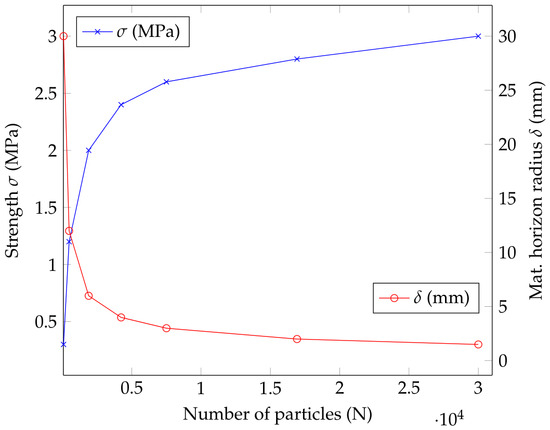
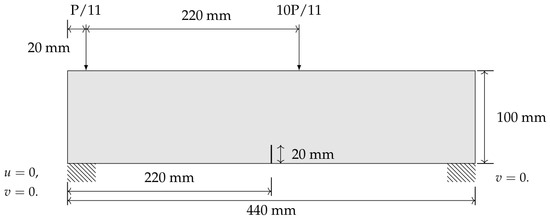
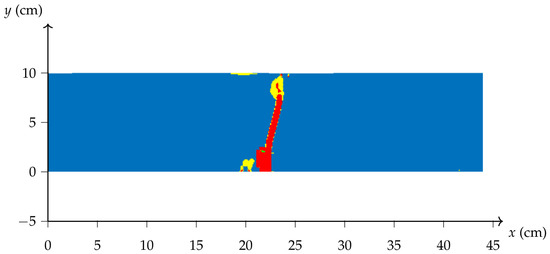
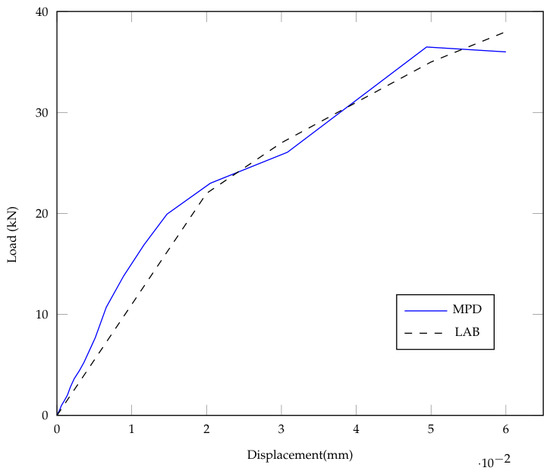
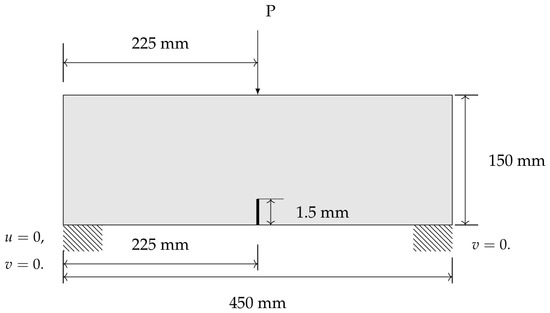
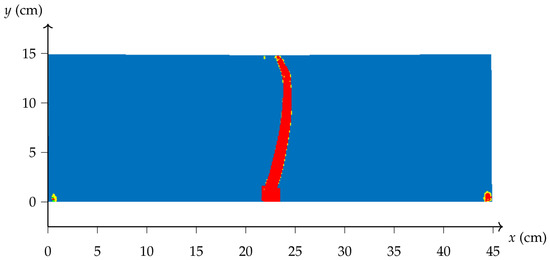
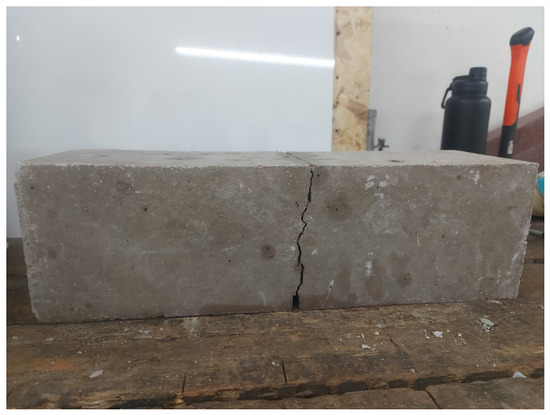
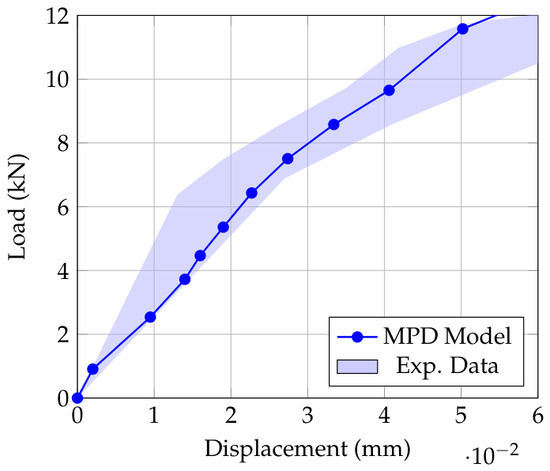
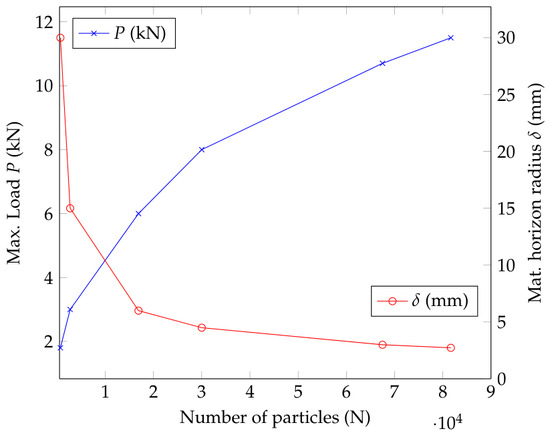
A new micropolar peridynamic framework incorporating stress- and stretch-based failure criteria was developed for simulating concrete structures. A nonlocal micropolar peridynamic stress tensor was employed to solve plane stress problems; this approach inherently manages cracks and damage. A direct correspondence was established between the classical constitutive stress–strain tensor and the associated micropolar peridynamic stress tensor for linearly elastic materials. Moreover, in contrast to standard peridynamic models that treat the material horizon as a purely abstract parameter, this research defines the horizon based on Poisson’s ratio, material strength, and fracture toughness. In addition, a numerical matrix-based scheme was implemented to model concrete problems using a nonlinear explicit dynamic relaxation solver. To assess the model’s performance, concrete structures under plane stress were examined. The model’s results align closely with the crack paths and experimental data from physical testing and demonstrate mesh independence. The implementation of the model with stress and stretch failure criteria mitigates spurious boundary effects, ensuring spatial convergence.
Full article
(This article belongs to the Collection Fracture, Fatigue, and Wear)
►▼
Show Figures

Figure 1
Open AccessArticle
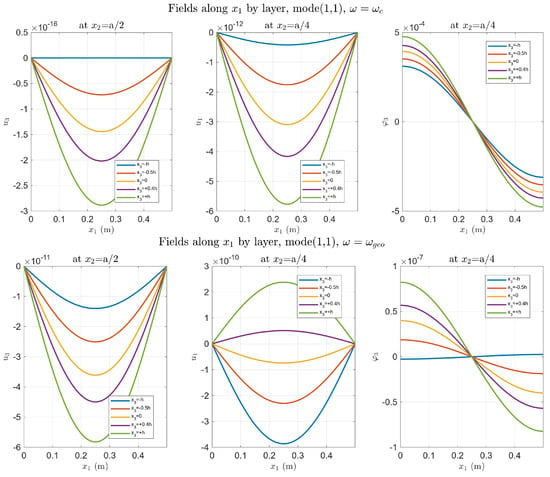
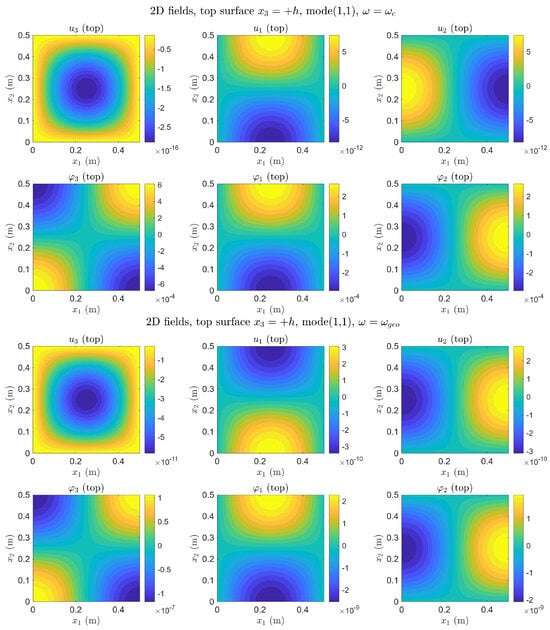
Micropolar Prismatic Body in the First Approximation: Field Reconstruction, Cutoff Resonances, and a Spectroscopic Damage Indicator
by
Armine Ulukhanyan
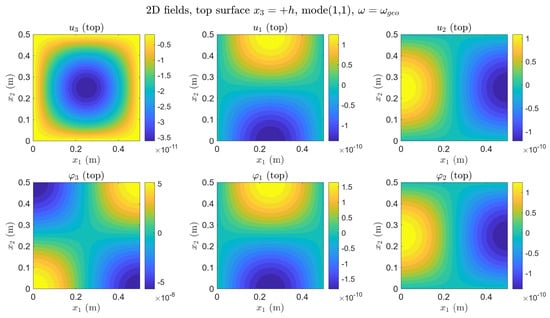
Appl. Mech. 2026, 7(3), 57; https://doi.org/10.3390/applmech7030057 - 8 Jul 2026
Abstract
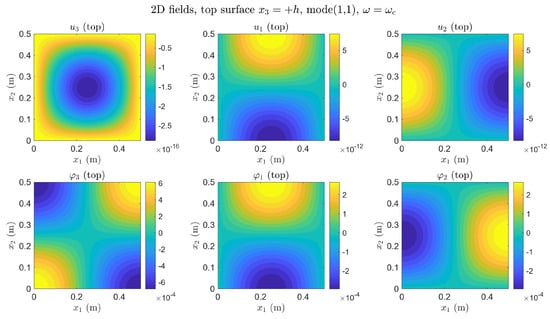
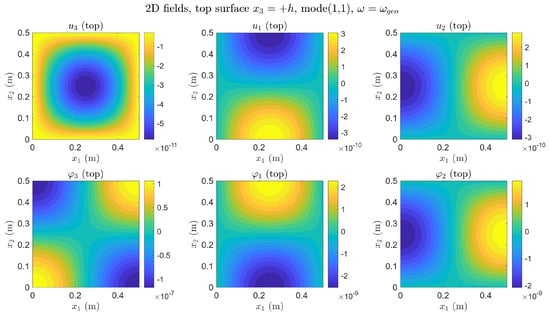
The first approximation ( ) of a three-dimensional micropolar elastic prismatic body in moments of displacement and rotation, obtained via Legendre polynomial expansion, is applied to two related problems: field reconstruction and damage identification. In the first problem, two- and
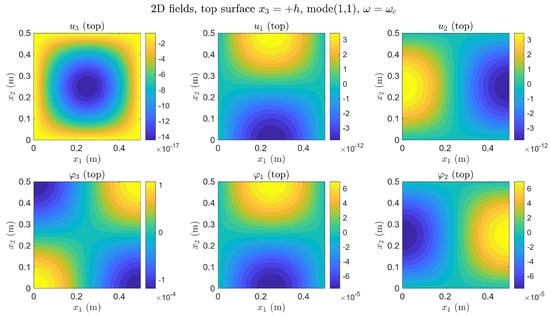
[...] Read more.
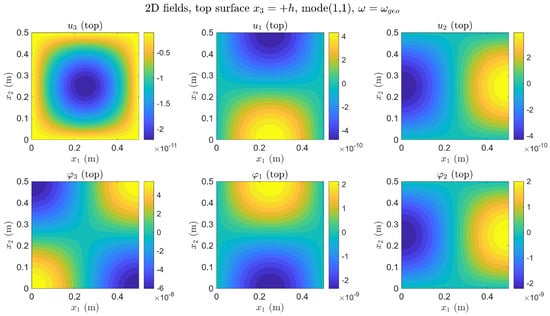
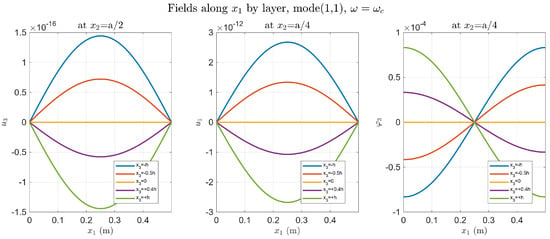
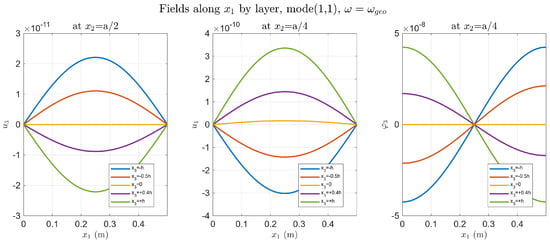
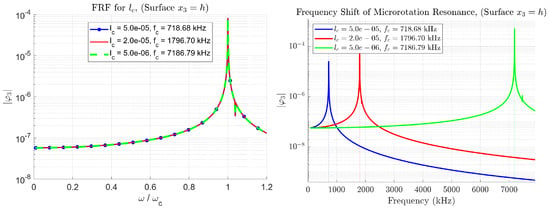
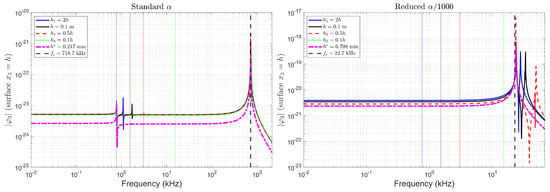
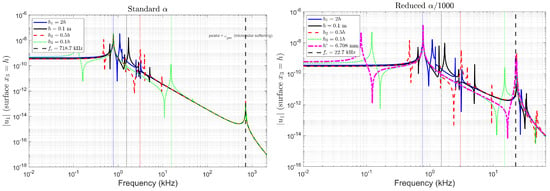
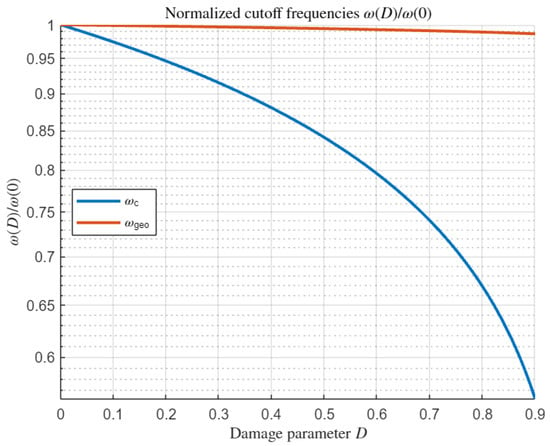
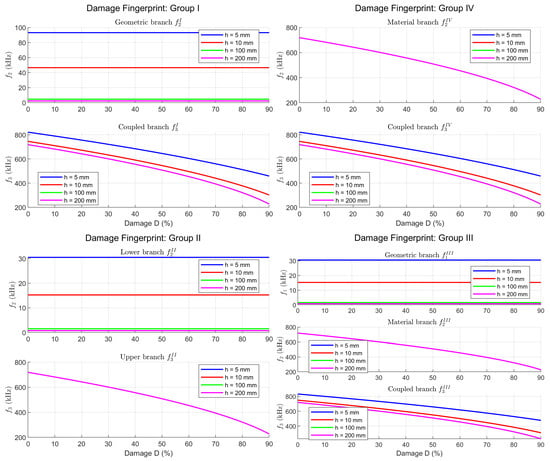
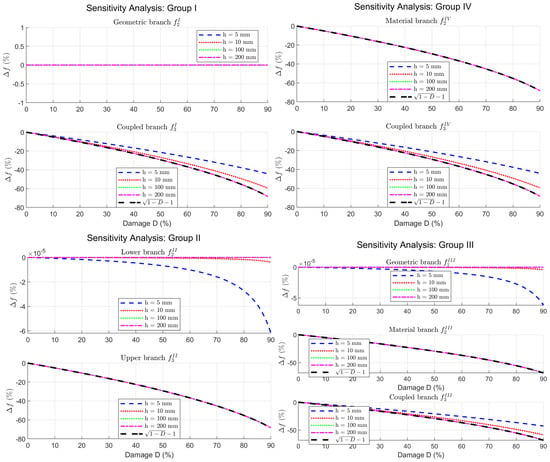
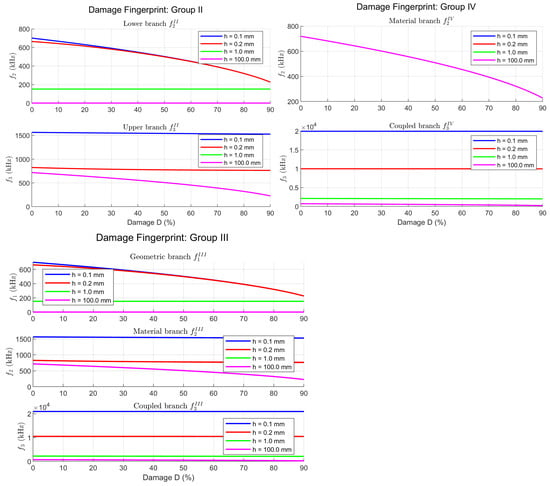
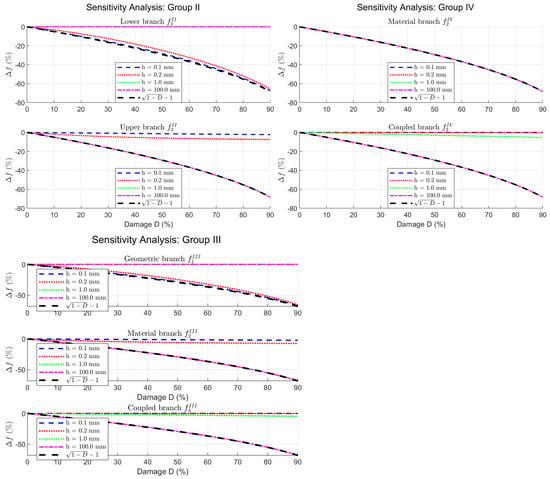
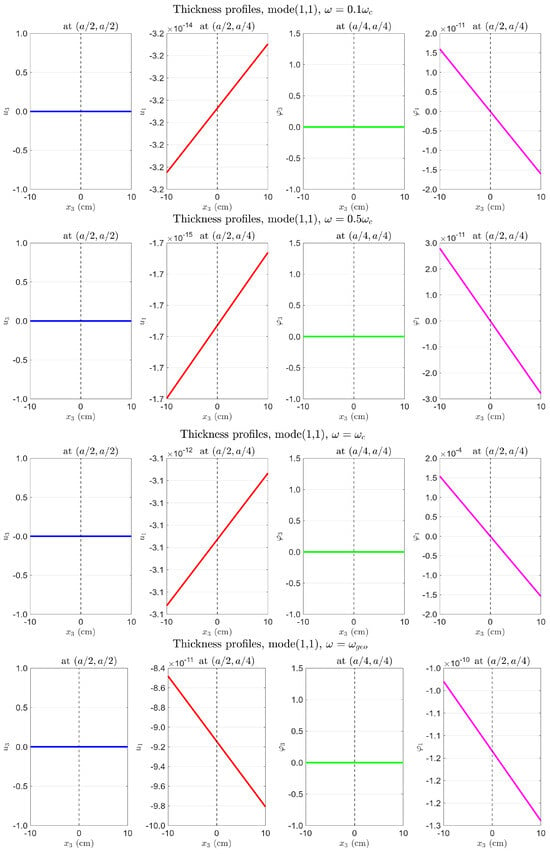
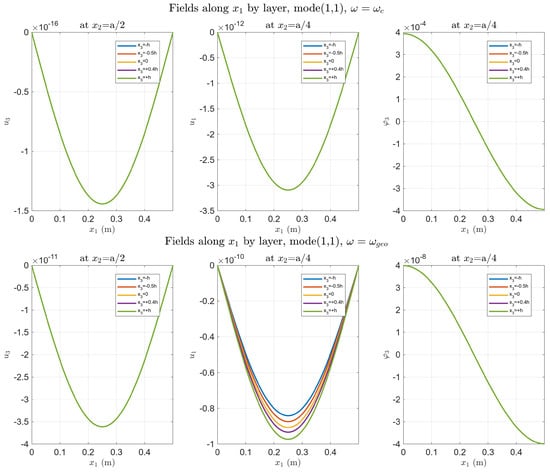
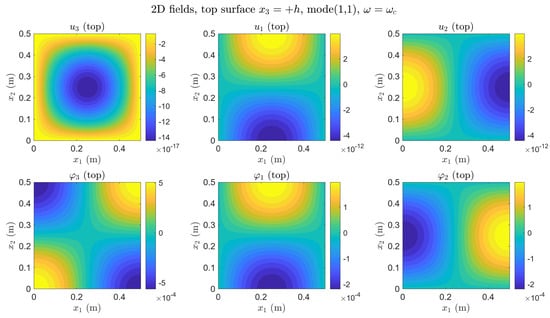
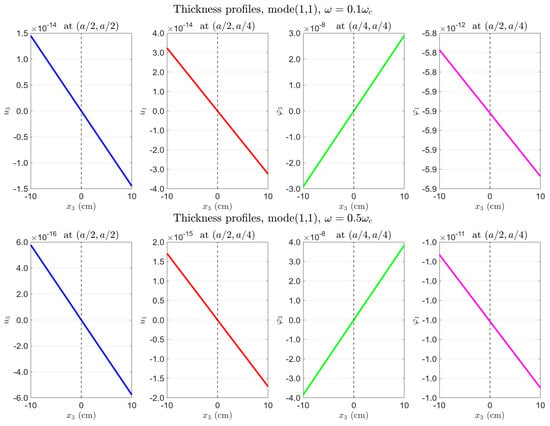
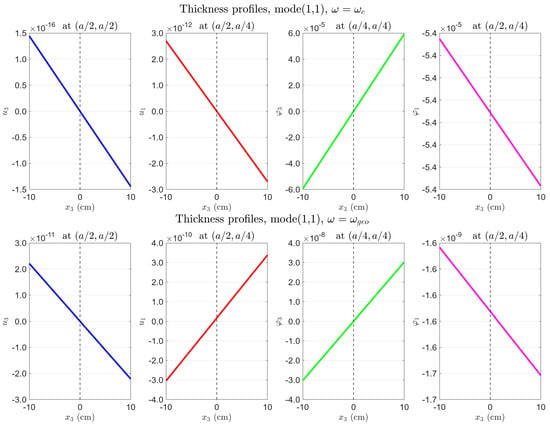
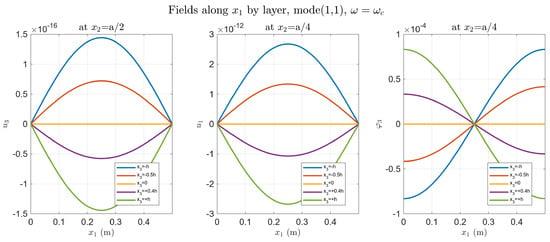
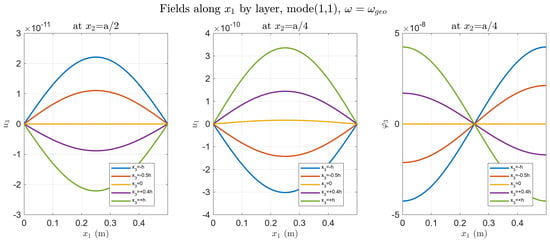
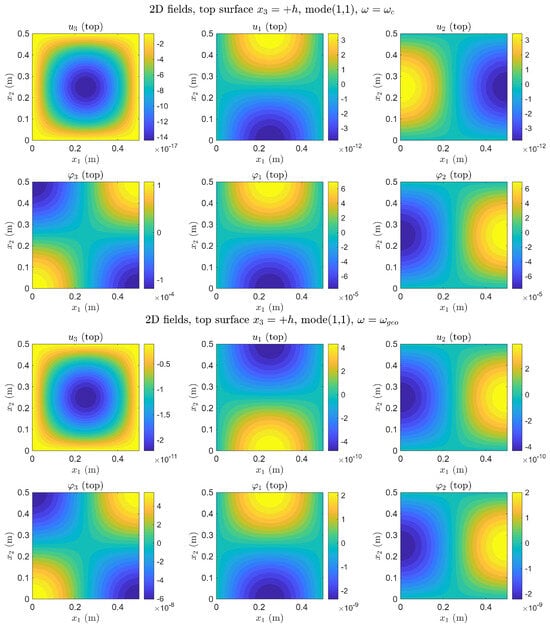
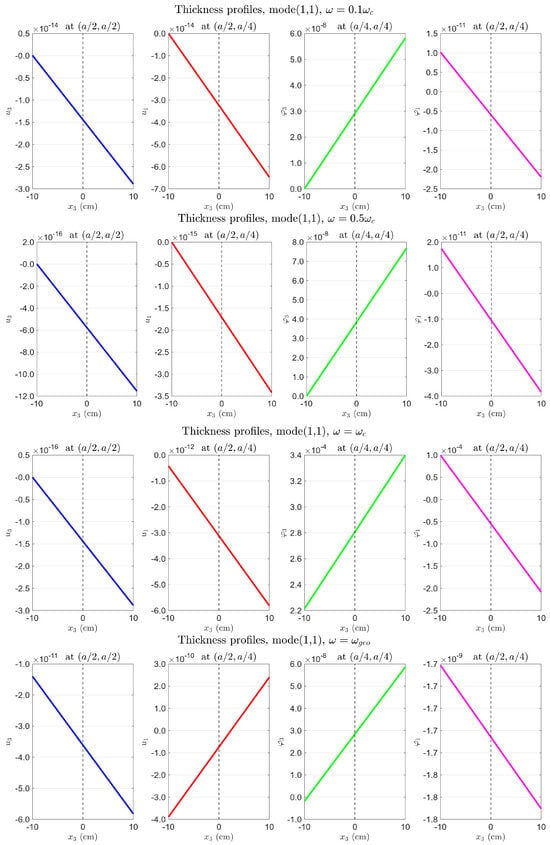
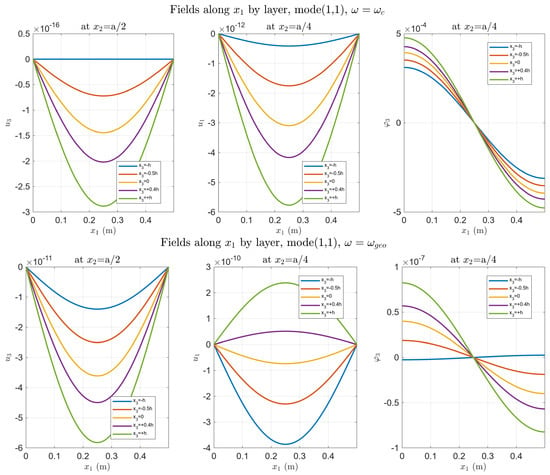
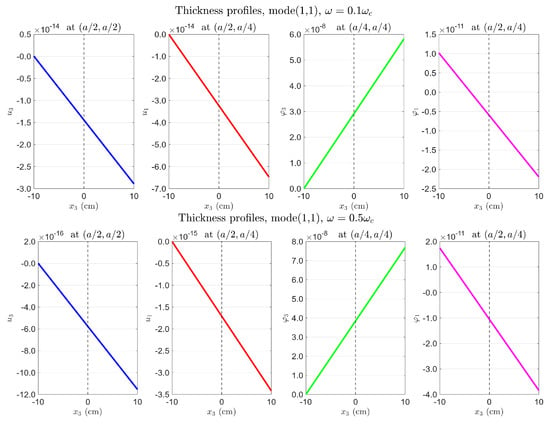
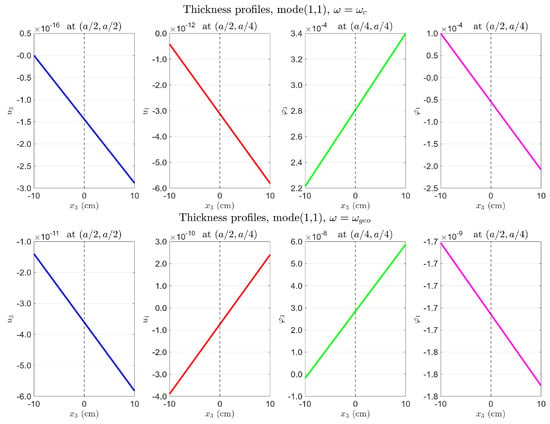
The first approximation ( ) of a three-dimensional micropolar elastic prismatic body in moments of displacement and rotation, obtained via Legendre polynomial expansion, is applied to two related problems: field reconstruction and damage identification. In the first problem, two- and three-dimensional field distributions are reconstructed for a simply supported square prismatic body under three loading configurations, with first-order moment loading as the primary case. Two distinct resonances are identified within the framework. At the material cutoff , micro-rotation amplitudes are amplified while translational amplitudes are suppressed (displacement locking). At the geometric cutoff , the bending mode is resonantly excited while micro-rotation remains near its quasi-static level. In the second problem, a scalar damage model is introduced. The material cutoff follows , confirmed numerically for all four decoupled subsystems and different prismatic body thicknesses. Geometric branches remain insensitive to damage, producing a spectral separation that may serve as a damage indicator. A critical thickness is identified where , leading to role reversal between material and geometric branches. Numerical results are presented for the polyurethane foam of Lakes.
Full article
(This article belongs to the Special Issue Mechanical Design Technologies for Beam, Plate and Shell Structures (4th Edition))
►▼
Show Figures

Figure 1
Open AccessArticle
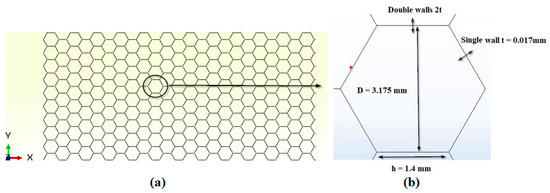
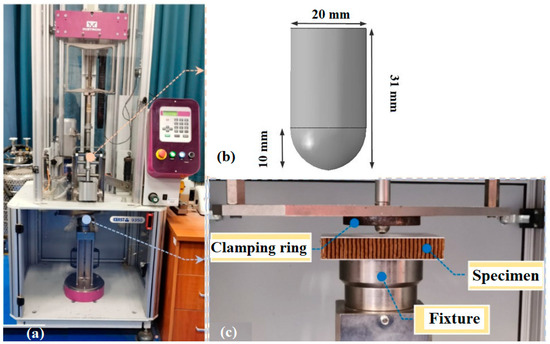
Numerical Investigation of Low-Velocity Impact Response of Nomex Honeycomb Sandwich Structures: Effects of Core Density, Face-Sheet Thickness, and Impactor Geometry
by
Tarik Zarrouk, Mohammed Jeyar, Jamal-Eddine Salhi and Mohammed Barboucha
Appl. Mech. 2026, 7(3), 56; https://doi.org/10.3390/applmech7030056 - 6 Jul 2026
Abstract
►▼
Show Figures
This study examines the low-speed impact response of Nomex honeycomb-core sandwich structures using an approach combining experimental tests and three-dimensional numerical modeling. A finite element model was developed using Abaqus/Explicit to predict contact force, displacement, damage evolution, and absorbed energy under different impact
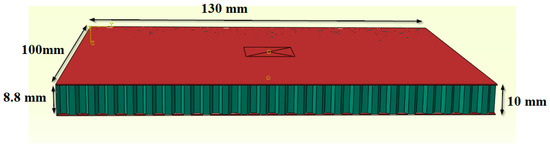
[...] Read more.
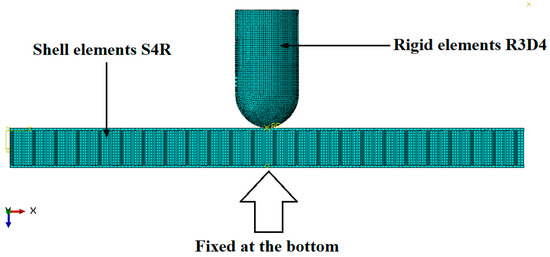
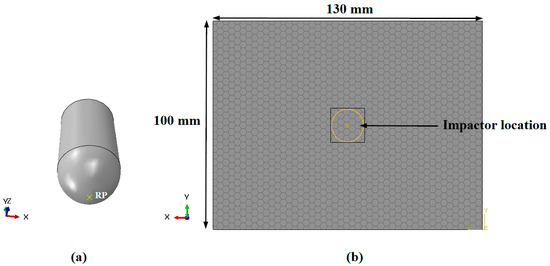
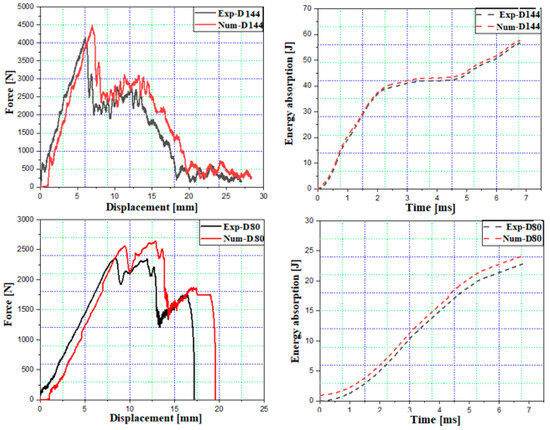
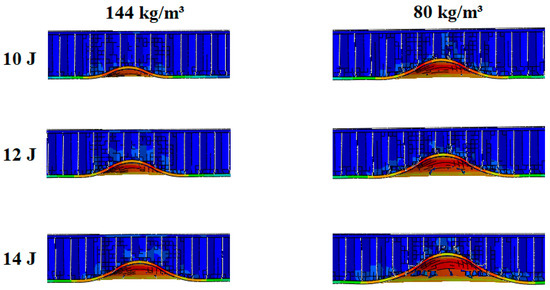
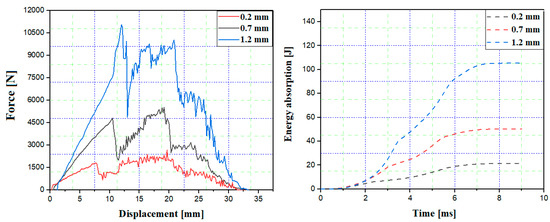
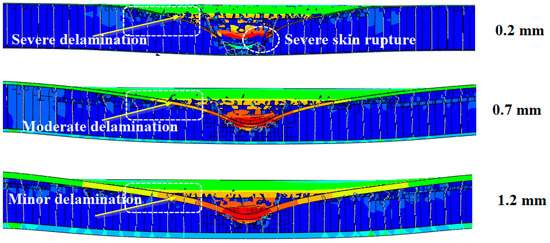
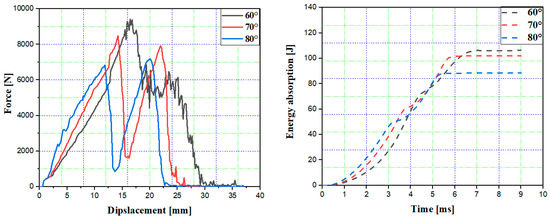
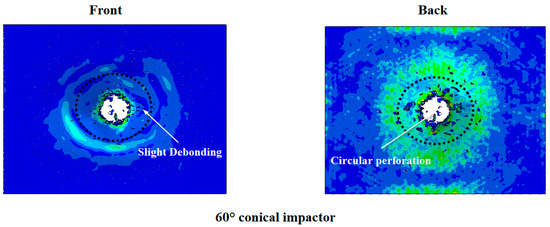
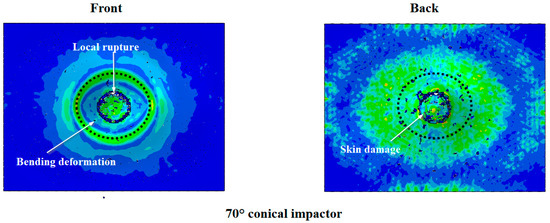
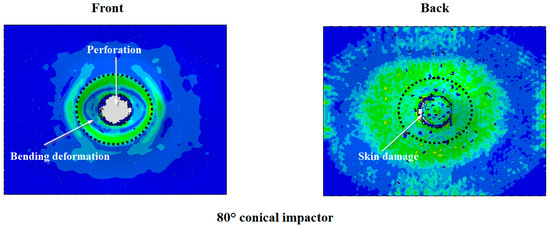
This study examines the low-speed impact response of Nomex honeycomb-core sandwich structures using an approach combining experimental tests and three-dimensional numerical modeling. A finite element model was developed using Abaqus/Explicit to predict contact force, displacement, damage evolution, and absorbed energy under different impact configurations. The influence of core density, skin thickness, and impactor geometry was analyzed to identify the parameters governing impact resistance and energy dissipation mechanisms. The numerical results show good agreement with experimental measurements, with maximum relative differences between 7.3% and 8.3% for the maximum force and between 1.8% and 4.3% for the absorbed energy. Core density appears to be a determining factor: the D144 configuration reaches a maximum force of approximately 4400 N, compared to 2600 N for the D80 configuration, representing an increase of approximately 69%. However, sensitivity analysis indicates that skin thickness exerts the most dominant overall influence on load-bearing capacity; increasing this thickness from 0.2 mm to 1.2 mm leads to a fivefold increase in maximum force (from 1800 N to over 10,000 N) and a significant rise in absorbed energy (from 20 J to 105 J). The geometry of the impactor strongly controls the damage modes and stress distribution. A 60° conical impactor promotes localized deformation and rapid perforation, while a 70° angle offers a better compromise between local resistance and progressive energy absorption. At 80°, the stresses are distributed over a larger surface area, which delays perforation. The geometry of the impactor strongly controls the spatial distribution of damage modes. A sharper 60° conical impactor induces highly localized core crushing and rapid skin perforation, while a 70° angle offers a better compromise between local resistance and progressive energy absorption. At 80°, the stresses are distributed over a wider area, promoting diffuse damage and delaying perforation. These results show that the combined optimization of core density, skin thickness, and the impactor–structure interaction is an effective way to improve the impact tolerance of lightweight sandwich structures intended for aerospace, automotive, and marine applications.
Full article

Figure 1
Open AccessArticle
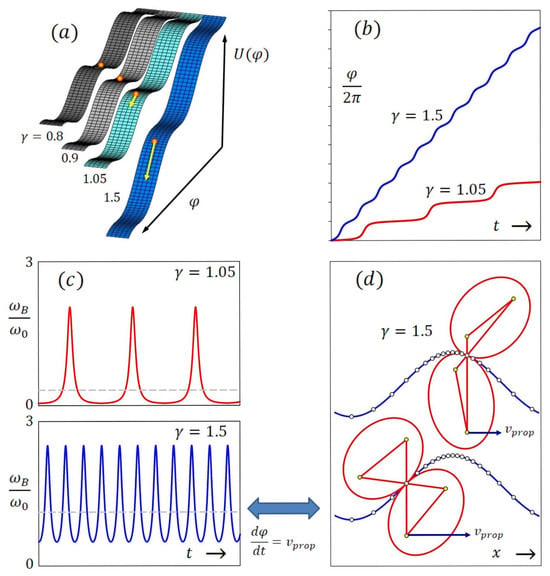
From the Phase Dynamics of Synchronization and Elliptical Gears to a Semiclassical Model of Zitterbewegung with Spin-like Properties
by
Manfred Euler
Appl. Mech. 2026, 7(3), 55; https://doi.org/10.3390/applmech7030055 - 28 Jun 2026
Abstract
►▼
Show Figures
The spin of an electron is an intrinsic quantum property that cannot be explained using classical mechanics. Nevertheless, it is possible to conceive semiclassical systems with internal degrees of freedom that exhibit spin-like properties. Building on the analysis of phase modulation by elliptical
[...] Read more.
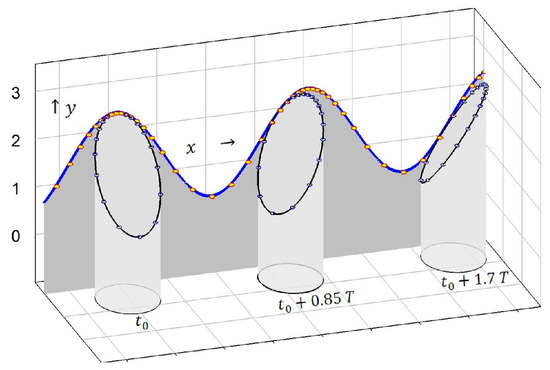
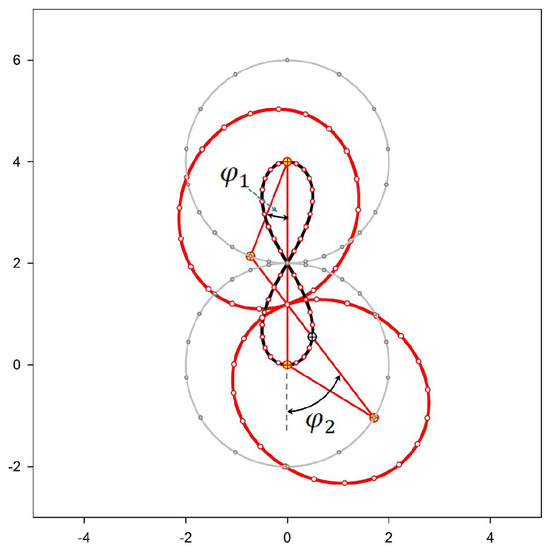
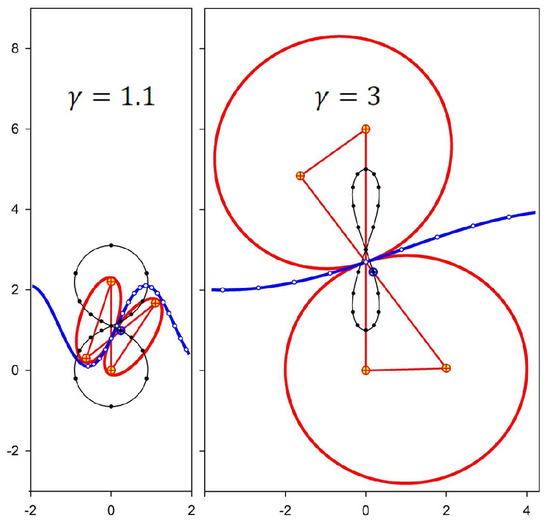
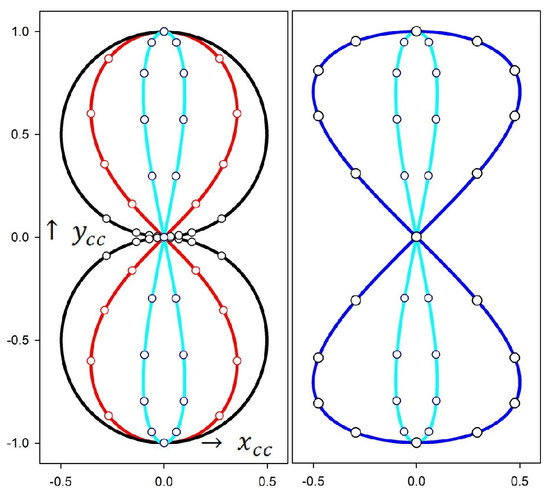
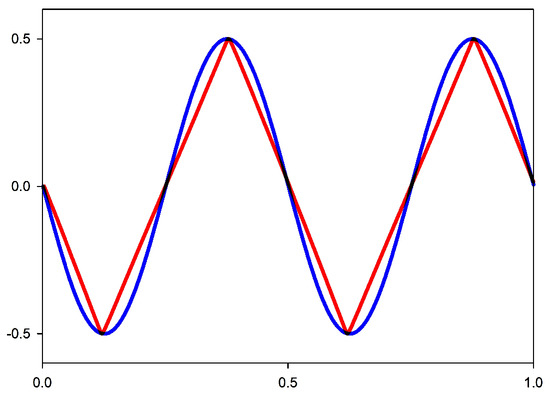
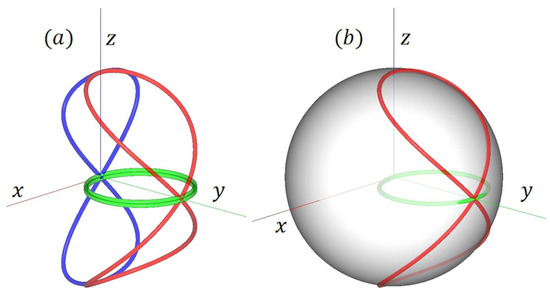
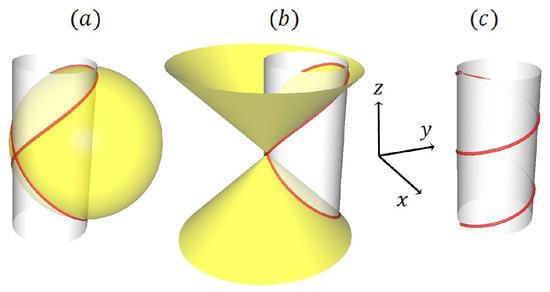
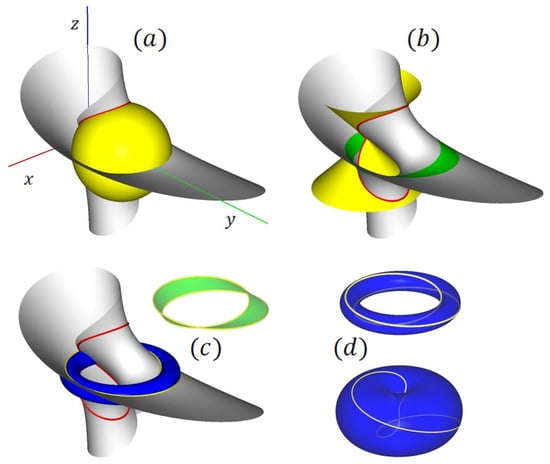
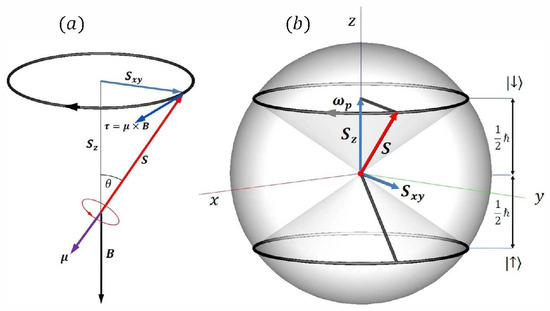
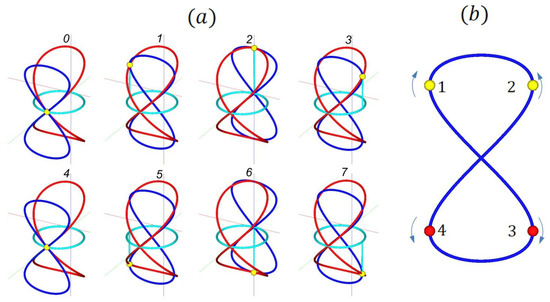
The spin of an electron is an intrinsic quantum property that cannot be explained using classical mechanics. Nevertheless, it is possible to conceive semiclassical systems with internal degrees of freedom that exhibit spin-like properties. Building on the analysis of phase modulation by elliptical gears and kinematically equivalent antiparallelogram linkages, we present a novel semiclassical model of Zitterbewegung, a rapid oscillatory motion closely connected with spin. The kinematical analog is based on including the internal rotation of the linkage represented in spacetime. The system’s dynamics is related to two-center electron models, which describe the constant momentum of the center of mass and the lightlike oscillation of the center of charge at twice the Compton frequency for a particle at rest. A two-dimensional extension provides an intuitive illustration of topological spin properties and can be used to calculate the spin and magnetic moment of an electron.
Full article

Figure 1
Open AccessArticle
Axisymmetric Adaptive ES-FEM-SPH Coupling Algorithm for Simulating Impact Problems
by
Yide Bu and Ting Long
Appl. Mech. 2026, 7(3), 54; https://doi.org/10.3390/applmech7030054 - 25 Jun 2026
Abstract
Impact dynamics problems are ubiquitous in various engineering applications, often involving nonlinear phenomena such as material fracture, damage, and fragmentation. It poses significant challenges to numerical simulation methods. To deal with these challenges, this paper develops an adaptive axisymmetric coupling method that combines
[...] Read more.
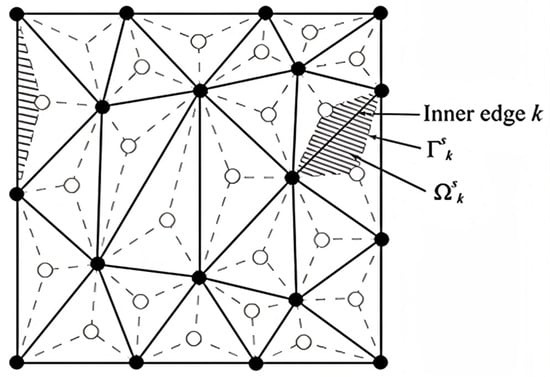
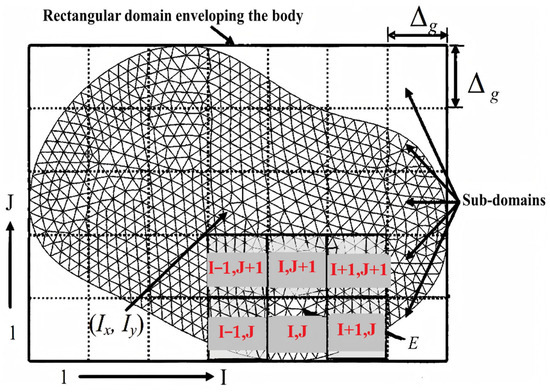
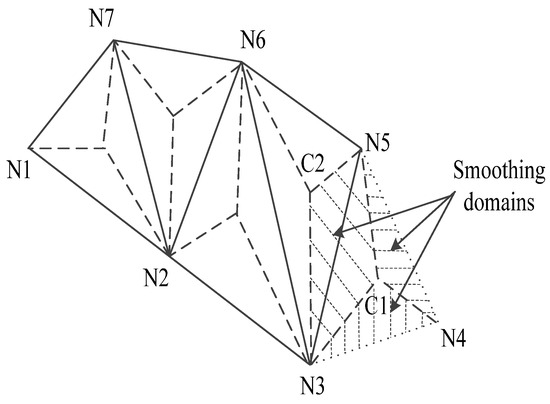
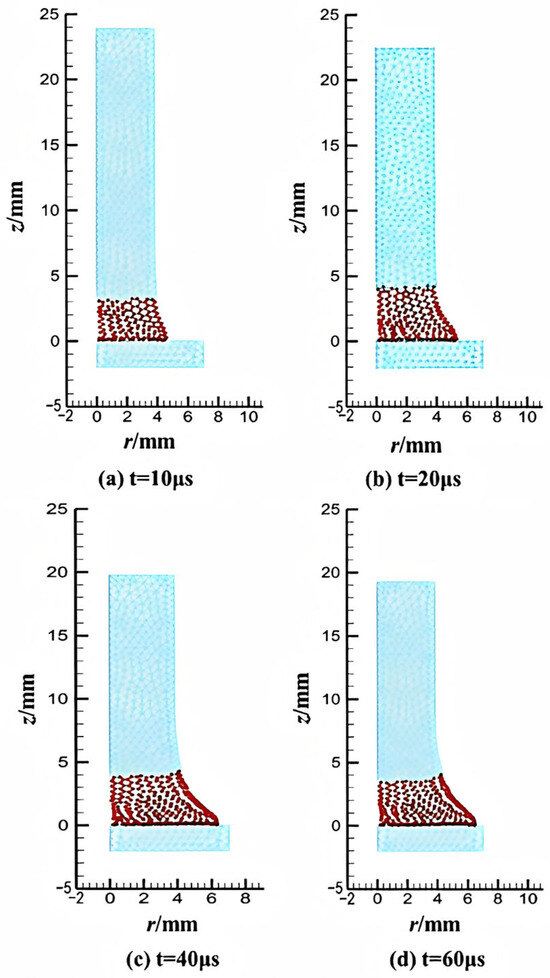
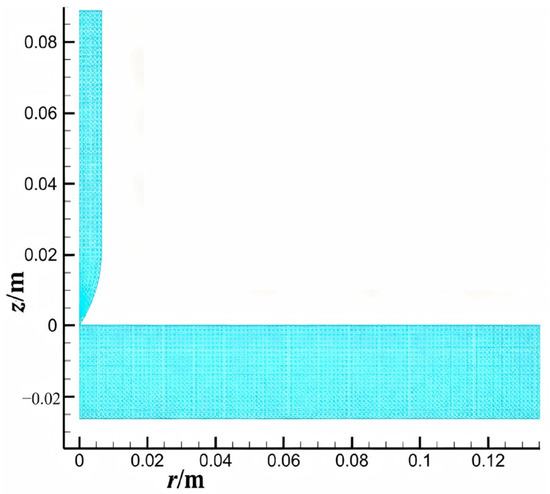
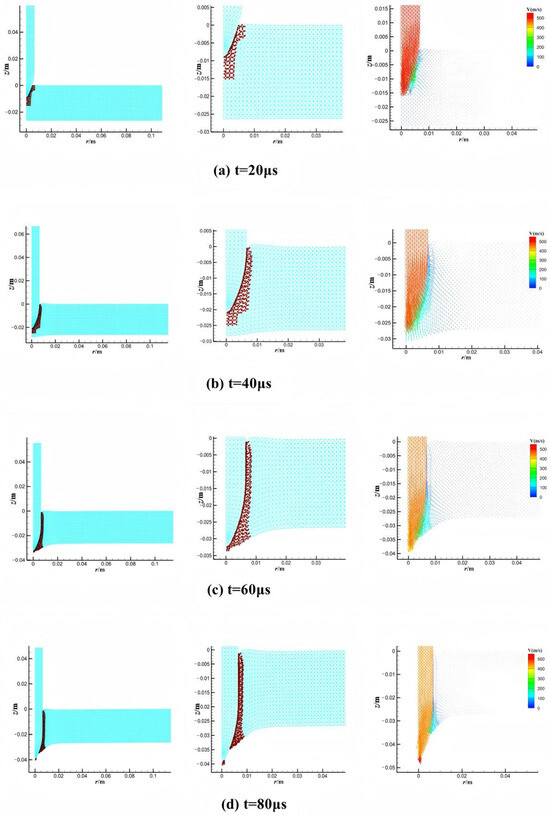
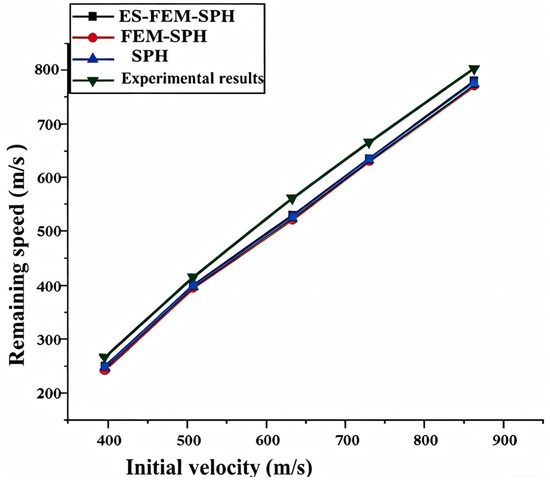
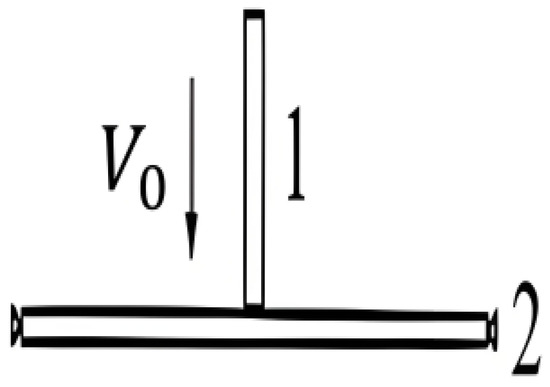
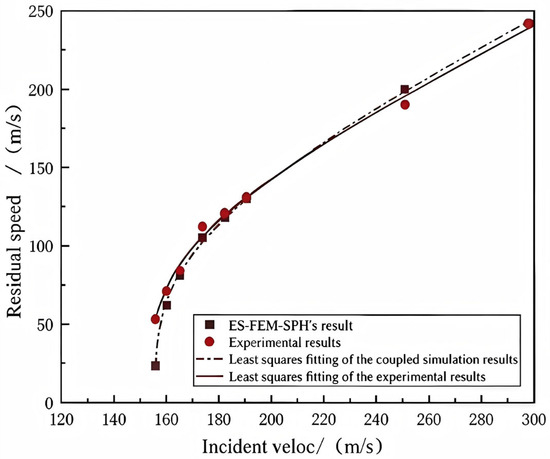
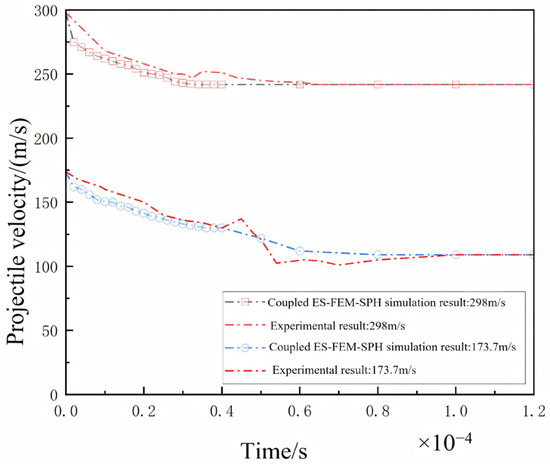
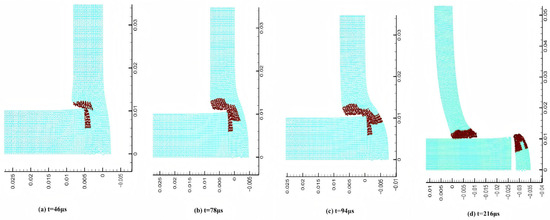
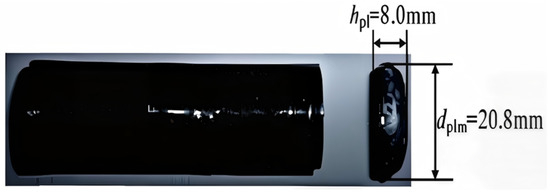
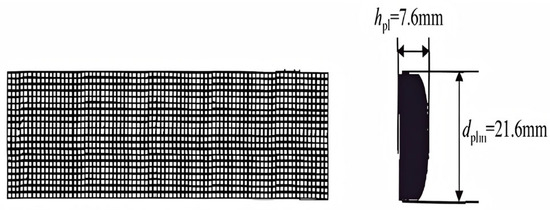
Impact dynamics problems are ubiquitous in various engineering applications, often involving nonlinear phenomena such as material fracture, damage, and fragmentation. It poses significant challenges to numerical simulation methods. To deal with these challenges, this paper develops an adaptive axisymmetric coupling method that combines the edge-based smoothed finite element method (ES-FEM) with smoothed particle hydrodynamics (SPH), referred to as the ES-FEM-SPH method. Initially, the entire computation employs ES-FEM, which effectively alleviates the excessive stiffness inherent in conventional FEM while maintaining high accuracy, particularly when using linear triangular elements. During the simulation, if any element undergoes severe distortion, the algorithm converts it into an SPH particle and continues the computation with SPH automatically. Thus, it can effectively address issues such as large deformation. To validate the efficacy and reliability of the proposed method, this study performs numerical simulations on several representative cases, including Taylor bar impact, projectile penetration into aluminum plates, and flat-nosed projectile impact on metal target plates. The results demonstrate that the adaptive axisymmetric ES-FEM-SPH coupling method exhibits good performance in both computational accuracy and efficiency, making it well suited for numerical simulations of impact-related problems and holding substantial promise for engineering applications.
Full article
(This article belongs to the Special Issue Cutting-Edge Developments in Computational and Experimental Mechanics)
►▼
Show Figures

Figure 1
Open AccessArticle
Effect of Cell Number and Arrangement on the Compressive Behavior of Cellular Structures
by
Kohei Tateyama, Kentaro Ishioka and Hiroyuki Fujiki
Appl. Mech. 2026, 7(2), 53; https://doi.org/10.3390/applmech7020053 - 21 Jun 2026
Abstract
►▼
Show Figures
The mechanical response of cellular structures is governed not only by relative density and average cell geometry but also by the spatial arrangement of cells. However, the manner in which arrangement-dependent effects evolve with increasing cell number has not been systematically clarified. In
[...] Read more.
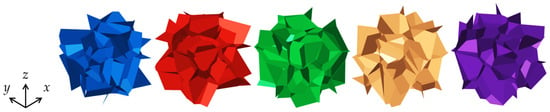
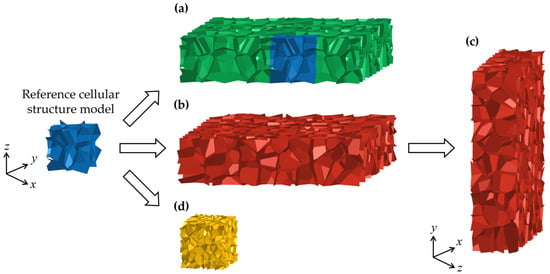
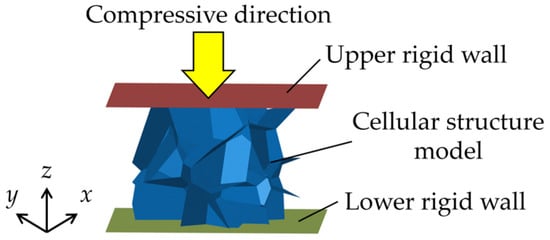
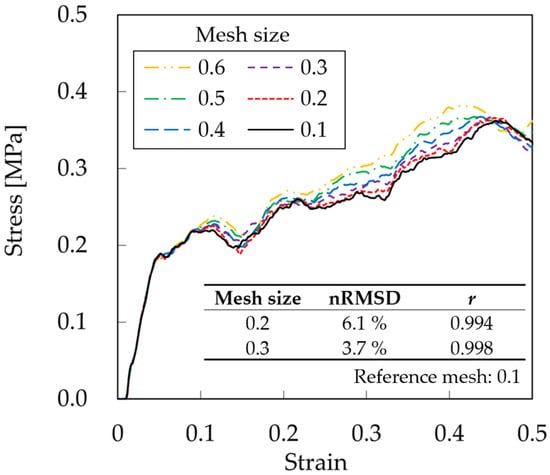
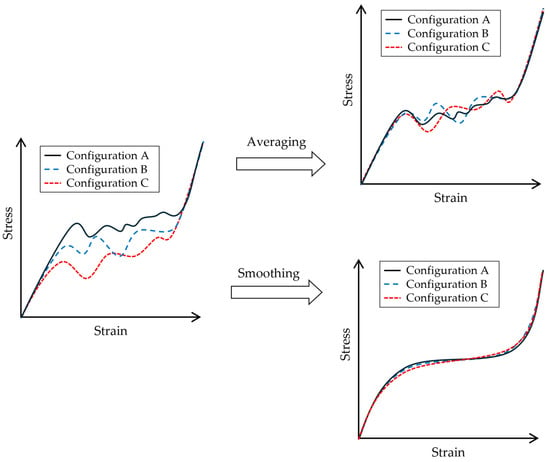
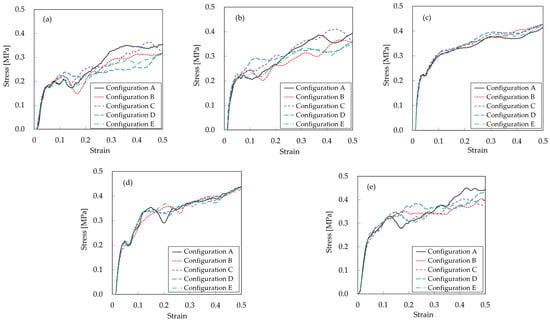
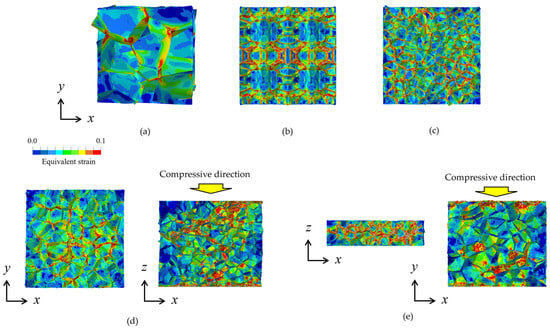
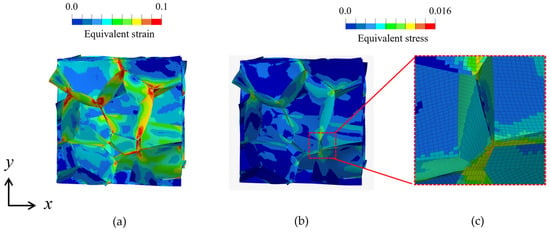
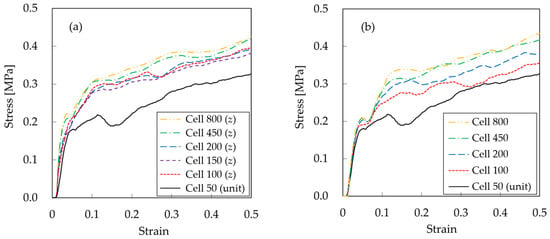
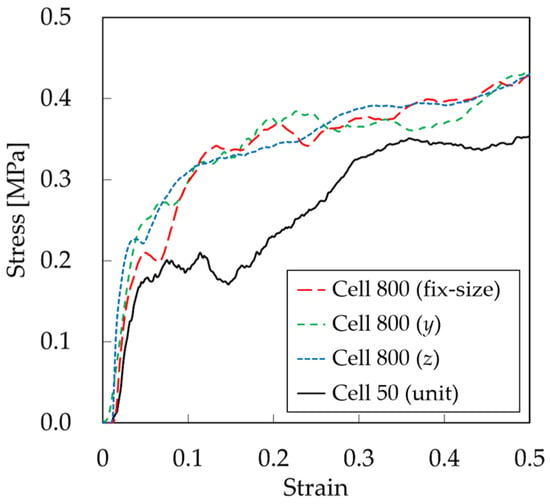
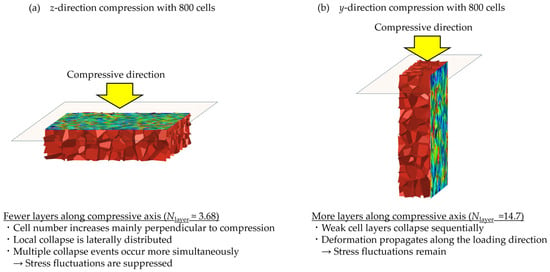
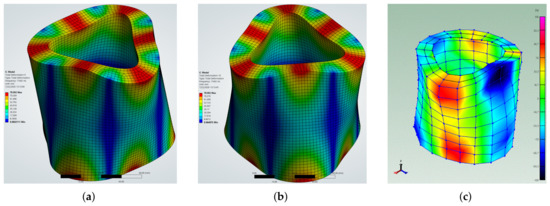
The mechanical response of cellular structures is governed not only by relative density and average cell geometry but also by the spatial arrangement of cells. However, the manner in which arrangement-dependent effects evolve with increasing cell number has not been systematically clarified. In this study, the compressive behavior of closed-cell structures with varying cell numbers was investigated using finite element analysis under dynamically equilibrated compression conditions while maintaining constant relative density and identical material parameters. Cellular models were generated using hierarchical Poisson disk sampling combined with Voronoi tessellation. The number of cells was increased through three distinct approaches: mirror replication of a reference structure, enlargement of the overall specimen size, and refinement of cell size under fixed external dimensions. To characterize arrangement-dependent effects, two distinct features of the compressive response were introduced: averaging, defined as a reduction in variability across responses from different initial cell arrangements, and smoothing, defined as the suppression of abrupt stress fluctuations within an individual response. Quantitative metrics were employed to evaluate both effects. Averaging was observed in plate-type models compressed in the z-direction and in fixed-size models, whereas mirror-connected models retained strong arrangement dependence despite large cell numbers. Smoothing occurred predominantly in plate-type models compressed in the z-direction and was strongly correlated with the number of cell layers aligned along the compression direction rather than with total cell number alone. The simulations were conducted in a dynamically equilibrated regime in which internal stress equilibrium was achieved during deformation. These results demonstrate that compressive behavior is governed not only by cell number but also by structural arrangement and directional cell-layer alignment, providing mechanistic insight into the transition from arrangement-dependent variability to stable macroscopic response under dynamic compression.
Full article

Figure 1
Journal Menu
► ▼ Journal Menu-
- Applied Mechanics Home
- Aims & Scope
- Editorial Board
- Topical Advisory Panel
- Early Career Editorial Board
- Instructions for Authors
- Special Issues
- Topics
- Topical Collections
- Article Processing Charge
- Indexing & Archiving
- Most Cited & Viewed
- Journal Statistics
- Journal History
- Journal Awards
- Society Collaborations
- Editorial Office
Journal Browser
► ▼ Journal BrowserHighly Accessed Articles
Latest Books
E-Mail Alert
News
Topics
Topic in
Applied Mechanics, Applied Sciences, JMMP, Materials, Metals, Nanomanufacturing
Advances in Manufacturing and Mechanics of Materials
Topic Editors: Young-Min Kim, Minjung Kang, Duck Bong KimDeadline: 30 September 2026
Topic in
Alloys, JETA, Materials, Metals, Sci, Applied Mechanics, Buildings
Advanced Failure Analysis of Materials
Topic Editors: Franco Concli, Isaac J. HongDeadline: 31 December 2026
Topic in
Applied Sciences, Buildings, JETA, Materials, CivilEng, NDT, Applied Mechanics
Structural Health Monitoring Applied to Civil and Mechanical Engineering
Topic Editors: Yang Yang, Lijun Liu, Ning YangDeadline: 31 March 2027
Topic in
Applied Mechanics, JLPEA, JSAN, ASI
Application of IOT on Manufacturing, Communication and Engineering, 2nd Volume
Topic Editors: Teen-Hang Meen, Chun-Yen Chang, Charles Tijus, Cheng-Fu Yang, Shu-Han LiaoDeadline: 30 April 2027
Special Issues
Special Issue in
Applied Mechanics
Mechanical Design Technologies for Beam, Plate and Shell Structures (4th Edition)
Guest Editor: César M. A. VasquesDeadline: 30 November 2026
Special Issue in
Applied Mechanics
Feature Review Papers in Applied Mechanics
Guest Editors: Magd Abdel Wahab, Can WangDeadline: 15 December 2026
Special Issue in
Applied Mechanics
Service Behaviour and Applied Mechanics of Mechanical Equipment Surfaces and Interfaces
Guest Editors: Zhenbing Cai, Guoxin XieDeadline: 15 December 2026
Special Issue in
Applied Mechanics
Thermal Mechanisms in Solids and Interfaces 2nd Edition
Guest Editor: Jude OsaraDeadline: 31 December 2026
Topical Collections
Topical Collection in
Applied Mechanics
Fracture, Fatigue, and Wear
Collection Editor: Magd Abdel Wahab