
Topical Advisory Panel applications are now closed. Please contact the Editorial Office with any queries.
Journal Description
AppliedChem
AppliedChem
is an international, peer-reviewed, open access journal on all aspects of applied chemistry published quarterly online by MDPI.
- Open Access— free for readers, with article processing charges (APC) paid by authors or their institutions.
- High Visibility: indexed within ESCI (Web of Science), Scopus, CAPlus / SciFinder, and other databases.
- Rapid Publication: manuscripts are peer-reviewed and a first decision is provided to authors approximately 23.7 days after submission; acceptance to publication is undertaken in 6.9 days (median values for papers published in this journal in the first half of 2026).
- Recognition of Reviewers: Reviewers whose reports are timely and of high quality receive an APC discount voucher for a future publication in an MDPI journal. Become a reviewer.
- AppliedChem is a companion journal of Applied Sciences.
Impact Factor:
2.3 (2025);
5-Year Impact Factor:
2.4 (2025)
Latest Articles
Influence of InP/ZnS Quantum Dots on the Optical Properties of Thin Azo Polymer Films
AppliedChem 2026, 6(3), 65; https://doi.org/10.3390/appliedchem6030065 - 5 Sep 2026
Abstract
►
Show Figures
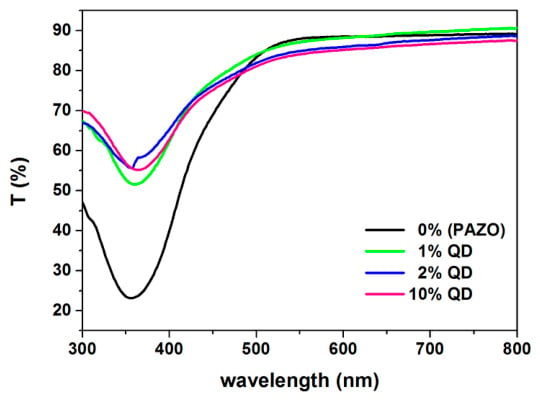
In this study, we determine the refractive index (n), extinction coefficient (k), absorption coefficient (α) and optical band gap (Eg) of thin films based on the commercially available azo polymer (poly [1-[4-(3-carboxy-4-hydroxyphenylazo) benzene-sulfonamido]-1,2-ethanediyl, sodium salt]), usually denoted as PAZO, doped with
[...] Read more.
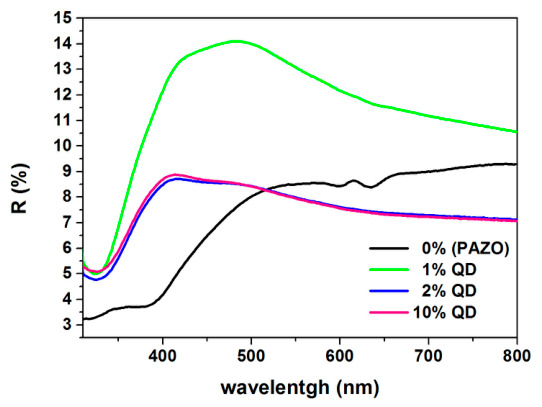
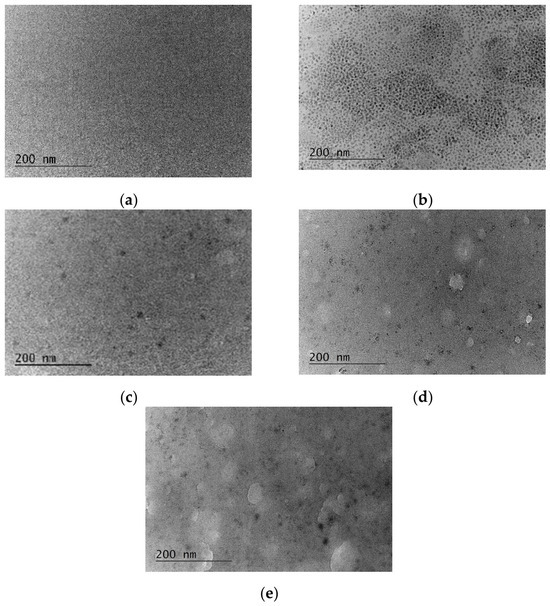
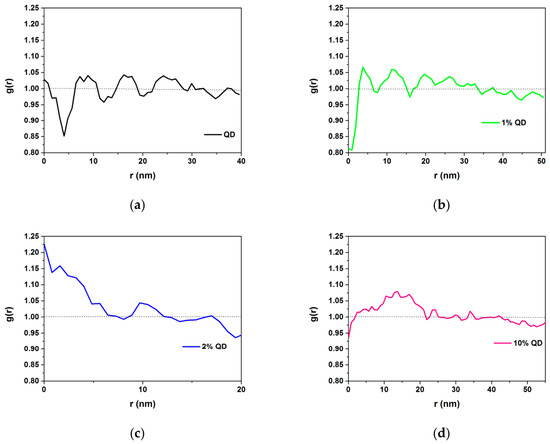
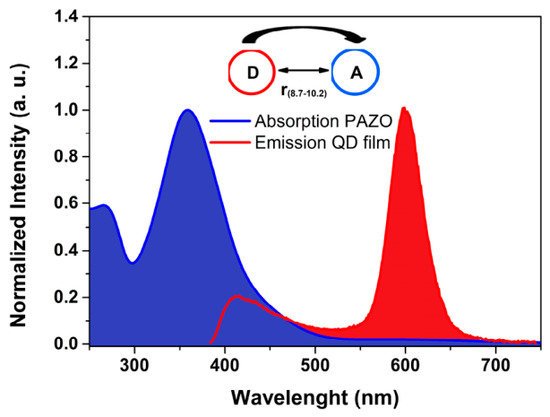
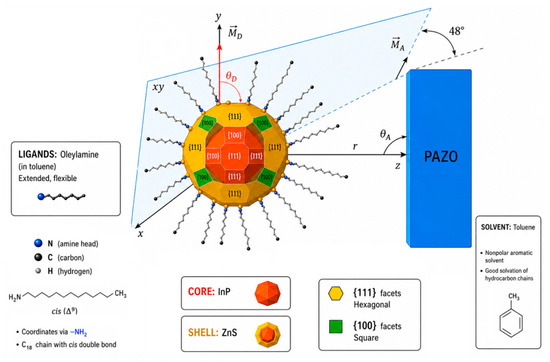
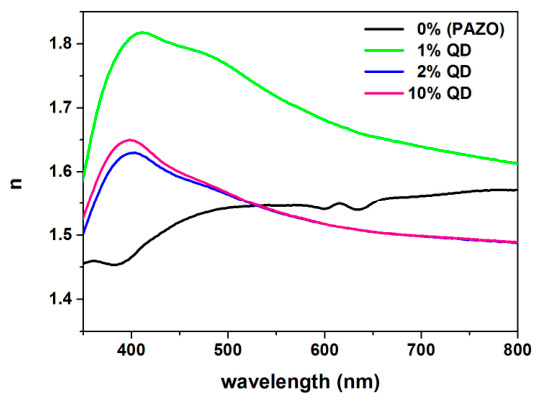
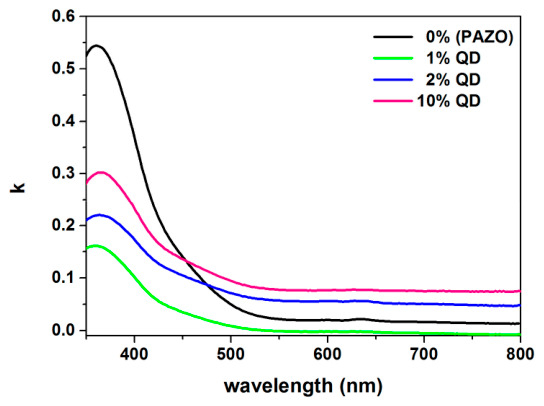
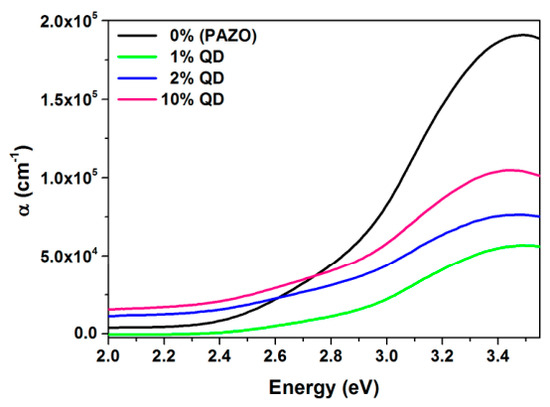
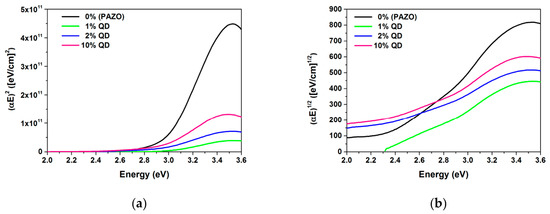
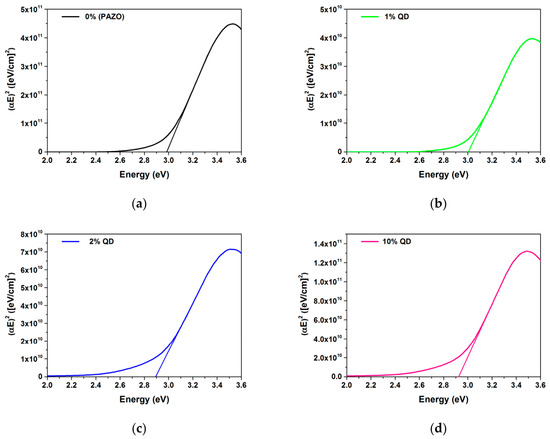
In this study, we determine the refractive index (n), extinction coefficient (k), absorption coefficient (α) and optical band gap (Eg) of thin films based on the commercially available azo polymer (poly [1-[4-(3-carboxy-4-hydroxyphenylazo) benzene-sulfonamido]-1,2-ethanediyl, sodium salt]), usually denoted as PAZO, doped with InP/ZnS quantum dots (QDs) at concentrations of 1 wt.%, 2 wt.%, and 10 wt.%. It was found that the absorption of the composite materials studied is driven by direct allowed electronic transitions, with the band gap energies tunable from 2.92 eV to 3.00 eV depending on the dopant concentration. Furthermore, the results suggest that resonance energy transfer (RET) between the InP/ZnS quantum dots and the azo polymer may occur, actively modulating the optical properties of the composite materials in the 385–750 nm spectral region, where the PAZO absorption spectrum and the emission spectrum of the QDs overlap. The theoretical calculation carried out demonstrate that the energy transfer is more efficient at 600 nm, than at 420 nm, where the two observed peaks in the emission spectrum of the dopant are positioned. We believe that the result obtained may be of interest to researchers working on improving the photoresponse of azo polymers through incorporation of quantum dots, particularly given that most studies in this field focus on cadmium-containing nanocrystals, whereas InP/ZnS quantum dots represent a more environmentally friendly alternative.
Full article
Open AccessArticle
Phytochemical Characterization and Antioxidant Potential of Two Wild-Growing Mediterranean Medicinal Plants: Satureja montana L. and Teucrium montanum L.
by
Marta Frlin and Ivana Šola
AppliedChem 2026, 6(3), 64; https://doi.org/10.3390/appliedchem6030064 - 4 Sep 2026
Abstract
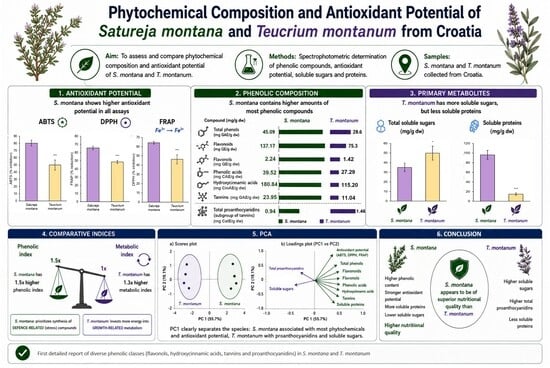
The Mediterranean region is a hotspot for many plants rich in bioactive compounds due to its climate and geological regime. Aerial parts of native perennials Satureja montana and Teucrium montanum (Lamiaceae) were spectrophotometrically compared on the levels of antioxidant potential, phenolics, soluble sugars
[...] Read more.
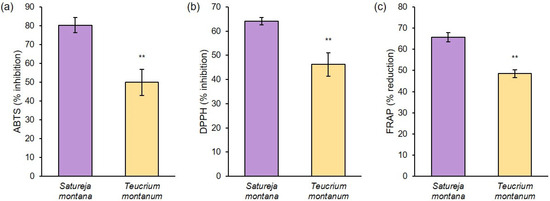
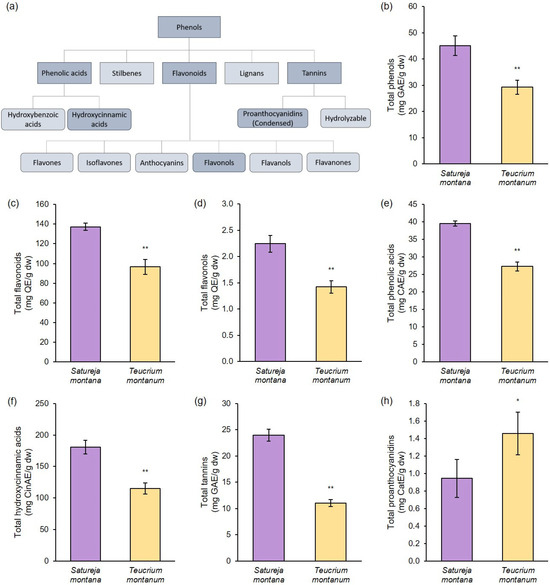
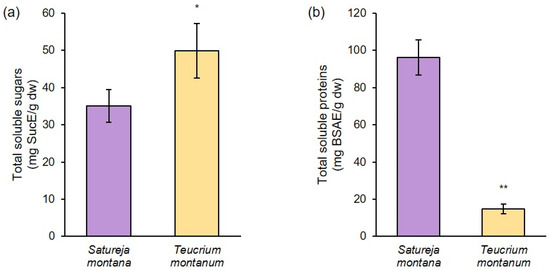
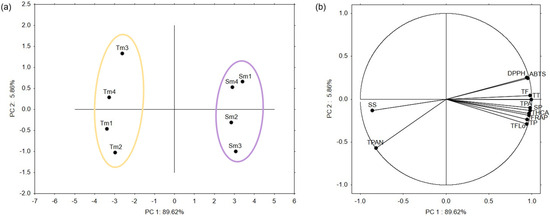
The Mediterranean region is a hotspot for many plants rich in bioactive compounds due to its climate and geological regime. Aerial parts of native perennials Satureja montana and Teucrium montanum (Lamiaceae) were spectrophotometrically compared on the levels of antioxidant potential, phenolics, soluble sugars and proteins. S. montana had a notably higher antioxidant potential than T. montanum across all three assays applied, ABTS, DPPH and FRAP. This was accompanied by a significantly higher amount of most analyzed groups of phenolic compounds. Compared with T. montanum, S. montana had more total phenols (45.09 mg galic acid equivalents (GAE)/g dw; 1.54-fold higher), flavonoids (137.17 mg quercetin equivalents (QE)/g dw; 1.42-fold higher), flavonols (2.24 mg QE/g dw; 1.58-fold higher), phenolic (39.52 mg caffeic acid equivalents/g dw; 1.45-fold higher) and hydroxycinnamic acids (180.84 mg cinnamic acid equivalents /g dw; 1.57-fold higher), as well as tannins (23.95 mg GAE/g dw; 2.17-fold higher). Total proteins were also higher in S. montana (96.12 mg bovine serum albumin equivalents/g dw; 6.50-fold higher). On the contrary, total proanthocyanidins were significantly higher in T. montanum (1.46 mg catechin equivalents/g dw; 1.55-fold higher), as well as soluble sugars (49.86 mg sucrose equivalents/g dw; 1.42-fold higher). Finally, S. montana exhibited a 1.5-fold higher phenolic index than T. montanum, whereas T. montanum showed a 1.3-fold higher metabolic index than S. montana. Therefore, S. montana prioritizes synthesis of defense-related compounds, while T. montanum invests more energy into growth-related metabolism. Based on the results, S. montana had higher phenolic content, suggesting a greater potential for phenolic-associated bioactivity. However, further analyses regarding bioavailability, toxicity and nutritional composition are required for assessment of its nutritional quality.
Full article
(This article belongs to the Special Issue Research on Extraction and Application of Natural Extracts)
►▼
Show Figures

Graphical abstract
Open AccessArticle
Application and Characterization of Fruit Peel-Based Natural Adsorbents for Diclofenac and Amoxicillin Removal from Aqueous Solutions: A “Waste-to-Resource” Approach
by
Xanthi Sventzouri, Christina I. Nannou and Athanasia K. Tolkou
AppliedChem 2026, 6(3), 63; https://doi.org/10.3390/appliedchem6030063 - 3 Sep 2026
Abstract
Pharmaceutical-contaminated wastewater from medical facilities and households can cause ecological damage. In this study, 100% natural fruit peels, namely lime (LP), orange (OP), kiwi (KP), fig (FP), and pomegranate (PP) peels, were investigated as low-cost adsorbents for the removal of diclofenac (DCF), a
[...] Read more.
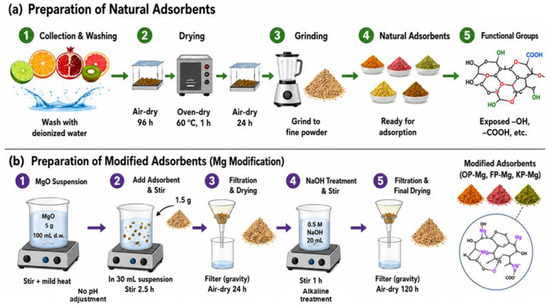
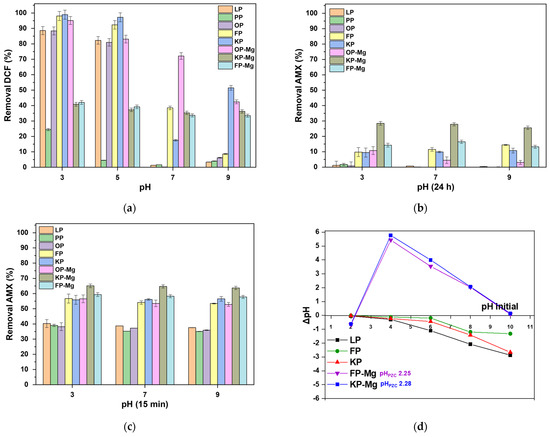
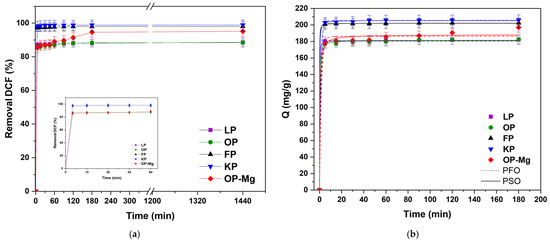
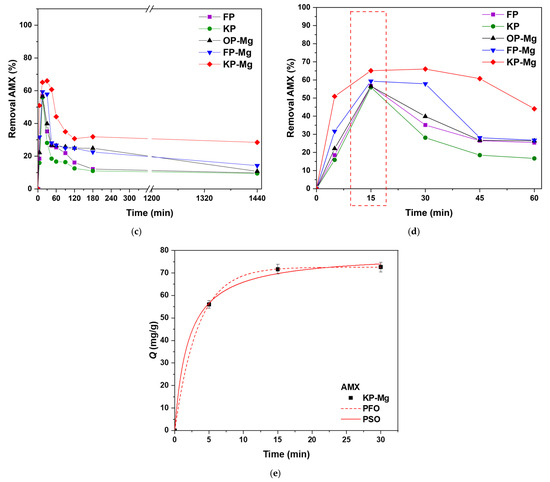
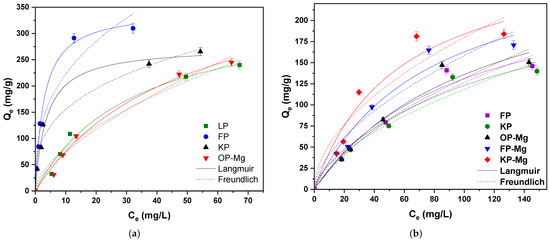
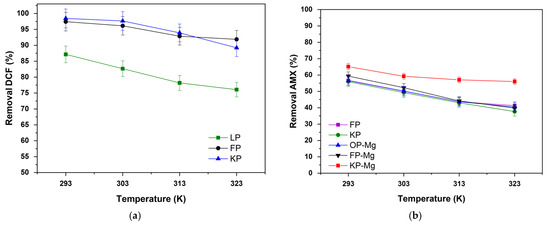
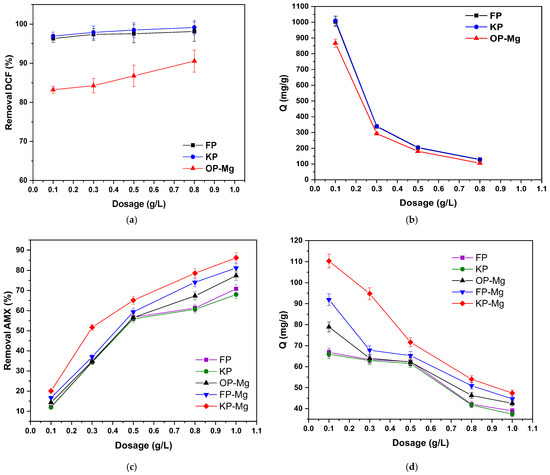
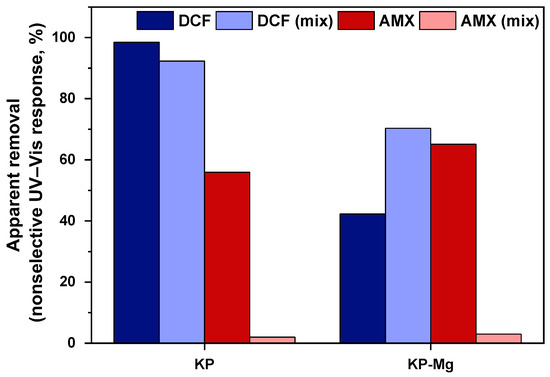
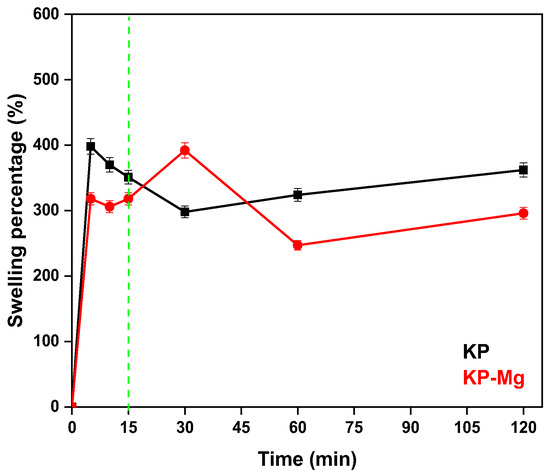
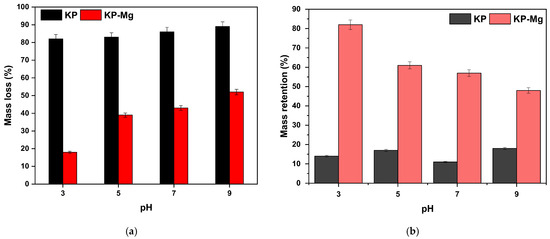
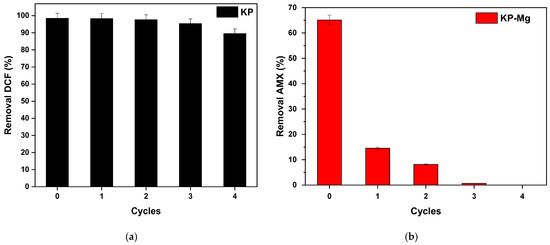
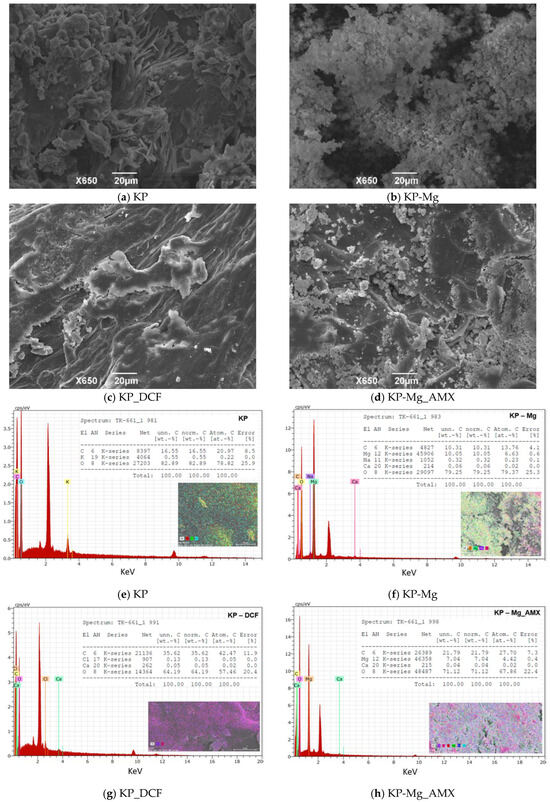
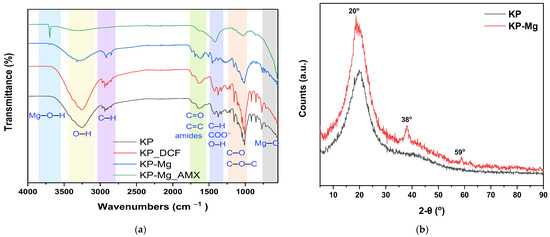
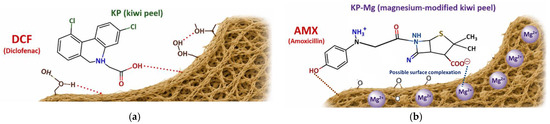
Pharmaceutical-contaminated wastewater from medical facilities and households can cause ecological damage. In this study, 100% natural fruit peels, namely lime (LP), orange (OP), kiwi (KP), fig (FP), and pomegranate (PP) peels, were investigated as low-cost adsorbents for the removal of diclofenac (DCF), a non-steroidal anti-inflammatory drug (NSAID), and amoxicillin (AMX), an antibiotic, from aqueous solution. The goal of this study was to use food waste as a source for wastewater treatment. According to the results, natural fruit peels were effective for DCF removal (C0 = 100 mg/L), with KP achieving a high removal efficiency (98.9%, 345.18 mg/g) at pH 3.0). The most promising materials (OP, KP, and FP) were further modified using MgO suspension followed by alkaline treatment with NaOH (OP-Mg, KP-Mg, and FP-Mg), resulting in enhanced performance for AMX removal (65.1%, 286.61 mg/g at pH 3.0, C0 = 50 mg/L). The maximum short-term uptake capacity was reached within 15 min, and kinetic and isotherm models were applied to describe the adsorption data. The Langmuir expression gave the better description of the concentration dependence for both pharmaceuticals, at equilibrium for DCF and at a fixed contact time of 15 min for AMX. SEM, FTIR and XRD characterization techniques provided information on the adsorption mechanisms, as well as confirming the successful modification with Μg. In conclusion, the results demonstrate that natural fruit peels were effective in the removal of pharmaceuticals and at the same time offer potential cost and environmental advantages through waste valorization and relatively simple preparation, supporting the principles of the circular economy, through the utilization of food waste as sustainable materials for water treatment.
Full article
(This article belongs to the Special Issue Adsorbents: Characterization and Applications)
►▼
Show Figures

Figure 1
Open AccessArticle
Microwave-Assisted Extraction of Garlic Polyphenols: Optimization, Profiling, and In Vitro Digestion
by
Marina Misic, Aleksandra Markovic, Milica Kanjevac, Marina Cendic Serafinovic and Andrija Ciric
AppliedChem 2026, 6(3), 62; https://doi.org/10.3390/appliedchem6030062 - 2 Sep 2026
Abstract
►▼
Show Figures
Objective: This study aimed to develop and optimize a rapid, eco-friendly microwave-assisted extraction (MAE) process for recovering total phenolic content (TPC) and total flavonoid content (TFC) from garlic (Allium sativum L.), while evaluating the predictive performance of response surface methodology (RSM) versus
[...] Read more.
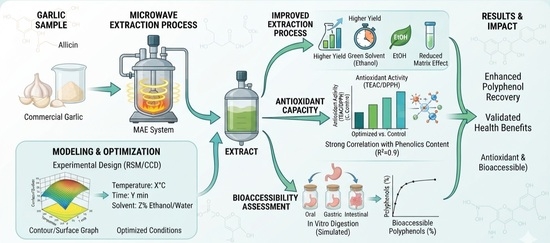
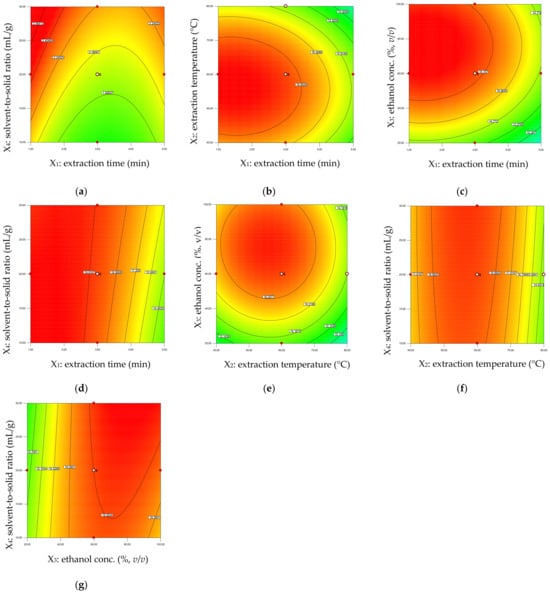
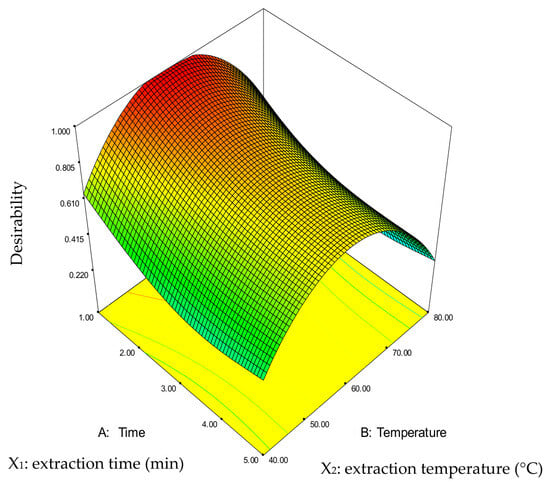
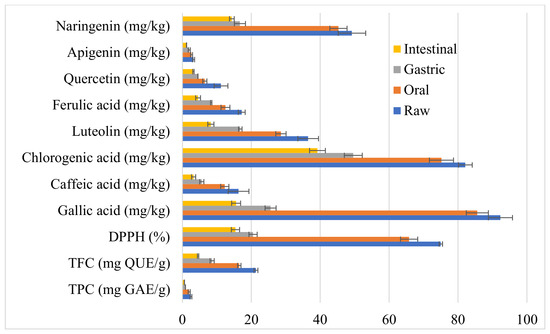
Objective: This study aimed to develop and optimize a rapid, eco-friendly microwave-assisted extraction (MAE) process for recovering total phenolic content (TPC) and total flavonoid content (TFC) from garlic (Allium sativum L.), while evaluating the predictive performance of response surface methodology (RSM) versus artificial neural networks (ANNs) and assessing the in vitro gastrointestinal stability of key polyphenols. Methodology: A four-factor, three-level central composite design (CCD) was implemented to evaluate the effects of extraction time, temperature, ethanol concentration, and solvent-to-solid ratio. A second-order polynomial RSM model was benchmarked against a 4-10-2 multilayer perceptron ANN trained by backpropagation. Optimal conditions were derived using the Derringer–Suich desirability function and confirmed experimentally. Individual polyphenols were profiled via LC-MS/MS and monitored across simulated oral, gastric, and intestinal digestion phases. Principal Results: The ANN model demonstrated superior predictive performance (R2 = 0.9999 training, 0.9974 validation, 0.9939 testing) compared to the RSM model (R2 = 0.9721 for TPC and 0.9925 for TFC). Experimental validation under optimal conditions—1.50 min, 55 °C, 75% ethanol, and a 29 mL/g ratio—yielded a TPC of 2.487 mg GAE/g FW and a TFC of 21.356 mg QUE/g FW. During simulated gastrointestinal digestion, significant degradation occurred during the intestinal phase, resulting in low final recoveries for gallic acid (16.9%), caffeic acid (19.9%), and luteolin (22.6%). Conclusions: MAE coupled with ANN modeling provides a highly accurate, rapid, and green extraction strategy for garlic polyphenols. However, the marked degradation of target compounds during intestinal digestion highlights the necessity of encapsulation or protective delivery systems to preserve their biological functionality in food applications.
Full article

Graphical abstract
Open AccessReview
Gliricidia sepium: Phytochemical Profile, Ethnobotanical Uses, and Emerging Pharmacological Potential in Inflammation and Pain-Related Conditions
by
Josué Vidal Espinosa-Juárez, Danna Brigith Vera-Carrillo, Osmar Antonio Jaramillo-Morales, Alfredo Briones Aranda and Josselin Carolina Corzo-Gómez
AppliedChem 2026, 6(3), 61; https://doi.org/10.3390/appliedchem6030061 - 2 Sep 2026
Abstract
Gliricidia sepium (G. sepium) is a Fabaceae tree native to Mexico and Central America with ethnobotanical relevance in tropical regions. Traditionally, different parts have been used to treat skin disorders, wounds, fever, infections, inflammation, and pain-related conditions. This narrative review summarizes
[...] Read more.
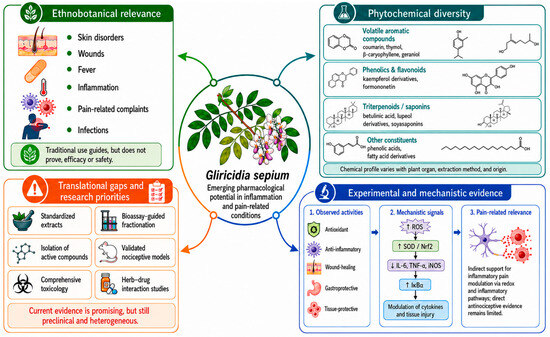
Gliricidia sepium (G. sepium) is a Fabaceae tree native to Mexico and Central America with ethnobotanical relevance in tropical regions. Traditionally, different parts have been used to treat skin disorders, wounds, fever, infections, inflammation, and pain-related conditions. This narrative review summarizes evidence on the ethnobotanical uses, phytochemical profile, biological activities, antinociceptive potential, and safety of G. sepium, with an emphasis on inflammation and pain. The literature search used G. sepium as the search term combined with keywords related to ethnobotanical uses, traditional medicine, phytochemistry, secondary metabolites, pharmacological activity, toxicity, and safety. Boolean operators, truncation, and searching were applied without publication year restrictions. Articles published in English and Spanish were considered, while superficial or irrelevant mentions were excluded. The literature indicates that G. sepium contains diverse constituents, including volatile aromatic compounds, coumarins, flavonoids, phenolic acids, fatty acid derivatives, triterpenoids, and saponins. In vitro and preclinical in vivo studies suggest antioxidant, anti-inflammatory, wound-healing, gastroprotective, and tissue-protective effects. However, evidence of antinociceptive activity remains lacking, and pain-related relevance is mainly inferred from mechanisms involving inflammation, oxidative stress, and tissue repair. Thus, G. sepium represents a potential source of bioactive metabolites, although its therapeutic potential requires validation through standardized preparations, validated models, mechanistic studies, and toxicological assessment.
Full article
(This article belongs to the Special Issue Research on Extraction and Application of Natural Extracts)
►▼
Show Figures

Figure 1
Open AccessArticle
Comparative Evaluation of the Antiproliferative and Pro-Apoptotic Activities of Origanum majorana, Salvia officinalis and Ribes nigrum Extracts in Human Colorectal Cancer and Normal Intestinal Cells
by
Oana-Roxana Haralambie, Emoke Pall, Mihai Cenariu, Katalin Szabo, Daria-Antonia Dumitraș and Sanda Andrei
AppliedChem 2026, 6(3), 60; https://doi.org/10.3390/appliedchem6030060 - 1 Sep 2026
Abstract
Colorectal cancer remains a significant global health challenge, highlighting the need for targeted therapeutic strategies. Plant-derived bioactive compounds are of interest due to their antiproliferative and pro-apoptotic properties. This study investigated the total phenolic and flavonoid contents, antioxidant activity and anticancer potential of
[...] Read more.
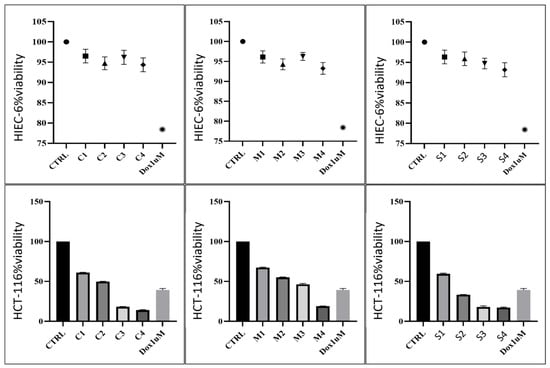
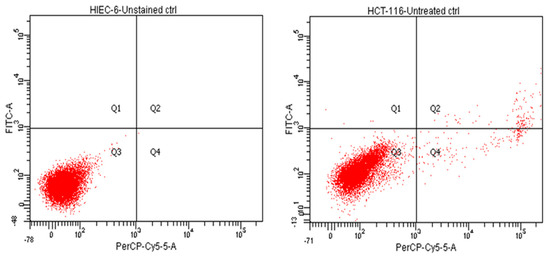
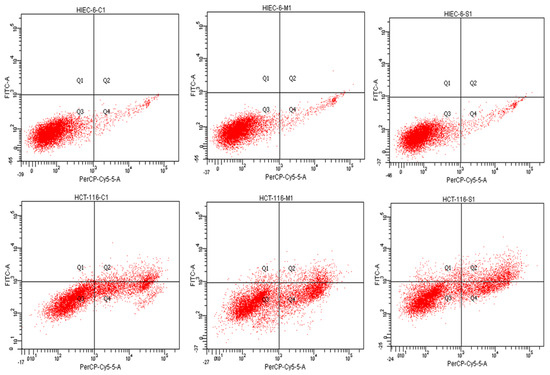
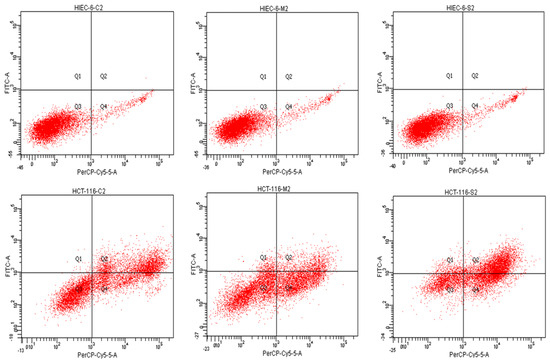
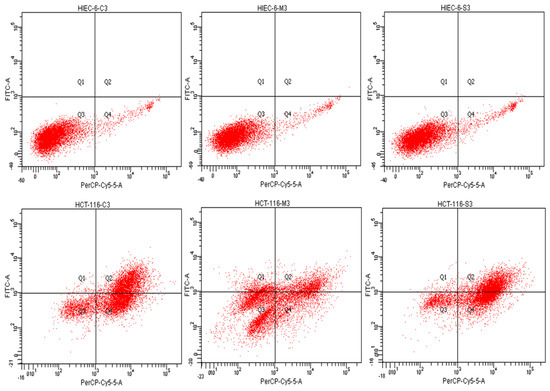
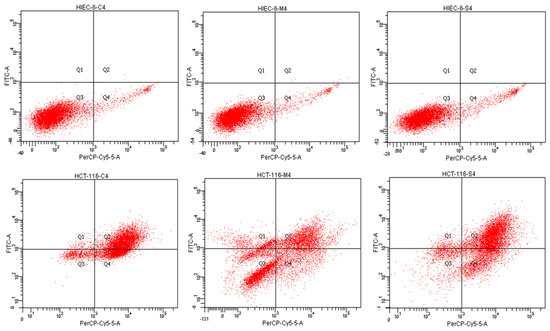
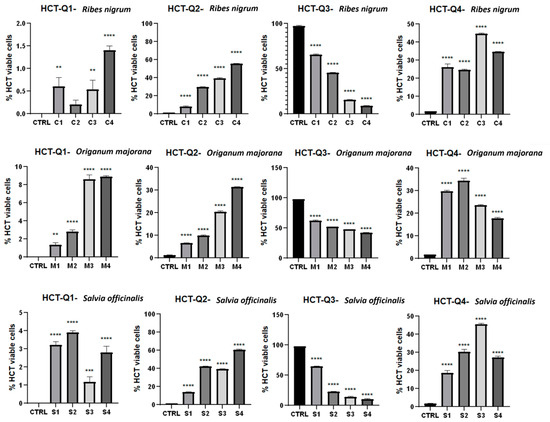
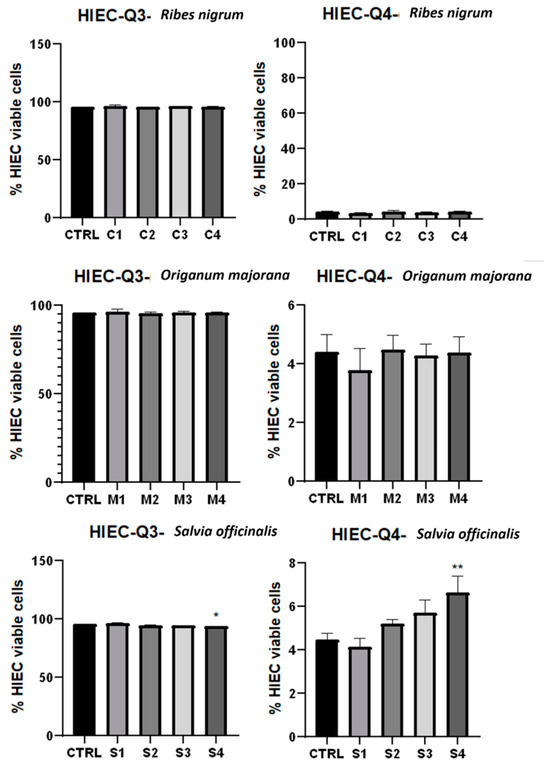
Colorectal cancer remains a significant global health challenge, highlighting the need for targeted therapeutic strategies. Plant-derived bioactive compounds are of interest due to their antiproliferative and pro-apoptotic properties. This study investigated the total phenolic and flavonoid contents, antioxidant activity and anticancer potential of Origanum majorana, Salvia officinalis, and Ribes nigrum extracts using normal human intestinal epithelial cells (HIEC-6) and human colorectal carcinoma cells (HCT-116). Cell viability was assessed using the MTT assay, while apoptosis and necrosis were evaluated by Annexin V-FITC/propidium iodide staining followed by flow cytometry. Ribes nigrum exhibited the highest phenolic content and antioxidant activity, whereas Origanum majorana contained the highest flavonoid concentration. All tested extracts reduced HCT-116 cell viability in a concentration-dependent manner while maintaining high viability in HIEC-6 cells (>93%). At the highest tested concentration, R. nigrum and S. officinalis reduced HCT-116 viability to approximately 13–14% and 16–18%, respectively, whereas O. majorana reduced viability to 18–19%. Annexin V/PI analysis demonstrated marked increases in late apoptotic and necrotic populations in HCT-116 cells, confirming selective pro-apoptotic activity. Overall, these extracts demonstrated selective antiproliferative and pro-apoptotic activities while exerting minimal toxicity toward normal intestinal epithelial cells. These findings support the potential of extracts as complementary sources of bioactive compounds for colorectal cancer prevention and therapy.
Full article
(This article belongs to the Special Issue Research on Extraction and Application of Natural Extracts)
►▼
Show Figures

Figure 1
Open AccessArticle
Evaluation of Pecan Oil Composition Extracted Using Different Techniques
by
Olga Teneva and Zhana Petkova
AppliedChem 2026, 6(3), 59; https://doi.org/10.3390/appliedchem6030059 - 1 Sep 2026
Abstract
►▼
Show Figures
The method of extraction of edible oils from nuts significantly affects both the yield and the quality of the oil. The main objective of this study was to evaluate the chemical and lipid composition of pecan nuts, as well as the extracted pecan
[...] Read more.
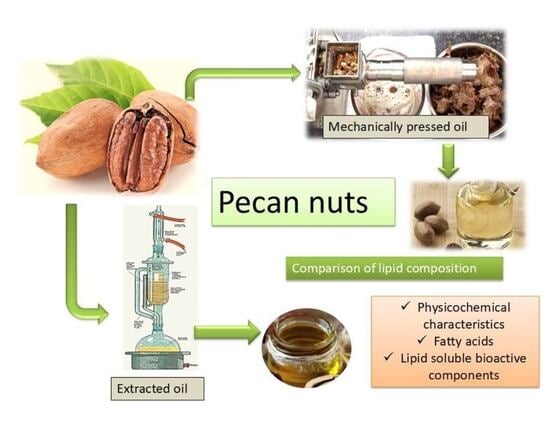
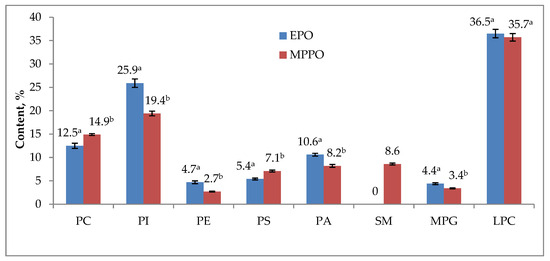
The method of extraction of edible oils from nuts significantly affects both the yield and the quality of the oil. The main objective of this study was to evaluate the chemical and lipid composition of pecan nuts, as well as the extracted pecan oil (EPO) and mechanically pressed pecan oil (MPPO). The residual material obtained after mechanical pressing (expeller) was also examined for its oil content and fatty acid composition. The glyceride oil content of the extracted nuts with hexane is higher than that of the oil isolated by mechanical pressing (66.3 vs. 65.0%). Pecan nuts are a rich source of unsaturated fatty acids, with polyunsaturated (mainly linoleic acid) and monounsaturated (oleic acid) being predominant. The amount of linoleic acid is about 35% in EPO and MPPO, but almost three times lower in the residual pecan oil (RPO): 11.8%. The major fatty acid in all examined oils is oleic acid, which was higher in EPO and MPPO (51.4% and 53.1%) than in RPO (42.4%). The physicochemical properties of EPO and MPPO are also analyzed, and significant differences are observed in all parameters (peroxide, acid and iodine values, K232, K270 and relative density) excluding the refractive index. The identified bioactive compounds (sterols, tocopherols and phospholipids) are secondary substances of pecan oil, but are important for its oxidative stability, which is 15 h for EPO and 24 h for MPPO.
Full article

Graphical abstract
Open AccessArticle
A Theoretical Study on the Hydrolysis of Dimethyl Sulfide (DMS) over Y-FAU Protonated Zeolite
by
Demetrios K. Papayannis and Vasilios S. Melissas
AppliedChem 2026, 6(3), 58; https://doi.org/10.3390/appliedchem6030058 - 31 Aug 2026
Abstract
►▼
Show Figures
Dimethyl sulfide (DMS) hydrolysis over protonated Y-type faujasite zeolite (H-FAU) was examined using a hybrid density functional theory/molecular mechanics approach. ONIOM2(M06/6-31+G(d,p):UFF) calculations identified stepwise and concerted pathways. In the stepwise route, initial demethylation produces methanethiol and a surface methoxide species; subsequent reaction of
[...] Read more.
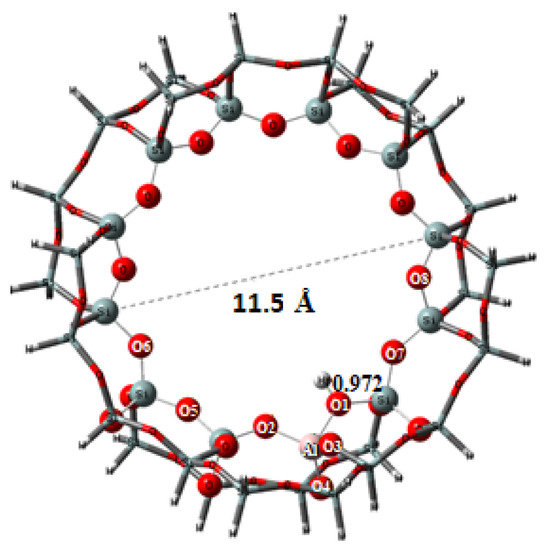
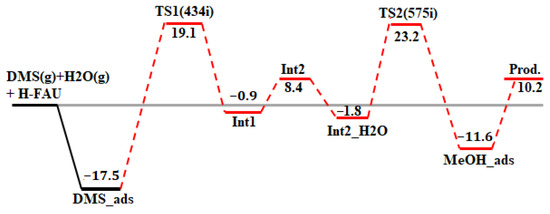
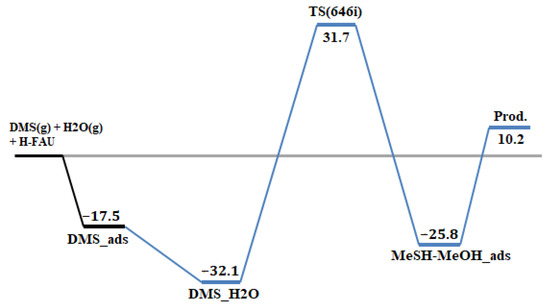
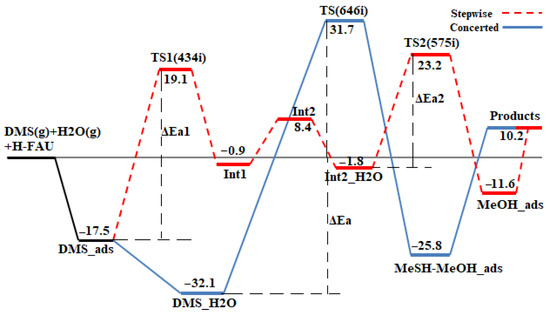
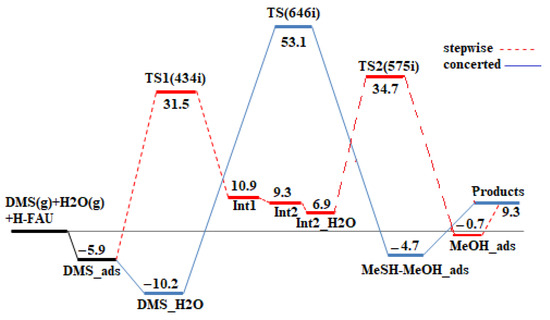
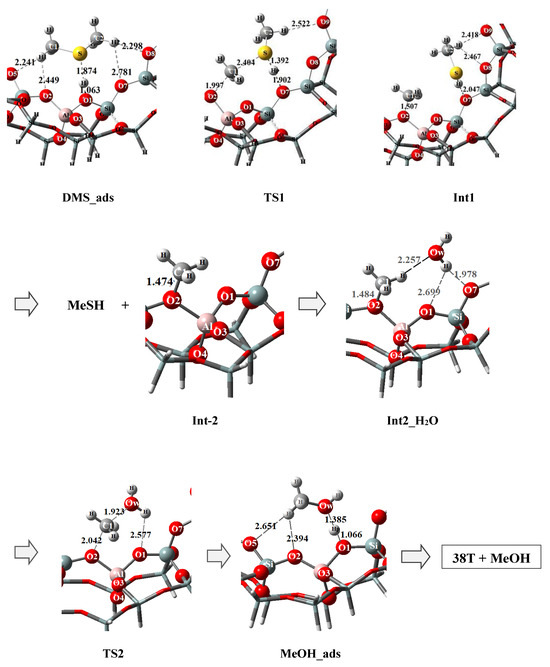
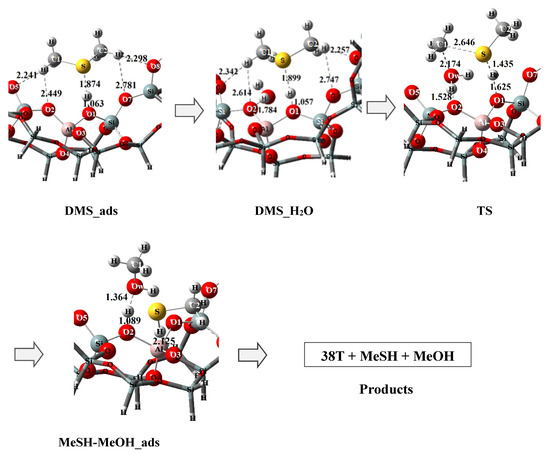
Dimethyl sulfide (DMS) hydrolysis over protonated Y-type faujasite zeolite (H-FAU) was examined using a hybrid density functional theory/molecular mechanics approach. ONIOM2(M06/6-31+G(d,p):UFF) calculations identified stepwise and concerted pathways. In the stepwise route, initial demethylation produces methanethiol and a surface methoxide species; subsequent reaction of the methoxide with water yields methanol. The calculated activation barriers for the demethylation and hydrolysis steps are 36.6 and 25.0 kcal mol−1, respectively. In contrast, the concerted pathway involves simultaneous demethylation and hydrolysis in a single elementary step without formation of a stable intermediate, with a significantly higher activation barrier of 63.8 kcal mol−1. The results suggest that DMS hydrolysis preferentially proceeds via the stepwise mechanism, with the demethylation step being rate-determining. For the preferred stepwise pathway, the apparent activation barrier for the overall hydrolysis reaction, referenced to the initial state, is 23.2 kcal mol−1.
Full article

Figure 1
Open AccessReview
Valorization Potential of Oilseed Press Cakes from Pumpkin (Cucurbita pepo) and Hemp (Cannabis sativa)
by
Svetla Dyankova, Ayten Solak, Daniela Miteva, Maria Doneva, Petya Metodieva and Iliana Nacheva
AppliedChem 2026, 6(3), 57; https://doi.org/10.3390/appliedchem6030057 - 20 Aug 2026
Abstract
►▼
Show Figures
The use of non-traditional oilseeds for food purposes has increased significantly in recent years. Due to the high content of unsaturated fatty acids, the production of cold-pressed oils from pumpkin and hemp seeds is growing at a steady pace. This results in the
[...] Read more.
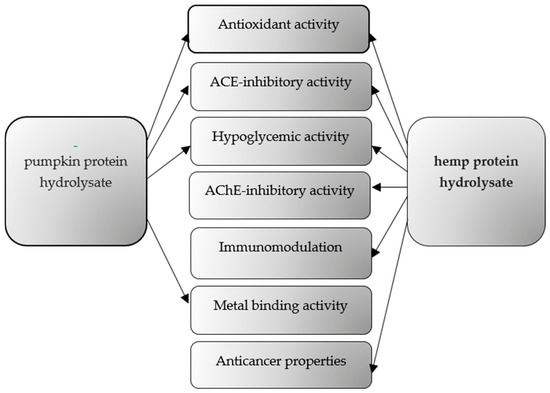
The use of non-traditional oilseeds for food purposes has increased significantly in recent years. Due to the high content of unsaturated fatty acids, the production of cold-pressed oils from pumpkin and hemp seeds is growing at a steady pace. This results in the accumulation of a by-product (oilseed press cake), from which high-quality proteins can be derived. Protein hydrolysates based on these raw materials offer further potential for valorization. This review summarizes classical and modern methods for obtaining protein isolates from pumpkin and industrial hemp oilseed cakes, as well as possible approaches for their modification to enhance their nutritional and functional properties. Furthermore, it provides an overview of the methods for producing protein hydrolysates rich in bioactive peptides. The presence of peptides with antioxidant, antihypertensive, or hypoglycemic properties makes hydrolysates a valuable source of nutraceutical components with potential applications in the development of functional foods or dietary supplements. However, most studies to date have been conducted using in vitro systems. Further research involving animal models or clinical observations is required to determine dosage regimens and applications of these hydrolysates. Regarding protein isolates, the challenges for their broader use in the food industry are related to increasing solubility, removing anti-nutritional factors, and improving techno-functional properties.
Full article

Figure 1
Open AccessArticle
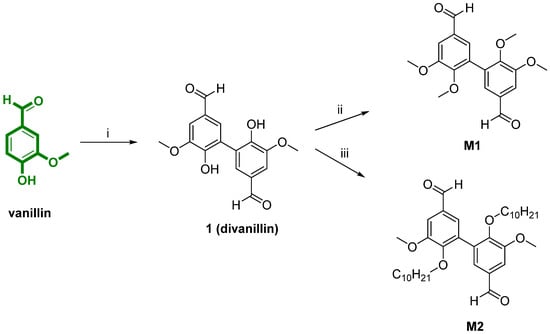
Divanillin as a Building Block for Sustainable Polymer Synthesis by Metal-Free Aldol Polycondensation
by
Josée Labrecque, William Dupont and David Gendron
AppliedChem 2026, 6(3), 56; https://doi.org/10.3390/appliedchem6030056 - 11 Aug 2026
Abstract
►▼
Show Figures
There is growing demand for biosourced functional polymers, particularly in organic electronics, which continue to rely heavily on petroleum-derived materials. In this regard, platform chemicals obtained from biomass offer sustainable alternatives. However, the development of biosourced polymers prepared by metal-free methods remains limited.
[...] Read more.
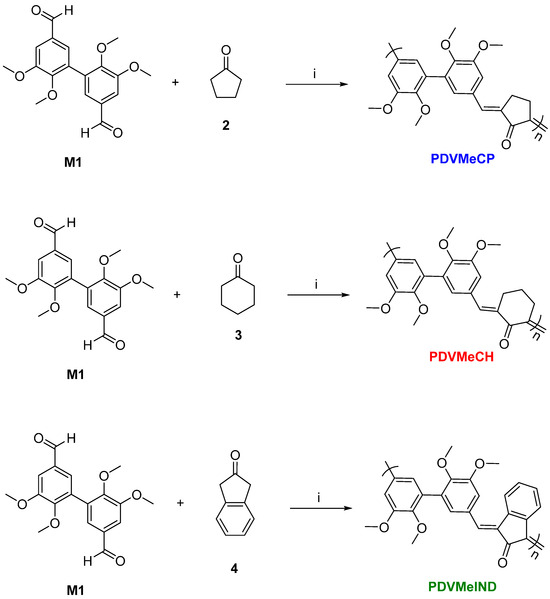
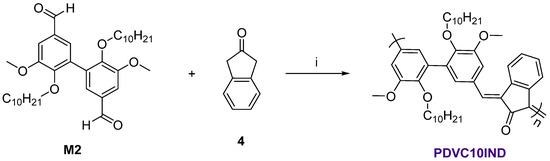
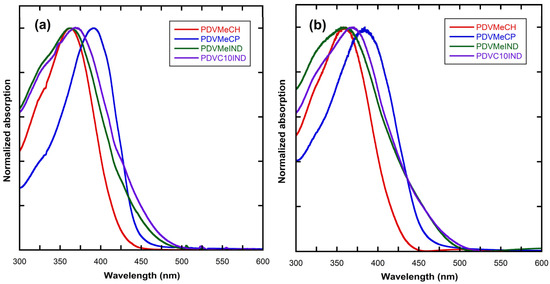
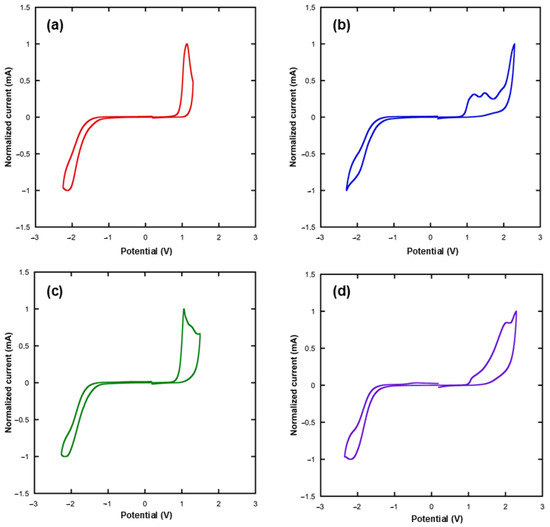
There is growing demand for biosourced functional polymers, particularly in organic electronics, which continue to rely heavily on petroleum-derived materials. In this regard, platform chemicals obtained from biomass offer sustainable alternatives. However, the development of biosourced polymers prepared by metal-free methods remains limited. In this context, lignin-derived divanillin is an attractive renewable unit that can be incorporated into polymer backbones. This work discusses the synthesis and characterization of a new family of biosourced divanillin-based polymers prepared through metal-free aldol polycondensation. Divanillin was obtained from biosourced vanillin and converted into two dialdehyde monomers bearing either methyl or decyl substituents. These monomers were polymerized via aldol polycondensation, affording the following polymers: PDVMeCP, PDVMeCH, PDVMeIND, and PDVC10IND. The influence of the cyclic ketone unit and side-chain structure on their thermal and optical properties was investigated. The polymers were soluble in common organic solvents and also showed solubility in greener solvents such as ethyl L-lactate and p-cymene. Optical and electrochemical analyses showed absorption maxima between 357 and 391 nm and electronic bandgaps from 1.84 to 2.14 eV. Overall, the results demonstrate that divanillin is a promising renewable building block for the metal-free synthesis of sustainable polymers.
Full article

Figure 1
Open AccessArticle
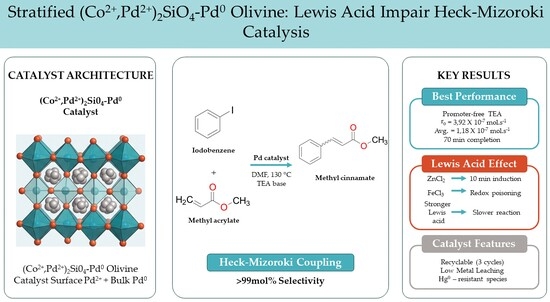
(Co2+,Pd2+)2SiO4Pd0 Olivine: Influence of Lewis Acids on Heterogeneous Heck–Mizoroki Catalysis
by
Zanele P. Vundla, Venkata D. B. C. Dasireddy and Holger B. Friedrich
AppliedChem 2026, 6(3), 55; https://doi.org/10.3390/appliedchem6030055 - 10 Aug 2026
Abstract
►▼
Show Figures
This study investigates the influence of Lewis acids on a novel stratified (Co2+,Pd2+)2SiO4-Pd0 olivine catalyst for the Heck–Mizoroki coupling of iodobenzene and methyl acrylate. Comprehensive characterization (ICP-OES, Raman, P-XRD, XPS) confirms the successful synthesis
[...] Read more.
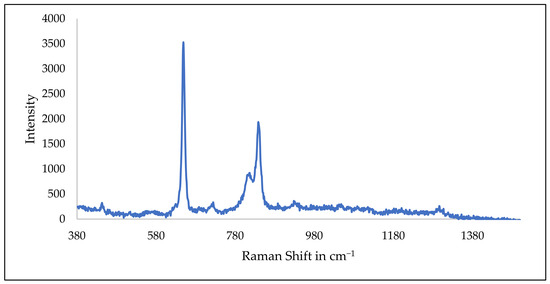
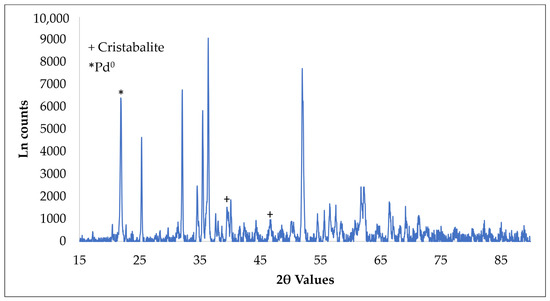
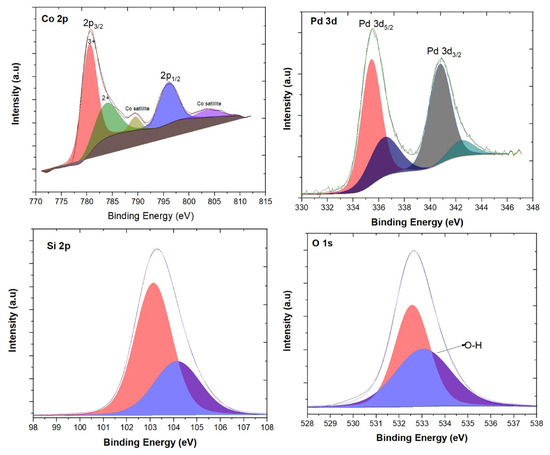
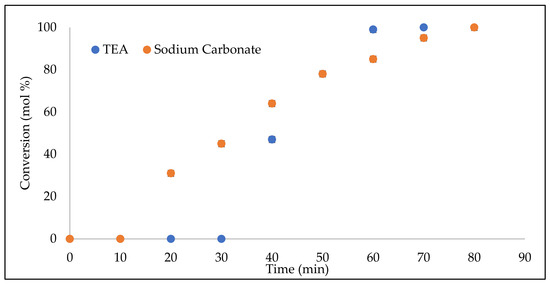
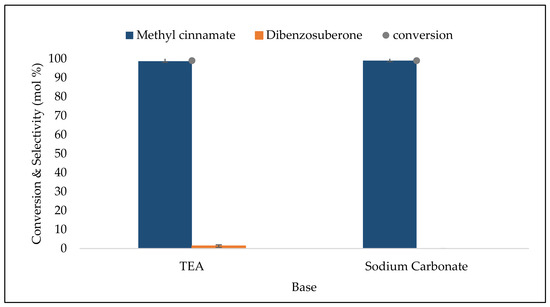
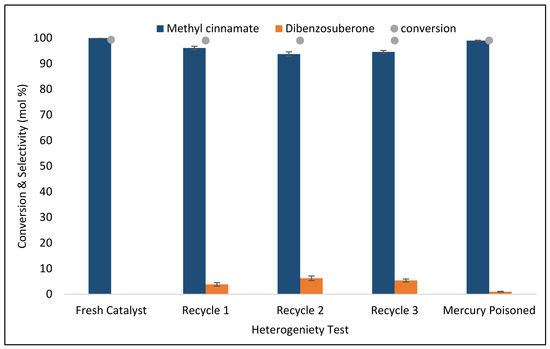
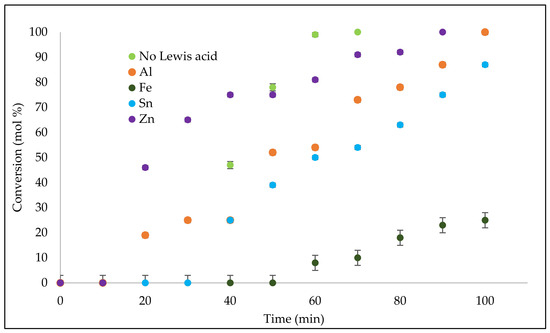
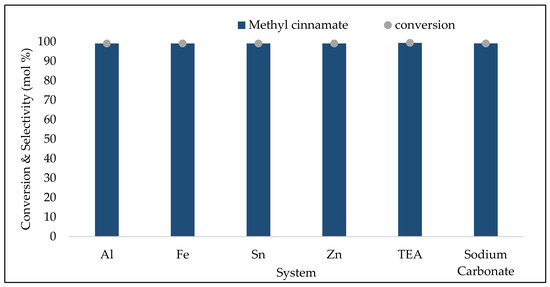
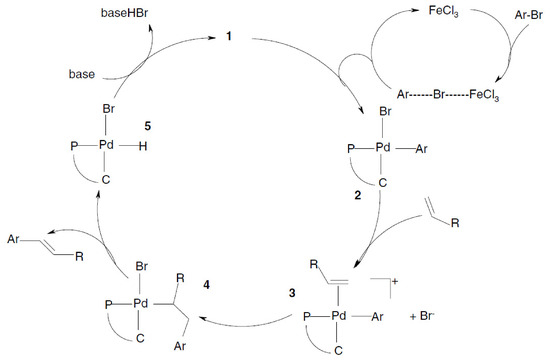
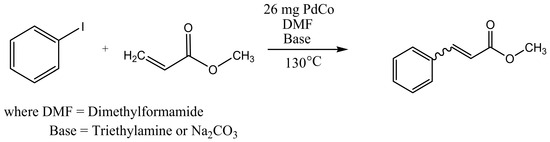
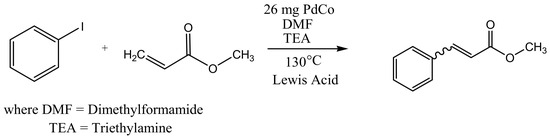
This study investigates the influence of Lewis acids on a novel stratified (Co2+,Pd2+)2SiO4-Pd0 olivine catalyst for the Heck–Mizoroki coupling of iodobenzene and methyl acrylate. Comprehensive characterization (ICP-OES, Raman, P-XRD, XPS) confirms the successful synthesis of a material with surface-incorporated Pd2+ and bulk Pd0 nanoparticles within a Co2SiO4 matrix. The promoter-free system with triethylamine base achieved the highest initial rate of 3.92 × 10⁻⁷ mol.s−1 with an average rate of 1.18 × 10⁻⁷ mol.s−1, despite a 30 min induction period. However, ZnCl2, the weakest acid, showed the most substrate activation and lowered the induction period to 10 min, while AlCl3 also reduced the induction period to 20 min. FeCl3 showed the poorest performance, attributed to redox-mediated site poisoning rather than hydrolysis. Selectivity over the catalyst was maintained at >99 mol% towards methyl cinnamate irrespective of the Lewis acid or base used. However, recycling of the catalyst led to a gradual decrease in selectivity toward methyl cinnamate from >99 mol% to ~94.6 mol% over three cycles, while conversion remained consistently high at >99 mol% across all cycles, indicating that the catalyst’s primary activity was largely preserved despite surface evolution toward side-product formation. Lewis acids were found to function primarily as surface modifiers and/or productive substrate activators, with stronger Lewis acids also targeting the olivine framework, as seen from the preferential leaching of Co relative to Pd.
Full article

Graphical abstract
Open AccessArticle
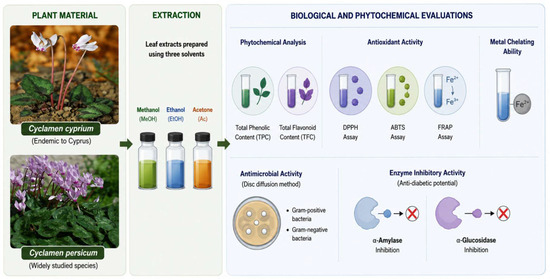
Cypriot Cyclamen spp.: Phytochemical Profiles, Evaluation of the Antioxidant, Antimicrobial Activities and α-Amylase, α-Glucosidase and Acetylcholinesterase Inhibitory Effects
by
Anna Petrou, Maria Bei, Maria Papandreou, Ioanna Ioannidou, Eleni Kassi, Marios Andreou, George Albert Karikas and Despina Charalambous
AppliedChem 2026, 6(3), 54; https://doi.org/10.3390/appliedchem6030054 - 6 Aug 2026
Abstract
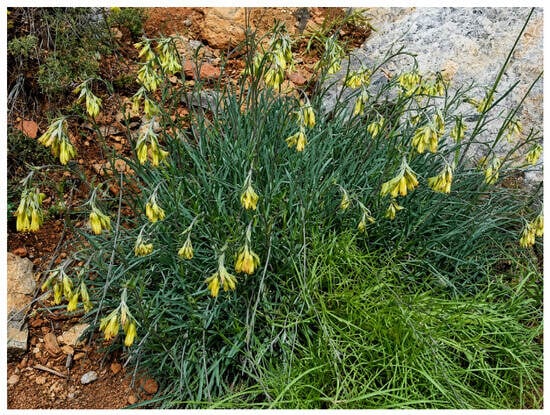
Cyclamen cyprium Kotschy, an endemic species of Cyprus, remains largely unexplored in terms of its chemical content and biological activity, despite the well-documented effects of other Cyclamen spp. This study aimed to characterize the phytochemical composition and biological activities of leaf extracts from
[...] Read more.
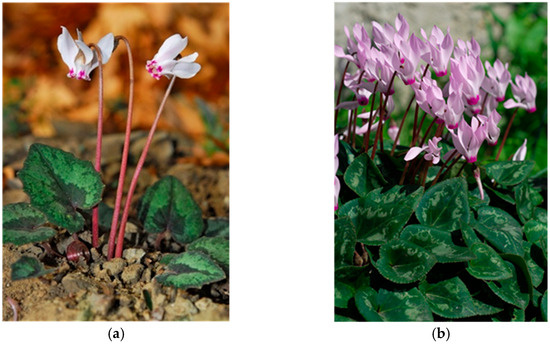
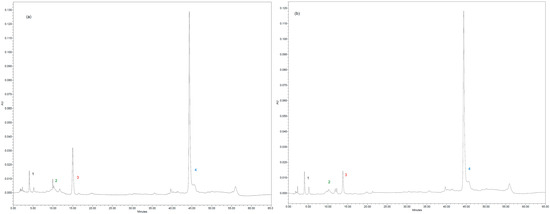
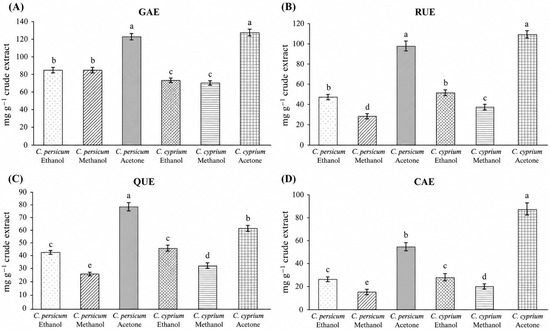
Cyclamen cyprium Kotschy, an endemic species of Cyprus, remains largely unexplored in terms of its chemical content and biological activity, despite the well-documented effects of other Cyclamen spp. This study aimed to characterize the phytochemical composition and biological activities of leaf extracts from the endemic C. cyprium and to compare them with those of Cyclamen persicum, the most extensively investigated species within the genus, in order to evaluate interspecific variation in phytochemical composition and bioactivity. Plant extracts prepared with methanol, ethanol, and acetone were assessed for total phenolic and flavonoid content. Their antioxidant activity (DPPH, ABTS, and FRAP assays), metal chelating ability, antimicrobial activity, and possible inhibitory effect related to α-amylase, α-glucosidase and acetylcholinesterase were also evaluated. The results demonstrated that solvent type significantly influenced extraction efficiency, with acetone yielding the highest phenolic (127.88 mg gallic acid/g) and flavonoid (110.42 mg rutin/g) content, while methanol extracts exhibited the strongest antioxidant activity (IC50 = 30.18 μg/mL). Overall, C. persicum showed greater antioxidant capacity compared to C. cyprium, although both species demonstrated moderate antimicrobial activity (MIC = 0.31 mg/mL) and enzyme inhibitory activities (IC50 values ranging from 14.07 to 39.64 μg/mL). Present findings highlight the presence of bioactive compounds (such as gallic acid, caffeic acid, rutin, and quercetin) in C. cyprium, supporting their potential as a natural source of antioxidant and pharmacologically relevant agents. Studying both C. cyprium and C. persicum thus provides essential comparative context, revealing species-specific bioactivities and supporting the broader pharmaceutical relevance of the genus.
Full article
(This article belongs to the Special Issue Research on Extraction and Application of Natural Extracts)
►▼
Show Figures

Graphical abstract
Open AccessArticle
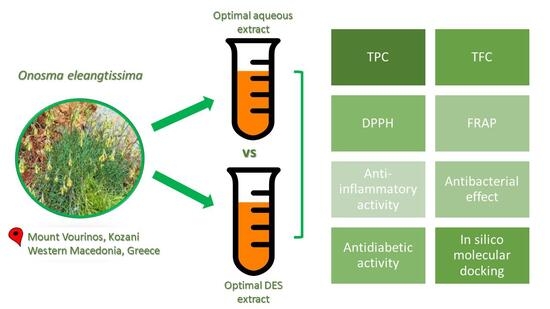
Green Chemistry-Based Extraction and Process Optimization of Onosma elegantissima: Exploring Its Bioactive Compounds and Pharmacological Potential
by
Aikaterina Vantsioti, Vassilis Athanasiadis, Georgios Papamokos, Stavros I. Lalas and Paraskevi Mitlianga
AppliedChem 2026, 6(3), 53; https://doi.org/10.3390/appliedchem6030053 - 4 Aug 2026
Abstract
Onosma elegantissima is an endemic and understudied plant of the Kozani Regional Unit (Greece), with poorly established traditional use. However, the well-documented pharmacological potential of the genus has prompted further investigation. Furthermore, green solvent-based extraction procedures have gained emerging scientific interest due to
[...] Read more.
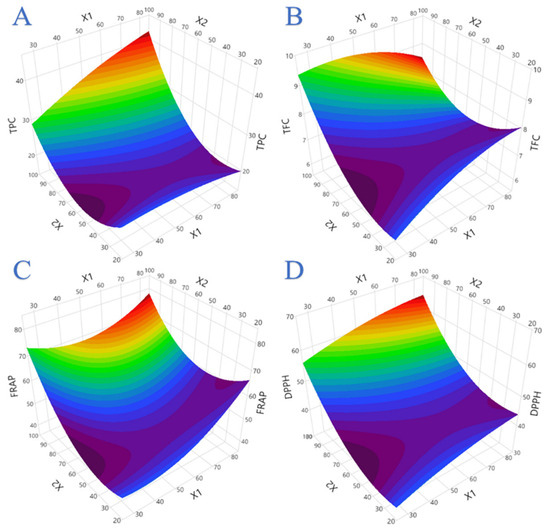
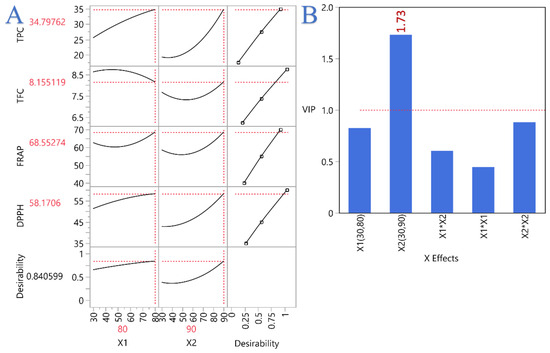
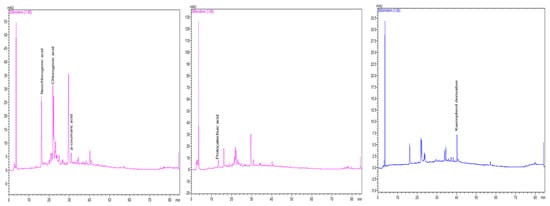
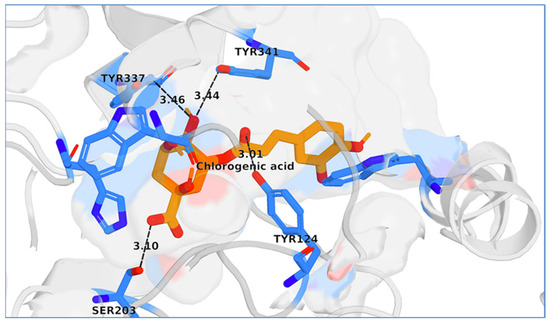
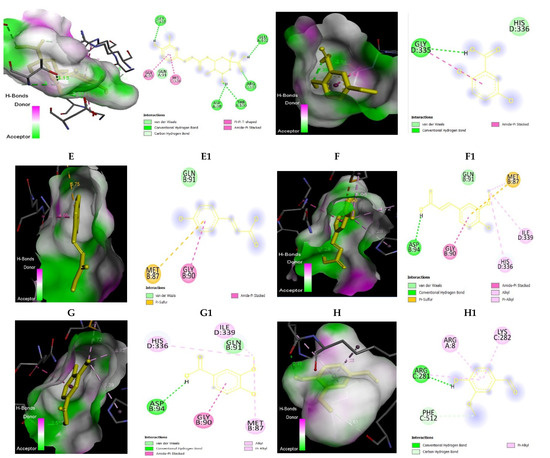
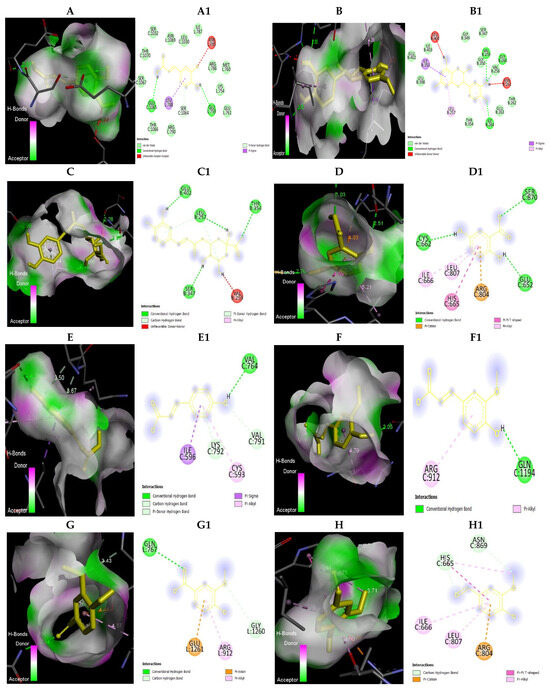
Onosma elegantissima is an endemic and understudied plant of the Kozani Regional Unit (Greece), with poorly established traditional use. However, the well-documented pharmacological potential of the genus has prompted further investigation. Furthermore, green solvent-based extraction procedures have gained emerging scientific interest due to their high efficiency/selectivity and environmentally friendly approach. Therefore, our study aimed to establish the optimal extraction protocol to obtain extracts with high therapeutic value using two green solvent-based techniques: hydrothermal and deep eutectic solvent (DES) extraction. Our results demonstrate that hydrothermal extraction for 90 min at 80 °C yielded extracts exhibiting total phenolic content (35.19 mg GAE/g dw), approximately threefold higher compared to DES extracts (10.03 mg GAE/g dw), and significantly higher antioxidant capacity. The flavonoid concentration (8.39 mg RE eq/g) measured was at the same level for both types of extracts (7.34 mg RE eq/g). The DES extract showed slightly higher anti-inflammatory potential, though. Additional assays were performed to evaluate antimicrobial activity and in vitro antidiabetic capacity. The bioactive compounds of optimized extracts were identified by HPLC, revealing that the most dominant compound recovered was chlorogenic acid in the DES extract and neochlorogenic acid in the hydrothermal extract. To complement the phytochemical analysis, molecular docking was used as a reproducible, hypothesis-generating screen to prioritize future enzyme inhibition assays for HPLC-detected phenolic constituents and literature-related comparators; docking was not used as evidence of biological activity. Conclusively, Onosma elegantissima’s first biological study revealed significant antioxidant activity.
Full article
(This article belongs to the Special Issue Research on Extraction and Application of Natural Extracts)
►▼
Show Figures

Graphical abstract
Open AccessArticle
Valorisation of Agri-Food Residues: Comparative Analysis of Phenolic Composition, Antioxidant Activity and Extraction Methods
by
Vanessa Carvalho, Catarina Rodrigues, Marta Mota, Ana M. Fernandes, Helena Vilaça and Carla J. Silva
AppliedChem 2026, 6(3), 52; https://doi.org/10.3390/appliedchem6030052 - 2 Aug 2026
Abstract
►▼
Show Figures
Phenolic compounds are recognized for their antioxidant properties and potential application in sustainable functional materials. In this study, the phenolic composition and antioxidant activity of four agro-industrial residues—rice husk, spent hops, and oregano and thyme stems—were evaluated to examine the influence of the
[...] Read more.
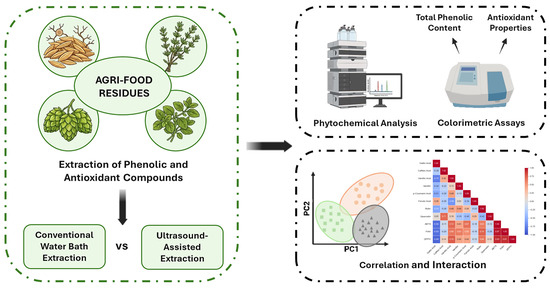
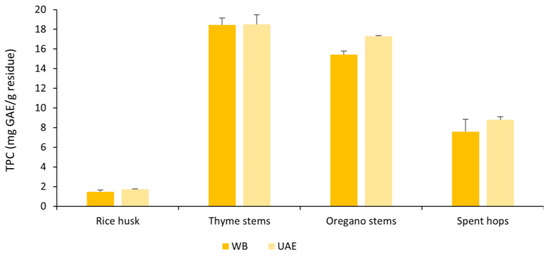
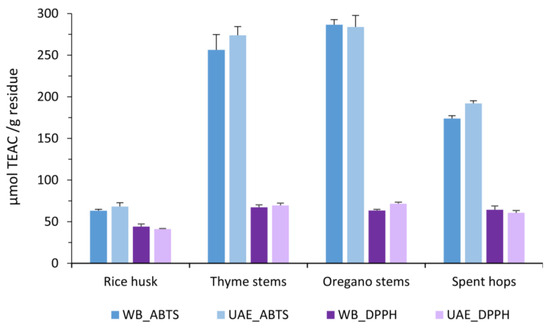
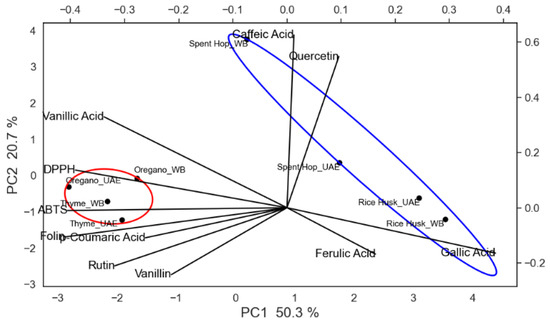
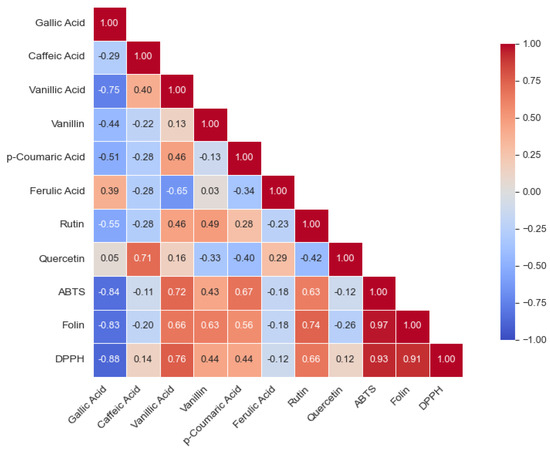
Phenolic compounds are recognized for their antioxidant properties and potential application in sustainable functional materials. In this study, the phenolic composition and antioxidant activity of four agro-industrial residues—rice husk, spent hops, and oregano and thyme stems—were evaluated to examine the influence of the extraction method and plant matrix on bioactive compound recovery. Extracts obtained by ultrasound-assisted extraction (UAE) and conventional water bath (WB) extraction were characterized using spectrophotometric assays for total phenolic content (TPC) and antioxidant activity (DPPH and ABTS), as well as HPLC analysis for phenolic profiling. Oregano and thyme stem extracts exhibited the highest phenolic content and antioxidant activity, whereas rice husk extracts showed the lowest concentrations of detectable phenolics. Hydroxycinnamic acids, particularly p-coumaric and ferulic acids, predominated across the studied matrices. Multivariate analysis indicated that matrix composition had a greater influence on phenolic profile and antioxidant behaviour than extraction method, with UAE providing comparable results to those obtained by WB extraction while requiring a substantially shorter extraction time. Pearson correlation analysis further suggested that antioxidant activity results from the combined interaction of multiple phenolic compounds rather than isolated constituents. Overall, these residues show potential as sustainable sources of phenolic-rich extracts for functional material applications.
Full article

Graphical abstract
Open AccessArticle
Chitosan-Stabilized Silver Nanoparticles for Antimicrobial Polyester Finishing by Exhaustion Dyeing: A Critical Assessment of Synthesis-to-Textile Transferability
by
Lucas Henrique Pimentel, Ana Claudia Pedrozo da Silva, André Luiz Tessaro, Fabio Alexandre Pereira Scacchetti and Rafael Block Samulewski
AppliedChem 2026, 6(3), 51; https://doi.org/10.3390/appliedchem6030051 - 1 Aug 2026
Abstract
►▼
Show Figures
Chitosan-stabilized silver nanoparticles are promising antimicrobial agents for textile finishing, but their direct transfer from colloidal synthesis to polyester fabrics is limited by nanoparticle deposition, dispersion stability, and fiber–particle interactions. This study evaluated three reported chitosan-assisted silver nanoparticle routes for antimicrobial polyester finishing
[...] Read more.
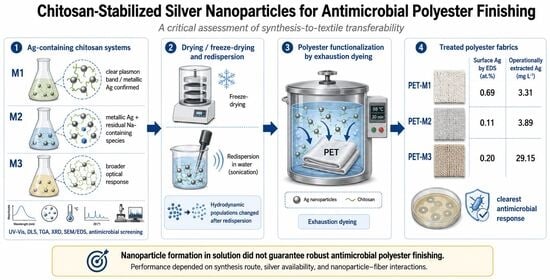
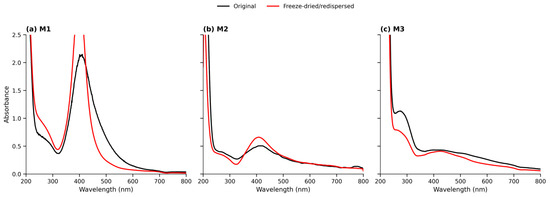
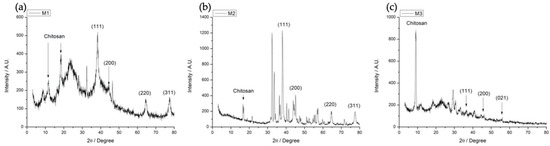
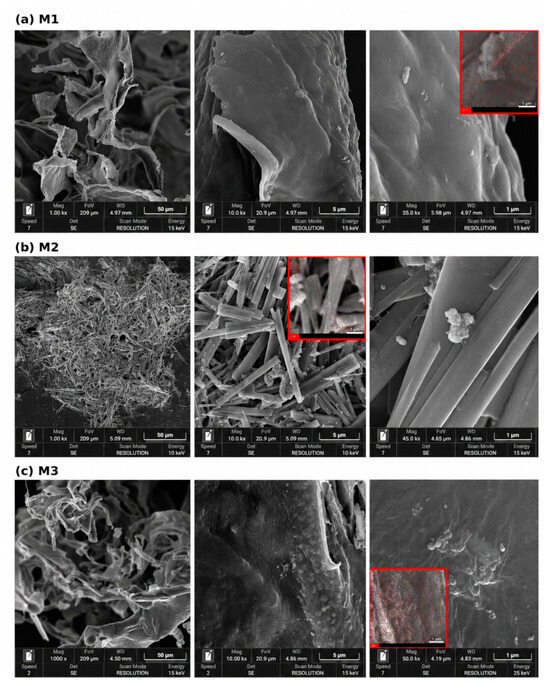
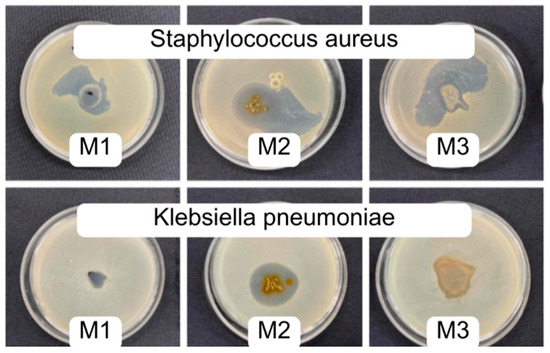
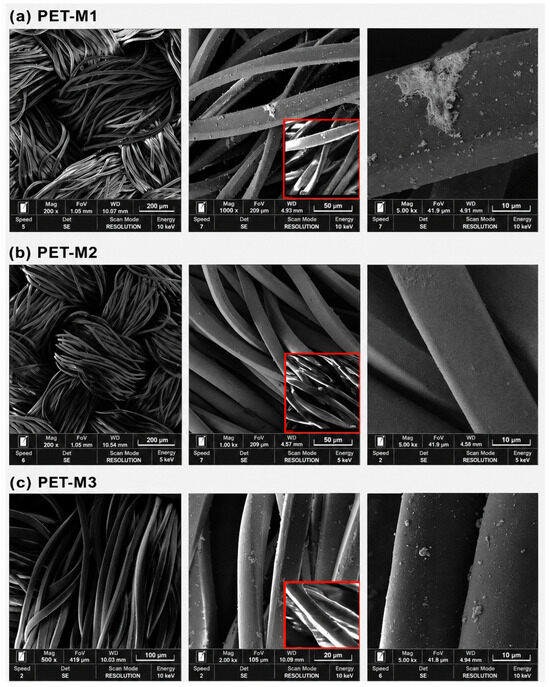
Chitosan-stabilized silver nanoparticles are promising antimicrobial agents for textile finishing, but their direct transfer from colloidal synthesis to polyester fabrics is limited by nanoparticle deposition, dispersion stability, and fiber–particle interactions. This study evaluated three reported chitosan-assisted silver nanoparticle routes for antimicrobial polyester finishing by exhaustion dyeing. The Ag-containing systems were characterized by UV-Vis spectroscopy, dynamic light scattering, thermogravimetric analysis, X-ray diffraction, scanning electron microscopy coupled with energy-dispersive spectroscopy, atomic absorption spectroscopy, and qualitative antimicrobial assays. The NaBH4-assisted route showed the most defined plasmonic band, with λmax at 408 nm before freeze-drying and 400 nm after redispersion. DLS indicated large apparent hydrodynamic diameters before freeze-drying, which shifted from 439.8, 357.2, and 653.5 nm to 28.7, 29.8, and 38.1 nm after drying/freeze-drying and redispersion for M1, M2, and M3, respectively. XRD confirmed metallic silver mainly in M1 and M2, while SEM/EDS revealed low silver incorporation on polyester fabrics, with 0.69, 0.11, and 0.20 at.% Ag. PET-M3 showed the clearest antimicrobial inhibition and the highest operationally extracted silver. These results indicate that effective antimicrobial polyester finishing requires improved purification, dispersion control, quantitative antimicrobial validation, and nanoparticle–fiber anchoring.
Full article

Graphical abstract
Open AccessArticle
Dual Bioactivity of Curcuminoid Extract from Curcuma longa: Acaricidal Efficacy Against Dust Mites and Anti-Inflammatory Potential in Immune and Skin Cells
by
Navodya S. Kumarasinghe, Amal D. Premarathna, Rando Tuvikene, Nayana Gunathilaka and Medha J. Gunaratna
AppliedChem 2026, 6(3), 50; https://doi.org/10.3390/appliedchem6030050 - 1 Aug 2026
Abstract
House dust mites (HDMs) are major indoor allergens linked to asthma and atopic dermatitis, creating demand for safer, natural alternatives to synthetic acaricides and anti-allergy agents. This study aimed to investigate the dual bioactivity of curcuminoid extract from Curcuma longa to address HDM
[...] Read more.
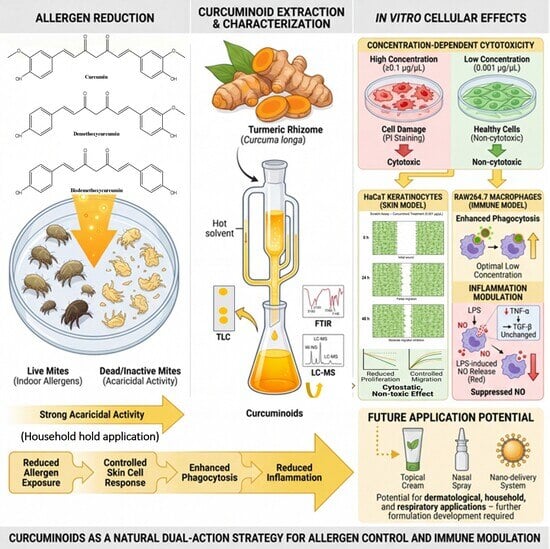
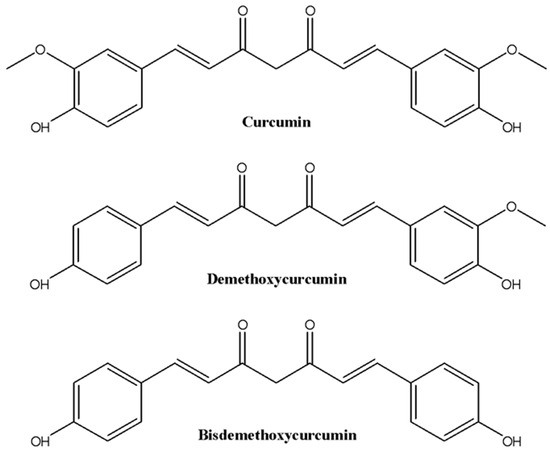
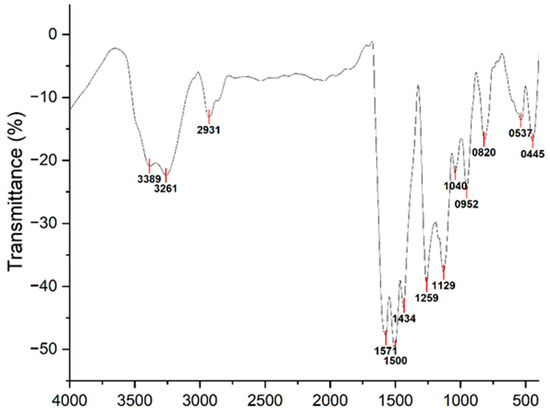
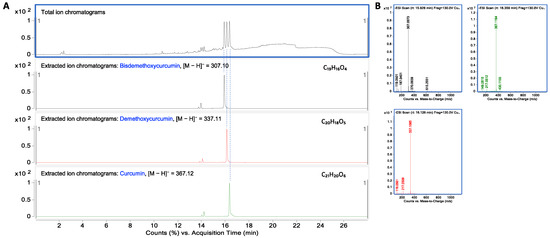
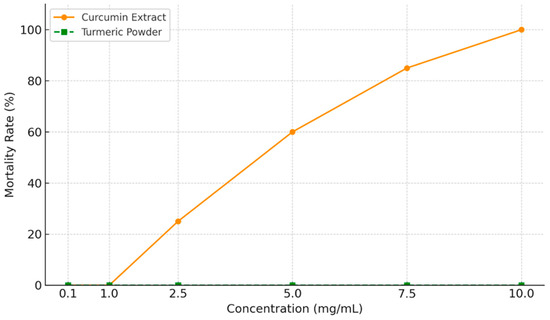
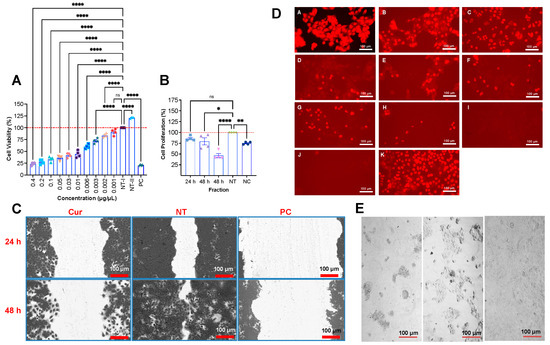
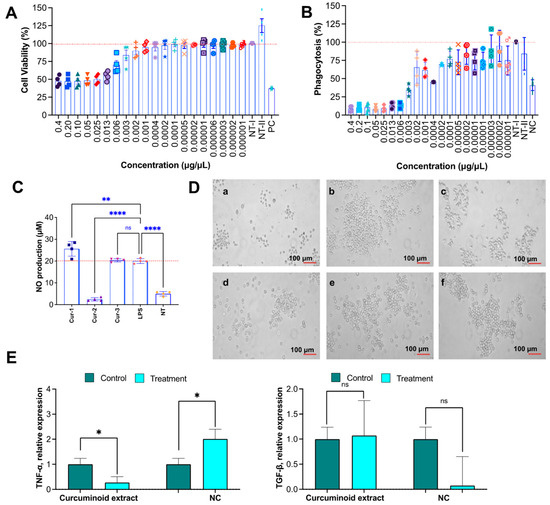
House dust mites (HDMs) are major indoor allergens linked to asthma and atopic dermatitis, creating demand for safer, natural alternatives to synthetic acaricides and anti-allergy agents. This study aimed to investigate the dual bioactivity of curcuminoid extract from Curcuma longa to address HDM allergy through two distinct but complementary scopes: an environmental approach evaluating direct acaricidal efficacy to reduce allergen exposure and a cellular approach investigating the anti-inflammatory potential to mitigate the host’s underlying immune response. Curcuminoids were extracted using Soxhlet extraction with 70% ethanol and characterized via TLC, FTIR-ATR, and LC-MS. Acaricidal activity against HDMs was evaluated using extract-impregnated filter papers (0.1–10 mg/mL) over 24 h. Cytotoxicity and anti-inflammatory effects were assessed in HaCaT keratinocytes and RAW264.7 macrophages through cell viability, migration, phagocytic activity, nitric oxide (NO) inhibition, and gene expression assays. The curcuminoid extract demonstrated potent, dose-dependent acaricidal activity against HDM, achieving 100% mortality at 10 mg/mL within 24 h. A safe sub-cytotoxic concentration (≤0.001 µg/µL) preserved HaCaT cell migration and metabolic activity. In LPS-stimulated RAW264.7 cells, curcuminoids significantly reduced inflammatory NO production (p < 0.01) while enhancing phagocytic activity. Overall, these findings highlight curcuminoids as a sustainable natural strategy for reducing HDM exposure and mitigating allergic inflammation.
Full article
(This article belongs to the Special Issue Research on Extraction and Application of Natural Extracts)
►▼
Show Figures

Graphical abstract
Open AccessArticle
An Investigation into How Seed Slurry Preparation Affects the Final Crystal Size Distribution
by
Alexander Riddell, Qi Feng Chan, Yu Ng Chen and Xiongwei Ni
AppliedChem 2026, 6(3), 49; https://doi.org/10.3390/appliedchem6030049 - 28 Jul 2026
Abstract
►▼
Show Figures
For continuous crystallization of pharmaceutical and organic chemical compounds in a plug flow crystallizer, seed slurry, prepared in advance, is continuously fed into the crystallizer for controlled secondary nucleation and subsequently desired crystal properties. It is well known that the preparation of macro
[...] Read more.
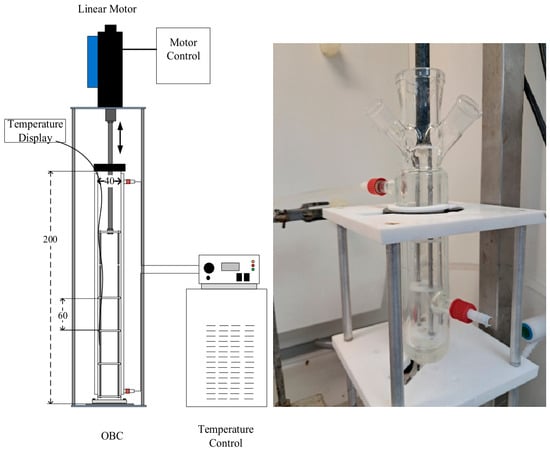
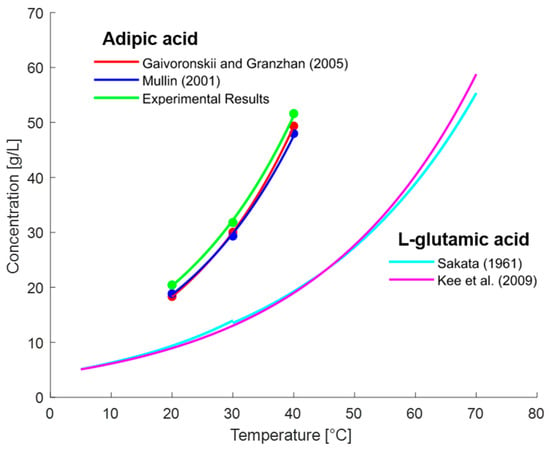
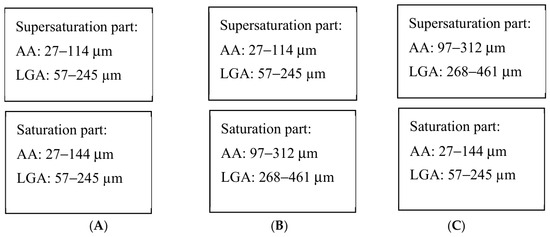
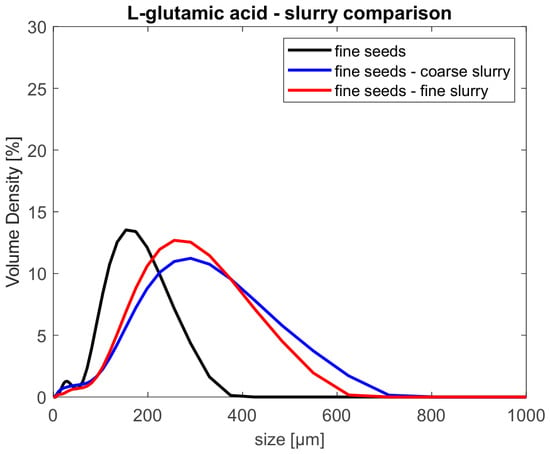
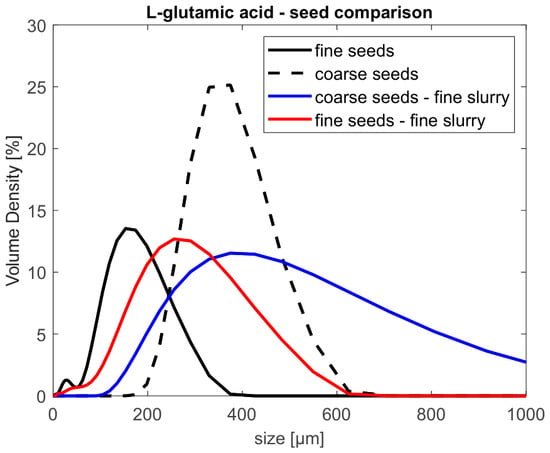
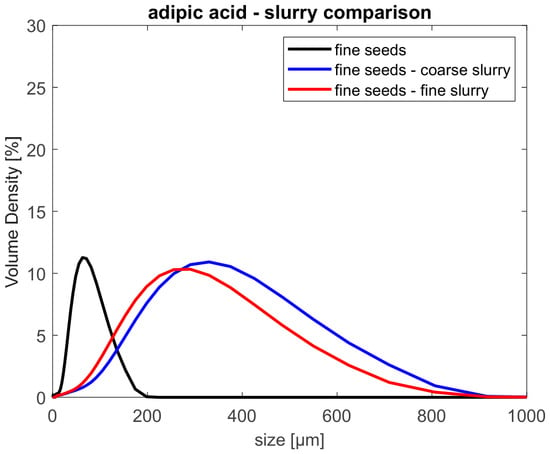
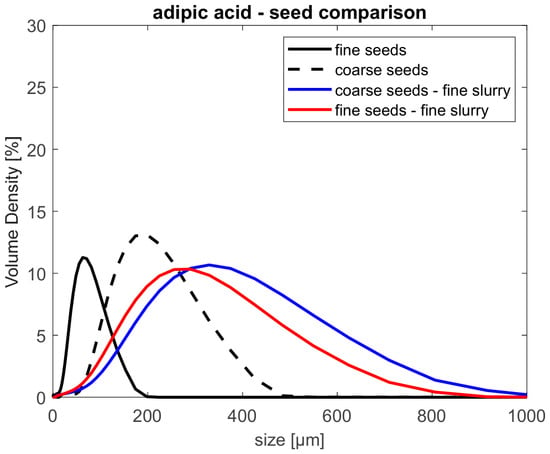
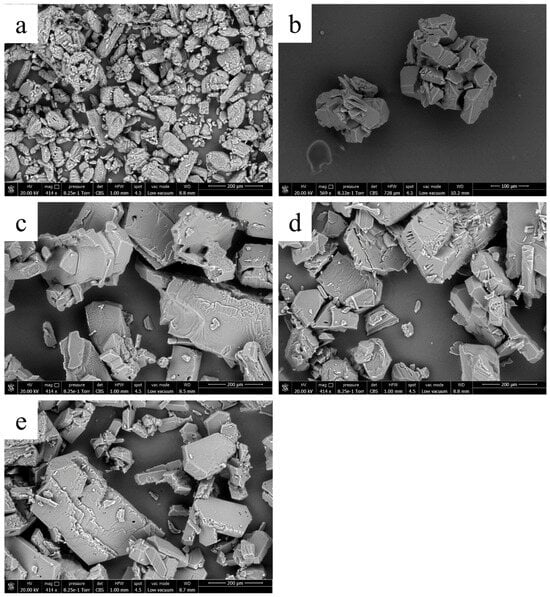
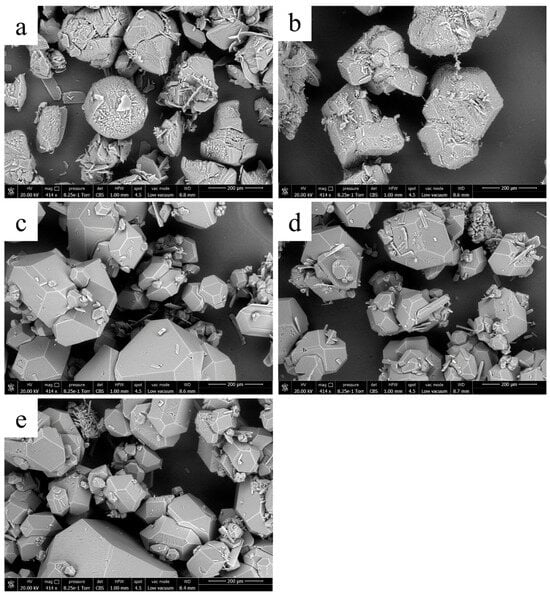
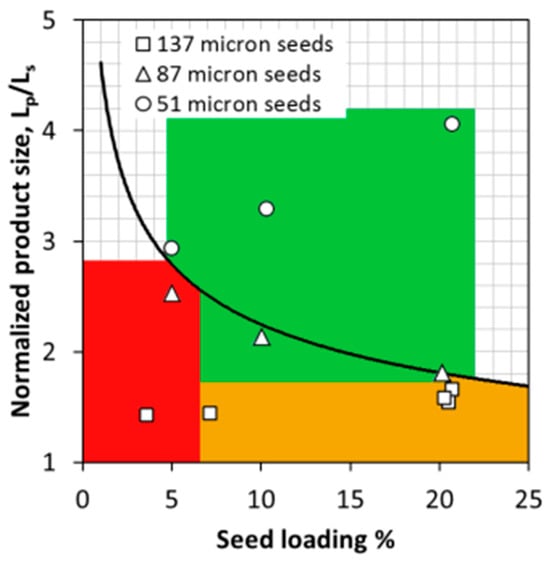
For continuous crystallization of pharmaceutical and organic chemical compounds in a plug flow crystallizer, seed slurry, prepared in advance, is continuously fed into the crystallizer for controlled secondary nucleation and subsequently desired crystal properties. It is well known that the preparation of macro seed crystals using either the dry or wet method is a highly time-, energy- and material-intensive process, often taking many hours to prepare a 1 L seed slurry. The focus of this work is to examine whether how the seed slurry is made up could have any effect on the final crystal properties. We divide the seed slurry into two parts: the “saturation part” corresponds to the amount of solute required to establish solid–liquid equilibrium and is fully dissolved, and the “supersaturation part” involves a small amount of solid seed crystals in excess of the equilibrium saturation condition. The hypothesis states that if dissolved seed crystals have lost their surface properties (such as size, morphology, interfacial effects), the final crystal size distributions would then inherit that of the solid seed crystals. If this is true, this would provide a great and efficient shortcut for the lengthy and energy-intensive process of making up seed slurries, as product crystals from a previous batch of any size distribution could be used for the make-up of the saturation part of the seed slurry. Using adipic acid and L-glutamic acid with high and low solubilities, the hypothesis has been validated experimentally under batch conditions.
Full article

Figure 1
Open AccessArticle
Metabolochemical Recovery Landscapes in Human Exercise: A Public LC-MS Reanalysis of Race-Walking and Endurance Exercise Datasets
by
Ekaitz Dudagoitia Barrio, Francisca Villanueva-Flores and Igor Garcia-Atutxa
AppliedChem 2026, 6(3), 48; https://doi.org/10.3390/appliedchem6030048 - 17 Jul 2026
Abstract
►▼
Show Figures
Exercise induces rapid systemic metabolic perturbations, but the chemical organization of post-exercise recovery remains incompletely resolved across public LC-MS datasets. Here, we performed a public-data reanalysis of human exercise metabolomics to determine whether named metabolites can be organized into chemically interpretable recovery landscapes.
[...] Read more.
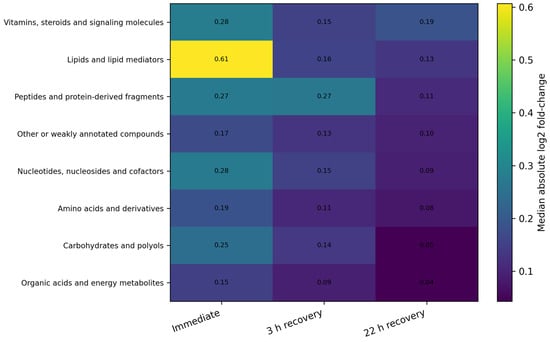
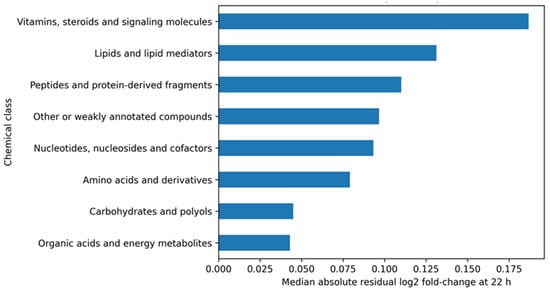
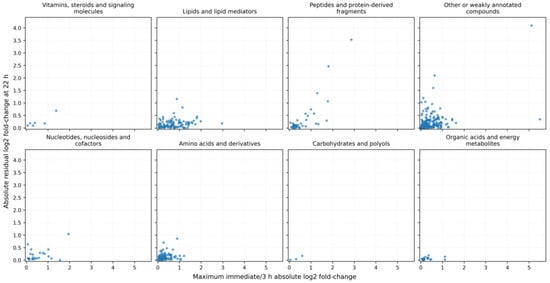
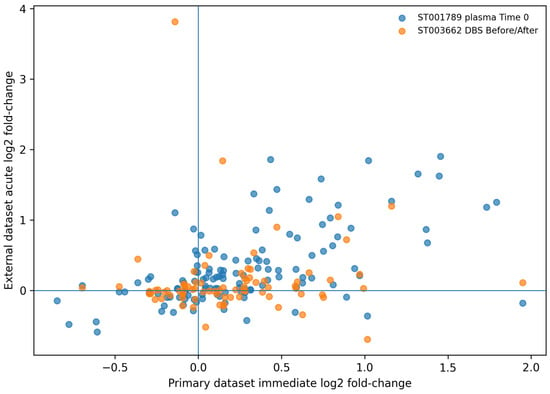
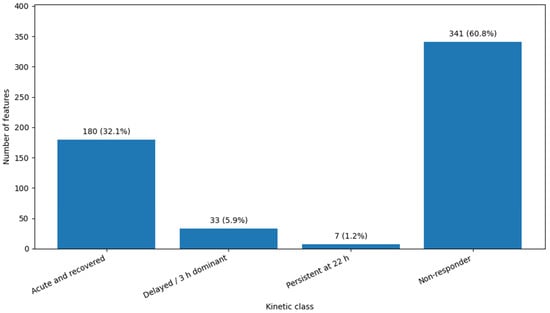
Exercise induces rapid systemic metabolic perturbations, but the chemical organization of post-exercise recovery remains incompletely resolved across public LC-MS datasets. Here, we performed a public-data reanalysis of human exercise metabolomics to determine whether named metabolites can be organized into chemically interpretable recovery landscapes. The primary dataset was the Metabolomics Workbench race-walking study ST003348/PR002083, which includes serum LC-MS profiles from race-walking athletes sampled at rest, immediately after exercise, and after 3 h and 22 h of recovery. Two independent public exercise datasets, ST003662/PR002271 and ST001789/PR001133, were used to externally validate the direction of change. Named features were deduplicated by RefMet identity, log2 fold-changes were estimated with paired subject-level contrasts, and false-discovery-rate correction was applied within each time point. We assigned rule-based chemical classes and summarized residual 22 h displacement as the median absolute paired log2 fold-change within each chemical class. This quantity was used only as a transparent descriptive aggregation of the observed 22 h contrasts, not as an independent, validated, or outcome-linked recovery index. In the primary dataset, 561 deduplicated features were retained from 19 subjects with a complete time point structure. Immediate post-exercise perturbation was detected in 188 features, whereas only seven features remained significantly displaced at 22 h. Lipids and lipid mediators showed the largest immediate chemical-class perturbation, while vitamins/steroids/signaling molecules and lipids had the highest class-level residual 22 h displacement—kinetic classification identified 180 acute-and-recovered features, 33 delayed/3 h-dominant features, and seven persistent features. External validation was strongest in the independent plasma running dataset ST001789, where primary acute responders showed 90.7% sign concordance at Time 0 and 75.9% at 60 min. By contrast, the DBS/VAMS dataset ST003662 showed weak and non-significant direction-of-change concordance, indicating limited transportability to that matrix/protocol. Overall, this study does not claim discovery of new exercise metabolites or pathways; it provides a reproducible applied chemistry framework for describing exercise recovery as a structured metabolochemical process rather than a purely physiological endpoint.
Full article

Figure 1

Open AccessArticle
In Vitro Antioxidant Activity and In Silico Molecular Docking Analysis of Phenolic Compounds Identified in Peels from Algerian Potato Varieties
by
Tassadit Sahki, Fatiha Brahmi, Rachida Amokrane-Aidat, Ilyas Yildiz, Fatima Djenad, Yasmine Achat, Lila Boulekbache-Makhlouf and Inmaculada Mateos-Aparicio
AppliedChem 2026, 6(3), 47; https://doi.org/10.3390/appliedchem6030047 - 9 Jul 2026
Abstract
This investigation assessed the phenolic composition, and the in vitro and in silico antioxidant potential of peels from six potato varieties (Arizona, Spunta, Fabula, Manito, Argos, and Touareg) cultivated in Algeria. 80% ethanol was applied to macerate potato peels, and standard procedures were
[...] Read more.
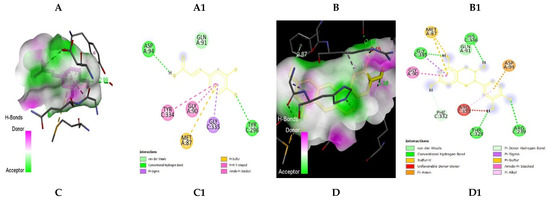
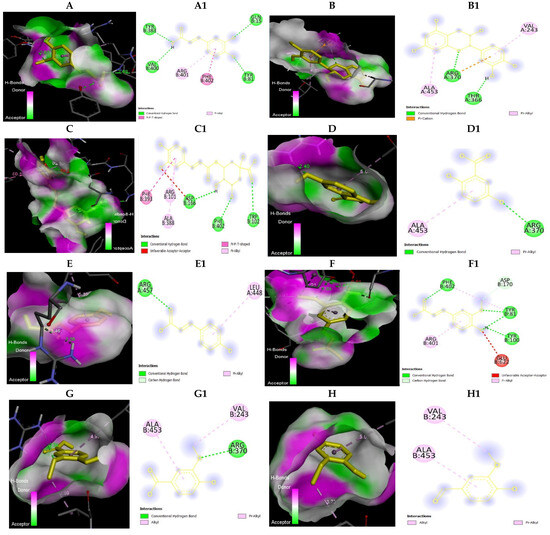
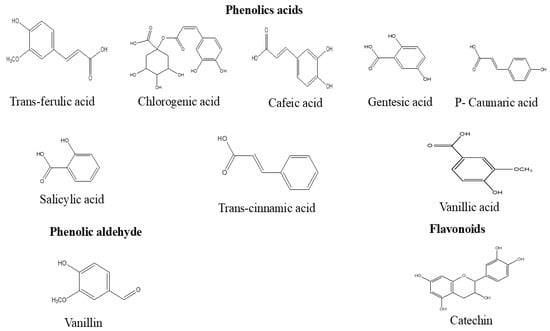
This investigation assessed the phenolic composition, and the in vitro and in silico antioxidant potential of peels from six potato varieties (Arizona, Spunta, Fabula, Manito, Argos, and Touareg) cultivated in Algeria. 80% ethanol was applied to macerate potato peels, and standard procedures were followed for phytochemical analyses. The in vitro antioxidant capacity was evaluated by the scavenging methods of DPPH (1,1-diphenyl-2-picrylhydrazil) and ABTS ((2,2′-azino-bis (3-ethylbenzothiazoline-6-sulfonic acid)) radicals. AutoDock Vina was employed to perform molecular docking analyses. LC–MS/MS analyses revealed significant variability in phenolic compounds among the varieties, with chlorogenic acid being the predominant compound, reaching the highest concentration in Touareg peels (51.28 µg/g). The Manito variety exhibited the highest total phenolic and flavonoids contents of 643.53 ± 2.59 mg GAE/100 g DW and 144.42 ± 2.40 mg QE/100 g DW, respectively and the strongest ABTS radical scavenging activity (IC50 = 473.81 ± 1.35 µg/mL). Molecular docking analysis suggested potential interactions of catechin and chlorogenic acid with oxidative stress-related enzymes namely myeloperoxidase, xanthine oxidase, and 5-lipoxygenase, providing complementary insights into their possible biological relevance. The integration of in vitro and in silico results demonstrates that the Manito variety is the most promising candidate for the sustainable valorization of potato peels as a natural source of antioxidants.
Full article
(This article belongs to the Special Issue Analytical Chemistry: Fundamentals, Current and Future Applications)
►▼
Show Figures

Figure 1
Open AccessArticle
Green Extraction of Chitin from Deep-Water Red Shrimp (Aristeus antennatus) By-Products via Lactic Acid or Non-Lactic Acid Fermentation, Recovery Optimization, and Chitin Conversion into Chitosan to Produce Chitosan-Based Biofilms
by
Giovanna Ficano, Ilaria Maria Cigognini, Elena Peluso, Chiara Zurlini and Domenico Cacace
AppliedChem 2026, 6(3), 46; https://doi.org/10.3390/appliedchem6030046 - 7 Jul 2026
Abstract
►▼
Show Figures
The increasing demand for seafood over the years has led to an increase in by-products produced by the seafood processing sector. These by-products, which can represent up to 70% of processed products, are rich in nutrients and bioactive compounds, allowing them to be
[...] Read more.
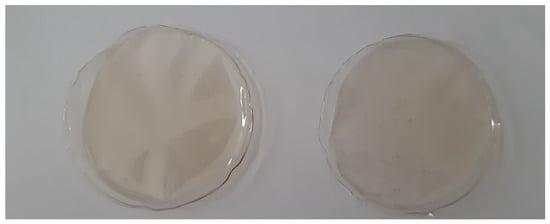
The increasing demand for seafood over the years has led to an increase in by-products produced by the seafood processing sector. These by-products, which can represent up to 70% of processed products, are rich in nutrients and bioactive compounds, allowing them to be used in several sectors, such as food, packaging, cosmetics and pharmaceutics, provided that recovery occurs in an eco-friendly manner. In the present work, two lactic acid bacteria (Lactobacillus lactis and L. brevis) and the yeast Yarrowia lipolytica, which are organisms capable of producing organic acids and proteases during the fermentation process, were used separately to extract chitin from deep-water shrimp (Aristeus antennatus) by-products. The results showed that L. lactis was the most effective microorganism in removing both the mineral and protein fractions; therefore, it was chosen to optimize the chitin extraction technique, after which chitin was eventually converted into chitosan. The obtained chitosan showed a deacetylation degree (DDA%) of 82%, indicating good film-forming capacity. The developed biological technique allowed the valorization of shrimp by-products by recovering chitin and eventually chitosan, allowing us to produce biofilms that could help prolong seafood shelf life and, from a circular economy point of view, contributing further to promoting the sustainability of the production sector.
Full article

Figure 1
Highly Accessed Articles
Latest Books
E-Mail Alert
News
Topics
Topic in
AppliedChem, Catalysts, Chemistry, Clean Technol., Water
Multifunctional Water Valorization: From Strategies to Mechanisms
Topic Editors: Haiying Jiang, Ying ZhangDeadline: 31 January 2027
Topic in
Analytica, AppliedChem, Biosensors, Chemosensors, Electrochem, Sensors
Electrochemical Analysis/Electrochemical Sensors in Bioanalytical Applications and Environmental Monitoring
Topic Editors: Stella Girousi, Rigini M. Papi, Pavlos TziourrouDeadline: 31 March 2027
Topic in
IJMS, Pharmaceuticals, Foods, Antioxidants, AppliedChem
From Food to Medicine: Applications of Natural Bioactive Compounds
Topic Editors: Long Yu, Fan HeDeadline: 31 May 2027
Topic in
Catalysts, Materials, Molecules, Nanomaterials, Photochem, Applied Nano, AppliedChem
Fabrication of Hybrid Materials for Catalysis, 2nd Edition
Topic Editors: Michael Arkas, Jerry J. Wu, Dimitrios GiannakoudakisDeadline: 30 June 2027
Special Issues
Special Issue in
AppliedChem
Analytical Chemistry: Fundamentals, Current and Future Applications
Guest Editor: Antony C. CalokerinosDeadline: 20 September 2026
Special Issue in
AppliedChem
Adsorbents: Characterization and Applications
Guest Editors: Ramonna I. Kosheleva, Stéphan Barbe, Margaritis KostoglouDeadline: 10 October 2026
Special Issue in
AppliedChem
Advances in Pollutant Removal from Water
Guest Editors: Leticia Reggiane De Carvalho Costa, William Leonardo Da Silva, Diego Cardoso EstumanoDeadline: 15 December 2026
Special Issue in
AppliedChem
Advances in Medicinal Chemistry for Drug Discovery and Development
Guest Editor: Suresh NarvaDeadline: 10 January 2027