


Abstract
In recent years, applications of Blockchain technology (BCT) have been progressing at a galloping rate in miscellaneous fields, such as finance, education, travel, healthcare, and insurance. However, BCT has gained much popularity in the construction industry, especially in developed nations worldwide, as it can solve real-world problems, including poor payments, inadequate cooperation and collaboration, inappropriate data sharing among stakeholders, and poor efficiency. The current research employs a bibliometric and systematic literature review (SLR) on utilizing BCT in the construction industry. Using co-occurrence and co-citation studies, network visualization and other methodologies concerning the Web of Science (WOS) database and the research contacts’ patterns were investigated in 482 academic papers. Notable publications, conferences, significant writers, nations, organizations, and funding organizations have been acknowledged. Our research reveals that the primary study topics are BCT in the construction industry, supply chain management, smart contracts, sustainability, building information modeling (BIM), the Internet of Things (IoT) and energy efficiency. Several possible fields for further research are mentioned, including the use of BCT in: (i) circular economy, (ii) risk management, (iii) smart villages, and (iv) infrastructure construction projects.
1. Introduction
Blockchain is a distributed database system that keeps an ever-growing list of data entries that are verified by the network nodes that are a part of it. Every transaction is detailed in the data, which are kept in a public ledger. Blockchain is a decentralized system that eliminates the need for a middleman entity. Every node in the Blockchain has access to, and shares, the details of every performed transaction. Compared to centralized transactions involving a third party, the system is more transparent as a result of this feature.
Additionally, because every node on the Blockchain is anonymous, it is safer for other nodes to confirm transactions [1]. Blockchain was used in Bitcoin as one of the prominent cryptocurrencies in 2008 by Nakamoto [2]. Whilst Bitcoin is the most well-known blockchain application, there is a wide range of other uses for blockchain technology. Blockchain could be utilized in various financial services, including remittance, digital assets, and online payments, as it enables payments to be completed without a bank or other middleman [3]. In the beginning phase, Blockchain 1.0 was presented for currency; in the following stages, Blockchain 2.0 and 3.0 were introduced for smart contracts (market, economic, and financial applications) and, beyond currency, markets, and finance (health, science, government, and culture), respectively [4]. A lightweight blockchain is another BCT: a customized blockchain with a streamlined algorithm without compromising data security. This kind of blockchain might benefit the Internet of Things (IoT) and autonomous driving applications that need reliable data but have constrained processing resources. Most connected devices, particularly in the IoT, are tiny, common, and battery-powered to operate for an extended amount of time, both remotely and securely. A lightweight blockchain trust assessment technique is used for safe data transfer between nodes in wireless sensor networks [5,6]. Blockchain energy consumption is primarily influenced by four factors: network hash rate, complexity, hardware temperature regulation, and hardware processing power. Implementing an energy-efficient process is crucial as the consensus algorithm directly influences these four factors. The blockchain network may implement several consensus protocols, each of which has unique properties. Evidence of labor, proof of stake, and proof of authority are the most typical [7].
Generally speaking, there remain two different kinds of Blockchain, as follows [8]:
- Permissioned Blockchains: These are private networks that only certain people or organizations can use to carry out transactions;
- Public or Permissionless Blockchains: As an open-source network, everyone can utilize and access them (such as Cryptocurrencies).
The blockchain can be regarded as a record of ordered transactions as the nodes agree on an ordered collection of the blocks, each containing multiple transactions. Blockchain can be seen as a distributed transaction management solution for databases as the nodes maintain copies of the data and agree on the order in which the transactions should be executed [9]. In blockchain technology, the data, a hash, and the preceding block’s hash are all included in each block. Hash is a special combination of letters and digits that serves as the block’s identity. Common hashes typically have 256 bits. Hexadecimal numerals often represent hashes as they allow for saving some digits. The hexadecimal system employs the same 0 to 9 integers as the decimal system, plus an additional six digits. The prior block that forms the chains of blocks is referenced by the hash of the most recent block [10]. In other words, Blockchain, with its focus on security, is well suited to serving as an economic infrastructure in institutional settings. As shown in Figure 1, the records of transactions are linked in groups called blocks, with the first block as the “genesis” block [11].
Figure 1.
A Blockchain Architecture [12].
The advantages of BCT could be improved through transparency, privacy, immutability, traceability, automation, decentralized, democratic decision-making, and lower costs due to the lack of mediators [13,14,15]. In other words, BCT’s primary objective is to remove the necessity of middlemen and replace them with a distributed network of digital users who collaborate to validate transactions and maintain the integrity of the ledger. Every participant in the blockchain network owns a copy of the ledger or has access to it via the open cloud, in contrast to centralized solutions. Consequently, a high degree of transparency is made possible because anybody using the network can examine the historical record of system transactions and confirm their authenticity [16].
Considering the construction industry, blockchain technology has been employed in different fields, such as supply chain management [17,18,19,20]; risk management [21]; smart contracts [22,23]; logistics [24]; carbon estimation [25]; building information modeling (BIM) [26,27,28,29,30,31]; the IoT [32]; and sustainability [33,34]. Blockchain’s potential in the construction industry should be thoroughly analyzed to glean insights from various stakeholders’ points of view. The use of Blockchain to enhance construction procedure management and service delivery necessitates identifying new trends, providing research findings, and suggesting prospective future research pathways. Several studies have performed bibliometric analysis using Blockchain for specific purposes [10,35,36].
Table 1 compares the current review of research works on the application of BCT in different fields. However, the following research questions will be discussed in this research work, employing bibliometric review analysis:
- Which keywords are relevant for studying Blockchain in the construction sector?
- Which publications and writers are responsible for the most outstanding blockchain-related work in the construction sector?
- What are the most popular Blockchain topics among academics?
- What are the future trends of research work on Blockchain in the construction industry research works?
Table 1.
Comparing recent review papers on BCT.
The current literature research aims to enhance our knowledge of blockchain technology in the architecture, engineering, and construction (AEC) industry. This research will assist academics in proposing ideas for future research by analyzing the Web of Science (WOS) database papers. This study contains a bibliometric review to explore and map the literature on construction project management. A bibliometric review is an effort to collect journals and analyze their data to learn the evolution of a field and the applicability of what has been published locally or globally [55]. Bibliometric reviews retain a high degree of rigor and reproducibility, while evaluating more publications than systematic literature reviews [56,57]. The current study’s findings highlight the crucial topics in the blockchain literature and provide a proper understanding of the current research directions.
The remaining sections of the paper are as follows: Section 2 presents the research method. The results—Publication and Citation, Productive Authors, Top Journals, Organizational and Geographical Analysis, Citation Analysis, Subject Analysis, and Keyword Co-occurrence Analysis—are indicated in Section 3. In Section 4, a discussion of the paper is provided. The popular research subjects in blockchain Technology in the construction industry are elucidated in Section 5. Finally, in Section 6 and Section 7, the future research directions and the preliminary results of the current research work are given as concluding remarks, respectively.
2. Research Method
As shown in Figure 2, the five-stage approach outlined in this article—outlining the scope; generating research questions; selecting and filtering articles to search; conducting bibliometric analysis and mapping; and presenting the review process results—has been put into practice [58]. This kind of literature review provides a concise evaluation of the current or developing research topics while attempting to deduce the connections between authors, countries, keywords, and journal citations. However, researchers might utilize keyword searches to find the pertinent data and conduct any required analysis [59]. For this study, 616 academic publications were extracted from the WOS database for analysis in the collecting phase. Consequently, 134 publications were left out of the study because they were published in languages other than English and had no bearing on the construction projects in the filtering phase. Hence, 482 articles have been selected for this bibliometric study. On September 10th, 2022, a search using the keywords “Blockchain” and “Construction” was performed, considering the papers published between 2016 and 2022. This review approach gives a short assessment of the current state of the art for a well-established or emerging field of study by attempting to understand the links between journal citations, countries, keywords, and authors. At present, there are no standard procedures for conducting in-depth literature reviews in the field of construction management science [60] in the bibliometric phase. The VOSviewer software was used for the mapping phase, and in the reviewing phase, the novel and future trends were discussed and proposed. Figure 3 shows the paper’s distribution in the current study.
Figure 2.
The research’s methodology and framework.
Figure 3.
Percentage of papers’ distribution in this research.
Bibliometric Analysis
Bibliometric analysis has become more popular among scientists to study in the field of bibliometrics. As it is a helpful method for assessing the qualities of a particular topic area or a specific publication, bibliometric analysis has progressed quickly. It has been used in various academic domains [61,62,63]. By using bibliometric networks and quantitative analysis methods, it is possible to detect the established and growing subject areas. It may also aid in identifying clusters of study and researchers that illustrate how diverse fields may have formed depending on the author and institutional features [64]. Some databases, such as Scopus, Google Scholar, Dimensions, WOS, Lens, and PubMed, continue to extract the relevant information and documents. As part of the current study, Clarivate Analytics’ WOS was utilized to carry out a bibliometric analysis of blockchain technology in construction projects between 2016 and 2022.
Furthermore, many tools, such as Bibliometrix, CitNetExplorer, VOSviewer, ScienceScape, Gephi, and Citespace, have been developed to aid the visualization and network analysis, as well as to gain a better understanding of the vast amounts of information employing database analytic techniques. However, the VOSviewer (Visualization of Similarities) software has been employed in the current study. The distance between two topics on a two-dimensional map was calculated and placed using the VOS mapping approach to precisely portray the similarity or relatedness of the topics as feasible. The topics were divided into groups using the VOS clustering algorithm, and each category was identified by a distinct color [65].
3. Results and Discussion
3.1. Publication and Citation Results
In this study, academic documents, including journal and proceeding articles, have been extracted using the WOS in the field of blockchain technology in construction projects. Regarding the WOS database, Figure 4a shows the number of articles and the cumulative number of papers between 2016 and 2022. In the first two years, the number of publications was less than ten; then, the number of documents experienced a significant rise of 143, from 22 in 2018 to 165 in 2021. Nonetheless, a mere 126 documents were provided in 2022, and this study evaluated the documents for only nine months of 2022. Additionally, the total number of citations is elucidated in Figure 4b, in which the whole number of citations is 2703, and 2510 documents are without self-citations. The average citation per item and H-index are 9.56 and 36, respectively. Between 2016 and 2021, the rate of the rise in citations was exponential, and although that trend has slowed somewhat in 2022, this analysis only accounts for the first nine months of that year. According to the literature, despite its introduction some years earlier, blockchain technology has been employed in the construction industry since 2016.
Figure 4.
(a) Number of publications from 2016 to 2022; (b) Number of citations from 2016 to 2022.
3.2. Productive Authors
The VOSviewer can analyze and visualize a scientific study area to help users rationally understand a coherent and organized knowledge structure. This technique is well known as a practical, systematic review methodology for exposing hidden implications in enormous data sets [66]. In the current study, 1554 authors have written 482 academic documents on Blockchain in the construction industry. Approximately 13% of authors have at least two papers in this domain, followed by nearly 3.9% and 0.5% with a minimum of three and five papers, respectively. Table 2 indicates the top five most productive authors in the studied field. Wilson LU is the most influential and productive author in employing Blockchain technology in the construction industry, followed by Liupengfei Wu. However, nearly 80% of the effective authors are from The University of Hong Kong, one of the top universities around the world, and its world ranking in 2022 is 21 based on the Q.S. The VOSviewer was employed to analyze the co-authorship pattern of authors writing on Blockchain in the construction industry. The co-authorship indicator identifies more productive and collaborative authors and helps us rate them according to the number of papers and citations they received. The network writers have written at least one article on the subject. Not listed are writers who are not linked to other authors in the network.
Table 2.
The most productive authors.
Figure 5 depicts the outcome of this authors’ collaboration network. Based on the co-authorship study, a collaboration map has been created between the major authors who have written about Blockchain technology in the construction industry. The network is widely dispersed, which might facilitate rapid research area expansion [67]. The size of the circles shows the number of publications, while the line between the two writers indicates their collaboration. The colors symbolize the clusters of cooperation, and six important clusters remain. The collaboration network can detect six primary author clusters [68]. The author has research networks that span six distinct study clusters in this field and reach as far as Hong Kong, the United Kingdom (UK), and the United States of America (USA).
Figure 5.
Network visualization of co-authorship.
3.3. Top Journals
The 482 academic documents were published in 246 different journals. This large number demonstrates the diversity of study topics and the interdisciplinary nature of blockchain research. Based on the data acquired, 30% of the journals (74 journals) have published at least two papers in the mentioned field, followed by 6% with five papers (15 journals). However, Table 3 displays the top ten journals concerning Blockchain in construction projects from the statistics of the WOS database. The journals that publish the most articles are Automation in Construction, IEEE Access, Buildings, and Security and Communication Networks. The IEEE Access journal is closely followed by the Automation in Construction publication in terms of academic citations, proof of its popularity, and high-quality research output. Among the top ten journals, the Automation in Construction journal has the most significant Impact Factor (IF) in 2021, accounting for 10.517, followed by the IEEE Internet of Things Journal (10.238).
Table 3.
The most prominent journals.
Nonetheless, Figure 6 shows the journal network analysis in the VOSviewer software. Remember that journal co-citation occurs when the third document from a different journal cites two articles from the same journal [69,70]. In this study, 246 sources, including journal articles and conference papers, were located using the VOSviewer; however, with the required minimum of three source documents, only 28 sources meet the criteria. There are still nine clusters, 91 links, and 589 link strengths. The cluster colors file comprises clustered columns in red, green, and blue. The cluster identification numbers are provided in the clustered column. A cluster number must be an integer between 1 and 1000. The green, blue, and red columns include the same color components. Each color component must be a positive integer between 0 and 255 [71]. In this figure, the main cluster is red (#1). Cluster #1 is red (IEEE Annual International Computer Software and Applications Conference (COMPSAC), Automation in Construction, Buildings, etc.), and cluster #6 is turquoise blue (IEEE Access, International Conference on Financial Cryptography and Data Security, and Computer Communication journal).
Figure 6.
Network visualization of journals.
3.4. Organizational and Geographical Analysis
All of the papers considered in the current research work were allocated to a specific nation and organization, as indicated by the WOS database.
3.4.1. Country/Region
The publications concerning Blockchain in the construction industry originate from 65 miscellaneous nations or territories. Of those 65, two were in Oceania, two in South America, two in North America, eight in Africa, twenty-two in Asia, and twenty-nine in Europe. Forty nations (61.5%) published five or fewer papers, ten nations (15.3%) have published between six and ten publications, and only fifteen countries (23%) have published more than ten publications on the topic of Blockchain in the construction industry. China published the most articles (n = 228), which is followed by the USA (n = 69) and Australia (n = 46). Figure 7 elucidates the top ten most productive nations in Blockchain in the construction industry research, where most research concerning blockchain technology in the construction industry has been published. Based on the information, 85% of the G7 countries (the USA, Canada, Germany, Italy, Japan, and the UK) were ranked within the top 15 most productive countries publishing Blockchain in the construction industry research. Figure 8 shows the papers’ distributions worldwide. A mere 92.30% of countries published articles concerning blockchain technology in the construction industry, indicating this technology’s novelty and emerging trend worldwide, especially in Asian and European countries. Meanwhile, only China published more than 80 papers in the mentioned field between 2016 and 2022, elucidating its priorities in researching blockchain technology in the construction industry.
Figure 7.
Top-10 most productive nations on Blockchain in the construction industry.
Figure 8.
Papers’ distribution across the globe.
The VOSviewer was used to analyze the co-authorship network across the nations publishing on Blockchain in the construction industry. The network countries released at least seven papers on the subject. Not mentioned are nations not linked to other nations in the network. The outcome of the international collaboration network is seen in Figure 8. One major benefit of Figure 9 is that it allows for a visual inspection of the various countries to identify those with particularly detailed profiles. The People’s Republic of China, the USA, and Australia are the top three countries producing papers related to Blockchain in the construction industry.
Figure 9.
Network visualization of international collaboration.
Consequently, the strength of the connections between these nations is greater; the more significant the thickness of the lines connecting the circles, the stronger the cooperation. The various colors stand for clusters of collaborators. It is understood that there remain three indispensable clusters, including one centered in England (the red cluster) and the other two in Germany (the green cluster) and Australia (the blue cluster). However, China has the most significant number of citations between 2016 and 2022, accounting for 1374, followed by the USA (949), Australia (828), and England (535). Consequently, research on using Blockchain in the construction industry is dominated by institutions from developed nations, reflecting these nations’ superior economic and educational infrastructures [72,73]. On the map, clusters that are near one another represent fields that are closely connected.
3.4.2. Organizations
The 482 articles containing institution information included participation from 676 different research organizations. Approximately 22% (148) of the organizations have published at least two academic documents in the mentioned field. Thirty organizations (4.4%) published more than five papers on Blockchain in the construction industry, and merely four organizations (0.6%) published more than ten papers. Table 4 indicates the top ten most productive organizations/institutes publishing papers in the studied field. The majority of the productive universities (60%) are from China, making the country the first and top nation publishing the most papers in the field of Blockchain in the construction industry. Furthermore, The University of Hong Kong could be deemed the most productive organization, with 14 articles, followed by the Chinese Academy of Sciences with 13 papers.
Table 4.
The most productive organizations.
3.4.3. Funding Agencies
As a pick-a-back regulation, funding organizations might also provide political and regulatory standards that scientific referees must consider when evaluating grant applications. The adoption of an external issue orientation must not be a requirement of such external criteria. Pick-a-back requirements in the review process include, for instance, the provision to reject projects that exceed a set maximum budget, the requirement to strive for a more equitable regional distribution of funding resources, or the need to accept the ethical conditions imposed by the funding agency [74]. Governmental organizations, nonprofit organizations, and private foundations can be financing sources. The primary goal of a funding organization is often to promote proficiency in or excitement for a particular subject, such as sustainable energy, the environment, charity endeavors, or medical technology. Funding organizations contribute to the overhead costs while also covering the total cost of research [75]. The most well-known funding organizations are shown in Figure 10 and were taken from the WOS dataset. It could be inferred that The National Natural Science Foundation of China (NSFC) has supported 101 academic documents in the mentioned fields, followed by the National Key R and D programs of China with 17 and the National fundamental research and development program of China, with 15 funding assistance.
Figure 10.
Top influential funding agencies.
3.5. Citation Analysis
A citation could be divided into two procedures, including: (i) citing analysis that deals with the knowledge intake or the behavior of citing in a publication (the references utilized in the article); and (ii) cited analysis that deals with knowledge production or referencing a publication by others (other works that utilize the publication as a reference) [65,76]. Furthermore, the network of document co-citations helps map the study field and organize the documents based on the citation linkages between publications [77]. However, concerning the cited analysis, the 482 papers about Blockchain in the construction industry were used in 8506 academic documents, based on the WOS. The citation index calculates a journal’s impact factor using two fundamental components: the numerator and the denominator. The journal’s numerator represents the times in the current year that articles published in the preceding two years by the same journal were referenced. The denominator includes the total number of substantive papers (often original articles and reviews) issued by the journal within the same two years [78].
Furthermore, there is still the belief that the amount of citations indicates a paper’s importance, reputation, and quality [79]. In stark contrast, some claim that citation numbers are inaccurately and inappropriately utilized as indicators of scientific merit. It is necessary to read articles to assess their quality [80]. Table 5 shows the top ten frequently cited papers. As shown, precisely 70% of the top ten cited papers were published in 2020, which could be deemed the golden year of emerging Blockchain research in the construction industry.
Moreover, more than half of them were published in the Automation in Construction journal, one of the prestigious and preferable journals among academics. In general, the longer it has been since an article was published, the more times it has been cited [81,82]. On the other hand, the first cited paper was published two years later than in 2017, indicating the journal’s quality, topic, and level of expertise the authors.
There have been 482 articles published on blockchain technology in the construction industry, and the citing analysis provides information on how many references were utilized within every article. Overall, 12,492 sources were utilized. The more two papers or authors, or in this example, two journals, are referenced together by an author, the more similar the authors and themes of those two journals are presumed to be. Co-citation studies the scientific publications cited in the same work [76]. Figure 11 demonstrates the network of co-citation analysis using the VOSviewer software. The size of the circles indicates the number of citations. In other words, the more an article has been mentioned in the Blockchain publications for the construction industry, the larger the circle. A smaller space between them indicates a closer relationship and more similarity between the two articles. Circles of the same color imply that these publications have a common subject [65]. Based on the direct citation relationships, the clustering approach assesses how closely connected the articles are. The ability to effectively cluster extremely large numbers of publications is one of the main benefits of using direct citation connections. One drawback is that particular articles cannot be correctly allocated to a cluster because there are not enough direct citation linkages between them [83].
Figure 11.
Network visualization of co-citation.
Table 5.
Top 10 frequently cited papers in the field of BCT in the construction industry.
3.6. Subject Analysis
Each publication included in the WOS is given a primary subject area. Each topic area reflects a distinct academic discipline. Approximately 250 subject areas may be found on the WOS. The subject classifications of a journal are automatically applied to all of the papers published in that publication [65]. Similar to the various journals indicated in the previous sections, many subject areas elucidate the multidisciplinary characteristic of blockchain technology. Figure 12 shows the top subject areas in this research. Notably, computer science information systems make up approximately 30% of the total areas, followed by telecommunications, registered at a mere 14%. Sharing an equal proportion, computer science theory methods and electrical engineering electronics comprise 12% of the whole. Furthermore, civil engineering accounts for 11%, and the remaining subject areas contribute less than 10%.
Figure 12.
Classification of top subjects.
3.7. Keyword Co-Occurrence Analysis
To quickly identify the research hotspots and frontiers in the field of blockchain technology in the construction industry, it is helpful to conduct a keyword analysis of research papers in that field [93]. In this research, the data from the WOS database are utilized to generate networks using the VOSviewer program, which incorporates co-occurrence analysis of keywords, etc. The network’s degree of closeness between nodes represents the degree of association between the keywords [77]. Instead of all of the keywords, “Author keywords” were used to produce a repeatable depiction of the keywords [94]. Consequently, A total of 1227 keywords were extracted from the dataset. To be included in the network, a minimum of seven occurrences was required, and 37 keywords linked by 738 links passed this requirement. The co-occurrence network of the terms is explained in Figure 13. Table 5 lists the most common keywords, their occurrence, and their overall link strength.
Figure 13.
Network visualization of keywords co-occurrence.
In recent years, following the COVID-19 pandemic, the keyword (COVID-19) has been shown four times and the keyword(s) (novel coronavirus pneumonia (COVID-19)) has been shown once among the studied documents in the field of Blockchain in construction projects. As indicated in Table 6, the keyword (Blockchain) is the most popular author keyword in the literature, followed by (smart contract). Furthermore, the keywords (internet of things), (supply chain management), (Digital Twins), and (Building Information Modeling (BIM)) have been used in documents, which could be deemed as the primary themes in construction management in conjunction with blockchain technology.
Table 6.
The top and frequently used keywords.
4. Discussion
The VOSviewer is utilized for creating and visualizing bibliometric networks. Citations, bibliographic coupling, co-citations, or authorship collaborations can all be used to form these networks. The VOSviewer has text mining tools that enable it to build and display networks of co-occurrences of critical terms in the scientific literature [95]. Using any appropriate mapping approach, the VOSviewer could very well show maps that have been created. As a result, the application can display maps created using other approaches, including multidimensional scaling, in addition to the VOS mapping methodology. The VOSviewer may be launched immediately from the internet and is compatible with a wide range of hardware and operating system platforms [96,97].
The present research uses the VOSviewer program to analyze co-authorship concerning the nation, organization, and author. With the most significant number of citations among other countries across the globe, China and the USA are the two most significant countries producing research publications in the area of blockchain technology in the construction sector. In addition, compared to the other institutions listed in this research, The University of Hong Kong and The Chinese Academy of Sciences have released the most noteworthy publications. As mentioned earlier, universities in Asia are heavily involved in publishing research in the area.
To discover the study trends in this vital field of research, bibliometric analysis has been carried out in the VOSviewer to illustrate the keyword co-occurrence and citation networks of the selected publications [98]. In this study, 482 papers from the WOS database connected to blockchain technology in the construction industry were found using a more focused search query. The number of publications on this topic increased from 2016 to 2021; 2021 had the greatest number of articles. This study’s initial research subject was Blockchain; hence, the study’s keyword co-occurrence network was built using the VOSviewer software. Table 5 lists the top keywords from the WOS papers in the order of their frequency of occurrence. The second research topic was to identify the most influential authors and publications. The University of Hong Kong’s Wilson LU is the most prolific author, with Liupengfei Wu coming second.
Automation in Construction, IEEE Access, and Buildings are the most cited journals. For the following RQ, which focused on the most critical themes of blockchain technology in the construction industry, document co-citation and clustering analysis were utilized to elucidate the prominent study topics in the literature for BCT. The literature on blockchain technology in the construction industry was divided into seven categories: supply chain management (SCM), smart contracts, Blockchain for sustainability, BIM and Blockchain, and the IoT and Blockchain. The literature’s current trends in blockchain technology and prospective future study subjects were the focus of this paper, which also covered the fourth research goal.
5. Popular Research Subject in BCT in the Construction Industry
This section discusses the supplied clusters and lists each cluster’s most commonly cited sources. The research topics are then investigated using the most relevant publication, and the research domains are evaluated based on the number of publications in each.
5.1. Supply Chain Management and Blockchain
A supply chain (SC) is a network of parties transporting commodities, services, payments, and information from a supplier to a client. The supply chain for construction projects is dispersed and intricate around the globe [99]. For instance, student housing at the University of Hong Kong required the delivery of prefabricated modules over 2414.016 km from Jiangsu and, at its busiest, over 200 personnel on the supply chain. This project included more than 20 suppliers from around China [100,101]. A larger lack of trust results from inefficient transactions, fraud, theft, and underperforming supply chains, necessitating improved information exchange and verifiability [102].
SCM is dedicated to ameliorating employee efficiency throughout the SC. The construction sector supply chain trends deteriorate, which raises the number of transactions, while lowering the average value. The issue of low SCM confidence in the construction industry has long been worsened by disintegrated collaboration [17]. Blockchain can assist SCM in achieving its key objectives of affordability, reliability, speed, sustainability, and flexibility [103]. Hence, a digital “token” is created and attached when a physical thing is generated using blockchain technology. The item’s eventual receiver may then authenticate the token, which can trace the object’s history back to its initial place. As no one company or collection of entities can unilaterally modify the information stored inside the Blockchain, the end users have increased trust in the information they receive [104]. In other words, another way in which blockchain networks can help reduce transactional disputes is by facilitating the transfer of digitalized stakes and providing the authentication of the document validity [105]. Based on the data from the WOS, 47 academic documents out of 482 were concerned with BCT in the Supply Chain.
5.2. Smart Contracts and Blockchain
Progression payments are provided in construction projects depending on the value of work conducted within a specified period or after reaching an agreed milestone. Payment terms are outlined in the agreements. Deadlines are often established for generating an invoice, reviewing it, and signing off on it before the payment is due [106]. The delivery of materials is interrupted due to payment delays, which lowers labor productivity in the construction sector. As a result, the success of building projects and the sector’s viability are impacted. Studies conducted in the UK and other nations since the 1960s have shown that, as a result, payment problems in the construction industry are common and have been a cause of worry for decades [107]. Moreover, late payments impact the time, cost, and quality; timely payments are necessary for high-quality construction to proceed without interruption. A lack of consistent and prompt payment may cause projects to be delayed, profits to decline, and in the worst-case scenario, the firm may be liquidated. It will also impact the whole supply chain in the construction industry as, for instance, the contractor will not be able to make timely payments to his banks, suppliers, employers, and employees, which would threaten everyone [108].
Szabo initially suggested the phrase “smart contract” in 1994, describing it as “a computerized transaction protocol that performs the provisions of a contract” [109]. This agreement should meet the standard contract requirements, including payment plans, liens, confidentially, and even enforcement. Such a contract for smart technology must reduce the need for reliable intermediaries, such as banks, limit purposeful and unintentional exceptions, and achieve economic objectives, including reducing fraud risk, arbitration and enforcement costs, and other transaction costs [110]. The use of a distributed ledger may be expanded to include smart contracts. In the blockchain environment, the smart contract runs as a distributed application. The program’s trustworthiness is guaranteed because it cannot be altered, and its immutability has been cryptographically validated. The primary benefits of smart contracts include autonomous operation (i.e., no need for a trusted third party) and decentralized service provision [111]. Consequently, Blockchain enables the representation of individuals as users and the expression of transactions in various forms, including documentation, materials, and cash flow. As it is the most significant of these transactions, the financial transaction stands out as a viable area for cryptocurrency study [112].
5.3. Blockchain for Sustainability
Sustainable construction practices have always been at the center of the AEC industry as sustainability is one of the most pressing topics on the international agenda [113]. Evidence from the past suggests that the building sector is responsible for around one-third of the global rise in carbon emissions and energy consumption [114]. Additionally, to suit specific demands, sustainable supply chains are dedicated to offering their shareholders quality goods and rewarding services in an economical and environmentally friendly way [115]. The primary technique for evaluating the environmental effects of a built asset or one of its elements is the life cycle assessment (LCA) model. However, it is not easy to do an LCA study of a built asset due to the abundance of data, synergies, and tradeoffs across the product life cycle phases [116]. Consequently, not only can blockchain technology provide a traceable and transparent track for products and materials, but it can also give vital information that may be utilized in decision-making as a foundation plan for the decommissioning of a structure and the reuse of the materials in every construction project through the appropriate understanding of their properties and composition. In other words, in developed countries, smarter and more sustainable methods may be implemented due to technological innovation and improvements in the building sector. Blockchain technology has the potential to improve several areas, including supply chain efficiency, financial flows, and the simplicity with which goods may be tracked in real time [117].
5.4. BIM and Blockchain
Computer-Aided Design (CAD) tools have allowed architects to utilize digital drawing techniques, rather than paper and pen, to create vertical and horizontal lines. These were the first design-aid tools to help architects perform building design [118]. From the early restriction of replicating pen and paper to the subsequent supply of many computing and connecting capabilities, the CAD tool approaches have been improved over the last few decades [119,120]. Furthermore, early in the design process, uncertainty and a lack of knowledge often cause the designers to make biased decisions. Multiple stakeholders are involved in the preliminary design in the highly project-oriented construction sector, and poor communication leads to disputes and decreased productivity [121,122].
In recent years, however, the popularity of the BIM process is progressing at a galloping rate in the construction industry thanks to its privileges, such as 3D visualization at the design phase, clash detection, scheduling, cost management, etc. [123,124]. During the building’s O and M phase, BIM can serve as a multipurpose tool to help management organizations accomplish these goals. The BuildingSMART Alliance has defined BIM and its contributions in three ways: BIM is a business process that enables all parties involved in a building’s design, construction, and operation to create and use the data concerning the asset’s condition and performance across time [125,126].
In a sequence of “smart objects,” a BIM contains all building-related information, including its functional and physical properties and the project’s life cycle data [127]. However, cybersecurity, interoperability, and data ownership are still problems for collaborative BIM. Furthermore, serious repercussions, including financial and confidence loss and reputation, may come from the improper sharing, leakage, or loss of sensitive project information through collaborative BIM platforms, including intellectual property, financial data, and clients’ data [128]; consequently, Blockchain is well suited to satisfy the security needs of collaborative BIM platforms because of its combination of peer-to-peer networking, asymmetric encryption, encrypted data formats, and consensus algorithms technology. Furthermore, Blockchain’s distributed smart contract technology could be utilized to validate digital signatures and store cryptographic endorsements for future verification, allowing for the safe development of BIM information processes. Furthermore, other Blockchain benefits in BIM could be minimizing information and document redundancy [91], providing automation in the design process [129], and post-disaster recovery [130].
5.5. Internet of Things (IoT) and Blockchain
The IoT is a vast network infrastructure of numerous interconnected devices that depend on technology for sensing, communicating, networking, and processing information. IoT devices have many advantages, but they also have some drawbacks, such as the fact that they produce a lot of data and use a lot of energy and because they are centralized and controlled by an administrator who can alter the underlying system or even shut it down entirely, which raises trust concerns. With the help of the IoT system, connected devices may monitor their activity and that of their immediate surroundings, exchange this information with one another, and eventually upload their findings to a centralized server [131]. Radio-frequency identification (RFID) technology, which enables microchips to communicate identifying data to readers through wireless transmission, is a key component of the IoT [132].
Open BIM defines the information in the construction site, and data sharing for BIM interoperability often uses the Industry Foundation Class (IFC). However, the IoT is a new phenomenon that may help BIM to integrate actual resources with virtual BIM objects using real-time data, making it a fundamental paradigm for creating digital twin (DT) applications that increase construction efficiency [124,133]. Consequently, DT utilized IoT to upgrade BIM in real-time, whereas Blockchain verifies and adds confidence to all data transfers.
5.6. Blockchain for Energy Efficiency
Accelerating the adoption of energy efficiency initiatives is crucial for accomplishing two goals. First, the Sustainable Development Agenda proposes doubling the worldwide pace of progress in energy efficiency by 2030. Secondly, to meet the Paris Agreement’s goal of keeping global average temperatures below two degrees Celsius [134]. Hence, another application of BCT could be in the energy sector. Integrating dispersed renewable energy sources into the current centralized energy system presents various problems within the energy industry, which is under change. IoT and BCT are two examples of the digital potential facilitating the development of a decentralized and democratic energy system [135]. Furthermore, BCT can offer an innovative means of enhancing energy efficiency initiatives’ transparency and lowering transaction costs.
6. Future Research Directions
The research directions for the future of Blockchain in the building industry are highlighted as follows:
- Blockchain technology for circular economy in the construction industry;
- Blockchain technology for risk management;
- Blockchain technology for smart villages;
- Blockchain technology for infrastructure construction projects.
7. Conclusions
In conclusion, this bibliometric study revealed that, over the past six years, not only has the number of papers published on blockchain technology (BCT) increased, but so has the level of interest in this topic among academic researchers. The popularity of BCT has increased the research conducted by professionals and academicians. This paper presents a methodology for conducting a topical literature review on BCT in the construction industry and selecting the appropriate research topics. This is the first thorough research to map the BCT literature utilizing a systematic review methodology using 482 scholarly publications. This research identified the most common keywords, successful authors and nations, leading journals and conferences, leading funding agencies, and current research topics. Future BCT developments were also mentioned. Construction professionals should also examine the review’s conclusions and BCT’s influence on enhancing organizational performance. The scope of the evaluated BCT literature is narrowed by focusing only on scholarly articles collected from the Web of Science database. It would be intriguing to do a similar analysis for future research with a wider variety of BCT from Google Scholar, Scopus, and PubMed in the construction industry literature. The following are the key results connected to the study questions:
- (i) smart contracts; (ii) the Internet of Things; and (iii) BIM are the most suitable keywords in the stated subject.
- The most prolific author is Wilson LU.
- The University of Hong Kong is the most productive institution. It is clear from the above that most institutions were educational institutions, such as universities, with little to no close working relationships with industries or government agencies.
- Two of the most prestigious journals in this field are Automation in Construction and IEEE Access. It is interesting to note that every one of the highly cited journals is also a top source for works on BCT.
- China and the United States are the two most productive countries.
- Supply chain management, smart contracts, sustainability, BIM, and the IoT are among the most often discussed subjects in the field of Blockchain in the construction industry.
According to the findings of the analysis, only 482 papers specifically addressed BCT in the construction industry, despite the topic’s significance clearly showing a tendency toward more research in recent years. However, to achieve “Smart Building 4.0,” which requires a robust and secure integration of data, processes, knowledge, and stakeholders, using Blockchain may be considered one of the most successful and impactful options. The limitation of the current research work is that only documents published in the WoS were included in the search. Despite being one of the most extensive databases in the world, the WoS does not contain all documents related to BCT in the construction industry research. Combining Scopus, PubMed, and Google Scholar with other international databases is an option. Furthermore, BCT can be used in future novel fields, such as Metaverse and Virtual Reality (VR). Furthermore, Blockchain 4.0 and 5.0 might be introduced for further applications in different sectors.
Author Contributions
Conceptualization, M.B.S. and R.C.M.; methodology, M.B.S. and R.C.M.; software, M.B.S.; validation, R.C.M.; formal analysis, M.B.S. and R.C.M.; investigation, M.B.S.; resources, M.B.S.; data curation, R.C.M.; writing—original draft preparation, M.B.S.; writing—review and editing, R.C.M.; visualization, M.B.S. and S.F.M.; supervision, R.C.M.; project administration, R.C.M.; funding acquisition, R.C.M. All authors have read and agreed to the published version of the manuscript.
Funding
This research received no external funding.
Institutional Review Board Statement
Not applicable.
Informed Consent Statement
Not applicable.
Data Availability Statement
Not applicable.
Conflicts of Interest
The authors declare no conflict of interest.
Nomenclature
| BIM | Building Information Modeling |
| BCT | Blockchain Technology |
| IoT | Internet of Things |
| SC | Supply Chain |
| AEC | Architect, Engineering, and Construction |
| LCA | Life Cycle Assessment |
| WOS | Web of Science |
| O and M | Operation and Maintenance |
| NSFC | The National Natural Science Foundation of China |
| RFID | Radio-Frequency Identification |
| DLT | Distributed Ledger Technology |
| IFC | Industry Foundation Class |
| SCM | Supply Chain Management |
| DT | Digital Twins |
| SLR | Systematic Literature Review |
| CAD | Computer-Aided Design |
References
- Yli-Huumo, J.; Ko, D.; Choi, S.; Park, S.; Smolander, K. Where is current research on blockchain technology?—A systematic review. PLoS ONE 2016, 11, e0163477. [Google Scholar] [CrossRef] [Scilit] [PubMed]
- Nakamoto, S. Bitcoin: A peer-to-peer electronic cash system. Decentralized Bus. Rev. 2008, 21260. [Google Scholar]
- Zheng, Z.; Xie, S.; Dai, H.-N.; Chen, X.; Wang, H. Blockchain challenges and opportunities: A survey. Int. J. Web Grid Serv. 2018, 14, 352–375. [Google Scholar] [CrossRef] [Scilit]
- Swan, M. Blockchain: Blueprint for a New Economy; O’Reilly Media, Inc.: Sebastopol, CA, USA, 2015. [Google Scholar]
- Buford, J.F.; Yu, H. Peer-to-peer networking and applications: Synopsis and research directions. In Handbook of Peer-to-Peer Networking; Springer: Berlin/Heidelberg, Germany, 2010; pp. 3–45. [Google Scholar]
- Alassaf, N.; Gutub, A.; Parah, S.A.; Al Ghamdi, M. Enhancing speed of SIMON: A light-weight-cryptographic algorithm for IoT applications. Multimed. Tools Appl. 2019, 78, 32633–32657. [Google Scholar] [CrossRef] [Scilit]
- Fernando, Y.; Saravannan, R. Blockchain technology: Energy efficiency and ethical compliance. J. Gov. Integr. 2021, 4, 88–95. [Google Scholar] [CrossRef] [Scilit]
- Rennock, M.J.; Cohn, A.; Butcher, J.R. Blockchain technology and regulatory investigations. Pract. Law 2018, 1, 35–45. [Google Scholar]
- Dinh, T.T.A.; Liu, R.; Zhang, M.; Chen, G.; Ooi, B.C.; Wang, J. Untangling blockchain: A data processing view of blockchain systems. IEEE Trans. Knowl. Data Eng. 2018, 30, 1366–1385. [Google Scholar] [CrossRef] [Scilit]
- Vujičić, D.; Jagodić, D.; Ranđić, S. Blockchain technology, bitcoin, and Ethereum: A brief overview. In Proceedings of the 2018 17th International Symposium INFOTEH-JAHORINA (INFOTEH), East Sarajevo, Bosnia and Herzegovina, 21–23 March 2018; pp. 1–6. [Google Scholar] [CrossRef] [Scilit]
- Lu, W.; Wu, L.; Xue, F. Blockchain Technology for Projects: A Multicriteria Decision Matrix. Proj. Manag. J. 2022, 53, 84–99. [Google Scholar] [CrossRef] [Scilit]
- Li, X.; Wu, L.; Zhao, R.; Lu, W.; Xue, F. Two-layer Adaptive Blockchain-based Supervision model for off-site modular housing production. Comput. Ind. 2021, 128, 103437. [Google Scholar] [CrossRef] [Scilit]
- Wu, L.; Lu, W.; Zhao, R.; Xu, J.; Li, X.; Xue, F.; Wu, L.; Lu, W.; Zhao, R.; Xu, J. Using blockchain to improve information sharing accuracy in the onsite assembly of modular construction. J. Manag. Eng. 2022, 38, 4022014. [Google Scholar] [CrossRef] [Scilit]
- Li, J.; Greenwood, D.; Kassem, M. Blockchain in the built environment and construction industry: A systematic review, conceptual models and practical use cases. Autom. Constr. 2019, 102, 288–307. [Google Scholar] [CrossRef] [Scilit]
- Lu, W.; Wu, L.; Zhao, R.; Li, X.; Xue, F. Blockchain technology for governmental supervision of construction work: Learning from digital currency electronic payment systems. J. Constr. Eng. Manag. 2021, 147, 4021122. [Google Scholar] [CrossRef] [Scilit]
- Andoni, M.; Robu, V.; Flynn, D.; Abram, S.; Geach, D.; Jenkins, D.; McCallum, P.; Peacock, A. Blockchain technology in the energy sector: A systematic review of challenges and opportunities. Renew. Sustain. Energy Rev. 2019, 100, 143–174. [Google Scholar] [CrossRef] [Scilit]
- Qian, X.A.; Papadonikolaki, E. Shifting trust in construction supply chains through blockchain technology. Eng. Constr. Archit. Manag. 2020, 28, 548–602. [Google Scholar] [CrossRef] [Scilit]
- Hultgren, M.; Pajala, F. Blockchain Technology in Construction Industry: Transparency and Traceability in Supply Chain. Master’s Thesis, Department of Real Estate and Construction Management, Stockholm, Sweden, 2018. [Google Scholar]
- Sadeghi, M.; Mahmoudi, A.; Deng, X.; Luo, X. Prioritizing requirements for implementing blockchain technology in construction supply chain based on circular economy: Fuzzy Ordinal Priority Approach. Int. J. Environ. Sci. Technol. 2022, 1–22. [Google Scholar] [CrossRef] [Scilit]
- Rodrigo, M.N.; Perera, S.; Senaratne, S.; Jin, X. Blockchain for construction supply chains: A literature synthesis. In Proceedings of the ICEC-PAQS Conference 2018, Sydney, Australia, 18–20 November 2018. [Google Scholar]
- Sadeghi, M.; Mahmoudi, A.; Deng, X. Blockchain technology in construction organizations: Risk assessment using Trapezoidal Fuzzy Ordinal Priority Approach. Eng. Constr. Archit. Manag. 2022. [Google Scholar] [CrossRef] [Scilit]
- Boonpheng, A.; Kongsong, W.; Kongbenjapuch, K.; Pooworakulchai, C.; Harnphanich, B.; Roikulcharoen, S. Blockchain technology and cryptocurrency are databases for contract management in construction engineering. Int. J. Adv. Res. Eng. Technol. 2021, 12, 1073–1084. [Google Scholar]
- Wahab, A.; Wang, J.; Shojaei, A.; Ma, J. A model-based smart contracts system via blockchain technology to reduce delays and conflicts in construction management processes. Eng. Constr. Archit. Manag. 2022. ahead of print. [Google Scholar] [CrossRef] [Scilit]
- Lanko, A.; Vatin, N.; Kaklauskas, A. Application of RFID combined with blockchain technology in logistics of construction materials. In Proceedings of the Matec Web of conferences, Solo Baru, Indonesia, 11–12 July 2018; p. 3032. [Google Scholar]
- Rodrigo, M.N.N.; Perera, S.; Senaratne, S.; Jin, X. Potential application of blockchain technology for embodied carbon estimating in construction supply chains. Buildings 2020, 10, 140. [Google Scholar] [CrossRef] [Scilit]
- Ni, Y.L.; Sun, B.L.; Wang, Y.C. Blockchain-Based BIM Digital Project Management Mechanism Research. IEEE Access 2021, 9, 161342–161351. [Google Scholar] [CrossRef] [Scilit]
- Shojaei, A.; Flood, I.; Moud, H.I.; Hatami, M.; Zhang, X. An implementation of smart contracts by integrating BIM and blockchain. In Proceedings of the Future Technologies Conference, San Francisco, CA, USA, 25–26 October 2019; pp. 519–527. [Google Scholar]
- Erri Pradeep, A.; Yiu, T.; Amor, R. Leveraging blockchain technology in a BIM workflow: A literature review. In Proceedings of the International Conference on Smart Infrastructure and Construction 2019 (ICSIC) Driving Data-Informed Decision-Making, Cambridge, UK, 8–10 July 2019; pp. 371–380. [Google Scholar]
- Daqiqnia, A.H.; Fard Moradinia, S.; Baghalzadeh Shishehgarkhaneh, M. Toward Nearly Zero Energy Building Designs: A Comparative Study of Various Techniques. AUT J. Civ. Eng. 2021, 5, 12. [Google Scholar]
- Baghalzadeh Shishehgarkhaneh, M.; Moradinia, S.F.; Keivani, A.; Azizi, M. Application of Classic and Novel Metaheuristic Algorithms in a BIM-Based Resource Tradeoff in Dam Projects. Smart Cities 2022, 5, 1441–1464. [Google Scholar] [CrossRef] [Scilit]
- Talatahari, S.; Azizi, M.; Toloo, M.; Baghalzadeh Shishehgarkhaneh, M. Optimization of Large-Scale Frame Structures Using Fuzzy Adaptive Quantum Inspired Charged System Search. Int. J. Steel Struct. 2022, 22, 686–707. [Google Scholar] [CrossRef] [Scilit]
- Singh, P. Blockchain based security solutions with IoT application in construction industry. IOP Conf. Ser. Earth Environ. Sci. 2020, 641, 12052. [Google Scholar] [CrossRef] [Scilit]
- Johansson, J.; Nilsson, C. How the Blockchain Technology Can Enhance Sustainability for Contractors within the Construction Industry. Master’s Thesis, Supply Chain Management, Chalmers University of Technology, Göteborg, Sweden, 2018. [Google Scholar]
- Ranjbar, N.; Balali, A.; Valipour, A.; Yunusa-Kaltungo, A.; Edwards, R.; Pignatta, G.; Moehler, R.; Shen, W. Investigating the environmental impact of reinforced-concrete and structural-steel frames on sustainability criteria in green buildings. J. Build. Eng. 2021, 43, 103184. [Google Scholar] [CrossRef] [Scilit]
- Mahmudnia, D.; Arashpour, M.; Yang, R. Blockchain in construction management: Applications, advantages and limitations. Autom. Constr. 2022, 140, 104379. [Google Scholar] [CrossRef] [Scilit]
- Xu, Y.; Chong, H.-Y.; Chi, M. Blockchain in the AECO industry: Current status, key topics, and future research agenda. Autom. Constr. 2022, 134, 104101. [Google Scholar] [CrossRef] [Scilit]
- Liu, Y.; Lu, Q.; Zhu, L.; Paik, H.-Y.; Staples, M. A systematic literature review on blockchain governance. J. Syst. Softw. 2023, 197, 111576. [Google Scholar] [CrossRef] [Scilit]
- Denter, N.M.; Seeger, F.; Moehrle, M.G. How can Blockchain technology support patent management? A systematic literature review. Int. J. Inf. Manag. 2023, 68, 102506. [Google Scholar] [CrossRef] [Scilit]
- Zhang, X.; Liu, T.; Rahman, A.; Zhou, L. Blockchain Applications for Construction Contract Management: A Systematic Literature Review. J. Constr. Eng. Manag. 2023, 149, 3122011. [Google Scholar] [CrossRef] [Scilit]
- Reegu, F.A.; Abas, H.; Hakami, Z.; Tiwari, S.; Akmam, R.; Muda, I.; Almashqbeh, H.A.; Jain, R. Systematic Assessment of the Interoperability Requirements and Challenges of Secure Blockchain-Based Electronic Health Records. Secur. Commun. Netw. 2022, 2022, 1953723. [Google Scholar] [CrossRef] [Scilit]
- Li, Y.; Zhu, X.; Darbandi, M. A comprehensive and bibliometric review on the blockchain-enabled IoT technology for designing a secure supply chain management system. J. Manag. Organ. 2022, 1–18. [Google Scholar] [CrossRef] [Scilit]
- Deepa, N.; Pham, Q.-V.; Nguyen, D.C.; Bhattacharya, S.; Prabadevi, B.; Gadekallu, T.R.; Maddikunta, P.K.R.; Fang, F.; Pathirana, P.N. A survey on blockchain for big data: Approaches, opportunities, and future directions. Future Gener. Comput. Syst. 2022, 131, 209–226. [Google Scholar] [CrossRef] [Scilit]
- Rejeb, A.; Rejeb, K.; Simske, S.J.; Keogh, J.G. Blockchain technology in the smart city: A bibliometric review. Qual. Quant. 2022, 56, 2875–2906. [Google Scholar] [CrossRef] [Scilit]
- Mohammad Saif, A.N.; Islam, M.A. Blockchain in human resource management: A systematic review and bibliometric analysis. Technol. Anal. Strateg. Manag. 2022, 1–16. [Google Scholar] [CrossRef] [Scilit]
- Zhou, F.L.; Liu, Y.J. Blockchain-Enabled Cross-Border E-Commerce Supply Chain Management: A Bibliometric Systematic Review. Sustainability 2022, 14, 5918. [Google Scholar] [CrossRef] [Scilit]
- Hijazi Amer, A.; Perera, S.; Calheiros Rodrigo, N.; Alashwal, A. Rationale for the Integration of BIM and Blockchain for the Construction Supply Chain Data Delivery: A Systematic Literature Review and Validation through Focus Group. J. Constr. Eng. Manag. 2021, 147, 3121005. [Google Scholar] [CrossRef] [Scilit]
- Meyliana, M.; Fernando, E.; Surjandy; Widjaja, H.A.E.; Cassandra, C.; Tan, A. Bibliometric Study and Systematic Literature Review of Blockchain Technology in Vehicle Industry. In Proceedings of the 2021 International Conference on Information Management and Technology (ICIMTech), Jakarta, Indonesia, 19–20 August 2021; 2021; pp. 171–176. [Google Scholar]
- Bhaskar, P.; Tiwari, C.K.; Joshi, A. Blockchain in education management: Present and future applications. Interact. Technol. Smart Educ. 2021, 18, 1–17. [Google Scholar] [CrossRef] [Scilit]
- Rejeb, A.; Rejeb, K.; Simske, S.; Treiblmaier, H. Blockchain Technologies in Logistics and Supply Chain Management: A Bibliometric Review. Logistics 2021, 5, 72. [Google Scholar] [CrossRef] [Scilit]
- Moosavi, J.; Naeni, L.M.; Fathollahi-Fard, A.M.; Fiore, U. Blockchain in supply chain management: A review, bibliometric, and network analysis. Environ. Sci. Pollut. Res. 2021. [Google Scholar] [CrossRef] [Scilit]
- Darabseh, M.; Martins, J.P. Risks and Opportunities for Reforming Construction with Blockchain: Bibliometric Study. Civ. Eng. J. 2020, 6, 1204–1217. [Google Scholar] [CrossRef] [Scilit]
- Kiu, M.S.; Chia, F.C.; Wong, P.F. Exploring the potentials of blockchain application in construction industry: A systematic review. Int. J. Constr. Manag. 2020, 22, 2931–2940. [Google Scholar] [CrossRef] [Scilit]
- Müßigmann, B.; Gracht, H.v.d.; Hartmann, E. Blockchain Technology in Logistics and Supply Chain Management—A Bibliometric Literature Review From 2016 to January 2020. IEEE Trans. Eng. Manag. 2020, 67, 988–1007. [Google Scholar] [CrossRef] [Scilit]
- Antonucci, F.; Figorilli, S.; Costa, C.; Pallottino, F.; Raso, L.; Menesatti, P. A review on blockchain applications in the agri-food sector. J. Sci. Food Agric. 2019, 99, 6129–6138. [Google Scholar] [CrossRef] [Scilit]
- Onjewu, A.-K.; Sadraei, R.; Jafari-Sadeghi, V. A bibliometric analysis of obesity in marketing research. EuroMed J. Bus. 2022. ahead of print. [Google Scholar] [CrossRef] [Scilit]
- Dada, L. A Model of Entrepreneurial Autonomy in Franchised Outlets: A Systematic Review of the Empirical Evidence: Entrepreneurial Autonomy in Franchised Outlets. Int. J. Manag. Rev. 2016, 20, 206–226. [Google Scholar] [CrossRef] [Scilit]
- Khatri, B.; Arora, S.; Magd, H.; Khan, S. Bibliometric Analysis of Social Entrepreneurship. J. Bus. Res. 2022, 69, 46–60. [Google Scholar]
- Zupic, I.; Čater, T. Bibliometric Methods in Management and Organization. Organ. Res. Methods 2015, 18, 429–472. [Google Scholar] [CrossRef] [Scilit]
- Reed, J. Doing Research in Business and Management: An Essential Guide to Planning Your Project; Pearson Education: Toronto, Canada, 2012. [Google Scholar]
- Thomé, A.M.T.; Scavarda, L.F.; Scavarda, A.J. Conducting systematic literature review in operations management. Prod. Plan. Control. 2016, 27, 408–420. [Google Scholar] [CrossRef] [Scilit]
- Wang, X.; Xu, Z.; Škare, M. A bibliometric analysis of Economic Research-Ekonomska Istra zivanja (2007–2019). Econ. Res. -Ekon. Istraživanja 2020, 33, 865–886. [Google Scholar] [CrossRef] [Scilit]
- Alvarez-Betancourt, Y.; Garcia-Silvente, M. An overview of iris recognition: A bibliometric analysis of the period 2000–2012. Scientometrics 2014, 101, 2003–2033. [Google Scholar] [CrossRef] [Scilit]
- Shang, G.; Saladin, B.; Fry, T.; Donohue, J. Twenty-six years of operations management research (1985–2010): Authorship patterns and research constituents in eleven top rated journals. Int. J. Prod. Res. 2015, 53, 6161–6197. [Google Scholar] [CrossRef] [Scilit]
- Fahimnia, B.; Sarkis, J.; Davarzani, H. Green supply chain management: A review and bibliometric analysis. Int. J. Prod. Econ. 2015, 162, 101–114. [Google Scholar] [CrossRef] [Scilit]
- van Nunen, K.; Li, J.; Reniers, G.; Ponnet, K. Bibliometric analysis of safety culture research. Saf. Sci. 2018, 108, 248–258. [Google Scholar] [CrossRef] [Scilit]
- Jiang, W.; Martek, I.; Hosseini, M.R.; Chen, C. Political risk management of foreign direct investment in infrastructure projects: Bibliometric-qualitative analyses of research in developing countries. Eng. Constr. Archit. Manag. 2019, 28, 125–153. [Google Scholar] [CrossRef] [Scilit]
- Oladinrin, O.T.; Arif, M.; Rana, M.Q.; Gyoh, L. Interrelations between construction ethics and innovation: A bibliometric analysis using VOSviewer. Constr. Innov. 2022. ahead of print. [Google Scholar] [CrossRef] [Scilit]
- Baghalzadeh Shishehgarkhaneh, M.; Keivani, A.; Moehler, R.C.; Jelodari, N.; Roshdi Laleh, S. Internet of Things (IoT), Building Information Modeling (BIM), and Digital Twin (DT) in Construction Industry: A Review, Bibliometric, and Network Analysis. Buildings 2022, 12, 1503. [Google Scholar] [CrossRef] [Scilit]
- Small, H. Co-citation in the scientific literature: A new measure of the relationship between two documents. J. Am. Soc. Inf. Sci. 1973, 24, 265–269. [Google Scholar] [CrossRef] [Scilit]
- Modak, N.M.; Merigó, J.M.; Weber, R.; Manzor, F.; de Dios Ortúzar, J. Fifty years of Transportation Research journals: A bibliometric overview. Transp. Res. Part A Policy Pract. 2019, 120, 188–223. [Google Scholar] [CrossRef] [Scilit]
- Van Eck, N.J.; Waltman, L. VOSviewer Manual; Univeristeit Leiden: Leiden, The Netherlands, 2013; Volume 1, pp. 1–53. [Google Scholar]
- Zheng, T.; Wang, J.; Wang, Q.; Nie, C.; Shi, Z.; Wang, X.; Gao, Z. A bibliometric analysis of micro/nano-bubble related research: Current trends, present application, and future prospects. Scientometrics 2016, 109, 53–71. [Google Scholar] [CrossRef] [Scilit]
- Bell, M.; Pavitt, K. Technological accumulation and industrial growth: Contrasts between. Ind. Corp. Chang. 1993, 2, 157–210. [Google Scholar] [CrossRef] [Scilit]
- Braun, D. The role of funding agencies in the cognitive development of science. Res. Policy 1998, 27, 807–821. [Google Scholar] [CrossRef] [Scilit]
- Lyall, C.; Bruce, A.; Marsden, W.; Meagher, L. The role of funding agencies in creating interdisciplinary knowledge. Sci. Public Policy 2013, 40, 62–71. [Google Scholar] [CrossRef] [Scilit]
- Li, J.; Hale, A. Identification of, and knowledge communication among core safety science journals. Saf. Sci. 2015, 74, 70–78. [Google Scholar] [CrossRef] [Scilit]
- Ali, K.N.; Alhajlah, H.H.; Kassem, M.A. Collaboration and Risk in Building Information Modelling (BIM): A Systematic Literature Review. Buildings 2022, 12, 571. [Google Scholar] [CrossRef] [Scilit]
- Smith, D.R. Historical development of the journal impact factor and its relevance for occupational health. Ind. Health 2007, 45, 730–742. [Google Scholar] [CrossRef] [Scilit]
- Ugolini, D.; Bonassi, S.; Cristaudo, A.; Leoncini, G.; Ratto, G.B.; Neri, M. Temporal trend, geographic distribution, and publication quality in asbestos research. Environ. Sci. Pollut. Res. 2015, 22, 6957–6967. [Google Scholar] [CrossRef] [Scilit]
- Walter, G.; Bloch, S.; Hunt, G.; Fisher, K. Counting on citations: A flawed way to measure quality. Med. J. Aust. 2003, 178, 280–281. [Google Scholar] [CrossRef] [Scilit]
- Qiu, H.; Chen, Y.-F. Bibliometric analysis of biological invasions research during the period of 1991 to 2007. Scientometrics 2009, 81, 601. [Google Scholar] [CrossRef] [Scilit]
- Milfont, T.L.; Page, E. A bibliometric review of the first thirty years of the Journal of Environmental Psychology. PsyEcology 2013, 4, 195–216. [Google Scholar] [CrossRef] [Scilit]
- Van Eck, N.J.; Waltman, L. Citation-based clustering of publications using CitNetExplorer and VOSviewer. Scientometrics 2017, 111, 1053–1070. [Google Scholar] [CrossRef] [Scilit]
- Turk, Ž.; Klinc, R. Potentials of blockchain technology for construction management. Procedia Eng. 2017, 196, 638–645. [Google Scholar] [CrossRef] [Scilit]
- Wang, J.P.W.; Wang, X.; Shou, W. The outlook of blockchain technology for construction engineering management. Front. Eng 2017, 4, 67–75. [Google Scholar] [CrossRef] [Scilit]
- Perera, S.; Nanayakkara, S.; Rodrigo, M.N.N.; Senaratne, S.; Weinand, R. Blockchain technology: Is it hype or real in the construction industry? J. Ind. Inf. Integr. 2020, 17, 100125. [Google Scholar] [CrossRef] [Scilit]
- Wang, Z.; Wang, T.; Hu, H.; Gong, J.; Ren, X.; Xiao, Q. Blockchain-based framework for improving supply chain traceability and information sharing in precast construction. Autom. Constr. 2020, 111, 103063. [Google Scholar] [CrossRef] [Scilit]
- Yang, R.; Wakefield, R.; Lyu, S.; Jayasuriya, S.; Han, F.; Yi, X.; Yang, X.; Amarasinghe, G.; Chen, S. Public and private blockchain in construction business process and information integration. Autom. Constr. 2020, 118, 103276. [Google Scholar] [CrossRef] [Scilit]
- Hunhevicz, J.J.; Hall, D.M. Do you need a blockchain in construction? Use case categories and decision framework for DLT design options. Adv. Eng. Inform. 2020, 45, 101094. [Google Scholar] [CrossRef] [Scilit]
- Sheng, D.; Ding, L.; Zhong, B.; Love, P.E.D.; Luo, H.; Chen, J. Construction quality information management with blockchains. Autom. Constr. 2020, 120, 103373. [Google Scholar] [CrossRef] [Scilit]
- Xue, F.; Lu, W. A semantic differential transaction approach to minimizing information redundancy for BIM and blockchain integration. Autom. Constr. 2020, 118, 103270. [Google Scholar] [CrossRef] [Scilit]
- Das, M.; Luo, H.; Cheng, J.C.P. Securing interim payments in construction projects through a blockchain-based framework. Autom. Constr. 2020, 118, 103284. [Google Scholar] [CrossRef] [Scilit]
- Huang, Y.-J.; Cheng, S.; Yang, F.-Q.; Chen, C. Analysis and Visualization of Research on Resilient Cities and Communities Based on VOSviewer. Int. J. Environ. Res. Public Health 2022, 19, 7068. [Google Scholar] [CrossRef] [Scilit] [PubMed]
- Oraee, M.; Hosseini, M.R.; Papadonikolaki, E.; Palliyaguru, R.; Arashpour, M. Collaboration in BIM-based construction networks: A bibliometric-qualitative literature review. Int. J. Proj. Manag. 2017, 35, 1288–1301. [Google Scholar] [CrossRef] [Scilit]
- Alfadil, M.O.; Kassem, M.A.; Ali, K.N.; Alaghbari, W. Construction industry from perspective of force majeure and environmental risk compared to the CoViD-19 outbreak: A systematic literature review. Sustainability 2022, 14, 1135. [Google Scholar] [CrossRef] [Scilit]
- Van Eck, N.J.; Waltman, L. Bibliometric mapping of the computational intelligence field. Int. J. Uncertain. Fuzziness Knowl.-Based Syst. 2007, 15, 625–645. [Google Scholar] [CrossRef] [Scilit]
- Van Eck, N.; Waltman, L. Software survey: VOSviewer, a computer program for bibliometric mapping. Scientometrics 2010, 84, 523–538. [Google Scholar] [CrossRef] [Scilit]
- Liu, H.; Abudayyeh, O.; Liou, W. BIM-Based Smart Facility Management: A Review of Present Research Status, Challenges, and Future Needs. In Proceedings of the Downloaded 157 times Construction Research Congress, Tempe, AZ, USA, 8–10 March 2020; pp. 1087–1095. [Google Scholar]
- Dainty, A.R.; Millett, S.J.; Briscoe, G.H. New perspectives on construction supply chain integration. Supply Chain. Manag. Int. J. 2001, 6, 163–173. [Google Scholar] [CrossRef] [Scilit]
- Lu, W.; Li, X.; Xue, F.; Zhao, R.; Wu, L.; Yeh, A.G.O. Exploring smart construction objects as blockchain oracles in construction supply chain management. Autom. Constr. 2021, 129, 103816. [Google Scholar] [CrossRef] [Scilit]
- Zhang, S.; Rong, X.; Bakhtawar, B.; Tariq, S.; Zayed, T. Assessment of feasibility, challenges, and critical success factors of MiC projects in Hong Kong. J. Archit. Eng. 2021, 27, 4020047. [Google Scholar] [CrossRef] [Scilit]
- Saberi, S.; Kouhizadeh, M.; Sarkis, J.; Shen, L. Blockchain technology and its relationships to sustainable supply chain management. Int. J. Prod. Res. 2019, 57, 2117–2135. [Google Scholar] [CrossRef] [Scilit]
- Tezel, A.; Papadonikolaki, E.; Yitmen, I.; Hilletofth, P. Preparing construction supply chains for blockchain technology: An investigation of its potential and future directions. Front. Eng. Manag. 2020, 7, 547–563. [Google Scholar] [CrossRef] [Scilit]
- Francisco, K.; Swanson, D. The supply chain has no clothes: Technology adoption of blockchain for supply chain transparency. Logistics 2018, 2, 2. [Google Scholar] [CrossRef] [Scilit]
- Chang, S.E.; Chen, Y. When blockchain meets supply chain: A systematic literature review on current development and potential applications. IEEE Access 2020, 8, 62478–62494. [Google Scholar] [CrossRef] [Scilit]
- Nanayakkara, S.; Perera, S.; Senaratne, S.; Weerasuriya, G.T.; Bandara, H. Blockchain and Smart Contracts: A Solution for Payment Issues in Construction Supply Chains. Informatics 2021, 8, 36. [Google Scholar] [CrossRef] [Scilit]
- Ramachandra, T.; Rotimi, J.O.B. Mitigating payment problems in the construction industry through analysis of construction payment disputes. J. Leg. Aff. Disput. Resolut. Eng. Constr. 2015, 7, A4514005. [Google Scholar] [CrossRef] [Scilit]
- Ishak, M.F.; Alauddin, K.; Ibrahim, M.S.H. Late and non-payments issues in the Malaysian construction industry: Perspective of building material suppliers. Malays. J. Sustain. Environ. 2019, 6, 39–56. [Google Scholar] [CrossRef] [Scilit]
- Szabo, N. Formalizing and securing relationships on public networks. First Monday 1997, 9. [Google Scholar] [CrossRef] [Scilit]
- Ye, X.L.; Zeng, N.S.; Konig, M. Systematic literature review on smart contracts in the construction industry: Potentials, benefits, and challenges. Front. Eng. Manag. 2022, 9, 196–213. [Google Scholar] [CrossRef] [Scilit]
- Hewa, T.; Ylianttila, M.; Liyanage, M. Survey on blockchain based smart contracts: Applications, opportunities and challenges. J. Netw. Comput. Appl. 2021, 177, 102857. [Google Scholar] [CrossRef] [Scilit]
- Ibrahim, R.; Harby, A.A.; Nashwan, M.S.; Elhakeem, A. Financial Contract Administration in Construction via Cryptocurrency Blockchain and Smart Contract: A Proof of Concept. Buildings 2022, 12, 1072. [Google Scholar] [CrossRef] [Scilit]
- Du, J.; Jing, H.; Choo, K.-K.R.; Sugumaran, V.; Castro-Lacouture, D. An ontology and multi-agent based decision support framework for prefabricated component supply chain. Inf. Syst. Front. 2020, 22, 1467–1485. [Google Scholar] [CrossRef] [Scilit]
- Pan, W.; Garmston, H. Compliance with building energy regulations for new-build dwellings. Energy 2012, 48, 11–22. [Google Scholar] [CrossRef] [Scilit]
- Li, C.Z.; Chen, Z.; Xue, F.; Kong, X.T.; Xiao, B.; Lai, X.; Zhao, Y. A blockchain-and IoT-based smart product-service system for the sustainability of prefabricated housing construction. J. Clean. Prod. 2021, 286, 125391. [Google Scholar] [CrossRef] [Scilit]
- Shojaei, A.; Wang, J.; Fenner, A. Exploring the feasibility of blockchain technology as an infrastructure for improving built asset sustainability. Built Environ. Proj. Asset Manag. 2019, 10, 184–199. [Google Scholar] [CrossRef] [Scilit]
- Azmi, N.A.; Sweis, G.; Sweis, R.; Sammour, F. Exploring Implementation of Blockchain for the Supply Chain Resilience and Sustainability of the Construction Industry in Saudi Arabia. Sustainability 2022, 14, 6427. [Google Scholar] [CrossRef] [Scilit]
- Davis, D. A history of parametric. Retrieved August 2013, 6, 2013. [Google Scholar]
- Wu, S.H.; Zhang, N.; Xiang, Y.J.; Wu, D.Z.; Qiao, D.P.; Luo, X.W.; Lu, W.Z. Automated Layout Design Approach of Floor Tiles: Based on Building Information Modeling (BIM) via Parametric Design (PD) Platform. Buildings 2022, 12, 250. [Google Scholar] [CrossRef] [Scilit]
- Santos, L.; Schleicher, S.; Caldas, L. Automation of CAD models to BEM models for performance based goal-oriented design methods. Build. Environ. 2017, 112, 144–158. [Google Scholar] [CrossRef] [Scilit]
- Oraee, M.; Hosseini, M.R.; Edwards, D.J.; Li, H.; Papadonikolaki, E.; Cao, D. Collaboration barriers in BIM-based construction networks: A conceptual model. Int. J. Proj. Manag. 2019, 37, 839–854. [Google Scholar] [CrossRef] [Scilit]
- Wu, K.Y.; Tang, S. BIM-Assisted Workflow Enhancement for Architecture Preliminary Design. Buildings 2022, 12, 601. [Google Scholar] [CrossRef] [Scilit]
- Shishehgarkhaneh, M.B.; Azizi, M.; Basiri, M.; Moehler, R.C. BIM-Based Resource Tradeoff in Project Scheduling Using Fire Hawk Optimizer (FHO). Buildings 2022, 12, 1472. [Google Scholar] [CrossRef] [Scilit]
- Baghalzadeh Shishehgarkhaneh, M.; Fard Moradinia, S.; Keivani, A. Time and cost management of dam construction projects based on Building Information Modeling (BIM)(A Case Study in Kurdistan Province). In Proceedings of the 7th International Congress on Civil Engineering, Architecture and Urban Development, Tehran, Iran, 31 May 2021; pp. 7–9. [Google Scholar]
- Cao, Y.; Kamaruzzaman, S.N.; Aziz, N.M. Building Information Modeling (BIM) Capabilities in the Operation and Maintenance Phase of Green Buildings: A Systematic Review. Buildings 2022, 12, 830. [Google Scholar] [CrossRef] [Scilit]
- Benn, M.; Stoy, C. BIM for CREM: Exploring the benefit of building information modelling for facility management in corporate real estate management. Buildings 2022, 12, 400. [Google Scholar] [CrossRef] [Scilit]
- Azhar, S.; Hein, M.; Sketo, B. Building information modeling (BIM): Benefits, risks and challenges. In Proceedings of the Proceedings of the 44th ASC Annual Conference, Dublin, Ireland, 2–5 April 2008; pp. 2–5. [Google Scholar]
- Das, M.; Tao, X.; Cheng, J.C.P. BIM security: A critical review and recommendations using encryption strategy and blockchain. Autom. Constr. 2021, 126, 103682. [Google Scholar] [CrossRef] [Scilit]
- Nawari, N.O.; Ravindran, S. Blockchain technology and BIM process: Review and potential applications. J. Inf. Technol. Constr. 2019, 24, 209–238. [Google Scholar]
- Nawari, N.O.; Ravindran, S. Blockchain and building information modeling (BIM): Review and applications in post-disaster recovery. Buildings 2019, 9, 149. [Google Scholar] [CrossRef] [Scilit]
- Alkhateeb, A.; Catal, C.; Kar, G.; Mishra, A. Hybrid blockchain platforms for the internet of things (IoT): A systematic literature review. Sensors 2022, 22, 1304. [Google Scholar] [CrossRef] [Scilit]
- Da Xu, L.; He, W.; Li, S. Internet of things in industries: A survey. IEEE Trans. Ind. Inform. 2014, 10, 2233–2243. [Google Scholar]
- Li, X.; Lu, W.S.; Xue, F.; Wu, L.P.F.; Zhao, R.; Lou, J.F.; Xu, J.Y. Blockchain-Enabled IoT-BIM Platform for Supply Chain Management in Modular Construction. J. Constr. Eng. Manag. 2022, 148, 4021195. [Google Scholar] [CrossRef] [Scilit]
- Schletz, M.; Cardoso, A.; Prata Dias, G.; Salomo, S. How can blockchain technology accelerate energy efficiency interventions? A use case comparison. Energies 2020, 13, 5869. [Google Scholar] [CrossRef] [Scilit]
- Khatoon, A.; Verma, P.; Southernwood, J.; Massey, B.; Corcoran, P. Blockchain in energy efficiency: Potential applications and benefits. Energies 2019, 12, 3317. [Google Scholar] [CrossRef] [Scilit]
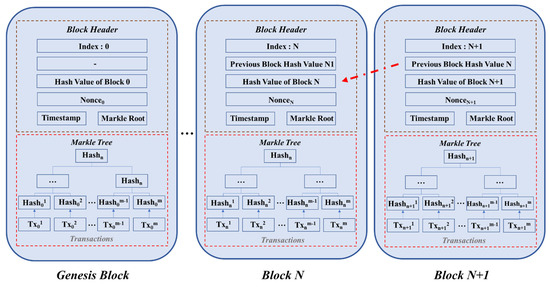
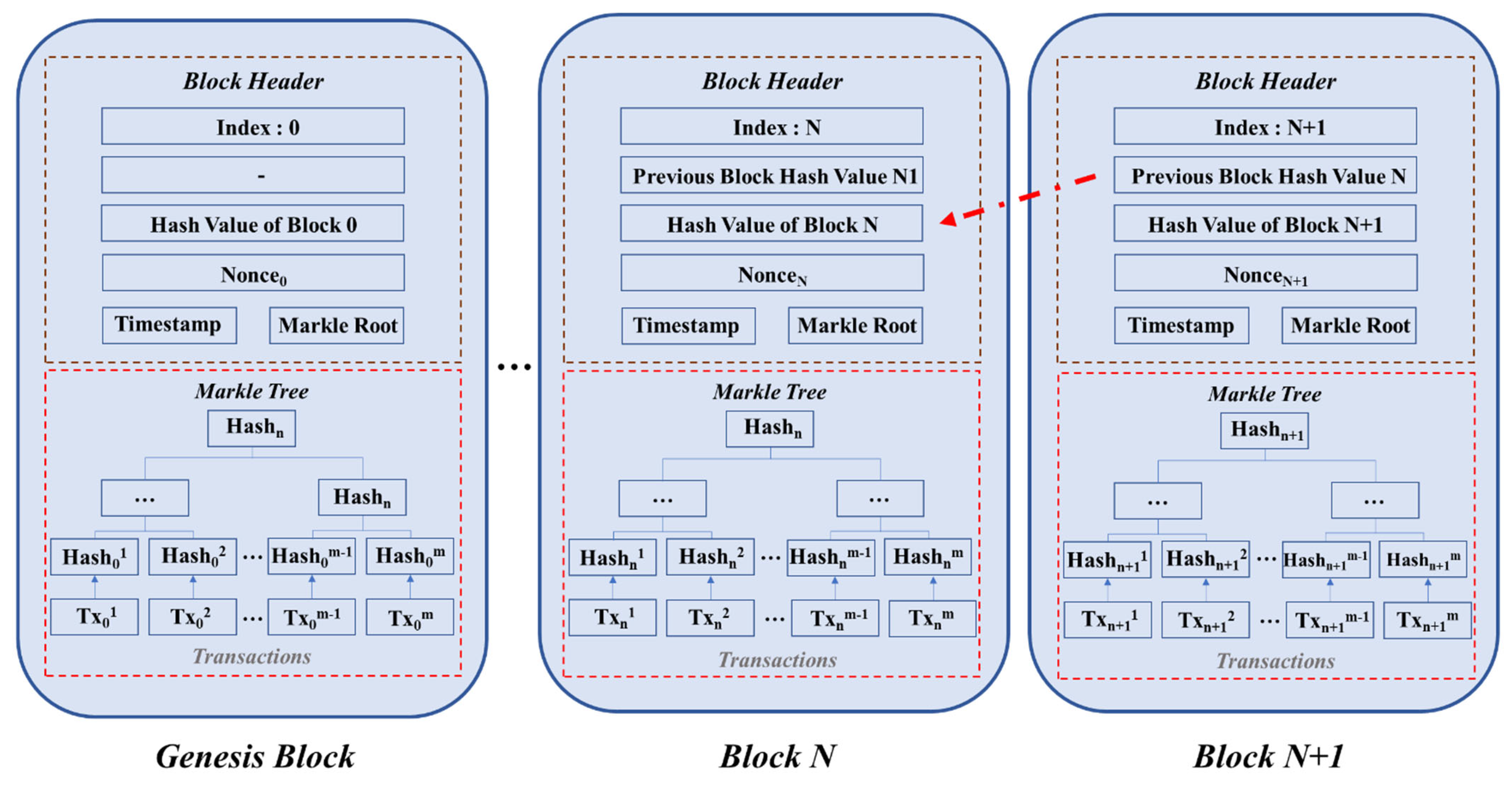
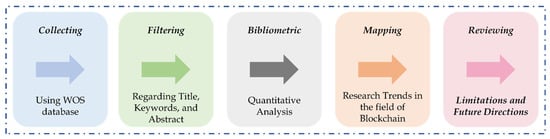
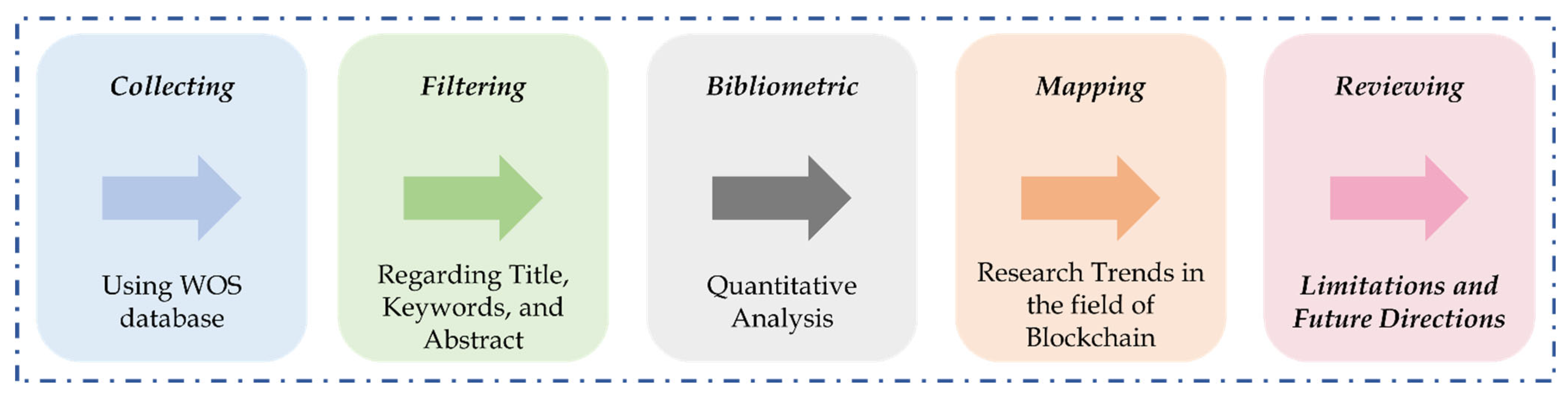
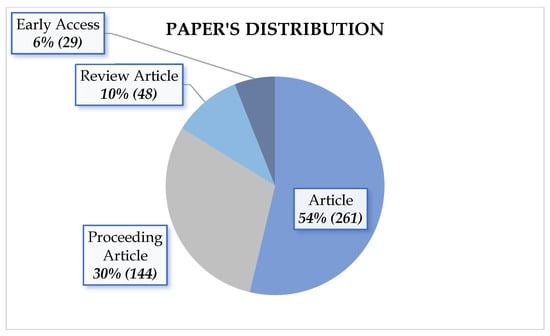
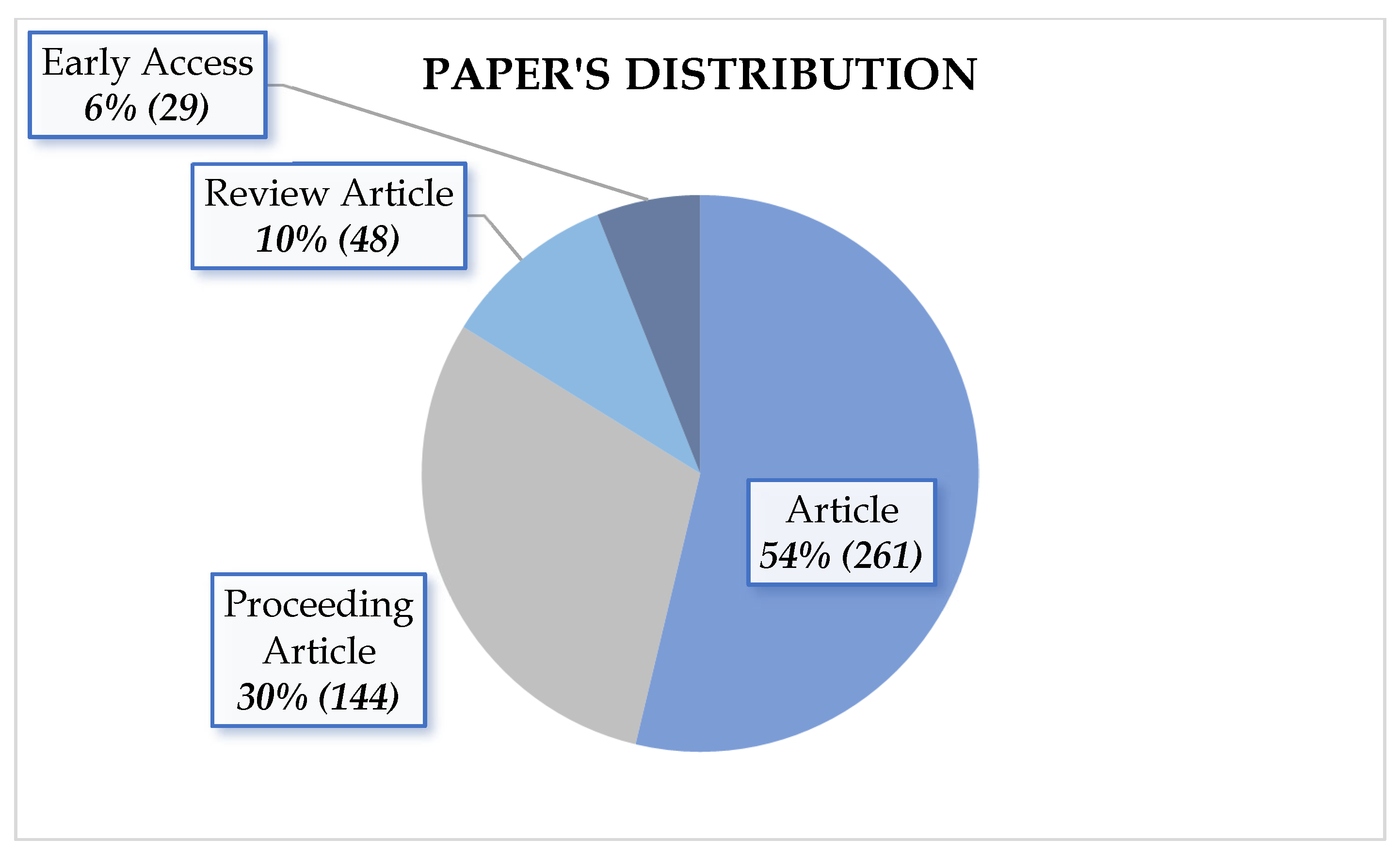
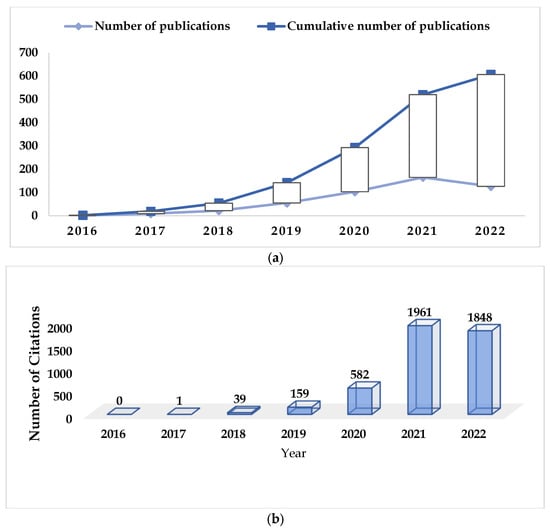
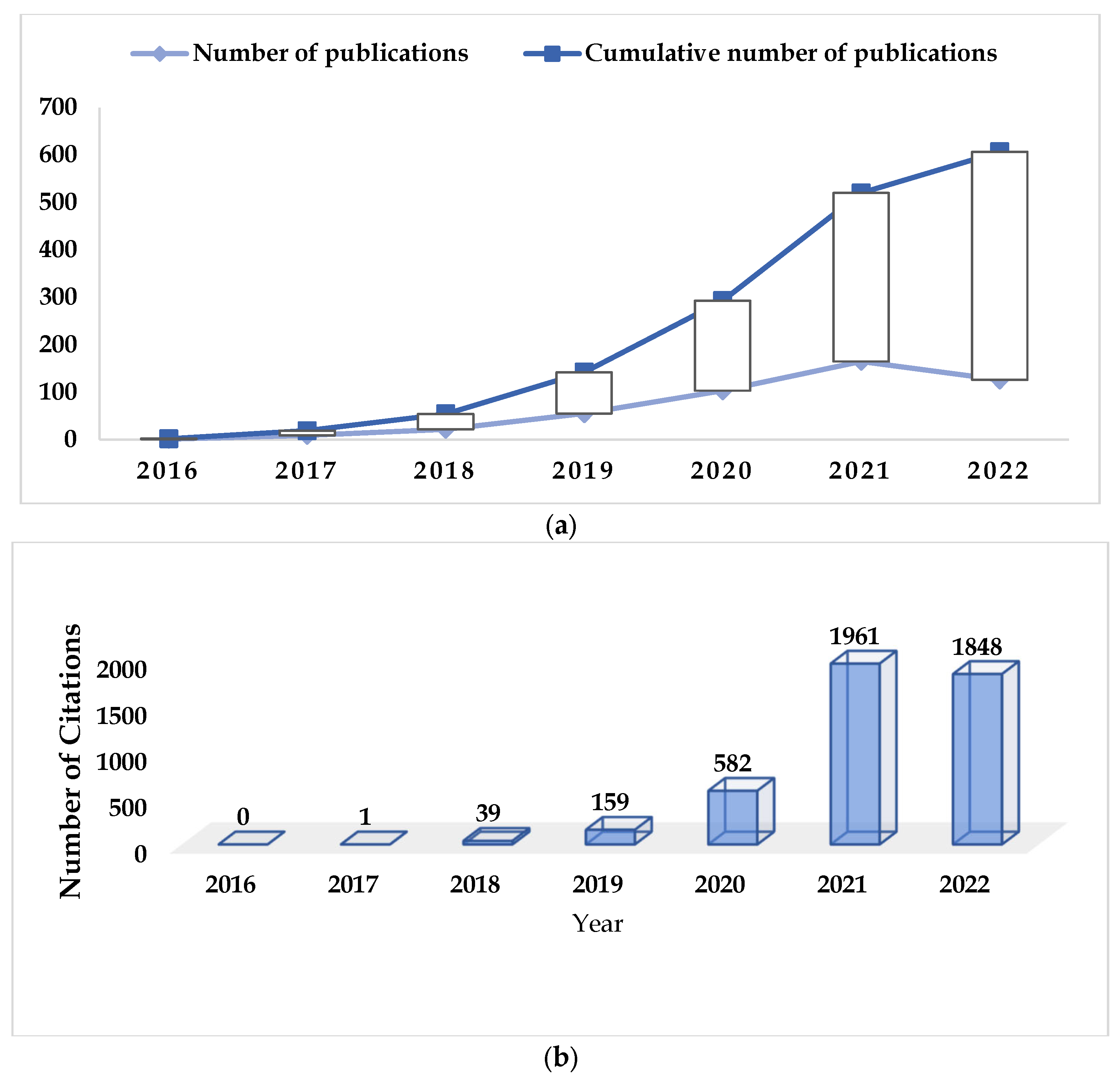
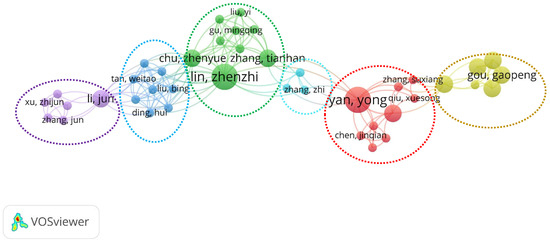
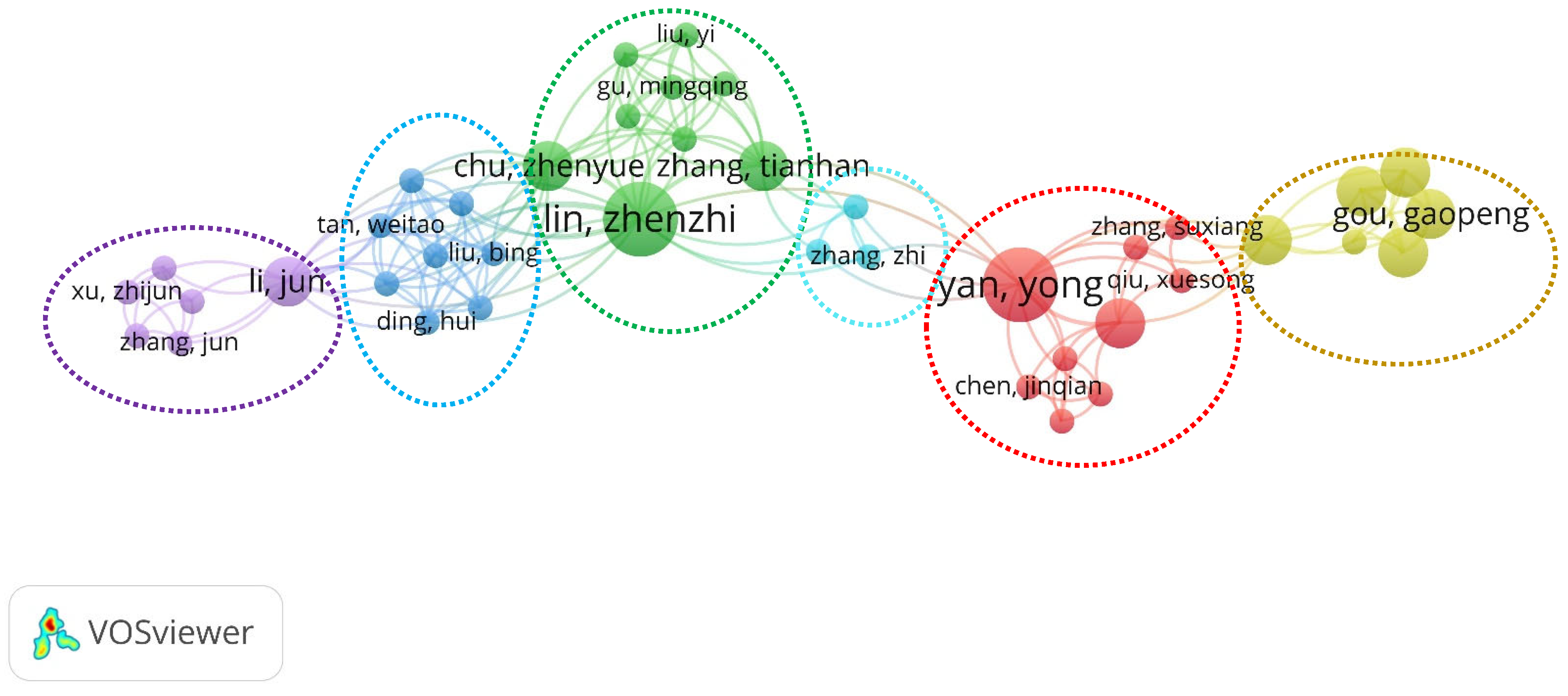
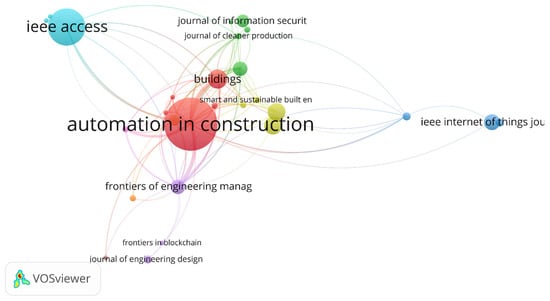
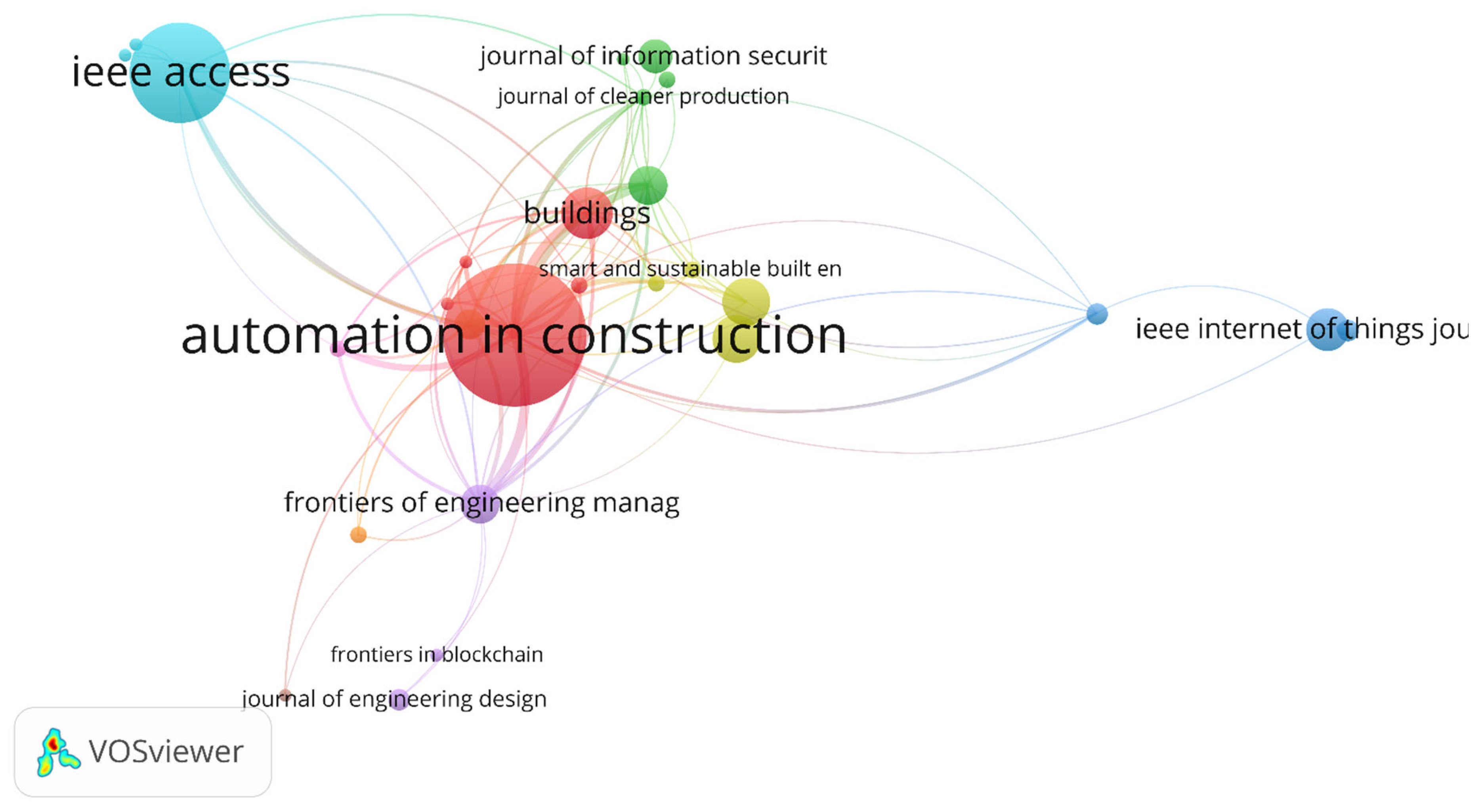
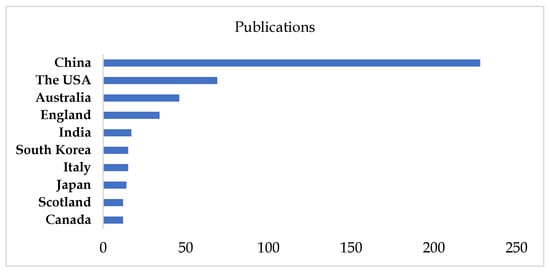
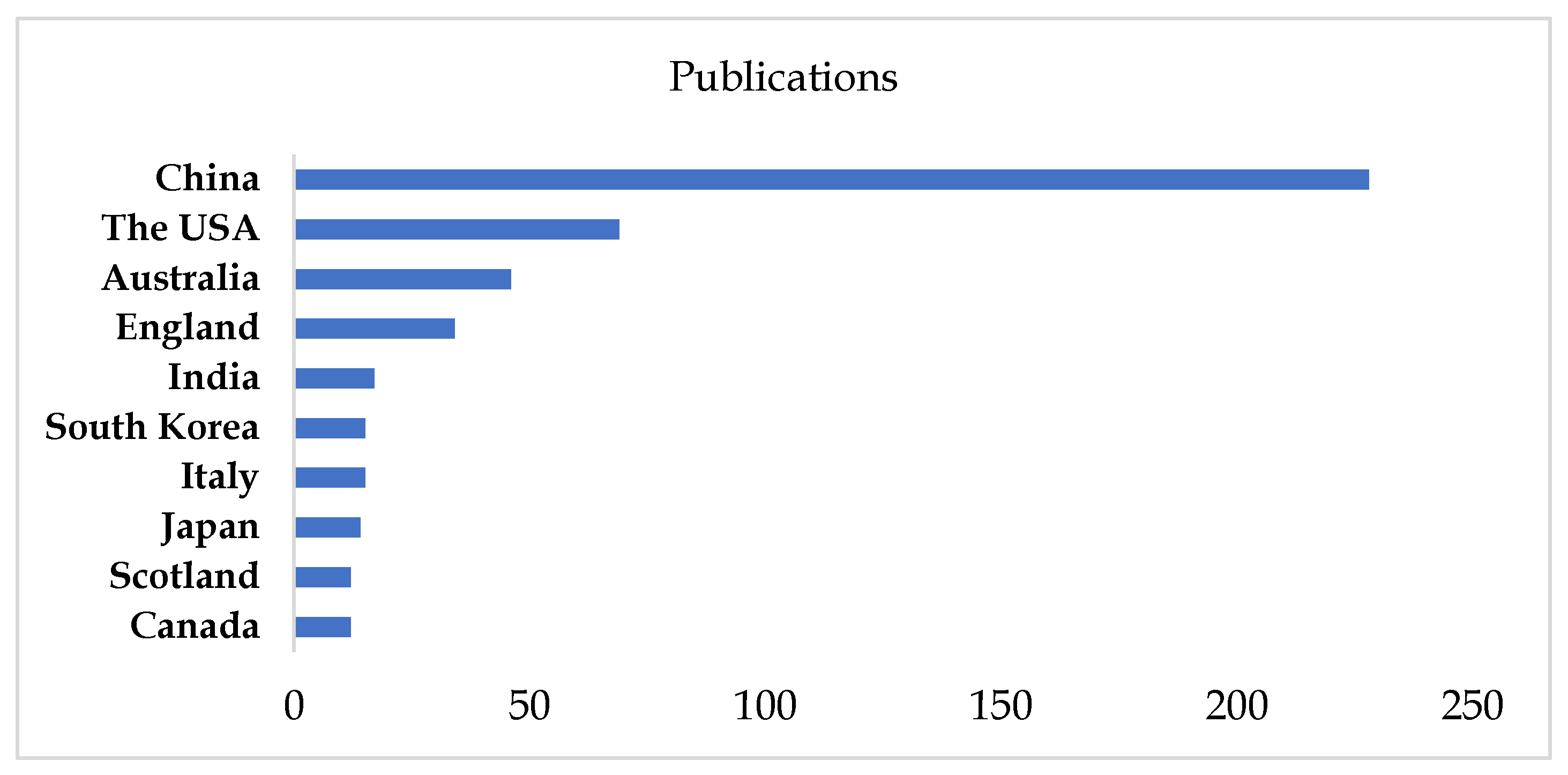
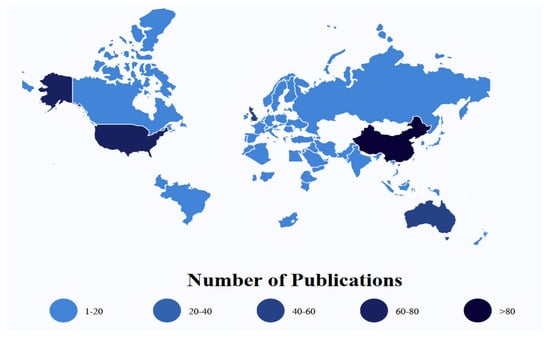
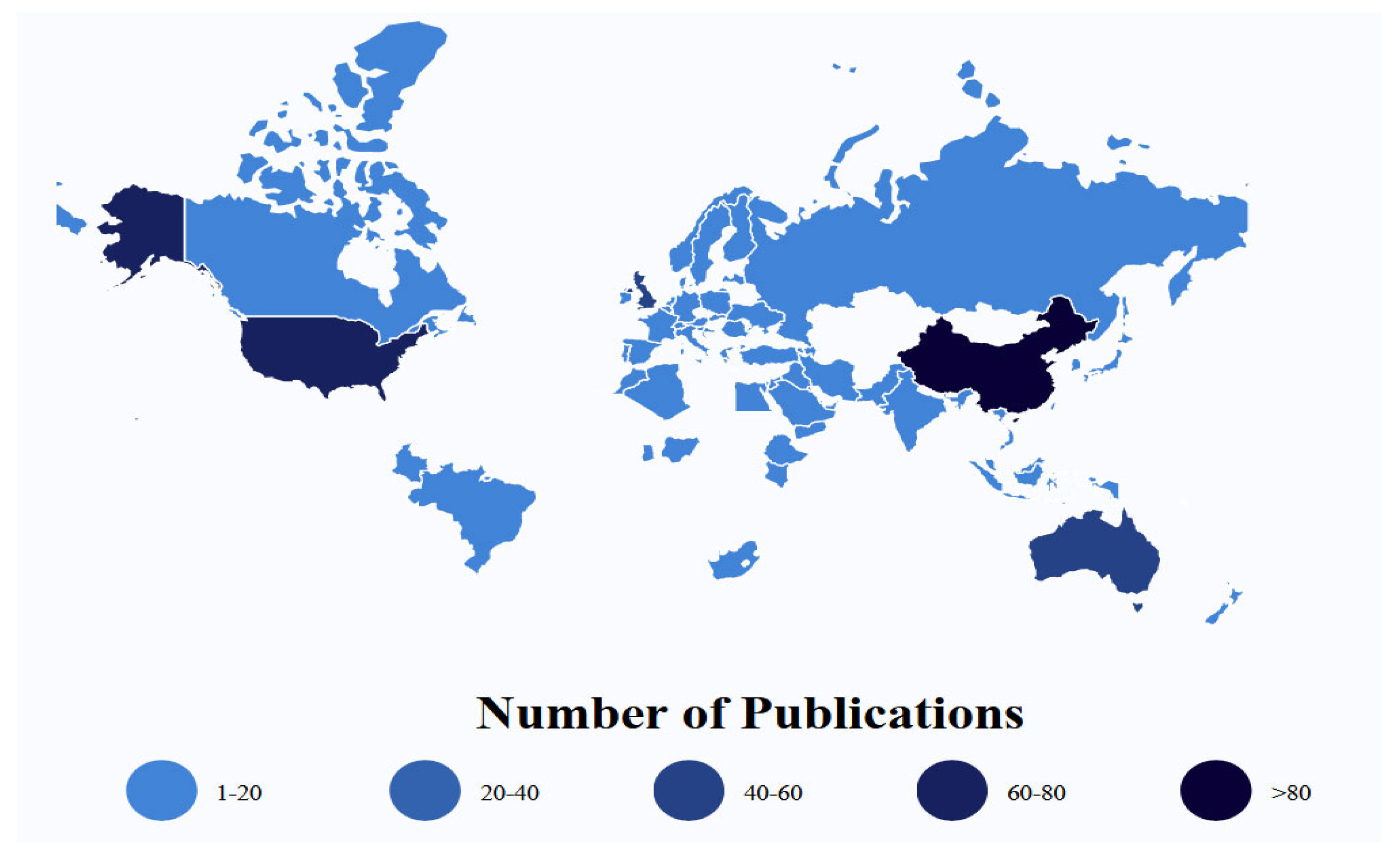
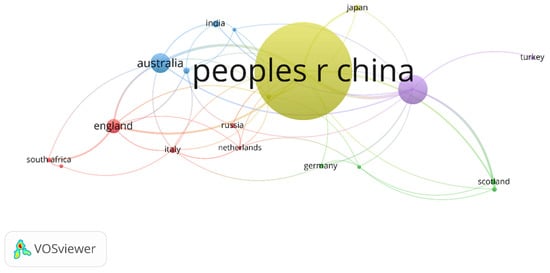
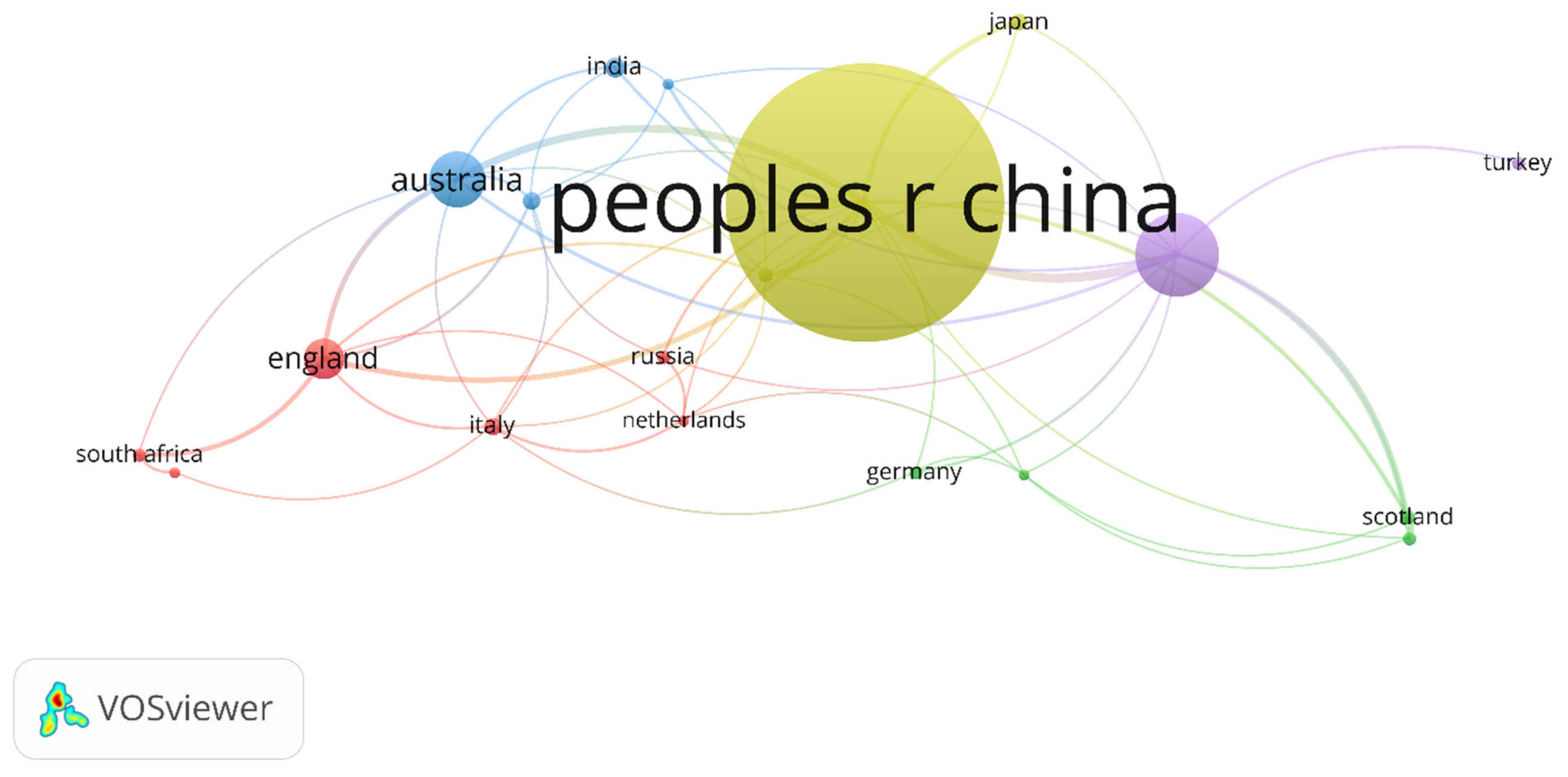
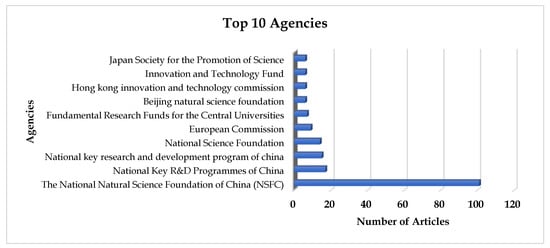
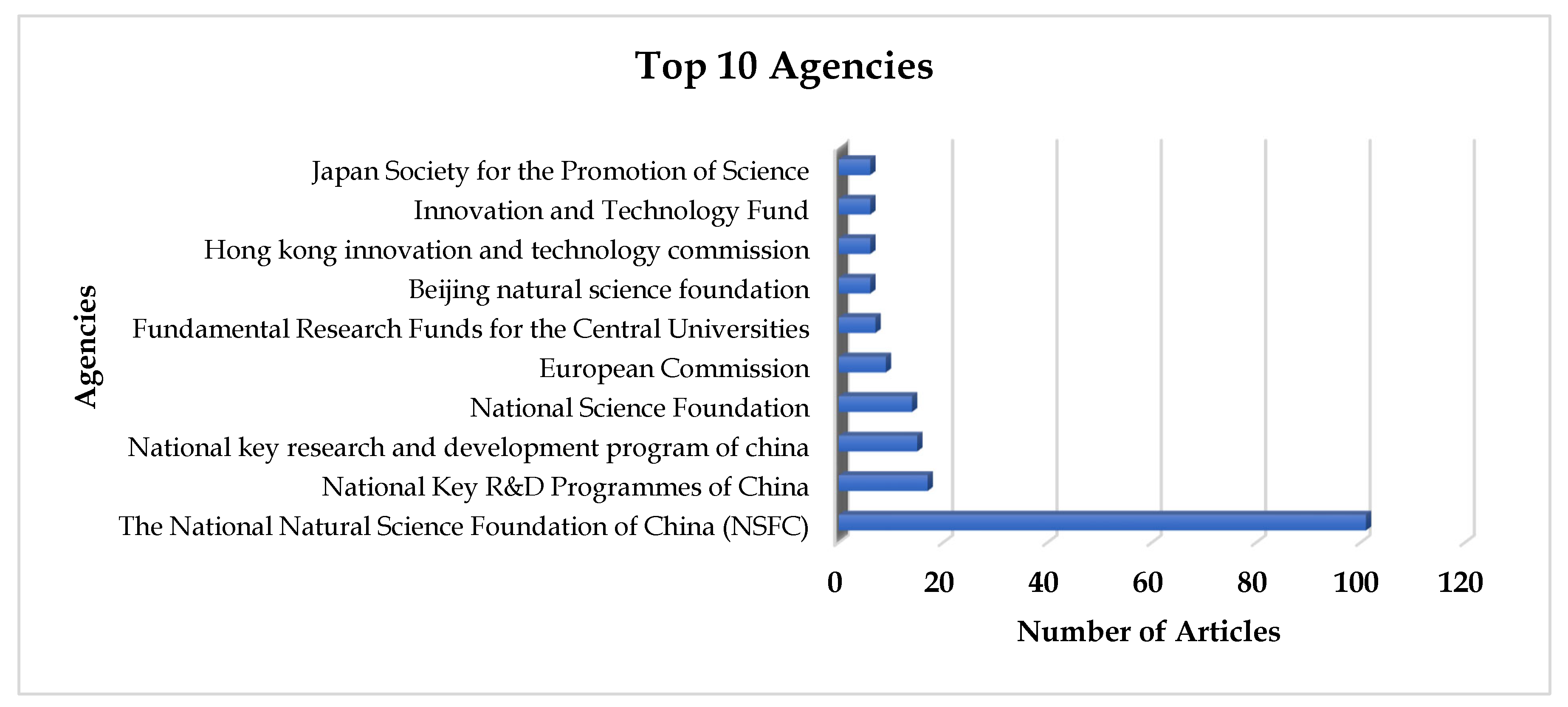
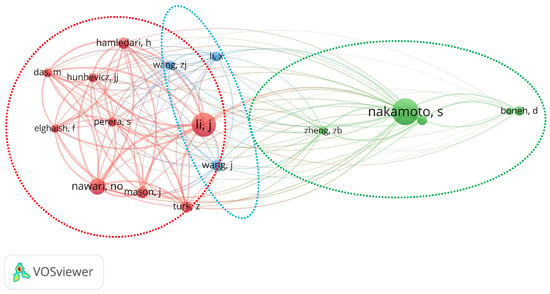
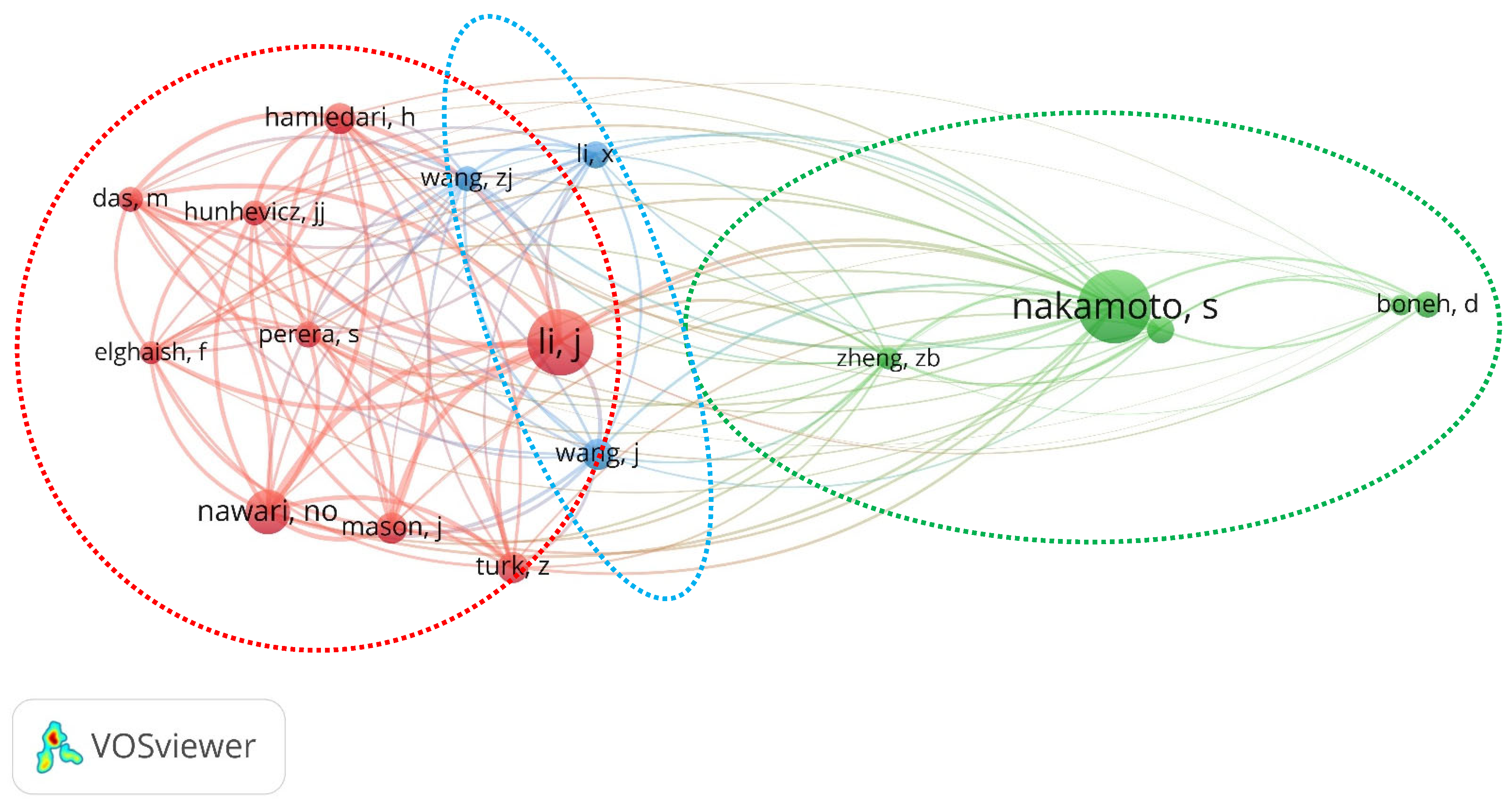
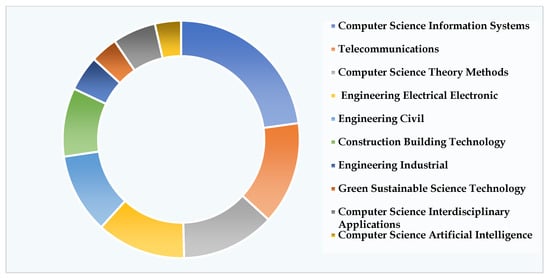
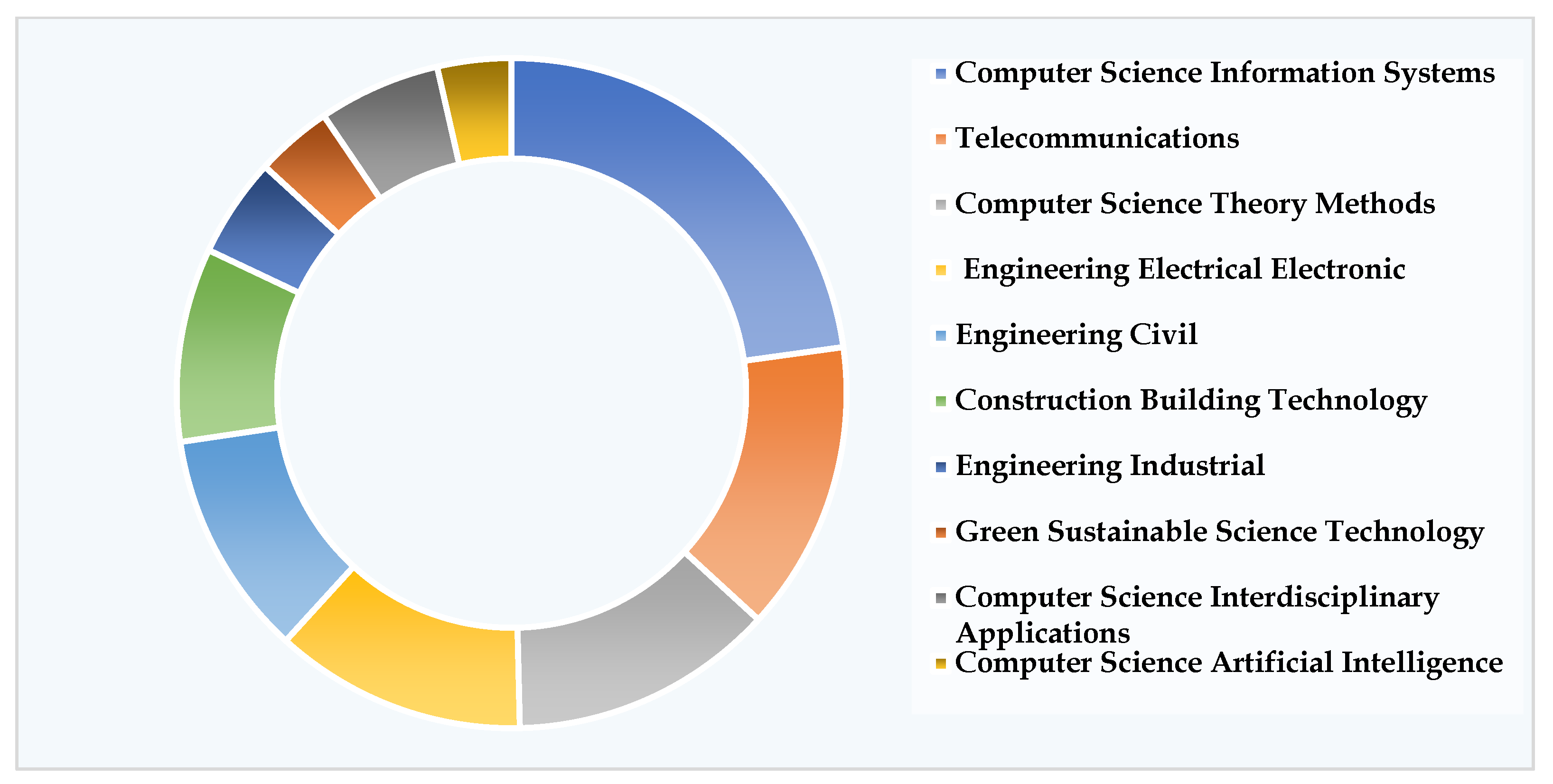
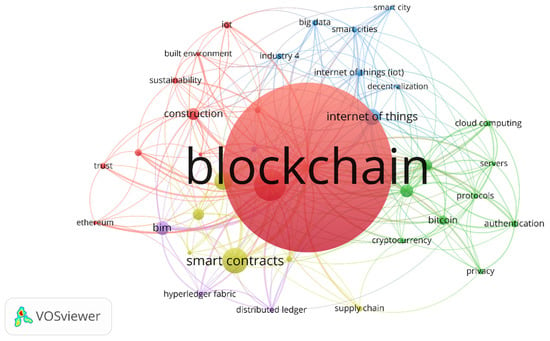
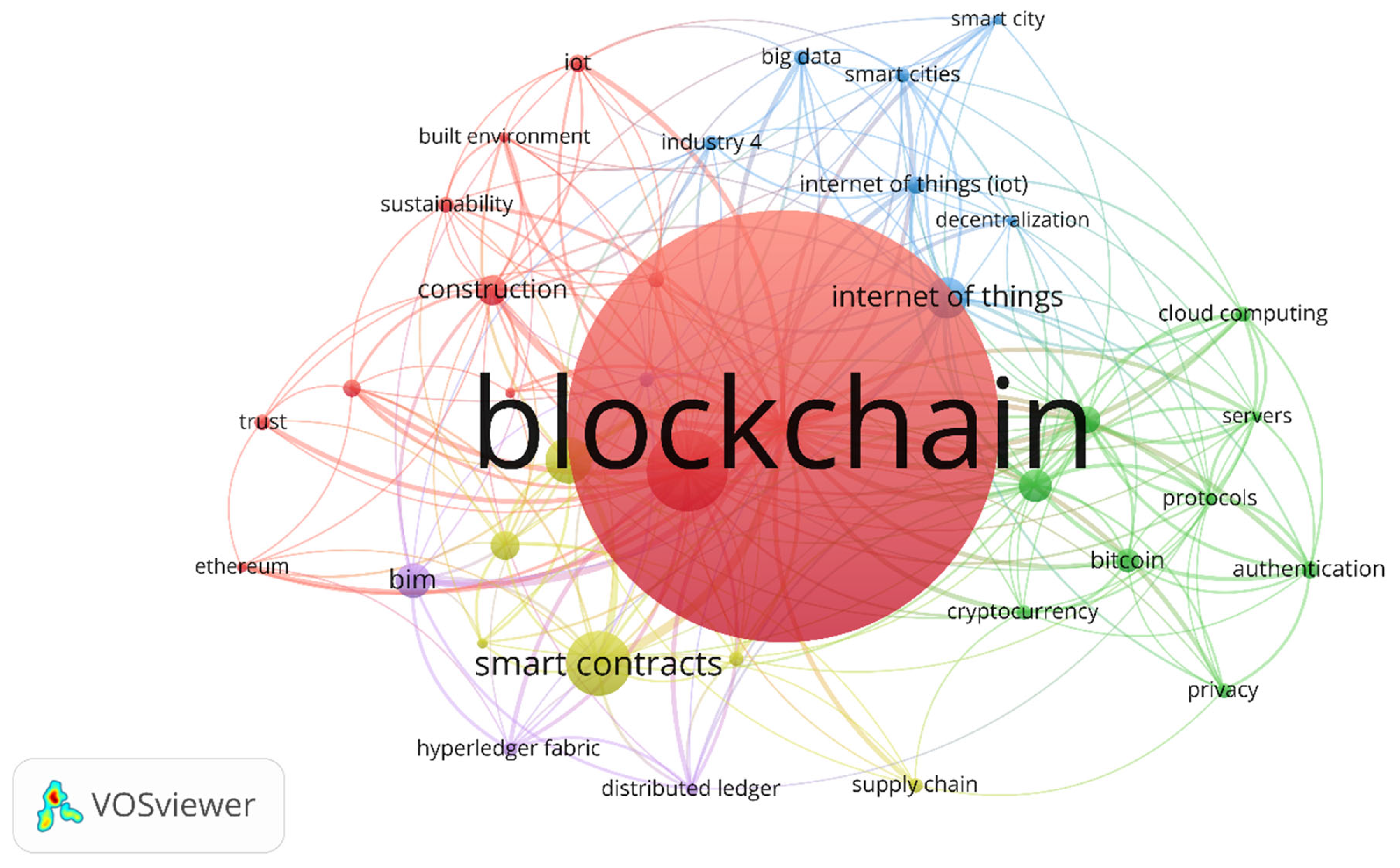

Disclaimer/Publisher’s Note: The statements, opinions and data contained in all publications are solely those of the individual author(s) and contributor(s) and not of MDPI and/or the editor(s). MDPI and/or the editor(s) disclaim responsibility for any injury to people or property resulting from any ideas, methods, instructions or products referred to in the content. |
© 2023 by the authors. Licensee MDPI, Basel, Switzerland. This article is an open access article distributed under the terms and conditions of the Creative Commons Attribution (CC BY) license (https://creativecommons.org/licenses/by/4.0/).