Review

Regulating the 20S Proteasome Ubiquitin-Independent Degradation Pathway

Department of Biological Chemistry, Weizmann Institute of Science, Rehovot 7610001, Israel
*
Author to whom correspondence should be addressed.
Biomolecules 2014, 4(3), 862-884; https://doi.org/10.3390/biom4030862
Submission received: 4 May 2014 / Revised: 27 August 2014 / Accepted: 5 September 2014 / Published: 23 September 2014
(This article belongs to the Special Issue Proteasomes and Its Regulators)

Abstract

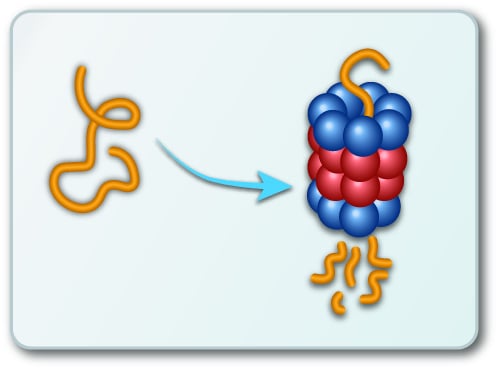
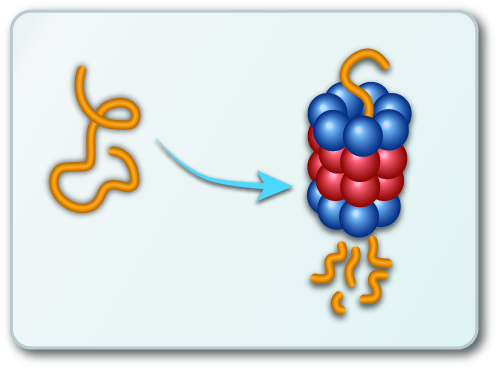
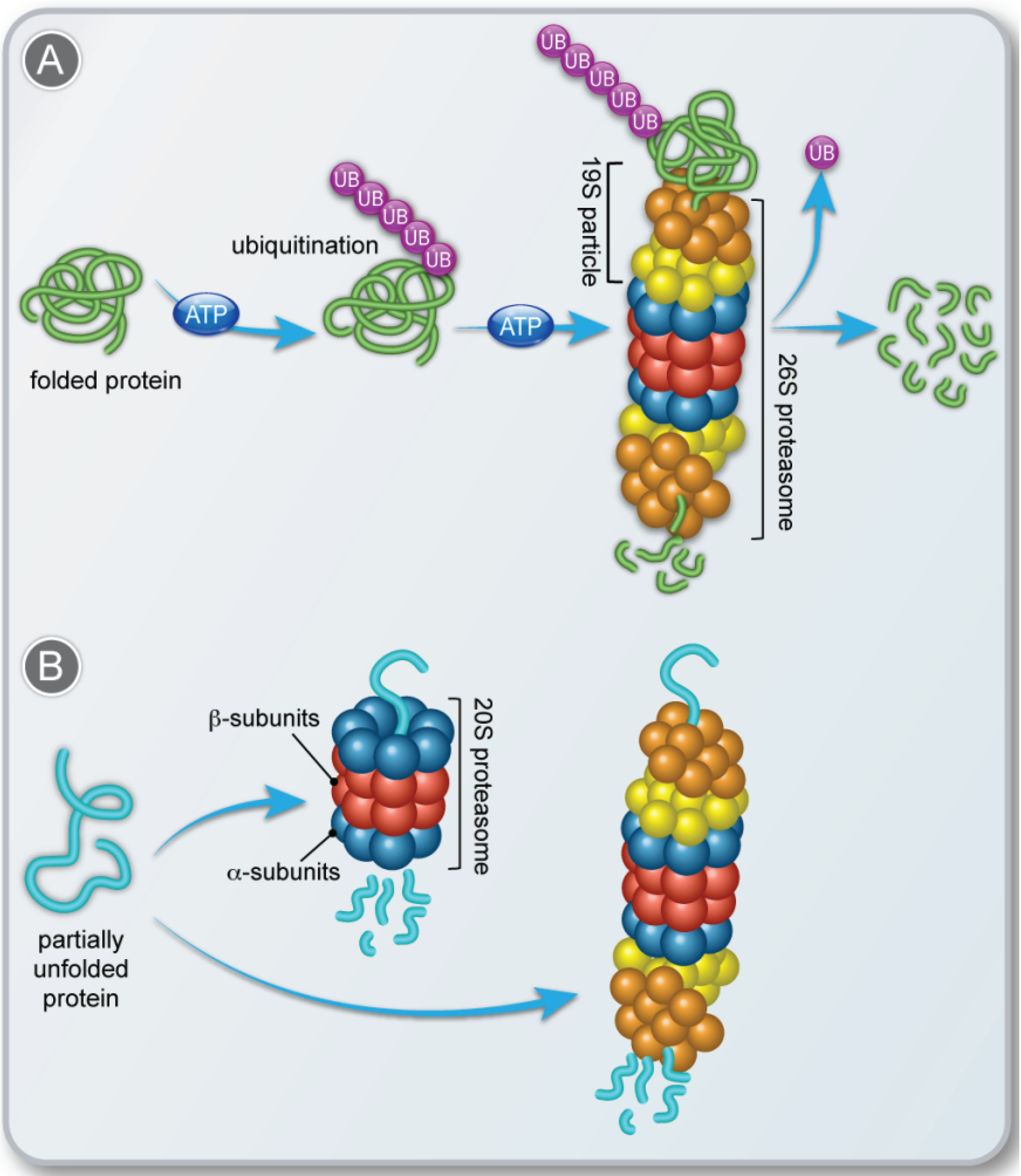
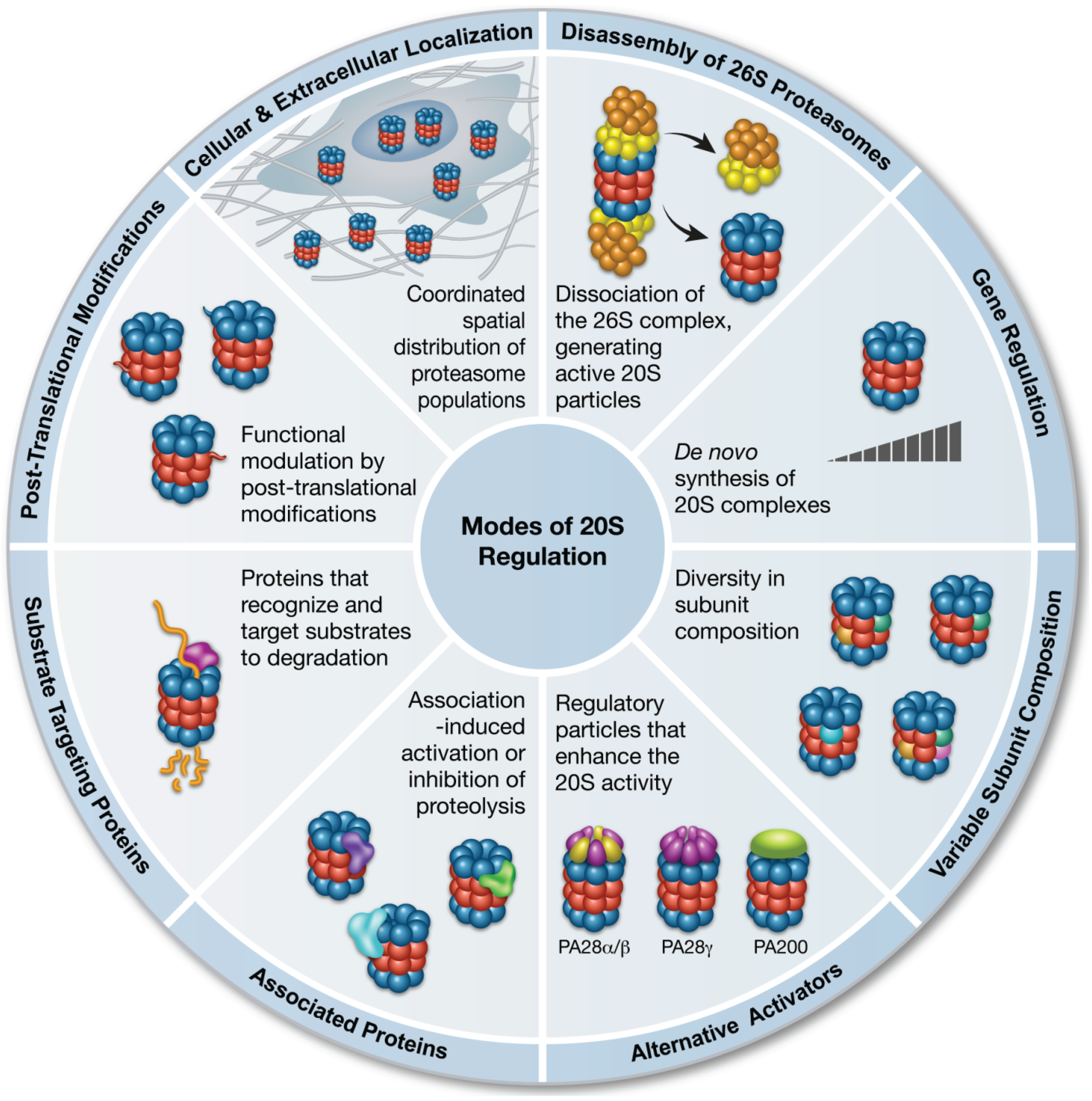
For many years, the ubiquitin-26S proteasome degradation pathway was considered the primary route for proteasomal degradation. However, it is now becoming clear that proteins can also be targeted for degradation by the core 20S proteasome itself. Degradation by the 20S proteasome does not require ubiquitin tagging or the presence of the 19S regulatory particle; rather, it relies on the inherent structural disorder of the protein being degraded. Thus, proteins that contain unstructured regions due to oxidation, mutation, or aging, as well as naturally, intrinsically unfolded proteins, are susceptible to 20S degradation. Unlike the extensive knowledge acquired over the years concerning degradation by the 26S proteasome, relatively little is known about the means by which 20S-mediated proteolysis is controlled. Here, we describe our current understanding of the regulatory mechanisms that coordinate 20S proteasome-mediated degradation, and highlight the gaps in knowledge that remain to be bridged.
Keywords: protein degradation; 20S proteasome; intrinsically disordered proteins; oxidatively damaged proteins; regulatory mechanisms protein degradation; 20S proteasome; intrinsically disordered proteins; oxidatively damaged proteins; regulatory mechanisms
Graphical Abstract