


Abstract
The rapid expansion of artificial intelligence and cloud computing is straining terrestrial data center infrastructure, motivating exploration of space-based data centers (SBDCs) as a scalable and energy-efficient alternative. While orbital platforms offer unique advantages, including continuous solar energy, radiative cooling, and global coverage, their practical deployment is constrained by unresolved reliability challenges across the mission lifecycle. This study presents a lifecycle-oriented reliability and risk assessment for SBDCs spanning launch, orbital operation, maintenance, and end-of-life phases, using a structured systems-level analysis of failure modes and operational dependencies. This paper focuses on compute-centric SBDC architectures, treating storage solely as a supporting resource. We identify and classify space-environment-specific risks, including launch-induced mechanical stress, radiation-driven degradation, thermal extremes, and single points of failure in power and communication subsystems. By integrating engineering constraints with economic considerations, we develop a unified risk-chain framework that shows how reliability limitations propagate from component design to system cost and operational viability. The analysis reveals a critical trade-off: achieving terrestrial-grade reliability in orbit requires substantial redundancy and radiation hardening, increasing mass and cost and reducing economic feasibility, whereas lower-reliability designs introduce operational and financial risks that challenge sustainability. These findings establish reliability as the central determinant of SBDC viability, providing an applied foundation for fault-tolerant, modular, and lifecycle-aware design strategies essential for transitioning orbital cloud infrastructure from concept to scalable reality.
1. Introduction
Propelled by the explosive compute demands of AI, growing limitations on Earth-bound power and cooling infrastructure, and advancements in space-hardened hardware, optical communications, and orbital servicing, there has been interest in SBDCs. Emerging analyses and prototype concepts [1,2] suggest that such orbital installations could harness uninterrupted solar power and the extreme cold of space for radiative cooling, potentially moving toward carbon-neutral operations.
The concept of deploying data centers in space offers potential benefits such as enhanced latency for global networks, scaling, and improved energy efficiency [2]. Industry and research efforts [3,4], spanning architectural proposals, digital-twin simulations, and planned orbital demonstrators, are examining configurations for AI inference, real-time Earth observation analytics, and space-to-ground data processing, utilizing free-space optical links and dedicated accelerators. Concurrent policy and market assessments [5] highlight nascent commercial models like orbital compute-as-a-service and space-based content delivery networks, while also emphasizing the critical need to address the distinct challenges of reliability, redundancy, and lifecycle management in the harsh space environment. However, reliability remains a significant challenge.
Each phase in SBDC deployment introduces unique failure modes that terrestrial facilities do not encounter. Significant technical obstacles include radiation protection, precise thermal control, in-orbit maintenance, and establishing high-bandwidth links to the ground.
The venture begins with its first and perhaps most violent hurdle: the launch and ascent phase. Though rocket launches are relatively reliable compared with terrestrial logistics [2], there remains a non-negligible chance of total vehicle loss or partial failure. Initial deployments of arrays, radiators, antennas, and first-power events are single-shot operations with little room for recovery, and cyber or control-system interference during these early moments can still create a single catastrophic point of failure for the mission [4].
Once successfully deployed, the facility must endure the hostile space environment itself [6]. Once in orbit, electronics face ionizing radiation, high-energy particles, and charging effects that can cause single-event upsets, cumulative degradation, or outright component failure over time. Space weather events and solar storms can temporarily or permanently disrupt satellite systems [4], while micrometeoroids and orbital debris risk damaging large radiators, solar arrays, and enclosure structures essential for high-density computing.
SBDCs face a critical absence of hands-on maintenance: unlike terrestrial facilities, they lack easy human access. Even with robotics, only some failures are serviceable remotely [6], so architectures must prioritize redundancy, fault-tolerant software, and autonomous recovery. Routine maintenance becomes a high-stakes mission, and because many failures are irreparable, systems must be designed for graceful degradation. This constraint also complicates lifecycle management, as upgrades require costly, high-risk launch and retirement cycles [7].
The functionality of the SBDC depends entirely on its solar arrays, energy storage, and communication links. Arrays, batteries, and distribution electronics are critical single points whose failure can abruptly halt operations [8]. Communications are another choke point. In low Earth orbit, regular eclipses demand oversized solar and battery capacity [8], so any degradation or mis-sizing can reduce power margins and cause systems to enter brownout regimes, increasing error rates or forcing workload shedding. Connectivity is equally fragile: limited ground stations, atmospheric interference, and long delays in communication mean that failures in antennas, amplifiers, or ground gateways can isolate the data center, turning communication links into a major reliability bottleneck [9].
The entire setup is challenged by its economic and operational viability. The astronomical costs beginning with launch, coupled with the premium for designing and building “space-hardened” components that can withstand the aforementioned rigors, make the initial capital expenditure staggering [10]. Major anomalies, a failed module, power failure, or communication outage can have outsized economic impacts because repairs often require replacing the entire spacecraft rather than just a single component or rack. The economic model must account for a potentially short operational lifetime due to irreparable failures, making it a highly speculative and currently unviable investment compared to expanding ground-based infrastructure [11]. To summarize differences with terrestrial-based data centers (TBDCs), Table 1 shows a comparison based on energy, water requirements, carbon footprint, scalability, latency, and risks. In the table, entries in each row refer separately to terrestrial and space data centers, respectively.
Table 1.
Comparison between TBDCs and SBDCs.
In this work, we argue that reliability is ultimately an economic question, and today it remains the central blocker to a sustainable business case for SBDCs. The setup introduces large, step-wise risks into the business model. To be economically viable, designs typically need short, planned life times with periodic tech refresh, aggressive fault tolerance to avoid service credits, automated fleet operations, and clear end-of-life paths. Until those pieces align, reliability concerns aren’t just an engineering challenge; they’re the central blocker to a sustainable business case [15].
Unified Risk Chain Framework
The deployment of an SBDC is defined by a zero-sum conflict between technical survival and financial logic, with system reliability caught in the crossfire [15]. This concept suffers from an inherent structural tension: the severe physical and logistical hazards of the orbital environment naturally erode uptime, yet the very measures required to counteract this, such as radiation hardening, massive redundancy, and robotic repair systems, inflate costs to a point that undermines the project’s economic viability. This creates a compounding risk chain where every attempt to harden the facility against the “no-hands” maintenance reality adds weight and complexity, increasing launch costs and operational overhead [15]. Ultimately, the quest for terrestrial-grade reliability often makes the mission too expensive to fly, forcing a compromise where lower reliability is accepted as a cost of doing business. The complexity among different phases of the SBDC affecting reliability can be well-understood, as illustrated in Figure 1.
Figure 1.
Inter-phase complexity affects reliability.
Figure 1 illustrates the multifaceted nature of SBDC reliability by mapping the inter-dependencies between six critical mission phases. Rather than following a linear timeline, it defines a unified risk-chain for SBDCs as a directed network G = (V, E), where the node set V is the lifecycle risk domains and edges E represent causal or conditional dependencies linking failures, design choices, or cost constraints across domains. This systems-level framework does not replace existing reliability tools but structures their outputs into an SBDC-specific lifecycle view. The central “low reliability” node captures the cumulative effect of these phases, while surrounding nodes represent phase-specific risk domains whose failures propagate along the connecting arrows. The node set V consists of six mission-phase risk domains that correspond directly to the subsequent sections of the paper:
- v1: Launch & ascent risks—launch vehicle reliability, payload survival under vibro-acoustic/shock loads, and regulatory safety (discussed in Section 3).
- v2: Hostile space environment—radiation dose, Single Event Effect (SEE) rates, thermal cycling, material degradation, and debris hazards (discussed in Section 4).
- v3: Single point of failure (SPOF)—power, communication, computing, thermal, and mechanical subsystems whose failure causes mission loss (discussed in Section 5).
- v4: Power & connectivity bottlenecks—radiative cooling limits, compute density, downlink/crosslink capacities, and degradation impacts (discussed in Section 6).
- v6: Economic & operational viability—capital and operating expenditures, availability targets, and market/policy drivers (discussed in Section 7).
Edges E represent key couplings between domains. For instance, adding shielding and redundancy to reduce radiation failures (v2) and subsystem SPOFs (v3) raises mass and power draw, increasing launch cost and reducing v1’s launch reliability, while also worsening v6’s economic metrics. Radiative cooling limits (v4) restrict compute density and revenue per kilogram, directly affecting v6’s cost and market viability. Higher SEE rates (v2) drive aggressive fault tolerance in v3–v4, impacting energy use and hardware replacement in v6. These couplings are bidirectional: budget limits in v6 constrain hardening and redundancy in v2–v4, possibly lowering reliability in Figure 1’s central node.
Conventional reliability methods apply within each node at the appropriate scale. Reliability block diagrams and series/parallel models naturally capture phase-wise success probabilities, such as launch success or power availability, relevant to v1, v3, and v4. Time-dependent effects (e.g., radiation degradation or constellation availability) can be represented using nested Bayesian or Markov models, though a full stochastic treatment lies beyond the scope of this qualitative lifecycle assessment.
The framework uses three variable layers. Inputs include: (i) mission/environment parameters, (ii) architecture choices, (iii) component reliability data, and (iv) economic inputs. Internal variables (derived from classical tools) cover node-level metrics like phase-wise success probabilities, failure rates, availability, and penalties from shielding/redundancy. Outputs include mission success probability, availability trends, dominant risk-chain nodes/couplings, and economic metrics (e.g., cost per delivered compute, break-even time), as will be illustrated by cost equations in Section 7.
The framework applies five steps: (1) define the SBDC concept (orbit, power, architecture, duration); (2) parameterize nodes v1–v6 with environmental, hardware, and economic data; (3) use local reliability tools to estimate node-level failure probabilities or availability; (4) propagate these values along couplings to generate lifecycle reliability and cost profiles; (5) run sensitivity analyses on mitigation strategies to see how design choices affect reliability and economic viability. This paper performs steps (1)–(3) qualitatively and semi-quantitatively via phase-wise analyses, tables, and cost models, using insights to identify whether the risk-chain is limited by physical constraints, engineering choices, or economics. A fully numerical implementation of steps (4) and (5) with explicit probabilistic couplings is left for future work.
This study prioritizes SBDCs as compute-centric platforms designed for AI inference and on-orbit analytics, treating storage as a secondary supporting function. This emphasis directly targets the specific reliability challenges, including high power density, thermal management, and radiation-induced soft errors, associated with integrating GPUs and high-performance accelerators in orbit. Although pure storage architectures present distinct I/O and data integrity constraints, they are addressed only indirectly through memory and communication bottlenecks; consequently, the subsequent lifecycle analysis is scoped to compute-heavy designs, while remaining relevant to mixed deployments that share similar launch and environmental stressors.
This work aims to systematically identify, classify, analyze, and mitigate reliability challenges across the entire lifecycle of SBDCs, from launch and orbital operation to maintenance and upgrades. By bridging the gap between current conceptual studies and practical lifecycle management, this work offers a structured perspective tailored to orbital compute infrastructure. It integrates technical hazards and economic drivers into a unified “risk chain,” illustrating how these factors compound rather than acting as isolated engineering hurdles.
In pursuit of these objectives, the work makes several key contributions. It presents a detailed classification of failure modes and risks specific to SBDCs, organized according to their lifecycle phases. It further conducts a reliability evaluation for each phase of the SBDC, offering a comprehensive understanding of performance under varying conditions. The study also provides a holistic view linking reliability to the broader discussions on feasibility and long-term sustainability. Finally, it formalizes the conflict between technical survival and financial viability, demonstrating how applying terrestrial-level reliability standards can unintentionally weaken the economic justification for orbital computing.
This paper is structured as follows. The next section provides a comprehensive review of related work on SBDCs, emphasizing the prevailing research directions and technological developments in this domain. Section 3 addresses the launch and ascent risks pertinent to SBDC deployment. Section 4 offers an in-depth examination of the hostile space environment and its detrimental impact on the operational lifetime of data center payloads. Section 5 analyzes single points of failure and their corresponding implications. Section 6 discusses critical power and connectivity constraints, followed by an evaluation of data center economics and market drivers in Section 7. The principal challenges and concluding observations are presented in Section 8.
2. Literature Review
To establish a clear analytical foundation, the literature review organizes prior work into four thematic clusters aligned with the key risk domains of our framework (v1–v6): (i) launch and ascent reliability; (ii) on-orbit environmental threats, including radiation, thermal cycling, and debris; (iii) fault tolerance and single-point failures in spaceborne computing and power systems; and (iv) economic viability of resilient space architectures. Within each cluster, the review distinguishes among studies that provide empirical data, those that propose probabilistic risk models, and those that focus on mitigation costs.
Launch and ascent reliability remains less characterized for SBDCs than for conventional satellites, although recent work has begun addressing the overall reliability of SBDC [16]. Nevertheless, such studies typically treat launch as an isolated phase, presuming that post-deployment systems remain unaffected by ascent loads, an assumption that proves problematic for structurally integrated SBDCs. On-orbit environmental threats, particularly radiation dose, thermal cycling, and orbital debris, have been examined through digital twin frameworks and space environment modeling [17], as well as through architectural surveys of space computing challenges [18]. Yet these studies rarely couple degradation rates to architectural choices such as sparing or recompute strategies. Fault-tolerant architecture research has produced candidate designs for constellation-based SBDCs [19] and integrated space-based information infrastructures [20], but predominantly evaluates them under assumed failure rates rather than deriving those rates from first-principles environment models. Economic viability studies often treat reliability as an exogenous input, analyzing factors such as latency, power usage effectiveness (PUE) [21], geospatial suitability for data center placement [22], and sustainable digital transformation enabled by space [23]. However, they seldom trace how penalties from shielding or redundancy propagate back to launch mass and power budgets.
Although each cluster contains mature work in isolation, the literature exhibits clear fragmentation. Launch reliability models rarely incorporate post-deployment degradation [16]; space environment studies [17,18] seldom quantify the mass and power penalties they impose on economic metrics. For instance, detailed space environment characterizations [17] do not link to the redundant computing costs they necessitate, while economic analyses [21,22,23] typically assume fixed reliability targets without deriving them from physical constraints such as radiative cooling limits. Conversely, fault-tolerance research [19,20] often optimizes for availability independently of power budgets, overlooking the fact that increased redundancy raises thermal load, which in turn reduces allowable compute density, a coupling central to SBDC design.
A further limitation is methodological. Most works rely either on purely qualitative concept descriptions [19,20,24] or on narrowly scoped quantitative analyses [16,21]. Qualitative studies [24,25,26] offer valuable future perspectives and paradigm proposals but lack the rigor required to compare design trades. Quantitative studies [16,21] focus on specific metrics (e.g., PUE, overall reliability) without capturing causal propagation across domains. Consequently, no existing study provides an integrated, bidirectional risk chain that couples environmental hardness, architectural redundancy, thermal limits, and lifecycle economics. Notably, even comprehensive surveys of space computing architectures [18] emphasize technical challenges but do not formalize the risk couplings between radiation, fault tolerance, and economic viability.
The proposed framework directly addresses these gaps. First, it organizes risk into a lifecycle-directed network G = (V, E), explicitly capturing couplings that prior work treats in isolation (e.g., shielding → mass → launch cost → viability). Second, it operates at a semi-quantitative level suited for early-stage SBDC design, where parametric uncertainty often outweighs the precision of fully numeric models—a characteristic acknowledged in forward-looking studies [24,26]. Third, it treats economic viability not as an afterthought but as a node (v6) that both receives impacts from and imposes constraints on hardening and redundancy choices (v2–v4). Thus, the framework does not replace existing reliability tools [16] or architectural surveys [18,19,20] but rather integrates their outputs into a coherent, lifecycle-oriented structure specific to SBDCs.
Despite advancements, the literature regarding the reliability of SBDCs remains limited between 2023 and 2026. Because the field is nascent, the recent research focuses primarily on tangential areas such as orbital mechanics, hardware hardening, and resilience against radiation or power constraints. There is currently a critical gap in research that evaluates the phase-wise reliability of these centers, spanning from the initial launch and ascent of the infrastructure payload to its long-term operational sustainability in the space environment. This study addresses that gap by providing a comprehensive reliability assessment across the entire lifecycle of an SBDC.
Reference SBDC Configuration
For subsequent lifecycle analysis, a single reference configuration for an SBDC is adopted, with higher-power systems treated as scaled variants of this baseline. This configuration is representative of near-term orbital edge computing and is consistent with tether-based or modular Dawn–Dusk sun-synchronous (DDSS) platforms for AI inference. The reference SBDC is defined by the following parameters: a DDSS orbit at 600–800 km altitude ensuring quasi-continuous solar illumination, with a nominal mission life time of five years for the IT payload; a compute payload comprising 100 kW of IT power dedicated to GPU-class accelerators and associated networking; a total onboard electrical power of approximately 130–150 kW, supplied by deployable solar arrays sized for end-of-life performance with margin and supported by batteries for eclipse coverage in non-DDSS variants or contingency operations; a total wet mass of 3–5 metric tons, encompassing structure, power generation and storage, radiators, thermal transport hardware, avionics, and communications; radiative cooling as the sole heat-rejection mechanism, requiring a radiator area of approximately 130–150 m2 operated near 350 K for the 100 kW IT load; one high-capacity downlink chain providing an effective sustained user data rate on the order of 10–100 Gbit/s per node, with inter-satellite links supporting up to hundreds of Gbit/s per crosslink for constellation variants; and a ground segment comprising a small network of geographically separated stations with at least one primary and one backup site to enable high-availability operations.
All quantitative discussions in Section 3, Section 4, Section 5, Section 6 and Section 7 refer either to this 100 kW reference SBDC or to its scaled extensions. The 1 MW case examined in Section 5, Section 6 and Section 7 is treated as a modular aggregation of approximately ten 100 kW units or as an equivalent monolithic platform, with proportional increases in mass, solar array area, radiator area, and link capacity requirements. The associated cost expressions are interpreted as parametric models applied to such scaled configurations, rather than as detailed engineering designs for a 1 GW system. Anchoring the analysis to this reference configuration enables consistent comparison of launch and ascent risks, environmental hazards, single points of failure, power and connectivity bottlenecks, radiation exposure, and economic feasibility. Furthermore, this approach clarifies how design choices propagate through the unified risk-chain framework introduced in Section Unified Risk Chain Framework.
3. Launch and Ascent Risks
Reliability starts with surviving the ride. Launch imposes extreme vibro-acoustic loads, shock events (e.g., stage separation and fairing jettison), rapid pressure and temperature changes, and hard acceleration profiles that standard IT hardware isn’t designed to withstand. This phase represents an unforgiving “all-or-nothing” gamble that TBDCs never face.
Beyond high-level coordination, the physical integrity of payloads during pre-launch handling presents a significant operational hurdle. Standard transport methods often lack the thermal and mechanical safeguards necessary to prevent data-distorting artifacts in sensitive experiments. To address this, ref. [27] introduced a modular transport incubator featuring active thermal regulation and mechanical shielding designed for biological specimens. This system is supported by a validated finite difference thermal model that precisely predicts power requirements, streamlining pre-launch logistics. As the mission progresses into the ascent phase, structural integrity remains a primary concern. Research in [28] utilizes debris environment simulations to predict fragment strike probabilities for crew modules, while ref. [29] employs hybrid acoustic models, incorporating damping loss factors, to forecast how satellites will vibrate under the extreme noise loads generated during takeoff.
Trajectory optimization is equally vital for ensuring both efficiency and safety. The study in [30] details a hierarchical algorithm specifically for small-lift launchers aiming for Sun-synchronous orbits, blending analytical coast-arc variables with numerical modeling to achieve high computational speed. These models have been successfully validated against the performance data of the Electron Rocket. However, technical efficiency must be balanced with geopolitical safety; as ref. [31] points out, launch trajectories frequently cross international borders even when avoiding major population centers. This necessitates a more standardized, aviation-inspired global safety framework to manage risks objectively without placing undue burden on operators.
While space launch processes follow a universal technical logic, each country must navigate specific hurdles rooted in its unique geography, airspace complexity, and industrial maturity. Establishing a domestic launch program requires a meticulous assessment of how these local factors impact air traffic safety and stakeholder cooperation. In [32], researchers examine global best practices for managing restricted airspace and cross-border logistics, proposing a framework that prioritizes risk management and international synergy to fortify the global launch network.
A final, critical pillar of modern launch research is the accurate modeling of vehicle reliability over time. Traditional risk assessments frequently miss early-stage reliability improvements, leading to overly optimistic maturity estimates. The methodology proposed in [33] offers a more dynamic way to estimate Loss of Mission and Loss of Crew probabilities across various vehicle configurations. This historical perspective is echoed in [34], which analyzed nearly 1900 missions to reveal a 95% global success rate, noting that propulsion systems remain the most common point of failure for established powers like the U.S. and Russia. Long-term data from 1958 to 2022 [35] confirms that while “infant mortality” is common for new rockets, overall reliability continues to trend upward. To push past current plateaus, ref. [36] suggests that the industry must move beyond traditional statistics toward advanced predictive tools like big data analytics and intelligent algorithms. Together, these diverse research efforts illustrate a shift toward a more data-driven, internationally coordinated, and technologically resilient space ecosystem.
Assessing the reliability of a rocket launch remains consistent regardless of the payload. While the specific mission parameters and failure consequences shift, especially when transporting sensitive hardware like a data center module, the underlying mathematical frameworks remain the same. Launch success is generally quantified using three distinct perspectives: mission reliability, design reliability, and demonstrated reliability. The mission reliability is defined as the probability that the vehicle delivers the payload to the precise orbital coordinates within specified tolerances, whereas design reliability is a “bottom-up” theoretical calculation derived from subsystem fault trees and reliability block diagrams. The demonstrated reliability, on the other hand, is a frequentist estimation based on the actual historical performance of a specific vehicle family.
For an SBDC, “success” is defined as reaching the target orbit while maintaining required attitude, pointing accuracy, and staying within environmental (vibration/thermal) limits. If we treat each launch as a Bernoulli trial (a binary success/failure event), we can calculate the realized success rate () for N total launches with s successes and f failures:
While this frequentist approach is standard, advanced assessments often employ Bayesian models to analyze reliability across similar vehicle families [34]. The total reliability of the launch phase is the product of all critical sequential events (e.g., stage separations, fairing jettison, and orbital burns). For a data center payload, the overall success probability (Roverall) is a coupling of the carrier’s performance and the payload’s ability to survive the journey.
where the vehicle ensures correct orbital insertion and manages the mechanical/acoustic environment, and the payload focuses on surviving structural stress, vibration, shock, and electromagnetic interference through hardened server racks and cooling systems. The reliability of an SBDC hinges on its payload surviving launch to orbit and then operating properly. Therefore, the design prioritizes enduring the launch environment, which is the main reliability concern. Safety regulations are split into two levels: one for public safety on Earth and another for the safety of the mission and crew. These rules require built-in redundancy, specific certifications, and quantitative risk assessments because space is so dangerous. Table 2 shows different safety types addressed with a common metric employed in the design.
Table 2.
Safety vs. metrics employed.
The success rate for a rocket launch and ascent is determined by combining three primary models [34]. First, historical launch outcomes are modeled as a binomial process, with a Bayesian approach preferred for new vehicles to generate a posterior distribution with credible intervals. This is integrated with Probabilistic Risk Assessment (PRA), which uses fault trees to model subsystem failure modes. Finally, Monte Carlo dispersion analysis simulates thousands of perturbed flights to assess ascent performance. A launch provider synthesizes all three approaches to produce a comprehensive and updated reliability estimate [34].
Historical success rates for major launch vehicles are generally computed as the ratio of successful launches to total attempts, typically excluding suborbital tests, though the treatment of partial failures may vary by source; for mature systems, these rates commonly exceed 95% [38]. As shown in Table 3, established operational vehicles such as the Soyuz family and Falcon 9 consistently achieve success rates of 98 to 99% [38,39,40]. Many rocket families, including the Long March series, exhibit a characteristic “U-shaped” reliability curve: high failure rates during initial development flights followed by a prolonged period of high stability, as infrastructure and hardware age.
Table 3.
Success rates of active space launch vehicles.
By the end of 2025, dedicated SBDCs have yet to launch, as the concept remains in early development; however, three significant orbital missions successfully deployed computing payloads during the year. These include Starcloud-1 (Lumen-1) [39], launched on a Falcon 9 in November and carrying the first orbital NVIDIA H100 GPU; ADA Space’s 12-satellite constellation [40], launched in May and equipped with AI accelerators for distributed supercomputing; and Axiom Space’s AxODC/AxDCU-1 node [41], sent to the ISS in August and featuring a prototype data center for AI workloads and petabyte-scale storage. These missions mark the shift from theoretical proposals to initial operational tests, paving the way for broader commercial deployments after 2025. The path to a space-based Internet infrastructure requires a new generation of reusable launch vehicles [37], purpose-built for the high-frequency, low-cost reliability that data centers demand.
4. Hostile Space Environment
Designing electronics for harsh radiation environments involves using shielding, derating, and controlled operating conditions to limit ionization and displacement damage that gradually degrade devices. Where available, radiation-hardened components are preferred. Since shielding offers little protection against SEEs [42], mitigation relies on error detection and correction (EDAC), anomaly detection with reboot strategies, and redundant systems employing voting techniques. Johns Hopkins Applied Physics Laboratory’s efforts [42] in radiation-hardened-by-design (RHBD) hardware are crucial given the limited availability of sufficiently robust commercial parts. Integrating space-specific functions on a single chip or ASIC further enhances performance, mass, and power efficiency, compensating for the speed penalties often introduced by radiation protection measures [43].
The thesis [43] examines material degradation in space, emphasizing how low-energy proton bombardment induces hydrogen embrittlement in metals through molecular hydrogen bubble formation driven by solar proton recombination via Auger, resonant, and OBK processes, validated at DLR’s Complex Irradiation Facility. Extreme Environment Electronics [44,45] provides a comprehensive guide for designing electronics that withstand severe conditions such as high radiation and extreme temperatures, covering semiconductor technologies, reliability issues, failure mechanisms, design verification, packaging, and chip-level implementations for aerospace and energy applications. Complementing these studies, NASA Glenn Research Center’s Low Temperature Electronics Program [46] advances cryogenic power systems operating down to 30 K (−243 °C) without bulky heaters, reducing spacecraft mass and cost while improving efficiency and performance through enhanced low-temperature semiconductor and dielectric behavior, with validated test data from both commercial and custom components for deep space missions.
Radiation mitigation in space electronics employs layered strategies to counter TID, SEEs, and displacement damage [42]. Shielding with materials like aluminum or tantalum, optimized through dose–depth analysis, reduces flux, while radiation-hardened processes such as silicon-on-insulator (SOI) and SiGe tolerate doses exceeding 1 Mrad [45]. Component derating to about 75% of rated limits decreases vulnerability, and circuit-level techniques like triple modular redundancy (TMR) and error detection and correction mitigate SEUs [47,48]. Watchdogs, current limiting, and automatic resets address latch-ups, complemented by accelerator-based testing and firmware recovery to ensure reliability. Since the defining hazard of space is radiation, from trapped, solar, and cosmic particles, its cumulative effects gradually degrade devices, while SEEs cause abrupt circuit disruptions. The article [42] discusses these mechanisms and silicon-based mitigation, while [49] highlights performance modeling for complex systems, showing how data integration from subsystems enhances predictive reliability in aerospace engines and next-generation systems.
The research guide [50] familiarizes space medical monitoring officers with foundational concepts to sustain human performance in extreme environments, covering military space operations history, microgravity physiology, and strategies for maintaining function in low Earth orbit (LEO) and partial gravity. NASA’s A Researcher’s Guide to Space Environmental Effects [51] serves as a detailed reference for designing external ISS experiments, outlining key LEO hazards, vacuum outgassing, atomic oxygen erosion, radiation degradation, plasma charging, thermal cycling from −150 °C to +120 °C, and micrometeoroid impacts, and describing mitigation techniques such as bakeouts, protective coatings, and orientation management based on solar activity. Complementing these works, the study [52] examines TID data from LEO missions to evaluate the reliability of Commercial Off-The-Shelf (COTS) electronics, revealing discrepancies up to thirtyfold between orbital data and SPENVIS model predictions, underscoring the need for improved modeling to ensure mission reliability while reducing cost and development time.
Temperature swings between −150 °C and +120 °C create coefficient of thermal expansion mismatches [53] that fatigue solder joints, wire bonds, and die attachments, reducing mean time between failures (MTBF). For example, CBGA joint life drops from 2700 cycles at 0/100 °C to 1190 at −55/110 °C. Without mitigations such as underfill, corner staking, or compliant materials, lifetime can shrink from years to months [54]. Historical mission losses illustrate these vulnerabilities: the 2003 Halloween solar storms [54] caused radiation-induced latch-ups and outages; tin whisker shorts [55] led to post-1998 satellite failures [56]; and cumulative damage ended missions like Mars Global Surveyor and MARIE.
For the 100 kW reference SBDC, a 5-year mission in a DDSS orbit yields a total ionizing dose of roughly 102–103 rad(Si) behind typical shielding, consistent with reported LEO dose ranges. In this environment, electronics failures account for about 45% of spacecraft anomalies [57], with radiation effects (TID and SEEs) causing over 40% of those events [58]. These dose and SEE rates place the reference SBDC squarely in the regime where conventional COTS hardware exhibits elevated failure rates [59], as evidenced by recent orbital compute payloads. Consequently, achieving moderate availability over the 5-year design life will require RHBD components, derating, and architectural redundancy. Although few true SBDCs have flown, emerging orbital computing missions now demonstrate the evolving state of space-qualified electronics technology. Some of the technologies deployed for payload are tabulated in Table 4.
Table 4.
Key technologies used in current missions.
Detailed reliability metrics for SBDCs are typically proprietary, largely because many initiatives remain in the Proof of Concept (PoC) or initial operational stages. Nevertheless, data derived from recent in-orbit demonstrations and technical publications [63,64] offer valuable insights into hardware performance within the demanding space environment. Table 5 below presents a summary of reliability data and mission performance for key players in the SBDC sector, as of early 2026.
Table 5.
Reliability Status of Space Hardware [63,64].
The component-level reliability of the 100 kW reference SBDC and its scaled 1 MW variant, operating in a comparable LEO environment, is empirically bounded by these in-orbit demonstrations.
Funding for orbital computing hardware, including radiation-hardened semiconductors and thermal management systems, is currently integrated into broader SBDC budgets. These targeted allocations reach into the hundreds of millions of dollars, positioned within a specialized electronics market expected to grow from $1.8B in 2025 to as much as $2.7B by 2035 [64,65], and are shown in Figure 2.
Figure 2.
Market projection related to Radiation Hardened electronics.
5. Single Point of Failure
A computing platform in space represents a radical departure from terrestrial data centers, challenging fundamental IT principles, as highlighted in Table 6. A SPOF would compromise the entire data handling system due to the immense difficulty of orbital construction, magnified by the scale of a full data center. This helps explain why large-scale SBDCs remain theoretical.
Table 6.
Comparing SPOFs: Terrestrial vs. Space.
While this study broadly addresses “data center payloads,” it specifically targets compute nodes and their power and interconnect subsystems, as these components dictate thermal loads and are most susceptible to radiation-induced soft errors. Although long-term orbital storage faces distinct challenges regarding bit-error rates and media wear-out, it remains subject to the same launch and environmental risks explored in this analysis. Consequently, while the current framework remains applicable to broader architectures, a specialized reliability assessment dedicated exclusively to storage-centric SBDCs is deferred to future research.
There are key categories of SPOFs and their corresponding mitigations in SBDCs [66]. A network is vulnerable if a single processor handles all critical tasks like data compression; thus, a radiation strike can freeze the entire system. The mitigation is to use Triple Modular Redundancy (TMR) with three identical processors to vote on correct outputs. In case data becomes unusable if stranded onboard due to a single antenna failure, the mitigation is to implement a satellite mesh network that creates multiple alternate paths to ground stations. A critical failure in the main power bus or controller can disable all satellite functions. The mitigation strategy is to use redundant power buses and modular, isolated battery strings to prevent total system loss. The code corruption or logic errors can be silent SPOFs. These are handled by dissimilar redundancy that employs separate, independently designed systems to prevent simultaneous failure from a single event.
The critical constraints that create these SPOFs [15] include orbital dynamics, which affects speed, coverage, radiation, and lifetime; Power Systems that harness solar energy and store it through orbital night cycles in a harsh environment; Heat Rejection that disposes waste heat in the vacuum of space without conventional cooling; Radiation Hardening that protects electronics from disruptive cosmic and solar radiation; Microgravity Engineering that is used to design, build, and service large, delicate structures without gravity; Data Links that overcome limited bandwidth and atmospheric disruption for Earth communications; and Orbital Safety that mitigates collision risks and planning for sustainable decommissioning.
Each of these hurdles can be overcome, but only with cutting-edge engineering solutions. Since addressing one problem frequently exacerbates another, the entire process becomes a high-stakes balancing act. It is, in essence, a complex optimization problem demanding clear-eyed trade-off analysis under severe constraints. The core design principle, that any single failure must be survivable, requires a multi-layered defense against SPOFs [67]. This includes full redundancy through duplicate active and standby units with cross-strapped connections, functional backup where other subsystems can assume essential operations, and distributed control using a network of processors instead of a single central computer to prevent total system collapse. It also incorporates internal duplication, ensuring that critical modules feature built-in redundancy such as dual CPU cores, along with inherent robustness achieved through radiation-hardened components, fault-tolerant software, and error correction mechanisms designed to minimize failures from the outset.
For the 100 kW reference SBDC, the estimated wet mass of 3–5 metric tons and radiator area of 130–150 m2 approach the upper limits of current smallsat and medium-class bus capabilities [68]. At this scale, a failure in any of the bus subsystems, particularly power, communications, or thermal control, constitutes a mission-terminating single point of failure (SPOF) for the entire 100 kW compute payload. Scaling the architecture to a 1 MW system, configured as an aggregation of approximately ten 100 kW modules [69], reveals that consolidating all compute capacity into a single monolithic platform exacerbates risk compared to a federated constellation, even when disregarding the additional deployment and assembly hazards inherent to multi-megawatt stations [70].
We can safely dismiss the International Space Station model, assembled piece by piece over numerous Shuttle missions with astronaut extravehicular activities (EVAs) and robotic arms, as unworkable for commercial space-cloud, supercomputing, or orbital AI-factory ventures. Every hinge, latch, or inflatable boom introduces a single-point failure risk, and history is full of satellites lost because one solar panel or antenna refused to deploy.
To contain launch and operational costs, the industry is pivoting toward automated construction using robotic arms for module integration and deployable or inflatable structures that expand once outside the launch fairing. These emerging technologies could redefine what an SBDC looks like. In the ideal scenario, a compact, school-bus-sized payload unfolds at the push of a button into kilometer-long solar wings or vast radiator fields capable of dissipating industrial-scale heat. Such techniques could allow orbital cloud systems to grow exponentially without launching dozens of heavy-lift rockets. Yet every hinge, motor, and bladder added introduces another possible failed-to-deploy event, increasing SPOF risk in large-scale SBDC architectures. Thus, both the 100 kW reference node and its 1 MW scaled counterpart should be regarded as upper bounds on the scale of a single survivable unit that can be launched and operated before SPOF risk and assembly complexity render distributed architectures more favorable.
To move forward, a suite of enabling technologies is advancing during this “walk” phase of orbital cloud development [71]. Radiation-tolerant computing, featuring error-resilient architectures, universal on-chip ECC, and AI-driven fault-recovery routines, extends commercial silicon to achieve multi-year uptime. Lightweight power systems, including ultra-thin solar blankets, lithium–sulfur and solid-state batteries, and early demonstrations of satellite-to-satellite wireless power transfer, significantly reduce mass per kilowatt. Next-generation thermal control technologies, such as high-capacity loop heat pipes, variable-emittance radiator coatings, and compact two-phase pumps, ensure efficient heat rejection. Autonomous assembly and servicing capabilities—enabled by free-flying robotic arms, magnetic end-effectors, modular snap-fit components, and propellant-topping “tow trucks”, transform single-use satellites into maintainable and upgradable infrastructure. Finally, laser networking at scale through multi-gigabit optical cross-links, adaptive ground meshes, and inter-satellite relays weaves distributed nodes into a unified, low-latency “sky cloud.” The current period, at its core, is about de-risking, maturing the Lego-like building blocks that will make large-scale orbital computing possible in the next phase.
Several related research findings have been reported in the literature. The authors [72] propose a random linear network coding scheme designed for the unique demands of low Earth orbit (LEO) satellite constellations, where long delays and high bit error rates (BER) are problematic. The scheme features a dynamic, link quality–aware mechanism that intelligently adjusts data redundancy to maximize fault tolerance while minimizing overhead. Compared to standard single-path routing, the method boosted successful delivery rates by about 20%, proving its value for dynamic, long-haul space communications.
The rise of low-cost small satellites has typically sacrificed reliability for affordability. To address this, Fraunhofer EMI is creating a durable onboard computer [73] for the ERNST mission using a heterogeneous multiprocessor SoC. Designed for over 30 years in space, the compact system [74] uses AI for self-repair, and delivers high-performance computing (13 TFLOPS, 100 TOPS for AI) and storage (3.5 TB). For future satellite networks, a related modular and cost-effective High-Performance Data Processing Unit [75] has been developed. Based on cPCI-SS, it supports both rugged and commercial components and enables expandable, high-reliability communication.
NASA’s Langley Research Center’s Space Mission Analysis Branch has developed a novel simulation method [76] to evaluate the reliability of spacecraft constellations, addressing the growing demand for capable, cost-efficient space missions. Applied to both homogeneous and heterogeneous constellations, the approach uses parameter sweeps to identify reliability trends. As LEO satellite networks expand rapidly [76,77], driven by demand and new technologies, research has lagged on their security and reliability. Recent studies close this gap by analyzing the characteristics, vulnerabilities, and mitigation strategies of LEO satellite communication systems. Complementing this work, a competing risk model [78,79] assesses solid-state drives under space conditions, combining an inverse power law–Weibull model for radiation-induced failures with a nonlinear Wiener process for degradation. Using advanced statistical estimation and simulation validation, the study provides a robust framework for reliability analysis in next-generation space systems.
In contrast to TBDCs with an uptime target of 99.999%, current space-based compute missions operate at roughly 95% availability [80], facing component failure rates orders of magnitude higher than those on Earth. The primary vulnerability in an SBDC lies within the satellite bus subsystems that support the computational payload. The failure of any one subsystem leads to the complete loss of the facility. The majority of published data originates from conventional or standard satellite systems. However, these figures offer useful quantitative benchmarks for SPOF risk that can be extrapolated to the architecture of an SBDC. Table 7, derived from articles [79,80,81,82], estimates the proportional impact of these subsystems on overall failure rates.
Table 7.
Reliability (SPOF) Status of Space Hardware [79,80,81,82].
6. Critical Power and Connectivity Bottlenecks
Redundancy can be built, but each redundancy drives mass and power, tightening the design trade-offs for SBDCs. Constellation handovers, pointing accuracy, and time synchronization introduce additional points of failure. True high availability requires dissimilar and geographically diverse ground stations, redundant optical/RF paths, autonomous link-budget management, and “dark-start” procedures, but each redundancy drives mass and power demand. The Stefan-Boltzmann Law [83] acts as the fundamental physical constraint for SBDCs. On Earth, heat is removed through convection using air or water as a transport medium. In the vacuum of space, convection is absent, leaving radiation as the sole heat rejection mechanism. As emphasized in [15,83], this limitation directly determines GPU density and spacing within a satellite. The radiated power P from a surface is governed by the Stefan-Boltzmann equation [83]:
where ε represents how efficient the surface is at radiating, σ (Stefan-Boltzmann constant) equals 5.67 × 10⁻⁸ W/(m2 K4), A stands for the total area of the radiators, and T represents the absolute temperature in Kelvin. Because radiated power increases with the fourth power of temperature, the thermal design of the 100 kW reference SBDC is dominated by radiator sizing. Using the Stefan–Boltzmann relation with an effective temperature of 350 K, the reference node requires approximately 130–150 m2 of radiator area [84,85] to reject its 100 kW IT load plus overhead, which is consistent with the estimate for 100 kW class AI clusters [84]. At the 1 MW scale, a naïve linear extrapolation would suggest 1300–1500 m2 of radiators; in practice, radiator view factors and structural constraints make such a monolithic layout inefficient, motivating tether-based or modular architectures that keep each 100 kW module thermally independent. The radiator areas quoted above are obtained by evaluating Equation (3) for the 100 kW reference design and its 1 MW scaled variant. Table 8 lists major power and connectivity bottlenecks and corresponding mitigation strategies.
Table 8.
Bottlenecks and mitigation strategies.
Several recent studies have addressed these orbital computing challenges. Reference [87] examines the integration of AI data centers into terrestrial power grids, characterizing them as a distinct and demanding load category defined by high power density, rapid transients, and stringent power quality requirements. These characteristics impose stresses on resource adequacy, transmission planning, and grid stability with broader economic and environmental implications that necessitate coordinated advances in data center technologies, grid infrastructure, and policy frameworks. For the 100 kW reference SBDC, a single high-capacity downlink on the order of 10–100 Gbit/s is assumed, consistent with current experimental optical crosslinks and ground terminals. Under this assumption, the neural feature compression and orbital edge computing (OEC)-native techniques described in [85,88] enable the reference node to sustain continuous AI workloads while remaining within realistic downlink budgets. Conversely, a 1 MW aggregate system lacking compression would require either proportionally larger link capacity or an increased number of ground stations to prevent data backlog and loss of availability.
Low OEC integrates space platforms with edge processing to enhance global connectivity and reduce latency for applications such as Earth observation and remote communications. While promising, it faces challenges in resource allocation, thermal regulation, and debris mitigation. Recent work [89] surveys resource allocation strategies in LEO edge systems, identifying key gaps and research needs. Complementing this, refs. [90,91] address the bandwidth limitations of current OEC approaches by introducing a task-agnostic, OEC-native compression method that partitions high-resolution imagery, preserves contextual relationships, and leverages inter-tile dependencies for efficient transmission. The technique maintains prediction accuracy and reconstructs high-quality images at lower bitrates, enabling over 100× improvement in effective downlink capacity under the intermittent connections typical of low Earth orbit.
In [84], a tether-based structural architecture is proposed for solar-powered SBDCs operating in Dawn-Dusk Sun-Synchronous (DDSS) orbits with continuous illumination, enabling multi-megawatt AI inference at low latency, through chains of tethered computing modules equipped with photovoltaic panels. Radiative cooling and integrated shielding address thermal and radiation constraints, while the design accounts for mass budgets, passive attitude control, and micrometeoroid-induced dynamics. Building on this foundation, the first-principles analysis in [15] assesses the physical and economic feasibility of SBDCs, projecting 60–70% cost reductions versus terrestrial counterparts by 2035 if launch costs fall below $100/kg, though radiative limits cap power density at 10–20 kW per rack compared to 30–100 kW on Earth. Estimated to reach a $39 billion market by 2035 (67% CAGR) with initial operations by 2025–2026 [15], SBDCs are identified as optimal for satellite data processing, Earth observation, large-scale AI workloads, and secure national applications. The power features of Earth and SBDCs are compared in Table 9.
Table 9.
Earth vs. orbit “compute density”.
An early concept from the Chinese Academy of Sciences [12] foresaw solar-powered on-orbit computing but highlighted thermal management as a central engineering hurdle, with challenges in heat transport, power density, and microgravity effects. As Section 6 discusses, scalable architectures must integrate heat generation, transfer, storage, and rejection, leveraging advances in two-phase microgravity heat transfer, compact thermal storage, variable-emissivity radiators, and low-resistance materials. Emerging liquid-metal cooling [13,90] may prove pivotal for managing AI-level heat fluxes, and thus for determining whether SBDCs can progress from prototypes to resilient, high-performance infrastructure. In a similar direction, the work [92,93] proposes scalable orbital machine learning systems using satellite fleets equipped with solar arrays, free-space optical inter-satellite links, and radiation-hardened Google Trillium TPUs that withstand 5-year missions’ Total Ionizing Dose (TID) without permanent failures while managing bit-flip errors.
Reliability challenges are considerable for SBDCs, particularly in critical power systems and in maintaining connectivity, given bandwidth constraints and radiation-induced errors. As discussed in Section 1, hardware failures are accelerated by radiation exposure, and limited opportunities for in-orbit intervention worsen power and communication outages. Since the technology remains in its early stages, comprehensive quantitative data is still limited. Emerging reliability insights are based on tests and projections, with terrestrial benchmarks helping to contextualize performance for space-adapted systems [91,94], as shown in Table 10. Accordingly, the global downlink constraints and crosslink capacities presented in Table 10 should be interpreted as upper bounds on the aggregate throughput achievable by a 10-node, 1 MW SBDC constellation derived from the 100 kW reference design.
Table 10.
Power and connectivity bottlenecks versus degradation impact [95,96].
For the 100 kW reference SBDC operating for five years in a DDSS LEO environment, the expected dose and SEE conditions summarized in Table 10 yield a dominant failure contribution from radiation-induced resets and soft errors, which account for approximately half of the total degradation risk. When scaling the design to a 1 MW constellation comprising ten such nodes, the aggregate probability that at least one node experiences a radiation-driven outage at any given time increases approximately linearly with node count, absent the implementation of additional cross-node redundancy and traffic re-routing mechanisms.
7. Economic and Operational Viability
The economic feasibility of the 100 kW reference SBDC and its 1 MW scaled variant is governed by the same market trends that drive the broader SBDC sector. At present, deploying a single 100 kW node requires capital expenditure dominated by launch cost and radiation-tolerant hardware, yielding levelized costs per kilowatt that remain above those of TBDCs despite substantially lower operational energy costs. However, the SBDC market is positioned for explosive growth over the next decade: by 2025, the space-based AI computing market reached a $500 million milestone [97], fueled by successful in-orbit training demonstrations and pilot constellations, and the sector is now entering an explosive growth phase, with a projected 85–90% CAGR aimed at a $20 billion valuation by 2030 [98]. This expansion is a direct response to Earth’s escalating energy crisis and the maturation of orbital logistics. Looking toward 2035, space-based platforms are expected to absorb 10–15% of all new AI infrastructure spending, creating a market opportunity worth more than $75 billion, as shown in Figure 3 [98,99].
Figure 3.
Graph of projected SBDC market.
Establishing SBDCs requires a substantial initial investment of $50–100 million per megawatt, primarily driven by specialized hardware and current launch costs that average $1500–3000 per kilogram [93]. While deploying a 5-gigawatt facility today could cost up to $10 billion, the advent of reusable launch vehicles like SpaceX’s Starship, which targets costs as low as $10–20 per kilogram, could slash the price of launching a 100-ton module from hundreds of millions to just $1–2 million [94]. Despite these high entry barriers, the economic outlook is bolstered by operational costs that are projected to be 70–80% lower than terrestrial equivalents due to abundant solar energy and reduced maintenance [15]. In summary, benchmarked against the 100 kW reference SBDC, TBDCs maintain a capital expenditure advantage but cede ground in operating expenditure when abundant orbital solar power and low-maintenance operation are considered. At the 1 MW scale, the balance shifts further toward SBDCs provided that launch costs approach the 10–20 US$/kg regime and that the reliability constraints identified in the risk-chain can be mitigated without prohibitive mass growth.
The total cost model developed for the installation and operation of SBDCs can be summarized according to the model study [94]. The model estimates capital and operating expenditures for a 1 GW SBDC under two configurations: a Sun-synchronous orbit (SSO) monolithic system and an SSO constellation, benchmarked against TBDCs (TBDCs). In the study, SpaceX’s Starship is adopted as the baseline launcher, assuming it can deliver approximately 87.5 tonnes to SSO for $10 million per launch with five reuses. The TBDC benchmark assumes a PUE of 1.2, a power factor of 0.95, and an electricity price of $0.010 per kWh. Assuming equivalent IT hardware costs for both environments, a two-year hardware lifetime in space, and a launch cost of $114/kg, the resulting cost estimates are calculated as [94]:
where P denotes core IT hardware power in MW and t the operation time in years. These expressions are evaluated for the 100 kW and 1 MW reference SBDC configurations to produce the cost comparisons discussed in this section. The results indicate that an SSO constellation is more cost-effective for SBDCs up to the 1 MW scale, as each SSO monolithic SBDC operates at 10.4 MW to maximize launch vehicle capacity. Beyond 1 MW, the monolithic architecture becomes significantly more competitive than the constellation configuration, with costs approaching those of TBDCs. Assuming the outlined parameters for IT hardware lifetime and launch expenses hold in practice, the model suggests that SSO monolithic SBDCs could represent an economically viable and more sustainable alternative to ground-based facilities.
Market Drivers
The financial landscape supporting space-based AI computing is rapidly evolving, drawing substantial investment from a wide range of sources. Since 2023, space-focused venture funds have poured more than $1.2 billion into orbital computing startups [99]. Investment volumes are scaling sharply, with Series A rounds now topping $100 million for proven technologies, up from typical $10–20 million rounds in 2022 [94]. Alongside this, major tech players are positioning themselves in the emerging orbital cloud domain. These moves indicate that dominant cloud providers increasingly view space computing as the next strategic frontier rather than a niche experiment. Government partnerships are also crucial, providing early-stage stability and funding that mitigates technological risk. Defense applications, in particular, are poised to accelerate civilian adoption, echoing earlier patterns seen with GPS and the Internet. Notable investors and commitments are shown in Table 11.
Table 11.
Market drivers for SBDC research and commercialization [97,100,101].
Satellite hardware manufacturers have seen valuations rise by 40–60% since 2023 [99], with SpaceX now exceeding $180 billion [94], buoyed partly by its prospective orbital infrastructure role. Several Special Purpose Acquisition Companies (SPACs) have emerged to pursue space-computing mergers, and analysts anticipate the first orbital data-center IPO as early as 2027–2028 [73,99], potentially commanding multi-billion-dollar valuations if demonstration missions validate the underlying technologies.
8. Summary, Conclusions, and Remaining Challenges
Space-based computing has been proposed as a promising approach toward sustainable, scalable artificial intelligence. It is moving beyond conceptual proposals toward early demonstrations [39,40,41], yet its lasting role in AI infrastructure remains uncertain. The findings of this study suggest that the viability of SBDCs depends less on theoretical performance than on how reliability constraints propagate across launch, environment, architecture, and operations throughout the entire lifecycle.
Beyond technical engineering factors, the deployment of SBDCs will also be shaped by regulatory and geopolitical constraints, such as spectrum allocation, debris mitigation mandates [91], and coordinated traffic management within increasingly crowded orbits. While these issues fall outside the quantitative scope of this study, they further underscore the conclusion that SBDC reliability cannot be addressed in isolation, but must be considered alongside system-level governance and operational policy.
A primary challenge is the high launch and operational costs related to SBDCs, which currently limit commercial viability [93,94,97,98,99]. Next is the protection from solar radiation. A first-principles analysis [15] highlights inherent constraints. Cosmic radiation poses a threat to both data integrity and hardware functionality [15], making radiation-shielded designs essential. As noted in Section 4, implementing radiation hardening increases hardware overhead and reduces performance by 20–30% relative to terrestrial systems [44]. As detailed in Section 6, thermal management in vacuum and microgravity imposes additional design penalties [13,60], particularly for high-power liquid-based systems. Additional risks from solar flares and space weather necessitate redundant systems and automated shutdown protocols during extreme events [58]. While advanced error correction algorithms and redundant computing architectures [4,17,70] can help counter radiation effects, they also introduce added architectural complexity. Balancing radiation protection, system performance, and reliability remains a persistent engineering challenge.
Fundamental physics dictates that data transmission between orbit and Earth is subject to unavoidable delays. Even at light speed, communicating with LEO introduces a latency of 20 to 50 milliseconds [88]. For applications sensitive to this lag, such as real-time video processing, tracking, or high-frequency trading, these delays present a significant obstacle [9,16,89]. Despite this, laser communication technologies are progressing quickly [95,96]. A pragmatic approach lies in hybrid architectures, which leverage orbital systems for computationally intensive tasks like training large models, while relying on ground-based infrastructure for operations that demand low-latency inference.
International space law remains in flux, as ongoing debates over orbital debris and spectrum allocation challenge existing governance structures [65]. The 1967 Outer Space Treaty [102] laid the foundational principles for space activity, yet the rise of modern mega-constellations underscores the need for updated regulatory frameworks. Critics caution that large-scale constellations may worsen the space debris problem [28], raising the risk of collisions that could trigger cascading debris events. Additionally, the atmospheric impact of rocket launches, especially if launch rates surge, calls for continued monitoring and the development of mitigation strategies [32,34].
Economic realities dictate that data center hardware must remain operational before replacement or refurbishment missions are feasible, assuming a five to seven-year life time. This longevity requires highly robust, autonomous systems capable of self-diagnosis and adaptive operation through embedded AI. Consequently, a fundamental tension arises between the financial constraints of space deployment and the fast-paced evolution of computing technology.
The analysis should also be understood in light of ongoing advances in terrestrial renewable energy and grid infrastructure, which could diminish the relative advantage of SBDCs in certain regions [91,92]. Against this backdrop, our findings indicate that space-based facilities will be most attractive where their unique characteristics, uninterrupted solar exposure, independence from local power grids, and proximity to other space assets—outweigh the additional reliability costs identified throughout the mission lifecycle. The coming decade will determine whether SBDCs remain a niche infrastructure serving specialized satellite applications or evolve into revolutionary platforms capturing meaningful market share. While the underlying physics and current economics suggest that the former remains more likely, breakthroughs in cooling technologies, launch costs, and radiation tolerance could yet tip the scales toward the latter [97,98,99].
Our lifecycle analysis suggests that SBDCs will remain a niche solution unless four conditions converge: continued reductions in launch costs, the development of mature radiation-tolerant and thermally efficient computing hardware, reliable in-orbit servicing capabilities, and regulatory frameworks that enable long-duration missions. If these conditions are realized, the reliability challenges identified in this study shift from fundamental obstacles to tractable engineering problems, enabling SBDCs to secure a meaningful share of future high-density AI workloads.
As 2026 progresses and projects advance from demonstration to commercial operation, space-based computing transitions from futuristic speculation to near-term reality [39,40,41]. Major Fortune 500 tech firms may soon partner with space companies to shift select cloud services to orbit [97,98,99,100,101]. While terrestrial infrastructure will advance, with greener solar or fusion power, space offers potential benefits such as effectively zero local emissions, reduced community siting conflicts, and continuous solar exposure.
Author Contributions
Conceptualization, M.P. and M.A.A.; methodology, Q.M.; validation, M.A.A., Q.M. and M.P.; formal analysis, M.P.; investigation, Q.M.; resources, Q.M.; data curation, M.A.A., Q.M. and M.P.; writing—original draft preparation, Q.M.; writing—review and editing, M.A.A., Q.M. and M.P.; supervision, M.A.A.; project administration, M.P. All authors have read and agreed to the published version of the manuscript.
Funding
This research received no external funding.
Data Availability Statement
Data is contained within the article. The original contributions presented in this study are included in the article and cited. Further inquiries can be directed to the corresponding author.
Acknowledgments
During the preparation of this manuscript, the authors (M.A.A., Q.M. and M.P.) used ‘Grammarly’ (https://www.grammarly.com/) and ChatGPT 5.0 tools for grammar check, proofreading, copyediting, line editing, re-writing, paragraphing, and rephrasing. The authors have reviewed and edited the output and take full responsibility for the content of this publication.
Conflicts of Interest
The authors declare no conflicts of interest.
References
- Oche, P.A.; Ewa, G.A.; Ibekwe, N. Applications and Challenges of Artificial Intelligence in Space Missions. IEEE Access 2021, 12, 44481–44509. [Google Scholar] [CrossRef] [Scilit]
- Wood, D.; Rathnasabapathy, M.; Stober, K.; Menon, P. Challenges and progress in applying space technology in support of the sustainable development goals. Acta Astronaut. 2024, 219, 678–692. [Google Scholar] [CrossRef] [Scilit]
- Shahzad, S.; Joiner, K.; Qiao, L.; Deane, F.; Plested, J. Cyber Resilience Limitations in Space Systems Design Process: Insights from Space Designers. Systems 2024, 12, 434. [Google Scholar] [CrossRef] [Scilit]
- Liu, Y.; Han, Y.; Li, H.; Gu, S.; Qiu, J.; Li, T. Computing over Space: Status, Challenges, and Opportunities. Engineering 2025, 54, 20–25. [Google Scholar] [CrossRef] [Scilit]
- Pultarova, T. Should We Be Moving Data Centers to Space? MIT Technology Review. Available online: https://www.technologyreview.com/2025/03/03/1112758/should-we-be-moving-data-centers-to-space/ (accessed on 3 March 2025).
- Wu, J.; Wei, C.; Zhang, H.; Liu, Y.; Zhang, M.; Wang, H. Learning-based spacecraft reactive anti-hostile-rendezvous maneuver control in complex space environments. Adv. Space Res. 2023, 72, 4531–4552. [Google Scholar] [CrossRef] [Scilit]
- Abadi, M.; Haghighat, F.; Nasiri, F. Data center maintenance: Applications and future research directions. Facilities 2020, 38, 691–714. [Google Scholar] [CrossRef] [Scilit]
- Aili, A.; Choi, J.; Ong, Y.S.; Wen, Y. The development of carbon-neutral data centres in space. Nat. Electron. 2025, 8, 1016–1026. [Google Scholar] [CrossRef] [Scilit]
- Liang, J.; Chaudhry, A.U.; Chinneck, J.W.; Yanikomeroglu, H.; Kurt, G.K.; Hu, P.; Ahmed, K.; Martel, S. Latency Versus Transmission Power Trade-Off in Free-Space Optical (FSO) Satellite Networks With Multiple Inter-Continental Connections. IEEE Open J. Commun. Soc. 2023, 4, 3014–3029. [Google Scholar] [CrossRef] [Scilit]
- Weinzierl, M. Space, the Final Economic Frontier. J. Econ. Perspect. 2018, 32, 173–192. [Google Scholar] [CrossRef] [Scilit]
- Liu, Y.; Zhao, Y.; Tan, C.; Liu, H.; Liu, Y. Economic value analysis of on-orbit servicing for geosynchronous communication satellites. Acta Astronaut. 2021, 180, 176–188. [Google Scholar] [CrossRef] [Scilit]
- Cai, S.; Gou, Z. Towards energy-efficient data centers: A comprehensive review of passive and active cooling strategies. Energy Built Environ. 2026, 7, 206–226. [Google Scholar] [CrossRef] [Scilit]
- Feilden, E.; Oltean, A.; Johnston, P. Why We Should Train AI in Space. Lumen Orbit White Paper v1.03, September 2024. Available online: https://lumenorbit.github.io/wp.pdf (accessed on 5 April 2026).
- de Vries-Gao, A. The carbon and water footprints of data centers and what this could mean for artificial intelligence. Patterns 2025, 7, 101430. [Google Scholar] [CrossRef] [Scilit]
- Aldrich, K.W. Space Based Data Centers First Principles Analysis and Market Ecosystem, Preprint Vixra, 2025. Available online: https://vixra.org/abs/2510.0065 (accessed on 5 April 2026).
- Wu, H.; Wu, B.; Wang, Z. Research on the overall reliability of data centers. In Proceedings of the 4th International Conference on Big Data Economy and Information Management, Zhengzhou, China, 8–10 December 2023. [Google Scholar] [CrossRef] [Scilit]
- Liu, W.; Wu, M.; Wan, G.; Xu, M. Digital Twin of Space Environment: Development, Challenges, Applications, and Future Outlook. Remote Sens. 2024, 16, 3023. [Google Scholar] [CrossRef] [Scilit]
- Xue, E.; Zhang, Z.; Xue, J.; Wang, H.; Carvajal-Roca, I.E.; He, Z.; Zhang, H.; Wang, H.; Wan, Z.; Li, C. Space Computing: Architectures, Challenges, and Future Directions. Intell. Comput. 2025, 4, 0134. [Google Scholar] [CrossRef] [Scilit]
- Wijata, A.M.; Musiał, A.; Lazaj, D.; Gumiela, M.; Przeliorz, M.; Weiss, J.; Sagmeister, P.; Morf, T.; Schmatz, M.; Longépé, N.; et al. Designing (Not Only) Constellation Space Data Centers. In Proceedings of the IEEE International Geoscience and Remote Sensing Symposium, Brisbane, Australia, 3–8 August 2025; pp. 6216–6220. [Google Scholar] [CrossRef] [Scilit]
- Li, P.; Wan, G.; Pei, Z. Design of an Integrated Space-Based Information Support Digital Infrastructure. IEEE Access 2025, 13, 145200–145210. [Google Scholar] [CrossRef] [Scilit]
- Ayodele, A.P. Space Data Center Networks—Latency and PUE. In Proceedings of the 2025 International Conference on Artificial Intelligence, Big Data, Computing and Data Communication Systems, New York, NY, USA, 26–27 November 2025; pp. 1–7. [Google Scholar] [CrossRef] [Scilit]
- Arzumanyan, M.; Calzado, E.R.; Lin, N.; Bahadur, V.; Das, J.; Ko, T.L.; Koesterke, L. Geospatial suitability analysis for data center placement: A case study in Texas, USA. Sustain. Cities Soc. 2025, 131, 106687. [Google Scholar] [CrossRef] [Scilit]
- Christina, G.; Athanasios, S.P.; Spyros, M. Space as an enabler for sustainable digital transformation: The new space race and benefits for newcomers. Acta Astronaut. 2022, 198, 728–732. [Google Scholar] [CrossRef] [Scilit]
- Tassa, D.; Oluwaseyi, B.; Gunjan, G.; Periola, A.; Innocent, E.D. Space Data Centers—Future Development and Application Perspectives. In Proceedings of the 19th International Conference on Mobile Ubiquitous Computing, Systems, Services and Technologies, Lisbon, Portugal, 28 September–2 October 2025; pp. 1–7. [Google Scholar]
- Periola, A.; Kolawole, M.O. Space-Based Data Centres: A Paradigm for Data Processing and Scientific Investigations. Wirel. Pers. Commun. 2019, 107, 95–119. [Google Scholar] [CrossRef] [Scilit]
- Periola, A.; Alonge, A.; Ogudo, K. Space Habitat Data Centers—For Future Computing. Symmetry 2020, 12, 1487. [Google Scholar] [CrossRef] [Scilit]
- Feles, S.; Holbeck, I.M.; Hauslage, J. From Lab to Launchpad: A Modular Transport Incubator for Controlled Thermal and Power Conditions of Spaceflight Payloads. Instruments 2025, 9, 21. [Google Scholar] [CrossRef] [Scilit]
- Gee, K.; Mathias, D. Assessment of launch vehicle debris risk during ascent aborts. In Proceedings of the Annual Reliability and Maintainability Symposium, Las Vegas, NV, USA, 28–31 January 2008; pp. 70–73. [Google Scholar] [CrossRef] [Scilit]
- Zhang, J.; Xie, W.; Yin, J.; Liu, H.; Zhou, J. Vibration responses of a satellite subjected to acoustic excitation at launch stage. In Proceedings of the 11th Asia Conference on Mechanical and Aerospace Engineering ACMAE, Chengdu, China, 25–27 December 2020; Journal of Physics: Conference Series; IOP Publishing Ltd.: Bristol, UK, 2021; Volume 1786. [Google Scholar] [CrossRef] [Scilit]
- Zheng, Y.; Fu, X.; Xu, M.; Li, Q.; Lin, M. Ascent trajectory design of small-lift launch vehicle using hierarchical optimization. Aerosp. Sci. Technol. 2020, 107, 106285. [Google Scholar] [CrossRef] [Scilit]
- Tobias, R. Safety standards for launch and re-entry operations: Overview of current risk management policies in different countries and industries. J. Space Saf. Eng. 2023, 10, 331–339. [Google Scholar] [CrossRef] [Scilit]
- Dhief, I.; Wang, Z.; Zhou, W.; Alam, S.; Stahnke, A.; Losensky, L.; Rabus, T.; Kaltenhäuser, S. A review of international best practices in integrating space launch activities with air traffic management: Guidance for future space launch in the Singapore region. Acta Astronaut. 2025, 226, 728–759. [Google Scholar] [CrossRef] [Scilit]
- Mattenberger, C.; Leszczynski, J.; Putney, B.; Morse, E.L. Launch vehicle reliability growth. In Proceedings of the Annual Reliability and Maintainability Symposium, Reno, NV, USA, 23–26 January 2012; pp. 1–7. [Google Scholar] [CrossRef] [Scilit]
- Brooke, N.; Wagenblast, R.; Bettinger, A. Statistical reliability estimation of space launch vehicles: 2000–2022. J. Space Saf. Eng. 2024, 11, 573–589. [Google Scholar] [CrossRef] [Scilit]
- Grile, T.M.; Wagenblast, B.N.; Bettinger, R.A. Statistical Reliability Estimation of Deep Space Satellites and Launch Vehicles: 1958–2022. J. Spacecr. Rocket. 2025, 62, 93–113. [Google Scholar] [CrossRef] [Scilit]
- Tang, W.; Hu, H.; Liu, S.; Li, D.; Wang, H. Prediction and analysis of global launch vehicle success rates based on grey system models. Grey Syst. Theory Appl. 2026, 16, 336–346. [Google Scholar] [CrossRef] [Scilit]
- Claxton, J.S.; Linton, D.F. Advanced Range Safety System for High-Energy Vehicles. In Proceedings of the 11th International Conference on Space Planes and Hypersonic Systems and Technologies, Orléans, France, 29 September–4 October 2002; NASA Dryden Flight Research Center, Report H-2508. Available online: https://ntrs.nasa.gov/citations/20030067336 (accessed on 10 April 2026).
- Pan, X.; Ding, S.; Zhang, W.; Liu, T.; Wang, L.; Wang, L. Probabilistic Risk Assessment in Space Launches Using Bayesian Network with Fuzzy Method. Aerospace 2022, 9, 311. [Google Scholar] [CrossRef] [Scilit]
- Starcloud Official: Lumen-1 Launched on SpaceX’s Falcon 9 Bandwagon-4. Available online: https://www.starcloud.com/starcloud-1 (accessed on 15 March 2026).
- NewSpace Index: ADA Space’s 12-Satellite Constellation. Available online: https://www.newspace.im/constellations/adaspace (accessed on 15 March 2026).
- Axiom Space: AxDCU-1 Launch. Available online: https://www.axiomspace.com/orbital-data-center (accessed on 15 March 2026).
- Maurer, R.H.; Fraeman, M.E.; Martin, M.N.; Roth, D.R. Space Radiation Environment, Effects, and Mitigation. Johns Hopkins APL Tech. Dig. 2008, 28, 17–28. [Google Scholar]
- Powell, W.; Some, R. Artificial intelligence based directional mesh network design for spectrum efficiency. In Proceedings of the 2018 IEEE Aerospace Conference, Big Sky, MT, USA, 3–10 March 2018; pp. 1–10. [Google Scholar] [CrossRef] [Scilit]
- Sznajder, M. Degradation of Materials Under Space Conditions—Extrapolation of Short Term Laboratory Results on Long Term Space Mission Effects. Doctoral Dissertation, University of Bremen, Bremen, Germany, 2016. Available online: https://elib.dlr.de/106558/1/phd_hbu.pdf (accessed on 12 April 2026).
- Cressler, J.D.; Mantooth, H.A. (Eds.) Extreme Environment Electronics, 1st ed.; CRC Press: Boca Raton, FL, USA, 2013; p. 1042. [Google Scholar] [CrossRef] [Scilit]
- Hammoud, A.; Patterson, R.L.; Gerber, S.; Elbuluk, M. Electronic components and circuits for extreme temperature environments. In Proceedings of the 10th IEEE International Conference on Electronics, Circuits and Systems, Sharjah, United Arab Emirates, 14–17 December 2003; Volume 11, pp. 44–47. [Google Scholar] [CrossRef] [Scilit]
- Morris, G.K. Streamlining the Electronic Component Derating Process: An Electrical Engineering Perspective. In Proceedings of the Annual Reliability and Maintainability Symposium, Reno, NV, USA, 22–25 January 2018; pp. 1–7. [Google Scholar] [CrossRef] [Scilit]
- Yu, J.; Cai, C.; Ning, B.; Gao, S.; Liu, T.; Xu, L.; Shen, M.; Yu, J. Design and verification of multiple SEU mitigated circuits on SRAM-based FPGA system. Microelectron. Reliab. 2021, 126, 114340. [Google Scholar] [CrossRef] [Scilit]
- Stevens, J.; Componation, P.I. Shuttle performance improvements through multiple database integration. IEEE Trans. Aerosp. Electron. Syst. 2004, 40, 478–490. [Google Scholar] [CrossRef]
- Scheuring, R.A.; Schmid, J.F.; Polk, J.D. Environmental Extremes: Space. In Fundamentals of Military Medicine; Greenhalgh, W.B., Ed.; NASA: Washington, DC, USA, 2019; Chapter 24; Available online: https://medcoeckapwstorprd01.blob.core.usgovcloudapi.net/pfw-images/dbimages/Fund%20ch%2024.pdf (accessed on 13 April 2026).
- Finckenor, M.M.; de Groh, K.K. A Researcher’s Guide to: Space Environmental Effects (September 2020 ed.); NASA International Space Station Research Integration Office: Houston, TX, USA; Marshall Space Flight Center: Huntsville, AL, USA, 2020. Available online: https://www.nasa.gov/wp-content/uploads/2022/06/researchers-guide-space-environment-effects.pdf (accessed on 13 April 2026).
- Gutiérrez, O.; Prieto, M.; Perales-Eceiza, A.; Ravanbakhsh, A.; Basile, M.; Guzmán, D. Toward the Use of Electronic Commercial Off-the-Shelf Devices in Space: Assessment of the True Radiation Environment in Low Earth Orbit (LEO). Electronics 2023, 12, 4058. [Google Scholar] [CrossRef] [Scilit]
- Xu, Y.; Liu, S.; He, C.; Wu, H.; Cheng, L.; Yan, G.; Huang, Q. Reliability of MEMS inertial devices in mechanical and thermal environments: A review. Heliyon 2024, 10, e27481. [Google Scholar] [CrossRef] [Scilit]
- Yu, D.; Lee, H.; Park, S. Reliability Assessment of Preloaded Solder Joint Under Thermal Cycling. J. Electron. Packag. 2012, 134, 041008. [Google Scholar] [CrossRef] [Scilit]
- Baker, D.; Kanekal, S.; Li, X.; Monk, S.P.; Goldstein, J.; Burch, J.L. An extreme distortion of the Van Allen belt arising from the ‘Hallowe’en’ solar storm in 2003. Nature 2004, 432, 878–881. [Google Scholar] [CrossRef] [Scilit] [PubMed]
- Huang, W. Failure Probability Evaluation Due to Tin Whiskers Caused Leads Bridging on Compressive Contact Connectors. IEEE Trans. Reliab. 2008, 57, 426–430. [Google Scholar] [CrossRef] [Scilit]
- Tafazoli, M. A study of on-orbit spacecraft failures. Acta Astronaut. 2009, 64, 195–205. [Google Scholar] [CrossRef] [Scilit]
- Iucci, N.; Levitin, A.E.; Belov, A.V.; Eroshenko, E.A.; Ptitsyna, N.G.; Villoresi, G.; Chizhenkov, G.V.; Dorman, L.I.; Gromova, L.I.; Parisi, M.; et al. Space weather conditions and spacecraft anomalies in different orbits. Space Weather 2005, 3, 56. [Google Scholar] [CrossRef] [Scilit]
- Jacklin, S.A. Small-Satellite Mission Failure Rates. NASA Technical Memorandum NASA/TM-2018-220034, 2019. Available online: https://ntrs.nasa.gov/citations/20190002705 (accessed on 14 April 2026).
- Shi, J.; Zhang, X.; Yang, M.; Liu, J. Thermal Management Technologies for Space Data Centers: Current Status and Prospects. J. Refrig. 2026, 47, 1–19. [Google Scholar] [CrossRef]
- Tietz, J.C.; Cockrell, J.J. Multi-mission suitability of the NASA Ames Modular Common Bus. In Proceedings of the 23rd Annual AIAA/USU Conference on Small Satellites, Logan, UT, USA, 10–13 August 2010; Available online: https://ntrs.nasa.gov/citations/20100024150 (accessed on 14 April 2026).
- Al Kez, D.; Foley, A.; Wong, F.; Dolfi, A.; Srinivasan, G. AI-driven cooling technologies for high-performance data centres: State-of-the-art review and future directions. Sustain. Energy Technol. 2025, 82, 104511. [Google Scholar] [CrossRef] [Scilit]
- Livni, J.; Ginosar, R.; Alony, N.; Shor, Y.; Caspi, G.; Aviely, P. Rad Hard Datacenter for Space. In Proceedings of the IEEE Space Computing Conference (SCC), Mountain View, CA, USA, 15–19 July 2024; pp. 82–85. [Google Scholar] [CrossRef] [Scilit]
- Center for the Advancement of Science in Space. International Space Station National Laboratory Annual Report for Fiscal Year 2024. ISS National Lab. 2025. Available online: https://issnationallab.org/about/annual-quarterly-reports-metrics/fy24-annual-report/ (accessed on 20 February 2026).
- Future Market Insight. Radiation Hardened Electronics Market Report 2025. Available online: https://www.futuremarketinsights.com/reports/radiation-hardened-electronics-market (accessed on 20 February 2026).
- Borowicz, R.C. Failure Mode, Effects and Criticality Analysis of a Very Low Earth Orbit CubeSat Mission. Master’s Thesis, Old Dominion University, Norfolk, VA, USA, 2022. Available online: https://digitalcommons.odu.edu/mae_etds/348 (accessed on 14 April 2026).
- Meegama, R.G.N. O-RAID: A satellite constellation architecture for ultra-resilient global data backup. Sci. Rep. 2026, 16, 8062. [Google Scholar] [CrossRef] [Scilit]
- Koki, H. Space Logistics Modeling and Optimization: Review of the State of the Art. J. Spacecr. Rocket. 2024, 61, 1417–1427. [Google Scholar] [CrossRef] [Scilit]
- UK Space Agency. Feasibility of Small-Scale Space Based Solar Power (SBSP) Systems for Early Market Adoption (Report No. RAF036/2425). 2026. Available online: https://assets.publishing.service.gov.uk/media/698f167c7da91680ad7f43ad/SBSP-enabled-pathways-to-net-zero-final-report-raf036-2425.pdf (accessed on 15 April 2026).
- Dorsey, J.; Watson, J. Space Assembly of Large Structural System Architectures (SALSSA). In Proceedings of the AIAA SPACE 2016, Long Beach, CA, USA, 13–16 September 2016. AIAA 2016-5481. [Google Scholar] [CrossRef] [Scilit]
- Yin, Z.; Wu, C.; Guo, C.; Li, Y.; Xu, M.; Gao, W.; Chi, C. A comprehensive survey of orbital edge computing: Systems, applications, and algorithms. Chin. J. Aeronaut. 2025, 38, 103316. [Google Scholar] [CrossRef] [Scilit]
- Wang, X.; Zhi, R.; Wang, L. Reliability Study of Leo Satellite Networks Based on Random Linear Network Coding. In Proceedings of the IEEE International Conference on Acoustics, Speech, and Signal Processing Workshops, Seoul, Republic of Korea, 14–19 April 2024; pp. 665–669. [Google Scholar] [CrossRef] [Scilit]
- Schäfer, K.; Horch, C.; Busch, S.; Schäfer, F. A Heterogenous, reliable onboard processing system for small satellites. In Proceedings of the IEEE International Symposium on Systems Engineering, Vienna, Austria, 13 September–13 October 2021; pp. 1–3. [Google Scholar] [CrossRef] [Scilit]
- Ginosar, R.; Shor, Y.; Aviely, P.; Livni, J.; Alony, N.; Caspi, G. Data Center in Space (DCiS) Architecture. In Proceedings of the European Data Handling and Data Processing Conference, Antibes, France, 2–6 October 2023; pp. 1–4. [Google Scholar] [CrossRef] [Scilit]
- Rust, J.; Hao, M.; Karsthof, L.; Paul, S.; Hashem, E.; Kulau, U. The HPDPU—High-Performance Data Processing Unit for Future Satellite Communication Systems. IEEE J. Radio Freq. Identif. 2021, 5, 278–286. [Google Scholar] [CrossRef] [Scilit]
- Merrel, B.; Chrone, J.; Dempsey, J.; Deacon, S.; Nadeau, M. A Methodology for Reliability Assessments of Arbitrary Satellite Constellations. In Proceedings of the ASCEND 2022, Las Vegas, NV, USA, 24–26 October 2022. AIAA 2022-4204. [Google Scholar] [CrossRef] [Scilit]
- Yue, P.; An, J.; Zhang, J.; Ye, J.; Pan, G.; Wang, S.; Hanzo, L. Low earth orbit satellite security and reliability: Issues, solutions, and the road ahead. IEEE Commun. Surv. Tutor. 2023, 25, 1604–1652. [Google Scholar] [CrossRef] [Scilit]
- Li, P.; Dang, W.; Qin, T.; Zhang, Z.; Lv, C. A Competing Risk Model of Reliability Analysis for NAND-Based SSDs in Space Application. IEEE Access 2019, 7, 23430–23441. [Google Scholar] [CrossRef] [Scilit]
- Castet, J.; Saleh, J. Satellite reliability: Statistical data analysis and modeling. J. Spacecr. Rocket. 2009, 46, 1058–1071. [Google Scholar] [CrossRef] [Scilit]
- Budroweit, J.; Patscheider, H. Risk assessment for the use of COTS devices in space systems under consideration of radiation effects. Electronics 2021, 10, 1008. [Google Scholar] [CrossRef] [Scilit]
- Buitrago-Leiva, J.; El Khayati, M.; Camps, A.; Ruiz-de-Azua, J. Statistical analysis of LEO and GEO satellite anomalies and space radiation. Aerospace 2024, 11, 924. [Google Scholar] [CrossRef] [Scilit]
- Stefan, J. On the relationship between heat radiation and temperature. Sitzungsberichte Kais. Akad. Wiss. Math.-Naturwissenschaftliche Cl. 1879, 79, 391–428. [Google Scholar]
- Sloss, A. Unlocking Space-Based Data Centers Through Adiabatic Reversible CMOS; Vaire Computing: Seattle, WA, USA, 2026. [Google Scholar] [CrossRef]
- Marcello, C. Stefan–Boltzmann law for the tungsten filament of a light bulb: Revisiting the experiment. Am. J. Phys. 2013, 81, 512–517. [Google Scholar] [CrossRef] [Scilit]
- Bargatin, I.; Jin, D.; Alansari, Z.; Raney, J. Tether-Based Architecture for Solar-Powered Orbital Data Centers. In Proceedings of the AIAA SCITECH 2026 Forum, Orlando, FL, USA, 12–16 January 2026. AIAA 2026-1237. [Google Scholar] [CrossRef] [Scilit]
- Furutanpey, A.; Zhang, Q.; Raith, P.; Pfandzelter, T.; Wang, S.; Dustdar, S. FOOL: Addressing the Downlink Bottleneck in Satellite Computing With Neural Feature Compression. IEEE Trans. Mob. Comput. 2025, 24, 6747–6764. [Google Scholar] [CrossRef] [Scilit]
- McClure, P.R.; Poston, D.I.; Gibson, M.A.; Mason, L.S.; Robinson, R.C. Kilopower Project: The KRUSTY Fission Power Experiment and Potential Missions. Nucl. Technol. 2020, 206, S1–S12. [Google Scholar] [CrossRef] [Scilit]
- Ginzburg-Ganz, E.; Lifshits, P.; Machlev, R.; Belikov, J.; Krieger, Z.; Levron, Y. Technical Challenges of AI Data Center Integration into Power Grids—A Survey. Energies 2026, 19, 137. [Google Scholar] [CrossRef] [Scilit]
- Rossi, F.D.; Souza, P.S.S.; Luizelli, M.C. Resource Allocation on Low-Earth Orbit Edge Infrastructure: Taxonomy, Survey, and Research Challenges. IEEE Access 2025, 13, 40992–41010. [Google Scholar] [CrossRef] [Scilit]
- Xu, S.; Zhang, H.; Wang, Z. Thermal Management and Energy Consumption in Air, Liquid, and Free Cooling Systems for Data Centers: A Review. Energies 2023, 16, 1279. [Google Scholar] [CrossRef] [Scilit]
- Gutierrez, J.; Hoffmann, V.; Silye, P. Data Centres in Space: Orbital Backbone of the Second Digital Era? European Space Policy Institute: Vienna, Austria, 2025; (ESPI Report No. 98); Available online: https://www.espi.or.at/reports/data-centres-in-space-orbital-backbone-of-the-second-digital-era/ (accessed on 19 February 2026).
- Lentaris, G.; Maragos, K.; Stratakos, I.; Papadopoulos, L.; Papanikolaou, O.; Soudris, D.; Lourakis, M.; Zabulis, X.; Gonzalez-Arjona, D.; Furano, G. High-Performance Embedded Computing in Space: Evaluation of Platforms for Vision-Based Navigation. J. Aerosp. Inf. Syst. 2018, 15, 178–192. [Google Scholar] [CrossRef] [Scilit]
- Agüera Arcas, A.; Beals, T.; Biggs, M.; Bloom, J.V.; Fischbacher, T.; Gromov, K.; Köster, U.; Pravahan, R.; Manyika, J. Towards a future space-based, highly scalable AI infrastructure system design. arXiv 2025, arXiv:2511.19468. [Google Scholar] [CrossRef] [Scilit]
- Christie, J. Launch Cost Deflation and the Economics of Satellite Deployment. Econ. Anal. Lett. 2026, 5, 97. [Google Scholar] [CrossRef] [Scilit]
- Denby, B.; Lucia, B. Orbital Edge Computing: Machine Inference in Space. IEEE Comput. Archit. Lett. 2019, 18, 59–62. [Google Scholar] [CrossRef] [Scilit]
- Bhattacherjee, D.; Singla, A. Network topology design at 27,000 km/hour. In Proceedings of the 15th International Conference on Emerging Networking Experiments and Technologies, New York, NY, USA, 9–12 December 2019; pp. 341–354. [Google Scholar] [CrossRef] [Scilit]
- AI News Hub, Space-Based Data Centres: The Future of AI Computing in 2025. 23 December 2025. Available online: https://www.ainewshub.org/post/space-based-data-centres (accessed on 15 March 2026).
- Peeters, W. New Space Business: An Opportunity for Emerging Space Nations. Businesses 2025, 5, 50. [Google Scholar] [CrossRef] [Scilit]
- Tehnical Report. In-Orbit Data Centers: Global and Regional Analysis: Focus on Future Deployment, Ecosystem, and Challenges. Research and Markets, BIS Research. 2025. Available online: https://bisresearch.com/industry-report/in-orbit-data-centers-market.html (accessed on 19 February 2026).
- Eren, E. Space-Based AI Data Centers in 2026: The Winners & Losers, and Key Signals for Infrastructure Investors. Available online: https://enkiai.com/ai-market-intelligence/space-based-ai-data-centers-2026-winners-losers-guide (accessed on 23 March 2026).
- MarketsandMarkets. Space-Based Data Center Market Revenue Trends and Growth Drivers. 19 June 2025. Available online: https://www.marketsandmarkets.com/Market-Reports/space-based-data-center-market-123768087.html (accessed on 14 March 2026).
- United Nations. Treaty on Principles Governing the Activities of States in the Exploration and Use of Outer Space, Including the Moon and Other Celestial Bodies (Outer Space Treaty), 610 U.N.T.S. 205. 1967; United Nations Office for Outer Space Affairs (UNOOSA): Vienna, Austria, 1967; Available online: https://www.unoosa.org/oosa/en/ourwork/spacelaw/treaties/outerspacetreaty.html (accessed on 18 February 2026).
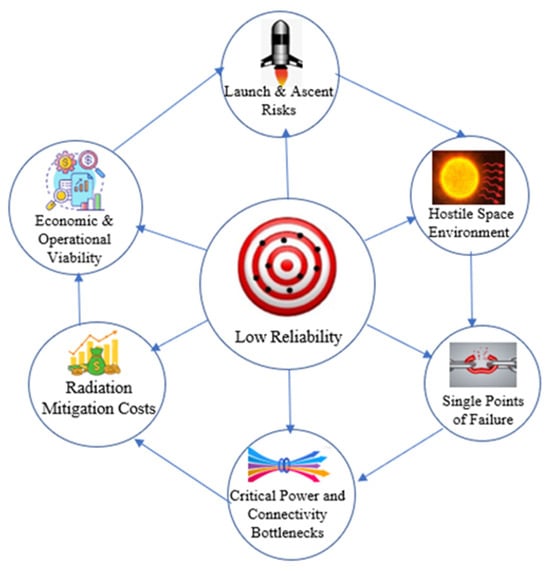
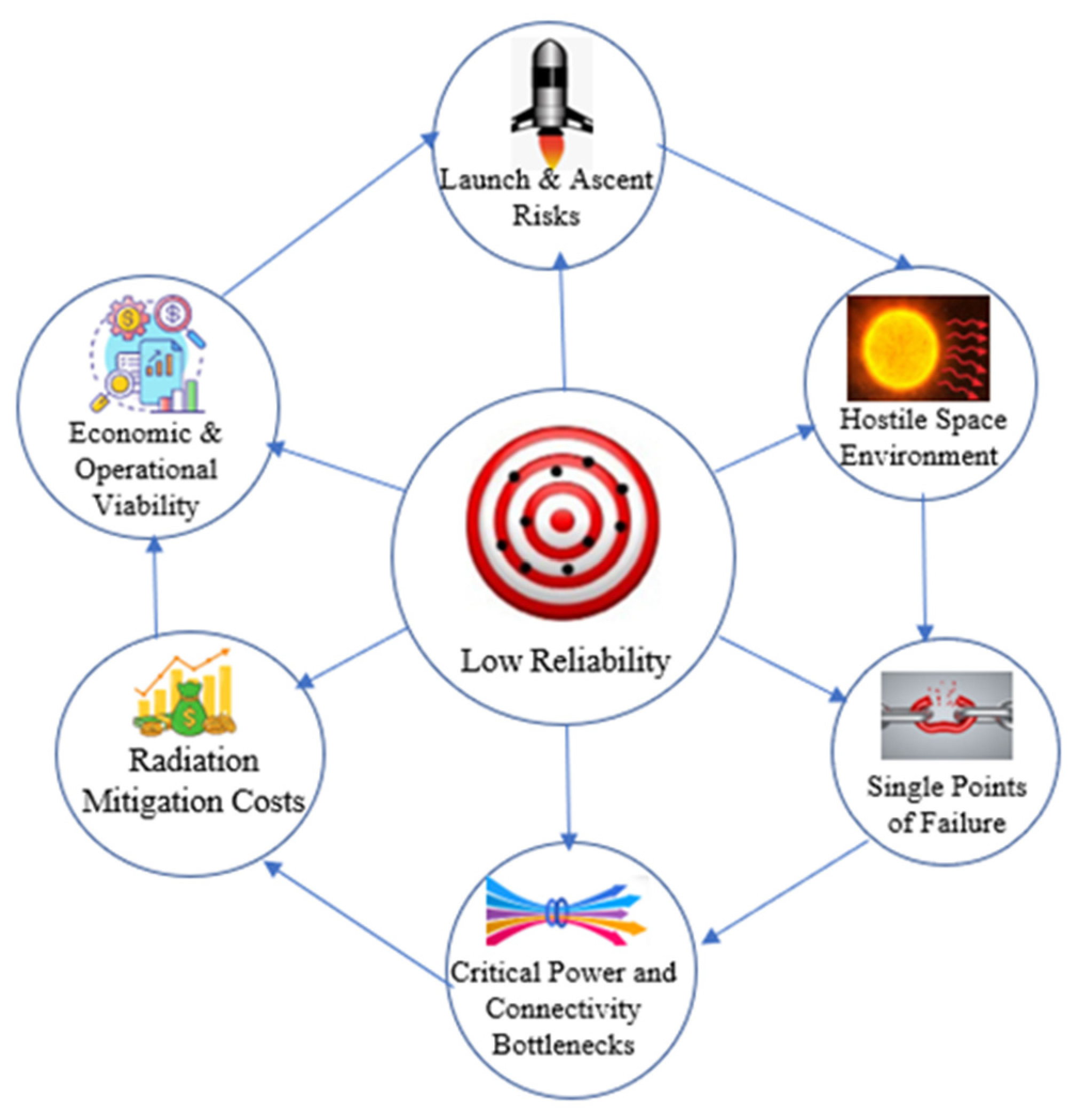
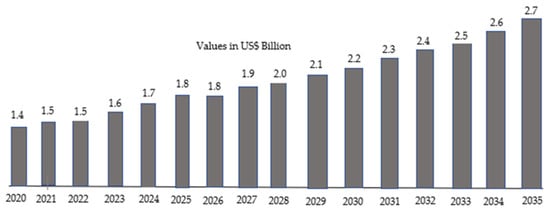
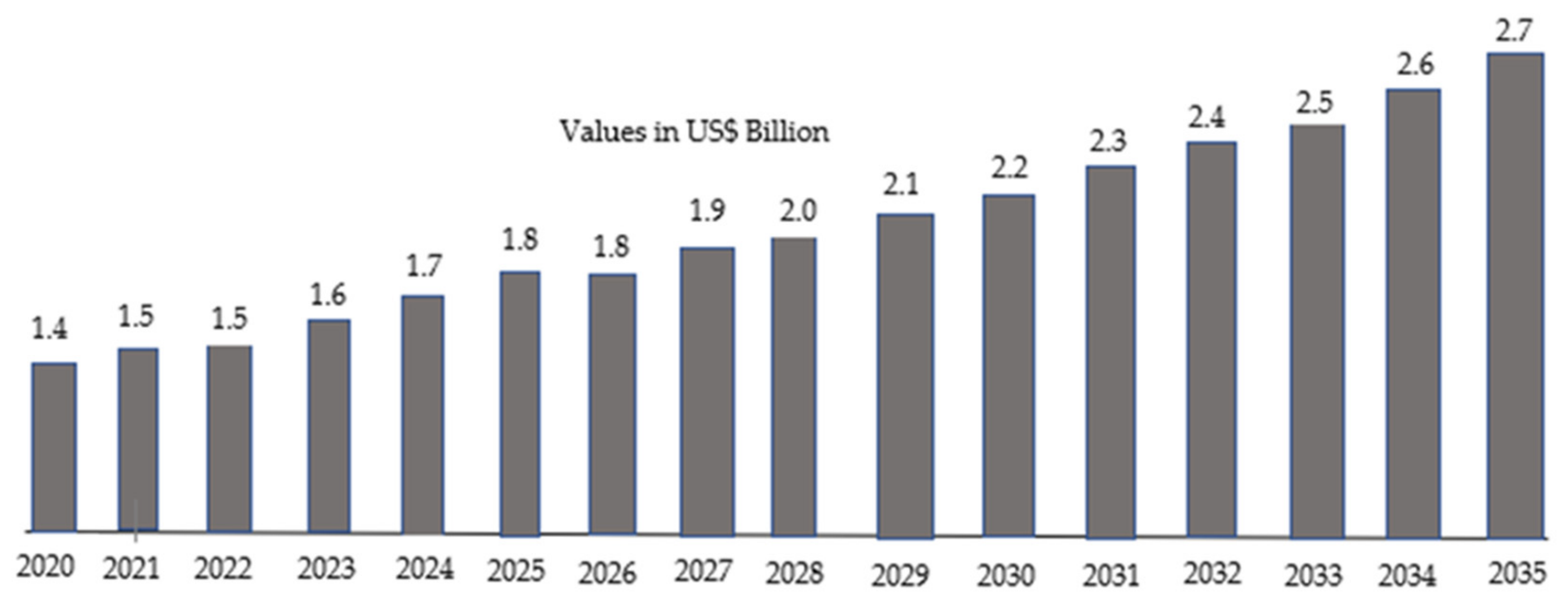
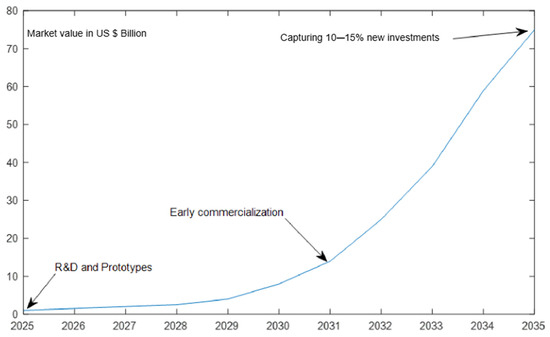
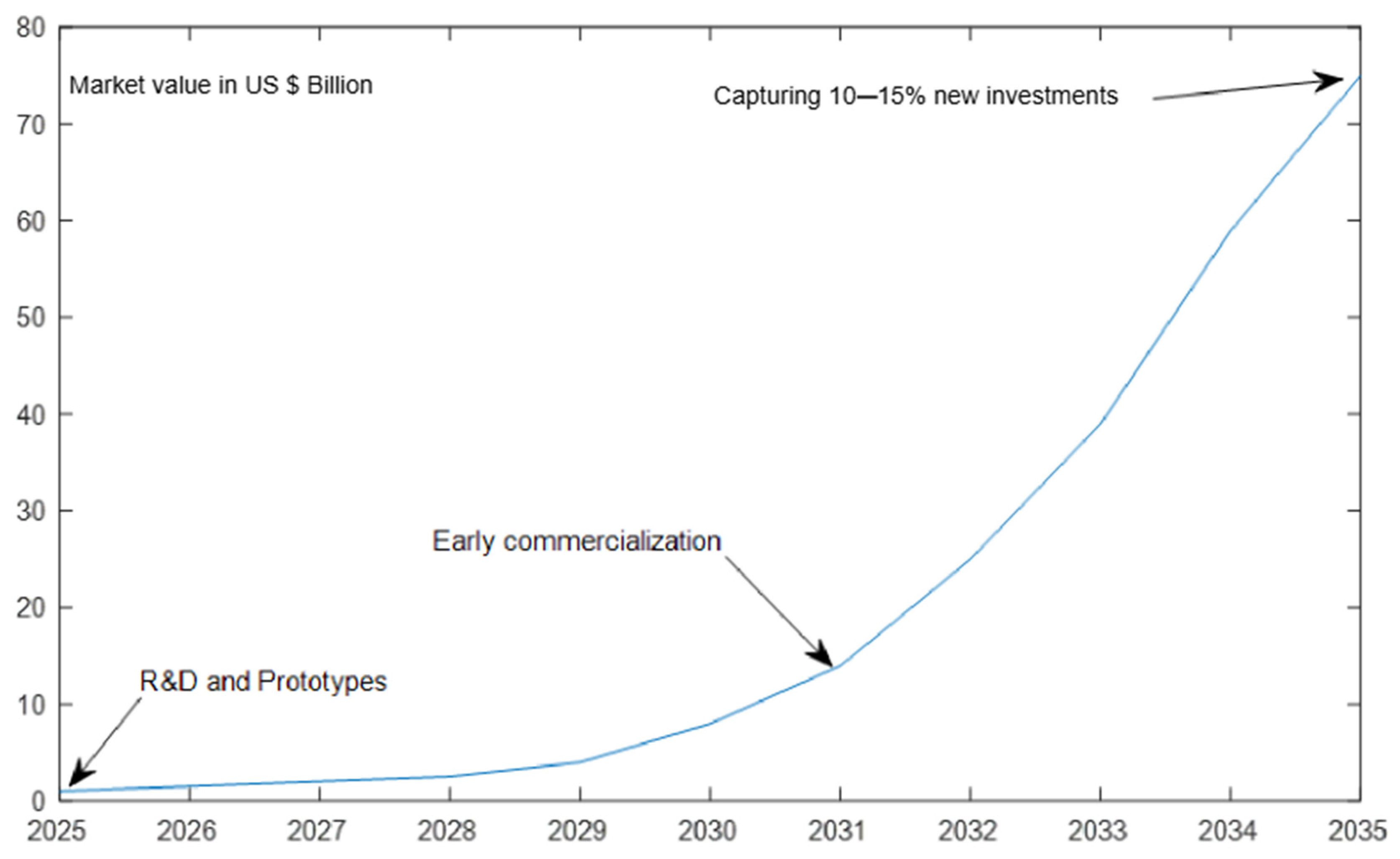

Disclaimer/Publisher’s Note: The statements, opinions and data contained in all publications are solely those of the individual author(s) and contributor(s) and not of MDPI and/or the editor(s). MDPI and/or the editor(s) disclaim responsibility for any injury to people or property resulting from any ideas, methods, instructions or products referred to in the content. |
© 2026 by the authors. Licensee MDPI, Basel, Switzerland. This article is an open access article distributed under the terms and conditions of the Creative Commons Attribution (CC BY) license.