The Amazonian Formative: Crop Domestication and Anthropogenic Soils

Abstract
1. Introduction
2. Sedentism and Amazonian Anthropogenic Soils
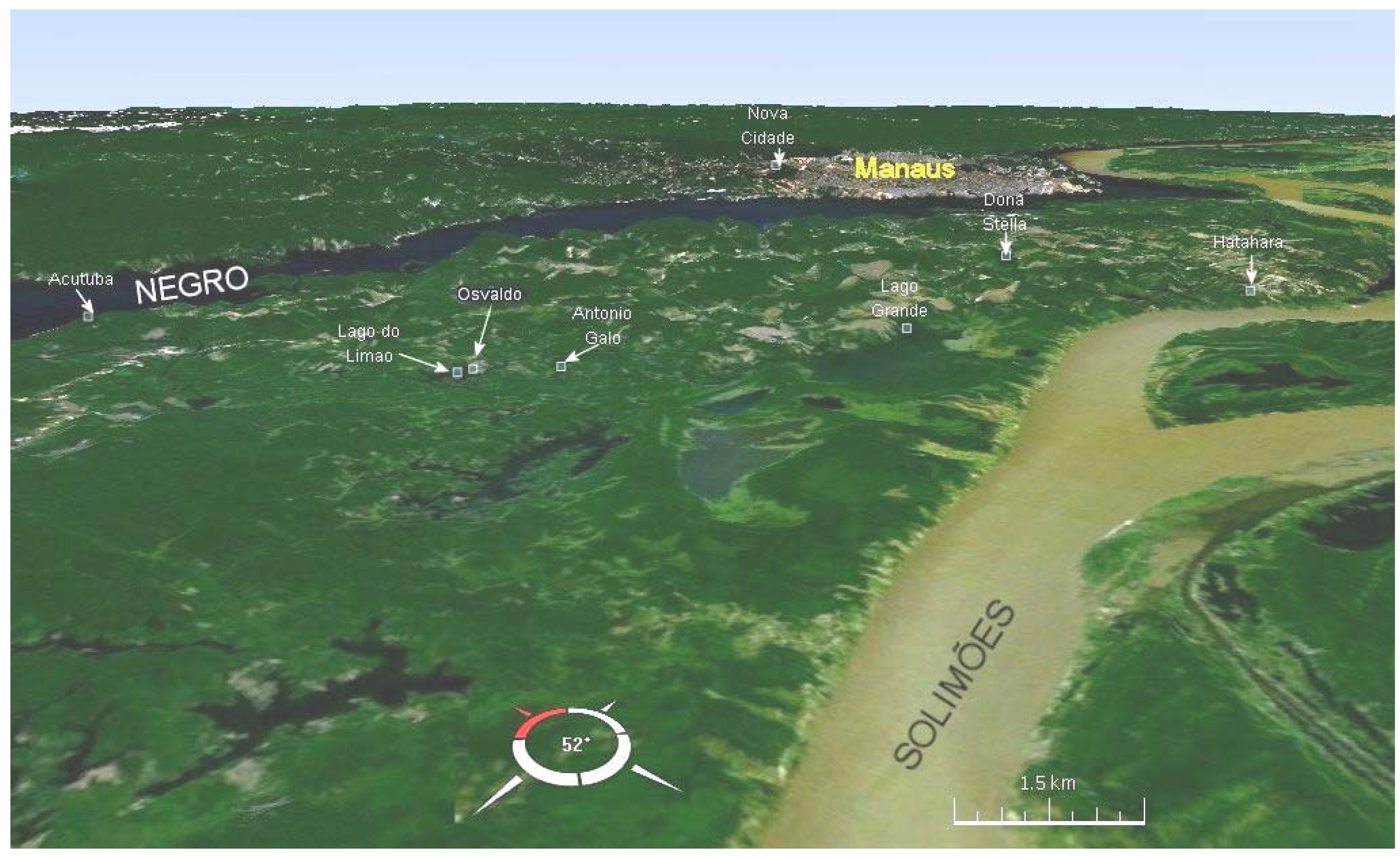
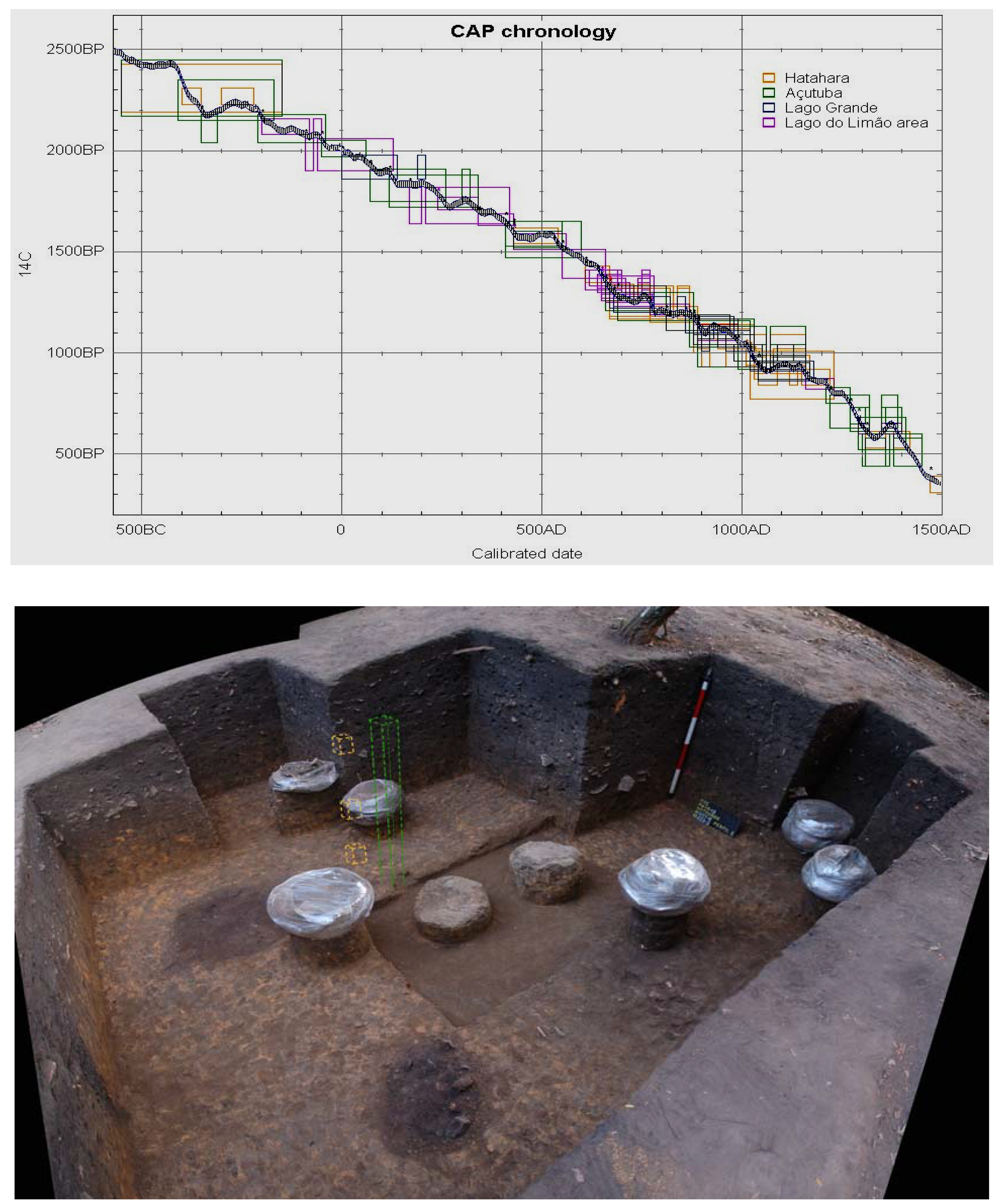
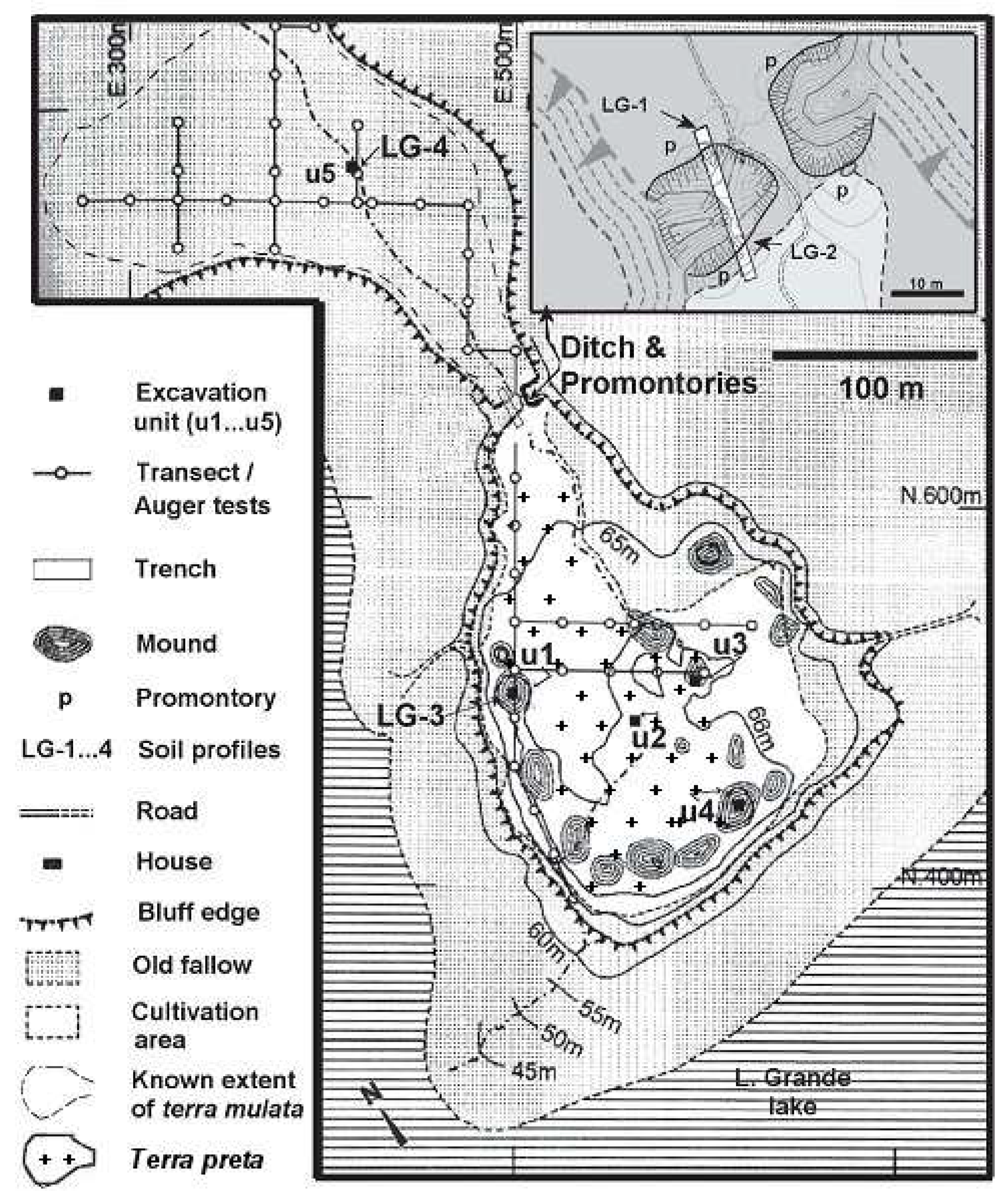
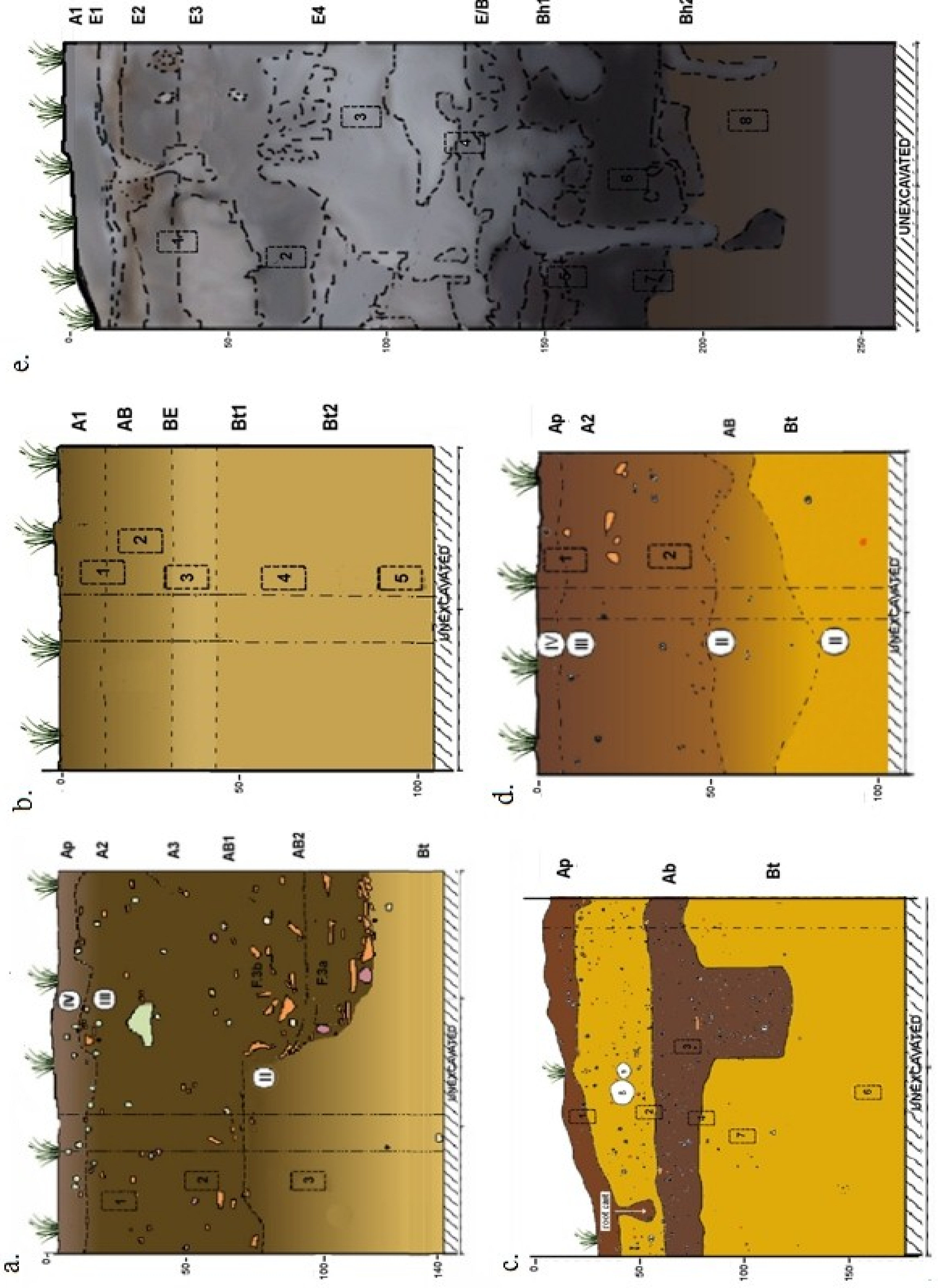
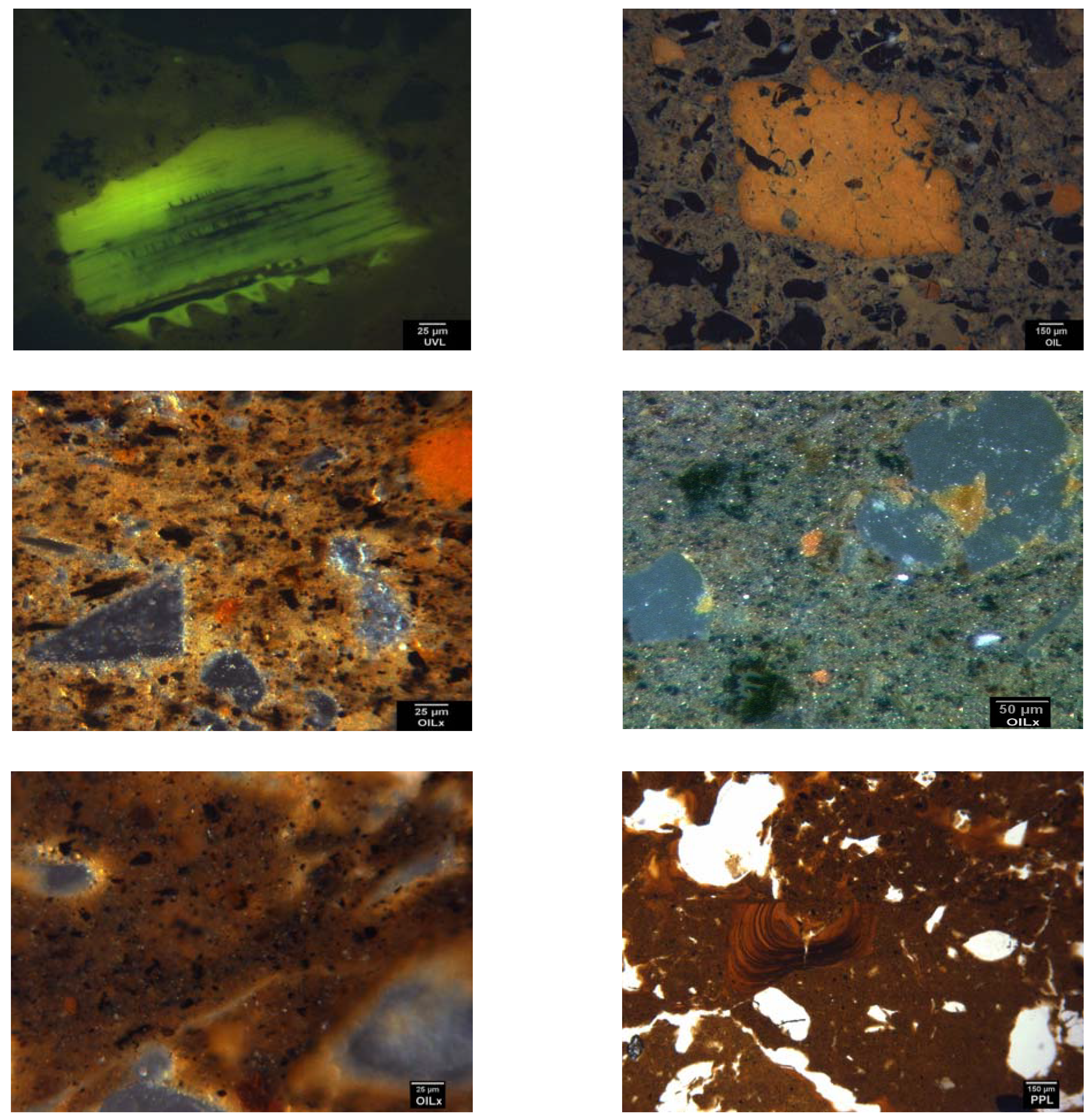
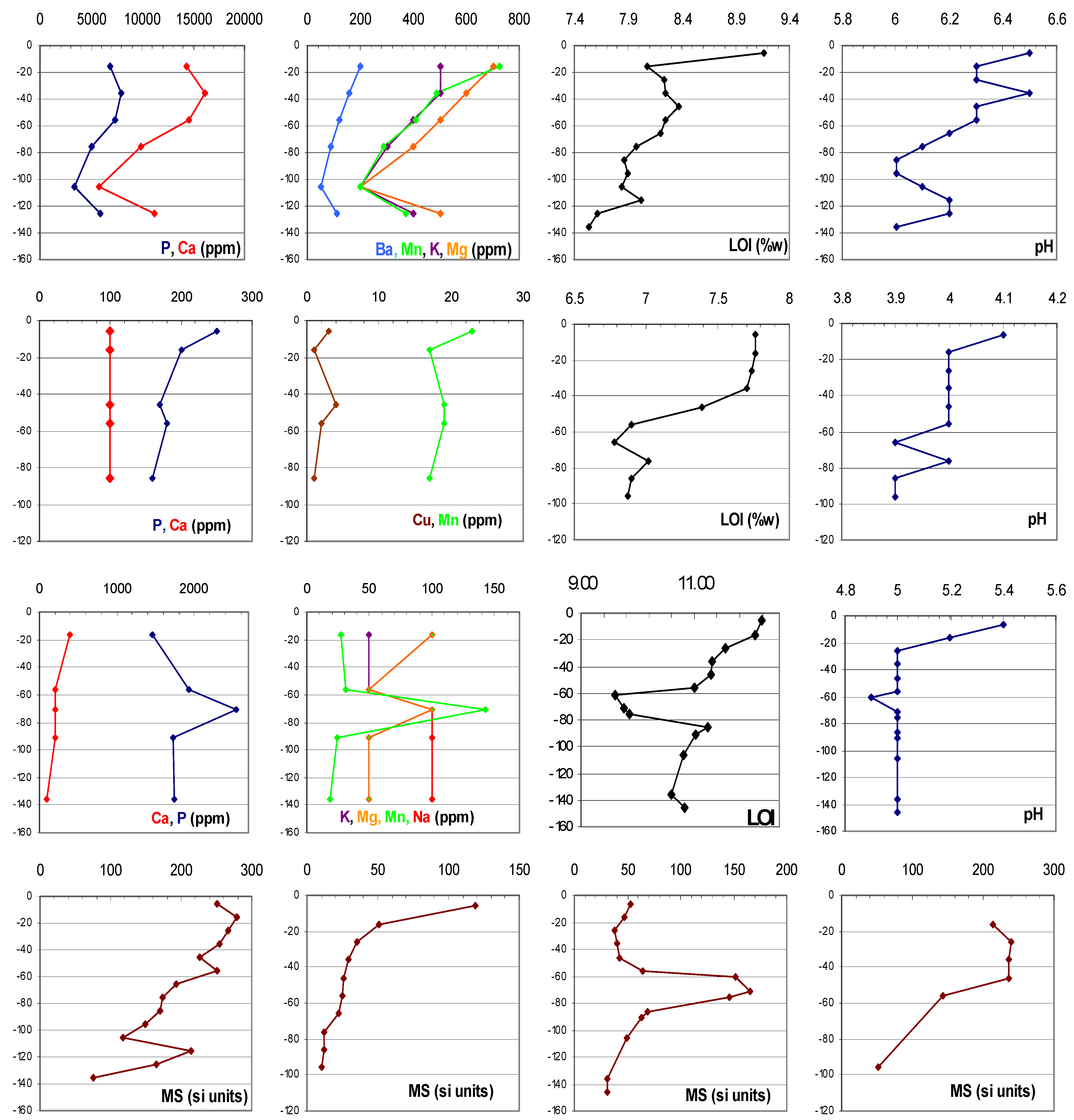
3. Domestication in the Landscape
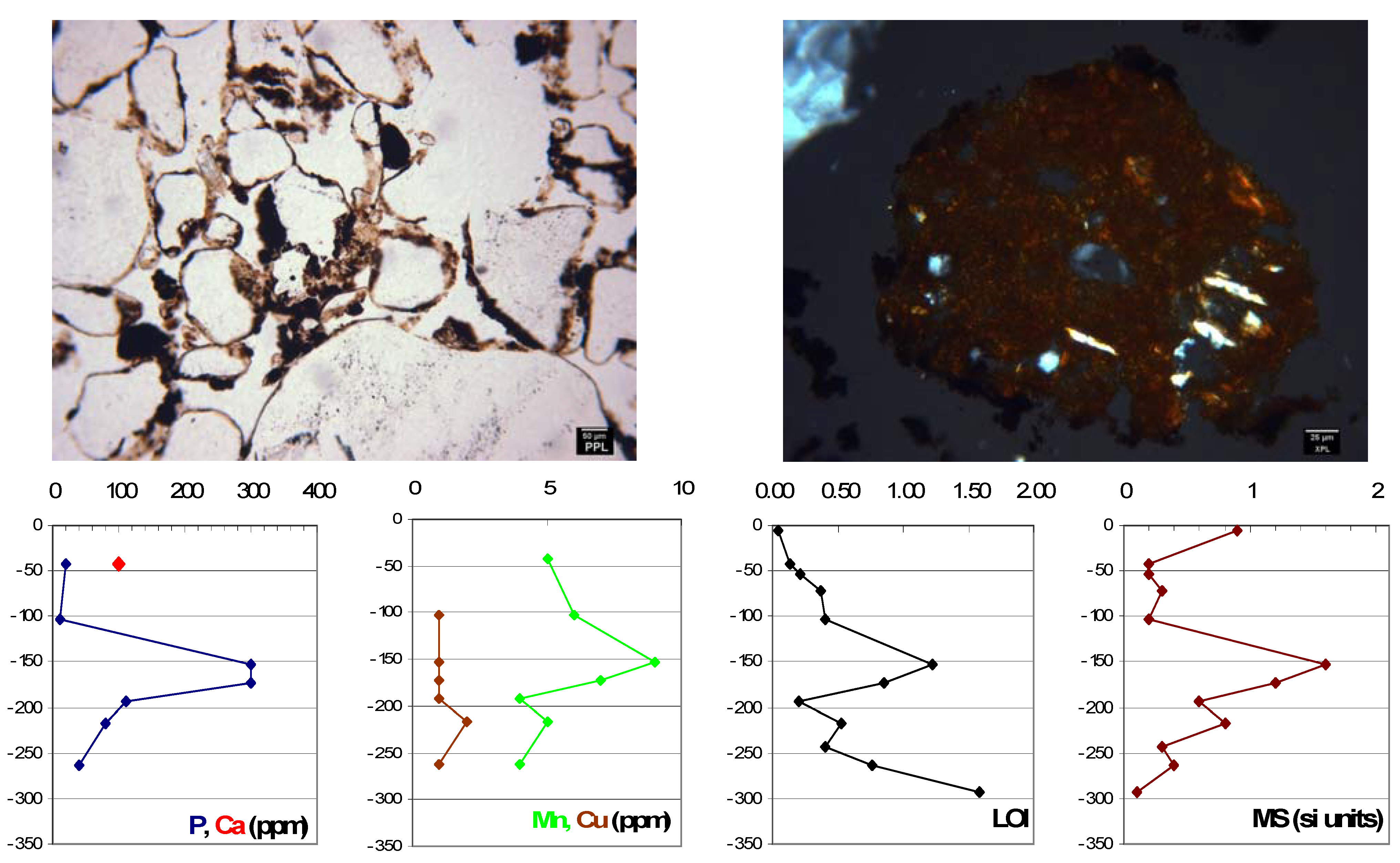
4. Anthropogenic Soils and Manioc
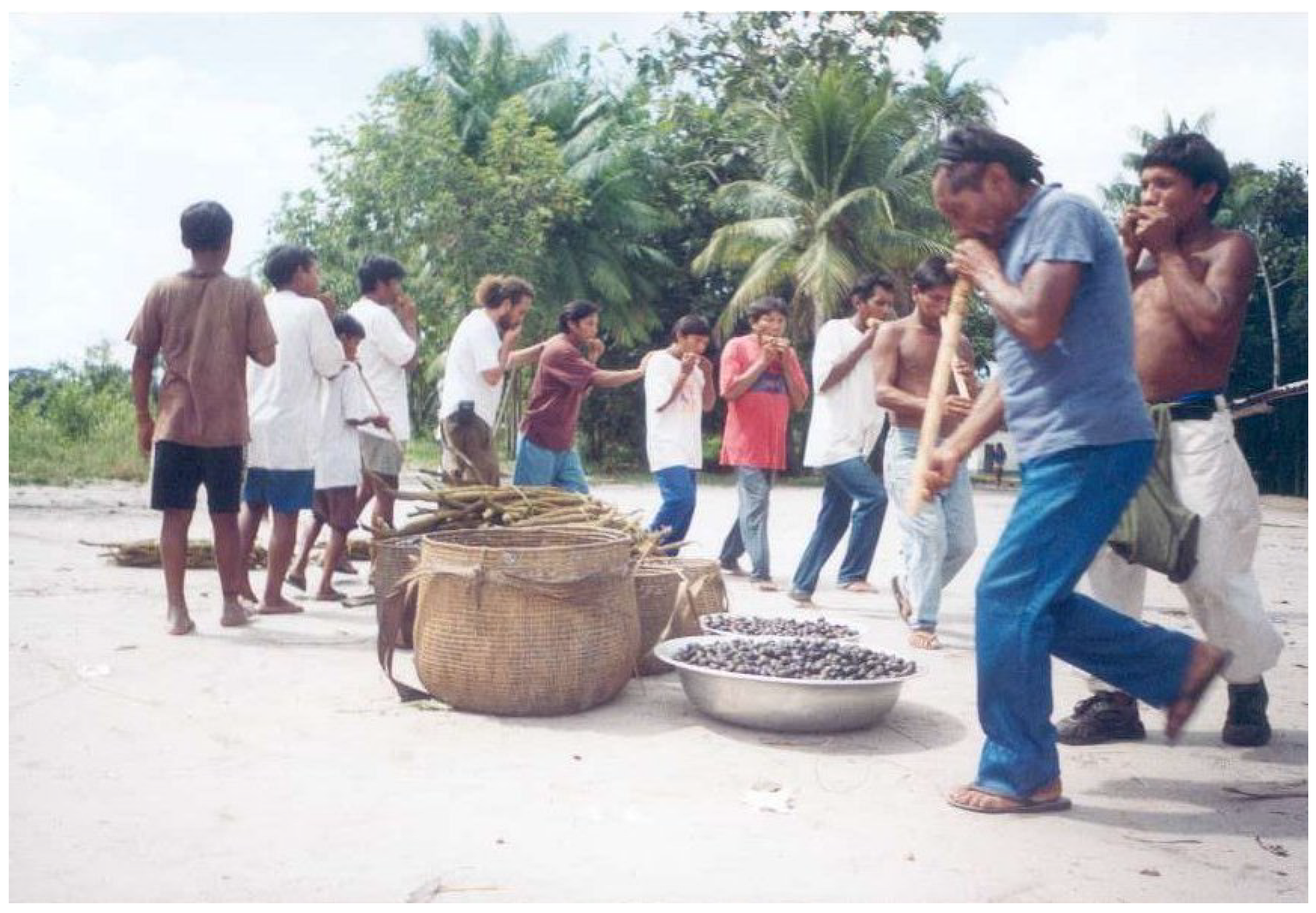
5. Crop Domestication and Intensification
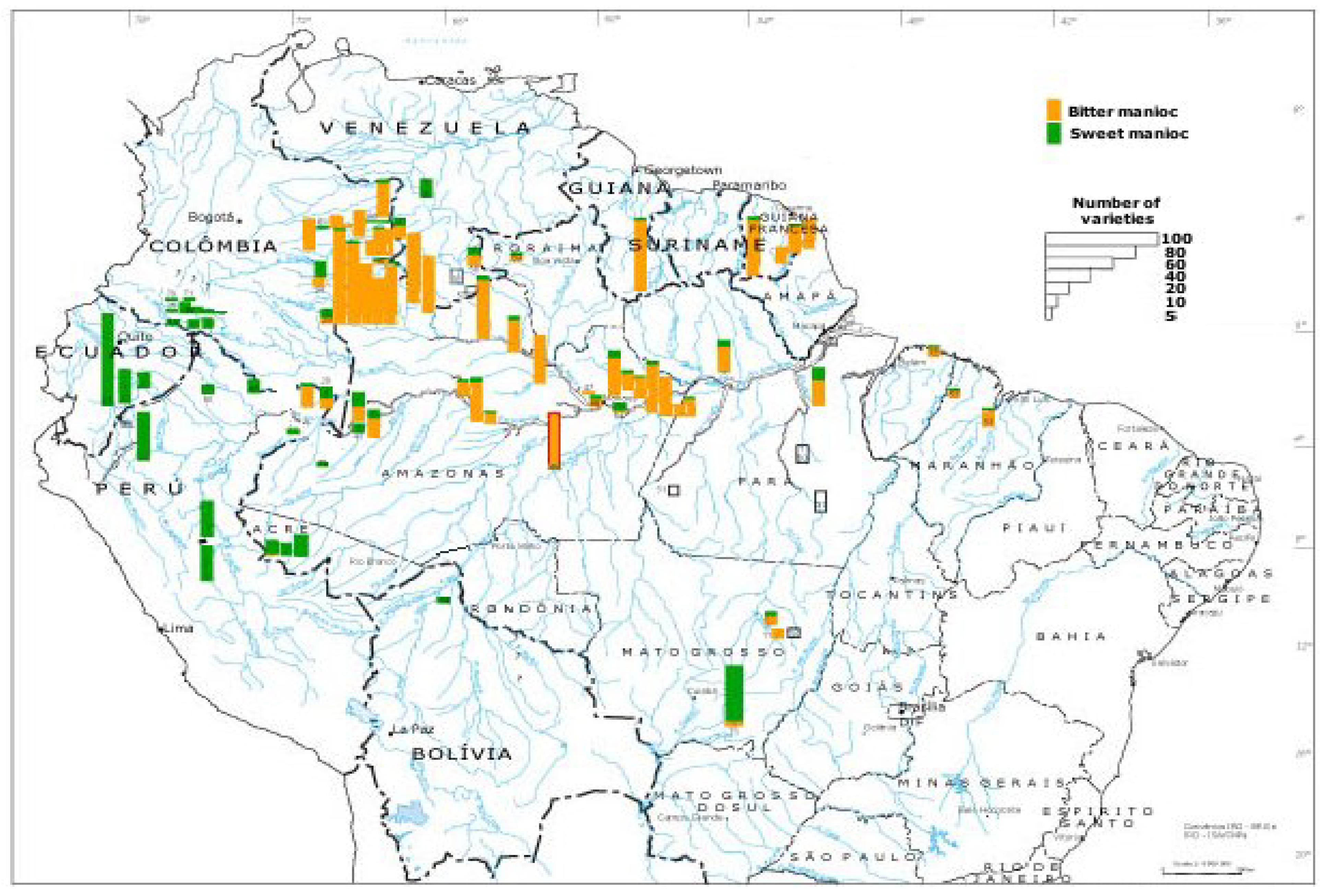
6. Discussion
7. Conclusion
- 1. One reviewer of this paper suggested that sequencing chloroplast non-coding areas or even specific nuclear genes (perhaps even the G3pdh already used in manioc) could allow - through coalescence analysis - estimates about when a specific lineage of the crop derived from another or from a wild ancestral population.
Acknowledgements
References
- Willey, G.R.; Phillips, P. Method and Theory in American Archaeology; University of Chicago Press: Chicago, IL, USA, 1965. [Google Scholar]
- Raymond, J.S. Beginnings of Sedentism in the Lowlands of Northwestern South America. In Recent Advances in the Archaeology of the Northen Andes: In Memory of Gerardo Reichel-Dolmatoff; Oyuela-Caycedo, A., Raymond, J.S., Eds.; Institute of Archaeology, University of California: Los Angeles, CA, USA, 1998; Volume 39, pp. 10–19. [Google Scholar]
- Marcos, J.G. A reassessment of the Ecuadorian Formative. In Archaeology of Formative Ecuador; Raymond, J.S., Burger, R.L., Eds.; Dumbarton Oaks Research Library and Collection: Washington, DC, USA, 2003; pp. 7–32. [Google Scholar]
- Mosley, M. The Maritime Foundations of Andean Civilization; Menlo Park: Cummings, 1975. [Google Scholar]
- Schaan, D.P. The Camutins chiefdom: Rise and development of social complexity on Marajó island, Brazilian Amazon. In PhD; University of Pittsburgh: Pittsburgh, PA, USA, 2004. [Google Scholar]
- Lathrap, D.W. The Upper Amazon; Thames & Hudson: Southampton, UK, 1970. [Google Scholar]
- Piperno, D.R.; Pearsall, D. The Origins of Agriculture in the Lowland Neotropics; Academic Press: San Diego, CA, USA, 1998. [Google Scholar]
- Oliver, J.R. On the road to agriculture in Amazonia: an overview. In Handbook of South American Archaeology; Silverman, H., Isbell, B., Eds.; Springer: New York, NY, USA, 2008; pp. 185–216. [Google Scholar]
- Brochado, J.; Lathrap, D. Amazonian Archaeology. 1982; unpublished manuscriptin possession of the author. [Google Scholar]
- Meggers, B.J. Prehistoria Sudamericana: Nuevas Perspectivas; Taraxacum: Washington, DC, USA, 1992; p. 381. [Google Scholar]
- Meggers, B.J. Judging the Future by the Past: The Impact of Environmental Instability on Prehistoric Amazonian Populations. In Indigenous Peoples and the Future of Amazonia: an Ecological Anthropology of an Endangered World; Sponsel, L.E., Ed.; The University of Arizona Press: Tucson, AZ, USA, 1995; pp. 15–43. [Google Scholar]
- Whitehead, N.L. Amazonian archaeology; searching for paradise? A review of recent literature and fieldwork. J. Archaeol. Res. 1996, 4, 241–264. [Google Scholar] [CrossRef]
- Clement, C.R. 1492 and the loss of Amazonian crop genetic resources. I The relation between domestication and human population decline. Econ. Bot. 1999, 53, 188–202. [Google Scholar] [CrossRef]
- Roosevelt, A.C. The maritime, highland, forest dynamic and origins of complex culture. In The Cambridge History of the Native Peoples of the Americas: South America; Salomon, F., Schwartz, S.B., Eds.; Cambridge University Press: Cambridge, MA, UK, 1999; Volume 2, pp. 264–349. [Google Scholar]
- Oliver, J.R. The archaeology of forest foraging and agricultural production in Amazonia. In Unknown Amazon. Culture in Nature in Ancient Brazil, 1st ed.; McEwan, C., Barreto, C., Neves, E.G., Eds.; The British Museum Press: London, UK, 2001; pp. 50–85. [Google Scholar]
- Heckenberger, M.J. Rethinking the Arawakan diaspora: Hierarchy, regionality and the Amazonian Formative. In Comparative Arawakan Histories: Rethinking Language Family and Culture Area in Amazonia; Hill, J.D., Santos-Granero, F., Eds.; University of Illinois Press: Chicago, IL, USA, 2002; pp. 99–122. [Google Scholar]
- Neves, E.G. Ecology, ceramic chronology and distribution, long-term history, and political change in the Amazonian floodplain. In Handbook of South American Archaeology; Silverman, H., Isbell, W., Eds.; Springer: New York, NY, USA, 2008; pp. 359–379. [Google Scholar]
- Heckenberger, M.J.; Neves, E.G. Amazonian Archaeology. Annu. Rev. Anthropol. 2009, 38, 251–266. [Google Scholar] [CrossRef]
- Viveiros de Castro, E. Images of nature and society in Amazonian ethnology. Annu. Rev. Anthropol. 1996, 25, 179–200. [Google Scholar] [CrossRef]
- Neves, E.G. Changing perspectives in Amazonian archaeology. In Archaeology of Latin America; Politis, G., Alberti, B., Eds.; Routledge: London, UK, 1999; pp. 217–243. [Google Scholar]
- Stahl, P.W. Paradigms in paradise: Revising standard Amazonian prehistory. Rev. Archaeol. 2002, 23, 39–51. [Google Scholar]
- Meggers, B.J. Amazonia: Man and Culture in a Counterfeit Paradise; Smithsonian Institution Press: Washington, DC, USA, 1971. [Google Scholar]
- Meggers, B.J. Vegetational fluctuation and prehistoric cultural adaptation in Amazonia: Some tentative correlations. World Archaeol. 1977, 8, 287–303. [Google Scholar] [CrossRef]
- Meggers, B.J. Climatic oscillation as a factor in the prehistory of Amazonia. Am. Antiq. 1979, 44, 252–266. [Google Scholar] [CrossRef]
- Meggers, B.J. Archaeological evidence for the impact of mega-nino events on Amazonia during the past 2 millennia. Clim. Change 1994, 28, 321–338. [Google Scholar] [CrossRef]
- Meggers, B.J. El contexto ecológico del Formativo. In Formativo Sudamericano, una Revaluación, 1st ed.; Ledergerber-Crespo, P., Ed.; Abya-Yala: Quito, Ecuador, 1999; pp. 383–393. [Google Scholar]
- Lathrap, D.W. Our father the cayman, our mother the gourd: Spinden revisited or a unitary model for the emergence of agriculture in the New World. In Origins of Agriculture; Reed, C.E., Ed.; Mouton: The Hague, The Netherlands, 1977; pp. 713–751. [Google Scholar]
- Lathrap, D.W. Review of David Rindos’ “The Origins of Agriculture: an Evolutionary Perspective”. Econ. Geogr. 1984, 60, 339–344. [Google Scholar] [CrossRef]
- Simões, M.F. Coletores-pescadores ceramistas do litoral do Salgado (Pará). Boletim do Museu Paraense Emílio Goeldi, NS 1981, 78, 1–26. [Google Scholar]
- Roosevelt, A.C.; Housley, R.A.; Da Silveira, M.I.; Maranca, S.; Johnson, R. Eighth millennium pottery from a prehistoric shell midden in the Brazilian Amazon. Science 1991, 254, 1621–1624. [Google Scholar]
- Roosevelt, A.C. Early pottery in the Amazon: twenty years of scholarly obscurity. In The Emergence of Pottery: Technology and Innovation in Ancient Societies; Barnett, W.K., Hoopes, J.W., Eds.; Smithsonian Institution: Washington, DC, USA, 1995; pp. 115–131. [Google Scholar]
- Roosevelt, A.C.; Lima da Costa, M.; Lopes Machado, C.; Michab, M.; Mercier, N.; Valladas, H.; Feathers, J.; Barnett, W.; Imazio da Silveira, M.; Henderson, A.; Silva, J.; Chernoff, B.; Reese, D.S.; Holman, J.A.; Toth, N.; Schick, K. Paleoindian cave dwellers in the Amazon: The peopling of the Americas. Science 1996, 272, 373–384. [Google Scholar]
- Roosevelt, A.C. The lower Amazon: A dynamic human habitat. In Imperfect Balance: Landscape Transformations in the Precolumbian Americas, 1st ed.; Lentz, D.L., Ed.; Columbia University Press: New York, NY, USA, 2000; pp. 455–491. [Google Scholar]
- Miller, E.T. Pesquisas arqueológicas paleoindígenas no Brasil Ocidental. Estudios Atacameños 1987, 8, 37–61. [Google Scholar]
- Miller, E.T. Adaptação agrícola pré-histórica no alto rio Madeira. In Prehistoria Sudamericana: Nuevas Perspectivas; Meggers, B.J., Ed.; Taraxacum: Washington, DC, USA, 1992; pp. 219–231. [Google Scholar]
- Miller, E.T. Archaeology in the Hydrolectric projects of Eletronorte; Eletronorte: Brasília, Brazil, 1992. [Google Scholar]
- Miller, E.T. A limitação ambiental como barreira à transformação do período Formativo no Brasil. Tecnologia, produção de alimentos e formação de aldeias no sudoeste da Amazônia. In Formativo Sudamericano, una Revaluación, 1st ed.; Ledergerber-Crespo, P., Ed.; Abya-Yala: Quito, Ecuador, 1999; pp. 331–339. [Google Scholar]
- Mora, S. Cultivars, Anthropic Soils, and Stability: A Preliminary Report of Archaeological Research in Araracuara, Colombian Amazonia; University of Pittsburgh: Pittsburgh, PA, USA, 1991; p. 87. [Google Scholar]
- Evans, C.; Meggers, B.J. Archaeological Investigations on the Rio Napo, Eastern Ecuador; Smithsonian Institution Press: Washington, DC, USA, 1968; Volume 6. [Google Scholar]
- Hilbert, P.P. Archäologische Untersuchungen am mittleren Amazonas: Beiträge zur Vorgeschichte des südamerikanischen Tieflandes; Reimer: Berlin, 1968. [Google Scholar]
- Meggers, B.J. Reconstrução do comportamento locacional pré-histórico na Amazônia. Boletim do Museu Paraense Emílio Goeldi - Série Antropologia 1990, 6, 183–203. [Google Scholar]
- Meggers, B.J. The continuing quest for El Dorado: Part two. Lat. Am. Antiq. 2001, 12, 304–325. [Google Scholar] [CrossRef]
- Neves, E.G.; Petersen, J.; Bartone, R.; da Silva, C.A. Historical and socio-cultural origins of Amazonian dark earths. In Amazonian Dark Earths: Origin, Properties, Management; Lehmann, J., Kern, D.C., Glaser, B., Woods, W., Eds.; Kluwer Academic Publishers: Dordrecht, Dunch, The Netherlands, 2003; pp. 29–50. [Google Scholar]
- Neves, E.G.; Petersen, J.B.; Bartone, R.N.; Heckenberger, M.J. The timing of terra preta formation in the central Amazon: archaeological data from three sites. In Amazonian Dark Earths: Explorations in Space and Time; Glaser, B., Woods, W.I., Eds.; Springer: London, UK, 2004; pp. 125–134. [Google Scholar]
- Lima, H.P.; Neves, E.G.; Petersen, J.B. A fase Açutuba: Um novo complexo cerâmico na Amazônia central. Arqueologia Sul-Americana 2006, 2, 26–52. [Google Scholar]
- Herrera, L.F.; Cavelier, I.; Rodríguez, C.; Mora, S. The technical transformation of an agricultural system in the Colombian Amazon. World Archaeol. 1992, 24, 98–113. [Google Scholar]
- Roosevelt, A.C. The rise and fall of the Amazon chiefdoms. L’Homme 1993, 33, 255–283. [Google Scholar]
- Roosevelt, A.C. The development of prehistoric complex societies: Amazonia, a tropical forest. In Complex Polities in the Ancient Tropical World; Bacus, E.A., Lucero, L.J., Eds.; American Anthropological Association: Arlington, VA, USA, 1999; Volume 9, pp. 13–33. [Google Scholar]
- Heckenberger, M.J.; Petersen, J.B.; Neves, E.G. Village size and permanence in Amazonia: two archaeological examples from Brazil. Lat. Am. Antiq. 1999, 10, 353–376. [Google Scholar] [CrossRef]
- Heckenberger, M.J. The Ecology of Power: Culture, Place and Personhood in the Southern Amazon AD 1000–2000; Routledge: London, UK, 2005. [Google Scholar]
- Morcote-Ríos, G. Plantas y gentes antiguas en un igapó estacional del interfluvio Solimões-Iça (Amazonas-Putumayo). In Pueblos y paisajes antiguos de la selva amazónica; Morcote, G., Mora, S., Franky, C., Eds.; Universidad Nacional de Colombia/Taraxacum: Bogotá/Washington, DC, USA, 2006; pp. 253–259. [Google Scholar]
- Gomes, D.M.C. O uso social da cerâmica de Parauá, Santarém, baixo Amazonas: uma análise funcional. Arqueología Sul-Americana 2008, 4, 4–33. [Google Scholar]
- Bozarth, S.R.; Neves, E.G.; Woods, W.I.; Cascon, L.; Caromano, C. Phytoliths and terra preta: the Hatahara site example. In Terra Preta Nova: A Tribute to Wim Sombroek; Woods, W.I., Teixeira, W.G., Lehmann, J., Steiner, C., WinklerPrins, A., Rebellato, L., Eds.; Kluwer: Dordrecht, The Netherlands, 2008; pp. 85–99. [Google Scholar]
- Meggers, B.J. La cerámica temprana en América del Sur: ¿invención independiente o difusión? Revista de Arqueología Americana 1997, 13, 7–40. [Google Scholar]
- Arroyo-Kalin, M. Steps towards an ecology of landscape: a geoarchaeological approach to the study of anthropogenic dark earths in the Central Amazon region. PhD thesis, University of Cambridge, Cambridge, UK, 2008. [Google Scholar]
- Allen, W.L. A ceramic sequence from the alto pachitea, perú: some implications for the development of tropical forest culture in South America. PhD thesis, University of Illinois, Urbana, IL, USA, 1968. [Google Scholar]
- Lathrap, D.W. The tropical forest and the cultural context of Chavín. In Proceedings of the Dumbarton Oaks Conference on Chavin; Benson, E.P., Ed.; Trustees for Harvard University: Washington, DC, USA, 1971; pp. 73–100. [Google Scholar]
- Shady, R. Sociedades formativas del nororiente peruano. In Prehistoria Sudamericana: Nuevas Perspectivas; Meggers, B., Ed.; Taraxacum: Santiago, Chile, 1992; pp. 343–357. [Google Scholar]
- Morales, D. Chambira: alfareros tempranos de la Amazonia Peruana. In Estudios de Arqueología Peruana; Bonavia, D., Ed.; Fomciencias: Lima, 1992; pp. 149–157. [Google Scholar]
- DeBoer, W.R. Ceramic assemblage variability in the Formative of Ecuador and Peru. In Archaeology of Formative Ecuador; Raymond, J.S., Burger, R.L., Eds.; Dumbarton Oaks Research Library and Collection: Washington, DC, USA, 2003; pp. 289–336. [Google Scholar]
- Valdez, F.; Guffroy, J.; de Saulieu, G.; Hurtado, J.; Yepes, A. Découvert d'un site cérémoniel formatif sur le versant oriental des Andes. C. R. Palevol. 2005, 4, 369–374. [Google Scholar] [CrossRef]
- Piperno, D.R. Aboriginal agriculture and land usage in the Amazon basin, Ecuador. J. Archaeol. Sci. 1990, 17, 665–677. [Google Scholar] [CrossRef]
- Bush, M.B.; Colinvaux, P.A. A 7000-year pollen record from the Amazon lowlands, Ecuador. Vegetatio 1988, 76, 141–154. [Google Scholar]
- Bush, M.B.; Miller, M.C.; De Oliveira, P.E.; Colinvaux, P.A. Two histories of environmental change and human disturbance in eastern lowland Amazonia. Holocene 2000, 10, 543–553. [Google Scholar] [CrossRef]
- Bush, M.B.; Silman, M.R.; de Toledo, M.B.; Listopad, C.; Gosling, W.D.; Williams, C.; de Oliveira, P.E.; Krisel, C. Holocene fire and occupation in Amazonia: records from two lake districts. Philos. Trans. R. Soc. Lond., B, Biol. Sci. 2007, 362, 209–218. [Google Scholar] [CrossRef]
- Bush, M.B.; Silman, M.R.; McMichael, C.; Saatchi, S. Fire, climate change and biodiversity in Amazonia: a late-Holocene perspective. Philos. Trans. R. Soc. Lond., B, Biol. Sci. 2008, 363, 1795–1802. [Google Scholar] [CrossRef]
- Sombroek, W.G. Amazon Soils: a Reconnaissance of the Soils of the Brazilian Amazon Region; Centre for Agricultural Publications and Documentation: Wageningen, The Netherlands, 1966. [Google Scholar]
- Lehmann, J.; Kern, D.; Glaser, B.; Woods, W. Amazonian Dark Earths. Origins, Properties and Management; Kluwer Press: Dordrecht, The Netherlands, 2003. [Google Scholar]
- Glaser, B.; Woods, W.I. Amazonian Dark Earths: Explorations in Space and Time; Springer: London, UK, 2004; Volume xiv, p. 216. [Google Scholar]
- Woods, W.; Teixeira, W.; Lehmann, J.; Steiner, C.; WinklerPrins, A.; Rebellato, L. Amazonian Dark Earths: Wim Sombroek's Vision; Kluwer: Dordrecht, The Netherlands, 2008. [Google Scholar]
- Hartt, C.F. Contribuções para a ethnologia do valle do Amazonas. Arquivos do Museu Nacional do Rio de Janeiro 1885, 6, 1–94. [Google Scholar]
- Nimuendajú, C. Os Tapajó. Boletim do Museu Paraense Emílio Goeldi 1949, 10, 93–106. [Google Scholar]
- Neves, E.G. The relevance of Curt Nimuendajú's archaeological work. In In Pursuit of a Past Amazon. Archaeological Researches in the Brazilian Guyana and in the Amazon region; Stenborg, P., Ed.; Värlskulturmuseet i Göteborg: Gothenburg, 2004; Volume 45, pp. 2–8. [Google Scholar]
- Smith, N.K.H. Anthrosols and human carrying capacity in Amazonia. Ann. Assoc. Am. Geogr. 1980, 70, 553–566. [Google Scholar] [CrossRef]
- Herrera, L.; Bray, W.; McEwan, C. Datos sobre la arqueología de Araracuara (comisaría del Amazonas, Colombia). Revista Colombiana de Antropología 1980-1981, 23, 183–251. [Google Scholar]
- Herrera, L. Relaciones entre ocupaciones prehispánicas y suelos negros en la cuenca del río Caquetá en Colombia. Revista CIAF 1981, 6, 225–242. [Google Scholar]
- Eden, M.J.; Bray, W.; Herrera, L.; McEwan, C. Terra preta soils and their archaeological context in the Caquetá basin of southeast Colombia. Am. Antiq. 1984, 49, 125–140. [Google Scholar] [CrossRef]
- Simões, M.F.; Corrêa, C.G. Pesquisas arqueológicas no baixo Uatumã-Jatapu (Amazonas). Revista de Arqueologia, Belém 1987, 4, 29–48. [Google Scholar]
- Simões, M.F.; Kalmann, A.L.M. Pesquisas arqueológicas no Médio Rio Negro (Amazonas). Revista de Arqueologia, Belém 1987, 4, 83–116. [Google Scholar]
- Neves, E.G. Levantamento Arqueológico da Área de Confluência dos rios Negro e Solimões,Estado do Amazonas: Continuidade das Escavações,Análise da Composição Química e Montagem de um Sistema de Informações Geográficas; FAPESP: São Paulo, Brazil, 2003. [Google Scholar]
- Moraes, C.d.P. Arqueologia na Amazônia Central Vista de uma Perspectiva da Região do Lago do Limão. Masters, Universidade de São Paulo, São Paulo, Brazil, 2006. [Google Scholar]
- Andrade, Á. Investigación arqueológica de los antrosolos de Araracuara (Amazonas). Arqueología Colombiana 1986, 31, 1–101. [Google Scholar]
- Woods, W.I.; McCann, J.M.; Meyer, D.W. Amazonian dark earth analysis: state of knowledge and directions for future research. Papers and Proceedings of the Applied Geography Conferences 2000, 23, 114–121. [Google Scholar]
- Glaser, B.; Balashov, E.; Haumaier, L.; Guggenberger, G.; Zech, W. Black carbon in density fractions of anthropogenic soils of the Brazilian Amazon region. Org. Geochem. 2000, 21, 669–678. [Google Scholar]
- Glaser, B.; Guggenberger, G.; Zech, W.; Ruivo, M.d.L. Soil organic mater stability in Amazonian dark earths. In Amazonian Dark Earths: Origins, Properties and Management; Lehmann, J., Kern, D., Glaser, B., Woods, W., Eds.; Kluwer Press: Dordrecht, The Netherlands, 2003; pp. 141–158. [Google Scholar]
- Lima, H.N.; Schaefer, C.E.R.; Mello, J.W.V.; Gilkes, R.J.; Ker, J.C. Pedogenesis and pre-Colombian land use of "Terra Preta Anthrosols" ("Indian black earth") of western Amazonia. Geoderma 2002, 110, 1–17. [Google Scholar] [CrossRef]
- Kern, D.C.; Kämpf, N. Antigos assentamentos indígenas na formação de solos com terra preta arqueológica na região de Oriximinã, Para. Revista Brasileira de Ciência do Solo 1989, 13, 219–225. [Google Scholar]
- Kern, D.C. Geoquímica e pedogeoquímica em sítios arqueológicos com terra preta na floresta nacional de Caxiuanã (Portel-PA). PhD, Universidade Federal do Pará, Belém, Brazil, 1996. [Google Scholar]
- Erickson, C.L. Historical ecology and future explorations. In Amazonian Dark Earths: Origins, Properties and Management; Lehmann, J., Kern, D., Glaser, B., Woods, W., Eds.; Kluwer Press: Dordrecht, The Netherlands, 2003; pp. 455–500. [Google Scholar]
- Rebellato, L. Interpretando a variabilidade cerâmica e as assinaturas químicas e físicas do solo no sítio arqueológico Hatahara -AM. Masters, Universidade de São Paulo, Brazil, 2007. [Google Scholar]
- Zeidler, J.A. La etnoarqueología de una vivienda Achuar y sus implicaciones arqueológicas. Miscelánea Antropológica Ecuatoriana 1983, 3, 155–193. [Google Scholar]
- Hecht, S.B. Indigenous soil management and the creation of Amazonian dark earths: implications of Kayapó practices. In Amazonian Dark Earths: Origin, Properties, Management; Lehmann, J., Kern, D.C., Glaser, B., Woods, W., Eds.; Kluwer Academic Publishers: Dordrecht, The Netherlands, 2003; pp. 355–372. [Google Scholar]
- Silva, F.A. Cultural behaviors of indigenous populations and the formation of the archaeological record in Amazonian dark earths: the Asurini do Xingú case study. In Amazonian Dark Earths: Origin, Properties, Management; Lehmann, J., Kern, D.C., Glaser, B., Woods, W.I., Eds.; Kluwer Press: Dordrecht, The Netherlands, 2003; pp. 373–385. [Google Scholar]
- Silva, F.A.; Rebellato, L. Use of space and formation of Terra Preta: the Asuriní do Xingu case study. In Amazonian Dark Earths: Explorations in Space and Time; Glaser, B., Woods, W.I., Eds.; Springer: Berlin, Germany, 2004; pp. 159–167. [Google Scholar]
- Schmidt, M.; Heckenberger, M.J. Amazonian dark earth formation in the Upper Xingú of southeastern Amazonia, Mato Grosso, Brazil. In 71st Annual meeting of the Society of American Archaeology; San Juan, Puerto Rico, 2006. [Google Scholar]
- Simões, M.F. Contribução á arqueologia dos arredores do baixo rio Negro, Amazonas. Programa Nacional de Pesquisa Arqueológicas. Resultados preliminares do quinto ano 1969–1970. Publicações avulsas 1974, 5, 165–188. [Google Scholar]
- Simões, M.F.; Machado, A.L. Pesquisas arqueológicas no lago de Silves (Amazonas). Revista de Arqueologia, Belém 1987, 4, 49–82. [Google Scholar]
- Machado, J.S. A Formação de Montículos Artificiais: um Estudo de Caso no Sítio Hatahara, Amazonas. Masters, Universidade de São Paulo, São Paulo, Brazil, 2005. [Google Scholar]
- Woods, W.I. Comments on the black earths of Amazonia. Papers and Proceedings of the Applied Geography Conferences 1995, 18, 159–165. [Google Scholar]
- Arroyo-Kalin, M.; Neves, E.G.; Woods, B.; Bartone, R.; Lima, E.P.; Rebellato, L.; Moraes, C.P.; Silva, C.A.d.; Daniel, A.R.-P. Mix and grow? Assessing the geoarchaeological significance of Terras Pretas in the Central Amazon region. In Developing International Geoarchaeology 2007; Cambridge, 2007. [Google Scholar]
- Arroyo-Kalin, M. Steps towards an ecology of landscape: the pedo-stratigraphy of anthropogenic dark earths. In Amazonian Dark Earths: Wim Sombroek’s Vision; Woods, W., Teixeira, W., Lehmann, J., Steiner, C., WinklerPrins, A., Rebellato, L., Eds.; Kluwer: Dordrecht, The Netherlands, 2008; pp. 33–83. [Google Scholar]
- Arroyo-Kalin, M. Towards a historical ecology of pre-Columbian central Amazonia. In 71st annual meeting of the Society of American Archaeology; San Juan, Puerto Rico, 2006. [Google Scholar]
- Neves, E.G.; Petersen, J. The political economy of pre-Columbian Amerindians: landscape transformations in central Amazonia. In Time and Complexity in Historical Ecology: Studies in the Neotropical Lowlands; Balée, W., Erickson, C.L., Eds.; Columbia University Press: New York, NY, USA, 2006; pp. 279–310. [Google Scholar]
- Arroyo-Kalin, M.; Neves, E.G.; Woods, W.I. Anthropogenic dark earths of the Central Amazon region: remarks on their evolution and polygenetic composition. In Amazonian Dark Earths: Wim Sombroek's Vision; Woods, W., Teixeira, W., Lehmann, J., Steiner, C., WinklerPrins, A., Rebellato, L., Eds.; Kluwer: Dordrecht, The Netherlands, 2008; pp. 99–125. [Google Scholar]
- Schaefer, C.; Lima, H.N.; Gilkes, R.J.; Mello, J.W.V. Micromorphology and electron microprobe analysis of phosphorus and potassium forms of an Indian Black Earth (IBE) Anthrosol from Western Amazonia. Aust. J. Soil Res. 2004, 42, 401–409. [Google Scholar] [CrossRef]
- Sergio, C.S.; Santana, G.P.; da Costa, G.m.; Horbe, A.M.C. Identification and characterization of maghemite in ceramic artifacts and archaeological black earth of Amazon region. Soil Sci. 2006, 171, 59–64. [Google Scholar] [CrossRef]
- Topoliantz, S.; Ponge, J.F. Charcoal consumption and casting activity by Pontoscolex corethrurus (Glossoscolecidae). Appl. Soil Ecol. 2005, 28, 217–224. [Google Scholar] [CrossRef]
- Donatti, P.B. A Ocupação Pré-Colonial da Area do Lago Grande, Iranduba, AM. Masters, Universidade de São Paulo, São Paulo, Brazil, 2003. [Google Scholar]
- Andrade, Á. Desarrollo de los sistemas agrícolas tradicionales en la Amazonía. Boletín del Museo del Oro 1988, 21, 38–59. [Google Scholar]
- Mullins, C.E. Magnetic-susceptibility of soil and its significance in soil science: review. J. Soil Sci. 1977, 28, 223–246. [Google Scholar] [CrossRef]
- Steiner, C.; Teixeira, W.; Zech, W. Slash and char—an alternative to slash and burn practiced in the Amazon basin. In Amazonian Dark Earths: Explorations in Space and Time; Glaser, B., Woods, W.I., Eds.; Springer-Verlag: Heidelberg, Germany, 2004; pp. 182–193. [Google Scholar]
- Denevan, W.M. Semi-intensive pre-European cultivation and the origins of anthropogenic dark earths in Amazonia. In Amazonian Dark Earths: Explorations in Space and Time; Glaser, B., Woods, W.I., Eds.; Springer: Berlin, Germany, 2004; pp. 135–143. [Google Scholar]
- Balée, W. The culture of Amazonian forests. In Resource Management in Amazonia: Indigenous and Folk Strategies; Posey, D., Balée, W., Eds.; New York Botanical Garden: Bronx, NY, USA, 1989; Volume 7, pp. 1–21. [Google Scholar]
- Clement, C.R.; McCann, J.M.; Smith, N.J. Agrobiodiversity in Amazonia and its relationship with dark earths. In Amazonian Dark Earths: Origin, Properties, Management; Lehmann, J., Kern, D.C., Glaser, B., Woods, W., Eds.; Kluwer Academic Publishers: Dordrecht, The Netherlands, 2003; pp. 159–178. [Google Scholar]
- Junqueira, A.B.; Shepard, G.H., Jr.; Clement, C.R. Secondary forests on anthropogenic soils in Brazilian Amazonia conserve agrobiodiversity. Biodiversity Conserv. 2010. [Google Scholar] [CrossRef]
- Woods, W.I.; McCann, J.M. The anthropogenic origin and persistence of Amazonian dark earths. Yearb. Conf. Lat. Am. Geogr. 1999, 25, 7–14. [Google Scholar]
- German, L.A. Historical contingencies in the coevolution of environment and livelihood: contributions to the debate on Amazonian Black Earth. Geoderma 2003, 111, 307–331. [Google Scholar] [CrossRef]
- Hiraoka, M.; Yamamoto, S.; Matsumoto, E.; Nakamura, S.; Falesi, I.C.; Ronaldo, A.; Baena, C. Contemporary use and management of Amazonian dark earths. In Amazonian Dark Earths: Origin, Properties, Management; Lehmann, J., Kern, D.C., Glaser, B., Woods, W., Eds.; Kluwer Academic Publishers: Dordrecht, The Netherlands, 2003; pp. 387–406. [Google Scholar]
- Fraser, J.A.; Clement, C.R. Dark earths and manioc cultivation in central Amazonia: a window on pre-Columbian agricultural systems? Boletim do Museu Paraense Emílio Goeldi 2008, 3, 175–194. [Google Scholar] [CrossRef]
- Fraser, J.A. The diversity of bitter manioc (Manihot esculenta Crantz) cultivation in one of the richest landscapes of Amazonia. Diversity 2010. submitted. [Google Scholar]
- Balée, W. People of the fallow: an historical ecology of foraging in lowland South America. In Conservation of Neotropical Forests: Working from Traditional Resource Use; Redford, K.H., Padoch, C., Eds.; Columbia University Press: New York, NY, USA, 1992; pp. 35–46. [Google Scholar]
- Politis, G. Moving to produce: Nukak mobility and settlement patterns in Amazonia. World Archaeol. 1996, 27, 492–511. [Google Scholar] [CrossRef]
- Politis, G. Plant exploitation among the Nukak Hunter-gatherers of Amazonia: between ecology and ideology. In Prehistory of Food: Appetites for Change; Gosden, C., Hather, J., Eds.; Routledge: London, UK, 1999; pp. 99–126. [Google Scholar]
- Balée, W. The research program of Historical Ecology. Annu. Rev. Anthropol. 2006, 35, 75–98. [Google Scholar] [CrossRef]
- Clement, C.R. Domesticação de paisagens e plantas amazônicas—a interação de etnobotânica, genética molecular e arqueologia. In Pueblos, Plantas y Paisajes Antiguos en la Selva Tropical Amazónica.; Morcote, G., Mora, S., Franky, C., Eds.; Editorial Universidad Nacional: Bogotá, Colombia, 2006; pp. 97–112. [Google Scholar]
- Clement, C.R. Fruit trees and the transition to food production in Amazonia. In Time and Complexity in Historical Ecology: Studies in the Neotropical Lowlands; Balée, W., Erickson, C.L., Eds.; Columbia University Press: New York, NY, USA, 2006; pp. 165–185. [Google Scholar]
- Gnecco, C.; Mora, S. Late Pleistocene-early Holocene tropical forest occupations at San Isidro and Peña Roja, Colombia. Antiquity 1997, 71, 683–690. [Google Scholar]
- Mora, S.; Gnecco, C. Archaeological hunter-gatherers in tropical forests: a view from Colombia. In Under the Canopy: The Archaeology of Tropical Rainforests; Mercader, J., Ed.; Rutgers University Press: London, UK, 2003; pp. 271–290. [Google Scholar]
- Cardale Schrimpff, M. The earliest inhabitants. In Calima and Malagana: Art and Archaeology in Southwestern Columbia; Cardale Schrimpff, M., Ed.; Pro Calima Foundation: Bogotá, Colombia, 2005; pp. 26–35. [Google Scholar]
- Aceituno, F.J.; Castillo, N. Mobility strategies in Colombia's middle mountain range between the early and middle Holocene. Before Farming 2005, 2, 1–17. [Google Scholar]
- Castillo, N.; Aceituno, F. El bosque domesticado, el bosque cultivado: Un proceso milenario en el valle medio del río Porce en el noroccidente colombiano. Lat. Am. Antiq. 2006, 17, 561–578. [Google Scholar] [CrossRef]
- Morcote-Ríos, G.; Bernal, R. Remains of palms (palmae) at archaeological sites in the New World: A review. Botanical Rev. 2001, 67, 309–350. [Google Scholar] [CrossRef]
- Mora, S. Early Inhabitants of the Amazonian Tropical Rain Forest: A Study of Humans and Environmental Dynamics; University of Pittsburg: Pittsburg, PA, USA, 2003; Volume 3. [Google Scholar]
- Roosevelt, A.C. Review of Santiago Mora’s ‘Early Inhabitants of the Amazonian Tropical Rain Forest: A Study of Humans and Environmental Dynamics’. Am. Anthropol. 2006, 108, 250–251. [Google Scholar] [CrossRef]
- French, C.A.I. Geoarchaeology in Action: Studies in Soil Micromorphology and Landscape Evolution; Routledge: London, UK, 2003. [Google Scholar]
- Woods, W.I. Development of anthrosol research. In Amazonian Dark Earths: Origins, Properties and Management; Lehmann, J., Kern, D., Glaser, B., Woods, W., Eds.; Kluwer Press: Dordrecht, The Netherlands, 2003; pp. 3–14. [Google Scholar]
- Davidson, D.; Simpson, I. The time dimension in landscape ecology: cultural soils and spatial pattern in early landscapes. In Issues and Perspectives in Landscape Ecology; Wiends, J.A., Moss, M.R., Eds.; Cambridge University Press: Cambridge, UK, 2005; pp. 152–158. [Google Scholar]
- Cavelier, I.; Rodríguez, C.; Herrera, L.F.; Morcote, G.; Mora, S. No sólo de caza vive el hombre: ocupación del bosque amazónico, Holoceno temprano. In Ámbito y Ocupaciones Tempranas de la América Tropical; Cavelier, I., Mora, S., Eds.; Fundación Erigaie, Instituto Colombiano de Antropología: Santafé de Bogotá, Colombia, 1995; pp. 27–44. [Google Scholar]
- Costa, F.W.d.S. Análise das Indústrias Líticas da Area de Confluência dos rios Negro e Solimões. Masters, Universidade de São Paulo, São Paulo, Brazil, 2002. [Google Scholar]
- Anderson, E. Plants, Man and Life; Little, Brown and co.: Boston, MA, USA, 1952. [Google Scholar]
- Descola, P. From scattered to nucleated settlement: a process of socioeconomic change among the Achuar. In Cultural Transformations and Ethnicity in Modern Ecuador; Whitten, N.E., Jr., Ed.; University of Chicago Press: Chicago, IL, USA, 1981; pp. 614–646. [Google Scholar]
- Descola, P. Homeostasis as a cultural system: the Jívaro case. In Amazonian Indians from Prehistory to the Present: Anthropological Perspectives; Roosevelt, A.C., Ed.; University of Arizona Press: Tucson, AZ, USA, 1994; pp. 203–224. [Google Scholar]
- Salick, J.; Cellinese, N.; Knapp, S. Indigenous diversity of cassava: generation, maintenance, use and loss among the Amuesha, Peruvian Upper Amazon. Econ. Bot. 1997, 51, 6–19. [Google Scholar] [CrossRef]
- Emperaire, L. Elementos de discussão sobre a conservação da agrobiodiversidade: o exemplo da mandioca (Manihot esculenta Crantz) na Amazônia brasileira. In Biodiversidade da Amazônia brasileira, avaliação e ações prioritárias para a conservação, uso sustentável e repartição dos benefícios; Capobiando, J.-P., Ed.; ISA, Estação Liberdade: São Paulo, Brazil, 2001; pp. 225–234. [Google Scholar]
- Porro, A. História indígena do alto e médio Amazonas: séculos XVI a XVIII. In História dos Índios no Brasil; Carneiro da Cunha, M., Ed.; Compahia das Letras-FAPESP-SMC (São Paulo)-Editora Schwarcz: São Paulo, Brazil, 1992; pp. 175–196. [Google Scholar]
- Porro, A. Social organisation and political power in the Amazon Floodplain: the ethnohistorical sources. In Amazonian Indians: From Prehistory to the Present. Anthropological Perspectives; Roosevelt, A.C., Ed.; University of Arizona Press: Tuson, AZ, USA, 1994; pp. 79–94. [Google Scholar]
- Evans, C.; Meggers, B.J. Archeological Investigations in British Guiana; Smithsonian Institution Press: Washington, DC, USA, 1960. [Google Scholar]
- Harris, D.R. The ecology of swidden cultivation in the Upper Orinoco Rain Forest, Venezuela. Geogr. Rev. 1971, 61, 475–495. [Google Scholar]
- Hugh-Jones, C. From the Milk River, Spatial and Temporal Processes in Northwest Amazonia; Cambridge University Press: Cambridge, UK, 1979. [Google Scholar]
- Dufour, D.L. The composition of some foods used in northwest Amazonia. Interciencia 1988, 13, 83–86. [Google Scholar]
- Dufour, D. Diet and nutritional status of Amazonian peoples. In Amazonian Indians, from Prehistory to the Present. Anthropological Perspectives; Roosevelt, A.C., Ed.; The University of Arizona Press: Tucson, AZ, USA, 1994; pp. 151–175. [Google Scholar]
- Carneiro, R.L. The cultivation of manioc among the Kuikuru of the upper Xingú. In Adaptive Responses of Native Amazonians; Hames, R.B., Vickers, W.T., Eds.; Academic Press: New York, NY, USA, 1983; pp. 65–112. [Google Scholar]
- Wright, R. Indian slavery in the northwest Amazon. Boletim do Museu Paraense Emílio Goeldi—Série Antropologia 1991, 7, 149–179. [Google Scholar]
- Silverwood-Cope, P.L. A contribution to the ethnography of the Colombian Makú. PhD thesis, University of Cambridge, Cambridge, UK, 1972. [Google Scholar]
- Reid, H.A. Some aspects of movement, growth and change among the Hupdu Makú Indians of Brazil. PhD thesis, University of Cambridge, Cambridge, UK, 1979. [Google Scholar]
- Koch-Grünberg, T. Dos Años entre los Indios; Editorial Universitaria Nacional: Bogotá, Colombia, 1995 (1909); vol 2. [Google Scholar]
- Goldman, I. The Cubeo: Indians of the Northwest Amazon; University of Illinois Press: Champaign, IL, USA, 1963. [Google Scholar]
- Chernela, J.M. Managing rivers of hunger: the Tukano of Brazil. In Resource Management in Amazonia: Indigenous and Folk Strategies; Posey, D., Balée, W., Eds.; New York Botanical Garden: Bronx, NY, USA, 1989; Volume 7, pp. 238–248. [Google Scholar]
- Chernela, J.M. Social meaning and material transaction: the Wanano-Tukano of Brazil and Colombia. J. Anthropol. Archaeol. 1992, 11, 111–124. [Google Scholar] [CrossRef]
- Piperno, D.R. Identifying crop plants with phytoliths (and starch grains) in Central and South America:A review and an update of the evidence. Quat. Int. 2009, 193, 146–159. [Google Scholar] [CrossRef]
- Chandler-Ezell, K.; Pearsall, D.M.; Zeidler, J.A. Root and tuber phytoliths and starch grains document manioc (Manihot esculenta), arrowroot (Maranta arundinacea), and Llerén (Calathea sp.) at the Real alto site, Ecuador. Econ. Bot. 2006, 60, 103–120. [Google Scholar]
- Olsen, K.M.; Schaal, B.A. Evidence on the origin of cassava—Phylogeography of Manihot esculenta. Proc. Natl. Acad. Sci. USA 1999, 96, 5586–5591. [Google Scholar] [CrossRef]
- Ugent, D. Chemosystematics in Archaeology: A Preliminary Study of the Use of Chromatography and Spectrophotometry in the Identification of Four Prehistoric Root Crop Species from the Desert Coast of Peru; Wac 2, Barquisimeto; Venezuela, Sep, 1990; Routledge: Barquisimeto; Venezuela, 1990; pp. 215–226. [Google Scholar]
- Ugent, D.; Pozorski, S.; Pozorski, T. Archaeological manioc (Manihot) from coastal Peru. Econ. Bot. 1986, 40, 78–102. [Google Scholar] [CrossRef]
- Rossen, J.; Dillehay, T.D.; Ugent, D. Ancient cultigens or modern intrusions?: Evaluating plant remains in an Andean case study. J. Archaeol. Sci. 1996, 23, 391–407. [Google Scholar] [CrossRef]
- Perry, L. Starch analyses reveal multiple functions of quartz “Manioc” grater flakes from the Orinoco Basin, Venezuela. Interciencia 2002, 27, 635–639. [Google Scholar]
- Piperno, D.R.; Holst, I. The presence of starch grains on prehistoric stone tools from the humid neotropics: indications of early tuber use and agriculture in Panama. J. Archaeol. Sci. 1998, 25, 765–776. [Google Scholar] [CrossRef]
- Piperno, D.R.; Ranere, A.J.; Holst, I.; Hansell, P. Starch grains reveal early root crop horticulture in the Panamanian tropical forest. Nature 2000, 407, 894–897. [Google Scholar] [CrossRef]
- Gnecco, C.; Aceituno, J. Poblamiento temprano y espacios antropogénicos en el norte de Suramérica. Complutum 2004, 15, 151–164. [Google Scholar]
- Behling, H.; Hooghiemstra, H. Late Quaternary palaeoecology and palaeoclimatology from pollen records of the savannas of the Llanos Orientales in Colombia. Palaeogeogr. Palaeoclimatol. Palaeoecol. 1998, 139, 251–267. [Google Scholar] [CrossRef]
- Léotard, G.; Duputié, A.; Kjellberg, F.; Douzery, E.J.P.; Debain, C.; Granville, J.-J.d.; McKey, D. Phylogeography and the origin of cassava: New insights from the northern rim of the Amazonian basin. Mol. Phylogenet. Evol. 2009, 53, 329–334. [Google Scholar] [CrossRef]
- Olsen, K.M. SNPs, SSRs and inferences on cassava’s origin. Plant Mol. Biol. 2004, 56, 517–526. [Google Scholar] [CrossRef]
- Perry, L. Starch granule size and the domestication of manioc (Manihot esculenta) and sweet potato (Ipomoea batatas). Econ. Bot. 2002, 56, 335–349. [Google Scholar] [CrossRef]
- Freitas, H.A.d.; Pessenda, L.C.R.; Aravena, R.; Gouveia, S.E.M.; Ribeiro, A.D.; Boulet, R. Late Quaternary vegetation dynamics in the southern Amazon Basin inferred from carbon isotopes in soil organic matter. Quaternary Res. 2001, 55, 39–46. [Google Scholar] [CrossRef]
- Burbridge, R.E.; Mayle, F.E.; Killeen, T.J. Fifty-thousand-year vegetation and climate history of Noel Kempff Mercado National Park, Bolivian Amazon. Quaternary Res. 2004, 61, 215–230. [Google Scholar] [CrossRef]
- Mayle, F.E.; Langstroth, R.P.; Fisher, R.A.; Meir, P. Long-term forest-savannah dynamics in the Bolivian Amazon: implications for conservation. Philos. Trans. R. Soc. Lond., B, Biol. Sci. 2007, 362, 291–307. [Google Scholar] [CrossRef]
- Pickersgill, B. Domestication of plants in the Americas: insights from mendelian and molecular genetics. Ann. Bot. 2007, 100, 925–940. [Google Scholar] [CrossRef]
- Clement, C.R.; Cristo-Araújo, M.d.; d’Eeckenbrugge, G.C.; Pereira, A.A.; Picanço-Rodrigues, D. Origin and Domestication of Native Amazonian Crops. Diversity 2010, 2, 72–106. [Google Scholar] [CrossRef]
- McKey, D.; Beckerman, S. Chemical ecology, plant evolution, and the evolution of traditional manioc cultivation systems. In Tropical Forests, People and Food.Biocultural Interactions and Applications to Development; Hladik, C.M., Hladik, A., Linares, O.F., Pagezy, H., Semple, A., Hadley, M., Eds.; UNESCo, Parthenon: Paris, France, 1933; pp. 83–112. [Google Scholar]
- Pujol, B.; David, P.; McKey, D. Germination ecology of cassava (Manihot esculenta Crantz, Euphorbiaceae) in traditional agroecosystems: seed and seedling biology of a vegetatively propagated domesticated plant. Econ. Bot. 2002, 56, 366–379. [Google Scholar] [CrossRef]
- Mühlen, G.S.; Martins, P.S.; Ando, A. Variabilidade genética de etnovariedades de mandioca, avaliada por marcadores de DNA. Sci. Agric. 2000, 57, 319–328. [Google Scholar]
- Elias, M.; Mühlen, G.S.; McKey, D.; Roa, A.C.; Tohme, J. Genetic diversity of traditional South American landraces of Cassava (Manihot esculenta Crantz): an analysis using microsatellites. Econ. Bot. 2004, 58, 242–256. [Google Scholar] [CrossRef]
- Wilson, W.M.; Dufour, D. Why bitter cassave? Productivity of ‘bitter’ and ‘sweet’ cassava in a Tukanoan Indian settlement in the northwest Amazon. Econ. Bot. 2002, 56, 49–57. [Google Scholar] [CrossRef]
- Gragson, T.L. The use of underground plant organs and its relation to habitat selection among the Pume Indians of Venezuela. Econ. Bot. 1997, 51, 377–384. [Google Scholar] [CrossRef]
- Duputié, A.; David, P.; Debain, C.; McKey, D. Natural hybridization between a clonally propagated crop, cassava (Manihot esculenta Crantz) and a wild relative in French Guiana. Mol. Ecol. 2007, 16, 3025–3038. [Google Scholar] [CrossRef]
- Olsen, K.M.; Schaal, B. Insights on the evolution of a vegetatively propagated crop species. Mol. Ecol. 2007, 16, 2838–2840. [Google Scholar] [CrossRef]
- Arroyo-Kalin, M.; Clement, C.R.; Fraser, J.A. Extensive to intensive, or first fruits and then roots? Bitter/sweet thoughts on agricultural intensification in pre-Columbian Amazonia. In Shifting Cultivation session, World Archaeological Congress 6; Dublin, Ireland, 2008. [Google Scholar]
- Beckerman, S. Swidden in Amazonia and the Amazon rim. In Comparative Farming Systems; Turner, B.L., Brush, S.B., Eds.; Guilford Press: New York, NY, USA, 1987; pp. 55–94. [Google Scholar]
- Lima, H.P. História das Caretas: A Tradição Borda Incisa na Amazônia Central. PhD thesis, Universidade de São Paulo, São Paulo, Brazil, 2008. [Google Scholar] [Green Version]
- Myers, T.P. Dark earth in the upper Amazon. In Amazonian Dark Earths: Explorations in Space and Time; Glaser, B., Woods W., I., Eds.; Springer: Berlin, Germany, 2004; pp. 67–94. [Google Scholar]
- DeBoer, W.R. The archaeological evidence for manioc cultivation: a cautionary note. Am. Antiq. 1975, 40, 419–433. [Google Scholar] [CrossRef]
- Perry, L. Starch analyses reveal the relationship between tool type and function: an example from the Orinoco valley of Venezuela. J. Archaeol. Sci. 2004, 31, 1069–1081. [Google Scholar] [CrossRef]
- Perry, L. Reassessing the traditional interpretation of “manioc” artifacts in the Orinoco valley of Venezuela. Lat. Am. Antiq. 2005, 16, 1–18. [Google Scholar] [CrossRef]
- Reichel-Dolmatoff, G. Monsú: un Sitio Arqueológico; Banco Popular: Bogotá, Colombia, 1985. [Google Scholar]
- Reichel-Dolmatoff, G. Arqueología de Colombia: un texto introductorio; Fundación Segunda Expedición Botánica: Bogotá, Colombia, 1997 (1986); p. 281. [Google Scholar]
- Sanoja, M. From Foraging to Food Production in Northeastern Venezuela and the Caribbean. In Foraging and Farming: The Evolution of Plant Exploitation; Harris, D.R., Hillman, G.C., Eds.; Unwin Hyman: London, UK, 1989; pp. 523–537. [Google Scholar]
- Angulo Valdés, C. Modos de vida en la prehistoria de la llanura atlántica de Colombia. In Prehistoria Sudamericana: Nuevas Perspectivas; Meggers, B.J., Ed.; Taraxacum: Washington, DC, USA, 1992; pp. 253–270. [Google Scholar]
- Williams, D. Prehistoric Guiana; Ian Randle Publishers: Kingston, Canada, 2003. [Google Scholar]
- Zucchi, A. Datos recientes para un nuevo modelo sobre la expansión de los Grupos Maipures del Norte. América Negra 1993, 6, 131–148. [Google Scholar]
- Zucchi, A. A new model of the northern Arawakan expansion. In Comparative Arawakan Histories: Rethinking Language Family and Culture Area in Amazonia; Hill, J.D., Santos-Granero, F., Eds.; University of Illinois Press: Chicago, IL, USA, 2002; pp. 199–225. [Google Scholar]
- Hornborg, A. Ethnogenesis, regional integration, and ecology in prehistoric Amazonia: toward a system perspective. Curr. Anthropol. 2005, 46, 589–620. [Google Scholar] [CrossRef]
- Morales, D. Chambira: una cultura de sabana árida en la Amazonia Peruana. Investigaciones Sociales 1995, 149–157. [Google Scholar]
- Roosevelt, A.C. Parmana. Prehistoric Maize and Manioc Susbistence along the Amazon and Orinoco; Academic Press: New York, NY, USA, 1980. [Google Scholar]
- Roosevelt, A.C. The excavations at Corozal, Venezuela: stratigraphy and ceramic seriation. Yale University Publications in Anthropology 1997, 83, 1–393. [Google Scholar]
- Roosevelt, A.C. Resource management in Amazonia before the conquest: beyond ethnographic projection. In Resource Management in Amazonia: Indigenous and Folk Strategies; Posey, D., Balée, W., Eds.; New York Botanical Garden: Bronx, NY, USA, 1989; Volume 7, pp. 3–62. [Google Scholar]
- Raymond, J.S. Ceremonialism in the early Formative of Ecuador. In El Mundo Ceremonial Andino; Millones, L., Onuki, Y., Eds.; National Museum of Ethnology: Osaka, Japan, 1993; Volume 37, pp. 25–43. [Google Scholar]
© 2010 by the authors; licensee Molecular Diversity Preservation International, Basel, Switzerland. This article is an open-access article distributed under the terms and conditions of the Creative Commons Attribution license (http://creativecommons.org/licenses/by/3.0/).
Share and Cite
Arroyo-Kalin, M. The Amazonian Formative: Crop Domestication and Anthropogenic Soils. Diversity 2010, 2, 473-504. https://doi.org/10.3390/d2040473
Arroyo-Kalin M. The Amazonian Formative: Crop Domestication and Anthropogenic Soils. Diversity. 2010; 2(4):473-504. https://doi.org/10.3390/d2040473
Chicago/Turabian StyleArroyo-Kalin, Manuel. 2010. "The Amazonian Formative: Crop Domestication and Anthropogenic Soils" Diversity 2, no. 4: 473-504. https://doi.org/10.3390/d2040473
APA StyleArroyo-Kalin, M. (2010). The Amazonian Formative: Crop Domestication and Anthropogenic Soils. Diversity, 2(4), 473-504. https://doi.org/10.3390/d2040473