


Abstract
A review of the use of the Claisen, Cope and related [3,3]-sigmatropic rearrangements, sequential (“tandem”) sigmatropic rearrangements and the “ene” reaction in the syntheses of flavour and fragrance compounds is presented.
1. Introduction
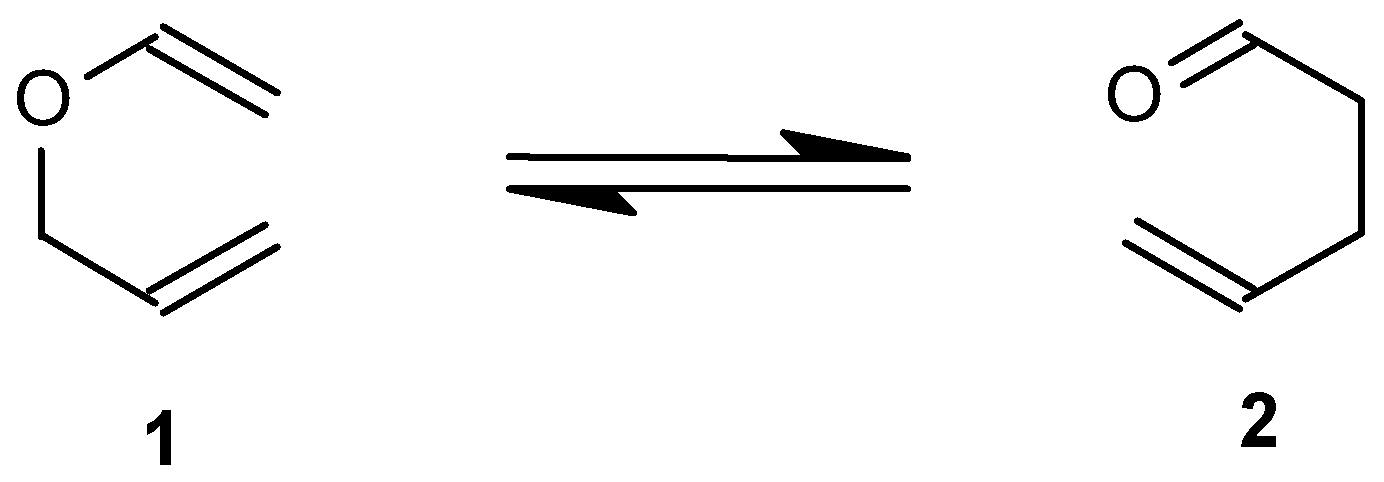
The Claisen rearrangement was discovered in 1912. Its mechanism was proposed in the 60’s, just as the Cope rearrangement which involves a similar mechanism [1]. They are both [3,3]-sigmatropic rearrangements and they have been the subject of numerous reviews [2,3,4]. The Claisen rearrangement is the sigmatropic conversion of allyl vinyl ethers (1) into homoallyl carbonyl compounds (2) (Scheme1).
Scheme 1.
The majority of these rearrangements require high temperatures (100-350°C), although numerous examples of catalytic syntheses are also known [5]. The common feature of all [3,3]-sigmatropic rearrangements is a six-membered transition state with a delocalised electronic structure (Scheme 2).
Scheme 2.

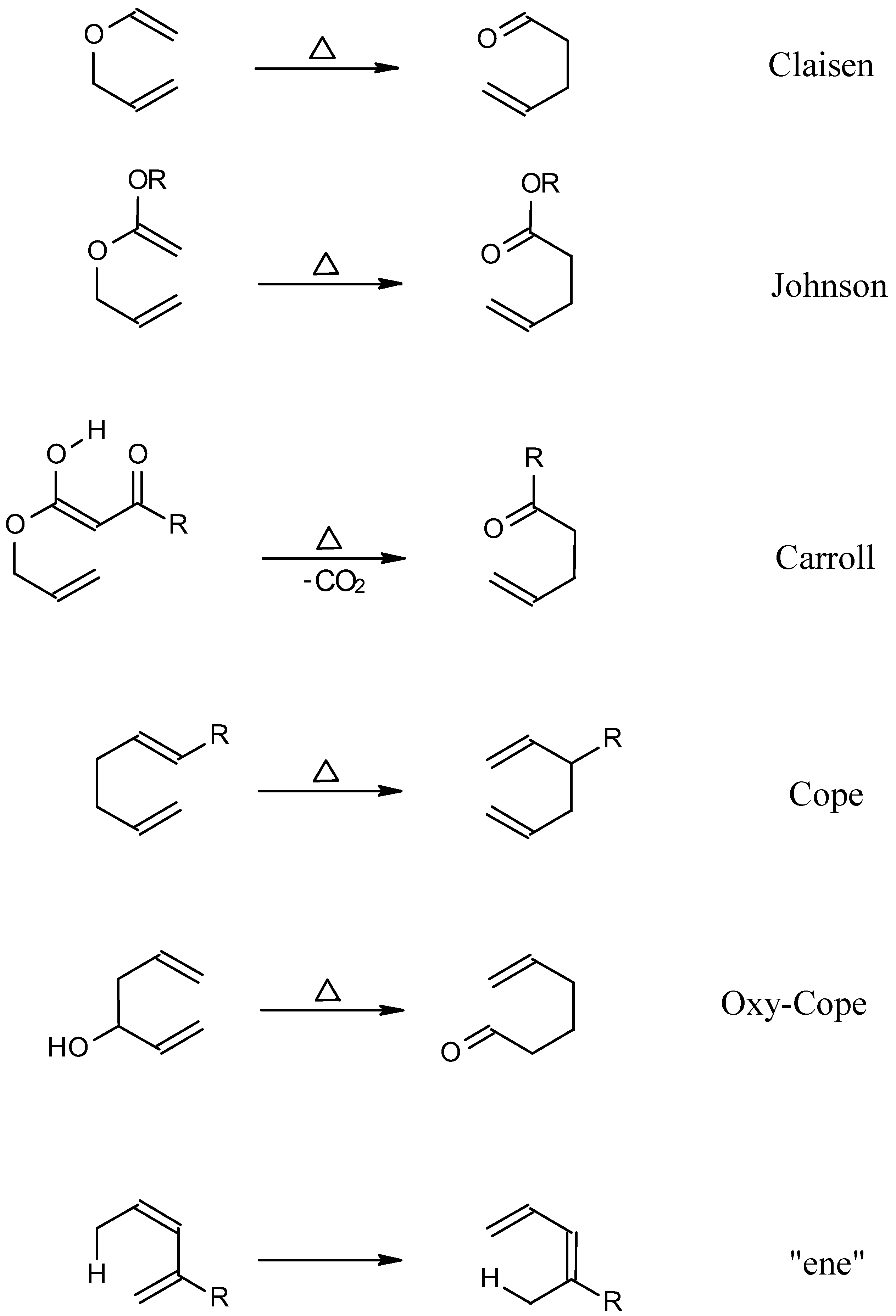
From the kinetic point of view, a chair conformation is preferred, which makes it possible to predict the stereochemical course of the reactions [6,7]. Depending on the parent substances utilised, there exist a number of modifications, which have found a vast number of applications in laboratory-scale syntheses [8]. The most important ones are depicted in Scheme 3:
Scheme 3.
Types of [3,3]-sigmatropic rearrangements.
Sigmatropic rearrangements are more and more frequently employed in organic syntheses, including the synthesis of natural products (eg.- terpenoids) [8], flavours and fragrances [9,10,11,12].
The Claisen as well as the Cope and Carroll rearrangements have proven very useful in the synthesis of fragrance and flavour compounds both in the laboratory and on an industrial scale. One of the first literature reports from this field referred to the synthesis of 2-methyl-2-hepten-6-one, one of the basic intermediates for the production of numerous fragrance compounds in the group of terpenoids [13].
2. Claisen-type Rearrangements
2.1. Claisen Rearrangement
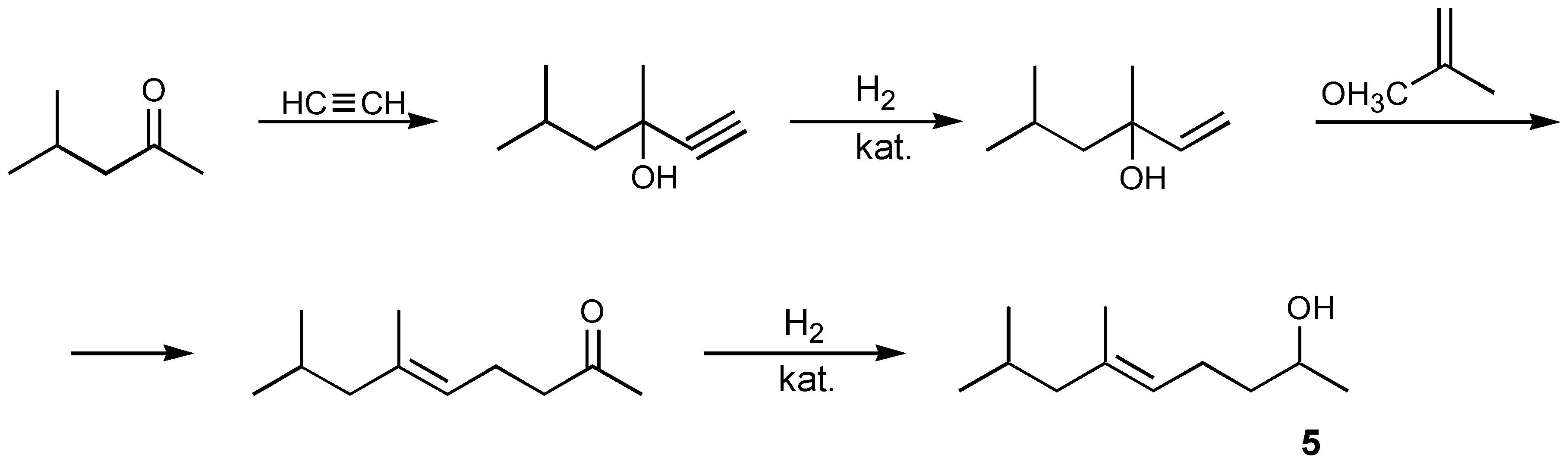
The terpenoids are the largest and important group of fragrance compounds which may be obtained by Claisen rearrangements. Hence, great many literature references are available in this field. A key intermediate in the synthesis of many important synthetic fragrances (e.g. citral, linalool, geraniol, etc.) is 2-methyl-2-hepten-6-one (3). It can be obtained via a synthesis based on the Claisen rearrangement [14] (Scheme 4).
Scheme 4.

An analogous reaction, which involves dehydrolinalool, can yield pseudoionone (4), a key intermediate in the synthesis of farnesol and nerolidol [15] (Scheme 5).
Scheme 5.

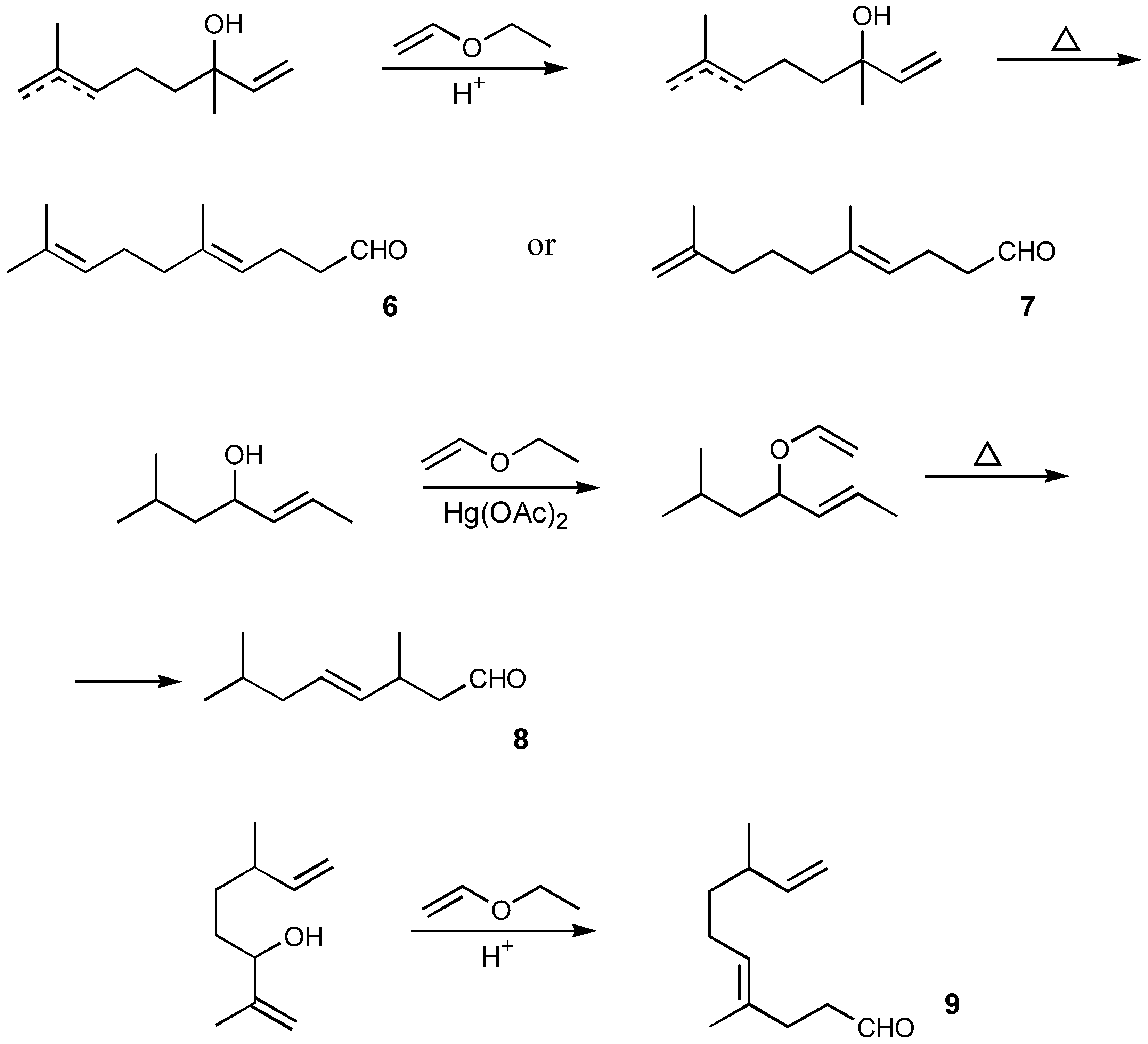
The Claisen rearrangement can also lead to a number of other alcohols (5) and aldehydes (6-9) with isoprenoid or related skeletons [16,17,18,19,20] (Scheme 6).
Scheme 6.
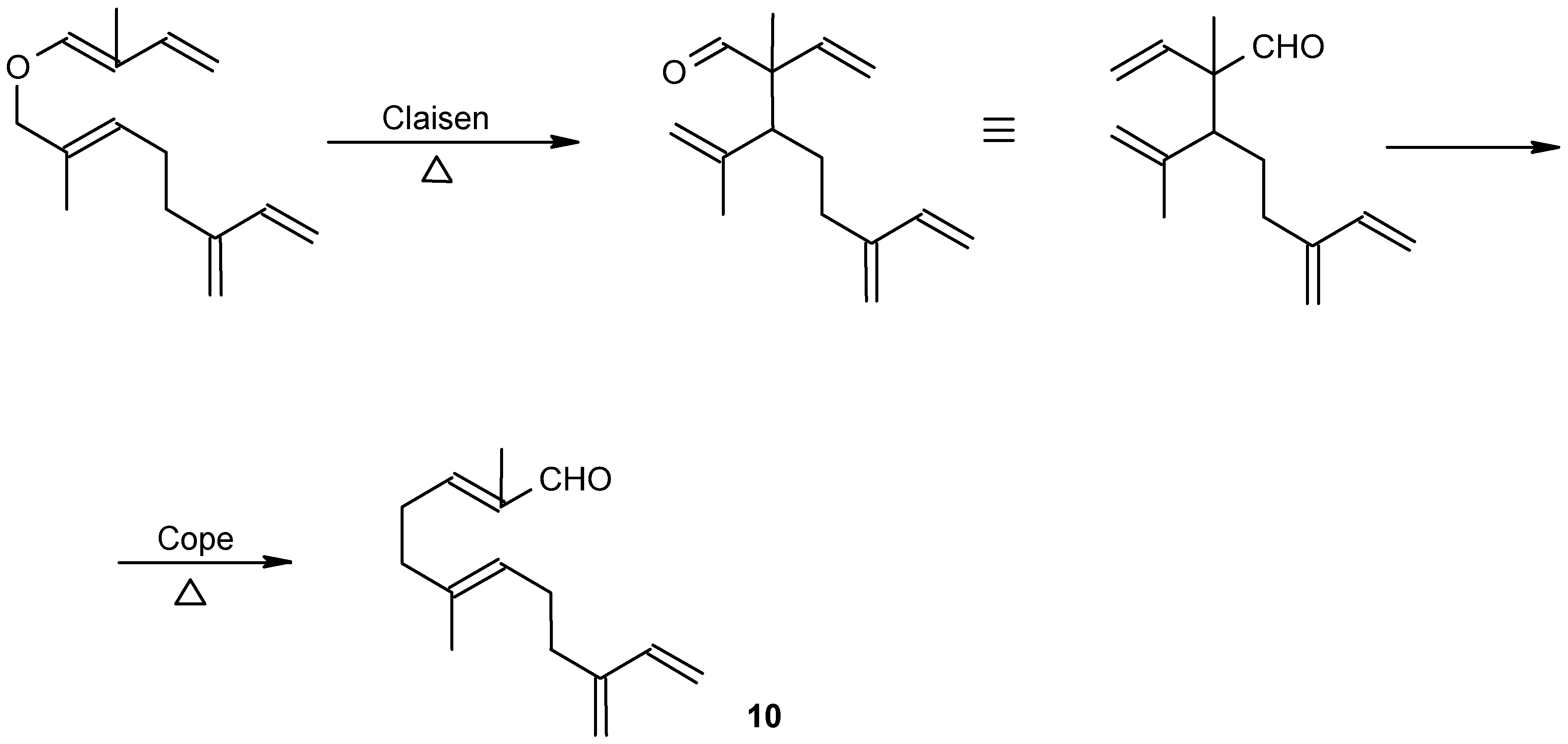
Based on readily available myrcene, a complete synthesis was developed for β-sinesal (10), an important olfactory component of sweet orange and Amarylis oil [21, 22] (Scheme 7).
Scheme 7.
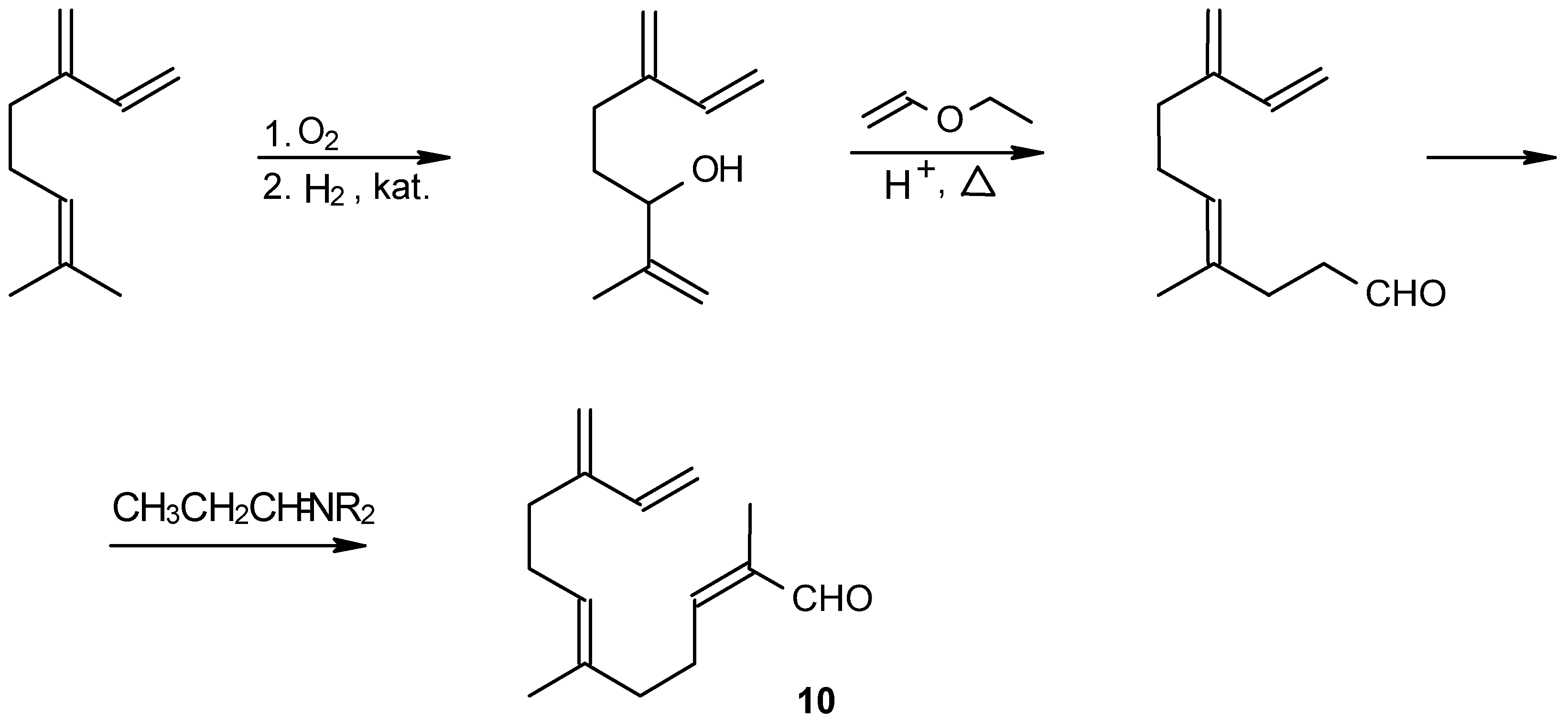
In an analogous reaction, geraniol can be converted into aldehyde (11), which has an odour reminis-cent of coriander [23] ( Scheme 8 ).
Scheme 8.
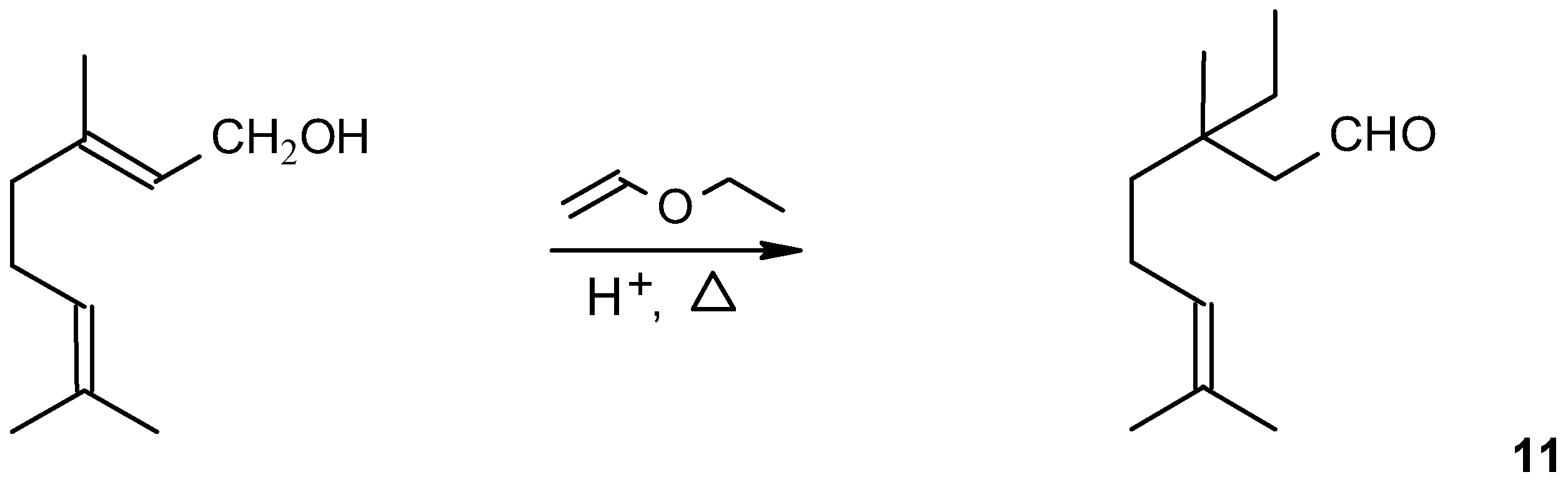
Condensation of linalool with isobutyraldehyde gives 2,2,5,9-tetramethyldeca-diene-4,8-al (12) with a floral, green odour [24,25] (Scheme 9).
Scheme 9.
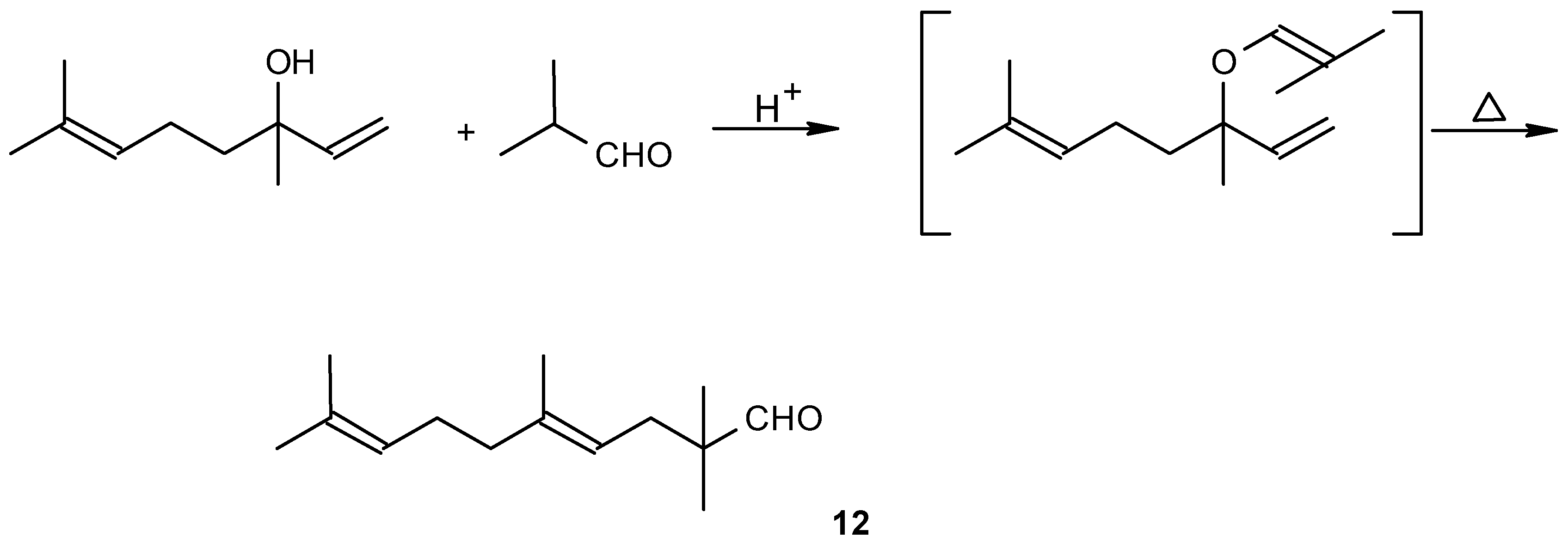
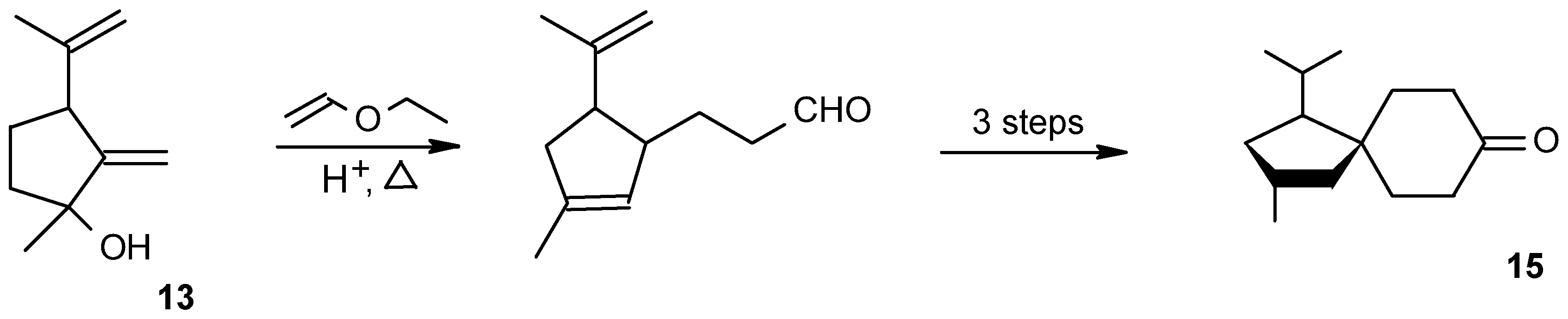
The Claisen rearrangement can be also applied in case of alicyclic systems. Dehydrolinalool undergoes ring closure with ease in an “ene”-type reaction to yield the cyclopentane derivative (13), which can be utilised in the synthesis of ester (14), which was marketed as “Cyclopentenyl propionate musk” (RIFM) or Cyclomusk® (BASF), and which has a very interesting fruity, musky odor with a sandalwood note [26] (Scheme 10).
Scheme 10.
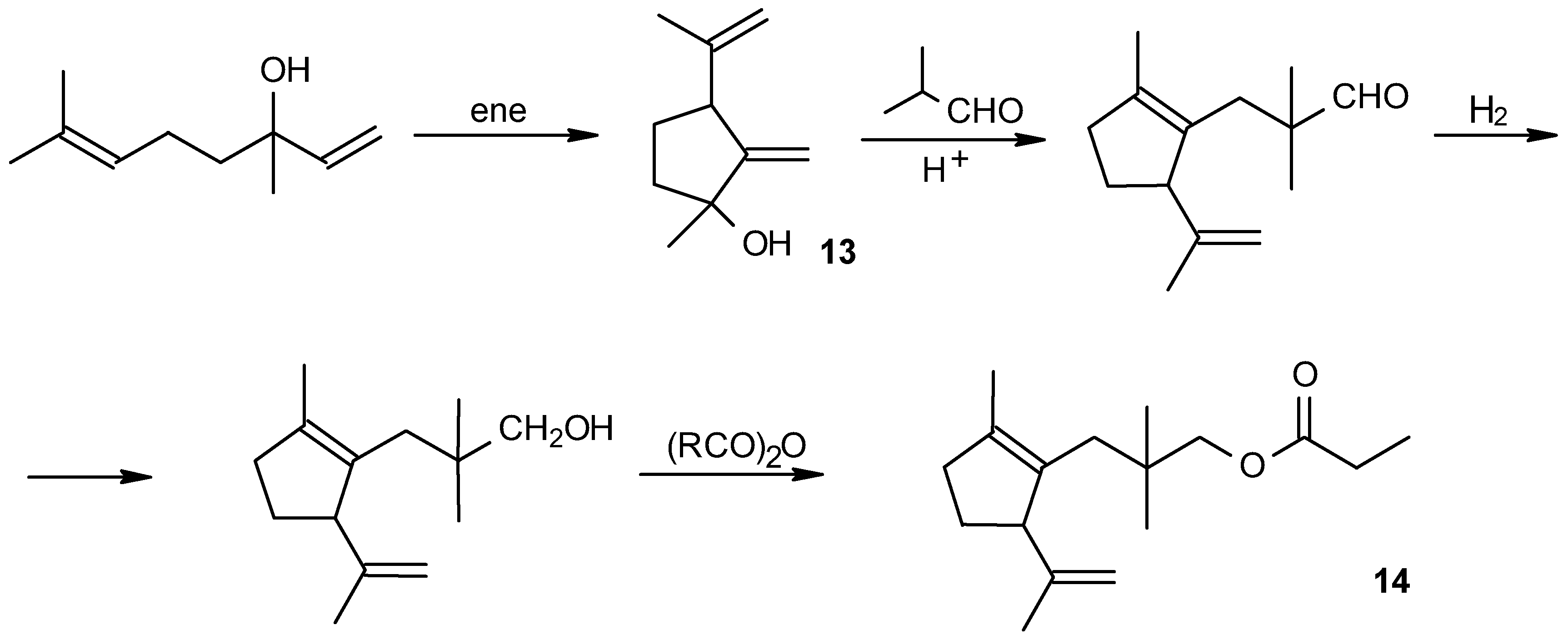
From alcohol (13) one can obtain spiro[4,5]decenone (15), which is one of the components of European Acorus Calamus L. oil [27] (Scheme 11).
Scheme 11.
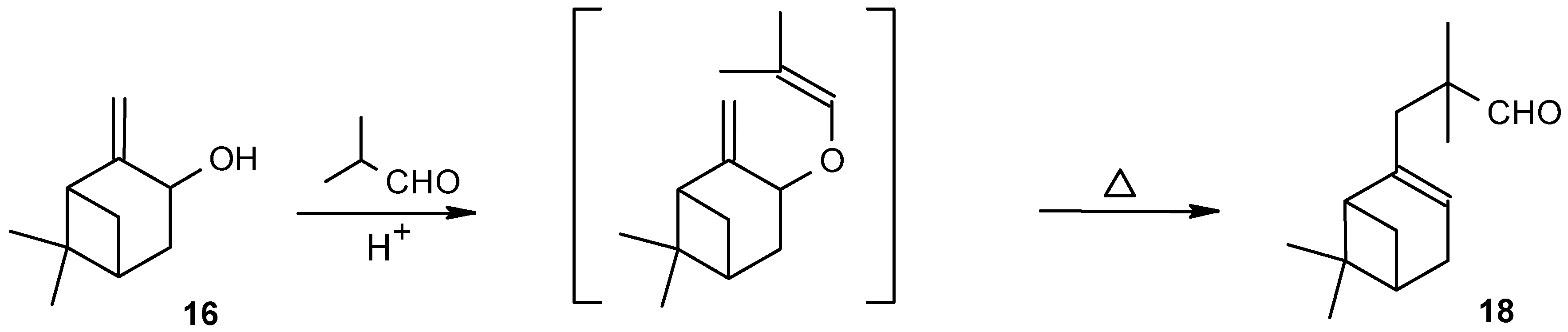
Pinocarveol (16) is the parent substance for the production of “Pinolacetaldehyde” (IFF) (17), which possesses a floral odour [28] (Scheme 12), as well as its dimethyl derivative (18), with a floral, woody odor [16] (Scheme 13).
Scheme 12.

Scheme 13.
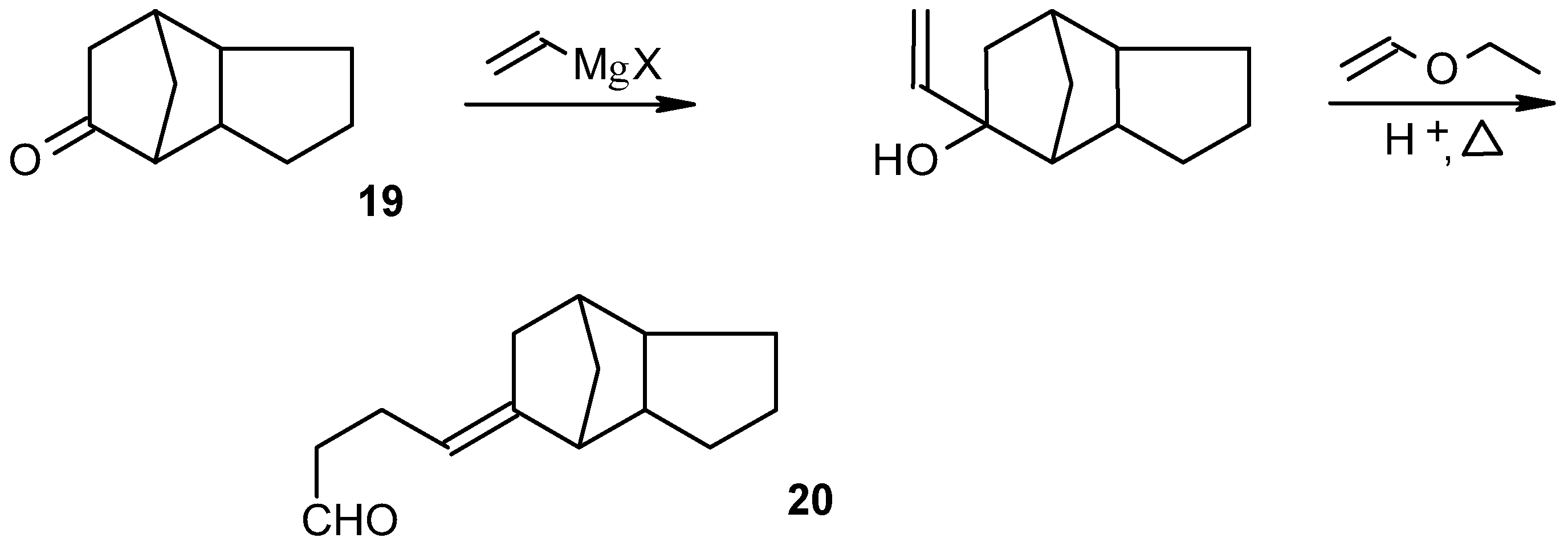
From DCP-ketone (19) it is possible to obtain 4-(tricyclo-[5,2,1,02,6]-decyl-8-ydiene)-butanal (20) (Dupical®, Quest Int.) with intensive floral, lily-of-the-valley odour [29] ( Scheme 14 ).
Scheme 14.
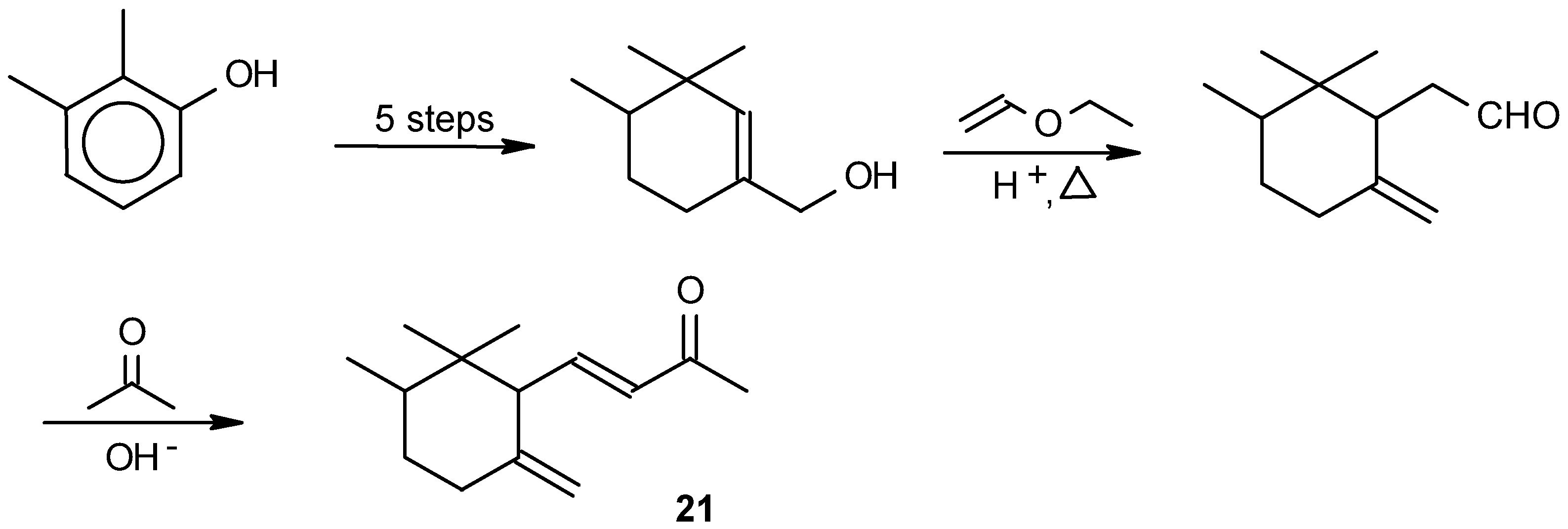
Another interesting application of the Claisen rearrangement is the synthesis of γ-irone (21) from dimethylphenol [30] (Scheme 15)
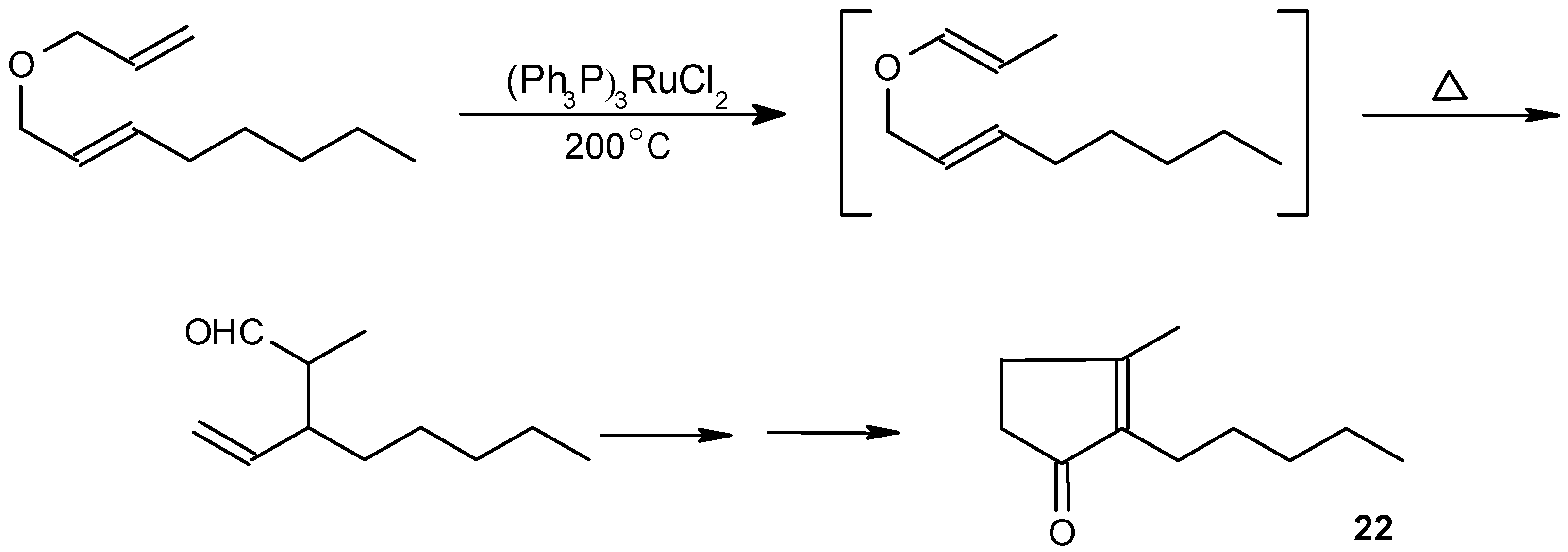
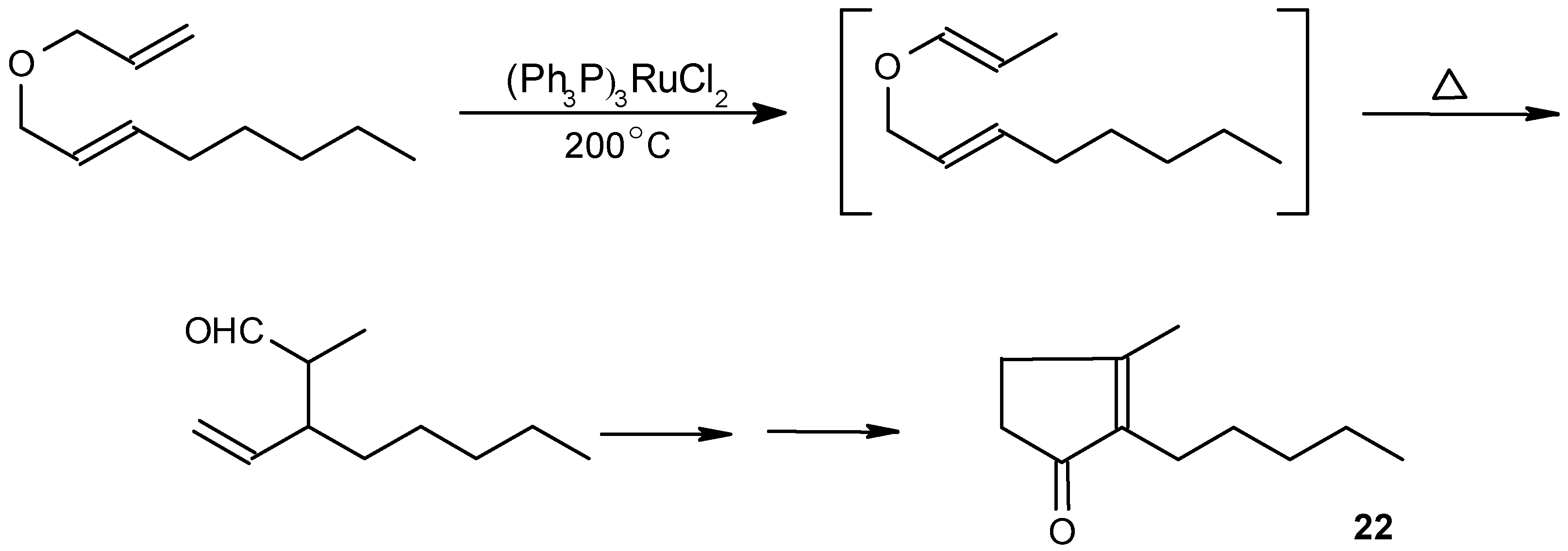
and of dihydrojasmone (22) from allyl octenyl ether [31] (Scheme 16),
and also cedradiene (23) from nerolidol. Diene (23) may by used as an intermediate for the synthesis of cedrol and cedryl acetate, a major components of cedarwood oil [32] (Scheme 17).
Scheme 15.
Scheme 16.
Scheme 17.
2.2. Carroll Rearrangement
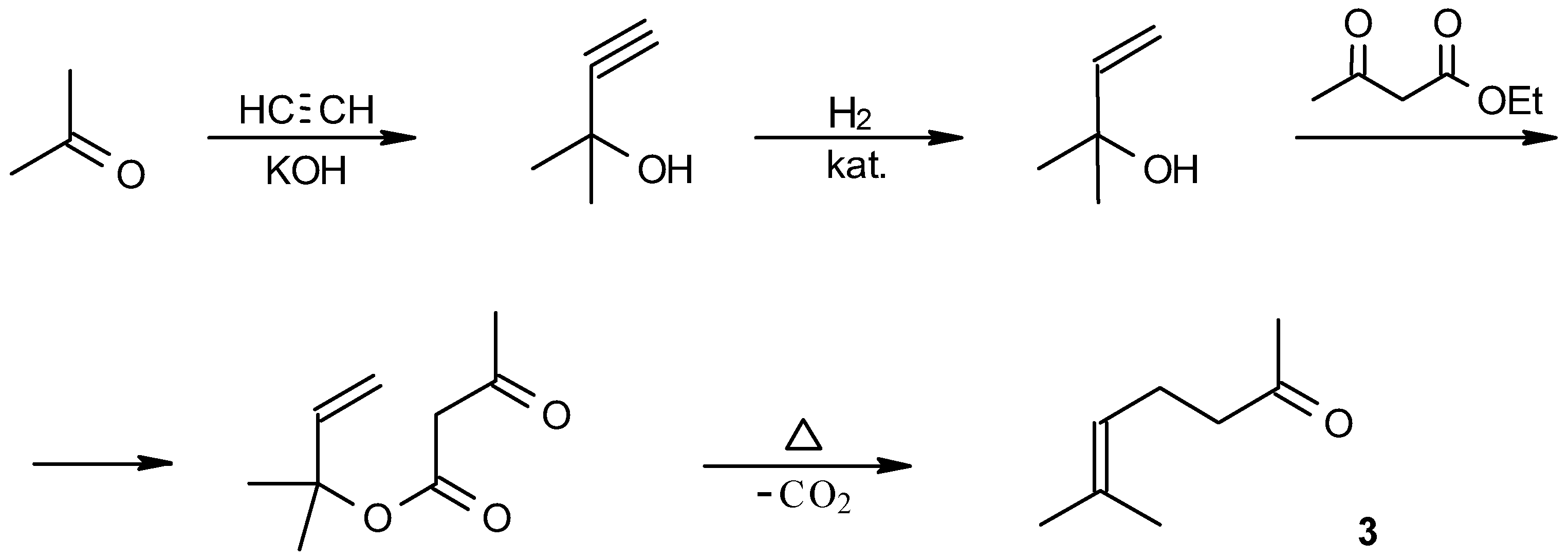
In the 40’s, Carroll developed a process for the synthesis of 2-methyl-2-hepten-6-one (3). The process was based on simple commercially available raw materials like acetone, acetylene and ethyl acetoacetate [13] (Scheme 18).
Scheme 18.
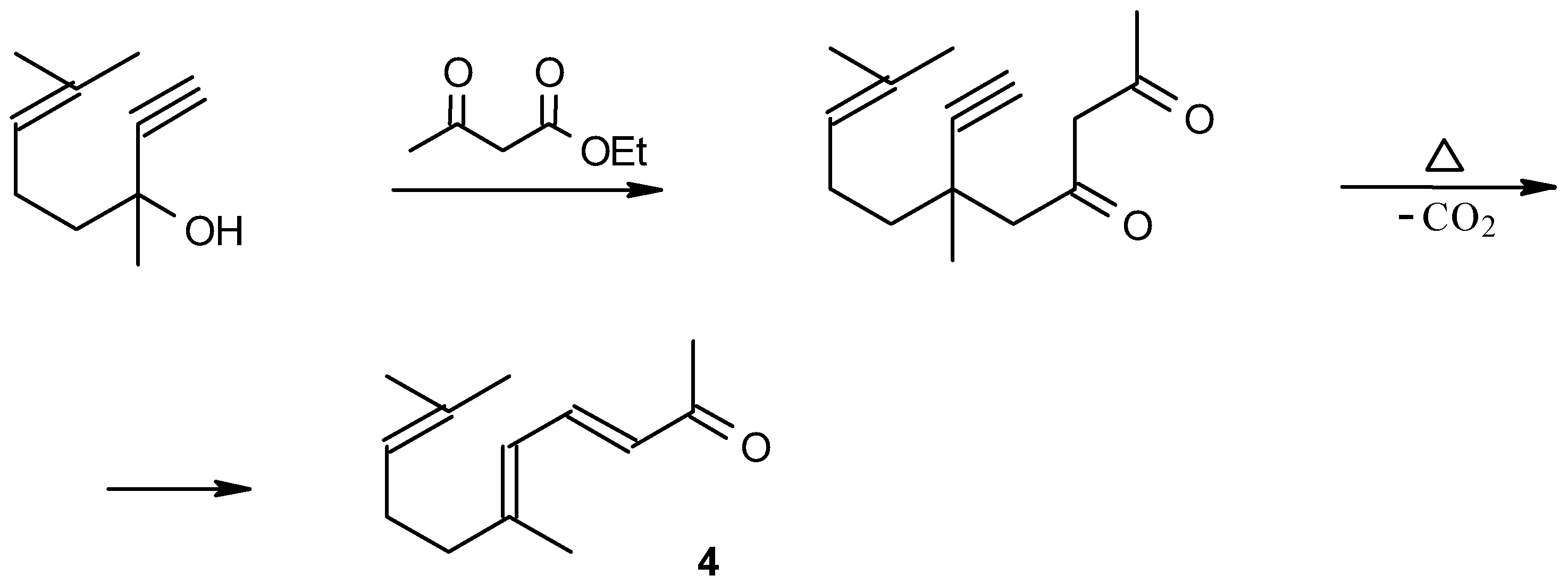
This method was later studied and improved extensively [33,34,35]. Pseudoionone (4) can be also obtained from dehydrolinalool in a similar reaction [36] (Scheme 19).
Scheme 19.
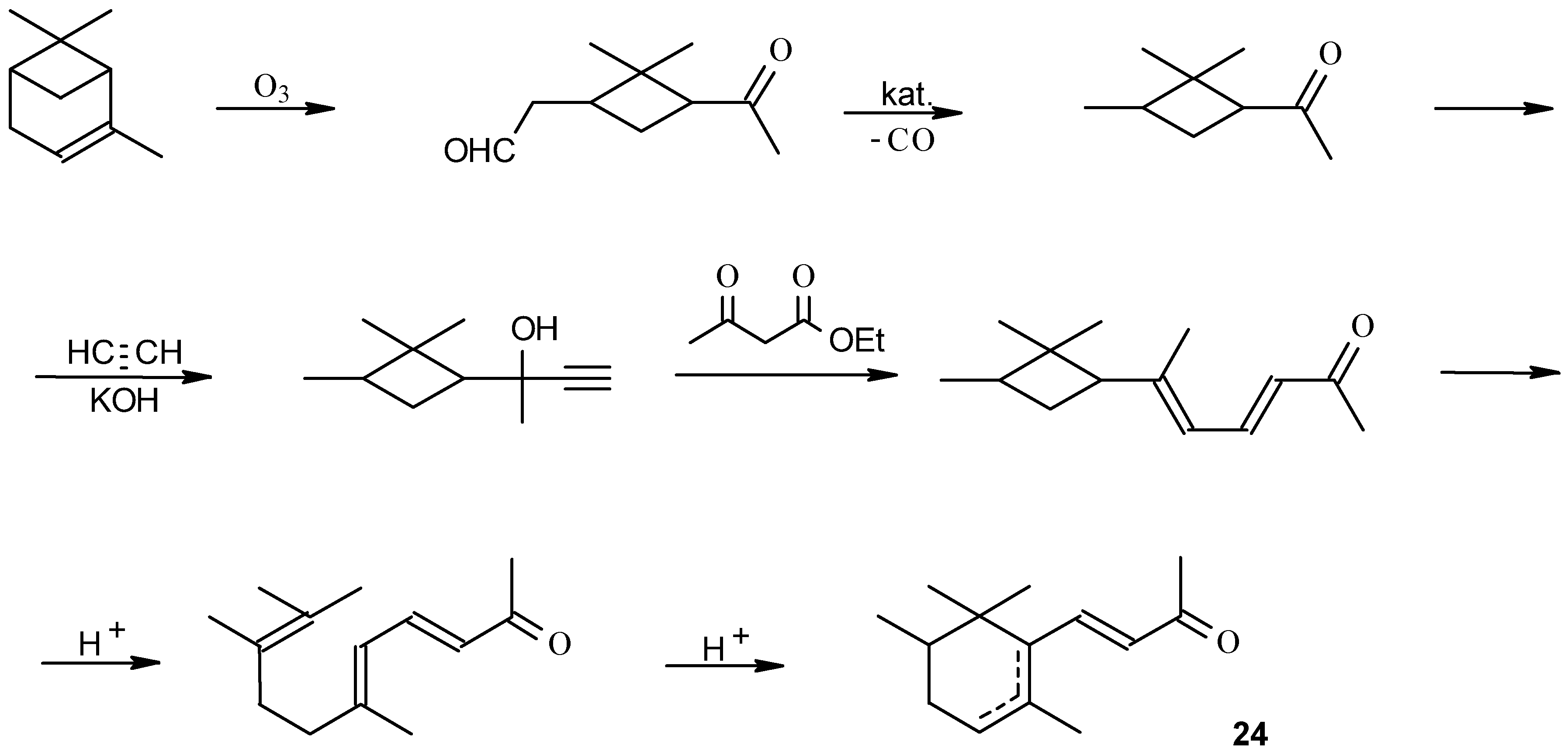
Starting from a-pinene, one can derive pseudoirone (24), which is more valuable than pseudoionone [37] (Scheme 20).
Scheme 20.
2.3. Johnson Rearrangement
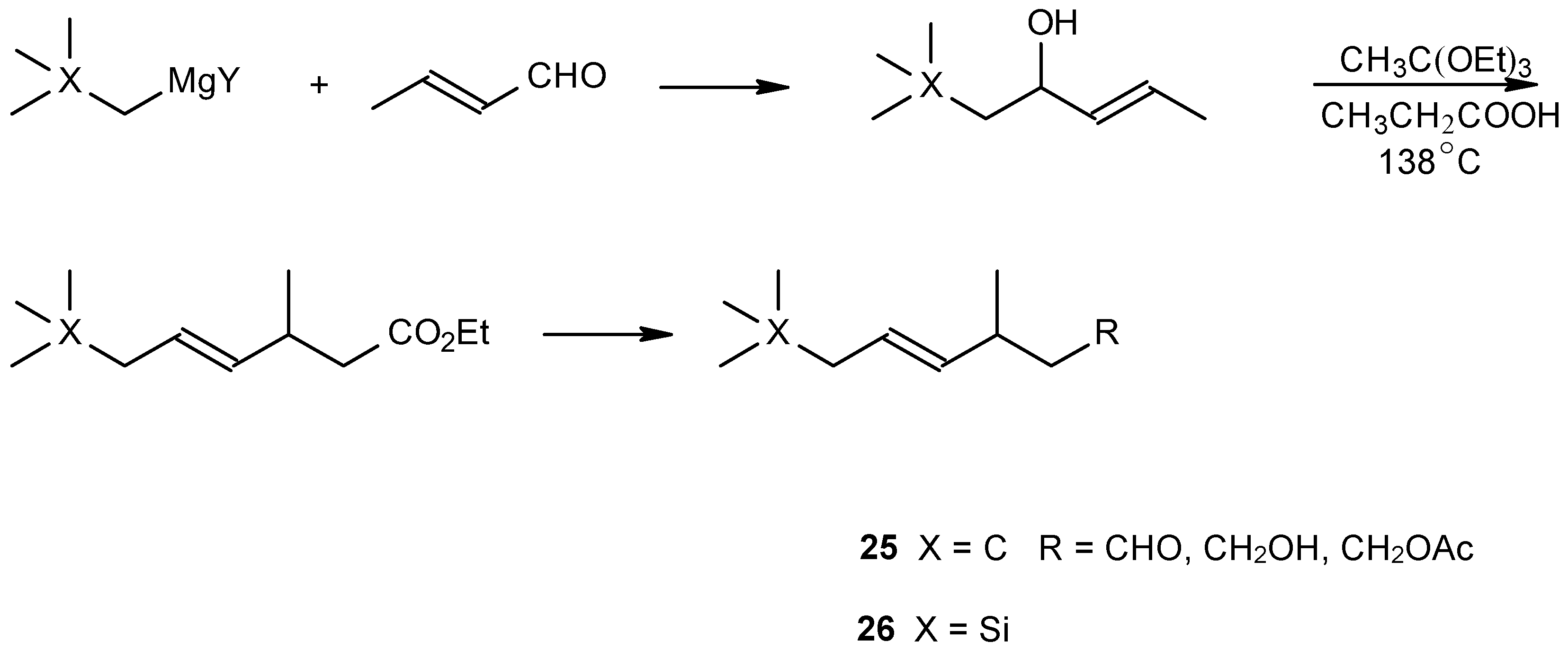
In contrast with the previous reactions, the Johnson rearrangement process yields unsaturated esters. Although not as popular as the Claisen reaction, it has found application in the synthesis of aliphatic isoprenoidal structures. This method was utilised to obtain interesting fragrances which contain the neopentyl group (25), and their silicone analogues (26) [38] (Scheme 21).
Scheme 21.
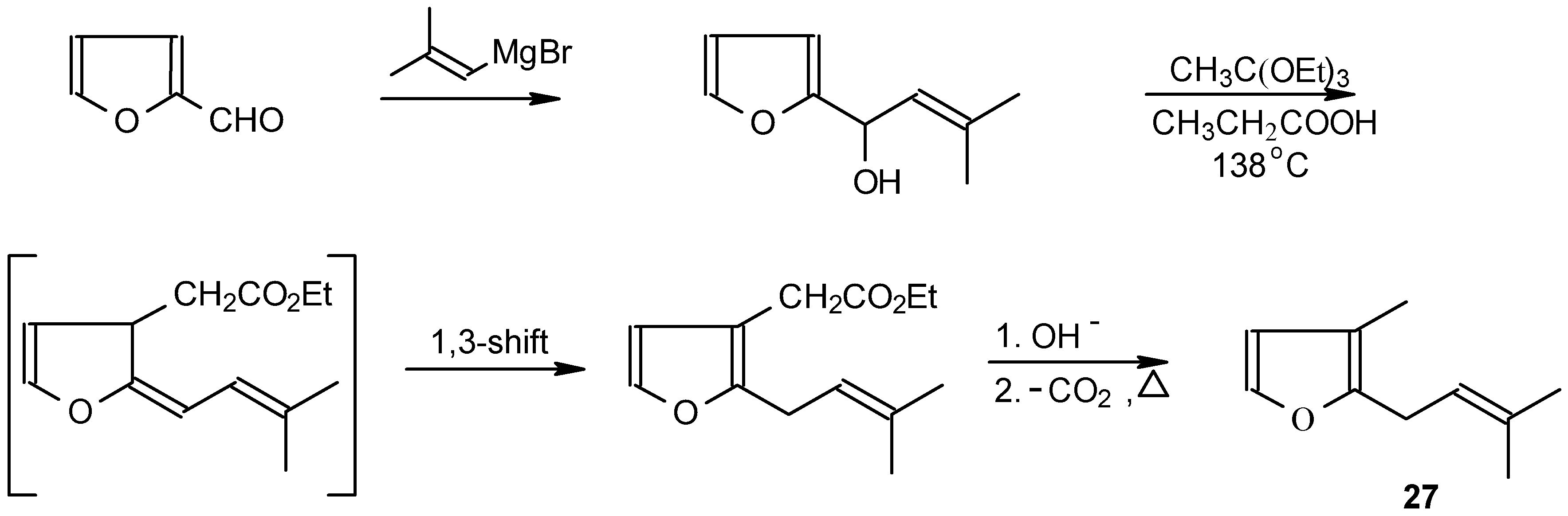
Moreover, rosefuran (27) can be synthesised from furaldehyde [39] (Scheme 22).
Scheme 22.
3. Cope-type Rearrangements
3.1. Cope Rearrangement
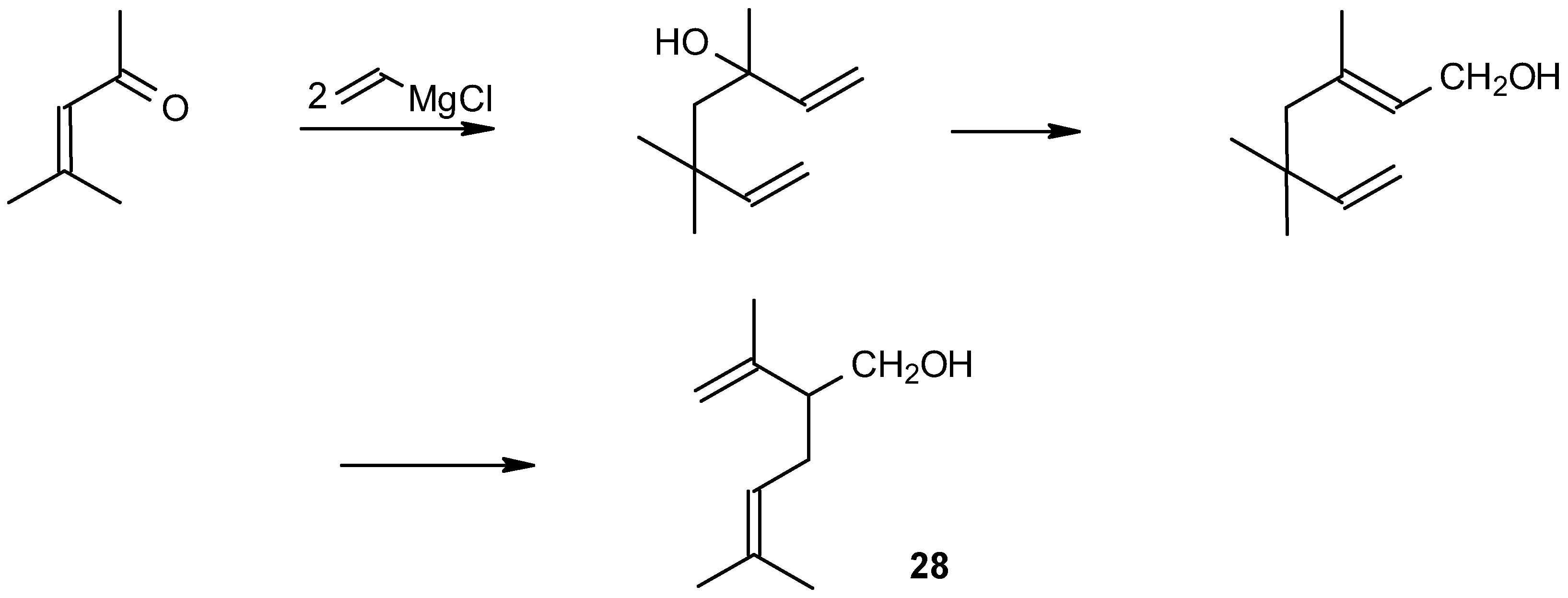
Like the Claisen rearrangement, the Cope rearrangement is in most cases initiated by temperature. Yet, many catalytic processes are also known [5]. Mesityl oxide reacts with excess vinylmagnesium chloride and gives alcohol, which - under the action of temperature - undergoes the rearrangement and yields lavandulol (28), a valuable compound with a floral-rose odour [40] (Scheme 23).
Scheme 23.
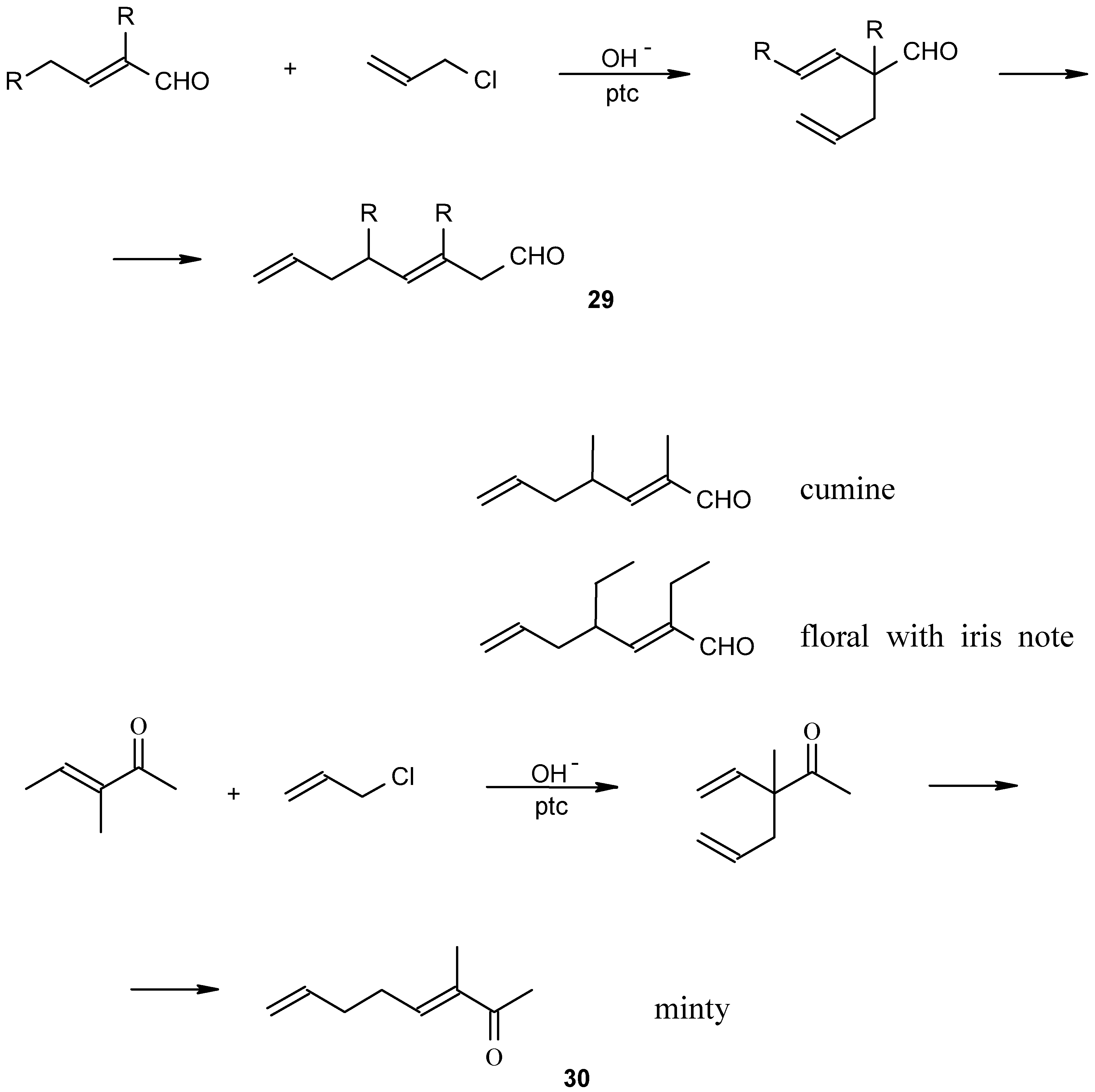
Interesting compounds (29) and (30) were also obtained from the reaction of allyl chloride with α,β- unsaturated aldehydes and ketones [41,42] (Scheme 24).
Scheme 24.
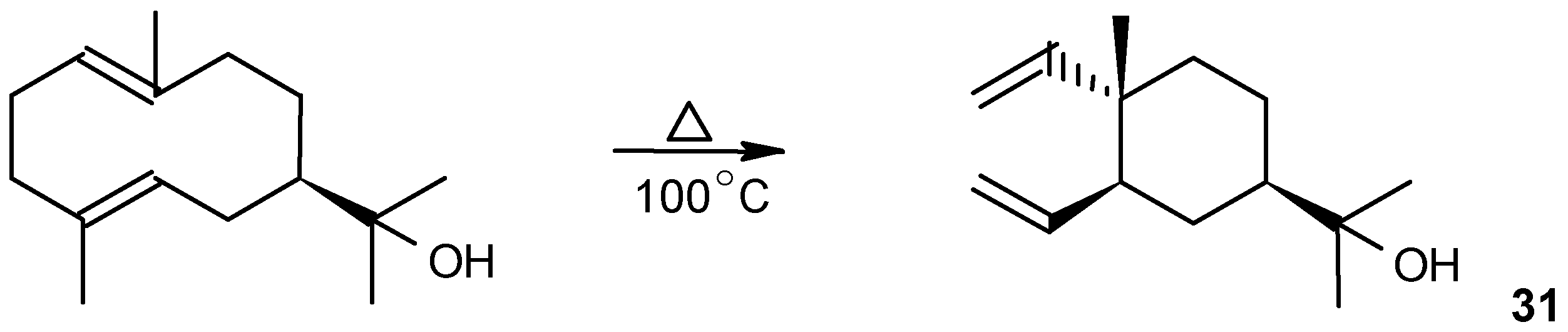
The Cope rearrangement was also utilised in the synthesis of the naturally occurring sesquiterpene - elemol (31) [16], which is an essential component of galbanum oil, and many others (Scheme 25).
Scheme 25.
3.2. Oxy-Cope Rearrangement
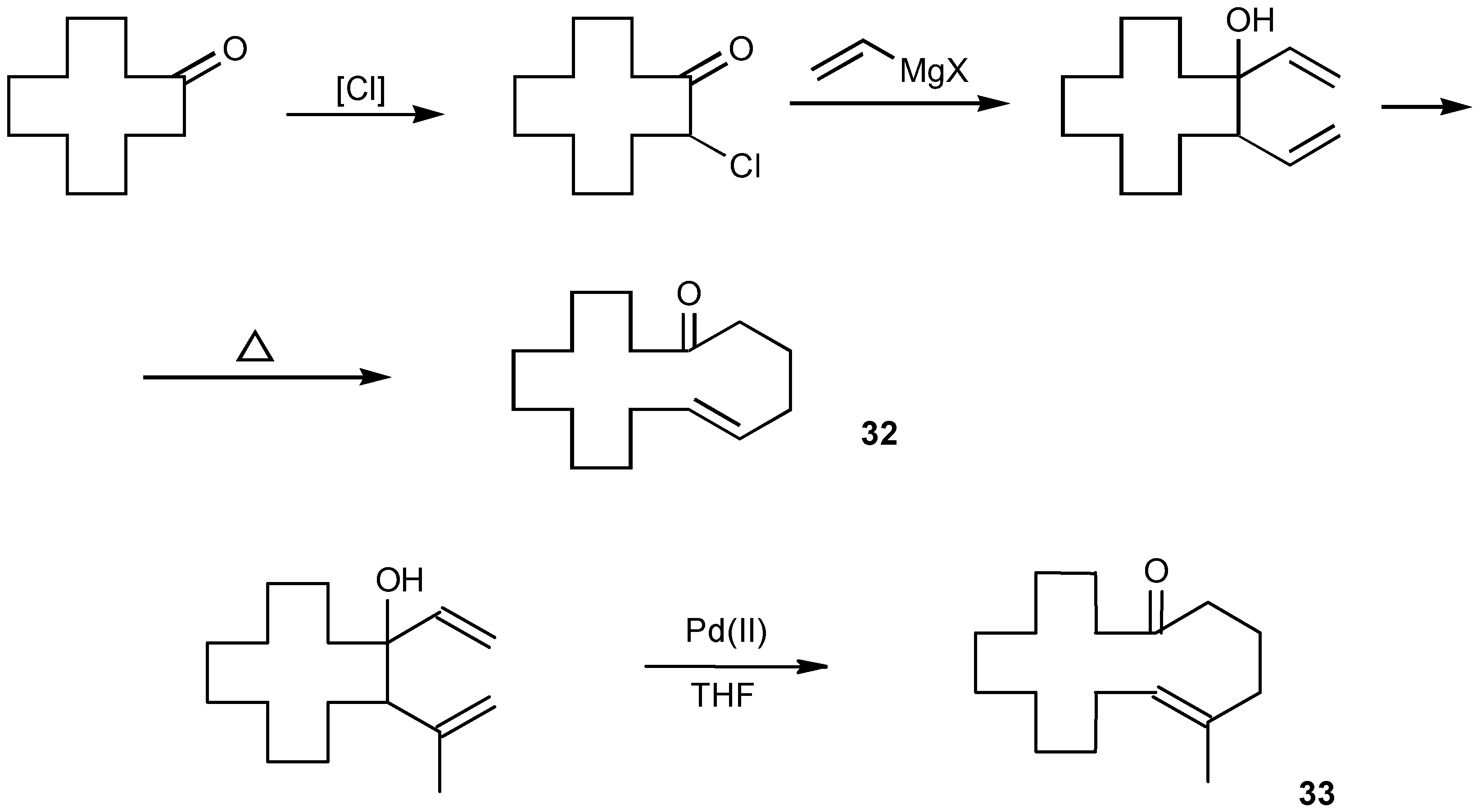
The Oxy-Cope rearrangement involves allyl vinyl carbinols. Unstable enol derivatives of aldehydes or ketones are obtained in the first stage, which immediately undergo rearrangement and give the corresponding carbonyl compounds. The oxy-Cope rearrangement was found applicable in the synthesis of Ambretone® (Toray Ind.) (32) and its methyl analog (33) from cyclododecanone with the intensive musk odour [43, 44] (Scheme 26).
Scheme 26.
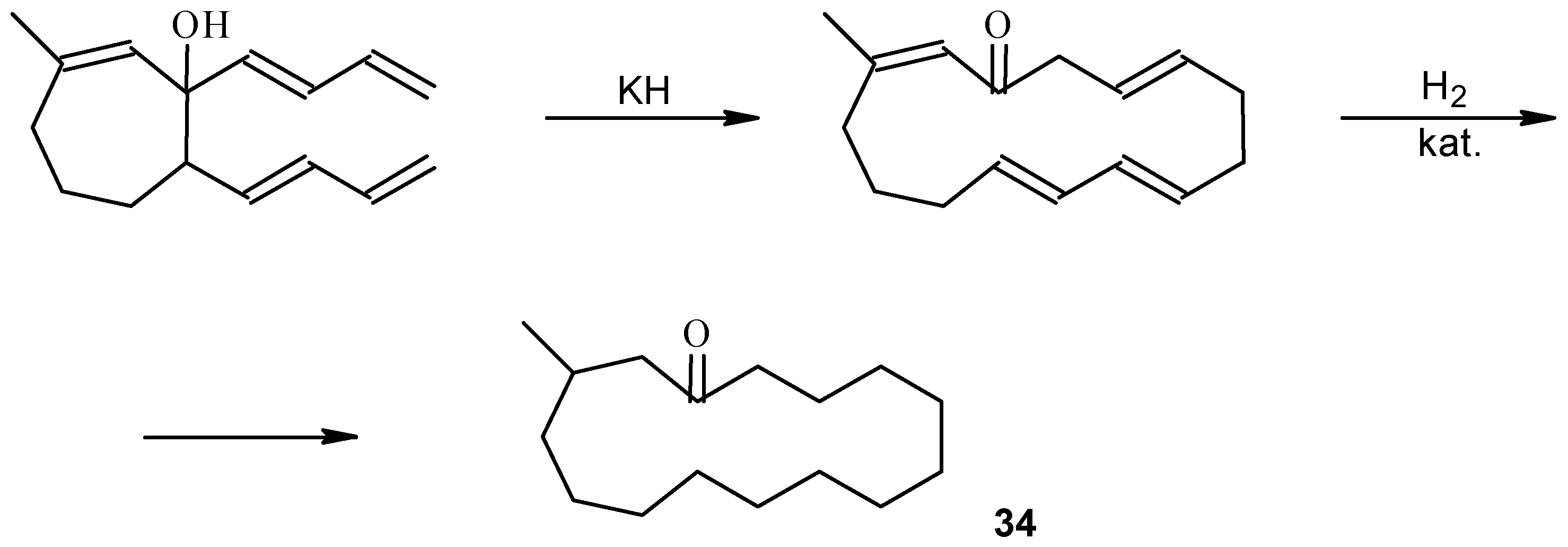
The synthesis of muscone (34), a valuable compound with the odour of musk, was also described [45] (Scheme 27).
Scheme 27.
4. Tandem Sigmatropic Rearrangements
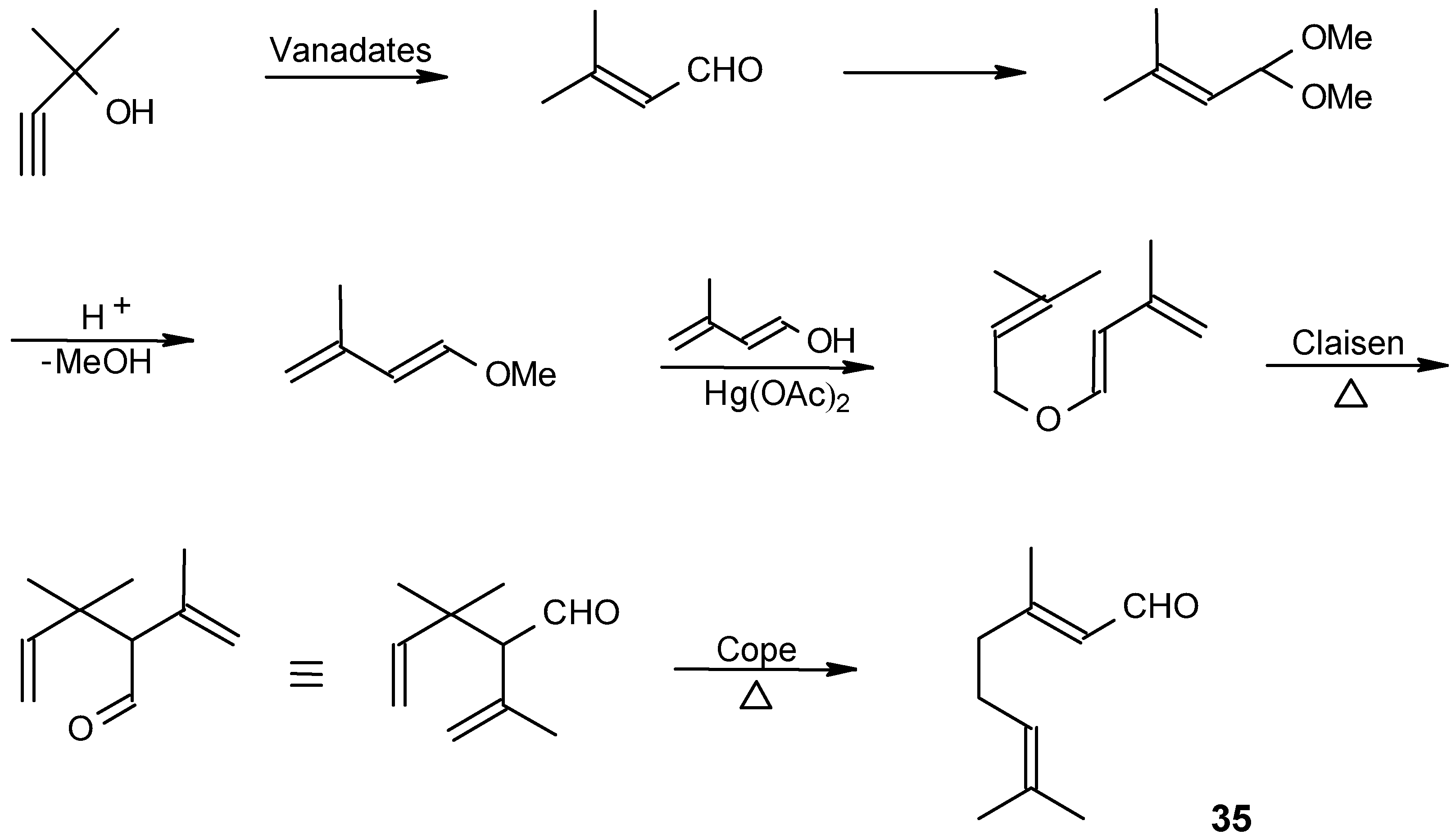
A product of one rearrangement frequently has a structure which under the synthesis conditions, undergoes further rearrangement(s). This is based on the “domino” effect, which is sometimes utilised in the synthesis of organic compounds [46]. Tandem rearrangements are very useful in the synthesis, and a few extensive reviews on them are available [47,48]. Within [3,3]-sigmatropic rearrangements, a system of Claisen-Cope reactions is the most frequent one, and a synthesis comprising a set of three consecutive rearrangements can also be met.
One of the earliest studies in this field referred to a very spectacular synthesis of β-sinesal (10), an important sensory component of the sweet orange oil [49] (Scheme 28).
Scheme 28.
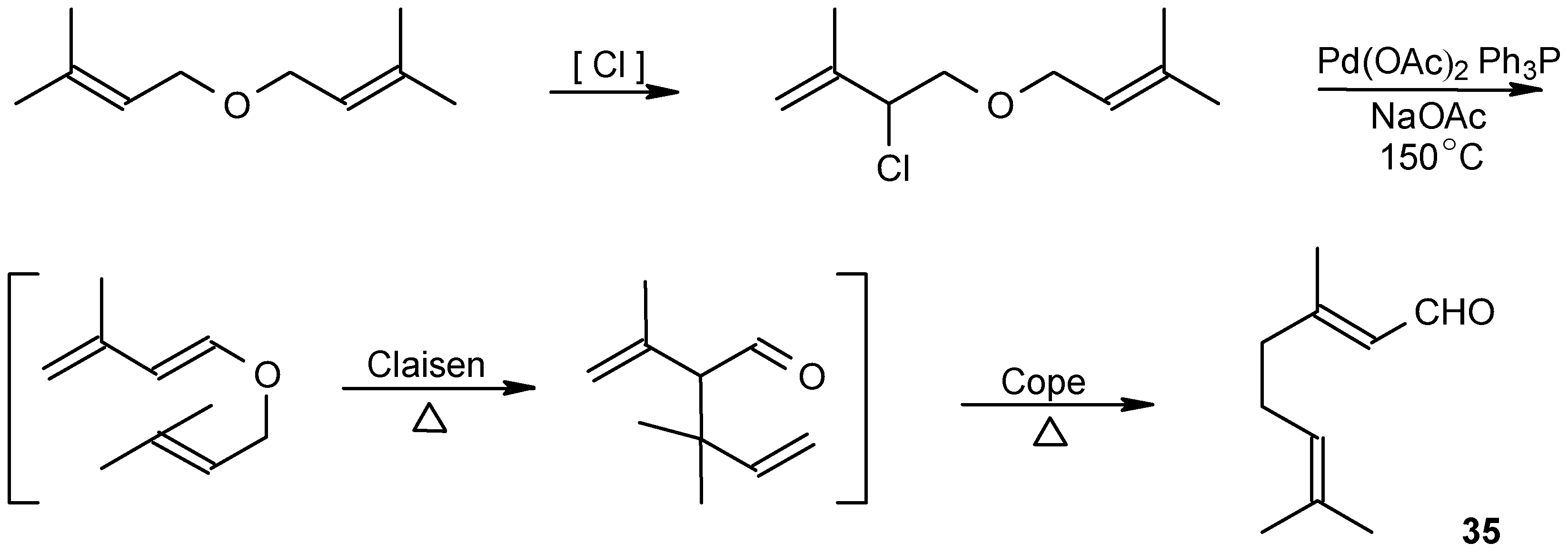
Scheme 30.
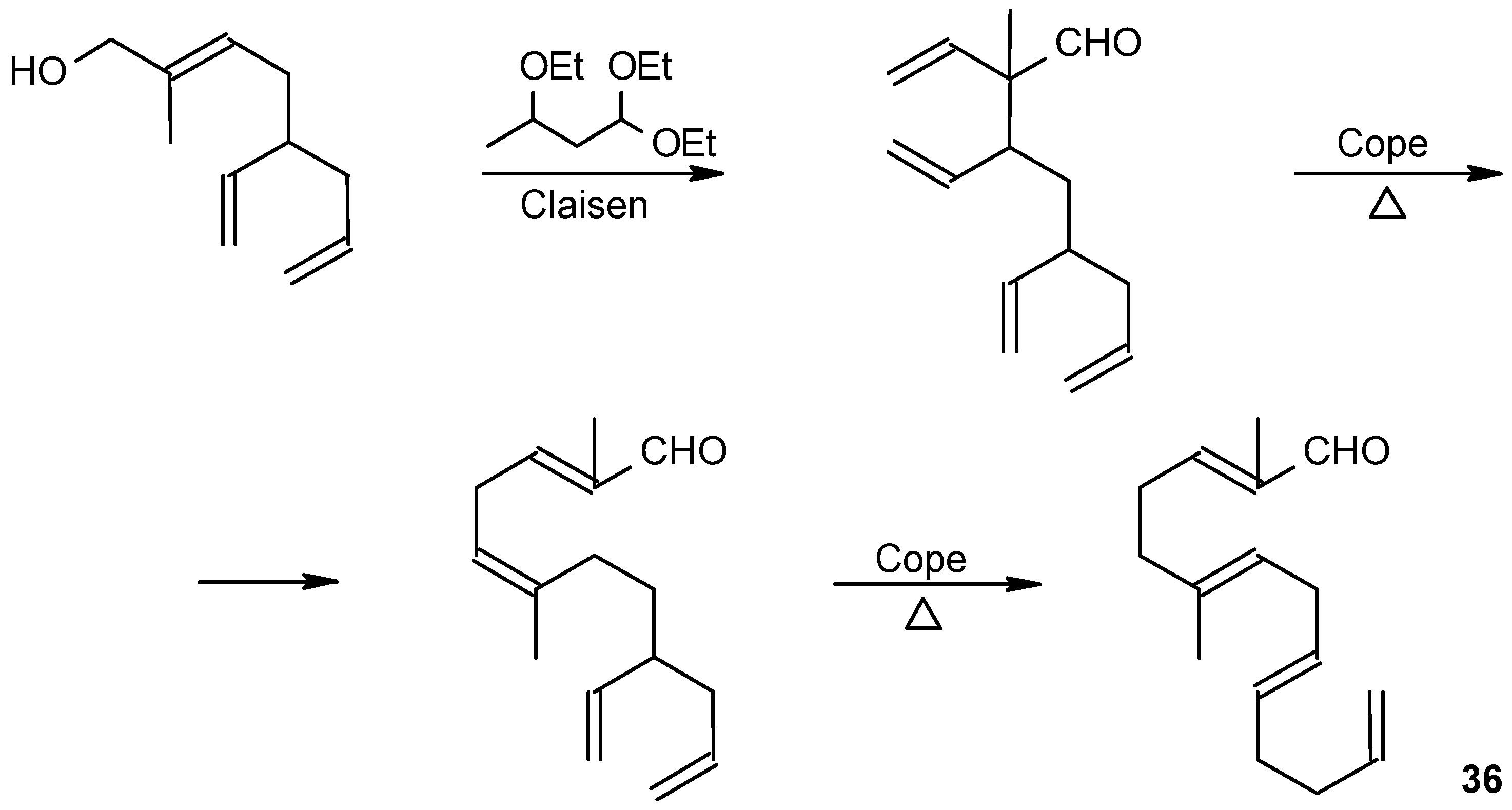
Sequential Claisen-Cope rearrangements can also yield aldehyde (36) with interesting fragrance properties [51] (Scheme 31),
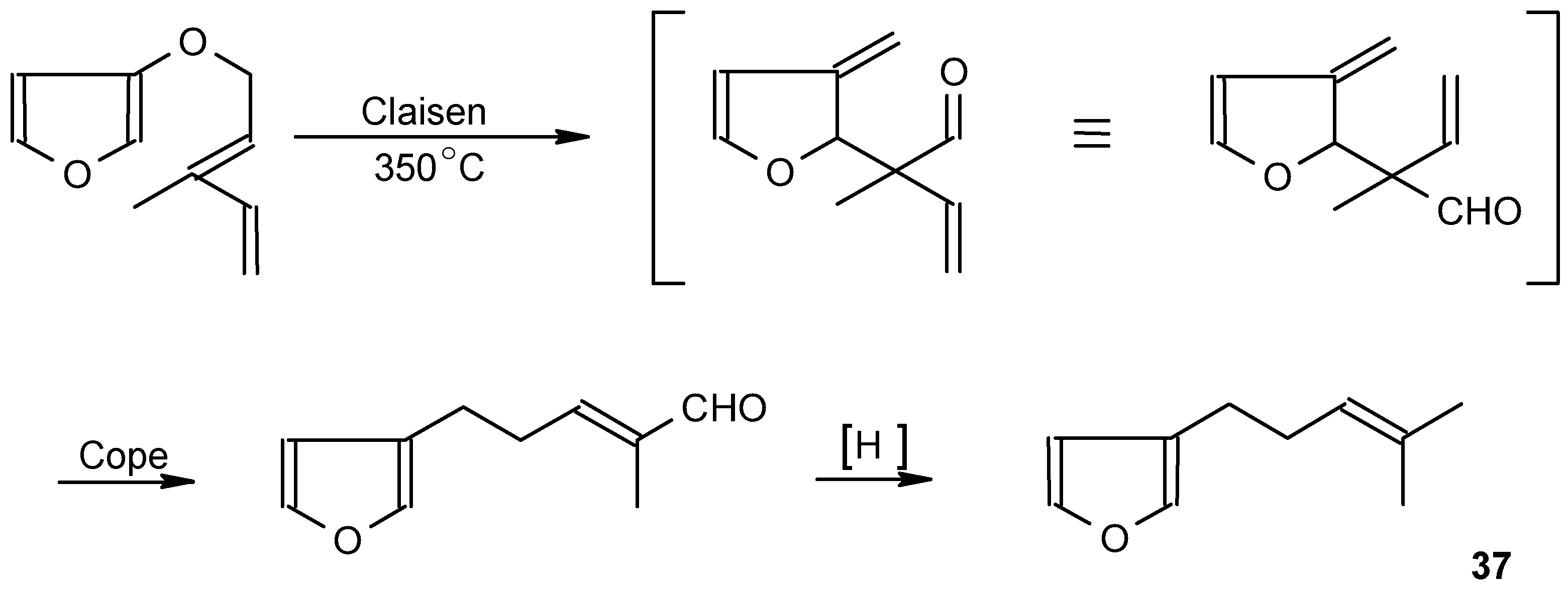
peryllene (37) [52] (Scheme 32)
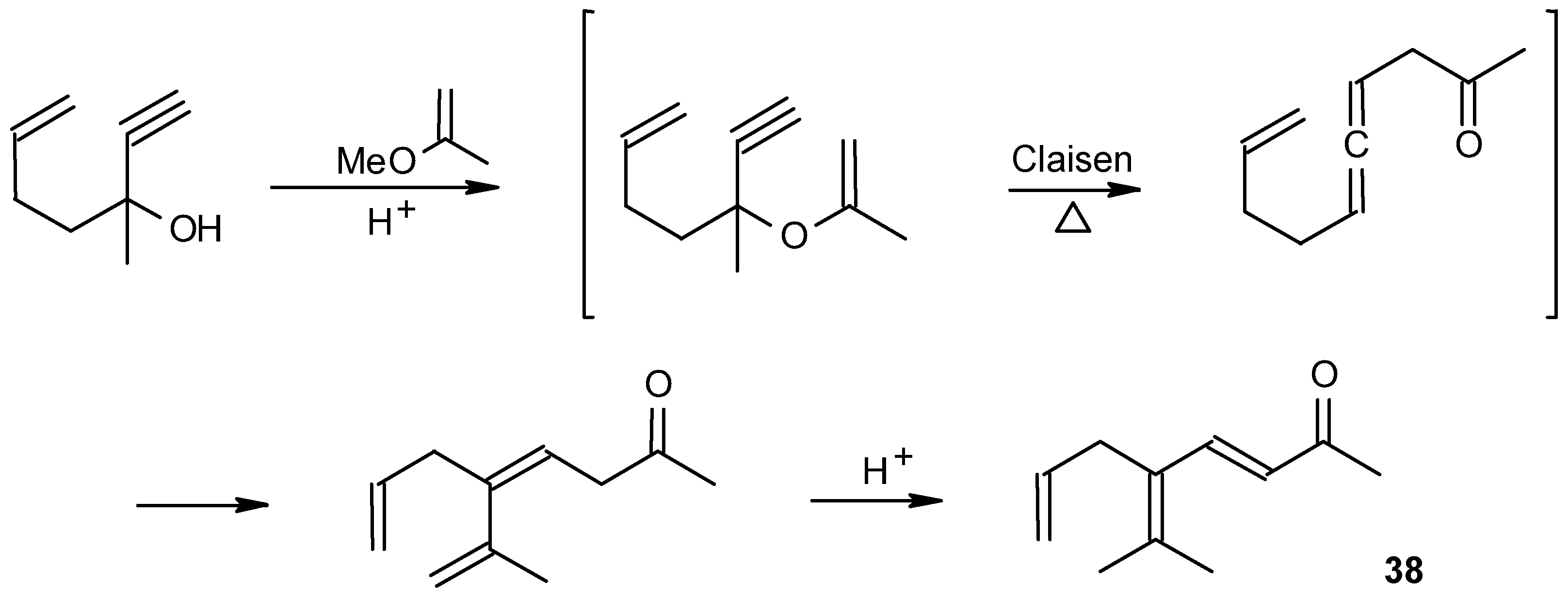
and also ketone (38) [53] (Scheme 33).
Scheme 31.
Scheme 32.
Scheme 33.
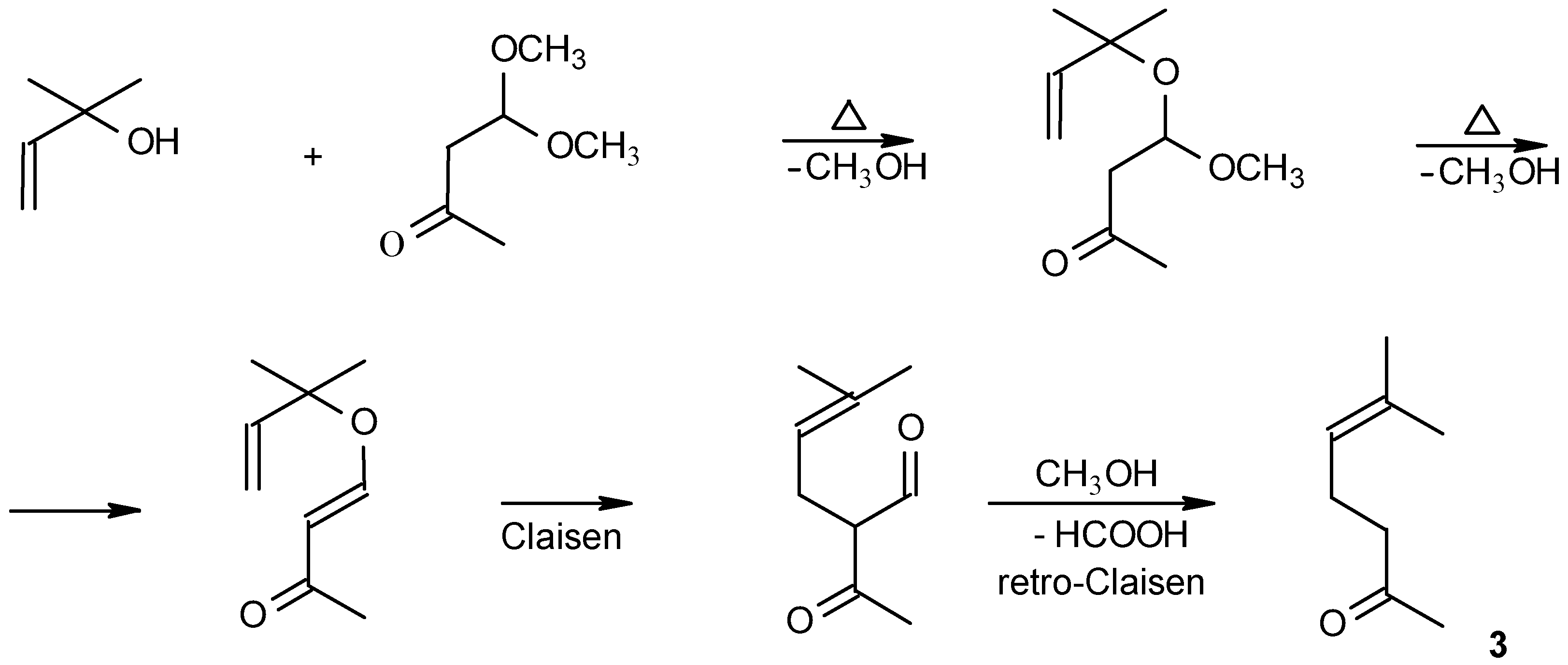
The series of Claisen – retro-Claisen reactions was utilised by BASF for the synthesis of 2-methyl-2-hepten-6-one (3) [37] (Scheme 34).
Scheme 34.
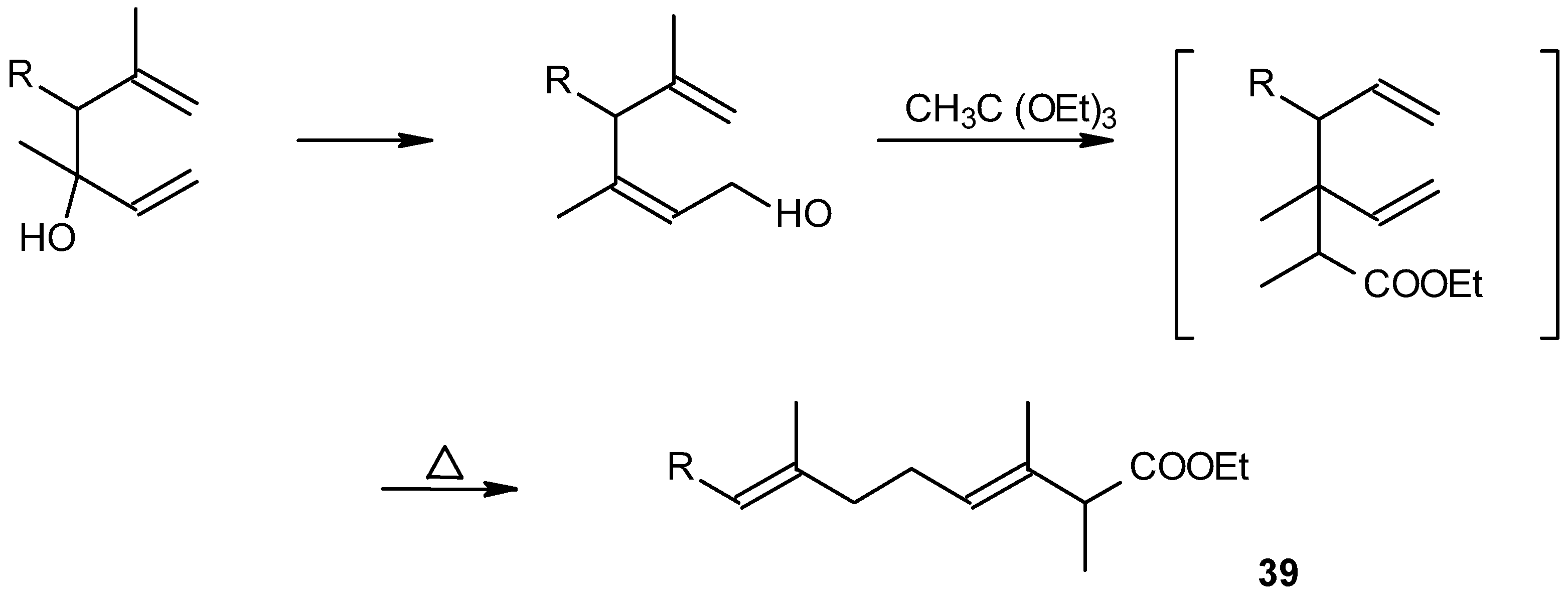
The Oxy-Cope – Johnson – Cope series was employed to obtain a number of esters (39), which have isoprenoid structures [54] (Scheme 35).
Scheme 35.
5. “Ene” Rearrangement
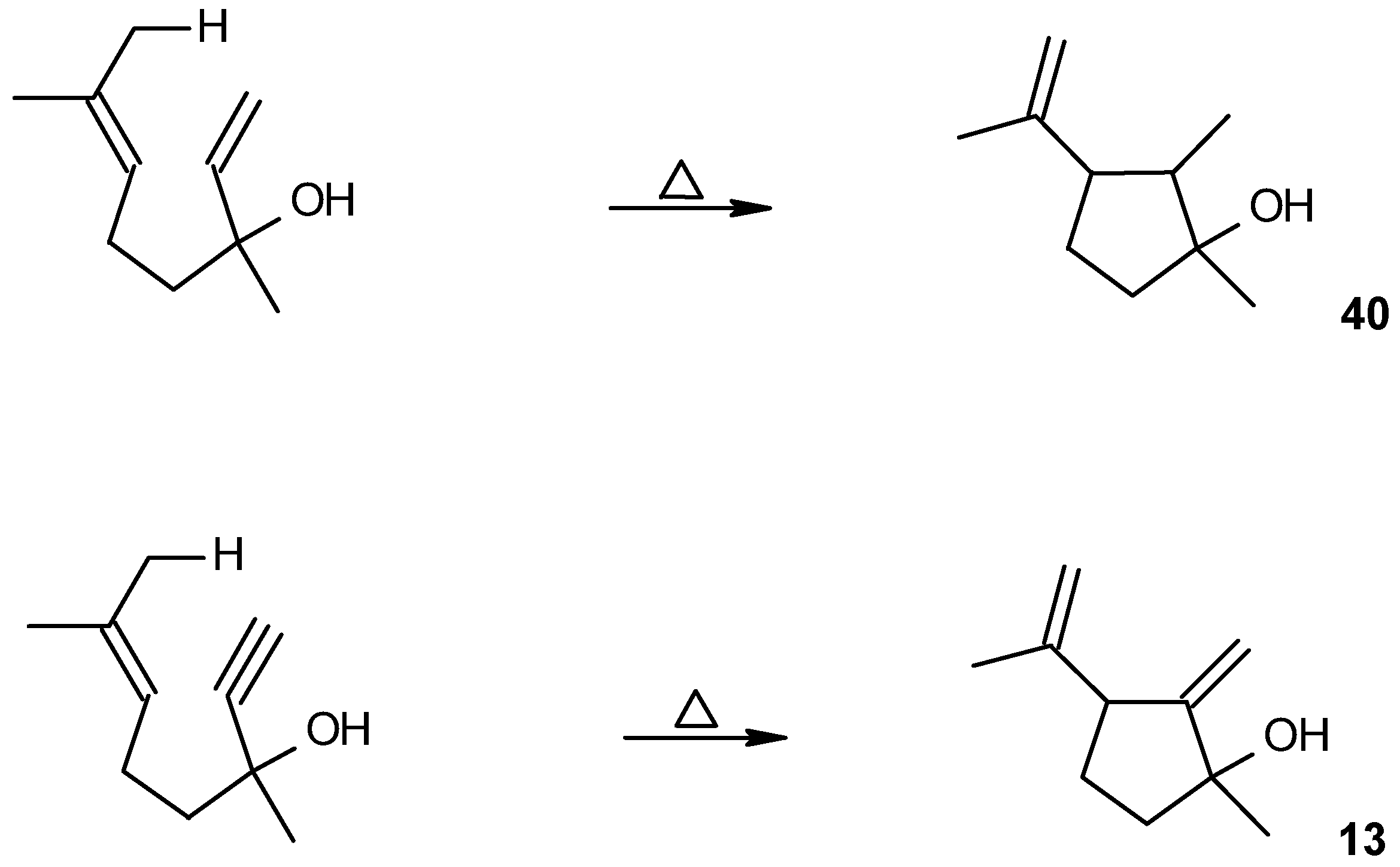
Alike the above mentioned reactions, the “ene” rearrangements also involve a six-membered transition state. However, the difference is that the reaction involves a hydrogen atom in the allyl position. In this way, the alicyclic alcohols (40) and (13), the so-called “plinols”, were obtained from linalool and dehydrolinalool, respectively [37] (Scheme 36).
Scheme 36.
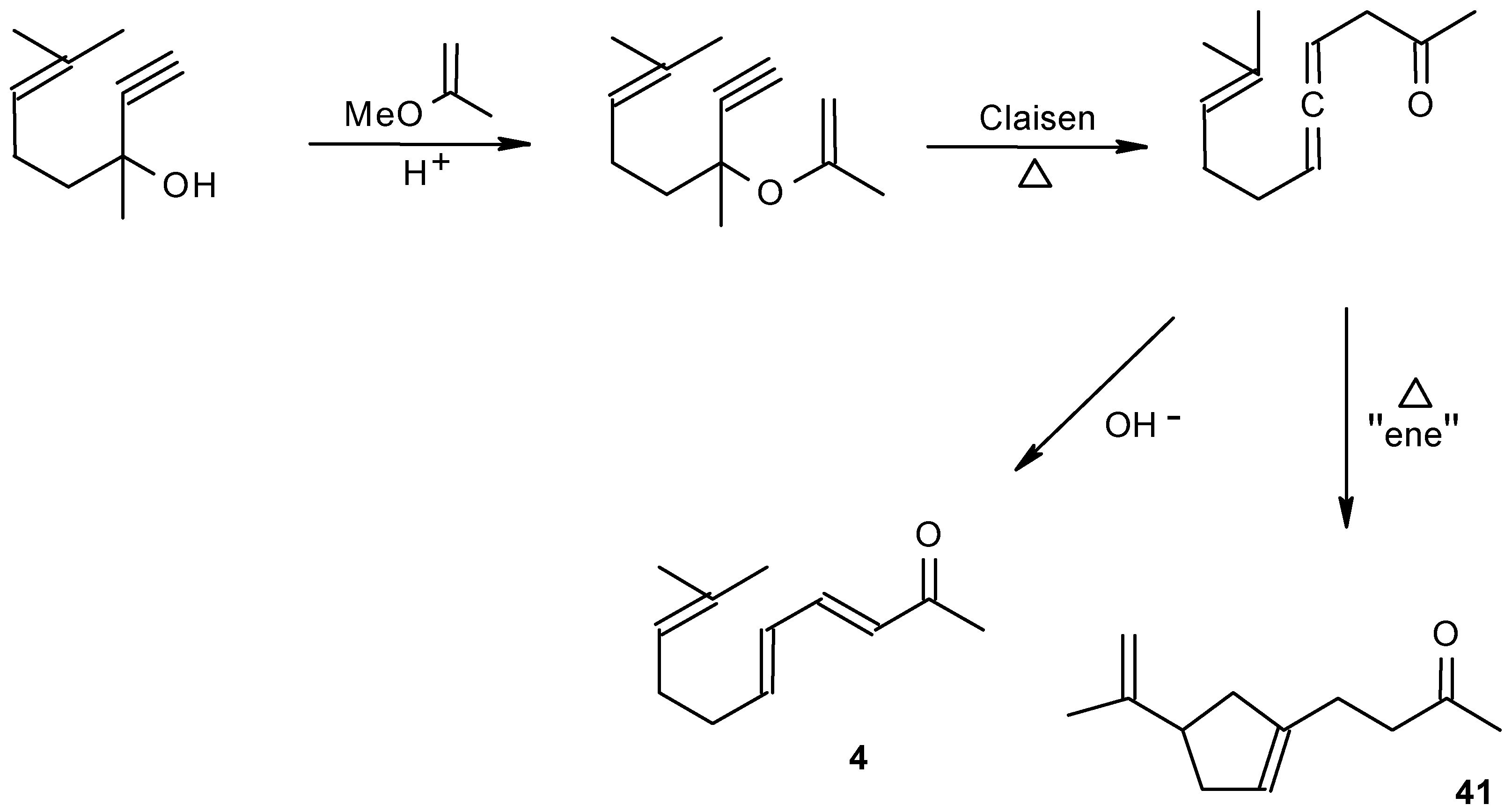
The “ene” rearrangement was also employed in the series of reactions leading to compound (41) [55] (Scheme 37).
Scheme 37.
6. Summary
The review presented above illustrates the potential provided by sigmatropic rearrangements. Some of the products discussed possess interesting olfactory properties, although this study surely does not cover all the possibilities of utilising the sigmatropic rearrangements in the synthesis of fragrance and flavour compounds. Using these reactions many of these compounds are produced in pilot plants or on industrial scale. Some of the basic advantages offered by sigmatropic rearrangements are their good yields and the low wastes produced (many of these reactions involve no catalyst). It is thus possible to obtain a number of valuable sesquiterpenoid compounds that are present in small quantities in natural oils, wherefrom it is very difficult to separate them. Great many of them have the potential of interesting olfactory properties [37]. In view of the above, it can be concluded that sigmatropic rearrangements constitute attractive methods for the synthesis of flavour and fragrance compounds.
Acknowledgment
This paper was supported by the Committee of Scientific Research (grant No. 3TO 9B 10408)
References and Notes
- Rhoads, S. J.; Raulins, N. R. Org. React. (N.Y.) 1975, 22, 1.
- Jefferson, A.; Scheinmann, F. Quaterly Rev. (London) 1968, 22, 390.
- Woodward, R.B.; Hoffmann, R. Angew. Chem. Int. Ed. Engl 1969, 8, 781. [CrossRef]
- Bennet, G.B. Synthesis 1977, 9, 589.
- Lutz, R.P. Chem. Rev. 1984, 84, 205.
- Vittorelli, P.T.; Winkler, J.; Hausen, J.; Schmidt, H. Helv. Chim. Acta 1968, 51, 1457. [CrossRef]
- Hausen, H.J.; Schmidt, H. Tetrahedron Lett. 1974, 30, 1959.
- Ziegler, F.E. Acc.Chem.Res. 1977, 10, 227. [CrossRef]
- Frater, G.; Bajgrowicz, J. A.; Kraft, P. Tetrahedron 1998, 54, 7633.
- Ohloff, G. Scent and Fragrances-The Fascination of Odours and their Chemical Perspectives; Springer Verlag: Berlin, 1994. [Google Scholar]
- Bauer, K.; Garbe, D.; Surburg, H. Common Fragrances and Flavour Materials: Preparation, Properties and Uses; Wiley-VCH, 1997. [Google Scholar]
- The Chemistry of Fragrances; Pybus, D. H.; Sell, C. S. (Eds.) Cambridge, 1999.
- Carroll, K. F. J. Chem. Soc. 1940, 704.
- (Hoffman-La Roche), BE 634738 1961 [Chem. Abstr. 1964, 62, 3941c].
- (Hoffman-La Roche), GB 865478 1961 [Chem. Abstr. 1961, 55, 20996a].
- Voitkievich, S.A. 865 Dushistykh Veshchestv dla Pafumiernoj i Bytovoj Khimii; Pishch. Prom.: Moskva, 1994. [Google Scholar]
- Marbet, R.; Saucy, G. Helv. Chim. Acta 1967, 50, 2095. [CrossRef]
- Chan, K.; Cohen, N.; DeNoble, J. P.; Specian, A.C.; Saucy, G. J. Org. Chem 1976, 29, 3497.
- Naef F. (Firmenich S.A.), DE 2849332 1979 [Chem.Abstr.,1979, 91, 112333].
- Asnari H.R. (Bush, Boake, Allen Ltd.), DE 3010762 1980 [Chem. Abstr.,1981, 94, 139990].
- Bertele E. (Givaudan S.A.), CH 493451 1970 [Chem. Abstr., 1970, 73, 120775].
- Bedoukian, P. Am. Perf. Cosmet. 1971, 86, 25.
- Blumenthal J.H. (IFF Inc.), US 3637859 1972 [Chem. Abstr., 1972, 76, 99117].
- Voitkievich S.A. (All-Union SRISNP), SU 355147 1972 [Chem. Abstr., 1973, 78, 71442].
- Gora J. (Techn.Univ. Lodz), PL 116331 1983 [Chem. Abstr., 1983, 99, 58749].
- Hoffmann W. (BASF AG), DE 2513996 1976 [Chem. Abstr., 1977, 86, 16353].
- Naegeli, P. Tetrahedron Lett. 1975, 24, 2127.
- Ball J.B. (IFF), US 3636113 1969 [Chem. Abstr., 1971, 75, 129970].
- (Naarden), NL 69 01750 1969 [Chem. Abstr., 1970, 74, 22482].
- Kawanobe, T.; Iwamoto, M. Agric. Biol. Chem. 1987, 51, 791.
- Tsui, J.; Kobayashi, Y.; Shimazu, I. Tetrahedron Lett. 1979, 39.
- Demole, G.; Enggist, P.; Borer, C. Helv.Chim. Acta 1971, 54, 1845. [CrossRef]
- Kimel, W.; Cope, A.C. J. Am. Chem. Soc. 1943, 65, 1992.
- Samochvalov, G.I.; Preobrazhenski, N.A. Zh.Obshch. Khim. 1957, 27, 2501.
- Nazarov, I.N. Zh.Obshch. Khim. 1958, 28, 1444.
- Hoffmann, W. Chem. Ztg. 1973, 97, 23.
- Teissere, P.J. Chemistry of Fragrant Substances; VCH Publishers Inc.: New York, 1994. [Google Scholar]
- Obara, T.; Olejniczak, T.; Wawrzenczyk, Cz. J. Soc. Cosmet. Chem. 1995, 46, 321.
- Cookson, R. C. (Firmenich S.A.), DE 2827383 1979 [ Chem. Abstr. 1979, 91, 20801].
- Von Fraunberg K. (BASF AG), DE 2432235 1974 [Chem. Abstr. 1976, 85, 21669].
- Gebauer H. (Consortium für Electr.Ind.), DE 3013672 1981 [Chem. Abstr. 1982, 96, 19663].
- Gebauer H. (Consortium für Electr.Ind.), DE 3013565 1981 [Chem. Abstr. 1982, 96, 51816].
- Bluthe, N.; Malacria, N.; Gore, V. Tetrahedron Lett. 1983, 24, 1157. [CrossRef]
- Nishino, M.; Kondo, H.; Miyake, A. Chem. Lett. 1973, 667.
- Tsui, J. Tetrahedron Lett. 1979, 24, 2257.
- Tietze, L. F. J. Heterocyclic Chem. 1990, 27, 47.
- Tse-Lok, Ho. Tandem Organic Reactions; Wiley & Sons, Inc.: New York, 1992. [Google Scholar]
- Ziegler, F.E.; Piwinski, J.J. J. Am. Chem. Soc. 1982, 104, 7181.
- Thomas, A. F. J. Am. Chem. Soc. 1969, 91, 3281.
- Suzuki, S.; Fujita, Y.; Noshida, T. Tetrahedron Lett. 1983, 24, 5737.
- Cookson, R. C.; Rogers, N. R. J. Chem. Soc. Perkin Trans I 1973, 2741. [CrossRef]
- Thomas, A. F.; Ozainne, M. J. Chem. Soc. C 1970, 220.
- Bowden, B.; Cookson, R. C.; Davis, H. A. J. Chem. Soc. Perkin Trans. I 1973, 2634. [CrossRef]
- Fujita, Y.; Onishi, T.; Nishida, T. Synthesis 1978, 532. [CrossRef]
- Saucy, G.; Marbet, R. Chimia 1960, 14, 363.
- Sample Availability: Not applicable.
© 2000 by MDPI (http://www.mdpi.org).