


Abstract
Forsythiae Fructus, as a traditional Chinese medicine, has been widely used both as a single herb and in compound prescriptions in Asia, mainly due to its heat-clearing and detoxifying effects. Modern pharmacology has proved Forsythiae Fructus possesses various therapeutic effects, both in vitro and in vivo, such as anti-inflammatory, antibacterial and antiviral activities. Up to now, three hundred and twenty-one compounds have been identified and sensitive analytical methods have been established for its quality control. Recently, the pharmacokinetics of Forsythiae Fructus and its bioactive compounds have been reported, providing valuable information for its clinical application. Therefore, this systematic review focused on the newest scientific reports on Forsythiae Fructus and extensively summarizes its phytochemistry, pharmacology, pharmacokinetics and standardization procedures, especially the difference between the two applied types—unripe Forsythiae Fructus and ripe Forsythiae Fructus—in the hope of providing a helpful reference and guide for its clinical applications and further studies.
1. Introduction
Forsythiae Fructus, the dried fruit of Forsythia suspensa (family Oleaceae), known as lianqiao in China, was first recorded in Shennong Bencao Jing, a prestigious monograph on traditional Chinese medicine (TCM) [1], and subsequently listed in the pharmacopoeias of the People’s Republic of China, Japan and Korea [2,3,4]. It has been used as a heat-clearing and detoxifying TCM for the treatment of infectious diseases, such as acute nephritis, erysipelas and ulcers, for over 2000 years [5,6]. Modern pharmacological studies have confirmed that Forsythiae Fructus possesses anti-inflammatory, antioxidant, antiviral, antivomiting and antitumor activities, as well as hepatoprotective, neuroprotective and cardiovascular protective effects [7,8,9,10,11,12]. Nowadays, more than forty Chinese medicinal preparations containing Forsythiae Fructus are included in the Chinese Pharmacopoeia, Volume I [2]. For example, Forsythiae Fructus is used as a principal drug in Yinqiao Jiedu tablet exerting effects of expelling wind, relieving the exterior, clearing heat and detoxifying [2].
In the clinic two types of Forsythiae Fructus are used, namely the unripe Forsythiae Fructus (Qing qiao, UFF) and ripe Forsythiae Fructus (Lao qiao, RFF). Due to the different harvest times, they are distinguished as UFF and RFF collected at early September and October, respectively [6]. Although both of them have been listed as Forsythiae Fructus in the Chinese Pharmacopoeia, previous studies have found that the harvest time could affect the qualitative profile and relative contents of compounds in Forsythiae Fructus, which might further influence its pharmacological activities. For instance, Jia et al. [6] found a higher antioxidant activity for UFF than for RFF, but no significant difference in antibacterial activities was shown, indicating the differences between UFF and RFF should be considered for their clinical efficacies.
Up to now, a large number of studies focusing on the chemical compounds, pharmacology and quantitative analysis of Forsythiae Fructus have been published. In 2012, a mini review [13] naming chemical constituents of plants from the genus Forsythia reported only one hundred and twenty-one chemical constituents in Forsythiae Fructus, which was much less than those we summarize herein (three hundred and twenty-one compounds). New pharmacological activities and quality control methods have been discovered, so a systematic and updated review is very necessary, as well as a comprehensive comparison between UFF and RFF. Therefore, this review aims to extensively summarize the phytochemistry, quality control data, pharmacology and pharmacokinetics of Forsythiae Fructus, thus providing evidence for further research and clinical applications of this plant.
2. Phytochemistry
With the analysis technologies of nuclear magnetic resonance (NMR), liquid chromatography-mass spectrometry (LC-MS), gas chromatography-mass spectrometry (GC-MS) and infrared spectroscopy (IR), a total of three hundred and twenty-one compounds were identified from Forsythiae Fructus, including fifty-one phenylethanoid glycosides, fifty lignans, nineteen aliphatic alcohols with the C6-C2 skeleton, two iridoids, nineteen diterpenoids, twenty-seven triterpenoids, six sterols, nineteen flavonoids, fifty-two volatiles, seven alkaloids, twenty-eight organic acids, six amino acids, nine sugar derivatives, two allylbenzene glycosides and twenty-four others. Most of them were not mentioned whether obtained from UFF or RFF. The detailed information for these compounds is summarized in Table 1.
Table 1.
Compounds identified from Forsythiae Fructus.
2.1. Phenylethanoid Glycosides
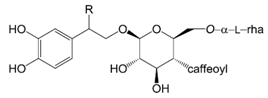
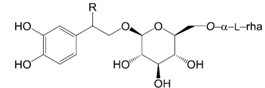
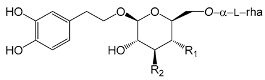
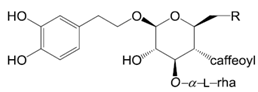
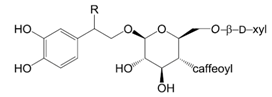
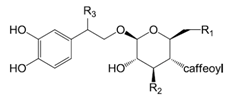
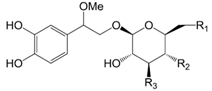
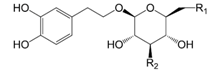
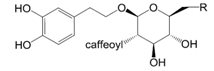
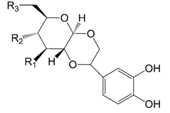
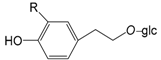
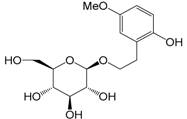
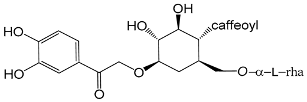
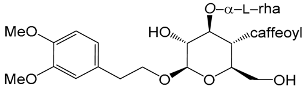
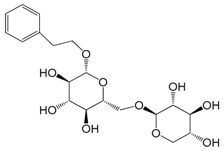
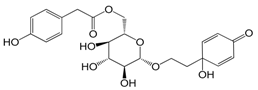
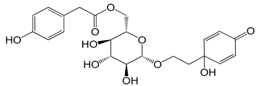
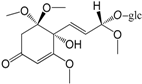
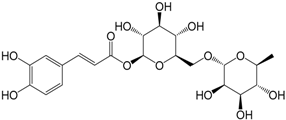
Phenylethanoid glycosides are the major bioactive constituents of Forsythiae Fructus with verified anti-inflammatory, antioxidant, antibacterial and antiviral effects [27,28,76,77]. Since forsythoside A (1) was reported by Endo et al. [20] in 1984, fifty-one phenylethanoid glycosides have been isolated from Forsythiae Fructus and their structures were shown in Figure 1. Except for (R)-suspensaside (3), (S)-suspensaside (4), (S)-suspensaside methyl ether (5), β-methoxyforsythoside E (11), acteoside (16), forsythoside B (17), forsythoside G (18), (S)-β-hydroxycalceolarioside C (22), (R)-β-hydroxycalceolarioside C (23), (S)-β-methoxycalceolarioside C (24), (R)-β-methoxycalceolarioside C (25), derhamnosyl suspensaside (27), β-methoxylacteoside (28), caffeoyl calceolarioside C (29), β-methoxyferruginoside B (31), β-methoxylipedoside A (32), suspensaside A isomer (40) and demethyl suspensaside A (41) tentatively identified by a HPLC/MSn method [17,18,22], the remaining compounds were isolated from the 50%, 60%, 70%, 75% or 85% ethanol extract of Forsythiae Fructus and then comfirmed by NMR [11,15,16,21,23,24,25,26,27,28,30]. In addition, forsythoside A (1) is recommended as the marker compound for the quality control of this plant in the Chinese Pharmacopoeia [2].
Figure 1.
Chemical structures of phenylethanoid glycosides in Forsythiae Fructus.
2.2. Lignans
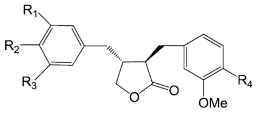
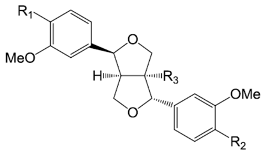
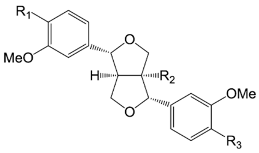
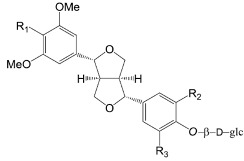
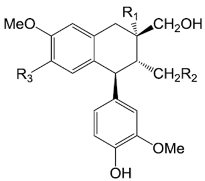
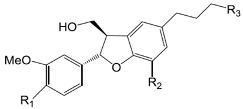
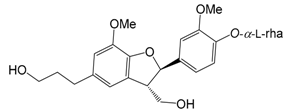
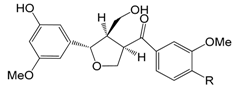
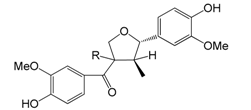
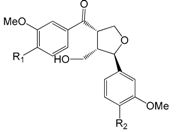
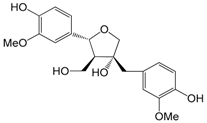
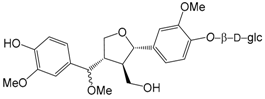
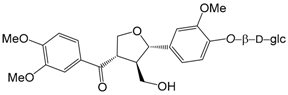
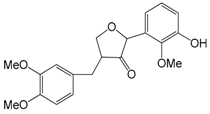
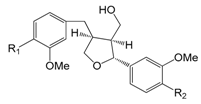
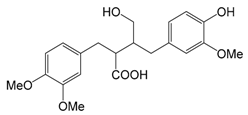
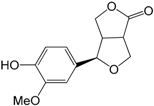
The lignans are another major bioactive constituents in Forsythiae Fructus and their structures are shown in Figure 2. They are mainly classified into six groups: seven dibenzylbutyrolactones (52–58), nineteen furofurans (59–77), four arylnaphthalenes (78–81), five benzylfurans (82–87), nine tetrahydrofurans (88–91,95–100) and one dibenzylbutane (benzenebutanoic acid, 34). Structures of these compounds were confirmed by NMR after isolation from the methanol or 50% ethyl acetate extract of Forsythiae Fructus. Compounds, such as arctigenin (52), arctiin (53), matairesinoside (54), matairesinol (55), 2′,5′-dihydroxy-4′′-caffeoyl matairesinol (56), 3′,4′,5′-trihydroxy-3′′-methoxy-4′′-caffeoyl lignin (57), caffeoyl phillygenin (61), pinoresinol diglucoside (71), caffeoyl pinoresinol (72), 3′,4′,5′-trimethoxy-4′′-hydroxyllignan O-glucoside (76) and 3-furanone-2-(3-methoxy-4-hydroxy-phenyl)-4-veratryl (97) were tentatively identified by molecular weight and fragmentations by a HPLC-MSn method [17,22]. Among these compounds, phillyrin (60) is also recommended as the marker compound for Forsythiae Fructus in the Chinese pharmacopoeia [2].
Figure 2.
Chemical structures of lignans in Forsythiae Fructus.
2.3. Aliphatic C6-C2 Alcohols
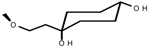
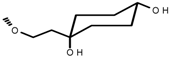
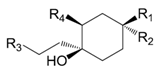
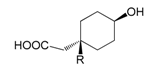
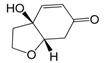
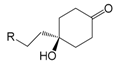
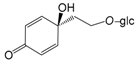
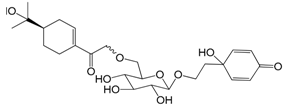
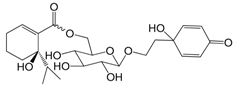
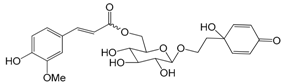
To date, eighteen natural alcohols with the C6-C2 skeletons have been isolated from Forsythiae Fructus, since rengyol (103), rengyolone (110) and rengyoxide (111) were first reported in 1984 by Endo et al. [20]. Subsequently, they identified isorengyol (102), rengyoside A (106) and rengyoside C (107) in 1987 and 1989 [29,40]. Compounds cornoside (113), forsythenside A (114), forsythenside B (115), forsythensides G-J (118–120), togerther with rengyolester (105) were obtained from 60%, 70% or 75% ethanol extract of Forsythiae Fructus [23,42,45], whereas suspenol (104), rengynic acid-1′-O-β-d-glucopyranoside (109) and forsythenside F (116) were isolated from methanol extract, aqueous extract and 50% acetone extract respectively [41,44,46]. The structures of these compounds are shown in Figure 3.
Figure 3.
Chemical structures of natural alcohols with the C6-C2 skeleton in Forsythiae Fructus.
2.4. Iridoids, Diterpenoids and Triterpenoids
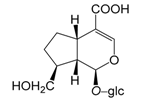
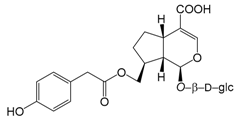
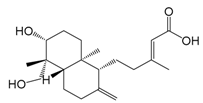
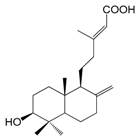
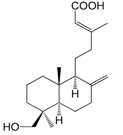
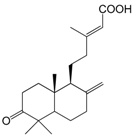
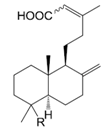
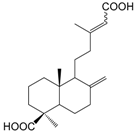
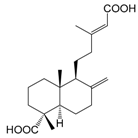
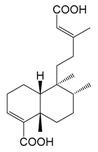
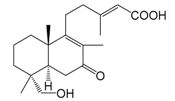
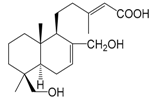
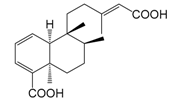
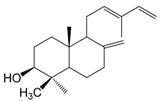
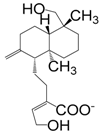
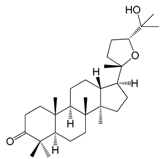
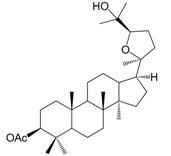
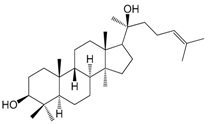
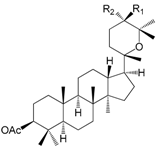
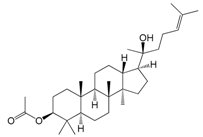
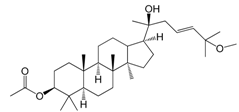
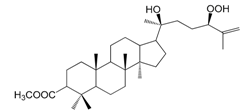
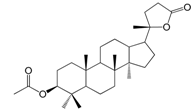
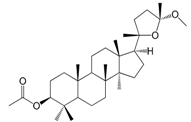
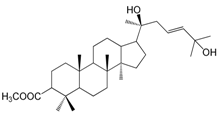
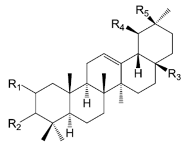
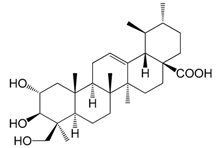
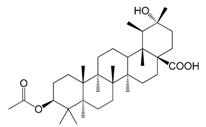
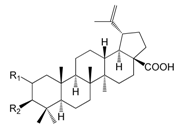
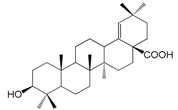
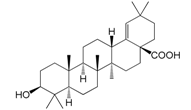
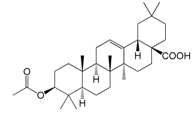
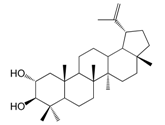
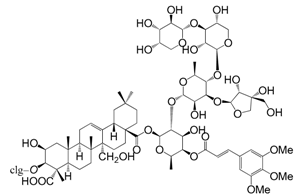
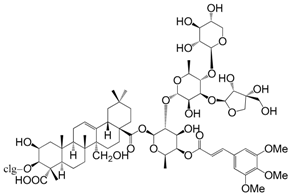
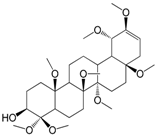
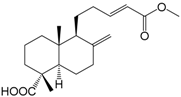
As shown in Figure 4, two iridoids (121–122), nineteen diterpenoids (123–141) and twenty-seven triterpenoids (142–168) have been confirmed in Forsythiae Fructus. Most of them were reported by Kuo et al. [38] in 2017. The triterpenoid fraction contains eleven tetracyclic triterpenoids (142–152) and sixteen pentacyclic triterpenoids (136–151). Compounds such as ocotillone (142), ocotillol monoacetate (143) and oleanolic acid (153) were obtained from the 70% ethanol extract of Forsythiae Fructus [49,52]. Rouf et al. [50] found two new triterpenoids, namely 3β-acetyl-20,25-epoxy-dammarane-24α-ol (145) and 3β-acetyl-20,25-epoxydammarane-24β-ol (146) and confirmed their anti-inflammatory activities. Xue et al. [47] revealed dammar-24-en-3β-acetoxy-20-ol (147), 3β-acetoxy-20S,24R-dammarane-25-ene-24-hydroperoxy-20-ol (149) and 3-acetylisofouquierol (152) possessing strong anti-proliferative effect on MKN-45, BGC-823 and SGC-9701 cells in the 95% ethanol extract of Forsythiae Fructus.
Figure 4.
Chemical structures of iridoids, diterpenoids, terpenoids in Forsythiae Fructus.
2.5. Sterols
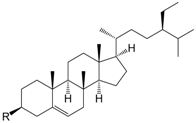
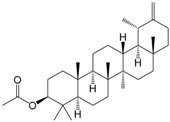
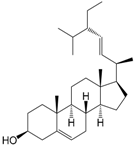
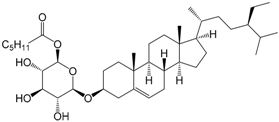
Six sterols, namely β-sitosterol (169), daucosterol (170), taraxasterol acetate (171), stigmasterol (172), ψ-taraxasterol (173) and (6′-O-palmitoyl)-sitosterol-3-O-β-d-glucoside (174), have been isolated from Forsythiae Fructus and identified by 1H- and 13C-NMR [48,49,56,57]. Their structures are shown in Figure 5.
Figure 5.
Chemical structures of sterols in Forsythiae Fructus.
2.6. Flavonoids
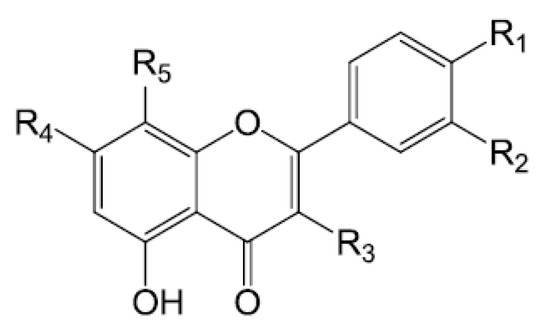
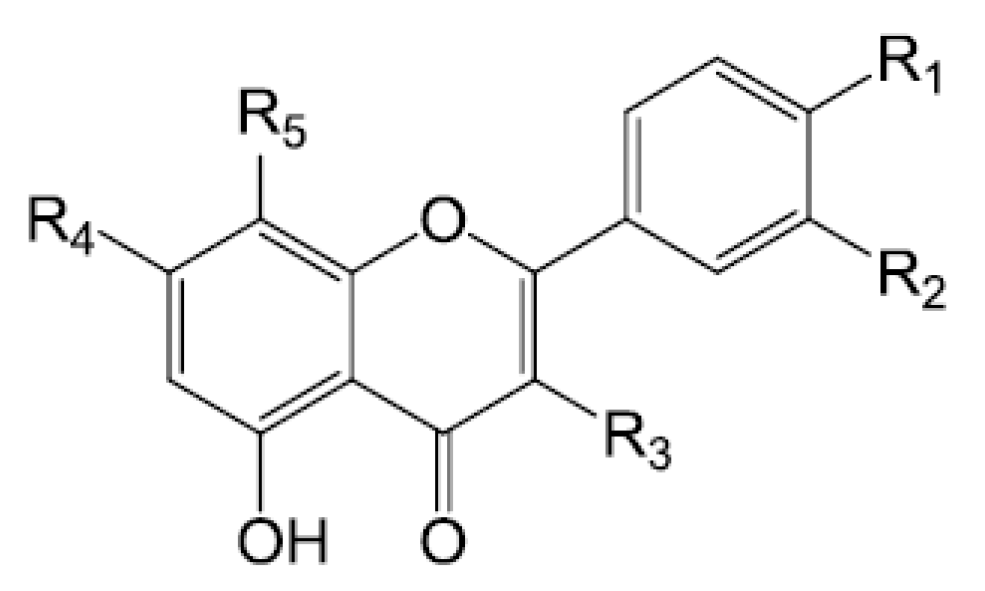
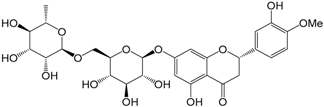
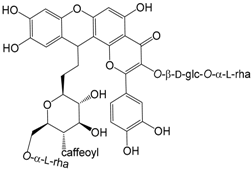
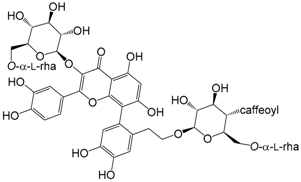
Flavonols, represented by quercetin (177) and its derivatives (178–179), are the main types of flavonoids identified in Forsythiae Fructus. Forsythoneosides A−D (190–193), four unusual condensation products of flavonoids and phenylethanoid glycosides isolated from the 75% ethanolic extract, displayed neuroprotective effects on rotenone-injured PC12 cells [11]. One rutin derivative (176), two quercetin derivatives (178–179) and two kaempferol derivatives (183–184) were extracted by 50% aqueous methanol and identified by HPLC-MS, but the exact attachment positions of the saccharides were unknown [22]. In addition, wogonin-7-O-glcoside (187) and baicalin (188), belonging to flavones, were also found in Forsythiae Fructus [58,60]. Their chemical structures are presented in Figure 6.
Figure 6.
Chemical structures of flavonoids in Forsythiae Fructus.
2.7. Volatiles
Forsythiae Fructus is also rich in volatiles. A total of fifty-two compounds with anti-inflammatory, anti-oxidant and antimicrobial effects were identified in the oil by GC-MS [61,62,63,64,65,66]. β-pinene (195, 45.88%), myrtenol (196, 13.86%), (+)-α-pinene (197, 13.09%), (−)-trans-pinocarveol (198, 7.34%), sabinene (199, 6.64%) and pinocarvone (200, 4.13%) were the major volatiles of Forsythiae Fructus [61]. Zhai et al. [63] compared five methods, including ionic liquid microwave extraction, hydrodistillation, microwave hydrodistillation, solvent-free microwave extraction and improved solvent-free microwave extraction to extract volatiles, but no significant difference in the oil composition was found. Jiao et al. [64] developed an enzyme-assisted microwave hydro-distillation method, which reached a maximum extraction yield of 3.27%.
2.8. Alkaloids
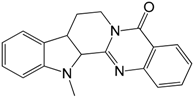
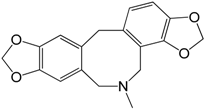
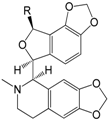
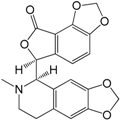
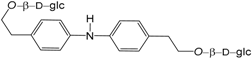
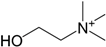
Alkaloids represent a relatively small class of compounds in Forsythiae Fructus. To date, seven alkaloids, namely rutaecarpine (246), suspensine A (247), (−)-egenine (248), (−)-7′-O-methylegenine (249), (−)-bicuculline (250), bis-2-(4-aminophenyl)ethyl-β-d-glucopyranoside (251) and choline (252) were obtained from the ethanolic extract of Forsythiae Fructus [6,57,67,68]. Their chemical structures are presented in Figure 7.
Figure 7.
Chemical structures of alkaloids in Forsythiae Fructus.
2.9. Others
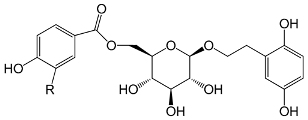
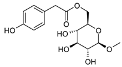
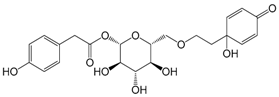
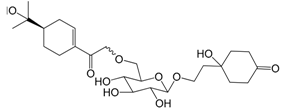
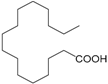
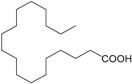
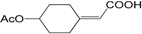
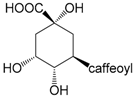
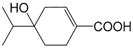
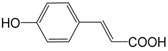
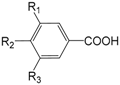
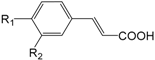
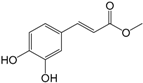
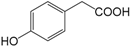
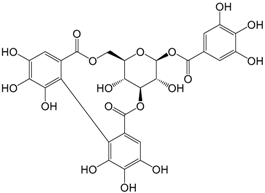
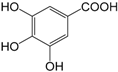
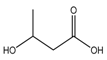
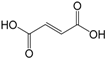
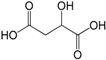
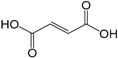
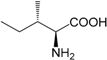
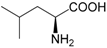
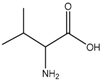
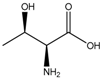
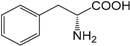
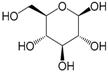
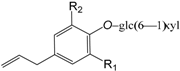
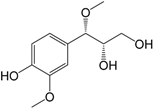
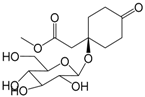
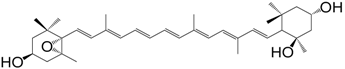
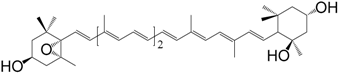
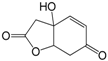
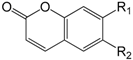
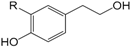
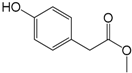
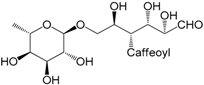
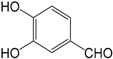
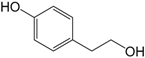
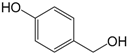
Moreover, other compounds, including twenty-eight organic acids (253–280), six amino acids (281–286), nine sugar derivatives (287–295), two allylbenzene glycosides (296–297) and some miscellaneous compounds (298–321) were also obtained from Forsythiae Fructus [6,14,18,23,30,36,45,48,56,58,60,69,70,71,72,73,74]. Their structures are shown in Figure 8.
Figure 8.
Chemical structures of other compounds in Forsythiae Fructus.
3. Quality Control
Quality control is very important for the use of TCMs. Many rapid, sensitive and stable technologies, such as HPLC–ESI-MS/MS, LC–MS/MS and HPLC-ESI-MS have been applied for quantitative analysis of Forsythiae Fructus [18,31,58,66,78,79,80,81,82,83,84,85,86,87,88,89,90,91]. A total of twenty-nine compounds: forsythoside A (1), (R)-suspensaside (3), (S)-suspensaside (4), (S)-suspensaside methyl ether (5), forsythoside E (10), forsythoside B (17), suspensaside A (39), arctigenin (52), matairesinol-4′-O-glucoside (58), phillygenin (59), forsythin (60), phillyrin (60), (+)-epipinoresinol (62), (+)-epi-pinoresinol-4′-O-β-d-glucoside (64), pinoresinol (68), (+)-pinoresinol-β-d-glucoside (69), rutin (175), quercetin (177), hyperin (182), baicalin (188), hesperidin (189), chlorogenic acid (258) anchoic acid (259), 4-hydroxy-4-isopropylcyclohex-1-ene carboxylic acid (260), p-coumaric acid (261) p-hydroxy-benzoic acid (264), cafferic acid (268), p-hydroxyphenylethanol (314) and p-hydroxybenzyl alcohol (315) have been quantified by HPLC or HPLC-MS by different research groups [18,58,78,79,80,81,82,83,84,85,86,87,88,89,90]. The volatile substances, such as β-pinene (194), camphene (202), myrcene (203), α-pinene (212), α-terpineol (236), p-cymene (244) and limonene (245) were detected by GC [66]. Interestingly, the contents of forsythoside A (1), phillygenin (59), phillyrin (60), (+)-epipinoresinol (62), (+)-epi-pinoresinol-4-O-β-d-glucoside (64), (+)-pinoresinol-β-d-glucoside (69) and rutin (175) were 0.85–15.71%, 0.02898–2.16%, 1.08–1.27%, 1.11–2.10%, 0.91–1.64%, 0.52–1.44% and 0.05–0.36%, respectively, in UFF and 0.02968–10.59%, 0.02148–2.5%, 0.08–0.54%, 0.16–0.64%, 0.22–0.58%, 0.12–0.48% and 0.0556–0.0583%, respectively, in RFF. Jia et al. [6] revealed that RFF contained much more forsythoside A, forsythoside C, rutin and phillyrin (5.07 times, 2.78 times, 2.62 times, 1.35 times, respectively) than UFF, whereas the amino acid content in the UFF was higher than that in the RFF. In addition, the volatile compounds of α-pinene and β-pinene were 0.102–0.337% and 0.342–1.024% in the UFF, respectively, which were higher than the levels in the RFF [66,91]. The harvest times could affect the contents of active compounds in Forsythiae Fructus, which should be considered when assessing their clinical efficacies. The quantitative analysis of Forsythiae Fructus are listed in Table 2.
Table 2.
Quantitative analysis for the quality control of Forsythiae Fructus.
4. Pharmacology
Forsythiae Fructus has long been used in China, Korea, Japan and other Southeast Asian countries because of its various pharmacological effects. The bioactivities of the active constituents of Forsythiae Fructus, including phenylethanoid glycosides, lignans and flavonoids, have been studied, but these constituents also exhibit new pharmacological activities. The pharmacological effects of this herb are listed in Table 3.
Table 3.
Pharmacological effects of Forsythiae Fructus.
4.1. Anti-Inflammatory Effect
The anti-inflammatory effect of Forsythiae Fructus is its most common clinical use. According to Taiwan’s nationwide prescription database, Forsythiae Fructus has been listed in the top 10 most commonly used single herbs for the treatment of atopic dermatitis (15.9%), urticaria (11.49–13.4%) and acne (22.3%) [5,156,157]. Recently, numerous studies have found that ethanol, methanol and aqueous extracts of Forsythiae Fructus exhibited significant anti-inflammatory effects in vitro and in vivo [92,93,94,95,96,97,98]. In addition, its volatiles showed an anti-inflammatory effect in models of mouse ear-swelling, mouse celiac capillary permeability, rat paw-swelling, rat hind paw edema, oleic acid-stimulated acute lung injury and rat cotton pellet granuloma by inhibiting the release of prostaglandin 2 (PGE2), histamine and serotonin [99]. Forsythoside A (1), arctigenin (52), arctiin (53), matairesinol (55), phillyrin (60), forsythin (60), suspensine A (247), (−)-egenine (248), 7′-O-methylegenine (249) and (−)-bicuculline (250) were active compounds isolated from Forsythiae Fructus and exhibited anti-inflammatory effects [67,100,101,103,104,106,109]. Forsythoside A (1) decreased the levels of pro-inflammatory mediators, including tumor necrosis factor-α (TNF-α), interleukin-1β (IL-1β), nitric oxide (NO) and PGE2 in lipopolysaccharide (LPS)-stimulated BV2 microglia cells, RAW264.7 cells, human bronchial epithelial cells (BEAS-2B), acute liver injury mice and bursa of Fabricius of chicken, as well as in a mouse model of cigarette smoke-induced lung damage, through influencing the nuclear factor-κB (NF-κB), mitogen activated protein kinase (MAPK) and nuclear related factor 2/heme oxygenase 1(Nrf2/HO-1) signaling pathways [76,100,102,105,107,110]. Phillyrin (60) at 20 mg/kg showed an ameliorative effect on LPS-induced alveolar hemorrhage and neutrophil infiltration in lung injury mice by decreasing the production of TNF-α, IL-1β and interleukin-6 (IL-6) through MAPK and NF-κB signaling pathways [103].
Forsythin (60), a novel PDE4 inhibitor, inhibited the expression of PDE4 and production of NO, inducible nitric oxide synthase (iNOs), Toll-like receptor 4 (TRL4), TNF-α, IL-1β in LPS-induced lung injury mice, LPS-stimulated BV2 microglial cells and Staphylococcus aureus-induced monocyte-macrophages [94,95,99,111]. Arctiin (53) exhibited an anti-inflammatory effect in LPS-damaged macrophage cells by inhibiting the production of NO, PGE2, TNF-α, IL-1β, IL-6 and the expression of COX-2 [104]. Four alkaloids, namely suspensine A (247), (−)-egenine (248), 7′-O-methylegenine (249) and (−)-bicuculline (250), demonstrated an anti-inflammatory effect at a concentration of 10 μM by inhibiting the release of β-glucuronidase from polymorphonuclear leukocytes in the range of 34.8% to 39.6% [67]. In a word, the anti-inflammatory effects of Forsythiae Fructus and its constituents are closely related to the inhibition of pro-inflammatory mediators through activation of the Nrf2/HO-1 signaling pathway and downregulation of the NF-κB, JAK-STAT and p38 MAPK signaling pathways [101,104,107,110].
4.2. Antibacterial Effect
In vitro, the volatiles of Forsythiae Fructus exhibited good antibacterial effects against S. pneumoniae, Escherichia coli (E. coli), Staphylococcus aureus (S. aureus), Haemophilus influenza, a beta-group Streptococcus, Yersinia enterocolitica, Klebsiella pneumonia, F’s dysentery bacillus, Salmonella typhi and Pseudomonas aeruginosa, with MICs of 172.90, 172.90, 172.90, 172.90, 172.90, 86.45, 172.90, 345.80, 518.70 and 864.50 μg/mL, respectively [112,113]. The mechanism might be closely related to the disruption of the cell membrane and degradation of bacterial proteins [112]. Ethanol, methanol and aqueous extracts of Forsythiae Fructus also exhibited antibacterial activity [114,115,116]. Li et al. [114] found that the ethanol extract remarkably decreased secretion of α-hemolysin in S. aureus at a concentration of 16–128 mg/L. Han et al. [115] demonstrated that the aqueous extract inhibited growth of E. coli, S. aureus and Salmonella in a dose-dependent manner, indicating its uses in broiler chickens as a substitute antibiotic in vivo. The active compounds of Forsythiae Fructus were assessed for their antibacterial activities by E. coli, Pseudomonas aeruginosa, S. aureus, Helicobacter pylori and Klebsiella pneumoniae. As a result, the MIC values of forsythoside A (1), isoforsythoside A (30), phillyrin (60), 3β-hydroxyanticopalic acid (124), agatholic acid (125), β-amyrin acetate (155), 3β-acetoxy-20α-hydroxyursan-28-oic acid (159), betulinic acid (160) and ψ-taraxasterol (173) for E. coli were 38.33, 40.83, 3.94, 3.42, 2.62, 5.00, 4.55, 1.20 and 1.20 μg/mL, respectively [27,48]. The MIC values of forsythoside A (1) and isoforsythoside A (30) were 38.33 and 40.83 μg/mL, respectively, for Pseudomonas aeruginosa and 76.67 and 81.66 μg/mL for S. aureus [27]. In addition, some studies indicated that the antibacterial effect of Forsythiae Fructus was related to its inhibitory effect on the efflux pump of bacteria, but these studies are still in a primary stage [116].
4.3. Antiviral Effect
The antiviral effect of Forsythia Fructus mainly focused on influenza A (H1N1) virus, respiratory syncytial virus (RSV) and infectious bronchitis virus (IBV). Previous studies suggested that the 80% ethanol extract of Forsythia Fructus protected H1N1-infected MDCK cells with a minimal inhibitory concentration (MIC) of 1:8192 mg/mL [8]. Ko et al. [117] found that the 95% ethanol, 50% ethanol and aqueous extracts exhibited a dual regulatory effect on H1N1-infected human bronchial epithelial cells with IC50 values of 42 ± 6, 117 ± 15 and 232 ± 28 g/mL, respectively. Four compounds from Forsythia Fructus, namely forsythoside A (1), calceolarioside B (33), phillyrin (60) and rengynic acid (108), also demonstrated significant antiviral activity. In vivo, forsythoside A (1) at 20 ug/kg was able to control H1N1 infection and relieved the symptoms by inhibiting expression of Toll-like receptor 7 (TLR7), MyD88, tumor necrosis factor receptor-associated factor 6 (TRAF6), interleukin-4 receptor-associated kinase (IRAK4) and NF-kB p65 mRNA and H1N1 replication in C57BL/6j mice [77]. Phillyrin (60) inhibited H1N1 expresstion by down-regulating the gene of the H1N1 nucleoprotein in vitro and in vivo [118,119]. Meanwhile, forsythoside A (1), calceolarioside B (33) and rengynic acid (108) exhibited good anti-RSV effects in multiple different cell lines [23,43,120]. In addition, forsythoside A (1) was able to inhibit IBV in primary chicken embryo kidney cells at a concentration of 0.16 to 0.64 mm and in HD11 cells at a concentration from 10 uM/L to 20 uM/L, suggesting its potential for preventing IBV infection [121,122].
4.4. Antioxidant Effect
Recently, some studies revealed the anti-oxidative effect of the Forsythia Fructus extract and its compounds in the 2,2-diphenyl-1-picrylhydrazyl (DPPH), 2,2′-azino-bis-3-ethylbenzothiazoline-6-sulfonic acid (ABTS) and ferric reducing antioxidant power (FRAP) assays in vitro [25,27,28,123,124,125]. The results indicated that forsythoside A (1), isoforsythoside A (30), phillygenin (59), phillyrin (60), forsythialan A (88) and polysaccharides exhibited strong antioxidant effects, with the DPPH IC50 values of 0.43, 2.74, 53.64, 351.14, 29.86 μg/mL and 0.08 mg/mL, respectively [27,123,124]. Calceolarioside C (21), forsythoside H (38) and lianqiaoxinoside B (43) were tested by the ABTS test and exhibited IC50 values of 22.7, 17.7 and 15.6 μg/mL, respectively [25,28]. Additionally, the ethyl acetate extract of Forsythia Fructus showed a strong antioxidant activity by the DPPH and FRAP assays [125]. Phillygenin (59) and 8-hydroxypinoresinol (73) at 50 μM were confirmed to reverse a LLC-PK1 cell damage induced by 3-morpholinosydnonimine, an ONOO-generator [126]. In addition, eight lignans—phillygenin (59), 7′-epi-8-hydroxypinoresinol (63), pinoresinol (68), 8-hydroxypinoresinol (73), isolaraciresinol (78), cedrusin (82), olivil (94) and lariciresinol (98) exerted inhibitory effects against lipid peroxidation of high-density lipoprotein (HDL) induced by AAPH (a thermo-labile radical generator), with IC50 values ranging from 12.1 to 51.1 μM [32]. In vivo, pretreatment with a CH2Cl2 fraction of Forsythia Fructus 80% ethanol extract inhibited oxidative stress in diquat-treated rats. The mechanism was associated with an increase in the activities of superoxide dismutase (SOD) and glutathione peroxidase (GSH-Px) as well as the levels of GSH in plasma, liver and kidney, whereas a reduction in the level of malondialdehyde (MDA) was observed in plasma and the kidney [124]. Yan et al. [127] found that the anti-aging effect of phillyrin (60) is closely related to the antioxidant effect in aging model mice. Interestingly, the Forsythia Fructus extract has been used as an animal feed additive in weaned piglets and Arbor Acre broilers, mainly due to the improvement in growth performance via the modulation of some endogenous antioxidant molecules and oxidative stress biomarkers (SOD, GSH-Px and MDA) [128,129,130].
4.5. Neuroprotective Effect
The neuroprotective effect is a newly established research direction for Forsythiae Fructus. Zhang et al. [131] found that the Forsythiae Fructus ethanol extract reduced rotenone toxicity and protected PC12 cells. Further in vivo study demonstrated that Forsythiae Fructus (50 and 200 mg/kg) exhibited a protective effect in rotenone-stimulated rats through down-regulating inflammatory and oxidation factors. Forsythoside A (1) was the main compound with neuroprotective effects reported in Forsythiae Fructus. It ameliorated the physiology of senescence-accelerated mouse prone (SAMP8) mice and scopolamine-induced memory deficit mice, with significant increase in total superoxide dismutase (T-SOD), choline acetyl transferase (ChAT) and GSH-Px activities; significant decrease in MDA and NO levels; inhibition of AchE activity and increase of p-ERK expression, indicating that its mechanism might be to regulate the cholinergic system and antioxygenation [132,133,134]. Furthermore, cognitive functions of gerbils with transient cerebral global ischemia were ameliorated after treatment with forsythoside A (1) at 10 mg/kg due to the inhibition of activated microglia and astrocytes [135]. In vitro, forsythoside A (1) significantly inhibited the cell apoptosis induced by Aβ25-35 in PC12 and HT22 cells, which are closely related to Alzheimer’s disease [136,137]. Moreover, phillyrin (60) protected SH-SY5Y neuroblastoma cells against MPP+ [138], while forsythoneoside B (191) and forsythoneoside D (193) at 0.1 μM significantly inhibited PC12 cell damage induced by rotenone and increased cell viability [11], indicating their potential toward Parkinson’s disease.
4.6. Antitumor Effect
Forsythiae Fructus aqueous extract treatment of B16-F10 melanoma-transplanted C57BL/6 mice inhibited cancer cell proliferation and angiogenesis and prolonged their survival time, indicating a noticeable antitumor activity. The results revealed that this effect has a close relationship with antioxidant and anti-inflammatory activities via the MAPKs/Nrf2/HO-1 pathway [7]. The LQ-4 extract (which contains at least twelve types of compounds) showed antitumor actions on Hela and SGC-7901 cells by inhibiting cell proliferation and inducing apoptosis, which were probably related to the decomposition of caspase-8 protease [139,140,141]. Phillyrin (60) exhibited an antitumor effect on Lewis lung carcinoma in vivo at three doses of 5, 10 and 20 g/kg/d by decreasing vascular endothelial growth factor (VEGF) expression and increasing endostatin expression [142]. In addition, (+)-8-hydroxyepipinoresinol-4-O-β-d-glucopyranoside (65) showed significant cytotoxicity to A549, Colo205, Hep-3B, HL60 and KB cancer cell lines with IC50 values of 9.48, 7.75, 0.59, 4.06 and 38.38 μM, respectively [34]. Moreover, dammar-24-en-3β-acetoxy-20-ol (147) and ambrolic acid (163) from Forsythiae Fructus were tested against SGC-7901 and PC-3 cells. Both of them induced apoptosis of SGC-7901 cells dose-dependently by down-regulating the expression of caspase proteins (caspase 3, 6, 8 and 9) and up-regulating the levels of Bax [51,55], whereas, dammar-24-en-3β-acetoxy-20-ol (147) might also inhibit the activities of telomerases in PC-3 cells, thus enhancing the radiosensitivity of PC-3 cells [143].
4.7. Hepatoprotective Effect
The active compound phillygenin (59) in Forsythiae Fructus has been shown to exhibit a protective effect against acute liver injury induced by CCl4 in rats at the dosages of 0.05, 0.15, 0.5 mg/kg. It increased the activities of SOD, GSH-Px and GSH; decreased MDA and reduced the levels of TNF-α and IL-8 in liver tissue [10]. Wang et al. [144] reported that Lian qiao gan yuan (phillygenin) protected against hepatic fibrosis induced by bovine serum albumin in rats. However, the author considered forsythoside A (1) to be Lian qiao gan yuan in Chinese. Forsythin (60) showed a protective capability against alcohol-induced liver injury by suppressing expression of apoptosis factors (PARP and caspase 3) [145]. Moreover, the aqueous extract of Forsythiae Fructus excerted a hepatoprotective effect in liver injured rats with acute pancreatitis at three dosages of 1.25, 2.5 and 5.0 g/kg. This was associated with inhibition of mRNA expression of NF-κB and Foxp3, subsequently reducing activation of the NF-κB signaling pathway, which plays an important role in the pathogenesis of severe acute pancreatitis [146].
4.8. Cardiovascular Protective Effect
The cardiovascular protective activity of Forsythiae Fructus and its compounds has been reported in recent years. In an in vivo study, oral administration of ethyl acetate extract at dosages of 50, 100 and 200 mg/kg improved pathological damage and increased the serum level of insulin as well as expression of pancreatic function genes (PDX-1, INS-1 and INS-2) in streptozotocin-induced diabetic mice, indicating its potency as an antihyperglycemic and antihyperlipidemic agent [147]. Treatment with 150 mg/kg phillyrin (60) for ten weeks in an atherosclerosis (AS) model noticeably reduced the area of AS plaques, improved the function of arterial condensation and inhibited expression of sodium hydrogen exchange protein 1 (NHE-1), intercellular cell adhesion molecule-1 (ICAM-1), vascular cell adhesion molecule-1 (VACM-1), IL-1 and IL-6 [12]. Moreover, forsythoside A (1) exhibited a vasorelaxant effect against norepinephrine-stimulated vasocontraction in rats by decreasing calcium influx from the extracellular space [148].
4.9. Others
The aqueous extract of Forsythiae Fructus reduced the serum gastrin content and promoted gastrointestinal movement, demonstrating an anti-vomiting effect in mice exposed to chemotherapy [9]. Phillyrin (60) was shown to exert a remarkable antiobesity effect in high glucose-induced lipid accumulation in HepG2 cells and 3T3-L1 adipocytes, as well as in obese mice [149,150,151]. The mechanism of action was possibly due to inducing the liver kinase B1 (LKB1) phosphorylation and activating AMP-activated protein kinase (AMPK), thus reducing expression of sterol regulatory element-binding protein-1c (SREBP-1c) and fatty acid synthase. Interestingly, forsythoside A (1) exhibited antiandrogenic alopecia activity in dihydrotestosterone-stimulated mice by suppressing the apoptosis of hair cells [152]. Forsythoside A (1) also exhibited an immune regulation effect in endotoxemia mice by down-regulating mRNA expression of Foxp3 and decreasing the secretion of IL-10 and TNF-α [153]. Moreover, in yeast-stimulated pyrexia mice, forsythoside A (1) increased the expression of temperature-sensitive transient receptor potential A1 (TRPA1), thereby taking antipyretic effect [154]. Furthermore, a study demonstrated that forsythoside A inhibited P-gp ATPase activity, thus influencing the efflux of drugs [155].
5. Pharmacokinetics
Pharmacokinetic studies have provided a scientific basis for the clinical application of Forsythiae Fructus and the data were presented in Table 4. When Sprague Dawley (SD) rats were orally administrated UFF and RFF extract, the main active compounds of forsythoside A (1), phillyrin (60), rutin (175), quercetin (177) and isorhamnetin (180) showed very different pharmacokinetic parameters, including Cmax, AUC0–24 h and Tmax. Generally, the AUC0–24 h and Cmax were much higher in the UFF group than in the RFF group. The absorption was faster after oral administration of UFF, as reflected by Tmax, whereas quercetin (177) and isorhamnetin (180) couldn’t be detected after RFF treatment. The pharmacokinetic properties after multiple-dose treatment had significantly increased than those after single-dose treatment, indicating that the harvest times affected the contents and bioavailability of active compounds in Forsythiae Fructus [59]. Liu et al. [31] developed an HPLC-ESI-MS/MS method for the quantification of matairesinol-4′-O-glucoside (58), phillygenin (59), phillyrin (60), (+)-pinoresinol-β-d-glucoside (69) and hyperin (182) in rat bile after oral administration of 75% methanol extract of Forsythiae Fructus, revealing that bile was the major pathway for the excretion of lignans in Forsythiae Fructus. Forsythoside A (1), phillygenin (59) and phillyrin (60) were the three most studied compounds in Forsythiae Fructus for pharmacokinetics. After oral administration of forsythoside A, the absorption was fast with a Tmax of 20 min, but the bioavailability was only 0.5% [158]. Furthermore, Chen et al. [159] revealed that most of forsythoside A (1) was excreted through bile due to the bile-to-blood distribution ratio was 0.32 ± 0.06 after intravenous administration. Phillyrin (60) was absorbed into plasma through passive diffusion and could be influenced by P-gp, thus exhibiting a low bioavailability [160]. After oral administration, a total of thirty-four metabolites of phillyrin (60) were found in rat bile, urine and feces by UPLC-Q-TOF-MS, providing a basis for the pharmacological activities of phillyrin in vivo, and the results also revealed that deglucosidation was the main metabolic reaction for phillyrin [161]. Absorption of phillygenin (59) was linear at three dosages of 1.4, 2.8, and 5.6 mg/kg, but it showed a rapid elimination rate of approximately 6 min [162]. In addition, forsythoside A induced the activities of CYP1A2 and CYP2C11, while phillyrin induced the activities of CYP1A2 and CYP2D1, which provided very useful information about interactions in the combination drug therapy [163].
Table 4.
The investigations about pharmacokinetics of Forsythiae Fructus.
6. Conclusions
In Asia, Forsythiae Fructus is widely used in the clinic as a single drug or compound prescription. Modern pharmacology showed that it has a variety of bioactivities, including anti-inflammatory, antibacterial, antiviral, antioxidant, antitumor, antidiabetic, antihyperlipidemic, antiandrogenic alopecia, antivomiting, antiaging and anti-obesity activities, as well as neuroprotective, hepatoprotective and vasorelaxant effects. In the past few years, many sensitive analysis technologies have been used for research of this herb. Three hundred and twenty-one compounds have been identified, including fifty-one phenylethanoid glycosides, fifty lignans, nineteen aliphatic alcohols with the C6-C2 skeleton, two iridoids, nineteen diterpenoids, twenty-seven triterpenoids, six sterols, nineteen flavonoids, fifty-two volatiles, seven alkaloids, twenty-eight organic acids, six amino acids, nine sugar derivatives, two allylbenzene glycosides and twenty-four others. Among them, forty-five were from the UFF, twenty-two were from the RFF, twenty-one were from the UFF and RFF and the remaining compounds have not been mentioned from UFF or RFF.
Moreover, phenylethanoid glycosides (forsythoside A), lignans (phillyrin, arctiin) and flavonoids (rutin, forsythoneoside D) are the major constituents and exerted various bioactivities, such as anti-inflammatory, antiviral, and neuroprotective effects. Additionally, the different harvest times not only affected the contents but also the bioavailabilities of the active compounds, especially forsythoside A and phillyrin. However, few studies have reported the difference in pharmacological activities between UFF and RFF. Altogether, this review extensively summarized the phytochemistry, quality control, pharmacology and pharmacokinetics of Forsythiae Fructus, especially the UFF and RFF, and provided evidence for its further research and clinical applications.
Acknowledgments
The project was financially supported by the National Natural Science Foundation of China (81503376) and applied science and technology research Foundation of Guangdong Province (2016B020237005).
Conflicts of Interest
The authors declare no conflict of interest.
References
- Xu, L.G.; Huang, R.Q. Textual research on “Lianqiao” whose other name be “Lanhua” (cymbidium) in Shen Nong’s Herbal. Lishizhen Med. Mater. Med. Res. 2000, 11, 358–359. [Google Scholar]
- International Pharmacopoeia Commission. Pharmacopoeia Commission of the People’s Republic of China. In Pharmacopoeia of People’s Republic of China; Chemical Industry Press: Beijing, China, 2015; Volume 1, pp. 1–1750. ISBN 978-7-5067-7337-9. [Google Scholar]
- The Japan Drug Editional Commission of Administration. Japanese Pharmacopoeia; Ministry of Health, Labour and Welfare: Tokyo, Japan, 2011; pp. 1–2131.
- Korea Food and Drug Administration. South Korean Pharmacopoeia; Monografs Part II; Ministry of Health and Welfare: Se jong, Korean, 2015; pp. 1004–1241.
- Chen, H.Y.; Lin, Y.H.; Huang, J.W.; Chen, Y.C. Chinese herbal medicine network and core treatments for allergic skin diseases: Implications from a nationwide database. J. Ethnopharmacol. 2015, 168, 260–267. [Google Scholar] [CrossRef] [Scilit] [PubMed]
- Jia, J.P.; Zhang, F.S.; Li, Z.Y.; Qin, X.M.; Zhang, L.W. Comparison of Fruits of Forsythia suspensa at Two Different Maturation Stages by NMR-Based Metabolomics. Molecules 2015, 20, 10065–10081. [Google Scholar] [CrossRef] [Scilit] [PubMed]
- Bao, J.L.; Ding, R.B.; Zou, L.D.; Zhang, C.; Wang, K.; Liu, F.; Li, P.; Chen, M.W.; Wan, J.B.; Su, H.X.; et al. Forsythiae Fructus Inhibits B16 Melanoma Growth Involving MAPKs/Nrf2/HO-1 Mediated Anti-Oxidation and Anti-Inflammation. Am. J. Chin. Med. 2016, 44, 1043–1061. [Google Scholar] [CrossRef] [Scilit] [PubMed]
- Su, W.; Xu, H.F.; Huang, H. Effects of the extract of Forsythia suspensa on influenza A H1N1 infection in vitro. J. Med. Plants Res. 2010, 4, 1455–1458. [Google Scholar]
- Zuo, T. Study on the Mechanism of Forsythia Suspensa Preventing Vomiting Effect on Chemotherapy Mice. China J. Chin. Med. 2015, 30, 1400–1404. [Google Scholar]
- Feng, Q.; Xia, W.K.; Wang, X.Z.; Song, H.Y.; Yao, J.C. Protective effects of phillygenin against CCl4 induced hepatic injury in rat. Chin. Pharmacol. Bull. 2015, 31, 426–430. [Google Scholar]
- Zhang, F.; Yang, Y.N.; Song, X.Y.; Shao, S.Y.; Feng, Z.M.; Jiang, J.S.; Li, L.; Chen, N.H.; Zhang, P.C. Forsythoneosides A–D, Neuroprotective Phenethanoid and Flavone Glycoside Heterodimers from the Fruits of Forsythia suspense. J. Nat. Prod. 2015, 78, 2390–2397. [Google Scholar] [CrossRef] [Scilit] [PubMed]
- Zhou, N.Q.; Li, P.; Shi, W.D.; Bai, S.P. The effects and mechanism of Forsythia suspensa on Atherosclerosis Rats Model. Pharm. Clin. Chin. Mater. Med. 2016, 32, 28–33. [Google Scholar]
- Zhang, Q.; Jia, C.H.; Xu, H.Y.; Wang, Y.F.; Zhang, M.L.; Huo, C.H.; Shi, Q.W.; Yu, S.H. Chemical Constituents of Plants from the Genus Forsythia. Mini Rev. Org. Chem. 2012, 9, 303–318. [Google Scholar]
- Yan, X.J.; Bai, X.Y.; Liu, Q.B.; Liu, S.; Gao, P.Y.; Li, L.Z.; Song, S.J. Two new glycosides from the fruits of Forsythia suspense. J. Asian Nat. Prod. Res. 2014, 16, 376–382. [Google Scholar] [CrossRef] [Scilit] [PubMed]
- Kuang, H.X.; Xia, Y.G.; Yang, B.Y.; Liang, J.; Zhang, Q.B.; Li, G.Y. A New Caffeoyl Phenylethanoid Glycoside from the Unripe Fruits of Forsythia suspensa. Chin. J. Nat. Med. 2009, 7, 278–282. [Google Scholar] [CrossRef] [Scilit]
- Ming, D.S.; Yu, D.Q.; Yu, S.S. Two New Caffeyol Glycosides from Forsythia suspensa. J. Asian Nat. Prod. Res. 1999, 1, 327–335. [Google Scholar] [CrossRef] [Scilit] [PubMed]
- Ni, Y.N.; Zhuang, H.; Kokot, S. A High Performance Liquid Chromatography and Electrospray Ionization Mass Spectrometry Method for the Analysis of the Natural Medicine, Forsythia Suspensa. Anal. Lett. 2014, 47, 102–116. [Google Scholar] [CrossRef] [Scilit]
- Cui, Y.; Wang, Q.; Shi, X.W.; Zhang, X.W.; Sheng, X.N.; Zhang, L.T. Simultaneous Quantification of 14 Bioactive Constituents in Forsythia Suspensa by Liquid Chromatography-Electrospray Ionization-Mass Spectrometry. Phytochem. Anal. 2010, 21, 253–260. [Google Scholar] [CrossRef] [Scilit] [PubMed]
- Guo, H. Studies on the Chemical Constituents of Forsythia suspensa. Ph.D. Thesis, Peking University, Beijing, China, May 2006. [Google Scholar]
- Endo, K.; Hikino, H. Structures of rengyol, rengyoxide, and rengyolone, new cyclohexylethane derivatives from Forsythia suspensa fruits. Can. J. Chem. 1984, 62, 2011–2014. [Google Scholar] [CrossRef] [Scilit]
- Wang, F.N.; Ma, Z.Q.; Liu, Y.; Guo, Y.Z.; Gu, Z.W. New phenylethanoid glycosides from the fruits of Forsythia suspensa (Thunb.) Vahl. Molecules 2009, 14, 1324–1331. [Google Scholar] [CrossRef] [Scilit] [PubMed]
- Guo, H.; Liu, A.H.; Ye, M.; Yang, M.; Guo, D.A. Characterization of phenolic compounds in the fruits of Forsythia suspensa by high performance liquid chromatography coupled with electrospray ionization tandem mass spectrometry. Rapid Commun. Mass Spctrom. 2007, 21, 715–729. [Google Scholar] [CrossRef] [Scilit] [PubMed]
- Li, C.; Dai, Y.; Zhang, S.X.; Duan, Y.H.; Liu, M.L.; Chen, L.Y.; Yao, X.S. Quinoid glycosides from Forsythia suspensa. Phytochemistry 2014, 104, 105–113. [Google Scholar] [CrossRef] [Scilit] [PubMed]
- Li, C.; Dai, Y.; Duan, Y.H.; Liu, M.L.; Yao, X.S. A new lignan glycoside from Forsythia suspensa. Chin. J. Nat. Med. 2014, 12, 697–699. [Google Scholar] [CrossRef] [Scilit]
- Xia, Y.G.; Yang, B.Y.; Liang, L.; Kuang, H.X. Caffeoyl Phenylethanoid Glycosides from Unripe Fruits of Forsythia Suspensa. Chem. Nat. Compd. 2015, 51, 656–659. [Google Scholar] [CrossRef] [Scilit]
- Liu, D.L.; Zhang, Y.; Xu, S.X.; Xu, Y.; Wang, Z.X. Phenylethanoid Glycosides from Forsythia suspensa Vahl. J. Chin. Pharm. Sci. 1998, 7, 103–106. [Google Scholar]
- Qu, H.H.; Zhang, Y.M.; Chai, X.Y.; Sun, W.J. Isoforsythiaside, an antioxidant and antibacterial phenylethanoid glycoside isolated from Forsythia suspensa. Bioorg. Chem. 2012, 40, 87–91. [Google Scholar] [CrossRef] [Scilit] [PubMed]
- Kuang, H.X.; Xia, Y.G.; Liang, J.; Yang, B.Y.; Wang, Q.H. Lianqiaoxinoside B, a novel caffeoyl phenylethanoid glycoside from Forsythia suspensa. Molecules 2011, 16, 5674–5681. [Google Scholar] [CrossRef] [Scilit] [PubMed]
- Seya, K.; Endo, K.; Hikino, H. Structures of rengyosides A, B, and C, three glucosides of Forsythia suspensa fruits. Phytochemistry 1989, 28, 1495–1498. [Google Scholar] [CrossRef] [Scilit]
- Yan, X.J.; Wen, J.; Xiang, Z.; Cai, D.; Lv, C.N.; Zhao, Y.; Qu, Z.Y.; Liu, Y.J.; Qu, J.L. Two new phenolic acids from the fruits of Forsythia suspense. J. Asian Nat. Prod. Res. 2016, 19, 254–259. [Google Scholar] [CrossRef] [Scilit] [PubMed]
- Liu, X.Z.; Yu, S.H.; Huo, H.L.; Li, F.G.; Sheng, N.; Zhang, L.T. Hplc-Esi-Ms/Ms Quantitative Method for Simultaneous Analysis of Five Bioactive Constituents of Forsythia Suspensa in Rat Bile After. J. Liq. Chromatogr. Relat. Technol. 2013, 36, 44–60. [Google Scholar]
- Chang, M.J.; Hung, T.M.; Min, B.S.; Kim, J.C.; Woo, M.H.; Choi, J.S.; Lee, H.K.; Bae, K.H. Lignans from the fruits of Forsythia suspensa (Thunb.) Vahl protect high-density lipoprotein during oxidative stress. Biosci. Biotechnol. Biochem. 2008, 72, 2750–2755. [Google Scholar] [CrossRef] [Scilit] [PubMed]
- Fang, Y.; Zhou, G.A.; Liu, M.W. Chemical Constituents from Forsythia suspense. Chin. J. Nat. Med. 2008, 6, 235–236. [Google Scholar] [CrossRef] [Scilit]
- Yan, X.J.; Peng, Y.; Liu, Z.X.; Wen, J.; Liu, Q.B.; Li, L.Z.; Song, S.J. Three new lignan glycosides from the fruits of Forsythia suspense. J. Asian Nat. Prod. Res. 2014, 16, 602–610. [Google Scholar] [CrossRef] [Scilit] [PubMed]
- Liu, D.L.; Xu, S.X.; Wang, W.F. A Novel Lignan Glucoside from Forsythia suspensa Vahl. J. Chin. Pharm. Sci. 1998, 7, 49–51. [Google Scholar]
- Feng, W.S.; Li, K.K.; Zheng, X.K. Studies on Chemical constituents in Forsythia suspensa (Thunb.) Vahl. Chin. Pharm. J. 2009, 44, 490–492. [Google Scholar]
- Piao, X.L.; Jang, M.H.; Cui, J.; Piao, X.S. Lignans from the fruits of Forsythia suspensa. Bioorg. Med. Chem. Lett. 2008, 18, 1980–1984. [Google Scholar] [CrossRef] [Scilit] [PubMed]
- Kuo, P.C.; Hung, H.Y.; Nian, C.W.; Hwang, T.L.; Cheng, J.C.; Kuo, D.H.; Lee, E.J.; Tai, S.H.; Wu, T.S. Chemical Constituents and Anti-inflammatory Principles from the Fruits of Forsythia suspensa. J. Nat. Prod. 2016, 12, 14–22. [Google Scholar] [CrossRef] [Scilit] [PubMed]
- Takizawa, Y.; Suzuki, E.; Mitsuhashi, T. Naturally occurring antioxidant. (I). Isolation and determination of natural phenolic antioxidants from Forsythia suspensa Vahl. In Tokyo Gakugei Daigaku Kiyo, Dai-4-bumon: Sugaku, Shizen Kagaku; Tokyo Gakugei Daigaku: Tokyo, Japan, 1981; Volume 33, pp. 119–123. [Google Scholar]
- Endo, K.; Seya, K.; Hikino, H. Stereostructure of rengyol and isorengyol, phenylethanoids of Forsythia suspensa. Tetrahedron 1987, 43, 2681–2688. [Google Scholar] [CrossRef] [Scilit]
- Endo, K.; Seya, K.; Hikino, H. Structure and enantioselective synthesis of suspenol, a new polyol of Forsythia suspensa. In Proceedings of the Tennen Yuki Kagobutsu Toronkai Koen Yoshishu, Sapporo, Japan, 26–28 August 1987; Volume 29, pp. 660–667. [Google Scholar]
- Wang, W.F.; Liu, D.L.; Xu, S.X.; Xiao, F.H. Rengyolester isolated from Forsythia suspensa Vahl. J. Shenyang Pharm. Univ. 1999, 16, 138. [Google Scholar]
- Zhang, G.G.; Song, S.J.; Ren, J.; Xu, S.X. A New Compound from Forsythia suspensa (Thunb.) Vahl with Antiviral Effect on RSV. J. Herb. Pharmacother. 2002, 2, 35–40. [Google Scholar] [CrossRef] [PubMed]
- Liu, Y.; Song, S.J.; Zhang, G.G.; Xu, S.X. A new compound from the fruit of Forsythia suspensa (Thunb.) Vahl. J. Shenyang Pharm. Univ. 2003, 20, 48–49. [Google Scholar]
- Dong, S.M. New quinoid glycosides from Forsythia suspensa. J. Nat. Prod. 1998, 61, 377–379. [Google Scholar]
- Wang, Y.Z.; Ma, Q.G.; Zheng, X.K.; Feng, W.S. A new forsythenside from Forsythia suspensa. Chin. Chem. Lett. 2008, 19, 1234–1236. [Google Scholar] [CrossRef] [Scilit]
- Xue, J.; Xie, L.; Liu, B.R.; Yu, L.X. Triterpenoids from the Fruits of Forsythia suspensa. Chin. J. Nat. Med. 2010, 8, 414–418. [Google Scholar] [CrossRef] [Scilit]
- Kuo, P.C.; Chen, G.F.; Yang, M.L.; Lin, Y.H.; Peng, C.C. Chemical Constituents from the Fruits of Forsythia suspensa and Their Antimicrobial Activity. BioMed Res. Int. 2014, 2014, 1–7. [Google Scholar]
- Ming, D.S.; Yu, D.Q.; Yu, S.S.; Liu, J.; He, C.H. A new furofuran mono-lactone from Forsythia suspensa. J. Asian Nat. Prod. Res. 1999, 1, 221–226. [Google Scholar] [CrossRef] [Scilit] [PubMed]
- Rouf, A.S.S.; Ozaki, Y.; Rashid, M.A.; Rui, J. Dammarane derivatives from the dried fruits of Forsythia suspensa. Phytochemistry 2001, 56, 815–818. [Google Scholar] [CrossRef] [Scilit]
- Sun, J.; Zhang, B. Study on the apoptotic induction mechanism of triterpenes isolated from Forsythia suspense in human gastric cancer cell line SGC-7901. Chin. J. Clin. Pharmacol. Ther. 2010, 15, 851–855. [Google Scholar]
- Shin, S.J.; Park, C.E.; Baek, N.I.; Chung, I.S.; Park, C.H. Betulinic and oleanolic acids isolated from Forsythia suspensa VAHL inhibit urease activity of Helicobacter pylori. Biotechnol. Bioprocess Eng. 2009, 14, 140–145. [Google Scholar] [CrossRef] [Scilit]
- Yin, J.; Guo, L.G. Modern Research and Clinical Application of Chinese Medicine (I); Academy Press: Beijing, China, 1993; pp. 356–358. [Google Scholar]
- Lee, J.S.; Min, B.S.; Bae, K.H. Cytotoxic Constituents from the Forsythiae Fructus against L1210 and HL60 cells. Yakhak Hoeji 1996, 40, 462–467. [Google Scholar]
- Shi, J.M.; Sun, J.; Zhang, G.D.; Yu, L.X.; Qian, X.P.; Liu, B.R. Inhibitory effects of Ambrolic Acid on cell proliferation in human gastric carcinoma cell line SGC-7901. Acta Univ. Med. Nanjing Nat. Sci. 2009, 29, 445–449. [Google Scholar]
- Chen, Y.J.; Xiang, J.; Xu, M.J.; Tao, L.; Gu, W. Studies on Chemical Constituents of Forsythia suspensa (Thunb.) Vahl. Chin. J. Chin. Mater. Med. 1999, 24, 296. [Google Scholar]
- Guo, Q.; Wang, Z.M.; Lin, L.M.; Xia, B.H.; Deng, X.L. Researches on chemical constituents in medicinal plants in genus Forsythia. Chin. J. Exp. Tradit. Med. Form. 2009, 15, 74–79. [Google Scholar]
- Qu, J.L.; Yan, X.J.; Li, C.Y.; Wen, J.; Lu, C.N.; Ren, J.G.; Peng, Y.; Song, S.J. Comparative Evaluation of Raw and Ripe Fruits of Forsythia suspensa by HPLC–ESI-MS/MS Analysis and Anti-Microbial Assay. J. Chromatogr. Sci. 2017, 55, 451–458. [Google Scholar] [PubMed]
- Bai, Y.; Li, J.; Liu, W.; Jiao, X.C.; He, J.; Liu, J.; Ma, L.; Gao, X.M.; Chang, Y.X. Pharmacokinetic of 5 components after oral administration of Fructus Forsythiae by HPLC-MS/MS and the effects of harvest time and administration times. J. Chromatogr. B 2015, 993–994, 36–46. [Google Scholar] [CrossRef] [Scilit] [PubMed]
- Liu, Y.; Song, S.J.; Xu, S.X.; Fu, X.H. Study on the chemical constituents of the fruits of Forsythia suspensa (Thunb.) Vahl. J. Shenyang Pharm. Univ. 2003, 20, 101–103. [Google Scholar]
- Lee, H.W.; Lee, H.S. Acaricidal Abilities and Chemical Composition of Forsythia suspense Fruit Oil against Storage and Pyroglyphid Mites. J. Appl. Biol. Chem. 2015, 58, 105–108. [Google Scholar] [CrossRef] [Scilit]
- Yang, J.J.; Wei, H.M.; Teng, X.N.; Zhang, H.Q.; Shi, Y.H. Dynamic Ultrasonic Nebulisation Extraction Coupled with Headspace Ionic Liquid-based Single-drop Microextraction for the Analysis of the Essential Oil in Forsythia suspensa. Phytochem. Anal. 2014, 25, 178–184. [Google Scholar] [CrossRef] [Scilit] [PubMed]
- Zhai, Y.J.; Sun, S.; Song, D.Q.; Sun, Y.; Zhang, Y.P.; Liu, H.; Zhang, H.Q.; Yu, A.M. Rapid Extraction of Essential Oil from Dried Cinnamomum cassia Presl and Forsythia suspensa (Thunb.) Vahl by Ionic Liquid Microwave Extraction. Chin. J. Chem. 2010, 28, 2513–2519. [Google Scholar] [CrossRef] [Scilit]
- Jiao, J.; Fu, Y.J.; Zu, Y.J.; Luo, M.; Wang, W.; Zhang, L.; Li, J. Enzyme-assisted microwave hydro-distillation essential oil from Fructus forsythia, chemical constituents, and its antimicrobial and antioxidant activities. Food Chem. 2012, 134, 235–243. [Google Scholar] [CrossRef] [Scilit]
- Sun, Y.N.; Ban, R.M.; Deng, Y.H.; Wang, Z.; Ni, Y. Comparative Study on the Chemical Constitutions of Volatile Oli in Forsythia suspensa and Old F. suspensa. China Pharm. 2016, 27, 2087–2089. [Google Scholar]
- Wei, S.; Wu, T.; Li, M.; Zhang, S.R. Analysis of Major Components and Antibacterial Activity of Volatile Oil from Forsythiae Fructus in Different Origins. Chin. J. Exp. Tradit. Med. Form. 2016, 22, 69–74. [Google Scholar]
- Dai, S.J.; Ren, Y.; Shen, L.; Zhang, D.W. New alkaloids from Forsythia suspensa and their anti-inflammatory activities. Planta Med. 2009, 75, 375–377. [Google Scholar] [CrossRef] [Scilit] [PubMed]
- Liu, Y.; He, J.M.; Sun, R.X.; Liu, C.; Zhang, R.P.; Shi, J.G. Simultaneous Structural Identification of Constituents in Active Herbal Extract of Forsythia Suspensa Using Nuclear Magnetic Resonance/Liquid Chromatography-Mass Spectrometry Parallel Dynamic Spectroscopy. Chin. J. Anal. Chem. 2011, 39, 323–329. [Google Scholar]
- Cai, Q.; Liu, Y.Q.; Feng, X. Studies on the Chemical Constituents from the Seed of Forsythia suspense. J. Chin. Med. Mater. 2009, 32, 1691–1693. [Google Scholar]
- Ming, D.S. Studies on the Chemical Constituents and Pharmacological Activities on Forsythia suspensa and Valeriana jatamansi Jones. Ph.D. Thesis, Peking Union Medical College, Beijing, China, May 1998. [Google Scholar]
- Chen, X.; Beutler, J.A.; McCloud, T.G.; Loehfelm, A.; Yang, L.; Dong, H.; Chertov, O.Y.; Salcedo, R.; Oppenheim, J.J.; Howard, O.M.Z. Tannic Acid Is an Inhibitor of CXCL12 (SDF-1)/CXCR4 with Antiangiogenic Activity. Clin. Cancer Res. 2003, 9, 3115–3123. [Google Scholar] [PubMed]
- Sun, W.J.; Sheng, J.G. Concise Manual of Natural Active Ingredients; Chinese Medical Science and Technology Press: Beijing, China, 1998. [Google Scholar]
- Wang, S.C.; Shi, S.S.; Lian, H.; Zhu, C.; Wang, H.J.; Liu, R.M.; Bligh, S.W.A. Structural Features and Anti-Complement Activity of an Acidic Polysaccharide from Forsythia suspensa. J. Glycom. Lipidom. 2016, 2, 1–8. [Google Scholar]
- Wang, Y.Q.; Guo, Z.M.; Jin, Y.; Zhang, X.L.; Li, W.; Liang, X.M. Selective enrichment with “click oligo (ethylene glycol)” column and TOF–MS characterization of simple phenylpropanoids in the fruits of Forsythia Suspensa. J. Sep. Sci. 2009, 32, 2958–2966. [Google Scholar] [CrossRef] [Scilit] [PubMed]
- Kuang, H.X.; Zhang, N.; Lu, Z.B. The chemical constituents of green Forsythia suspensa. Inform. Tradit. Chin. Med. 1985, 8, 25. [Google Scholar]
- Cheng, G.D.; Zhao, Y.L.; Li, H.; Wu, Y.; Li, X.X.; Han, Q.; Dai, C.S.; Li, Y.H. Forsythiaside attenuates lipopolysaccharide-induced inflammatory responses in the bursa of Fabricius of chickens by downregulating the NF-κB signaling pathway. Exp. Ther. Med. 2014, 7, 179–184. [Google Scholar] [CrossRef] [Scilit] [PubMed]
- Deng, L.; Pang, P.; Zheng, K.; Nie, J.; Xu, H.C.; Wu, S.Z.; Chen, J.; Chen, X.Y. Forsythoside A Controls Influenza A Virus Infection and Improves the Prognosis by Inhibiting Virus Replication in Mice. Molecules 2016, 21. [Google Scholar] [CrossRef] [Scilit] [PubMed]
- Chen, J.; Chen, Q.; Yu, F.; Huang, H.; Li, P.; Zhu, J.; He, X. Comprehensive Characterization and Quantification of Phillyrin in the Fruits of Forsythia suspensa and Its Medicinal Preparations by Liquid Chromatography–Ion Trap Mass Spectrometry. Acta Chromatogr. 2016, 28, 145–157. [Google Scholar] [CrossRef] [Scilit]
- Lei, J.L.; Li, Y.T.; Nie, H.S.; Du, S.Q.; Li, F. Determination of Phillyrin in Fructus Forsythiae from Different Habitats by HPLC. Chin. Artic. Tradit. Chin. Med. 2012, 30. [Google Scholar] [CrossRef]
- Yan, Y.L.; Liu, M.J.; Yan, H.R.; Li, X.; Xu, J.H.; Yang, J.X. Determination of phillyrin and forsythosideA in Forsythia suspensa from different localities by HPLC. China Pharm. 2015, 26, 37–39. [Google Scholar]
- Xia, H.; Liu, F.Q.; Zhou, Y.P.; Zhang, S.L.; Zhou, X.; Han, J. Simultaneous Determination of Phillyrin and Forsythoside A in Forsythiae Fructus by HPLC. Pharm. J. Chin. PLA 2014, 30, 60–62. [Google Scholar]
- Li, X.J.; Zhang, Y.P.; Yuan, Z.B. Determination of Rutin and Forsythin in Fruit of Forsythia Suspensa (Thunb.) Vahl by Capillary Electrophoresis-Electrochemical Detection. Chromatographia 2002, 56, 171–174. [Google Scholar] [CrossRef] [Scilit]
- Zhang, S.R.; Pei, X.P.; Yan, Y.; Wang, J.J. Content Comparison of Active Components in the Fruit and Folium of Forsysia suspensa in Different Harvesting Time. Chin. Pharm. 2011, 22, 2940–2942. [Google Scholar]
- Ye, L.H.; Gong, X.H.; Li, Y.X.; Peng, C. Comparison of the contents of multiple components derived from qingqiao and laoqiao. Pharm. Clin. Chin. Mater. Med. 2013, 4, 6–8. [Google Scholar]
- Xia, B.H.; Zhu, J.J.; Wang, Z.M.; Lin, L.M.; Gao, H.M. Quantitative determination of forsythiaside in Forsythia suspensa. Chin. J. Chin. Mater. Med. 2010, 35, 2110–2112. [Google Scholar]
- Qu, H.H.; Li, B.X.; Li, X.; Tu, G.Z.; Lü, J.; Sun, W.J. Qualitative and quantitative analyses of three bioactive compounds in different parts of Forsythia suspense by high-performance liquid chromatography-electrospray ionization-mass spectrometry. Microchem. J. 2008, 89, 159–164. [Google Scholar] [CrossRef] [Scilit]
- Xia, Y.G.; Yang, B.Y.; Wang, Q.H.; Liang, J.; Wei, Y.H.; Yu, H.D.; Zhang, Q.B.; Kuang, H.X. Quantitative analysis and chromatographic fingerprinting for the quality evaluation of Forsythia suspensa extract by HPLC coupled with photodiode array detector. J. Sep. Sci. 2009, 32, 4113–4125. [Google Scholar] [CrossRef] [Scilit] [PubMed]
- Zhang, Y.J. Studies on the main chemical constituents of Qinqiao and Laoqiao, And the Activity of Phillyrin and Forsythiaside A. Ph.D. Thesis, Shanxi University of Chinese Medicine, Tai Yuan, Shanxi, China, June 2015. [Google Scholar]
- Fu, Y.F.; Li, Q.; Bi, K.S. Determination of seven components in Forsythia suspensa by RP-HPLC. Chin. Tradit. Herb. Drugs 2013, 44, 1043–1046. [Google Scholar]
- Guo, H.; Liu, A.H.; Li, L.; Guo, D.A. Simultaneous determination of 12 major constituents in Forsythia suspensa by high performance liquid chromatography-DAD method. J. Pharm. Biomed. Anal. 2007, 43, 1000–1006. [Google Scholar] [CrossRef] [Scilit] [PubMed]
- Zhang, S.R.; Pei, X.L.; Wang, H.Y. Comparison of the Contents of α-pinene and β-pinene in Volatile Oil of Forsythia suspensa in Different Harvest Periods. Chin. Pharm. 2013, 24, 4469–4471. [Google Scholar]
- Zhao, P.F.; Piao, X.S.; Pan, L.; Zeng, Z.K.; Li, Q.Y.; Xu, X.; Wang, H.L. Forsythia suspensa extract attenuates lipopolysaccharide-induced inflammatory liver injury in rats via promoting antioxidant defense mechanisms. Anim. Sci. J. 2016. [Google Scholar] [CrossRef] [Scilit] [PubMed]
- Lee, S.E.; Lim, C.; Kim, H.; Cho, S. A Study of the Anti-Inflammatory Effects of the Ethyl Acetate Fraction of the Methanol Extract of Forsythiae Fructus. Afr. J. Tradit. Complement. Altern. Med. 2016, 13, 102–113. [Google Scholar] [PubMed]
- Sohn, S.H.; Ko, E.; Kim, Y.; Shin, M.; Hong, M.; Bae, H. Genomewide expression profile of Forsythia suspensa on lipopolysaccaride-induced activation in microglial cells. Mol. Cell. Toxicol. 2008, 4, 113–123. [Google Scholar]
- Wang, Y.; Zhao, H.F.; Lin, C.X.; Ren, J.; Ye, Y.Y.; Ji, Z.H.; Zhang, S.Z. The inhibitory effect of forsythin on inflammation in LPS-induced BV2 microglia cells. J. Apoplexy Nervous Dis. 2016, 33, 338–341. [Google Scholar]
- Hao, Y.; Li, D.F.; Piao, X.L.; Piao, X.S. Forsythia suspensa extract alleviates hypersensitivity induced by soybean β-conglycinin in weaned piglets. J. Ethnopharmacol. 2010, 128, 412–418. [Google Scholar] [CrossRef] [Scilit] [PubMed]
- Sung, Y.Y.; Yoon, T.; Jang, S.; Ho, K.K. Forsythia suspensa Suppresses House Dust Mite Extract-Induced Atopic Dermatitis in NC/Nga Mice. PLoS ONE 2016, 1–17. [Google Scholar] [CrossRef] [Scilit] [PubMed]
- Yuan, A.; Luo, L.; Gong, X.H.; Li, Y.; Zhao, M.J.; Zhang, R.Q.; Li, Y.X. Effect of Forsythia Extract on Paw Edema Induced by Carrageenan and Fresh Egg White in Rats. Liaoning Tradit. Chin. Med. Mag. 2016, 43, 2200–2202. [Google Scholar]
- Guo, J.; Shen, Y.J.; Xie, Y.H. The experimental study inflammation of Essential Oil from Fructus forsythia. Sichuan Physiol. Sci. Mag. 2005, 27, 136–137. [Google Scholar]
- Pan, C.W.; Zhou, G.Y.; Chen, W.L.; Zhuge, L.; Jin, L.X.; Zheng, Y.; Lin, W.; Pan, Z.Z. Protective effect of forsythiaside A on lipopolysaccharide/d-galactosamine-induced liver injury. Int. Immunopharmacol. 2015, 26, 80–85. [Google Scholar] [CrossRef] [Scilit] [PubMed]
- Pan, X.L.; Cao, X.; Li, N.; Xu, Y.M.; Wu, Q.Y.; Bai, J.; Yin, Z.M.; Luo, L.; Lan, L. Forsythin inhibits lipopolysaccharide-induced inflammation by suppressing JAK-STAT and p38 MAPK signalings and ROS production. Inflamm. Res. 2014, 63, 597–608. [Google Scholar] [CrossRef] [Scilit] [PubMed]
- Zeng, X.Y. Experimental Study on The Effect of Anti-endotoxin of Forsythoside A through HMGB1/TLR4/NF-κB Signaling Pathway. Ph.D. Thesis, Nanchang University, Nanchang, China, June 2016. [Google Scholar]
- Zhong, W.T.; Wu, Y.C.; Xie, X.X.; Zhou, X.; Wei, M.M.; Soromou, L.W.; Ci, X.X.; Wang, D.C. Phillyrin attenuates LPS-induced pulmonary inflammation via suppression of MAPK and NF-κB activation in acute lung injury mice. Fitoterapia 2013, 90, 132–139. [Google Scholar] [CrossRef] [Scilit] [PubMed]
- Lee, S.; Shin, S.; Kim, H.; Han, S.; Kim, K.; Kwon, J.; Kwak, J.H.; Lee, C.K.; Ha, N.J.; Yim, D.; Kim, K. Anti-inflammatory function of arctiin by inhibiting COX-2 expression via NF-κB pathways. J. Inflamm. 2011, 8, 1–9. [Google Scholar] [CrossRef] [Scilit] [PubMed]
- Liu, J.Z.; Zhang, L.W. Anti-inflammatory Activity of Forsythia suspensa Extract on Human Airway Epithelial Cells Inflammation Model. Nat. Prod. Res. Dev. 2015, 27, 1248–1253. [Google Scholar]
- Sung, Y.Y.; Lee, A.Y.; Kim, H.K. Forsythia suspensa fruit extracts and the constituent matairesinol confer anti-allergic effects in an allergic dermatitis mouse model. J. Ethnopharmacol. 2016, 187, 49–56. [Google Scholar] [CrossRef] [Scilit] [PubMed]
- Cheng, L.; Li, F.; Ma, R.; Hu, X.P. Forsythiaside inhibits cigarette smoke-induced lung inflammation by activation of Nrf2 and inhibition of NF-κB. Int. Immunopharmacol. 2015, 28, 494–499. [Google Scholar] [CrossRef] [Scilit] [PubMed]
- Coon, T.A.; McKelvey, A.C.; Weathington, N.M.; Birru, R.L.; Lear, T.; Leikauf, G.D.; Chen, B.B. Novel PDE4 Inhibitors Derived from Chinese Medicine Forsythia. PLoS ONE 2014, 9, 1–14. [Google Scholar] [CrossRef] [Scilit] [PubMed]
- Kang, H.S.; Lee, J.Y.; Kim, C.J. Anti-inflammatory activity of arctigenin from Forsythiae Fructus. J. Ethnopharmacol. 2008, 116, 305–312. [Google Scholar] [CrossRef] [Scilit] [PubMed]
- Wang, Y.; Zhao, H.F.; Lin, C.X.; Ren, J.; Zhang, S.Z. Forsythiaside A Exhibits Anti-inflammatory Effects in LPS-Stimulated BV2 Microglia Cells Through Activation of Nrf2/HO-1 Signaling Pathway. Neurochem. Res. 2016, 41, 659–665. [Google Scholar] [CrossRef] [Scilit] [PubMed]
- Wang, J.H.; Wang, X.X.; Liu, D. Inhibitory effect of forsythin on the inflammatory responses of monocyte-macrophage induced by Staphylococcus aureus. J. Xinxiang Med. Univ. 2016, 6, 466–468. [Google Scholar]
- Guo, N.; Gai, Q.Y.; Jiao, J.; Wang, W.; Zu, Y.G.; Fu, Y.J. Antibacterial Activity of Fructus forsythia Essential Oil and the Application of EO-Loaded Nanoparticles to Food-Borne Pathogens. Foods 2016, 5, 1–13. [Google Scholar] [CrossRef] [Scilit] [PubMed]
- Xiao, H.M.; He, Y.; Wang, S.W.; Wang, J.B.; Xie, Y.H. Experimental stydy on the antibacterial activity of the Essential Oil from Forsythiae Fructus in vitro. Inner Monog. Med. 2011, 15, 99–100. [Google Scholar]
- Li, H.; Dai, X.H.; Tian, W.L.; Zhang, H.L. Chinese herbal medicine Fructus forsythia extract inhibits Staphylococcus aureus alpha-hemolysin secretion activity. Chin. J. Vet. Sci. 2013, 33, 404–408. [Google Scholar]
- Han, X.; Piao, X.S.; Zhang, H.Y.; Li, P.F.; Yi, J.Q.; Zhang, Q.; Li, P. Forsythia suspensa Extract Has the Potential to Substitute Antibiotic in Broiler Chicken. Asian Australas. J. Anim. Sci. 2012, 25, 569–576. [Google Scholar] [CrossRef] [Scilit] [PubMed]
- Huang, R.Y.; Mu, X.P.; Bo, C.P.; Zhang, D.C.; Deng, W.Y. Effect of Forsythia suspensa on the adeb gene of the active efflux system of multidrug-resistant Acinetobacter baumannii. J. Pathog. Biol. 2016, 6, 111–114. [Google Scholar]
- Ko, H.C.; Wei, B.L.; Chiou, W.F. Dual regulatory effect of plant extracts of Forsythia suspense on RANTES and MCP-1 secretion in influenza A virus-infected human bronchial epithelial cells. J. Ethnopharmacol. 2005, 102, 418–423. [Google Scholar] [CrossRef] [Scilit] [PubMed]
- Qu, X.Y.; Li, Q.J.; Zhang, H.M.; Zhang, X.J.; Shi, P.H.; Zhang, X.J.; Yang, J.; Zhou, Z.; Wang, S.Q. Protective effects of phillyrin against influenza A virus in vivo. Arch. Pharm. Res. 2016, 39, 998–1005. [Google Scholar] [CrossRef] [Scilit] [PubMed]
- Duan, L.J.; Zhang, Q.; Wang, N.R.; Yang, B.; He, S.Q.; Sun, J. Effect of Phillyrin on Gene Expression of Influenza A Virus Nucleoprotein. Res. Tradit. Chin. Med. West. Med. 2012, 15, 2082–2084. [Google Scholar]
- Yang, M.; Lu, Y.; Ma, Y.Y.; Wu, G.Y.; Beier, R.R.; Hou, X.L.; Wu, G.J. Inhibition of porcine reproductive and respiratory syndrome virus in vitro by forsythoside A. Int. J. Pharmacol. 2015, 11, 394–399. [Google Scholar]
- Li, H.W.; Wu, J.F.; Zhang, Z.W.; Ma, Y.Y.; Liao, F.F.; Zhang, Y.; Wu, G.J. Forsythoside A inhibits the avian infectious bronchitis virus in cell culture. Phytother. Res. 2011, 25, 338–342. [Google Scholar] [CrossRef] [Scilit] [PubMed]
- Zhang, T.; Liu, B.H.; Yang, X.L.; Lv, A.; Zhang, Z.C.; Gong, P.; Li, D.Y.; Hou, X.L. Effect of forsythoside A on expression of intracelluar receptors and antiviral gene in IBV-infected cells. J. Beijing Univ. Agric. 2017, 32, 37–41. [Google Scholar]
- Huang, C.Y.; Huang, T.Z.; Zhang, H.; Cheng, S.J.; Qi, L.Y.; Xiao, G.; Huang, S.Y. Study on Optimization of Orthogonal Design of Enzyme Extraction Craft and Antioxidant Activity of Forsythia suspense Polysaccharide. Chem. World 2017, 1, 38–42. [Google Scholar]
- Lu, T.; Piao, X.L.; Zhang, Q.; Wang, D.; Piao, X.S.; Kim, S.W. Protective effects of Forsythia suspensa extract against oxidative stress induced by diquat in rats. Food Chem. Toxicol. 2010, 48, 764–770. [Google Scholar] [CrossRef] [Scilit] [PubMed]
- Huang, C.Y.; Zheng, H.J.; Ling, X.L.; Liang, H.Y.; Huang, C.J.; Huang, S.Y. Study of Antioxidant Property of the Extract from Forsythia suspense Ethyl Acetate. Chin. Wild Plant Res. 2017, 36, 15–17. [Google Scholar]
- Piao, X.L.; Cho, E.J.; Jang, M.H.; Cui, J. Cytoprotective effect of lignans from Forsythia suspensa against peroxynitrite-induced LLC-PK1 cell damage. Phytother. Res. 2009, 23, 938–942. [Google Scholar] [CrossRef] [Scilit] [PubMed]
- Yan, L.Y.; Liu, M.J.; Yan, H.R.; Li, X.; Xu, J.H.; Yang, J.X. Study on Anti-aging Effects of Phillyrin on Aging Model Mice. Chin. Pharm. 2015, 26, 37–39. [Google Scholar]
- Hao, P.F.; Piao, X.S.; Zeng, Z.K.; Li, P.; Xu, X.; Wang, H.L. Effect of Forsythia suspensa extract and chito-oligosaccharide alone or in combination on performance, intestinal barrier function, antioxidant capacity and immune characteristics of weaned piglets. Anim. Sci. J. 2016. [Google Scholar] [CrossRef] [Scilit]
- Zeng, Z.K.; Li, Q.Y.; Piao, X.S.; Liu, J.D.; Zhao, P.F.; Xu, X.; Zhang, S.; Niu, S. Forsythia suspensa extract attenuates corticosterone-induced growth inhibition, oxidative injury, and immune depression in broilers. Poult. Sci. 2014, 93, 1774–1781. [Google Scholar] [CrossRef] [Scilit] [PubMed]
- Zhang, H.Y.; Piao, X.S.; Zhang, Q.; Li, P.; Yi, J.Q.; Liu, J.D.; Li, Q.Y.; Wang, G.Q. The effect of Forsythia suspensa extract and berberine on growth performance, immunity, antioxidant activities, and intestinal microbiota in broilers under high stocking density. Poult. Sci. 2013, 92, 1981–1988. [Google Scholar] [CrossRef] [Scilit] [PubMed]
- Zhang, S.; Shao, S.Y.; Song, X.Y.; Xia, C.Y.; Yang, Y.N.; Zhang, P.C.; Chen, N.H. Protective effects of Forsythia suspense extract with antioxidant and anti-inflammatory properties in a model of rotenone induced neurotoxicity. Neuro Toxicol. 2016, 52, 72–83. [Google Scholar] [CrossRef] [Scilit] [PubMed]
- Xiong, Y.P.; Tian, Y.J. Ameliorative Effect and Its Mechanism of Forsythiaside on Learning and Memory of Composite Alzheimer’s Disease Model Mice. J. Int. Transl. Med. 2016, 4, 51–57. [Google Scholar]
- Wang, H.M.; Wang, L.W.; Liu, X.M.; Li, C.L.; Xu, S.P.; Farooq, A.D. Neuroprotective effects of forsythiaside on learning and memory deficits in senescence-accelerated mouse prone (SAMP8) mice. Pharmacol. Biochem. Behav. 2013, 105, 134–141. [Google Scholar] [CrossRef] [Scilit] [PubMed]
- Yang, J.S.; Sun, X.P.; Wang, Y.H.; Wang, L.W.; Liu, X.M. Effect of Forsythiaside on Scopolamine-induced Learning and Memory Impairment in Mice. Chin. J. Exp. Tradit. Med. Form. 2016, 22, 177–181. [Google Scholar]
- Kim, J.M.; Kim, S.; Kim, D.H.; Lee, C.H.; Park, S.J.; Jung, J.W.; Ko, K.H.; Cheong, J.H.; Lee, S.H.; Ryu, J.H. Neuroprotective effect of forsythiaside against transient cerebral global ischemia in gerbil. Eur. J. Pharmacol. 2011, 660, 326–333. [Google Scholar] [CrossRef] [Scilit] [PubMed]
- Lin, L.X.; Zhang, L.W.; Du, H.Z. Improvement of Forsythoside A on Neuroinflammation Iuduced by Aβ25–35 Oligomer. Nat. Sci. Educ. 2016, 39, 631–638. [Google Scholar]
- Sun, X.P.; Wang, Y.H.; Wang, L.W.; Qin, C.; Liu, X.M. Neuroprotective Effects of Forsythiaside on Glutamate, Low-glucose and Low Serum, Aβ25–35-induced Neurotoxicity in PC 12 Cell. Chin. J. Exp. Tradit. Med. Form. 2013, 19, 197–200. [Google Scholar]
- Zhang, M.R.; Wei, S.R.; Wu, Y.C.; Sun, F.L.; Ai, H.J.; Zhang, L.; Wang, W. Effects of Phillyrin on MPP+-induced Injury in SH-SY5Y Neuroblastoma Cells. Acta Neuropharmacol. 2011, 1, 12–15. [Google Scholar]
- Qu, X.; Li, X.; Cai, P.P.; Shang, X.Y.; Guo, D.B.; You, N.; Li, H.Y. In vitro induction of apoptosis caused by bioactive compounds extracted from Forsythia suspensa and its mechanisim in HeLa cells. Chin. J. Public Health 2013, 29, 397–399. [Google Scholar]
- Cai, P.P.; Li, X.; Qu, X.; Shang, X.Y.; Li, Y.K.; Li, H.Y. In vitro induction of apoptosis by the forsythia ethanol extract LQ-4 in human cervical cancer Hela cells. Chin. J. Clin. 2015, 7, 9235–9238. [Google Scholar]
- Guo, D.B.; Li, X.; Pu, Y.A.; You, N.; Zhong, E.D.; Cai, P.P.; Qu, X.; Li, H.Y. Research on forsythia anti-tumor component (LQ-4) effect on apoptosis of SGC-7901 cells in vitro. Chin. J. Clin. 2011, 5, 4345–4349. [Google Scholar]
- Zheng, M.; Jiang, Z.M. Effects of phillyrin on VEGF and endostatin expression in Lewis lung carcinoma. Chin. J. Pathophysiol. 2016, 32, 167–171. [Google Scholar]
- Wang, C.L.; Yan, H.T.; Liu, B.R. Effects of antiproliferation and radiosensitivity on PC-3 cell of prostate cancer induced by triterpenes component. Shangdong Med. 2011, 51, 25–27. [Google Scholar]
- Wang, E.L.; Yao, J.C.; Liu, Z. Effect of forsythiaside on immunological hepatic fibrosis of rats. Drug Eval. Res. 2015, 38, 161–164. [Google Scholar]
- Liu, Y.H.; Qi, Z.L.; Xu, G.X.; He, L.; Yang, J.H. Protective effect of forsythin on alcoholic liver injury. Chin. Clin. Pharmacol. Ther. 2016, 21, 6–9. [Google Scholar]
- Fan, X.B.; Li, W.X.; Chen, B.H.; Xiong, Z.Y.; Duan, J.M. Effect of Forsythia suspensa on expression of NF-κB and Foxp3 during liver injury in rats with severe acute pancreatitis. J. Clin. Hepatol. 2013, 29, 503–507. [Google Scholar]
- Zhang, Y.Y.; Feng, F.; Chen, T.; Li, Z.W.; Shen, Q.W.W. Antidiabetic and antihyperlipidemic activities of Forsythia suspensa (Thunb.) Vahl (fruit) in streptozotocin-induced diabetes mice. J. Ethnopharmacol. 2016, 192, 256–263. [Google Scholar] [CrossRef] [Scilit] [PubMed]
- Iizuka, T.; Nagai, M. Vasorelaxant effects of forsythiaside from the fruits of Forsythia suspensa. Yakugaku Zasshi 2015, 125, 219–224. [Google Scholar] [CrossRef] [Scilit]
- Do, M.T.; Kim, H.G.; Choi, J.H.; Khanal, T.; Park, B.H.; Tran, T.P.; Hwang, Y.P.; Na, M.K.; Jeong, H.G. Phillyrin attenuates high glucose-induced lipid accumulation in human HepG2 hepatocytes through the activation of LKB1/AMP-activated protein kinase-dependent signaling. Food Chem. 2013, 136, 415–425. [Google Scholar] [CrossRef] [Scilit] [PubMed]
- Kong, P.; Zhang, L.L.; Guo, Y.L.; Lin, D.P. Phillyrin, a Natural Ligands, Attenuates Tumor Necrosis Factor α-Mediated Insulin Resistanceand Lipolytic Acceleration in 3T3-L1 Adipocytes. Nat. Planta Med. 2014, 80, 880–886. [Google Scholar]
- Xiao, H.B.; Sui, G.G.; Lu, X.Y. Phillyrin lowers body weight in obese mice via the modulation of PPAR/-ANGPTL 4 pathway. Obes. Res. Clin. Pract. 2017, 2, 1–9. [Google Scholar] [CrossRef] [Scilit] [PubMed]
- Shin, H.S.; Park, S.Y.; Song, H.G.; Hwang, E.; Lee, D.G.; Yi, T.H. The Androgenic Alopecia Protective Effects of Forsythiaside A and the Molecular Regulation in a Mouse Model. Phytother. Res. 2015, 29, 870–876. [Google Scholar] [CrossRef] [Scilit] [PubMed]
- Zhang, X.R. Effect of Forsythiaside A on Immune Regulation in Endotoxemia Mice and Mechanism of Action. Chin. Med. Guide 2016, 22, 57–60. [Google Scholar]
- Su, H.C.; Wang, H.Y.; Liu, C.L.; Kong, X.Y.; Lin, N. Effect of Forsythiaside A on Temperature and Expression of TRPA1 in Mice with Yeast Induced Pyrexia. Chin. J. Exp. Tradit. Med. Form. 2016, 22, 134–138. [Google Scholar]
- Meng, X.L.; Guo, Y.L.; Su, C.F.; Huang, H.Y.; Gui, X.J.; Li, X.L. Discussion of Inhibitory of Forsythoside A on Efflux Function and Mechanism of P-glycoprotein in Caco-2 Cell Membrane. Chin. J. Exp. Tradit. Med. Form. 2015, 21, 5–8. [Google Scholar]
- Lin, Y.H.; Chen, Y.C.; Hu, S.; Chen, H.Y.; Chen, J.L.; Yang, S.H. Identifying core herbal treatments for urticaria using Taiwan’s nationwide prescription database. J. Ethnopharmacol. 2013, 148, 556–562. [Google Scholar] [CrossRef] [Scilit] [PubMed]
- Chen, H.Y.; Lin, Y.H.; Chen, Y.C. Identifying Chinese herbal medicine network for treating acne: Implications from a nationwide database. J. Ethnopharmacol. 2016, 179, 1–8. [Google Scholar] [CrossRef] [Scilit] [PubMed]
- Wang, G.N.; Pan, R.L.; Liao, Y.H.; Chen, Y.; Tang, J.T.; Chang, Q. An LC-MS/MS method for determination of forsythiaside in rat plasma and application to a pharmacokinetic study. J. Chromatogr. B. 2010, 878, 102–106. [Google Scholar] [CrossRef] [Scilit] [PubMed]
- Chu, Y.; Wang, X.Y.; Guo, J.H.; Li, W.; Ma, X.H.; Zhu, Y.H. Pharmacokinetic study of unbound forsythiaside in rat blood and bile by microdialysis coupled with HPLC method. Eur. J. Drug Metab. Pharmacokinet. 2012, 37, 173–177. [Google Scholar] [CrossRef] [Scilit] [PubMed]
- Li, Y.X.; Ye, L.H.; Jiang, X.H.; Peng, C. Assessment and modulation of phillyrin absorption by P-gp using Caco-2 cells and MDR1-MDCKII cells. Eur. J. Drug Metab. Pharmacokinet. 2011, 36, 41–47. [Google Scholar] [CrossRef] [Scilit] [PubMed]
- Wang, H.R.; Zhang, X.X.; Jia, P.P.; Zhang, Y.F.; Tang, S.W.; Wang, H.T.; Li, S.; Yu, X.L.; Li, Y.F.; Zhang, L.T. Metabolic profile of phillyrin in rats obtained by UPLC-Q-TOF-MS. Biomed. Chromatogr. 2016, 30, 913–922. [Google Scholar] [CrossRef] [Scilit] [PubMed]
- Ye, L.H.; Li, Y.X.; Peng, C.; Gong, X.H.; Zheng, X.G. Determination of phillygenin in rat plasma by high-performance liquid chromatography and its application to pharmacokinetic studies. Eur. J. Drug. Metab. Pharmacokinet. 2013, 38, 201–207. [Google Scholar] [CrossRef] [Scilit] [PubMed]
- Cheng, Y.W.; Liang, X.L.; Feng, L.Y.; Liu, D.; Qin, M.N.; Liu, S.; Liu, G.F.; Dong, M. Effects of phillyrin and forsythoside A on rat cytochrome P450 activities in vivo and in vitro. Xenobiotica 2017, 47, 297–303. [Google Scholar] [PubMed]














© 2017 by the authors. Licensee MDPI, Basel, Switzerland. This article is an open access article distributed under the terms and conditions of the Creative Commons Attribution (CC BY) license (http://creativecommons.org/licenses/by/4.0/).