19 pages, 2080 KB  
Review
Fuel Flowrate Control for Aeroengine and Fuel Thermal Management for Airborne System of Aircraft—An Overview
by Dong Li, Jie Hang, Yunhua Li and Sujun Dong
Appl. Sci. 2022, 12(1), 279; https://doi.org/10.3390/app12010279 - 28 Dec 2021
Cited by 25 | Viewed by 12082
Abstract
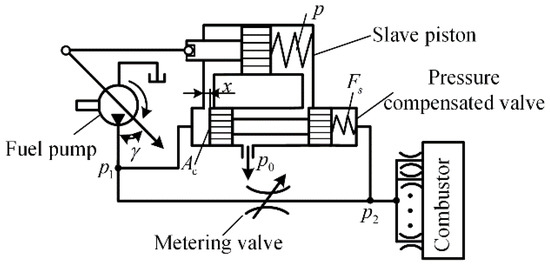
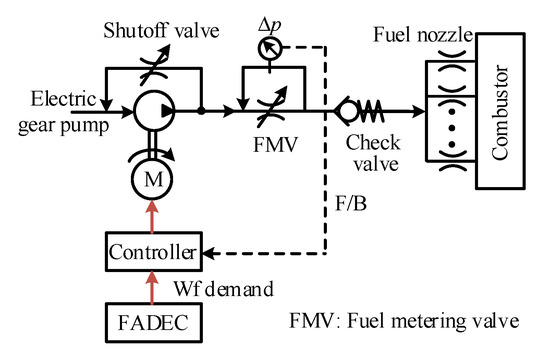
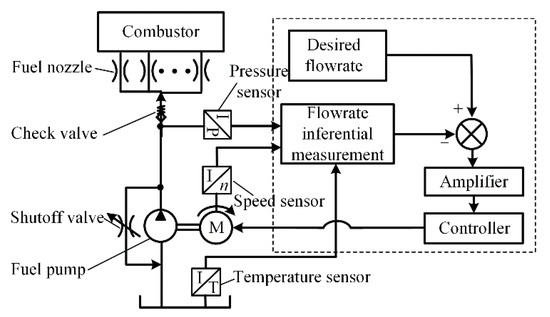
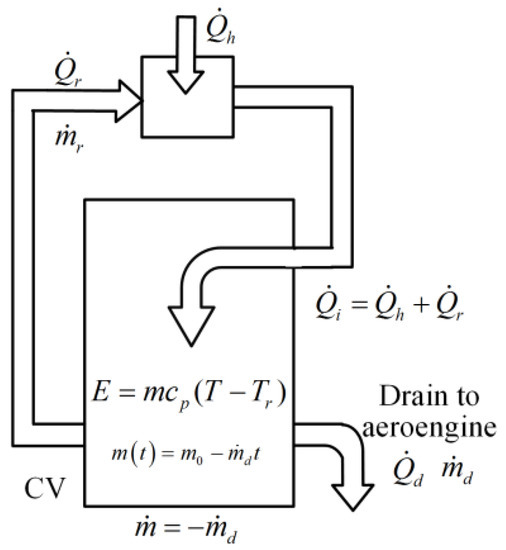
Fuel flowrate control system and fuel thermal management are very important for aeroengine and the overall aircraft, and it has been researched for several decades. This survey paper makes a comprehensive and systematic overview on the exiting fuel flowrate regulation methods, thermal load [...] Read more.
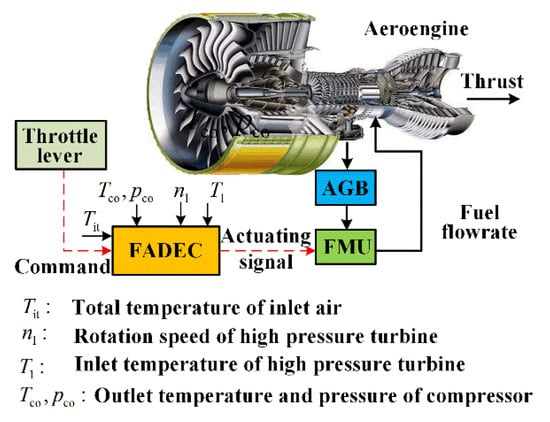
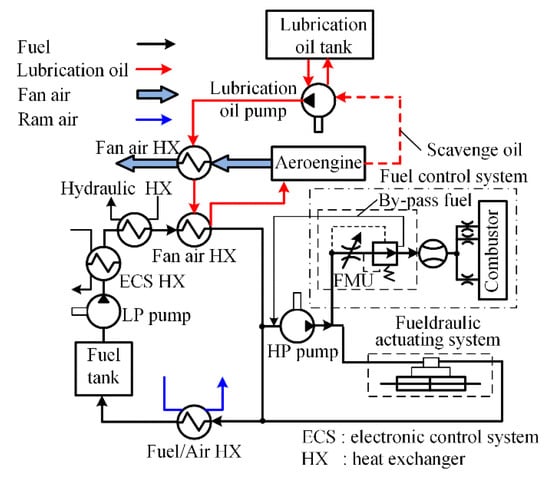
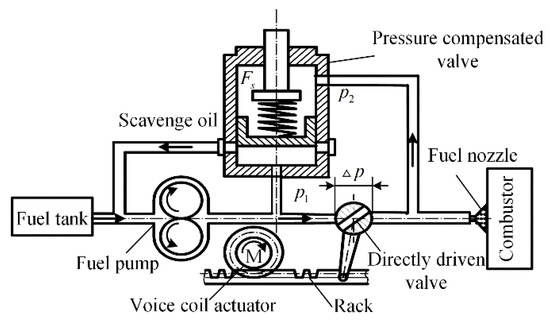
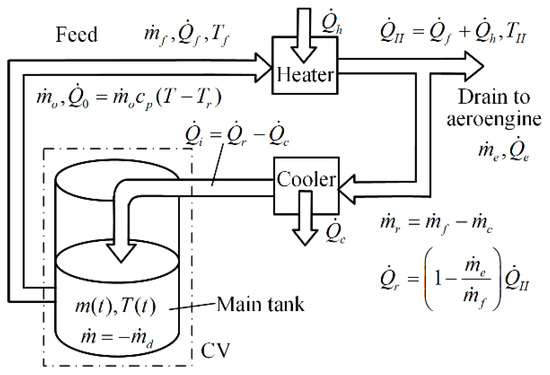
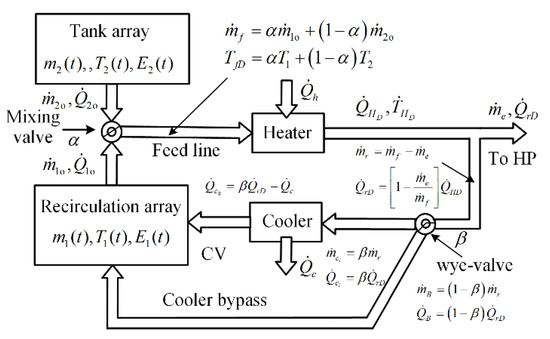
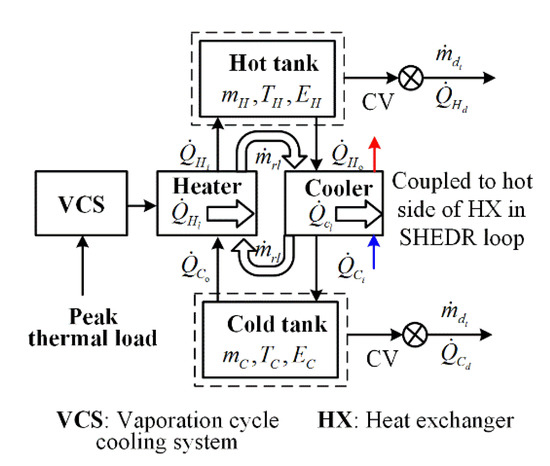
Fuel flowrate control system and fuel thermal management are very important for aeroengine and the overall aircraft, and it has been researched for several decades. This survey paper makes a comprehensive and systematic overview on the exiting fuel flowrate regulation methods, thermal load of fuel metering units, fuel-based thermal management, and the fuel tank’s thermal management topology network with drain and recirculation. This paper firstly reviews the mechanism, technical advantages, and technical challenges of the fuel metering unit with flowrate control valve and constant pressure difference valve compensator, flowrate control valve and variable displacement pump-based pressure difference compensator, and motor-based flowrate regulation. Then, the technical characteristics of above fuel flowrate control methods related to thermal management are discussed and compared. Meanwhile, the behaviors of recirculated fuel flow within single tank system and dual tank system are explored. Thirdly, the paper discusses the future directions of fuel flowrate control and thermal management. The survey is significant to the fuel flowrate control and fuel thermal management of the aircraft. Full article
(This article belongs to the Section Aerospace Science and Engineering)
Show Figures

Figure 1
16 pages, 4643 KB  
Article
Retrospective Study Regarding Orthodontic Retention Complications in Clinical Practice
by Sorana Maria Bucur, Laszlo Barna Iantovics, Anamaria Bud, Eugen Silviu Bud, Dorin Ioan Cocoș and Alexandru Vlasa
Appl. Sci. 2022, 12(1), 273; https://doi.org/10.3390/app12010273 - 28 Dec 2021
Cited by 25 | Viewed by 7364
Abstract
At the end of any orthodontic treatment, retention is a necessary phase. Unfortunately, the current retention devices and the lack of proper oral hygiene on the part of patients lead to the accumulation of dental plaque, periodontal inflammation, and gingival retraction. Our retrospective [...] Read more.
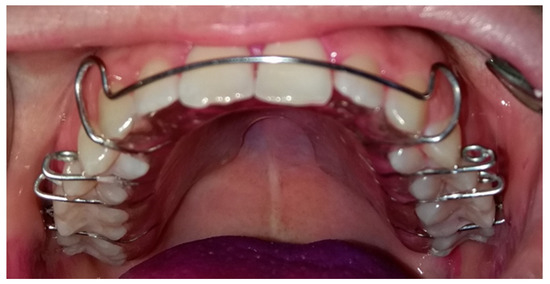
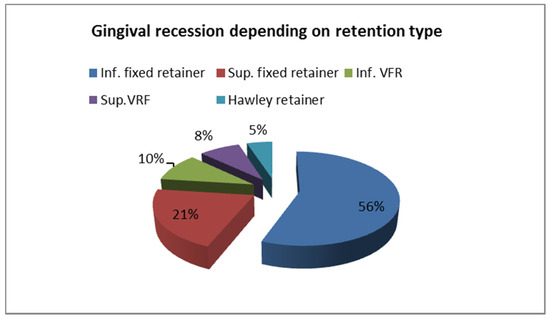
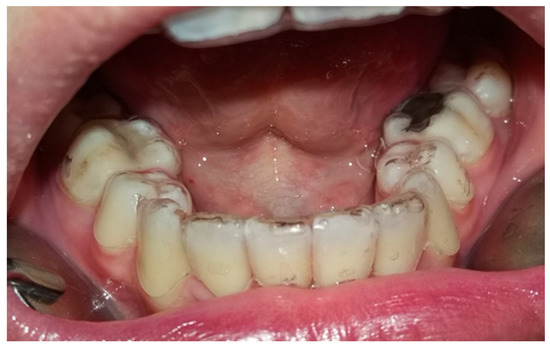
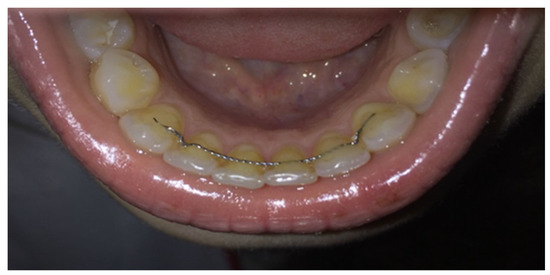
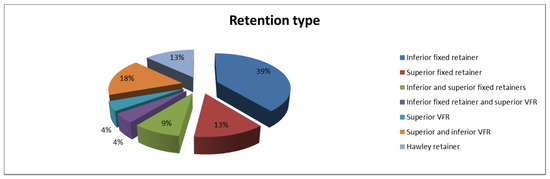
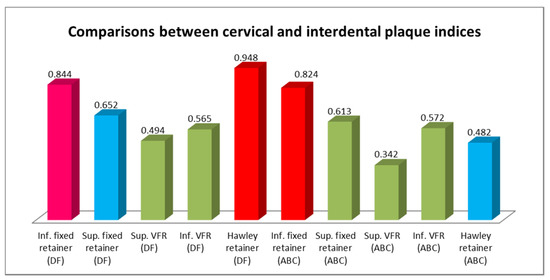
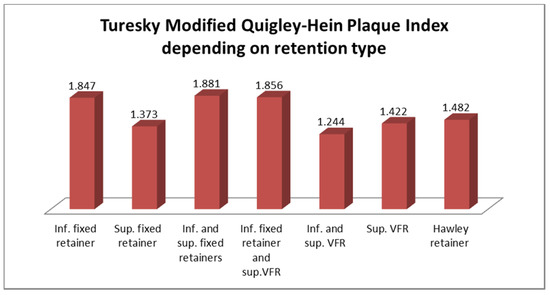
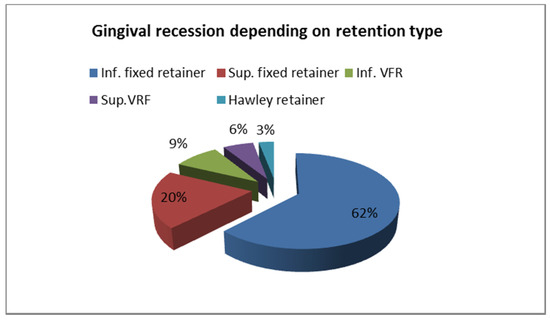
At the end of any orthodontic treatment, retention is a necessary phase. Unfortunately, the current retention devices and the lack of proper oral hygiene on the part of patients lead to the accumulation of dental plaque, periodontal inflammation, and gingival retraction. Our retrospective study included 116 adult patients wearing various types of orthodontic retainers. To quantitatively determine the accumulation of dental plaque, we used the Quigley–Hein plaque index modified by Turesky and the Navy plaque index modified by Rustogi. Another studied parameter was related to the gingival recession associated with retention devices. We had investigated the correctness of patients’ dental hygiene, their preferences for auxiliary means of oral hygiene, the consistency with which they wear the mobile retainers, and respect the orthodontist’s instructions; we also investigated the inconveniences and the accidents that may occur during the retention period. Statistical analysis showed that plaque accumulation is significantly lower in the case of mobile retainer than fixed retainer wearers; the exception was the Hawley plate, where the interdental plaque was more than in all the other studied retainers. Periodontal recessions were more frequent in the case of fixed retainer wearing. Flossing was the most commonly used auxiliary mean for oral hygiene. The compliance of women in wearing vacuum-formed retainers was better than that of men. Patients with a class III history had more plaque accumulation, and class II/1 had the most problems related to detachment/damage of fixed retainers. Mobile retainers proved better results for oral hygiene, but fixed retainers cannot be waved. Full article
(This article belongs to the Special Issue Current Techniques and Materials in Dentistry)
Show Figures

Figure 1
28 pages, 1722 KB  
Article
Benefits of Advanced Air Mobility for Society and Environment: A Case Study of Ohio
by Esrat F. Dulia, Mir S. Sabuj and Syed A. M. Shihab
Appl. Sci. 2022, 12(1), 207; https://doi.org/10.3390/app12010207 - 26 Dec 2021
Cited by 25 | Viewed by 8002
Abstract
Advanced Air Mobility (AAM) is an emerging transportation system that will enable the safe and efficient low altitude operations and applications of unmanned aircraft (e.g., passenger transportation and cargo delivery) in the national airspace. This system is currently under active research and development [...] Read more.
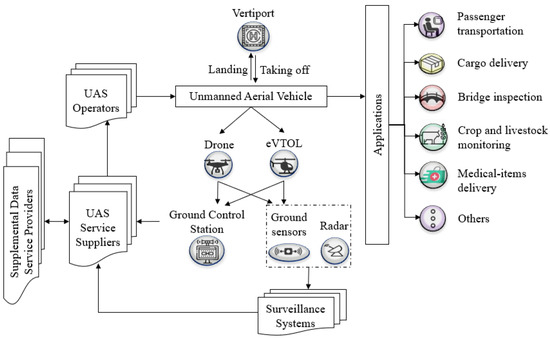
Advanced Air Mobility (AAM) is an emerging transportation system that will enable the safe and efficient low altitude operations and applications of unmanned aircraft (e.g., passenger transportation and cargo delivery) in the national airspace. This system is currently under active research and development by NASA in collaboration with FAA, other federal partner agencies, industry, and academia to develop its infrastructure, information architecture, software functions, concepts of operation, operations management tools and other functional components. Existing studies have, however, not thoroughly analyzed the net positive impact of AAM on society and environment to justify investments in its infrastructure and implementation. In this work, we fill this gap by evaluating the non-monetary social impact of AAM in the state of Ohio for passengers, patients, farmers, logistics companies and their customers and bridge inspection entities, as well as its environmental impact, by conducting a thorough data-driven quantitative cost–benefit analysis of AAM from the perspective of the state government. To this end, the most relevant and significant benefit and cost factors are identified, monetized, and estimated. Existing ground transportation for the movement of passengers and goods within and across urban areas is considered as the base case. The findings demonstrate that AAM’s benefits are large and varied, far outweighing its costs. Insights on these benefits can help gain community acceptance of AAM, which is critical for successful implementation of AAM. The findings support decision-making for policymakers and provide justification for investments in AAM infrastructure by the government and private sector. Full article
(This article belongs to the Special Issue Design and Operation of Unmanned Aerial Systems)
Show Figures

Figure 1
16 pages, 1748 KB  
Article
Experimental Methodology to Determine Thermal Conductivity of Nanofluids by Using a Commercial Transient Hot-Wire Device
by Jose I. Prado, Uxía Calviño and Luis Lugo
Appl. Sci. 2022, 12(1), 329; https://doi.org/10.3390/app12010329 - 30 Dec 2021
Cited by 24 | Viewed by 4706
Abstract
The lack of a standard experimental procedure to determine thermal conductivity of fluids is noticeable in heat transfer processes from practical and fundamental perspectives. Since a wide variety of techniques have been used, reported literature data have huge discrepancies. A common practice is [...] Read more.
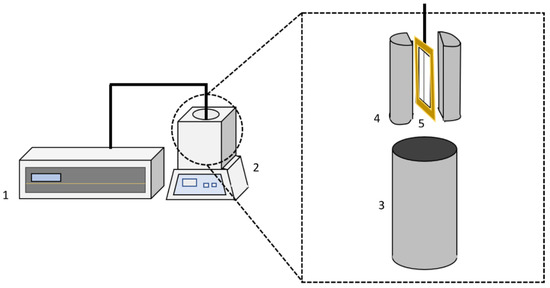
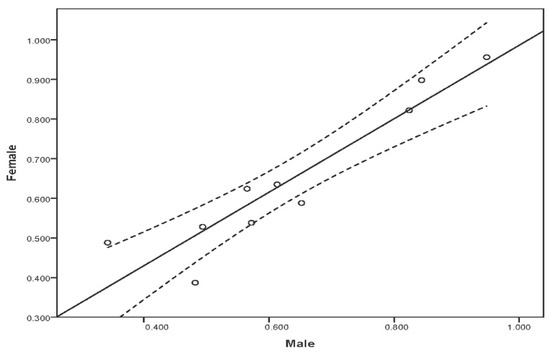
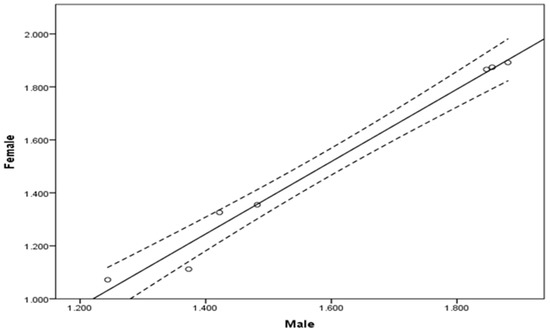
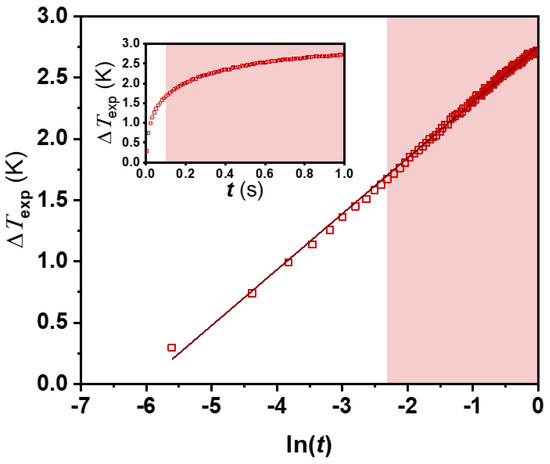
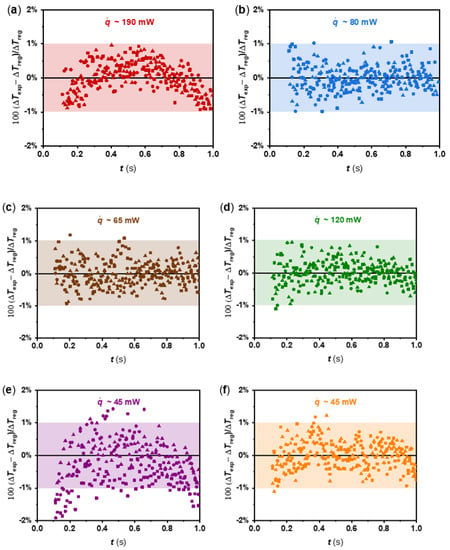
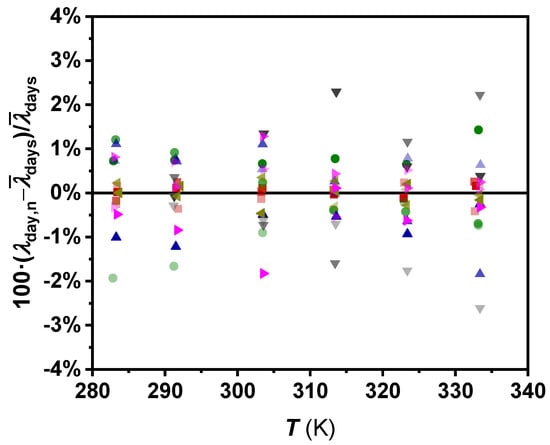
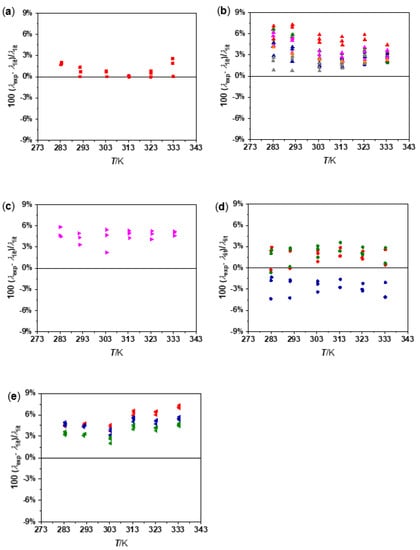
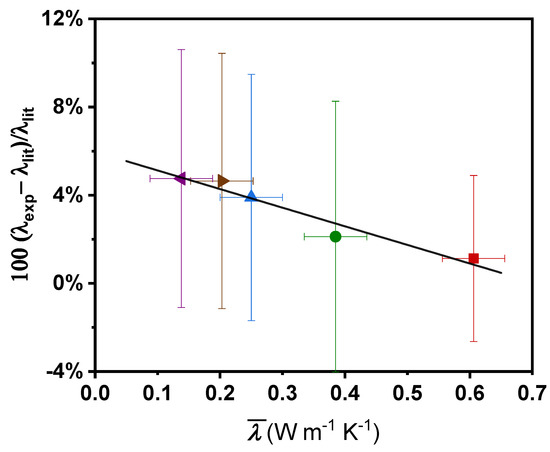
The lack of a standard experimental procedure to determine thermal conductivity of fluids is noticeable in heat transfer processes from practical and fundamental perspectives. Since a wide variety of techniques have been used, reported literature data have huge discrepancies. A common practice is using manufactured thermal conductivity meters for nanofluids, which can standardize the measurements but are also somewhat inaccurate. In this study, a new methodology to perform reliable measurements with a recent commercial transient hot-wire device is introduced. Accordingly, some extensively studied fluids in the literature (water, ethylene glycol, ethylene glycol:water mixture 50:50 vol%, propylene glycol, and n-tetradecane) covering the range 0.100 to 0.700 W m−1 K−1 were used to check the device in the temperature range 283.15 to 333.15 K. Deviations between the collected data and the theoretical model, and repeatabilities and deviations between reported and literature values, were analyzed. Systematic deviations in raw data were found, and a correction factor depending on the mean thermal conductivity was proposed to operate with nanofluids. Considering all tested effects, the expanded (k = 2) uncertainty of the device was set as 5%. This proposed methodology was also checked with n-hexadecane and magnesium-oxide-based n-tetradecane nanofluids. Full article
(This article belongs to the Special Issue Selected Papers in the Section Materials 2022)
Show Figures

Figure 1
16 pages, 2757 KB  
Article
Racial Identity-Aware Facial Expression Recognition Using Deep Convolutional Neural Networks
by Muhammad Sohail, Ghulam Ali, Javed Rashid, Israr Ahmad, Sultan H. Almotiri, Mohammed A. AlGhamdi, Arfan A. Nagra and Khalid Masood
Appl. Sci. 2022, 12(1), 88; https://doi.org/10.3390/app12010088 - 22 Dec 2021
Cited by 23 | Viewed by 5585
Abstract
Multi-culture facial expression recognition remains challenging due to cross cultural variations in facial expressions representation, caused by facial structure variations and culture specific facial characteristics. In this research, a joint deep learning approach called racial identity aware deep convolution neural network is developed [...] Read more.
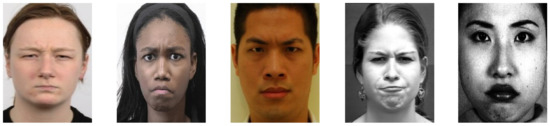
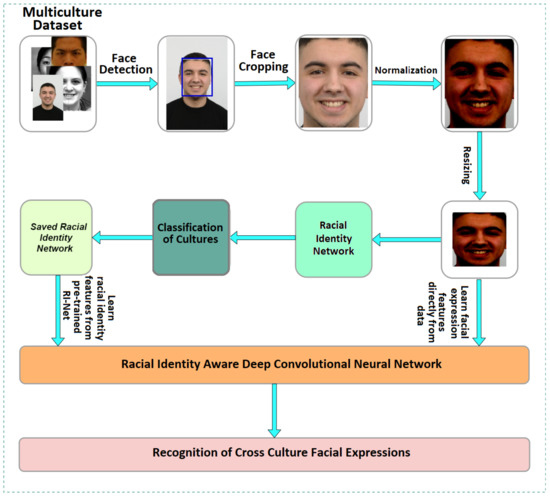
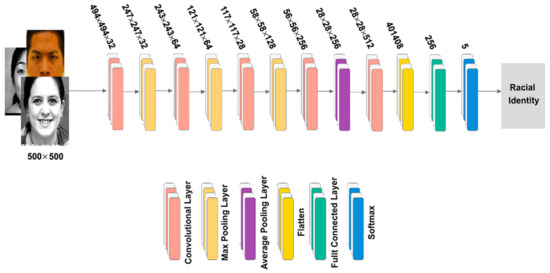
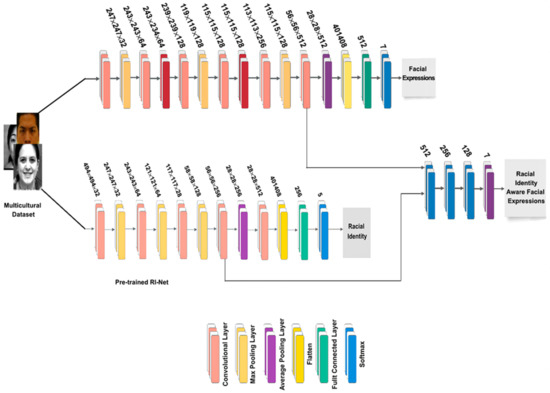
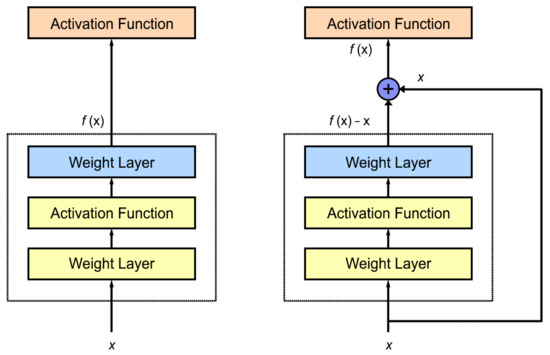
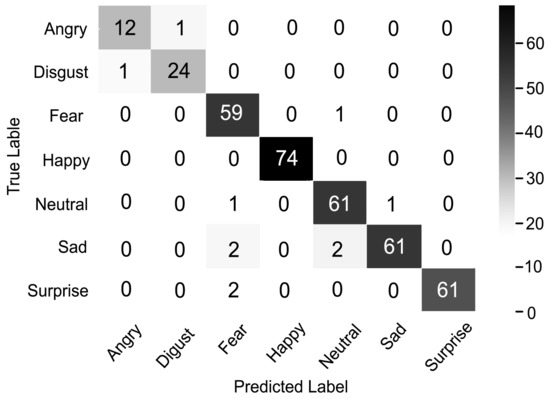
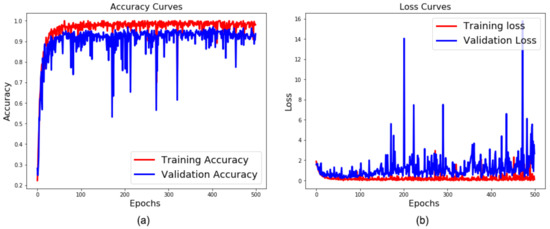
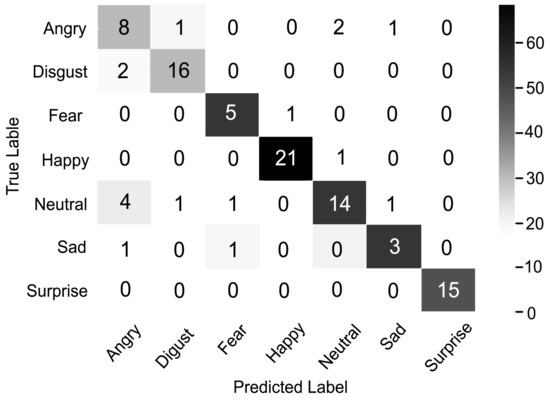
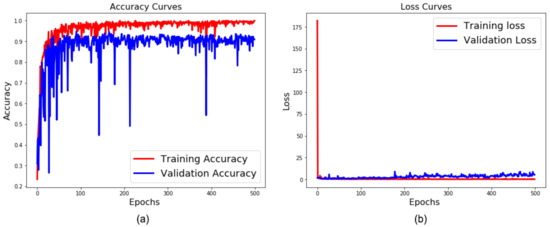
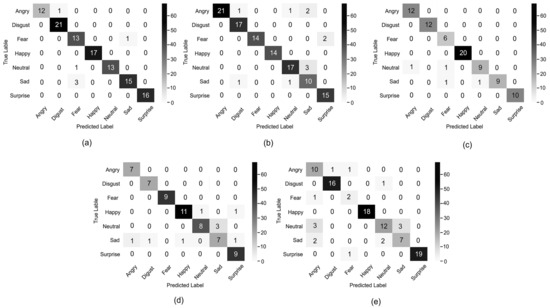
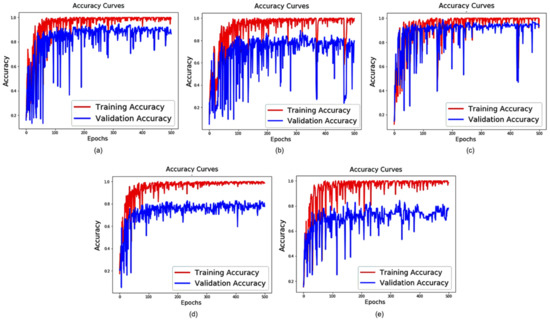
Multi-culture facial expression recognition remains challenging due to cross cultural variations in facial expressions representation, caused by facial structure variations and culture specific facial characteristics. In this research, a joint deep learning approach called racial identity aware deep convolution neural network is developed to recognize the multicultural facial expressions. In the proposed model, a pre-trained racial identity network learns the racial features. Then, the racial identity aware network and racial identity network jointly learn the racial identity aware facial expressions. By enforcing the marginal independence of facial expression and racial identity, the proposed joint learning approach is expected to be purer for the expression and be robust to facial structure and culture specific facial characteristics variations. For the reliability of the proposed joint learning technique, extensive experiments were performed with racial identity features and without racial identity features. Moreover, culture wise facial expression recognition was performed to analyze the effect of inter-culture variations in facial expression representation. A large scale multi-culture dataset is developed by combining the four facial expression datasets including JAFFE, TFEID, CK+ and RaFD. It contains facial expression images of Japanese, Taiwanese, American, Caucasian and Moroccan cultures. We achieved 96% accuracy with racial identity features and 93% accuracy without racial identity features. Full article
(This article belongs to the Special Issue Research on Facial Expression Recognition)
Show Figures

Figure 1
14 pages, 2089 KB  
Article
Implementation of a Blockchain System Using Improved Elliptic Curve Cryptography Algorithm for the Performance Assessment of the Students in the E-Learning Platform
by Mohammad Y. Alshahrani
Appl. Sci. 2022, 12(1), 74; https://doi.org/10.3390/app12010074 - 22 Dec 2021
Cited by 23 | Viewed by 5750
Abstract
Blockchain technology allows for the decentralized creation of a propagated record of digital events, in which third parties do not control information and associated transactions. This methodology was initially developed for value transmission. Still, it now has a broad array of utilization in [...] Read more.
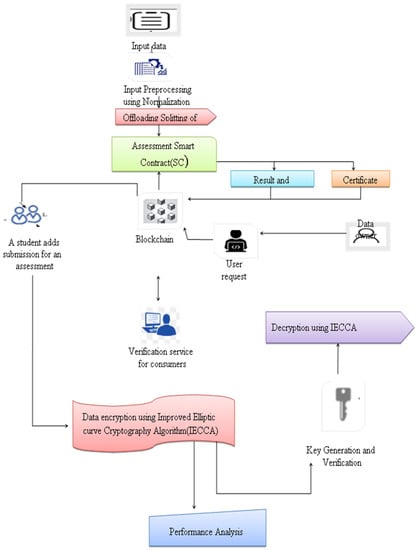
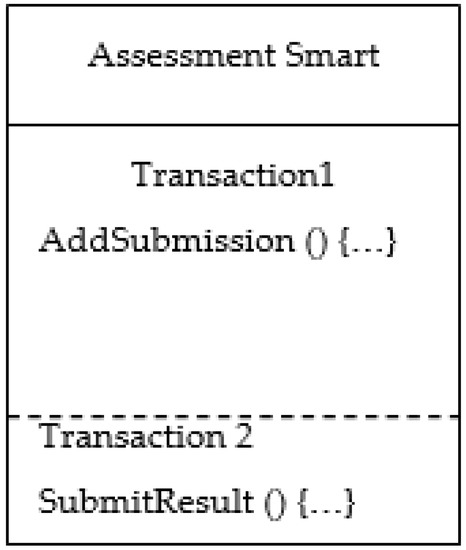
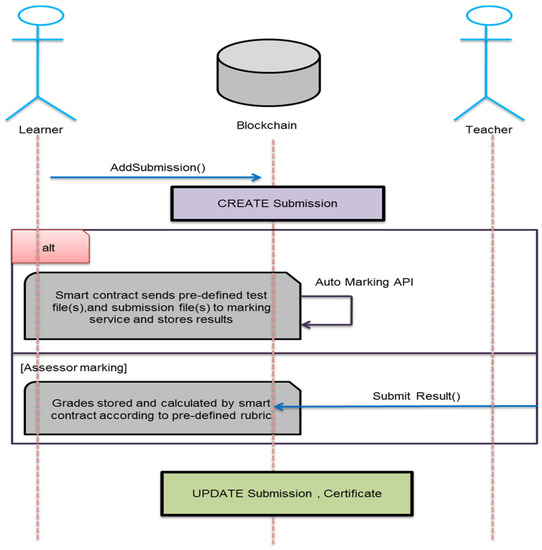
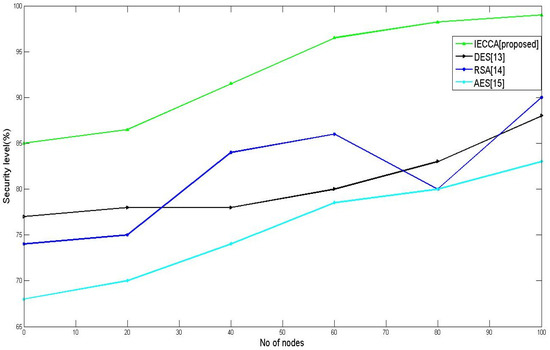
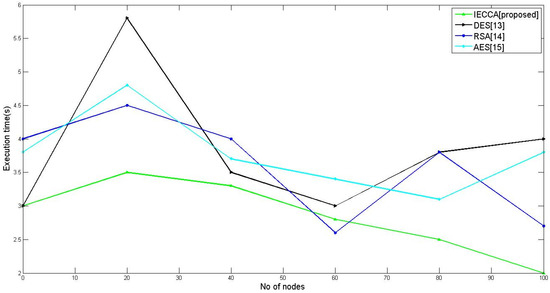
Blockchain technology allows for the decentralized creation of a propagated record of digital events, in which third parties do not control information and associated transactions. This methodology was initially developed for value transmission. Still, it now has a broad array of utilization in various industries, including health, banking, the internet of things, and several others. With its numerous added benefits, a blockchain-based learning management system is a commonly utilized methodology at academic institutes, and more specifically during and after the COVID-19 period. It also presents several potentials for decentralized, interoperable record management in the academic system in education. Integrity, authenticity, and peer-executed smart contracts (SC) are some of the qualities of a blockchain that could introduce a new degree of safety, trustworthiness, and openness to e-learning. This research proposes a unique encryption technique for implementing a blockchain system in an e-learning (EL) environment to promote transparency in assessment procedures. Our methodology may automate evaluations and provide credentials. We built it to be analytical and content-neutral in order to demonstrate the advantages of a blockchain back-end to end-users, including student and faculty members particularly during this COVID-19 era. This article explains the employment of blockchain and SC in e-learning. To improve the trust in the assessment, we propose a novel improved elliptic curve cryptography algorithm (IECCA) for data encryption and decryption. The performance of the suggested method is examined by comparing it with various existing algorithms of encryption. The evaluation of the behaviour of the presented method demonstrates that the technique shall enhance trust in online educational systems, assessment processes, educational history, and credentials. Full article
Show Figures

Figure 1
14 pages, 4122 KB  
Article
An Ultra-Wideband Vivaldi Antenna System for Long-Distance Electromagnetic Detection
by Jinjing Ren, Hezhihan Fan, Qi Tang, Zhongyuan Yu, Yang Xiao and Xiang Zhou
Appl. Sci. 2022, 12(1), 528; https://doi.org/10.3390/app12010528 - 5 Jan 2022
Cited by 23 | Viewed by 7964
Abstract
Enlarging or reducing the antenna beam width of antennas can improve the positioning capability of detection systems. A miniaturized and easily fabricated ultra-wideband (UWB) antenna system for long-distance electromagnetic detection is proposed in this article. Two ultra-wideband Vivaldi antennae were designed. One was [...] Read more.
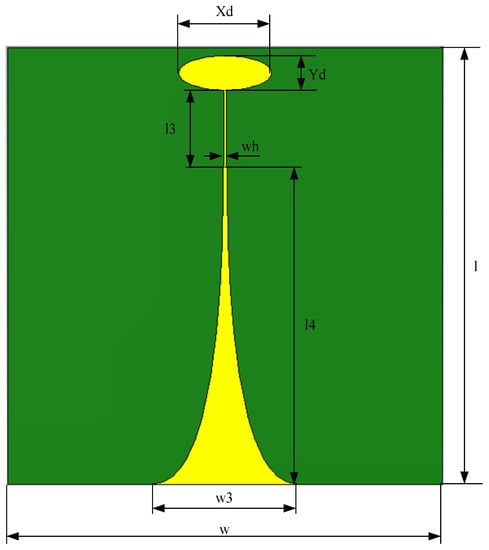
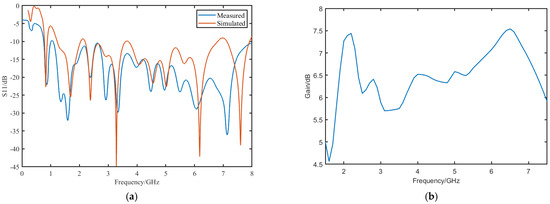
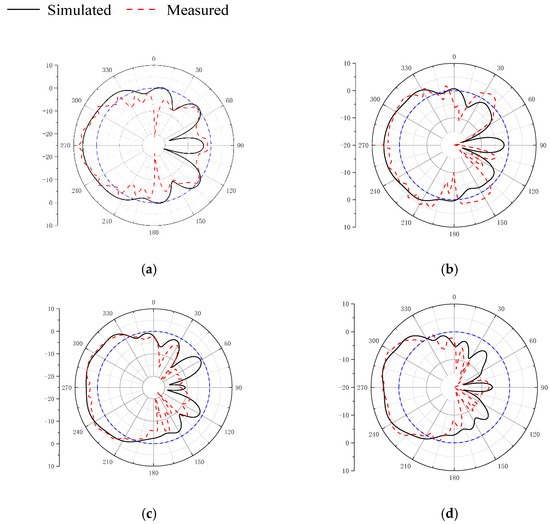
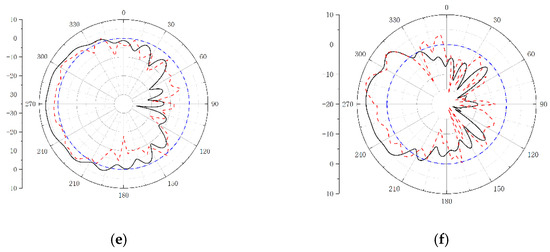
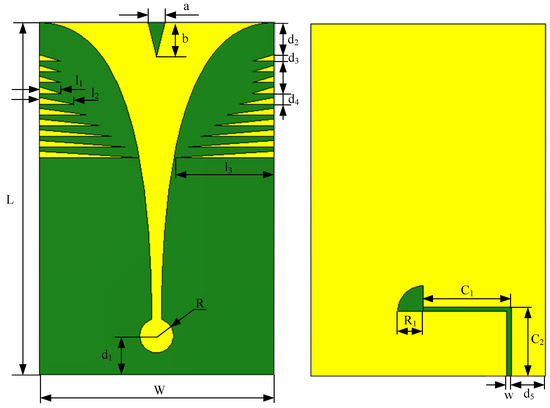
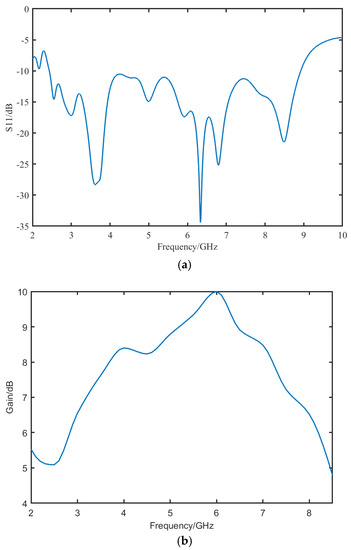
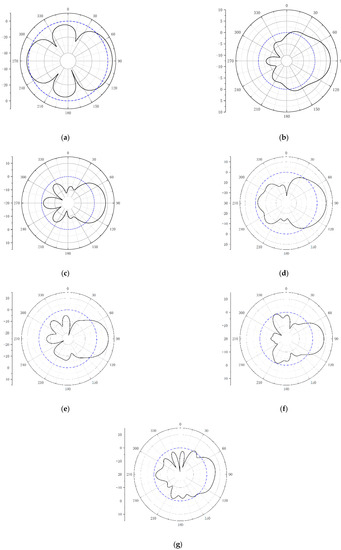
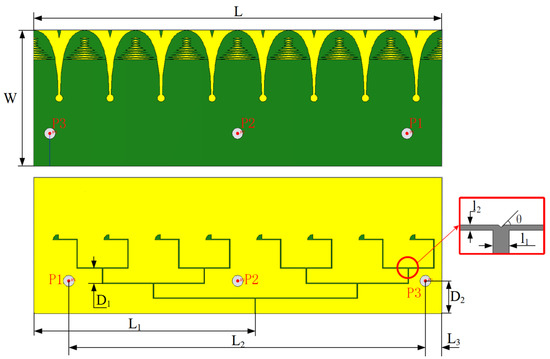
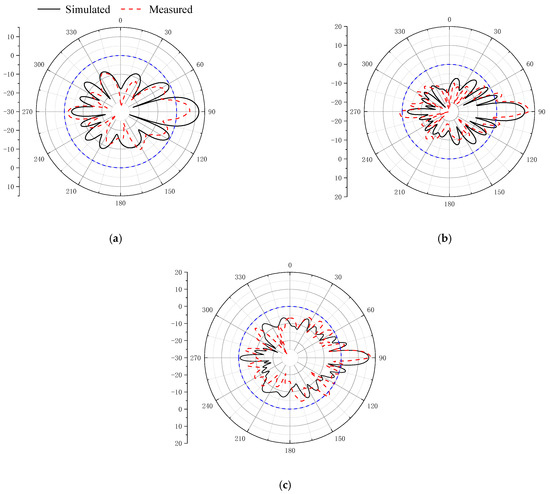
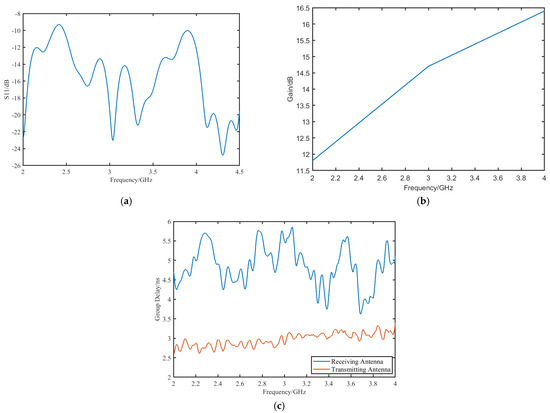
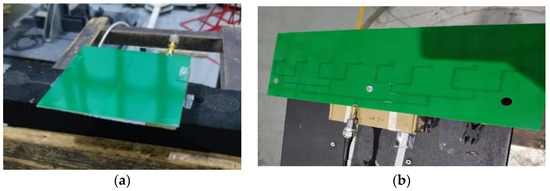
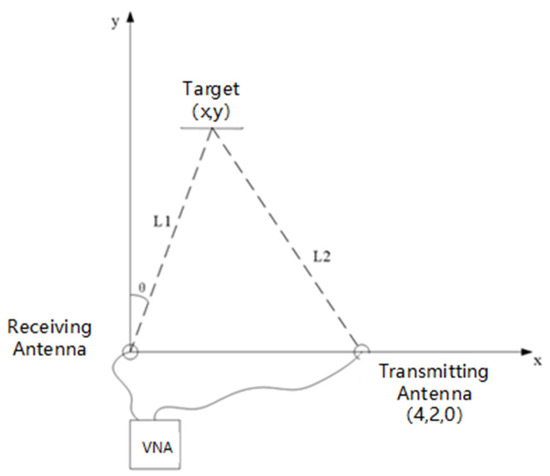
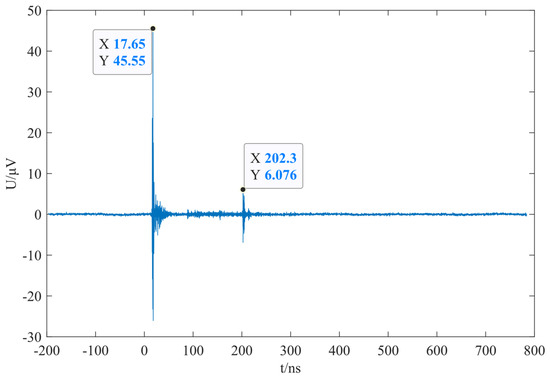
Enlarging or reducing the antenna beam width of antennas can improve the positioning capability of detection systems. A miniaturized and easily fabricated ultra-wideband (UWB) antenna system for long-distance electromagnetic detection is proposed in this article. Two ultra-wideband Vivaldi antennae were designed. One was the transmitting antenna with a beam width of 90° or above, the other was a narrow beam antenna array with beam width less than 10°, as a receiving antenna. Both proposed antennae feature broadside gain diagrams with stable radiation patterns and wideband impedance matching in the frequency range between 2.5 GHz and 4 GHz. After detecting their frequency and time-domain behaviors, the detection system can achieve measurements covering a radius of 30 m. Full article
Show Figures

Figure 1
23 pages, 4616 KB  
Article
SA-GAN: Stain Acclimation Generative Adversarial Network for Histopathology Image Analysis
by Tasleem Kausar, Adeeba Kausar, Muhammad Adnan Ashraf, Muhammad Farhan Siddique, Mingjiang Wang, Muhammad Sajid, Muhammad Zeeshan Siddique, Anwar Ul Haq and Imran Riaz
Appl. Sci. 2022, 12(1), 288; https://doi.org/10.3390/app12010288 - 29 Dec 2021
Cited by 23 | Viewed by 4787
Abstract
Histopathological image analysis is an examination of tissue under a light microscope for cancerous disease diagnosis. Computer-assisted diagnosis (CAD) systems work well by diagnosing cancer from histopathology images. However, stain variability in histopathology images is inevitable due to the use of different staining [...] Read more.
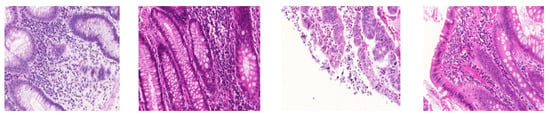
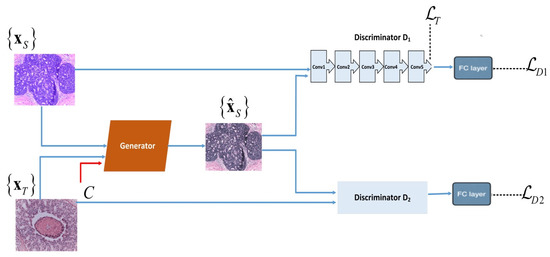
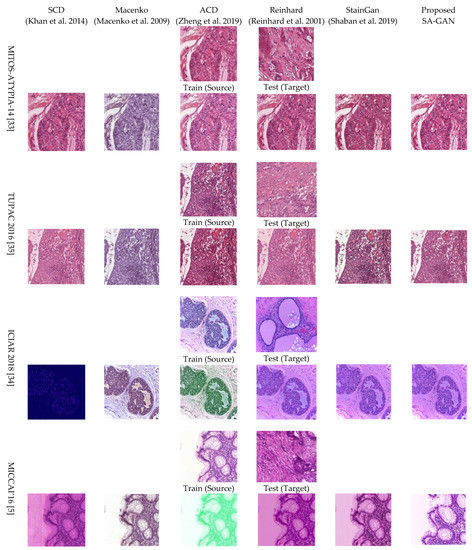
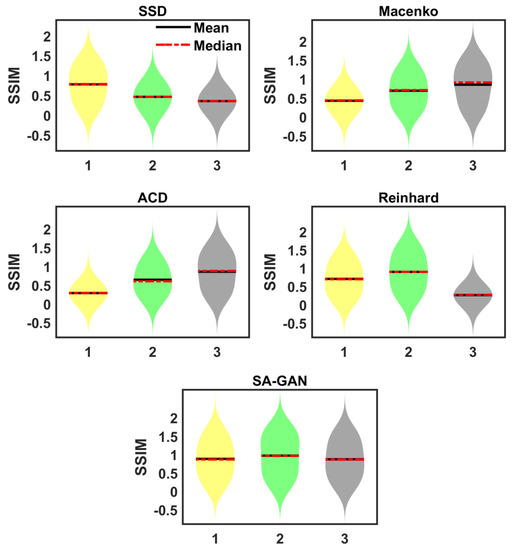
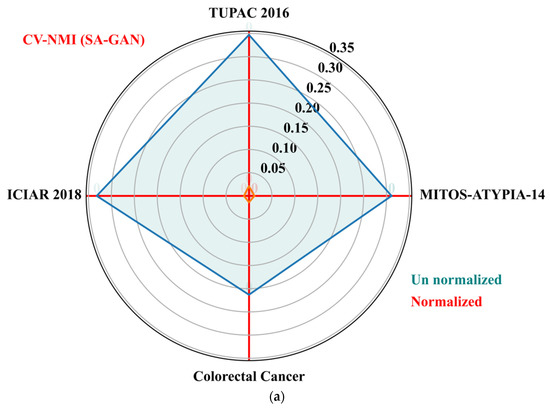
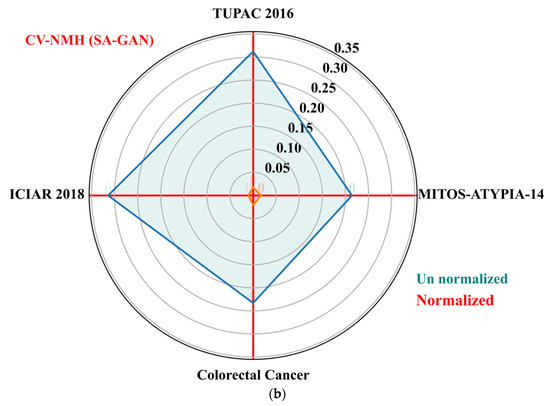
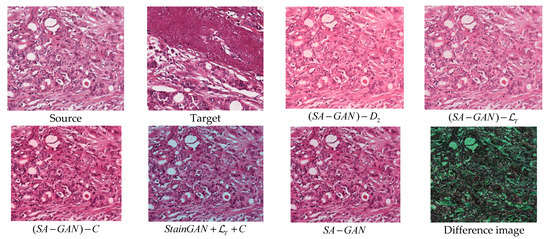
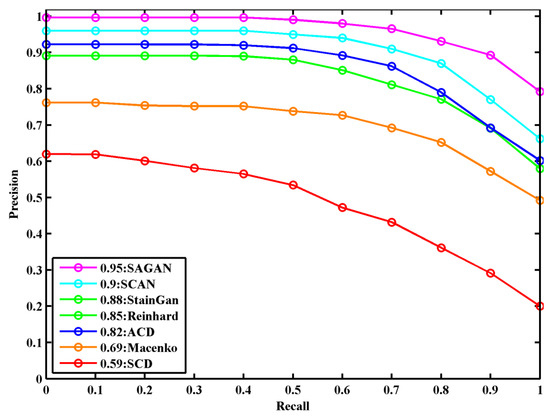
Histopathological image analysis is an examination of tissue under a light microscope for cancerous disease diagnosis. Computer-assisted diagnosis (CAD) systems work well by diagnosing cancer from histopathology images. However, stain variability in histopathology images is inevitable due to the use of different staining processes, operator ability, and scanner specifications. These stain variations present in histopathology images affect the accuracy of the CAD systems. Various stain normalization techniques have been developed to cope with inter-variability issues, allowing standardizing the appearance of images. However, in stain normalization, these methods rely on the single reference image rather than incorporate color distributions of the entire dataset. In this paper, we design a novel machine learning-based model that takes advantage of whole dataset distributions as well as color statistics of a single target image instead of relying only on a single target image. The proposed deep model, called stain acclimation generative adversarial network (SA-GAN), consists of one generator and two discriminators. The generator maps the input images from the source domain to the target domain. Among discriminators, the first discriminator forces the generated images to maintain the color patterns as of target domain. While second discriminator forces the generated images to preserve the structure contents as of source domain. The proposed model is trained using a color attribute metric, extracted from a selected template image. Therefore, the designed model not only learns dataset-specific staining properties but also image-specific textural contents. Evaluated results on four different histopathology datasets show the efficacy of SA-GAN to acclimate stain contents and enhance the quality of normalization by obtaining the highest values of performance metrics. Additionally, the proposed method is also evaluated for multiclass cancer type classification task, showing a 6.9% improvement in accuracy on ICIAR 2018 hidden test data. Full article
(This article belongs to the Special Issue Machine Learning-Based Medical Image Analysis)
Show Figures

Figure 1
14 pages, 860 KB  
Article
Hybrid Salp Swarm Algorithm for Solving the Green Scheduling Problem in a Double-Flexible Job Shop
by Changping Liu, Yuanyuan Yao and Hongbo Zhu
Appl. Sci. 2022, 12(1), 205; https://doi.org/10.3390/app12010205 - 25 Dec 2021
Cited by 23 | Viewed by 4304
Abstract
Green scheduling is not only an effective way to achieve green manufacturing but also an effective way for modern manufacturing enterprises to achieve energy conservation and emission reduction. The double-flexible job shop scheduling problem (DFJSP) considers both machine flexibility and worker flexibility, so [...] Read more.
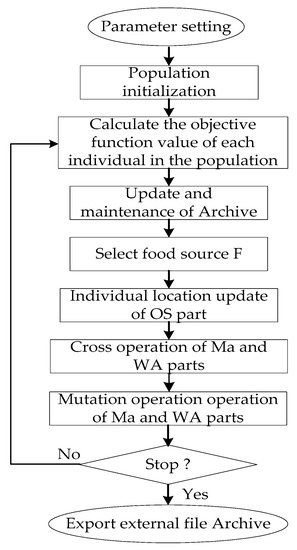
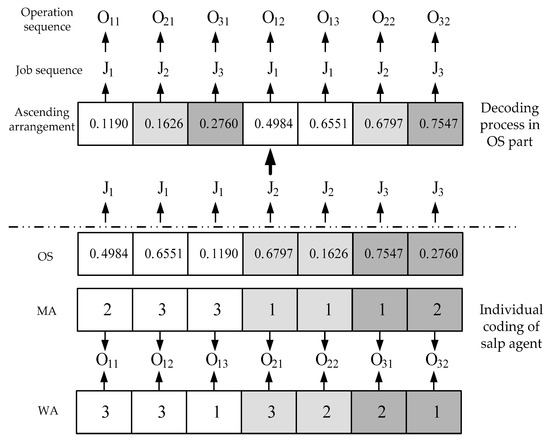
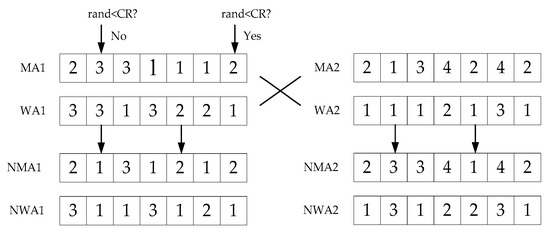
Green scheduling is not only an effective way to achieve green manufacturing but also an effective way for modern manufacturing enterprises to achieve energy conservation and emission reduction. The double-flexible job shop scheduling problem (DFJSP) considers both machine flexibility and worker flexibility, so it is more suitable for practical production. First, a multi-objective mixed-integer programming model for the DFJSP with the objectives of optimizing the makespan, total worker costs, and total influence of the green production indicators is formulated. Considering the characteristics of the problem, three-layer salp individual encoding and decoding methods are designed for the multi-objective hybrid salp swarm algorithm (MHSSA), which is hybridized with the Lévy flight, the random probability crossover operator, and the mutation operator. In addition, the influence of the parameter setting on the MHSSA in solving the DFJSP is investigated by means of the Taguchi method of design of experiments. The simulation results for benchmark instances show that the MHSSA can effectively solve the proposed problem and is significantly better than the MSSA and the MOPSO algorithm in the diversity, convergence, and dominance of the Pareto frontier. Full article
(This article belongs to the Special Issue Artificial Intelligence and Optimization in Industry 4.0)
Show Figures

Figure 1
32 pages, 4020 KB  
Review
Progress in the Development of Electrodeposited Catalysts for Direct Liquid Fuel Cell Applications
by Kranthi Kumar Maniam, Raghuram Chetty, Ravikumar Thimmappa and Shiladitya Paul
Appl. Sci. 2022, 12(1), 501; https://doi.org/10.3390/app12010501 - 5 Jan 2022
Cited by 22 | Viewed by 5158
Abstract
Fuel cells are a key enabling technology for the future economy, thereby providing power to portable, stationary, and transportation applications, which can be considered an important contributor towards reducing the high dependencies on fossil fuels. Electrocatalyst plays a vital role in improving the [...] Read more.
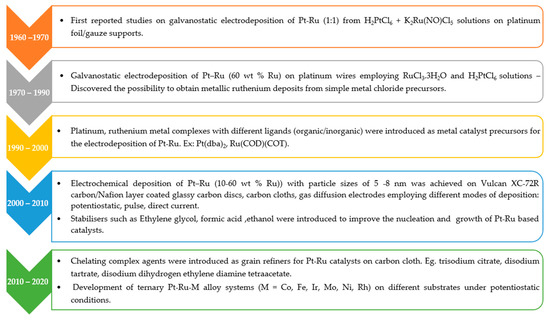
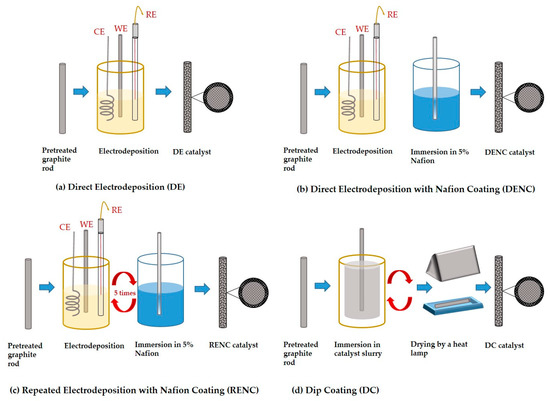
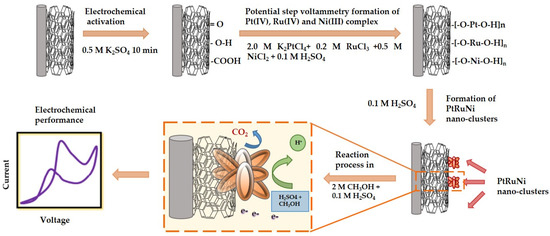
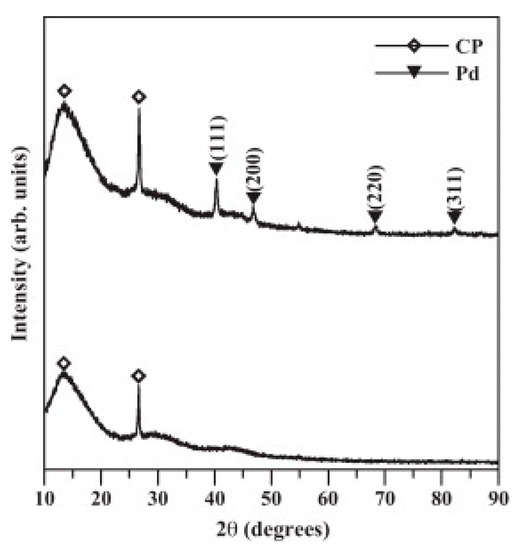
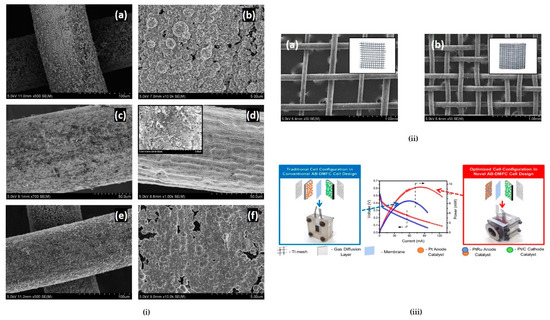
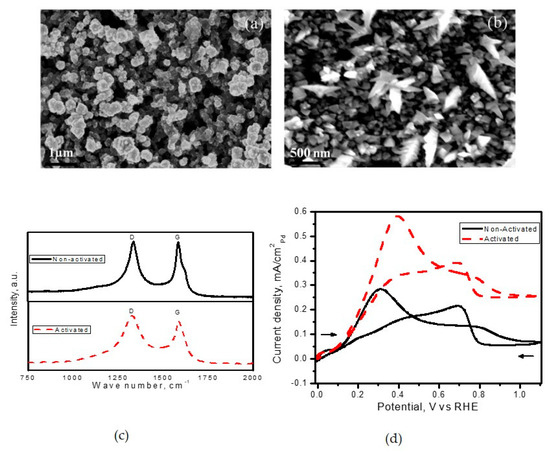
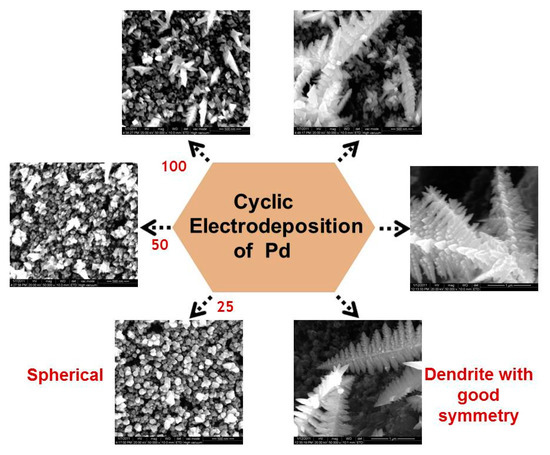
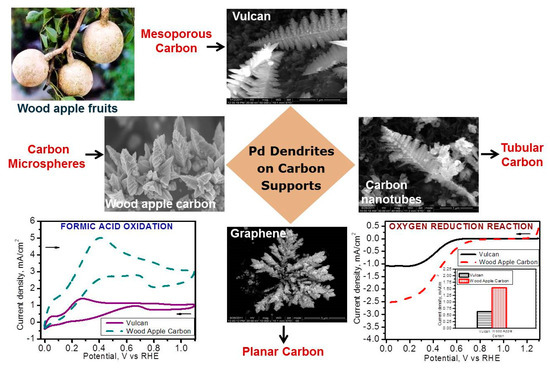
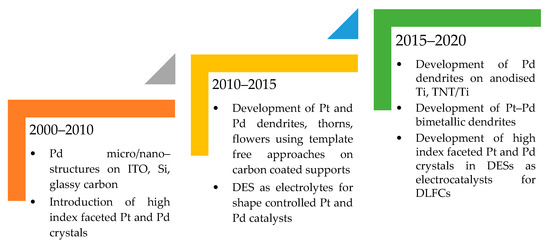
Fuel cells are a key enabling technology for the future economy, thereby providing power to portable, stationary, and transportation applications, which can be considered an important contributor towards reducing the high dependencies on fossil fuels. Electrocatalyst plays a vital role in improving the performance of the low temperature fuel cells. Noble metals (Pt, Pd) supported on carbon have shown promising performance owing to their high catalytic activity for both electroreduction and electrooxidation and have good stability. Catalyst preparation by electrodeposition is considered to be simple in terms of operation and scalability with relatively low cost to obtain high purity metal deposits. This review emphasises the role of electrodeposition as a cost-effective method for synthesising fuel cell catalysts, summarising the progress in the electrodeposited Pt and Pd catalysts for direct liquid fuel cells (DLFCs). Moreover, this review also discusses the technological advances made utilising these catalysts in the past three decades, and the factors that impede the technological advancement of the electrodeposition process are presented. The challenges and the fundamental research strategies needed to achieve the commercial potential of electrodeposition as an economical, efficient methodology for synthesising fuel cells catalysts are outlined with the necessary raw materials considering current and future savings scenario. Full article
(This article belongs to the Special Issue Recent Advances in Application of Coatings and Films)
Show Figures

Figure 1
23 pages, 1294 KB  
Article
Organizational Culture: The Key to Improving Service Management in Industry 4.0
by Shuo-Fang Liu, Yao-Jen Fan, Ding-Bang Luh and Pei-Shan Teng
Appl. Sci. 2022, 12(1), 437; https://doi.org/10.3390/app12010437 - 3 Jan 2022
Cited by 22 | Viewed by 7831
Abstract
Industry 4.0 can enhance the operational efficiency of the supply chain, but the current research mainly focuses on analytics and smart things. Many companies integrate their organizations more closely with data by adopting Industry 4.0, but this study found that some companies have [...] Read more.
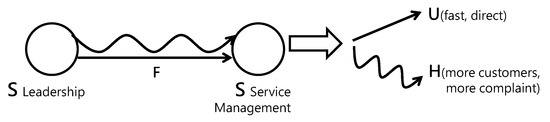
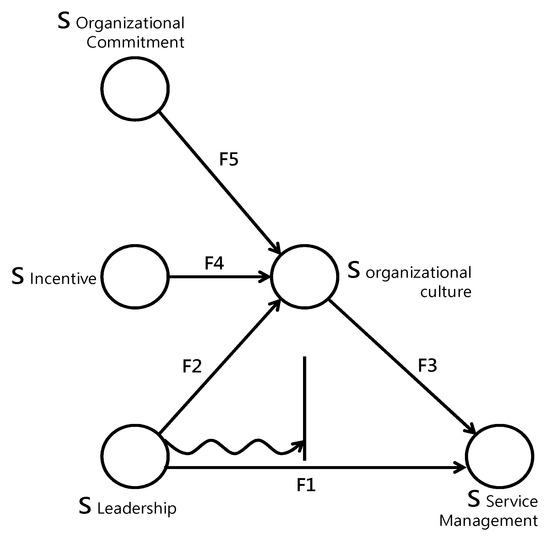
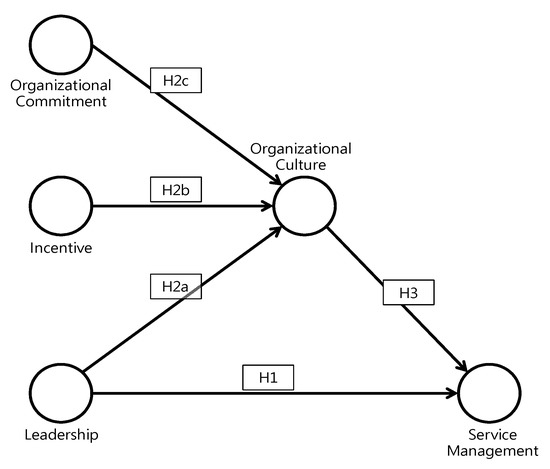
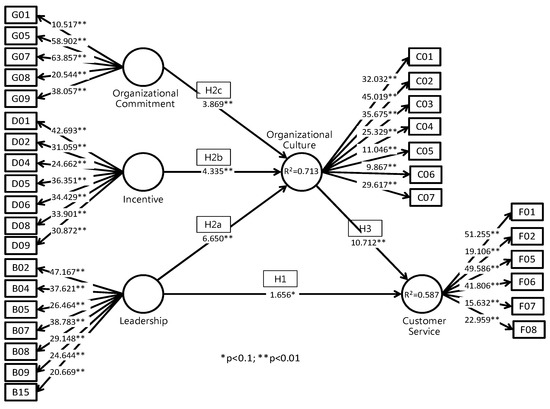
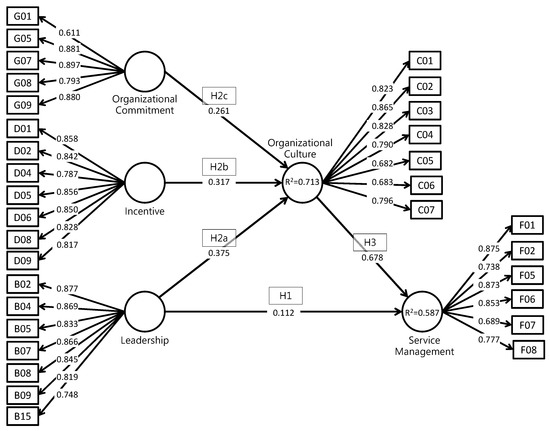
Industry 4.0 can enhance the operational efficiency of the supply chain, but the current research mainly focuses on analytics and smart things. Many companies integrate their organizations more closely with data by adopting Industry 4.0, but this study found that some companies have changed their leadership, organizational, and customer relationships through the adoption of CPS. Industry 4.0 is a socio-technical system that should be explored in terms of management practices, employee feedback, and the cause-and-effect relationship between them. This study proposes a modeling framework using the Su-field analysis of TRIZ method (Theory of Inventive Problem Solving) and applies the Partial Least Squares Structural Equation Modeling (PLS-SEM) method to investigate the relationship between leadership, organizational culture, and service management in the Taiwan industry. The results show that the data analysis, CPS, IoT, and intelligent technologies of Industry 4.0 can facilitate connections within the value chain and increase agility in response to environmental changes. Companies must have a good organizational culture and provide the right incentives to gain the organizational commitment of their employees to implement Industry 4.0. Full article
Show Figures

Figure 1
18 pages, 7134 KB  
Article
A Supervised Neural Network Control for Magnetorheological Damper in an Aircraft Landing Gear
by Quoc-Viet Luong, Bang-Hyun Jo, Jai-Hyuk Hwang and Dae-Sung Jang
Appl. Sci. 2022, 12(1), 400; https://doi.org/10.3390/app12010400 - 31 Dec 2021
Cited by 22 | Viewed by 3294
Abstract
This paper adopts an intelligent controller based on supervised neural network control for a magnetorheological (MR) damper in an aircraft landing gear. An MR damper is a device capable of adjusting the damping force by changing the magnetic field generated in electric coils. [...] Read more.
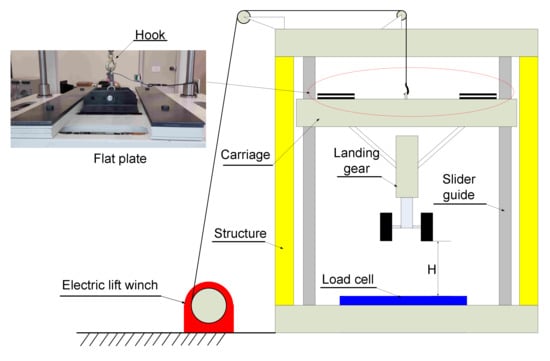
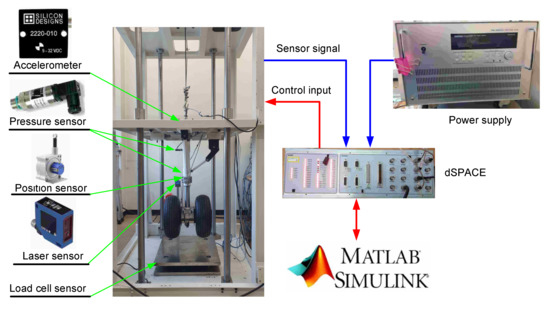
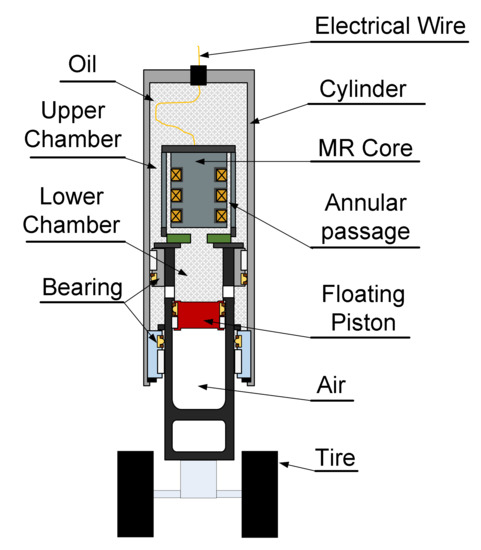
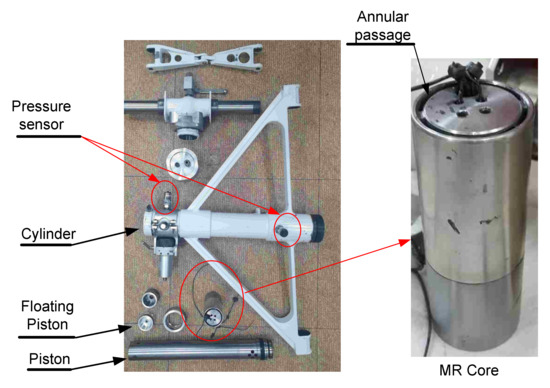
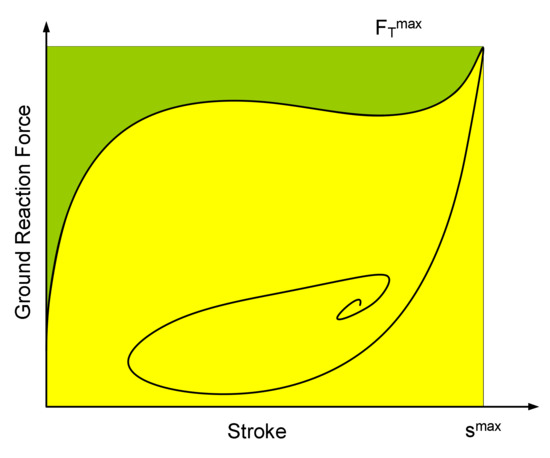
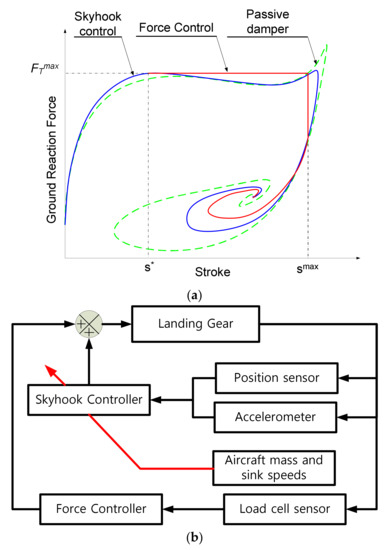
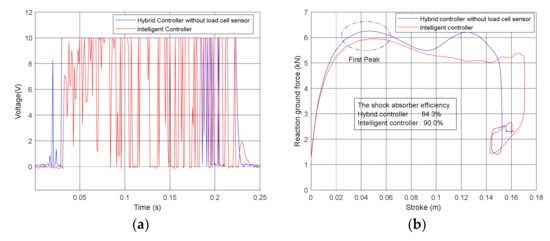
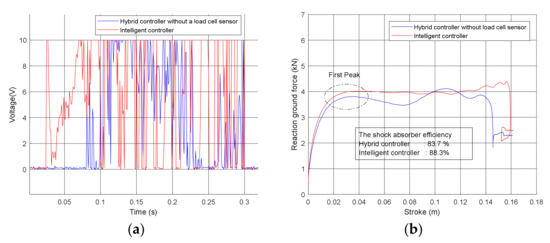
This paper adopts an intelligent controller based on supervised neural network control for a magnetorheological (MR) damper in an aircraft landing gear. An MR damper is a device capable of adjusting the damping force by changing the magnetic field generated in electric coils. Applying an MR damper to the landing gears of an aircraft could minimize the impact at landing and increase the impact absorption efficiency. Various techniques proposed for controlling the MR damper in aircraft landing gears require information on the damper force or the mass of the aircraft to determine optimal parameters and control commands. This information is obtained by estimation with a model in a practical operating environment, and the accompanying inaccuracies cause performance degradation. Machine learning-based controllers have also been proposed to address model dependency but require a large number of drop test data. Unlike simulations, which can conduct a large number of virtual drop tests, the cost and time are limited in the actual experimental environment. Therefore, a neural network controller with supervised learning is proposed in this paper to simulate the behavior of a proven controller only with system states. The experimental data generated by applying the hybrid controller with the exact mass and force information, which has demonstrated high performance among the existing techniques, are set as the target for supervised learning. To verify the effectiveness of the proposed controller, drop test experiments using the intelligent controller and the hybrid controller with and without exact information about aircraft mass and force are executed. The experimental results from the drop tests of a landing gear show that the proposed controller maintains superior performance to the hybrid controller without using explicit damper models or any information on the aircraft mass or strut force. Full article
Show Figures

Figure 1
14 pages, 4865 KB  
Article
A Self-Attention Augmented Graph Convolutional Clustering Networks for Skeleton-Based Video Anomaly Behavior Detection
by Chengming Liu, Ronghua Fu, Yinghao Li, Yufei Gao, Lei Shi and Weiwei Li
Appl. Sci. 2022, 12(1), 4; https://doi.org/10.3390/app12010004 - 21 Dec 2021
Cited by 22 | Viewed by 5027
Abstract
In this paper, we propose a new method for detecting abnormal human behavior based on skeleton features using self-attention augment graph convolution. The skeleton data have been proved to be robust to the complex background, illumination changes, and dynamic camera scenes and are [...] Read more.
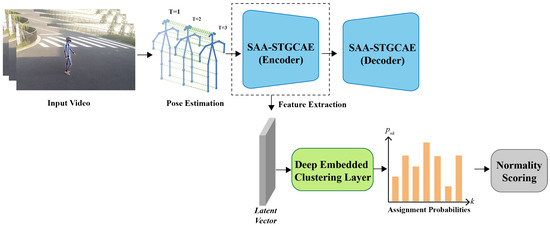
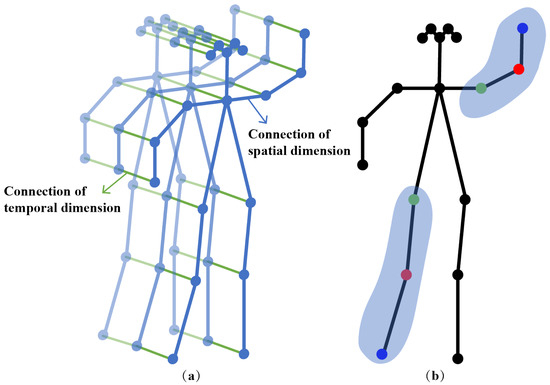
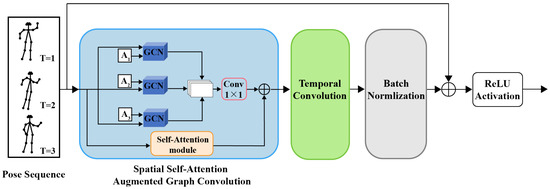
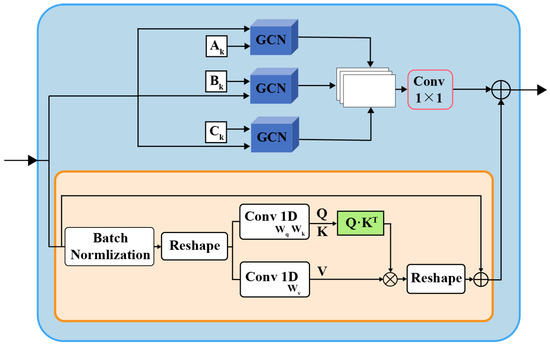
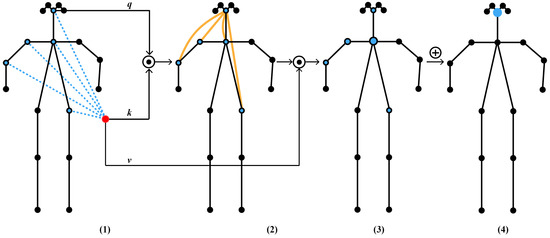
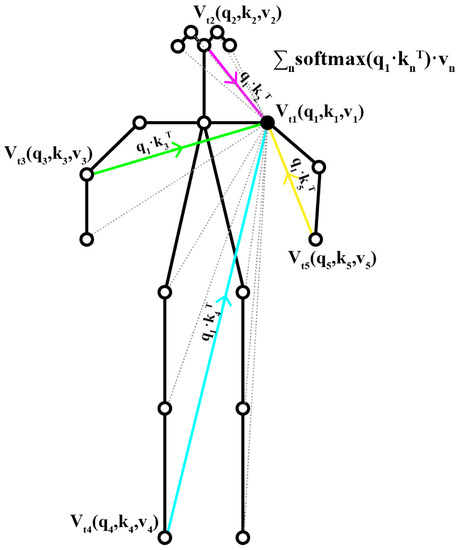
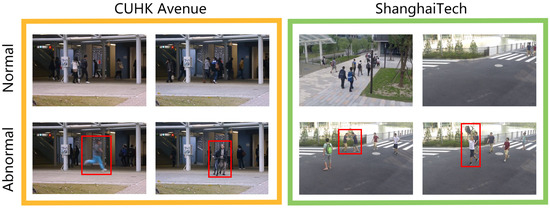
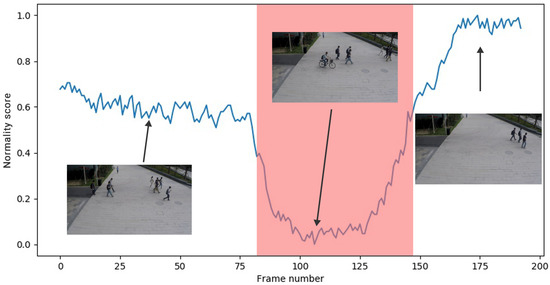
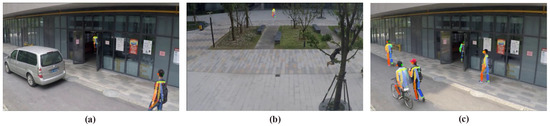
In this paper, we propose a new method for detecting abnormal human behavior based on skeleton features using self-attention augment graph convolution. The skeleton data have been proved to be robust to the complex background, illumination changes, and dynamic camera scenes and are naturally constructed as a graph in non-Euclidean space. Particularly, the establishment of spatial temporal graph convolutional networks (ST-GCN) can effectively learn the spatio-temporal relationships of Non-Euclidean Structure Data. However, it only operates on local neighborhood nodes and thereby lacks global information. We propose a novel spatial temporal self-attention augmented graph convolutional networks (SAA-Graph) by combining improved spatial graph convolution operator with a modified transformer self-attention operator to capture both local and global information of the joints. The spatial self-attention augmented module is used to understand the intra-frame relationships between human body parts. As far as we know, we are the first group to utilize self-attention for video anomaly detection tasks by enhancing spatial temporal graph convolution. Moreover, to validate the proposed model, we performed extensive experiments on two large-scale publicly standard datasets (i.e., ShanghaiTech Campus and CUHK Avenue datasets) which reveal the state-of-art performance for our proposed approach when compared to existing skeleton-based methods and graph convolution methods. Full article
(This article belongs to the Topic Applied Computer Vision and Pattern Recognition)
Show Figures

Figure 1
13 pages, 4469 KB  
Article
Biospeckle Optical Coherence Tomography (bOCT) in the Speedy Assessment of the Responses of the Seeds of Raphanus sativus L. (Kaiware Daikon) to Acid Mine Drainage (AMD)
by Danyang Li, Uma Maheswari Rajagopalan, Y. Sanath K. De Silva, Fenwu Liu and Hirofumi Kadono
Appl. Sci. 2022, 12(1), 355; https://doi.org/10.3390/app12010355 - 30 Dec 2021
Cited by 22 | Viewed by 4561
Abstract
The extraction of mineral resources from mines plays a vital role in global socio-economic development. However, acid mine drainage (AMD) has been one of the major pollutants, and a vast area of the agricultural fields has been polluted. Therefore, techniques for monitoring the [...] Read more.
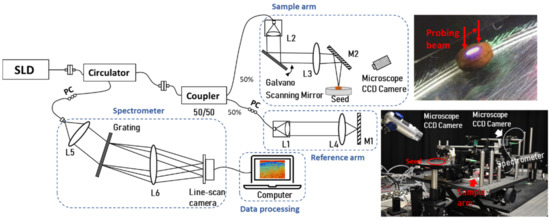
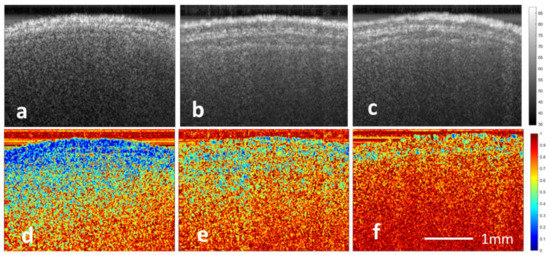
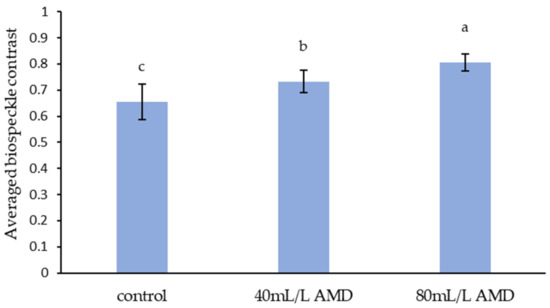
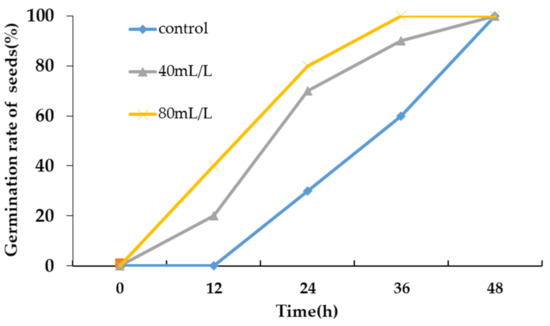
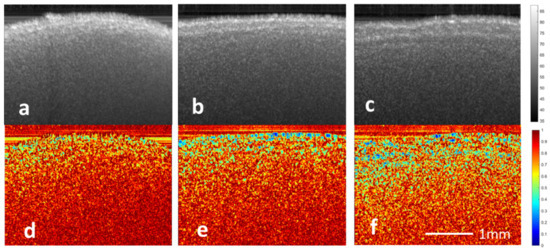
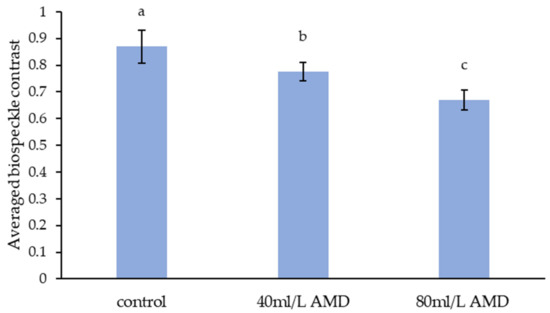
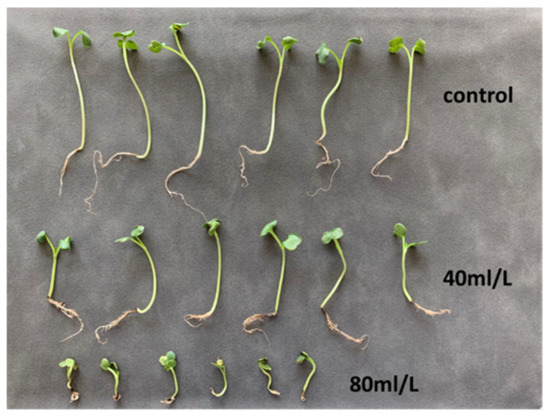
The extraction of mineral resources from mines plays a vital role in global socio-economic development. However, acid mine drainage (AMD) has been one of the major pollutants, and a vast area of the agricultural fields has been polluted. Therefore, techniques for monitoring the response of plants to AMD that arise during mineral extraction are necessary. In addition, such a technique becomes especially valuable to understand how the plants could play a role in the phytoremediation of AMD. We propose the use of biospeckle Optical Coherence Tomography (bOCT) to investigate the response of Kaiware daikon seeds under the exposure to simulated AMD at two different concentrations of 40 mL/L and 80 mL/L. OCT images of the Kaiware daikon seed were obtained at a speed of 10 frames per second (1 frame: 512 × 2048 pixels) for a few tens of seconds. For each pixel of the OCT structural images, the contrast across the temporal axis was calculated to give biospeckle contrast OCT images (bOCT images). It was found that bOCT images clearly distinguished the changes due to 40 mL/L and 80 mL/L of AMD treatments from the control within a short time of around an hour, compared to the conventional OCT images that failed to show any changes. This variation was found to be statistically significant and could reflect the internal activity of the seeds. The proposed bOCT method could be a rapid, non-invasive technique for screening suitable plants in AMD phytoremediation applications. Full article
(This article belongs to the Special Issue Optical Coherence Tomography: From OCT-A to All Latest Advances)
Show Figures

Figure 1
13 pages, 900 KB  
Article
Use of Digestate as Organic Amendment and Source of Nitrogen to Vegetable Crops
by Carmo Horta and João Paulo Carneiro
Appl. Sci. 2022, 12(1), 248; https://doi.org/10.3390/app12010248 - 27 Dec 2021
Cited by 22 | Viewed by 5386
Abstract
Anaerobic digestion is a valuable process to use livestock effluents to produce green energy and a by-product called digestate with fertilising value. This work aimed at evaluating the fertilising value of the solid fraction (SF) of a digestate as an organic amendment and [...] Read more.
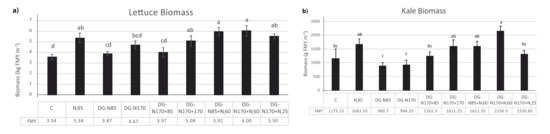
Anaerobic digestion is a valuable process to use livestock effluents to produce green energy and a by-product called digestate with fertilising value. This work aimed at evaluating the fertilising value of the solid fraction (SF) of a digestate as an organic amendment and as a source of nitrogen to crops replacing mineral N. A field experiment was done with two consecutive vegetable crops. The treatments were: a control without fertilisation; Ni85 mineral fertilisation with 85 kg ha−1 of mineral N; fertiliser with digestate at an increasing nitrogen application rate (kg N ha−1): DG-N85 DG-N170, DG-N170+85, DG-N170+170; fertilisation with digestate together with Ni: DG-N85+Ni60, DG-N170+Ni60, DG-N170+Ni25. The results showed a soil organic amendment effect of the SF with a beneficial effect on SOM, soil pH and exchangeable bases. The SF was able to replace part of the mineral N fertilisation. The low mineralisation of the stable organic matter together with some immobilisation of mineral N from SF caused low N availability. The fertilisation planning should consider the SF ratio between the organic N (NO) and total N (TKN). Low NO:TKN ratios (≈0.65) needed lower Ni addition to maintaining the biomass production similar to the mineral fertilisation. Full article
(This article belongs to the Special Issue Energy Optimization for Agriculture and Agroengineering Systems)
Show Figures

Figure 1