32 pages, 2195 KB  
Review
Oligodendrocyte Dysfunction in Amyotrophic Lateral Sclerosis: Mechanisms and Therapeutic Perspectives
by Stefano Raffaele, Marta Boccazzi and Marta Fumagalli
Cells 2021, 10(3), 565; https://doi.org/10.3390/cells10030565 - 5 Mar 2021
Cited by 64 | Viewed by 12654
Abstract
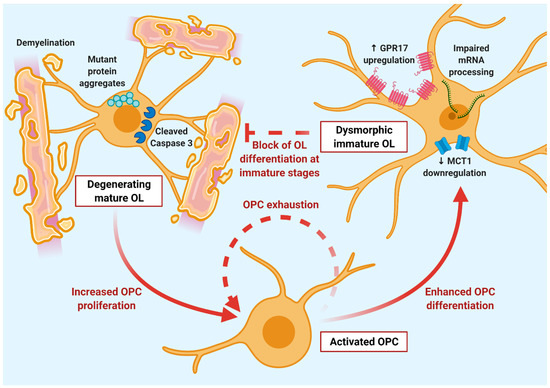
Myelin is the lipid-rich structure formed by oligodendrocytes (OLs) that wraps the axons in multilayered sheaths, assuring protection, efficient saltatory signal conduction and metabolic support to neurons. In the last few years, the impact of OL dysfunction and myelin damage has progressively received [...] Read more.
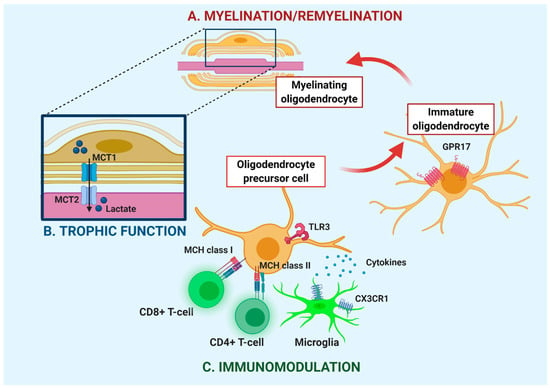
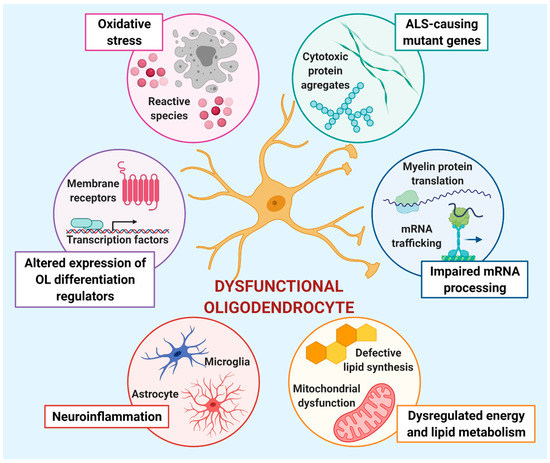
Myelin is the lipid-rich structure formed by oligodendrocytes (OLs) that wraps the axons in multilayered sheaths, assuring protection, efficient saltatory signal conduction and metabolic support to neurons. In the last few years, the impact of OL dysfunction and myelin damage has progressively received more attention and is now considered to be a major contributing factor to neurodegeneration in several neurological diseases, including amyotrophic lateral sclerosis (ALS). Upon OL injury, oligodendrocyte precursor cells (OPCs) of adult nervous tissue sustain the generation of new OLs for myelin reconstitution, but this spontaneous regeneration process fails to successfully counteract myelin damage. Of note, the functions of OPCs exceed the formation and repair of myelin, and also involve the trophic support to axons and the capability to exert an immunomodulatory role, which are particularly relevant in the context of neurodegeneration. In this review, we deeply analyze the impact of dysfunctional OLs in ALS pathogenesis. The possible mechanisms underlying OL degeneration, defective OPC maturation, and impairment in energy supply to motor neurons (MNs) have also been examined to provide insights on future therapeutic interventions. On this basis, we discuss the potential therapeutic utility in ALS of several molecules, based on their remyelinating potential or capability to enhance energy metabolism. Full article
Show Figures

Figure 1
14 pages, 1132 KB  
Review
The Immune Tolerance Role of the HMGB1-RAGE Axis
by Haruki Watanabe and Myoungsun Son
Cells 2021, 10(3), 564; https://doi.org/10.3390/cells10030564 - 5 Mar 2021
Cited by 52 | Viewed by 8609
Abstract
The disruption of the immune tolerance induces autoimmunity such as systemic lupus erythematosus and vasculitis. A chromatin-binding non-histone protein, high mobility group box 1 (HMGB1), is released from the nucleus to the extracellular milieu in particular environments such as autoimmunity, sepsis and hypoxia. [...] Read more.
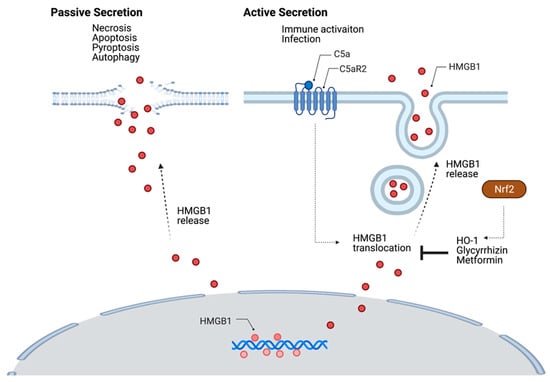
The disruption of the immune tolerance induces autoimmunity such as systemic lupus erythematosus and vasculitis. A chromatin-binding non-histone protein, high mobility group box 1 (HMGB1), is released from the nucleus to the extracellular milieu in particular environments such as autoimmunity, sepsis and hypoxia. Extracellular HMGB1 engages pattern recognition receptors, including Toll-like receptors (TLRs) and the receptor for advanced glycation endproducts (RAGE). While the HMGB1-RAGE axis drives inflammation in various diseases, recent studies also focus on the anti-inflammatory effects of HMGB1 and RAGE. This review discusses current perspectives on HMGB1 and RAGE’s roles in controlling inflammation and immune tolerance. We also suggest how RAGE heterodimers responding microenvironments functions in immune responses. Full article
(This article belongs to the Special Issue Regulation of HMGB1 Release in Health and Diseases)
Show Figures

Figure 1
19 pages, 5346 KB  
Article
Neutrophil Adhesion and the Release of the Free Amino Acid Hydroxylysine
by Svetlana I. Galkina, Natalia V. Fedorova, Alexander L. Ksenofontov, Marina V. Serebryakova, Ekaterina A. Golenkina, Vladimir I. Stadnichuk, Ludmila A. Baratova and Galina F. Sud’ina
Cells 2021, 10(3), 563; https://doi.org/10.3390/cells10030563 - 5 Mar 2021
Cited by 7 | Viewed by 3787
Abstract
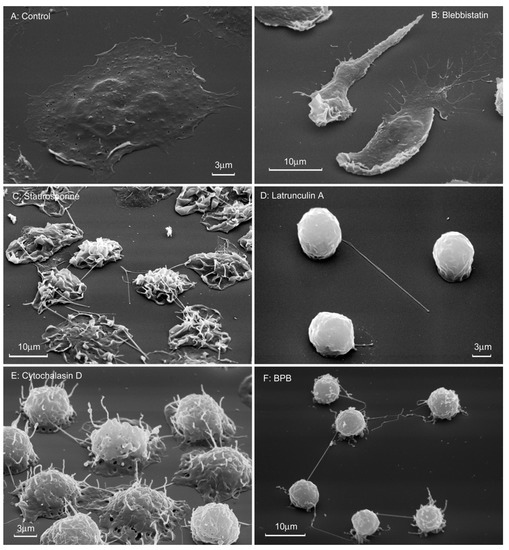
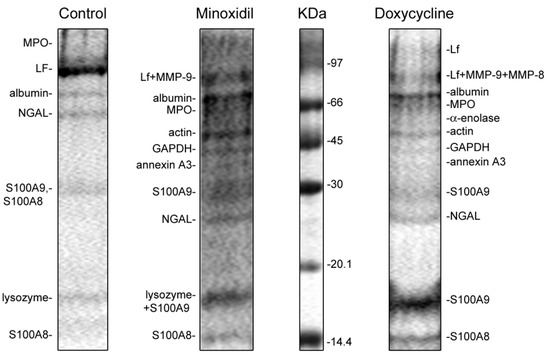
During infection or certain metabolic disorders, neutrophils can escape from blood vessels, invade and attach to other tissues. The invasion and adhesion of neutrophils is accompanied and maintained by their own secretion. We have previously found that adhesion of neutrophils to fibronectin dramatically [...] Read more.
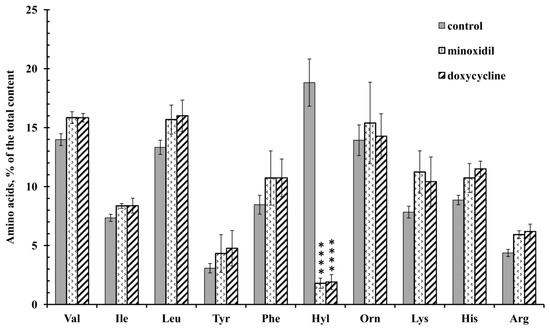
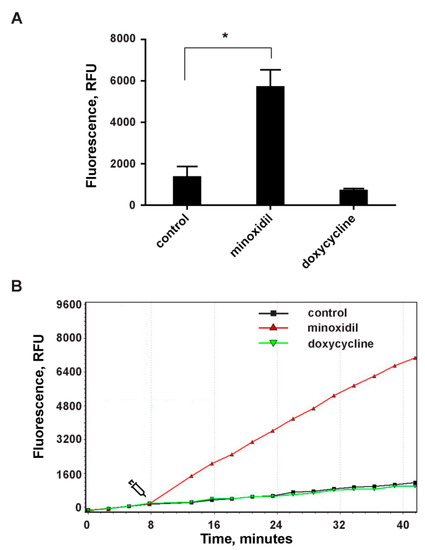
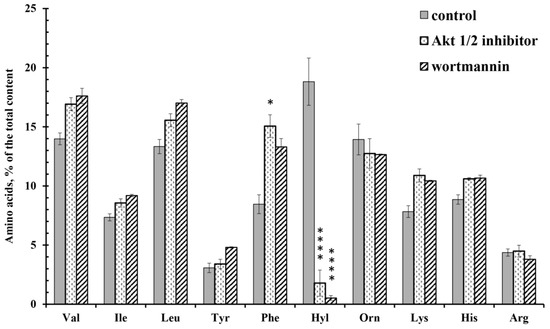
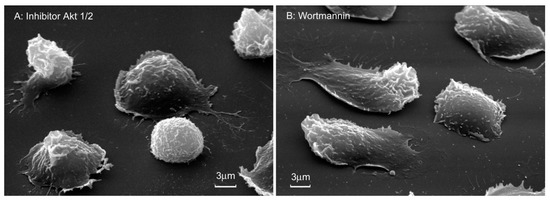
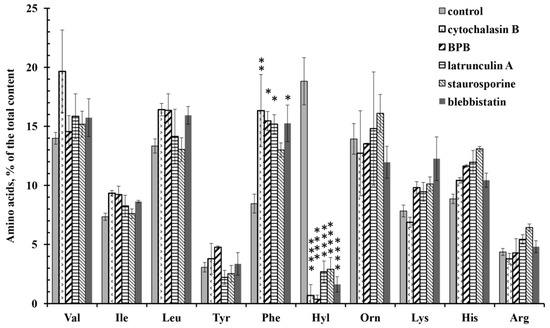
During infection or certain metabolic disorders, neutrophils can escape from blood vessels, invade and attach to other tissues. The invasion and adhesion of neutrophils is accompanied and maintained by their own secretion. We have previously found that adhesion of neutrophils to fibronectin dramatically and selectively stimulates the release of the free amino acid hydroxylysine. The role of hydroxylysine and lysyl hydroxylase in neutrophil adhesion has not been studied, nor have the processes that control them. Using amino acid analysis, mass spectrometry and electron microscopy, we found that the lysyl hydroxylase inhibitor minoxidil, the matrix metalloproteinase inhibitor doxycycline, the PI3K/Akt pathway inhibitors wortmannin and the Akt1/2 inhibitor and drugs that affect the actin cytoskeleton significantly and selectively block the release of hydroxylysine and partially or completely suppress spreading of neutrophils. The actin cytoskeleton effectors and the Akt 1/2 inhibitor also increase the phenylalanine release. We hypothesize that hydroxylysine release upon adhesion is the result of the activation of lysyl hydroxylase in interaction with matrix metalloproteinase, the PI3K/Akt pathway and intact actin cytoskeleton, which play important roles in the recruitment of neutrophils into tissue through extracellular matrix remodeling. Full article
(This article belongs to the Section Cell Motility and Adhesion)
Show Figures

Figure 1
19 pages, 1358 KB  
Review
Towards a Framework for Better Understanding of Quiescent Cancer Cells
by Wan Najbah Nik Nabil, Zhichao Xi, Zejia Song, Lei Jin, Xu Dong Zhang, Hua Zhou, Paul De Souza, Qihan Dong and Hongxi Xu
Cells 2021, 10(3), 562; https://doi.org/10.3390/cells10030562 - 5 Mar 2021
Cited by 37 | Viewed by 6983
Abstract
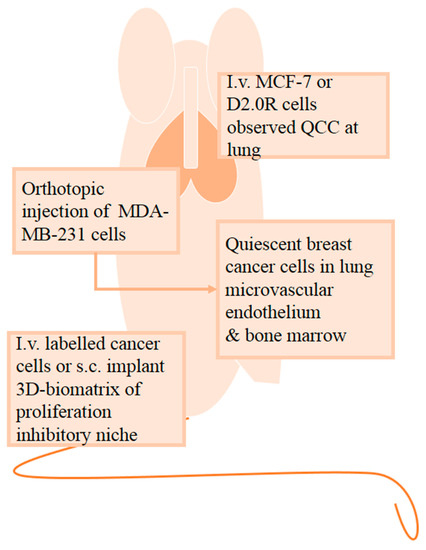
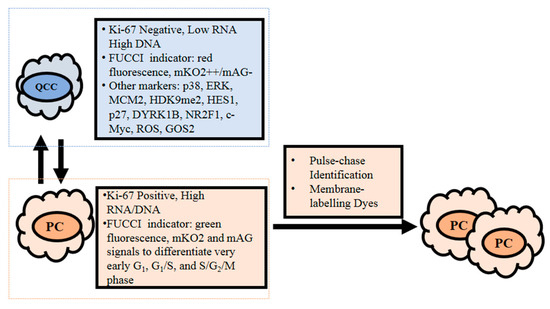
Quiescent cancer cells (QCCs) are cancer cells that are reversibly suspended in G0 phase with the ability to re-enter the cell cycle and initiate tumor growth, and, ultimately, cancer recurrence and metastasis. QCCs are also therapeutically challenging due to their resistance to [...] Read more.
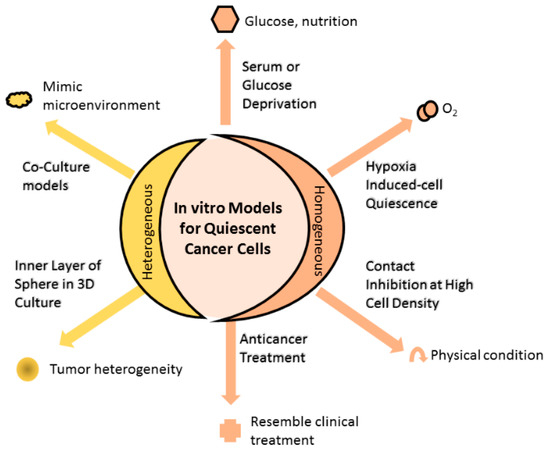
Quiescent cancer cells (QCCs) are cancer cells that are reversibly suspended in G0 phase with the ability to re-enter the cell cycle and initiate tumor growth, and, ultimately, cancer recurrence and metastasis. QCCs are also therapeutically challenging due to their resistance to most conventional cancer treatments that selectively act on proliferating cells. Considering the significant impact of QCCs on cancer progression and treatment, better understanding of appropriate experimental models, and the evaluation of QCCs are key questions in the field that have direct influence on potential pharmacological interventions. Here, this review focuses on existing and emerging preclinical models and detection methods for QCCs and discusses their respective features and scope for application. By providing a framework for selecting appropriate experimental models and investigative methods, the identification of the key players that regulate the survival and activation of QCCs and the development of more effective QCC-targeting therapeutic agents may mitigate the consequences of QCCs. Full article
(This article belongs to the Section Cell Proliferation and Division)
Show Figures

Figure 1
15 pages, 1618 KB  
Review
Emerging Roles of TRIM8 in Health and Disease
by Flaviana Marzano, Luisa Guerrini, Graziano Pesole, Elisabetta Sbisà and Apollonia Tullo
Cells 2021, 10(3), 561; https://doi.org/10.3390/cells10030561 - 5 Mar 2021
Cited by 35 | Viewed by 5671
Abstract
The superfamily of TRIM (TRIpartite Motif-containing) proteins is one of the largest groups of E3 ubiquitin ligases. Among them, interest in TRIM8 has greatly increased in recent years. In this review, we analyze the regulation of TRIM8 gene expression and how it is [...] Read more.
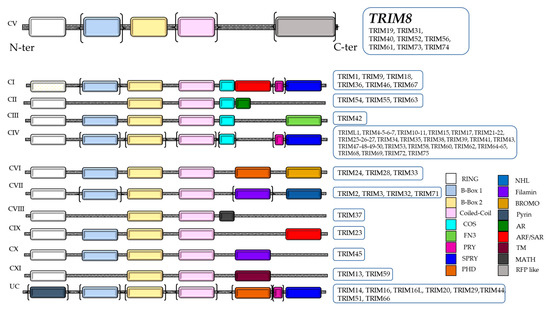
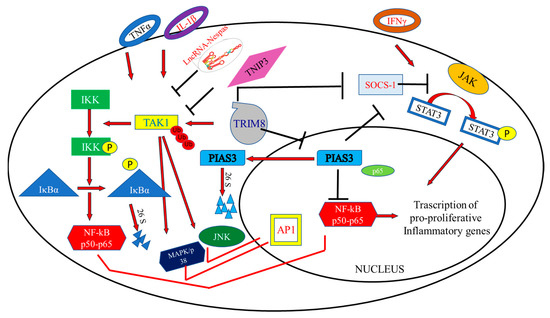
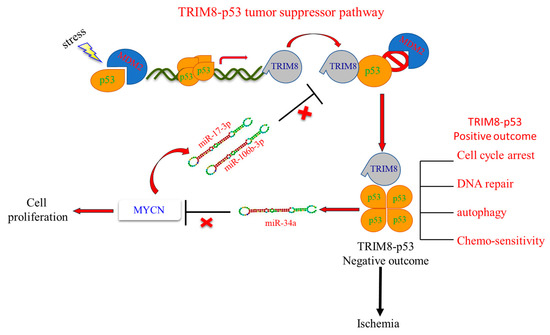
The superfamily of TRIM (TRIpartite Motif-containing) proteins is one of the largest groups of E3 ubiquitin ligases. Among them, interest in TRIM8 has greatly increased in recent years. In this review, we analyze the regulation of TRIM8 gene expression and how it is involved in many cell reactions in response to different stimuli such as genotoxic stress and attacks by viruses or bacteria, playing a central role in the immune response and orchestrating various fundamental biological processes such as cell survival, carcinogenesis, autophagy, apoptosis, differentiation and inflammation. Moreover, we show how TRIM8 functions are not limited to ubiquitination, and contrasting data highlight its role either as an oncogene or as a tumor suppressor gene, acting as a “double-edged weapon”. This is linked to its involvement in the selective regulation of three pivotal cellular signaling pathways: the p53 tumor suppressor, NF-κB and JAK-STAT pathways. Lastly, we describe how TRIM8 dysfunctions are linked to inflammatory processes, autoimmune disorders, rare developmental and cardiovascular diseases, ischemia, intellectual disability and cancer. Full article
(This article belongs to the Special Issue Cellular Function of TRIM E3 Ubiquitin Ligases in Health and Disease)
Show Figures

Figure 1
18 pages, 4804 KB  
Article
Selective Proliferation of Highly Functional Adipose-Derived Stem Cells in Microgravity Culture with Stirred Microspheres
by Takanobu Mashiko, Koji Kanayama, Natsumi Saito, Takako Shirado, Rintaro Asahi, Masanori Mori and Kotaro Yoshimura
Cells 2021, 10(3), 560; https://doi.org/10.3390/cells10030560 - 4 Mar 2021
Cited by 10 | Viewed by 4009
Abstract
Therapeutic effects of adult stem-cell transplantations are limited by poor cell-retention in target organs, and a reduced potential for optimal cell differentiation compared to embryonic stem cells. However, contemporary studies have indicated heterogeneity within adult stem-cell pools, and a novel culturing technique may [...] Read more.
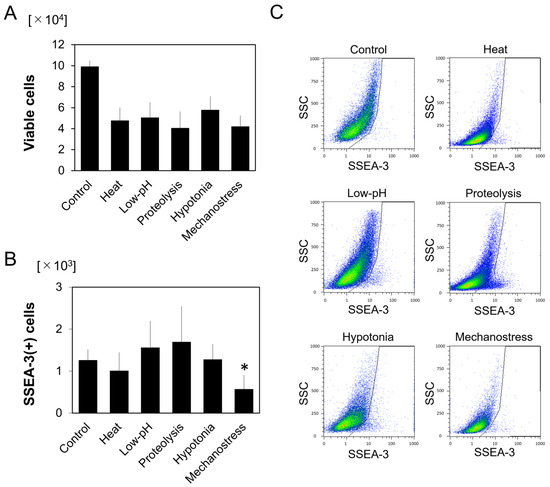
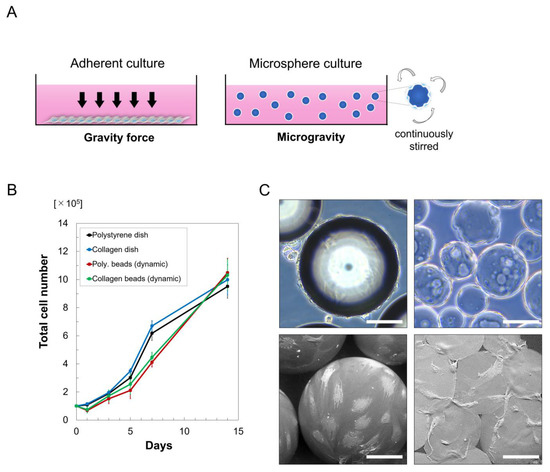
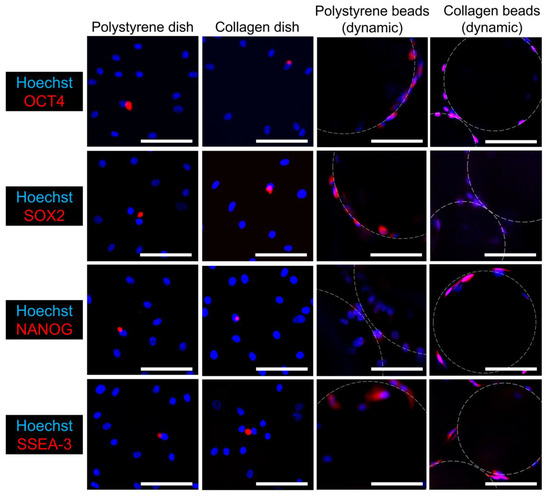
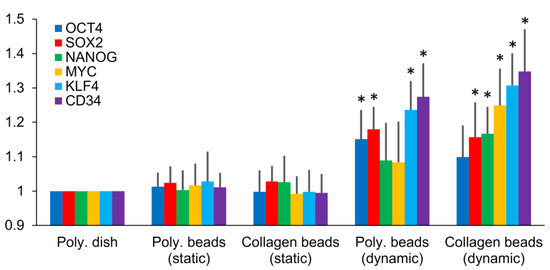
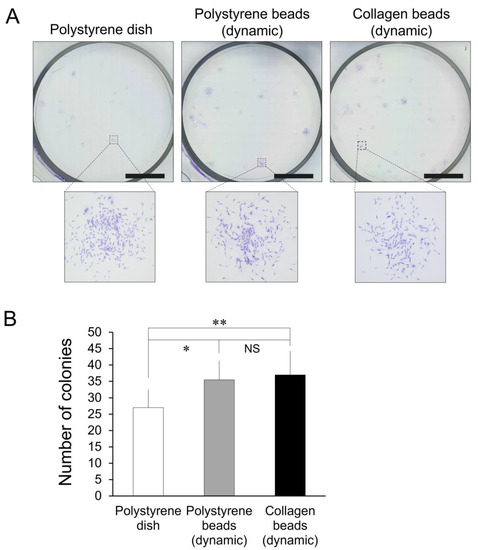
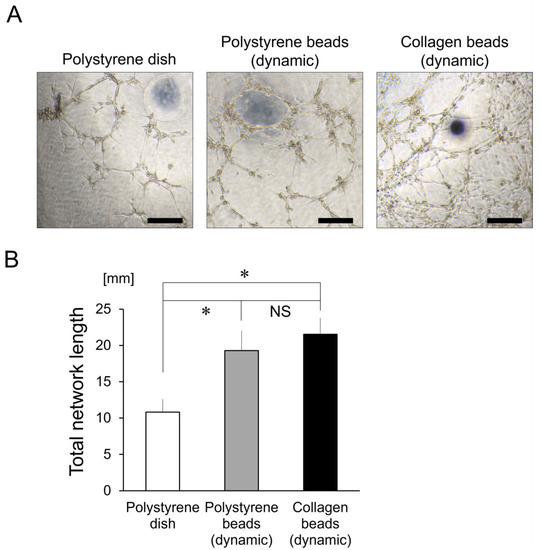
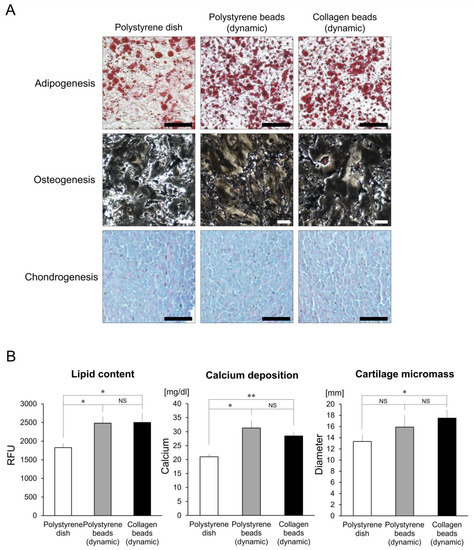
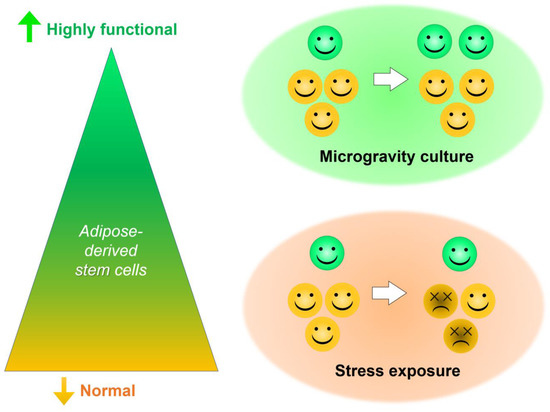
Therapeutic effects of adult stem-cell transplantations are limited by poor cell-retention in target organs, and a reduced potential for optimal cell differentiation compared to embryonic stem cells. However, contemporary studies have indicated heterogeneity within adult stem-cell pools, and a novel culturing technique may address these limitations by selecting those for cell proliferation which are highly functional. Here, we report the preservation of stemness in human adipose-derived stem cells (hASCs) by using microgravity conditions combined with microspheres in a stirred suspension. The cells were bound to microspheres (100−300 μm) and cultured using a wave-stirring shaker. One-week cultures using polystyrene and collagen microspheres increased the proportions of SSEA-3(+) hASCs 4.4- and 4.3-fold (2.7- and 2.9-fold increases in their numbers), respectively, compared to normal culture conditions. These cultured hASCs expressed higher levels of pluripotent markers (OCT4, SOX2, NANOG, MYC, and KLF), and had improved abilities for proliferation, colony formation, network formation, and multiple-mesenchymal differentiation. We believe that this novel culturing method may further enhance regenerative therapies using hASCs. Full article
(This article belongs to the Collection Research on Adipose Stem Cells)
Show Figures

Figure 1
17 pages, 1749 KB  
Article
Stroma-Mediated Resistance to S63845 and Venetoclax through MCL-1 and BCL-2 Expression Changes Induced by miR-193b-3p and miR-21-5p Dysregulation in Multiple Myeloma
by Esperanza M. Algarín, Dalia Quwaider, Francisco J. Campos-Laborie, Andrea Díaz-Tejedor, Pedro Mogollón, Elena Vuelta, Montserrat Martín-Sánchez, Laura San-Segundo, Lorena González-Méndez, Norma C. Gutiérrez, Ramón García-Sanz, Teresa Paíno, Javier De Las Rivas, Enrique M. Ocio and Mercedes Garayoa
Cells 2021, 10(3), 559; https://doi.org/10.3390/cells10030559 - 4 Mar 2021
Cited by 9 | Viewed by 4007
Abstract
BH3-mimetics targeting anti-apoptotic proteins such as MCL-1 (S63845) or BCL-2 (venetoclax) are currently being evaluated as effective therapies for the treatment of multiple myeloma (MM). Interleukin 6, produced by mesenchymal stromal cells (MSCs), has been shown to modify the expression of anti-apoptotic proteins [...] Read more.
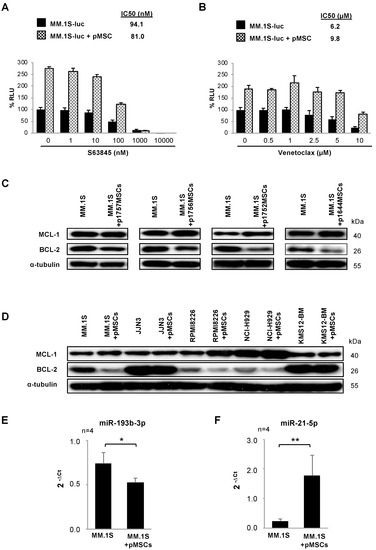
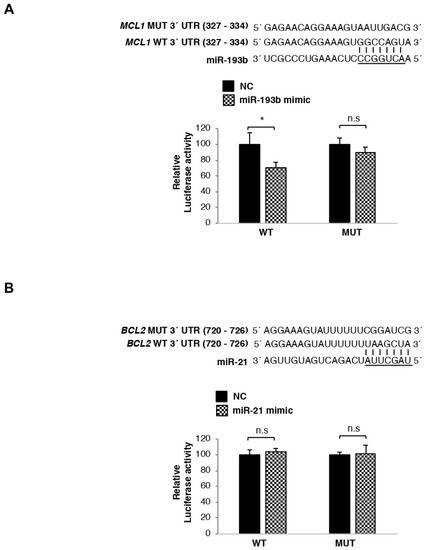
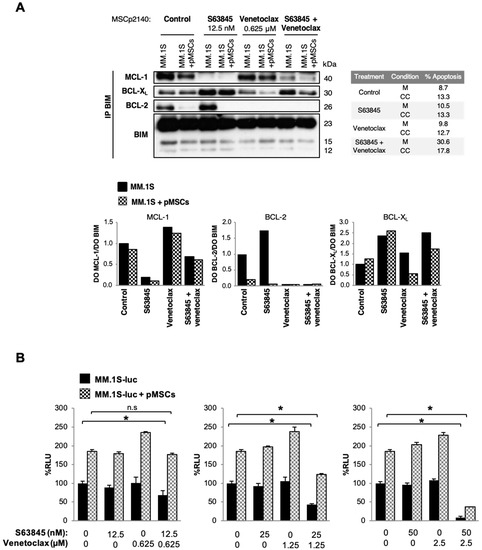
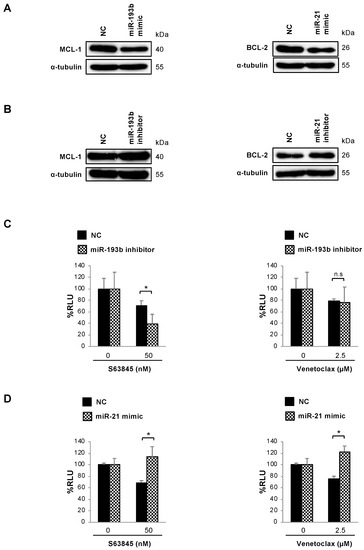
BH3-mimetics targeting anti-apoptotic proteins such as MCL-1 (S63845) or BCL-2 (venetoclax) are currently being evaluated as effective therapies for the treatment of multiple myeloma (MM). Interleukin 6, produced by mesenchymal stromal cells (MSCs), has been shown to modify the expression of anti-apoptotic proteins and their interaction with the pro-apoptotic BIM protein in MM cells. In this study, we assess the efficacy of S63845 and venetoclax in MM cells in direct co-culture with MSCs derived from MM patients (pMSCs) to identify additional mechanisms involved in the stroma-induced resistance to these agents. MicroRNAs miR-193b-3p and miR-21-5p emerged among the top deregulated miRNAs in myeloma cells when directly co-cultured with pMSCs, and we show their contribution to changes in MCL-1 and BCL-2 protein expression and in the activity of S63845 and venetoclax. Additionally, direct contact with pMSCs under S63845 and/or venetoclax treatment modifies myeloma cell dependence on different BCL-2 family anti-apoptotic proteins in relation to BIM, making myeloma cells more dependent on the non-targeted anti-apoptotic protein or BCL-XL. Finally, we show a potent effect of the combination of S63845 and venetoclax even in the presence of pMSCs, which supports this combinatorial approach for the treatment of MM. Full article
(This article belongs to the Special Issue Molecular and Cellular Mechanisms of Cancers: Multiple Myeloma 2020)
Show Figures

Figure 1
16 pages, 4884 KB  
Article
Oxidized Phospholipids in Tumor Microenvironment Stimulate Tumor Metastasis via Regulation of Autophagy
by Jin Kyung Seok, Eun-Hee Hong, Gabsik Yang, Hye Eun Lee, Sin-Eun Kim, Kwang-Hyeon Liu, Han Chang Kang, Yong-Yeon Cho, Hye Suk Lee and Joo Young Lee
Cells 2021, 10(3), 558; https://doi.org/10.3390/cells10030558 - 4 Mar 2021
Cited by 19 | Viewed by 4460
Abstract
Oxidized phospholipids are well known to play physiological and pathological roles in regulating cellular homeostasis and disease progression. However, their role in cancer metastasis has not been entirely understood. In this study, effects of oxidized phosphatidylcholines such as 1-palmitoyl-2-(5-oxovaleroyl)-sn-glycero-3-phosphocholine (POVPC) on [...] Read more.
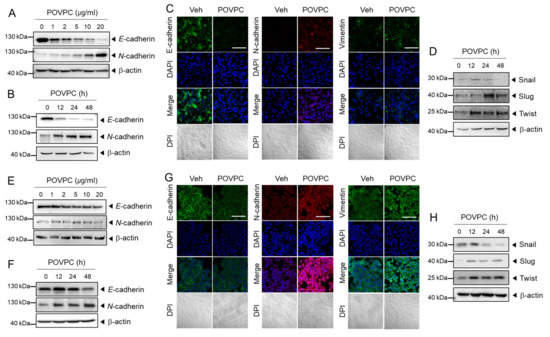
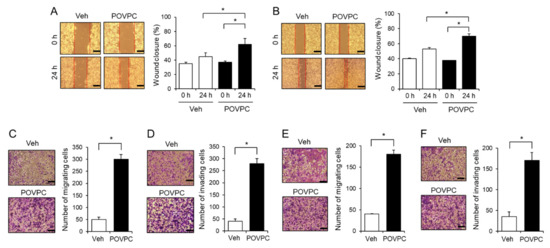
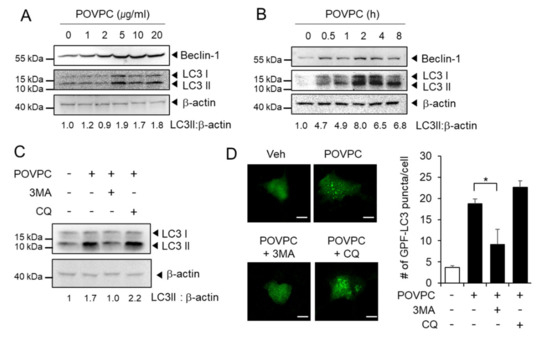
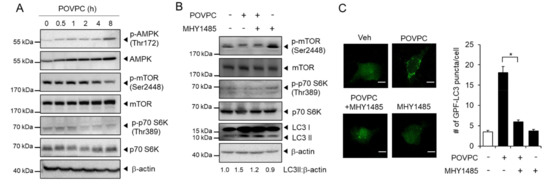
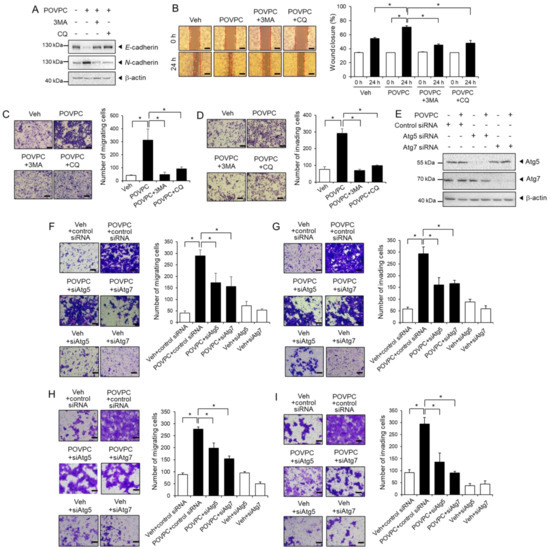
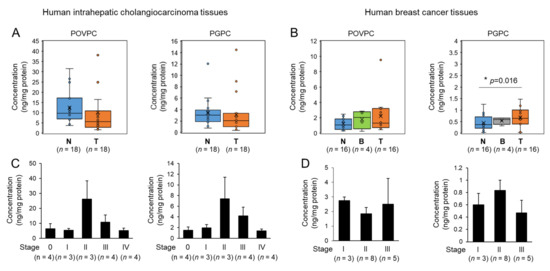
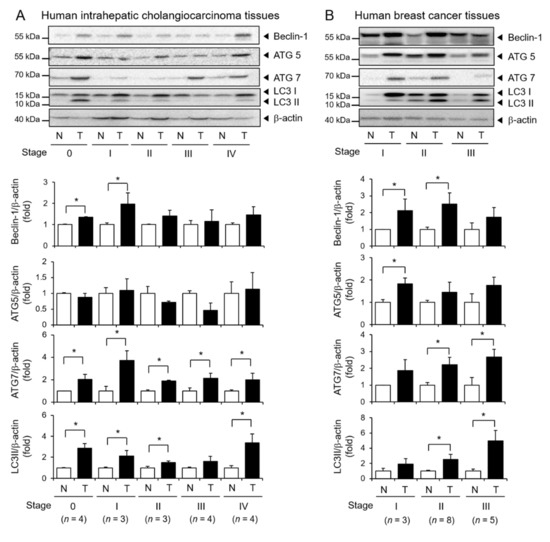
Oxidized phospholipids are well known to play physiological and pathological roles in regulating cellular homeostasis and disease progression. However, their role in cancer metastasis has not been entirely understood. In this study, effects of oxidized phosphatidylcholines such as 1-palmitoyl-2-(5-oxovaleroyl)-sn-glycero-3-phosphocholine (POVPC) on epithelial-mesenchymal transition (EMT) and autophagy were determined in cancer cells by immunoblotting and confocal analysis. Metastasis was analyzed by a scratch wound assay and a transwell migration/invasion assay. The concentrations of POVPC and 1-palmitoyl-2-glutaroyl-sn-glycero-phosphocholine (PGPC) in tumor tissues obtained from patients were measured by LC-MS/MS analysis. POVPC induced EMT, resulting in increase of migration and invasion of human hepatocellular carcinoma cells (HepG2) and human breast cancer cells (MCF7). POVPC induced autophagic flux through AMPK-mTOR pathway. Pharmacological inhibition or siRNA knockdown of autophagy decreased migration and invasion of POVPC-treated HepG2 and MCF7 cells. POVPC and PGPC levels were greatly increased at stage II of patient-derived intrahepatic cholangiocarcinoma tissues. PGPC levels were higher in malignant breast tumor tissues than in adjacent nontumor tissues. The results show that oxidized phosphatidylcholines increase metastatic potential of cancer cells by promoting EMT, mediated through autophagy. These suggest the positive regulatory role of oxidized phospholipids accumulated in tumor microenvironment in the regulation of tumorigenesis and metastasis. Full article
(This article belongs to the Special Issue New Aspects of Targeting Cancer Metabolism in Therapeutic Approach)
Show Figures

Figure 1
23 pages, 4693 KB  
Article
Rap1a Overlaps the AGE/RAGE Signaling Cascade to Alter Expression of α-SMA, p-NF-κB, and p-PKC-ζ in Cardiac Fibroblasts Isolated from Type 2 Diabetic Mice
by Stephanie D. Burr and James A. Stewart, Jr.
Cells 2021, 10(3), 557; https://doi.org/10.3390/cells10030557 - 4 Mar 2021
Cited by 21 | Viewed by 3762
Abstract
Cardiovascular disease, specifically heart failure, is a common complication for individuals with type 2 diabetes mellitus. Heart failure can arise with stiffening of the left ventricle, which can be caused by “active” cardiac fibroblasts (i.e., myofibroblasts) remodeling the extracellular matrix (ECM). Differentiation of [...] Read more.
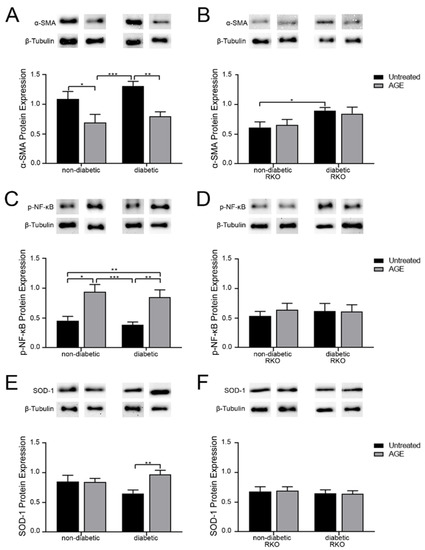
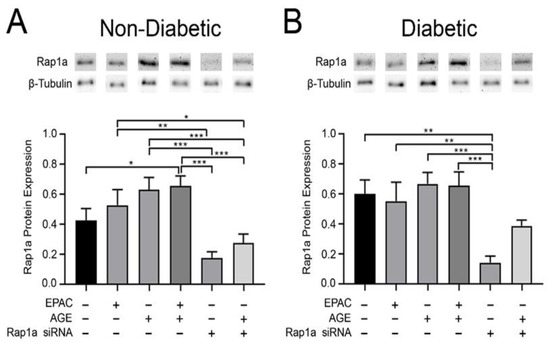
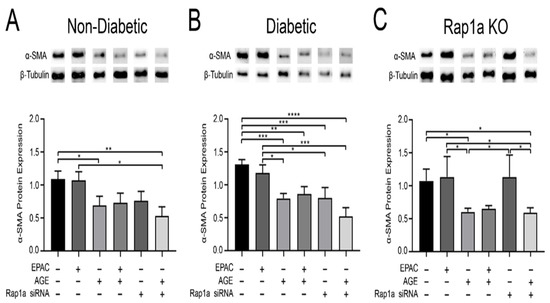
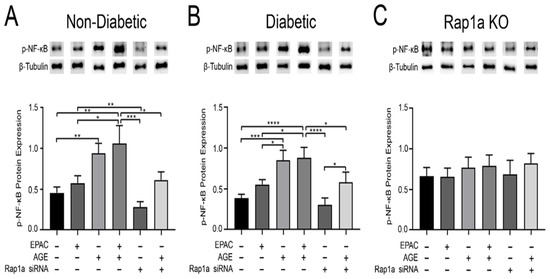
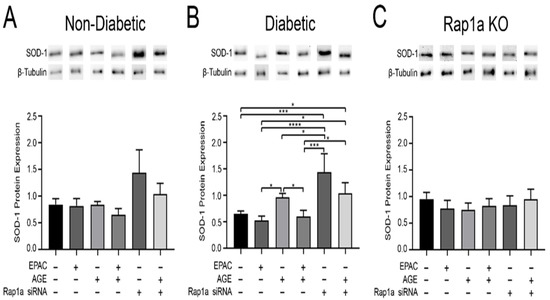
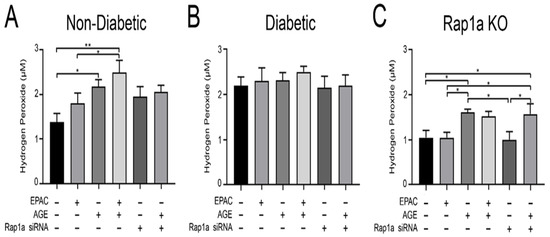
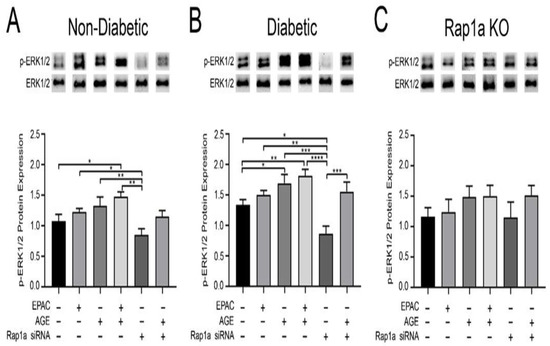
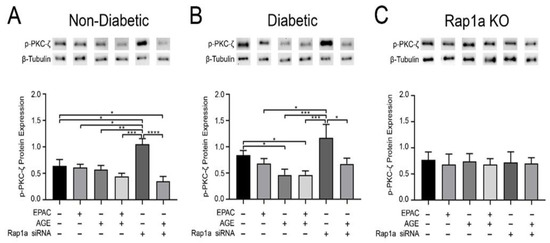
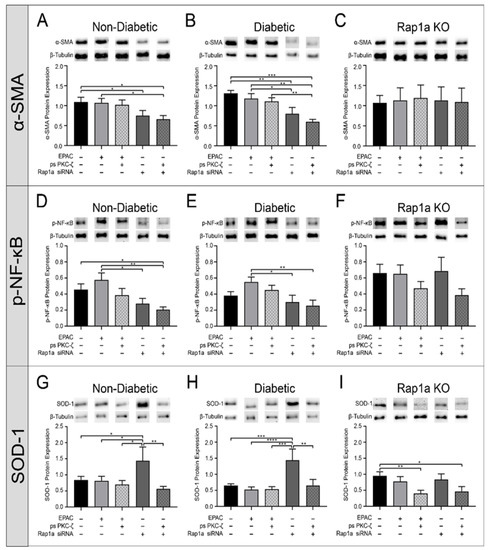
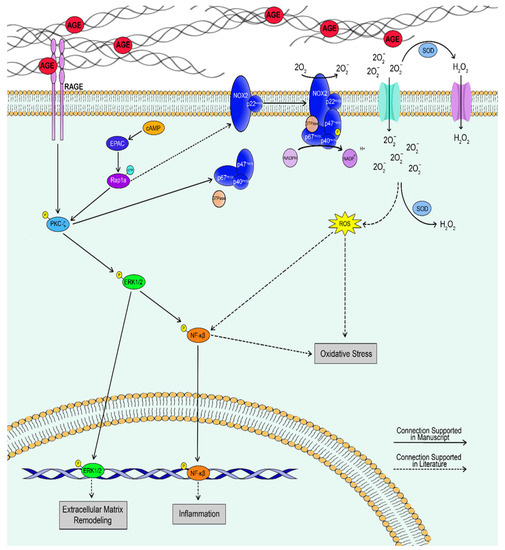
Cardiovascular disease, specifically heart failure, is a common complication for individuals with type 2 diabetes mellitus. Heart failure can arise with stiffening of the left ventricle, which can be caused by “active” cardiac fibroblasts (i.e., myofibroblasts) remodeling the extracellular matrix (ECM). Differentiation of fibroblasts to myofibroblasts has been demonstrated to be an outcome of AGE/RAGE signaling. Hyperglycemia causes advanced glycated end products (AGEs) to accumulate within the body, and this process is greatly accelerated under chronic diabetic conditions. AGEs can bind and activate their receptor (RAGE) to trigger multiple downstream outcomes, such as altering ECM remodeling, inflammation, and oxidative stress. Previously, our lab has identified a small GTPase, Rap1a, that possibly overlaps the AGE/RAGE signaling cascade to affect the downstream outcomes. Rap1a acts as a molecular switch connecting extracellular signals to intracellular responses. Therefore, we hypothesized that Rap1a crosses the AGE/RAGE cascade to alter the expression of AGE/RAGE associated signaling proteins in cardiac fibroblasts in type 2 diabetic mice. To delineate this cascade, we used genetically different cardiac fibroblasts from non-diabetic, diabetic, non-diabetic RAGE knockout, diabetic RAGE knockout, and Rap1a knockout mice and treated them with pharmacological modifiers (exogenous AGEs, EPAC, Rap1a siRNA, and pseudosubstrate PKC-ζ). We examined changes in expression of proteins implicated as markers for myofibroblasts (α-SMA) and inflammation/oxidative stress (NF-κB and SOD-1). In addition, oxidative stress was also assessed by measuring hydrogen peroxide concentration. Our results indicated that Rap1a connects to the AGE/RAGE cascade to promote and maintain α-SMA expression in cardiac fibroblasts. Moreover, Rap1a, in conjunction with activation of the AGE/RAGE cascade, increased NF-κB expression as well as hydrogen peroxide concentration, indicating a possible oxidative stress response. Additionally, knocking down Rap1a expression resulted in an increase in SOD-1 expression suggesting that Rap1a can affect oxidative stress markers independently of the AGE/RAGE signaling cascade. These results demonstrated that Rap1a contributes to the myofibroblast population within the heart via AGE/RAGE signaling as well as promotes possible oxidative stress. This study offers a new potential therapeutic target that could possibly reduce the risk for developing diabetic cardiovascular complications attributed to AGE/RAGE signaling. Full article
Show Figures

Figure 1
13 pages, 1625 KB  
Article
Treatment with Cyclic AMP Activators Reduces Glioblastoma Growth and Invasion as Assessed by Two-Photon Microscopy
by Krista Minéia Wartchow, Benjamin Schmid, Philipp Tripal, Andreas Stadlbauer, Michael Buchfelder, Carlos-Alberto Gonçalves and Andrea Kleindienst
Cells 2021, 10(3), 556; https://doi.org/10.3390/cells10030556 - 4 Mar 2021
Cited by 7 | Viewed by 3141
Abstract
(1) Background: Despite progress in surgery and radio-chemotherapy of glioblastoma (GB), the prognosis remains very poor. GB cells exhibit a preference for hypoxia to maintain their tumor-forming capacity. Enhancing oxidative phosphorylation—known as the anti-Warburg effect—with cyclic AMP activators has been demonstrated to drive [...] Read more.
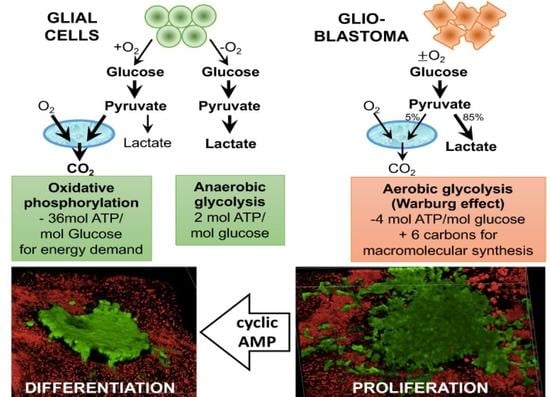
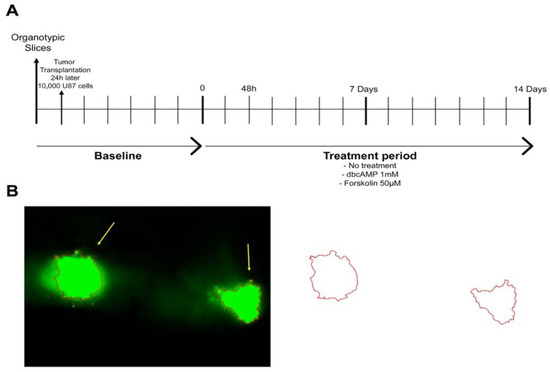
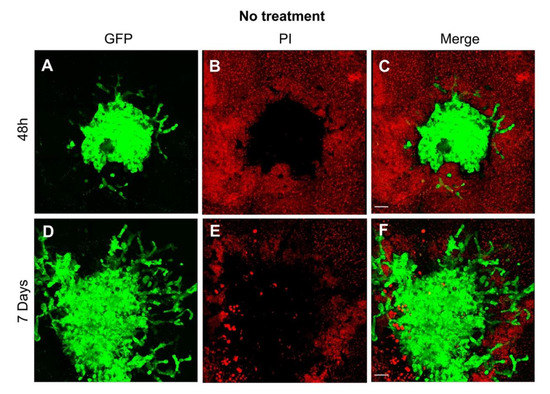
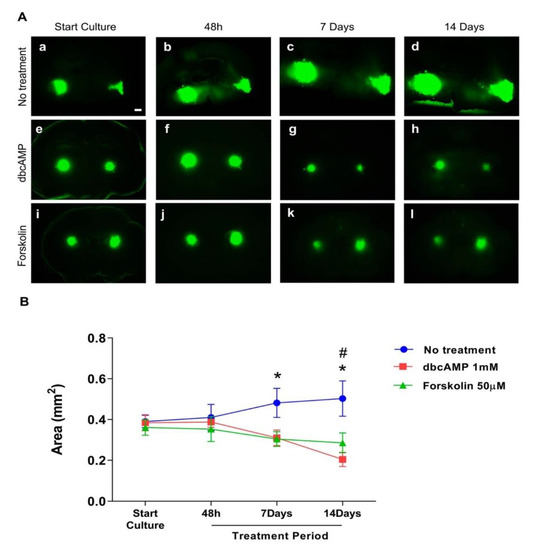
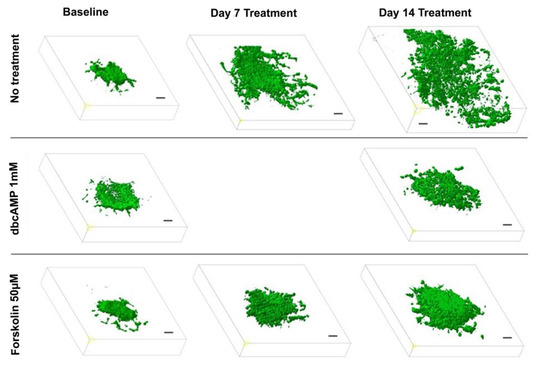
(1) Background: Despite progress in surgery and radio-chemotherapy of glioblastoma (GB), the prognosis remains very poor. GB cells exhibit a preference for hypoxia to maintain their tumor-forming capacity. Enhancing oxidative phosphorylation—known as the anti-Warburg effect—with cyclic AMP activators has been demonstrated to drive GB cells from proliferation to differentiation thereby reducing tumor growth in a cell culture approach. Here we re-evaluate this treatment in a more clinically relevant model. (2) Methods: The effect of treatment with dibutyryl cyclic AMP (dbcAMP, 1 mM) and the cAMP activator forskolin (50µM) was assessed in a GB cell line (U87GFP+, 104 cells) co-cultured with mouse organotypic brain slices providing architecture and biochemical properties of normal brain tissue. Cell viability was determined by propidium-iodide, and gross metabolic effects were excluded in the extracellular medium. Tumor growth was quantified in terms of area, volume, and invasion at the start of culture, 48 h, 7 days, and 14 days after treatment. (3) Results: The tumor area was significantly reduced following dbcAMP or forskolin treatment (F2,249 = 5.968, p = 0.0029). 3D volumetric quantification utilizing two-photon fluorescence microscopy revealed that the treated tumors maintained a spheric shape while the untreated controls exhibited the GB typical invasive growth pattern. (4) Conclusions: Our data demonstrate that treatment with a cAMP analog/activator reduces GB growth and invasion. Full article
(This article belongs to the Special Issue Metabolic Interactions in Tumor Microenvironment (TME))
Show Figures

Graphical abstract

10 pages, 1131 KB  
Review
Historical Perspective of the G Protein-Coupled Receptor Kinase Family
by Jeffrey L. Benovic
Cells 2021, 10(3), 555; https://doi.org/10.3390/cells10030555 - 4 Mar 2021
Cited by 23 | Viewed by 3778
Abstract
Agonist activation of G protein-coupled receptors promotes sequential interaction of the receptor with heterotrimeric G proteins, G protein-coupled receptor kinases (GRKs), and arrestins. GRKs play a central role in mediating the switch from G protein to arrestin interaction and thereby control processes such [...] Read more.
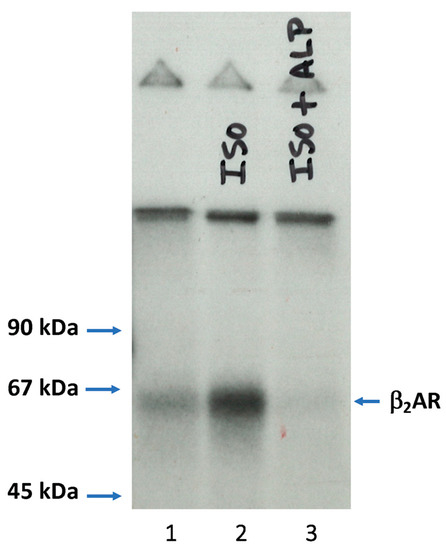
Agonist activation of G protein-coupled receptors promotes sequential interaction of the receptor with heterotrimeric G proteins, G protein-coupled receptor kinases (GRKs), and arrestins. GRKs play a central role in mediating the switch from G protein to arrestin interaction and thereby control processes such as receptor desensitization and trafficking and arrestin-mediated signaling. In this review, I provide a historical perspective on some of the early studies that identified the family of GRKs with a primary focus on the non-visual GRKs. These studies included identification, purification, and cloning of the β-adrenergic receptor kinase in the mid- to late-1980s and subsequent cloning and characterization of additional members of the GRK family. This helped to lay the groundwork for ensuing work focused on understanding the structure and function of these important enzymes. Full article
Show Figures

Figure 1
14 pages, 5866 KB  
Article
Downregulation of Mcl-1 by Panobinostat Potentiates Proton Beam Therapy in Hepatocellular Carcinoma Cells
by Changhoon Choi, Ga Haeng Lee, Arang Son, Gyu Sang Yoo, Jeong Il Yu and Hee Chul Park
Cells 2021, 10(3), 554; https://doi.org/10.3390/cells10030554 - 4 Mar 2021
Cited by 19 | Viewed by 3418
Abstract
Epigenetic modulation by histone deacetylase (HDAC) inhibitors is an attractive anti-cancer strategy for diverse hematological and solid cancers. Herein, we explored the relative effectiveness of the pan-HDAC inhibitor panobinostat in combination with proton over X-ray irradiation in HCC cells. Clonogenic survival assays revealed [...] Read more.
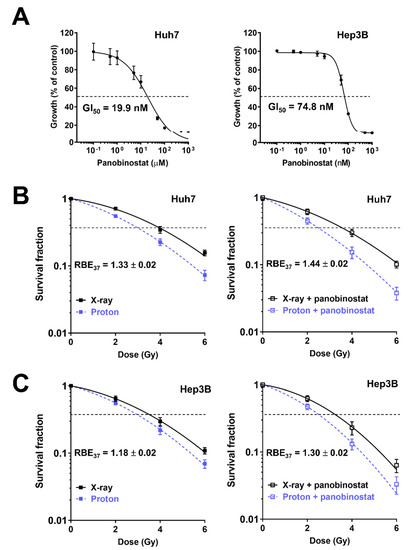
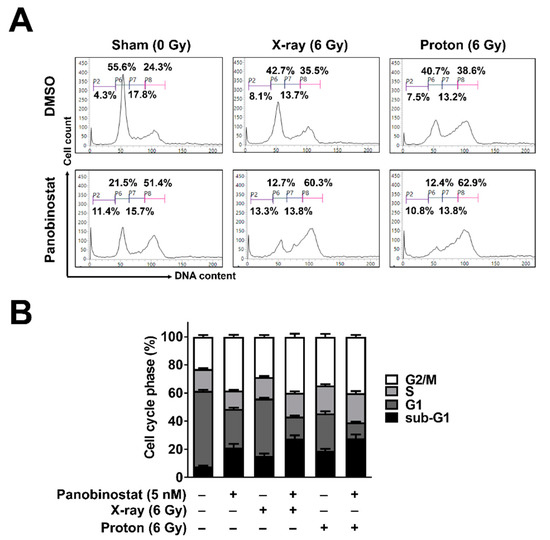
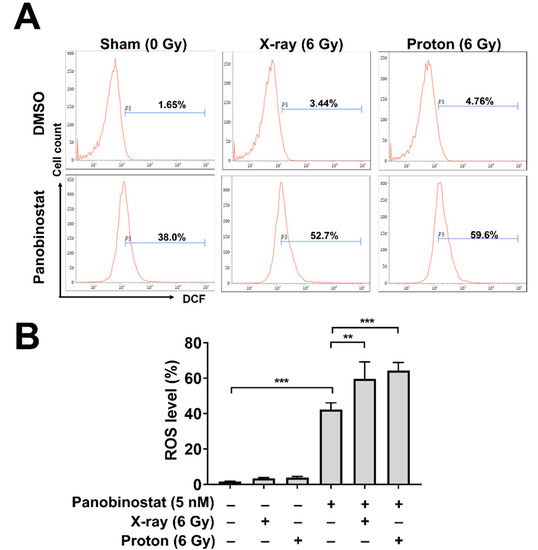
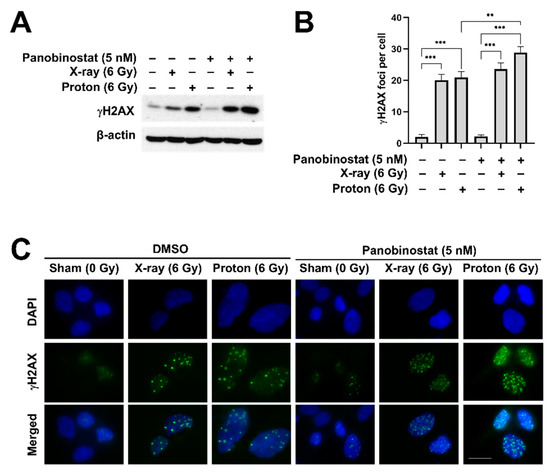
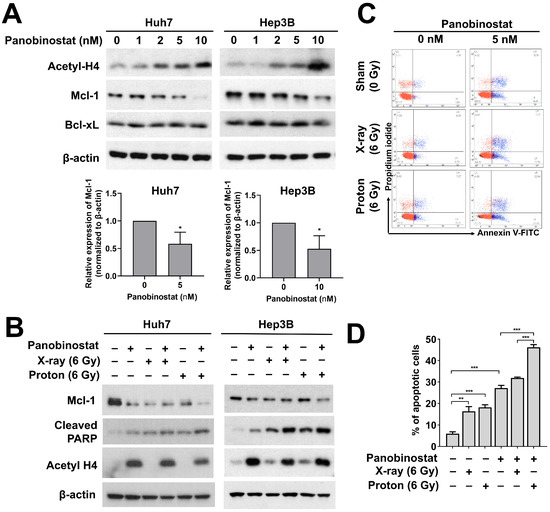
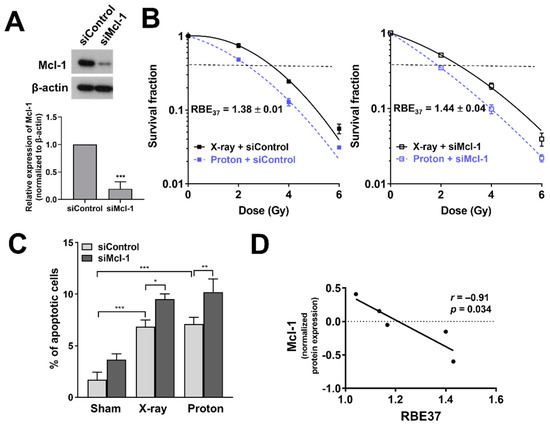
Epigenetic modulation by histone deacetylase (HDAC) inhibitors is an attractive anti-cancer strategy for diverse hematological and solid cancers. Herein, we explored the relative effectiveness of the pan-HDAC inhibitor panobinostat in combination with proton over X-ray irradiation in HCC cells. Clonogenic survival assays revealed that radiosensitization of Huh7 and Hep3B cells by panobinostat was more evident when combined with protons than X-rays. Panobinostat increased G2/M arrest and production of intracellular reactive oxygen species, which was further enhanced by proton irradiation. Immunofluorescence staining of γH2AX showed that panobinostat enhanced proton-induced DNA damage. Panobinostat dose-dependently decreased expression of an anti-apoptotic protein, Mcl-1, concomitant with increasing acetylation of histone H4. The combination of panobinostat with proton irradiation enhanced apoptotic cell death to a greater extent than that with X-ray irradiation. Depletion of Mcl-1 by RNA interference enhanced proton-induced apoptosis and proton radiosensitization, suggesting a potential role of Mcl-1 in determining proton sensitivity. Together, our findings suggest that panobinostat may be a promising combination agent for proton beam therapy in HCC treatment. Full article
(This article belongs to the Special Issue Cancer Cell Response to Radiation Therapy)
Show Figures

Figure 1
10 pages, 1470 KB  
Review
Radiologic Assessment of Osteosarcoma Lung Metastases: State of the Art and Recent Advances
by Anna Maria Chiesa, Paolo Spinnato, Marco Miceli and Giancarlo Facchini
Cells 2021, 10(3), 553; https://doi.org/10.3390/cells10030553 - 4 Mar 2021
Cited by 27 | Viewed by 6914
Abstract
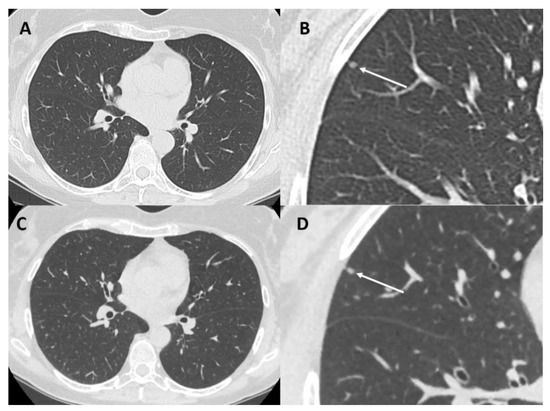
The lung is the most frequent site of osteosarcoma (OS) metastases, which are a critical point in defining a patient’s prognosis. Chest computed tomography (CT) represents the gold standard for the detection of lung metastases even if its sensitivity widely ranges in the [...] Read more.
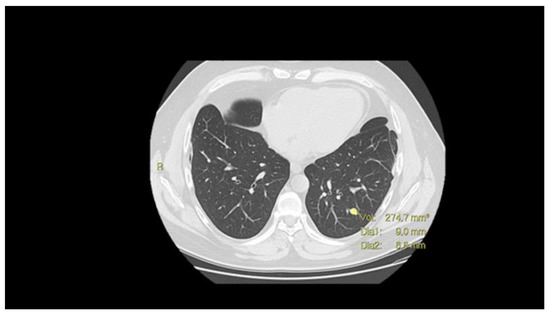
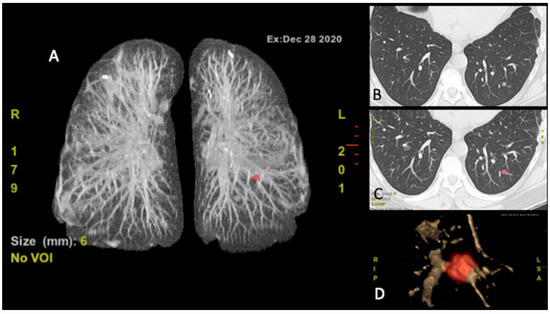
The lung is the most frequent site of osteosarcoma (OS) metastases, which are a critical point in defining a patient’s prognosis. Chest computed tomography (CT) represents the gold standard for the detection of lung metastases even if its sensitivity widely ranges in the literature since lung localizations are often atypical. ESMO guidelines represent one of the major references for the follow-up program of OS patients. The development of new reconstruction techniques, such as the iterative method and the deep learning-based image reconstruction (DLIR), has led to a significant reduction of the radiation dose with the low-dose CT. The improvement of these techniques has great importance considering the young-onset of the disease and the strict chest surveillance during follow-up programs. The use of 18F-fluorodeoxyglucose (FDG) positron emission tomography (PET)/CT is still controversial, while volume doubling time (VDT) and computer-aided diagnosis (CAD) systems are recent diagnostic tools that could support radiologists for lung nodules evaluation. Their use, well-established for other malignancies, needs to be further evaluated, focusing on OS patients. Full article
(This article belongs to the Special Issue Research Advances and Therapy of Human Osteosarcoma)
Show Figures

Figure 1
18 pages, 2523 KB  
Article
Biomechanics of Ex Vivo-Generated Red Blood Cells Investigated by Optical Tweezers and Digital Holographic Microscopy
by Claudia Bernecker, Maria Augusta R. B. F. Lima, Catalin D. Ciubotaru, Peter Schlenke, Isabel Dorn and Dan Cojoc
Cells 2021, 10(3), 552; https://doi.org/10.3390/cells10030552 - 4 Mar 2021
Cited by 24 | Viewed by 4815
Abstract
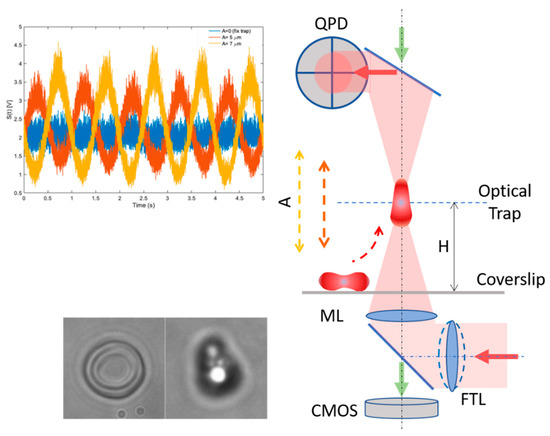
Ex vivo-generated red blood cells are a promising resource for future safe blood products, manufactured independently of voluntary blood donations. The physiological process of terminal maturation from spheroid reticulocytes to biconcave erythrocytes has not been accomplished yet. A better biomechanical characterization of cultured [...] Read more.
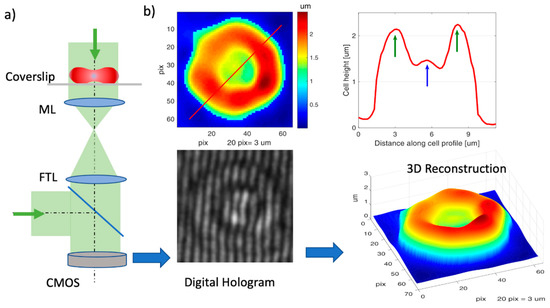
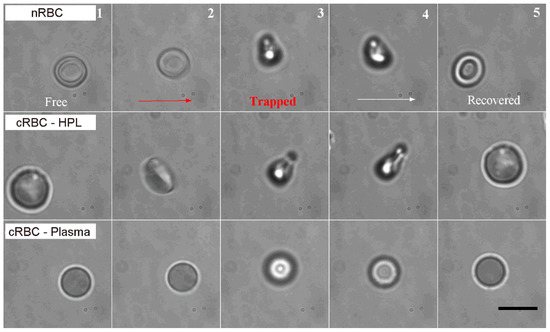
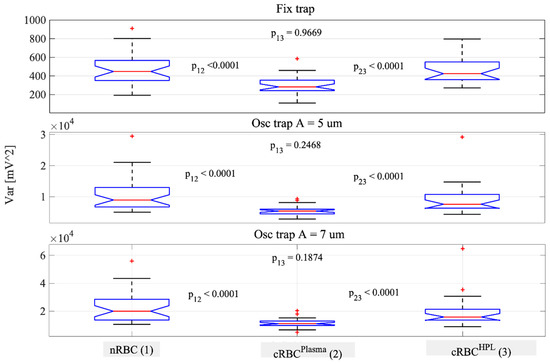
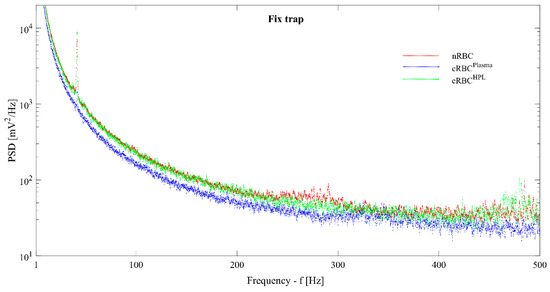
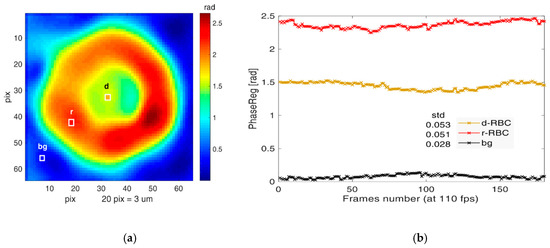
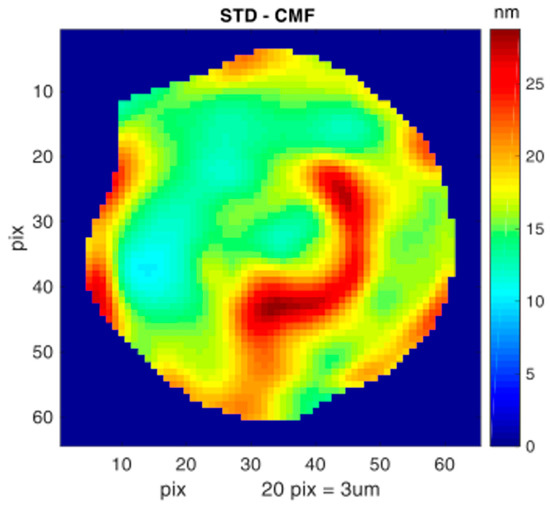
Ex vivo-generated red blood cells are a promising resource for future safe blood products, manufactured independently of voluntary blood donations. The physiological process of terminal maturation from spheroid reticulocytes to biconcave erythrocytes has not been accomplished yet. A better biomechanical characterization of cultured red blood cells (cRBCs) will be of utmost interest for manufacturer approval and therapeutic application. Here, we introduce a novel optical tweezer (OT) approach to measure the deformation and elasticity of single cells trapped away from the coverslip. To investigate membrane properties dependent on membrane lipid content, two culture conditions of cRBCs were investigated, cRBCPlasma with plasma and cRBCHPL supplemented with human platelet lysate. Biomechanical characterization of cells under optical forces proves the similar features of native RBCs and cRBCHPL, and different characteristics for cRBCPlasma. To confirm these results, we also applied a second technique, digital holographic microscopy (DHM), for cells laid on the surface. OT and DHM provided related results in terms of cell deformation and membrane fluctuations, allowing a reliable discrimination between cultured and native red blood cells. The two techniques are compared and discussed in terms of application and complementarity. Full article
Show Figures

Figure 1
13 pages, 722 KB  
Article
Quantitative Optical Coherence Tomography Angiography (OCTA) Parameters in a Black Diabetic Population and Correlations with Systemic Diseases
by Lincoln T. Shaw, Saira Khanna, Lindsay Y. Chun, Rose C. Dimitroyannis, Sarah H. Rodriguez, Nathalie Massamba, Seenu M. Hariprasad and Dimitra Skondra
Cells 2021, 10(3), 551; https://doi.org/10.3390/cells10030551 - 4 Mar 2021
Cited by 14 | Viewed by 3487
Abstract
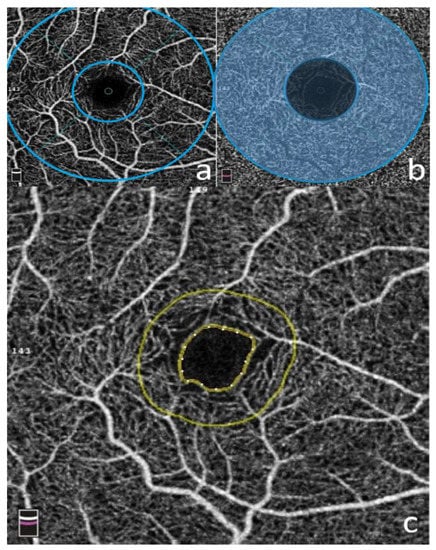
This is a cross-sectional, prospective study of a population of black diabetic participants without diabetic retinopathy aimed to investigate optical coherence tomography angiography (OCTA) characteristics and correlations with systemic diseases in this population. These parameters could serve as novel biomarkers for microvascular complications; [...] Read more.
This is a cross-sectional, prospective study of a population of black diabetic participants without diabetic retinopathy aimed to investigate optical coherence tomography angiography (OCTA) characteristics and correlations with systemic diseases in this population. These parameters could serve as novel biomarkers for microvascular complications; especially in black populations which are more vulnerable to diabetic microvascular complications. Linear mixed models were used to obtain OCTA mean values ± standard deviation and analyze statistical correlations to systemic diseases. Variables showing significance on univariate mixed model analysis were further analyzed with multivariate mixed models. 92 eyes of 52 black adult subjects were included. After multivariate analysis; signal strength intensity (SSI) and heart disease had statistical correlations to superficial capillary plexus vessel density in our population. SSI and smoking status had statistical correlations to deep capillary plexus vessel density in a univariate analysis that persisted in part of the imaging subset in a multivariate analysis. Hyperlipidemia; hypertension; smoking status and pack-years; diabetes duration; creatinine; glomerular filtration rate; total cholesterol; hemoglobin A1C; and albumin-to-creatinine ratio were not significantly associated with any OCTA measurement in multivariate analysis. Our findings suggest that OCTA measures may serve as valuable biomarkers to track systemic vascular functioning in diabetes mellitus in black patients. Full article
(This article belongs to the Special Issue The Retina in Health and Disease)
Show Figures

Figure 1