19 pages, 3812 KB  
Article
Supramolecular Interactions Induce Unexpectedly Strong Emissions from Triphenylamine-Functionalized Polytyrosine Blended with Poly(4-vinylpyridine)
by Yu-Ru Jheng 1, Mohamed Gamal Mohamed 1 and Shiao-Wei Kuo 1,2,3,*

1 Department of Materials and Optoelectronic Science, National Sun Yat-Sen University, Kaohsiung 80424, Taiwan
2 Ningbo Institute of Material Technology and Engineering, Key Laboratory of Graphene Technologies and Applications of Zhejiang Province, Chinese Academy of Science, Zhongguan West Road 1219, Ningbo 315201, China
3 Department of Medicinal and Applied Chemistry, Kaohsiung Medical University, Kaohsiung 80424, Taiwan
Polymers 2017, 9(10), 503; https://doi.org/10.3390/polym9100503 - 12 Oct 2017
Cited by 14 | Viewed by 7012
Abstract
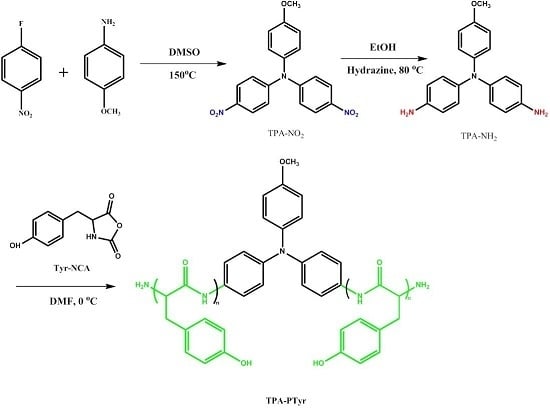
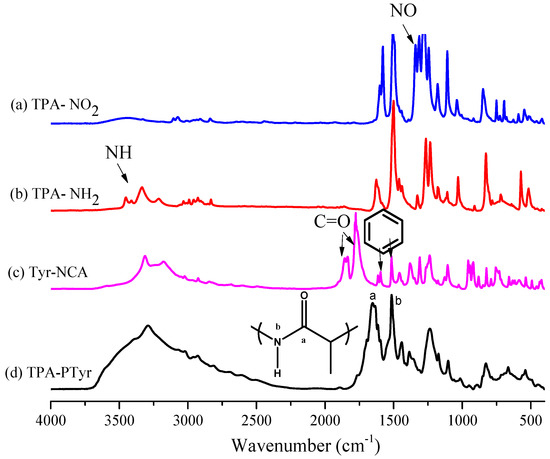
In this study, we synthesized a triphenylamine-functionalized polytyrosine (PTyr-TPA) through living ring opening polymerization with 4,4′-diamino-4″-methoxytriphenylamine (TPA-NH2) as an initiator, and used Fourier transform infrared (FTIR) and nuclear magnetic resonance spectroscopy to confirm the chemical structure. Photoluminescence spectroscopy revealed the photophysical [...] Read more.
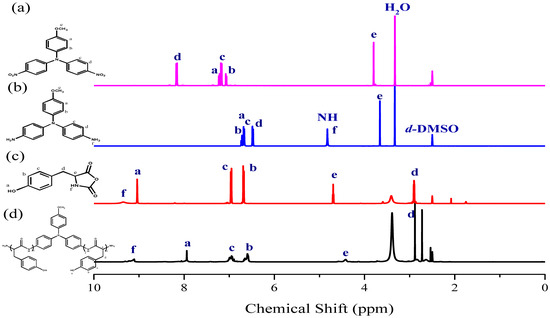
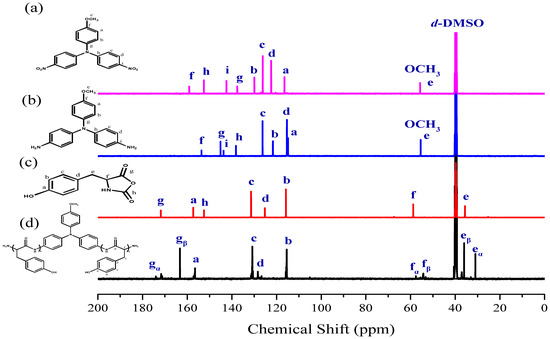
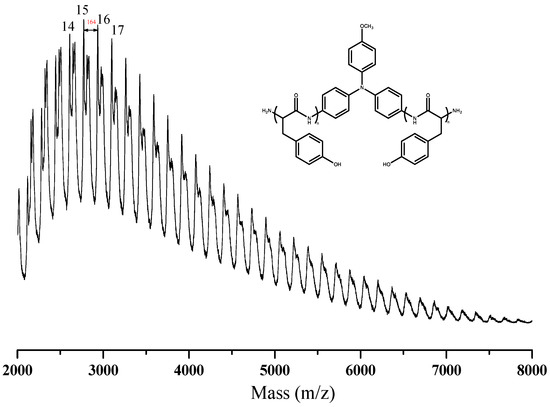
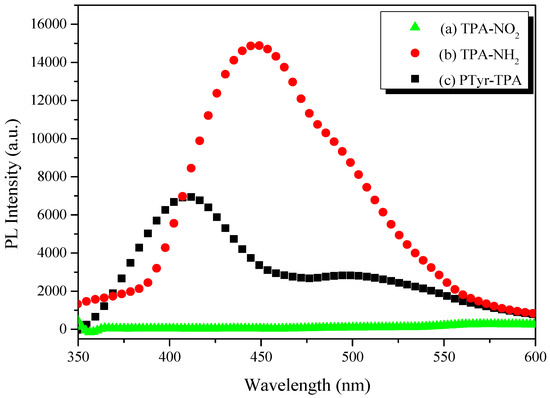
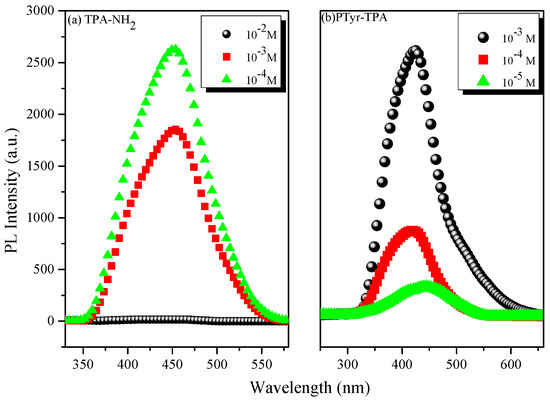
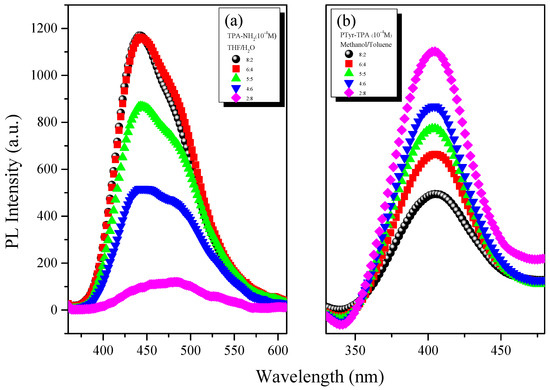
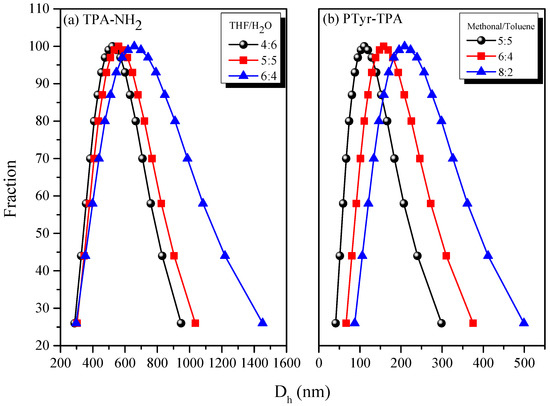
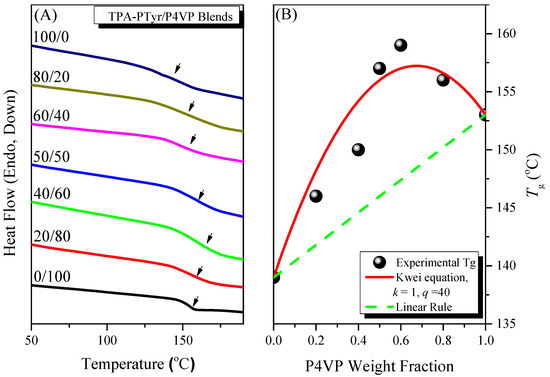
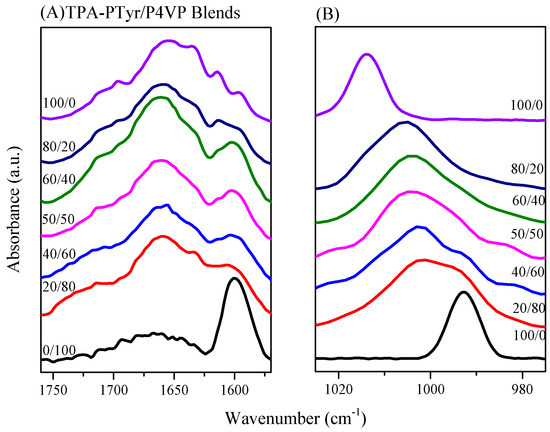
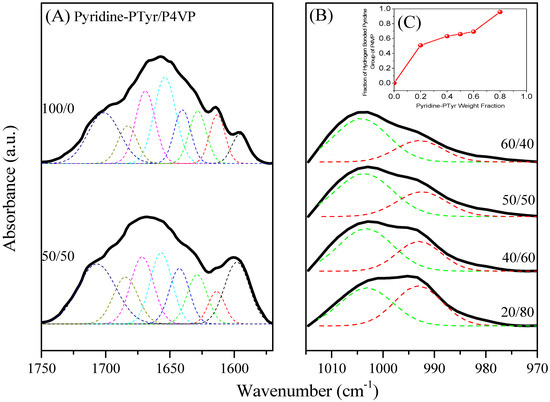
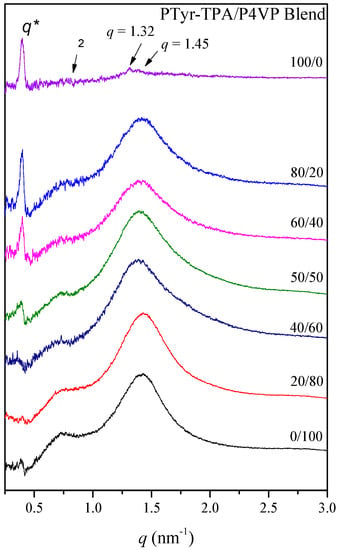
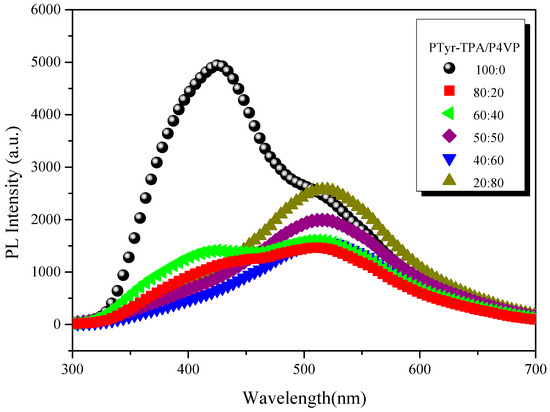
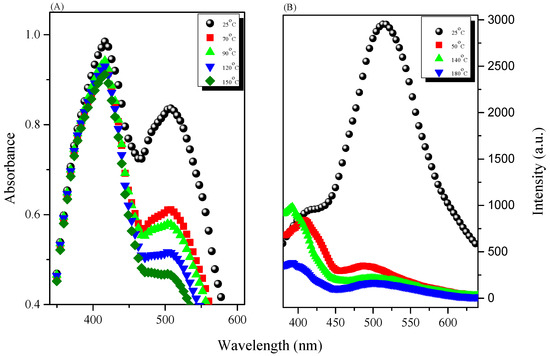
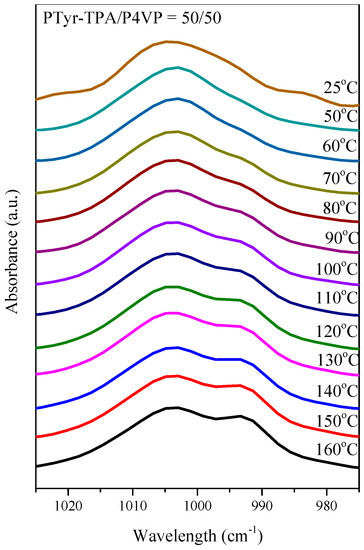
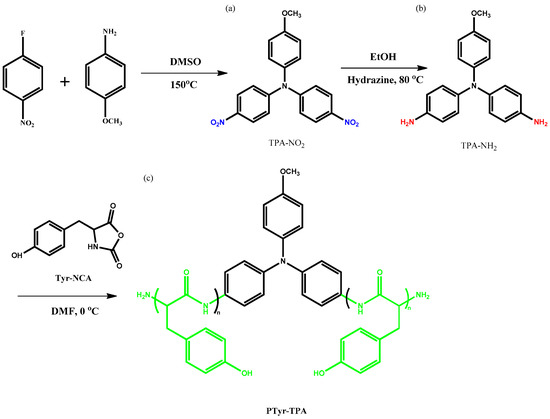
In this study, we synthesized a triphenylamine-functionalized polytyrosine (PTyr-TPA) through living ring opening polymerization with 4,4′-diamino-4″-methoxytriphenylamine (TPA-NH2) as an initiator, and used Fourier transform infrared (FTIR) and nuclear magnetic resonance spectroscopy to confirm the chemical structure. Photoluminescence spectroscopy revealed the photophysical properties of TPA-NH2 and PTyr-TPA and suggested that TPA-NH2 exhibited aggregation-caused quenching; in contrast, attaching the initiator to the rigid rod conformation of the PTyr segments caused PTyr-TPA to display aggregation-induced emission behavior. Differential scanning calorimetry revealed single glass transition temperatures for miscible PTyr-TPA/P4VP blends, the result of intermolecular hydrogen bonding between the pyridine units of P4VP and the phenolic OH units of PTyr-TPA, as confirmed through FTIR spectroscopic analyses. Furthermore, the chain behavior of PTyr-TPA transformed from a β-sheet conformation to random coils after blending with P4VP, as determined using wide-angle X-ray diffraction. These findings suggest that the decreased emission intensity of PTyr-TPA resulted from release of the restricted intramolecular rotation of the triphenylamine moiety in the polypeptide center. Full article
(This article belongs to the Special Issue Smart Polymers)
Show Figures

Graphical abstract
19 pages, 5523 KB  
Article
Fabrication of Al2O3 Nano-Structure Functional Film on a Cellulose Insulation Polymer Surface and Its Space Charge Suppression Effect
by Jian Hao 1,*, Yanqing Li 1, Ruijin Liao 1, Guoyong Liu 2, Qiang Liao 3 and Chao Tang 4
1 The State Key Laboratory of Power Transmission Equipment & System Security and New Technology, Chongqing University, Chongqing 400044, China
2 College of Material Science and Engineering, Chongqing University, Chongqing 400044, China
3 College of Power Engineering, Chongqing University, Chongqing 400044, China
4 College of Engineering and Technology, Southwest University, Chongqing 400715, China
Polymers 2017, 9(10), 502; https://doi.org/10.3390/polym9100502 - 12 Oct 2017
Cited by 38 | Viewed by 7233
Abstract
Cellulose insulation polymer (paper/pressboard) has been widely used in high voltage direct current (HVDC) transformers. One of the most challenging issues in the insulation material used for HVDC equipment is the space charge accumulation. Effective ways to suppress the space charge injection/accumulation in [...] Read more.
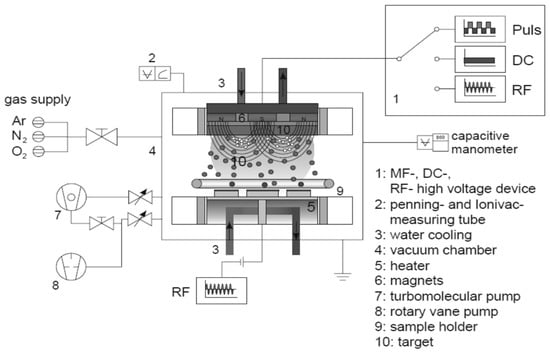
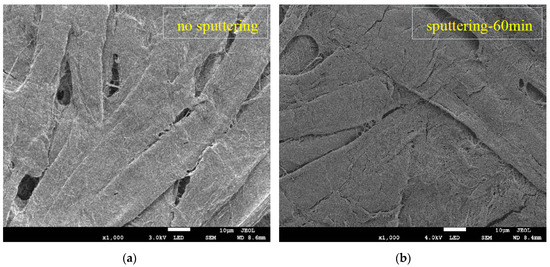
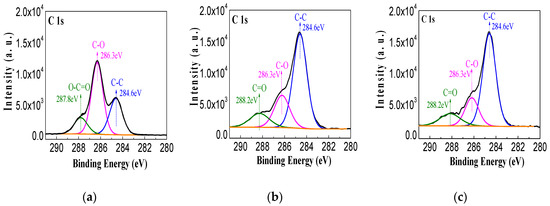
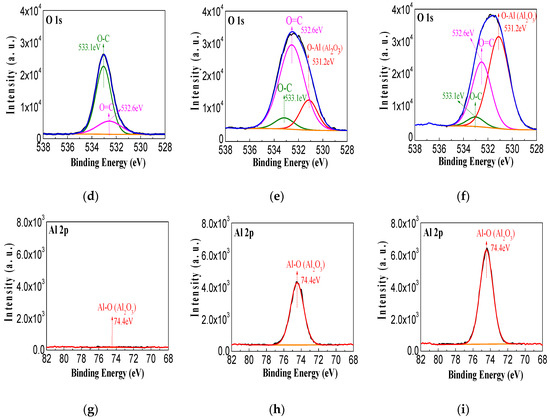
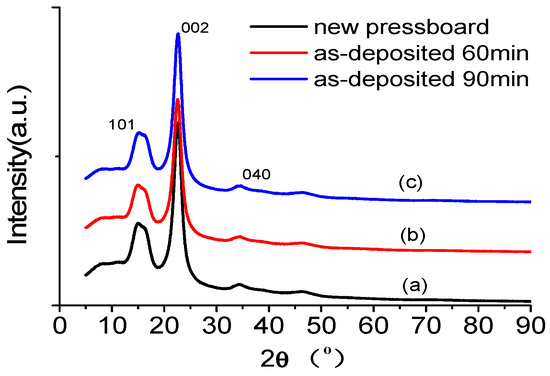
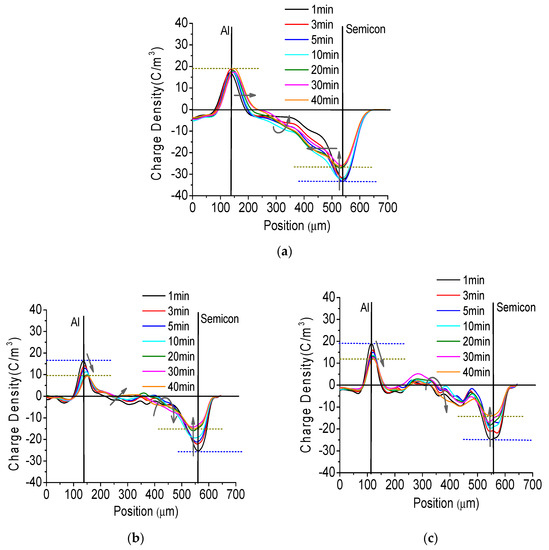
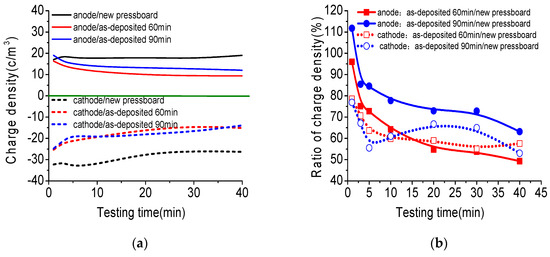
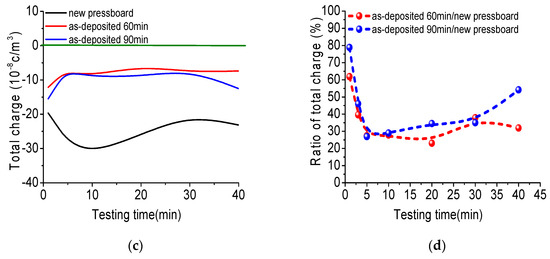
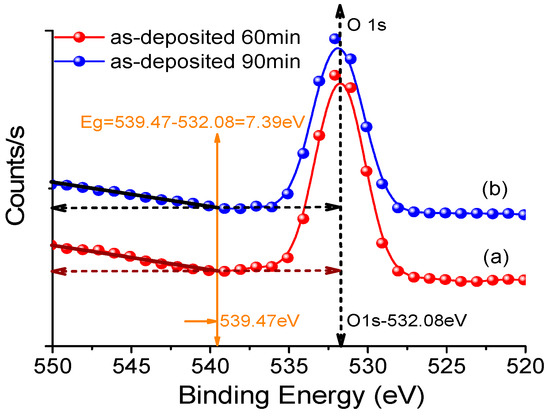
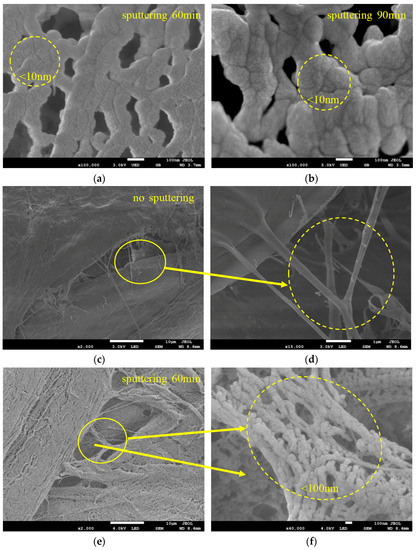
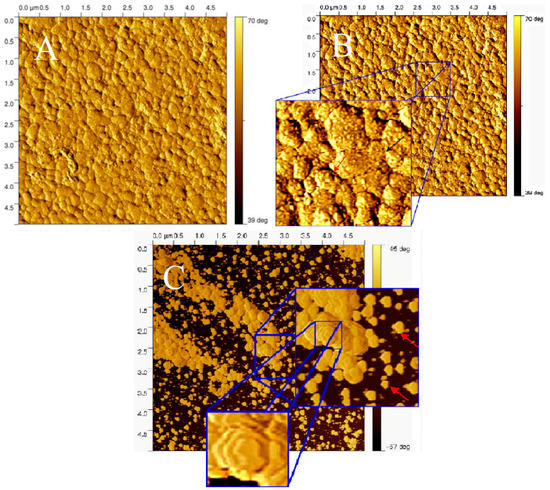
Cellulose insulation polymer (paper/pressboard) has been widely used in high voltage direct current (HVDC) transformers. One of the most challenging issues in the insulation material used for HVDC equipment is the space charge accumulation. Effective ways to suppress the space charge injection/accumulation in insulation material is currently a popular research topic. In this study, an aluminium oxide functional film was deposited on a cellulose insulation pressboard surface using reactive radio frequency (RF) magnetron sputtering. The sputtered thin film was characterized by the scanning electron microscopy/energy dispersive spectrometer (SEM/EDS), X-ray photoelectron spectroscopy (XPS), and X-ray diffraction (XRD). The influence of the deposited functional film on the dielectric properties and the space charge injection/accumulation behaviour was investigated. A preliminary exploration of the space charge suppression effect is discussed. SEM/EDS, XPS, and XRD results show that the nano-structured Al2O3 film with amorphous phase was successfully fabricated onto the fibre surface. The cellulose insulation pressboard surface sputtered by Al2O3 film has lower permittivity, conductivity, and dissipation factor values in the lower frequency (<103 Hz) region. The oil-impregnated sputtered pressboard presents an apparent space-charge suppression effect. Compared with the pressboard sputtered with Al2O3 film for 90 min, the pressboard sputtered with Al2O3 film for 60 min had a better space charge suppression effect. Ultra-small Al2O3 particles (<10 nm) grew on the surface of the larger nanoparticles. The nano-structured Al2O3 film sputtered on the fibre surface could act as a functional barrier layer for suppression of the charge injection and accumulation. This study offers a new perspective in favour of the application of insulation pressboard with a nano-structured function surface against space charge injection/accumulation in HVDC equipment. Full article
(This article belongs to the Collection Polysaccharides)
Show Figures

Figure 1

16 pages, 559 KB  
Article
Influence of Polymer Relaxation Time on the Electrospinning Process: Numerical Investigation
by Siddharth Gadkari 1,2
1 Department of Mechanical and Aerospace Engineering, Monash University, Clayton 3168, Australia
2 Department of Chemical Engineering, Indian Institute of Technology–Bombay, Mumbai 400076, India
Polymers 2017, 9(10), 501; https://doi.org/10.3390/polym9100501 - 12 Oct 2017
Cited by 29 | Viewed by 7054
Abstract
“Electrospinnability”, or the ease with which a solution can be used to obtain bead-free uniform fibers, depends on a large number of parameters, including solution properties, process parameters and ambient conditions. In this study, the effect of the polymer relaxation time on electrospinning [...] Read more.
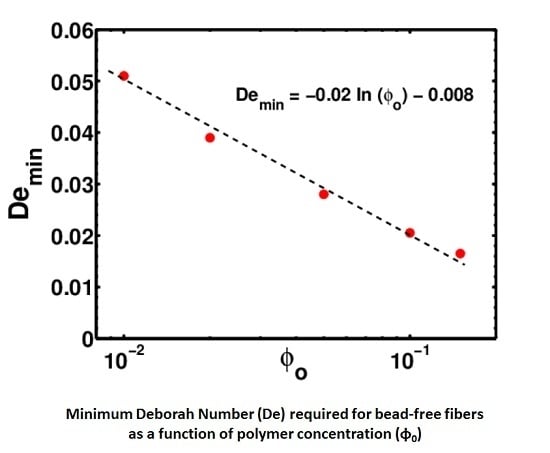
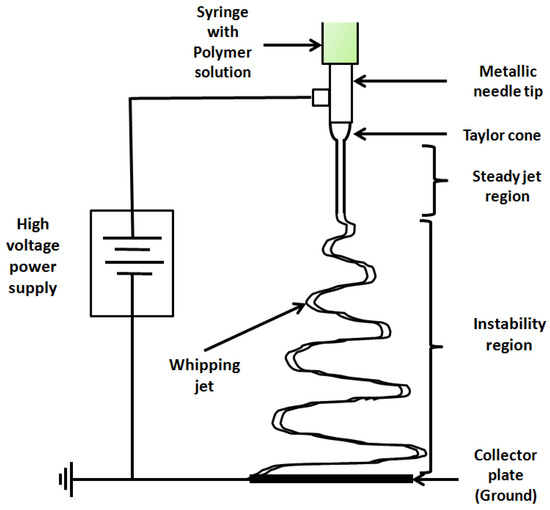
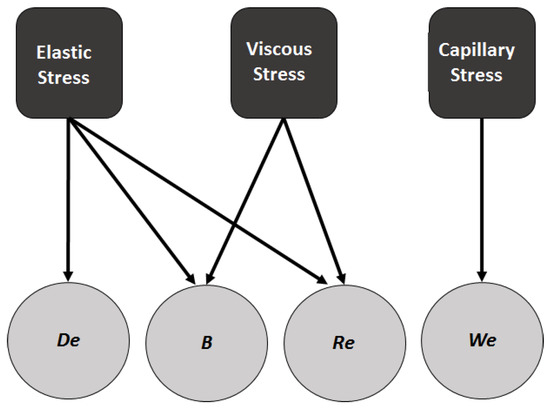
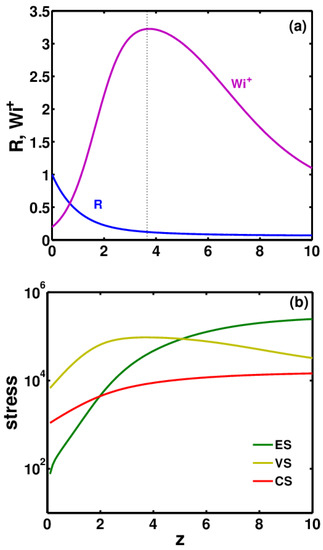
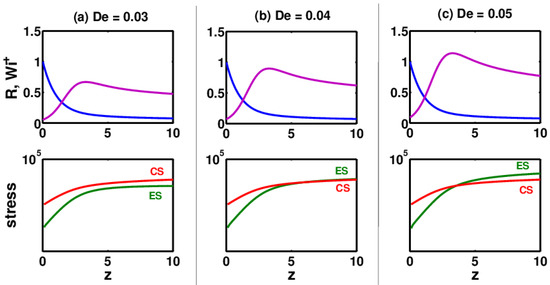
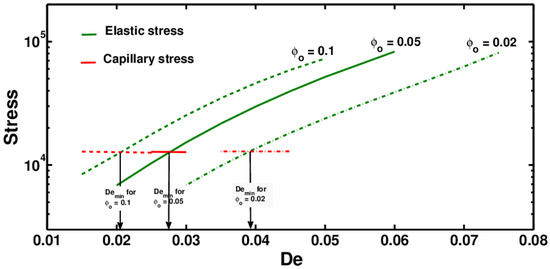
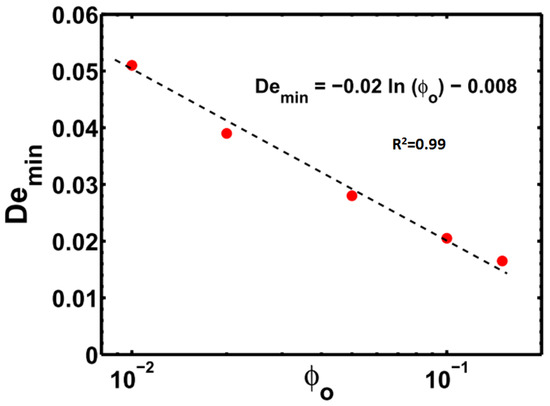
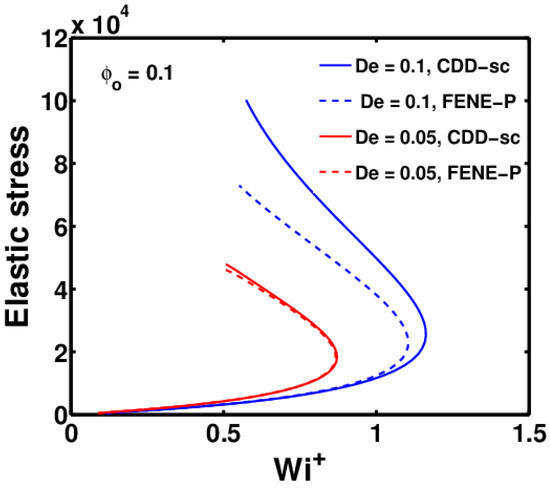
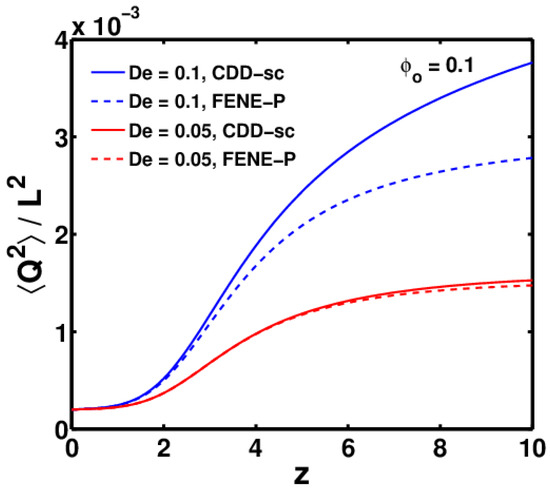
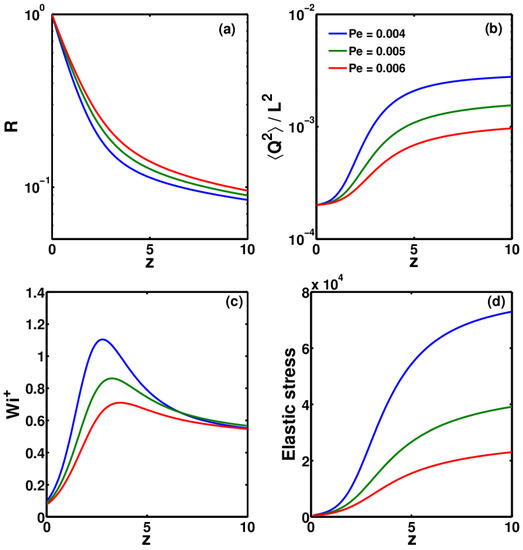
“Electrospinnability”, or the ease with which a solution can be used to obtain bead-free uniform fibers, depends on a large number of parameters, including solution properties, process parameters and ambient conditions. In this study, the effect of the polymer relaxation time on electrospinning of dilute polymer solutions is investigated numerically. It is shown that elastic stresses (ES) increase exponentially with the Deborah number ( D e ). For each polymer concentration there exists a critical D e below which the ES are insufficient to overcome capillary stresses (CS) and lead to the formation of beaded fibers. However, above the critical D e , there is a higher probability of the ES overcoming the CS and leading to the formation of uniform fibers. This analysis suggests the possibility of improved electrospinnability even with dilute polymer solutions, provided the relaxation time is sufficiently large. It is also found that changes in the drag coefficient due to change in the polymer conformation and self-concentration of polymer molecules would become significant for the electrospinning of polymer solutions with a longer relaxation time and high conductivity. Full article
Show Figures

Graphical abstract
18 pages, 2060 KB  
Review
Synthesis and Application of Aurophilic Poly(Cysteine) and Poly(Cysteine)-Containing Copolymers
by David Ulkoski and Carmen Scholz *
Department of Chemistry, University of Alabama, 301 Sparkman Dr., Huntsville, AL 35899, USA
Polymers 2017, 9(10), 500; https://doi.org/10.3390/polym9100500 - 11 Oct 2017
Cited by 13 | Viewed by 10278
Abstract
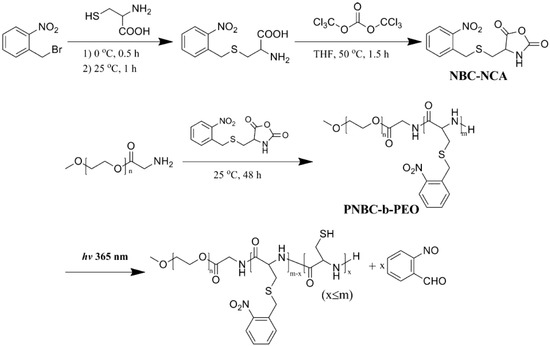
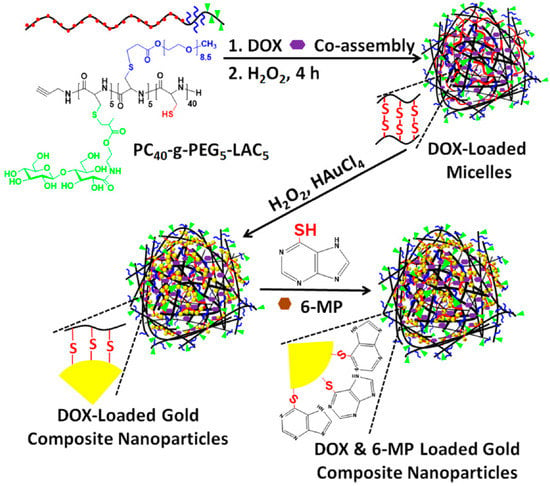
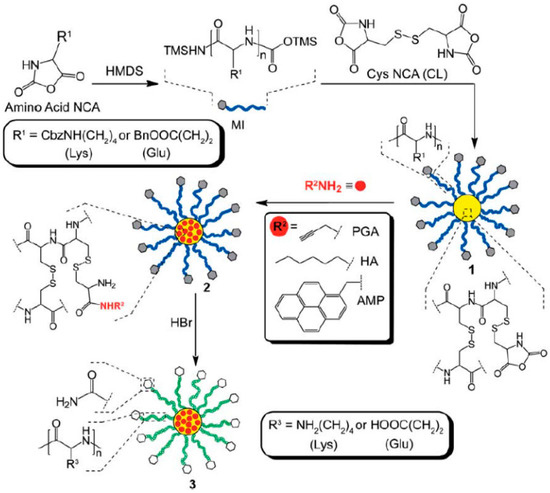
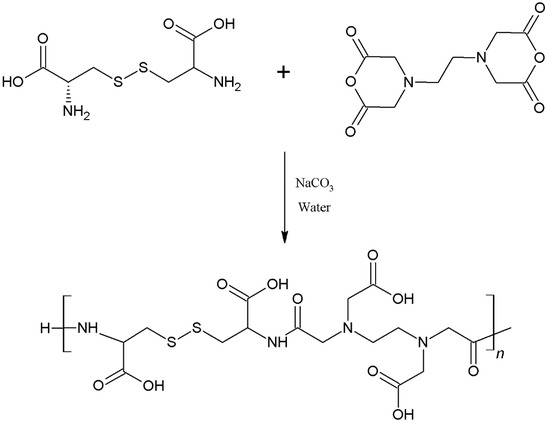
The redox capacity, as well as the aurophilicity of the terminal thiol side groups, in poly(Cysteine) lend a unique characteristic to this poly(amino acid) or polypeptide. There are two major application fields for this polymer: (i) biomedical applications in drug delivery and surface [...] Read more.
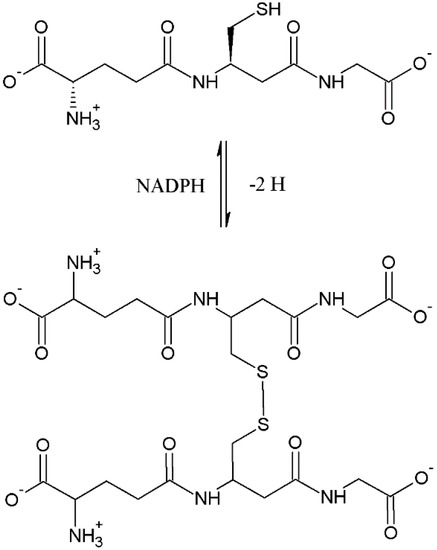
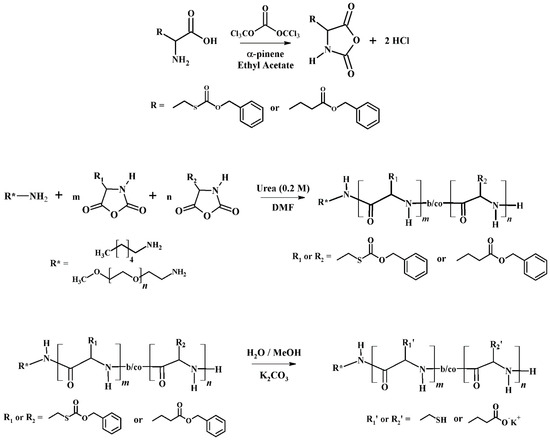
The redox capacity, as well as the aurophilicity of the terminal thiol side groups, in poly(Cysteine) lend a unique characteristic to this poly(amino acid) or polypeptide. There are two major application fields for this polymer: (i) biomedical applications in drug delivery and surface modification of biomedical devices and (ii) as coating for electrodes to enhance their electrochemical sensitivity. The intended application determines the synthetic route for p(Cysteine). Polymers to be used in biomedical applications are typically polymerized from the cysteine N-carboxyanhydride by a ring-opening polymerization, where the thiol group needs to be protected during the polymerization. Advances in this methodology have led to conditions under which the polymerization progresses as living polymerization, which allows for a strict control of the molecular architecture, molecular weight and polydispersity and the formation of block copolymers, which eventually could display polyphilic properties. Poly(Cysteine) used as electrode coating is typically polymerized onto the electrode by cyclic voltammetry, which actually produces a continuous, pinhole-free film on the electrode via the formation of covalent bonds between the amino group of Cysteine and the carbon of the electrode. This resulting coating is chemically very different from the well-defined poly(Cysteine) obtained by ring-opening polymerizations. Based on the structure of cysteine a significant degree of cross-linking within the coating deposited by cyclic voltammetry can be assumed. This manuscript provides a detailed discussion of the ring-opening polymerization of cysteine, a brief consideration of the role of glutathione, a key cysteine-containing tripeptide, and examples for the utilization of poly(Cysteine) and poly(Cysteine)-containing copolymers, in both, the biomedical as well as electrochemical realm. Full article
(This article belongs to the Special Issue From Amphiphilic to Polyphilic Polymers)
Show Figures

Graphical abstract
24 pages, 4275 KB  
Review
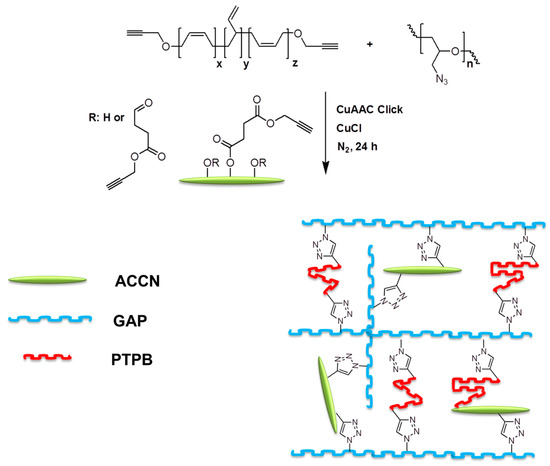
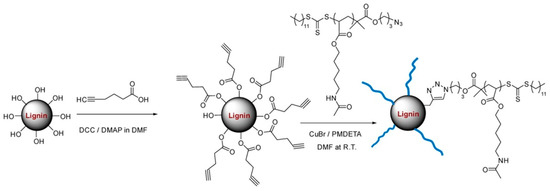
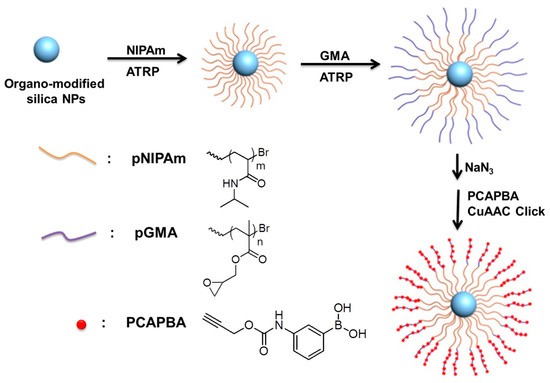
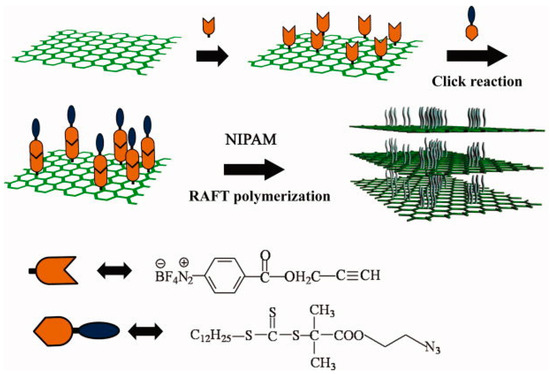
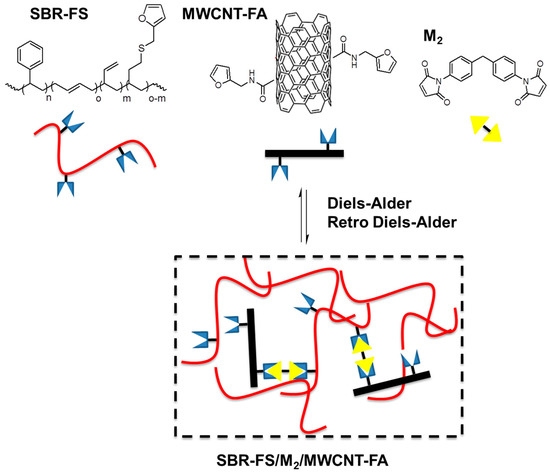
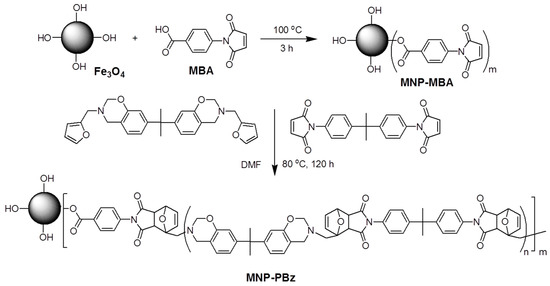
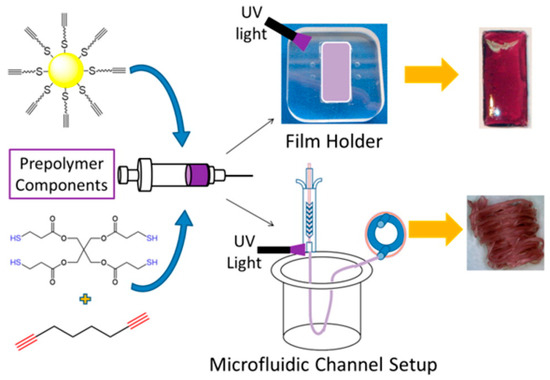
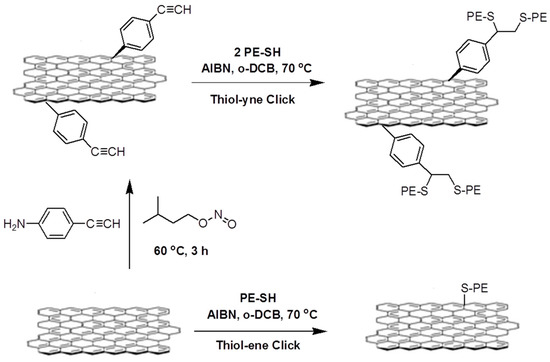
Polymer Nanocomposites via Click Chemistry Reactions
by Mehmet Arslan * and Mehmet Atilla Tasdelen *
Department of Polymer Engineering, Faculty of Engineering, Yalova University, 77200 Yalova, Turkey
Polymers 2017, 9(10), 499; https://doi.org/10.3390/polym9100499 - 11 Oct 2017
Cited by 51 | Viewed by 15198
Abstract
The emerging areas of polymer nanocomposites, as some are already in use in industrial applications and daily commodities, have the potential of offering new technologies with all manner of prominent capabilities. The incorporation of nanomaterials into polymeric matrix provides significant improvements, such as [...] Read more.
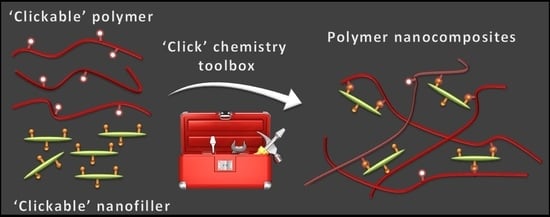
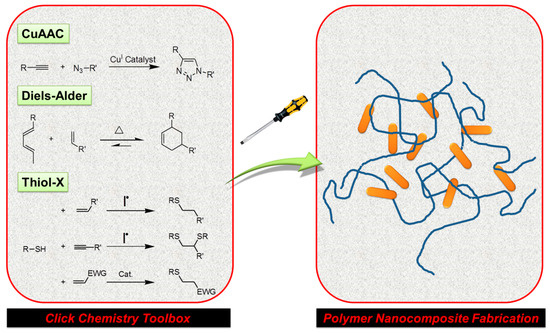
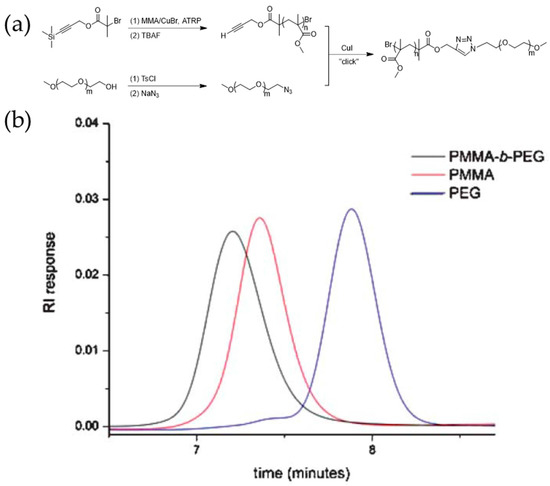
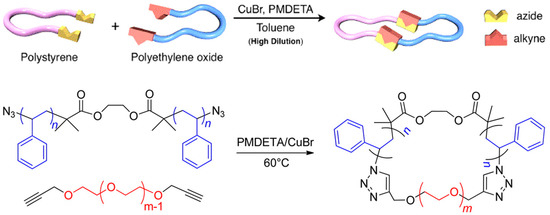
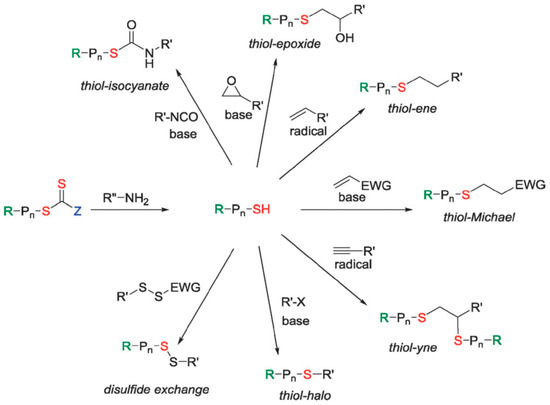
The emerging areas of polymer nanocomposites, as some are already in use in industrial applications and daily commodities, have the potential of offering new technologies with all manner of prominent capabilities. The incorporation of nanomaterials into polymeric matrix provides significant improvements, such as higher mechanical, thermal or electrical properties. In these materials, interface/interphase of components play a crucial role bringing additional features on the resulting nanocomposites. Among the various preparation strategies of such materials, an appealing strategy relies on the use of click chemistry concept as a multi-purpose toolbox for both fabrication and modulation of the material characteristics. This review aims to deliver new insights to the researchers of the field by noticing effective click chemistry-based methodologies on the preparation of polymer nanocomposites and their key applications such as optic, biomedical, coatings and sensor. Full article
(This article belongs to the Special Issue Polymer Nanocomposites)
Show Figures

Graphical abstract
11 pages, 1173 KB  
Article
Microwave-Assisted Synthesis of Nanoporous Aluminum-Based Coordination Polymers as Catalysts for Selective Sulfoxidation Reaction
by Madhan Vinu, Wei-Cheng Lin, Duraisamy Senthil Raja, Jeng-Liang Han * and Chia-Her Lin *
Department of Chemistry, Chung Yuan Christian University, Chung Li, Taoyuan 32023, Taiwan
Polymers 2017, 9(10), 498; https://doi.org/10.3390/polym9100498 - 11 Oct 2017
Cited by 34 | Viewed by 8678
Abstract
A series of aluminum-based coordination polymers or metal–organic frameworks (Al–MOFs), i.e., DUT-4, DUT-5, MIL-53, NH2-MIL-53, and MIL-100, have been facile prepared by microwave (MW)-assisted reactions and used as catalysts for selective sulfoxidation reactions. The MW-assisted synthesis drastically reduced the reaction time [...] Read more.
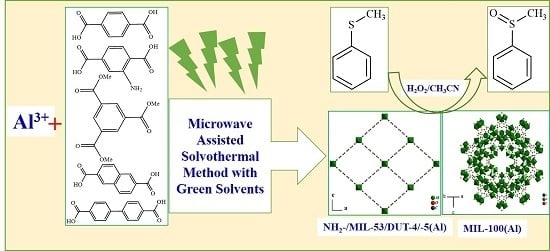
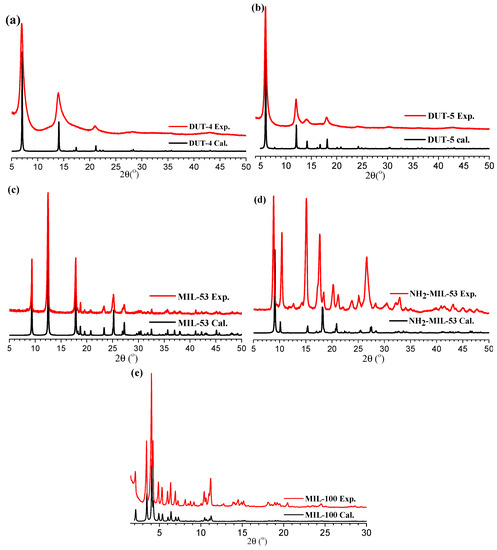
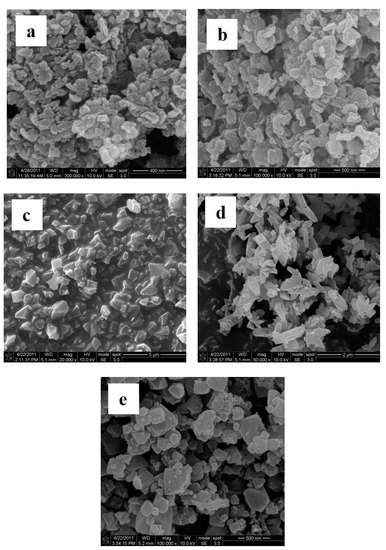
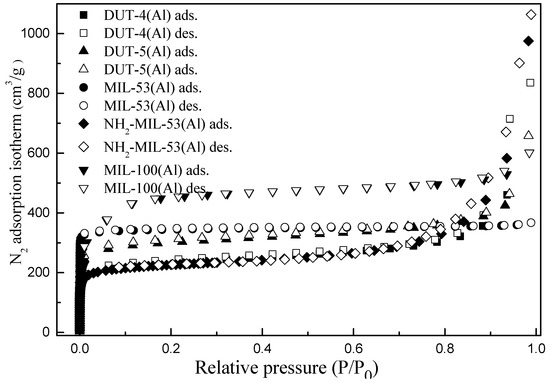
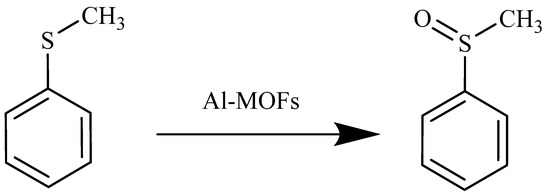
A series of aluminum-based coordination polymers or metal–organic frameworks (Al–MOFs), i.e., DUT-4, DUT-5, MIL-53, NH2-MIL-53, and MIL-100, have been facile prepared by microwave (MW)-assisted reactions and used as catalysts for selective sulfoxidation reactions. The MW-assisted synthesis drastically reduced the reaction time from few days to hours. The prepared MOFs have smaller and uniform particle sizes and better yield compared to conventional hydrothermal method. Furthermore, the Al–MOFs have been successfully demonstrated as catalysts in oxidation reaction of methyl phenyl sulfide with H2O2 as oxidant, even under mild conditions, with more than 95% conversion. Full article
(This article belongs to the Special Issue Coordination Polymer)
Show Figures

Graphical abstract
24 pages, 13360 KB  
Article
Facile Synthesis of Electroactive and Electrochromic Triptycene Poly(ether-imide)s Containing Triarylamine Units via Oxidative Electro-Coupling
by Sheng-Huei Hsiao * and Yu-Chuan Liao
Department of Chemical Engineering and Biotechnology, National Taipei University of Technology, No. 1, Sec. 3, Chunghsiao East Rd., Taipei 10608, Taiwan
Polymers 2017, 9(10), 497; https://doi.org/10.3390/polym9100497 - 10 Oct 2017
Cited by 14 | Viewed by 7785
Abstract
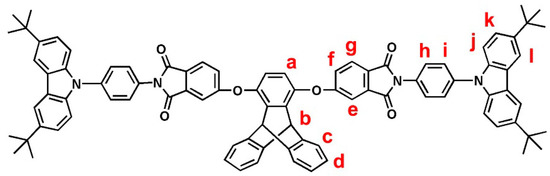
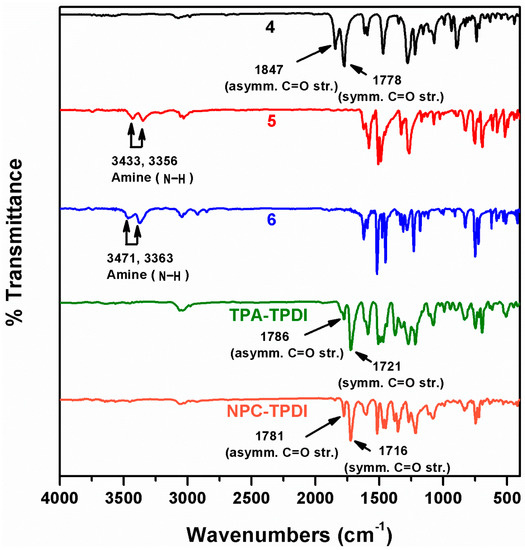
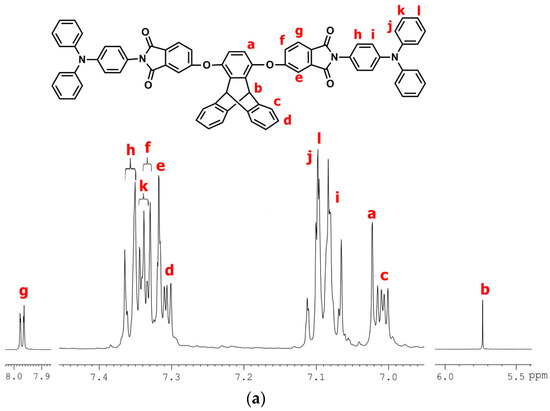
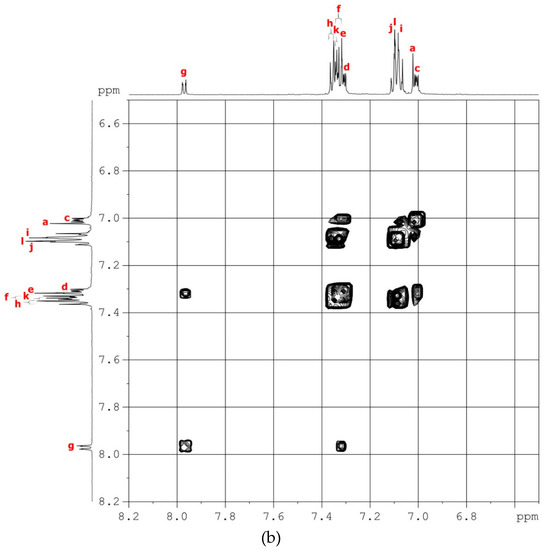
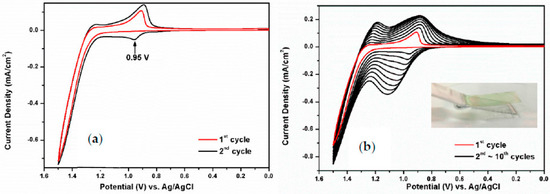
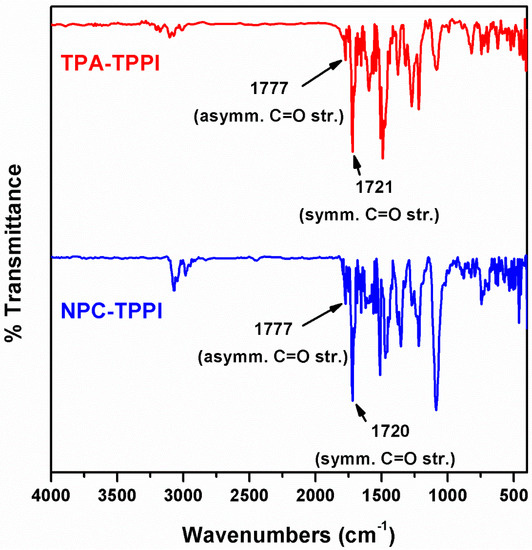
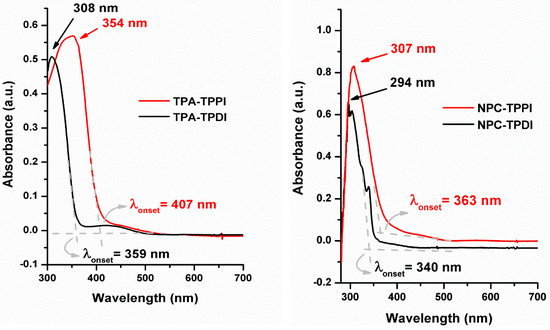
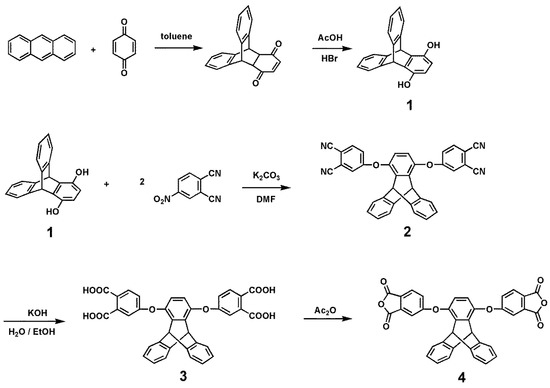
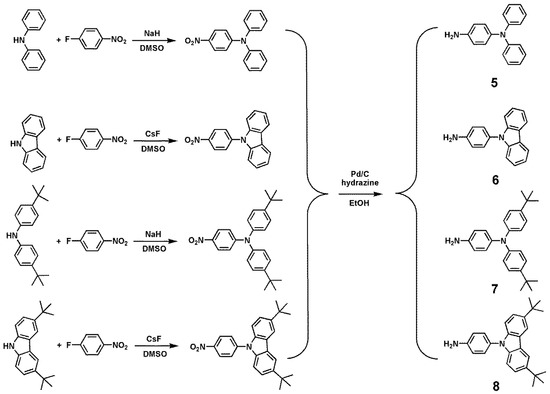
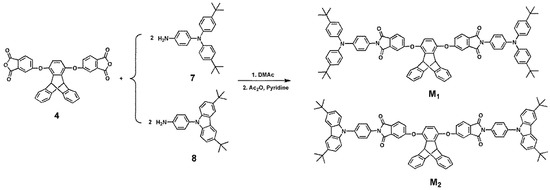
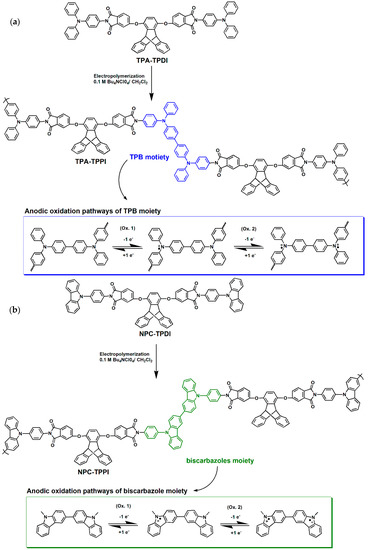
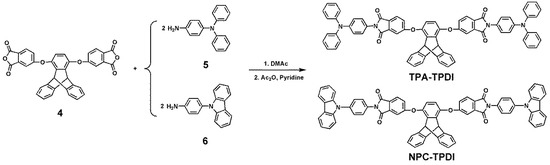
Two bisimide compounds, TPA–TPDI and NPC–TPDI, consisting of a triptycene core and two triphenylamine (TPA) or N-phenylcarbazole (NPC) end groups were successfully synthesized by the condensation reactions from 1,4-bis(3,4-dicarboxyphenoxy)triptycene dianhydride with 4-aminotriphenylamine and N-(4-aminophenyl)carbazole, respectively. These two monomers could polymerize electrochemically via the [...] Read more.
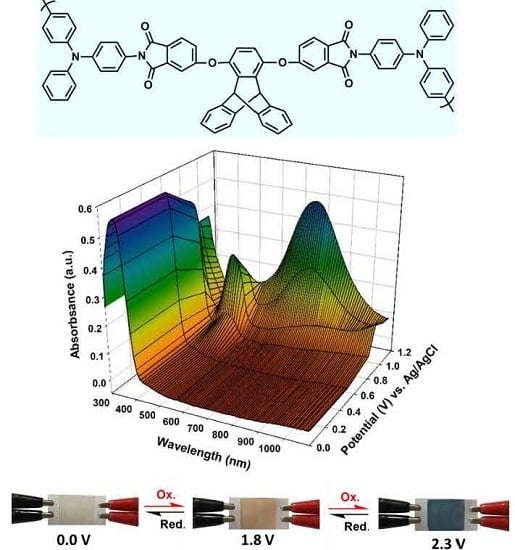
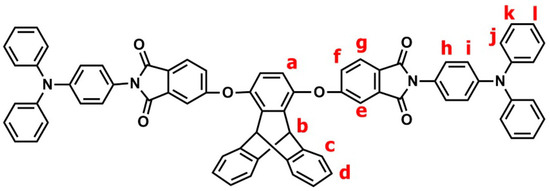
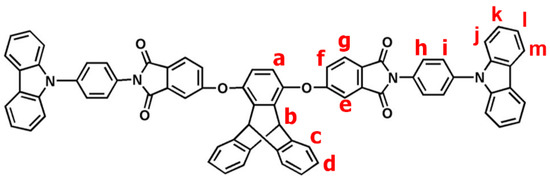
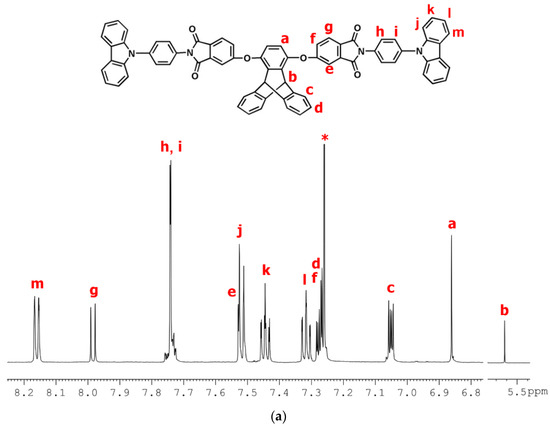
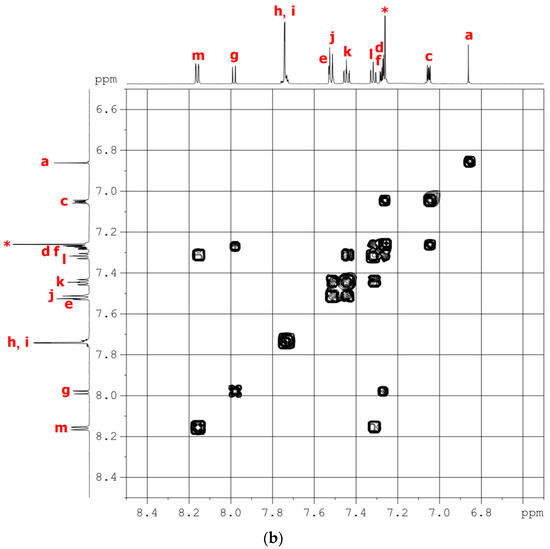
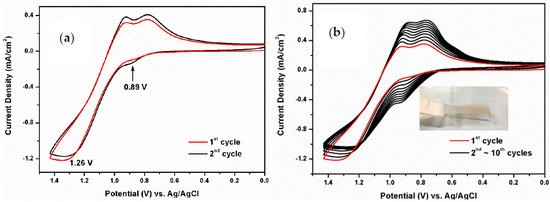
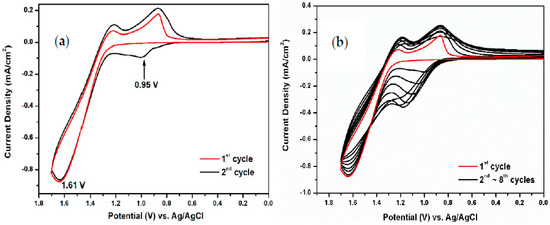
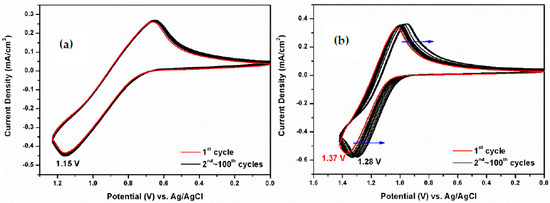
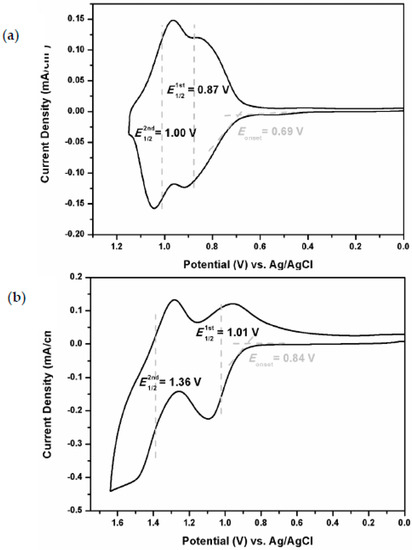
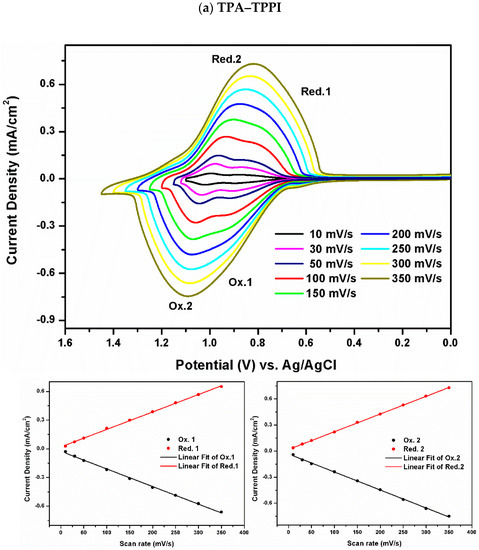
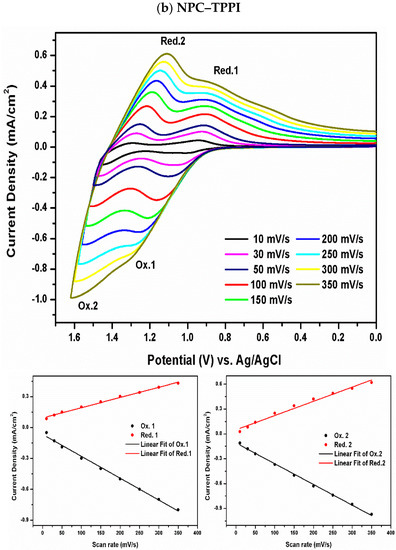
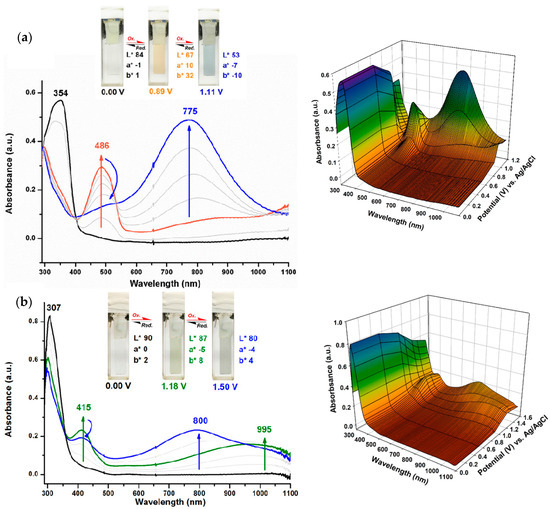
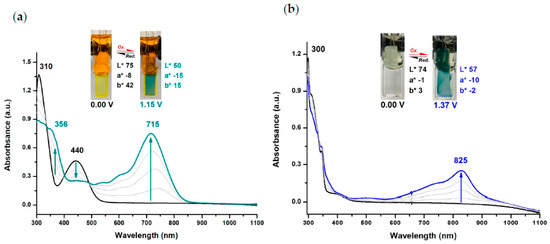
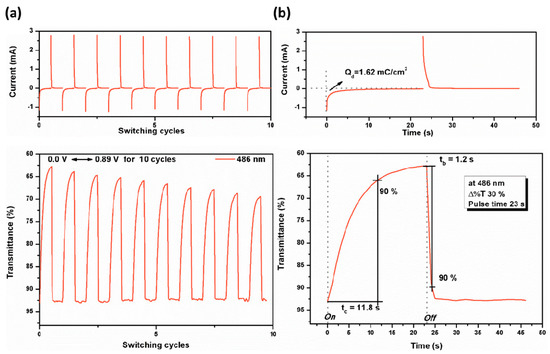
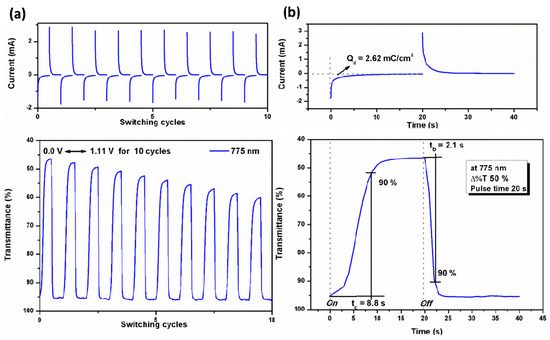
Two bisimide compounds, TPA–TPDI and NPC–TPDI, consisting of a triptycene core and two triphenylamine (TPA) or N-phenylcarbazole (NPC) end groups were successfully synthesized by the condensation reactions from 1,4-bis(3,4-dicarboxyphenoxy)triptycene dianhydride with 4-aminotriphenylamine and N-(4-aminophenyl)carbazole, respectively. These two monomers could polymerize electrochemically via the oxidative coupling reactions of triarylamine units. The electrochemical and spectroelectrochemical properties of the electro-generated triptycene poly(ether-imide)s (TPA–TPPI and NPC–TPPI) were studied. Both polymers have two colored oxidation states, and TPA–TPPI showed better electrochromic performance than NPC–TPPI. Full article
(This article belongs to the Special Issue High Performance Polymers)
Show Figures

Graphical abstract
19 pages, 2778 KB  
Review
Systematic Development Strategy for Smart Devices Based on Shape-Memory Polymers
by Andrés Díaz Lantada
Product Development Lab, Mechanical Engineering Department, Universidad Politecnica de Madrid, C/Jose Gutierrez Abascal 2, 28006 Madrid, Spain
Polymers 2017, 9(10), 496; https://doi.org/10.3390/polym9100496 - 10 Oct 2017
Cited by 36 | Viewed by 8755
Abstract
Shape-memory polymers are outstanding “smart” materials, which can perform important geometrical changes, when activated by several types of external stimuli, and which can be applied to several emerging engineering fields, from aerospace applications, to the development of biomedical devices. The fact that several [...] Read more.
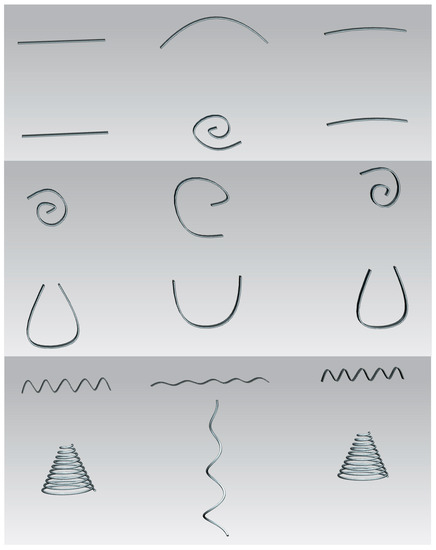
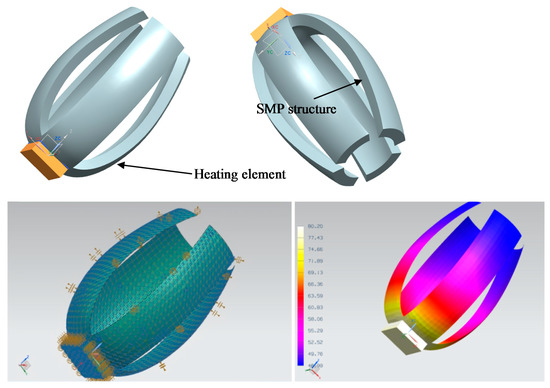
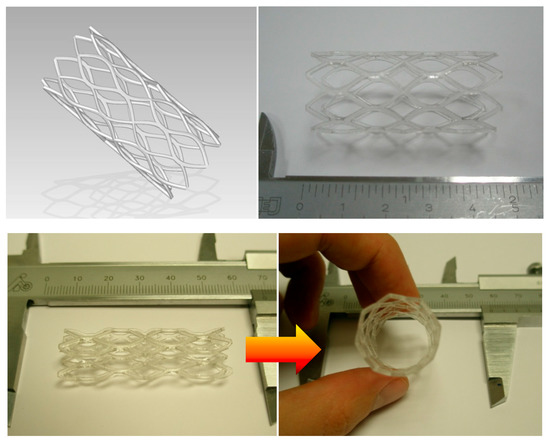
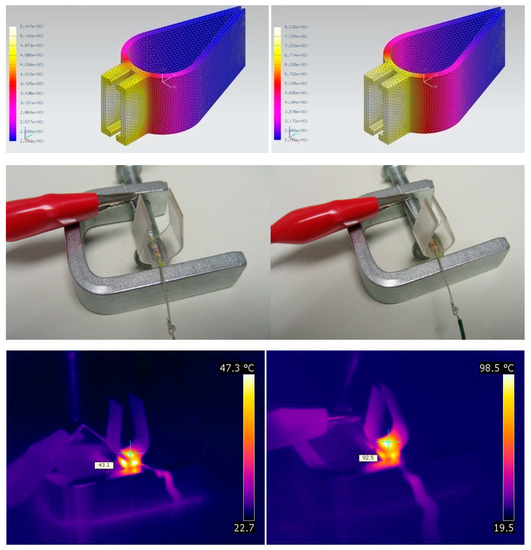
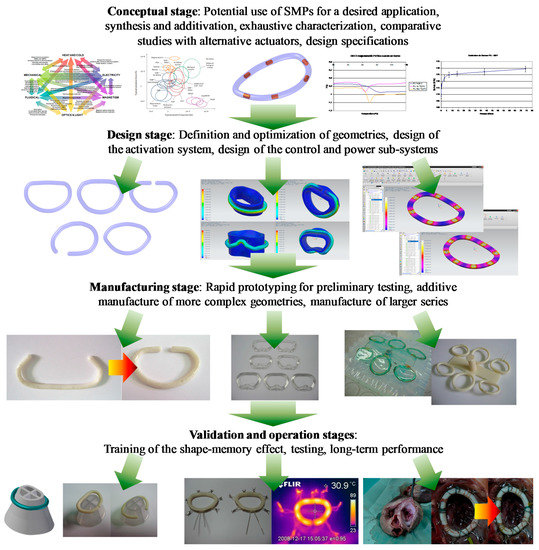
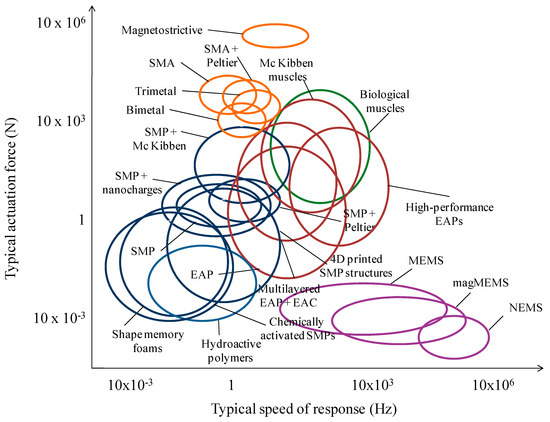
Shape-memory polymers are outstanding “smart” materials, which can perform important geometrical changes, when activated by several types of external stimuli, and which can be applied to several emerging engineering fields, from aerospace applications, to the development of biomedical devices. The fact that several shape-memory polymers can be structured in an additive way is an especially noteworthy advantage, as the development of advanced actuators with complex geometries for improved performance can be achieved, if adequate design and manufacturing considerations are taken into consideration. Present study presents a review of challenges and good practices, leading to a straightforward methodology (or integration of strategies), for the development of “smart” actuators based on shape-memory polymers. The combination of computer-aided design, computer-aided engineering and additive manufacturing technologies is analyzed and applied to the complete development of interesting shape-memory polymer-based actuators. Aspects such as geometrical design and optimization, development of the activation system, selection of the adequate materials and related manufacturing technologies, training of the shape-memory effect, final integration and testing are considered, as key processes of the methodology. Current trends, including the use of low-cost 3D and 4D printing, and main challenges, including process eco-efficiency and biocompatibility, are also discussed and their impact on the proposed methodology is considered. Full article
(This article belongs to the Special Issue Shape Memory Polymers)
Show Figures

Figure 1

16 pages, 3526 KB  
Article
Isolation and Characterization of Cellulose from Different Fruit and Vegetable Pomaces
by Monika Szymańska-Chargot *, Monika Chylińska, Karolina Gdula, Arkadiusz Kozioł and Artur Zdunek
Institute of Agrophysics, Polish Academy of Sciences, Doswiadczalna 4, 20-290 Lublin, Poland
Polymers 2017, 9(10), 495; https://doi.org/10.3390/polym9100495 - 9 Oct 2017
Cited by 253 | Viewed by 22565
Abstract
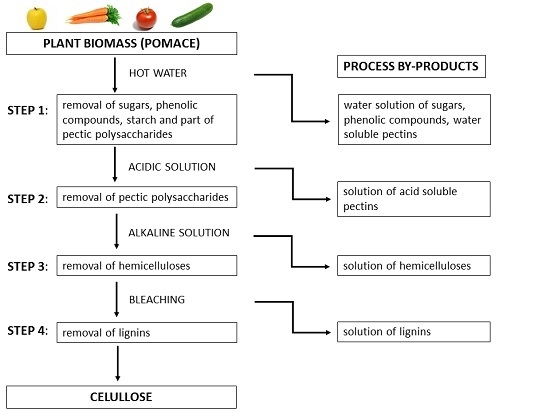
A new fractionation process was developed to achieve valorization of fruit and vegetable pomaces. The importance of the residues from fruits and vegetables is still growing; therefore; the study presents the novel route of a fractioning process for the conversion of agro-industrial biomasses, [...] Read more.
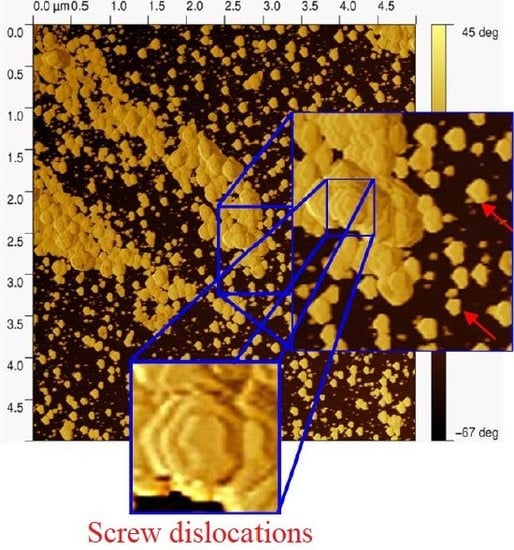
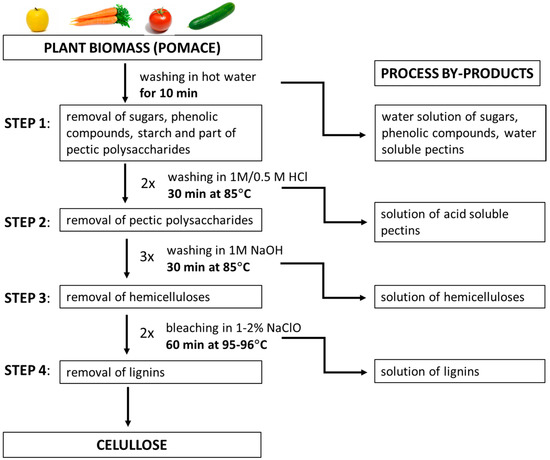
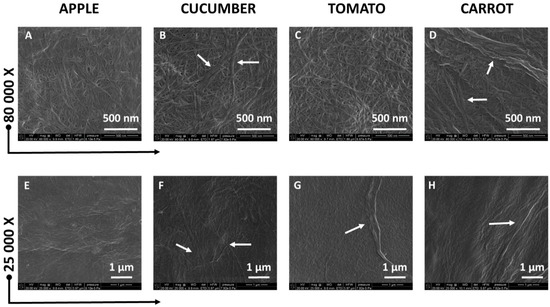
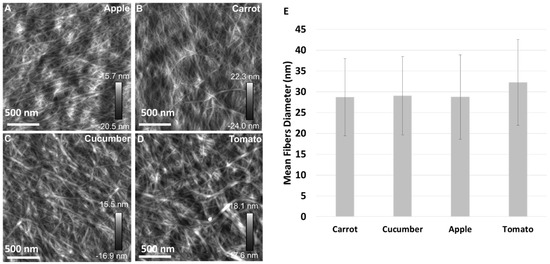
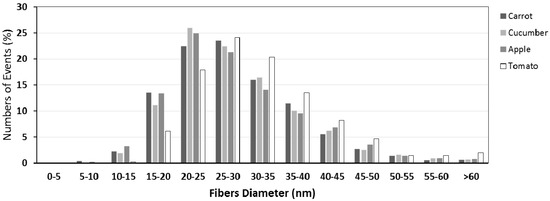
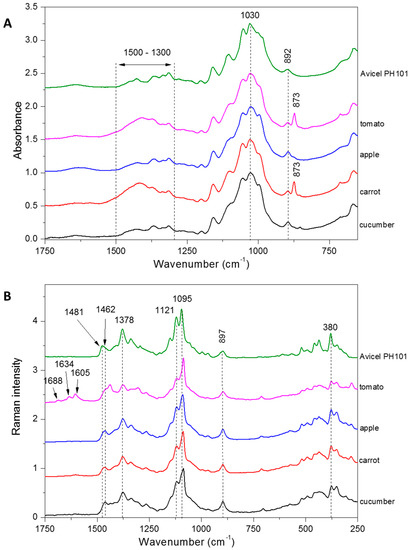
A new fractionation process was developed to achieve valorization of fruit and vegetable pomaces. The importance of the residues from fruits and vegetables is still growing; therefore; the study presents the novel route of a fractioning process for the conversion of agro-industrial biomasses, such as pomaces, into useful feedstocks with potential application in the fields of fuels, chemicals, and polymers. Hence, the biorefinery process is expected to convert them into various by-products offering a great diversity of low-cost materials. The final product of the process is the cellulose of the biofuel importance. The study presents the novel route of the fractioning process for the conversion of agro-industrial biomasses, such as pomaces, into useful feedstocks with a potential application in the fields of fuels, chemicals, and polymers. Therefore the aim of this paper was to present the novel route of the pomaces fraction and the characterization of residuals. Pomaces from apple, cucumber, carrot, and tomato were treated sequentially with water, acidic solution, alkali solution, and oxidative reagent in order to obtain fractions reach in sugars, pectic polysaccharides, hemicellulose, cellulose, and lignin. Pomaces were characterized by dry matter content, neutral detergent solubles, hemicellulose, cellulose, and lignin. Obtained fractions were characterized by the content of pectins expressed as galacturonic acid equivalent and hemicelluloses expressed as a xyloglucan equivalent. The last fraction and residue was cellulose characterized by crystallinity degree by X-ray diffractometer (XRD), microfibril diameter by atomic force microscope (AFM), and overall morphology by scanning electron microscope (SEM). The hemicelluloses content was similar in all pomaces. Moreover, all the materials were characterized by the high pectins level in extracts evaluated as galacturonic acid content. The lignins content compared with other plant biomasses was on a very low level. The cellulose fraction was the highest in cucumber pomace. The cellulose fraction was characterized by crystallinity degree, microfibril diameter, and overall morphology. Isolated cellulose had a very fine structure with relatively high crystalline index but small crystallites. Full article
(This article belongs to the Special Issue Polysaccharides)
Show Figures

Graphical abstract
31 pages, 14133 KB  
Review
Block Copolymers: Synthesis, Self-Assembly, and Applications
by Hongbo Feng 1, Xinyi Lu 1, Weiyu Wang 2, Nam-Goo Kang 1 and Jimmy W. Mays 1,3,*
1 Department of Chemistry, University of Tennessee, Knoxville, TN 37996, USA
2 Center for Nanophase Materials Sciences, Oak Ridge National Laboratory, Oak Ridge, TN 37830, USA
3 Chemical Sciences Division, Oak Ridge National Laboratory, Oak Ridge, TN 37830, USA
Polymers 2017, 9(10), 494; https://doi.org/10.3390/polym9100494 - 9 Oct 2017
Cited by 395 | Viewed by 46289
Abstract
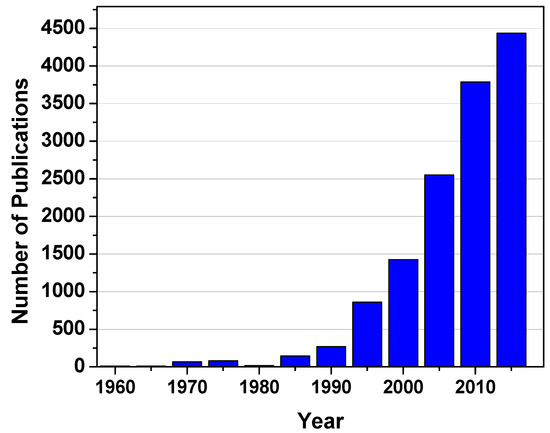
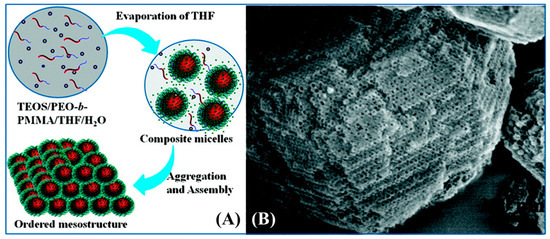
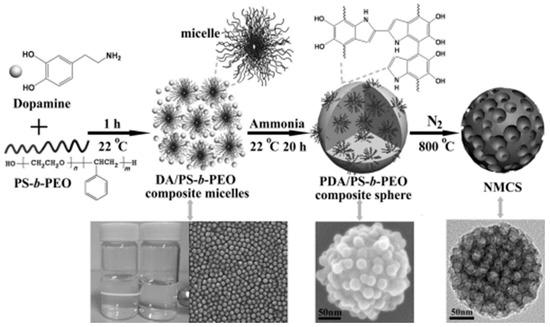
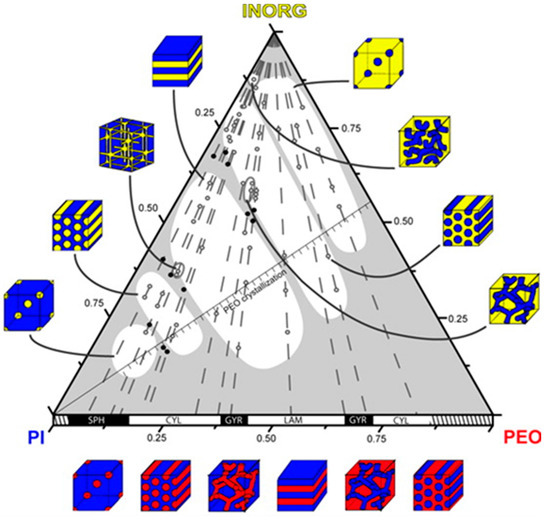
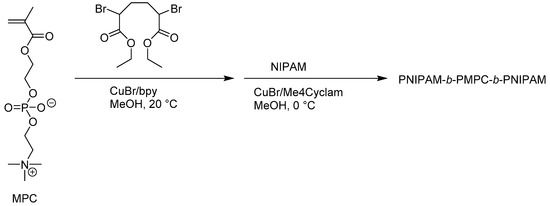
Research on block copolymers (BCPs) has played a critical role in the development of polymer chemistry, with numerous pivotal contributions that have advanced our ability to prepare, characterize, theoretically model, and technologically exploit this class of materials in a myriad of ways in [...] Read more.
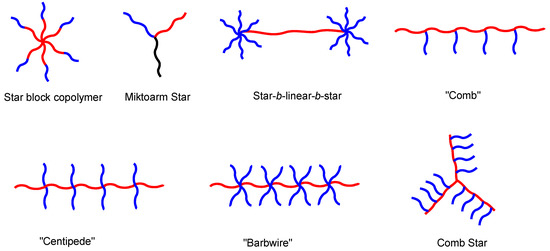
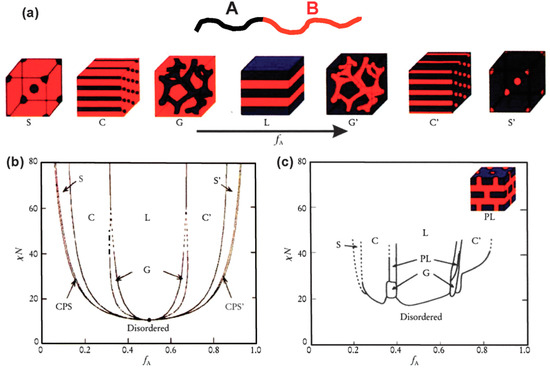
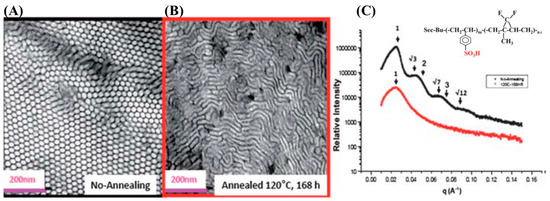
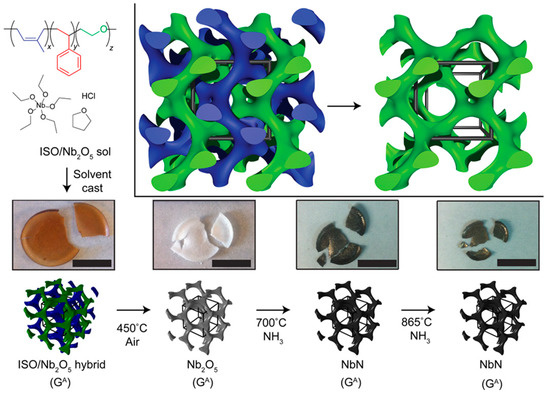
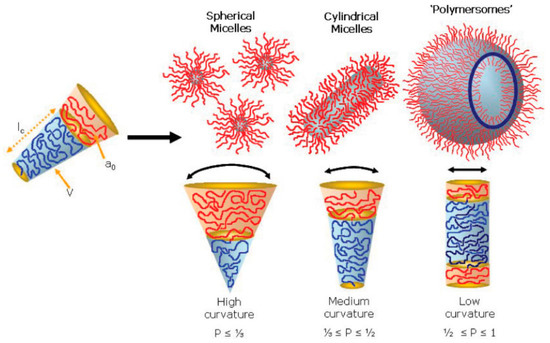
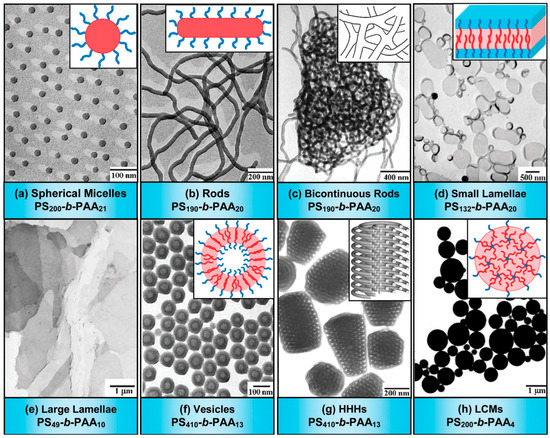
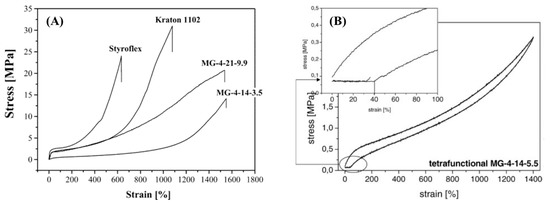
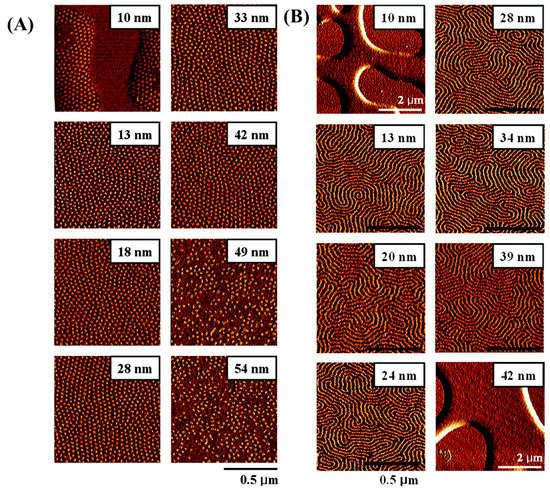
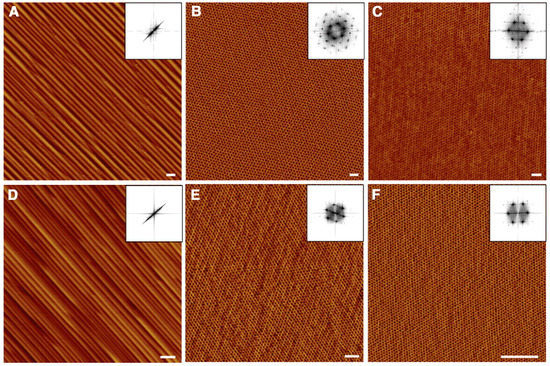
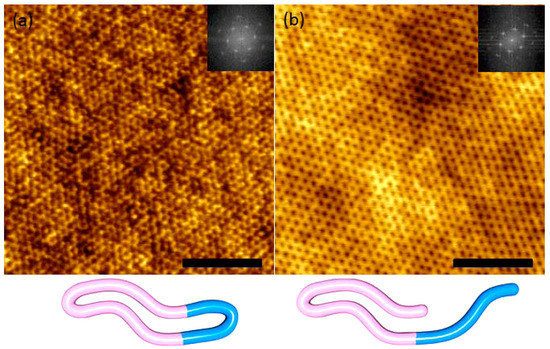
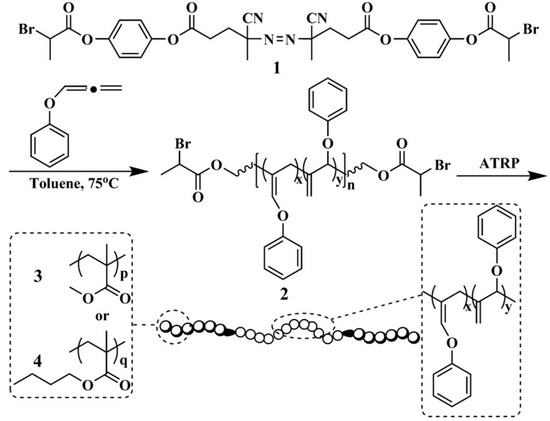
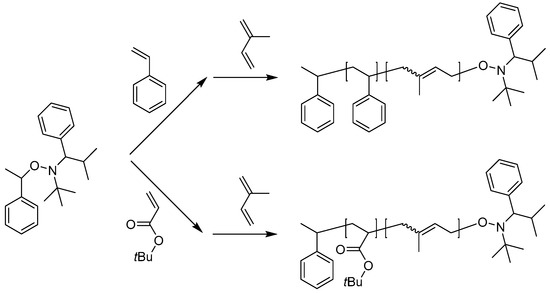
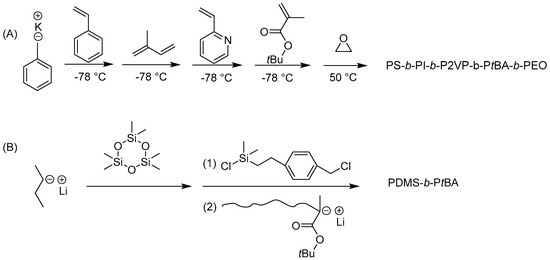
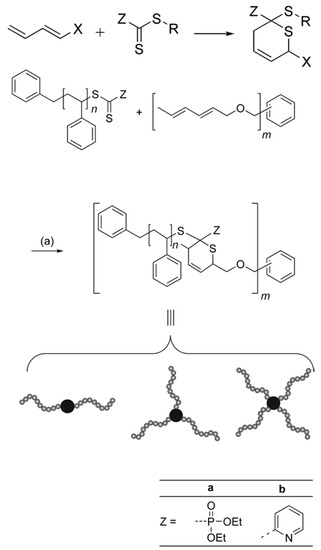
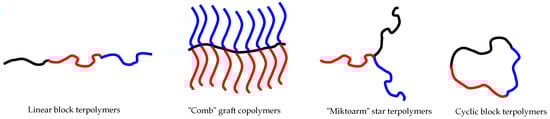
Research on block copolymers (BCPs) has played a critical role in the development of polymer chemistry, with numerous pivotal contributions that have advanced our ability to prepare, characterize, theoretically model, and technologically exploit this class of materials in a myriad of ways in the fields of chemistry, physics, material sciences, and biological and medical sciences. The breathtaking progress has been driven by the advancement in experimental techniques enabling the synthesis and characterization of a wide range of block copolymers with tailored composition, architectures, and properties. In this review, we briefly discussed the recent progress in BCP synthesis, followed by a discussion of the fundamentals of self-assembly of BCPs along with their applications. Full article
Show Figures

Figure 1

9 pages, 2801 KB  
Article
Surface Properties of a Novel Poly(vinyl alcohol) Film Prepared by Heterogeneous Saponification of Poly(vinyl acetate) Film
by Seong Baek Yang 1, Sung Hun Yoo 1, Joon Seok Lee 2, Jong Won Kim 2,* and Jeong Hyun Yeum 1,*
1 Department of Bio-Fibers and Materials Science, Kyungpook National University, Daegu 41566, Korea
2 Department of Textile Engineering & Technology, Yeungnam University, Gyeongsan 38541, Korea
Polymers 2017, 9(10), 493; https://doi.org/10.3390/polym9100493 - 9 Oct 2017
Cited by 24 | Viewed by 10032
Abstract
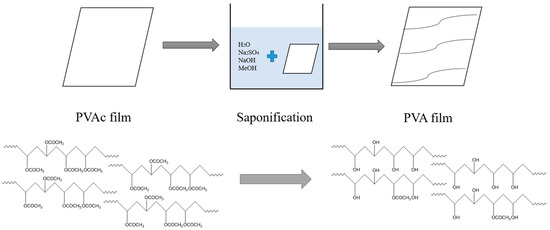
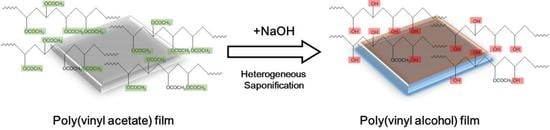
Almost general poly(vinyl alcohol) (PVA) films were prepared by the processing of a PVA solution. For the first time, a novel poly(vinyl alcohol) (PVA) film was prepared by the saponification of a poly(vinyl acetate) (PVAc) film in a heterogenous medium. Under the same [...] Read more.
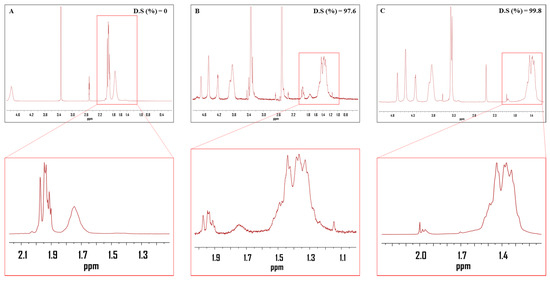
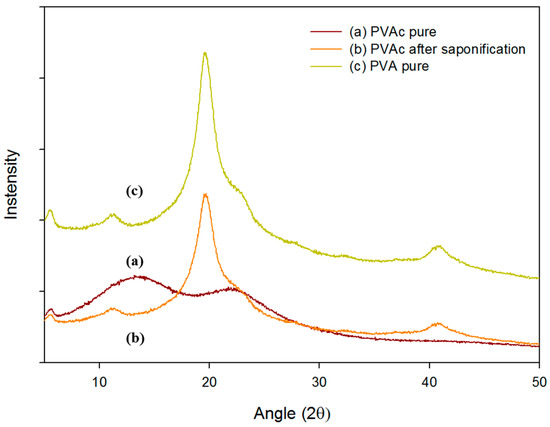
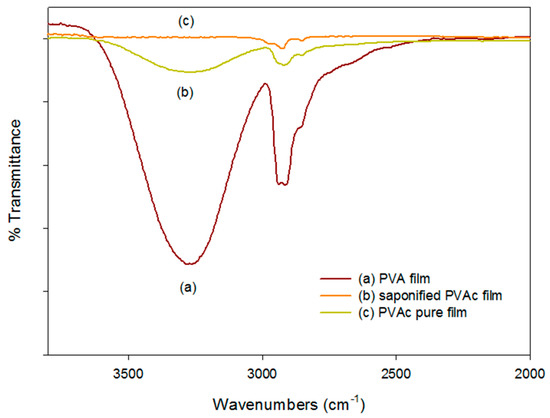
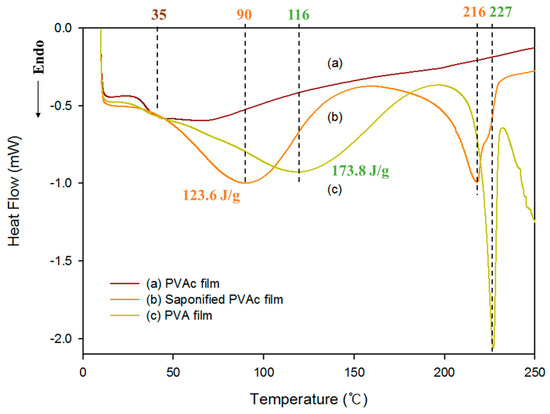
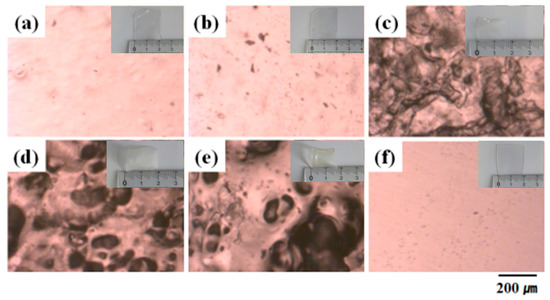
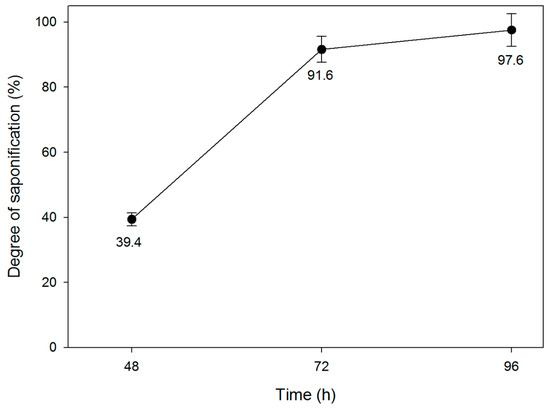
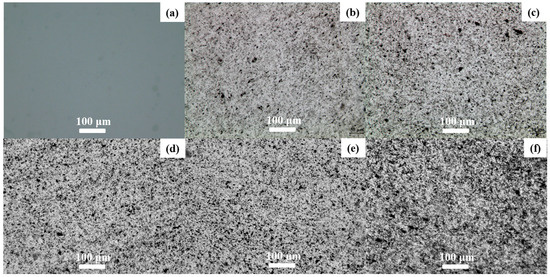
Almost general poly(vinyl alcohol) (PVA) films were prepared by the processing of a PVA solution. For the first time, a novel poly(vinyl alcohol) (PVA) film was prepared by the saponification of a poly(vinyl acetate) (PVAc) film in a heterogenous medium. Under the same saponification conditions, the influence of saponification time on the degree of saponification (DS) was studied for the preparation of the saponified PVA film, and it was found that the DS varied with time. Optical microscopy was used to confirm the characteristics and surface morphology of the saponified PVA film, revealing unusual black globules in the film structure. The contact angle of the films was measured to study the surface properties, and the results showed that the saponified PVA film had a higher contact angle than the general PVA film. To confirm the transformation of the PVAc film to the PVA film, 1H nuclear magnetic resonance spectroscopy, X-ray diffraction measurements, differential scanning calorimetry, and Fourier-transform infrared spectroscopy were employed. Full article
Show Figures

Graphical abstract
15 pages, 7778 KB  
Article
Synthesis and Characterization of Multifunctional Two-Component Waterborne Polyurethane Coatings: Fluorescence, Thermostability and Flame Retardancy
by Xuan Yin, Xiaoyu Li and Yunjun Luo *
School of Materials Science and Engineering, Beijing Institute of Technology, Beijing 100081, China
Polymers 2017, 9(10), 492; https://doi.org/10.3390/polym9100492 - 8 Oct 2017
Cited by 28 | Viewed by 6775
Abstract
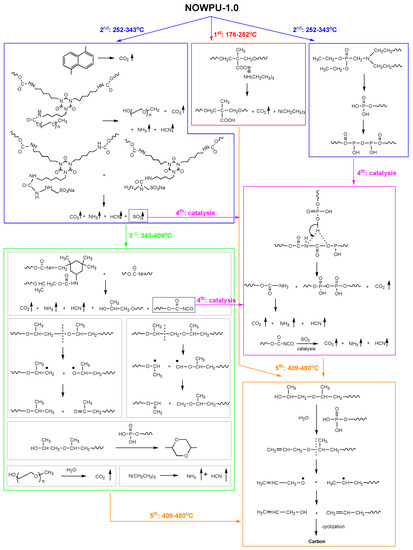
Fluorescent and flame-retardant two-component waterborne polyurethane coatings were synthesized using 1,5-dihydroxy naphthalene, a halogen-free polyphosphate and a hydrophilic curing agent, and their properties were systematically characterized. The average particle sizes and zeta potential values were below 170 nm and −30 mV. Meanwhile, the [...] Read more.
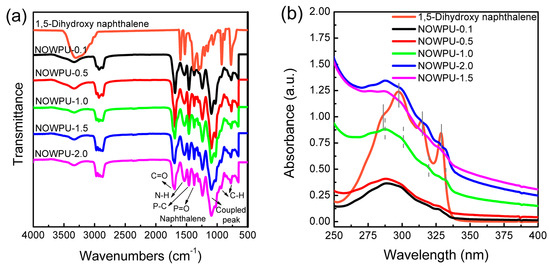
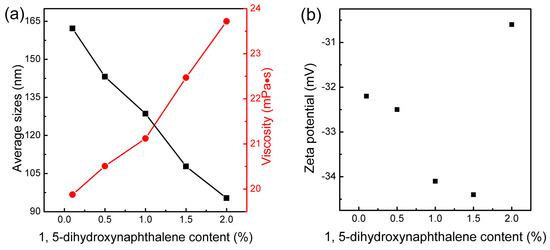
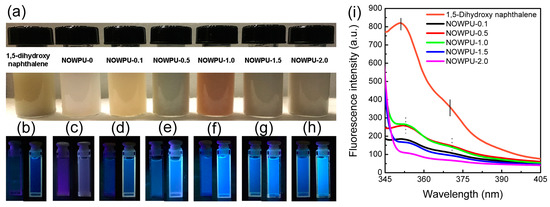
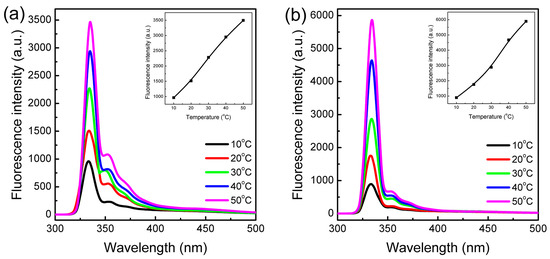
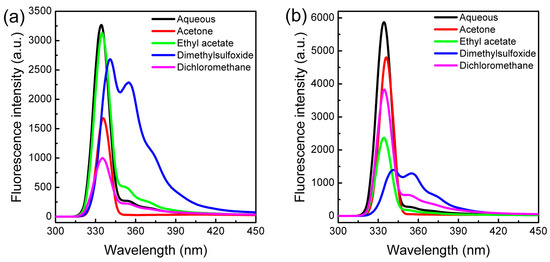
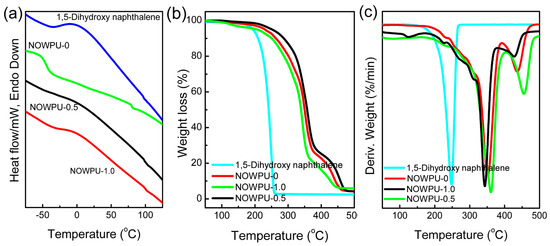
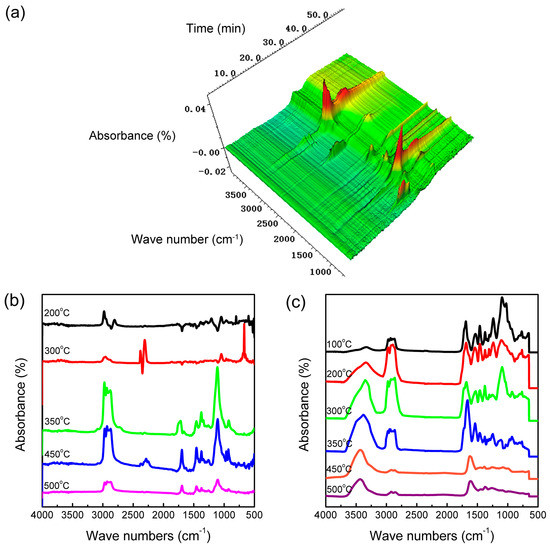
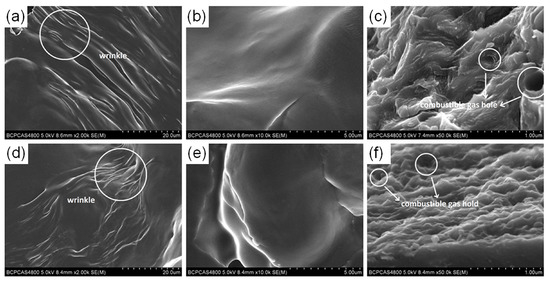
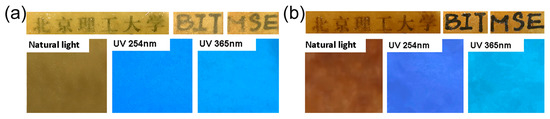
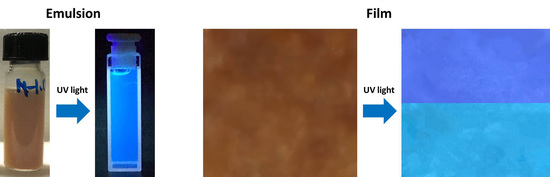
Fluorescent and flame-retardant two-component waterborne polyurethane coatings were synthesized using 1,5-dihydroxy naphthalene, a halogen-free polyphosphate and a hydrophilic curing agent, and their properties were systematically characterized. The average particle sizes and zeta potential values were below 170 nm and −30 mV. Meanwhile, the multifunctional two-component waterborne polyurethane coatings had strong fluorescence intensities. When comparing with the coatings with 0.5 wt % 1,5-dihydroxy naphthalene, the coatings with 1.0 wt % 1,5-dihydroxy naphthalene had a stronger microphase separation. Interestingly, the thermostability of the multifunctional coatings was remarkably improved through 1.0 wt % 1,5-dihydroxy naphthalene, and besides it belonged to nonflammable materials. Additionally, all of the coating films passed the solvent resistance testing. These samples with different amounts of 1,5-dihydroxy naphthalene are environmental friendly, especially applications that require transparent and fluorescent coatings. Full article
Show Figures

Graphical abstract
15 pages, 1916 KB  
Article
Ferrocene-Modified Block Copolymers for the Preparation of Smart Porous Membranes
by Sebastian Schöttner, Rimjhim Hossain, Christian Rüttiger and Markus Gallei *
Ernst-Berl Institute for Chemical Engineering and Macromolecular Science, Technische Universität Darmstadt, Alarich-Weiss-Str. 4, D-64287 Darmstadt, Germany
Polymers 2017, 9(10), 491; https://doi.org/10.3390/polym9100491 - 8 Oct 2017
Cited by 29 | Viewed by 8275
Abstract
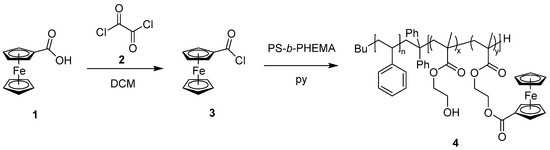
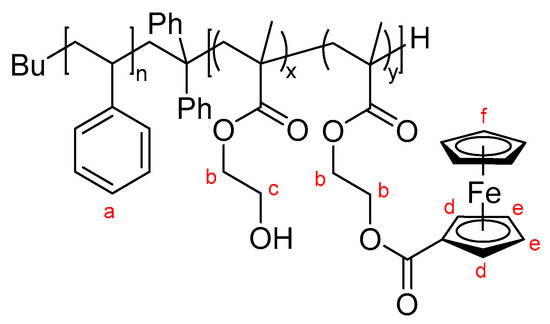
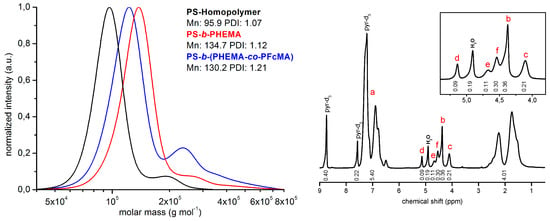
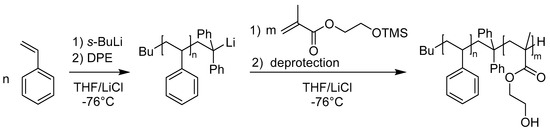
The design of artificially generated channels featuring distinct remote-switchable functionalities is of critical importance for separation, transport control, and water filtration applications. Here, we focus on the preparation of block copolymers (BCPs) consisting of polystyrene-block-poly(2-hydroxyethyl methacrylate) (PS-b-PHEMA) having molar [...] Read more.
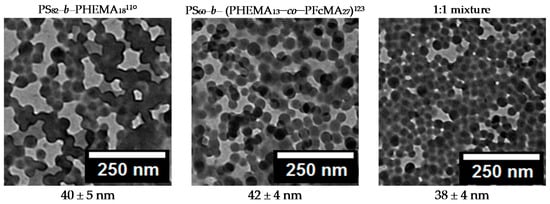
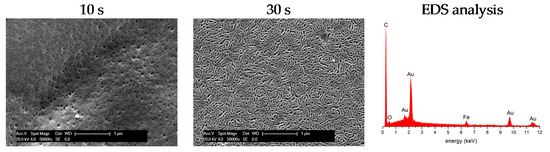
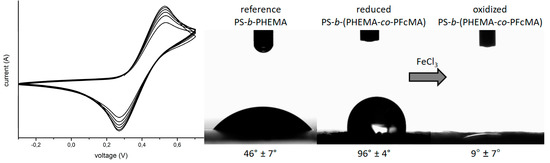
The design of artificially generated channels featuring distinct remote-switchable functionalities is of critical importance for separation, transport control, and water filtration applications. Here, we focus on the preparation of block copolymers (BCPs) consisting of polystyrene-block-poly(2-hydroxyethyl methacrylate) (PS-b-PHEMA) having molar masses in the range of 91 to 124 kg mol−1 with a PHEMA content of 13 to 21 mol %. The BCPs can be conveniently functionalized with redox-active ferrocene moieties by a postmodification protocol for the hydrophilic PHEMA segments. Up to 66 mol % of the hydroxyl functionalities can be efficiently modified with the reversibly redox-responsive units. For the first time, the ferrocene-containing BCPs are shown to form nanoporous integral asymmetric membranes by self-assembly and application of the non-solvent-induced phase separation (SNIPS) process. Open porous structures are evidenced by scanning electron microscopy (SEM) and water flux measurements, while efficient redox-switching capabilities are investigated after chemical oxidation of the ferrocene moieties. As a result, the porous membranes reveal a tremendously increased polarity after oxidation as reflected by contact angle measurements. Additionally, the initial water flux of the ferrocene-containing membranes decreased after oxidizing the ferrocene moieties because of oxidation-induced pore swelling of the membrane. Full article
(This article belongs to the Special Issue Polymers and Block Copolymers at Interfaces and Surfaces)
Show Figures

Figure 1

10 pages, 3599 KB  
Article
Preparation of Isotactic Polypropylene/Exfoliated MoS2 Nanocomposites via In Situ Intercalative Polymerization
by He-Xin Zhang 1,2, Xue-Quan Zhang 3,* and Keun-Byoung Yoon 2,*
1 School of Chemistry and Chemical Engineering, Anhui University of Technology, Maanshan 243000, China
2 Department of Polymer Science and Engineering, Kyungpook National University, Daegu 702-701, Korea
3 CAS Key Laboratory of Synthetic Rubber, Changchun Institute of Applied Chemistry, Chinese Academy of Science, Changchun 130022, China
Polymers 2017, 9(10), 490; https://doi.org/10.3390/polym9100490 - 7 Oct 2017
Cited by 14 | Viewed by 6445
Abstract
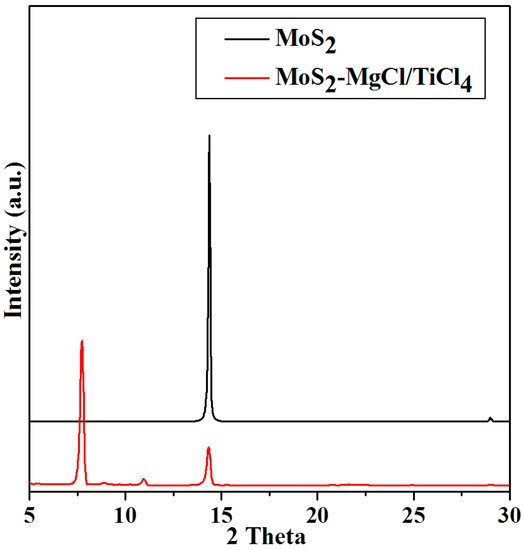
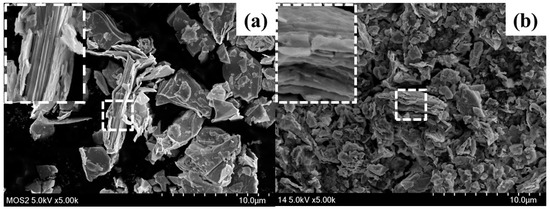
In this research, a Ziegler–Natta catalyst intercalated MoS2 was synthesized through the intercalation of a Grignard reagent into MoS2 galleries, followed by the anchoring of TiCl4. During propylene polymerization, the intercalated MoS2 exfoliated in situ to form PP/exfoliated MoS2 [...] Read more.
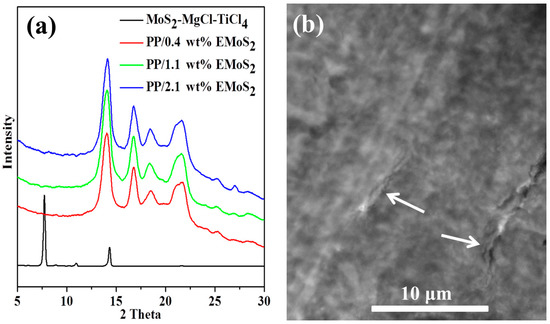
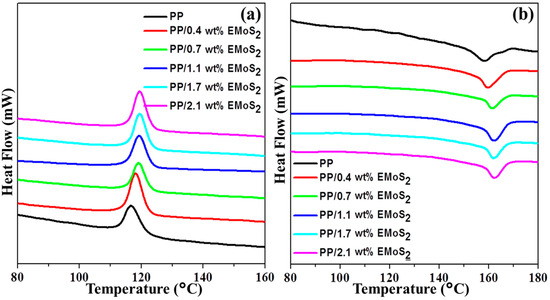
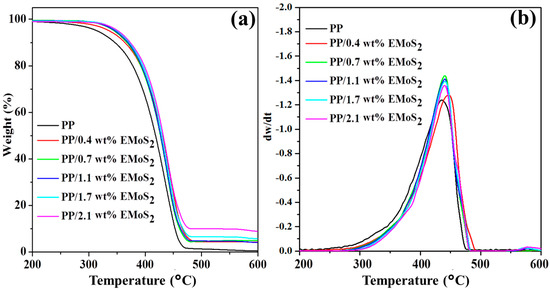
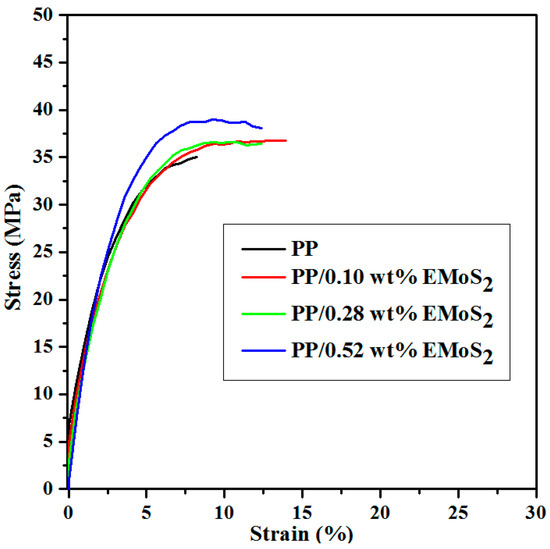
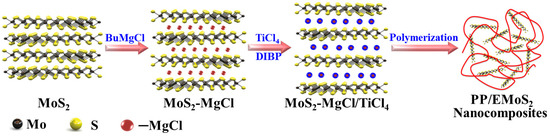
In this research, a Ziegler–Natta catalyst intercalated MoS2 was synthesized through the intercalation of a Grignard reagent into MoS2 galleries, followed by the anchoring of TiCl4. During propylene polymerization, the intercalated MoS2 exfoliated in situ to form PP/exfoliated MoS2 (EMoS2) nanocomposites. The isotactic index values of the resultant PP/EMoS2 nanocomposites were as high as 99%, varying from 98.1% to 99.0%. It was found that the incorporation of the EMoS2 significantly improved the thermal stability and mechanical properties (tensile strength, modulus, and elongation at break) of PP. After introduction of EMoS2, the maximum increases in Td5% and Tdmax were 36.9 and 9.7 °C, respectively, relative to neat PP. After blending with commercial PP, the resultant nanocomposites increase in tensile strength and modulus up to 11.4% and 61.2% after 0.52 wt % EMoS2 loading. Thus, this work provides a new way to produce high-performance PP. Full article
(This article belongs to the Special Issue Olefin Polymerization and Polyolefin)
Show Figures

Figure 1

12 pages, 1662 KB  
Article
Micron-Sized Pored Membranes Based on Polyvinylidene Difluoride Hexafluoropropylene Prepared by Phase Inversion Techniques
by Andreas Hofmann 1,*, Eva Thißen 1, Matthias Migeot 1, Nicole Bohn 2, Stefan Dietrich 1 and Thomas Hanemann 1,3
1 Werkstoffkunde (IAM-WK), Institut für Angewandte Materialien, Karlsruher Institut für Technologie (KIT), Hermann-von-Helmholtz-Platz 1, 76344 Eggenstein-Leopoldshafen, Germany
2 Keramische Werkstoffe und Technologien (IAM-KWT), Institut für Angewandte Materialien, Karlsruher Institut für Technologie (KIT), Hermann-von-Helmholtz-Platz 1, 76344 Eggenstein-Leopoldshafen, Germany
3 Institut für Mikrosystemtechnik, Universität Freiburg, Georges-Köhler-Allee 102, 79110 Freiburg, Germany
Polymers 2017, 9(10), 489; https://doi.org/10.3390/polym9100489 - 6 Oct 2017
Cited by 3 | Viewed by 6435
Abstract
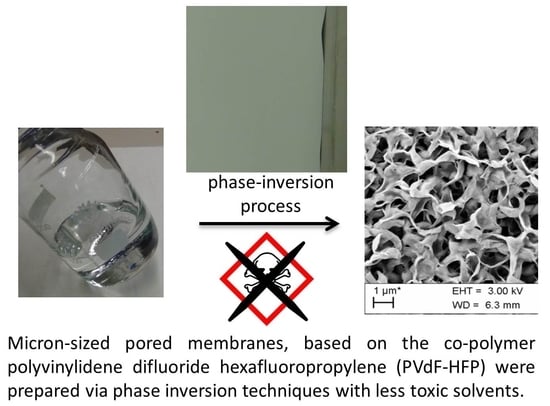
In this study, micron-sized pored membranes, based on the co-polymer polyvinylidene difluoride hexafluoropropylene (PVdF-HFP) were prepared via phase inversion techniques. The aim of the approach was to find less harmful and less toxic solvents to fabricate such films. Therefore, the Hansen solubility approach [...] Read more.
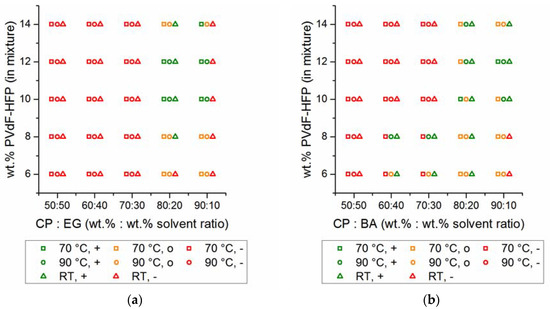
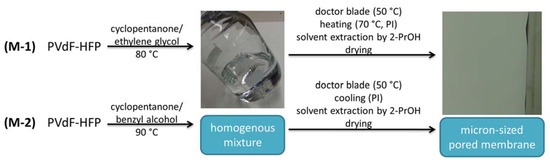
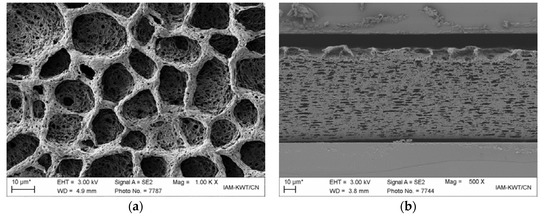
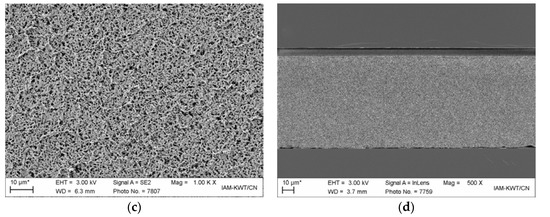
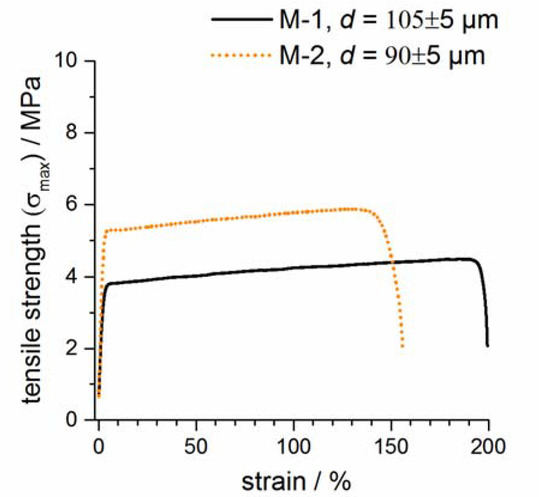
In this study, micron-sized pored membranes, based on the co-polymer polyvinylidene difluoride hexafluoropropylene (PVdF-HFP) were prepared via phase inversion techniques. The aim of the approach was to find less harmful and less toxic solvents to fabricate such films. Therefore, the Hansen solubility approach was used to identify safer and less toxic organic solvents for the phase inversion process, relative to present solvent mixtures, based on acetone, dimethyl formamide, dimethyl acetamide or methanol. With this approach, it was possible to identify cyclopentanone, ethylene glycol and benzyl alcohol as suitable solvents for the membrane preparation process. Physicochemical and mechanical properties were analyzed and compared, which revealed a uniform membrane structure through the cross section. Differences were observed at the top surface, in dependence of both preparation approaches, which are described in detail. Full article
Show Figures

Graphical abstract