15 pages, 1956 KB  
Article
Vehicle Emission Changes in China under Different Control Measures over Past Two Decades
by Ning Yang 1, Lei Yang 2, Feng Xu 3,4, Xue Han 5, Bin Liu 1, Naiyuan Zheng 1, Yuan Li 1, Yu Bai 1, Liwei Li 1,*,† and Jiguang Wang 3,4,*
1 Tianjin Eco-Environmental Monitoring Center, Tianjin 300191, China
2 Tianjin Key Laboratory of Urban Transport Emission Research and State Environmental Protection Key Laboratory of Urban Ambient Air Particulate Matter Pollution Prevention and Control, College of Environmental Science and Engineering, Nankai University, Tianjin 300071, China
3 CARARC Automotive Test Center (Kunming) Co., Ltd., Kunming 651701, China
4 China Automotive Technology and Research Center Co., Ltd., Tianjin 300300, China
5 Hebei Geological and Mineral Central Laboratory, Baoding 071051, China
Present address: Tianjin Eco-Environmental Monitoring Center, No. 19 Fukang Road, Nankai District, Tianjin 300071, China.
Sustainability 2022, 14(24), 16367; https://doi.org/10.3390/su142416367 - 7 Dec 2022
Cited by 16 | Viewed by 4194
Abstract
Vehicle emissions have become a significant source of air pollution in urban cities, especially in China. Mobile sources account for 45% of local fine particle emissions in the Chinese capital Beijing. The Beijing–Tianjin–Hebei (BTH) area, one of China’s most representative urban clusters, is [...] Read more.
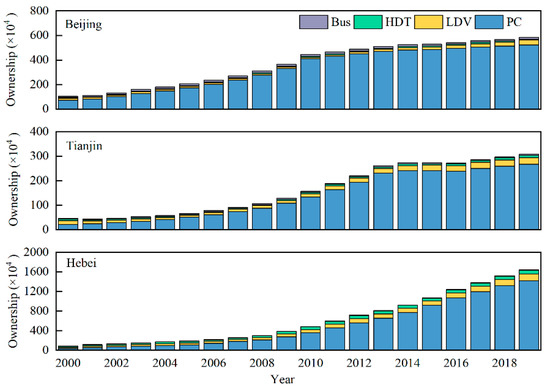
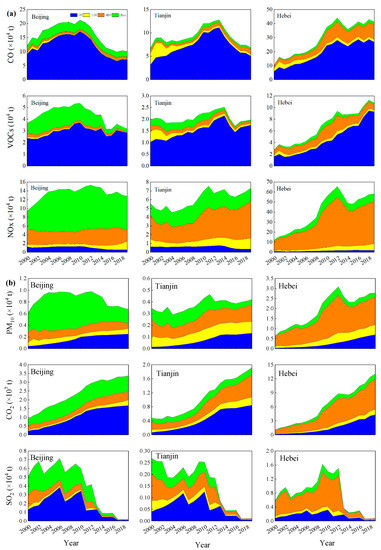
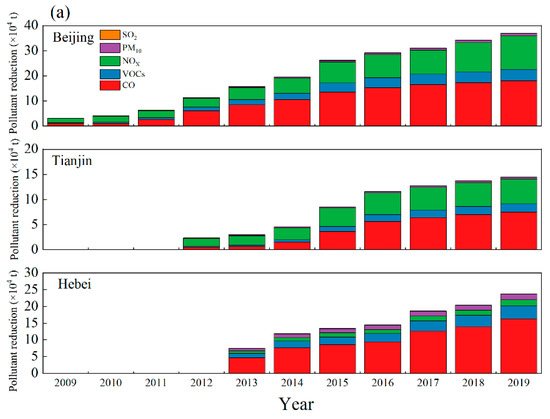
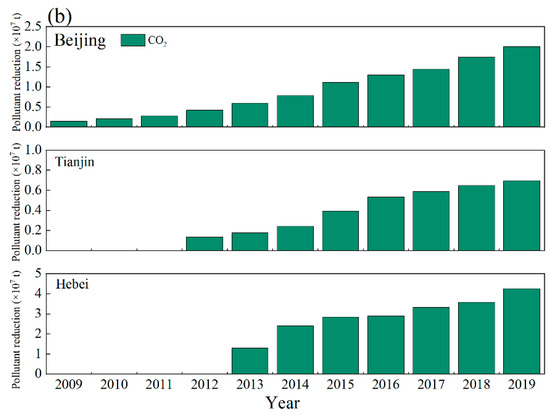
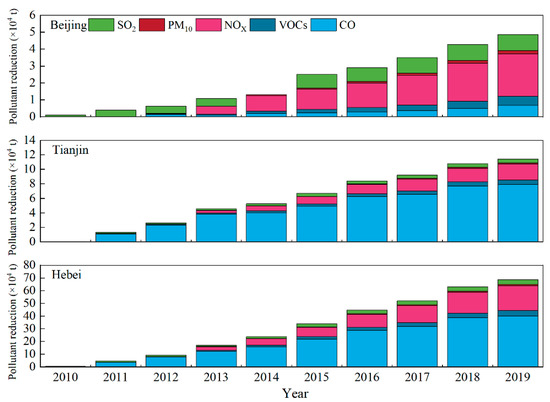
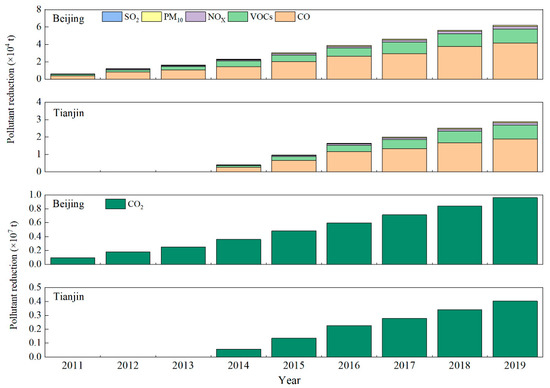
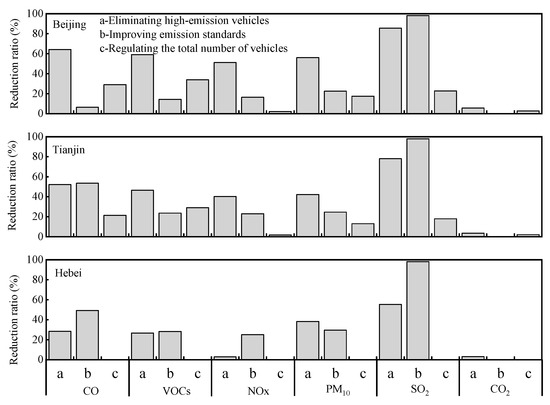
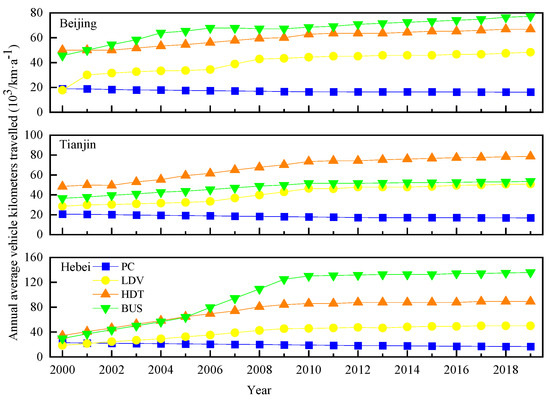
Vehicle emissions have become a significant source of air pollution in urban cities, especially in China. Mobile sources account for 45% of local fine particle emissions in the Chinese capital Beijing. The Beijing–Tianjin–Hebei (BTH) area, one of China’s most representative urban clusters, is suffering from severe air pollution. With the rapid growth of vehicle ownership in the past two decades, vehicle emissions in China have also undergone great changes under various management measures. The BTH region is also a place where mobile source emission management was carried out earlier. It is of important research value to understand the evolution trend of the vehicle ownerships in the BTH region and the actual effects of various management measures for the control of vehicle emissions. Due to the imperfect evaluation of the current vehicle emission limitation measures from 2000 to 2019, the vehicle emission inventory of the BTH region was established, and the major control measures in the BTH region were evaluated. Results showed that the vehicle ownership has been increasing year by year over the past 20 years, from 2.39 million in 2000 to 25.32 million in 2019, with an average annual growth rate of 13.24%. However, the pollutants discharged by motor vehicles showed a trend of first rising and then falling due to various measures except CO2. The unsynchronized control measures have resulted in huge differences in vehicle growth trends and emissions among Beijing, Tianjin and Hebei. The emissions of carbon monoxide (CO), volatile organic compounds (VOCs), nitrogen oxides (NOX), and particulate matter (PM10) in Beijing showed a trend of increasing first and then decreasing. The changes in these pollutants in Tianjin were similar to those in Beijing, but there was a secondary increase for NOX and PM10 in the later period. The discharge of all pollutants in Hebei Province showed a growing trend except sulfur dioxide (SO2). The major emission source of CO and VOCs in BTH was PCs, and the contribution rate of PCs to VOCs, reached 86.0–89.6% in 2019. Heavy-duty trucks (HDTs) and buses were the main sources of NOX emissions, contributing 78.2–85.4% of NOX in 2019. Eliminating high emission vehicles was the best control measure in the BTH Region, which had a good emission reduction effect on all pollutants. For sustainable development of the BTH region, it is suggested that Beijing, Tianjin and Hebei province implement vehicle control policies simultaneously and establish a joint management mechanism. Full article
Show Figures

Figure 1
13 pages, 265 KB  
Article
Older Persons’ Perceptions concerning Climate Activism and Pro-Environmental Behaviors: Results from a Qualitative Study of Diverse Population Groups of Older Israelis
by Liat Ayalon 1,*, Natalie Ulitsa 1, Hanan AboJabel 2 and Shelly Engdau 3
1 Louis and Gabi Weisfeld School of Social Work, Bar Ilan University, Ramat Gan 5290002, Israel
2 Department for Medical Ethics and History of Medicine, University Medical Center Göttingen, 37073 Göttingen, Germany
3 School of Social Work, University of Haifa, Haifa 31905, Israel
Sustainability 2022, 14(24), 16366; https://doi.org/10.3390/su142416366 - 7 Dec 2022
Cited by 19 | Viewed by 3431
Abstract
Older people are under-represented in the climate change movement yet are highly susceptible to the negative effects of climate change. This study’s objectives were to identify possible barriers faced by older persons to increase their pro-environmental behaviors and participation in the climate movement. [...] Read more.
Older people are under-represented in the climate change movement yet are highly susceptible to the negative effects of climate change. This study’s objectives were to identify possible barriers faced by older persons to increase their pro-environmental behaviors and participation in the climate movement. Relying on in-depth qualitative interviews and focus groups with 50 older persons from four different population groups in Israel, we identified three themes. The first theme concerned assigning responsibility for the current climate situation. This theme addressed the question of who is seen as responsible for the current situation. The second theme covered actions taken by older persons to address the current situation. Finally, older persons view governments/municipalities, industry, and individuals as responsible for the changing climate, with a more traditional segment of the population also viewing God as responsible. Moreover, although governments were identified as important institutions with relevance to the current climate challenge, respondents mainly acknowledged the relevance of pro-environmental behaviors rather than climate change activism. In conclusion, the findings highlight the need to increase environmental activism among older persons. It is also important to increase the breadth of possible pro-environmental behaviors older persons can engage with. Full article
14 pages, 4866 KB  
Article
Evaluation of the Laboratory Degradation Performance of a Straw Drainage Board
by Runtian Zhu 1,2, Yinqiang Su 2, Cankun Wu 2, Wei Yuan 3 and Yongfeng Deng 3,*
1 Key Laboratory for Transport Industry of Bridge Detection Reinforcement Technology, Chang’an University, Xi’an 710064, China
2 Zhuhai Communication Group, Zhuhai 519000, China
3 Institute of Geotechnical Engineering, School of Transportation, Southeast University, Nanjing 211189, China
Sustainability 2022, 14(24), 16365; https://doi.org/10.3390/su142416365 - 7 Dec 2022
Cited by 13 | Viewed by 2647
Abstract
Plastic drainage boards are installed into the foundation as vertical drainage channels in vacuum preloading projects. After construction, numerous plastic drainage boards are left in the foundation, causing not only white pollution but also potential groundwater contamination. Straw was utilized to produce degradable [...] Read more.
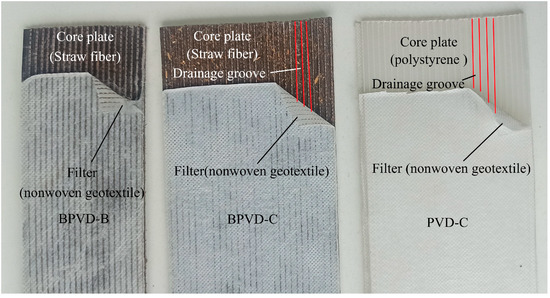
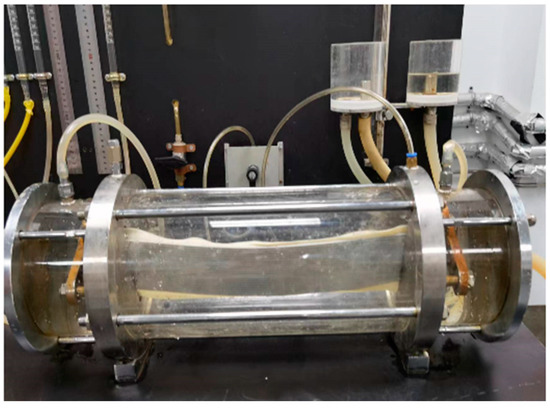
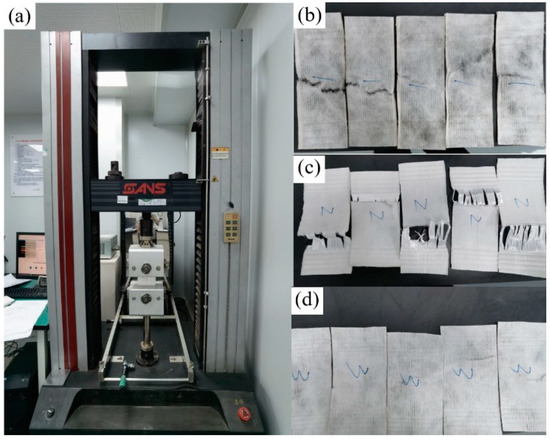
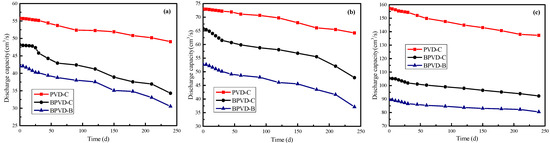
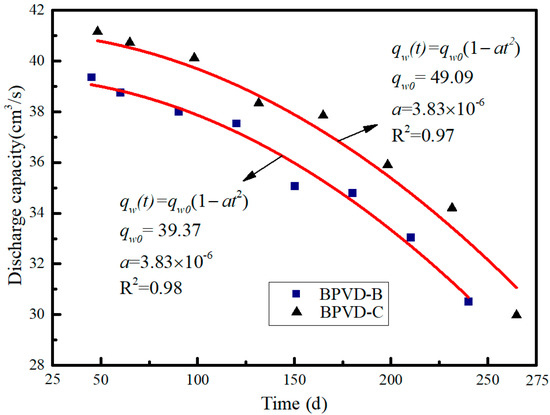
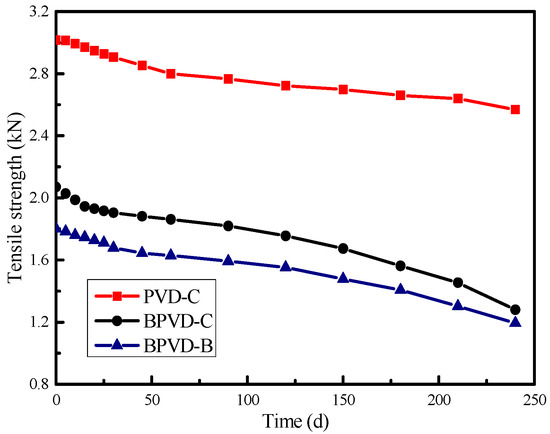
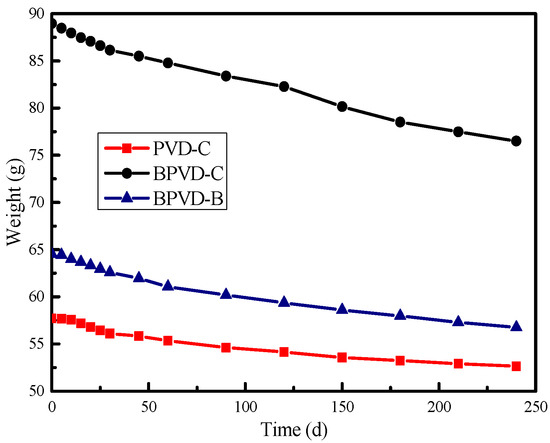
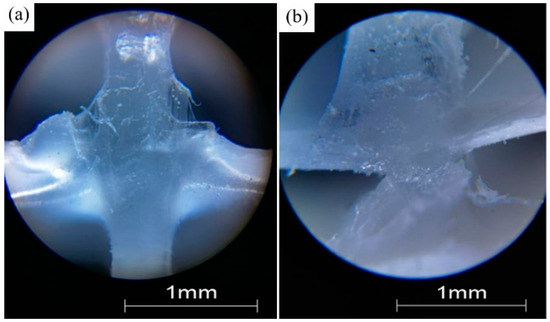
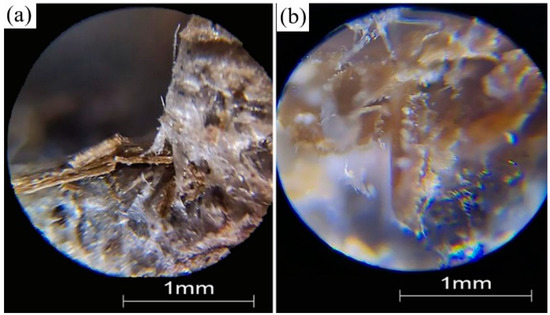
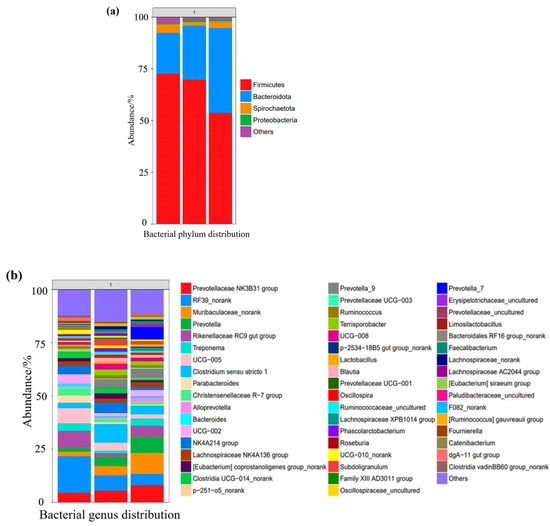
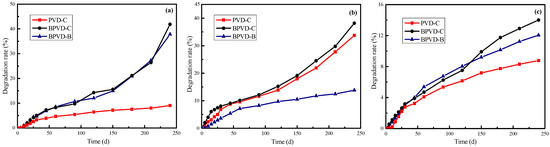
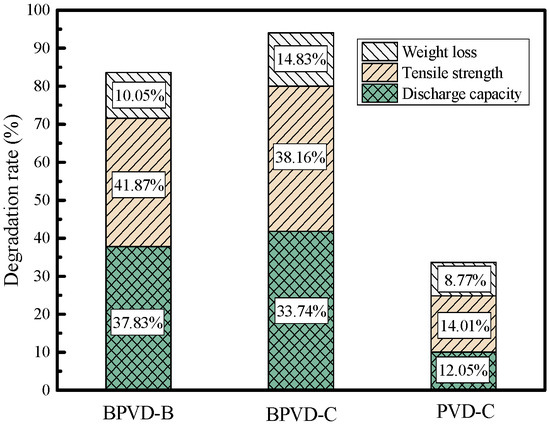
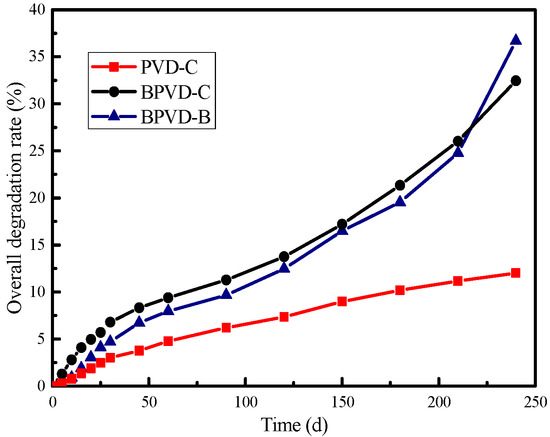
Plastic drainage boards are installed into the foundation as vertical drainage channels in vacuum preloading projects. After construction, numerous plastic drainage boards are left in the foundation, causing not only white pollution but also potential groundwater contamination. Straw was utilized to produce degradable drainage boards in this study, and the feasibility of straw drainage boards was confirmed by laboratory degradation tests. The results revealed that Zhuhai’s soft marine soil is rich in degrading bacteria such as Bacteroidota and Firmicutes, which have adverse effects on the performance of the straw drainage board. The straw drainage board was deteriorated by bacteria in the foundation, and the discharge capacity and tensile strength dropped with time, with the discharge capacity degradation relationship as qw(t) = qw0(1 − 3.83 × 10⁻⁶t2). The discharge capacity and tensile strength of straw drainage boards are lower than those of plastic drainage boards, but they all meet the engineering requirements. Straw drainage boards can replace plastic drainage boards in vacuum preloading reinforcement projects, which not only solves the problem of environmental pollution but also expands the comprehensive utilization of straw resources in a new way. Full article
Show Figures

Figure 1
14 pages, 2640 KB  
Article
Liquefied Natural Gas (LNG) as a Transitional Choice Replacing Marine Conventional Fuels (Heavy Fuel Oil/Marine Diesel Oil), towards the Era of Decarbonisation
by Styliani Livaniou * and Georgios A. Papadopoulos
Sector of Industrial Management and Operational Research, School of Mechanical Engineering, National Technical University of Athens, 15772 Athens, Greece
Sustainability 2022, 14(24), 16364; https://doi.org/10.3390/su142416364 - 7 Dec 2022
Cited by 45 | Viewed by 10393
Abstract
As environmental regulations on sulphur emissions become more severe, the maritime sector is looking for alternative solutions. This study evaluates greenhouse gas (GHG) reduction alternatives and their combined ability to decarbonise international transport. Liquefied natural gas (LNG) is becoming widely used, reducing CO [...] Read more.
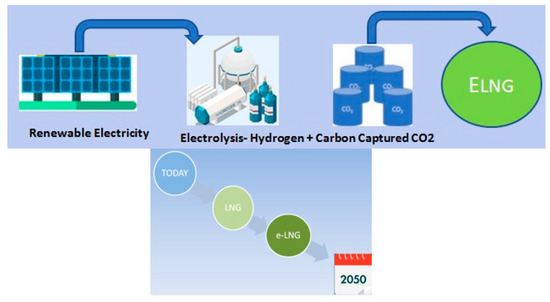
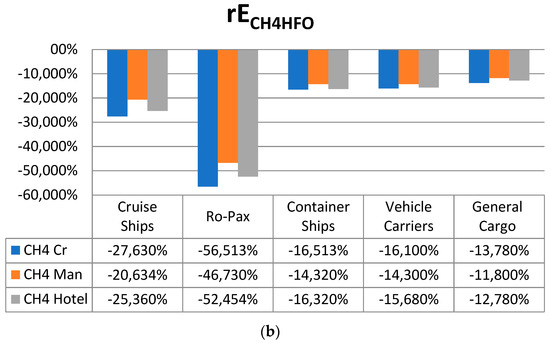
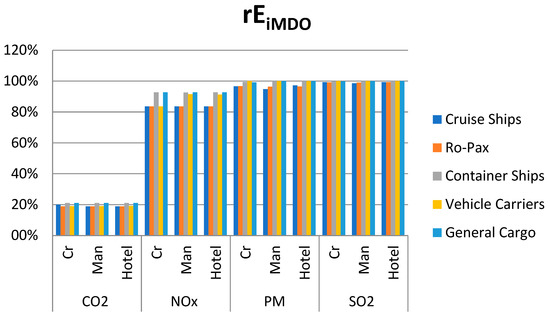
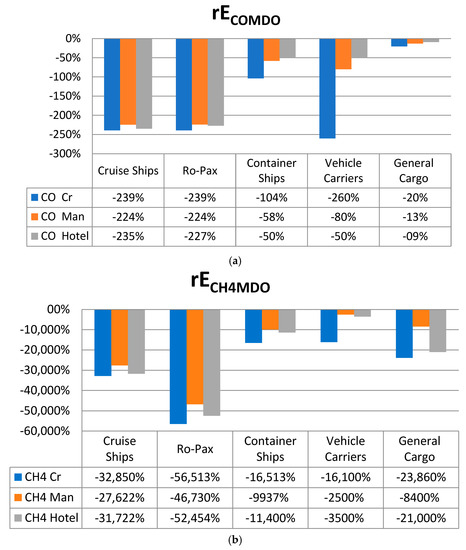
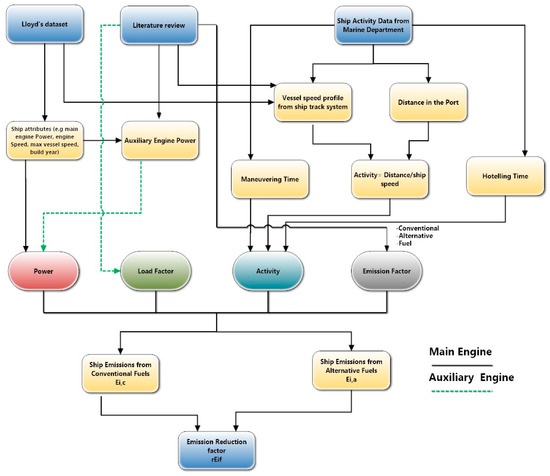
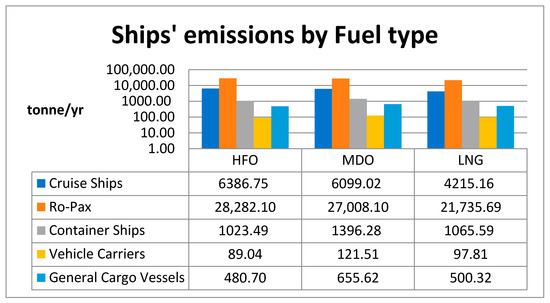
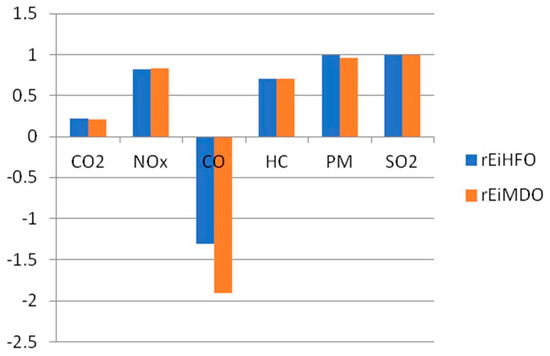
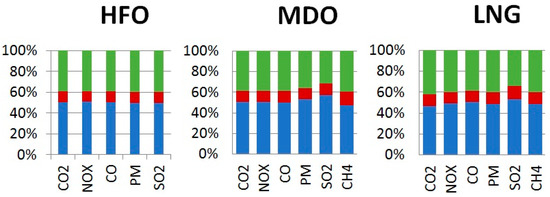
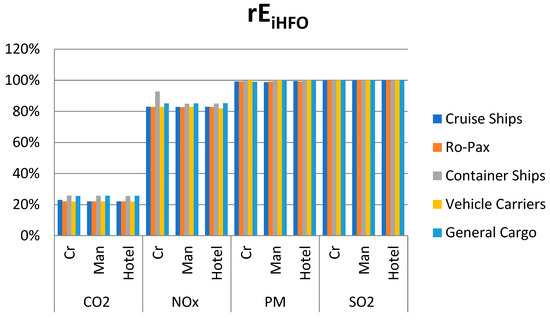
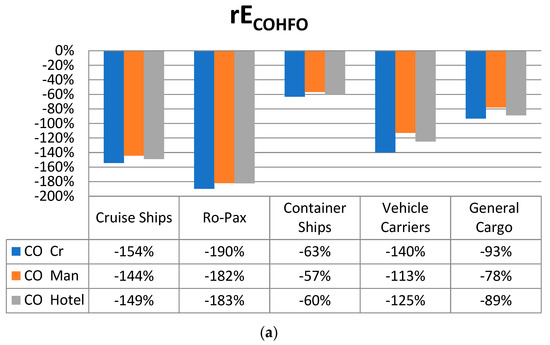
As environmental regulations on sulphur emissions become more severe, the maritime sector is looking for alternative solutions. This study evaluates greenhouse gas (GHG) reduction alternatives and their combined ability to decarbonise international transport. Liquefied natural gas (LNG) is becoming widely used, reducing CO2 emissions by 20–30 percent, while it has similar action in other emissions such as SOX. Although costs are attractive, methane slip, which depends on the engine type, reduces GHG gains. Replacing conventional fuels such as heavy fuel oil and marine diesel oil with alternative ones is an effective method to decrease SOx emissions. Liquefied natural gas is highly appreciated as an alternative fuel for maritime transportation. In this frame, the possibility of using alternative fuels, such as LNG, to reduce NOx, CO2 and SOx emissions in Heraklion Port, including certain regionally defined waters, over the life of the vessel will also be explored. The study is conducted for ships calling at Heraklion Port and using alternative fuel such as LNG in different modes (cruising, hotelling, manoeuvring). A fuel-based emission reduction factor, rEif, is defined in relation to the comparison of two different fuels: conventional (heavy oil, marine diesel) and alternative fuels (LNG). The bottom-up method is used for this data analysis. This study, by defining the reduction of several emissions with the use of LNG, indicates that it is actually an efficient transitional fuel to lead international transport to decarbonisation. Full article
Show Figures

Figure 1
20 pages, 7343 KB  
Article
Assessment of Future Land Use/Land Cover Scenarios on the Hydrology of a Coastal Basin in South-Central Chile
by Camila Orellana Pereira 1, Rossana Escanilla-Minchel 2, Alejandra Cortés González 3, Hernán Alcayaga 4,*, Mauricio Aguayo 5, Miguel Aguayo Arias 6 and Alejandro N. Flores 7
1 Civil Engineering Department, Universidad Diego Portales, Santiago 8370109, Chile
2 School of Geography, University of Leeds, Leeds LS2 9JT, UK
3 Civil Engineering Unit, Department of Water Resources Management, Ministry of Public Works of Chile, Santiago 8370190, Chile
4 School of Civil Works, Universidad Diego Portales, Santiago 8370190, Chile
5 Faculty of Environmental Sciences, EULA-Chile Centre, University of Concepción, Concepción 4070386, Chile
6 Faculty of Natural Resources, Universidad Católica de Temuco, Temuco 4781312, Chile
7 Department of Geoscience, Boise State University, Boise, ID 83702, USA
Sustainability 2022, 14(24), 16363; https://doi.org/10.3390/su142416363 - 7 Dec 2022
Cited by 10 | Viewed by 3626
Abstract
Land use and land cover (LULC) change is one of the clearest representations of the global environmental change phenomenon at various spatial and temporal scales. Chile is worldwide recognized to have areas dedicated to non-native forest plantations that specifically in coastal range show [...] Read more.
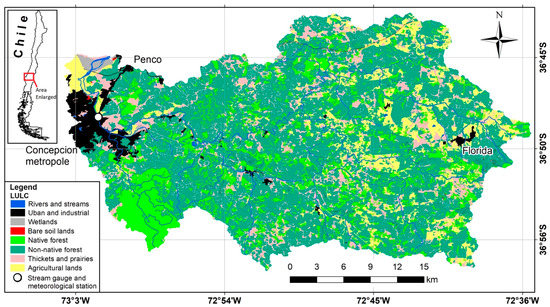
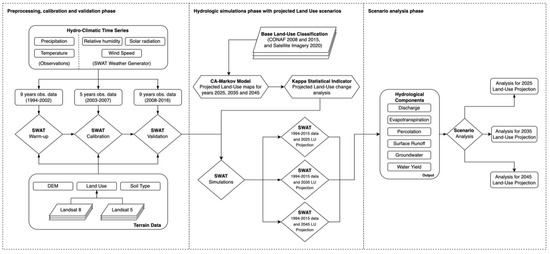
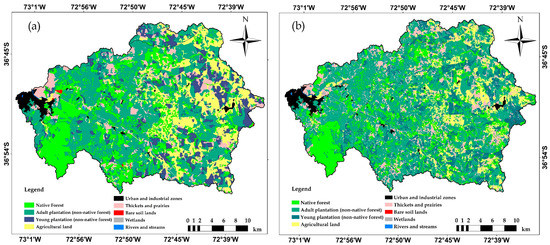
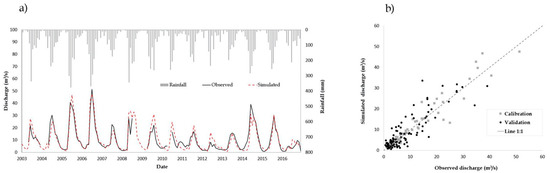
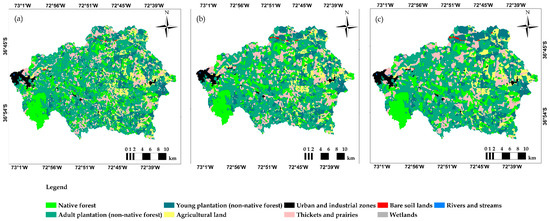
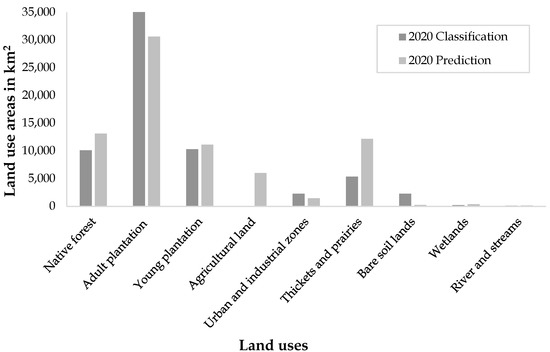
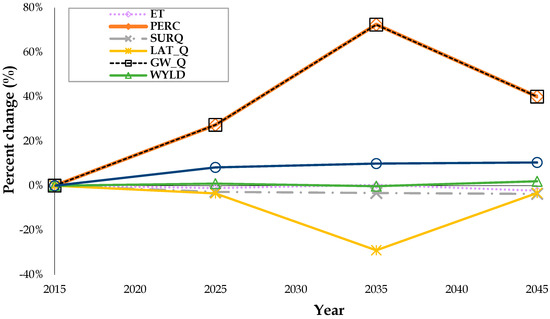
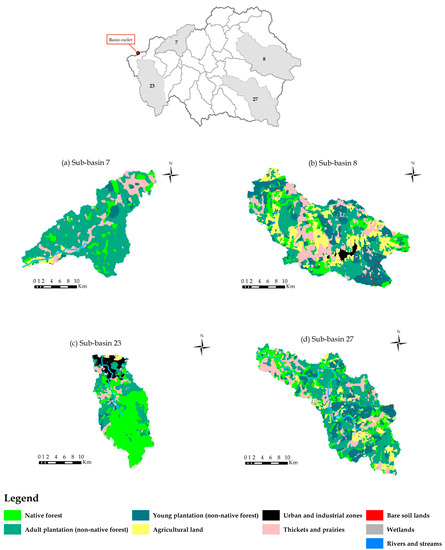
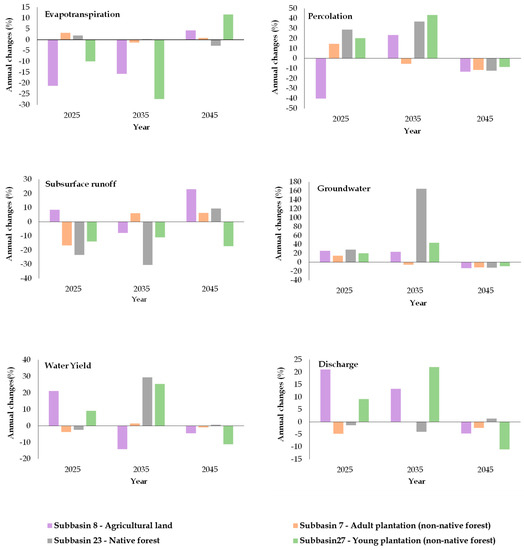
Land use and land cover (LULC) change is one of the clearest representations of the global environmental change phenomenon at various spatial and temporal scales. Chile is worldwide recognized to have areas dedicated to non-native forest plantations that specifically in coastal range show high environmental and economic deterioration, questioning the sustainability of the forestry industry. Currently, there are no studies in Chile that reveal the real effects of the LULC change on the water balance at basin or sub-basin scales associated with future scenarios, which might contribute to territorial decision-making and reveal the real magnitude of the effects of these dynamics. In this study, in order to study LULC dynamics in a coastal basin in South-Central Chile, we assessed and analyzed the effects of future LULC change scenarios on the hydrological processes by generating future synthetic land cover maps from Landsat (Landsat 5 TM and Landsat 8 OLI) image datasets. The hydrological model Soil Water Assessment Tool (SWAT) was calibrated and validated, using hydroclimatic time series, to simulate discharges and other hydrological components over those future LULC scenarios. The LULC future scenarios were projected using combined Markov chain analysis (CA–Markov) and cellular automata algorithms for the near (2025), middle (2035) and far (2045) future. The results revealed that the effects on the different components of the water balance of the basin are not as significant except in the soil water transfer in percolation (increase 72.4%) and groundwater flow (increase 72.5%). This trend was especially observed in sub-basins with non-native forest plantations that dominated land cover in the year 2035, in which an increase of 43.6% in percolation and groundwater flows resulted in increased aquifer recharge and water storage, mainly offset by a decrease of 27% in the evapotranspiration. This work demonstrates the importance of evaluating the impacts of the dynamics of LULC on the hydrological response of a coastal basin, and also on how the land use governance and policy are closely linked to that of water resources. Full article
(This article belongs to the Special Issue Land Cover, Climate Change, and Environmental Sustainability)
Show Figures

Figure 1
19 pages, 1055 KB  
Article
Heavy-Work Investment, Its Organizational Outcomes and Conditional Factors: A Contemporary Perspective over a Decade of Literature
by Edna Rabenu 1,* and Or Shkoler 2
1 School of Organizational Behavior, Tel-Hai College, Qiryat Shemona 1220800, Israel
2 School of Management, 3000 Chem. de la Côte-Sainte-Catherine, HEC Montréal, Montréal, QC H3T2A7, Canada
Sustainability 2022, 14(24), 16362; https://doi.org/10.3390/su142416362 - 7 Dec 2022
Cited by 3 | Viewed by 3462
Abstract
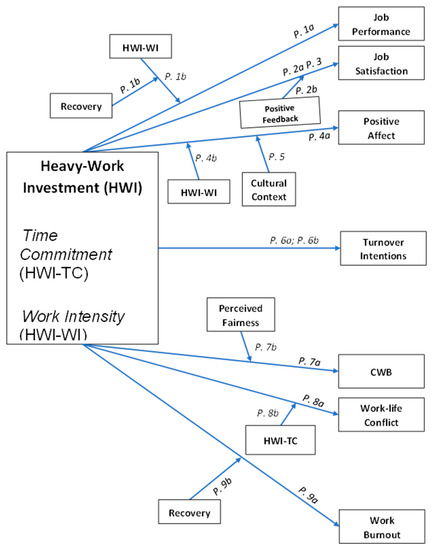
The construct of heavy-work investment (HWI) is bi-dimensional, revolving around the investment of both time and effort at work. The current paper expands the research thinking and joins the pioneering studies that explore HWI as a relatively new concept in the work-related literature [...] Read more.
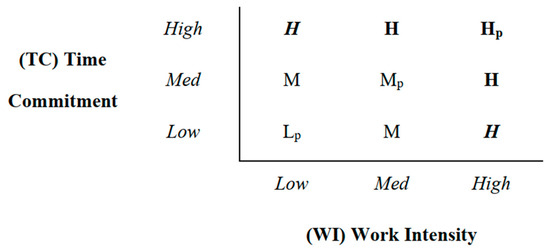
The construct of heavy-work investment (HWI) is bi-dimensional, revolving around the investment of both time and effort at work. The current paper expands the research thinking and joins the pioneering studies that explore HWI as a relatively new concept in the work-related literature (since 2012). The prime aim of this conceptual paper is to develop a model regarding the intricate relationships between the dimensions of HWI and their work outcomes (with emphasis on possible conditional factors). In particular: (1) we refine the definition of HWI by accounting for the different levels of time and effort investment and (2) we outline multiplex propositions with regard to possible (positive and negative) outcomes of HWI, considering different moderators that can potentially impact these associations. Finally, we offer practical implications for human resource management. Full article
(This article belongs to the Section Sustainable Management)
Show Figures

Figure 1
16 pages, 2746 KB  
Article
A Novel Hybrid Model for Short-Term Traffic Flow Prediction Based on Extreme Learning Machine and Improved Kernel Density Estimation
by Leina Zhao 1,2, Yujia Bai 1,*, Sishi Zhang 1, Yanpeng Wang 2, Jie Kang 3 and Wenxuan Zhang 3
1 College of Mathematics and Statistics, Chongqing Jiaotong University, Chongqing 400074, China
2 School of Traffic and Transportation, Chongqing Jiaotong University, Chongqing 400074, China
3 School of Information Science and Engineering, Chongqing Jiaotong University, Chongqing 400074, China
Sustainability 2022, 14(24), 16361; https://doi.org/10.3390/su142416361 - 7 Dec 2022
Cited by 3 | Viewed by 2135
Abstract
Short-term traffic flow prediction is the basis of and ensures intelligent traffic control. However, the conventional models cannot make accurate predictions due to the strong nonlinearity and randomness in short-term traffic flow data. To this end, the authors of this paper developed a [...] Read more.
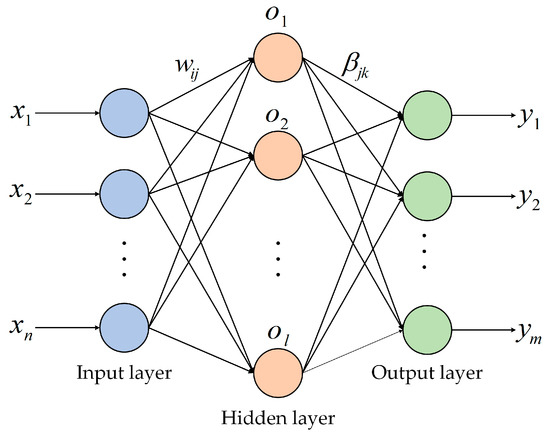
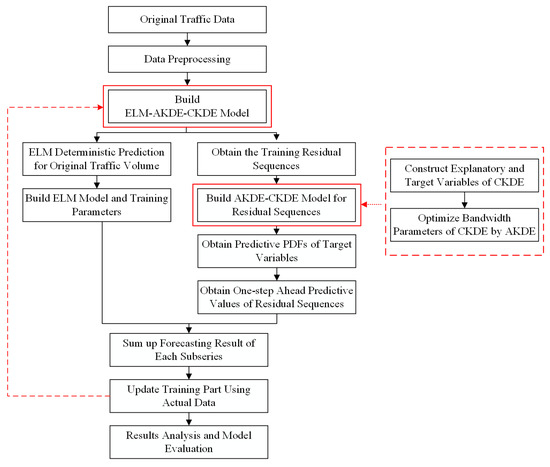
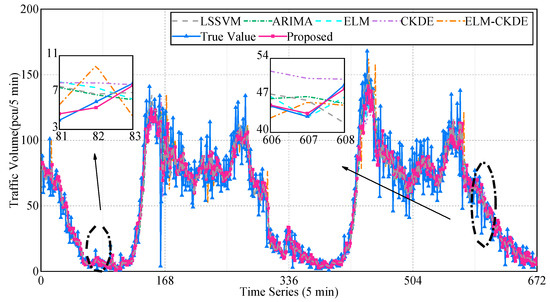
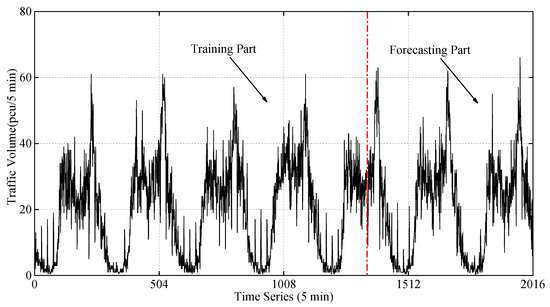
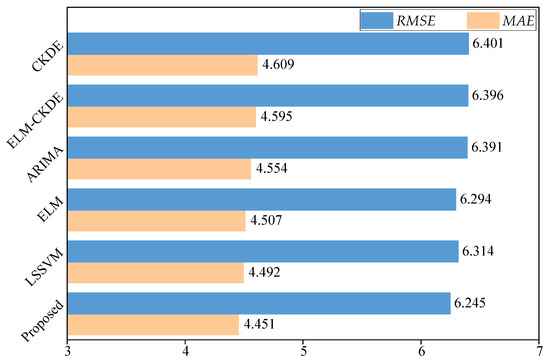
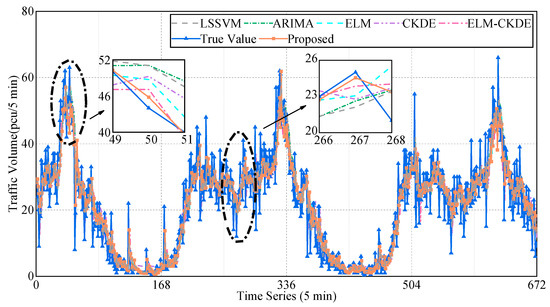
Short-term traffic flow prediction is the basis of and ensures intelligent traffic control. However, the conventional models cannot make accurate predictions due to the strong nonlinearity and randomness in short-term traffic flow data. To this end, the authors of this paper developed a novel hybrid model based on extreme learning machine (ELM), adaptive kernel density estimation (AKDE), and conditional kernel density estimation (CKDE). Specifically, the ELM model was employed for nonlinear prediction. Then, AKDE was established to estimate the bandwidth of CKDE (i.e., AKDE-CKDE), which predicted the training residuals obtained by ELM. Finally, the predicted results of the two models were superimposed to derive the final prediction of the hybrid model. Two case studies based on measured data were conducted to evaluate the performance of the proposed method. The experimental results indicate that the proposed method can realize a significant improvement in terms of forecasting accuracy in comparison with the other concerned models. For instance, it performed better than the single ELM model, with an improvement in the evaluation criterion of a mean relative percentage error of 7.46%. Full article
(This article belongs to the Special Issue Sustainable, Resilient and Smart Mobility)
Show Figures

Figure 1
17 pages, 8932 KB  
Article
Deterioration of Novel Silver Coated Mirrors on Polycarbonate Used for Concentrated Solar Power
by Coraquetzali Magdaleno López 1,2, José de Jesús Pérez Bueno 1,*, José Antonio Cabello Mendez 1, Rosalba Hernández Leos 3, Maria Luisa Mendoza López 4, Adrián Sosa Domínguez 3 and Yunny Meas Vong 1
1 Centro de Investigación y Desarrollo Tecnológico en Electroquímica, S. C., Parque Tecnológico Querétaro-Sanfandila, Pedro Escobedo, Queretaro 76703, Mexico
2 Centro de Investigación y de Estudios Avanzados del Instituto Politécnico Nacional, Unidad Saltillo, Av. Industria Metalúrgica No. 1062, Parque Industrial, Ramos Arizpe 25900, Mexico
3 Facultad de Química, Universidad Autónoma de Querétaro, Centro Universitario Cerro de las Campanas, Queretaro 76010, Mexico
4 Tecnológico Nacional de México, Instituto Tecnológico de Querétaro, Av. Tecnológico s/n Esq. M. Escobedo Col. Centro C.P., Querétaro 76000, Mexico
Sustainability 2022, 14(24), 16360; https://doi.org/10.3390/su142416360 - 7 Dec 2022
Cited by 7 | Viewed by 4229
Abstract
The lifetime of mirrors in outdoor conditions is crucial in the correct operation of any concentrating solar power (CSP) installation. In this work, the corrosion behavior of two types of metallized surfaces was studied. The first was made of a flexible polymer having [...] Read more.
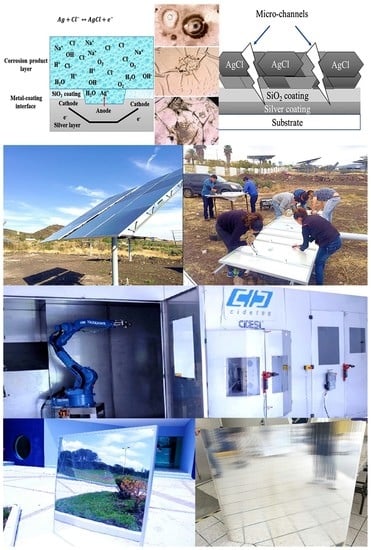
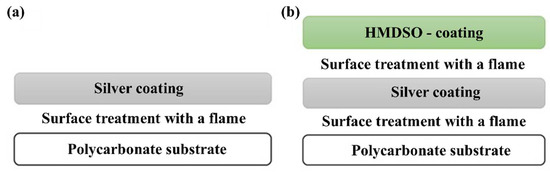
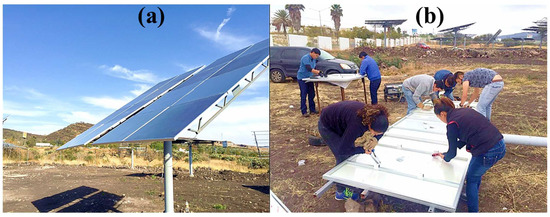
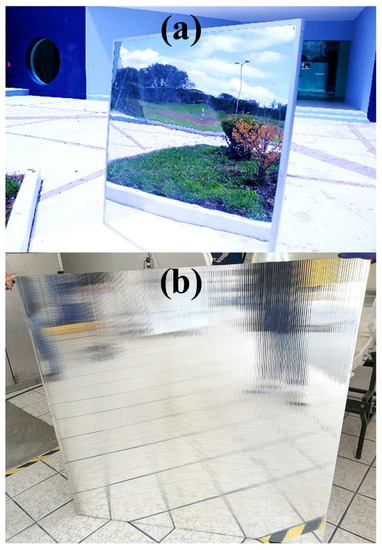
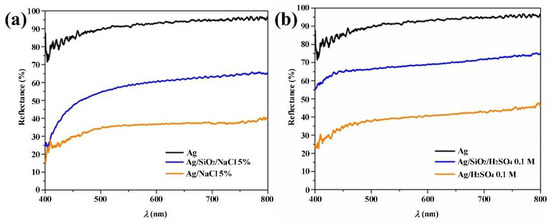
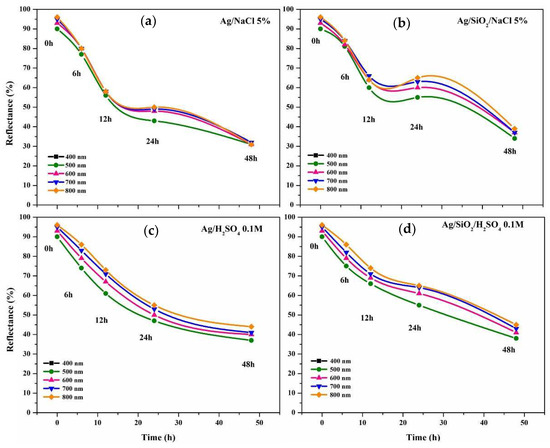
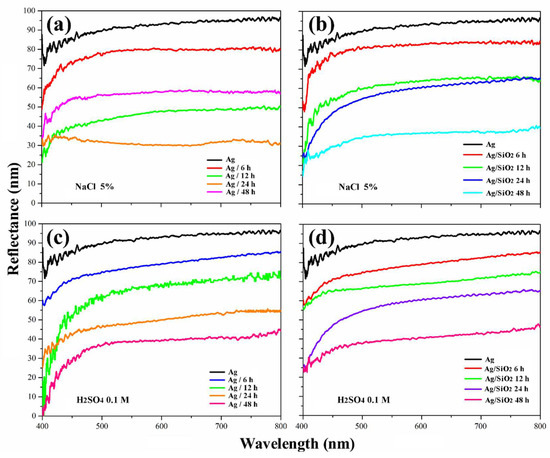
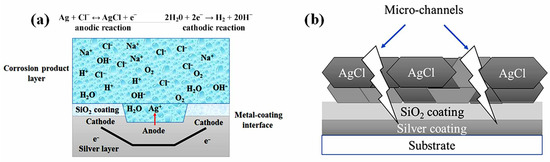
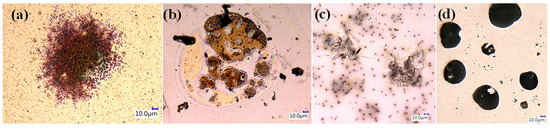
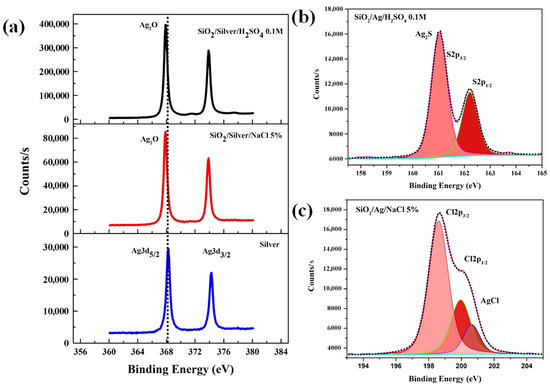
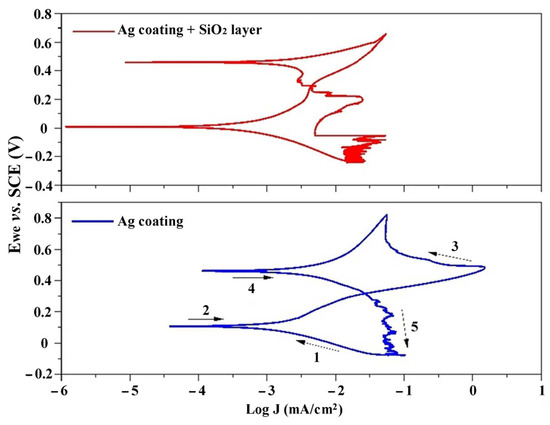
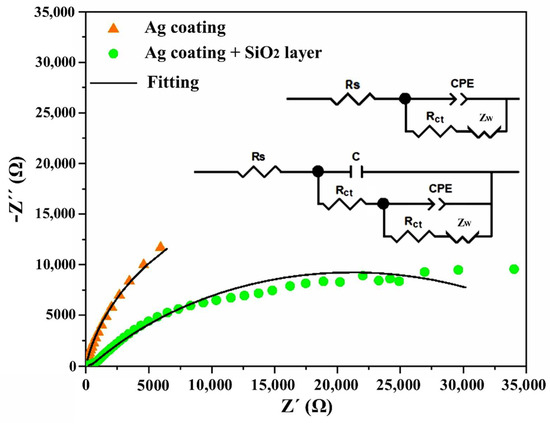
The lifetime of mirrors in outdoor conditions is crucial in the correct operation of any concentrating solar power (CSP) installation. In this work, the corrosion behavior of two types of metallized surfaces was studied. The first was made of a flexible polymer having a deposited reflective silver metallic film. The second was made of the same surface type with a dielectric SiO2 protection coating by an atmospheric pressure plasma jet. Polycarbonate sheets were used as substrates on which metallic silver was deposited by the Dynamic Chemical Deposit technique. This electroless technique allowed producing the mirror finishing under environmental conditions by sequentially spraying; as aerosols projected towards the substrate surface, the activation and reducing-oxidizing solutions with rinsing after each one. The silver coatings were about 100 nm thick. Environmental and accelerated weathering degradation and salt and sulfide fogs were carried out. XPS analyses show that the corrosion products formed were Ag2S, AgCl, and Ag2O. It was observed that the tarnishing was initiated locally by the formation of Ag2S columns as eruptions on the surface. Subsequently, the ions diffused through the protective layer and into the silver reflective layer, chemically reacting with the silver. The main atmospheric agents were H2S, chloride particles, and HCl. High reflectance was initially obtained of about 95%. The obtained results suggest mechanisms for the degradation of exposed silver surfaces to moisturized atmospheres with corrosive compounds. Full article
(This article belongs to the Special Issue Renewable Energy Technologies for Sustainable Development)
Show Figures

Graphical abstract

48 pages, 5876 KB  
Review
Fabrication of Earth-Abundant Electrocatalysts Based on Green-Chemistry Approaches to Achieve Efficient Alkaline Water Splitting—A Review
by Mohammed-Ibrahim Jamesh 1,2,3,*,†, Arumugam Akila 4, Dhakshinamoorthy Sudha 5, Karunanidhi Gnana Priya 6, Vetrivel Sivaprakash 7 and Arumugam Revathi 8
1 Department of Physics and Materials Science, City University of Hong Kong, Tat Chee Avenue, Kowloon, Hong Kong, China
2 Applied and Plasma Physics, School of Physics (A28), University of Sydney, Sydney, NSW 2006, Australia
3 Department of Chemistry, Division of Science and Humanities, VSB College of Engineering Technical Campus, Coimbatore 642109, Tamil Nadu, India
4 Department of Chemistry, Sri Eshwar College of Engineering, Coimbatore 641202, Tamil Nadu, India
5 Department of Chemistry, KPR Institute of Engineering and Technology, Coimbatore 641407, Tamil Nadu, India
6 Department of Chemistry, Sri Ramakrishna College of Arts & Science, Coimbatore 641006, Tamil Nadu, India
7 Department of Mechanical Engineering, Sathyabama Institute of Science and Technology, Chennai 600119, Tamil Nadu, India
8 Department of Chemistry, Centre for Environmental Research, Kongu Engineering College, Perundurai, Erode 638060, Tamil Nadu, India
Alumni.
Sustainability 2022, 14(24), 16359; https://doi.org/10.3390/su142416359 - 7 Dec 2022
Cited by 18 | Viewed by 4404
Abstract
The fabrication of earth-abundant electrocatalysts by green-chemistry approaches for electrochemical water splitting could diminish or alleviate the use or generation of hazardous substances, which could be highly desirable to achieve efficient, green alkaline water electrolysis for clean energy production (H2). This [...] Read more.
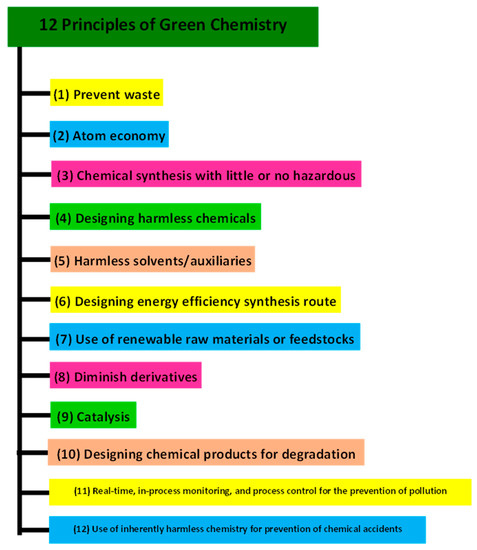
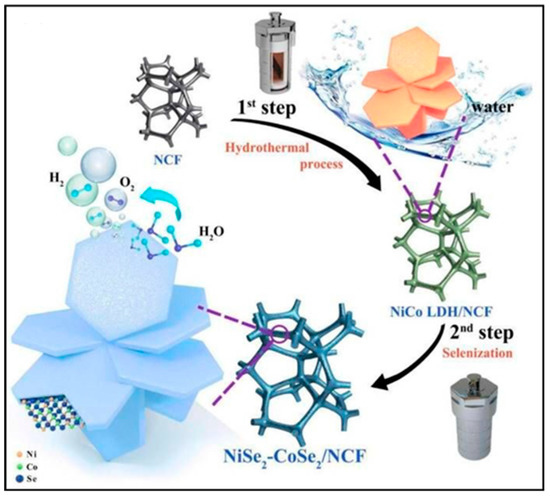
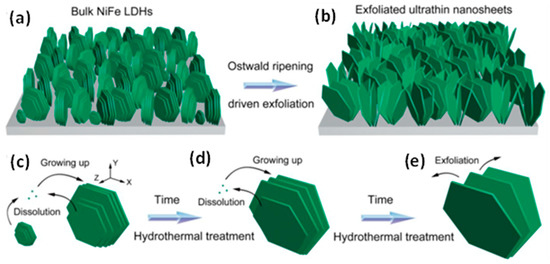
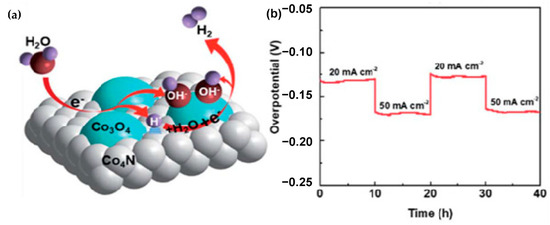
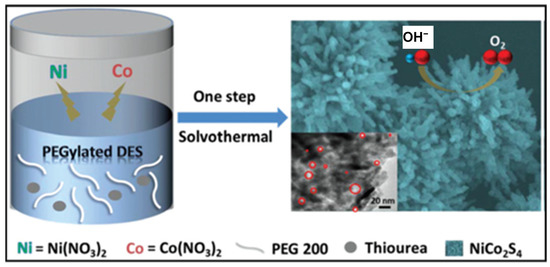
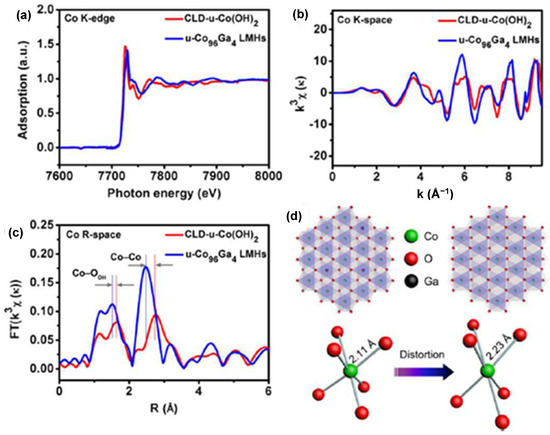
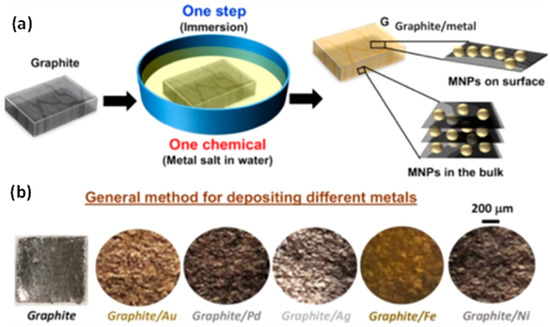
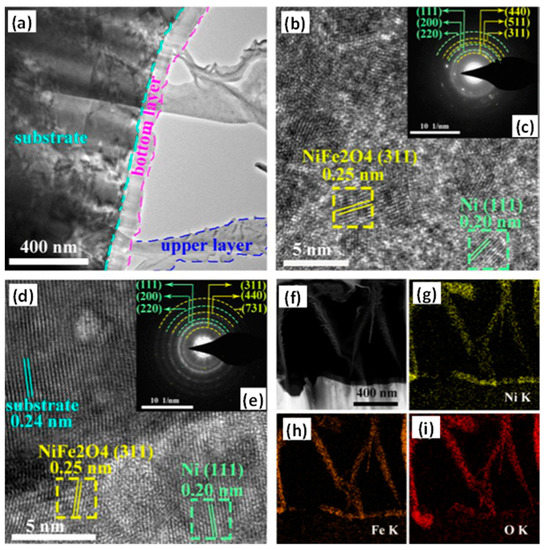
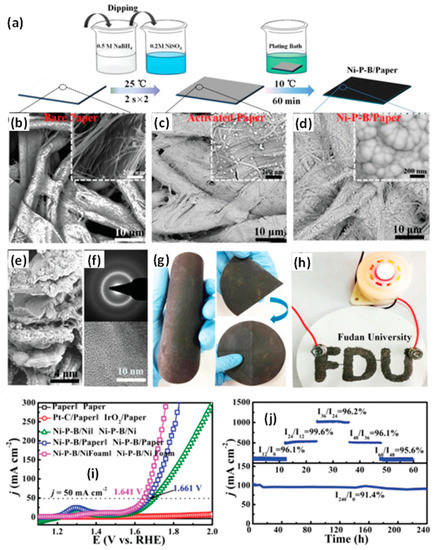
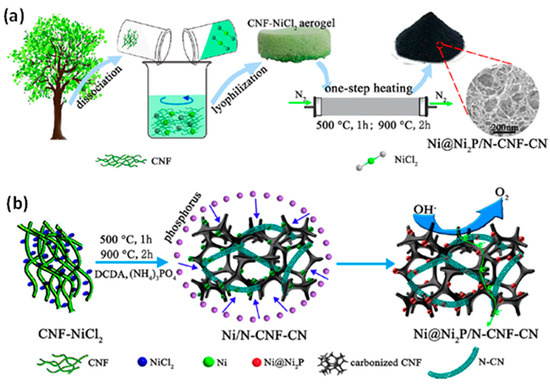
The fabrication of earth-abundant electrocatalysts by green-chemistry approaches for electrochemical water splitting could diminish or alleviate the use or generation of hazardous substances, which could be highly desirable to achieve efficient, green alkaline water electrolysis for clean energy production (H2). This review started by introducing the importance of the green-chemistry approaches. Later, this paper reviewed the fabrication of high-performance earth-abundant electrocatalysts using green-chemistry approaches for electrochemical water splitting (HER and OER). Moreover, this review discussed the green-chemistry approaches for the fabrication of earth-abundant electrocatalysts including phosphide/pyrophosphate-, carbon-, oxide-, OH/OOH/LDH-, alloy/B/nitride-, and sulfide/selenide (chalcogenide)-based earth-abundant electrocatalysts. Moreover, this review discussed various green-chemistry approaches, including those used to alleviate toxic PH3 gas emission during the fabrication of transition-metal phosphide-based electrocatalysts, to design energy-efficient synthesis routes (especially room-temperature synthesis), to utilize cheap or biodegradable substrates, and to utilize biomass waste or biomass or biodegradable materials as carbon sources for the fabrication of earth-abundant electrocatalysts. Thus, the construction of earth-abundant electrocatalysts by green-chemistry approaches for electrochemical water splitting could pave an efficient, green way for H2 production. Full article
Show Figures

Figure 1
15 pages, 268 KB  
Article
A Survival Analysis of China’s Trade of Environmental Goods
by Shiguang Peng 1,* and Le Wang 2
1 School of Economics, Yunnan University, Kunming 650500, China
2 College of Finance, Nanjing Agricultural University, Nanjing 210095, China
Sustainability 2022, 14(24), 16358; https://doi.org/10.3390/su142416358 - 7 Dec 2022
Cited by 3 | Viewed by 2177
Abstract
Based on data at the HS-6 digit level, this paper uses survival analysis to present characteristics concerning the survival of China’s exports and imports of environmental goods during the period 2002–2020, and compares them with those of other major exporting and importing countries. [...] Read more.
Based on data at the HS-6 digit level, this paper uses survival analysis to present characteristics concerning the survival of China’s exports and imports of environmental goods during the period 2002–2020, and compares them with those of other major exporting and importing countries. The major findings are summarized as follows: For exports, the average length of all trade spells was 8.36 years, and the length of only 18.72% of them was more than 18 years, which shows a disadvantage compared with other countries. The hazard rate was 0.31 in the first year of export, and the export survival rate of China’s environmental goods was always at the highest level compared with the others. By category, the export survival of environmental monitoring and evaluation goods was the best, and the export survival of renewable energy goods was the worst. For imports, the average length of all trade spells was 6.08 years, and the length of 50.37% of them was equal to 1 year, which are worse results than those of other countries. The hazard rate was up to 0.48 in the first year of imports, which is higher than those of other countries. By category, the environmental monitoring and evaluation goods had worse early import survival and better long-term survival, whereas the renewable energy goods experienced the opposite. Whether for exports or imports, the survival rate is higher when China trades with regions that signed a regional trade agreement with it. Full article
14 pages, 2552 KB  
Article
Using the Sentinel-3B Satellite in Geospatial Analysis of Suspended Aerosols in the Kiev, Ukraine Region
by Alcindo Neckel 1,*, M. Santosh 2,3, Brian William Bodah 1,4,5, Laércio Stolfo Maculan 1, Diana Pinto 6, Cleiton Korcelski 1, Paloma Carollo Toscan 1, Laura Pasa Cambrussi 1, Isadora Cezar Caino 1, Leila Dal Moro 1, Dirceu Piccinato Junior 1, Grace Tibério Cardoso 1, Caliane Christie Oliveira de Almeida Silva 1 and Giana de Vargas Mores 1
1 ATITUS Educação, Passo Fundo 99070-220, Brazil
2 School of Earth Sciences and Resources, China University of Geosciences Beijing, Beijing 100083, China
3 Department of Earth Science, University of Adelaide, Adelaide, SA 5005, Australia
4 Thaines and Bodah Center for Education and Development, 203 Merinda Drive, Selah, WA 98942, USA
5 Yakima Valley College, Workforce Education & Applied Baccalaureate Programs, South 16th Avenue & Nob Hill Boulevard, Yakima, WA 98902, USA
6 Department of Civil and Environmental Engineering, Universidad de la Costa, CUC, Calle 58 # 55–66, Barranquilla 080002, Colombia
Sustainability 2022, 14(24), 16357; https://doi.org/10.3390/su142416357 - 7 Dec 2022
Cited by 4 | Viewed by 3312
Abstract
The use of images from the Sentinel-3B SYN satellite (surface reflectance and aerosol parameters over land) is currently one of the most advanced technologies utilized to identify atmospheric aerosol concentrations on a global scale. The general aim of this study is to analyze [...] Read more.
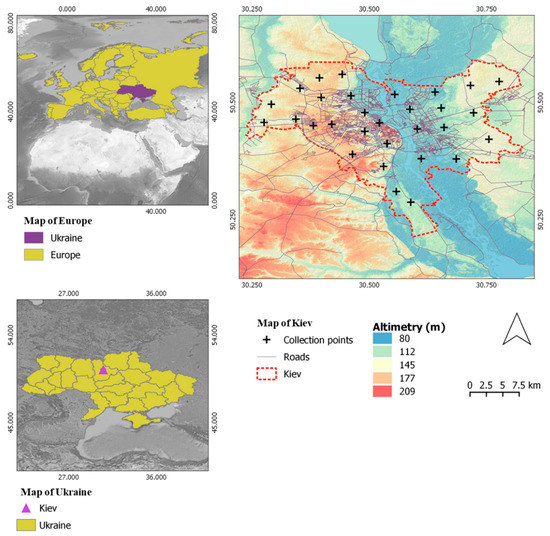
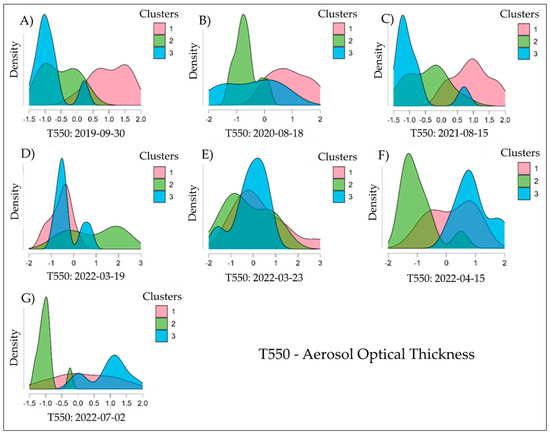
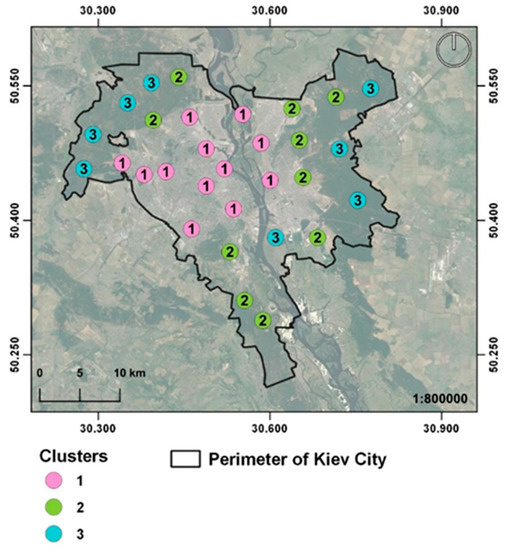
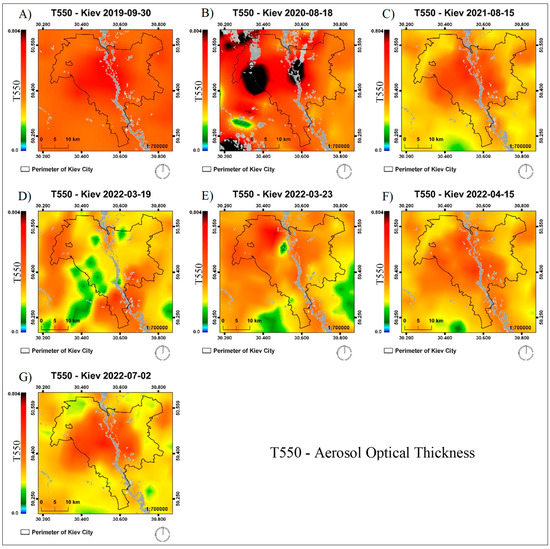
The use of images from the Sentinel-3B SYN satellite (surface reflectance and aerosol parameters over land) is currently one of the most advanced technologies utilized to identify atmospheric aerosol concentrations on a global scale. The general aim of this study is to analyze the evolution of aerosols in the atmosphere of the Kiev region in northern Ukraine during 2019, 2020, 2021 and 2022. Due to this study’s timing, both prior to and during the current military incursion into Ukraine, this study also evaluates the consequences of the invasion of the Russian army on the territory of Ukraine, in relation to the quantitative levels of aerosols present in the atmosphere. Satellite image data were modelled in SNAP software (Sentinel Application Platform). Using the JASP software (version 0.14.1.0), clusters with variations of T550 (Aerosol Optical Thickness) were generated. The Sentinel-3B SYN satellite images were made available by the European Space Agency (ESA), with moderate spatial resolution (>300 m), calibrated and normalized to an average standard of 0.83 µg/mg, with a maximum error of 6.62% in the 30 sampled points. Satellite image data were modelled in SNAP software. Using the JASP software (version 0.14.1.0), clusters with variations of T550 (Aerosol Optical Thickness) were generated. The results show variations in the concentration of T550 in different periods, revealing that the military conflict between Russia and Ukraine directly influenced the dynamics of aerosol concentration, attributed to factors incompatible with environmental sustainability. Full article
Show Figures

Figure 1
17 pages, 1768 KB  
Review
Marketing Strategies 4.0: Recent Trends and Technologies in Marketing
by Ravneet Kaur 1, Rajesh Singh 2,3, Anita Gehlot 2,3, Neeraj Priyadarshi 4,* and Bhekisipho Twala 5,*
1 Law College Dehradun, Uttaranchal University, Dehradun 248007, India
2 Uttaranchal Institute of Technology, Uttaranchal University, Dehradun 248007, India
3 Department of Project Management, Universidad Internacional Iberoamericana, Campeche 24560, Mexico
4 Department of Electrical Engineering, JIS College of Engineering, Kolkata 741235, India
5 Digital Transformation Portfolio, Tshwane University of Technology, Staatsartillerie Rd, Pretoria West, Pretoria 0183, South Africa
Sustainability 2022, 14(24), 16356; https://doi.org/10.3390/su142416356 - 7 Dec 2022
Cited by 36 | Viewed by 26383
Abstract
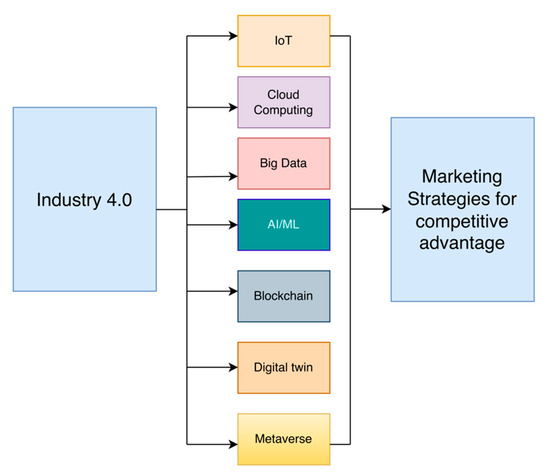
Industry 4.0 technologies have transformed the traditional methods of various study areas, using digitalization to fulfill sustainability and introduce innovative infrastructure. In the present era, every organization requires a distinct marketing strategy in order to meet customer and market demands in the form [...] Read more.
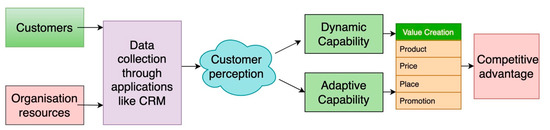
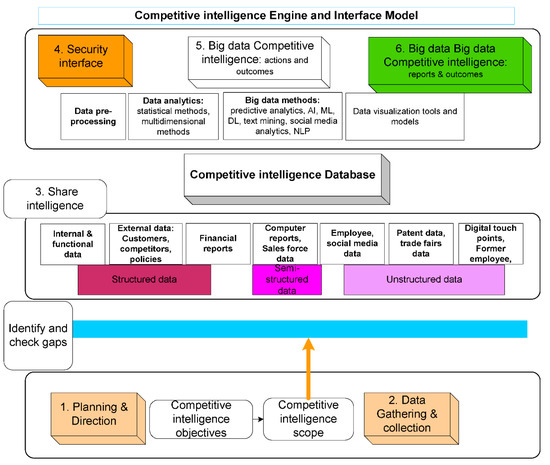
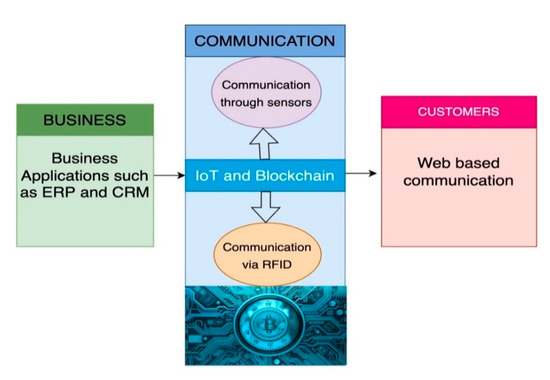
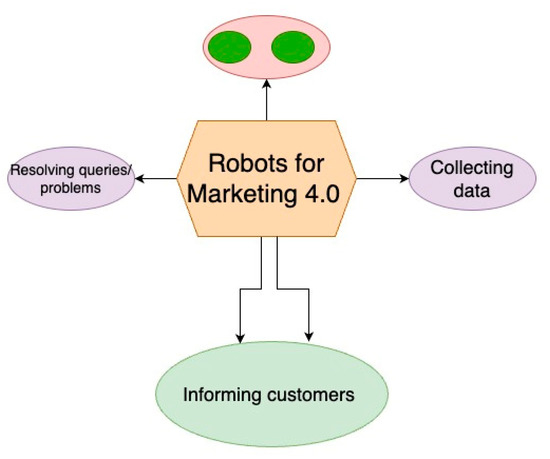
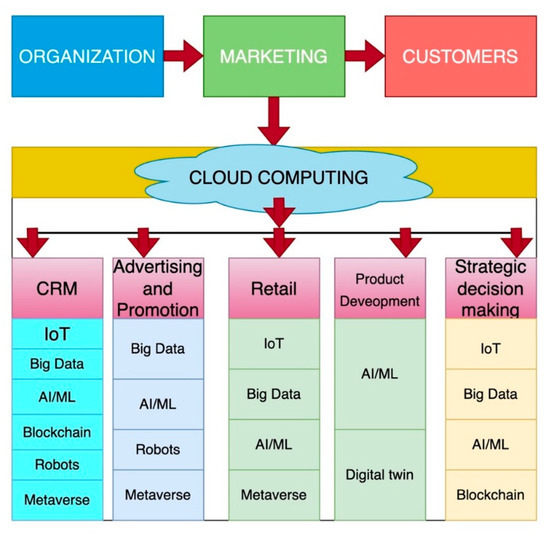
Industry 4.0 technologies have transformed the traditional methods of various study areas, using digitalization to fulfill sustainability and introduce innovative infrastructure. In the present era, every organization requires a distinct marketing strategy in order to meet customer and market demands in the form of products and services. Customer satisfaction, customer retention, customer behavior, customer profiling, and rewards systems are key parameters in the effective implementation of an organization’s marketing strategy for achieving better productivity. There are limited studies that have focused on discussing all the Industry 4.0 enabling technologies used in marketing for transforming the digital and intelligent ecosystem. Based on the analyses, this study identified the applications of the Industry 4.0 enabling technologies for market strategies, such as strategic information for customer satisfaction of the target customer; development of digital infrastructure for receiving real-time feedback on products and services; forecasting customer behavior to develop personalized messages or services; using business analytics to strengthen the quality of a product or service; developing effective simulations to monitor, test, and plan product improvements, based on consumer and market demand. Finally, a framework is recommended, and the vital recommendations for future adoption while maintaining sustainability are discussed. Full article
Show Figures

Figure 1
15 pages, 451 KB  
Article
Research on Mortality Risk of Chinese Older Adults from the Perspective of Social Health
by Guoliang Xu 1, Longchao Xu 2 and Li Jia 1,*
1 School of Humanities and Management, Guangdong Medical University, Zhanjiang 524023, China
2 Department of Social Policy and Social Work, National Chi Nan University, Nantou County 54561, Taiwan
Sustainability 2022, 14(24), 16355; https://doi.org/10.3390/su142416355 - 7 Dec 2022
Cited by 5 | Viewed by 3147
Abstract
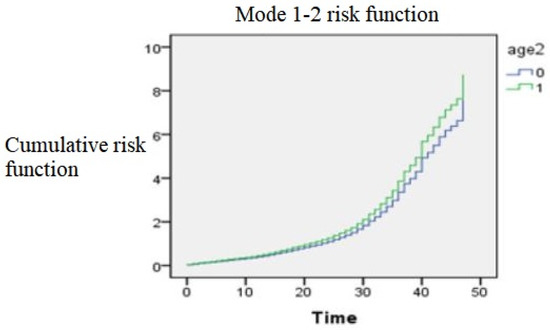
In response to the increasing aging problem that China is facing, this study aimed to investigate the impact of social health on the mortality risk of the Chinese older adult population. In this paper, we used the data from “The Chinese Longitudinal Health [...] Read more.
In response to the increasing aging problem that China is facing, this study aimed to investigate the impact of social health on the mortality risk of the Chinese older adult population. In this paper, we used the data from “The Chinese Longitudinal Health Longevity Survey (CLHLS)-Longitudinal Data (2008–2018)” and applied the Cox proportional hazard model to investigate the effects of three dimensions of social health on the risk of death among older adults in China. The study found that: (1) The three dimensions of social health have a positive effect on the mortality risk of older adults. (2) Among those three dimensions, social activities had the most significant effect on older adults. The effect of social support and social network on the mortality risk of older adults are basically similar. Moreover, social activity, social support, and the social network had no significant effect on the young-old’s mortality risk. (3) In order to address the problem of data censoring, the Cox proportional hazard model can be used, whereas demographic characteristics, health status, and health behavior components are selective to society. This study enriches social health research in China and promotes the development of social health research from theory to practice. Moreover, it has obvious advantages in terms of economics and feasibility for achieving mortality risk reduction through improving the social health of older adults and building a healthy aging society. Full article
(This article belongs to the Topic Sustainability in Aging and Depopulation Societies)
Show Figures

Figure 1
17 pages, 397 KB  
Article
Whether the Use of the Internet Can Assist Farmers in Selecting Biopesticides or Not: A Study Based on Evidence from the Largest Rice-Producing Province in China
by Siyu Gong 1, Bo Wang 2 and Zhigang Yu 1,*
1 School of Economics and Management, Northeast Agricultural University, Harbin 150030, China
2 School of Management, Harbin Institute of Technology, Harbin 150000, China
Sustainability 2022, 14(24), 16354; https://doi.org/10.3390/su142416354 - 7 Dec 2022
Cited by 5 | Viewed by 2173
Abstract
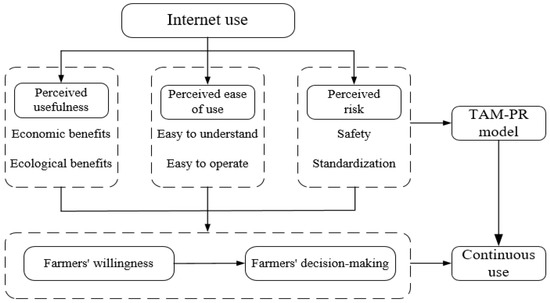
The pivotal measure for reducing pollution and facilitating green and sustainable agriculture lies in the application of biopesticides to replace chemical pesticides. The argument still rests on whether the use of the Internet can assist farmers in selecting biopesticides or not. In light [...] Read more.
The pivotal measure for reducing pollution and facilitating green and sustainable agriculture lies in the application of biopesticides to replace chemical pesticides. The argument still rests on whether the use of the Internet can assist farmers in selecting biopesticides or not. In light of 532 microscopic research datapoints from the largest rice-producing province in China, the Probit model was applied in this article to probe the influencing factors regarding the use of the Internet on their selection of the biopesticides by farmers, and the TAM-PR model was also adopted to explore its intrinsic mechanisms. According to the research findings, the use of the Internet directly contributed to the application of biopesticides, which can affect farmers’ decisions regarding biopesticides by means of perceived usefulness and perceived ease of use in an indirect manner, and the mediating effect was 19.74% and 20.98%, respectively. The result regarding perceived risk was not significant. The use of the Internet has a remarkable effect on farmers with high incomes and large-scale operations, while it has an insignificant effect on farmers with low incomes and individual operations. It has a remarkable positive effect on farmers with high academic qualifications compared with those with low academic qualifications. Furthermore, personal, household-based production and village and green cognitive characteristics also have a significant influence on the application of biopesticides. Hence, it is of great significance to continuously facilitate the application of rural Internet usage, encourage environmentally friendly modes of production, and reduce agricultural pollution. Full article
Show Figures

Figure 1
13 pages, 2783 KB  
Article
The Anthropic Pressure on the Grey Water Footprint: The Case of the Vulnerable Areas of the Emilia-Romagna Region in Italy
by Diego Voccia 1, Giacomo Mortella 1, Federico Ferrari 2, Maria Chiara Fontanella 1, Marco Trevisan 1 and Lucrezia Lamastra 1,*
1 Department of Sustainable Food Process, Università Cattolica del Sacro Cuore, 29122 Piacenza, Italy
2 Aeiforia S.r.l, 29027 Piacenza, Italy
Sustainability 2022, 14(24), 16353; https://doi.org/10.3390/su142416353 - 7 Dec 2022
Cited by 2 | Viewed by 4096
Abstract
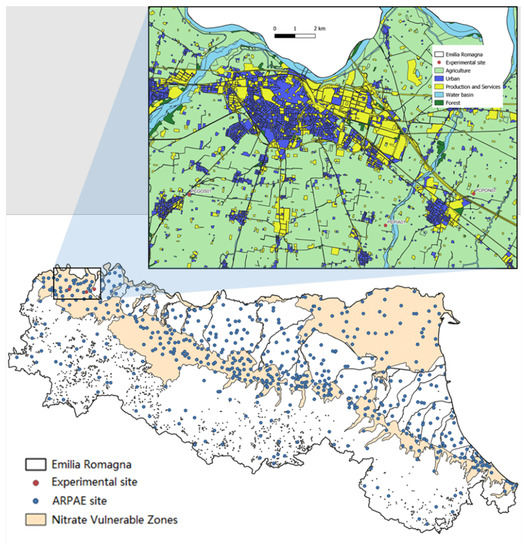
Nitrogen (N) is an important component of plant development, yet its application and contamination are a global issue. Diffuse source pollution and its effects on ecosystem health are notoriously difficult to track and control. This paper answers the Sustainable development Goal 6 goal [...] Read more.
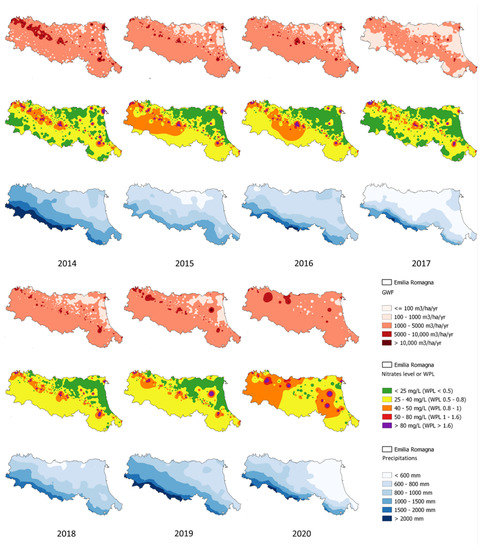
Nitrogen (N) is an important component of plant development, yet its application and contamination are a global issue. Diffuse source pollution and its effects on ecosystem health are notoriously difficult to track and control. This paper answers the Sustainable development Goal 6 goal focused on reducing water pollution by improving the understanding of nitrate emissions to groundwater and their resulting water pollution level in the Emilia-Romagna region in Italy. The Grey water footprint (GWF) and water pollution level (WPL) were used as indicators and geospatial maps were constructed in order to determine if N levels exceeded groundwater quality demand from 2014 to 2020. Moreover, a selection of specific agricultural sites in the Piacenza district has been performed to better understand the potential anthropogenic nitrate pollution due to the agricultural sector. In the selected sites, the predicted nitrate pollution due to agricultural practice has been compared with the nitrate concentration measured in samples collected across the period 2015–2018. The regional results show that approximately 70% of the analysed sites resulted in a total N load exceeding the estimated agricultural load to groundwater. The analysis conducted in three selected wells in the Piacenza district shows the sporadic exceedances of the legal limit and demonstrates the presence of anthropogenic pressures of various natures insisting on the surrounding area and confirms a potential non-agricultural point or diffuse pollution source. Full article
Show Figures

Figure 1