21 pages, 2739 KB  
Review
Neuroimaging Methods to Map In Vivo Changes of OXPHOS and Oxidative Stress in Neurodegenerative Disorders
by Jannik Prasuhn, Liesa Kunert and Norbert Brüggemann
Int. J. Mol. Sci. 2022, 23(13), 7263; https://doi.org/10.3390/ijms23137263 - 30 Jun 2022
Cited by 15 | Viewed by 4139
Abstract
Mitochondrial dysfunction is a pathophysiological hallmark of most neurodegenerative diseases. Several clinical trials targeting mitochondrial dysfunction have been performed with conflicting results. Reliable biomarkers of mitochondrial dysfunction in vivo are thus needed to optimize future clinical trial designs. This narrative review highlights various [...] Read more.
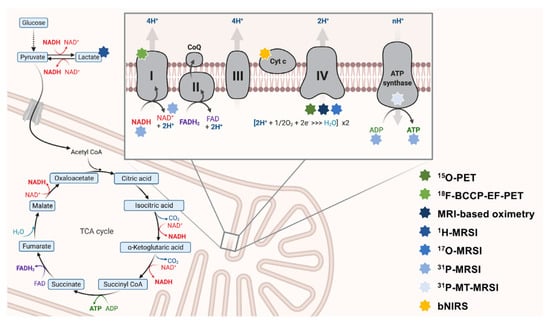
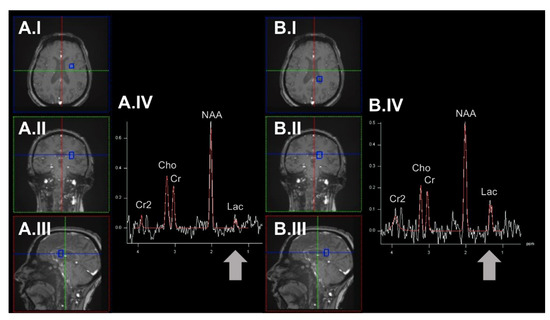
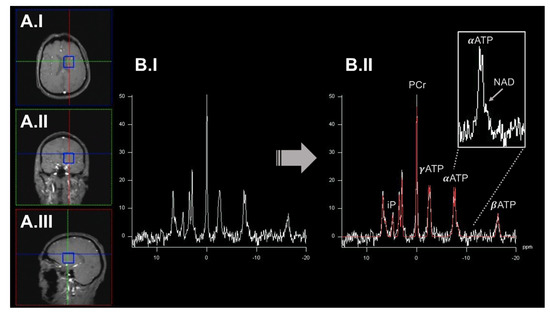
Mitochondrial dysfunction is a pathophysiological hallmark of most neurodegenerative diseases. Several clinical trials targeting mitochondrial dysfunction have been performed with conflicting results. Reliable biomarkers of mitochondrial dysfunction in vivo are thus needed to optimize future clinical trial designs. This narrative review highlights various neuroimaging methods to probe mitochondrial dysfunction. We provide a general overview of the current biological understanding of mitochondrial dysfunction in degenerative brain disorders and how distinct neuroimaging methods can be employed to map disease-related changes. The reviewed methodological spectrum includes positron emission tomography, magnetic resonance, magnetic resonance spectroscopy, and near-infrared spectroscopy imaging, and how these methods can be applied to study alterations in oxidative phosphorylation and oxidative stress. We highlight the advantages and shortcomings of the different neuroimaging methods and discuss the necessary steps to use these for future research. This review stresses the importance of neuroimaging methods to gain deepened insights into mitochondrial dysfunction in vivo, its role as a critical disease mechanism in neurodegenerative diseases, the applicability for patient stratification in interventional trials, and the quantification of individual treatment responses. The in vivo assessment of mitochondrial dysfunction is a crucial prerequisite for providing individualized treatments for neurodegenerative disorders. Full article
Show Figures

Figure 1
15 pages, 3077 KB  
Article
Analysis of the Hypoxic Response in a Mouse Cortical Collecting Duct-Derived Cell Line Suggests That Esrra Is Partially Involved in Hif1α-Mediated Hypoxia-Inducible Gene Expression in mCCDcl1 Cells
by Anna Keppner, Darko Maric, Ilaria Maria Christina Orlando, Laurent Falquet, Edith Hummler and David Hoogewijs
Int. J. Mol. Sci. 2022, 23(13), 7262; https://doi.org/10.3390/ijms23137262 - 30 Jun 2022
Cited by 5 | Viewed by 3164
Abstract
The kidney is strongly dependent on a continuous oxygen supply, and is conversely highly sensitive to hypoxia. Controlled oxygen gradients are essential for renal control of solutes and urine-concentrating mechanisms, which also depend on various hormones including aldosterone. The cortical collecting duct (CCD) [...] Read more.
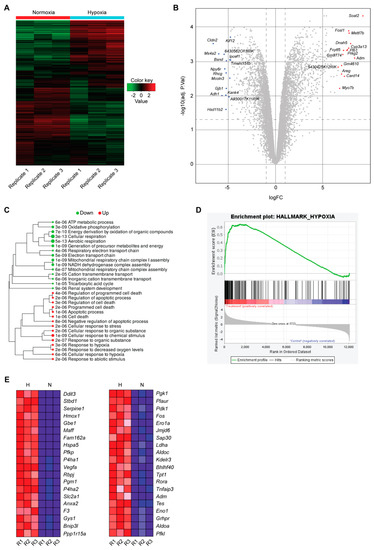
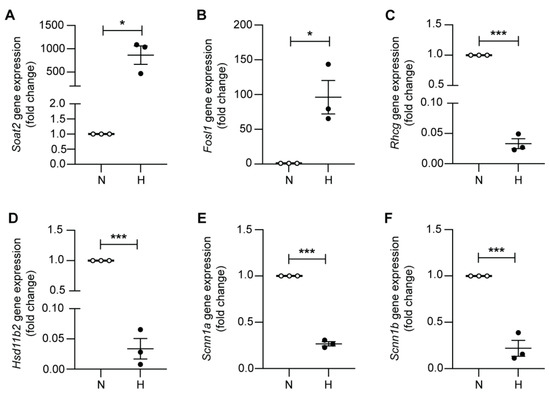
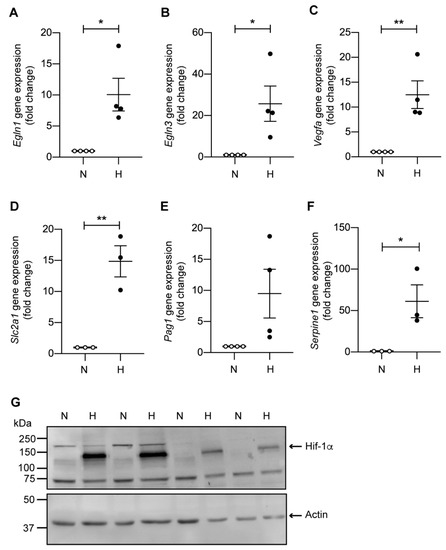
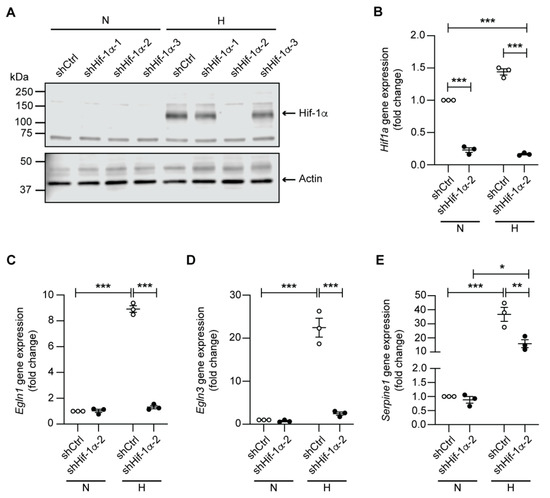
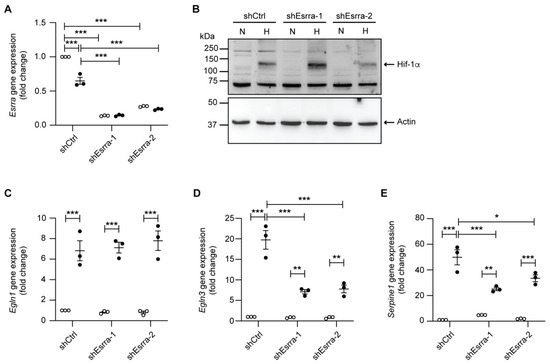
The kidney is strongly dependent on a continuous oxygen supply, and is conversely highly sensitive to hypoxia. Controlled oxygen gradients are essential for renal control of solutes and urine-concentrating mechanisms, which also depend on various hormones including aldosterone. The cortical collecting duct (CCD) is part of the aldosterone-sensitive distal nephron and possesses a key function in fine-tuned distal salt handling. It is well known that aldosterone is consistently decreased upon hypoxia. Furthermore, a recent study reported a hypoxia-dependent down-regulation of sodium currents within CCD cells. We thus investigated the possibility that cells from the cortical collecting duct are responsive to hypoxia, using the mouse cortical collecting duct cell line mCCDcl1 as a model. By analyzing the hypoxia-dependent transcriptome of mCCDcl1 cells, we found a large number of differentially-expressed genes (3086 in total logFC< −1 or >1) following 24 h of hypoxic conditions (0.2% O2). A gene ontology analysis of the differentially-regulated pathways revealed a strong decrease in oxygen-linked processes such as ATP metabolic functions, oxidative phosphorylation, and cellular and aerobic respiration, while pathways associated with hypoxic responses were robustly increased. The most pronounced regulated genes were confirmed by RT-qPCR. The low expression levels of Epas1 under both normoxic and hypoxic conditions suggest that Hif-1α, rather than Hif-2α, mediates the hypoxic response in mCCDcl1 cells. Accordingly, we generated shRNA-mediated Hif-1α knockdown cells and found Hif-1α to be responsible for the hypoxic induction of established hypoxically-induced genes. Interestingly, we could show that following shRNA-mediated knockdown of Esrra, Hif-1α protein levels were unaffected, but the gene expression levels of Egln3 and Serpine1 were significantly reduced, indicating that Esrra might contribute to the hypoxia-mediated expression of these and possibly other genes. Collectively, mCCDcl1 cells display a broad response to hypoxia and represent an adequate cellular model to study additional factors regulating the response to hypoxia. Full article
(This article belongs to the Special Issue Molecular Mechanisms of Adaptation to Hypoxia)
Show Figures

Figure 1
26 pages, 1258 KB  
Review
Glycaemic Control in Patients Undergoing Percutaneous Coronary Intervention: What Is the Role for the Novel Antidiabetic Agents? A Comprehensive Review of Basic Science and Clinical Data
by Annunziata Nusca, Francesco Piccirillo, Federico Bernardini, Aurelio De Filippis, Federica Coletti, Fabio Mangiacapra, Elisabetta Ricottini, Rosetta Melfi, Paolo Gallo, Valeria Cammalleri, Nicola Napoli, Gian Paolo Ussia and Francesco Grigioni
Int. J. Mol. Sci. 2022, 23(13), 7261; https://doi.org/10.3390/ijms23137261 - 30 Jun 2022
Cited by 9 | Viewed by 4549
Abstract
Coronary artery disease (CAD) remains one of the most important causes of morbidity and mortality worldwide, and revascularization through percutaneous coronary interventions (PCI) significantly improves survival. In this setting, poor glycaemic control, regardless of diabetes, has been associated with increased incidence of peri-procedural [...] Read more.
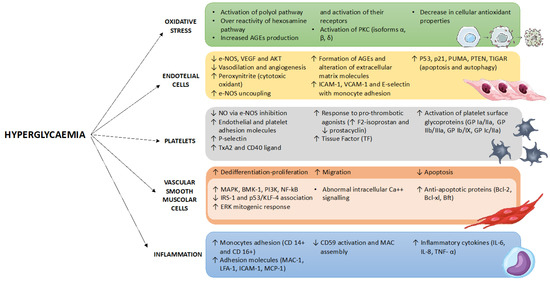
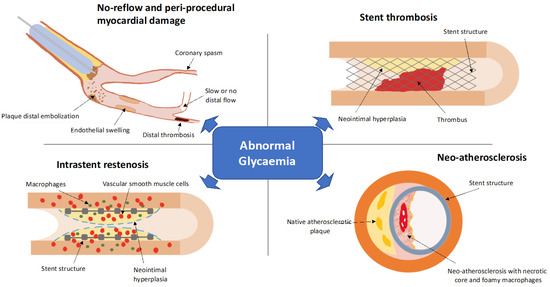
Coronary artery disease (CAD) remains one of the most important causes of morbidity and mortality worldwide, and revascularization through percutaneous coronary interventions (PCI) significantly improves survival. In this setting, poor glycaemic control, regardless of diabetes, has been associated with increased incidence of peri-procedural and long-term complications and worse prognosis. Novel antidiabetic agents have represented a paradigm shift in managing patients with diabetes and cardiovascular diseases. However, limited data are reported so far in patients undergoing coronary stenting. This review intends to provide an overview of the biological mechanisms underlying hyperglycaemia-induced vascular damage and the contrasting actions of new antidiabetic drugs. We summarize existing evidence on the effects of these drugs in the setting of PCI, addressing pre-clinical and clinical studies and drug-drug interactions with antiplatelet agents, thus highlighting new opportunities for optimal long-term management of these patients. Full article
(This article belongs to the Special Issue Frontiers in Cardiometabolic Diseases)
Show Figures

Figure 1
13 pages, 1312 KB  
Article
Development of a Mortality Prediction Model in Hospitalised SARS-CoV-2 Positive Patients Based on Routine Kidney Biomarkers
by Anna N. Boss, Abhirup Banerjee, Michail Mamalakis, Surajit Ray, Andrew J. Swift, Craig Wilkie, Joseph W. Fanstone, Bart Vorselaars, Joby Cole, Simonne Weeks and Louise S. Mackenzie
Int. J. Mol. Sci. 2022, 23(13), 7260; https://doi.org/10.3390/ijms23137260 - 30 Jun 2022
Cited by 4 | Viewed by 2931
Abstract
Acute kidney injury (AKI) is a prevalent complication in severe acute respiratory syndrome coronavirus 2 (SARS-CoV-2) positive inpatients, which is linked to an increased mortality rate compared to patients without AKI. Here we analysed the difference in kidney blood biomarkers in SARS-CoV-2 positive [...] Read more.
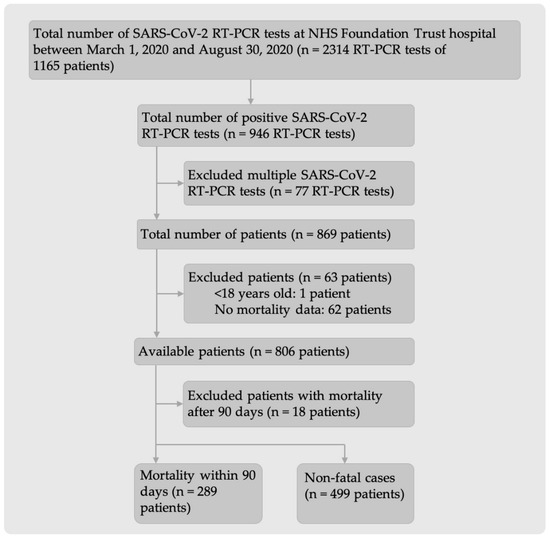
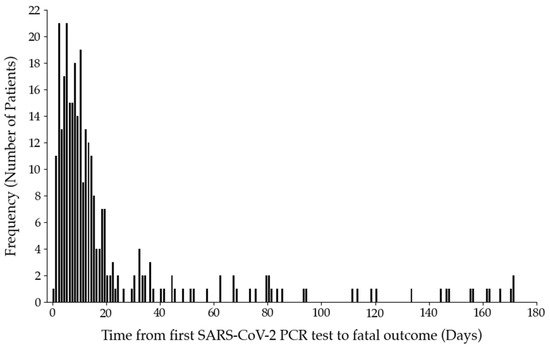
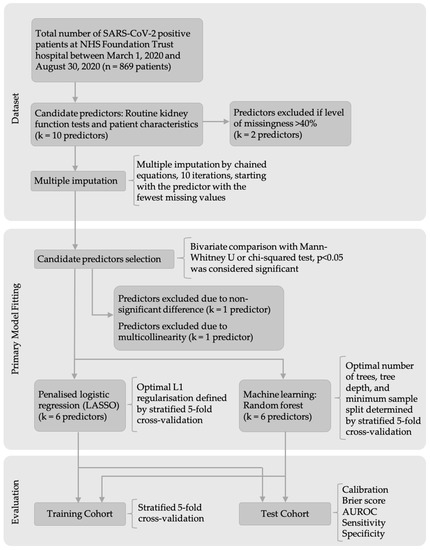
Acute kidney injury (AKI) is a prevalent complication in severe acute respiratory syndrome coronavirus 2 (SARS-CoV-2) positive inpatients, which is linked to an increased mortality rate compared to patients without AKI. Here we analysed the difference in kidney blood biomarkers in SARS-CoV-2 positive patients with non-fatal or fatal outcome, in order to develop a mortality prediction model for hospitalised SARS-CoV-2 positive patients. A retrospective cohort study including data from suspected SARS-CoV-2 positive patients admitted to a large National Health Service (NHS) Foundation Trust hospital in the Yorkshire and Humber regions, United Kingdom, between 1 March 2020 and 30 August 2020. Hospitalised adult patients (aged ≥ 18 years) with at least one confirmed positive RT-PCR test for SARS-CoV-2 and blood tests of kidney biomarkers within 36 h of the RT-PCR test were included. The main outcome measure was 90-day in-hospital mortality in SARS-CoV-2 infected patients. The logistic regression and random forest (RF) models incorporated six predictors including three routine kidney function tests (sodium, urea; creatinine only in RF), along with age, sex, and ethnicity. The mortality prediction performance of the logistic regression model achieved an area under receiver operating characteristic (AUROC) curve of 0.772 in the test dataset (95% CI: 0.694–0.823), while the RF model attained the AUROC of 0.820 in the same test cohort (95% CI: 0.740–0.870). The resulting validated prediction model is the first to focus on kidney biomarkers specifically on in-hospital mortality over a 90-day period. Full article
Show Figures

Figure 1
16 pages, 1839 KB  
Article
Anxiety-like Behavior and GABAAR/BDZ Binding Site Response to Progesterone Withdrawal in a Stress-Vulnerable Strain, the Wistar Kyoto Rats
by Dannia Islas-Preciado, Gabriela Ugalde-Fuentes, Isabel Sollozo-Dupont, María Eva González Trujano, Nancy Cervantes-Anaya, Erika Estrada-Camarena and Carolina López-Rubalcava
Int. J. Mol. Sci. 2022, 23(13), 7259; https://doi.org/10.3390/ijms23137259 - 30 Jun 2022
Cited by 9 | Viewed by 3367
Abstract
Stress susceptibility could play a role in developing premenstrual anxiety due to abnormalities in the hypothalamus–pituitary–adrenal (HPA) axis and impairments in the GABAA receptors’ benzodiazepine (BDZ) site. Hence, we studied the stress-vulnerable Wistar Kyoto rat strain (WKY) to evaluate progesterone withdrawal (PW) effects [...] Read more.
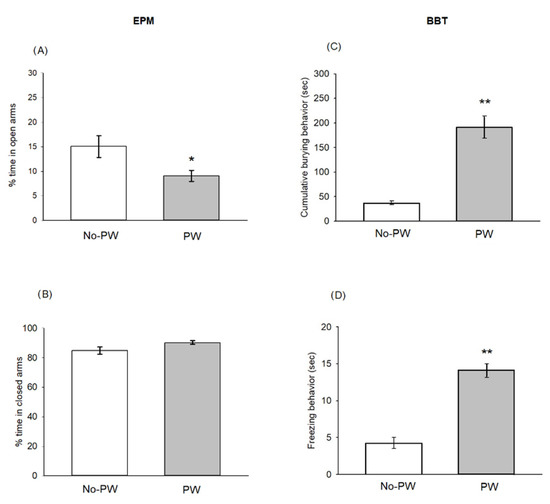
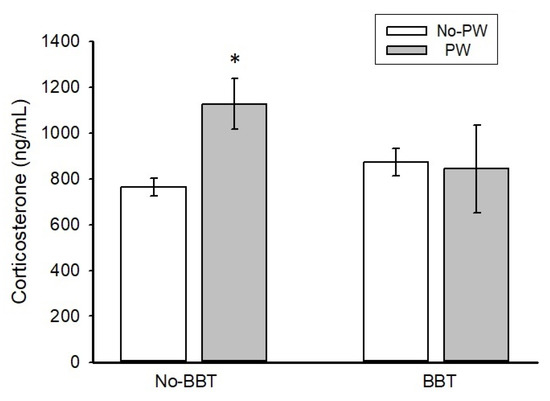
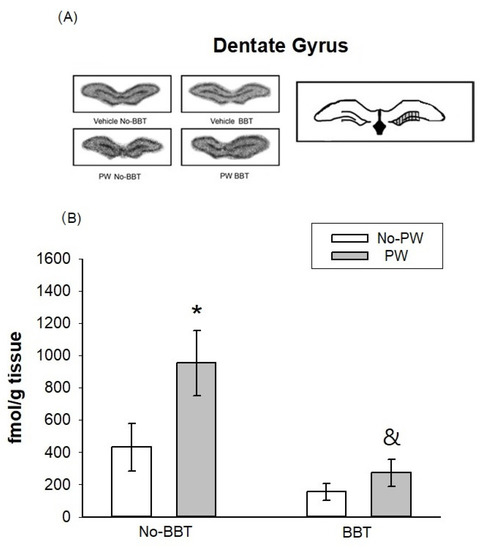
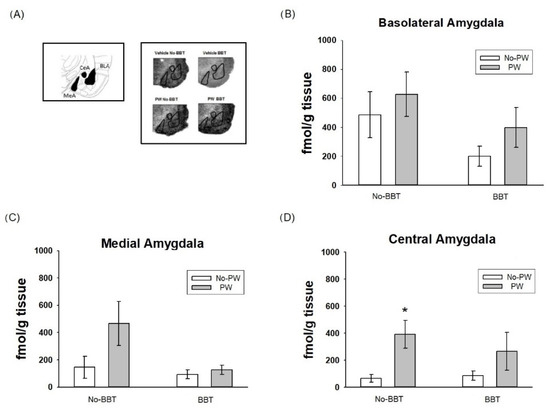
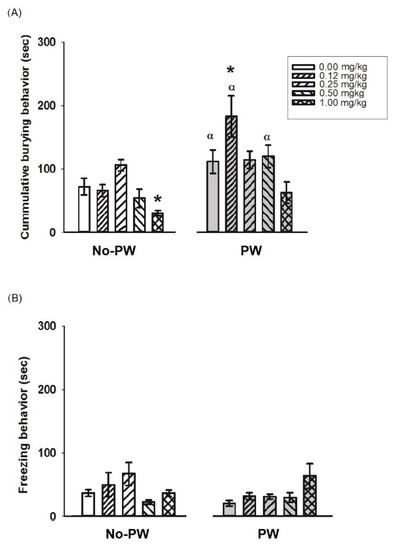
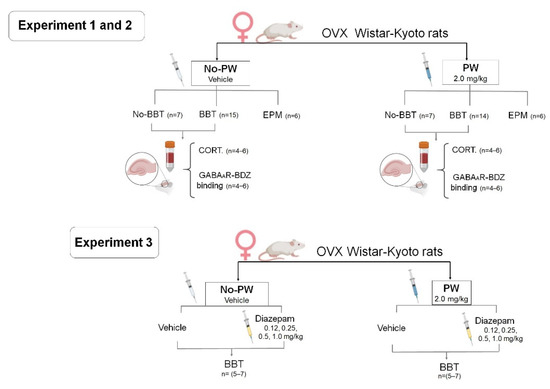
Stress susceptibility could play a role in developing premenstrual anxiety due to abnormalities in the hypothalamus–pituitary–adrenal (HPA) axis and impairments in the GABAA receptors’ benzodiazepine (BDZ) site. Hence, we studied the stress-vulnerable Wistar Kyoto rat strain (WKY) to evaluate progesterone withdrawal (PW) effects on anxiety, HPA axis response, and to explore indicators of GABAA functionality in the BDZ site. For five days, ovariectomized WKY rats were administered 2.0 mg/kg of progesterone. Twenty-four hours after the last administration, rats were tested in the anxiety-like burying behavior test (BBT) or elevated plus maze test (EPM), and corticosterone was determined. [3H]Flunitrazepam binding autoradiography served as the BDZ binding site index of the GABAA receptor in amygdala nuclei and hippocampus’s dentate gyrus (DG). Finally, different doses of diazepam in PW-WKY rats were tested in the BBT. PW induced anxiety-like behaviors in both BBT and EPM compared with No-PW rats. PW increased corticosterone, but was blunted when combined with PW and BBT. PW increased [3H]Flunitrazepam binding in the DG and central amygdala compared with No-PW rats. Diazepam at a low dose induced an anxiogenic-like response in PW rats, suggesting a paradoxical response to benzodiazepines. Overall, PW induced anxiety-like behavior, a blunted HPA axis response, and higher GABAAR/BZD binding site sensitivity in a stress-vulnerable rat strain. These findings demonstrate the role of stress-susceptibility in GABAAR functionality in a preclinical approximation of PMDD. Full article
Show Figures

Figure 1
13 pages, 4090 KB  
Article
A Study of Zn-Ca Nanocomposites and Their Antibacterial Properties
by M. I. Torres-Ramos, U. J. Martín-Camacho, J. L. González, M. F. Yañez-Acosta, L. Becerra-Solano, Y. K. Gutiérrez-Mercado, M. Macias-Carballo, Claudia M. Gómez, O. A. González-Vargas, J. A. Rivera-Mayorga and Alejandro Pérez-Larios
Int. J. Mol. Sci. 2022, 23(13), 7258; https://doi.org/10.3390/ijms23137258 - 29 Jun 2022
Cited by 15 | Viewed by 3489
Abstract
This study aimed to develop Ca2+ doped ZnO nanoparticles (NPs) and investigate their antibacterial properties against microorganisms of dental interest. Zn-Ca NPs were synthesized by the sol-gel method with different concentrations of Ca2+ (1, 3, and 5 wt. %) and subsequently [...] Read more.
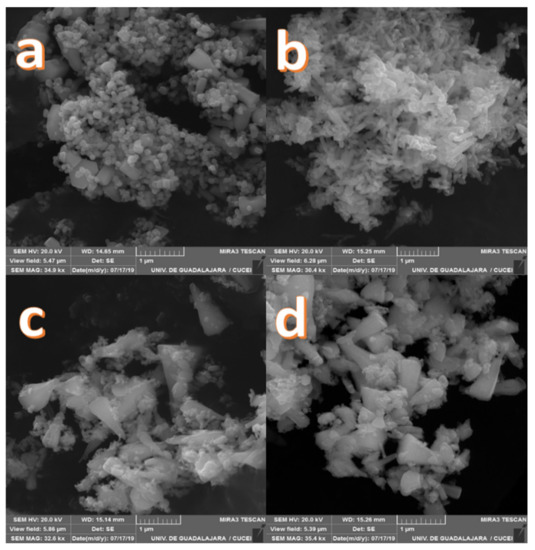
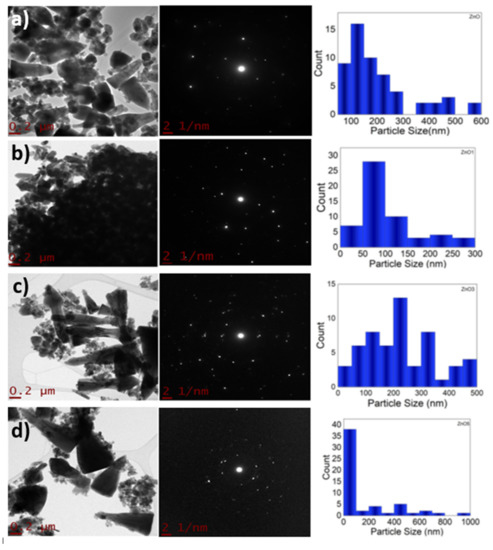
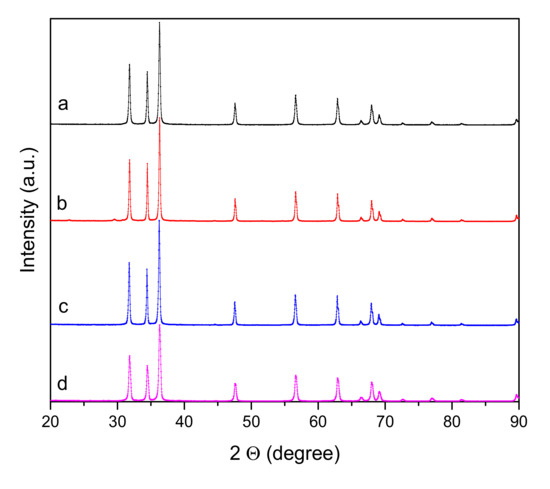
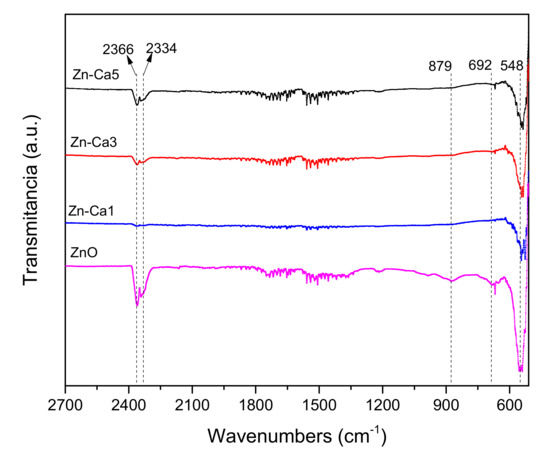
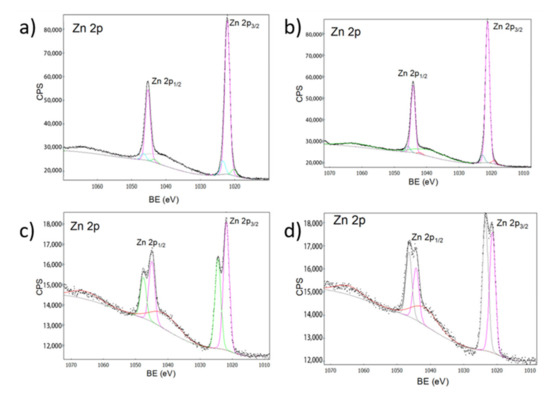
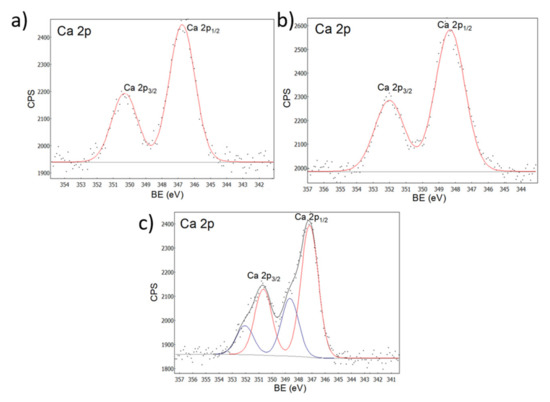
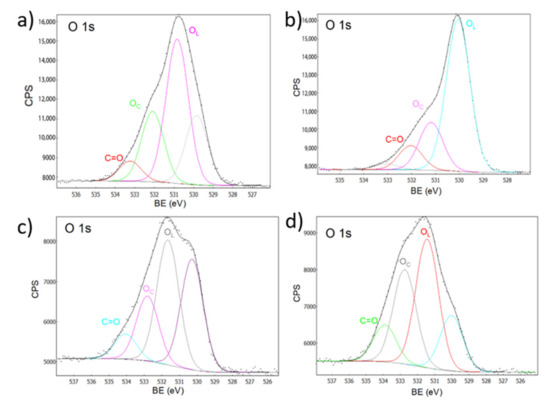
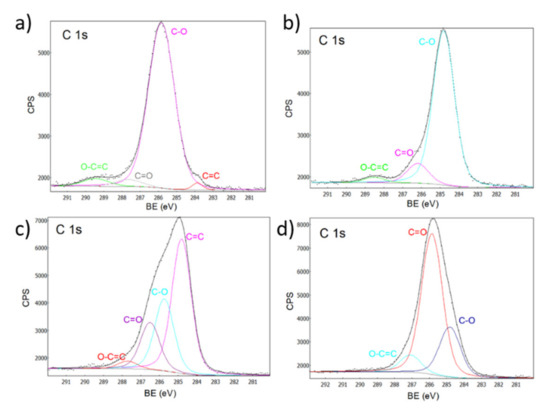
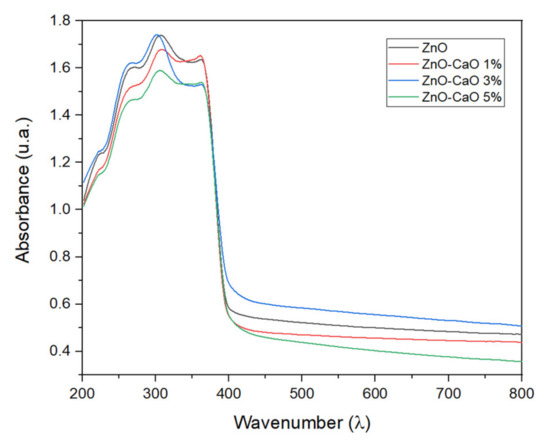
This study aimed to develop Ca2+ doped ZnO nanoparticles (NPs) and investigate their antibacterial properties against microorganisms of dental interest. Zn-Ca NPs were synthesized by the sol-gel method with different concentrations of Ca2+ (1, 3, and 5 wt. %) and subsequently characterized by scanning electron microscopy (SEM), X-ray diffraction (XRD), UV-vis spectroscopy and Fourier transform infrared spectroscopy (FT-IR). The Kirby–Bauer method was used to measure antibacterial effects. NPs showed the wurzite phase of ZnO and bandgap energies (Eg) from 2.99 to 3.04 eV. SEM analysis showed an average particle size of 80 to 160 nm. The treatments that presented the best antibacterial activity were Zn-Ca 3% and Zn-Ca 5%. ZnO NPs represent an alternative to generate and improve materials with antibacterial capacity for dental applications. Full article
(This article belongs to the Special Issue Nano-Materials and Methods 3.0)
Show Figures

Figure 1

15 pages, 3359 KB  
Article
Methuosis Contributes to Jaspine-B-Induced Cell Death
by Núria Bielsa, Mireia Casasampere, Jose Luis Abad, Carlos Enrich, Antonio Delgado, Gemma Fabriàs, Jose M. Lizcano and Josefina Casas
Int. J. Mol. Sci. 2022, 23(13), 7257; https://doi.org/10.3390/ijms23137257 - 29 Jun 2022
Cited by 18 | Viewed by 4992
Abstract
Methuosis is a type of programmed cell death in which the cytoplasm is occupied by fluid-filled vacuoles that originate from macropinosomes (cytoplasmic vacuolation). A few molecules have been reported to behave as methuosis inducers in cancer cell lines. Jaspine B (JB) is a [...] Read more.
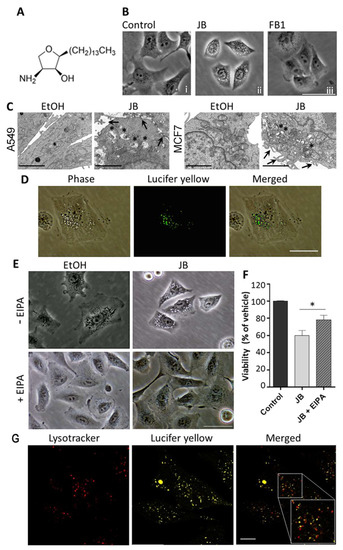
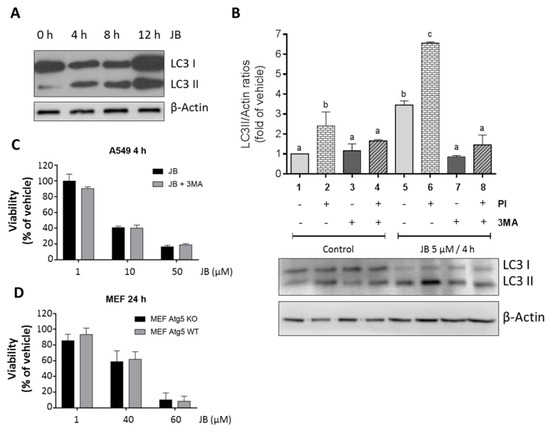
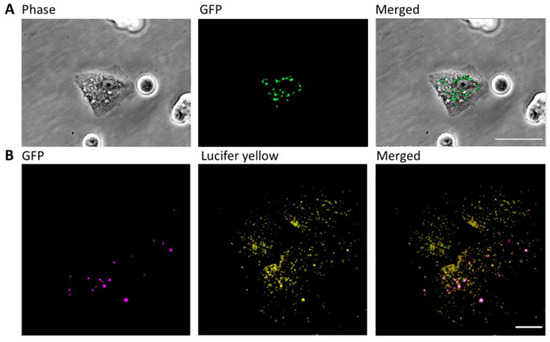
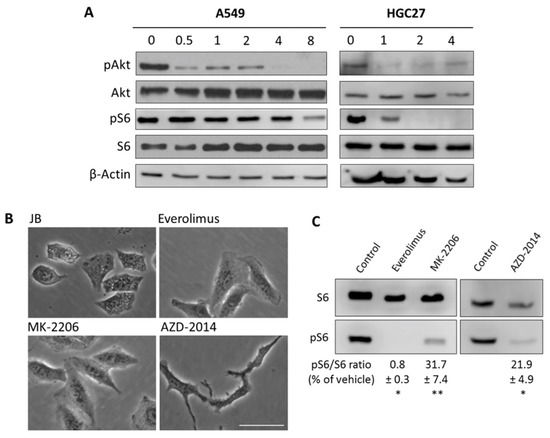
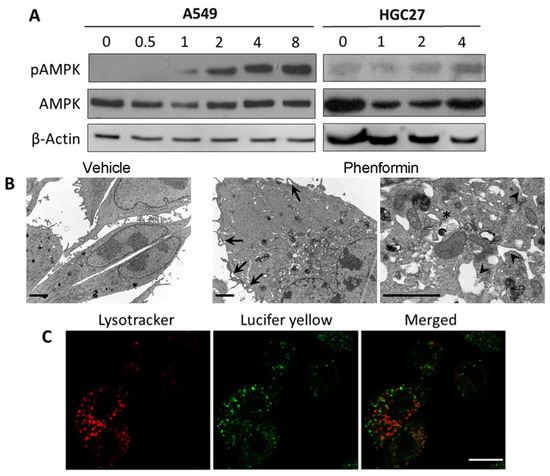
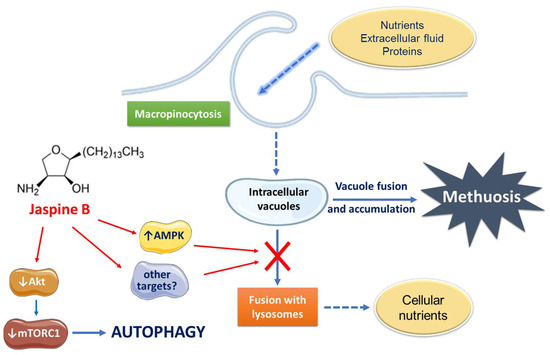
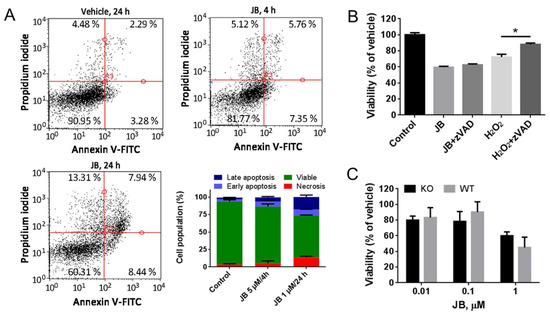
Methuosis is a type of programmed cell death in which the cytoplasm is occupied by fluid-filled vacuoles that originate from macropinosomes (cytoplasmic vacuolation). A few molecules have been reported to behave as methuosis inducers in cancer cell lines. Jaspine B (JB) is a natural anhydrous sphingolipid (SL) derivative reported to induce cytoplasmic vacuolation and cytotoxicity in several cancer cell lines. Here, we have investigated the mechanism and signalling pathways involved in the cytotoxicity induced by the natural sphingolipid Jaspine B (JB) in lung adenocarcinoma A549 cells, which harbor the G12S K-Ras mutant. The effect of JB on inducing cytoplasmic vacuolation and modifying cell viability was determined in A549 cells, as well as in mouse embryonic fibroblasts (MEF) lacking either the autophagy-related gene ATG5 or BAX/BAK genes. Apoptosis was analyzed by flow cytometry after annexin V/propidium iodide staining, in the presence and absence of z-VAD. Autophagy was monitored by LC3-II/GFP-LC3-II analysis, and autophagic flux experiments using protease inhibitors. Phase contrast, confocal, and transmission electron microscopy were used to monitor cytoplasmic vacuolation and the uptake of Lucifer yellow to assess macropinocyosis. We present evidence that cytoplasmic vacuolation and methuosis are involved in Jaspine B cytotoxicity over A549 cells and that activation of 5′ AMP-activated protein kinase (AMPK) could be involved in Jaspine-B-induced vacuolation, independently of the phosphatidylinositol 3-kinase/protein kinase B/mechanistic target of rapamycin complex 1 (PI3K/Akt/mTORC1) axis. Full article
(This article belongs to the Special Issue Sphingolipid Metabolism and Signaling in Diseases 2.0)
Show Figures

Figure 1
12 pages, 3568 KB  
Article
Turning Seashell Waste into Electrically Conductive Particles
by Stefanie Gärtner, Angelina Graf, Carla Triunfo, Davide Laurenzi, Stefan M. Schupp, Gabriele Maoloni, Giuseppe Falini and Helmut Cölfen
Int. J. Mol. Sci. 2022, 23(13), 7256; https://doi.org/10.3390/ijms23137256 - 29 Jun 2022
Cited by 5 | Viewed by 3742
Abstract
Biomaterials such as seashells are intriguing due to their remarkable properties, including their hierarchical structure from the nanometer to the micro- or even macroscopic scale. Transferring this nanostructure to generate nanostructured polymers can improve their electrical conductivity. Here, we present the synthesis of [...] Read more.
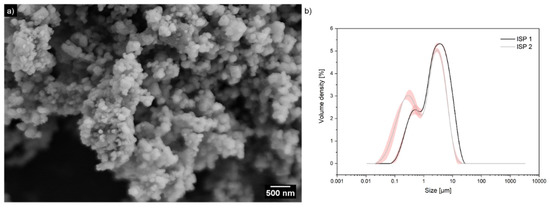
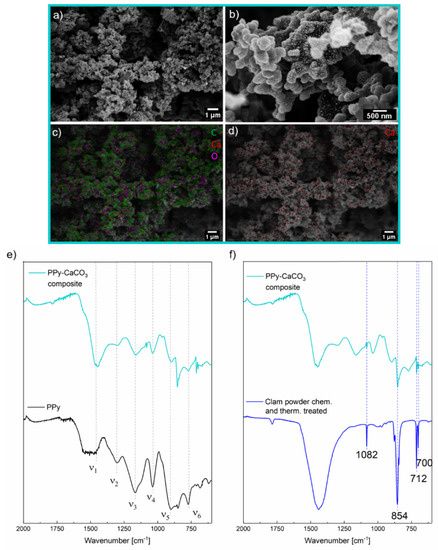
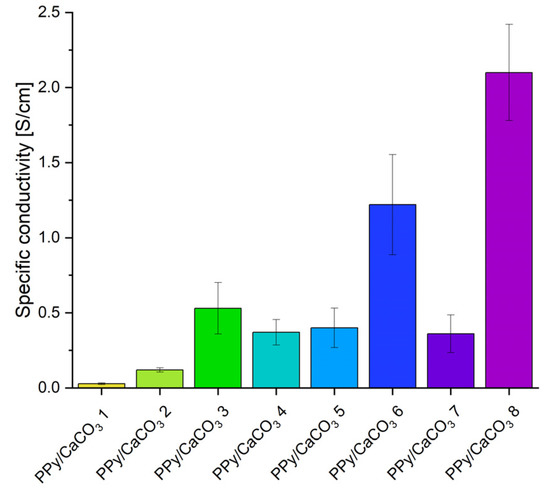
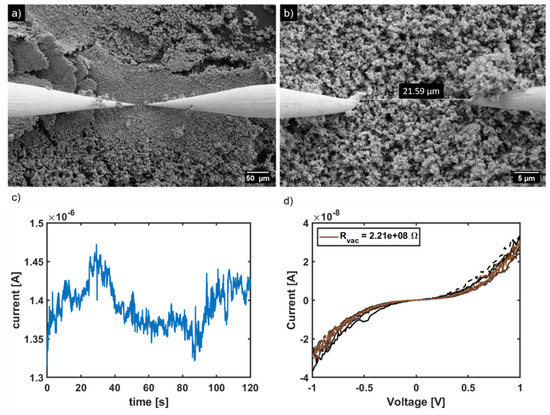
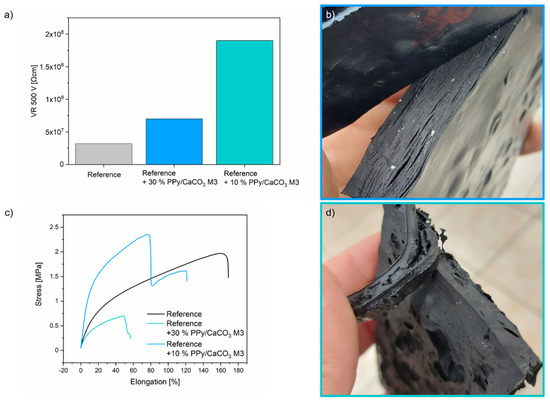
Biomaterials such as seashells are intriguing due to their remarkable properties, including their hierarchical structure from the nanometer to the micro- or even macroscopic scale. Transferring this nanostructure to generate nanostructured polymers can improve their electrical conductivity. Here, we present the synthesis of polypyrrole using waste seashell powder as a template to prepare a polypyrrole/CaCO3 composite material. Various synthesis parameters were optimized to produce a composite material with an electrical conductivity of 2.1 × 10⁻⁴ ± 3.2 × 10⁻⁵ S/cm. This work presents the transformation of waste seashells into sustainable, electronically conductive materials and their application as an antistatic agent in polymers. The requirements of an antistatic material were met for a safety shoe sole. Full article
Show Figures

Figure 1
20 pages, 3079 KB  
Article
Chronic Hyperglycaemia Inhibits Tricarboxylic Acid Cycle in Rat Cardiomyoblasts Overexpressing Glucose Transporter Type 4
by Bernd Stratmann, Britta Eggers, Yvonne Mattern, Tayana Silva de Carvalho, Katrin Marcus and Diethelm Tschoepe
Int. J. Mol. Sci. 2022, 23(13), 7255; https://doi.org/10.3390/ijms23137255 - 29 Jun 2022
Cited by 3 | Viewed by 2980
Abstract
An oversupply of nutrients with a loss of metabolic flexibility and subsequent cardiac dysfunction are hallmarks of diabetic cardiomyopathy. Even if excess substrate is offered, the heart suffers energy depletion as metabolic fluxes are diminished. To study the effects of a high glucose [...] Read more.
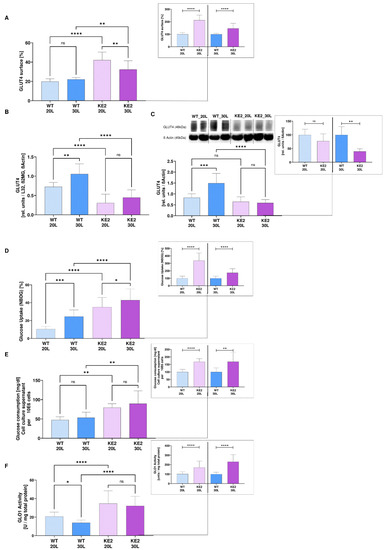
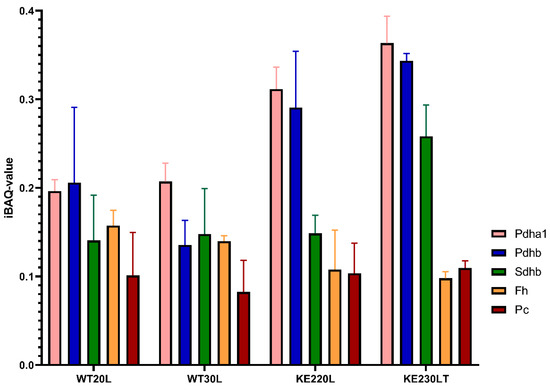
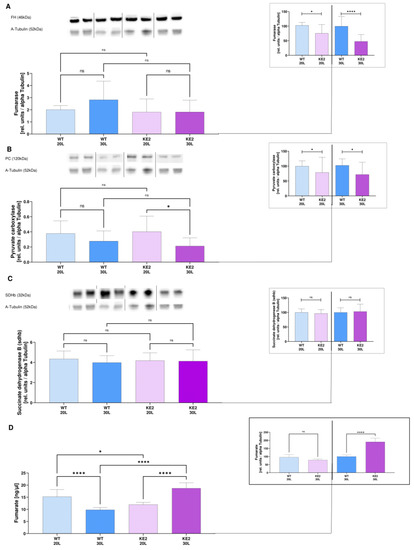
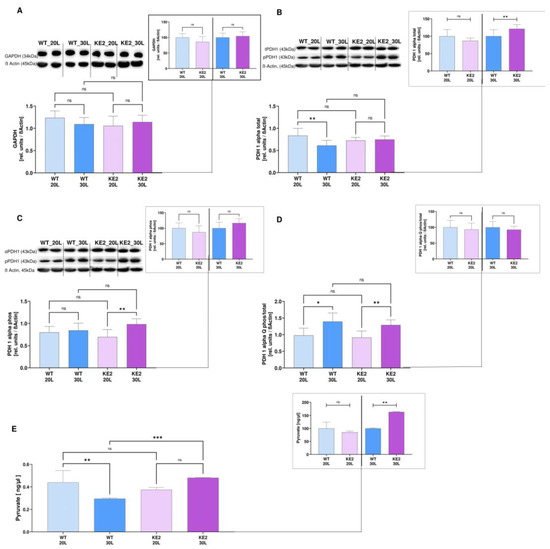
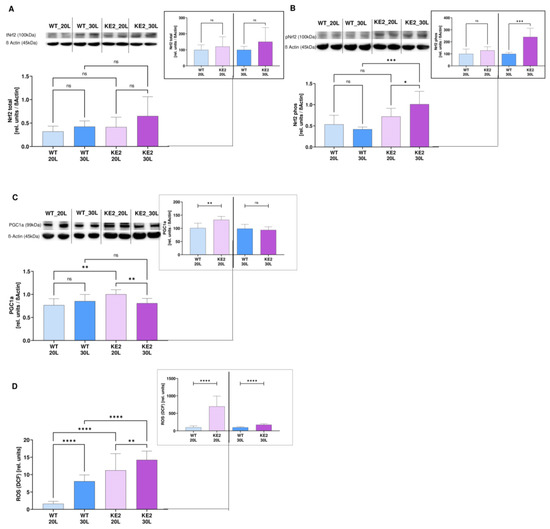
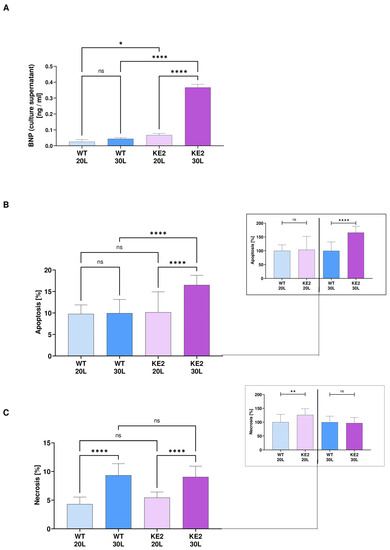
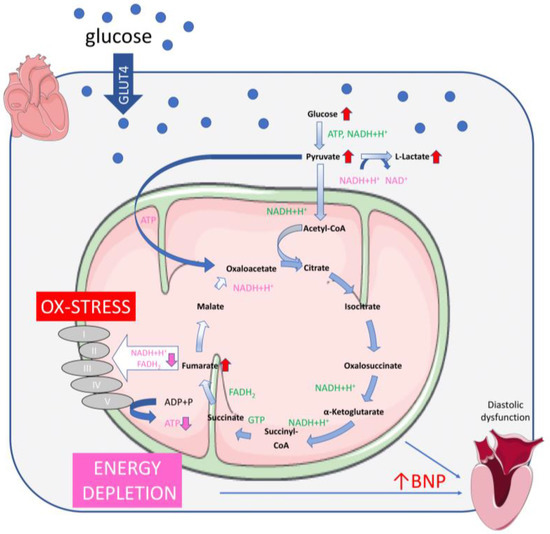
An oversupply of nutrients with a loss of metabolic flexibility and subsequent cardiac dysfunction are hallmarks of diabetic cardiomyopathy. Even if excess substrate is offered, the heart suffers energy depletion as metabolic fluxes are diminished. To study the effects of a high glucose supply, a stably glucose transporter type 4 (GLUT4)-overexpressing cell line presenting an onset of diabetic cardiomyopathy-like phenotype was established. Long-term hyperglycaemia effects were analysed. Rat cardiomyoblasts overexpressing GLUT4 (H9C2KE2) were cultured under normo- and hyperglycaemic conditions for long-term. Expression profiles of several proteins were compared to non-transfected H9C2 cells (H9C2) using RT-qPCR, proteomics-based analysis, or Western blotting. GLUT4 surface analysis, glucose uptake, and cell morphology changes as well as apoptosis/necrosis measurements were performed using flow cytometry. Additionally, brain natriuretic peptide (BNP) levels, reactive oxygen species (ROS) formation, glucose consumption, and lactate production were quantified. Long-term hyperglycaemia in H9C2KE2 cells induced increased GLUT4 presence on the cell surface and was associated with exaggerated glucose influx and lactate production. On the metabolic level, hyperglycaemia affected the tricarboxylic acid (TCA) cycle with accumulation of fumarate. This was associated with increased BNP-levels, oxidative stress, and lower antioxidant response, resulting in pronounced apoptosis and necrosis. Chronic glucose overload in cardiomyoblasts induced by GLUT4 overexpression and hyperglycaemia resulted in metabolically stimulated proteome profile changes and metabolic alterations on the TCA level. Full article
Show Figures

Figure 1
19 pages, 4095 KB  
Review
Research Progress on the Preparation and High-Value Utilization of Lignin Nanoparticles
by Kefeng Liu, Yuntang Zhuang, Jiachuan Chen, Guihua Yang and Lin Dai
Int. J. Mol. Sci. 2022, 23(13), 7254; https://doi.org/10.3390/ijms23137254 - 29 Jun 2022
Cited by 40 | Viewed by 7334
Abstract
Lignin nanoparticles, the innovative achievements in the development and utilization of lignin, combine the structural characteristics of nanomaterials and lignin molecules and have a wide range of applications. In this review, we summarize the methods for preparing lignin nanoparticles by solvent exchange method, [...] Read more.
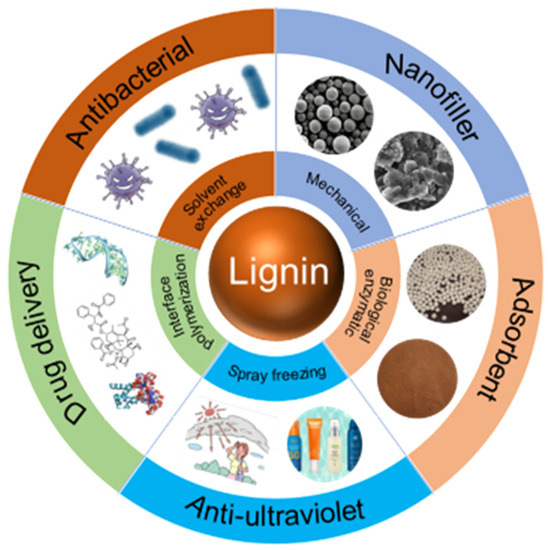
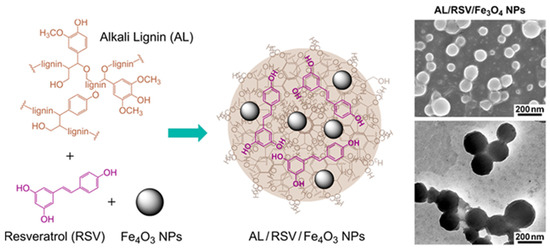
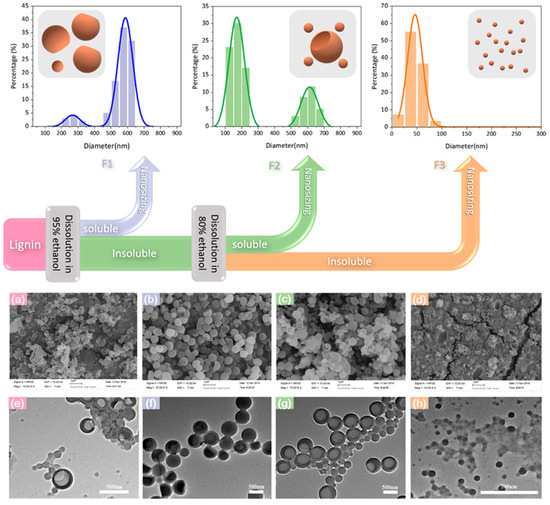
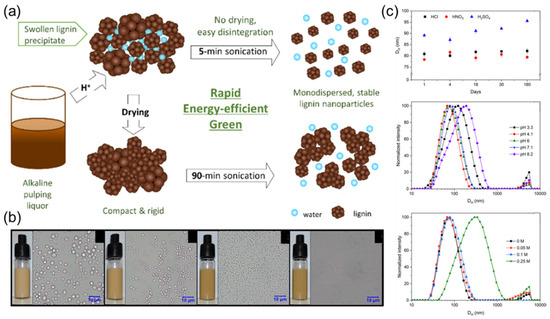
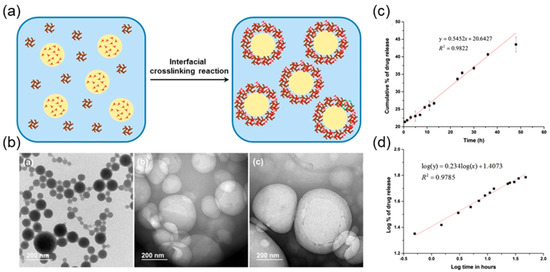
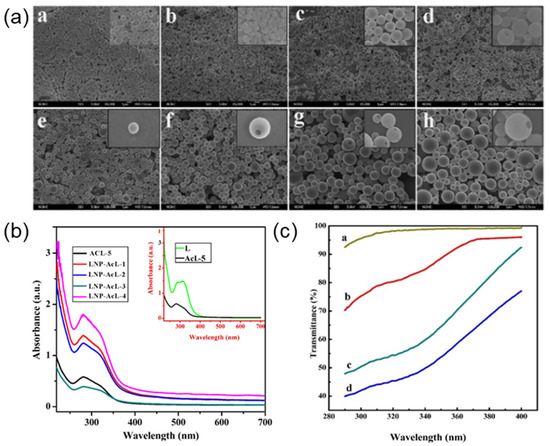
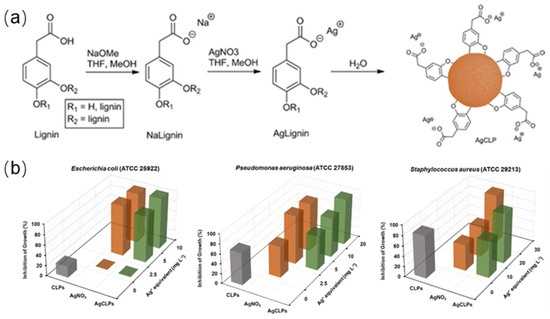
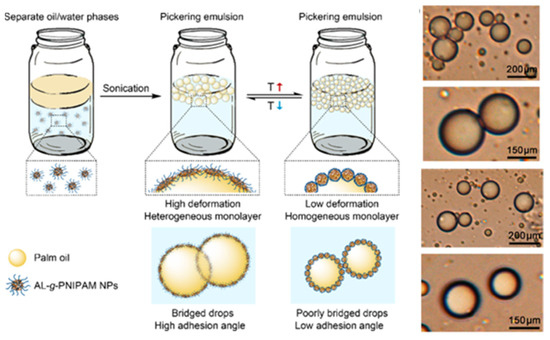
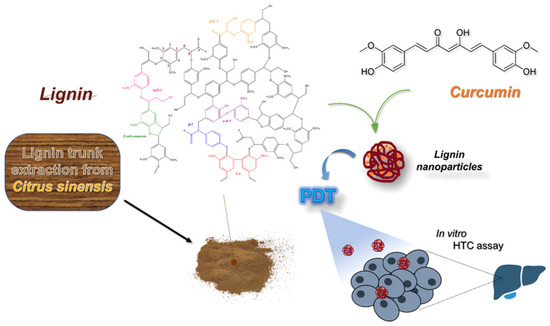
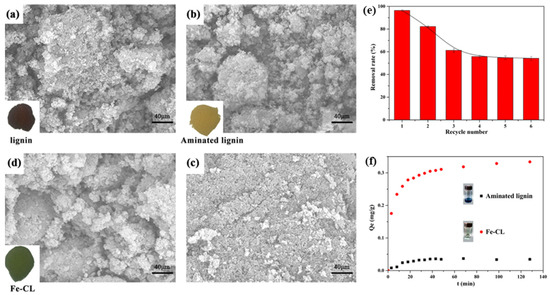
Lignin nanoparticles, the innovative achievements in the development and utilization of lignin, combine the structural characteristics of nanomaterials and lignin molecules and have a wide range of applications. In this review, we summarize the methods for preparing lignin nanoparticles by solvent exchange method, mechanical method, biological enzymatic method, interface polymerization/crosslinking method, and spray freezing method, and emphatically introduce the application prospects of lignin nanoparticles in ultraviolet protection, antibacterial, nano-filler, drug delivery, and adsorption, aiming to provide a certain reference direction for additional high-value applications of lignin nanoparticles. Full article
(This article belongs to the Special Issue Bio-Polymer Materials and Bio-Refinery)
Show Figures

Figure 1
13 pages, 1522 KB  
Review
Solo vs. Chorus: Monomers and Oligomers of Arrestin Proteins
by Vsevolod V. Gurevich and Eugenia V. Gurevich
Int. J. Mol. Sci. 2022, 23(13), 7253; https://doi.org/10.3390/ijms23137253 - 29 Jun 2022
Cited by 10 | Viewed by 2668
Abstract
Three out of four subtypes of arrestin proteins expressed in mammals self-associate, each forming oligomers of a distinct kind. Monomers and oligomers have different subcellular localization and distinct biological functions. Here we summarize existing evidence regarding arrestin oligomerization and discuss specific functions of [...] Read more.
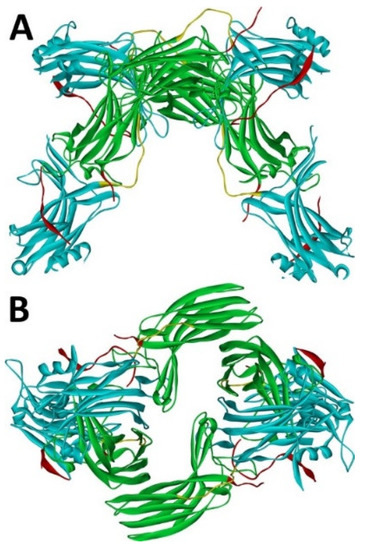
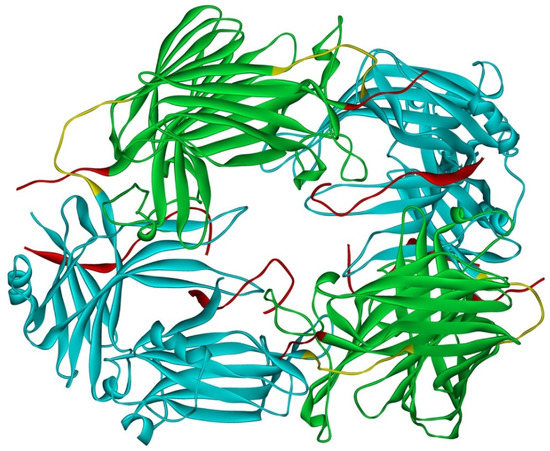
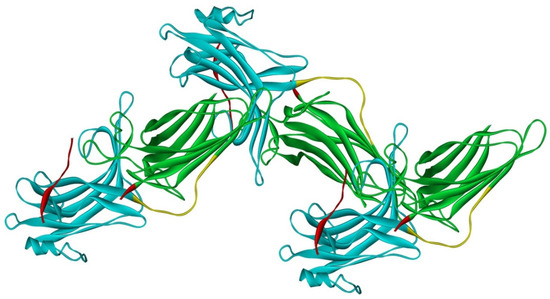
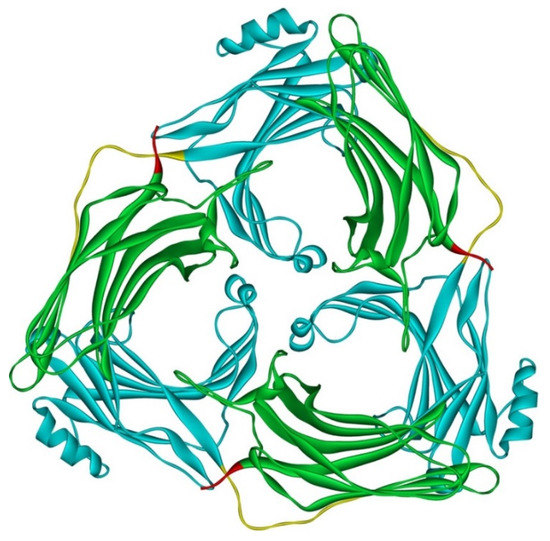
Three out of four subtypes of arrestin proteins expressed in mammals self-associate, each forming oligomers of a distinct kind. Monomers and oligomers have different subcellular localization and distinct biological functions. Here we summarize existing evidence regarding arrestin oligomerization and discuss specific functions of monomeric and oligomeric forms, although too few of the latter are known. The data on arrestins highlight biological importance of oligomerization of signaling proteins. Distinct modes of oligomerization might be an important contributing factor to the functional differences among highly homologous members of the arrestin protein family. Full article
(This article belongs to the Section Biochemistry)
Show Figures

Figure 1
16 pages, 4160 KB  
Article
Extracellular Cysteines Are Critical to Form Functional Cx46 Hemichannels
by Ainoa Fernández-Olivares, Eduardo Durán-Jara, Daniel A. Verdugo, Mariana C. Fiori, Guillermo A. Altenberg, Jimmy Stehberg, Iván Alfaro, Juan Francisco Calderón and Mauricio A. Retamal
Int. J. Mol. Sci. 2022, 23(13), 7252; https://doi.org/10.3390/ijms23137252 - 29 Jun 2022
Cited by 7 | Viewed by 2917
Abstract
Connexin (Cxs) hemichannels participate in several physiological and pathological processes, but the molecular mechanisms that control their gating remain elusive. We aimed at determining the role of extracellular cysteines (Cys) in the gating and function of Cx46 hemichannels. We studied Cx46 and mutated [...] Read more.
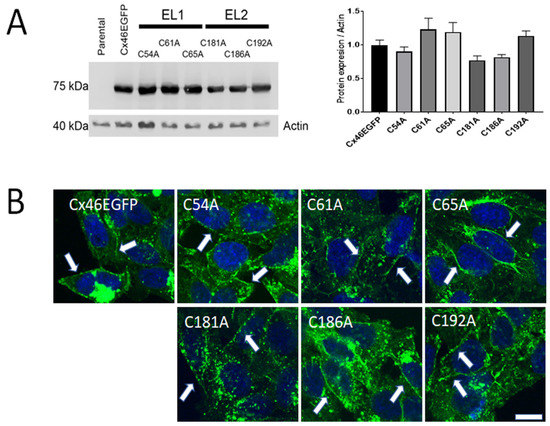
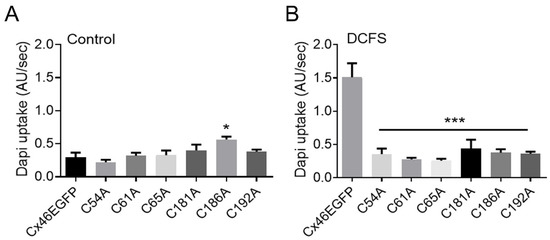
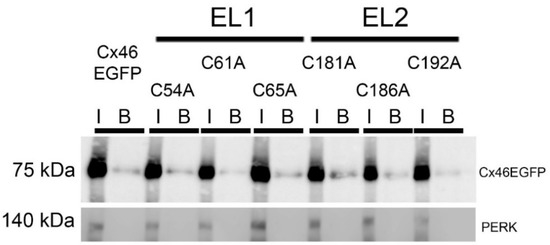
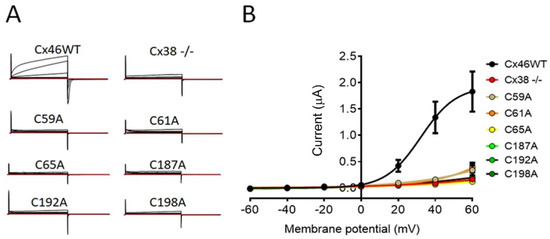
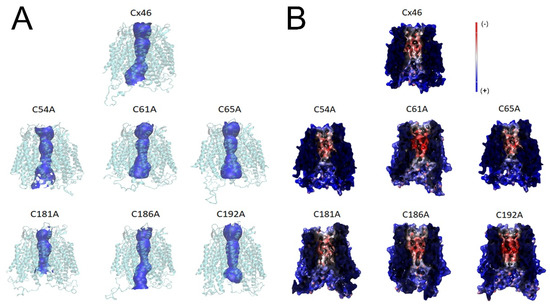
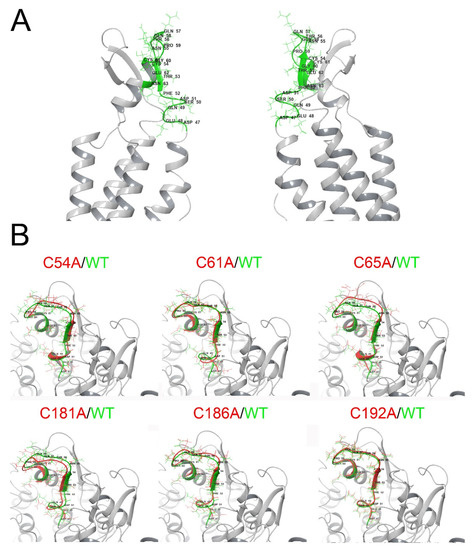
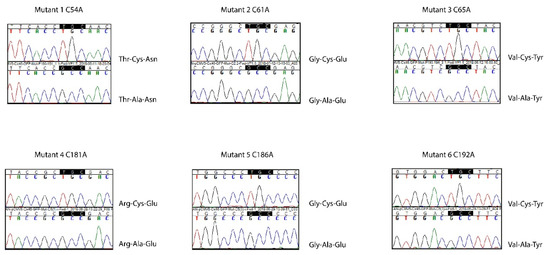
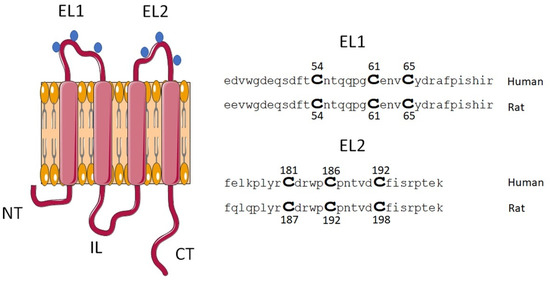
Connexin (Cxs) hemichannels participate in several physiological and pathological processes, but the molecular mechanisms that control their gating remain elusive. We aimed at determining the role of extracellular cysteines (Cys) in the gating and function of Cx46 hemichannels. We studied Cx46 and mutated all of its extracellular Cys to alanine (Ala) (one at a time) and studied the effects of the Cys mutations on Cx46 expression, localization, and hemichannel activity. Wild-type Cx46 and Cys mutants were expressed at comparable levels, with similar cellular localization. However, functional experiments showed that hemichannels formed by the Cys mutants did not open either in response to membrane depolarization or removal of extracellular divalent cations. Molecular-dynamics simulations showed that Cys mutants may show a possible alteration in the electrostatic potential of the hemichannel pore and an altered disposition of important residues that could contribute to the selectivity and voltage dependency in the hemichannels. Replacement of extracellular Cys resulted in “permanently closed hemichannels”, which is congruent with the inhibition of the Cx46 hemichannel by lipid peroxides, through the oxidation of extracellular Cys. These results point to the modification of extracellular Cys as potential targets for the treatment of Cx46-hemichannel associated pathologies, such as cataracts and cancer, and may shed light into the gating mechanisms of other Cx hemichannels. Full article
(This article belongs to the Special Issue State-of-the-Art Molecular Biology in Chile)
Show Figures

Figure 1
13 pages, 2193 KB  
Article
Dipotassium Glycyrrhizinate on Melanoma Cell Line: Inhibition of Cerebral Metastases Formation by Targeting NF-kB Genes-Mediating MicroRNA-4443 and MicroRNA-3620—Dipotassium Glycyrrhizinate Effect on Melanoma
by Gabriel Alves Bonafé, Jéssica Silva dos Santos, Jussara Vaz Ziegler, Fernando Augusto Lima Marson, Thalita Rocha and Manoela Marques Ortega
Int. J. Mol. Sci. 2022, 23(13), 7251; https://doi.org/10.3390/ijms23137251 - 29 Jun 2022
Cited by 6 | Viewed by 2907
Abstract
Glycyrrhizic acid (GA), a natural compound isolated from licorice (Glycyrrhiza glabra), has exhibited anti-inflammatory and anti-tumor effects in vitro. Dipotassium glycyrrhizinate (DPG), a dipotassium salt of GA, also has shown an anti-tumor effect on glioblastoma cell lines, U87MG and T98G. The [...] Read more.
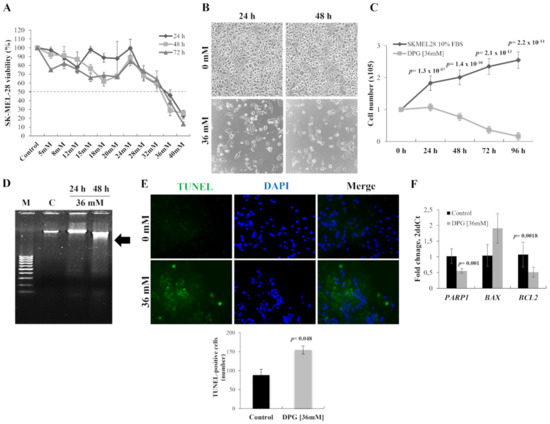
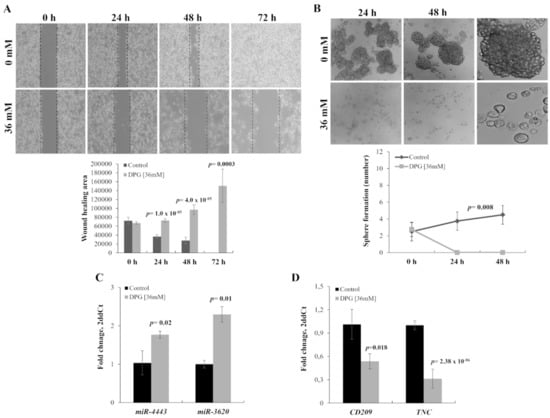
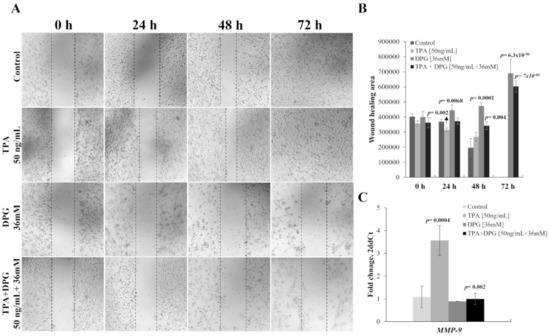
Glycyrrhizic acid (GA), a natural compound isolated from licorice (Glycyrrhiza glabra), has exhibited anti-inflammatory and anti-tumor effects in vitro. Dipotassium glycyrrhizinate (DPG), a dipotassium salt of GA, also has shown an anti-tumor effect on glioblastoma cell lines, U87MG and T98G. The study investigated the DPG effects in the melanoma cell line (SK-MEL-28). MTT assay demonstrated that the viability of the cells was significantly decreased in a time- and dose-dependent manner after DPG (IC50 = 36 mM; 24 h). DNA fragmentation suggested that DPG (IC50) induced cellular apoptosis, which was confirmed by a significant number of TUNEL-positive cells (p-value = 0.048) and by PARP-1 [0.55 vs. 1.02 arbitrary units (AUs), p-value = 0.001], BAX (1.91 vs. 1.05 AUs, p-value = 0.09), and BCL-2 (0.51 vs. 1.07 AUs, p-value = 0.0018) mRNA compared to control cells. The proliferation and wound-healing assays showed an anti-proliferative effect on DPG-IC50-treated cells, also indicating an inhibitory effect on cell migration (p-values < 0.001). Moreover, it was observed that DPG promoted a 100% reduction in melanospheres formation (p-value = 0.008). Our previous microRNAs (miRs) global analysis has revealed that DPG might increase miR-4443 and miR-3620 expression levels. Thus, qPCR showed that after DPG treatment, SK-MEL-28 cells presented significantly high miR-4443 (1.77 vs. 1.04 AUs, p-value = 0.02) and miR-3620 (2.30 vs. 1.00 AUs, p-value = 0.01) expression compared to control cells, which are predicted to target the NF-kB, CD209 and TNC genes, respectively. Both genes are responsible for cell attachment and migration, and qPCR revealed significantly decreased CD209 (1.01 vs. 0.54 AUs, p-value = 0.018) and TNC (1.00 vs. 0.31 AUs, p-value = 2.38 × 10⁻⁶) mRNA expression levels after DPG compared to untreated cells. Furthermore, the migration of SK-MEL-28 cells stimulated by 12-O-tetradecanoylphorbol-13-acetate (TPA) was attenuated by adding DPG by wound-healing assay (48 h: p-value = 0.004; 72 h: p-value = 7.0 × 10⁻⁴). In addition, the MMP-9 expression level was inhibited by DPG in melanoma cells stimulated by TPA and compared to TPA-treated cells (3.56 vs. 0.99 AUs, p-value = 0.0016) after 24 h of treatment. Our results suggested that DPG has an apoptotic, anti-proliferative, and anti-migratory effect on SK-MEL-28 cells. DPG was also able to inhibit cancer stem-like cells that may cause cerebral tumor formation. Full article
(This article belongs to the Special Issue NF-κB and Disease 3.0)
Show Figures

Figure 1
22 pages, 8538 KB  
Article
Isocyanonaphthol Derivatives: Excited-State Proton Transfer and Solvatochromic Properties
by Anita Adamoczky, Tibor Nagy, Péter Pál Fehér, Veronika Pardi-Tóth, Ákos Kuki, Lajos Nagy, Miklos Zsuga and Sándor Kéki
Int. J. Mol. Sci. 2022, 23(13), 7250; https://doi.org/10.3390/ijms23137250 - 29 Jun 2022
Cited by 4 | Viewed by 2799
Abstract
Fluorescent probes that exhibit solvatochromic or excited-state proton-transfer (ESPT) properties are essential tools for the study of complex biological or chemical systems. Herein, the synthesis and characterization of a novel fluorophore that reveals both features, 5-isocyanonaphthalene-1-ol (ICOL), are reported. Various solvatochromic methods, such [...] Read more.
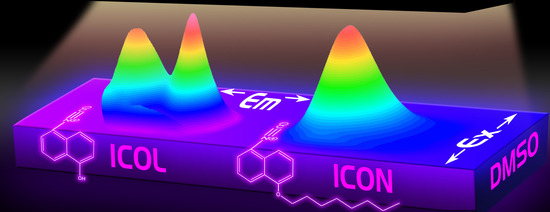
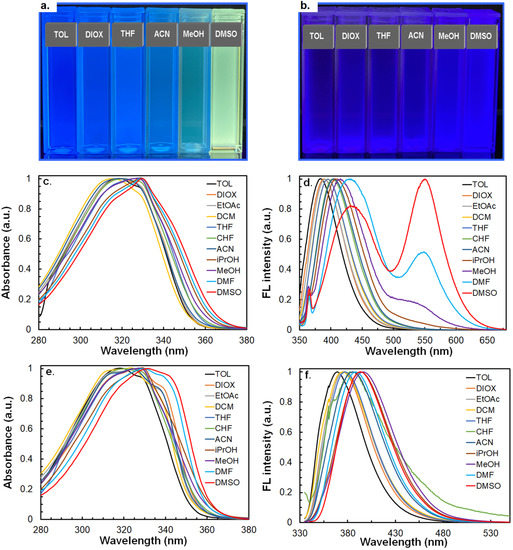
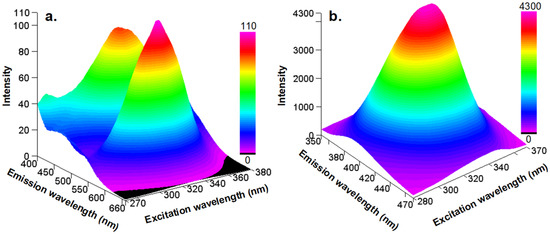
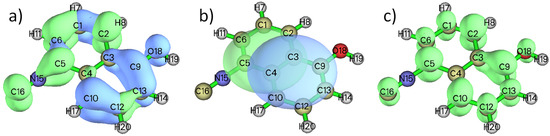
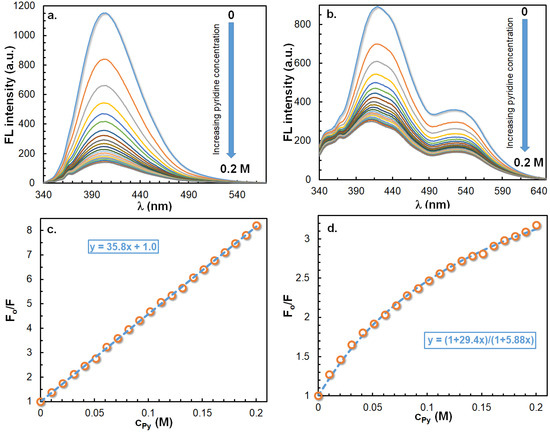
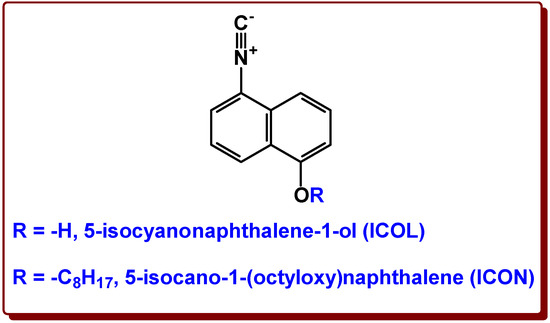
Fluorescent probes that exhibit solvatochromic or excited-state proton-transfer (ESPT) properties are essential tools for the study of complex biological or chemical systems. Herein, the synthesis and characterization of a novel fluorophore that reveals both features, 5-isocyanonaphthalene-1-ol (ICOL), are reported. Various solvatochromic methods, such as Lippert–Mataga and Bilot–Kawski, together with time-dependent density functional theory (TD-DFT) and time-resolved emission spectroscopy (TRES), were applied to gain insights into its excited-state behavior. To make comparisons, the octyloxy derivative of ICOL, 5-isocyano-1-(octyloxy)naphthalene (ICON), was also prepared. We found that internal charge transfer (ICT) takes place between the isocyano and –OH groups of ICOL, and we determined the values of the dipole moments for the ground and excited states of both ICOL and ICON. Furthermore, in the emission spectra of ICOL, a second band at higher wavelengths (green emission) in solvents of higher polarities (dual emission), in addition to the band present at lower wavelengths (blue emission), were observed. The extent of this dual emission increases in the order of 2-propanol < methanol < N,N-dimethylformamide (DMF) < dimethyl sulfoxide (DMSO). The presence of the dual fluorescence of ICOL in these solvents can be ascribed to ESPT. For ICOL, we also determined ground- and excited-state pKa values of 8.4 ± 0.3 and 0.9 ± 0.7, respectively, which indicates a considerable increase in acidity upon excitation. The TRES experiments showed that the excited-state lifetimes of the ICOL and ICON spanned from 10.1 ns to 5.0 ns and from 5.7 ns to 3.8 ns, respectively. In addition, we demonstrated that ICOL can be used as an effective indicator of not only the critical micelle concentration (cmc) of ionic (sodium lauryl sulfate (SLS)) and nonionic surfactants (Tween 80), but also other micellar parameters, such as partition coefficients, as well as to map the microenvironments in the cavities of biomacromolecules (e.g., BSA). It is also pointed out that fluorescence quenching by pyridine can effectively be utilized for the determination of the fractions of ICOL molecules that reside at the water–micelle interface and in the interior spaces of micelles. Full article
(This article belongs to the Section Physical Chemistry and Chemical Physics)
Show Figures

Graphical abstract

13 pages, 3225 KB  
Article
Detection of Human Papillomavirus in Squamous Lesions of the Conjunctiva Using RNA and DNA In-Situ Hybridization
by Cornelia Peterson, Rupin N. Parikh, Meleha T. Ahmad, Ashley A. Campbell, Yassine Daoud, Nicholas Mahoney, Sepideh Siadati and Charles G. Eberhart
Int. J. Mol. Sci. 2022, 23(13), 7249; https://doi.org/10.3390/ijms23137249 - 29 Jun 2022
Cited by 3 | Viewed by 3694
Abstract
In-situ hybridization provides a convenient and reliable method to detect human papillomavirus (HPV) infection in formalin-fixed paraffin-embedded tissue. Cases of conjunctival papillomas, conjunctival intraepithelial neoplasia (CIN), conjunctival carcinoma in situ (cCIS), and invasive squamous cell carcinoma (SCC), in which low-risk (LR) and/or high-risk [...] Read more.
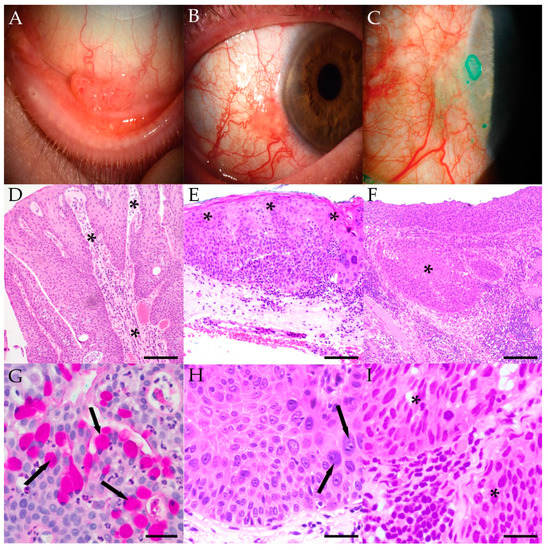
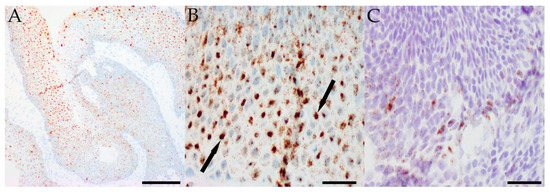
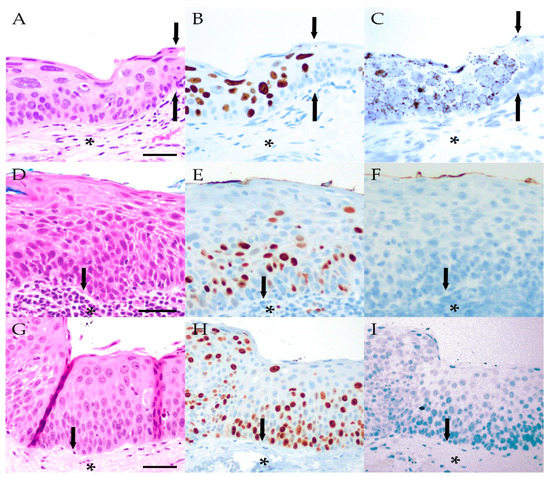
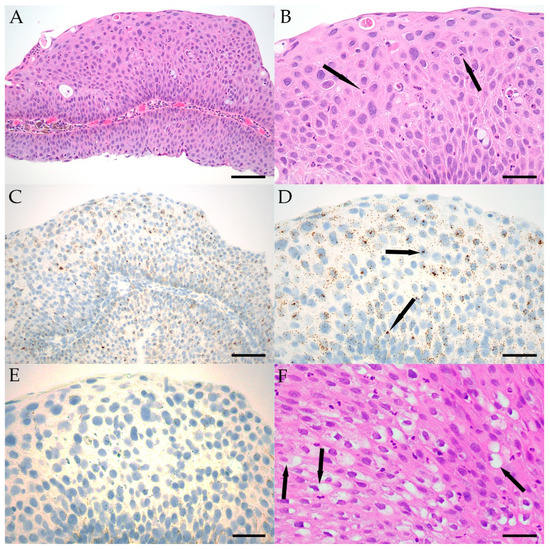
In-situ hybridization provides a convenient and reliable method to detect human papillomavirus (HPV) infection in formalin-fixed paraffin-embedded tissue. Cases of conjunctival papillomas, conjunctival intraepithelial neoplasia (CIN), conjunctival carcinoma in situ (cCIS), and invasive squamous cell carcinoma (SCC), in which low-risk (LR) and/or high-risk (HR) HPV types were evaluated by RNA or DNA in-situ hybridization, were retrospectively identified. LR HPV types were frequently detected in conjunctival papillomas (25/30, 83%), including 17/18 (94%) with RNA probes, compared to 8/12 (75%) with DNA probes. None of the CIN/cCIS or SCC cases were positive for LR HPV by either method. HR HPV was detected by RNA in-situ hybridization in 1/16 (6%) of CIN/cCIS cases and 2/4 (50%) of SCC cases, while DNA in-situ hybridization failed to detect HPV infection in any of the CIN/cCIS lesions. Reactive atypia and dysplasia observed in papillomas was generally associated with the detection of LR HPV types. Collectively, our findings indicate RNA in-situ hybridization may provide a high-sensitivity approach for identifying HPV infection in squamous lesions of the conjunctiva and facilitate the distinction between reactive atypia and true dysplasia. There was no clear association between HPV infection and atopy in papillomas or dysplastic lesions. Full article
Show Figures

Figure 1