34 pages, 1027 KB  
Review
The Role of Mitochondrial DNA in Mediating Alveolar Epithelial Cell Apoptosis and Pulmonary Fibrosis
by Seok-Jo Kim 1,2, Paul Cheresh 1,2, Renea P. Jablonski 1,2, David B. Williams 1,2 and David W. Kamp 1,2,*
1 Department of Medicine, Division of Pulmonary and Critical Care Medicine, Jesse Brown VA Medical Center, Chicago, IL 60612, USA
2 Division of Pulmonary & Critical Care Medicine, Northwestern University Feinberg School of Medicine, Chicago, IL 60611, USA
Int. J. Mol. Sci. 2015, 16(9), 21486-21519; https://doi.org/10.3390/ijms160921486 - 7 Sep 2015
Cited by 111 | Viewed by 18772
Abstract
Convincing evidence has emerged demonstrating that impairment of mitochondrial function is critically important in regulating alveolar epithelial cell (AEC) programmed cell death (apoptosis) that may contribute to aging-related lung diseases, such as idiopathic pulmonary fibrosis (IPF) and asbestosis (pulmonary fibrosis following asbestos exposure). [...] Read more.
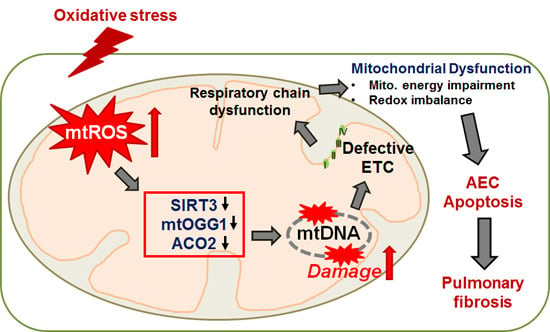
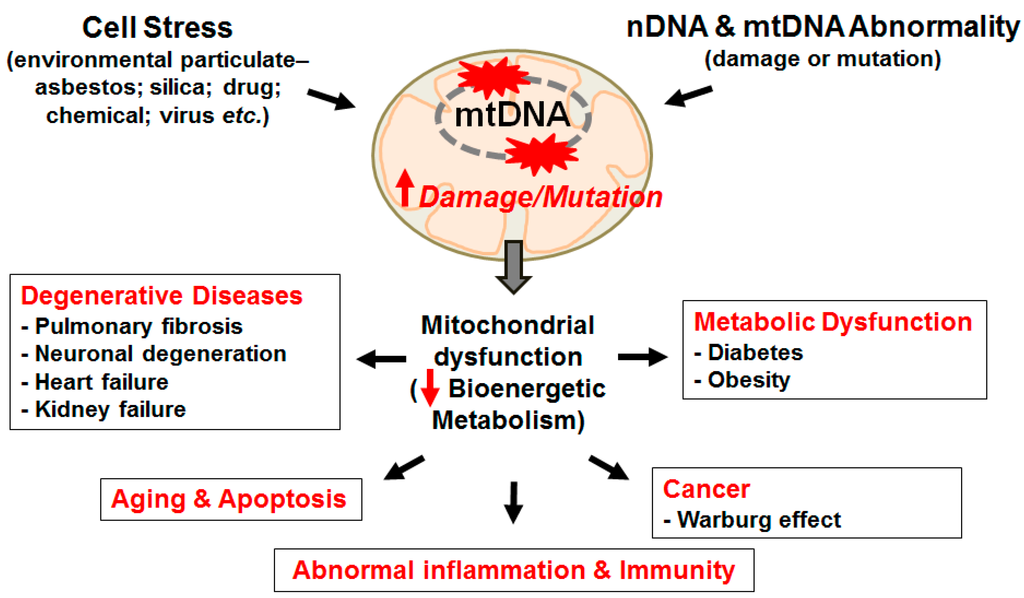
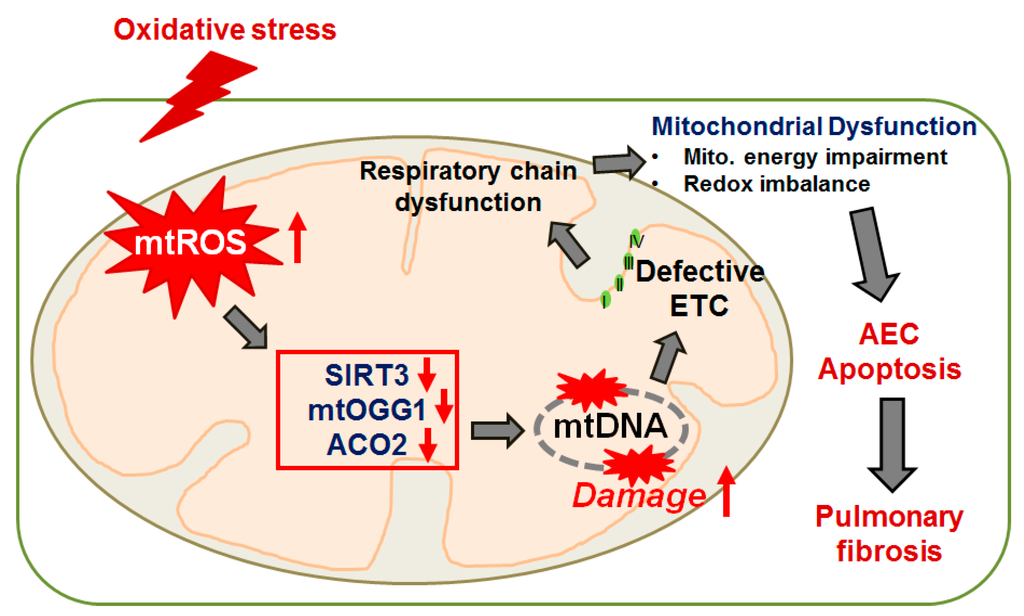
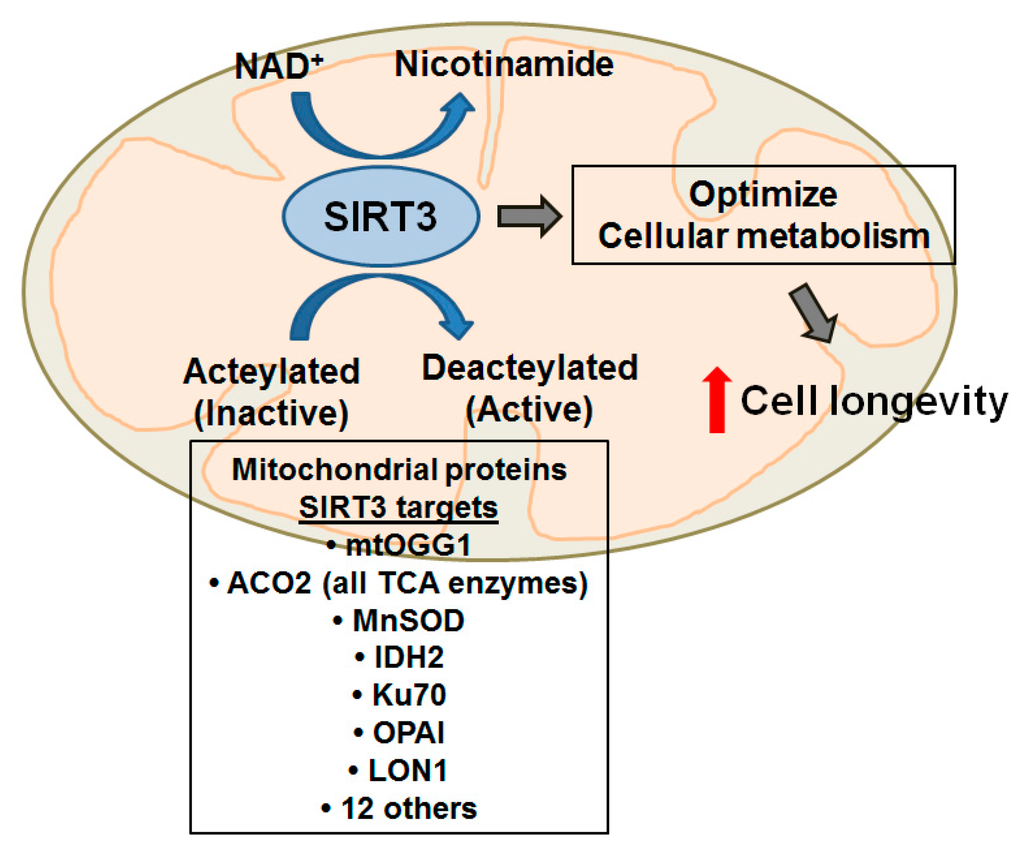
Convincing evidence has emerged demonstrating that impairment of mitochondrial function is critically important in regulating alveolar epithelial cell (AEC) programmed cell death (apoptosis) that may contribute to aging-related lung diseases, such as idiopathic pulmonary fibrosis (IPF) and asbestosis (pulmonary fibrosis following asbestos exposure). The mammalian mitochondrial DNA (mtDNA) encodes for 13 proteins, including several essential for oxidative phosphorylation. We review the evidence implicating that oxidative stress-induced mtDNA damage promotes AEC apoptosis and pulmonary fibrosis. We focus on the emerging role for AEC mtDNA damage repair by 8-oxoguanine DNA glycosylase (OGG1) and mitochondrial aconitase (ACO-2) in maintaining mtDNA integrity which is important in preventing AEC apoptosis and asbestos-induced pulmonary fibrosis in a murine model. We then review recent studies linking the sirtuin (SIRT) family members, especially SIRT3, to mitochondrial integrity and mtDNA damage repair and aging. We present a conceptual model of how SIRTs modulate reactive oxygen species (ROS)-driven mitochondrial metabolism that may be important for their tumor suppressor function. The emerging insights into the pathobiology underlying AEC mtDNA damage and apoptosis is suggesting novel therapeutic targets that may prove useful for the management of age-related diseases, including pulmonary fibrosis and lung cancer. Full article
(This article belongs to the Special Issue Mitochondrial Dysfunction in Ageing and Diseases)
Show Figures

Graphical abstract
32 pages, 2208 KB  
Article
The Proteome Profiles of the Cerebellum of Juvenile, Adult and Aged Rats—An Ontogenetic Study
by Michael Wille 1, Antje Schümann 1, Andreas Wree 1, Michael Kreutzer 2, Michael O. Glocker 2, Grit Mutzbauer 3 and Oliver Schmitt 1,*
1 Department of Anatomy, Gertrudenstr. 9, 18055 Rostock, Germany
2 Proteome Center Rostock, Schillingallee 69, 18055 Rostock, Germany
3 Department of Pathology, Josef-Schneider-Str. 2, 97080 Würzburg, Germany
Int. J. Mol. Sci. 2015, 16(9), 21454-21485; https://doi.org/10.3390/ijms160921454 - 7 Sep 2015
Cited by 4 | Viewed by 7958
Abstract
In this study, we searched for proteins that change their expression in the cerebellum (Ce) of rats during ontogenesis. This study focuses on the question of whether specific proteins exist which are differentially expressed with regard to postnatal stages of development. A better [...] Read more.
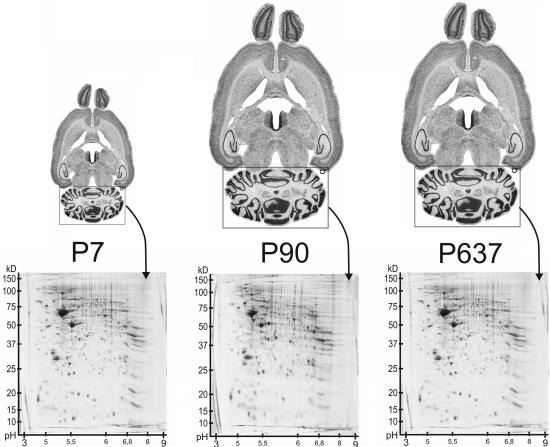
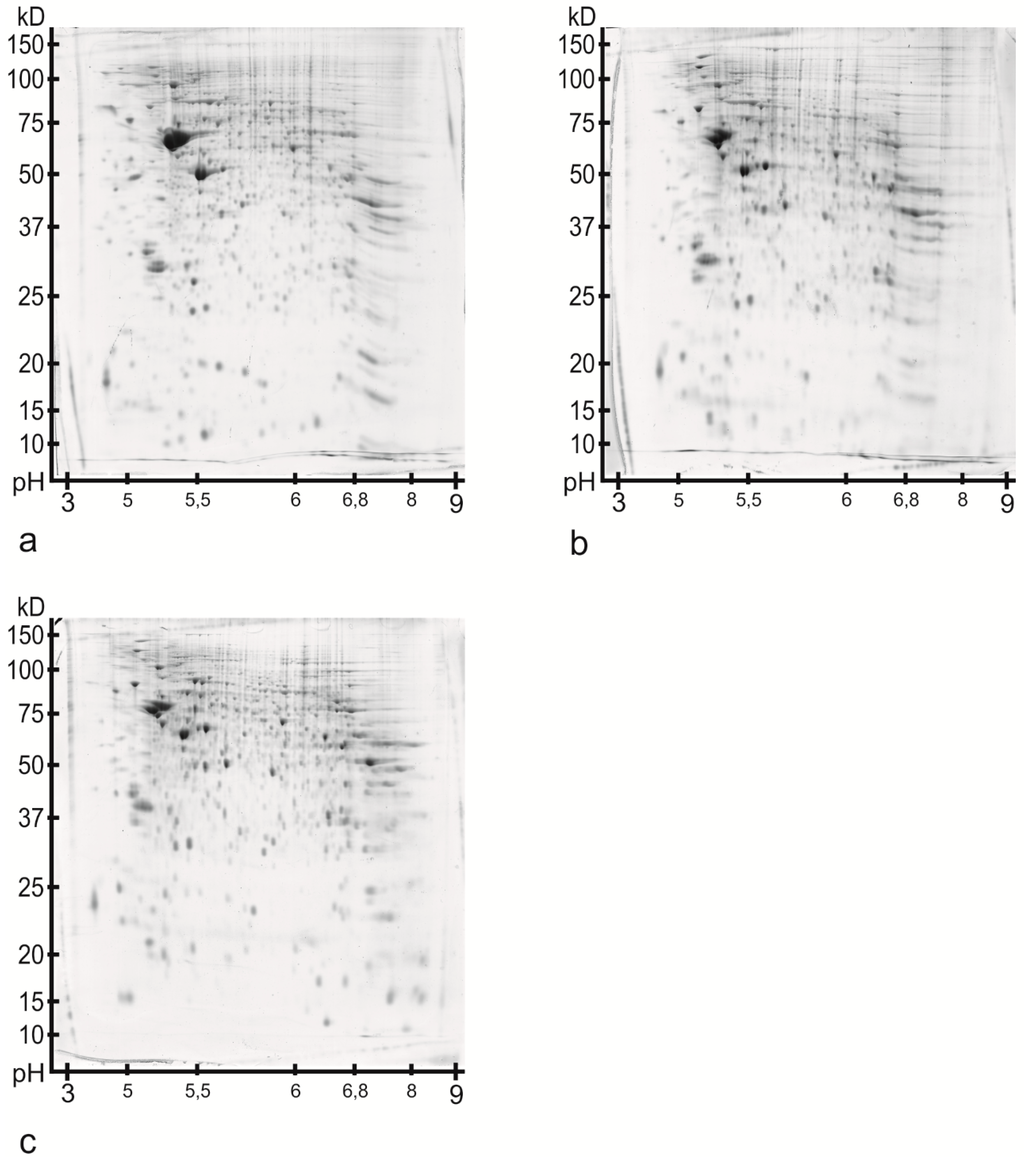
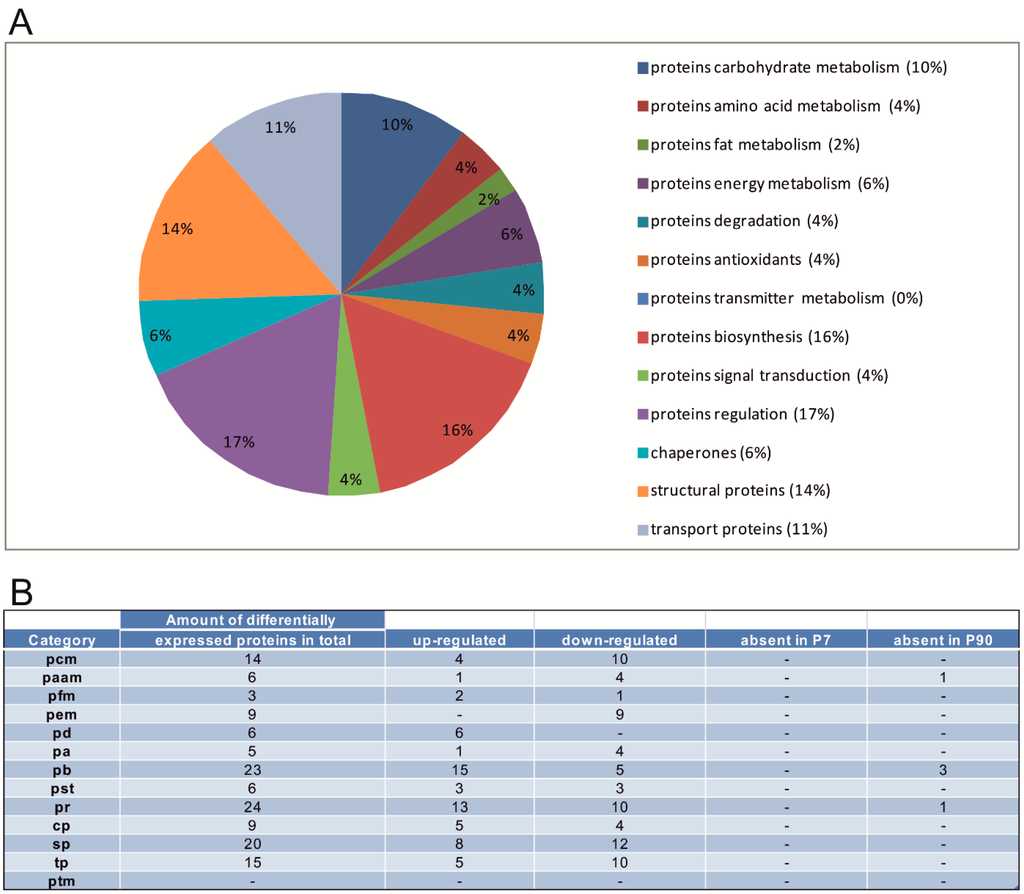
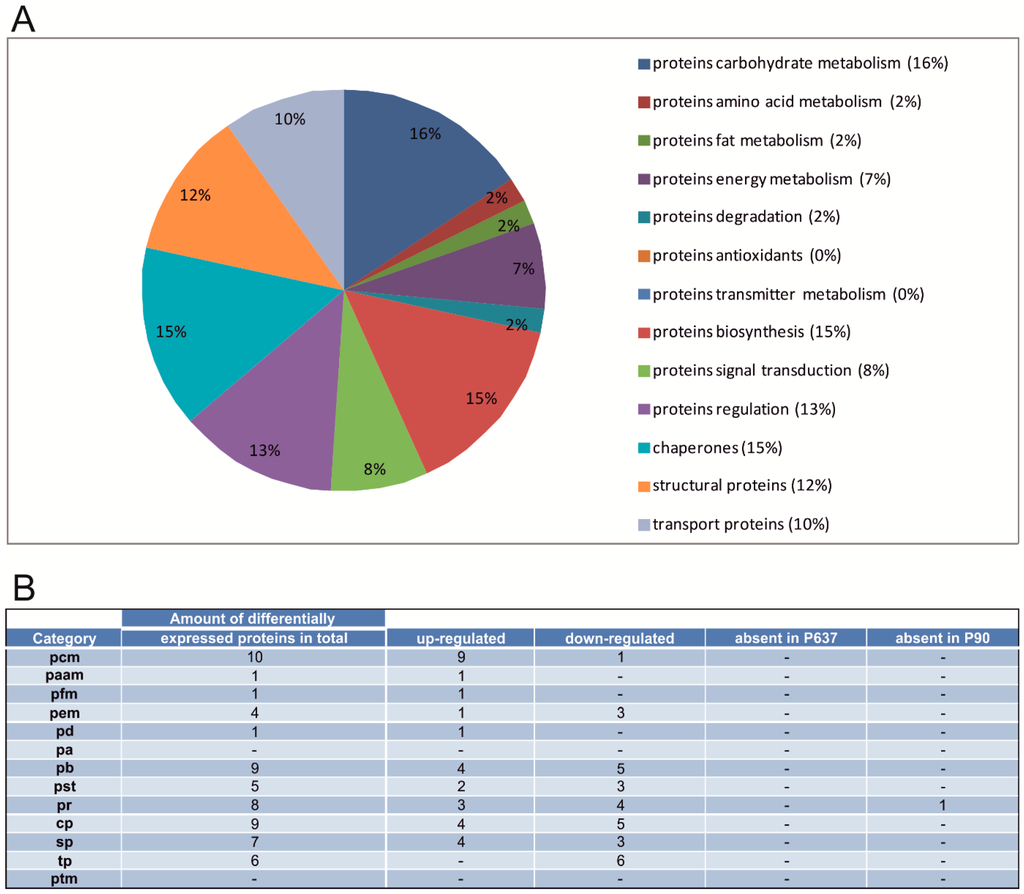
In this study, we searched for proteins that change their expression in the cerebellum (Ce) of rats during ontogenesis. This study focuses on the question of whether specific proteins exist which are differentially expressed with regard to postnatal stages of development. A better characterization of the microenvironment and its development may result from these study findings. A differential two-dimensional polyacrylamide gel electrophoresis (2DE) and matrix-assisted laser desorption/ionization time-of-flight mass spectrometry (MALDI-TOF-MS) analysis of the samples revealed that the number of proteins of the functional classes differed depending on the developmental stages. Especially members of the functional classes of biosynthesis, regulatory proteins, chaperones and structural proteins show the highest differential expression within the analyzed stages of development. Therefore, members of these functional protein groups seem to be involved in the development and differentiation of the Ce within the analyzed development stages. In this study, changes in the expression of proteins in the Ce at different postnatal developmental stages (postnatal days (P) 7, 90, and 637) could be observed. At the same time, an identification of proteins which are involved in cell migration and differentiation was possible. Especially proteins involved in processes of the biosynthesis and regulation, the dynamic organization of the cytoskeleton as well as chaperones showed a high amount of differentially expressed proteins between the analyzed dates. Full article
(This article belongs to the Special Issue Advances in Proteomic Research)
Show Figures

Graphical abstract
12 pages, 1551 KB  
Article
MicroRNA, Pm-miR-2305, Participates in Nacre Formation by Targeting Pearlin in Pearl Oyster Pinctada martensii
by Yu Jiao 1, Zhe Zheng 1, Rongrong Tian 1, Xiaodong Du 1,2,*, Qingheng Wang 1 and Ronglian Huang 1
1 Fishery College, Guangdong Ocean University, Zhanjiang 524025, Guangdong, China
2 Guangdong Technology Research Center for Pearl Aquaculutre and Process, Guangdong Ocean University, Zhanjiang 524025, China
Int. J. Mol. Sci. 2015, 16(9), 21442-21453; https://doi.org/10.3390/ijms160921442 - 7 Sep 2015
Cited by 26 | Viewed by 6885
Abstract
MicroRNAs (miRNAs) are noncoding RNA molecules that function as negative regulators of target genes. In our previous research, 258 pm-miRNAs were identified in Pinctada martensii by Solexa deep sequencing. Pm-miR-2305 was one of the identified pm-miRNAs with a potential function in biomineralization. In [...] Read more.
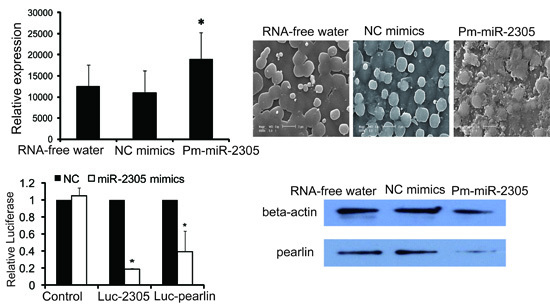
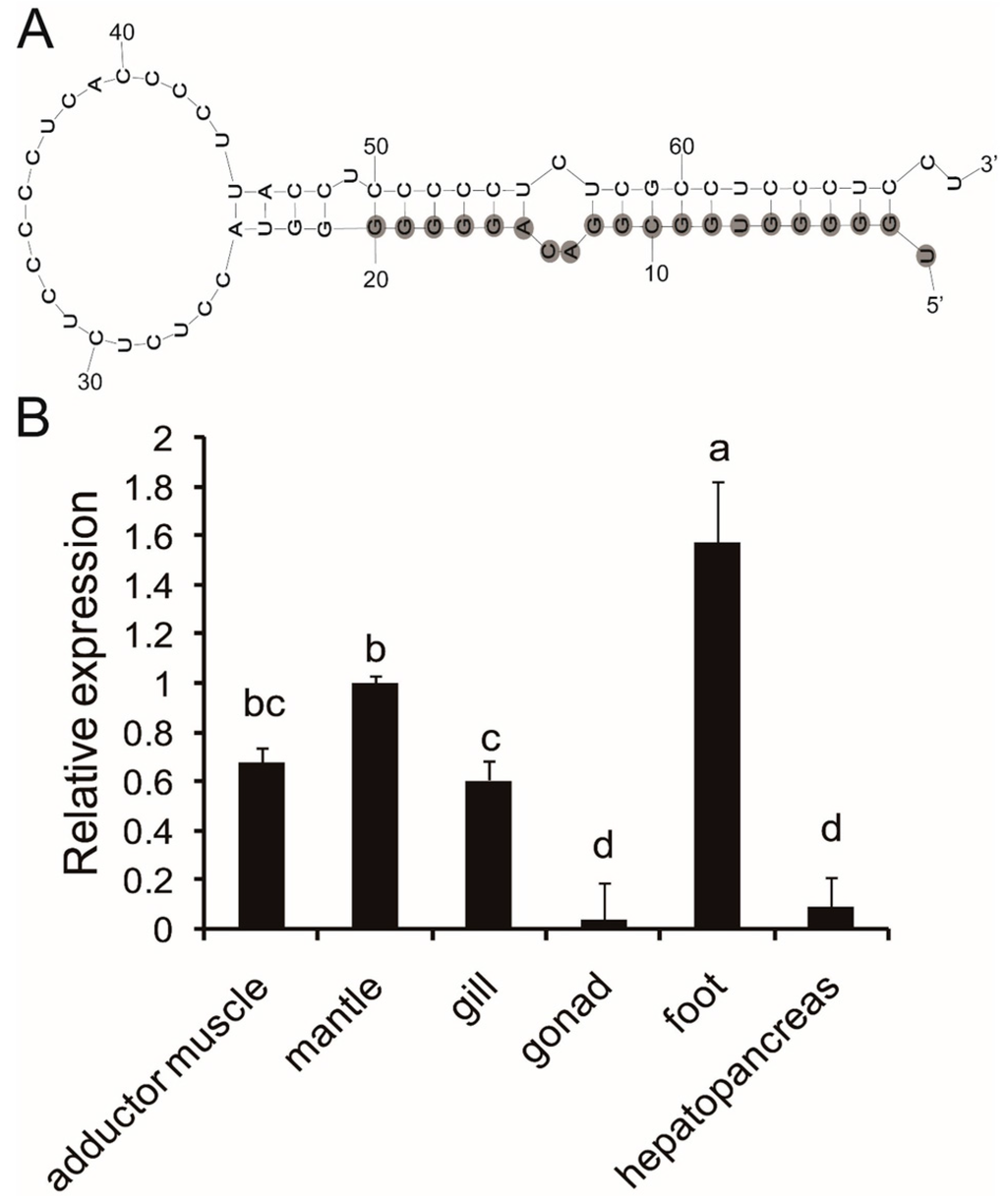
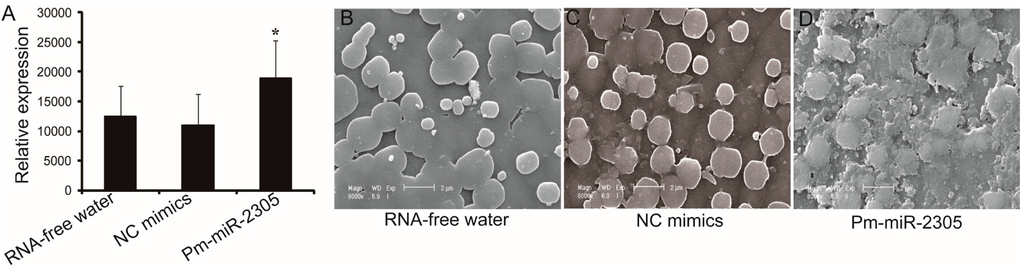
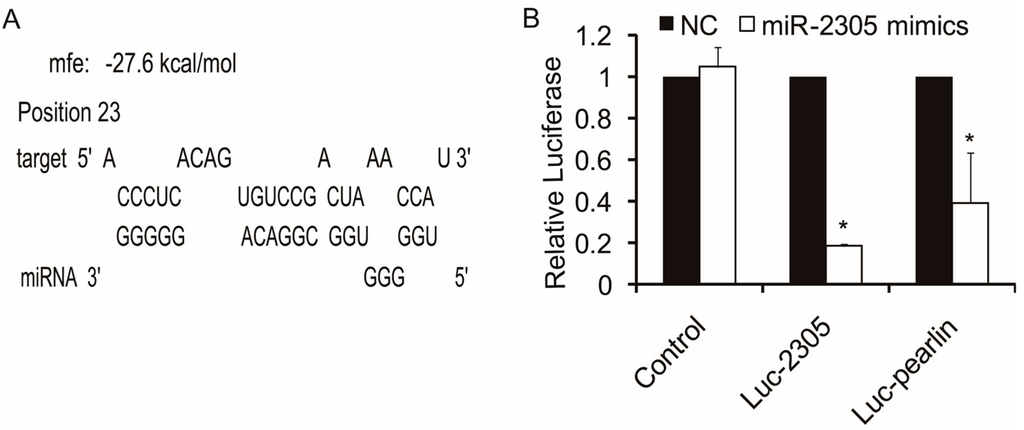
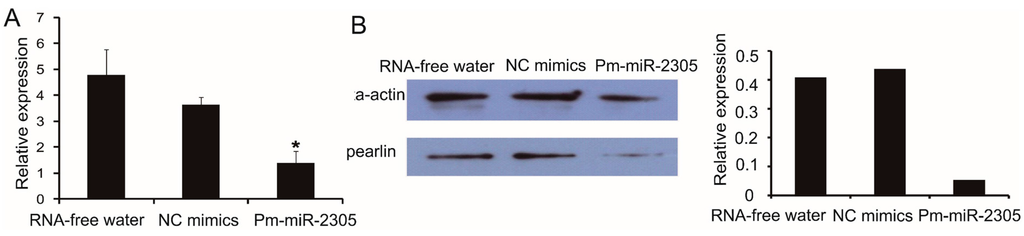
MicroRNAs (miRNAs) are noncoding RNA molecules that function as negative regulators of target genes. In our previous research, 258 pm-miRNAs were identified in Pinctada martensii by Solexa deep sequencing. Pm-miR-2305 was one of the identified pm-miRNAs with a potential function in biomineralization. In the present study, the precursor of pm-miR-2305 was predicted with 96 bp, containing a characteristic hairpin structure. Stem-loop qRT-PCR analysis indicated that pm-miR-2305 was constitutively expressed in all the tissues (adductor muscle, gill, mantle, hepatopancreas, foot, and gonad) of P. martensii and was highly expressed in the foot. After the over-expression of pm-miR-2305 in the mantle by mimics injection into the muscle of P. martensii, nacre demonstrated disorderly growth, as detected by scanning electron microscopy. Dual luciferase reporter gene assay indicated that pm-miR-2305 mimics could significantly inhibit the luciferase activity of the reporter containing the 3′UTR of the pearlin gene. Western blot analysis demonstrated that the protein expression of pearlin was down-regulated in the mantle tissue after the over-expression of pm-miR-2305. Therefore, our data showed that pm-miR-2305 participated in nacre formation by targeting pearlin in P. martensii. Full article
(This article belongs to the Section Biochemistry)
Show Figures

Graphical abstract
14 pages, 688 KB  
Article
Nutritive Evaluation of the Bambara Groundnut Ci12 Landrace [Vigna subterranea (L.) Verdc. (Fabaceae)] Produced in Côte d’Ivoire
by Denis N'Dri Yao 1, Kouakou Nestor Kouassi 1, Daniela Erba 2, Francesca Scazzina 3, Nicoletta Pellegrini 3,* and Maria Cristina Casiraghi 2
1 Laboratory of Food Biochemical and Tropical Products Technology, Nangui Abrogoua University, 02 BP 801 Abidjan, Côte d'Ivoire
2 Department of Food, Environmental and Nutritional Sciences DEFENS, University of Milan, Via Celoria 2, 20133 Milano, Italy
3 Department of Food Science, University of Parma, Parco Area delle Scienze 47/A, 43124 Parma, Italy
Int. J. Mol. Sci. 2015, 16(9), 21428-21441; https://doi.org/10.3390/ijms160921428 - 7 Sep 2015
Cited by 90 | Viewed by 10375
Abstract
The nutritional evaluation of the Bambara groundnut Ci12 landrace (Vigna subterranea (L.) Verdc.) seeds produced in Côte d’Ivoire shows a 19% content of protein, containing all the essential amino acids with tryptophan as the limiting amino acid, a total dietary fiber [...] Read more.
The nutritional evaluation of the Bambara groundnut Ci12 landrace (Vigna subterranea (L.) Verdc.) seeds produced in Côte d’Ivoire shows a 19% content of protein, containing all the essential amino acids with tryptophan as the limiting amino acid, a total dietary fiber level of 10%, with a low soluble fraction content, and a fat content of 1.4%, with a high proportion of total unsaturated fatty acids (61%) of which 36% were n-6 fatty acids. This legume contains phosphorus, as the major mineral, followed by magnesium and calcium, and trace elements (iron, copper and zinc). It is characterized by the same amount of α-tocopherol and antioxidant capacity as common legumes. The high concentration of essential amino acids, n-6 fatty acids and minerals, mainly Fe, in the Ci12 landrace of Bambara groundnut indicates that this local legume has the potentiality to improve the nutritional status in Côte d’Ivoire and it could be regarded as a nutrient dense food. Full article
18 pages, 2157 KB  
Article
The Effects of Cadmium at Low Environmental Concentrations on THP-1 Macrophage Apoptosis
by Tomasz Olszowski 1, Irena Baranowska-Bosiacka 2,*, Izabela Gutowska 3,†, Katarzyna Piotrowska 4,†, Katarzyna Mierzejewska 4, Jan Korbecki 2, Mateusz Kurzawski 5, Maciej Tarnowski 4 and Dariusz Chlubek 2
1 Department of Hygiene and Epidemiology, Pomeranian Medical University, Szczecin 70-111, Poland
2 Department of Biochemistry and Medical Chemistry, Pomeranian Medical University, Szczecin 70-111, Poland
3 Department of Biochemistry and Human Nutrition, Pomeranian Medical University, Szczecin 71-460, Poland
4 Department of Physiology, Pomeranian Medical University, Szczecin 70-111, Poland
5 Department of Experimental and Clinical Pharmacology, Pomeranian Medical University, Szczecin 70-111, Poland
These authors contributed equally to this work.
Int. J. Mol. Sci. 2015, 16(9), 21410-21427; https://doi.org/10.3390/ijms160921410 - 7 Sep 2015
Cited by 31 | Viewed by 7652
Abstract
Cadmium at environmental concentrations is a risk factor for many diseases, including cardiovascular and neurodegenerative diseases, in which macrophages play an important role. The aim of this study was to evaluate the effects of cadmium at low environmental (nanomolar) concentrations on apoptotic processes [...] Read more.
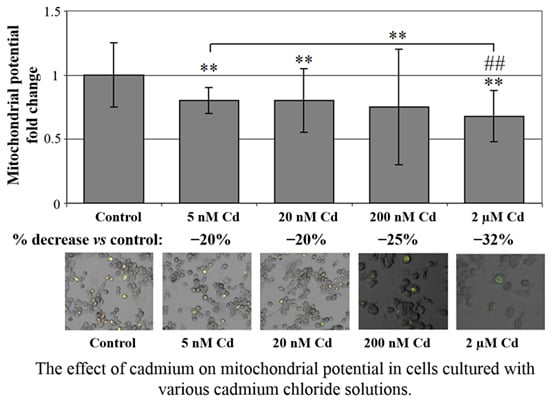
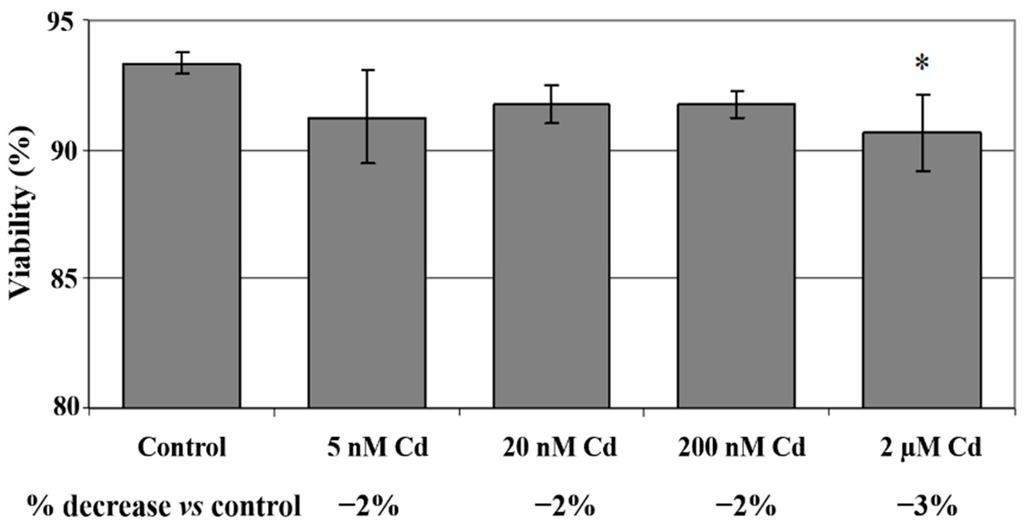
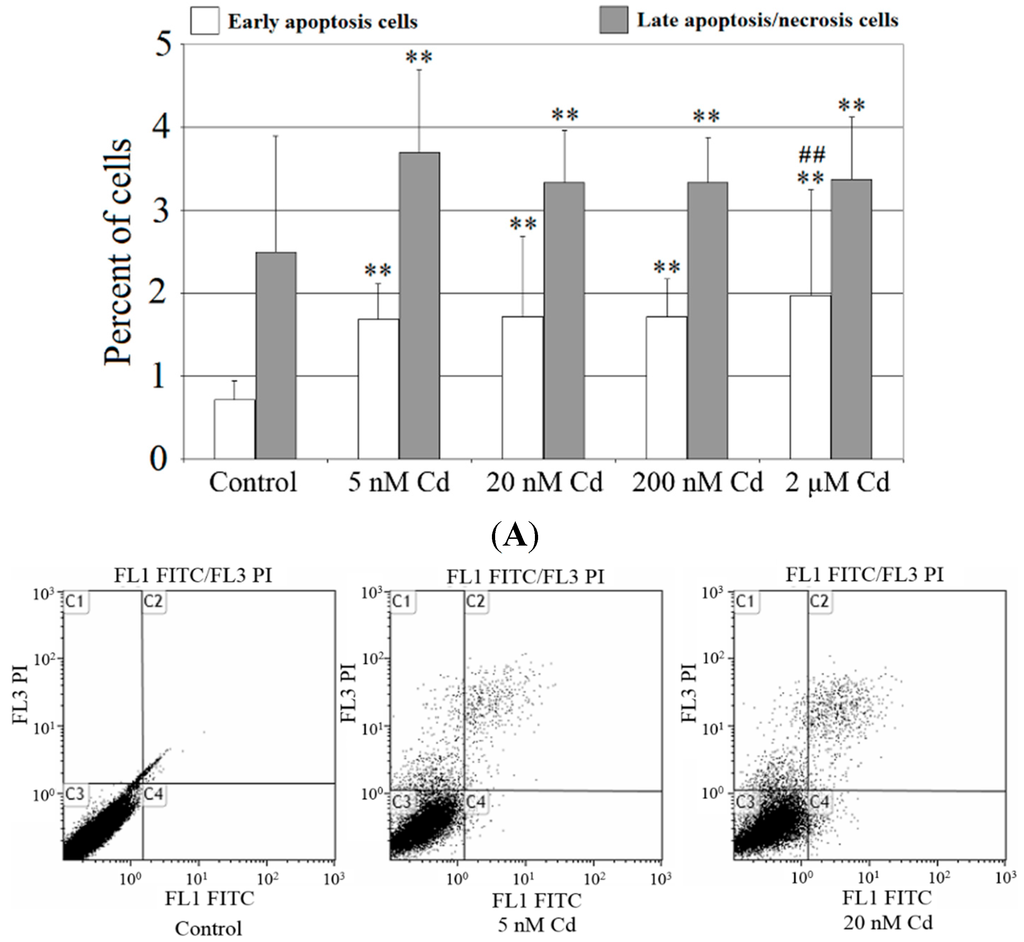
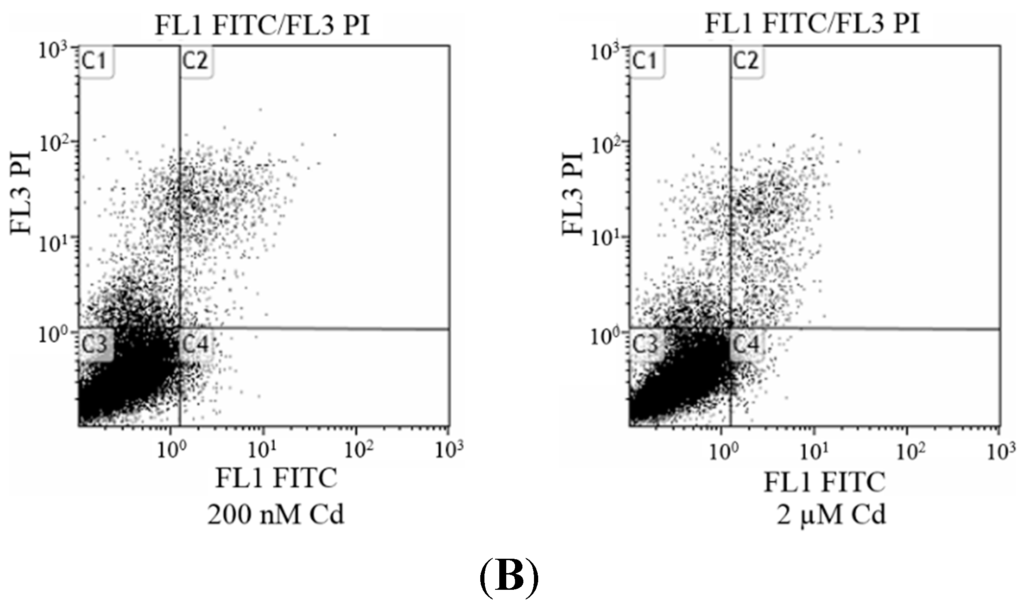
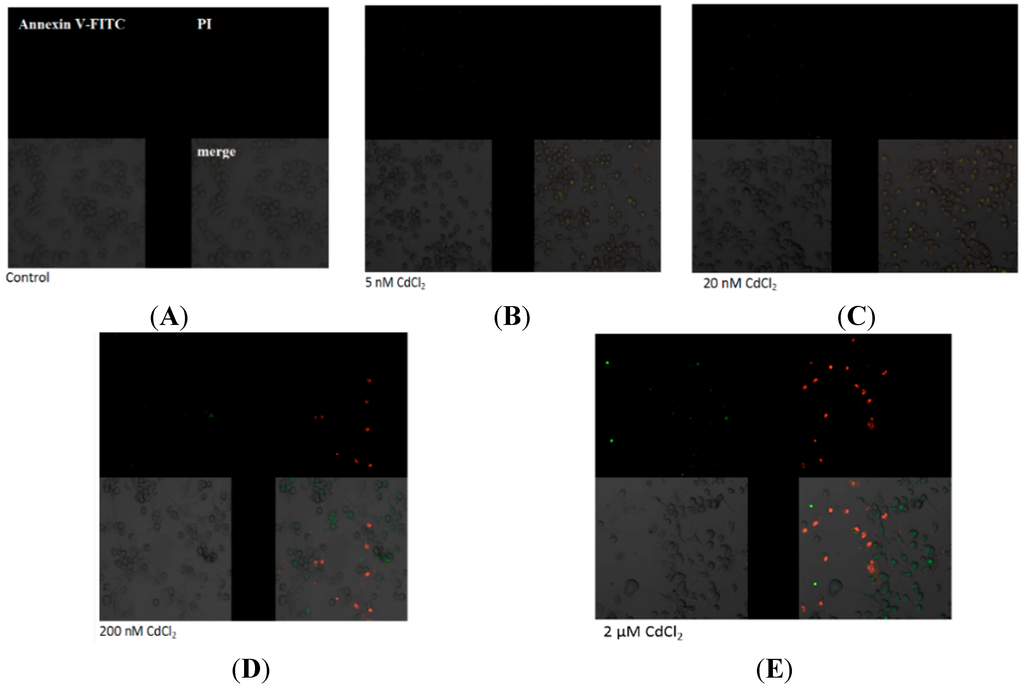
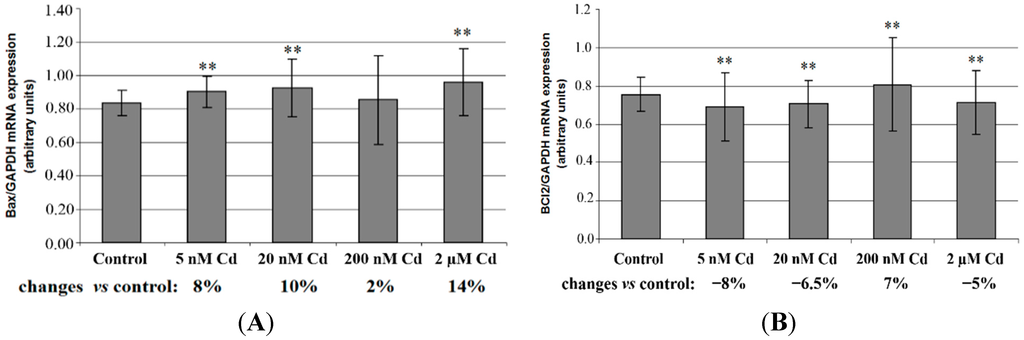
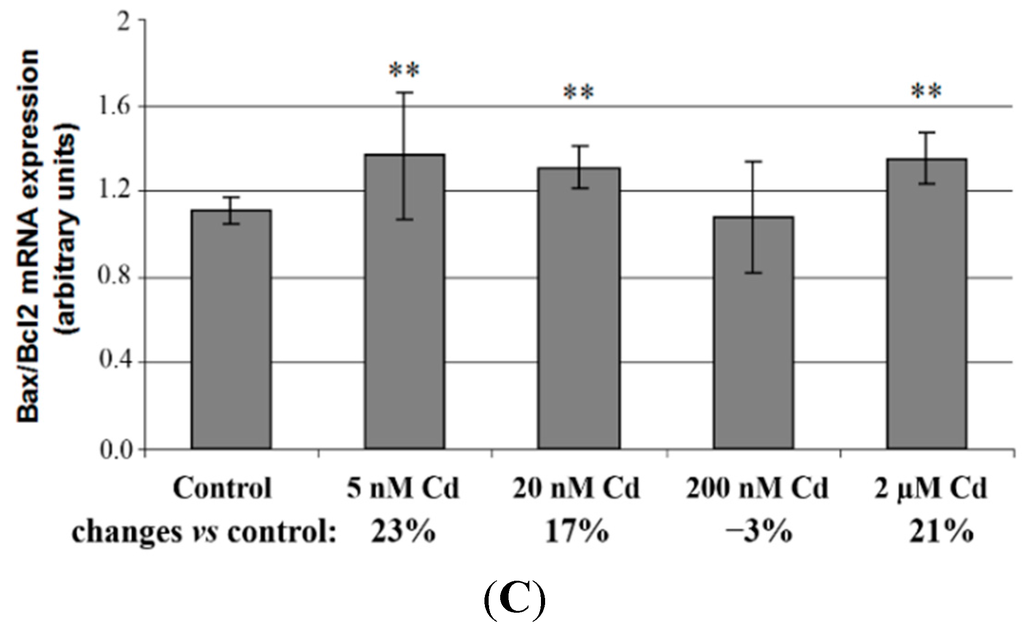
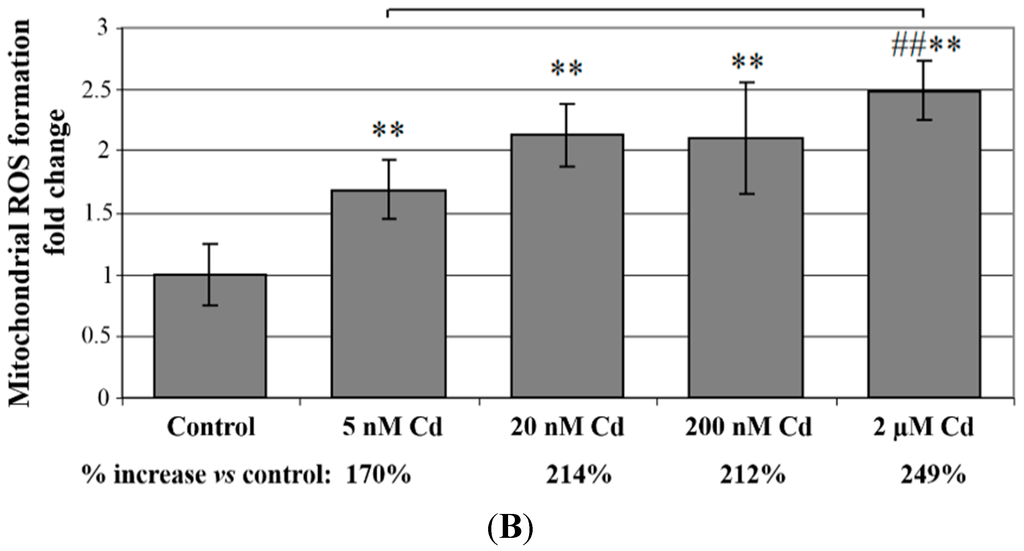
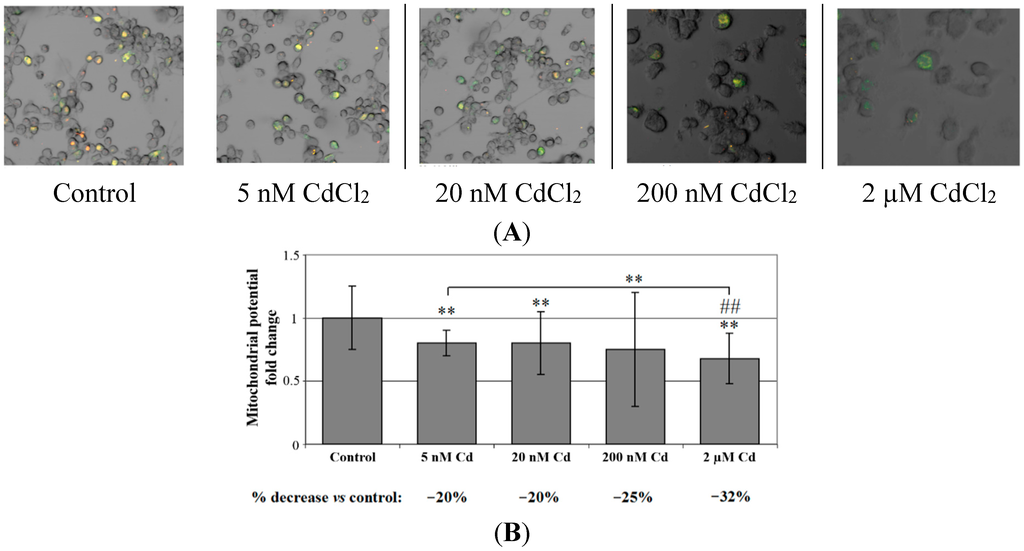
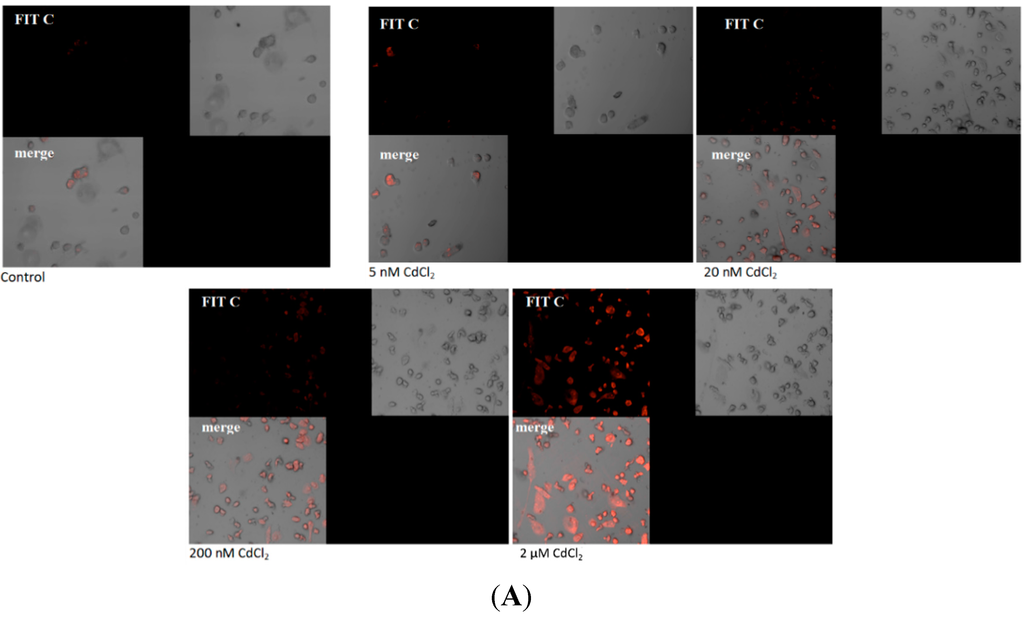
Cadmium at environmental concentrations is a risk factor for many diseases, including cardiovascular and neurodegenerative diseases, in which macrophages play an important role. The aim of this study was to evaluate the effects of cadmium at low environmental (nanomolar) concentrations on apoptotic processes in THP-1(acute monocytic leukemia cells line)-derived macrophages, with special focus on mitochondrial events involved. Macrophages were incubated with various cadmium chloride (CdCl2) solutions for 48 h at final concentrations of 5 nM, 20 nM, 200 nM and 2 µM CdCl2. Cell viability was measured using flow cytometry. Flow cytometric measurement (annexin V/FITC (annexin V/fluorescein isothiocyanate) and PI (propidium iodide) double staining) was used to quantify the extent of apoptosis. Fluorescence and confocal microscopy were used for imaging of apoptosis process. Changes in mitochondrial membrane potential were monitored using cytofluorimetry after cell staining with JC-1(5,5′,6,6′-tetrachloro-1,1′,3,3′-tetraethylbenzimidazol-carbocyane iodide) probe. Mitochondrial ROS (reactive oxygen species) levels were measured cytofluorimetrically after incubation of cells with mitochondrial superoxide indicator (MitoSOX) red fluorescent marker. The mRNA expression of Bcl-2 and Bax was analysed with qRT-PCR. Our study demonstrates that cadmium, even at low environmental concentrations, exerts mitochondrial toxicity in THP-1 macrophages. Forty-eight-hour exposure to very low concentrations reduces cell viability and results in cell death by apoptosis and necrosis. The decrease in mitochondrial membrane potential, increased ROS production, increased Bax and decreased Bcl-2 mRNA expression are mitochondrial events involved in cadmium-induced apoptosis. Full article
(This article belongs to the Section Molecular Toxicology)
Show Figures

Graphical abstract
18 pages, 2159 KB  
Article
Cisplatin Targeting of Bacterial Ribosomal RNA Hairpins
by Gayani N. P. Dedduwa-Mudalige and Christine S. Chow *
Department of Chemistry, Wayne State University, Detroit, MI 48202, USA
Int. J. Mol. Sci. 2015, 16(9), 21392-21409; https://doi.org/10.3390/ijms160921392 - 7 Sep 2015
Cited by 22 | Viewed by 9991
Abstract
Cisplatin is a clinically important chemotherapeutic agent known to target purine bases in nucleic acids. In addition to major deoxyribonucleic acid (DNA) intrastrand cross-links, cisplatin also forms stable adducts with many types of ribonucleic acid (RNA) including siRNA, spliceosomal RNAs, tRNA, and rRNA. [...] Read more.
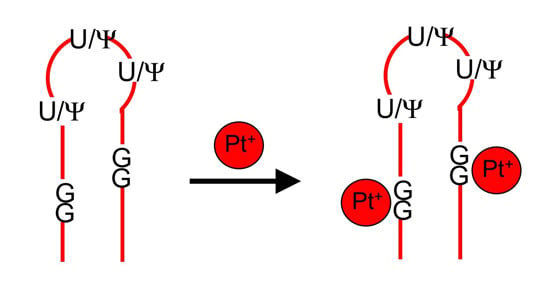
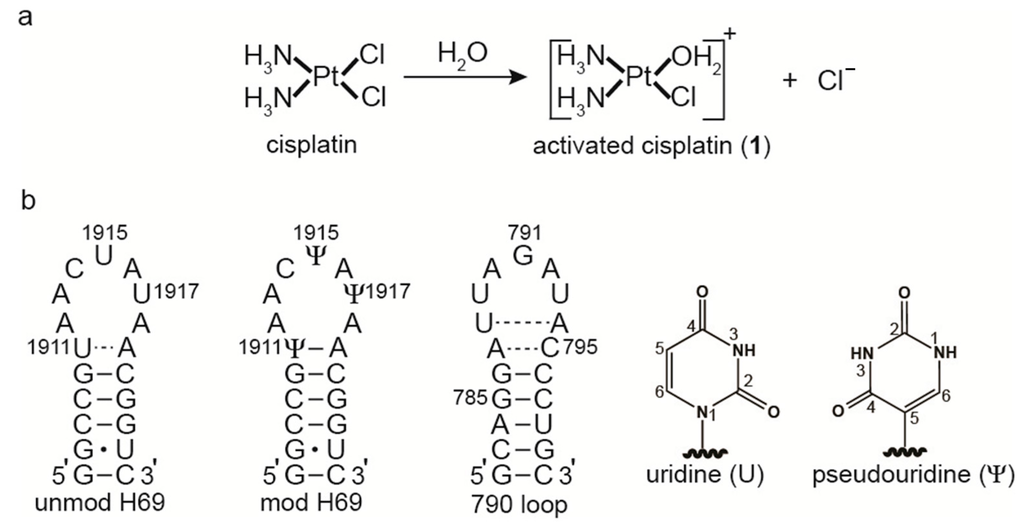
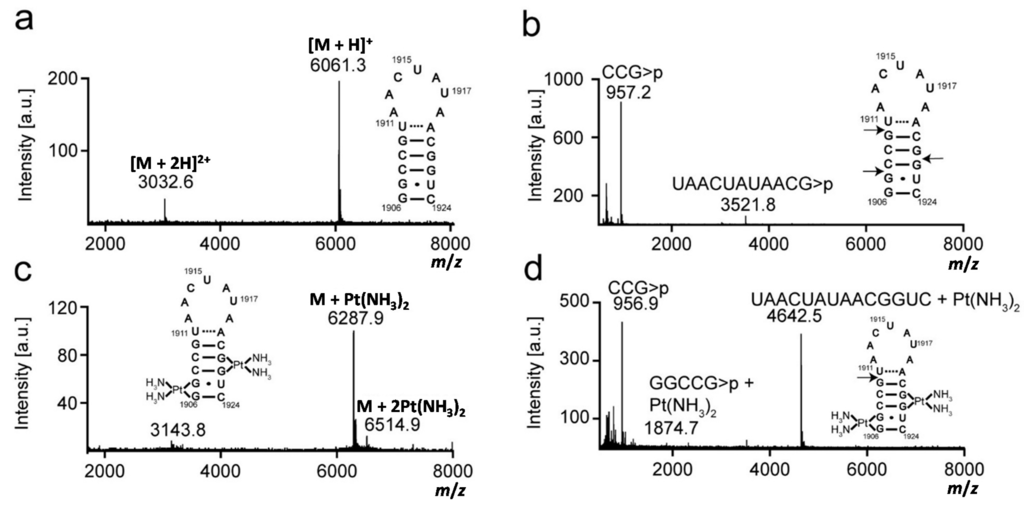
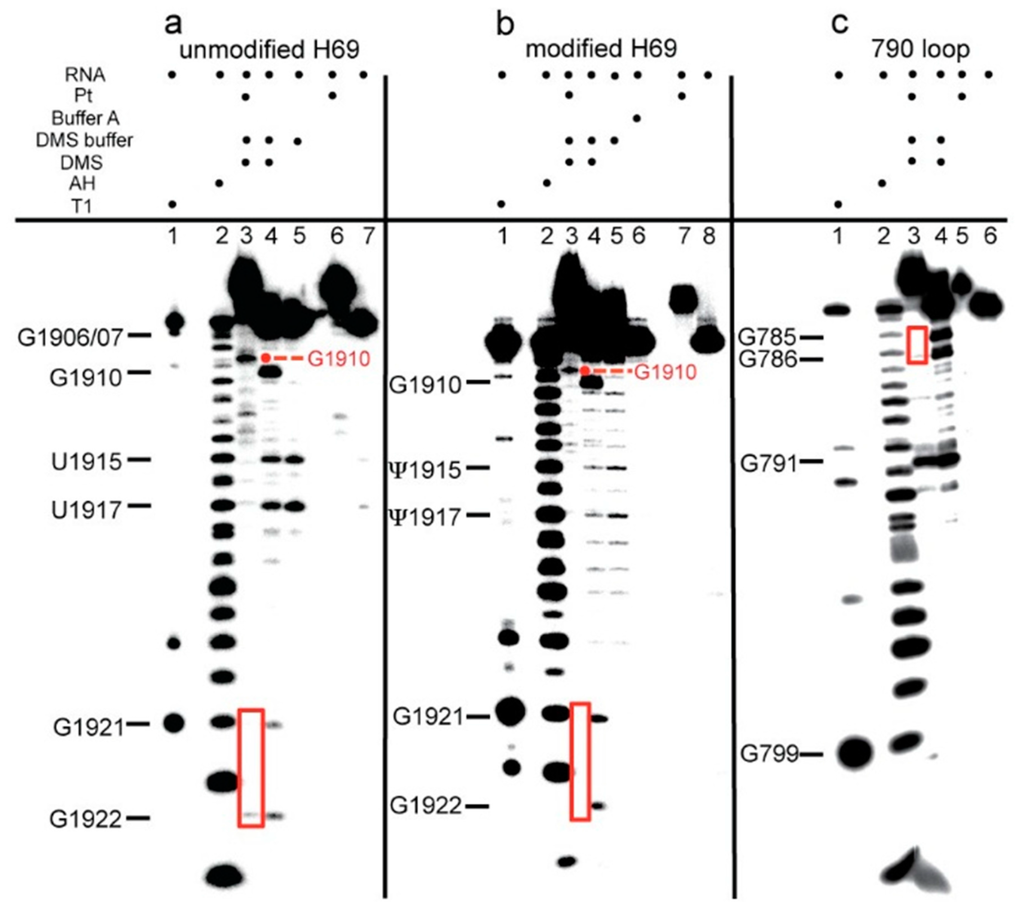
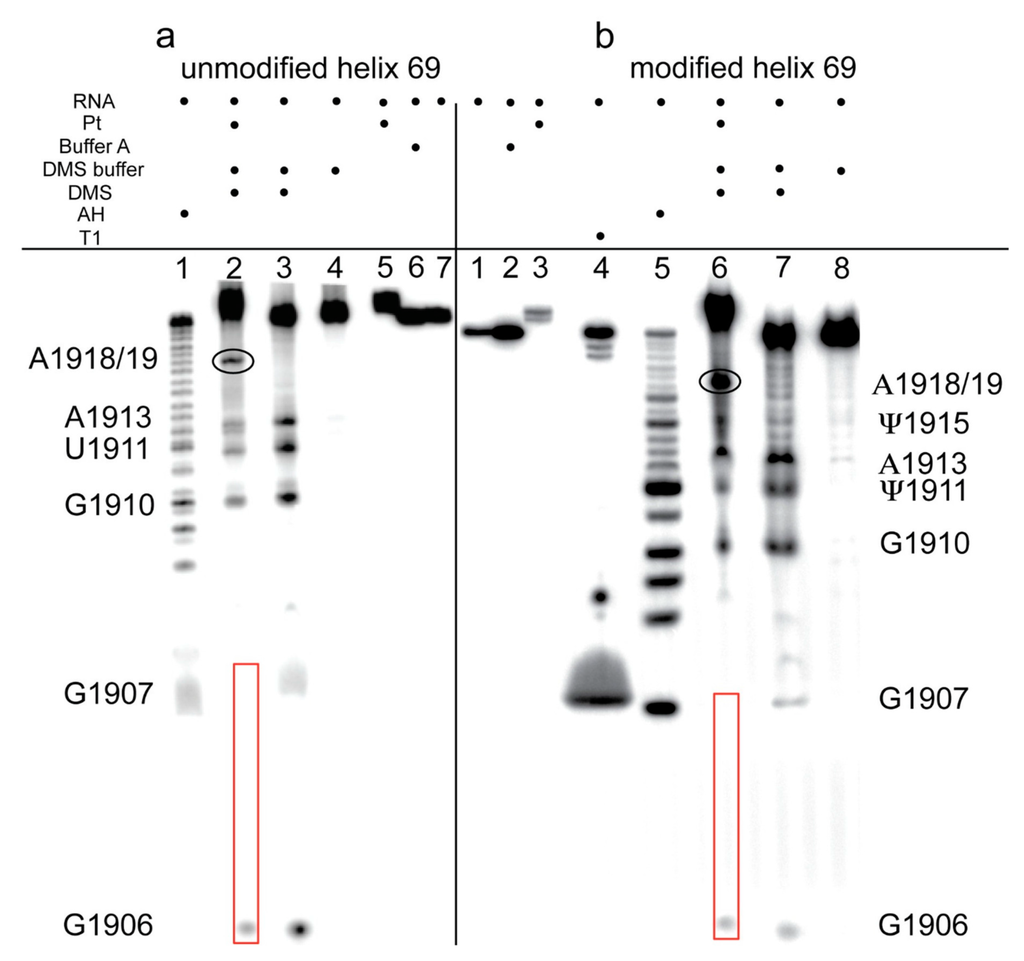
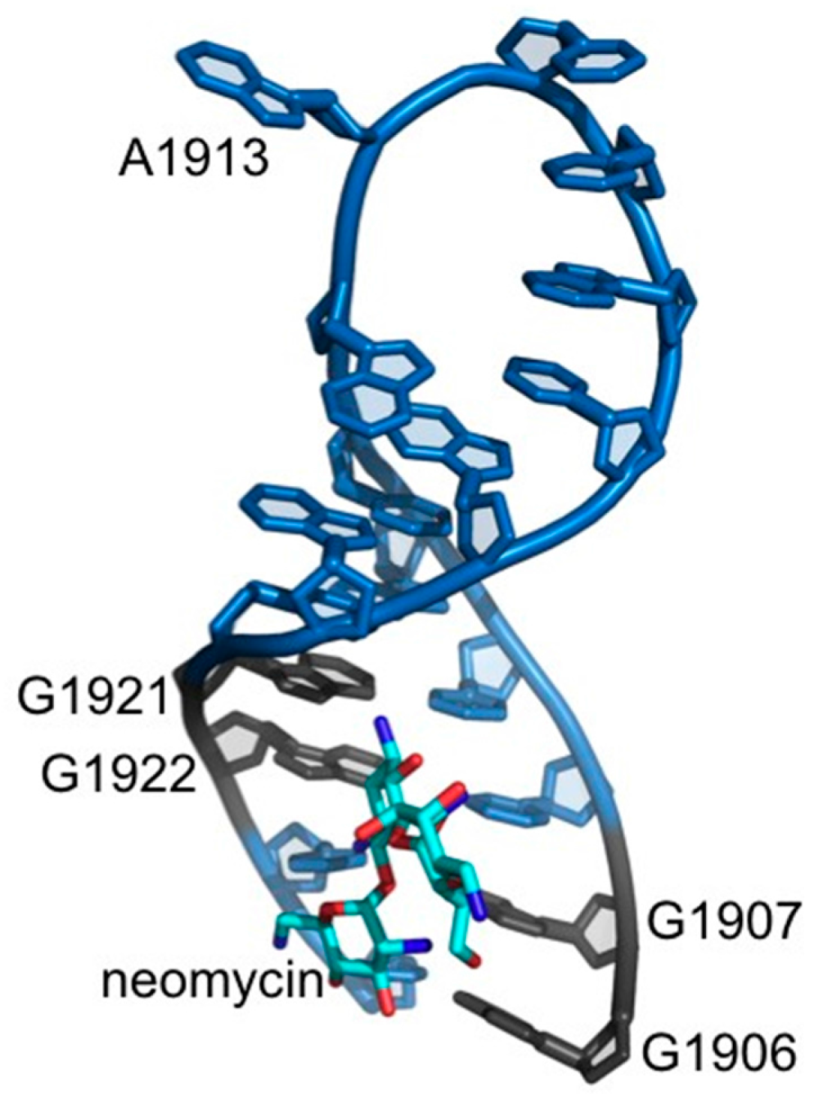
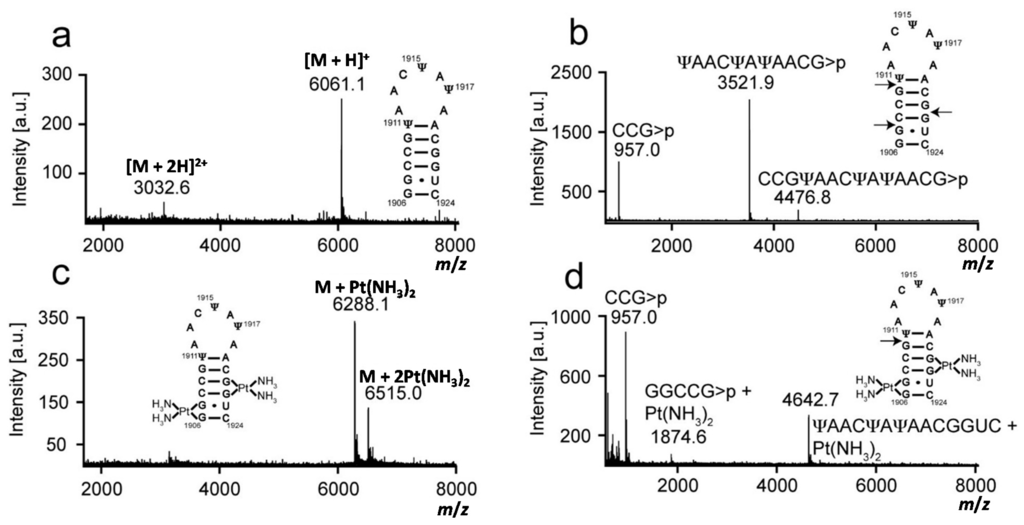
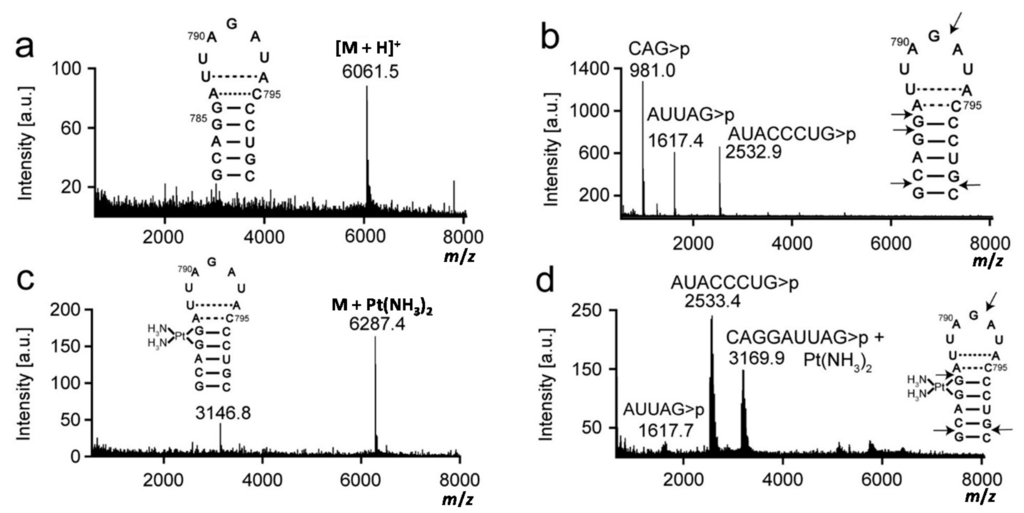
Cisplatin is a clinically important chemotherapeutic agent known to target purine bases in nucleic acids. In addition to major deoxyribonucleic acid (DNA) intrastrand cross-links, cisplatin also forms stable adducts with many types of ribonucleic acid (RNA) including siRNA, spliceosomal RNAs, tRNA, and rRNA. All of these RNAs play vital roles in the cell, such as catalysis of protein synthesis by rRNA, and therefore serve as potential drug targets. This work focused on platination of two highly conserved RNA hairpins from E. coli ribosomes, namely pseudouridine-modified helix 69 from 23S rRNA and the 790 loop of helix 24 from 16S rRNA. RNase T1 probing, MALDI mass spectrometry, and dimethyl sulfate mapping revealed platination at GpG sites. Chemical probing results also showed platination-induced RNA structural changes. These findings reveal solvent and structural accessibility of sites within bacterial RNA secondary structures that are functionally significant and therefore viable targets for cisplatin as well as other classes of small molecules. Identifying target preferences at the nucleotide level, as well as determining cisplatin-induced RNA conformational changes, is important for the design of more potent drug molecules. Furthermore, the knowledge gained through studies of RNA-targeting by cisplatin is applicable to a broad range of organisms from bacteria to human. Full article
(This article belongs to the Special Issue Low Molecular Weight DNA and RNA Binding Agents)
Show Figures

Graphical abstract
14 pages, 1306 KB  
Article
Can Clethra barbinervis Distinguish Nickel and Cobalt in Uptake and Translocation?
by Tsuyoshi Yamaguchi *, Rie Tomioka and Chisato Takenaka
Graduate School of Bioagricultural Sciences, Nagoya University, Furo-cho, Chikusa-ku, Nagoya 464-8601, Japan
Int. J. Mol. Sci. 2015, 16(9), 21378-21391; https://doi.org/10.3390/ijms160921378 - 7 Sep 2015
Cited by 7 | Viewed by 8867
Abstract
Clethra barbinervis Sieb. et Zucc. accumulates Nickel (Ni) and Cobalt (Co) at high concentrations., We hypothesized that C. barbinervis cannot distinguish between Ni and Co because of the similar chemical properties of these two elements. To confirm this hypothesis and understand the [...] Read more.
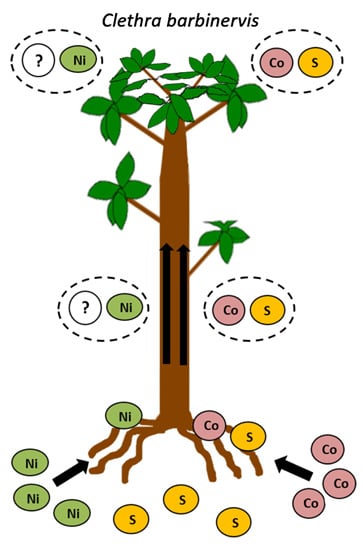
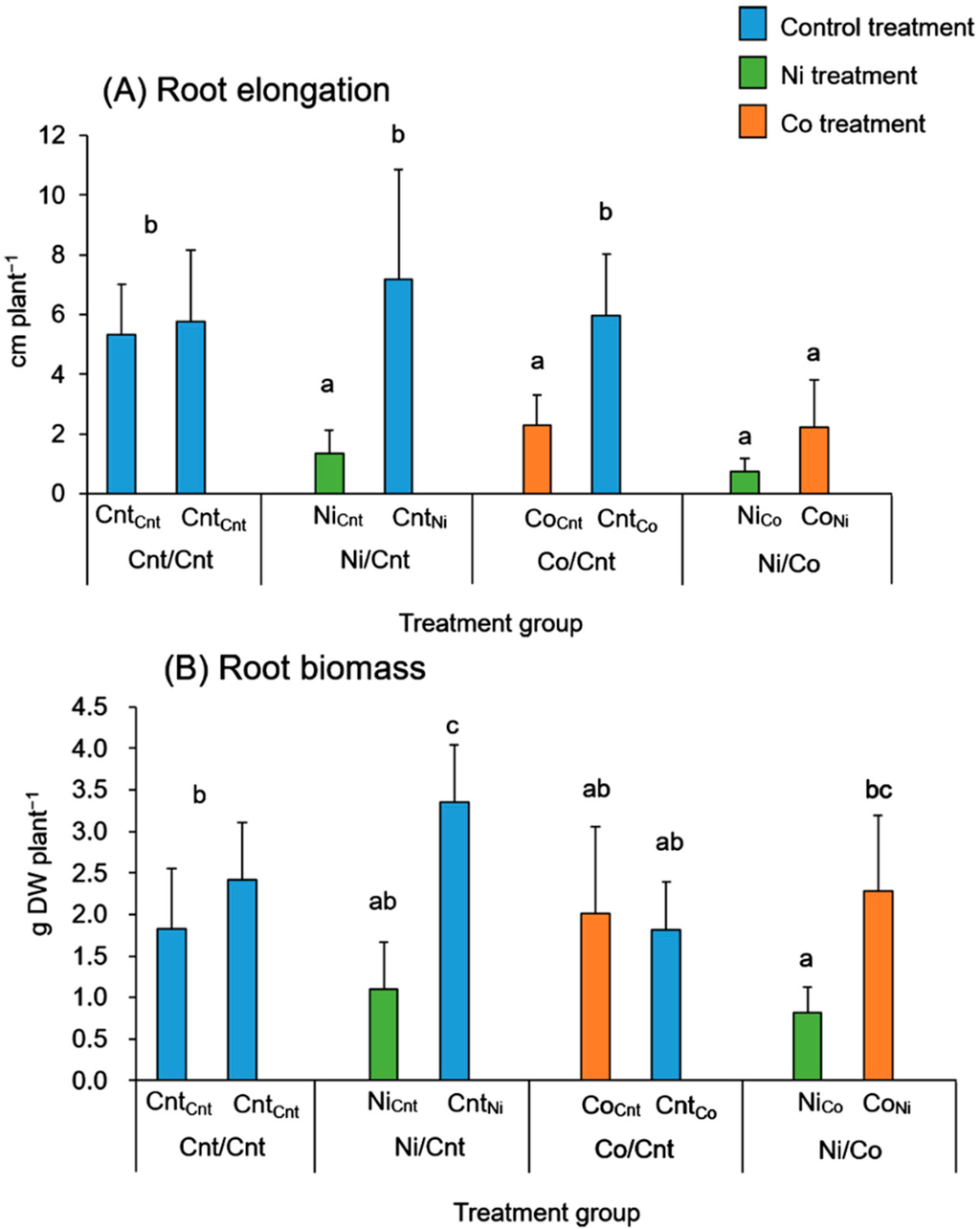
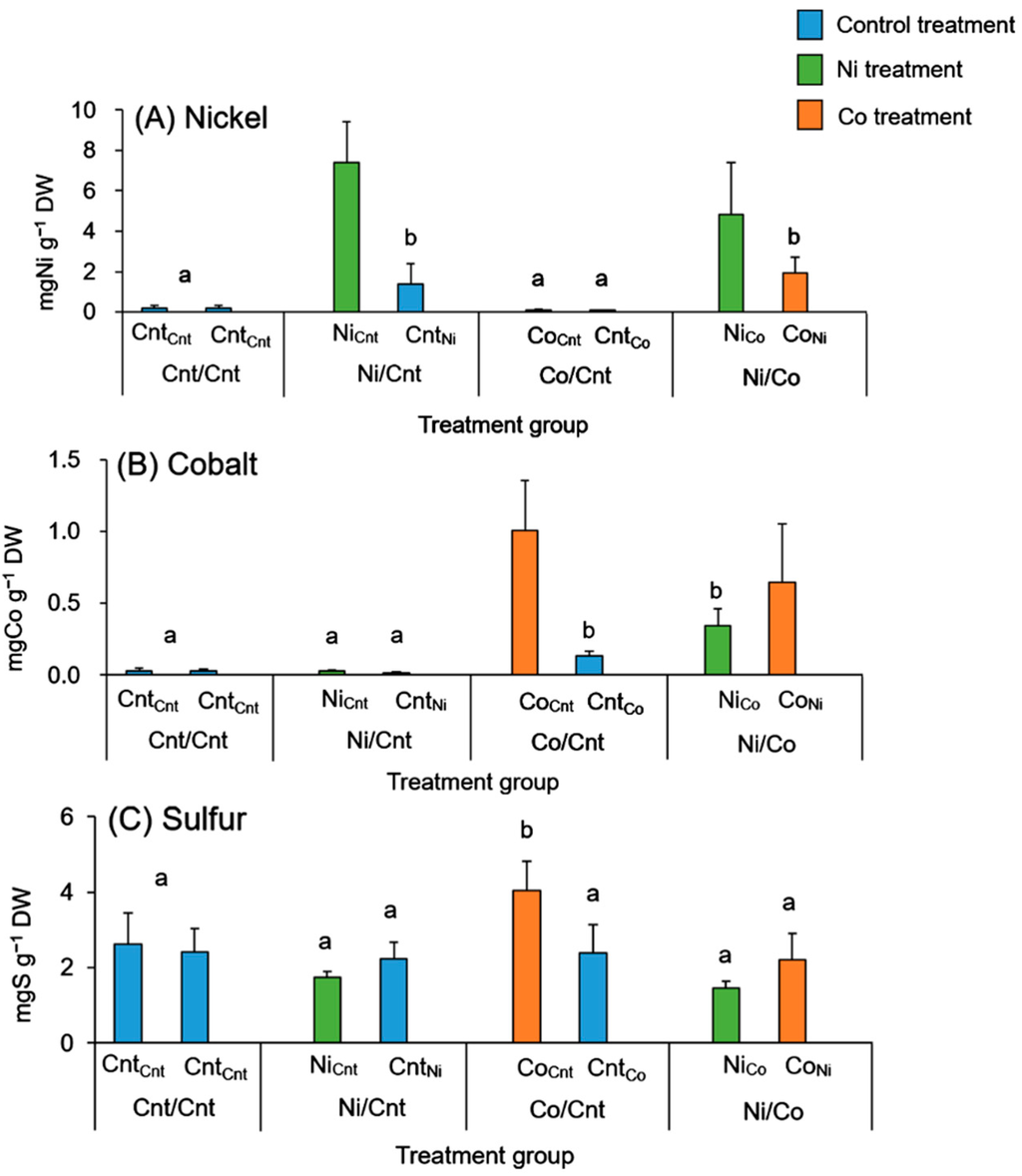
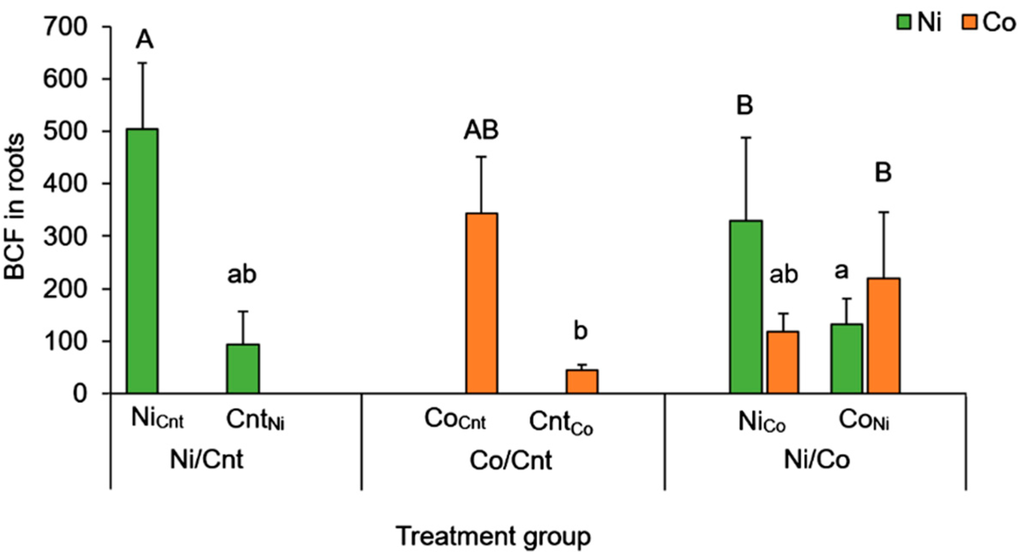
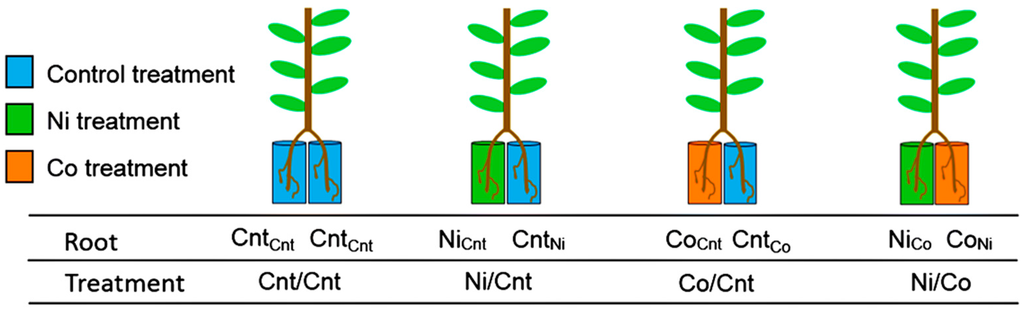
Clethra barbinervis Sieb. et Zucc. accumulates Nickel (Ni) and Cobalt (Co) at high concentrations., We hypothesized that C. barbinervis cannot distinguish between Ni and Co because of the similar chemical properties of these two elements. To confirm this hypothesis and understand the role of these elements in C. barbinervis, we conducted a hydroponic split-root experiment using Ni and Co solutions. We found that the bioconcentration factor (BCF; metal concentration of each tissue/metal concentrations of each treatment solution) of Ni and Co did not significantly differ in the roots, but the BCF for Co was higher than that for Ni in the leaves. The leaves of C. barbinervis accumulated Ni or Co at high concentrations. We also found the simultaneous accumulation of Ni and Co by the multiple heavy metal treatments (Ni and Co) at high concentrations similar to those for the single treatments (Ni or Co). Elevated sulfur concentrations occurred in the roots and leaves of Co-treated seedlings but not in Ni. This result indicates that S was related to Co accumulation in the leaves. These results suggest that C. barbinervis distinguishes between Ni and Co during transport and accumulation in the leaves but not during root uptake. Full article
Show Figures

Graphical abstract
15 pages, 1042 KB  
Article
Ile-1781-Leu and Asp-2078-Gly Mutations in ACCase Gene, Endow Cross-resistance to APP, CHD, and PPZ in Phalaris minor from Mexico
by Hugo Cruz-Hipolito 1, Pablo Fernandez 2, Ricardo Alcantara 2, Javid Gherekhloo 3, Maria Dolores Osuna 4 and Rafael De Prado 2,*
1 Bayer CropScience, Col. Ampl. Granada
2 Department of Agricultural Chemistry and Edaphology, University of Cordoba, 14071 Cordoba, Spain
3 Deparment of Agronomy, Gorgan University of Agricultural Sciences and Natural Resources, 49189-43464 Gorgan, Iran
4 Finca La Orden-Valdesequera Research Centre, 06187 Badajoz, Spain
Int. J. Mol. Sci. 2015, 16(9), 21363-21377; https://doi.org/10.3390/ijms160921363 - 7 Sep 2015
Cited by 22 | Viewed by 6386
Abstract
Herbicides that inhibit acetyl coenzyme A carboxylase (ACCase) are commonly used in Mexico to control weedy grasses such as little seed canarygrass (Phalaris minor). These herbicides are classified into three major families (ariloxyphenoxypropionates (APP), cyclohexanodiones (CHD), and, recently, phenylpyrazolines (PPZ)). In [...] Read more.
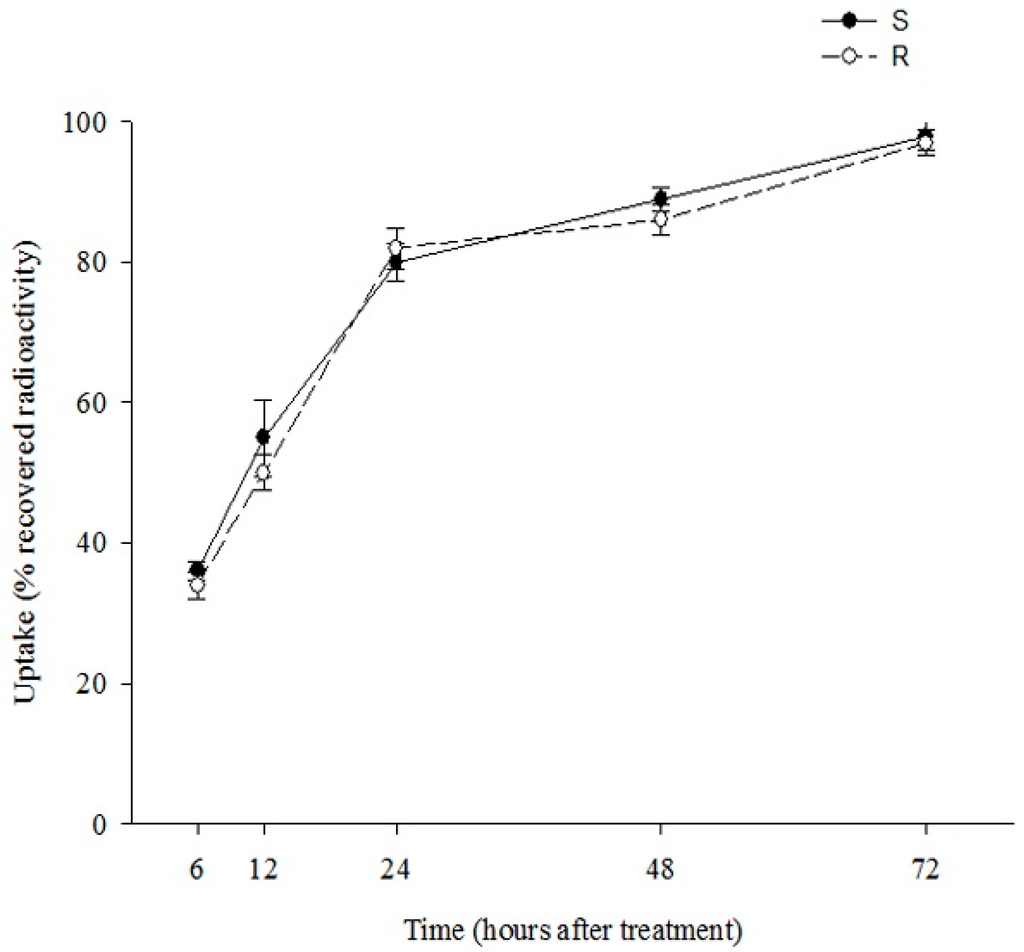
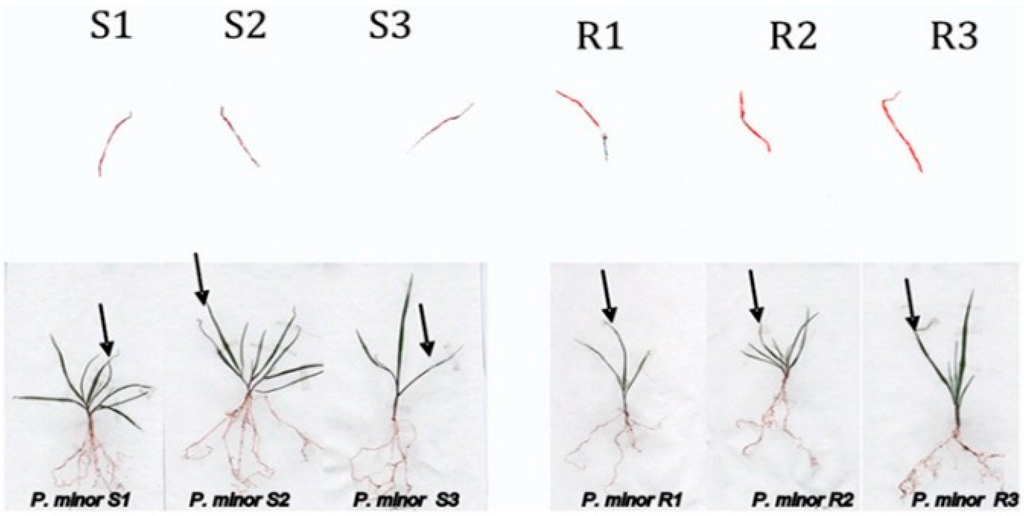
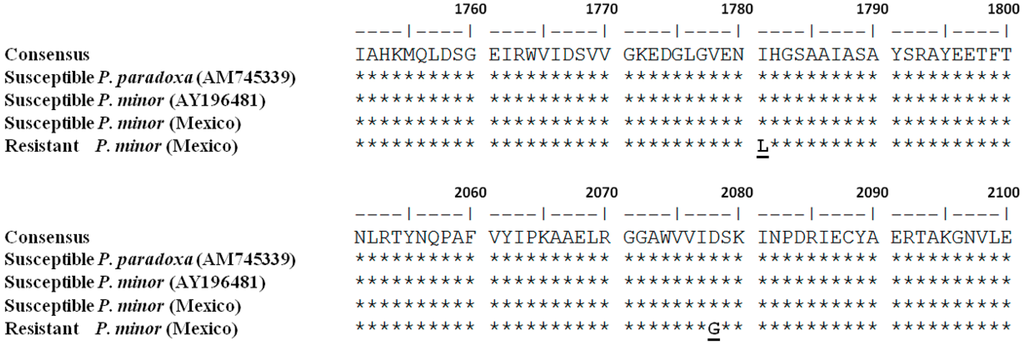
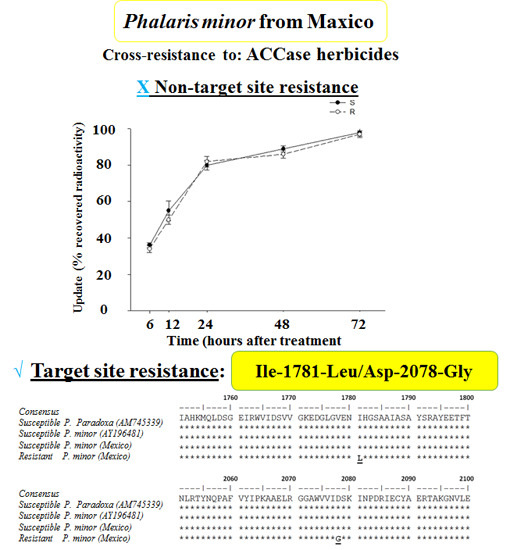
Herbicides that inhibit acetyl coenzyme A carboxylase (ACCase) are commonly used in Mexico to control weedy grasses such as little seed canarygrass (Phalaris minor). These herbicides are classified into three major families (ariloxyphenoxypropionates (APP), cyclohexanodiones (CHD), and, recently, phenylpyrazolines (PPZ)). In this work, the resistance to ACCase (APP, CHD, and PPZ) inhibiting herbicides was studied in a biotype of Phalaris minor (P. minor) from Mexico, by carrying out bioassays at the whole-plant level and investigating the mechanism behind this resistance. Dose-response and ACCase in vitro activity assays showed cross-resistance to all ACCase herbicides used. There was no difference in the absorption, translocation, and metabolism of the 14C-diclofop-methyl between the R and S biotypes. The PCR generated CT domain fragments of ACCase from the R biotype and an S reference were sequenced and compared. The Ile-1781-Leu and Asp-2078-Gly point mutations were identified. These mutations could explain the loss of affinity for ACCase by the ACCase-inhibing herbicides. This is the first report showing that this substitution confers resistance to APP, CHD, and PPZ herbicides in P. minor from Mexico. The mutations have been described previously only in a few cases; however, this is the first study reporting on a pattern of cross-resistance with these mutations in P. minor. The findings could be useful for better management of resistant biotypes carrying similar mutations. Full article
(This article belongs to the Section Biochemistry)
Show Figures

Graphical abstract
21 pages, 1399 KB  
Article
New Anti-Nodal Monoclonal Antibodies Targeting the Nodal Pre-Helix Loop Involved in Cripto-1 Binding
by Annalia Focà 1,2, Luca Sanguigno 3, Giuseppina Focà 1,2, Luigi Strizzi 4, Roberta Iannitti 1, Rosanna Palumbo 1, Mary J. C. Hendrix 4, Antonio Leonardi 5,*, Menotti Ruvo 1,* and Annamaria Sandomenico 1,*
1 Institute of Biostructure and Bioimaging, National Research Council (IBB-CNR) and Centro Interuniversitario di Ricerca sui Peptidi Bioattivi (CIRPeB), Università degli Studi di Napoli "Federico II", Naples 80134, Italy
2 Department of Pharmacy, Università degli Studi di Napoli "Federico II", Naples 80131, Italy
3 Bioker Multimedica, Naples 80131, Italy
4 Program in Cancer Biology and Epigenomics, Stanley Manne Children's Research Institute at Ann and Robert H. Lurie Children's Hospital of Chicago, Robert H. Lurie Comprehensive Cancer Center, Northwestern University Feinberg School of Medicine, Chicago, IL 60611, USA
5 Department of Molecular Medicine and Medical Biotechnologies, Università degli Studi di Napoli "Federico II", Naples 80131, Italy
Int. J. Mol. Sci. 2015, 16(9), 21342-21362; https://doi.org/10.3390/ijms160921342 - 7 Sep 2015
Cited by 15 | Viewed by 6402
Abstract
Nodal is a potent embryonic morphogen belonging to the TGF-β superfamily. Typically, it also binds to the ALK4/ActRIIB receptor complex in the presence of the co-receptor Cripto-1. Nodal expression is physiologically restricted to embryonic tissues and human embryonic stem cells, is absent in [...] Read more.
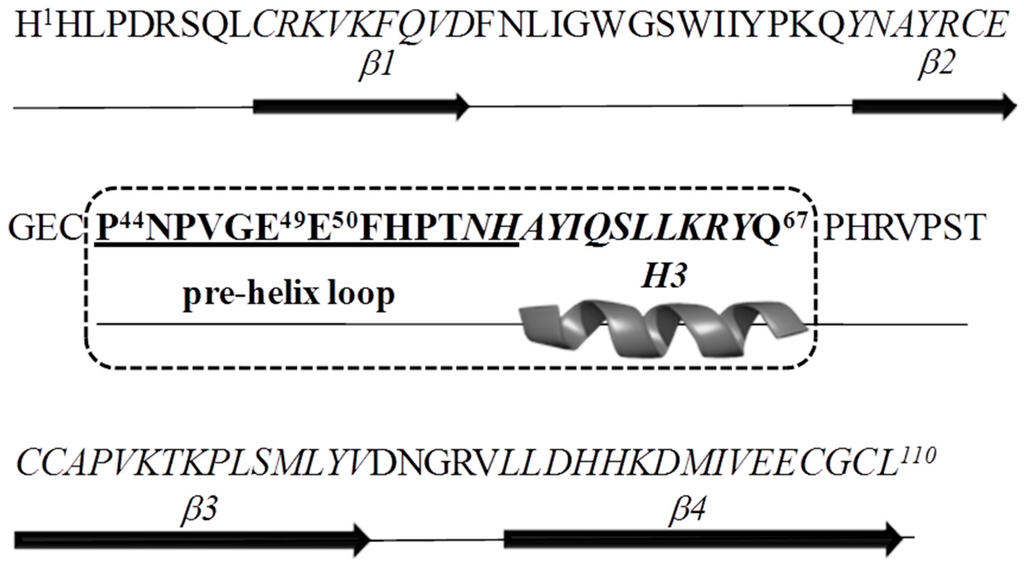
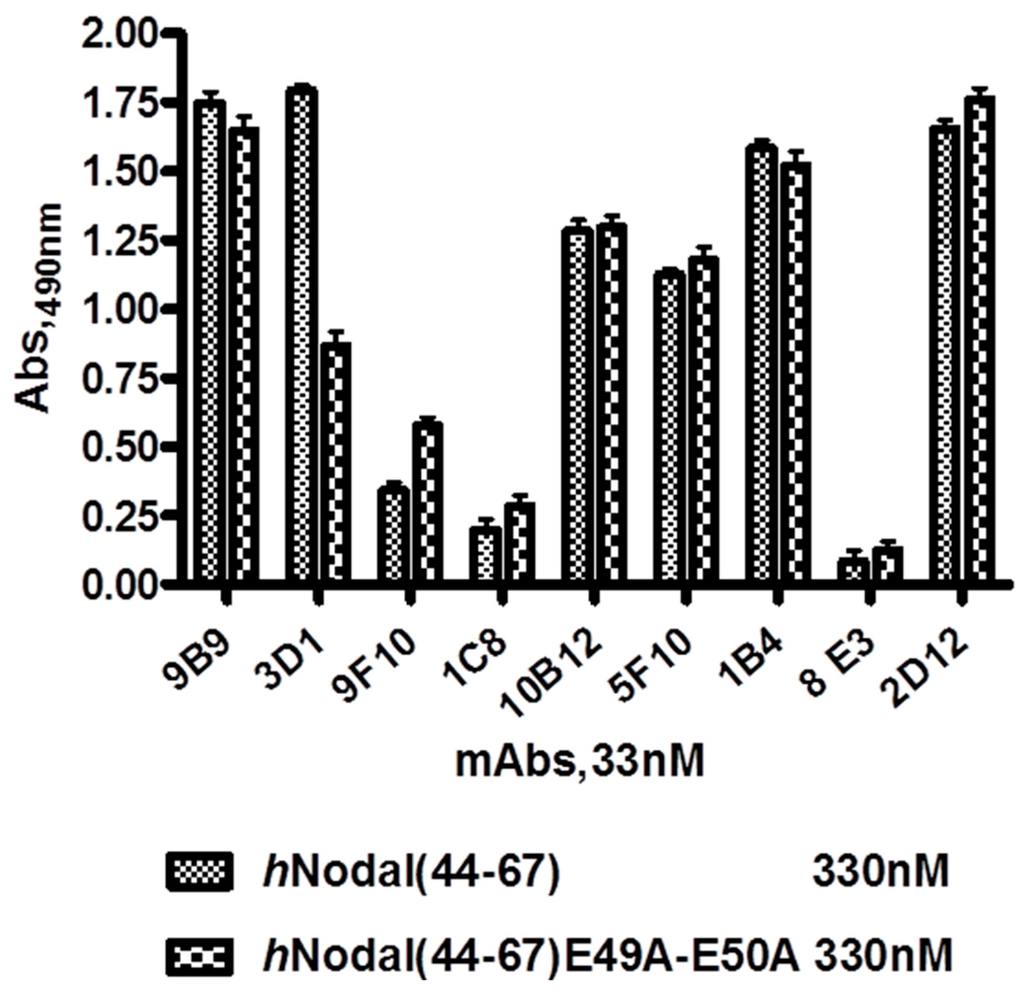
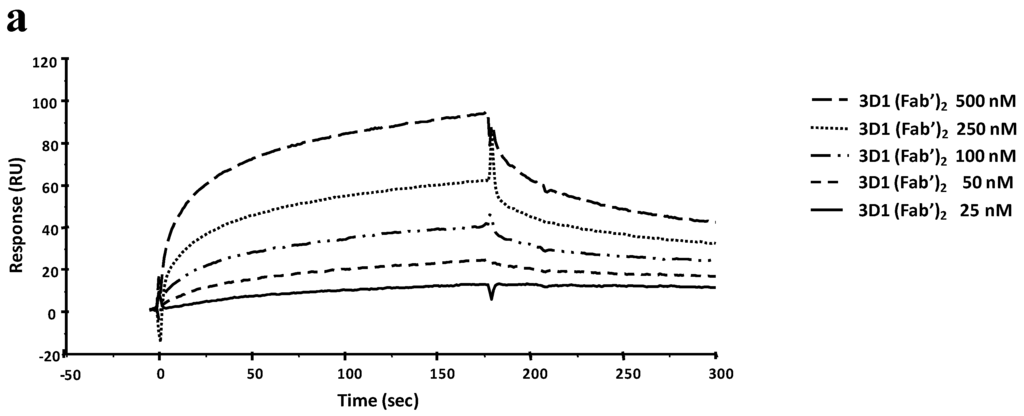
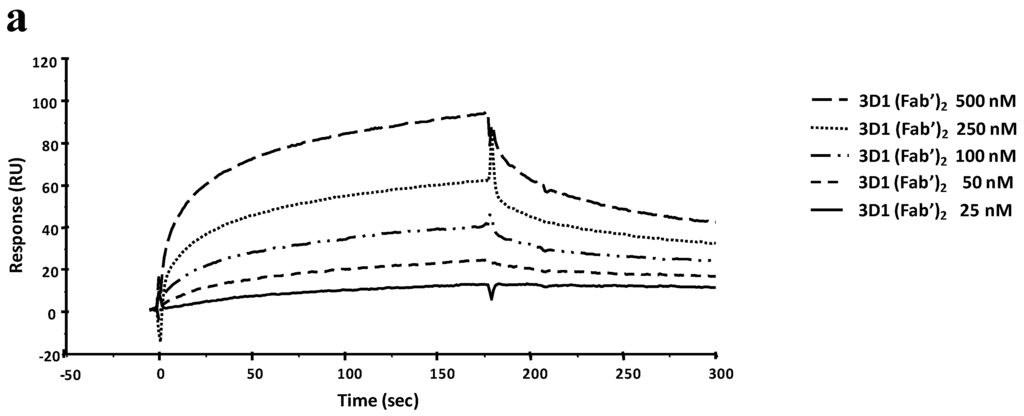
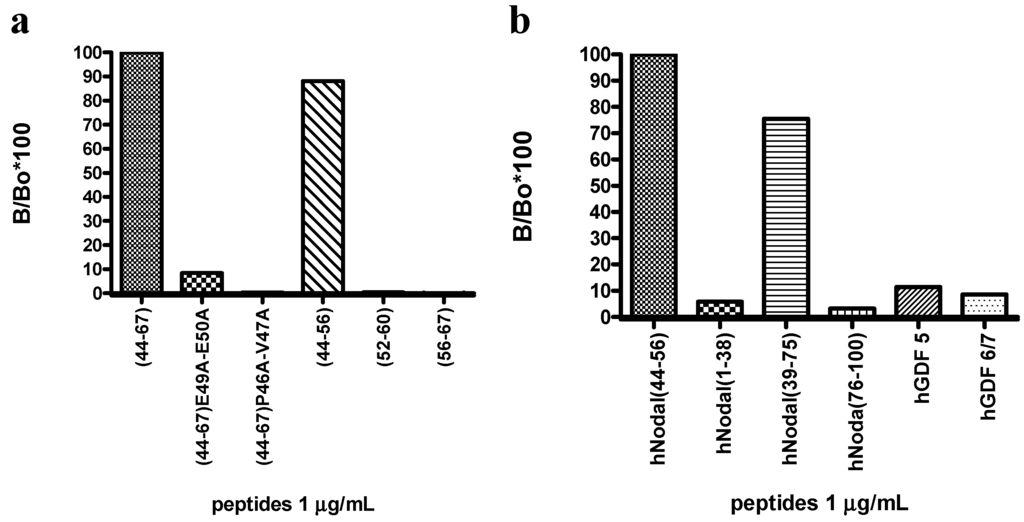
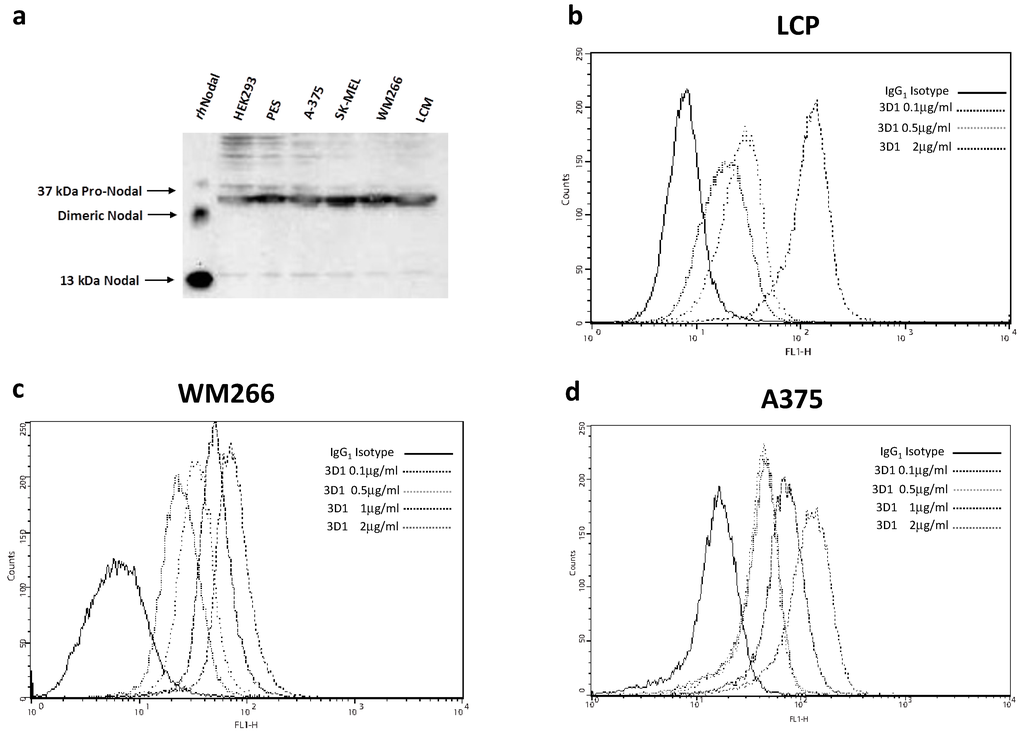
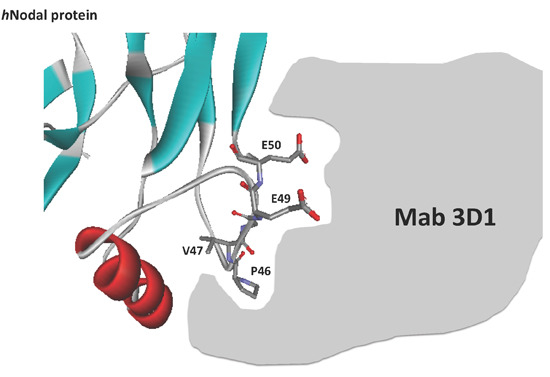
Nodal is a potent embryonic morphogen belonging to the TGF-β superfamily. Typically, it also binds to the ALK4/ActRIIB receptor complex in the presence of the co-receptor Cripto-1. Nodal expression is physiologically restricted to embryonic tissues and human embryonic stem cells, is absent in normal cells but re-emerges in several human cancers, including melanoma, breast, and colon cancer. Our aim was to obtain mAbs able to recognize Nodal on a major CBR (Cripto-Binding-Region) site and to block the Cripto-1-mediated signalling. To achieve this, antibodies were raised against hNodal(44–67) and mAbs generated by the hybridoma technology. We have selected one mAb, named 3D1, which strongly associates with full-length rhNodal (KD 1.4 nM) and recognizes the endogenous protein in a panel of human melanoma cell lines by western blot and FACS analyses. 3D1 inhibits the Nodal-Cripto-1 binding and blocks Smad2/3 phosphorylation. Data suggest that inhibition of the Nodal-Cripto-1 axis is a valid therapeutic approach against melanoma and 3D1 is a promising and interesting agent for blocking Nodal-Cripto mediated tumor development. These findings increase the interest for Nodal as both a diagnostic and prognostic marker and as a potential new target for therapeutic intervention. Full article
(This article belongs to the Section Biochemistry)
Show Figures

Graphical abstract
12 pages, 1668 KB  
Article
Development of Seven Microsatellite Markers Using Next Generation Sequencing for the Conservation on the Korean Population of Dorcus hopei (E. Saunders, 1854) (Coleoptera, Lucanidae)
by Tae Hwa Kang 1,*,†, Sang Hoon Han 2,*,† and Sun Jae Park 3,*,†
1 Plant Quarantine Technology Center, Animal and Plant Quarantine Agency, 234-3, Mangpo-dong, Yeongtong-gu, Suwon, Gyeonggi-do 443-400, Korea
2 Department of Life Science, College of Natural Science, Kyonggi University, 154-42, Gwanggyeongsan-ro, Yeongtong-gu, Suwon, Gyeonggi-do 443-780, Korea
3 Biological Resources Research Department, National Institute of Biological Resources, 42, Hwangyeong-ro, Seo-gu, Incheon 404-170, Korea
These authors contributed equally to this work.
Int. J. Mol. Sci. 2015, 16(9), 21330-21341; https://doi.org/10.3390/ijms160921330 - 7 Sep 2015
Cited by 10 | Viewed by 7810
Abstract
We developed microsatellite markers for genetic structural analyses of Dorcus hopei, a stag beetle species, using next generation sequencing and polymerase chain reaction (PCR)-based genotyping for regional populations. A total of 407,070,351 base pairs of genomic DNA containing >4000 microsatellite loci [...] Read more.
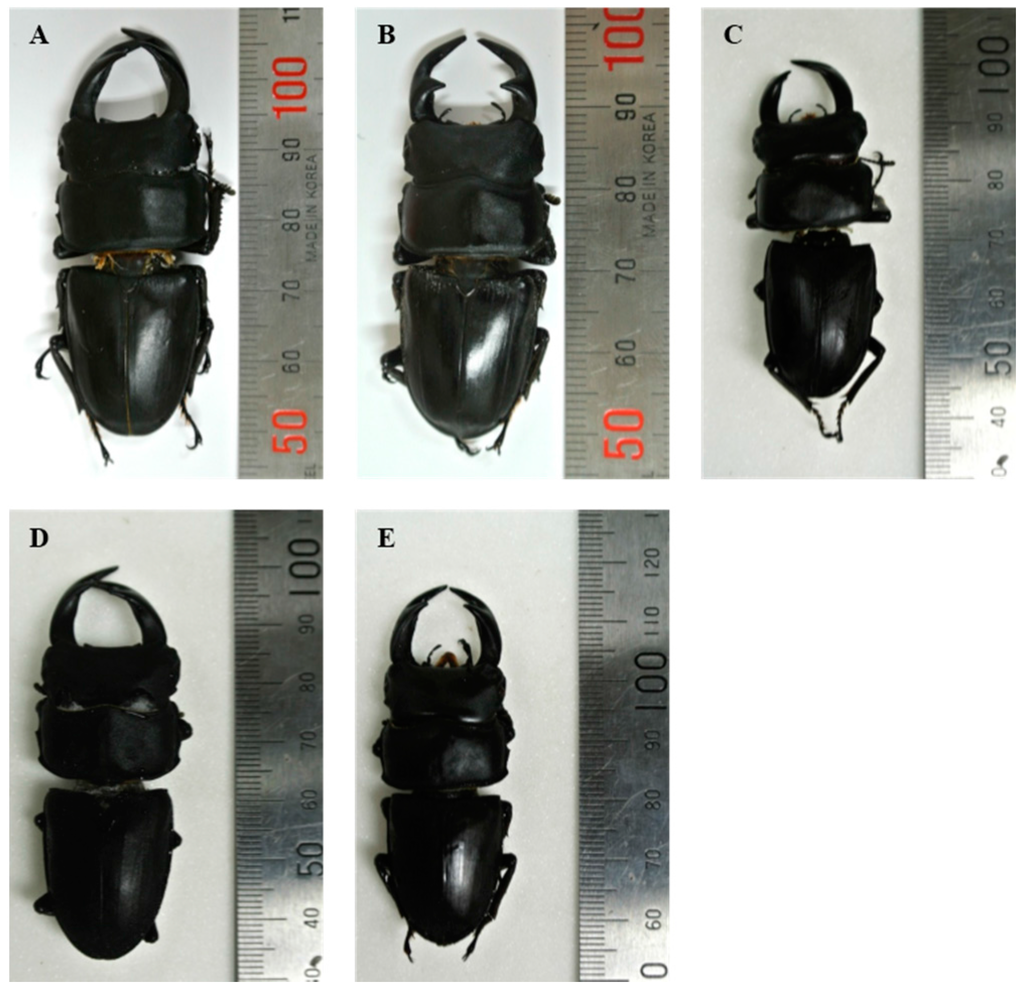
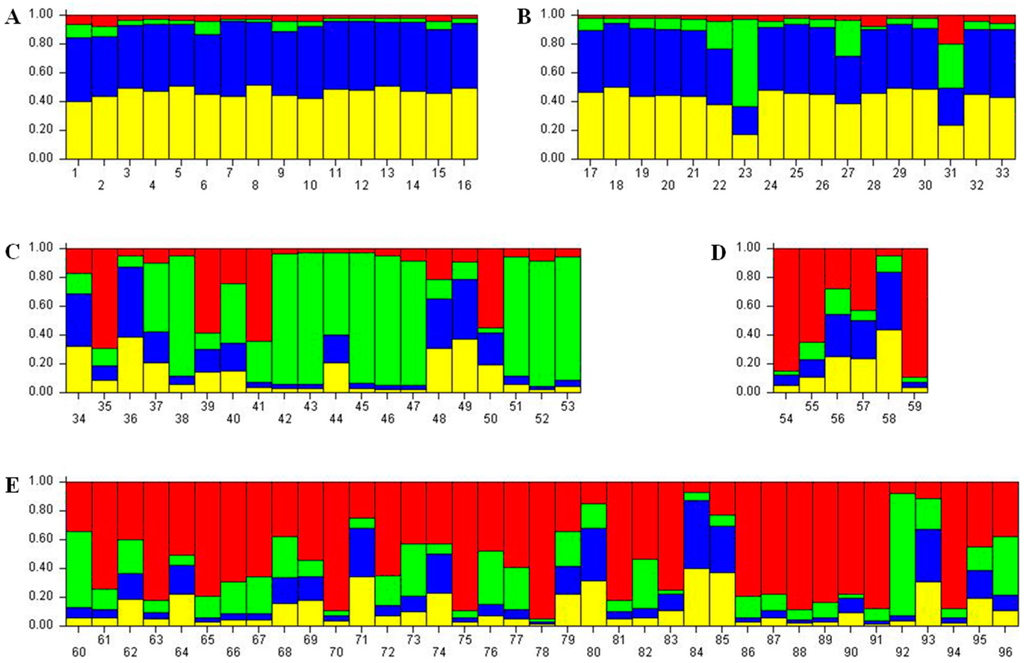
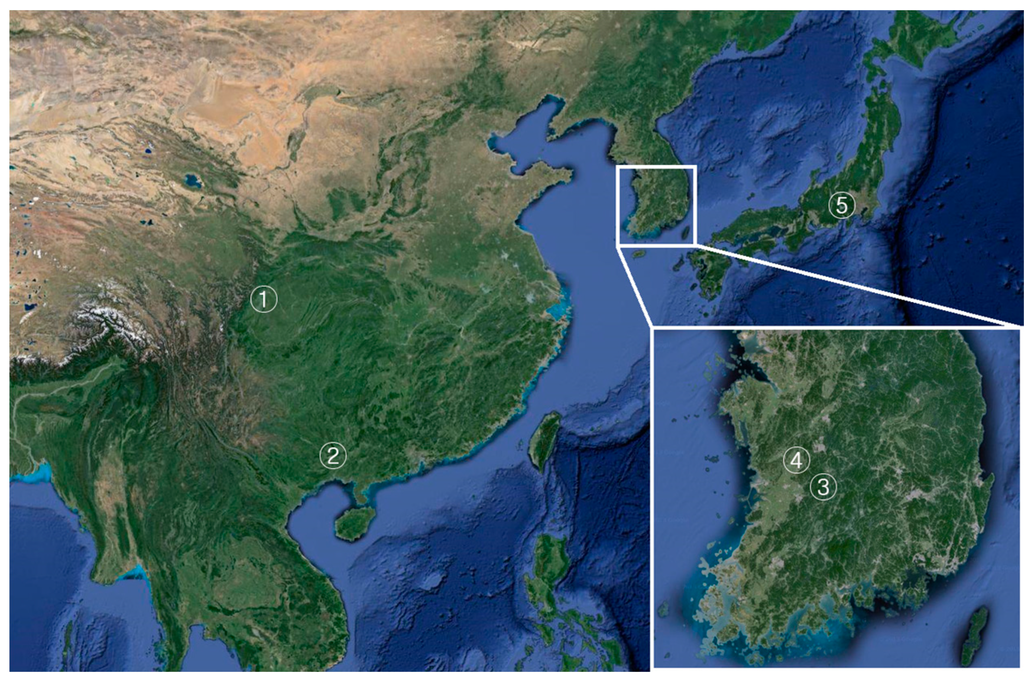
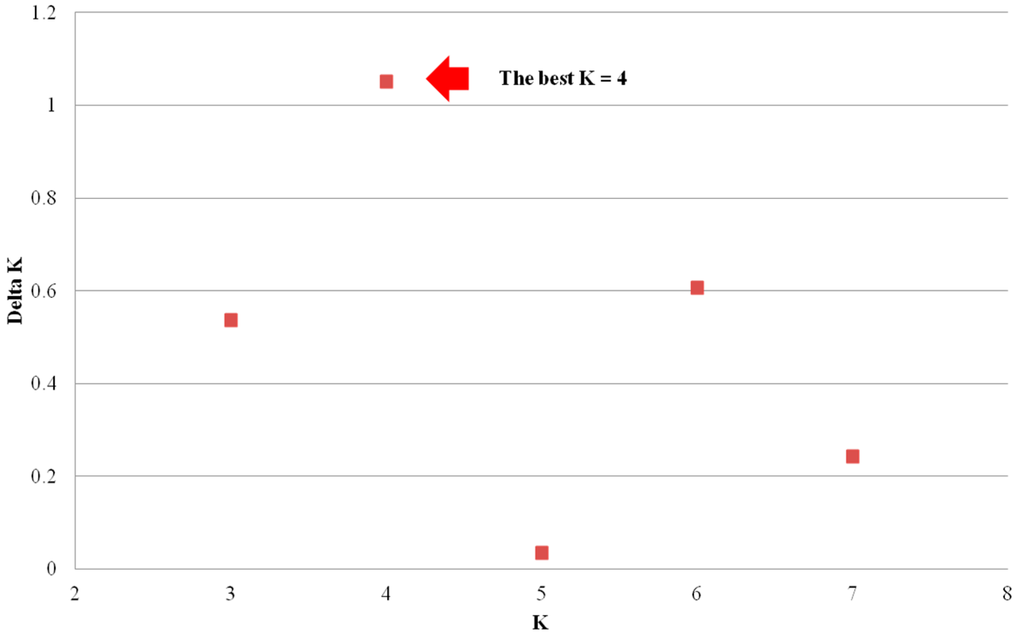
We developed microsatellite markers for genetic structural analyses of Dorcus hopei, a stag beetle species, using next generation sequencing and polymerase chain reaction (PCR)-based genotyping for regional populations. A total of 407,070,351 base pairs of genomic DNA containing >4000 microsatellite loci except AT repeats were sequenced. From 76 loci selected for primer design, 27 were polymorphic. Of these 27 markers, 10 were tested on three regional populations: two Chinese (Shichuan and Guangxi) and one Korean (Wanju). Three markers were excluded due to inconsistent amplification, genotyping errors, and Hardy-Weinberg equilibrium (HWE). By multi-locus genotyping, the allele number, observed heterozygosity and polymorphism information content of seven microsatellite loci were ranged 2‒10, 0.1333‒1.0000, and 0.1228‒0.8509, respectively. In an analysis on the genetic differentiation among regional populations including one Japanese population and one cross-breeding population, the individual colored bar-plots showed that both Chinese populations were closer to each other than to the Far East Asian populations. In Far East Asian populations, Wanju and Nirasaki populations could not be distinguished from each other because the frequency of genetic contents was very similar in some individuals of two populations. Moreover, the cross-breeding population contained all patterns of genetic contents shown in Chinese, Korean, and Japanese populations, compared with the genetic content frequency of each regional population. As a result, we examined whether the cross-breeding population might be a hybrid population, and might contain a possibility of interbreeding with Chinese populations in parental generations. Therefore, these markers will be useful for analyses of genetic diversity in populations, genetic relationships between regional populations, genetic structure analyses, and origin tests. Full article
(This article belongs to the Section Biochemistry)
Show Figures

Figure 1

20 pages, 1930 KB  
Article
Gene Expression Variations of Red—White Skin Coloration in Common Carp (Cyprinus carpio)
by Xiao-Min Li 1,†, Ying-Nan Song 1,2,†, Gui-Bao Xiao 1, Bai-Han Zhu 1,2, Gui-Cai Xu 1, Ming-Yuan Sun 1,2, Jun Xiao 1,2, Shahid Mahboob 3, Khalid A. Al-Ghanim 3, Xiao-Wen Sun 1 and Jiong-Tang Li 1,*
1 CAFS Key Laboratory of Aquatic Genomics and Beijing Key Laboratory of Fishery Biotechnology, Centre for Applied Aquatic Genomics, Chinese Academy of Fishery Sciences, Beijing 10014, China
2 College of Fisheries and Life Science, Shanghai Ocean University, Shanghai 201306, China
3 Department of Zoology, College of Science, King Saud University, P.O. Box 2455, Riyadh 11451, Saudi Arabia
These authors contributed equally to this work.
Int. J. Mol. Sci. 2015, 16(9), 21310-21329; https://doi.org/10.3390/ijms160921310 - 7 Sep 2015
Cited by 28 | Viewed by 8489
Abstract
Teleosts have more types of chromatophores than other vertebrates and the genetic basis for pigmentation is highly conserved among vertebrates. Therefore, teleosts are important models to study the mechanism of pigmentation. Although functional genes and genetic variations of pigmentation have been studied, the [...] Read more.
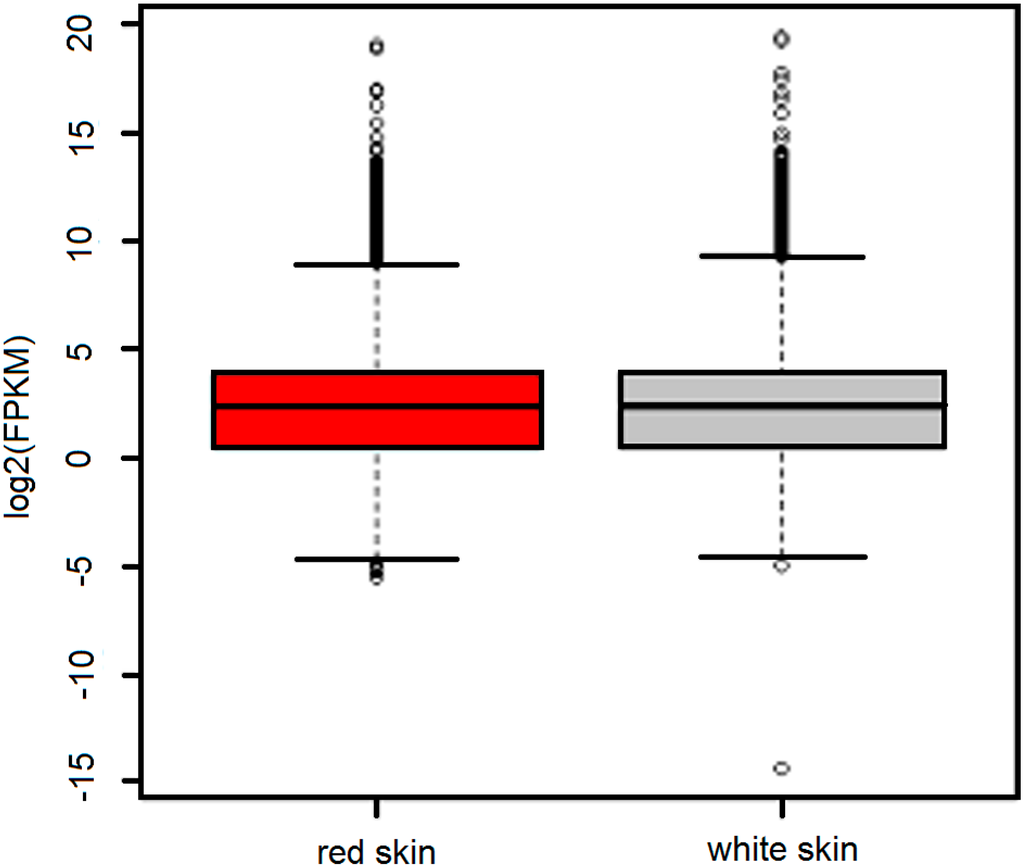
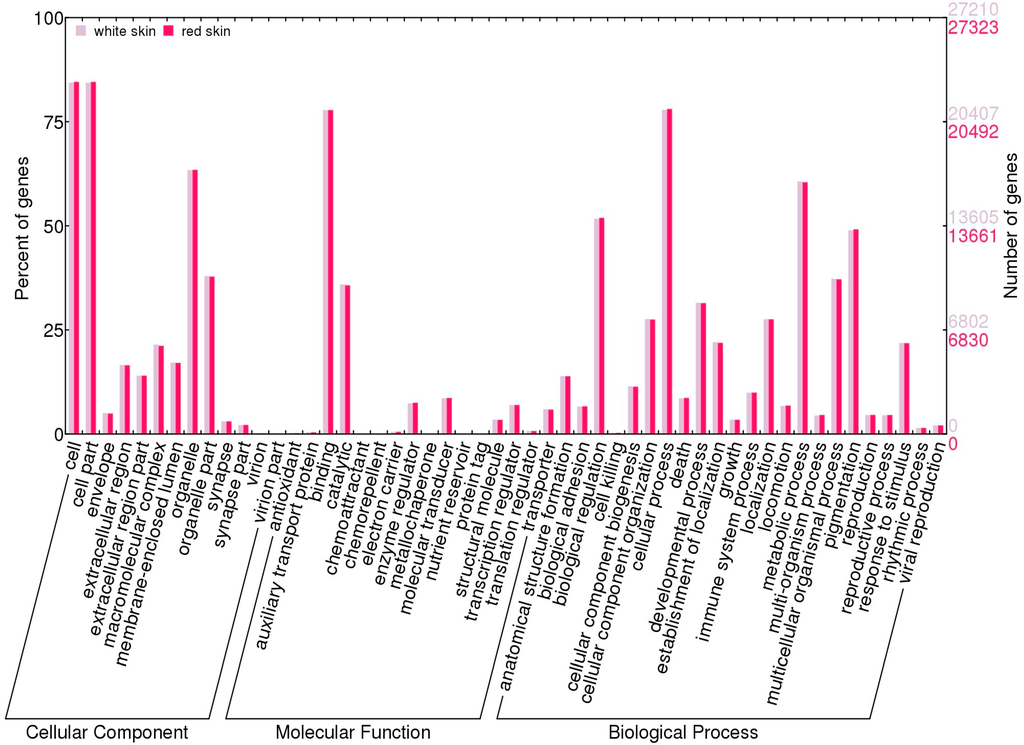
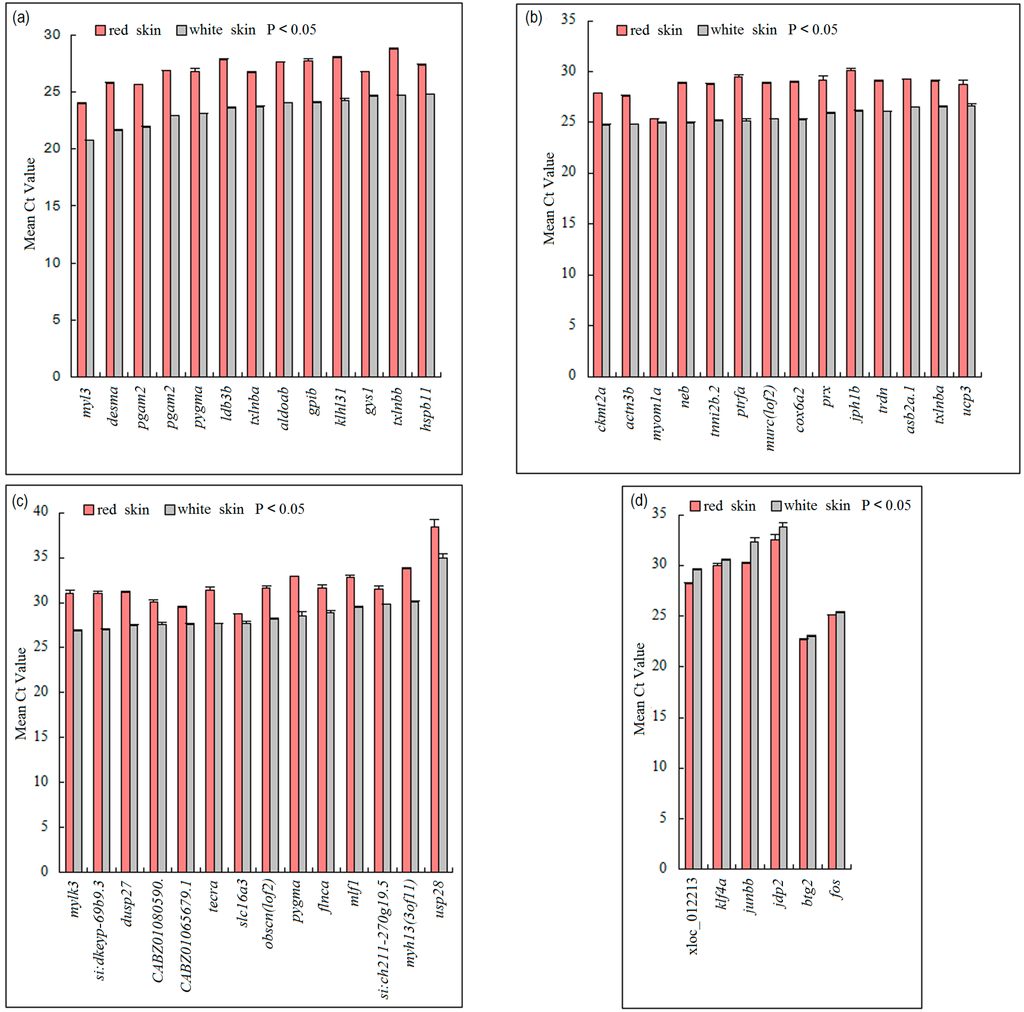
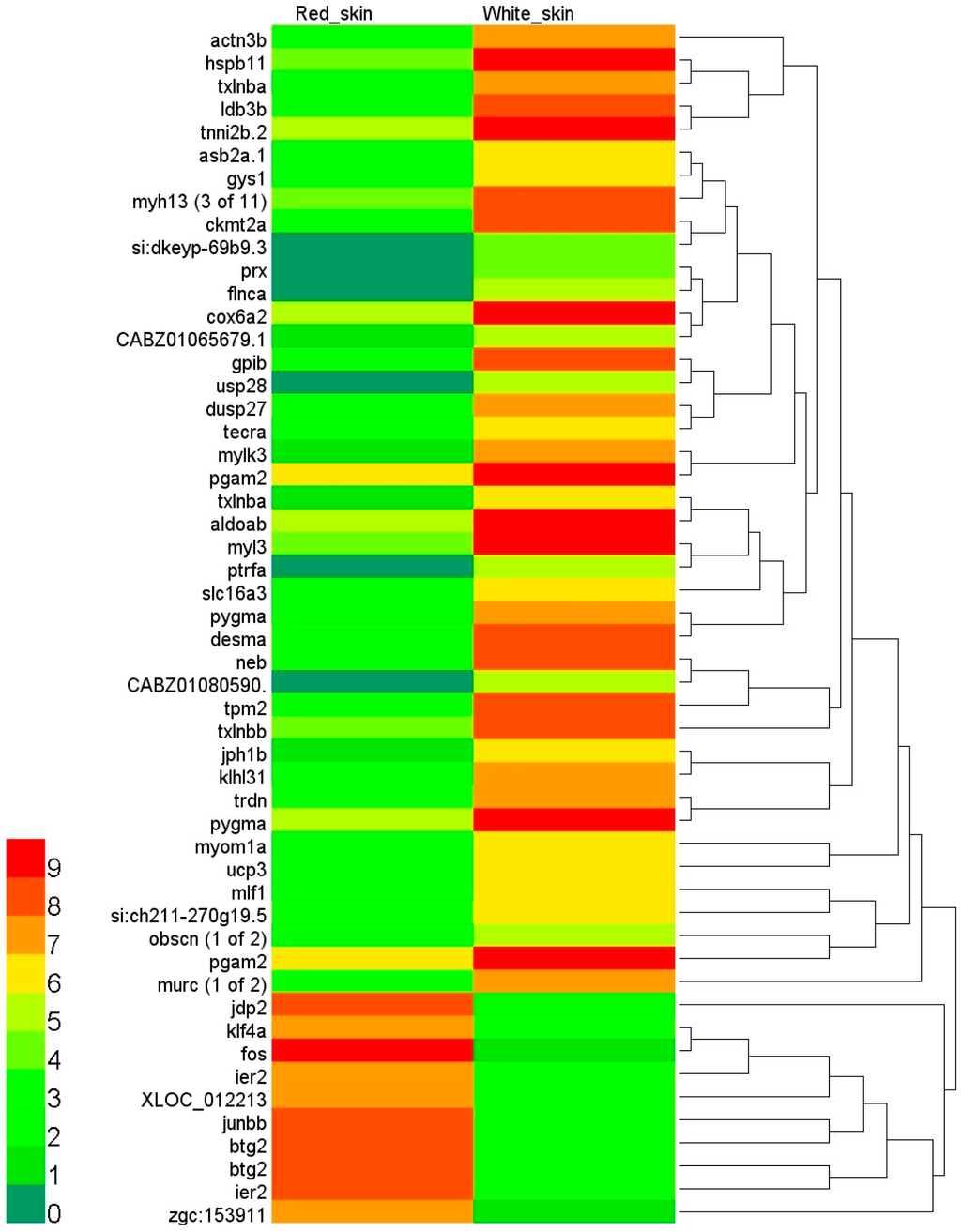
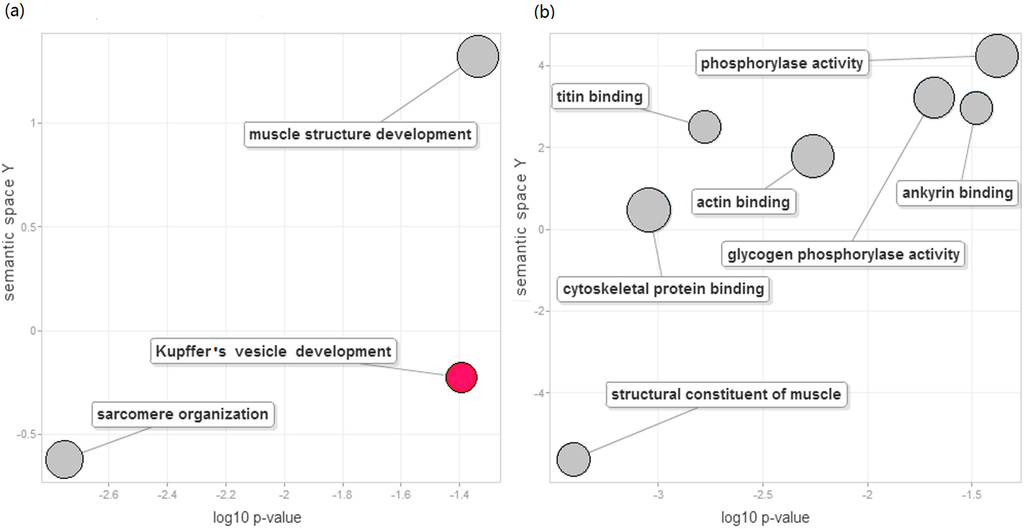
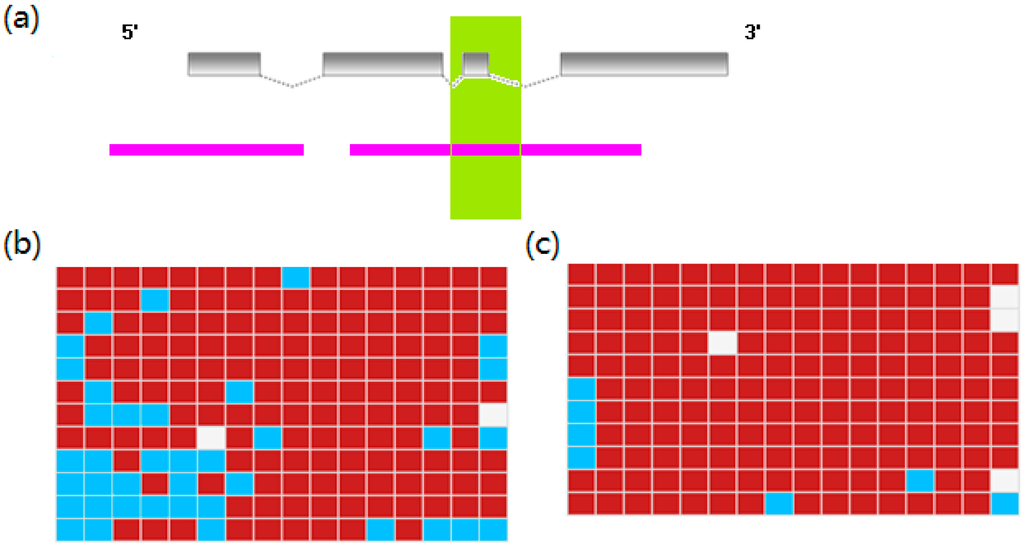
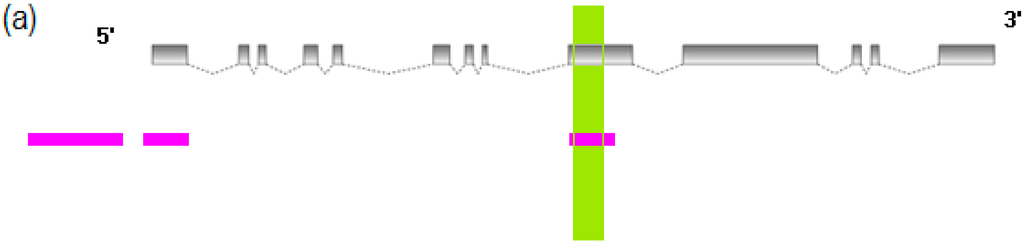
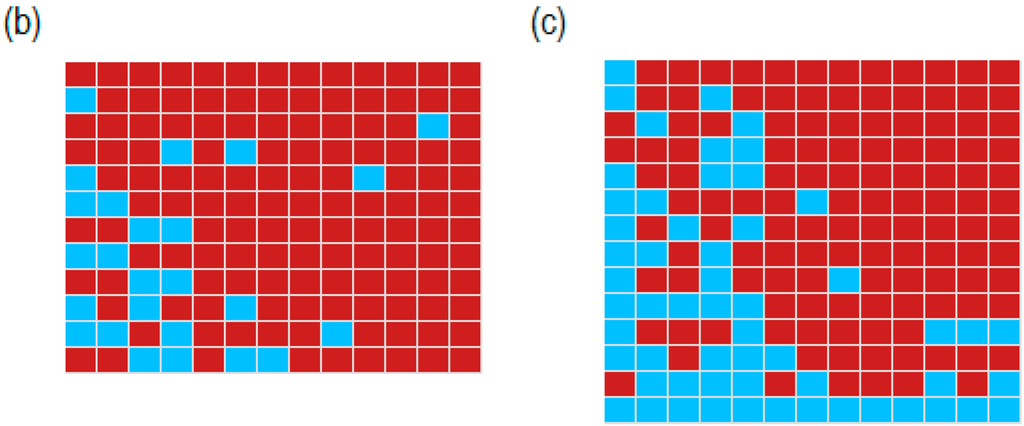
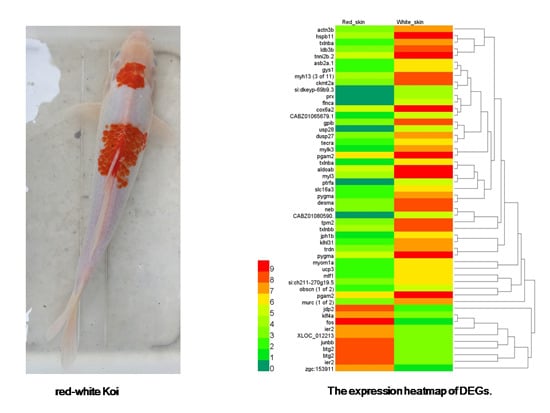
Teleosts have more types of chromatophores than other vertebrates and the genetic basis for pigmentation is highly conserved among vertebrates. Therefore, teleosts are important models to study the mechanism of pigmentation. Although functional genes and genetic variations of pigmentation have been studied, the mechanisms of different skin coloration remains poorly understood. The koi strain of common carp has various colors and patterns, making it a good model for studying the genetic basis of pigmentation. We performed RNA-sequencing for red skin and white skin and identified 62 differentially expressed genes (DEGs). Most of them were validated with RT-qPCR. The up-regulated DEGs in red skin were enriched in Kupffer’s vesicle development while the up-regulated DEGs in white skin were involved in cytoskeletal protein binding, sarcomere organization and glycogen phosphorylase activity. The distinct enriched activity might be associated with different structures and functions in erythrophores and iridophores. The DNA methylation levels of two selected DEGs inversely correlated with gene expression, indicating the participation of DNA methylation in the coloration. This expression characterization of red—white skin along with the accompanying transcriptome-wide expression data will be a useful resource for further studies of pigment cell biology. Full article
(This article belongs to the Special Issue Fish Molecular Biology)
Show Figures

Graphical abstract
16 pages, 747 KB  
Article
MicroRNAs in Salivary Exosome as Potential Biomarkers of Aging
by Tatsuya Machida 1,*, Takaaki Tomofuji 1,2, Daisuke Ekuni 1, Takayuki Maruyama 3, Toshiki Yoneda 1, Yuya Kawabata 1, Hirofumi Mizuno 1, Hisataka Miyai 1, Muneyoshi Kunitomo 1 and Manabu Morita 1
1 Department of Preventive Dentistry, Okayama University Graduate School of Medicine, Dentistry and Pharmaceutical Sciences, 2-5-1 Shikata-cho, Kita-ku, Okayama 700-8558, Japan
2 Advanced Research Center for Oral and Craniofacial Sciences, Okayama University Dental School, 2-5-1 Shikata-cho, Kita-ku, Okayama 700-8558, Japan
3 Center for Innovative Clinical Medicine, Okayama University Hospital, 2-5-1 Shikata-cho, Kita-ku, Okayama 700-8558, Japan
Int. J. Mol. Sci. 2015, 16(9), 21294-21309; https://doi.org/10.3390/ijms160921294 - 7 Sep 2015
Cited by 140 | Viewed by 11160
Abstract
The aim of this study was to examine whether salivary exosomal miRNAs could be identified as aging biomarkers. Fifteen young healthy volunteers (median age, 21.0 years) and 13 old individuals (median age, 66.0 years) were recruited. Unstimulated whole saliva was collected, salivary exosomes [...] Read more.
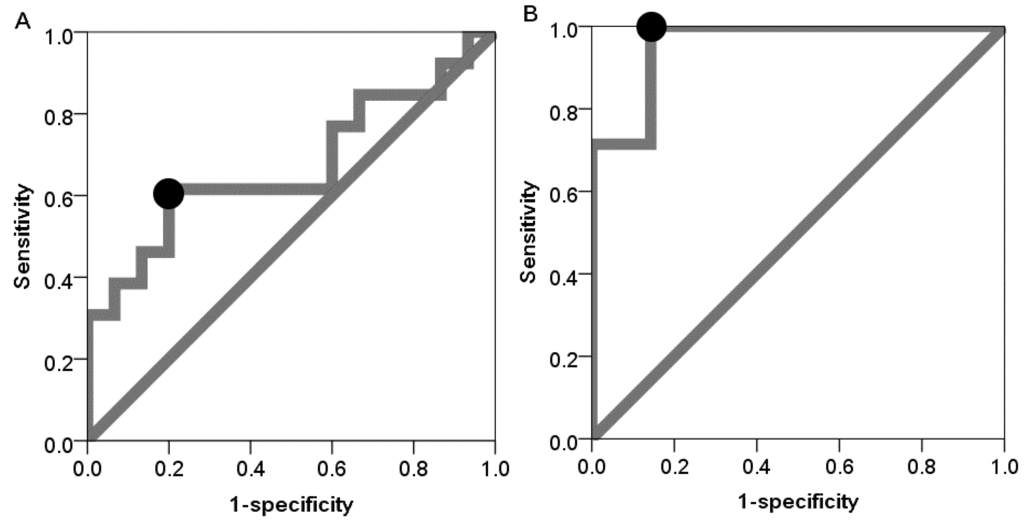
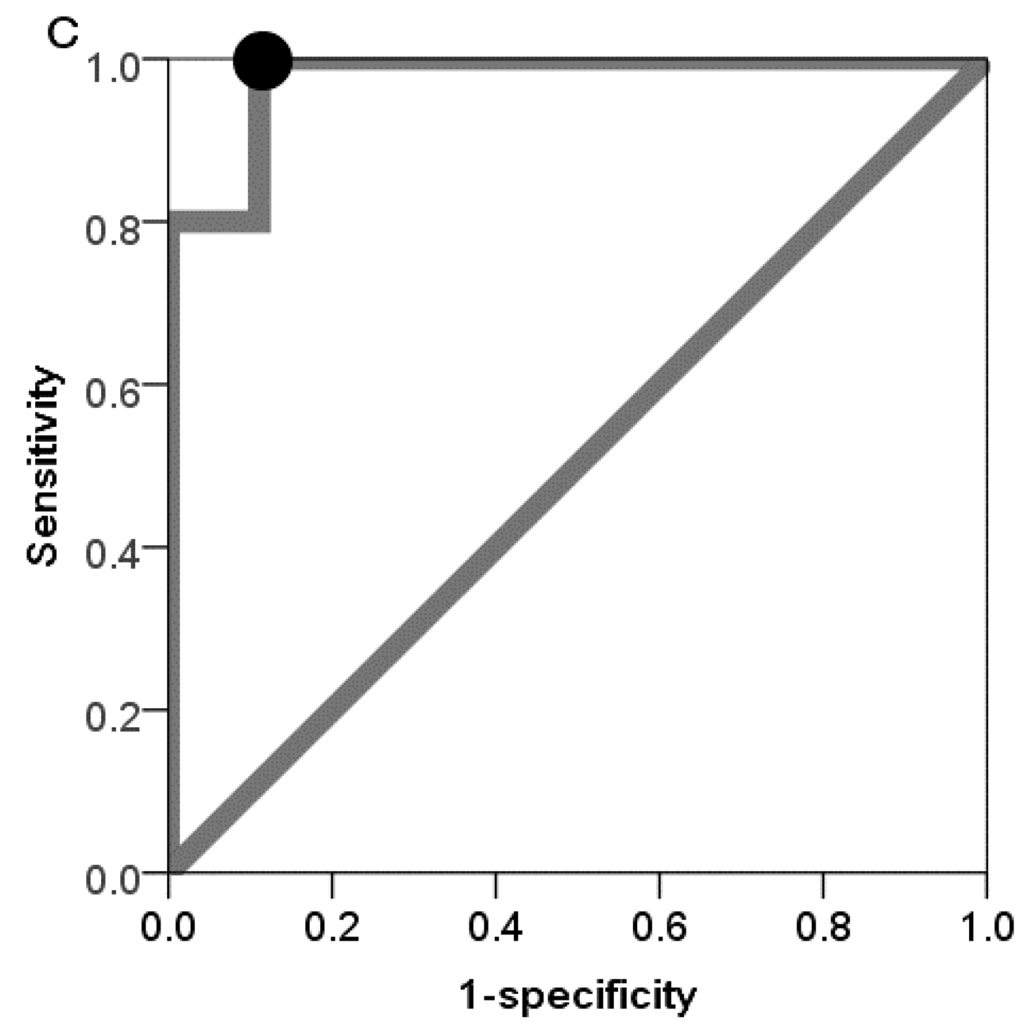
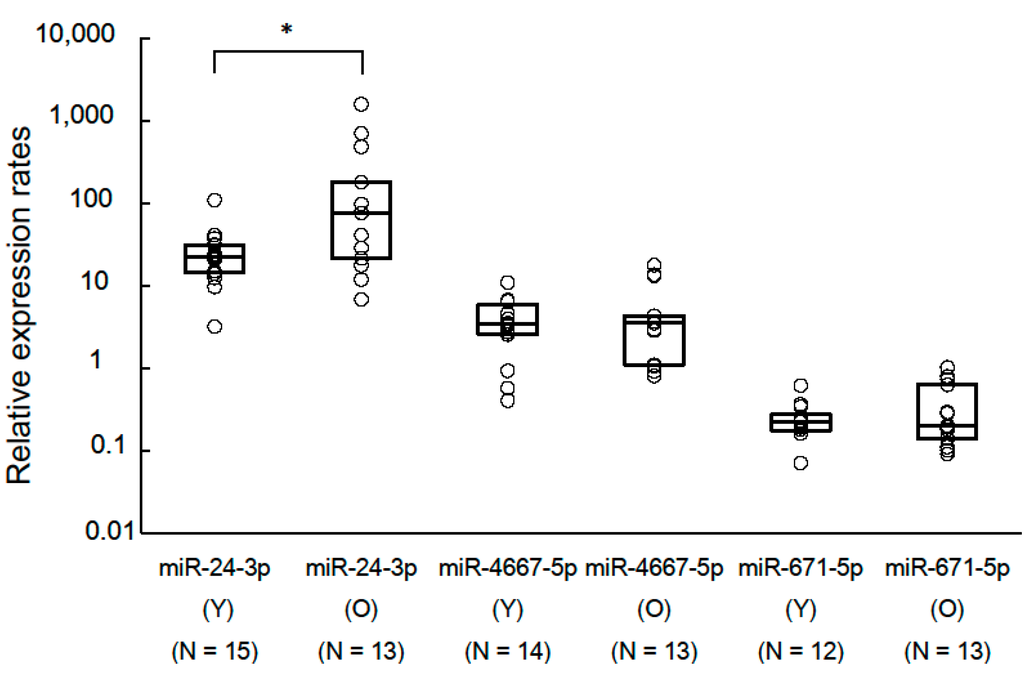
The aim of this study was to examine whether salivary exosomal miRNAs could be identified as aging biomarkers. Fifteen young healthy volunteers (median age, 21.0 years) and 13 old individuals (median age, 66.0 years) were recruited. Unstimulated whole saliva was collected, salivary exosomes were isolated, and total RNA was extracted. In a microarray, 242 miRNAs were commonly detected in these two mixed samples. Based on the cut-off values of 2- or 0.5-fold changes (FC) and regulatory power for aging process, six candidate miRNAs (miR-24-3p, miR-371a-5p, miR-3175, miR-3162-5p, miR-671-5p, and miR-4667-5p) were selected. After comparing each total RNA obtained by the 15 young and 13 old individuals to validate the FC values using quantitative real-time PCR, miR-24-3p was identified as a novel candidate aging biomarker. This pilot study suggested that salivary exosomal miRNAs could be identified as candidate aging biomarkers. To confirm whether miR-24-3p in salivary exosomes are suitable biomarkers of aging, further validation research is required. Full article
(This article belongs to the Special Issue MicroRNA in Various Disease States as Biomarkers)
Show Figures

Figure 1

17 pages, 1558 KB  
Review
To Extinguish the Fire from Outside the Cell or to Shutdown the Gas Valve Inside? Novel Trends in Anti-Inflammatory Therapies
by Annalisa Marcuzzi 1,*, Elisa Piscianz 2, Erica Valencic 2, Lorenzo Monasta 2, Liza Vecchi Brumatti 2 and Alberto Tommasini 2
1 Department of Medicine, Surgery and Health Sciences, University of Trieste, Piazzale Europa 1, Trieste 34128, Italy
2 Institute for Maternal and Child Health - IRCCS "Burlo Garofolo" - , via dell'Istria, 65/1, Trieste 34137, Italy
Int. J. Mol. Sci. 2015, 16(9), 21277-21293; https://doi.org/10.3390/ijms160921277 - 7 Sep 2015
Cited by 7 | Viewed by 6499
Abstract
Cytokines are the most important soluble mediators of inflammation. Rare pediatric diseases provided exemplar conditions to study the anti-inflammatory efficacy of new generation therapies (biologics/biopharmaceuticals) selectively targeting single cytokines. Monoclonal antibodies and recombinant proteins have revolutionized anti-inflammatory therapies in the last two decades, [...] Read more.
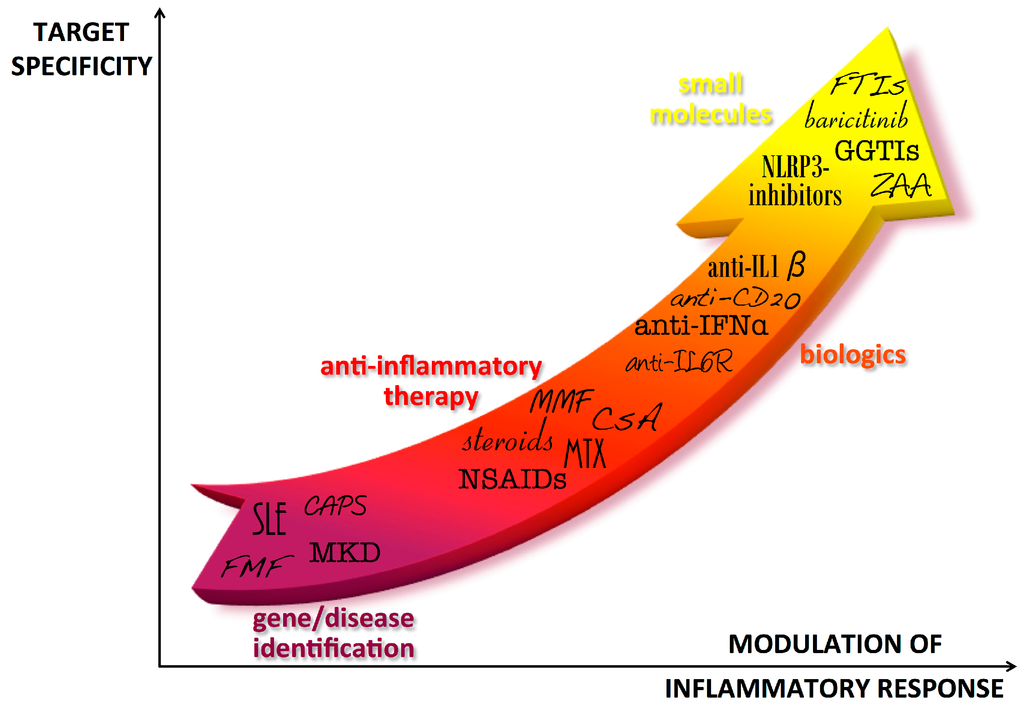
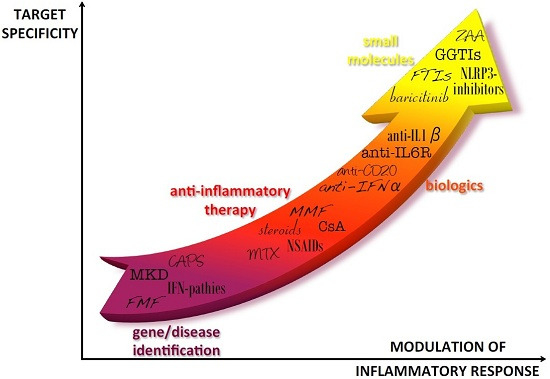
Cytokines are the most important soluble mediators of inflammation. Rare pediatric diseases provided exemplar conditions to study the anti-inflammatory efficacy of new generation therapies (biologics/biopharmaceuticals) selectively targeting single cytokines. Monoclonal antibodies and recombinant proteins have revolutionized anti-inflammatory therapies in the last two decades, allowing the specific targeting of single cytokines. They are very effective in extinguishing inflammation from outside the cell, even with the risk of an excessive and prolonged immunosuppression. Small molecules can enter the cell and shutdown the valve of inflammation by directly targeting signal proteins involved in cytokine release or in response to cytokines. They are orally-administrable drugs whose dosage can be easily adjusted to obtain the desired anti-inflammatory effect. This could make these drugs more suitable for a wide range of diseases as stroke, gout, or neurological impairment, where inflammatory activation plays a pivotal role as trigger. Autoinflammatory diseases, which have previously put anti-cytokine proteins in the limelight, can again provide a valuable model to measure the real potential of small inhibitors as anti-inflammatory agents. Full article
(This article belongs to the Special Issue Mechanism of Action and Applications of Cytokines in Immunotherapy)
Show Figures

Graphical abstract
40 pages, 3290 KB  
Article
Introducing DInaMo: A Package for Calculating Protein Circular Dichroism Using Classical Electromagnetic Theory
by Igor V. Uporov 1,2, Neville Y. Forlemu 1,3, Rahul Nori 1, Tsvetan Aleksandrov 1, Boris A. Sango 1, Yvonne E. Bongfen Mbote 1,4, Sandeep Pothuganti 1 and Kathryn A. Thomasson 1,*
1 Chemistry Department, University of North Dakota, 151 Cornell St. Stop 9024, Grand Forks, ND 58202, USA
2 Faculty of Chemistry, M. V. Lomonosov Moscow State University, GSP-1, 1-3 Leninskiye Gory, 119991 Moscow, Russia
3 Georgia Gwinnett College, 1000 University Center Lane, Lawrenceville, GA 30043, USA
4 James E. Hurley College of Science & Mathematics, Oklahoma Baptist University, OBU Box 61772, 500 W. University, Shawnee, OK 74804, USA
Int. J. Mol. Sci. 2015, 16(9), 21237-21276; https://doi.org/10.3390/ijms160921237 - 7 Sep 2015
Cited by 4 | Viewed by 9017
Abstract
The dipole interaction model is a classical electromagnetic theory for calculating circular dichroism (CD) resulting from the π-π* transitions of amides. The theoretical model, pioneered by J. Applequist, is assembled into a package, DInaMo, written in Fortran allowing for treatment of proteins. DInaMo [...] Read more.
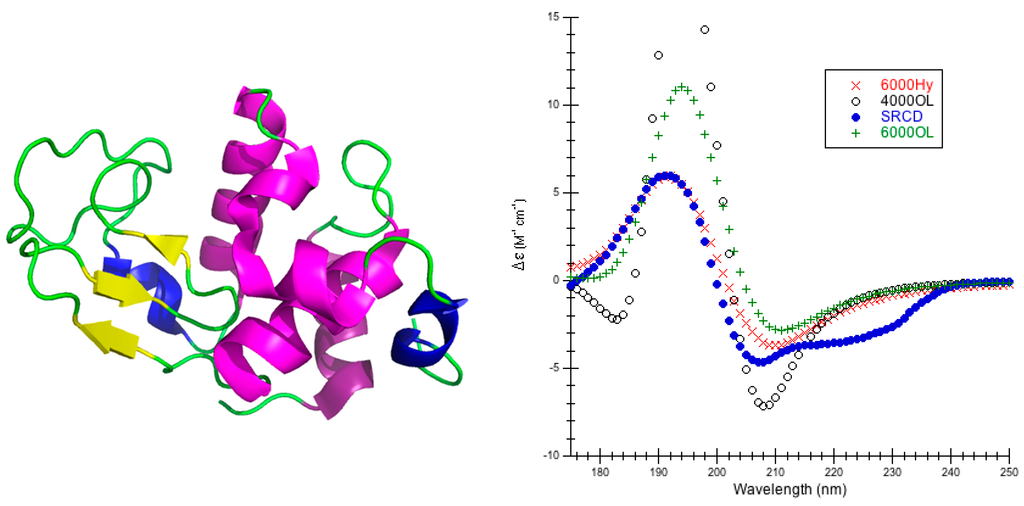
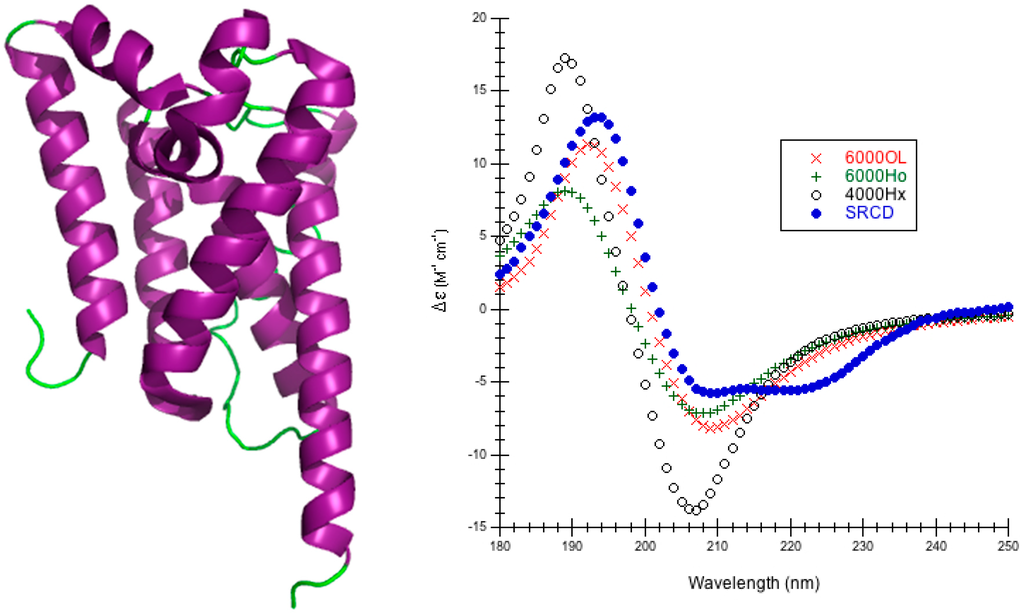
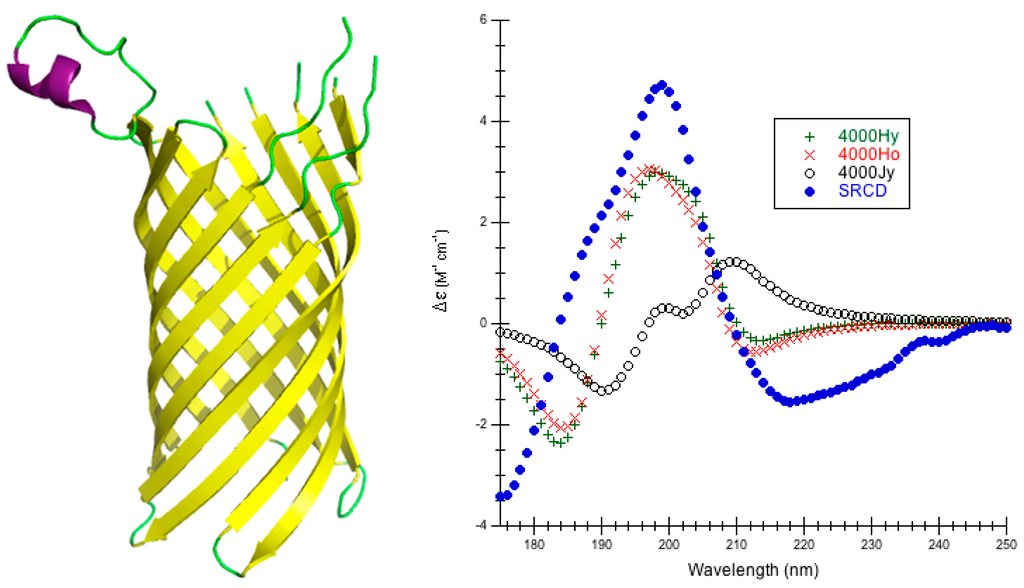
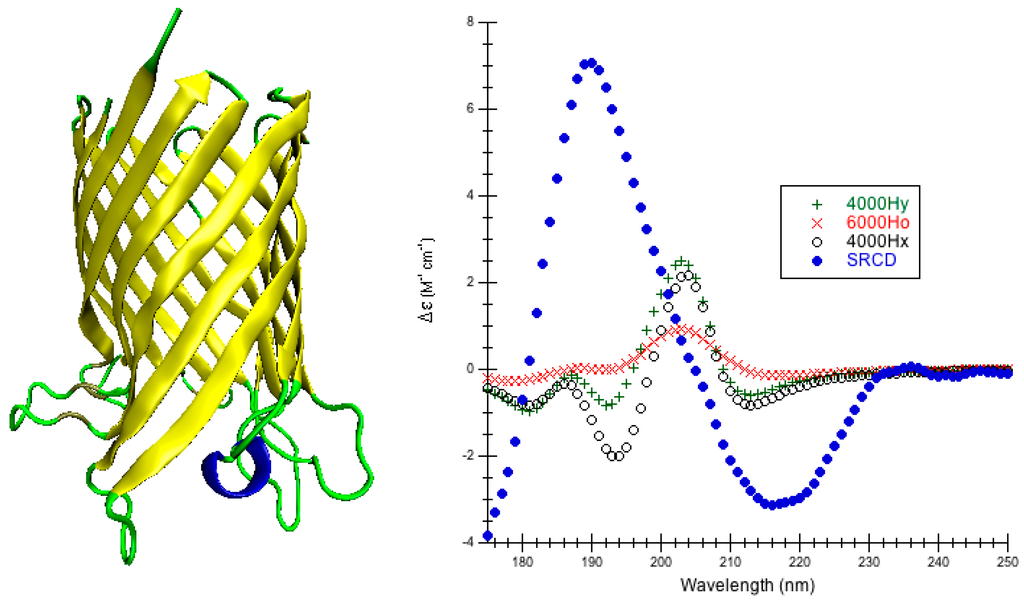
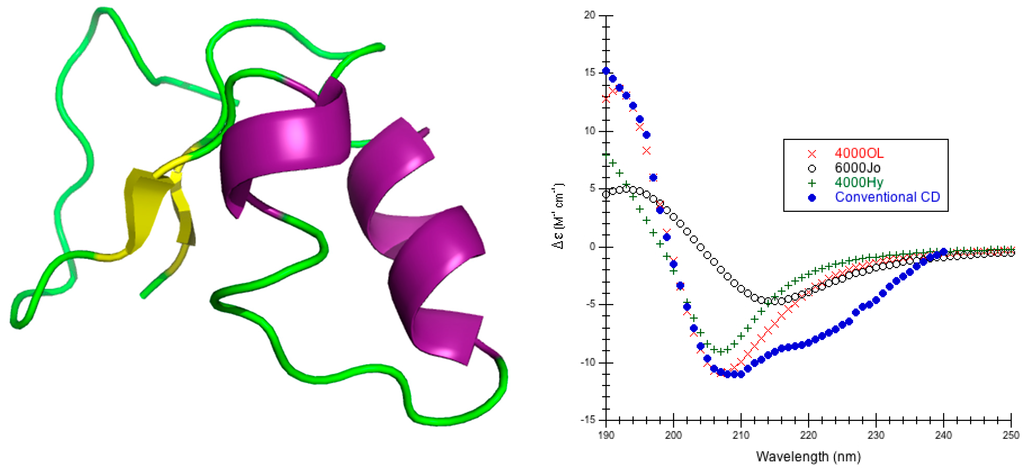
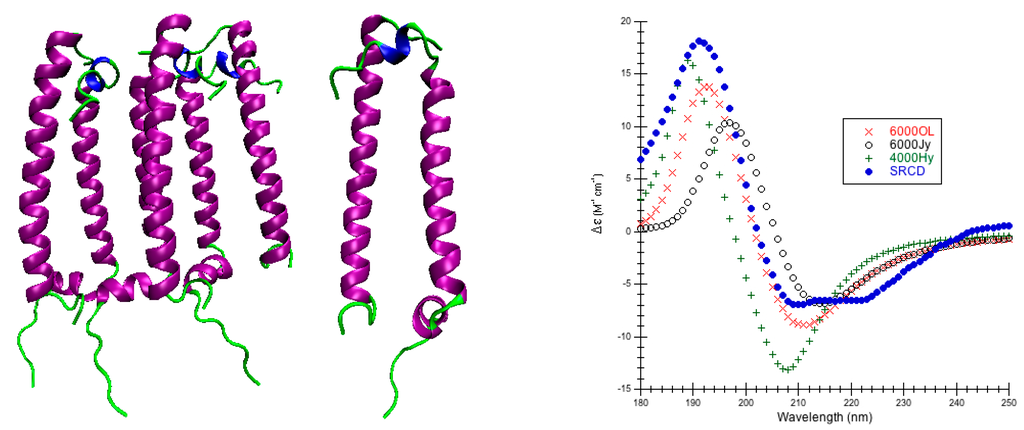
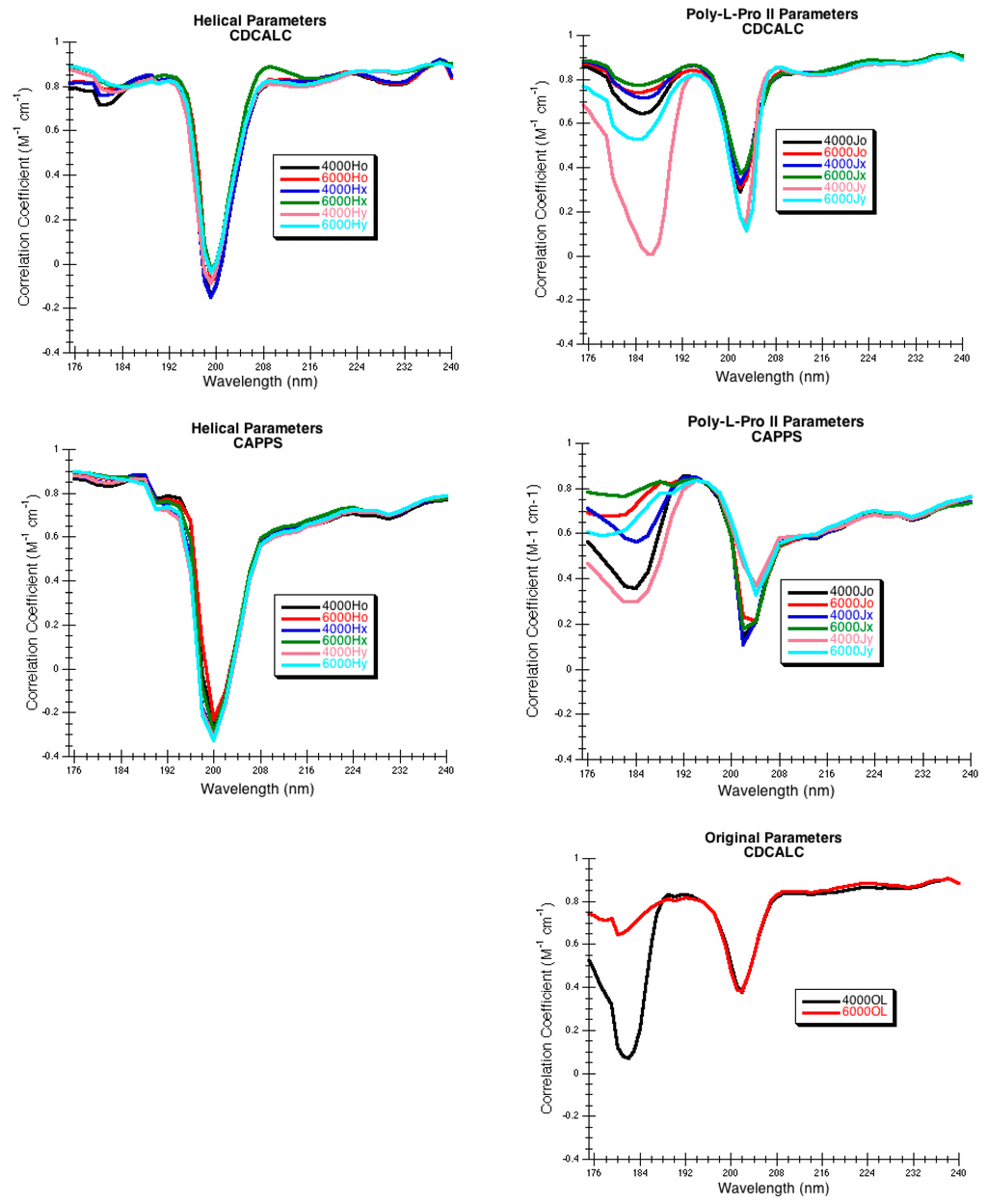
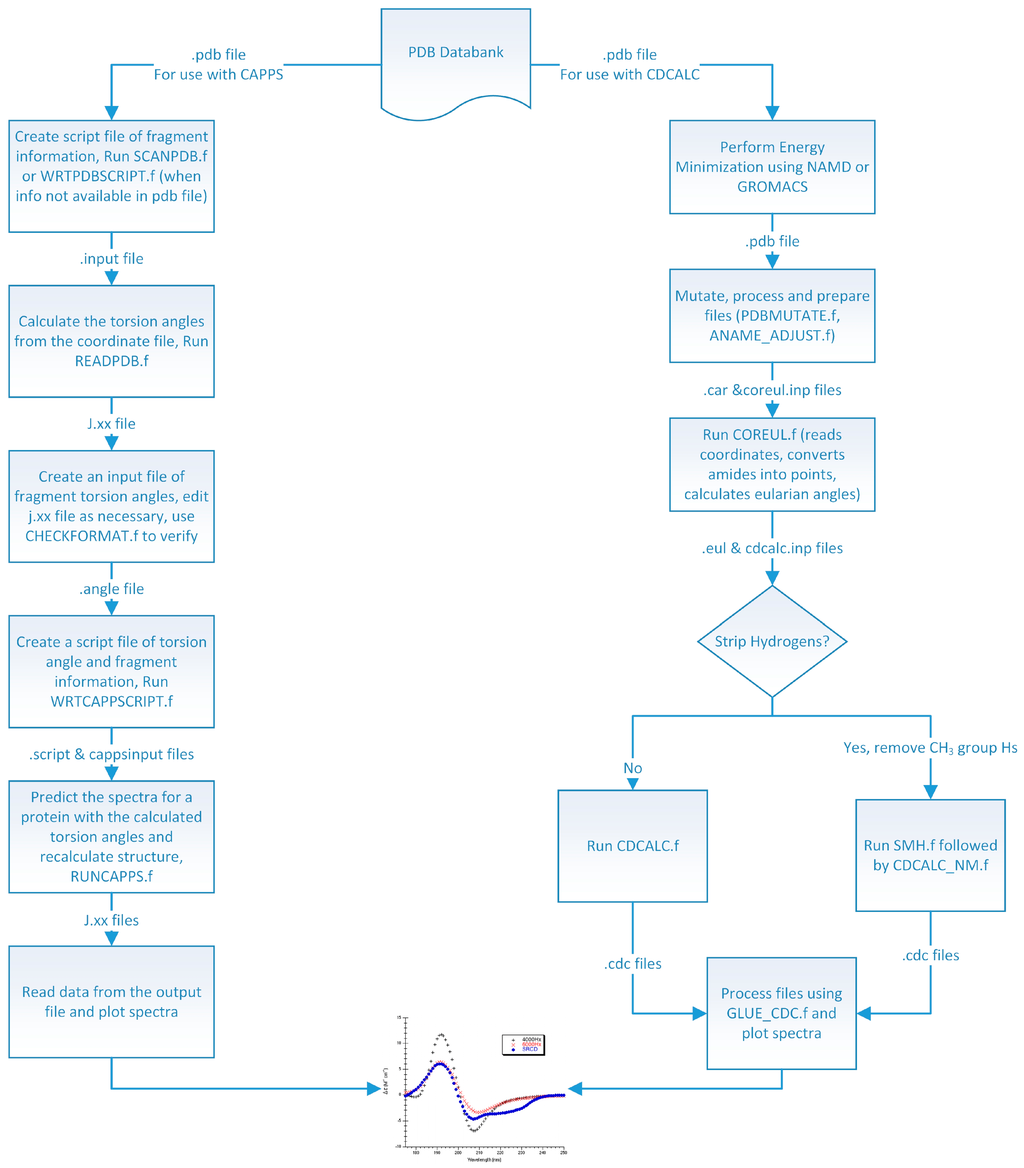
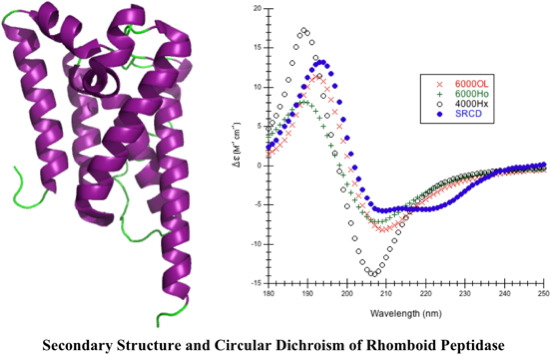
The dipole interaction model is a classical electromagnetic theory for calculating circular dichroism (CD) resulting from the π-π* transitions of amides. The theoretical model, pioneered by J. Applequist, is assembled into a package, DInaMo, written in Fortran allowing for treatment of proteins. DInaMo reads Protein Data Bank formatted files of structures generated by molecular mechanics or reconstructed secondary structures. Crystal structures cannot be used directly with DInaMo; they either need to be rebuilt with idealized bond angles and lengths, or they need to be energy minimized to adjust bond lengths and bond angles because it is common for crystal structure geometries to have slightly short bond lengths, and DInaMo is sensitive to this. DInaMo reduces all the amide chromophores to points with anisotropic polarizability and all nonchromophoric aliphatic atoms including hydrogens to points with isotropic polarizability; all other atoms are ignored. By determining the interactions among the chromophoric and nonchromophoric parts of the molecule using empirically derived polarizabilities, the rotational and dipole strengths are determined leading to the calculation of CD. Furthermore, ignoring hydrogens bound to methyl groups is initially explored and proves to be a good approximation. Theoretical calculations on 24 proteins agree with experiment showing bands with similar morphology and maxima. Full article
(This article belongs to the Section Biochemistry)
Show Figures

Graphical abstract
22 pages, 1292 KB  
Review
Physiological Dynamics in Demyelinating Diseases: Unraveling Complex Relationships through Computer Modeling
by Jay S. Coggan 1,*, Stefan Bittner 2, Klaus M. Stiefel 1, Sven G. Meuth 2 and Steven A. Prescott 3,4
1 NeuroLinx Research Institute, La Jolla, CA 92039, USA
2 Department of Neurology, Institute of Physiology, Universitätsklinikum Münster, 48149 Münster, Germany
3 Neurosciences and Mental Health, the Hospital for Sick Children, Toronto, ON M5G 1X8, Canada
4 Department of Physiology and the Institute of Biomaterials and Biomedical Engineering, University of Toronto, Toronto, ON M5G 1X8, Canada
Int. J. Mol. Sci. 2015, 16(9), 21215-21236; https://doi.org/10.3390/ijms160921215 - 7 Sep 2015
Cited by 33 | Viewed by 21917
Abstract
Despite intense research, few treatments are available for most neurological disorders. Demyelinating diseases are no exception. This is perhaps not surprising considering the multifactorial nature of these diseases, which involve complex interactions between immune system cells, glia and neurons. In the case of [...] Read more.
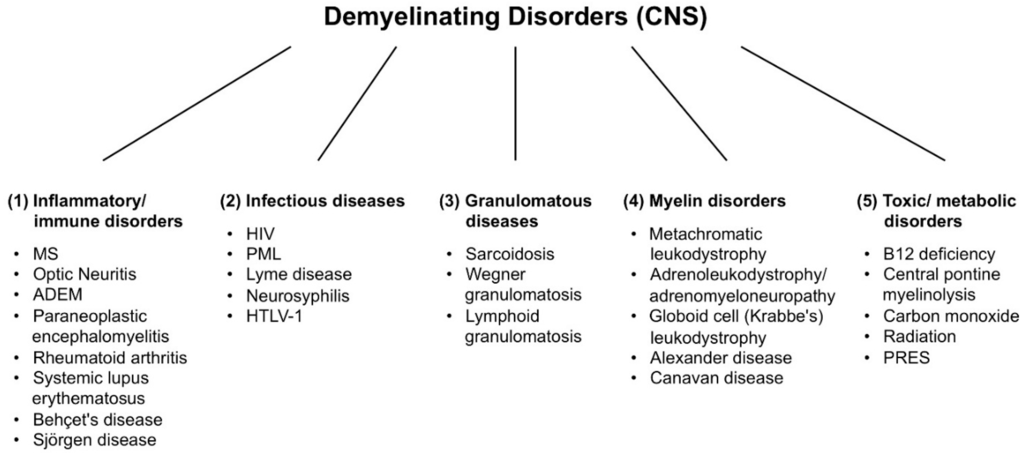
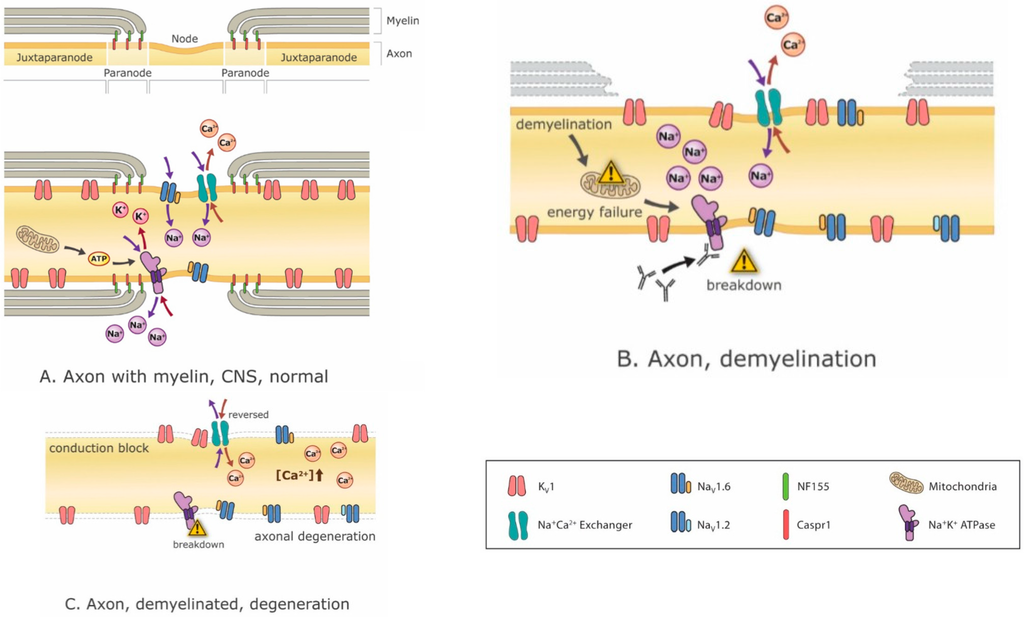
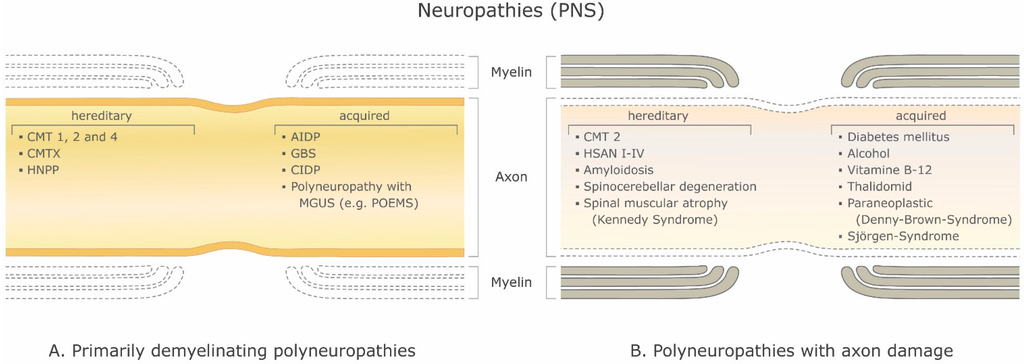
Despite intense research, few treatments are available for most neurological disorders. Demyelinating diseases are no exception. This is perhaps not surprising considering the multifactorial nature of these diseases, which involve complex interactions between immune system cells, glia and neurons. In the case of multiple sclerosis, for example, there is no unanimity among researchers about the cause or even which system or cell type could be ground zero. This situation precludes the development and strategic application of mechanism-based therapies. We will discuss how computational modeling applied to questions at different biological levels can help link together disparate observations and decipher complex mechanisms whose solutions are not amenable to simple reductionism. By making testable predictions and revealing critical gaps in existing knowledge, such models can help direct research and will provide a rigorous framework in which to integrate new data as they are collected. Nowadays, there is no shortage of data; the challenge is to make sense of it all. In that respect, computational modeling is an invaluable tool that could, ultimately, transform how we understand, diagnose, and treat demyelinating diseases. Full article
(This article belongs to the Special Issue Advances in Multiple Sclerosis)
Show Figures

Figure 1