12 pages, 541 KB  
Article
Sesquiterpenes from the Brazilian Red Alga Laurencia dendroidea J. Agardh
by Fernanda Lacerda Da Silva Machado, Thatiana Lopes Biá Ventura, Lísia Mônica de Souza Gestinari, Valéria Cassano, Jackson Antônio Lamounier Camargos Resende, Carlos Roland Kaiser, Elena B. Lasunskaia, Michelle Frazão Muzitano and Angélica Ribeiro Soares
Molecules 2014, 19(3), 3181-3192; https://doi.org/10.3390/molecules19033181 - 17 Mar 2014
Cited by 21 | Viewed by 7494
Abstract
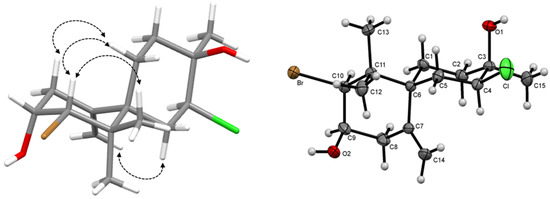
Two new chamigrane sesquiterpenes 12 and three known compounds 35 were isolated from a lipophilic extract of the red alga Laurencia dendroidea collected from the Southeastern Brazilian coast. Dendroidone (1) and dendroidiol (2) were isolated [...] Read more.
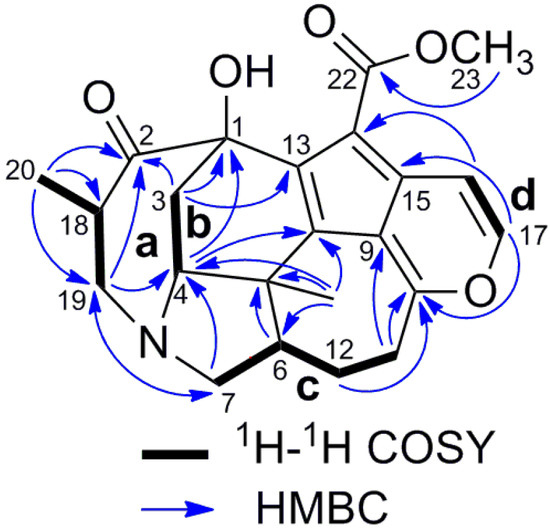
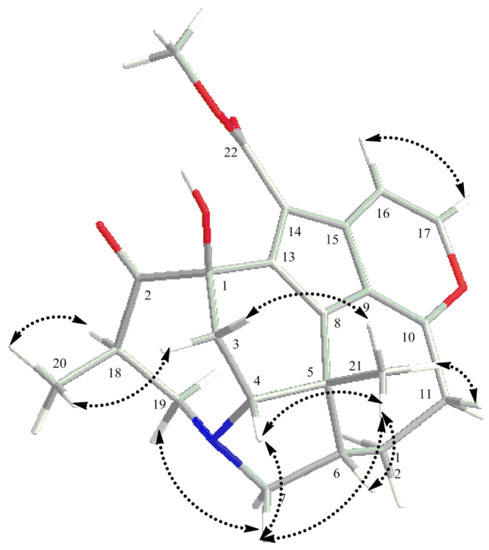
Two new chamigrane sesquiterpenes 12 and three known compounds 35 were isolated from a lipophilic extract of the red alga Laurencia dendroidea collected from the Southeastern Brazilian coast. Dendroidone (1) and dendroidiol (2) were isolated from samples collected at Biscaia Inlet, Angra dos Reis, Rio de Janeiro and at Manguinhos Beach, Serra, Espírito Santo, respectively. Debromoelatol (3), obtusane (4) and (1S*,2S*,3S*,5S*,8S*,9S*)-2,3,5,9-tetramethyltricyclo[6.3.0.01.5]undecan-2-ol (5) were obtained from specimens collected at Vermelha Beach, Parati, Rio de Janeiro. The structures of new compounds were elucidated by extensive NMR (1H-, 13C-, COSY, HSQC, HMBC and NOESY) and high resolution mass spectrometry analysis. Additionally, the absolute configuration of compound 2 was assigned by X-ray analysis. Full spectroscopic data is described for the first time for compound 3. Anti-inflammatory and antimycobacterial activities of compounds 25 were evaluated. Compounds 35 inhibited the release of inflammatory mediator NO while TNF-α levels were only affected by 3. All compounds tested displayed moderate antimycobacterial action. Full article
(This article belongs to the Section Natural Products Chemistry)
Show Figures

Figure 1
8 pages, 466 KB  
Communication
Antibacterial Effects of Afzelin Isolated from Cornus macrophylla on Pseudomonas aeruginosa, A Leading Cause of Illness in Immunocompromised Individuals
by Sang Yeol Lee, Young-Jin So, Moon Sam Shin, Jae Youl Cho and Jongsung Lee
Molecules 2014, 19(3), 3173-3180; https://doi.org/10.3390/molecules19033173 - 17 Mar 2014
Cited by 54 | Viewed by 9219
Abstract
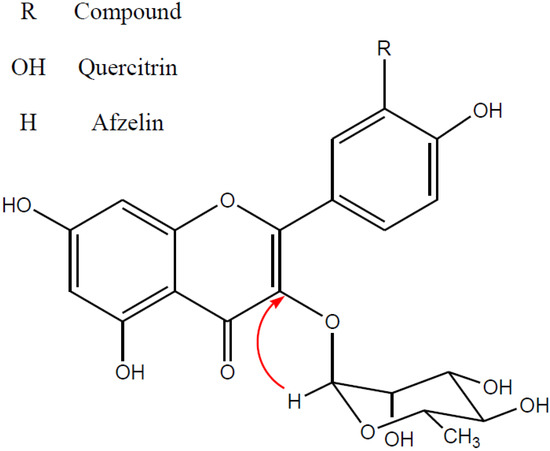
The crude ethyl acetate extract of the leaves of Cornus macrophylla showed antibacterial activity against Pseudomonas aeruginosa, a leading cause of illness in immunocompromised individuals. Bioactivity-guided separation led to the isolation of kaempferol 3-O-α-L-rhamnopyranoside (afzelin). The structure was determined based [...] Read more.
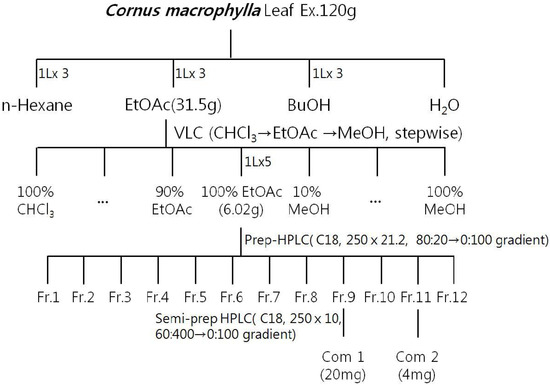
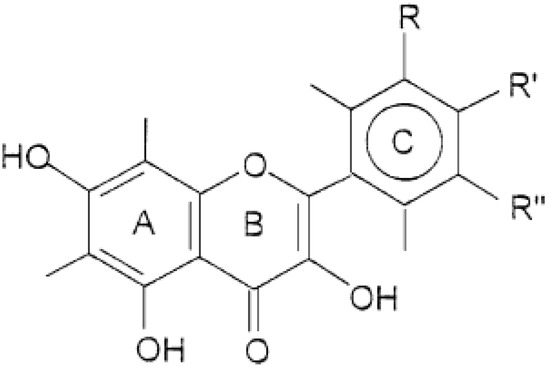
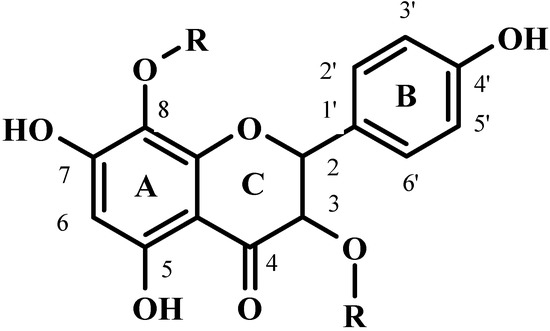
The crude ethyl acetate extract of the leaves of Cornus macrophylla showed antibacterial activity against Pseudomonas aeruginosa, a leading cause of illness in immunocompromised individuals. Bioactivity-guided separation led to the isolation of kaempferol 3-O-α-L-rhamnopyranoside (afzelin). The structure was determined based on evaluation of its spectroscopic (UV, MS, and NMR) data. The minimum inhibitory concentration (MIC) of afzelin against Pseudomonas aeruginosa was found to be 31 µg/mL. In addition, the results indicated that a hydroxyl group at C3 of the C-ring of the flavone skeleton and the rhamnose group may act as a negative factor and an enhancing factor, respectively, in the antibacterial activities of afzelin. Full article
Show Figures

Figure 1
13 pages, 274 KB  
Article
Extract from Armoracia rusticana and Its Flavonoid Components Protect Human Lymphocytes against Oxidative Damage Induced by Hydrogen Peroxide
by Michala Gafrikova, Eliska Galova, Andrea Sevcovicova, Petronela Imreova, Pavel Mucaji and Eva Miadokova
Molecules 2014, 19(3), 3160-3172; https://doi.org/10.3390/molecules19033160 - 14 Mar 2014
Cited by 31 | Viewed by 9625
Abstract
DNA damage prevention is an important mechanism involved in cancer prevention by dietary compounds. Armoracia rusticana is cultivated mainly for its roots that are used in the human diet as a pungent spice. The roots represent rich sources of biologically active phytocompounds, which [...] Read more.
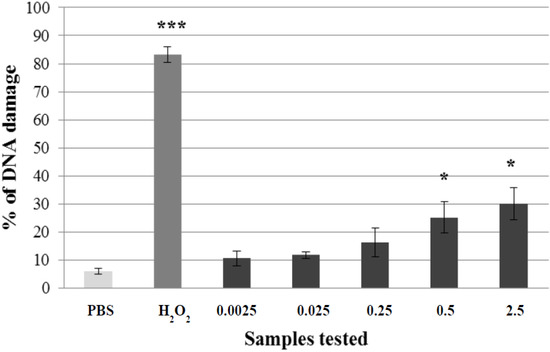
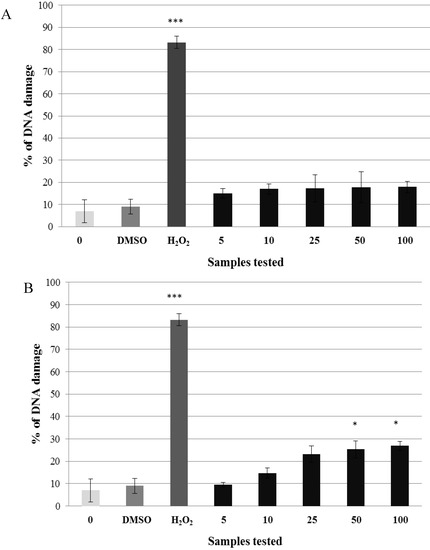
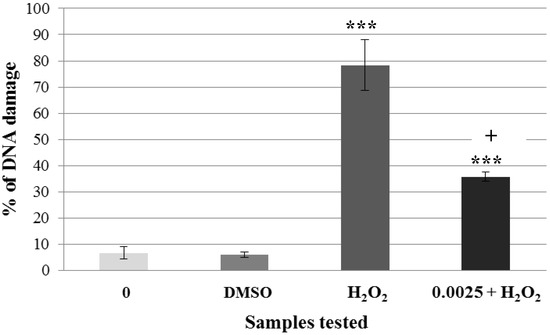
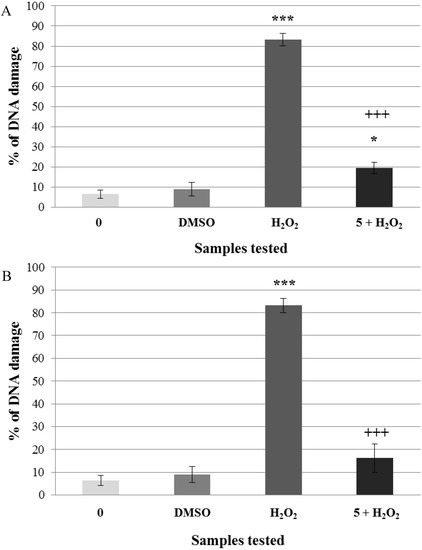
DNA damage prevention is an important mechanism involved in cancer prevention by dietary compounds. Armoracia rusticana is cultivated mainly for its roots that are used in the human diet as a pungent spice. The roots represent rich sources of biologically active phytocompounds, which are beneficial for humans. In this study we investigated the modulation of H2O2 genotoxicity using the A. rusticana root aqueous extract (AE) and two flavonoids (kaempferol or quercetin). Human lymphocytes pre-treated with AE, kaempferol and quercetin were challenged with H2O2 and the DNA damage was assessed by the comet assay. At first we assessed a non-genotoxic concentration of AE and flavonoids, respectively. In lymphocytes challenged with H2O2 we proved that the 0.0025 mg·mL−1 concentration of AE protected human DNA. It significantly reduced H2O2-induced oxidative damage (from 78% to 35.75%). Similarly, a non-genotoxic concentration of kaempferol (5 μg·mL−1) significantly diminished oxidative DNA damage (from 83.3% to 19.4%), and the same concentration of quercetin also reduced the genotoxic effect of H2O2 (from 83.3% to 16.2%). We conclude that AE, kaempferol and quercetin probably act as antimutagens. The molecular mechanisms underlying their antimutagenic activity might be explained by their antioxidant properties. Full article
(This article belongs to the Section Natural Products Chemistry)
Show Figures

Figure 1
11 pages, 2348 KB  
Article
5-Azacytidine Induces Anoikis, Inhibits Mammosphere Formation and Reduces Metalloproteinase 9 Activity in MCF-7 Human Breast Cancer Cells
by Hsueh-Wei Chang, Hui-Chun Wang, Chiau-Yi Chen, Ting-Wei Hung, Ming-Feng Hou, Shyng-Shiou F. Yuan, Chih-Jen Huang and Chao-Neng Tseng
Molecules 2014, 19(3), 3149-3159; https://doi.org/10.3390/molecules19033149 - 13 Mar 2014
Cited by 27 | Viewed by 11952
Abstract
Cancer stem cells are a subset of cancer cells that initiate the growth of tumors. Low levels of cancer stem cells also exist in established cancer cell lines, and can be enriched in serum-free tumorsphere cultures. Since cancer stem cells have been reported [...] Read more.
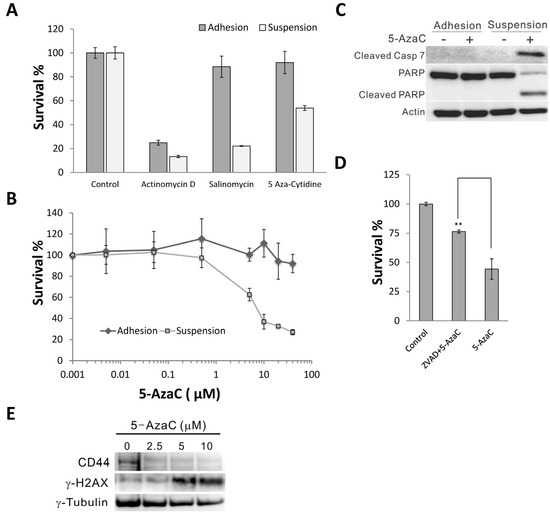
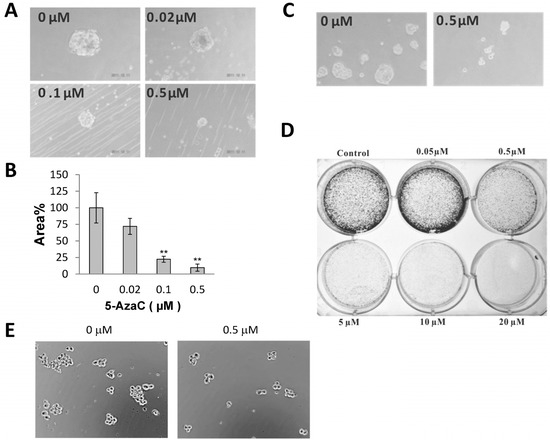
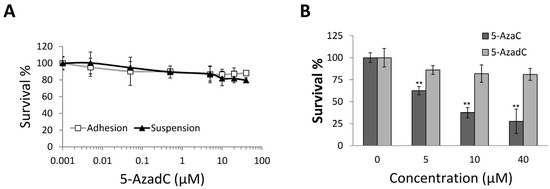
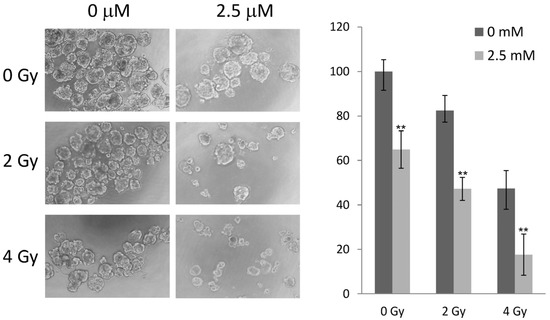
Cancer stem cells are a subset of cancer cells that initiate the growth of tumors. Low levels of cancer stem cells also exist in established cancer cell lines, and can be enriched in serum-free tumorsphere cultures. Since cancer stem cells have been reported to be resilient to common chemotherapeutic drugs in comparison to regular cancer cells, screening for compounds selectively targeting cancer stem cells may provide an effective therapeutic strategy. We found that 5-azacytidine (5-AzaC) selectively induced anoikis of MCF-7 in suspension cultures with an EC50 of 8.014 µM, and effectively inhibited tumorsphere formation, as well as the migration and matrix metalloproteinases-9 (MMP-9) activity of MCF-7 cells. Furthermore, 5-AzaC and radiation collaboratively inhibited MCF-7 tumorsphere formation at clinically relevant radiation doses. Investigating the underlying mechanism may provide insight into signaling pathways crucial for cancer stem cell survival and pave the way to novel potential therapeutic targets. Full article
Show Figures

Figure 1
14 pages, 346 KB  
Article
Synthesis of PNA Oligoether Conjugates
by Alice Ghidini, Peter Steunenberg, Merita Murtola and Roger Strömberg
Molecules 2014, 19(3), 3135-3148; https://doi.org/10.3390/molecules19033135 - 13 Mar 2014
Cited by 3 | Viewed by 8719
Abstract
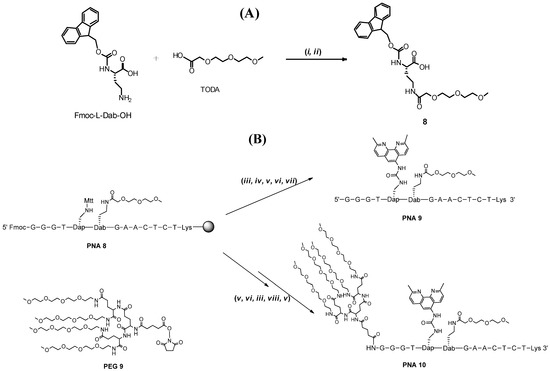
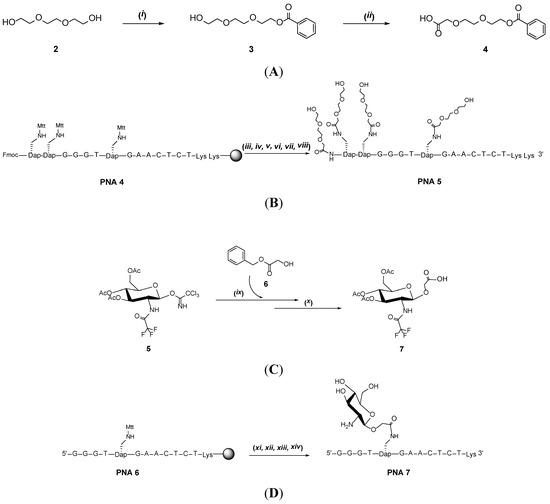
Several different approaches have been explored for conjugation of oligoethers to PNA with internally or N-terminal placed diaminopropionic acid residues. Single and double conjugation of 2-(2-(2-aminoethoxy)ethoxy)ethanol was obtained using carbonyldimidazole. Using a post PNA-assembly coupling procedure the building block 2-(2-(2-(benzoyloxy)ethoxy)ethoxy)acetic acid multiple attachment [...] Read more.
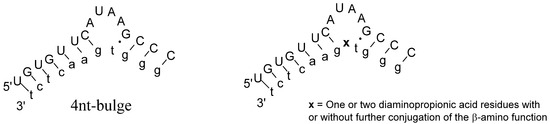
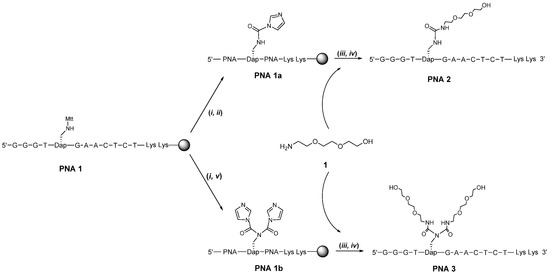
Several different approaches have been explored for conjugation of oligoethers to PNA with internally or N-terminal placed diaminopropionic acid residues. Single and double conjugation of 2-(2-(2-aminoethoxy)ethoxy)ethanol was obtained using carbonyldimidazole. Using a post PNA-assembly coupling procedure the building block 2-(2-(2-(benzoyloxy)ethoxy)ethoxy)acetic acid multiple attachment of 2-(2-(2-hydroxyethoxy)ethoxy)acetyl groups to both N-terminal and β-amino groups of inserted diaminopropionic acids residues was achieved. Use of a new oligoether functionalized amino acid allows inclusion of oligoether conjugates during on-line machine assisted synthesis which also allowed combination of methods for attachment of different oligoethers and co-conjugation of neocuproine as well as conjugation of an aminosugar. Full article
(This article belongs to the Special Issue Bioconjugations)
Show Figures

Figure 1
15 pages, 260 KB  
Article
Pharmacokinetic Study in Mice of Galphimine-A, an Anxiolytic Compound from Galphimia glauca
by Rodolfo Abarca Vargas, Alejandro Zamilpa, Francisco Alarcón Aguilar, Maribel Herrera-Ruiz, Jaime Tortoriello and Enrique Jiménez-Ferrer
Molecules 2014, 19(3), 3120-3134; https://doi.org/10.3390/molecules19033120 - 12 Mar 2014
Cited by 10 | Viewed by 7093
Abstract
The aim of this study was to obtain pharmacokinetic data for the anxiolytic compound galphimine-A (G–A) from Galphimia glauca. G–A is the most abundant anxiolytic compound in this plant, while Galphimine-E (G–E) is the most abundant galphimine, but inactive. G–E was transformed [...] Read more.
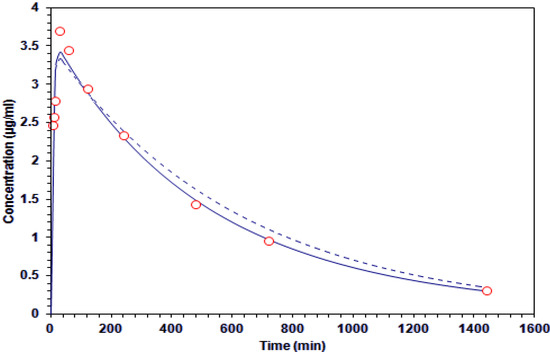
The aim of this study was to obtain pharmacokinetic data for the anxiolytic compound galphimine-A (G–A) from Galphimia glauca. G–A is the most abundant anxiolytic compound in this plant, while Galphimine-E (G–E) is the most abundant galphimine, but inactive. G–E was transformed chemically into G–A. The pharmacokinetic study was carried out in ICR mice, which were orally administered a single 200 mg/kg dose of G–A. Samples of blood and brain were taken at different times after administration of G–A. Previously, we established the validation of methods for determining the concentration of G–A. The G–A was detected in plasma 5 min after oral administration, and its concentration reached 2.47 μg/mL. Data from concentration-time curves allowed us to establish the main pharmacokinetic parameters in two models: one- and/or two-compartment. Cmax values were 3.33 and 3.42 μg/mL respectively, likewise AUC0→1440 min were 1,951.58 and 1,824.95 μg/mL·min. The G–A in brain tissue was noted to cross the blood-brain barrier, reaching Cmax 2.74 μg/mL, Tmax 81.6 min, and then drop gradually to 0.32 μg/mL detected at 24 h. The presence of G–A in brain tissue, confirmed that this anxiolytic compound can access the target organ and acts directly on the CNS. Full article
(This article belongs to the Section Natural Products Chemistry)
Show Figures

Figure 1

10 pages, 219 KB  
Article
Antioxidant Activity of Co-Products from Guava, Mango and Barbados Cherry Produced in the Brazilian Northeast
by Kassandra L. G. V. Araújo, Marciane Magnani, Jaqueline A. Nascimento, Alline L. Souza, Poliana S. Epaminondas, Antônia L. Souza, Neide Queiroz and Antonio G. Souza
Molecules 2014, 19(3), 3110-3119; https://doi.org/10.3390/molecules19033110 - 11 Mar 2014
Cited by 14 | Viewed by 7332
Abstract
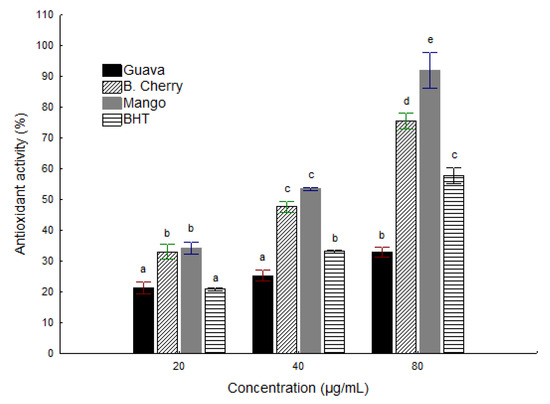
Co-products from the juice processing of guava (CG), mango (CM) and barbados cherry (CB) were investigated with a view to their exploitation as a potential source of natural antioxidants. The ethanolic extracts were analyzed for total extractable phenolic content (TEP), DPPH radical scavenging [...] Read more.
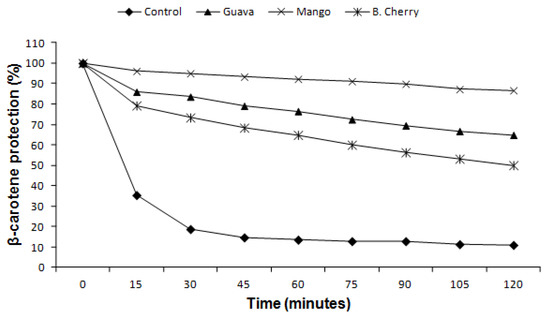
Co-products from the juice processing of guava (CG), mango (CM) and barbados cherry (CB) were investigated with a view to their exploitation as a potential source of natural antioxidants. The ethanolic extracts were analyzed for total extractable phenolic content (TEP), DPPH radical scavenging activity (RSA-DPPH), ferric reducing antioxidant power (FRAP) and antioxidant activity in relation to the β-carotene/ linoleic acid system. The TEP levels in the CG, CM and CB extracts were (24.15 ± 1.59), (44.18 ± 1.73) and (49.21 ± 3.70) mg GAE/g extract, respectively. The CM extract showed higher DPPH, FRAP and antioxidant activity in the β-carotene/linoleic acid system. The data revealed a positive linear correlation between TEP, RSA-DPPH and FRAP (r2 = 0.85 − 0.98); however, the β-carotene/linoleic acid system (r2 = 0.01 − 0.26) shows low correlation with the TEP levels and other assessment systems. The results suggest that co-products generated from the juice processing of the studied fruit have promising use as a natural source of antioxidants. Full article
(This article belongs to the Section Natural Products Chemistry)
Show Figures

Figure 1
26 pages, 402 KB  
Article
Nutraceutical Value of Yellow- and Red-Fleshed South African Plums (Prunus salicina Lindl.): Evaluation of Total Antioxidant Capacity and Phenolic Composition
by Alet Venter, Elizabeth Joubert and Dalene De Beer
Molecules 2014, 19(3), 3084-3109; https://doi.org/10.3390/molecules19033084 - 11 Mar 2014
Cited by 28 | Viewed by 8073
Abstract
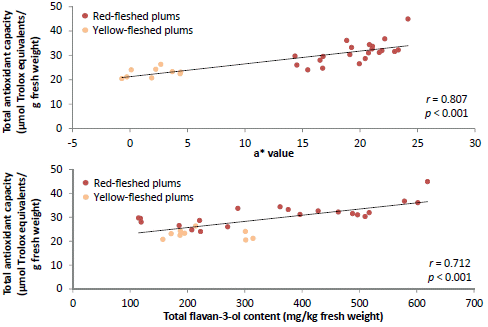
Ten South African plum cultivars and selections, including yellow- and red-fleshed plums from two harvest seasons were evaluated in terms of nutraceutical value (phenolic composition, total polyphenol content (TPC) and total antioxidant capacity (TAC)) and fruit attributes (colour, fruit mass, etc.). Plums [...] Read more.
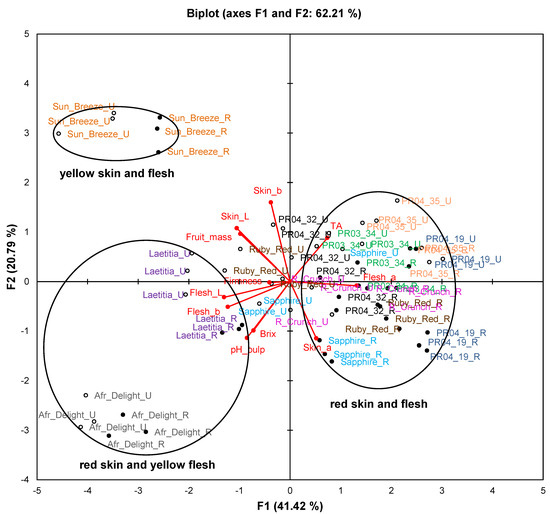
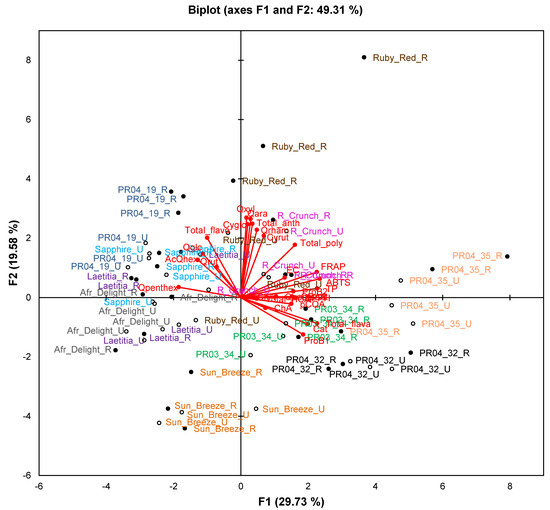
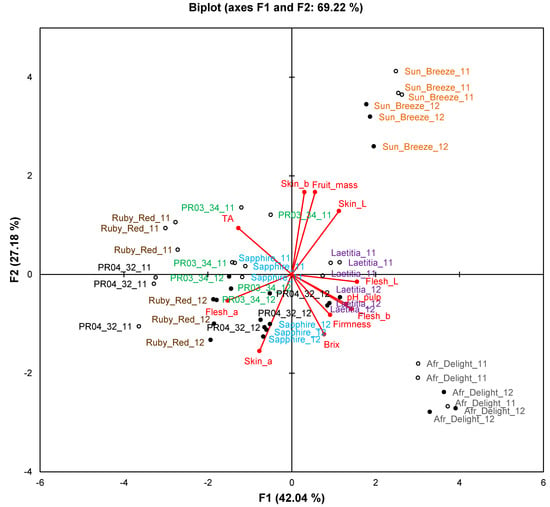
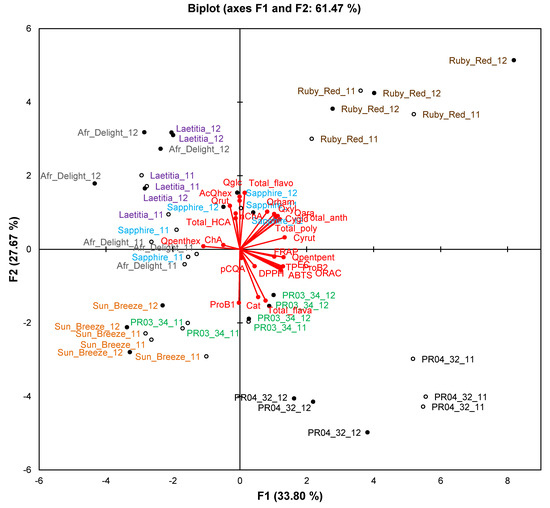
Ten South African plum cultivars and selections, including yellow- and red-fleshed plums from two harvest seasons were evaluated in terms of nutraceutical value (phenolic composition, total polyphenol content (TPC) and total antioxidant capacity (TAC)) and fruit attributes (colour, fruit mass, etc.). Plums were evaluated at two maturity stages, i.e., directly after harvest (unripe) and after a commercial cold storage and ripening regime (ripe). The phenolic composition of South African plums varied greatly, both qualitatively and quantitatively, between cultivars and selections. Neochlorogenic acid, cyanidin-3-O-glucoside and quercetin-3-O-glucoside were the predominant hydroxycinnamic acid, anthocyanin and flavonol, respectively, although not present in all plums. The flavan-3-ols, (+)-catechin, (−)-epicatechin and procyanidins B1 and B2, were present in all plums. Red-fleshed plums tended to display higher TAC and TPC than yellow-fleshed plums. The flavan-3-ol content was highly correlated with TAC. The effect of harvest season was cultivar-dependent, but cultivar differences were not obscured. In terms of maturity stage, the ripe fruits tended to contain higher levels of anthocyanins and some flavonol compounds, although the TPC and TAC were not affected in most cases. South African plums, especially the red-fleshed selections PR04-32 and PR04-35, were shown to provide generally high TAC and TPC compared to literature values. Full article
(This article belongs to the Section Natural Products Chemistry)
Show Figures

Graphical abstract

16 pages, 595 KB  
Article
Synthesis of Novel Highly Functionalized 4-Thiazolidinone Derivatives from 4-Phenyl-3-thiosemicarbazones
by Abdelmadjid Benmohammed, Omar Khoumeri, Ayada Djafri, Thierry Terme and Patrice Vanelle
Molecules 2014, 19(3), 3068-3083; https://doi.org/10.3390/molecules19033068 - 11 Mar 2014
Cited by 35 | Viewed by 9313
Abstract
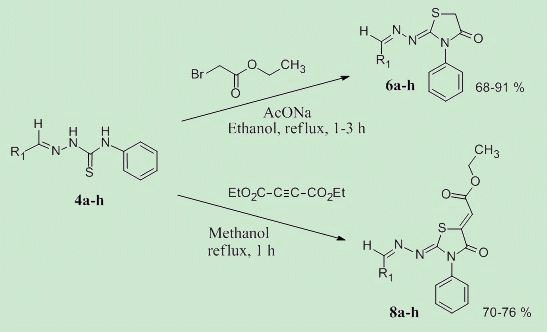
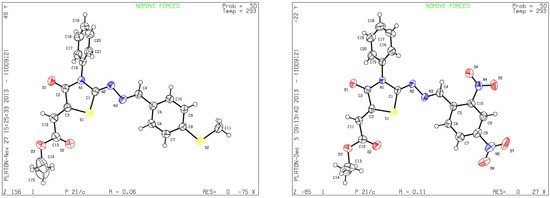
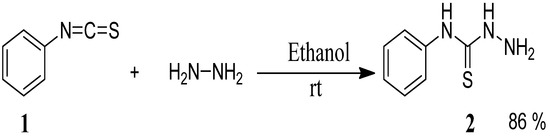
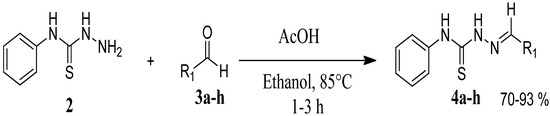
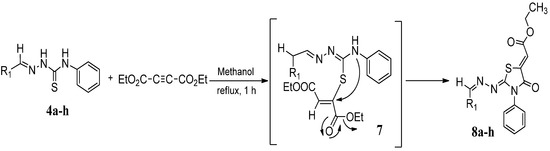
We present herein the synthesis in good yields of two series of highly functionalized thiazolidinone derivatives from the reactions of various 4-phenyl-3-thio-semicarbazones with ethyl 2-bromoacetate and diethyl acetylenedicarboxylate, respectively. Full article
Show Figures

Graphical abstract

13 pages, 414 KB  
Article
Five New Alkaloids from the Stem Bark of Daphniphyllum macropodum
by Yunyang Lu, Kai Gao, Xiaoyang Wang, Wei Zhang, Ning Ma and Haifeng Tang
Molecules 2014, 19(3), 3055-3067; https://doi.org/10.3390/molecules19033055 - 10 Mar 2014
Cited by 14 | Viewed by 8386
Abstract
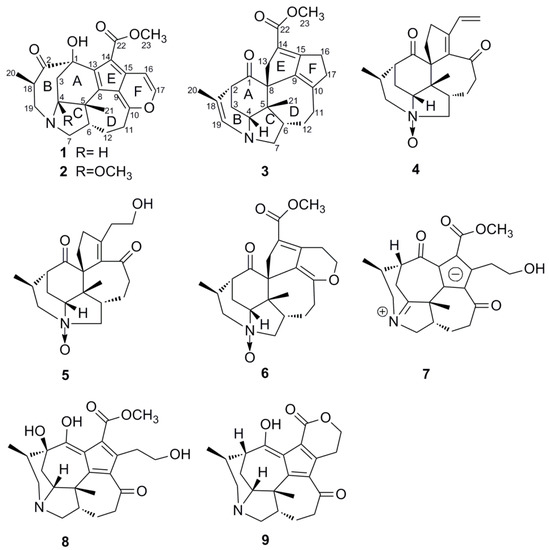
Five new alkaloids, daphnicyclidins M and N (compounds 1 and 2) and calyciphyllines Q–S (compounds 35), along with four known ones, paxiphylline C (6), macropodumine B (7), macropodumine C (8) and daphnicyclidin A [...] Read more.
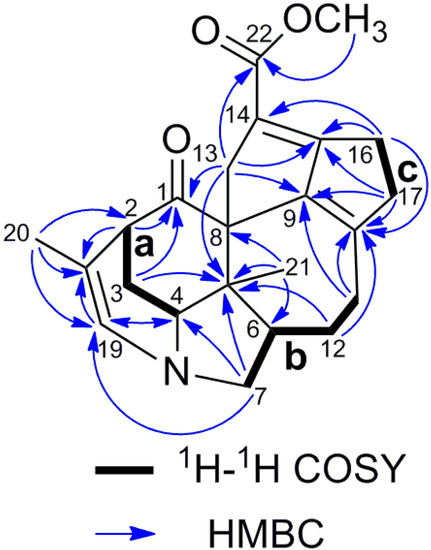
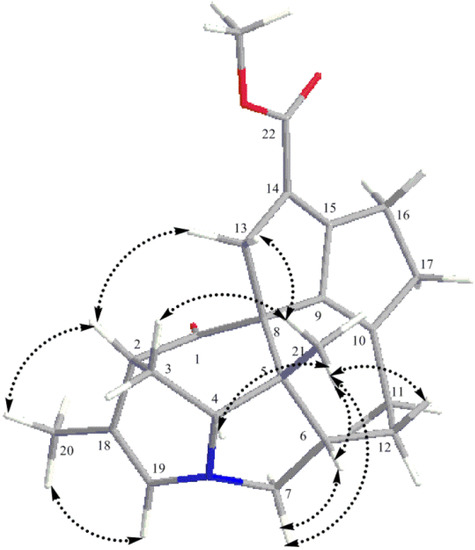
Five new alkaloids, daphnicyclidins M and N (compounds 1 and 2) and calyciphyllines Q–S (compounds 35), along with four known ones, paxiphylline C (6), macropodumine B (7), macropodumine C (8) and daphnicyclidin A (9) were isolated from the stem bark of Daphniphyllum macropodum. Calyciphylline Q (3) is the first calyciphylline A derivative possessing a double bond between C-18 and C-19. Their structures and relative configurations were elucidated on the basis of spectroscopic methods, especially 2D NMR techniques. Compounds 1, 2, 8 and 9 exhibited cytotoxic activity against P-388 cells with IC50 values of 5.7, 6.5, 10.3 and 13.8 µM, respectively. Compounds 1 and 2 also showed cytotoxic activity against SGC-7901 cells with IC50 values of 22.4 and 25.6 µM. Full article
(This article belongs to the Collection Bioactive Compounds)
Show Figures

Figure 1
17 pages, 481 KB  
Article
Assessment of Circulating microRNAs in Plasma of Lung Cancer Patients
by Orazio Fortunato, Mattia Boeri, Carla Verri, Davide Conte, Mavis Mensah, Paola Suatoni, Ugo Pastorino and Gabriella Sozzi
Molecules 2014, 19(3), 3038-3054; https://doi.org/10.3390/molecules19033038 - 10 Mar 2014
Cited by 70 | Viewed by 11444
Abstract
Lung cancer is the most common cause of cancer deaths worldwide and numerous ongoing research efforts are directed to identify new strategies for its early detection. The development of non-invasive blood-based biomarkers for cancer detection in its preclinical phases is crucial to improve [...] Read more.
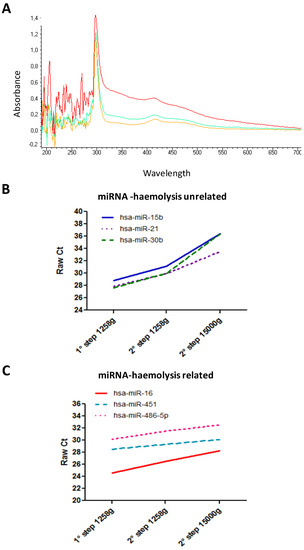
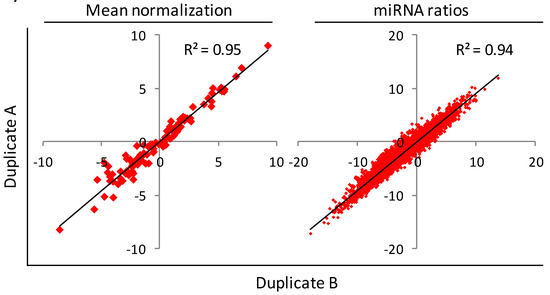
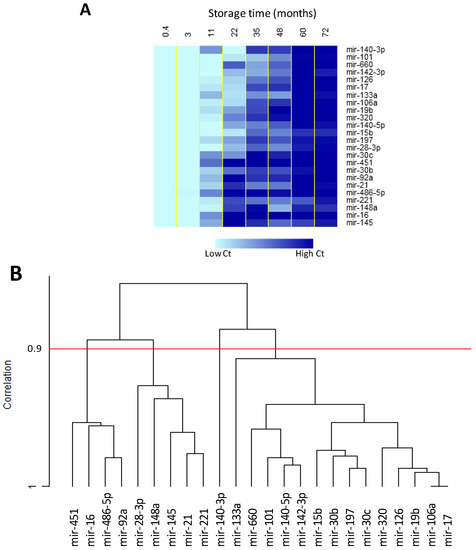
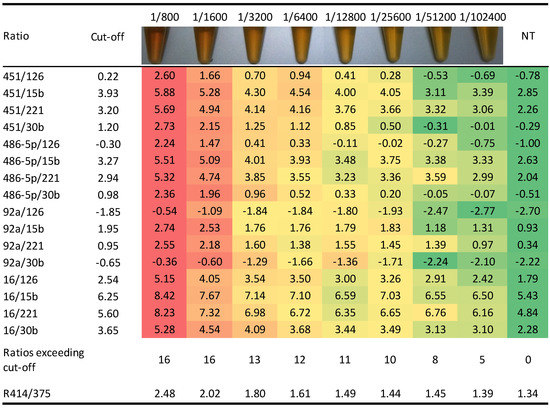
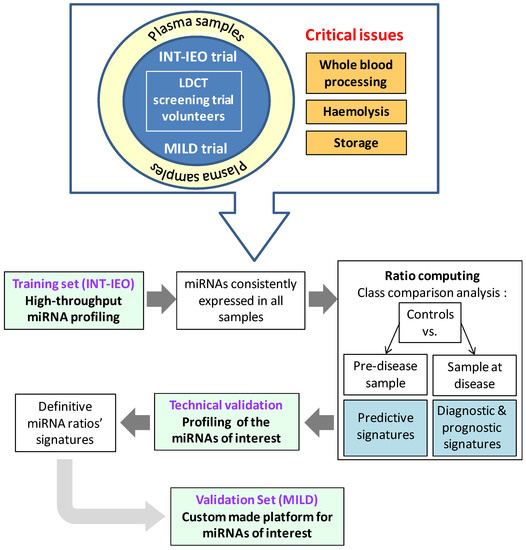
Lung cancer is the most common cause of cancer deaths worldwide and numerous ongoing research efforts are directed to identify new strategies for its early detection. The development of non-invasive blood-based biomarkers for cancer detection in its preclinical phases is crucial to improve the outcome of this deadly disease. MicroRNAs (miRNAs) are a new promising class of circulating biomarkers for cancer detection and prognosis definition, but lack of consensus on data normalization methods for circulating miRNAs and the critical issue of haemolysis, has affected the identification of circulating miRNAs with diagnostic potential. We describe here an interesting approach for profiling circulating miRNAs in plasma samples based on the evaluation of reciprocal miRNA levels measured by quantitative Real-Time PCR. By monitoring changes of plasma miRNA-ratios, it is possible to assess the deregulation of tumor-related miRNAs and identify signatures with diagnostic and prognostic value. In addition, to avoid bias due to the release of miRNAs from blood cells, a miRNA-ratios signature distinguishing haemolyzed samples was identified. The method described was validated in plasma samples of lung cancer patients, but given its reproducibility and reliability, could be potentially applied for the identification of diagnostic circulating miRNAs in other diseases. Full article
(This article belongs to the Special Issue miRNAs as Probes to Monitor Cancer and Neurodegenerative Disorders)
Show Figures

Figure 1
13 pages, 385 KB  
Article
Microwave-Assisted Extraction of Herbacetin Diglucoside from Flax (Linum usitatissimum L.) Seed Cakes and Its Quantification using an RP-HPLC-UV System
by Ophélie Fliniaux, Cyrielle Corbin, Aina Ramsay, Sullivan Renouard, Vickram Beejmohun, Joël Doussot, Annie Falguières, Clotilde Ferroud, Frédéric Lamblin, Eric Lainé, Albrecht Roscher, Eric Grand, François Mesnard and Christophe Hano
Molecules 2014, 19(3), 3025-3037; https://doi.org/10.3390/molecules19033025 - 10 Mar 2014
Cited by 44 | Viewed by 8859
Abstract
Flax (Linum usitatissimum L.) seeds are widely used for oil extraction and the cold-pressed flaxseed (or linseed) cakes obtained during this process constitute a valuable by-product. The flavonol herbacetin diglucoside (HDG) has been previously reported as a constituent of the flaxseed lignan [...] Read more.
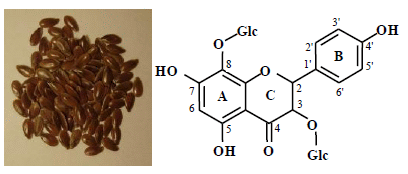
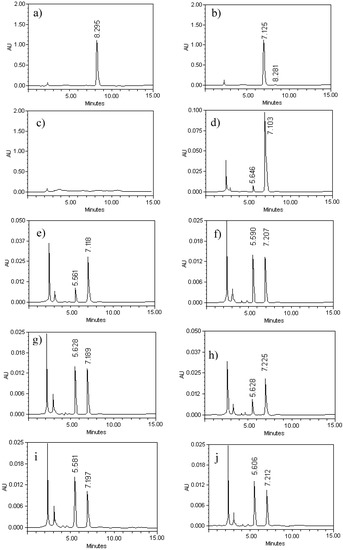
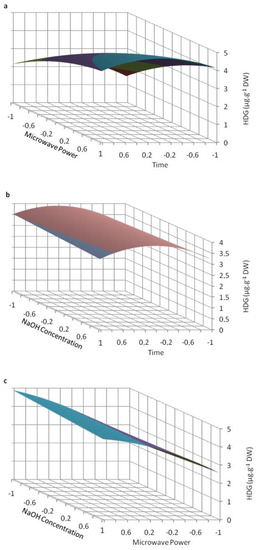
Flax (Linum usitatissimum L.) seeds are widely used for oil extraction and the cold-pressed flaxseed (or linseed) cakes obtained during this process constitute a valuable by-product. The flavonol herbacetin diglucoside (HDG) has been previously reported as a constituent of the flaxseed lignan macromolecule linked through ester bonds to the linker molecule hydroxymethylglutaric acid. In this context, the development and validation of a new approach using microwave-assisted extraction (MAE) of HDG from flaxseed cakes followed by quantification with a reverse-phase HPLC system with UV detection was purposed. The experimental parameters affecting the HDG extraction yield, such as microwave power, extraction time and sodium hydroxide concentration, from the lignan macromolecule were optimized. A maximum HDG concentration of 5.76 mg/g DW in flaxseed cakes was measured following an irradiation time of 6 min, for a microwave power of 150 W using a direct extraction in 0.1 M NaOH in 70% (v/v) aqueous methanol. The optimized method was proven to be rapid and reliable in terms of precision, repeatability, stability and accuracy for the extraction of HDG. Comparison with a conventional extraction method demonstrated that MAE is more effective and less time-consuming. Full article
(This article belongs to the Section Natural Products Chemistry)
Show Figures

Graphical abstract

13 pages, 2516 KB  
Article
Ginsenoside Rb1 Protects Rat Neural Progenitor Cells against Oxidative Injury
by Na Ni, Qiang Liu, Huixia Ren, Di Wu, Chuanming Luo, Peng Li, Jian-Bo Wan and Huanxing Su
Molecules 2014, 19(3), 3012-3024; https://doi.org/10.3390/molecules19033012 - 7 Mar 2014
Cited by 43 | Viewed by 10264
Abstract
Ginseng, the root of Panax ginseng C.A. Meyer, has been used as a tonic to enhance bodily functions against various ailments for hundreds of years in Far Eastern countries without apparent adverse effects. Ginsenoside Rb1, one of the most active ingredients of ginseng, [...] Read more.
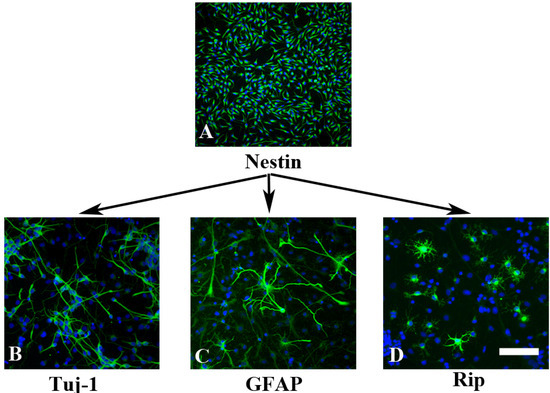
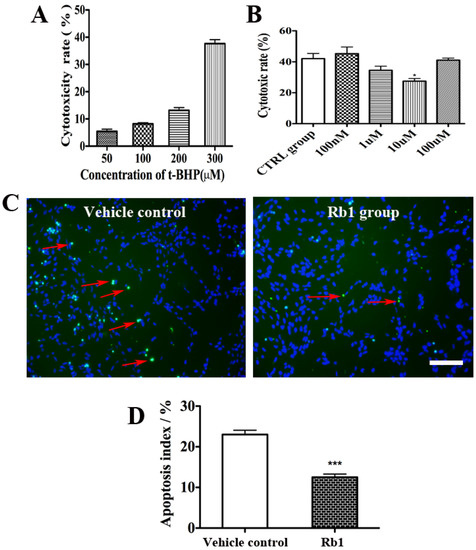
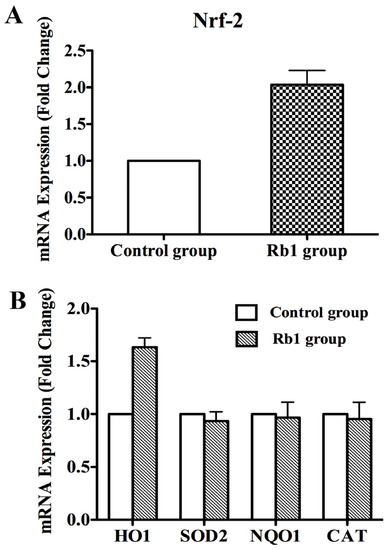
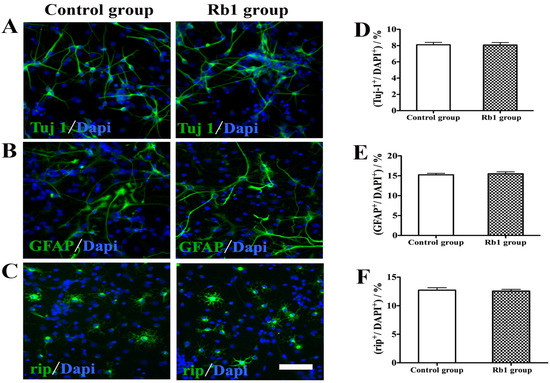
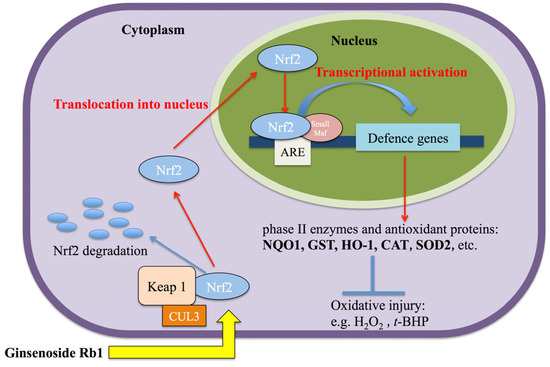
Ginseng, the root of Panax ginseng C.A. Meyer, has been used as a tonic to enhance bodily functions against various ailments for hundreds of years in Far Eastern countries without apparent adverse effects. Ginsenoside Rb1, one of the most active ingredients of ginseng, has been shown to possess various pharmacological activities. Here we report that Rb1 exhibits potent neuroprotective effects against oxidative injury induced by tert-butylhydroperoxide (t-BHP). Lactate dehydrogenase (LDH) assay demonstrated that incubation with 300 µm t-BHP for 2.5 h led to a significant cell loss of cultured rat embryonic cortex-derived neural progenitor cells (NPCs) and the cell viability was pronouncedly increased by 24 h pretreatment of 10 µm Rb1. TUNEL staining further confirmed that pretreatment of Rb1 significantly reduced the cell apoptosis in t-BHP-induced oxidative injury. Real time PCR revealed that pretreatment with Rb1 activated Nrf2 pathway in cultured NPCs and led to an elevated expression of HO-1. The results of the present study demonstrate that Rb1 shows a potent anti-oxidative effect on cultured NPCs by activating Nrf2 pathway. Full article
(This article belongs to the Special Issue Natural Antioxidants and Ageing)
Show Figures

Figure 1
8 pages, 415 KB  
Article
Limonoids from the Fruits of Khaya ivorensis
by Kai-Long Ji, Shang-Gao Liao, Xiao-Ling Zheng, Zhi Na, Hua-Bin Hu, Ping Zhang and You-Kai Xu
Molecules 2014, 19(3), 3004-3011; https://doi.org/10.3390/molecules19033004 - 7 Mar 2014
Cited by 13 | Viewed by 8285
Abstract
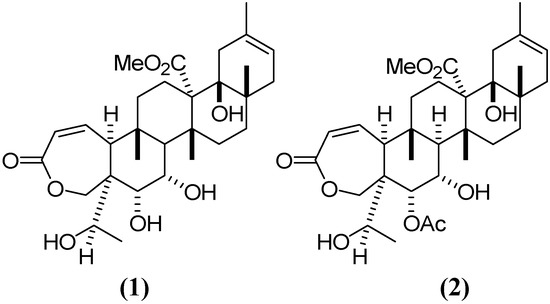
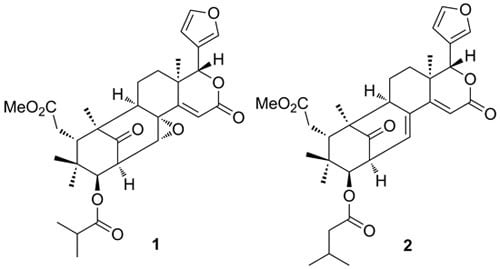
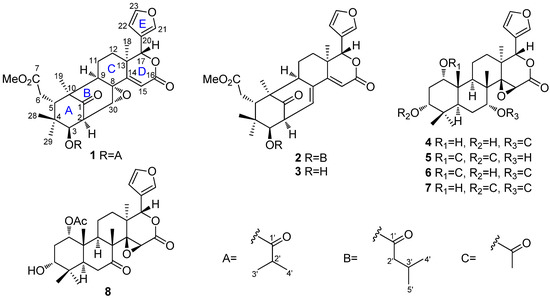
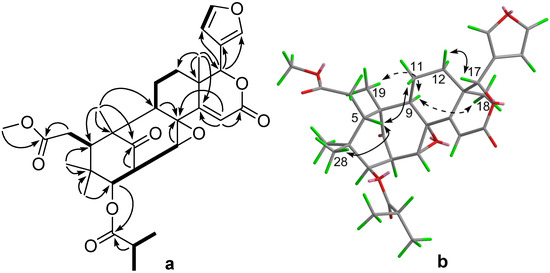
Two new limonoids, namely 14,15-didehydroruageanin A (1) and 3-O-methyl- butyrylseneganolide A (2), were isolated from the fruits of Khaya ivorensis along with six known limonoids: seneganolide A (3), 1,3-dideacetylkhivorin (4), 7-deacetylkhivorin (5 [...] Read more.
Two new limonoids, namely 14,15-didehydroruageanin A (1) and 3-O-methyl- butyrylseneganolide A (2), were isolated from the fruits of Khaya ivorensis along with six known limonoids: seneganolide A (3), 1,3-dideacetylkhivorin (4), 7-deacetylkhivorin (5), 3-deacetylkhivorin (6), 1-deacetylkhivorin (7), and 3-deacetyl-7-oxokhivorin (8). All the compounds were evaluated for their cytotoxicity against five tumor cell lines. Full article
(This article belongs to the Section Natural Products Chemistry)
Show Figures

Graphical abstract

11 pages, 290 KB  
Article
Synthesis and Spectroscopic Properties of New Azo Dyes Derived from 3-Ethylthio-5-cyanomethyl-4-phenyl-1,2,4-triazole
by Mariam Al-Sheikh, Hanadi Y. Medrasi, Kamal Usef Sadek and Ramadan Ahmed Mekheimer
Molecules 2014, 19(3), 2993-3003; https://doi.org/10.3390/molecules19032993 - 7 Mar 2014
Cited by 22 | Viewed by 10324
Abstract
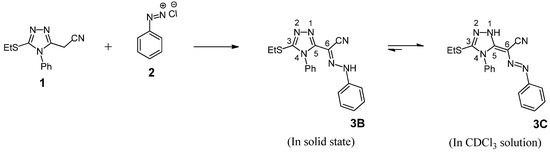
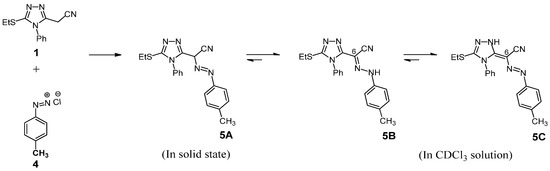
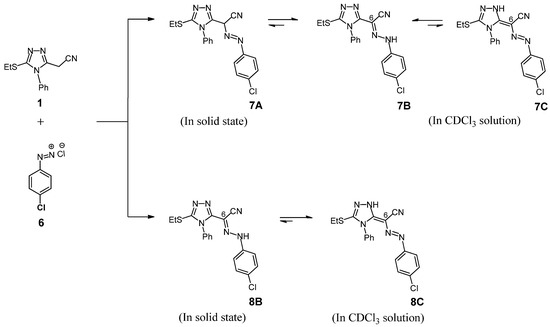
New 1,2,4-triazole colorants were obtained, in high yields, by coupling 3-ethylthio-5-cyanomethyl-4-phenyl-1,2,4-triazole (1) with diazotized aniline derivatives 2, 4 and 6. The azo dyes prepared in this work may exist in three tautomeric forms. We found that the tautomerism is [...] Read more.
New 1,2,4-triazole colorants were obtained, in high yields, by coupling 3-ethylthio-5-cyanomethyl-4-phenyl-1,2,4-triazole (1) with diazotized aniline derivatives 2, 4 and 6. The azo dyes prepared in this work may exist in three tautomeric forms. We found that the tautomerism is influenced mainly by the nature of substituent at the para position of the aniline coupling component. This tautomerisation was observed in the NMR spectra of the dyes. The dyes were characterized by IR, 1H-NMR, 13C-NMR and MS spectroscopic techniques. Full article
(This article belongs to the Section Organic Chemistry)
Show Figures

Figure 1