Journal Description
Materials Proceedings
is an open access journal dedicated to publishing findings resulting from conferences, workshops, and similar events, in all areas of material sciences. The conference organizers and proceedings editors are responsible for managing the peer-review process and selecting papers for conference proceedings.
Latest Articles
Preface and Statement of Peer Review: 4th International Conference on Applied Research and Engineering
Mater. Proc. 2026, 31(1), 36; https://doi.org/10.3390/materproc2026031036 - 26 Jun 2026
Abstract
n/a
Full article
(This article belongs to the Proceedings of The 4th International Conference on Applied Research and Engineering)
Open AccessProceeding Paper
Build Simulation and Process Parameter Optimization for Additively Manufactured Ti-6Al-4V Lattices for Biomedical Applications
by
Mahlora Raophala, Mounir Frija, Malika Khodja-Moller and Anton Du Plessis
Mater. Proc. 2026, 31(1), 35; https://doi.org/10.3390/materproc2026031035 - 17 Jun 2026
Abstract
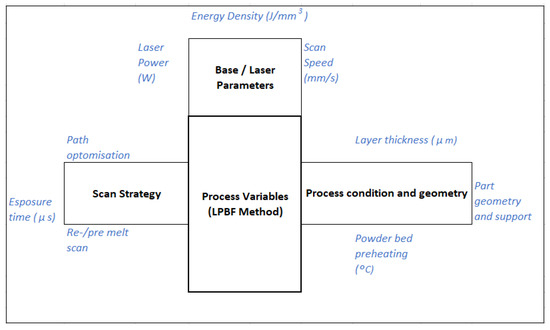
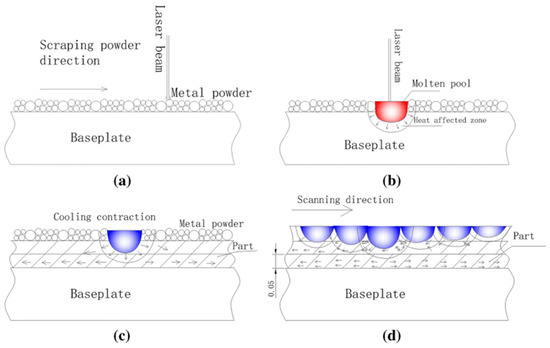
Additive manufacturing (AM) of metallic lattice structures, particularly those made of Ti-6Al-4V, has significant potential for biomedical applications due to their lightweight nature and favorable mechanical properties. However, laser powder bed fusion (LPBF) processes often introduce residual stresses and distortions, which compromise dimensional
[...] Read more.
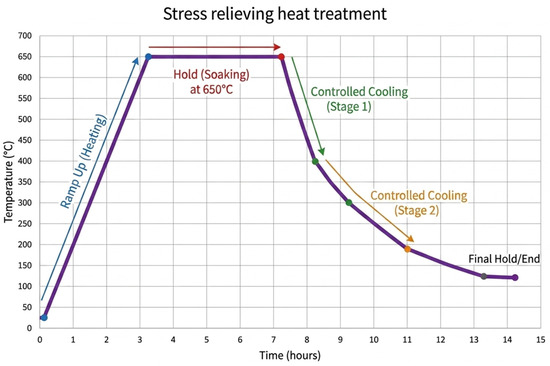
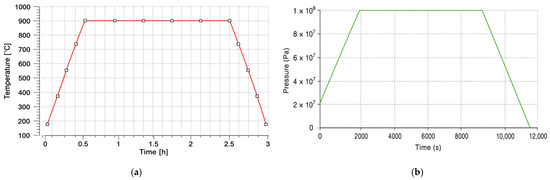
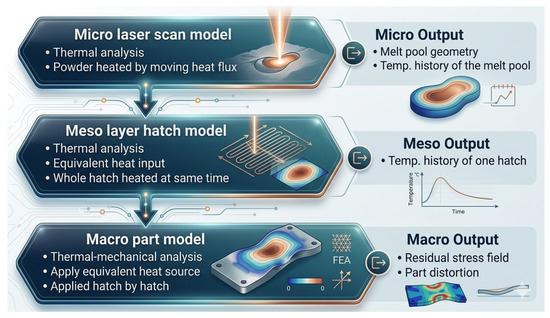
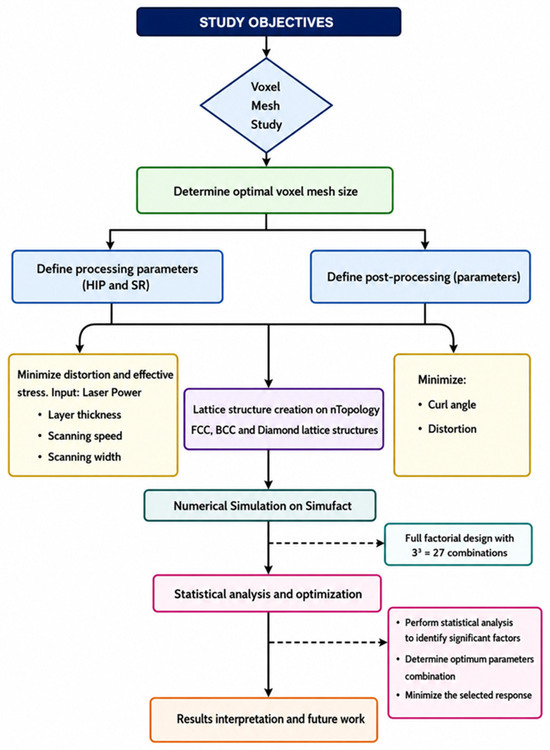
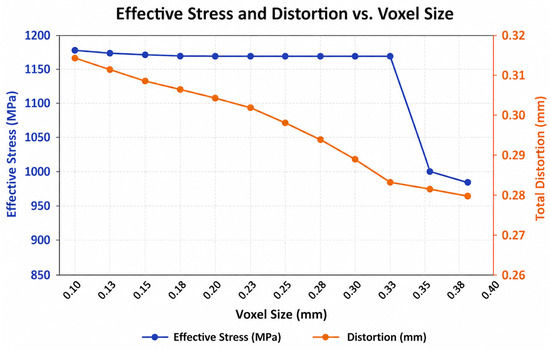
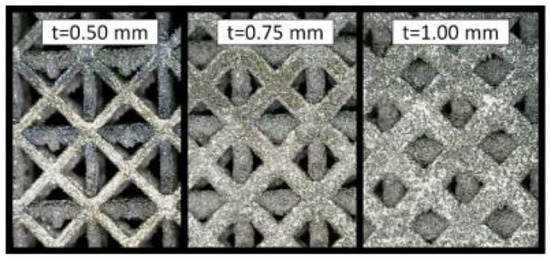
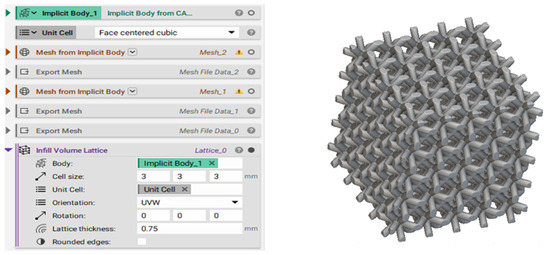
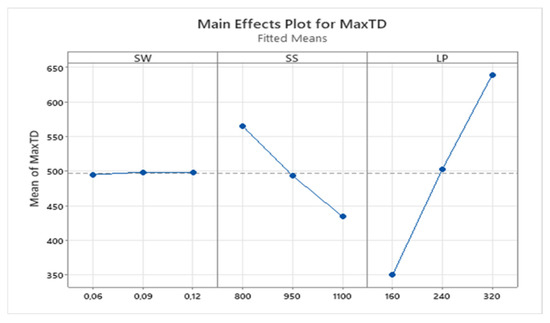
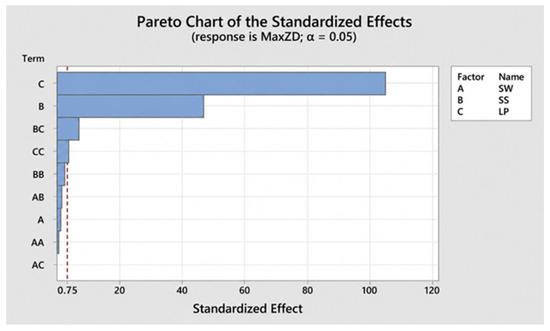
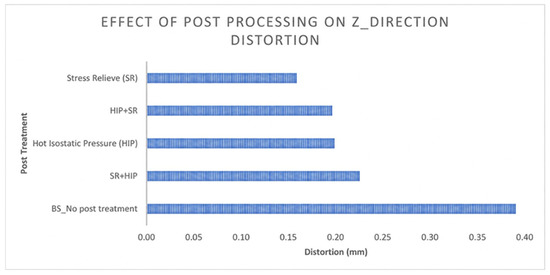
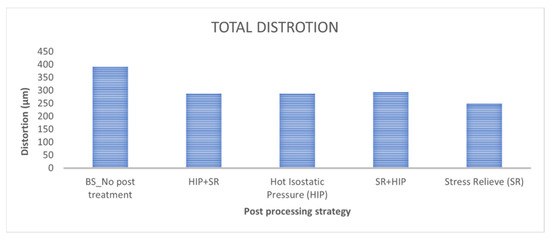
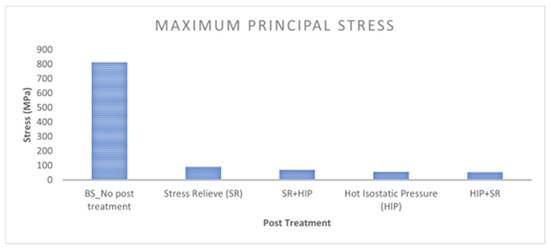
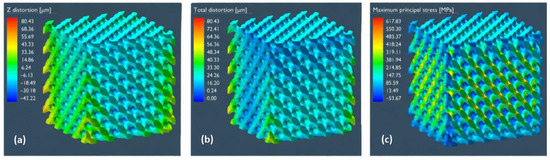
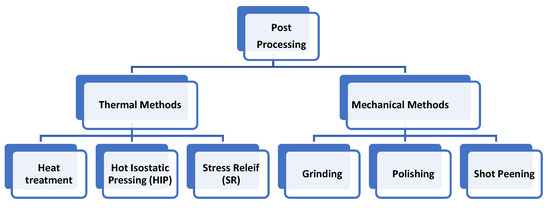
Additive manufacturing (AM) of metallic lattice structures, particularly those made of Ti-6Al-4V, has significant potential for biomedical applications due to their lightweight nature and favorable mechanical properties. However, laser powder bed fusion (LPBF) processes often introduce residual stresses and distortions, which compromise dimensional accuracy and part performance. This study presents a simulation-based approach for optimizing process parameters and post-processing strategies to minimize these issues. Using the Simufact Additive 1.0 ink, 2023 software, voxel sensitivity analysis was conducted to identify an optimal mesh size of 0.35 mm. A Design of Experiments (DoE) approach in MINITAB was applied to optimize key LPBF parameters, including laser power, scanning speed, and scan width. Simulations incorporating stress relief and hot isostatic pressing (HIP) were conducted to assess their impact on residual stresses and distortions. The results show that stress relief effectively reduces maximum distortion by up to 50% in the X direction and 17% in the Z direction for an FCC lattice structure with a 0.75 mm strut thickness. HIP further decreases deflection angles by 77%. The simulation predictions correlate well with the experimental measurements, supporting the use of simulation-driven process optimization to enhance the dimensional stability and mechanical reliability of Ti-6Al-4V lattice structures for biomedical implants.
Full article
(This article belongs to the Proceedings of The 4th International Conference on Applied Research and Engineering)
►▼
Show Figures

Figure 1
Open AccessProceeding Paper
An Investigation into the Electrochemical Test on Corrosion and Surface Characterisation of Alumina AI2O3 for Bio-Inspired 3D Dental Implants
by
Winnie Mtetwa, Emmanuel Munenge, Lebogang Lebea, Harry M. Ngwangwa and Thanyani Pandelani
Mater. Proc. 2026, 31(1), 30; https://doi.org/10.3390/materproc2026031030 - 26 May 2026
Abstract
Alumina is a long-used dental and medicinal biomaterial. It is considered one of the best jaw implant materials and has greater antibacterial resistance than titanium (Ti6Al-4V). 3D-printed alumina dental implants were tested in NaCl and Ringer’s solutions for electrochemical corrosion. In six studies,
[...] Read more.
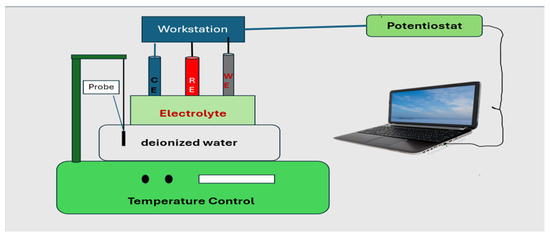
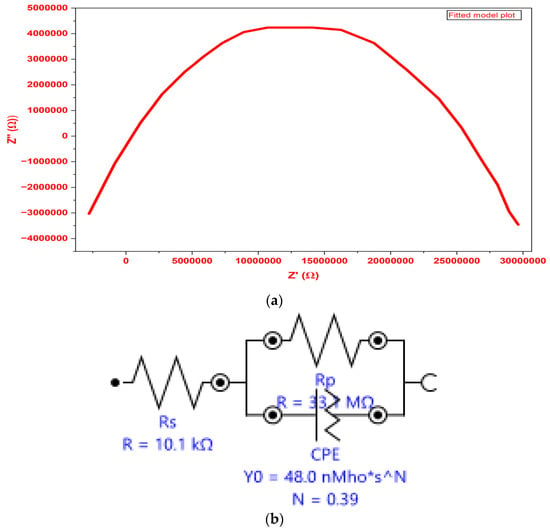
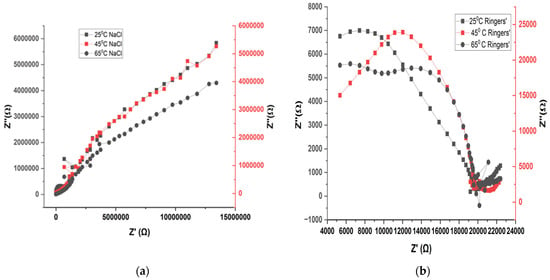
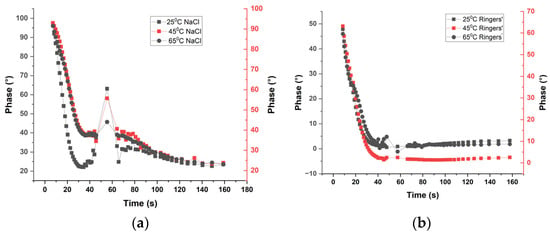
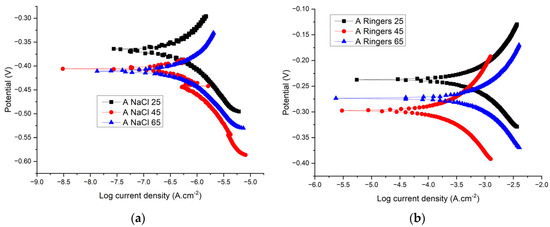
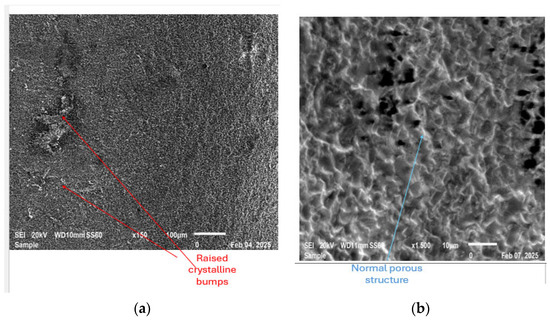
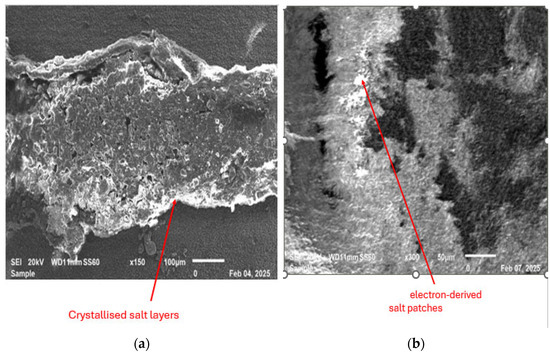
Alumina is a long-used dental and medicinal biomaterial. It is considered one of the best jaw implant materials and has greater antibacterial resistance than titanium (Ti6Al-4V). 3D-printed alumina dental implants were tested in NaCl and Ringer’s solutions for electrochemical corrosion. In six studies, linear polarisation (LPR), electrochemical impedance spectroscopy (EIS), linear sweep voltammetry (LSV), and SEM were used to assess, compare, and elucidate corrosion mechanisms in 3.5% NaCl solution and Ringer’s solution at 25 °C, 45 °C, and 65 °C. At 25–65 °C, alumina in NaCl had corrosion rates of 0.000016–0.000013 mm/yr. Polarisation resistance was good even in a chloride-rich environment at high temperatures, showing effective corrosion protection. The EIS test indicated that the alumina film’s excellent dielectric and insulating capabilities prevented deterioration of the alumina substrate in a concentrated chloride solution. The SEM showed no deep pits.
Full article
(This article belongs to the Proceedings of The 4th International Conference on Applied Research and Engineering)
►▼
Show Figures

Figure 1
Open AccessProceeding Paper
Raman Imaging Study of Powder Metallurgy-Processed Ti–6Al–4V/ZrO2 Composite
by
Lerato Semetse, Moshawe Madito and Peter Olubambi
Mater. Proc. 2026, 31(1), 34; https://doi.org/10.3390/materproc2026031034 - 22 May 2026
Abstract
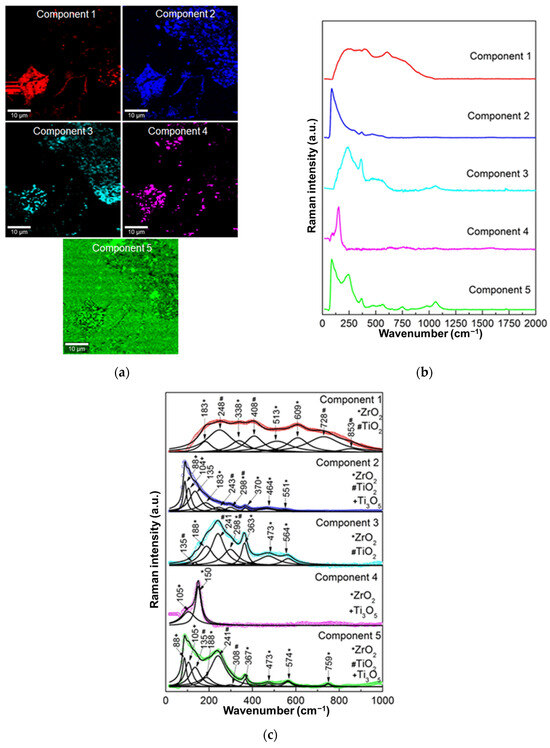
This study investigates the phase composition and vibrational characteristics of a powder metallurgy-processed Ti–6Al–4V alloy reinforced with ZrO2. Raman spectroscopy confirmed that the ZrO2 powder predominantly exhibits a monoclinic structure, while the Ti–6Al–4V alloy contains anatase and rutile TiO2
[...] Read more.
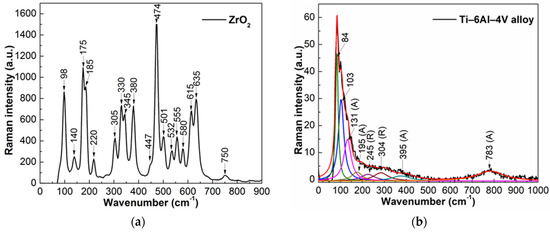
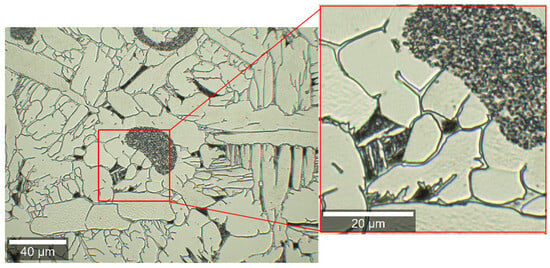
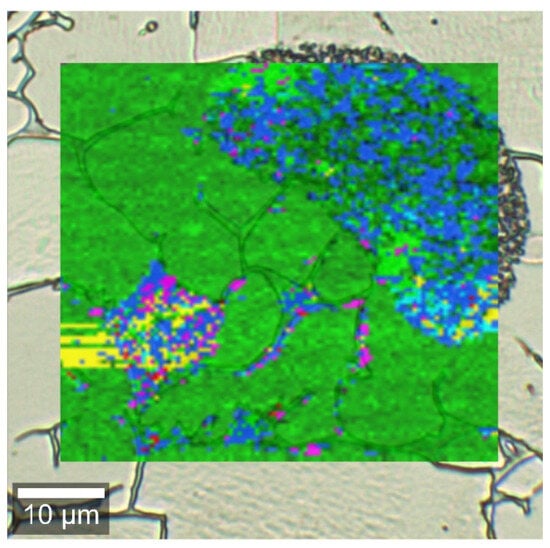
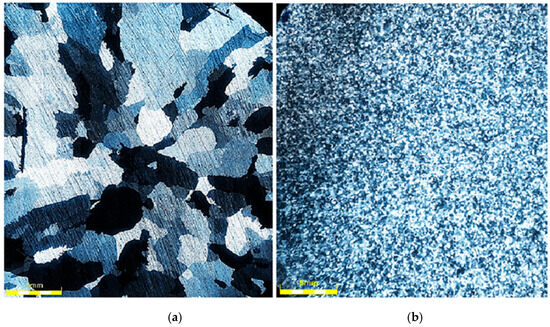
This study investigates the phase composition and vibrational characteristics of a powder metallurgy-processed Ti–6Al–4V alloy reinforced with ZrO2. Raman spectroscopy confirmed that the ZrO2 powder predominantly exhibits a monoclinic structure, while the Ti–6Al–4V alloy contains anatase and rutile TiO2, along with minor Ti3O5 phases. Optical microscopy revealed a well-defined grain structure on the Ti–6Al–4V/ZrO2 composite surface, which was subsequently examined in greater detail using Raman imaging combined with True Component analysis. The spatially resolved Raman maps demonstrated that the visually distinct light and dark grains possess a similar chemical composition, consisting mainly of ZrO2 and TiO2 phases. This represents the first application of Raman imaging to Ti–6Al–4V/ZrO2 composites, offering new insight into the relationship between microstructure and phase distribution in this material system.
Full article
(This article belongs to the Proceedings of The 4th International Conference on Applied Research and Engineering)
►▼
Show Figures

Figure 1
Open AccessProceeding Paper
Injection Mould Design for Biopolymer Composite Flow Analysis
by
Jibrilla Abdulrahman, Williams S. Ebhota and Pavel Y. Tabakov
Mater. Proc. 2026, 31(1), 33; https://doi.org/10.3390/materproc2026031033 - 15 May 2026
Abstract
Ensuring that the mould design is compatible with the properties of biopolymers can be challenging, as biopolymers often exhibit different flow characteristics compared to traditional plastics. Selecting appropriate injection pressure and production temperature is essential to prevent common defects such as short shot
[...] Read more.
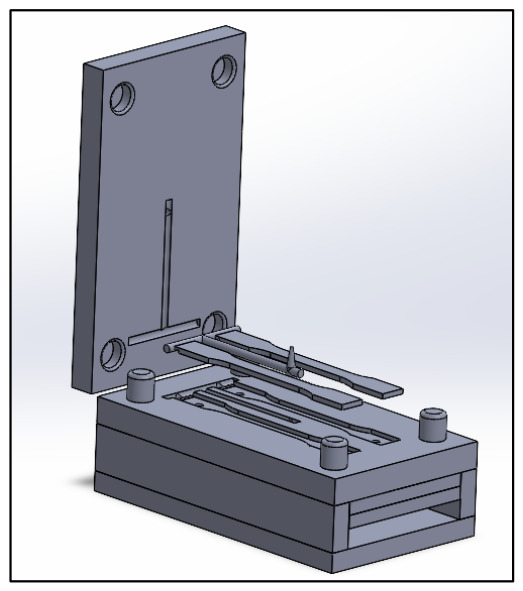
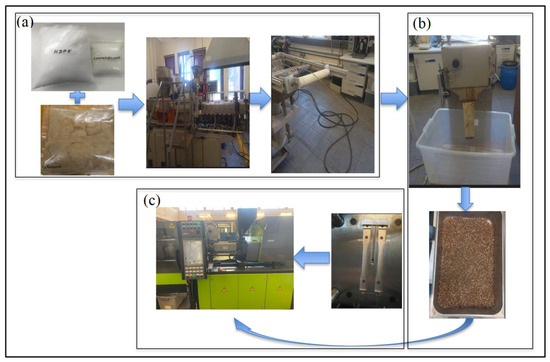
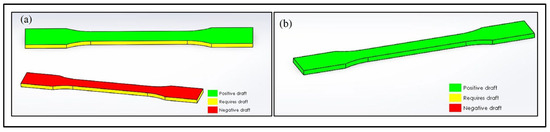
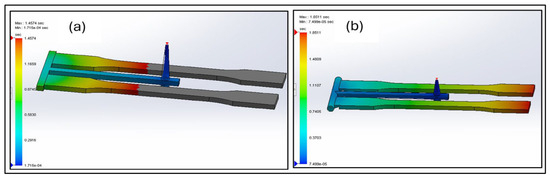
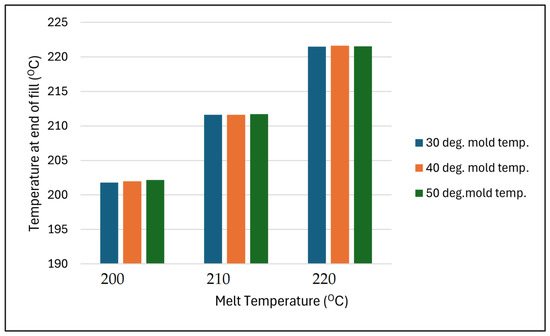
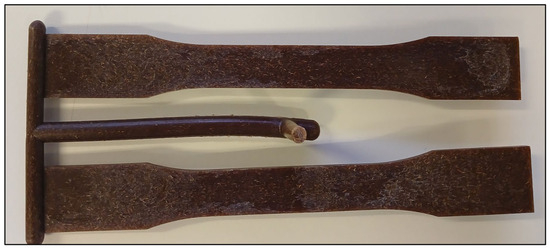
Ensuring that the mould design is compatible with the properties of biopolymers can be challenging, as biopolymers often exhibit different flow characteristics compared to traditional plastics. Selecting appropriate injection pressure and production temperature is essential to prevent common defects such as short shot or fibre degradation. Fundamental design elements such as mould material, number of cavities, and cavity layout are frequently overlooked during 3D modelling considerations. This paper presents an approach to the design and injection mould simulation for biopolymer composite processing, using a fixed volume fraction of 70:30 of high-density polyethylene and banana fibre as reinforcement. The study employs SolidWorks software 2024 for both the 3D mould design of the test specimens and the simulation of plastic injection performance. Simulation results show an injection pressure of 75 MPa and a melt temperature of 200 °C, demonstrating complete cavity filling when using a round runner and gate design. This approach enables manufacturers to optimize the injection moulding process, reduce material waste, and ensure the consistent production of high-quality biopolymer composite parts, ultimately improving both efficiency and cost-effectiveness in manufacturing.
Full article
(This article belongs to the Proceedings of The 4th International Conference on Applied Research and Engineering)
►▼
Show Figures

Figure 1
Open AccessProceeding Paper
Carbon-Nanotubes- and Porous Organic Polymers-Based Porous Fluids for CO2 Capture
by
Elena Rusanova, Dmitrii Gribanev, Hassan Alqahtani, Khalid Alruwaili and Vera Solovyeva
Mater. Proc. 2025, 26(1), 22; https://doi.org/10.3390/materproc2025026022 - 15 May 2026
Abstract
Emissions of carbon dioxide are considered to be the major factors leading to climate change. Current technologies for CO2 capture include chemical and physical absorption, membrane separation, and cryogenic distillation. Solid adsorbents are highly effective, and emerging porous liquids—solid adsorbents dispersed in
[...] Read more.
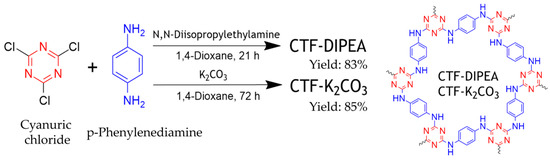
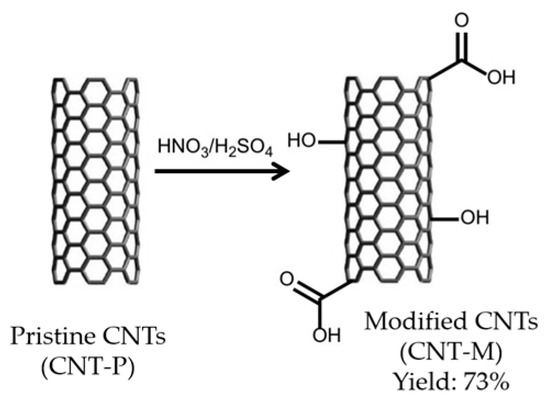
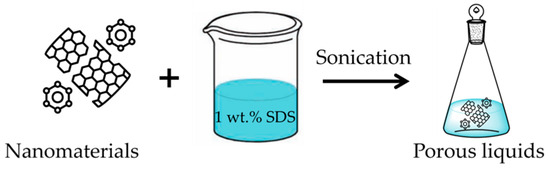
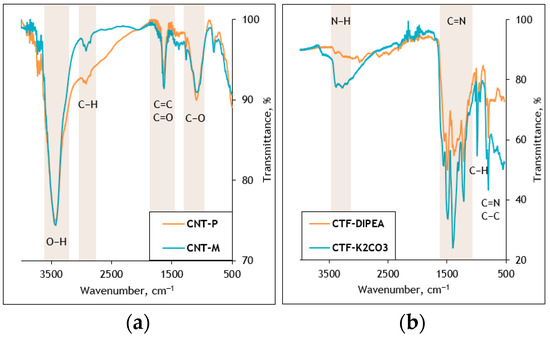
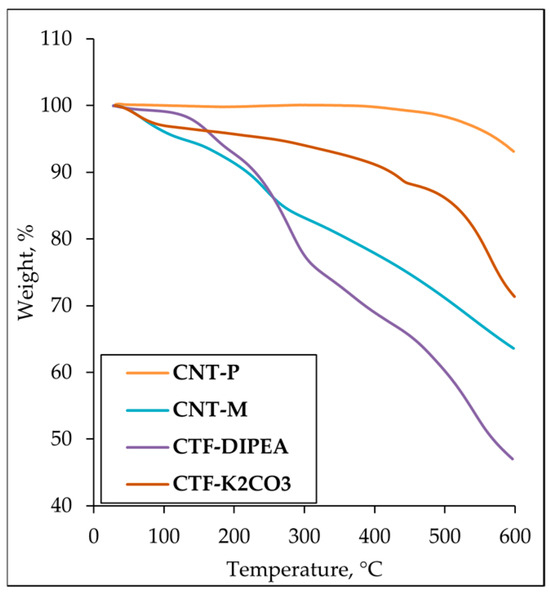
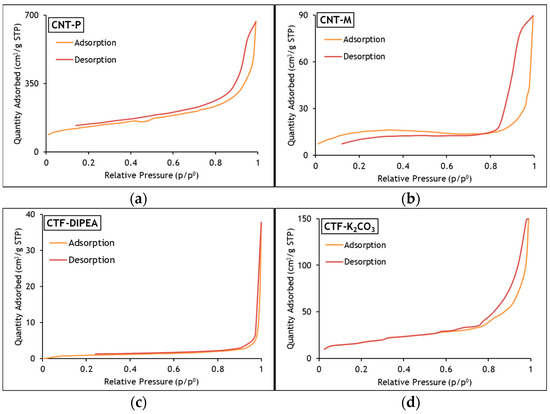
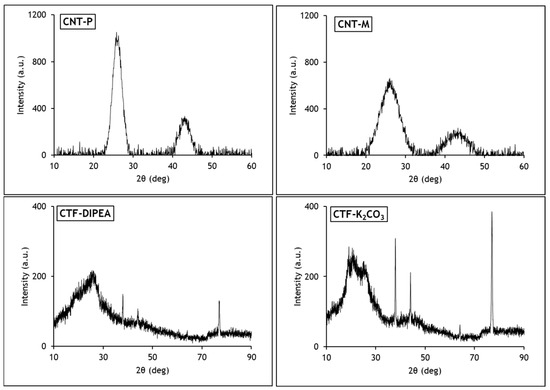
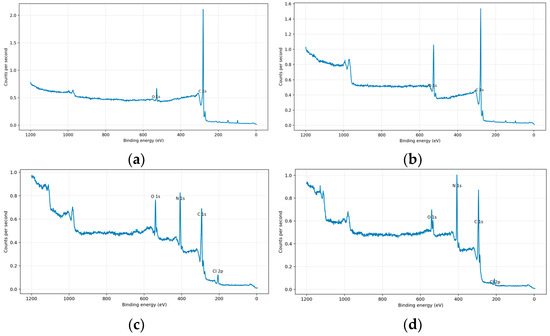
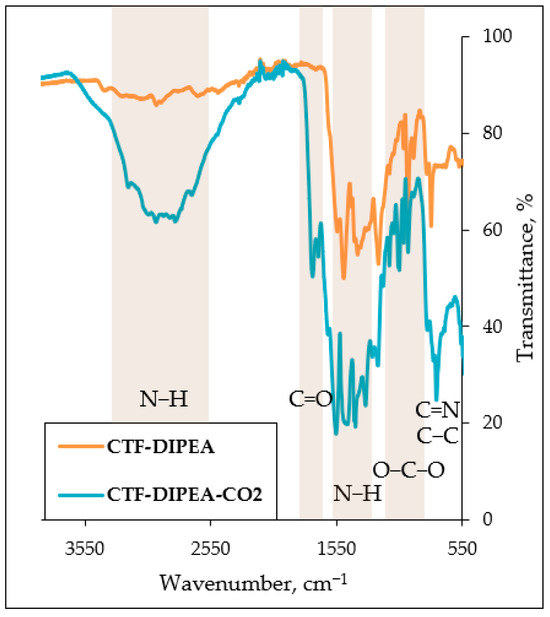
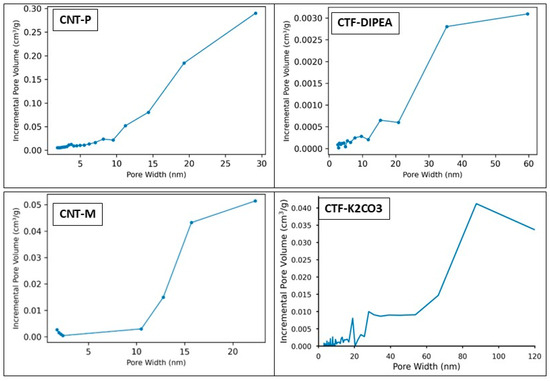
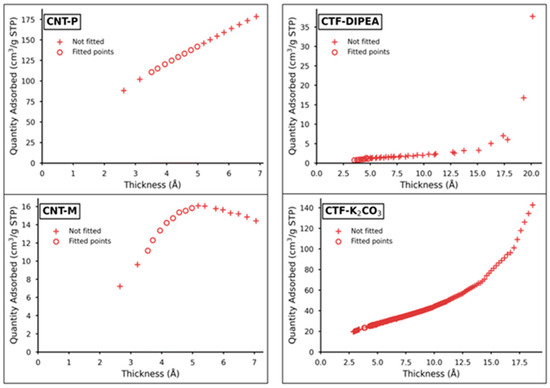
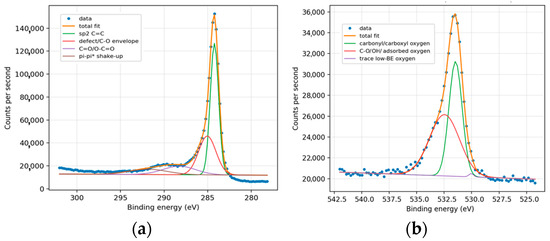
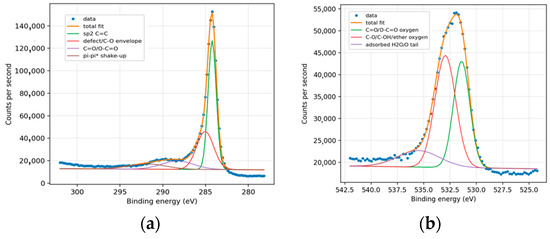
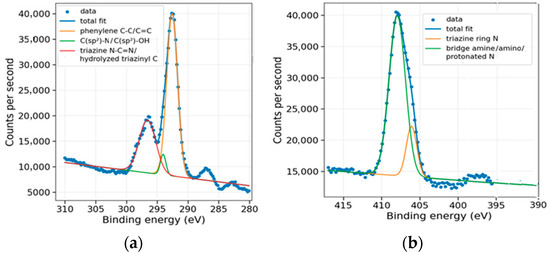
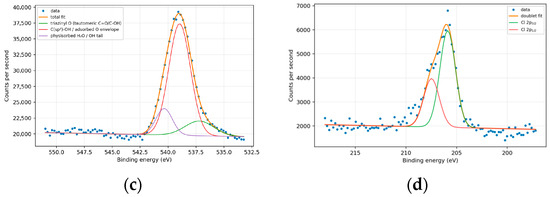
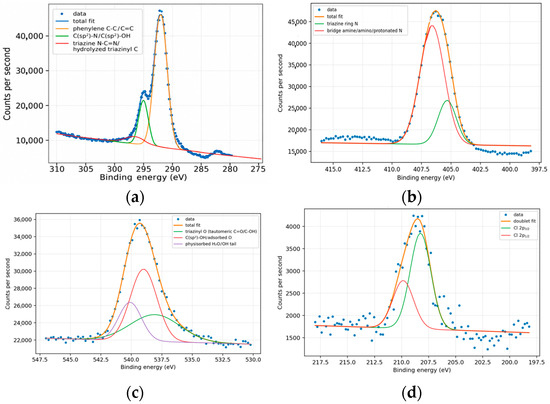
Emissions of carbon dioxide are considered to be the major factors leading to climate change. Current technologies for CO2 capture include chemical and physical absorption, membrane separation, and cryogenic distillation. Solid adsorbents are highly effective, and emerging porous liquids—solid adsorbents dispersed in a compatible liquid—represent a promising alternative for CO2 capture. In this study, commercial and synthetic porous carbon nanomaterials were dispersed in a 1 wt.% aqueous solution of sodium dodecyl sulfate and compared on the efficiency of CO2 uptake. The experimental results confirmed that CO2 uptake is enhanced in porous liquids employing surface-modified carbon nanotubes (69 mmol/L) and covalent triazine frameworks, with triazine-based nanomaterials exhibiting superior CO2 uptake performance (76 and 82 mmol/L) due to their increased polar group number.
Full article
(This article belongs to the Proceedings of The 4th International Online Conference on Materials)
►▼
Show Figures

Figure 1
Open AccessProceeding Paper
The Impact of Biogas Systems on Reducing Urban Building Carbon Footprints
by
Aphiwe Ngoqo Geqeza, Mariam Iyabo Adeoba, Harry Ngwangwa and Pandelani Thanyani
Mater. Proc. 2026, 31(1), 32; https://doi.org/10.3390/materproc2026031032 - 14 May 2026
Abstract
Urban buildings significantly contribute to global carbon emissions, with urbanization increasing energy demand and reliance on fossil fuels, leading to environmental damage. This study investigates the role of biogas in reducing urban carbon footprints through a thematic literature review of 526 publications from
[...] Read more.
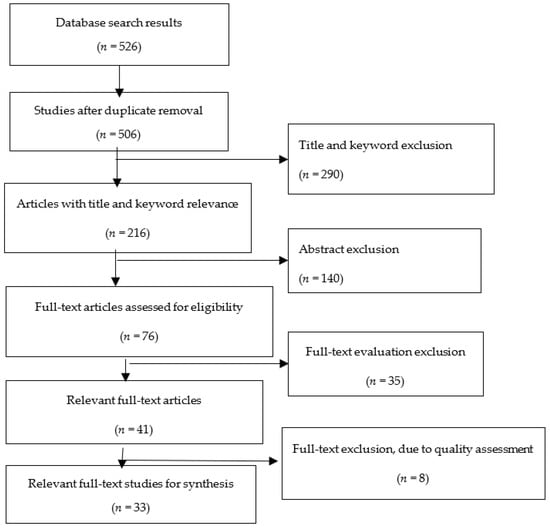
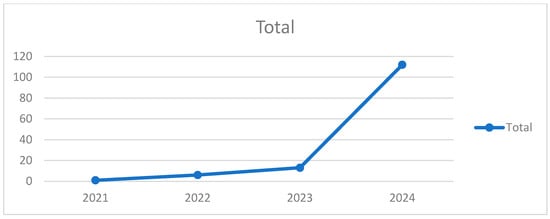
Urban buildings significantly contribute to global carbon emissions, with urbanization increasing energy demand and reliance on fossil fuels, leading to environmental damage. This study investigates the role of biogas in reducing urban carbon footprints through a thematic literature review of 526 publications from 2004 to 2024, refined to 33 relevant studies focusing on biogas, carbon emissions, and urban infrastructure. The research concludes that biogas systems present a clean, renewable energy alternative that enhances waste management and energy efficiency within urban settings. Despite facing economic, logistical, and social challenges, integrating biogas could provide substantial environmental benefits and is vital for meeting climate targets and transforming urban energy systems.
Full article
(This article belongs to the Proceedings of The 4th International Conference on Applied Research and Engineering)
►▼
Show Figures

Figure 1
Open AccessProceeding Paper
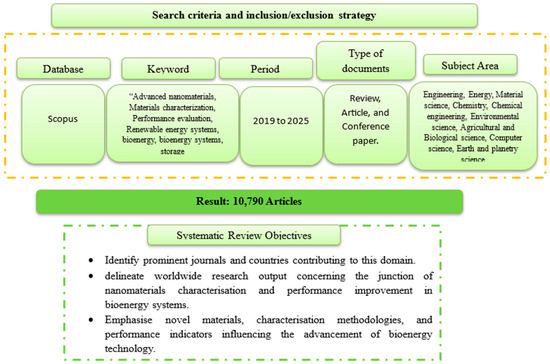
Perspective of Materials Characterisation and Performance Evaluation of Advanced Nanomaterials for Bioenergy Systems: A Systematic Review
by
Mariam I. Adeoba, Harry Ngwangwa, Tracy Masebe and Thanyani Pandelani
Mater. Proc. 2026, 31(1), 26; https://doi.org/10.3390/materproc2026031026 - 12 May 2026
Abstract
Advanced nanomaterials are becoming increasingly critical for improving the efficiency, durability, and sustainability of bioenergy systems, with applications spanning biomass conversion, catalysis, and bioelectrochemical energy generation. This systematic bibliometric and thematic review analyses Scopus-indexed literature from 2020 to 2025 to elucidate global research
[...] Read more.
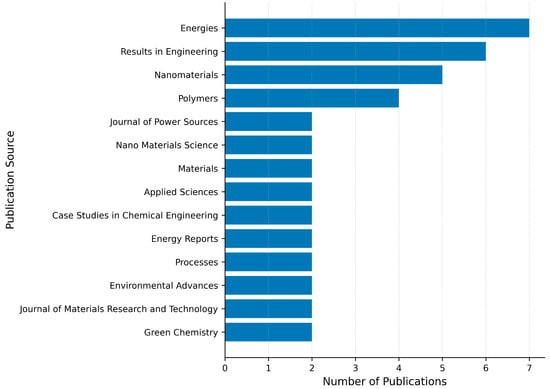
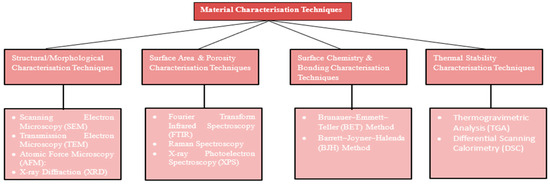
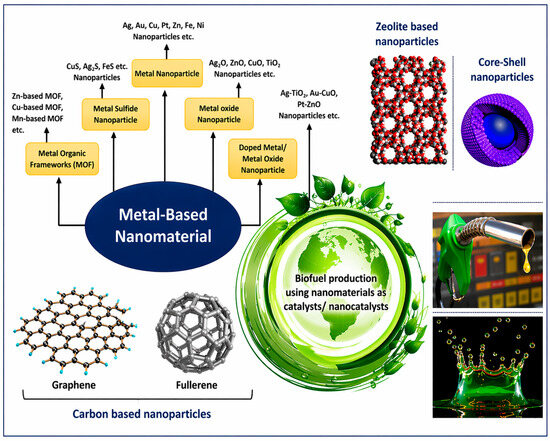
Advanced nanomaterials are becoming increasingly critical for improving the efficiency, durability, and sustainability of bioenergy systems, with applications spanning biomass conversion, catalysis, and bioelectrochemical energy generation. This systematic bibliometric and thematic review analyses Scopus-indexed literature from 2020 to 2025 to elucidate global research trends in nanomaterial characterisation and performance evaluation for bioenergy applications. Bibliometric mapping using VOSviewer version 1.6.18 reveals a rapidly growing research landscape structured around three dominant themes: nanocatalysts for biodiesel and bioethanol production, nanostructured enhancements in bioelectrochemical and anaerobic digestion systems, and surface-engineered materials for energy conversion and storage. The review highlights the pivotal role of structural and morphological characterisation techniques including SEM, TEM, AFM, and XRD in establishing structure–property–performance relationships that underpin catalytic activity, electron transfer efficiency, and system stability. Beyond short-term catalytic and electrochemical metrics, increasing attention is given to mechanical stability, durability, and long-term operational reliability, which are shown to be critical determinants of scalability. Emerging strategies such as additive manufacturing and hybrid material systems enable the integration of nanomaterials into architected, mechanically robust structures, mitigating degradation and enhancing sustained performance. A concise conceptual framework is presented to link nanomaterial classes, characterisation challenges, targeted bioenergy applications, and scalability constraints. Despite significant progress, gaps remain in standardised characterisation protocols, durability-focused testing, and life-cycle assessment. Addressing these challenges is essential for translating laboratory-scale advances into scalable, sustainable bioenergy technologies.
Full article
(This article belongs to the Proceedings of The 4th International Conference on Applied Research and Engineering)
►▼
Show Figures

Figure 1
Open AccessProceeding Paper
Insulating Properties of Carbonized Palm Kernel Shell-Reinforced Epoxy Matrix Composites at Different Temperatures
by
Hillary O. Ani, Edwin C. Oriaku, Chigbo A. Mgbemene and Samuel O. Enibe
Mater. Proc. 2026, 31(1), 27; https://doi.org/10.3390/materproc2026031027 - 8 May 2026
Abstract
This study investigated the electrical insulation properties of epoxy matrix composites reinforced with carbonized palm kernel shell (PKS) particles. The raw PKS particles were collected, sun-dried, and further oven-dried at 105 °C for 2 h to eliminate residual moisture. The dried shells were
[...] Read more.
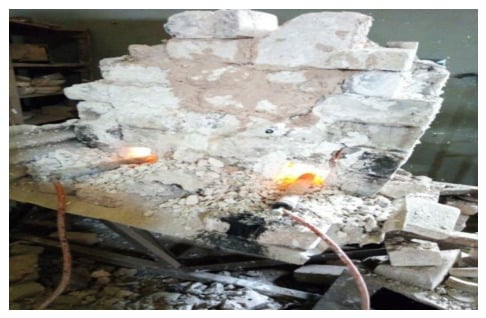
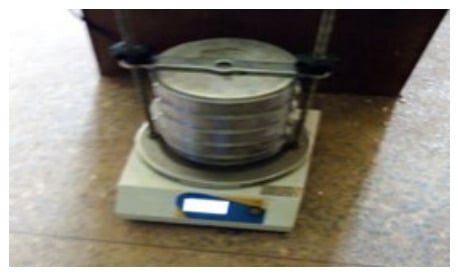
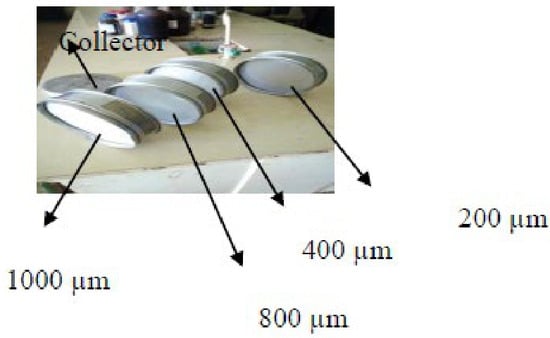
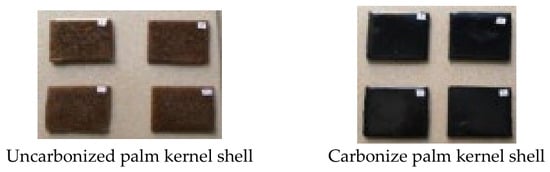
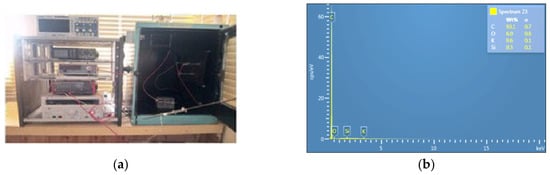
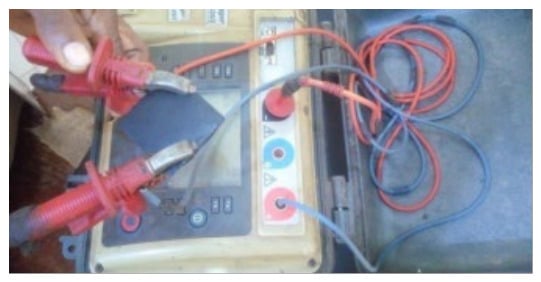
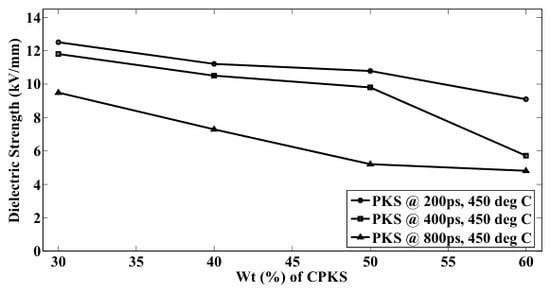
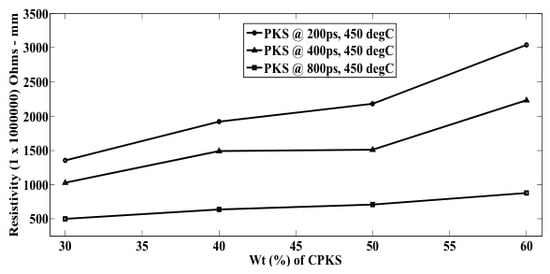
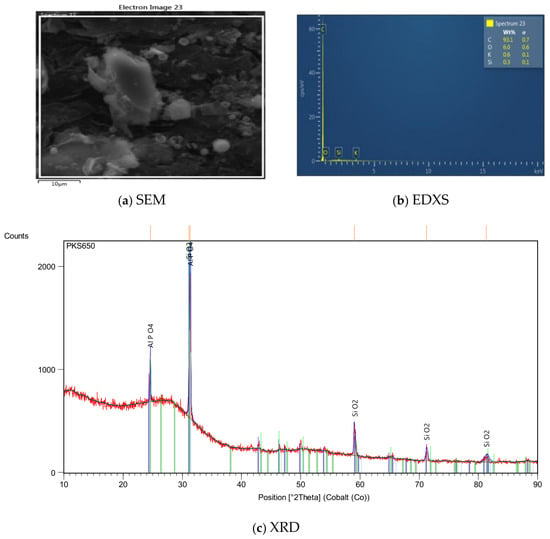
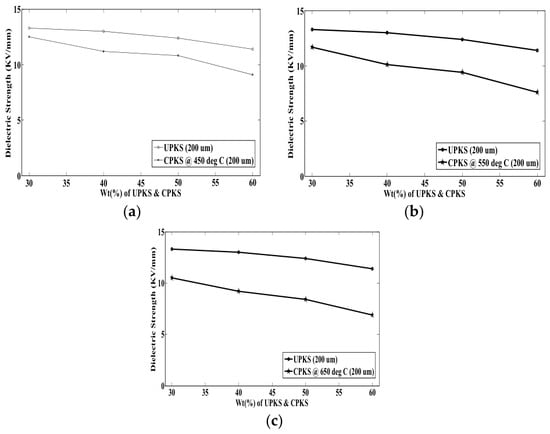
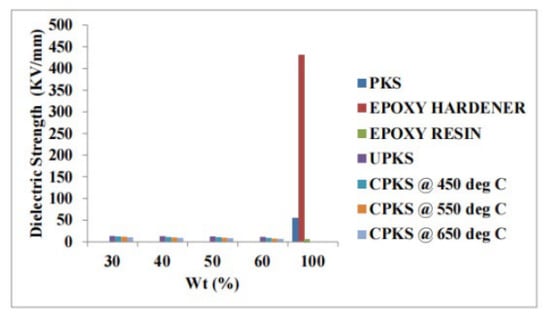
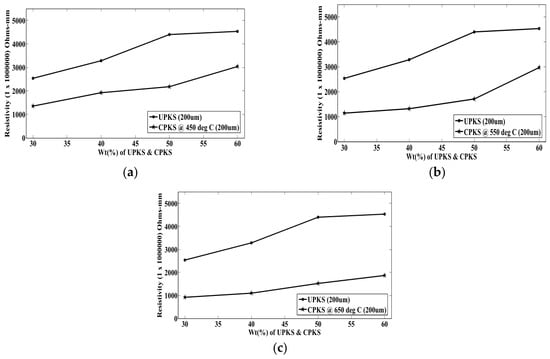
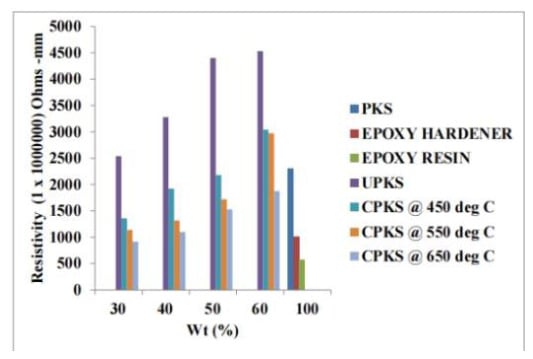
This study investigated the electrical insulation properties of epoxy matrix composites reinforced with carbonized palm kernel shell (PKS) particles. The raw PKS particles were collected, sun-dried, and further oven-dried at 105 °C for 2 h to eliminate residual moisture. The dried shells were then carbonized in an airtight furnace at three different temperatures: 450, 550, and 650 °C. After carbonization, the material was crushed and sieved into particle sizes of 200, 400, and 800 µm using an electromagnetic sieve shaker. Composites were fabricated by incorporating carbonized PKS particles into an epoxy resin matrix at varying weight fractions of 30, 40, 50, and 60 wt%. Electrical insulation performance was evaluated at room temperature and pressure using high-voltage DC test equipment for dielectric strength and a digital insulation tester (MIT 520/2) for resistivity measurements. The results revealed that optimal dielectric strength and resistivity were achieved with smaller particle sizes, lower filler loadings, and at low temperatures. Mineralogical characterization via X-ray diffraction confirmed that there was no radioactive element. Scanning Electron Microscopy revealed porous microstructures within the carbonized particles. Energy-dispersive X-ray spectroscopy indicated that carbon accounted for the highest elemental composition, followed by oxygen. It is concluded that PKS-reinforced epoxy composites exhibit promising electrical insulation properties.
Full article
(This article belongs to the Proceedings of The 4th International Conference on Applied Research and Engineering)
►▼
Show Figures

Figure 1
Open AccessProceeding Paper
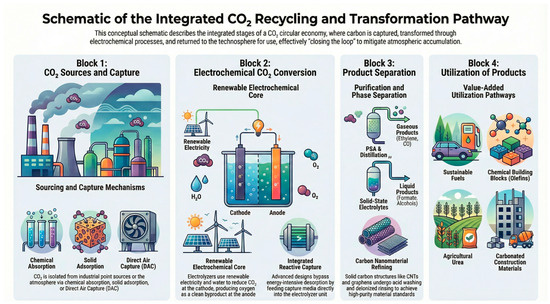
Electrochemical Recycling of CO2: Environmental and Industrial Significance
by
Bekzod Eshkulov and Ruzimurod Jurayev
Mater. Proc. 2026, 31(1), 25; https://doi.org/10.3390/materproc2026031025 - 5 May 2026
Abstract
One promising strategy for reducing greenhouse gas emissions while creating useful chemicals and fuels is the electrochemical recycling of CO2. Recent developments in electrochemical CO2 reduction (ECR) technologies are examined in this work, with a focus on their industrial and
[...] Read more.
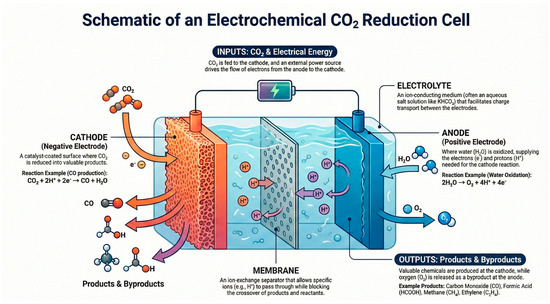
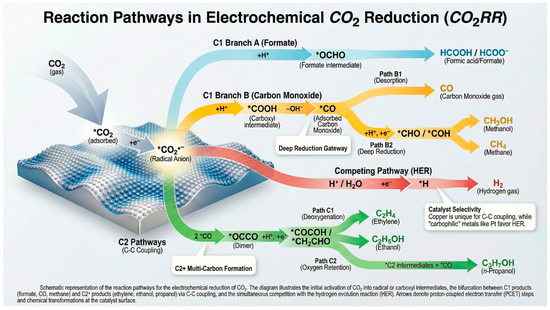
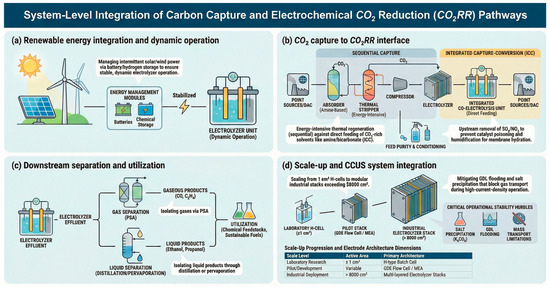
One promising strategy for reducing greenhouse gas emissions while creating useful chemicals and fuels is the electrochemical recycling of CO2. Recent developments in electrochemical CO2 reduction (ECR) technologies are examined in this work, with a focus on their industrial and environmental importance. CO2 can be converted into methanol, formic acid, and other commercial chemicals using electrochemical pathways, such as electrocatalytic and bioelectrochemical techniques. According to life-cycle studies, ECR provides a sustainable substitute for processes that rely on fossil fuels and can considerably lower the potential for global warming when driven by renewable electricity. Furthermore, solar-powered electrochemical pathways improve energy efficiency by combining the use of CO2 with renewable energy sources. Notwithstanding these advantages, industrial scaling is still difficult since stable electrolyzers, effective electrocatalysts, and economical system designs are required. Electrochemical CO2 recycling is now closer to commercial feasibility thanks to recent advancements in catalyst engineering, electrode architecture, and process optimization that have increased conversion efficiency and product selectivity. The potential of electrochemical CO2 recycling as a crucial technology for accomplishing carbon neutrality and circular economy goals in the chemical sector is highlighted in CO2 reduction analysis.
Full article
(This article belongs to the Proceedings of The 4th International Conference on Applied Research and Engineering)
►▼
Show Figures

Figure 1
Open AccessProceeding Paper
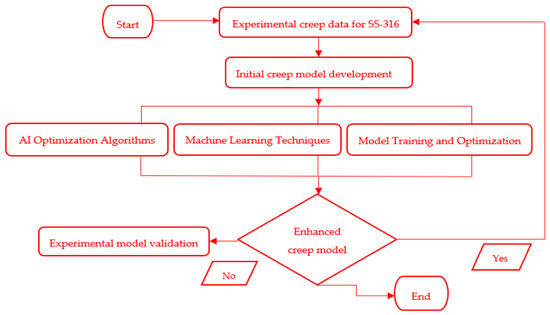
Enhancing Predictive Accuracy of Novel Creep Model for Stainless Steel 316 Using AI-Driven Optimization and Machine Learning Methods
by
Mohsin Sattar and Jan Hosek
Mater. Proc. 2025, 26(1), 21; https://doi.org/10.3390/materproc2025026021 (registering DOI) - 5 May 2026
Abstract
The accurate prediction of creep deformation is essential for the reliable use of stainless steel 316 in high-temperature applications. Conventional creep models employ fixed material parameters and often fail to capture the evolving deformation mechanisms that are active during long-term service. In this
[...] Read more.
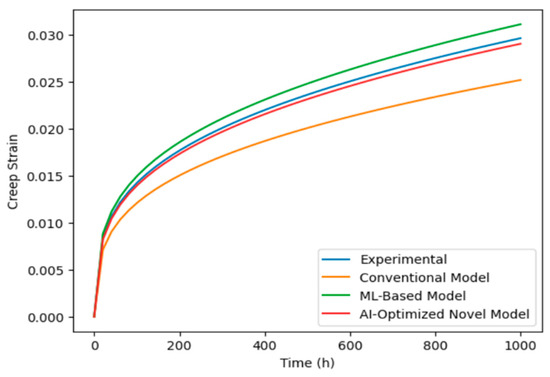
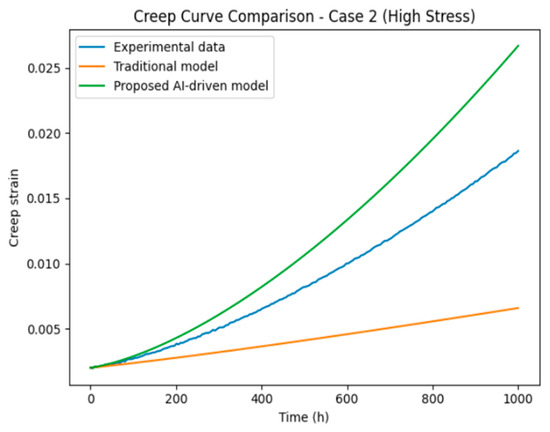
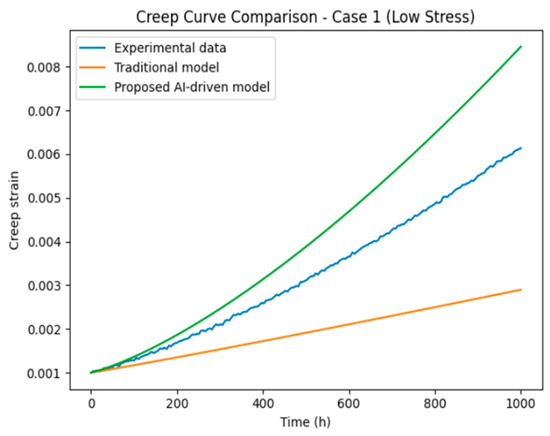
The accurate prediction of creep deformation is essential for the reliable use of stainless steel 316 in high-temperature applications. Conventional creep models employ fixed material parameters and often fail to capture the evolving deformation mechanisms that are active during long-term service. In this work, a novel physics-guided creep model is proposed, incorporating adaptive stress sensitivity and dynamic activation energy terms optimized using machine learning techniques. The model is calibrated using extensive experimental creep data and compared with classical analytical models and purely data-driven approaches. The results show that the proposed hybrid framework significantly improves predictive accuracy across all creep stages while retaining physical interpretability.
Full article
(This article belongs to the Proceedings of The 4th International Online Conference on Materials)
►▼
Show Figures

Figure 1
Open AccessProceeding Paper
Luminescence Decay Dynamics of a Down-Shifting Material
by
Emeka Harrison Onah, N. L. Lethole and P. Mukumba
Mater. Proc. 2026, 31(1), 24; https://doi.org/10.3390/materproc2026031024 - 29 Apr 2026
Abstract
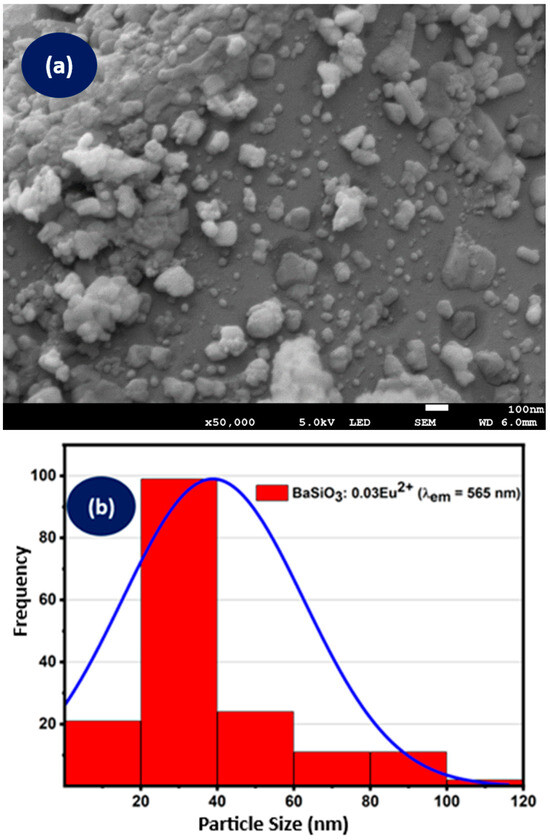
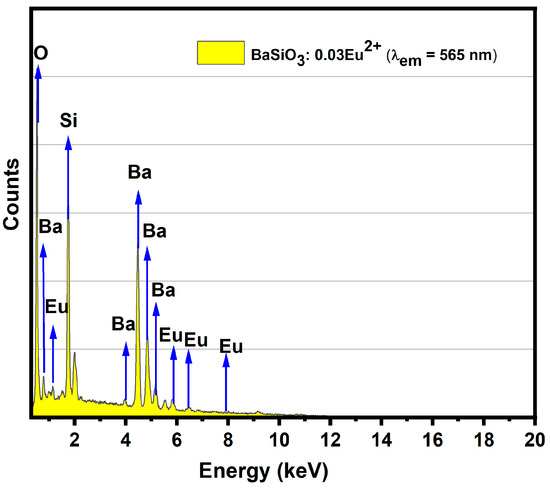
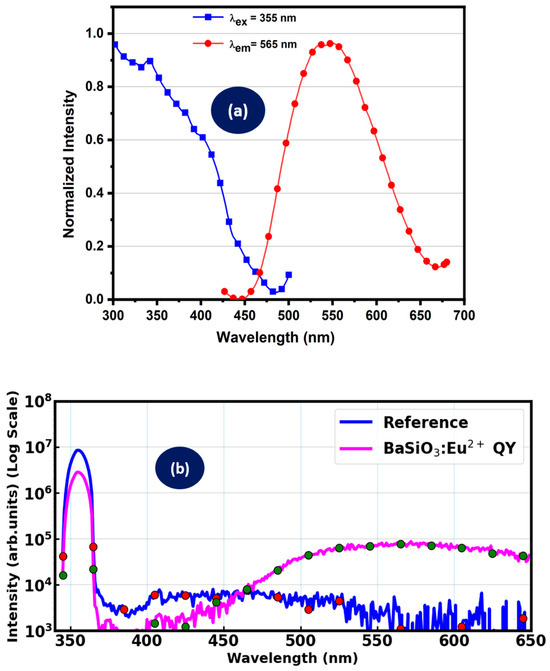
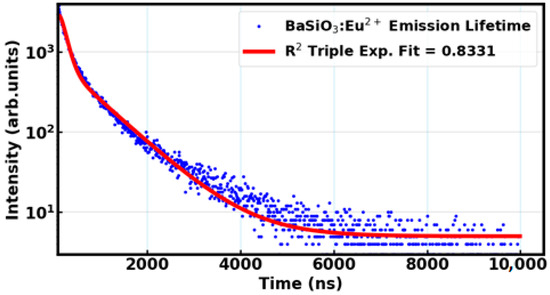
This study demonstrated luminescence decay dynamics of BaSiO3:Eu2+, elucidating its potential as a spectral converting down-shifting material for improving the performance of dye-sensitized solar cells (DSSCs). Time-resolved photoluminescent (TRPL) measurements under excitation pulses of a picosecond pulsed light-emitting diode
[...] Read more.
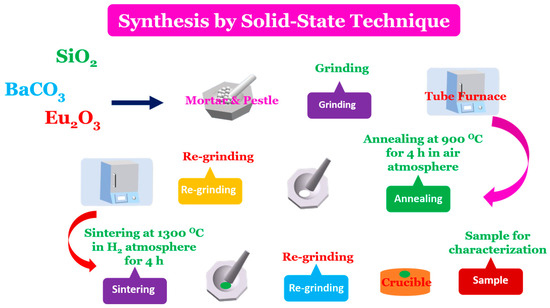
This study demonstrated luminescence decay dynamics of BaSiO3:Eu2+, elucidating its potential as a spectral converting down-shifting material for improving the performance of dye-sensitized solar cells (DSSCs). Time-resolved photoluminescent (TRPL) measurements under excitation pulses of a picosecond pulsed light-emitting diode (EPLED) revealed complex decay dynamics described by a triple-exponential model. Average lifetime was in nanoseconds, which facilitated rapid emission of down-shifted photons, essential to mitigating reabsorption losses. The presence of a fast decay channel is crucial to minimizing photon reabsorption and maximizing the flux of visible photons transferred to the dye molecules of DSSCs to enhance photocurrent generation.
Full article
(This article belongs to the Proceedings of The 4th International Conference on Applied Research and Engineering)
►▼
Show Figures

Figure 1
Open AccessProceeding Paper
Uniaxial Tensile Testing of the Native Porcine Pericardium
by
Edward Matjeka, Alex G. Kuchumov, Harry M. Ngwangwa, Thanyani Pandelani and Fulufhelo Nemavhola
Mater. Proc. 2026, 31(1), 23; https://doi.org/10.3390/materproc2026031023 - 28 Apr 2026
Abstract
Death rates related to heart failure amount to approximately 50% of deaths globally, and one of the leading causes of heart failure is aortic valve failure, which is treated using prosthetic aortic valves. Porcine pericardium is amongst the materials used to develop a
[...] Read more.
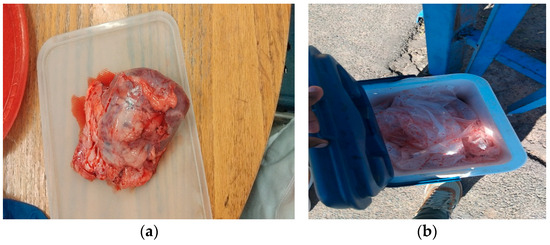
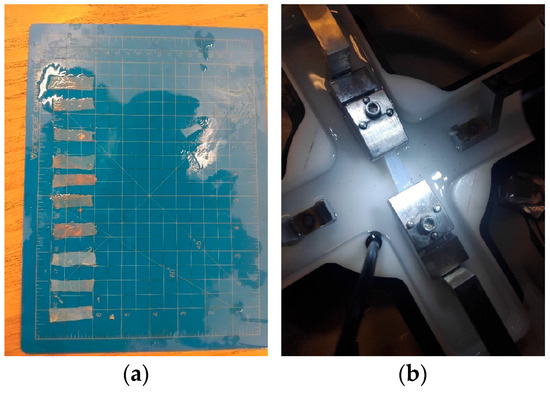
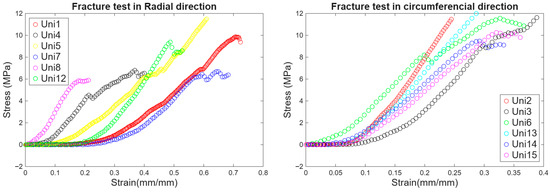
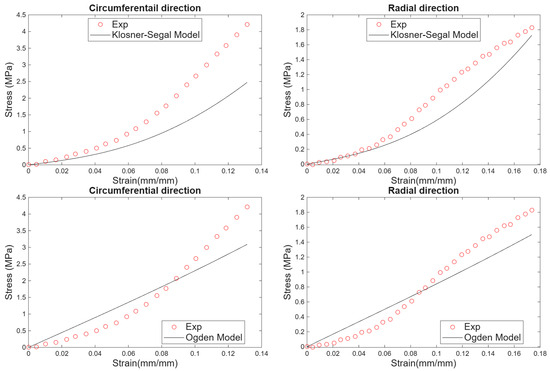
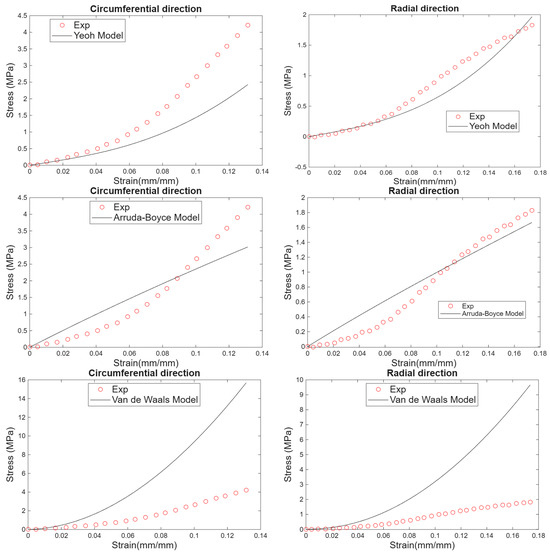
Death rates related to heart failure amount to approximately 50% of deaths globally, and one of the leading causes of heart failure is aortic valve failure, which is treated using prosthetic aortic valves. Porcine pericardium is amongst the materials used to develop a potentially ideal bioprosthetic aortic valve. The mechanical properties of native porcine pericardium are necessary for enhancing a prosthetic aortic valve. The aim of this study was to determine the mechanical properties of porcine pericardium and find optimized material parameters for finite element analysis using five isotropic models. Uniaxial rupture tests were performed using Cellscale biotester to measure the force at rupture, stiffness, and deformation at rupture. Tests were done in circumferential and radial directions, and one-way Anova was used to evaluate different behaviors in both directions. The average coefficient of determination was used to find the model that performed better.
Full article
(This article belongs to the Proceedings of The 4th International Conference on Applied Research and Engineering)
►▼
Show Figures

Figure 1
Open AccessProceeding Paper
Comparison of Grain Refinement Efficiency on Pure Commercial Aluminum Using Al-Ti-B Master Alloy Sourced from Six Different Suppliers Around the World
by
Mbavhalelo Maumela, Maje Phasha, Joseph Moema and Thokozani Buthelezi
Mater. Proc. 2026, 31(1), 22; https://doi.org/10.3390/materproc2026031022 - 27 Apr 2026
Abstract
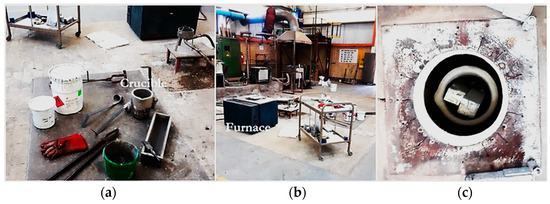
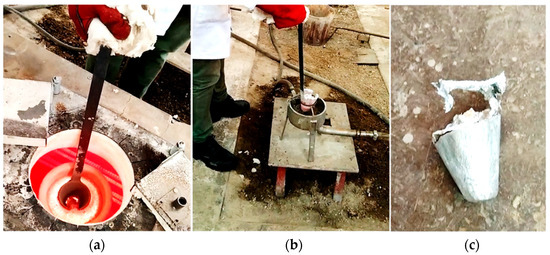
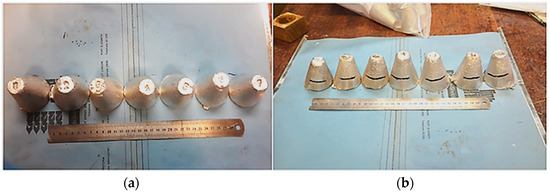
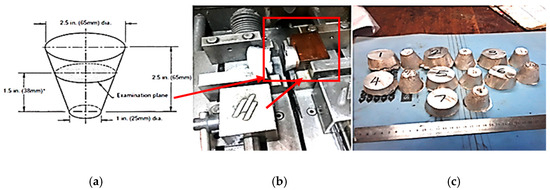
Foundry produces casting products with desired properties suitable for engineering applications. The grain refiners came in handy to improve the melt casting process to achieve these desired properties. Aluminum alloy casting mostly uses Al-Ti-B grain refiners that are commercially available. The study examined
[...] Read more.
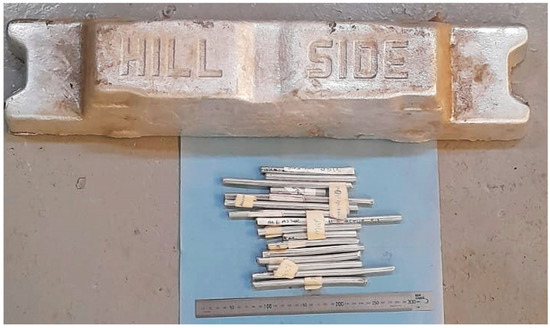
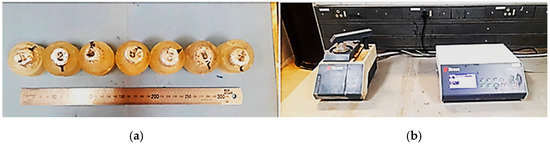
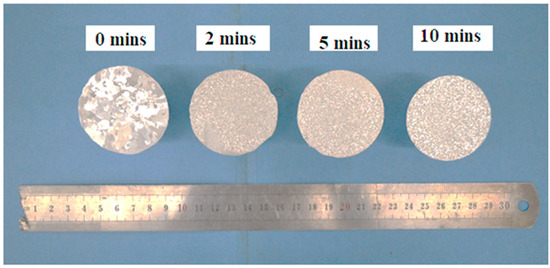
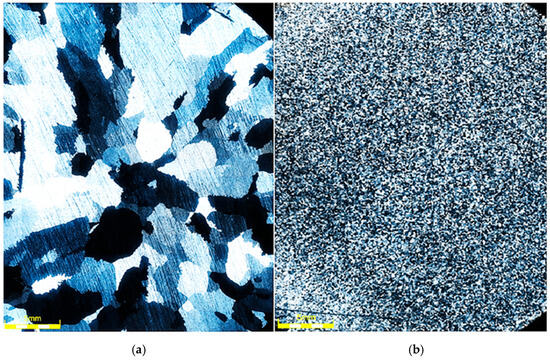
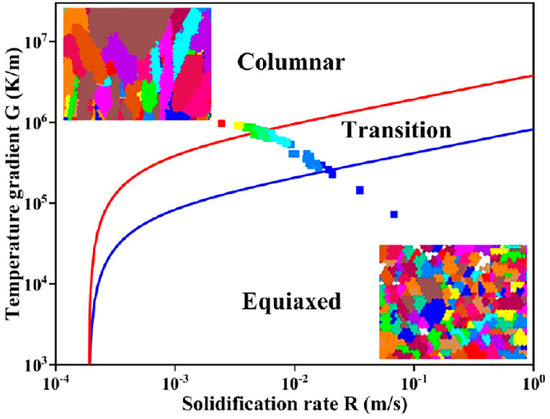
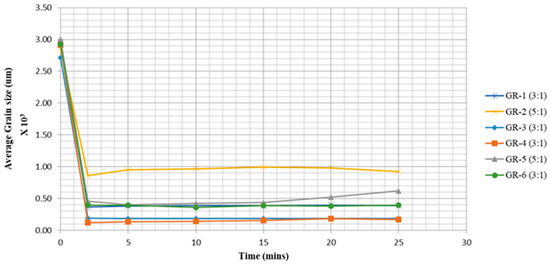
Foundry produces casting products with desired properties suitable for engineering applications. The grain refiners came in handy to improve the melt casting process to achieve these desired properties. Aluminum alloy casting mostly uses Al-Ti-B grain refiners that are commercially available. The study examined the efficiency of Al-Ti-B grain refiners that were sourced from six different commercial suppliers across the globe. This work serves as quality control of sourced commercial grain refiners. It was found that type GR-4 (3:1) refined cast structures more efficiently than all other five tested Al-Ti-B grain refiners on commercial pure aluminum (CPAl). A holding time of 2 to 10 min proved to be the optimum melt holding time.
Full article
(This article belongs to the Proceedings of The 4th International Conference on Applied Research and Engineering)
►▼
Show Figures

Figure 1
Open AccessProceeding Paper
Thermal Analysis and Machinability Assessment of Aluminium–Biomass Ash Composites in Orthogonal Cutting Processes
by
John-Paul Okechukwu Agu, Camillus Sunday Obayi, Chigbogu Godwin Ozoegwu and Samuel Ogbonna Enibe
Mater. Proc. 2026, 31(1), 31; https://doi.org/10.3390/materproc2026031031 - 23 Apr 2026
Abstract
This study investigates the thermal effects of machining aluminium matrix composites reinforced with rice husk ash (RHA) using orthogonal cutting tools. Utilizing DEFORM 3D simulation software, version V12, key thermal parameters were analysed, including final shear plane temperatures, steady-state tool temperatures, and frictional
[...] Read more.
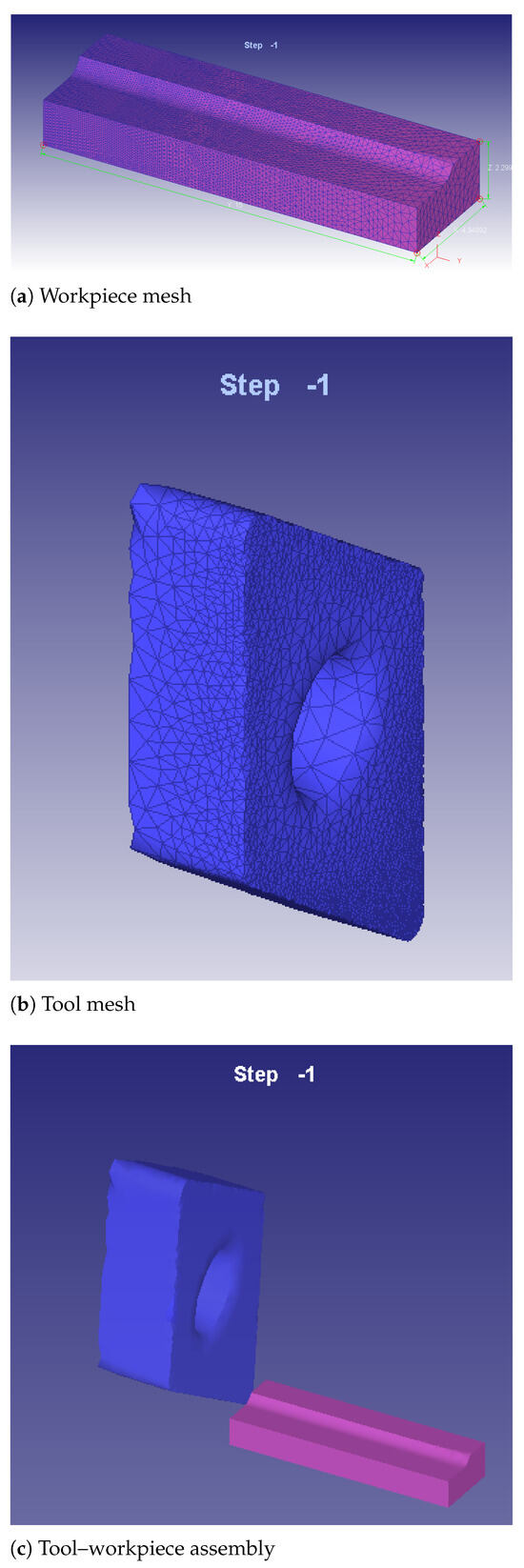
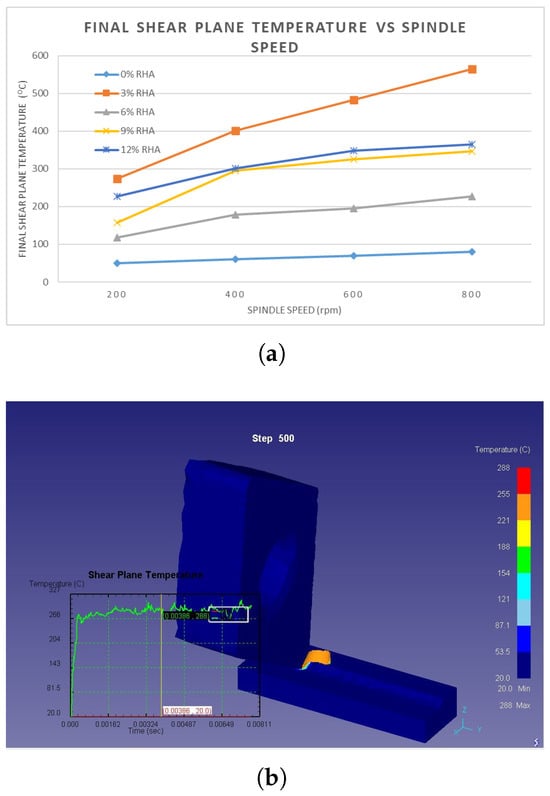
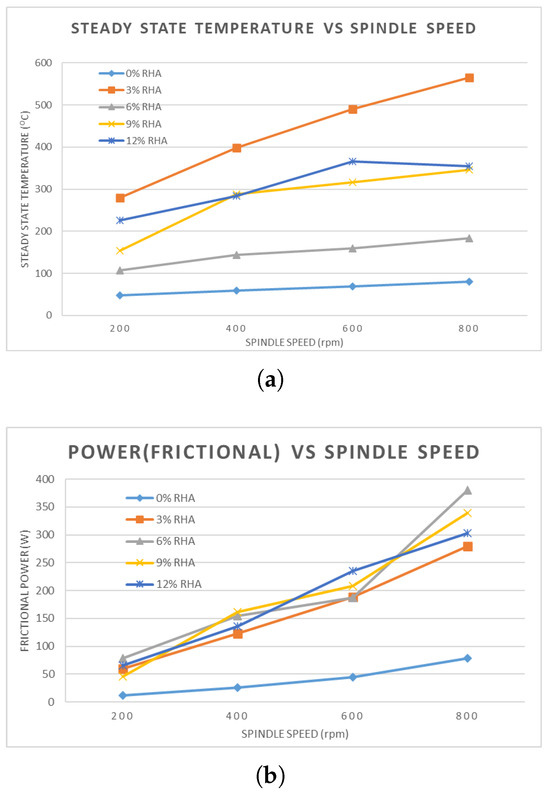
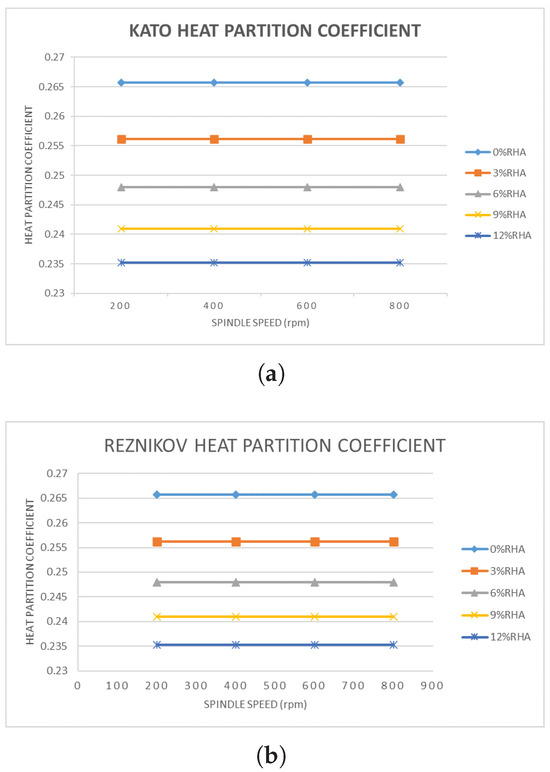
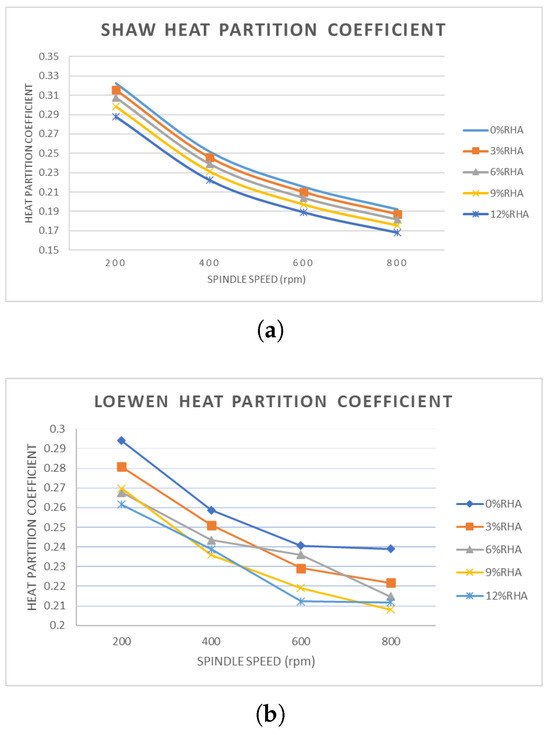
This study investigates the thermal effects of machining aluminium matrix composites reinforced with rice husk ash (RHA) using orthogonal cutting tools. Utilizing DEFORM 3D simulation software, version V12, key thermal parameters were analysed, including final shear plane temperatures, steady-state tool temperatures, and frictional power across varying spindle speeds (200–800 rpm) and RHA contents (0–12 wt.%). The findings reveal significant thermal accumulation, with temperatures ranging from 49.6 °C to 564.8 °C, correlating positively with increased spindle speeds and RHA reinforcement levels. Higher frictional power requirements were observed, indicating increased machining resistance and higher operational costs. Heat partition coefficients, derived from multiple models, highlighted decreasing heat absorption by the cutting tool as the percentage content of RHA increased. These insights emphasise the need for optimised machining parameters, robust thermal management solutions, and appropriate tool materials to mitigate thermal loads and enhance machining performance. The study underscores the balance between the mechanical benefits of RHA reinforcement and the associated thermal challenges, advocating for a comprehensive approach to improve the machinability and sustainability of aluminium–RHA composites in industrial applications.
Full article
(This article belongs to the Proceedings of The 4th International Conference on Applied Research and Engineering)
►▼
Show Figures

Figure 1
Open AccessProceeding Paper
Machine Learning-Driven Optimization of Atomization Characteristics in Fuel Blends Using Nanomaterials: Meta Analysis
by
Luke Ajuka and Christopher Enweremadu
Mater. Proc. 2026, 31(1), 29; https://doi.org/10.3390/materproc2026031029 - 23 Apr 2026
Abstract
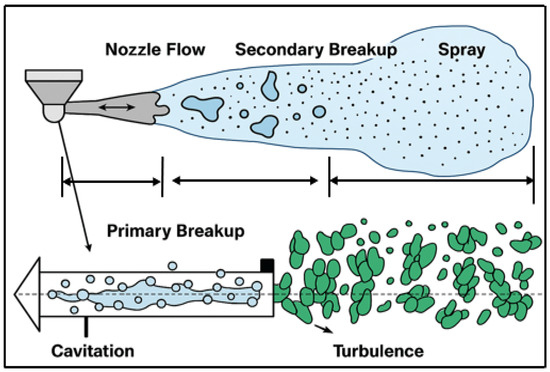
This study explores the integration of nanomaterials and machine learning (ML) in enhancing atomization and combustion behavior of nanofuels. Nanoparticles such as TiO2, Al2O3, and graphene derivatives improve fuel atomization, thermal conductivity, and emission reduction. A systematic
[...] Read more.
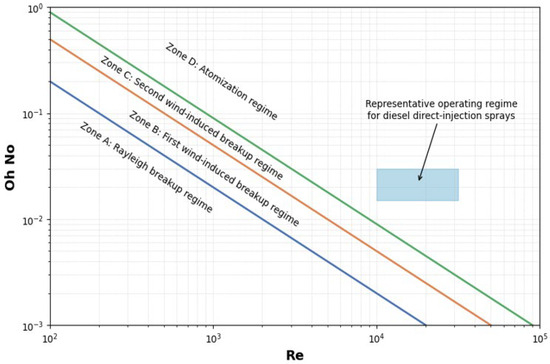
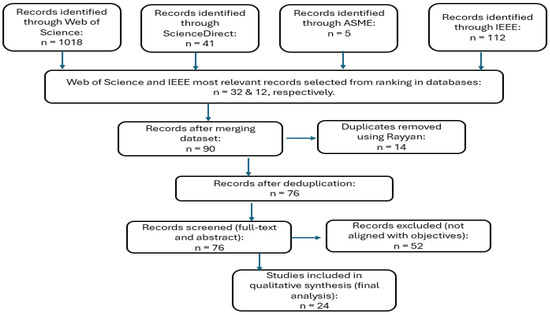
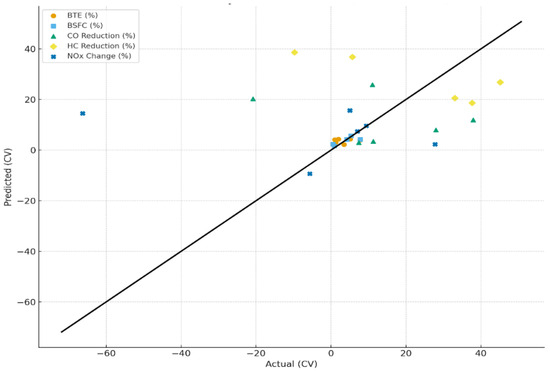
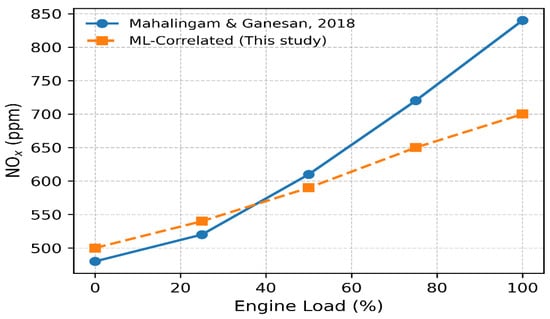
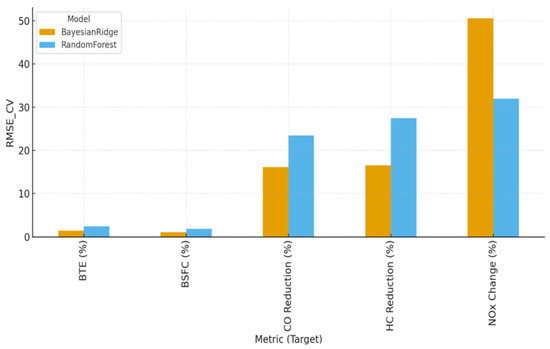
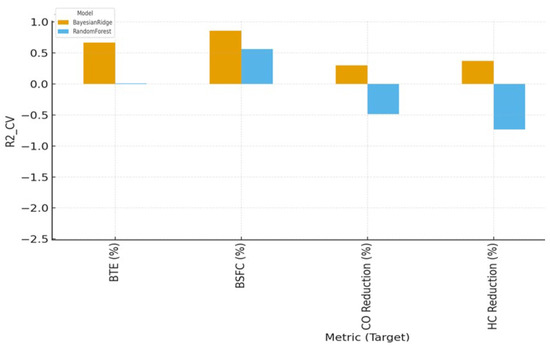
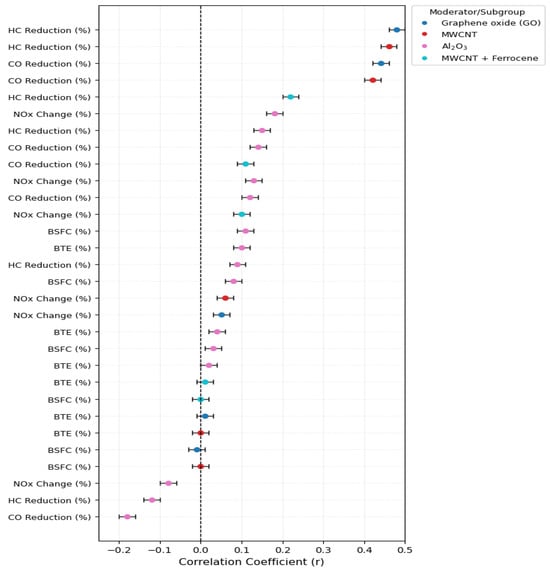
This study explores the integration of nanomaterials and machine learning (ML) in enhancing atomization and combustion behavior of nanofuels. Nanoparticles such as TiO2, Al2O3, and graphene derivatives improve fuel atomization, thermal conductivity, and emission reduction. A systematic review (2021–2025) and meta-analysis reveal short-term gains in brake thermal efficiency (+12.5%) and emission reduction (CO −12%, HC −25%, NOx −19%), though long-term stability remains limited by agglomeration and injector fouling. ML-models, including Bayesian-Ridge and Random-Forest, predict efficiency metrics effectively but underperform for emissions. The findings highlight the need for atomization descriptors and hybrid ML–CFD models for robust predictive combustion design.
Full article
(This article belongs to the Proceedings of The 4th International Conference on Applied Research and Engineering)
►▼
Show Figures

Figure 1
Open AccessProceeding Paper
Corrosion Behavior of Additively Manufactured Al Alloy in Alkaline Media
by
Boikarabelo Matlala, Trecia Ramoetlo, Femi John Akinfolarin, Samson Dare Oguntuyi, Chika Oliver Ujah, Emmanuel Olorundaisi and Peter Apata Olubambi
Mater. Proc. 2026, 31(1), 28; https://doi.org/10.3390/materproc2026031028 - 23 Apr 2026
Abstract
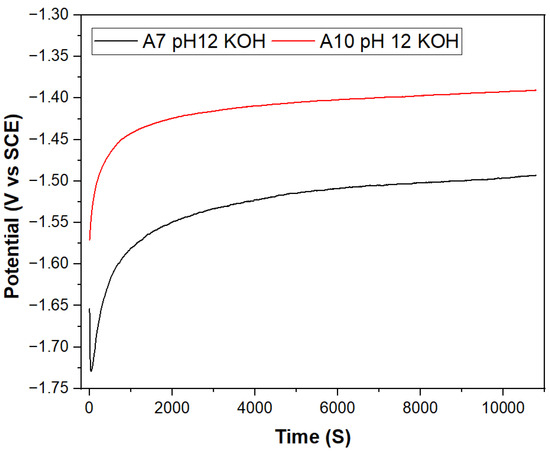
This work explores the response of additively manufactured Al alloys (AlSi10Mg and AlSi7Mg) to a strong alkaline environment (pH 12, 1 M KOH). The corrosion response was monitored through electrochemical techniques such as open-circuit potential (OCP), Electrochemical Impedance Spectroscopy (EIS), potentiodynamic polarization (PDP),
[...] Read more.
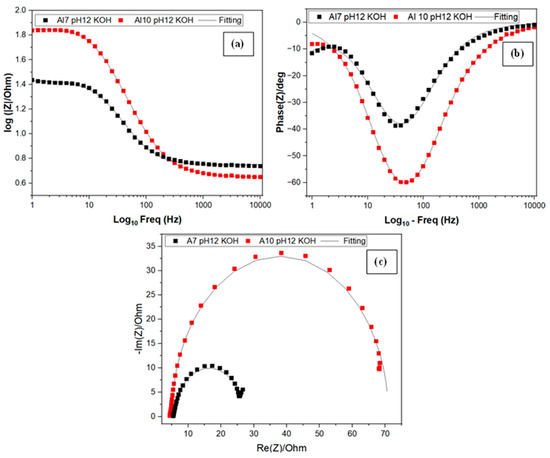
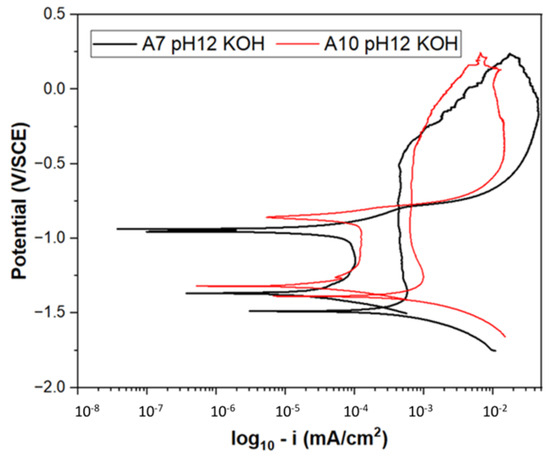
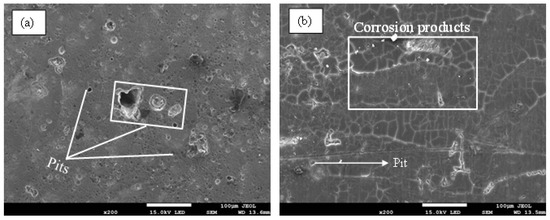
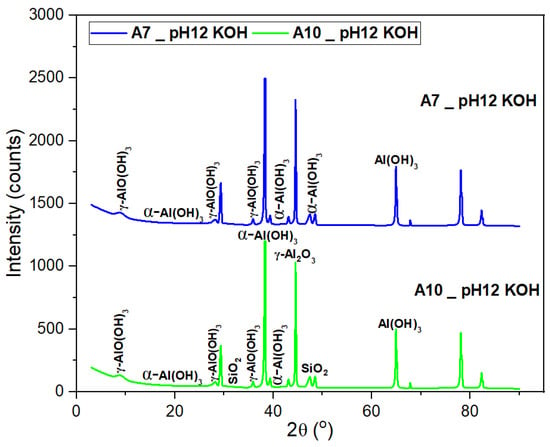
This work explores the response of additively manufactured Al alloys (AlSi10Mg and AlSi7Mg) to a strong alkaline environment (pH 12, 1 M KOH). The corrosion response was monitored through electrochemical techniques such as open-circuit potential (OCP), Electrochemical Impedance Spectroscopy (EIS), potentiodynamic polarization (PDP), and cyclic potentiodynamic polarization (CPP), providing insights into film stability and pitting tendency. Scanning Electron Microscopy (SEM) was employed to characterize the surface morphology and degradation features before and after immersion. The results showed clear contrasts in passive film stability and resistance to pitting. AlSi10Mg demonstrated stronger protection, linked to its fine cellular–dendritic structure and tightly connected Si network that supported more uniform oxide growth. Contrastingly, AlSi7Mg showed premature film breakdown and localized attack, driven by coarse Si particles and micro-galvanic coupling. Post-corrosion SEM revealed clear signs of selective dissolution and Si particle detachment as the main degradation features. This behavior is consistent with earlier studies showing that the morphology of Si strongly influences the corrosion pathways of Al–Si–Mg alloys in alkaline media.
Full article

(This article belongs to the Proceedings of The 4th International Conference on Applied Research and Engineering)
►▼
Show Figures

Figure 1
Open AccessProceeding Paper
Evaluation of Cooking Oil-Based Cutting Fluid’s Performance on Turning Operation Using Taguchi Approach
by
Kazeem Bello, Rendani Maladzhi, Mukondeleli Kanakana-Katumba and Samuel Balogun
Mater. Proc. 2026, 31(1), 21; https://doi.org/10.3390/materproc2026031021 - 23 Apr 2026
Abstract
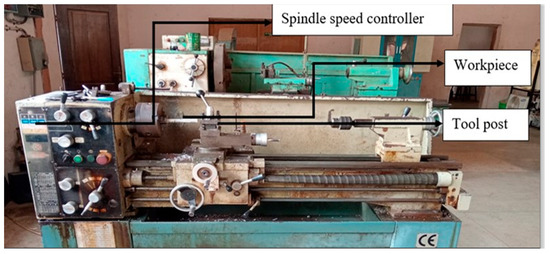
The performance of used cooking oil-based cutting fluids (UCO-CFs) during the turning of AISI 1020 mild steel is assessed by using the Taguchi optimisation method in this research work. Purified used cooking oil was combined with additives to improve the oil’s properties of
[...] Read more.
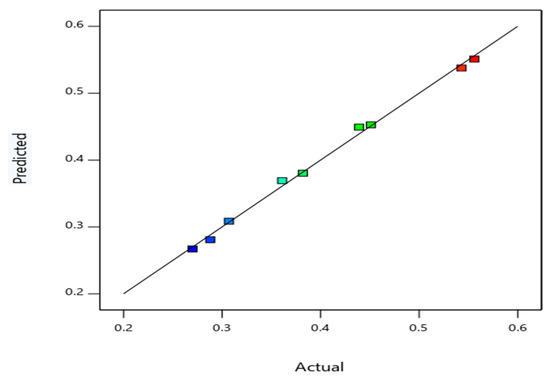
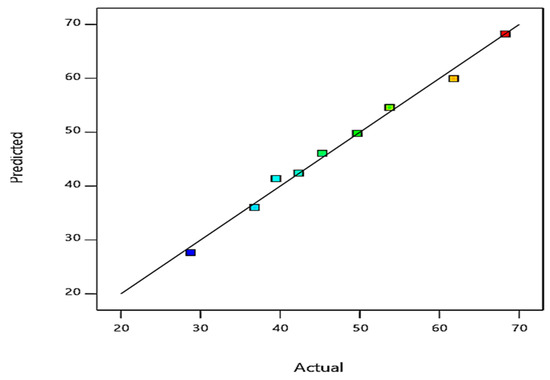
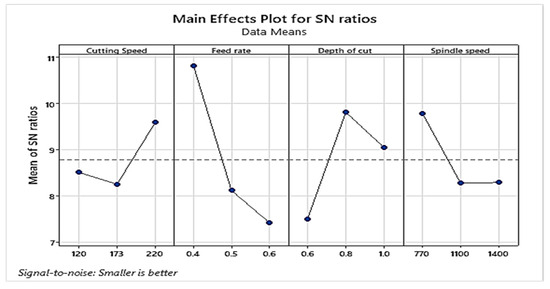
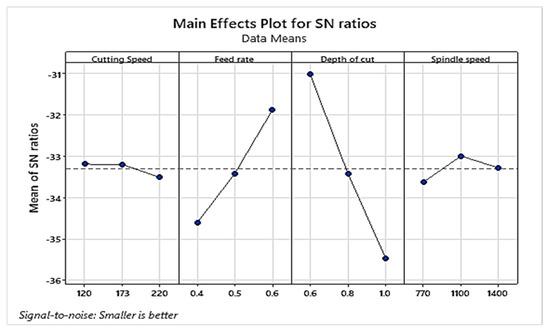
The performance of used cooking oil-based cutting fluids (UCO-CFs) during the turning of AISI 1020 mild steel is assessed by using the Taguchi optimisation method in this research work. Purified used cooking oil was combined with additives to improve the oil’s properties of lubrication, cooling, and resistance to corrosion. The machining parameters, cutting speed, feed rate, depth of cut, and spindle speed were optimised using an L9 orthogonal array followed by analysis through signal-to-noise ratios and ANOVA. The ANOVA analysis pointed out feed rate (Frt) as the foremost variable in surface roughness, having a contribution of 47.53% to the total variation, along with a highly significant p-value of 0.0001. Signal-to-noise (S/N) analysis determined the best conditions for reducing surface roughness as Frt = 0.4 mm/rev, dct = 0.6 mm, Ssp = 770 rev/min, and Csp = 173 mm/min. For the least cutting temperature, the parameters that gave the best results were Frt = 0.6 mm/rev, dct = 0.6 mm, Ssp = 1100 rev/min, and Csp = 120 m/min. The UCO-based cutting fluid significantly improved machining performance, achieving a minimum surface roughness of 0.270 µm and reducing tool wear to 0.180 mm under optimal conditions. The UCO-based fluids not only surpassed the conventional mineral oils but also indicated excellent performance in machining and sustainability in terms of the environment.
Full article
(This article belongs to the Proceedings of The 4th International Conference on Applied Research and Engineering)
►▼
Show Figures

Figure 1
Open AccessProceeding Paper
Investigating the Effects of Cooking Oil-Based Cutting Fluids on Machining Parameters of AISI 1020 Mild Steel
by
Kazeem Bello, Rendani Maladzhi, Mukondeleli Kanakana-Katumba and Samuel Balogun
Mater. Proc. 2026, 31(1), 19; https://doi.org/10.3390/materproc2026031019 - 23 Apr 2026
Abstract
This study investigates how cooking oil-based cutting fluids (CKO-CFs) perform as sustainable alternatives to conventional mineral oil-based fluids when turning AISI 1020 mild steel. Waste cooking oil was cleaned, treated, and mixed with selected additives to improve stability, lubricity, and corrosion resistance. Machining
[...] Read more.
This study investigates how cooking oil-based cutting fluids (CKO-CFs) perform as sustainable alternatives to conventional mineral oil-based fluids when turning AISI 1020 mild steel. Waste cooking oil was cleaned, treated, and mixed with selected additives to improve stability, lubricity, and corrosion resistance. Machining experiments were designed using the Taguchi L9 orthogonal array to optimise cutting speed, feed rate, and depth of cut. The CKO-based cutting fluid showed lower surface roughness at 0.270 μm compared to conventional cutting fluids at 0.274 μm. This indicates better lubricity and a smoother surface finish. Tool-tip temperatures were reduced by up to 11.99% compared to conventional fluids. This improves heat dissipation and lowers thermal damage. Tool wear was reduced by up to 5.75% with the CKO-based fluid, suggesting better lubrication and a longer tool life than conventional cutting fluids. The findings show that CKO-based cutting fluids provide an eco-friendly and efficient option for sustainable machining operations.
Full article

(This article belongs to the Proceedings of The 4th International Conference on Applied Research and Engineering)
►▼
Show Figures

Figure 1
Open AccessProceeding Paper
Mitigating Corrosion Rate of Mild Steel Using Pepper Tree in Acidic 0.5M H2SO4 Medium
by
Mothibeli Pita and Lebogang Lebea
Mater. Proc. 2026, 31(1), 20; https://doi.org/10.3390/materproc2026031020 - 21 Apr 2026
Abstract
One of the biggest problems facing many different sectors is metal corrosion. The consequences of corrosion are of great concern globally; therefore, efforts must be made to prevent the corrosion of metals/alloys. The effect of pepper tree water as an eco-friendly inhibitor for
[...] Read more.
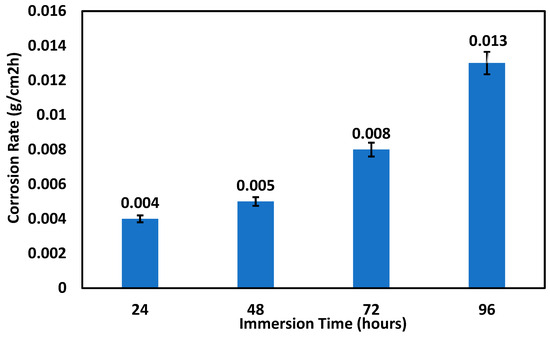
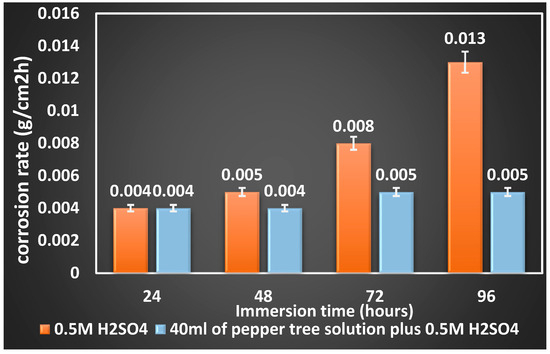
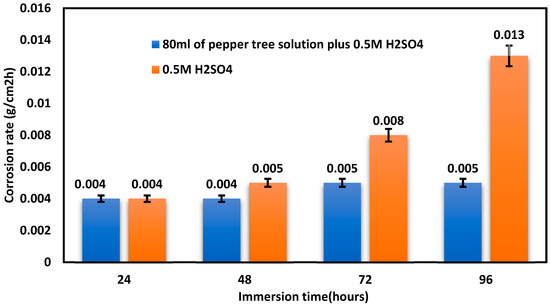
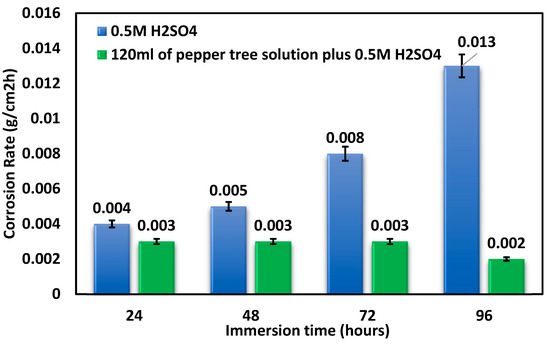
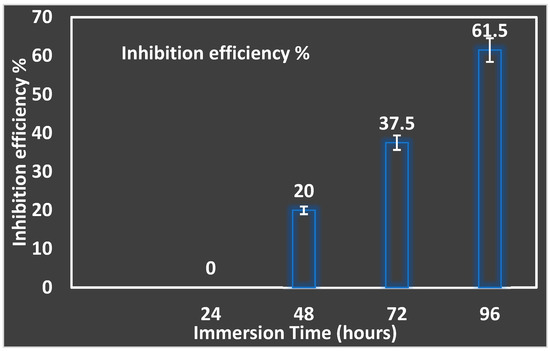
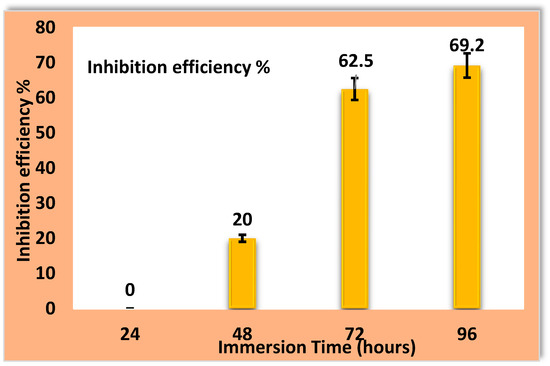
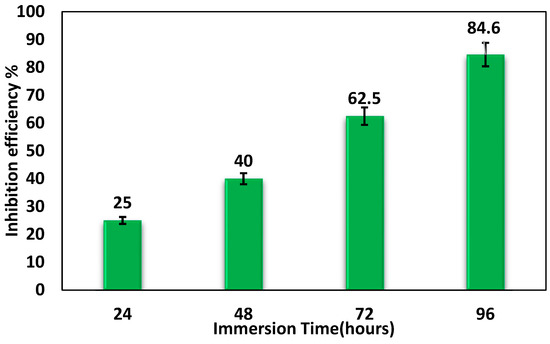
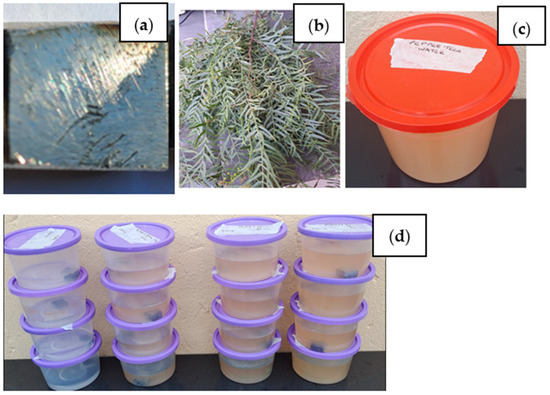
One of the biggest problems facing many different sectors is metal corrosion. The consequences of corrosion are of great concern globally; therefore, efforts must be made to prevent the corrosion of metals/alloys. The effect of pepper tree water as an eco-friendly inhibitor for corrosion control of mild steel in 0.5 Molar solution of H2SO4 acid has been investigated using the weight loss method. Experiments were carried out using 40–120 mL of pepper tree solution. The test samples were totally immersed in the corroding medium containing various concentrations of the inhibitor for time intervals of 24–96 h. The results were mathematically analysed, and it was observed that the maximum inhibitor volume (120 mL) had a significant influence (84.6%) on the reduction in corrosion rate as compared to volumes of 40 and 80 mL. After 48 h, the efficiency of the 80- and 120-millimeter concentrations was the same, at 62.5%. This reveals that the effectiveness of pepper tree water inhibition decreases the longer the material is in acid solution.
Full article

(This article belongs to the Proceedings of The 4th International Conference on Applied Research and Engineering)
►▼
Show Figures

Figure 1
Highly Accessed Articles
Latest Books
E-Mail Alert
News
Topics