Journal Description
International Journal of Neonatal Screening
(IJNS) is an international, peer-reviewed, open access journal on neonatal screening and neonatal medicine, published quarterly online. It is the official journal of the International Society for Neonatal Screening (ISNS). The German Society for Neonatal Screening (DGNS), French Society for Neonatal Screening (SFDN), Japanese Society for Neonatal Screening (JSNS), UK Newborn Screening Laboratory Network (UKNSLN) and more societies are affiliated with IJNS. Societies members receive discounts on the article processing charges.
- Open Access— free for readers, with article processing charges (APC) paid by authors or their institutions.
- High Visibility: indexed within Scopus, ESCI (Web of Science), PubMed, PMC, Embase, and other databases.
- Journal Rank: JCR - Q1 (Pediatrics) / CiteScore - Q1 (Pediatrics, Perinatology and Child Health)
- Rapid Publication: manuscripts are peer-reviewed and a first decision is provided to authors approximately 29.8 days after submission; acceptance to publication is undertaken in 4.8 days (median values for papers published in this journal in the first half of 2026).
- Recognition of Reviewers: reviewers who provide timely, thorough peer-review reports receive vouchers entitling them to a discount on the APC of their next publication in any MDPI journal, in appreciation of the work done.
Impact Factor:
3.5 (2025);
5-Year Impact Factor:
3.6 (2025)
Latest Articles
Progress and Prospects of Newborn Screening in China
Int. J. Neonatal Screen. 2026, 12(3), 72; https://doi.org/10.3390/ijns12030072 - 2 Sep 2026
Abstract
Newborn screening (NBS) is a critical component of the three-tiered prevention strategy for birth defects, reducing congenital disorder burden and improving long-term child health outcomes. Over the past 45 years, NBS in China has evolved into a nationwide quality-controlled network driven by policy
[...] Read more.
Newborn screening (NBS) is a critical component of the three-tiered prevention strategy for birth defects, reducing congenital disorder burden and improving long-term child health outcomes. Over the past 45 years, NBS in China has evolved into a nationwide quality-controlled network driven by policy support and technological advances. Currently, phenylketonuria and congenital hypothyroidism are included in universal NBS across the country, and several provinces have expanded to encompass congenital adrenal hyperplasia, glucose-6-phosphate dehydrogenase deficiency, and additional inherited metabolic disorders identified through tandem mass spectrometry. The application of next-generation sequencing and other technologies has further enhanced detection capacity and expanded detectable disease spectra. Meanwhile, the National Quality Management System for NBS (QMS-NBS) has realized the visualization and standardization of screening quality and performance. Despite these advances, challenges remain, including regional disparities, inadequate follow-up, and long-term management. This review summarizes the historical evolution and policy framework of NBS in China, outlines the development of screening institutions, the spectrum and incidence of screened disorders, advances in detection technologies, and the establishment of QMS-NBS. It also highlights future priorities: expanding screened conditions, strengthening follow-up and long-term care, promoting regional equity, and advancing novel technologies to improve child health and foster precision public health.
Full article
(This article belongs to the Special Issue Newborn Screening Developing Programs in Asia)
Open AccessArticle
Analytical Study Showing a False-Negative Limitation of Deletion-Based Newborn Screening for Spinal Muscular Atrophy Using a Compound Heterozygous SMN1 Control
by
Yuichi Abe, Sato Suzuki-Muromoto, Motomichi Kosuga, Tetsuya Isayama, Go Tajima, Yasuhito Aoki, Nobuyuki Ishige and Yushi Ito
Int. J. Neonatal Screen. 2026, 12(3), 71; https://doi.org/10.3390/ijns12030071 - 31 Aug 2026
Abstract
Newborn screening (NBS) facilitates the presymptomatic diagnosis and early treatment of spinal muscular atrophy (SMA). An analytical study was conducted to evaluate the performance and limitations of a real-time polymerase chain reaction-based SMA-NBS assay. Dried blood spot specimens collected from 21 newborns and
[...] Read more.
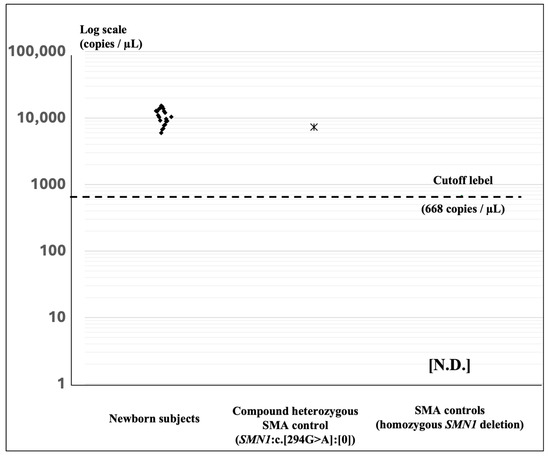
Newborn screening (NBS) facilitates the presymptomatic diagnosis and early treatment of spinal muscular atrophy (SMA). An analytical study was conducted to evaluate the performance and limitations of a real-time polymerase chain reaction-based SMA-NBS assay. Dried blood spot specimens collected from 21 newborns and three patients with genetically confirmed SMA were analyzed. The SMA controls included two patients with homozygous SMN1 deletion and one with compound heterozygous SMN1 variants. SMN1 exon 7 copy numbers were quantified and interpreted. All newborn participants had SMN1 copy numbers above the screening cutoff value of 668 copies/µL and were classified as screening-negative. The two SMA controls with homozygous SMN1 deletion showed no detectable SMN1 amplification, which is consistent with positive screening results. In contrast, the compound heterozygous SMA control exhibited a mean SMN1 value of 7330 copies/µL, which was more than tenfold above the screening cutoff and would therefore have been classified as screening-negative; this value also fell within the range observed in the newborn cohort. This patient had a negative NBS result at birth despite subsequently developing genetically confirmed SMA. The SMA-NBS assay accurately detected patients with homozygous SMN1 deletion. However, it did not identify patients with compound heterozygous SMN1 variants. In conclusion, deletion-based SMA-NBS has an inherent false-negative limitation, and a negative screening result does not completely exclude an SMA diagnosis.
Full article
(This article belongs to the Collection Newborn Screening in Japan)
►▼
Show Figures

Figure 1
Open AccessArticle
Application of CLIR-Based Post-Analytical Tools to Dutch NBS Data Demonstrates Its Potential Impact on the Performance of CPT1, GA-1, IVA and MSUD Screening in a Disorder-Specific Way
by
Nils W. F. Meijer, Rose E. Maase, Patricia L. Hall, Wouter F. Visser, Klaas Koop, Annet M. Bosch, M. Rebecca Heiner-Fokkema and Monique G. M. de Sain-van der Velden
Int. J. Neonatal Screen. 2026, 12(3), 70; https://doi.org/10.3390/ijns12030070 - 24 Aug 2026
Abstract
►▼
Show Figures
Newborn screening (NBS) for inborn errors of metabolism is challenged by high false-positive rates, which may lead to parental anxiety and increased healthcare costs associated with diagnostic follow-up. False-positive results often arise from changes in metabolite concentrations that mimic metabolic disorders as a
[...] Read more.
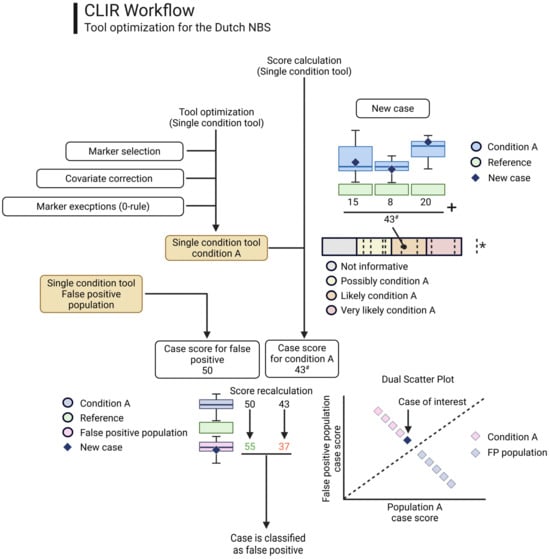
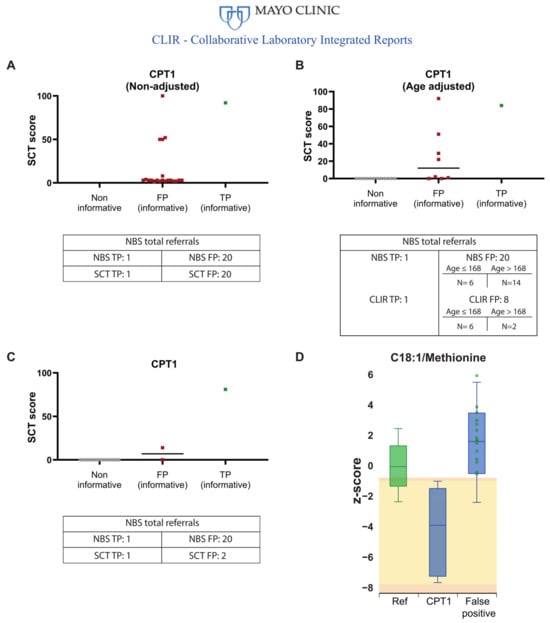
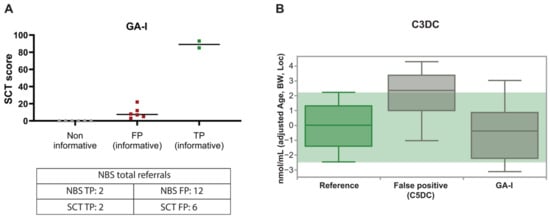
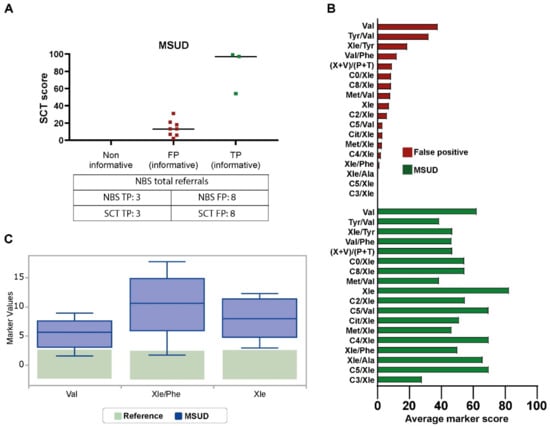
Newborn screening (NBS) for inborn errors of metabolism is challenged by high false-positive rates, which may lead to parental anxiety and increased healthcare costs associated with diagnostic follow-up. False-positive results often arise from changes in metabolite concentrations that mimic metabolic disorders as a consequence of differences in perinatal factors or nutritional status. To address this, Collaborative Laboratory Integrative Reports (CLIR) and the associated post-analytical tools (PATs) using multivariate interpretation and covariate-adjusted reference intervals may be used to improve specificity of NBS algorithms. In the current study, we examined whether CLIR can be applied to optimize the Dutch NBS program by reducing the false-positive rates. We developed and validated a CLIR-based PAT for CPT1 deficiency, GA-I, IVA and MSUD within the Dutch NBS program. Single-condition tools (SCTs) and multivariate approaches, including marker ratios and covariate adjustments, were evaluated for their ability to discriminate true- and false-positive referrals. For CPT1 deficiency, age-adjusted SCT combined with birthweight, location correction, and the C18:1/methionine ratio substantially reduced false positives. For GA-I, C3DC-based ratios improved specificity while preserving true-positive detection, potentially reflecting postnatal renal immaturity in some cases. For IVA, the dual scatter plot fully separated true- and false-positive referrals, highlighting the limitations of single-marker screening. For MSUD, differences between false-positive and true-positive cases were more pronounced, yet a similar number of false positives were still referred; valine-related markers contributed to false positives, while leucine and the Xle/Phe ratio better identified true positives. CLIR-based post-analytical tools enhanced NBS specificity through covariate-aware, multivariate interpretation. This provides important input for decision makers in both the Dutch NBS, as well as the NBS community worldwide.
Full article

Figure 1
Open AccessArticle
Refining MMA Screening in the Dutch Newborn Screening Program: Lessons from Vitamin B12 Deficiency and Genetic Cases
by
Nils W. F. Meijer, Klaas Koop, Rose E. Maase, Patricia L. Hall, Wouter F. Visser, Esmeralda Oussoren, Annet M. Bosch, M. Rebecca Heiner-Fokkema and Monique G. M. de Sain-van der Velden
Int. J. Neonatal Screen. 2026, 12(3), 69; https://doi.org/10.3390/ijns12030069 - 21 Aug 2026
Abstract
►▼
Show Figures
Since October 2019, screening for methylmalonic acidemia (MMA) has been implemented in the Dutch Newborn Screening (NBS) program. Since implementation, most referrals for MMA have been the result of (maternal) vitamin B12 deficiency. Although vitamin B12 deficiency is an important condition and early
[...] Read more.
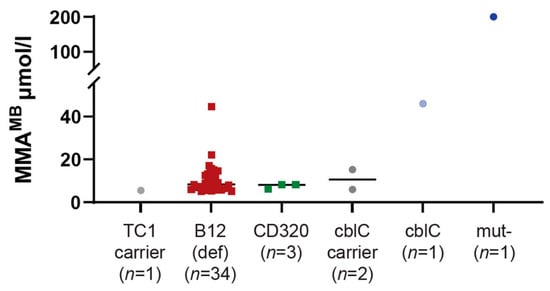
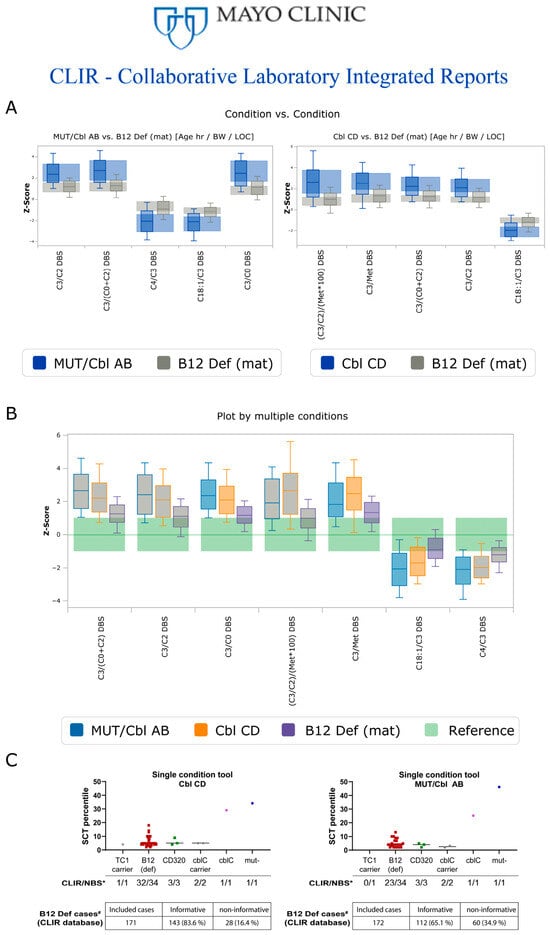
Since October 2019, screening for methylmalonic acidemia (MMA) has been implemented in the Dutch Newborn Screening (NBS) program. Since implementation, most referrals for MMA have been the result of (maternal) vitamin B12 deficiency. Although vitamin B12 deficiency is an important condition and early detection can confer health benefits, its identification was not the original objective of the screening. We therefore examined whether genetic forms of MMA can be distinguished from acquired forms. Early distinction between these forms is essential for guiding clinical management, informing prognosis, and enabling appropriate genetic counseling. Specifically, we tested whether the use of Collaborative Laboratory Integrated Reports (CLIR) to complement NBS results improved specificity of the test for genetic MMAs. We found that with the use of CLIR, genetic conditions including methylmalonyl-CoA mutase (mut) deficiency and cobalamin (cbl) A, B, C and D deficiency can be partially differentiated from acquired causes. This results in a significant reduction in the number of second-tier tests required. However, this approach may also exclude certain other genetic causes. Based on all findings, we provide considerations and implications for MMA screening that may inform decision-makers in (other) NBS programs.
Full article

Figure 1
Open AccessArticle
Optimizing Kappa-Deleting Recombination Excision Circles (KREC) Cut-Off Values in Russian Newborn Screening Program: Balancing Sensitivity and False-Positive Rates
by
Andrey Marakhonov, Anna Mukhina, Irina Efimova, Natalya Balinova, Yulia Rodina, Rena Zinchenko, Sergey Voronin, Anna Shcherbina and Sergey Kutsev
Int. J. Neonatal Screen. 2026, 12(3), 68; https://doi.org/10.3390/ijns12030068 - 19 Aug 2026
Abstract
►▼
Show Figures
Newborn screening (NBS) for primary immunodeficiencies (PIDs) increasingly incorporates kappa-deleting recombination excision circles (KREC) to enable early detection of B-cell lymphopenia, particularly agammaglobulinemia (AGG). However, optimal KREC cut-off values remain poorly defined, limiting sensitivity and contributing to high false-positive rates. We evaluated KREC-based
[...] Read more.
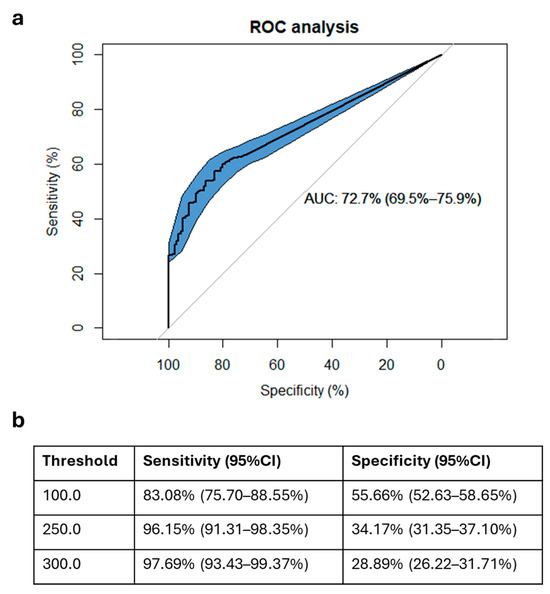
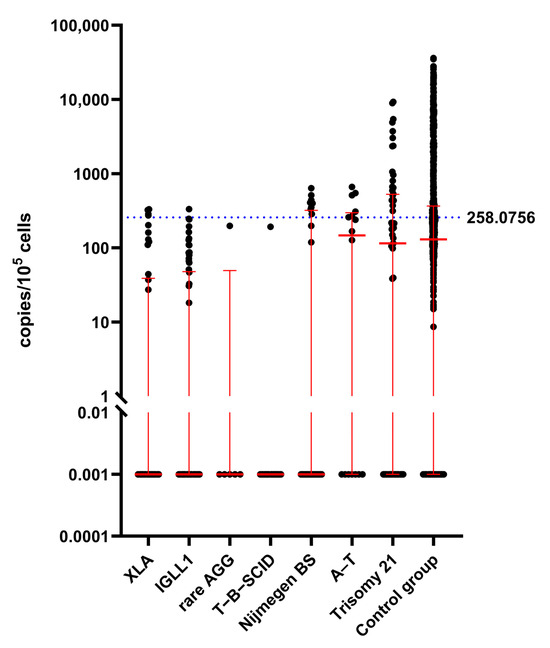
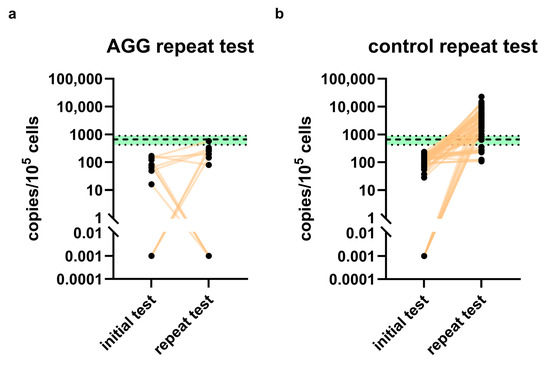
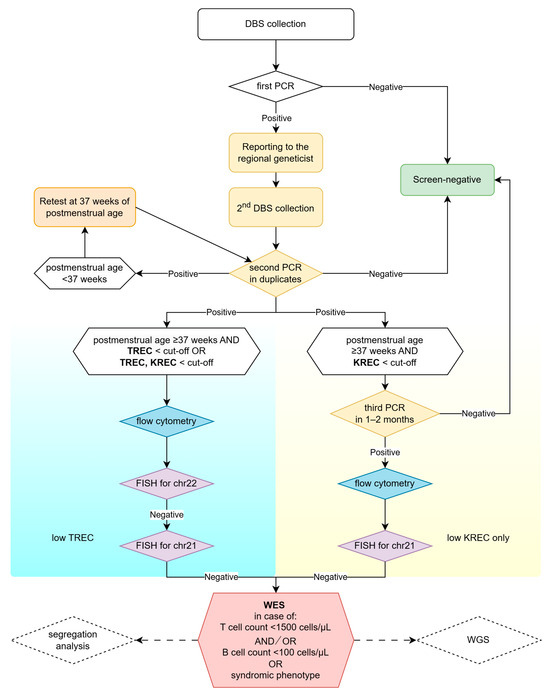
Newborn screening (NBS) for primary immunodeficiencies (PIDs) increasingly incorporates kappa-deleting recombination excision circles (KREC) to enable early detection of B-cell lymphopenia, particularly agammaglobulinemia (AGG). However, optimal KREC cut-off values remain poorly defined, limiting sensitivity and contributing to high false-positive rates. We evaluated KREC-based NBS using data from a nationwide Russian program that screened more than 3.4 million newborns. KREC measurements from 66 patients with genetically confirmed AGG and 534 newborns with initially abnormal screening results but normal immunophenotyping were analyzed using statistical and ROC-based approaches. By using a KREC cut-off of 100 copies per 105 cells in the first NBS sample and a KREC cut-off of 250 copies per 105 cells after a polymerase chain reaction (PCR) test on a second dried blood spot (DBS) collected approximately 19 days later, the detection of classical and atypical X-linked AGG, other forms of AGG, and additional PIDs associated with B-cell lymphopenia was significantly improved. Retrospective analysis of a pilot cohort (n = 202,908) indicated that, if a KREC cut-off of 250 copies per 105 cells was applied with the second PCR test, this adjustment would increase the proportion of screen-positive newborns to 2.75‰. To reduce the resulting referral burden, we assessed third KREC testing of a third DBS sample approximately 2 months after birth and showed that persistent KREC reduction distinguishes AGG from transient B-cell lymphopenia. We propose a revised three-step NBS algorithm incorporating a third PCR test with a cut-off of 850 copies per 105 cells. This strategy reduces unnecessary referrals while maintaining diagnostic sensitivity and clinical safety, supporting implementation of adaptive, multistep NBS approaches.
Full article

Figure 1
Open AccessArticle
The Spanish Uniform Newborn Screening Panel (SUSP): A National Consensus Framework for Harmonized Newborn Screening
by
Judit García-Villoria, Rosa María López-Galera, Carmen Delgado-Pecellín, Dolores Rausell Félix, Cristóbal Colón, Hugo Rocha, Belén Pérez, Antonia Ribes, María Luz Couce and Domingo González-Lamuño
Int. J. Neonatal Screen. 2026, 12(3), 67; https://doi.org/10.3390/ijns12030067 - 13 Aug 2026
Abstract
Newborn screening (NBS) is a cornerstone of preventive medicine, enabling early diagnosis and treatment of severe congenital disorders. In Spain, despite the existence of a Basic Common Portfolio, the absence of a harmonized national panel has led to significant inter-regional variability, affecting equity
[...] Read more.
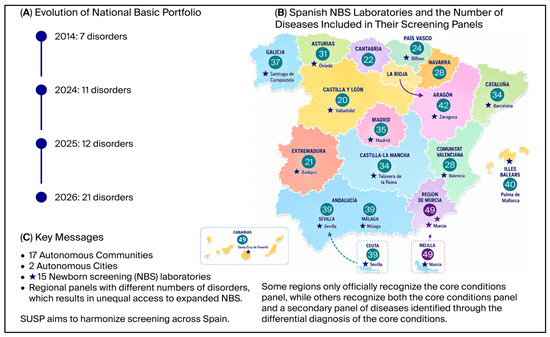
Newborn screening (NBS) is a cornerstone of preventive medicine, enabling early diagnosis and treatment of severe congenital disorders. In Spain, despite the existence of a Basic Common Portfolio, the absence of a harmonized national panel has led to significant inter-regional variability, affecting equity in access to early diagnosis. The Spanish Uniform Screening Panel (SUSP) was developed through a structured nationwide consensus process involving all NBS centers in Spain, with additional input from Portugal. The process included a comprehensive survey of current practices, expert workshops, multiple consensus rounds, and predefined inclusion criteria. Disease nomenclature was standardized using OMIM and ORPHAcode identifiers. Conditions were classified as primary screening targets or secondary findings, and consensus was reached on confirmatory biochemical and genetic testing pathways. The operational dataset comprised 48 biomarker-based screening entries. Because some conditions can be detected through multiple primary markers, duplicate analytical routes were retained but counted once, resulting in a total 189 unique clinical conditions, including 87 primary and 102 secondary conditions. The SUSP represents the first nationwide harmonized framework for newborn screening in Spain and constitutes a major step toward equitable and standardized implementation. It provides a scalable model that may inform other countries facing similar disparities.
Full article
(This article belongs to the Special Issue Equity Issues in Newborn Screening)
►▼
Show Figures

Figure 1
Open AccessReview
Mucopolysaccharidosis Type II Screening, Diagnosis, and Management: A Literature Review and Practical Recommendations for Newborn Screening Programs and Health Care Providers to Support Families and Improve Outcomes
by
Amy Gaviglio, Natasha Bonhomme, Barbara Burton, Norman Matthew Ellinwood, Joseph Muenzer, Kim Stephens, Ravi Pathak and Carolyn Schaeffer-Koziol
Int. J. Neonatal Screen. 2026, 12(3), 66; https://doi.org/10.3390/ijns12030066 - 12 Aug 2026
Abstract
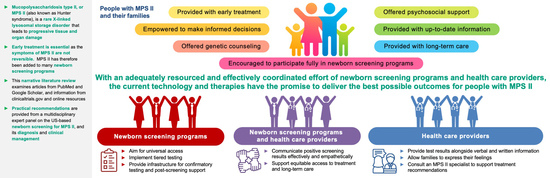
Mucopolysaccharidosis type II (MPS II; also known as Hunter syndrome), is a rare X-linked lysosomal disease that leads to progressive tissue and organ damage. Early treatment is essential as most symptoms of MPS II are not reversible. Consequently, MPS II has been added
[...] Read more.
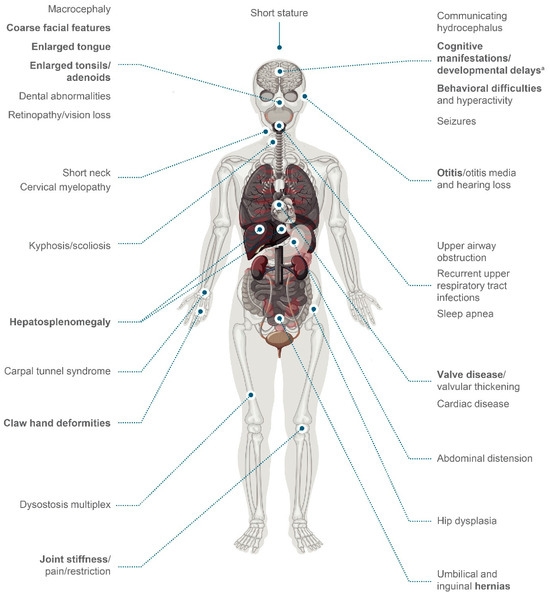
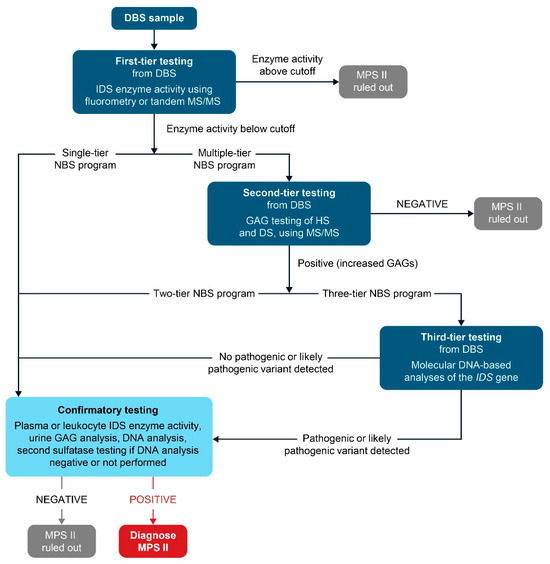
Mucopolysaccharidosis type II (MPS II; also known as Hunter syndrome), is a rare X-linked lysosomal disease that leads to progressive tissue and organ damage. Early treatment is essential as most symptoms of MPS II are not reversible. Consequently, MPS II has been added to many newborn screening (NBS) programs. This narrative literature review provides practical recommendations from a multidisciplinary expert panel on the US-based NBS for MPS II and its diagnosis and clinical management. Recommendations for NBS programs include aiming for universal access to NBS within their jurisdiction, implementing tiered testing to support diagnostic accuracy, and providing infrastructure for confirmatory testing and post-screening support for families. Recommendations for health care providers (HCPs) include communicating test results empathetically and alongside verbal and written information, allowing families to express their feelings, and consulting an MPS II specialist to support treatment recommendations. The NBS programs and HCPs should work together to ensure positive screening results are communicated effectively and to provide equitable access to treatment and long-term care. Such a coordinated and appropriately resourced effort involving NBS programs, HCPs, and patient advocates will ensure better support for families and the best possible outcomes for individuals with MPS II.
Full article
(This article belongs to the Special Issue Advances in Newborn Screening for Lysosomal Disorders: From Laboratory Screening to Diagnosis)
►▼
Show Figures

Graphical abstract
Open AccessArticle
Optimizing Informed Consent for Australian Newborn Bloodspot Screening and Research: Consensus Workshop Insights and Recommendations
by
Carolyn Mazariego, Mahitha Ramanathan, Deborah A. Johnston, Zhicheng Li, Brittany C. McGill, Marina Okamura, Lauren Kelada, Ilona Juraskova, Claire E. Wakefield and Natalie Taylor
Int. J. Neonatal Screen. 2026, 12(3), 65; https://doi.org/10.3390/ijns12030065 - 10 Aug 2026
Abstract
►▼
Show Figures
Informed consent is fundamental to Australian newborn bloodspot screening (NBS), but emerging genomic screening technologies pose new challenges to clinical care and research. Optimizing consent processes is necessary to support ethical practice and maintain public trust as NBS evolves. This study aimed to
[...] Read more.
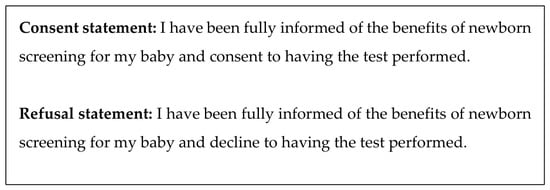
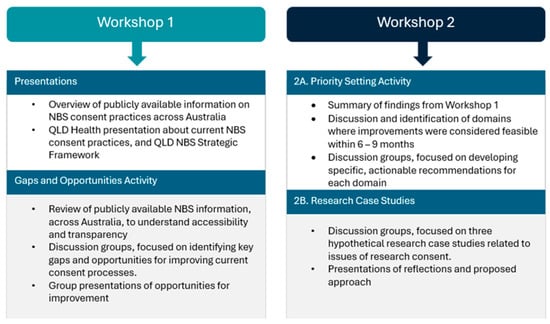
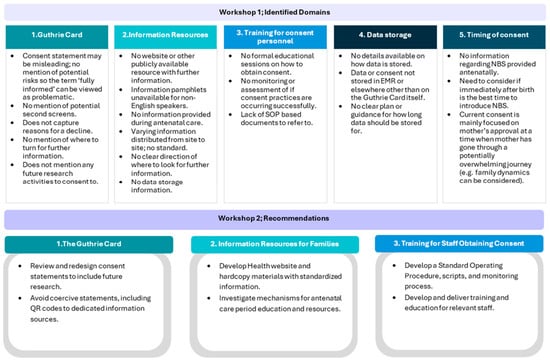
Informed consent is fundamental to Australian newborn bloodspot screening (NBS), but emerging genomic screening technologies pose new challenges to clinical care and research. Optimizing consent processes is necessary to support ethical practice and maintain public trust as NBS evolves. This study aimed to identify gaps and opportunities to improve NBS consent processes in Queensland, Australia, while also exploring preliminary insights into the evolving complexity of consent in the context of genomic NBS (gNBS) and NBS-related research. A qualitative study design was used, with two facilitated interest-holder workshops (a total of 12 h) involving 86 participants (healthcare professionals, policy-makers, researchers, genomics experts, and consumer representatives). Workshop 1 (n = 25) was held virtually, and Workshop 2 (n = 61) was held in person. Thematic analysis was used to identify practical recommendations and ethical considerations. Participants identified three priority domains for improving consent in Queensland’s NBS program: (1) revision of the Guthrie Card and consent statement, (2) development of consistent, antenatal information resources across healthcare providers, and (3) standardized consent delivery training for healthcare staff. Discussions also highlighted tensions around information requirements for informed consent, revealing growing complexities regarding layered consent models. While recommendations on research consent were not fully developed at the workshop, insights highlighted the growing complexity and divergence of views on layered consent models. Findings suggest that improving NBS consent requires both operational reform and reassessment of ethical standards, alongside broader interest-holder engagement and feasible, scalable models also suited to genomic technologies. A nationally consistent framework is needed.
Full article

Figure 1
Open AccessArticle
Features and Legal Practice of Dried Blood Spot Card Biobanking in Europe: Balancing Research Potential with Parental and Children’s Rights
by
Sophie ter Braak, Mette Nyegaard, Christian Munch Hagen, Marie Bækvad-Hansen, Madara Auzenbaha, François Boemer, James R. Bonham, Patricia Borde, Ian Brincat, David Cheillan, Vera Frankova, Leifur Franzson, Ksenija Fumić, Urh Groselj, Tom L. G. M. van den Kerkhof, Riikka Kurkijärvi, Giancarlo la Marca, Tatjana Milenković, Olve Moldestad, Vyacheslav Mitkin, Florentina Moldovanu, Marios Vogazianos, Jürgen G. Okun, Lene Sörensen, Gulnara Svyatova, Ildikó Szatmári, Maja Raičević, Karit Reinson, Trine Tangeraas, Alma Toromanović, Laura Vilarinho, Svetlana Vorslova, Raquel Yahyaoui, Maximillian Zeyda, Dianne Webster and Peter C. J. I. Schielenadd
Show full author list
remove
Hide full author list
Int. J. Neonatal Screen. 2026, 12(3), 64; https://doi.org/10.3390/ijns12030064 - 5 Aug 2026
Abstract
►▼
Show Figures
Neonatal screening using Dried Blood Spot (DBS) cards is an important and successful public health facility in Europe, enabling early detection of congenital disorders for early treatment and prevention of overt disease. Biobanks of stored DBS cards offer significant potential for biomedical research.
[...] Read more.
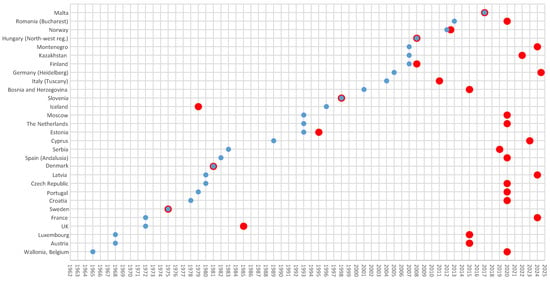
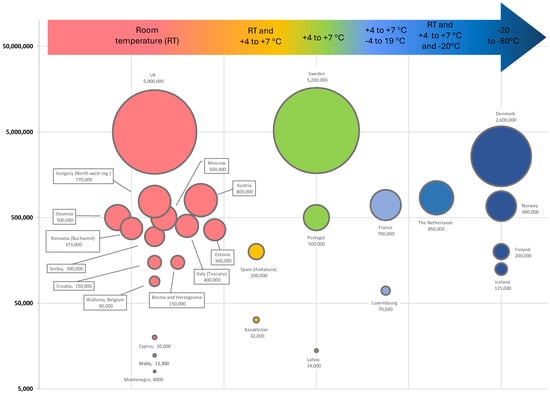
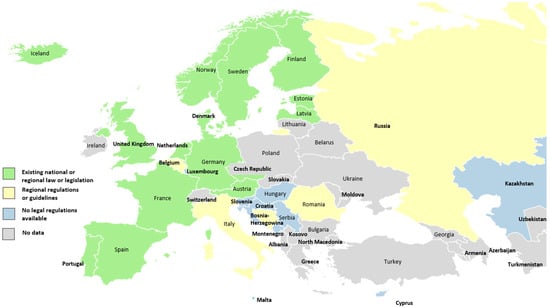
Neonatal screening using Dried Blood Spot (DBS) cards is an important and successful public health facility in Europe, enabling early detection of congenital disorders for early treatment and prevention of overt disease. Biobanks of stored DBS cards offer significant potential for biomedical research. Biobanking and secondary use of DBS cards also raise ethical and legal issues, particularly concerning the rights of parents and children. This study provides a comprehensive overview of legislation and legal practices governing DBS biobanking across 29 European countries, based on a survey conducted in collaboration with the International Society for Neonatal Screening. Findings reveal a highly heterogeneous landscape: 15 countries have national legislation, five have regional guidelines, and nine lack formal regulations. Only four countries require explicit parental consent for DBS storage, with considerable variation in approval processes for research use. A harmonization of practices, with the European General Data Protection Regulation (GDPR) as a basis for future regulation, supplemented by clearer guidance on ‘public interest’ and robust safeguards for individual rights may lead to more transparent and consistent governance, which is essential to balance scientific progress with the protection of parental and children’s rights in DBS-based research across Europe.
Full article

Figure 1
Open AccessArticle
Attitudes Toward Sex-Specific Versus Universal Newborn Screening for X-Linked Adrenoleukodystrophy in Hong Kong
by
Chloe Miu Mak, Hoi Ying Wu, Ariel Ying Wong, Felicite Enyu Song, Toby Chun Hei Chan, Cheuk Wing Fung, Suet Na Wong, Edgar Wai Lok Hau and Matthew Chun Wing Yeung
Int. J. Neonatal Screen. 2026, 12(3), 63; https://doi.org/10.3390/ijns12030063 - 31 Jul 2026
Abstract
X-linked adrenoleukodystrophy (X-ALD) is the most common peroxisomal disorder and is associated with serious clinical consequences. While newborn screening (NBS) could facilitate early identification and timely intervention, its implementation for X-ALD remains controversial due to ethical concerns arising from its X-linked recessive inheritance
[...] Read more.
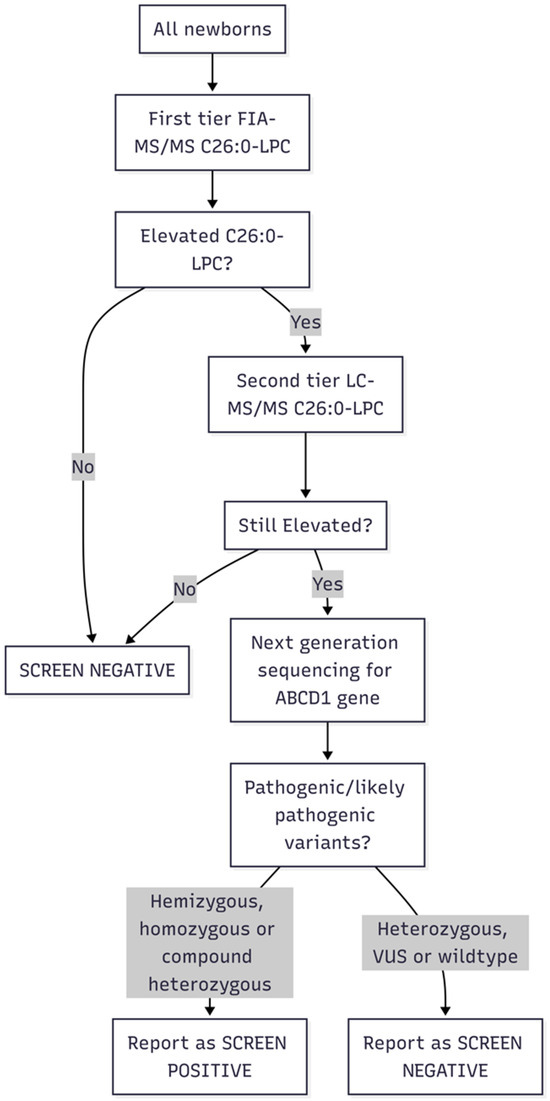
X-linked adrenoleukodystrophy (X-ALD) is the most common peroxisomal disorder and is associated with serious clinical consequences. While newborn screening (NBS) could facilitate early identification and timely intervention, its implementation for X-ALD remains controversial due to ethical concerns arising from its X-linked recessive inheritance pattern, particularly regarding female newborns. This study aims to explore the perspectives of healthcare professionals and the general public on NBS for X-ALD in Hong Kong. An online survey with 20 quantitative questions on ethical considerations was conducted from May to August 2024. Among a total of 259 responses, most respondents (99.2%) supported NBS for their male newborns, primarily because it facilitates early diagnosis and effective management. The majority of the respondents were in favor of offering NBS to female newborns, citing potential benefits for the management of adult-onset disease, enhanced family planning and support, and opportunities for extended family screening. However, some respondents expressed concerns regarding (1) psychological stress and anxiety from uncertain disease onset and frequent monitoring; (2) potential genetic discrimination and adverse impact on insurance premiums/coverage; (3) affordability and accessibility of expensive treatments, such as gene therapy; and (4) ethical issues regarding children’s “right to an open future”, particularly for late-onset female X-ALD. To address these concerns while respecting family autonomy, we propose an opt-in system with clear, balanced information for parents, combined with a three-tier screening algorithm. In summary, while inclusion of X-ALD in Hong Kong’s NBS program receives strong community support, targeted measures are needed to mitigate the identified ethical and practical barriers.
Full article
(This article belongs to the Special Issue Equity Issues in Newborn Screening)
►▼
Show Figures

Figure 1
Open AccessArticle
Experience with Implementation of Pulse Oximetry Screening for Critical Congenital Heart Disease in a Low–Middle-Income Country
by
Abena Adaboh, Daem Celestin, Alex Agyekum, Nana Serwaa Osei, Araba Mensah, Sadath Sayeed and Nana-Akyaa Yao
Int. J. Neonatal Screen. 2026, 12(3), 62; https://doi.org/10.3390/ijns12030062 - 30 Jul 2026
Abstract
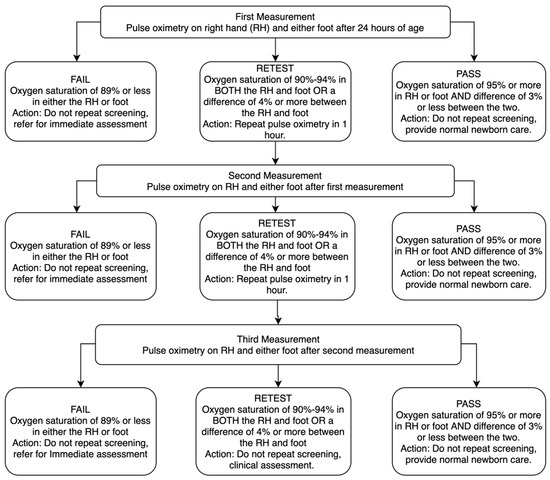
The adoption of pulse oximetry screening (POS) in low- and middle-income countries remains limited. We describe the development, implementation, and evaluation of a POS program at two of the leading tertiary centers in Accra, Ghana, based on a modified American Academy of Pediatrics
[...] Read more.
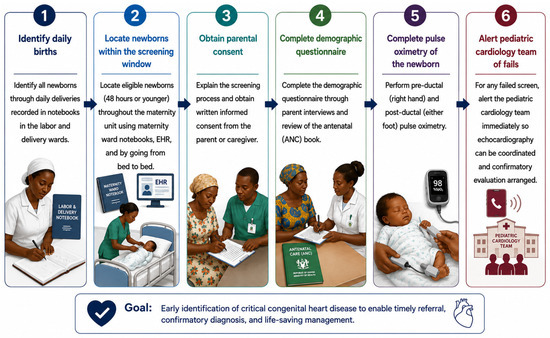
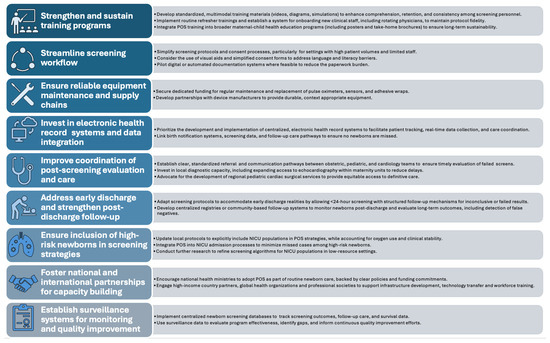
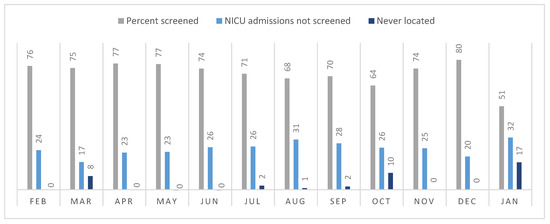
The adoption of pulse oximetry screening (POS) in low- and middle-income countries remains limited. We describe the development, implementation, and evaluation of a POS program at two of the leading tertiary centers in Accra, Ghana, based on a modified American Academy of Pediatrics protocol. Screening was conducted by trained research assistants. Operational experiences of research assistants were evaluated using a mixed-methods approach, including post-implementation surveys (n = 14) and focus group discussions (n = 10). Although participants felt comfortable with the level of instruction, they recommended incorporating simulation exercises to strengthen management of failed screens. Key challenges included difficulty locating newborns due to fragmented wards and paper-based records, equipment durability issues, and complex coordination for echocardiography following failed screens. Early discharge practices and high neonatal intensive care unit admissions reduced screening coverage among high-risk infants. Despite limited referral systems and surgical capacity, the POS pilot increased provider awareness, improved diagnostic clarity and demonstrated feasibility. Sustainable expansion will require more efficient referral networks as well as investment in pediatric cardiology training and cardiac surgical infrastructure.
Full article
(This article belongs to the Special Issue Global Updates on the Advancements in CCHD Screening)
►▼
Show Figures

Figure 1
Open AccessReview
A Comprehensive Meta-Analytical Investigation into the Incidence of Neonatal Amino Acid Metabolic Disorders Across China
by
Qiongfang Yao, Shuting Huang, Fei Kong, Min Wu, Xiaolong Qiu, Peiran Zhao, Yinglin Zeng, Jinying Luo, Jinfu Zhou and Liangpu Xu
Int. J. Neonatal Screen. 2026, 12(3), 61; https://doi.org/10.3390/ijns12030061 - 30 Jul 2026
Abstract
►▼
Show Figures
Amino acid metabolic disorders (AAMs) are a group of inherited metabolic diseases caused by defects in enzymes or transporters involved in amino acid metabolism. This systematic review and meta-analysis aimed to evaluate the incidence, disease spectrum, and regional distribution of AAMs in China.
[...] Read more.
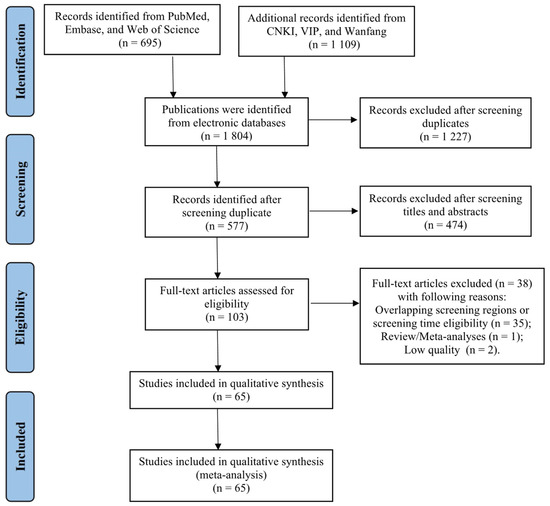
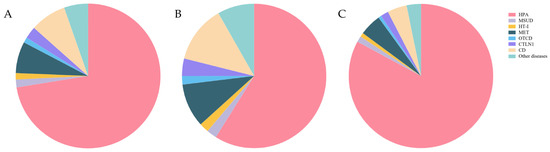
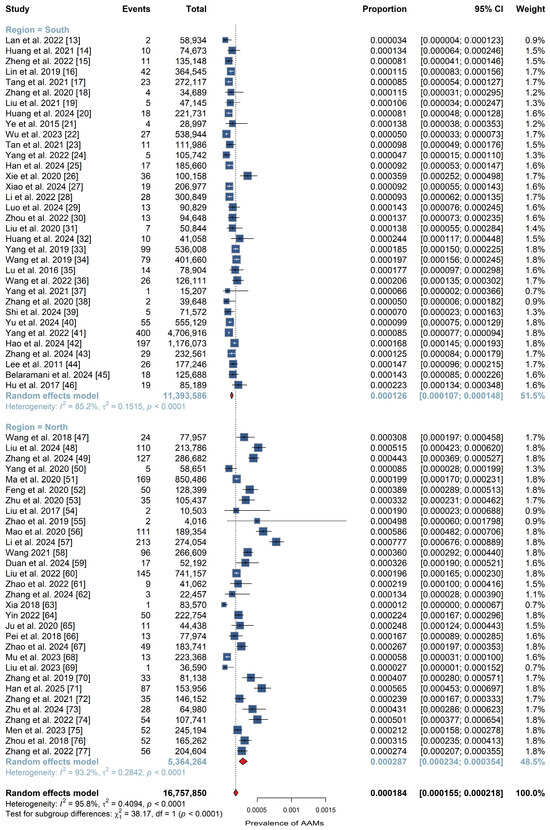
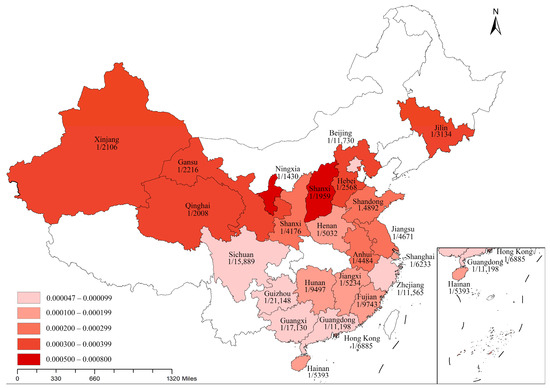
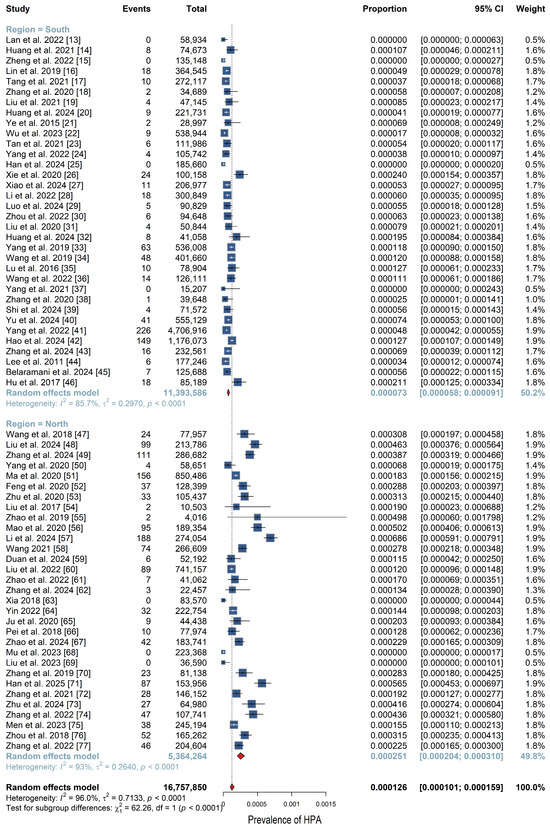
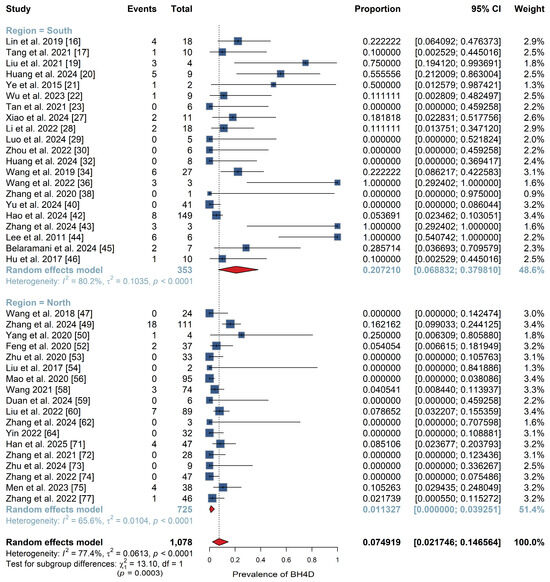
Amino acid metabolic disorders (AAMs) are a group of inherited metabolic diseases caused by defects in enzymes or transporters involved in amino acid metabolism. This systematic review and meta-analysis aimed to evaluate the incidence, disease spectrum, and regional distribution of AAMs in China. A comprehensive search of PubMed, Embase, Web of Science, and major Chinese databases identified studies published between January 2002 and December 2025. After rigorous screening and quality assessment, 65 studies were included, encompassing 16,757,850 newborns and 2928 confirmed AAM cases. The most prevalent subtypes included hyperphenylalaninemia (HPA), hypermethioninemia (MET), citrin deficiency (CD), citrullinemia type 1 (CTLN1), maple syrup urine disease (MSUD), ornithine transcarbamylase deficiency (OTCD), and tyrosinemia (HT). The pooled incidence of AAMs was estimated at 184.0 (95% confidence interval 155.0–218.0) per million newborns. Significant regional differences were observed in the overall incidence of AAMs, with a higher incidence in northern China than southern China (287.0 vs. 126.0 per million, p < 0.0001). This difference was largely attributable to the substantially higher prevalence of HPA in northern China, whereas other major AAM subtypes showed no significant north–south differences. In contrast, no significant north–south differences were identified for other major subtypes. Additionally, the proportion of tetrahydrobiopterin deficiency (BH4D) among HPA cases was significantly higher in southern China (p < 0.001). These findings provide comprehensive epidemiological evidence on AAMs in China and highlight the importance of region-specific newborn screening strategies.
Full article

Figure 1
Open AccessEditorial
Cystic Fibrosis Newborn Screening: Progress and Perspectives
by
Marci K. Sontag and Susanna A. McColley
Int. J. Neonatal Screen. 2026, 12(3), 60; https://doi.org/10.3390/ijns12030060 - 29 Jul 2026
Abstract
Newborn screening (NBS) for cystic fibrosis (CF) was first implemented almost 50 years ago, and many improvements have been made to the initial algorithms, educational approaches, and available therapies [...]
Full article
(This article belongs to the Special Issue Advances in Cystic Fibrosis Newborn Screening: From Laboratory Testing to Diagnosis)
Open AccessCase Report
Homozygosity for a Clinically Significant GALC Haplotype Associated with Late-Infantile Krabbe Disease Detected on Newborn Screening: Implications for Clinical Management and Genetic Counseling
by
Daniel R. Schecter, Colleen Donnelly, Amy White, Hillary Raynes, Gordon Heller, Deepa Rajan, Carlos A. Saavedra-Matiz, Joseph Orsini, Jaap-Jan Boelens, Dietrich Matern and Jaya Ganesh
Int. J. Neonatal Screen. 2026, 12(3), 59; https://doi.org/10.3390/ijns12030059 - 29 Jul 2026
Abstract
Krabbe disease is an autosomal recessive leukodystrophy caused by a deficiency of the lysosomal enzyme galactosylceramidase (GALC), responsible for the degradation of galactolipids, resulting in toxic psychosine accumulation and progressive demyelination of the central and peripheral nervous systems. Newborn screening (NBS) has increased
[...] Read more.
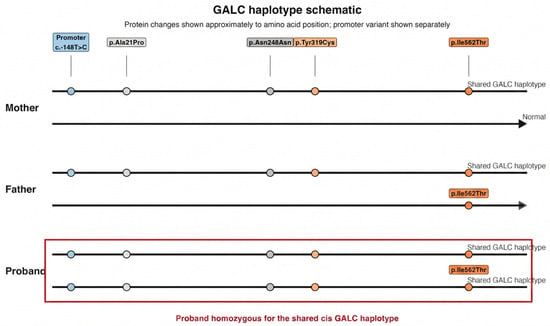
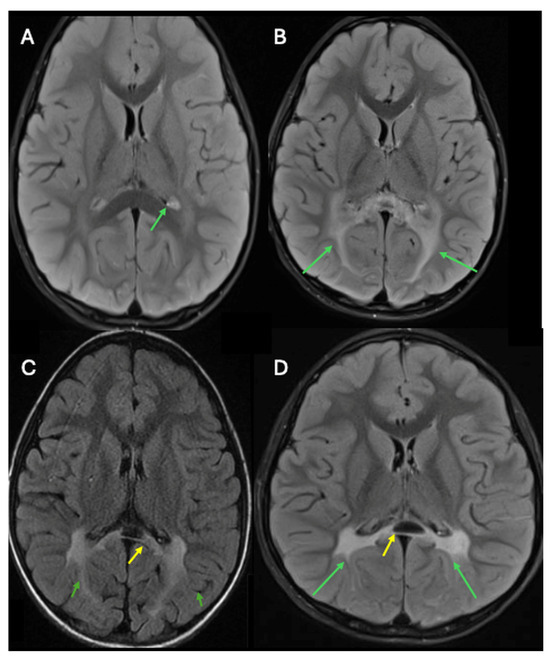
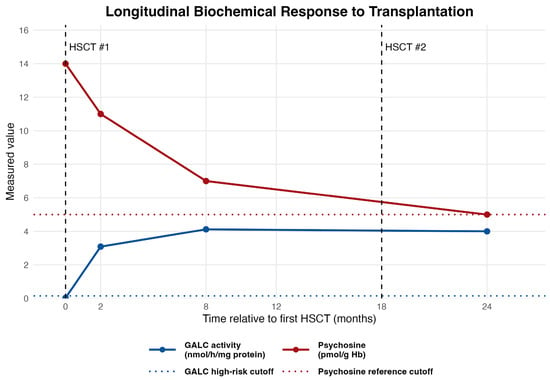
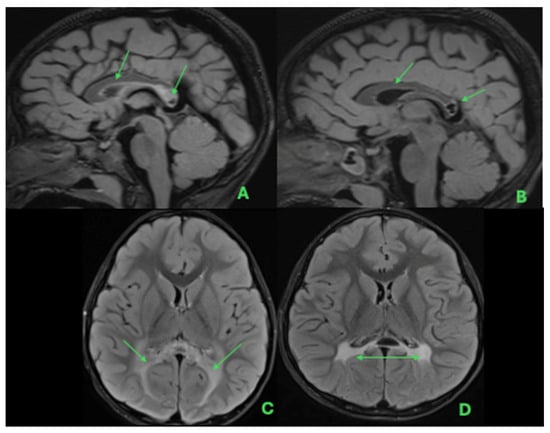
Krabbe disease is an autosomal recessive leukodystrophy caused by a deficiency of the lysosomal enzyme galactosylceramidase (GALC), responsible for the degradation of galactolipids, resulting in toxic psychosine accumulation and progressive demyelination of the central and peripheral nervous systems. Newborn screening (NBS) has increased recognition of later-onset Krabbe disease, although interpretation of complex GALC genotypes remains challenging, particularly in the presence of “pseudodeficiency” and modifier alleles. In this case report, we describe a child with late-infantile Krabbe disease identified through NBS with markedly reduced GALC activity and a homozygous GALC haplotype containing c.956A>G (p.Tyr319Cys; Y319C) and c.1685T>C (p.Ile562Thr; I562T), in addition to other benign variants. Retrospective analysis of the newborn screening specimen demonstrated mild psychosine elevation. Despite preserved neurodevelopment, longitudinal surveillance demonstrated progressive cerebral white matter abnormalities by 3 years and 9 months of age and psychosine elevation in erythrocytes (14 pmol/g Hb; controls < 5), prompting umbilical cord blood transplantation (UCBT). Following transplantation, GALC enzyme activity normalized, psychosine levels decreased, and serial neuroimaging demonstrated radiographic stability without neurologic regression at last follow-up (9 years old). This case expands the phenotypic spectrum associated with homozygosity for the p.Tyr319Cys variant and highlights the role of p.Ile562Thr in amplifying the pathogenic potential when in cis with p.Tyr319Cys. This GALC haplotype illustrates how “pseudodeficiency” and modifier alleles may collectively influence biochemical, radiologic, and clinical disease expression. These findings emphasize the importance of integrating genotype, psychosine, enzyme activity, and longitudinal neuroimaging when evaluating infants with NBS results positive for Krabbe disease.
Full article
(This article belongs to the Special Issue Advances in Newborn Screening for Lysosomal Disorders: From Laboratory Screening to Diagnosis)
►▼
Show Figures

Figure 1
Open AccessArticle
Newborn Screening for Neonatal Intrahepatic Cholestasis Caused by Citrin Deficiency and Analysis of SLC25A13 Gene Mutations in Hefei, China
by
Qingqing Ma, Junxing Chen, Yong Huang, Yan Wang, Wangsheng Song, Hongyu Xu, Yuhui Wan and Haili Hu
Int. J. Neonatal Screen. 2026, 12(3), 58; https://doi.org/10.3390/ijns12030058 - 28 Jul 2026
Abstract
►▼
Show Figures
Citrin deficiency (CD) is an autosomal recessive disorder and represents one of the urea cycle disorders. This study aims to analyze the detection rate, clinical features, and genetic mutation characteristics of neonatal intrahepatic cholestasis caused by citrin deficiency (NICCD) in the Hefei region
[...] Read more.
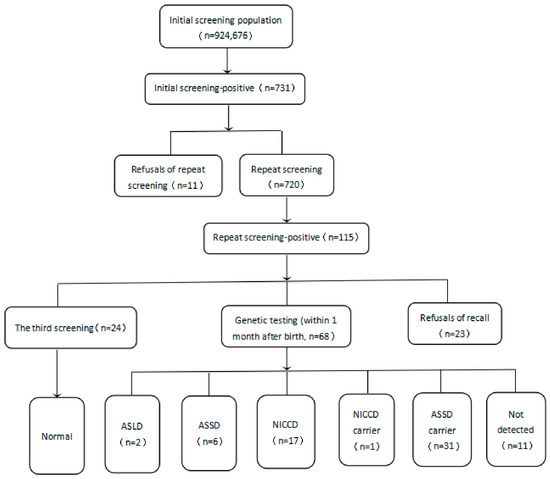
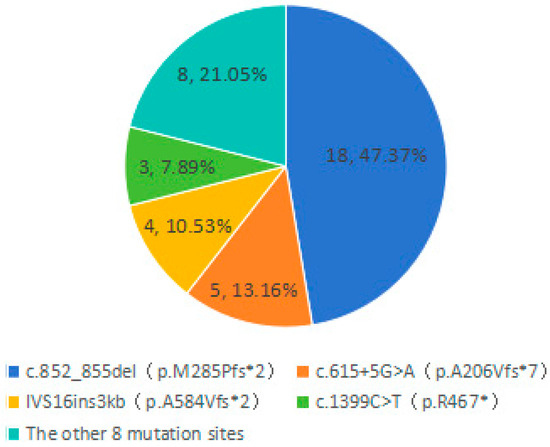
Citrin deficiency (CD) is an autosomal recessive disorder and represents one of the urea cycle disorders. This study aims to analyze the detection rate, clinical features, and genetic mutation characteristics of neonatal intrahepatic cholestasis caused by citrin deficiency (NICCD) in the Hefei region of China. We conducted NICCD screening using tandem mass spectrometry (MS/MS) for infants born in Hefei City between January 2016 and December 2025. Screen-positive cases were subjected to genetic testing via next-generation sequencing (NGS), with subsequent validation by Sanger sequencing. Clinical manifestations, biochemical parameters, and genetic mutation profiles of confirmed cases were systematically analyzed. A total of 924,676 newborns underwent screening, identifying 17 cases of NICCD, yielding a detection rate of 1/54,393, with two false-negative cases identified. The most prevalent mutation site is c.852_855del (p.M285Pfs*2). Following diagnosis, health education, dietary guidance, and symptomatic treatment were administered, resulting in favorable outcomes in the majority of cases. However, one infant exhibited significant growth retardation despite early therapeutic intervention that normalized biochemical parameters. Furthermore, an infant was found to have gallstones at birth and subsequently diagnosed with a liver hemangioma at one year of age. Some patients may experience missed screenings due to delayed elevations in citrulline levels. Therefore, even for newborns with negative screening results, timely assessments of liver function, MS/MS, and genetic testing are recommended for infants experiencing prolonged jaundice. This approach enables early identification and intervention. The combination of MS/MS with genetic screening may serve as a reliable strategy to reduce false-negative results in NICCD screening.
Full article

Figure 1
Open AccessArticle
Communicating a Congenital Cytomegalovirus Diagnosis: Parent Experiences and a Clinical Framework
by
Megan Honor Pesch, Laura C. Taylor, Sean P. McKenzie and Gail Demmler-Harrison
Int. J. Neonatal Screen. 2026, 12(3), 57; https://doi.org/10.3390/ijns12030057 - 24 Jul 2026
Abstract
Congenital cytomegalovirus (cCMV) is characterized by highly variable outcomes; how diagnostic information is communicated to families is critical, yet parent experiences of communication following a cCMV diagnosis are not well described. The objective was to examine parent experiences of communication following a cCMV
[...] Read more.
Congenital cytomegalovirus (cCMV) is characterized by highly variable outcomes; how diagnostic information is communicated to families is critical, yet parent experiences of communication following a cCMV diagnosis are not well described. The objective was to examine parent experiences of communication following a cCMV diagnosis and identify opportunities to improve communication in the setting of clinical uncertainty. The method used was semi-structured interviews with 41 mothers of children with cCMV explored communication of diagnostic results, interactions with healthcare providers, and perceptions of information clarity, timing, and adequacy. Transcripts were analyzed using thematic analysis. Participants described variability in diagnostic communication, including differences in timing, modality, and content. Some received in-person counseling, whereas others learned of the diagnosis through phone calls, written communication, or electronic health portals prior to provider contact. Many reported limited explanation, insufficient anticipatory guidance, and inconsistent or incomplete information across providers. These communication gaps contributed to confusion, increased reliance on external information sources, and diminished trust in the healthcare system. Participants emphasized the importance of clear, compassionate communication that acknowledges uncertainty while providing actionable guidance. Communication surrounding cCMV diagnosis is inconsistent and often does not meet family needs. Diagnostic disclosure should function as a clinical intervention requiring clear, patient-centered, longitudinal communication to support families navigating uncertainty.
Full article
Open AccessArticle
Improving Severe Combined Immunodeficiency and Cystic Fibrosis Newborn Screening by Replacing Current Tests with First-Tier Targeted Gene Sequencing
by
Bennett O. V. Shum, Carel Pretorius, Ilya Henner, Emre Basar, Urs Wilgen, Glenn Bennett and Jacobus P. J. Ungerer
Int. J. Neonatal Screen. 2026, 12(3), 56; https://doi.org/10.3390/ijns12030056 - 23 Jul 2026
Abstract
Newborn screening benefits children with rare diseases by enabling early detection and intervention, which improves health outcomes. False-positive results are one harm of screening, with infants subject to further testing to resolve a positive screen and parents susceptible to psychosocial distress while awaiting
[...] Read more.
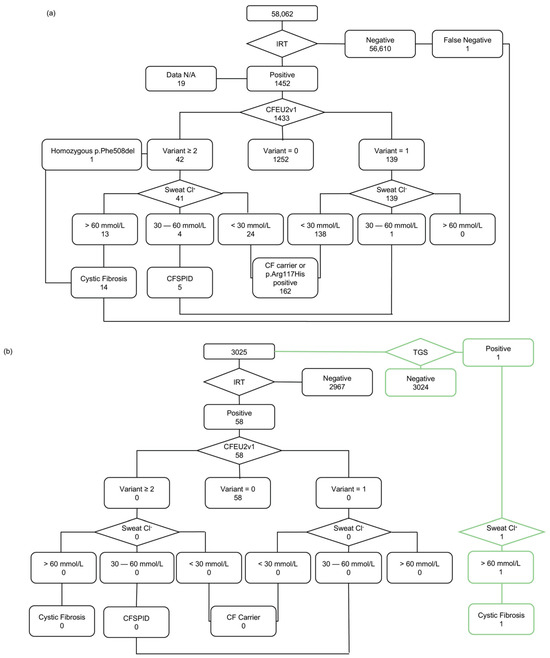
Newborn screening benefits children with rare diseases by enabling early detection and intervention, which improves health outcomes. False-positive results are one harm of screening, with infants subject to further testing to resolve a positive screen and parents susceptible to psychosocial distress while awaiting the results. Newborn bloodspot screening (NBS) for severe combined immunodeficiency (SCID) using quantitative polymerase chain reaction (qPCR) and cystic fibrosis (CF) screening using immunoreactive trypsinogen (IRT) have high false-positive rates, with more than five infants screening positive and unaffected, for each child diagnosed. We used first-tier targeted gene sequencing (TGS) to prospectively screen 3025 newborns for CF, SCID and spinal muscular atrophy (SMA) and compared the results to current screening protocols using multiplex qPCR and IRT. TGS identified one infant with CF, missed by the IRT assay, and detected an infant with SMA, who screened positive with multiplex qPCR. TGS had zero false-positive results for SCID, CF and SMA. By contrast, multiplex qPCR and IRT screening protocols had approximately nine false positives for each child diagnosed with CF (positive predictive value, PPV 10.00%) and SCID (PPV 10.13%). Replacing current SCID and CF screening protocols with TGS would reduce NBS false positives and may result in a higher sensitivity for CF. TGS sensitivity and specificity would be comparable to qPCR for SMA. A larger trial is required to determine TGS sensitivity and cost-effectiveness.
Full article
(This article belongs to the Special Issue Genetic and Genomic Technologies in Newborn Screening: Current Applications and Future Directions)
►▼
Show Figures

Figure 1
Open AccessReview
The Dual Role of Neonatal Pulse Oximetry Screening and Fetal Echocardiography in Congenital Heart Disease Detection Around the World
by
Anita Krishnan, Carolyn Sommer, Chinenyenwa Mpamaugo, Sonia Voleti Chivukula, Lisa A. Hom, Gerard R. Martin and Mary T. Donofrio
Int. J. Neonatal Screen. 2026, 12(3), 55; https://doi.org/10.3390/ijns12030055 - 21 Jul 2026
Abstract
Congenital heart disease is the most common birth defect worldwide. Perinatal detection, either in utero or prior to hospital discharge is important for planning delivery, ordering adjunct testing, and planning for surgical or medical care. In countries with access to ultrasound screening, prenatal
[...] Read more.
Congenital heart disease is the most common birth defect worldwide. Perinatal detection, either in utero or prior to hospital discharge is important for planning delivery, ordering adjunct testing, and planning for surgical or medical care. In countries with access to ultrasound screening, prenatal detection is highly accurate though with variable sensitivity and specificity around the world. Pulse oximetry screening, in some cases coupled with murmur auscultation in the nursery can also reach very high degrees of sensitivity for critical congenital heart disease. Use of the modalities per guidelines and recommendations is an important aspect of decreasing infant mortality and morbidity worldwide.
Full article
(This article belongs to the Special Issue Global Updates on the Advancements in CCHD Screening)
►▼
Show Figures

Figure 1
Open AccessArticle
Reference Values of Peripheral Perfusion Index in Healthy Neonates and Preliminary Observations of Congenital Heart Disease in Tibet: A Cohort Study
by
Miaomiao Wei, Yaoyao Dong, Ciren Zhuoma, Lin Peng, Youping Tian, Qing Gu, Sheng Wei, Bianba Zhuoma, Xiaojing Hu and Guoying Huang
Int. J. Neonatal Screen. 2026, 12(3), 54; https://doi.org/10.3390/ijns12030054 - 20 Jul 2026
Abstract
The peripheral perfusion index (PPI) is a non-invasive indicator of peripheral tissue perfusion in neonates. However, reference values for the PPI at different postnatal time points in healthy neonates residing at high altitudes, as well as early perfusion characteristics in infants with congenital
[...] Read more.
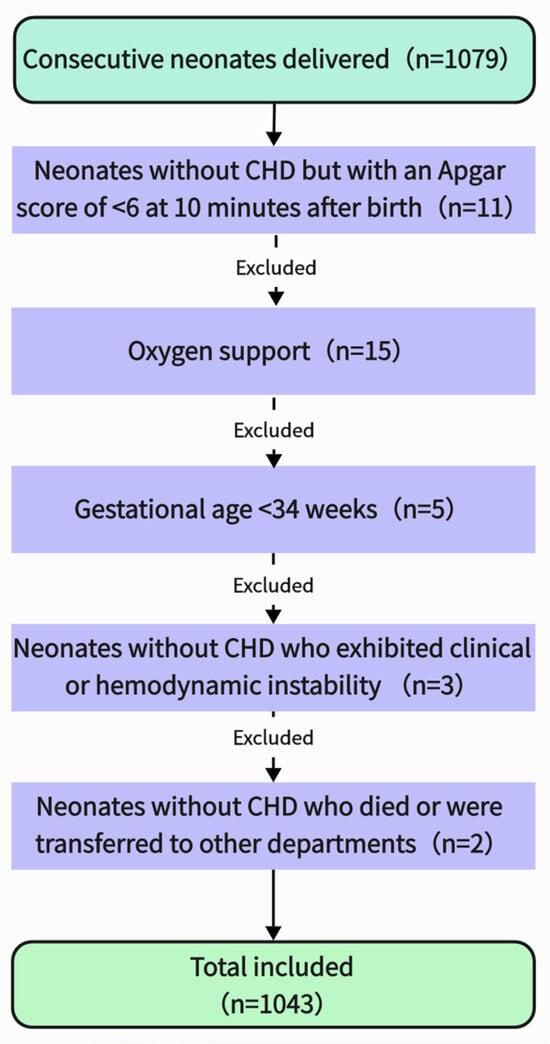
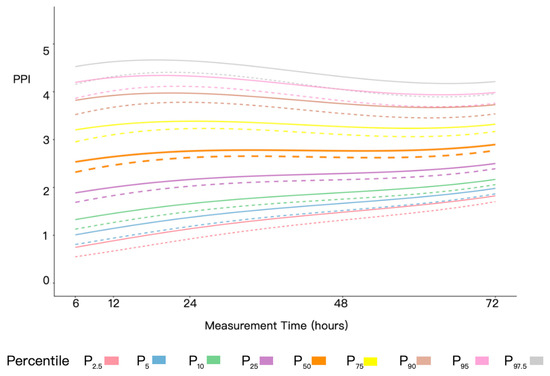
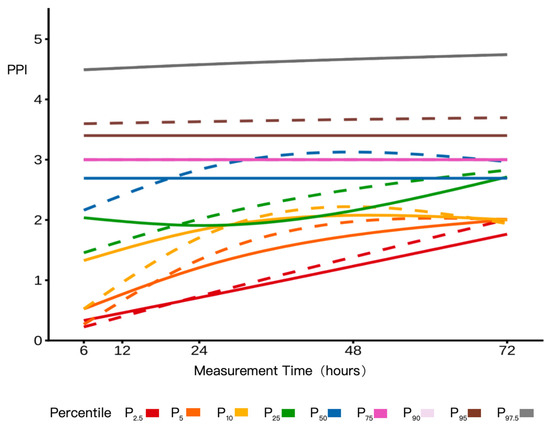
The peripheral perfusion index (PPI) is a non-invasive indicator of peripheral tissue perfusion in neonates. However, reference values for the PPI at different postnatal time points in healthy neonates residing at high altitudes, as well as early perfusion characteristics in infants with congenital heart disease (CHD) in these settings, remain inadequately defined. The primary aim was to determine the dynamic changes in and percentile-based reference values of the PPI in healthy neonates during the first 6–72 h after birth in the high-altitude region of Tibet. A secondary, exploratory aim was to observe PPI patterns in neonates with CHD born during the same period and to compare the two groups, given the limited number of CHD cases enrolled. A longitudinal cohort study was conducted among consecutively born neonates in a high-altitude region of Tibet. The PPI was measured in the right hand (pre-ductal) and either foot (post-ductal) at 6, ~12, ~24, ~48, and ~72 h after birth. Generalized Additive Models for Location, Scale and Shape (GAMLSS) were used to construct percentile reference curves for healthy neonates. Generalized Estimating Equations (GEE) were applied to evaluate differences in the PPI across time points, measurement sites, and between groups (healthy vs. CHD). A total of 1043 neonates were enrolled, including 1034 in the healthy group and only 9 CHD cases. In healthy neonates, the PPI increased progressively within the first 72 h, with a rapid rise from 6 to 24 h, a slower increase from 24 to 48 h, and stabilization between 48 and 72 h. At all time points, the lower-limb PPI was significantly higher than the upper-limb PPI (p < 0.001). The 50th percentile (P50) values for the upper-limb PPI at 6, 12, 24, 48, and 72 h were 2.32, 2.46, 2.62, 2.63, and 2.77, respectively; corresponding values for the lower-limb PPI were 2.53, 2.64, 2.76, 2.77, and 2.90. Compared to the healthy group, neonates with CHD at high altitudes had similar PPI at 6 h. However, their PPI was significantly lower between 12 and 48 h. At 72 h, no statistically significant difference was found between the groups, likely due to the small sample size of CHD infants. Conclusions: This study provides a reference for routine perfusion assessment in stable neonates born at high altitudes. Due to the limited sample size (only 9 CHD cases), our findings on PPI changes in neonates with CHD remain preliminary. The normative PPI percentile curves established in this study offer objective baseline perfusion data for stable neonates living in high-altitude areas. Future large-scale cohort studies are still needed to validate the clinical value of the PPI as a perfusion monitoring tool in infants with CHD.
Full article
(This article belongs to the Special Issue Newborn Screening for Physical/Structural Birth Defects)
►▼
Show Figures

Figure 1
Open AccessReview
Pulse Oximetry Screening in the Newborn: Can Modifications to the Screening Algorithm Improve Detection?
by
Andrew K. Ewer
Int. J. Neonatal Screen. 2026, 12(3), 53; https://doi.org/10.3390/ijns12030053 - 20 Jul 2026
Abstract
Pulse oximetry screening (POS) is a simple non-invasive tool which enables the early detection of critical congenital heart defects (CCHDs). POS has moderate sensitivity and high specificity; it is cost-effective, readily accepted by parents and healthcare professionals, and its introduction significantly reduces mortality
[...] Read more.
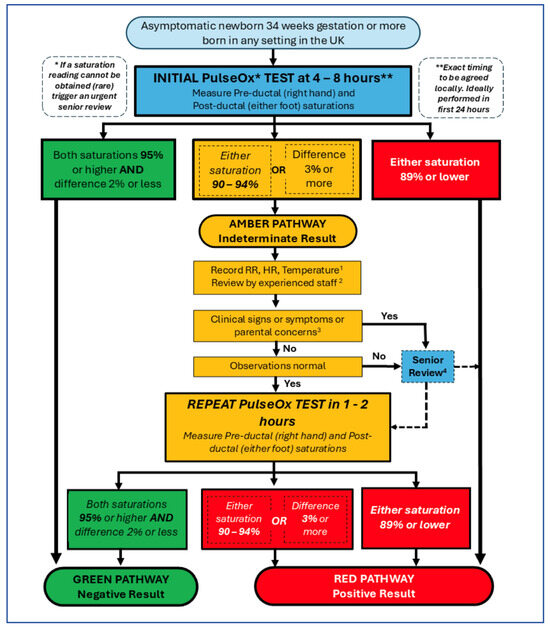
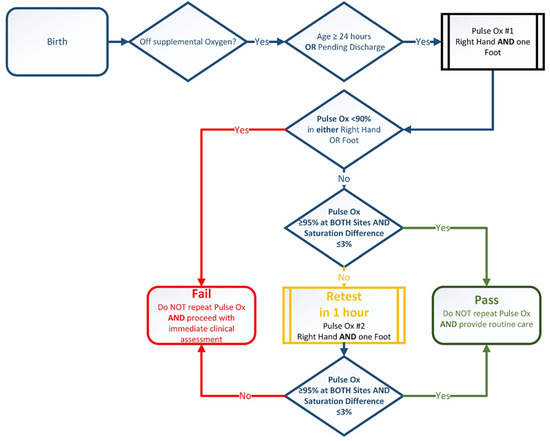
Pulse oximetry screening (POS) is a simple non-invasive tool which enables the early detection of critical congenital heart defects (CCHDs). POS has moderate sensitivity and high specificity; it is cost-effective, readily accepted by parents and healthcare professionals, and its introduction significantly reduces mortality from CCHDs. As a result, most high-income countries and many middle-income countries have introduced, or are considering introducing, POS. Despite the international uptake of POS, there is still no consensus regarding the most appropriate screening algorithm, although several have been described. In addition, this review will consider the variations—and their relative advantages and disadvantages—between POS algorithms and also explore how modifications to existing algorithms—such as the addition of a perfusion index or the incorporation of machine learning—may have the potential to improve future detection of CCHDs.
Full article
(This article belongs to the Special Issue Global Updates on the Advancements in CCHD Screening)
►▼
Show Figures

Figure 1
Highly Accessed Articles
Latest Books
E-Mail Alert
News
1 September 2026
MDPI INSIGHTS: The CEO’s Letter #38 – 2 Million Published Articles, Outstanding Reviewers, Michele Parrinello Award, AIS 2026 & WSF-12
12 August 2026
International Journal of Neonatal Screening at the 12th ISNS International Symposium Held Jointly with SLEIMPN, 9–12 November 2026, San José, Costa Rica
Topics
Conferences
Special Issues
Special Issue in
IJNS
Tracking, Treatment, and Trust: Evolving Follow-Up Practices in Newborn Screening
Guest Editor: Amy GaviglioDeadline: 1 October 2026
Special Issue in
IJNS
Newborn Screening for Sickle Cell Disease Between Point of Care Testing and Next Generation Sequencing – An Impossible Choice or Not?
Guest Editors: Stephan Lobitz, Béatrice Gulbis, Yvonne Daniel, Raffaella ColombattiDeadline: 31 October 2026
Special Issue in
IJNS
Equity Issues in Newborn Screening
Guest Editors: Lynn Wein Bush, Juan Cabello, Amy BrowerDeadline: 31 December 2026
Special Issue in
IJNS
Newborn Screening Developing Programs in Asia
Guest Editors: Bradford Therrell, Carmencita PadillaDeadline: 31 December 2026
Topical Collections
Topical Collection in
IJNS
Newborn Screening in Japan
Collection Editors: Toshihiro Tajima, Kimihiko Oishi
Topical Collection in
IJNS
Newborn Screening in the United Kingdom—Continuous Improvement and Optimisation of Newborn Screening Programmes
Collection Editors: Nick Flynn, Rachel Carling, Jane Chudleigh