
<?xml version="1.0" encoding="UTF-8"?>
<!DOCTYPE article PUBLIC "-//NLM//DTD Journal Publishing DTD v2.3 20070202//EN" "journalpublishing.dtd">
<article xmlns:xlink="http://www.w3.org/1999/xlink" xml:lang="en" article-type="research-article">
<front>
<journal-meta>
<journal-id journal-id-type="publisher-id">ijms</journal-id>
<journal-title>International Journal of Molecular Sciences</journal-title>
<abbrev-journal-title>Int. J. Mol. Sci.</abbrev-journal-title>
<issn pub-type="epub">1422-0067</issn>
<publisher>
<publisher-name>Molecular Diversity Preservation International (MDPI)</publisher-name></publisher></journal-meta>
<article-meta>
<article-id pub-id-type="doi">10.3390/ijms13044906</article-id>
<article-id pub-id-type="publisher-id">ijms-13-04906</article-id>
<article-categories>
<subj-group>
<subject>Article</subject></subj-group></article-categories>
<title-group>
<article-title>Novel Drug Delivery System Based on Docetaxel-Loaded Nanocapsules as a Therapeutic Strategy Against Breast Cancer Cells</article-title></title-group>
<contrib-group>
<contrib contrib-type="author">
<name><surname>Sánchez-Moreno</surname><given-names>Paola</given-names></name><xref ref-type="aff" rid="af1-ijms-13-04906">1</xref><xref ref-type="author-notes" rid="fn1-ijms-13-04906">†</xref></contrib>
<contrib contrib-type="author">
<name><surname>Boulaiz</surname><given-names>Houria</given-names></name><xref ref-type="aff" rid="af2-ijms-13-04906">2</xref><xref ref-type="author-notes" rid="fn1-ijms-13-04906">†</xref></contrib>
<contrib contrib-type="author">
<name><surname>Ortega-Vinuesa</surname><given-names>Juan Luis</given-names></name><xref ref-type="aff" rid="af1-ijms-13-04906">1</xref></contrib>
<contrib contrib-type="author">
<name><surname>Peula-García</surname><given-names>José Manuel</given-names></name><xref ref-type="aff" rid="af1-ijms-13-04906">1</xref><xref ref-type="aff" rid="af3-ijms-13-04906">3</xref></contrib>
<contrib contrib-type="author">
<name><surname>Aránega</surname><given-names>Antonia</given-names></name><xref ref-type="aff" rid="af2-ijms-13-04906">2</xref><xref ref-type="corresp" rid="c1-ijms-13-04906">*</xref></contrib></contrib-group>
<aff id="af1-ijms-13-04906">
<label>1</label>Biocolloid and Fluid Physics Group, Department of Applied Physics, University of Granada, 18071 Granada, Spain; E-Mails: <email>paolasm@ugr.es</email> (P.S.-M.); <email>jlortega@ugr.es</email> (J.L.O.-V.); <email>jmpeula@uma.es</email> (J.M.P.-G.)</aff>
<aff id="af2-ijms-13-04906">
<label>2</label>Human Anatomy and Embryology Department, Regenerative Biomedicine Institute (IBIMER), Campus de la Salud, University of Granada, 18071 Granada, Spain; E-Mail: <email>hboulaiz@ugr.es</email></aff>
<aff id="af3-ijms-13-04906">
<label>3</label>Department of Applied Physics II, University of Malaga, 29071 Malaga, Spain</aff>
<author-notes>
<corresp id="c1-ijms-13-04906">
<label>*</label>Author to whom correspondence should be addressed; E-Mail: <email>aranega@ugr.es</email>; Tel.:+34-958-241271; Fax: +34-958-246296.</corresp><fn id="fn1-ijms-13-04906">
<label>†</label>
<p>These authors contributed equally to this work.</p></fn></author-notes>
<pub-date pub-type="collection">
<year>2012</year></pub-date>
<pub-date pub-type="epub">
<day>19</day>
<month>4</month>
<year>2012</year></pub-date>
<volume>13</volume>
<issue>4</issue>
<fpage>4906</fpage>
<lpage>4919</lpage>
<history>
<date date-type="received">
<day>08</day>
<month>2</month>
<year>2012</year></date>
<date date-type="rev-recd">
<day>07</day>
<month>3</month>
<year>2012</year></date>
<date date-type="accepted">
<day>06</day>
<month>4</month>
<year>2012</year></date></history>
<permissions>
<copyright-statement>© 2012 by the authors; licensee Molecular Diversity Preservation International, Basel, Switzerland.</copyright-statement>
<copyright-year>2012</copyright-year>
<license license-type="open-access" xlink:href="http://creativecommons.org/licenses/by/3.0">
<p>This article is an open-access article distributed under the terms and conditions of the Creative Commons Attribution license (http://creativecommons.org/licenses/by/3.0/).</p></license></permissions>
<abstract>
<p>In the field of cancer therapy, lipid nanocapsules based on a core-shell structure are promising vehicles for the delivery of hydrophobic drugs such as docetaxel. The main aim of this work was to evaluate whether docetaxel-loaded lipid nanocapsules improved the anti-tumor effect of free docetaxel in breast cancer cells. Three docetaxel-loaded lipid nanocapsules were synthesized by solvent displacement method. Cytotoxic assays were evaluated in breast carcinoma (MCF-7) cells treated by the sulforhodamine B colorimetric method. Cell cycle was studied by flow cytometry and Annexin V-FITC, and apoptosis was evaluated by using propidium iodide assays. The anti-proliferative effect of docetaxel appeared much earlier when the drug was encapsulated in lipid nanoparticles than when it was free. Docetaxel-loaded lipid nanocapsules significantly enhanced the decrease in IC<sub>50</sub> rate, and the treated cells evidenced apoptosis and a premature progression of the cell cycle from G(1) to G(2)-M phase. The chemotherapeutic effect of free docetaxel on breast cancer cells is improved by its encapsulation in lipid nanocapsules. This approach has the potential to overcome some major limitations of conventional chemotherapy and may be a promising strategy for future applications in breast cancer therapy.</p></abstract>
<kwd-group>
<kwd>lipid nanoparticles</kwd>
<kwd>docetaxel</kwd>
<kwd>drug delivery</kwd>
<kwd>breast cancer</kwd></kwd-group></article-meta></front>
<body>
<sec sec-type="intro">
<title>1. Introduction</title>
<p>Breast cancer is the most common malignant tumor and the first cause of morbidity and mortality among women worldwide [<xref ref-type="bibr" rid="b1-ijms-13-04906">1</xref>,<xref ref-type="bibr" rid="b2-ijms-13-04906">2</xref>]. The past century witnessed the maturation of chemotherapy as a viable adjuvant therapeutic modality for the treatment of cancer. Furthermore, in the case of breast disease, there have been advances in its early detection as well as in surgery, radiotherapy, and hormone therapy. The majority of women (&gt;75%) with breast cancer are diagnosed at an early stage or are operable [<xref ref-type="bibr" rid="b3-ijms-13-04906">3</xref>], and these patients require adjuvant chemotherapy to reduce the risk of recurrence [<xref ref-type="bibr" rid="b4-ijms-13-04906">4</xref>,<xref ref-type="bibr" rid="b5-ijms-13-04906">5</xref>].</p>
<p>Taxanes (paclitaxel or docetaxel) are active cytotoxic agents that promote the polymerization of tubulin and the stabilization of microtubules by preventing their disassembly. Adjuvant chemotherapy with taxanes reduces the risk of cancer recurrence and death in patients with early or operable breast cancer and has shown benefits in patients with high-risk node-negative breast cancer. However, although these novel chemotherapeutics have led to improvements in survival, they are associated with numerous drug-related toxicities [<xref ref-type="bibr" rid="b6-ijms-13-04906">6</xref>]. Thus, docetaxel has been associated with a significant increase in neutropenia, febrile neutropenia, leucopenia, stomatitis, edema, fatigue and/or asthenia, and diarrhea [<xref ref-type="bibr" rid="b6-ijms-13-04906">6</xref>]. These effects are due in part to the high doses used to achieve the desired anti-tumor effect, which are necessary because of the non-specific distribution of both novel and traditional chemotherapies, with only a small fraction of drugs reaching the tumor. It is well known that injected materials suffer from sequestration by the reticuloendothelial system, which is composed of monocytes and macrophages that clear foreign materials [<xref ref-type="bibr" rid="b7-ijms-13-04906">7</xref>]. The drugs can accumulate in healthy organs, and there is a fine line between tolerability and severe morbidity, e.g., in the case of doxorubicin, a DNA intercalator that produces cardiotoxicity [<xref ref-type="bibr" rid="b8-ijms-13-04906">8</xref>]. Moreover, the commercial formulation of docetaxel, Taxotere<sup>®</sup>, is formulated with a high concentration of Tween 80 (40 g/L), which has been found to have severe side effects, including hypersensitivity reactions, cumulative fluid retention, and nausea and which has shown incompatibility with commonly used polyvinyl chloride intravenous administration sets [<xref ref-type="bibr" rid="b9-ijms-13-04906">9</xref>]. Taken together, these factors compromise the curative potential of anticancer drugs, and more effective methods for their delivery to tumors are required [<xref ref-type="bibr" rid="b10-ijms-13-04906">10</xref>].</p>
<p>Therefore, novel therapeutic approaches and alternative formulations of docetaxel with no (or low concentration) of Tween 80 are urgently needed to improve the efficacy of treatment in breast cancer patients with a poor prognosis. In this context, liposomes and polymer-drug conjugates were developed in the 1960s and 1970s [<xref ref-type="bibr" rid="b11-ijms-13-04906">11</xref>] in attempts to apply Paul Ehrlich’s “magic bullet” concept to chemotherapy [<xref ref-type="bibr" rid="b12-ijms-13-04906">12</xref>]. These are now mainstay platforms in nanomedicine, a multidisciplinary field that aims to utilize nanoscale (1–100 nm) constructs to improve the delivery of chemotherapeutics [<xref ref-type="bibr" rid="b13-ijms-13-04906">13</xref>]. Primarily, these carriers assist in drug solubilization and protect the drug from degradation. Their nanoscale size range and the frequently ubiquitous presence of poly (ethylene glycol) (PEG) or Pluronic<sup>®</sup> F68 on their surface aids evasion of the reticuloendothelial system, allowing drugs to accumulate in tumors through enhanced permeability and retention, the result of tumor blood vessel leakiness [<xref ref-type="bibr" rid="b14-ijms-13-04906">14</xref>,<xref ref-type="bibr" rid="b15-ijms-13-04906">15</xref>]. Lower sequestration rates in healthy organs coupled with higher accumulation and retention rates in tumors would improve the effectiveness of treatments and minimize adverse effects.</p>
<p>Lipid nanocapsules based on a core-shell structure are promising vehicles for the delivery of hydrophobic drugs such as docetaxel. This study is the second part of a broader investigation of lipid nanocapsules. The first part was focused on the physicochemical characterization of three different lipid nanosystems [<xref ref-type="bibr" rid="b16-ijms-13-04906">16</xref>]. The main aim of the present study was to evaluate whether docetaxel-loaded lipid nanocapsules improve the anti-tumor effect of free docetaxel in MCF-7 breast cancer cells. Indeed, we found a greater reduction in IC<sub>50</sub> rate when the docetaxel was encapsulated in lipid nanoparticles, with evidence of apoptosis and premature cell cycle progression from G(1) to G(2)-M phase.</p></sec>
<sec sec-type="results|discussion">
<title>2. Results and Discussion</title>
<p>In cancer therapy, most proposed formulations present certain drawbacks related to low drug loading, toxicity, and/or an unsuitable release pattern [<xref ref-type="bibr" rid="b17-ijms-13-04906">17</xref>]. Furthermore, as previously noted, docetaxel is formulated using Tween 80 (polysorbate 80) and ethanol (50:50, v/v), and acute hypersensitivity reactions have been noted in the majority of patients treated in phase I clinical trials, [<xref ref-type="bibr" rid="b18-ijms-13-04906">18</xref>–<xref ref-type="bibr" rid="b20-ijms-13-04906">20</xref>]. Fluid retention and hypersensitivity, among other reactions, are also associated with some other drugs with Tween 80 in their formulation [<xref ref-type="bibr" rid="b17-ijms-13-04906">17</xref>]; therefore, this excipient may be partially responsible for some of the toxic effects observed with docetaxel [<xref ref-type="bibr" rid="b21-ijms-13-04906">21</xref>,<xref ref-type="bibr" rid="b22-ijms-13-04906">22</xref>]. An ideal formulation should provide biocompatible nanosized particles and high drug loading with sustained-release characteristics, allowing drug release in the target site at a therapeutic concentration, thereby minimizing drug inefficiency and adverse effects. Various approaches have been investigated in this line [<xref ref-type="bibr" rid="b21-ijms-13-04906">21</xref>,<xref ref-type="bibr" rid="b23-ijms-13-04906">23</xref>,<xref ref-type="bibr" rid="b24-ijms-13-04906">24</xref>].</p>
<p>In the present study, we reformulated docetaxel in a better-tolerated and less-toxic vehicle to avoid premedication with corticosteroids and antihistamines, which is usually prescribed to reduce adverse reactions associated with docetaxel in Tween 80. Three previously obtained and characterized nanocapsule systems (16) were used to encapsulate docetaxel. All of them have a hydrophobic core constituted by olive oil, but they differ in their shell components. The shell of the simplest system (Epi), with an average diameter of 170 ± 20 nm, comprised a mixture of phospholipid molecules (Epikuron) and a poloxamer (Pluronic<sup>®</sup> F68), which both act as colloidal stabilizers. Pluronic<sup>®</sup> F68 possesses the capacity to avoid opsonin adsorption, thereby preventing the triggering of a cascade of immune system reactions that would eliminate the nanocapsules from the bloodstream [<xref ref-type="bibr" rid="b15-ijms-13-04906">15</xref>]. Furthermore, because this poloxamer is not toxic, it can be used in nanoemulsions for the release of drugs and genes [<xref ref-type="bibr" rid="b25-ijms-13-04906">25</xref>]. A second system (CS), with an average diameter of 330 ± 30 nm, was formulated by replacing the poloxamer with chitosan oligomers. Chitosan is a polysaccharide obtained from the deacetylation of chitin, which is a structural element of the exoskeleton of crustaceans. It is hydrophilic, biocompatible, and biodegradable and has low toxicity, and its effectiveness as an adsorption-enhancing agent has been demonstrated by various authors [<xref ref-type="bibr" rid="b26-ijms-13-04906">26</xref>]. Finally, a third formulation (PhS), with an average diameter of 210 ± 20 nm, was designed to create a nanosystem in which Epikuron was replaced with phosphatidyl-serine, producing a carboxyl-functionalized nanosystem that offers the possibility of the efficient attachment of antibody molecules for future vectorization purposes [<xref ref-type="bibr" rid="b16-ijms-13-04906">16</xref>]. The surface electrical state of the different nanocapsules was analyzed by measuring their electrophoretic mobility as a function of the pH in low ionic strength media. Electrophoretic mobility is an experimental parameter directly related with the zeta potential and the surface potential, which is dependent of the surface composition and the salinity and pH of the medium. The zeta potential values at neutral pH agree with the nature of the shell of the nanocapsules, showing a positive surface charge (16.3 mV) for CS nanosystem, and a negative surface charge for Epi and PhS nanosystems (−56.4 mV and −44.4 mV respectively).</p>
<sec sec-type="methods">
<title>2.1. Uptake Analysis</title>
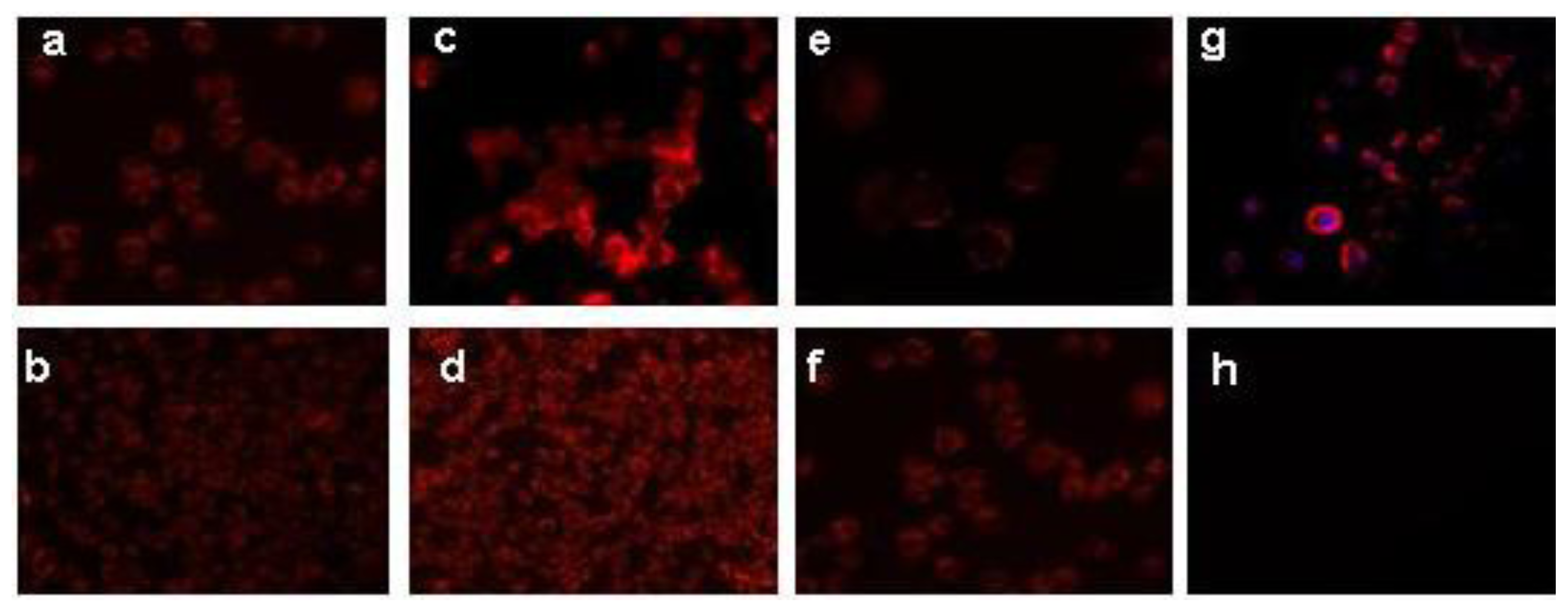
<p>Fluorescence microscopy studies were conducted to test the intensity of uptake by MCF-7 cells of the encapsulated Nile red. The uptake was significantly faster for Nile Red-CS nanocapsules than for the other two types. After only 1 h, CS particles showed the highest uptake, followed by Epi and then PhS particles (<xref ref-type="fig" rid="f1-ijms-13-04906">Figure 1</xref>). Uptake increased with longer incubation time, preserving these differences among particles until 5 h, when the cells showed the same amount of fluorescence, and no differences among the three types of nanoparticles could be detected. At 3 h of incubation, the Nile red was localized in the cytoplasm of cells (<xref ref-type="fig" rid="f1-ijms-13-04906">Figure 1</xref>), indicating that these nanosystems are effective vehicles to transport the molecules within MCF-7 cells by endocytosis, and can avoid efflux by cell membrane MDR transport proteins such as p-glycoprotein (P-gp) [<xref ref-type="bibr" rid="b25-ijms-13-04906">25</xref>,<xref ref-type="bibr" rid="b27-ijms-13-04906">27</xref>,<xref ref-type="bibr" rid="b28-ijms-13-04906">28</xref>]. The variation in internalization among the different nanoparticles may be attributable to a combination of surface charge and hydrophilicity, which play a major role in affinity in the endocytosis pathway [<xref ref-type="bibr" rid="b29-ijms-13-04906">29</xref>]. The CS nanocapsules showed the highest fluorescence intensity, related to their positive superficial charge, which increases the affinity between nanoparticle and negatively-charged cell membrane [<xref ref-type="bibr" rid="b30-ijms-13-04906">30</xref>]. This finding is consistent with the enhanced mucoadhesive properties reported for chitosan nanosystems [<xref ref-type="bibr" rid="b31-ijms-13-04906">31</xref>,<xref ref-type="bibr" rid="b32-ijms-13-04906">32</xref>]. The lower fluorescence response observed with the EPI and PhS systems appears attributable to the size and negative surface charge of these nanocapsules, as well as to the hydrophilic nature of the poloxamer molecules, which produce systems that are more biocompatible but have a lower cell uptake [<xref ref-type="bibr" rid="b33-ijms-13-04906">33</xref>,<xref ref-type="bibr" rid="b34-ijms-13-04906">34</xref>]. The lower fluorescence intensity of PhS <italic>versus</italic> EPI nanocapsules may be attributable to the lesser hydrophilicity of the former. Nevertheless, given that these differences disappear after 5 h of treatment, all three systems achieve similar uptake efficacy (data not shown).</p></sec>
<sec>
<title>2.2. Synthesis, Encapsulation Efficiency, and Cytotoxicity Assays of Docetaxel-Loaded Nanoparticles</title>
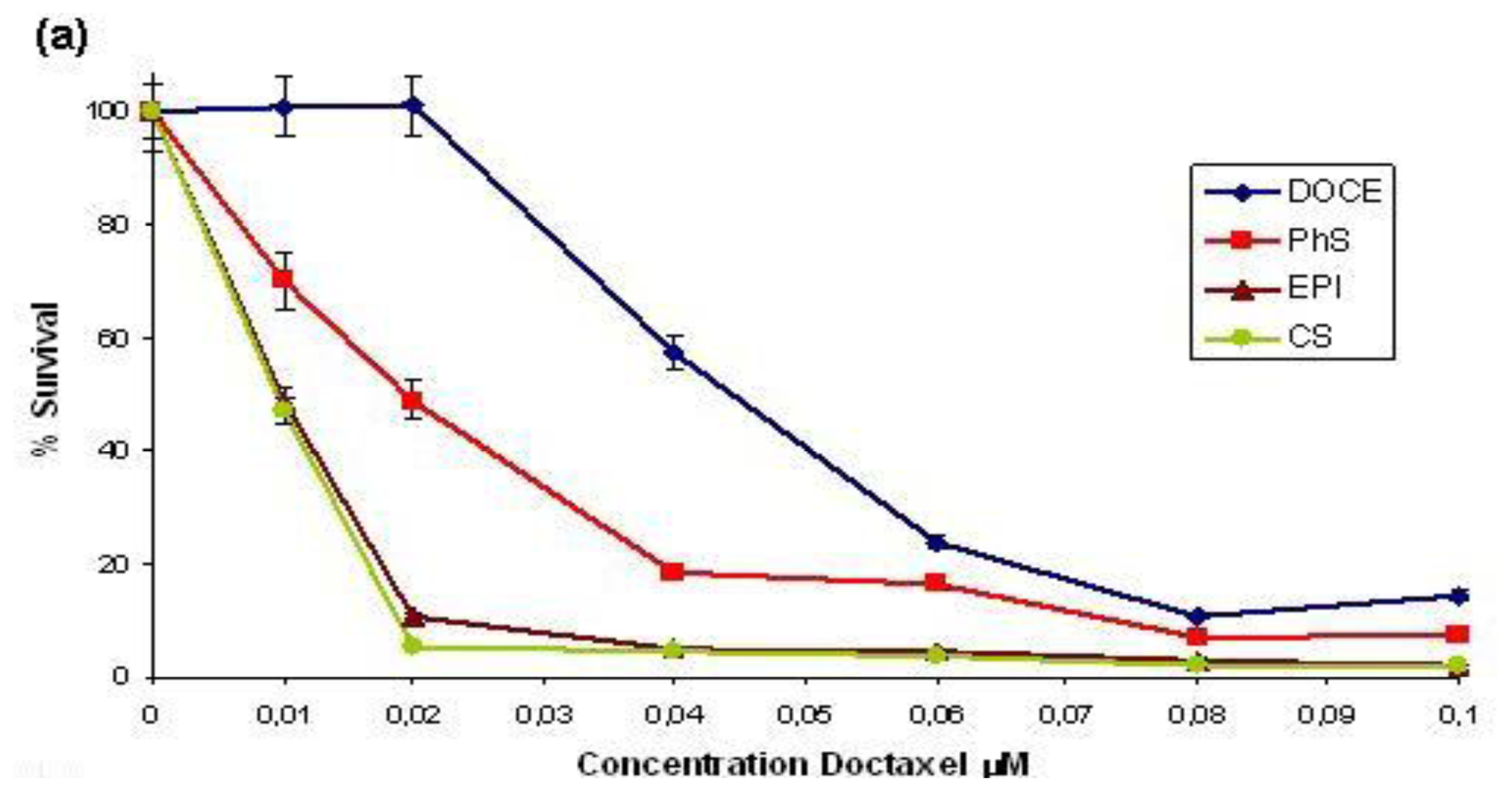
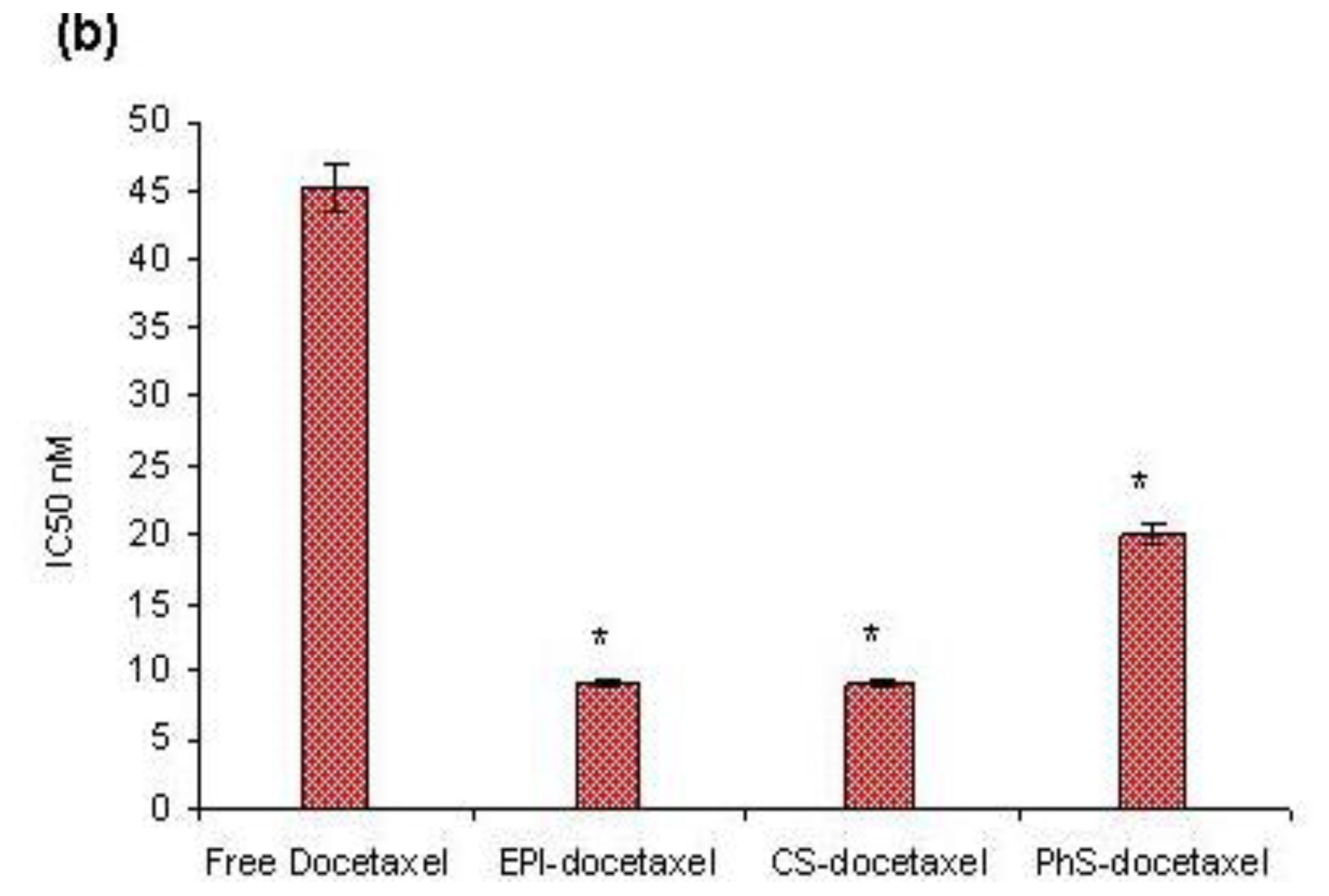
<p>Docetaxel-loaded nanoparticles were prepared by using a solvent-displacement technique. For encapsulation, docetaxel was dissolved in olive oil from the organic phase of the emulsion before it was mixed with the aqueous phase. High-performance liquid chromatography (HPLC) study of the encapsulation efficiency of docetaxel showed that the organic phase of CS, Epi, and PhS nanoparticles contained 86%, 80%, and 80% of the drug, respectively. In cytotoxicity assays, MCF-7 cells were treated with free docetaxel or increasing concentrations of the different docetaxel-loaded nanocapsules for 6 days, followed by calculation of the inhibitory concentration 50 (IC<sub>50</sub>) in each case. No significant differences in growth patterns were found between parental MCF-7 cells and MCF-7 cells treated with empty CS, Epi, or PhS nanoparticles (data not shown). With equivalent drug loading in the culture medium, a markedly lower proliferation rate was observed in the MCF-7 cells treated with docetaxel-loaded nanoparticles than in the parental MCF-7 cells treated with free docetaxel (<xref ref-type="fig" rid="f2-ijms-13-04906">Figure 2</xref>). A 20 nM dose of free docetaxel had no cytotoxic effect on cells, whereas 20 nM of docetaxel-loaded CS, Epi, or PhS nanoparticles induced a significant decrease of 94.65%, 89.27%, or 51.01%, respectively, in their survival rate (<italic>P</italic> &lt; 0.001) (<xref ref-type="fig" rid="f2-ijms-13-04906">Figure 2a</xref>). IC<sub>50</sub> values were 45 nM for free docetaxel, 9 nM for docetaxel-loaded CS and Epi nanoparticles, and 20 nM for docetaxel-loaded PhS nanoparticles (<xref ref-type="fig" rid="f2-ijms-13-04906">Figure 2b</xref>).</p>
<p>Recent studies reported similar effects with high-dose docetaxel in oily core nanocapsules. Youm <italic>et al</italic>. [<xref ref-type="bibr" rid="b35-ijms-13-04906">35</xref>] observed that the bioactivity against SUM 225 cells was higher for free <italic>versus</italic> encapsulated docetaxel at lower concentrations (2.5 μM), but was significantly higher for the encapsulated form at the highest concentration (5 μM). Likewise, Li <italic>et al</italic>. [<xref ref-type="bibr" rid="b36-ijms-13-04906">36</xref>] found that cell death was greater in drug-resistant MCF-7/ADR cells when doxorubicin was delivered in LA-TPGS nanoparticles at high drug concentrations. Importantly, the Epi, CS, and PhS nanocapsules described in the present study induced high cell death levels even at low concentrations, exerting a five-fold (Epi and CS) and 2.26-fold (PhS) more potent cytotoxic effect <italic>versus</italic> free docetaxel. These data indicate that the sustained release of the drug and its enhanced drug internalization by MCF-7 cells when in this nanocapsule formulation may increase the biological response to docetaxel and allow a decrease in the dose, thereby reducing its side effects.</p></sec>
<sec sec-type="methods">
<title>2.3. Apoptosis Determinations and Cell Cycle Analysis</title>
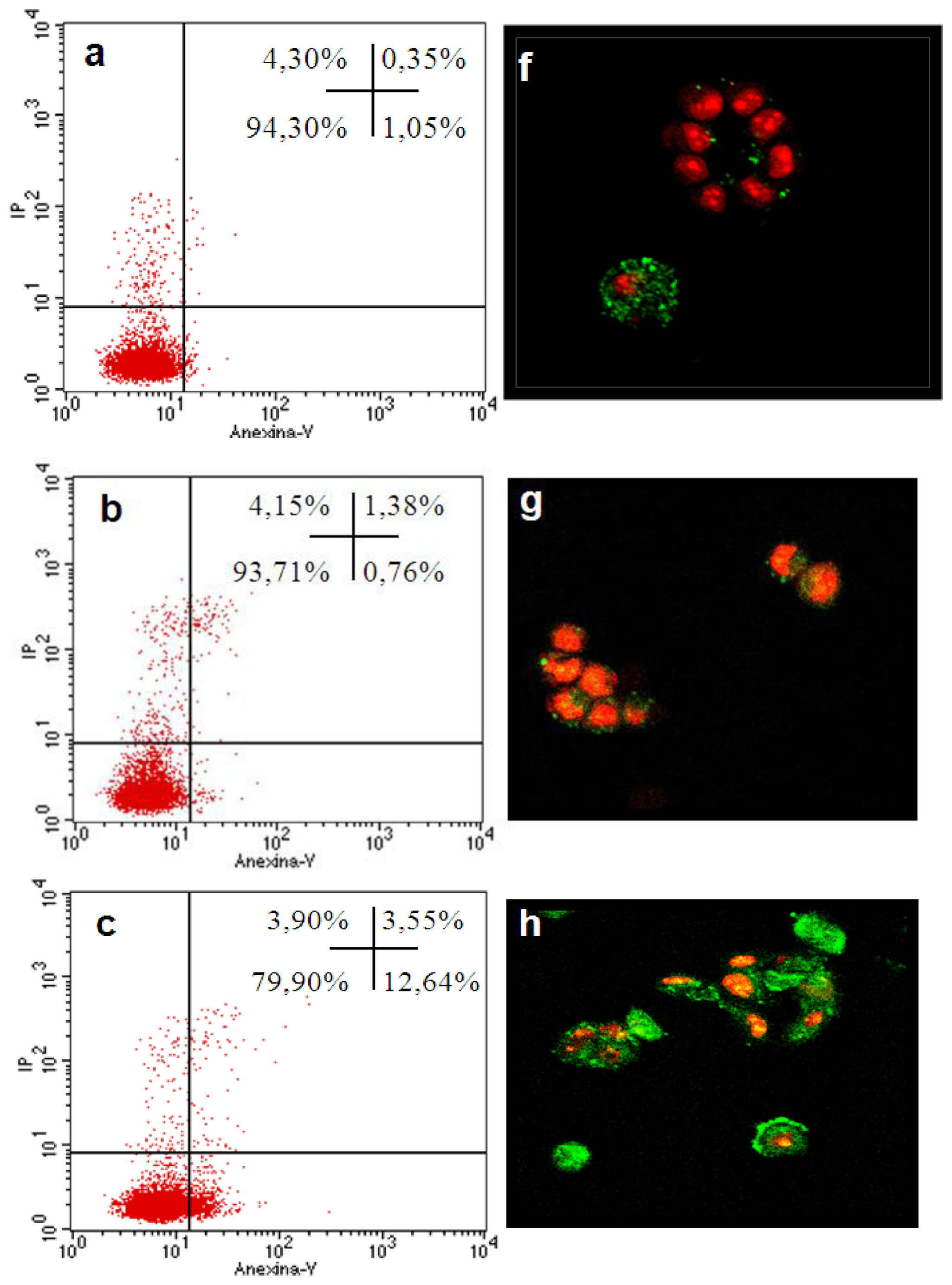
<p>Apoptosis is considered the main cell death mechanism in response to taxanes. Docetaxel targets tubulin, stabilizing microtubules and thereby inducing cell-cycle arrest and apoptosis [<xref ref-type="bibr" rid="b37-ijms-13-04906">37</xref>]. We therefore studied these well-documented effects on cell cycle distribution and apoptosis in the tumor cells. When undergoing apoptosis, cells externalize phosphatidylserine, a lipid found on the inner surface of the cell membrane that can be labeled with fluorochrome-conjugated annexin V. It is therefore possible to distinguish between intact cells (stained negative for both annexin V-FITC and propidium iodide [PI]), early apoptosis (stained positive for annexin V-FITC and negative for PI), late apoptosis or cell death (stained positive for both annexin V-FITC and PI), and necrosis (stained positive for PI).</p>
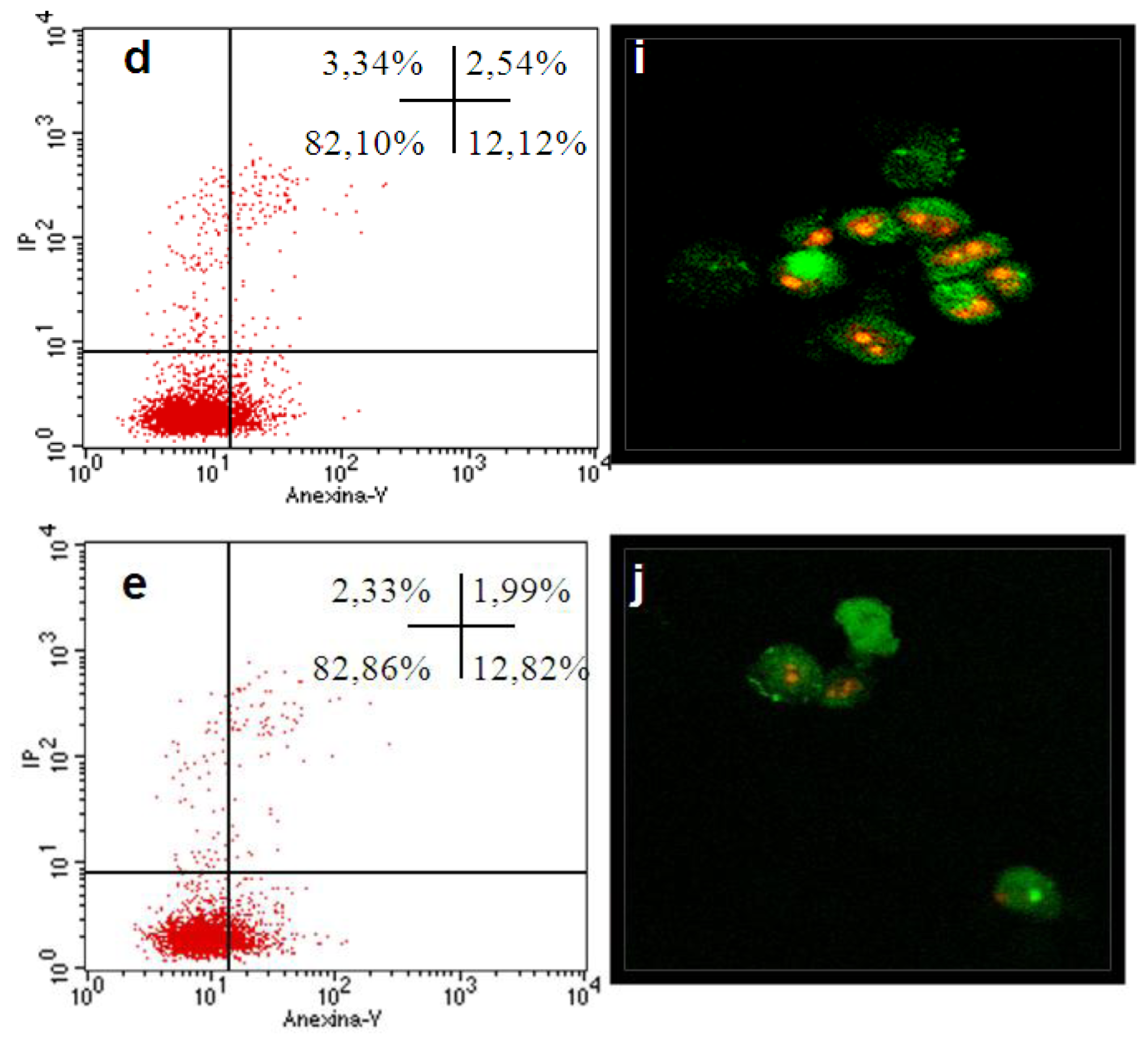
<p>Our flow cytometry study with annexin V assay showed that 94.30% of control MCF-7 culture cells were viable, 1.05% were early apoptotic, 0.35% were in late or final stages of apoptosis, and 4.30% were necrotic (<italic>P</italic> &lt; 0.001) (<xref ref-type="fig" rid="f3-ijms-13-04906">Figure 3</xref>). No significant differences <italic>versus</italic> control cells were found in MCF-7 cells treated for 24 h with empty nanoparticles (data not shown). No apoptosis was detected in cells treated with 45.2 nM free docetaxel for 24 h. Significant apoptosis levels were observed in cells treated with docetaxel-loaded nanoparticles, and the highest apoptosis level (16.19%) was in the cells treated with 9.1 nM of Epi docetaxel-loaded nanoparticles (<xref ref-type="fig" rid="f3-ijms-13-04906">Figure 3a–e</xref>). The confocal microscopy study confirmed these results (<xref ref-type="fig" rid="f3-ijms-13-04906">Figure 3f–j</xref>). In fact, it is known to be difficult to demonstrate programmed cell death by known apoptosis-inducing agents in the MCF-7 human breast cancer cell line, and only a few cytotoxic agents have been found to act preferentially via an apoptotic mechanism in human breast cancer cells [<xref ref-type="bibr" rid="b38-ijms-13-04906">38</xref>,<xref ref-type="bibr" rid="b39-ijms-13-04906">39</xref>].</p>
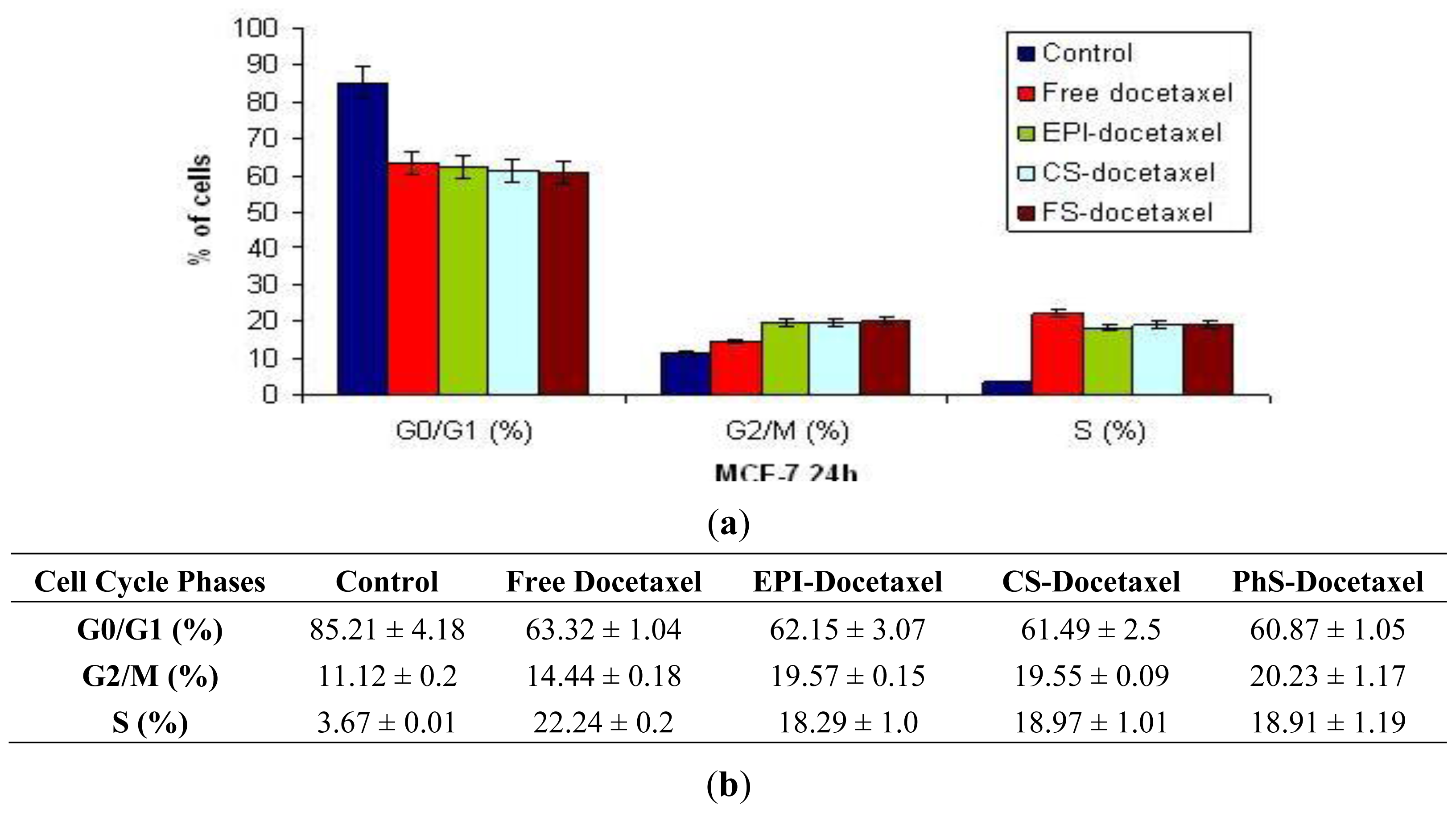
<p>It has also been reported that docetaxel acts at molecular level by impairing mitosis and inducing cell-cycle arrest [<xref ref-type="bibr" rid="b40-ijms-13-04906">40</xref>]. We performed flow cytometry studies to determine differences in cell cycle distribution among the treatments. <xref ref-type="fig" rid="f4-ijms-13-04906">Figure 4</xref> depicts the results of treating MCF-7 cells for 24 h with free or nanocapsule-loaded docetaxel at IC<sub>50</sub> values. All treatments induced accumulation in G<sub>2</sub>/M and S phases, with a significant decrease in G<sub>0</sub>/G<sub>1</sub> phase <italic>versus</italic> control cells. The accumulation was significantly greater in cells treated with docetaxel-loaded nanoparticles than in cells treated with the free drug (<xref ref-type="fig" rid="f4-ijms-13-04906">Figure 4</xref>). The rapid decrease in cell cycle progression, evidenced by the increased percentage of cells in S and G<sub>2</sub>/M phase, is in agreement with previous reports that docetaxel treatment induces a G<sub>2</sub> cell cycle buildup in several cell lines, including MCF-7 [<xref ref-type="bibr" rid="b41-ijms-13-04906">41</xref>–<xref ref-type="bibr" rid="b43-ijms-13-04906">43</xref>].</p></sec></sec>
<sec>
<title>3. Experimental Section</title>
<sec>
<title>3.1. Cell Lines and Culture Conditions</title>
<p>The human breast cancer MCF-7 cell line was grown at 37 °C in an atmosphere containing 5% CO<sub>2</sub> with Dulbecco’s modified Eagle Medium (DMEM) (Gibco, Grand Island, NY, USA) supplemented with 10% (v/v) heat-inactivated fetal bovine serum (FBS) (Gibco) 2% <sc>l</sc>-glutamine, 2.7% sodium bicarbonate, 1% Hepes buffer, and 1% penicillin/streptomycin solution (GPS, Sigma).</p></sec>
<sec>
<title>3.2. Lipid Nanocapsule Preparation</title>
<p>Lipid nanosystems were prepared and characterized as described in [<xref ref-type="bibr" rid="b16-ijms-13-04906">16</xref>]. Three systems were formulated: EPI nanocapsules, with surface shell composed of Epikuron and Pluronic<sup>®</sup> F68; CS nanocapsules, with shell of Epikuron and chitosan oligomers; and PhS nanocapsules, with shell of phosphatidyl-<sc>l</sc>-serine and Pluronic<sup>®</sup> F68. For nanosystem characterization, the average size was determined by combining a high-performance-particle-sizer technology with a non-invasive-backscattering method, in which the measurement is taken at an angle of 173°. A Zetasizer-Nano analyzer (Malvern Instruments, Worcestershire, UK) was used to measure the electrophoretic mobility (μ<sub>e</sub>). Zeta potential was calculated from this experimental magnitude in physiological medium conditions.</p>
<p>Fluorescent lipid nanocapsules were formulated by dissolving Nile Red in the olive oil phase at a concentration of 0.025% (w/w). Encapsulation of this fluorescent molecule was confirmed by using a SPEX Fluoromax-2 spectrofluorometer. Emission fluorescence spectra were determined from 550 to 700 nm at an excitation wavelength of 485 nm, with a scanning speed of 100 nm/min and wavelength accuracy of ±1 nm.</p>
<p>Docetaxel-loaded lipid nanocapsules were formulated by dissolving docetaxel in the olive oil phase at a concentration of 0.1% (m/w). The encapsulation efficiency was calculated by HPLC at the Scientific Instrumentation Center of the University of Granada, using a SHIMADZU LC-20AC chromatograph with SPD-M20A diode array detector and C8 Nova-Pak Cartridge column (4 microns, 4.6 × 150 mm); detection was performed at a wavelength of 230 nm.</p></sec>
<sec>
<title>3.3. Uptake Studies</title>
<p>MCF-7 cells (5 × 10<sup>3</sup>) were seeded into 6-well plates under the culture conditions detailed above. After 24 h, cells were fed with fresh medium and treated with Nile Red nanocapsules. Cells were incubated with Nile Red labeled particles for 1 h and 5 h and then washed twice with acidic phosphate saline buffer (PBS) to remove free nanocapsules. Fresh PBS was added and living cells were analyzed by fluorescent microscopy (Nikon Eclipse Ti-S). Cells treated with empty nanoparticles were used as controls.</p></sec>
<sec>
<title>3.4. Cytotoxicity Assays <italic>in Vitro</italic></title>
<p>MCF-7 cells (1 × 10<sup>3</sup>) were plated into 6-well plates under the culture conditions detailed above. The cells were fed with fresh medium and increased concentrations of free and encapsulated drug every alternate day up to the end of the experiment. After 6 days of treatment, cells were counted using sulforodamine-B (SRB) colorimetric assay as previously described [<xref ref-type="bibr" rid="b44-ijms-13-04906">44</xref>] using a Titertek Multiscan apparatus (Flow, Irvine, CA, USA) at 492 nm.</p>
<p>We evaluated the linearity of the SRB assay with cell number using stock MCF-7 cells before each cell growth experiment. IC<sub>50</sub> values were calculated from semi-logarithmic dose-response curves by linear interpolation. All experiments were plated in triplicate wells and were carried out at least twice.</p></sec>
<sec>
<title>3.5. Apoptosis Detection by Staining with Annexin V-FITC and Propidium Iodide</title>
<p>The Annexin V-FITC Apoptosis Detection kit I (Pharmingen, San Diego, CA, USA) was used to detect apoptosis by flow cytometry. MCF-7 cells (1 × 10<sup>6</sup> cells) were plated onto 75-cm<sup>2</sup> flasks and cultured overnight, followed by incubation with IC<sub>50</sub> values of free or encapsulated docetaxel for 24 h. Cells were harvested by PBS-EDTA, washed twice in cold PBS (1.4 M NaCl, 27 mM KCl, 100 mM KH<sub>2</sub>PO<sub>4</sub>/K<sub>2</sub>HPO<sub>4</sub>, pH 7.2), and pelleted by centrifugation at 500 g for 10 min. They were then resuspended at 10<sup>6</sup> cells/100 μL in a binding buffer (Hepes buffer, 10 mM, pH 7.4, 150 mM NaCl, 5 mM KCl, 1 mM MgCl<sub>2</sub>, 1.8 mM CaCl<sub>2</sub>), stained with annexin V incubation reagent (1 μL annexin V-FITC (25 μg/mL), 10 μL binding buffer, 10 μL PI (50 μg/mL), and 79 μL H<sub>2</sub>O) and incubated in the dark for 15 min at room temperature. Then, 500 μL binding buffer was added and the cells (10,000 cells per sample) were immediately analyzed using a FACScan flow cytometer (Becton Dickinson, San Jose, CA, USA). All experiments were performed in triplicate and yielded similar results.</p></sec>
<sec sec-type="methods">
<title>3.6. Cell Cycle Distribution Analysis</title>
<p>Cells at 70% of confluence were treated with the half maximal inhibitory concentration (IC<sub>50</sub>) of free or encapsulated docetaxel. Cells in monolayer culture were harvested, washed twice with sample buffer (100 mg glucose; 100 mL PBS without Ca<sup>2+</sup> or Mg<sup>2+</sup>), and fixed in 70% (v/v) cold ethanol for up to 1 week. Cells were pelleted, washed once with sample buffer, and resuspended in PI solution (50 μg/mL PI, 0.5 mg/mL RNase in sample buffer, pH 7.4) for 30 min in the dark. Fluorescence activated cell sorting (FACS) analysis was performed after 24 h of treatment. All experiments were performed in triplicate and yielded similar results.</p></sec></sec>
<sec sec-type="conclusions">
<title>4. Conclusions</title>
<p>In conclusion, our three lipid core-shell nanocapsules appear to be excellent platforms for the encapsulation and delivery of docetaxel into human cancer cells, especially in cancers that are drug-resistant through efflux pump activity. Our carriers, especially the CS and Epi nanoparticles, favor a fast and efficient uptake of the encapsulated drug into tumor cells. Moreover, the encapsulated docetaxel maintained its full activity and preserved its mechanism of action, characterized by apoptosis and premature cell cycle progression from G(1) to G(2)-M phase. Our results suggest that the use of lipid nanocapsules may allow doses of docetaxel to be decreased without loss of therapeutic effect, thereby reducing the drug toxicity. It also avoids any adverse effect of excipients (e.g., Tween 80), and may constitute a promising strategy for future applications in breast cancer therapy.</p></sec></body>
<back>
<ack>
<title>Acknowledgments</title>
<p>The study was supported in part by grants from the Science and Innovation Ministry through the project REF: SAF2009-12295 and MAT2010-20370 (European FEDER support included), the “Instituto de Salud Carlos III” (Fondo de Investigación Sanitaria project No. P07-FQM03099) and the “Consejería de Innovación, Ciencia y Tecnología de la Junta de Andalucía” (Spain), by projects of excellence P07-FQM-2496 and P07-FQM03099 and P10-CTS-6270. The authors also wish to express their gratitude to A. Martín-Rodríguez from the Department of Applied Physics, University of Granada, for his scientific assistance, and to Pablo Álvarez from the Regenerative Biomedicine Institute for his technical assistance.</p></ack>
<ref-list>
<title>References</title>
<ref id="b1-ijms-13-04906"><label>1</label><citation citation-type="journal"><person-group person-group-type="author"><name><surname>Ferlay</surname><given-names>J.</given-names></name><name><surname>Shin</surname><given-names>H.R.</given-names></name><name><surname>Bray</surname><given-names>F.</given-names></name><name><surname>Forman</surname><given-names>D.</given-names></name><name><surname>Mathers</surname><given-names>C.</given-names></name><name><surname>Parkin</surname><given-names>D.M.</given-names></name></person-group><article-title>Estimates of worldwide burden of cancer in 2008: GLOBOCAN 2008</article-title><source>Int. J. Cancer</source><year>2010</year><volume>127</volume><fpage>2893</fpage><lpage>2917</lpage><pub-id pub-id-type="doi">10.1002/ijc.25516</pub-id><pub-id pub-id-type="pmid">21351269</pub-id></citation></ref>
<ref id="b2-ijms-13-04906"><label>2</label><citation citation-type="journal"><person-group person-group-type="author"><name><surname>Jemal</surname><given-names>A.</given-names></name><name><surname>Bray</surname><given-names>F.</given-names></name><name><surname>Center</surname><given-names>M.M.</given-names></name><name><surname>Ferlay</surname><given-names>J.</given-names></name><name><surname>Ward</surname><given-names>E.</given-names></name><name><surname>Forman</surname><given-names>D.</given-names></name></person-group><article-title>Global cancer statistics</article-title><source>CA Cancer J. Clin</source><year>2011</year><volume>61</volume><fpage>69</fpage><lpage>90</lpage><pub-id pub-id-type="doi">10.3322/caac.20107</pub-id><pub-id pub-id-type="pmid">21296855</pub-id></citation></ref>
<ref id="b3-ijms-13-04906"><label>3</label><citation citation-type="journal"><person-group person-group-type="author"><name><surname>Verma</surname><given-names>S.</given-names></name><name><surname>Lavasani</surname><given-names>S.</given-names></name><name><surname>Mackey</surname><given-names>J.</given-names></name><name><surname>Pritchard</surname><given-names>K.</given-names></name><name><surname>Clemons</surname><given-names>M.</given-names></name><name><surname>Dent</surname><given-names>S.</given-names></name><name><surname>Latreille</surname><given-names>J.</given-names></name><name><surname>Lemieux</surname><given-names>J.</given-names></name><name><surname>Provencher</surname><given-names>L.</given-names></name><name><surname>Verma</surname><given-names>Sh.</given-names></name><etal/></person-group><article-title>Optimizing the management of HER2-positive early breast cancer: The clinical reality</article-title><source>Curr. Oncol.</source><year>2010</year><volume>17</volume><fpage>20</fpage><lpage>33</lpage><pub-id pub-id-type="pmid">20697511</pub-id></citation></ref>
<ref id="b4-ijms-13-04906"><label>4</label><citation citation-type="journal"><collab>Early Breast Cancer Trialists’ Collaborative Group (EBCTCG)</collab><article-title>Effects of chemotherapy and hormonal therapy for early breast cancer on recurrence and 15-year survival: An overview of the randomised trials</article-title><source>Lancet</source><year>2005</year><volume>365</volume><fpage>1687</fpage><lpage>1717</lpage><pub-id pub-id-type="doi">10.1016/S0140-6736(05)66544-0</pub-id><pub-id pub-id-type="pmid">15894097</pub-id></citation></ref>
<ref id="b5-ijms-13-04906"><label>5</label><citation citation-type="journal"><collab>Early Breast Cancer Trialists’ Collaborative Group (EBCTCG)</collab><article-title>Polychemotherapy for early breast cancer: An overview of the randomised trials</article-title><source>Lancet</source><year>1998</year><volume>352</volume><fpage>930</fpage><lpage>942</lpage><pub-id pub-id-type="doi">10.1016/S0140-6736(98)03301-7</pub-id><pub-id pub-id-type="pmid">9752815</pub-id></citation></ref>
<ref id="b6-ijms-13-04906"><label>6</label><citation citation-type="journal"><person-group person-group-type="author"><name><surname>Qin</surname><given-names>Y.Y.</given-names></name><name><surname>Li</surname><given-names>H.</given-names></name><name><surname>Guo</surname><given-names>X.J.</given-names></name><name><surname>Ye</surname><given-names>X.F.</given-names></name><name><surname>Wei</surname><given-names>X.</given-names></name><name><surname>Zhou</surname><given-names>Y.H.</given-names></name><name><surname>Zhang</surname><given-names>X.J.</given-names></name><name><surname>Wang</surname><given-names>C.</given-names></name><name><surname>Qian</surname><given-names>W.</given-names></name><name><surname>Lu</surname><given-names>J.</given-names></name><etal/></person-group><article-title>Adjuvant chemotherapy, with or without taxanes, in early or operable breast cancer: A meta-analysis of 19 randomized trials with 30698 patients</article-title><source>PLoS One</source><year>2011</year><volume>6</volume><pub-id pub-id-type="doi">10.1371/journal.pone.0026946</pub-id></citation></ref>
<ref id="b7-ijms-13-04906"><label>7</label><citation citation-type="journal"><person-group person-group-type="author"><name><surname>Peer</surname><given-names>D.</given-names></name><name><surname>Karp</surname><given-names>J.M.</given-names></name><name><surname>Hong</surname><given-names>S.</given-names></name><name><surname>Farokhzad</surname><given-names>O.C.</given-names></name><name><surname>Margalit</surname><given-names>R.</given-names></name><name><surname>Langer</surname><given-names>R.</given-names></name></person-group><article-title>Nanocarriers as an emerging platform for cancer therapy</article-title><source>Nat. Nanotechnol</source><year>2007</year><volume>2</volume><fpage>751</fpage><lpage>760</lpage><pub-id pub-id-type="doi">10.1038/nnano.2007.387</pub-id><pub-id pub-id-type="pmid">18654426</pub-id></citation></ref>
<ref id="b8-ijms-13-04906"><label>8</label><citation citation-type="journal"><person-group person-group-type="author"><name><surname>Olson</surname><given-names>R.D.</given-names></name><name><surname>Mushlin</surname><given-names>P.S.</given-names></name></person-group><article-title>Doxorubicin cardiotoxicity: Analysis of prevailing hypotheses</article-title><source>FASEB J</source><year>1990</year><volume>4</volume><fpage>3076</fpage><lpage>3086</lpage><pub-id pub-id-type="pmid">2210154</pub-id></citation></ref>
<ref id="b9-ijms-13-04906"><label>9</label><citation citation-type="journal"><person-group person-group-type="author"><name><surname>Ma</surname><given-names>Y.</given-names></name><name><surname>Zheng</surname><given-names>Y.</given-names></name><name><surname>Zeng</surname><given-names>X.</given-names></name><name><surname>Jiang</surname><given-names>L.</given-names></name><name><surname>Chen</surname><given-names>H.</given-names></name><name><surname>Liu</surname><given-names>R.</given-names></name><name><surname>Huang</surname><given-names>L.</given-names></name><name><surname>Mei</surname><given-names>L.</given-names></name></person-group><article-title>Novel docetaxel-loaded nanoparticles based on PCL-Tween 80 copolymer for cancer treatment</article-title><source>Int. J. Nanomed</source><year>2011</year><volume>6</volume><fpage>2679</fpage><lpage>2688</lpage></citation></ref>
<ref id="b10-ijms-13-04906"><label>10</label><citation citation-type="journal"><person-group person-group-type="author"><name><surname>Blanco</surname><given-names>E.</given-names></name><name><surname>Hsiao</surname><given-names>A.</given-names></name><name><surname>Mann</surname><given-names>A.P.</given-names></name><name><surname>Landry</surname><given-names>M.G.</given-names></name><name><surname>Meric-Bernstam</surname><given-names>F.</given-names></name><name><surname>Ferrari</surname><given-names>M.</given-names></name></person-group><article-title>Nanomedicine in cancer therapy: Innovative trends and prospects</article-title><source>Cancer Sci</source><year>2011</year><volume>102</volume><fpage>1247</fpage><lpage>1252</lpage><pub-id pub-id-type="doi">10.1111/j.1349-7006.2011.01941.x</pub-id><pub-id pub-id-type="pmid">21447010</pub-id></citation></ref>
<ref id="b11-ijms-13-04906"><label>11</label><citation citation-type="journal"><person-group person-group-type="author"><name><surname>Duncan</surname><given-names>R.</given-names></name></person-group><article-title>The dawning era of polymer therapeutics</article-title><source>Nat. Rev. Drug Discov</source><year>2003</year><volume>2</volume><fpage>347</fpage><lpage>360</lpage><pub-id pub-id-type="doi">10.1038/nrd1088</pub-id><pub-id pub-id-type="pmid">12750738</pub-id></citation></ref>
<ref id="b12-ijms-13-04906"><label>12</label><citation citation-type="journal"><person-group person-group-type="author"><name><surname>Strebhardt</surname><given-names>K.</given-names></name><name><surname>Ullrich</surname><given-names>A.</given-names></name></person-group><article-title>Paul Ehrlich’s magic bullet concept: 100 years of progress</article-title><source>Nat. Rev</source><year>2008</year><volume>8</volume><fpage>473</fpage><lpage>480</lpage><pub-id pub-id-type="doi">10.1038/nrc2394</pub-id></citation></ref>
<ref id="b13-ijms-13-04906"><label>13</label><citation citation-type="journal"><person-group person-group-type="author"><name><surname>Boulaiz</surname><given-names>H.</given-names></name><name><surname>Alvarez</surname><given-names>P.J.</given-names></name><name><surname>Ramirez</surname><given-names>A.</given-names></name><name><surname>Marchal</surname><given-names>J.A.</given-names></name><name><surname>Prados</surname><given-names>J.</given-names></name><name><surname>Rodríguez-Serrano</surname><given-names>F.</given-names></name><name><surname>Perán</surname><given-names>M.</given-names></name><name><surname>Melguizo</surname><given-names>C.</given-names></name><name><surname>Aranega</surname><given-names>A.</given-names></name></person-group><article-title>Nanomedicine: Application areas and development prospects</article-title><source>Int. J. Mol. Sci</source><year>2011</year><volume>12</volume><fpage>3303</fpage><lpage>3321</lpage><pub-id pub-id-type="doi">10.3390/ijms12053303</pub-id><pub-id pub-id-type="pmid">21686186</pub-id></citation></ref>
<ref id="b14-ijms-13-04906"><label>14</label><citation citation-type="journal"><person-group person-group-type="author"><name><surname>Maeda</surname><given-names>H.</given-names></name></person-group><article-title>The enhanced permeability and retention (EPR) effect in tumor vasculature: The key role of tumor-selective macromolecular drug targeting</article-title><source>Adv. Enzym. Regul</source><year>2001</year><volume>41</volume><fpage>189</fpage><lpage>207</lpage><pub-id pub-id-type="doi">10.1016/S0065-2571(00)00013-3</pub-id></citation></ref>
<ref id="b15-ijms-13-04906"><label>15</label><citation citation-type="journal"><person-group person-group-type="author"><name><surname>Couvreur</surname><given-names>P.</given-names></name><name><surname>Barratt</surname><given-names>G.</given-names></name><name><surname>Fattal</surname><given-names>E.</given-names></name><name><surname>Legrand</surname><given-names>P.</given-names></name><name><surname>Vauthier</surname><given-names>C.</given-names></name></person-group><article-title>Nanocapsule technology: A review</article-title><source>Crit. Rev. Ther. Drug Carrier Syst</source><year>2002</year><volume>19</volume><fpage>99</fpage><lpage>134</lpage><pub-id pub-id-type="doi">10.1615/CritRevTherDrugCarrierSyst.v19.i2.10</pub-id><pub-id pub-id-type="pmid">12197610</pub-id></citation></ref>
<ref id="b16-ijms-13-04906"><label>16</label><citation citation-type="journal"><person-group person-group-type="author"><name><surname>Sánchez-Moreno</surname><given-names>P.</given-names></name><name><surname>Ortega-Vinuesa</surname><given-names>J.L.</given-names></name><name><surname>Martín-Rodríguez</surname><given-names>A.</given-names></name><name><surname>Boulaiz</surname><given-names>H.</given-names></name><name><surname>Marchal</surname><given-names>J.A.</given-names></name><name><surname>Peula-García</surname><given-names>J.M.</given-names></name></person-group><article-title>Characterization of different functionalized lipidic nanocapsules as potential drug carriers</article-title><source>Int. J. Mol. Sci</source><year>2012</year><volume>13</volume><fpage>2405</fpage><lpage>2424</lpage><pub-id pub-id-type="doi">10.3390/ijms13022405</pub-id><pub-id pub-id-type="pmid">22408461</pub-id></citation></ref>
<ref id="b17-ijms-13-04906"><label>17</label><citation citation-type="journal"><person-group person-group-type="author"><name><surname>Immordino</surname><given-names>M.L.</given-names></name><name><surname>Brusa</surname><given-names>P.</given-names></name><name><surname>Arpicco</surname><given-names>S.</given-names></name><name><surname>Stella</surname><given-names>B.</given-names></name><name><surname>Dosio</surname><given-names>F.</given-names></name><name><surname>Cattel</surname><given-names>L.</given-names></name></person-group><article-title>Preparation, characterization, cytotoxicity and pharmacokinetics of liposomes containing docetaxel</article-title><source>J. Control. Release</source><year>2003</year><volume>91</volume><fpage>417</fpage><lpage>429</lpage><pub-id pub-id-type="doi">10.1016/S0168-3659(03)00271-2</pub-id><pub-id pub-id-type="pmid">12932719</pub-id></citation></ref>
<ref id="b18-ijms-13-04906"><label>18</label><citation citation-type="journal"><person-group person-group-type="author"><name><surname>Earhart</surname><given-names>R.H.</given-names></name></person-group><article-title>Docetaxel (taxotere): Preclinical and general clinical information</article-title><source>Semin. Oncol</source><year>1999</year><volume>26</volume><fpage>8</fpage><lpage>13</lpage><pub-id pub-id-type="pmid">10604262</pub-id></citation></ref>
<ref id="b19-ijms-13-04906"><label>19</label><citation citation-type="journal"><person-group person-group-type="author"><name><surname>Verweij</surname><given-names>J.</given-names></name></person-group><article-title>Docetaxel (taxotere™): A new anti-cancer drug with promising potential?</article-title><source>Br. J. Cancer</source><year>1994</year><volume>70</volume><fpage>183</fpage><lpage>184</lpage><pub-id pub-id-type="doi">10.1038/bjc.1994.276</pub-id><pub-id pub-id-type="pmid">7914419</pub-id></citation></ref>
<ref id="b20-ijms-13-04906"><label>20</label><citation citation-type="journal"><person-group person-group-type="author"><name><surname>Piccart</surname><given-names>M.J.</given-names></name><name><surname>di Leo</surname><given-names>A.</given-names></name></person-group><article-title>Future perspectives of docetaxel (taxotere) in front-line therapy</article-title><source>Semin. Oncol</source><year>1997</year><volume>24</volume><fpage>S10-27</fpage><lpage>S10-33</lpage></citation></ref>
<ref id="b21-ijms-13-04906"><label>21</label><citation citation-type="journal"><person-group person-group-type="author"><name><surname>Lee</surname><given-names>S.W.</given-names></name><name><surname>Yun</surname><given-names>M.H.</given-names></name><name><surname>Jeong</surname><given-names>S.W.</given-names></name><name><surname>In</surname><given-names>C.H.</given-names></name><name><surname>Kim</surname><given-names>J.Y.</given-names></name><name><surname>Seo</surname><given-names>M.H.</given-names></name><name><surname>Pai</surname><given-names>C.M.</given-names></name><name><surname>Kim</surname><given-names>S.O.</given-names></name></person-group><article-title>Development of docetaxel-loaded intravenous formulation, Nanoxel-PM™ using polymer-based delivery system</article-title><source>J. Control. Release</source><year>2011</year><volume>155</volume><fpage>262</fpage><lpage>271</lpage><pub-id pub-id-type="doi">10.1016/j.jconrel.2011.06.012</pub-id><pub-id pub-id-type="pmid">21704664</pub-id></citation></ref>
<ref id="b22-ijms-13-04906"><label>22</label><citation citation-type="journal"><person-group person-group-type="author"><name><surname>Weiszhár</surname><given-names>Z.</given-names></name><name><surname>Czúcz</surname><given-names>J.</given-names></name><name><surname>Révész</surname><given-names>C.</given-names></name><name><surname>Rosivall</surname><given-names>L.</given-names></name><name><surname>Szebeni</surname><given-names>J.</given-names></name><name><surname>Rozsnyay</surname><given-names>Z.</given-names></name></person-group><article-title>Complement activation by polyethoxylated pharmaceutical surfactants: Cremophor-EL, Tween-80 and Tween-20</article-title><source>Eur. J. Pharm. Sci</source><year>2011</year><volume>45</volume><fpage>492</fpage><lpage>498</lpage><pub-id pub-id-type="pmid">21963457</pub-id></citation></ref>
<ref id="b23-ijms-13-04906"><label>23</label><citation citation-type="journal"><person-group person-group-type="author"><name><surname>Zhao</surname><given-names>M.</given-names></name><name><surname>Su</surname><given-names>M.</given-names></name><name><surname>Lin</surname><given-names>X.</given-names></name><name><surname>Luo</surname><given-names>Y.</given-names></name><name><surname>He</surname><given-names>H.</given-names></name><name><surname>Cai</surname><given-names>C.</given-names></name><name><surname>Tang</surname><given-names>X.</given-names></name></person-group><article-title>Evaluation of docetaxel-loaded intravenous lipid emulsion: Pharmacokinetics, tissue distribution, antitumor activity, safety and toxicity</article-title><source>Pharm. Res</source><year>2010</year><volume>27</volume><fpage>1687</fpage><lpage>1702</lpage><pub-id pub-id-type="doi">10.1007/s11095-010-0180-0</pub-id><pub-id pub-id-type="pmid">20552255</pub-id></citation></ref>
<ref id="b24-ijms-13-04906"><label>24</label><citation citation-type="journal"><person-group person-group-type="author"><name><surname>Gao</surname><given-names>K.</given-names></name><name><surname>Sun</surname><given-names>J.</given-names></name><name><surname>Liu</surname><given-names>K.</given-names></name><name><surname>Liu</surname><given-names>X.</given-names></name><name><surname>He</surname><given-names>Z.</given-names></name></person-group><article-title>Preparation and characterization of a submicron lipid emulsion of docetaxel: Submicron lipid emulsion of docetaxel</article-title><source>Drug Dev. Ind. Pharm</source><year>2008</year><volume>34</volume><fpage>1227</fpage><lpage>1237</lpage><pub-id pub-id-type="doi">10.1080/03639040802005057</pub-id><pub-id pub-id-type="pmid">18720137</pub-id></citation></ref>
<ref id="b25-ijms-13-04906"><label>25</label><citation citation-type="journal"><person-group person-group-type="author"><name><surname>Sahu</surname><given-names>A.</given-names></name><name><surname>Kasoju</surname><given-names>N.</given-names></name><name><surname>Goswami</surname><given-names>P.</given-names></name><name><surname>Bora</surname><given-names>U.</given-names></name></person-group><article-title>Encapsulation of curcumin in Pluronic block copolymer micelles for drug delivery applications</article-title><source>J. Biomater. Appl</source><year>2011</year><volume>25</volume><fpage>619</fpage><lpage>639</lpage><pub-id pub-id-type="doi">10.1177/0885328209357110</pub-id><pub-id pub-id-type="pmid">20207782</pub-id></citation></ref>
<ref id="b26-ijms-13-04906"><label>26</label><citation citation-type="journal"><person-group person-group-type="author"><name><surname>Ray</surname><given-names>S.D.</given-names></name></person-group><article-title>Potential aspects of chitosan as pharmaceutical excipient</article-title><source>Acta Pol. Pharm</source><year>2011</year><volume>68</volume><fpage>619</fpage><lpage>622</lpage><pub-id pub-id-type="pmid">21928704</pub-id></citation></ref>
<ref id="b27-ijms-13-04906"><label>27</label><citation citation-type="journal"><person-group person-group-type="author"><name><surname>Wasan</surname><given-names>K.M.</given-names></name></person-group><article-title>The biological functions of lipid excipients and the implications for pharmaceutical products development</article-title><source>J. Pharm. Sci</source><year>2009</year><volume>98</volume><fpage>379</fpage><lpage>382</lpage><pub-id pub-id-type="doi">10.1002/jps.21435</pub-id><pub-id pub-id-type="pmid">18484625</pub-id></citation></ref>
<ref id="b28-ijms-13-04906"><label>28</label><citation citation-type="journal"><person-group person-group-type="author"><name><surname>Anbharasi</surname><given-names>V.</given-names></name><name><surname>Cao</surname><given-names>N.</given-names></name><name><surname>Feng</surname><given-names>S.S.</given-names></name></person-group><article-title>Doxorubicin conjugated to d-alpha-tocopheryl polyethylene glycol succinate and folic acid as a prodrug for targeted chemotherapy</article-title><source>J. Biomed. Mater. Res. A</source><year>2010</year><volume>94</volume><fpage>730</fpage><lpage>743</lpage><pub-id pub-id-type="pmid">20225211</pub-id></citation></ref>
<ref id="b29-ijms-13-04906"><label>29</label><citation citation-type="journal"><person-group person-group-type="author"><name><surname>Florence</surname><given-names>A.T.</given-names></name><name><surname>Hussain</surname><given-names>N.</given-names></name></person-group><article-title>Transcytosis of nanoparticle and dendrimer delivery systems: Evolving vistas</article-title><source>Adv. Drug Deliv. Rev</source><year>2001</year><volume>50</volume><fpage>69</fpage><lpage>89</lpage><pub-id pub-id-type="doi">10.1016/S0169-409X(01)00184-3</pub-id></citation></ref>
<ref id="b30-ijms-13-04906"><label>30</label><citation citation-type="journal"><person-group person-group-type="author"><name><surname>Sandri</surname><given-names>G.</given-names></name><name><surname>Bonferoni</surname><given-names>M.C.</given-names></name><name><surname>Rossi</surname><given-names>S.</given-names></name><name><surname>Ferrari</surname><given-names>F.</given-names></name><name><surname>Gibin</surname><given-names>S.</given-names></name><name><surname>Zambito</surname><given-names>Y.</given-names></name><name><surname>di Colo</surname><given-names>G.</given-names></name><name><surname>Caramella</surname><given-names>C.</given-names></name></person-group><article-title>Nanoparticles based on <italic>N</italic>-trimethylchitosan: Evaluation of absorption properties using <italic>in vitro</italic> (Caco-2 cells) and <italic>ex vivo</italic> (excised rat jejunum) models</article-title><source>Eur. J. Pharm. Biopharm</source><year>2007</year><volume>65</volume><fpage>68</fpage><lpage>77</lpage><pub-id pub-id-type="doi">10.1016/j.ejpb.2006.07.016</pub-id><pub-id pub-id-type="pmid">16962751</pub-id></citation></ref>
<ref id="b31-ijms-13-04906"><label>31</label><citation citation-type="journal"><person-group person-group-type="author"><name><surname>Lozano</surname><given-names>M.V.</given-names></name><name><surname>Torrecilla</surname><given-names>D.</given-names></name><name><surname>Torres</surname><given-names>D.</given-names></name><name><surname>Vidal</surname><given-names>A.</given-names></name><name><surname>Dominguez</surname><given-names>F.</given-names></name><name><surname>Alonso</surname><given-names>M.J.</given-names></name></person-group><article-title>Highly efficient system to deliver taxanes into tumor cells: Docetaxel-loaded chitosan oligomer colloidal carriers</article-title><source>Biomacromolecules</source><year>2008</year><volume>9</volume><fpage>2186</fpage><lpage>2193</lpage><pub-id pub-id-type="doi">10.1021/bm800298u</pub-id><pub-id pub-id-type="pmid">18637687</pub-id></citation></ref>
<ref id="b32-ijms-13-04906"><label>32</label><citation citation-type="journal"><person-group person-group-type="author"><name><surname>Hafner</surname><given-names>A.</given-names></name><name><surname>Lovric</surname><given-names>J.</given-names></name><name><surname>Voinovich</surname><given-names>D.</given-names></name><name><surname>Filipovic-Grcic</surname><given-names>J.</given-names></name></person-group><article-title>Melatonin-loaded lecithin/chitosan nanoparticles: Physicochemical characterization and permeability through Caco-2 cell monolayers</article-title><source>Int. J. Pharm</source><year>2009</year><volume>381</volume><fpage>205</fpage><lpage>213</lpage><pub-id pub-id-type="doi">10.1016/j.ijpharm.2009.07.001</pub-id><pub-id pub-id-type="pmid">19596430</pub-id></citation></ref>
<ref id="b33-ijms-13-04906"><label>33</label><citation citation-type="journal"><person-group person-group-type="author"><name><surname>Vonarbourg</surname><given-names>A.</given-names></name><name><surname>Passirani</surname><given-names>C.</given-names></name><name><surname>Saulnier</surname><given-names>P.</given-names></name><name><surname>Benoit</surname><given-names>J.P.</given-names></name></person-group><article-title>Parameters influencing the stealthiness of colloidal drug delivery systems</article-title><source>Biomaterials</source><year>2006</year><volume>27</volume><fpage>4356</fpage><lpage>4373</lpage><pub-id pub-id-type="doi">10.1016/j.biomaterials.2006.03.039</pub-id><pub-id pub-id-type="pmid">16650890</pub-id></citation></ref>
<ref id="b34-ijms-13-04906"><label>34</label><citation citation-type="journal"><person-group person-group-type="author"><name><surname>Beduneau</surname><given-names>A.</given-names></name><name><surname>Saulnier</surname><given-names>P.</given-names></name><name><surname>Benoit</surname><given-names>J.P.</given-names></name></person-group><article-title>Active targeting of brain tumors using nanocarriers</article-title><source>Biomaterials</source><year>2007</year><volume>28</volume><fpage>4947</fpage><lpage>4967</lpage><pub-id pub-id-type="doi">10.1016/j.biomaterials.2007.06.011</pub-id><pub-id pub-id-type="pmid">17716726</pub-id></citation></ref>
<ref id="b35-ijms-13-04906"><label>35</label><citation citation-type="journal"><person-group person-group-type="author"><name><surname>Youm</surname><given-names>I.</given-names></name><name><surname>Yang</surname><given-names>X.Y.</given-names></name><name><surname>Murowchick</surname><given-names>J.B.</given-names></name><name><surname>Youan</surname><given-names>B.B.</given-names></name></person-group><article-title>Encapsulation of docetaxel in oily core polyester nanocapsule intended for breast cancer therapy</article-title><source>Nanoscale Res. Lett</source><year>2011</year><volume>6</volume><pub-id pub-id-type="doi">10.1186/1556-276X-6-630</pub-id></citation></ref>
<ref id="b36-ijms-13-04906"><label>36</label><citation citation-type="journal"><person-group person-group-type="author"><name><surname>Li</surname><given-names>P.Y.</given-names></name><name><surname>Lai</surname><given-names>P.S.</given-names></name><name><surname>Hung</surname><given-names>W.C.</given-names></name><name><surname>Syu</surname><given-names>W.J.</given-names></name></person-group><article-title>Poly(l-lactide)-vitamin E TPGS nanoparticles enhanced the cytotoxicity of doxorubicin in drug-resistant MCF-7 breast cancer cells</article-title><source>Biomacromolecules</source><year>2010</year><volume>11</volume><fpage>2576</fpage><lpage>2582</lpage><pub-id pub-id-type="doi">10.1021/bm1005195</pub-id><pub-id pub-id-type="pmid">20722436</pub-id></citation></ref>
<ref id="b37-ijms-13-04906"><label>37</label><citation citation-type="journal"><person-group person-group-type="author"><name><surname>Montero</surname><given-names>A.</given-names></name><name><surname>Fossella</surname><given-names>F.</given-names></name><name><surname>Hortobagyi</surname><given-names>G.</given-names></name><name><surname>Valero</surname><given-names>V.</given-names></name></person-group><article-title>Docetaxel for treatment of solid tumours: A systematic review of clinical data</article-title><source>Lancet Oncol</source><year>2005</year><volume>6</volume><fpage>229</fpage><lpage>239</lpage><pub-id pub-id-type="doi">10.1016/S1470-2045(05)70094-2</pub-id><pub-id pub-id-type="pmid">15811618</pub-id></citation></ref>
<ref id="b38-ijms-13-04906"><label>38</label><citation citation-type="journal"><person-group person-group-type="author"><name><surname>Chadderton</surname><given-names>A.</given-names></name><name><surname>Villeneuve</surname><given-names>D.J.</given-names></name><name><surname>Gluck</surname><given-names>S.</given-names></name><name><surname>Kirwan-Rhude</surname><given-names>A.F.</given-names></name><name><surname>Gannon</surname><given-names>B.R.</given-names></name><name><surname>Blais</surname><given-names>D.E.</given-names></name><name><surname>Parissenti</surname><given-names>A.M.</given-names></name></person-group><article-title>Role of specific apoptotic pathways in the restoration of paclitaxel-induced apoptosis by valspodar in doxorubicin-resistant MCF-7 breast cancer cells</article-title><source>Breast Cancer Res. Treat</source><year>2000</year><volume>59</volume><fpage>231</fpage><lpage>244</lpage><pub-id pub-id-type="doi">10.1023/A:1006344200094</pub-id><pub-id pub-id-type="pmid">10832593</pub-id></citation></ref>
<ref id="b39-ijms-13-04906"><label>39</label><citation citation-type="journal"><person-group person-group-type="author"><name><surname>Marchal</surname><given-names>J.A.</given-names></name><name><surname>Núñez</surname><given-names>M.C.</given-names></name><name><surname>Suárez</surname><given-names>I.</given-names></name><name><surname>Díaz-Gavilán</surname><given-names>M.</given-names></name><name><surname>Gómez-Vidal</surname><given-names>J.A.</given-names></name><name><surname>Boulaiz</surname><given-names>H.</given-names></name><name><surname>Rodríguez-Serrano</surname><given-names>F.</given-names></name><name><surname>Gallo</surname><given-names>M.A.</given-names></name><name><surname>Espinosa</surname><given-names>A.</given-names></name><name><surname>Aránega</surname><given-names>A.</given-names></name><etal/></person-group><article-title>A synthetic uracil derivative with antitumor activity through decreasing cyclin D1 and Cdk1, and increasing p21 and p27 in MCF-7 cells</article-title><source>Breast Cancer Res. Treat</source><year>2007</year><volume>105</volume><fpage>237</fpage><lpage>246</lpage><pub-id pub-id-type="doi">10.1007/s10549-006-9450-2</pub-id><pub-id pub-id-type="pmid">17124554</pub-id></citation></ref>
<ref id="b40-ijms-13-04906"><label>40</label><citation citation-type="journal"><person-group person-group-type="author"><name><surname>Hernández-Vargas</surname><given-names>H.</given-names></name><name><surname>Palacios</surname><given-names>J.</given-names></name><name><surname>Moreno-Bueno</surname><given-names>G.</given-names></name></person-group><article-title>Molecular profiling of docetaxel cytotoxicity in breast cancer cells: Uncoupling of aberrant mitosis and apoptosis</article-title><source>Oncogene</source><year>2007</year><volume>26</volume><fpage>2902</fpage><lpage>2913</lpage><pub-id pub-id-type="doi">10.1038/sj.onc.1210102</pub-id><pub-id pub-id-type="pmid">17099726</pub-id></citation></ref>
<ref id="b41-ijms-13-04906"><label>41</label><citation citation-type="journal"><person-group person-group-type="author"><name><surname>Liu</surname><given-names>D.</given-names></name><name><surname>Liu</surname><given-names>Z.</given-names></name><name><surname>Wang</surname><given-names>L.</given-names></name><name><surname>Zhang</surname><given-names>C.</given-names></name><name><surname>Zhang</surname><given-names>N.</given-names></name></person-group><article-title>Nanostructured lipid carriers as novel carrier for parenteral delivery of docetaxel</article-title><source>Colloids Surf. B Biointerfaces</source><year>2011</year><volume>85</volume><fpage>262</fpage><lpage>269</lpage><pub-id pub-id-type="doi">10.1016/j.colsurfb.2011.02.038</pub-id><pub-id pub-id-type="pmid">21435845</pub-id></citation></ref>
<ref id="b42-ijms-13-04906"><label>42</label><citation citation-type="journal"><person-group person-group-type="author"><name><surname>Sharma</surname><given-names>R.I.</given-names></name><name><surname>Welch</surname><given-names>A.E.</given-names></name><name><surname>Schweiger</surname><given-names>L.</given-names></name><name><surname>Craib</surname><given-names>S.</given-names></name><name><surname>Smith</surname><given-names>T.A.</given-names></name></person-group><article-title>[<sup>18</sup>F]Fluoro-2-deoxy-d-glucose incorporation by MCF-7 breast tumour cells <italic>in vitro</italic> is modulated by treatment with tamoxifen, doxorubicin, and docetaxel: Relationship to chemotherapy-induced changes in ATP content, hexokinase activity, and glucose transport</article-title><source>Int. J. Mol. Imaging</source><year>2011</year><volume>2011</volume><pub-id pub-id-type="doi">10.1155/2011/874585</pub-id></citation></ref>
<ref id="b43-ijms-13-04906"><label>43</label><citation citation-type="journal"><person-group person-group-type="author"><name><surname>Ghawanmeh</surname><given-names>T.</given-names></name><name><surname>Thunberg</surname><given-names>U.</given-names></name><name><surname>Castro</surname><given-names>J.</given-names></name><name><surname>Murray</surname><given-names>F.</given-names></name><name><surname>Laytragoon-Lewin</surname><given-names>N.</given-names></name></person-group><article-title>MiR-34a expression, cell cycle arrest and cell death of malignant mesothelioma cells upon treatment with radiation, docetaxel or combination treatment</article-title><source>Oncology</source><year>2012</year><volume>10</volume><fpage>330</fpage><lpage>335</lpage></citation></ref>
<ref id="b44-ijms-13-04906"><label>44</label><citation citation-type="journal"><person-group person-group-type="author"><name><surname>Villalobos</surname><given-names>M.</given-names></name><name><surname>Olea</surname><given-names>N.</given-names></name><name><surname>Brotons</surname><given-names>J.A.</given-names></name><name><surname>Olea-Serrano</surname><given-names>M.F.</given-names></name><name><surname>Ruiz de Almodovar</surname><given-names>J.M.</given-names></name><name><surname>Pedraza</surname><given-names>V.</given-names></name></person-group><article-title>The E-Screen assay: A comparison of different MCF-7 cell stocks</article-title><source>Environ. Health Perspect</source><year>1995</year><volume>9</volume><fpage>844</fpage><lpage>849</lpage></citation></ref></ref-list>
<sec sec-type="display-objects">
<title>Figures</title>
<fig id="f1-ijms-13-04906" position="float">
<label>Figure 1</label>
<caption>
<p>MCF-7 cells treated with: Nile Red- EPI nanocapsules for (<bold>a</bold>) 1 h and (<bold>b</bold>) 3 h; Nile Red-CS nanocapsules for (<bold>c</bold>) 1 h and (<bold>d</bold>) 3 h (f); or Nile Red-Phs nanocapsules for (<bold>e</bold>) 1 h and (<bold>f</bold>) 3 h; (<bold>g</bold>) Localization of Nile Red in the cytoplasm; the cell nucleus is stained with DAPI; (<bold>h</bold>) Blank: cells treated with empty nanocapsules. (<bold>a</bold>, <bold>c</bold>, <bold>e</bold>, <bold>f</bold> and <bold>g</bold>: ×40 magnification; <bold>b</bold>, <bold>d</bold>: ×20 magnification).</p></caption>
<graphic xlink:href="ijms-13-04906f1.gif"/></fig>
<fig id="f2-ijms-13-04906" position="float">
<label>Figure 2</label>
<caption>
<p>(<bold>a</bold>) Growth-inhibition curves of MCF-7 cells after 6 days of exposure to free docetaxel and to the three docetaxel-loaded nanoparticles (Epi, CS and PhS). Values are the mean of four independent experiments; (<bold>b</bold>) IC<sub>50</sub> values (drug concentration producing 50% reduction in absorbance in control cells) of free docetaxel and the three docetaxel-loaded nanoparticles, expressed in nM and estimated as described in Material and Methods. <bold>*</bold> Statistically significant.</p></caption>
<graphic xlink:href="ijms-13-04906f2a.gif"/>
<graphic xlink:href="ijms-13-04906f2b.gif"/></fig>
<fig id="f3-ijms-13-04906" position="float">
<label>Figure 3</label>
<caption>
<p>Quantification of <italic>docetaxel-</italic>induced apoptosis in MCF-7 cells by fluorescence-activated cell sorting analysis (<bold>a</bold>, <bold>b</bold>, <bold>c</bold>, <bold>d</bold> and <bold>e</bold>) and confocal laser scanning microscopy (<bold>f</bold>, <bold>g</bold>, <bold>h</bold>, <bold>i</bold>, and <bold>j</bold>). Cells were incubated with free docetaxel or docetaxel-loaded Epi. CS, or PhS nanoparticles for 24 h. Untreated cells served as controls. Cells were stained with annexin V and PI to evaluate apoptotic cell death (see Materials and Methods): (<bold>a</bold> and <bold>f</bold>) MCF-7 control cells, (<bold>b</bold> and <bold>g</bold>) free docetaxel, (<bold>c</bold> and <bold>h</bold>) docetaxel-loaded Epi, (<bold>d</bold> and <bold>i</bold>) docetaxel-loaded CS, (<bold>e</bold> and <bold>j</bold>) docetaxel-loaded PhS. On confocal laser scanning, early apoptosis (stained positive for annexin V-FITC and negative for PI), late apoptosis or cell death (stained positive for both annexin V-FITC and PI) and necrosis (stained positive for PI) can be observed; viable cells are not visible (stained negative for both annexin V-FITC and PI). Data are representative of four separate experiments.</p></caption>
<graphic xlink:href="ijms-13-04906f3a.gif"/>
<graphic xlink:href="ijms-13-04906f3b.gif"/></fig>
<fig id="f4-ijms-13-04906" position="float">
<label>Figure 4</label>
<caption>
<p>Representative flow cytometry profiles of the cell cycle phase distribution of MCF7 cells (<bold>a,b</bold>). Cells were incubated with free docetaxel or docetaxel-loaded Epi, CS, or PhS nanoparticles for 24 h. Untreated cells served as controls. Cells were subsequently fixed and stained with propidium iodide for DNA content analysis. Data are representative of four separate experiments.</p></caption>
<graphic xlink:href="ijms-13-04906f4.gif"/></fig></sec></back></article>