20 pages, 932 KB  
Review
Towards the Clinical Application of Gene Therapy for Genetic Inner Ear Diseases
by Ghizlene Lahlou, Charlotte Calvet, Marie Giorgi, Marie-José Lecomte and Saaid Safieddine
J. Clin. Med. 2023, 12(3), 1046; https://doi.org/10.3390/jcm12031046 - 29 Jan 2023
Cited by 25 | Viewed by 6956
Abstract
Hearing loss, the most common human sensory defect worldwide, is a major public health problem. About 70% of congenital forms and 25% of adult-onset forms of deafness are of genetic origin. In total, 136 deafness genes have already been identified and there are [...] Read more.
Hearing loss, the most common human sensory defect worldwide, is a major public health problem. About 70% of congenital forms and 25% of adult-onset forms of deafness are of genetic origin. In total, 136 deafness genes have already been identified and there are thought to be several hundred more awaiting identification. However, there is currently no cure for sensorineural deafness. In recent years, translational research studies have shown gene therapy to be effective against inherited inner ear diseases, and the application of this technology to humans is now within reach. We provide here a comprehensive and practical overview of current advances in gene therapy for inherited deafness, with and without an associated vestibular defect. We focus on the different gene therapy approaches, considering their prospects, including the viral vector used, and the delivery route. We also discuss the clinical application of the various strategies, their strengths, weaknesses, and the challenges to be overcome. Full article
(This article belongs to the Special Issue Clinical and Translational Research in Auditory Processing Disorder)
Show Figures

Figure 1
14 pages, 986 KB  
Review
Temporomandibular Joint Osteoarthritis Diagnosis Employing Artificial Intelligence: Systematic Review and Meta-Analysis
by Oana Almășan, Daniel-Corneliu Leucuța, Mihaela Hedeșiu, Sorana Mureșanu and Ștefan Lucian Popa
J. Clin. Med. 2023, 12(3), 942; https://doi.org/10.3390/jcm12030942 - 25 Jan 2023
Cited by 24 | Viewed by 5527
Abstract
The aim was to systematically synthesize the current research and influence of artificial intelligence (AI) models on temporomandibular joint (TMJ) osteoarthritis (OA) diagnosis using cone-beam computed tomography (CBCT) or panoramic radiography. Seven databases (PubMed, Embase, Scopus, Web of Science, LILACS, ProQuest, and SpringerLink) [...] Read more.
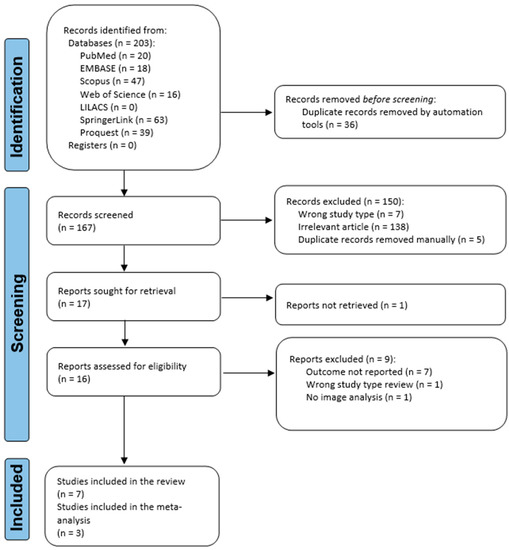
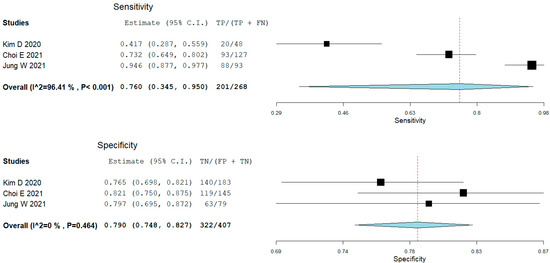
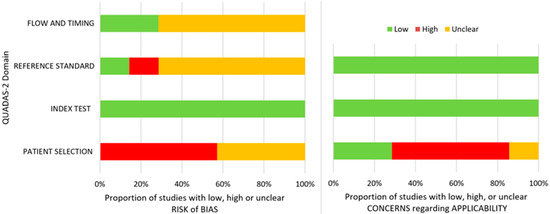
The aim was to systematically synthesize the current research and influence of artificial intelligence (AI) models on temporomandibular joint (TMJ) osteoarthritis (OA) diagnosis using cone-beam computed tomography (CBCT) or panoramic radiography. Seven databases (PubMed, Embase, Scopus, Web of Science, LILACS, ProQuest, and SpringerLink) were searched for TMJ OA and AI articles. We used QUADAS-2 to assess the risk of bias, while with MI-CLAIM we checked the minimum information about clinical artificial intelligence modeling. Two hundred and three records were identified, out of which seven were included, amounting to 10,077 TMJ images. Three studies focused on the diagnosis of TMJ OA using panoramic radiography with various transfer learning models (ResNet model) on which the meta-analysis was performed. The pooled sensitivity was 0.76 (95% CI 0.35–0.95) and the specificity was 0.79 (95% CI 0.75–0.83). The other studies investigated the 3D shape of the condyle and disease classification observed on CBCT images, as well as the numerous radiomics features that can be combined with clinical and proteomic data to investigate the most effective models and promising features for the diagnosis of TMJ OA. The accuracy of the methods was nearly equivalent; it was higher when the indeterminate diagnosis was excluded or when fine-tuning was used. Full article
(This article belongs to the Section Orthopedics)
Show Figures

Figure 1
19 pages, 1854 KB  
Article
Stressor-Specific Sex Differences in Amygdala–Frontal Cortex Networks
by Zoé Bürger, Veronika I. Müller, Felix Hoffstaedter, Ute Habel, Ruben C. Gur, Christian Windischberger, Ewald Moser, Birgit Derntl and Lydia Kogler
J. Clin. Med. 2023, 12(3), 865; https://doi.org/10.3390/jcm12030865 - 22 Jan 2023
Cited by 24 | Viewed by 4222
Abstract
Females and males differ in stress reactivity, coping, and the prevalence rates of stress-related disorders. According to a neurocognitive framework of stress coping, the functional connectivity between the amygdala and frontal regions (including the dorsolateral prefrontal cortex (dlPFC), ventral anterior cingulate cortex (vACC), [...] Read more.
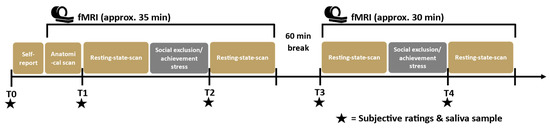
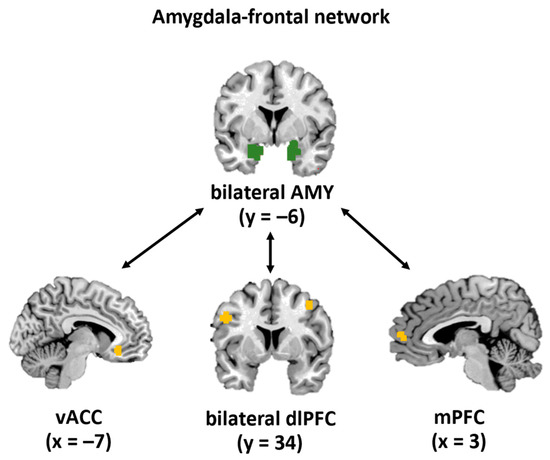
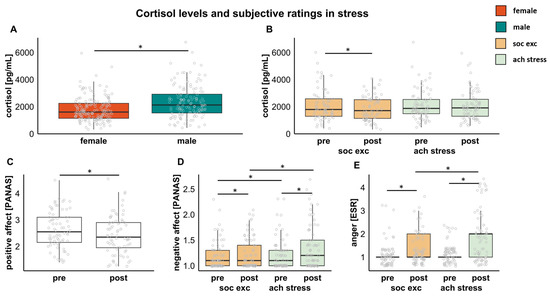
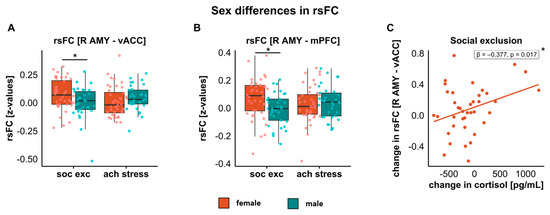
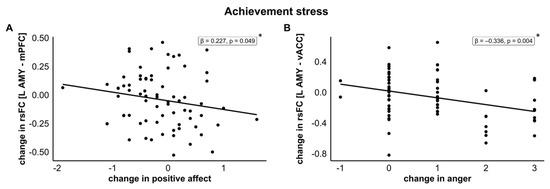
Females and males differ in stress reactivity, coping, and the prevalence rates of stress-related disorders. According to a neurocognitive framework of stress coping, the functional connectivity between the amygdala and frontal regions (including the dorsolateral prefrontal cortex (dlPFC), ventral anterior cingulate cortex (vACC), and medial prefrontal cortex (mPFC)) plays a key role in how people deal with stress. In the current study, we investigated the effects of sex and stressor type in a within-subject counterbalanced design on the resting-state functional connectivity (rsFC) of the amygdala and these frontal regions in 77 healthy participants (40 females). Both stressor types led to changes in subjective ratings, with decreasing positive affect and increasing negative affect and anger. Females showed higher amygdala–vACC and amygdala–mPFC rsFC for social exclusion than for achievement stress, and compared to males. Whereas a higher amygdala–vACC rsFC indicates the activation of emotion processing and coping, a higher amygdala–mPFC rsFC indicates feelings of reward and social gain, highlighting the positive effects of social affiliation. Thus, for females, feeling socially affiliated might be more fundamental than for males. Our data indicate interactions of sex and stressor in amygdala–frontal coupling, which translationally contributes to a better understanding of the sex differences in prevalence rates and stress coping. Full article
(This article belongs to the Section Mental Health)
Show Figures

Figure 1
16 pages, 339 KB  
Review
Optimization of Transspinal Stimulation Applications for Motor Recovery after Spinal Cord Injury: Scoping Review
by Muhammad Uzair Rehman, Dustin Sneed, Tommy W. Sutor, Helen Hoenig and Ashraf S. Gorgey
J. Clin. Med. 2023, 12(3), 854; https://doi.org/10.3390/jcm12030854 - 20 Jan 2023
Cited by 24 | Viewed by 4793
Abstract
Spinal cord injury (SCI) is a debilitating condition that can significantly affect an individual’s life, causing paralysis, autonomic dysreflexia, and chronic pain. Transspinal stimulation (TSS) is a non-invasive form of neuromodulation that activates the underlying neural circuitries of the spinal cord. Application of [...] Read more.
Spinal cord injury (SCI) is a debilitating condition that can significantly affect an individual’s life, causing paralysis, autonomic dysreflexia, and chronic pain. Transspinal stimulation (TSS) is a non-invasive form of neuromodulation that activates the underlying neural circuitries of the spinal cord. Application of TSS can be performed through multiple stimulation protocols, which may vary in the electrodes’ size or position as well as stimulation parameters, and which may influence the response of motor functions to the stimulation. Due to the novelty of TSS, it is beneficial to summarize the available evidence to identify the range of parameters that may provide the best outcomes for motor response. The PubMed and Google Scholar databases were searched for studies examining the effects of TSS on limb motor function. A literature search yielded 34 studies for analysis, in which electrode placement and stimulation parameters varied considerably. The stimulation protocols from each study and their impact on limb motor function were summarized. Electrode placement was variable based on the targeted limb. Studies for the upper limbs targeted the cervical enlargement with anatomical placement of the cathode over the cervical vertebral region. In lower-limb studies, the cathode(s) were placed over the thoracic and lumbar vertebral regions, to target the lumbar enlargement. The effects of carrier frequency were inconclusive across the studies. Multisite cathodal placements yielded favorable motor response results compared to single-site placement. This review briefly summarized the current mechanistic evidence of the effect of TSS on motor response after SCI. Our findings indicate that optimization of stimulation parameters will require future randomized controlled studies to independently assess the effects of different stimulation parameters under controlled circumstances. Full article
(This article belongs to the Section Clinical Neurology)
14 pages, 1084 KB  
Article
Trends in Unhealthy Lifestyle Factors among Adults with Stroke in the United States between 1999 and 2018
by Yuting Liu, Haochen Wang, Bingqing Bai, Fengyao Liu, Yilin Chen, Yu Wang, Yanting Liang, Xiaohe Shi, Xueju Yu, Chao Wu, Lan Guo, Huan Ma and Qingshan Geng
J. Clin. Med. 2023, 12(3), 1223; https://doi.org/10.3390/jcm12031223 - 3 Feb 2023
Cited by 24 | Viewed by 4210
Abstract
BACKGROUND: Unhealthy lifestyle factors are risk factors for stroke, and they play a key role in stroke secondary prevention. A better understanding of these factors may aid with improvements in public health policy. OBJECTIVE: Our objective was to comprehensively understand the trends in [...] Read more.
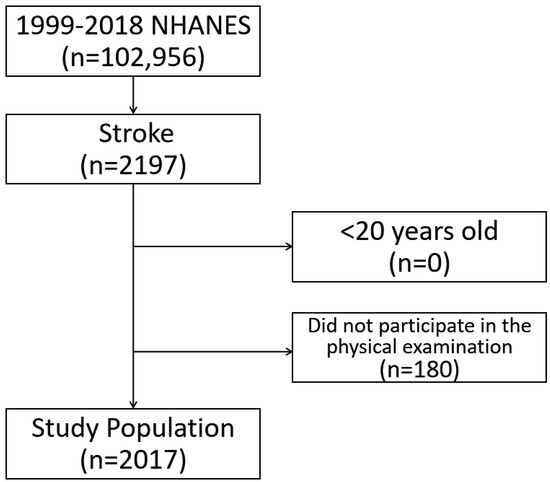
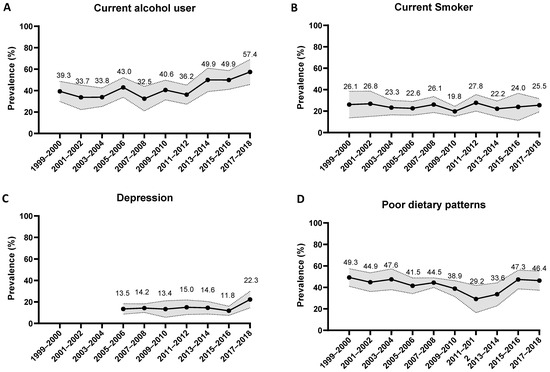
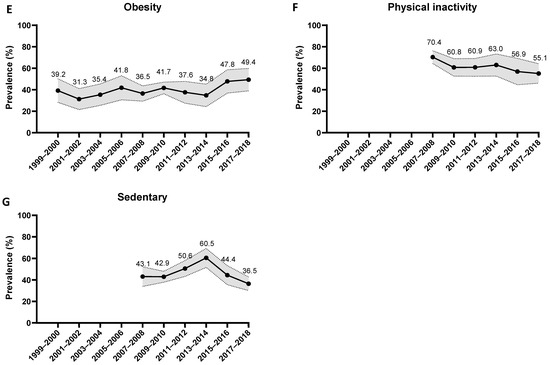
BACKGROUND: Unhealthy lifestyle factors are risk factors for stroke, and they play a key role in stroke secondary prevention. A better understanding of these factors may aid with improvements in public health policy. OBJECTIVE: Our objective was to comprehensively understand the trends in unhealthy lifestyle factors in people who have previously had a stroke in the US. METHODS: Utilizing data from the biannual United States National Health and Nutrition Examination Surveys (NHANESs) between 1999 and 2018, we collated data on unhealthy lifestyle factors (smoking, alcohol drinking, depression, unhealthy diet, high BMI, physical inactivity, and sedentary behavior) in adults with a history of stroke. The Joinpoint Regression model was used to calculate the annual percentage change (APC) and average annual percentage change (AAPC) to identify trends. Logistic regression modeling was used to identify the influence of sociodemographic factors (age, sex, race/ethnicity, marital status, employment status, family income, and highest education level). RESULTS: The analysis included 2017 respondents with a history of stroke. Current alcohol drinking (39.3% (95% confidence interval: 29.8, 48.7) to 57.4% (45.7, 69.0) p = 0.008) and obesity (39.2% (28.3, 50.2) to 49.4% (38.9, 59.8) p = 0.029) increased significantly from 1999 to 2018. The prevalence of smoking and depression remained generally stable. The proportion of respondents with an unhealthy diet decreased from 1999 (44.5% (32.4, 56.5)) to 2011 (29.0% (17.5, 40.4) p = 0.019), but then returned to its original prevalence in 2018 (42.0% (31.4, 52.7)). From 2007 to 2018, the proportion of respondents who were physically inactive decreased significantly, from 70.4% (64.4, 76.3) to 55.1% (46.1, 64.2; p = 0.017). After a gradual increase in sedentary activity from 2007 to 2012, this declined from 2013 to 2018, with no statistical significance. We found stroke survivors who were widowed, divorced, separated, or unemployed were at a higher risk of having unhealthy lifestyles than those who were employed or had other marital statuses. CONCLUSIONS: A modest reduction in the prevalence of physical inactivity was observed in Americans with a history of stroke between 1999 and 2018. The prevalences of smoking, drinking, depression, poor diet, obesity, and sedentary behavior were stable or increasing. Full article
(This article belongs to the Section Clinical Neurology)
Show Figures

Figure 1
14 pages, 2659 KB  
Article
Soft-Tissue Augmentation around Dental Implants with a Connective Tissue Graft (CTG) and Xenogeneic Collagen Matrix (CMX)—5-Year Follow-Up
by Jakub Hadzik, Artur Błaszczyszyn, Tomasz Gedrange and Marzena Dominiak
J. Clin. Med. 2023, 12(3), 924; https://doi.org/10.3390/jcm12030924 - 24 Jan 2023
Cited by 23 | Viewed by 9061
Abstract
Proper horizontal and vertical thickness of the gingival connective tissue has been proven to be one of the success criteria in dental implant and reconstructive surgery. When thin tissue is found, gingiva augmentation methods can be used to increase the quality and volume [...] Read more.
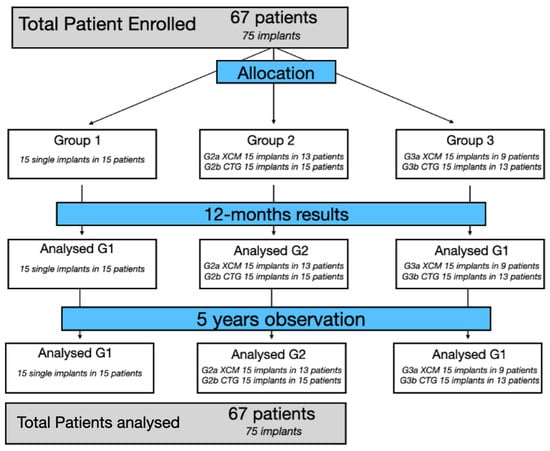
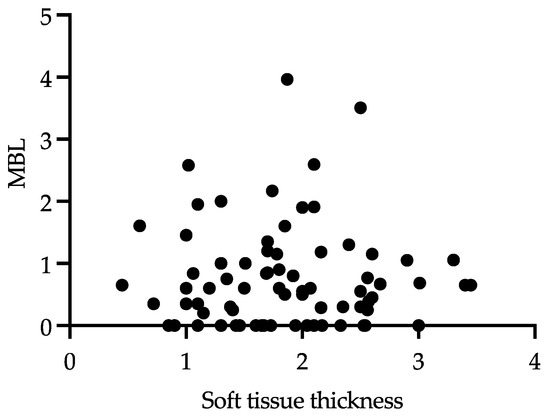
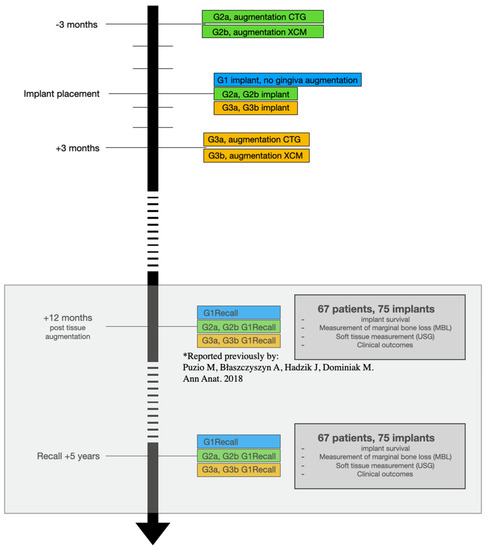
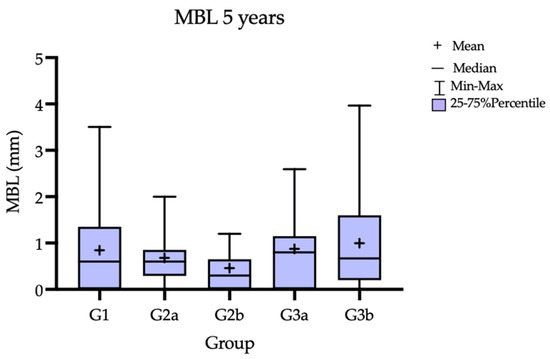
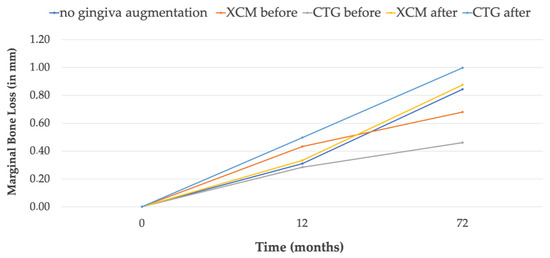
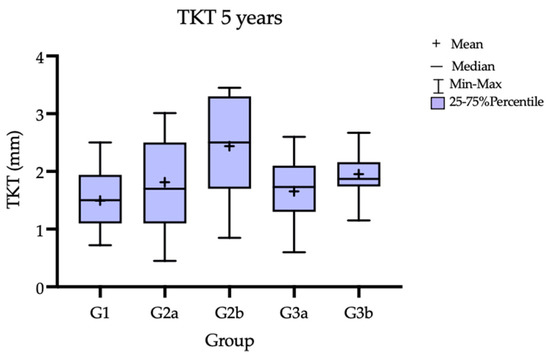
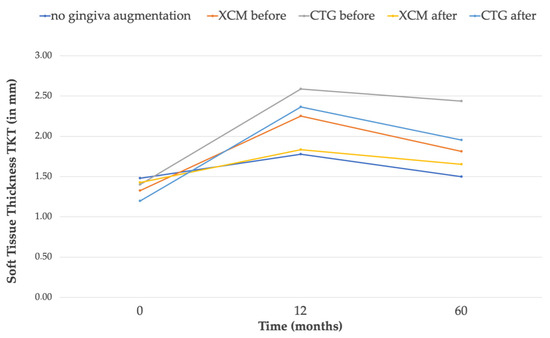
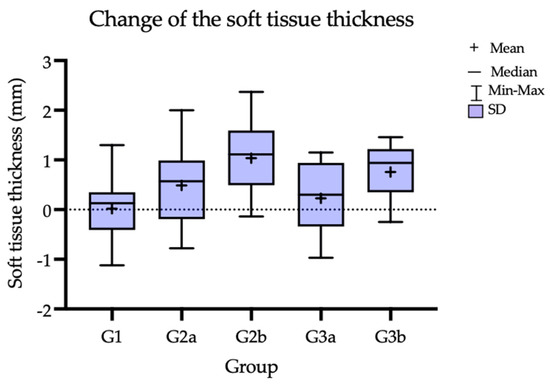
Proper horizontal and vertical thickness of the gingival connective tissue has been proven to be one of the success criteria in dental implant and reconstructive surgery. When thin tissue is found, gingiva augmentation methods can be used to increase the quality and volume of the tissue. Many methods have been described, among them pedicle soft-tissue flaps or autogenic tissue grafts. As an alternative to patients’ own tissue, xenogenic materials can be used for grafting. The fundamental issue is to choose a material that will ensure the maximum therapeutic effect, while also minimizing the negative influence on the patient’s health. The aim of this study was to compare gingival augmentation procedures using a palatal connective tissue graft (CTG) and an xenogenic soft-tissue substitute, Geistlich Mucograft (xenogeneic collagen matrix; CMX), and assess whether the timing of the graft surgery influences the clinical outcomes. The original study was a randomized control trial with a total of 75 implants placed. The patients received the soft-tissue thickening 3 months before the implant placement or 3 months after the implant placement (depending on the group). A connective tissue graft (CTG) or Geistlich Mucograft were used (depending on the group). For both the CTG and Geistlich Mucograft, better clinical outcomes were observed for maintaining the alveolar bone level and the thickness of the attached gingiva compared to the control group with no gingival augmentation. The Geistlich Mucograft showed good clinical performance in comparison to the control. Soft-tissue augmentation with the CTG before the implant placement was found to be most efficient method in terms of a stable increase of the tissue thickness since, throughout the entire observation period, the greatest increase of 1.035 mm (SD = 0.73 mm) in thickness was observed. Statistically important differences in the tissue thickness baseline compared after 5 years were observed for groups G1 vs. G2b (no augmentation vs. CTG before), G1 vs. G3b (no augmentation vs. CTG after) and for groups G2b vs. G3a (CTG before vs. CMX after). Full article
(This article belongs to the Special Issue Clinical Advances in Osseointegrated Oral Implants)
Show Figures

Figure 1
16 pages, 24635 KB  
Article
Artificial-Intelligence-Aided Radiographic Diagnostic of Knee Osteoarthritis Leads to a Higher Association of Clinical Findings with Diagnostic Ratings
by Markus Neubauer, Lukas Moser, Johannes Neugebauer, Marcus Raudner, Barbara Wondrasch, Magdalena Führer, Robert Emprechtinger, Dietmar Dammerer, Richard Ljuhar, Christoph Salzlechner and Stefan Nehrer
J. Clin. Med. 2023, 12(3), 744; https://doi.org/10.3390/jcm12030744 - 17 Jan 2023
Cited by 23 | Viewed by 6446
Abstract
Background: Radiographic knee osteoarthritis (OA) severity and clinical severity are often dissociated. Artificial intelligence (AI) aid was shown to increase inter-rater reliability in radiographic OA diagnosis. Thus, AI-aided radiographic diagnoses were compared against AI-unaided diagnoses with regard to their correlations with clinical severity. [...] Read more.
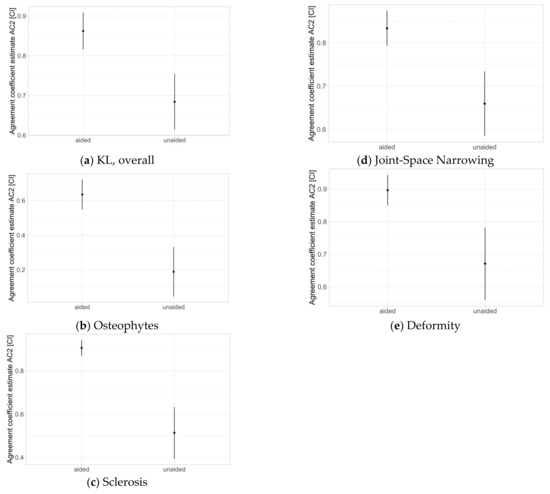
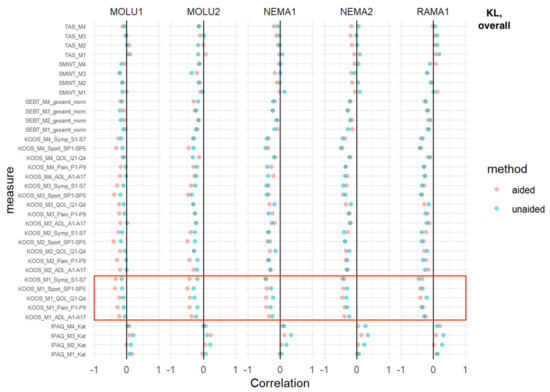
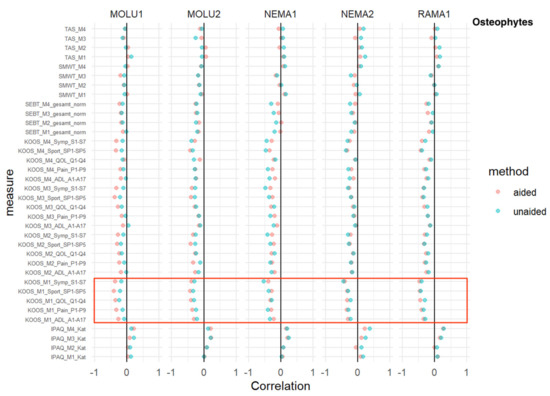
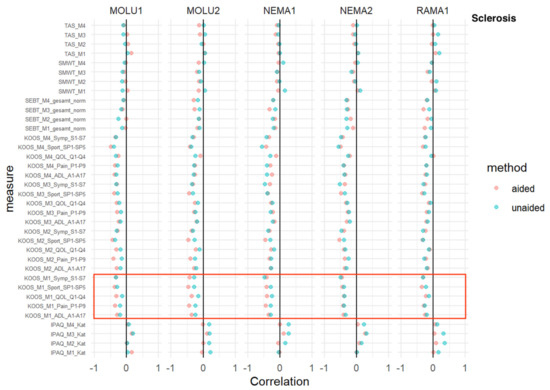
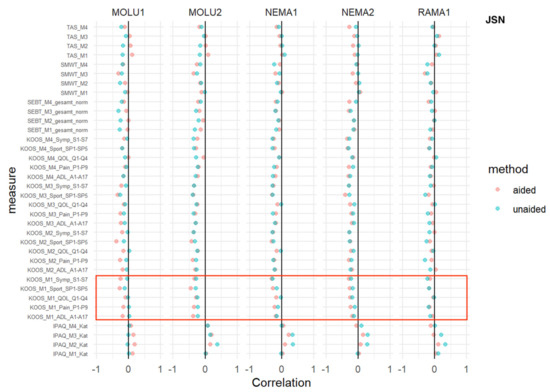
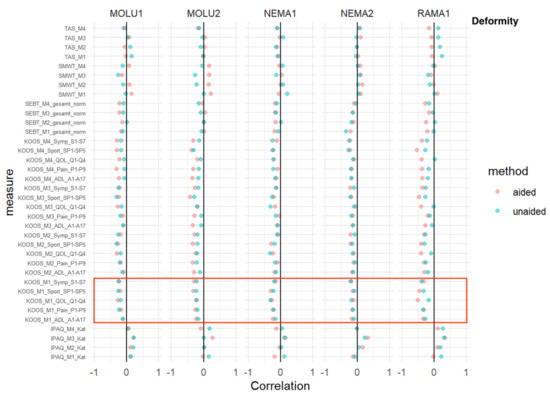
Background: Radiographic knee osteoarthritis (OA) severity and clinical severity are often dissociated. Artificial intelligence (AI) aid was shown to increase inter-rater reliability in radiographic OA diagnosis. Thus, AI-aided radiographic diagnoses were compared against AI-unaided diagnoses with regard to their correlations with clinical severity. Methods: Seventy-one DICOMs (m/f = 27:42, mean age: 27.86 ± 6.5) (X-ray format) were used for AI analysis (KOALA software, IB Lab GmbH). Subjects were recruited from a physiotherapy trial (MLKOA). At baseline, each subject received (i) a knee X-ray and (ii) an assessment of five main scores (Tegner Scale (TAS); Knee Injury and Osteoarthritis Outcome Score (KOOS); International Physical Activity Questionnaire; Star Excursion Balance Test; Six-Minute Walk Test). Clinical assessments were repeated three times (weeks 6, 12 and 24). Three physicians analyzed the presented X-rays both with and without AI via KL grading. Analyses of the (i) inter-rater reliability (IRR) and (ii) Spearman’s Correlation Test for the overall KL score for each individual rater with clinical score were performed. Results: We found that AI-aided diagnostic ratings had a higher association with the overall KL score and the KOOS. The amount of improvement due to AI depended on the individual rater. Conclusion: AI-guided systems can improve the ratings of knee radiographs and show a stronger association with clinical severity. These results were shown to be influenced by individual readers. Thus, AI training amongst physicians might need to be increased. KL might be insufficient as a single tool for knee OA diagnosis. Full article
(This article belongs to the Section Orthopedics)
Show Figures

Figure 1
14 pages, 1883 KB  
Article
C-Reactive Protein and White Blood Cell Count in Cardiogenic Shock
by Jonas Dudda, Tobias Schupp, Jonas Rusnak, Kathrin Weidner, Mohammad Abumayyaleh, Marinela Ruka, Sascha Egner-Walter, Jan Forner, Julian Müller, Thomas Bertsch, Maximilian Kittel, Ibrahim Akin and Michael Behnes
J. Clin. Med. 2023, 12(3), 965; https://doi.org/10.3390/jcm12030965 - 27 Jan 2023
Cited by 22 | Viewed by 5186
Abstract
This study examines the prognostic impact of C-reactive protein (CRP) and white blood cell (WBC) counts in patients with cardiogenic shock (CS). Data regarding the prognostic impact of inflammatory biomarkers in CS are scarce. All consecutive patients with CS from 2019 to 2021 [...] Read more.
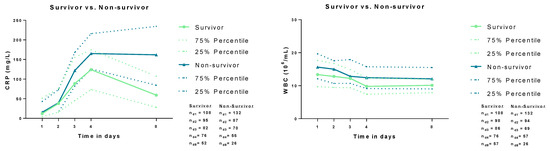
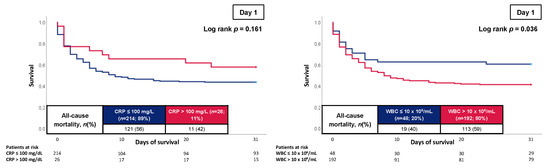
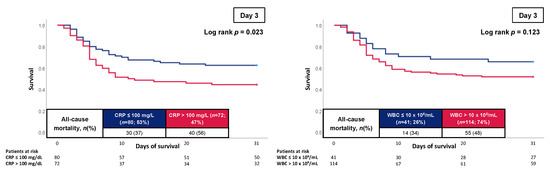
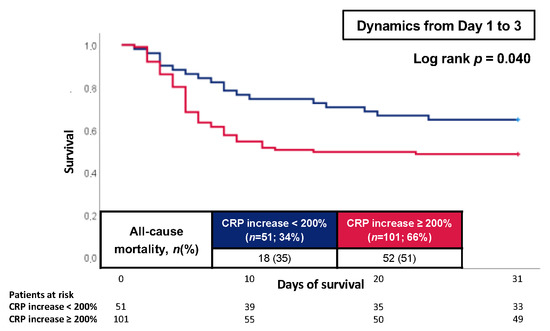
This study examines the prognostic impact of C-reactive protein (CRP) and white blood cell (WBC) counts in patients with cardiogenic shock (CS). Data regarding the prognostic impact of inflammatory biomarkers in CS are scarce. All consecutive patients with CS from 2019 to 2021 admitted to a cardiac intensive care unit (ICU) were included at one institution. Laboratory measurements were retrieved from the day of admission (i.e., day 1), as well as days 2, 3, 4, and 8. The primary endpoint was 30-day all-cause mortality. Statistical analyses included univariate t-tests, Spearman’s correlations, C-statistics, Kaplan–Meier, and Cox regression analyses. From a total of 240 consecutive patients admitted with CS, 55% died within 30 days. CRP levels on days 3 to 8 were associated with reliable discrimination for 30-day all-cause mortality (area under the curve (AUC): 0.623–0.754), whereas CRP on day 1 was not (AUC = 0.514). In line, CRP > 100 mg/L on day 3 (56% vs. 37%; log-rank p = 0.023; HR = 1.702; 95% CI 1.060–2.735; p = 0.028) and especially a CRP increase of at least 200% from days 1 to day 3 (51% vs. 35%; log-rank p = 0.040; HR = 1.720; 95% CI 1.006–2.943; p = 0.048) were associated with an increased risk of all-cause mortality. Furthermore, WBC on day 1 discriminated 30-day all-cause mortality (AUC = 0.605; p = 0.005) with an increased risk of all-cause mortality in patients admitted with WBC > 10 × 106/mL (59% vs. 40%; log-rank p = 0.036; HR = 1.643; 95% CI 1.010–2.671; p = 0.045). In conclusion, WBC count on admission as well as CRP levels during the course of ICU treatment were associated with 30-day all-cause mortality. Specifically, an increase of CRP levels by at least 200% from day 1 to day 3 during the course of ICU treatment was associated with an increased risk of 30-day all-cause mortality. The present study is one of the first to describe the prognostic value of inflammatory biomarkers in consecutive all-comer CS patients treated at a cardiac ICU. Full article
(This article belongs to the Section Cardiology)
Show Figures

Figure 1
12 pages, 2924 KB  
Article
Ustekinumab Promotes Radiological Fistula Healing in Perianal Fistulizing Crohn’s Disease: A Retrospective Real-World Analysis
by Jiayin Yao, Heng Zhang, Tao Su, Xiang Peng, Junzhang Zhao, Tao Liu, Wei Wang, Pinjin Hu, Min Zhi and Min Zhang
J. Clin. Med. 2023, 12(3), 939; https://doi.org/10.3390/jcm12030939 - 25 Jan 2023
Cited by 22 | Viewed by 4797
Abstract
There is insufficient evidence to confirm the efficacy of ustekinumab (UST) in promoting fistula closure in perianal fistulizing Crohn’s disease (CD) patients. We aimed to evaluate the efficacy of UST in a real-world setting. The data were retrospectively analyzed. Intestinal clinical and endoscopic [...] Read more.
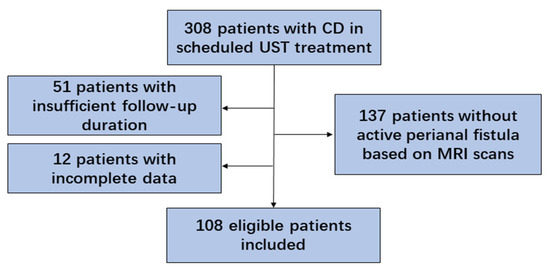
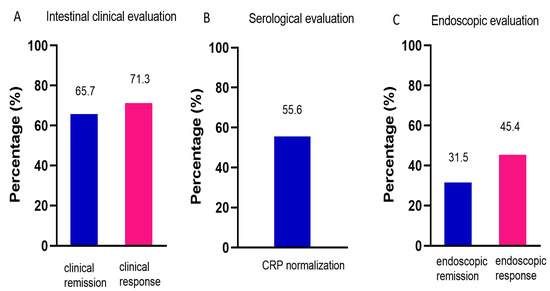
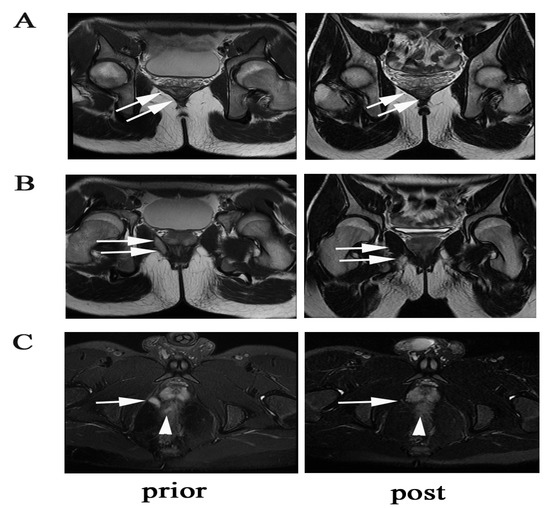
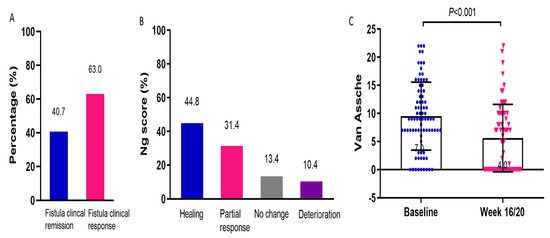
There is insufficient evidence to confirm the efficacy of ustekinumab (UST) in promoting fistula closure in perianal fistulizing Crohn’s disease (CD) patients. We aimed to evaluate the efficacy of UST in a real-world setting. The data were retrospectively analyzed. Intestinal clinical and endoscopic changes were evaluated. Fistula radiological outcomes were determined using the Van Assche score. A total of 108 patients were included, 43.5% of whom had complex perianal fistulas. Intestinal clinical and endoscopic remission was achieved in 65.7% and 31.5% of patients, respectively. The fistula clinical remission and response rates were 40.7% and 63.0%, respectively, with a significant reduction in Perianal Crohn’s disease Activity Index [5.0(3.0, 8.0) vs. 7.5(5.0, 10.0), p < 0.001] and Crohn’s Anal Fistula Quality of Life [23.5(9.3, 38.8) vs. 49.0(32.3, 60.0), p < 0.001]. Radiological healing, partial response, no change, and deterioration were observed in 44.8%, 31.4%, 13.4%, and 10.4% of patients, respectively. The cut-off UST trough concentration for predicting fistula clinical remission was 2.11 μg/mL with an area under the curve of 0.795, a sensitivity of 93.3%, and a specificity of 67.6%. UST is efficacious in promoting radiological fistula closure in patients with perianal fistulizing CD. A UST trough concentration over 2.11 μg/mL was correlated with a higher likelihood of perianal fistula clinical remission. Full article
Show Figures

Figure 1
12 pages, 1788 KB  
Article
Therapeutic Potential of Capsaicin against Cyclophosphamide-Induced Liver Damage
by Mohammad Firoz Alam, Ahmed O. Ajeibi, Majed H. Safhi, Ahmad J. A. Alabdly, Saeed Alshahrani, Hina Rashid, Marwa Qadri, Abdulmajeed M. Jali, Saud Alqahtani, Yousra Nomier, Sivakumar S. Moni, Mohammad Khalid and Tarique Anwer
J. Clin. Med. 2023, 12(3), 911; https://doi.org/10.3390/jcm12030911 - 24 Jan 2023
Cited by 22 | Viewed by 5297
Abstract
Cyclophosphamide (CPM) is a classical alkylating agent used in different cancer chemotherapy regimens and is restricted due to severe adverse effects, including hepatotoxicity. Natural or plant-derived antioxidants such as capsaicin were utilized in this study to examine the hepatoprotective benefits against cyclophosphamide-induced hepatotoxicity. [...] Read more.
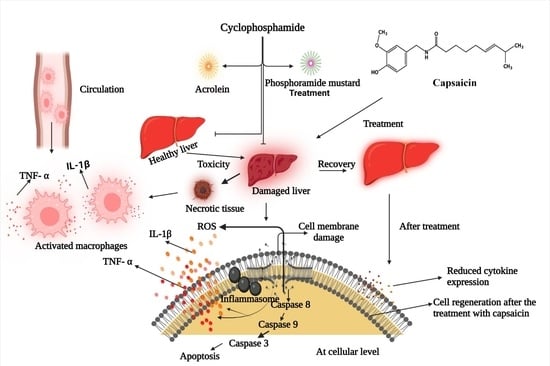
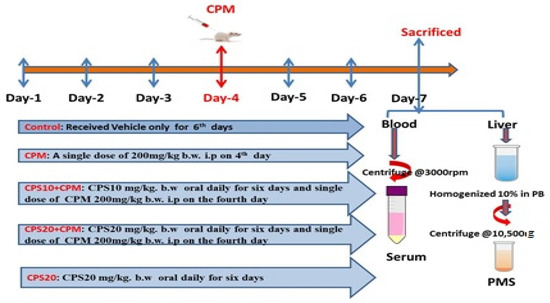
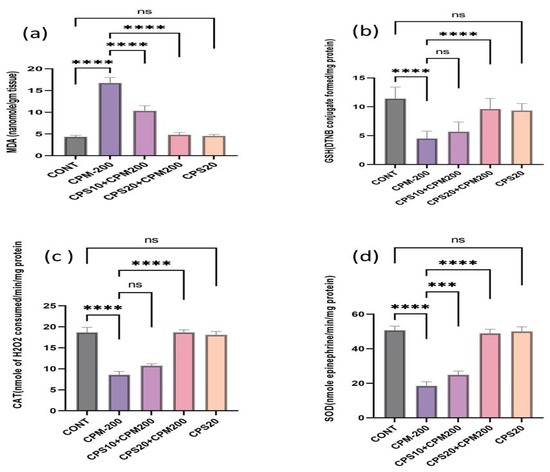
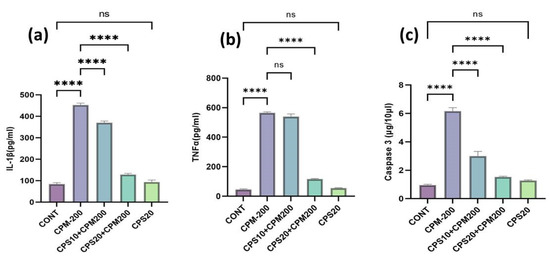
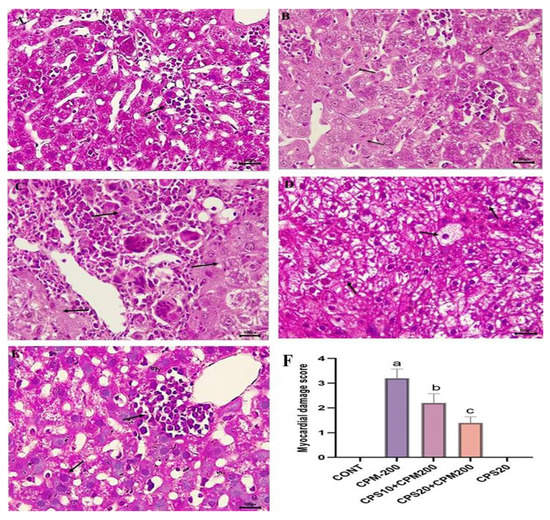
Cyclophosphamide (CPM) is a classical alkylating agent used in different cancer chemotherapy regimens and is restricted due to severe adverse effects, including hepatotoxicity. Natural or plant-derived antioxidants such as capsaicin were utilized in this study to examine the hepatoprotective benefits against cyclophosphamide-induced hepatotoxicity. The rats were divided into five groups: a normal control group, a toxic group (CPM), an intraperitoneal injection of a single dose of 200 mg/kg b.w. on the fourth day, a pretreated group with two doses of CPS (10 mg and 20 mg/kg b.w.) orally for six consecutive days, and an intraperitoneal administration of 200 mg/kg b.w. on the fourth day of treatment. The fifth group was administered with the highest dose of CPS (20 mg/kg b.w.) orally for six consecutive days. After 24 h of administration of CPS, the rats were anesthetized, blood was collected, and the serum enzyme toxicity was evaluated. After the blood sampling and euthanasia of all the animals, the liver was isolated for further toxicity and histopathological examination. The results revealed that serum liver markers (AST, ALT, ALP, BLI) significantly increased after CPM administration, but were subsequently restored after CPS treatment with both doses. In addition, lipid peroxidation (MDA), inflammatory cytokines (IL-1β, TNF-α), and apoptotic markers (Caspase-3) increased, and antioxidant enzymes (GSH, CAT, SOD) were significantly decreased after CPM administration, and it was re-established by CPS treatment. However, CPS effectively protected against the CPM-induced histopathological architects of liver tissues. In conclusion, CPS attenuates CPM-induced hepatotoxicity via modulating oxidative stress, apoptotic signals, and cytokine pathway. Therefore, CPS could play a significant role as a supplement during the chemotherapy of patients. Full article
Show Figures

Graphical abstract

14 pages, 4838 KB  
Article
Predicting Six-Month Re-Admission Risk in Heart Failure Patients Using Multiple Machine Learning Methods: A Study Based on the Chinese Heart Failure Population Database
by Shiyu Chen, Weiwei Hu, Yuhui Yang, Jiaxin Cai, Yaqi Luo, Lingmin Gong, Yemian Li, Aima Si, Yuxiang Zhang, Sitong Liu, Baibing Mi, Leilei Pei, Yaling Zhao and Fangyao Chen
J. Clin. Med. 2023, 12(3), 870; https://doi.org/10.3390/jcm12030870 - 21 Jan 2023
Cited by 22 | Viewed by 3984
Abstract
Since most patients with heart failure are re-admitted to the hospital, accurately identifying the risk of re-admission of patients with heart failure is important for clinical decision making and management. This study plans to develop an interpretable predictive model based on a Chinese [...] Read more.
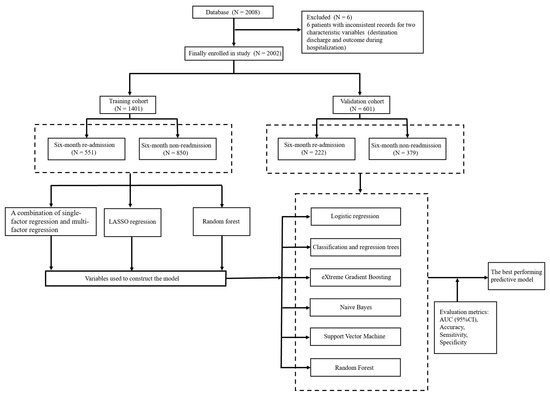
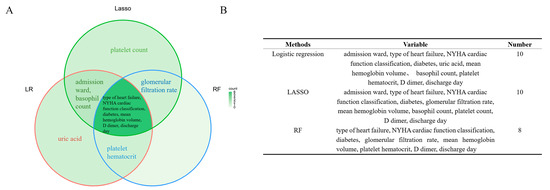
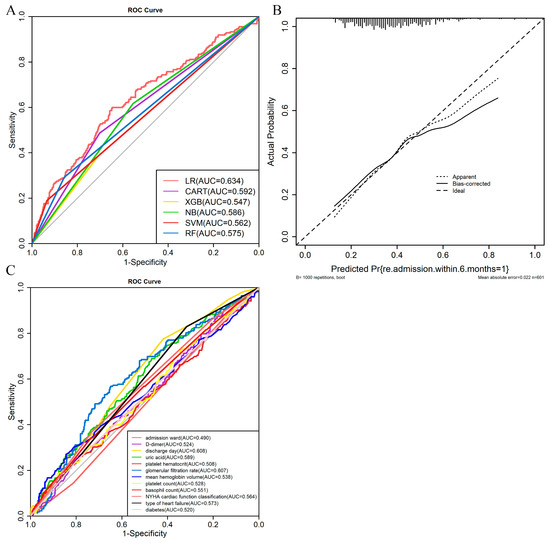
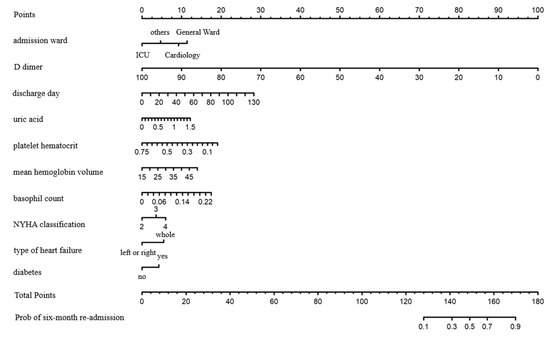
Since most patients with heart failure are re-admitted to the hospital, accurately identifying the risk of re-admission of patients with heart failure is important for clinical decision making and management. This study plans to develop an interpretable predictive model based on a Chinese population for predicting six-month re-admission rates in heart failure patients. Research data were obtained from the PhysioNet portal. To ensure robustness, we used three approaches for variable selection. Six different machine learning models were estimated based on selected variables. The ROC curve, prediction accuracy, sensitivity, and specificity were used to evaluate the performance of the established models. In addition, we visualized the optimized model with a nomogram. In all, 2002 patients with heart failure were included in this study. Of these, 773 patients experienced re-admission and a six-month re-admission incidence of 38.61%. Based on evaluation metrics, the logistic regression model performed best in the validation cohort, with an AUC of 0.634 (95%CI: 0.599–0.646) and an accuracy of 0.652. A nomogram was also generated. The established prediction model has good discrimination ability in predicting. Our findings are helpful and could provide useful information for the allocation of healthcare resources and for improving the quality of survival of heart failure patients. Full article
Show Figures

Figure 1
9 pages, 248 KB  
Article
Impact of Menopause and the Menstrual Cycle on Oxidative Stress in Japanese Women
by Ayaka Ishikawa, Hiroshi Matsushita, Saki Shimizu, Noriko Morita, Rina Hanai, Saeko Sugiyama, Kazushi Watanabe and Akihiko Wakatsuki
J. Clin. Med. 2023, 12(3), 829; https://doi.org/10.3390/jcm12030829 - 20 Jan 2023
Cited by 22 | Viewed by 4269
Abstract
Although estrogen possesses both pro- and anti-oxidant properties, its overall role in oxidative stress among women remains unclear, particularly since the influence of exogenously administered estrogen during previous studies differed by dose, administration route, and estrogen type. The aim of this study was [...] Read more.
Although estrogen possesses both pro- and anti-oxidant properties, its overall role in oxidative stress among women remains unclear, particularly since the influence of exogenously administered estrogen during previous studies differed by dose, administration route, and estrogen type. The aim of this study was to elucidate the effects of endogenous estrogen on oxidative stress in women. Thus, we performed a non-interventional observational study of healthy postmenopausal (n = 71) and premenopausal (n = 72) female volunteers. Serum levels of derivatives of reactive oxygen metabolites (d-ROMs, which are collectively a marker of oxidative stress), as well as the biological antioxidant potential (BAP, an indicator of antioxidant capacity), were compared between (1) pre- versus post-menopausal women, and (2) premenopausal women in early follicular versus mid-luteal phases of their menstrual cycles. We found that serum d-ROMs and BAP values in postmenopausal women were significantly higher than those in premenopausal women. Moreover, the d-ROM levels were significantly correlated with serum copper concentrations. However, neither d-ROMs nor BAP values were significantly affected by the menstrual cycle phase, although changes in d-ROMs between the follicular and luteal phases were significantly correlated with copper concentration shifts. These data indicate that postmenopausal hypoestrogenism is associated with elevated oxidative stress, although regular fluctuations of estrogen levels during the menstrual cycle do not influence oxidative stress. Full article
(This article belongs to the Section Obstetrics & Gynecology)
11 pages, 433 KB  
Article
Effects of Concurrent, Within-Session, Aerobic and Resistance Exercise Training on Functional Capacity and Muscle Performance in Elderly Male Patients with Chronic Heart Failure
by Maurizio Volterrani, Giuseppe Caminiti, Marco Alfonso Perrone, Anna Cerrito, Alessio Franchini, Vincenzo Manzi and Ferdinando Iellamo
J. Clin. Med. 2023, 12(3), 750; https://doi.org/10.3390/jcm12030750 - 17 Jan 2023
Cited by 22 | Viewed by 6569
Abstract
Background. The best format of exercise training (ET) in the setting of cardiac rehabilitation in patients with chronic heart failure (CHF) is still to be defined. Current guidelines recommend aerobic exercises, such as running and cycling, including some sessions per week of resistance [...] Read more.
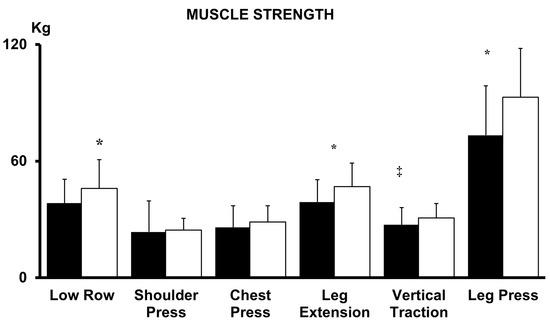
Background. The best format of exercise training (ET) in the setting of cardiac rehabilitation in patients with chronic heart failure (CHF) is still to be defined. Current guidelines recommend aerobic exercises, such as running and cycling, including some sessions per week of resistance exercise. Aim. The aim of this study was to address the effectiveness of a concurrent exercise training program utilizing a circuit of sequential endurance and resistance exercises on functional capacity and muscular strength in patients with CHF. Methods. Ninety-five consecutive male patients (age 63.1 ± 6 years) with CHF (EF < 40%) in NYHA functional class II/III, were randomly assigned on 1:1 basis to a 12-week aerobic continuous training (AT) or concurrent CT), aerobic + resistance, training (CT), three times a week, with each session lasting 80 min. We used high quality, specifically designed ergometers, connected with each other and governed by a central console, and managed by a single physiotherapist. Before and after training all patients performed a symptoms-limited exercise test on a treadmill and a 6-min walking test (6MWT). Patients in the CT group also performed resistance exercises of upper and lower body. Results. The 6MWT and exercise duration at ergometric test increased significantly in both AT and CT groups, with the increase being greater in CT group (p < 0.001; ES = 0.13; p < 0.01; ES = 0.07). Muscular strength increased significantly in the CT group, particularly in the lower body muscular districts (p < 0.001). Quality of life improved in both groups, with a significantly greater improvement in the CT group (p < 0.05). No side effects leading to discontinuation of training were observed. Conclusions. These findings indicate that concurrent, within-session training results in larger improvements in functional capacity, in addition to muscle performance, in patients with CHF, in comparison to single-mode aerobic training. Full article
(This article belongs to the Special Issue Exercise and Sports Cardiology)
Show Figures

Figure 1
19 pages, 1807 KB  
Review
Current Advances in Gene Therapies of Genetic Auditory Neuropathy Spectrum Disorder
by Anissa Rym Saidia, Jérôme Ruel, Amel Bahloul, Benjamin Chaix, Frédéric Venail and Jing Wang
J. Clin. Med. 2023, 12(3), 738; https://doi.org/10.3390/jcm12030738 - 17 Jan 2023
Cited by 22 | Viewed by 9962
Abstract
Auditory neuropathy spectrum disorder (ANSD) refers to a range of hearing impairments characterized by an impaired transmission of sound from the cochlea to the brain. This defect can be due to a lesion or defect in the inner hair cell (IHC), IHC ribbon [...] Read more.
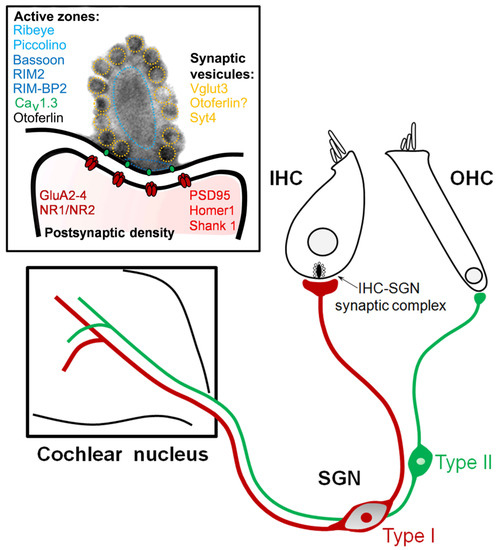
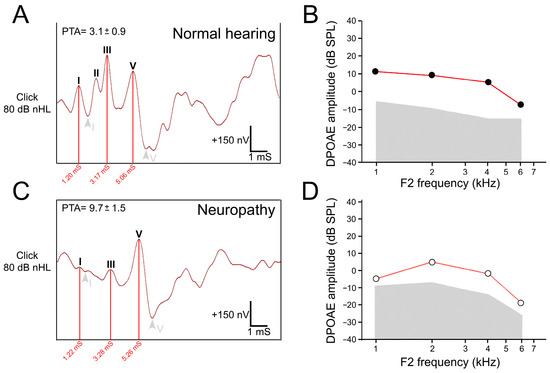
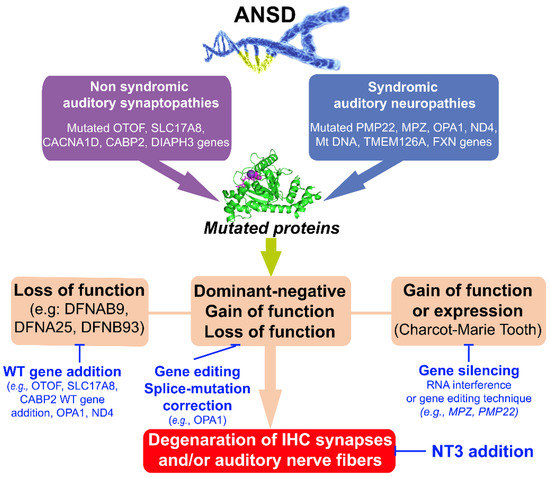
Auditory neuropathy spectrum disorder (ANSD) refers to a range of hearing impairments characterized by an impaired transmission of sound from the cochlea to the brain. This defect can be due to a lesion or defect in the inner hair cell (IHC), IHC ribbon synapse (e.g., pre-synaptic release of glutamate), postsynaptic terminals of the spiral ganglion neurons, or demyelination and axonal loss within the auditory nerve. To date, the only clinical treatment options for ANSD are hearing aids and cochlear implantation. However, despite the advances in hearing-aid and cochlear-implant technologies, the quality of perceived sound still cannot match that of the normal ear. Recent advanced genetic diagnostics and clinical audiology made it possible to identify the precise site of a lesion and to characterize the specific disease mechanisms of ANSD, thus bringing renewed hope to the treatment or prevention of auditory neurodegeneration. Moreover, genetic routes involving the replacement or corrective editing of mutant sequences or defected genes to repair damaged cells for the future restoration of hearing in deaf people are showing promise. In this review, we provide an update on recent discoveries in the molecular pathophysiology of genetic lesions, auditory synaptopathy and neuropathy, and gene-therapy research towards hearing restoration in rodent models and in clinical trials. Full article
(This article belongs to the Special Issue Innovative Technologies and Translational Therapies for Deafness)
Show Figures

Figure 1
14 pages, 3389 KB  
Article
Large-Scale Genetic Correlation Analysis between Spondyloarthritis and Human Blood Metabolites
by Mingyi Yang, Jiawen Xu, Feng Zhang, Pan Luo, Ke Xu, Ruoyang Feng and Peng Xu
J. Clin. Med. 2023, 12(3), 1201; https://doi.org/10.3390/jcm12031201 - 2 Feb 2023
Cited by 22 | Viewed by 3313
Abstract
The aim was to study the genetic correlation and causal relationship between spondyloarthritis (SpA) and blood metabolites based on the large-scale genome-wide association study (GWAS) summary data. The GWAS summary data (3966 SpA and 448,298 control cases) of SpA were from the UK [...] Read more.
The aim was to study the genetic correlation and causal relationship between spondyloarthritis (SpA) and blood metabolites based on the large-scale genome-wide association study (GWAS) summary data. The GWAS summary data (3966 SpA and 448,298 control cases) of SpA were from the UK Biobank, and the GWAS summary data (486 blood metabolites) of human blood metabolites were from a published study. First, the genetic correlation between SpA and blood metabolites was analyzed by linkage disequilibrium score (LDSC) regression. Next, we used Mendelian randomization (MR) analysis to perform access causal relationship between SpA and blood metabolites. Random effects inverse variance weighted (IVW) was the main analysis method, and the MR Egger, weighted median, simple mode, and weighted mode were supplementary methods. The MR analysis results were dominated by the random effects IVW. The Cochran’s Q statistic (MR-IVW) and Rucker’s Q statistic (MR Egger) were used to check heterogeneity. MR Egger and MR pleiotropy residual sum and outlier (MR-PRESSO) were used to check horizontal pleiotropy. The MR-PRESSO was also used to check outliers. The “leave-one-out” analysis was used to assess whether the MR analysis results were affected by a single SNP and thus test the robustness of the MR results. Finally, we identified seven blood metabolites that are genetically related to SpA: X-10395 (correlation coefficient = −0.546, p = 0.025), pantothenate (correlation coefficient = −0.565, p = 0.038), caprylate (correlation coefficient = −0.333, p = 0.037), pelargonate (correlation coefficient = −0.339, p = 0.047), X-11317 (correlation coefficient = −0.350, p = 0.038), X-12510 (correlation coefficient = −0.399, p = 0.034), and X-13859 (Correlation coefficient = −0.458, p = 0.015). Among them, X-10395 had a positive genetic causal relationship with SpA (p = 0.014, OR = 1.011). The blood metabolites that have genetic correlation and causal relationship with SpA found in this study provide a new idea for the study of the pathogenesis of SpA and the determination of diagnostic indicators. Full article
(This article belongs to the Section Orthopedics)
Show Figures

Figure 1