20 pages, 6047 KB  
Article
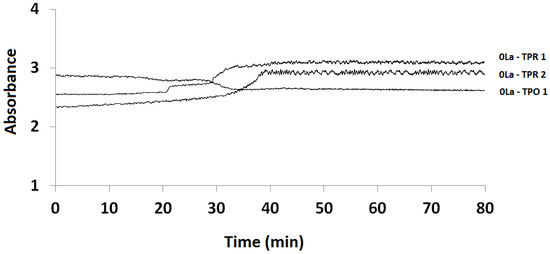
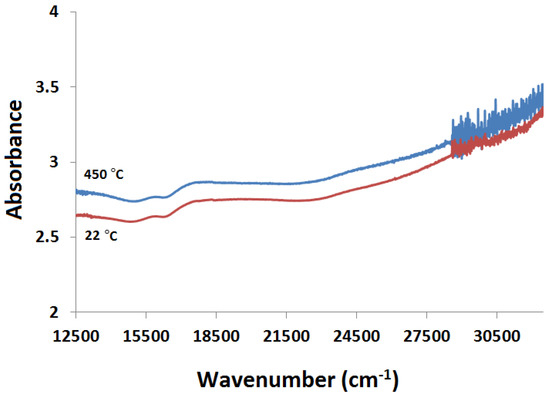
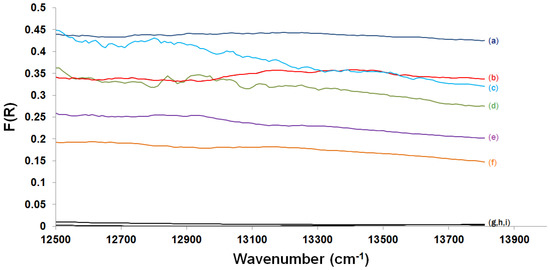
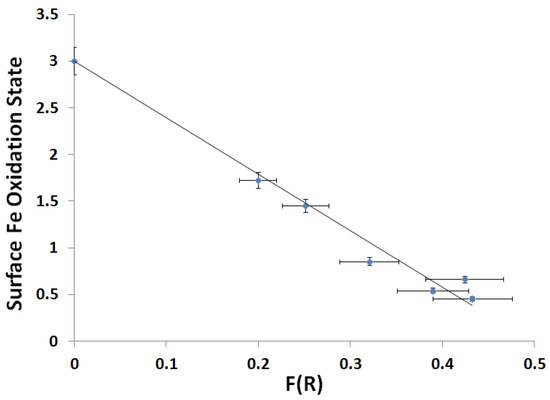
In Situ UV-Visible Assessment of Iron-Based High-Temperature Water-Gas Shift Catalysts Promoted with Lanthana: An Extent of Reduction Study
by Basseem B. Hallac 1,†, Jared C. Brown 1,‡, Eli Stavitski 2, Roger G. Harrison 3 and Morris D. Argyle 1,*

1 Department of Chemical Engineering, Ira A. Fulton School of Engineering and Technology, Brigham Young University, 350 CB, Provo, UT 84602, USA
2 Brookhaven National Laboratory, NSLS-II Building 743, Upton, NY 11973, USA
3 Department of Chemistry and Biochemistry, College of Physical and Mathematical Sciences, Brigham Young University, C209 BNSN, Provo, UT 84602, USA
Current address: Phillips 66, US Highway 60 & State Highway 123, Bartlesville, OK 74003, USA.
Current address: Micron Technology, 8000 S. Federal Way, P.O. Box 6, Boise, ID 83707, USA.
Catalysts 2018, 8(2), 63; https://doi.org/10.3390/catal8020063 - 4 Feb 2018
Cited by 8 | Viewed by 6241
Abstract
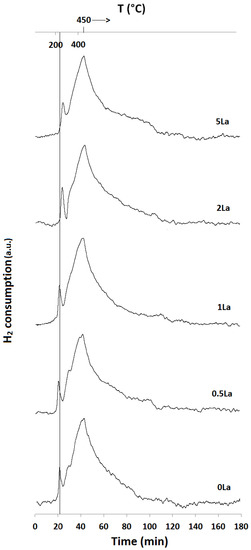
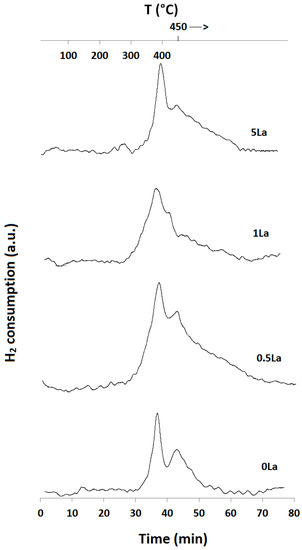
The extent of reduction of unsupported iron-based high-temperature water-gas shift catalysts with small (<5 wt %) lanthana contents was studied using UV-visible spectroscopy. Temperature- programmed reduction measurements showed that lanthana content higher than 0.5 wt % increased the extent of reduction to metallic [...] Read more.
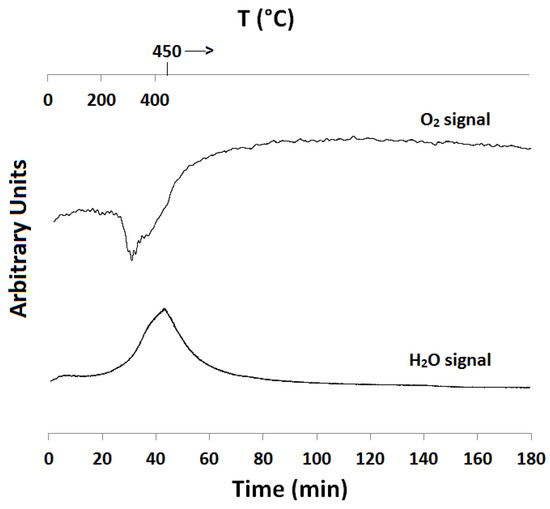
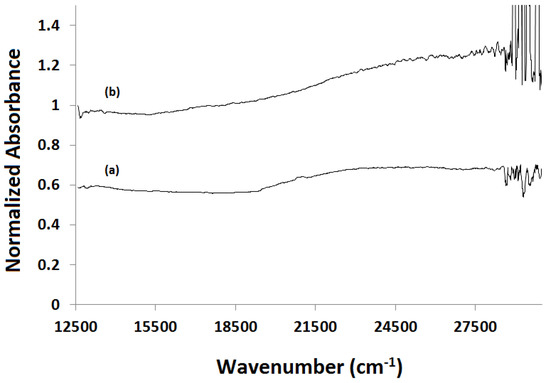
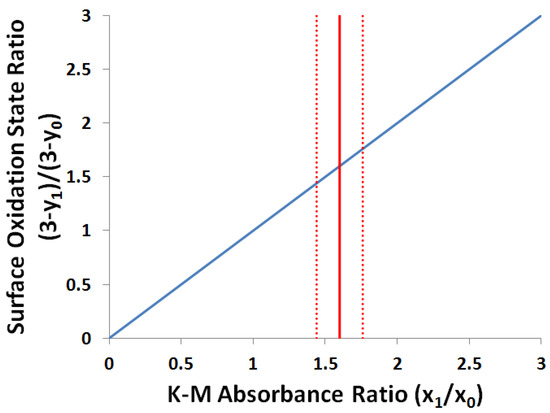
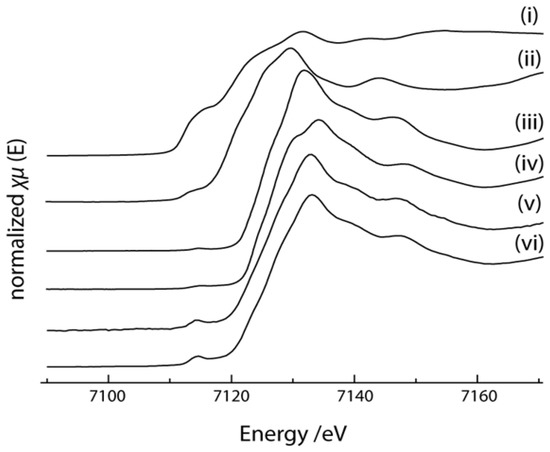
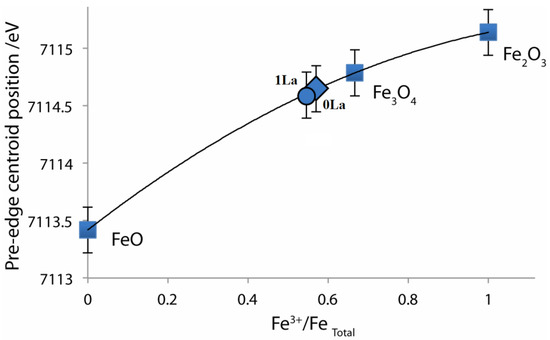
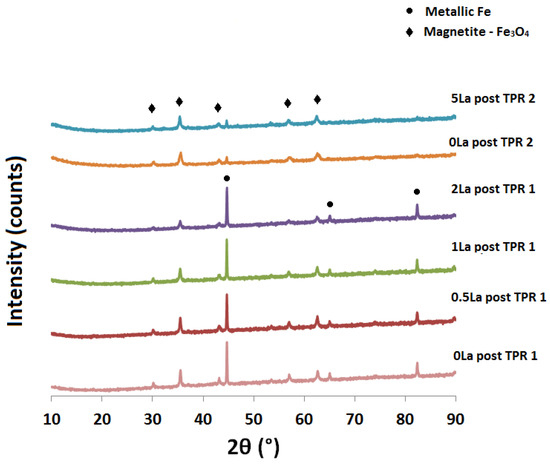
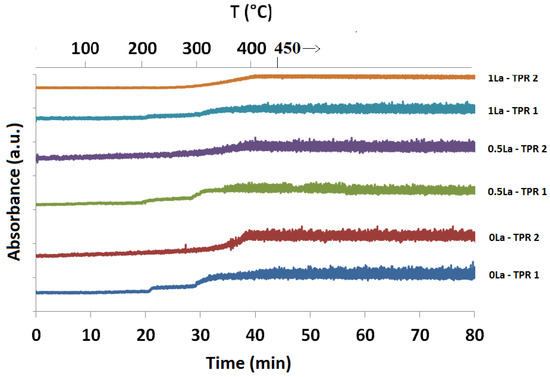
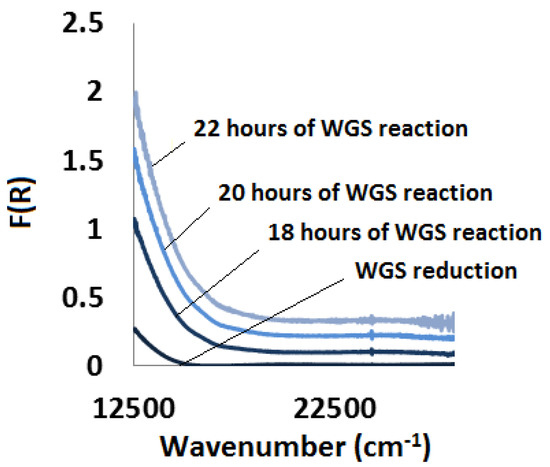
The extent of reduction of unsupported iron-based high-temperature water-gas shift catalysts with small (<5 wt %) lanthana contents was studied using UV-visible spectroscopy. Temperature- programmed reduction measurements showed that lanthana content higher than 0.5 wt % increased the extent of reduction to metallic Fe, while 0.5 wt % of lanthana facilitated the reduction to Fe3O4. In situ measurements on the iron oxide catalysts using mass and UV-visible spectroscopies permitted the quantification of the extent of reduction under temperature-programmed reduction and high-temperature water-gas shift conditions. The oxidation states were successfully calibrated against normalized absorbance spectra of visible light using the Kubelka-Munk theory. The normalized absorbance relative to the fully oxidized Fe2O3 increased as the extent of reduction increased. XANES suggested that the average bulk iron oxidation state during the water-gas shift reaction was Fe+2.57 for the catalyst with no lanthana and Fe+2.54 for the catalysts with 1 wt % lanthana. However, the UV-vis spectra suggest that the surface oxidation state of iron would be Fe+2.31 for the catalyst with 1 wt % lanthana if the oxidation state of iron in the catalyst with 0 wt % lanthana were Fe+2.57. The findings of this paper emphasize the importance of surface sensitive UV-visible spectroscopy for determining the extent of catalyst reduction during operation. The paper highlights the potential to use bench-scale UV-visible spectroscopy to study the surface chemistry of catalysts instead of less-available synchrotron X-ray radiation facilities. Full article
Show Figures

Figure 1
11 pages, 1215 KB  
Article
In-Situ Liquid Hydrogenation of m-Chloronitrobenzene over Fe-Modified Pt/Carbon Nanotubes Catalysts
by Feng Li 1,2, Jinrong Liang 1, Wenxi Zhu 1, Hua Song 1,*, Keliang Wang 2 and Cuiqin Li 1
1 Provincial Key Laboratory of Oil & Gas Chemical Technology, College of Chemistry & Chemical Engineering, Northeast Petroleum University, Daqing 163318, China
2 Key Laboratory of Enhanced oil & Gas Recovery of Education Ministry, College of Petroleum Engineering, Northeast Petroleum University, Daqing 163318, China
Catalysts 2018, 8(2), 62; https://doi.org/10.3390/catal8020062 - 4 Feb 2018
Cited by 16 | Viewed by 5172
Abstract
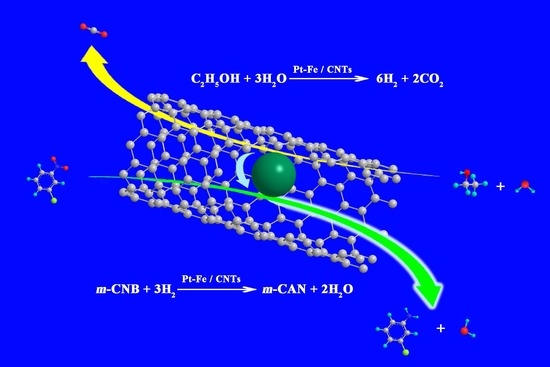
In-situ liquid-phase hydrogenation of m-chloronitrobenzene (m-CNB) based on aqueous-phase reforming (APR) of ethanol and catalytic hydrogenation was carried out over Fe-modified Pt/carbon nanotubes (CNTs) catalysts. The effects of Pt loading over CNTs and Fe modification on the catalytic performance of [...] Read more.
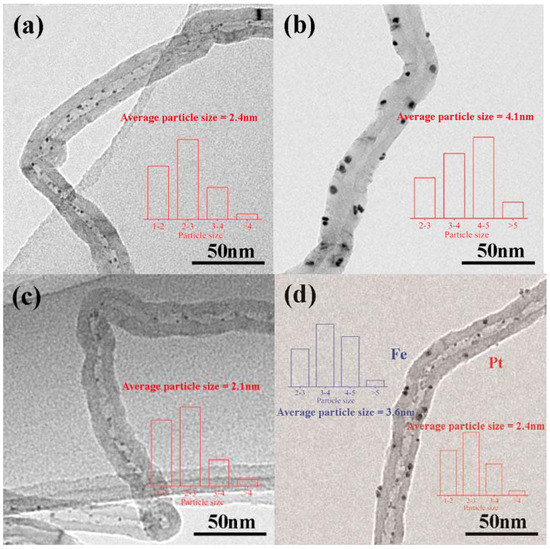
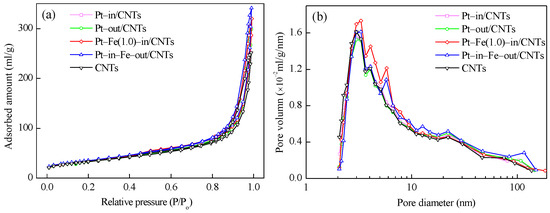
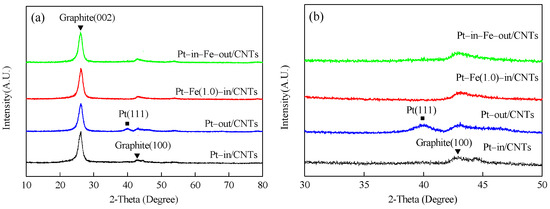
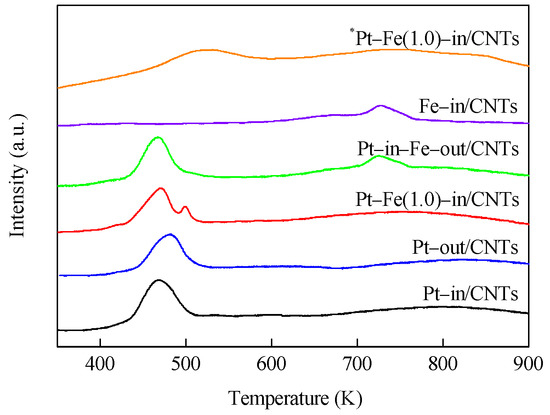
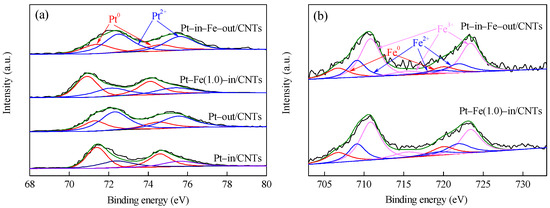
In-situ liquid-phase hydrogenation of m-chloronitrobenzene (m-CNB) based on aqueous-phase reforming (APR) of ethanol and catalytic hydrogenation was carried out over Fe-modified Pt/carbon nanotubes (CNTs) catalysts. The effects of Pt loading over CNTs and Fe modification on the catalytic performance of Pt/CNTs catalysts were studied. In-tube loading of Pt particles, compared with out-tube loading, considerably improved the catalytic activity. With in-tube loading, Fe-modified Pt/CNTs catalysts further improved the m-CNB in-situ hydrogenation performance. After Fe modification, Pt–Fe/CNTs catalysts formed, inside CNTs, a Pt–Fe alloy and iron oxides, which both improved catalytic hydrogenation performance and significantly enhanced ethanol APR hydrogen producing performance, thereby increasing the m-CNB in-situ hydrogenation reactivity. Full article
Show Figures

Graphical abstract

21 pages, 4778 KB  
Article
1,3-Diene Polymerization Mediated by Homoleptic Tetramethylaluminates of the Rare-Earth Metals
by Christoph O. Hollfelder, Lars N. Jende, Dominic Diether, Theresa Zelger, Rita Stauder, Cäcilia Maichle-Mössmer and Reiner Anwander *
Institut für Anorganische Chemie, Eberhard-Karls-Universität Tübingen, 72076 Tübingen, Germany
Catalysts 2018, 8(2), 61; https://doi.org/10.3390/catal8020061 - 3 Feb 2018
Cited by 26 | Viewed by 6758
Abstract
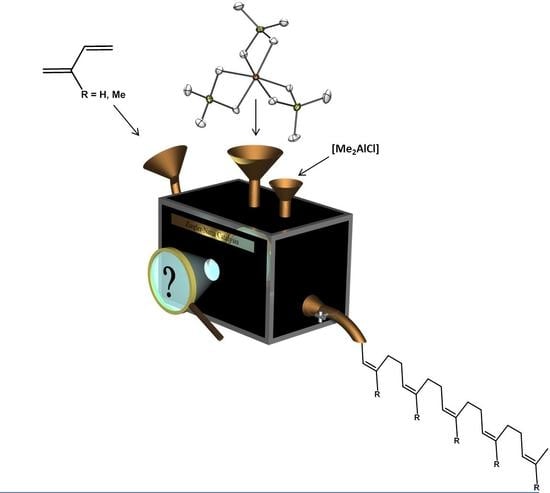
During the past two decades homoleptic tetramethylaluminates of the trivalent rare-earth metals, Ln(AlMe4)3, have emerged as useful components for efficient catalyst design in the field of 1,3-diene polymerization. Previous work had focused on isoprene polymerization applying Ln(AlMe4) [...] Read more.
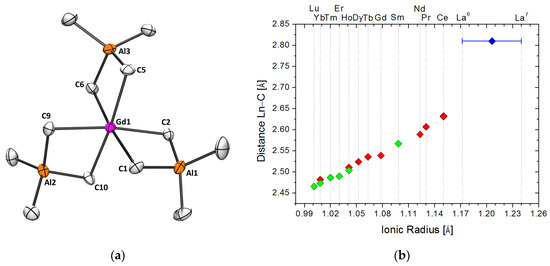
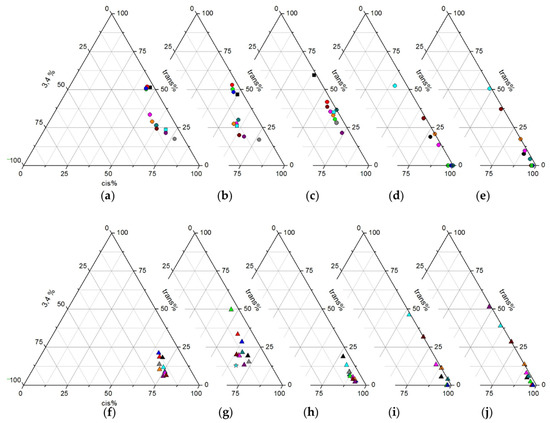
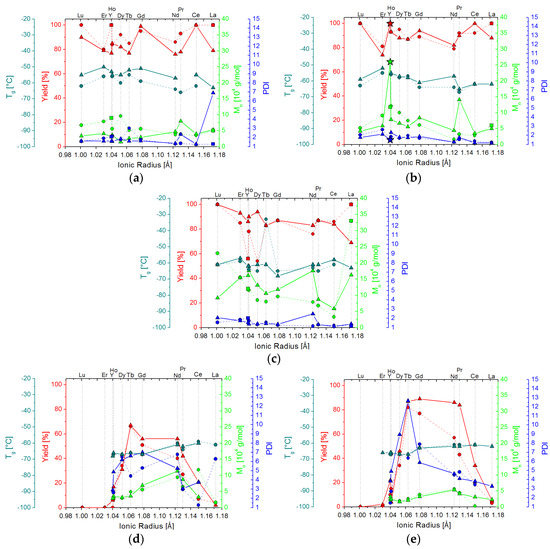
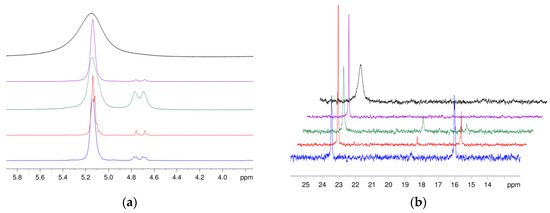
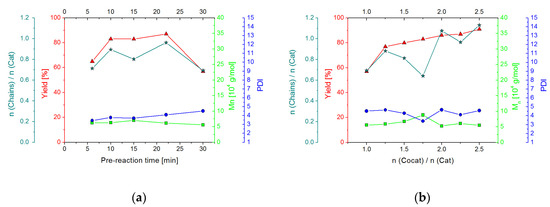
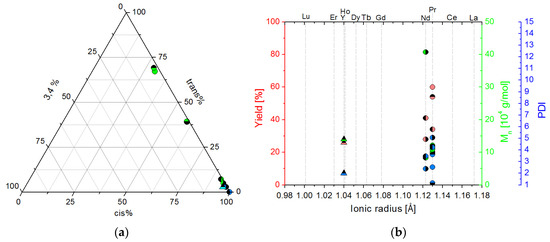
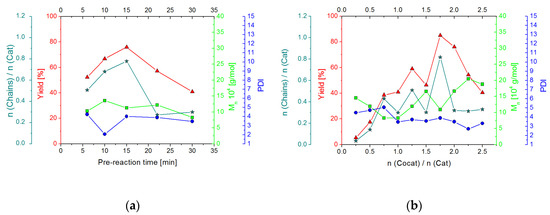
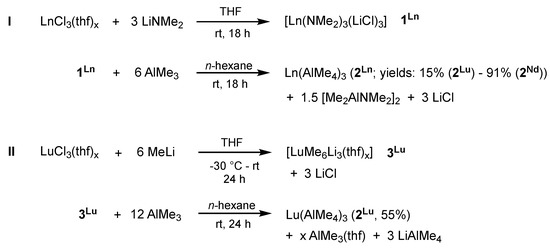
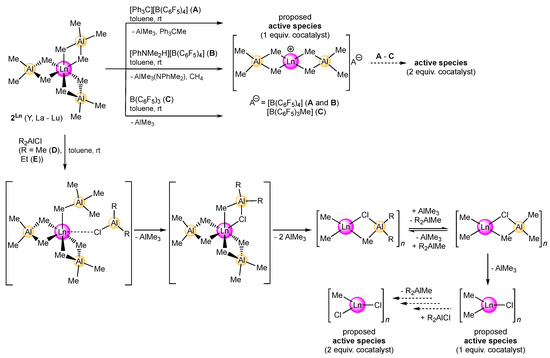
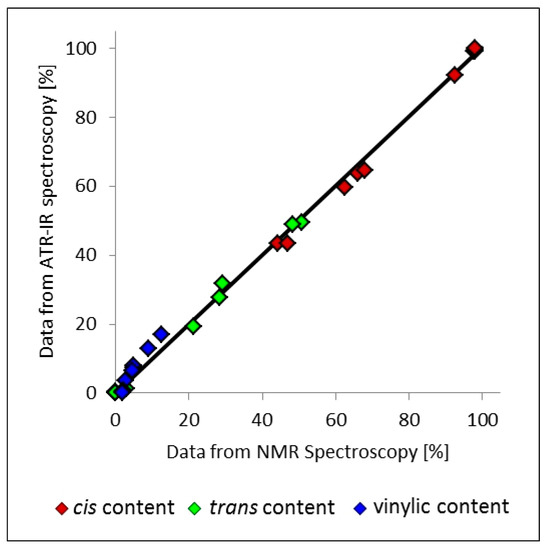
During the past two decades homoleptic tetramethylaluminates of the trivalent rare-earth metals, Ln(AlMe4)3, have emerged as useful components for efficient catalyst design in the field of 1,3-diene polymerization. Previous work had focused on isoprene polymerization applying Ln(AlMe4)3 precatalysts with Ln = La, Ce, Pr, Nd, Gd and Y, in the presence of Et2AlCl as an activator. Polymerizations employing Ln(AlMe4)3 with Ln = La, Y and Nd along with borate/borane co-catalysts [Ph3C][B(C6F5)4], [PhNMe2H][B(C6F5)4] and [B(C6F5)3] were mainly investigated for reasons of comparison with ancillary ligand-supported systems (cf. half-sandwich complexes). The present study investigates into a total of eleven rare-earth elements, namely Ln = La, Ce, Pr, Nd, Gd, Tb, Dy, Ho, Y, Er and Lu. A full overview on the polymerization behavior of Ln(AlMe4)3 in the presence of perfluorinated borate/borane cocatalysts and R2AlCl-type activators (R = Me, Et) is provided, probing the monomers isoprene and 1,3-butadiene (and preliminary ethylene). Virtually complete cis-1,4-selectivities are obtained for several catalyst/cocatalyst combinations (e.g., Gd(AlMe4)3/Me2AlCl, >99.9%). Insights into the ‘black box’ of active species are obtained by indirect observations via screening of pre-reaction time and cocatalyst concentration. The microstructure of the polydienes is investigated by combined 1H/13C NMR and ATR-IR spectroscopies. Furthermore, the reaction of [LuMe6(Li(thf)x)3] with AlMe3 has been applied as a new strategy for the efficient synthesis of Lu(AlMe4)3. The solid-state structures of Gd(AlMe4)3 and Tb(AlMe4)3 are reported. Full article
(This article belongs to the Special Issue Catalysts for the Controlled Polymerization of Conjugated Dienes)
Show Figures

Graphical abstract

13 pages, 3222 KB  
Article
Selective Hydrogenation of Cinnamaldehyde Catalyzed by ZnO-Fe2O3 Mixed Oxide Supported Gold Nanocatalysts
by Wei Wang 1,2, Yan Xie 1,*, Shaohua Zhang 1, Xing Liu 1, Masatake Haruta 1,3 and Jiahui Huang 1,*
1 Gold Catalysis Research Center, State Key Laboratory of Catalysis, Dalian Institute of Chemical Physics, Chinese Academy of Sciences, Zhongshan Road 457, Dalian 116023, China
2 University of Chinese Academy of Sciences, Beijing 100049, China
3 Research Center for Gold Chemistry, Department of Applied Chemistry, Graduate School of Urban Environmental Sciences, Tokyo Metropolitan University, 1-1 Minami-osawa, Hachioji, Tokyo 192-0379, Japan
Catalysts 2018, 8(2), 60; https://doi.org/10.3390/catal8020060 - 3 Feb 2018
Cited by 27 | Viewed by 6874
Abstract
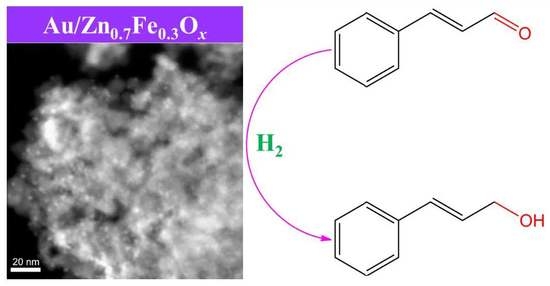
ZnO-Fe2O3 mixed oxides and supported gold nanocatalysts were prepared by using coprecipitation and deposition–precipitation methods, respectively. Cinnamaldehyde hydrogenation over various ZnO-Fe2O3 mixed oxides supported gold nanocatalysts have been investigated at 140 °C and a hydrogen pressure of [...] Read more.
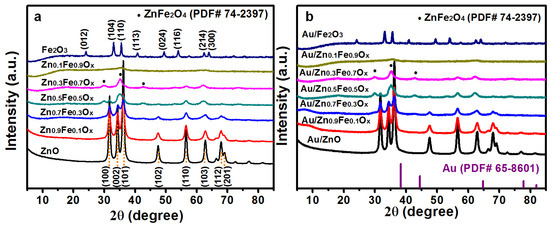
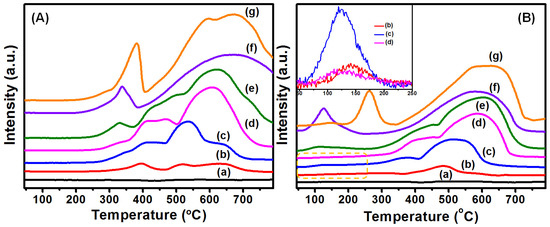
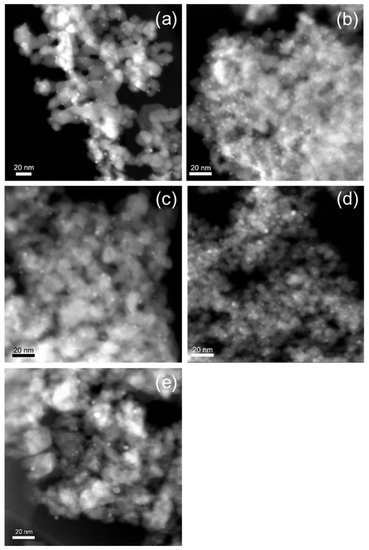
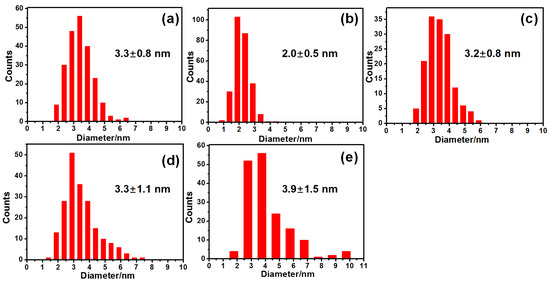
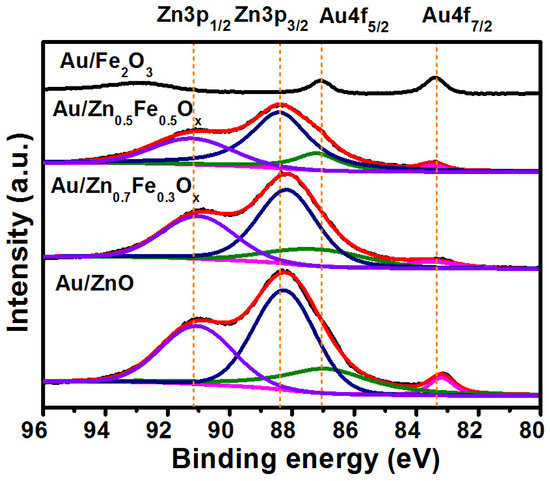
ZnO-Fe2O3 mixed oxides and supported gold nanocatalysts were prepared by using coprecipitation and deposition–precipitation methods, respectively. Cinnamaldehyde hydrogenation over various ZnO-Fe2O3 mixed oxides supported gold nanocatalysts have been investigated at 140 °C and a hydrogen pressure of 1.0 MPa. The molar ratio of Fe to Zn was found to greatly affect the selective hydrogenation catalytic activity of ZnO-Fe2O3 mixed oxide supported gold nanocatalysts. Among these supported gold nanocatalysts in this work, Au/Zn0.7Fe0.3Ox (Au loading of 1.74 wt %) exhibited the highest conversion of cinnamaldehyde and high selectivity to cinnamal alcohol. The excellent catalytic activity of Au/Zn0.7Fe0.3Ox was tightly associated with a large surface area, small gold nanoparticles, and good H2 dissociation ability at low temperature. Full article
(This article belongs to the Collection Gold Catalysts)
Show Figures

Graphical abstract

16 pages, 4414 KB  
Article
Co-Processing of Jatropha-Derived Bio-Oil with Petroleum Distillates over Mesoporous CoMo and NiMo Sulfide Catalysts
by Shih-Yuan Chen 1,*, Masayasu Nishi 1, Takehisa Mochizuki 1, Hideyuki Takagi 1, Akira Takatsuki 1, Wuttichai Roschat 2,3, Makoto Toba 1 and Yuji Yoshimura 4
1 Research Institute of Energy Frontier (RIEF), Department of Energy and Environment, National Institute of Advanced Industrial Science and Technology (AIST), 16-1 Onogawa, Tsukuba, Ibaraki 305-8569, Japan
2 Program of Chemistry, Faculty of Science and Technology, Sakon Nakhon Rajabhat University, 680 Nittayo Rd., Mueang District, Sakon Nakhon 47000, Thailand
3 Center of Excellence on Alternative Energy, Research and Development Institute, Sakon Nakhon Rajabhat University, 680 Nittayo Rd., Mueang District, Sakon Nakhon 47000, Thailand
4 Materials for Energy Research Unit, National Metal and Materials Technology Center (MTEC), Pahonyothin Rd. Klong 1, Klong Luang Pathumtani 12120, Thailand
Catalysts 2018, 8(2), 59; https://doi.org/10.3390/catal8020059 - 2 Feb 2018
Cited by 24 | Viewed by 6266
Abstract
The co-processing of an unconventional type of Jatropha bio-oil with petroleum distillates over mesoporous alumina-supported CoMo and NiMo sulfide catalysts (denoted CoMo/γ-Al2O3 and NiMo/γ-Al2O3) was studied. Either a stainless-steel high-pressure batch-type reactor or an up-flow fixed-bed [...] Read more.
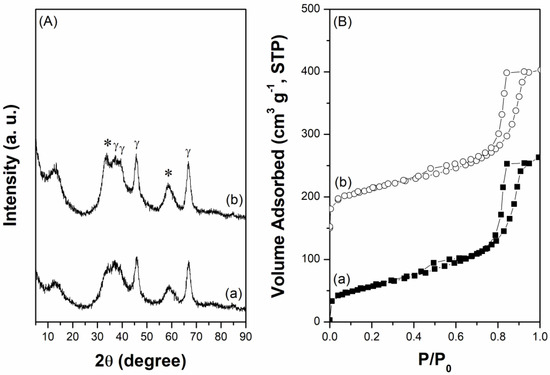
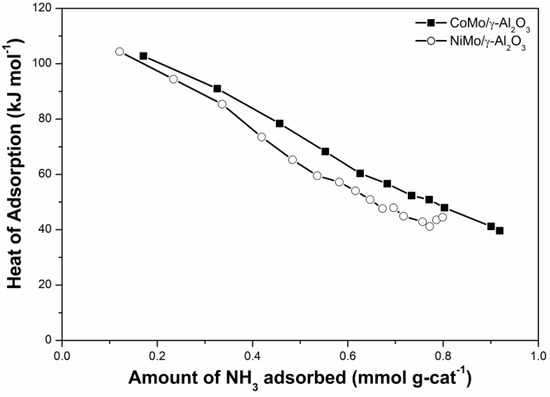
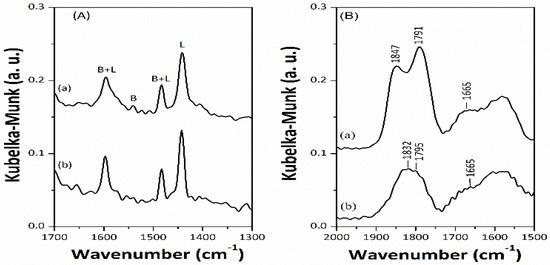
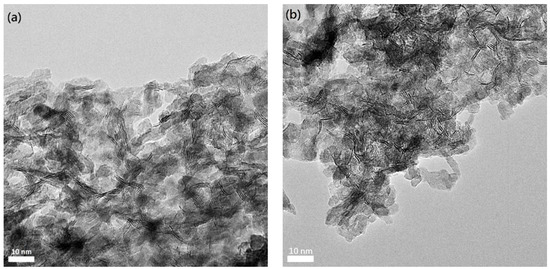
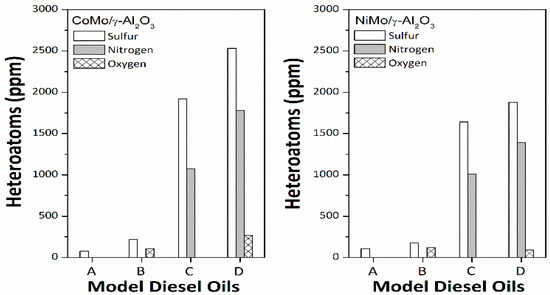
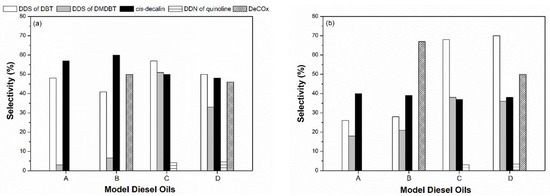
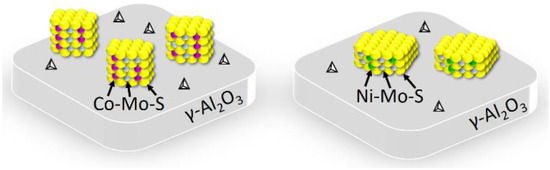
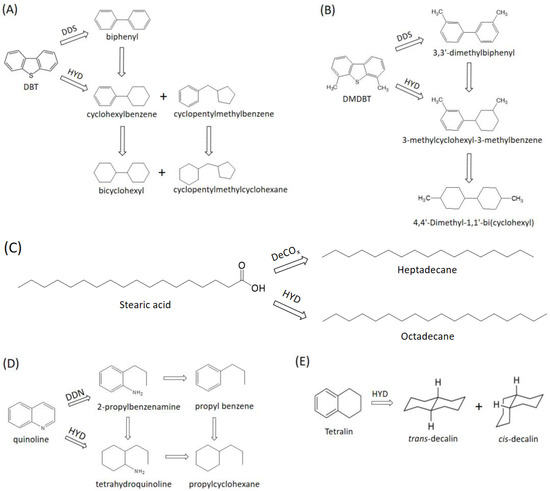
The co-processing of an unconventional type of Jatropha bio-oil with petroleum distillates over mesoporous alumina-supported CoMo and NiMo sulfide catalysts (denoted CoMo/γ-Al2O3 and NiMo/γ-Al2O3) was studied. Either a stainless-steel high-pressure batch-type reactor or an up-flow fixed-bed reaction system was used under severe reaction conditions (330–350 °C and 5–7 MPa), similar to the conditions of the conventional diesel hydrodesulfurization (HDS) process. To understand the catalytic performance of the mesoporous sulfide catalysts for co-processing, we prepared two series of oil feedstocks. First, model diesel oils, consisting of hydrocarbons and model molecules with various heteroatoms (sulfur, oxygen, and nitrogen) were used for the study of the reaction mechanisms. Secondly, low-grade oil feedstocks, which were prepared by dissolving of an unconventional type of Jatropha bio-oil (ca. 10 wt %) in the petroleum distillates, were used to study the practical application of the catalysts. Surface characterization by gas sorption, spectroscopy, and electron microscopy indicated that the CoMo/γ-Al2O3 sulfide catalyst, which has a larger number of acidic sites and coordinatively unsaturated sites (CUS) on the mesoporous alumina framework, was associated with small Co-incorporated MoS2-like slabs with high stacking numbers and many active sites at the edges and corners. In contrast, the NiMo/γ-Al2O3 sulfide catalyst, which had a lower number of acidic sites and CUS on mesoporous alumina framework, was associated with large Ni-incorporated MoS2-like slabs with smaller stacking numbers, yielding more active sites at the brims and corresponding to high hydrogenation (HYD) activity. Concerning the catalytic performance, the mesoporous CoMo/γ-Al2O3 sulfide catalyst with large CUS number was highly active for the conventional diesel HDS process; unfortunately, it was deactivated when oxygen- and nitrogen-containing model molecules or Jatropha bio-oil were present in the oil feedstock. In contrast, the mesoporous NiMo/γ-Al2O3 sulfide catalyst, which had a high HYD activity and low affinity for heteroatoms, was efficient in the simultaneous removal of those heteroatoms from model diesel oils, and, in particular, Jatropha bio-oil co-fed with petroleum distillates. This could allow the production of a drop-in diesel-like fuel, which would be a greener fuel and reduce the CO2 emissions and hazardous exhaust gases produced by the transport sector, reducing the burden on the environment. Full article
(This article belongs to the Special Issue Porous Materials in Catalysis)
Show Figures

Figure 1
18 pages, 9708 KB  
Article
Highly Selective Continuous Flow Hydrogenation of Cinnamaldehyde to Cinnamyl Alcohol in a Pt/SiO2 Coated Tube Reactor
by Yang Bai 1, Nikolay Cherkasov 1,2, Steven Huband 3, David Walker 3, Richard I. Walton 4 and Evgeny Rebrov 1,2,5,*
1 Stoli Catalysts Ltd., Coventry CV3 4DS, UK
2 School of Engineering, University of Warwick, Coventry CV4 7AL, UK
3 Department of Physics, University of Warwick, Coventry CV4 7AL, UK
4 Department of Chemistry, University of Warwick, Coventry CV4 7AL, UK
5 Department of Biotechnology and Chemistry, Tver State Technical University, Nab. A. Nikitina 22, Tver 170026, Russia
Catalysts 2018, 8(2), 58; https://doi.org/10.3390/catal8020058 - 2 Feb 2018
Cited by 40 | Viewed by 11382
Abstract
A novel continuous flow process for selective hydrogenation of α, β-unsaturated aldehyde (cinnamaldehyde, CAL) to the unsaturated alcohol (cinnamyl alcohol, COL) has been reported in a tube reactor coated with a Pt/SiO2 catalyst. A 90% selectivity towards the unsaturated alcohol was obtained [...] Read more.
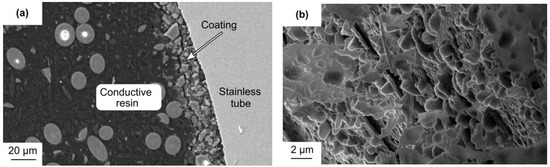
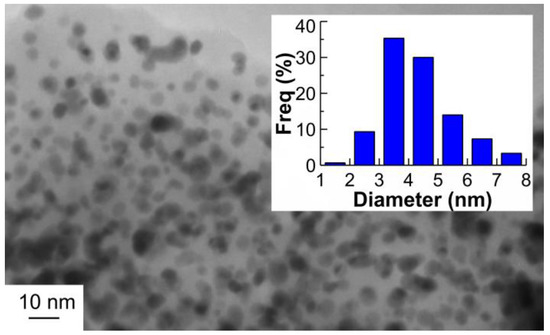
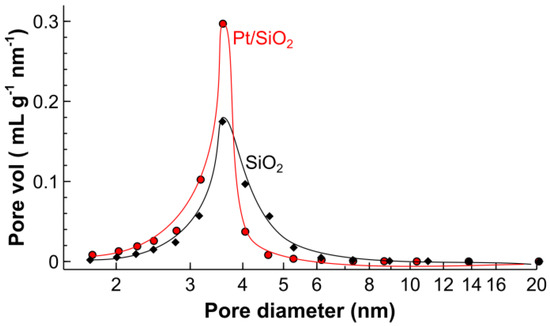
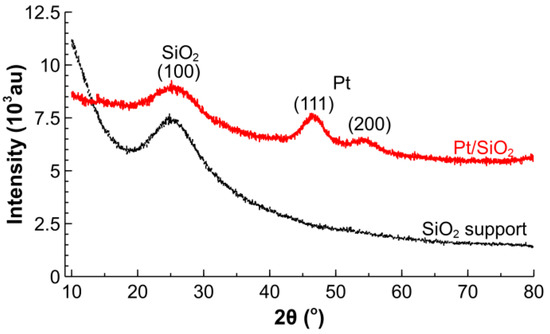
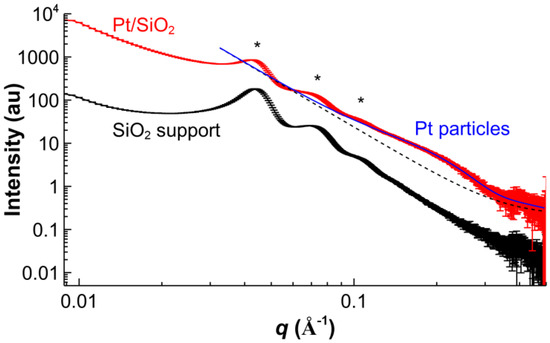
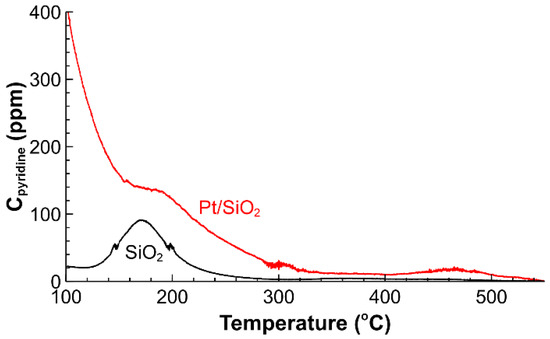
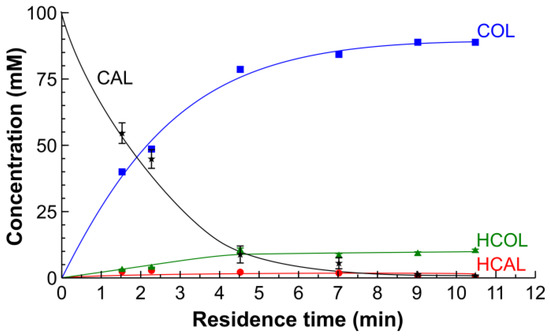
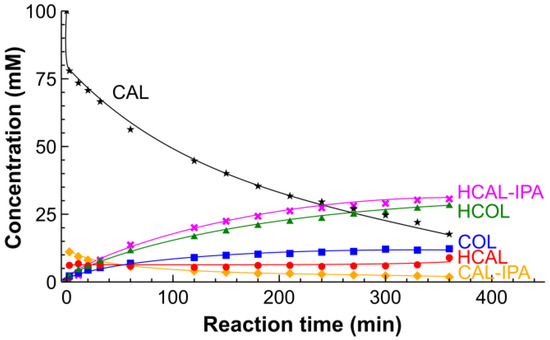
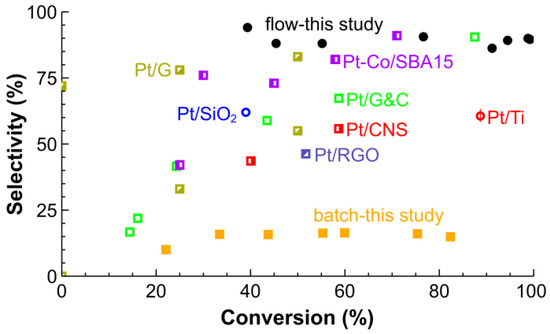
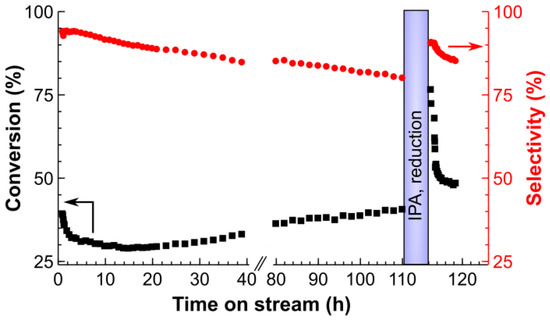
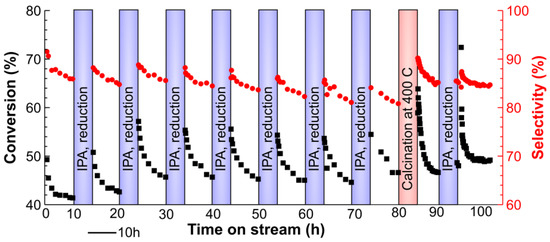
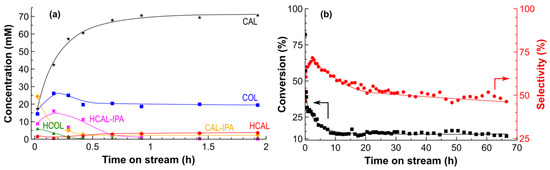
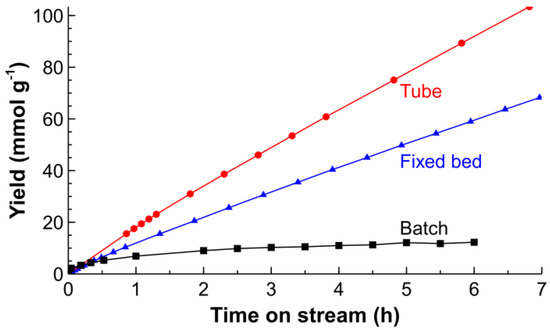
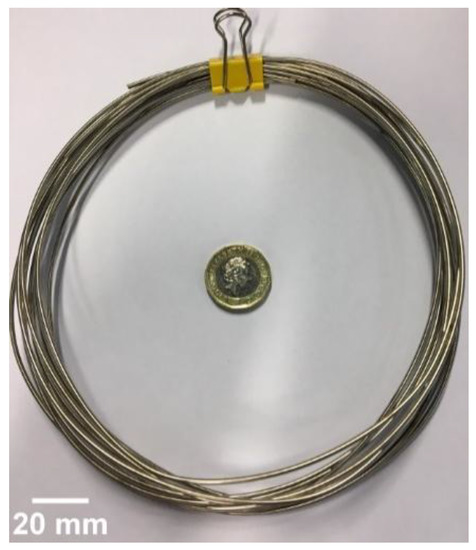
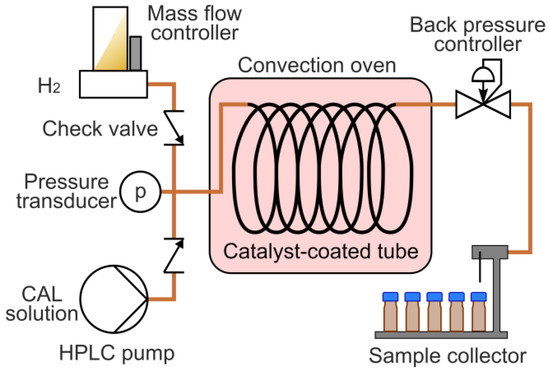
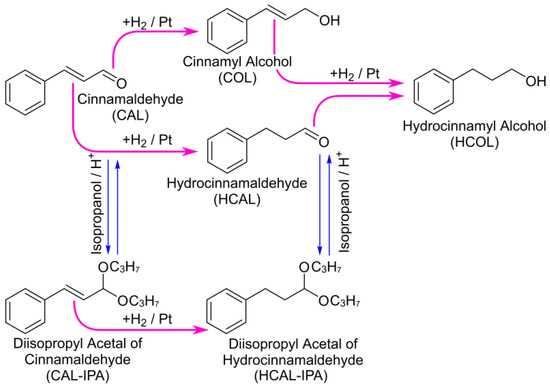
A novel continuous flow process for selective hydrogenation of α, β-unsaturated aldehyde (cinnamaldehyde, CAL) to the unsaturated alcohol (cinnamyl alcohol, COL) has been reported in a tube reactor coated with a Pt/SiO2 catalyst. A 90% selectivity towards the unsaturated alcohol was obtained at the aldehyde conversion of 98.8%. This is a six-fold improvement in the selectivity compared to a batch process where acetals were the main reaction products. The increased selectivity in the tube reactor was caused by the suppression of acid sites responsible for the acetal formation after a short period on stream in the continuous process. In a fixed bed reactor, it had a similar acetal suppression phenomenon but showed lower product selectivity of about 47–72% due to mass transfer limitations. A minor change in selectivity and conversion caused by product inhibition was observed during the 110 h on stream with a turnover number (TON) reaching 3000 and an alcohol production throughput of 0.36 kg gPt−1 day−1 in the single tube reactor. The catalysts performance after eight reaction cycles was fully restored by calcination in air at 400 °C. The tube reactors provide an opportunity for process intensification by increasing the reaction rates by a factor of 2.5 at the reaction temperature of 150 °C compared to 90 °C with no detrimental effects on catalyst stability or product selectivity. Full article
Show Figures

Figure 1
19 pages, 6432 KB  
Article
Ag3PO4-TiO2-Graphene Oxide Ternary Composites with Efficient Photodegradation, Hydrogen Evolution, and Antibacterial Properties
by Fu-Jye Sheu 1, Chun-Pei Cho 1,*, Yu-Ting Liao 2 and Chang-Tze Yu 2
1 Department of Applied Materials and Optoelectronic Engineering, National Chi Nan University, Nantou County 54561, Taiwan
2 Department of Applied Chemistry, National Chi Nan University, Nantou County 54561, Taiwan
Catalysts 2018, 8(2), 57; https://doi.org/10.3390/catal8020057 - 2 Feb 2018
Cited by 47 | Viewed by 6477
Abstract
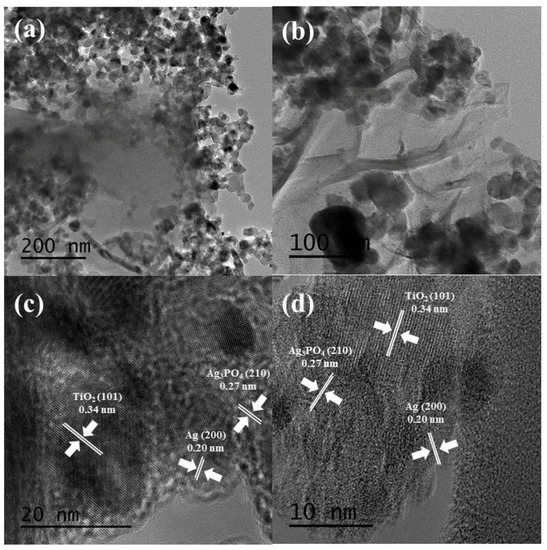
Ag3PO4-TiO2-graphene oxide ternary composite photocatalysts were fabricated by the photocatalytic reduction and ion exchange methods. The properties and photocatalytic activity of the composites were examined, and the photodegradation mechanism was investigated. More TiO2 nanoparticles in the [...] Read more.
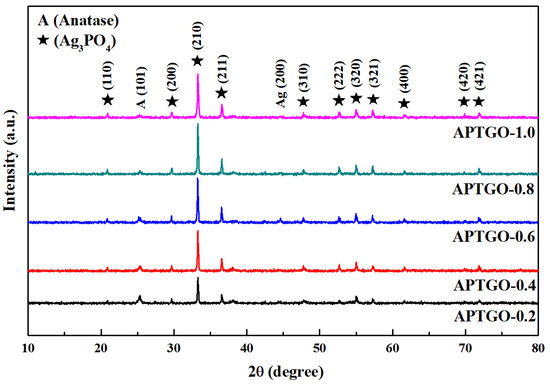
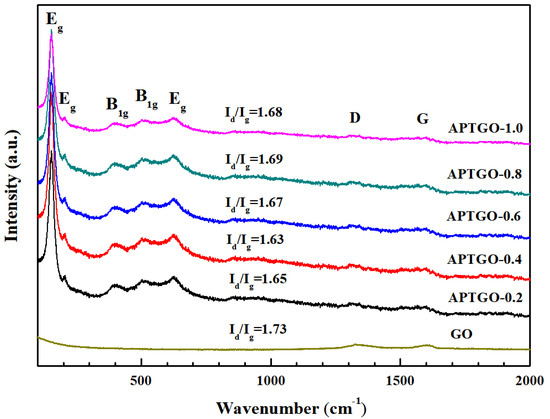
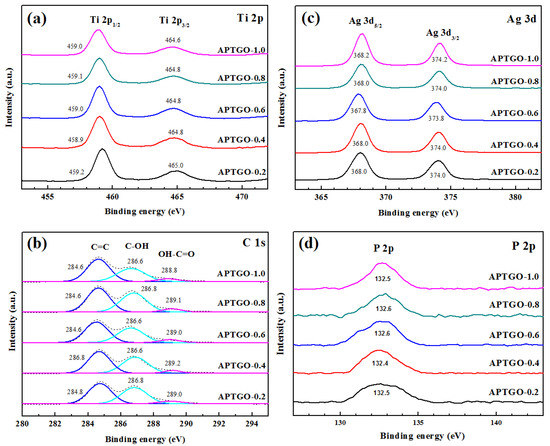
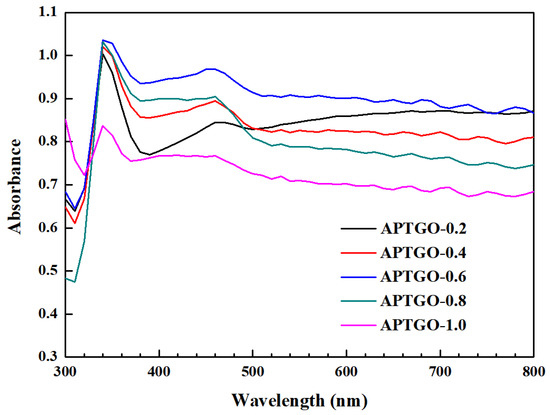
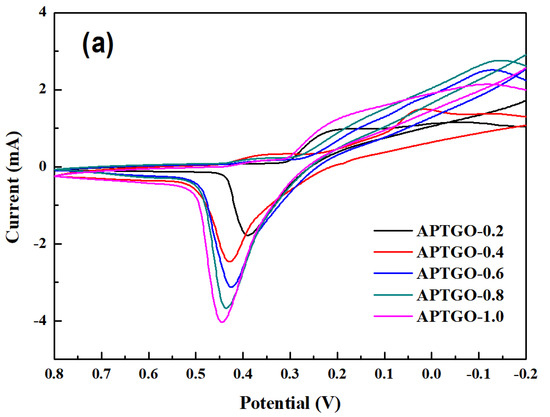
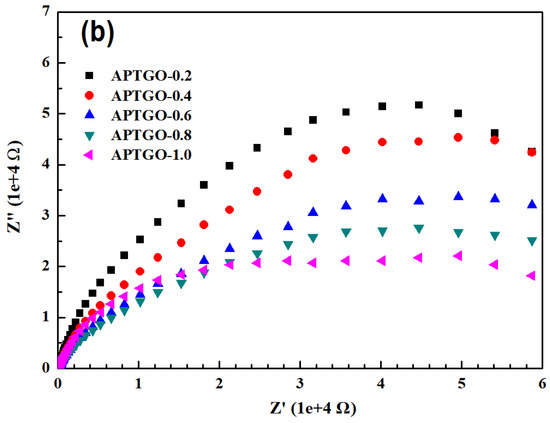
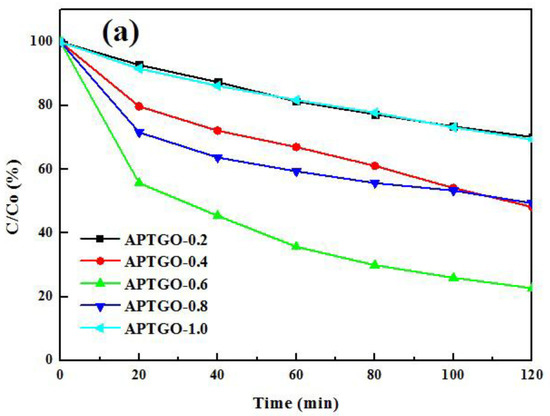
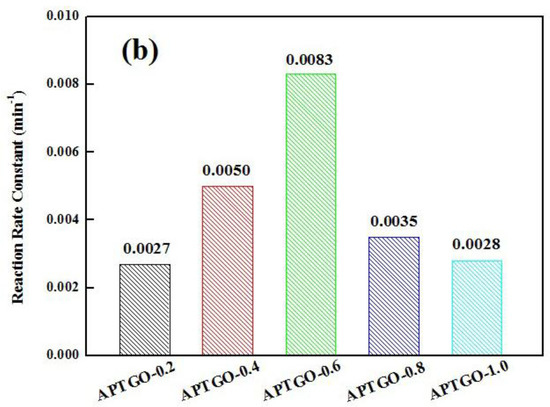
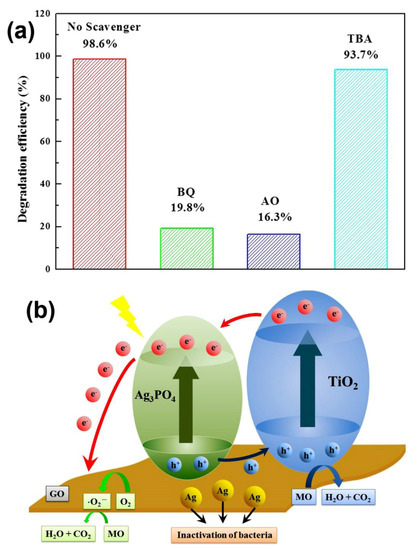
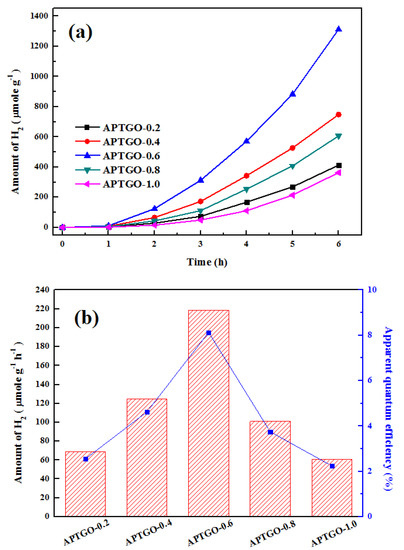
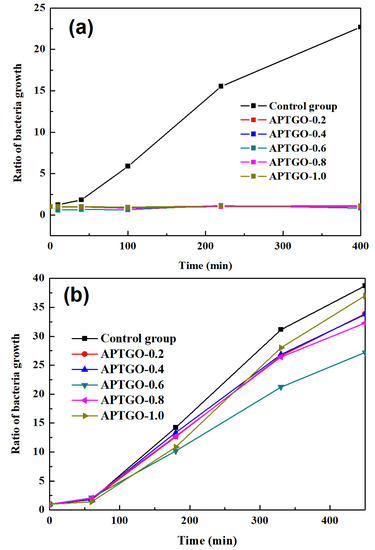
Ag3PO4-TiO2-graphene oxide ternary composite photocatalysts were fabricated by the photocatalytic reduction and ion exchange methods. The properties and photocatalytic activity of the composites were examined, and the photodegradation mechanism was investigated. More TiO2 nanoparticles in the composites were found to improve light absorption, but caused a larger impedance and inferior charge transport. Excess TiO2 nanoparticles distributed over the surfaces of Ag3PO4 and graphene oxide decreased the specific surface area and thus lowered light absorbance. An appropriate TiO2 content enhanced photocatalytic performance. When the molar ratio of Ag3PO4 to TiO2 was 0.6, the highest efficiency in photodegradation, hydrogen production (with a quantum efficiency of 8.1% and a hydrogen evolution rate of 218.7 μmole·g−1·h−1) and bacterial inactivation was achieved. Trapping experiments demonstrated that superoxide radicals and holes are the major active species involved in the photodegradation process. Full article
Show Figures

Figure 1
18 pages, 4707 KB  
Article
Catalytic Activity Studies of Vanadia/Silica–Titania Catalysts in SVOC Partial Oxidation to Formaldehyde: Focus on the Catalyst Composition
by Niina Koivikko 1,*, Tiina Laitinen 1, Anass Mouammine 1,2, Satu Ojala 1 and Riitta L. Keiski 1
1 Environmental and Chemical Engineering (ECE), Faculty of Technology, University of Oulu, P.O. Box 4300, FI-90014 Oulu, Finland
2 Laboratory of Catalysis and Corrosion of Materials (LCCM), Department of Chemistry, Faculty of Sciences, University of Chouaïb Doukkali, 20 Route de Ben Maachou, 24000 El Jadida, Morocco
Catalysts 2018, 8(2), 56; https://doi.org/10.3390/catal8020056 - 2 Feb 2018
Cited by 20 | Viewed by 7562
Abstract
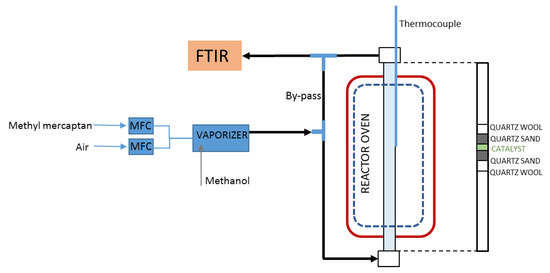
In this work, silica–titania supported catalysts were prepared by a sol–gel method with various compositions. Vanadia was impregnated on SiO2-TiO2 with different loadings, and materials were investigated in the partial oxidation of methanol and methyl mercaptan to formaldehyde. The materials [...] Read more.
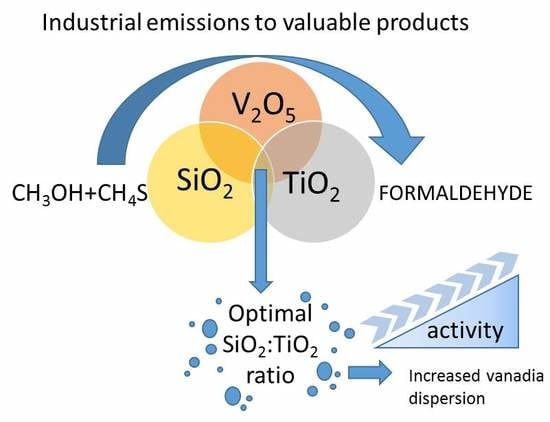
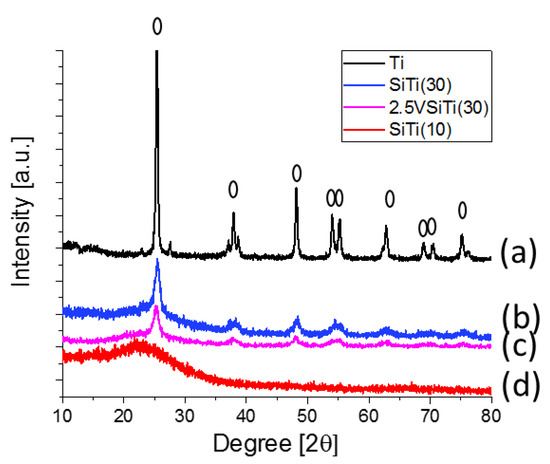
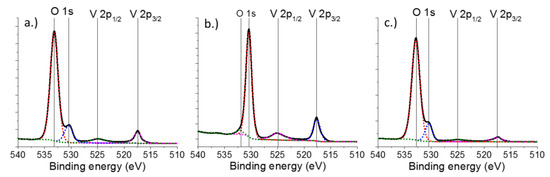
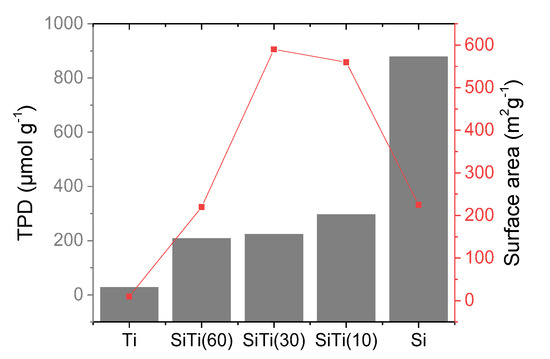
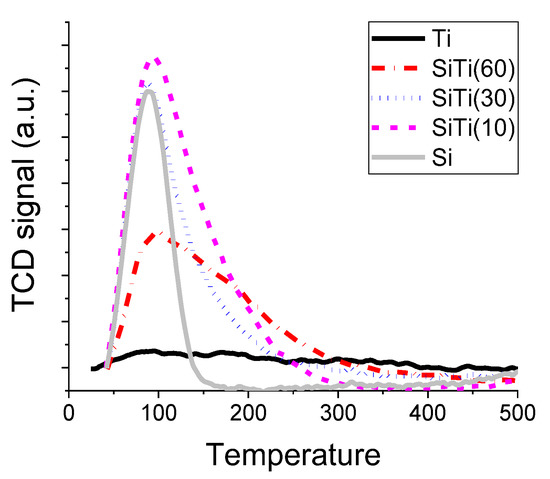
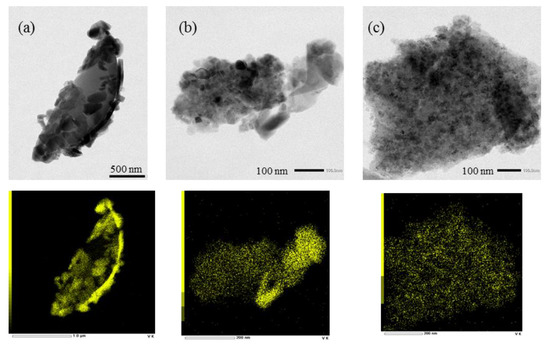
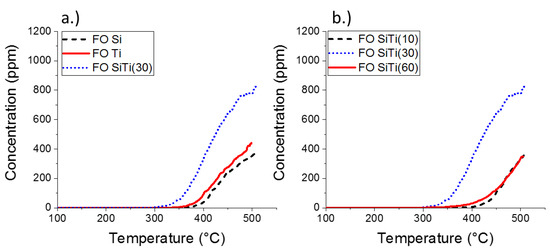
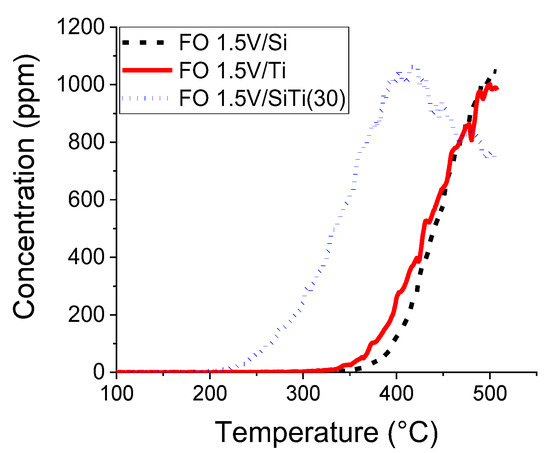
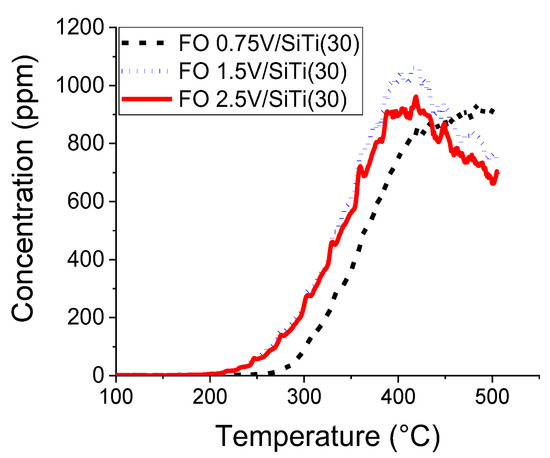
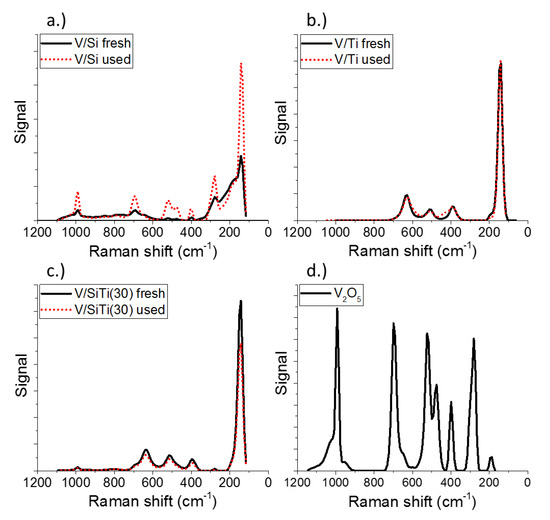
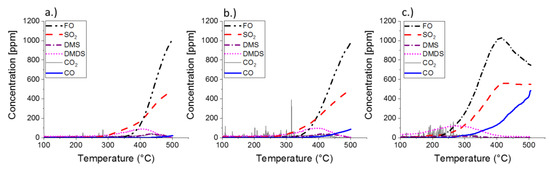
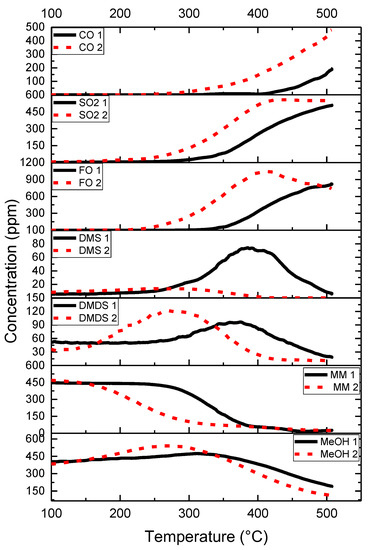
In this work, silica–titania supported catalysts were prepared by a sol–gel method with various compositions. Vanadia was impregnated on SiO2-TiO2 with different loadings, and materials were investigated in the partial oxidation of methanol and methyl mercaptan to formaldehyde. The materials were characterized by using N2 physisorption, X-ray diffraction (XRD), X-ray fluorescence spectroscopy (XRF), X-ray photoelectron spectroscopy (XPS), Scanning transmission electron microscope (STEM), NH3-TPD, and Raman techniques. The activity results show the high importance of an optimized SiO2-TiO2 ratio to reach a high reactant conversion and formaldehyde yield. The characteristics of mixed oxides ensure a better dispersion of the active phase on the support and in this way increase the activity of the catalysts. The addition of vanadium pentoxide on the support lowered the optimal temperature of the reaction significantly. Increasing the vanadia loading from 1.5% to 2.5% did not result in higher formaldehyde concentration. Over the 1.5%V2O5/SiO2 + 30%TiO2 catalyst, the optimal selectivity was reached at 415 °C when the maximum formaldehyde concentration was ~1000 ppm. Full article
(This article belongs to the Special Issue New Concepts in Oxidation Processes)
Show Figures

Graphical abstract

12 pages, 2297 KB  
Communication
Whole-Cell Biocatalyst for Chemoenzymatic Total Synthesis of Rivastigmine
by Paola Vitale 1,2,*, Filippo Maria Perna 1,2, Gennaro Agrimi 3,4, Isabella Pisano 3,4, Francesco Mirizzi 1, Roberto Vito Capobianco 1 and Vito Capriati 1,2,*
1 Dipartimento di Farmacia-Scienze del Farmaco, Università degli Studi di Bari «Aldo Moro», Via E. Orabona 4, I-70125 Bari, Italy
2 Consorzio C.I.N.M.P.I.S., Dipartimento di Farmacia-Scienze del Farmaco, Via E. Orabona 4, I-70125 Bari, Italy
3 Dipartimento di Bioscienze, Biotecnologie e Biofarmaceutica, Università degli Studi di Bari «Aldo Moro», Via E. Orabona 4, I-70125 Bari, Italy
4 Consorzio CIRCC, Via Celso Ulpiani 27, I-70126 Bari, Italy
Catalysts 2018, 8(2), 55; https://doi.org/10.3390/catal8020055 - 31 Jan 2018
Cited by 51 | Viewed by 8300
Abstract
Biocatalytic processes are increasingly playing a key role in the development of sustainable asymmetric syntheses, which are central to pharmaceutical companies for the production of chiral enantiopure drugs. This work describes a simple and economically viable chemoenzymatic process for the production of ( [...] Read more.
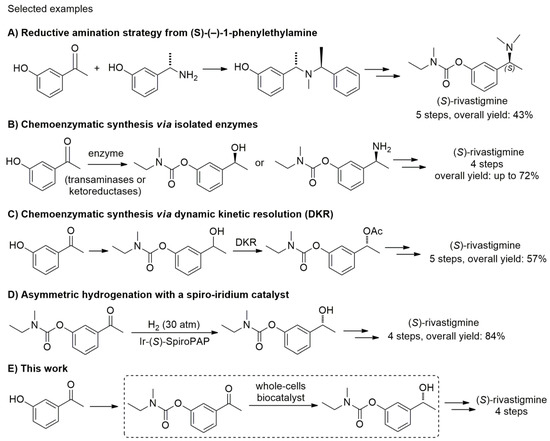
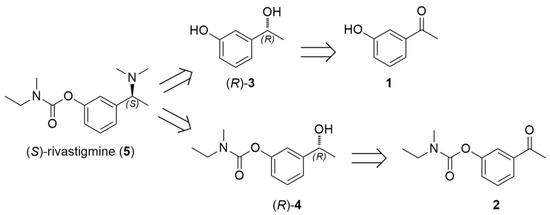
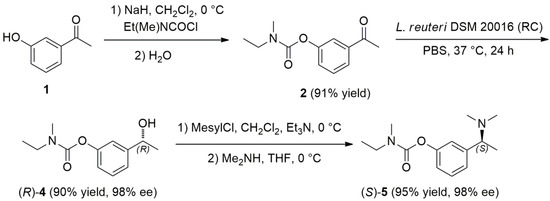
Biocatalytic processes are increasingly playing a key role in the development of sustainable asymmetric syntheses, which are central to pharmaceutical companies for the production of chiral enantiopure drugs. This work describes a simple and economically viable chemoenzymatic process for the production of (S)-rivastigmine, which is an important drug for the treatment of mild to moderate dementia of the Alzheimer’s type. The described protocol involves the R-regioselective bioreduction of an aromatic ketone by Lactobacillus reuteri DSM 20016 whole cells in phosphate buffered saline (PBS) (37 °C, 24 h) as a key step. Biocatalytic performance of baker’s yeast whole cells in water and in aqueous eutectic mixtures have been evaluated and discussed as well. The route is scalable, environmentally friendly, and the target drug is obtained via four steps in overall 78% yield and 98% ee. Full article
Show Figures

Graphical abstract

13 pages, 2739 KB  
Article
Exploring the Effect of Au/Pt Ratio on Glycerol Oxidation in Presence and Absence of a Base
by Alberto Villa 1,*, Andrea Jouve 1, Felipe J. Sanchez Trujillo 2, Davide Motta 2, Laura Prati 1 and Nikolaos Dimitratos 2,*
1 Dipartimento di Chimica, Università degli Studi di Milano, via Golgi 19, I-20133 Milano, Italy
2 Cardiff Catalysis Institute, School of Chemistry, Cardiff University, Main Building, Park Place, Cardiff CF10 3AT, UK
Catalysts 2018, 8(2), 54; https://doi.org/10.3390/catal8020054 - 31 Jan 2018
Cited by 25 | Viewed by 6257
Abstract
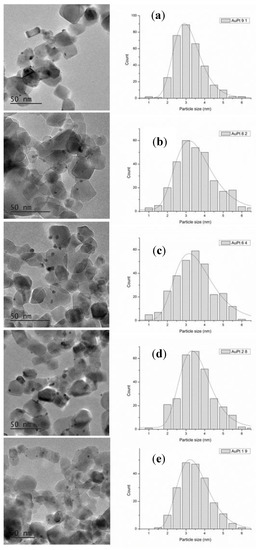
Bimetallic AuPt nanoparticles with different Au:Pt ratios (molar ratio: 9-1, 8-2, 6-4, 2-8, 1-9) and the corresponding Au and Pt monometallic ones were prepared by sol immobilization and immobilized on commercial TiO2 (P25). The catalytic activity was evaluated in the liquid phase [...] Read more.
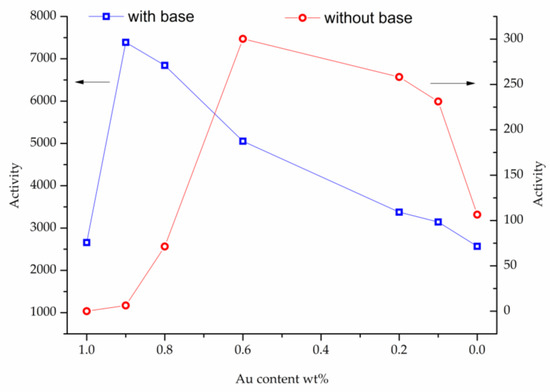
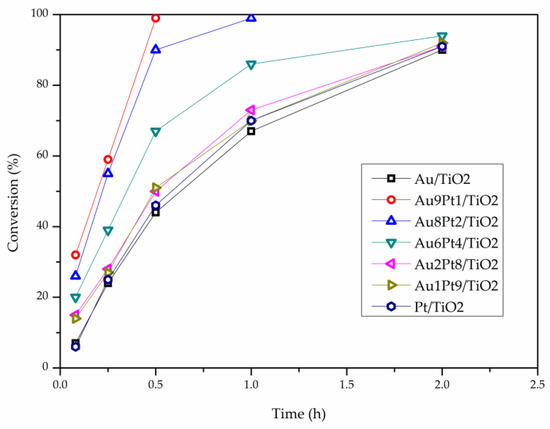
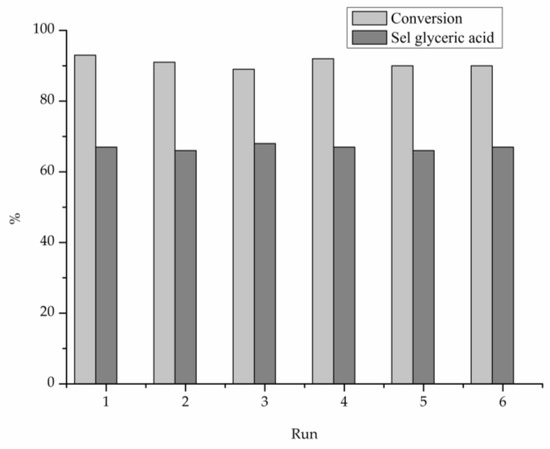
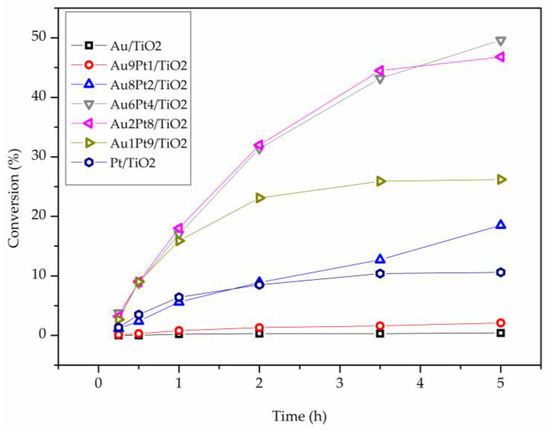
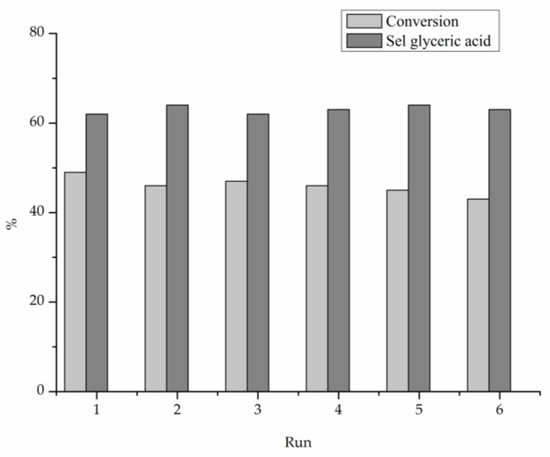
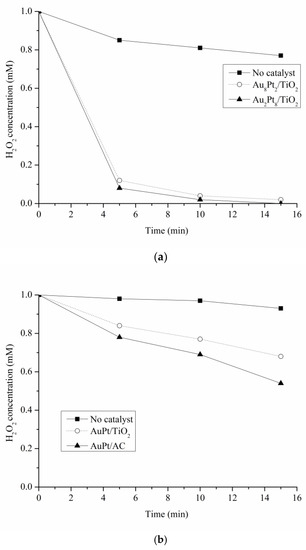
Bimetallic AuPt nanoparticles with different Au:Pt ratios (molar ratio: 9-1, 8-2, 6-4, 2-8, 1-9) and the corresponding Au and Pt monometallic ones were prepared by sol immobilization and immobilized on commercial TiO2 (P25). The catalytic activity was evaluated in the liquid phase glycerol oxidation in presence and absence of a base (NaOH). It was found that the Au:Pt molar ratio and reaction conditions strongly influence the catalytic performance. In the presence of NaOH, Au-rich catalysts were more active than Pt-rich ones, with the highest activity observed for Au9Pt1/TiO2 (6575 h−1). In absence of a base, a higher content of Pt is needed to produce the most active catalyst (Au6Pt4/TiO2, 301 h−1). In terms of selectivity, in presence of NaOH, Au-rich catalysts showed a high selectivity to C3 products (63–72%) whereas Pt-rich catalysts promote the formation of formic and glycolic acids. The opposite trend was observed in absence of a base with Pt-rich catalysts showing higher selectivity to C3 products (83–88%). Full article
(This article belongs to the Special Issue Glycerol Conversion by Heterogeneous Catalysis)
Show Figures

Figure 1
16 pages, 4513 KB  
Article
Carbon-Supported Copper-Based Nitrogen-Containing Supramolecule as an Efficient Oxygen Reduction Reaction Catalyst in Neutral Medium
by Yuanyuan Zhao 1, Ya Chu 1, Xiuping Ju 2, Jinsheng Zhao 1,*, Lingqian Kong 2 and Yan Zhang 1
1 Department of Chemistry, Liaocheng University, Liaocheng 252059, China
2 Dongchang College, Liaocheng University, Liaocheng 252059, China
Catalysts 2018, 8(2), 53; https://doi.org/10.3390/catal8020053 - 30 Jan 2018
Cited by 32 | Viewed by 6638
Abstract
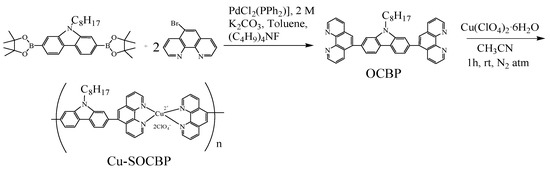
In this work, a nitrogen-containing bidentate ligand named 5,5′-(9-octyl-9H-carbazole-2,7-diyl)bis(1,10-phenanthroline) (OCBP) was synthesized as a nitrogen precursor for making an oxygen reduction catalyst. The 1,10-phenanthroline unit provides a coordination site for copper ions, and the resulting Cu-Nx unit may be responsible for the [...] Read more.
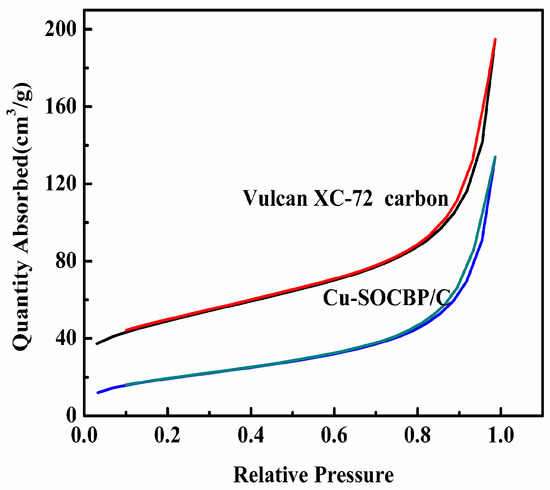
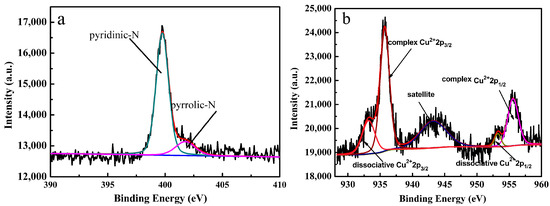
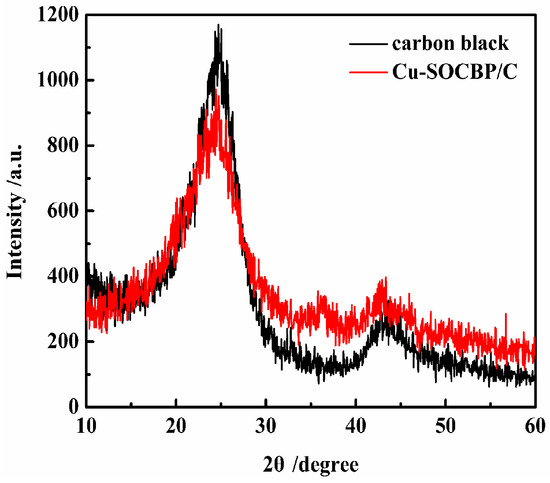
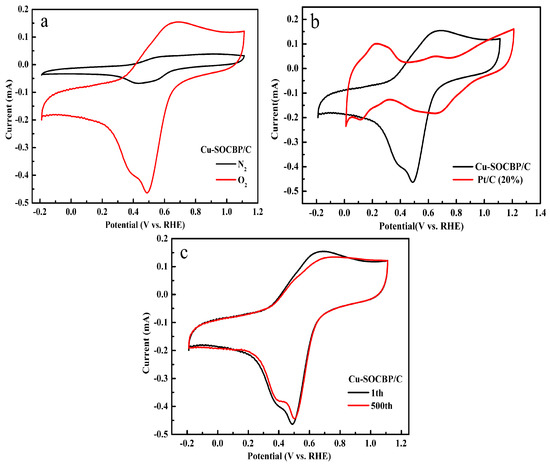
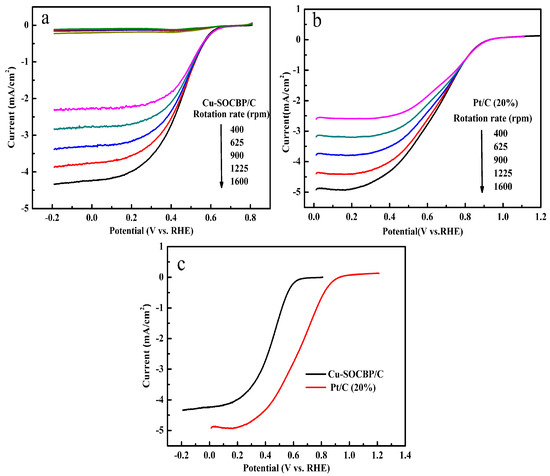
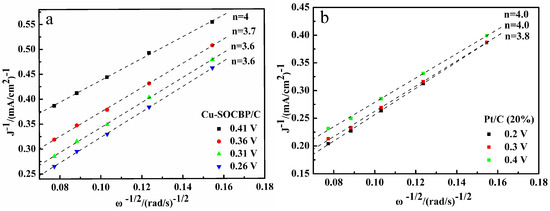
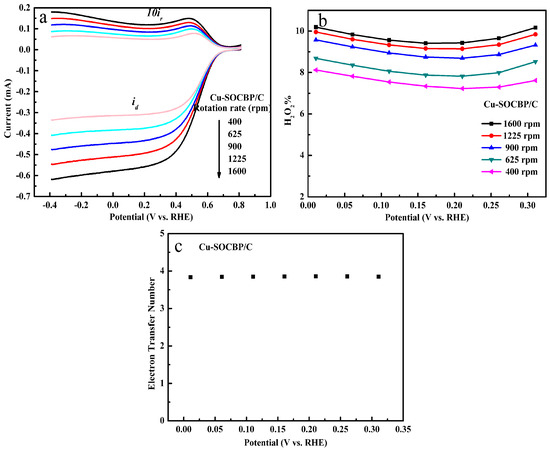
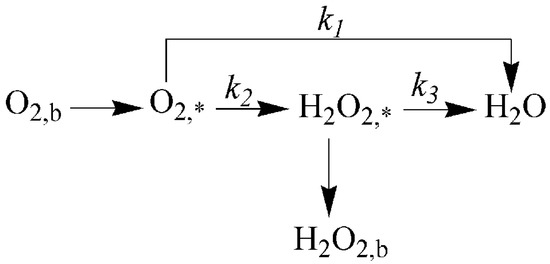
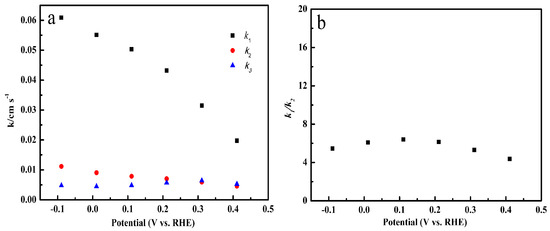
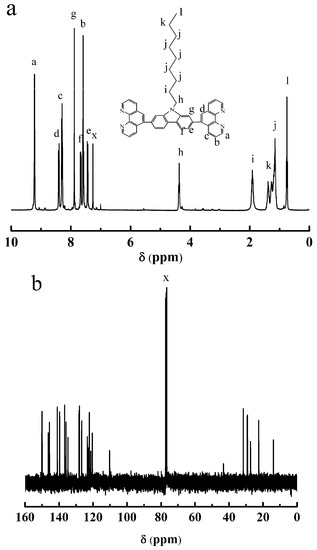
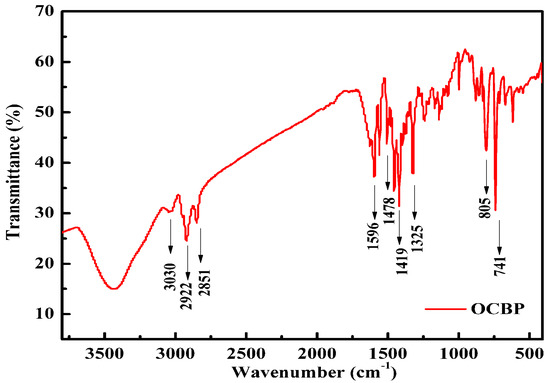
In this work, a nitrogen-containing bidentate ligand named 5,5′-(9-octyl-9H-carbazole-2,7-diyl)bis(1,10-phenanthroline) (OCBP) was synthesized as a nitrogen precursor for making an oxygen reduction catalyst. The 1,10-phenanthroline unit provides a coordination site for copper ions, and the resulting Cu-Nx unit may be responsible for the catalytic activities of the catalyst. Carbon black was selected as a support to improve the electroconductibility of the resulting catalyst. The metallo-supramolecule (Cu-SOCBP) was dispersed on the surface of Vulcan XC-72 carbon and was used as a catalyst (designated as Cu-SOCBP/C) for the oxygen reduction reaction (ORR). The microscope structure and surface components of the catalyst were acquired via scanning electron microscopy and X-ray photoelectron spectroscopy, as well as X-ray powder diffraction. The electrochemical property and ORR mechanism of Cu-SOCBP/C were analyzed using a variety of electroanalytical methods including cyclic voltammetry, electrochemical impedance spectroscopy, and linear sweep voltammetry. These results show that Cu-SOCBP/C was successfully synthesized and that ORR was achieved mainly via a four-electron transfer process to water. Thus, Cu-SOCBP/C was an effective catalyst and might have potential application as a cathodic catalyst in microbial fuel cells, which operate in an aqueous medium. Full article
(This article belongs to the Special Issue Platinum-Free Electrocatalysts)
Show Figures

Figure 1
16 pages, 5115 KB  
Article
Relations between Structure, Activity and Stability in C3N4 Based Photocatalysts Used for Solar Hydrogen Production
by Ramesh P. Sivasankaran 1, Nils Rockstroh 1, Dirk Hollmann 1, Carsten R. Kreyenschulte 1, Giovanni Agostini 1, Henrik Lund 1, Amitava Acharjya 2, Jabor Rabeah 1, Ursula Bentrup 1, Henrik Junge 1, Arne Thomas 2 and Angelika Brückner 1,*
1 Leibniz Institute for Catalysis at the University of Rostock, Albert-Einstein-Str. 29a, 18059 Rostock, Germany
2 Department of Chemistry, Technical University Berlin, Hardenbergstr. 40, 10623 Berlin, Germany
Catalysts 2018, 8(2), 52; https://doi.org/10.3390/catal8020052 - 29 Jan 2018
Cited by 15 | Viewed by 7123
Abstract
Solar hydrogen production from water could be a sustainable and environmentally friendly alternative to fossil energy carriers, yet so far photocatalysts active and stable enough for large-scale applications are not available, calling for advanced research efforts. In this work, H2 evolution rates [...] Read more.
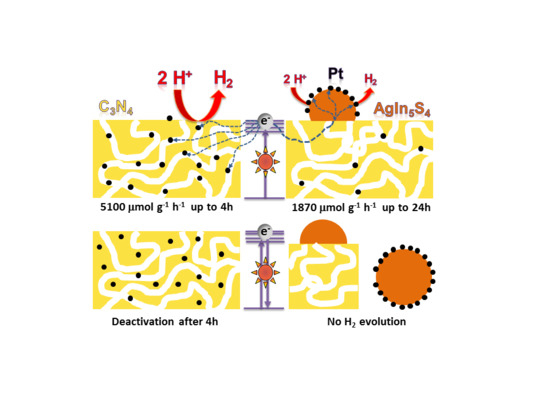
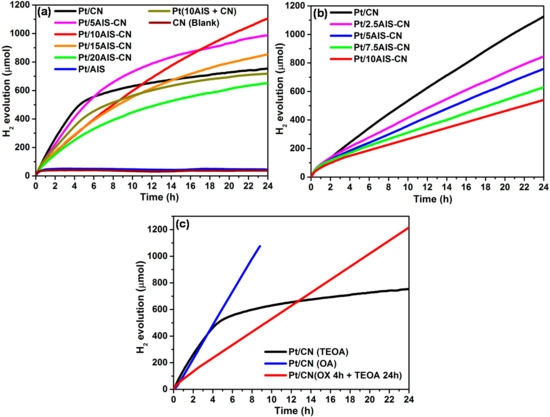
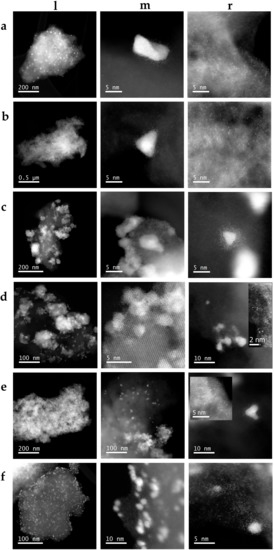
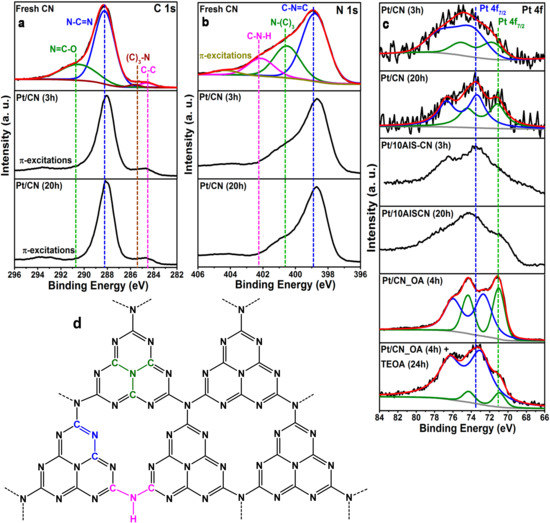
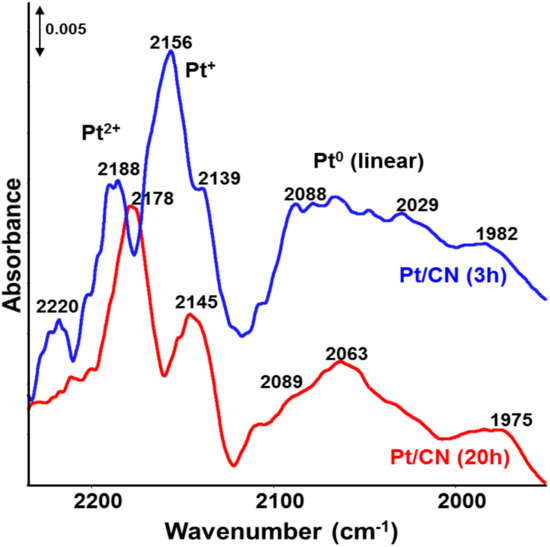
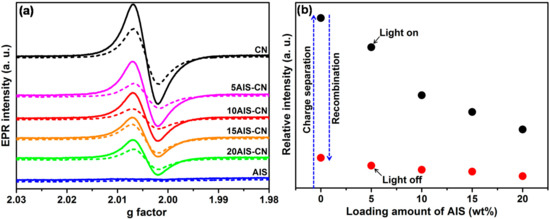
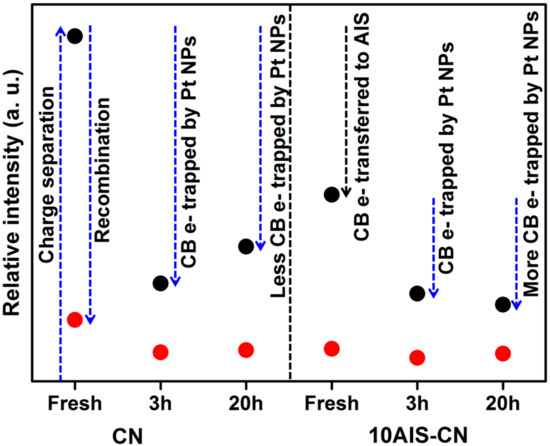
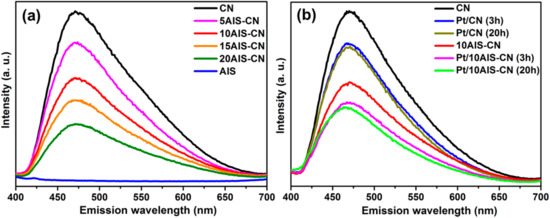
Solar hydrogen production from water could be a sustainable and environmentally friendly alternative to fossil energy carriers, yet so far photocatalysts active and stable enough for large-scale applications are not available, calling for advanced research efforts. In this work, H2 evolution rates of up to 1968 and 5188 μmol h−1 g−1 were obtained from aqueous solutions of triethanolamine (TEOA) and oxalic acid (OA), respectively, by irradiating composites of AgIn5S8 (AIS), mesoporous C3N4 (CN, surface area >150 m2/g) and ≤2 wt.% in-situ photodeposited Pt nanoparticles (NPs) with UV-vis (≥300 nm) and pure visible light (≥420 nm). Structural properties and electron transport in these materials were analyzed by XRD, STEM-HAADF, XPS, UV-vis-DRS, ATR-IR, photoluminescence and in situ-EPR spectroscopy. Initial H2 formation rates were highest for Pt/CN, yet with TEOA this catalyst deactivated by inclusion of Pt NPs in the matrix of CN (most pronounced at λ ≥ 300 nm) while it remained active with OA, since in this case Pt NPs were enriched on the outermost surface of CN. In Pt/AIS-CN catalysts, Pt NPs were preferentially deposited on the surface of the AIS phase which prevents them from inclusion in the CN phase but reduces simultaneously the initial H2 evolution rate. This suggests that AIS hinders transport of separated electrons from the CN conduction band to Pt NPs but retains the latter accessible by protons to produce H2. Full article
Show Figures

Graphical abstract

17 pages, 4638 KB  
Article
An MM and QM Study of Biomimetic Catalysis of Diels-Alder Reactions Using Cyclodextrins
by Wei Chen 1, Lipeng Sun 3, Zhiye Tang 1, Zulfikhar A. Ali 2, Bryan M. Wong 2,* and Chia-en A. Chang 1,*
1 Department of Chemistry, University of California, Riverside, CA 92521, USA
2 Department of Chemical & Environmental Engineering and Materials Science & Engineering Program, University of California, Riverside, CA 92521, USA
3 Illinois Rocstar LLC, P.O. Box 3001, Champaign, IL 61826, USA
Catalysts 2018, 8(2), 51; https://doi.org/10.3390/catal8020051 - 29 Jan 2018
Cited by 8 | Viewed by 5450
Abstract
We performed a computational investigation of the mechanism by which cyclodextrins (CDs) catalyze Diels-Alder reactions between 9-anthracenemethanol and N-cyclohexylmaleimide. Hydrogen bonds (Hbonds) between N-cyclohexylmaleimide and the hydroxyl groups of cyclodextrins were suggested to play an important role in this catalytic process. [...] Read more.
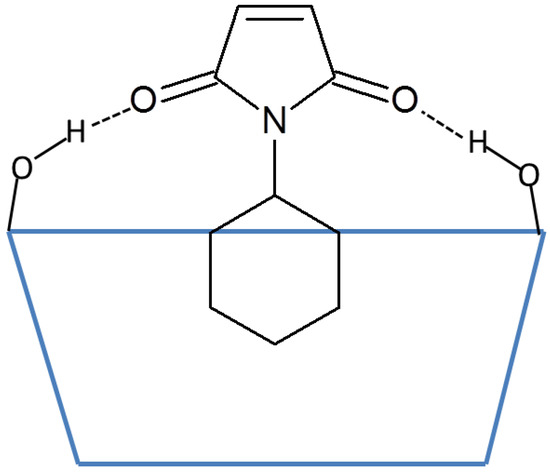
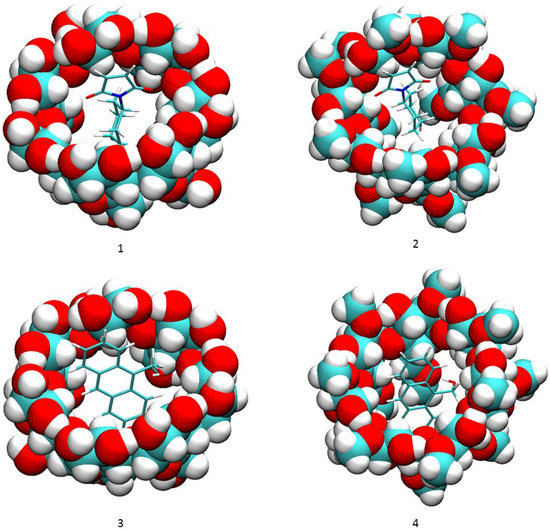
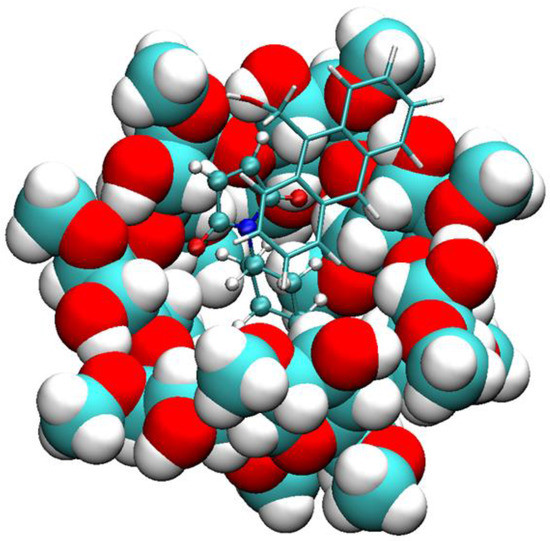
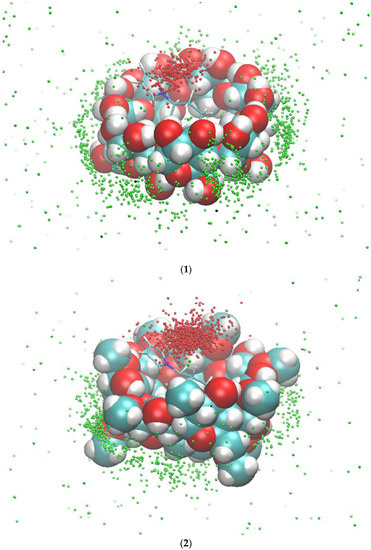
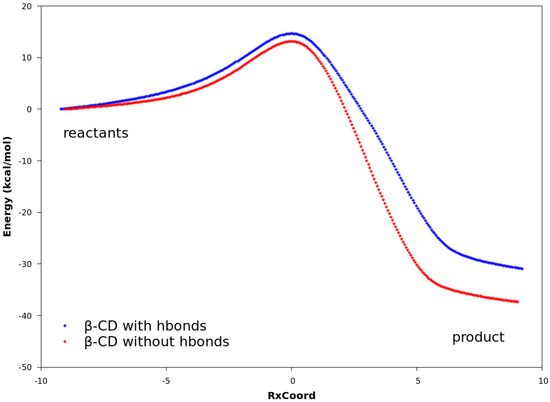
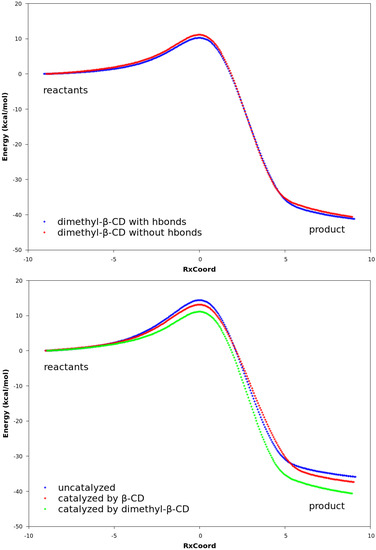
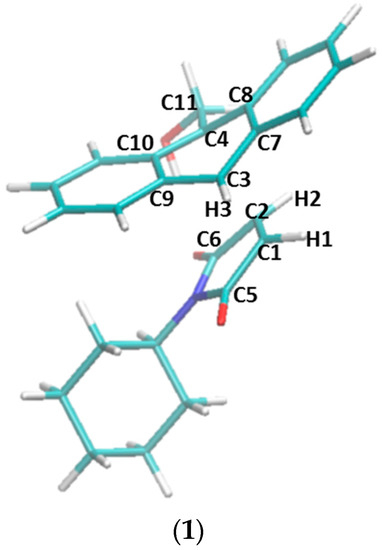
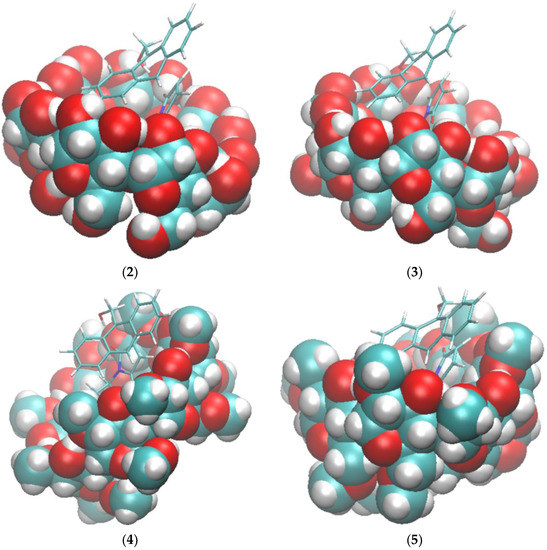
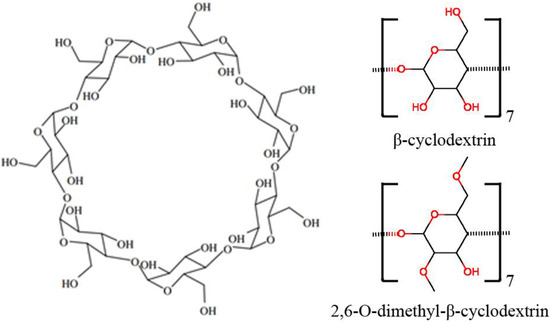
We performed a computational investigation of the mechanism by which cyclodextrins (CDs) catalyze Diels-Alder reactions between 9-anthracenemethanol and N-cyclohexylmaleimide. Hydrogen bonds (Hbonds) between N-cyclohexylmaleimide and the hydroxyl groups of cyclodextrins were suggested to play an important role in this catalytic process. However, our free energy calculations and molecular dynamics simulations showed that these Hbonds are not stable, and quantum mechanical calculations suggested that the reaction is not promoted by these Hbonds. The binding of 9-anthracenemethanol and N-cyclohexylmaleimide to cyclodextrins was the key to the catalytic process. Cyclodextrins act as a container to hold the two reactants in the cavity, pre-organize them for the reactions, and thus reduce the entropy penalty to the activation free energy. Dimethyl-β-CD was a better catalyst for this specific reaction than β-CD because of its stronger van der Waals interaction with the pre-organized reactants and its better performance in reducing the activation energy. This computational work sheds light on the mechanism of the catalytic reaction by cyclodextrins and introduces new perspectives of supramolecular catalysis. Full article
Show Figures

Figure 1
14 pages, 2215 KB  
Article
Vine Shoots and Grape Stalks as Carbon Sources for Hydrogen Evolution Reaction Electrocatalyst Supports
by J.A.S.B. Cardoso 1, B. Šljukić 1, M. Erdem 2, C.A.C. Sequeira 1 and D.M.F. Santos 1,*
1 Center of Physics and Engineering of Advanced Materials (CeFEMA), Instituto Superior Técnico, Universidade de Lisboa, 1049-001 Lisbon, Portugal
2 Department of Environmental Engineering, Fırat University, 23279 Elazığ, Turkey
Catalysts 2018, 8(2), 50; https://doi.org/10.3390/catal8020050 - 27 Jan 2018
Cited by 11 | Viewed by 5251
Abstract
Activated bio-based carbons produced from vine shoots (VSAC) and grape stalks (GSAC), which have larger surface area and total pore volume than most of the commercially available activated carbons, are used as supports for palladium nanoparticles (Pd NPs). The prepared materials are characterised [...] Read more.
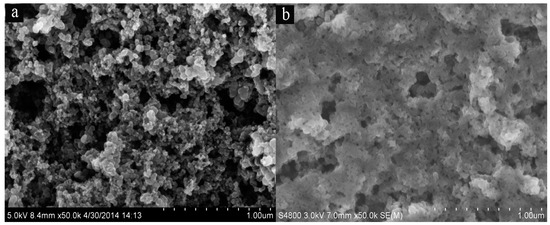
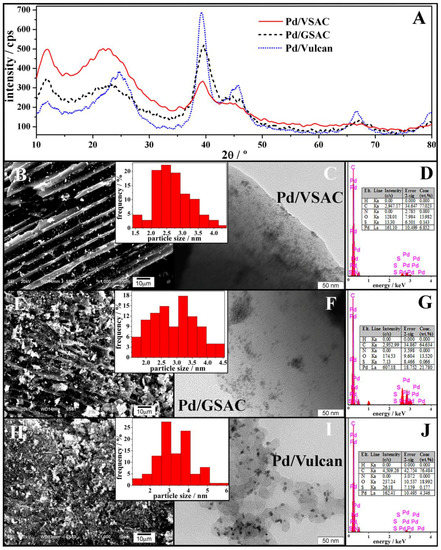
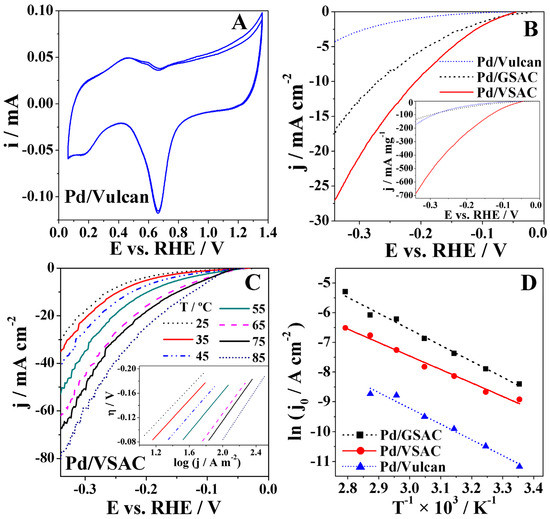
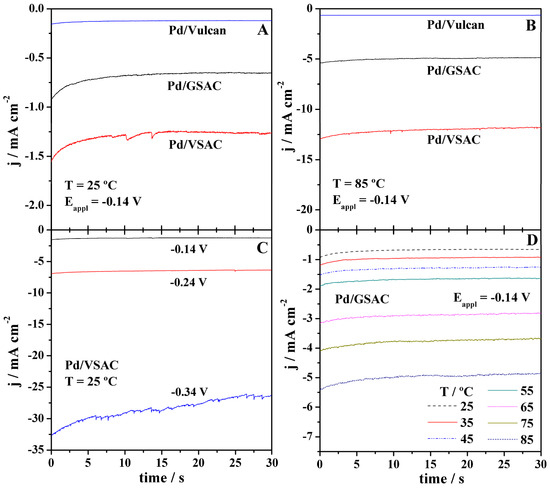
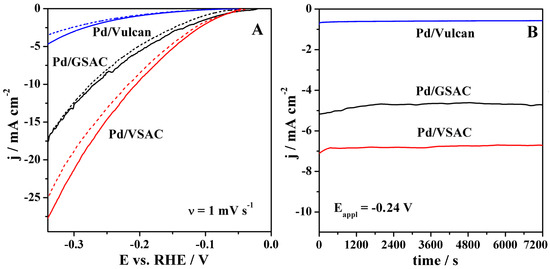
Activated bio-based carbons produced from vine shoots (VSAC) and grape stalks (GSAC), which have larger surface area and total pore volume than most of the commercially available activated carbons, are used as supports for palladium nanoparticles (Pd NPs). The prepared materials are characterised by elemental analysis, N2-sorption, X-ray diffraction, scanning electron microscopy with energy dispersive X-ray spectroscopy, and transmission electron microscopy analysis and are then assessed as potential cathodes for the hydrogen evolution reaction (HER) in alkaline media. The electrocatalysts’ performance for HER is evaluated from cathodic polarisation curves at different temperatures and compared to that of Vulcan XC72-supported Pd NPs. Additional chronoamperometry studies helped to assess the electrocatalysts’ activity stability. The novel VSAC-supported Pd electrocatalyst exhibits good HER activity in terms of high current density at low overpotentials, leading to the best performance. Full article
(This article belongs to the Special Issue Heterogeneous Catalysis & Hydrogen Storage)
Show Figures

Figure 1
14 pages, 3914 KB  
Article
Direct Hydroxylation of Benzene to Phenol over TS-1 Catalysts
by Yuecheng Luo, Jiahui Xiong, Conglin Pang, Guiying Li * and Changwei Hu *
Key Laboratory of Green Chemistry and Technology, Ministry of Education, College of Chemistry, Sichuan University, Chengdu 610064, Sichuan, China
Catalysts 2018, 8(2), 49; https://doi.org/10.3390/catal8020049 - 26 Jan 2018
Cited by 38 | Viewed by 8553
Abstract
We synthesized a TS-1 catalyst to directly hydroxylate benzene to phenol with H2O2 as oxidant and water as solvent. The samples were characterized by FT-IR (Fourier Transform Infrared), DR UV-Vis (Diffused Reflectance Ultraviolet Visible), XRD (X-ray diffraction), SEM(scanning electron microscope), [...] Read more.
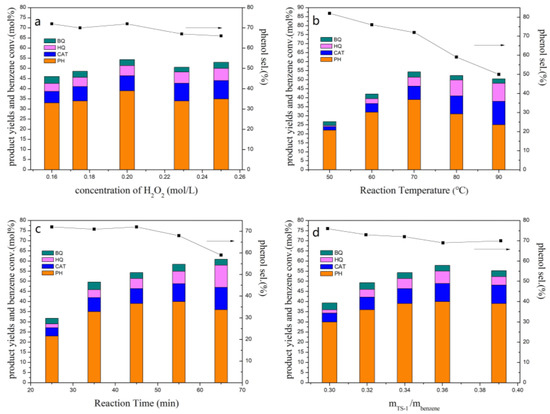
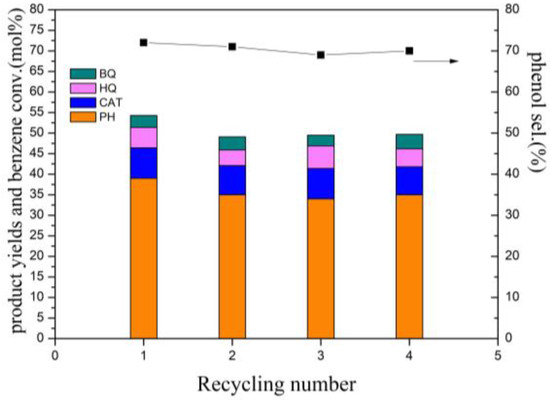
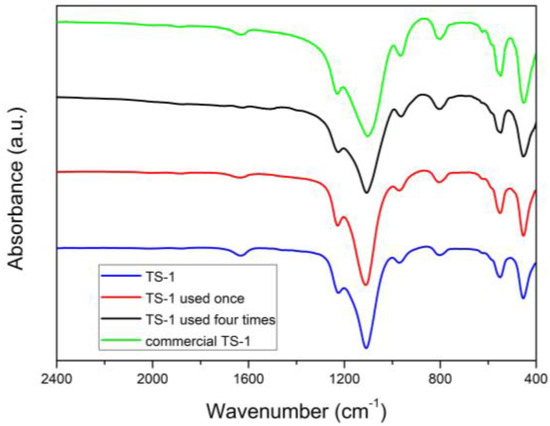
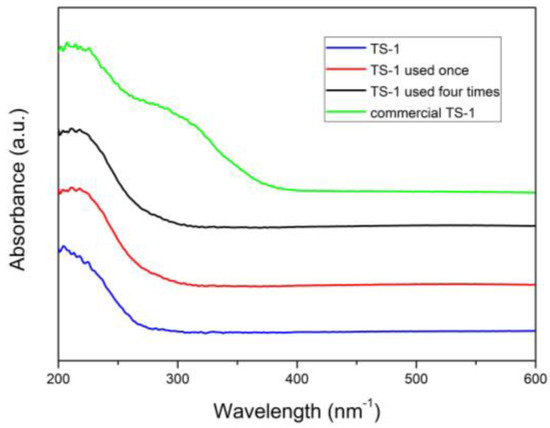
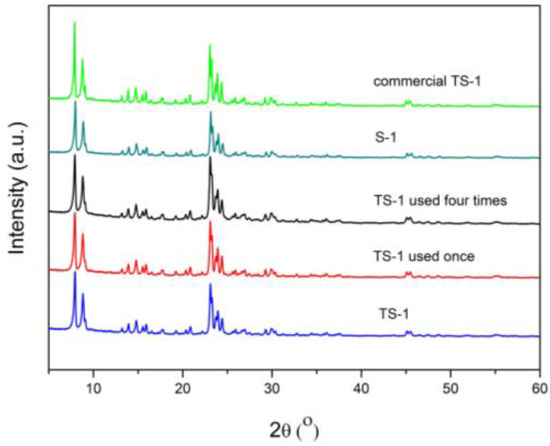
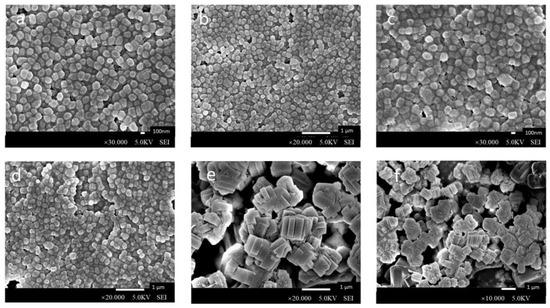
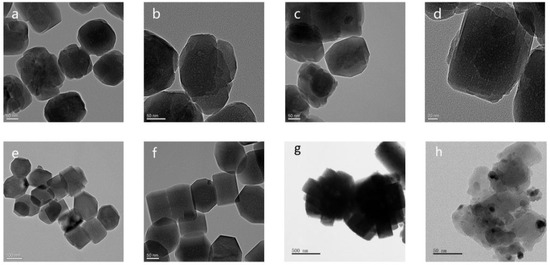
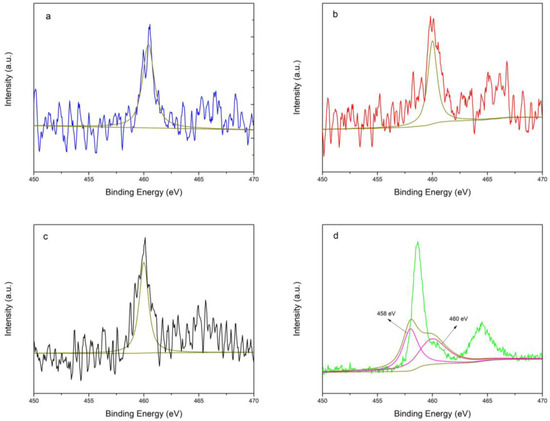
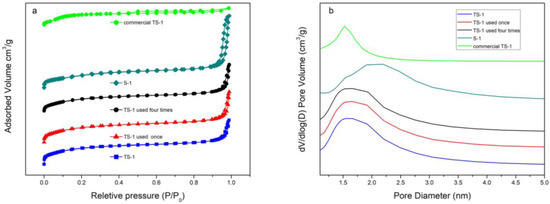
We synthesized a TS-1 catalyst to directly hydroxylate benzene to phenol with H2O2 as oxidant and water as solvent. The samples were characterized by FT-IR (Fourier Transform Infrared), DR UV-Vis (Diffused Reflectance Ultraviolet Visible), XRD (X-ray diffraction), SEM(scanning electron microscope), TEM (Transmission Electron Microscope), XPS (X-ray photoelectron spectroscopy), ICP (inductively coupled plasma spectrum), and N2 adsorption-desorption. A desirable phenol yield of 39% with 72% selectivity was obtained under optimized conditions: 0.15 g (0.34 to the mass of benzene) TS-1, 5.6 mmol C6H6, reaction time 45 min, 0.80 mL H2O2 (30%), 40.0 mL H2O, and reaction temperature 70 °C. The reuse of the TS-1 catalyst illustrated that the catalyst had a slight loss of activity resulting from slight Ti leaching from the first run and then kept stable. Almost all of the Ti species added in the preparation were successfully incorporated into the TS-1 framework, which were responsible for the good catalytic activity. Extraframework Ti species were not selective for hydroxylation. Full article
Show Figures

Figure 1