16 pages, 1174 KB  
Review
Crucial Role of Vitamin D in the Musculoskeletal System
by Elke Wintermeyer, Christoph Ihle, Sabrina Ehnert, Ulrich Stöckle, Gunnar Ochs, Peter De Zwart, Ingo Flesch, Christian Bahrs and Andreas K. Nussler
Nutrients 2016, 8(6), 319; https://doi.org/10.3390/nu8060319 - 1 Jun 2016
Cited by 185 | Viewed by 25452
Abstract
Vitamin D is well known to exert multiple functions in bone biology, autoimmune diseases, cell growth, inflammation or neuromuscular and other immune functions. It is a fat-soluble vitamin present in many foods. It can be endogenously produced by ultraviolet rays from sunlight when [...] Read more.
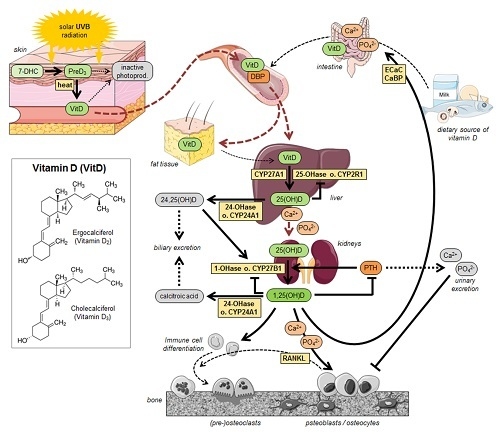
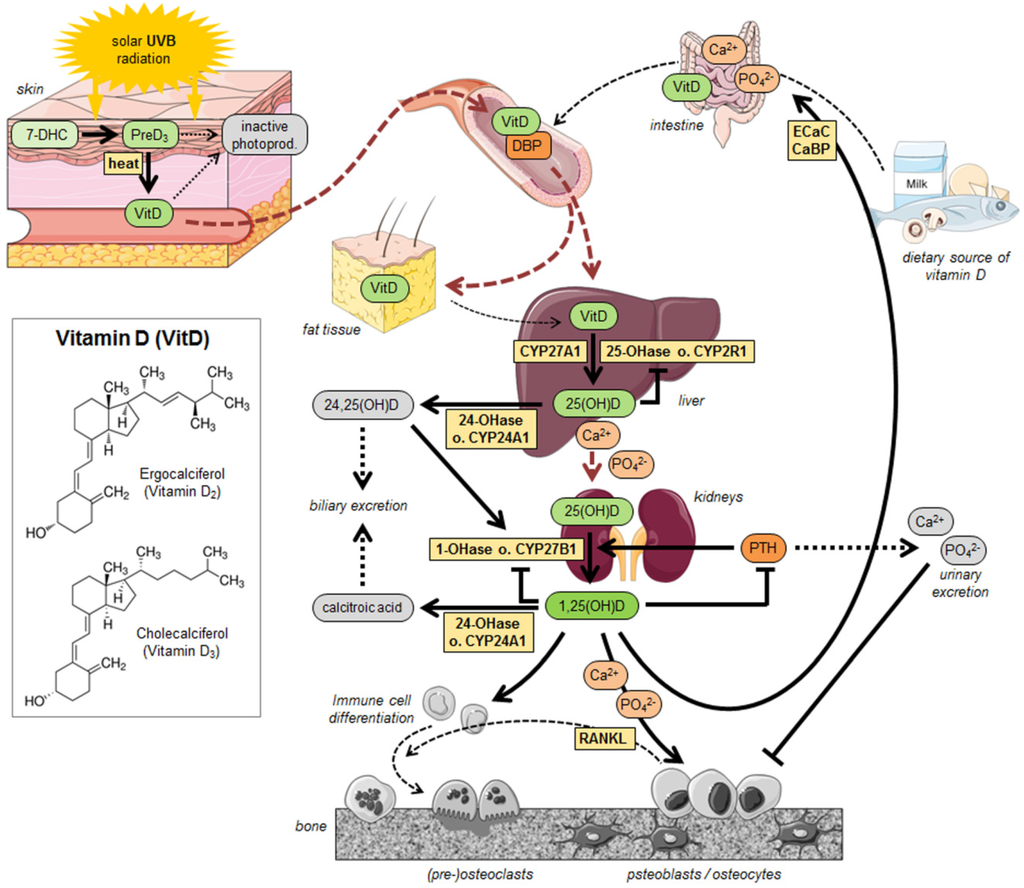
Vitamin D is well known to exert multiple functions in bone biology, autoimmune diseases, cell growth, inflammation or neuromuscular and other immune functions. It is a fat-soluble vitamin present in many foods. It can be endogenously produced by ultraviolet rays from sunlight when the skin is exposed to initiate vitamin D synthesis. However, since vitamin D is biologically inert when obtained from sun exposure or diet, it must first be activated in human beings before functioning. The kidney and the liver play here a crucial role by hydroxylation of vitamin D to 25-hydroxyvitamin D in the liver and to 1,25-dihydroxyvitamin D in the kidney. In the past decades, it has been proven that vitamin D deficiency is involved in many diseases. Due to vitamin D’s central role in the musculoskeletal system and consequently the strong negative impact on bone health in cases of vitamin D deficiency, our aim was to underline its importance in bone physiology by summarizing recent findings on the correlation of vitamin D status and rickets, osteomalacia, osteopenia, primary and secondary osteoporosis as well as sarcopenia and musculoskeletal pain. While these diseases all positively correlate with a vitamin D deficiency, there is a great controversy regarding the appropriate vitamin D supplementation as both positive and negative effects on bone mineral density, musculoskeletal pain and incidence of falls are reported. Full article
(This article belongs to the Special Issue Vitamin D: Current Issues and New Perspectives)
Show Figures

Graphical abstract

4 pages, 188 KB  
Communication
Iron, Anemia, and Iron Deficiency Anemia among Young Children in the United States
by Priya M. Gupta, Cria G. Perrine, Zuguo Mei and Kelley S. Scanlon
Nutrients 2016, 8(6), 330; https://doi.org/10.3390/nu8060330 - 30 May 2016
Cited by 128 | Viewed by 23928 | Correction
Abstract
Iron deficiency and anemia are associated with impaired neurocognitive development and immune function in young children. Total body iron, calculated from serum ferritin and soluble transferrin receptor concentrations, and hemoglobin allow for monitoring of the iron and anemia status of children in the [...] Read more.
Iron deficiency and anemia are associated with impaired neurocognitive development and immune function in young children. Total body iron, calculated from serum ferritin and soluble transferrin receptor concentrations, and hemoglobin allow for monitoring of the iron and anemia status of children in the United States. The purpose of this analysis is to describe the prevalence of iron deficiency (ID), anemia, and iron deficiency anemia (IDA) among children 1–5 years using data from the 2007–2010 National Health and Nutrition Examination Survey (NHANES). Prevalence of ID, anemia, and IDA among children 1–5 years was 7.1% (5.5, 8.7), 3.9% (2.0, 4.3), and 1.1% (0.6, 1.7), respectively. The prevalence of both ID and anemia were higher among children 1–2 years (p < 0.05). In addition, 50% of anemic children 1–2 years were iron deficient. This analysis provides an update on the prevalence of ID, anemia, and IDA for a representative sample of US children. Our results suggest little change in these indicators over the past decade. Monitoring of ID and anemia is critical and prevention of ID in early childhood should remain a public health priority. Full article
(This article belongs to the Special Issue Fortification to Combat Micronutrient Deficiencies)
16 pages, 547 KB  
Article
Complementary Effects of Genetic Variations in LEPR on Body Composition and Soluble Leptin Receptor Concentration after 3-Month Lifestyle Intervention in Prepubertal Obese Children
by Joanna Gajewska, Alina Kuryłowicz, Ewa Mierzejewska, Jadwiga Ambroszkiewicz, Magdalena Chełchowska, Halina Weker and Monika Puzianowska-Kuźnicka
Nutrients 2016, 8(6), 328; https://doi.org/10.3390/nu8060328 - 27 May 2016
Cited by 14 | Viewed by 5939
Abstract
In obese individuals, weight loss might be affected by variants of the adipokine-encoding genes. We verified whether selected functional single nucleotide polymorphisms in LEP, LEPR and ADIPOQ are associated with changes in serum levels of the respective adipokines and weight loss in [...] Read more.
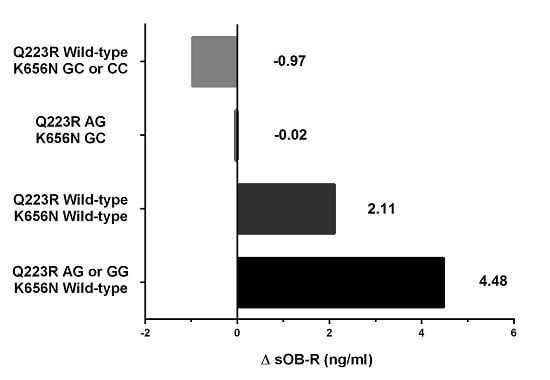
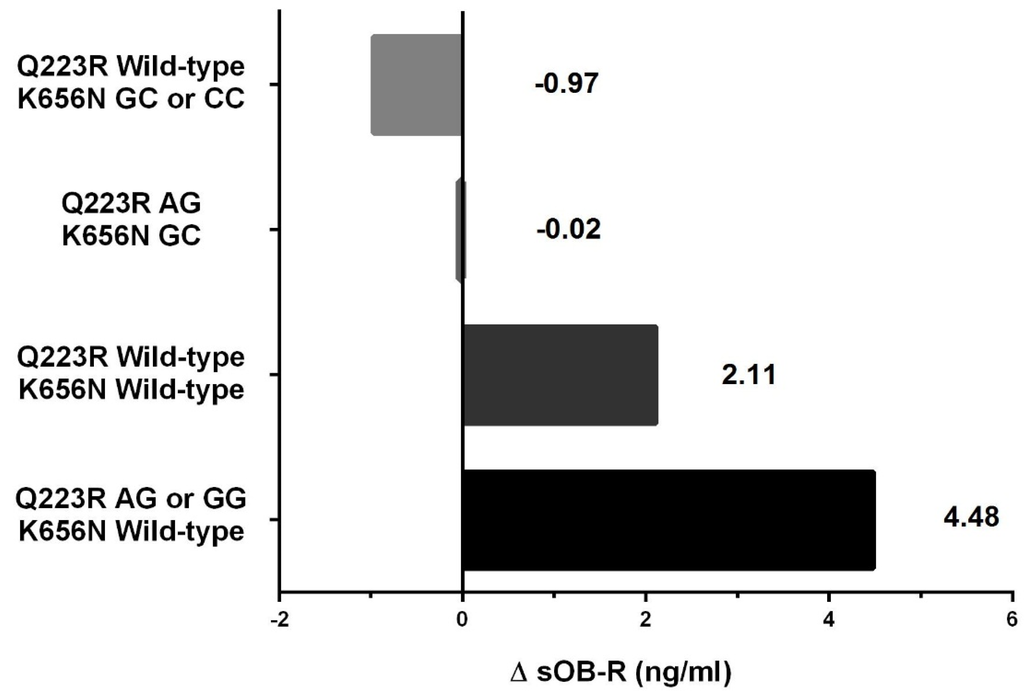
In obese individuals, weight loss might be affected by variants of the adipokine-encoding genes. We verified whether selected functional single nucleotide polymorphisms in LEP, LEPR and ADIPOQ are associated with changes in serum levels of the respective adipokines and weight loss in 100 prepubertal obese (SDS-BMI > 2) Caucasian children undergoing lifestyle intervention. Frequencies of the -2548G > A LEP, Q223R LEPR, K656N LEPR, -11377C > G and -11426A > G ADIPOQ polymorphisms were analyzed by restriction fragment length polymorphism. Serum adipokine and soluble leptin receptor (sOB-R) concentrations were measured using the ELISA method. Among the analyzed polymorphisms, only LEPR polymorphisms were associated with changes of SDS-BMI or sOB-R concentrations in children after therapy. Carriers of the wild-type K665N and at least one minor Q223R allele had the greatest likelihood of losing weight (OR = 5.09, p = 0.006), an increase in sOB-R (ptrend = 0.022) and decrease in SDS-BMI correlated with the decrease of fat mass (p < 0.001). In contrast, carrying of the wild-type Q223R and at least one minor K665N allele were associated with a decrease in sOB-R concentrations and a decrease in SDS-BMI correlated with a decrease in fat-free mass (p = 0.002). We suggest that the combination of different LEPR variants, not a single variant, might determine predisposition to weight loss in the prepubertal period. Full article
(This article belongs to the Special Issue Metabolically Healthy Obesity)
Show Figures

Graphical abstract
11 pages, 644 KB  
Article
Association between Metabolite Profiles, Metabolic Syndrome and Obesity Status
by Bénédicte Allam-Ndoul, Frédéric Guénard, Véronique Garneau, Hubert Cormier, Olivier Barbier, Louis Pérusse and Marie-Claude Vohl
Nutrients 2016, 8(6), 324; https://doi.org/10.3390/nu8060324 - 27 May 2016
Cited by 35 | Viewed by 7824
Abstract
Underlying mechanisms associated with the development of abnormal metabolic phenotypes among obese individuals are not yet clear. Our aim is to investigate differences in plasma metabolomics profiles between normal weight (NW) and overweight/obese (Ov/Ob) individuals, with or without metabolic syndrome (MetS). Mass spectrometry-based [...] Read more.
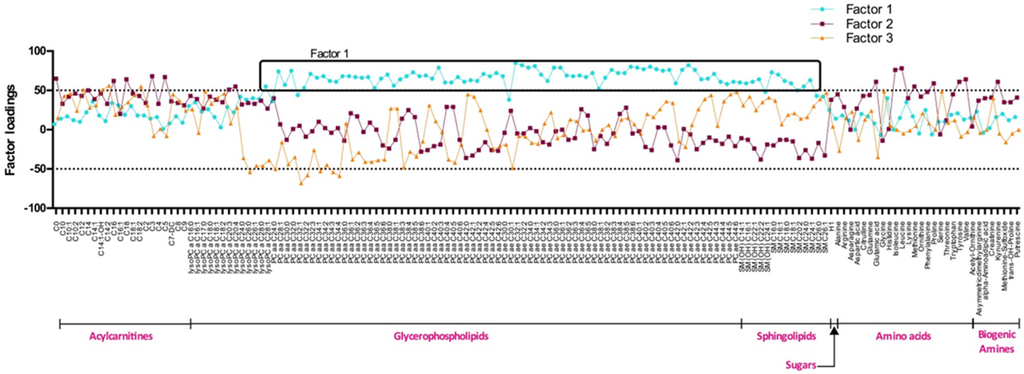
Underlying mechanisms associated with the development of abnormal metabolic phenotypes among obese individuals are not yet clear. Our aim is to investigate differences in plasma metabolomics profiles between normal weight (NW) and overweight/obese (Ov/Ob) individuals, with or without metabolic syndrome (MetS). Mass spectrometry-based metabolite profiling was used to compare metabolite levels between each group. Three main principal components factors explaining a maximum of variance were retained. Factor 1’s (long chain glycerophospholipids) metabolite profile score was higher among Ov/Ob with MetS than among Ov/Ob and NW participants without MetS. This factor was positively correlated to plasma total cholesterol (total-C) and triglyceride levels in the three groups, to high density lipoprotein -cholesterol (HDL-C) among participants without MetS. Factor 2 (amino acids and short to long chain acylcarnitine) was positively correlated to HDL-C and negatively correlated with insulin levels among NW participants. Factor 3’s (medium chain acylcarnitines) metabolite profile scores were higher among NW participants than among Ov/Ob with or without MetS. Factor 3 was negatively associated with glucose levels among the Ov/Ob with MetS. Factor 1 seems to be associated with a deteriorated metabolic profile that corresponds to obesity, whereas Factors 2 and 3 seem to be rather associated with a healthy metabolic profile. Full article
(This article belongs to the Special Issue Metabolically Healthy Obesity)
Show Figures

Figure 1

13 pages, 241 KB  
Article
Food Group Intakes as Determinants of Iodine Status among US Adult Population
by Kyung Won Lee, Dayeon Shin, Mi Sook Cho and Won O. Song
Nutrients 2016, 8(6), 325; https://doi.org/10.3390/nu8060325 - 26 May 2016
Cited by 37 | Viewed by 7122
Abstract
Adequate intake of iodine is essential for proper thyroid function. Although dietary reference intakes for iodine have been established, iodine intake cannot be estimated due to the lack of data on iodine contents in foods. We aimed to determine if food group intakes [...] Read more.
Adequate intake of iodine is essential for proper thyroid function. Although dietary reference intakes for iodine have been established, iodine intake cannot be estimated due to the lack of data on iodine contents in foods. We aimed to determine if food group intakes can predict iodine status assessed by urinary iodine concentration (UIC) from spot urine samples of 5967 US adults in the National Health and Nutrition Examination Survey (NHANES) 2007–2012. From an in-person 24-h dietary recall, all foods consumed were aggregated into 12 main food groups using the individual food code of the US Department of Agriculture (USDA); dairy products, meat/poultry, fish/seaweed, eggs, legumes/nuts/seeds, breads, other grain products, fruits, vegetables, fats/oils, sugars/sweets, and beverages. Chi-square test, Spearman correlation, and multiple linear regression analyses were conducted to investigate the predictability of food group intakes in iodine status assessed by UIC. From the multiple linear regressions, the consumption of dairy products, eggs, and breads, and iodine-containing supplement use were positively associated with UIC, whereas beverage consumption was negatively associated with UIC. Among various food group intakes, dairy product intake was the most important determinant of iodine status in both US men and women. Subpopulation groups with a high risk of iodine deficiency may need nutritional education regarding the consumption of dairy products, eggs, and breads to maintain an adequate iodine status. Efforts toward a better understanding of iodine content in each food and a continued monitoring of iodine status within US adults are both warranted. Full article
8 pages, 624 KB  
Article
Elevation of Fasting Ghrelin in Healthy Human Subjects Consuming a High-Salt Diet: A Novel Mechanism of Obesity?
by Yong Zhang, Fenxia Li, Fu-Qiang Liu, Chao Chu, Yang Wang, Dan Wang, Tong-Shuai Guo, Jun-Kui Wang, Gong-Chang Guan, Ke-Yu Ren and Jian-Jun Mu
Nutrients 2016, 8(6), 323; https://doi.org/10.3390/nu8060323 - 26 May 2016
Cited by 36 | Viewed by 12516
Abstract
Overweight/obesity is a chronic disease that carries an increased risk of hypertension, diabetes mellitus, and premature death. Several epidemiological studies have demonstrated a clear relationship between salt intake and obesity, but the pathophysiologic mechanisms remain unknown. We hypothesized that ghrelin, which regulates appetite, [...] Read more.
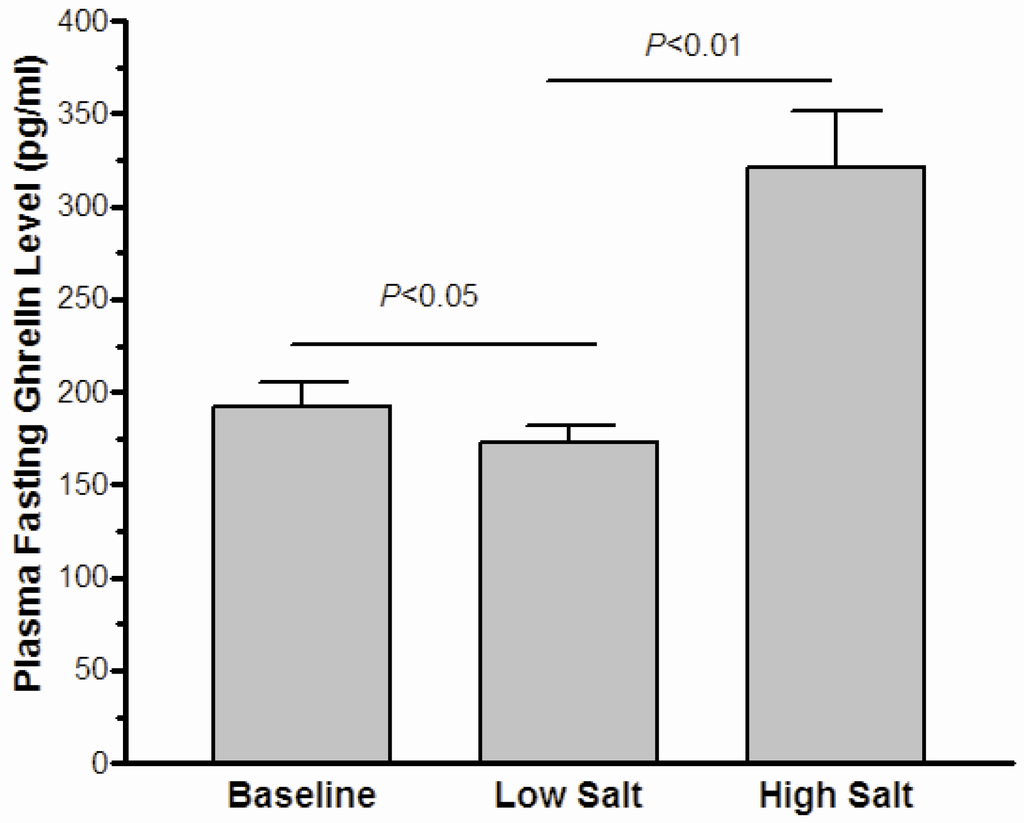
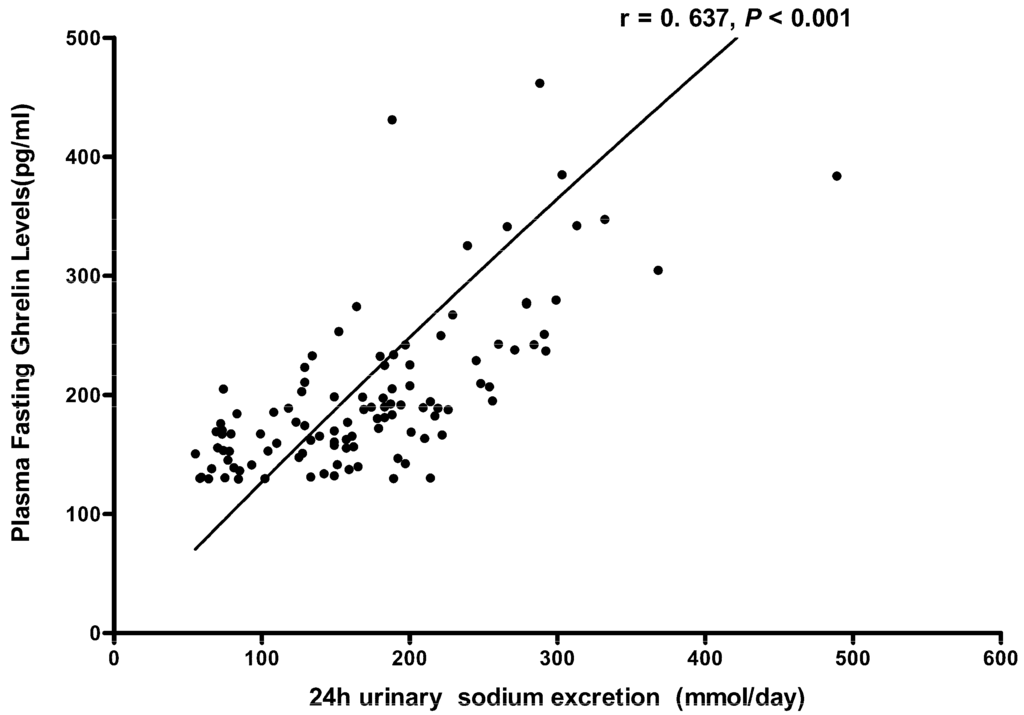
Overweight/obesity is a chronic disease that carries an increased risk of hypertension, diabetes mellitus, and premature death. Several epidemiological studies have demonstrated a clear relationship between salt intake and obesity, but the pathophysiologic mechanisms remain unknown. We hypothesized that ghrelin, which regulates appetite, food intake, and fat deposition, becomes elevated when one consumes a high-salt diet, contributing to the progression of obesity. We, therefore, investigated fasting ghrelin concentrations during a high-salt diet. Thirty-eight non-obese and normotensive subjects (aged 25 to 50 years) were selected from a rural community in Northern China. They were sequentially maintained on a normal diet for three days at baseline, a low-salt diet for seven days (3 g/day, NaCl), then a high-salt diet for seven days (18 g/day). The concentration of plasma ghrelin was measured using an immunoenzyme method (ELISA). High-salt intake significantly increased fasting ghrelin levels, which were higher during the high-salt diet (320.7 ± 30.6 pg/mL) than during the low-salt diet (172.9 ± 8.9 pg/mL). The comparison of ghrelin levels between the different salt diets was statistically-significantly different (p < 0.01). A positive correlation between 24-h urinary sodium excretion and fasting ghrelin levels was demonstrated. Our data indicate that a high-salt diet elevates fasting ghrelin in healthy human subjects, which may be a novel underlying mechanism of obesity. Full article
(This article belongs to the Special Issue Metabolically Healthy Obesity)
Show Figures

Figure 1

26 pages, 657 KB  
Review
Impact of Cocoa Consumption on Inflammation Processes—A Critical Review of Randomized Controlled Trials
by Sabine Ellinger and Peter Stehle
Nutrients 2016, 8(6), 321; https://doi.org/10.3390/nu8060321 - 26 May 2016
Cited by 45 | Viewed by 13945
Abstract
Background: Cocoa flavanols have strong anti-inflammatory properties in vitro. If these also occur in vivo, cocoa consumption may contribute to the prevention or treatment of diseases mediated by chronic inflammation. This critical review judged the evidence for such effects occurring after [...] Read more.
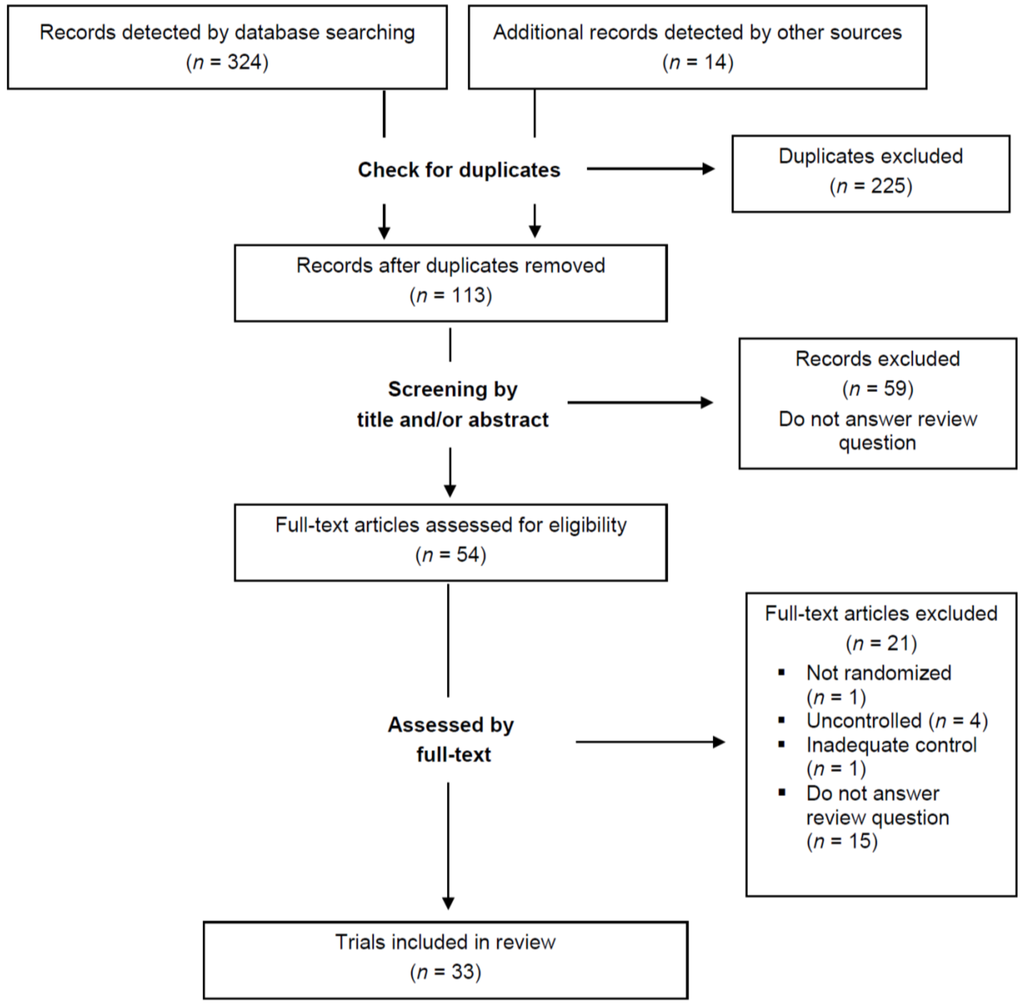
Background: Cocoa flavanols have strong anti-inflammatory properties in vitro. If these also occur in vivo, cocoa consumption may contribute to the prevention or treatment of diseases mediated by chronic inflammation. This critical review judged the evidence for such effects occurring after cocoa consumption. Methods: A literature search in Medline was performed for randomized controlled trials (RCTs) that investigated the effects of cocoa consumption on inflammatory biomarkers. Results: Thirty-three RCTs were included, along with 9 bolus and 24 regular consumption studies. Acute cocoa consumption decreased adhesion molecules and 4-series leukotrienes in serum, nuclear factor κB activation in leukocytes, and the expression of CD62P and CD11b on monocytes and neutrophils. In healthy subjects and in patients with cardiovascular diseases, most regular consumption trials did not find any changes except for a decreased number of endothelial microparticles, but several cellular and humoral inflammation markers decreased in patients suffering from type 2 diabetes and impaired fasting glucose. Conclusions: Little evidence exists that consumption of cocoa-rich food may reduce inflammation, probably by lowering the activation of monocytes and neutrophils. The efficacy seems to depend on the extent of the basal inflammatory burden. Further well-designed RCTs with inflammation as the primary outcome are needed, focusing on specific markers of leukocyte activation and considering endothelial microparticles as marker of vascular inflammation. Full article
(This article belongs to the Special Issue Flavonoids, Inflammation and Immune System)
Show Figures

Figure 1

17 pages, 3050 KB  
Article
Cuminaldehyde from Cinnamomum verum Induces Cell Death through Targeting Topoisomerase 1 and 2 in Human Colorectal Adenocarcinoma COLO 205 Cells
by Kuen-daw Tsai, Yi-Heng Liu, Ta-Wei Chen, Shu-Mei Yang, Ho-Yiu Wong, Jonathan Cherng, Kuo-Shen Chou and Jaw-Ming Cherng
Nutrients 2016, 8(6), 318; https://doi.org/10.3390/nu8060318 - 24 May 2016
Cited by 43 | Viewed by 8646
Abstract
Cinnamomum verum, also called true cinnamon tree, is employed to make the seasoning cinnamon. Furthermore, the plant has been used as a traditional Chinese herbal medication. We explored the anticancer effect of cuminaldehyde, an ingredient of the cortex of the plant, as [...] Read more.
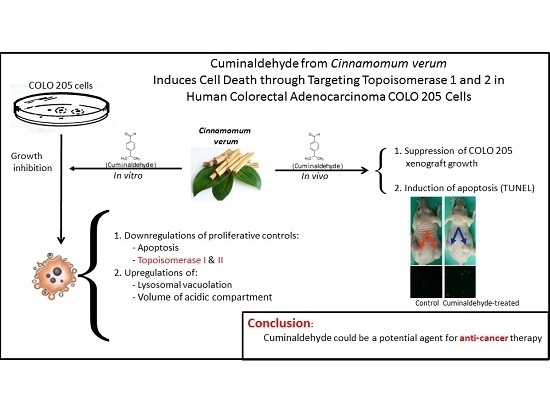
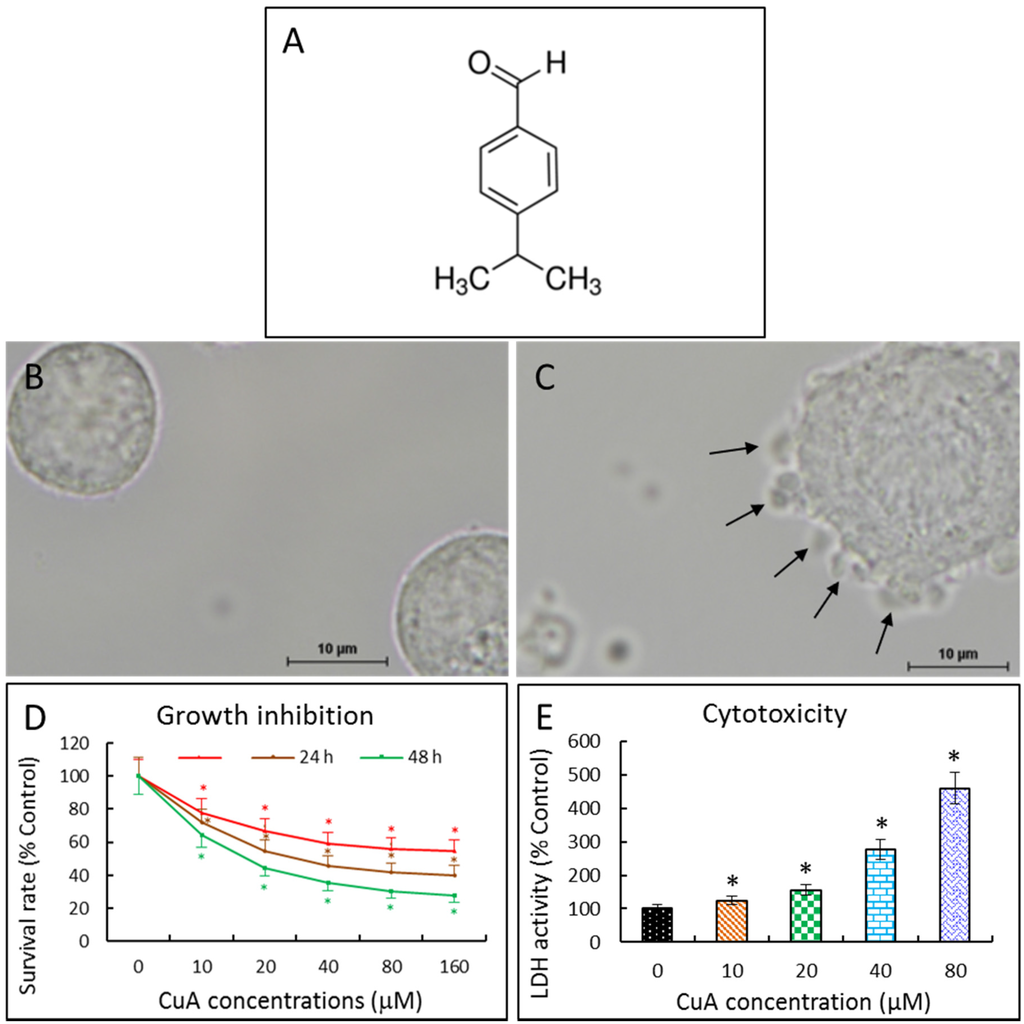
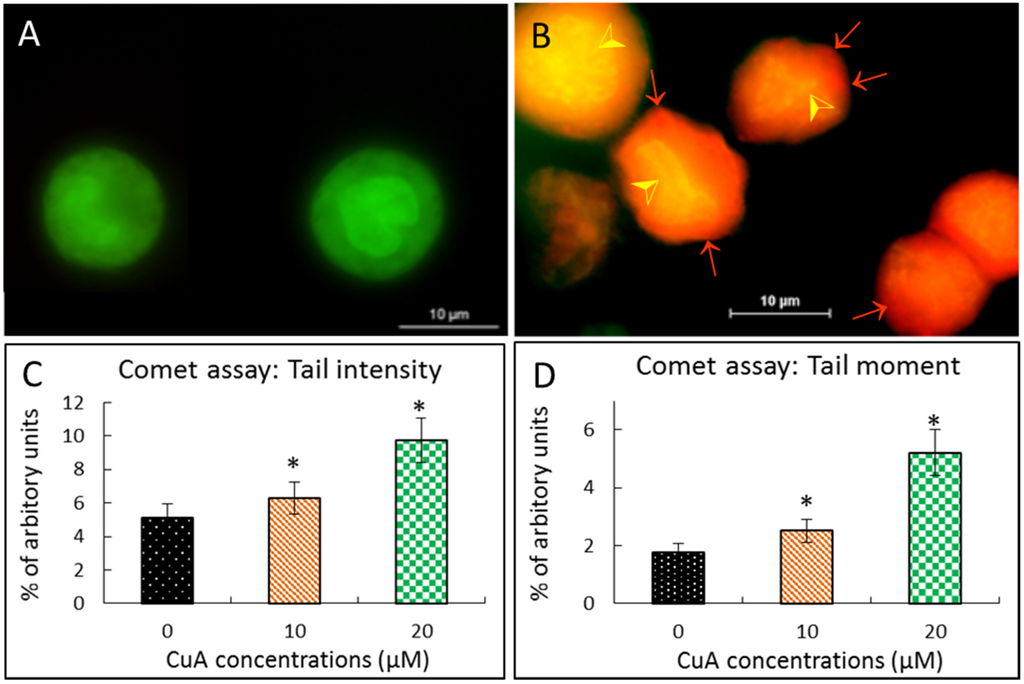
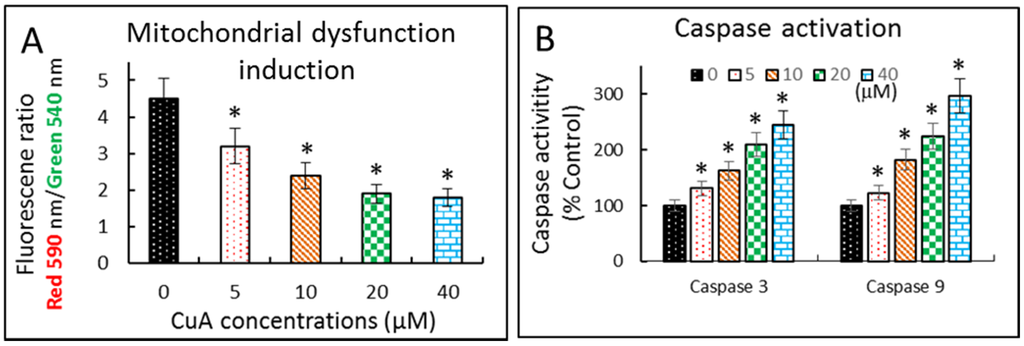
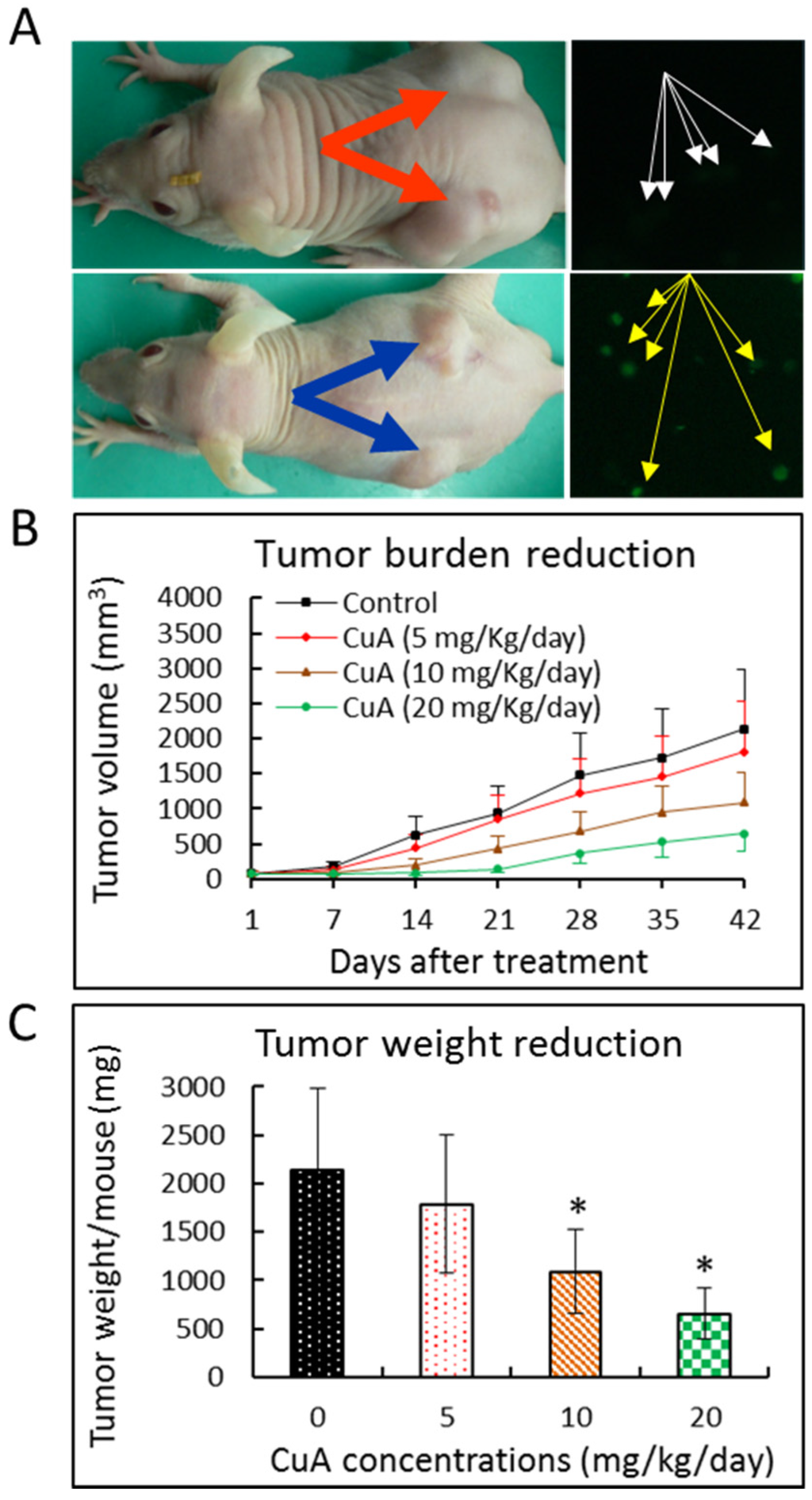
Cinnamomum verum, also called true cinnamon tree, is employed to make the seasoning cinnamon. Furthermore, the plant has been used as a traditional Chinese herbal medication. We explored the anticancer effect of cuminaldehyde, an ingredient of the cortex of the plant, as well as the molecular biomarkers associated with carcinogenesis in human colorectal adenocarcinoma COLO 205 cells. The results show that cuminaldehyde suppressed growth and induced apoptosis, as proved by depletion of the mitochondrial membrane potential, activation of both caspase-3 and -9, and morphological features of apoptosis. Moreover, cuminaldehyde also led to lysosomal vacuolation with an upregulated volume of acidic compartment and cytotoxicity, together with inhibitions of both topoisomerase I and II activities. Additional study shows that the anticancer activity of cuminaldehyde was observed in the model of nude mice. Our results suggest that the anticancer activity of cuminaldehyde in vitro involved the suppression of cell proliferative markers, topoisomerase I as well as II, together with increase of pro-apoptotic molecules, associated with upregulated lysosomal vacuolation. On the other hand, in vivo, cuminaldehyde diminished the tumor burden that would have a significant clinical impact. Furthermore, similar effects were observed in other tested cell lines. In short, our data suggest that cuminaldehyde could be a drug for chemopreventive or anticancer therapy. Full article
(This article belongs to the Special Issue Polyphenols for Cancer Treatment or Prevention)
Show Figures

Graphical abstract