15 pages, 2693 KB  
Article
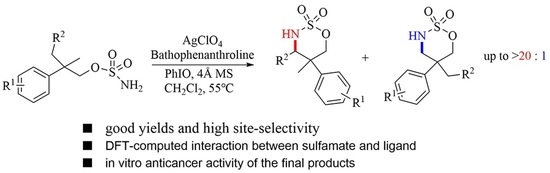
Silver Catalyzed Site-Selective C(sp3)−H Bond Amination of Secondary over Primary C(sp3)−H Bonds
by Luzhen Jiao, Dawei Teng, Zixuan Wang and Guorui Cao
Molecules 2022, 27(19), 6174; https://doi.org/10.3390/molecules27196174 - 21 Sep 2022
Cited by 2 | Viewed by 2629
Abstract
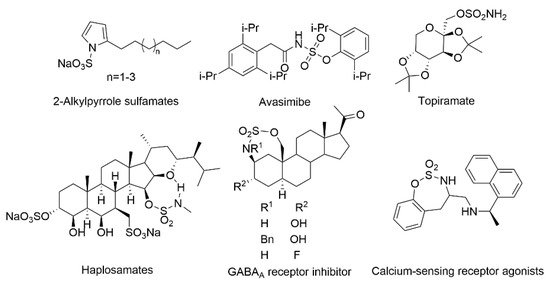
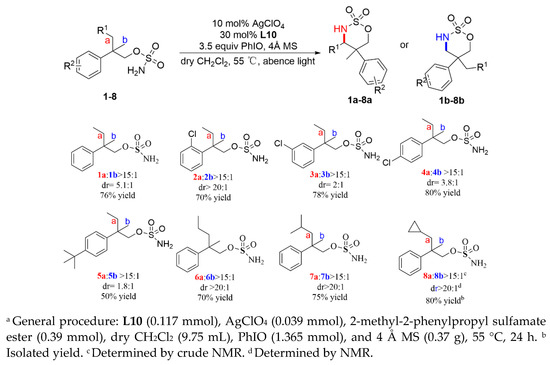
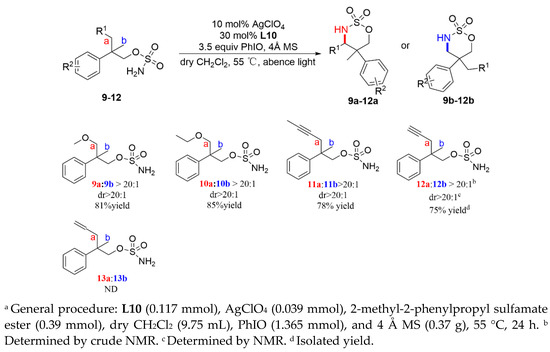
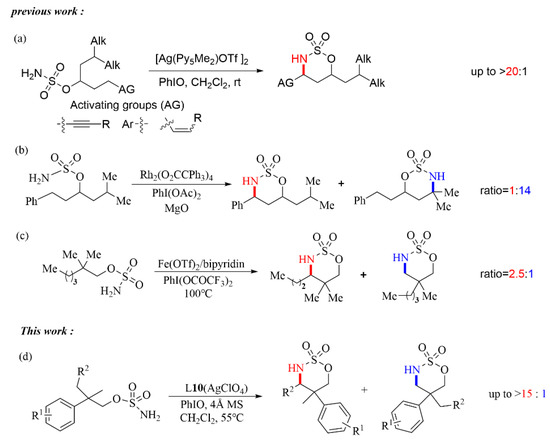
Sulfamates are widespread in numerous pharmacologically active molecules. In this paper, Silver/Bathophenanthroline catalyzed the intramolecular selective amination of primary C(sp3)−H bonds and secondary C(sp3)−H bonds of sulfamate esters, to produce cyclic sulfamates in good yields and with a high [...] Read more.
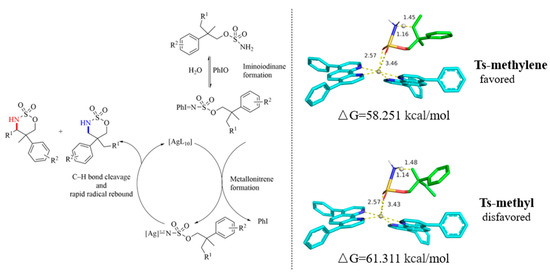
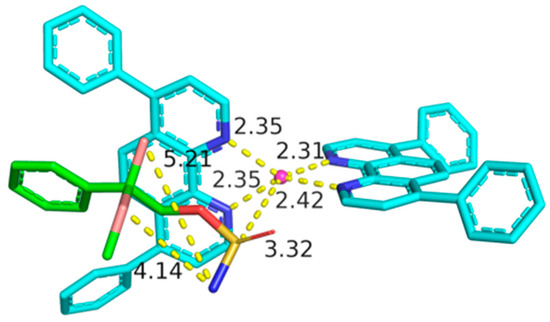
Sulfamates are widespread in numerous pharmacologically active molecules. In this paper, Silver/Bathophenanthroline catalyzed the intramolecular selective amination of primary C(sp3)−H bonds and secondary C(sp3)−H bonds of sulfamate esters, to produce cyclic sulfamates in good yields and with a high site-selectivity. DFT calculations revealed that the interaction between sulfamates and L10 makes the molecule more firmly attached to the catalyst, benefiting the catalysis reaction. The in vitro anticancer activity of the final products was evaluated in MCF-7 breast cancer cells. Full article
(This article belongs to the Topic Catalytic Applications of Transition Metals)
Show Figures

Graphical abstract
18 pages, 1627 KB  
Article
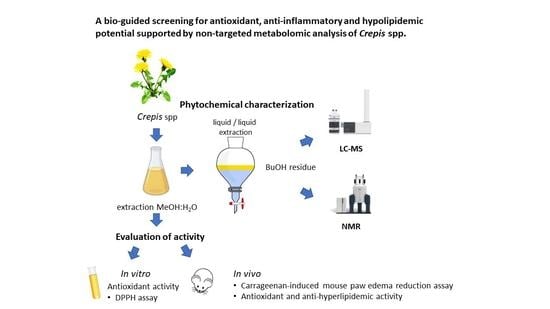
A Bio-Guided Screening for Antioxidant, Anti-Inflammatory and Hypolipidemic Potential Supported by Non-Targeted Metabolomic Analysis of Crepis spp.
by Christina Barda, Konstantina Anastasiou, Ariadni Tzara, Maria-Eleni Grafakou, Eleftherios Kalpoutzakis, Joerg Heilmann, Michael Rallis, Angeliki P. Kourounakis and Helen Skaltsa
Molecules 2022, 27(19), 6173; https://doi.org/10.3390/molecules27196173 - 20 Sep 2022
Cited by 8 | Viewed by 3061
Abstract
This study was designed to evaluate the chemical fingerprints and the antioxidant, anti-inflammatory and hypolipidemic activity of selected Crepis species collected in Greece, namely, C. commutata, C. dioscoridis, C. foetida, C. heldreichiana, C. incana, C. rubra, and Phitosia crocifolia (formerly known as Crepis [...] Read more.
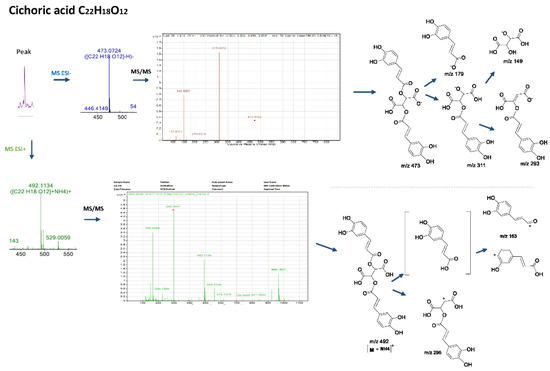
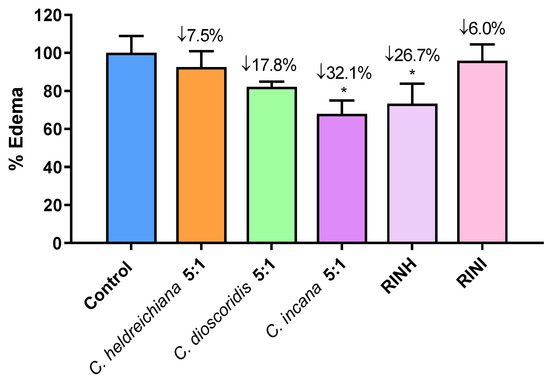
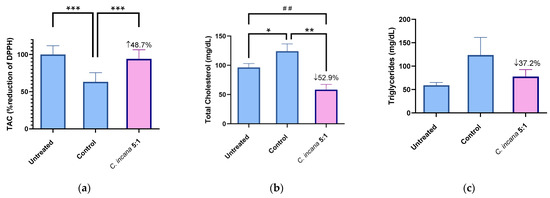
This study was designed to evaluate the chemical fingerprints and the antioxidant, anti-inflammatory and hypolipidemic activity of selected Crepis species collected in Greece, namely, C. commutata, C. dioscoridis, C. foetida, C. heldreichiana, C. incana, C. rubra, and Phitosia crocifolia (formerly known as Crepis crocifolia). For the phytochemical analyses, sample measurements were carried out by using nuclear magnetic resonance (NMR) spectroscopy and liquid chromatography coupled with mass spectrometry (LC-MS). Τhe extracts were evaluated both in vitro (radical scavenging activity: DPPH assay and total phenolic content: Folin–Ciocalteu) and in vivo (paw edema reduction and hypolipidemic activity: experimental mouse protocols). Among the tested extracts, C. incana presented the highest gallic acid equivalents (GAE) (0.0834 mg/mL) and the highest antioxidant activity (IC50 = 0.07 mg/mL) in vitro, as well as the highest anti-inflammatory activity with 32% edema reduction in vivo. Moreover, in the hypolipidemic protocol, the same extract increased plasma total antioxidant capacity (TAC) by 48.7%, and decreased cholesterol (41.3%) as well as triglycerides (37.2%). According to fractionation of the extract and the phytochemical results, this biological effect may be associated with the rich phenolic composition; caffeoyl tartaric acid derivatives (cichoric and caftaric acid) are regarded as the most prominent bioactive specialized metabolites. The present study contributes to the knowledge regarding the phytochemical and pharmacological profile of Crepis spp. Full article
Show Figures

Graphical abstract
8 pages, 519 KB  
Article
Physicochemical Properties and In Vitro Digestibility of Starch from a Trace-Rutinosidase Variety of Tartary Buckwheat ‘Manten-Kirari’
by Takahiro Noda, Koji Ishiguro, Tatsuro Suzuki and Toshikazu Morishita
Molecules 2022, 27(19), 6172; https://doi.org/10.3390/molecules27196172 - 20 Sep 2022
Cited by 5 | Viewed by 2372
Abstract
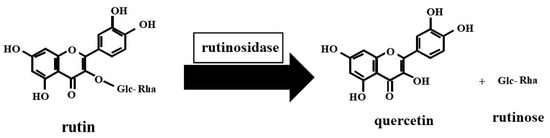
We recently developed a novel Tartary buckwheat variety, ‘Manten-Kirari’, with trace-rutinosidase activity. The use of ‘Manten-Kirari’ enabled us to make rutin-rich food products with low bitterness. This study was intended to evaluate the physicochemical properties and in vitro digestibility of starch isolated from [...] Read more.
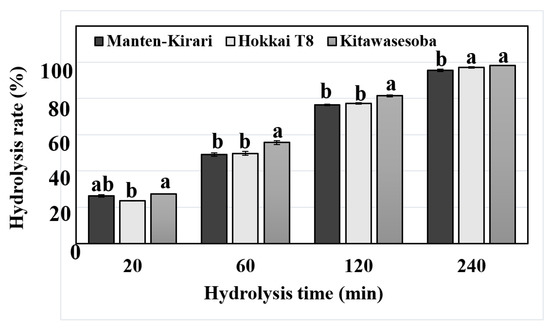
We recently developed a novel Tartary buckwheat variety, ‘Manten-Kirari’, with trace-rutinosidase activity. The use of ‘Manten-Kirari’ enabled us to make rutin-rich food products with low bitterness. This study was intended to evaluate the physicochemical properties and in vitro digestibility of starch isolated from ‘Manten-Kirari’. For comparison, the representative common buckwheat variety ‘Kitawasesoba’ and Tartary buckwheat variety ‘Hokkai T8’ in Japan were also used. The lowest content of amylose was found in ‘Manten-Kirari’ starch (18.1%) while the highest was in ‘Kitawasesoba’ starch (22.6%). ‘Manten-Kirari’ starch exhibited a larger median granule size (11.41 µm) and higher values of peak viscosity (286.8 RVU) and breakdown (115.2 RVU) than the others. The values of onset temperature for gelatinization were 60.5 °C for ‘Kitawasesoba’, 61.3 °C for ‘Manten-Kirari’, and 64.7 °C for ‘Hokkai T8’. ‘Manten-Kirari’ and ‘Hokkai T8’ starches were digested more slowly than ‘Kitawasesoba’ starch. Our results will provide fundamental information concerning the expanded use of ‘Manten-Kirari’ in functional foods. Full article
(This article belongs to the Special Issue Production and Properties of Starch—Current Research)
Show Figures

Figure 1

9 pages, 777 KB  
Article
HPLC–MS2 Analysis of Chlorophylls in Green Teas Establishes Differences among Varieties
by Marta Herrera, Isabel Viera and María Roca
Molecules 2022, 27(19), 6171; https://doi.org/10.3390/molecules27196171 - 20 Sep 2022
Cited by 9 | Viewed by 3951
Abstract
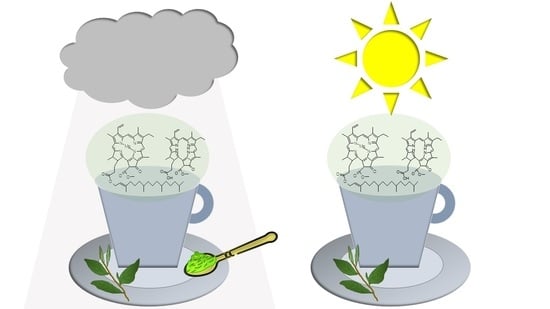
Green teas are nonfermented teas, the quality of which is measured by the green color. However, this category encompasses a high number of tea varieties that differ in cultivation and processing. For example, leaf or stem/bubble tea, plants cultivated under a light or [...] Read more.
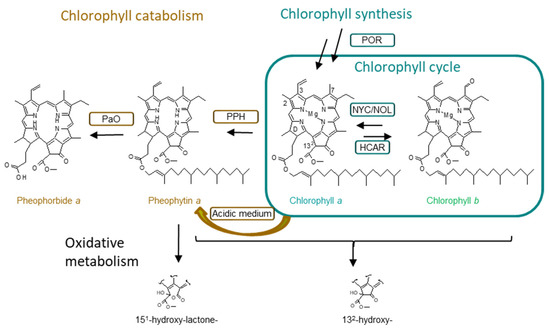
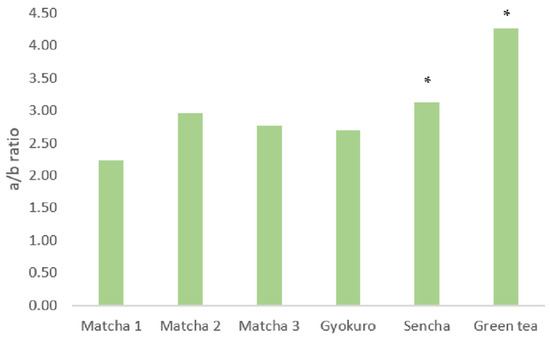
Green teas are nonfermented teas, the quality of which is measured by the green color. However, this category encompasses a high number of tea varieties that differ in cultivation and processing. For example, leaf or stem/bubble tea, plants cultivated under a light or shadow regime, powdered or unpowdered tea, etc. These variables determine the different qualities among green teas (Matcha, Sencha, Gyokuro, etc.) and consequently their different values on the market. Our purpose is to determine if these variables can exert an influence on the chlorophyll profile and to establish a characteristic profile for specific green teas. With such an aim, we analyzed the chlorophyll profiles of 6 different green tea varieties via HPLC-hr ESI/APCI–MS2 and identified up to 17 different chlorophyll compounds. For the first time, 132-hydroxy-chlorophylls, 132-hydroxy-pheophytins, and 151-hydroxy-lactone-pheophytins have been identified in green teas. Shadow teas (Matcha and Sencha) and light-regimen green teas can be statistically differentiated by the total chlorophyll content and the a/b ratio. However, only Matcha tea contains a higher proportion of chlorophylls a and b among the green tea varieties analyzed, justifying the higher quality and price of this variety. Other chlorophyll metabolites (pheophytins, pyropheophytins, and oxidized chlorophylls) are indicative of the various processing and storage conditions. Full article
(This article belongs to the Special Issue Food Colorants: Recent Advances and Future Perspectives)
Show Figures

Graphical abstract
30 pages, 7842 KB  
Review
Atomic and Molecular Layer Deposition as Surface Engineering Techniques for Emerging Alkali Metal Rechargeable Batteries
by Matthew Sullivan, Peng Tang and Xiangbo Meng
Molecules 2022, 27(19), 6170; https://doi.org/10.3390/molecules27196170 - 20 Sep 2022
Cited by 16 | Viewed by 4889
Abstract
Alkali metals (lithium, sodium, and potassium) are promising as anodes in emerging rechargeable batteries, ascribed to their high capacity or abundance. Two commonly experienced issues, however, have hindered them from commercialization: the dendritic growth of alkali metals during plating and the formation of [...] Read more.
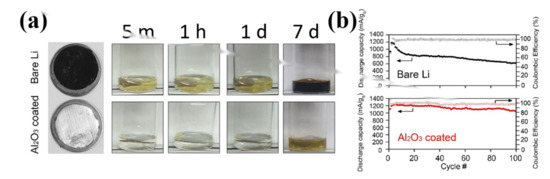
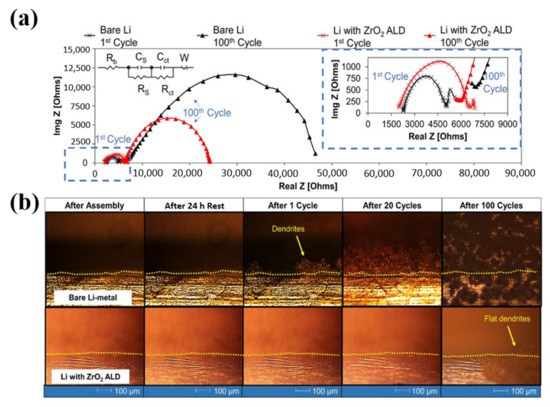
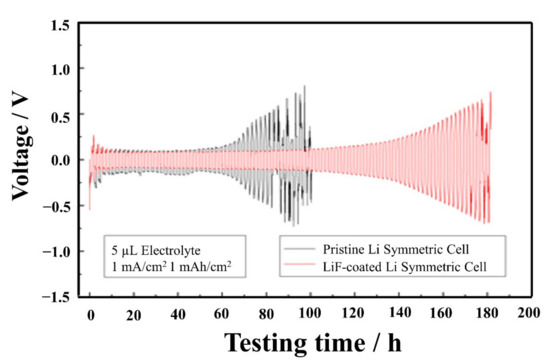
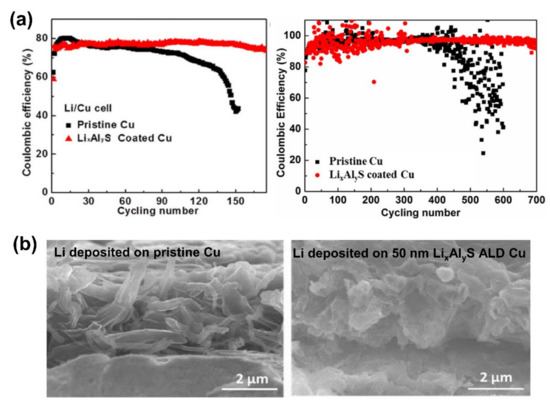
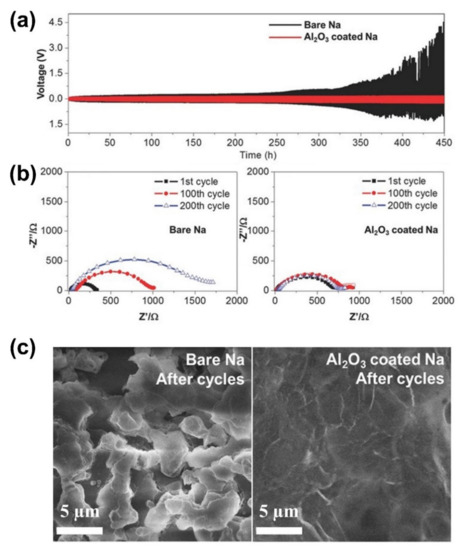
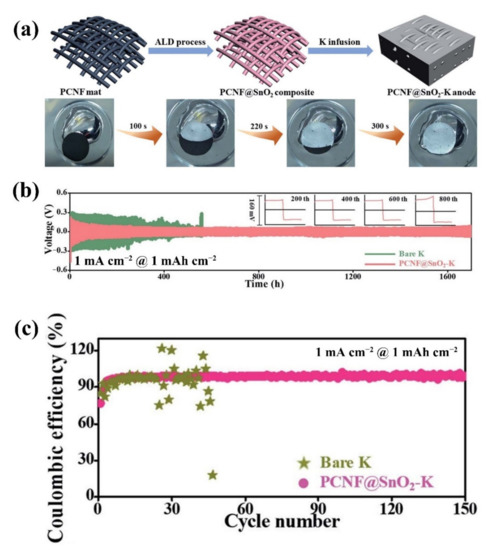
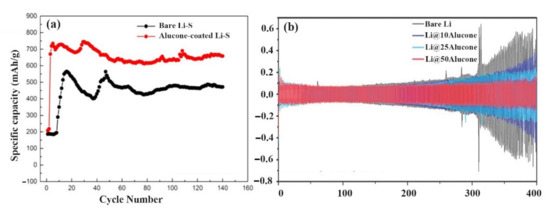
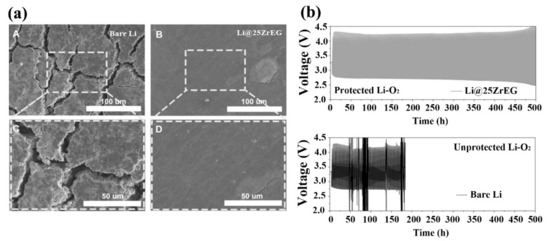
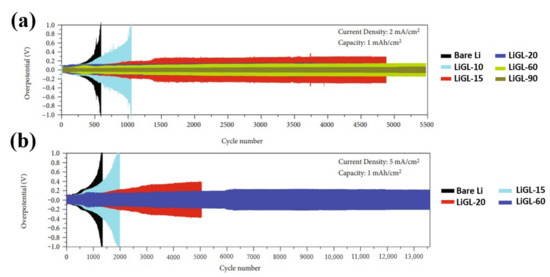
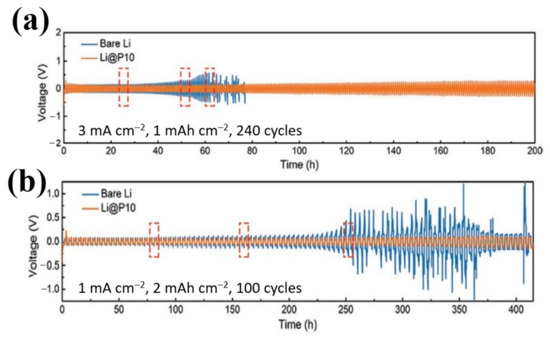
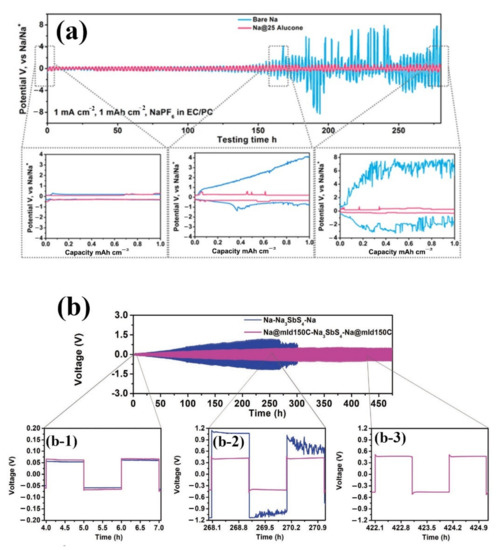
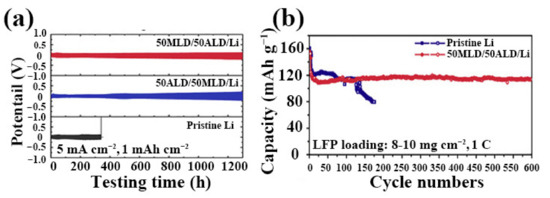
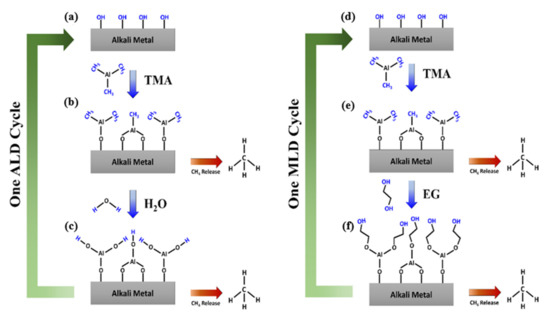
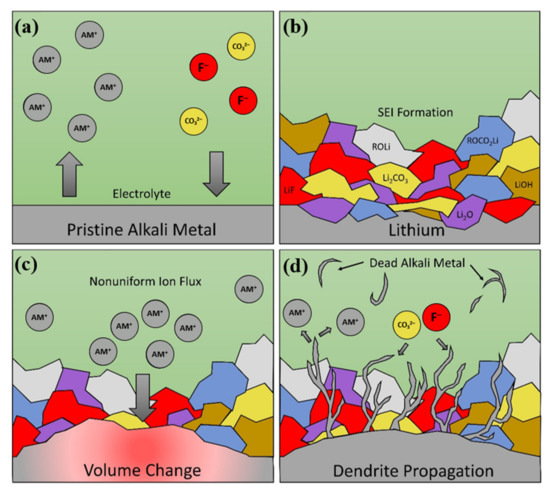
Alkali metals (lithium, sodium, and potassium) are promising as anodes in emerging rechargeable batteries, ascribed to their high capacity or abundance. Two commonly experienced issues, however, have hindered them from commercialization: the dendritic growth of alkali metals during plating and the formation of solid electrolyte interphase due to contact with liquid electrolytes. Many technical strategies have been developed for addressing these two issues in the past decades. Among them, atomic and molecular layer deposition (ALD and MLD) have been drawing more and more efforts, owing to a series of their unique capabilities. ALD and MLD enable a variety of inorganic, organic, and even inorganic-organic hybrid materials, featuring accurate nanoscale controllability, low process temperature, and extremely uniform and conformal coverage. Consequently, ALD and MLD have paved a novel route for tackling the issues of alkali metal anodes. In this review, we have made a thorough survey on surface coatings via ALD and MLD, and comparatively analyzed their effects on improving the safety and stability of alkali metal anodes. We expect that this article will help boost more efforts in exploring advanced surface coatings via ALD and MLD to successfully mitigate the issues of alkali metal anodes. Full article
(This article belongs to the Special Issue Li-Ion Battery Materials)
Show Figures

Figure 1

12 pages, 1120 KB  
Article
Iodine-Mediated Alkoxyselenylation of Alkenes and Dienes with Elemental Selenium
by Evgeny O. Kurkutov and Bagrat A. Shainyan
Molecules 2022, 27(19), 6169; https://doi.org/10.3390/molecules27196169 - 20 Sep 2022
Cited by 6 | Viewed by 3227
Abstract
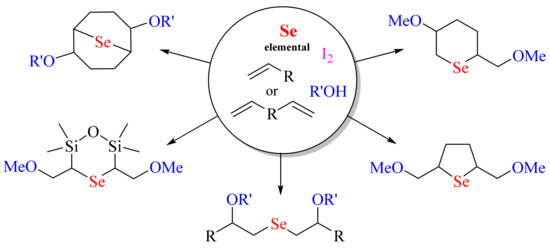
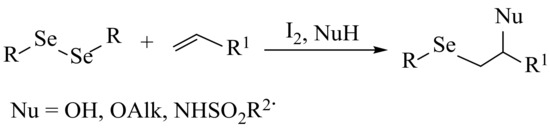
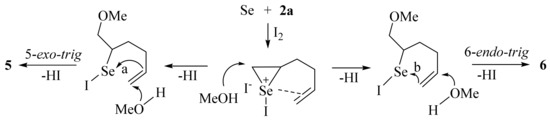
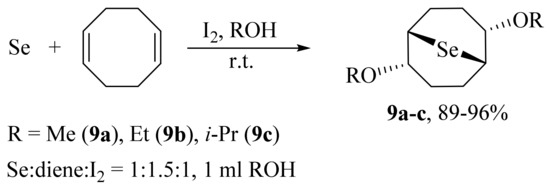
A one-pot synthesis of linear and cyclic β-alkoxyselenides is developed through the iodine-mediated three-component reaction of elemental selenium with alkenes (dienes) and alcohols. Selenylation of 1,5-hexadiene gives 2,5-di(methoxymethyl)tetrahydroselenophene and 2-methoxy-6-(methoxymethyl)tetrahydro-2H-selenopyran via the 5-exo-trig and 6-endo-trig cyclization. 1,7-Octadiene affords only [...] Read more.
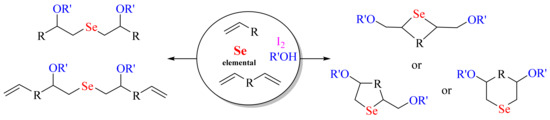
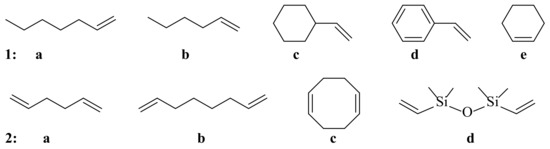
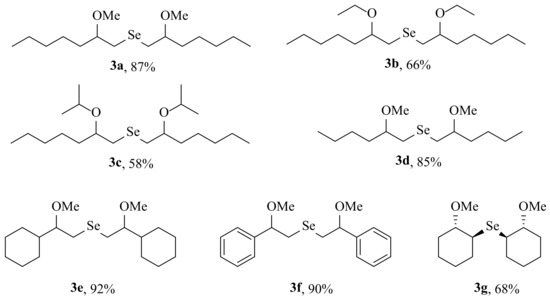
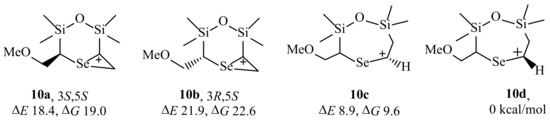
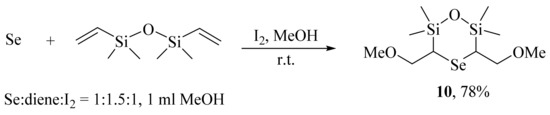
A one-pot synthesis of linear and cyclic β-alkoxyselenides is developed through the iodine-mediated three-component reaction of elemental selenium with alkenes (dienes) and alcohols. Selenylation of 1,5-hexadiene gives 2,5-di(methoxymethyl)tetrahydroselenophene and 2-methoxy-6-(methoxymethyl)tetrahydro-2H-selenopyran via the 5-exo-trig and 6-endo-trig cyclization. 1,7-Octadiene affords only linear 1:2 adduct with two terminal double bonds. 1,5-Cyclooctadiene results in one diastereomer of 2,6-dialkoxy-9-selenabicyclo [3.3.1]nonanes via 6-exo-trig cyclization. With 1,3-diethenyl-1,1,3,3-tetramethyldisiloxane, the first ring-substituted representative of a very rare class of heterocycles, 1,4,2,6-oxaselenadisilinanes, was obtained at a high yield. Full article
(This article belongs to the Special Issue Feature Papers in Organic Chemistry)
Show Figures

Figure 1

12 pages, 2398 KB  
Article
Ellagic Acid Increases Stress Resistance via Insulin/IGF-1 Signaling Pathway in Caenorhabditis elegans
by Shuju Bai, Yaoru Yu, Lu An, Wenbo Wang, Xueqi Fu, Jing Chen and Junfeng Ma
Molecules 2022, 27(19), 6168; https://doi.org/10.3390/molecules27196168 - 20 Sep 2022
Cited by 13 | Viewed by 3416
Abstract
Ellagic acid is a natural polyphenol found in various fruits and vegetables. Numerous studies have shown that ellagic acid has beneficial effects on human health. In this study, we investigated the stress resistant action of ellagic acid in Caenorhabditis elegans (C. elegans [...] Read more.
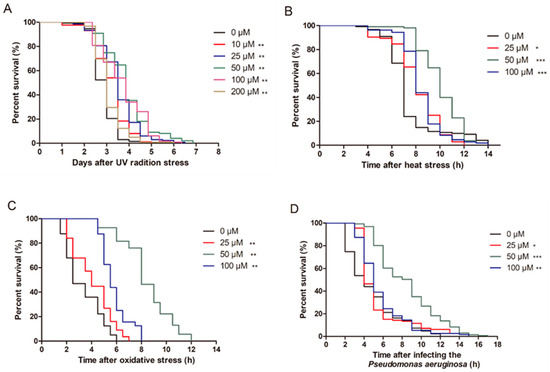
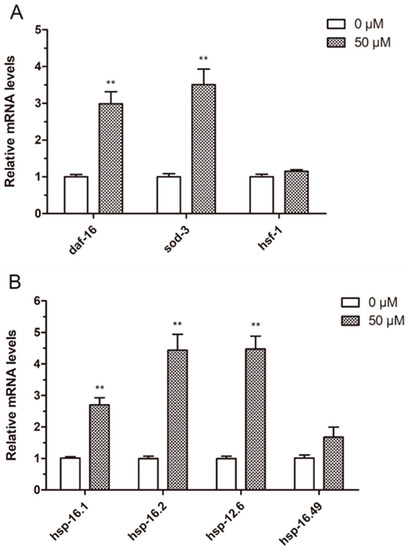
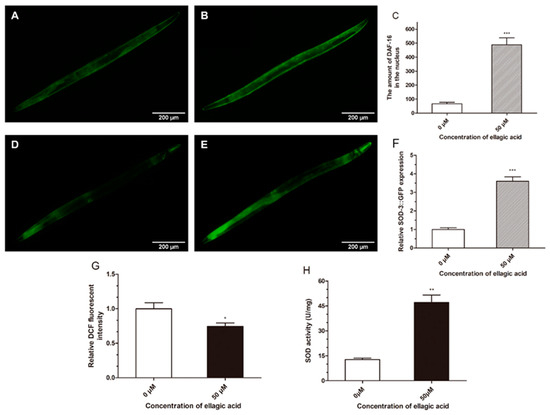
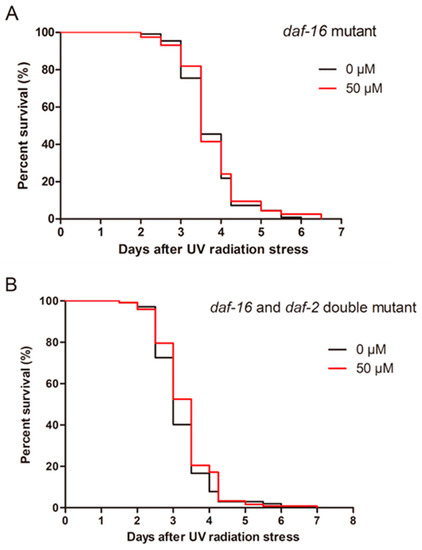
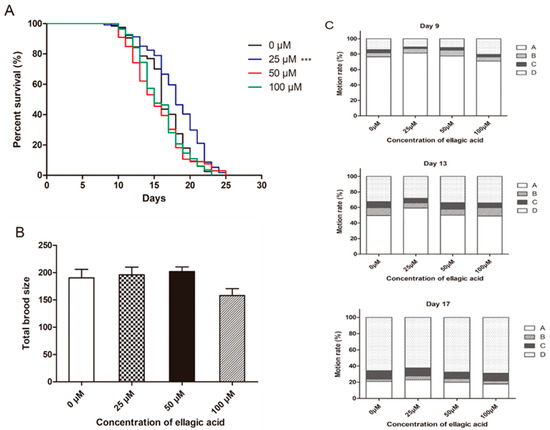
Ellagic acid is a natural polyphenol found in various fruits and vegetables. Numerous studies have shown that ellagic acid has beneficial effects on human health. In this study, we investigated the stress resistant action of ellagic acid in Caenorhabditis elegans (C. elegans). Notably, 50 μM ellagic acid prolonged the lifespan of C. elegans by 36.25%, 36.22%, 155.1%, and 79.07% under ultraviolet radiation stress, heat stress, oxidative stress, and Pseudomonas aeruginosa infection stress, respectively. Furthermore, the mechanism by which ellagic acid reduces the damage caused by ultraviolet radiation in C. elegans was explored. Ellagic acid could significantly induce the nucleus translocation of DAF-16 and, thereby, activate a series of target genes to resist ultraviolet radiation stress. Moreover, ellagic acid also significantly increased the expression of SOD-3 by 3.61 times and the activity of superoxide dismutase by 3.70 times to clean out harmful reactive oxygen species in C. elegans exposed to ultraviolet radiation stress. In both daf-16 mutant and daf-2; daf-16 double-mutant worms exposed to ultraviolet radiation, ellagic acid could no longer prolong their lifespan. These results indicate that ellagic acid plays an important role in resisting ultraviolet radiation stress in C. elegans, probably in an insulin/IGF-1 signaling pathway-dependent way. Full article
Show Figures

Figure 1

14 pages, 2177 KB  
Article
Effect of Germination on the Avenanthramide Content of Oats and Their in Vitro Antisensitivity Activities
by Yuchao Feng, Decheng Suo, Xin Guan, Shi Wang, Zhiming Xiao, Yang Li, Xiaolu Liu and Xia Fan
Molecules 2022, 27(19), 6167; https://doi.org/10.3390/molecules27196167 - 20 Sep 2022
Cited by 10 | Viewed by 3578
Abstract
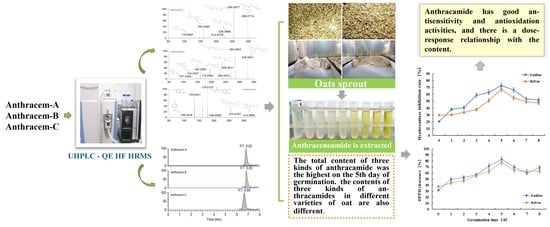
In this study, a method, based on an ultraperformance liquid chromatography coupled with high-field quadrupole orbitrap high-resolution mass spectrometry (UHPLC-QE-HF-HRMS) platform, was established for the trace determination of three major avenanthramides (AVNs). The MS conditions for determining the AVNs were optimized, and the [...] Read more.
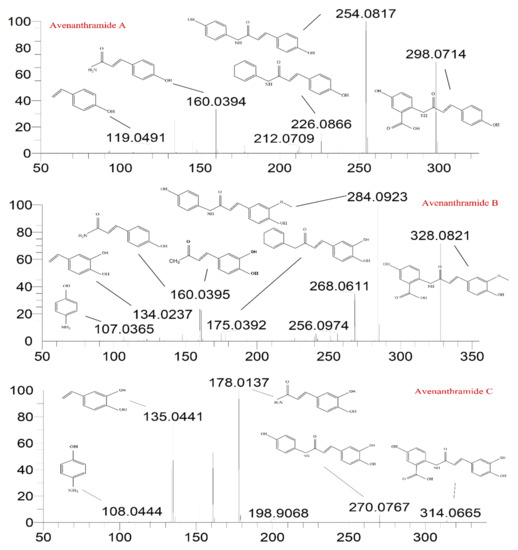
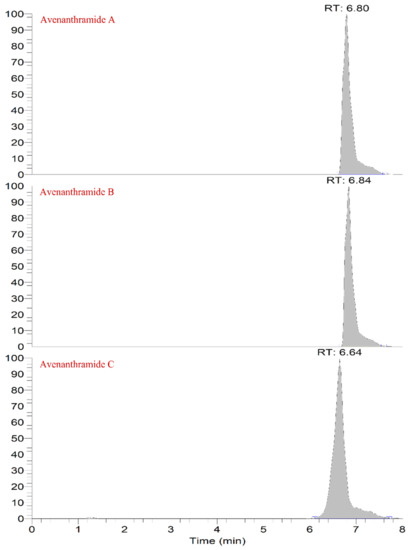
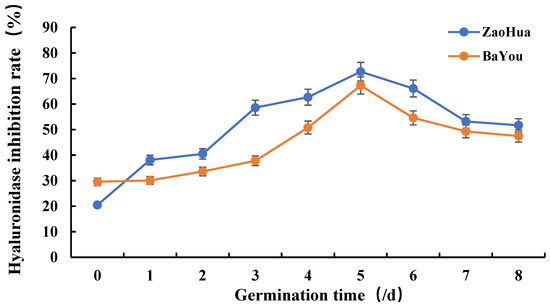
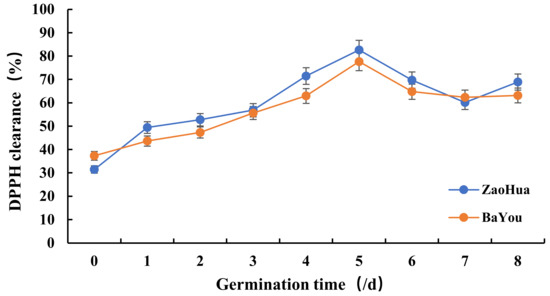
In this study, a method, based on an ultraperformance liquid chromatography coupled with high-field quadrupole orbitrap high-resolution mass spectrometry (UHPLC-QE-HF-HRMS) platform, was established for the trace determination of three major avenanthramides (AVNs). The MS conditions for determining the AVNs were optimized, and the cracking methods of avenanthramides were analyzed. The linear range of the results and the correlation coefficient were 1–2000 μg/L and >0.996, respectively. Further, the established method was employed for the determination of the AVN contents of oats at different germination times, and the results indicated that the AVN contents of Zaohua and Bayou oats increased 19.26 and 6.09 times, respectively, after germination. The total AVN content of both oat varieties reached a maximum on the fifth day of germination (153.51 ± 4.08 and 126.30 ± 3.33 μg/g for the Zaohua and Bayou oats, respectively). Furthermore, this study investigated the antiallergic and antioxidant activities of the germinated oats via hyaluronidase inhibition and 2,2-diphenyl-1-picrylhydrazyl (DPPH)-scavenging assays. The antiallergic and DPPH-scavenging abilities of the ungerminated forms of both oat varieties were weaker. However, on the fifth day of germination, the inhibition rate of anthranilamide hyaluronidase reached 72.7% and 67.3% for the Zaohua and Bayou oat varieties, respectively. The antiallergic abilities of the oats increased significantly on the fifth day of germination in terms of their antiallergic capacities and DPPH clearance (82.67% and 77.64% for the Zaohua and Bayou oats, respectively), and the two indicators exhibited similar trends. These findings demonstrated that AVNs exhibit good antisensitivity and antioxidation properties, and the antisensitivity effect correlated positively with the AVN content. Full article
Show Figures

Graphical abstract
20 pages, 1371 KB  
Article
Characterization and Differentiation of Fresh Orange Juice Variety Based on Conventional Physicochemical Parameters, Flavonoids, and Volatile Compounds Using Chemometrics
by Maria V. Vavoura, Ioannis K. Karabagias, Ioanna S. Kosma, Anastasia V. Badeka and Michael G. Kontominas
Molecules 2022, 27(19), 6166; https://doi.org/10.3390/molecules27196166 - 20 Sep 2022
Cited by 27 | Viewed by 5918
Abstract
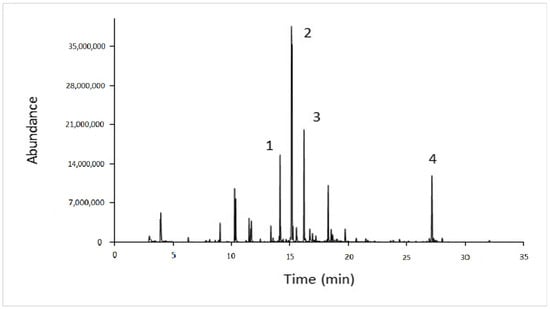
The present study focused on the possibility of differentiating fresh-unprocessed orange juice according to botanical origin (variety), based on the use of conventional physico-chemical parameters, flavonoids, and volatile compounds, in combination with chemometrics. For this purpose, oranges from seven different varieties were collected [...] Read more.
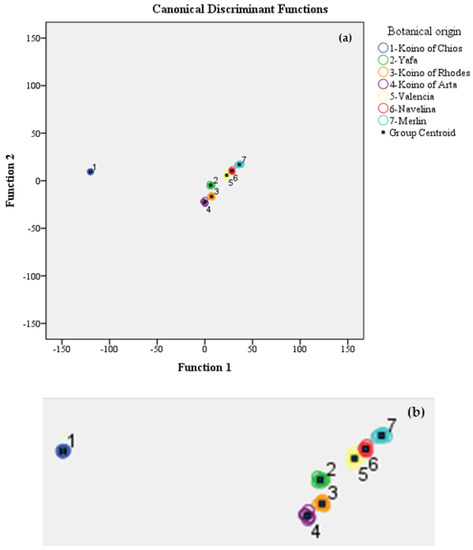
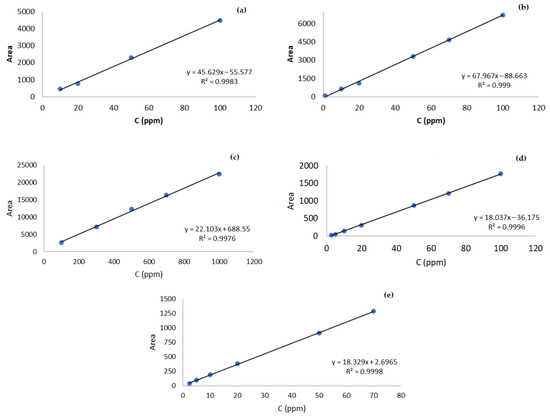
The present study focused on the possibility of differentiating fresh-unprocessed orange juice according to botanical origin (variety), based on the use of conventional physico-chemical parameters, flavonoids, and volatile compounds, in combination with chemometrics. For this purpose, oranges from seven different varieties were collected during the harvest years of 2013–2014 and 2014–2015 from central and southern Greece. The physico-chemical parameters that were determined included: electrical conductivity, acidity, pH, and total soluble solids. The flavonoids: hesperidin, neohespseridin, quercetin, naringin, and naringenin were determined using high-performance liquid chromatography (HPLC-DAD). Finally, volatile compounds were determined using headspace solid-phase micro-extraction in combination with gas chromatography-mass spectrometry (HS-SPME/GC-MS). Statistical treatment of data by multivariate techniques showed that orange juice variety had a significant (p < 0.05) impact on the above analytical parameters. The classification rate for the differentiation of orange juice according to orange variety using multivariate analysis of variance (MANOVA) and linear discriminant analysis (LDA) was 89.3%, based on the cross-validation method. Full article
Show Figures

Figure 1

9 pages, 282 KB  
Article
Safety Assessment of Foods and Drinks Consumed by People on a Gluten-Free Diet
by Anna Przybylska, Agnieszka Chrustek, Beata Sperkowska, Marcin Koba and Dorota Olszewska-Słonina
Molecules 2022, 27(19), 6165; https://doi.org/10.3390/molecules27196165 - 20 Sep 2022
Cited by 9 | Viewed by 3301
Abstract
Naturally gluten-free foods and processed foods that do not contain information about the potential presence of gluten in them pose a hypothetical threat to people with food allergies and celiac disease. Patients who should follow a strict gluten-free diet do not always do [...] Read more.
Naturally gluten-free foods and processed foods that do not contain information about the potential presence of gluten in them pose a hypothetical threat to people with food allergies and celiac disease. Patients who should follow a strict gluten-free diet do not always do so. Therefore, the aim of this research was to analyze certified “gluten-free” and naturally gluten-free products without labeled “may contain gluten” information in terms of their content of gluten proteins. The enzyme immunoassay AgraQuant Gluten G12 ELISA test kit was used for the analysis. Of all the products used in the research, only 5.8% were found to contain gluten above 20 ppm. Only one product labeled “gluten-free” was contaminated with gluten at 79.3 ppm (cider cake). In addition, our research also examined the gluten content of commercial beers containing barley malt not labeled as “gluten-free”. Research has shown that 60% of samples are not safe for those on a strict gluten-free diet. Our research clearly shows that many manufacturers, although they do not monitor their products for the presence of gluten in them, offer safe products, although they cannot be recommended in a gluten-free diet. Therefore, there is a strong need to increase the frequency of testing by food manufacturers for the presence of gluten in their products, so that the number of products approved for people on a gluten-free diet continues to increase. Full article
(This article belongs to the Special Issue Food Chemistry in Europe)
17 pages, 1584 KB  
Review
Andrographis paniculata Dosage Forms and Advances in Nanoparticulate Delivery Systems: An Overview
by Subashini Raman, Vikneswaran Murugaiyah and Thaigarajan Parumasivam
Molecules 2022, 27(19), 6164; https://doi.org/10.3390/molecules27196164 - 20 Sep 2022
Cited by 23 | Viewed by 12410
Abstract
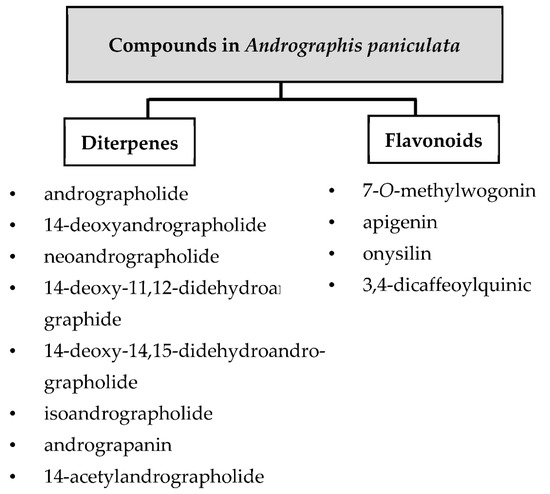
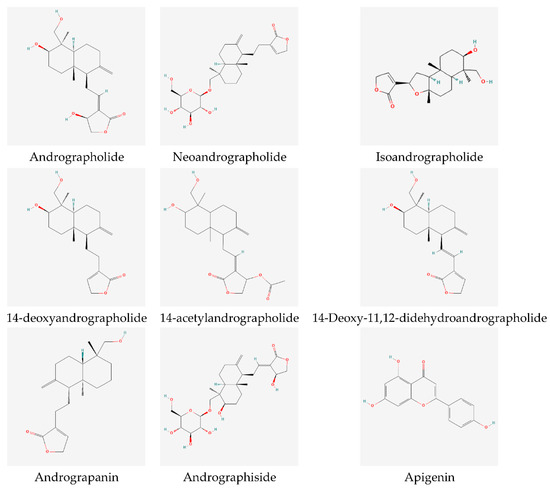
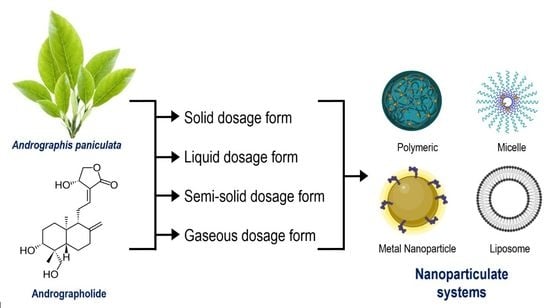
Andrographis paniculata is a well-known Asian medicinal plant with a major phytoconstituent of diterpene lactones, such as andrographolide, 14-deoxyandrographolide, and neoandrographolide. A World Health Organization (WHO) monograph on selected medicinal plants showed that A. paniculata extracts and its major diterpene lactones have promising [...] Read more.
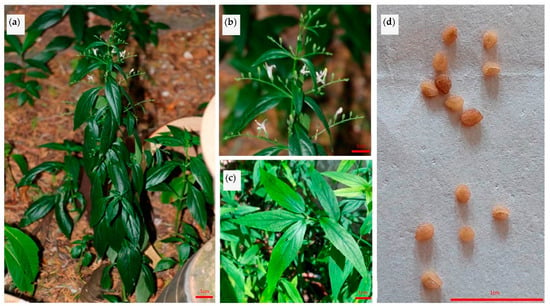
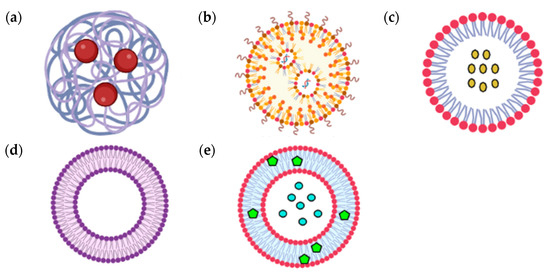
Andrographis paniculata is a well-known Asian medicinal plant with a major phytoconstituent of diterpene lactones, such as andrographolide, 14-deoxyandrographolide, and neoandrographolide. A World Health Organization (WHO) monograph on selected medicinal plants showed that A. paniculata extracts and its major diterpene lactones have promising anti-inflammatory, antidiabetic, antimalarial, anticancer, antifungal, antibacterial, antioxidant, and hypoglycemic activities. However, these active phytochemicals have poor water solubility and bioavailability when delivered in a conventional dosage form. These biological barriers can be mitigated if the extract or isolated compound are delivered as nanoparticles. This review discusses existing studies and marketed products of A. paniculata in solid, liquid, semi-solid, and gaseous dosage forms, either as an extract or isolated pure compounds, as well as their deficits in reaching maximum bioavailability. The pharmaceutics and pharmacological activity of A. paniculata as a nano-delivery system are also discussed. Full article
Show Figures

Graphical abstract
12 pages, 3301 KB  
Article
Evaluation of Different Extraction Methods on the Phenolic Profile and the Antioxidant Potential of Ceratonia siliqua L. Pods Extracts
by Fouad El Mansouri, Joaquim C. G. Esteves Silva, Francesco Cacciola, Fadoua Asraoui, Hatim Tayeq, Yasmine Mttougui Ben Amar, Miguel Palma Lovillo, Noureddine Chouaibi and Jamal Brigui
Molecules 2022, 27(19), 6163; https://doi.org/10.3390/molecules27196163 - 20 Sep 2022
Cited by 28 | Viewed by 4462
Abstract
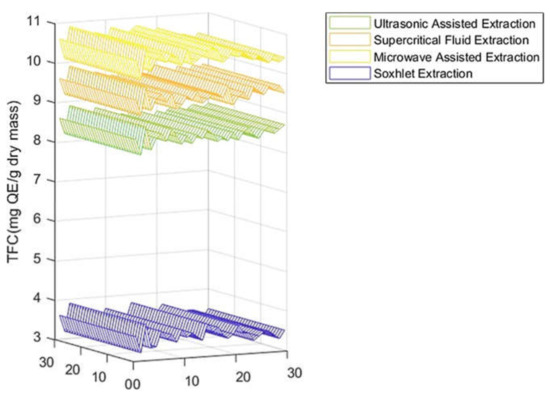
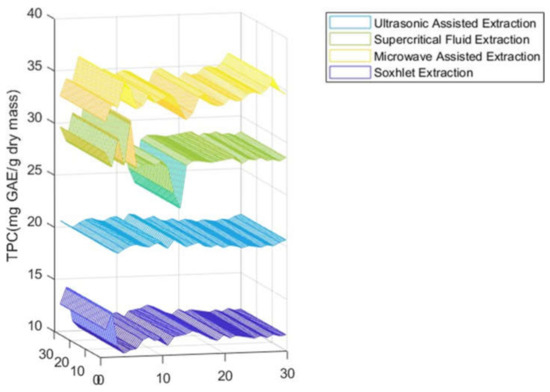
The present work was designed to investigate the effects of different extraction processes, namely ultrasonic-assisted, supercritical fluid, microwave-assisted and Soxhlet applied to carob pods. The total phenolic quantification and the antioxidant activity were assessed by the means of rapid in vitro spectrophotometric assays; [...] Read more.
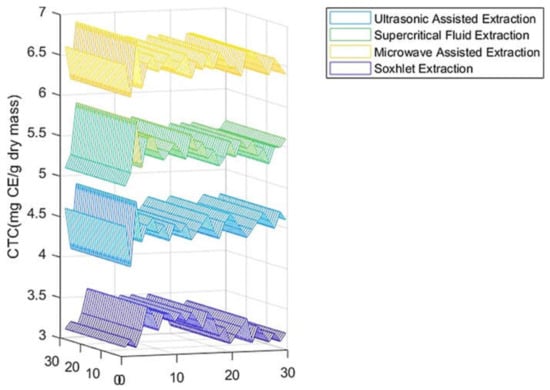
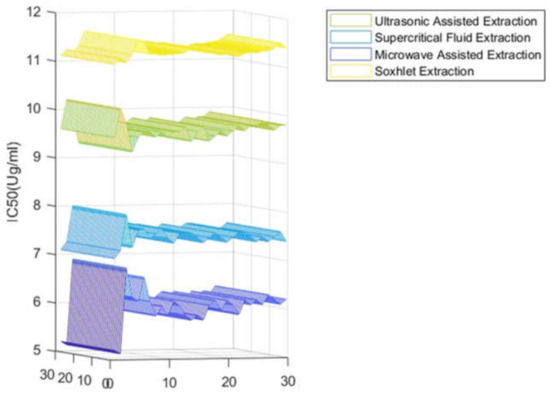
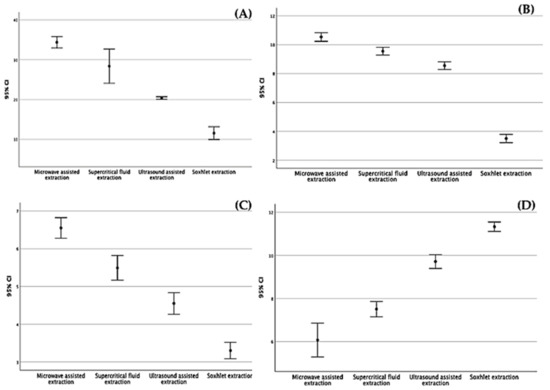
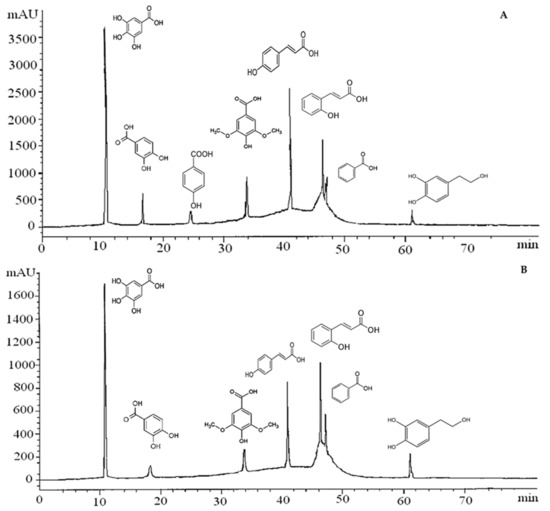
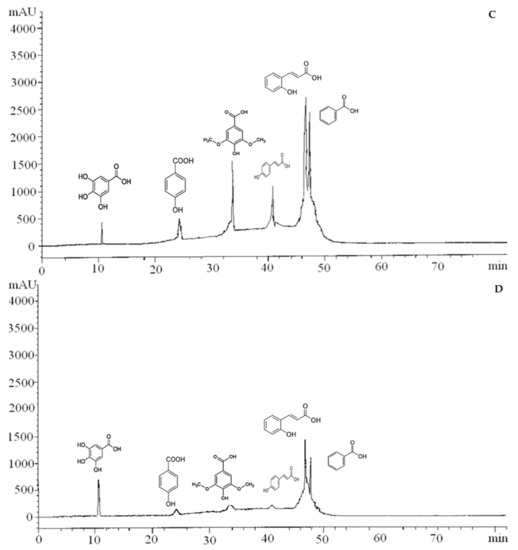
The present work was designed to investigate the effects of different extraction processes, namely ultrasonic-assisted, supercritical fluid, microwave-assisted and Soxhlet applied to carob pods. The total phenolic quantification and the antioxidant activity were assessed by the means of rapid in vitro spectrophotometric assays; the phenolic profile was identified using ultra-high performance liquid chromatography coupled to mass spectrometry. The results revealed that the phenolic compounds and the antioxidant capacity varied significantly with the nature of the extraction process. The content of total phenolic compounds ranged from 11.55 to 34.38 mg GAE/g DW; the content of total flavonoids varied from 3.50 to 10.53 mg QE/g DW, and the content of condensed tannins fluctuated from 3.30 to 6.55 mg CE/ g DW. All extracts performed differently on antioxidant activity when determined by the DPPH assay producing a dose-dependent response, with IC50 extended from 11.33 to 6.07 µg/mL. HPLC analysis enabled the identification of nine compounds. As a function of the studied extraction methods, the phenolic compound contents were positively correlated with antioxidant activity. Full article
Show Figures

Figure 1

17 pages, 1806 KB  
Article
Analytical Approaches in Official Food Safety Control: An LC-Orbitrap-HRMS Screening Method for the Multiresidue Determination of Antibiotics in Cow, Sheep, and Goat Milk
by Severyn Salis, Nicola Rubattu, Federica Rubattu, Maurizio Cossu, Andrea Sanna and Giannina Chessa
Molecules 2022, 27(19), 6162; https://doi.org/10.3390/molecules27196162 - 20 Sep 2022
Cited by 7 | Viewed by 3171
Abstract
The presence of unauthorized substances, such as residues of veterinary medicines or chemical contaminants, in food can represent a possible health concern. For this reason, a complete legislative framework has been established in the European Union (EU), which defines the maximum limits allowed [...] Read more.
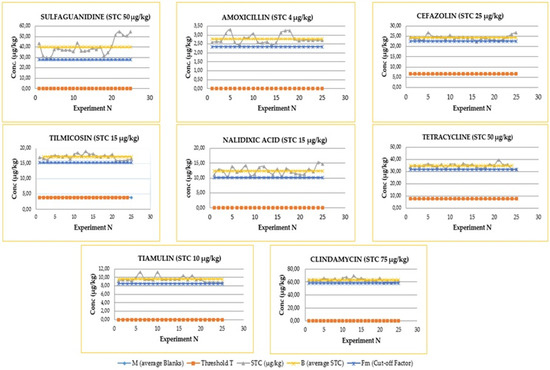
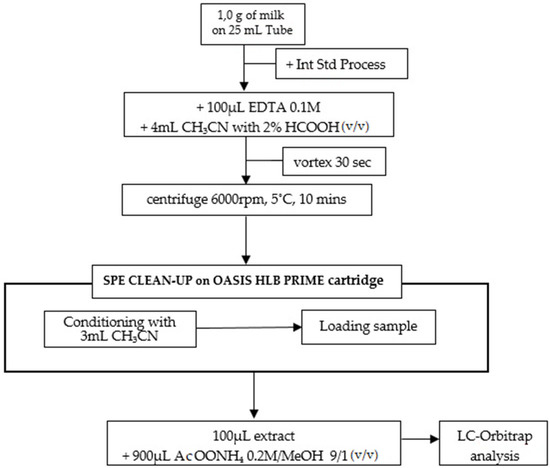
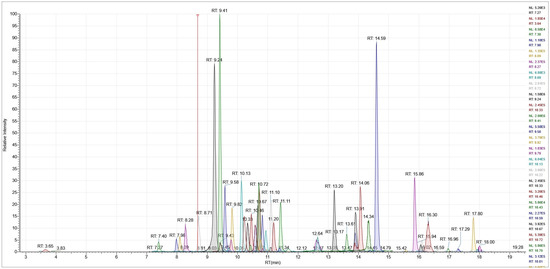
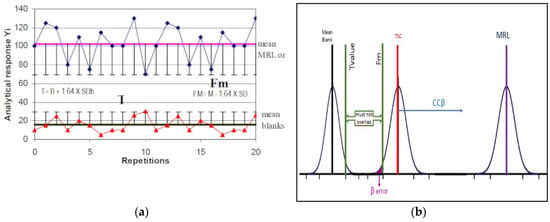
The presence of unauthorized substances, such as residues of veterinary medicines or chemical contaminants, in food can represent a possible health concern. For this reason, a complete legislative framework has been established in the European Union (EU), which defines the maximum limits allowed in food and carries out surveillance programs to control the presence of these substances. Official food control laboratories, in order to ensure a high level of consumer protection, must respond to the challenge of improving and harmonizing the performance of the analytical methods used for the analysis of residues of authorized, unauthorized, or prohibited pharmacologically active substances. Laboratories must also consider the state of the art of the analytical methodologies and the performance requirements of current legislation. The aim of this work was to develop a multiresidue method for the determination of antibiotics in milk, compliant with the criteria and procedures established by Commission Implementing Regulation (EU) 2021/808. The method uses an LC-Orbitrap-HRMS for the determination of 57 molecules of antibiotic and active antibacterial substances belonging to different chemical classes (beta-lactams, tetracyclines, sulfonamides, quinolones, pleuromutilins, macrolides, and lincosamides) in bovine, ovine, and goat milk samples. It provides a simple and quick sample pretreatment and a subsequent identification phase of analytes, at concentrations equal to or lower than the maximum residual limit (MRL), in compliance with Commission Regulation (EU) 2010/37. The validation parameters: selectivity, stability, applicability, and detection capability (ccβ), are in agreement with the requirements of Commission Implementing Regulation (EU) 2021/808 and demonstrated the effectiveness of the method in detecting veterinary drug residues at the target screening concentration (at the MRL level or below), with a false positive rate of less than 5%. This method represents an effective solution for detecting antibiotics in milk, which can be successfully applied in routine analyses for official food control plans. Full article
(This article belongs to the Special Issue Food Chemistry: Food Quality and New Analytical Approaches)
Show Figures

Figure 1

17 pages, 3761 KB  
Article
Nanohybrid of Thymol and 2D Simonkolleite Enhances Inhibition of Bacterial Growth, Biofilm Formation, and Free Radicals
by Carlos Velázquez-Carriles, María Esther Macías-Rodríguez, Omar Ramírez-Alvarado, Rosa Isela Corona-González, Adriana Macías-Lamas, Ismael García-Vera, Adriana Cavazos-Garduño, Zuamí Villagrán and Jorge Manuel Silva-Jara
Molecules 2022, 27(19), 6161; https://doi.org/10.3390/molecules27196161 - 20 Sep 2022
Cited by 15 | Viewed by 3183
Abstract
Due to the current concerns against opportunistic pathogens and the challenge of antimicrobial resistance worldwide, alternatives to control pathogen growth are required. In this sense, this work offers a new nanohybrid composed of zinc-layered hydroxide salt (Simonkolleite) and thymol for preventing bacterial growth. [...] Read more.
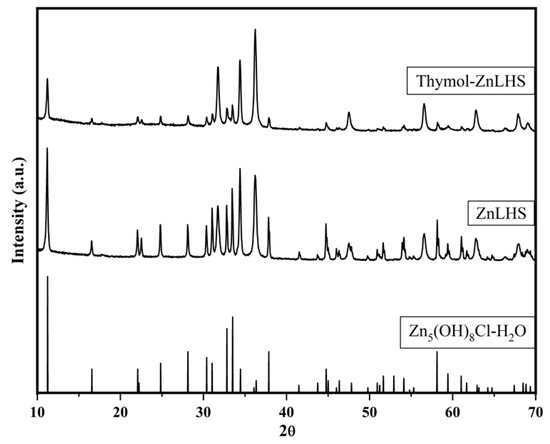
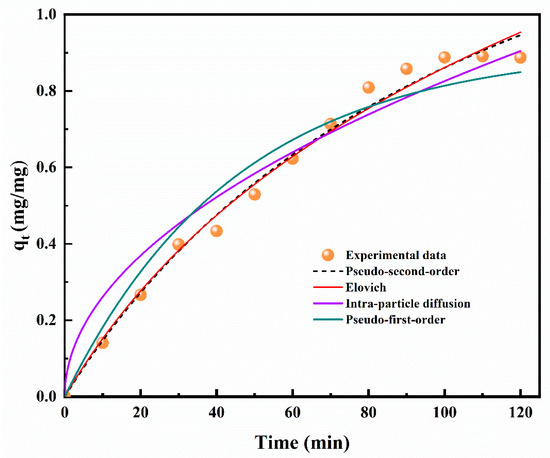
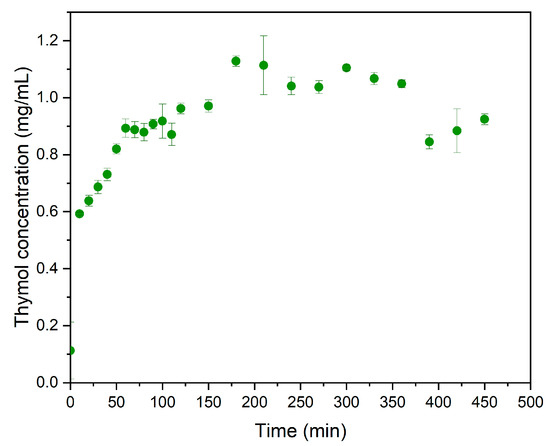
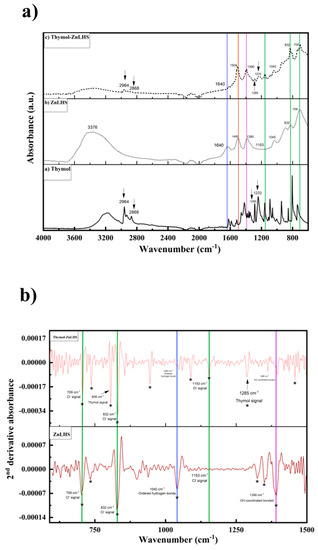
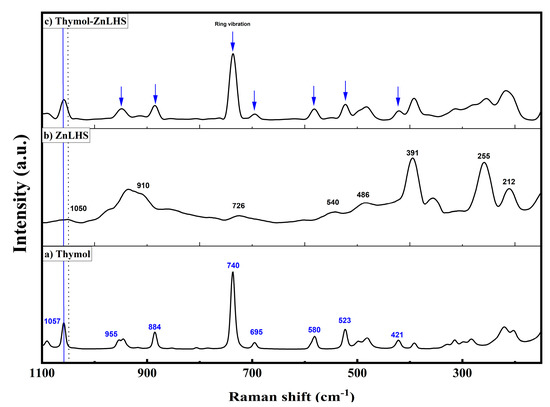
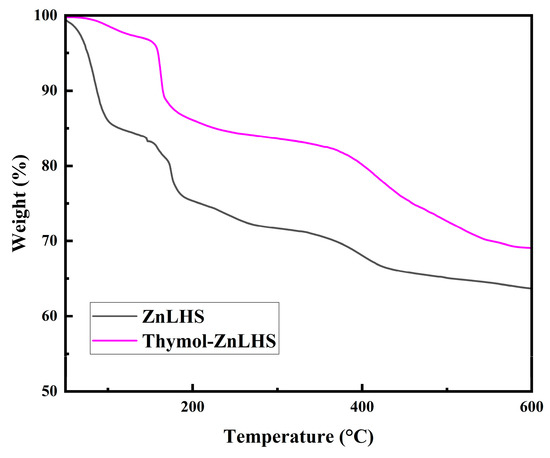
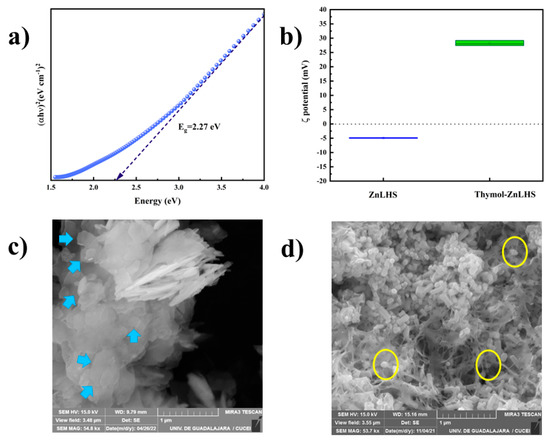
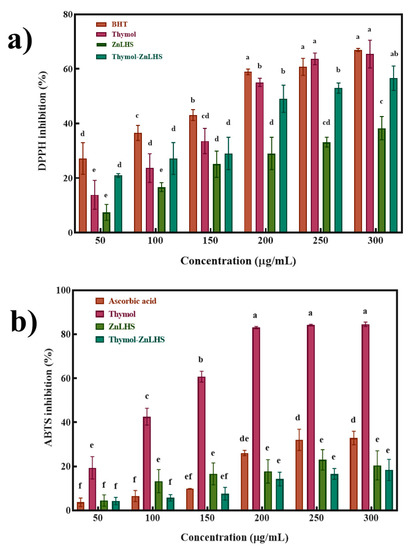
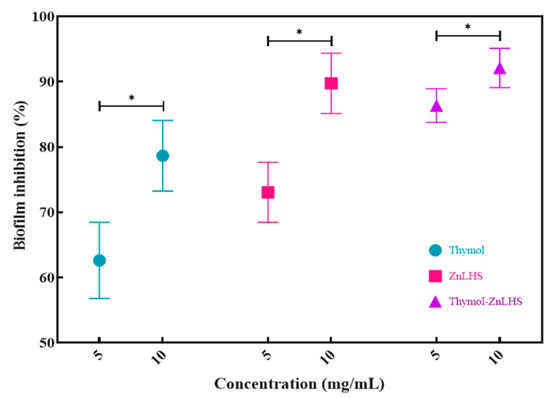
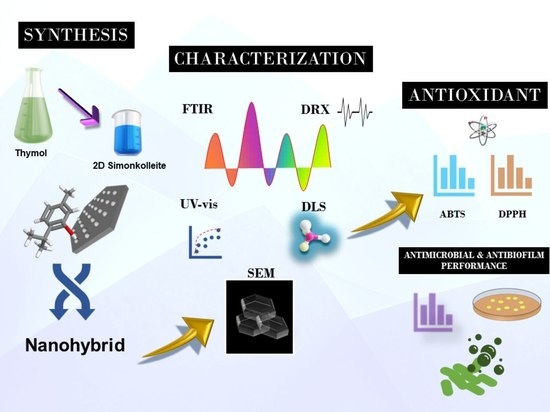
Due to the current concerns against opportunistic pathogens and the challenge of antimicrobial resistance worldwide, alternatives to control pathogen growth are required. In this sense, this work offers a new nanohybrid composed of zinc-layered hydroxide salt (Simonkolleite) and thymol for preventing bacterial growth. Materials were characterized with XRD diffraction, FTIR and UV–Vis spectra, SEM microscopy, and dynamic light scattering. It was confirmed that the Simonkolleite structure was obtained, and thymol was adsorbed on the hydroxide in a web-like manner, with a concentration of 0.863 mg thymol/mg of ZnLHS. Absorption kinetics was described with non-linear models, and a pseudo-second-order equation was the best fit. The antibacterial test was conducted against Escherichia coli O157:H7 and Staphylococcus aureus strains, producing inhibition halos of 21 and 24 mm, respectively, with a 10 mg/mL solution of thymol–ZnLHS. Moreover, biofilm formation of Pseudomonas aeruginosa inhibition was tested, with over 90% inhibition. Nanohybrids exhibited antioxidant activity with ABTS and DPPH evaluations, confirming the presence of the biomolecule in the inorganic matrix. These results can be used to develop a thymol protection vehicle for applications in food, pharmaceutics, odontology, or biomedical industries. Full article
(This article belongs to the Special Issue Advances in Polyphenol-Based Multifunctional Materials)
Show Figures

Graphical abstract
14 pages, 4482 KB  
Article
Polypyrrole/Schiff Base Composite as Electromagnetic Absorbing Material with High and Tunable Absorption Performance
by Ji Huang, Huiling Gu, Na Li, Hua Yang, Gang Chen, Lizhu Zhang, Chengjun Dong and Hongtao Guan
Molecules 2022, 27(19), 6160; https://doi.org/10.3390/molecules27196160 - 20 Sep 2022
Cited by 6 | Viewed by 2482
Abstract
In recent years, Schiff base-related conjugated systems have received extensive attention, but little research has been done in the field of electromagnetic materials. In this work, an organic conjugated system based on polypyrrole/hydrazone Schiff base (PPy/HSB) composites was constructed via a Schiff base [...] Read more.
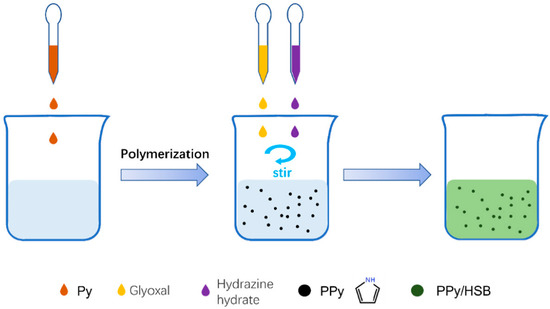
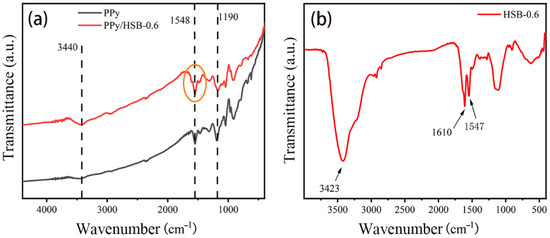
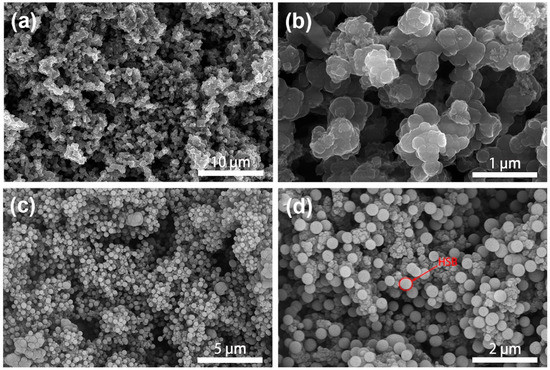
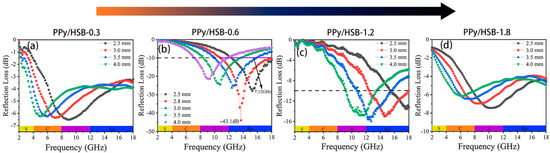
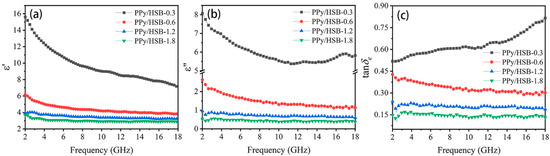
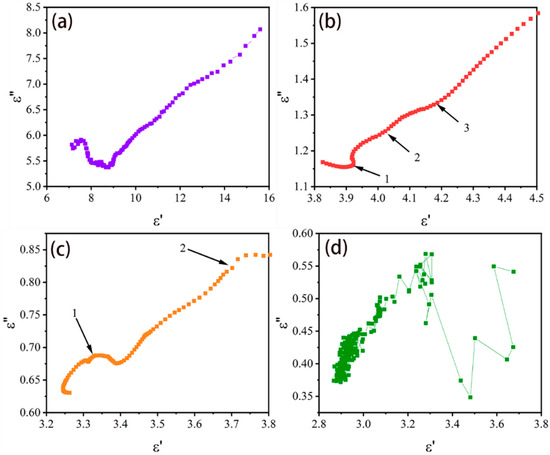
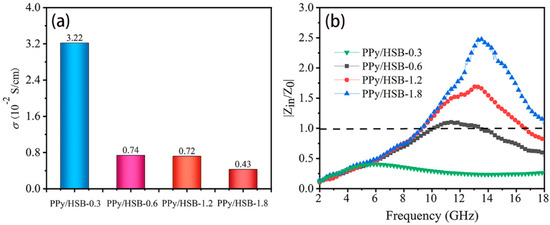
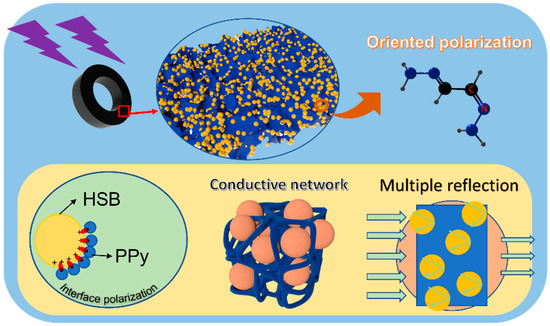
In recent years, Schiff base-related conjugated systems have received extensive attention, but little research has been done in the field of electromagnetic materials. In this work, an organic conjugated system based on polypyrrole/hydrazone Schiff base (PPy/HSB) composites was constructed via a Schiff base synthetic route and their electromagnetic behavior was investigated. The electromagnetic response of PPy/HSB complexes demonstrates fine electromagnetic absorption performance. When the filler loading is 30 wt% in a paraffin matrix, an absorption peak of −43.1 dB was achieved and its effective absorption bandwidth (EAB) was located in the range of 10.88−18.0 GHz. The electromagnetic response behavior of PPy/HSB complexes is explained by models involving electronic structure, multi-polarization and conductive network. The mechanisms of PPy/HSB complexes formation and HSB crystallization are also discussed through the compatibility of PPy/HSB and the structure of HSB. Moreover, the morphology transformation of HSB in the PPy/HSB systems has been studied. This study opens the exploration of organic–dielectric conjugated systems in the field of electromagnetic materials, and significantly broadens the application range of organic–dielectric–dielectric composites. Full article
(This article belongs to the Special Issue Preparation, Characterization and Applications of Polymer Composites)
Show Figures

Figure 1