11 pages, 1063 KB  
Article
Methiocarb Degradation by Electro-Fenton: Ecotoxicological Evaluation
by Faléstine Souiad, Ana Sofia Rodrigues, Ana Lopes, Lurdes Ciríaco, Maria José Pacheco, Yasmina Bendaoud-Boulahlib and Annabel Fernandes
Molecules 2020, 25(24), 5893; https://doi.org/10.3390/molecules25245893 - 12 Dec 2020
Cited by 11 | Viewed by 2426
Abstract
This paper studies the degradation of methiocarb, a highly hazardous pesticide found in waters and wastewaters, through an electro-Fenton process, using a boron-doped diamond anode and a carbon felt cathode; and evaluates its potential to reduce toxicity towards the model organism Daphnia magna [...] Read more.
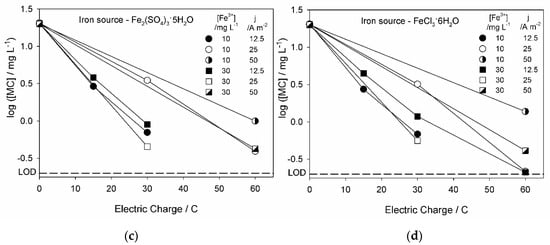
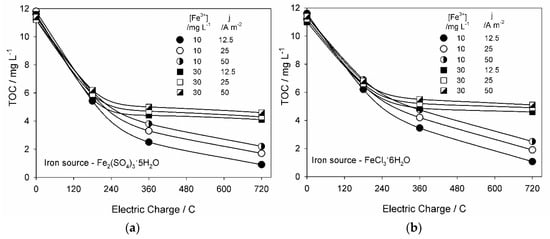
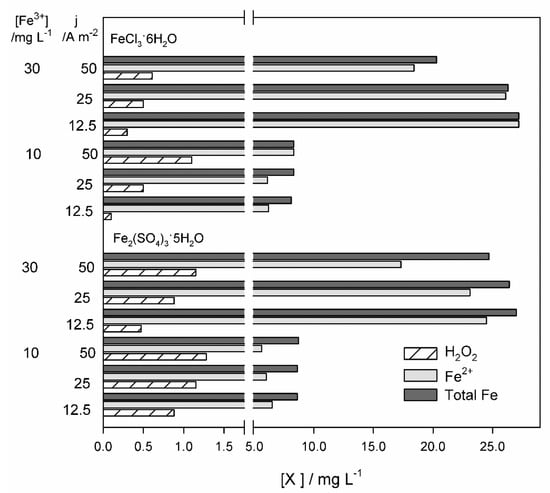
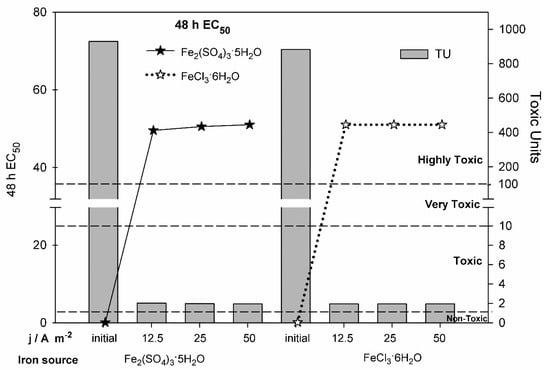
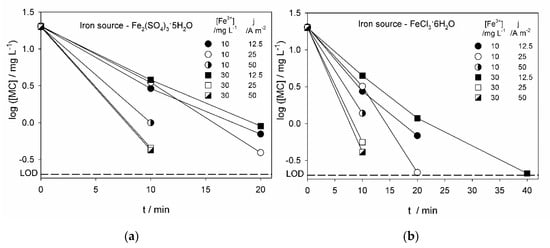
This paper studies the degradation of methiocarb, a highly hazardous pesticide found in waters and wastewaters, through an electro-Fenton process, using a boron-doped diamond anode and a carbon felt cathode; and evaluates its potential to reduce toxicity towards the model organism Daphnia magna. The influence of applied current density and type and concentration of added iron source, Fe2(SO4)3·5H2O or FeCl3·6H2O, is assessed in the degradation experiments of methiocarb aqueous solutions. The experimental results show that electro-Fenton can be successfully used to degrade methiocarb and to reduce its high toxicity towards D. magna. Total methiocarb removal is achieved at the applied electric charge of 90 C, and a 450× reduction in the acute toxicity towards D. magna, on average, from approximately 900 toxic units to 2 toxic units, is observed at the end of the experiments. No significant differences are found between the two iron sources studied. At the lowest applied anodic current density, 12.5 A m−2, an increase in iron concentration led to lower methiocarb removal rates, but the opposite is found at the highest applied current densities. The highest organic carbon removal is obtained at the lowest applied current density and added iron concentration. Full article
Show Figures

Figure 1
9 pages, 1666 KB  
Article
Genome Mining Reveals Two Missing CrtP and AldH Enzymes in the C30 Carotenoid Biosynthesis Pathway in Planococcus faecalis AJ003T
by Jun Ho Lee, Jin Won Kim and Pyung Cheon Lee
Molecules 2020, 25(24), 5892; https://doi.org/10.3390/molecules25245892 - 12 Dec 2020
Cited by 15 | Viewed by 3085
Abstract
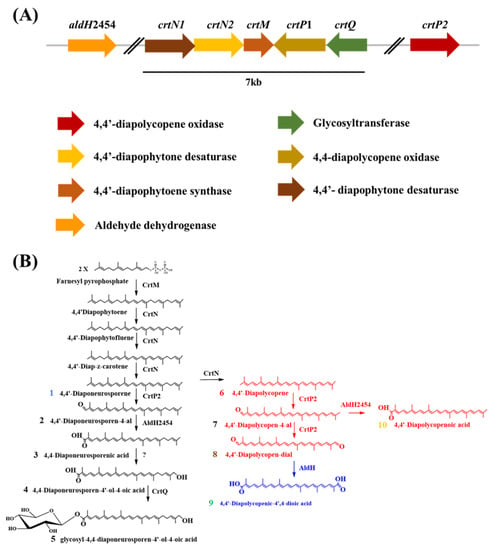
Planococcus faecalis AJ003T produces glycosyl-4,4′-diaponeurosporen-4′-ol-4-oic acid as its main carotenoid. Five carotenoid pathway genes were presumed to be present in the genome of P. faecalis AJ003T; however, 4,4-diaponeurosporene oxidase (CrtP) was non-functional, and a gene encoding aldehyde dehydrogenase (AldH) was [...] Read more.
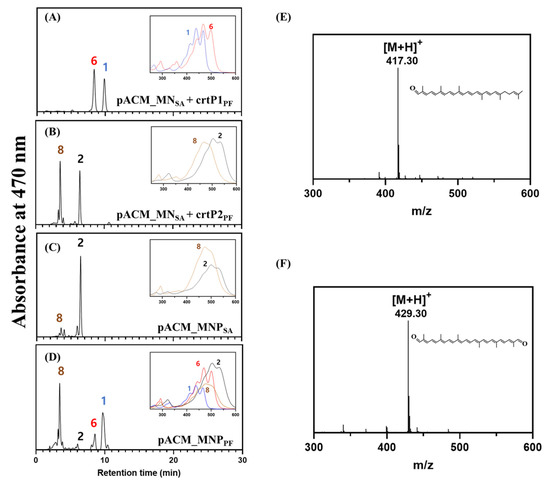
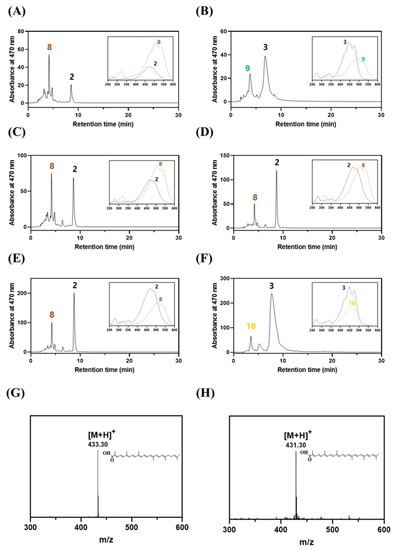
Planococcus faecalis AJ003T produces glycosyl-4,4′-diaponeurosporen-4′-ol-4-oic acid as its main carotenoid. Five carotenoid pathway genes were presumed to be present in the genome of P. faecalis AJ003T; however, 4,4-diaponeurosporene oxidase (CrtP) was non-functional, and a gene encoding aldehyde dehydrogenase (AldH) was not identified. In the present study, a genome mining approach identified two missing enzymes, CrtP2 and AldH2454, in the glycosyl-4,4′-diaponeurosporen-4′-ol-4-oic acid biosynthetic pathway. Moreover, CrtP2 and AldH enzymes were functional in heterologous Escherichia coli and generated two carotenoid aldehydes (4,4′-diapolycopene-dial and 4,4′-diaponeurosporene-4-al) and two carotenoid carboxylic acids (4,4′-diaponeurosporenoic acid and 4,4′-diapolycopenoic acid). Furthermore, the genes encoding CrtP2 and AldH2454 were located at a distance the carotenoid gene cluster of P. faecalis. Full article
Show Figures

Figure 1
21 pages, 2935 KB  
Article
New Multifunctional Agents Based on Conjugates of 4-Amino-2,3-polymethylenequinoline and Butylated Hydroxytoluene for Alzheimer’s Disease Treatment
by Galina F. Makhaeva, Nadezhda V. Kovaleva, Elena V. Rudakova, Natalia P. Boltneva, Sofya V. Lushchekina, Irina I. Faingold, Darya A. Poletaeva, Yuliya V. Soldatova, Raisa A. Kotelnikova, Igor V. Serkov, Anatoly K. Ustinov, Alexey N. Proshin, Eugene V. Radchenko, Vladimir A. Palyulin and Rudy J. Richardson
Molecules 2020, 25(24), 5891; https://doi.org/10.3390/molecules25245891 - 12 Dec 2020
Cited by 45 | Viewed by 4221
Abstract
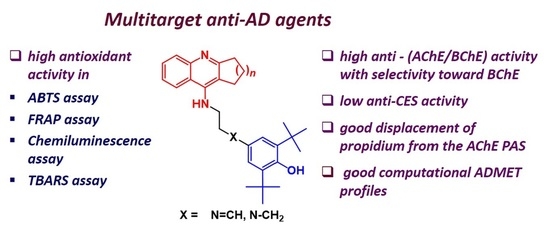
New hybrids of 4-amino-2,3-polymethylenequinoline with different sizes of the aliphatic ring linked to butylated hydroxytoluene (BHT) by enaminoalkyl (7) or aminoalkyl (8) spacers were synthesized as potential multifunctional agents for Alzheimer’s disease (AD) treatment. All compounds were potent inhibitors [...] Read more.
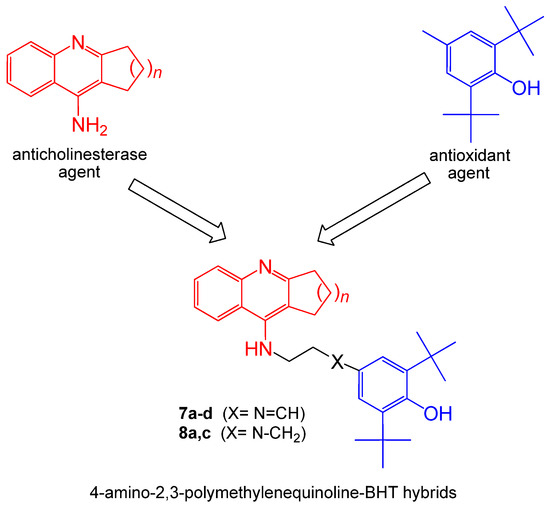
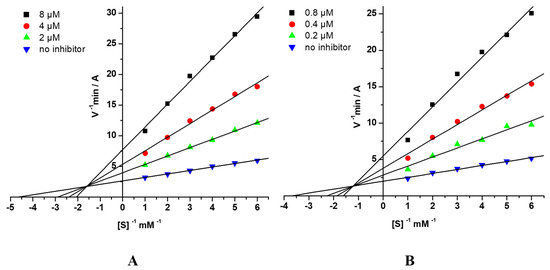
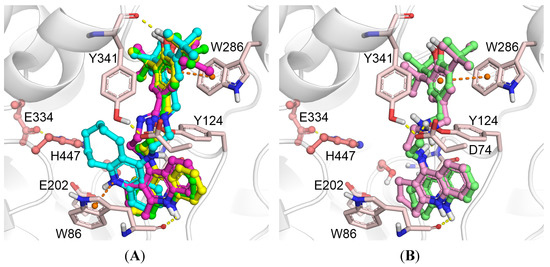
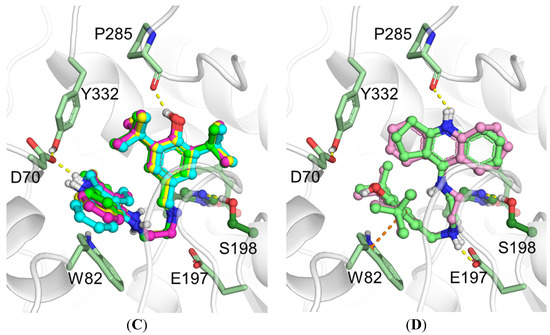
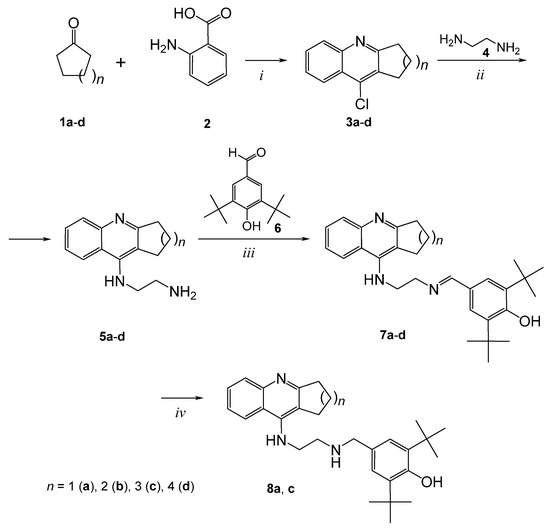
New hybrids of 4-amino-2,3-polymethylenequinoline with different sizes of the aliphatic ring linked to butylated hydroxytoluene (BHT) by enaminoalkyl (7) or aminoalkyl (8) spacers were synthesized as potential multifunctional agents for Alzheimer’s disease (AD) treatment. All compounds were potent inhibitors of acetylcholinesterase (AChE) and butyrylcholinesterase (BChE) with selectivity toward BChE. Lead compound 8c, 2,6-di-tert-butyl-4-{[2-(7,8,9,10- tetrahydro-6H-cyclohepta[b]quinolin-11-ylamino)-ethylimino]-methyl}-phenol exhibited an IC50(AChE) = 1.90 ± 0.16 µM, IC50(BChE) = 0.084 ± 0.008 µM, and 13.6 ± 1.2% propidium displacement at 20 μM. Compounds possessed low activity against carboxylesterase, indicating likely absence of clinically unwanted drug-drug interactions. Kinetics were consistent with mixed-type reversible inhibition of both cholinesterases. Docking indicated binding to catalytic and peripheral AChE sites; peripheral site binding along with propidium displacement suggest the potential of the hybrids to block AChE-induced β-amyloid aggregation, a disease-modifying effect. Compounds demonstrated high antioxidant activity in ABTS and FRAP assays as well as inhibition of luminol chemiluminescence and lipid peroxidation in mouse brain homogenates. Conjugates 8 with amine-containing spacers were better antioxidants than those with enamine spacers 7. Computational ADMET profiles for all compounds predicted good blood-brain barrier distribution (permeability), good intestinal absorption, and medium cardiac toxicity risk. Overall, based on their favorable pharmacological and ADMET profiles, conjugates 8 appear promising as candidates for AD therapeutics. Full article
Show Figures

Graphical abstract

17 pages, 4855 KB  
Article
Biobased Polymers via Radical Homopolymerization and Copolymerization of a Series of Terpenoid-Derived Conjugated Dienes with exo-Methylene and 6-Membered Ring
by Takenori Nishida, Kotaro Satoh and Masami Kamigaito
Molecules 2020, 25(24), 5890; https://doi.org/10.3390/molecules25245890 - 12 Dec 2020
Cited by 15 | Viewed by 4596
Abstract
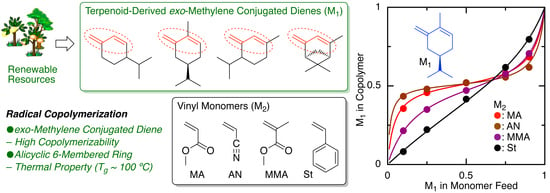
A series of exo-methylene 6-membered ring conjugated dienes, which are directly or indirectly obtained from terpenoids, such as β-phellandrene, carvone, piperitone, and verbenone, were radically polymerized. Although their radical homopolymerizations were very slow, radical copolymerizations proceeded well with various common vinyl monomers, [...] Read more.
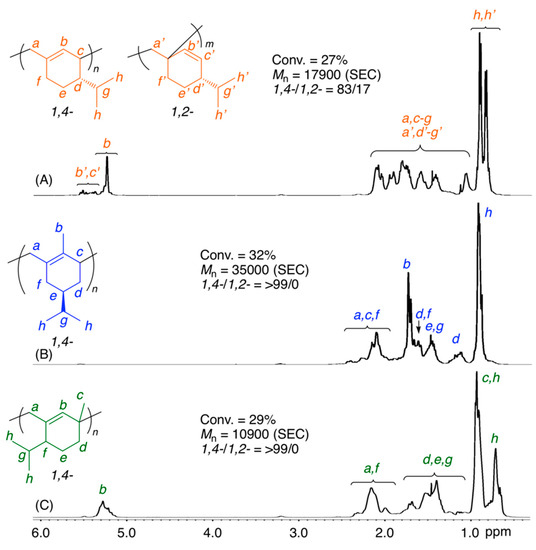
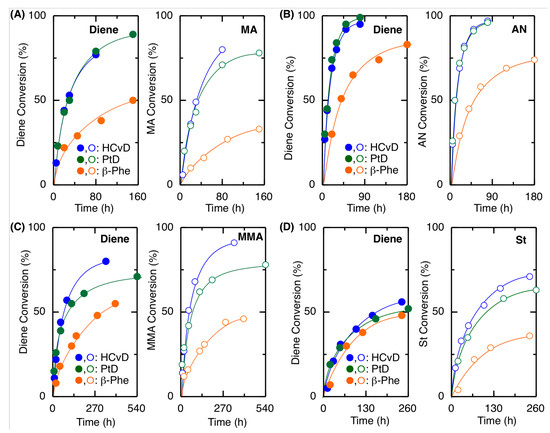
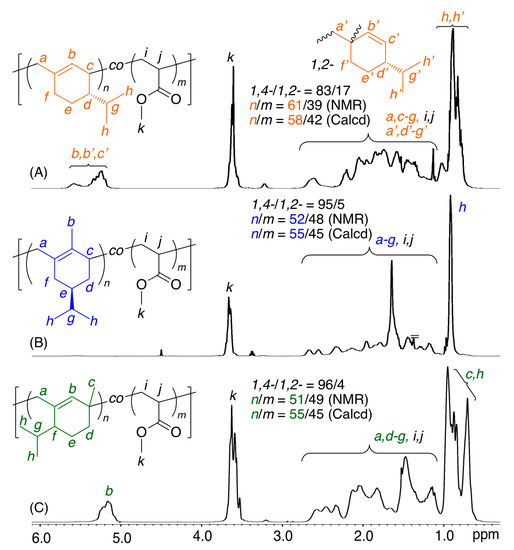
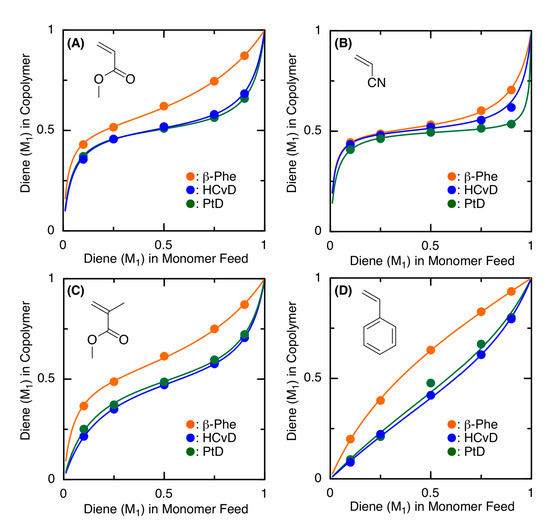
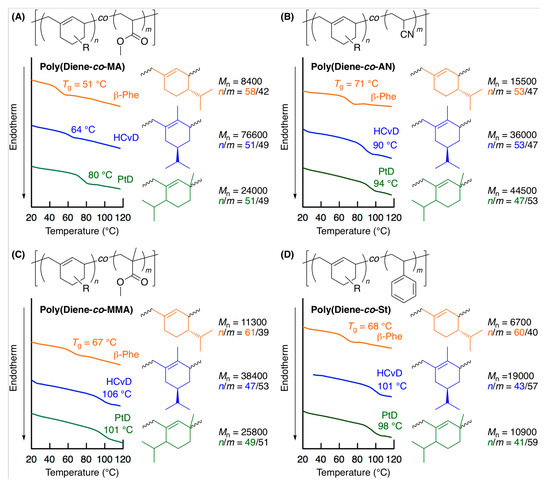
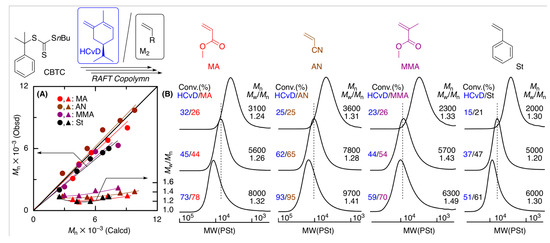
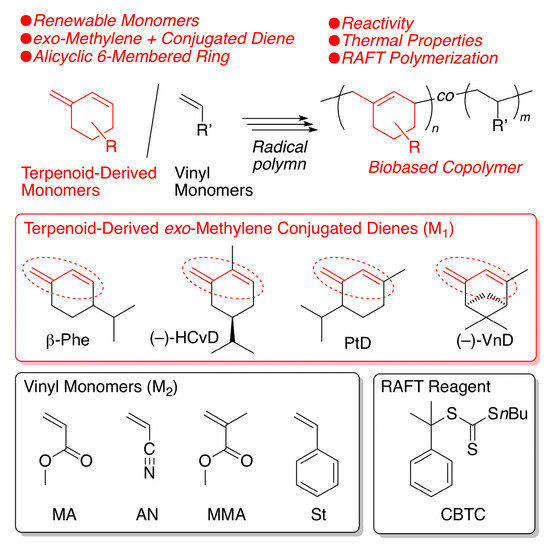
A series of exo-methylene 6-membered ring conjugated dienes, which are directly or indirectly obtained from terpenoids, such as β-phellandrene, carvone, piperitone, and verbenone, were radically polymerized. Although their radical homopolymerizations were very slow, radical copolymerizations proceeded well with various common vinyl monomers, such as methyl acrylate (MA), acrylonitrile (AN), methyl methacrylate (MMA), and styrene (St), resulting in copolymers with comparable incorporation ratios of bio-based cyclic conjugated monomer units ranging from 40 to 60 mol% at a 1:1 feed ratio. The monomer reactivity ratios when using AN as a comonomer were close to 0, whereas those with St were approximately 0.5 to 1, indicating that these diene monomers can be considered electron-rich monomers. Reversible addition fragmentation chain-transfer (RAFT) copolymerizations with MA, AN, MMA, and St were all successful when using S-cumyl-S’-butyl trithiocarbonate (CBTC) as the RAFT agent resulting in copolymers with controlled molecular weights. The copolymers obtained with AN, MMA, or St showed glass transition temperatures (Tg) similar to those of common vinyl polymers (Tg ~ 100 °C), indicating that biobased cyclic structures were successfully incorporated into commodity polymers without losing good thermal properties. Full article
(This article belongs to the Special Issue Natural Polymers and Biopolymers II)
Show Figures

Graphical abstract

14 pages, 896 KB  
Review
Can Natural Polyphenols Help in Reducing Cytokine Storm in COVID-19 Patients?
by Giovanna Giovinazzo, Carmela Gerardi, Caterina Uberti-Foppa and Lucia Lopalco
Molecules 2020, 25(24), 5888; https://doi.org/10.3390/molecules25245888 - 12 Dec 2020
Cited by 45 | Viewed by 6584
Abstract
SARS-CoV-2 first emerged in China during late 2019 and rapidly spread all over the world. Alterations in the inflammatory cytokines pathway represent a strong signature during SARS-COV-2 infection and correlate with poor prognosis and severity of the illness. The hyper-activation of the immune [...] Read more.
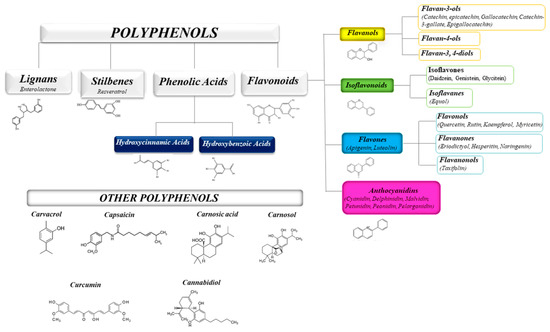
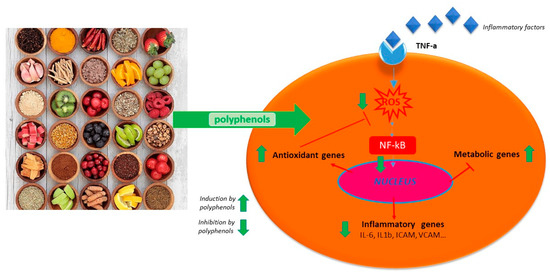
SARS-CoV-2 first emerged in China during late 2019 and rapidly spread all over the world. Alterations in the inflammatory cytokines pathway represent a strong signature during SARS-COV-2 infection and correlate with poor prognosis and severity of the illness. The hyper-activation of the immune system results in an acute severe systemic inflammatory response named cytokine release syndrome (CRS). No effective prophylactic or post-exposure treatments are available, although some anti-inflammatory compounds are currently in clinical trials. Studies of plant extracts and natural compounds show that polyphenols can play a beneficial role in the prevention and the progress of chronic diseases related to inflammation. The aim of this manuscript is to review the published background on the possible effectiveness of polyphenols to fight SARS-COV-2 infection, contributing to the reduction of inflammation. Here, some of the anti-inflammatory therapies are discussed and although great progress has been made though this year, there is no proven cytokine blocking agents for COVID currently used in clinical practice. In this regard, bioactive phytochemicals such as polyphenols may become promising tools to be used as adjuvants in the treatment of SARS-CoV-2 infection. Such nutrients, with anti-inflammatory and antioxidant properties, associated to classical anti-inflammatory drugs, could help in reducing the inflammation in patients with COVID-19. Full article
Show Figures

Figure 1
14 pages, 1371 KB  
Article
Changes in Feed Proanthocyanidin Profiles during Silage Production and Digestion by Lamb
by Marion Girard, Annika Lehtimäki, Giuseppe Bee, Frigga Dohme-Meier, Maarit Karonen and Juha-Pekka Salminen
Molecules 2020, 25(24), 5887; https://doi.org/10.3390/molecules25245887 - 12 Dec 2020
Cited by 5 | Viewed by 2907
Abstract
Proanthocyanidins are plant specialized metabolites which are beneficial to animal nutrition and health. This study determined how proanthocyanidin profiles of sainfoin (Onobrychis viciifolia) and birdsfoot trefoil (Lotus corniculatus) change during the forage conservation process and along the digestive tract [...] Read more.
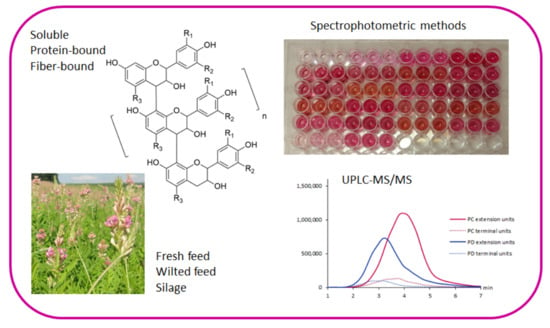
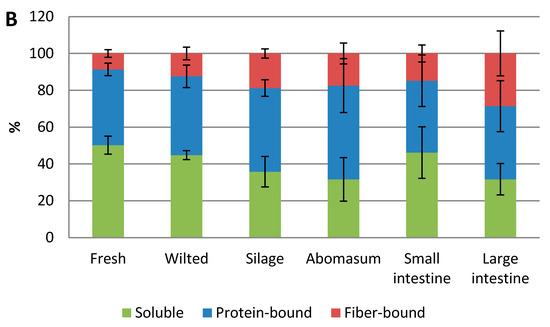
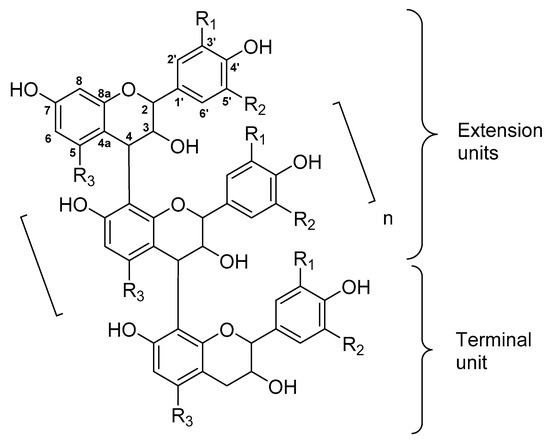
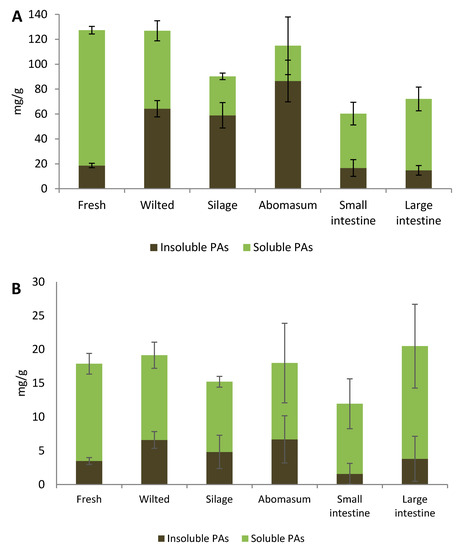
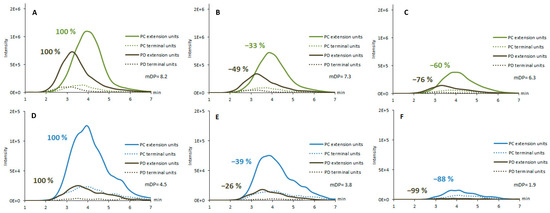
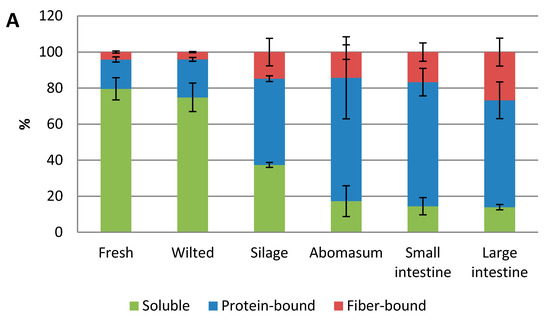
Proanthocyanidins are plant specialized metabolites which are beneficial to animal nutrition and health. This study determined how proanthocyanidin profiles of sainfoin (Onobrychis viciifolia) and birdsfoot trefoil (Lotus corniculatus) change during the forage conservation process and along the digestive tract of lamb. We determined soluble, protein- and fiber-bound proanthocyanidins by spectrophotometric methods and soluble proanthocyanidin profiles by UPLC-MS/MS. During the conservation process, the total proanthocyanidin contents reduced in both forages and the relative proportion of insoluble proanthocyanidins increased, especially in sainfoin. The soluble proanthocyanidins, their mean degree of polymerization and the relative prodelphinidin share declined in both feed species. In the abomasum of lambs fed sainfoin silage, most of the proanthocyanidins were in insoluble form bound to proteins and fibers, but in the small and large intestines, the proportion of soluble proanthocyanidins increased again. For lambs fed birdsfoot trefoil, the trend was not so clear as proanthocyanidins were already mainly soluble in the abomasum. Nevertheless, a large part of soluble proanthocyanidins was recovered in the digestive tract but could not be detected by the UPLC-MS/MS method used. This study suggests that proanthocyanidins have probably been metabolized in the digestive tract by the resident microbiota. Full article
(This article belongs to the Special Issue Tannin Analysis, Chemistry, and Functions)
Show Figures

Graphical abstract

32 pages, 8639 KB  
Review
Styrylpyrazoles: Properties, Synthesis and Transformations
by Pedro M. O. Gomes, Pedro M. S. Ouro, Artur M. S. Silva and Vera L. M. Silva
Molecules 2020, 25(24), 5886; https://doi.org/10.3390/molecules25245886 - 12 Dec 2020
Cited by 18 | Viewed by 5392
Abstract
The pyrazole nucleus and its reduced forms, pyrazolines and pyrazolidine, are privileged scaffolds in medicinal chemistry due to their remarkable biological activities. A huge number of pyrazole derivatives have been studied and reported over time. This review article gives an overview of pyrazole [...] Read more.
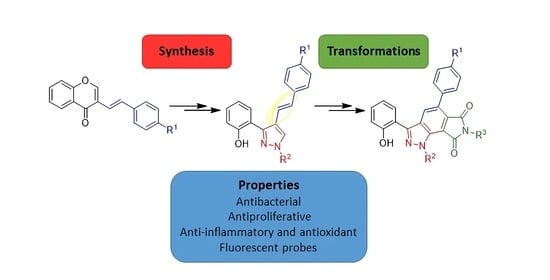
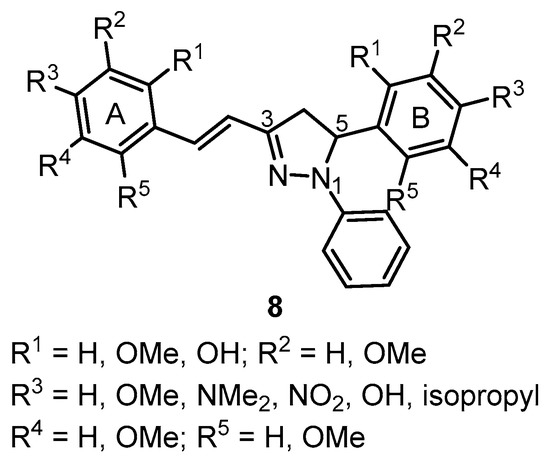
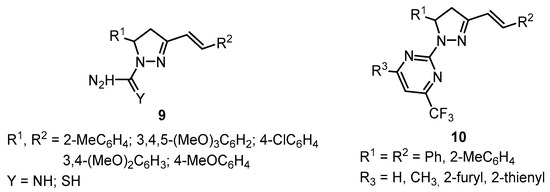
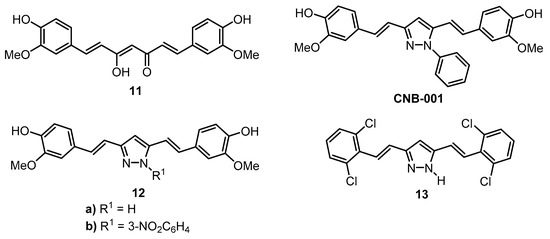
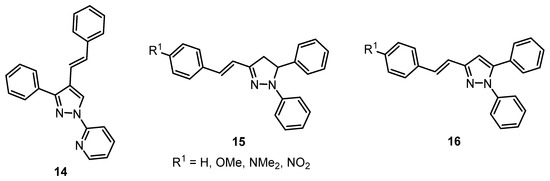
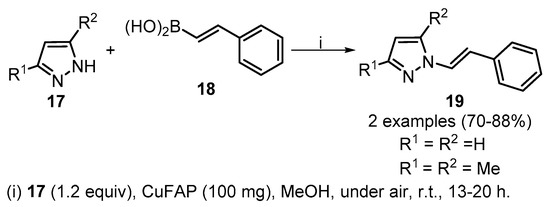
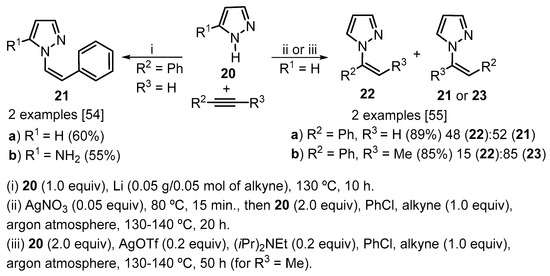
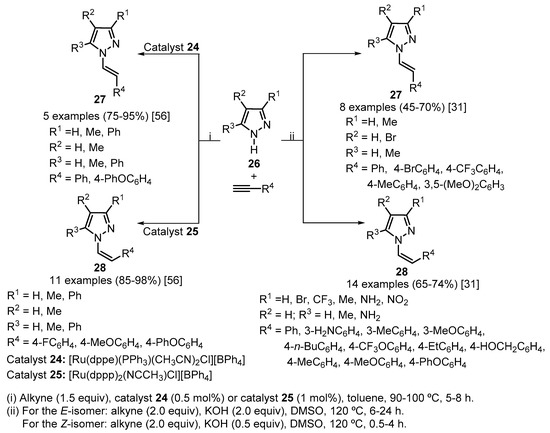
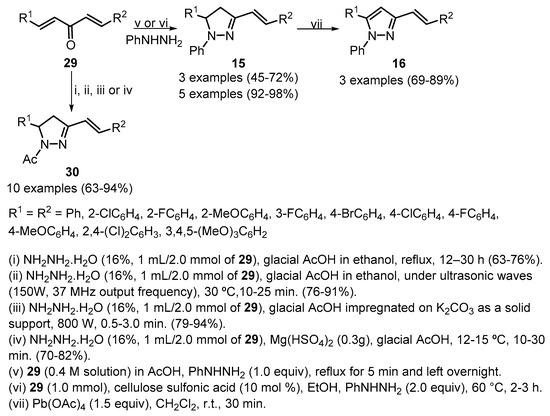
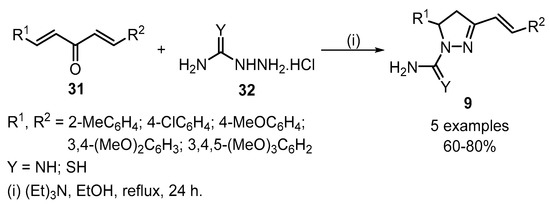
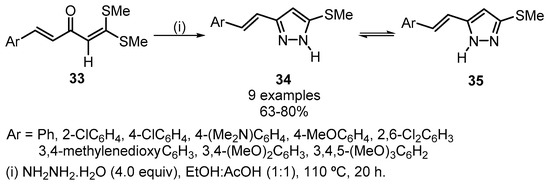
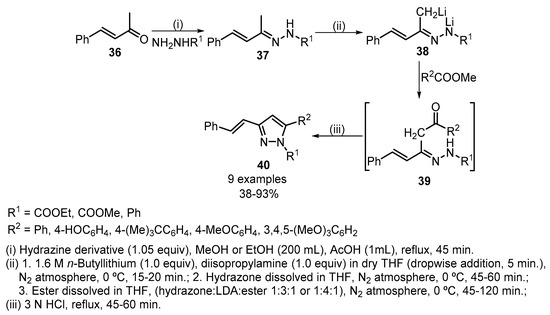
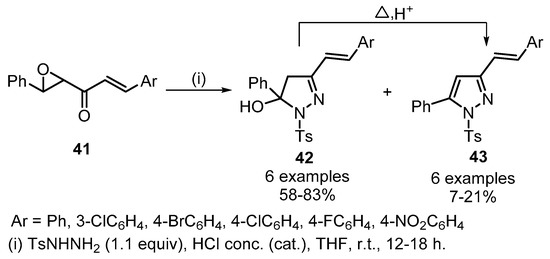
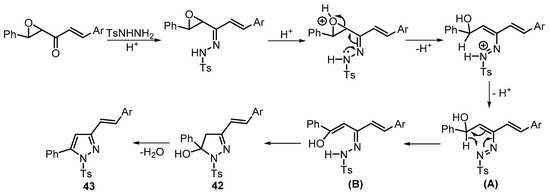
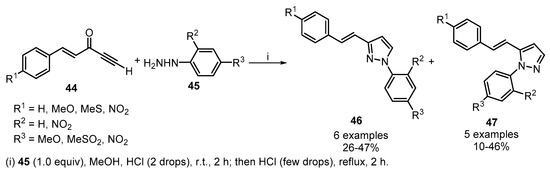
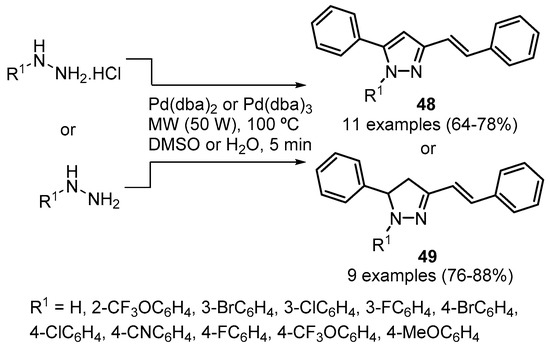
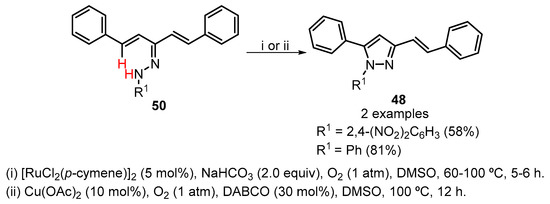
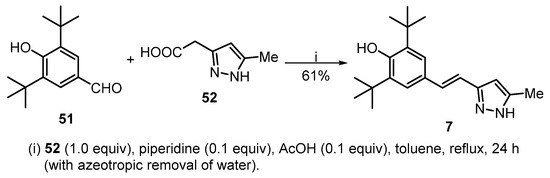
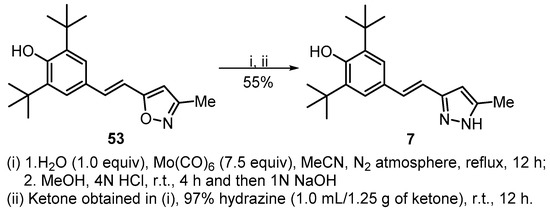
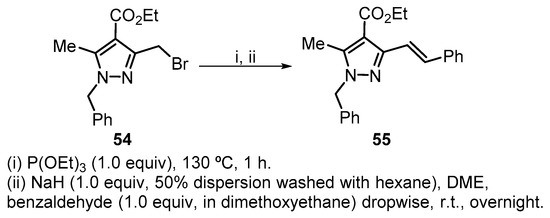
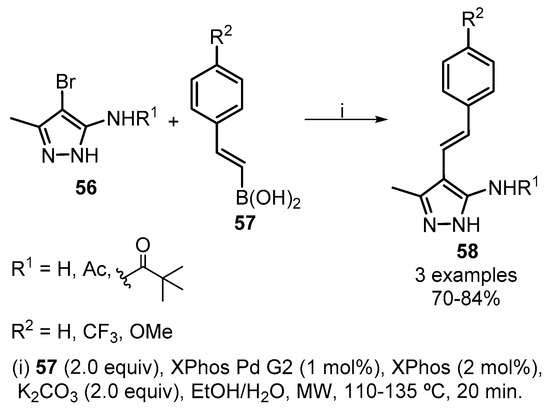
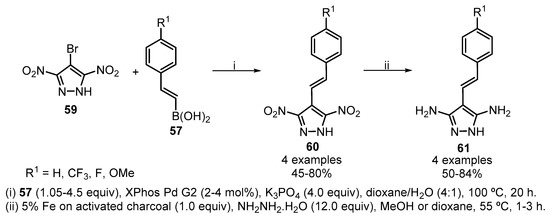
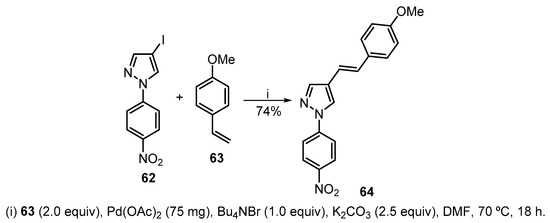
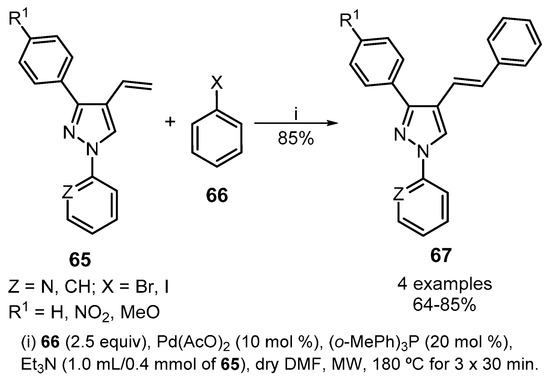
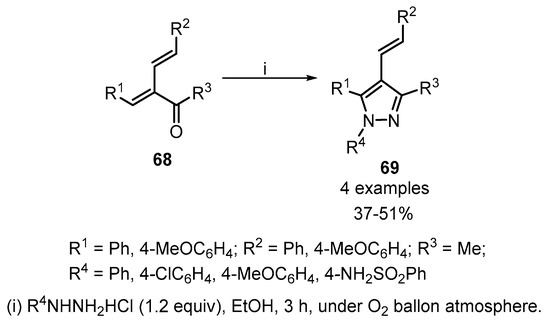
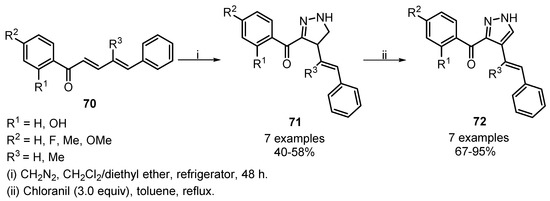
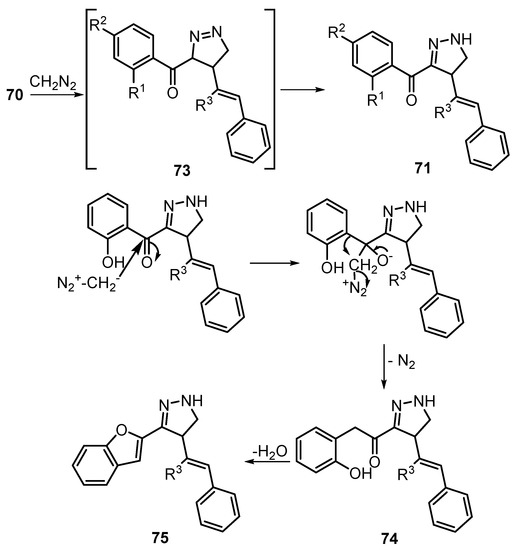
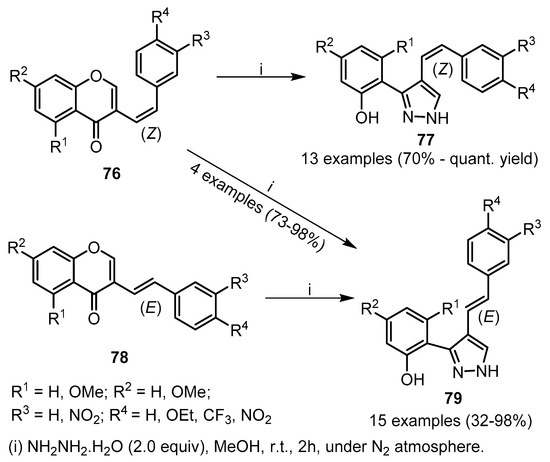
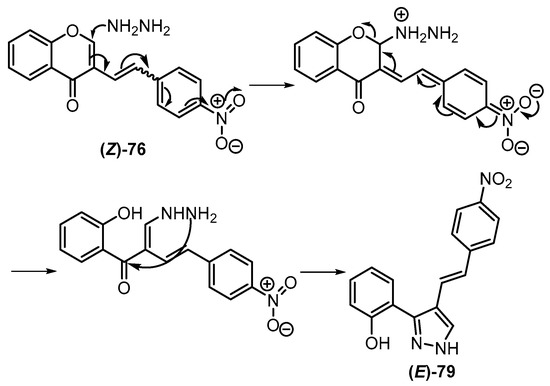
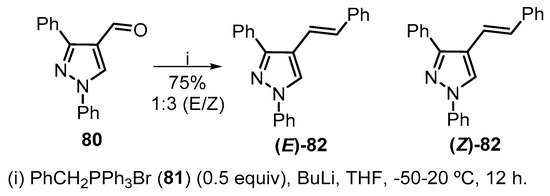
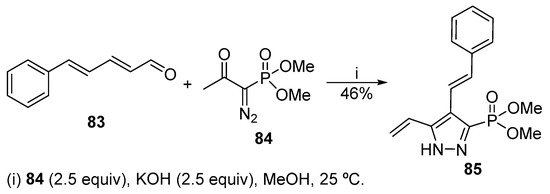
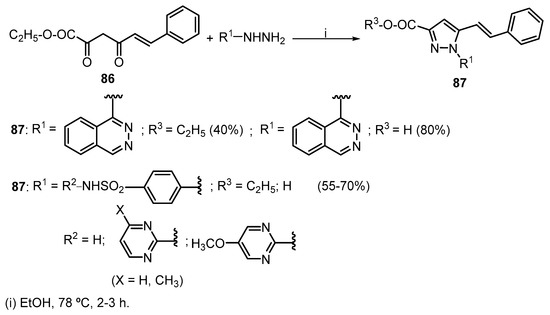
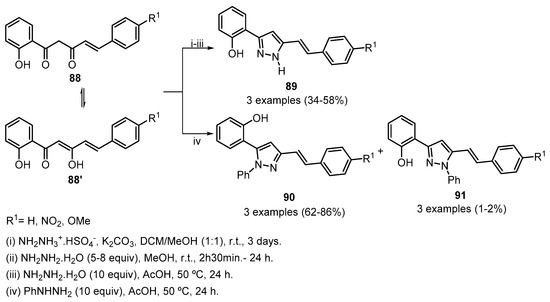
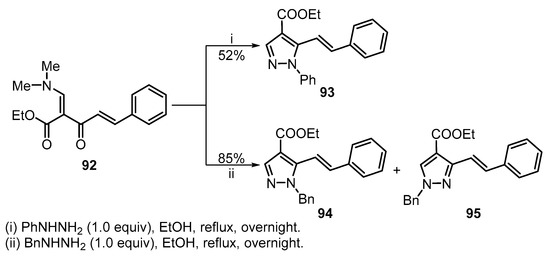
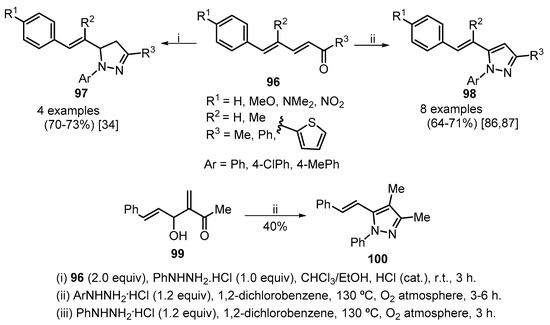
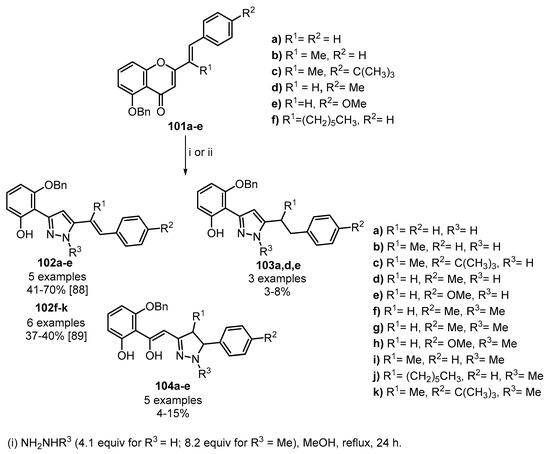
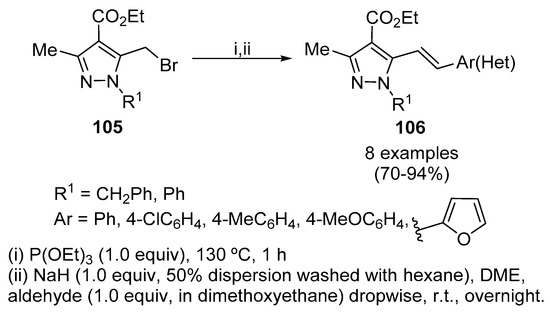
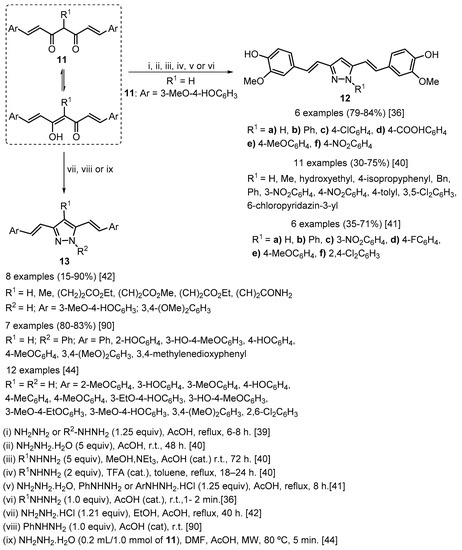
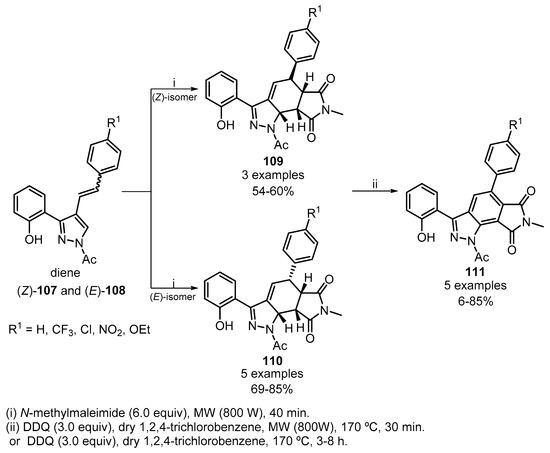
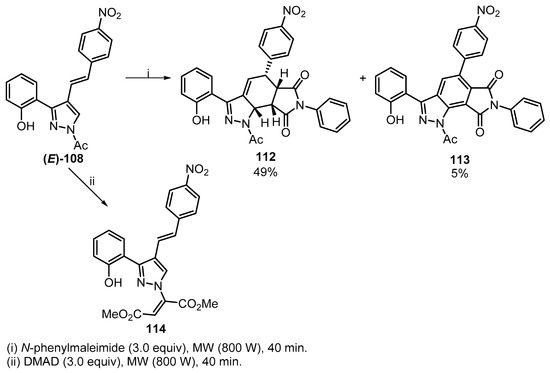
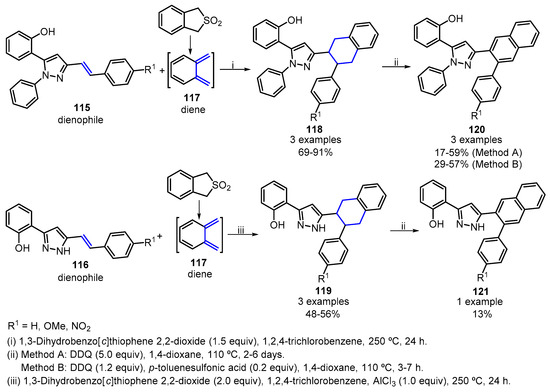
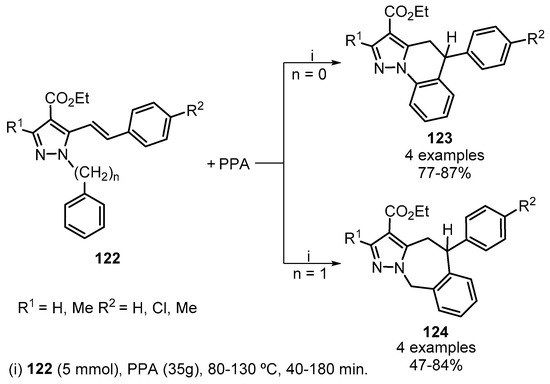
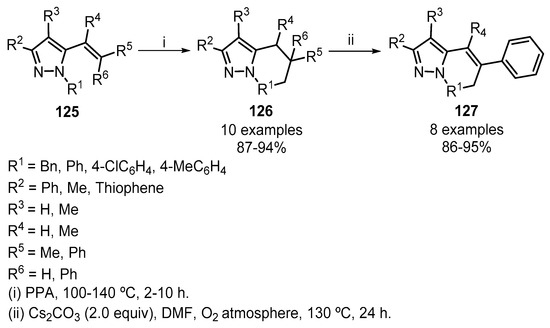
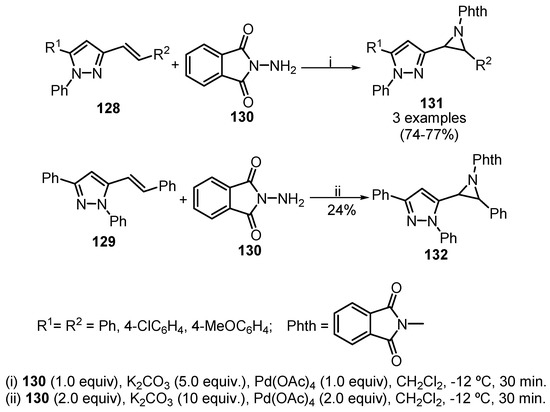
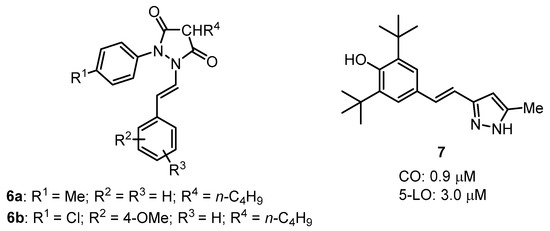
The pyrazole nucleus and its reduced forms, pyrazolines and pyrazolidine, are privileged scaffolds in medicinal chemistry due to their remarkable biological activities. A huge number of pyrazole derivatives have been studied and reported over time. This review article gives an overview of pyrazole derivatives that contain a styryl (2-arylvinyl) group linked in different positions of the pyrazole backbone. Although there are studies on the synthesis of styrylpyrazoles dating back to the 1970s and even earlier, this type of compound has rarely been studied. This timely review intends to summarize the properties, biological activity, methods of synthesis and transformation of styrylpyrazoles; thus, highlighting the interest and huge potential for application of this kind of compound. Full article
Show Figures

Graphical abstract

17 pages, 2629 KB  
Article
Characterization of α-Glucosidase Inhibitors from Psychotria malayana Jack Leaves Extract Using LC-MS-Based Multivariate Data Analysis and In-Silico Molecular Docking
by Tanzina Sharmin Nipun, Alfi Khatib, Zalikha Ibrahim, Qamar Uddin Ahmed, Irna Elina Redzwan, Mohd Zuwairi Saiman, Farahaniza Supandi, Riesta Primaharinastiti and Hesham R. El-Seedi
Molecules 2020, 25(24), 5885; https://doi.org/10.3390/molecules25245885 - 12 Dec 2020
Cited by 23 | Viewed by 5122
Abstract
Psychotria malayana Jack has traditionally been used to treat diabetes. Despite its potential, the scientific proof in relation to this plant is still lacking. Thus, the present study aimed to investigate the α-glucosidase inhibitors in P.malayana leaf extracts using a metabolomics [...] Read more.
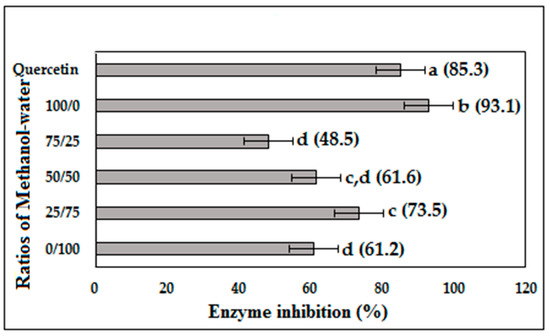
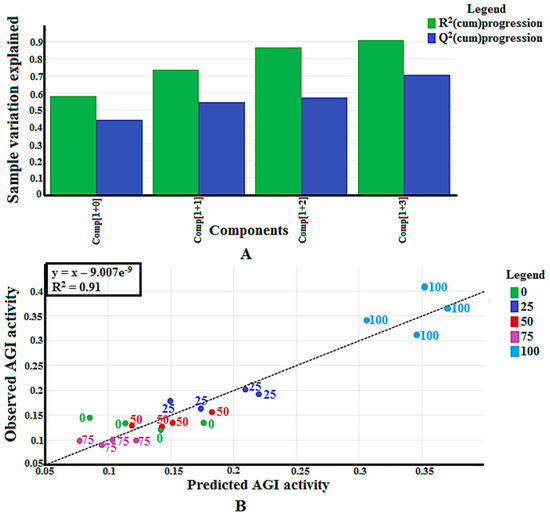
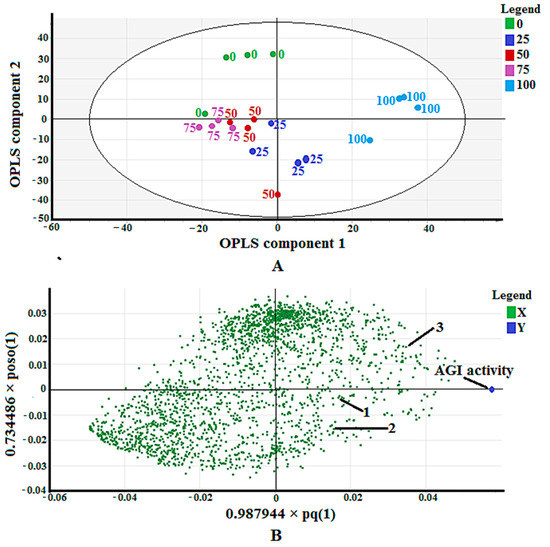
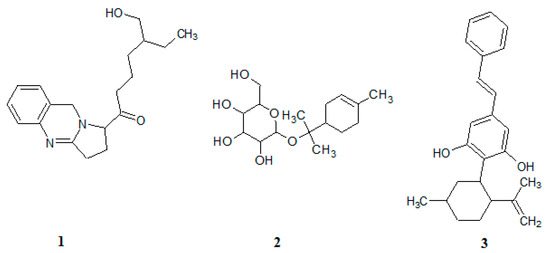
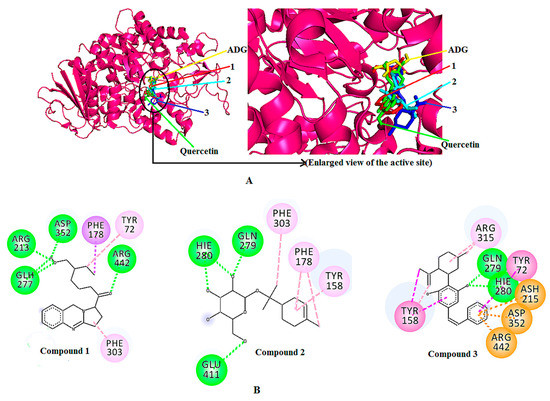
Psychotria malayana Jack has traditionally been used to treat diabetes. Despite its potential, the scientific proof in relation to this plant is still lacking. Thus, the present study aimed to investigate the α-glucosidase inhibitors in P.malayana leaf extracts using a metabolomics approach and to elucidate the ligand–protein interactions through in silico techniques. The plant leaves were extracted with methanol and water at five various ratios (100, 75, 50, 25 and 0% v/v; water–methanol). Each extract was tested for α-glucosidase inhibition, followed by analysis using liquid chromatography tandem to mass spectrometry. The data were further subjected to multivariate data analysis by means of an orthogonal partial least square in order to correlate the chemical profile and the bioactivity. The loading plots revealed that the m/z signals correspond to the activity of α-glucosidase inhibitors, which led to the identification of three putative bioactive compounds, namely 5′-hydroxymethyl-1′-(1, 2, 3, 9-tetrahydro-pyrrolo (2, 1-b) quinazolin-1-yl)-heptan-1′-one (1), α-terpinyl-β-glucoside (2), and machaeridiol-A (3). Molecular docking of the identified inhibitors was performed using Auto Dock Vina software against the crystal structure of Saccharomyces cerevisiae isomaltase (Protein Data Bank code: 3A4A). Four hydrogen bonds were detected in the docked complex, involving several residues, namely ASP352, ARG213, ARG442, GLU277, GLN279, HIE280, and GLU411. Compound 1, 2, and 3 showed binding affinity values of −8.3, −7.6, and −10.0 kcal/mol, respectively, which indicate the good binding ability of the compounds towards the enzyme when compared to that of quercetin, a known α-glucosidase inhibitor. The three identified compounds that showed potential binding affinity towards the enzymatic protein in molecular docking interactions could be the bioactive compounds associated with the traditional use of this plant. Full article
Show Figures

Figure 1
27 pages, 1939 KB  
Article
Risk of Mercury Ingestion from Canned Fish in Poland
by Aleksandra Pawlaczyk, Anna Przerywacz, Magdalena Gajek and Malgorzata Iwona Szynkowska-Jozwik
Molecules 2020, 25(24), 5884; https://doi.org/10.3390/molecules25245884 - 12 Dec 2020
Cited by 11 | Viewed by 6629
Abstract
In this study, total mercury content was determined in 84 canned fish corresponding to commonly consumed brands (over 14 different producers), which were purchased from local markets in Poland in the years 2019–2020. For comparison purposes, samples of both the matrix in which [...] Read more.
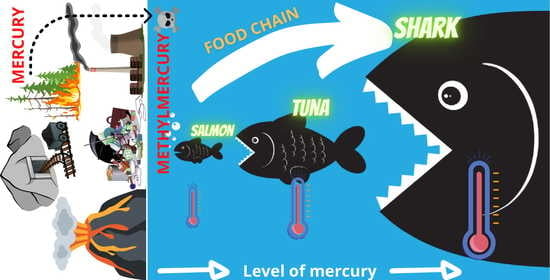
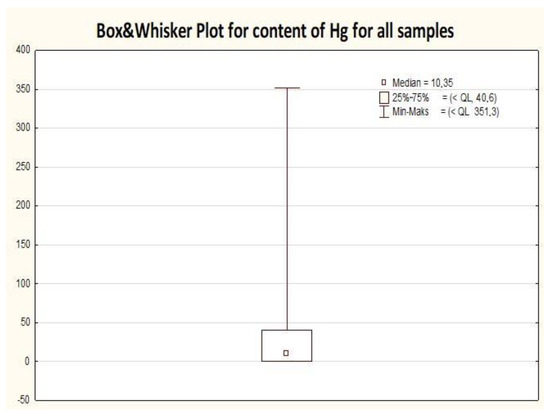
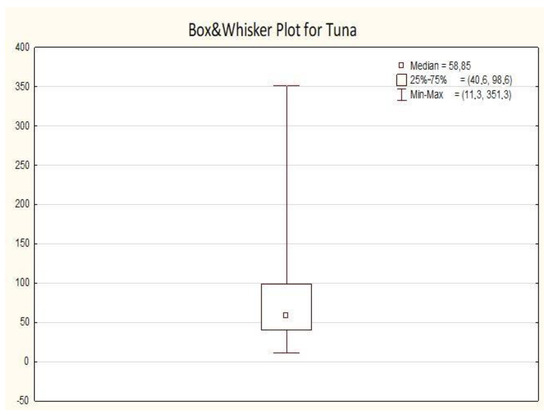
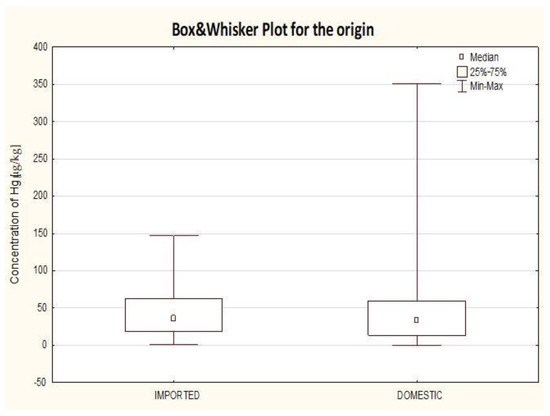
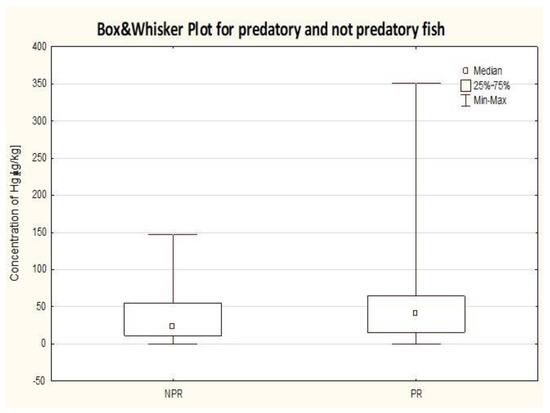
In this study, total mercury content was determined in 84 canned fish corresponding to commonly consumed brands (over 14 different producers), which were purchased from local markets in Poland in the years 2019–2020. For comparison purposes, samples of both the matrix in which the fish were kept along with the seafood samples were measured. The analyses were carried out using the cold vapor AAS technique. Statistical analyses were employed to identify significant differences in mercury content in relation to the selected criteria such as fish species, type of fish (predatory, non-predatory) and the producer brand. The obtained results were compared against domestic and international standards as well as with the literature data in order to evaluate the safety of the canned fish consumption. The study revealed that none of canned fish exceeded the acceptable levels set by the FAO/WHO. The highest amount of Hg was recorded for canned tuna (maximum 351.30 µg/kg, mean 74.38 µg/kg). Further, the estimated tolerable dose of weekly mercury intake suggests that the consumption of over 1.8 cans of fish with the highest mean mercury content should not pose a risk to consumers in Poland according to international standards. Among the ten highest mean results for mercury, five of them belonged to canned tuna (Bonito species) kept in different matrices. These consisted of seven domestic and three imported brands of fish products, which is a worrying message for a local community. Mercury content in predatory fish differed significantly from the results gathered for non-predatory fish and the total amount of mercury in studied canned fish corresponded to their status in the aquatic food chain. Moreover, significant differences were stated between various fish species and fishing areas. Fish caught in the Atlantic Ocean (cod and herring) presented higher mercury content than the ones from closed seas. Full article
(This article belongs to the Special Issue Trends in Environmental Analytical Chemistry)
Show Figures

Graphical abstract

16 pages, 8892 KB  
Article
Bioresearch of New 1H-pyrrolo[3,4-c]pyridine-1,3(2H)-diones
by Dominika Szkatuła, Edward Krzyżak, Szczepan Mogilski, Jacek Sapa, Barbara Filipek and Piotr Świątek
Molecules 2020, 25(24), 5883; https://doi.org/10.3390/molecules25245883 - 12 Dec 2020
Cited by 5 | Viewed by 4593
Abstract
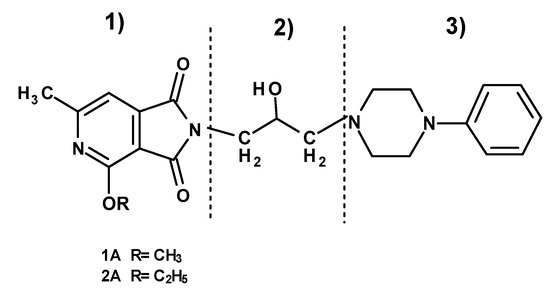
The subject of the work was the synthesis of new derivatives of1H-pyrrolo[3,4-c]pyridine-1,3(2H)-dione with potential analgesic and sedative activity. Eight compounds werereceived. The analgesic activity of the new compounds was confirmed in the “hot plate” test and in the “writhing” [...] Read more.
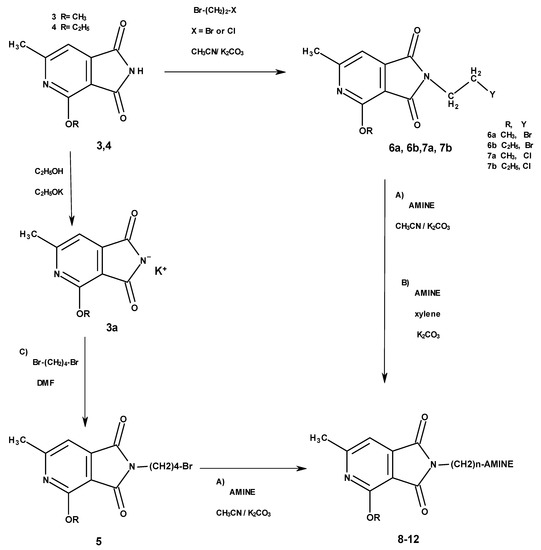
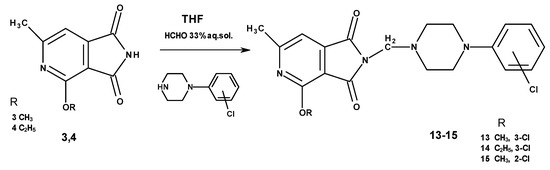
The subject of the work was the synthesis of new derivatives of1H-pyrrolo[3,4-c]pyridine-1,3(2H)-dione with potential analgesic and sedative activity. Eight compounds werereceived. The analgesic activity of the new compounds was confirmed in the “hot plate” test and in the “writhing” test. All tested imides 815 were more active in the “writhing” test than aspirin, and two of them, 9 and 11, were similar to morphine. In addition, all of the new imides inhibited the locomotor activity in mice to a statistically significant extent, and two of them also prolonged the duration of thiopental sleep.On the basis of the results obtained for the previously synthesized imides and the results presented in this paper, an attempt was madeto determine the relationship between thechemical structure of imides and their analgesic and sedativeproperties. Full article
(This article belongs to the Special Issue Indole and Its Bioisosteric Replacements in Medicinal Chemistry)
Show Figures

Figure 1
20 pages, 12318 KB  
Article
Limonene Derivative of Spherosilicate as a Polylactide Modifier for Applications in 3D Printing Technology
by Dariusz Brząkalski, Bogna Sztorch, Miłosz Frydrych, Daria Pakuła, Kamil Dydek, Rafał Kozera, Anna Boczkowska, Bogdan Marciniec and Robert E. Przekop
Molecules 2020, 25(24), 5882; https://doi.org/10.3390/molecules25245882 - 12 Dec 2020
Cited by 24 | Viewed by 4234
Abstract
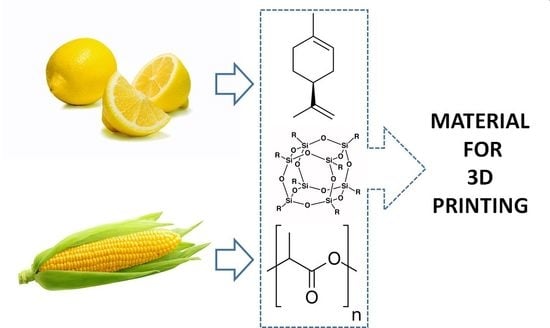
The first report of using limonene derivative of a spherosilicate as a modifier of polylactide used for 3D printing and injection moulding is presented. The paper presents the use of limonene-functionalized spherosilicate derivative as a functional additive. The study compared the material characteristics [...] Read more.
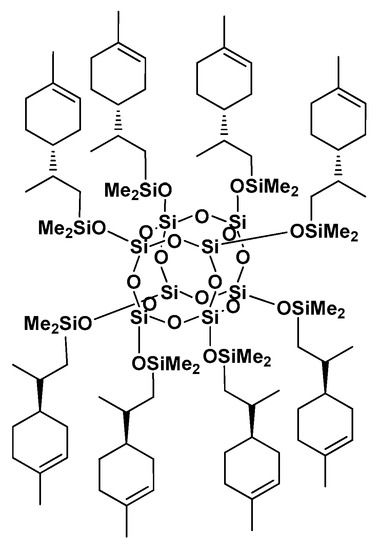
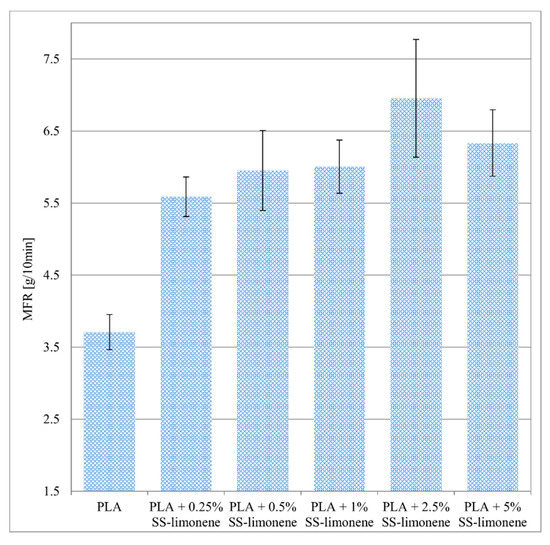
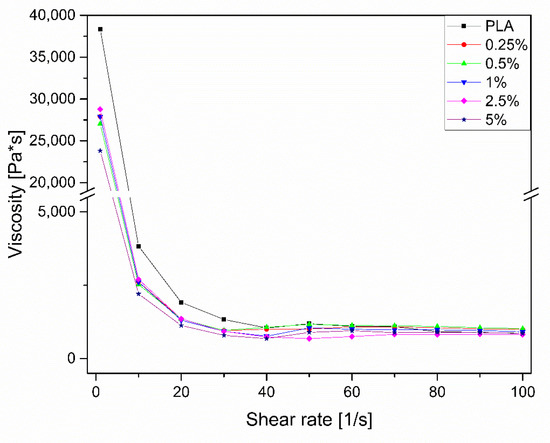
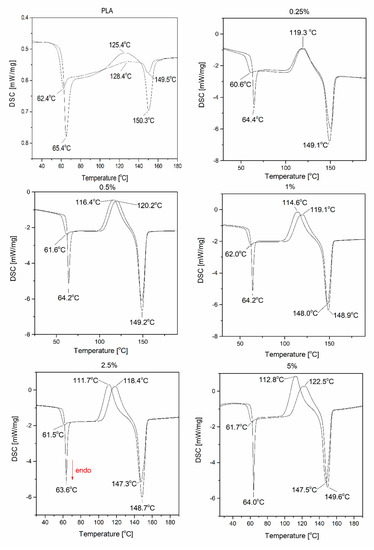
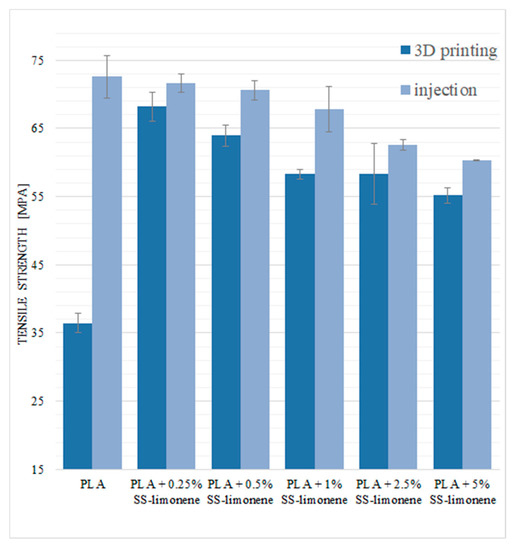
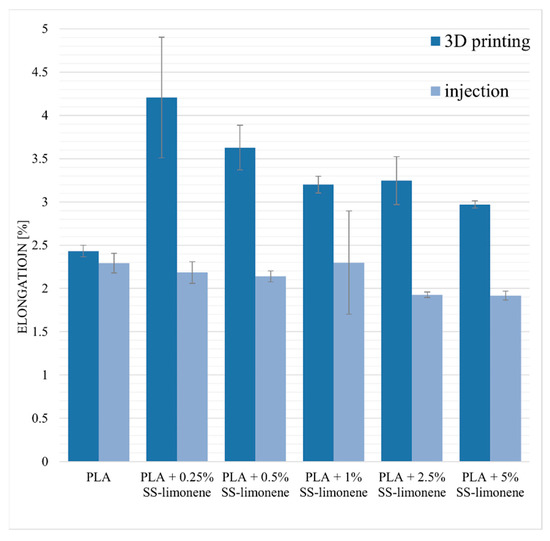
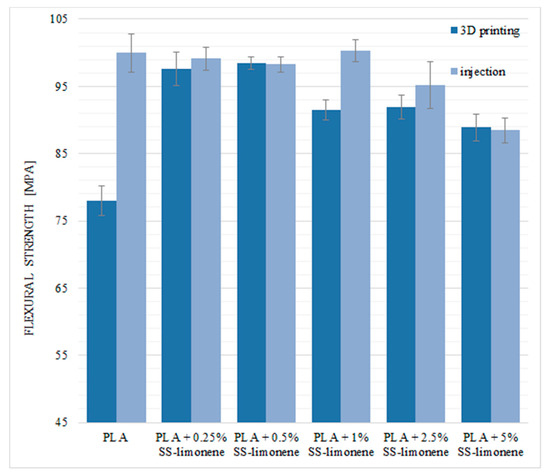
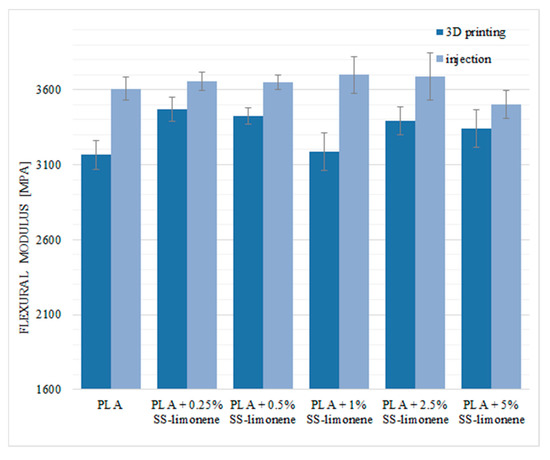
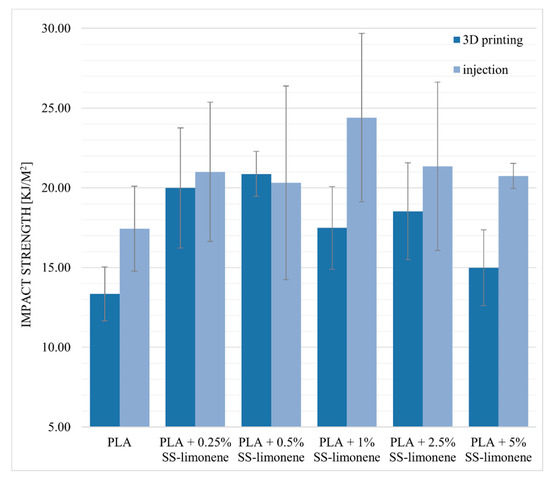
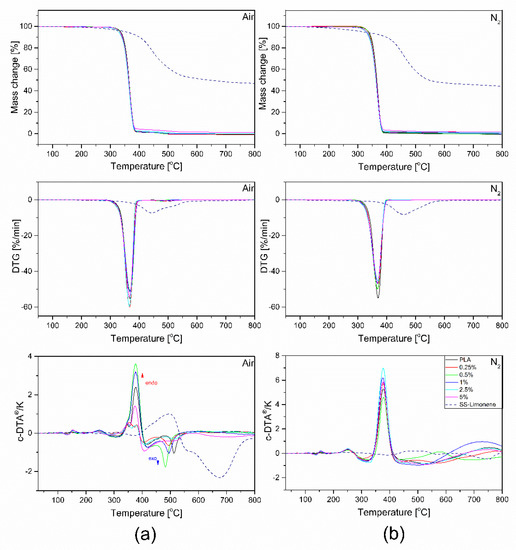
The first report of using limonene derivative of a spherosilicate as a modifier of polylactide used for 3D printing and injection moulding is presented. The paper presents the use of limonene-functionalized spherosilicate derivative as a functional additive. The study compared the material characteristics of polylactide modified with SS-Limonene (0.25–5.0% w/w) processed with traditional injection moulding and 3D printing (FFF, FDM). A significant improvement in the processing properties concerning rheology, inter-layer adhesion, and mechanical properties was achieved, which translated into the quality of the print and reduction of waste production. Moreover, the paper describes the elementary stages of thermal transformations of the obtained hybrid systems. Full article
Show Figures

Graphical abstract

17 pages, 6650 KB  
Article
The Anti-Cancer Effect of Linusorb B3 from Flaxseed Oil through the Promotion of Apoptosis, Inhibition of Actin Polymerization, and Suppression of Src Activity in Glioblastoma Cells
by Nak Yoon Sung, Deok Jeong, Youn Young Shim, Zubair Ahmed Ratan, Young-Jin Jang, Martin J. T. Reaney, Sarah Lee, Byoung-Hee Lee, Jong-Hoon Kim, Young-Su Yi and Jae Youl Cho
Molecules 2020, 25(24), 5881; https://doi.org/10.3390/molecules25245881 - 12 Dec 2020
Cited by 27 | Viewed by 4320
Abstract
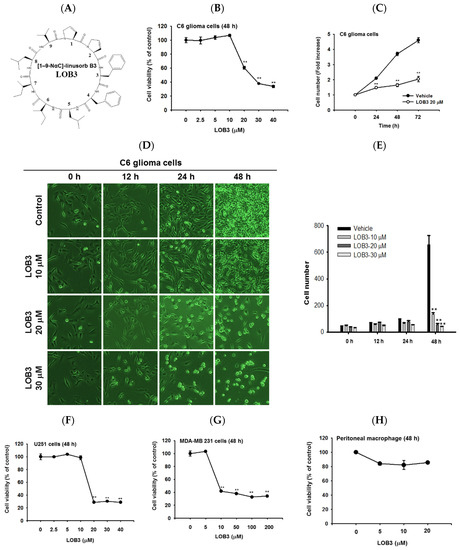
Linusorbs (LOs) are natural peptides found in flaxseed oil that exert various biological activities. Of LOs, LOB3 ([1–9-NαC]-linusorb B3) was reported to have antioxidative and anti-inflammatory activities; however, its anti-cancer activity has been poorly understood. Therefore, this study investigated the anti-cancer effect of [...] Read more.
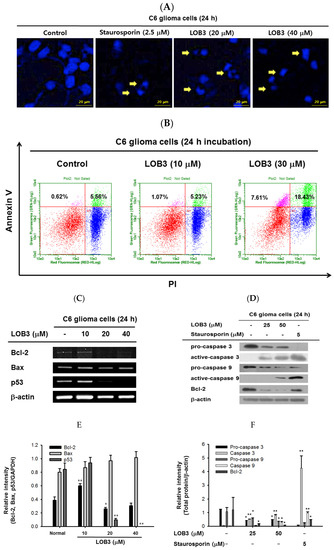
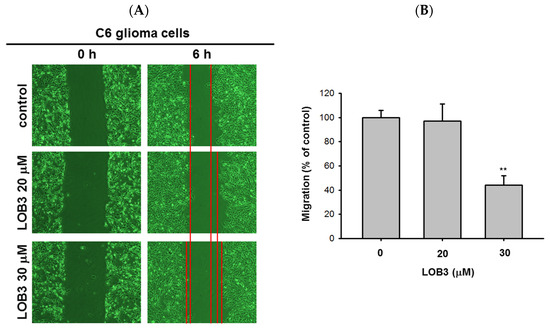
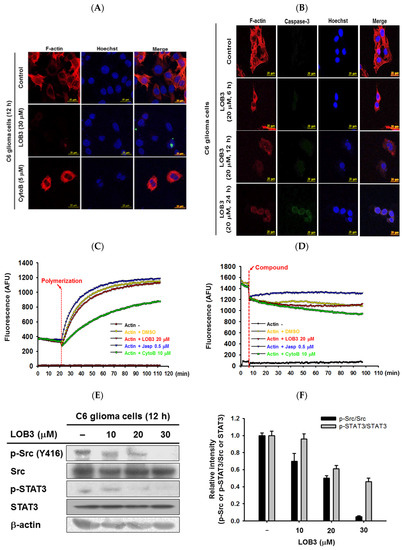
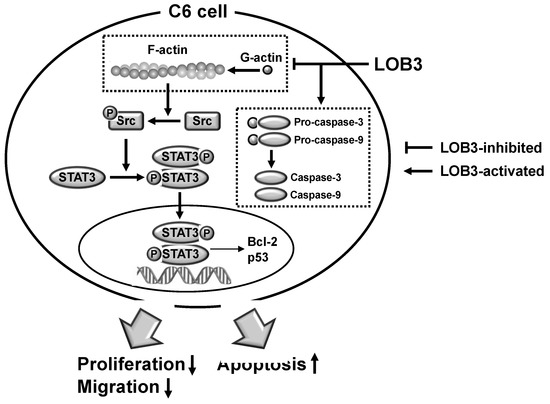
Linusorbs (LOs) are natural peptides found in flaxseed oil that exert various biological activities. Of LOs, LOB3 ([1–9-NαC]-linusorb B3) was reported to have antioxidative and anti-inflammatory activities; however, its anti-cancer activity has been poorly understood. Therefore, this study investigated the anti-cancer effect of LOB3 and its underlying mechanism in glioblastoma cells. LOB3 induced apoptosis and suppressed the proliferation of C6 cells by inhibiting the expression of anti-apoptotic genes, B cell lymphoma 2 (Bcl-2) and p53, as well as promoting the activation of pro-apoptotic caspases, caspase-3 and -9. LOB3 also retarded the migration of C6 cells, which was achieved by suppressing the formation of the actin cytoskeleton critical for the progression, invasion, and metastasis of cancer. Moreover, LOB3 inhibited the activation of the proto-oncogene, Src, and the downstream effector, signal transducer and activator of transcription 3 (STAT3), in C6 cells. Taken together, these results suggest that LOB3 plays an anti-cancer role by inducing apoptosis and inhibiting the migration of C6 cells through the regulation of apoptosis-related molecules, actin polymerization, and proto-oncogenes. Full article
(This article belongs to the Special Issue Biological and Pharmacological Activity of Plant Natural Compounds II)
Show Figures

Figure 1
21 pages, 384 KB  
Review
Manganese Accumulation in the Brain via Various Transporters and Its Neurotoxicity Mechanisms
by Ivan Nyarko-Danquah, Edward Pajarillo, Alexis Digman, Karam F. A. Soliman, Michael Aschner and Eunsook Lee
Molecules 2020, 25(24), 5880; https://doi.org/10.3390/molecules25245880 - 12 Dec 2020
Cited by 73 | Viewed by 7791
Abstract
Manganese (Mn) is an essential trace element, serving as a cofactor for several key enzymes, such as glutamine synthetase, arginase, pyruvate decarboxylase, and mitochondrial superoxide dismutase. However, its chronic overexposure can result in a neurological disorder referred to as manganism, presenting symptoms similar [...] Read more.
Manganese (Mn) is an essential trace element, serving as a cofactor for several key enzymes, such as glutamine synthetase, arginase, pyruvate decarboxylase, and mitochondrial superoxide dismutase. However, its chronic overexposure can result in a neurological disorder referred to as manganism, presenting symptoms similar to those inherent to Parkinson’s disease. The pathological symptoms of Mn-induced toxicity are well-known, but the underlying mechanisms of Mn transport to the brain and cellular toxicity leading to Mn’s neurotoxicity are not completely understood. Mn’s levels in the brain are regulated by multiple transporters responsible for its uptake and efflux, and thus, dysregulation of these transporters may result in Mn accumulation in the brain, causing neurotoxicity. Its distribution and subcellular localization in the brain and associated subcellular toxicity mechanisms have also been extensively studied. This review highlights the presently known Mn transporters and their roles in Mn-induced neurotoxicity, as well as subsequent molecular and cellular dysregulation upon its intracellular uptakes, such as oxidative stress, neuroinflammation, disruption of neurotransmission, α-synuclein aggregation, and amyloidogenesis. Full article
20 pages, 1562 KB  
Review
The Role of Epigenetic Functionalization of Implants and Biomaterials in Osseointegration and Bone Regeneration—A Review
by Farah Asa’ad, Goda Pelanyte, Jincy Philip, Christer Dahlin and Lena Larsson
Molecules 2020, 25(24), 5879; https://doi.org/10.3390/molecules25245879 - 12 Dec 2020
Cited by 14 | Viewed by 5343
Abstract
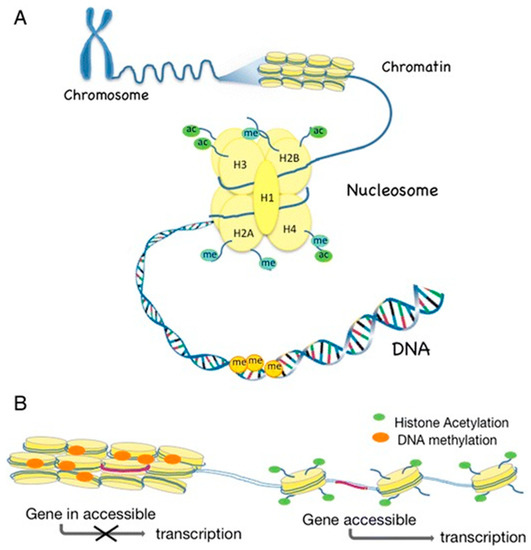
The contribution of epigenetic mechanisms as a potential treatment model has been observed in cancer and autoimmune/inflammatory diseases. This review aims to put forward the epigenetic mechanisms as a promising strategy in implant surface functionalization and modification of biomaterials, to promote better osseointegration [...] Read more.
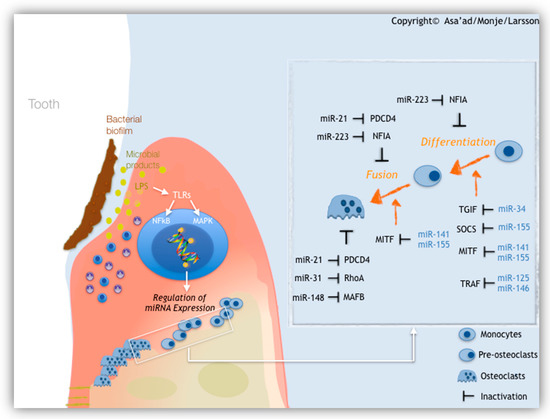
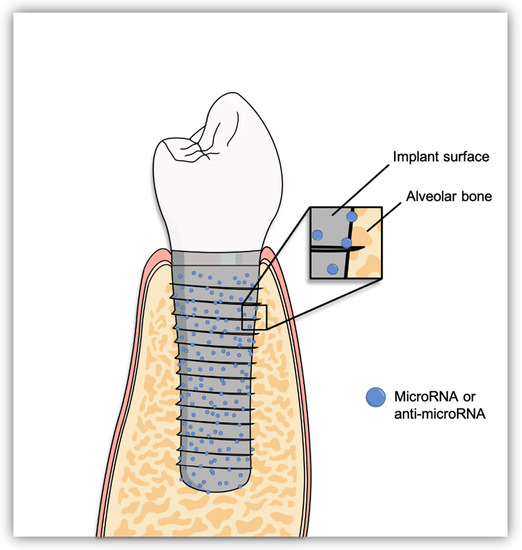
The contribution of epigenetic mechanisms as a potential treatment model has been observed in cancer and autoimmune/inflammatory diseases. This review aims to put forward the epigenetic mechanisms as a promising strategy in implant surface functionalization and modification of biomaterials, to promote better osseointegration and bone regeneration, and could be applicable for alveolar bone regeneration and osseointegration in the future. Materials and Methods: Electronic and manual searches of the literature in PubMed, MEDLINE, and EMBASE were conducted, using a specific search strategy limited to publications in the last 5 years to identify preclinical studies in order to address the following focused questions: (i) Which, if any, are the epigenetic mechanisms used to functionalize implant surfaces to achieve better osseointegration? (ii) Which, if any, are the epigenetic mechanisms used to functionalize biomaterials to achieve better bone regeneration? Results: Findings from several studies have emphasized the role of miRNAs in functionalizing implants surfaces and biomaterials to promote osseointegration and bone regeneration, respectively. However, there are scarce data on the role of DNA methylation and histone modifications for these specific applications, despite being commonly applied in cancer research. Conclusions: Studies over the past few years have demonstrated that biomaterials are immunomodulatory rather than inert materials. In this context, epigenetics can act as next generation of advanced treatment tools for future regenerative techniques. Yet, there is a need to evaluate the efficacy/cost effectiveness of these techniques in comparison to current standards of care. Full article
(This article belongs to the Special Issue Biomaterials for Hard Tissue Regeneration)
Show Figures

Figure 1
33 pages, 2010 KB  
Review
Encapsulation of Flavours and Fragrances into Polymeric Capsules and Cyclodextrins Inclusion Complexes: An Update
by Diego Romano Perinelli, Giovanni Filippo Palmieri, Marco Cespi and Giulia Bonacucina
Molecules 2020, 25(24), 5878; https://doi.org/10.3390/molecules25245878 - 11 Dec 2020
Cited by 88 | Viewed by 19931
Abstract
Flavours and fragrances are volatile compounds of large interest for different applications. Due to their high tendency of evaporation and, in most cases, poor chemical stability, these compounds need to be encapsulated for handling and industrial processing. Encapsulation, indeed, resulted in being effective [...] Read more.
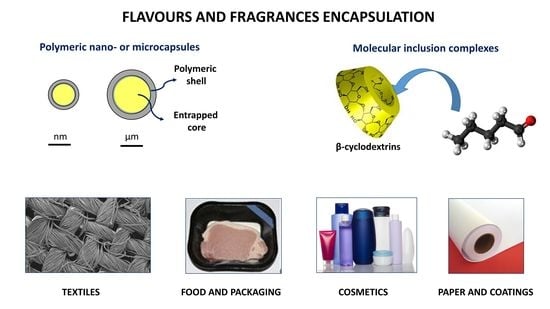
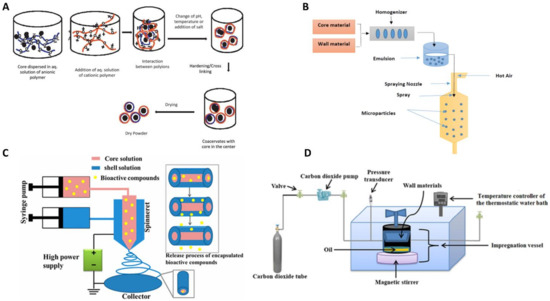
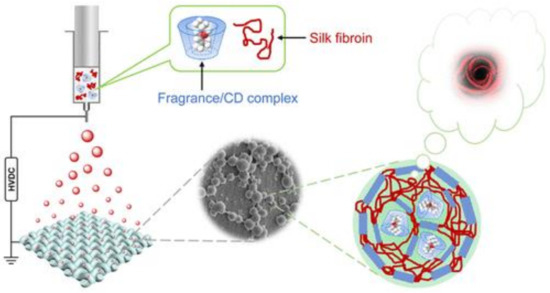
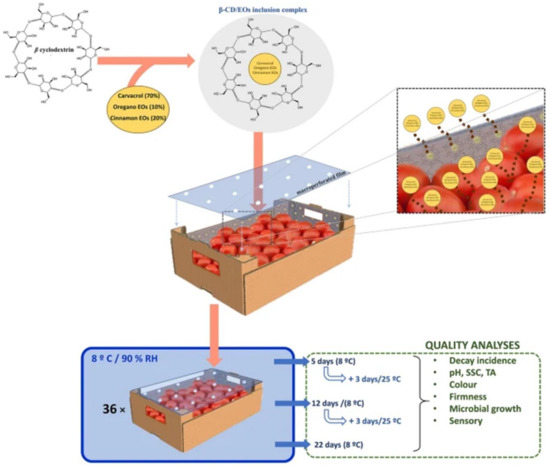
Flavours and fragrances are volatile compounds of large interest for different applications. Due to their high tendency of evaporation and, in most cases, poor chemical stability, these compounds need to be encapsulated for handling and industrial processing. Encapsulation, indeed, resulted in being effective at overcoming the main concerns related to volatile compound manipulation, and several industrial products contain flavours and fragrances in an encapsulated form for the final usage of customers. Although several organic or inorganic materials have been investigated for the production of coated micro- or nanosystems intended for the encapsulation of fragrances and flavours, polymeric coating, leading to the formation of micro- or nanocapsules with a core-shell architecture, as well as a molecular inclusion complexation with cyclodextrins, are still the most used. The present review aims to summarise the recent literature about the encapsulation of fragrances and flavours into polymeric micro- or nanocapsules or inclusion complexes with cyclodextrins, with a focus on methods for micro/nanoencapsulation and applications in the different technological fields, including the textile, cosmetic, food and paper industries. Full article
(This article belongs to the Special Issue Featured Reviews on Bioactive Flavour and Fragrance Compounds)
Show Figures

Graphical abstract