9 pages, 3645 KB  
Communication
Phototherapy of Brain Tumours Using a Fibre Optic Neurosystem
by Yuliya Maklygina, Igor Romanishkin, Aleksej Skobeltsin, Dina Farrakhova and Victor Loschenov
Photonics 2021, 8(11), 462; https://doi.org/10.3390/photonics8110462 - 21 Oct 2021
Cited by 2 | Viewed by 2526
Abstract
In this work, a new approach was tested to assess the cellular composition of tissues by time-resolved methods of fluorescence analysis of exogenous and endogenous fluorophores. First of all, the differences in fluorescence kinetics of endogenous fluorophores (coenzymes NADH and FAD) in tumour [...] Read more.
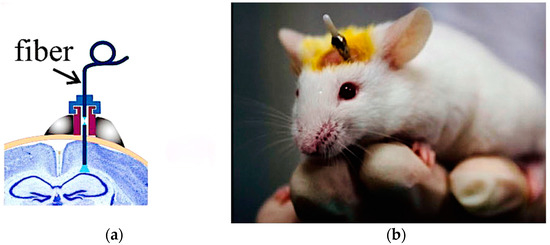
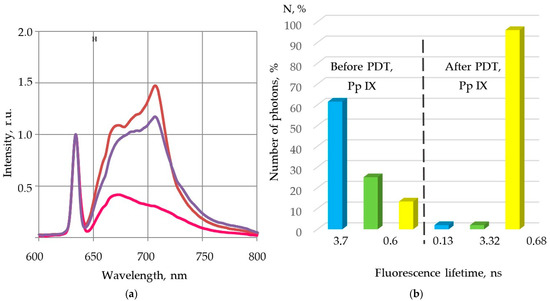
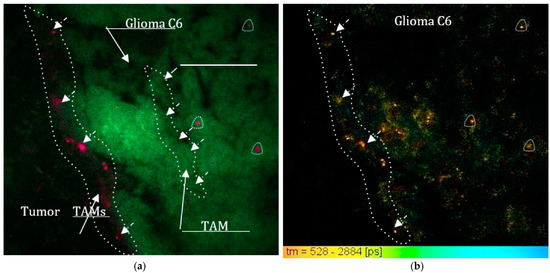
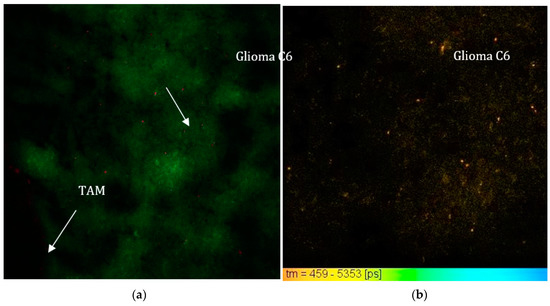
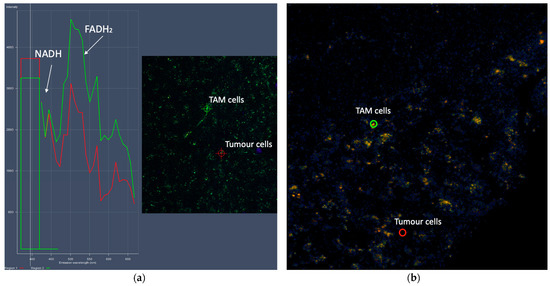
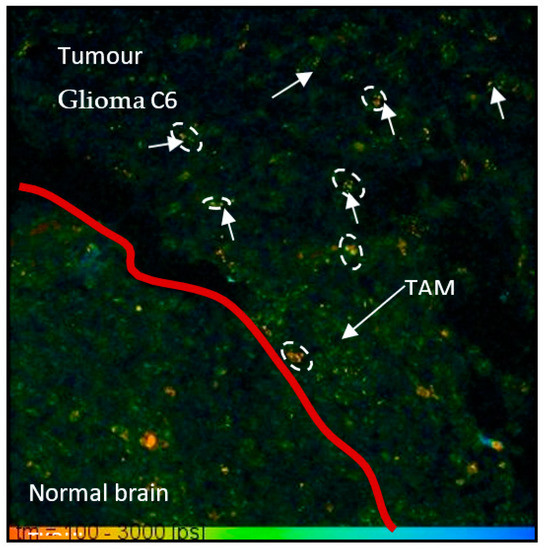
In this work, a new approach was tested to assess the cellular composition of tissues by time-resolved methods of fluorescence analysis of exogenous and endogenous fluorophores. First of all, the differences in fluorescence kinetics of endogenous fluorophores (coenzymes NADH and FAD) in tumour and immunocompetent cells were determined. After that, differences in fluorescence kinetics of photosensitizer 5 ALA-induced protoporphyrin IX were established due to its different metabolism in cells of different phenotypes. Kinetics of photoluminescence of NADH and FAD coenzymes as well as photosensitizer were studied by means of two different methods: time-resolved spectroscopy based on a streak-camera and fibre optic neuroscopy, which served to perform process monitoring and regular fluorescence diagnosis of the probed region. Time-resolved fluorescence microscopy (FLIM) was used as a control technique. Time-resolved spectroscopic fluorescence lifetime analysis was performed on sexually mature female rats induced with glioma C6 brain tumour under in vivo conditions; thus, under conditions where the immune system actively intervenes in the process of oncogenesis. In this regard, the aim of the study was to recognize the cellular composition of the brain tumour tissue, namely the ratio of cancer and immunocompetent cells and their mutual localization. Understanding the role of the immune system thus provides new ways and approaches for further diagnosis and therapy, making tumour-associated immune cells a prime target for modern therapies. Full article
(This article belongs to the Special Issue Specialty Optical Fibers, Fiber Lasers and Their Applications)
Show Figures

Figure 1
17 pages, 6772 KB  
Article
A Novel Liquid Crystal-Filled, Dual-Core Photonic Crystal Fiber Polarization Beam Splitter Covering the E + S + C + L + U Communication Band
by Yuwei Qu, Ying Han, Jinhui Yuan, Xian Zhou, Binbin Yan, Kuiru Wang, Xinzhu Sang and Chongxiu Yu
Photonics 2021, 8(11), 461; https://doi.org/10.3390/photonics8110461 - 21 Oct 2021
Cited by 15 | Viewed by 3091
Abstract
This paper proposes a novel liquid crystal-filled, dual core photonic crystal fiber polarization beam splitter (LC-DC-PCF PBS) based on the coupled mode theory of DC-PCF. The mode birefringence of odd and even modes, coupling lengths (CLs) of the X-polarization (X-pol) and [...] Read more.
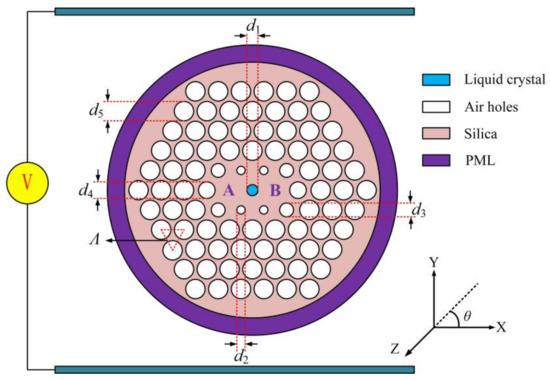
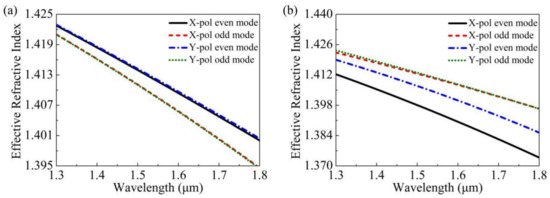
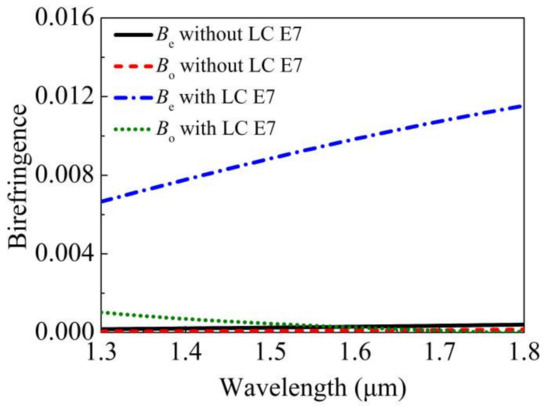
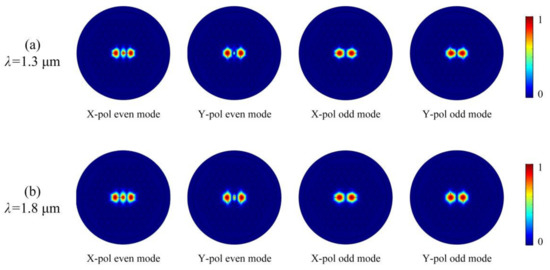
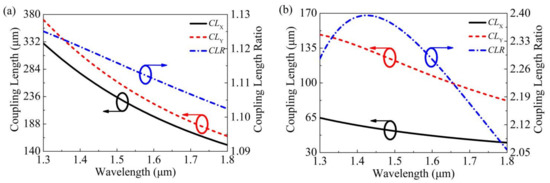
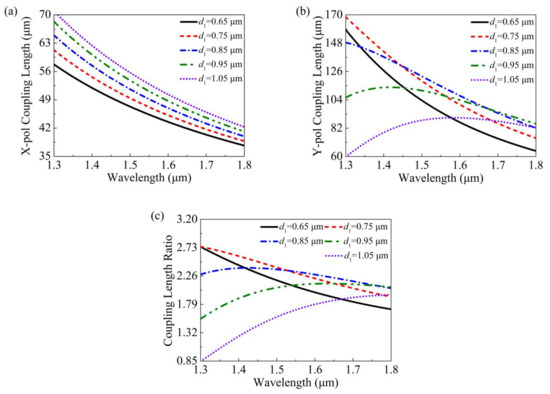
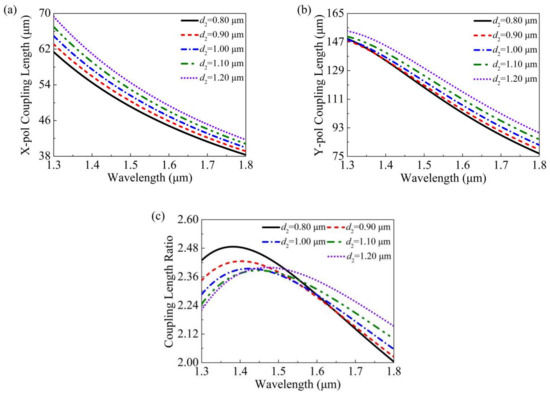
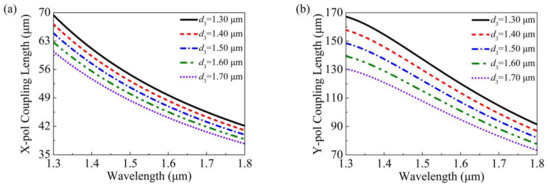
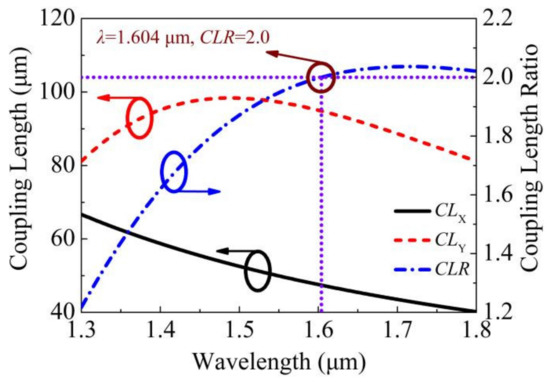
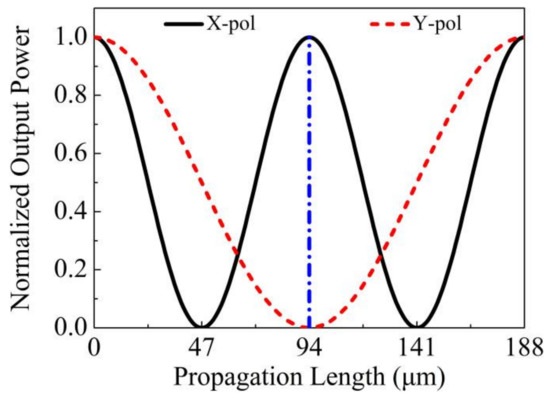
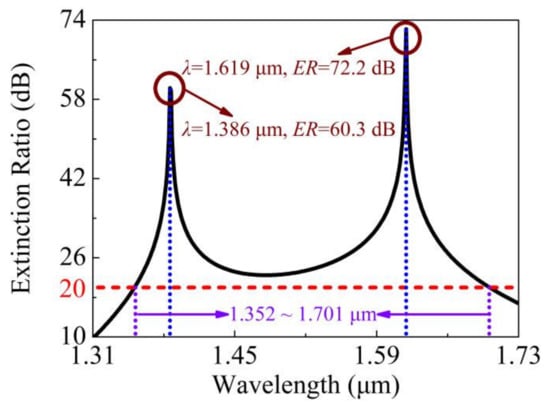
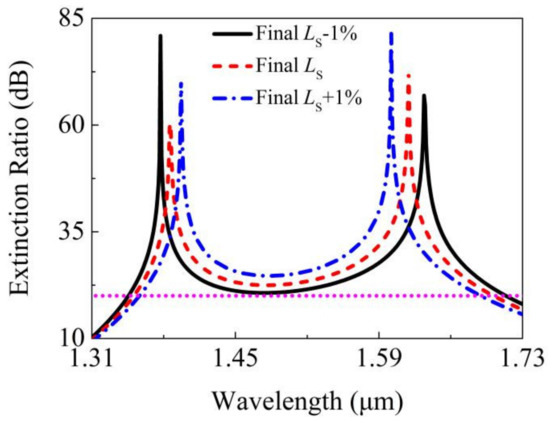
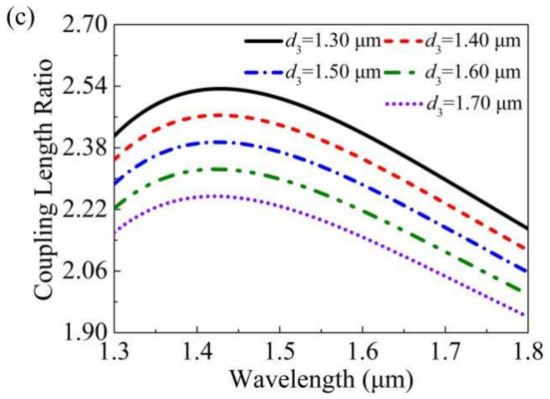
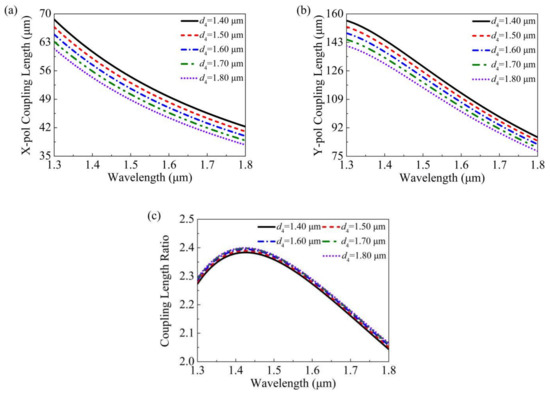
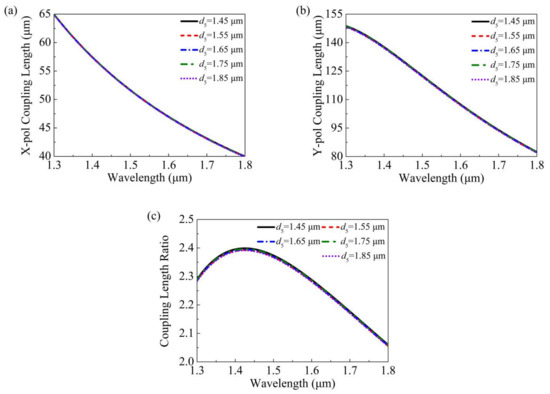
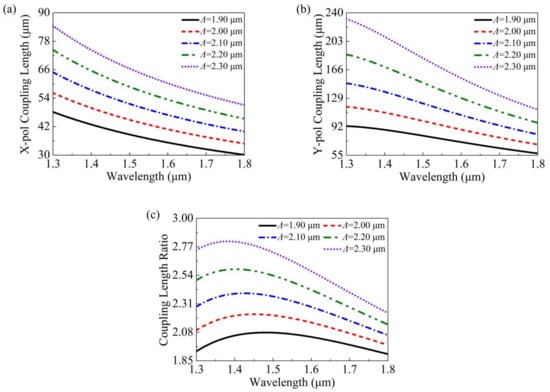
This paper proposes a novel liquid crystal-filled, dual core photonic crystal fiber polarization beam splitter (LC-DC-PCF PBS) based on the coupled mode theory of DC-PCF. The mode birefringence of odd and even modes, coupling lengths (CLs) of the X-polarization (X-pol) and Y-polarization (Y-pol), and the corresponding coupling length ratio (CLR) of the proposed LC-DC-PCF PBS filled without LC E7 and with LC E7 are compared. The change rules of the CLs of the X-pol and Y-pol and CLR of the proposed LC-DC-PCF with wavelengths for different cladding microstructure parameters were investigated. The relationships between the X-pol and Y-pol normalized output powers in core A of the proposed LC-DC-PCF PBS and the propagation length at the wavelength of 1.604 μm are discussed. Finally, by studying the change of extinction ratio (ER) with wavelength, the LC-DC-PCF PBS ER of 60.3 and 72.2 dB at wavelengths 1.386 and 1.619 μm are achieved, respectively. The final splitting length (LS) is 94 μm, and the splitting bandwidth is 349 nm (1.352~1.701 μm), covering the whole of the E + S + C + L + U communication bands. The proposed LC-DC-PCF PBS has good beam-splitting performance, such as ultra-short LS and ultra-wide splitting bandwidth, with potential applications in laser, sensing, and communication systems. Full article
(This article belongs to the Special Issue Novel Specialty Optical Fibers and Applications)
Show Figures

Figure 1
11 pages, 6675 KB  
Article
Exceptional Points through Variation of Distances between Four Coaxial Dielectric Disks
by Konstantin Pichugin, Almas Sadreev and Evgeny Bulgakov
Photonics 2021, 8(11), 460; https://doi.org/10.3390/photonics8110460 - 21 Oct 2021
Cited by 5 | Viewed by 2636
Abstract
By variation of a refractive index and aspect ratio of the isolated disk, we achieved exceptional points (EPs) at which the resonant frequencies and resonant modes coalesce. However, in practice, that kind of variation presents a technological problem. We considered the method to [...] Read more.
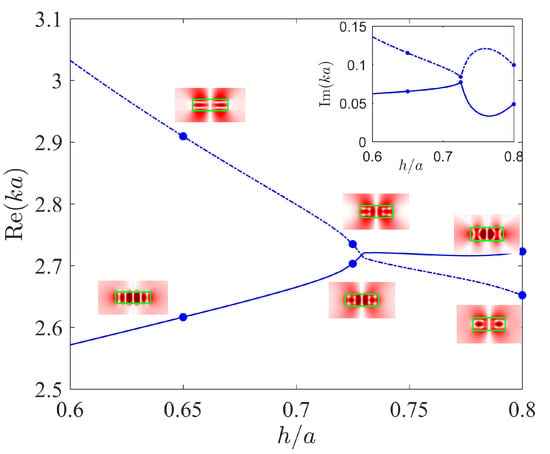
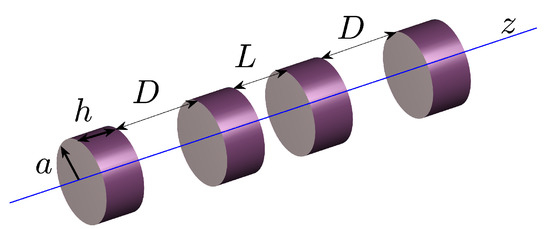
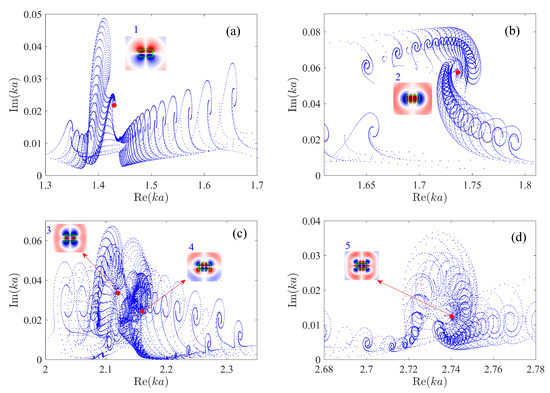
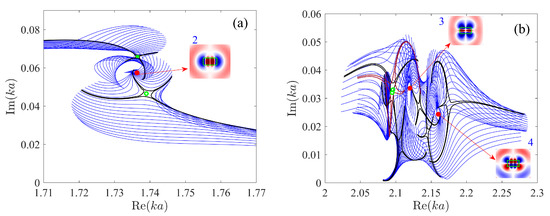
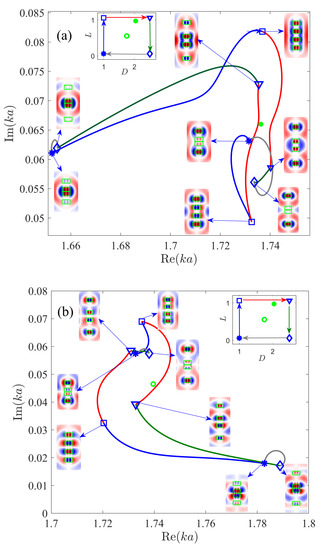
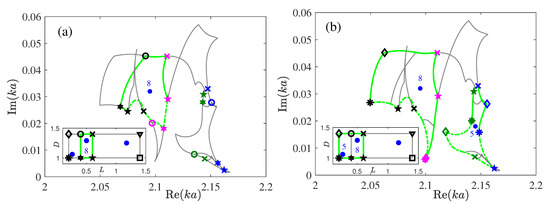
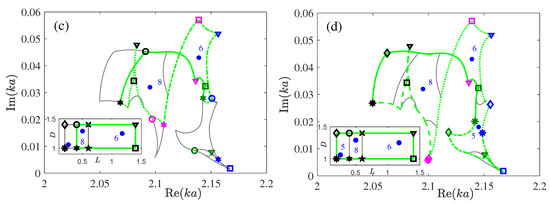
By variation of a refractive index and aspect ratio of the isolated disk, we achieved exceptional points (EPs) at which the resonant frequencies and resonant modes coalesce. However, in practice, that kind of variation presents a technological problem. We considered the method to avoid the problem by substitution of two disk’s dimers. In each dimer, variation of the distance between disks was equivalent to a variation of the aspect ratio of the dimer. Moreover, the variation of the distance between dimers provides the second parameter that gives rise to a vast number of EPs. We recovered the initial resonant eigenmode by encircling multiple EPs two, three, and four times in the two-dimensional parametric space of distances. Full article
(This article belongs to the Section Optoelectronics and Optical Materials)
Show Figures

Figure 1
14 pages, 4325 KB  
Article
Accurate 3D Shape Reconstruction from Single Structured-Light Image via Fringe-to-Fringe Network
by Hieu Nguyen and Zhaoyang Wang
Photonics 2021, 8(11), 459; https://doi.org/10.3390/photonics8110459 - 20 Oct 2021
Cited by 34 | Viewed by 5486
Abstract
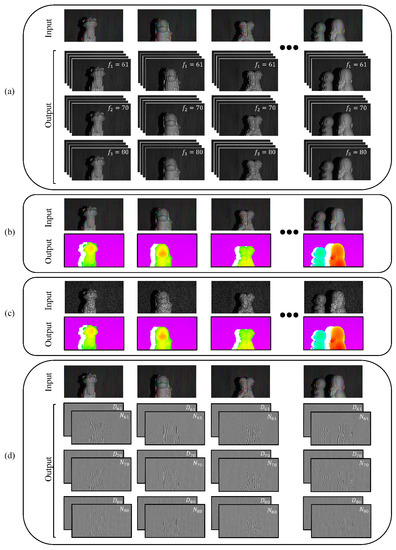
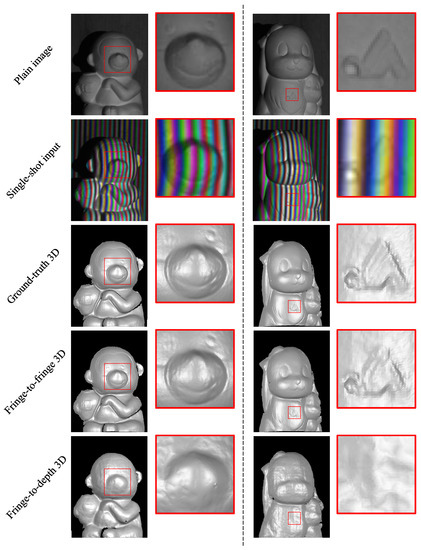
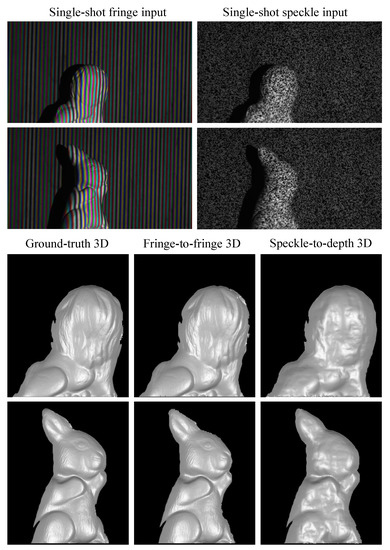
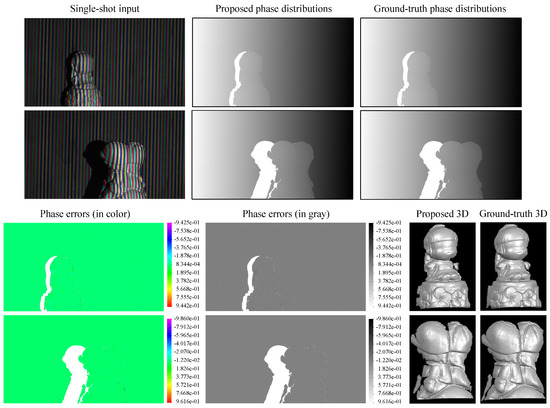
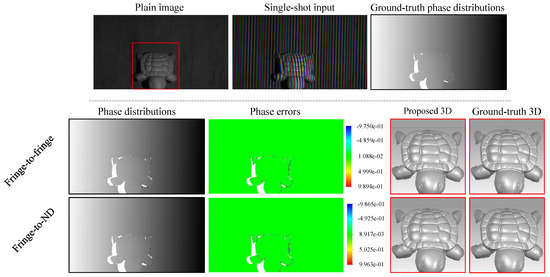
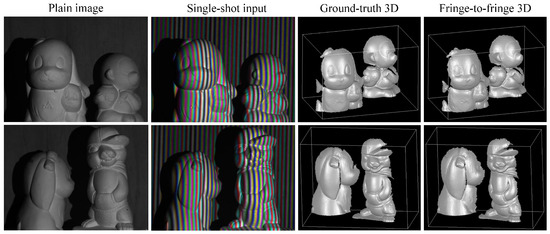
Accurate three-dimensional (3D) shape reconstruction of objects from a single image is a challenging task, yet it is highly demanded by numerous applications. This paper presents a novel 3D shape reconstruction technique integrating a high-accuracy structured-light method with a deep neural network learning [...] Read more.
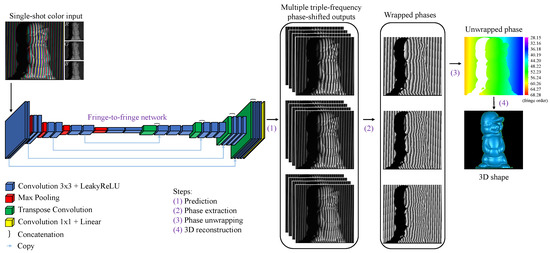
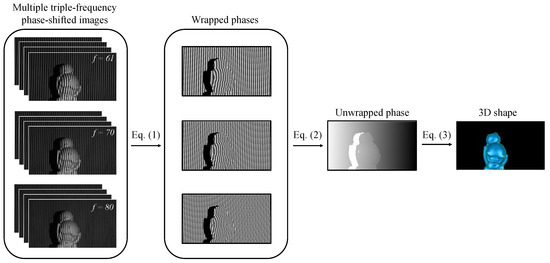
Accurate three-dimensional (3D) shape reconstruction of objects from a single image is a challenging task, yet it is highly demanded by numerous applications. This paper presents a novel 3D shape reconstruction technique integrating a high-accuracy structured-light method with a deep neural network learning scheme. The proposed approach employs a convolutional neural network (CNN) to transform a color structured-light fringe image into multiple triple-frequency phase-shifted grayscale fringe images, from which the 3D shape can be accurately reconstructed. The robustness of the proposed technique is verified, and it can be a promising 3D imaging tool in future scientific and industrial applications. Full article
(This article belongs to the Special Issue Optical Sensing)
Show Figures

Figure 1
9 pages, 428 KB  
Communication
Direct and Clean Loading of Nanoparticles into Optical Traps at Millibar Pressures
by Maryam Nikkhou, Yanhui Hu, James A. Sabin and James Millen
Photonics 2021, 8(11), 458; https://doi.org/10.3390/photonics8110458 - 20 Oct 2021
Cited by 19 | Viewed by 4711
Abstract
Nanoparticles levitated by optical fields under vacuum conditions have applications in quantum science, the study of nanothermodynamics and precision sensing. The existing techniques for loading optical traps require ambient conditions and often involve dispersion in liquids, which can contaminate delicate optics and lead [...] Read more.
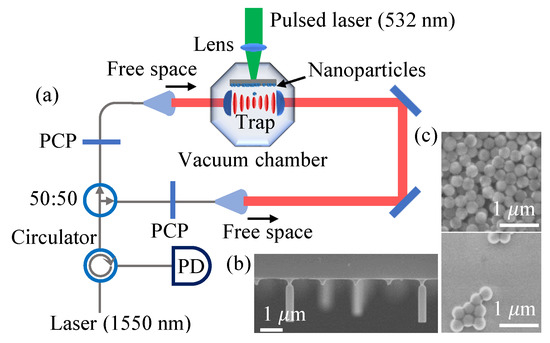
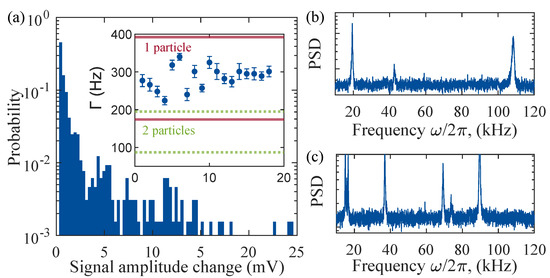
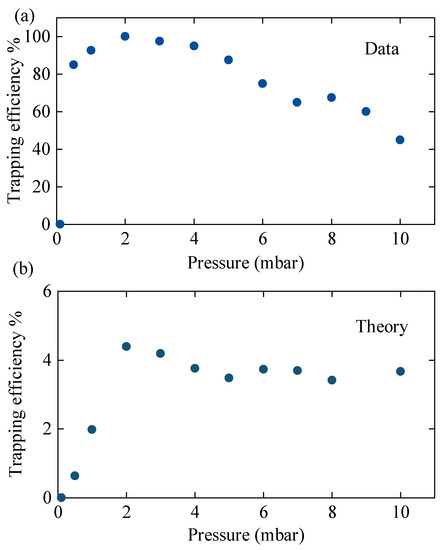
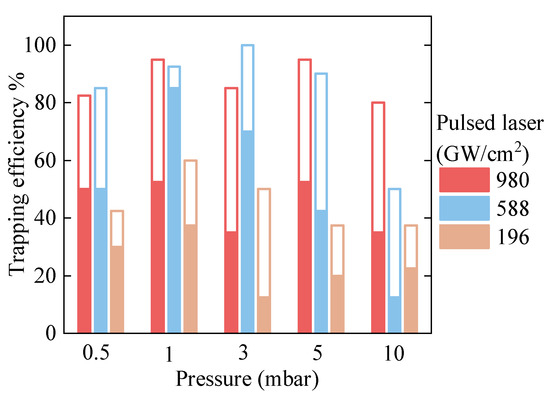
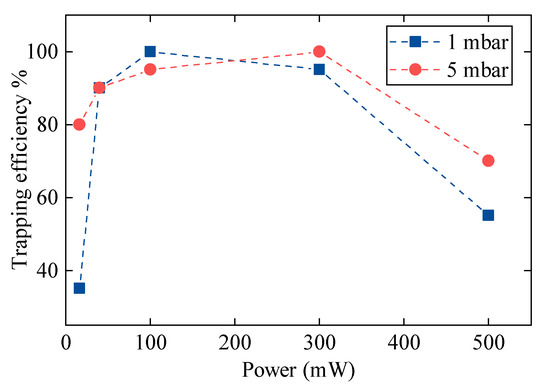
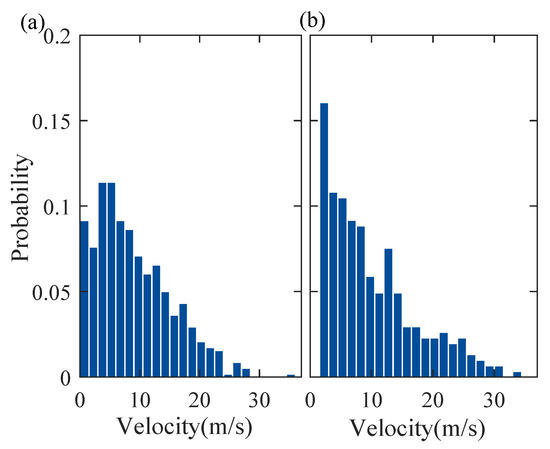
Nanoparticles levitated by optical fields under vacuum conditions have applications in quantum science, the study of nanothermodynamics and precision sensing. The existing techniques for loading optical traps require ambient conditions and often involve dispersion in liquids, which can contaminate delicate optics and lead to enhanced optical absorption and heating. Here, we present a clean, dry and generic mechanism for directly loading optical traps at pressures down to 1 mbar, exploiting Laser Induced Acoustic Desorption and allowing for the rapid and efficient trapping of nanoparticles. Full article
(This article belongs to the Special Issue Optomechanics: Science and Applications)
Show Figures

Figure 1