15 pages, 728 KB  
Perspective
Fibromyalgia in Pregnancy: Neuro-Endocrine Fluctuations Provide Insight into Pathophysiology and Neuromodulation Treatment
by Viviana Mucci, Ilaria Demori, Cherylea J. Browne, Choi Deblieck and Bruno Burlando
Biomedicines 2023, 11(2), 615; https://doi.org/10.3390/biomedicines11020615 - 18 Feb 2023
Cited by 6 | Viewed by 5394
Abstract
Fibromyalgia (FM) is a chronic pain disorder with unclear pathophysiological mechanisms, which leads to challenges in patient management. In addition to pain, the disorder presents with a broad range of symptoms, such as sleep disruption, chronic fatigue, brain fog, depression, muscle stiffness, and [...] Read more.
Fibromyalgia (FM) is a chronic pain disorder with unclear pathophysiological mechanisms, which leads to challenges in patient management. In addition to pain, the disorder presents with a broad range of symptoms, such as sleep disruption, chronic fatigue, brain fog, depression, muscle stiffness, and migraine. FM has a considerable female prevalence, and it has been shown that symptoms are influenced by the menstrual cycle and periods of significant hormonal and immunological changes. There is increasing evidence that females with FM experience an aggravation of symptoms in pregnancy, particularly during the third trimester and after childbirth. In this perspective paper, we focus on the neuro-endocrine interactions that occur between progesterone, allopregnanolone, and cortisol during pregnancy, and propose that they align with our previously proposed model of FM pathogenesis based on GABAergic “weakening” in a thalamocortical neural loop system. Based on our hypothesis, we introduce the possibility of utilizing transcranial direct current stimulation (tDCS) as a non-invasive treatment potentially capable of exerting sex-specific effects on FM patients. Full article
(This article belongs to the Special Issue Advanced Research on Fibromyalgia)
Show Figures

Figure 1

15 pages, 531 KB  
Review
The Influence of SARS-CoV-2 Infection on the Thyroid Gland
by Aleksandra Piekarska, Marta Góral, Marta Kozula, Aleksandra Jawiarczyk-Przybyłowska, Katarzyna Zawadzka and Marek Bolanowski
Biomedicines 2023, 11(2), 614; https://doi.org/10.3390/biomedicines11020614 - 18 Feb 2023
Cited by 11 | Viewed by 4704
Abstract
It is important to acknowledge the impact that COVID-19 has on the thyroid gland and how the thyroid gland status before and during infection affects SARS-CoV-2 severity. To this day those dependencies are not fully understood. It is known that the virus uses [...] Read more.
It is important to acknowledge the impact that COVID-19 has on the thyroid gland and how the thyroid gland status before and during infection affects SARS-CoV-2 severity. To this day those dependencies are not fully understood. It is known that the virus uses angiotensin-converting enzyme-2 as the receptor for cellular entry and it can lead to multiple organ failures due to a cytokine storm. Levels of proinflammatory molecules (such as cytokines and chemokines) which are commonly elevated during infection were significantly higher in observed SARS-CoV-2-positive patients. In terms of hypothyroidism, hyperthyroidism, and autoimmune thyroid diseases, there is no proof that those dysfunctions have a direct impact on the more severe courses of COVID-19. Regarding hyper- and hypothyroidism there was no consequential dependency between the frequency of SARS-CoV-2 infection morbidity and more severe post-infectious complications. When it comes to autoimmune thyroid diseases, more evaluation has to be performed due to the unclear relation with the level of antibodies commonly checked in those illnesses and its binding with the mentioned before virus. Nonetheless, based on analyzed works we found that COVID-19 can trigger the immune system and cause its hyperactivity, sometimes leading to the new onset of autoimmune disorders. We also noticed more acute SARS-CoV-2 courses in patients with mainly reduced free triiodothyronine serum levels, which in the future, might be used as a mortality indicating factor regarding SARS-CoV-2-positive patients. Considering subacute thyroiditis (SAT), no statistically important data proving its direct correlation with COVID-19 infection has been found. Nevertheless, taking into account the fact that SAT is triggered by respiratory tract viral infections, it might be that SARS-CoV-2 can cause it too. There are many heterogenous figures in the symptoms, annual morbidity distribution, and frequency of new cases, so this topic requires further evaluation. Full article
(This article belongs to the Special Issue Thyroid Disease: From Mechanism to Therapeutic Approaches)
Show Figures

Figure 1

34 pages, 1215 KB  
Review
Novel Biotherapeutics Targeting Biomolecular and Cellular Approaches in Diabetic Wound Healing
by Suraj Kumar Singh, Shradha Devi Dwivedi, Krishna Yadav, Kamal Shah, Nagendra Singh Chauhan, Madhulika Pradhan, Manju Rawat Singh and Deependra Singh
Biomedicines 2023, 11(2), 613; https://doi.org/10.3390/biomedicines11020613 - 18 Feb 2023
Cited by 41 | Viewed by 6301
Abstract
Wound healing responses play a major role in chronic inflammation, which affects millions of people around the world. One of the daunting tasks of creating a wound-healing drug is finding equilibrium in the inflammatory cascade. In this study, the molecular and cellular mechanisms [...] Read more.
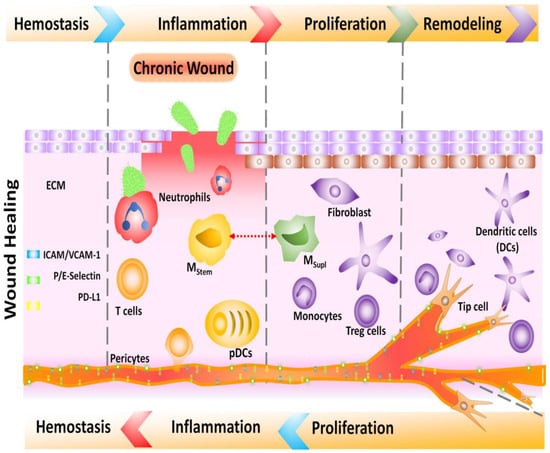
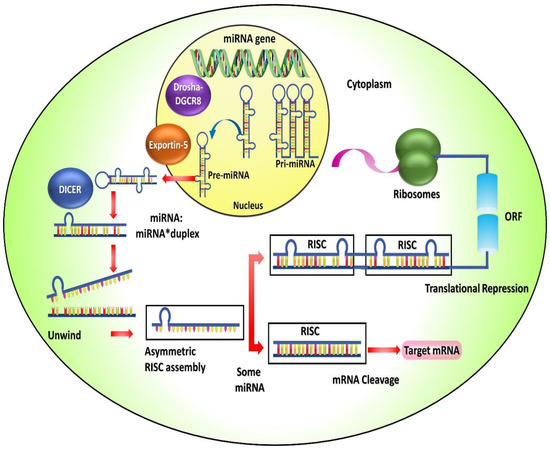
Wound healing responses play a major role in chronic inflammation, which affects millions of people around the world. One of the daunting tasks of creating a wound-healing drug is finding equilibrium in the inflammatory cascade. In this study, the molecular and cellular mechanisms to regulate wound healing are explained, and recent research is addressed that demonstrates the molecular and cellular events during diabetic wound healing. Moreover, a range of factors or agents that facilitate wound healing have also been investigated as possible targets for successful treatment. It also summarises the various advances in research findings that have revealed promising molecular targets in the fields of therapy and diagnosis of cellular physiology and pathology of wound healing, such as neuropeptides, substance P, T cell immune response cDNA 7, miRNA, and treprostinil growth factors such as fibroblast growth factor, including thymosin beta 4, and immunomodulators as major therapeutic targets. Full article
(This article belongs to the Section Biomedical Engineering and Materials)
Show Figures

Figure 1

16 pages, 2185 KB  
Article
H2S Prodrug, SG-1002, Protects against Myocardial Oxidative Damage and Hypertrophy In Vitro via Induction of Cystathionine β-Synthase and Antioxidant Proteins
by Rahib K. Islam, Erinn Donnelly, Erminia Donnarumma, Fokhrul Hossain, Jason D. Gardner and Kazi N. Islam
Biomedicines 2023, 11(2), 612; https://doi.org/10.3390/biomedicines11020612 - 18 Feb 2023
Cited by 14 | Viewed by 3954
Abstract
Endogenously produced hydrogen sulfide (H2S) is critical for cardiovascular homeostasis. Therapeutic strategies aimed at increasing H2S levels have proven cardioprotective in models of acute myocardial infarction (MI) and heart failure (HF). The present study was undertaken to investigate the [...] Read more.
Endogenously produced hydrogen sulfide (H2S) is critical for cardiovascular homeostasis. Therapeutic strategies aimed at increasing H2S levels have proven cardioprotective in models of acute myocardial infarction (MI) and heart failure (HF). The present study was undertaken to investigate the effects of a novel H2S prodrug, SG-1002, on stress induced hypertrophic signaling in murine HL-1 cardiac muscle cells. Treatment of HL-1 cells with SG-1002 under serum starvation without or with H2O2 increased the levels of H2S, H2S producing enzyme, and cystathionine β-synthase (CBS), as well as antioxidant protein levels, such as super oxide dismutase1 (SOD1) and catalase, and additionally decreased oxidative stress. SG-1002 also decreased the expression of hypertrophic/HF protein markers such as atrial natriuretic peptide (ANP), brain natriuretic peptide (BNP), galectin-3, TIMP1, collagen type III, and TGF-β1 in stressed HL-1 cells. Treatment with SG-1002 caused a significant induction of cell viability and a marked reduction of cellular cytotoxicity in HL-1 cells under serum starvation incubated without or with H2O2. Experimental results of this study suggest that SG-1002 attenuates myocardial cellular oxidative damage and/or hypertrophic signaling via increasing H2S levels or H2S producing enzymes, CBS, and antioxidant proteins. Full article
(This article belongs to the Special Issue Cellular Mechanisms of Cardiovascular Disease)
Show Figures

Figure 1

11 pages, 1011 KB  
Article
Contribution of Fetal Inflammatory Response Syndrome (FIRS) with or without Maternal-Fetal Inflammation in The Placenta to Increased Risk of Respiratory and Other Complications in Preterm Neonates
by Makoto Nomiyama, Takuya Nakagawa, Fumio Yamasaki, Nami Hisamoto, Natsumi Yamashita, Ayane Harai, Kanako Gondo, Masazumi Ikeda, Satoko Tsuda, Masato Ishimatsu, Yuko Oshima, Takeshi Ono, Yutaka Kozuma and Keisuke Tsumura
Biomedicines 2023, 11(2), 611; https://doi.org/10.3390/biomedicines11020611 - 18 Feb 2023
Cited by 10 | Viewed by 3123
Abstract
This study classifies fetal inflammatory response syndrome (FIRS) based on the presence or absence of maternal-fetal inflammation in the placenta and clarifies the association of FIRS with neonatal morbidities. Women (330) who delivered at gestational ages of 22w0d-33w6d were enrolled and grouped into [...] Read more.
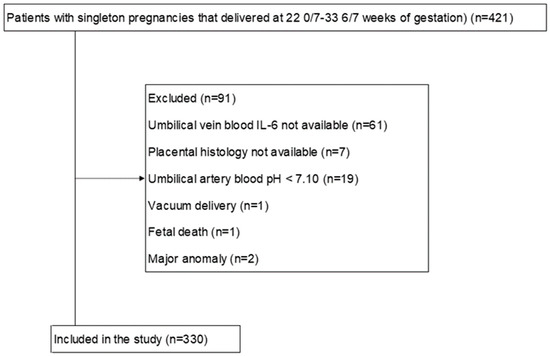
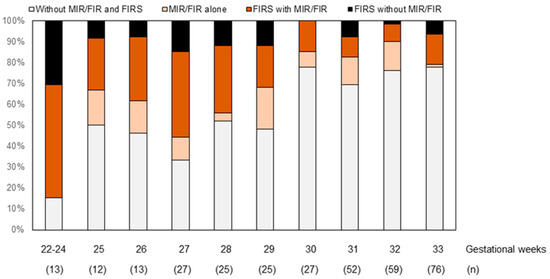
This study classifies fetal inflammatory response syndrome (FIRS) based on the presence or absence of maternal-fetal inflammation in the placenta and clarifies the association of FIRS with neonatal morbidities. Women (330) who delivered at gestational ages of 22w0d-33w6d were enrolled and grouped into four based on FIRS and maternal/fetal inflammatory response (MIR/FIR) statuses: Group A: without FIRS and MIR/FIR (reference group); Group B: MIR/FIR alone; Group C: FIRS and MIR/FIR; and Group D: FIRS without MIR/FIR. The associations between bronchopulmonary dysplasia (BPD), adverse neonatal outcomes, extremely low gestational age and Groups B, C, and D were investigated after adjustment for potential confounders. Among patients with FIRS, 29% were in Group D. The risk of BPD was increased in Groups C (adjusted odds ratio (aOR): 3.36; 95% confidence interval (CI): 1.14–9.89) and D (aOR: 4.17; 95% CI: 1.03–16.9), as was the risk of adverse neonatal outcomes (Group C: aOR: 7.17; 95% CI: 2.56–20.1; Group D: aOR: 6.84; 95% CI: 1.85–25.2). The risk of extremely low gestational age was increased in Group D (aOR: 3.85; 95% CI: 1.56–9.52). Therefore, FIRS without MIR/FIR is not rare and may be associated with neonatal morbidities more than FIRS and MIR/FIR. Full article
Show Figures

Figure 1

20 pages, 3160 KB  
Article
New Monoclonal Antibodies Specific for Different Epitopes of the Spike Protein of SARS-CoV-2 and Its Major Variants: Additional Tools for a More Specific COVID-19 Diagnosis
by Sabrina Mariotti, Maria Vincenza Chiantore, Raffaela Teloni, Angelo Iacobino, Antonio Capocefalo, Zuleika Michelini, Martina Borghi, Melissa Baggieri, Antonella Marchi, Paola Bucci, Silvia Gioacchini, Raffaele D’Amelio, Philip J. M. Brouwer, Silvia Sandini, Chiara Acchioni, Marco Sgarbanti, Antonio Di Virgilio, Felicia Grasso, Andrea Cara, Donatella Negri, Fabio Magurano, Paola Di Bonito and Roberto Nisiniadd Show full author list remove Hide full author list
Biomedicines 2023, 11(2), 610; https://doi.org/10.3390/biomedicines11020610 - 18 Feb 2023
Cited by 7 | Viewed by 3714
Abstract
The emergence of the new pathogen SARS-CoV-2 determined a rapid need for monoclonal antibodies (mAbs) to detect the virus in biological fluids as a rapid tool to identify infected individuals to be treated or quarantined. The majority of commercially available antigenic tests for [...] Read more.
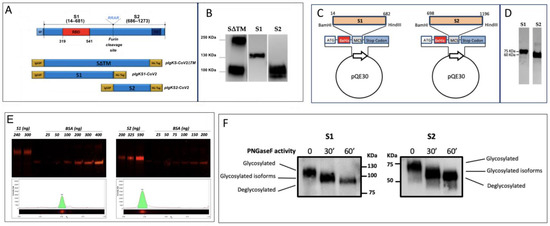
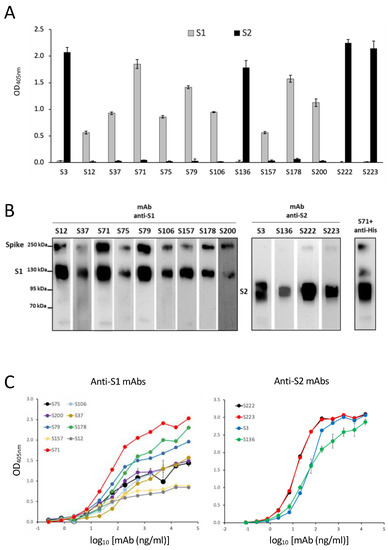
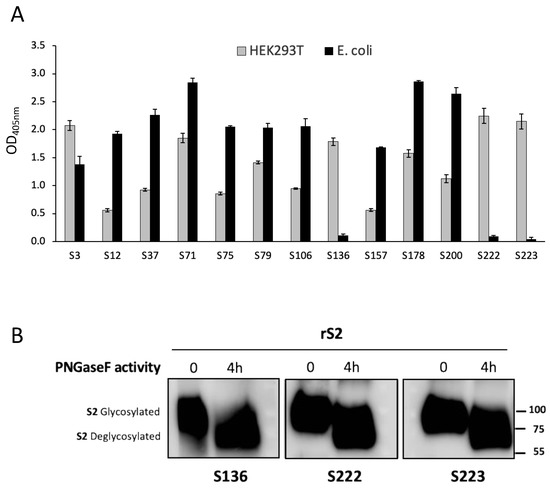
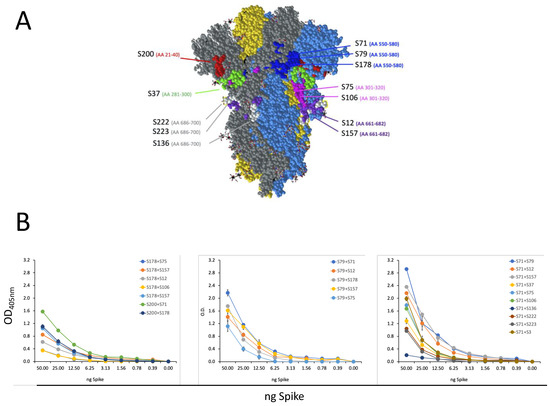
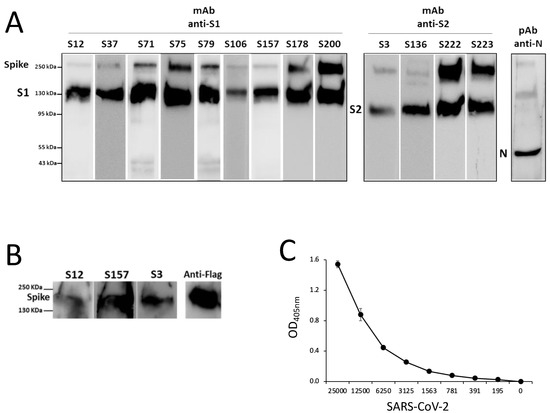
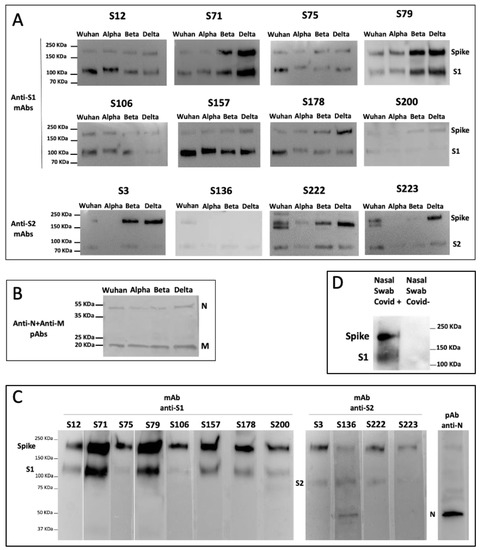
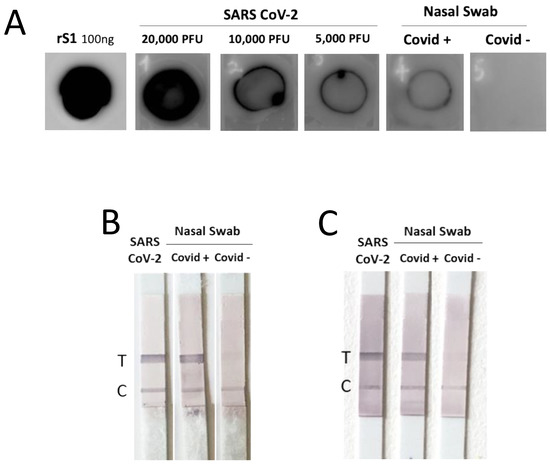
The emergence of the new pathogen SARS-CoV-2 determined a rapid need for monoclonal antibodies (mAbs) to detect the virus in biological fluids as a rapid tool to identify infected individuals to be treated or quarantined. The majority of commercially available antigenic tests for SARS-CoV-2 rely on the detection of N antigen in biologic fluid using anti-N antibodies, and their capacity to specifically identify subjects infected by SARS-CoV-2 is questionable due to several structural analogies among the N proteins of different coronaviruses. In order to produce new specific antibodies, BALB/c mice were immunized three times at 20-day intervals with a recombinant spike (S) protein. The procedure used was highly efficient, and 40 different specific mAbs were isolated, purified and characterized, with 13 ultimately being selected for their specificity and lack of cross reactivity with other human coronaviruses. The specific epitopes recognized by the selected mAbs were identified through a peptide library and/or by recombinant fragments of the S protein. In particular, the selected mAbs recognized different linear epitopes along the S1, excluding the receptor binding domain, and along the S2 subunits of the S protein of SARS-CoV-2 and its major variants of concern. We identified combinations of anti-S mAbs suitable for use in ELISA or rapid diagnostic tests, with the highest sensitivity and specificity coming from proof-of-concept tests using recombinant antigens, SARS-CoV-2 or biological fluids from infected individuals, that represent important additional tools for the diagnosis of COVID-19. Full article
Show Figures

Figure 1

12 pages, 1960 KB  
Article
Assessing the Effects of a Perioperative Nutritional Support and Counseling in Gastrointestinal Cancer Patients: A Retrospective Comparative Study with Historical Controls
by Diana Klassen, Carmen Strauch, Birgit Alteheld, Philipp Lingohr, Hanno Matthaei, Tim Vilz, Maria A. Gonzalez-Carmona, Annekristin Hausen, Marie Gräßler, Amit Sharma, Christian Strassburg, Jörg C. Kalff and Ingo G. H. Schmidt-Wolf
Biomedicines 2023, 11(2), 609; https://doi.org/10.3390/biomedicines11020609 - 17 Feb 2023
Cited by 6 | Viewed by 4568
Abstract
The aim of this study was to investigate the effects of perioperative nutritional therapy care in gastrointestinal (esophageal, gastric, gastroesophageal) cancer patients on nutritional status and disease progression (complications, hospitalization, mortality). We considered 62 gastrointestinal cancer patients treated at the Center for Integrated [...] Read more.
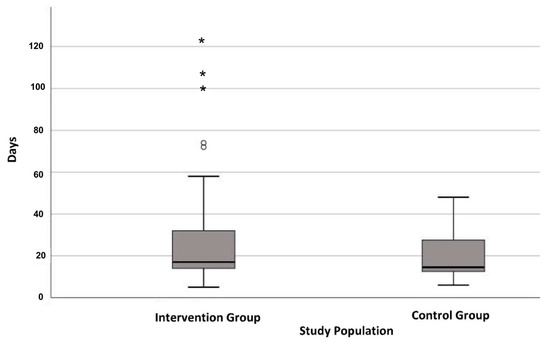
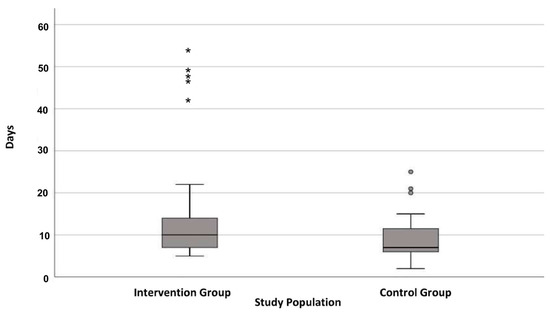
The aim of this study was to investigate the effects of perioperative nutritional therapy care in gastrointestinal (esophageal, gastric, gastroesophageal) cancer patients on nutritional status and disease progression (complications, hospitalization, mortality). We considered 62 gastrointestinal cancer patients treated at the Center for Integrated Oncology (CIO), University Hospital Bonn, Germany (August 2017–July 2019). Of these, 42 patients (as intervention group: IG) received pre- and postoperative nutritional support with counseling, while 20 patients (as historical control group CG) received only postoperative nutritional therapy. Several clinical parameters, such as Body Mass Index (BMI), nutritional risk screening (NRS), phase angle, postoperative complications, length of hospital stay, and mortality, were determined. There were significantly fewer patients with gastric cancer/CDH1 gene mutation and more with esophageal cancer in IG (p = 0.001). Significantly more patients received neoadjuvant therapy in IG (p = 0.036). No significant differences were found between the groups regarding BMI, NRS, complications, length of hospital stay, and mortality. However, the comparison of post- and preoperative parameters in IG showed a tendency to lose 1.74 kg of weight (p = 0.046), a decrease in phase angle by 0.59° (p = 0.004), and an increase in NRS of 1.34 points (p < 0.001). Contrary to prior reports, we found no significant effect of perioperative nutritional therapy care in gastrointestinal cancer patients; however, the small cohort size and infrequent standardization in nutritional status may possibly account for the variance. Considering that oncological pathways and metabolic nutritional pathways are interrelated, dividing patients into subgroups to provide a personalized nutritional approach may help in improving their treatment. Full article
(This article belongs to the Section Cancer Biology and Oncology)
Show Figures

Figure 1
24 pages, 8601 KB  
Article
Transcriptomic Analysis of Macrophage Polarization Protocols: Vitamin D3 or IL-4 and IL-13 Do Not Polarize THP-1 Monocytes into Reliable M2 Macrophages
by Maria Rynikova, Petra Adamkova, Petra Hradicka, Jana Stofilova, Denisa Harvanova, Jana Matejova and Vlasta Demeckova
Biomedicines 2023, 11(2), 608; https://doi.org/10.3390/biomedicines11020608 - 17 Feb 2023
Cited by 17 | Viewed by 14923
Abstract
Two main types of macrophages (Mφ) include inflammatory (M1) and anti-inflammatory (M2) macrophages. These cells can be obtained in vitro by polarization of monocytic cell lines using various stimuli. Since there is currently no consensus on the best method for the acquisition of [...] Read more.
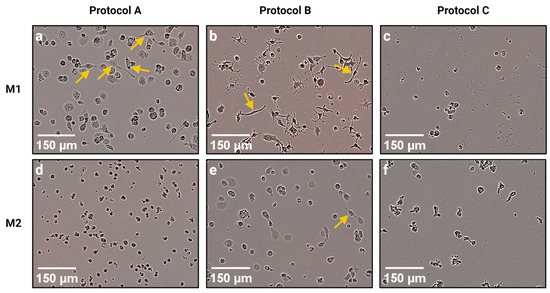
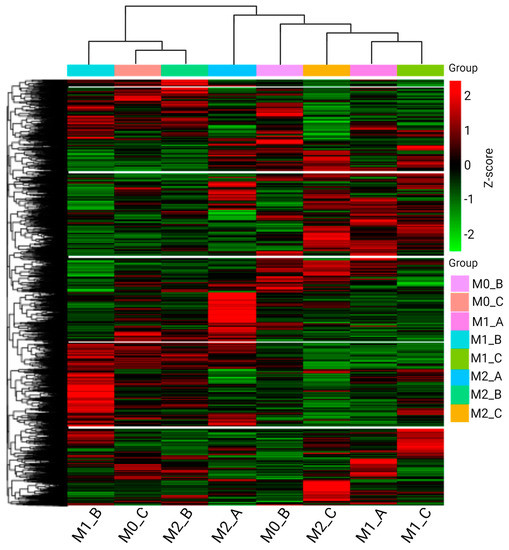
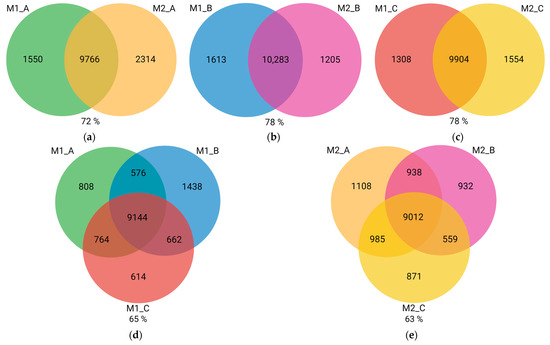
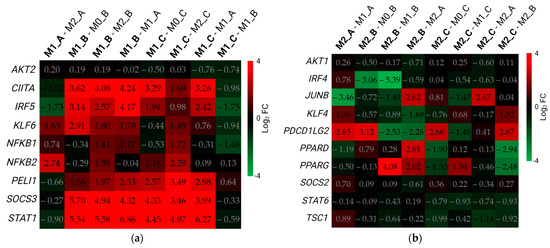
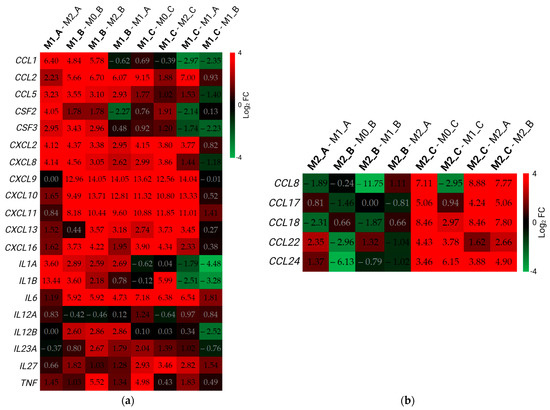
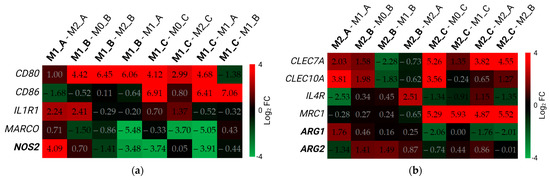
Two main types of macrophages (Mφ) include inflammatory (M1) and anti-inflammatory (M2) macrophages. These cells can be obtained in vitro by polarization of monocytic cell lines using various stimuli. Since there is currently no consensus on the best method for the acquisition of reliable M1 and M2 macrophages from the THP-1 cell line, we decided to compare three different polarization protocols at the transcriptomic level. Whole transcriptomes of Mφ polarized according to the chosen protocols were analyzed using RNA-seq. Differential expression of genes and functional enrichment for gene ontology terms were assessed. Compared with other protocols, M1 macrophages polarized using PMA (61.3 ng/mL) and IFN-γ along with LPS had the highest expression of M1-associated regulatory genes and genes for M1 cytokines and chemokines. According to the GO enrichment analysis, genes involved in defensive and inflammatory processes were differentially expressed in these Mφ. However, all three chosen protocols which use Vit D3, IL-13/IL-4, and IL-4, respectively, failed to promote the polarization of macrophages with a reliable M2 phenotype. Therefore, optimization or development of a new M2 polarization protocol is needed to achieve macrophages with a reliable anti-inflammatory phenotype. Full article
(This article belongs to the Special Issue 30 Years of Alternative Macrophage Activation—a Simple Complexity)
Show Figures

Figure 1
10 pages, 1920 KB  
Article
Urea Transporter Inhibitor 25a Reduces Ascites in Cirrhotic Rats
by Yi Ying, Nannan Li, Shuyuan Wang, Hang Zhang, Yinglin Zuo, Yiwen Tang, Panshuang Qiao, Yazhu Quan, Min Li and Baoxue Yang
Biomedicines 2023, 11(2), 607; https://doi.org/10.3390/biomedicines11020607 - 17 Feb 2023
Cited by 10 | Viewed by 2786
Abstract
Ascites is a typical symptom of liver cirrhosis that is caused by a variety of liver diseases. Ascites severely affects the life quality of patients and needs long-term treatment. 25a is a specific urea transporter inhibitor with a diuretic effect that does not [...] Read more.
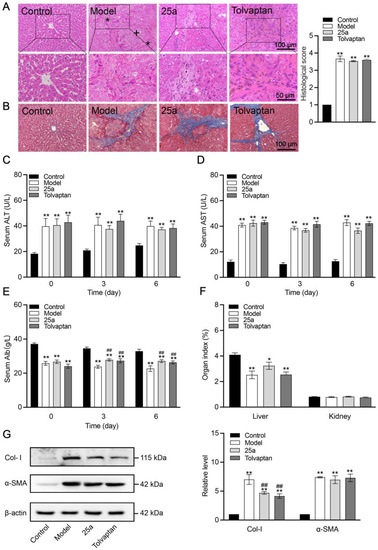
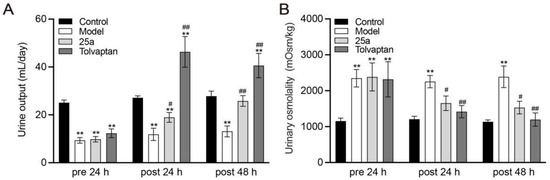
Ascites is a typical symptom of liver cirrhosis that is caused by a variety of liver diseases. Ascites severely affects the life quality of patients and needs long-term treatment. 25a is a specific urea transporter inhibitor with a diuretic effect that does not disturb the electrolyte balance. In this study, we aimed to determine the therapeutic effect of 25a on ascites with a dimethylnitrosamine (DMN)-induced cirrhotic rat model. It was found that 100 mg/kg of 25a significantly increased the daily urine output by 60% to 97% and reduced the daily abdominal circumference change by 220% to 260% in cirrhotic rats with a water intake limitation. The 25a treatment kept the serum electrolyte levels within normal ranges in cirrhotic rats. The H&E and Masson staining of liver tissue showed that 25a did not change the cirrhotic degree. A serum biochemical examination showed that 25a did not improve the liver function in cirrhotic rats. A Western blot analysis showed that 25a did not change the expression of fibrosis-related marker protein α-SMA, but significantly decreased the expressions of type I collagen in the liver of cirrhotic rats, indicating that 25a did not reverse cirrhosis, but could slow the cirrhotic progression. These data indicated that 25a significantly reduced ascites via diuresis without an electrolyte imbalance in cirrhotic rats. Our study provides a proof of concept that urea transporter inhibitors might be developed as novel diuretics to treat cirrhotic ascites. Full article
Show Figures

Figure 1
11 pages, 402 KB  
Article
Serum Neurofilaments and OCT Metrics Predict EDSS-Plus Score Progression in Early Relapse-Remitting Multiple Sclerosis
by Vlad Eugen Tiu, Bogdan Ovidiu Popescu, Iulian Ion Enache, Cristina Tiu, Alina Popa Cherecheanu and Cristina Aura Panea
Biomedicines 2023, 11(2), 606; https://doi.org/10.3390/biomedicines11020606 - 17 Feb 2023
Cited by 11 | Viewed by 2734
Abstract
(1) Background: Early disability accrual in RRMS patients is frequent and is associated with worse long-term prognosis. Correctly identifying the patients that present a high risk of early disability progression is of utmost importance, and may be aided by the use of predictive [...] Read more.
(1) Background: Early disability accrual in RRMS patients is frequent and is associated with worse long-term prognosis. Correctly identifying the patients that present a high risk of early disability progression is of utmost importance, and may be aided by the use of predictive biomarkers. (2) Methods: We performed a prospective cohort study that included newly diagnosed RRMS patients, with a minimum follow-up period of one year. Biomarker samples were collected at baseline, 3-, 6- and 12-month follow-ups. Disability progression was measured using the EDSS-plus score. (3) Results: A logistic regression model based on baseline and 6-month follow-up sNfL z-scores, RNFL and GCL-IPL thickness and BREMSO score was statistically significant, with χ2(4) = 19.542, p < 0.0001, R2 = 0.791. The model correctly classified 89.1% of cases, with a sensitivity of 80%, a specificity of 93.5%, a positive predictive value of 85.7% and a negative predictive value of 90.62%. (4) Conclusions: Serum biomarkers (adjusted sNfL z-scores at baseline and 6 months) combined with OCT metrics (RNFL and GCL-IPL layer thickness) and the clinical score BREMSO can accurately predict early disability progression using the EDSS-plus score for newly diagnosed RRMS patients. Full article
(This article belongs to the Special Issue Molecular Mechanisms of Neurological Autoimmune Disorders)
Show Figures

Figure 1
19 pages, 4280 KB  
Article
In Silico, In Vitro, and Ex Vivo Biological Activity of Some Novel Mebeverine Precursors
by Miglena Milusheva, Vera Gledacheva, Iliyana Stefanova, Mina Pencheva, Rositsa Mihaylova, Yulian Tumbarski, Paraskev Nedialkov, Emiliya Cherneva, Mina Todorova and Stoyanka Nikolova
Biomedicines 2023, 11(2), 605; https://doi.org/10.3390/biomedicines11020605 - 17 Feb 2023
Cited by 11 | Viewed by 4044 | Correction
Abstract
Irritable bowel syndrome (IBS) is a functional gastroenterological disorder with complex pathogenesis and multifaceted therapy approaches, aimed at alleviating clinical symptoms and improving the life quality of patients. Its treatment includes dietary changes and drugs from various pharmacological groups such as antidiarrheals, anticholinergics, [...] Read more.
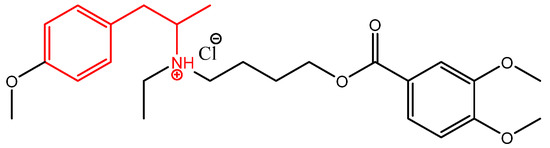
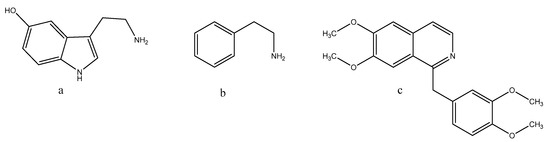
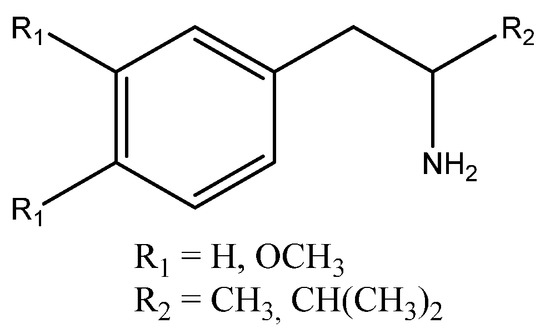
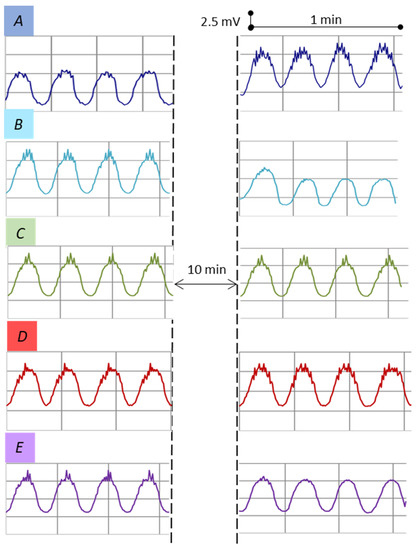
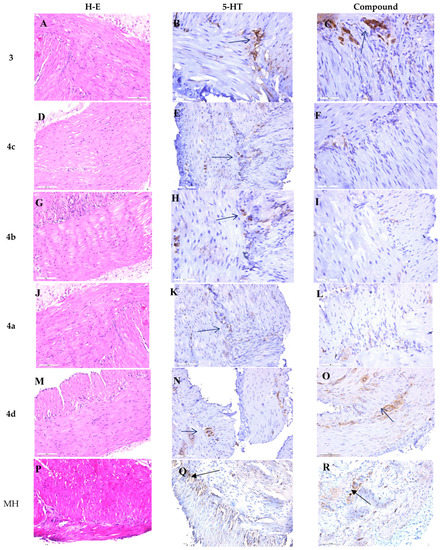
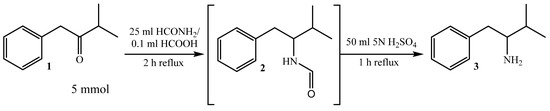
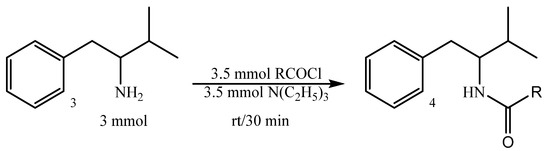
Irritable bowel syndrome (IBS) is a functional gastroenterological disorder with complex pathogenesis and multifaceted therapy approaches, aimed at alleviating clinical symptoms and improving the life quality of patients. Its treatment includes dietary changes and drugs from various pharmacological groups such as antidiarrheals, anticholinergics, serotonin receptor antagonists, targeting chloride ion channels, etc. The present article is focused on the synthesis and biological evaluation of some mebeverine precursors as potential antispasmodics. Methods: In silico analysis aimed at predicting the pharmacodynamic profile of the compounds was performed. Based on these predictions, ex vivo bioelectrical activity (BEA) and immunohistochemical effects of the compounds were established. A thorough biological evaluation of the compounds was conducted assessing their in vitro antimicrobial and cytotoxic activity. Results: All the newly synthesized compounds exerted drug-like properties, whereby 3-methyl-1-phenylbutan-2-amine 3 showed a significant change in BEA due to Ca2+ channel regulation, Ca2+ influx modulation, and a subsequent change in smooth muscle cell response. The immunohistochemical studies showed a good correlation with the obtained data on the BEA, defining amine 3 as a leader structure. No cytotoxicity to human malignant leukemic cell lines (LAMA-84, K-562) was observed for all tested compounds. Conclusion: Based on the experimental results, we outlined 3-methyl-1-phenylbutan-2-amine 3 as a potential effective choice for orally active long-term therapy of IBS. Full article
(This article belongs to the Special Issue Small Molecule Drugs: Discovery and Development)
Show Figures

Figure 1
13 pages, 2144 KB  
Article
The Role of mTOR and Injury in Developing Salispheres
by Rimah Saleem and Guy Carpenter
Biomedicines 2023, 11(2), 604; https://doi.org/10.3390/biomedicines11020604 - 17 Feb 2023
Cited by 1 | Viewed by 1988
Abstract
Salispheres are the representative primitive cells of salivary glands grown in vitro in a nonadherent system. In this study, we used the ligation model for salisphere isolation after seven days of obstruction of the main excretory duct of the submandibular gland. The mammalian [...] Read more.
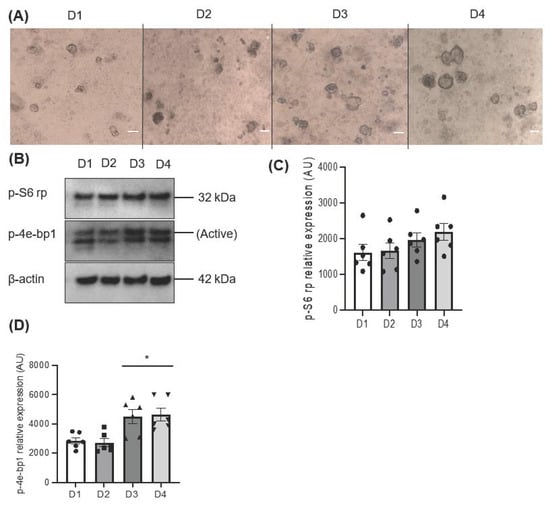
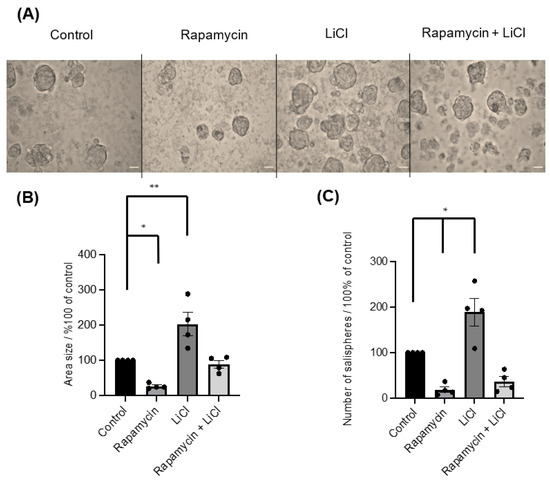
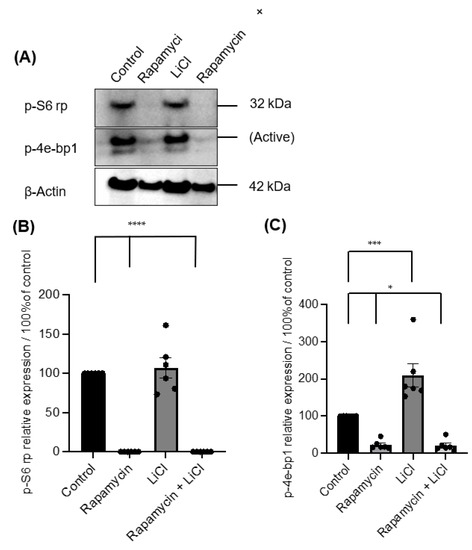
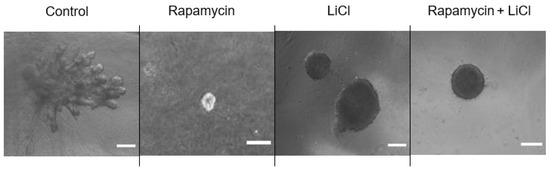
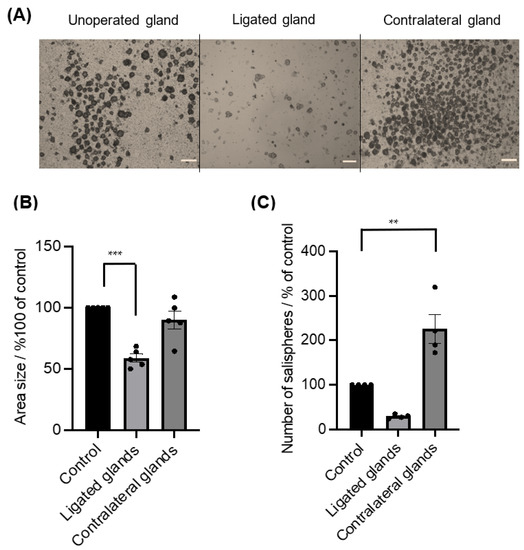
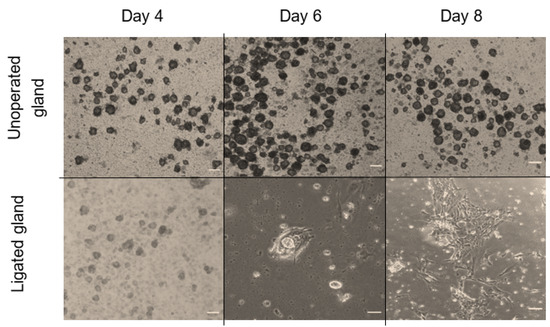
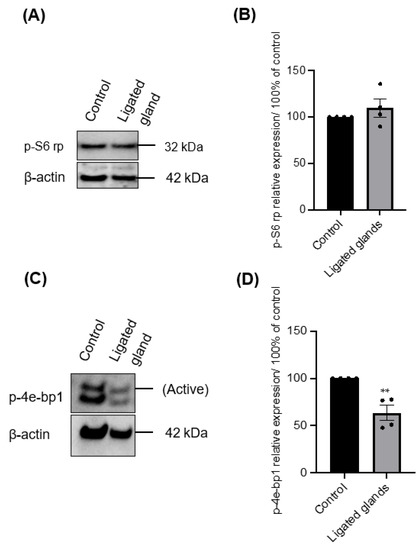
Salispheres are the representative primitive cells of salivary glands grown in vitro in a nonadherent system. In this study, we used the ligation model for salisphere isolation after seven days of obstruction of the main excretory duct of the submandibular gland. The mammalian target of rapamycin (mTOR) is a critical signalling pathway involved in many cellular functions and is suggested to play a role in atrophy. We determined the role of mTOR and injury in the formation and development of salispheres. Morphological assessments and Western blot analysis illustrated how mTOR inhibition by rapamycin impaired the assembly of salispheres and how indirect stimulation of mTOR by lithium chloride (LiCl) assisted in the expansion of the salispheres. The use of rapamycin highlighted the necessity of mTOR for the development of salispheres as it affected the morphology and inhibited the phosphorylation of the eukaryotic translation initiation factor 4E-binding protein (4e-bp1). mTOR activity also appeared to be a crucial regulator for growing salispheres, even from the ligated gland. However, atrophy induced by ductal ligation resulted in a morphological alteration. The phosphorylation of 4e-bp1 and S6 ribosomal protein in cultured salispheres from ligated glands suggests that mTOR was not responsible for the morphological modification, but other unexplored factors were involved. This exploratory study indicates that active mTOR is essential for growing healthy salispheres. In addition, mTOR stimulation by LiCl could effectively play a role in the expansion of salispheres. The impact of atrophy on salispheres suggests a complex mechanism behind the morphological alteration, which requires further investigation. Full article
(This article belongs to the Section Cell Biology and Pathology)
Show Figures

Figure 1
13 pages, 2251 KB  
Article
High-Dose Intravenous Steroid Treatment Seems to Have No Long-Term Negative Effect on Bone Mineral Density of Young and Newly Diagnosed Multiple Sclerosis Patients: A Pilot Study
by George Simeakis, Maria Anagnostouli, Nikolaos Fakas, John Koutsikos, Athanasios Papatheodorou, Konstantinos Chanopoulos, Kwnstantinos Athanasiou, George Papatheodorou, Evangelia Zapanti, Maria Alevizaki, Gregory Kaltsas and Evangelos Terpos
Biomedicines 2023, 11(2), 603; https://doi.org/10.3390/biomedicines11020603 - 17 Feb 2023
Cited by 5 | Viewed by 3191
Abstract
High-dose intravenous steroid treatment (HDIST) represents the first choice of treatment for multiple sclerosis (MS) relapses. Chronic oral glucocorticoid (GC) administration correlates with bone loss whereas data regarding HDIST in MS are still conflicting. Twenty-five newly diagnosed MS patients (NDMSP) (median age: 37 [...] Read more.
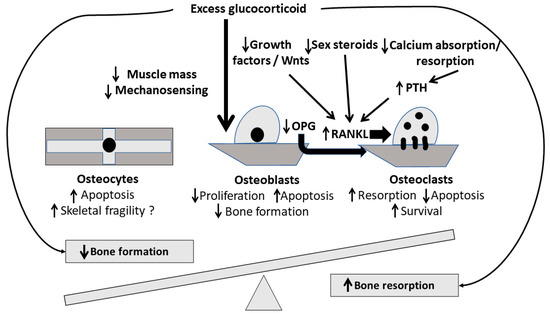
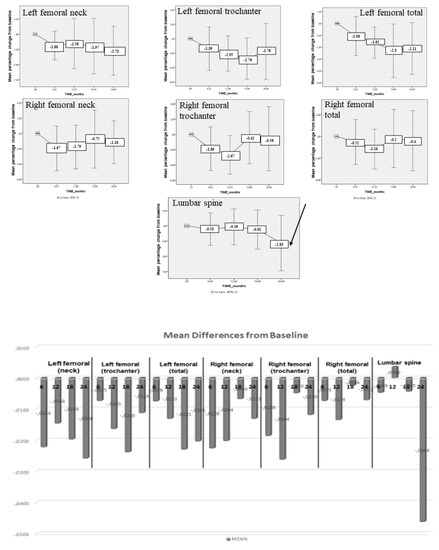
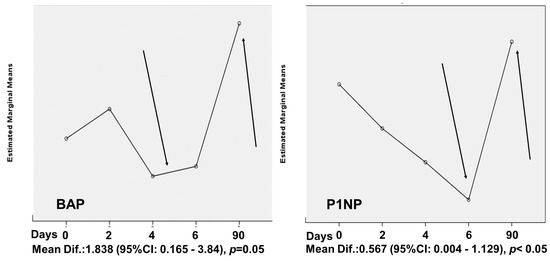
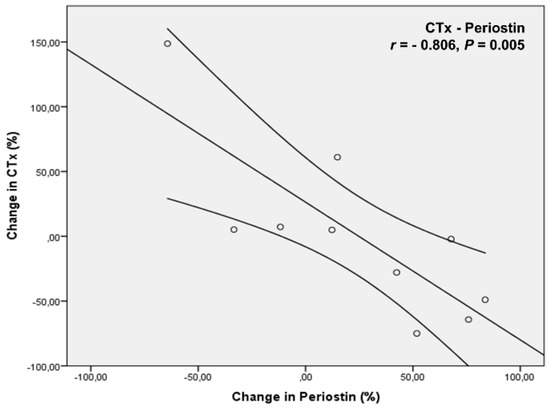
High-dose intravenous steroid treatment (HDIST) represents the first choice of treatment for multiple sclerosis (MS) relapses. Chronic oral glucocorticoid (GC) administration correlates with bone loss whereas data regarding HDIST in MS are still conflicting. Twenty-five newly diagnosed MS patients (NDMSP) (median age: 37 years) were prospectively studied for the effects of HDIST on bone mineral density (BMD) and bone metabolism. Patients received 1000 mg methylprednisolone intravenously every day for 5 days followed by oral prednisolone tapering over 21 days. Bone metabolism indices were determined prior to GC, on days 2, 4, 6, and 90, and at months 6, 12, 18, and 24 post GC therapy. Femoral, lumbar-spine BMD, and whole-body measurement of adipose/lean tissue were assessed prior to GC-administration and then every six months. Ten patients completed the study. N-terminal-propeptide-procollagen-type-1 and bone-specific alkaline phosphatase showed a significant increase at day-90 (p < 0.05). A transient non-significant fall of BMD was observed at 6 months after GC-administration, which subsequently appeared to be restored. We conclude that HDIST seems not to have long-term negative effects on BMD, while the observed transient increase of bone formation markers probably indicates a high bone turnover phase to GC-administration. Additional prospective studies with larger sample size are needed. Full article
(This article belongs to the Section Endocrinology and Metabolism Research)
Show Figures

Figure 1
13 pages, 3285 KB  
Article
An Array SPRi Biosensor for the Determination on PARP-1 in Blood Plasma
by Zuzanna Zielinska, Lukasz Oldak, Joanna Kacperczyk-Bartnik, Ewa Koc-Żórawska, Marcin Żórawski, Piotr Laudanski and Ewa Gorodkiewicz
Biomedicines 2023, 11(2), 602; https://doi.org/10.3390/biomedicines11020602 - 17 Feb 2023
Cited by 4 | Viewed by 2604
Abstract
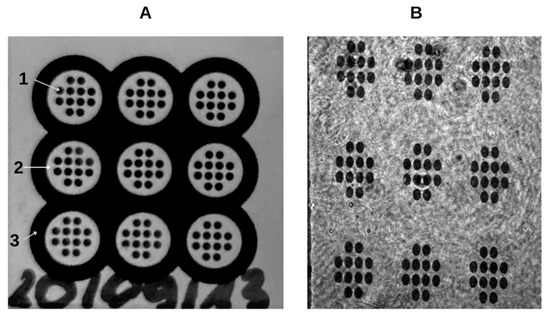
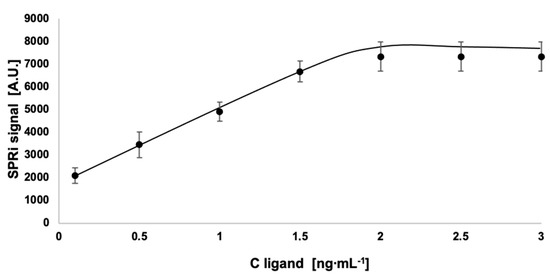
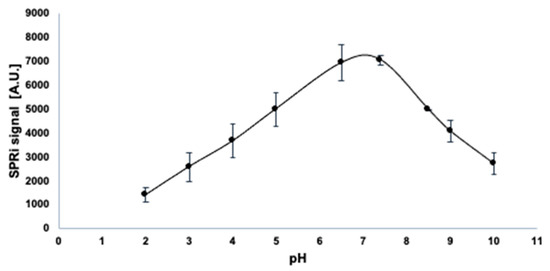
A biosensor was developed for the quantification of poly(ADP-ribose) polymerase-1 (PARP-1) in body fluids. An antibody specific for PARP-1 was placed on a chip with cysteamine (linker) and a gold layer. This biosensor has a linear response range (10–1000 pg∙mL−1) under [...] Read more.
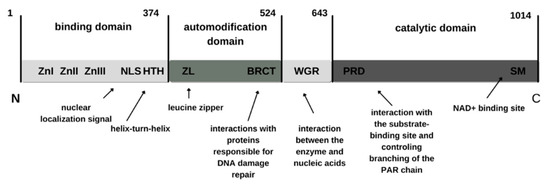
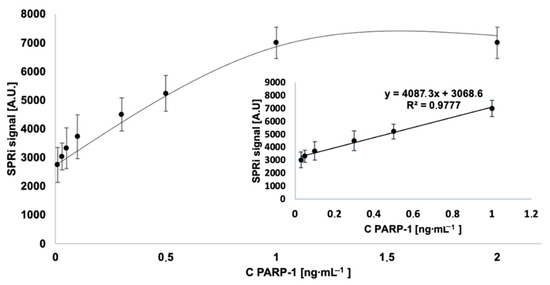
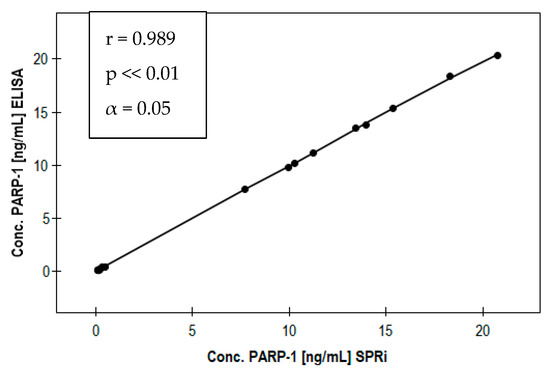
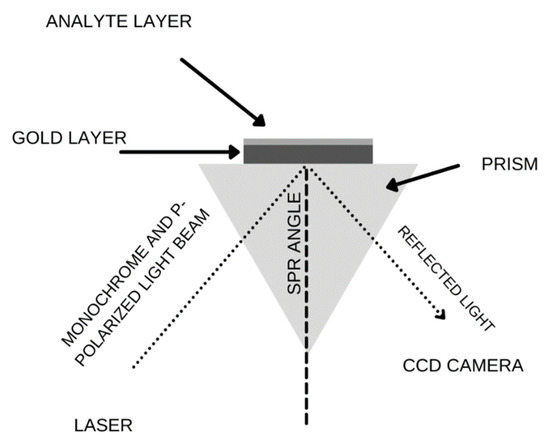
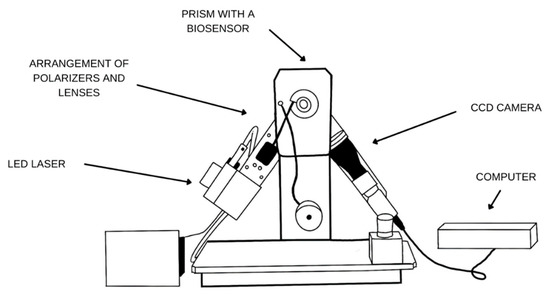
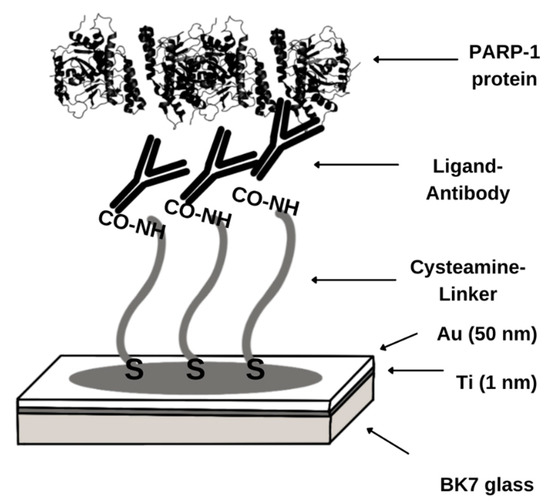
A biosensor was developed for the quantification of poly(ADP-ribose) polymerase-1 (PARP-1) in body fluids. An antibody specific for PARP-1 was placed on a chip with cysteamine (linker) and a gold layer. This biosensor has a linear response range (10–1000 pg∙mL−1) under appropriate pH conditions and with an antibody ligand concentration of 5 ng∙mL−1. Plasma samples were diluted with PBS buffer in appropriate quantities so that they fell within the linear range of the calibration curve. The biosensor exhibited suitable precision and accuracy, and good recovery (at levels from 95% to 105%). The method was validated by means of PARP-1 determinations in plasma samples from patients with endometriosis and a control group, using surface plasmon resonance imaging (SPRi) biosensors and an enzyme-linked immunosorbent assay (ELISA) test. The Spearman correlation coefficient was close to 1. PARP-1 may be a marker providing information about pathological changes in the body during endometriosis. Full article
(This article belongs to the Section Biomedical Engineering and Materials)
Show Figures

Figure 1
15 pages, 5081 KB  
Article
Selective Effects of Cold Atmospheric Plasma on Bone Sarcoma Cells and Human Osteoblasts
by Andreas Nitsch, Konrad F. Sieb, Sara Qarqash, Janosch Schoon, Axel Ekkernkamp, Georgi I. Wassilew, Maya Niethard and Lyubomir Haralambiev
Biomedicines 2023, 11(2), 601; https://doi.org/10.3390/biomedicines11020601 - 17 Feb 2023
Cited by 12 | Viewed by 3137
Abstract
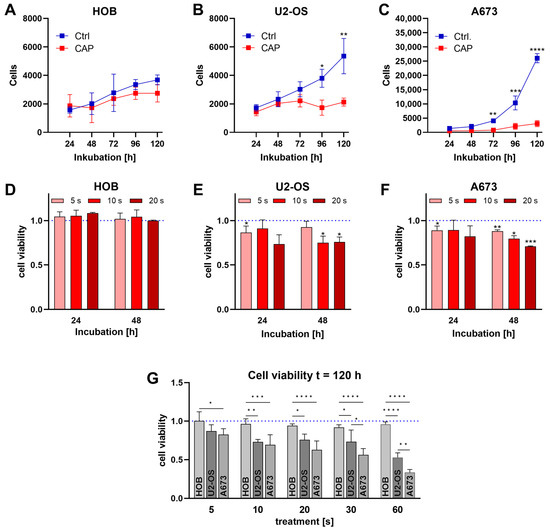
Background: The use of cold atmospheric plasma (CAP) in oncology has been intensively investigated over the past 15 years as it inhibits the growth of many tumor cells. It is known that reactive oxidative species (ROS) produced in CAP are responsible for this [...] Read more.
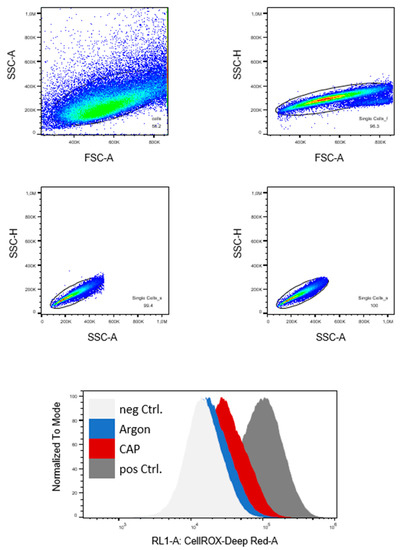
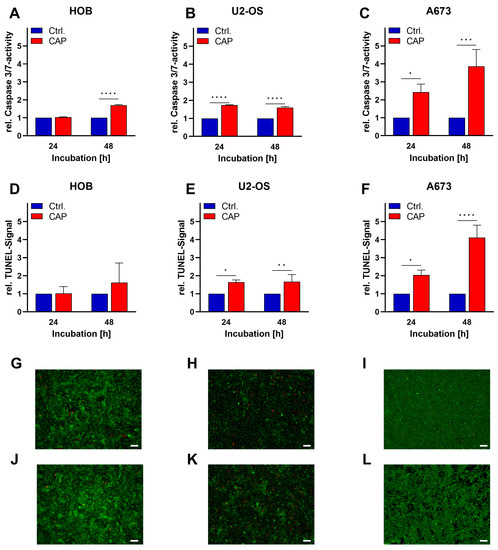
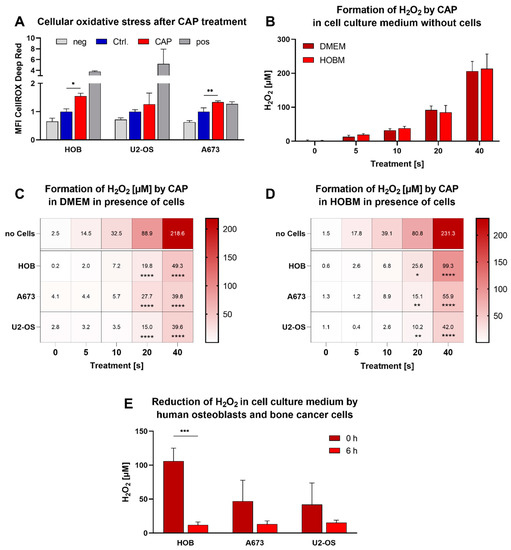
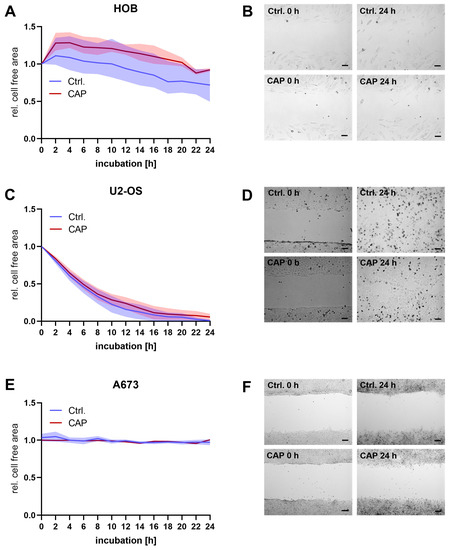
Background: The use of cold atmospheric plasma (CAP) in oncology has been intensively investigated over the past 15 years as it inhibits the growth of many tumor cells. It is known that reactive oxidative species (ROS) produced in CAP are responsible for this effect. However, to translate the use of CAP into medical practice, it is essential to know how CAP treatment affects non-malignant cells. Thus, the current in vitro study deals with the effect of CAP on human bone cancer cells and human osteoblasts. Here, identical CAP treatment regimens were applied to the malignant and non-malignant bone cells and their impact was compared. Methods: Two different human bone cancer cell types, U2-OS (osteosarcoma) and A673 (Ewing’s sarcoma), and non-malignant primary osteoblasts (HOB) were used. The CAP treatment was performed with the clinically approved kINPen MED. After CAP treatment, growth kinetics and a viability assay were performed. For detecting apoptosis, a caspase-3/7 assay and a TUNEL assay were used. Accumulated ROS was measured in cell culture medium and intracellular. To investigate the influence of CAP on cell motility, a scratch assay was carried out. Results: The CAP treatment showed strong inhibition of cell growth and viability in bone cancer cells. Apoptotic processes were enhanced in the malignant cells. Osteoblasts showed a higher potential for ROS resistance in comparison to malignant cells. There was no difference in cell motility between benign and malignant cells following CAP treatment. Conclusions: Osteoblasts show better tolerance to CAP treatment, indicated by less affected viability compared to CAP-treated bone cancer cells. This points toward the selective effect of CAP on sarcoma cells and represents a further step toward the clinical application of CAP. Full article
(This article belongs to the Special Issue Plasma Applications in Biomedicine)
Show Figures

Figure 1