19 pages, 6739 KB  
Article
Towards the Instrumentation of Facemasks Used as Personal Protective Equipment for Unobtrusive Breathing Monitoring of Workers
by Mariangela Pinnelli, Daniela Lo Presti, Sergio Silvestri, Roberto Setola, Emiliano Schena and Carlo Massaroni
Sensors 2024, 24(17), 5815; https://doi.org/10.3390/s24175815 - 7 Sep 2024
Cited by 11 | Viewed by 1850
Abstract
This study focuses on the integration and validation of a filtering face piece 3 (FFP3) facemask module for monitoring breathing activity in industrial environments. The key objective is to ensure accurate, real-time respiratory rate (RR) monitoring while maintaining workers’ comfort. RR monitoring is [...] Read more.
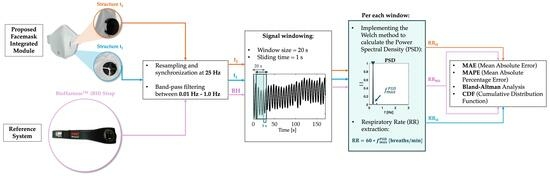
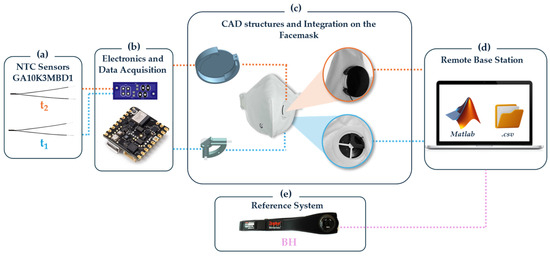
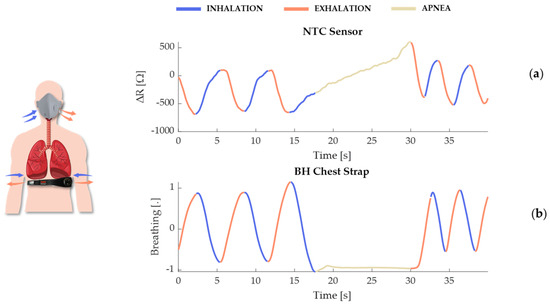
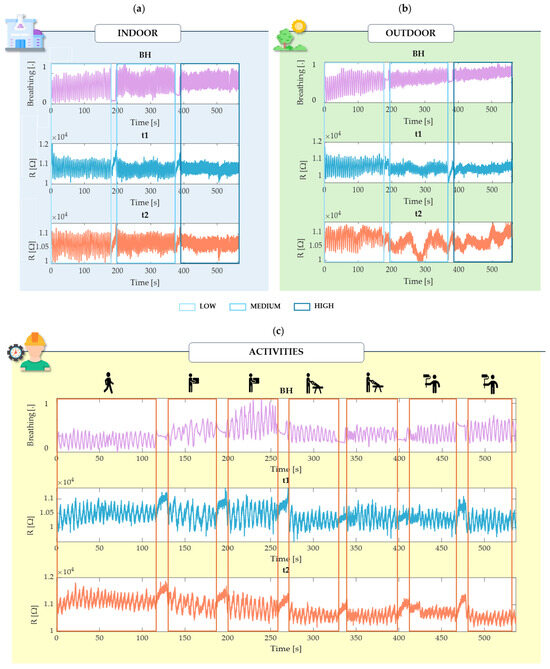
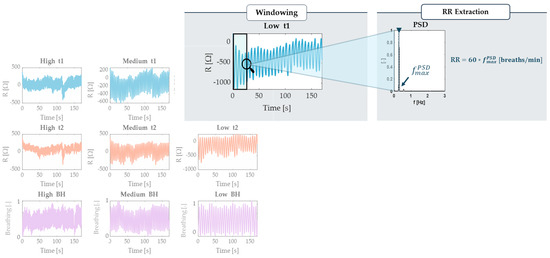
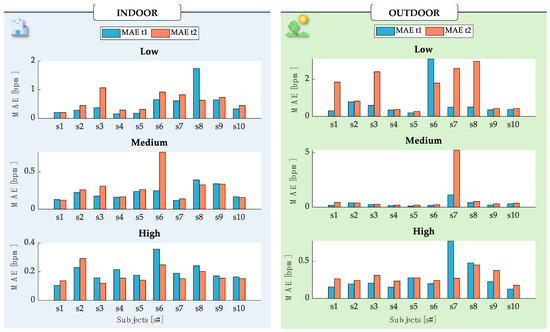
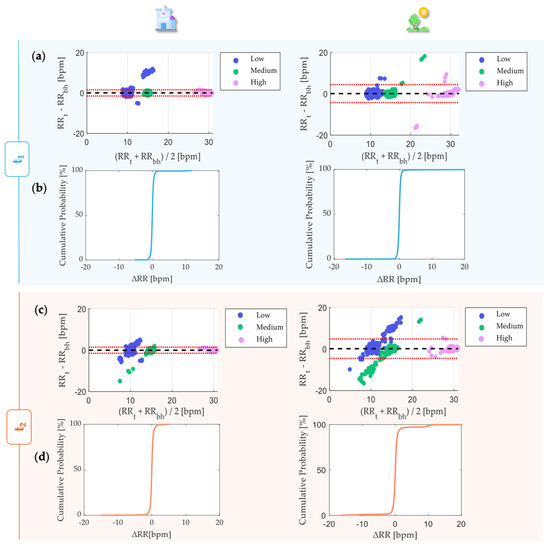
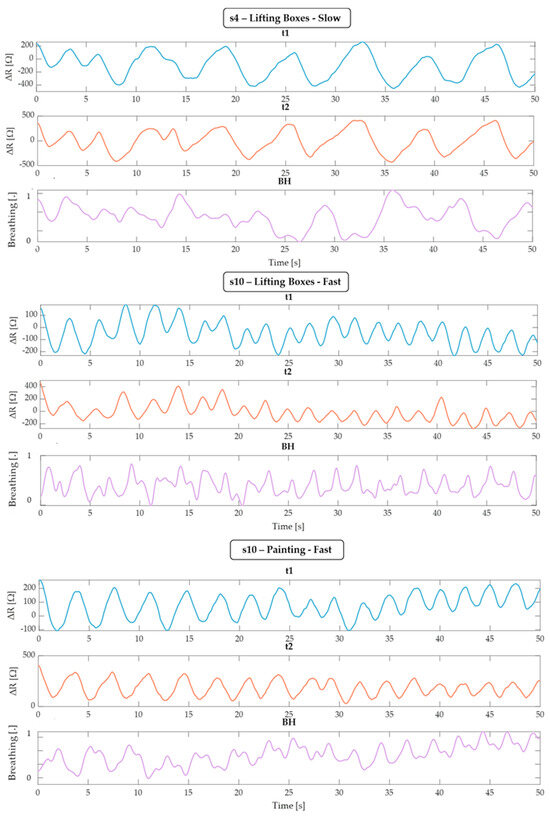
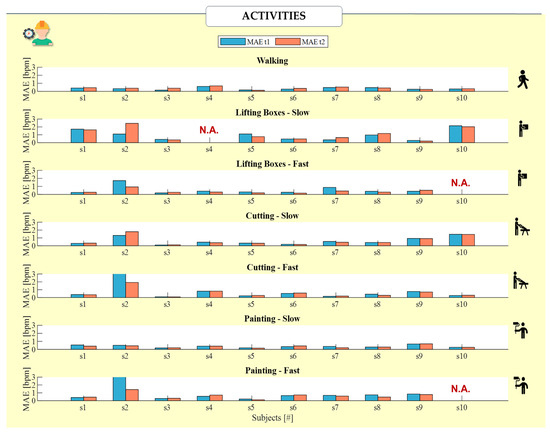
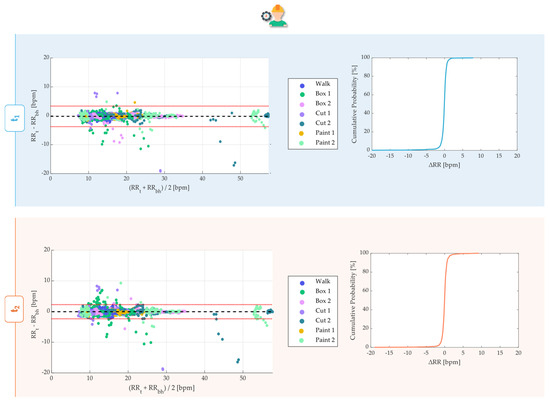
This study focuses on the integration and validation of a filtering face piece 3 (FFP3) facemask module for monitoring breathing activity in industrial environments. The key objective is to ensure accurate, real-time respiratory rate (RR) monitoring while maintaining workers’ comfort. RR monitoring is conducted through temperature variations detected using temperature sensors tested in two configurations: sensor t1, integrated inside the exhalation valve and necessitating structural mask modifications, and sensor t2, mounted externally in a 3D-printed structure, thus preserving its certification as a piece of personal protective equipment (PPE). Ten healthy volunteers participated in static and dynamic tests, simulating typical daily life and industrial occupational activities while wearing the breathing activity monitoring module and a chest strap as a reference instrument. These tests were carried out in both indoor and outdoor settings. The results demonstrate comparable mean absolute error (MAE) for t1 and t2 in both indoor (i.e., 0.31 bpm and 0.34 bpm) and outdoor conditions (i.e., 0.43 bpm and 0.83 bpm). During simulated working activities, both sensors showed consistency with MAE values in static tests and were not influenced by motion artifacts, with more than 97% of RR estimated errors within ±2 bpm. These findings demonstrate the effectiveness of integrating a smart module into protective masks, enhancing occupational health monitoring by providing continuous and precise RR data without requiring additional wearable devices. Full article
Show Figures

Graphical abstract
13 pages, 6005 KB  
Article
Facile One-Pot Preparation of Polypyrrole-Incorporated Conductive Hydrogels for Human Motion Sensing
by Zunhui Zhao, Jiahao Liu, Jun Lv, Bo Liu, Na Li and Hangyu Zhang
Sensors 2024, 24(17), 5814; https://doi.org/10.3390/s24175814 - 7 Sep 2024
Cited by 9 | Viewed by 2928
Abstract
Conductive hydrogels have been widely used in soft robotics, as well as skin-attached and implantable bioelectronic devices. Among the candidates of conductive fillers, conductive polymers have become popular due to their intrinsic conductivity, high biocompatibility, and mechanical flexibility. However, it is still a [...] Read more.
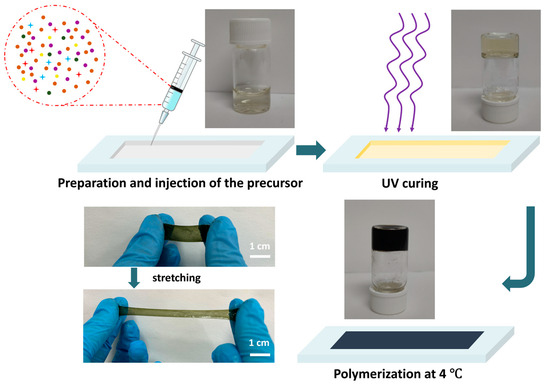
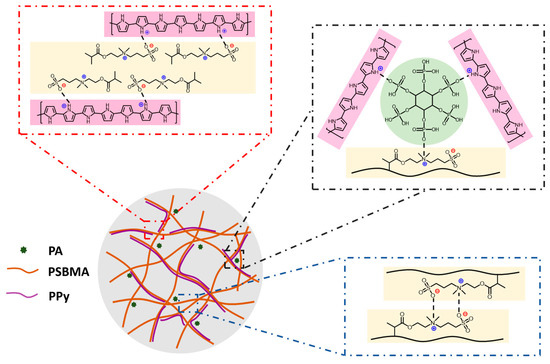
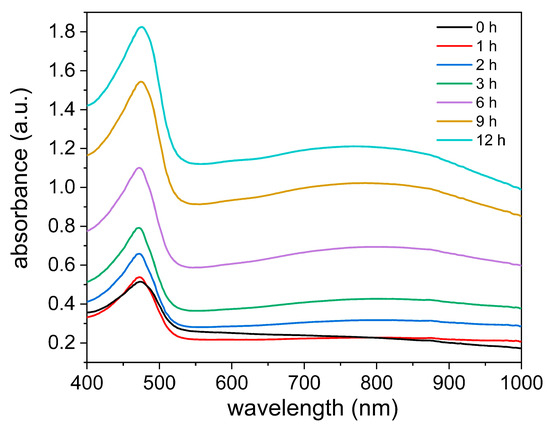
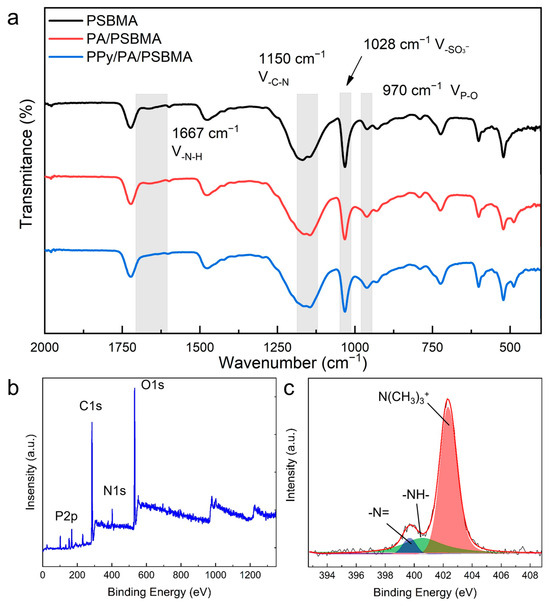
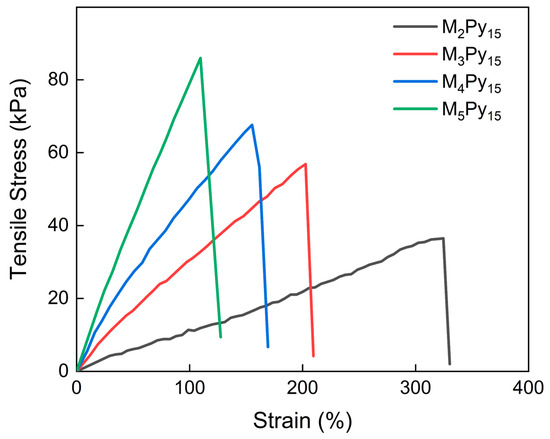
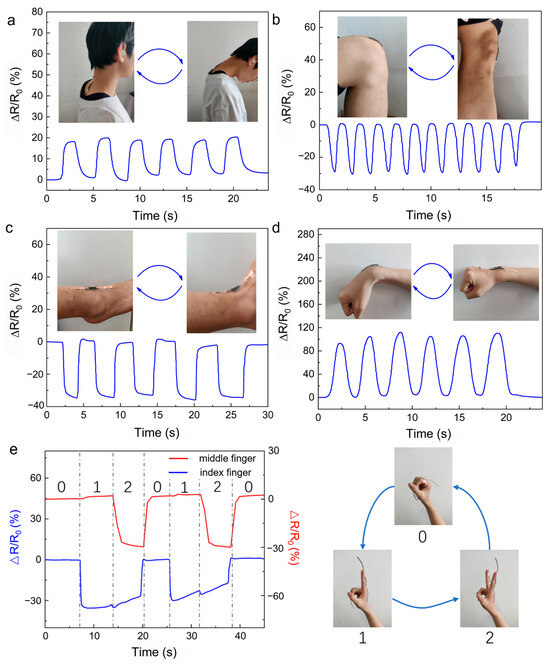
Conductive hydrogels have been widely used in soft robotics, as well as skin-attached and implantable bioelectronic devices. Among the candidates of conductive fillers, conductive polymers have become popular due to their intrinsic conductivity, high biocompatibility, and mechanical flexibility. However, it is still a challenge to construct conductive polymer-incorporated hydrogels with a good performance using a facile method. Herein, we present a simple method for the one-pot preparation of conductive polymer-incorporated hydrogels involving rapid photocuring of the hydrogel template followed by slow in situ polymerization of pyrrole. Due to the use of a milder oxidant, hydrogen peroxide, for polypyrrole synthesis, the photocuring of the hydrogel template and the growing of polypyrrole proceeded in an orderly manner, making it possible to prepare conductive polymer-incorporated hydrogels in one pot. The preparation process is facile and extensible. Moreover, the obtained hydrogels exhibit a series of properties suitable for biomedical strain sensors, including good conductivity (2.49 mS/cm), high stretchability (>200%), and a low Young’s modulus (~30 kPa) that is compatible with human skin. Full article
Show Figures

Figure 1

28 pages, 952 KB  
Review
A Comprehensive Review of Hardware Acceleration Techniques and Convolutional Neural Networks for EEG Signals
by Yu Xie and Stefan Oniga
Sensors 2024, 24(17), 5813; https://doi.org/10.3390/s24175813 - 7 Sep 2024
Cited by 8 | Viewed by 6599
Abstract
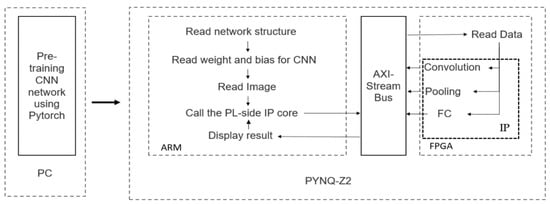
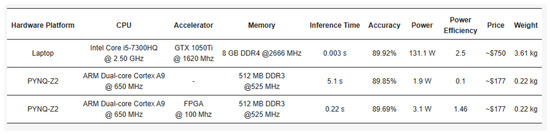
This paper comprehensively reviews hardware acceleration techniques and the deployment of convolutional neural networks (CNNs) for analyzing electroencephalogram (EEG) signals across various application areas, including emotion classification, motor imagery, epilepsy detection, and sleep monitoring. Previous reviews on EEG have mainly focused on software [...] Read more.
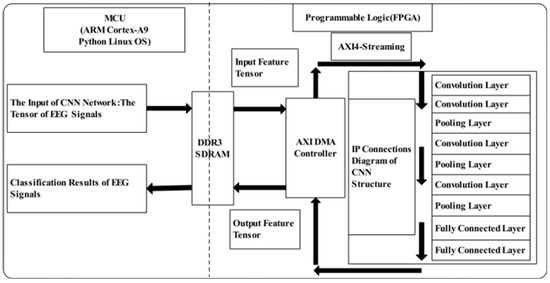
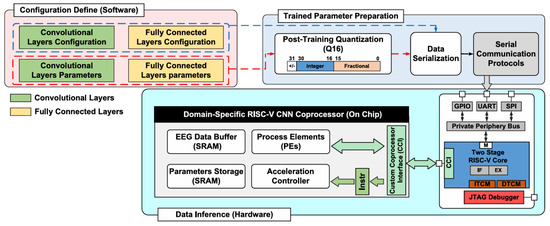
This paper comprehensively reviews hardware acceleration techniques and the deployment of convolutional neural networks (CNNs) for analyzing electroencephalogram (EEG) signals across various application areas, including emotion classification, motor imagery, epilepsy detection, and sleep monitoring. Previous reviews on EEG have mainly focused on software solutions. However, these reviews often overlook key challenges associated with hardware implementation, such as scenarios that require a small size, low power, high security, and high accuracy. This paper discusses the challenges and opportunities of hardware acceleration for wearable EEG devices by focusing on these aspects. Specifically, this review classifies EEG signal features into five groups and discusses hardware implementation solutions for each category in detail, providing insights into the most suitable hardware acceleration strategies for various application scenarios. In addition, it explores the complexity of efficient CNN architectures for EEG signals, including techniques such as pruning, quantization, tensor decomposition, knowledge distillation, and neural architecture search. To the best of our knowledge, this is the first systematic review that combines CNN hardware solutions with EEG signal processing. By providing a comprehensive analysis of current challenges and a roadmap for future research, this paper provides a new perspective on the ongoing development of hardware-accelerated EEG systems. Full article
(This article belongs to the Special Issue Sensors Fusion in Digital Healthcare Applications)
Show Figures

Figure 1

23 pages, 21056 KB  
Article
Development and Application of Unmanned Aerial High-Resolution Convex Grating Dispersion Hyperspectral Imager
by Qingsheng Xue, Xinyu Gao, Fengqin Lu, Jun Ma, Junhong Song and Jinfeng Xu
Sensors 2024, 24(17), 5812; https://doi.org/10.3390/s24175812 - 7 Sep 2024
Cited by 5 | Viewed by 2125
Abstract
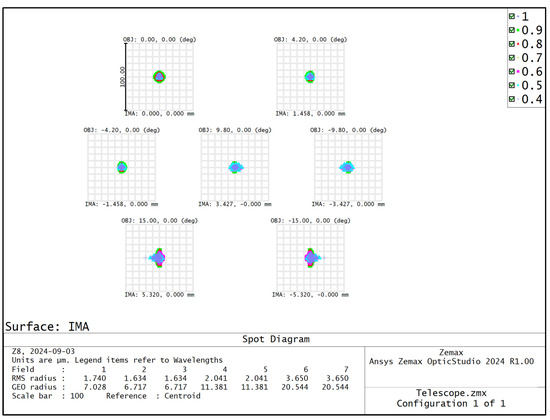
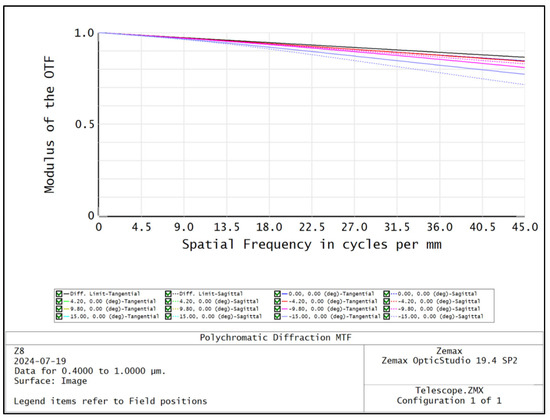
This study presents the design and development of a high-resolution convex grating dispersion hyperspectral imaging system tailored for unmanned aerial vehicle (UAV) remote sensing applications. The system operates within a spectral range of 400 to 1000 nm, encompassing over 150 channels, and achieves [...] Read more.
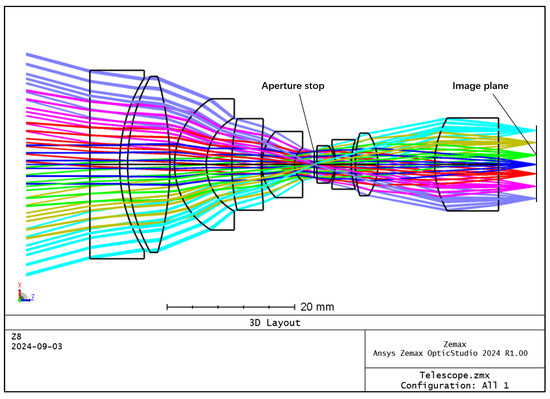
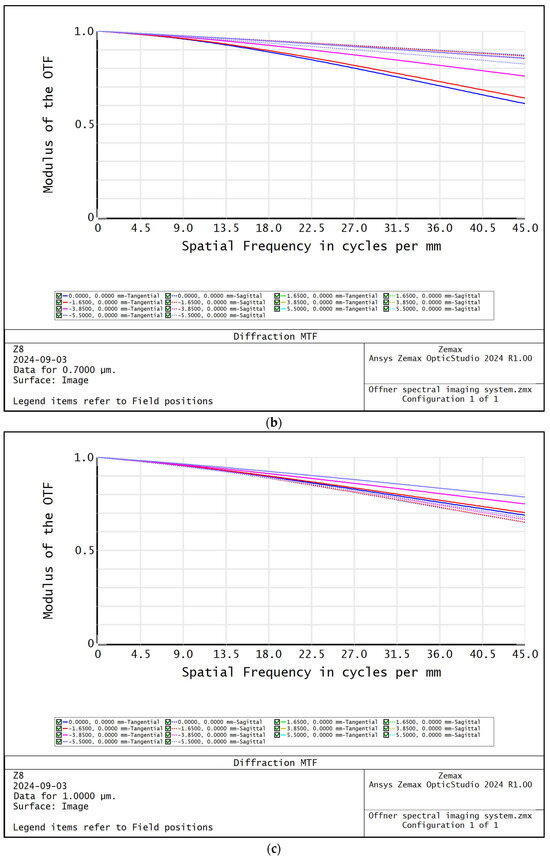
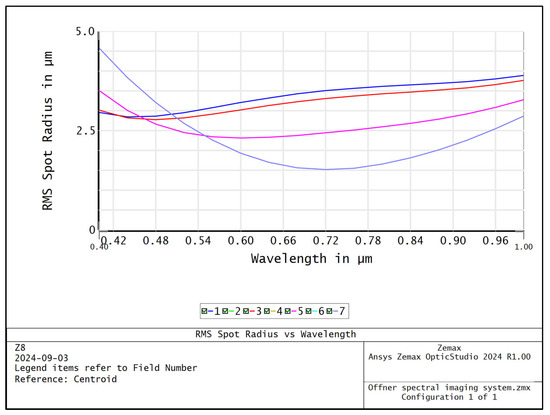
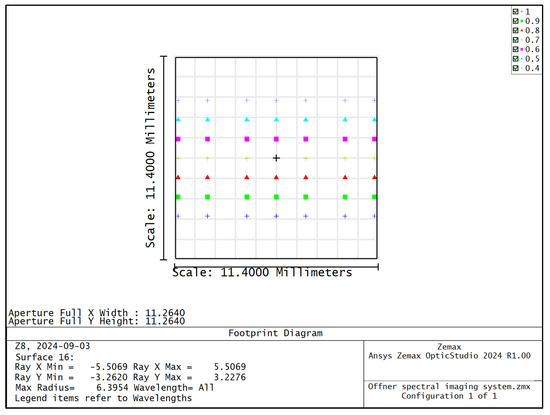
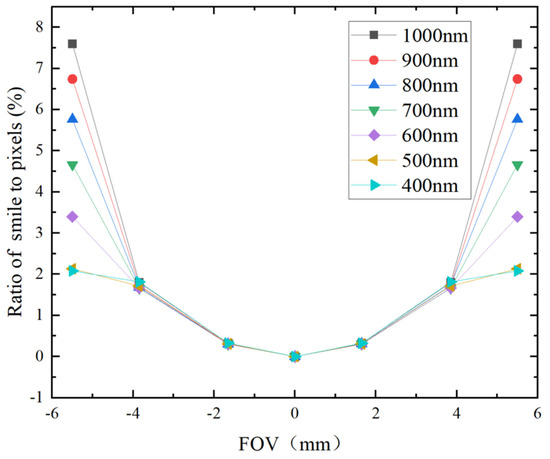
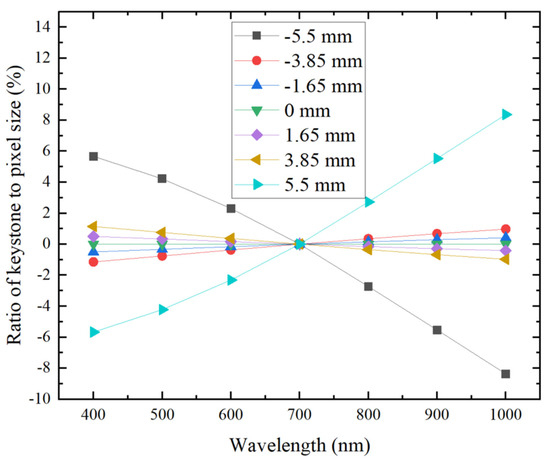
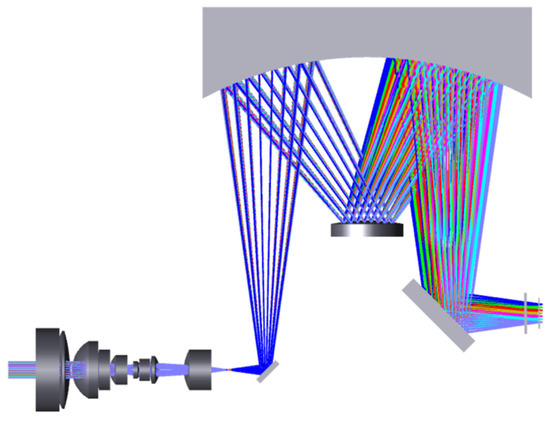
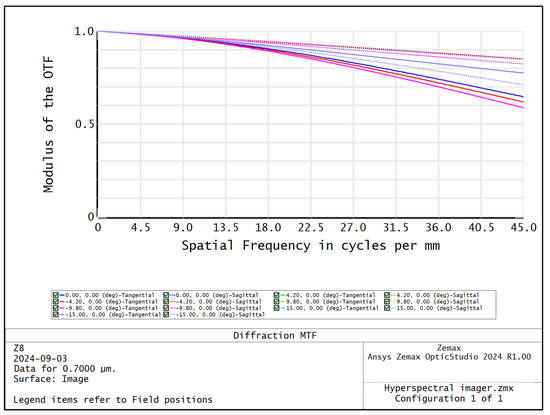
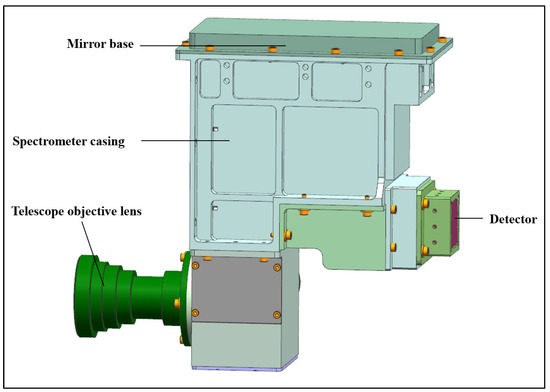
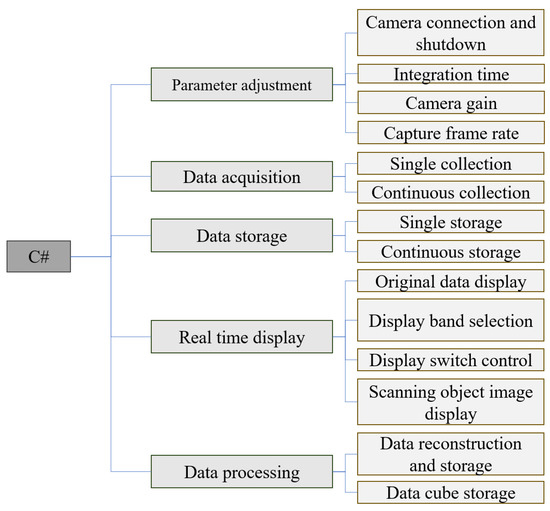
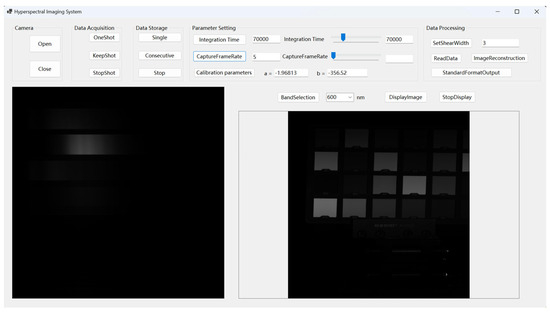
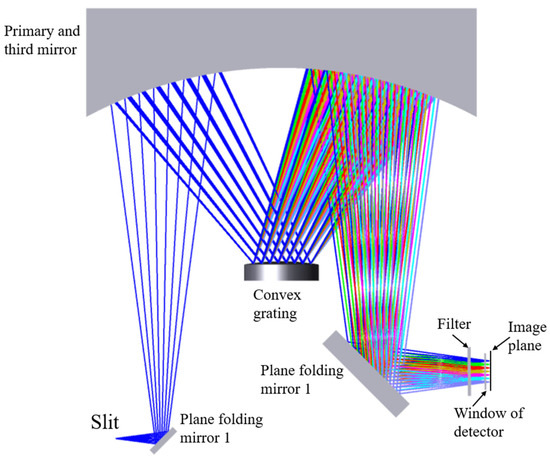
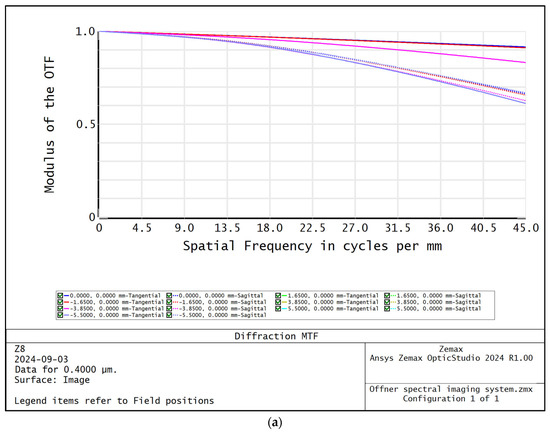
This study presents the design and development of a high-resolution convex grating dispersion hyperspectral imaging system tailored for unmanned aerial vehicle (UAV) remote sensing applications. The system operates within a spectral range of 400 to 1000 nm, encompassing over 150 channels, and achieves an average spectral resolution of less than 4 nm. It features a field of view of 30°, a focal length of 20 mm, a compact volume of only 200 mm × 167 mm × 78 mm, and a total weight of less than 1.5 kg. Based on the design specifications, the system was meticulously adjusted, calibrated, and tested. Additionally, custom software for the hyperspectral system was independently developed to facilitate functions such as control parameter adjustments, real-time display, and data preprocessing of the hyperspectral camera. Subsequently, the prototype was integrated onto a drone for remote sensing observations of Spartina alterniflora at Yangkou Beach in Shouguang City, Shandong Province. Various algorithms were employed for data classification and comparison, with support vector machine (SVM) and neural network algorithms demonstrating superior classification accuracy. The experimental results indicate that the UAV-based hyperspectral imaging system exhibits high imaging quality, minimal distortion, excellent resolution, an expansive camera field of view, a broad detection range, high experimental efficiency, and remarkable capabilities for remote sensing detection. Full article
(This article belongs to the Section Remote Sensors)
Show Figures

Figure 1

15 pages, 2738 KB  
Article
Cervical Sensorimotor Function Tests Using a VR Headset—An Evaluation of Concurrent Validity
by Karin Forsberg, Johan Jirlén, Inger Jacobson and Ulrik Röijezon
Sensors 2024, 24(17), 5811; https://doi.org/10.3390/s24175811 - 7 Sep 2024
Cited by 2 | Viewed by 4496
Abstract
Sensorimotor disturbances such as disturbed cervical joint position sense (JPS) and reduced reaction time and velocity in fast cervical movements have been demonstrated in people with neck pain. While these sensorimotor functions have been assessed mainly in movement science laboratories, new sensor technology [...] Read more.
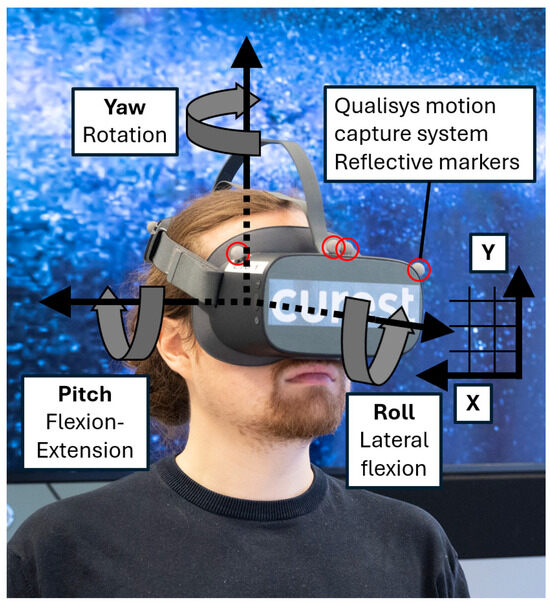
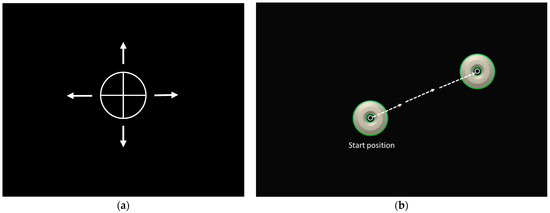
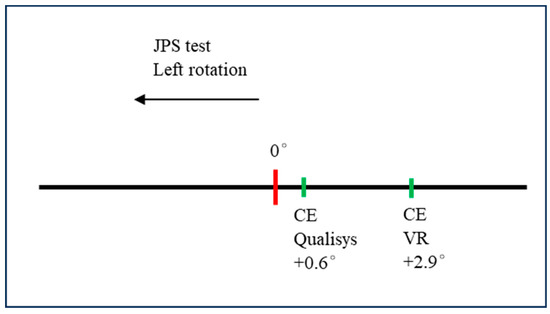
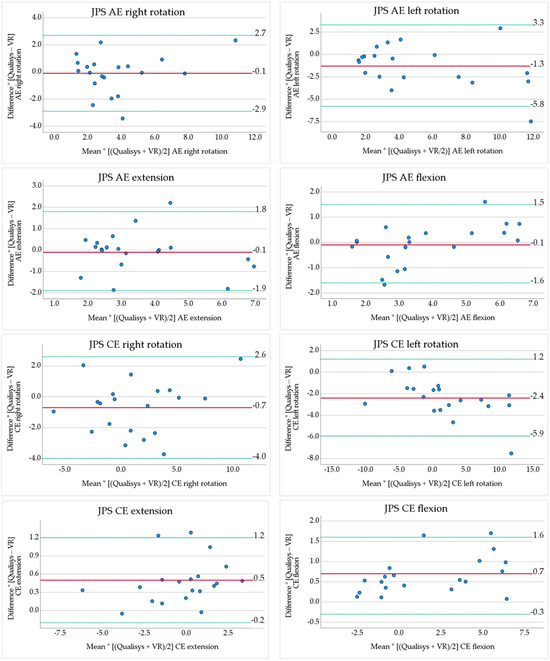
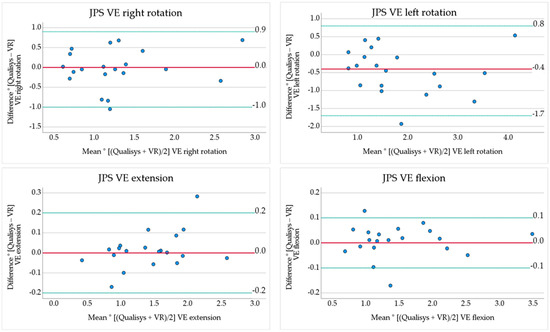
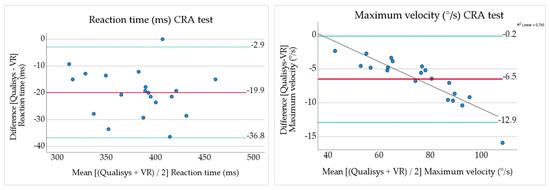
Sensorimotor disturbances such as disturbed cervical joint position sense (JPS) and reduced reaction time and velocity in fast cervical movements have been demonstrated in people with neck pain. While these sensorimotor functions have been assessed mainly in movement science laboratories, new sensor technology enables objective assessments in the clinic. The aim was to investigate concurrent validity of a VR-based JPS test and a new cervical reaction acuity (CRA) test. Twenty participants, thirteen asymptomatic and seven with neck pain, participated in this cross-sectional study. The JPS test, including outcome measures of absolute error (AE), constant error (CE), and variable error (VE), and the CRA test, including outcome measures of reaction time and maximum velocity, were performed using a VR headset and compared to a gold standard optical motion capture system. The mean bias (assessed with the Bland–Altman method) between VR and the gold standard system ranged from 0.0° to 2.4° for the JPS test variables. For the CRA test, reaction times demonstrated a mean bias of −19.9 milliseconds (ms), and maximum velocity a mean bias of −6.5 degrees per seconds (°/s). The intraclass correlation coefficients (ICCs) between VR and gold standard were good to excellent (ICC 0.835–0.998) for the JPS test, and excellent (ICC 0.931–0.954) for reaction time and maximum velocity for the CRA test. The results show acceptable concurrent validity for the VR technology for assessment of JPS and CRA. A slightly larger bias was observed in JPS left rotation which should be considered in future research. Full article
(This article belongs to the Special Issue Advanced Sensors in Biomechanics and Rehabilitation Applications)
Show Figures

Figure 1

13 pages, 7374 KB  
Article
Calculation of the Point of Application (Centre of Pressure) of Force and Torque Imparted on a Spherical Object from Gyroscope Sensor Data, Using Sports Balls as Practical Examples
by Franz Konstantin Fuss, Batdelger Doljin and René E. D. Ferdinands
Sensors 2024, 24(17), 5810; https://doi.org/10.3390/s24175810 - 7 Sep 2024
Cited by 1 | Viewed by 2279
Abstract
This study investigates the determination of the centre of pressure (COP) on spherical sports objects such as cricket balls and footballs using gyroscope data from Inertial Measurement Units (IMUs). Conventional pressure sensors are not suitable for capturing the tangential forces responsible for torque [...] Read more.
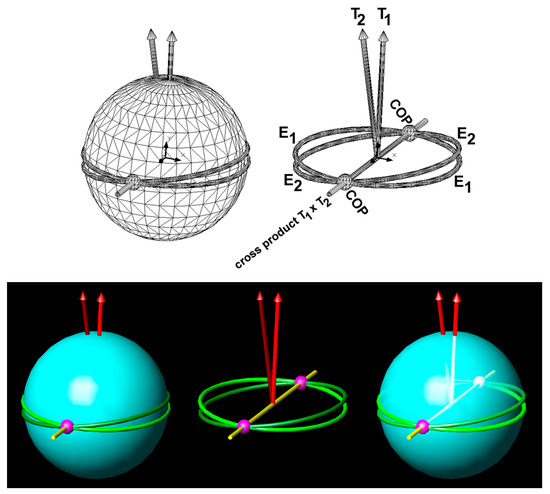
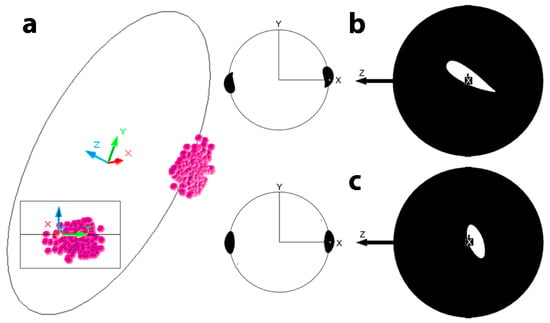
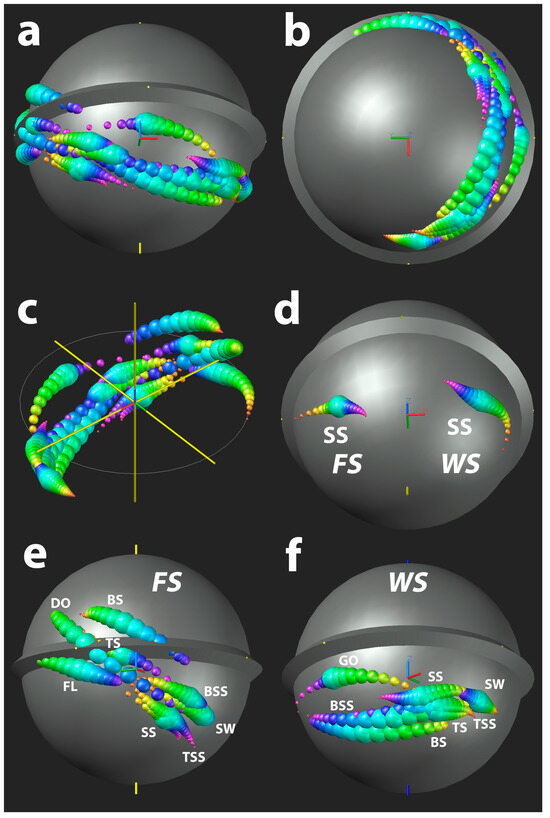
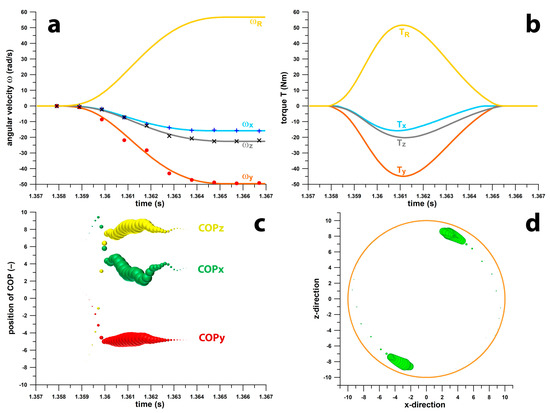
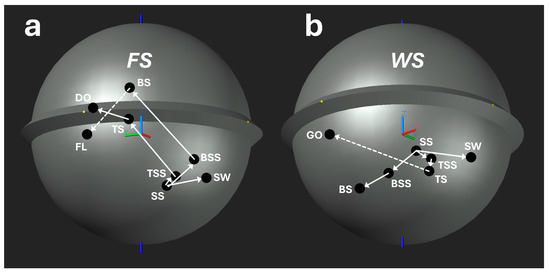
This study investigates the determination of the centre of pressure (COP) on spherical sports objects such as cricket balls and footballs using gyroscope data from Inertial Measurement Units (IMUs). Conventional pressure sensors are not suitable for capturing the tangential forces responsible for torque generation. This research presents a novel method to calculate the COP solely from gyroscope data and avoids the complexity of isolating user-induced accelerations from IMU data. The COP is determined from the cross-product of consecutive torque vectors intersecting the surface of the sphere. Effective noise management techniques, including filtering and data interpolation, were employed to improve COP visualisation. Experiments were conducted using a smart cricket ball and a smart football. Validation tests using spin rates between 7.5 and 12 rps and torques ranging from 0.08 to 0.12 Nm confirmed consistent COP clustering around the expected positions. Further analysis extended to various spin bowling deliveries recorded using a smart cricket ball, and a curved football kick recorded using a smart football demonstrated the wide applicability of the method. The COPs of various spin bowling deliveries showed adjacent positions on the surface of the ball, traversing through backspin, sidespin and topspin, excluding the flipper and doosra deliveries. The calculation of the COP on the surface of the soccer ball could only be achieved by increasing the data sampling frequency sevenfold using curve fitting. Knowledge and use of the COP position offers significant advances in understanding and analysing ball dynamics in sports. Full article
(This article belongs to the Special Issue Sensor Techniques and Methods for Sports Science)
Show Figures

Figure 1

19 pages, 8433 KB  
Article
Validation of In-House Imaging System via Code Verification on Petunia Images Collected at Increasing Fertilizer Rates and pHs
by Kahlin Wacker, Changhyeon Kim, Marc W. van Iersel, Mark Haidekker, Lynne Seymour and Rhuanito Soranz Ferrarezi
Sensors 2024, 24(17), 5809; https://doi.org/10.3390/s24175809 - 6 Sep 2024
Cited by 1 | Viewed by 1628
Abstract
In a production environment, delayed stress recognition can impact yield. Imaging can rapidly and effectively quantify stress symptoms using indexes such as normalized difference vegetation index (NDVI). Commercial systems are effective but cannot be easily customized for specific applications, particularly post-processing. We developed [...] Read more.
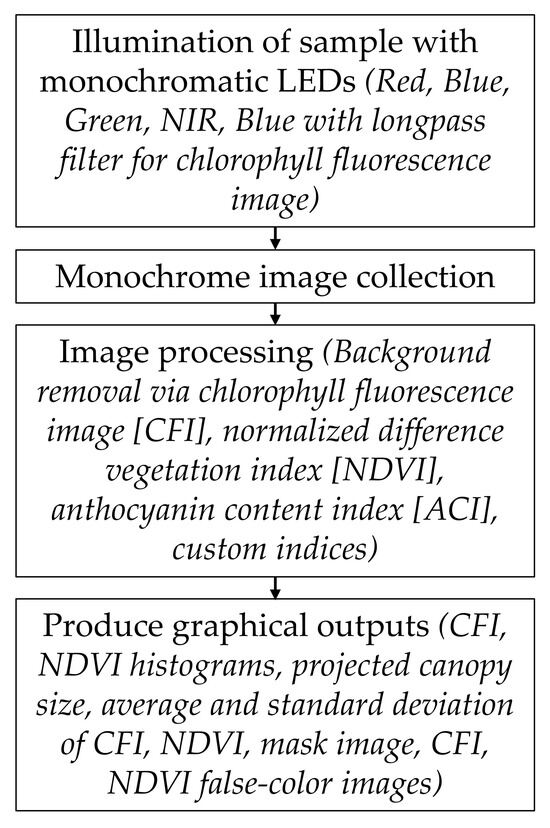
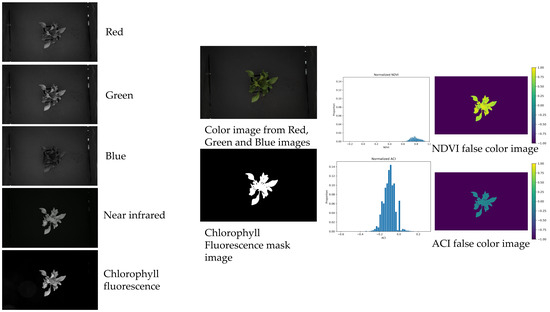
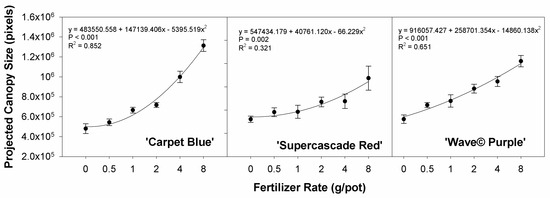
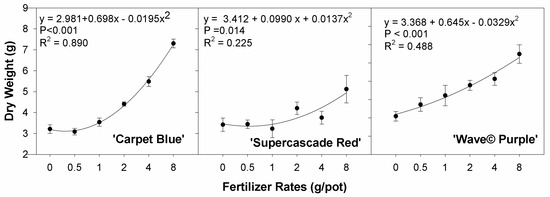
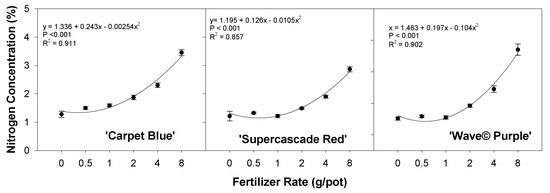
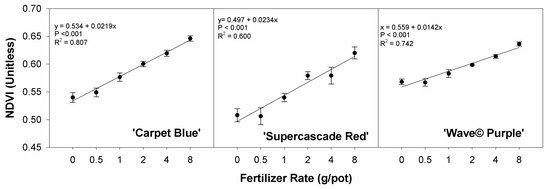
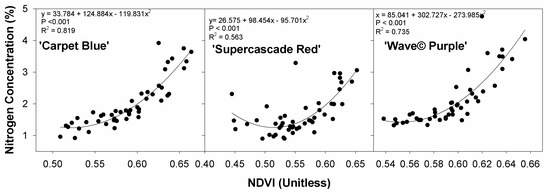
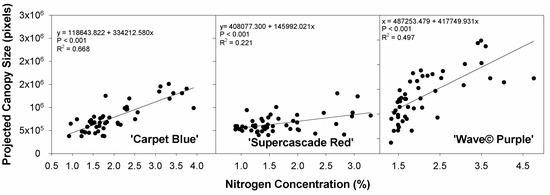
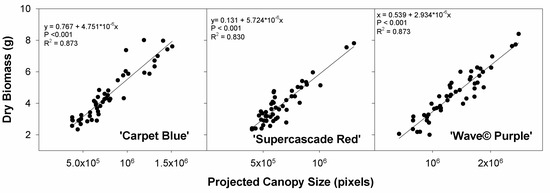
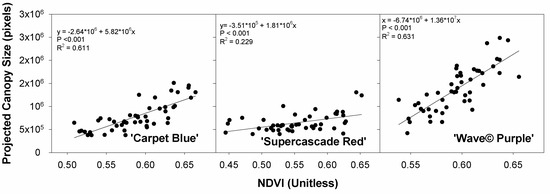
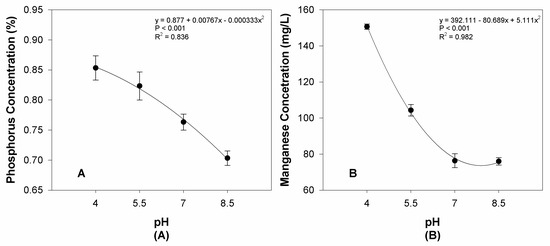
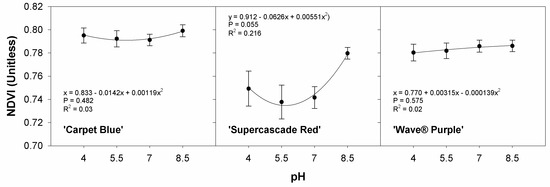
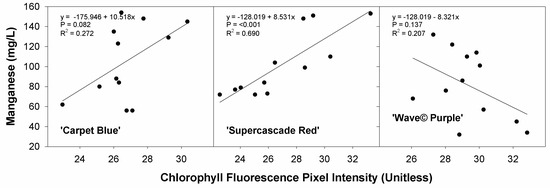
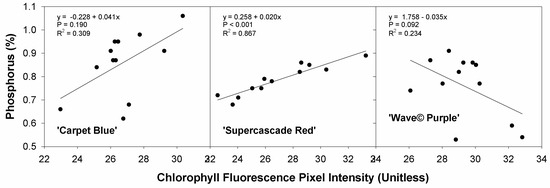
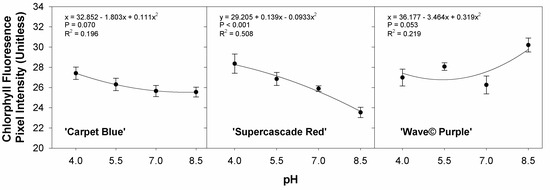
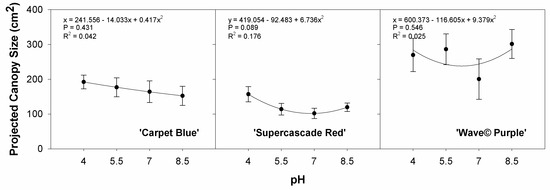
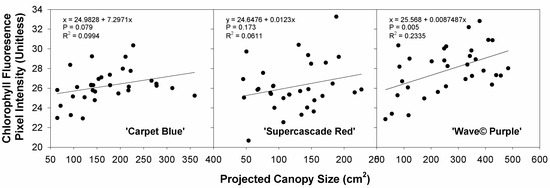
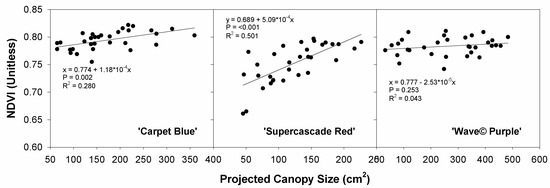
In a production environment, delayed stress recognition can impact yield. Imaging can rapidly and effectively quantify stress symptoms using indexes such as normalized difference vegetation index (NDVI). Commercial systems are effective but cannot be easily customized for specific applications, particularly post-processing. We developed a low-cost customizable imaging system and validated the code to analyze images. Our objective was to verify the image analysis code and custom system could successfully quantify the changes in plant canopy reflectance. ‘Supercascade Red’, ‘Wave© Purple’, and ‘Carpet Blue’ Petunias (Petunia × hybridia) were transplanted individually and subjected to increasing fertilizer treatments and increasing substrate pH in a greenhouse. Treatments for the first trial were the addition of a controlled release fertilizer at six different rates (0, 0.5, 1, 2, 4, and 8 g/pot), and for the second trial, fertilizer solution with four pHs (4, 5.5, 7, and 8.5), with eight replications with one plant each. Plants were imaged twice a week using a commercial imaging system for fertilizer and thrice a week with the custom system for pH. The collected images were analyzed using an in-house program that calculated the indices for each pixel of the plant area. All cultivars showed a significant effect of fertilizer on the projected canopy size and dry weight of the above-substrate biomass and the fertilizer rate treatments (p < 0.01). Plant tissue nitrogen concentration as a function of the applied fertilizer rate showed a significant positive response for all three cultivars (p < 0.001). We verified that the image analysis code successfully quantified the changes in plant canopy reflectance as induced by increasing fertilizer application rate. There was no relationship between the pH and NDVI values for the cultivars tested (p > 0.05). Manganese and phosphorus had no significance with chlorophyll fluorescence for ‘Carpet Blue’ and ‘Wave© Purple’ (p > 0.05), though ‘Supercascade Red’ was found to have significance (p < 0.01). pH did not affect plant canopy size. Chlorophyll fluorescence pixel intensity against the projected canopy size had no significance except in ‘Wave© Purple’ (p = 0.005). NDVI as a function of the projected canopy size had no statistical significance. We verified the ability of the imaging system with integrated analysis to quantify nutrient deficiency-induced variability in plant canopies by increasing pH levels. Full article
(This article belongs to the Section Smart Agriculture)
Show Figures

Figure 1

12 pages, 2932 KB  
Article
Temperature Dependence of the Sensitivity of PVDF Pyroelectric Sensors to THz Radiation: Towards Cryogenic Applications
by Artem N. Sinelnikov, Anatoly R. Melnikov, Yaroslav V. Getmanov, Darya A. Kolomeec, Evgeny V. Kalneus, Matvey V. Fedin and Sergey L. Veber
Sensors 2024, 24(17), 5808; https://doi.org/10.3390/s24175808 - 6 Sep 2024
Cited by 5 | Viewed by 2765
Abstract
The application of terahertz (THz) science in industrial technology and scientific research requires efficient THz detectors. Such detectors should be able to operate under various external conditions and conform to existing geometric constraints in the required application. Pyroelectric THz detectors are among the [...] Read more.
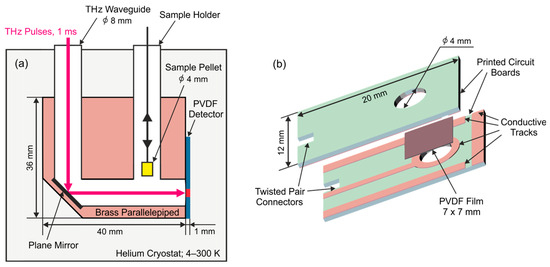
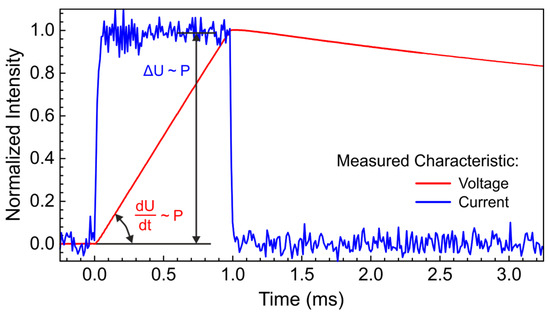
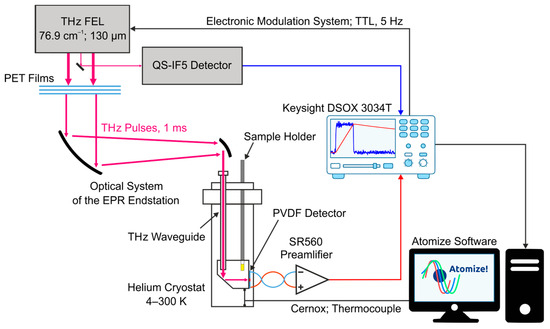
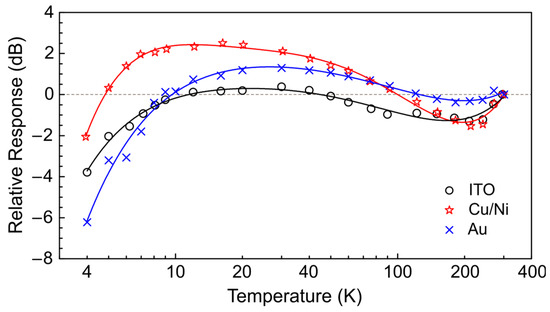
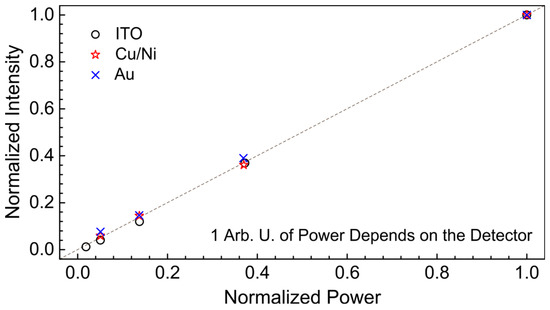
The application of terahertz (THz) science in industrial technology and scientific research requires efficient THz detectors. Such detectors should be able to operate under various external conditions and conform to existing geometric constraints in the required application. Pyroelectric THz detectors are among the best candidates. This is due to their versatility, outstanding performance, ease of fabrication, and robustness. In this paper, we propose a compact pyroelectric detector based on a bioriented poled polyvinylidene difluoride film coated with sputtered metal electrodes for in situ absorption measurement at cryogenic temperature. The detector design was optimized for the registration system of the electron paramagnetic resonance (EPR) endstation of the Novosibirsk Free Electron Laser facility. Measurements of the detector response to pulsed THz radiation at different temperatures and electrode materials showed that the response varies with both the temperature and the type of electrode material used. The maximum signal level corresponds to the temperature range of 10–40 K, in which the pyroelectric coefficient of the PVDF film also has a maximum value. Among the three coatings studied, namely indium tin oxide (ITO), Au, and Cu/Ni, the latter has the highest increase in sensitivity at low temperature. The possibility of using the detectors for in situ absorption measurement was exemplified using two typical molecular spin systems, which exhibited a transparency of 20–30% at 76.9 cm−1 and 5 K. Such measurements, carried out directly in the cryostat with the main recording system and sample fully configured, allow precise control of the THz radiation parameters at the EPR endstation. Full article
(This article belongs to the Special Issue Research Development in Terahertz and Infrared Sensing Technology)
Show Figures

Figure 1

15 pages, 4870 KB  
Article
Anomaly Detection for Power Quality Analysis Using Smart Metering Systems
by Gabriele Patrizi, Cristian Garzon Alfonso, Leandro Calandroni, Alessandro Bartolini, Carlos Iturrino Garcia, Libero Paolucci, Francesco Grasso and Lorenzo Ciani
Sensors 2024, 24(17), 5807; https://doi.org/10.3390/s24175807 - 6 Sep 2024
Cited by 16 | Viewed by 4311
Abstract
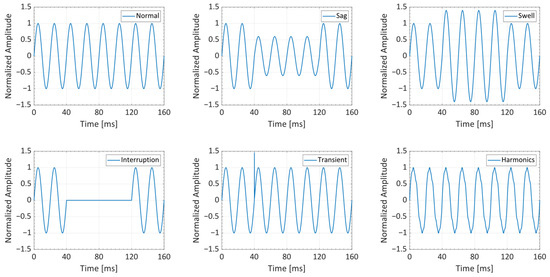
The problem of Power Quality analysis is becoming crucial to ensuring the proper functioning of complex systems and big plants. In this regard, it is essential to rapidly detect anomalies in voltage and current signals to ensure a prompt response and maximize the [...] Read more.
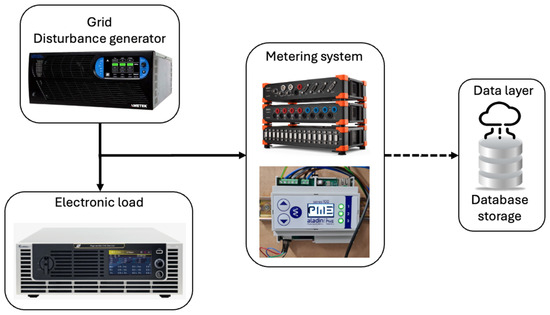
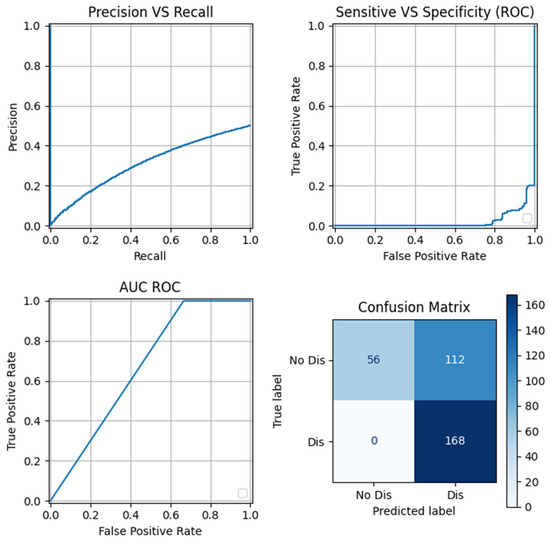
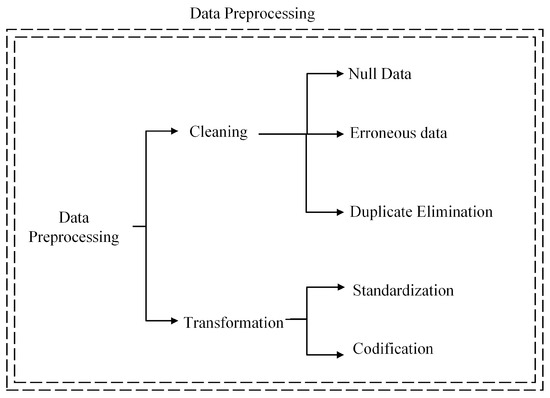
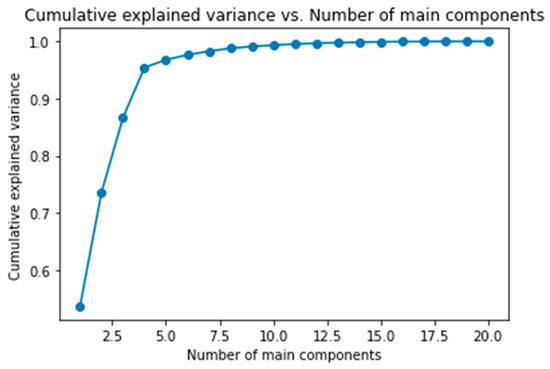
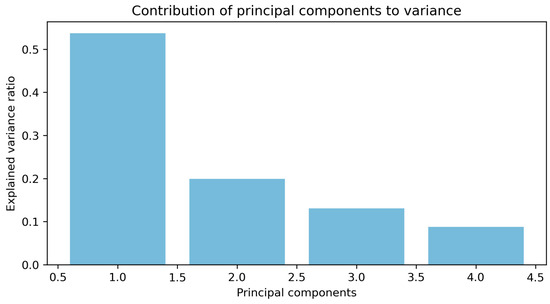
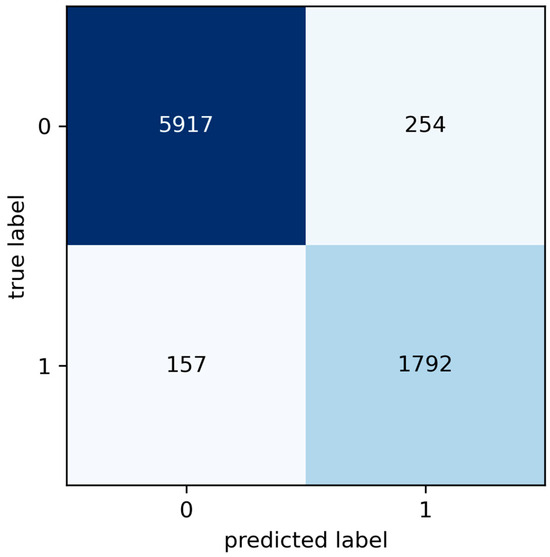
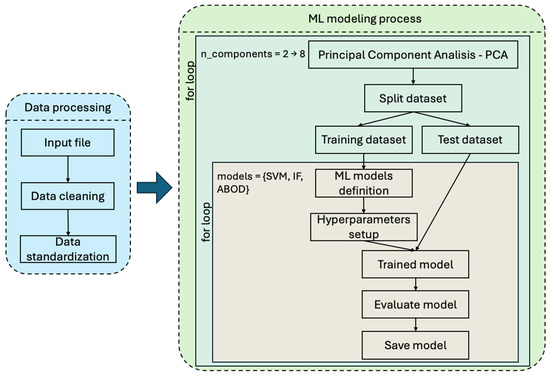
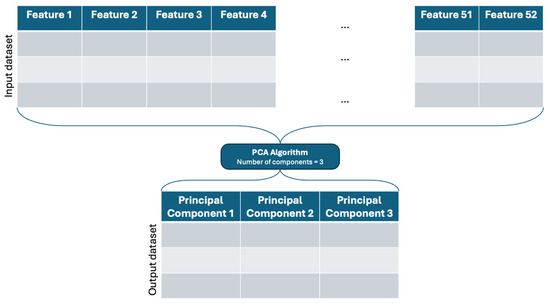
The problem of Power Quality analysis is becoming crucial to ensuring the proper functioning of complex systems and big plants. In this regard, it is essential to rapidly detect anomalies in voltage and current signals to ensure a prompt response and maximize the system’s availability with the minimum maintenance cost. In this paper, anomaly detection algorithms based on machine learning, such as One Class Support Vector Machine (OCSVM), Isolation Forest (IF), and Angle-Based Outlier Detection (ABOD), are used as a first tool for rapid and effective clustering of the measured voltage and current signals directly on-line on the sensing unit. If the proposed anomaly detection algorithm detects an anomaly, further investigations using suitable classification algorithms are required. The main advantage of the proposed solution is the ability to rapidly and efficiently detect different types of anomalies with low computational complexity, allowing the implementation of the algorithm directly on the sensor node used for signal acquisition. A suitable experimental platform has been established to evaluate the advantages of the proposed method. All the different models were tested using a consistent set of hyperparameters and an output dataset generated from the principal component analysis technique. The best results achieved included models reaching 100% recall and a 92% F1 score. Full article
(This article belongs to the Special Issue Anomaly Detection and Fault Diagnosis in Sensor Networks)
Show Figures

Figure 1

26 pages, 12379 KB  
Article
Experimental and Numerical Investigation of Acoustic Emission Source Localization Using an Enhanced Guided Wave Phased Array Method
by Jiaying Sun, Zexing Yu, Chao Xu and Fei Du
Sensors 2024, 24(17), 5806; https://doi.org/10.3390/s24175806 - 6 Sep 2024
Cited by 2 | Viewed by 2261
Abstract
To detect damage in mechanical structures, acoustic emission (AE) inspection is considered as a powerful tool. Generally, the classical acoustic emission detection method uses a sparse sensor array to identify damage and its location. It often depends on a pre-defined wave velocity and [...] Read more.
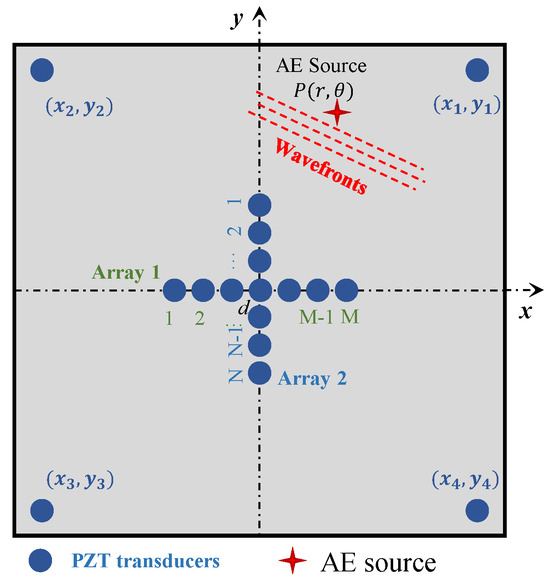
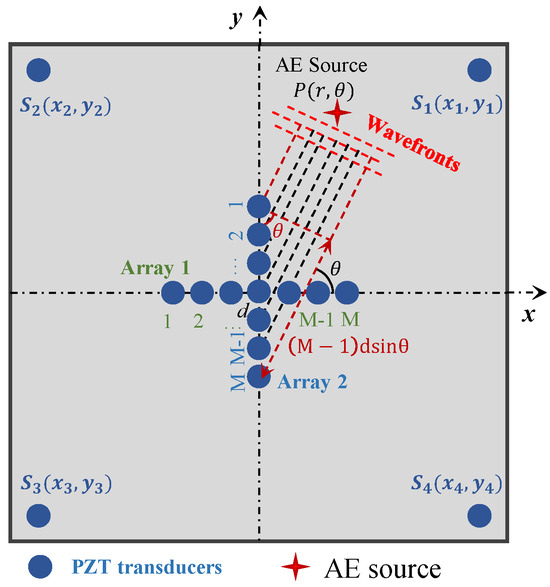
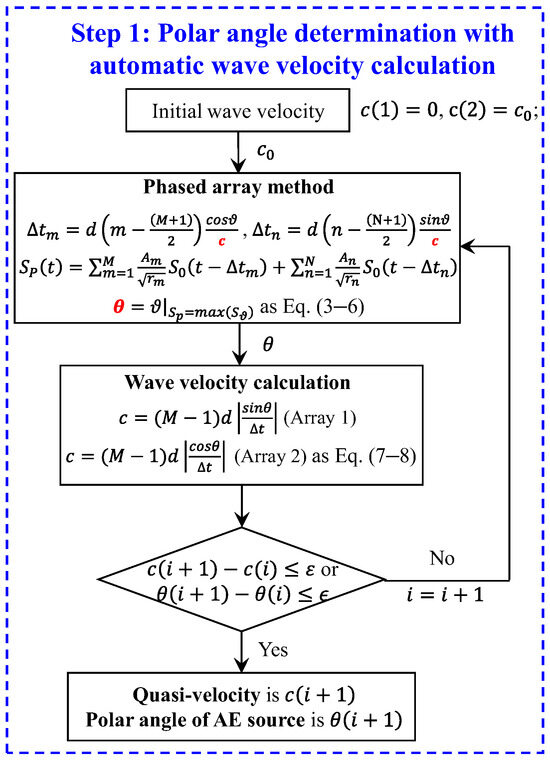
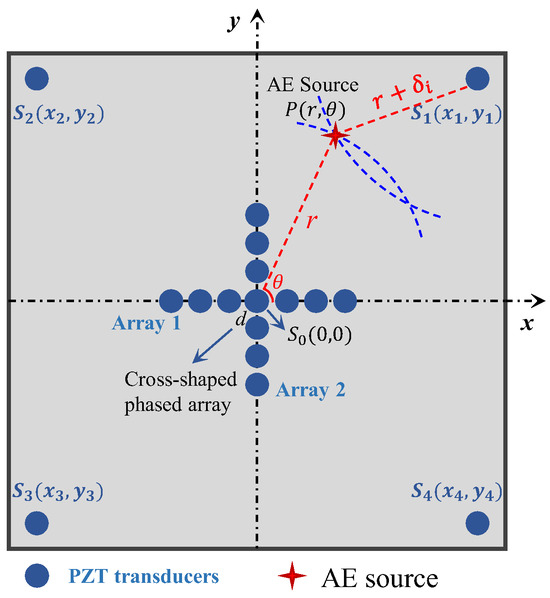
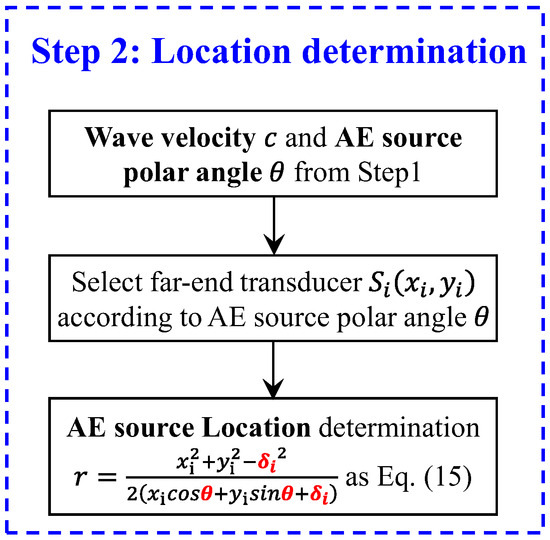
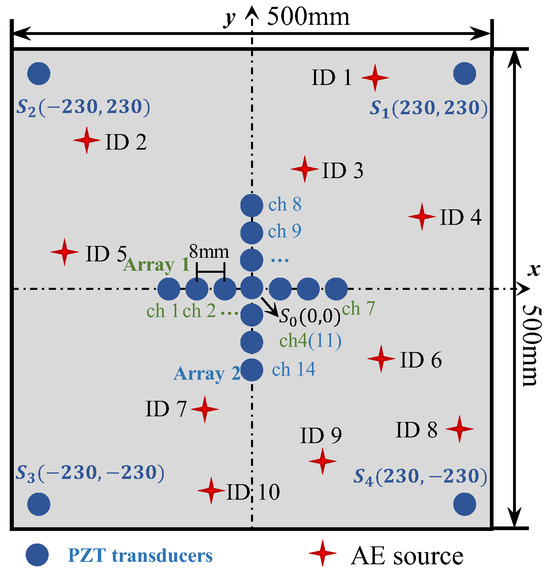
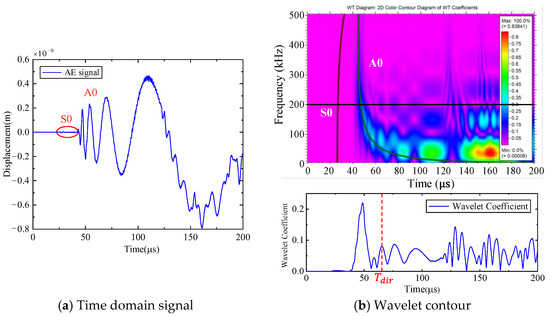
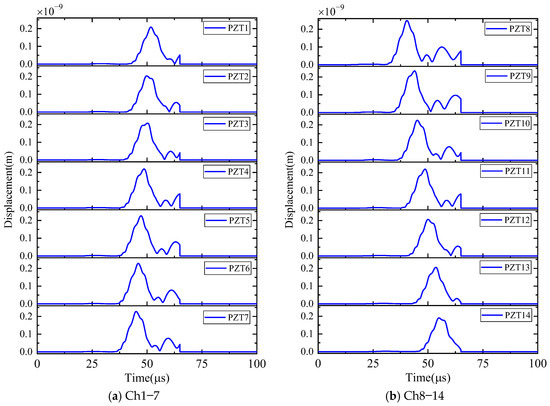
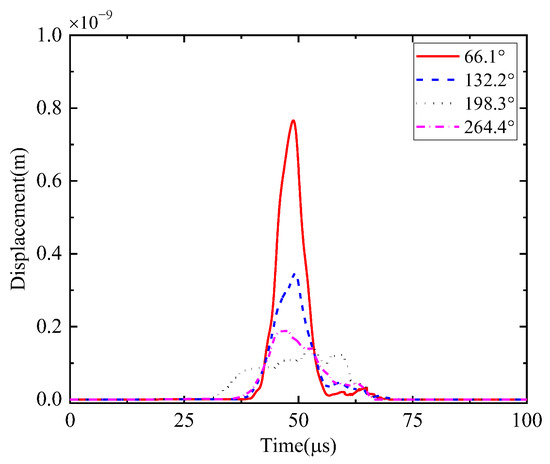
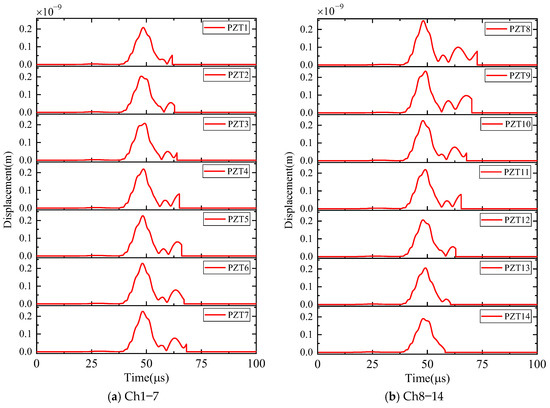
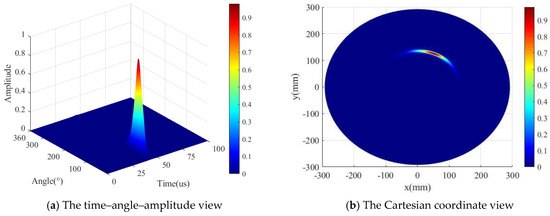
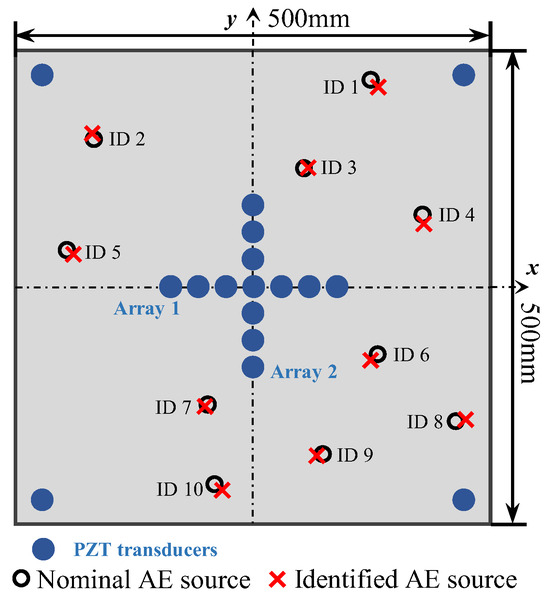
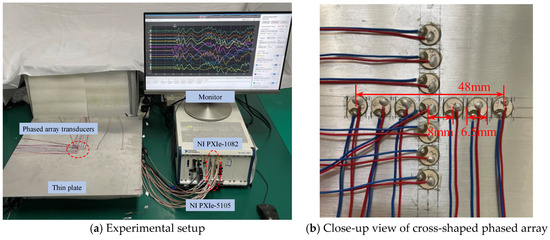
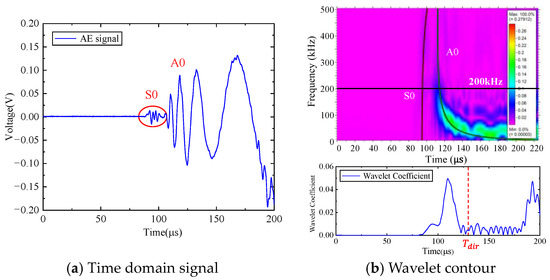
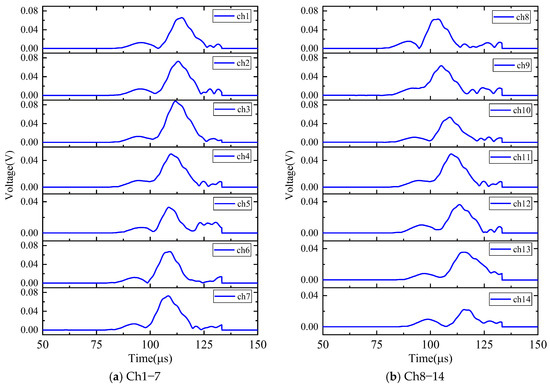
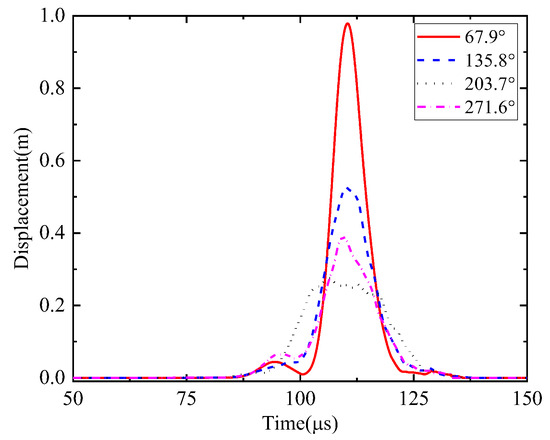
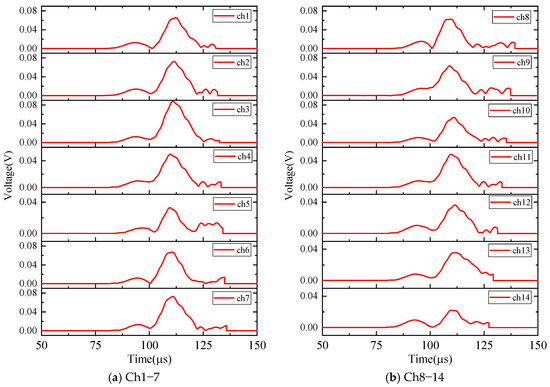
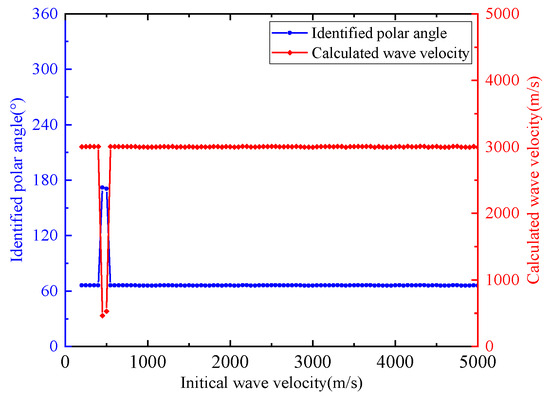
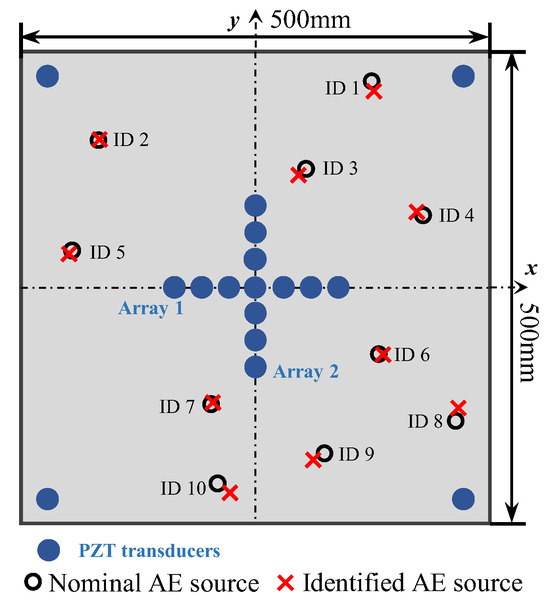
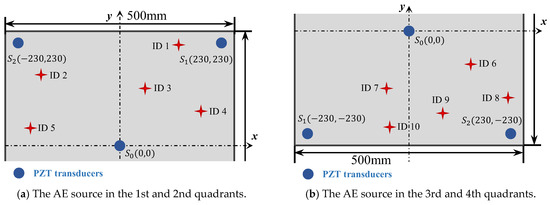
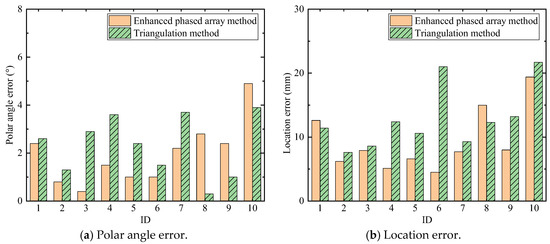
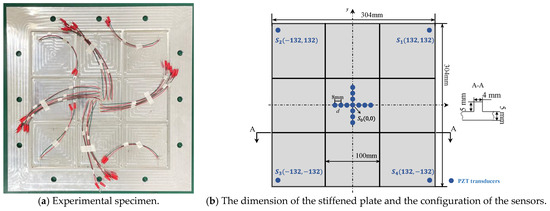
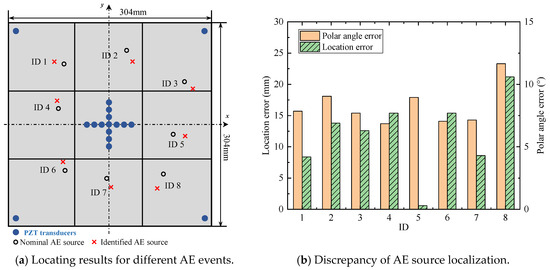
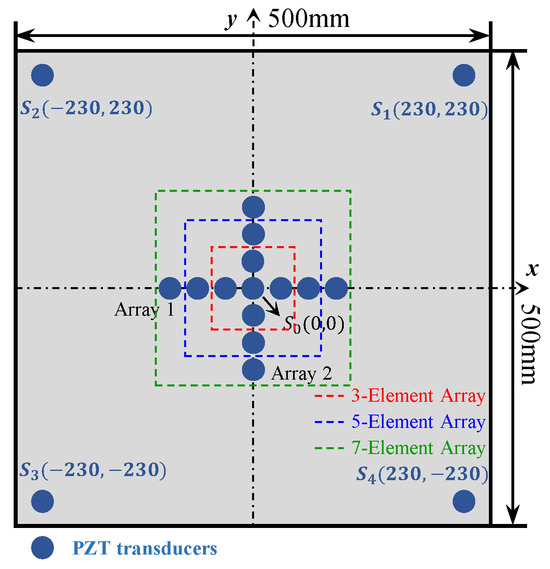
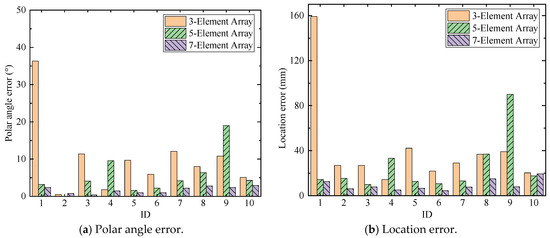
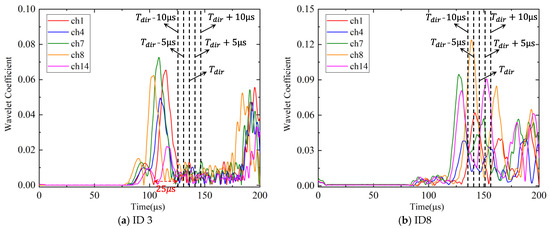
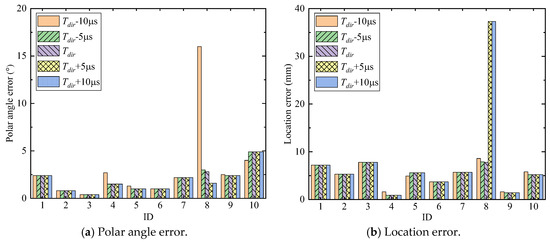
To detect damage in mechanical structures, acoustic emission (AE) inspection is considered as a powerful tool. Generally, the classical acoustic emission detection method uses a sparse sensor array to identify damage and its location. It often depends on a pre-defined wave velocity and it is difficult to yield a high localization accuracy for complicated structures using this method. In this paper, the passive guided wave phased array method, a dense sensor array method, is studied, aiming to obtain better AE localization accuracy in aluminum thin plates. Specifically, the proposed method uses a cross-shaped phased array enhanced with four additional far-end sensors for AE source localization. The proposed two-step method first calculates the real-time velocity and the polar angle of the AE source using the phased array algorithm, and then solves the location of the AE source with the additional far-end sensor. Both numerical and physical experiments on an aluminum flat panel are carried out to validate the proposed method. It is found that using the cross-shaped guided wave phased array method with enhanced far-end sensors can localize the coordinates of the AE source accurately without knowing the wave velocity in advance. The proposed method is also extended to a stiffened thin-walled structure with high localization accuracy, which validates its AE source localization ability for complicated structures. Finally, the influences of cross-shaped phased array element number and the time window length on the proposed method are discussed in detail. Full article
(This article belongs to the Special Issue Recent Advances in Structural Health Monitoring and Damage Detection)
Show Figures

Figure 1

14 pages, 6668 KB  
Article
Convolutional Neural Network-Based Drone Detection and Classification Using Overlaid Frequency-Modulated Continuous-Wave (FMCW) Range–Doppler Images
by Seung-Kyu Han, Joo-Hyun Lee and Young-Ho Jung
Sensors 2024, 24(17), 5805; https://doi.org/10.3390/s24175805 - 6 Sep 2024
Cited by 7 | Viewed by 5830
Abstract
This paper proposes a novel drone detection method based on a convolutional neural network (CNN) utilizing range–Doppler map images from a frequency-modulated continuous-wave (FMCW) radar. The existing drone detection and identification techniques, which rely on the micro-Doppler signature (MDS), face challenges when a [...] Read more.
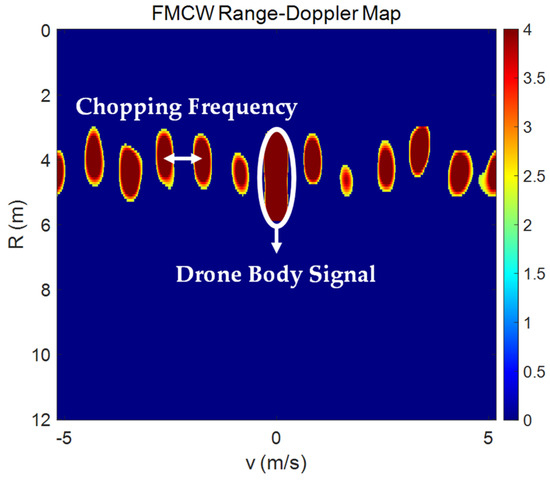
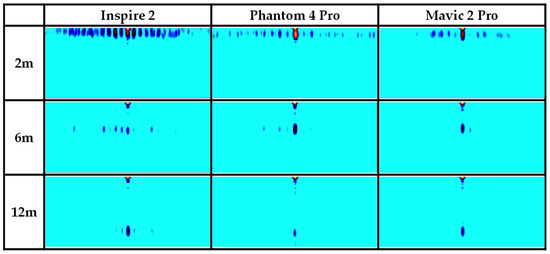
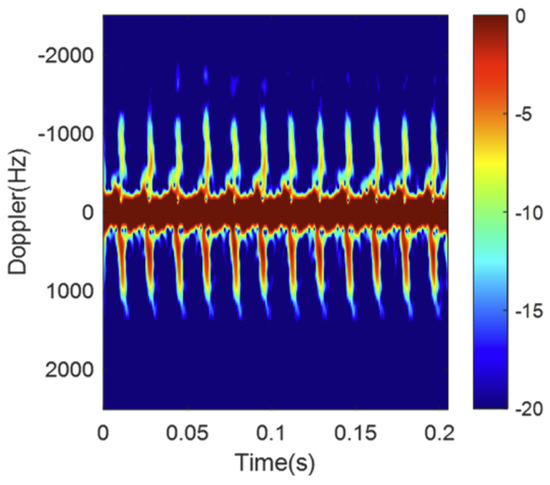
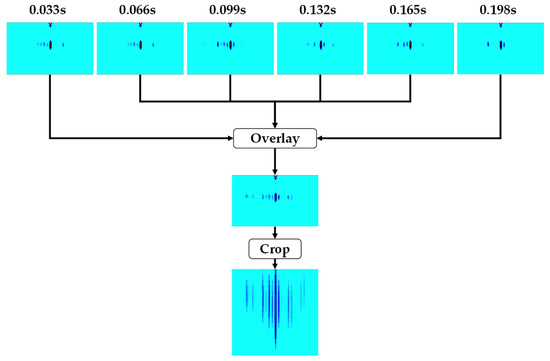
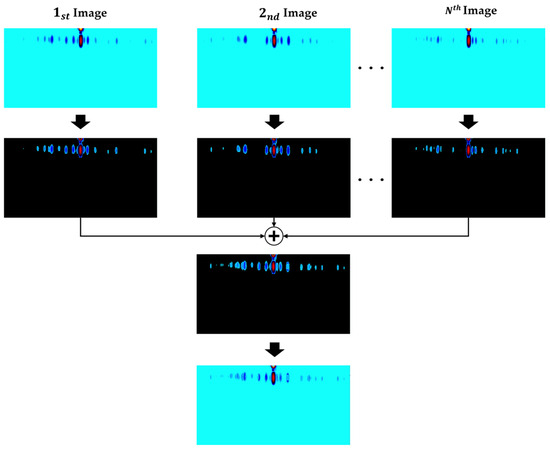
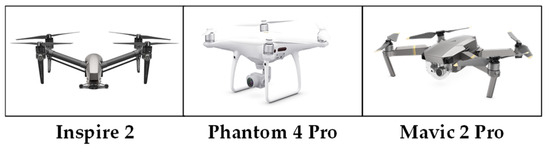
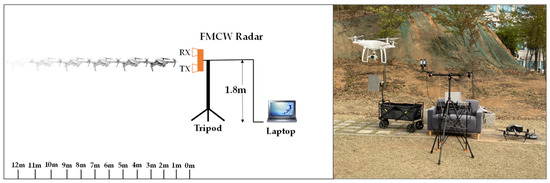
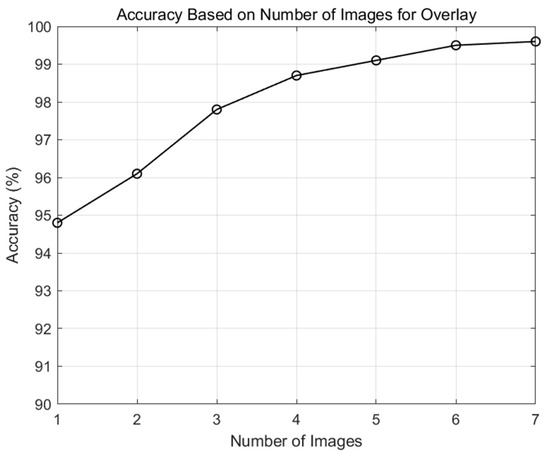
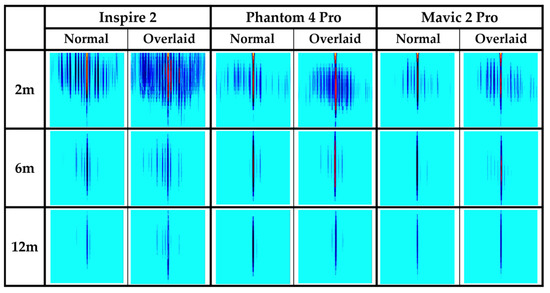
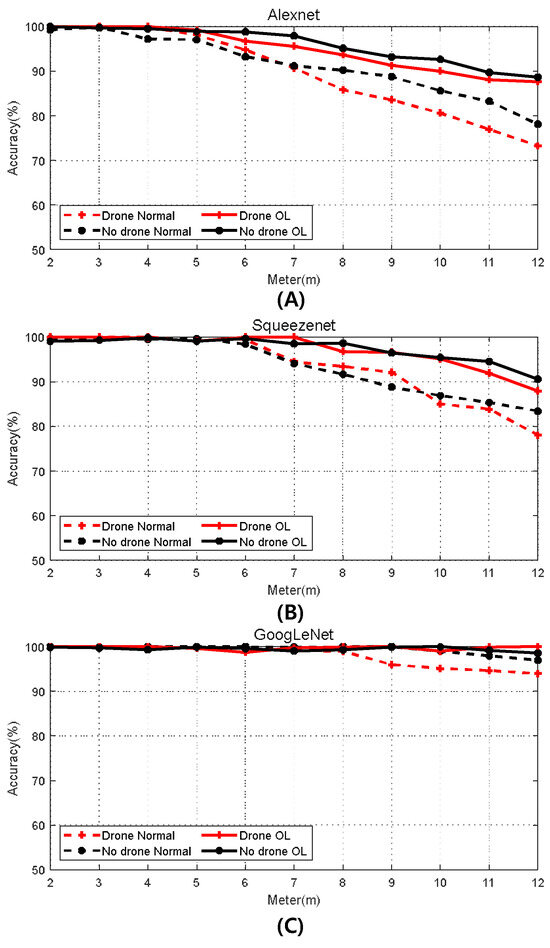
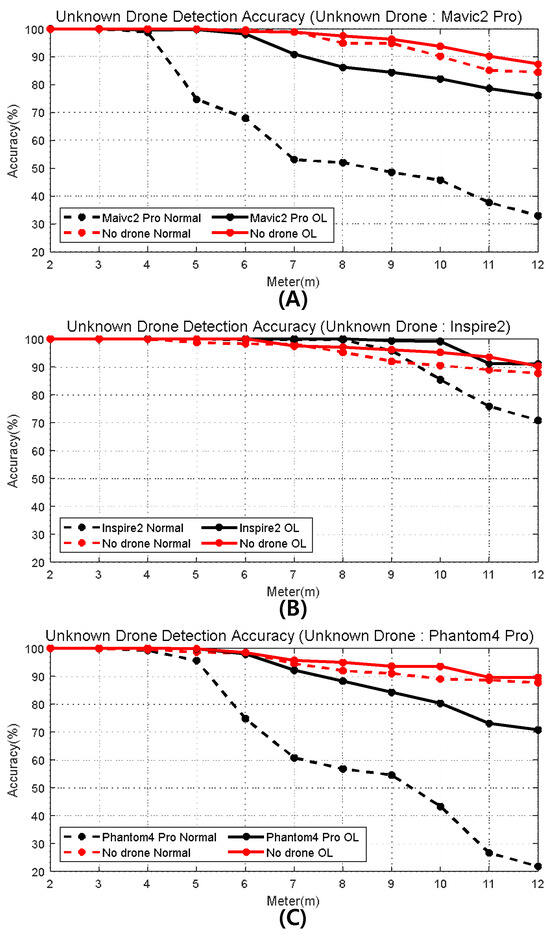
This paper proposes a novel drone detection method based on a convolutional neural network (CNN) utilizing range–Doppler map images from a frequency-modulated continuous-wave (FMCW) radar. The existing drone detection and identification techniques, which rely on the micro-Doppler signature (MDS), face challenges when a drone is small or located far away, leading to performance degradation due to signal attenuation and faint (MDS). In order to address these issues, this paper suggests a method where multiple time-series range–Doppler images from an FMCW radar are overlaid onto a single image and fed to a CNN. The experimental results, using actual data for three different drone sizes, show significant performance improvements in drone detection accuracy compared to conventional methods. Full article
Show Figures

Figure 1

21 pages, 3172 KB  
Article
An Integrated Approach: A Hybrid Machine Learning Model for the Classification of Unscheduled Stoppages in a Mining Crushing Line Employing Principal Component Analysis and Artificial Neural Networks
by Pablo Viveros, Cristian Moya, Rodrigo Mena, Fredy Kristjanpoller and David R. Godoy
Sensors 2024, 24(17), 5804; https://doi.org/10.3390/s24175804 - 6 Sep 2024
Cited by 5 | Viewed by 2944
Abstract
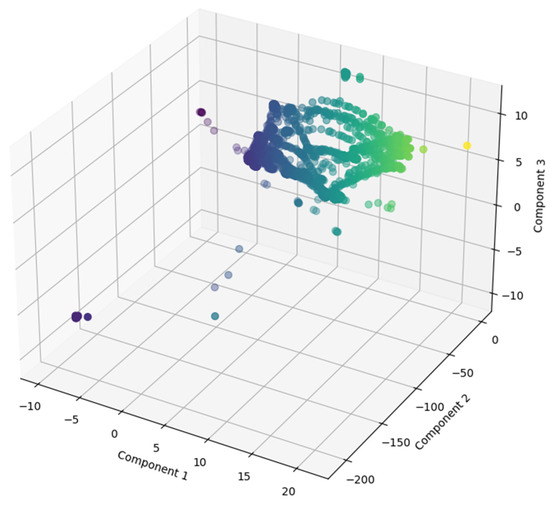
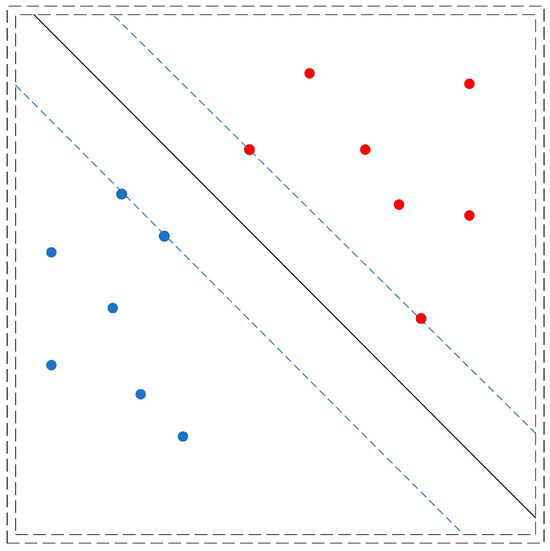
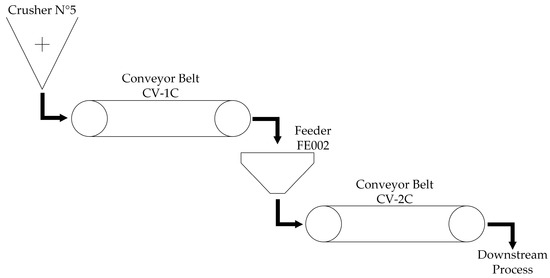
This article implements a hybrid Machine Learning (ML) model to classify stoppage events in a copper-crushing equipment, more specifically, a conveyor belt. The model combines Artificial Neural Networks (ANNs) and Support Vector Machines (SVMs) with Principal Component Analysis (PCA) to identify the type [...] Read more.
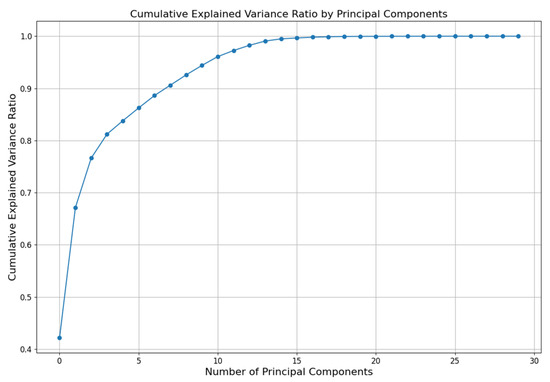
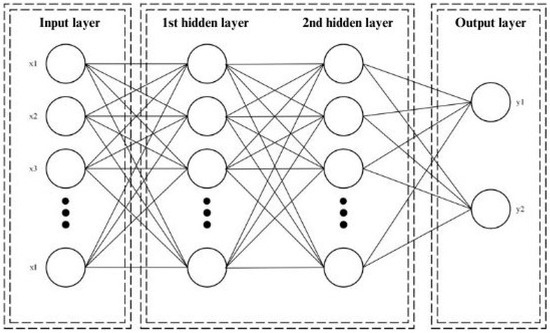
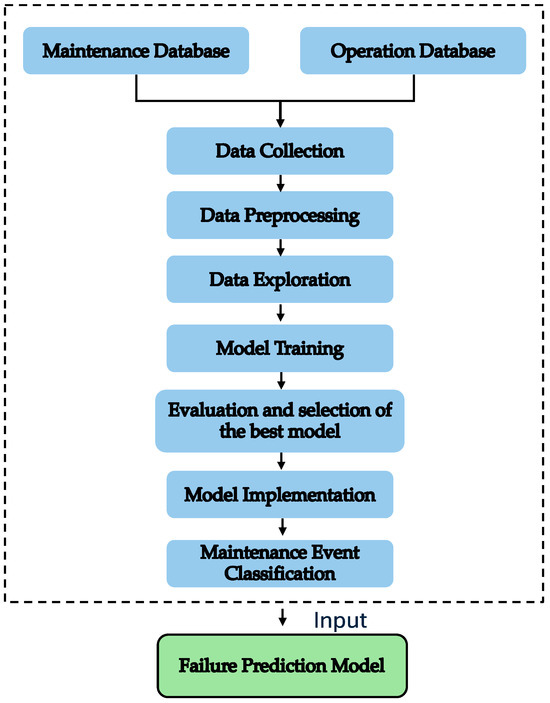
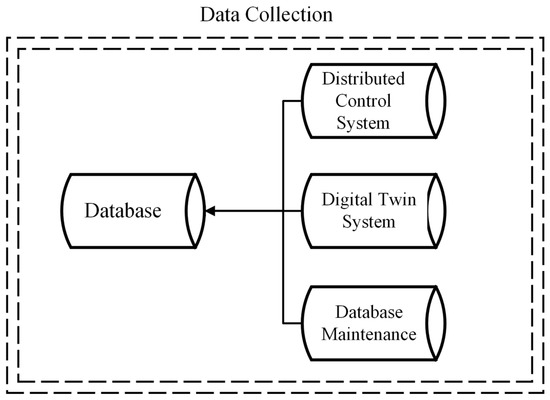
This article implements a hybrid Machine Learning (ML) model to classify stoppage events in a copper-crushing equipment, more specifically, a conveyor belt. The model combines Artificial Neural Networks (ANNs) and Support Vector Machines (SVMs) with Principal Component Analysis (PCA) to identify the type of stoppage event when they occur in an industrial sector that is significant for the Chilean economy. This research addresses the critical need to optimise maintenance management in the mining industry, highlighting the technological relevance and motivation for using advanced ML techniques. This study focusses on combining and implementing three ML models trained with historical data composed of information from various sensors, real and virtual, as well from maintenance reports that report operational conditions and equipment failure characteristics. The main objective of this study is to improve the efficiency when identifying the nature of a stoppage serving as a basis for the subsequent development of a reliable failure prediction system. The results indicate that this approach significantly increases information reliability, addressing the persistent challenges in data management within the maintenance area. With a classification accuracy of 96.2% and a recall of 96.3%, the model validates and automates the classification of stoppage events, significantly reducing dependency on interdepartmental interactions. This advancement eliminates the need for reliance on external databases, which have previously been prone to errors, missing critical data, or containing outdated information. By implementing this methodology, a robust and reliable foundation is established for developing a failure prediction model, fostering both efficiency and reliability in the maintenance process. The application of ML in this context produces demonstrably positive outcomes in the classification of stoppage events, underscoring its significant impact on industry operations. Full article
(This article belongs to the Special Issue Wireless Sensor Networks for Condition Monitoring)
Show Figures

Figure 1

22 pages, 8030 KB  
Article
A Study on a Radio Source Location Estimation System Using High Altitude Platform Stations (HAPS)
by Yuta Furuse and Gia Khanh Tran
Sensors 2024, 24(17), 5803; https://doi.org/10.3390/s24175803 - 6 Sep 2024
Cited by 3 | Viewed by 2207
Abstract
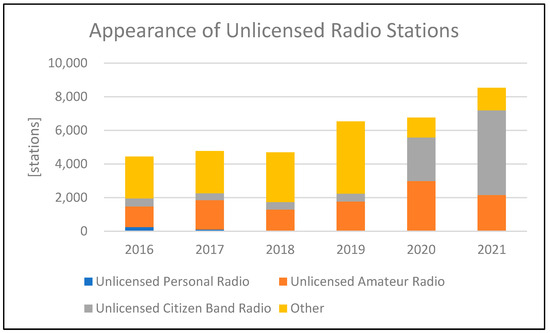
Currently, there is a system in Japan to detect illegal radio transmitting sources, known as the DEURAS system. Even though crackdowns on illegal radio stations are conducted on a regular basis every year, the number of illegal emission cases still tends to increase, [...] Read more.
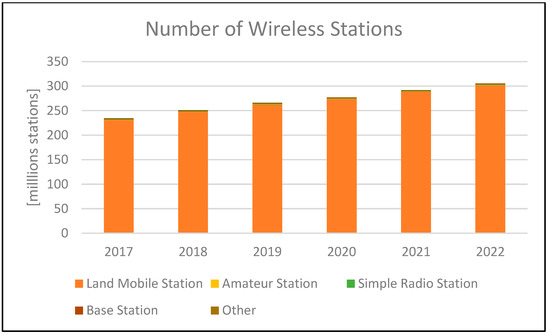
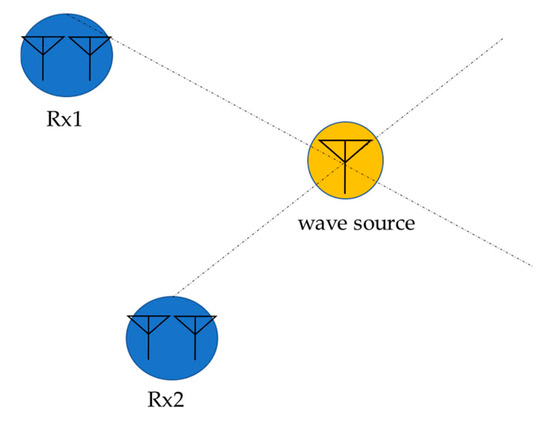
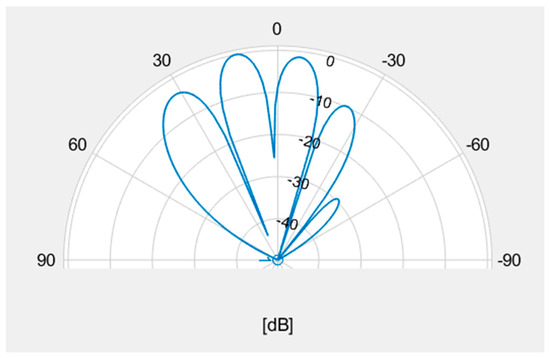
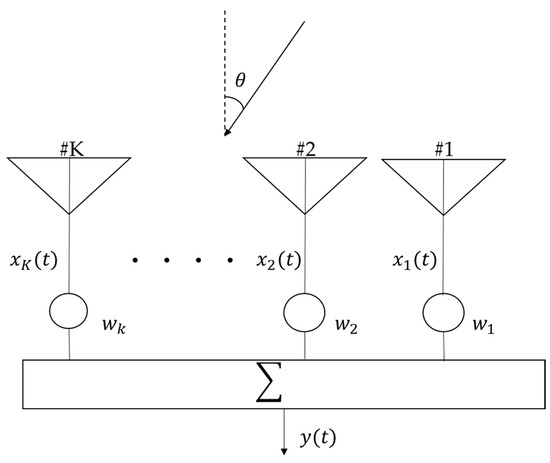
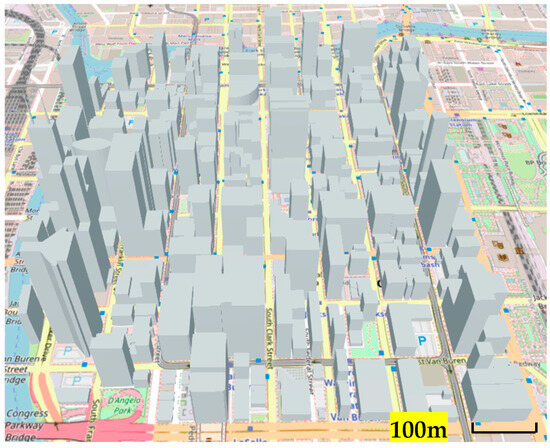
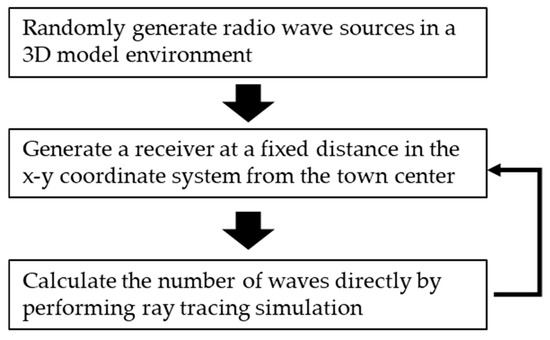
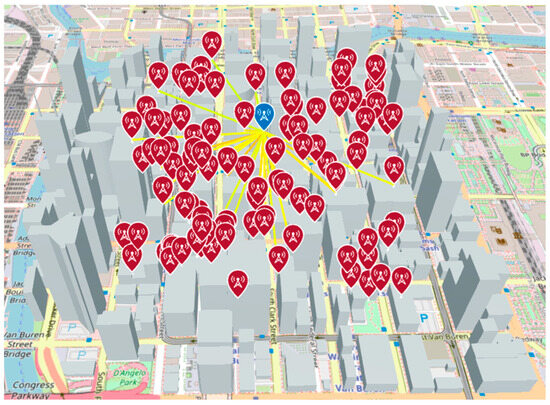
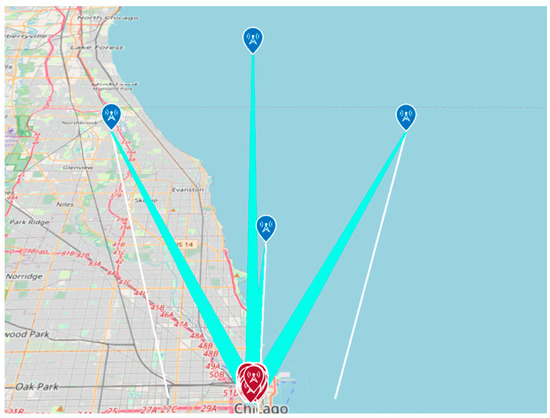
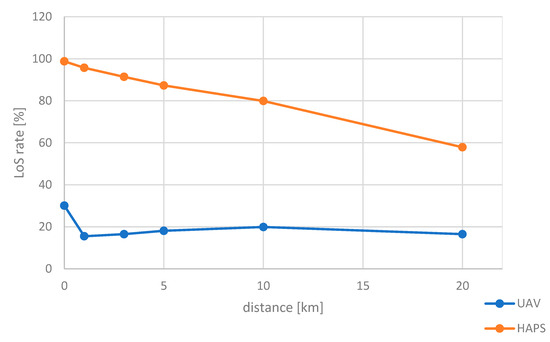
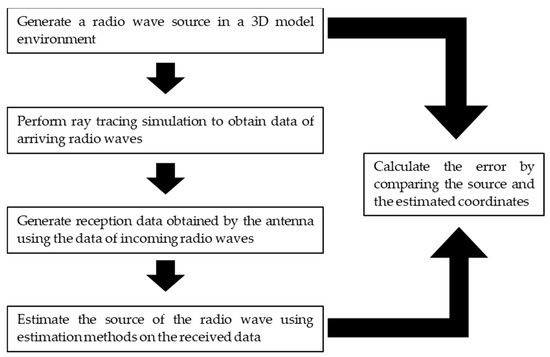
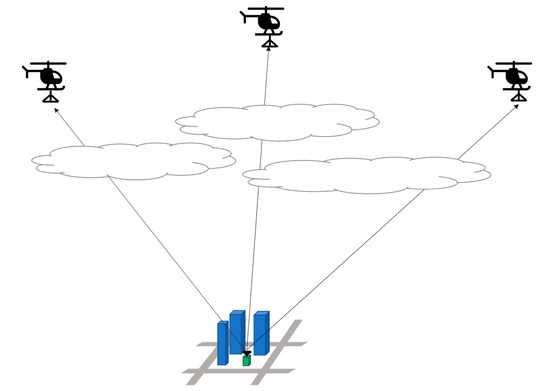
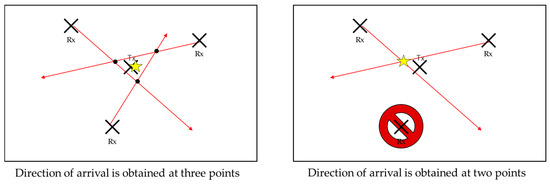
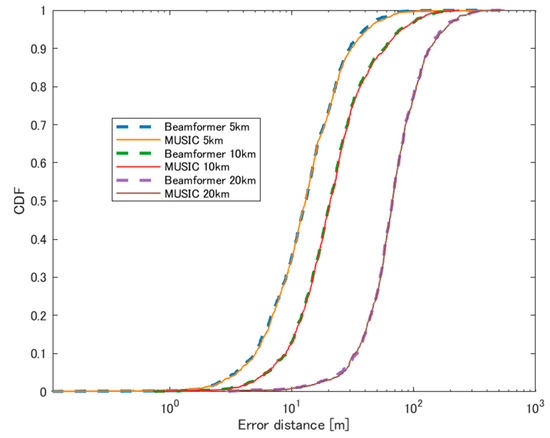
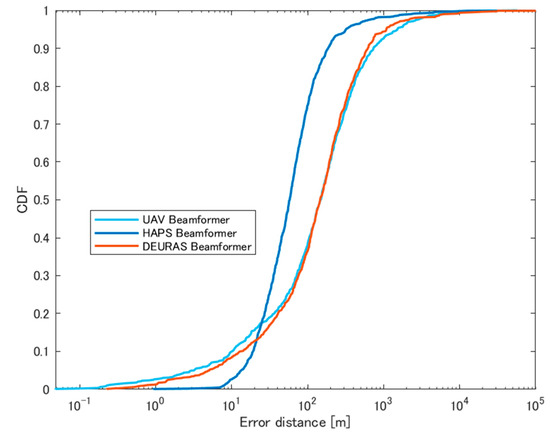
Currently, there is a system in Japan to detect illegal radio transmitting sources, known as the DEURAS system. Even though crackdowns on illegal radio stations are conducted on a regular basis every year, the number of illegal emission cases still tends to increase, as ordinary citizens are now able to handle advanced wireless communication technologies, e.g., via software-defined radio. However, the current surveillance system may not be able to accurately detect the source in areas where large buildings are densely packed, such as urban areas, due to the effects of reflected waves. Therefore, in this study, we proposed a system for estimating the location of the source of transmission using a high-flying unmanned aerial vehicle called HAPS. The simulation results using numerical analysis software show that the proposed system can estimate the location of the source over a wider area and with higher accuracy than conventional monitoring systems. Full article
(This article belongs to the Special Issue Emerging Advances in Wireless Positioning and Location-Based Services)
Show Figures

Figure 1

17 pages, 619 KB  
Article
Affinity-Driven Transfer Learning for Load Forecasting
by Ahmed Rebei, Manar Amayri and Nizar Bouguila
Sensors 2024, 24(17), 5802; https://doi.org/10.3390/s24175802 - 6 Sep 2024
Cited by 2 | Viewed by 2095
Abstract
In this study, we introduce an innovative method for load forecasting that capitalizes on the concept of task affinity score to measure the similarity between various tasks. The task affinity score emerges as a superior technique for assessing task similarity within the realm [...] Read more.
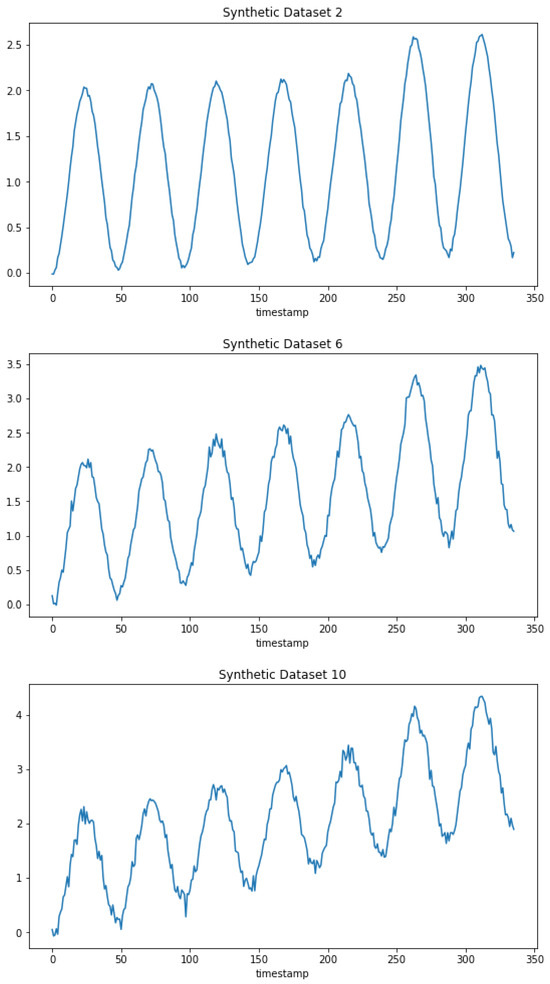
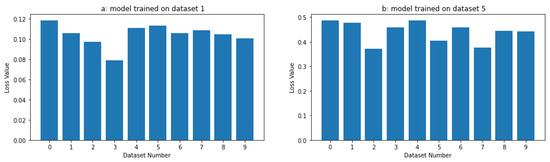
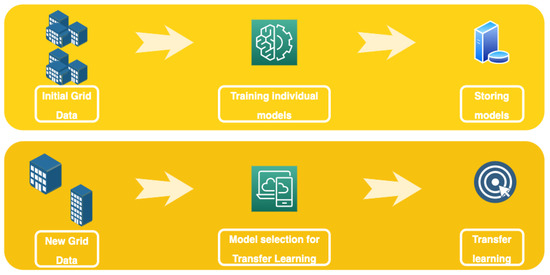
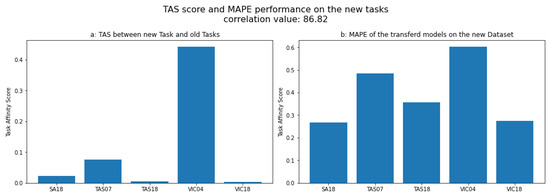
In this study, we introduce an innovative method for load forecasting that capitalizes on the concept of task affinity score to measure the similarity between various tasks. The task affinity score emerges as a superior technique for assessing task similarity within the realm of transfer learning. Through empirical evaluation on a synthetic dataset, we establish the superiority of the task affinity score over traditional metrics in task selection scenarios. To operationalize this method, we unveil the Affinity-Driven Transfer Learning (ADTL) algorithm to enhance load forecasting precision. The ADTL algorithm enriches the transfer learning framework by incorporating insights from both pre-trained models and datasets, thereby augmenting the accuracy of load forecasting for new and unseen datasets. The robustness of the ADTL algorithm is further evidenced through its application to two empirical datasets, namely the dataset provided by the Australian Energy Market Operator (AEMO) and the Smart Australian dataset. In conclusion, our research underscores the important role of the task affinity score in refining transfer learning methodologies for load forecasting applications. Full article
(This article belongs to the Special Issue Sensors Technology and Data Analytics Applied in Smart Grid)
Show Figures

Figure 1

21 pages, 4609 KB  
Article
Low-Cost Dynamometer for Measuring and Regulating Wrist Extension and Flexion Motor Tasks in Electroencephalography Experiments
by Abdul-Khaaliq Mohamed, Muhammed Aswat and Vered Aharonson
Sensors 2024, 24(17), 5801; https://doi.org/10.3390/s24175801 - 6 Sep 2024
Cited by 2 | Viewed by 2438
Abstract
A brain–computer interface could control a bionic hand by interpreting electroencephalographic (EEG) signals associated with wrist extension (WE) and wrist flexion (WF) movements. Misinterpretations of the EEG may stem from variations in the force, speed and range of these movements. To address this, [...] Read more.
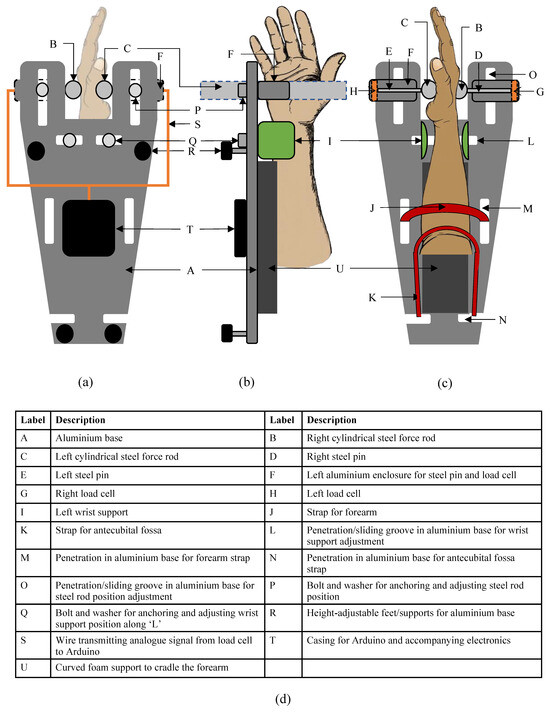
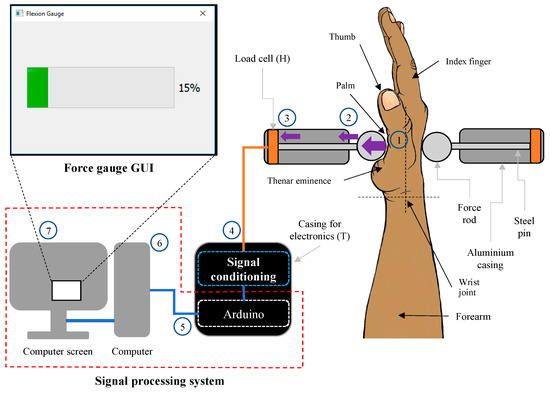
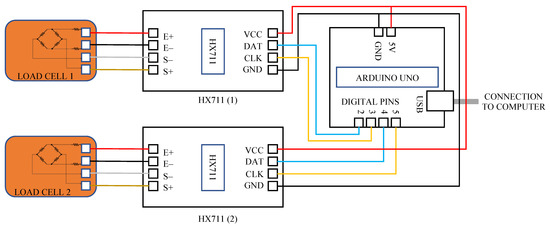
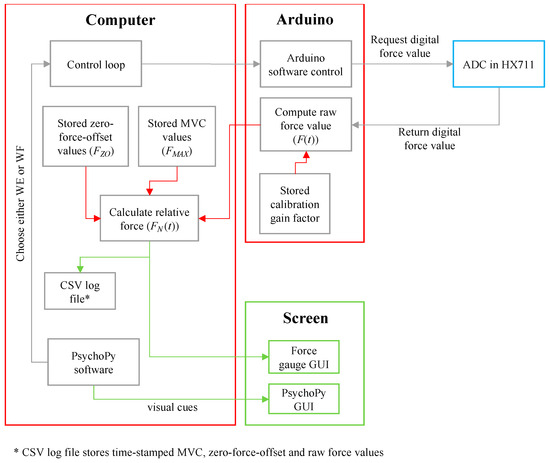
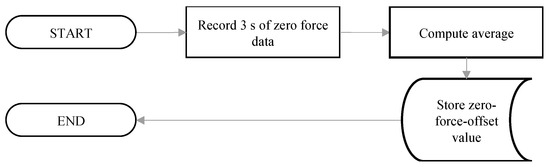
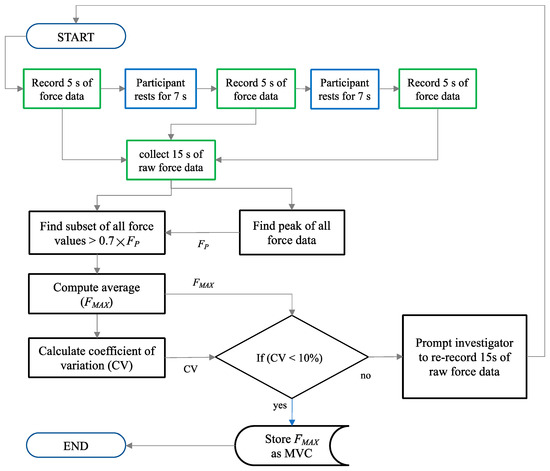
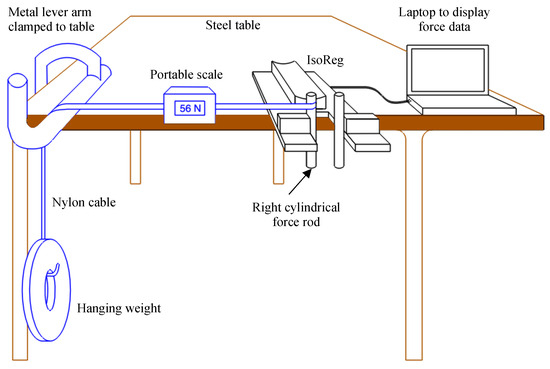
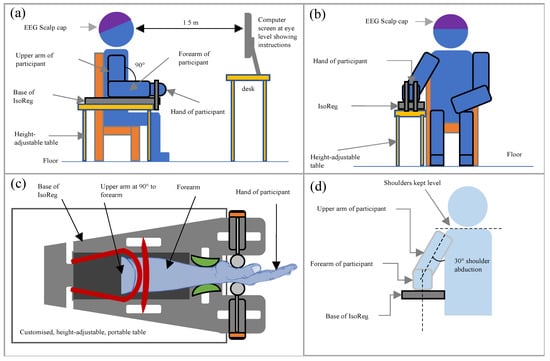
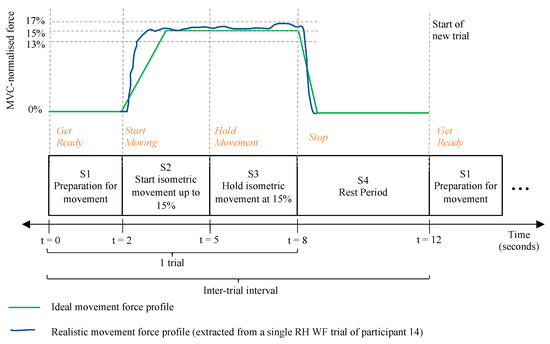
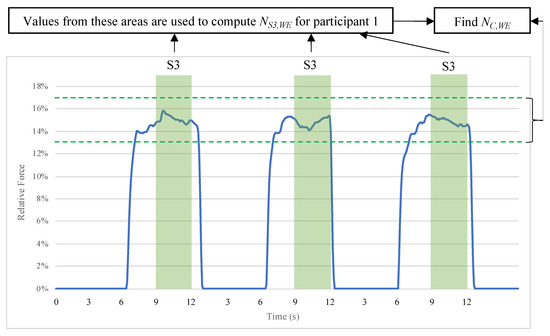
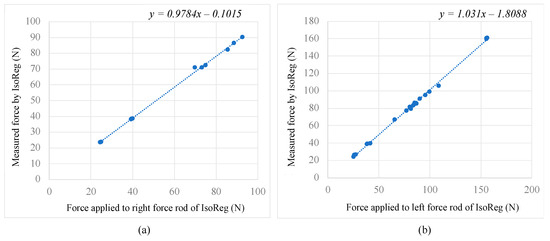
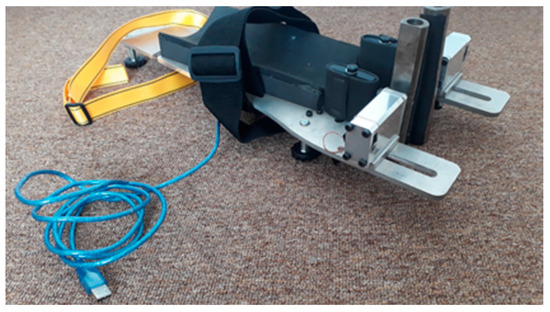
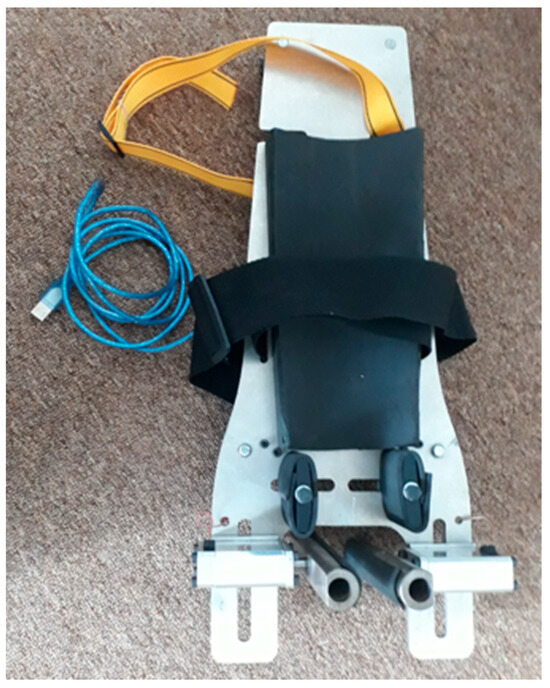
A brain–computer interface could control a bionic hand by interpreting electroencephalographic (EEG) signals associated with wrist extension (WE) and wrist flexion (WF) movements. Misinterpretations of the EEG may stem from variations in the force, speed and range of these movements. To address this, we designed, constructed and tested a novel dynamometer, the IsoReg, which regulates WE and WF movements during EEG recording experiments. The IsoReg restricts hand movements to isometric WE and WF, controlling their speed and range of motion. It measures movement force using a dual-load cell system that calculates the percentage of maximum voluntary contraction and displays it to help users control movement force. Linearity and measurement accuracy were tested, and the IsoReg’s performance was evaluated under typical EEG experimental conditions with 14 participants. The IsoReg demonstrated consistent linearity between applied and measured forces across the required force range, with a mean accuracy of 97% across all participants. The visual force gauge provided normalised force measurements with a mean accuracy exceeding 98.66% across all participants. All participants successfully controlled the motor tasks at the correct relative forces (with a mean accuracy of 89.90%) using the IsoReg, eliminating the impact of inherent force differences between typical WE and WF movements on the EEG analysis. The IsoReg offers a low-cost method for measuring and regulating movements in future neuromuscular studies, potentially leading to improved neural signal interpretation. Full article
Show Figures

Figure 1