

- Article

Unit Power, Student Belonging, and the ROI of Equity: Understanding the Predictive Power of MSPS for Student Retention
- J. Quinton Staples
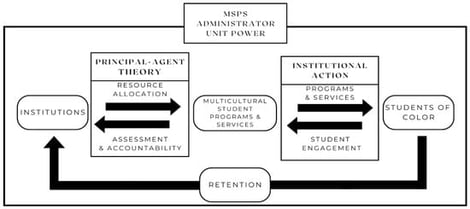
This study examines the relationship between institutional resource allocation to Multicultural Student Programs and Services (MSPS) and the retention rates of students of color at public higher education institutions as operationalized by the Unit Power held by MSPS leaders. Situated in the socio-political context influenced by the Black Lives Matter movement and rising anti-diversity, equity, and inclusion (DEI) legislation, the research seeks to understand if targeted investments in MSPS meaningfully enhance retention for Asian, Black, Hispanic, and Multiracial students. Using Quantitative Critical Race Theory (QuantCrit), the study employs correlation and multiple regression analyses to assess the effectiveness of MSPS expenditures. Results demonstrate that institutional investment in MSPS is positively associated with higher one-year retention rates for students of color. Additionally, the research highlights the critical role of MSPS administrators’ unit power, characterized by their environmental influence, institutional authority, and negotiation capabilities, in securing necessary funding. These findings contextualize the financial decisions institutions face amidst legislative pressures questioning the validity of diversity initiatives. This study contributes to the existing literature by demonstrating how resource allocation strategies directly impact equity and retention outcomes, advocating for strategic, data-driven investments in MSPS as essential components for institutional effectiveness, credibility, and sustainable diversity practices.
13 March 2026