



Journal Description
Vision
Vision
is an international, peer-reviewed, open access journal on vision published quarterly online by MDPI.
- Open Access— free for readers, with article processing charges (APC) paid by authors or their institutions.
- High Visibility: indexed within ESCI (Web of Science), Scopus, PubMed, PMC, and other databases.
- Rapid Publication: manuscripts are peer-reviewed and a first decision is provided to authors approximately 22.7 days after submission; acceptance to publication is undertaken in 4.7 days (median values for papers published in this journal in the second half of 2025).
- Recognition of Reviewers: reviewers who provide timely, thorough peer-review reports receive vouchers entitling them to a discount on the APC of their next publication in any MDPI journal, in appreciation of the work done.
Impact Factor:
1.8 (2024)
Latest Articles
Perceived Transparency from Dynamic Luminance Modulation in Uniform Center–Surround Displays
Vision 2026, 10(1), 8; https://doi.org/10.3390/vision10010008 - 6 Feb 2026
Abstract
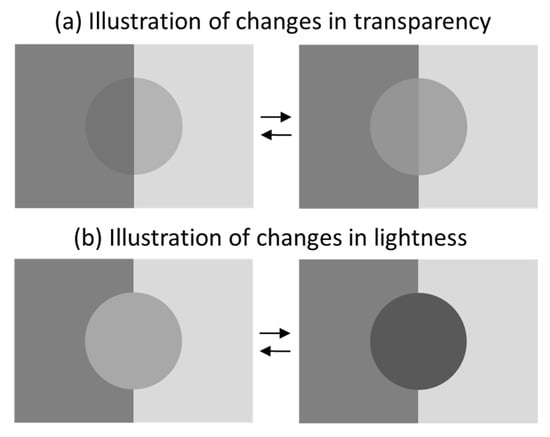
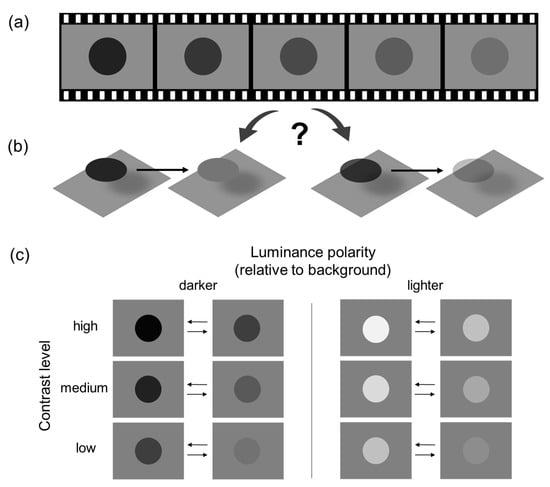
We report a novel phenomenon in which dynamic changes in luminance are perceived as changes in transparency rather than as changes in surface lightness. Participants viewed an achromatic disc on a uniform gray background and indicated whether the observed change was best described
[...] Read more.
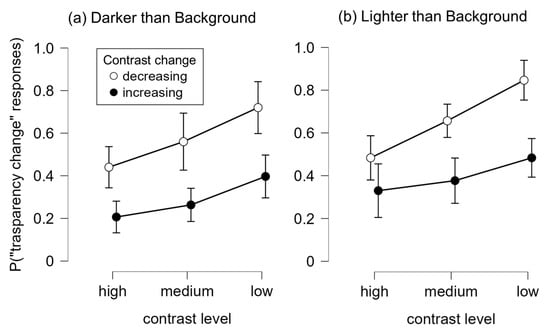
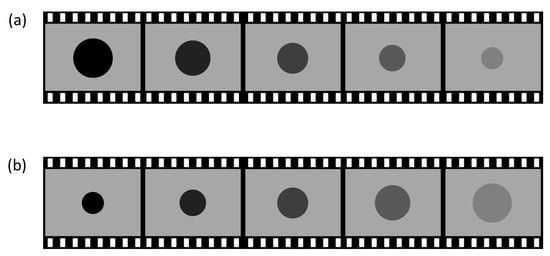
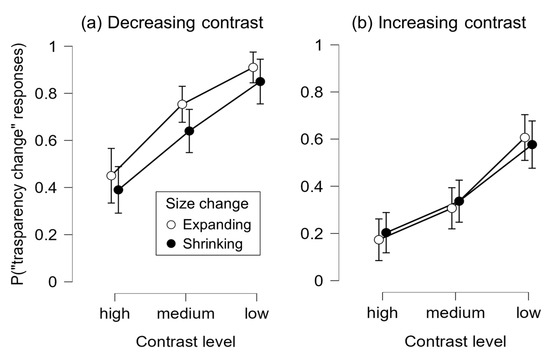
We report a novel phenomenon in which dynamic changes in luminance are perceived as changes in transparency rather than as changes in surface lightness. Participants viewed an achromatic disc on a uniform gray background and indicated whether the observed change was best described in terms of lightness or transparency. In Experiment 1, transparency-change responses were more frequent at low contrast and were strongly biased toward sequences in which contrast decreased over time, revealing a pronounced asymmetry between decreasing and increasing contrast trajectories. Experiment 2 introduced a size manipulation, such that the disc either expanded or contracted during the luminance modulation. Transparency-change responses were highest when contrast decreased and the disc expanded, indicating that spatial expansion further amplifies transparency-related interpretations of the disc’s surface appearance. Overall, the results reveal a systematic asymmetry in how contrast-change direction shapes visual appearance, consistent with a forward bias in the processing of continuously changing visual signals. When contrast dynamically approached the background level, perceptual representations appeared to be weighted toward the upcoming low-contrast state, enhancing impressions of increasing transparency. These findings demonstrate that even minimal displays lacking traditional geometric cues to transparency can evoke strong transparency impressions, driven by predictive weighting of spatiotemporal contrast trajectories rather than by static image properties alone.
Full article
(This article belongs to the Section Visual Neuroscience)
►
Show Figures
Open AccessArticle
Signal-to-Noise Efficiency Explains Inter-Observer Variability in Orientation Discrimination
by
Thiago P. Fernandes, Natanael A. Santos and Linnea N. Dahlgren
Vision 2026, 10(1), 4; https://doi.org/10.3390/vision10010004 - 29 Jan 2026
Abstract
►▼
Show Figures
Background: Orientation discrimination tasks provide a core measure of visual sensitivity and are widely used to study how perceptual performance varies with stimulus uncertainty and visual field location. Here, we examined how external noise, retinal eccentricity, and individual perceptual efficiency shape orientation discrimination
[...] Read more.
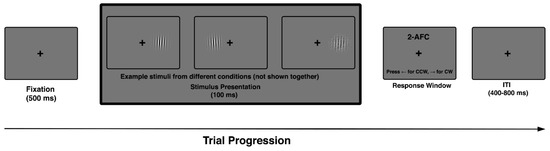
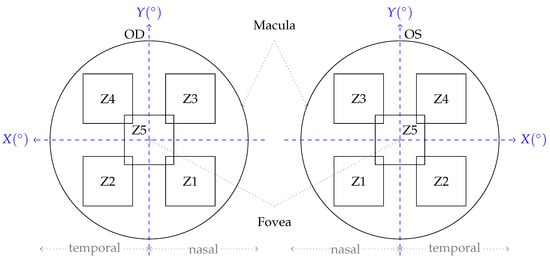
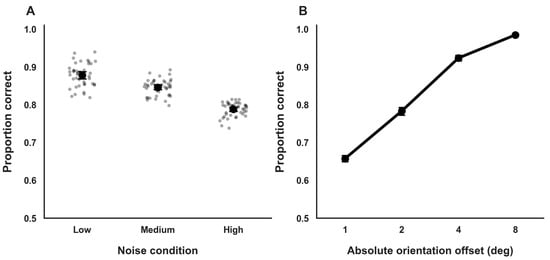
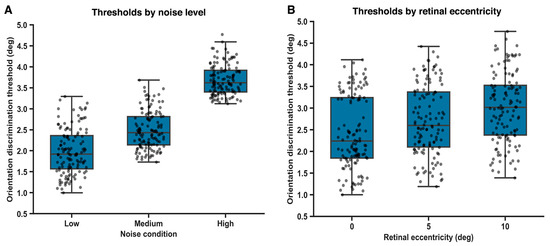
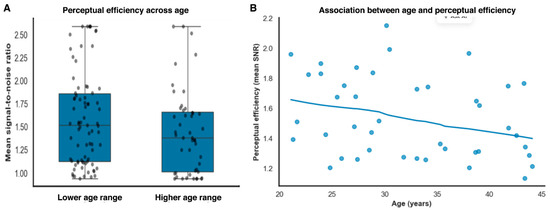
Background: Orientation discrimination tasks provide a core measure of visual sensitivity and are widely used to study how perceptual performance varies with stimulus uncertainty and visual field location. Here, we examined how external noise, retinal eccentricity, and individual perceptual efficiency shape orientation discrimination thresholds. Methods: Forty-two adults (mean age = 32.35 years, SD = 7.23) completed a two-alternative forced-choice task judging the orientation (clockwise vs. counterclockwise) of briefly presented Gabor patches under varying levels of external noise (low, medium, high) and eccentricity (0°, 5°, 10°). Orientation offsets ranged from −8° to +8°. Thresholds were estimated using psychometric functions and analyzed via rm ANOVA, linear mixed-effects models, and supervised machine learning. Results: Accuracy declined with increasing noise (ω2 = 0.48, p < 0.001) and improved with larger orientation offsets (ω2 = 0.62, p < 0.001). Thresholds increased with both noise (ω2 = 0.31, p = 0.002) and eccentricity (ω2 = 0.27, p = 0.003). Signal-to-noise efficiency was the strongest predictor (β = −0.72, p < 0.001); age alone was nonsignificant, but its interaction with eccentricity showed selective peripheral declines. Mixed-effects models confirmed spatial effects (β = 0.058, p < 0.001) and residual between-subject variability (σ2 = 0.14). Predictive models generalized well (R2 = 0.54). Conclusions: Orientation discrimination is shaped by both stimulus-level difficulty and individual differences in perceptual efficiency, which account for variability in sensitivity across visual conditions. Age-related differences emerge primarily under spatial load and depend on interactions between observer traits and task demands.
Full article

Figure 1
Open AccessArticle
An Exploratory Study of Six-Month Niacinamide Supplementation on Macular Structure and Electrophysiology in Primary Open-Angle Glaucoma
by
Constantin Alin Nicola, Maria Cristina Marinescu, Cristina Alexandrescu, Anne Marie Firan, Walid Alyamani, Mihaela Simona Naidin, Radu Constantin Ciuluvica, Radu Antoniu Patrascu, Anca Maria Capraru and Adina Turcu-Stiolica
Vision 2026, 10(1), 7; https://doi.org/10.3390/vision10010007 - 28 Jan 2026
Abstract
Background and Objectives: Primary open-angle glaucoma (POAG) is one of the leading ocular diseases leading to irreversible blindness and is often asymptomatic until advanced cases. While intraocular pressure reduction remains the cornerstone of treatment, neuroprotective strategies targeting retinal ganglion cell metabolism are actively
[...] Read more.
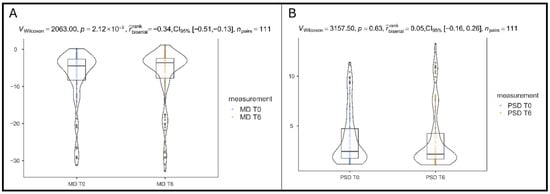
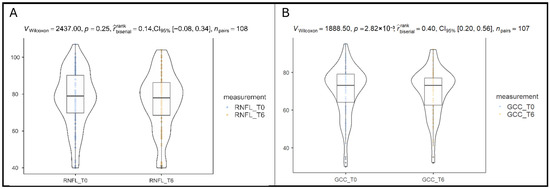
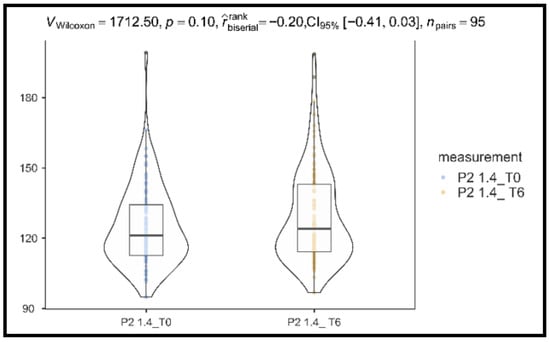
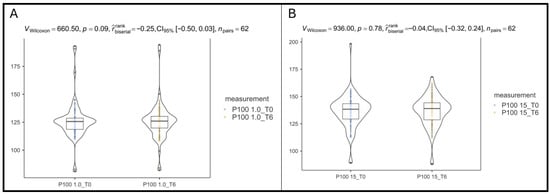
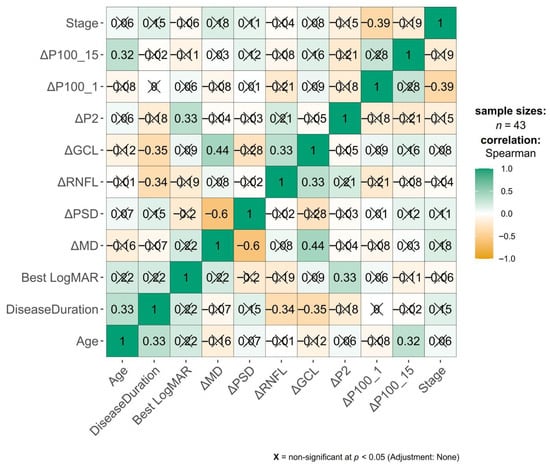
Background and Objectives: Primary open-angle glaucoma (POAG) is one of the leading ocular diseases leading to irreversible blindness and is often asymptomatic until advanced cases. While intraocular pressure reduction remains the cornerstone of treatment, neuroprotective strategies targeting retinal ganglion cell metabolism are actively investigated. Niacinamide (nicotinamide, vitamin B3), a precursor of NAD+, has shown neuroprotective potential in preclinical models. This exploratory study evaluated the short-term functional, structural, and electrophysiological effects of oral niacinamide supplementation in POAG. Materials and Methods: In this interventional study, patients with POAG received oral niacinamide 500 mg daily for six months. Visual field (VF) global and localized sensitivity (Mean Deviation [MD], Pattern Standard Deviation [PSD]), Optic Coherence Tomography (OCT)-derived peripapillary retinal nerve fiber layer (RNFL) and macular ganglion cell complex (GCC), and Visual evoked potentials (VEP) latency parameters (P2 1.4 Hz, P100 1°, and P100 15′) were assessed at baseline and at six months. Because both eyes from some participants were included, primary longitudinal inference was based on clustered analyses using generalized estimating equations and linear mixed-effects models to account for inter-eye correlation. Eye-level paired analyses were used for exploratory comparison. Change–change relationships across modalities were explored using Spearman correlation. Results: After accounting for inter-eye correlation, no statistically significant change in MD was detected (mean ΔMD +0.43 dB; GEE p = 0.099; LME p = 0.101), and PSD remained stable. RNFL thickness showed a small decrease (−1.26 µm; GEE p = 0.046), while GCC did not change significantly. VEP P100 latencies remained stable, whereas P2 latency showed a small increase (+3.9 ms; GEE p = 0.039). Correlation analysis revealed a moderate association between changes in GCC and MD (ρ = 0.44), suggesting concordance between macular structural stability and global visual field performance. Conclusions: When inter-eye correlation is appropriately accounted for, six months of niacinamide supplementation in POAG is associated with overall functional, structural, and electrophysiological stability, without evidence of clinically meaningful improvement or progression. These findings support short-term safety and highlight the importance of clustered analytical approaches and macular-centered biomarkers in future glaucoma neuroprotection trials.
Full article
(This article belongs to the Topic New Developments in Glaucoma Diagnostics and Therapeutics)
►▼
Show Figures

Figure 1
Open AccessArticle
Wavefront Automated Refraction Comparison of Three Different IOLs: Aspheric Monofocal and Two Enhanced Monofocal IOLs
by
Arthur Buffara van den Berg, Roberta Matschinske van den Berg, Bernardo Kaplan Moscovici, Maya Dodhia, Larissa Gouvea, Wallace Chamon and Karolinne Maia Rocha
Vision 2026, 10(1), 6; https://doi.org/10.3390/vision10010006 - 26 Jan 2026
Abstract
►▼
Show Figures
The objective of this study was to compare subjective manifest refraction with wavefront-based automated refraction using iTrace (ray tracing) and LadarWave (Hartmann–Shack) in eyes implanted with two enhanced monofocal intraocular lenses (IOLs) and a standard aspheric monofocal IOL, emphasizing agreement and refractive variability
[...] Read more.
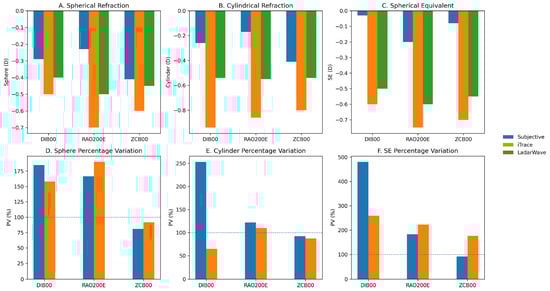
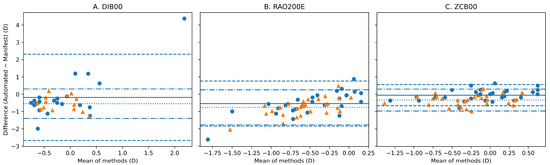
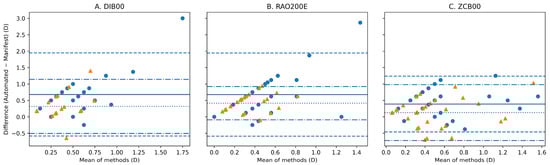
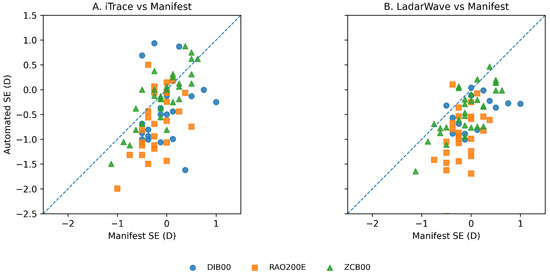
The objective of this study was to compare subjective manifest refraction with wavefront-based automated refraction using iTrace (ray tracing) and LadarWave (Hartmann–Shack) in eyes implanted with two enhanced monofocal intraocular lenses (IOLs) and a standard aspheric monofocal IOL, emphasizing agreement and refractive variability across optical designs. This retrospective cohort included 84 eyes from 42 patients implanted with Tecnis Eyhance (DIB00), RayOne EMV (RAO200E), or Tecnis ZCB00 IOLs. Postoperative evaluation (1–3 months) included uncorrected and corrected distance visual acuity and subjective manifest refraction, followed by automated refraction with iTrace and LadarWave. Outcomes were sphere, cylinder, and spherical equivalent (SE). Agreement was assessed using mean signed difference, mean absolute error, root mean square error, Bland–Altman limits of agreement, proportions within clinically relevant thresholds, and vector astigmatism (J0, J45). Linear mixed-effect modeling evaluated SE differences across methods and IOL types while accounting for within-subject correlation. Subjective SE differed among IOLs (p = 0.027), with RAO200E more myopic than ZCB00 (−0.20 ± 0.32 D vs. −0.08 ± 0.44 D, p = 0.035). Automated refraction showed greater variability and poorer agreement in enhanced monofocal IOLs, particularly for cylinder and SE, with wider limits of agreement and fewer eyes within ±0.50 D compared with ZCB00. In mixed-effect contrasts (three-method repeated-measures model), iTrace and LadarWave showed a consistent myopic bias versus manifest refraction in DIB00 and RAO200E, whereas in ZCB00 the iTrace–manifest difference was not significant and LadarWave retained a significant myopic bias. Enhanced monofocal IOLs exhibit reduced agreement between wavefront-based automated and subjective manifest refraction compared with a standard aspheric monofocal IOL. Manifest refraction remains essential for postoperative assessment, and automated measurements should be interpreted as complementary, particularly in IOL designs that modify aberrations.
Full article

Figure 1
Open AccessReview
E-MOTE: A Conceptual Framework for Emotion-Aware Teacher Training Integrating FACS, AI and VR
by
Rosa Pia D’Acri, Francesco Demarco and Alessandro Soranzo
Vision 2026, 10(1), 5; https://doi.org/10.3390/vision10010005 - 19 Jan 2026
Abstract
►▼
Show Figures
This paper proposes E-MOTE (Emotion-aware Teacher Education Framework), an ethically grounded conceptual model aimed at enhancing teacher education through the integrated use of the Facial Action Coding System (FACS), Artificial Intelligence (AI), and Virtual Reality (VR). As a conceptual and design-oriented proposal, E-MOTE
[...] Read more.
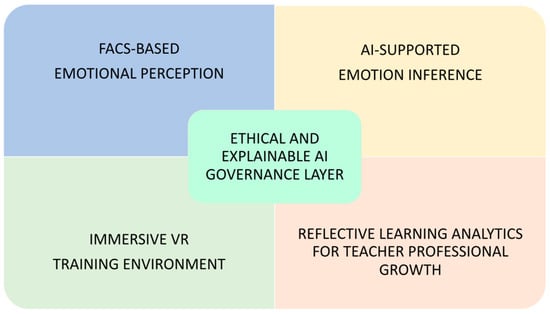
This paper proposes E-MOTE (Emotion-aware Teacher Education Framework), an ethically grounded conceptual model aimed at enhancing teacher education through the integrated use of the Facial Action Coding System (FACS), Artificial Intelligence (AI), and Virtual Reality (VR). As a conceptual and design-oriented proposal, E-MOTE is presented as a structured blueprint for future development and empirical validation, not as an implemented or evaluated system. Grounded in neuroscientific and educational research, E-MOTE seeks to strengthen teachers’ emotional awareness, teacher noticing, and social–emotional learning competencies. Rather than reporting empirical findings, this article offers a theoretically structured framework and an operational blueprint for the design of emotion-aware teacher training environments, establishing a structured foundation for future empirical validation. E-MOTE articulates three core contributions: (1) it clarifies the multi-layered construct of emotion-aware teaching by distinguishing between emotion detection, perception, awareness, and regulation; (2) it proposes an integrated AI–FACS–VR architecture for real-time and post hoc feedback on teachers’ perceptual performance; and (3) it outlines a staged experimental blueprint for future empirical validation under ethically governed conditions. As a design-oriented proposal, E-MOTE provides a structured foundation for cultivating emotionally responsive pedagogy and inclusive classroom management, supporting the development of perceptual micro-skills in teacher practice. Its distinctive contribution lies in proposing a shift from predominantly macro-behavioral simulation toward the deliberate cultivation of perceptual micro-skills through FACS-informed analytics integrated with AI-driven simulations.
Full article

Figure 1
Open AccessSystematic Review
Mapping the Outcomes of Low-Vision Rehabilitation: A Scoping Review of Interventions, Challenges, and Research Gaps
by
Kingsley Ekemiri, Onohomo Adebo, Chioma Ekemiri, Samuel Osuji, Maureen Amobi, Linda Ekwe, Kathy-Ann Lootawan, Carlene Oneka Williams and Esther Daniel
Vision 2026, 10(1), 3; https://doi.org/10.3390/vision10010003 - 12 Jan 2026
Abstract
►▼
Show Figures
Introduction: Low vision affects more than visual acuity; it substantially disrupts daily functioning and may contribute to long-term cognitive, emotional, and social consequences. When medical or surgical treatment options are no longer effective, structured low-vision rehabilitation becomes essential, providing strategies and tools that
[...] Read more.
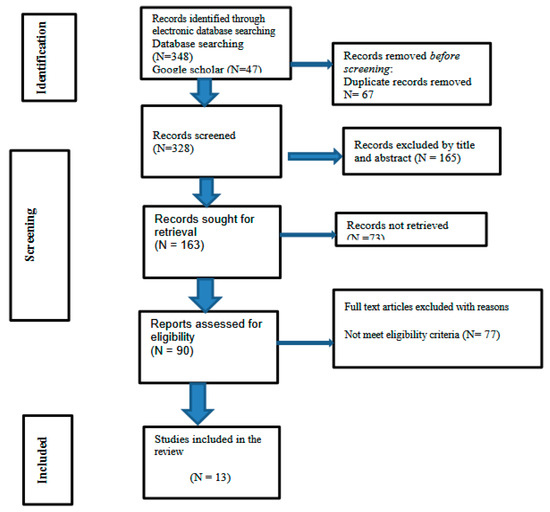
Introduction: Low vision affects more than visual acuity; it substantially disrupts daily functioning and may contribute to long-term cognitive, emotional, and social consequences. When medical or surgical treatment options are no longer effective, structured low-vision rehabilitation becomes essential, providing strategies and tools that support functional adaptation and promote independence. This review aims to map the current outcomes of rehabilitation services, identify gaps in existing research, and highlight opportunities for further study. Methods: An article search was conducted via PubMed, Scopus, PsycInfo, and Google Scholar. Then, title, abstract, and full-text screenings for inclusion were performed by all the authors independently, and disagreements were resolved through discussion. The relevant outcomes from the eligible publications were extracted by four authors and then cross-checked by the other authors. The results are presented via the Preferred Reporting Items for Systematic Reviews and Meta-analysis extension for Scoping Reviews checklist. Results: A total of 13 studies met the inclusion criteria. Most were randomized controlled trials (n = 10,77%), with the majority conducted in the United States and the United Kingdom. Study populations consisted of adults aged 18 years and older. Across the included studies, low-vision rehabilitation interventions particularly visual training, magnification-based programs, and multidisciplinary approaches, were associated with significant improvements in visual function, activities of daily living, and vision-related quality of life. Conclusions: Low vision rehabilitation interventions demonstrate clear benefits for visual acuity, contrast sensitivity, reading speed, and functional independence. However, substantial gaps remain, including limited evidence on long-term outcomes, inconsistent assessment of psychosocial influences, and underrepresentation of diverse populations. Standardized outcome measures and long-term, inclusive research designs are needed to better understand the sustained and equitable impact of low-vision rehabilitation.
Full article

Figure 1
Open AccessArticle
Drawing and Soccer Tactical Memorization: An Eye-Tracking Investigation of the Moderating Role of Visuospatial Abilities and Expertise
by
Sabrine Tlili, Hatem Ben Mahfoudh and Bachir Zoudji
Vision 2026, 10(1), 2; https://doi.org/10.3390/vision10010002 - 1 Jan 2026
Abstract
►▼
Show Figures
Dynamic drawing has emerged as a strategy to communicate tactical diagrams, yet its effectiveness remains uncertain and appears to depend on individual differences. This study investigated how the memorization and visual processing of tactical soccer scenes are influenced by drawing format (static drawing
[...] Read more.
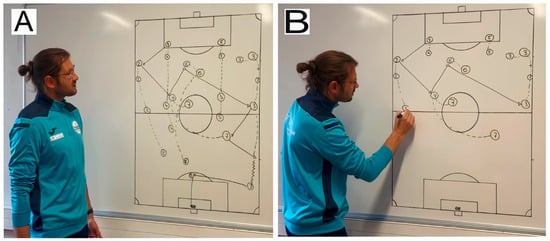
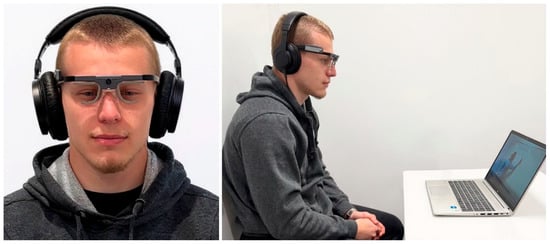
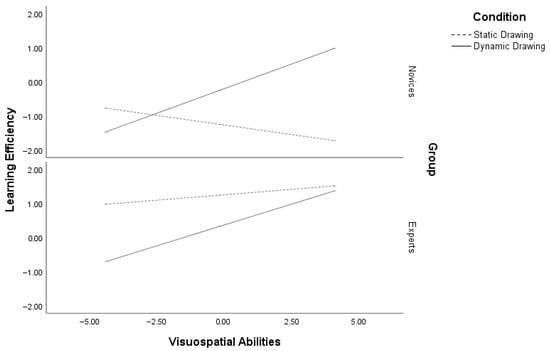
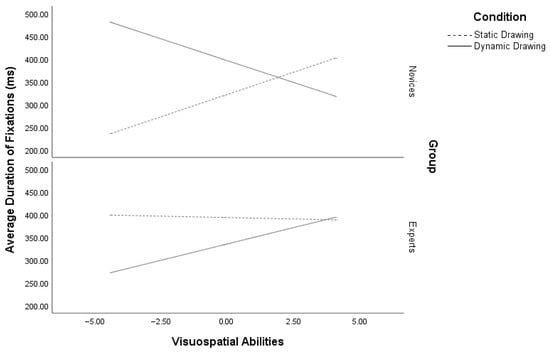
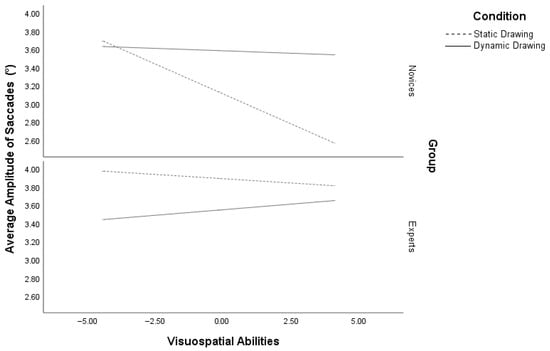
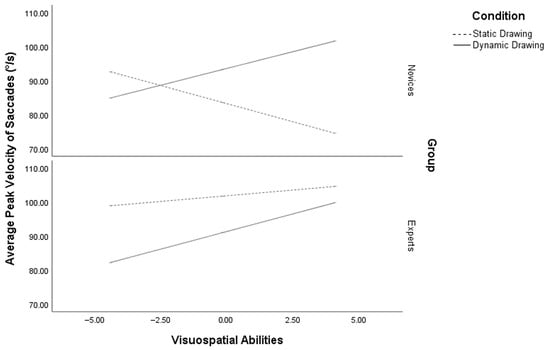
Dynamic drawing has emerged as a strategy to communicate tactical diagrams, yet its effectiveness remains uncertain and appears to depend on individual differences. This study investigated how the memorization and visual processing of tactical soccer scenes are influenced by drawing format (static drawing vs. dynamic drawing) and moderated by visuospatial abilities (VSA) and expertise. Expert (N = 57) and novice (N = 54) participants were randomly assigned to one of two conditions. In the static drawing condition, participants viewed a pre-drawn, completed tactical diagram accompanied by an oral explanation. In the dynamic drawing condition, they observed the coach drawing the diagram in real time while delivering the same explanation. VSA was first assessed using a control test. Then, in the main test, participants memorized and reproduced the tactical scene while their eye movements were recorded using an eye tracker. Key findings revealed a three-way interaction, highlighting the occurrence of an expertise reversal effect: high VSA novices performed better with dynamic drawing, whereas low VSA experts benefited more from static drawing, showing distinct visual processing patterns across groups. Overall, the results highlight the need to tailor drawing strategies to individual characteristics, particularly VSA and expertise, to optimize visual attention and tactical memorization.
Full article

Figure 1
Open AccessArticle
N-Acetyl-Aspartyl Glutamic Acid (NAAGA)-Based Eye Drops for Contact Lens Wearers with Dry Eye Symptoms and Discomfort
by
Ioanna Misheva, Vesselin Daskalov, Dimitar Dzhelebov, Kalina Ilieva, Ralitsa Kermedchieva, Malina Topchiyska, Petar Yanev and Christina Grupcheva
Vision 2026, 10(1), 1; https://doi.org/10.3390/vision10010001 - 22 Dec 2025
Abstract
►▼
Show Figures
The aim of this study was to evaluate the performance and safety of T2769 (Thealoz® Total), a preservative-free eye drop combining 0.15% sodium hyaluronate, 3% trehalose, and 2.45% N-acetylaspartyl-glutamate (NAAGA), in contact lens wearers with dry eye symptoms and discomfort. This prospective,
[...] Read more.
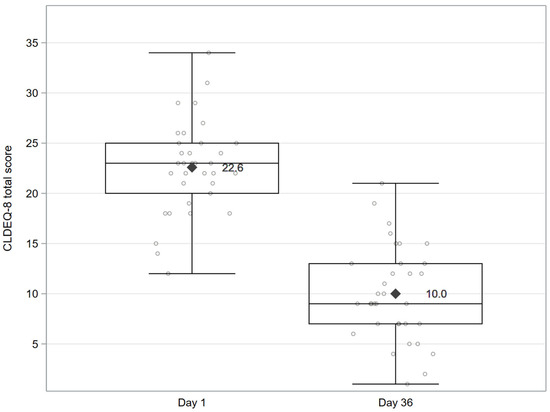
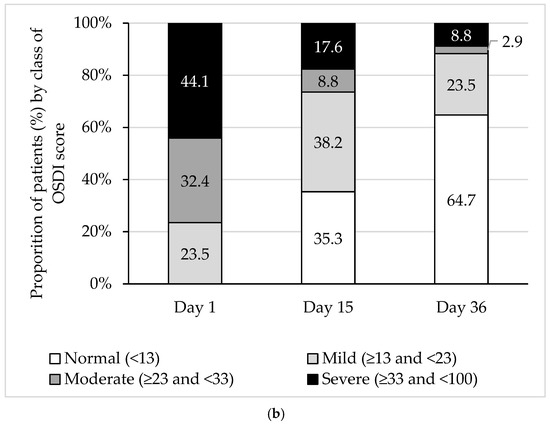
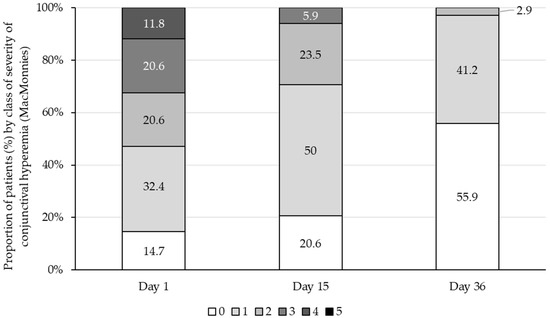
The aim of this study was to evaluate the performance and safety of T2769 (Thealoz® Total), a preservative-free eye drop combining 0.15% sodium hyaluronate, 3% trehalose, and 2.45% N-acetylaspartyl-glutamate (NAAGA), in contact lens wearers with dry eye symptoms and discomfort. This prospective, single-arm investigation enrolled 34 adult contact lens wearers with Ocular Surface Disease Index (OSDI) scores ≥ 18 and Contact Lens Dry Eye Questionnaire-8 (CLDEQ-8) scores ≥ 12. Patients instilled one drop of T2769 three to six times daily for 36 days. Performance assessments included CLDEQ-8, ocular discomfort and symptoms, OSDI, soothing sensation, and ocular signs. Safety assessments included adverse events (AEs), far BCVA, and ocular tolerance. CLDEQ-8 improved from the baseline at Day 36 (−12.6 ± 5.0; p < 0.001) and as early as D15, with similar improvements in ocular discomfort, OSDI, and total symptom score. Soothing sensation was judged important by 79.4% of patients at D36. Ocular surface staining, tear break-up time, and the Schirmer test improved at D15 and D36, while conjunctival hyperaemia improved in 82.4% of patients at D36. Two non-serious treatment-related AEs (photophobia and blurred vision) occurred in one patient. BCVA was unchanged, and tolerance was rated very satisfactory/satisfactory. In conclusion, T2769 was safe and effective for reducing contact lens-associated dry eyes and discomfort.
Full article

Figure 1
Open AccessArticle
Investigation of the Visual Acuity Test Success Rate of a New Child-Friendly Minimum-Separable Chart for 2- and 3-Year-Old Children
by
Yo Iwata
Vision 2025, 9(4), 100; https://doi.org/10.3390/vision9040100 - 17 Dec 2025
Abstract
►▼
Show Figures
Background/Objectives: Early detection and timely treatment of amblyopia require reliable visual acuity testing in toddlers; however, conventional Landolt ring charts often show poor testability in 2–3-year-old children. Therefore, we aimed to verify the practicality of a new Child-Friendly Minimum-Separable (CFMS) chart for 2–3-year-old
[...] Read more.
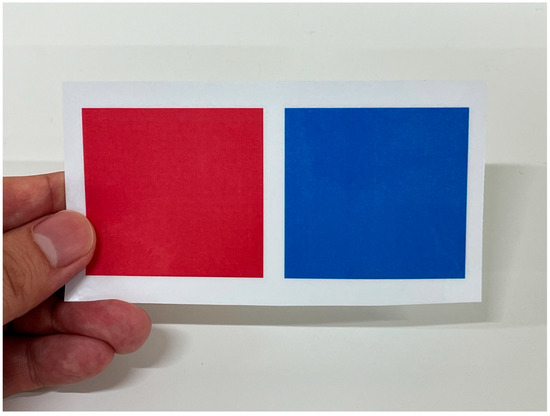
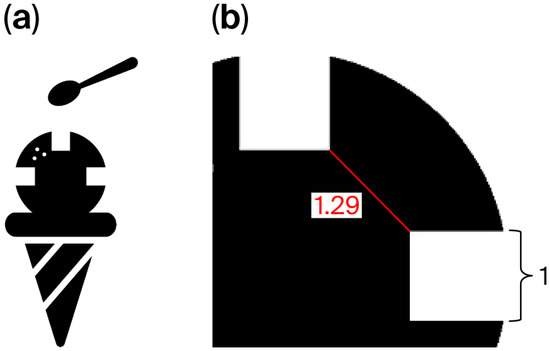
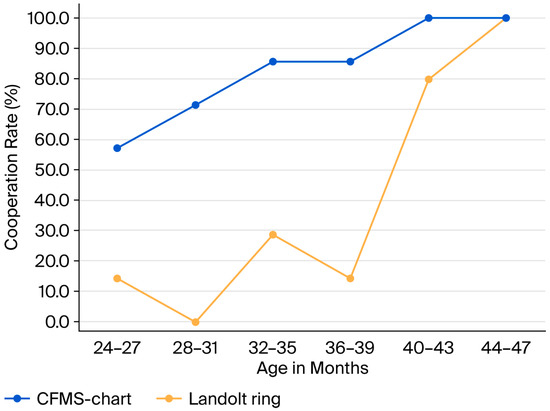
Background/Objectives: Early detection and timely treatment of amblyopia require reliable visual acuity testing in toddlers; however, conventional Landolt ring charts often show poor testability in 2–3-year-old children. Therefore, we aimed to verify the practicality of a new Child-Friendly Minimum-Separable (CFMS) chart for 2–3-year-old children by comparing cooperation rates with the standard Landolt ring visual acuity chart. Methods: A prospective pilot study was conducted on 20 children aged 2 years (30.6 ± 3.2 months) and 20 children aged 3 years (41.8 ± 3.9 months). Right-eye visual acuity was tested in random order using the Landolt ring (four options, 3/5 considered correct) and the CFMS chart (two options, 3/3 considered correct). Test cooperation rates and visual acuity were analyzed. Results: In the 2-year-olds, the cooperation rate was 15% and 75% for the Landolt ring and CFMS chart, respectively (p = 0.0005). Twelve children refused to cooperate with the Landolt ring but cooperated with the CFMS chart; the reverse did not occur. In the 3-year-olds, the cooperation rate was 60% and 90% for the Landolt ring and CFMS chart, respectively (p = 0.031); six children cooperated only with the CFMS chart. The odds ratio for cooperation per additional month of age was 1.34 (95% confidence interval [CI]: 1.12–1.59; p = 0.001) and 1.24 (95% CI: 1.03–1.50; p = 0.026) for the Landolt ring and CFMS chart, respectively. Conclusions: Compared to the Landolt ring, the CFMS chart significantly improves cooperation rates for visual acuity testing in 2−3-year-old children, especially among 2-year-olds.
Full article

Figure 1
Open AccessArticle
Impact of Simulated Astigmatism on Visual Acuity, Stereopsis, and Reading in Young Adults
by
Chow Wang Ming Shato, Ricardo Noguera Louzada, Pedro Lucas Machado Magalhães, Dillan Cunha Amaral, Daniel Oliveira Dantas, Daniel Alves Montenegro, Melanie May Chow, David Tayah and Milton Ruiz Alves
Vision 2025, 9(4), 99; https://doi.org/10.3390/vision9040099 - 16 Dec 2025
Abstract
►▼
Show Figures
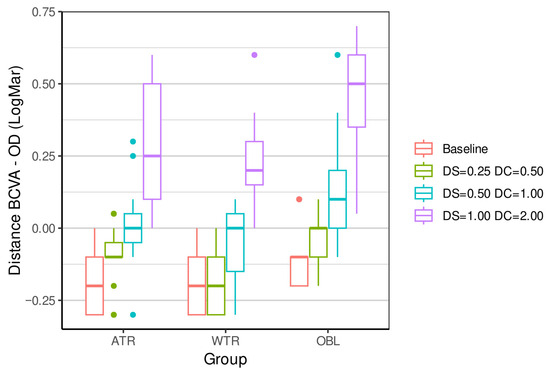
This study investigated the functional visual impact of simulated astigmatic blur using cylindrical powers of 0.50 D, 1.00 D, and 2.00 D, applied in against-the-rule (ATR), with-the-rule (WTR), and oblique (OBL) axes, in adults aged 18 to 35 years with no known ocular
[...] Read more.
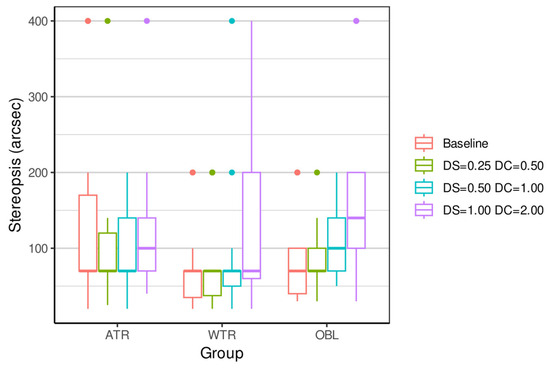
This study investigated the functional visual impact of simulated astigmatic blur using cylindrical powers of 0.50 D, 1.00 D, and 2.00 D, applied in against-the-rule (ATR), with-the-rule (WTR), and oblique (OBL) axes, in adults aged 18 to 35 years with no known ocular disease. Forty-five young adults were randomly divided into three groups (n = 15). Binocular best-corrected visual acuity (distance and near) was recorded in logMAR using the ETDRS acuity chart at 5 m and 40 cm, supported by acuity optotypes displayed in a Bailey–Lovie chart format. Depth-fusion and disparity discrimination were measured using polarized stereopsis thresholds with the Randot® Stereo Test from Stereo Optical Company, Inc. Reading performance was quantified as a continuous binocular rate metric (words per minute) using the validated Portuguese digital reading curve provided by the MNREAD iPad App by Precision Vision at 40 cm. The results were preserved verbatim as follows: Distance and near BCVA were significantly affected by ATR astigmatisms (−0.50 + 1.00 90°, −1.00 + 2.00 90°), WTR astigmatisms (−0.25 + 0.50 180°, −0.50 + 1.00 180°, −1.00 + 2.00 180°), and OBL astigmatisms (OD: −0.25 + 0.50 45°, OS: −0.25 + 0.50 135°; OD: −0.50 + 1.00 45°, OS: −0.50 + 1.00 135°; OD: −1.00 + 2.00 45°, OS: −1.00 + 2.00 135°). Stereopsis was significantly influenced by high-power OBL astigmatism (−1.00 + 2.00). Reading rate was also negatively impacted by OBL astigmatisms ≥1.00 D. Simulated astigmatism of different powers and axes reduced high-contrast distance and near BCVA, stereopsis, and reading speed in adults aged 18–35 years. Higher-power astigmatism, particularly along oblique axes, caused the most significant functional impairment.
Full article

Figure 1
Open AccessArticle
Curcumin-Based Supplement for Vitreous Floaters Post-Nd:YAG Capsulotomy: A Pilot Study
by
Alex Malandrini, Giovanni Rubegni, Davide Marini, Giulia Spadavecchia and Gian Marco Tosi
Vision 2025, 9(4), 98; https://doi.org/10.3390/vision9040098 - 16 Dec 2025
Abstract
►▼
Show Figures
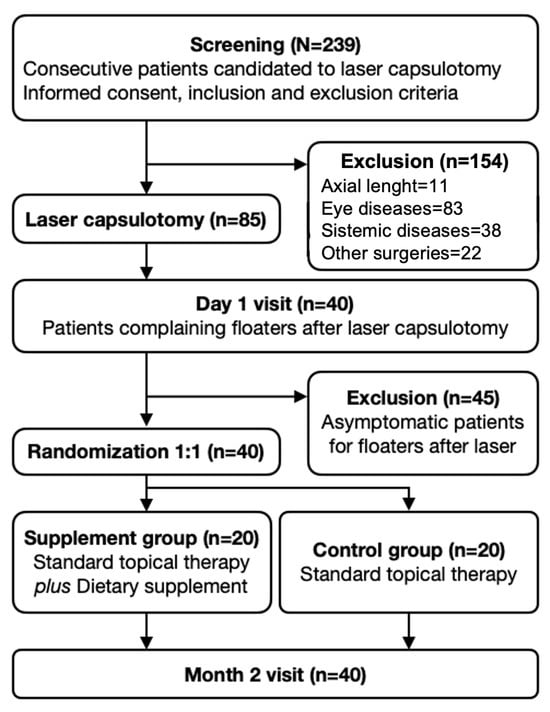
Background: To evaluate the short-term effects of a dietary supplement containing curcumin, bromelain, glucosamine, chondroitin sulphate, sodium hyaluronate, type II collagen, and vitamin C on symptomatic vitreous floaters (SVFs) following Nd:YAG laser capsulotomy. Methods: Forty eyes with SVFs on the first
[...] Read more.
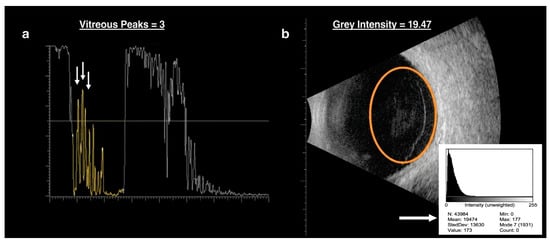
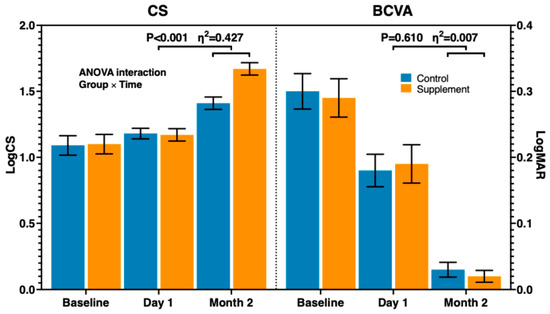
Background: To evaluate the short-term effects of a dietary supplement containing curcumin, bromelain, glucosamine, chondroitin sulphate, sodium hyaluronate, type II collagen, and vitamin C on symptomatic vitreous floaters (SVFs) following Nd:YAG laser capsulotomy. Methods: Forty eyes with SVFs on the first postoperative day were randomized into a control group (standard topical therapy, n = 20) and a treatment group (oral supplement plus standard therapy, n = 20). Outcomes included best-corrected visual acuity (BCVA), contrast sensitivity (CS), and subjective scores from a non-standardized questionnaire on floater perception (QS1), interference with daily activities (QS2), and foreign body sensation (QS3). Objective evaluation was performed using two novel ultrasound-based methods: mean number of vitreous peaks (MVP) from A-scans and mean grey intensity (MGI) from B-scan images processed with ImageJ. Results: At 2 months, the treatment group showed greater improvement in CS (Δ = 0.26 LogCS, CI, 0.14–0.38; p < 0.01), QS1 (Δ = 1.10; 95% CI, 0.60–1.60; p < 0.01), QS2 (Δ = 0.90; 95% CI, 0.40–1.40; p < 0.01), QS3 (Δ = 0.90; 95% CI, 0.44–1.36; p < 0.01), MVP (Δ = 1.10; 95% CI, 0.60–1.60; p < 0.01), and MGI (Δ = 12.89 units; 95% CI, 7.84–17.93; p < 0.01). BCVA was comparable between groups (p = 0.478). Conclusions: Short-term dietary supplementation with vitreous-specific nutrients is well tolerated and associated with improvements in reducing SVFs and foreign body sensations after Nd:YAG capsulotomy and may represent a promising non-invasive therapeutic option.
Full article

Figure 1
Open AccessArticle
Exploring Structural and Vascular Changes of the Optic Nerve Head After Trabeculectomy in Primary Open-Angle Glaucoma
by
Francesco Cappellani, Niccolò Castellino, Marco Zeppieri, Fabiana D’Esposito, Alessandro Avitabile, Giovanni Rubegni, Ludovica Cannizzaro, Giuseppe Gagliano and Antonio Longo
Vision 2025, 9(4), 97; https://doi.org/10.3390/vision9040097 - 7 Dec 2025
Abstract
►▼
Show Figures
Background: Trabeculectomy remains gold-standard surgical approach for intraocular pressure (IOP) control in glaucoma, yet its impact on optic nerve head (ONH) morphology and retinal microvasculature has not been fully clarified. This study aimed to investigate structural and vascular changes of the ONH and
[...] Read more.
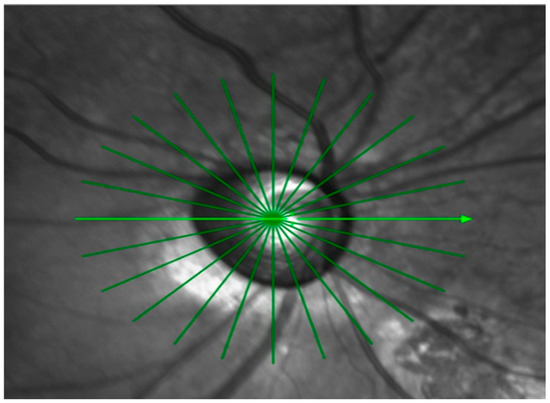
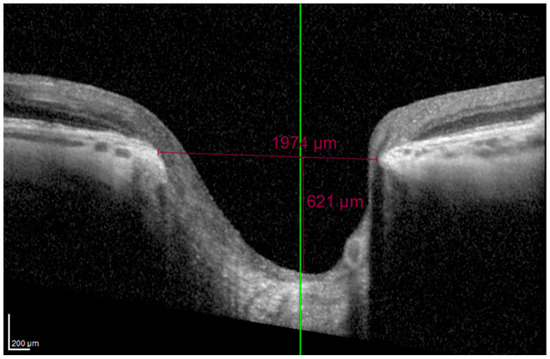
Background: Trabeculectomy remains gold-standard surgical approach for intraocular pressure (IOP) control in glaucoma, yet its impact on optic nerve head (ONH) morphology and retinal microvasculature has not been fully clarified. This study aimed to investigate structural and vascular changes of the ONH and macula after trabeculectomy using spectral-domain optical coherence tomography (SD-OCT) and OCT angiography (OCTA). Methods: In this retrospective study, data from 22 patients with primary open-angle glaucoma who underwent uncomplicated trabeculectomy were reviewed. The fellow eye served as control. Structural parameters, including Bruch’s membrane opening (BMO), maximum cup depth (MCD), and cup area, were measured with SD-OCT. Vessel density (VD) of the optic disc, peripapillary retina, and macular superficial (SCP) and deep (DCP) capillary plexuses were analyzed with OCTA. Preoperative and two-month postoperative data were compared using paired statistical tests. Results: Mean IOP decreased from 23.1 ± 3.9 mmHg to 13.2 ± 3.2 mmHg (p < 0.001). Significant postoperative reductions were observed in BMO (−5 ± 6%, p = 0.004), MCD (−31 ± 8%, p < 0.001), and cup area (−44 ± 18%, p < 0.001). RNFL thickness and ONH vascular parameters remained stable. In contrast, DCP vessel density increased in the foveal (p = 0.002) and parafoveal (p = 0.023) regions, while SCP density showed no significant change. Conclusions: Trabeculectomy was associated with measurable reversal of optic disc cupping, indicating partial structural recovery of the ONH following IOP reduction. The selective improvement in deep retinal vessel density suggests a layer-specific microvascular response. These findings provide further insight into the interplay between mechanical and vascular mechanisms in glaucoma and may inform postoperative monitoring strategies.
Full article

Figure 1
Open AccessArticle
Big Data on Climatic and Environmental Parameters Associated with Acute Ocular Surface Symptoms and Therapeutic Assessment: Eye Drops Sales, Google Trends and Environmental Changes
by
Felipe Barbosa Galvão Azzem Ferraz, Mateus Maia Marzola, Marina Zilio Fantucci, Adriana de Andrade Batista Murashima, Beatriz Carneiro Cintra, Denny Marcos Garcia and Eduardo Melani Rocha
Vision 2025, 9(4), 96; https://doi.org/10.3390/vision9040096 - 28 Nov 2025
Abstract
►▼
Show Figures
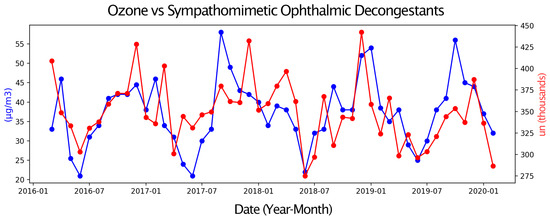
Ocular surface (OS) and dry eye (DE) symptoms are frequent ophthalmic complaints influenced by climate and pollution related with acute and chronic ocular surface symptoms. This study assessed their association with environmental conditions in São Paulo metropolitan area (2016–2020), including air temperature, humidity,
[...] Read more.
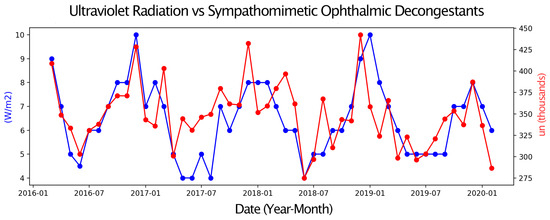
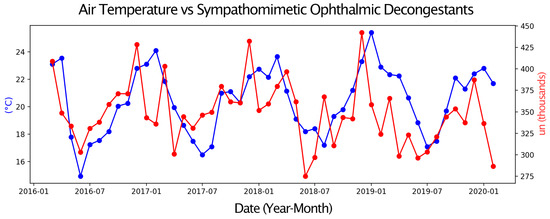
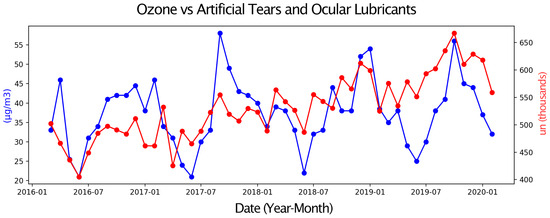
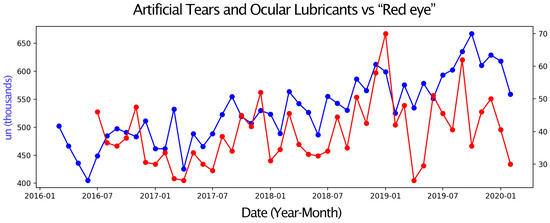
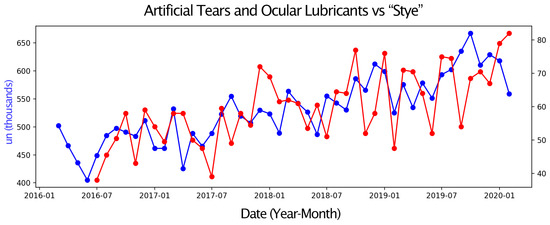
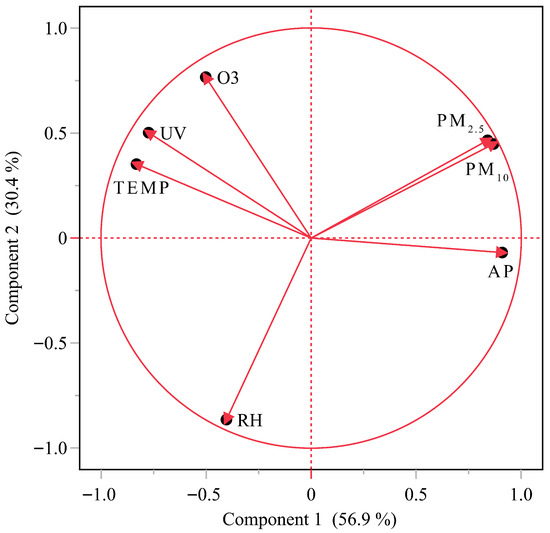
Ocular surface (OS) and dry eye (DE) symptoms are frequent ophthalmic complaints influenced by climate and pollution related with acute and chronic ocular surface symptoms. This study assessed their association with environmental conditions in São Paulo metropolitan area (2016–2020), including air temperature, humidity, atmospheric pressure, ozone (O3), particulate matter (PM), using IQVIA eye drop sales data and Google search trends. Sympathomimetic decongestant sales correlated with higher temperature (r = 0.434, p = 0.0021), UV radiation (r = 0.643, p < 0.0001), and ozone (r = 0.491, p = 0.0004). Artificial tears and lubricants correlated with ozone (r = 0.452, p = 0.0012) and with searches for “red eye” (r = 0.505, p = 0.0005) and “stye” (r = 0.599, p < 0.0001). To address multicollinearity, Principal Component Analysis (PCA) was applied, with the first two components (PC1 and PC2) explaining 87.3% of variance. Regression models using these components were significant for decongestant sales and “stye” searches. Eye drop sales and search trends thus emerge as potential indicators of OS and DE symptoms, reflecting environmental conditions and informing prevention strategies.
Full article

Figure 1
Open AccessArticle
Geographic Atrophy Progression in Clinical Practice Before and After Pegcetacoplan Treatment
by
Jessica A. Cao, Avery W. Zhou, Gail M. Teagle, Liisa M. Baumann, Ryan A. Sahraravand, Calvin W. Wong, Sandro De Zanet, Natasa Jovic, Patrick Steiner, Sagar B. Patel, Samuel A. Minaker, Mathew W. MacCumber, David M. Brown, Hasenin Al-khersan and Charles C. Wykoff
Vision 2025, 9(4), 95; https://doi.org/10.3390/vision9040095 - 18 Nov 2025
Abstract
►▼
Show Figures
This retrospective study evaluated changes in ocular characteristics and retinal pigment epithelium (RPE) and photoreceptor ellipsoid zone (EZ) depletion rates before and after intravitreal pegcetacoplan initiation in clinical practice. A total of 168 eyes from 110 patients with GA secondary to age-related macular
[...] Read more.
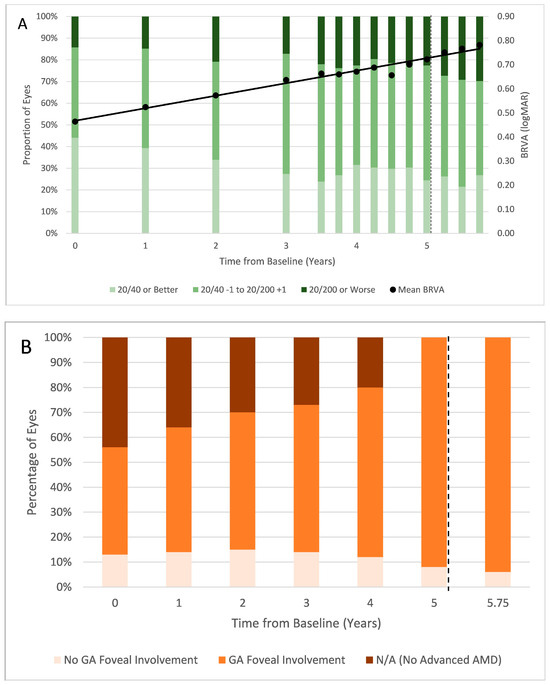
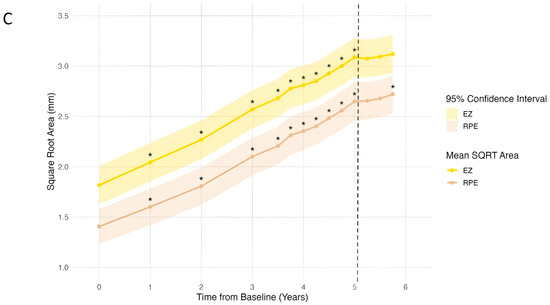
This retrospective study evaluated changes in ocular characteristics and retinal pigment epithelium (RPE) and photoreceptor ellipsoid zone (EZ) depletion rates before and after intravitreal pegcetacoplan initiation in clinical practice. A total of 168 eyes from 110 patients with GA secondary to age-related macular degeneration (AMD) who received at least 3 pegcetacoplan injections were included. Data was collected from 5 years before to 9 months after pegcetacoplan initiation. RPE and EZ depletion areas were measured using an automated artificial intelligence (AI) algorithm on optical coherence tomography (OCT) images. At baseline, 76 eyes (45.2%) had concurrent neovascular AMD (nAMD), with mean RPE and EZ depletion areas of 3.3 mm2 and 4.9 mm2, respectively. By pegcetacoplan initiation, these increased to 8.6 mm2 and 11.2 mm2, respectively, with 151 eyes (89.9%) having concurrent nAMD and 155 eyes (92.3%) having subfoveal GA. Pre-treatment to post-treatment RPE and EZ square root depletion rates decreased from 0.25 mm/year to 0.096 mm/year, and 0.26 mm/year to 0.049 mm/year, respectively. Mean best-recorded visual acuity (BRVA) worsened by 0.05 logMAR annually before and after treatment. These real-world findings align with data from the pegcetacoplan phase 3 trials, showing reduced RPE and EZ depletion rates without changes in rates of BRVA loss. Additional studies are warranted.
Full article

Figure 1
Open AccessArticle
Clinical Evaluation of an Affordable Handheld Wavefront Autorefractor in an Adult Population in a Low-Resource Setting in the Amazonas
by
David Tayah, Ricardo Noguera Louzada, Pedro Lucas Machado Magalhães, Youssef Tayah, Dillan Cunha Amaral, Chow Wang Ming Shato, Daniel Oliveira Dantas and Milton Ruiz Alves
Vision 2025, 9(4), 94; https://doi.org/10.3390/vision9040094 - 6 Nov 2025
Abstract
►▼
Show Figures
This study evaluates the ability of the QuickSee Free (QSF) portable autorefractor (PlenOptika) to detect and measure refractive error compared to subjective clinical refractometry (SCR) in a Brazilian adult population in a low-resource setting in Amazonas. A total of 100 participants aged 18–65
[...] Read more.
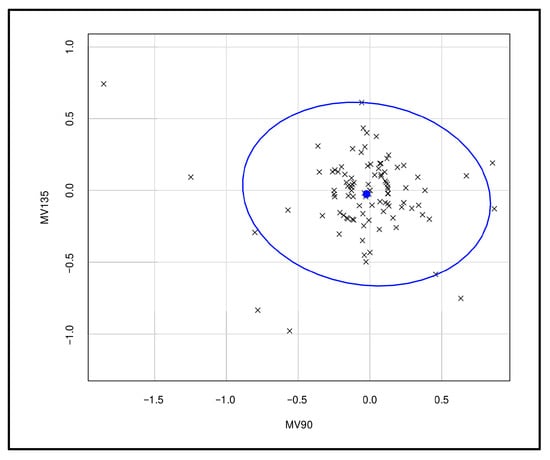
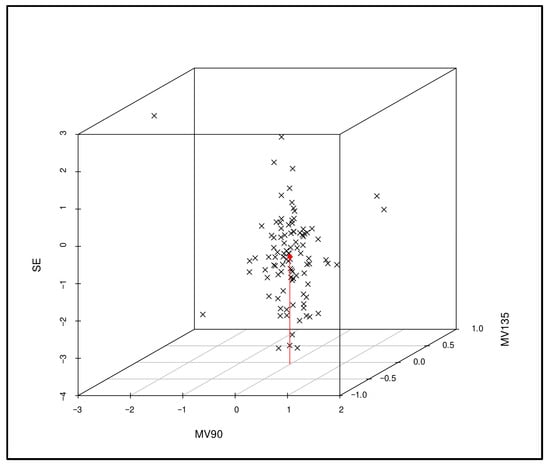
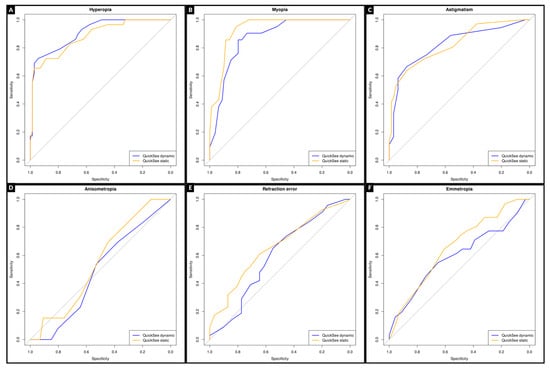
This study evaluates the ability of the QuickSee Free (QSF) portable autorefractor (PlenOptika) to detect and measure refractive error compared to subjective clinical refractometry (SCR) in a Brazilian adult population in a low-resource setting in Amazonas. A total of 100 participants aged 18–65 years underwent visual acuity screening and autorefraction with and without cycloplegia using the QSF, alongside a complete ophthalmic examination including SCR. Refractive error measurements included spherical component (SC), cylindrical component (CC), cylindrical axis (CA), spherical equivalent (SE), and vector powers (MV90 and MV135). Accuracy was assessed for hyperopia ≥ +2.00 D, myopia ≤ −0.75 D, astigmatism ≥ 1.00 DC, and anisometropia ≥ 1.00 D using receiver operating characteristic (ROC) curve analysis. The area under the curve for detecting significant refractive errors ranged from 0.538 to 0.930. The mean difference between QSF without cycloplegia and SCR was −1.08 ± 1.17 D for SC and −1.15 ± 1.15 D for SE (p < 0.0001), and with cycloplegia, it was −0.81 ± 1.07 D and −0.83 ± 1.02 D, respectively. The QSF exhibited a moderate negative bias for both SC and SE with and without cycloplegia, underestimating these values, but it showed good predictability for detecting refractive errors in a low-resource setting.
Full article

Figure 1
Open AccessArticle
Comparative Analysis of Transformer Architectures and Ensemble Methods for Automated Glaucoma Screening in Fundus Images from Portable Ophthalmoscopes
by
Rodrigo Otávio Cantanhede Costa, Pedro Alexandre Ferreira França, Alexandre César Pinto Pessoa, Geraldo Braz Júnior, João Dallyson Sousa de Almeida and António Cunha
Vision 2025, 9(4), 93; https://doi.org/10.3390/vision9040093 - 3 Nov 2025
Abstract
►▼
Show Figures
Deep learning for glaucoma screening often relies on high-resolution clinical images and convolutional neural networks (CNNs). However, these methods face significant performance drops when applied to noisy, low-resolution images from portable devices. To address this, our work investigates ensemble methods using multiple Transformer
[...] Read more.
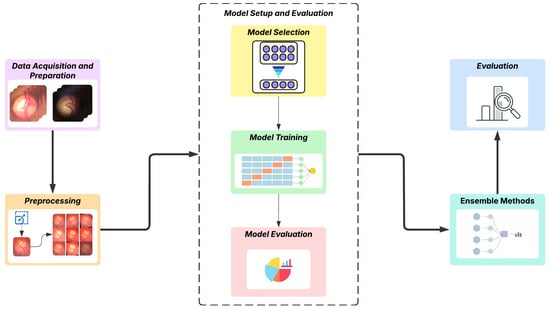
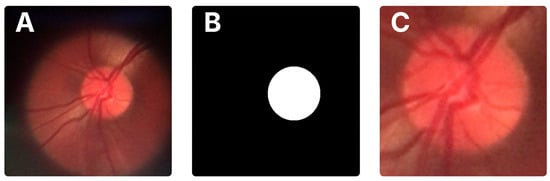
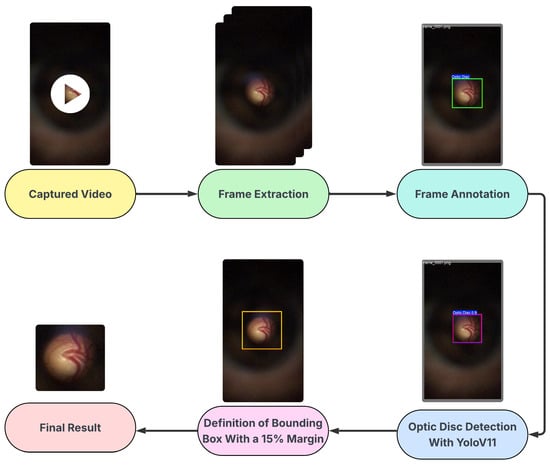
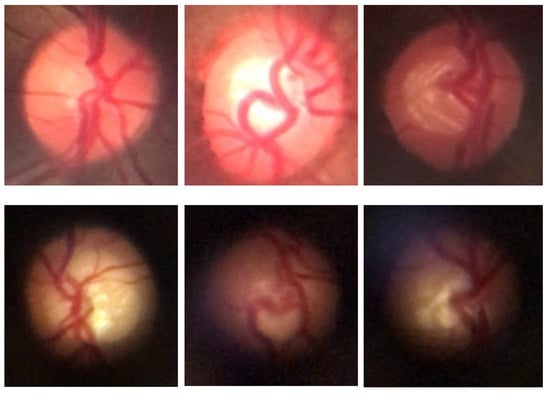
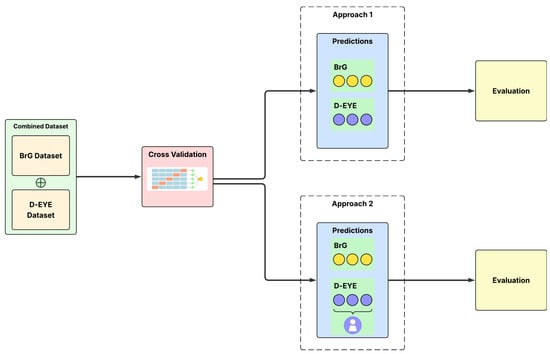
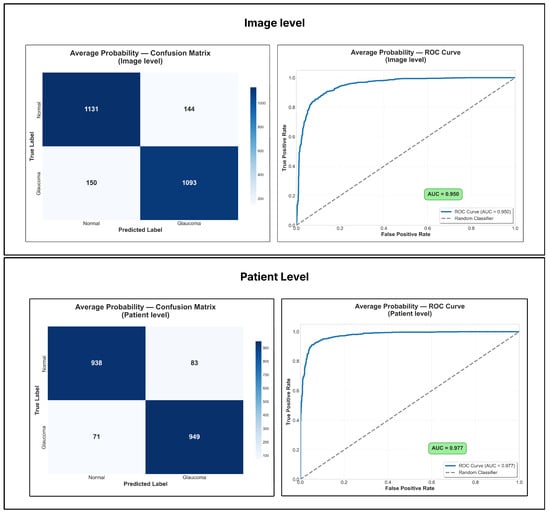
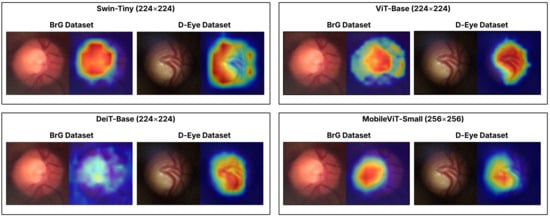
Deep learning for glaucoma screening often relies on high-resolution clinical images and convolutional neural networks (CNNs). However, these methods face significant performance drops when applied to noisy, low-resolution images from portable devices. To address this, our work investigates ensemble methods using multiple Transformer architectures for automated glaucoma detection in challenging scenarios. We use the Brazil Glaucoma (BrG) and private D-Eye datasets to assess model robustness. These datasets include images typical of smartphone-coupled ophthalmoscopes, which are often noisy and variable in quality. Four Transformer models—Swin-Tiny, ViT-Base, MobileViT-Small, and DeiT-Base—were trained and evaluated both individually and in ensembles. We evaluated the results at both image and patient levels to reflect clinical practice. The results show that, although performance drops on lower-quality images, ensemble combinations and patient-level aggregation significantly improve accuracy and sensitivity. We achieved up to 85% accuracy and an 84.2% F1-score on the D-Eye dataset, with a notable reduction in false negatives. Grad-CAM attention maps confirmed that Transformers identify anatomical regions relevant to diagnosis. These findings reinforce the potential of Transformer ensembles as an accessible solution for early glaucoma detection in populations with limited access to specialized equipment.
Full article

Figure 1
Open AccessArticle
Biases in Perceiving Positive Versus Negative Emotions: The Influence of Social Anxiety and State Affect
by
Vivian M. Ciaramitaro, Erinda Morina, Jenny L. Wu, Daniel A. Harris and Sarah A. Hayes-Skelton
Vision 2025, 9(4), 92; https://doi.org/10.3390/vision9040092 - 1 Nov 2025
Abstract
►▼
Show Figures
Models suggest social anxiety is characterized by negative processing biases. Negative biases also arise from negative mood, i.e., state affect. We examined how social anxiety influences emotional processing and whether state affect, or mood, modified the relationship between social anxiety and perceptual bias.
[...] Read more.
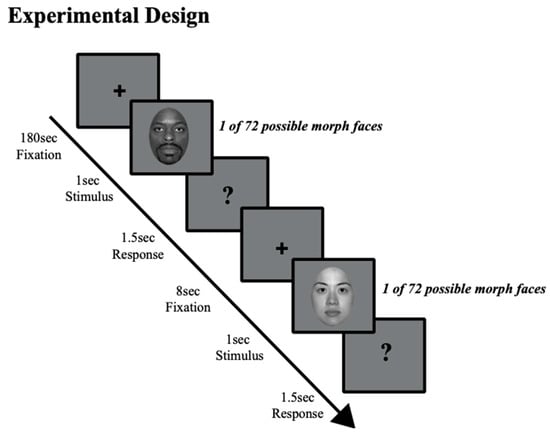
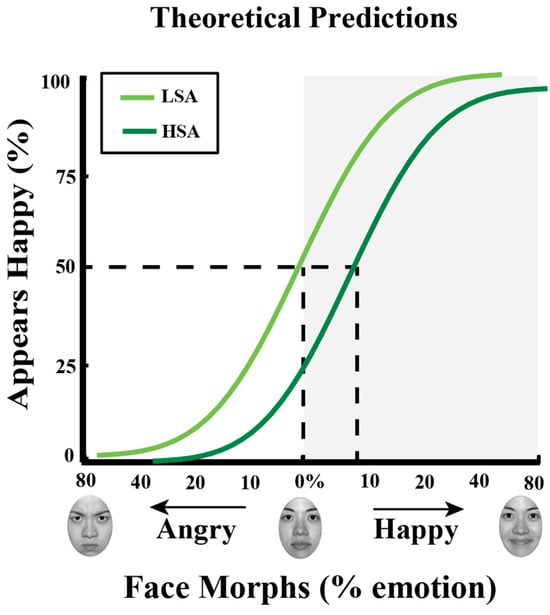
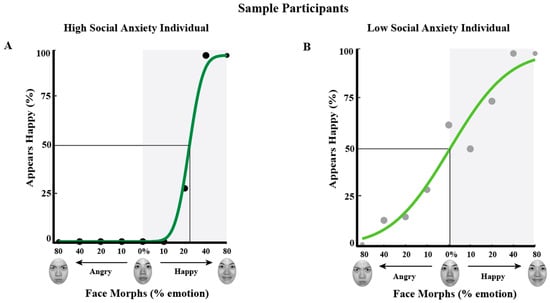
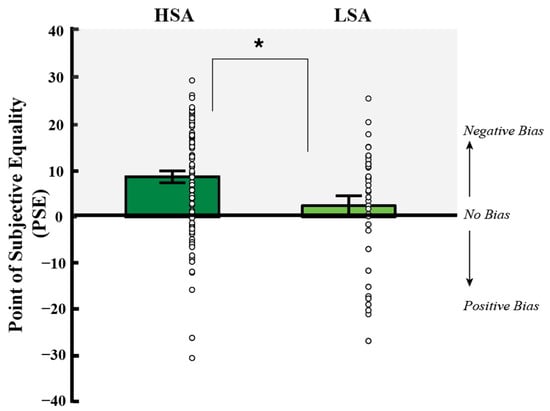
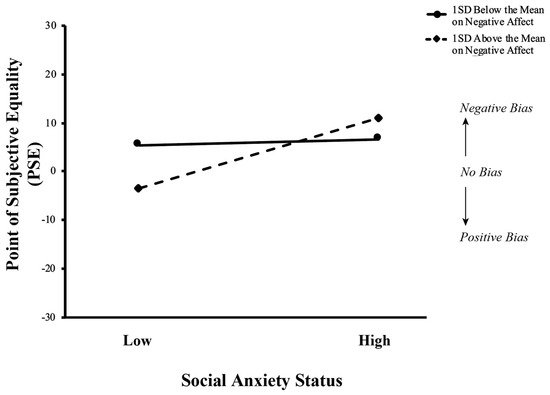
Models suggest social anxiety is characterized by negative processing biases. Negative biases also arise from negative mood, i.e., state affect. We examined how social anxiety influences emotional processing and whether state affect, or mood, modified the relationship between social anxiety and perceptual bias. We quantified bias by determining the point of subjective equality, PSE, the face judged equally often as happy and as angry. We found perceptual bias depended on social anxiety and state affect. PSE was greater in individuals high (mean PSE: 8.69) versus low (mean PSE: 3.04) in social anxiety. The higher PSE indicated a stronger negative bias in high social anxiety. State affect modified this relationship, with high social anxiety associated with stronger negative biases, but only for individuals with greater negative affect. State affect and trait anxiety interacted such that social anxiety status alone was insufficient to fully characterize perceptual biases. This raises several issues such as the need to consider what constitutes an appropriate control group and the need to consider state affect in social anxiety. Importantly, our results suggest compensatory effects may counteract the influences of negative mood in individuals low in social anxiety.
Full article

Figure 1
Open AccessArticle
In-Vivo Characterization of Healthy Retinal Pigment Epithelium and Photoreceptor Cells from AO-(T)FI Imaging
by
Sohrab Ferdowsi, Leila Sara Eppenberger, Safa Mohanna, Oliver Pfäffli, Christoph Amstutz, Lucas M. Bachmann, Michael A. Thiel and Martin K. Schmid
Vision 2025, 9(4), 91; https://doi.org/10.3390/vision9040091 - 1 Nov 2025
Abstract
►▼
Show Figures
We provide an automated characterization of human retinal cells, i.e., RPE’s based on the non-invasive AO-TFI retinal imaging and PR’s based on the non-invasive AO-FI retinal imaging on a large-scale study involving 171 confirmed healthy eyes from 104 participants of 23 to 80
[...] Read more.
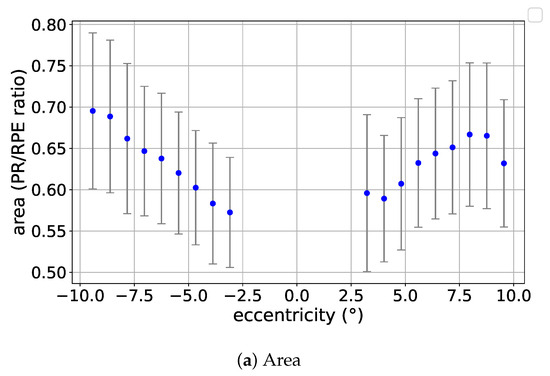
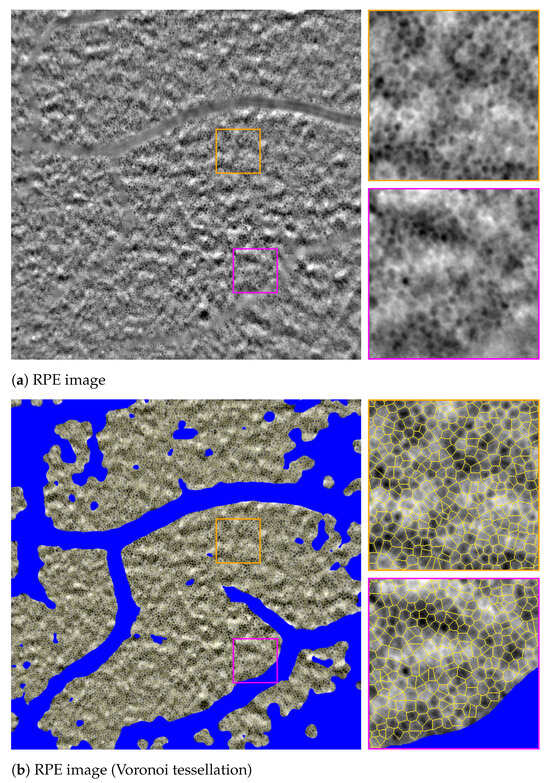
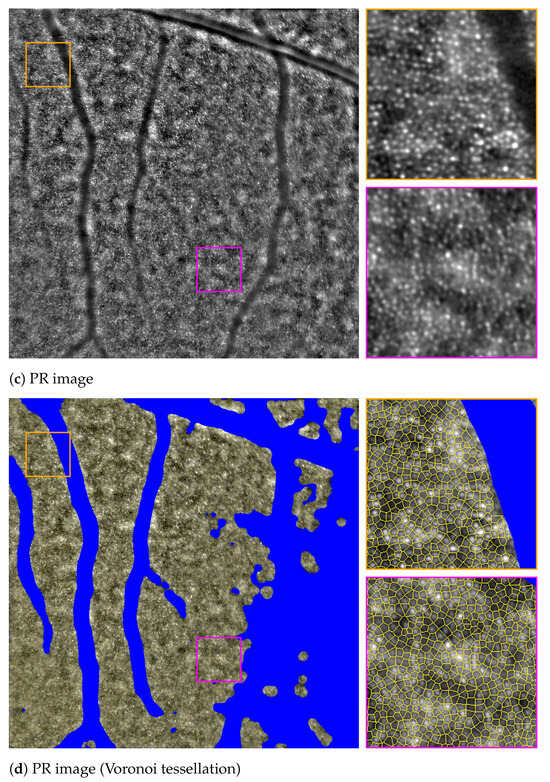
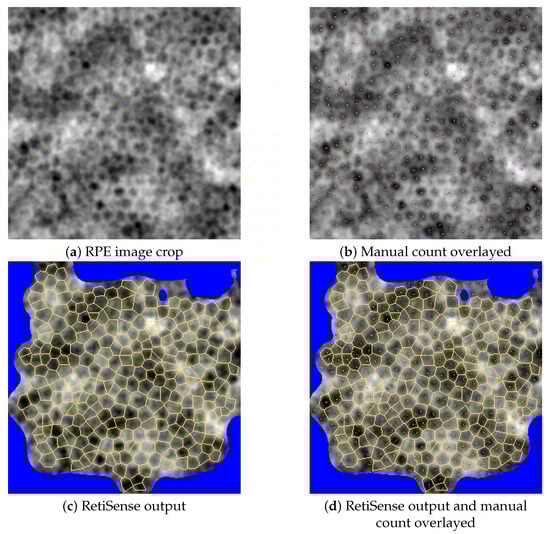
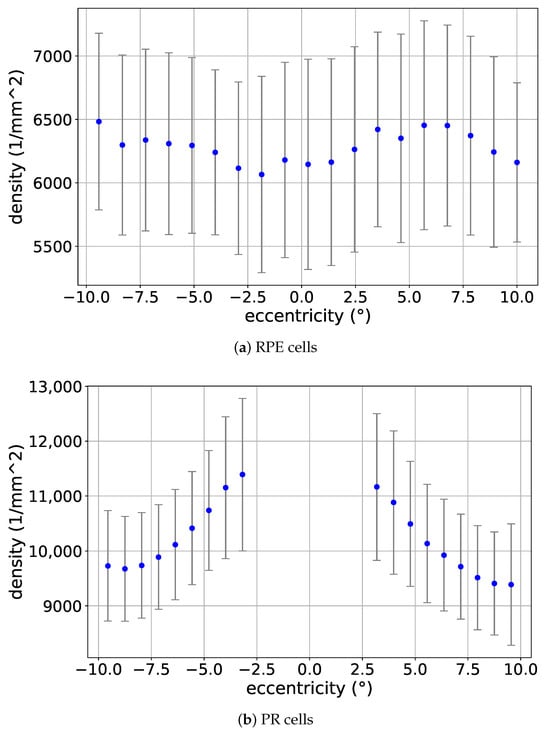
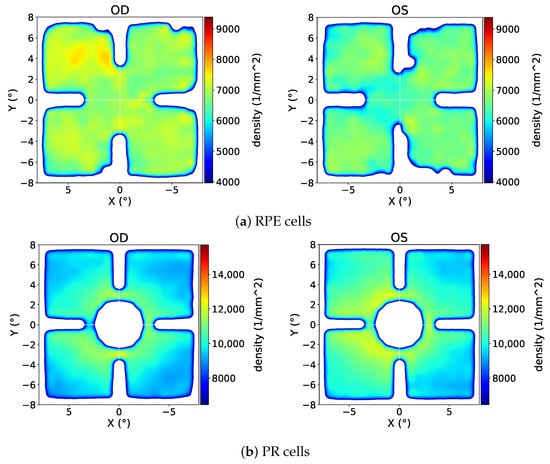
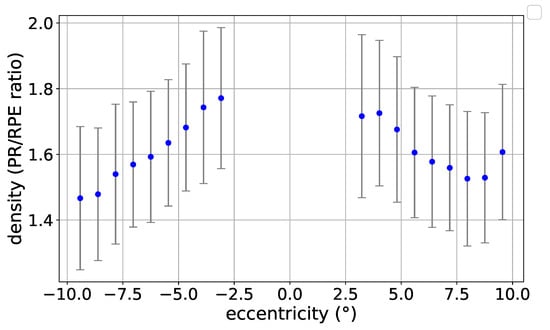
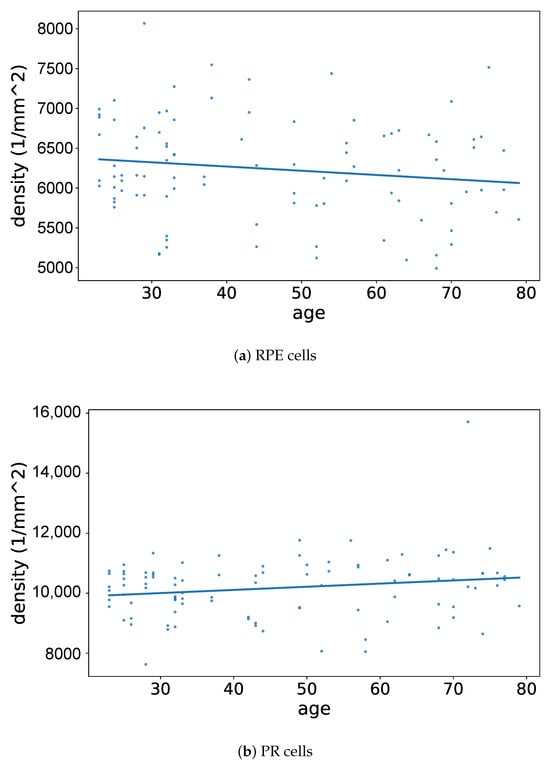
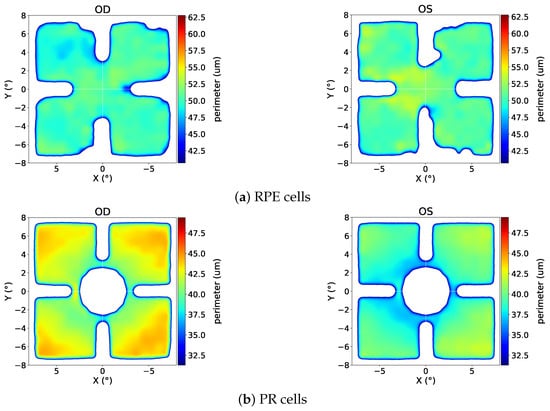
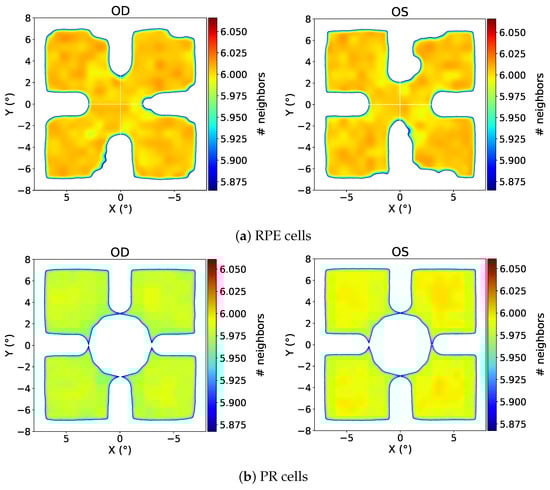
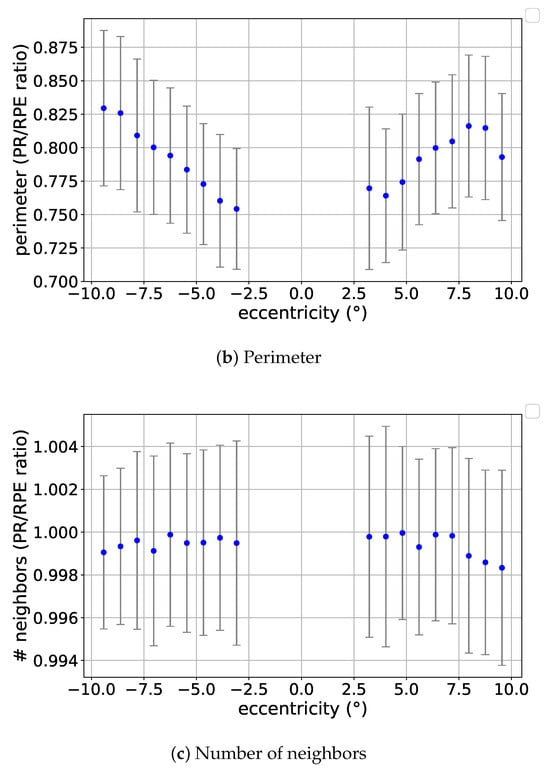
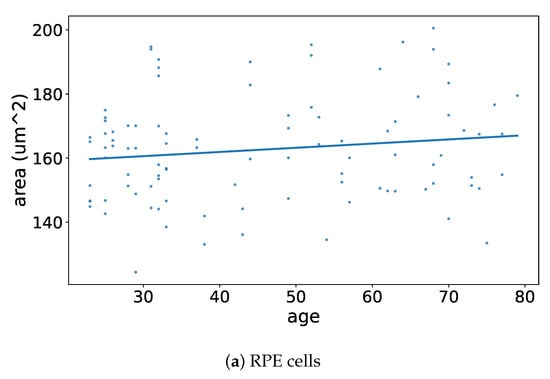
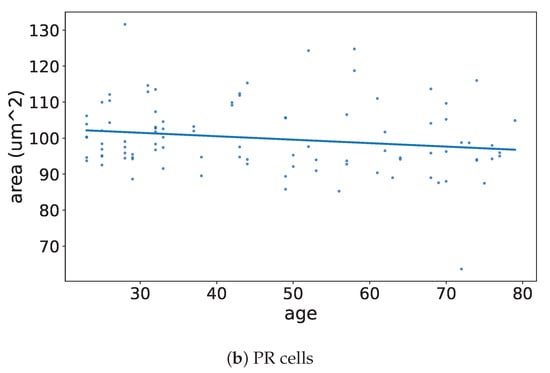
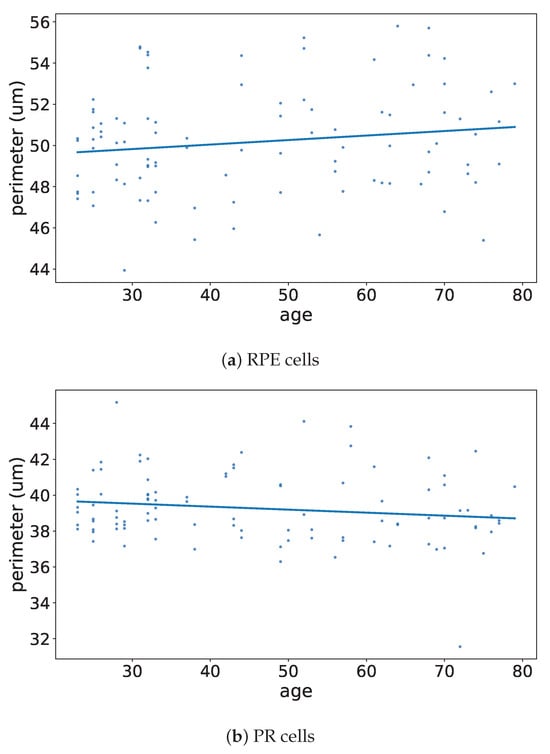
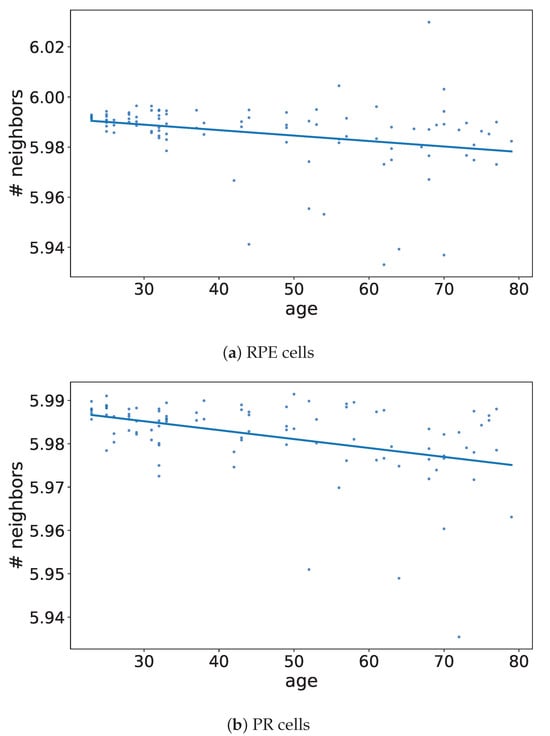
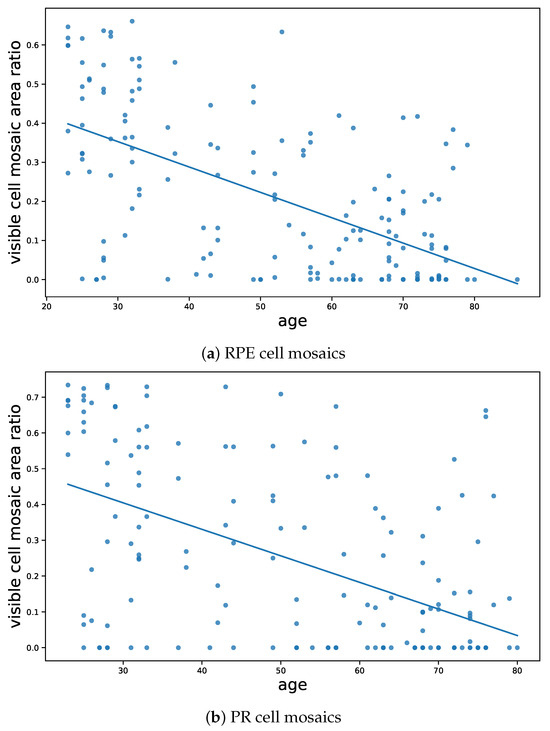
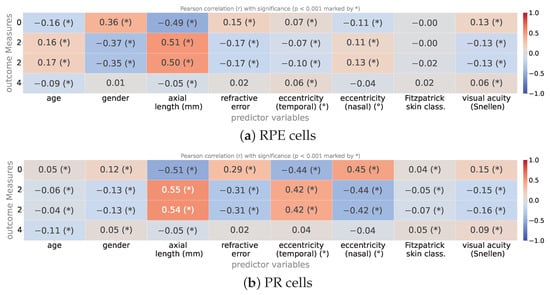
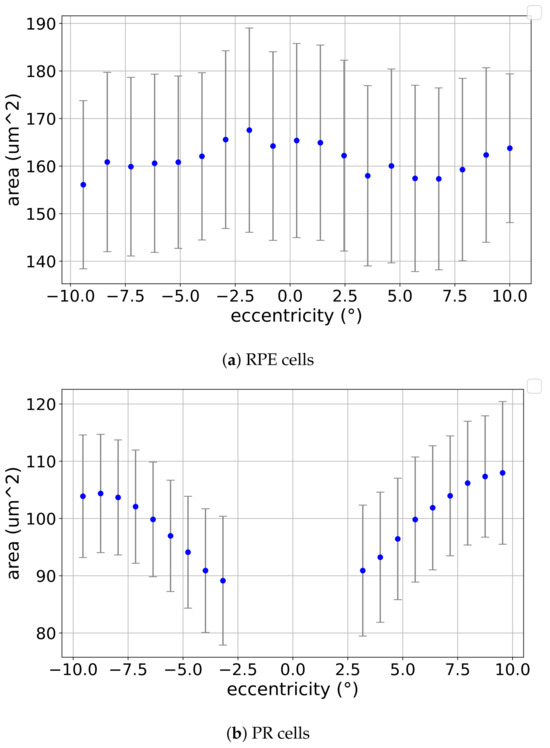
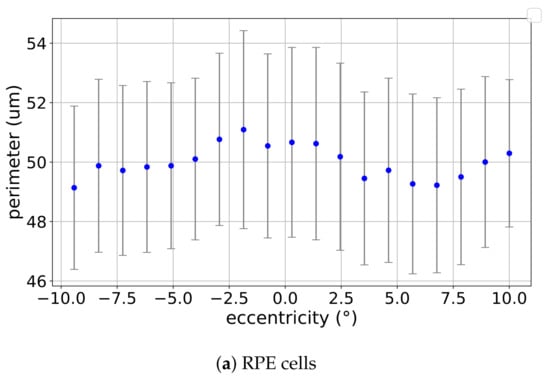
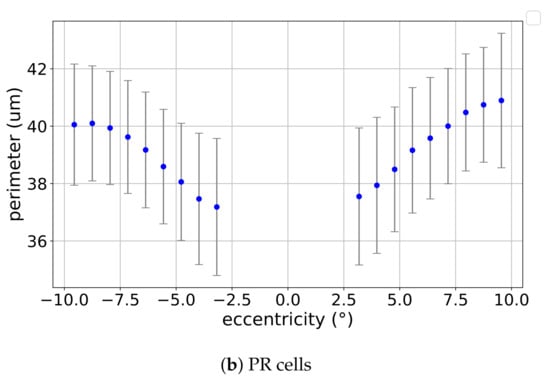
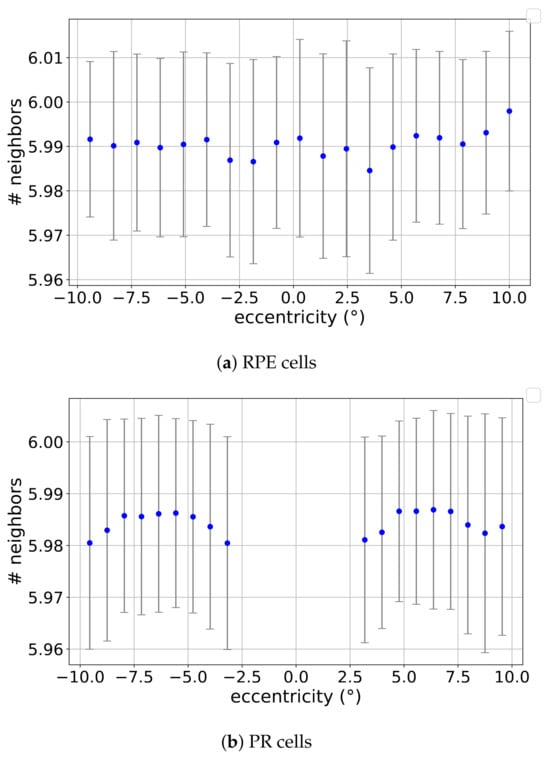
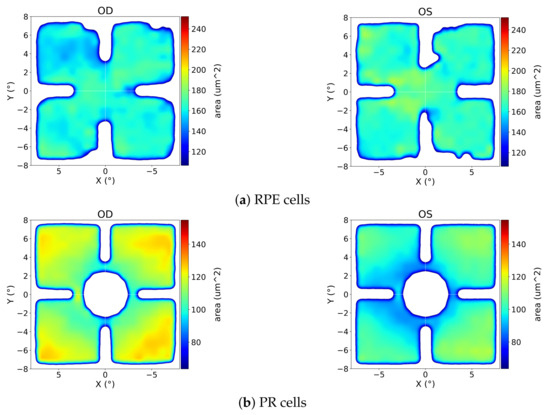
We provide an automated characterization of human retinal cells, i.e., RPE’s based on the non-invasive AO-TFI retinal imaging and PR’s based on the non-invasive AO-FI retinal imaging on a large-scale study involving 171 confirmed healthy eyes from 104 participants of 23 to 80 years old. Comprehensive standard checkups based on SD-OCT and Fondus imaging modalities were carried out by Ophthalmologists from the Luzerner Kantonsspital (LUKS) to confirm the absence of retinal pathologies. AO imaging imaging was performed using the Cellularis® device and each eye was imaged at various retinal eccentricities. The images were automatically segmented using a dedicated software and RPE and PR cells were identified and morphometric characterizations, such as cell density and area were computed. The results were stratified based on various criteria, such as age, retinal eccentricity, visual acuity, etc. The automatic segmentation was validated independently on a held-out set by five trained medical students not involved in this study. We plotted cell density variations as a function of eccentricity from the fovea along both nasal and temporal directions. For RPE cells, no consistent trend in density was observed between 0° to 9° eccentricity, contrasting with established histological literature demonstrating foveal density peaks. In contrast, PR cell density showed a clear decrease from 2.5° to 9°. RPE cell density declined linearly with age, whereas no age-related pattern was detected for PR cell density. On average, RPE cell density was found to be ≈6313 cells/mm2 ( ), while the average PR cell density was calculated as ≈10,207 cells/mm2 ( ).
Full article

Figure 1
Open AccessReview
Birefringence of the Human Cornea: A Review
by
Sudi Patel, Larysa Tutchenko and Igor Dmytruk
Vision 2025, 9(4), 90; https://doi.org/10.3390/vision9040090 - 28 Oct 2025
Abstract
►▼
Show Figures
Background: This paper aims to provide an overview of corneal birefringence (CB), systematize the knowledge and current understanding of CB, and identify difficulties associated with introducing CB into mainstream clinical practice. Methods: Literature reviews were conducted, seeking articles focused on CB published between
[...] Read more.
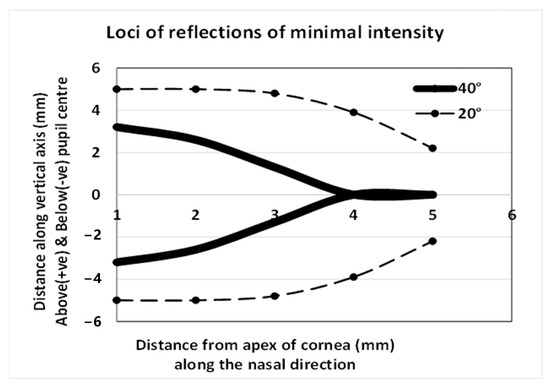
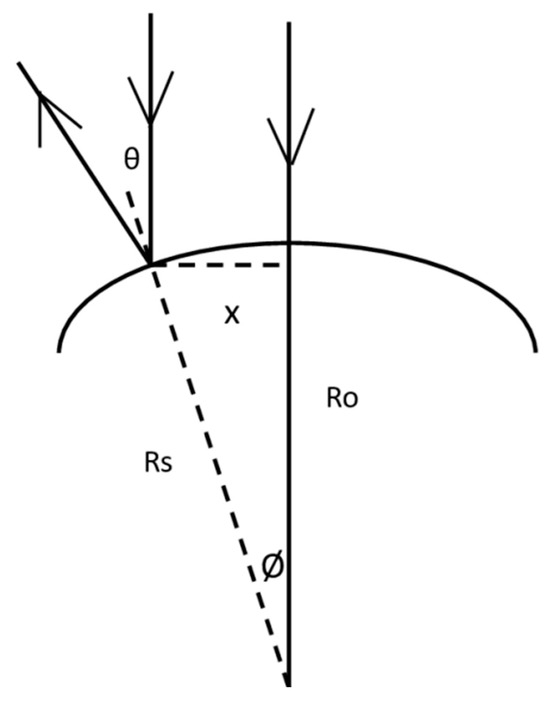
Background: This paper aims to provide an overview of corneal birefringence (CB), systematize the knowledge and current understanding of CB, and identify difficulties associated with introducing CB into mainstream clinical practice. Methods: Literature reviews were conducted, seeking articles focused on CB published between the early 19th century and the present time. Secondary-level searches were made examining relevant publications referred to in primary-level publications, ranging back to the early 17th century. The key search words were “corneal birefringence” and “non-invasive measurements”. Results: CB was first recorded by Brewster in 1815. Orthogonally polarized rays travel at different speeds through the cornea, creating a slow axis and a fast axis. The slow axis aligns with the pattern of most corneal stromal collagen fibrils. In vivo, it is oriented along the superior temporal–inferior nasal direction at an angle of about 25° (with an approximate range of −54° to 90°) from the horizontal. CB has been reported to (i) influence the estimation of retinal nerve fiber layer thickness; (ii) be affected by corneal interventions; (iii) be altered in keratoconus; (iv) vary along the depth of the cornea; and (v) be affected by intra-ocular pressure. Conclusions: Under precisely controlled conditions, capturing the CB pattern is the first step in a non-destructive process used to model the ultra-fine structure of the individual cornea, and changes thereof, in vivo.
Full article

Figure 1
Open AccessArticle
Prevalence of Keratoconus and Associated Risk Factors Among High School Students in Couva, Trinidad: A Cross-Sectional Study
by
Ngozika Esther Ezinne, Shinead Phagoo, Ameera Roopnarinesingh and Michael Agyemang Kwarteng
Vision 2025, 9(4), 89; https://doi.org/10.3390/vision9040089 - 20 Oct 2025
Abstract
Purpose: This study aimed to determine the prevalence and associated risk factors of keratoconus (KC) among high school students in Couva, Trinidad and Tobago. Method: A cross-sectional, school-based approach was used, involving a simple random sampling technique to select schools and students. A
[...] Read more.
Purpose: This study aimed to determine the prevalence and associated risk factors of keratoconus (KC) among high school students in Couva, Trinidad and Tobago. Method: A cross-sectional, school-based approach was used, involving a simple random sampling technique to select schools and students. A structured questionnaire assessed KC risk factors, while clinical assessments, including visual acuity, refraction, slit lamp biomicroscopy, and topography, were performed. Data were analyzed using R. Exact tests were used for KC (n = 2 cases) and robust Poisson regression estimated adjusted prevalence ratios for the ‘at-risk’ screening endpoint. Results: A total of 432 students aged 12–17 years participated, with a response rate of 97.5%. Most participants were of East Indian descent (48.1%), female (52.1%), and 14 years old (23.1%). Approximately 47.7% (95% CI 43.0–52.5%) were at risk of KC, with 0.5% (2/432; exact 95% CI 0.06–1.67%) diagnosed with the condition. The most common risk factors were eye rubbing (87.4%), over eight hours of sun exposure weekly (71.8%), and atopy (68.4%). KC was observed to be significantly higher among people with a family history (p = 0.018). Conclusions: The study highlights a low prevalence and a high risk of KC among high school students, with a strong link to family history and common risk factors such as eye rubbing and sun exposure. These findings emphasize the urgent need for regular KC screening in schools to ensure early diagnosis and effective management.
Full article
Highly Accessed Articles
Latest Books
E-Mail Alert
News
Topics
Topic in
Pharmaceuticals, Medical Sciences, JCM, Vision, Reports, Cells, IJMS
New Developments in Glaucoma Diagnostics and Therapeutics
Topic Editors: Shan C. Lin, Sunee ChansangpetchDeadline: 30 September 2026
Special Issues
Special Issue in
Vision
Neural Mechanisms of Coordinated Eye-Hand Behaviors
Guest Editor: Maureen HaganDeadline: 30 March 2026
Special Issue in
Vision
Retinal and Optic Nerve Diseases: New Advances and Current Challenges
Guest Editor: Livio VitielloDeadline: 15 April 2026
Special Issue in
Vision
Visual Discomfort: Perceptual, Neural, and Functional Perspectives
Guest Editors: Arnold Wilkins, Sarah Haigh, Sanae YoshimotoDeadline: 31 December 2026