

Journal Description
Veterinary Sciences
Veterinary Sciences
is an international, peer-reviewed, open access journal on veterinary sciences, published monthly online by MDPI. The College of Veterinary Medicine, Yangzhou University is affiliated with Veterinary Sciences and its members receive a discount on the article processing charges.
- Open Access— free for readers, with article processing charges (APC) paid by authors or their institutions.
- High visibility: indexed within Scopus, SCIE (Web of Science), PubMed, PMC, Embase, PubAg, AGRIS, and other databases.
- Journal Rank: JCR - Q1 (Veterinary Sciences) / CiteScore - Q1 (General Veterinary)
- Rapid Publication: manuscripts are peer-reviewed and a first decision is provided to authors approximately 17.8 days after submission; acceptance to publication is undertaken in 2.6 days (median values for papers published in this journal in the second half of 2025).
- Recognition of Reviewers: reviewers who provide timely, thorough peer-review reports receive vouchers entitling them to a discount on the APC of their next publication in any MDPI journal, in appreciation of the work done.
- Journal Cluster of Animal Science: Animals, Arthropoda, Birds, Insects, Journal of Zoological and Botanical Gardens, Pets, Poultry, Ruminants and Veterinary Sciences.
Impact Factor:
2.3 (2024);
5-Year Impact Factor:
2.4 (2024)
Latest Articles
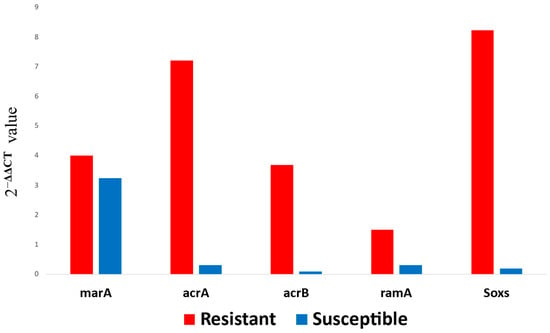
Gene Expression Analysis and Whole Genome Sequencing Reveal the Potential Mechanism of Ciprofloxacin Resistance in a Salmonella Dublin Isolate
Vet. Sci. 2026, 13(2), 177; https://doi.org/10.3390/vetsci13020177 - 10 Feb 2026
Abstract
There is a growing need to understand ciprofloxacin (CIP) resistance in less prevalent Salmonella serovars like Salmonella Dublin, which causes life-threatening conditions in both humans and animals. This study investigated potential factors contributing to CIP-resistance in a Salmonella Dublin isolate. The isolate was
[...] Read more.
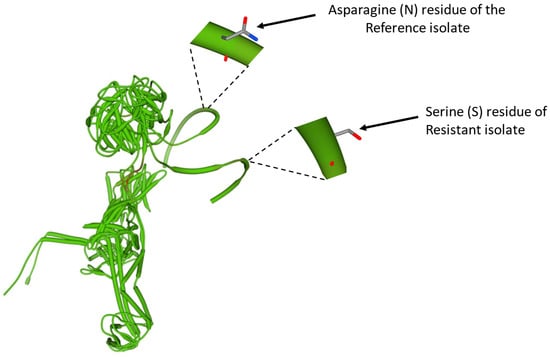
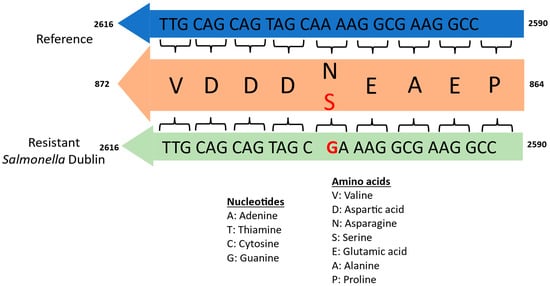
There is a growing need to understand ciprofloxacin (CIP) resistance in less prevalent Salmonella serovars like Salmonella Dublin, which causes life-threatening conditions in both humans and animals. This study investigated potential factors contributing to CIP-resistance in a Salmonella Dublin isolate. The isolate was detected from an initial screening of 17 biobanked Salmonella isolates using the Kirby-Bauer disk diffusion (KBDF) method. The minimum inhibitory concentration (MIC) values of the identified CIP-resistant Salmonella Dublin isolate and a CIP-susceptible isolate of the same serovar were also obtained using the broth-dilution (BD) method. The two candidates were then challenged in 1/4 of their respective BD MICs for gene expression analysis, focusing on the acrAB efflux genes and the regulator genes marA, ramA, and soxS. Genomes of the isolates were also sequenced using the Oxford Nanopore sequencing platform, and then analyzed for mutations, antimicrobial resistance genes, and plasmids using ABRicate. The SWISS-MODEL server was used for protein modeling and comparison. For our results, the MIC values (KBDF; BD) for the CIP-resistant and CIP-susceptible Salmonella Dublin isolates were (1.5 μg/mL; 1.95 μg/mL) and (<0.125 μg/mL; 0.03 μg/mL), respectively. Both isolates had genes (mdtK, emrR, emrA, and emrB) notable for fluoroquinolone resistance, with the CIP-susceptible isolate also carrying the IncFII(S) plasmid. Expression of the acrA, acrB, ramA, and soxS genes was markedly higher in the CIP-resistant isolate, which also harbored an Asparagine (N) to Serine (S) mutation at position 868 in the GyrA protein. This mutation, however, caused no significant structural change. Despite reporting on a single CIP-resistant Salmonella Dublin isolate, our result highlights the potentially significant role of an efficient efflux system in contributing to CIP resistance in this isolate, even when no impactful mutations were identified.
Full article
(This article belongs to the Section Veterinary Biomedical Sciences)
►
Show Figures
Open AccessArticle
Integrated Molecular and Hematobiochemical Biomarkers for the Detection of Bovine Babesiosis in Holstein Calves
by
Haifa Ali Alqhtani, Mohamed Marzok, Rasha Yassin Elkhidr, Ahmed A. Elsayed, Safaa M. Barghash, Ahmed L. El-Naggar, Mohamed T. Ragab, Ahmed I. Ateya, Fatmah Ahmed Safhi and Wafaa A. Osman
Vet. Sci. 2026, 13(2), 176; https://doi.org/10.3390/vetsci13020176 - 10 Feb 2026
Abstract
Bovine babesiosis is a widespread tick-borne parasitic disease that compromises calf health and productivity, causing substantial economic losses. This study evaluated the potential of molecular and hematobiochemical biomarkers for the detection of babesiosis in Holstein calves by analyzing the expression dynamics of selected
[...] Read more.
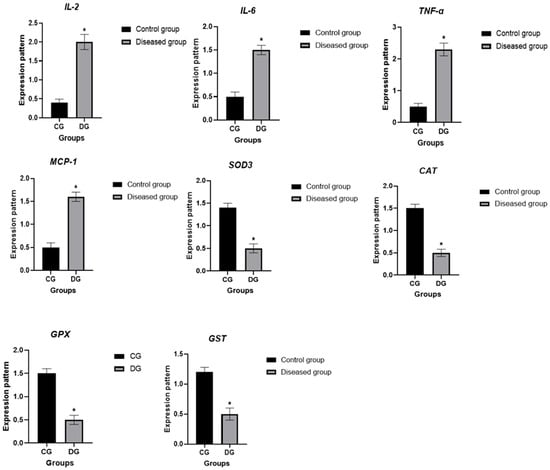
Bovine babesiosis is a widespread tick-borne parasitic disease that compromises calf health and productivity, causing substantial economic losses. This study evaluated the potential of molecular and hematobiochemical biomarkers for the detection of babesiosis in Holstein calves by analyzing the expression dynamics of selected immune and antioxidant genes and their association with blood-based indicators. Blood samples were collected from 243 fattening calves, classified as healthy (n = 180) or naturally infected (n = 63). Transcriptional levels of immune-related genes (IL-2, IL-6, TNF-α, and MCP-1) and antioxidant genes (SOD3, CAT, GPX, and GST) were measured alongside hematological, biochemical, immunological, and oxidative stress assessments. Infected calves exhibited significant upregulation (p < 0.05) of immune and pro-inflammatory genes, indicating strong immune activation, while antioxidant gene expression was markedly downregulated, reflecting impaired redox balance. These molecular changes were accompanied by hematobiochemical alterations, including elevated liver and kidney markers, serum lipids, inflammatory mediators, and oxidative stress indices. Conversely, reductions were observed in glucose, serum proteins, thyroid hormones, essential minerals, total antioxidant capacity, and endogenous antioxidant enzymes. The coordinated assessment of immune and antioxidant gene expression with hematobiochemical profiles provides a robust biomarker-based approach for the early detection and monitoring of bovine babesiosis. These integrated molecular and blood-based indicators may support effective diagnosis, disease management, and control strategies in livestock production systems.
Full article
(This article belongs to the Special Issue Detection of Parasitic Diseases in Livestock: 2nd Edition)
►▼
Show Figures

Figure 1

Open AccessArticle
Field Studies on the Saccharomyces Yeast Strain MIIP as an Immunomodulator to Mitigate PRRSV Infection in Piglets
by
Wei-Ting Lin, Mao-Yuan Du, Ishin Tseng, Ming-Tang Chiou, Hsiang-Jung Tsai and Chao-Nan Lin
Vet. Sci. 2026, 13(2), 175; https://doi.org/10.3390/vetsci13020175 - 10 Feb 2026
Abstract
Porcine reproductive and respiratory syndrome virus (PRRSV) remains a significant threat to swine health worldwide, primarily due to its extensive genetic diversity and ability to evade host immune responses, which reduces the effectiveness of vaccines. This field study investigated the immunomodulatory effects of
[...] Read more.
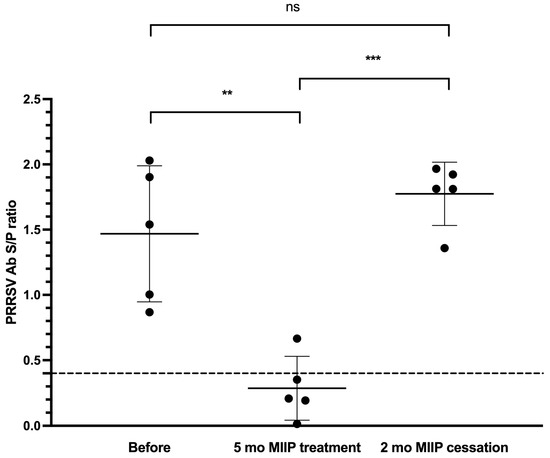
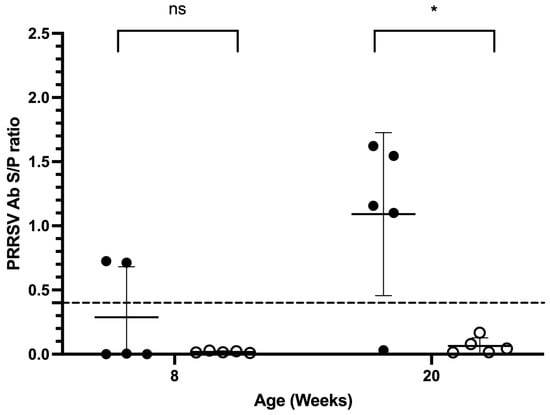
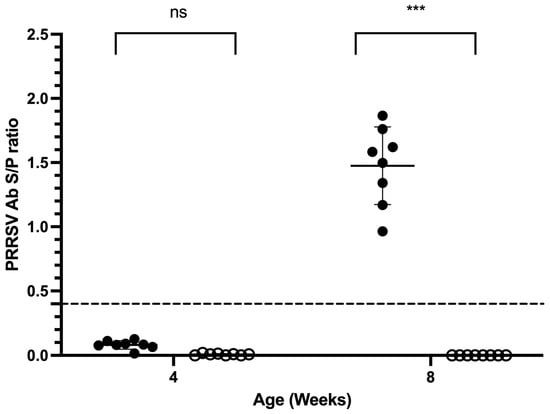
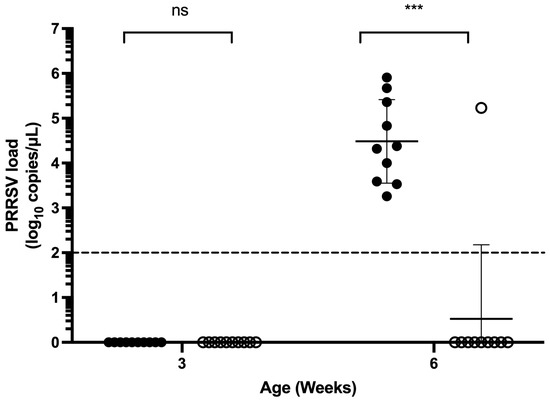
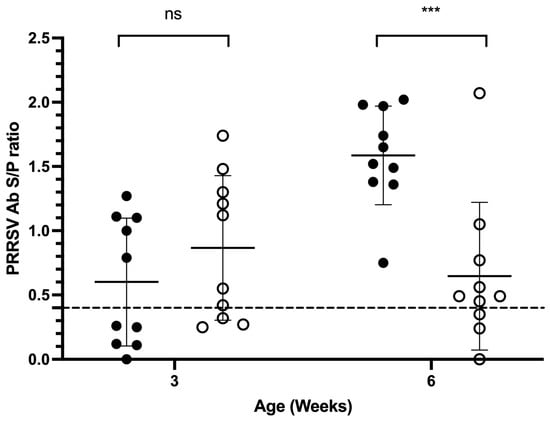
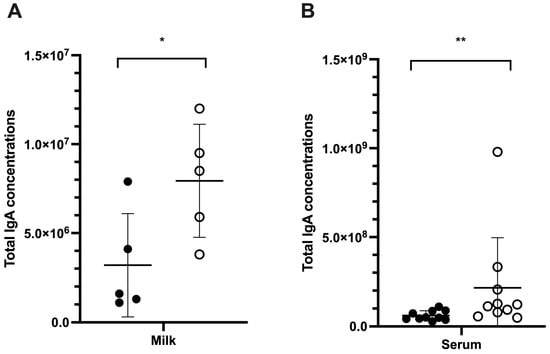
Porcine reproductive and respiratory syndrome virus (PRRSV) remains a significant threat to swine health worldwide, primarily due to its extensive genetic diversity and ability to evade host immune responses, which reduces the effectiveness of vaccines. This field study investigated the immunomodulatory effects of the Saccharomyces cerevisiae strain MIIP as a dietary supplement to mitigate PRRSV infection in piglets under commercial farming conditions. Four trials were conducted across PRRSV-affected herds, with variations in PRRS vaccination practices and infection status. MIIP supplementation led to a significant reduction in the PRRSV antibody-positive rate, titers, and viremia in treated piglets compared to both non-concurrent and concurrent control groups. Enhanced mucosal immunity was also observed, as evidenced by higher total IgA concentrations in serum and milk in the MIIP groups. Although not all immune parameters reached statistical significance, trends consistently favored improved antiviral responses in MIIP-treated animals. These results suggest that dietary supplementation with MIIP yeast can enhance both systemic and mucosal immunity, potentially reducing PRRSV infection and transmission. Further research into its mechanisms, particularly its interaction with innate immune pathways and the gut microbiota, is warranted to optimize PRRSV control strategies.
Full article
(This article belongs to the Section Veterinary Microbiology, Parasitology and Immunology)
►▼
Show Figures

Figure 1

Open AccessCase Report
Transmural Ileal Fibroplasia Causing Mechanical Obstruction in a Dog: Surgical Management, Histopathology, and Molecular Findings
by
Duhwan Park, Hyung-Seok Seo, Sangyul Lee, Kieun Bae, Young Jae Lee, Aryung Nam, Jung-Moon Kim and Hwi-Yool Kim
Vet. Sci. 2026, 13(2), 174; https://doi.org/10.3390/vetsci13020174 - 9 Feb 2026
Abstract
Small bowel obstruction (SBO) in dogs is most commonly caused by foreign bodies or neoplasia; however, SBO secondary to transmural fibroplasia remains a rare clinical complication of canine chronic enteropathy. This report describes the complex case of mechanical SBO caused by transmural ileal
[...] Read more.
Small bowel obstruction (SBO) in dogs is most commonly caused by foreign bodies or neoplasia; however, SBO secondary to transmural fibroplasia remains a rare clinical complication of canine chronic enteropathy. This report describes the complex case of mechanical SBO caused by transmural ileal fibroplasia and inflammation at the ileocolic junction in a 9-year-old mixed-breed dog with concomitant hyperadrenocorticism (HAC). The primary presentation involved chronic severe weight loss and intermittent anorexia, contrasting with the acute presentation typical of most SBO cases. Imaging studies revealed severe, circumferential thickening up to 10 mm of the small intestine wall at the ileocolic junction (ICJ), resulting in complete luminal stricture and marked proximal dilation. Surgical intestinal resection and anastomosis were performed for alleviation of the obstruction, and histopathology confirmed severe mural and serosal enteritis with extensive fibroplasia extending into the adjacent mesentery, thereby excluding neoplastic processes. Quantitative PCR analysis demonstrated a significant upregulation of mRNA expression for PDGFRB and FGFR compared to normal tissue. Postoperative recovery was rapid; although soft feces persisted for one month, normal stool consistency was subsequently restored, and the patient achieved significant weight gain. This case underscores the diagnostic and therapeutic challenges associated with non-neoplastic, inflammation-driven SBO and suggests that activation of the PDGFR-β/FGFR pathways may play a key role in fibroplasia-related intestinal strictures, offering a novel molecular perspective beyond conventional SBO etiologies.
Full article
(This article belongs to the Section Veterinary Surgery)
Open AccessReview
Potential Complementary Modulation of Rumen Fermentation and Lipid Metabolism in Sheep: A Hypothesis Framework for Fermented Chinese Chive Juice and Black Soldier Fly-Derived Fatty Acids
by
Kaimin Niu, Lei Wang, Yujie Lu, Zhihong Zhang, Ping Sheng and Zongpei Zhao
Vet. Sci. 2026, 13(2), 173; https://doi.org/10.3390/vetsci13020173 - 9 Feb 2026
Abstract
Chinese chive (Allium tuberosum), an edible and medicinal herb, has attracted attention for its distinctive flavor and bioactive potential. Evidence indicates that fermentation can enhance its antimicrobial and antioxidant activities, and fermented preparations have been explored as feed additives to reduce
[...] Read more.
Chinese chive (Allium tuberosum), an edible and medicinal herb, has attracted attention for its distinctive flavor and bioactive potential. Evidence indicates that fermentation can enhance its antimicrobial and antioxidant activities, and fermented preparations have been explored as feed additives to reduce reliance on antibiotics in poultry. By contrast, evidence in ruminants—particularly sheep—remains limited, and the metabolic consequences of Chinese chive-derived compounds are not yet well defined. In parallel, fatty acids from black soldier fly (Hermetia illucens) larvae, with lauric acid as a prominent component, have been reported to influence rumen fermentation and aspects of lipid metabolism, suggesting a possible route to improve product traits. This review synthesizes the literature on Chinese chive and BSFL fatty acids, critically appraises how their constituents may relate to sheep nutritional metabolism, and advances a hypothesis that fermented Chinese chive juice (FCCJ) could complement black soldier fly larvae-derived fatty acids (BSFL-FA) in regulating rumen fermentation, lipid metabolism, and product quality in sheep. While the literature supports plausible complementarity, direct evidence for synergy in ruminants is still scarce and should be tested through controlled in vitro screening and well-designed in vivo sheep studies.
Full article
(This article belongs to the Special Issue Feed Fermentation and Animal Health: Nutrition and Metabolism)
Open AccessArticle
Owner Social Determinants of Health Associated with Exercise Patterns in Golden Retrievers with and Without Cancer
by
Elpida Artemiou, Andrea Paredes and Sarah Hooper
Vet. Sci. 2026, 13(2), 172; https://doi.org/10.3390/vetsci13020172 - 9 Feb 2026
Abstract
The World Health Organization (WHO) recognizes the impact of social determinants of health (SDHs) on human health and wellbeing factors. Limited research has explored how SDHs, such as the social, economic, and environmental conditions in which individuals are born, live, work, and grow
[...] Read more.
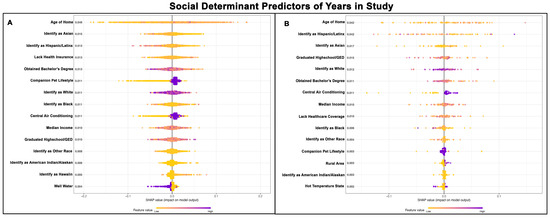
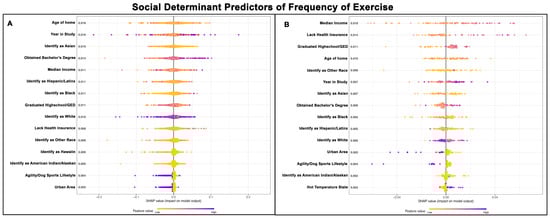
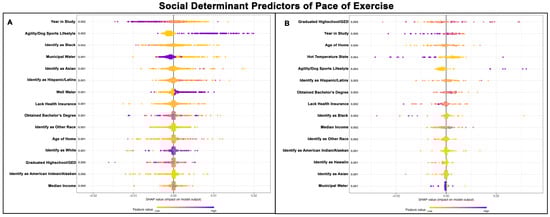
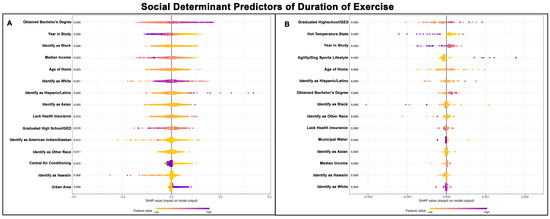
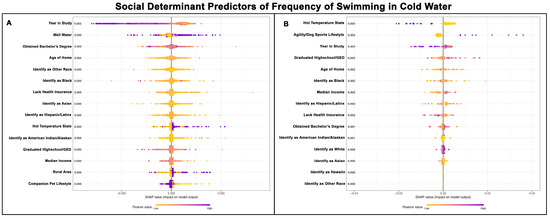
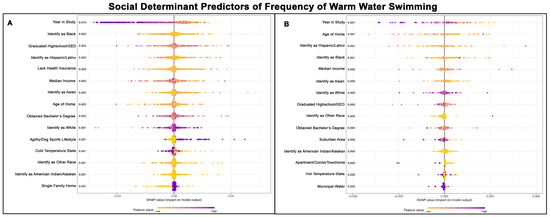
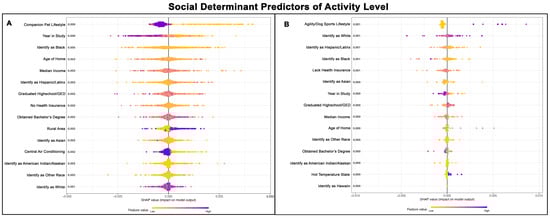
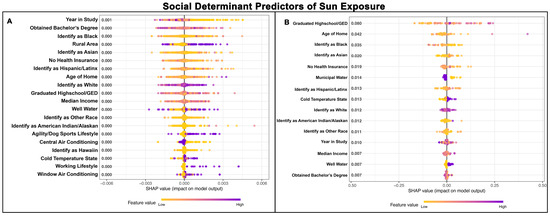
The World Health Organization (WHO) recognizes the impact of social determinants of health (SDHs) on human health and wellbeing factors. Limited research has explored how SDHs, such as the social, economic, and environmental conditions in which individuals are born, live, work, and grow older, shape exercise behaviors and chronic health conditions such as cancer in dogs. This study links SDHs identified through owner-provided continental United States zip codes with levels of physical activity. We hypothesized that owners with higher incomes, education, and access to healthcare services positively influence their dog’s health outcomes, specifically owner-reported physical activity. Our study utilized all owner-provided data, collected between 2012 and 2022, from the first seven years of owner surveys for the 3044 Golden Retrievers enrolled in the Morris Animal Foundation Lifetime Study. Sixteen GPBoost Poisson models were built to assess the impact of twenty-three social determinants in Golden Retrievers with and without a diagnosis of cancer. SHAP values were calculated for each dependent variable. Consistently, economic factors, education, ethnicity, and health care access were identified as important variables. Furthermore, our findings suggest that complex interactions between ethnicities and other SDHs should be explored in future studies.
Full article
(This article belongs to the Special Issue Beyond Care: Exploring the Human–Animal Relationship in Veterinary Medicine)
►▼
Show Figures

Figure 1
Open AccessReview
Avian Candidiasis: A Comprehensive Review of Pathogenesis, Diagnosis, and Control
by
Michelyne Haroun, Christophe Tratrat, Roshmon Thomas Mathew, Muhammad Munir, Muhammad Naeem Sattar, Mohamed Shawky, Hafedh Kochkar, Ouda Nasser Aldakhilallah, Abdul Ghafoor, Khalid G. Biro Turk, Athina Geronikaki and Hesham S. Ghazzawy
Vet. Sci. 2026, 13(2), 171; https://doi.org/10.3390/vetsci13020171 - 9 Feb 2026
Abstract
This review is a comprehensive investigation of avian candidiasis, mainly caused by Candida albicans, although the prevalence of non-albicans Candida species has increased in domestic and wild birds. Avian candidiasis causes significant economic losses in poultry production through increased mortality, cost of
[...] Read more.
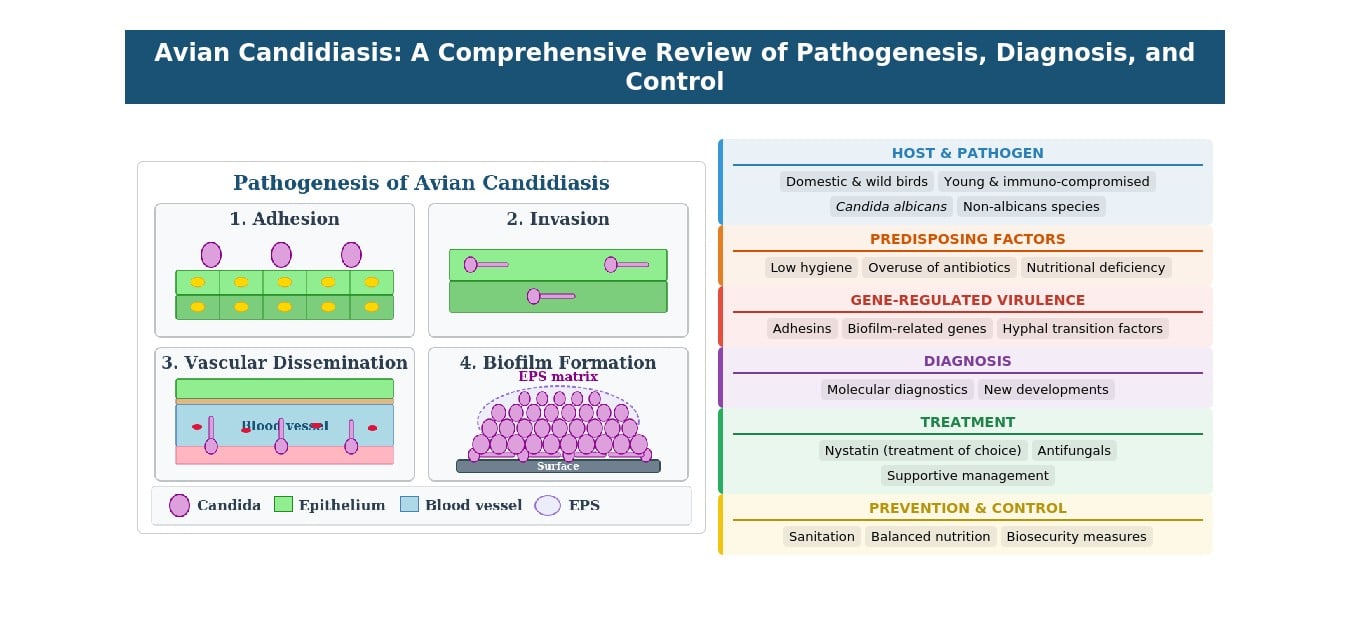
This review is a comprehensive investigation of avian candidiasis, mainly caused by Candida albicans, although the prevalence of non-albicans Candida species has increased in domestic and wild birds. Avian candidiasis causes significant economic losses in poultry production through increased mortality, cost of treatments, and reduced growth rates, particularly in young birds and intensive farming operations. The pathogenesis section provides a description of the molecular virulence factors such as adhesin-mediated attachment (ALS, Agglutinin-Like Sequence family; HWP1, Hyphal Wall Protein 1), yeast-to-hypha morphogenesis, tissue damage by Candidalysin, biofilm formation on mucosal and abiotic surfaces, and secreted hydrolytic enzymes including secreted aspartyl proteinases (SAPs) and phospholipases. The identified predisposing factors include immunosuppression, malnutrition, abuse of antibiotics, bad husbandry, and crop stasis. The diagnostic methods discussed encompass cytological analysis and fungal culture on selective media to more sophisticated methods of molecular analysis (PCR, MALDI-TOF MS, and NGS). Antifungal susceptibility investigations indicate that nystatin and amphotericin B are still very effective against most avian isolates and that resistance to the azoles is on the rise, especially with respect to the non-albicans Candida species. Nystatin is still the first-line treatment of localized infections; azoles are still used for resistant or systemic infections despite their hepatotoxicity. Sanitation, proper nutrition, and proper use of antimicrobials are essential to prevent diseases. The knowledge gaps comprise the absence of avian-specific pharmacokinetic information, poor knowledge of species-species virulence phenotypes, and the lack of point-of-care diagnostics. The need to have integrated One Health surveillance systems is emphasized by the zoonotic potential of the avian Candida reservoirs.
Full article
(This article belongs to the Special Issue Exploring Antimicrobial Strategies in Veterinary Medicine: From In Vitro Research to In Vivo Applications)
►▼
Show Figures

Graphical abstract
Open AccessArticle
Molecular Identification and Drug Sensitivity Test of Acinetobacter lwoffii from Cynomolgus Monkey with Peritonitis
by
Heling Li, Ziyao Qian, Lan Luo and Hong Wang
Vet. Sci. 2026, 13(2), 170; https://doi.org/10.3390/vetsci13020170 - 9 Feb 2026
Abstract
►▼
Show Figures
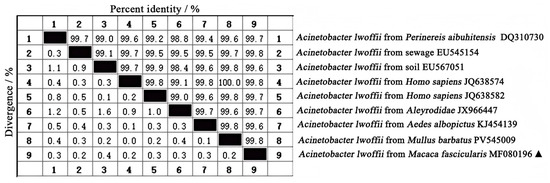
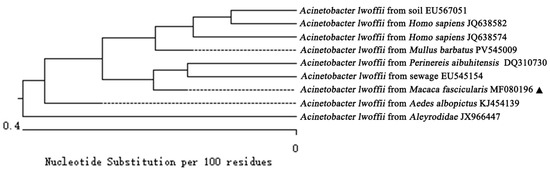
A case of peritonitis in a female cynomolgus monkey (Macaca fascicularis) caused by suspected bacterial infection was found. In order to identify the pathogenic bacteria, pathological tissues from the peritoneum of the animal were collected, and a bacterial strain designated MF080196
[...] Read more.
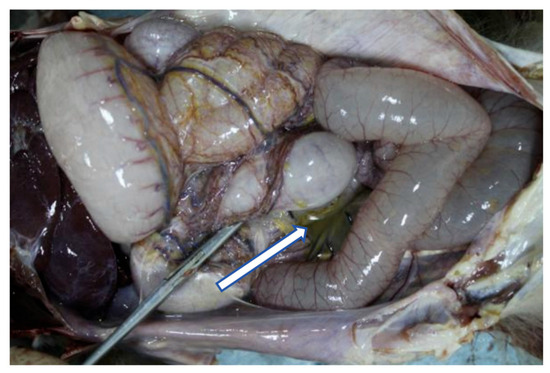
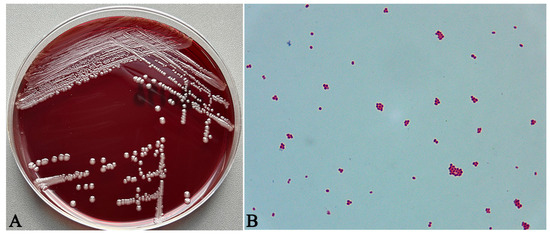
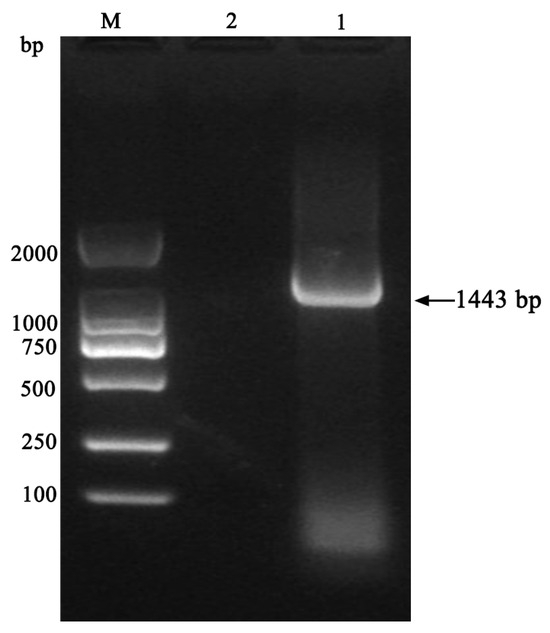
A case of peritonitis in a female cynomolgus monkey (Macaca fascicularis) caused by suspected bacterial infection was found. In order to identify the pathogenic bacteria, pathological tissues from the peritoneum of the animal were collected, and a bacterial strain designated MF080196 was isolated. Morphological observations were conducted, followed by biochemical testing and sequencing of its 16S rRNA gene. Additionally, pathogenicity test and drug sensitivity analyses were performed. The findings indicated that colonies grown on blood agar medium appeared white, circular, and raised; the bacteria were identified as Gram-negative; biochemical tests aligned with the characteristics of Acinetobacter lwoffii (A. lwoffii). PCR amplification was performed using a 16S rRNA sequence measuring 1443 bp; there was a remarkable similarity of 99.8% with previously reported sequences of A. lwoffii from various sources. The isolated strain MF080196 is capable of mortality in mice; furthermore, drug susceptibility testing revealed that the isolated strain exhibited high sensitivity to 23 antibiotics, including ceftriaxone, gentamicin, and levofloxacin. The pathogen isolated from the peritoneal tissue of the dead cynomolgus monkey was identified as A. lwoffii, which demonstrated sensitivity to most antibiotics tested in this study. This research provides significant insights for preventing and treating bacterial diseases in non-human primates.
Full article

Figure 1
Open AccessBrief Report
Molecular Identification and Benzimidazole Resistance Analysis of Cyathostomins in Chinese Grazing Horses
by
Chenxue Zhang, Enjia Cai, Yuhui Ma, Guangzhi Zhong, Yu Gao, Yuhong Wu, Bo Liu and Jing Li
Vet. Sci. 2026, 13(2), 169; https://doi.org/10.3390/vetsci13020169 - 9 Feb 2026
Abstract
This study investigated the cyathostomin species composition, anthelmintic efficacy, and potential resistance-associated mutations in Chinese grazing horses. Fecal samples were collected from 90 adult horses. Fecal egg counts (FECs) were determined using a modified McMaster method. Third stage larvae (L3) cultured from the
[...] Read more.
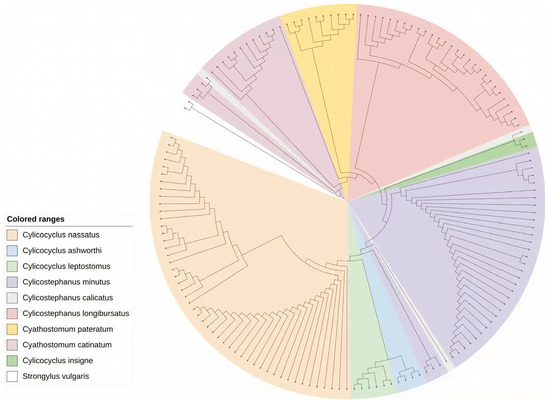
This study investigated the cyathostomin species composition, anthelmintic efficacy, and potential resistance-associated mutations in Chinese grazing horses. Fecal samples were collected from 90 adult horses. Fecal egg counts (FECs) were determined using a modified McMaster method. Third stage larvae (L3) cultured from the eggs were identified to species level by PCR amplification and sequencing of the internal transcribed spacer-2 (ITS-2). The main species included Cylicocyclus nassatus and Cylicostephanus spp. However, differences in the relative abundance of less common species, including Cyathostomum pateratum and Cylicocyclus ashworthi, suggests regional variation. Anthelmintic efficacy was assessed by a fecal egg count reduction test (FECRT) following albendazole administration. Mutations at six codons of the β-tubulin iso-type-1 (tbb-iso-1) gene were screened by gene sequencing. The results showed that, despite harboring an abundant and diverse cyathostomin community, this herd remained susceptible to albendazole. Overall, this study provides baseline data on cyathostomin species composition and anthelmintic susceptibility in horses from China, contributing to global surveillance of equine cyathostomin resistance.
Full article
(This article belongs to the Special Issue The Progress of Equine Medical Research in China and Beyond—Second Edition)
►▼
Show Figures

Figure 1

Open AccessArticle
Efficacy of Early Feeding with Probiotic-Fermented Feed in Promoting Growth Performance, Immunity, Antioxidant Activity, Gene Expression, and Gut Integrity in Ostrich Chicks (Struthio camelus)
by
Haifa Ali Alqhtani, Hadeel A. Almamoory, Huda A. Alqahtani, Ahmed M. Elbaz, Ahmed Sabry Arafa, Eman Kamel M. Khalfallah, Fatmah A. Safhi, Ahmed Ateya, Ayman Abd El-Aziz, Rowa K. Zarah, Ahmed H. Ghonaim, AbdelRahman Y. Abdelhady and Mohamed Marzok
Vet. Sci. 2026, 13(2), 168; https://doi.org/10.3390/vetsci13020168 - 8 Feb 2026
Abstract
The purpose of this study was to evaluate the effect of early feeding with probiotic-fermented feed on growth performance, intestinal microbiota structure, immune responses, and gene expression. Two hundred and forty-one-day-old African ostrich chicks were randomly divided into three groups (eight replicates/group). The
[...] Read more.
The purpose of this study was to evaluate the effect of early feeding with probiotic-fermented feed on growth performance, intestinal microbiota structure, immune responses, and gene expression. Two hundred and forty-one-day-old African ostrich chicks were randomly divided into three groups (eight replicates/group). The control group was fed a basal diet (CON), whereas the PELF3 and PELF6 groups were fed the probiotic-fermented feed for the first 3 or 6 days post-hatching, respectively, after which, all chicks were fed the basal diet for 56 days. The results showed that adding PELF3 or PELF6 significantly enhanced body weight gain and the feed conversion ratio. Chicks fed PELF had higher superoxide dismutase (SOD, p < 0.05), immunoglobulin A (IgA), and IL-10 levels and lower IL-6 and malondialdehyde (MDA, p < 0.05) levels than those fed CON. Plasma cholesterol, low-density lipoprotein (LDL), creatinine, uric acid, and alanine aminotransferase (ALT) levels decreased; however, high-density lipoprotein (HDL, p < 0.05) levels increased in the PELF groups. The addition of PELF reduced the pathogenic counts in the intestines of chicks (p < 0.05). Moreover, increased expression of IGF-1 and MUC-2 genes was observed in the PELF3 and PELF6 groups, whereas the expression of SLC15A1 increased in the PELF6 group. In conclusion, growth performance, immunity, gene expression, oxidative stability, and gut microbiota can all be significantly enhanced by early feeding with PELF. This study demonstrated an effective technique for applying early feeding of PELF in ostrich chicks.
Full article
(This article belongs to the Special Issue Feed Fermentation and Animal Health: Nutrition and Metabolism)
Open AccessReview
Cancer Across Domestic Animals: A Descriptive Review from the Veterinarian’s Perspective
by
Antonio Giuliano, Rodrigo dos Santos Horta, Luca Santi Engel, Ayisa Rodrigues de Oliveira, Santiago Alonso, Celine Loubiere, Andrea Lombardo, Aldo Dal Prà and Felisbina Queiroga
Vet. Sci. 2026, 13(2), 167; https://doi.org/10.3390/vetsci13020167 - 8 Feb 2026
Abstract
Cancer is a disease characterised by uncontrolled cell growth, that affects not only humans but also a wide range of animal species, and even plants. In this review, we explore and discuss the published literature about cancer across domestic animals. Most existing cancer
[...] Read more.
Cancer is a disease characterised by uncontrolled cell growth, that affects not only humans but also a wide range of animal species, and even plants. In this review, we explore and discuss the published literature about cancer across domestic animals. Most existing cancer across species studies have been conducted by researchers who are not familiar with the diagnosis and treatment of cancer in domestic animals, and the veterinary perspective is rarely included. Moreover, many scientists remain unaware of the value of clinical data obtained from spontaneous cancer in domestic animals. In this review, we examine, summarise, and comment on the available literature investigating cancer across different species, with a focus on domestic animals, including herbivores, carnivores, and omnivores. We also analyse the potential influence of body size, metabolism, environment, and genetic background on cancer risk across species. Understanding both cancer sensitivity and resistance mechanisms in different animals may help bridge current knowledge gaps between veterinarians, researchers, and human oncologists. Ultimately, these insights may support the development of more effective cancer prevention and treatment strategies in animals and humans, emphasising the One Health–One Cancer approach.
Full article
Open AccessArticle
Seroprevalence and Risk Factors of Toxoplasma gondii Infection in Buffalo (Bubalus bubalis) from Sohag, Egypt
by
Alsagher O. Ali, Wael Qossa, Fatma A. Khalifa, Caroline F. Frey and Ragab M. Fereig
Vet. Sci. 2026, 13(2), 166; https://doi.org/10.3390/vetsci13020166 - 7 Feb 2026
Abstract
Toxoplasmosis is a globally prevalent protozoan parasitic disease of livestock, among others, with significant zoonotic potential. This study aimed to assess the seroprevalence of Toxoplasma gondii antibodies in serum samples from water buffaloes (Bubalus bubalis) in Sohag governorate, Upper Egypt. In
[...] Read more.
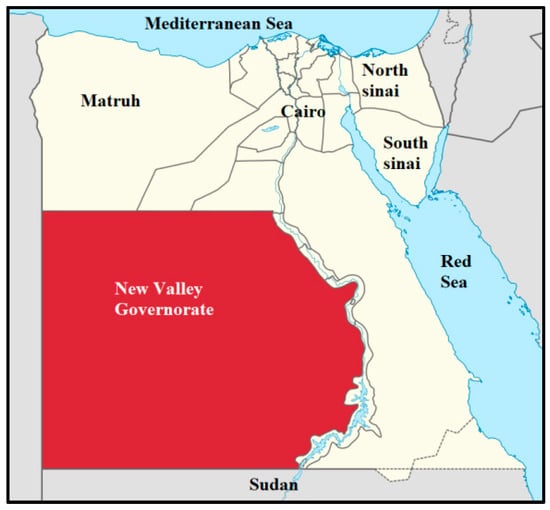
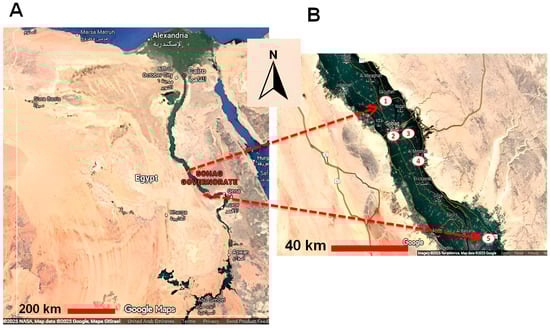
Toxoplasmosis is a globally prevalent protozoan parasitic disease of livestock, among others, with significant zoonotic potential. This study aimed to assess the seroprevalence of Toxoplasma gondii antibodies in serum samples from water buffaloes (Bubalus bubalis) in Sohag governorate, Upper Egypt. In addition, several factors related to animals, management, and environment were analyzed to identify the risk factors for T. gondii infection. A cross-sectional epidemiological approach was employed, with samples collected from various locations across the region and tested using a commercially available indirect enzyme-linked immunosorbent assay (iELISA). Animal and environmental factors were evaluated to identify potential risk factors for the disease. The overall seroprevalence of T. gondii among the tested buffaloes was 7% (24/342). Seasonal variations were observed, with the highest seropositivity recorded in spring (10.7%; 11/103), followed by autumn (8%; 2/25), summer (5.6%; 7/125), and winter (2.2%; 2/89). High seropositivity was detected in aborted females, at 19% (4/21), and in repeated breeders, at 10.5% (4/38), in relation to buffaloes showing anestrus (no positive cases), although the differences were not statistically significant. Our findings suggest that T. gondii is endemic in Sohag, with water buffaloes serving as sentinel animals for the disease. The spring season appears to be a risk factor for infection. Further studies are needed to assess the potential risk to humans, particularly regarding the consumption of raw or undercooked buffalo meat infected with T. gondii.
Full article
(This article belongs to the Special Issue Veterinary Epidemiology and One Health: Integrating Data-Driven Surveillance and Risk Assessment to Combat Infectious Diseases and Antimicrobial Resistance)
►▼
Show Figures

Figure 1
Open AccessReview
Cantrell Syndrome and the One Health Perspective: A Unified Review of Human and Comparative Cases
by
Nieves Martín-Alguacil and Luis Avedillo
Vet. Sci. 2026, 13(2), 165; https://doi.org/10.3390/vetsci13020165 - 7 Feb 2026
Abstract
Cantrell syndrome (CS) is a rare congenital disorder involving defects in the thoraco-abdominal midline, the diaphragm, the pericardium, the sternum and the heart. Since the initial description of the syndrome, 165 well-documented cases in humans have been reported, demonstrating substantial heterogeneity ranging from
[...] Read more.
Cantrell syndrome (CS) is a rare congenital disorder involving defects in the thoraco-abdominal midline, the diaphragm, the pericardium, the sternum and the heart. Since the initial description of the syndrome, 165 well-documented cases in humans have been reported, demonstrating substantial heterogeneity ranging from complete pentalogy to partial or atypical variants. A systematic review classified body wall defects and associated anomalies into nine categories, which are fully described in the manuscript. The categories include midline defects (UThAb, SUThAb, UAb, SUAb, SUICD, and UH), lateral defects (ThLAb and StLAb), and special cases. Each case was reassessed for umbilical cord status, body wall morphology, cardiac anomalies and additional malformations. Midline defects predominated (153 out of 165 cases, 92.7%), with supraumbilical variants being the most frequent. Umbilical hernias formed a distinct subgroup of ten cases. Lateral defects were uncommon (9 cases, 5.5%) and typically presented as thoracogastroschisis or lateral thoracoabdominoschisis. These defects were often associated with normal umbilical cords. Cardiac anomalies were universal, with ventricular and atrial septal defects being the most common findings. Reclassification revealed that many cases originally labeled as ‘classic pentalogy of Cantrell’ were more accurately classified as partial or atypical forms. This unified framework improves epidemiological understanding and diagnostic precision. From a One Health perspective, it underscores CS as a shared developmental vulnerability across mammalian species.
Full article
(This article belongs to the Section Veterinary Biomedical Sciences)
Open AccessArticle
Evaluation of Productivity and Egg Quality in Japanese Quails Reared Under Different LED Colors and Rearing Systems
by
Paitoon Kaewhom, Kraiyot Saelim, Patcharawadee Poolsamran, Chanathip Thammakarn, Chanporn Chaosap, Rasheed Olayiwola Sulaimon, Panneepa Sivapirunthep and Kanokrat Srikijkasemwat
Vet. Sci. 2026, 13(2), 164; https://doi.org/10.3390/vetsci13020164 - 7 Feb 2026
Abstract
This study evaluated the productivity and egg quality of Japanese quails reared under different LED colors and rearing systems. A total of 720 female quails were assigned to a 3 × 2 factorial arrangement with three LED colors (red, green, and white) and
[...] Read more.
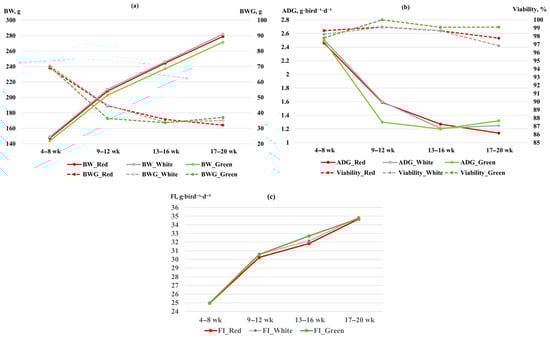
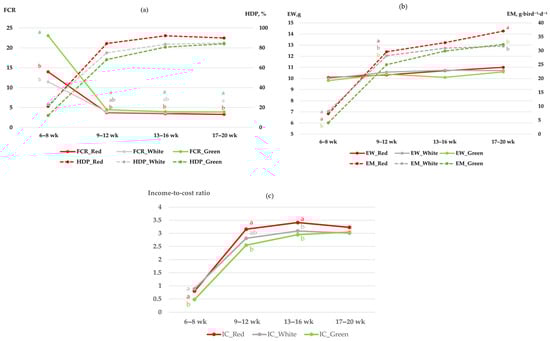
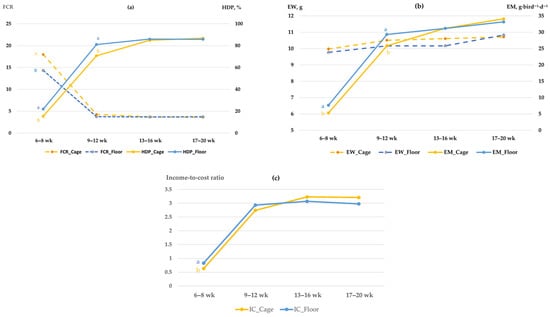
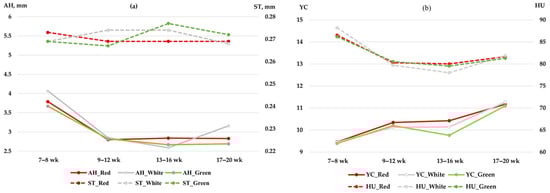
This study evaluated the productivity and egg quality of Japanese quails reared under different LED colors and rearing systems. A total of 720 female quails were assigned to a 3 × 2 factorial arrangement with three LED colors (red, green, and white) and two rearing systems (cage and floor) until 20 weeks of age. Production performance was evaluated across specific age intervals, while physical egg quality traits were analyzed using a Repeated-measures General Linear Model to assess temporal changes. No significant overall interactions between LED color and rearing system were observed (p > 0.05). However, significant interactions between treatment and time (p < 0.05) revealed that red LED light progressively enhanced productivity, while the floor system significantly improved feed efficiency and income during the early laying phase (weeks 6–12). Specifically, red LED light significantly improved hen-day production, egg mass, feed efficiency, and income-to-cost ratio compared to other colors (p < 0.05). Physical egg quality traits remained consistent across treatments (p > 0.05) but were significantly influenced by time (p < 0.05). In conclusion, red LED light optimizes long-term profitability, whereas the floor system offers distinct advantages during the onset of lay.
Full article
(This article belongs to the Section Veterinary Reproduction and Obstetrics)
►▼
Show Figures

Figure 1
Open AccessSystematic Review
Artificial Intelligence for the Diagnosis of Respiratory Diseases in Dogs and Cats: A Systematic Review
by
Franklin Parrales-Bravo, Janio Jadán-Guerrero, Katherine Medina-Castro and Rosangela Caicedo-Quiroz
Vet. Sci. 2026, 13(2), 163; https://doi.org/10.3390/vetsci13020163 - 7 Feb 2026
Abstract
Respiratory diseases represent a leading cause of veterinary consultations in dogs and cats, yet their detection remains challenging due to clinical variability and subjective interpretation of traditional diagnostic methods. In recent years, artificial intelligence (AI) has emerged as a promising tool to augment
[...] Read more.
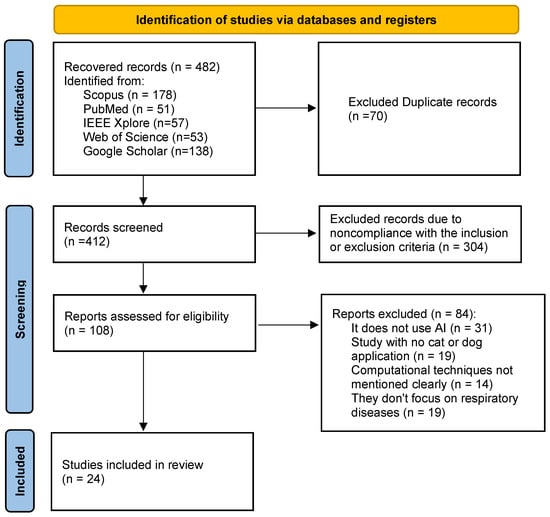
Respiratory diseases represent a leading cause of veterinary consultations in dogs and cats, yet their detection remains challenging due to clinical variability and subjective interpretation of traditional diagnostic methods. In recent years, artificial intelligence (AI) has emerged as a promising tool to augment veterinary diagnostics through automated analysis of imaging and physiological data. This systematic review synthesizes and critically evaluates 24 studies published from 2019 onward that explore AI applications to support the detection of respiratory diseases in dogs and cats, focusing on three complementary modalities: audio-based (e.g., respiratory sounds), image-based (e.g., chest radiographs), and multimodal approaches. Our findings indicate that deep learning models, particularly convolutional neural networks (CNNs) and transformer architectures, achieve clinically relevant accuracy in detecting conditions such as cardiomegaly, alveolar patterns, and Brachycephalic Obstructive Airway Syndrome (BOAS). However, significant barriers remain, including data scarcity, lack of standardized datasets, and limited real-world validation. This review highlights the transformative potential of AI in veterinary respiratory diagnostics while underscoring the need for collaborative efforts in data sharing, methodological standardization, and clinical integration to realize its full impact in practice.
Full article
(This article belongs to the Special Issue AI, Deep Learning and Machine Learning in Veterinary Clinical Applications)
►▼
Show Figures

Figure 1

Open AccessArticle
Nannizziopsis pluriseptata-Associated Skin Lesions in a Shingleback Skink (Tiliqua rugosa) and Spiny-Tailed Skinks (Egernia depressa) in Australia
by
Victor A. Palma Jauregui, Stephanie Shaw, Jana Schader, Richelle G. Butcher, Rachael Clark, Timothy H. Hyndman and Viviana Gonzalez-Astudillo
Vet. Sci. 2026, 13(2), 162; https://doi.org/10.3390/vetsci13020162 - 6 Feb 2026
Abstract
Both captive and free-living reptiles are susceptible to infection by fungi from the Nannizziopsis genus and are prone to developing severe lesions that can affect skin and deeper tissues, becoming multi-systemic. With Australia having close to 1000 reptile species—of which 93% are endemic—the
[...] Read more.
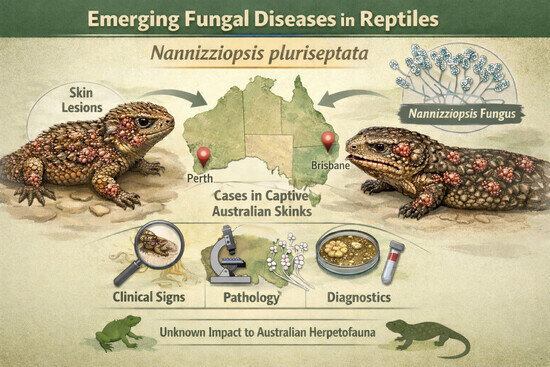
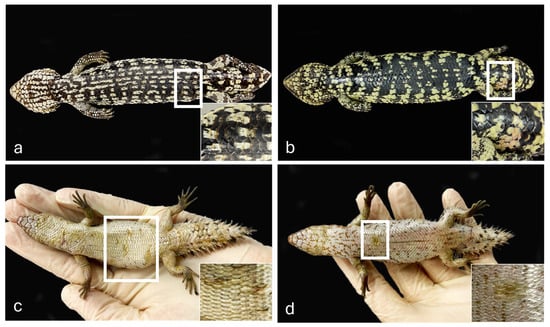
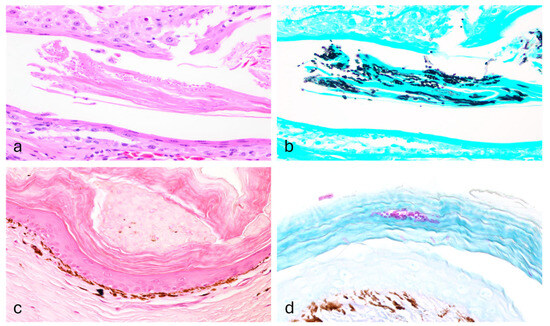
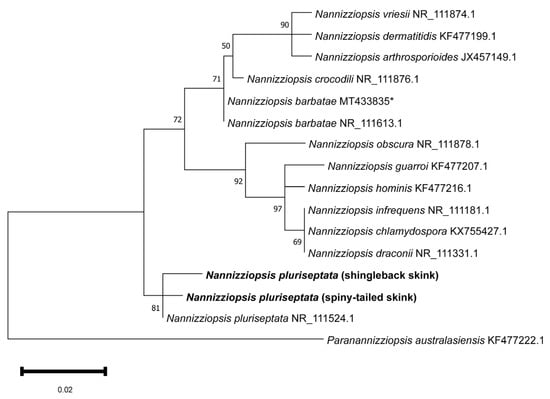
Both captive and free-living reptiles are susceptible to infection by fungi from the Nannizziopsis genus and are prone to developing severe lesions that can affect skin and deeper tissues, becoming multi-systemic. With Australia having close to 1000 reptile species—of which 93% are endemic—the prevalence, distribution and susceptibility of reptiles to this emerging fungal infection remain unknown. In this case series, captive skinks originating from the states of Queensland and Western Australia were presented to wildlife veterinarians with dermatitis. Nannizziopsis pluriseptata was identified via fungal isolation, PCR (polymerase chain reaction) and sequencing, confirming the first record of this pathogen in the country.
Full article
(This article belongs to the Special Issue Wildlife Health and Disease in Conservation—2nd Edition)
►▼
Show Figures

Graphical abstract
Open AccessReview
Advances in Single-Cell Transcriptomics for Livestock Health
by
Muhammad Zahoor Khan, Mohamed Tharwat, Abd Ullah, Fuad M. Alzahrani, Khalid J. Alzahrani, Khalaf F. Alsharif and Fahad A. Alshanbari
Vet. Sci. 2026, 13(2), 161; https://doi.org/10.3390/vetsci13020161 - 6 Feb 2026
Abstract
RNA sequencing (scRNA-seq) has emerged as a transformative technology for dissecting cellular heterogeneity and immune complexity in livestock species. This review summarizes recent advances in the application of single-cell transcriptomics to livestock health, with a particular focus on immune system organization and host–pathogen
[...] Read more.
RNA sequencing (scRNA-seq) has emerged as a transformative technology for dissecting cellular heterogeneity and immune complexity in livestock species. This review summarizes recent advances in the application of single-cell transcriptomics to livestock health, with a particular focus on immune system organization and host–pathogen interactions in cattle, pigs, poultry, and small ruminants. We highlight the development of large-scale, multi-tissue cell atlases—such as the Cattle Cell Atlas and resources generated through the Farm Animal Genotype-Tissue Expression (FarmGTEx) consortium—that provide foundational reference frameworks for livestock genomics. These atlases have enabled the identification of tissue- and species-specific immune cell populations, clarified cellular tropism of major bacterial and viral pathogens, and revealed distinctive immunological features, including the prominent role of γδ T cells in ruminant immunity. We discuss how single-cell immune receptor sequencing has advanced monoclonal antibody discovery and informed rational vaccine design. Key technical and analytical challenges, including incomplete genome annotations, tissue processing constraints, and cross-platform data integration, are critically assessed. Finally, we outline future directions integrating spatial transcriptomics and multi-omics approaches to further resolve immune function within tissue contexts. Collectively, these advances position single-cell transcriptomics as a central framework for improving disease resistance, vaccine efficacy, and translational research in livestock health.
Full article
(This article belongs to the Special Issue Advances in Animal Genetics and Sustainable Husbandry)
Open AccessReview
Hepatitis E in Wildlife: Emerging Threats to Human Health
by
Slavica M. Vesković Moračanin, Branislav I. Kureljušić, Jelena Maletić, Jasna M. Kureljušić, Nemanja V. Jezdimirović, Ana M. Vasić, Bojan Z. Milovanović and Božidar M. Savić
Vet. Sci. 2026, 13(2), 160; https://doi.org/10.3390/vetsci13020160 - 6 Feb 2026
Abstract
Hepatitis E virus (HEV) is a significant public health concern and a leading cause of acute viral hepatitis worldwide. In recent years, HEV has been increasingly recognized as a wildlife-associated zoonotic pathogen, with numerous free-ranging species contributing to its maintenance and transmission. While
[...] Read more.
Hepatitis E virus (HEV) is a significant public health concern and a leading cause of acute viral hepatitis worldwide. In recent years, HEV has been increasingly recognized as a wildlife-associated zoonotic pathogen, with numerous free-ranging species contributing to its maintenance and transmission. While domestic pigs remain the primary reservoir for human infection globally, growing evidence indicates that wild animals, particularly wild boars, cervids, lagomorphs, rodents, and carnivores, play a critical role in the ecology of HEV. Wild boars are the principal wildlife reservoir, with HEV seroprevalence in Europe ranging from less than 5% to more than 50%, including some of the highest levels reported in the Balkans. In addition to the frequent detection of HEV RNA in wild boar liver and muscle, viral RNA has also been identified in several other game species, most consistently in red deer, roe deer, and, in some regions, hares and wild rabbits, highlighting food safety risks associated with the consumption of raw or undercooked game meat. In regions such as the Balkans, where hunting activities and handling of wild game are widespread, these practices may further increase occupational and dietary exposure to HEV. Rodents may further complicate the epidemiological landscape through environmental contamination of water, soil, and farm surroundings, thereby facilitating indirect transmission pathways. As wildlife populations expand and human–animal interfaces intensify, understanding HEV dynamics in free-ranging species is essential for assessing zoonotic risks and implementing a strengthened One Health approach. This narrative review synthesizes and critically examines current evidence on HEV prevalence, molecular characteristics, and transmission pathways in wildlife, with particular emphasis on Europe and focused consideration of the Balkans as an epidemiologically heterogeneous and underrepresented subregion; examines associated public health implications; and highlights the importance of integrating wildlife into food safety and One Health surveillance frameworks. Existing knowledge gaps and limitations in wildlife surveillance are also discussed.
Full article
(This article belongs to the Special Issue Monitoring Wildlife Health: Surveillance and Management of Infectious Diseases)
►▼
Show Figures

Graphical abstract
Open AccessArticle
Urinary Normetanephrine for the Diagnosis of Canine Pheochromocytoma via Liquid Chromatography–Mass Spectrometry
by
Matteo Petini, Andrea Zoia, Tommaso Furlanello, Luca Magna, Riccardo Masti, Jose Sanchez del Pulgar and Francesca Maria Bertolini
Vet. Sci. 2026, 13(2), 159; https://doi.org/10.3390/vetsci13020159 - 6 Feb 2026
Abstract
►▼
Show Figures
Pheochromocytomas (PHEO) are rare adrenal medullary tumours characterised by catecholamine secretion. Accurate diagnosis relies on the sensitive measurement of metanephrine (MN) and normetanephrine (NMN); however, the application of liquid chromatography–mass spectrometry (LC–MS/MS) in veterinary medicine remains limited. This study aimed to develop and
[...] Read more.
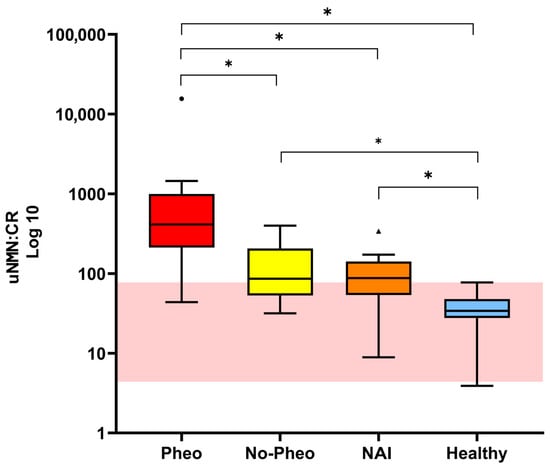
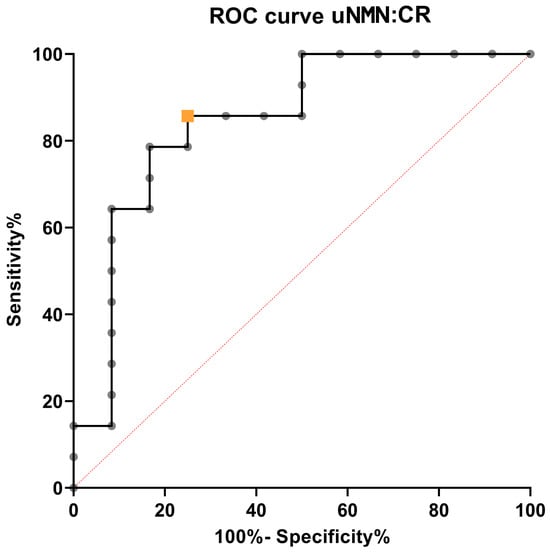
Pheochromocytomas (PHEO) are rare adrenal medullary tumours characterised by catecholamine secretion. Accurate diagnosis relies on the sensitive measurement of metanephrine (MN) and normetanephrine (NMN); however, the application of liquid chromatography–mass spectrometry (LC–MS/MS) in veterinary medicine remains limited. This study aimed to develop and analytically validate an LC–MS/MS method for the simultaneous quantification of urinary MN and NMN in dogs, establish reference intervals (RIs) for MN- and NMN-to-creatinine ratios (uMN:CR and uNMN:CR), and preliminarily assess the diagnostic utility of uNMN:CR for PHEO detection. The RIs were 2.2–78.9 nmol/mmol for uMN:CR and 4.4–77.4 nmol/mmol for uNMN:CR. Dogs with PHEO showed significantly higher uNMN:CR values compared with dogs with other adrenal masses, non-adrenal disease, or healthy controls. Using the upper RI limit as a threshold, sensitivity and specificity were 91.7% and 35.7%, respectively. Receiver operating characteristic analysis identified an optimal uNMN:CR cut-off of 203.7 nmol/mmol, yielding 78.6% sensitivity, 83.3% specificity, and an overall diagnostic accuracy of 85% (95% CI: 0.68–1.00). These findings support LC–MS/MS as a reliable approach for urinary metanephrine analysis and uNMN:CR as a valuable biochemical tool for PHEO identification in dogs.
Full article

Figure 1
Open AccessArticle
Investigation of Osteopontin (OPN) Expression in Dromedary Camel (Camelus dromedarius) in the First Trimester of Pregnancy
by
Faten A. Alrashaid, Mohammed S. Moqbel, Marwa A. M. Babiker and Saeed A. Al-Ramadan
Vet. Sci. 2026, 13(2), 158; https://doi.org/10.3390/vetsci13020158 - 6 Feb 2026
Abstract
Osteopontin (OPN) is a phosphorylated acidic glycoprotein that serves various purposes across various systems. Principally, it aids in adhesion and signaling. It is an important protein related to reproduction, which has been discovered in several species, among which is the dromedary camel, where
[...] Read more.
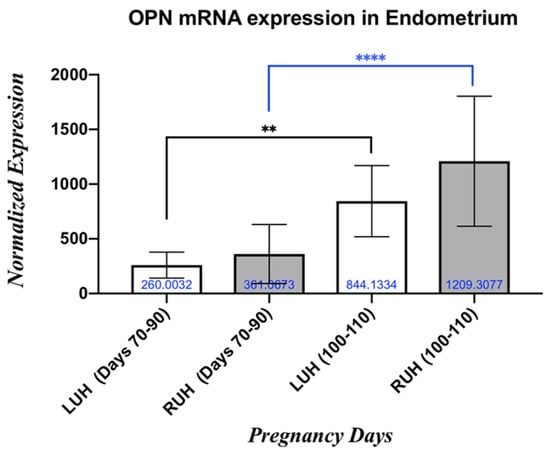
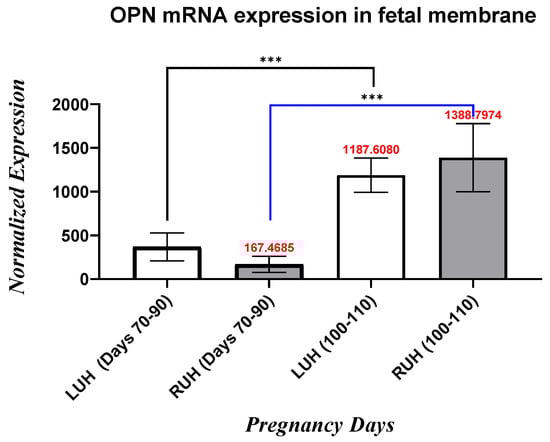
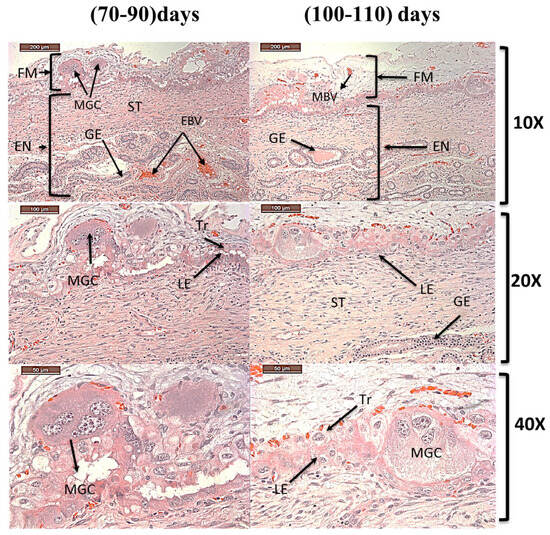
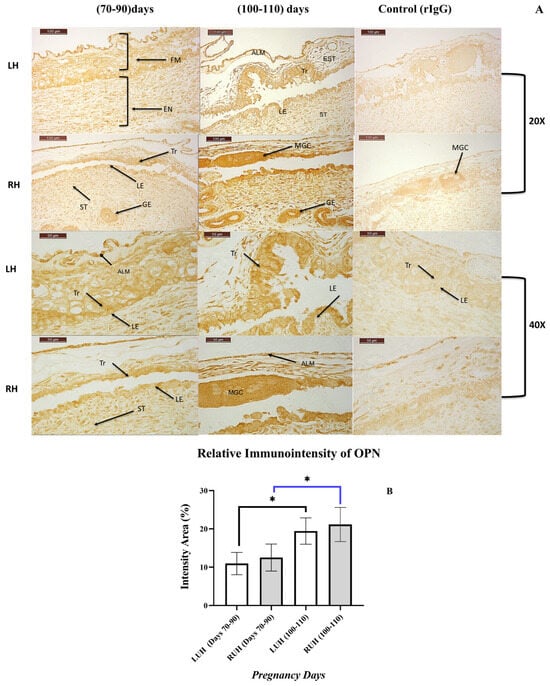
Osteopontin (OPN) is a phosphorylated acidic glycoprotein that serves various purposes across various systems. Principally, it aids in adhesion and signaling. It is an important protein related to reproduction, which has been discovered in several species, among which is the dromedary camel, where it has been detected in the endometrium and conceptuses at the time of implantation. The objective of this research is to investigate and examine the expression patterns of OPN mRNA and protein in both endometrial uterine horns with their associated fetal membranes during the first trimester of camel pregnancy. Endometrial and fetal membranes were collected from eight pregnant female camels during the first trimester of pregnancy (Days 70–110 of pregnancy). The temporospatial expression of OPN was studied in endometrial tissues and their conceptuses from the left uterine horn (LUH) and right uterine horn (RUH) using quantitative real-time PCR (qRT-PCR) and immunohistochemistry (IHC) techniques. The results showed a gradual increase in OPN mRNA expression with advancing pregnancy in both LUH and RUH of endometrial and fetal membranes tissue. OPN protein was predominantly found in the uterine luminal epithelium (LE) and fetal trophectoderm (Tr), stroma, and uterine glands. In conclusion, our findings demonstrate that OPN is consistently present in both the endometrium and fetal membranes throughout the first trimester of pregnancy. This observation advances previous knowledge by confirming OPN expression even during the early first trimester, suggesting its crucial role in supporting embryo attachment, implantation, and placentation processes in the dromedary camel.
Full article
(This article belongs to the Special Issue Current Method and Perspective in Animal Reproduction)
►▼
Show Figures

Figure 1
Journal Menu
► ▼ Journal Menu-
- Veterinary Sciences Home
- Aims & Scope
- Editorial Board
- Reviewer Board
- Topical Advisory Panel
- Instructions for Authors
- Special Issues
- Topics
- Sections & Collections
- Article Processing Charge
- Indexing & Archiving
- Editor’s Choice Articles
- Most Cited & Viewed
- Journal Statistics
- Journal History
- Journal Awards
- Society Collaborations
- Conferences
- Editorial Office
Journal Browser
► ▼ Journal BrowserHighly Accessed Articles
Latest Books
E-Mail Alert
News
Topics
Topic in
Agriculture, Animals, Veterinary Sciences, Antibiotics, Zoonotic Diseases
Animal Diseases in Agricultural Production Systems: Their Veterinary, Zoonotic, and One Health Importance, 2nd Edition
Topic Editors: Ewa Tomaszewska, Beata Łebkowska-Wieruszewska, Tomasz Szponder, Joanna Wessely-SzponderDeadline: 31 March 2026
Topic in
Applied Microbiology, IJMS, Microbiology Research, Microorganisms, Veterinary Sciences, Applied Biosciences
Microbiota Diversity and Its Broader Biological Implications Across Human and Animal Health
Topic Editors: Giovanna Liguori, Luc van Nassauw, Anna CostagliolaDeadline: 30 April 2026
Topic in
Animals, Biology, Birds, Veterinary Sciences, Wild
Wildlife Intelligent Monitoring: Advancing Conservation Through Visual and Acoustic Monitoring Technologies
Topic Editors: Jiangjian Xie, Junguo ZhangDeadline: 31 July 2026
Topic in
Animals, Antioxidants, Metabolites, Pets, Veterinary Sciences
Research on Companion Animal Nutrition
Topic Editors: Baichuan Deng, Lian Li, Yun JiDeadline: 26 October 2026
Conferences
Special Issues
Special Issue in
Veterinary Sciences
Emerging and Re-Emerging Viral Diseases in Animals: Molecular Insights, Diagnostic Innovations, and One Health Implications
Guest Editors: Porntippa Lekcharoensuk, Pipat Arunvipas, Somporn TechangamsuwanDeadline: 12 February 2026
Special Issue in
Veterinary Sciences
Medical Imaging in Veterinary Musculoskeletal Diagnosis
Guest Editors: Mário Ginja, António LacretaDeadline: 25 February 2026
Special Issue in
Veterinary Sciences
Advancing Ruminant Health and Production: Alternatives to Antibiotics
Guest Editors: Sílvia Cristina de Aguiar, Solange Maria CotticaDeadline: 25 February 2026
Special Issue in
Veterinary Sciences
Comparative Anatomy and Histology in Animals
Guest Editor: Ioannis GrivasDeadline: 25 February 2026
Topical Collections
Topical Collection in
Veterinary Sciences
One-Health Approach to Bee Health
Collection Editors: Giovanni Cilia, Antonio Nanetti