
Skip Content
You are currently on the new version of our website. Access the old version .

Sustainable Chemistry

Sustainable Chemistry is an international, peer-reviewed, open access journal on advances in the development of alternative green and sustainable technologies in chemical engineering, published quarterly online by MDPI.

Quartile Ranking JCR - Q2 (Engineering, Chemical | Chemistry, Multidisciplinary)

All Articles (206)

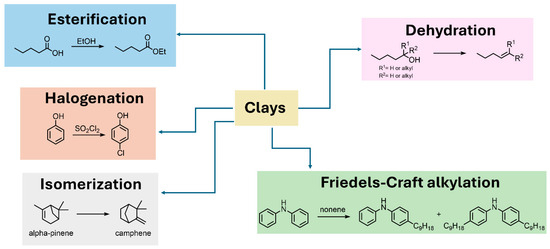
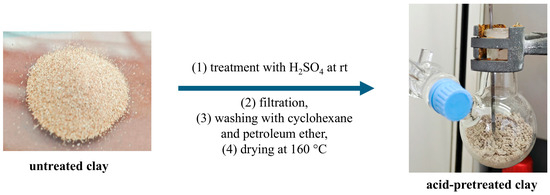
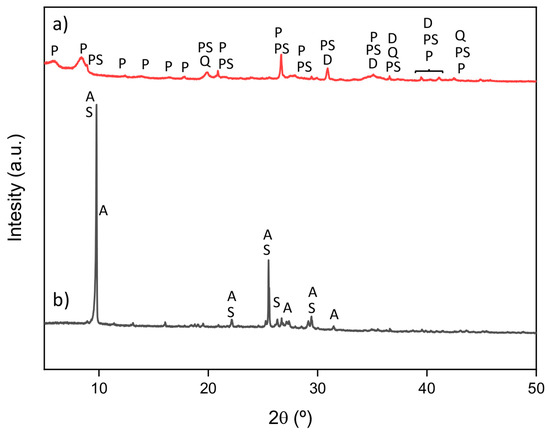
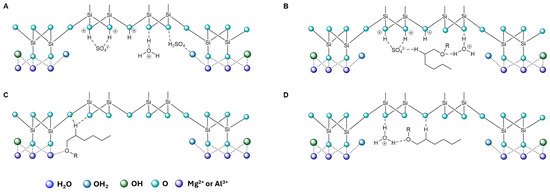
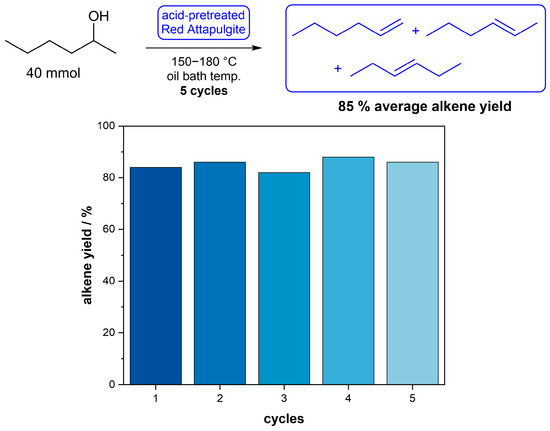
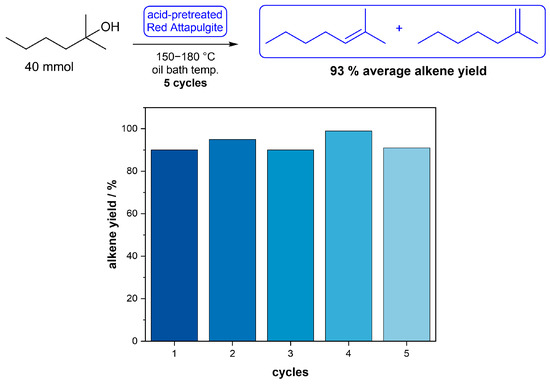
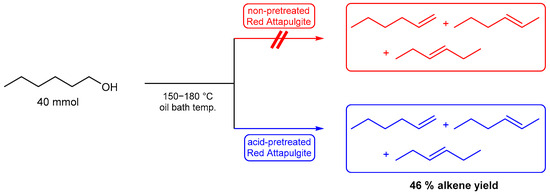
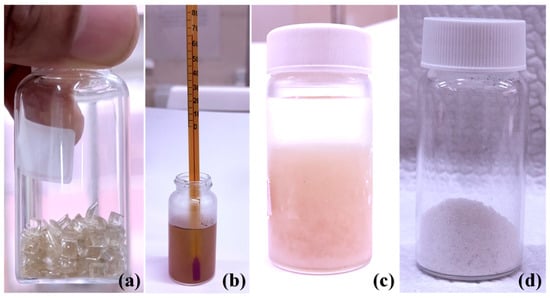
A commercially available attapulgite sample (Red Attapulgite) was acid-pretreated to enhance its catalytic activity. It turned out to efficiently facilitate the dehydration of a range of substituted alcohols. The dehydration of the primary alcohol was conducted at 150–180 °C, which represents energy-saving conditions when taking into account the typical dehydration conditions of primary alcohols with temperatures of >300 °C. The alkene yields obtained in this study were found to be comparable to those when utilizing commercially available montmorillonite as catalysts, thereby underscoring the potential of the acid-pretreated attapulgite as a catalyst for a variety of reactions. In a parallel study, dehydration catalyzed by a range of Brønsted acids was investigated. However, only two of these acids were found to be suitable for the dehydration of primary alcohols. Nevertheless, these acids lacked both dehydration activity and recyclability. Therefore, a recyclability study was conducted in the presence of the acid-pretreated attapulgite sample. It is remarkable that no loss of activity was found over five cycles. We hypothesize that after acid-pretreatment, a synergistic effect of the Brønsted and Lewis acid sites is the cause for the high catalytic activity of the sample.

3 February 2026

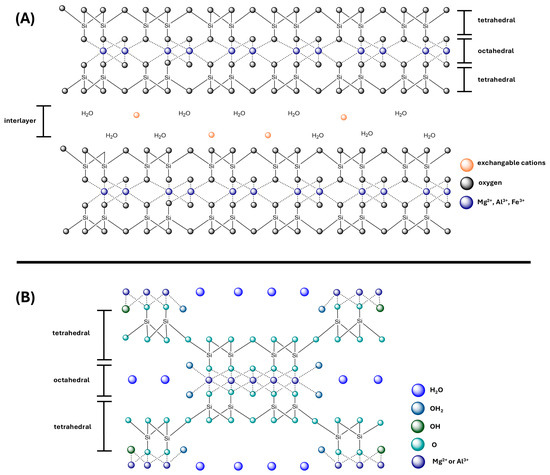
Schematical structure of montmorillonites [15] (A) and attapulgites [16] (B).

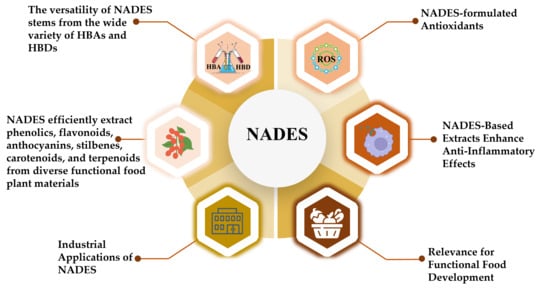
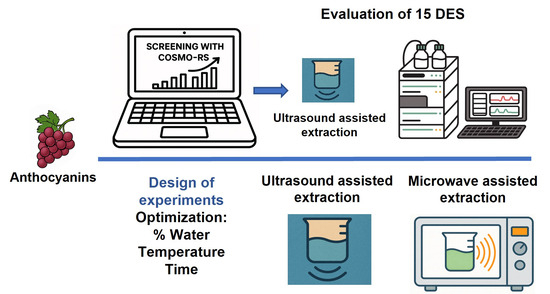
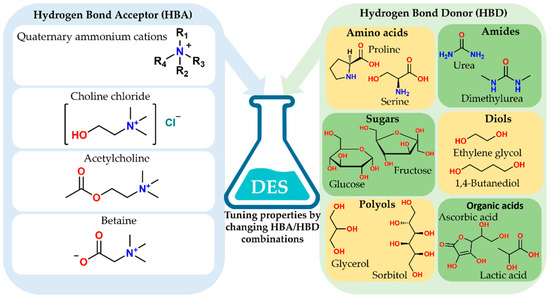
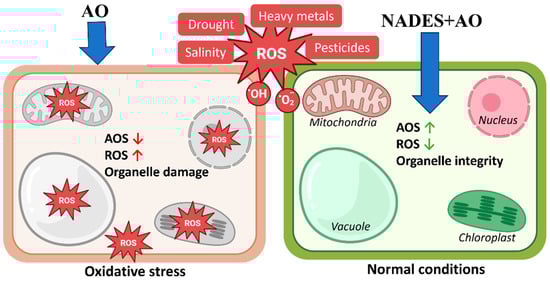
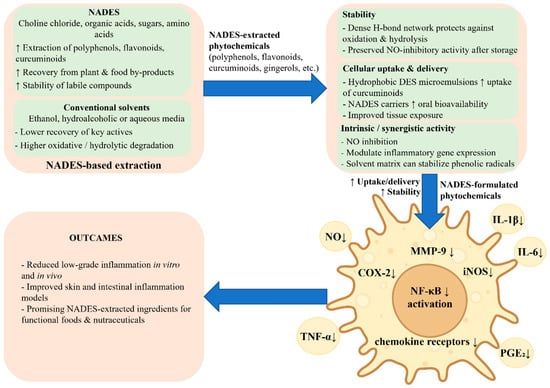
Natural deep eutectic solvents (NADES) are gaining interest as environmentally friendly alternatives to conventional organic solvents in the functional food sector. Their low volatility, biodegradability, and tunable polarity, combined with high affinity for phenolics, carotenoids, and other phytochemicals, make them particularly relevant for developing antioxidant and anti-inflammatory ingredients at a time of rising diet-related chronic disease burden. This review critically analyses the role of NADES along the functional food chain. We summarize their composition, preparation, and key physicochemical properties, and then examine the NADES-based extraction of antioxidant and anti-inflammatory compounds from plants and food by-products in comparison with traditional solvent systems. The influence of NADES on the stability and biological activity of recovered compounds is discussed, together with their use in the formulation, stabilization, and delivery strategies for functional foods. Emerging data indicate that NADES often enhance extraction yields and may protect labile bioactives, leading to stronger antioxidant and anti-inflammatory responses in vitro compared with ethanol or water extracts when normalized to phenolic content. At the same time, large-scale implementation is limited by challenges related to safety assessment, regulatory acceptance, viscosity, and recovery issues, and incomplete techno-economic data. This review highlights these constraints, identifies key knowledge gaps, and outlines research priorities required to translate NADES-based processes into scalable, safe, and health-promoting functional food applications.

2 February 2026

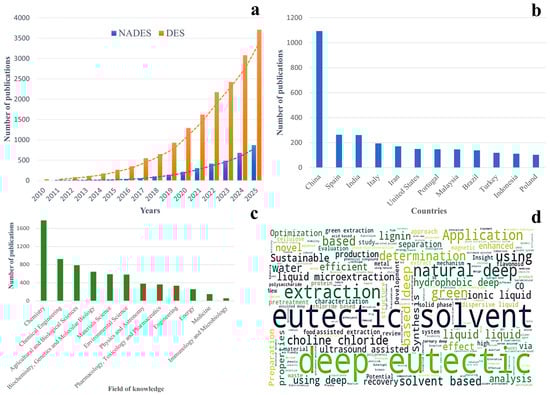
Global research trends and scientific landscape of DES and NADES. (a) Annual number of publications on DES and NADES from 2010 to 2025, illustrating rapid growth in scientific interest, especially in the past decade. Data retrieved from Scopus (search terms: “natural deep eutectic solvent”; document types: articles and reviews; and search date: December 2025). (b) Leading countries contributing to NADES research, highlighting strong activity in China and growing participation across Europe, Asia, and the Americas. (c) Distribution of publications by field of knowledge, showing the dominance of chemistry and chemical engineering, with emerging relevance in food science, biotechnology, medicine, and environmental science. (d) Word cloud of research keywords associated with NADES, emphasizing core themes such as “deep eutectic”, “solvent”, “extraction”, “green”, and “choline chloride”, which reflect key application areas in green extraction and functional food science.

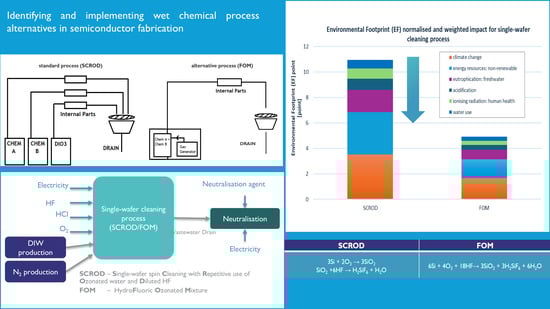
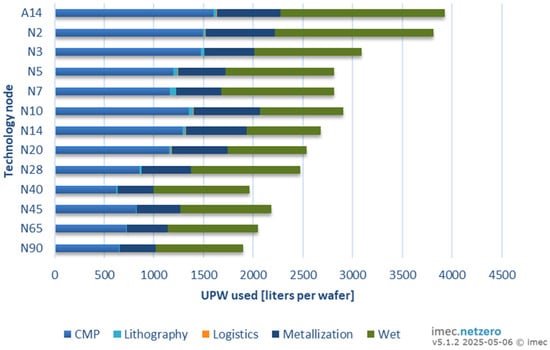
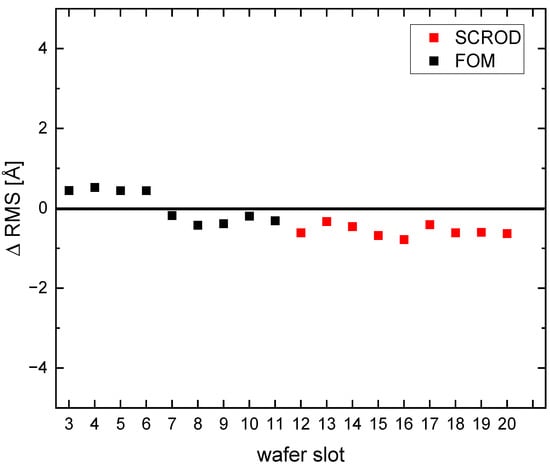
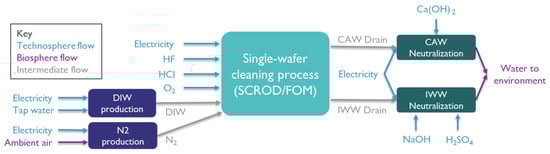
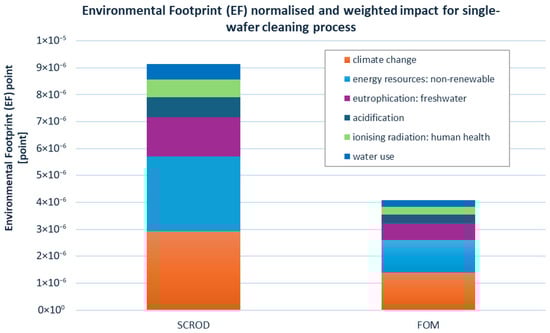
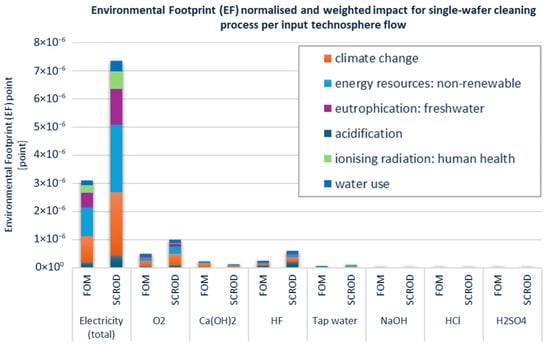
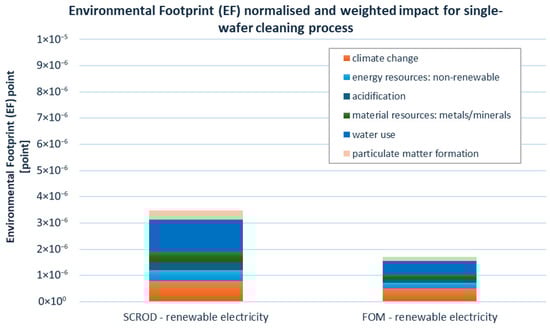
Semiconductor manufacturing is a resource and energy-intensive industry with a substantial environmental footprint. To address the footprint, we present a methodology for quantifying the environmental impact of semiconductor unit processes using the Environmental Footprint 3.1 Life Cycle Impact Assessment (LCIA) framework, focusing on identifying improvement opportunities in process steps with less sensitivity to defects. We apply this methodology to backside wet cleaning by proposing an alternative single-wafer process that adopts ozonated chemistries. The assessment used primary data from imec’s 300 mm pilot line. Results show that the proposed process reduces the total environmental footprint by 55% compared to the baseline Spin Cleaning with Repetitive use of Ozonated water and Diluted HF process. Key reductions include 67% less electricity for cleaning, 59% less HF use, and a 31% reduction in ultrapure water consumption. When scaled to a facility producing N28 Logic wafers at 50,000 wafer starts per month, with 46 backside clean steps per processed wafer, the process achieves annual savings of approximately 4 million kWh of electricity and 28 million liters (28,000 m3) of tap water per year. A sensitivity analysis revealed that replacing fossil-based electricity with hydroelectric power further reduces total environmental impacts by up to 63%, emphasizing the benefit of combining process innovation with renewable energy sourcing.
2 February 2026

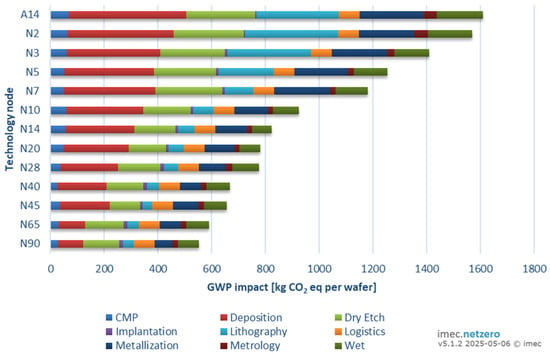
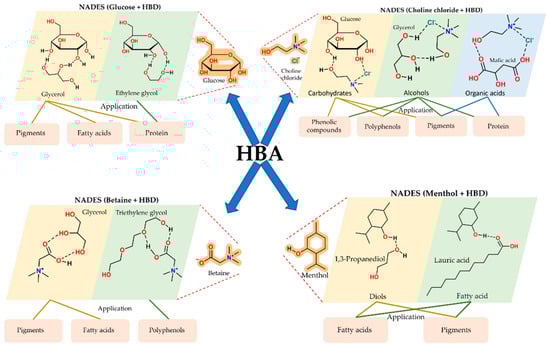
Total GWP impact results for Logic technology nodes N90–A14 per process area using industry average upstream electricity assumptions (CMP = Chemical Mechanical Polishing).

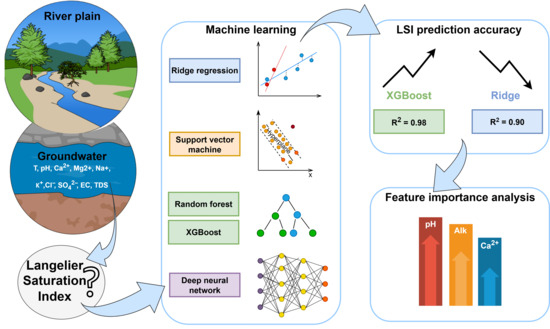
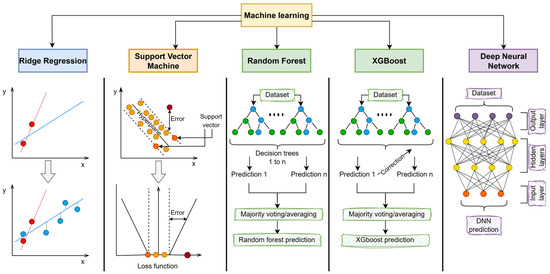
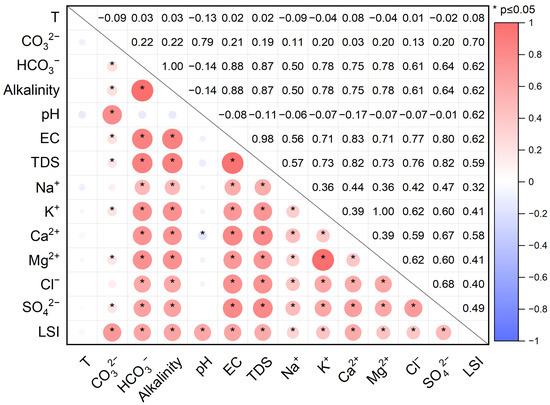
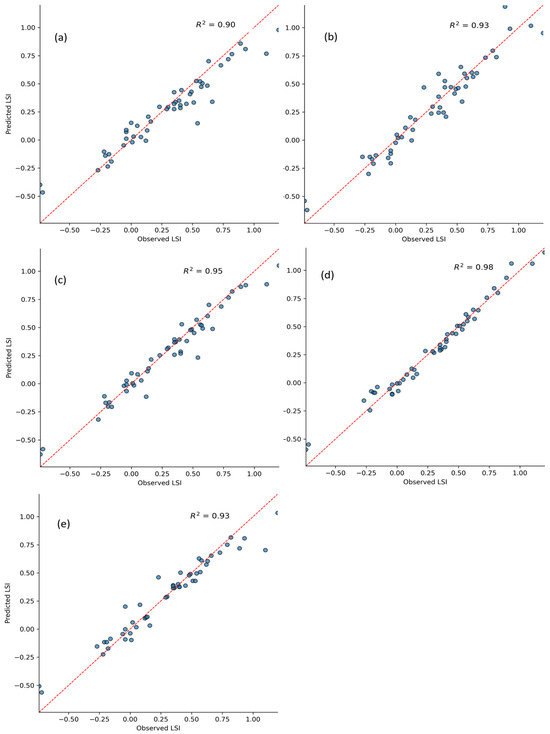
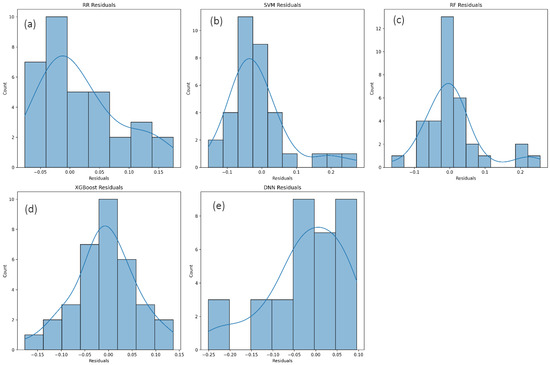
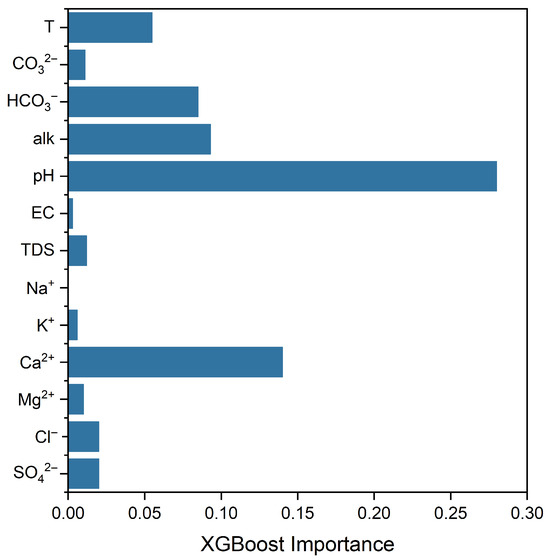
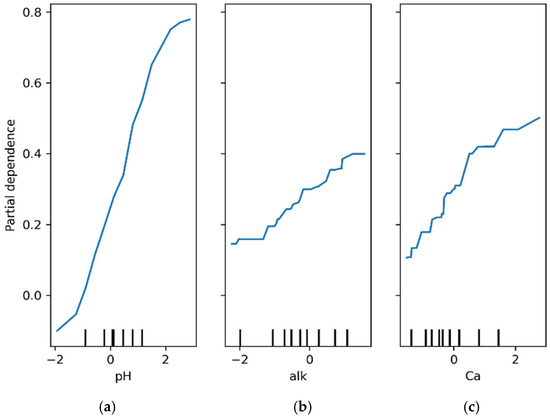
Accurate prediction of the Langelier Saturation Index (LSI), an indicator of water’s scaling and corrosive potential, is vital for water treatment and infrastructure maintenance. In this study, five machine learning models (Ridge Regression, Support Vector Machine, Random Forest, Deep Neural Network, and XGBoost) were applied to predict the LSI from physicochemical characteristics of groundwater in the Morava River basin (Serbia). Rigorous data preprocessing (outlier removal, missing data handling, z-score normalization) and feature selection were performed to ensure robust model training. Models were optimized via 10-fold cross-validation on a 70/30 train–test split. All models achieved high predictive accuracy, with ensemble methods outperforming others. XGBoost yielded the best performance (R2 = 0.98; RMSE = 0.06), followed closely by Random Forest (R2 = 0.95). The linear Ridge model showed the lowest (yet still strong) performance (R2 = 0.90) and larger errors at extreme LSI values. Feature importance analysis consistently identified pH as the most influential predictor of the LSI, followed by alkalinity and calcium. Partial dependence plots confirmed that the models captured established nonlinear LSI behavior. The LSI rises steeply with increasing pH and moderately with mineral content. Overall, this comparative study demonstrates that modern machine learning models can predict the LSI accurately, providing interpretable insights through feature importance and dependence plots. These results underscore the potential of data-driven approaches to complement traditional water stability indices for proactive water quality management.

20 January 2026

Overview of machine learning models used for LSI prediction in groundwater in the study area.

News & Conferences

Issues

Open for Submission

Editor's Choice

Reprints of Collections

Biomass Transformation
Reprint

Biomass Transformation

Sustainable Development
Editors: Domenico Licursi, Juan J. Hernández

Get Alerted

Add your email address to receive forthcoming issues of this journal.

XFacebookLinkedIn
Sustain. Chem. - ISSN 2673-4079